Quack Grass Dominates Indian Spring

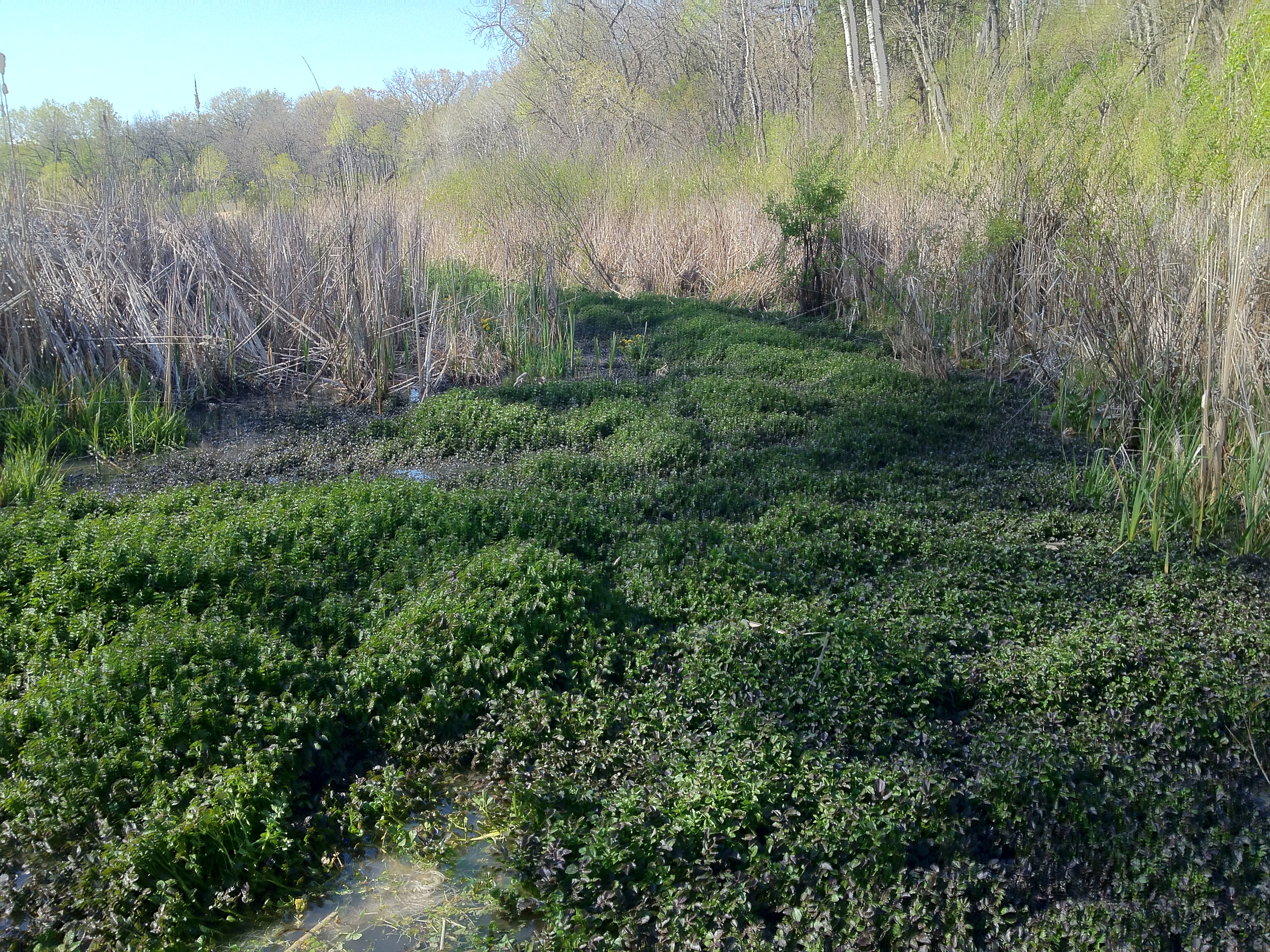
The Indian Springs is a lovely spot along the Scuppernong Springs Nature Trail.  There are many springs in this area and they collect in a channel that feeds into the Scuppernong River just upstream from the bridge at the Marl Pits.  The springs were choked with water cress, which Lindsay and I pulled earlier this Spring.  Here are a couple of photos after we pulled the cress.
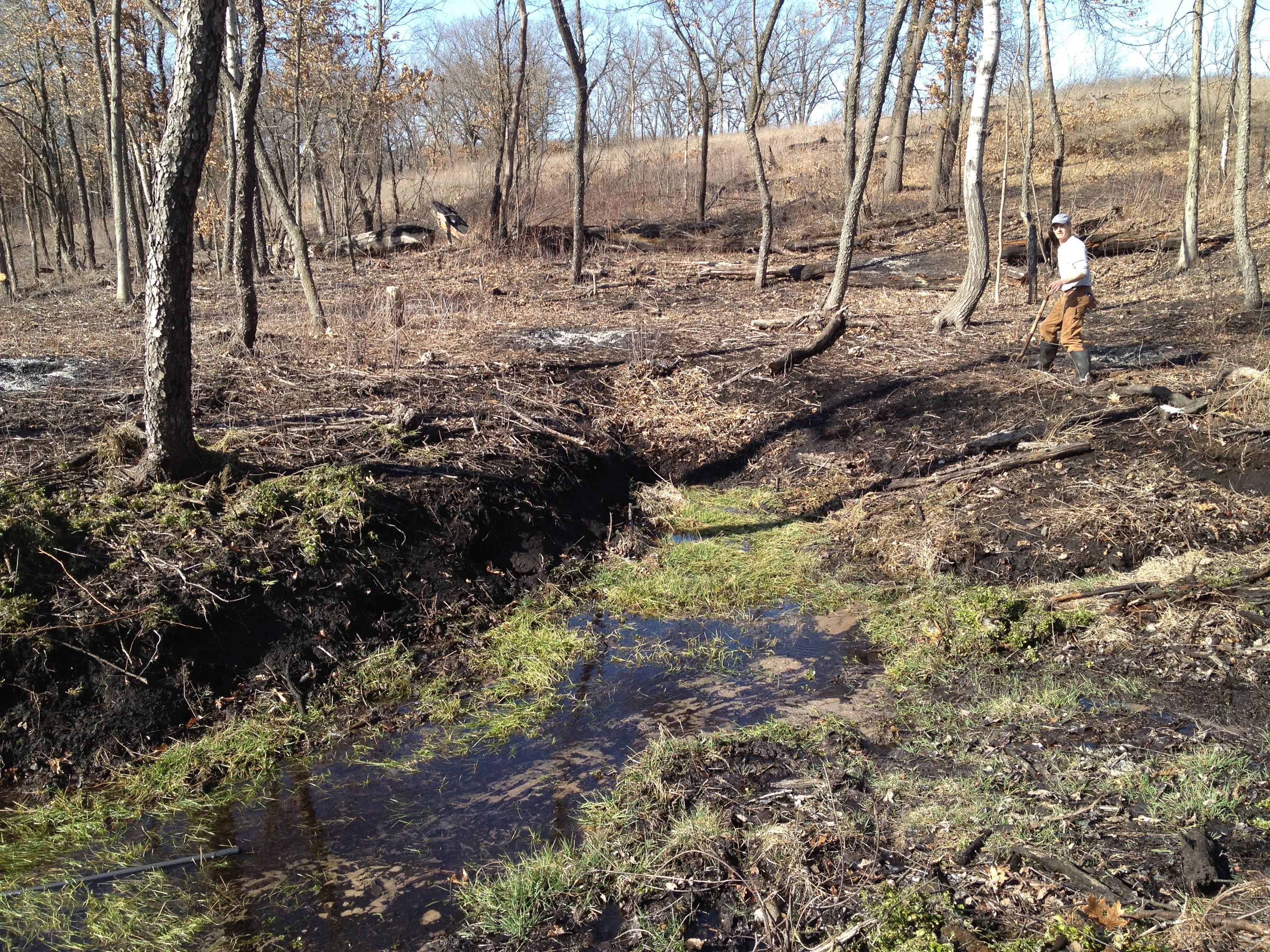
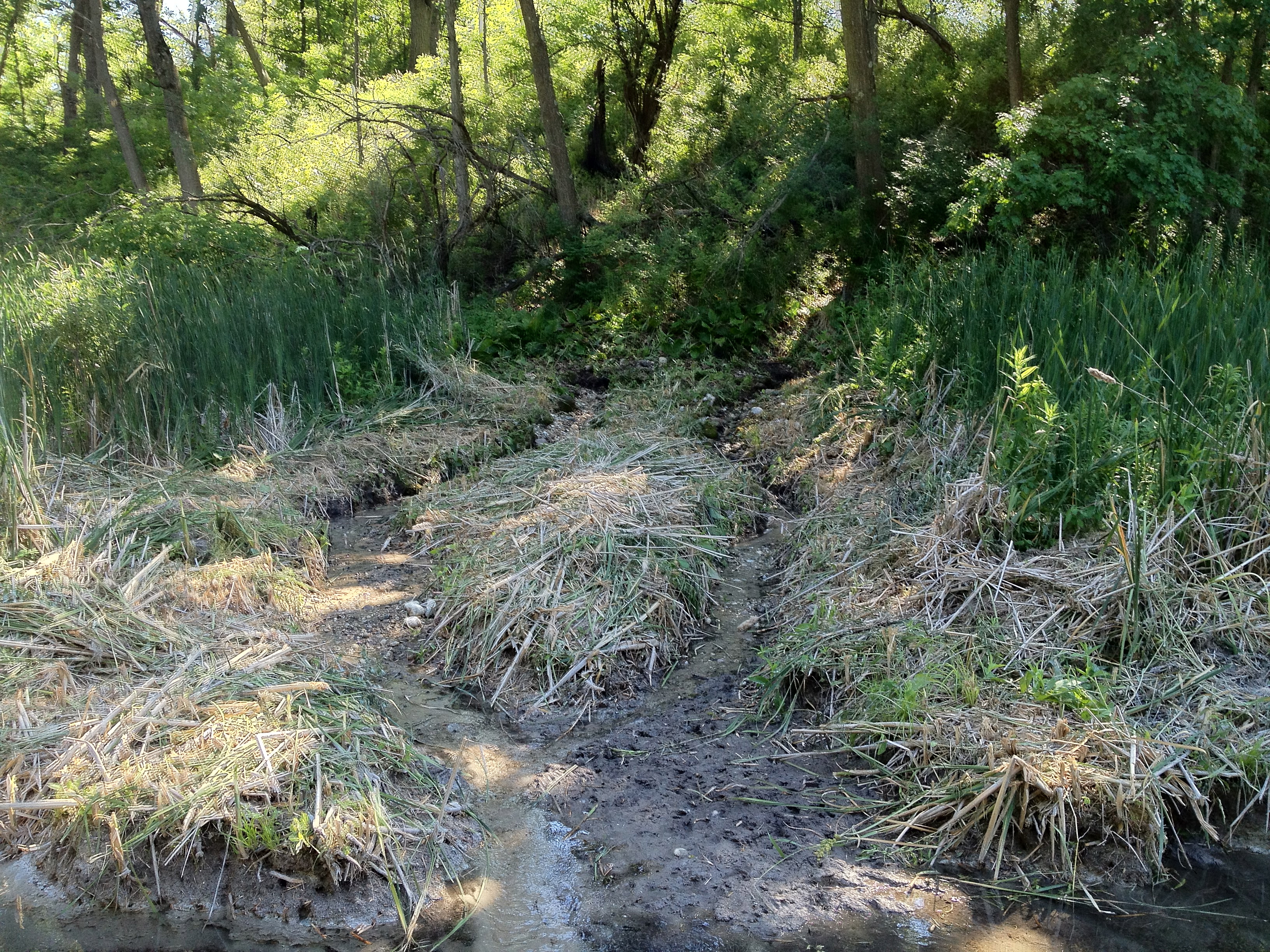
The shot below is of the area just below where Lindsay is standing above.  There is a nice bubbler in the “thumb” of this spring shown below, which is now completely choked with quack grass.

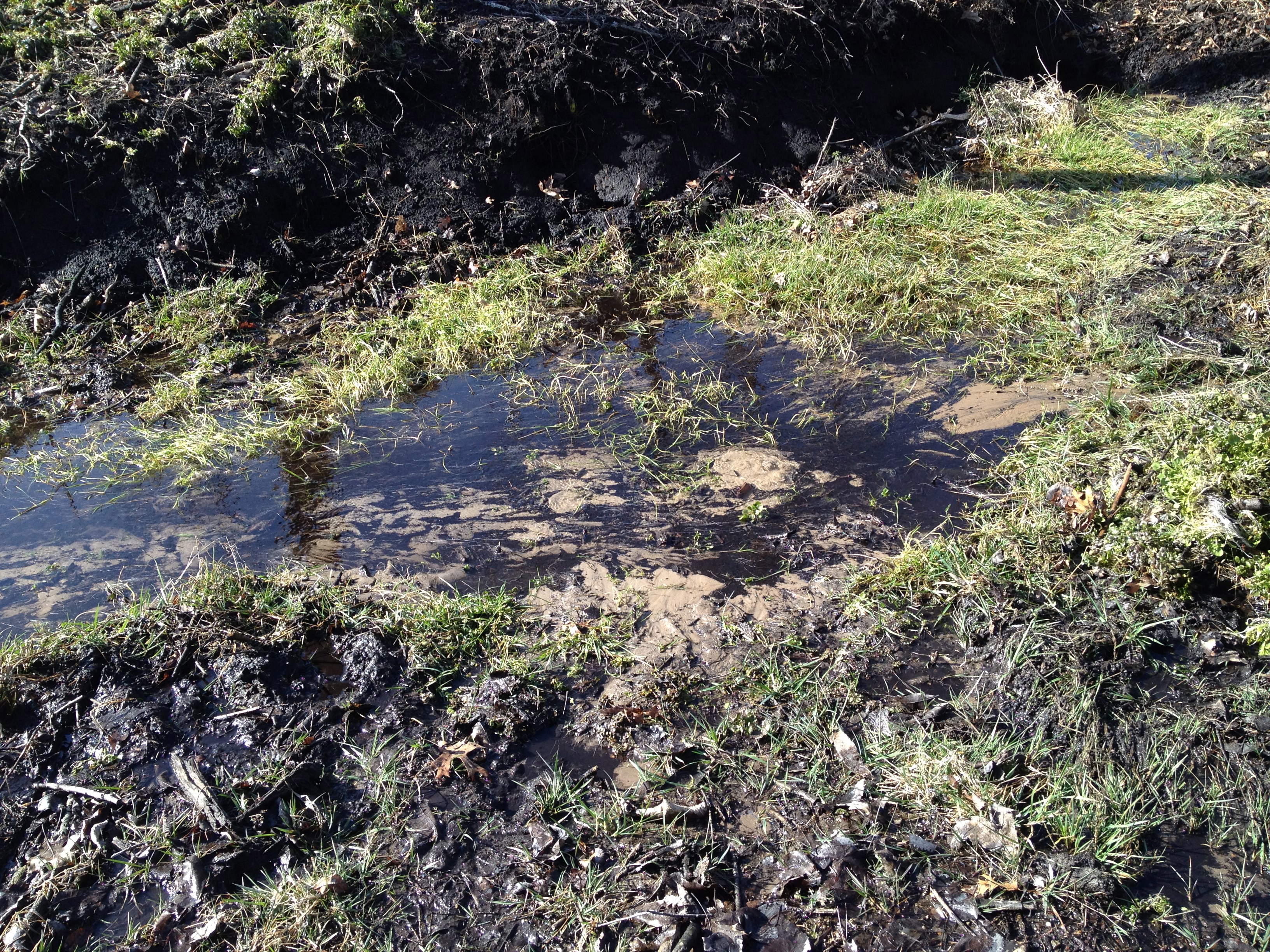
We noticed a grass exposed after we pulled the cress but did not attempt to identify it or remove it.   Well, it was quack grass and it quickly expanded to take over the entire spring area.

We manually pulled out the quack grass from the heart of the main spring since it was relatively easy to get the entire root structure out of this loose sand.
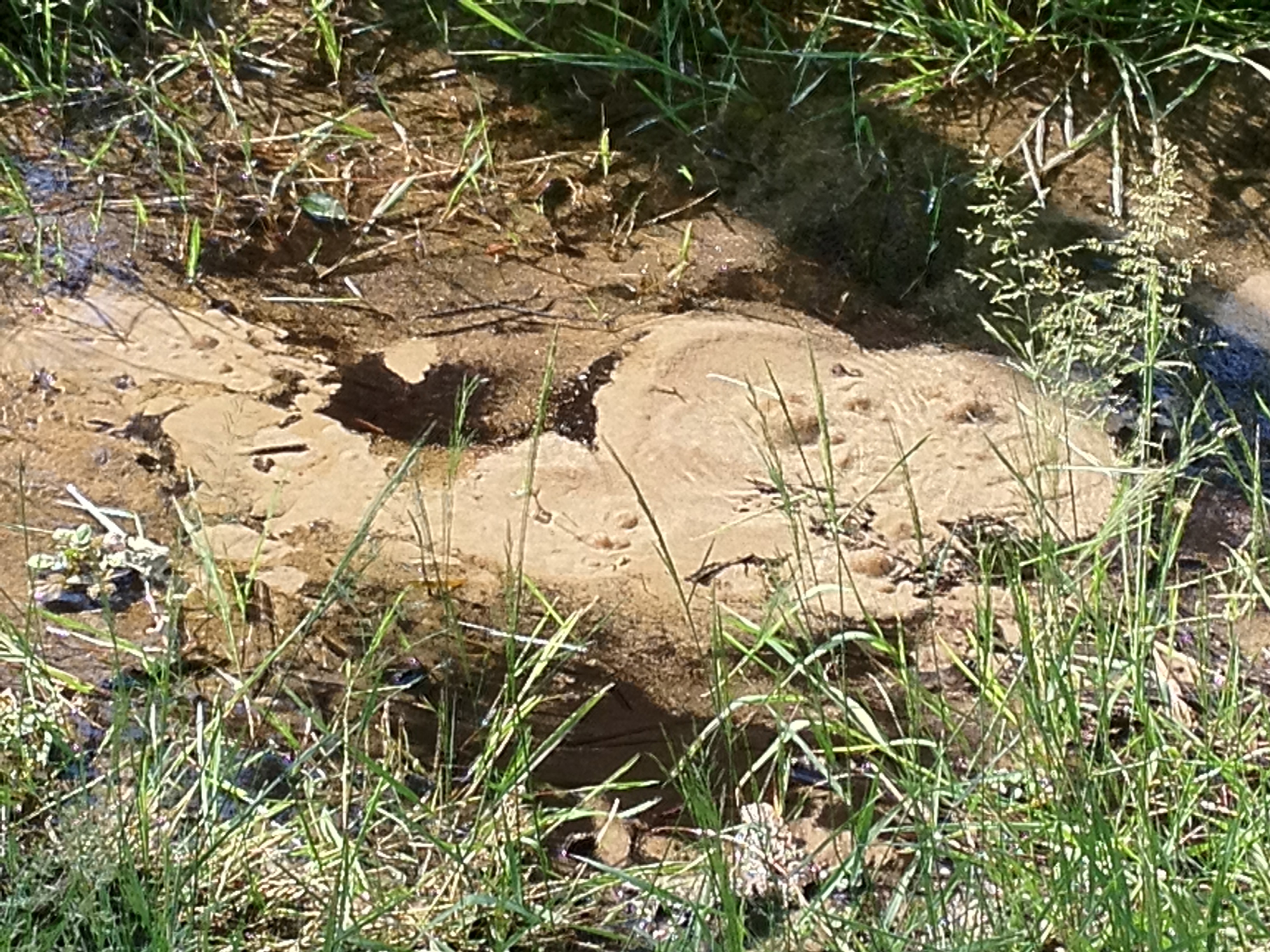
In the upper right of the picture below is the “thumb” referred to above, now completely choked with quack grass.
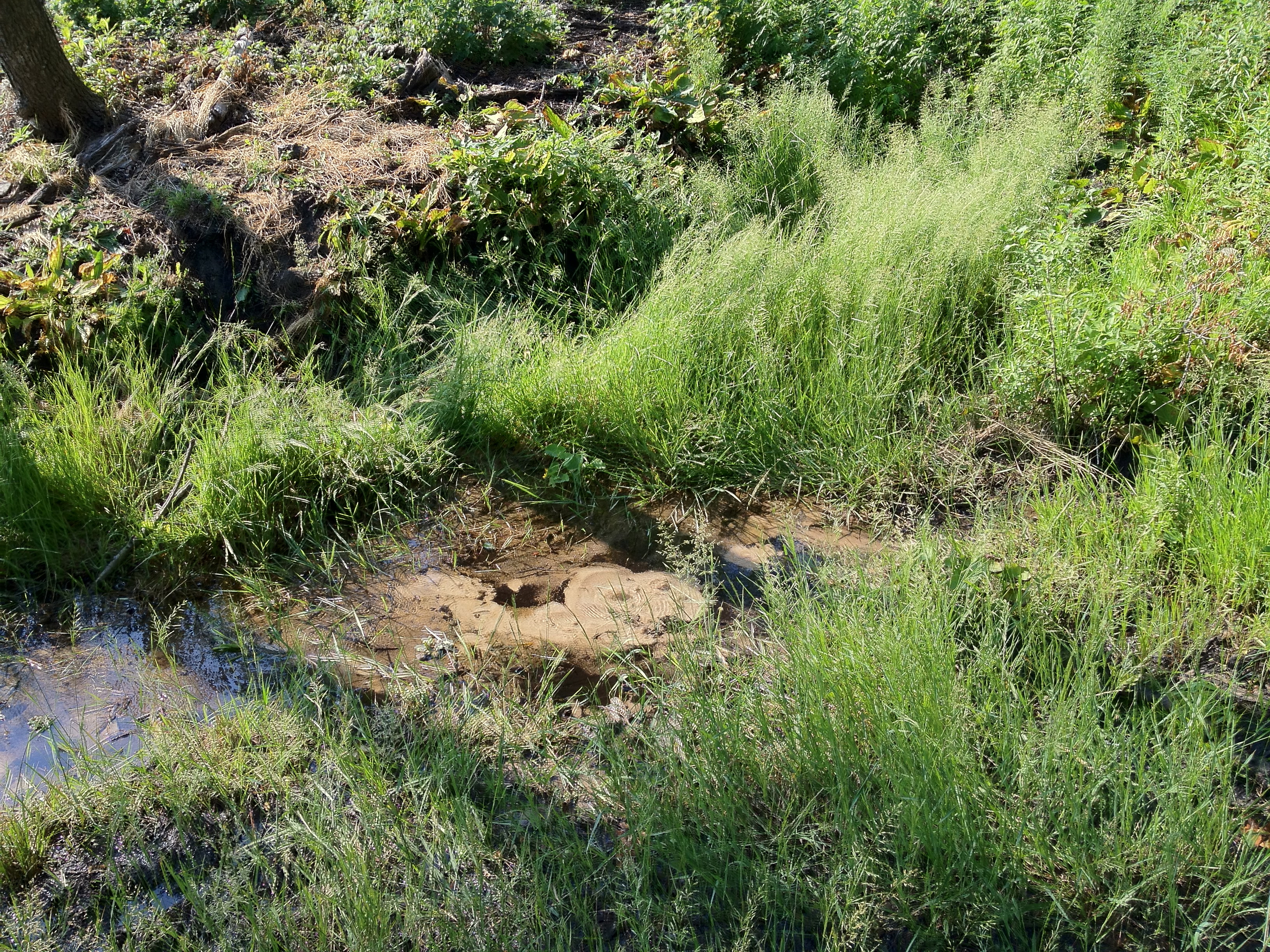
We reviewed the situation with Ron Kurowski and he recommended removing it.  DNR trail master Don Dane suggested spraying, as digging it all out would have required removing a lot of soil and really disturbing the area.  The root system of quack grass is very intense and it is not easy to dig out completely so we went to the last resort, spraying with herbicide.

Nobody wants to spray herbicide anywhere near water, especially a crystal clear and pure spring, but we felt we had no choice.  We sprayed the quack grass with AquaNeat, which is relatively safe for use in the water, and we’ll be documenting the results in a future post.
Cutting and Piling Buckthorn

Buckthorn is a nasty invasive tree that can completely dominate an area slowly eliminating all competitors.  It seems like the only thing that likes buckthorn is garlic mustard!

Here are a couple videos of our current efforts in the area of the Indian Springs.  I’m planning to update this site with a work schedule, or simply a task list, so that those who would like to help will know when we are working or what they can do on their own schedule.  We can definitely use some help piling brush and Phragmites.

Burning Brush Piles

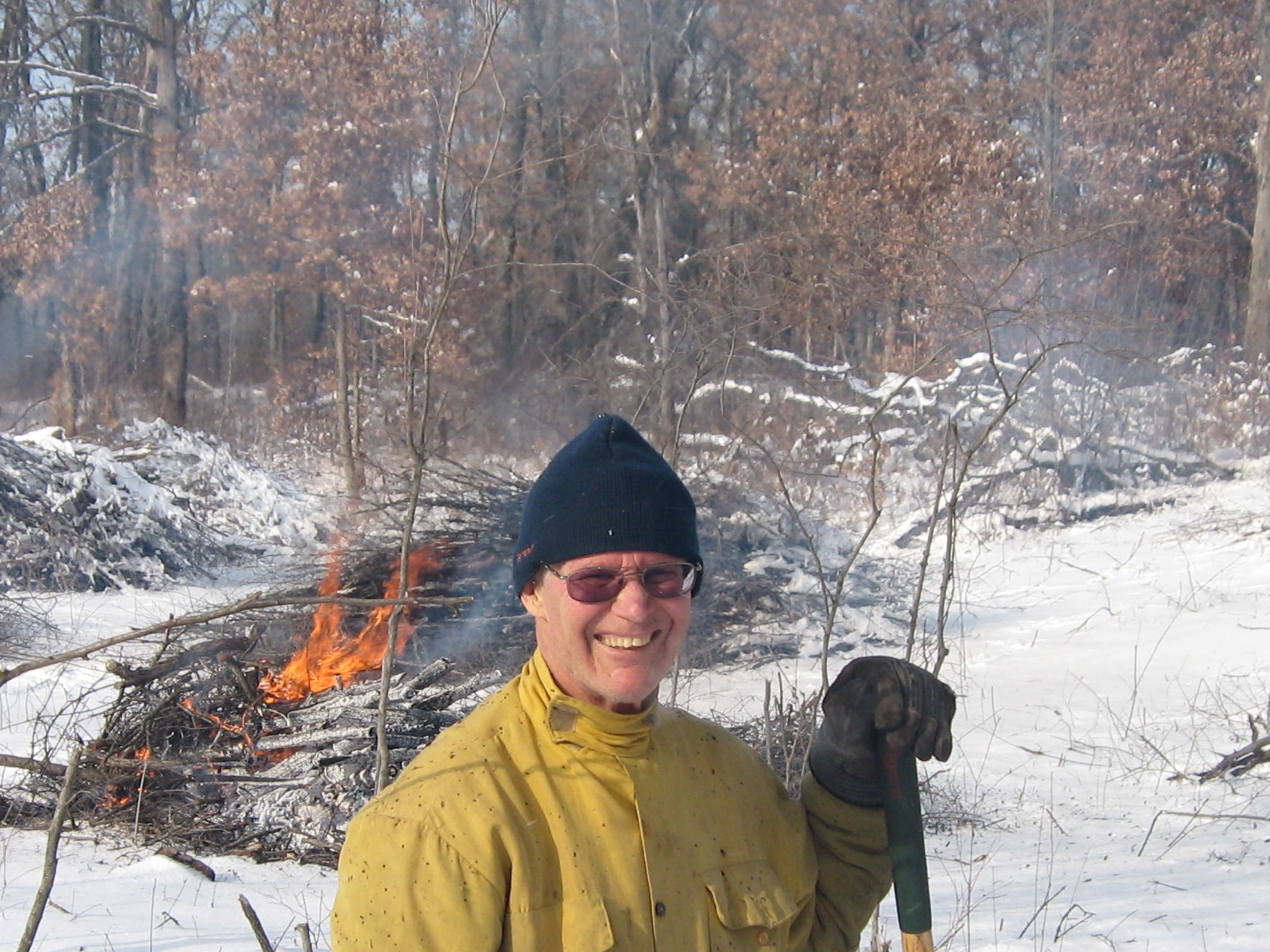
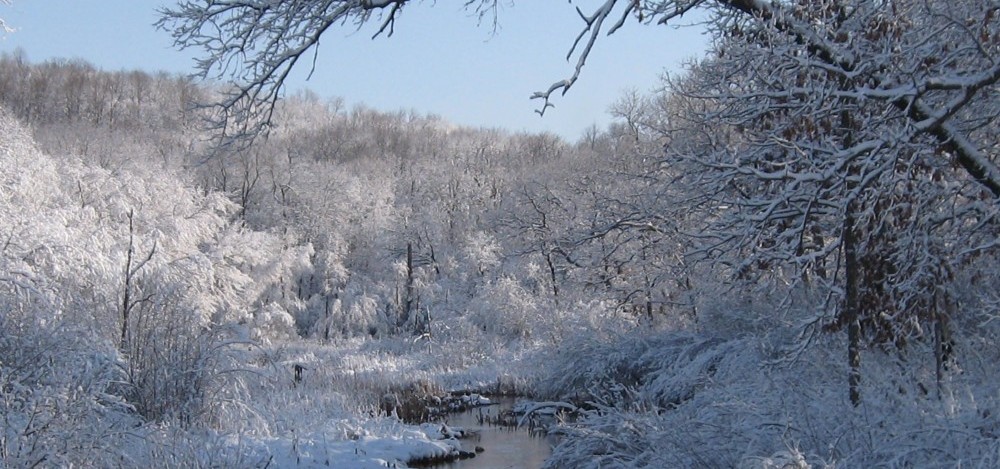
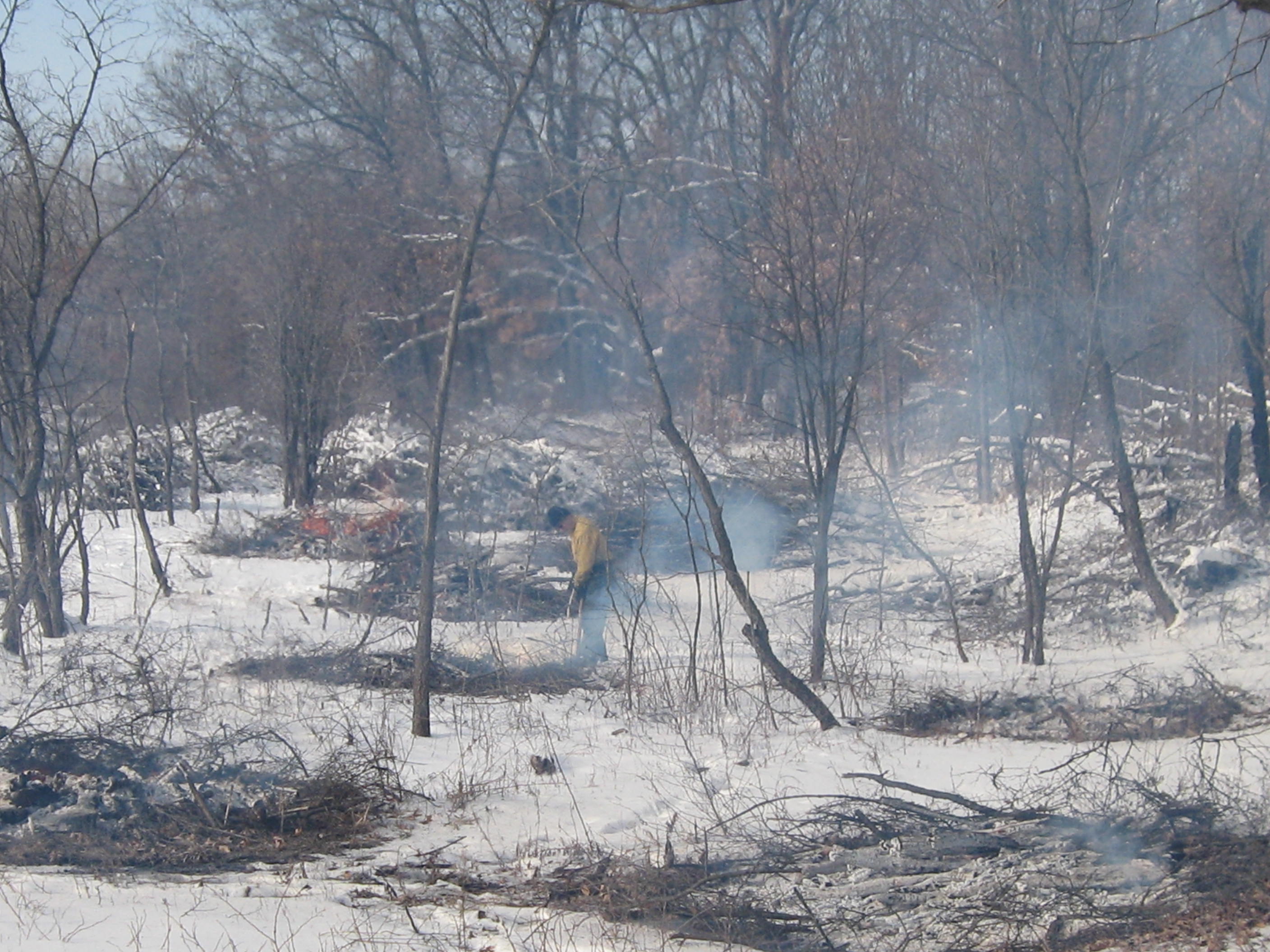
We didn’t have much of Winter in 2011/2012 season, but we did manage to burn 185 brush piles.  Here are a few pictures from the Indian Springs location at the Scuppernong Springs Nature Trail.

Our good friend John Mesching helped us out.

Lindsay and I met in November of 2011 while taking the Basic Wildland Fire Series offerings S-130, S-190 and L-180 at the Madison Area Technical College  www.madisoncollege.edu and he fell in love with the Springs the first time he came out to help me burn.

You may have noticed new brush piles along the Nature Trail.  We plan to burn them this Winter.

Here is the latest, as of 11/11/12 info on Basic Wildland Fire Series offerings.

COURSE OFFERING 1 –  NUMBER:        34464 / TERM 1134

COURSE LOCATION:       MATC Fire Service Education Center

                                                1750 Pearson St., Madison, WI

COURSE DATES:    Saturday and Sunday, December 1 & 2, 2012 AND Friday, Saturday and Sunday, December 7 – 9, 2012;  8:00 am – 5:00 pm.

In order to complete the class you need to attend ALL of the course sessions.

————————————————————————————————————

COURSE OFFERING 2 – NUMBER:         62049 / TERM 1138

COURSE LOCATION:       MATC Protective Services Center

                                                1701 Pearson St., Madison, WI

COURSE DATES:  Saturday and Sunday, February 9 & 10, 2013 AND Friday, Saturday and Sunday, February 15-17, 2013; 8:00 am – 5:00 pm.

In order to complete the class you need to attend ALL of the course sessions.

COURSE FEE:          $138.15 – you will receive an invoice that needs to be paid by date indicated.   You can go to myMadisoncollege account and pay on-line once you have registered. You will NOT receive a 2nd notice.

COURE PRE-REQS:            There isn’t any! – You can register on-line at http://www.madisoncollege.edu. If you need help creating your student log-in, contact the enrollment center at 608-246-6210.

Class in December will be at the Fire Center, Class in February in new protective services center.

Water Cress Chokes Scuppernong River

When I first started working at the Springs, I used to harvest the Water Cress to put in my juicer.  That was before Don Dane and Tim Peters, from the DNR, explained that the cress was an invasive species and detrimental to the health of the Scuppernong River.  As you can see below, it was pretty darn thick.

Don and Tim explained that the cress was slowing down the water flow allowing the water to warm up, which is not good for the native brook trout.  It’s pretty tough to swim through a water cress dam!  The cress caused the water level to rise and spill over the boundaries of the river bed creating more of a marsh than would normally be there.

Armed with this understanding, Lindsay and I have been pulling water cress from the river since late March and now the river is flowing fast and free again.  The water level has fallen by at least 8″ and the river has settled back into its original bed.  In the process we “discovered” numerous feeder springs that were also completely choked with water cress.  So instead of flowing directly into the river, the water was absorbed into the hillside.  Here are a few examples of feeder springs that we opened up.

We are brush cutting the phragmites and canary reed grass (invasive species) that line the river and planning strategies to eliminate them.

The goal is to restore the headwaters of the Scuppernong River to a cold, fast-flowing stream that will attract fish and create a more natural setting for native wetland plants.

The Springs!

Welcome to the home of the Scuppernong Springs Nature Trail.  In partnership with the Wisconsin Department of Natural Resources and the Kettle Moraine Natural History Association, we began in May 2011 the process of restoring the natural area around the trail.  This includes cutting, piling, poisoning and burning buckthorn, honeysuckle and various other invasive species to more fully respect the beauty of this land.  We are also pulling water cress from the Scuppernong River to restore it to a cold, fast flowing stream and also to unclog all of the feeder springs so their waters will flow directly into the river instead of getting soaked up in the banks.

The Springs are the headwaters for the Scuppernong River and, per Ron Kurowski, the 40 year DNR veteran naturalist who spearheaded the Scuppernong River Habitat Restoration Area project, “It’s a World Class Site!”.