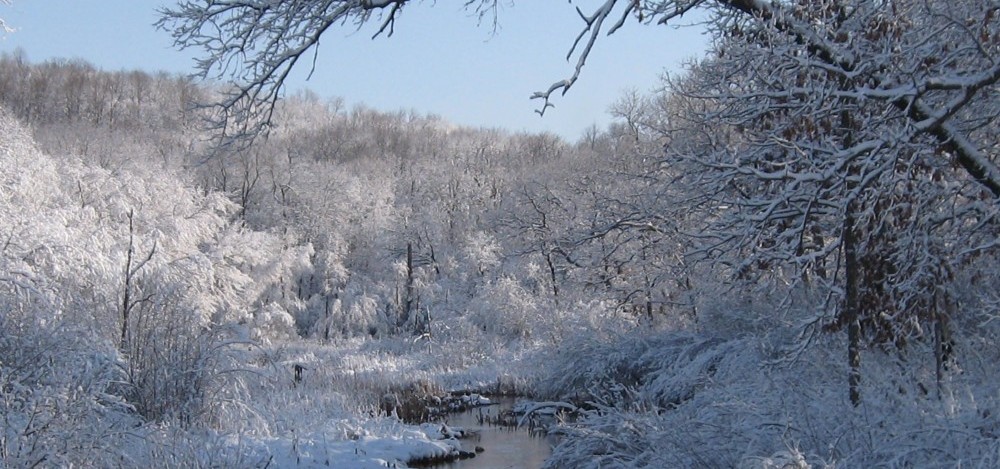
“Fixing the water” has been one of the top priorities of the DNR and the Kettle Moraine Natural History Association in regards to the Scuppernong River Habitat Area Restoration. Our efforts to clean up the Springs, the headwaters of the Scuppernong River, compliment the DNR’s efforts to put the river back on its original stream bed (Ben Heussner interview) and all of the other things they are doing to improve the watershed.
On Sunday August 19th we will be taking a tour of the Springs with Tracy Hames, the executive director of the Wisconsin Wetlands Association. Tracy spent 20 years working to “fix the water” on the Yakama Reservation in Washington state. Here is a bit of Tracy’s philosophy. excerpted from his Wetlands & Riparian Restoration Project documentation.
“we’re trying to restore the hydrology
– to get the water working the way it used
to. That’s what we’re talking about when
we talk about hydrologic restoration. The
first thing we want to do on a project like
this is ‘fix the water.’ Then you can start
working on all of the other components.”
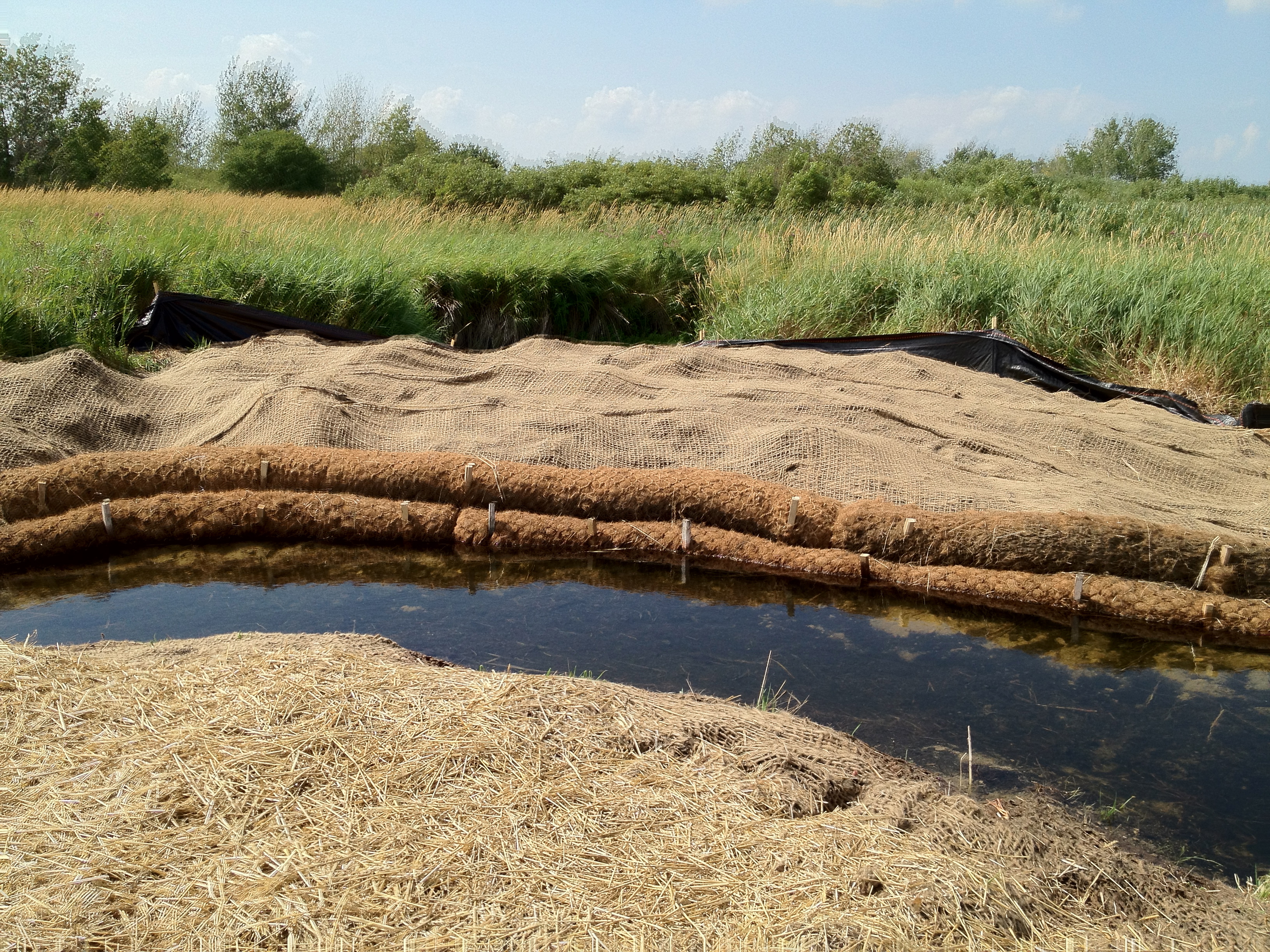
The last time DNR trail boss Don Dane took a tour with us, Lindsay pointed out that the river had taken an unwanted diversion immediately West of the Marl Pit bridge. Don recommended that we block the side channel and get the river running back on its main course. Ron Kurowski also recommended the same when he toured the site back in the Spring. So, in honor of Tracy’s visit, I took a break from brush clearing and tried to “fix the water”.
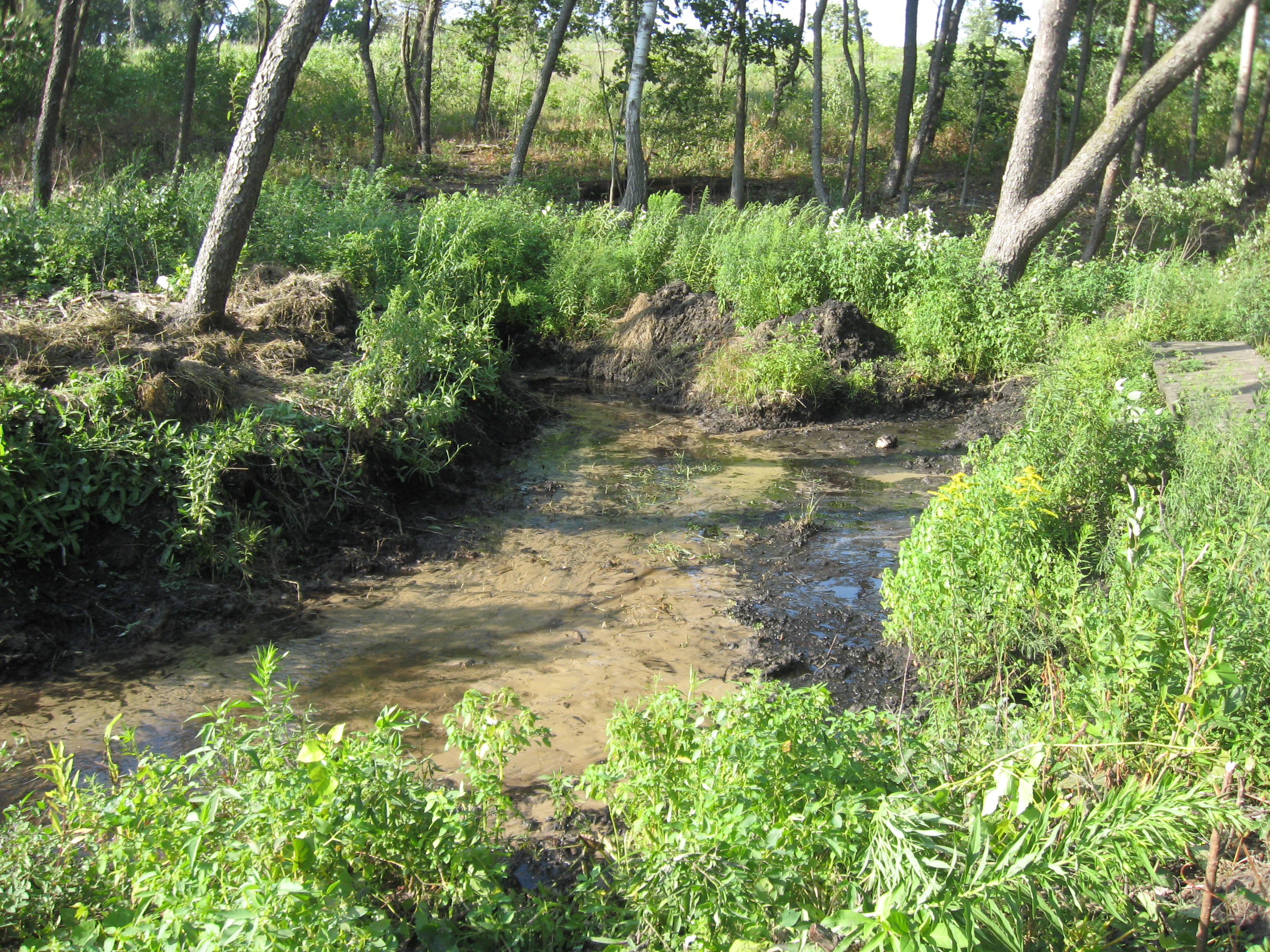
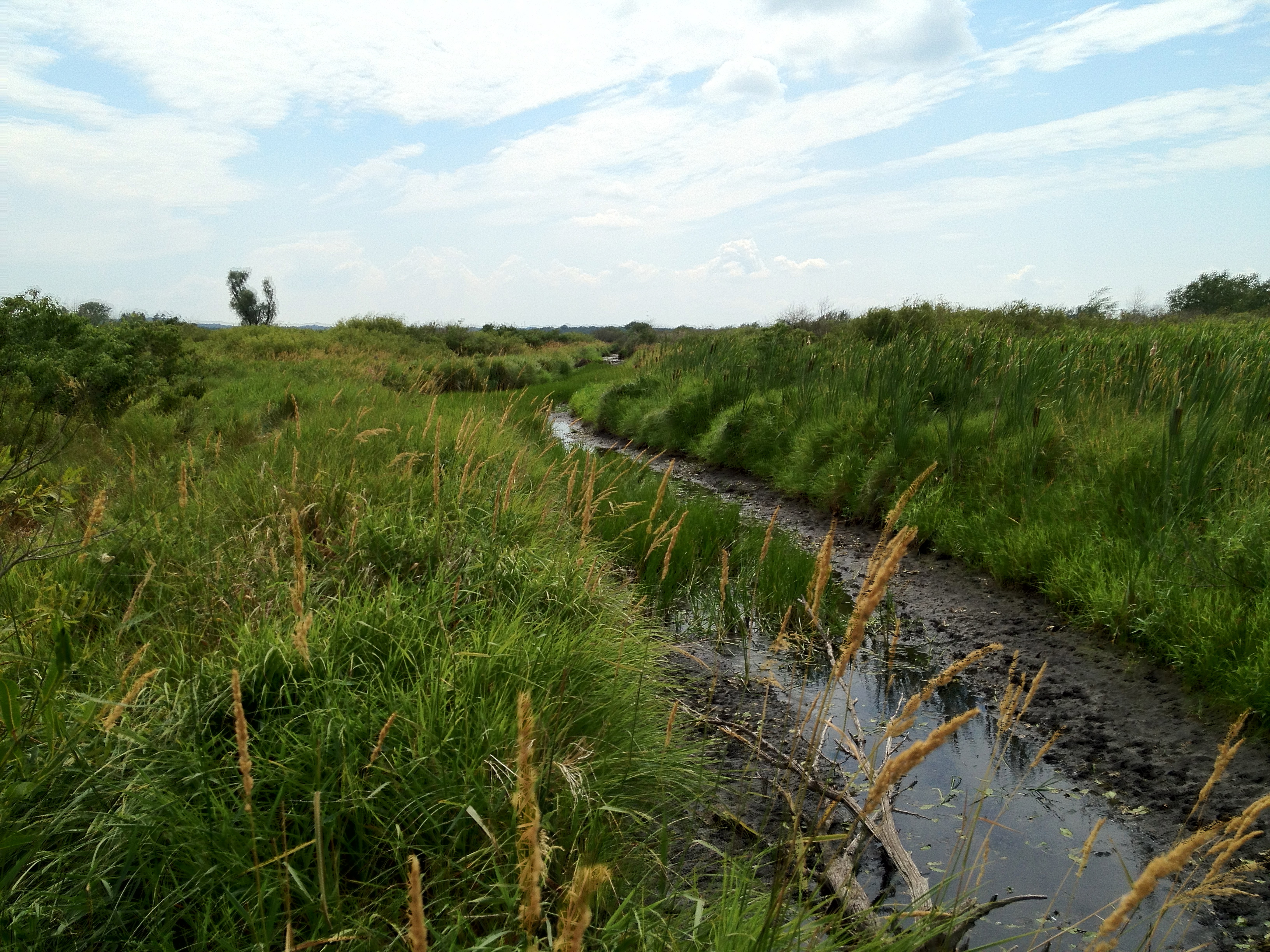
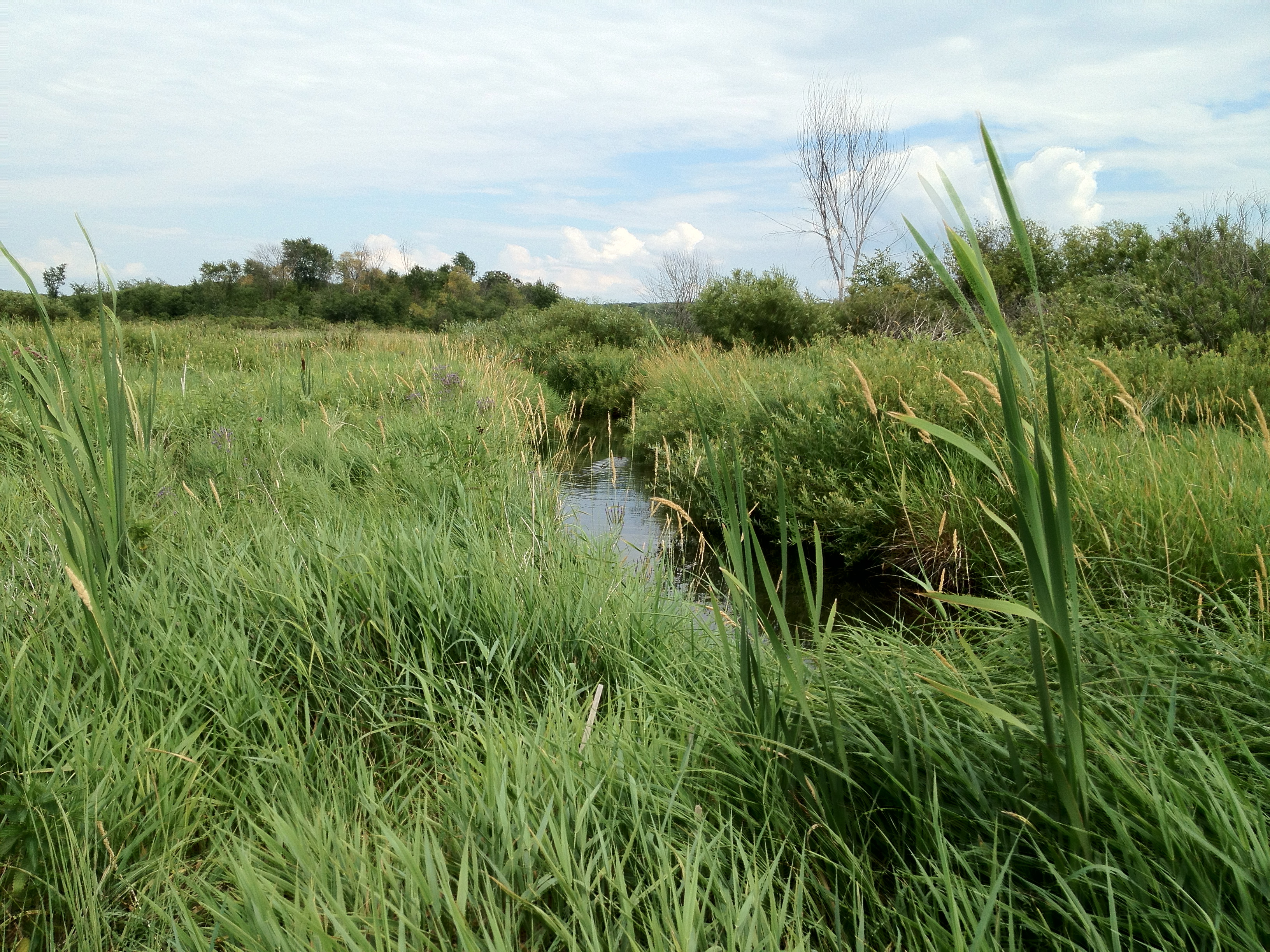
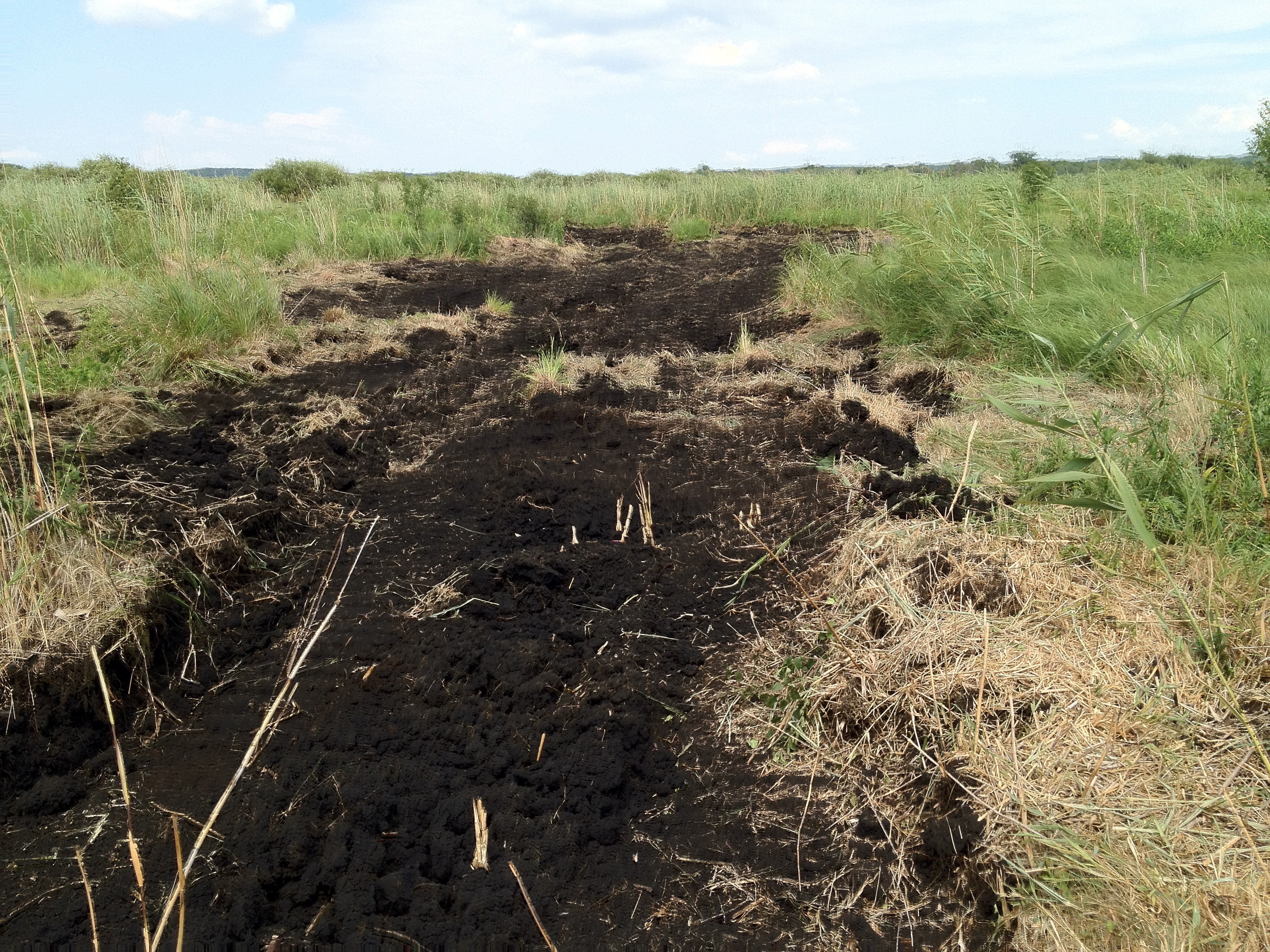
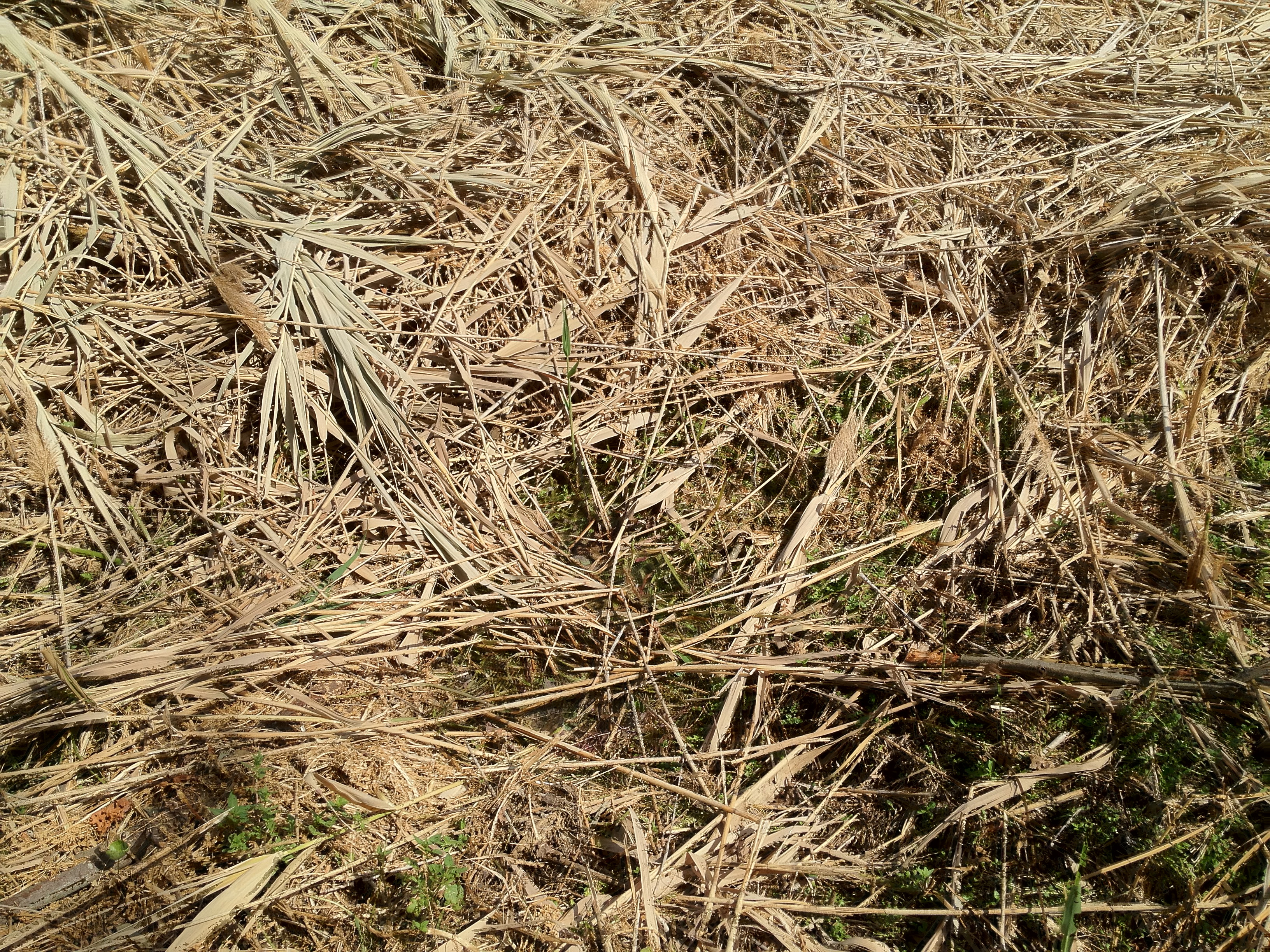
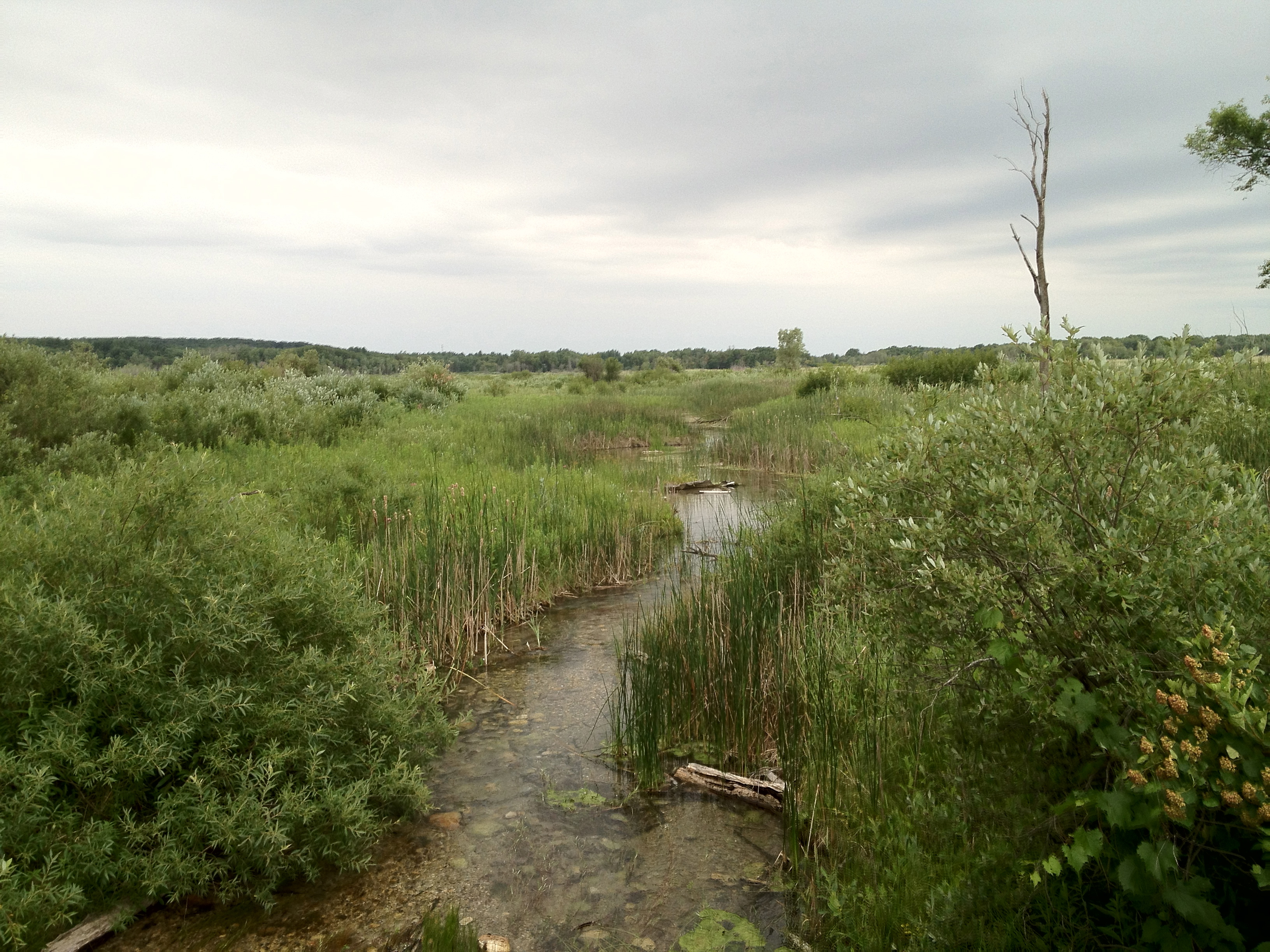
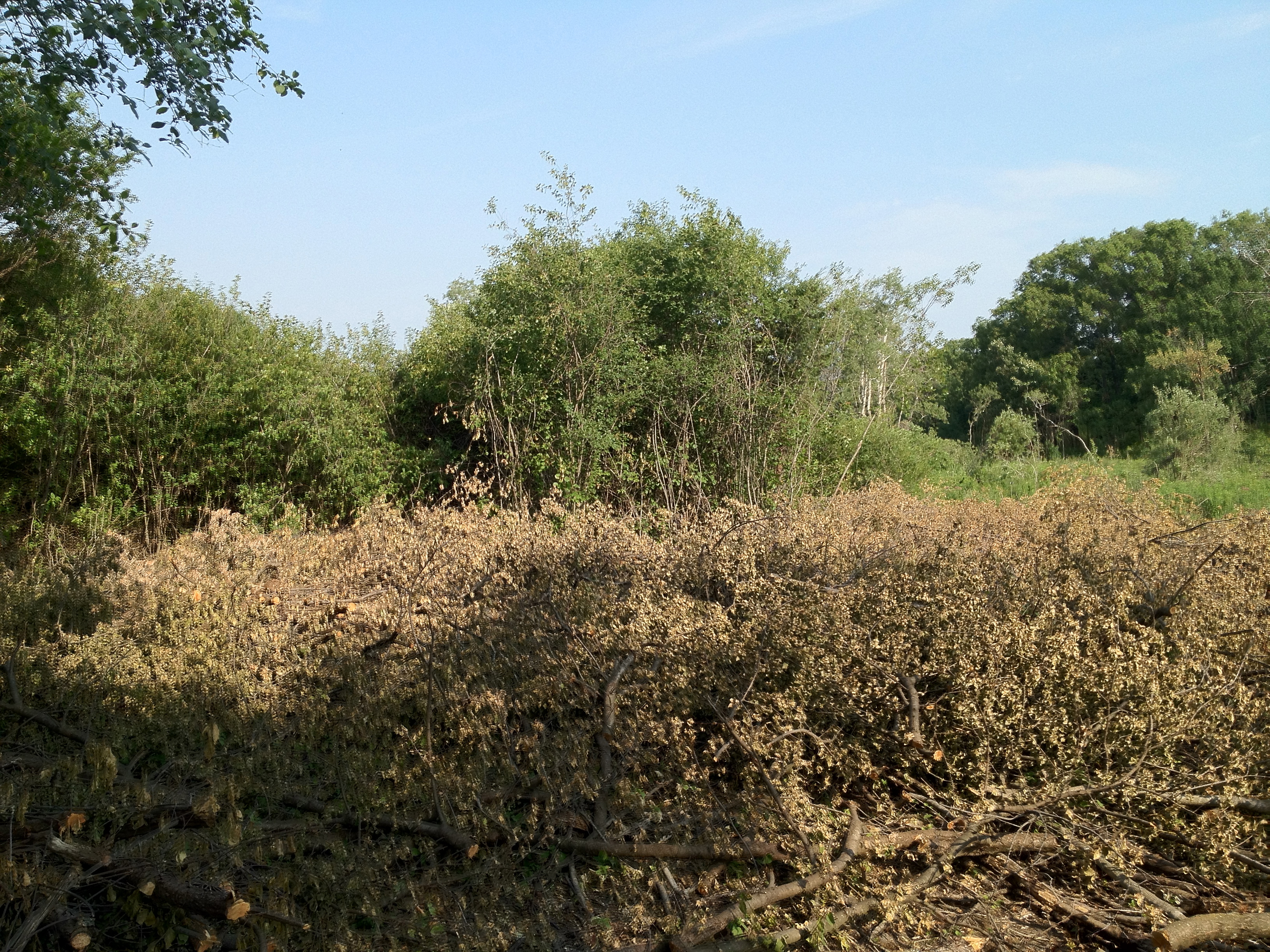
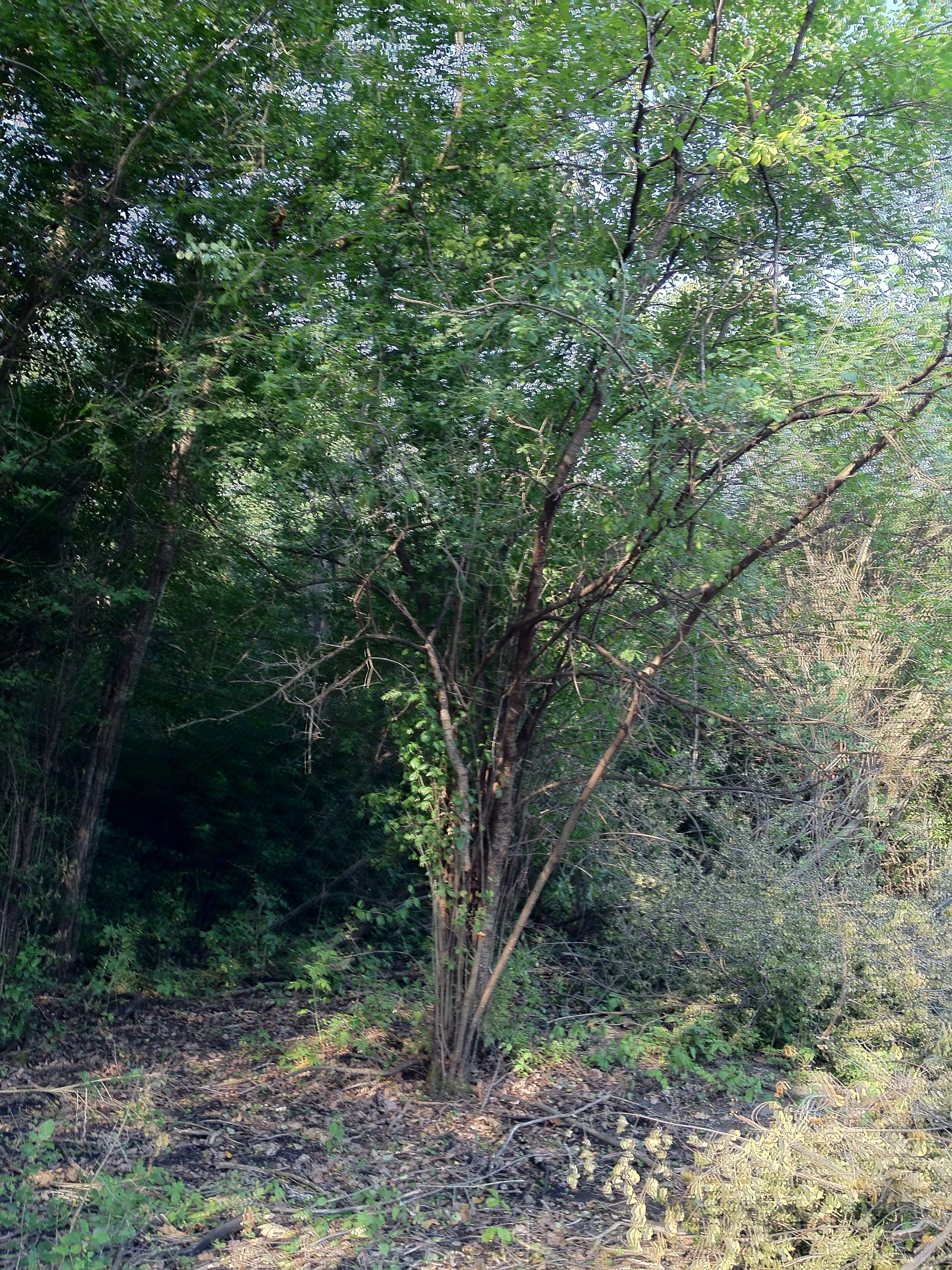
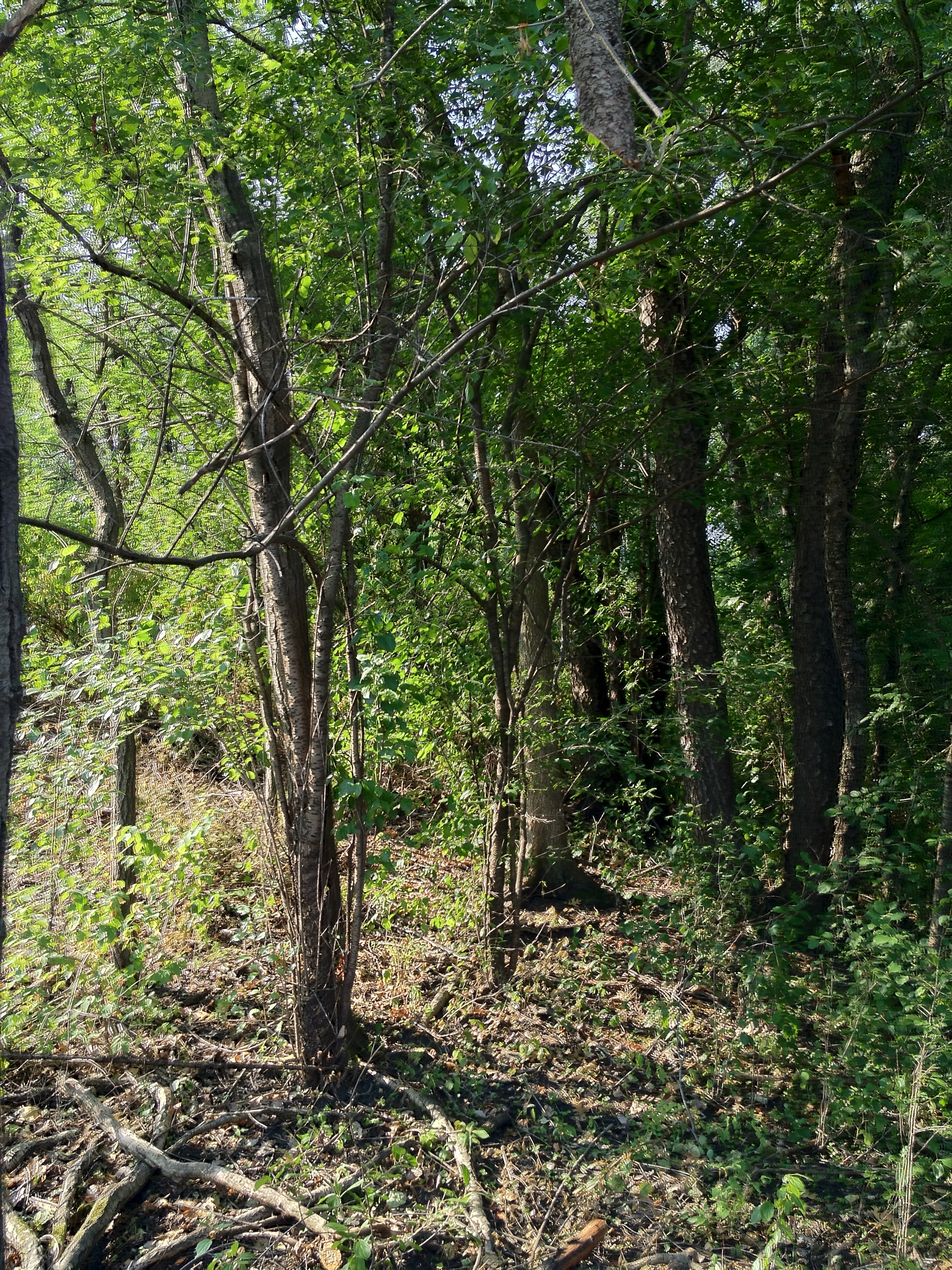
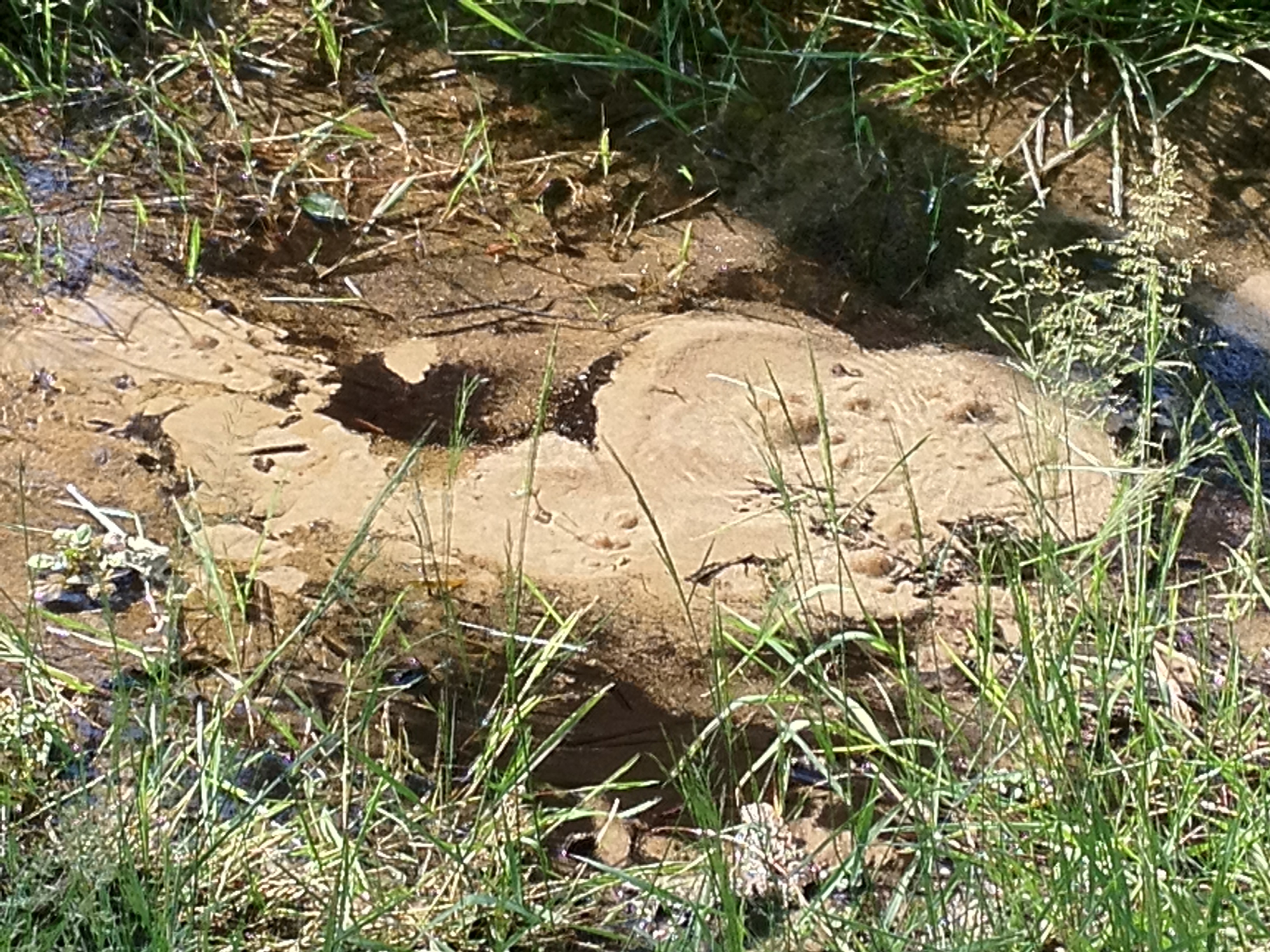
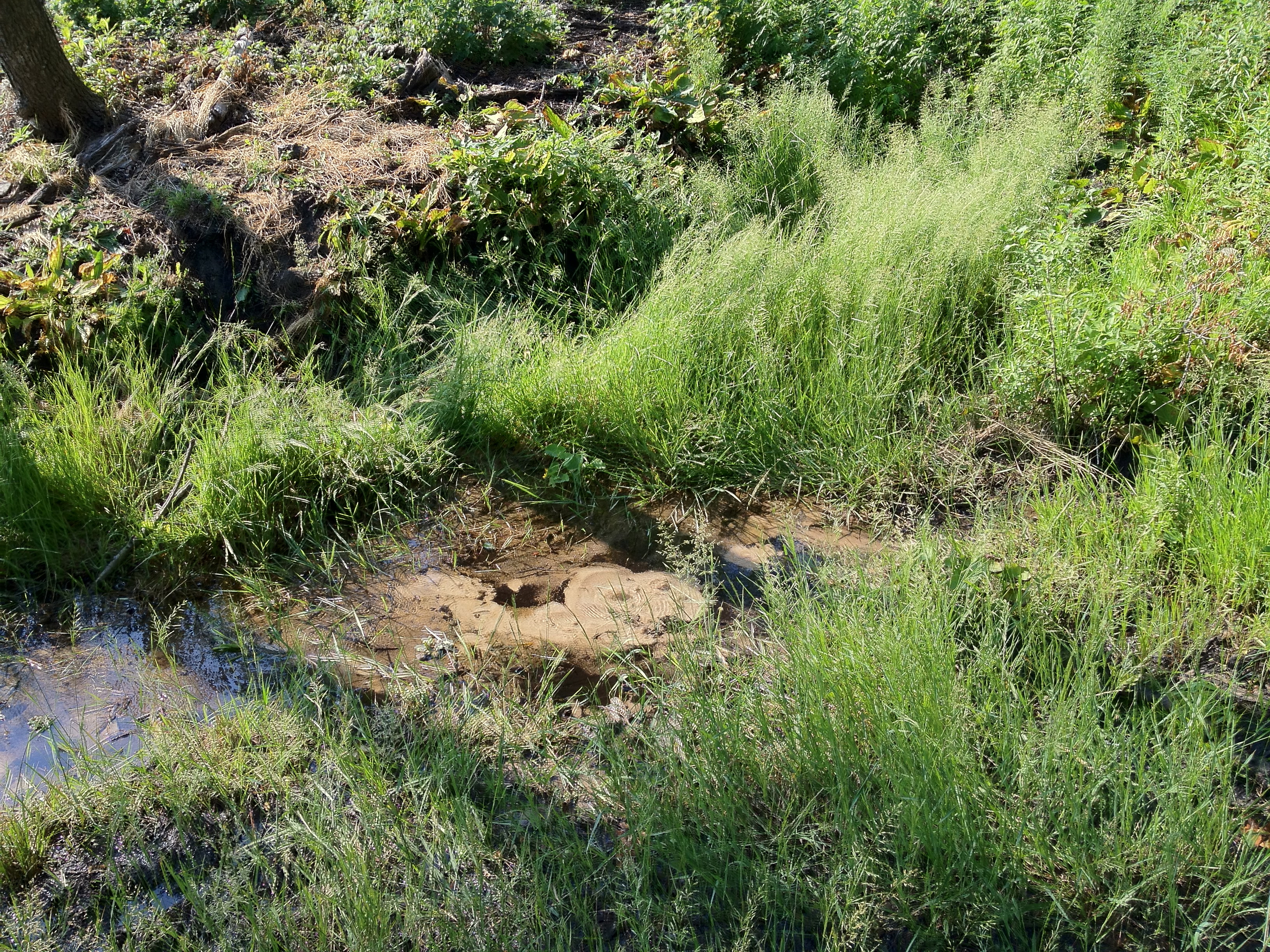
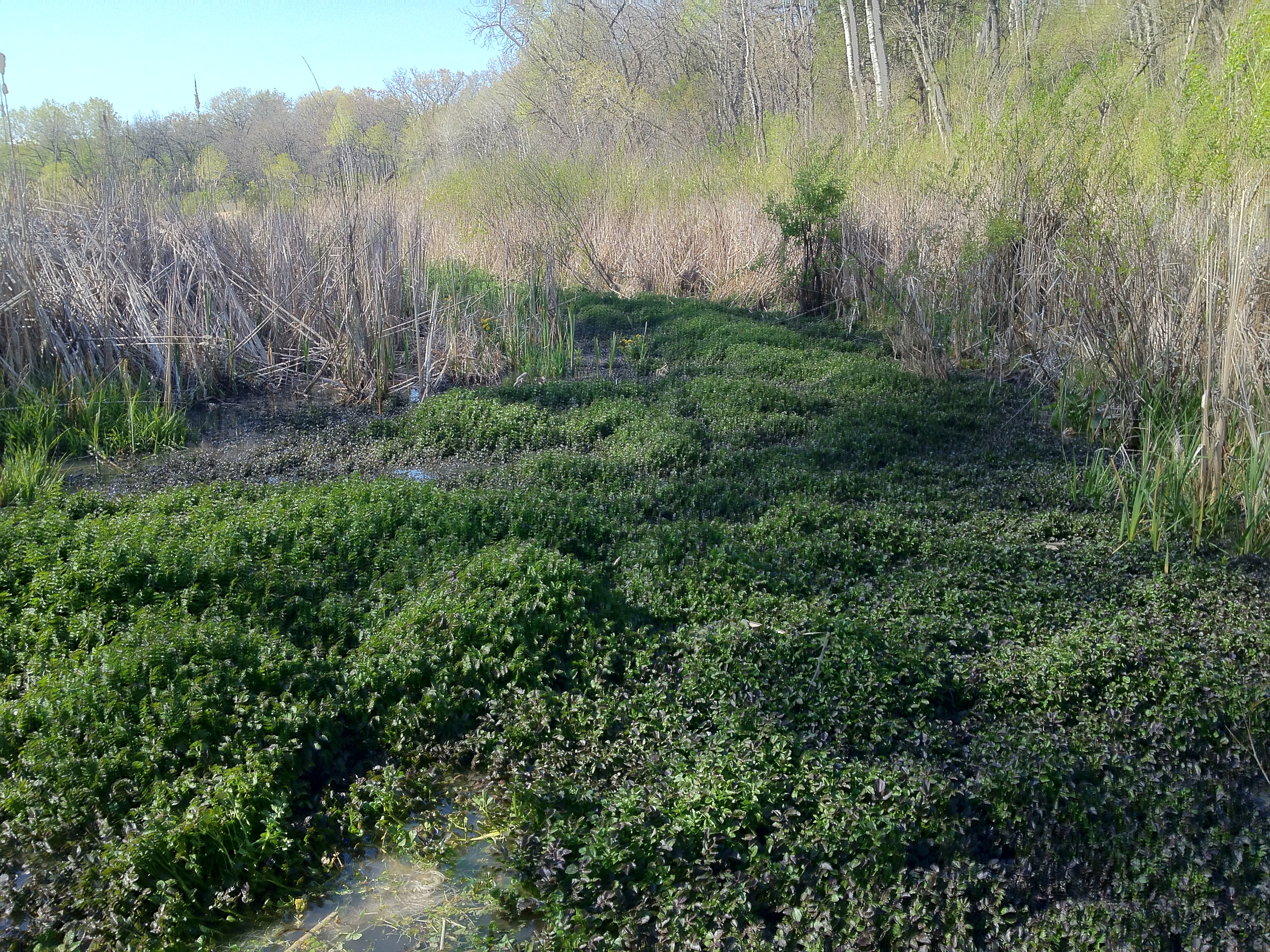
These pictures are taken from the Marl Pit bridge area and show the before views downstream. The river got off course sometime after the channels connecting the Marl Pits to the River were filled in with gravel. There used to be large buckthorn trees laying across the main channel and they trapped logs and other debris until finally the river found a way around by making a turn to the right/North. The river returned to the main channel approximately 20 yards downstream.

A better view of the main channel full of debris.
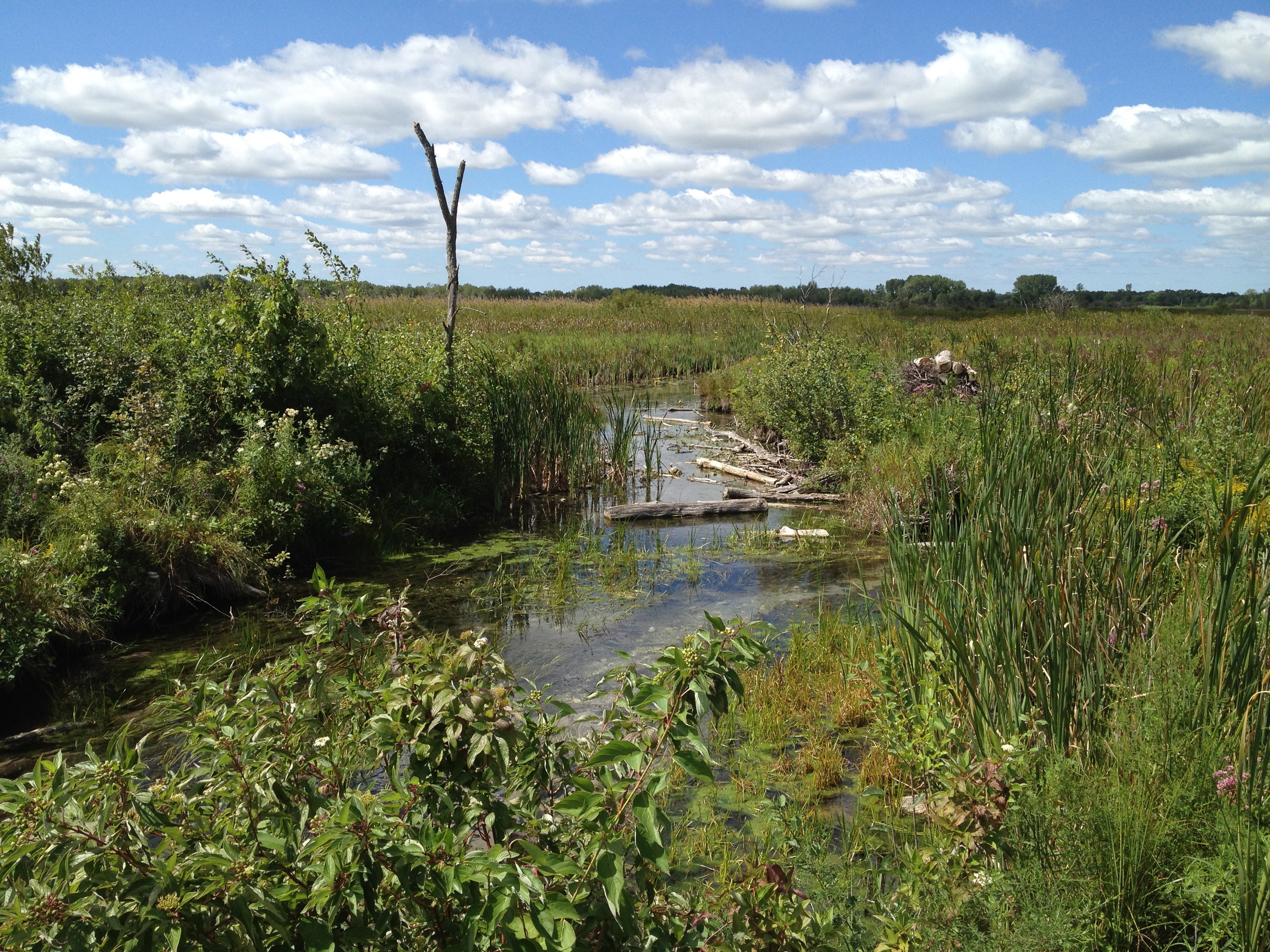
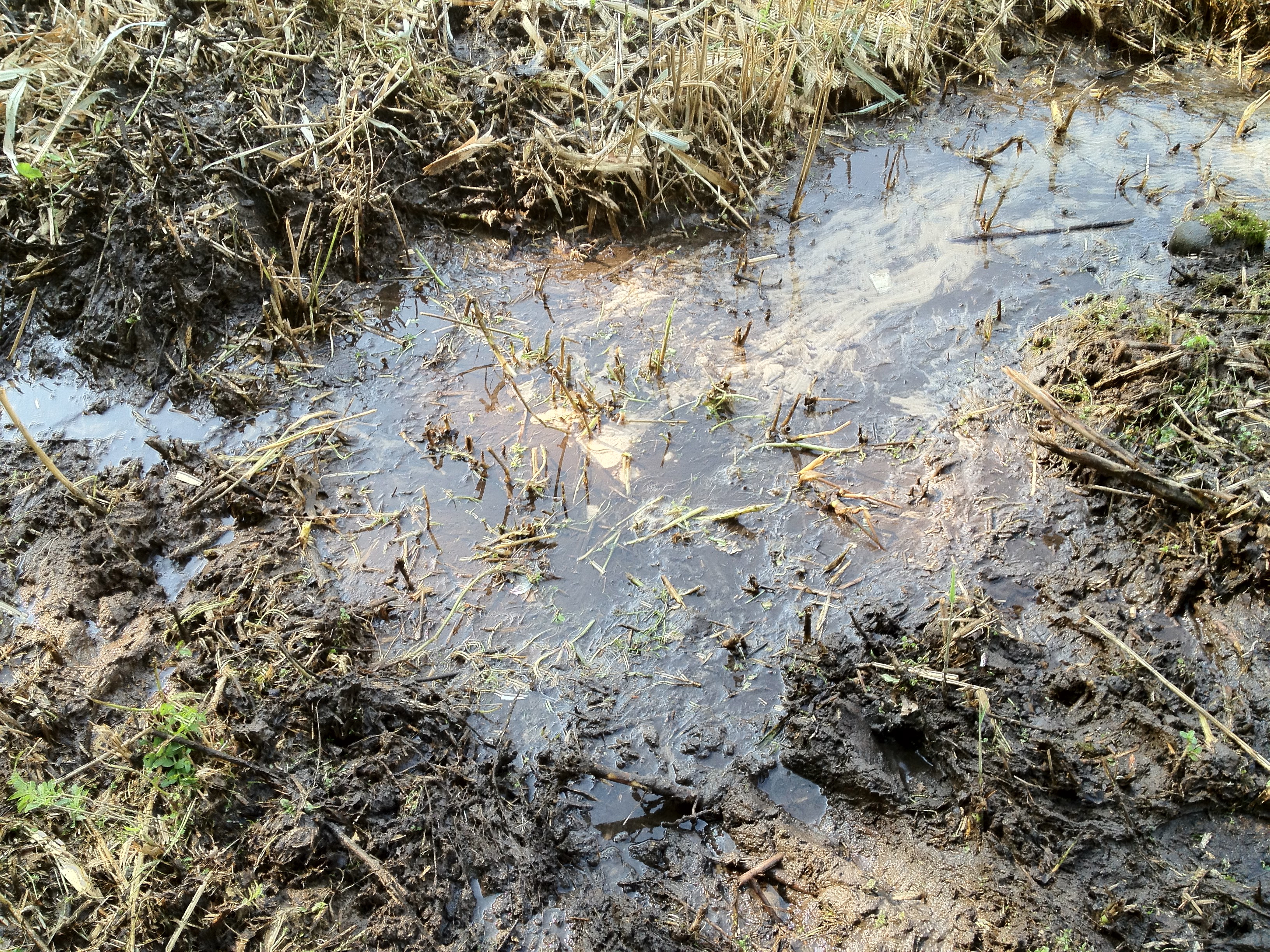
The side channel diversion is show below.

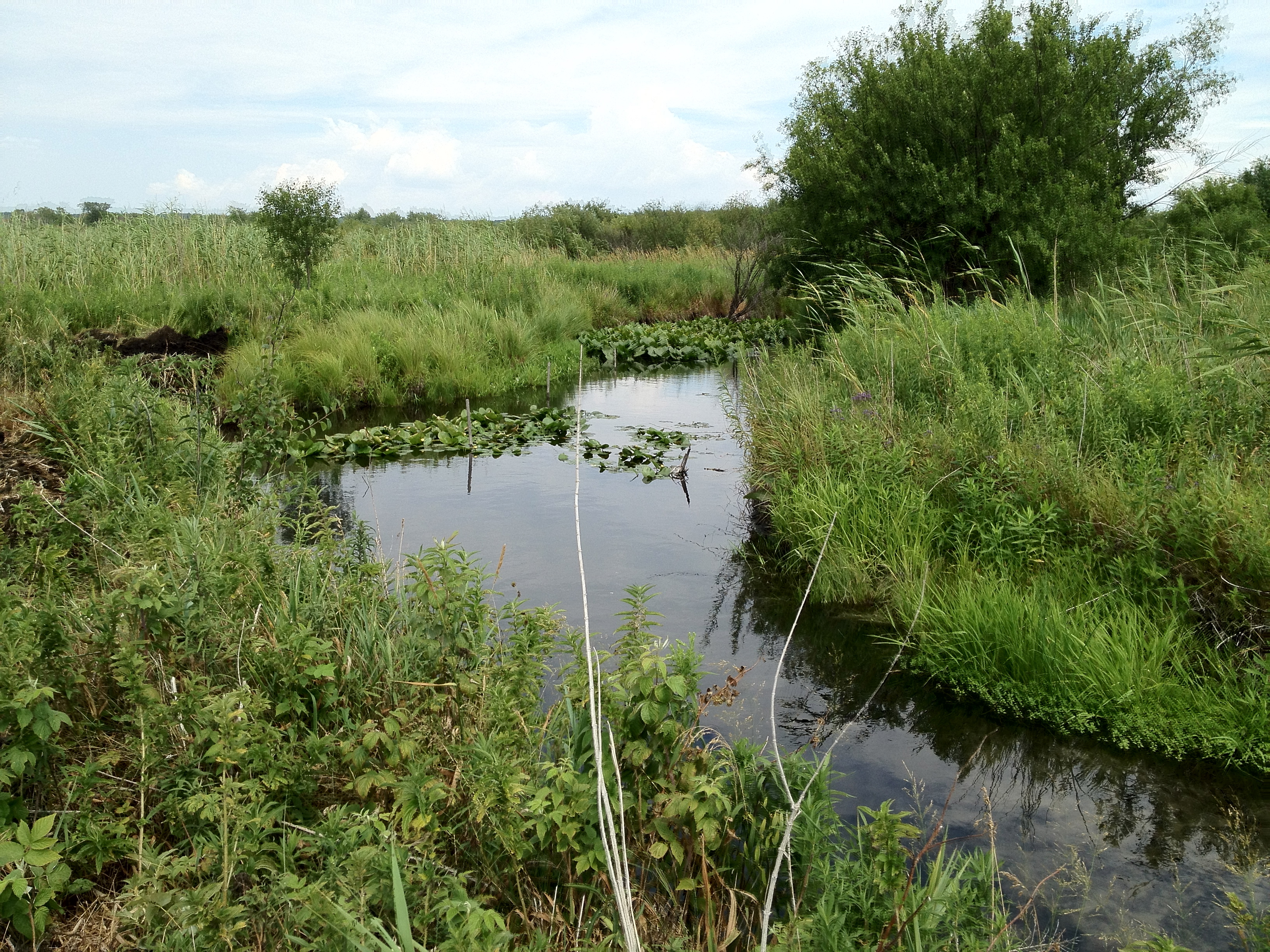
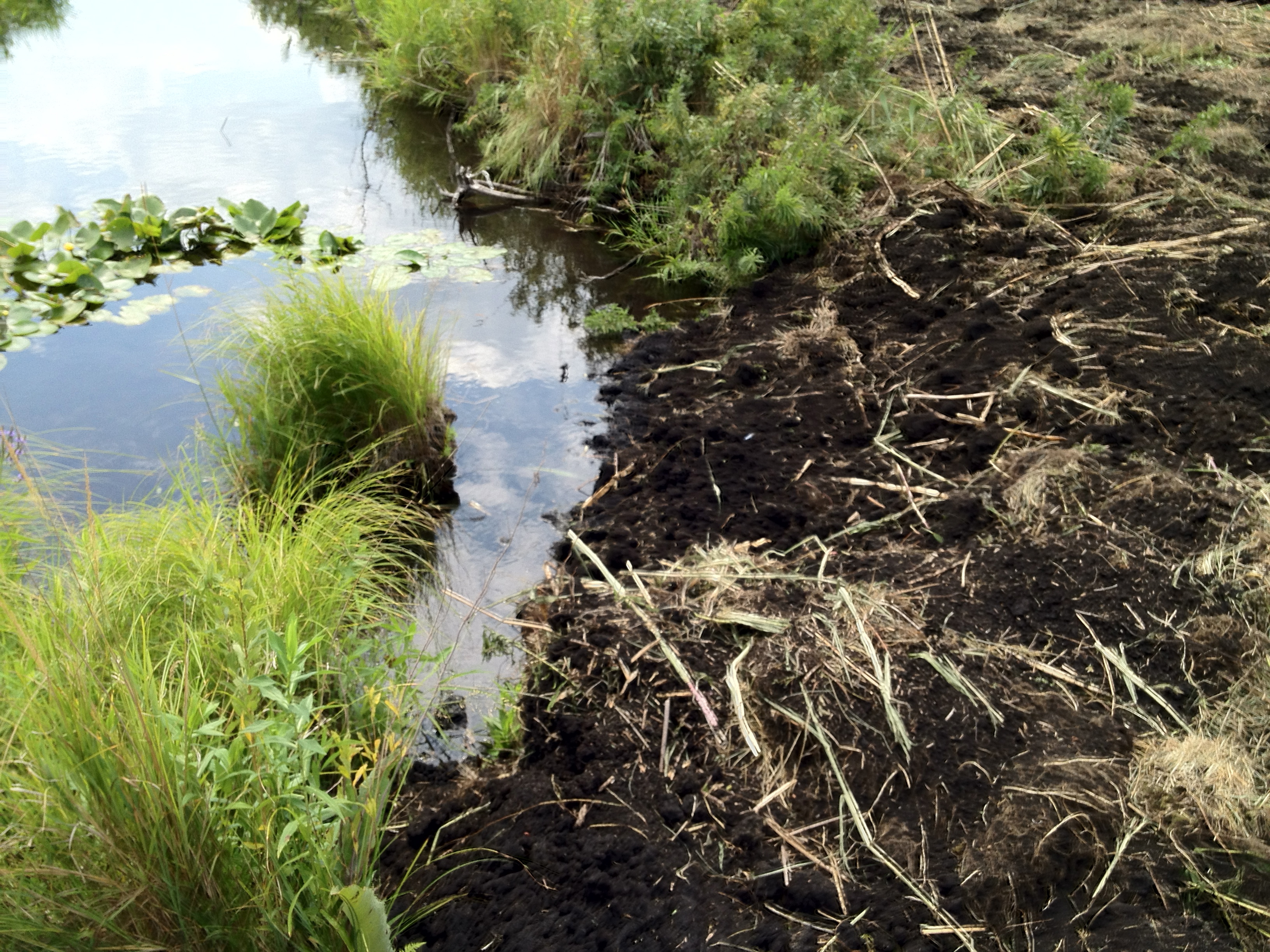
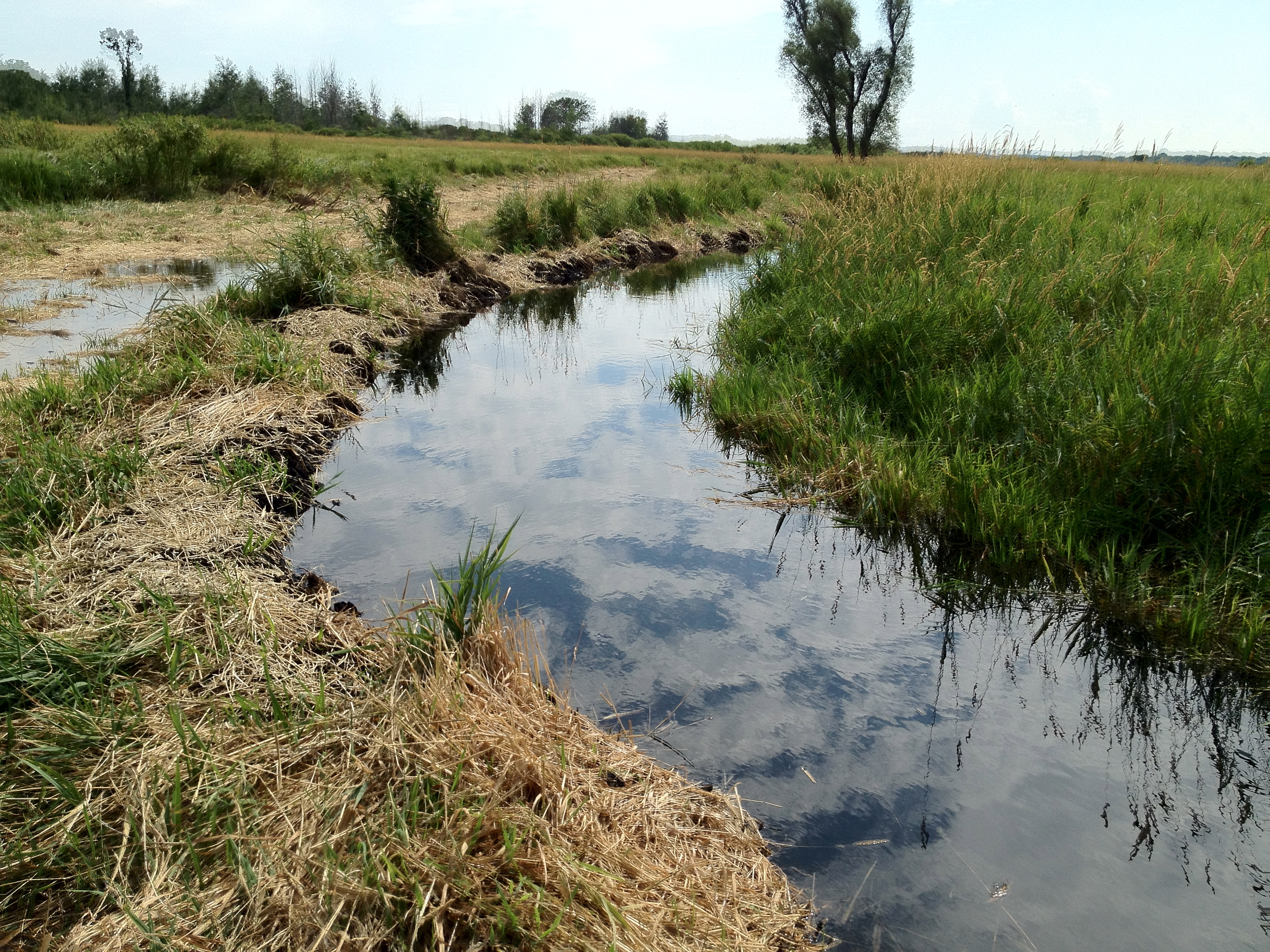
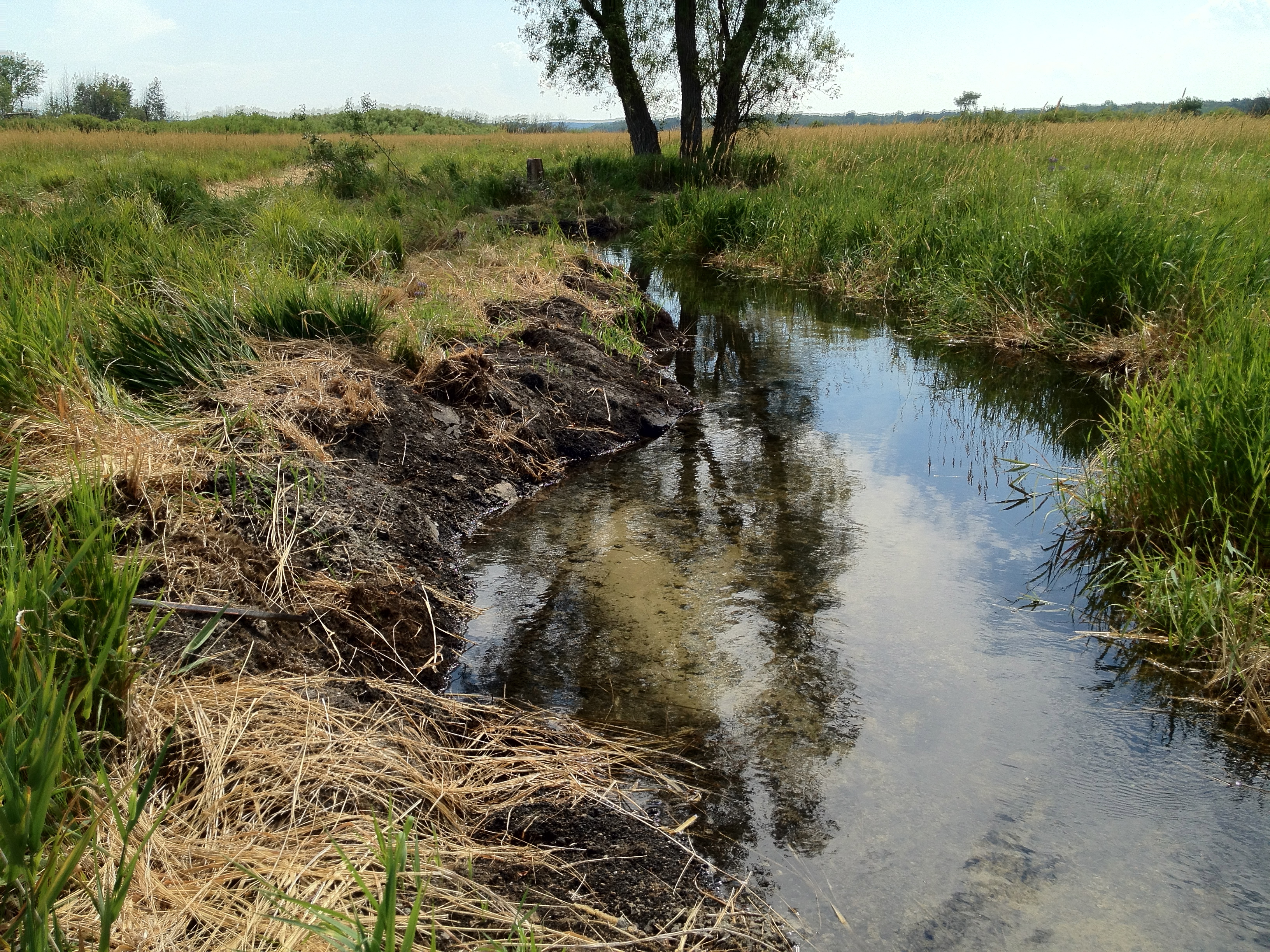
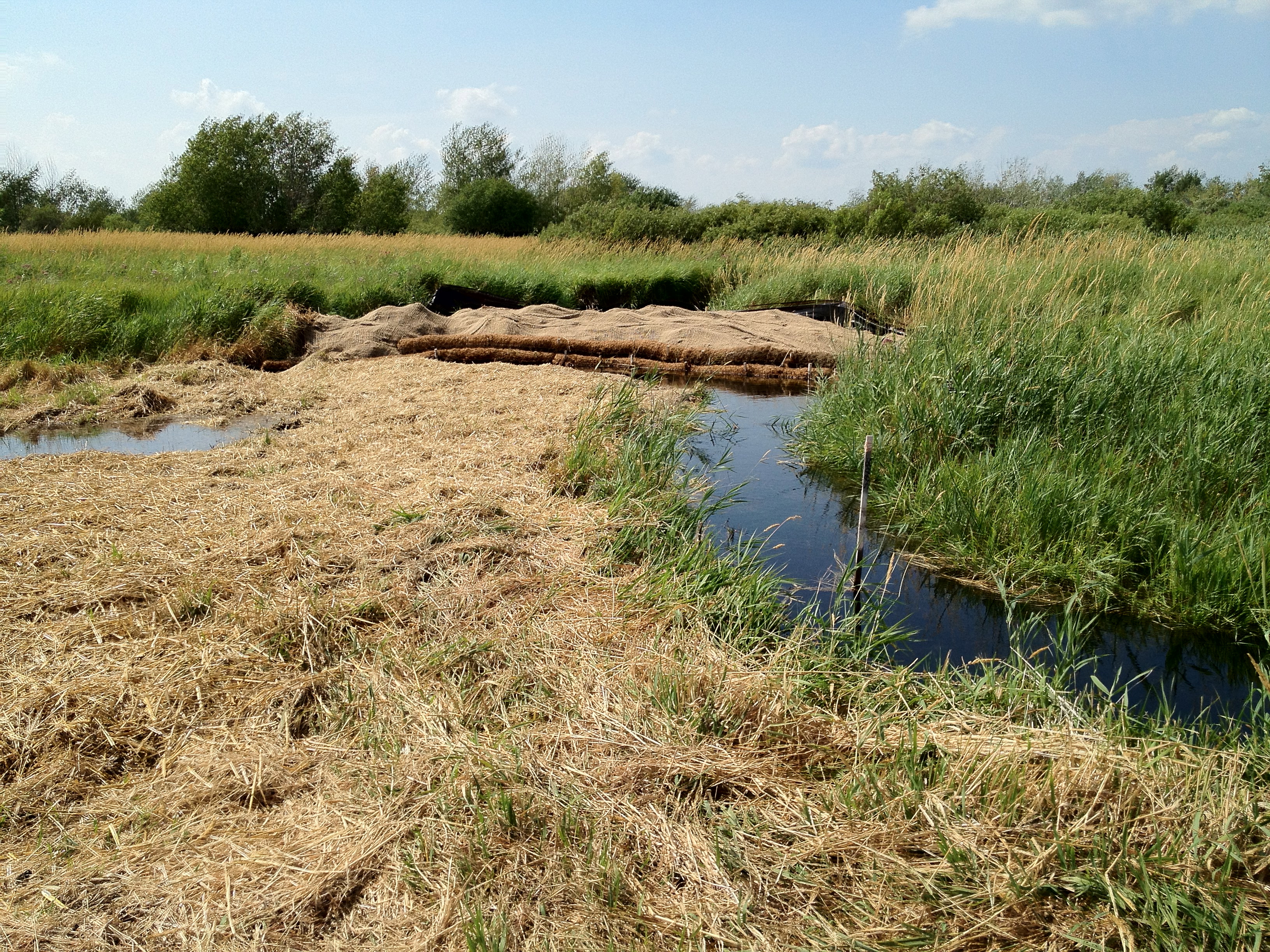
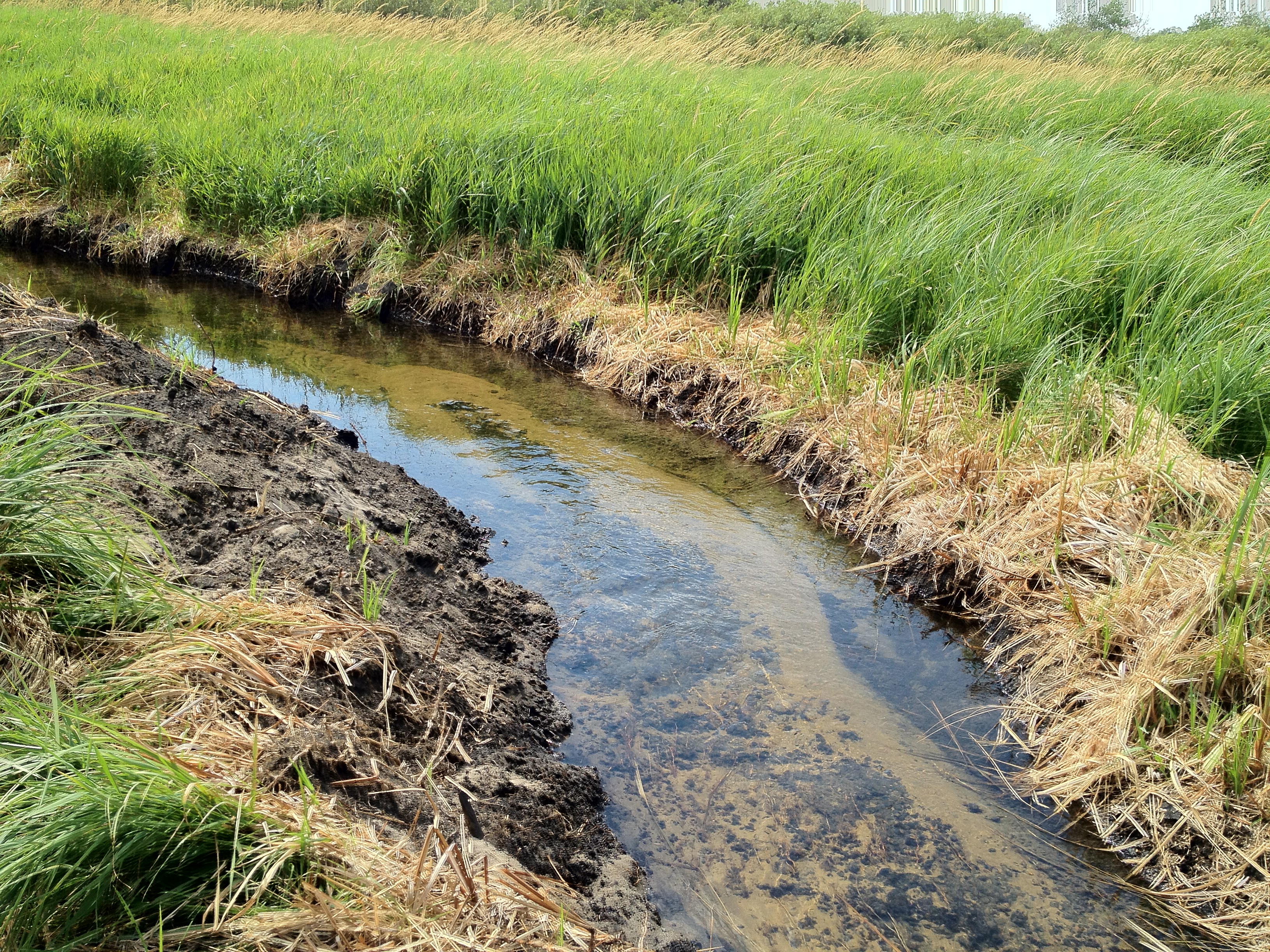
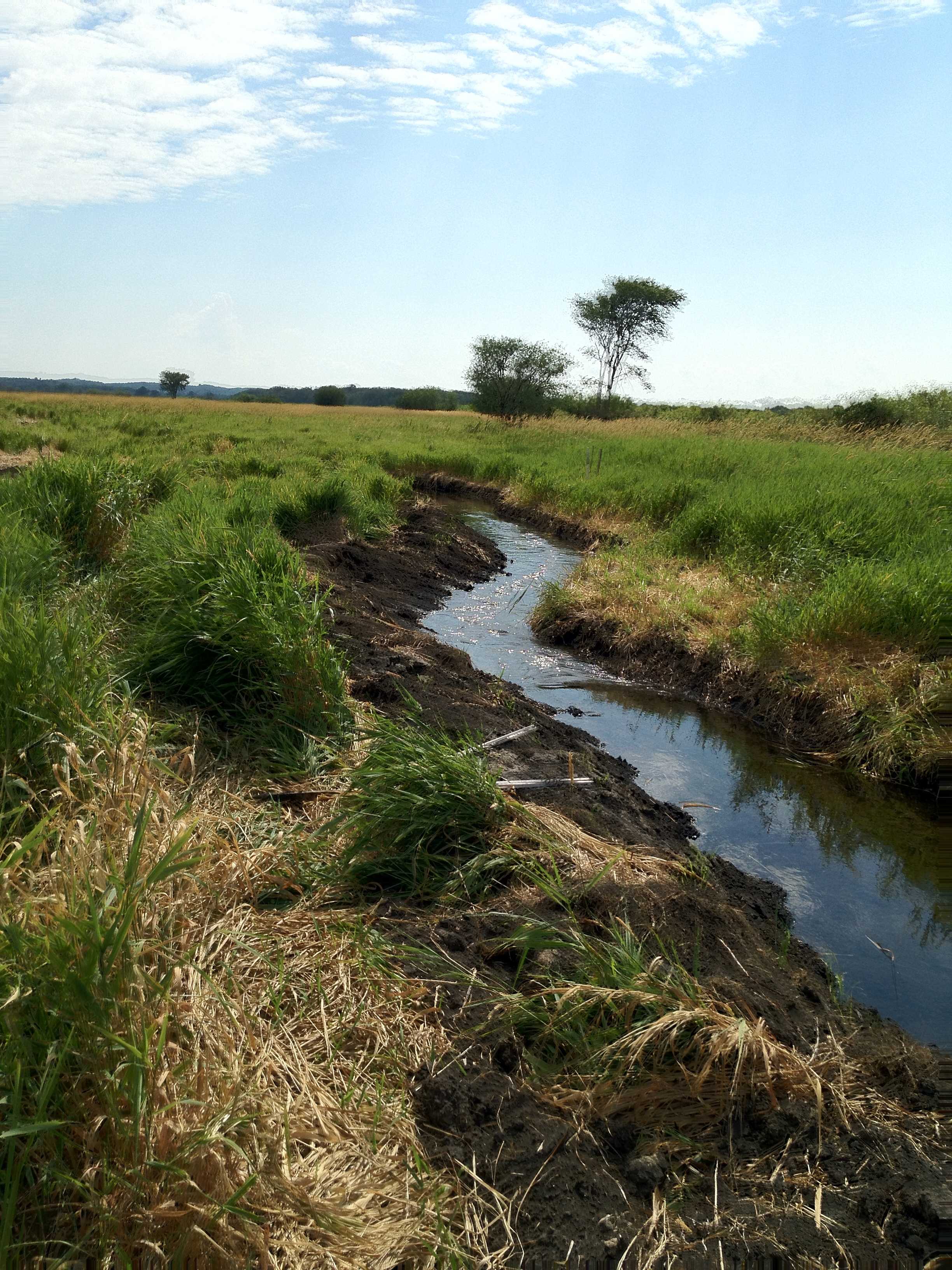
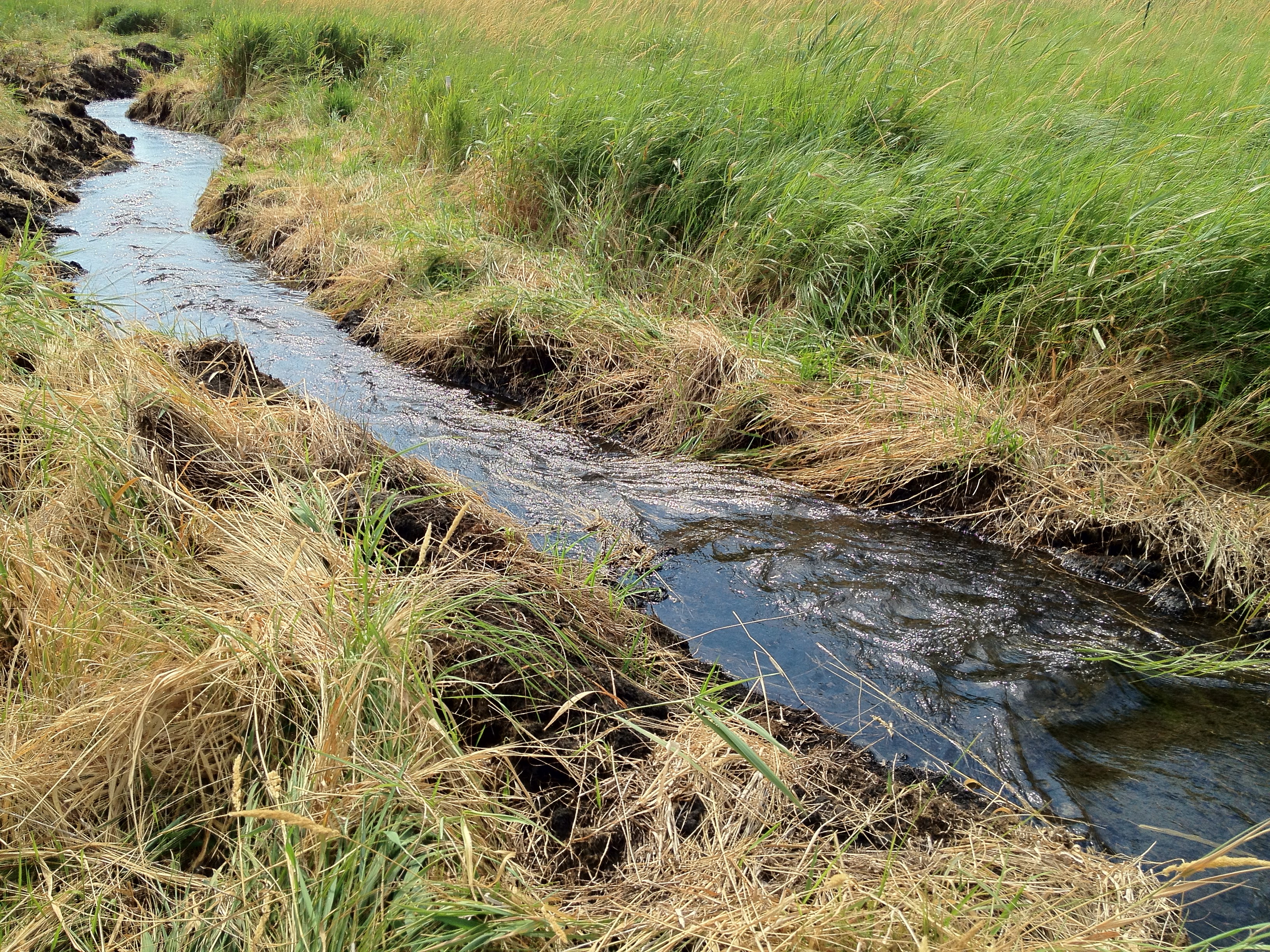
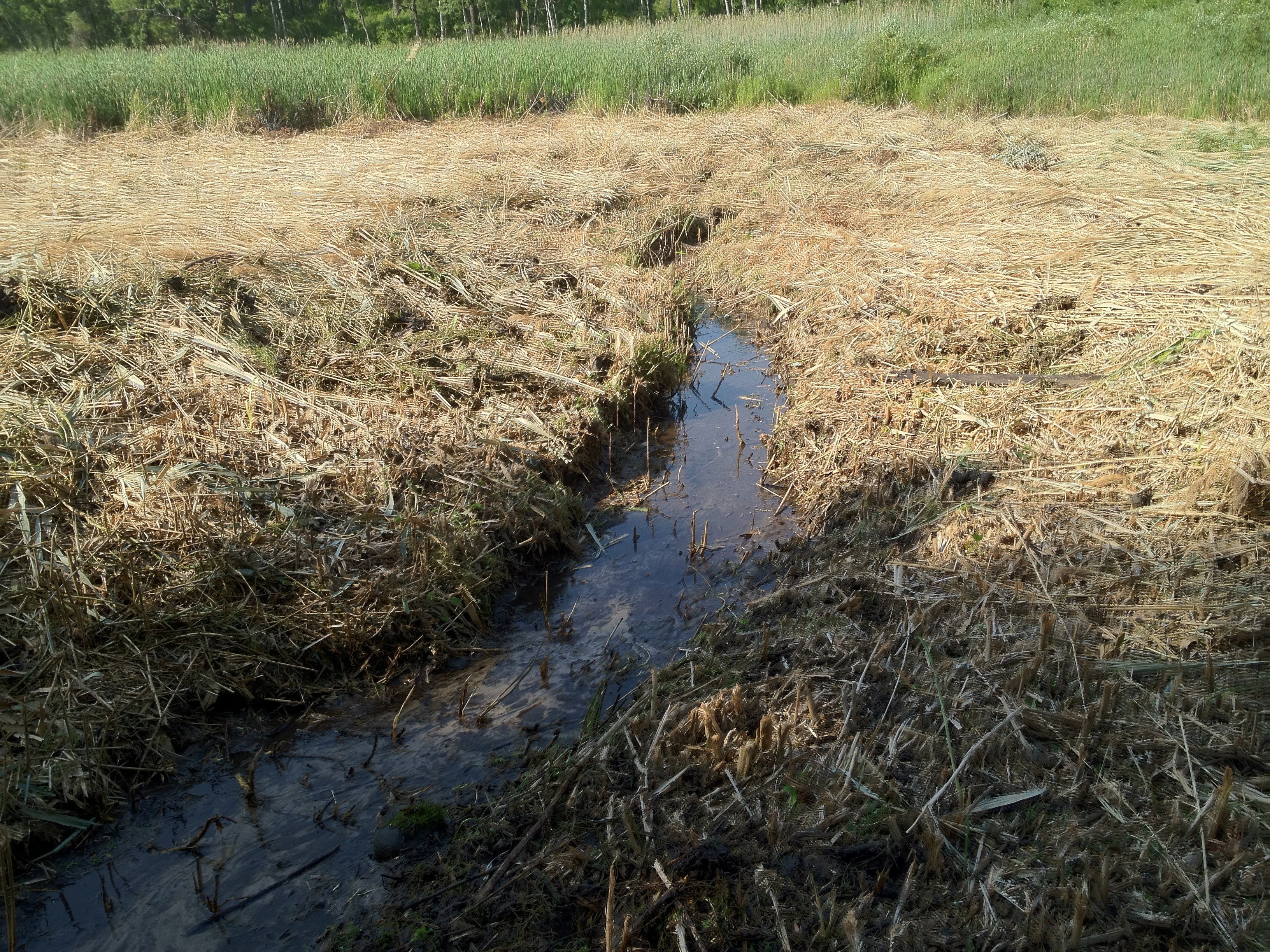
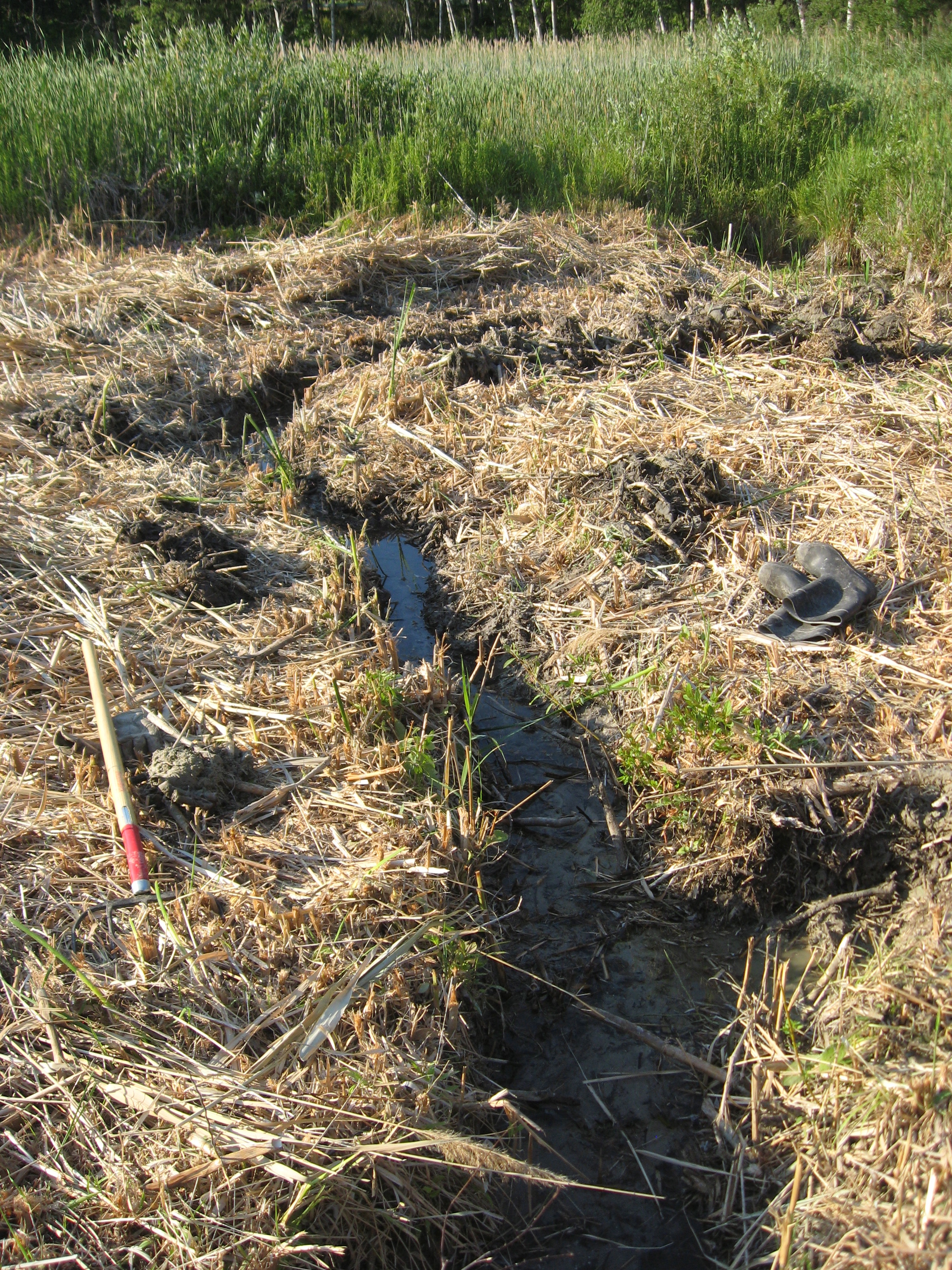
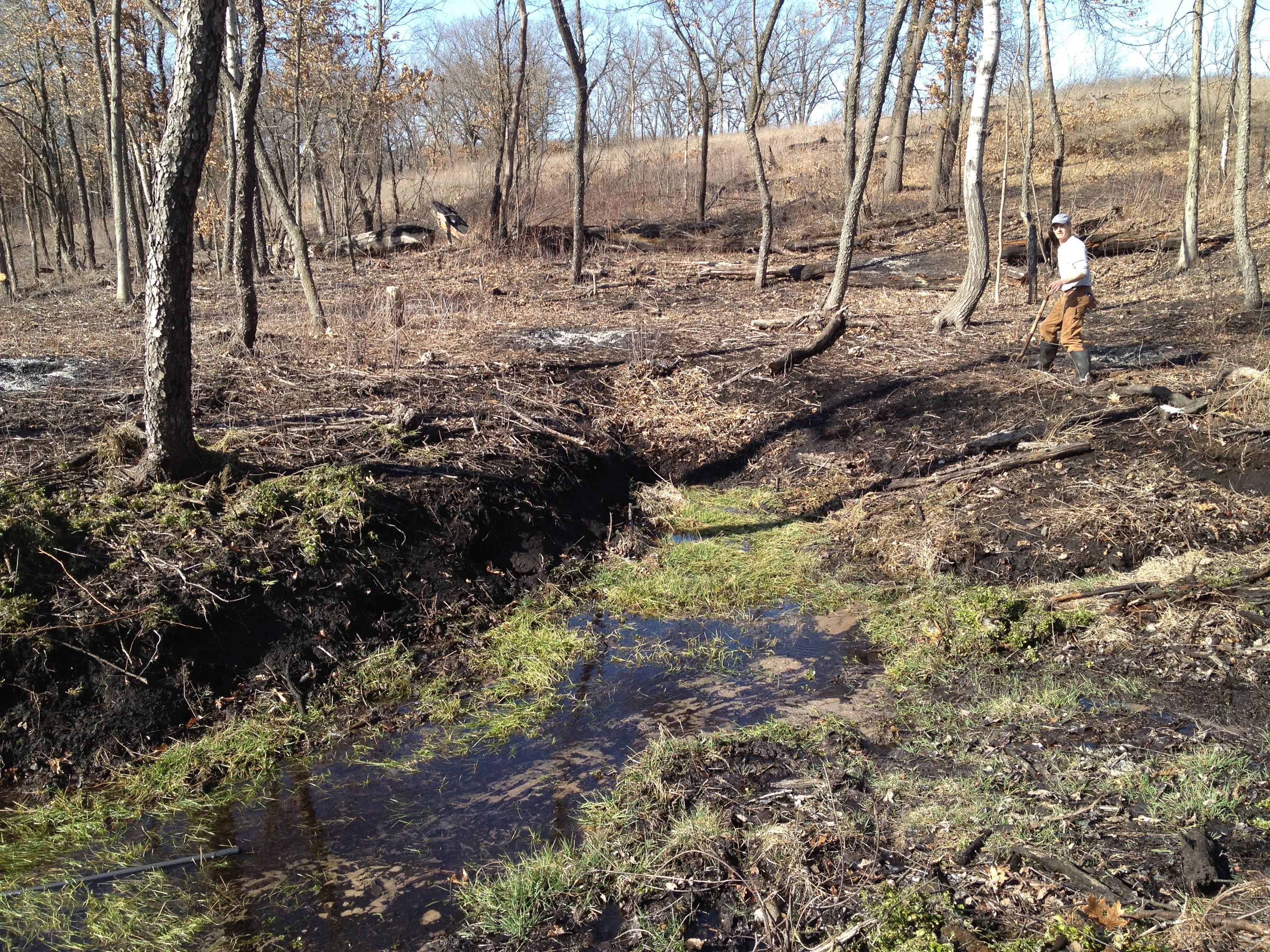
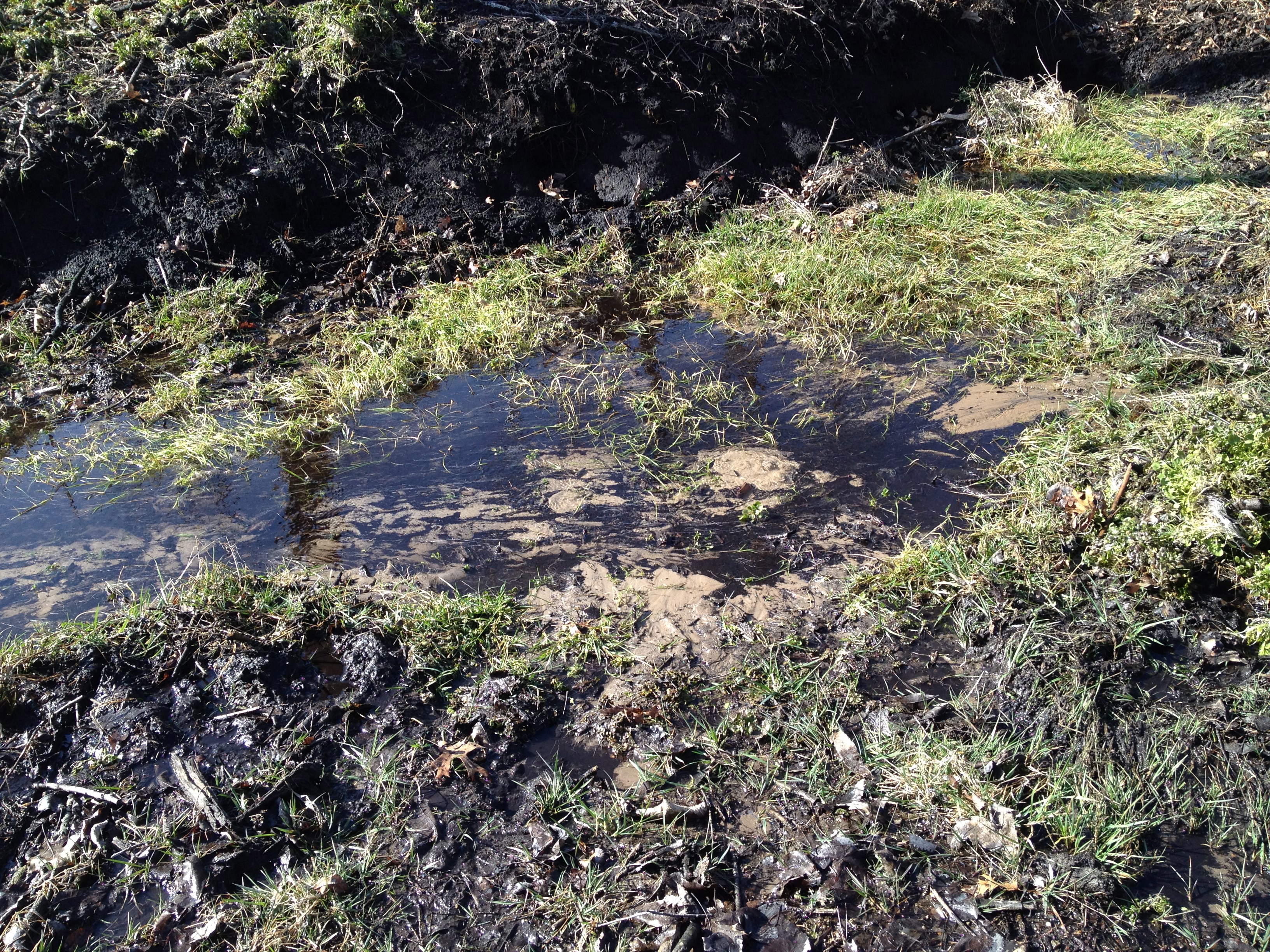
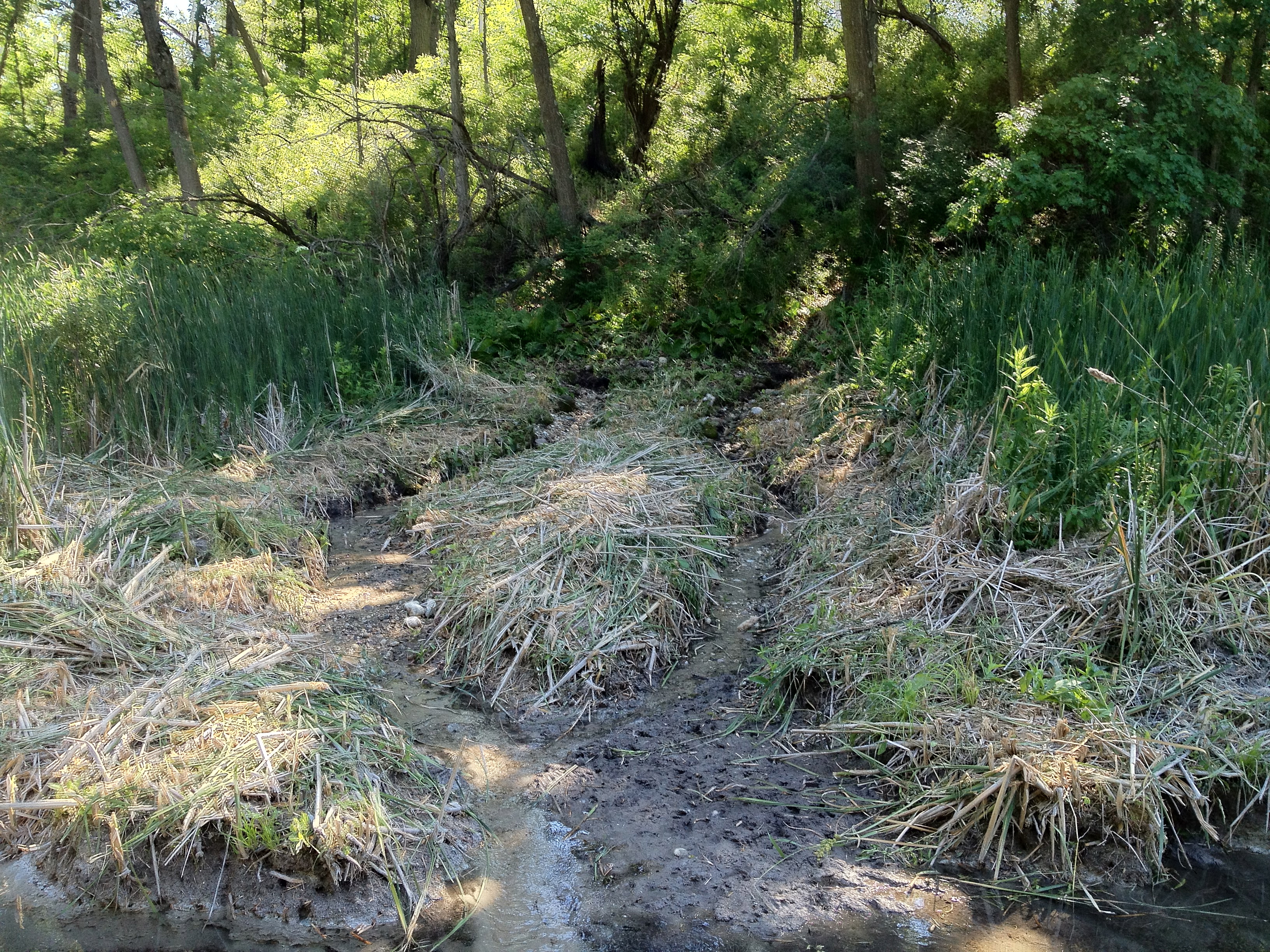
Here are some after shots. I noticed a classic pool, riffle, run pattern after the river resumed its normal course. There is a pool right where the side channel formed and now, after the clean up, you can see this followed by a riffle, a run and another pool where the old side channel returns to the river (Ben Heussner explains this pattern in his interview).
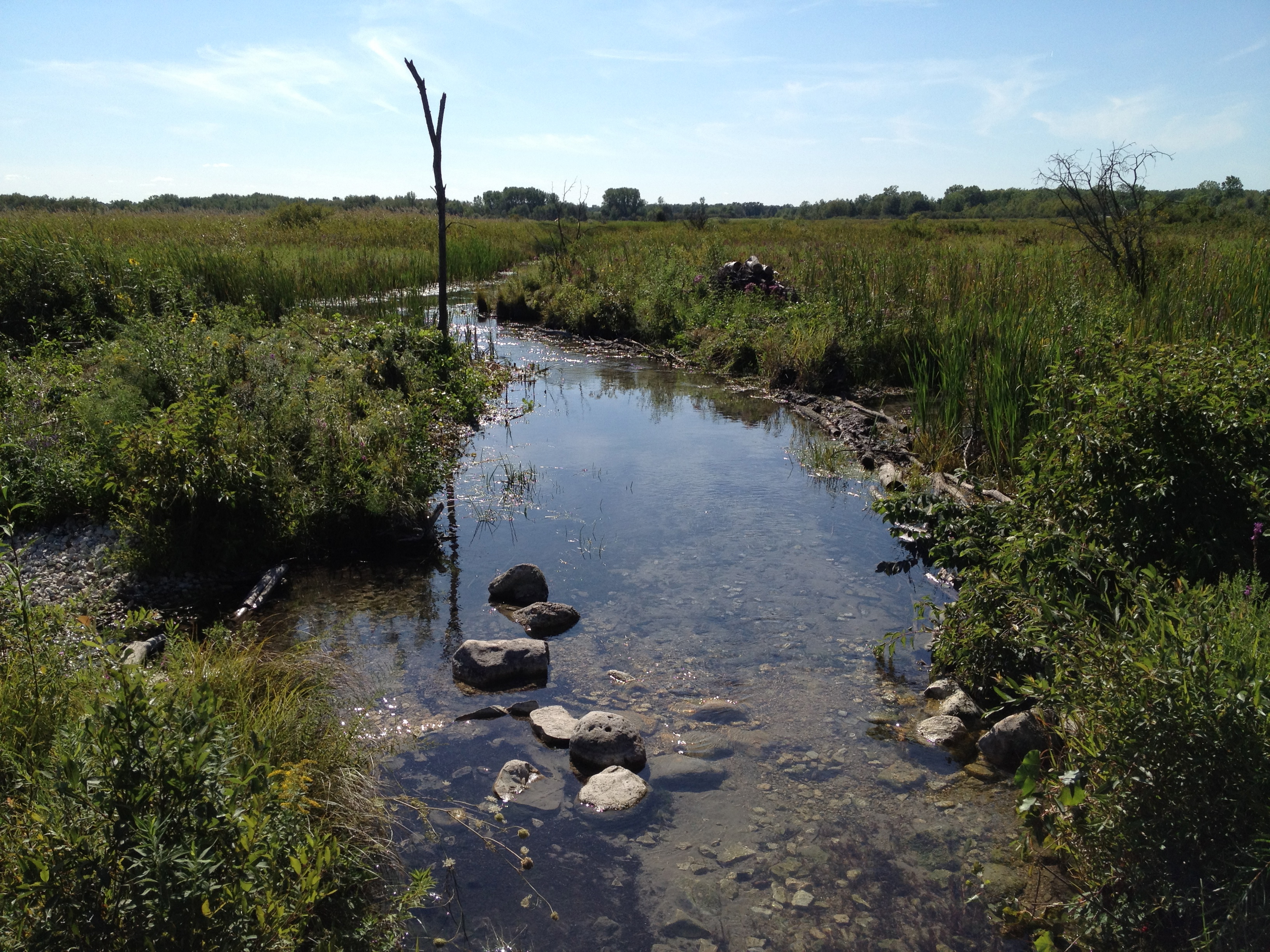
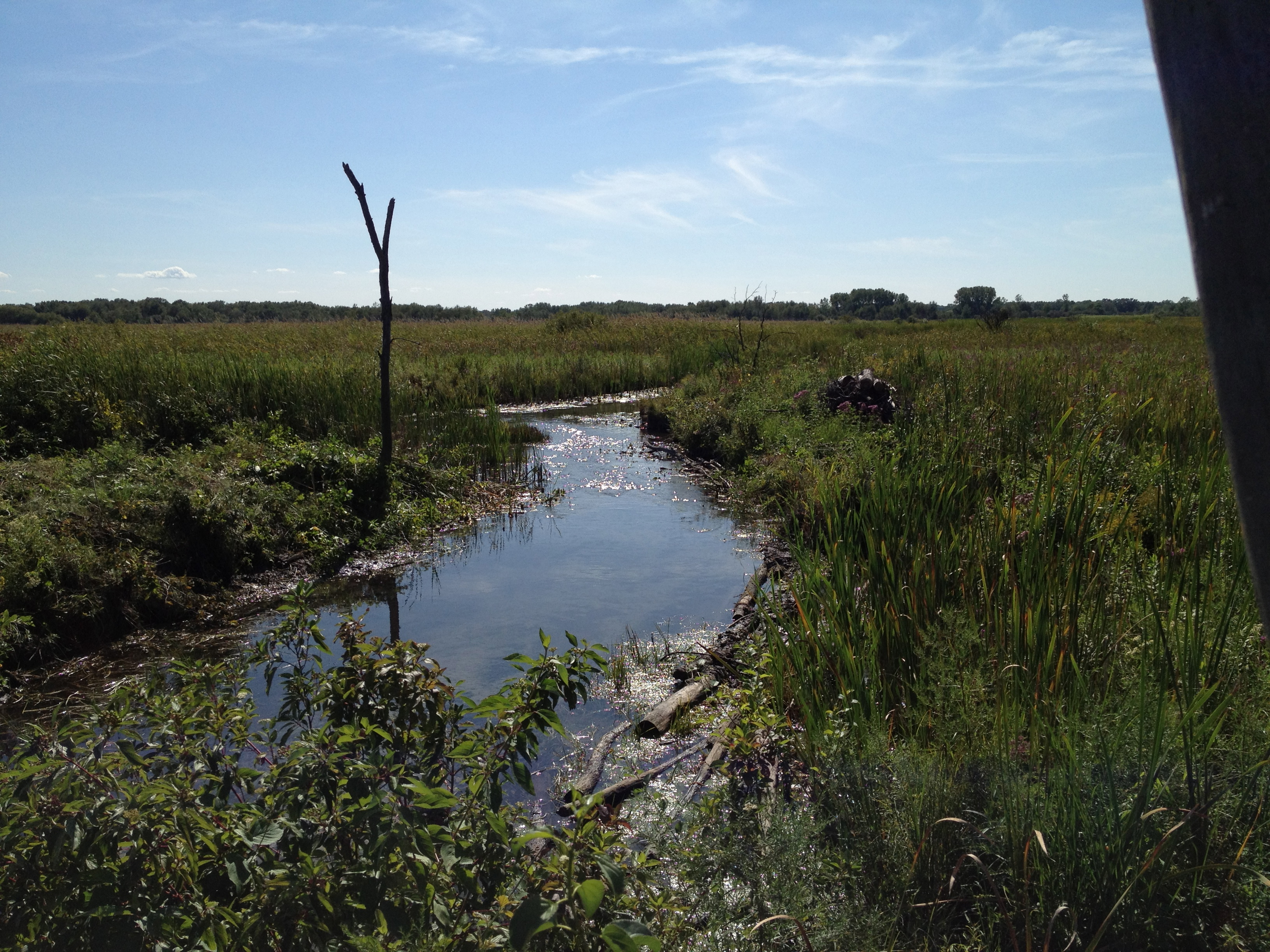

My repair job is probably not up to DNR standards, but its a start.




































 Scuppernong Springs Nature Trail