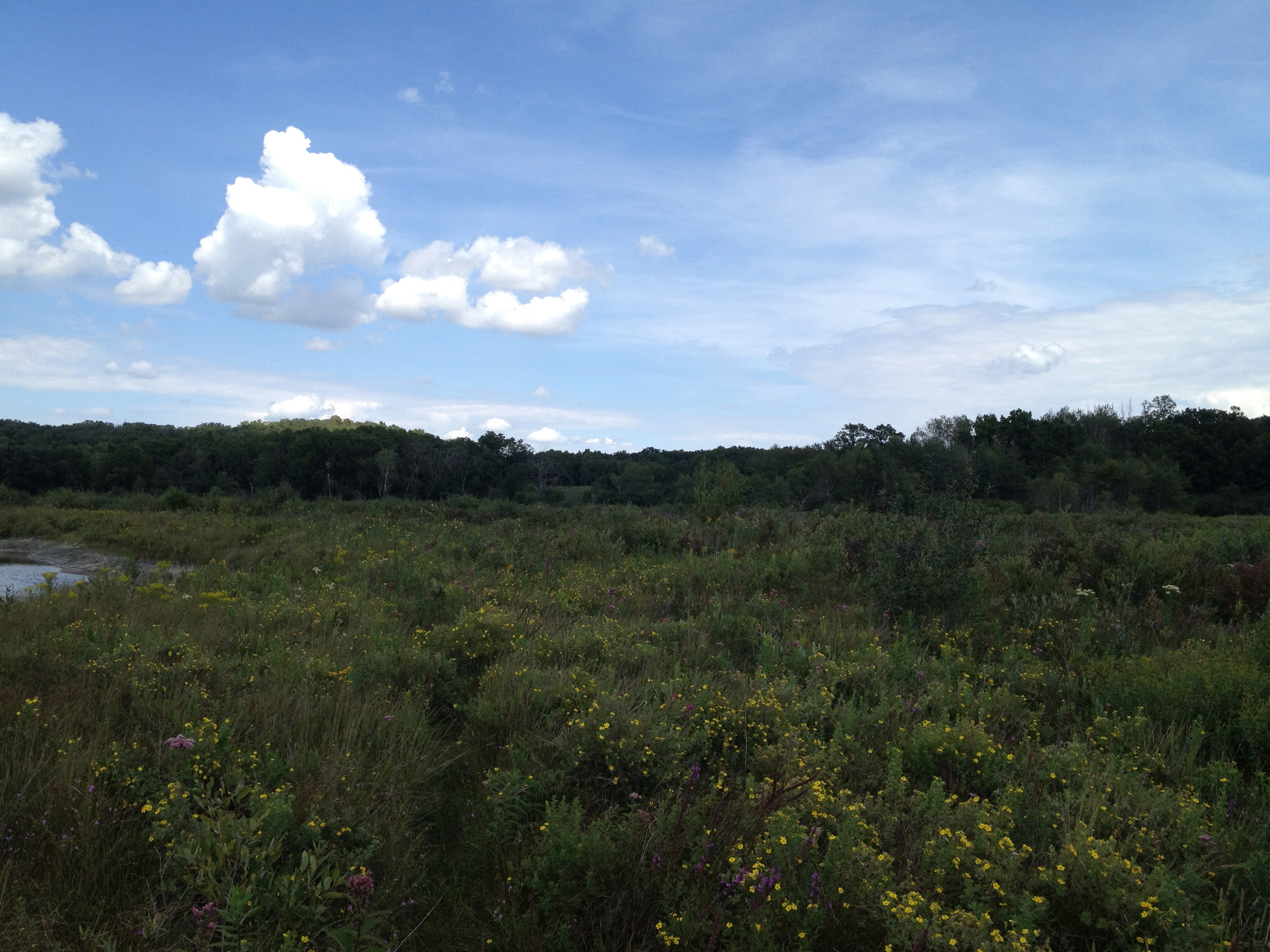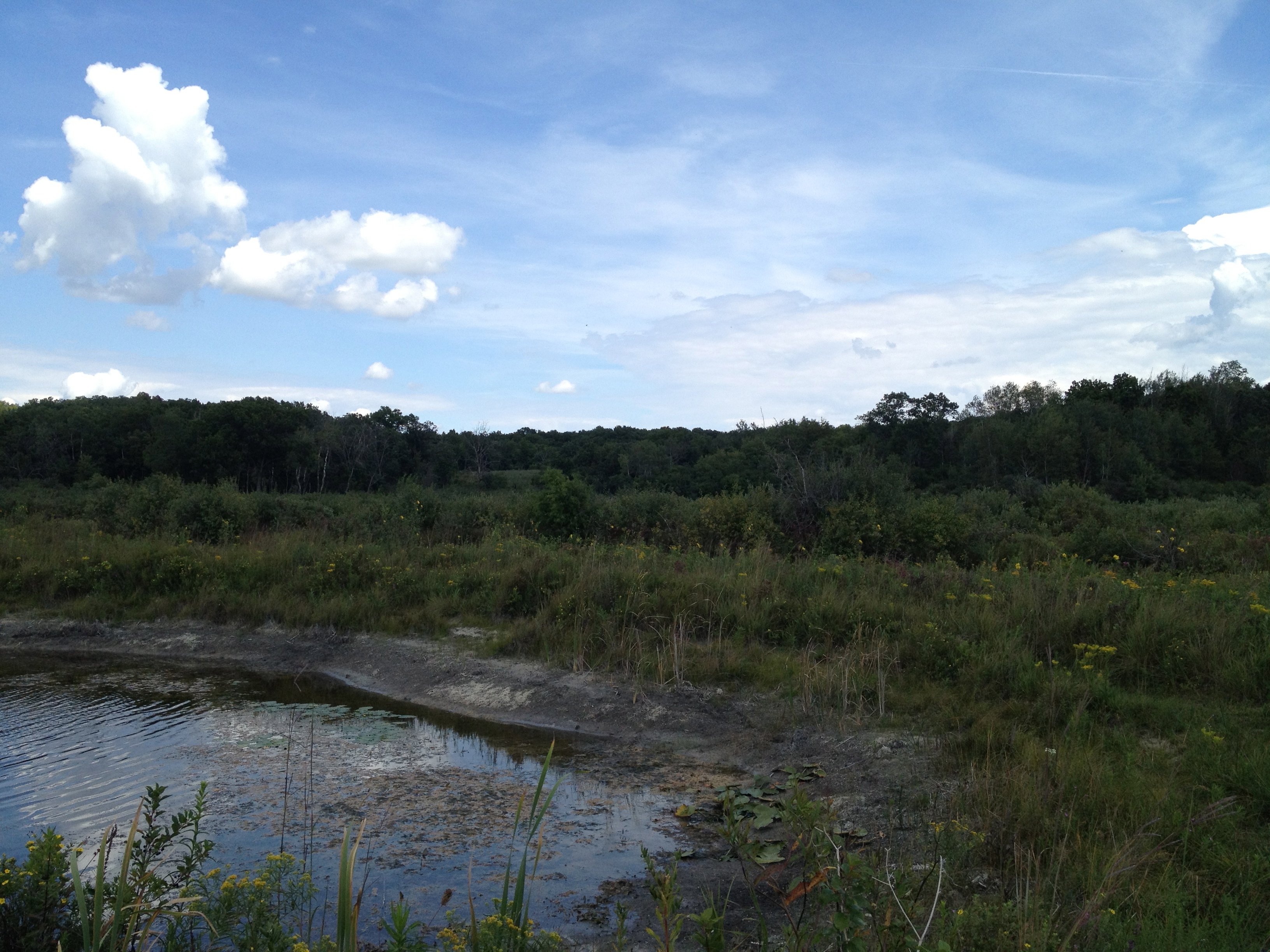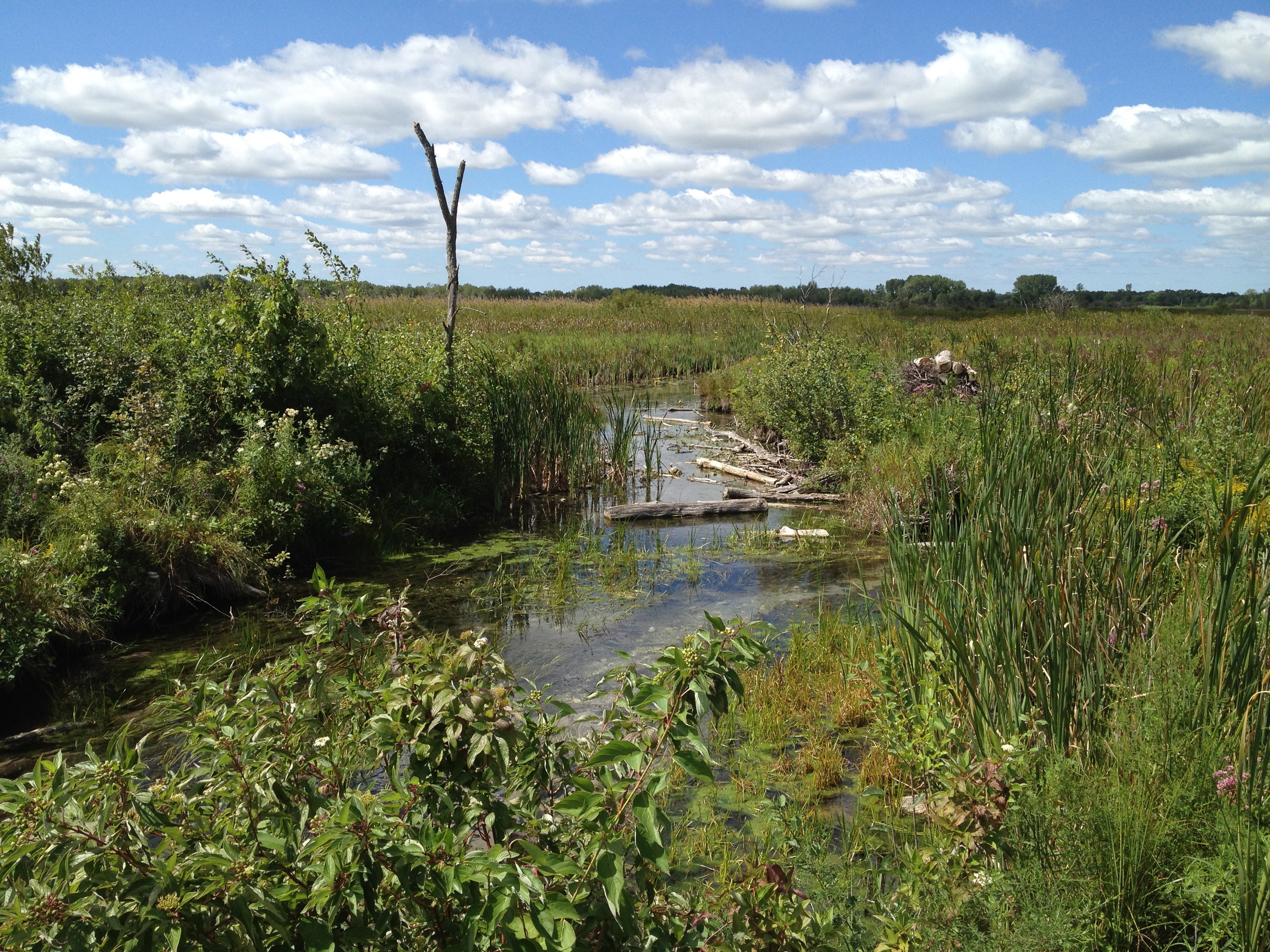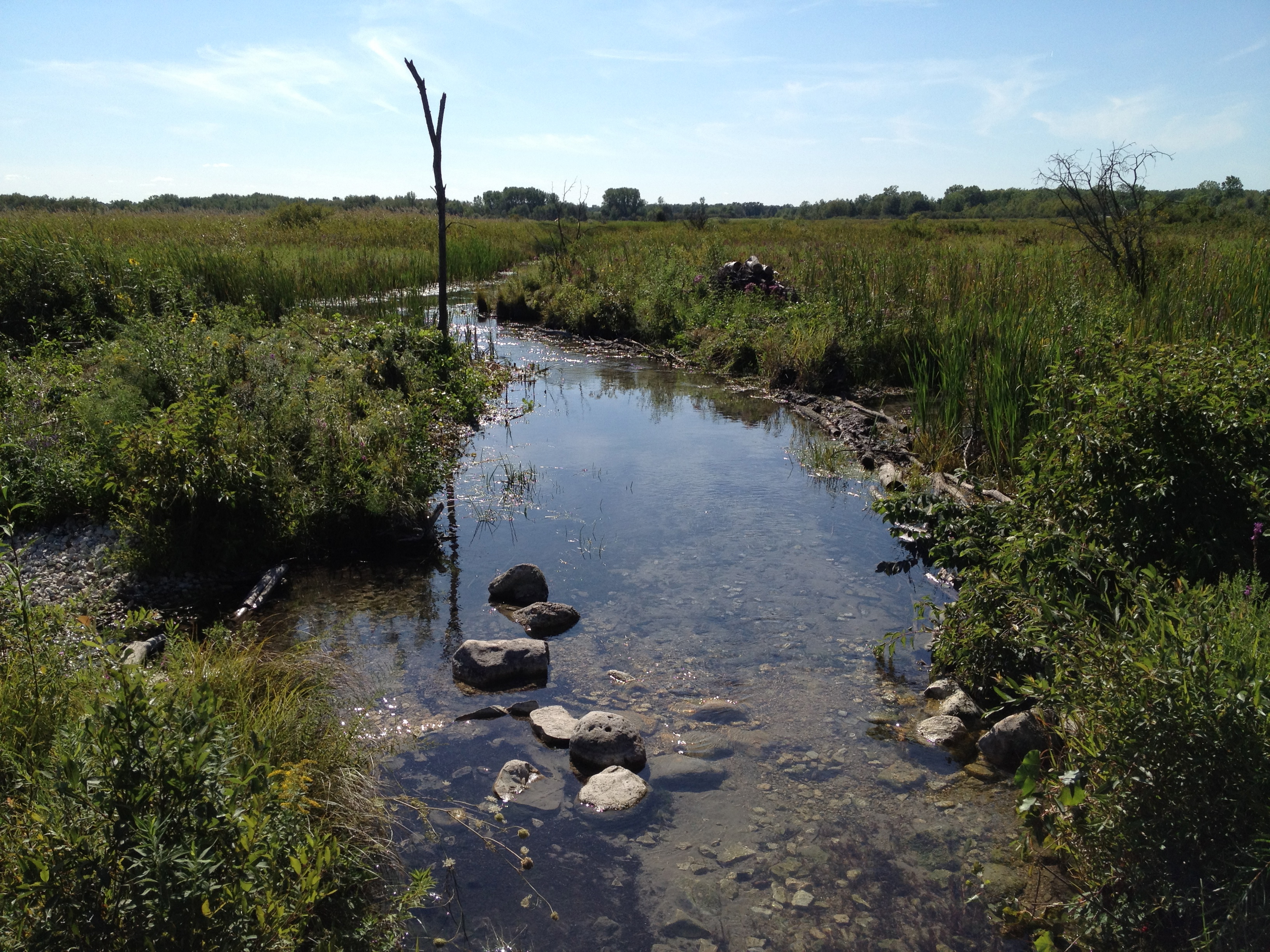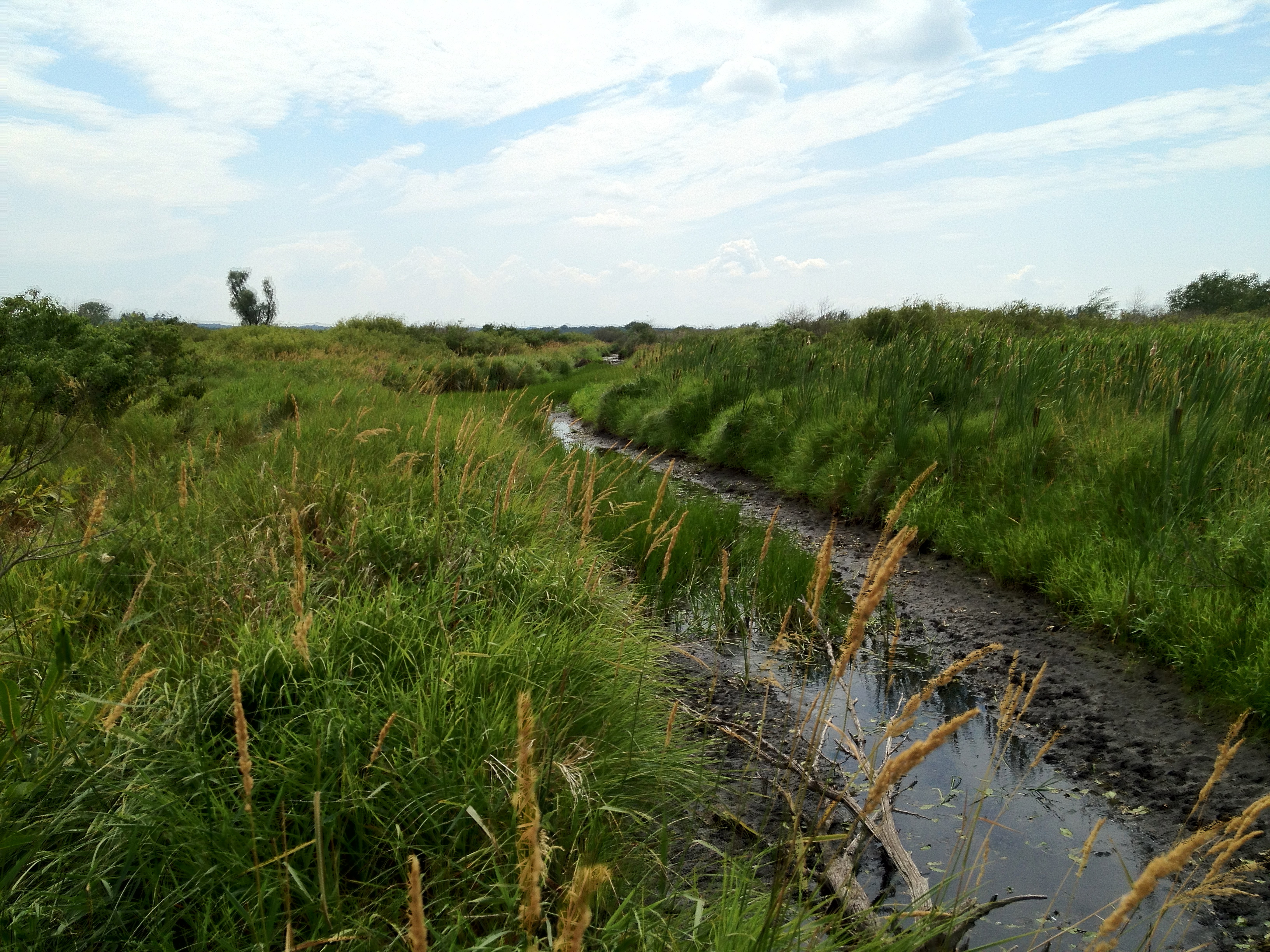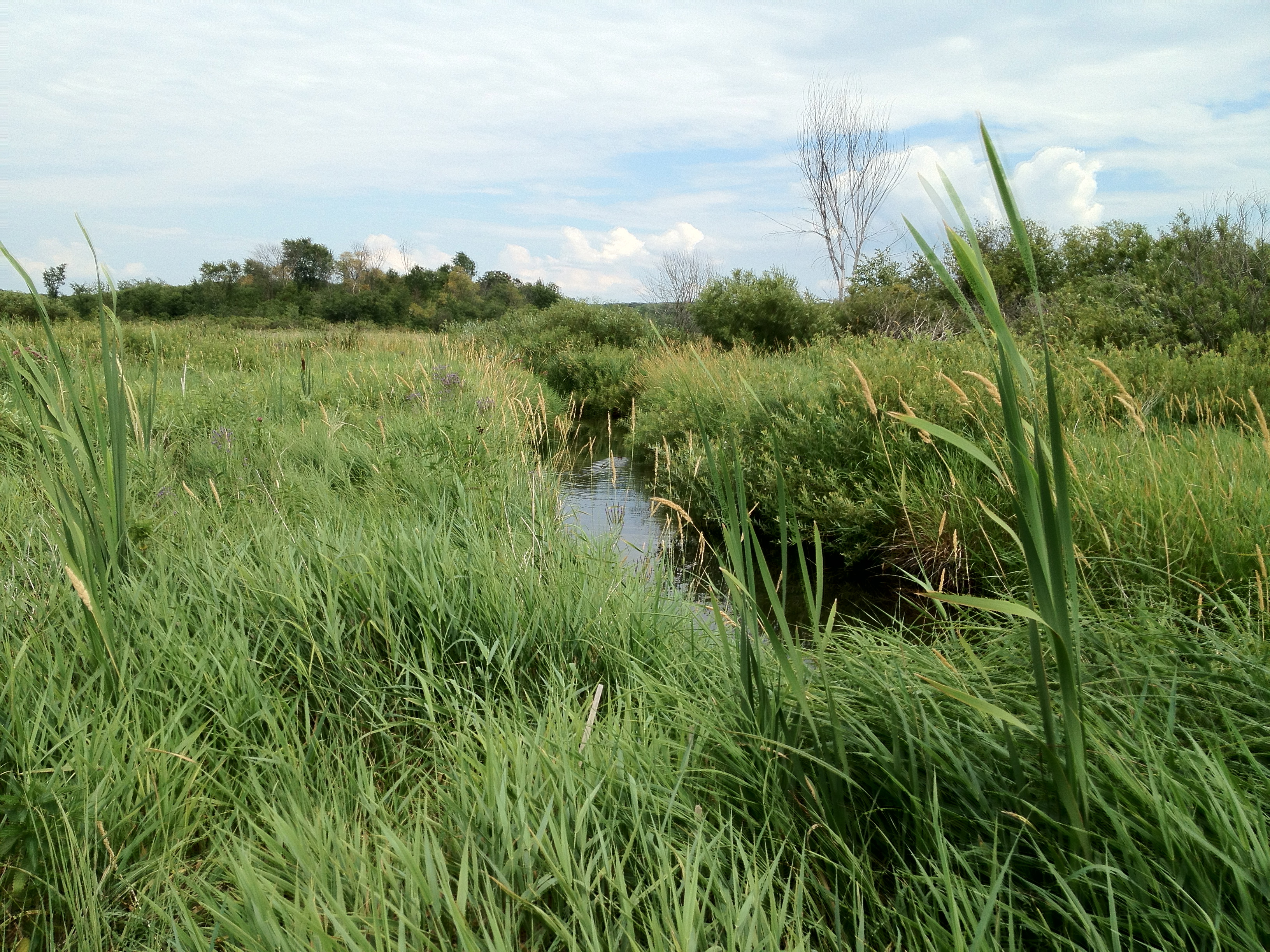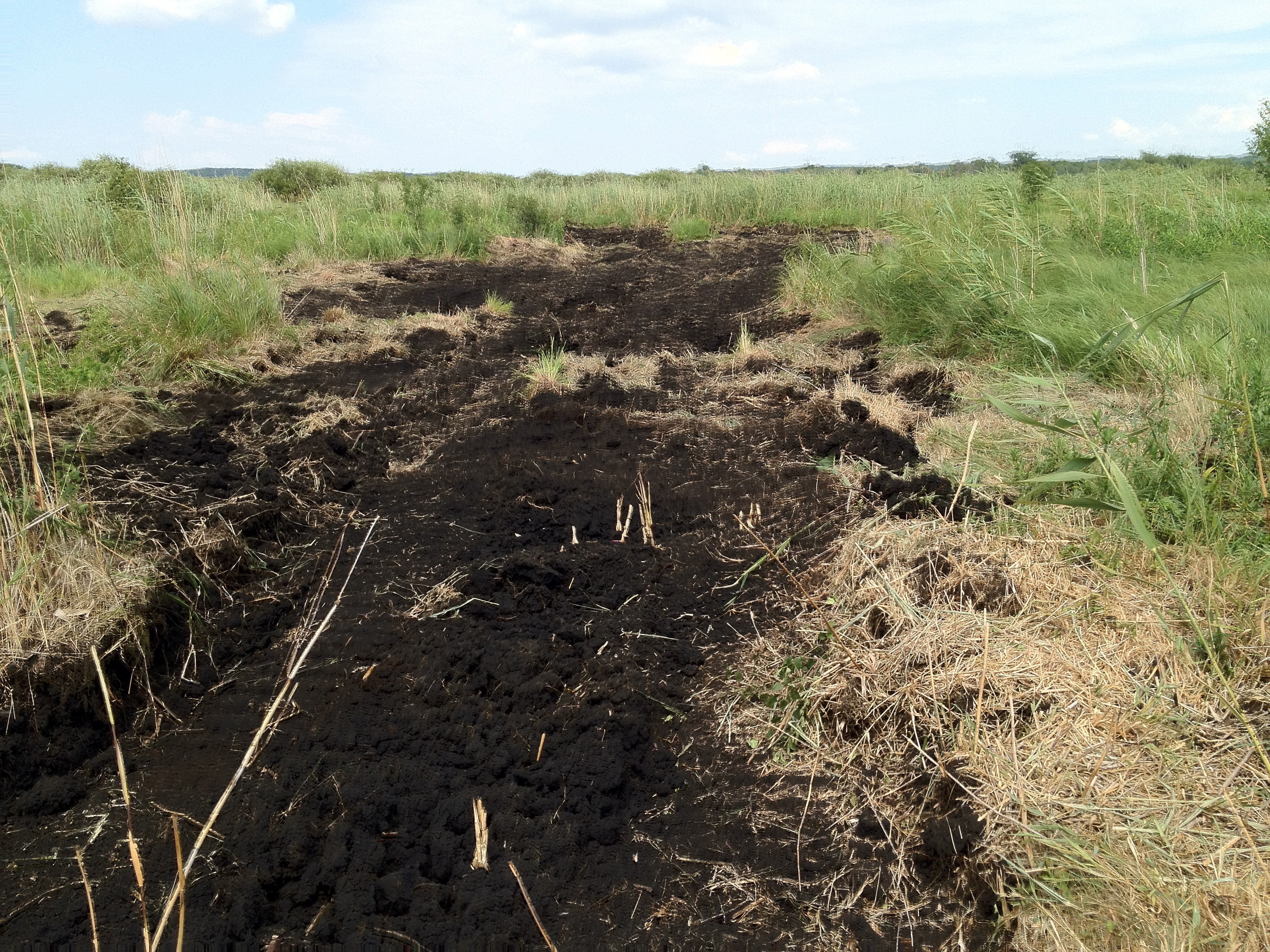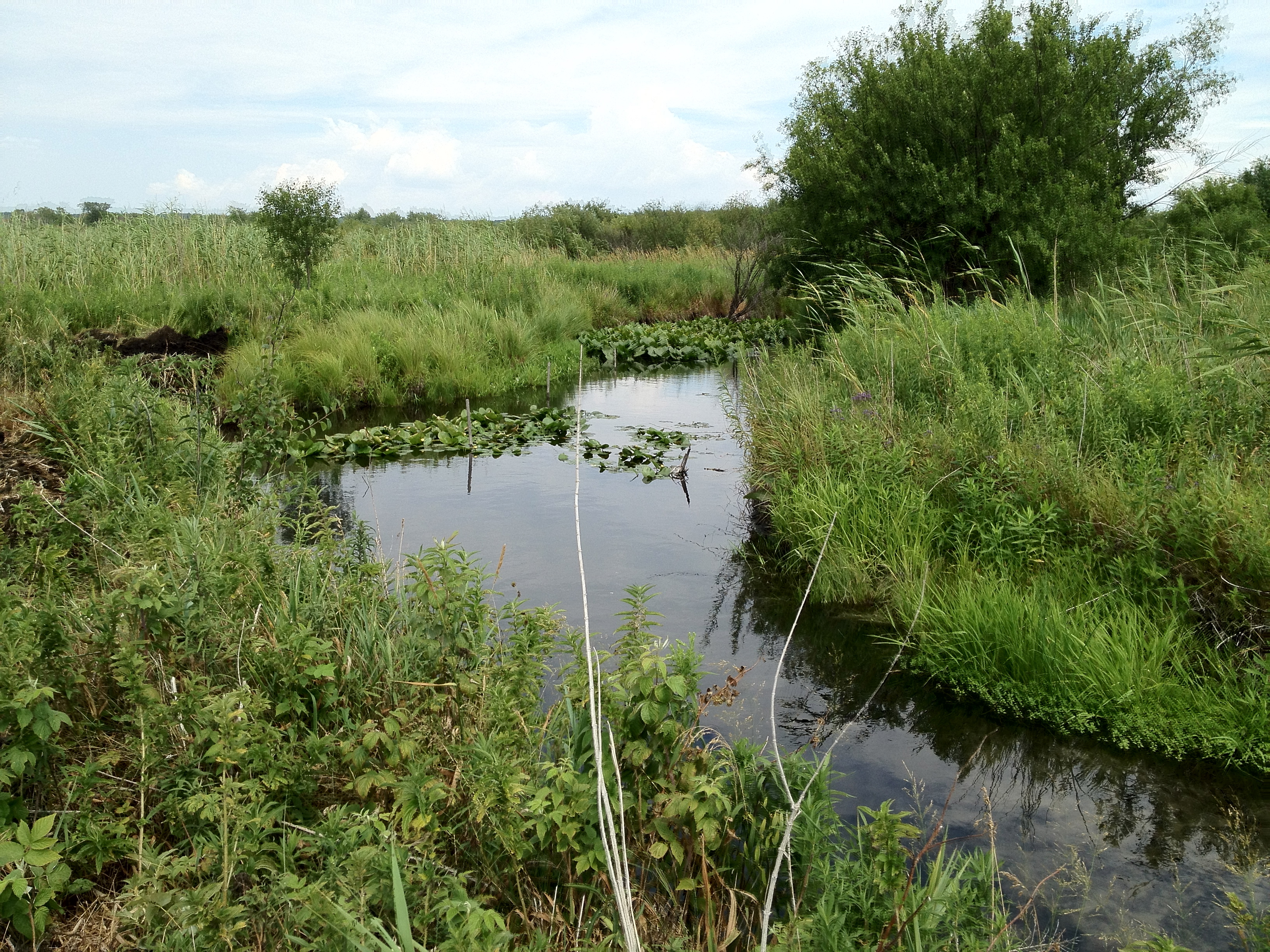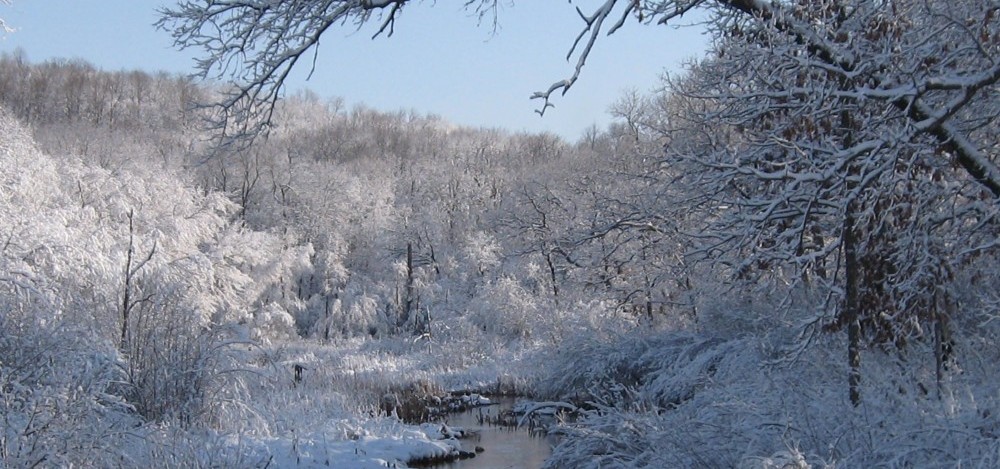
Get After It! Interview with Dave Hoffman

It’s good to be back at the Springs!  Pati and I had a great time on our road trip out West, which included Yellowstone, The Tetons, Glacier, Crater Lake and Mt Shasta.  I know this will sound crazy but I am able to share our experience ala John Coffey, the death row prisoner featured in the movie “The Green Mile”, so be sure to visit me out at the Springs so I can lay my hands on you!

Out West, when you want to get something done, you “Get After It” and that is going to be our new motto out at the Springs.

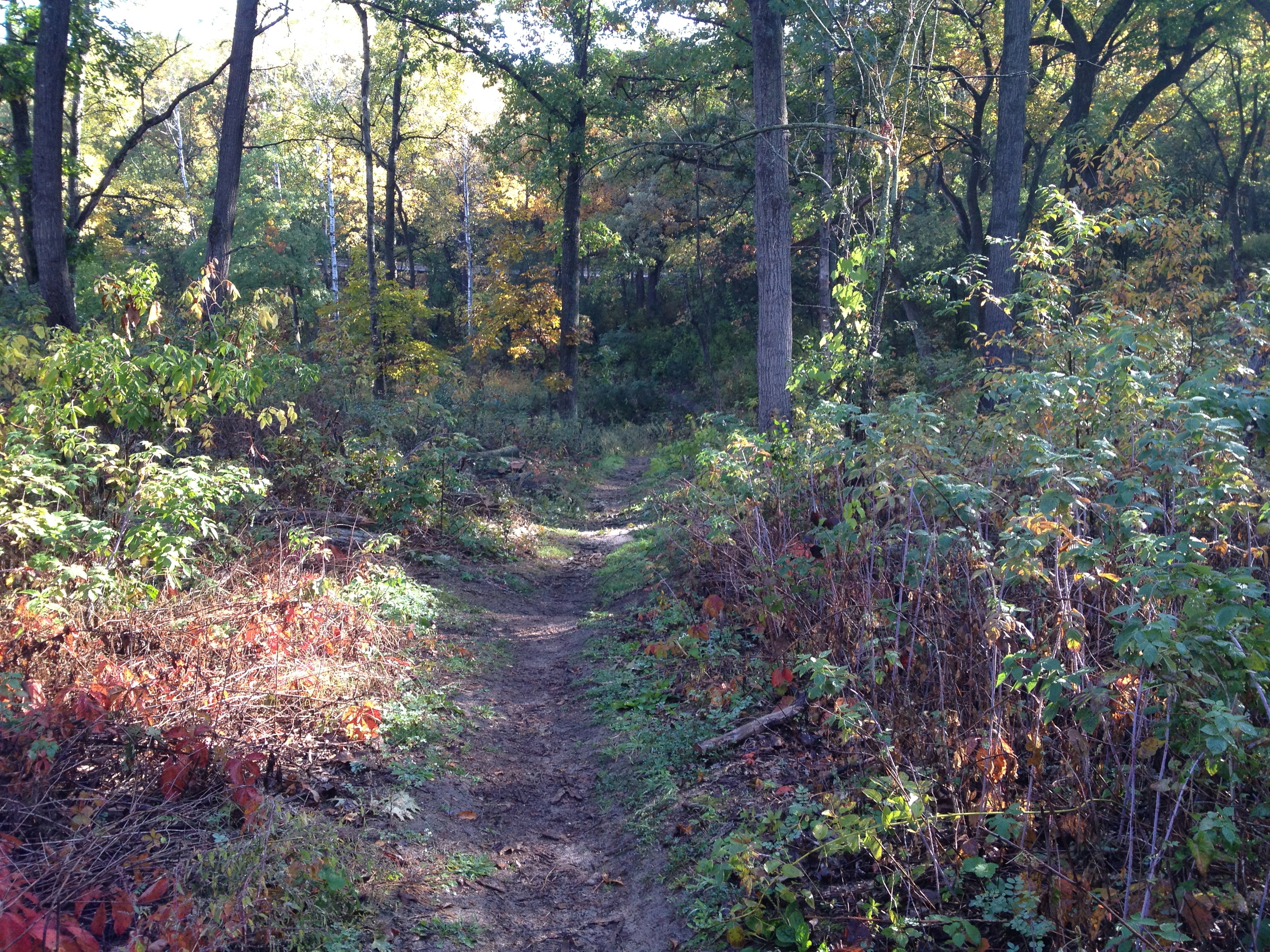
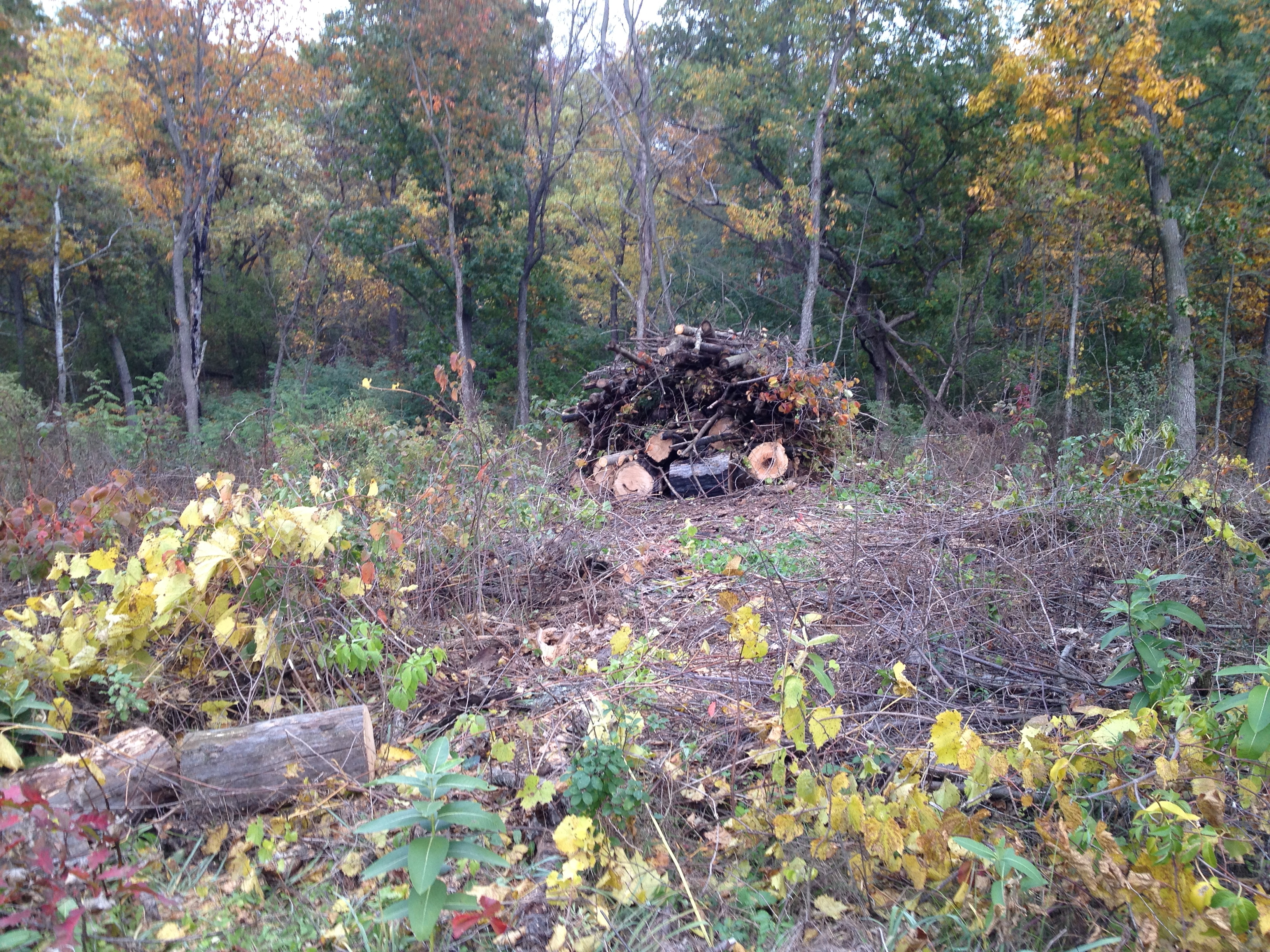
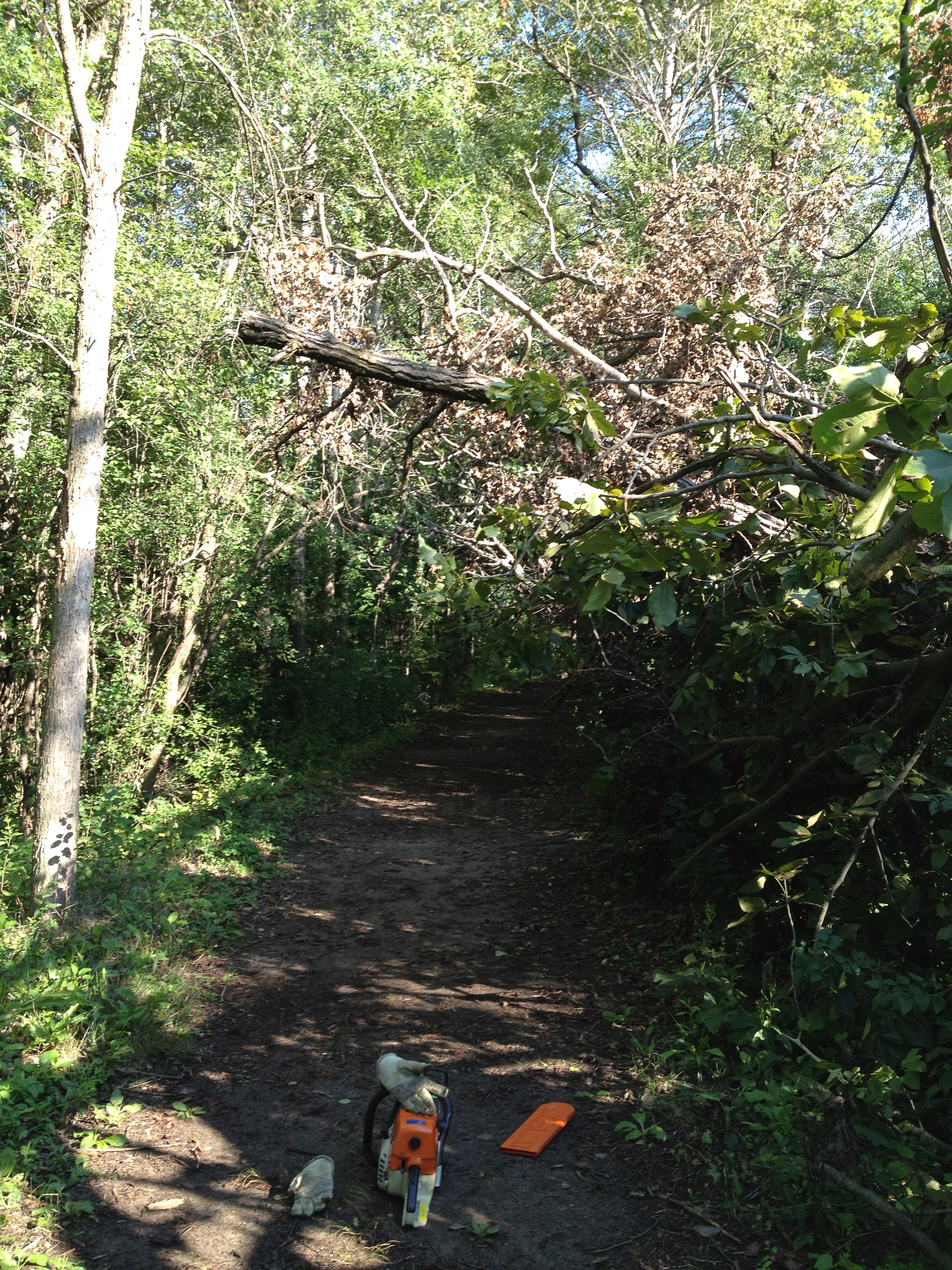
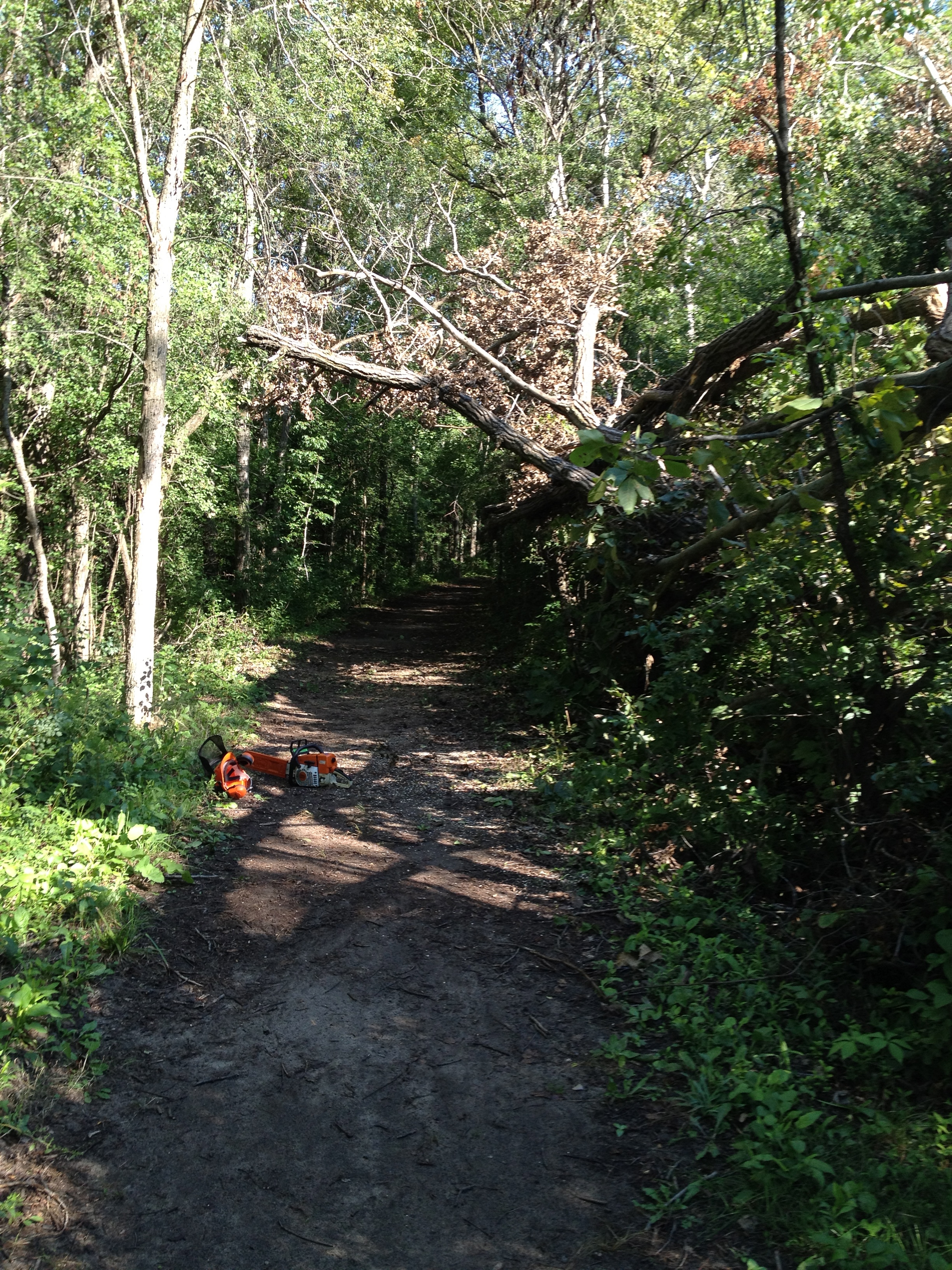
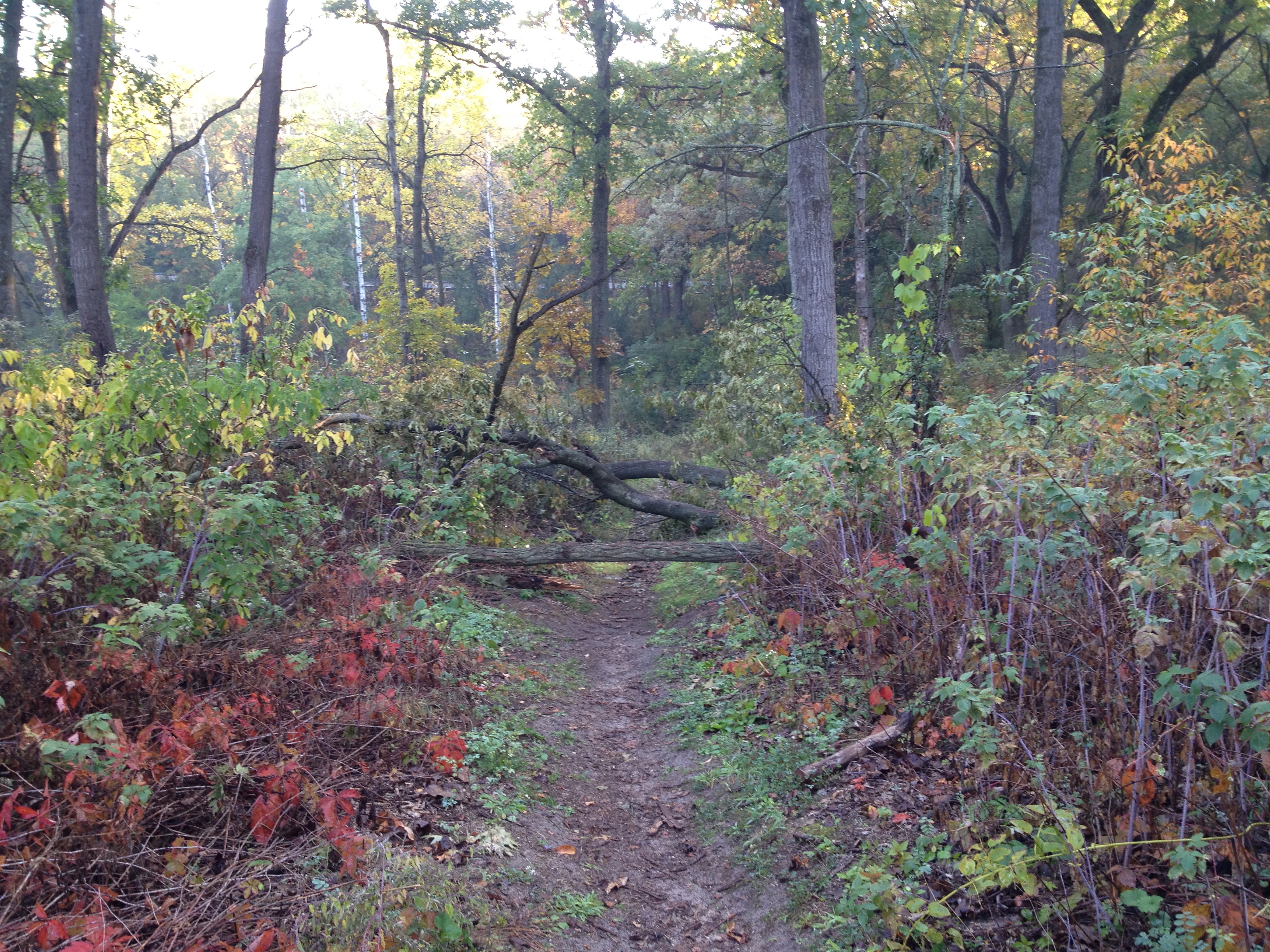
Lindsay and I “got after it” yesterday, 10/4, and the day started with removing a huge Red Oak that snapped off at the base and fell across the trail just up the hill from the Scuppernong Spring.
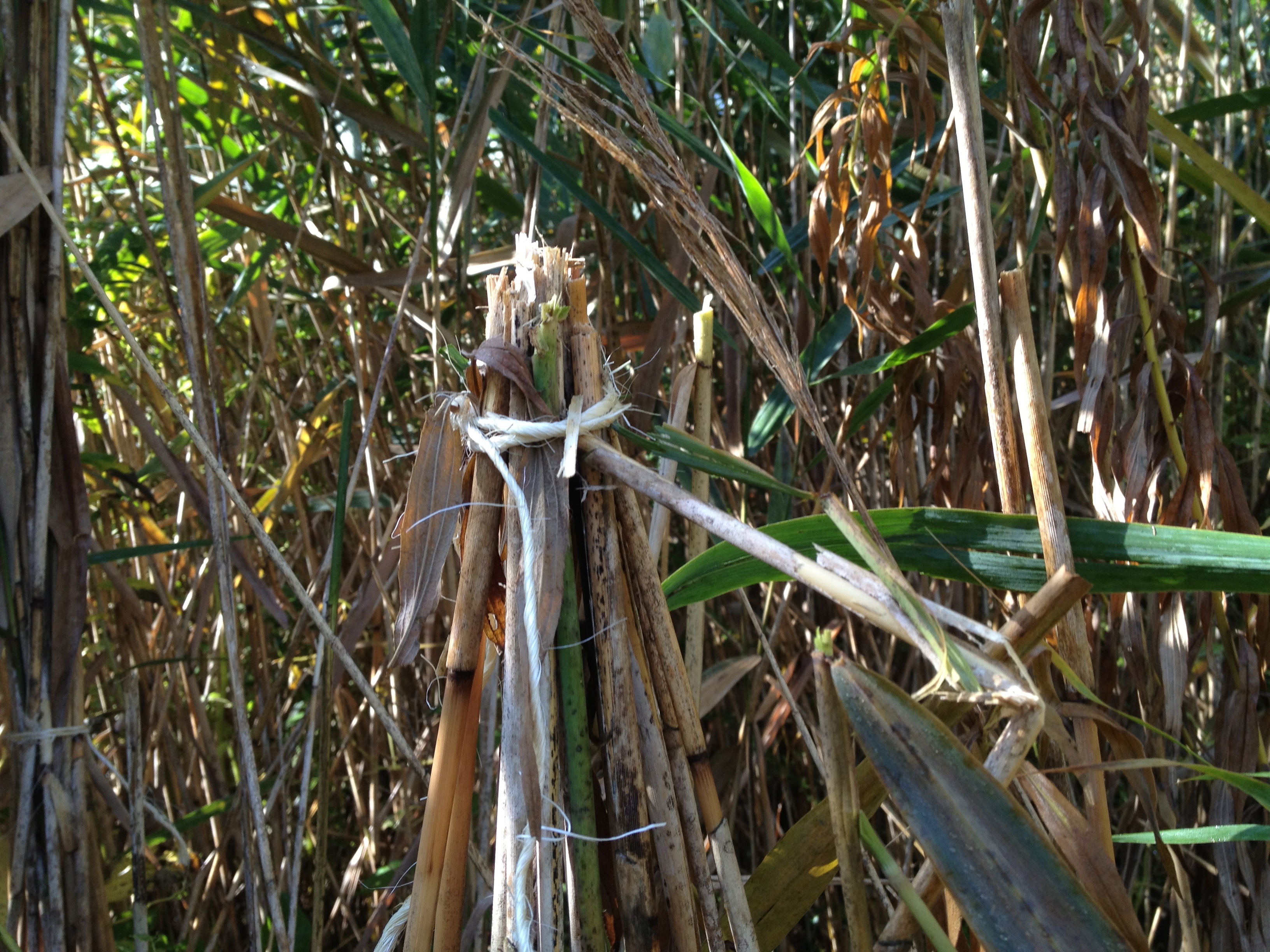
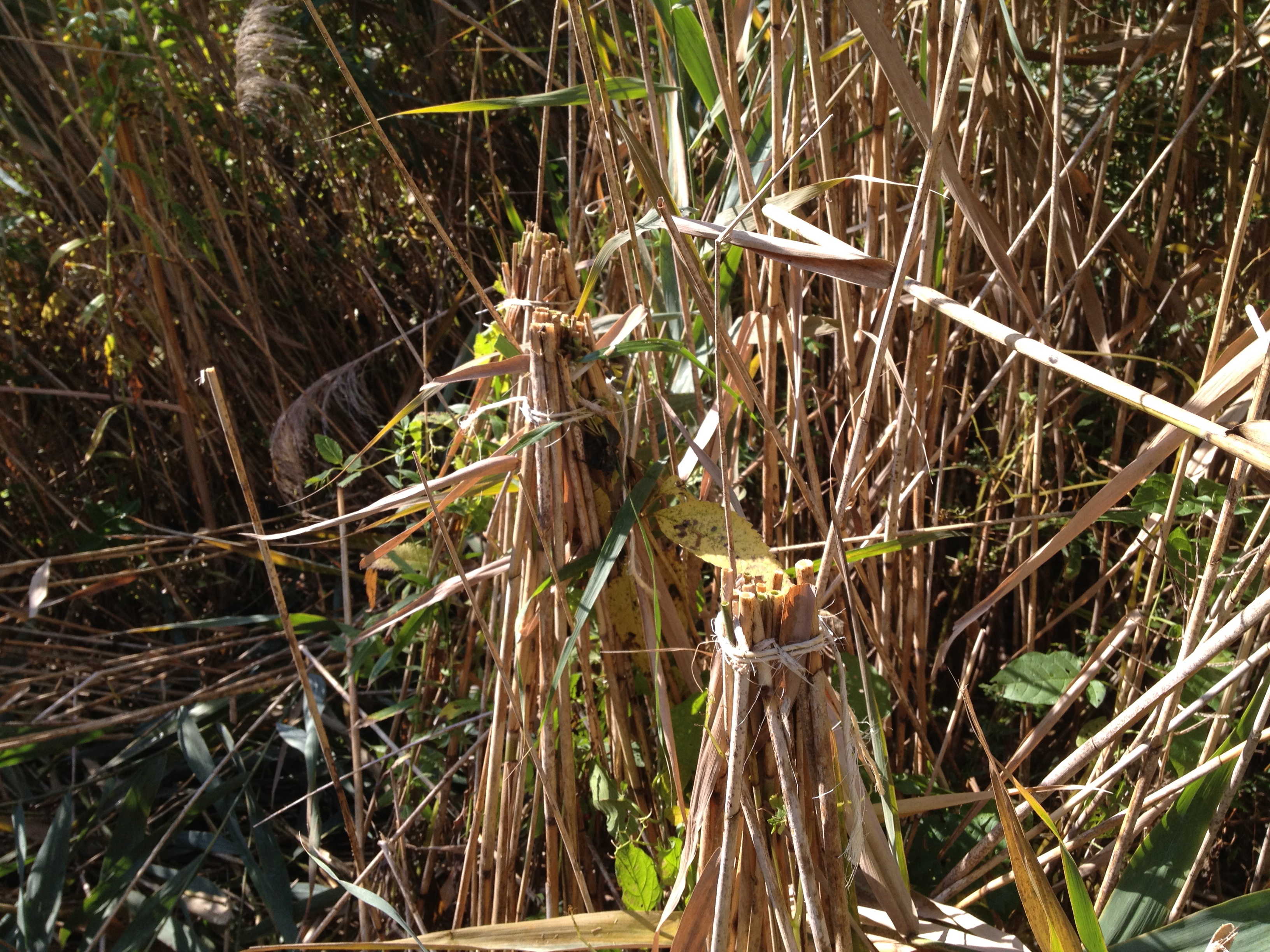
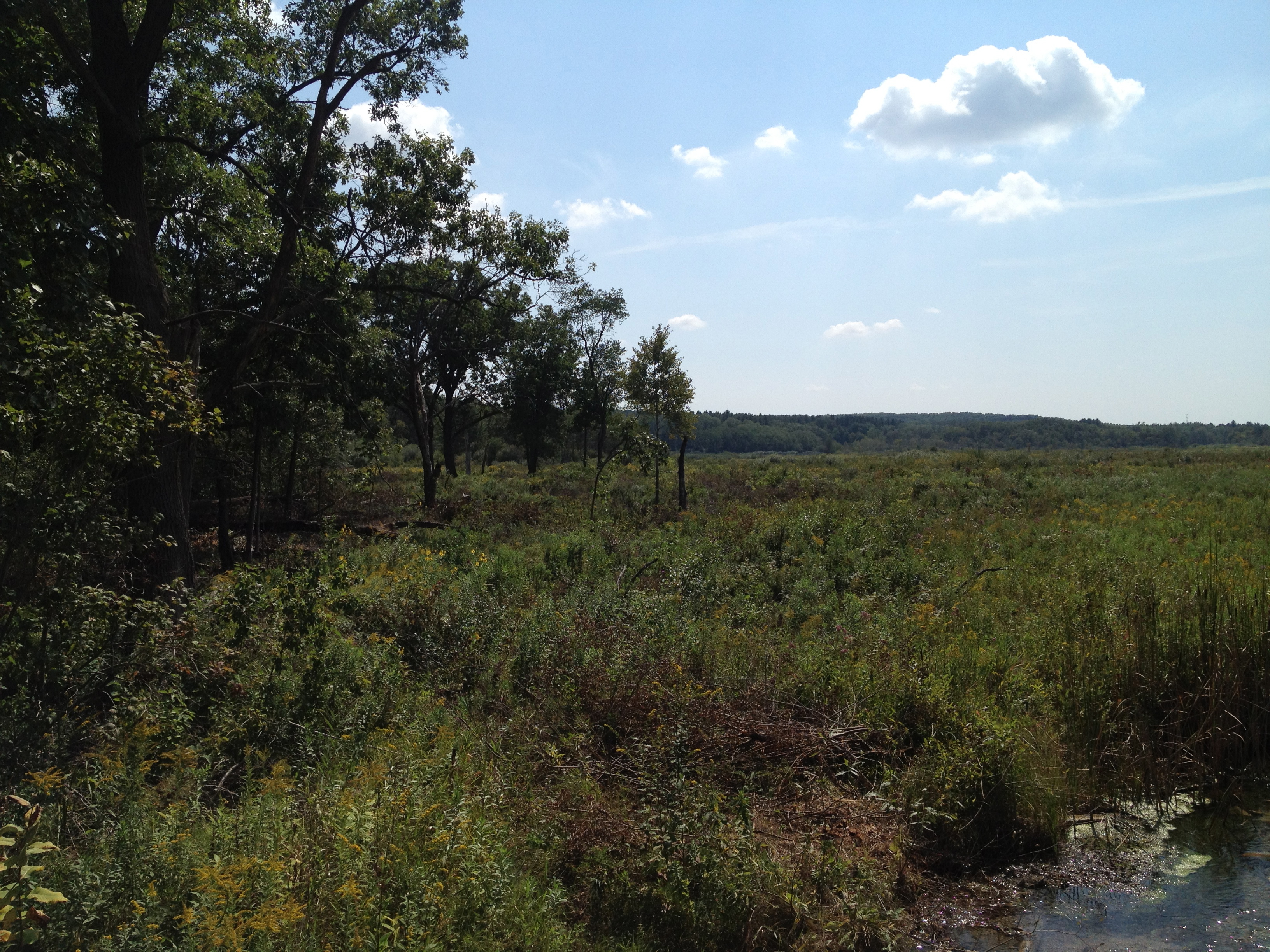
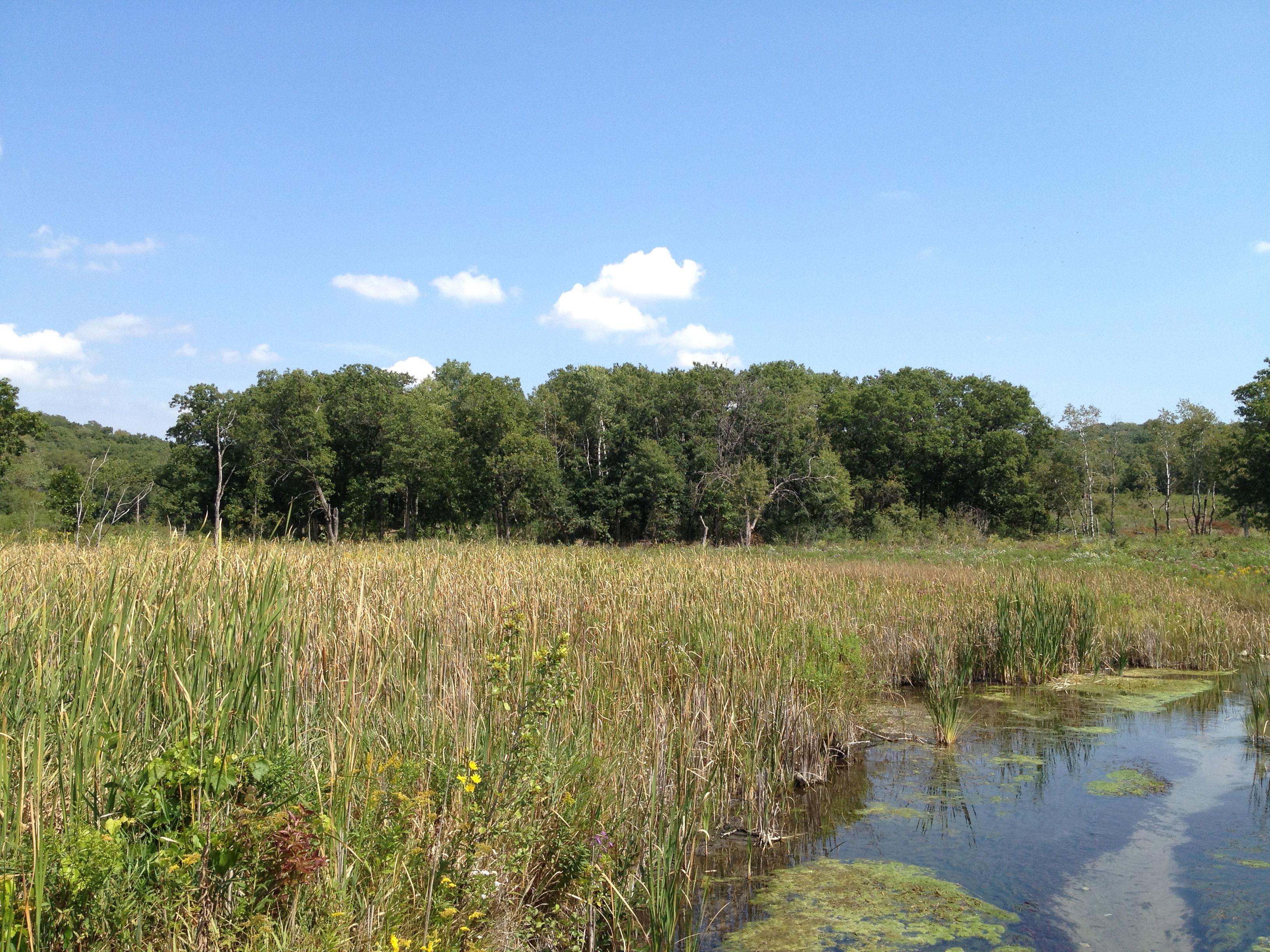
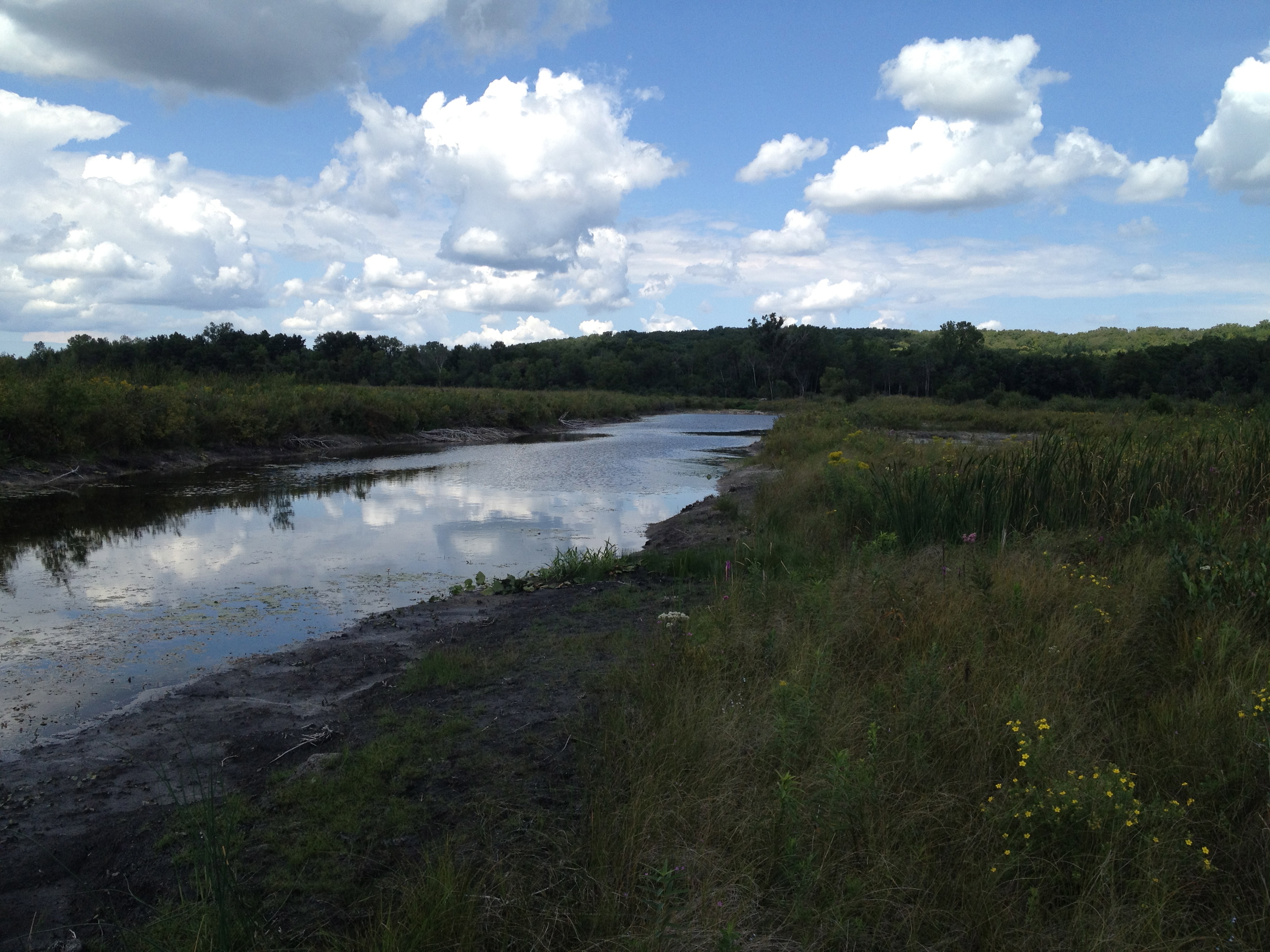
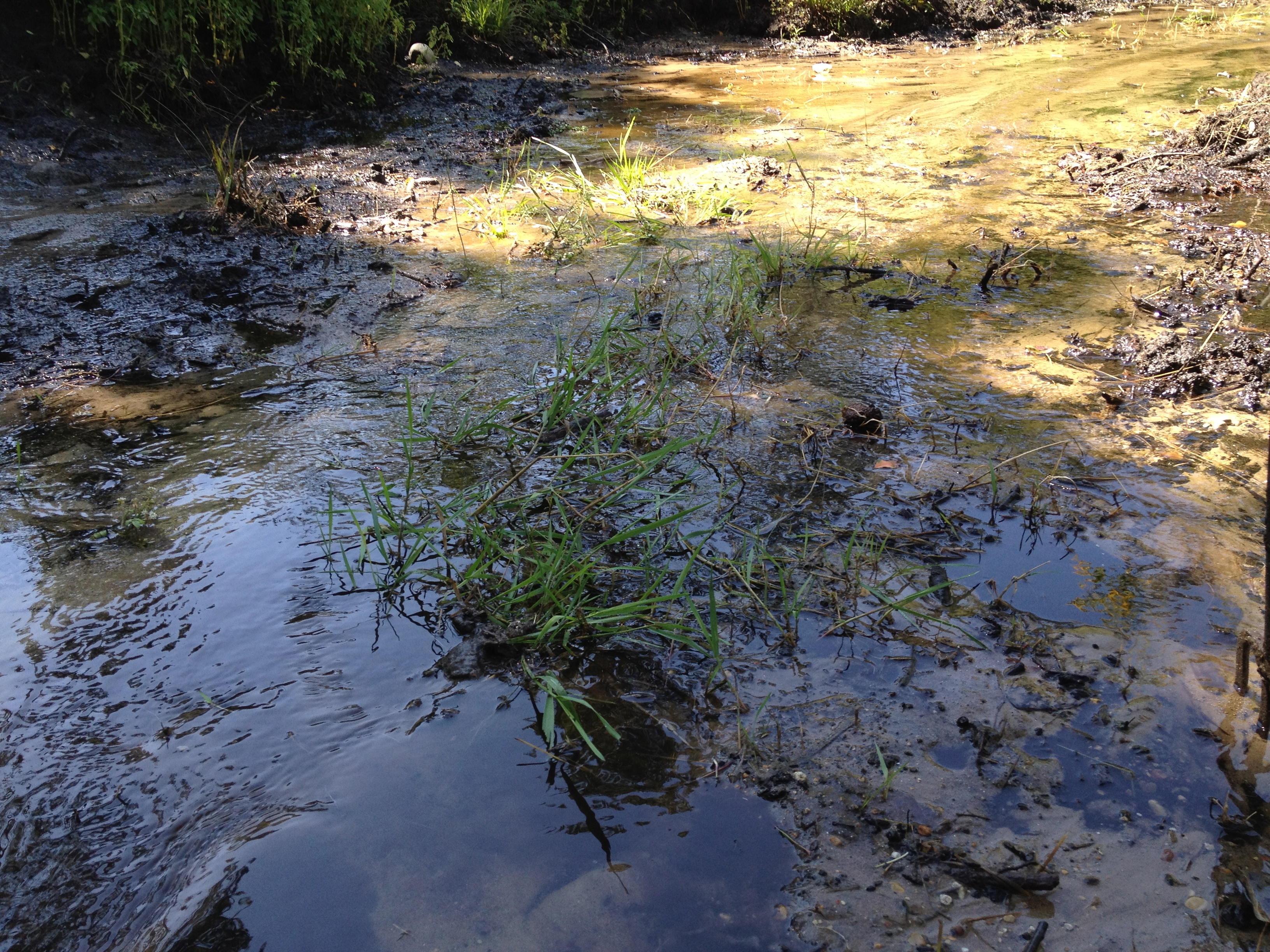
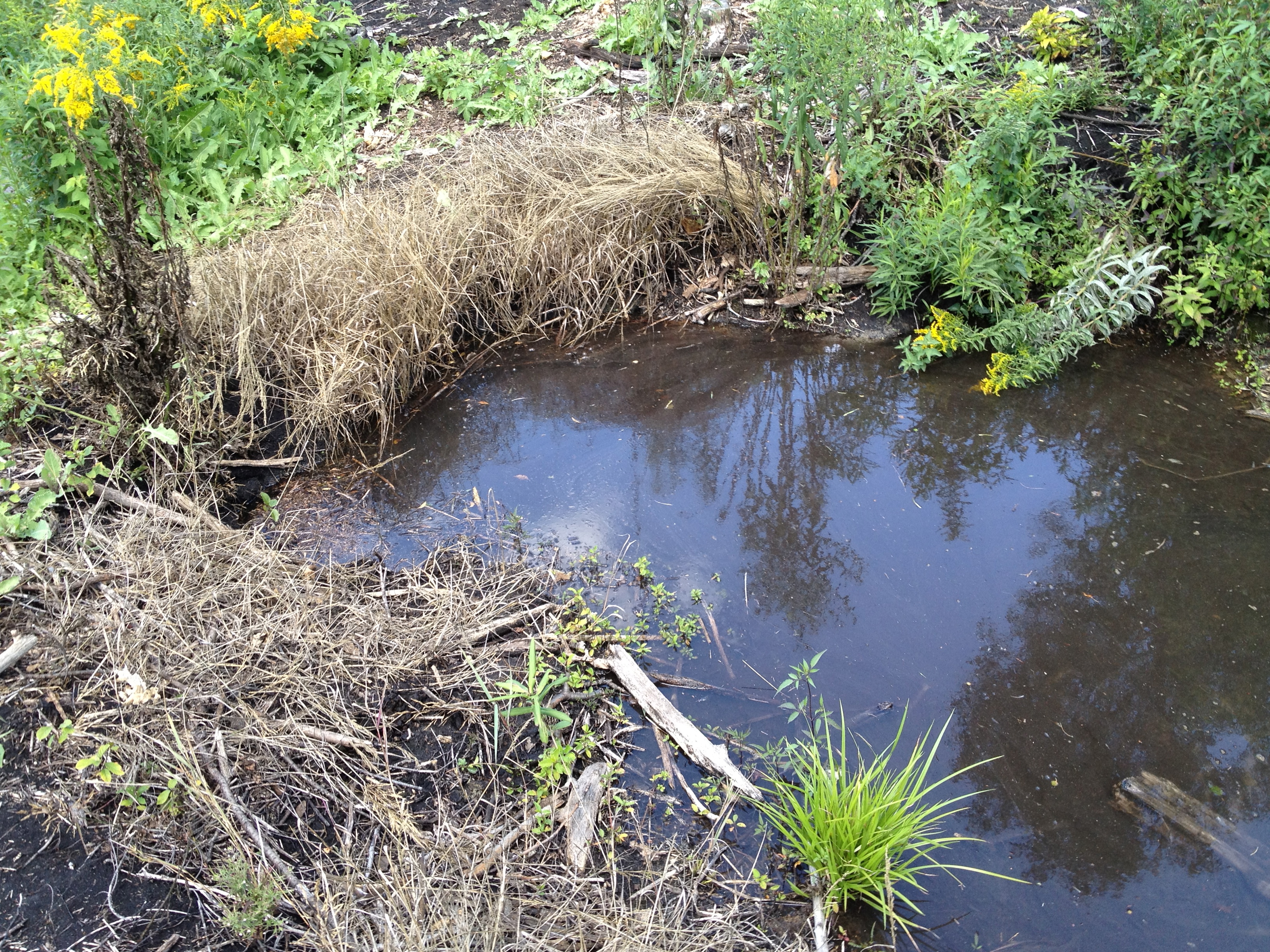
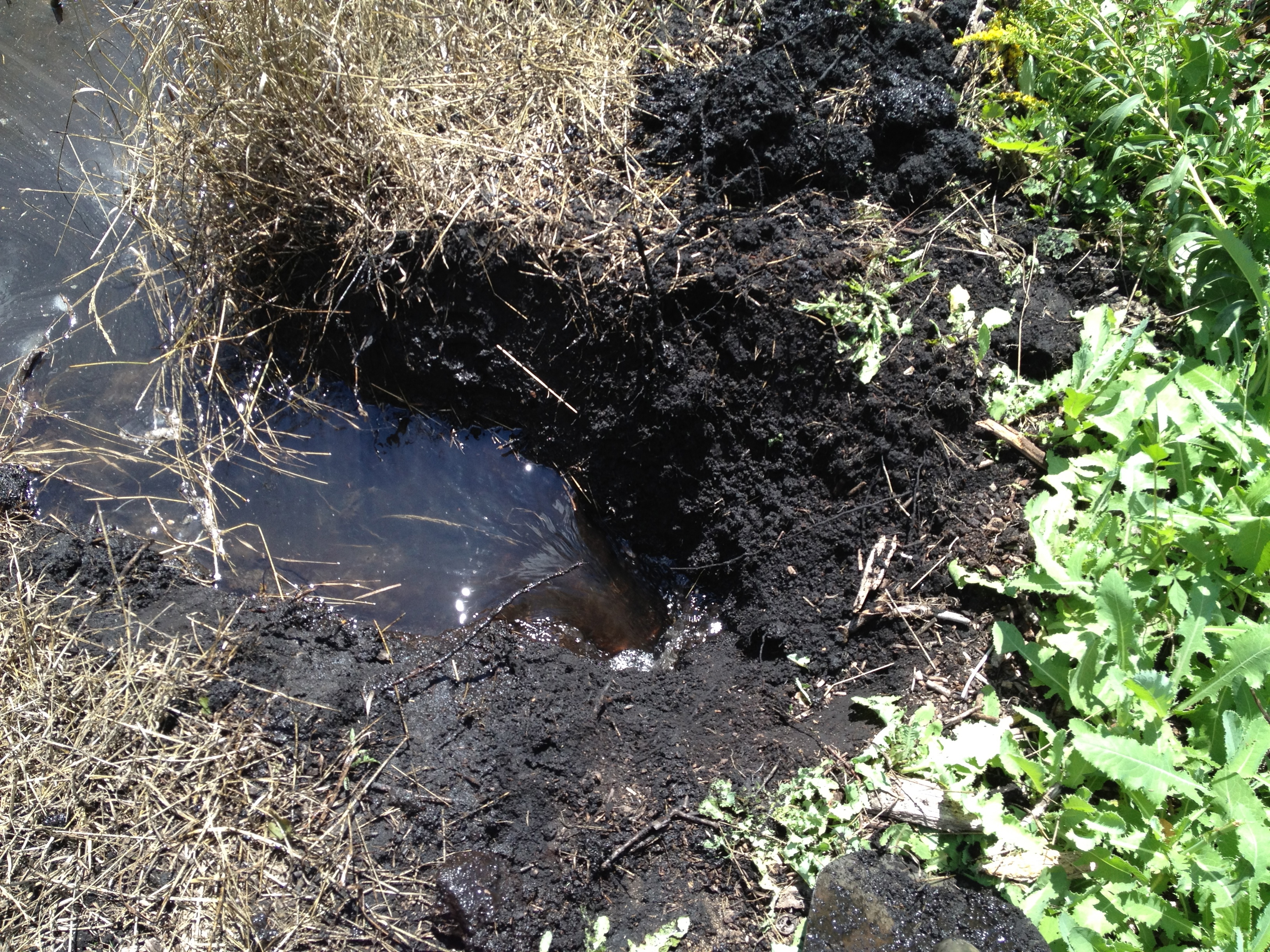
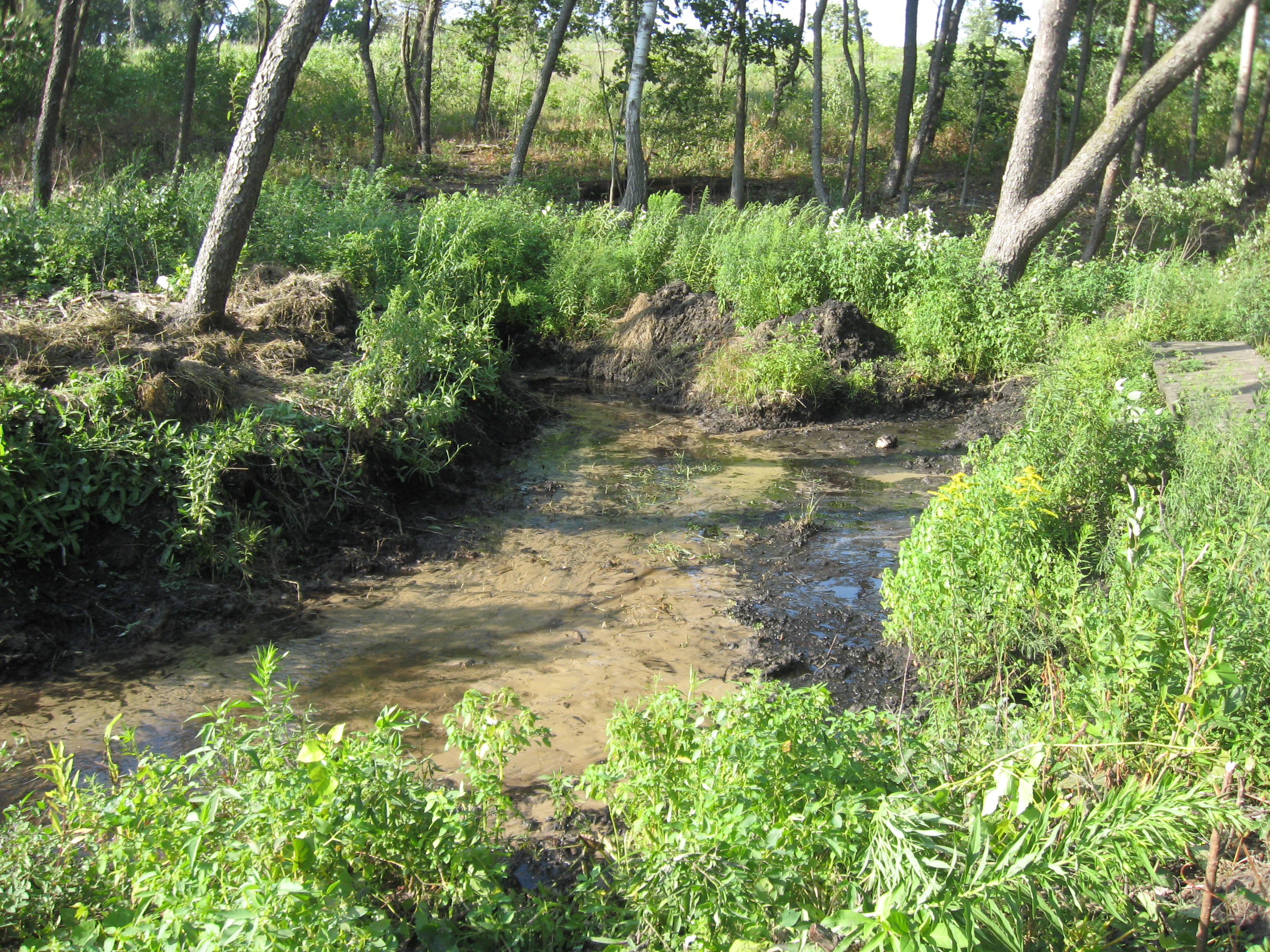
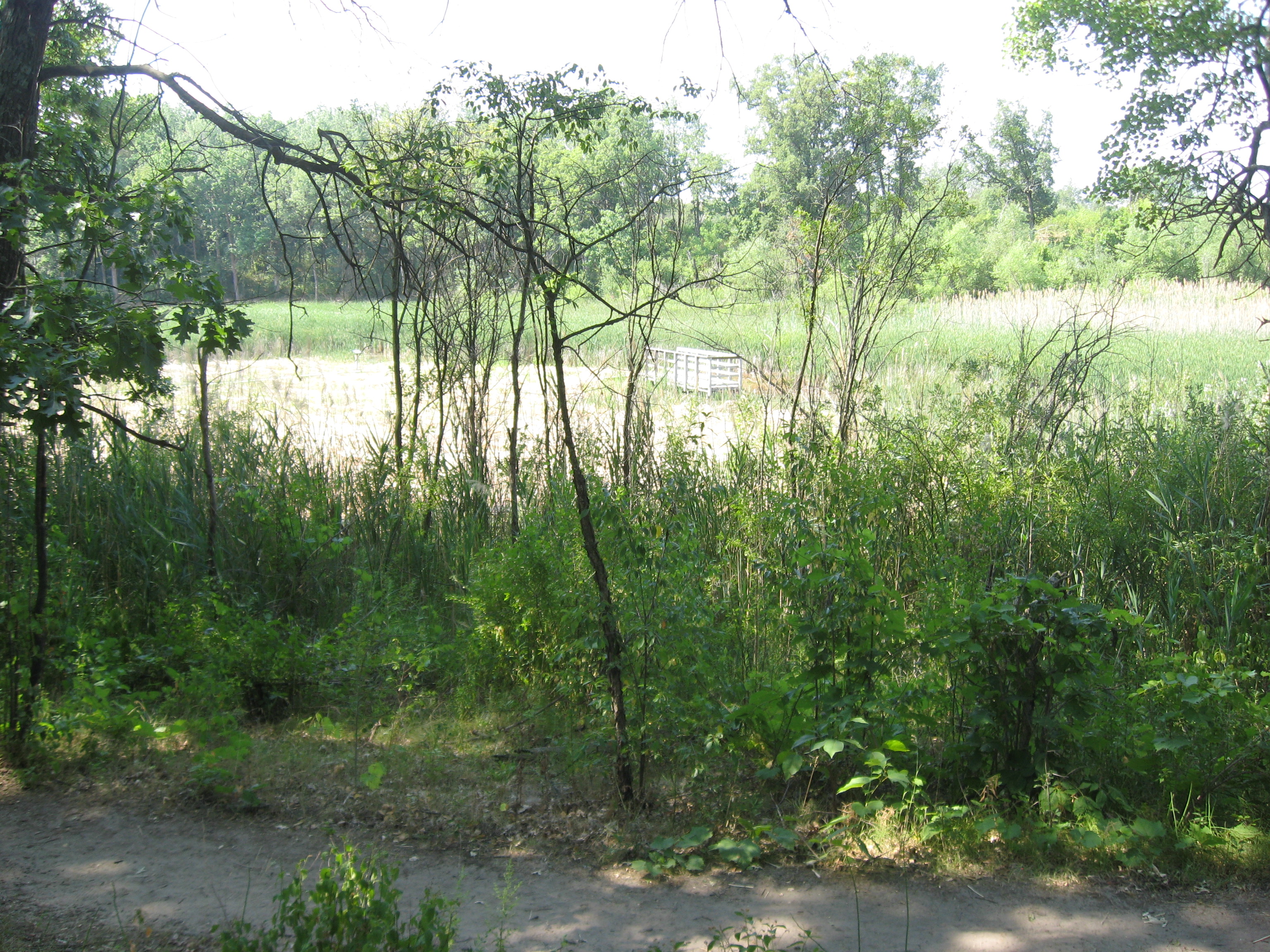
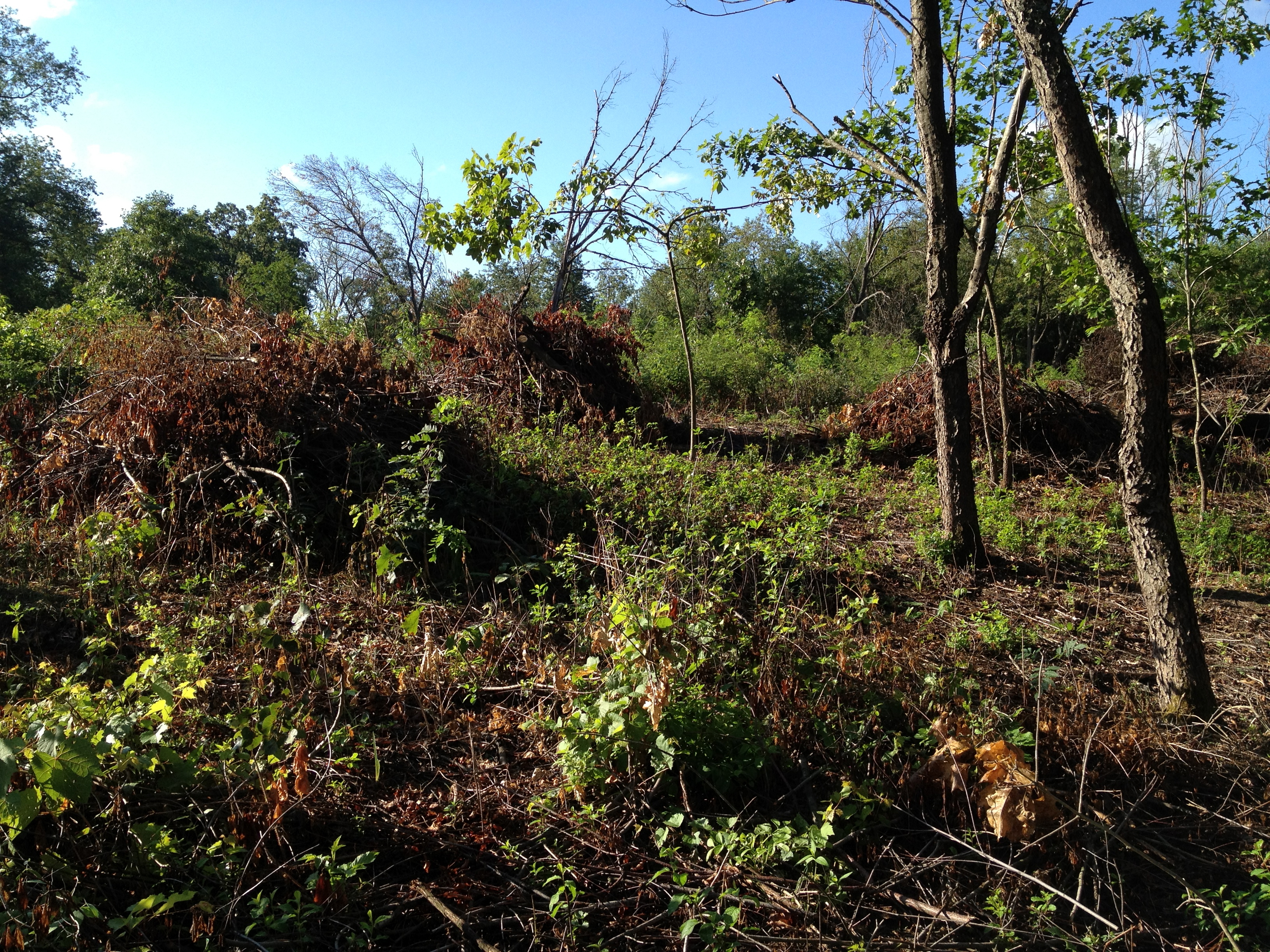
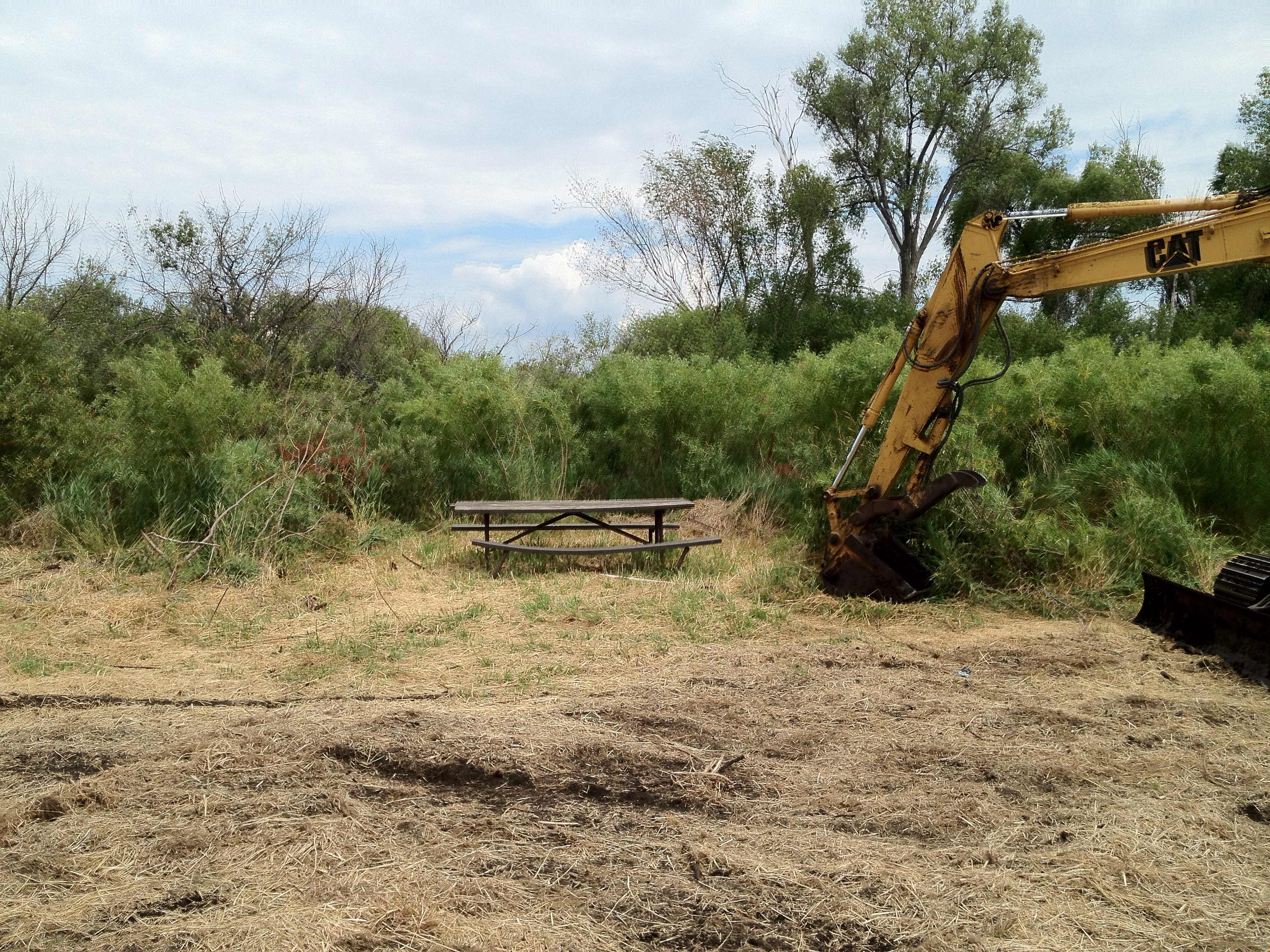
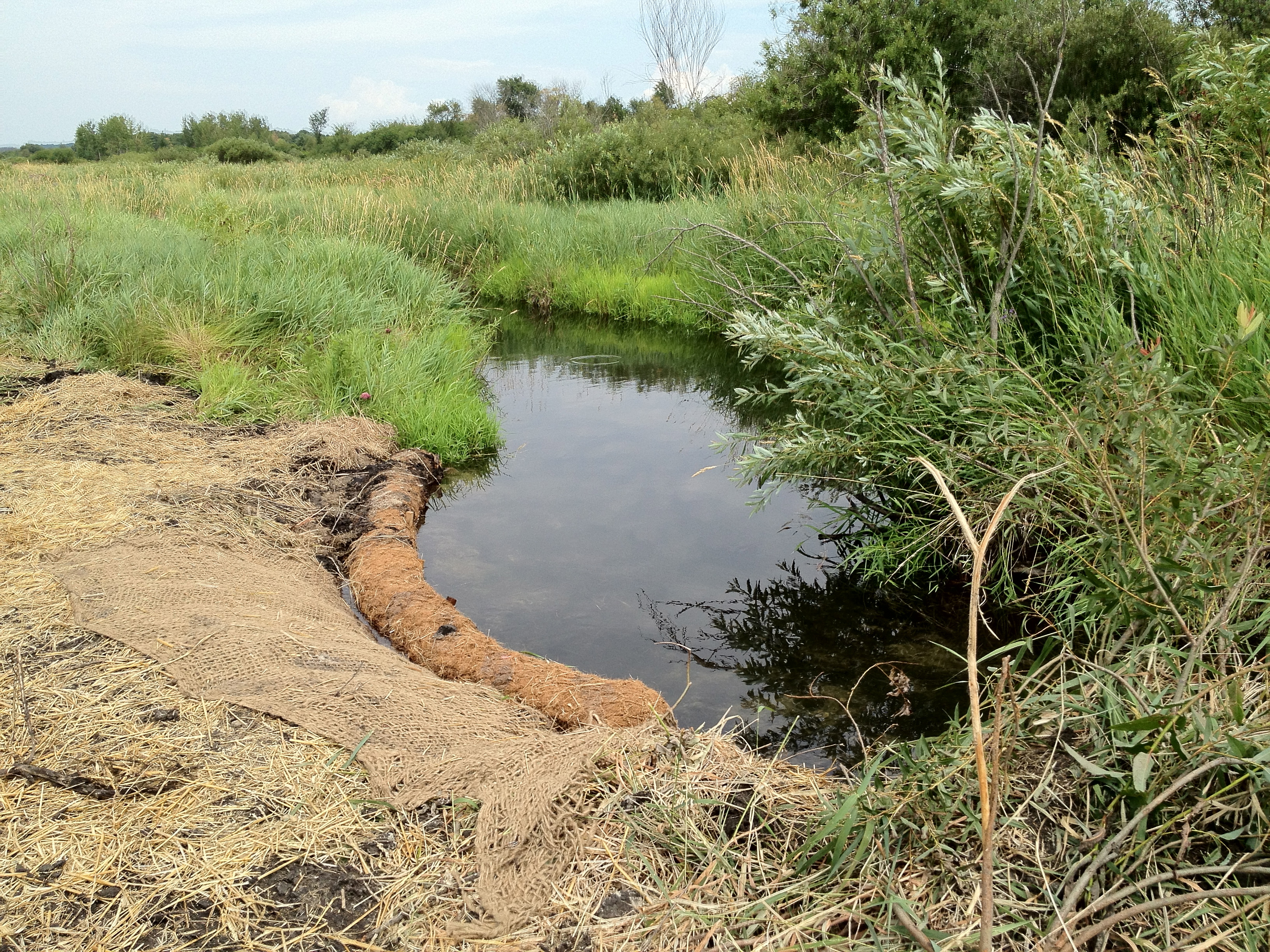
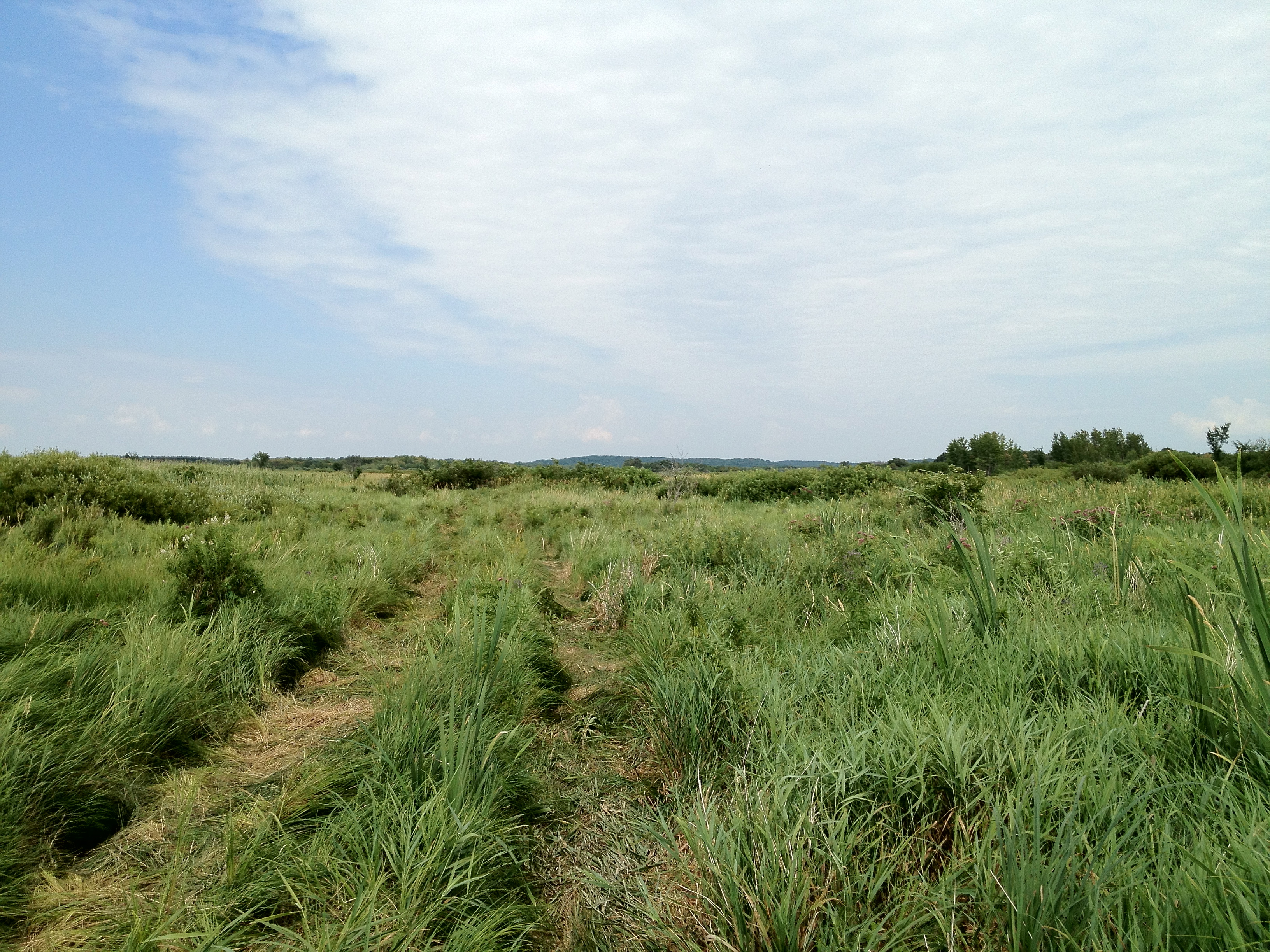
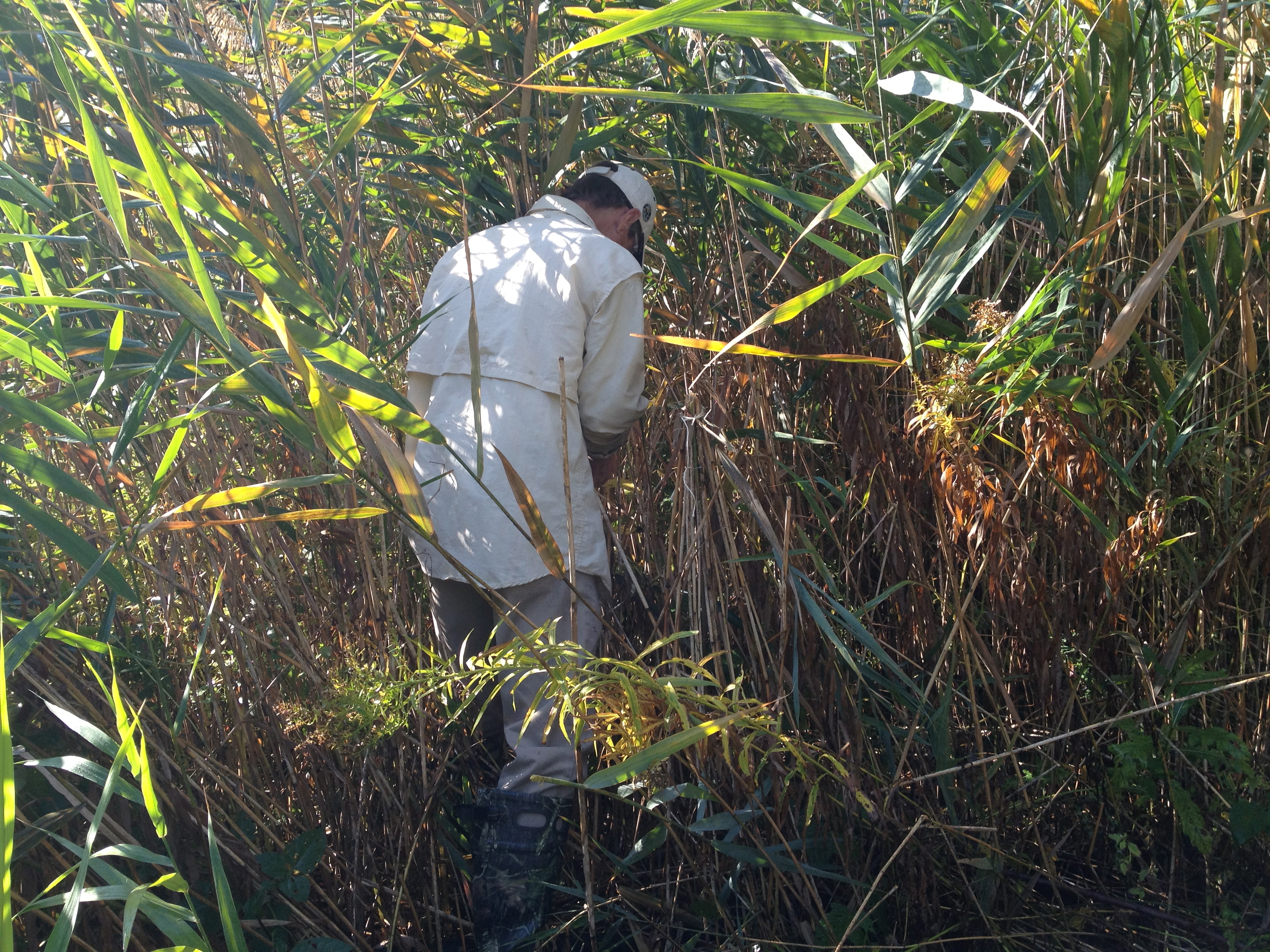
Then we went down to the river just below the Scuppernong Spring to attack a patch of Phragmities that we are treating as a test plot.  We want to see how the technique of bundling, cutting and poisoning with Habitat works.  Lindsay learned the technique while volunteering with the DNR (Jared Urban) at the Bluff Creek Site.  Here our a few pictures
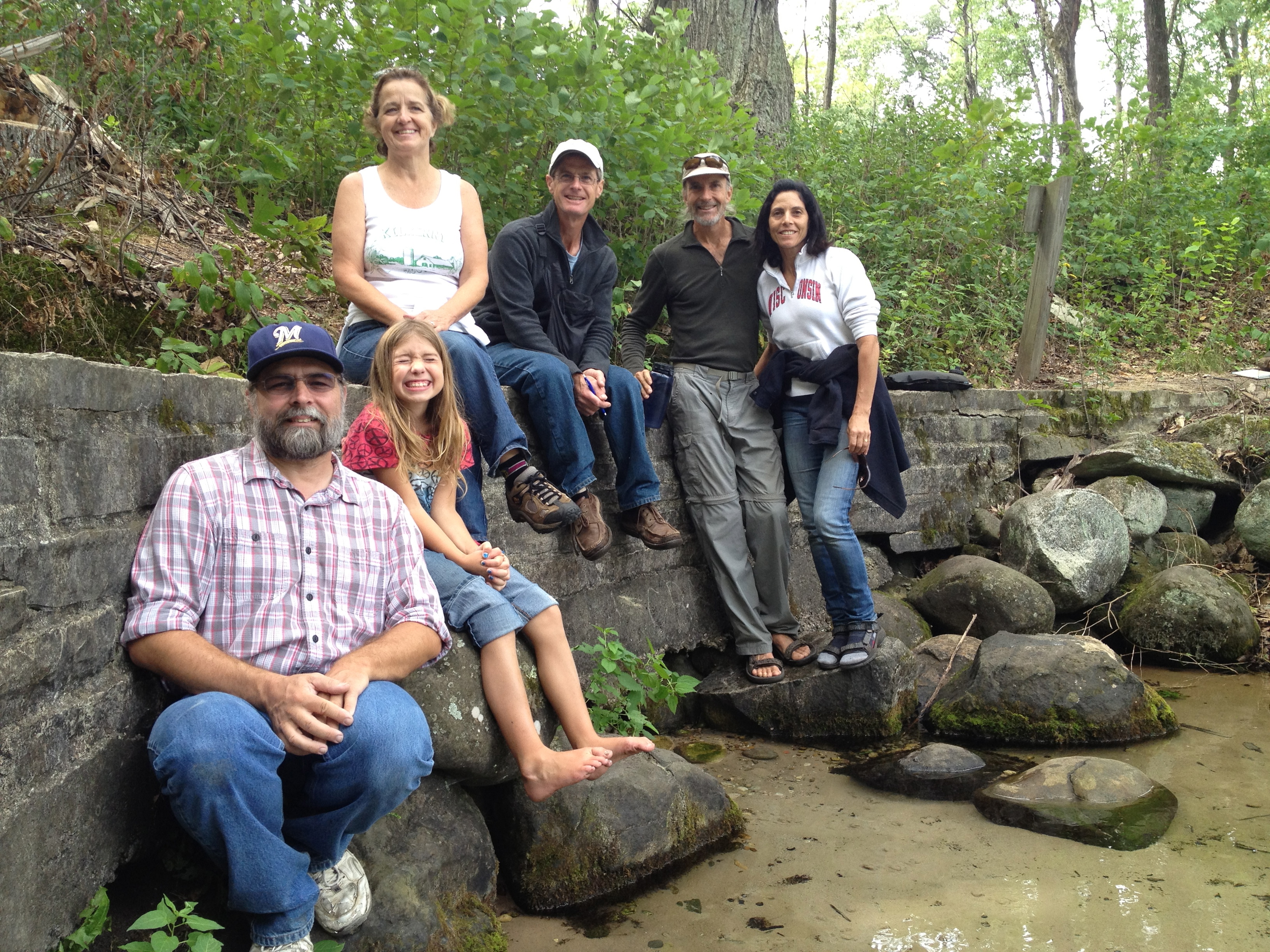
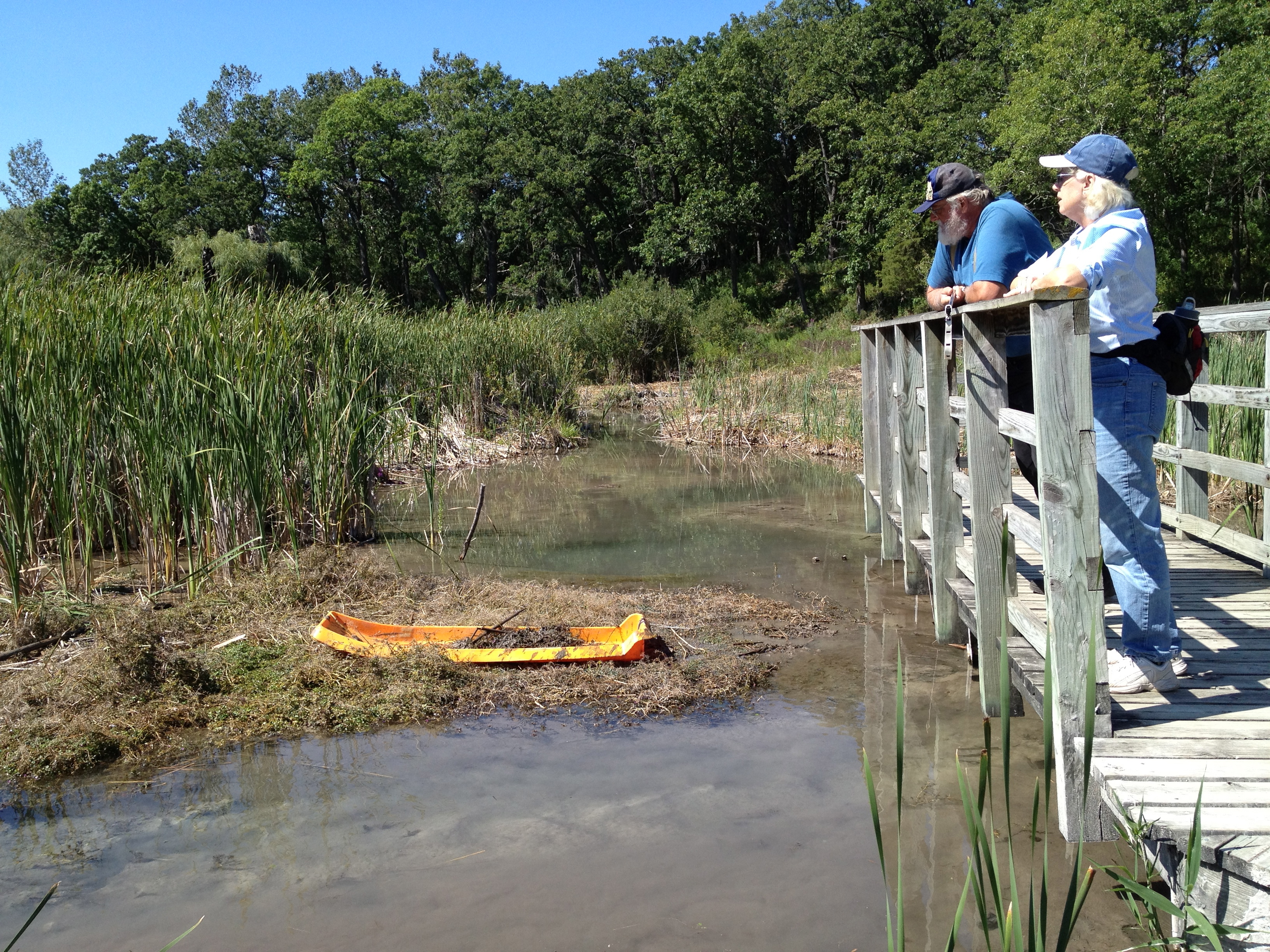
As we were “getting after it”, Dave Hoffman, DNR Bureau of Endangered Resources Specialist, who is currently working to secure a grant via the North American Wetland Conservation Act to continue the restoration efforts in the Scuppernong River Habitat Area begun by Ron Kurowski, paid us a visit.  What a coincidence!  With the departure of DNR veteran Tim Peters, Dave is stepping up to fill the gap in coordinating the DNR efforts to execute the master plan for the Scuppernong River watershed.  We toured the site with Dave and captured a short interview with him, which you can listen to here Dave Hoffman Interview 20121004.

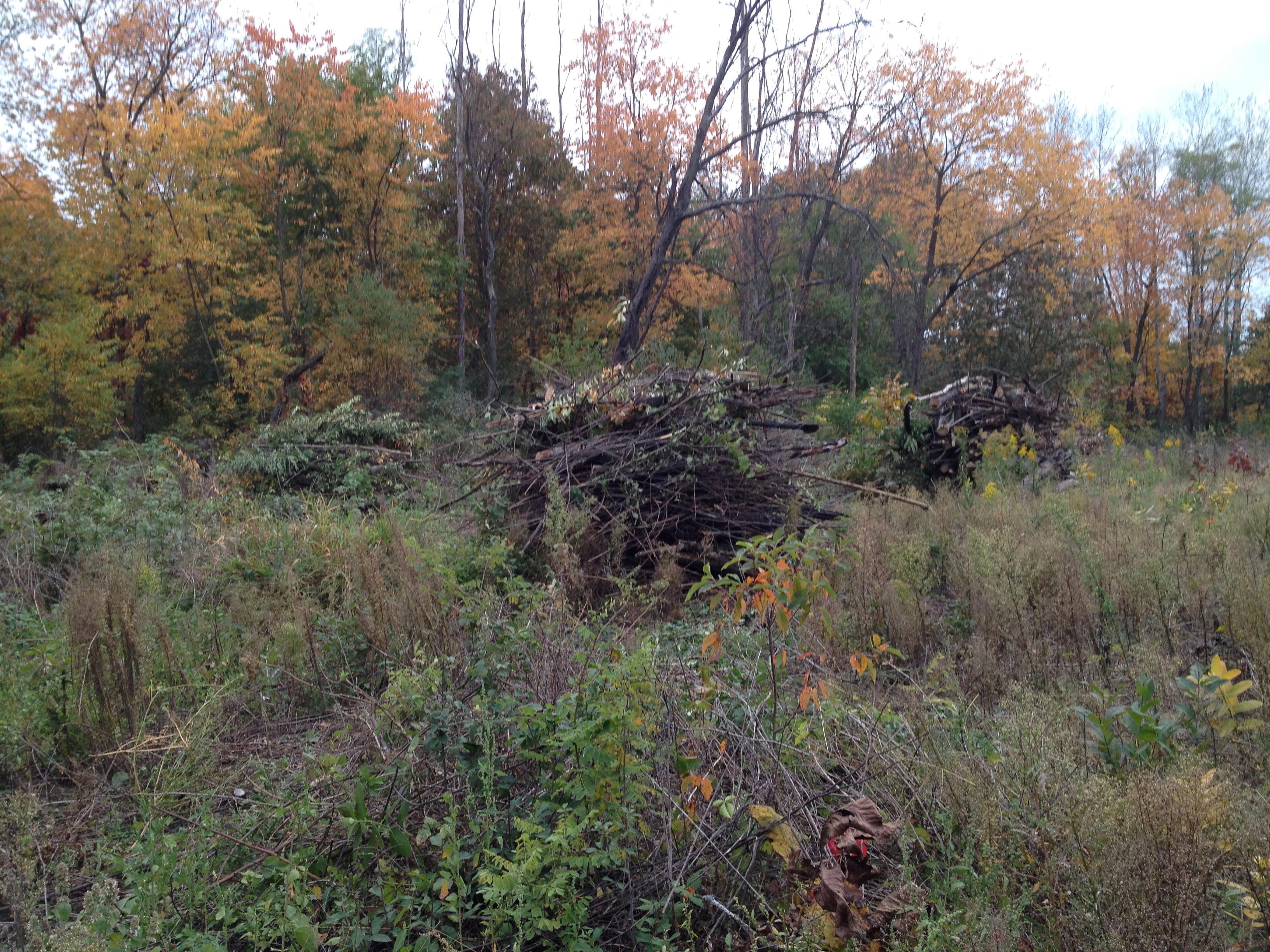
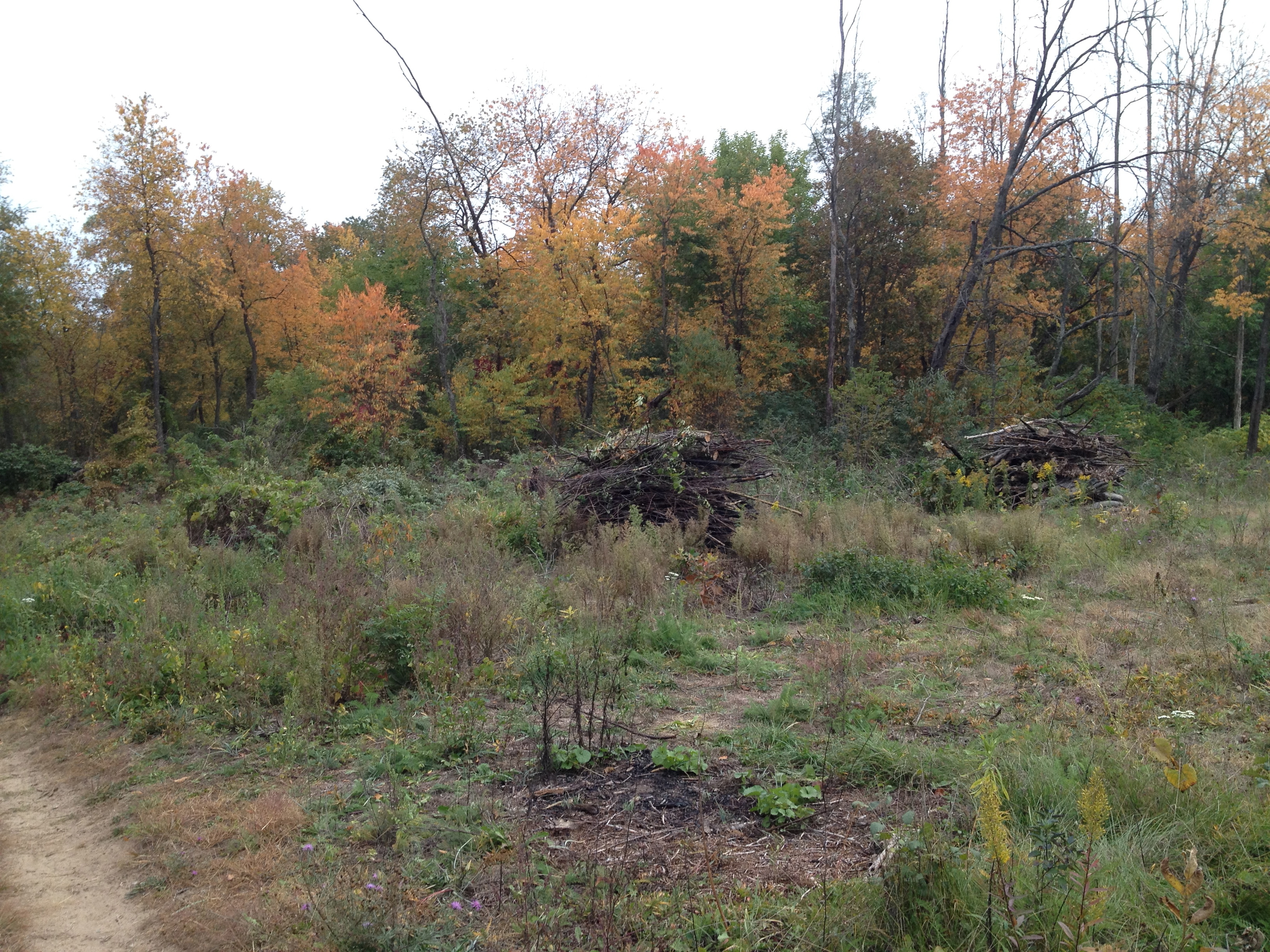
After our visit with Dave, we resumed our efforts to prepare the Sand Prairie at the Indian Campground site for mowing.  DNR Trail Boss, Don Dane, is planning to mow this area soon.  We worked in the area South of the spur trail that leads to the Indian Spring.

We still have some prep work to complete in this area and plan to “Get After It!” on Saturday.
Brush clearing along the river

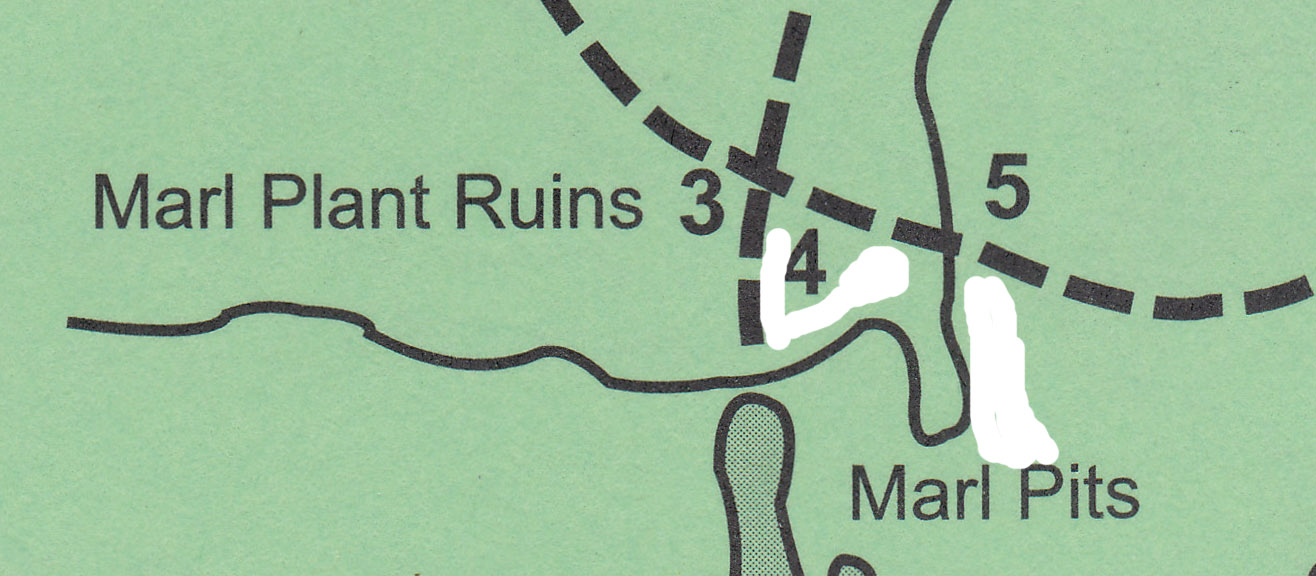
I’m revisiting a couple of areas that I worked on last year.  On the first pass through these areas along the river, I focused on Buckthorn and left a lot of brush including Willows and Dogwoods and a lot of scruffy, half-burned, Cherry trees and spindly Aspens that have fallen over without the Buckthorn there to prop them up.  The areas in question are highlighted below.

Trail boss Don Dane and retired DNR naturalist Ron Kurowski both recommended cutting these woody plants to clear the way for the natural Fen and Wet Meadow plant communities.  This will also improve the views from the bridges at the Marl Pits #4 and on the Scuppernong River at #5 above on the map as well as reveal clear views of the Marl Pit bridge and Scuppernong River from the Scenic Overlook on the Indian Campground.

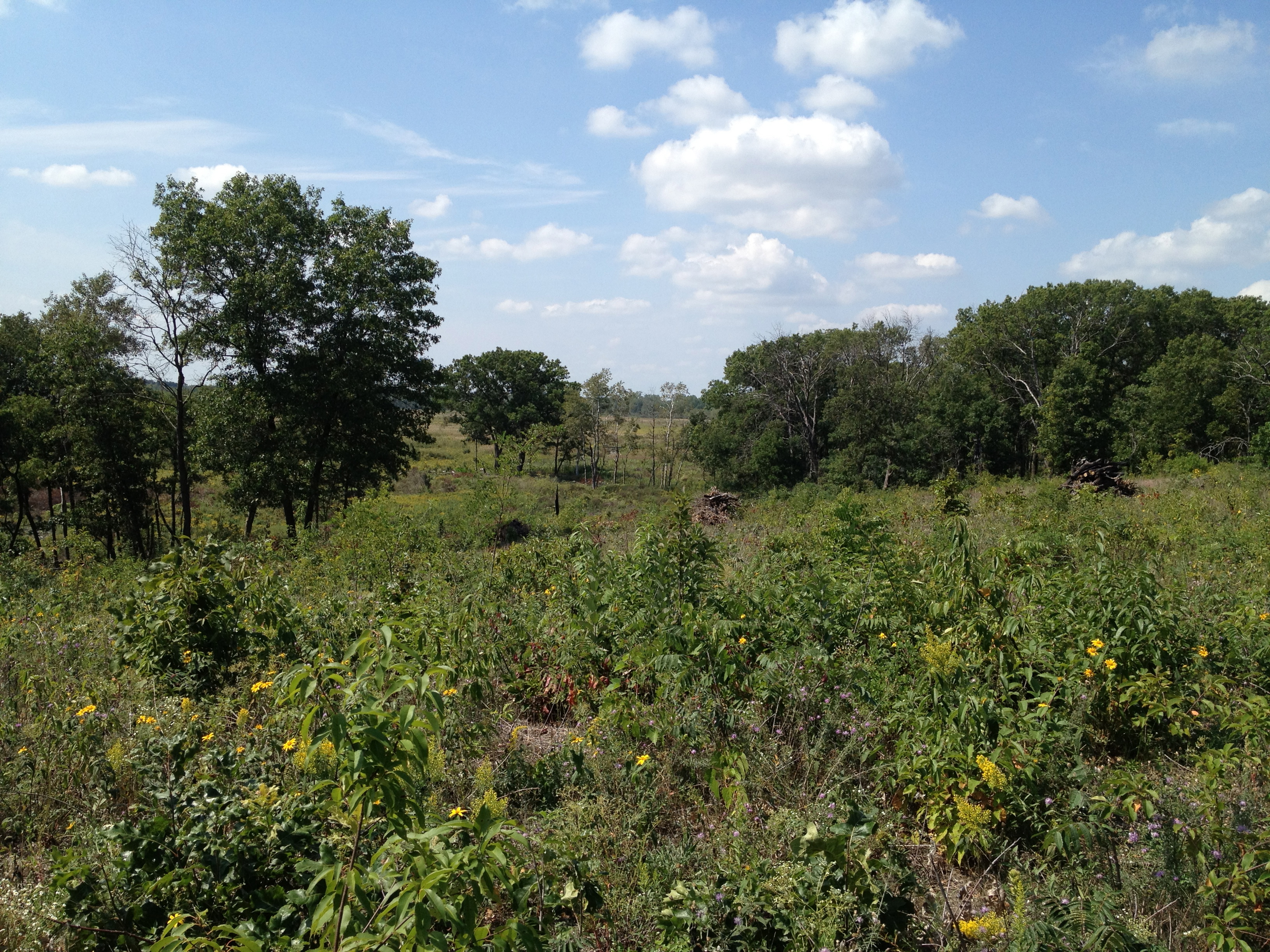
Here is view from the Scenic Overlook looking in the direction of the Marl Pit bridge.  The brush in question is just to the right of the two big Red Oak trees in the center of the picture.

Here is view from the bridge over the Scuppernong River at signpost #5.  The brush is on the left in the shadows.

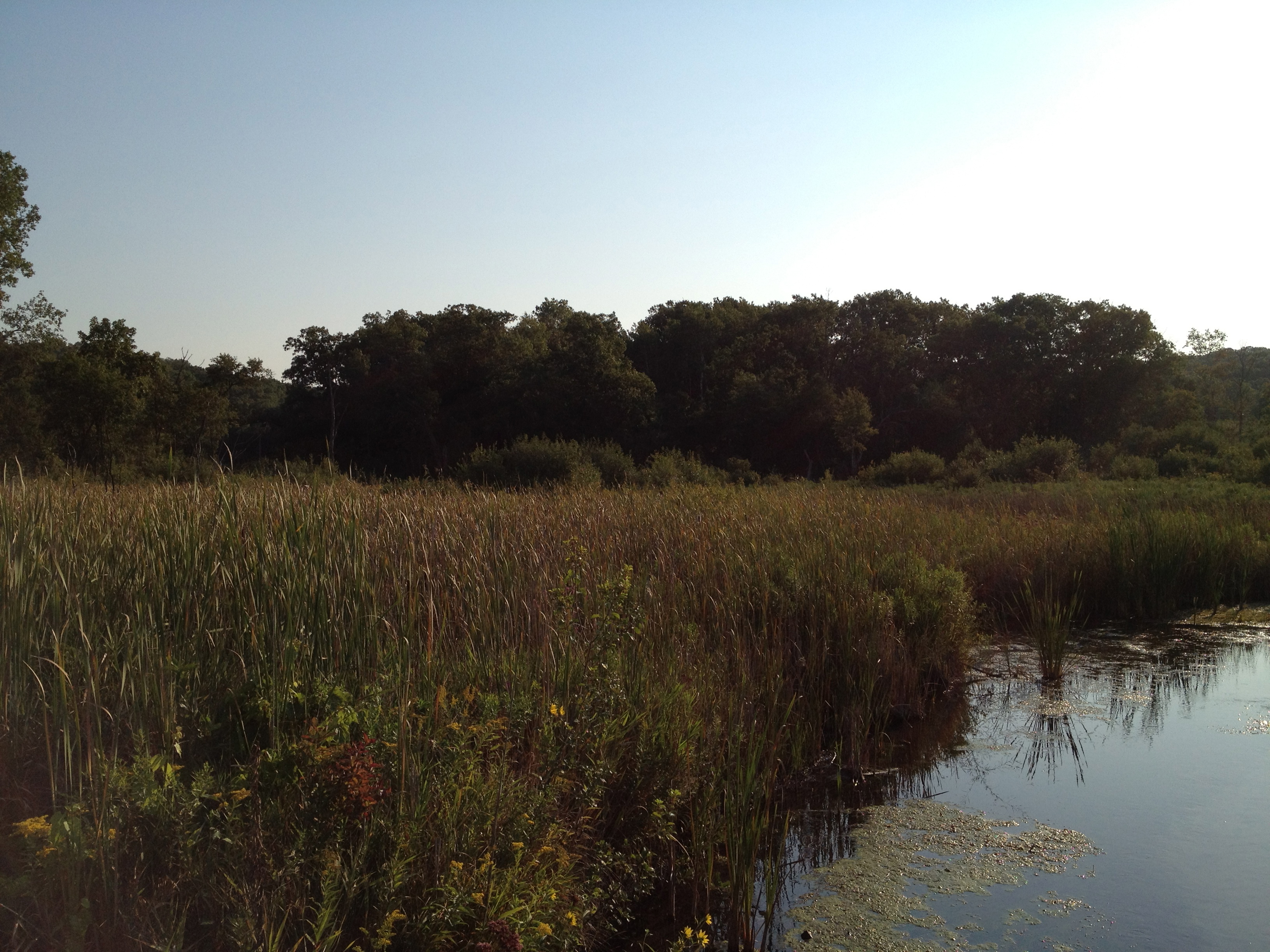
And here is the view from the Marl Pit bridge.  The brush appears above the cattails and below the large trees.

That was harder than I thought it would be.  After 10+ hours cutting in a Willow thicket, I was  about ready to throw my chain saw at it.  It was hot today (9/3), and I was pouring sweat from the minute I fired up the chain saw.  Here are the after pictures, first from the scenic overlook.  It’s hard to see in this picture but you can now see the river flowing underneath the Marl Pit bridge.

And the view from the bridge over the Scuppernong River at #5.

And the view from the Marl Pit bridge.  Notice you can see through to the scenic overlook.


I’m taking a break for a month and will be back at it around 10/6.  Hope to see you out at the Springs sometime.

Tracy Hames Interview

We had a wonderful visit with Tracy Hames, the executive director of the Wisconsin Wetlands Association, on Sunday August 19th.  It is easy to see why they hated to see Tracy leave his position as head of the Yakama Nation’s Waterfowl Program.  Tracy is very passionate and enthusiastic about protecting and restoring our wetland resources and we are lucky to have him back home in Wisconsin.

Tracy, Sophia, Connie, Lindsay, Paul and Pati at the Scuppernong Springs.  Thanks Anne for the photo!

Connie captured some great moments on video and pictures as we toured the Springs and we will add some of that content to this blog soon.  Listen to the interview I captured with Tracy at the Indian Springs.

Tracy had many suggestions for things we could do including: introducing beetles to attack the Purple Loosestrife, working with a DNR Hydrologist to install one or more water flow gauges, studying the historic (before European settlement) use of the land and water and the flora and fauna present at that time, and in general, carefully monitoring the results of all remedial actions we taken to determine their efficacy.

Later that day, our friends Jim and Cathy Brown visited us and we took another tour of the Springs.  We walked out along the Marl Pit channel, which is very easy to do now because of the dry weather, and I captured a couple shots along the way.
The opening in the distance on the hillside below is the Indian Campground.

Hope to see you soon out at the Springs!

Fix the Water

“Fixing the water” has been one of the top priorities of the DNR and the Kettle Moraine Natural History Association in regards to the Scuppernong River Habitat Area Restoration.  Our efforts to clean up the Springs, the headwaters of the Scuppernong River, compliment the DNR’s efforts to put the river back on its original stream bed (Ben Heussner interview) and all of the other things they are doing to improve the watershed.

On Sunday August 19th we will be taking a tour of the Springs with Tracy Hames, the executive director of the Wisconsin Wetlands Association.   Tracy spent 20 years working to “fix the water” on the Yakama Reservation in Washington state. Here is a bit of Tracy’s philosophy. excerpted from his Wetlands & Riparian Restoration Project documentation.
“we’re trying to restore the hydrology
– to get the water working the way it used
to. That’s what we’re talking about when
we talk about hydrologic restoration. The
first thing we want to do on a project like
this is ‘fix the water.’ Then you can start
working on all of the other components.”

The last time DNR trail boss Don Dane took a tour with us, Lindsay pointed out that the river had taken an unwanted diversion immediately West of the Marl Pit bridge.  Don recommended that we block the side channel and get the river running back on its main course.  Ron Kurowski also recommended the same when he toured the site back in the Spring.  So, in honor of Tracy’s visit, I took a break from brush clearing and tried to “fix the water”.

These pictures are taken from the Marl Pit bridge area and show the before views downstream.  The river got off course sometime after the channels connecting the Marl Pits to the River were filled in with gravel.  There used to be large buckthorn trees laying across the main channel and they trapped logs and other debris until finally the river found a way around by making a turn to the right/North.  The river returned to the main channel approximately 20 yards downstream.

A better view of the main channel full of debris.

The side channel diversion is show below.

Here are some after shots.  I noticed a classic pool, riffle, run pattern after the river resumed its normal course.  There is a pool right where the side channel formed and now, after the clean up, you can see this followed by a riffle, a run and another pool where the old side channel returns to the river (Ben Heussner explains this pattern in his interview).

My repair job is probably not up to DNR standards, but its a start.

Snakes and Birds!

Today we are featuring a guest blog by John and Sue Hrobar

Sue and I have been fortunate this past year to have the time to hike the Scuppernong Springs trail every few days usually a couple of times a week. We have been impressed by all the invasive clearing that you, Pati, Lindsay and your occasional other volunteers (ed. note Saturn Tre Volte, Mark Mamerow, John Mesching, Mike Fort) have accomplished. Sue and I try to hike a number of the other trails in Waukesha County and have hiked a number of sections of the Ice Age Trail. We both feel the Scuppernong Springs trail is one of the most important for a number of reasons. At Scuppernong Springs, you have a number of habitats and soil types and conditions all coming together. There is some gradient associated with moraine topography which contributes to the springs and you have lowlands, wetlands , fens and what almost seems to be an old vegetated dune in the area above and to the east of the Indian Springs. This juxtaposition of these variables allow a visitor to view habitats and their gradation into each other, sometimes abruptly, and how the plants and critters that make up that biota interact and use the habitats.

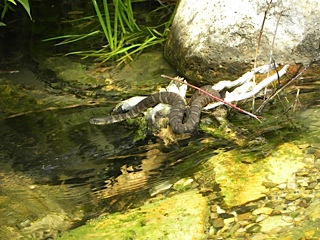
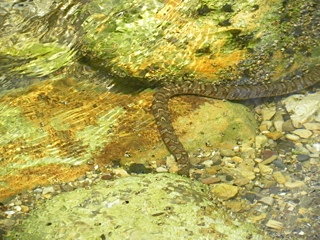
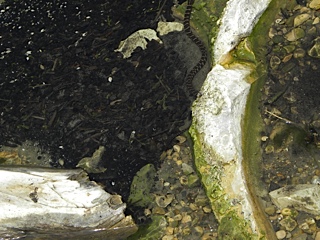
The photos below are from several dates. As we all recall it has been a brutally hot and abnormally dry summer. Many plants bloomed quite early . Once the hot weather set in Sue caught these images.  On July 1st, these three snakes were observed in the creek, near the marl pit bridge. The two lighter colored snakes are Northern Water snakes, the one with his head under a rock is underwater in the middle of the creek, after a minute or two he came to the surface with what appeared to be a Slimy Sculpin in his mouth. He was pretty quick so Sue couldn’t quite get that shot. We had only a fleeting glimpse of the small Darker snake underwater so we didn’t positively ID it. Then she has a nice photo from July 9th which is a nice photo of a Hog Nosed snake. We have observed several of these in various locations.  On one occasion we observed Mr Hog-nose with toad legs still hanging out of his mouth but we didn’t want to get closer or attempt a photo and disturb his well earned meal.

Northern Water Snake.

Darter Snake?

Hog Nosed Snake.

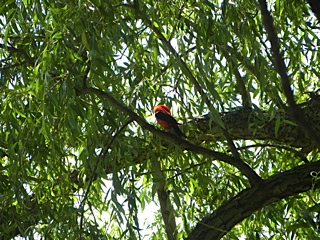
Sue and I wanted to send you these photos taken near what we call the Hotel Spring, from the trail guide, which is downstream from one of the wooden bridge crossings. The springs have a nice dolomite wall in an arc which is handy to sit on and cool your feet on these very hot summer days. Sitting on the dolomite wall arc and cooling our feet on June 26th, we were able to observe this beautiful scarlet tanager using the shade of the large willow that cools the rocky riffle area that has spring water flowing out over it. Numerous other species were flitting in and out of the willow and the shaded riffle area. We speculated that the combination of shade, firm rocky riffle with cool water  and some over head protection from a possible predation from Copper’s hawks made this a special area for a number of bird species.

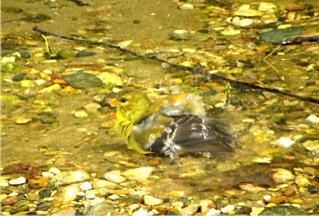
On July 1st ( still beastly hot) this female goldfinch and waxwing were again enjoying the shaded, cooled riffle area.  We have seen many bird species flying in and out and perching on many different plants and areas all along the trails. The variety of birds and numbers taking advantage of this spot surprised us and after documenting this use we thought it important to mention to you.

(ed. note  Thanks John and Sue!  We appreciate your observation that the huge Willow Tree by the Hotel Springs creates a unique setting for birds.  We had planned to cut this Willow down to open up the views up and down the river but, per your advice, we will not cut it.)

Water Works and Odds and Ends

I cherish every day I get to spend at the Scuppernong Springs.  Saturday, August 11th was an absolutely gorgeous day indeed.

Since I resumed working at the Springs in late April 2011, I’ve thought about giving the individual springs names.  Well, they already have names that I just recently noticed on the Scuppernong Springs Nature Trail Map, included in the guide.

The namesake spring is the Scuppernong Spring, which I’ve been referring to as the first or main spring.  Then there are the Hillside Springs (actually in two locations), the Hidden Spring, the Emerald Spring, the Hotel Spring and the Indian Spring.  Trail boss Don Dane says there are 13 springs and one of these days, I’ll get him to document where they all are.  The trail brochure explains — The name Scuppernong comes from a Ho Chunk word meaning “sweet-scented land.”  I wonder what names the Ho Chunk people gave to the individual springs.  From now on, I will be using the current names when referring to the individual springs.

I started the day with a couple of clean-up tasks.  A huge Cottonwood tree had fallen parallel to the trail and a few branches needed to be cleared.

And a Hickory came down across the trail.

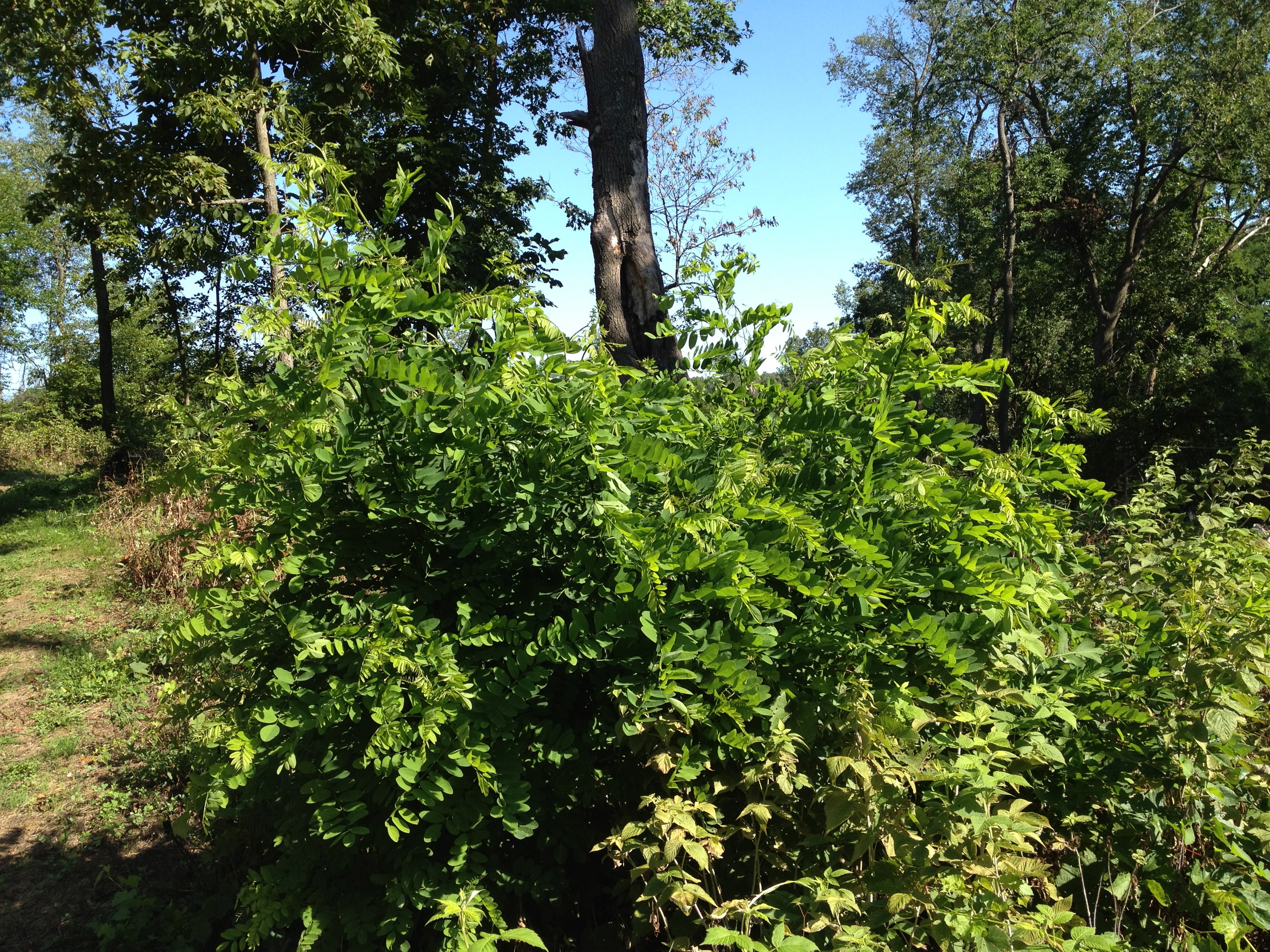
Since we have opened up the area at the South end of the trail, there has been an explosion of Black Locust.  They grow very fast and have the nastiest barbs you will find on any woody plant.  The DNR began girdling the huge Black Locusts many years ago and we are continuing that effort and cleaning up the trees as the die and fall.  They can be harvested for firewood as well (contact Mike, the forester at the Southern Unit of the Kettle Moraine State Forest, for a permit).  I sprayed 5 gallons of Roundup on the bushy black locust.  Don Dane recommends we use TransLine and we will do so as soon as we get some.

Then I continued our efforts clearing the quack grass from the Indian Spring.  Lindsay got most of it already and I cleaned up the last remnants.

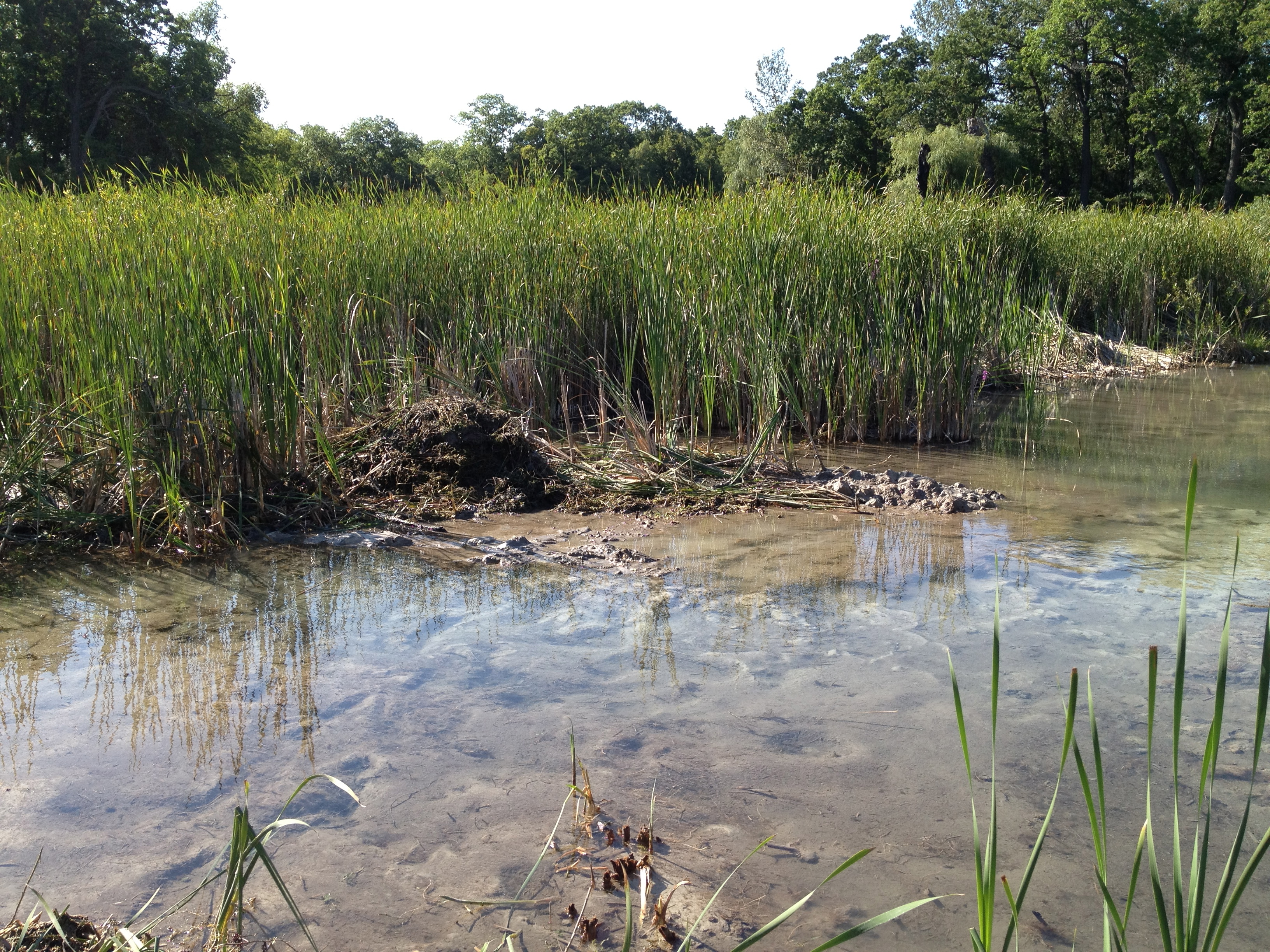
This effort stirred up at lot of mud, which collected at an earthen bridge that crosses the Indian Springs outflow channel.  The water finds a way under it somehow but the bridge restricts the flow.  When Don and Dave visited the site on August 9th, they recommended that we open it up and so I did.

Then it was on to the Observation Deck at the Emerald Springs (see map above) where I wanted to pull a patch of water cress that had formed a dam that actually forced the river out of its natural path.  Don pointed this out and showed me where the river used to flow.  John and Sue Hrobar, stopped over to say hello.  We will soon be posting some of their stories and pictures describing the various flora and fauna they have observed.

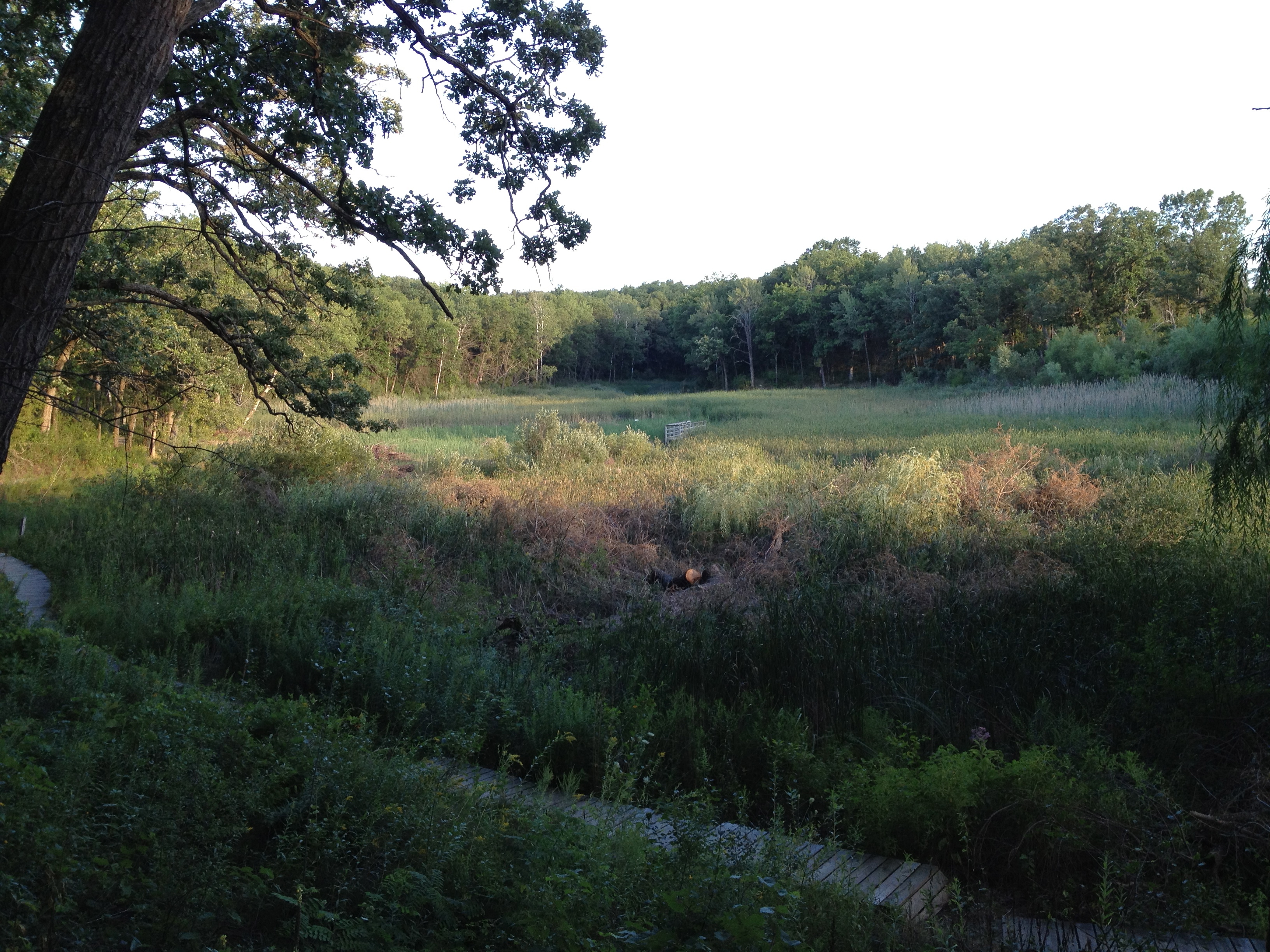
Finally, on the way back to car going up a DNR access road by the Hotel Springs, I had to capture these views of the river valley that are now visible since we cleared some of the Willows that were filling in.

It was a great day at the Springs!

Scuppernong River Bridge Cleared

We got a nice mention in the latest issue of the Scuppernong Journal.  It is published by the Kettle Moraine Natural History Association, S91 W39091 Hwy 59, Eagle, WI 53119  Ron Kurowski editor.  Address questions and comments to the editor at (262) 363-9892.  Please consider supporting the KMNHA and you will receive your very own copy of the Scuppernong Journal in the mail.

On August 7th I spent the day clearing brush and Willows by the 3rd bridge over the Scuppernong River (counting from the first Spring).  This is where the dam used to be that Ben Heussner mentioned that was removed in 1993.  There were a lot of fairly large Willows that were beginning to fill in the area along with some smaller buckthorn and other brush.

Here are short before and after videos.

Quackgrass Attack!

Before

After from opposite Before

July 26:  After removing watercress from the Indian Springs quackgrass quickly moved in. So we took care of that, too.  I didn’t have Paul’s brute strength around because he was away acquiring inspiration from another one of our precious planets natural gems- Isle Royale I think he called it- so, as per WDNR,  I knocked it back with some Aquaneat and dug it out with my trusty three-prongued groundbreaker and a garden pitch fork.  We gotta give those Native Sedges, Rushes, Forbs and Brook Trout a chance, don’t we.

Buckthorn and Phragmites piled with religious zeal

DNR Trail Master Don Dane made us an offer we couldn’t refuse: 150 volunteers to help us clean up the Scuppernong Springs Nature Trail.  We would only have them for a couple hours so Lindsay and I prepared the work sites.

On July 13th Lindsay finished cutting the burnt stalks of Willow and Aspen along the trail across from the Observation deck and then finished cutting almost all of the Phragmites.

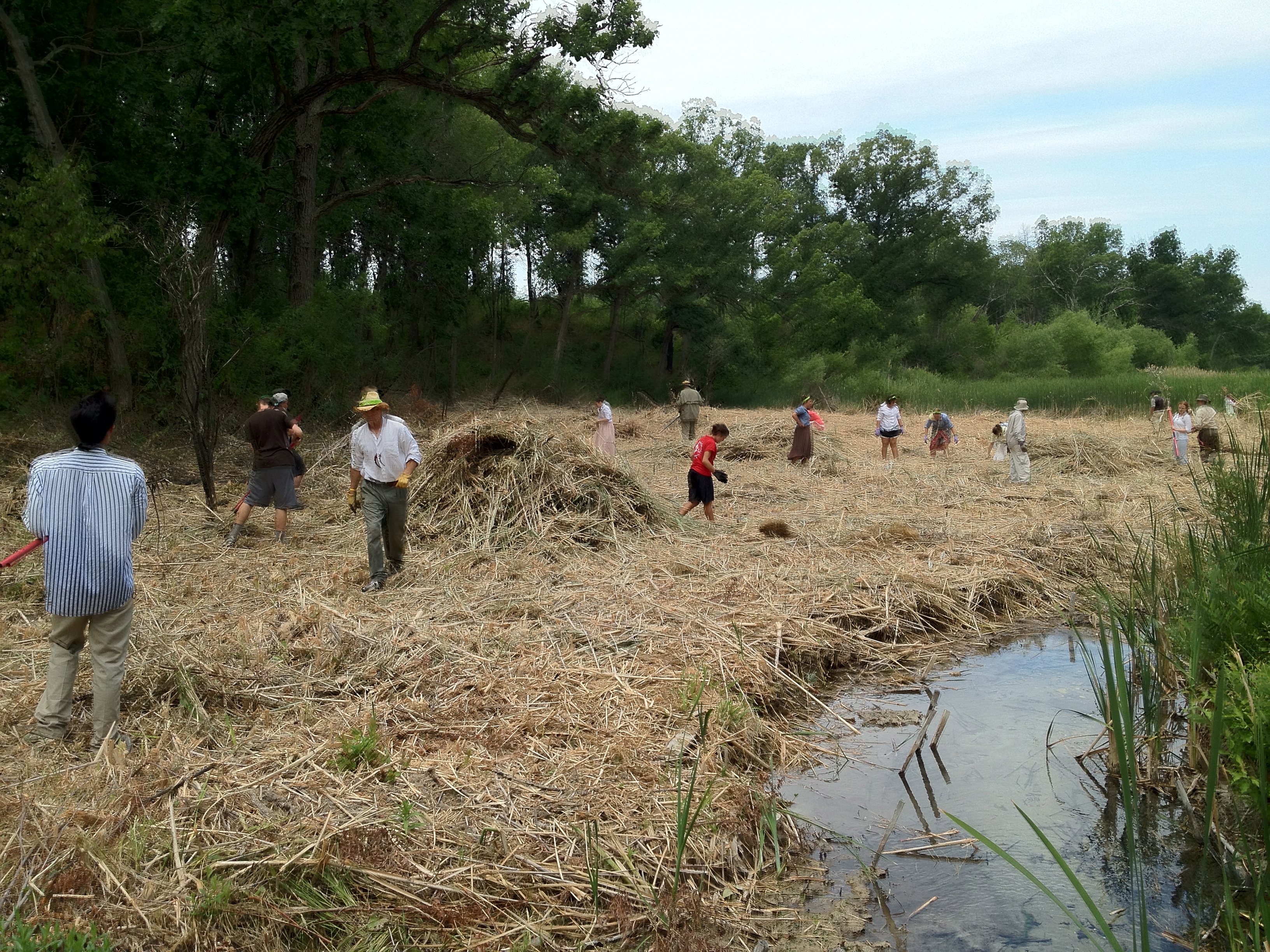
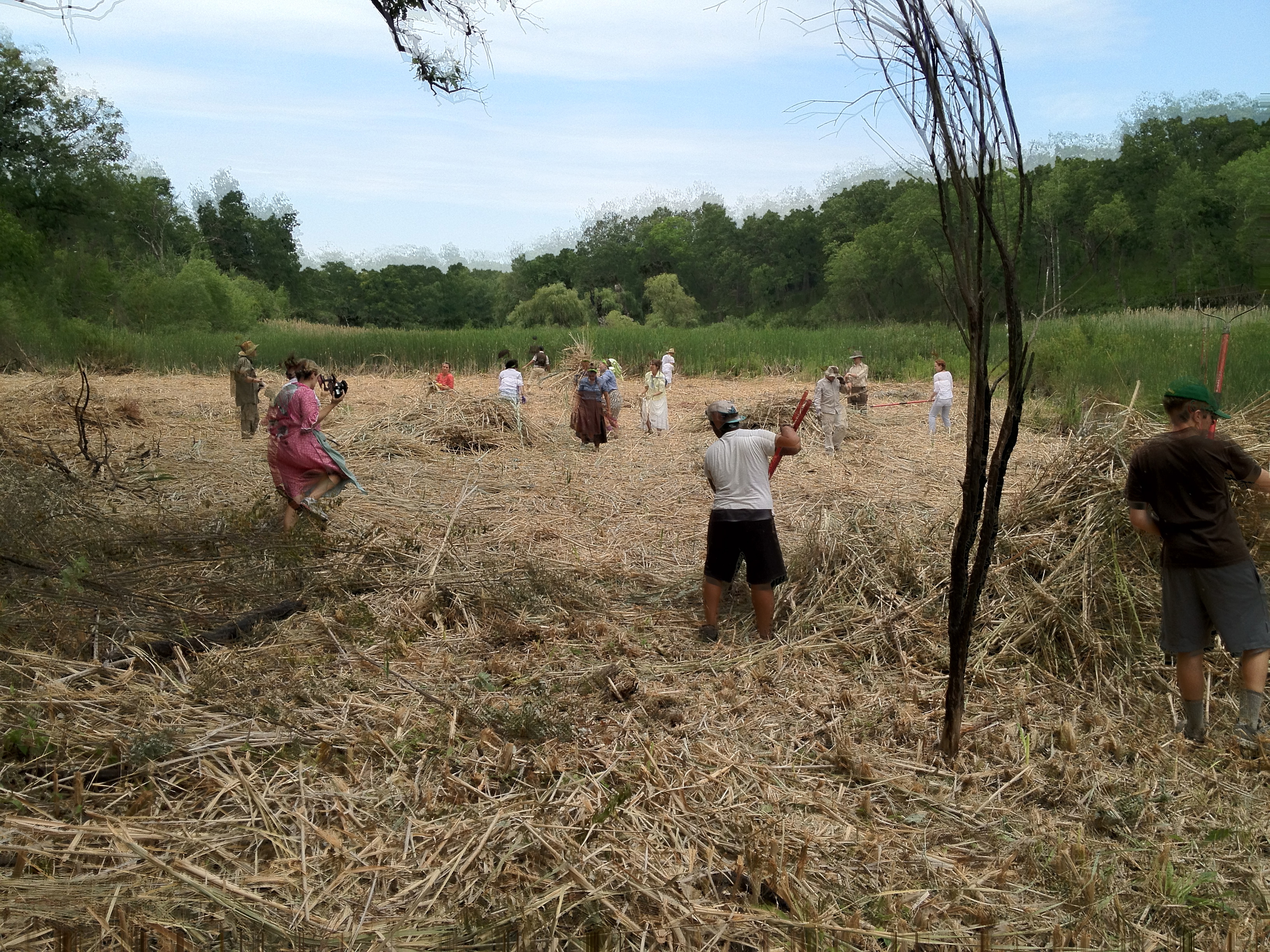
On July 14th Lindsay and I marked the locations for the volunteers to pile the phragmites and buckthorn.  Here are some before and during pictures… we will add the “after” pictures soon.  Approximately 100 volunteers from a religious community in Northern Illinois (I’ll get the specifics) did some righteous piling for us with a generous spirit.  Thanks!

Here are a couple of pictures of the brush piles the group made.  They did a fine job and we will burn these up as soon as we get some snow cover.

Ben Heussner Interview

Lindsay suggested we “…get a hold of the fish people…” to get some feedback/advice.  Ron Kurowski put us in touch with Ben Heussner, Waukesha County Fisheries Biologist with the Wisconsin Department of Natural Resources.  Ben met us at the Scuppernong Springs on July 14th and reviewed our work and also described the Phase II effort to restore the Scuppernong River to its original bed, which his DNR team had just completed.

Here is a short video of the “Big Springs“, at the very start of the river, where we talked with Ben.  He is referring to the Trout Unlimited group and what great partners they have been.

Click here to listen to the interview.

Here is Ben showing us the shells he collected from the old riverbed (sorry about the rotated image).

In the early 1990’s Ron Kurowski and others from the DNR created a plan to repair the damage done to the  Scuppernong River from man-made dams, dikes and canals (this was a key component of the Scuppernong River Habitat Area Restoration Project).  The first step was to remove the dam that created “the pond” in the wetlands where numerous springs collected to form the Scuppernong River headwaters.  This was done in 1993 and Ben was there to set the river on its meandering course after the pond drained.

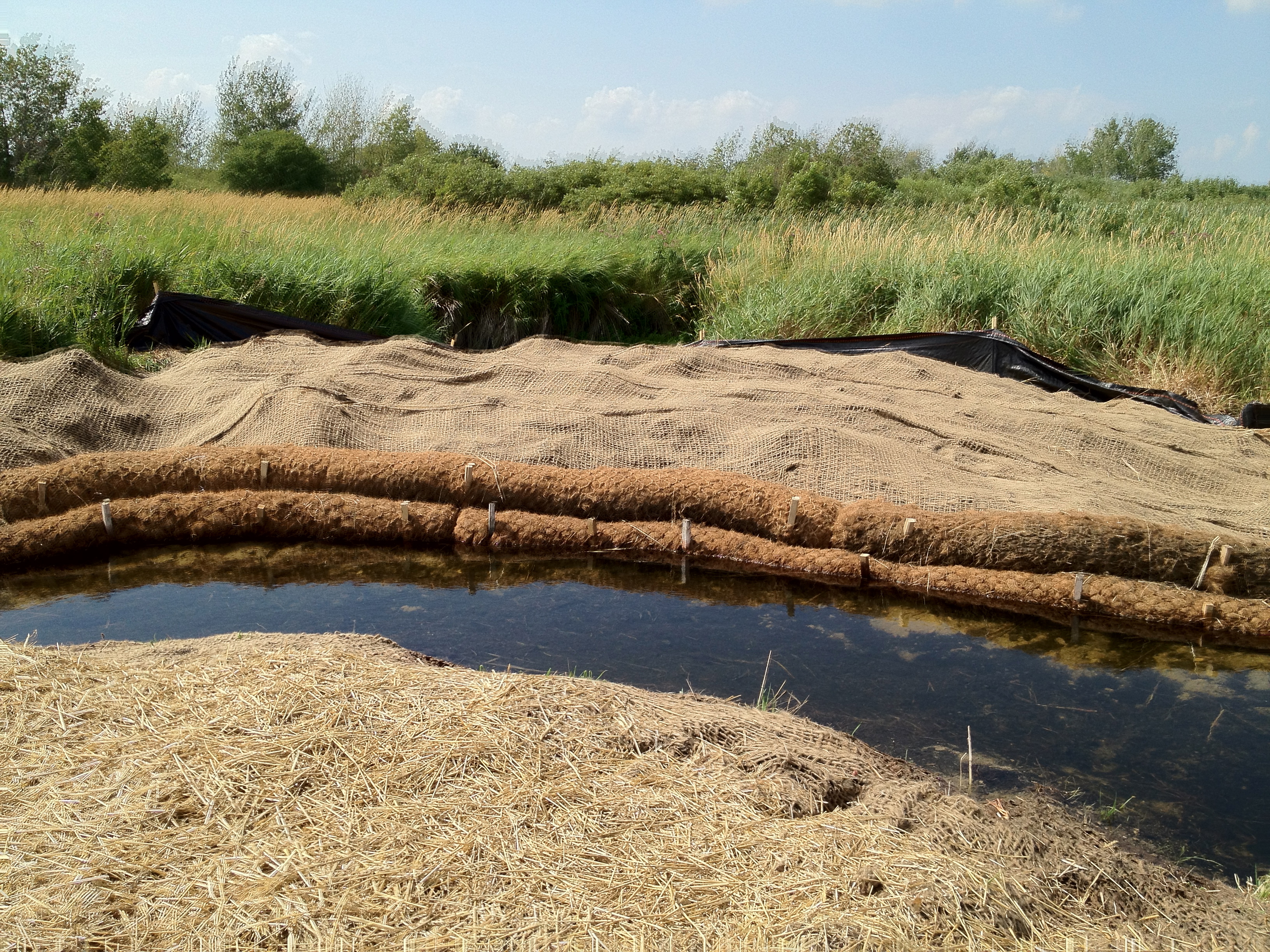
Phase 1 was completed in 2005 restoring 2+ miles of river to its original bed.  The river is healing quite well in this area except for a barrier between the river and one of the old canals that was blown out during the floods back in 2008.  Phase 2 included repairing this break and restoring the stretch of River from the end of Phase 1 to Hwy N.

Later that day I visited the Phase 2 work site.  If you want to check it out, I recommend parking along Hwy N, just North of Wilton Rd. where the River passes under the road and following the river upstream. The work site below is accessed via a DNR “road” off of Wilton Rd just East of Hwy N.

There was major work done here to fill a trench connecting the river to the canal system.  More details on that below.

I followed the 2-track shown below upstream looking for the 2008 “blow-out” repair work.

Along the way you can see the old canal drying up now that the breach has been repaired.

The scenery in this area is blissful… if you want some peace and quite, take this hike up the Scuppernong River.

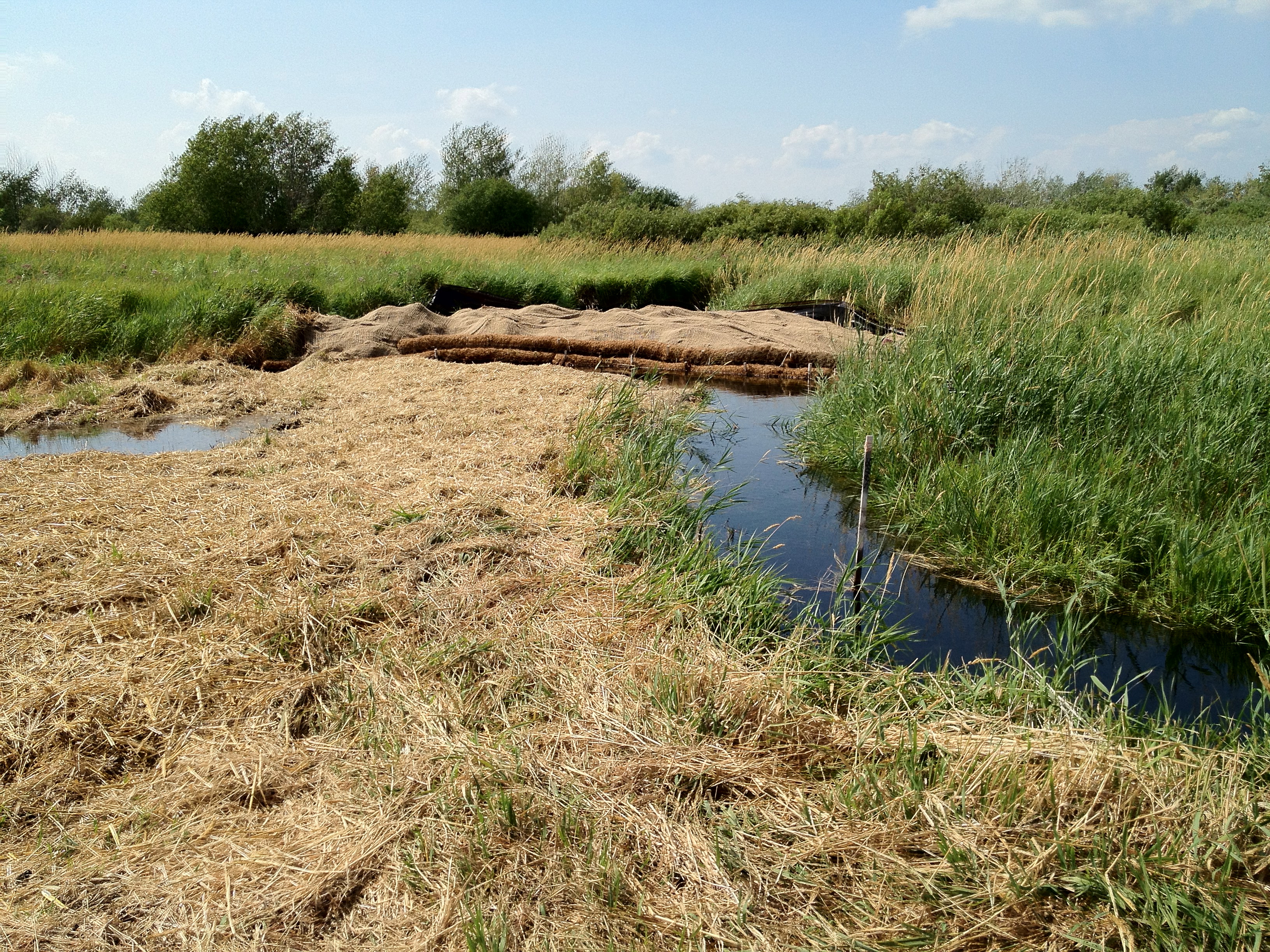
After following the 2-track for approximately 1mile through dogwood and willow brush and open areas, I arrived at the repair site.  I imagine it was pretty tough to drive the machinery back there. The stretch below is the old connection where the river was diverted into the man-made canal.  Now it is filled in and the separation restored.

The view upstream from the repaired area.

Below is the edge of the fill blocking access to the old canal.

Below is where the breach in the river was repaired.

Returning back to the beginning of the Phase 2 work site, where another stretch of connecting trench between the river and the canal was filled in.

The picture below is taken from the old canal looking back at the river.  That was a long ditch to fill!

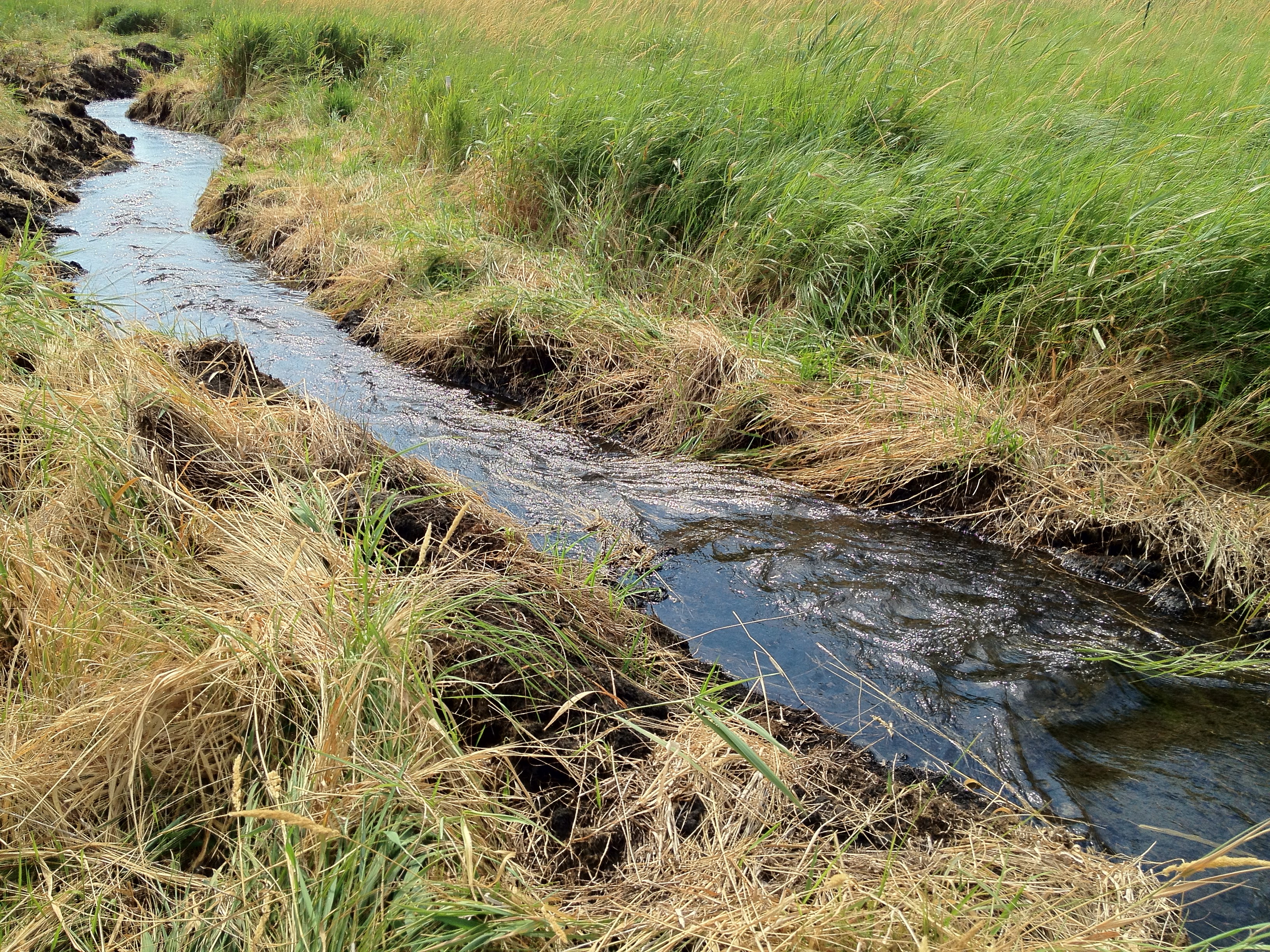
The next pictures show the rest of the Phase 2 effort from the main work site above going West to Hwy N.  Watch for the pool, riffle, run sequence Ben described.  Unfortunately, I don’t have any pictures from before the work was done or during the work in progress.

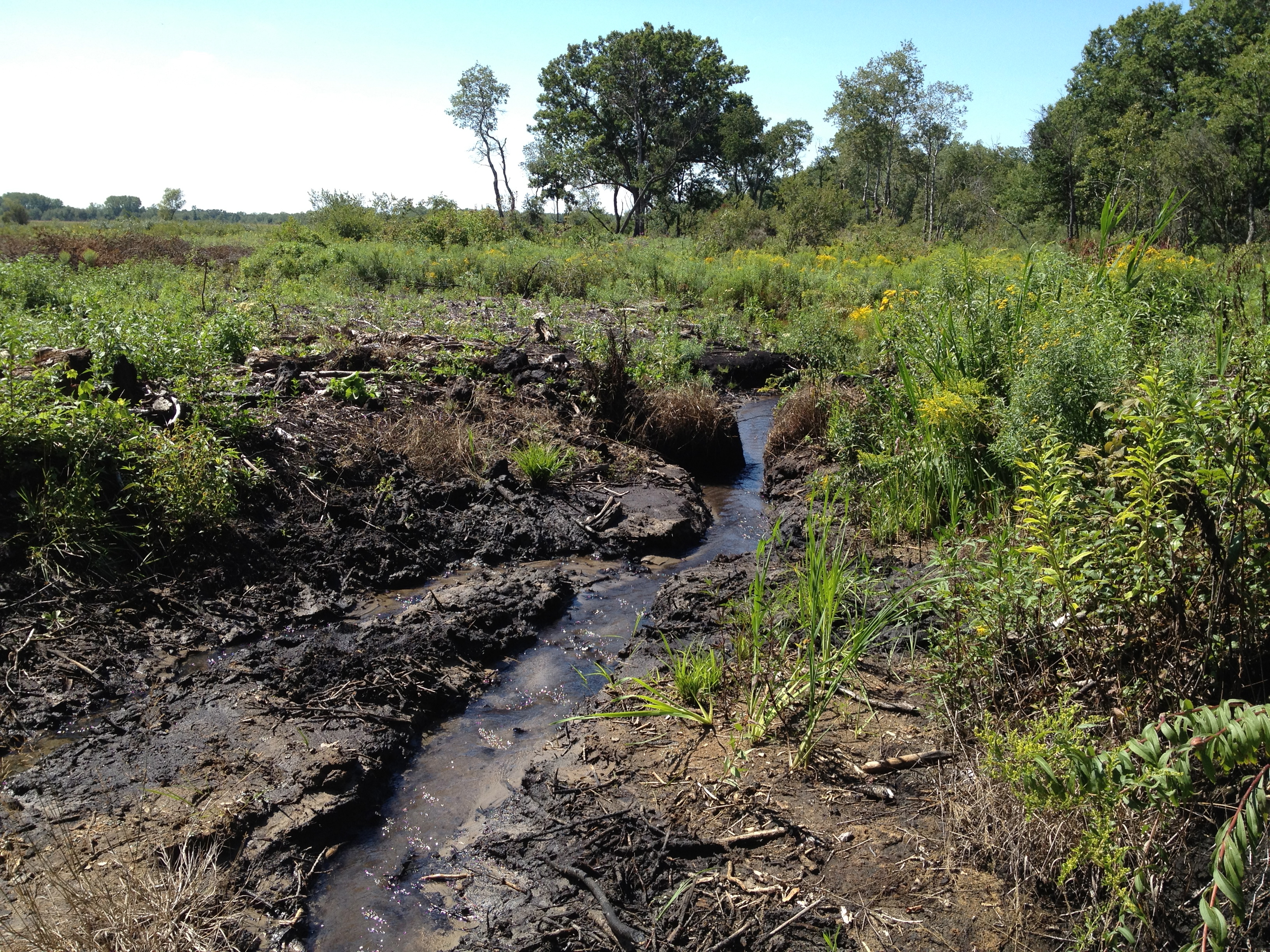
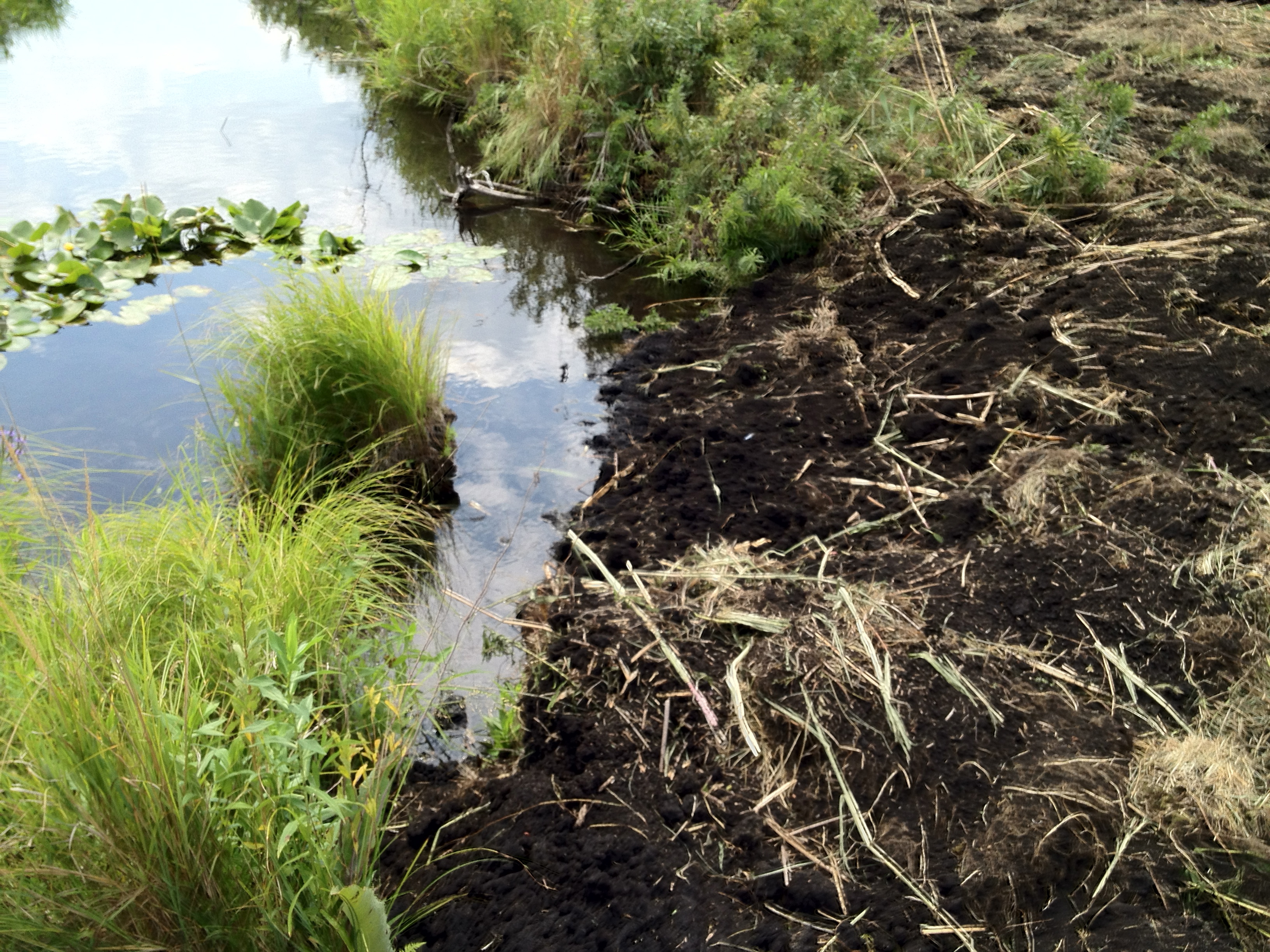
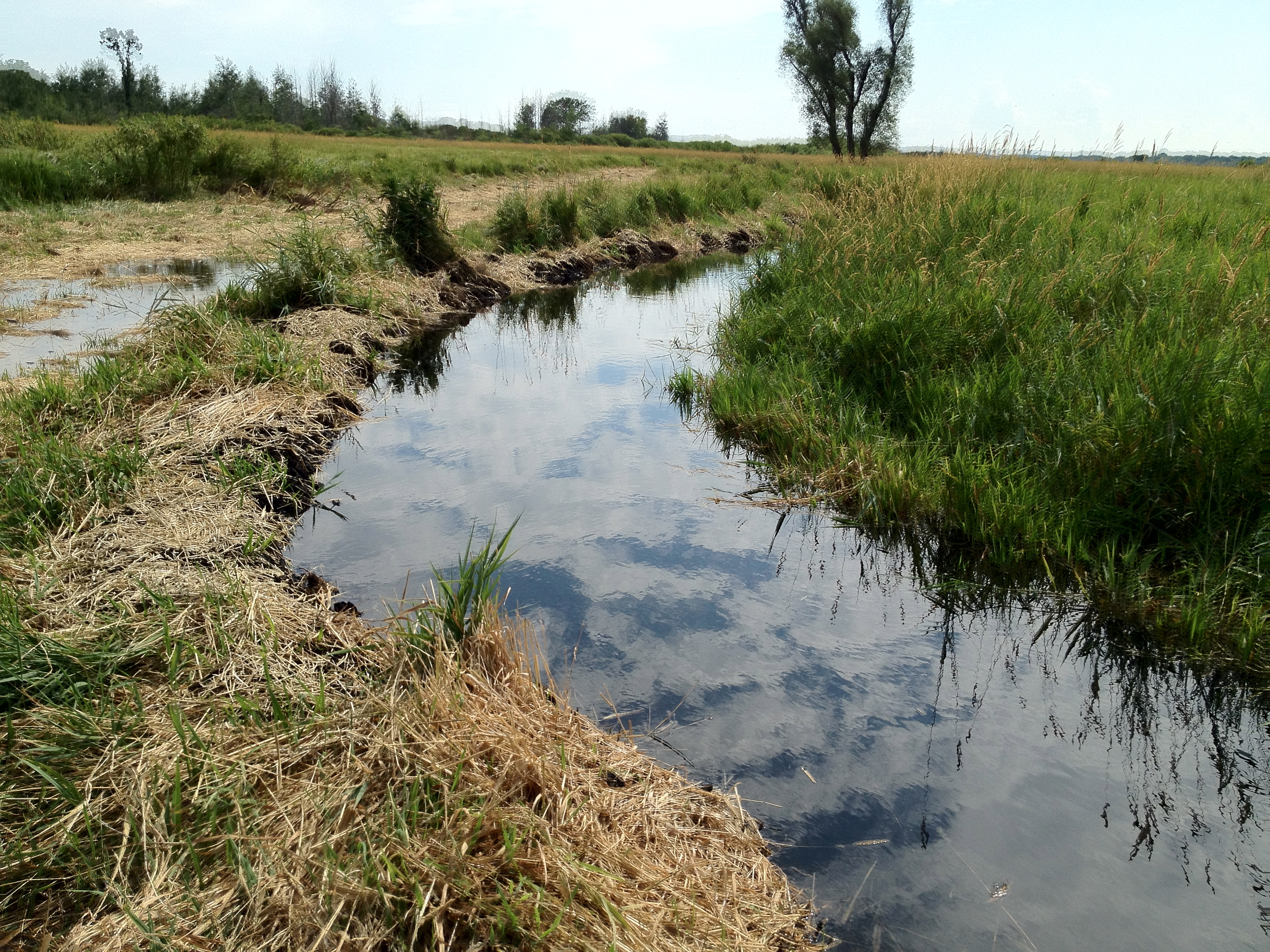
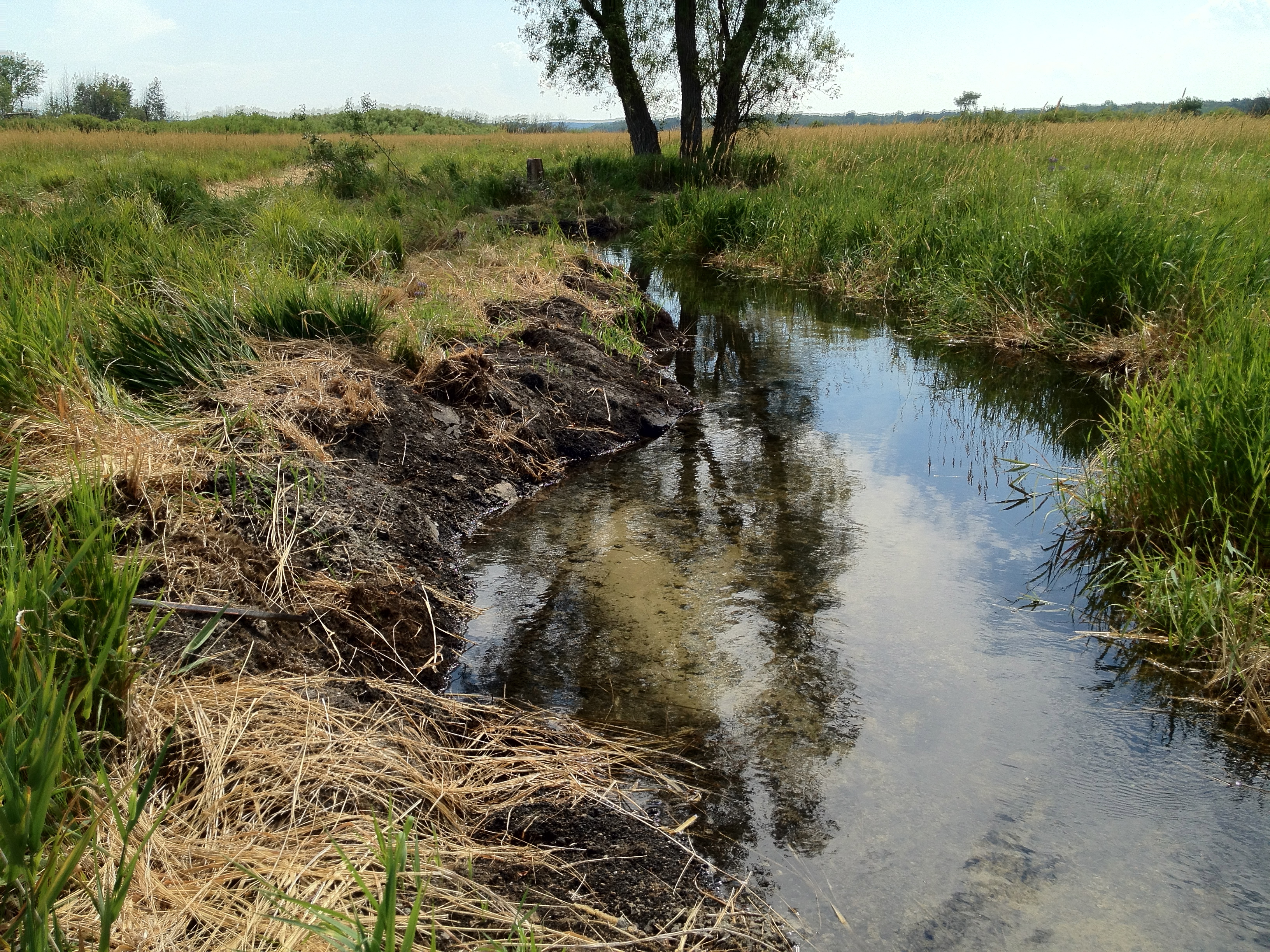
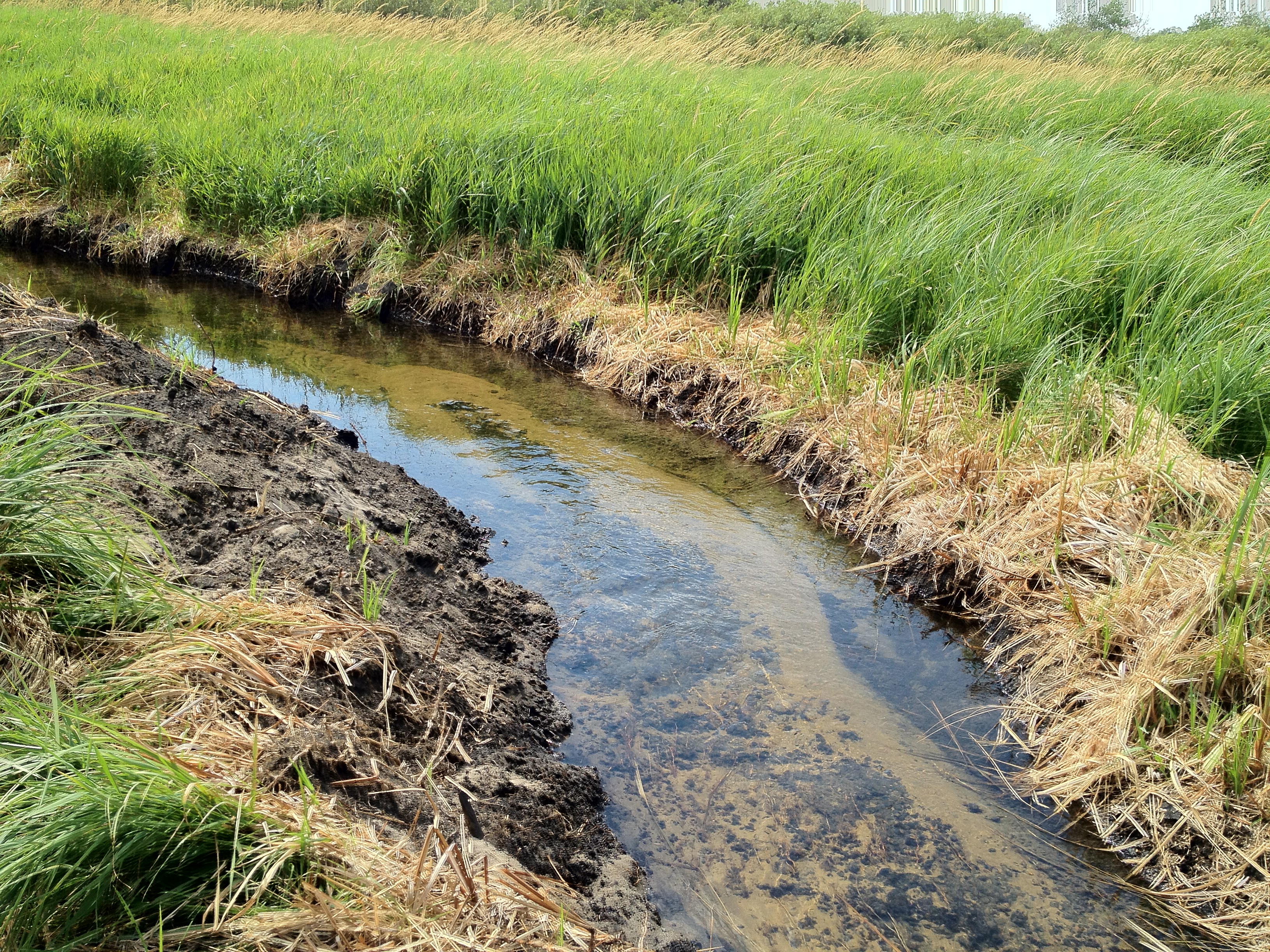
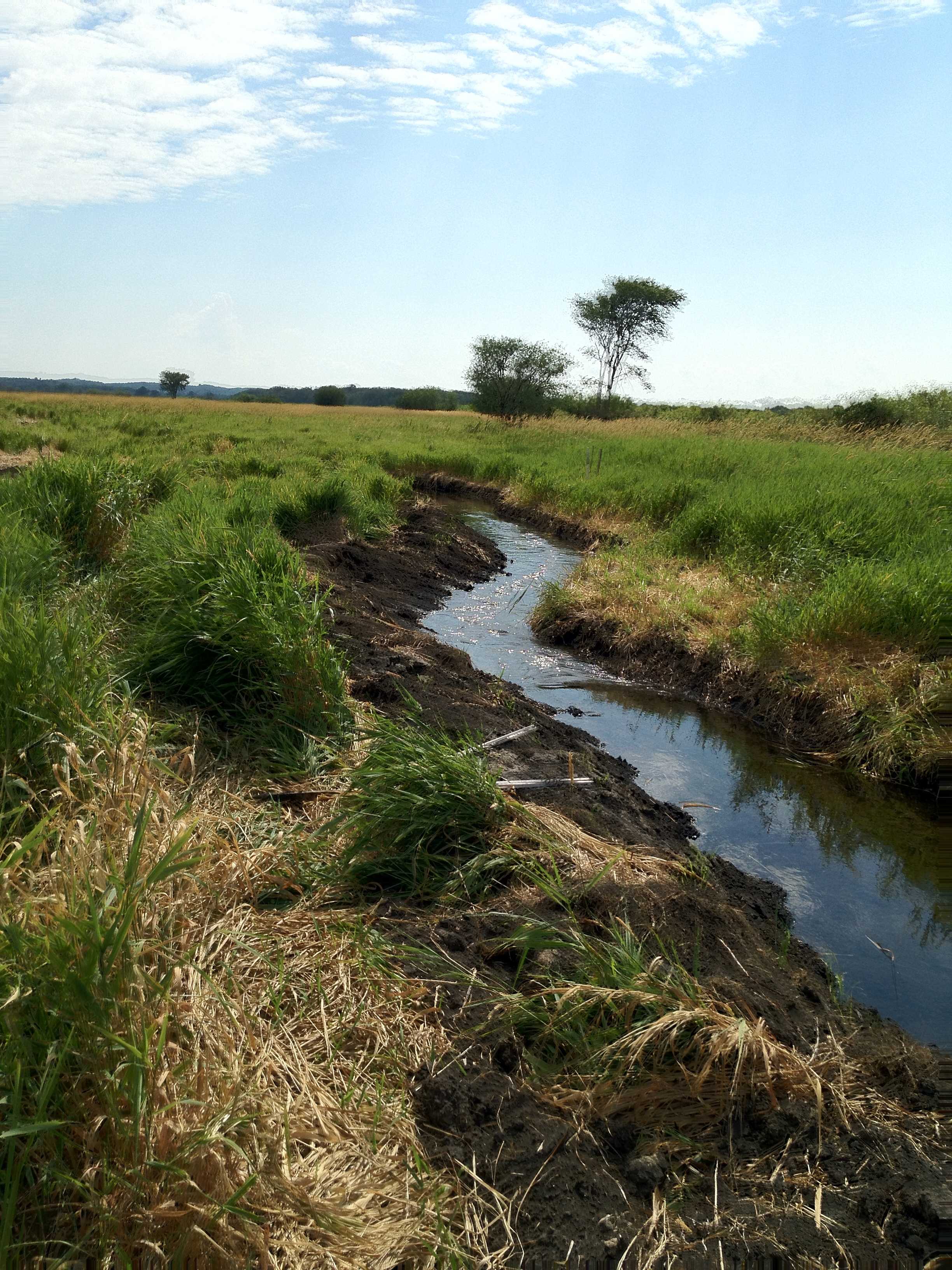
You can see how carefully, they “mucked out” the river-bed.

Ben explained that the gradient change was relatively small, so they had to work carefully and measure the depth frequently.  Checkout the “runs” below.

Just before Hwy N.

Thanks to Ben for meeting with us and explaining more about the Scuppernong River restoration effort.  Hats off the DNR crew that accomplished the excellent work shown above in extremely hot and challenging conditions!