Morning Has Broken

Don’t tell anyone, I still have my Cat Stevens records.

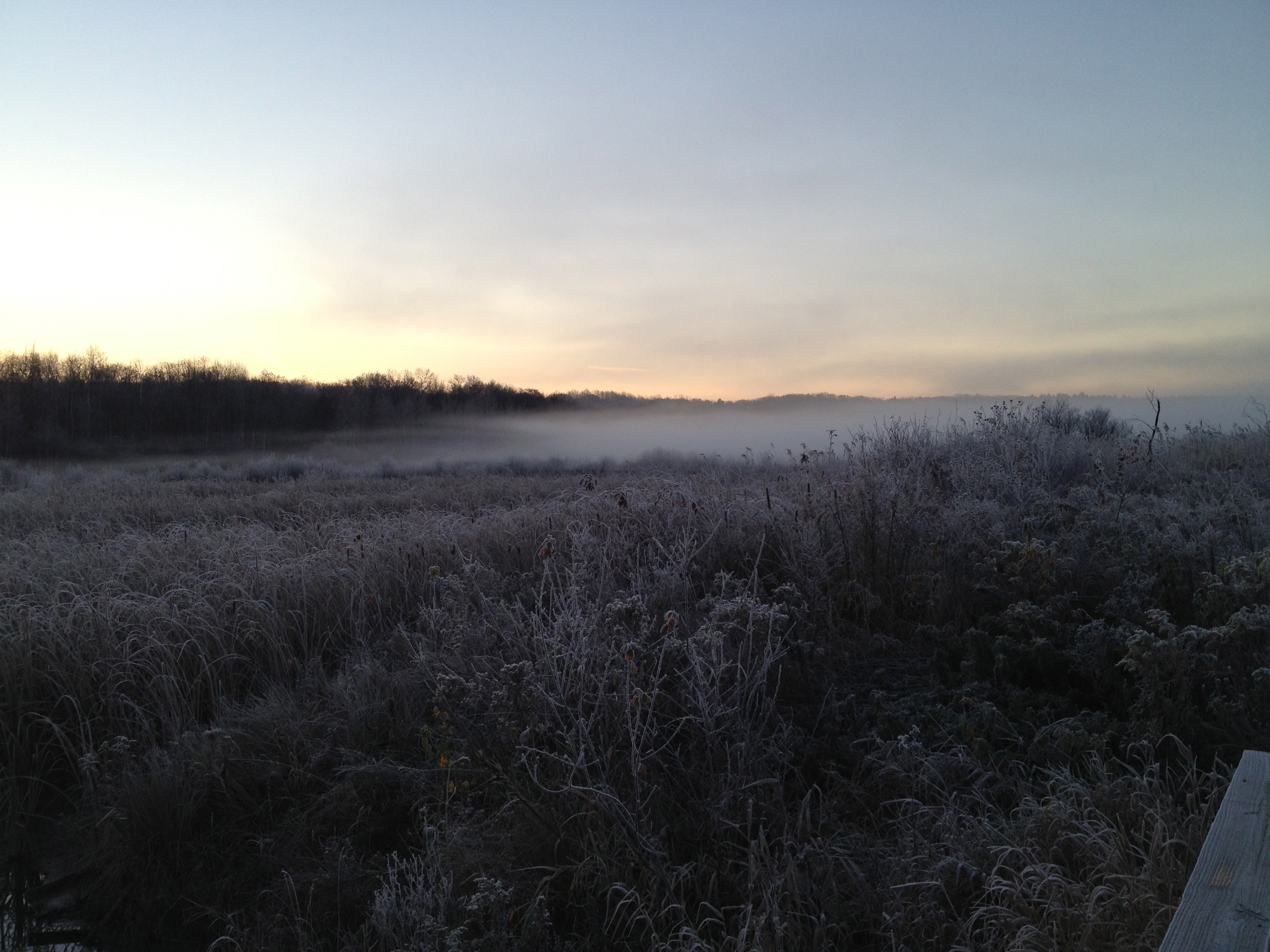
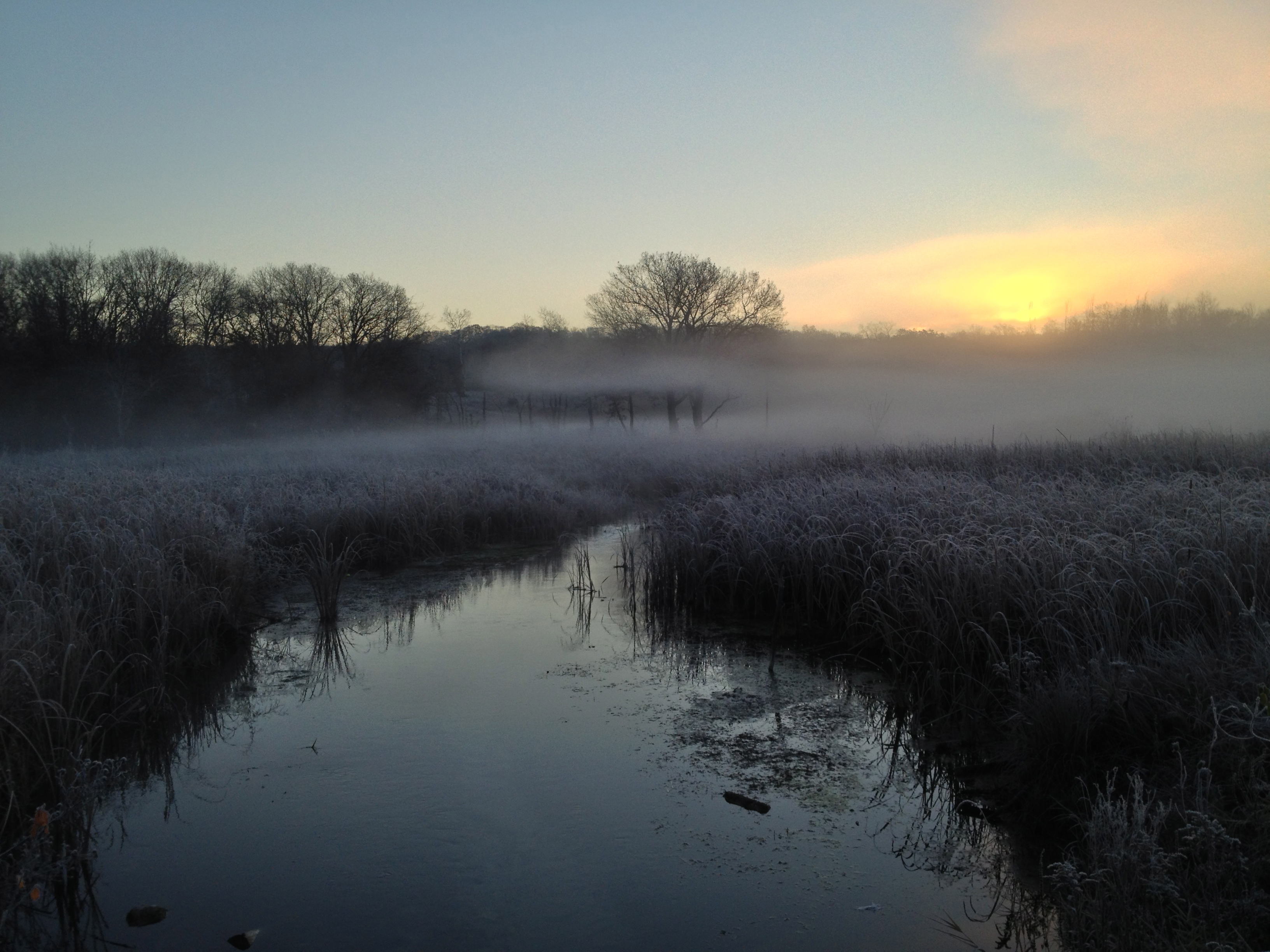
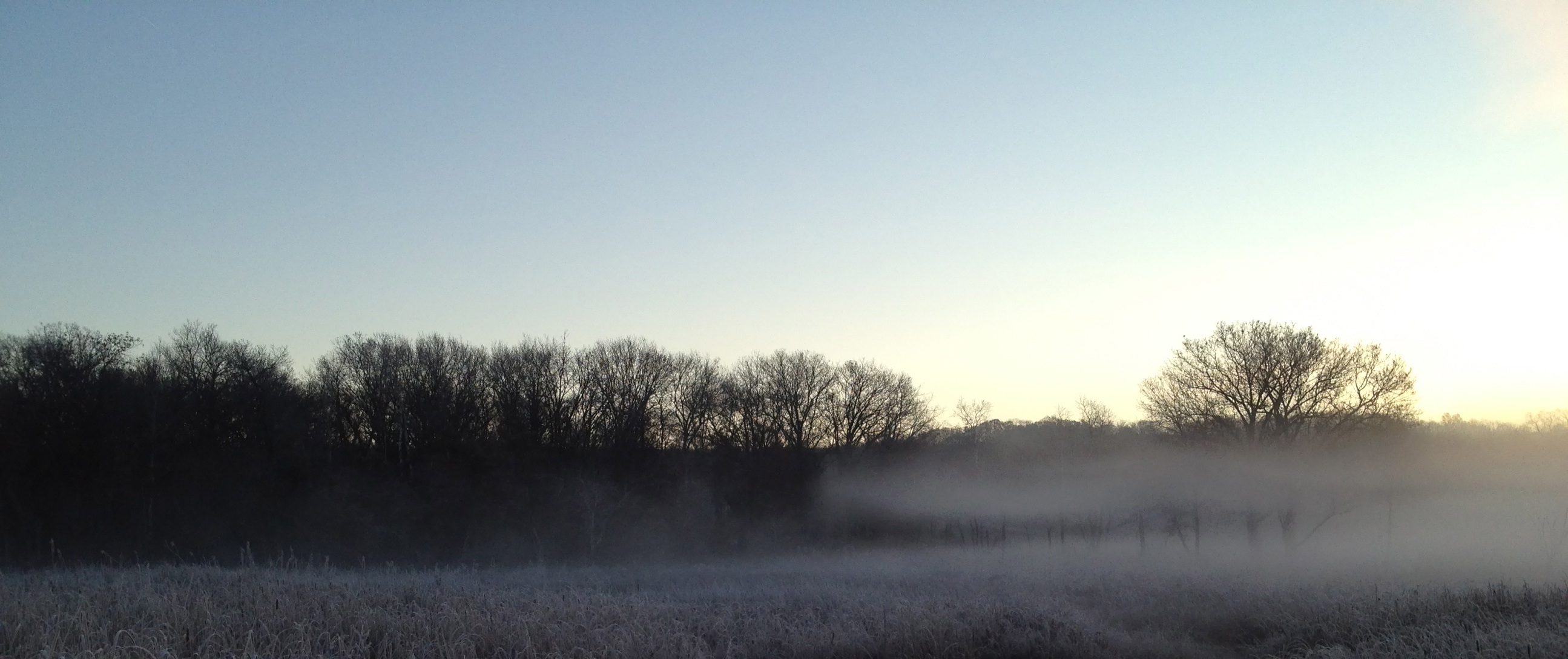
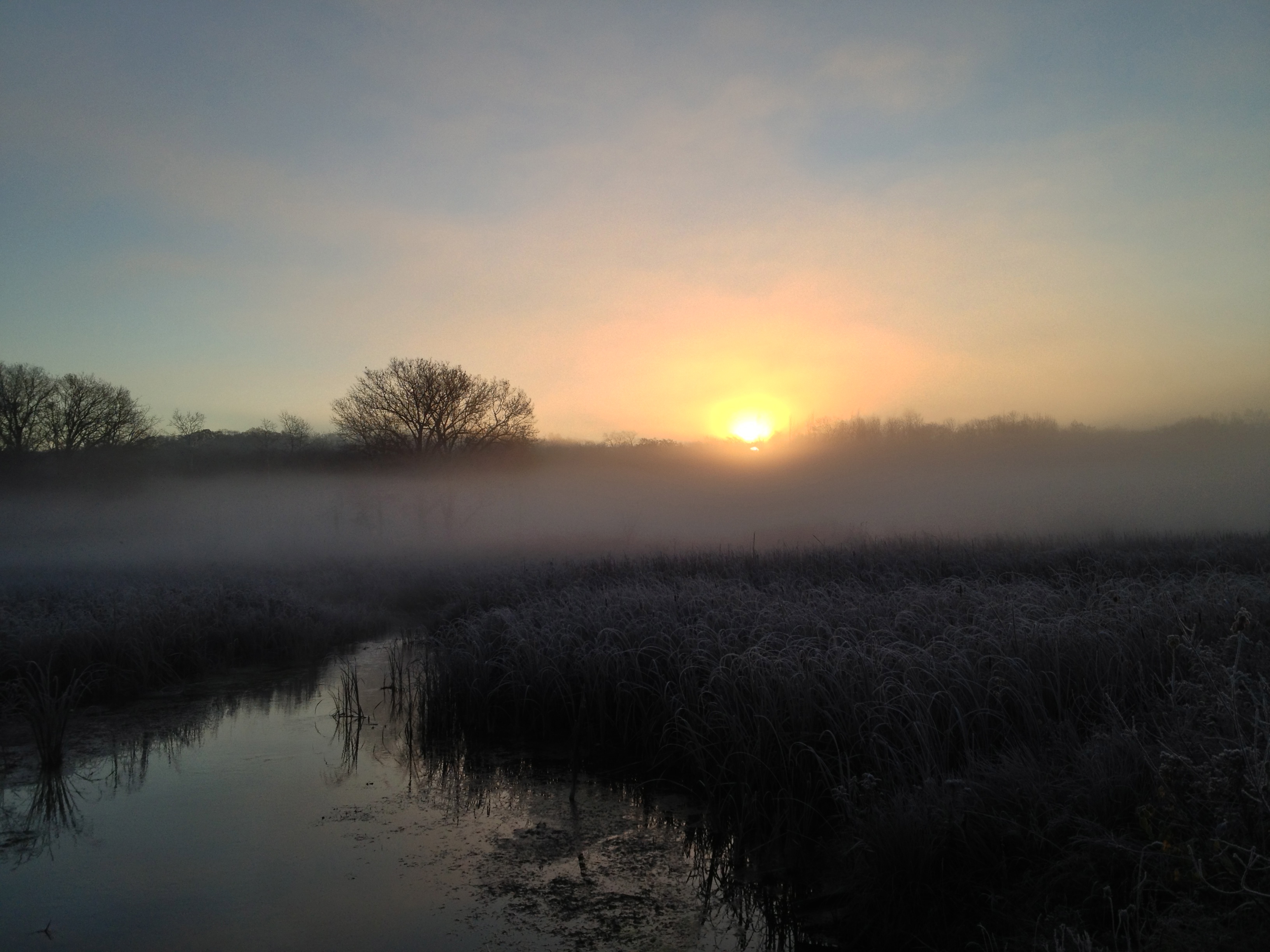
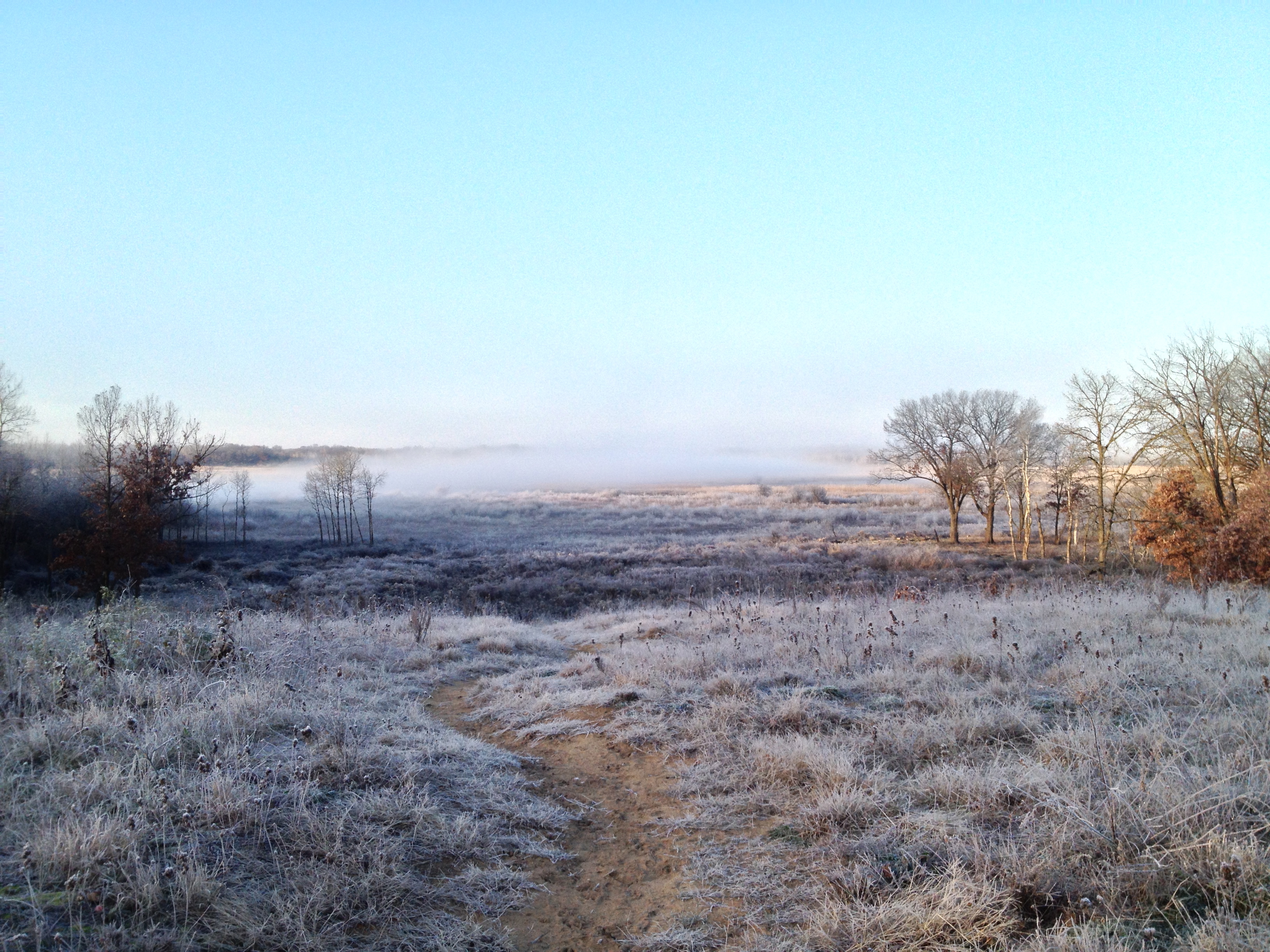
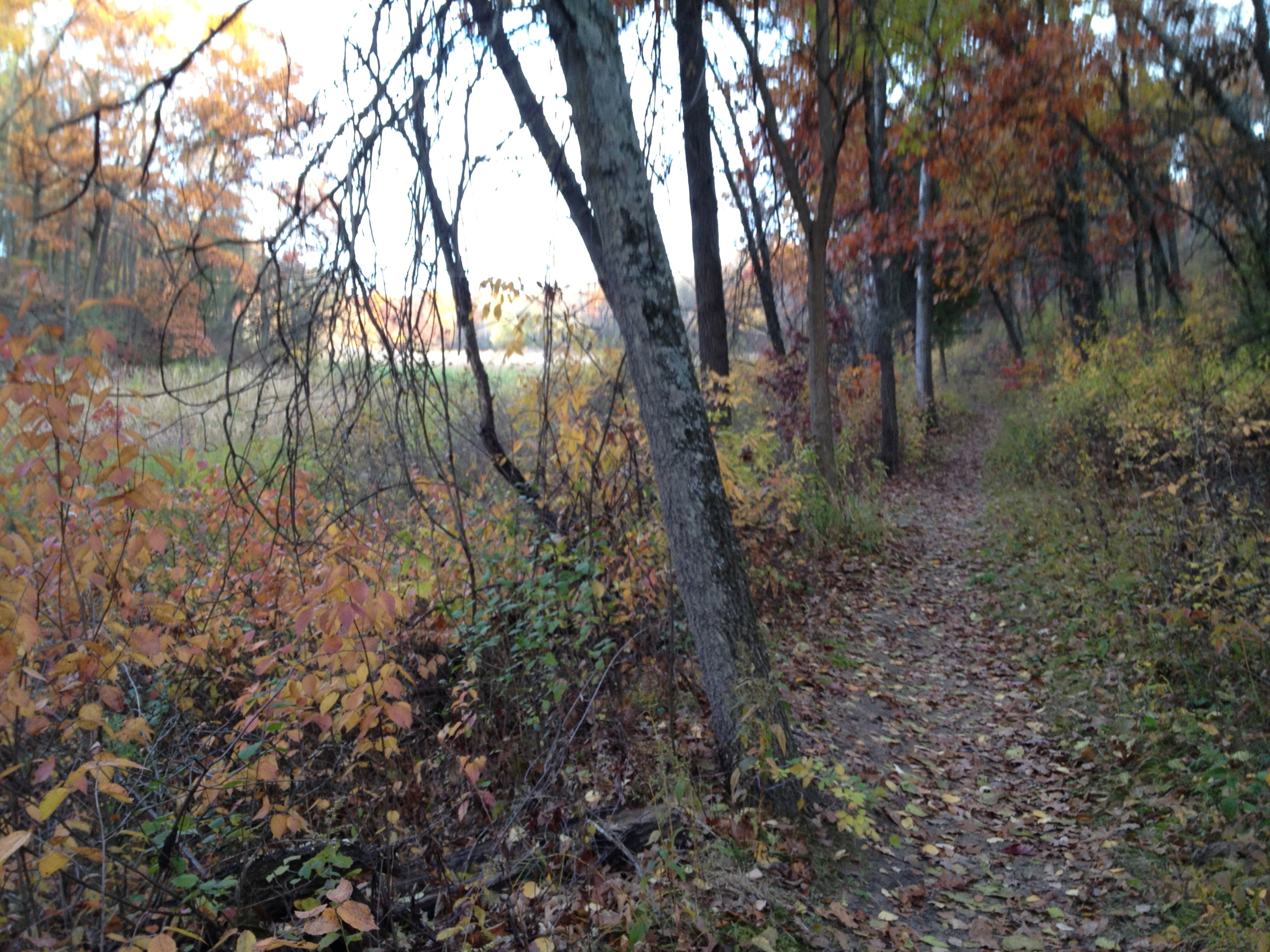
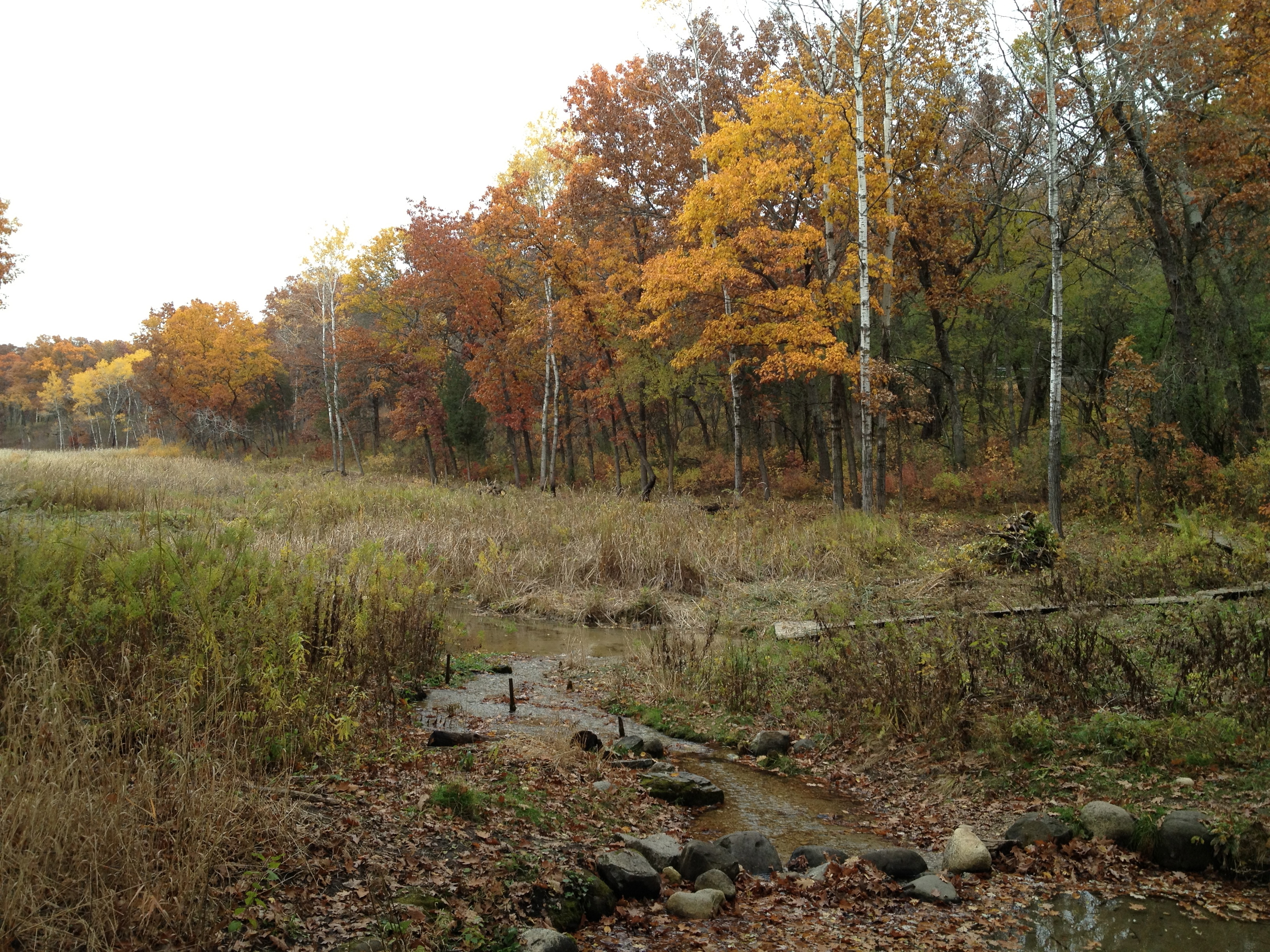
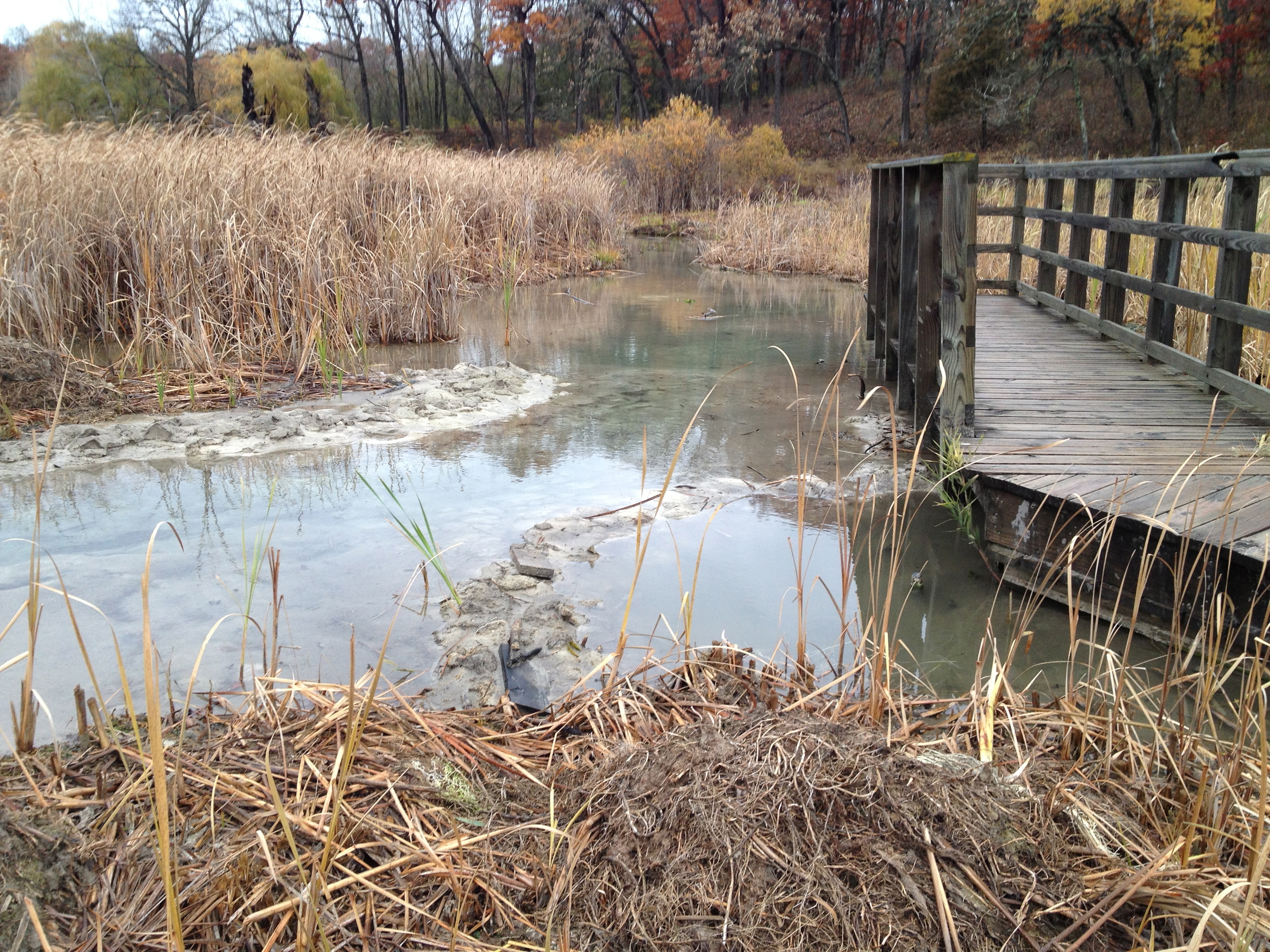
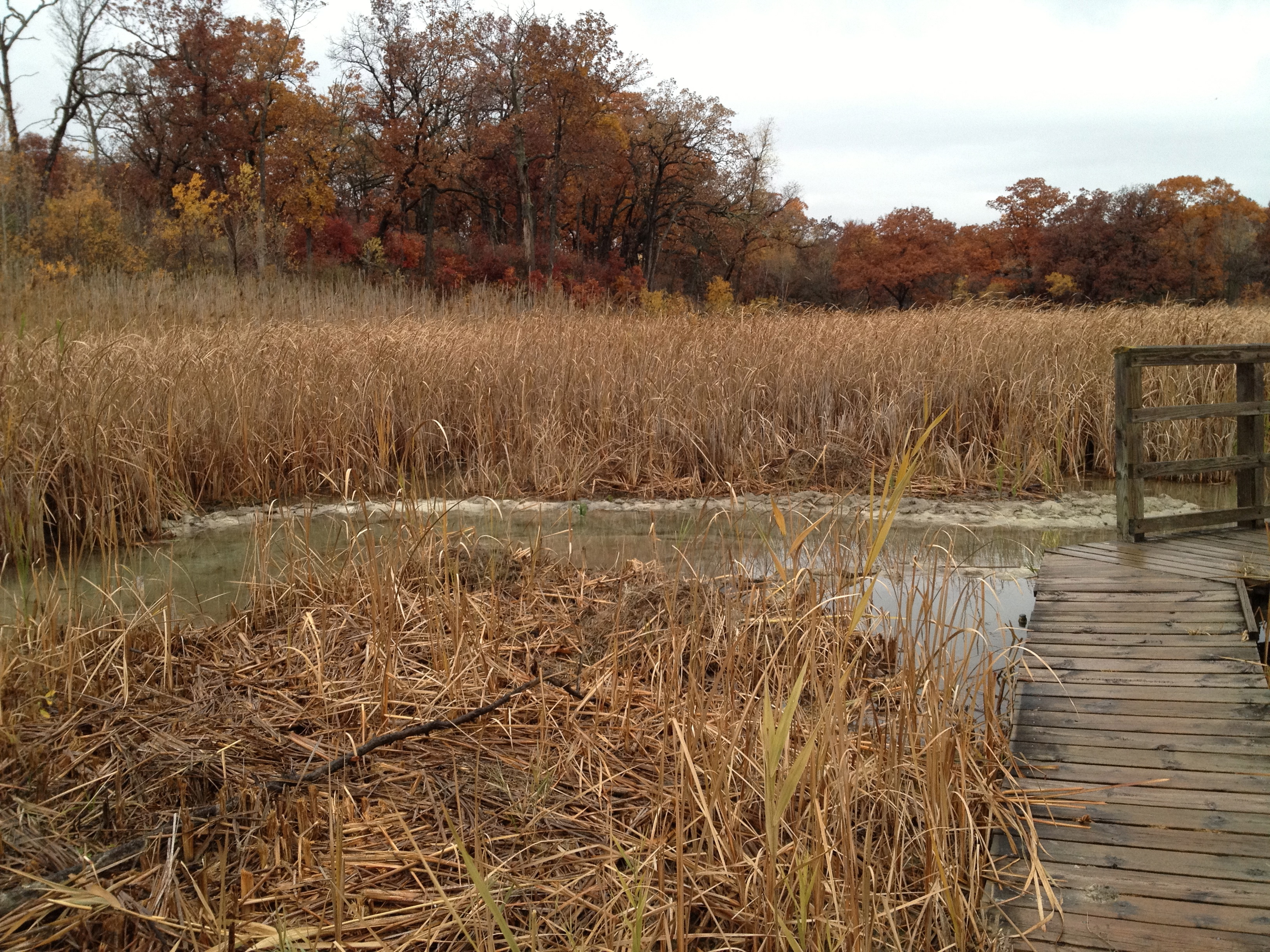
The Springs were beautiful this morning.

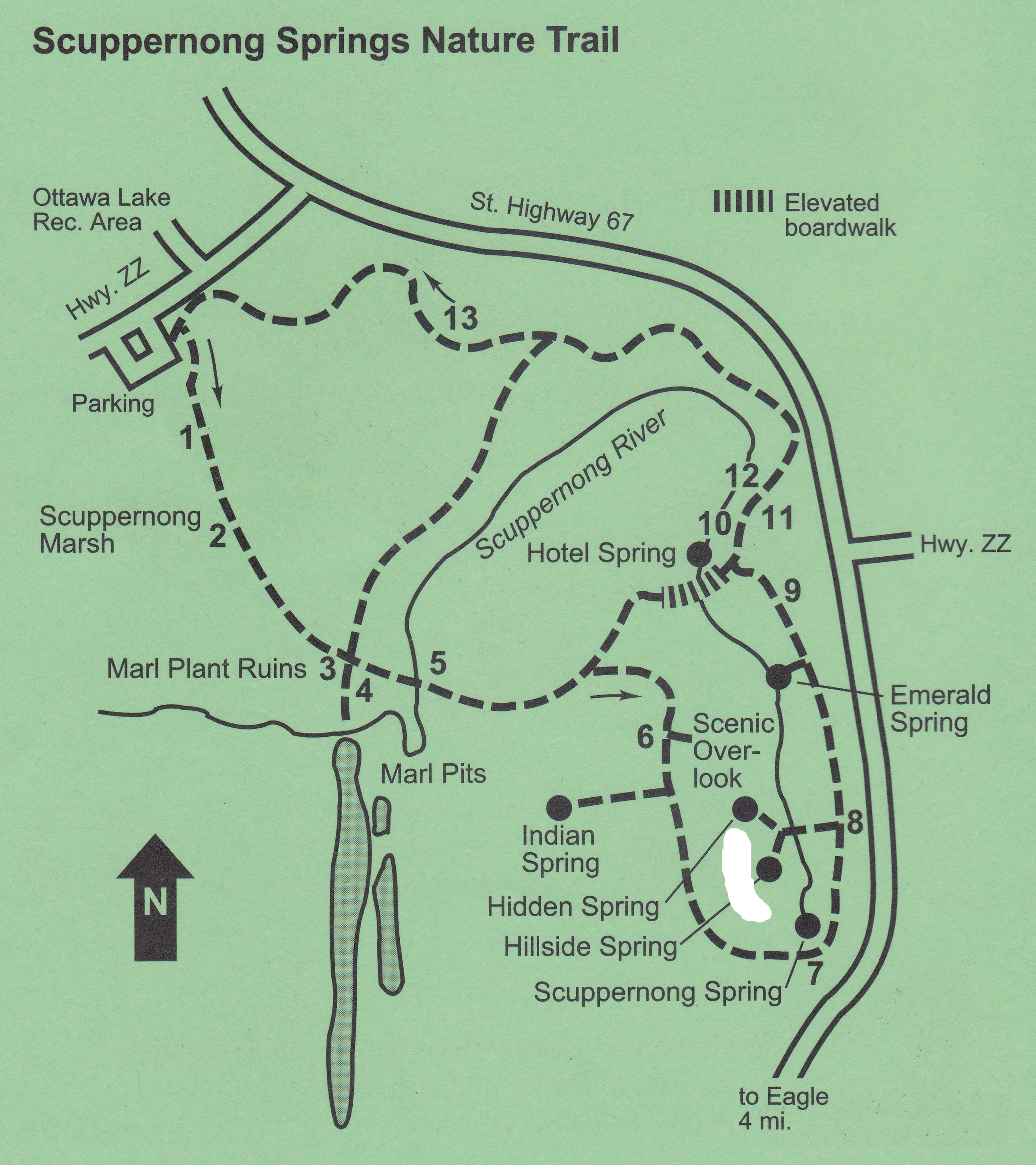
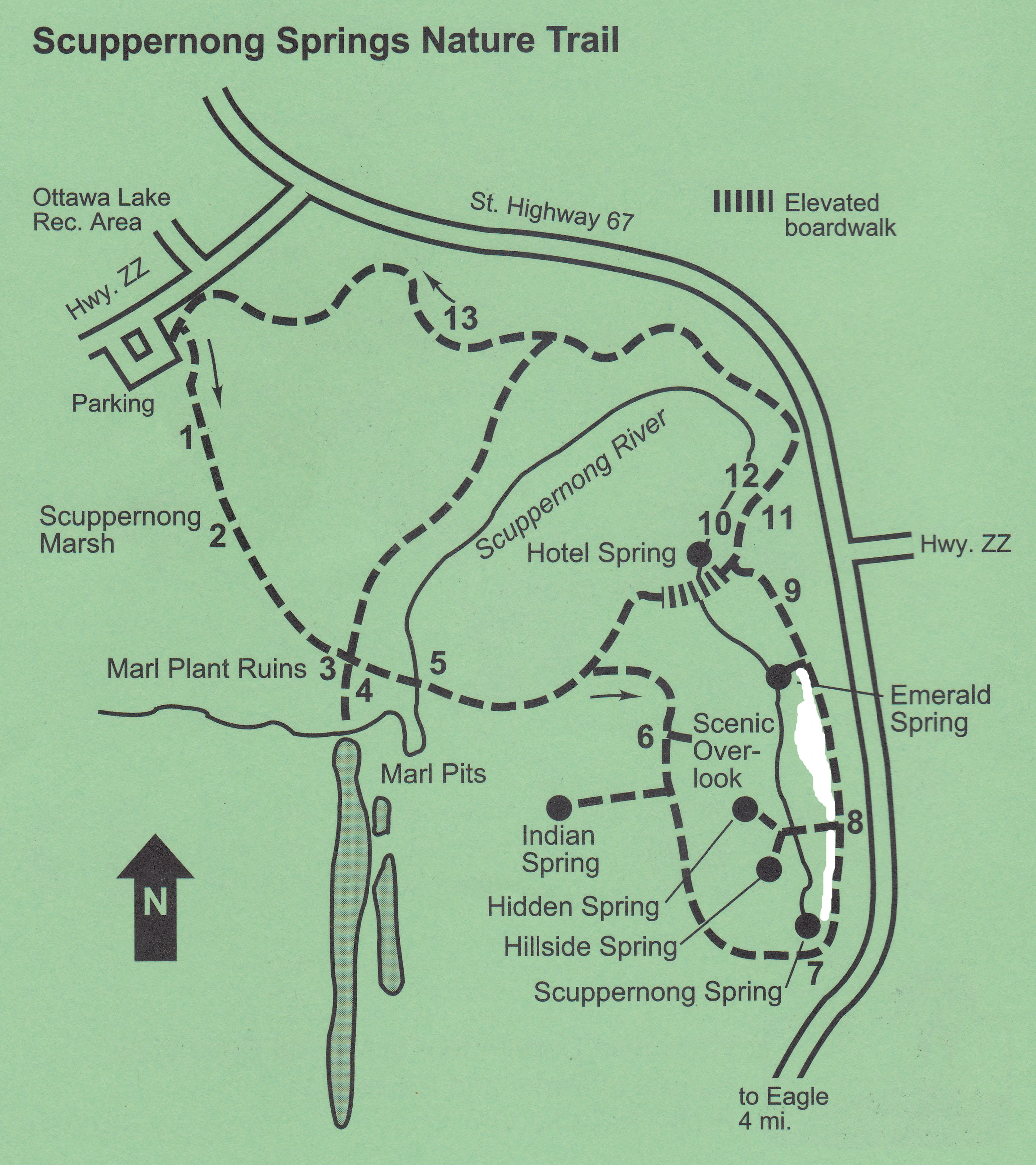
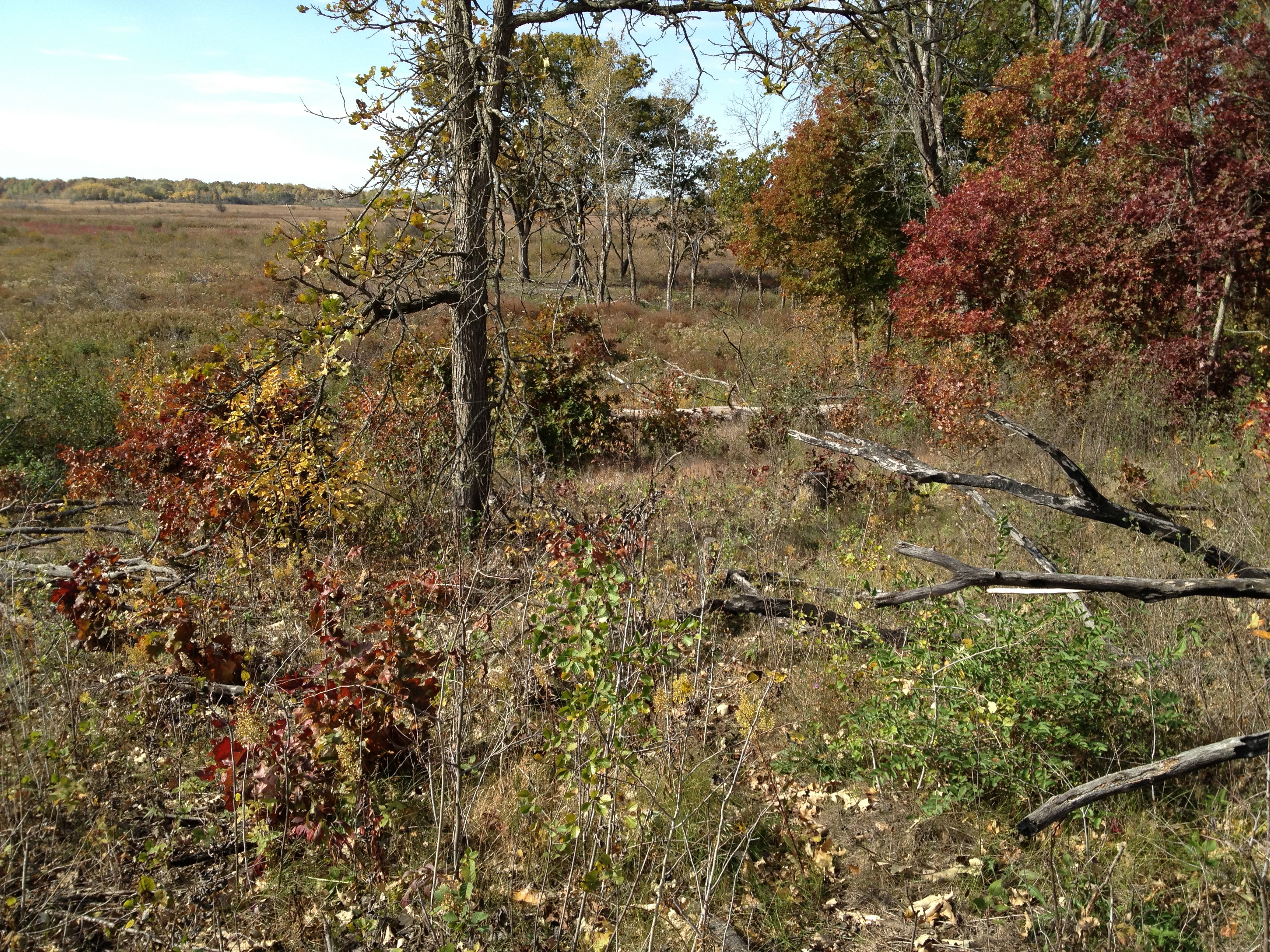
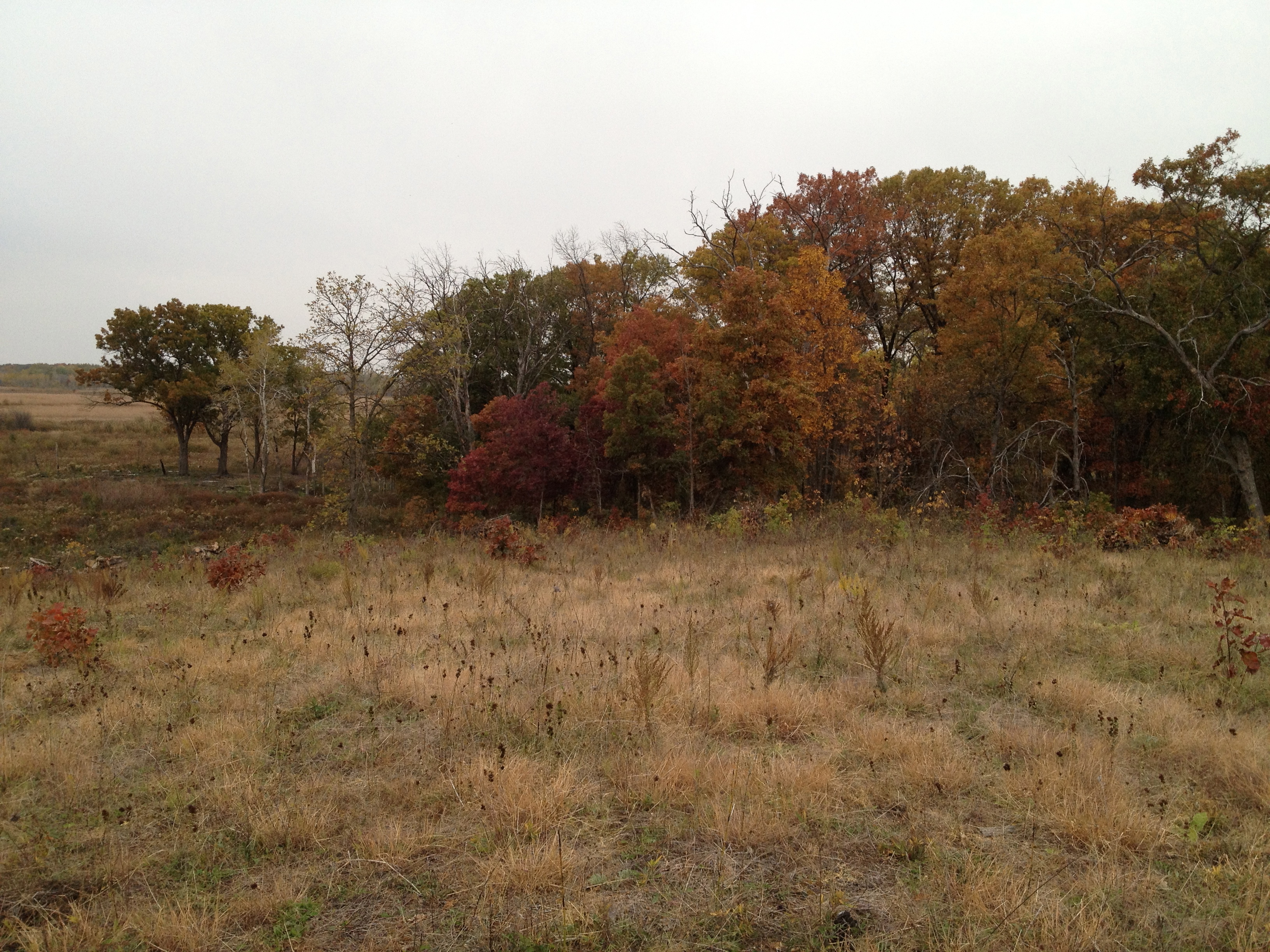
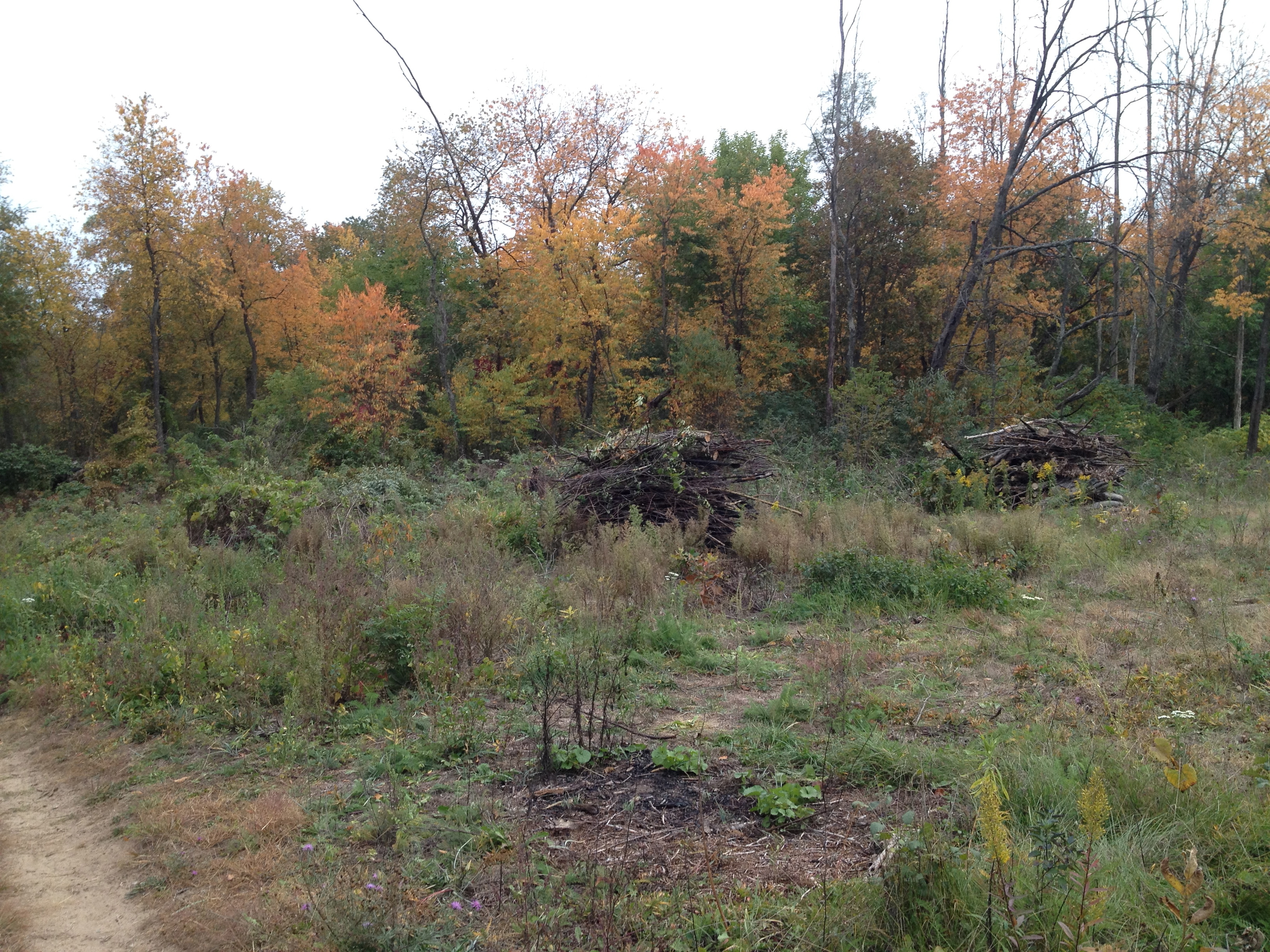
There is a very nice sand dune hilltop just West of the Hillside Spring covered with some large Oak, Hickory and Cherry trees.  The last time we worked Lindsay pointed out how cool this hilltop would look, especially a prominently featured huge Red Oak, if we cleared the brush and I took up his suggestion today.  The area in question is marked in white on the map below.

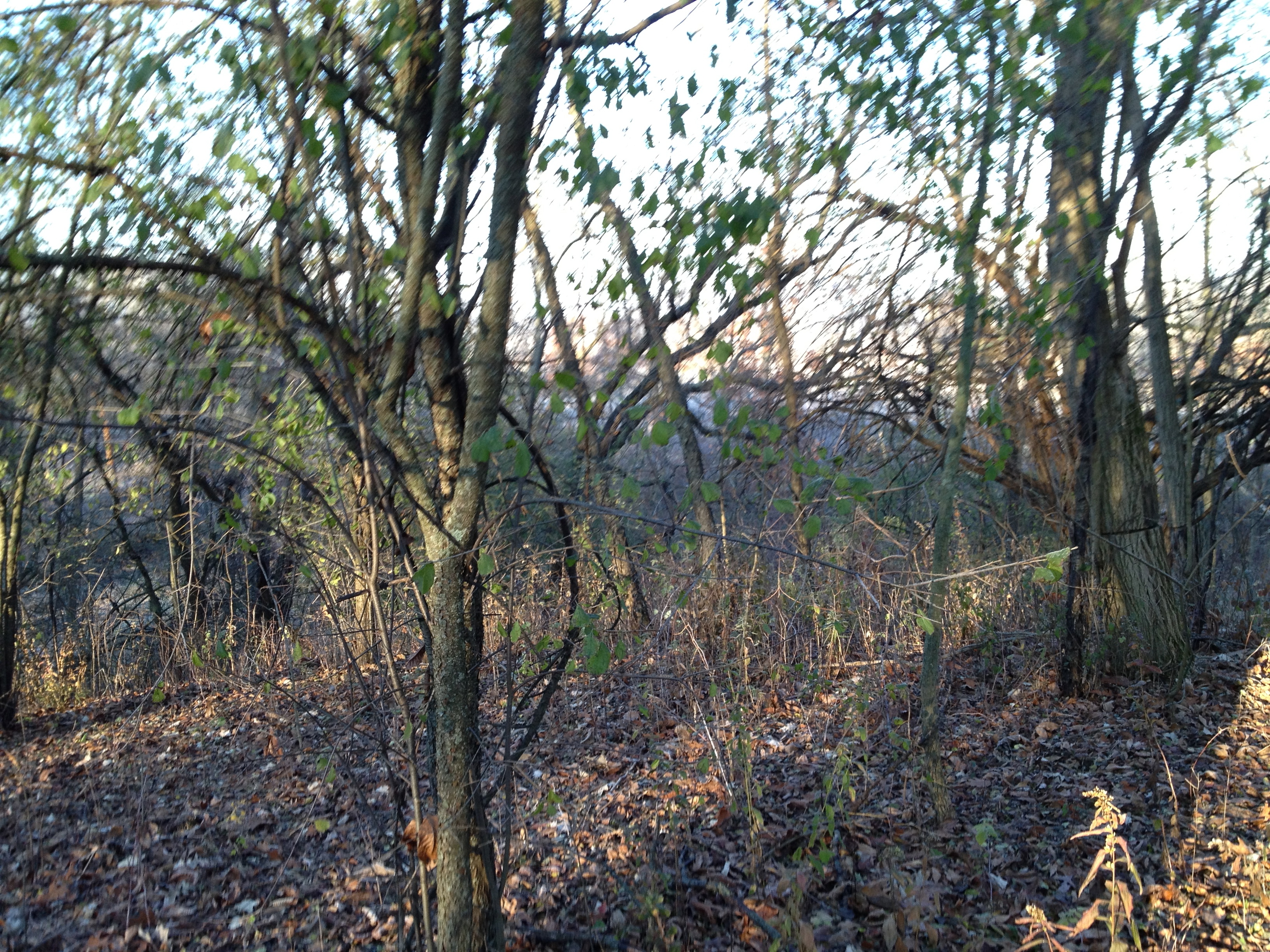
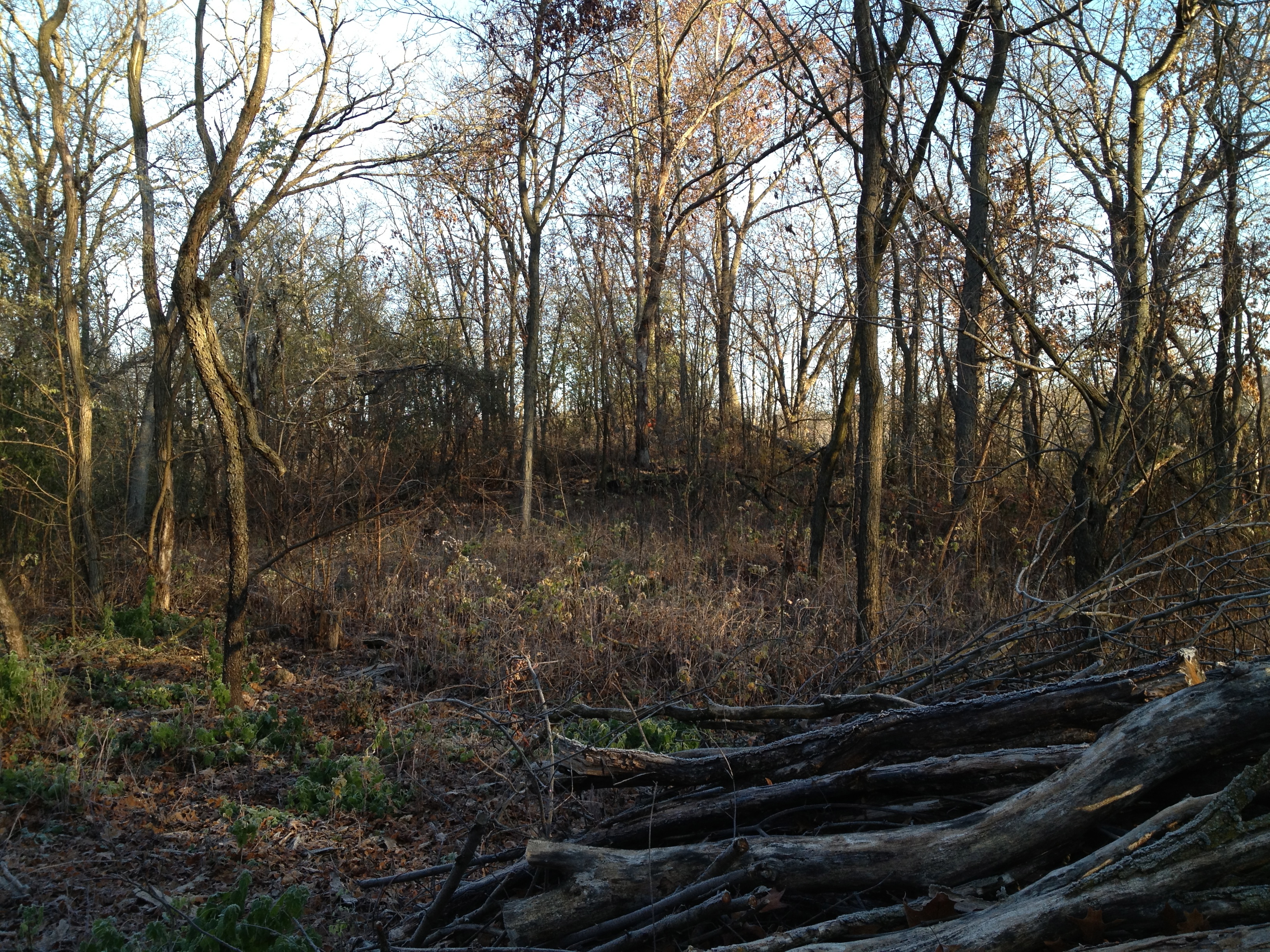
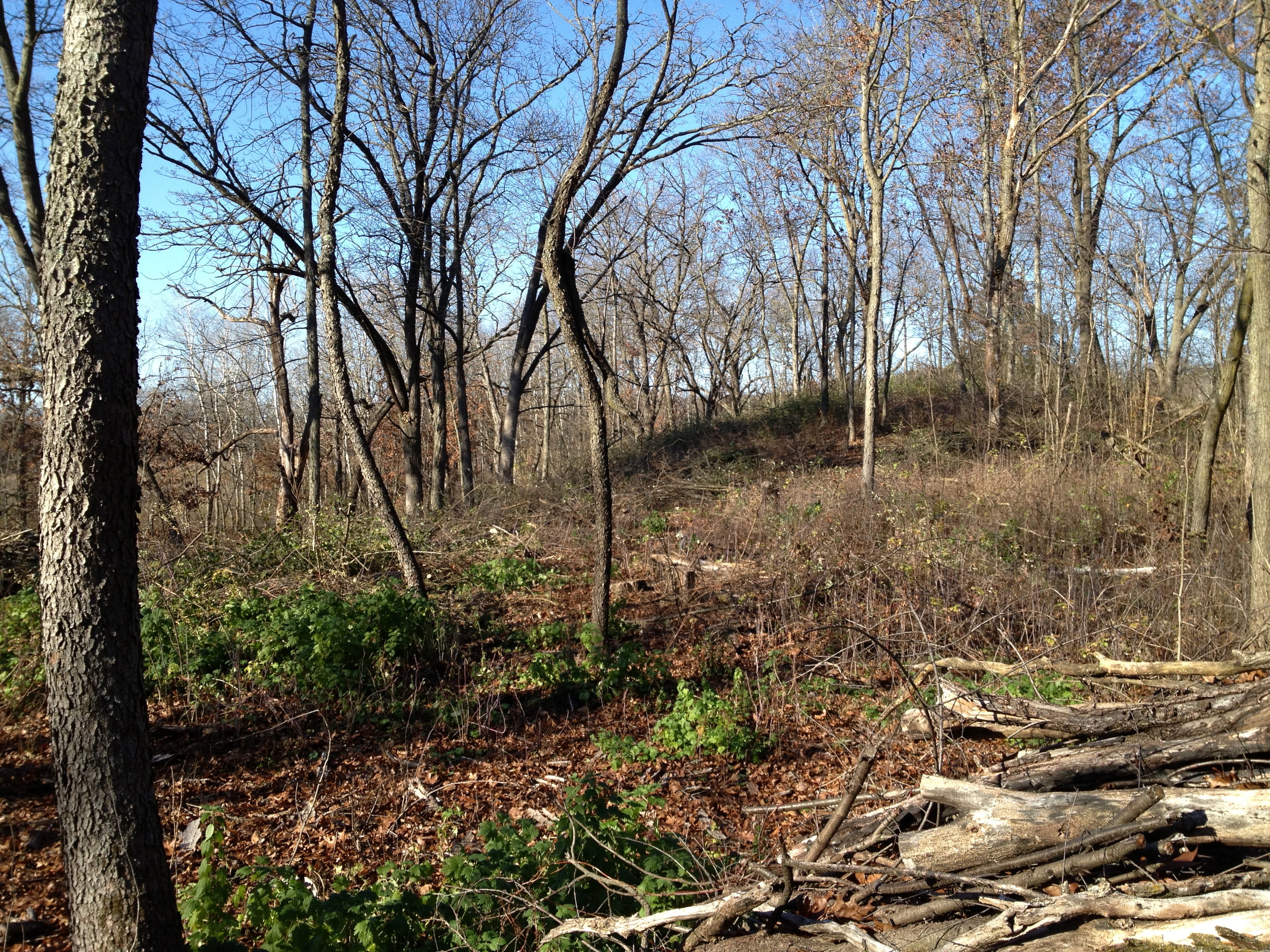
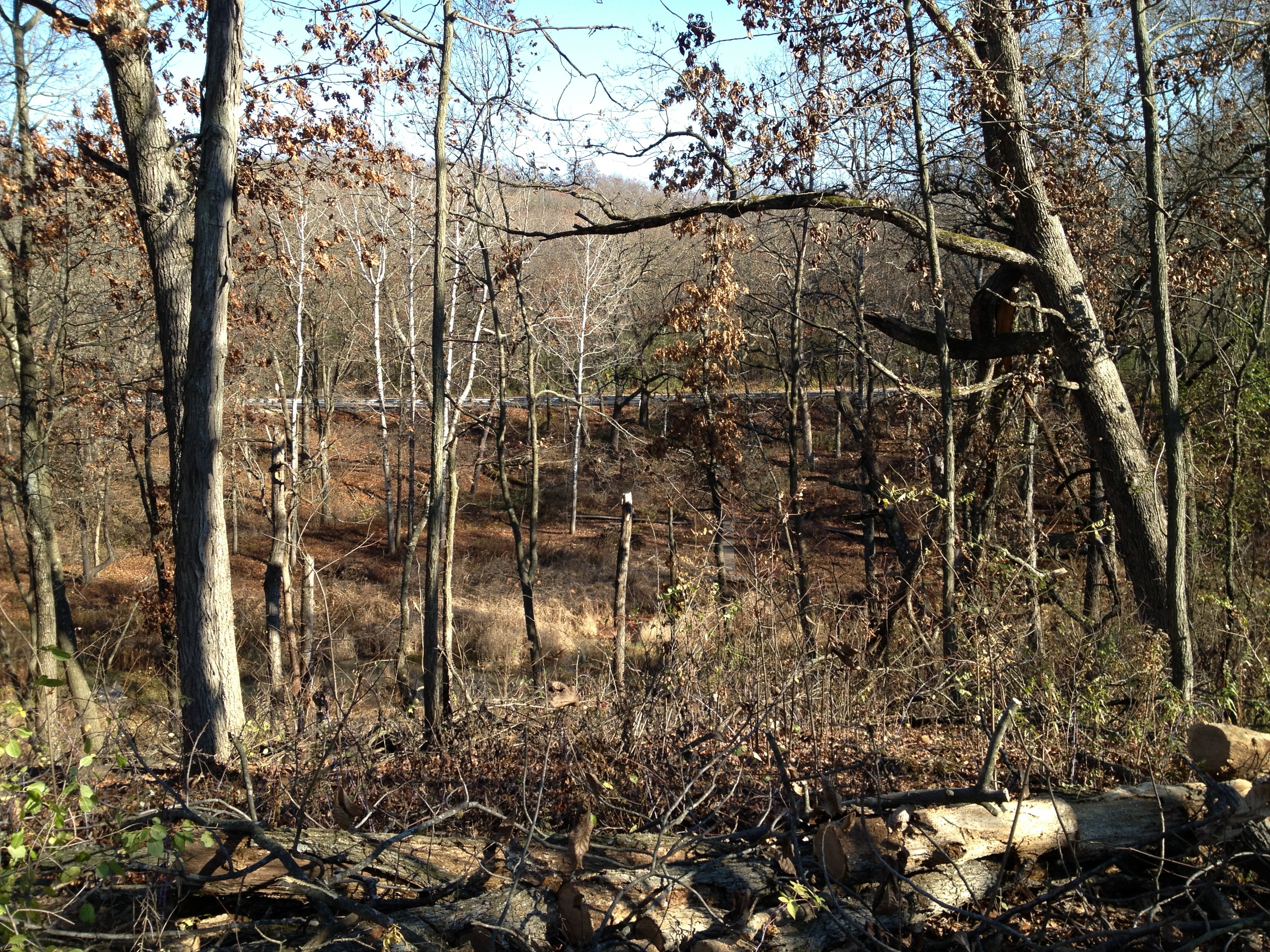
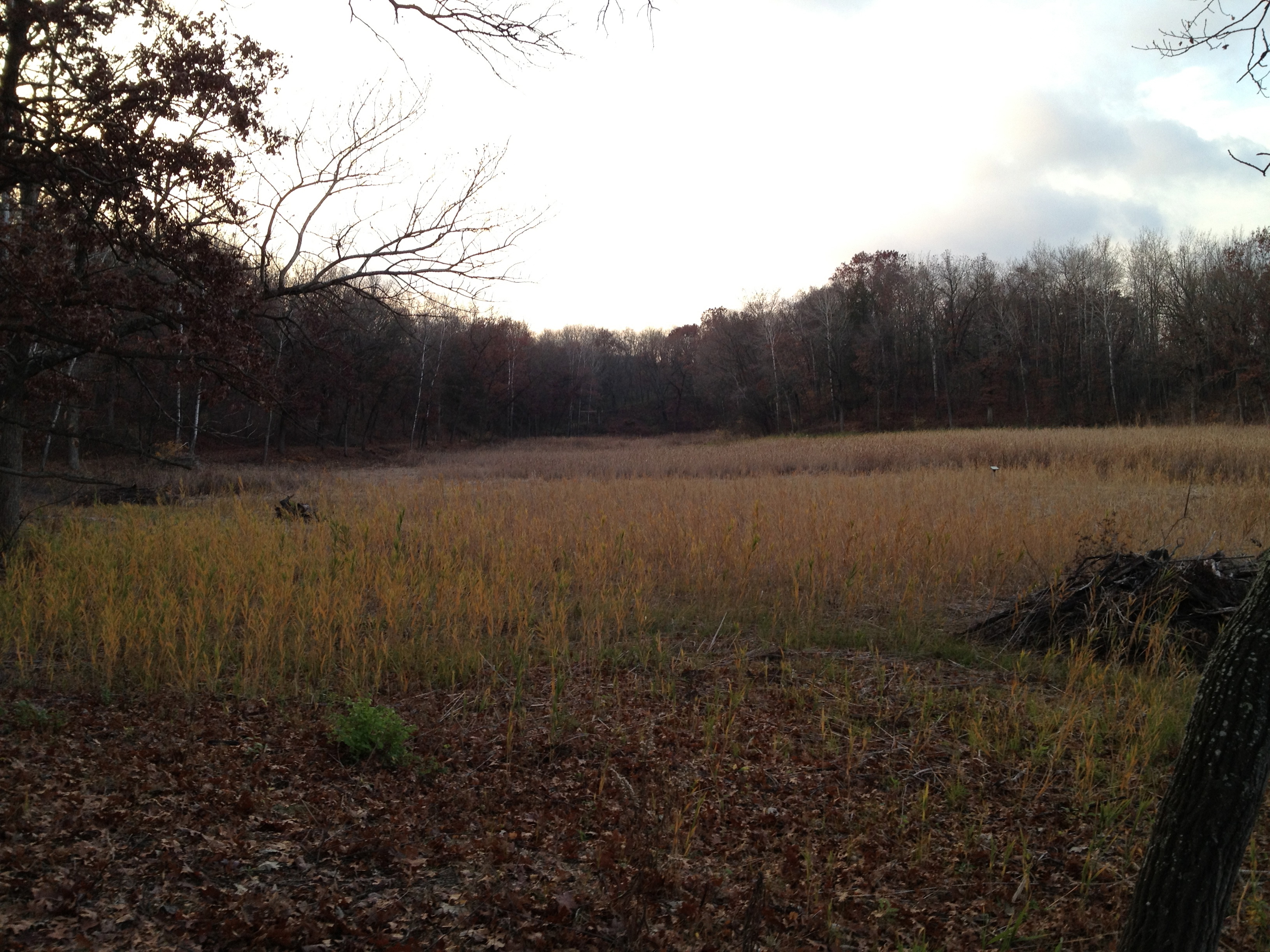
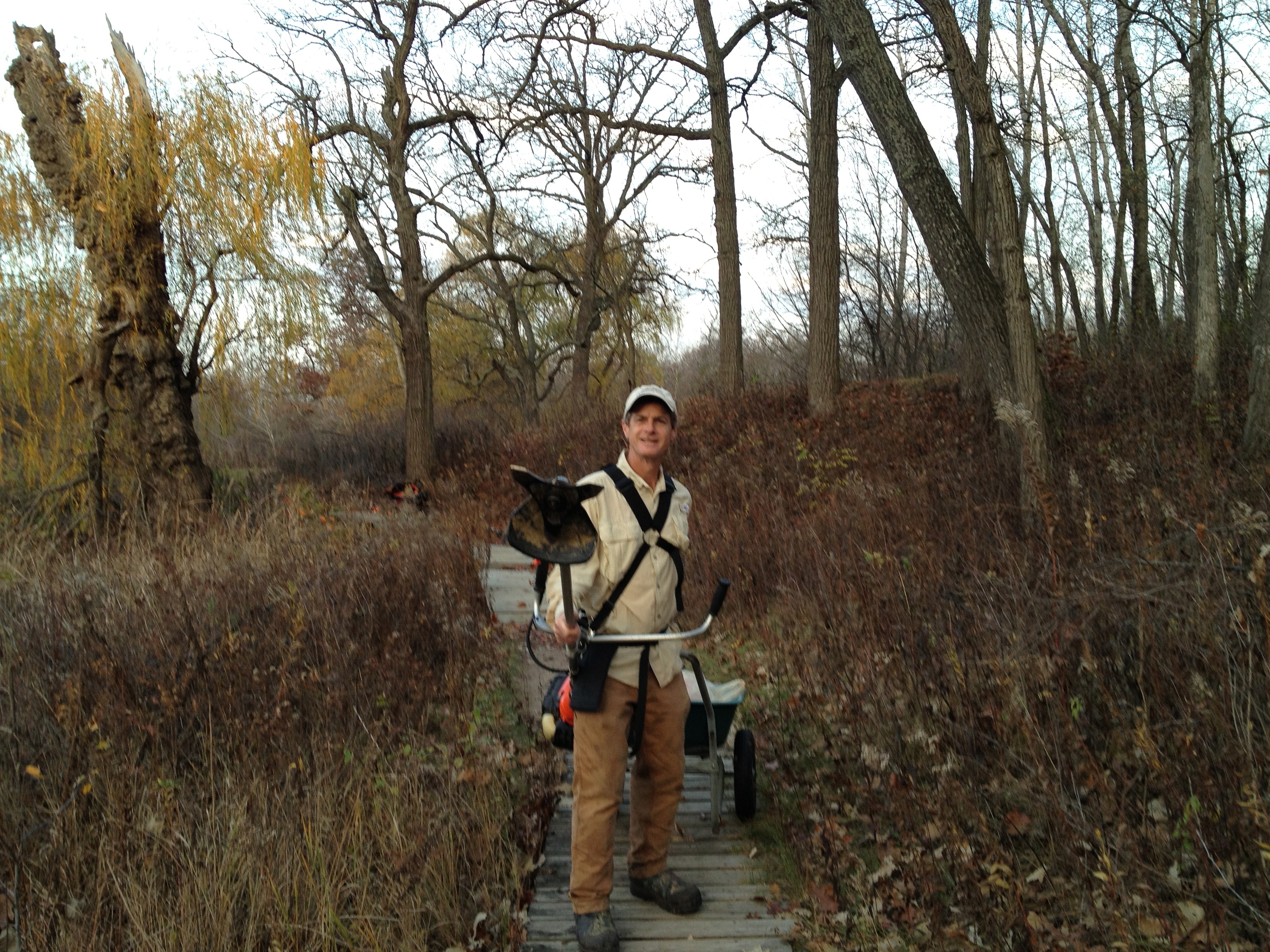
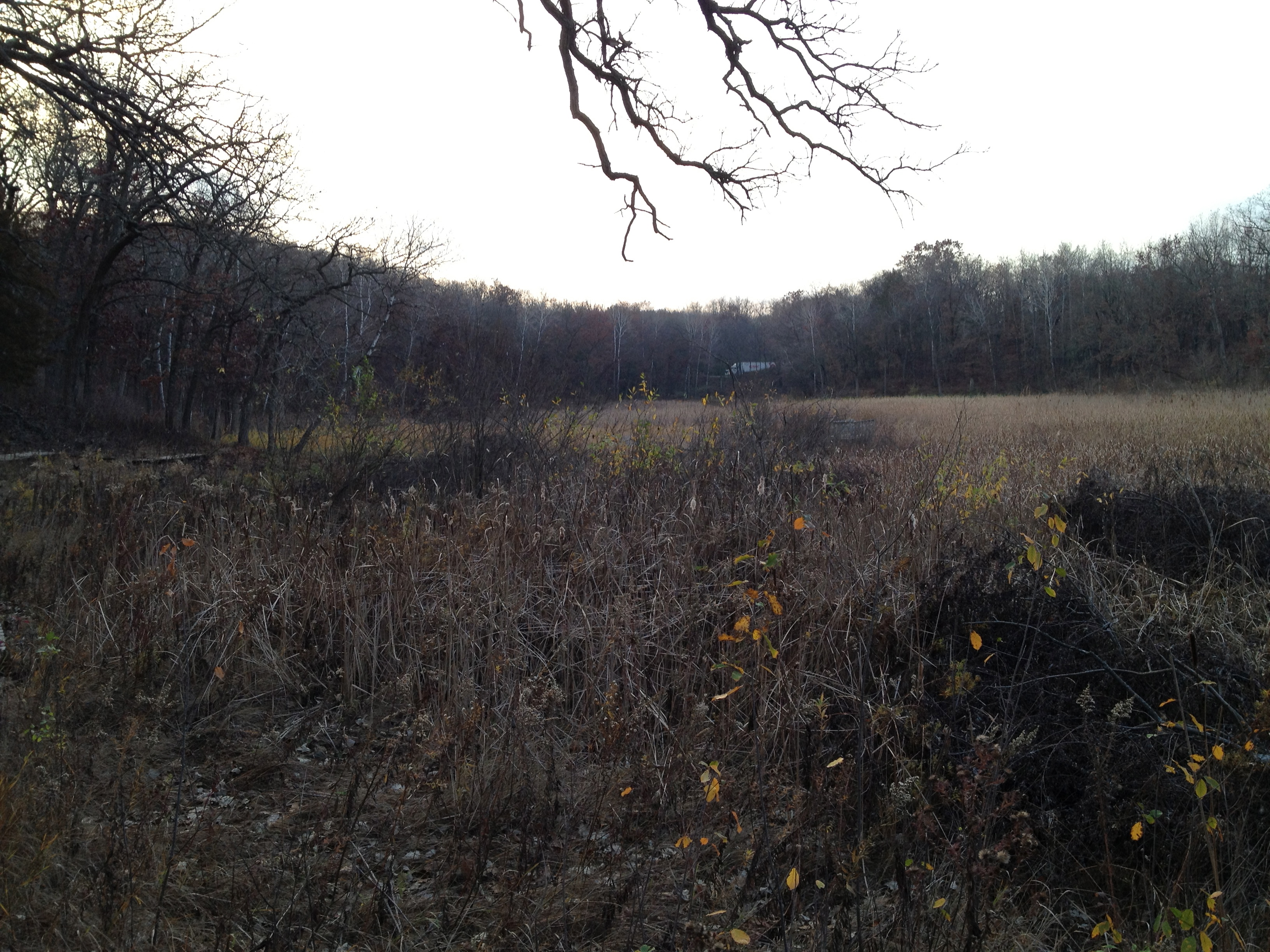
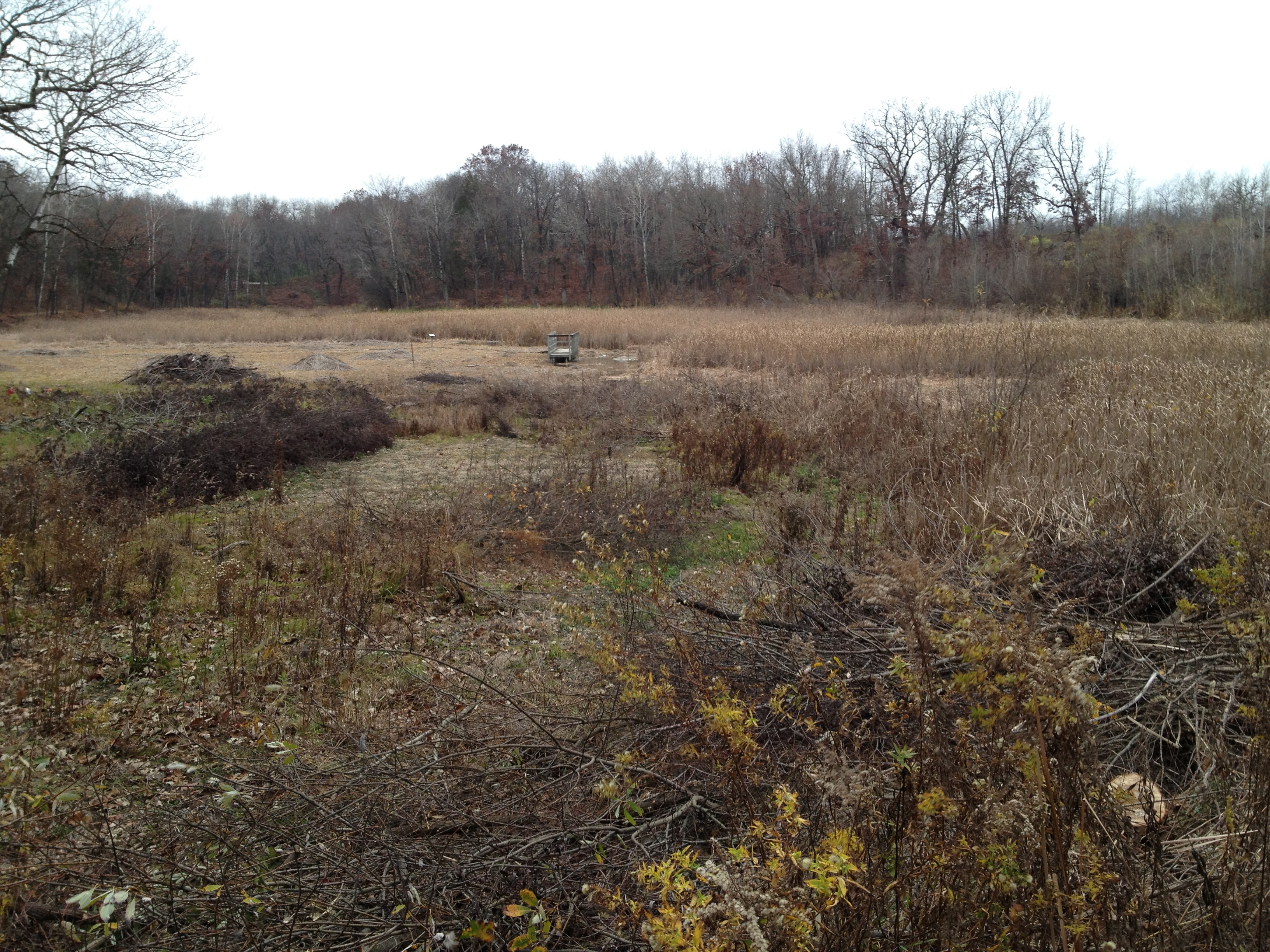
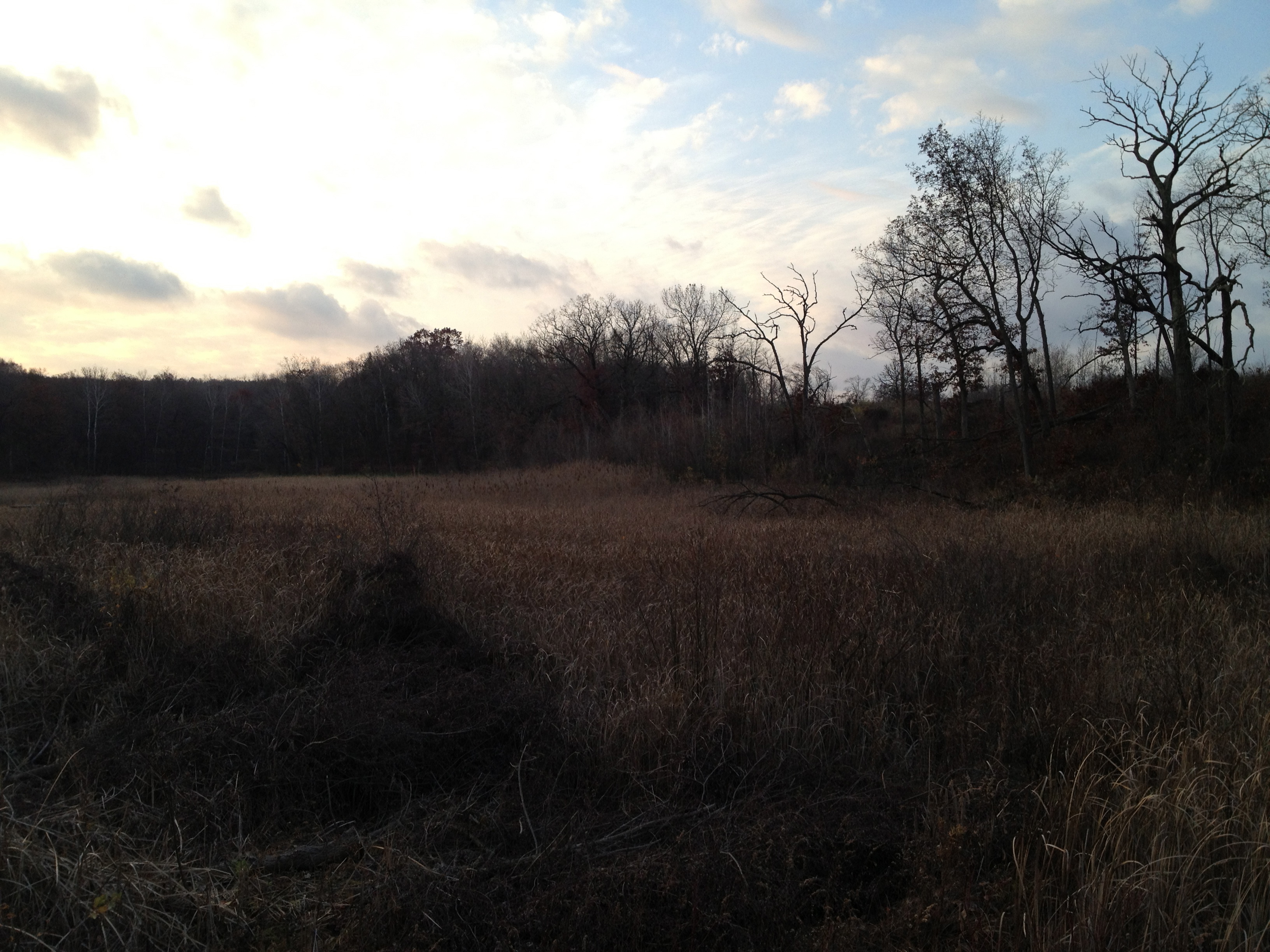
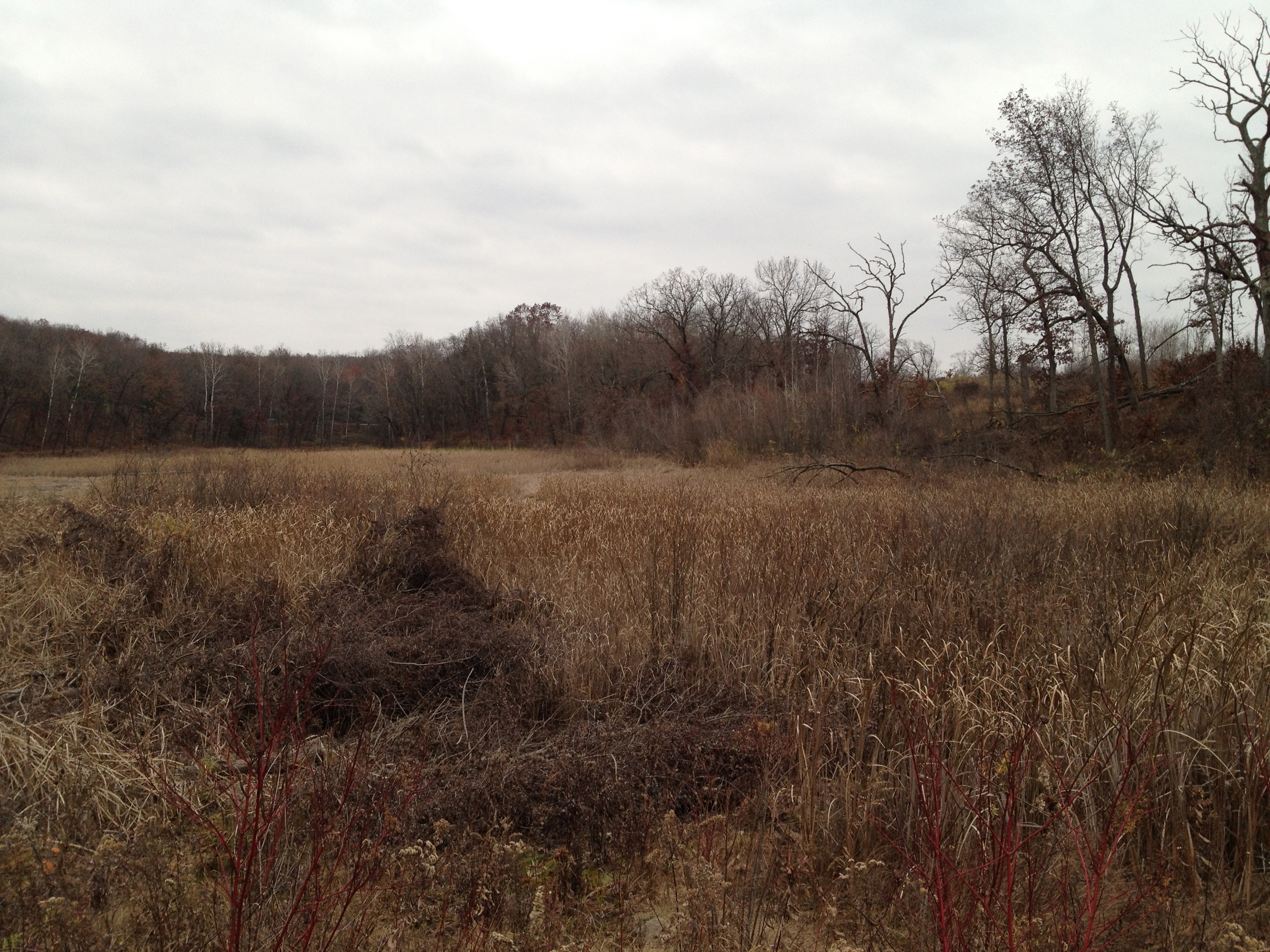
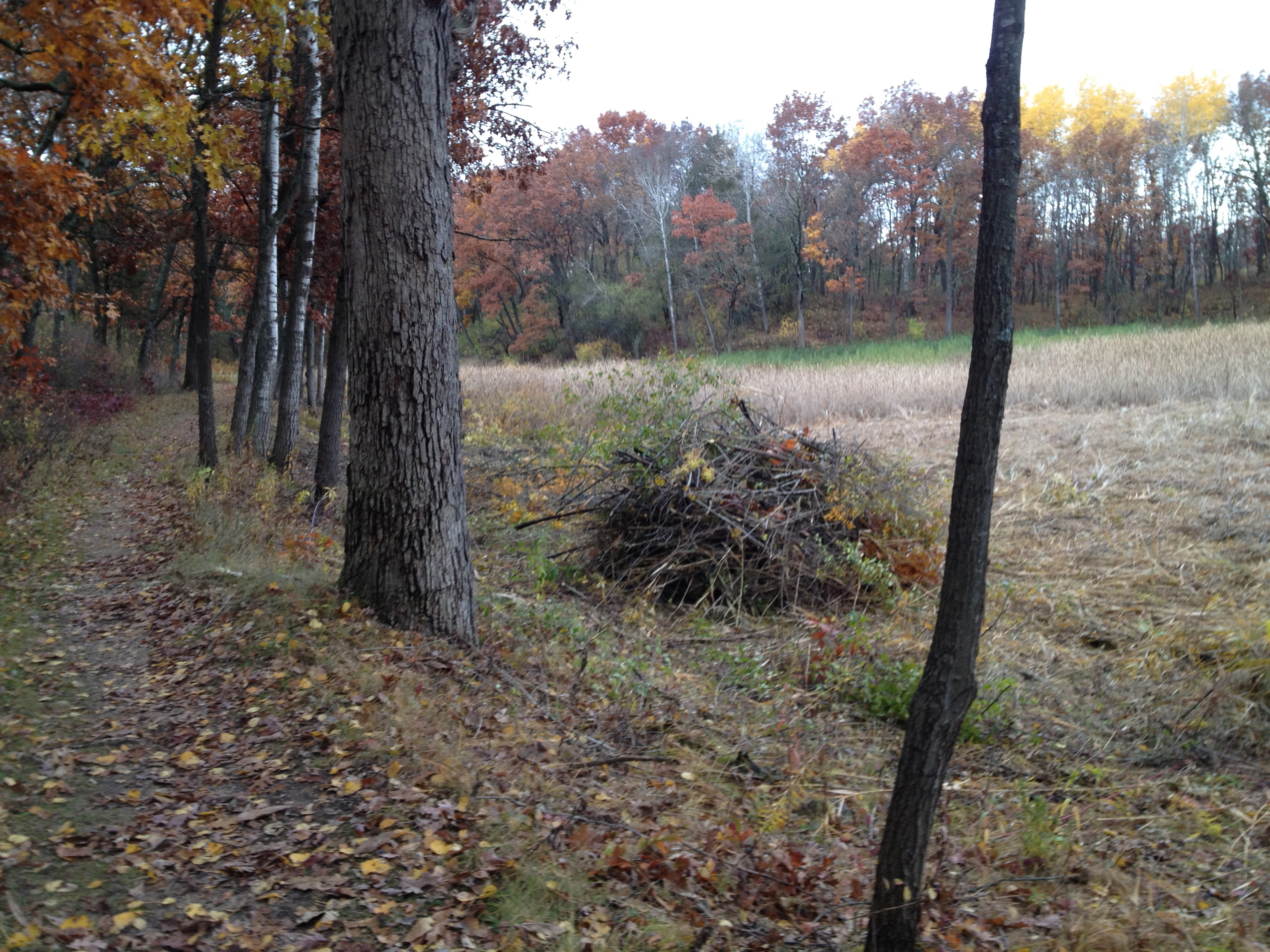
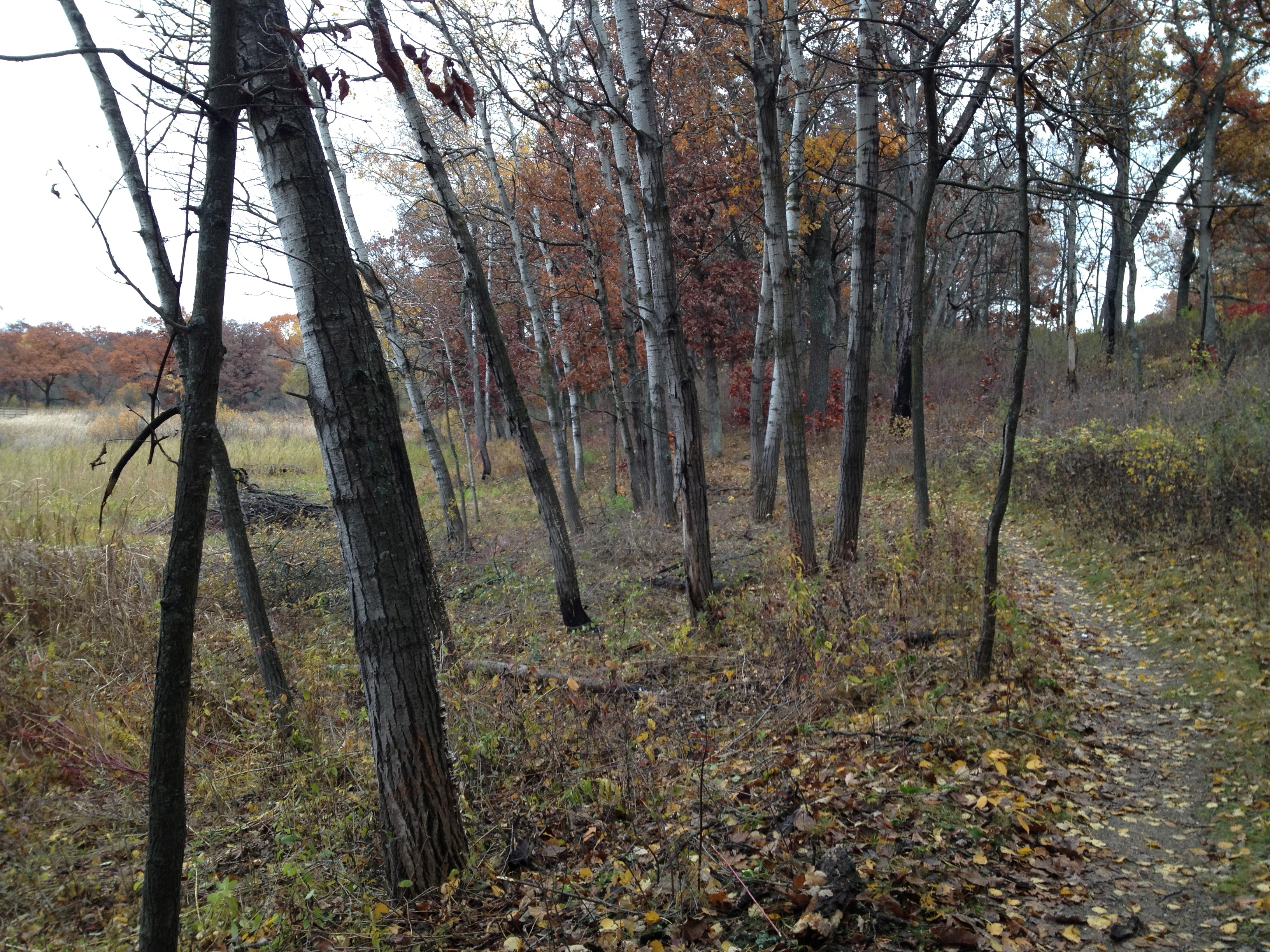
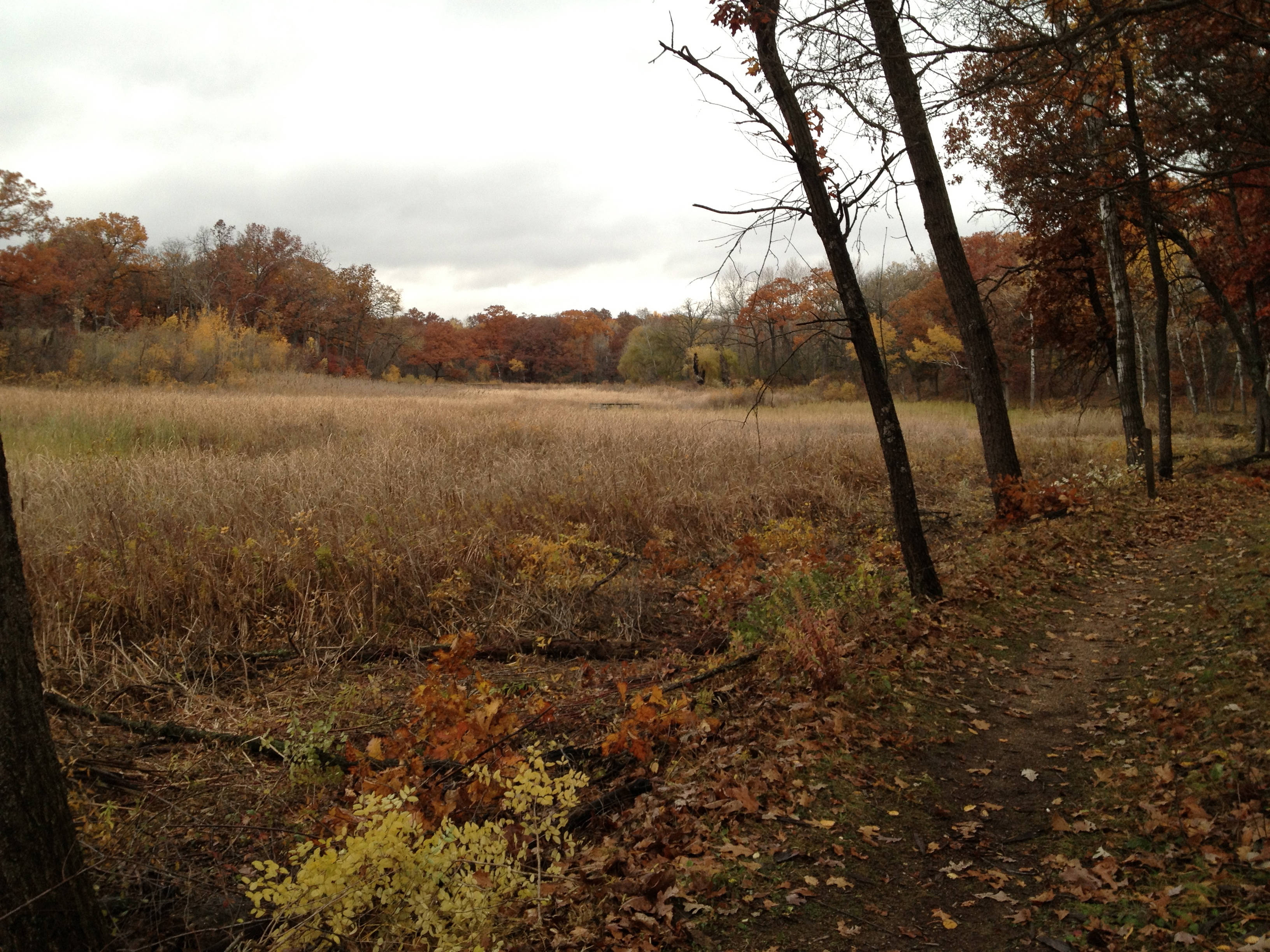
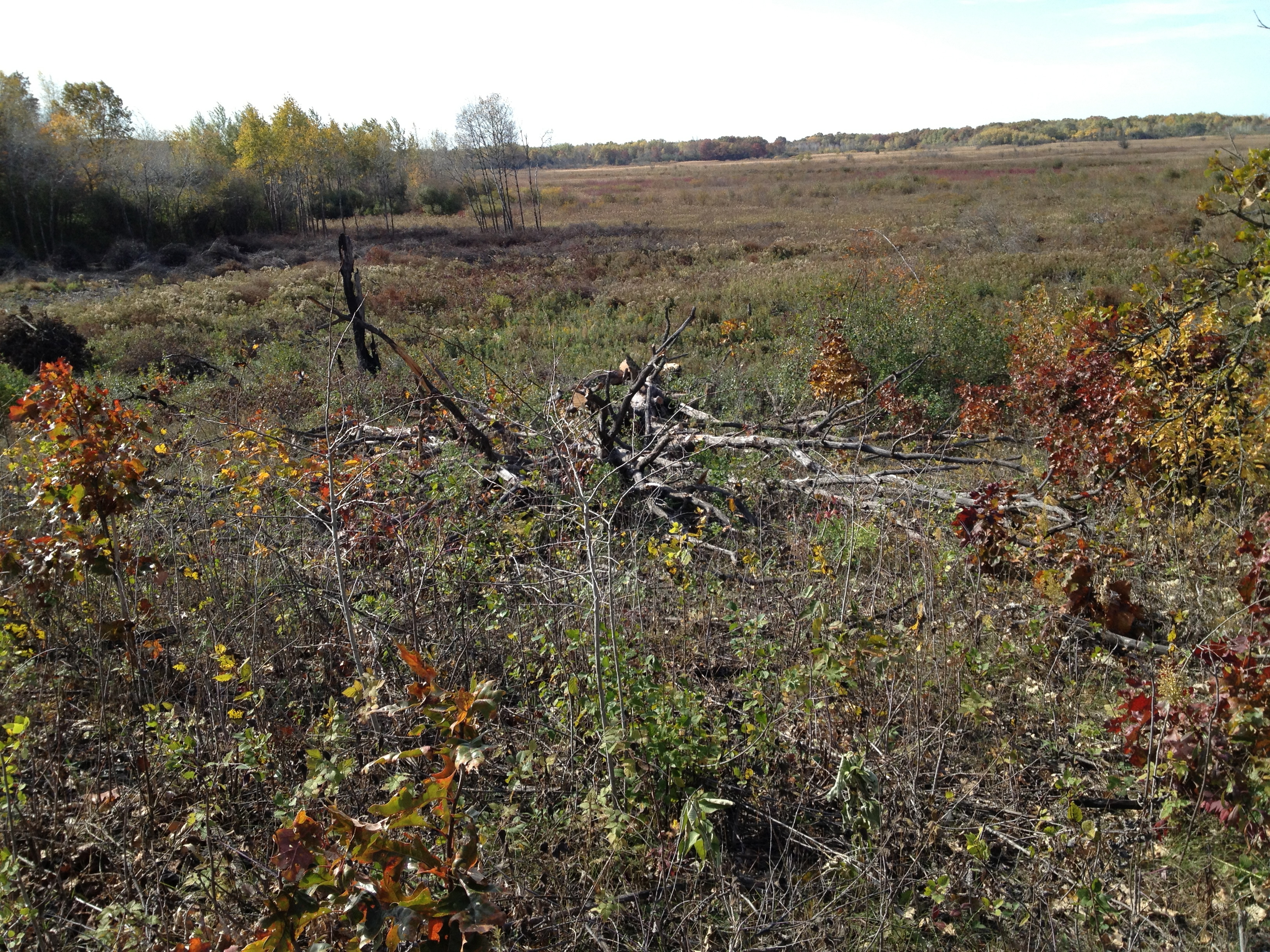
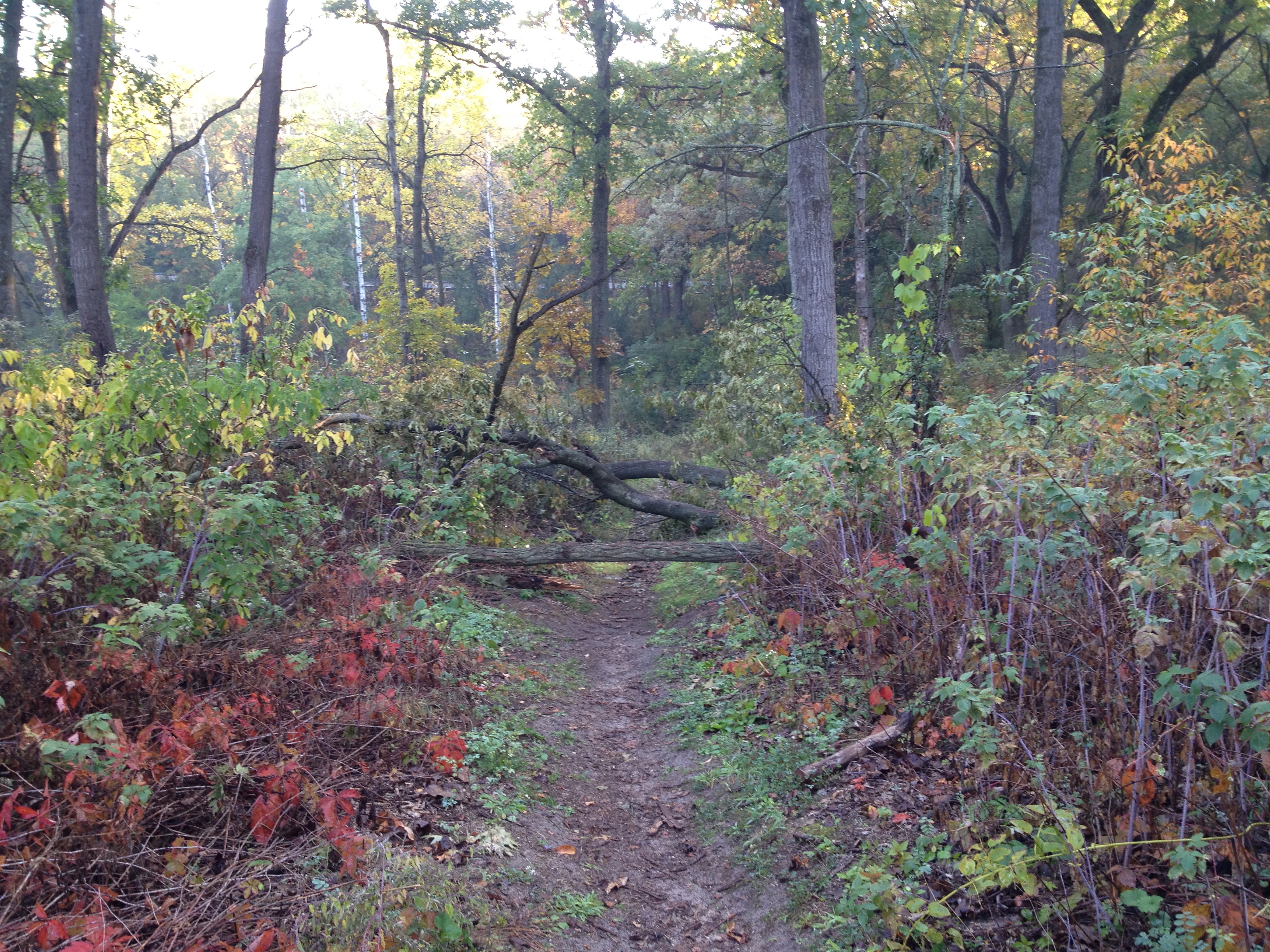
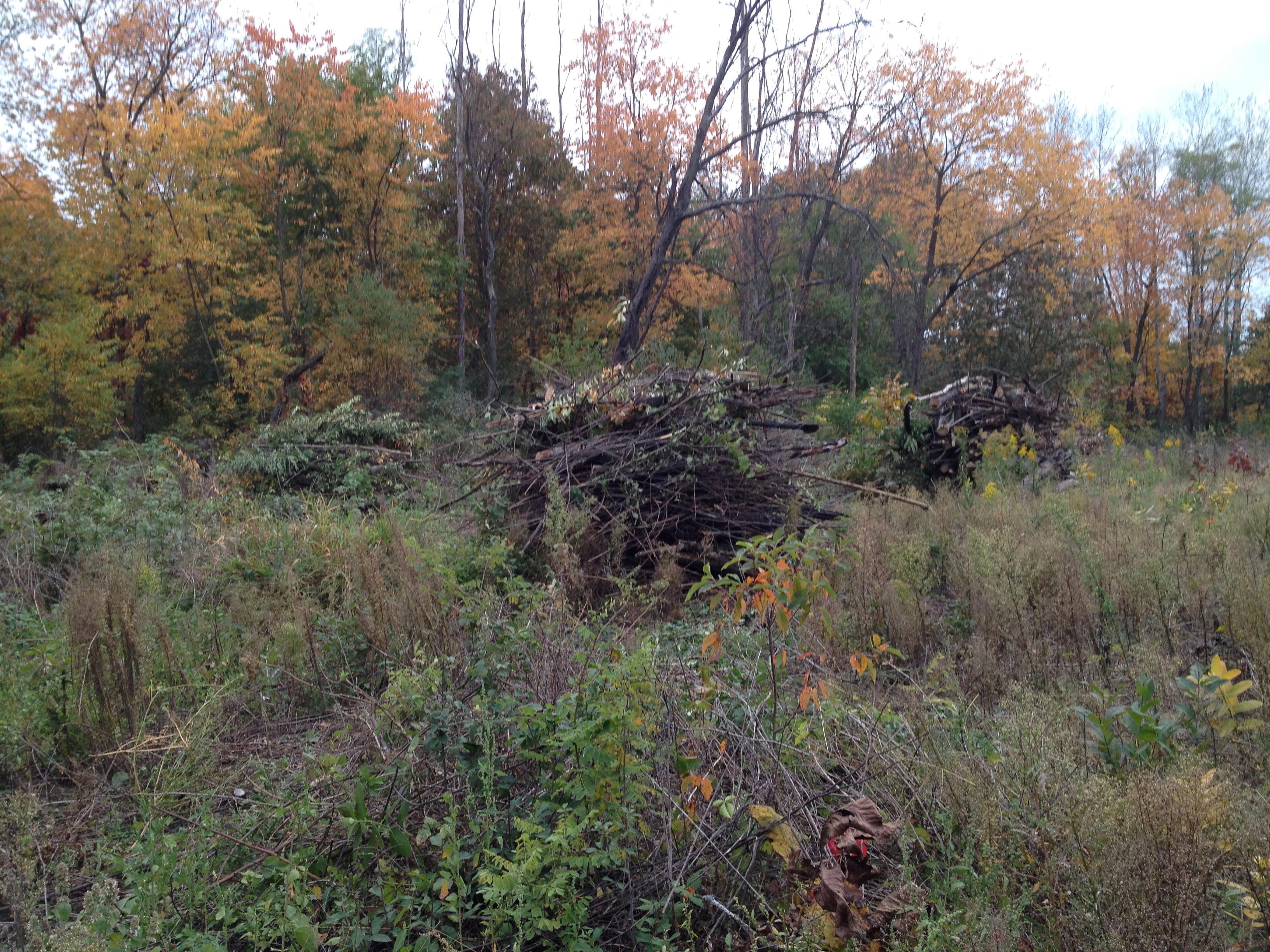
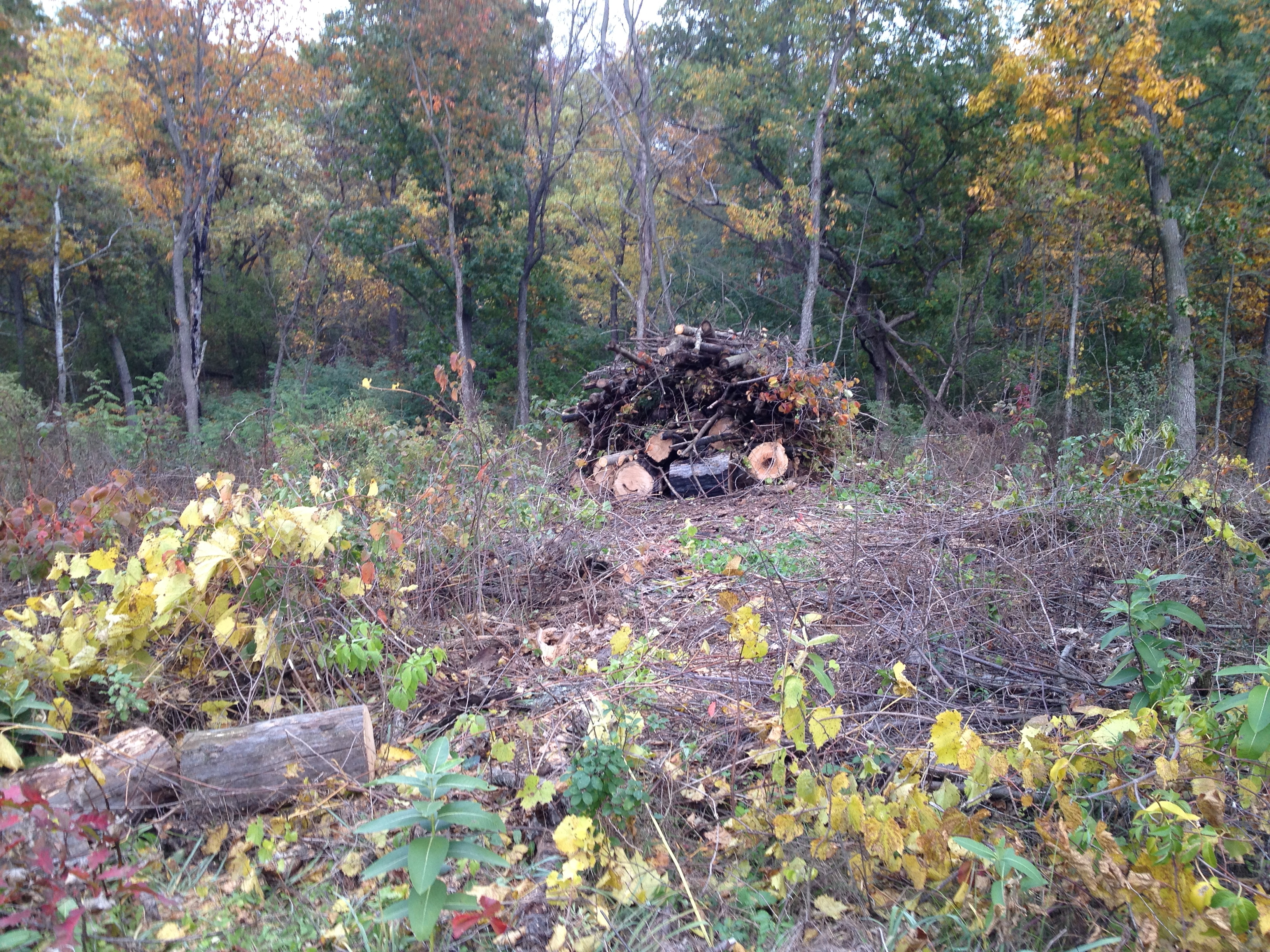
After enjoying the beautiful sunrise, I whacked some Buckthorn and Black Locust to highlight this prominent sand dune hilltop.  We are going to cut as much as we can until November and then focus on piling everything to prepare for burning this Winter (if we get some snow!).  Here are some before shots taken from the top of the hill.

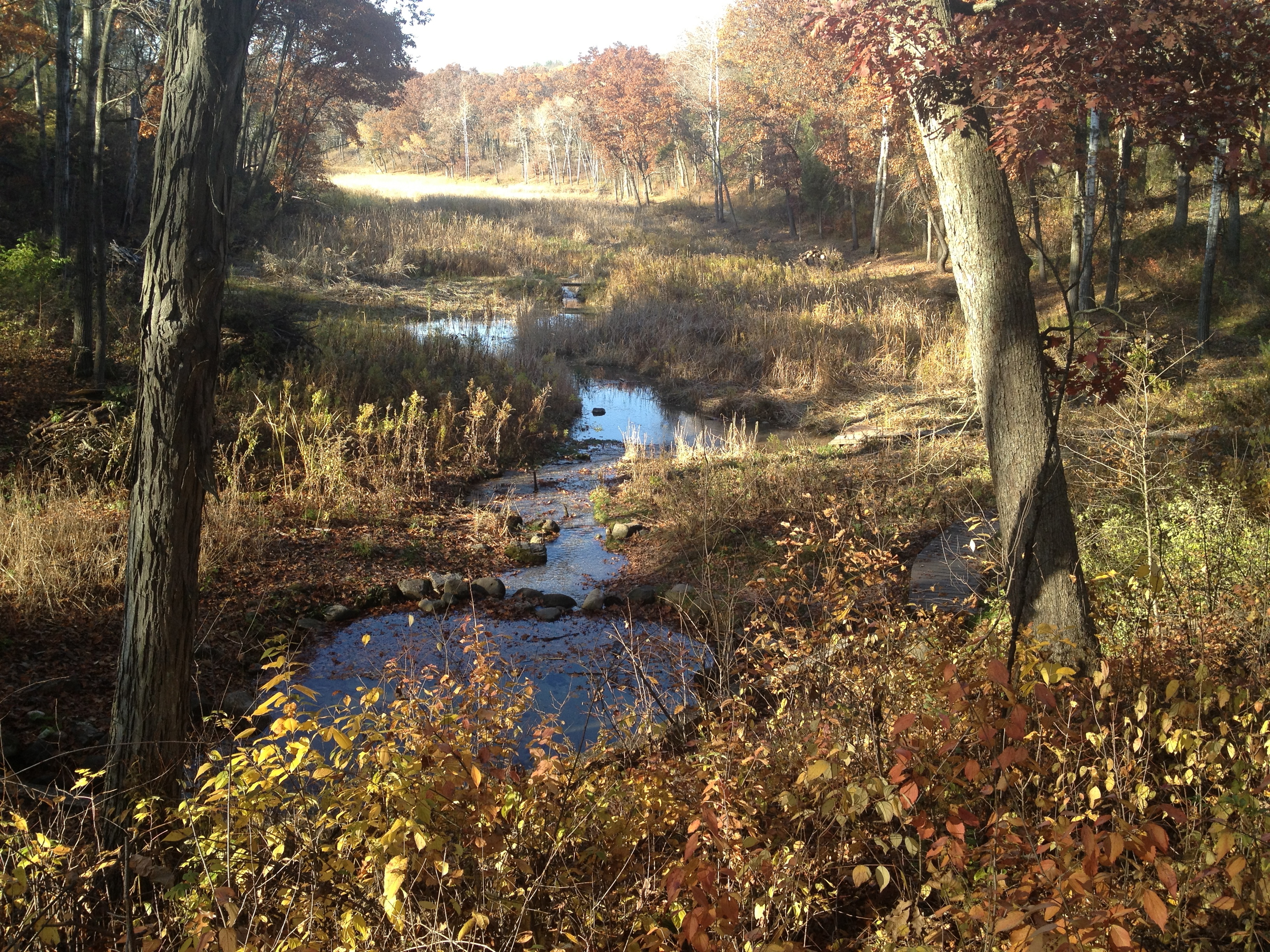
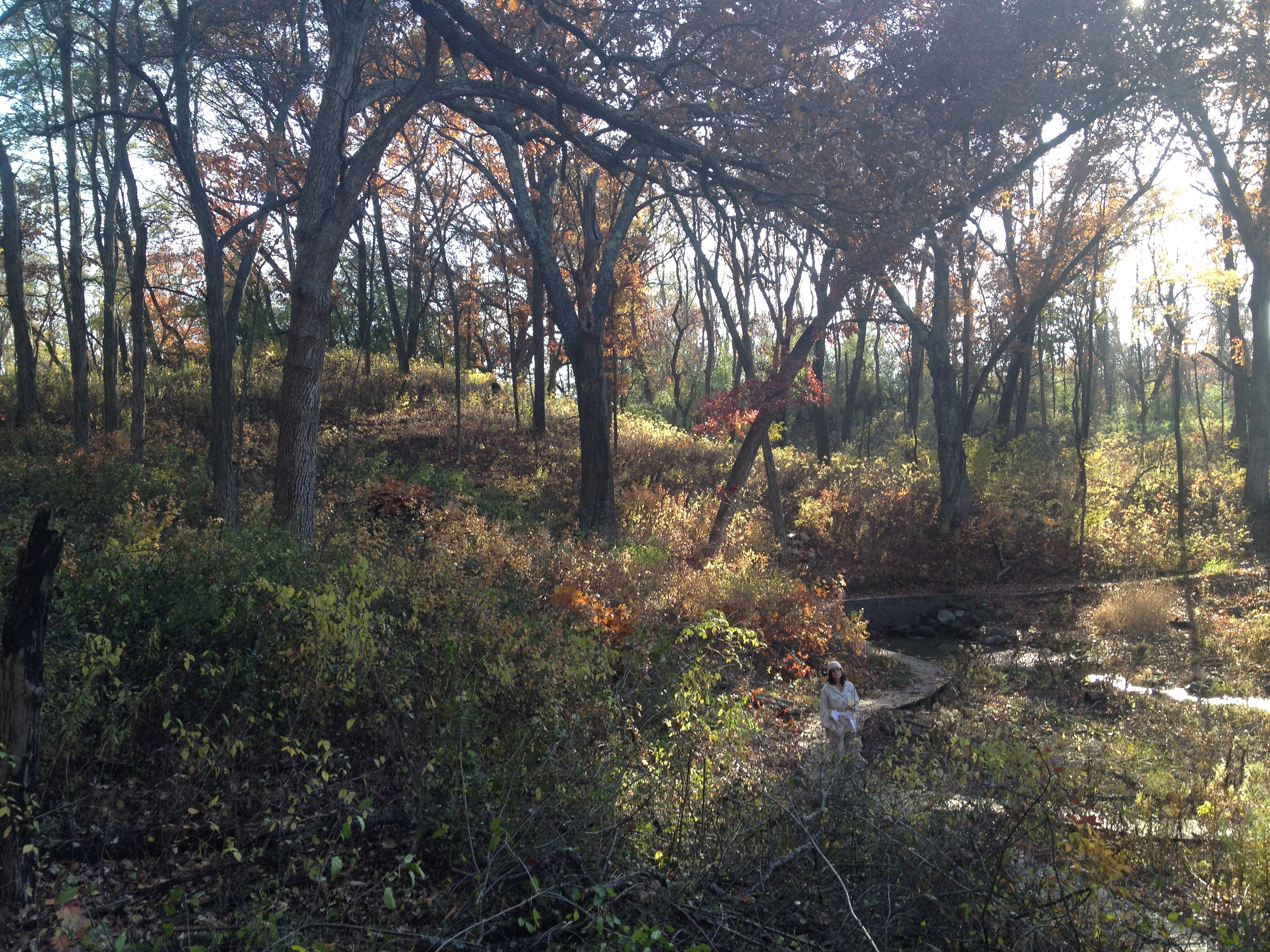
And looking up at the hilltop from the trail.

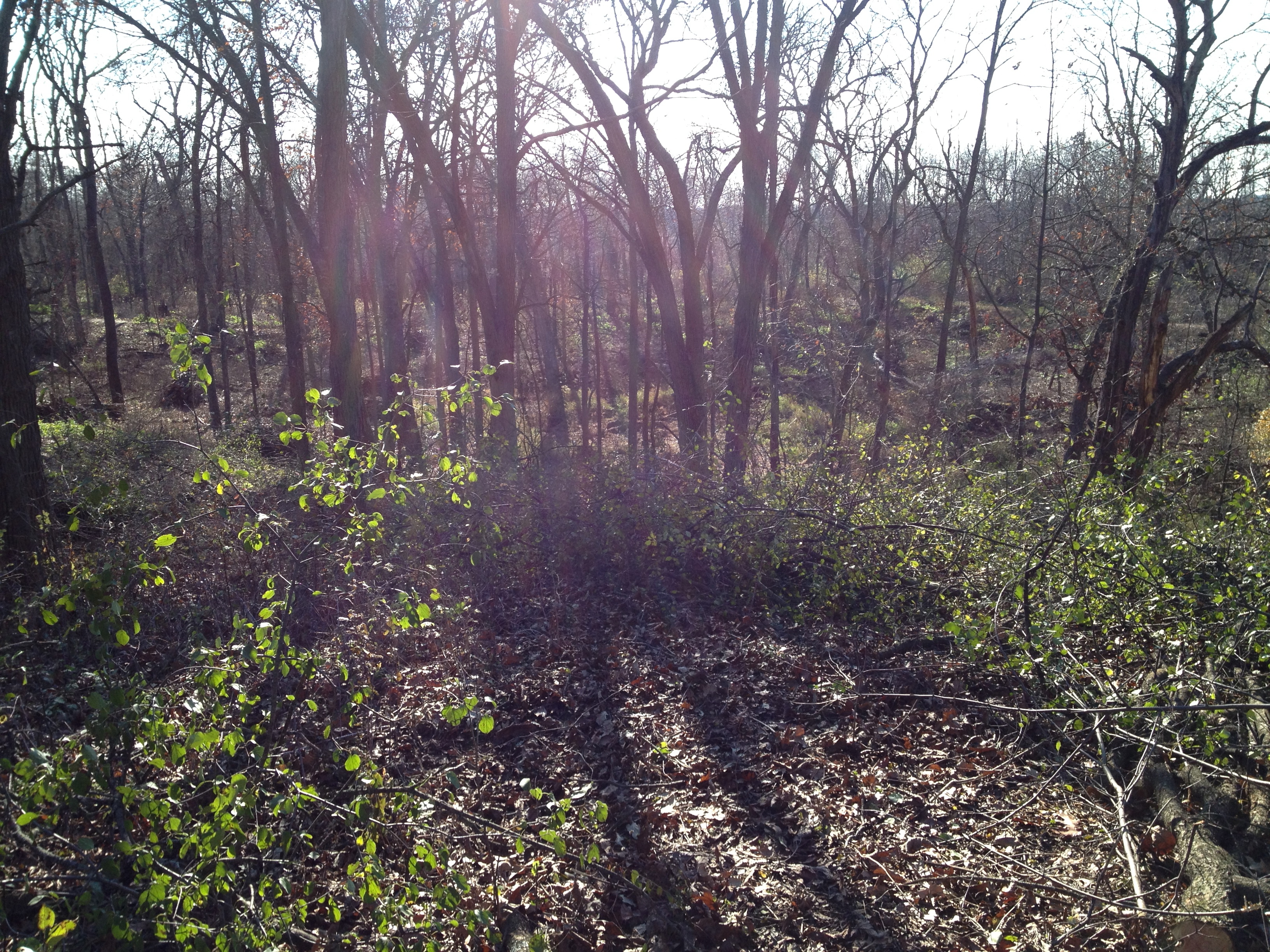
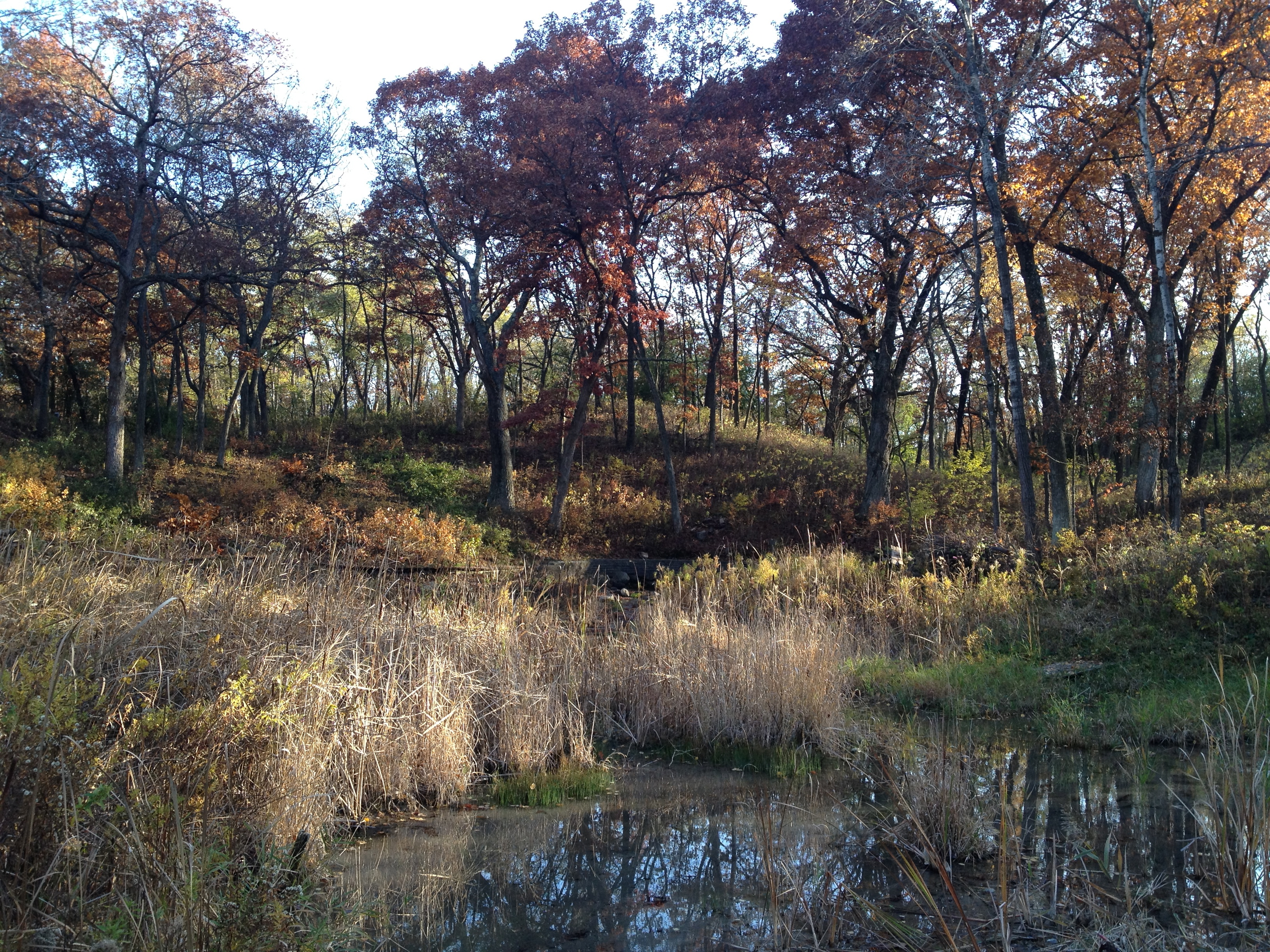
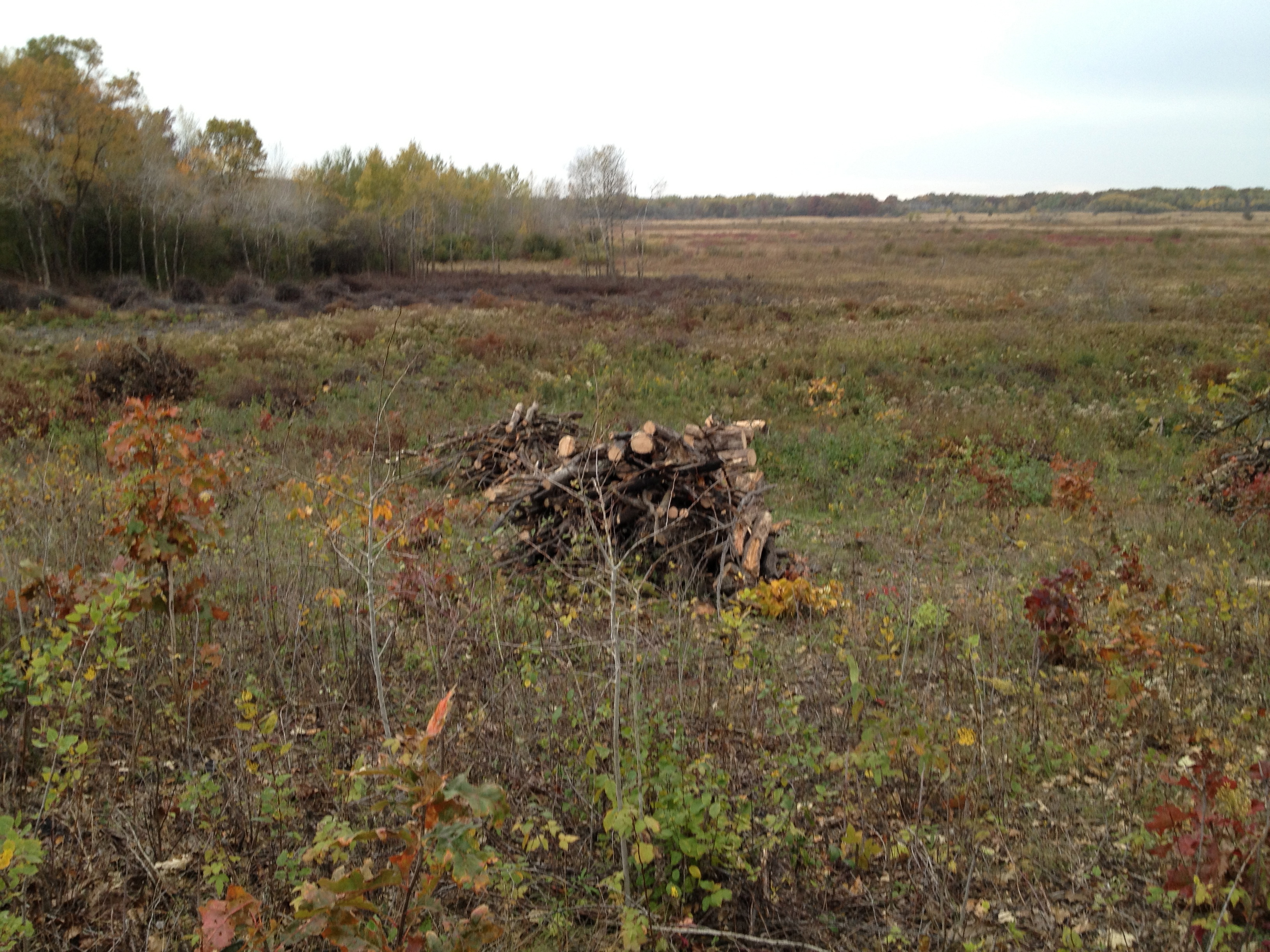
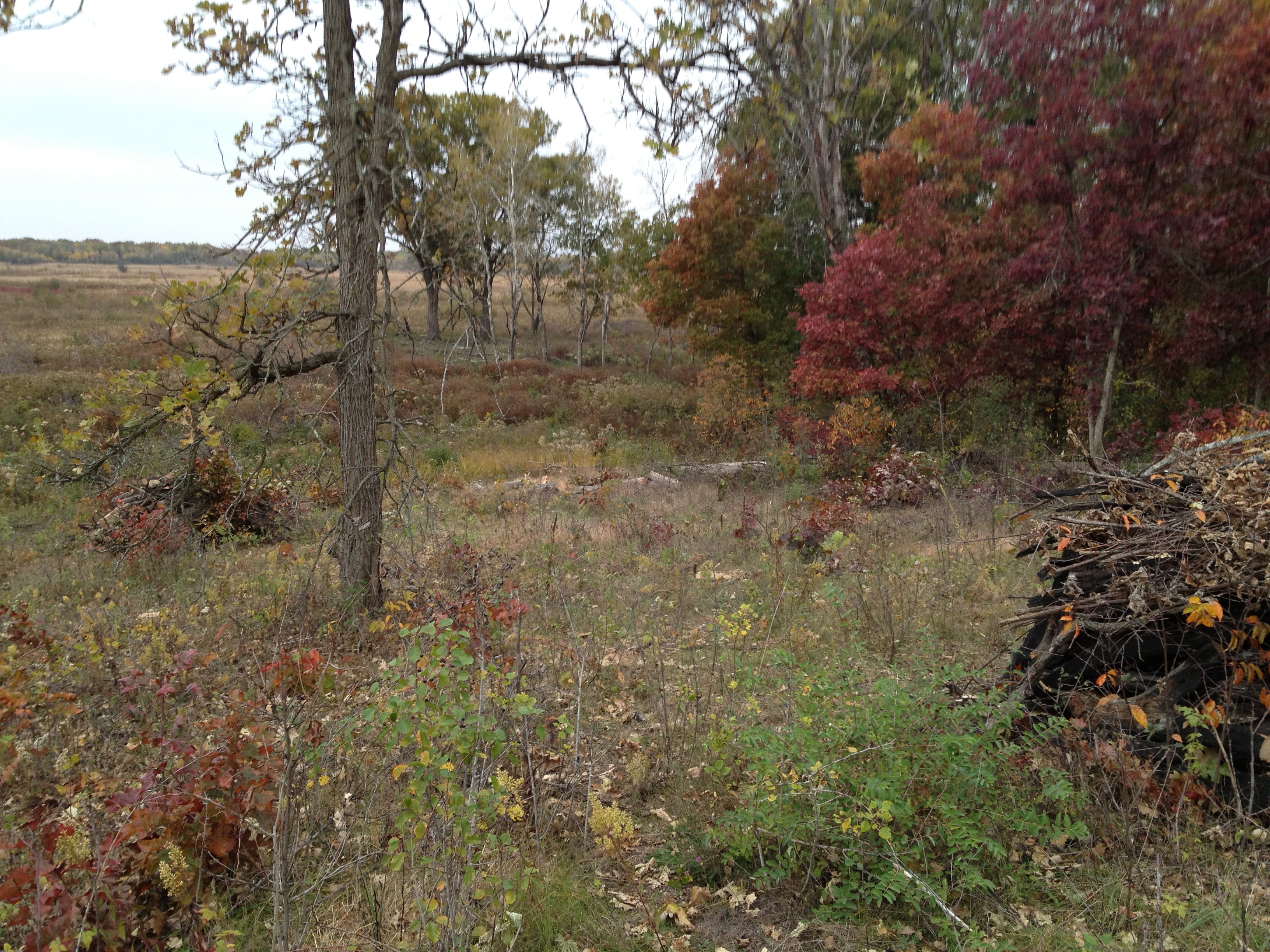
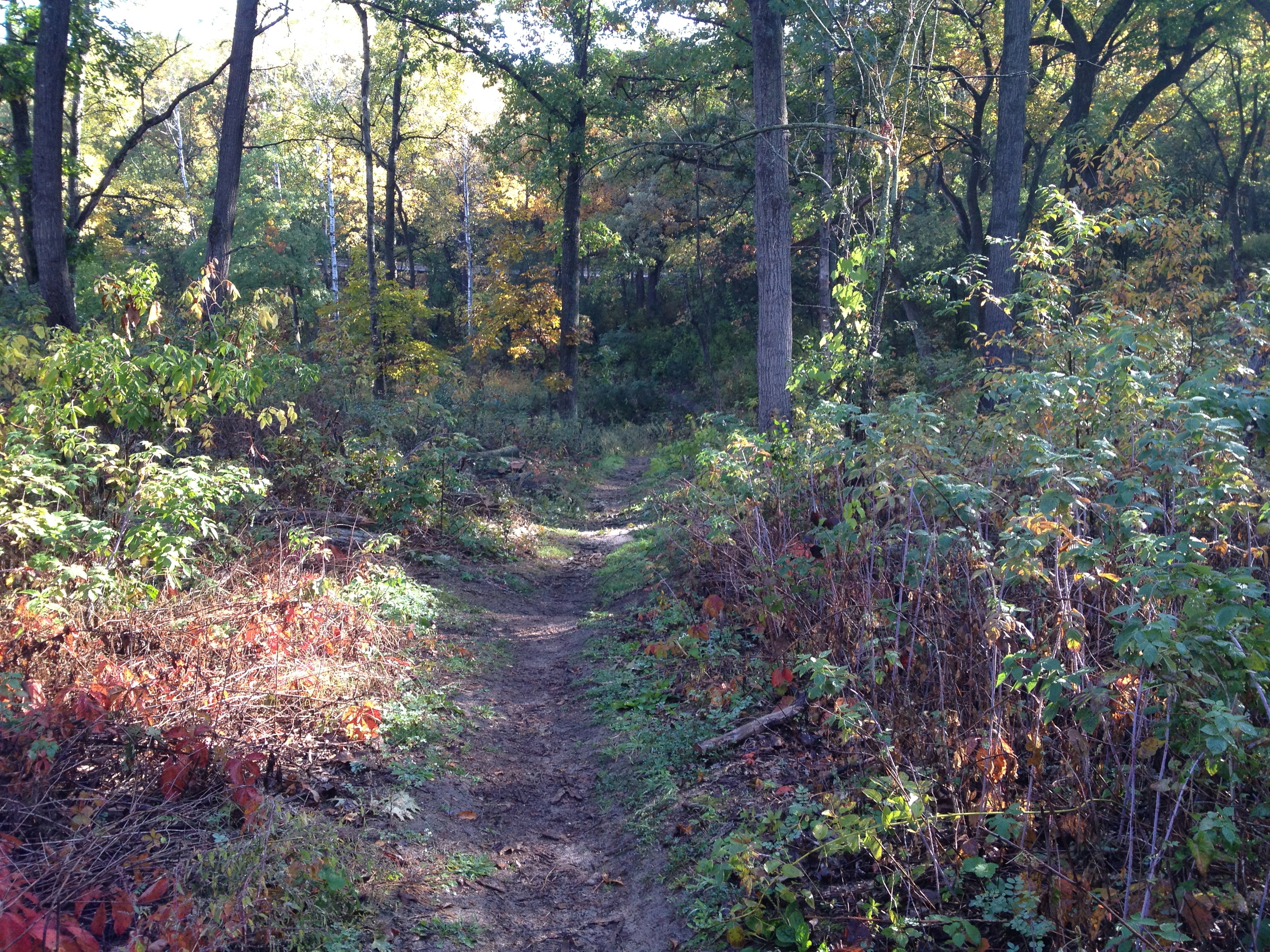
And after…  the next two shots are looking up at the hilltop from the trail.

And views from the hilltop.

Thanks again to the Kettle Moraine History Association for covering all of our equipment expenses!

River Views

Dave Hoffman completed the grant request to get a slice of the North American Wetlands Conservation Act pie for the Scuppernong River Habitat Area restoration effort.  We’ll find out in March 2013.  The volunteer hours we are putting in at the Springs would be used to help provide the matching funds required for the grant.  Thanks Dave!

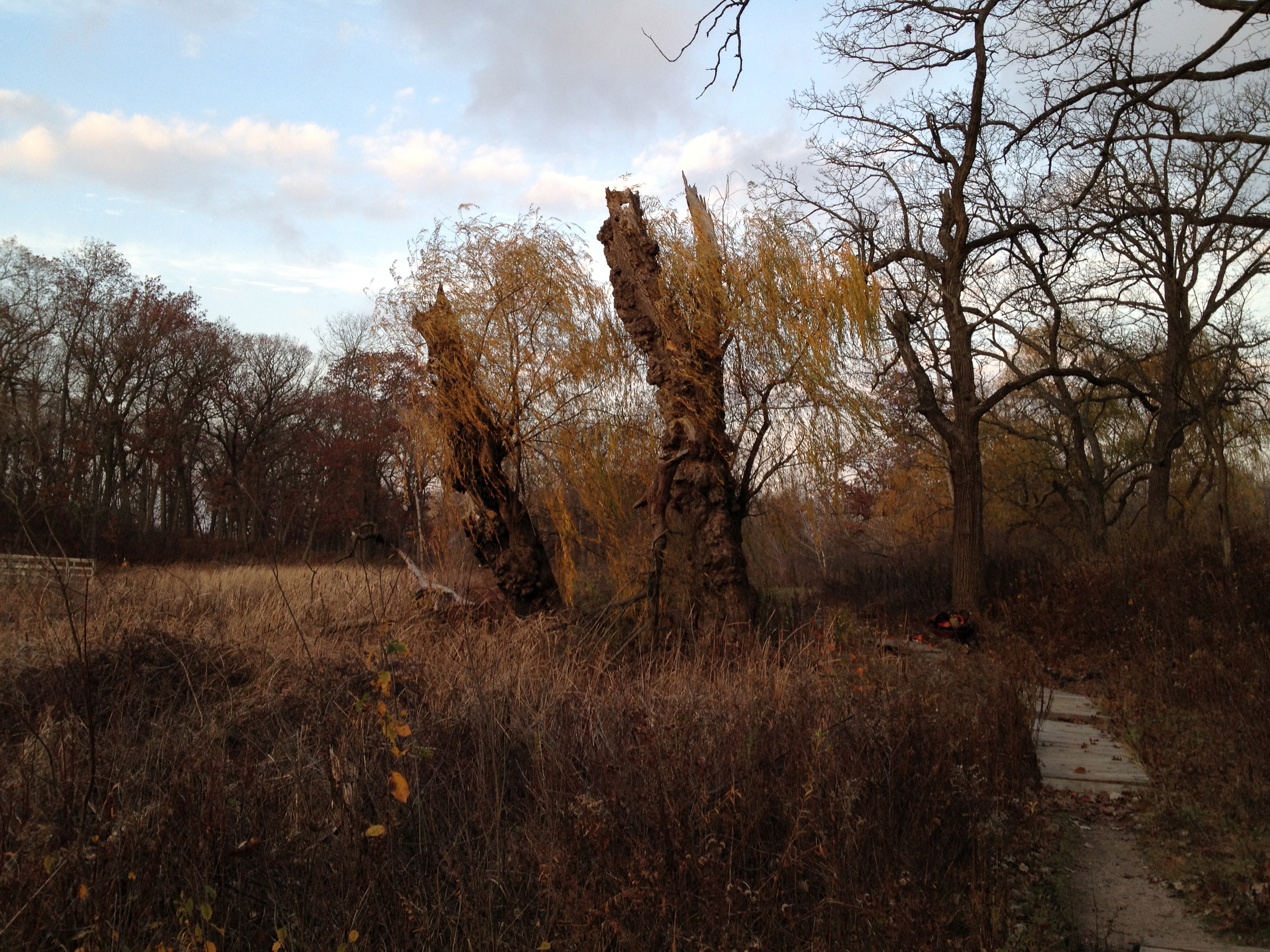
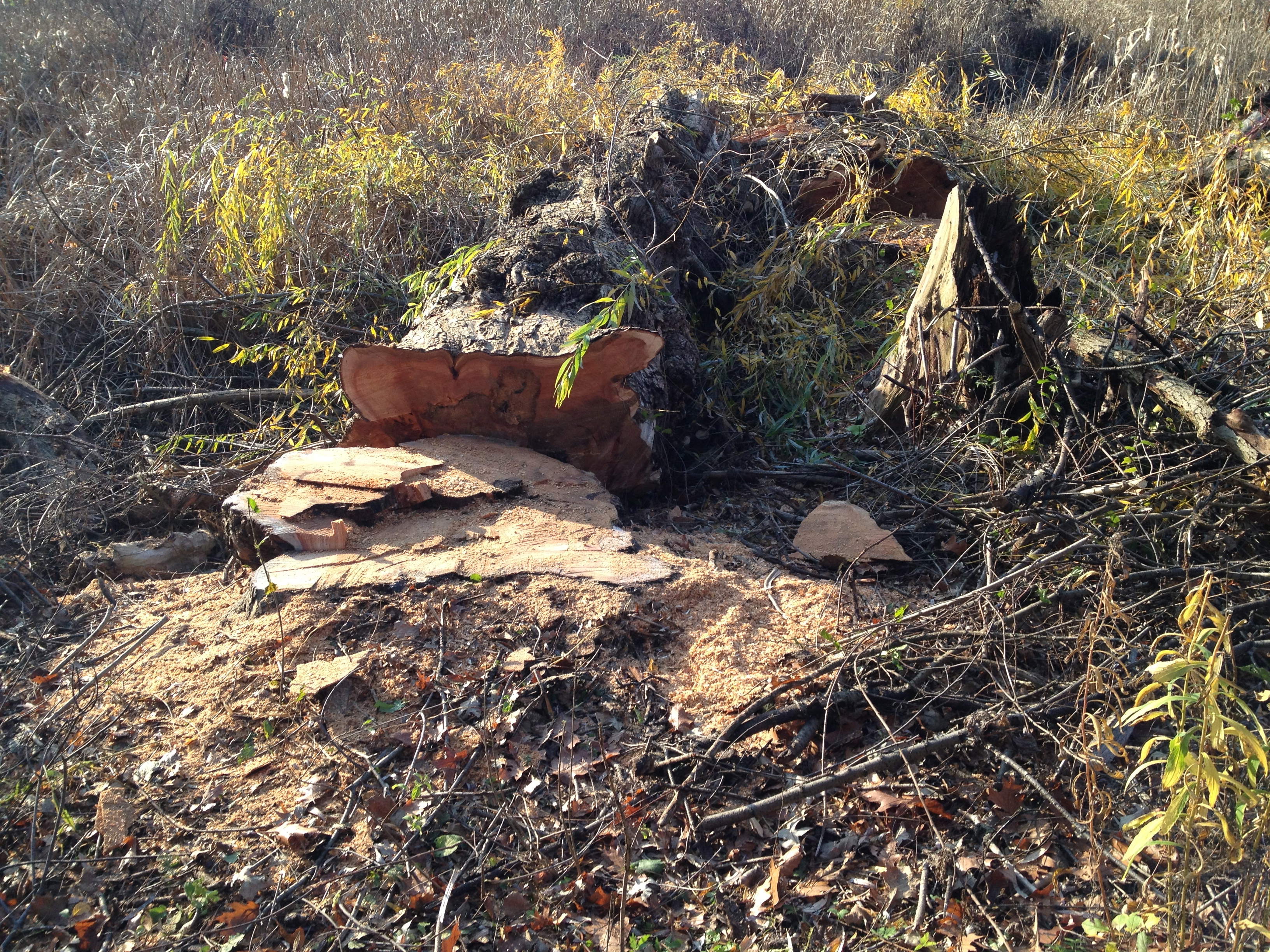
Lindsay and I ignored the threat of rain today and had some fun by the River.  The first thing I worked on was taking down these two huge Willows by the Hotel Spring.

I had to get a 25″ bar for my chainsaw to attack these monsters.

Meanwhile, Lindsay mowed the Phragmites by the Emerald Spring that had regrown since we cut it back in July.  We are hoping this will make the plants more vulnerable to die off this Winter.

After I finished the two Willows, I went down by the Scuppernong Spring to finish cutting some buckthorn that I was not able to get to on the 21rst.

Lindsay proceeded to clear some Willow shrubs between the Emerald and Hotel Springs.

And I cut a huge patch of Phragmites on the West side of the River (you can see it in the center of the picture below).

The rain held off all day and we had a great time!

Buckthorn Cut At The Scuppernong Spring

The Scuppernong Spring is where the Scuppernong River starts.  It is set in a bowl near the base of a long moraine.  There are huge Red and White Oak and Hickory and Cherry trees along the slopes.  Approximately 9 years ago I cut the Buckthorn along this slope from Hotel Spring, South, almost all the way to the Scuppernong Spring and yesterday I resumed this effort on the slopes around the Scuppernong Spring.    Pati came out later to help pile brush and bring my camera/phone, which I had forgotten. So, no before pictures this time.   There are still a few trees to cut and lots of piling to do.  Below is a map with the work area marked in white and some pictures taken after the cutting was done.  In case you were not aware, you can click on any of the images below to see the picture in full size.

Scuppernong River Walk

One of our favorite stretches of the Scuppernong Springs Nature Trail is along the River from the Scuppernong Springs to the Hotel Springs.  To the East is a steep slope covered by Oak Savannah.  To the West the views of the River and Wetlands were obstructed by a lot of brush including Buckthorn, Honeysuckle, Willow, Aspen and the witch’s brooms from charred stumps of Cherry and Red Oak.  The area in question is marked in white on the map below.

On Wednesday, October 17th I spent the day working in area between signposts #7 and #8 above.  Here are some before pictures.

After a little effort with a brush cutter and chain saw…

I still had a little energy left so I put on my chest waders and grabbed my shovel.  There were a couple of places by the Emerald Spring, where the observation deck is, where the River was spilling over its banks.  On his last visit with us, Ron Kurowski suggested we get some bio-logs from the DNR to shore up the banks and keep the River in a narrower channel.  I contacted Ben Heussner and found out there were no more bio-logs at the moment, so I decided to just try a low tech solution for now.  Here are some views of the areas in question before I started and after.

And two blisters later…

On Thursday, October 18th, Lindsay joined me and we worked on the area just North of where I had left off on the 17th and made it all the way up to the boardwalk leading to the Emerald Spring.  In addition to the brush mentioned earlier, we cut a huge patch of Phragmites.  Here are some before shots.

And after…

Here is a view of the work area from the bridge over the Scuppernong River down by the Hotel Springs.

We still have some brush piling to do but the views into the Wetlands along the River are much improved.

Phragmites Spraying and Indian Campground Cleanup

On Thursday, October 11, Lindsay and I returned to the Hidden Spring to spray the Phragmites that had grow up since we cut it back in July.

Lindsay used the following recipe:

3 gal. clean water
20 oz. Habitat herbicide
2 oz. non-ionic surfactant

Pour 1.5 gal water into sprayer or storage container.  Add Habitat.  Add surfactant while pouring in remaining water.  He used and even flat fan tip on the sprayer.

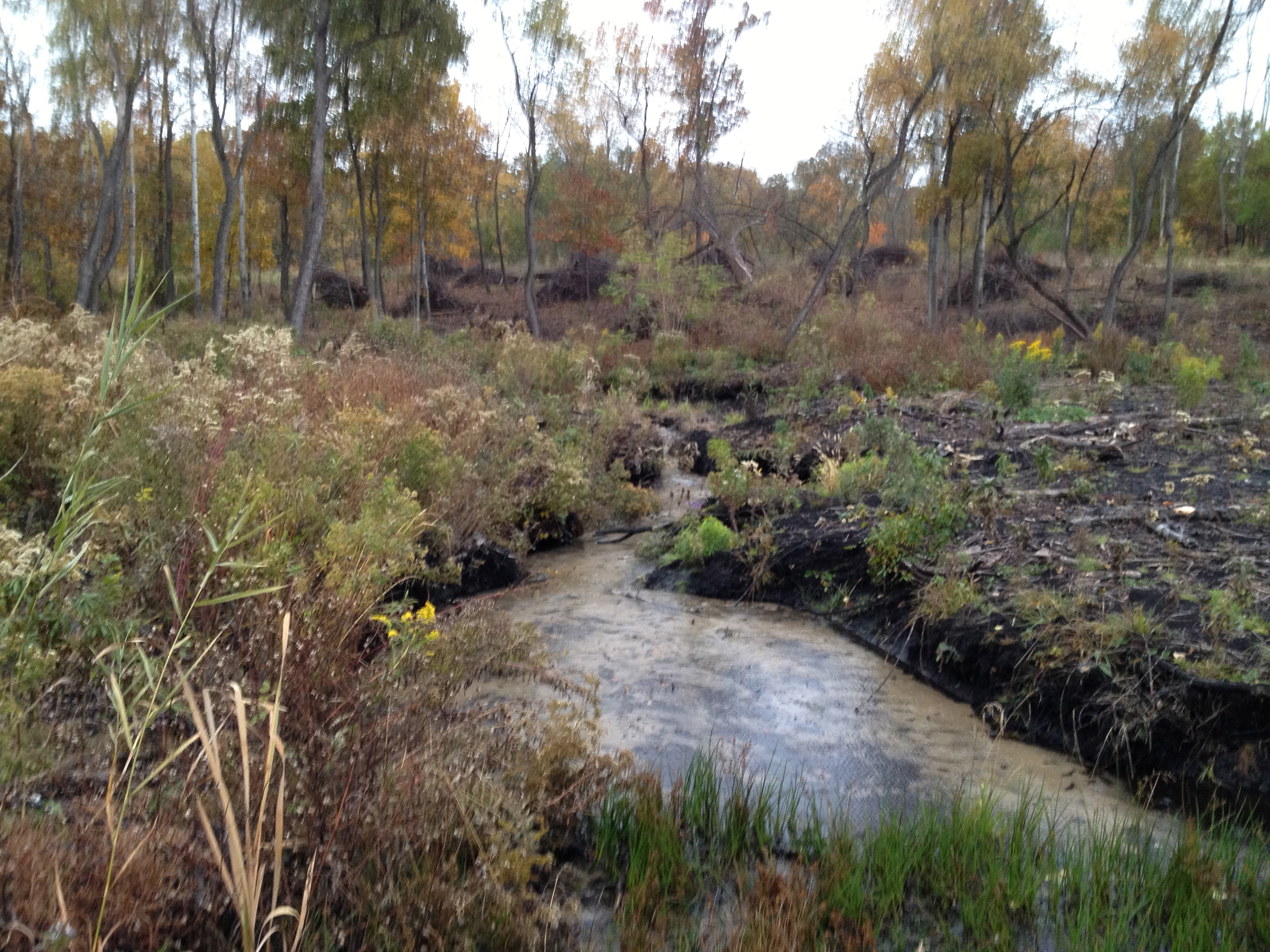
While Lindsay sprayed, I cut phragmites by hand that was right in the Hidden Spring and along its channel (shown below, before and after).  I made the cuts as close to the ground as possible and then carefully dripped Habitat poison into the cut stems, some of which were 1/2″ in diameter.  I also pulled some water cress that had regrown.

After that, we resumed our effort to prepare the Indian Campground/Sand Prairie for mowing focusing on an area where Ron Kurowski showed us a huge patch of Lupine growing last Spring.  This is in the North West area of the Sand Prairie.

Here are some before pictures.

And after.

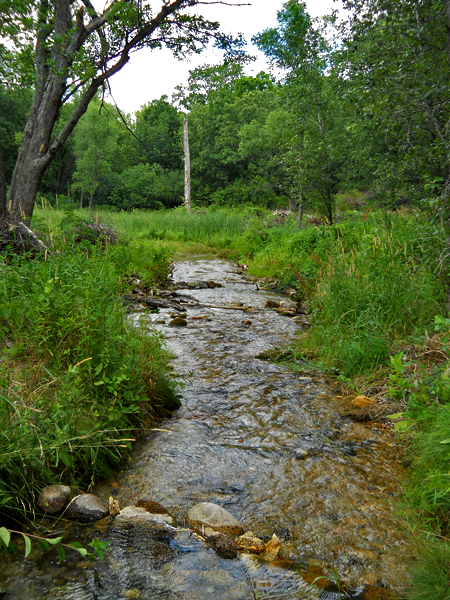
Later, we took a walk around to enjoy the scenery, as we usually do, and I got this picture at the Indian Springs looking back up stream towards the source.

There are a lot of Asters, Golden Rod and other flowers in bloom.  We are looking forward to when the whole area we are recovering around the Indian Springs is carpeted with native grasses and flowers.

Algae Bloom at the Hotel Springs

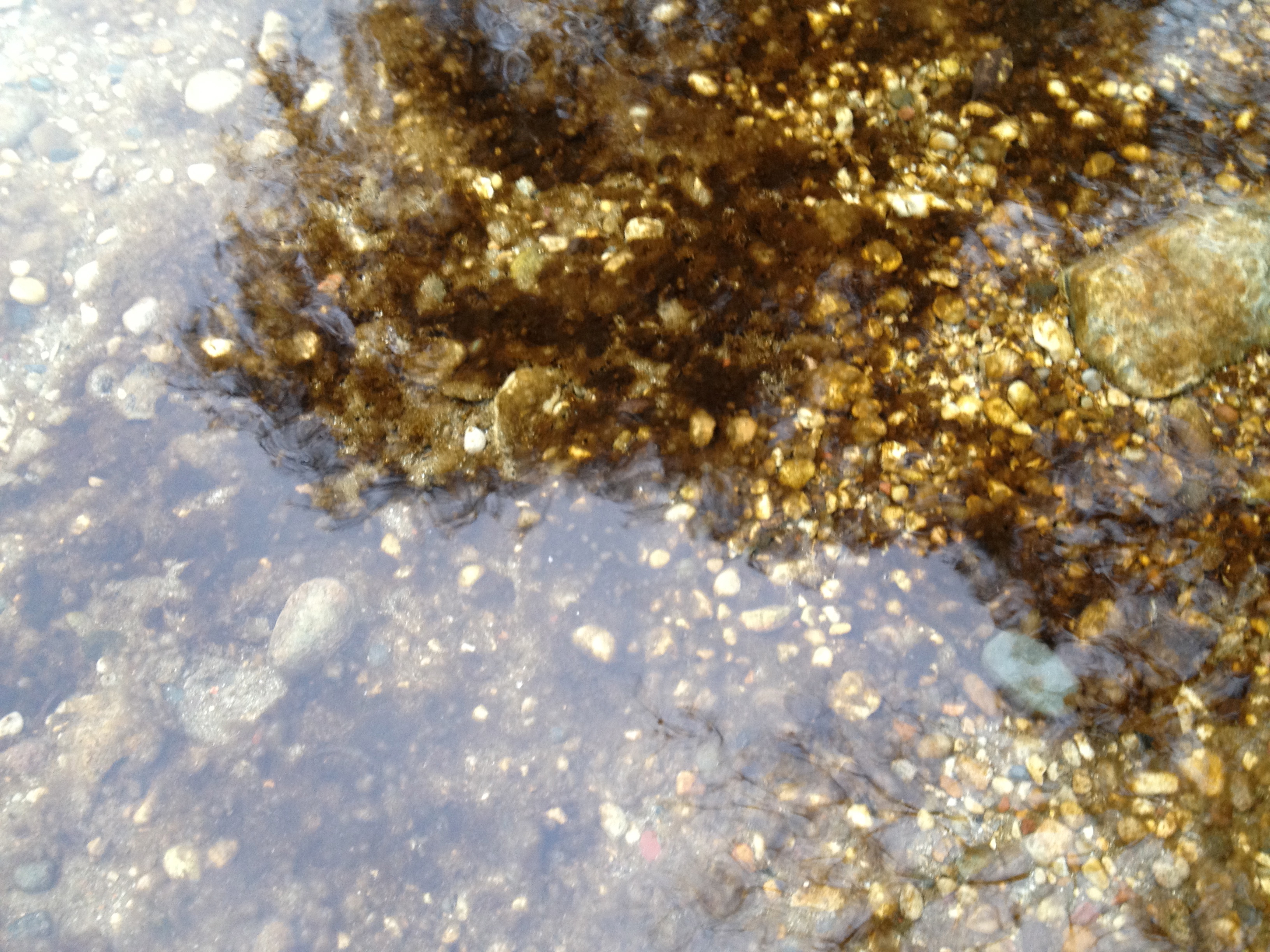
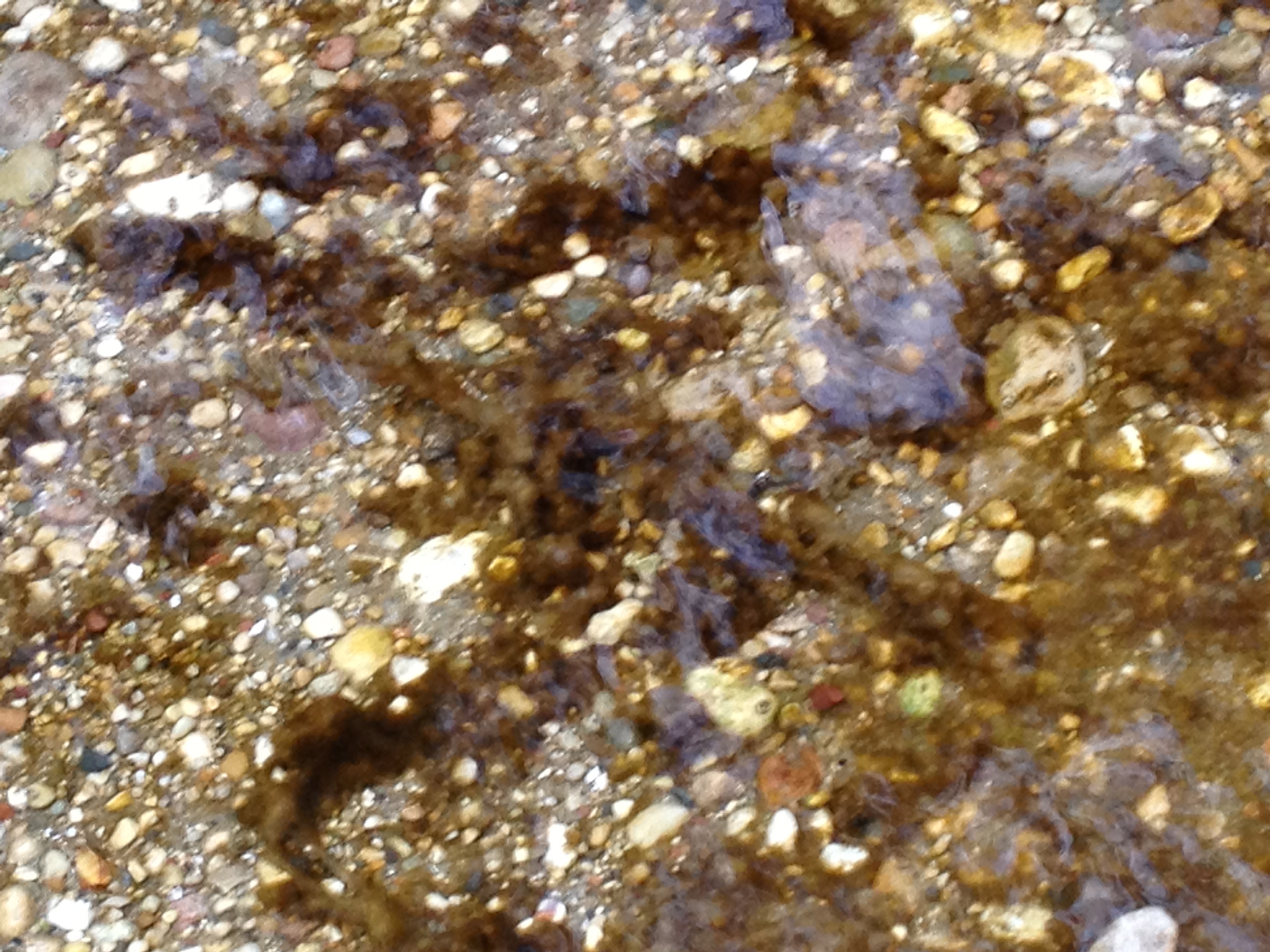
I was out working  at the Springs yesterday (poisoning phragmites and buckthorn resprouts and piling brush) and noticed that a brownish/green algae has bloomed in the Hotel Spring.  It is coating the rocks and sending up fingers of growth to the surface.  It does not have a firm structure and is slimy if you scoop up a handful.  If you know about algae, please help positively identify this algae so we can understand what to expect.

I’ve never seen algae in this spring before, but it may be a normal occurrence.  Here are a couple of resources that I looked at: Brown Algae, DiatomsWikipedia link, but I could not find and pictures that matched what we see above.

Jon Bradley Loves the Springs

Here is a guest blog from Jon Bradley.

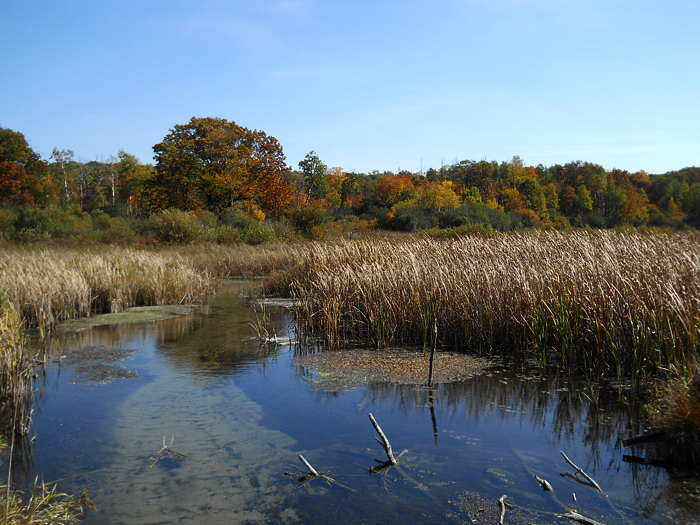
The Scuppernong Springs Nature Trail is one of my favorite places. I started walking it when I was just a young child. I still grab a guide at the entrance of the trail every time I go, although I pretty much have the entire thing memorized. I’ve been to the trail at least once every year, and this year I’ve been lucky enough to visit it 6 times, and planning a 7th visit this October when the leaves change. In fact, last year, on October 8th, I came for the fall colors as well, and it was a fantastic sight along the crystal clear Scuppernong River.
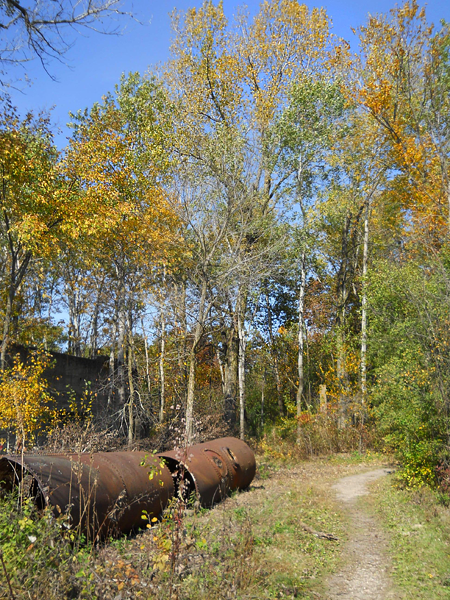
Also some fall colors at the old Marl Plant.

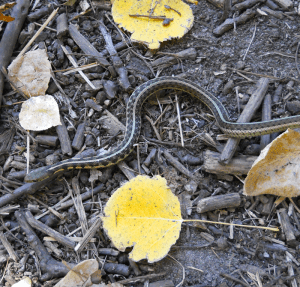
One of the reasons I love this area so much is because it seems to be a good fit for a wide variety of animals and plants, some even threatened or endangered, and the common ones thrive. Snakes are almost a guaranteed sight along this trail in Spring and Autumn. Last autumn I found this young Common Garter Snake next to the main Scuppernong springs.
One of my favorite views (and with the recent efforts to clear out some trees, an even better view) of the Scuppernong River Habitat Area, is located at the old Native American campsite. This photo of the fantastic view was taken 8/27/12.

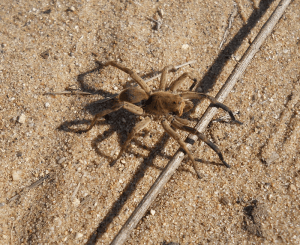
Last Autumn I found this large spider at the Native American campsite. I don’t know spiders, but I think its probably a Wolf Spider.
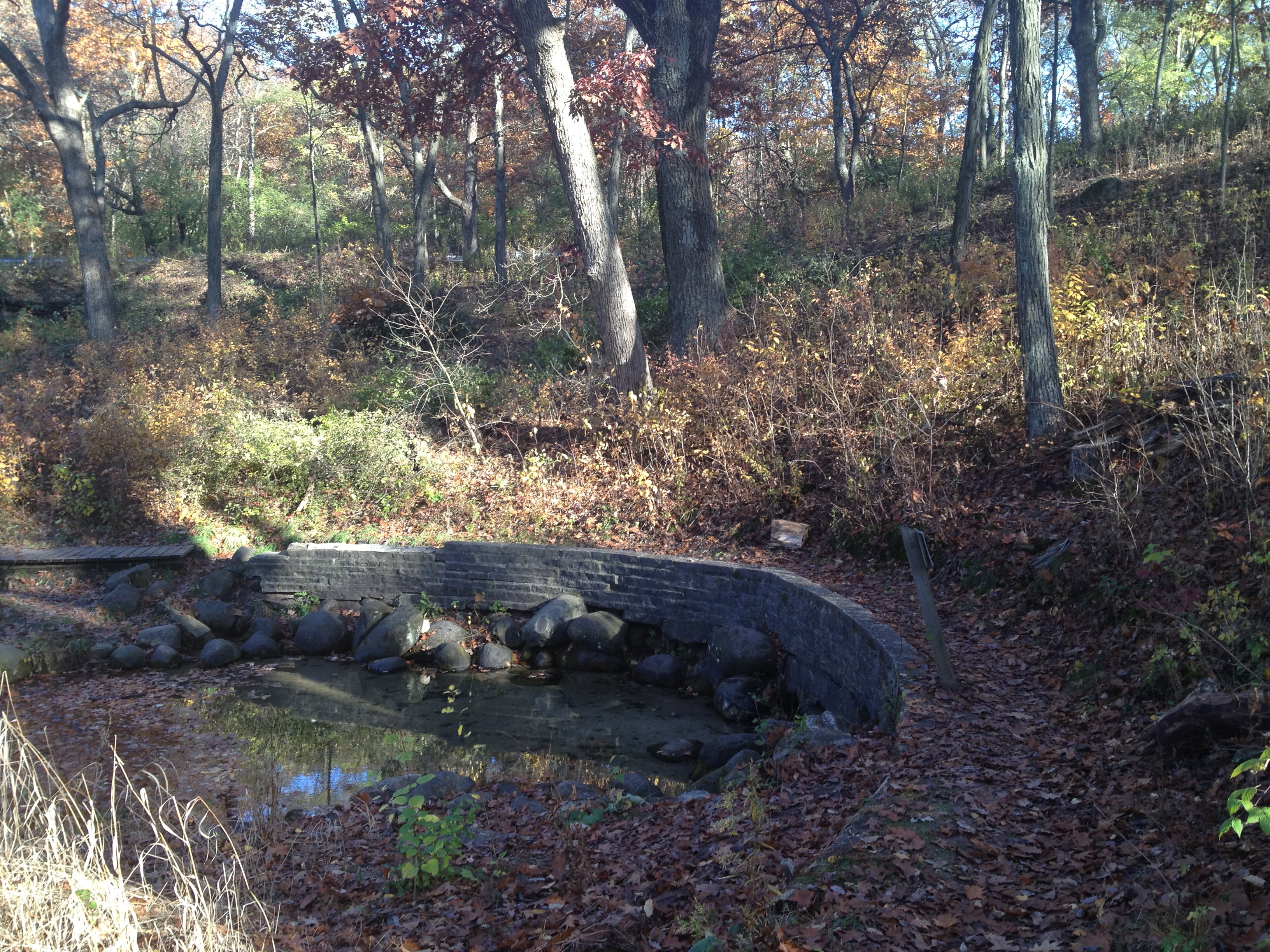
Here is a photo of the Hotel Spring that I took earlier this year, and I’d like to mention on my last trip there (2 days ago) I noticed one of the bricks had fallen off the wall and into the water.

Lastly, I have a few photos of the centerpiece of this trail, the Scuppernong River.
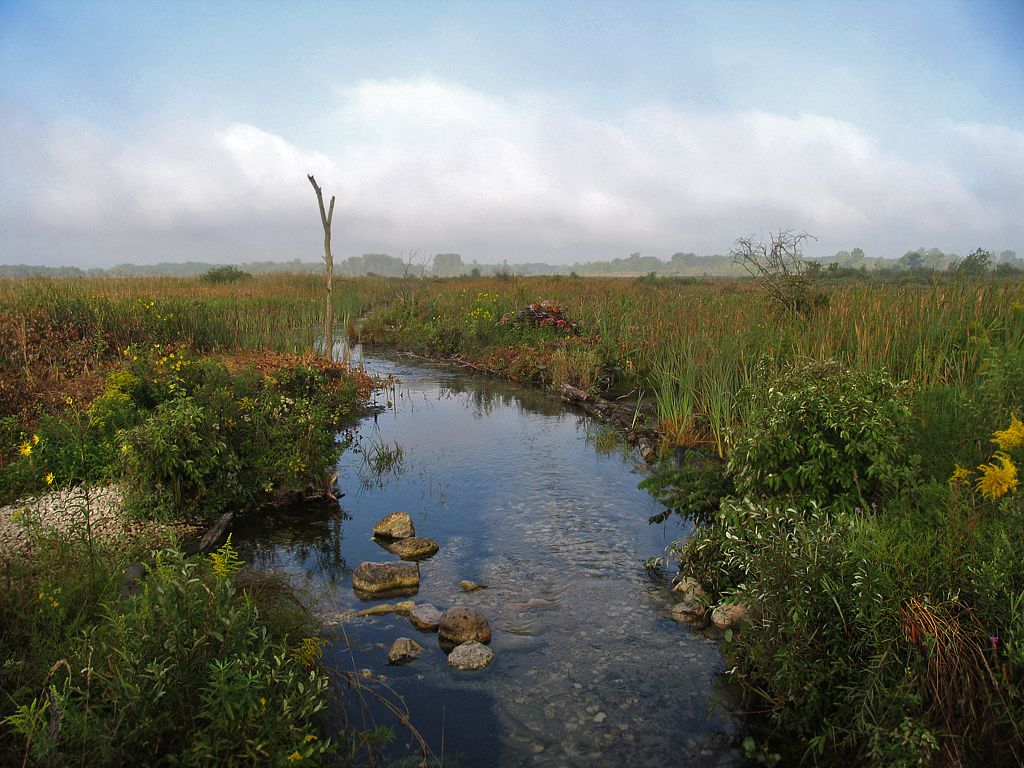
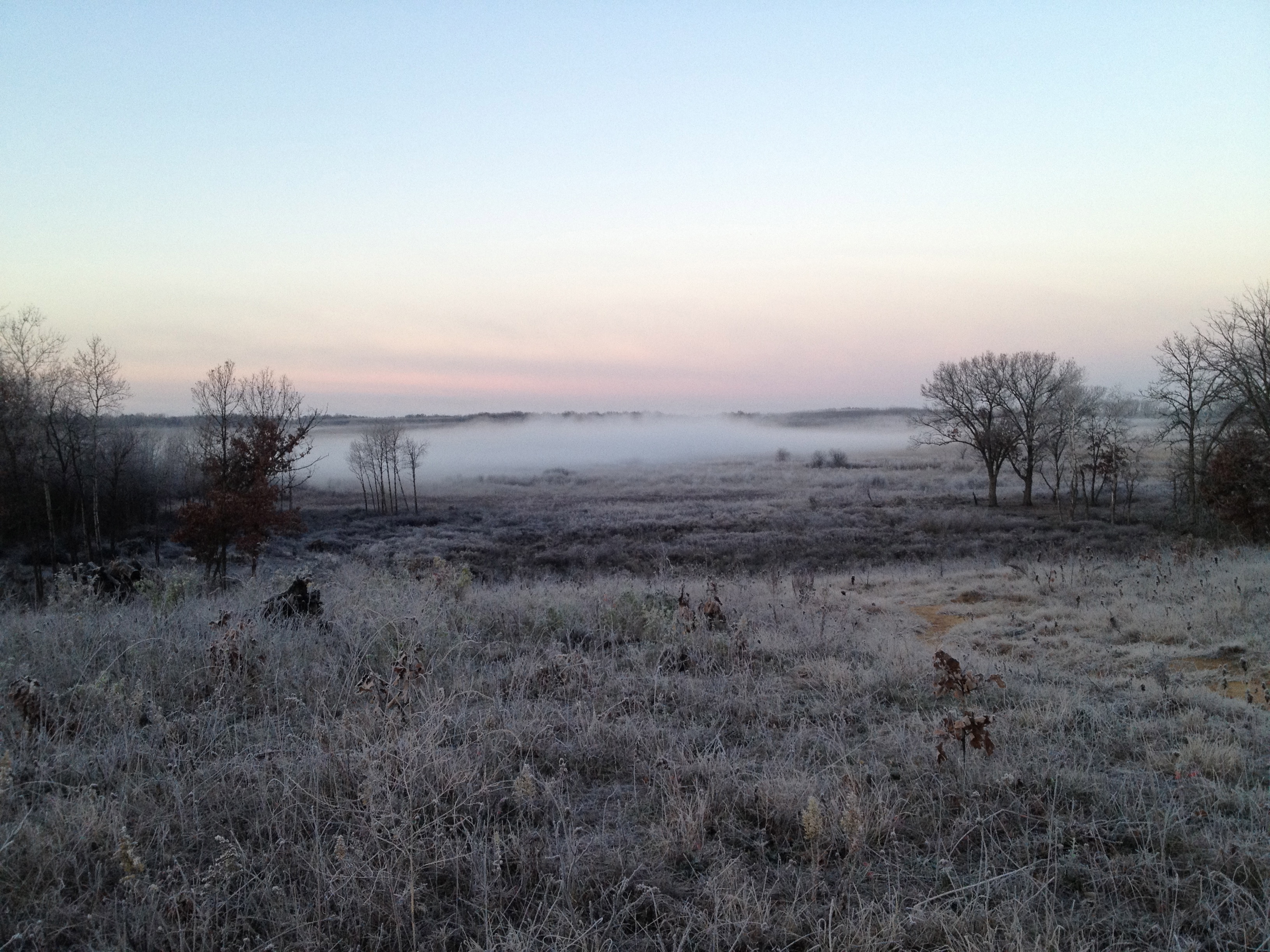
The first photo was taken on August 27th, in the morning before the fog rolled off. This is one of my favorite parts of the trail. There always seems to be a lot of bird life in this area such as Eastern Kingbirds, Cooper’s Hawks, Belted Kingfishers, American Goldfinches, and Great Blue Herons. I know its also a good place to find Garter Snakes, Hog-Nosed Snakes, and Northern Watersnakes. I love that the place is literally crawling with wildlife.
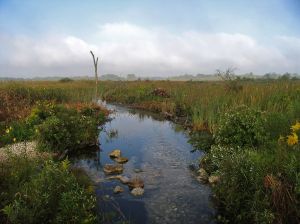
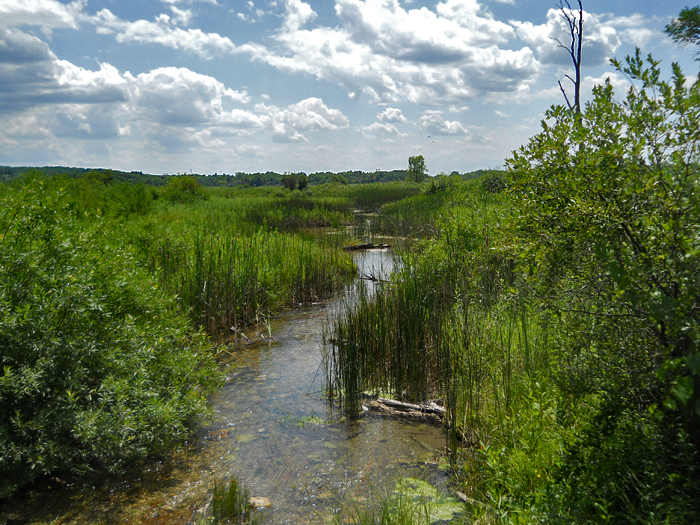
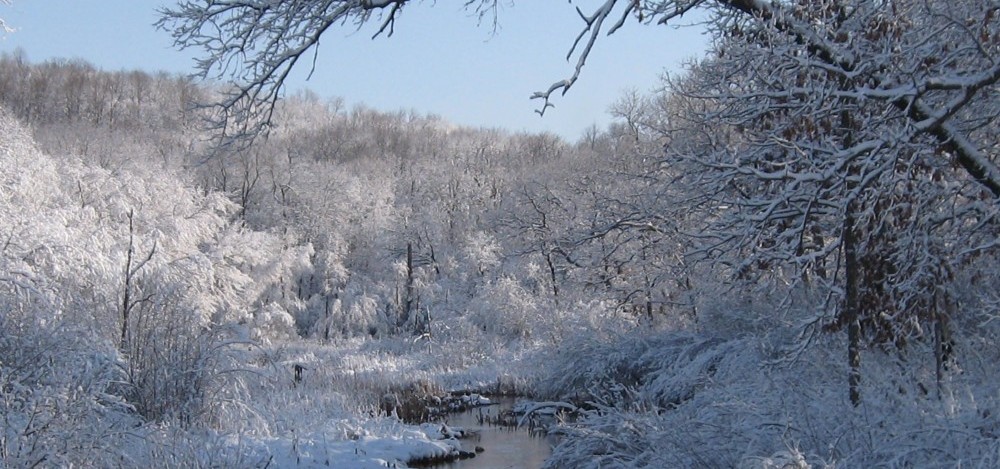
These two photos were taken just past the Marl Works, to the east. This area is listed as #5 on the guide and highlights fur trapping. The first photo was taken in the morning on August 27th, 2012, and the second was taken in the early afternoon on July 9th, 2012.

Finally, this area was recently cleared right near the old Hotel, and is listed #12 on the guide.

(ed. note, Thanks Jon for your story and great pics!)
Get After It! Interview with Dave Hoffman

It’s good to be back at the Springs!  Pati and I had a great time on our road trip out West, which included Yellowstone, The Tetons, Glacier, Crater Lake and Mt Shasta.  I know this will sound crazy but I am able to share our experience ala John Coffey, the death row prisoner featured in the movie “The Green Mile”, so be sure to visit me out at the Springs so I can lay my hands on you!

Out West, when you want to get something done, you “Get After It” and that is going to be our new motto out at the Springs.

Lindsay and I “got after it” yesterday, 10/4, and the day started with removing a huge Red Oak that snapped off at the base and fell across the trail just up the hill from the Scuppernong Spring.

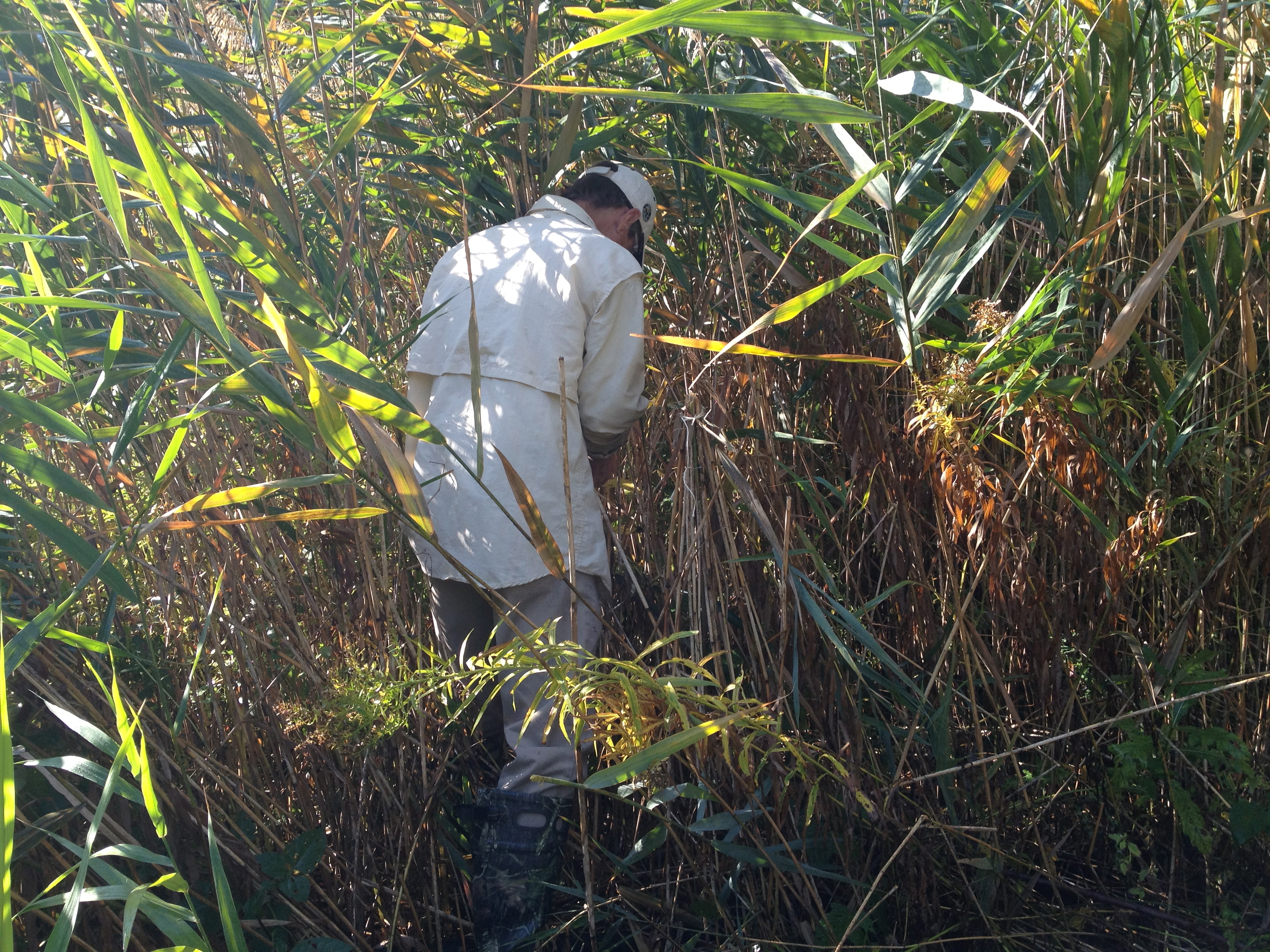
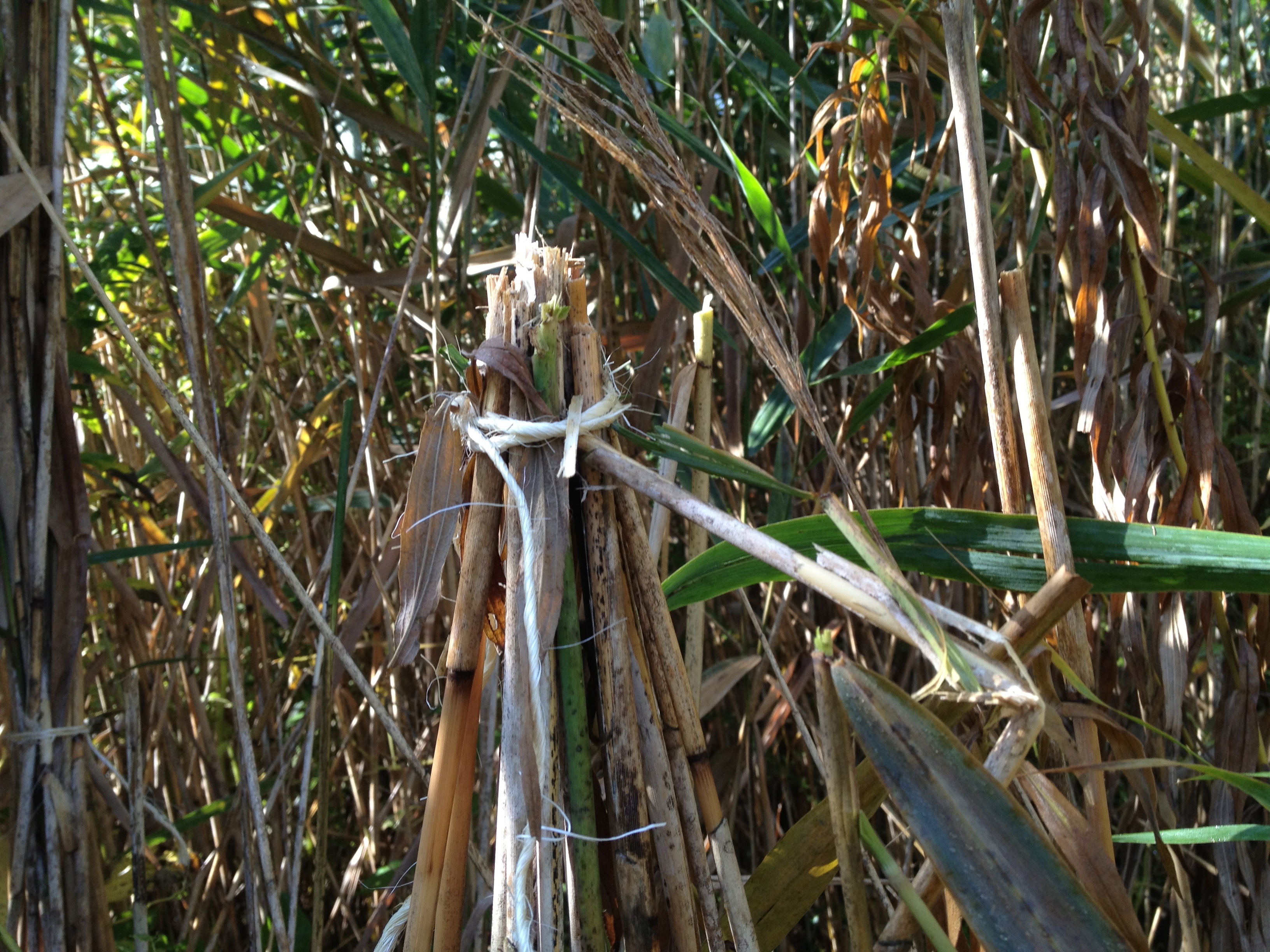
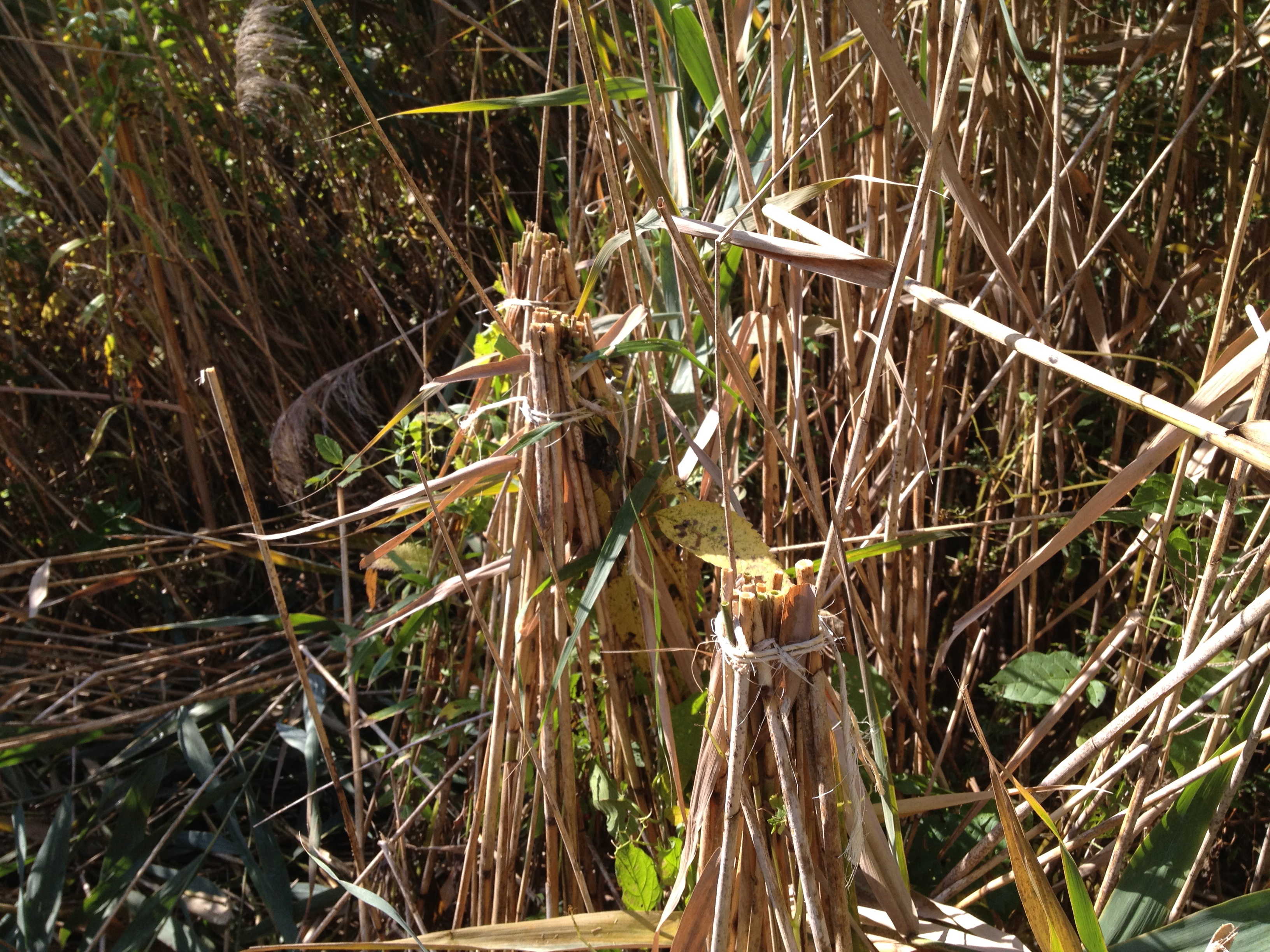
Then we went down to the river just below the Scuppernong Spring to attack a patch of Phragmities that we are treating as a test plot.  We want to see how the technique of bundling, cutting and poisoning with Habitat works.  Lindsay learned the technique while volunteering with the DNR (Jared Urban) at the Bluff Creek Site.  Here our a few pictures

As we were “getting after it”, Dave Hoffman, DNR Bureau of Endangered Resources Specialist, who is currently working to secure a grant via the North American Wetland Conservation Act to continue the restoration efforts in the Scuppernong River Habitat Area begun by Ron Kurowski, paid us a visit.  What a coincidence!  With the departure of DNR veteran Tim Peters, Dave is stepping up to fill the gap in coordinating the DNR efforts to execute the master plan for the Scuppernong River watershed.  We toured the site with Dave and captured a short interview with him, which you can listen to here Dave Hoffman Interview 20121004.

After our visit with Dave, we resumed our efforts to prepare the Sand Prairie at the Indian Campground site for mowing.  DNR Trail Boss, Don Dane, is planning to mow this area soon.  We worked in the area South of the spur trail that leads to the Indian Spring.

We still have some prep work to complete in this area and plan to “Get After It!” on Saturday.