The Inevitability of Buckthorn

People I meet at The Springs often ask: “Where did IT come from?”, referring to the buckthorn that grows there in dense thickets. I go only halfway attempting to explain it’s origins and uses leaving off the underlying causes and powers that be.

“History is the life of nations and of humanity. To seize and put into words, to describe directly the life of humanity or even of a single nation, appears impossible.” Leo Tolstoy, War and Peace Second Epilogue, Chapter 1

The reasons given for why buckthorn was imported leave unexplained the causes that put into motion the people who brought it here. In a recent post I claimed to have “been to the mountaintop“, and I just returned from a new and thrilling literary mountaintop, “War and Peace“, that has given me new insight as to why I get out of bed at 5:30am on a cold winter morning to cut buckthorn.

“As with astronomy the difficulty of recognizing the motion of the earth lay in abandoning the immediate sensation of the earth’s fixity and of the motion of the planets, so in history the difficulty of recognizing the subjection of personality to the laws of space, time, and cause lies in renouncing the direct feeling of the independence of one’s own personality. But as in astronomy the new view said: “It is true that we do not feel the movement of the earth, but by admitting its immobility we arrive at absurdity, while by admitting its motion (which we do not feel) we arrive at laws,” so also in history the new view says: “It is true that we are not conscious of our dependence, but by admitting our free will we arrive at absurdity, while by admitting our dependence on the external world, on time, and on cause, we arrive at laws.”

In the first case it was necessary to renounce the consciousness of an unreal immobility in space and to recognize a motion we did not feel; in the present case it is similarly necessary to renounce a freedom that does not exist, and to recognize a dependence of which we are not conscious.”  Leo Tolstoy, War and Peace, Second Epilogue, Chapter 12

I see now that it was inevitable that I should do battle against buckthorn. Growing up as the fifth of ten children I became acutely aware of the difference between justice and arbitrary will. From the war on drugs to the 9/11 wars, my perception of injustice inflamed me to impassioned protest; alas, to no avail. Thus the opportunity to fight the injustice of an oak woodland choked by that miscreant tree, has inevitably led me to direct my thwarted love for justice to fighting invasive species. And now I am hooked on the immediate, positive, feedback I get from destroying buckthorn. Yes, I’ve learned to love my servitude; I have no choice.

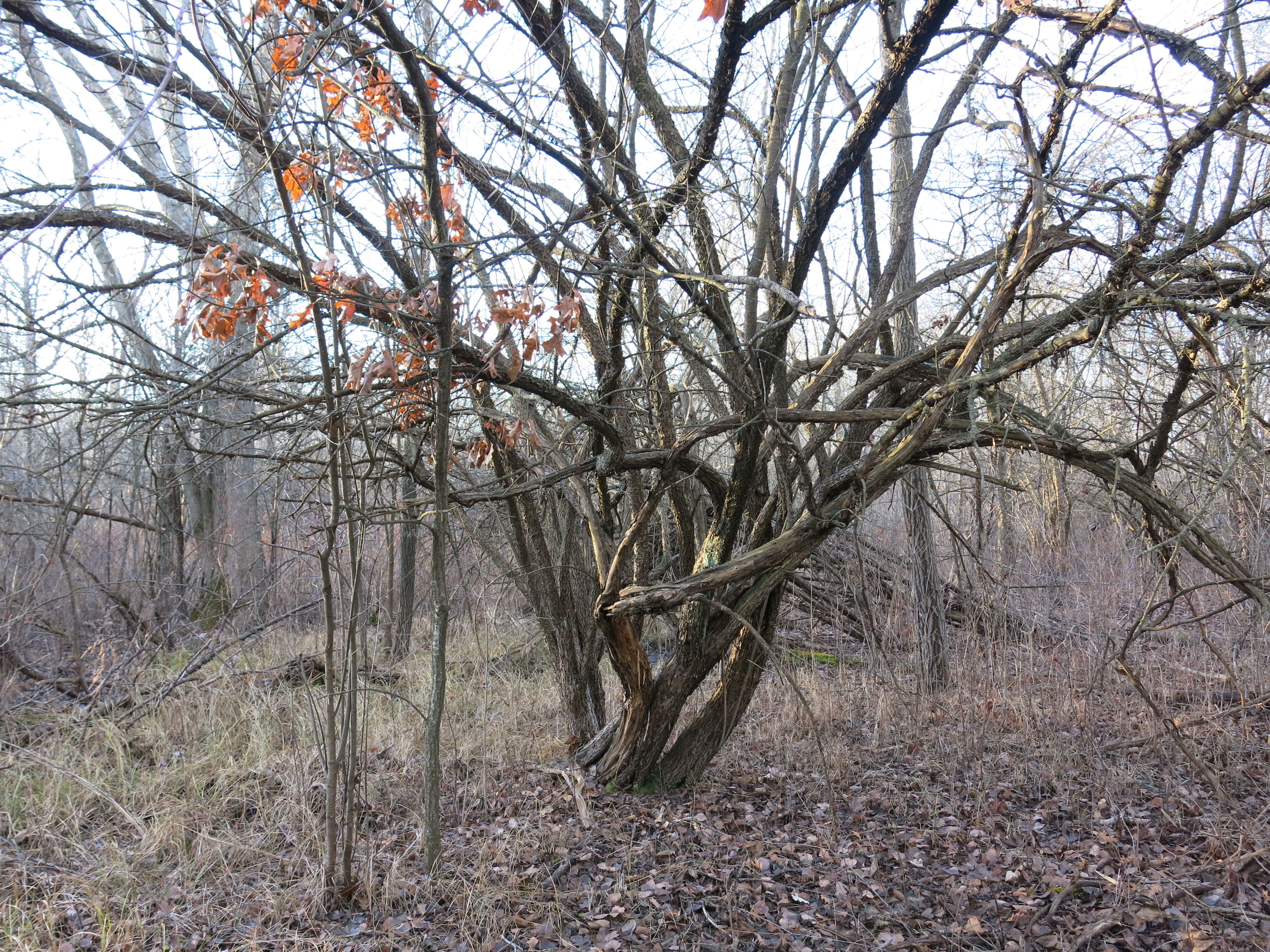
I was compelled by space, time and causes to cut buckthorn at The Springs this past Thursday and Friday (Dec. 5-6) and it seemed there was no choice but to cut at the buckthorn alley. Thus, driven by forces beyond reason and consciousness, we gassed up chainsaws and transformed a thicket (see the area marked in blue below).

SSTrailMapBuckthornAlley

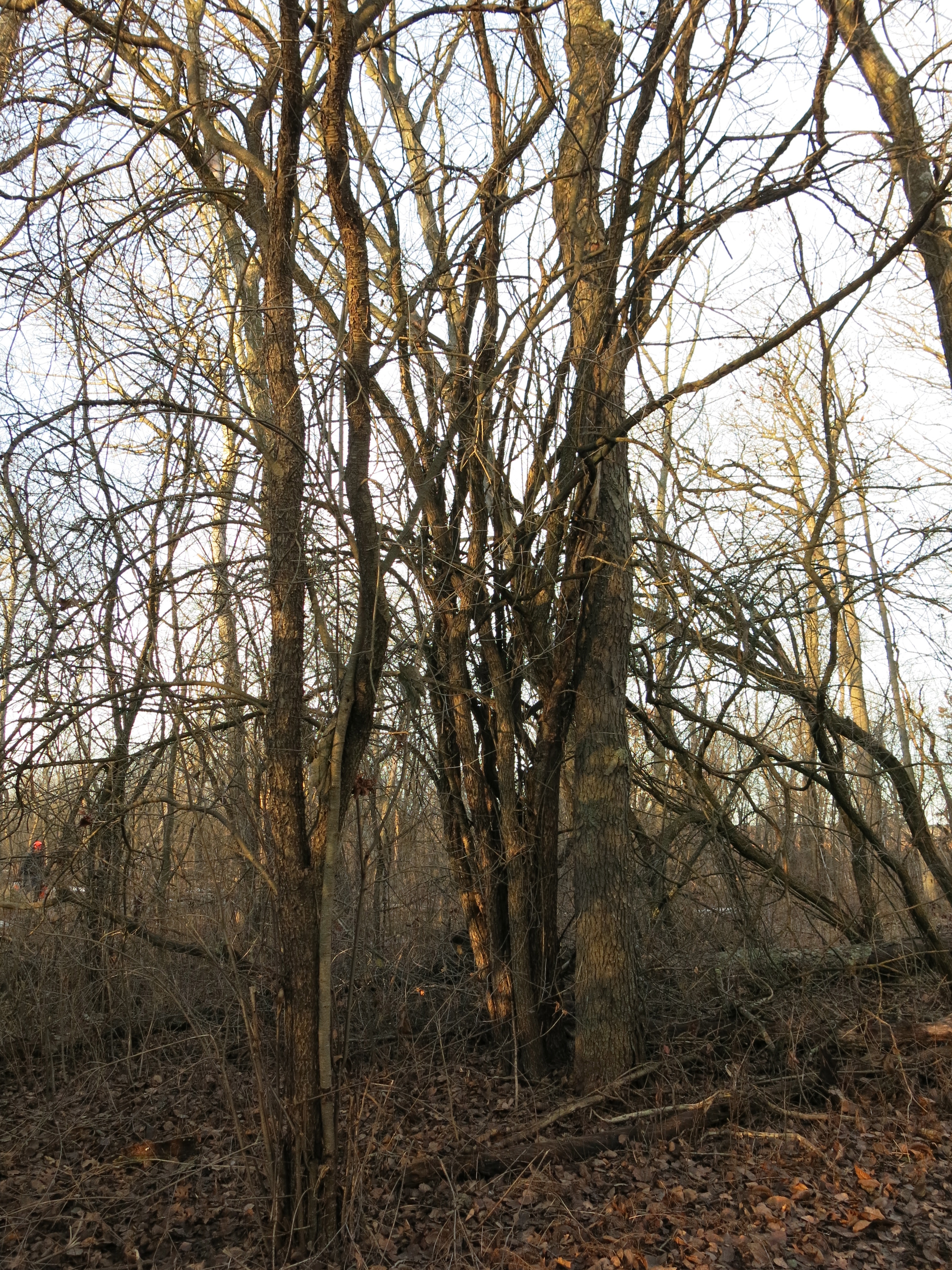
Here is how it looked before Dick Jenks and I started cutting and Andy Buchta started piling.
IMG_1316

IMG_1317

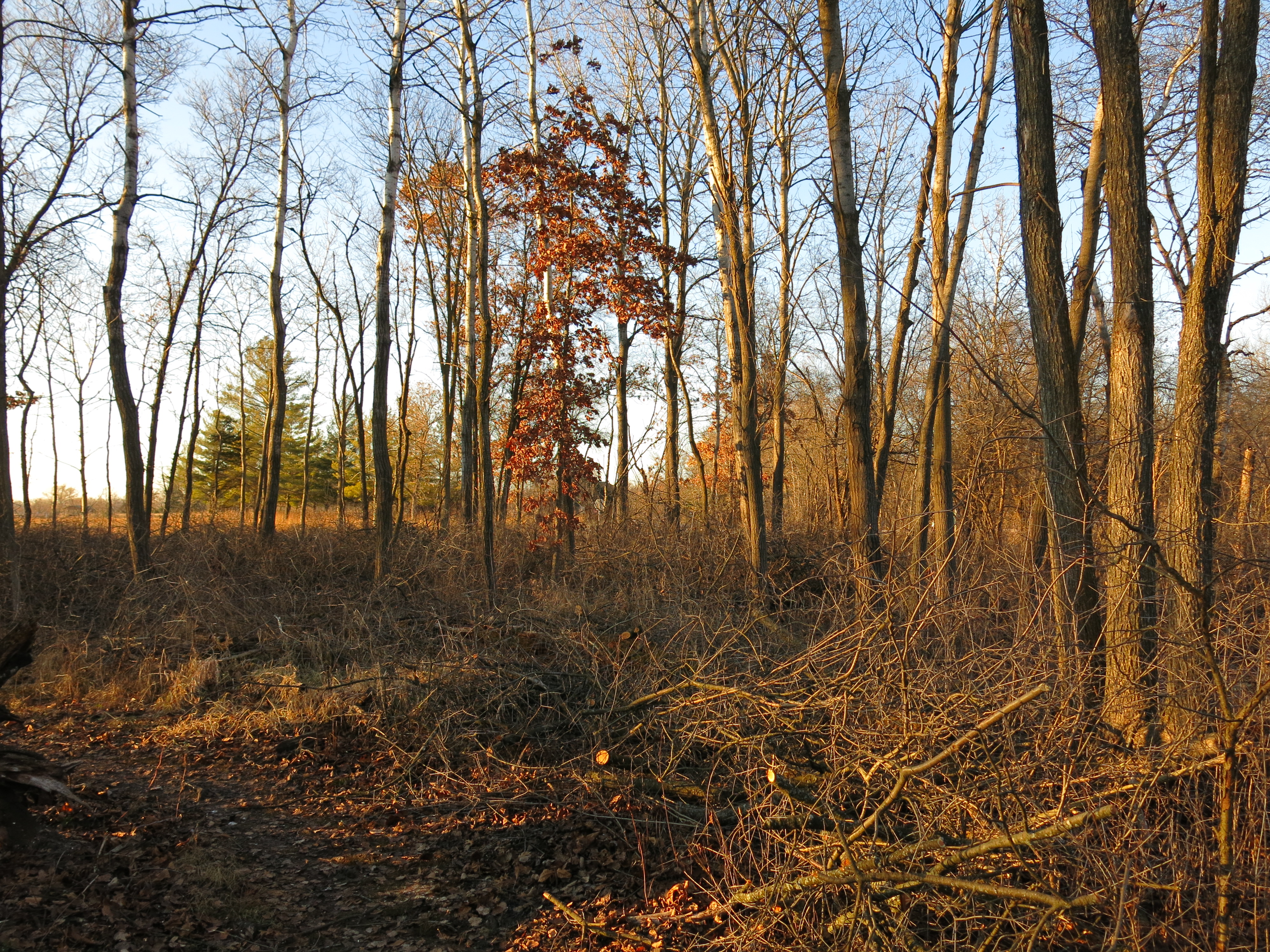
And here is the view Wednesday after we quit.
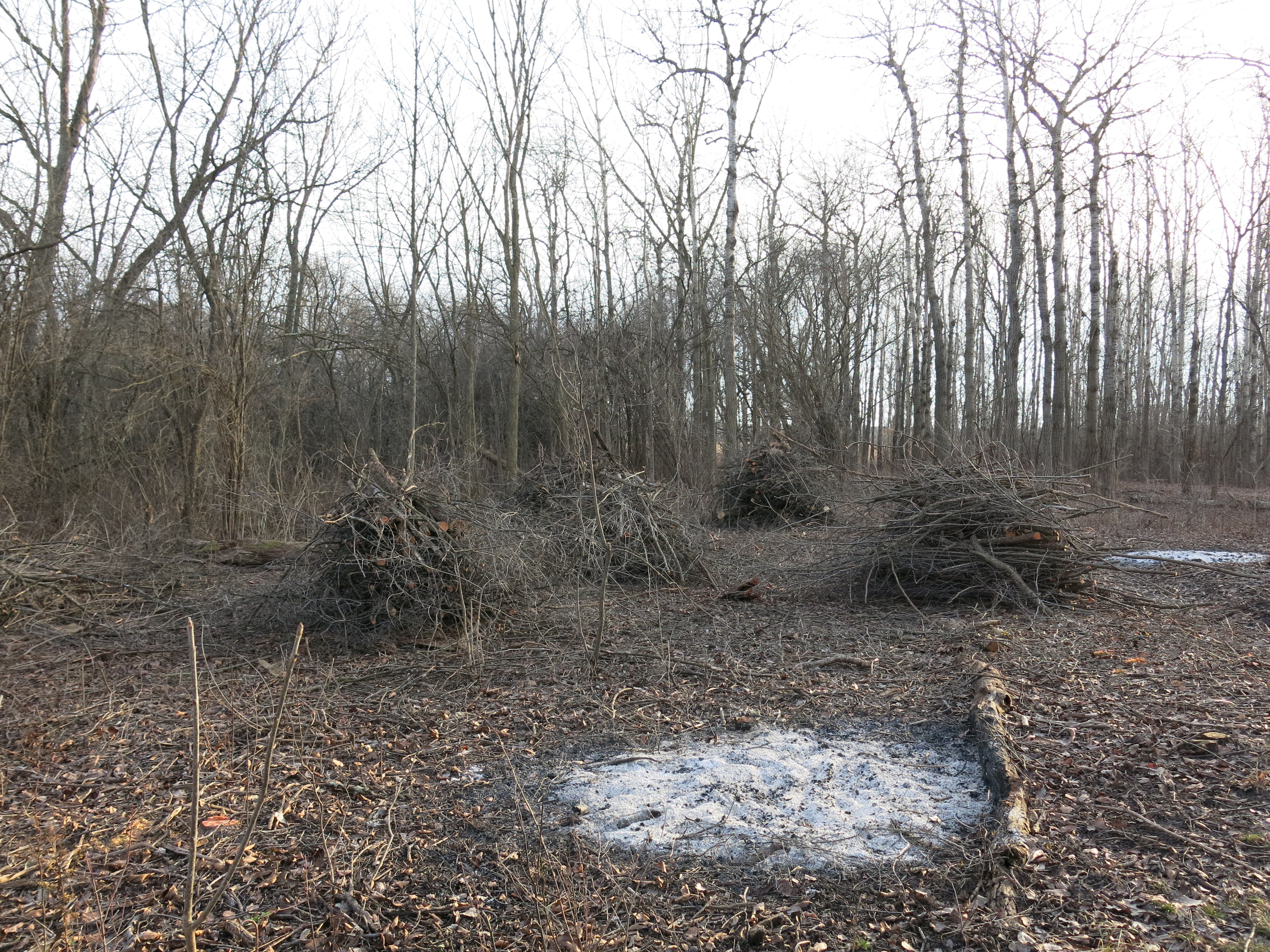
IMG_1318

IMG_1320

IMG_1322

As I tried to warm up in my truck, Ben Johnson arrived and we had a most agreeable time touring The Springs and dreaming out loud.

IMG_1323

Colder weather was forecast for Friday so I stopped at REI on the way home to pick up some hand and foot warmers. Then, after a quick dinner of rice and beans, I went to the basement to clean the equipment and sharpen the chains; I had no choice.

Friday we were back at it again and Dick told me of his youth growing up on a dairy farm, giving a brief history of the demise of the family farm, which was inevitable. Dick didn’t need any hand warmers; he grew up on a farm.

The views below are: looking north towards the Ottawa Lake visitor center, looking east, and looking southeast down the buckthorn alley.
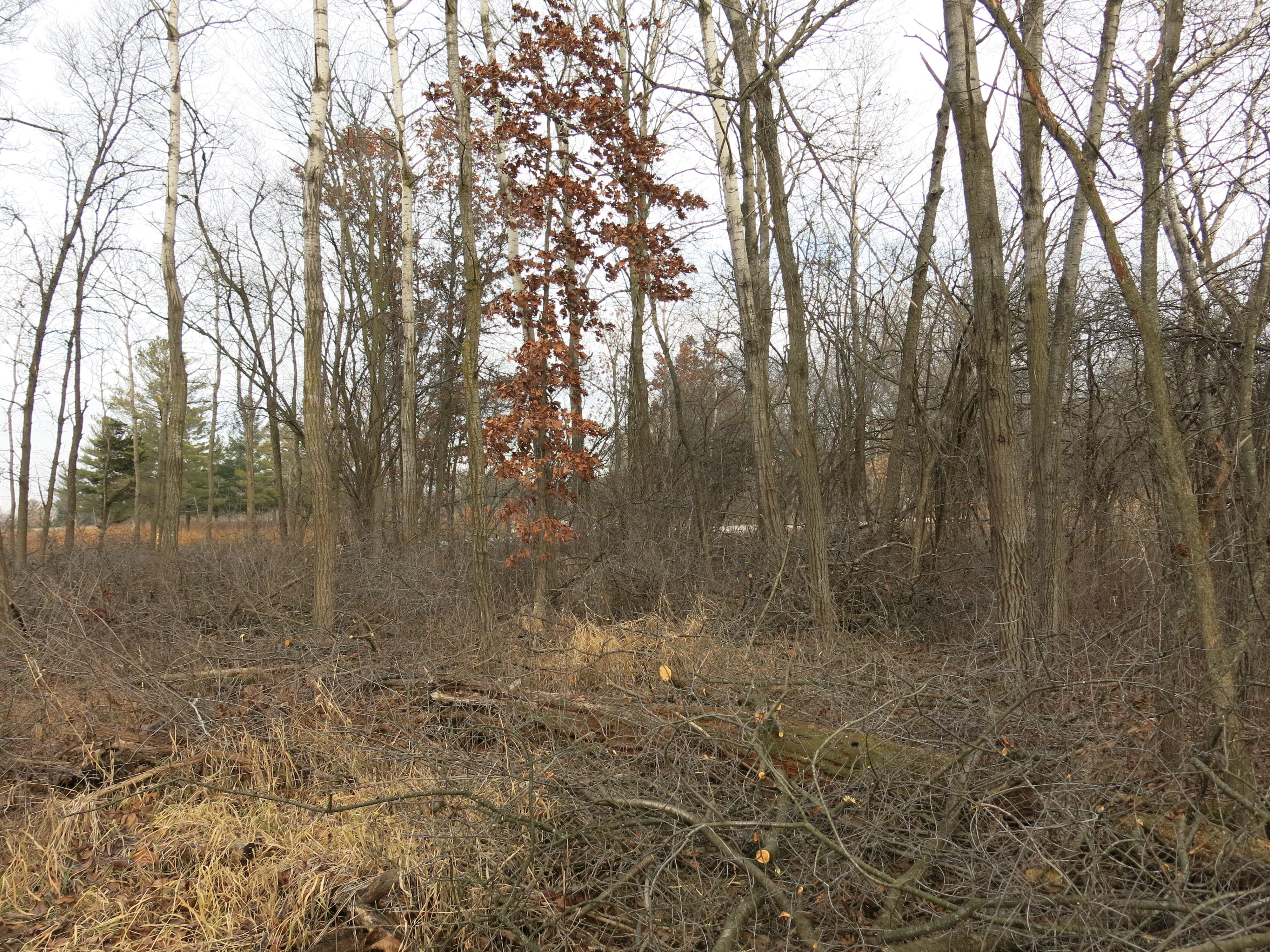
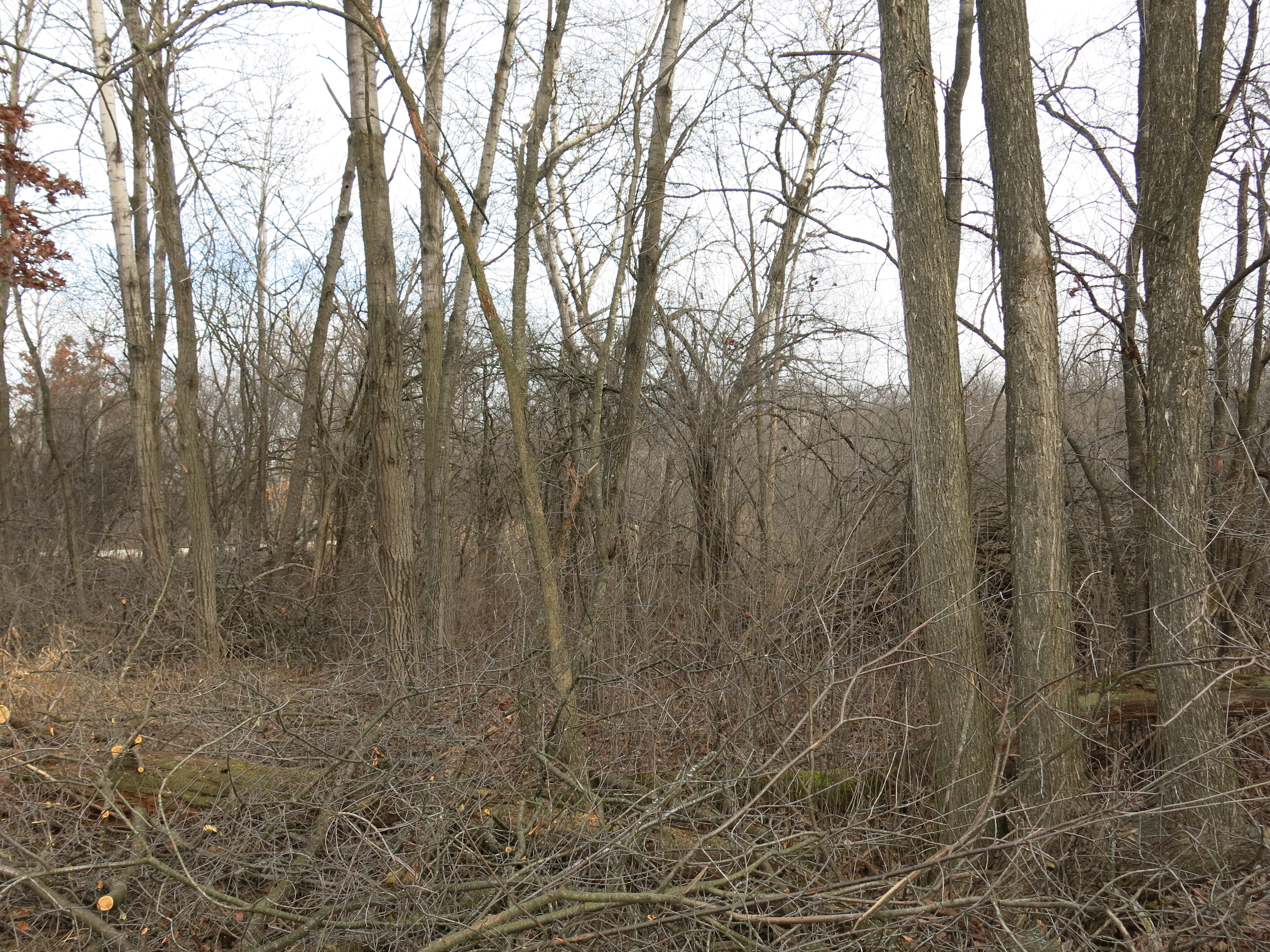
IMG_1325

IMG_1326

IMG_1327

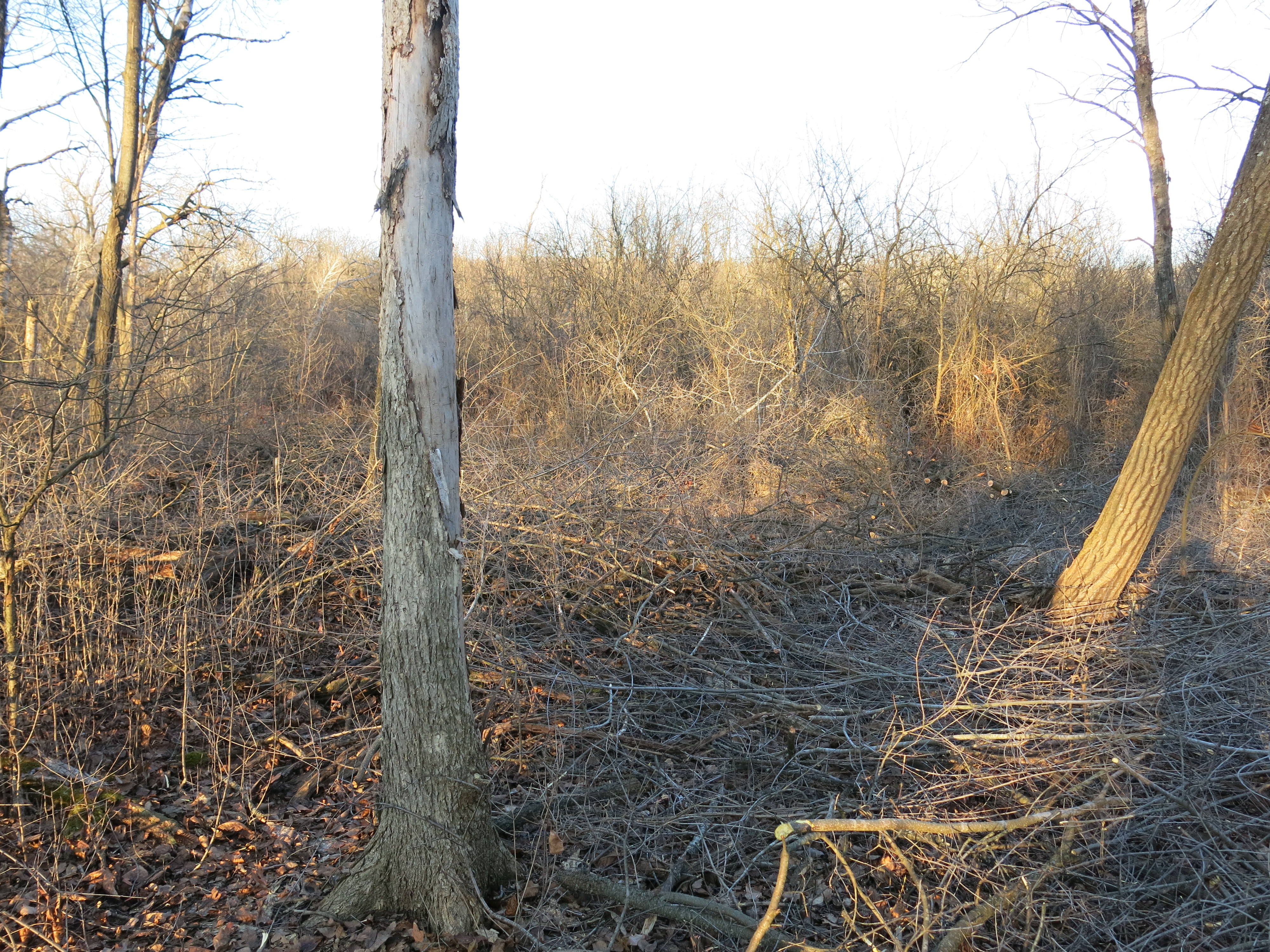
And after…

IMG_1331

IMG_1330

IMG_1329

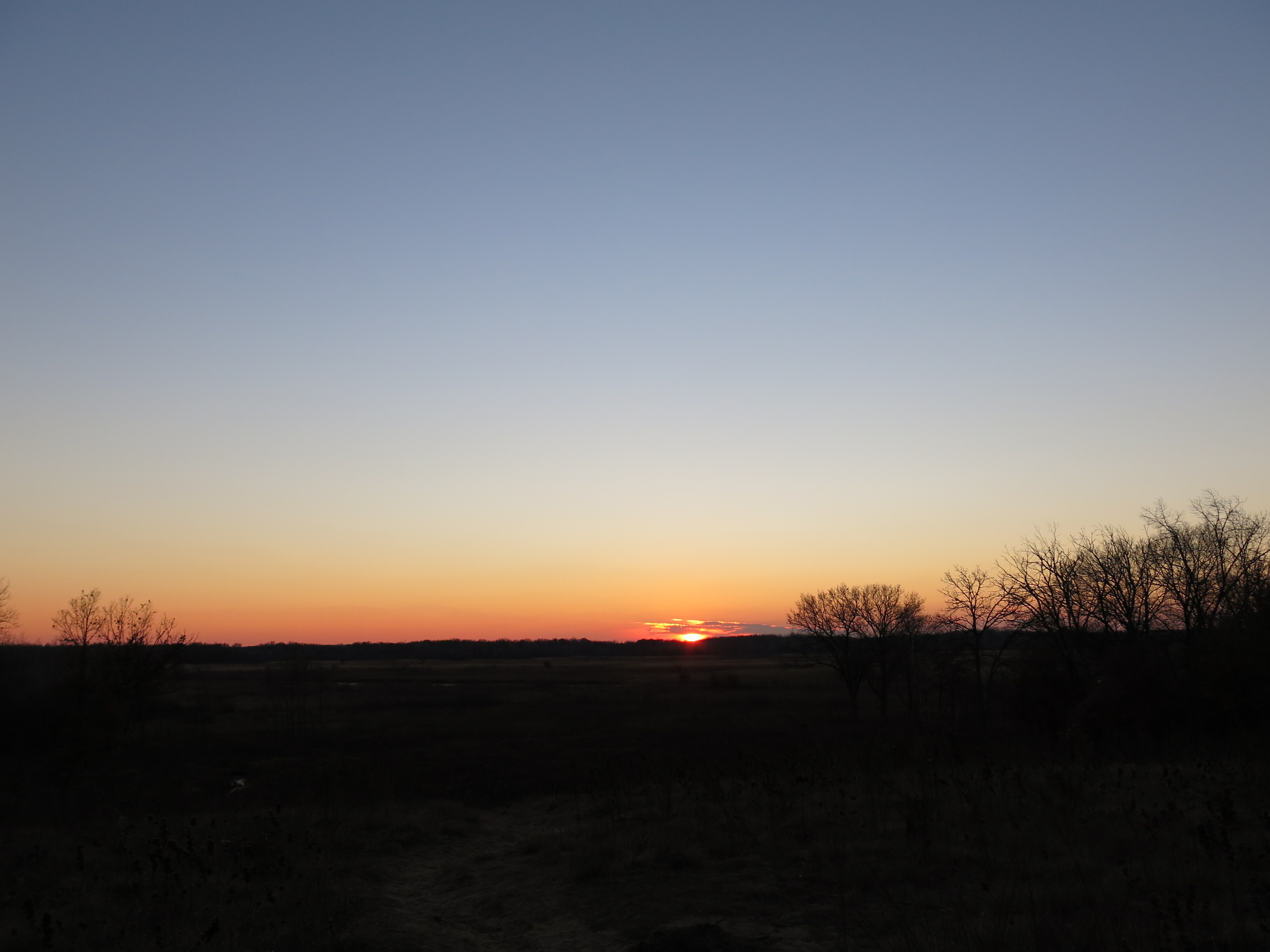
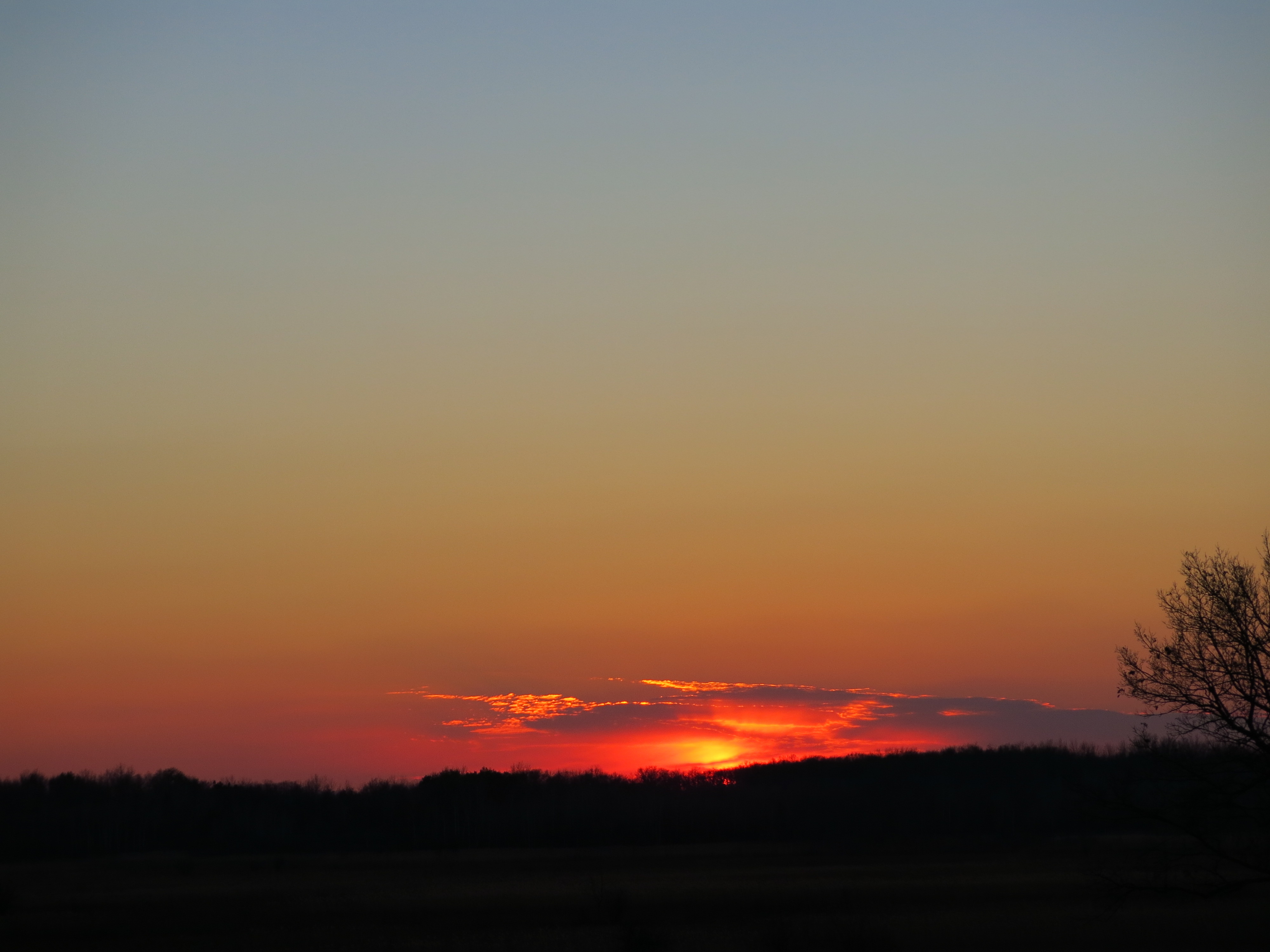
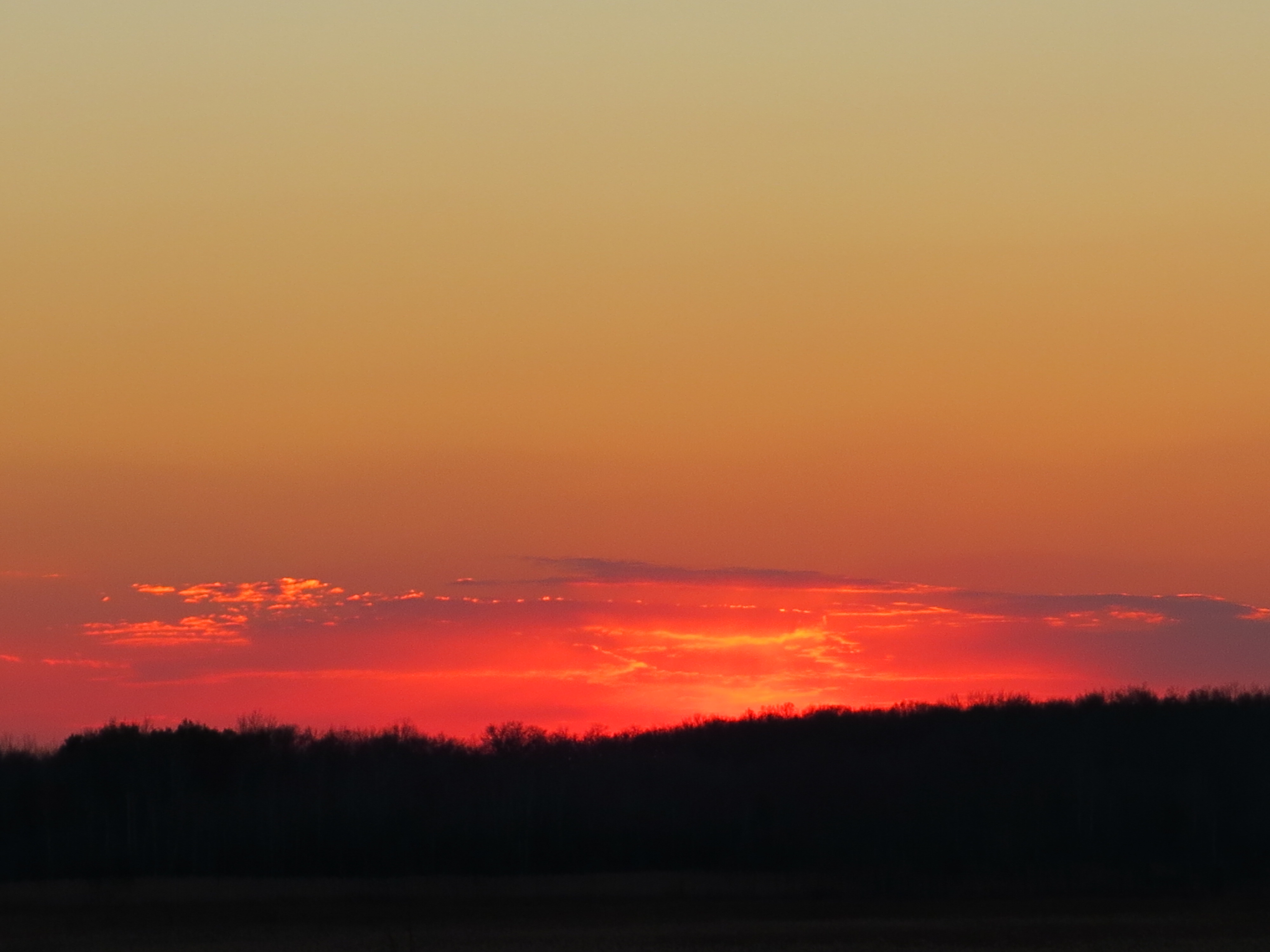
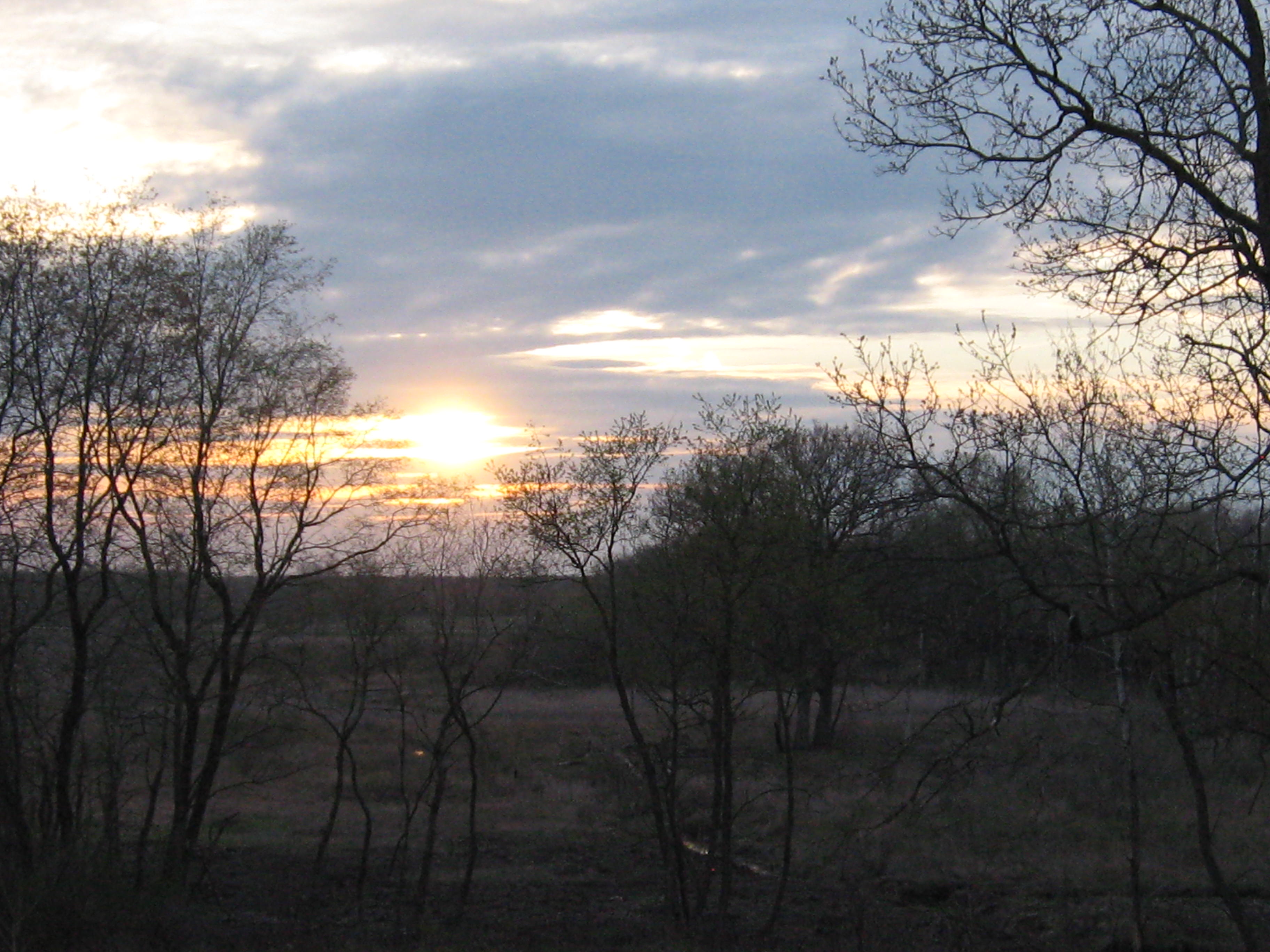
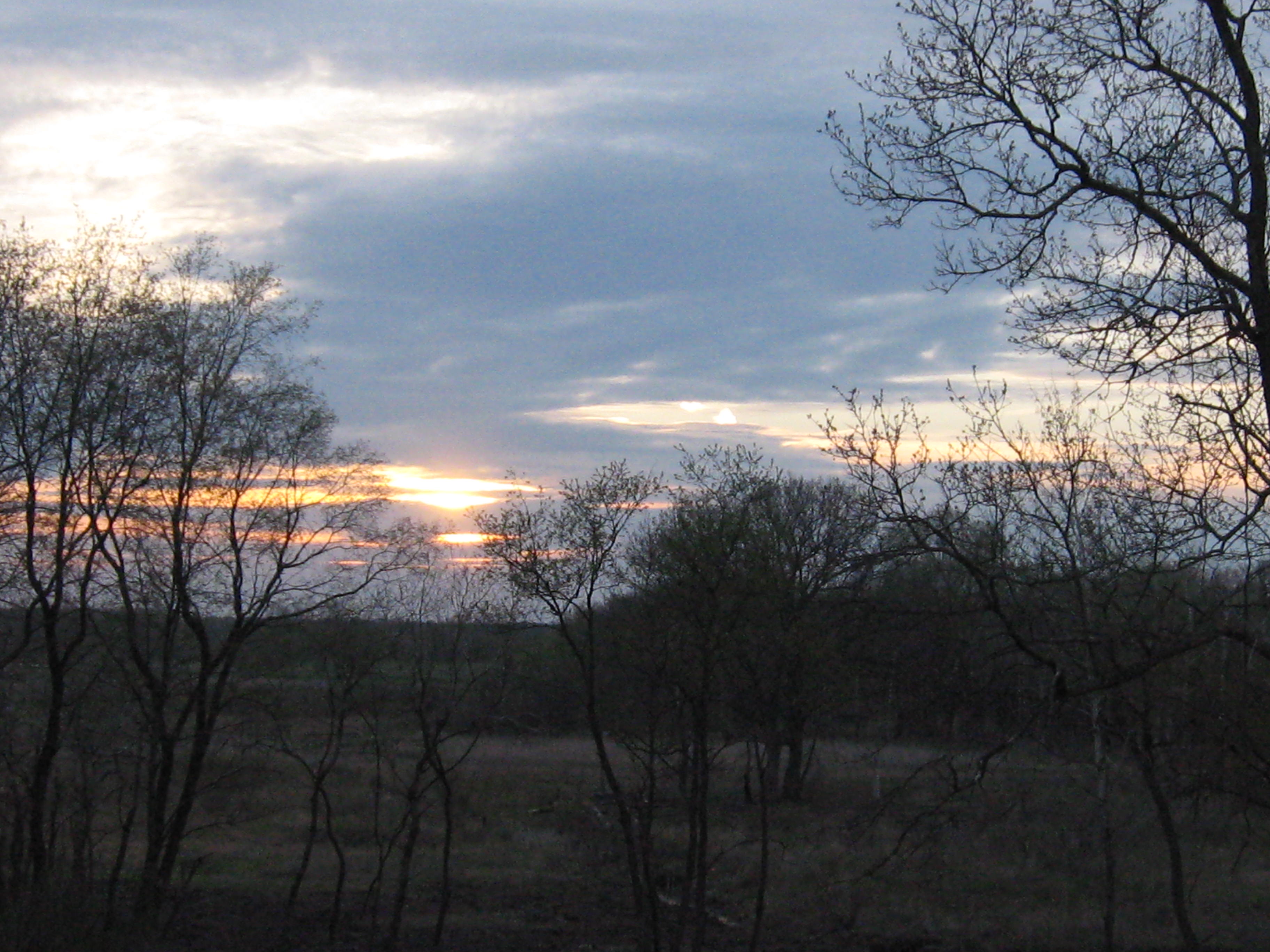
I was prepared for the cold and not surprised either by the beauty of the setting sun, moon, planets and stars.

IMG_1333

IMG_1338

IMG_1339

IMG_1343

IMG_1346

IMG_1349

IMG_1351

IMG_1356

Inevitably, during the winter I often have the place to myself, and I appreciate that.

See you at The Springs!
Organic Consciousness

Its finally dawned on me; Go Organic! Stop using poison on the land if you don’t want to poison the land! It’s obvious to me now after reading Atina Diffley’s award winning memoir Turn Here Sweet Corn. The organic approach is the embodiment of the Hippocratic Oath; do no harm. Atina’s love story with the land opened my eyes to the potential of applying organic farming techniques to our work at the Scuppernong Springs Nature Preserve. Atina and her husband, Martin Diffley, (Organic Farming Works LLC) are pioneers in the organic farming movement in Minnesota, their efforts culminating in a “Kale versus Koch, Soil versus Oil” pipeline smackdown where they stood up to the Minnesota Pipe Line Company, which is operated by the Koch Pipeline Company, a subsidiary of Koch Industries, and prevented a pipeline corridor from being routed right through their Gardens of Eagan Organic Farm. They saved their land AND Atina contributed to the preservation of other organic farms via the creation of the Organic Appendix to the Agricultural Impact Mitigation Plan that all pipeline and transmission line companies must comply with if they succeed in routing their lines across organic farmland.

Atina explains that it’s all about relationships: people to the land, plants to the soil and people meeting each others needs in community. I’m inspired to only employ non-toxic ways to nurture The Springs back to health a la organic farming techniques; I want the Scuppernong Springs Nature Trail to be “Certified Organic”. Atina and Martin helped me realize the importance of building and protecting the soil and, after reviewing the research on the residual effects of Milestone and Transline and their potential to leech into groundwater, I concluded that I could no longer use them in any context at The Springs. Jason Dare began turning me in this direction and now I’m fully committed. The only exception to the ban on poison that I will make is to use Tahoe/Triclopyr on cut buckthorn stumps (painting, not spraying), and hopefully, we’ll find a natural alternative to that as well.

I claimed to want to garden the sand prairie. What was I thinking? Would you use poison in your garden? In the past two years I had acquired no less than 7 different poisons: Aquaneat/glyphosate, Habitat/imazapyr, Bullzeye/glyphosate, Milestone/aminopryalid, Transline/clopyralid, Tordon/picloram and Tahoe/triclopyr, all of which I have returned to the DNR except the Tahoe stump killer. Martin Diffley summed it up pretty well: “If we don’t change direction, we’re going to end up where we’ve been going.”, and my approach was slowly poisoning The Springs. One story from Turn Here Sweet Corn that really impressed me was how they handled a 9 acre field of quack grass. Despite being pressed by demand for their produce to get this land into production, Martin recommended they wait for just the right combination of dry and hot weather. When it finally arrived, they used a 930 Case tractor fitted with a Vibra Shank field digger to “rake” the weeds, exposing the roots to the blazing sun, repeating the process over 6 weeks until the quack quit. That got me thinking about the phragmites and cattails in the valley along the Scuppernong River headwaters; maybe we could do the same thing there! Like Einstein said, “We can’t solve problems by using the same kind of thinking we used when we created them.”, and now that my organic consciousness has been awakened, I’m seeing new, non-toxic, solutions.

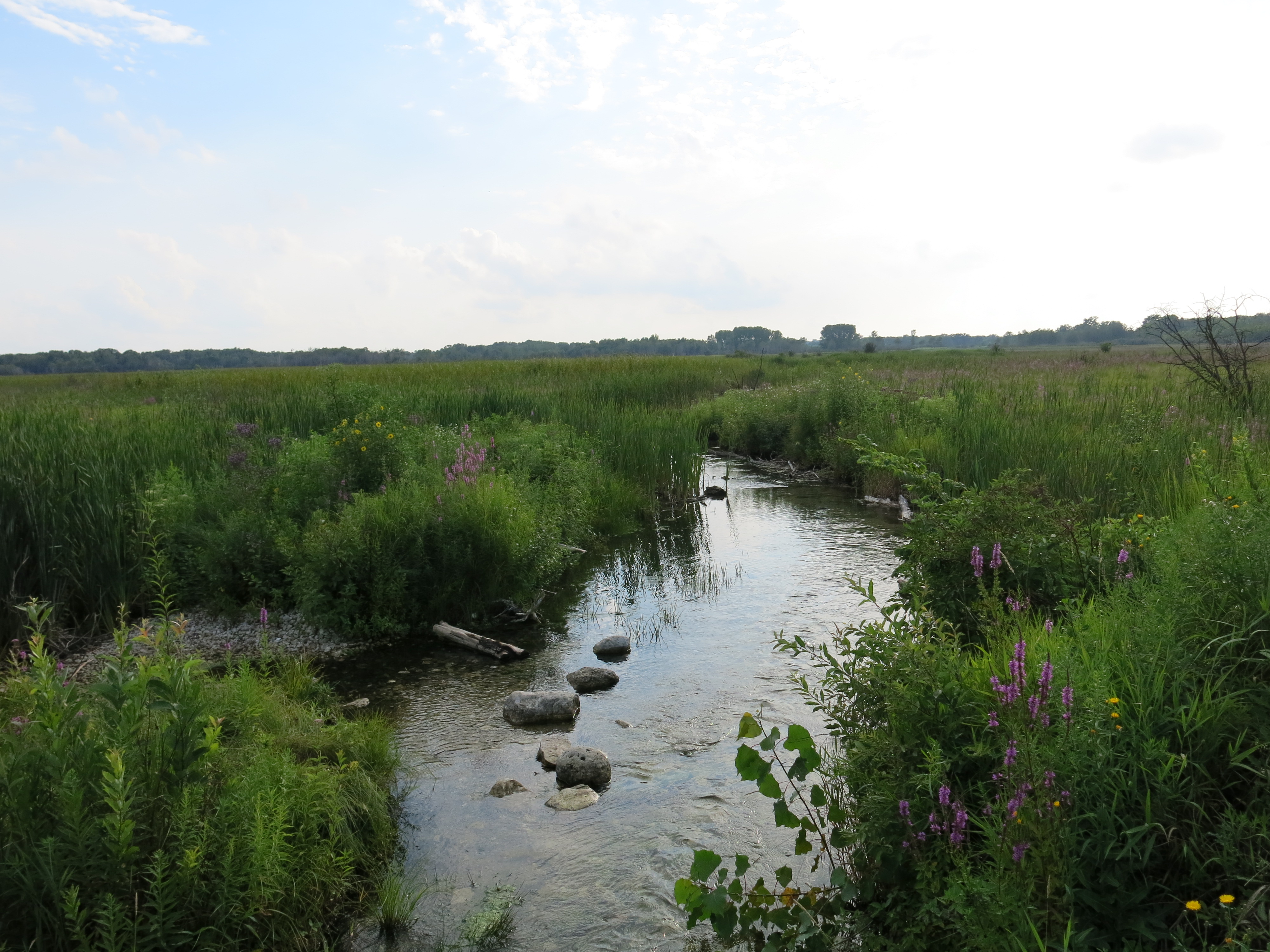
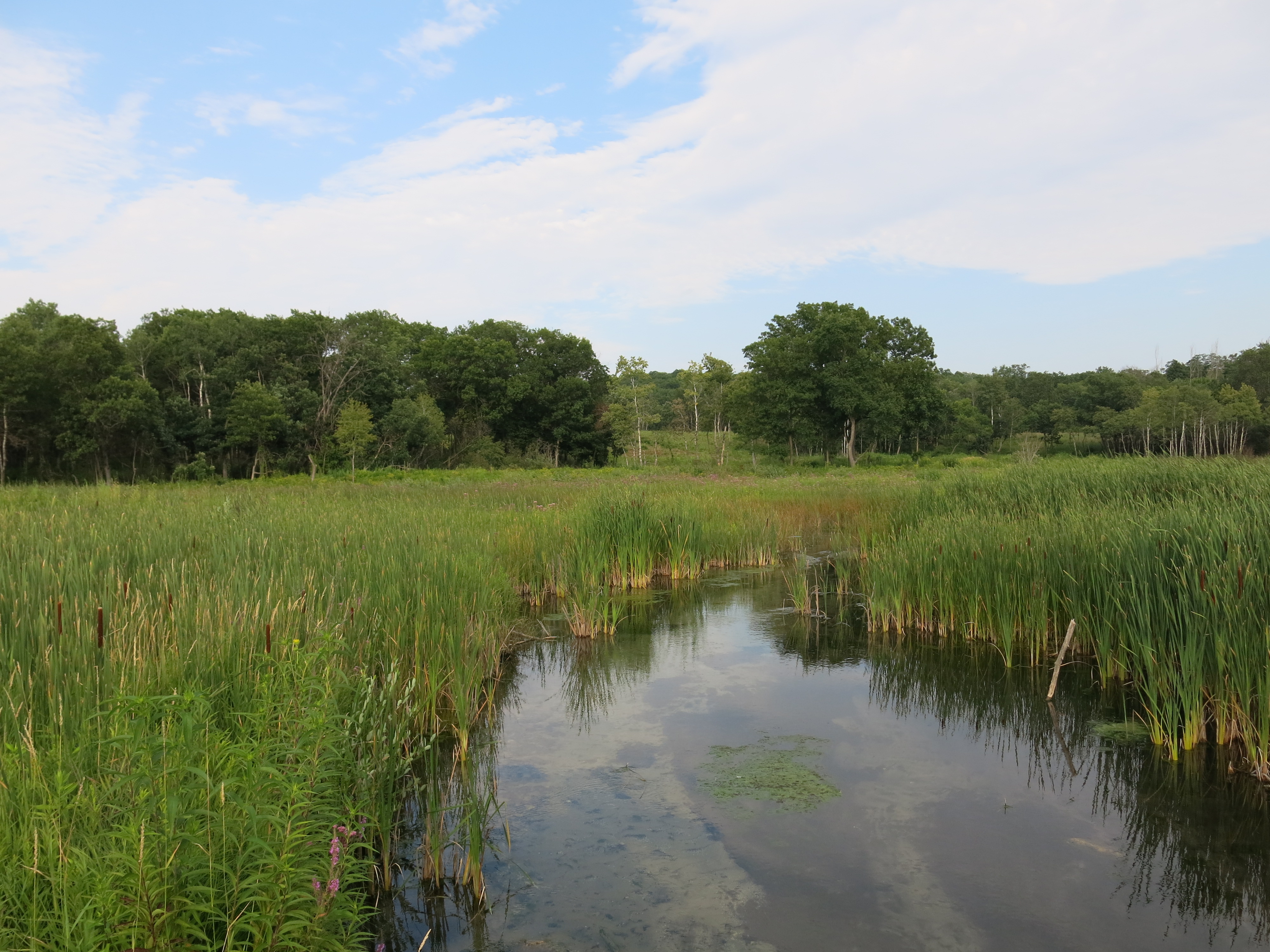
Yesterday, Pati and I met with DNR Trail Boss Don Dane to walk the trails and review our approach to restoring the Scuppernong Springs Nature Preserve, and we we joined by John and Sue Hrobar. I’m prone to excited bursts of non-stop chatter and, true to form, I began by telling Don that I wanted to go organic. He was totally on board with this and promised to help us achieve that goal. The first area we reviewed was the valley along the headwaters of the Scuppernong River that is dominated by phragmites and cattails. I told him Martin’s story and we talked about mowing and raking and Don suggested that, in the short term, I get a hedge cutter and simply cut the seed heads off the phragmites and cattails at a height that will leave the myriad of other plants that have emerged in the “understory” since the burn undisturbed. This will drain the energy from the phragmites and cattails while allowing the native plants to compete and, combined with fire, we hope this will be an effective strategy.

One of my big concerns is all of the buckthorn seedlings and resprouts that have emerged since we cleared the mature buckthorn. I explained this to Jason Dare and he suggested I rely on fire to control them. I talked to Don about this and he is committed to burning the scuppernong every 2-3 years. That was the assurance I needed! In the meantime, Don suggested brush cutting areas where the resprouts are thick to better enable fire to move through. We talked about the north end of the trail, buckthorn alley, and agreed that I should focus on clearing the buckthorn there to help facilitate getting a hot fire through this part of the Nature Preserve; the DNR has never been able to burn this area.

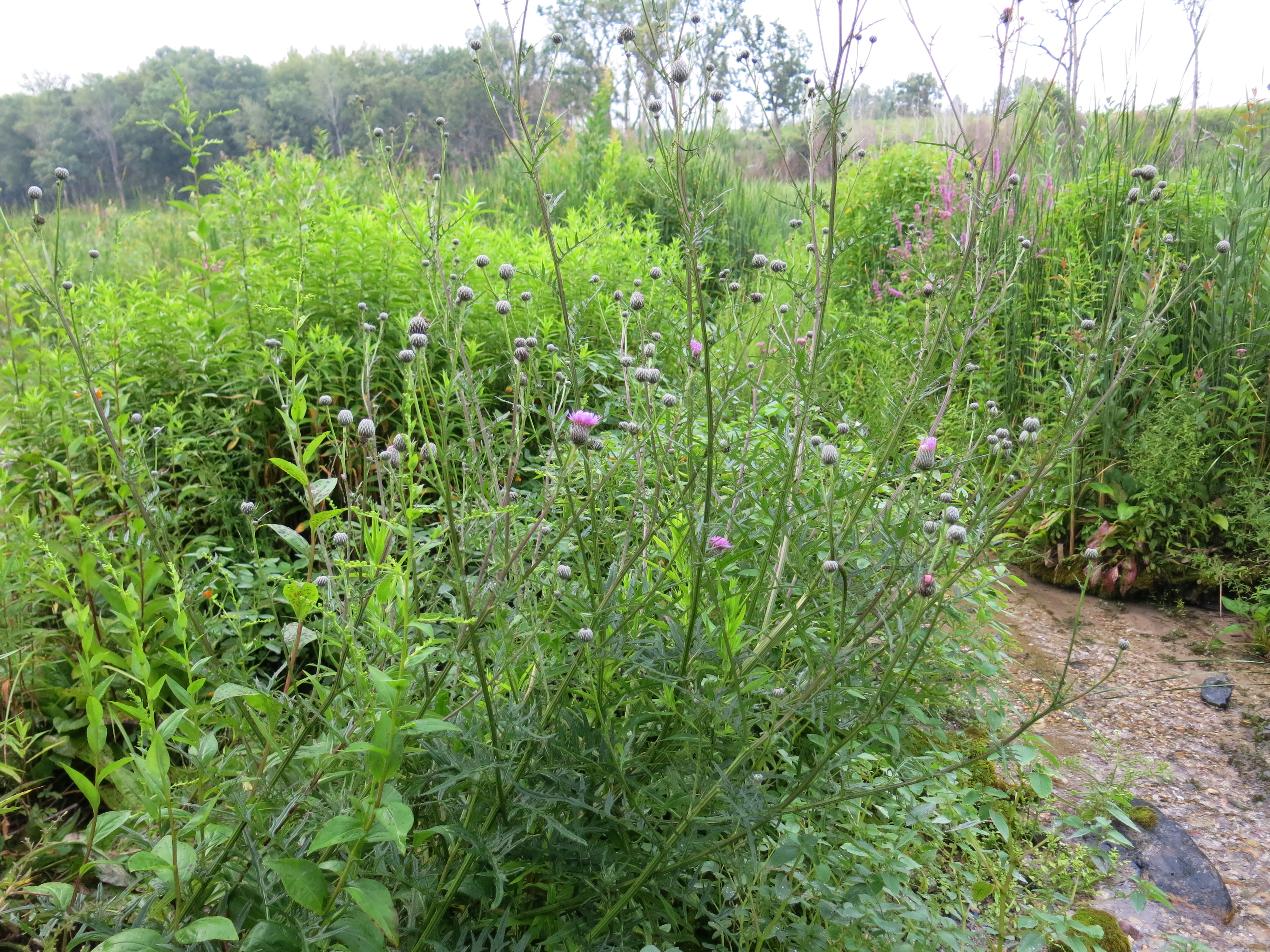
Here is a native swamp thistle Don pointed out by the hatching house springs.

IMG_0258

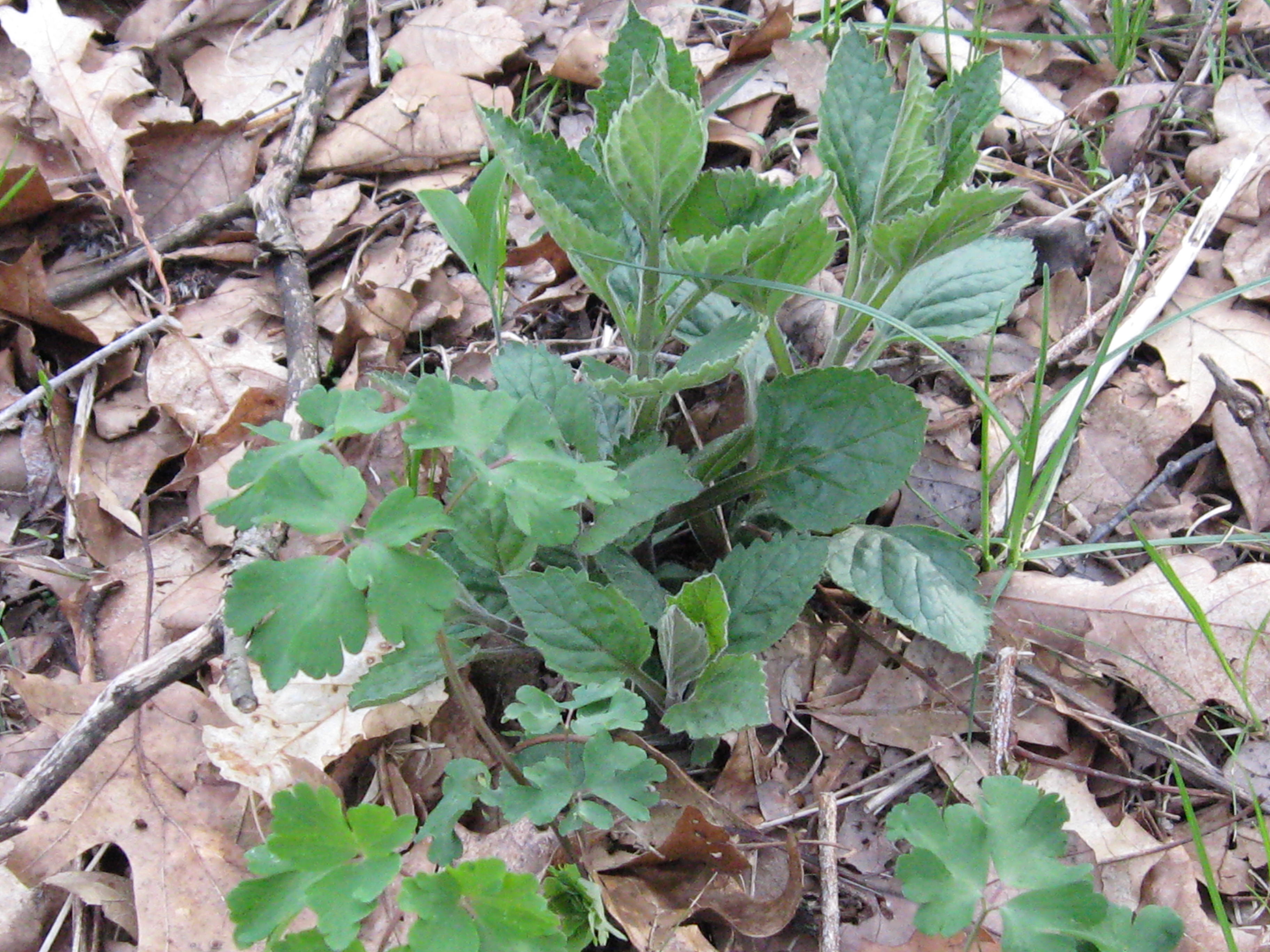
Oriental bittersweet and hedge bindweed (shown below) are concerning and we discussed brush cutting and pulling them.

IMG_0260

John, Sue and Don at the gaging station bridge. I’m hoping that more volunteers will step forward if they know we going organic.

IMG_0265

Pati and I spent the afternoon pulling spotted knapweed on the sand prairie, which Don said they also refer to as a cliff messenger prairie. The purple lovegrass is thriving!

IMG_0261

Here is a view of the sand prairie.

I felt totally calm and at peace with my hands in the sandy soil pulling spotted knapweed all afternoon. The rough blazing star and golden rod are set to flower and I’m really glad I took the time to clear the prairie with the brush cutter rather than simply mowing it. Here are a few parting shots from the marl pit and gaging station bridges.

IMG_0268

IMG_0270

IMG_0272

IMG_0274

The Scuppernong Spring

See you at The Springs!
The Trivium

I had a “gut check” on the way home from The Springs last night. Jason Dare, the real deal when it comes to ecosystem management, met me by coincidence on the trail near the Hillside Springs, and, in the fading light, he helped me see a new approach to “gardening” at The Springs. As I drove home, I questioned whether or not I had made some mistakes, used the wrong poison in the wrong place at the wrong time, or missed golden opportunities to repel nascent invasive species. I faced the challenge of integrating new information that contradicted what I thought I new, and was putting into practice; I was confused!

Fortunately there is a way to dispel confusion — the liberating art of critical thinking known as The Trivium Method. As I reviewed what Jason said I recognized: The Grammar i.e., the knowledge of objects in the real world; The Logic, or process of non-contradictory identification that leads to understanding and answers the question why; and The Rhetoric, manifest in Jason’s wisdom and ability to explain the how to me. Just listen for yourself!

Armed with the trivium, I’m learning the phenology of the varied plant communities, the biology and the proper use of herbicide. I’m encouraged by people like Jason Dare, who is going to give me a list of the weeds he was inventorying for the DNR (and strategies for attacking them), and Ron Kurowski, who is going to give me a survey of native plants, and I hope other knowledgeable nature lovers will contribute as well. It seems like ever since the Native Americans were kicked out of the area in the late 1820s, people have viewed The Springs with and eye to make a buck. Now we are changing that and it is a wonderful opportunity to do something for the shear joy of it. I hope you will consider contributing your time and talents to this effort. Persistence is the key!

Had I known when I arrived yesterday morning what I know now, I would not have sprayed buckthorn seedlings and re-sprouts at the trailhead. Jason explained why October-November is the only time he will spray buckthorn seedlings and how a mix of Garlon 3a and Escort would be the least toxic approach, given the sensitivity of the area. Summer is time to focus on herbaceous weeds and that is what we plan to do from now on. Sound advice from someone with a lot of experience managing ecosystems. The knowledge, understanding and wisdom is sinking in!

IMG_0248

Just as I finished spraying, I got a trail update from a veteran birder named Tom, who said the north end of the trail was getting really overgrown. This is buckthorn alley and I confess that I have not walked this stretch of trail since the burn. I got after it with my brush cutter.

I had intended to pile brush in an area 100 yards or so down the main trail, where the first views of the prairie open up, and resumed that objective after sweeping buckthorn alley.

Here is how it looked after a couple hours. In light of my conversation with Jason, I’m rethinking the plan mentioned at the end of this video.

It was cool and breezy all day but the darn mosquitoes came out in force as evening progressed.

IMG_0252

Ron mentioned in his last visit that oak wilt was attacking the black oaks and here is example along the river.

IMG_0254

A last river view before heading home

IMG_0256

See you at The Springs!

Spring Dreams

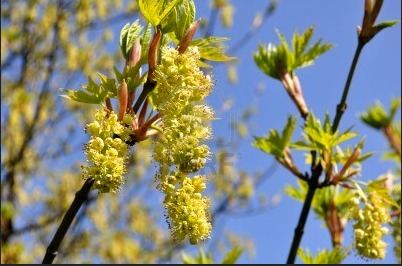
The seasons progress slowly giving us time to appreciate the changes as they unfold. I like to watch the tips of the oak branches as their buds open and flowers emerge.

OakFlower

Spring is a great opportunity to use fire to control invasive plants and it has been a long time since the Scuppernong Springs Nature Preserve has had a prescribed burn. Buckthorn seedlings are thick in many places, especially the slope along the trail below Hwy 67 on the left side of the video below.

The alternative to fire is repeated brush cutting and poison application, which is a loosing game. So I am very thankful and excited that the DNR has prioritized the Scuppernong Springs for a prescribed burn this year. In fact, assuming the weather forecast for tomorrow, May 6th, doesn’t change, we should have perfect conditions. DNR veteran Don Dane is the burn boss and he has been working on the plan for months. The scope is approximately 900 acres covering an area south of Hwy ZZ and west of Hwy 67. I’m really looking forward to participating!

I wasn’t able to get to The Springs last week so I was eager yesterday to see the progress of Spring.

IMG_1193

I started the day girdling aspen down by the Hotel Springs. This is an extensive clonal colony with huge trees and a lot of work remains.

IMG_1187

I took a break mid-morning to attend the Kettle Moraine Natural History Association’s annual meeting at forest headquarters. Susan Beyler, fisheries biologist and NR Region Team Supervisor with the DNR, filled in for Ben Heussner and made an excellent presentation on the “Fishes of the Mukwonago River”. She also covered the restoration efforts being made on the old Rainbow Springs golf course, which the DNR recently acquired, to remove all of the culverts that were installed to control the river. This area comprised a wide diversity of unique habitats before the bulldozers arrived and they are hopeful that some of this diversity will re-emerge. I hope to meet with Susan at the Scuppernong Springs to take a tour and get her unique perspective.

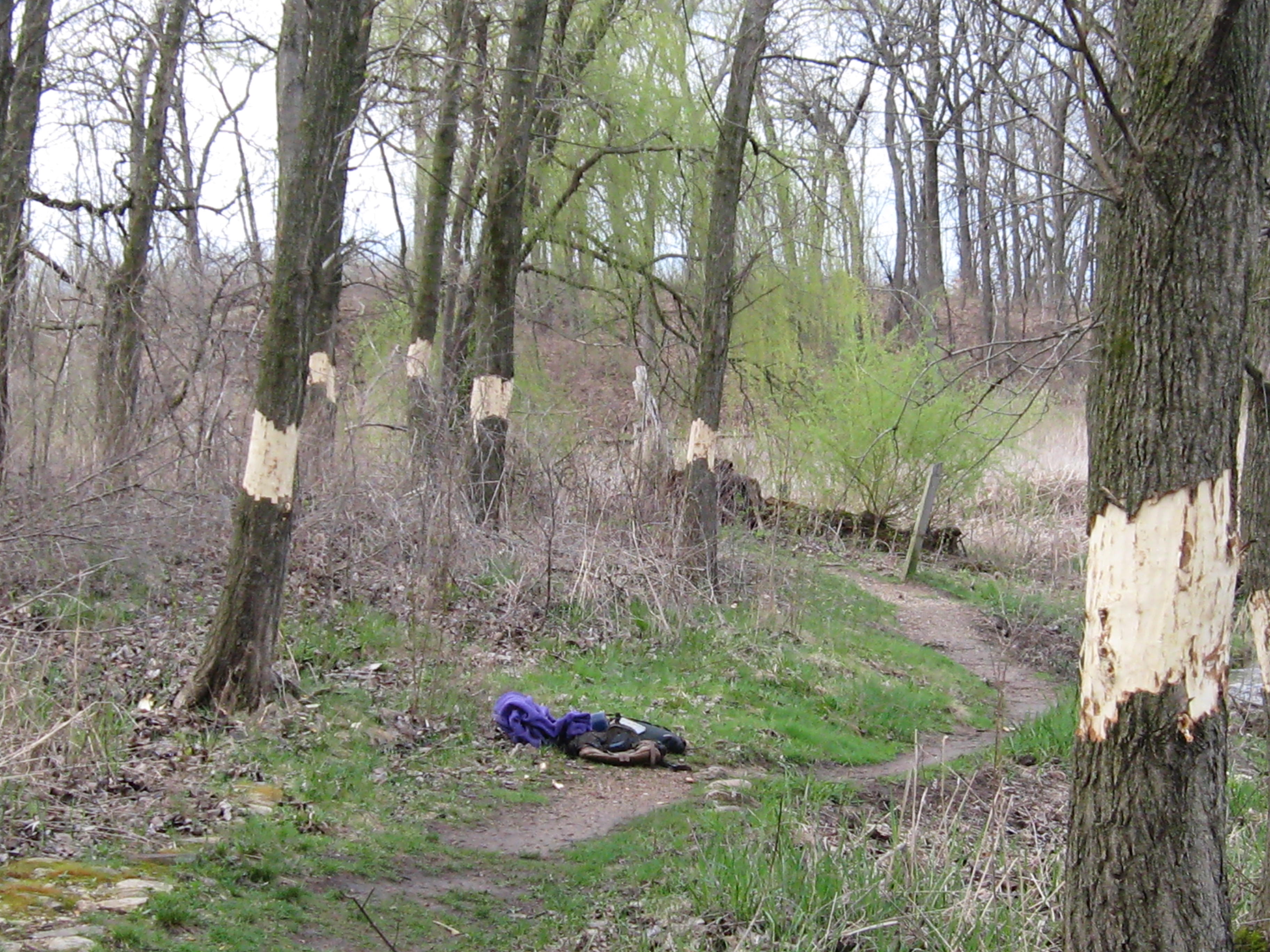
After the meeting I headed over to the buckthorn alley to resume cutting there.

The buckthorn trees here are tall and thick so it was slow going.

Later, I took a walk on the cut-off trail and noticed lots of flowering plants emerging. It will be interesting to see how they survive the fire.

IMG_1200

IMG_1201

IMG_1202

The frogs were calling from the bogs on the north side of the loop trail.

John Hrobar sent me this link to an interesting article:

New scientific studies reveal Midwestern frogs decline, mammal populations altered by invasive plant
Researchers say this is a call to action to remove European buckthorn from the region

Amen!

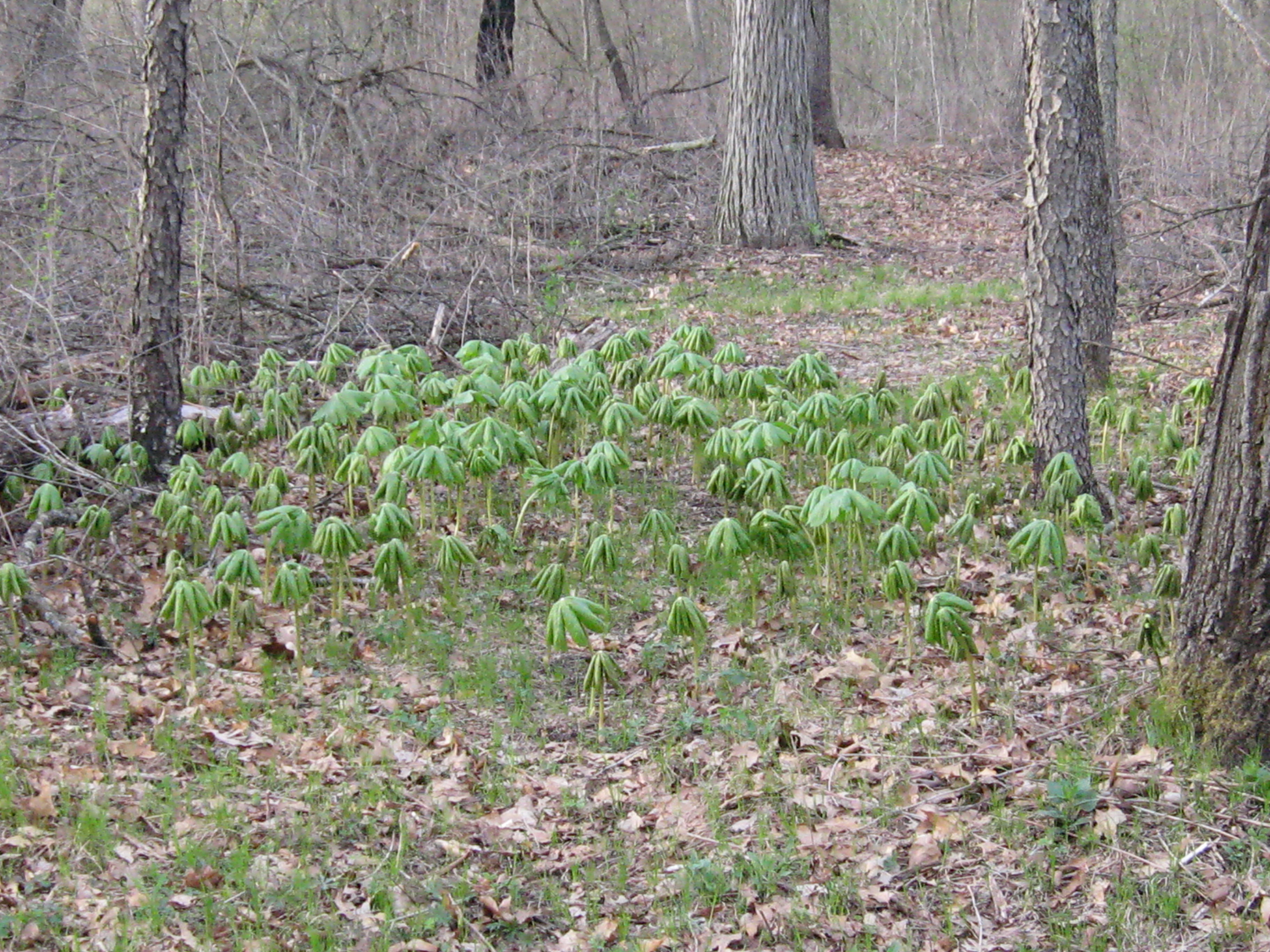
More May Apple in front of the old barn site.

IMG_1206

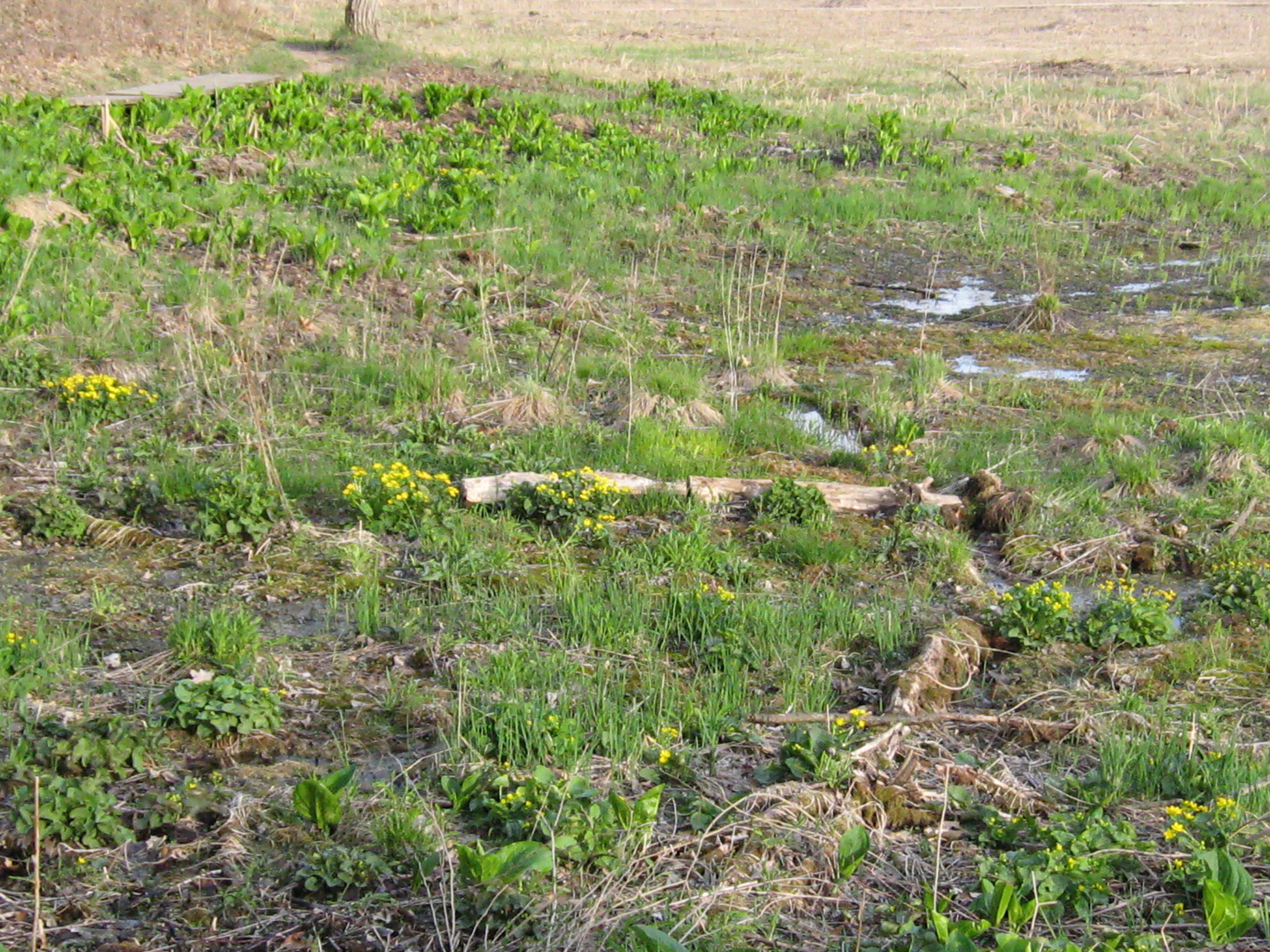
The Hatching House Springs have been hidden for years and it is really interesting to see what is coming up there now.

IMG_1207

IMG_1208

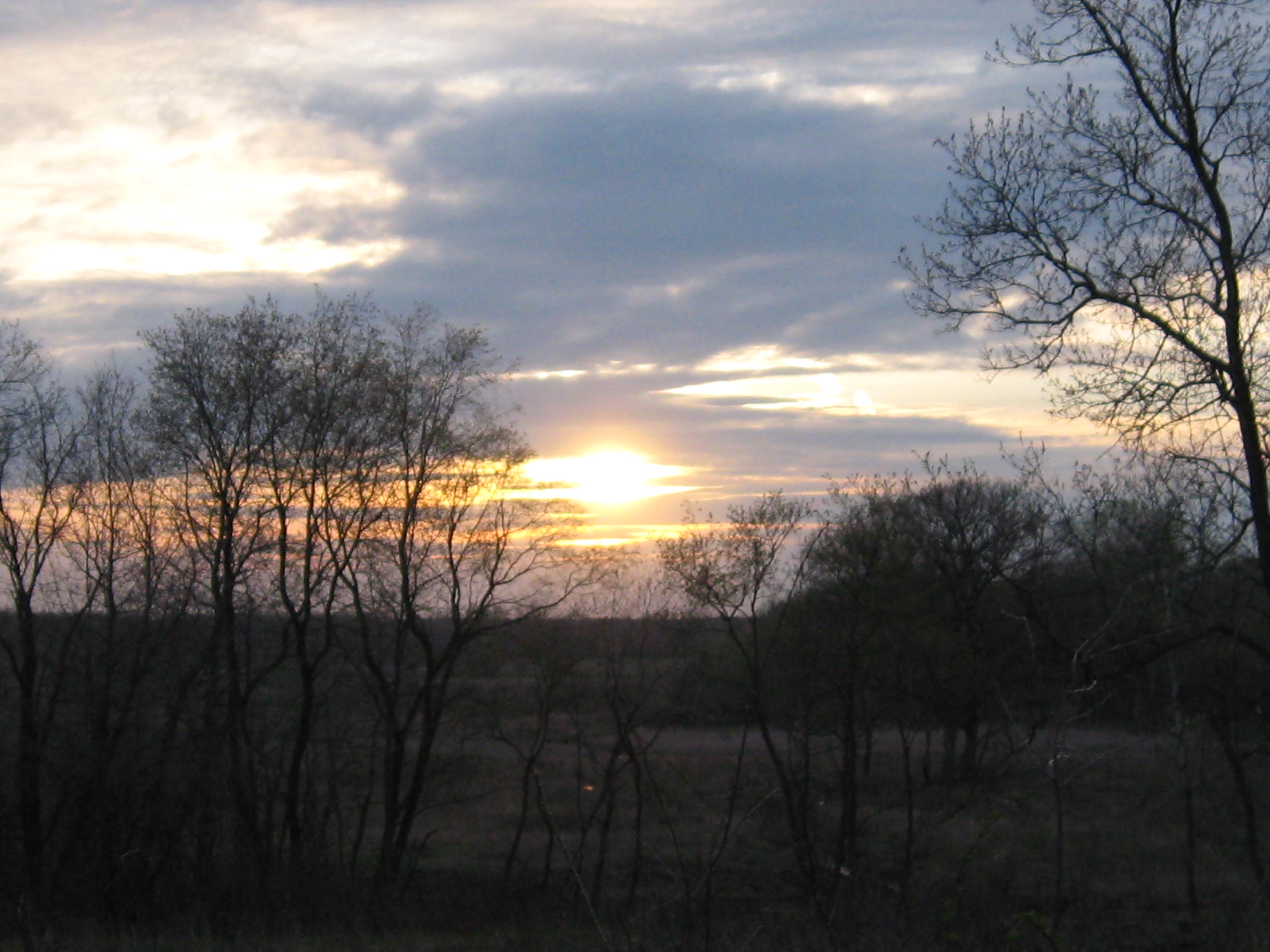
As we head towards the summer solstice, I find I have to locate myself farther and farther south on the Indian Campground to get the best view of the sunset.

IMG_1210

IMG_1211

IMG_1212

See you at The Springs!