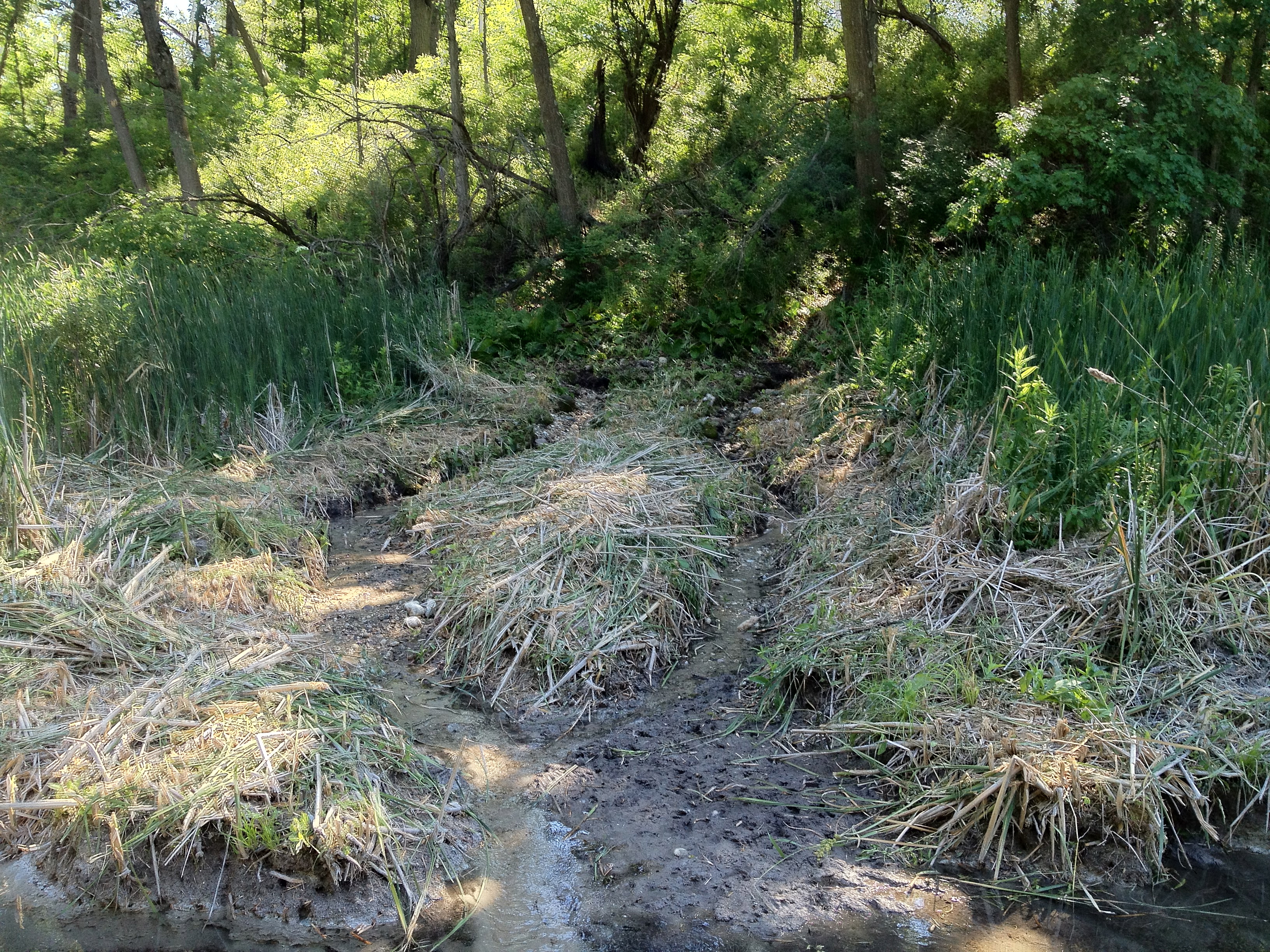
The Hatching House Springs

I knew it was going to be a great day when I saw Lindsay’s smiling face!

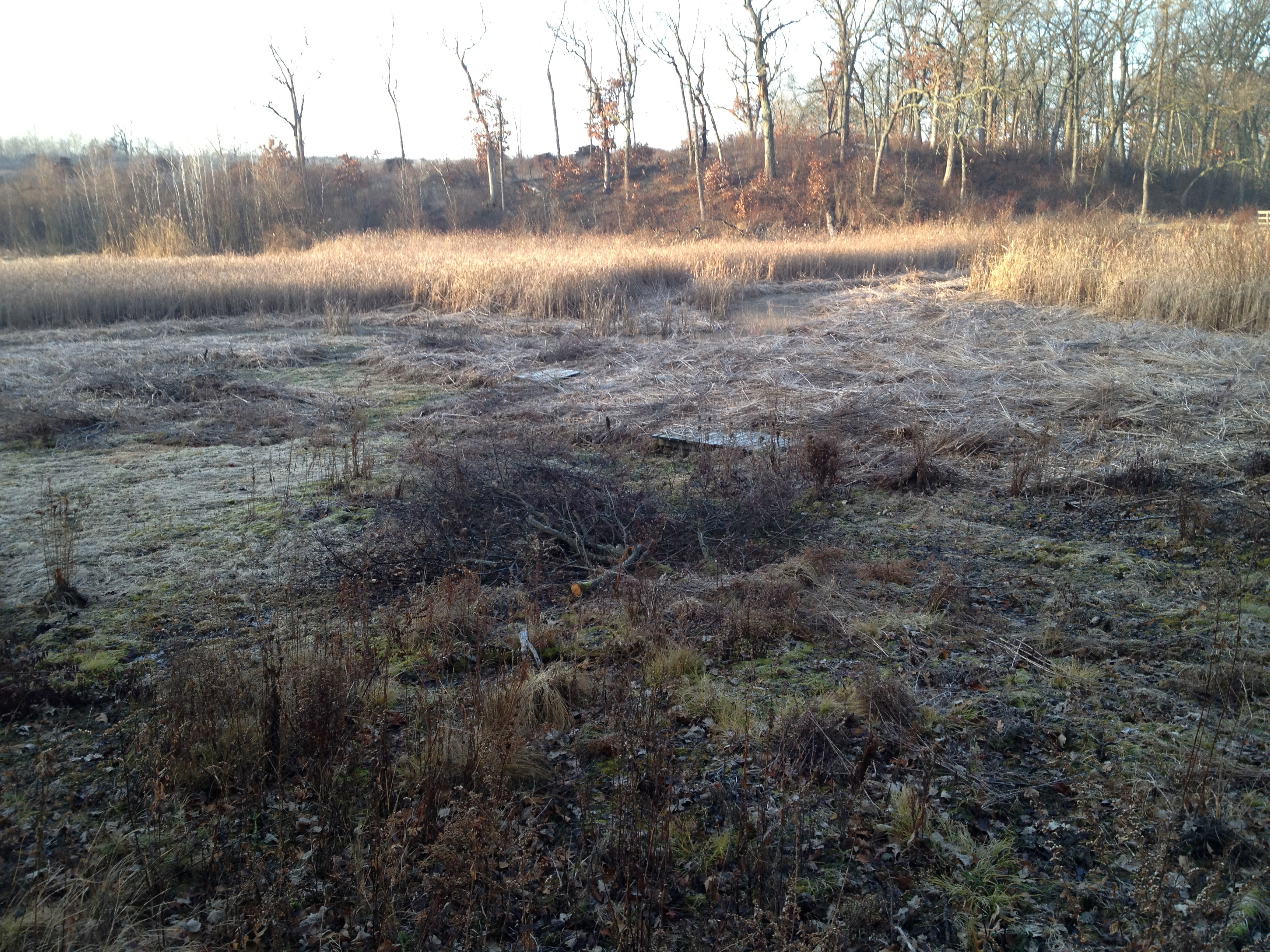
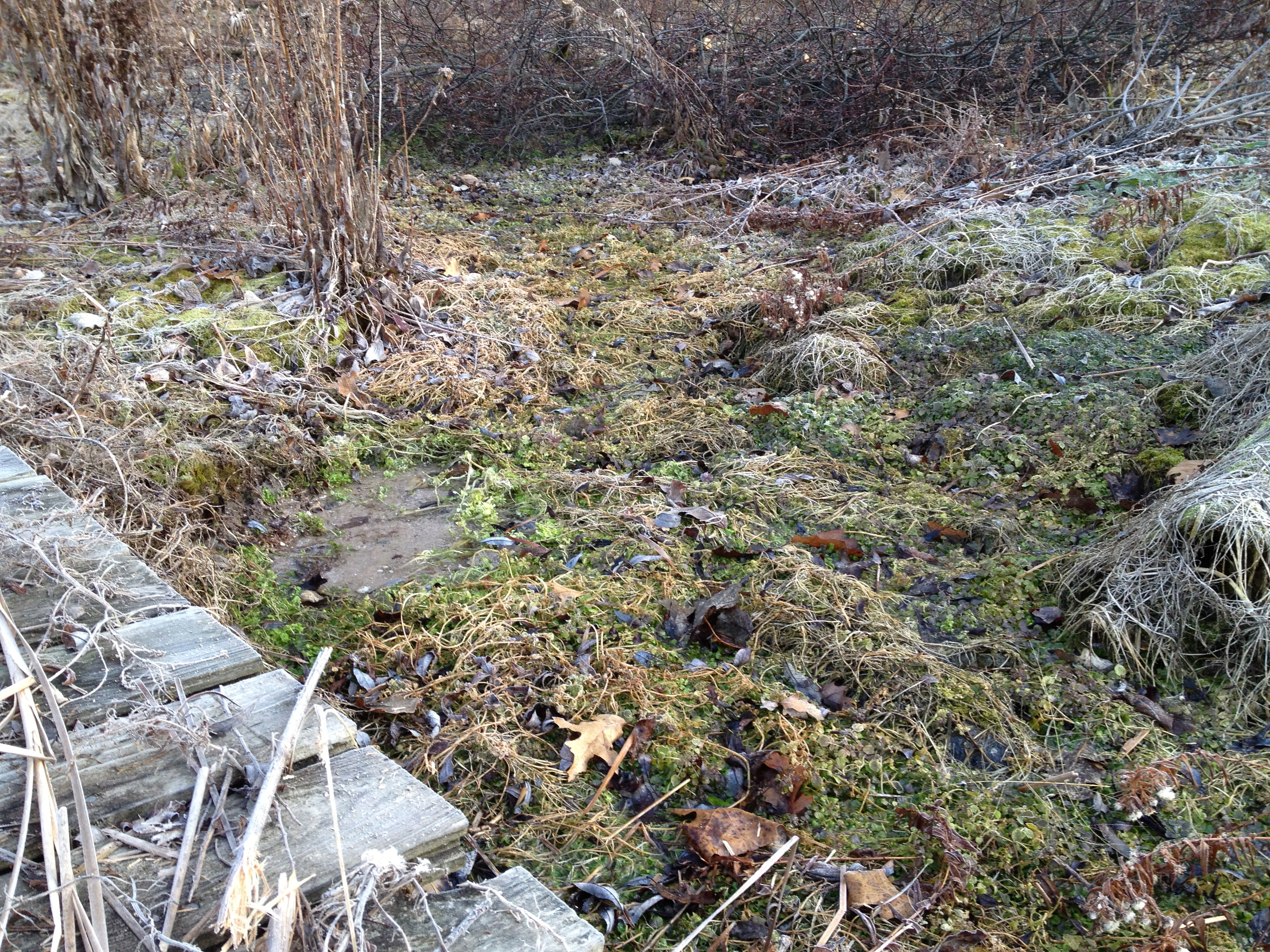
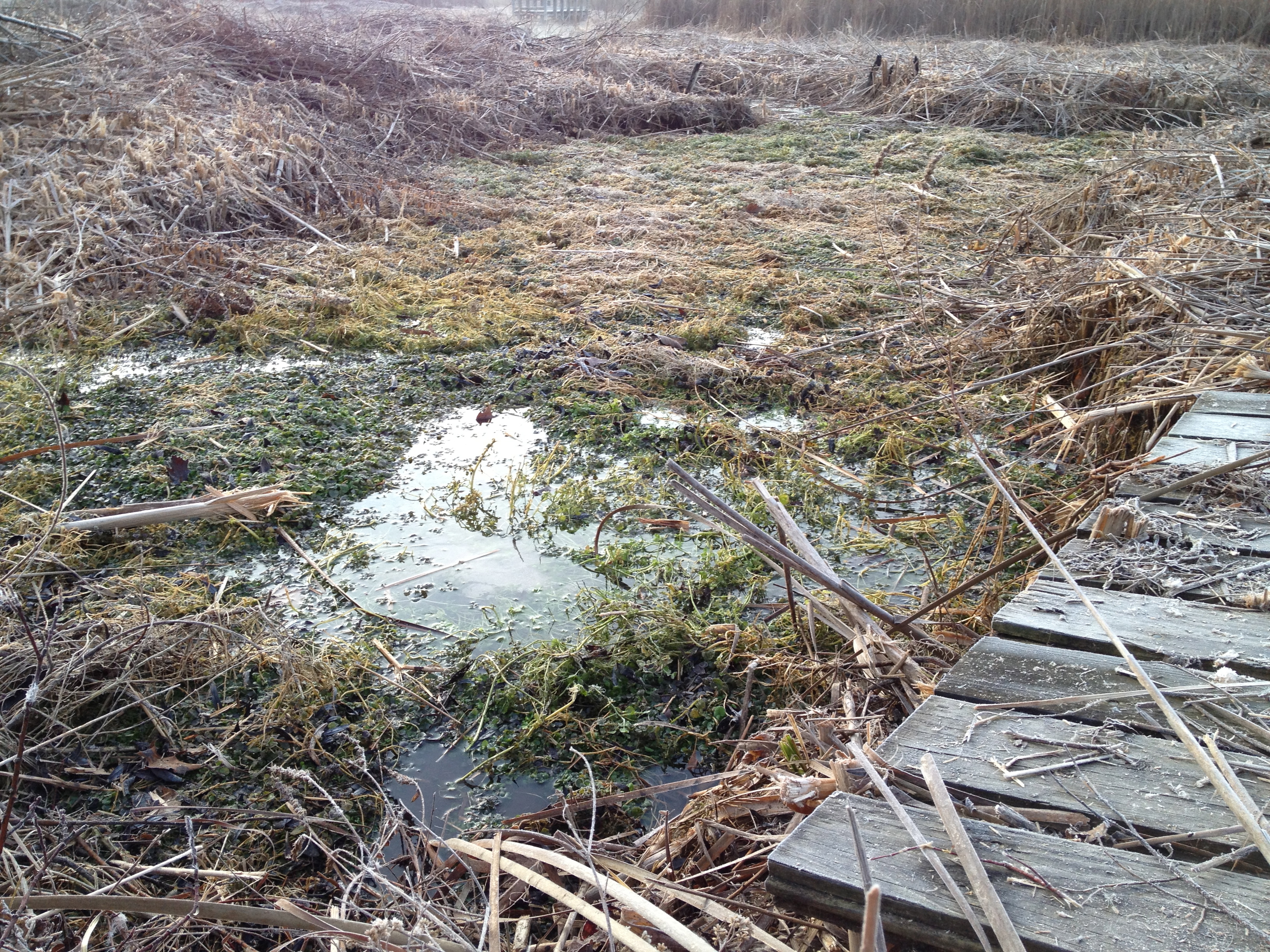
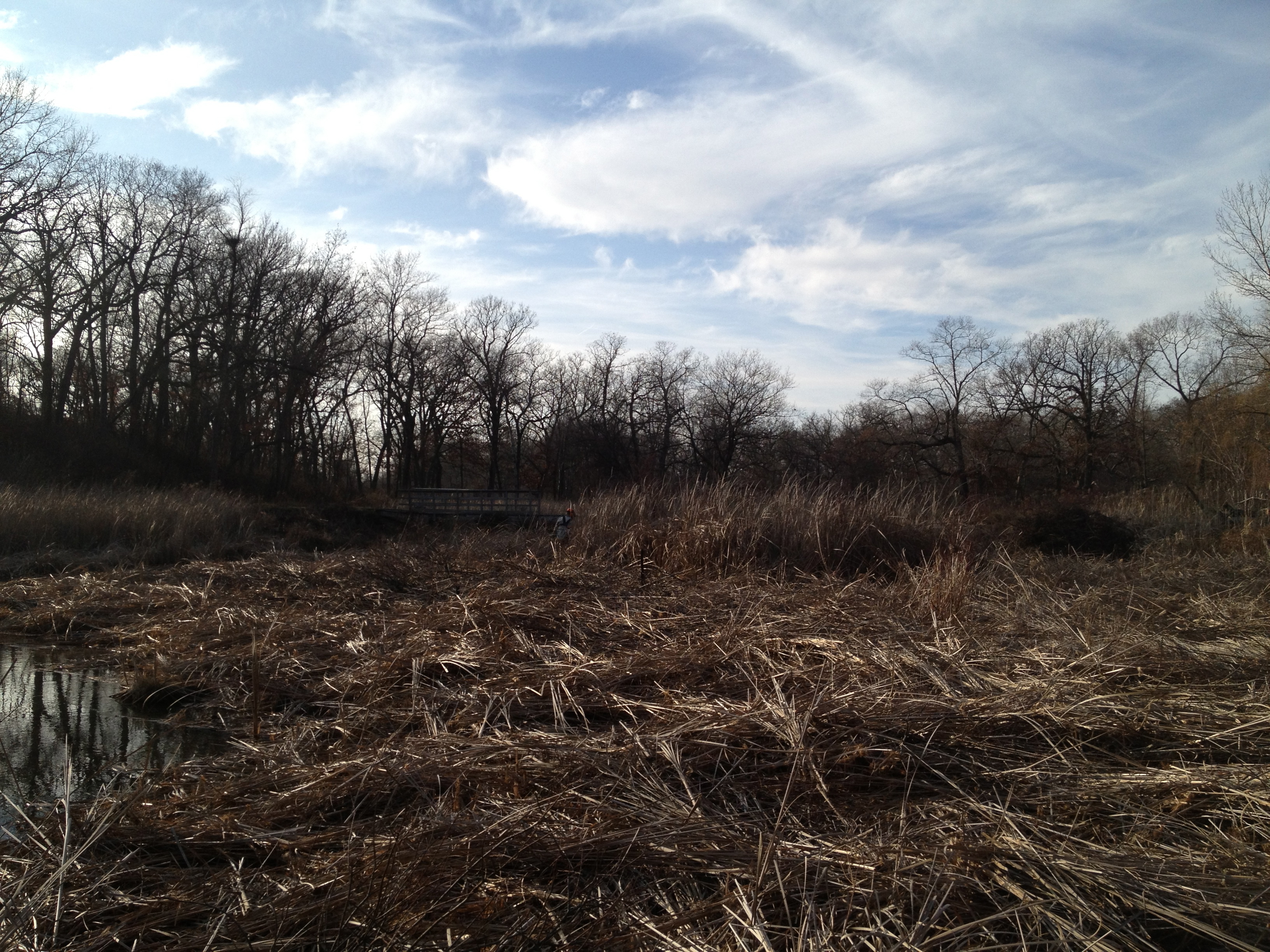
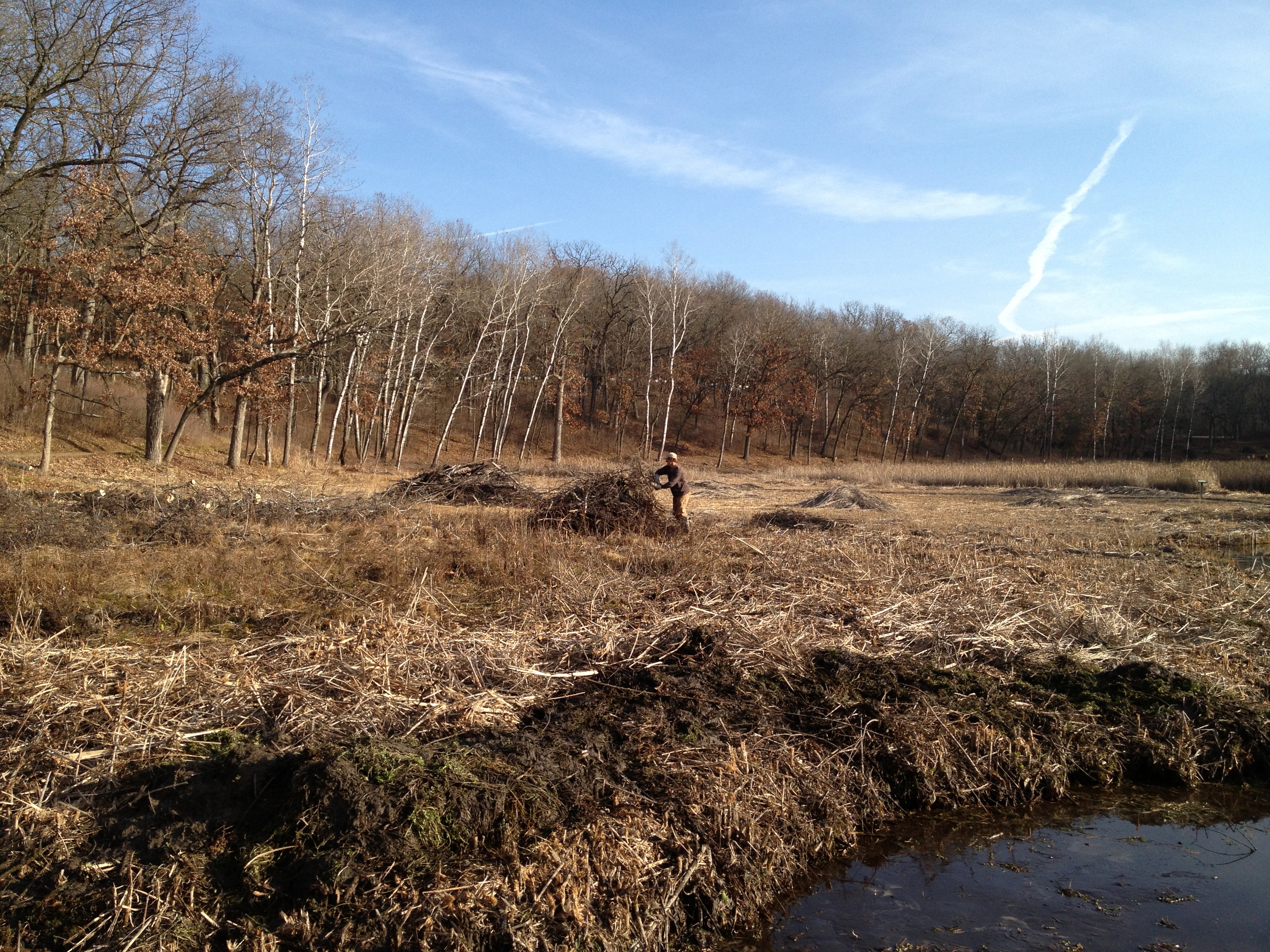
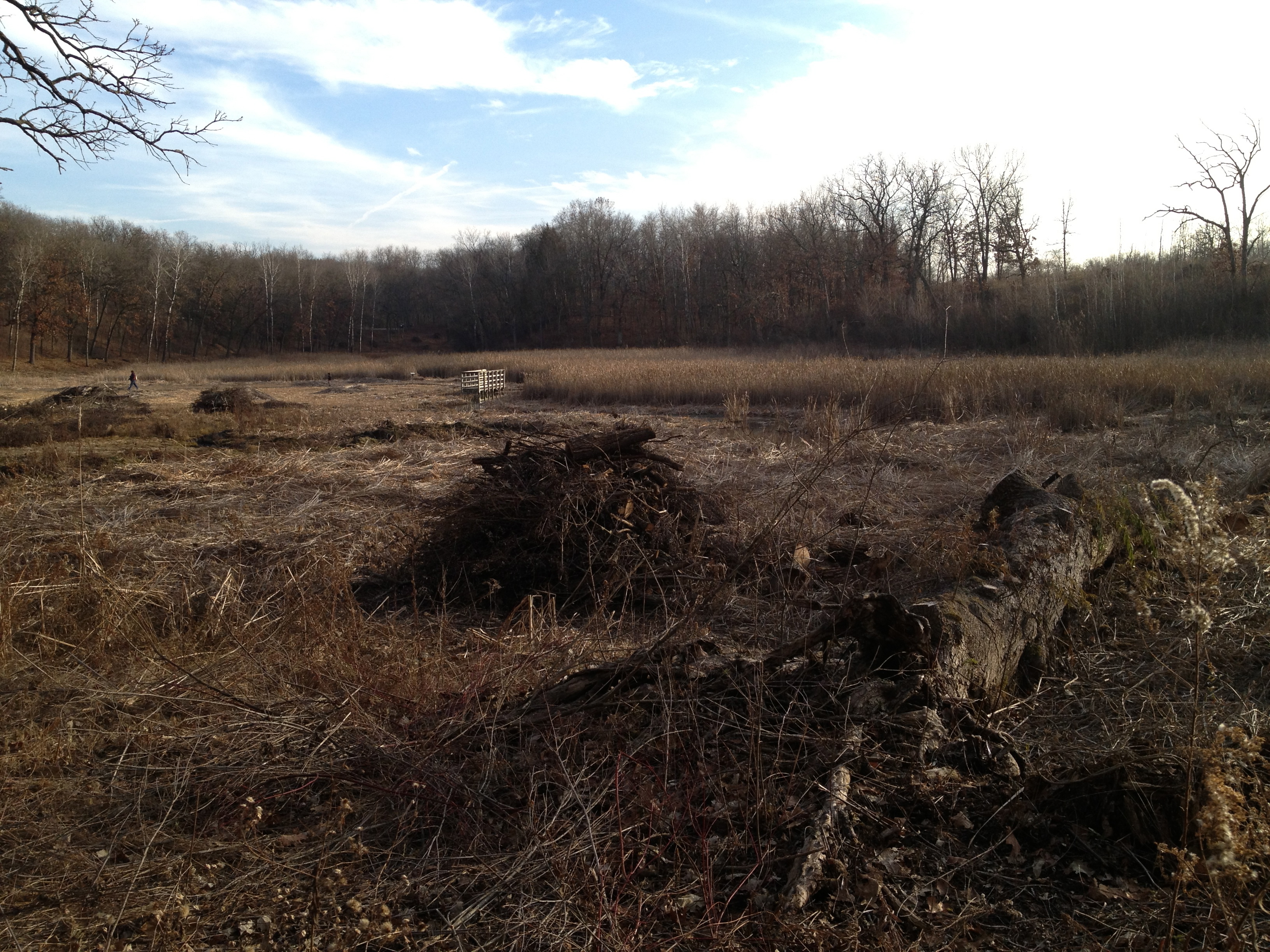
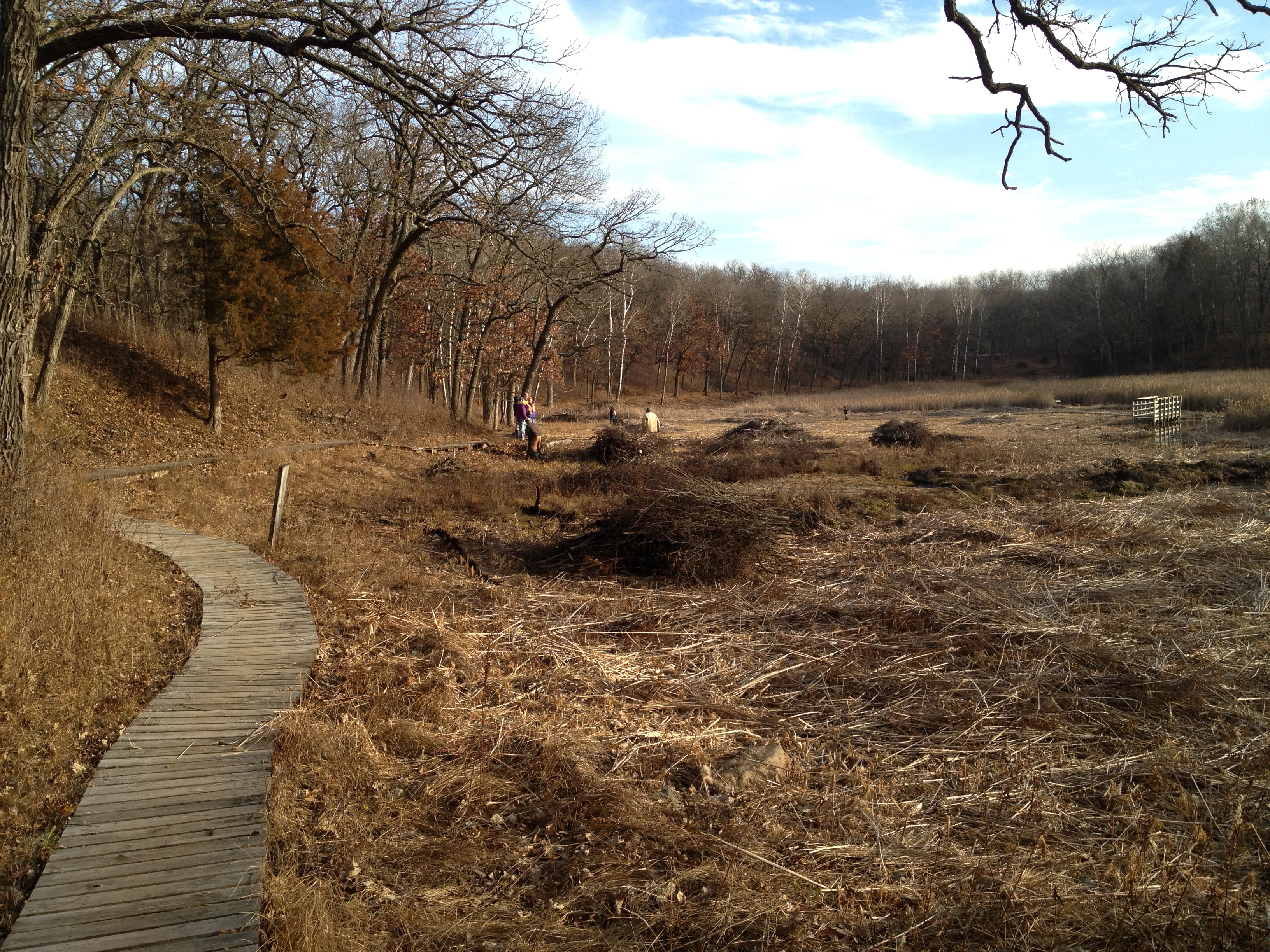
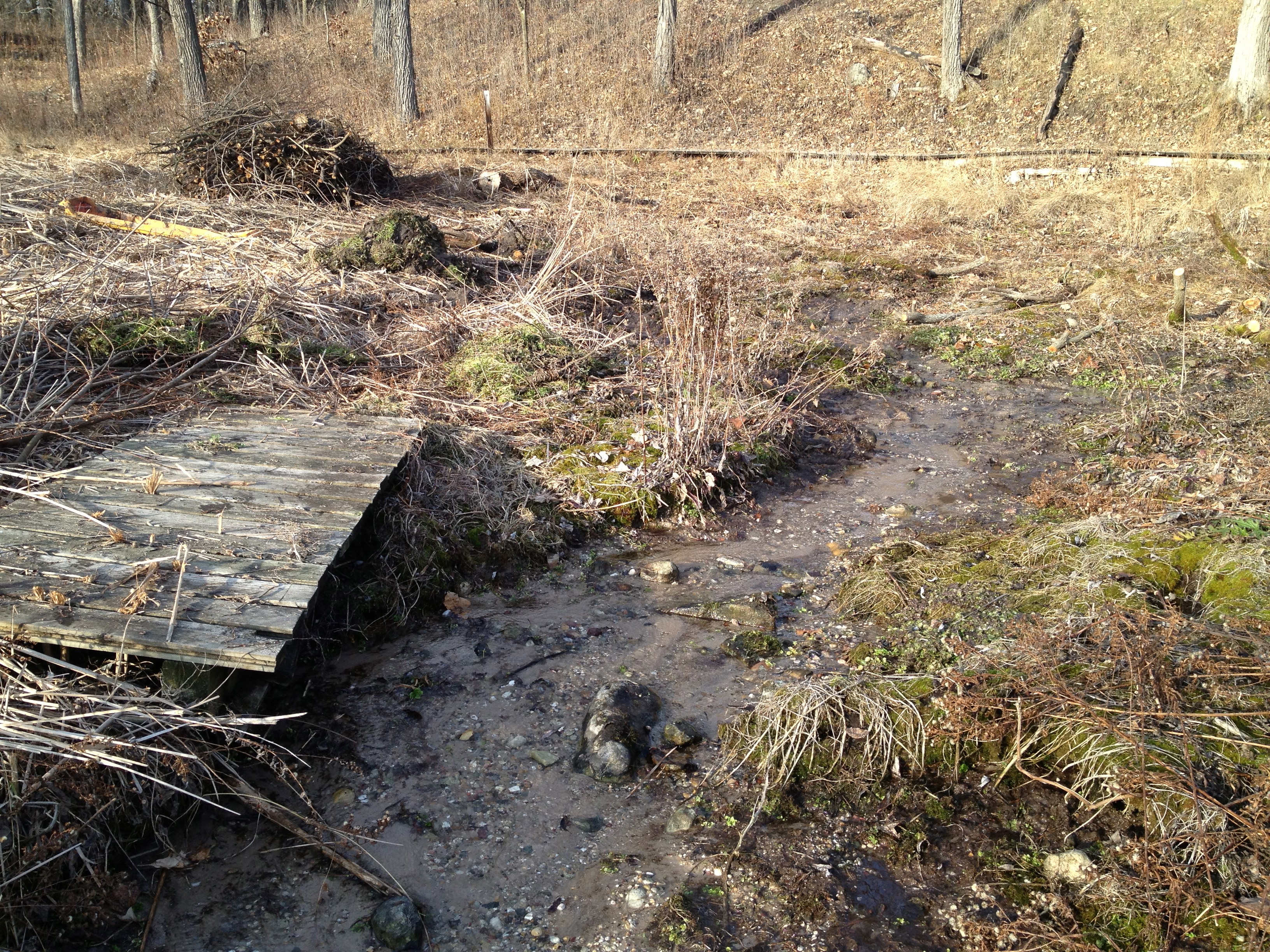
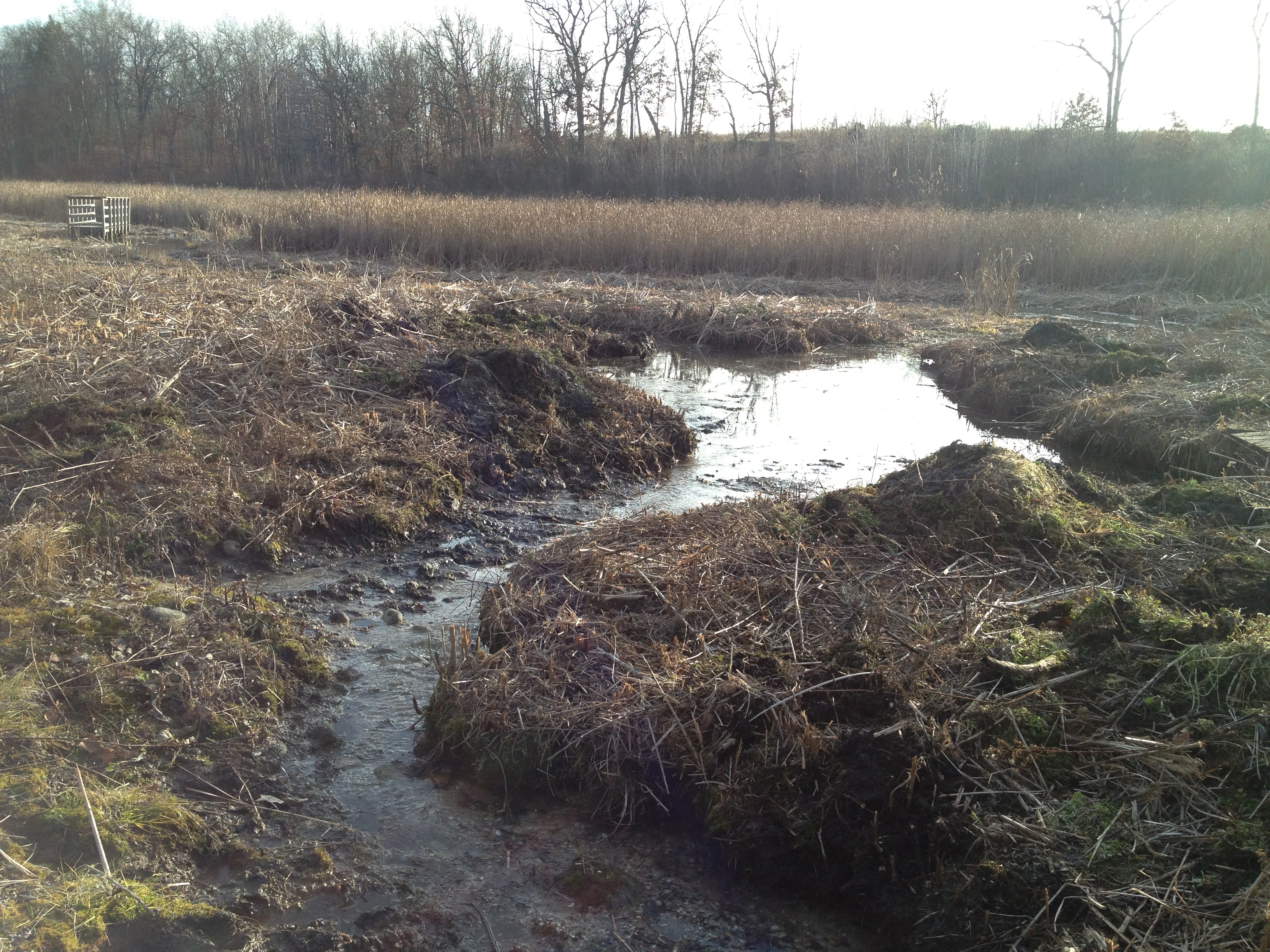
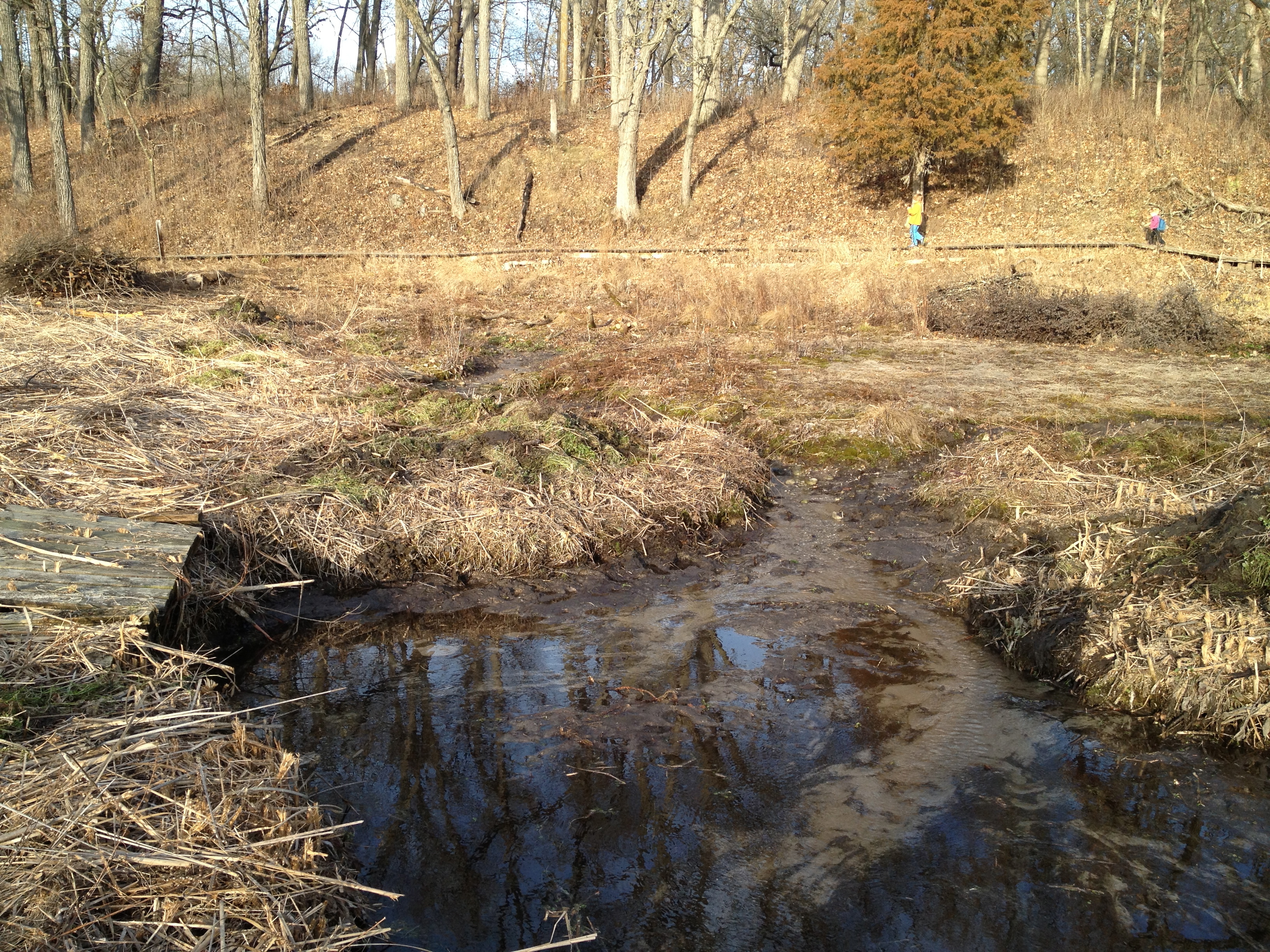
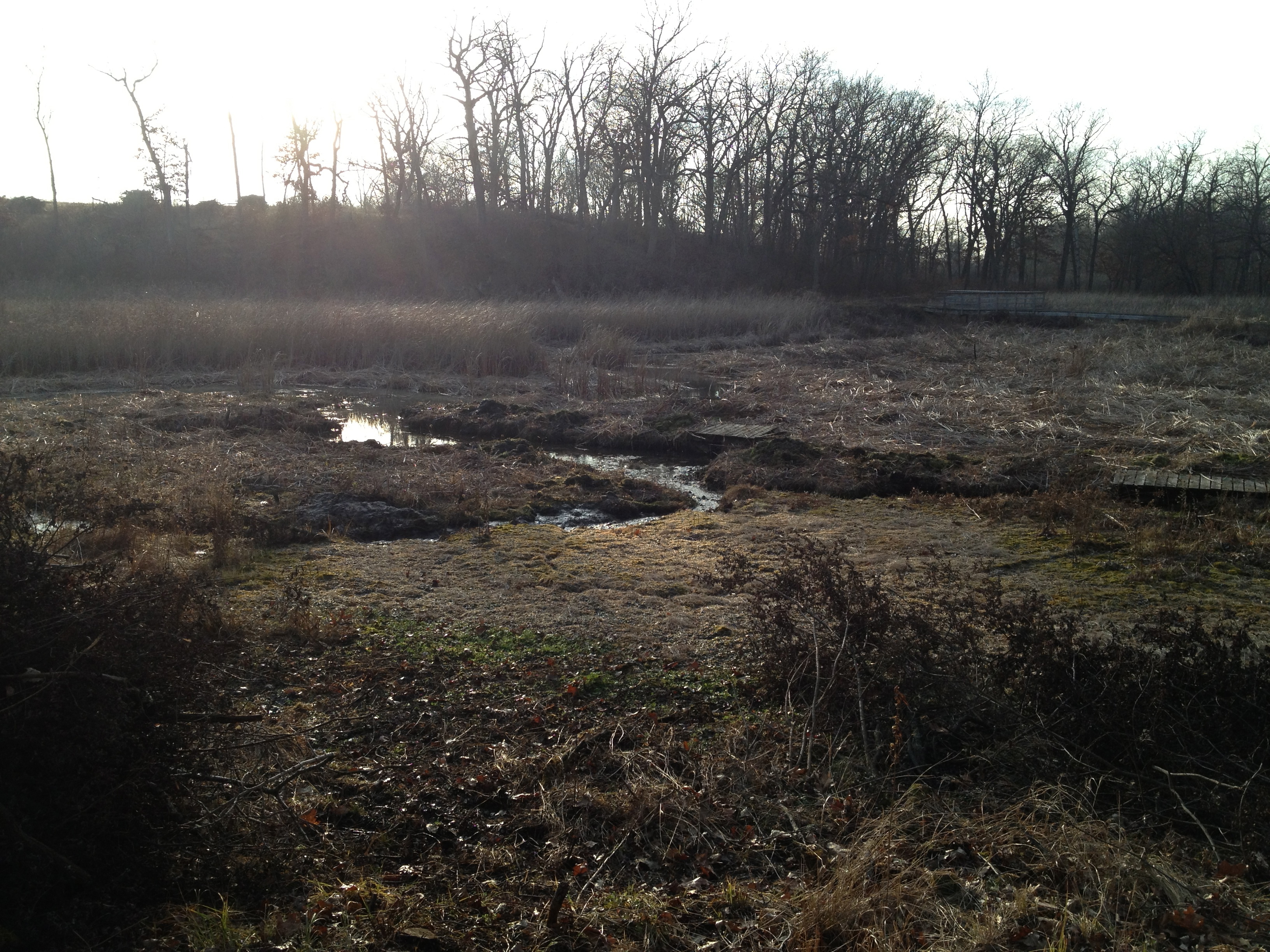
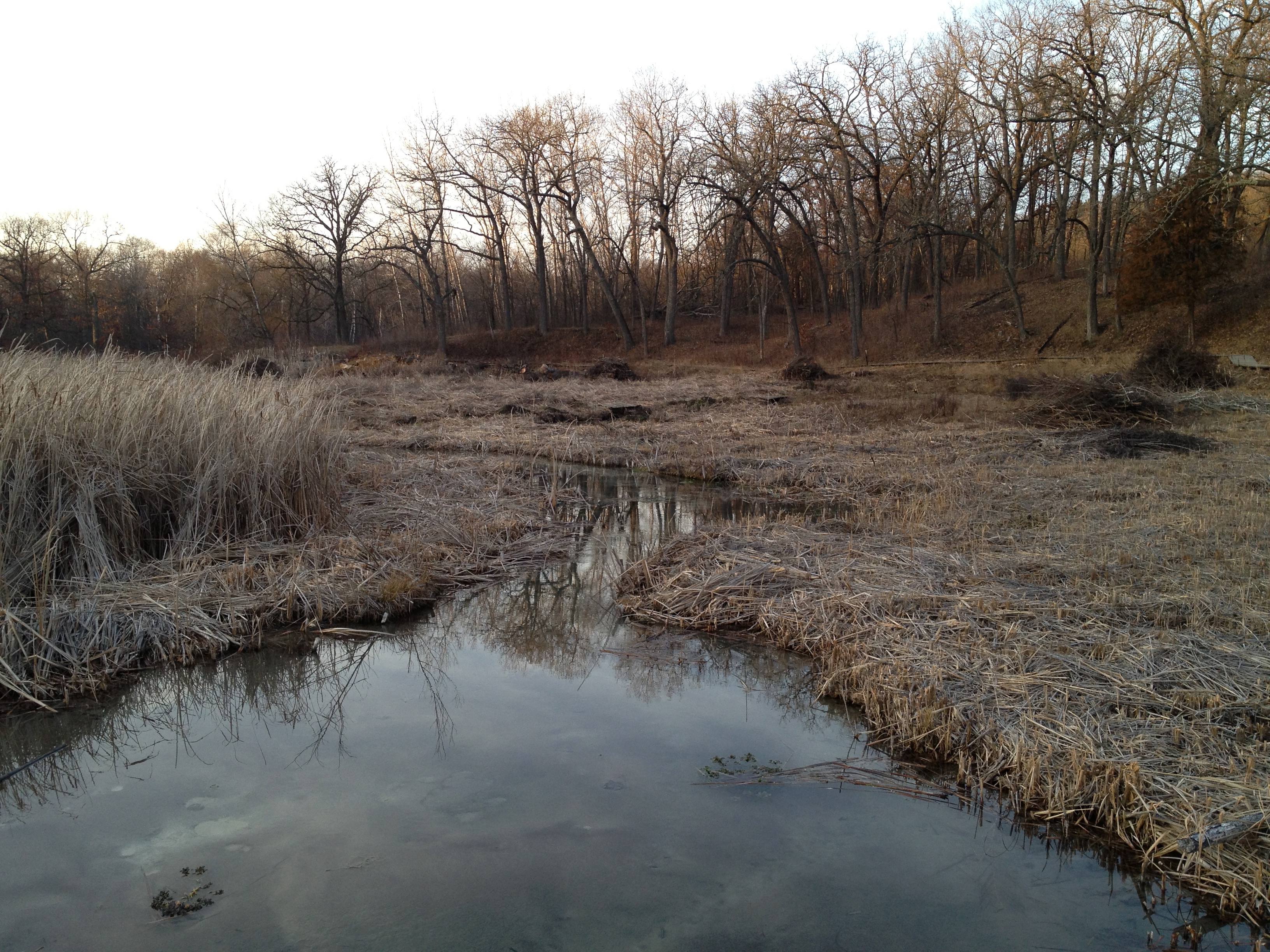
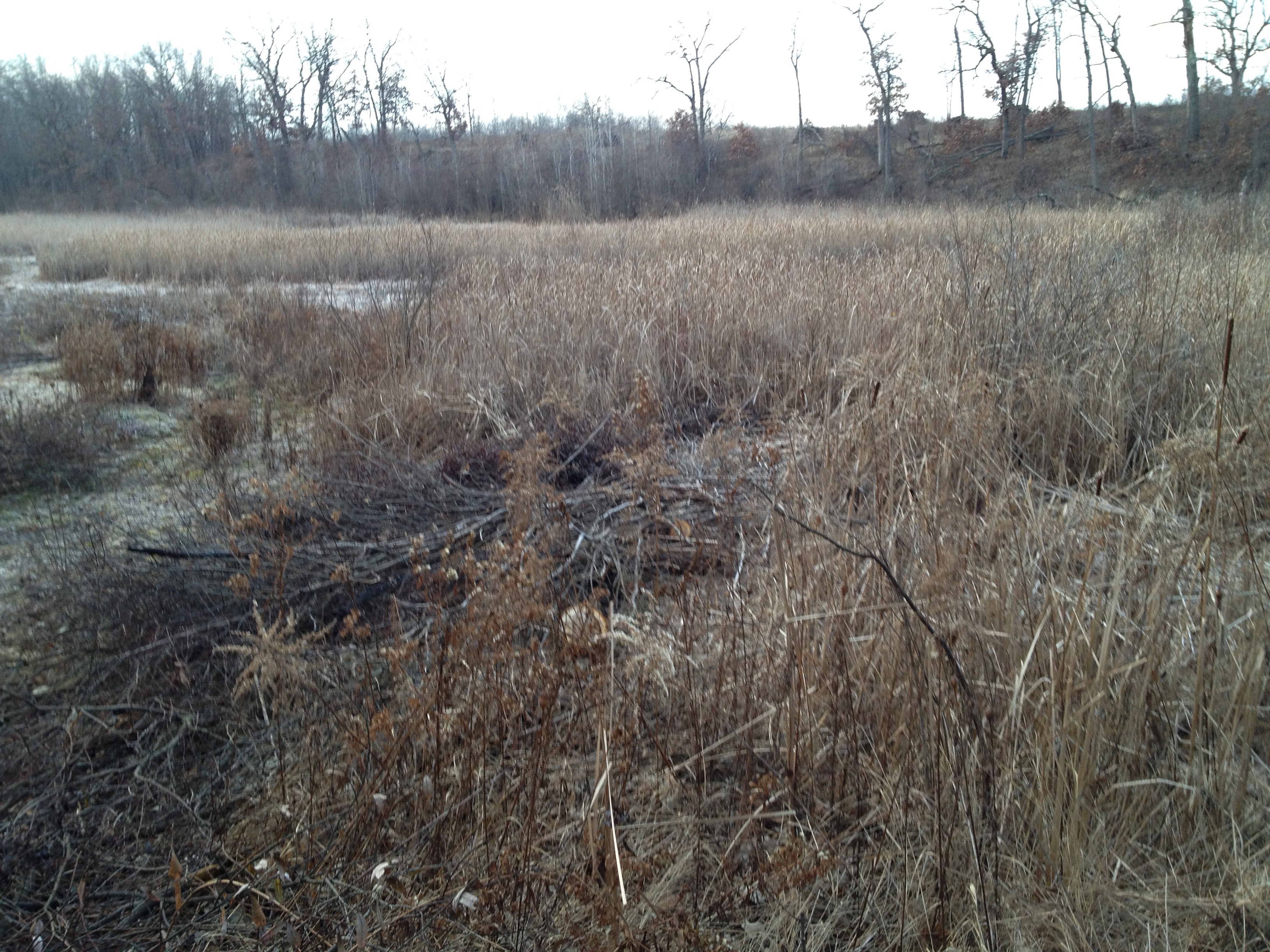
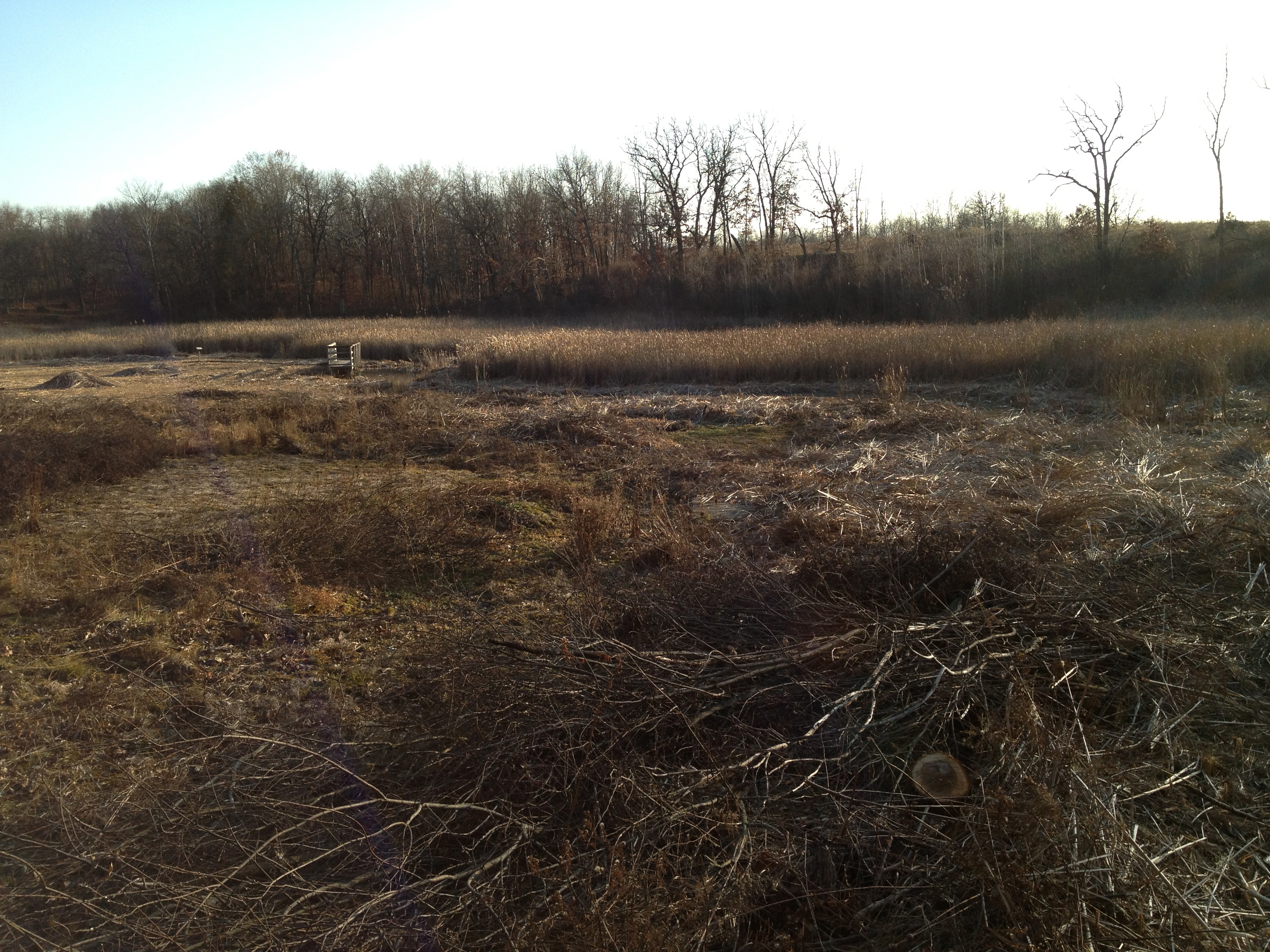
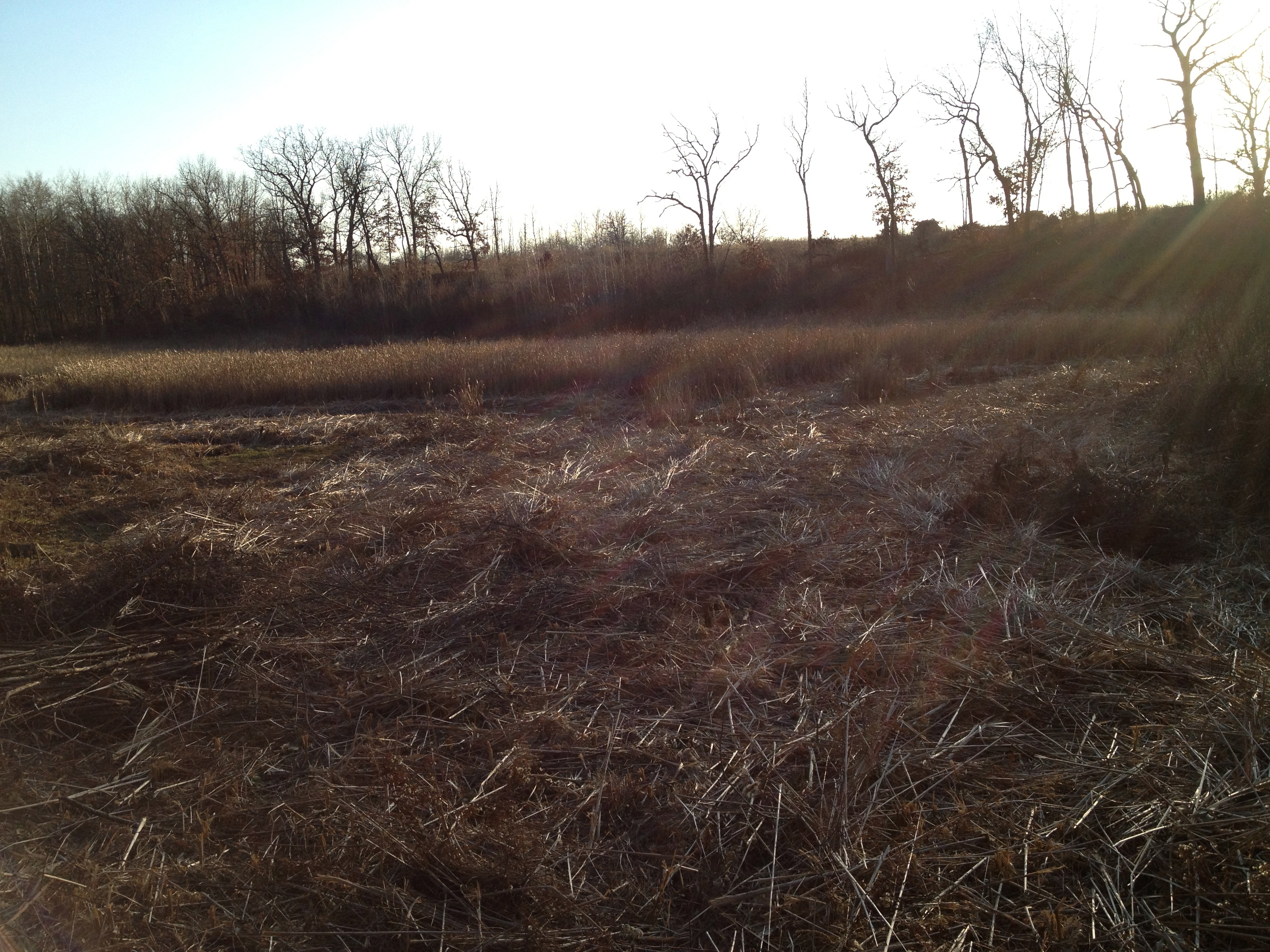
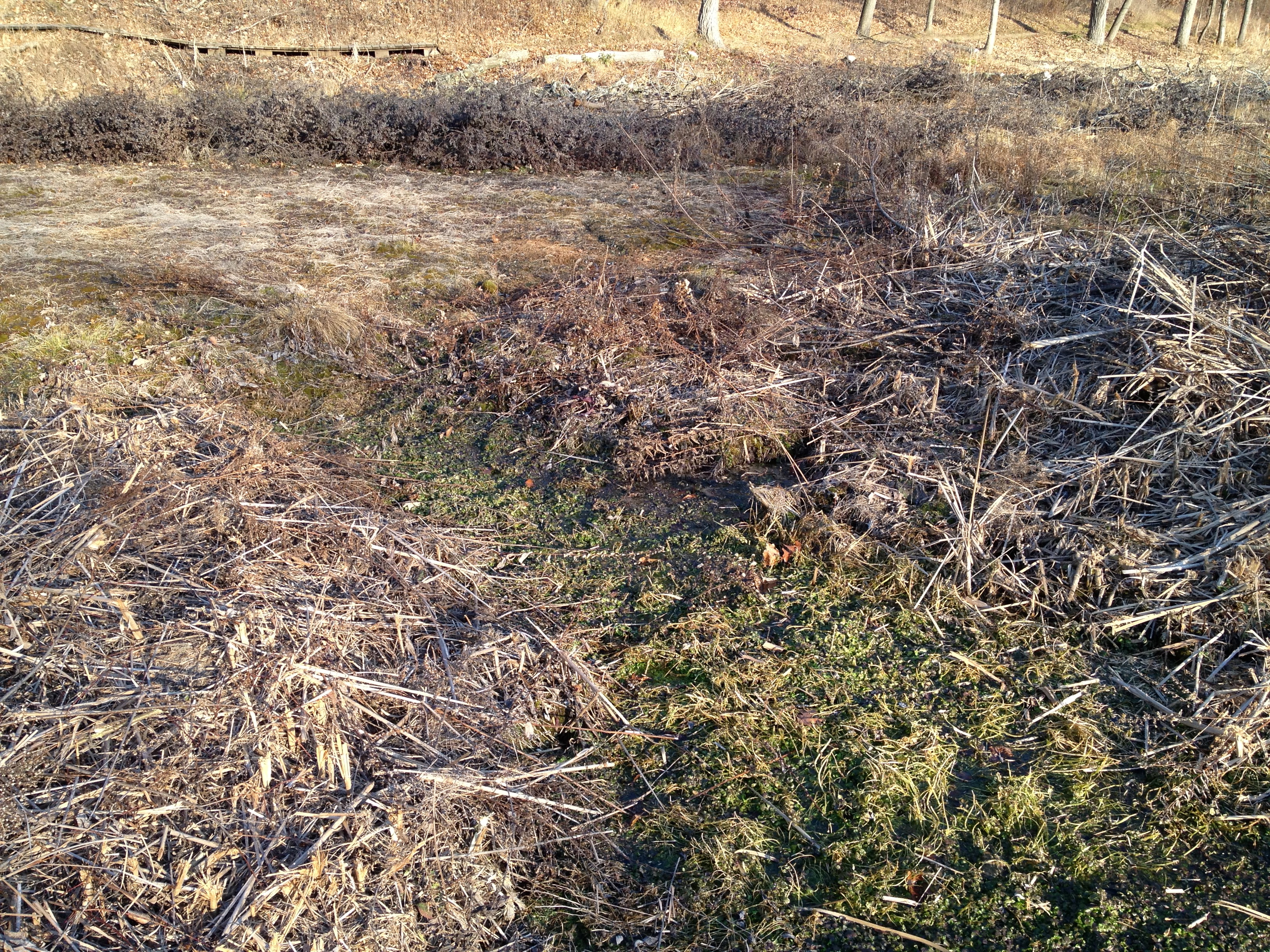
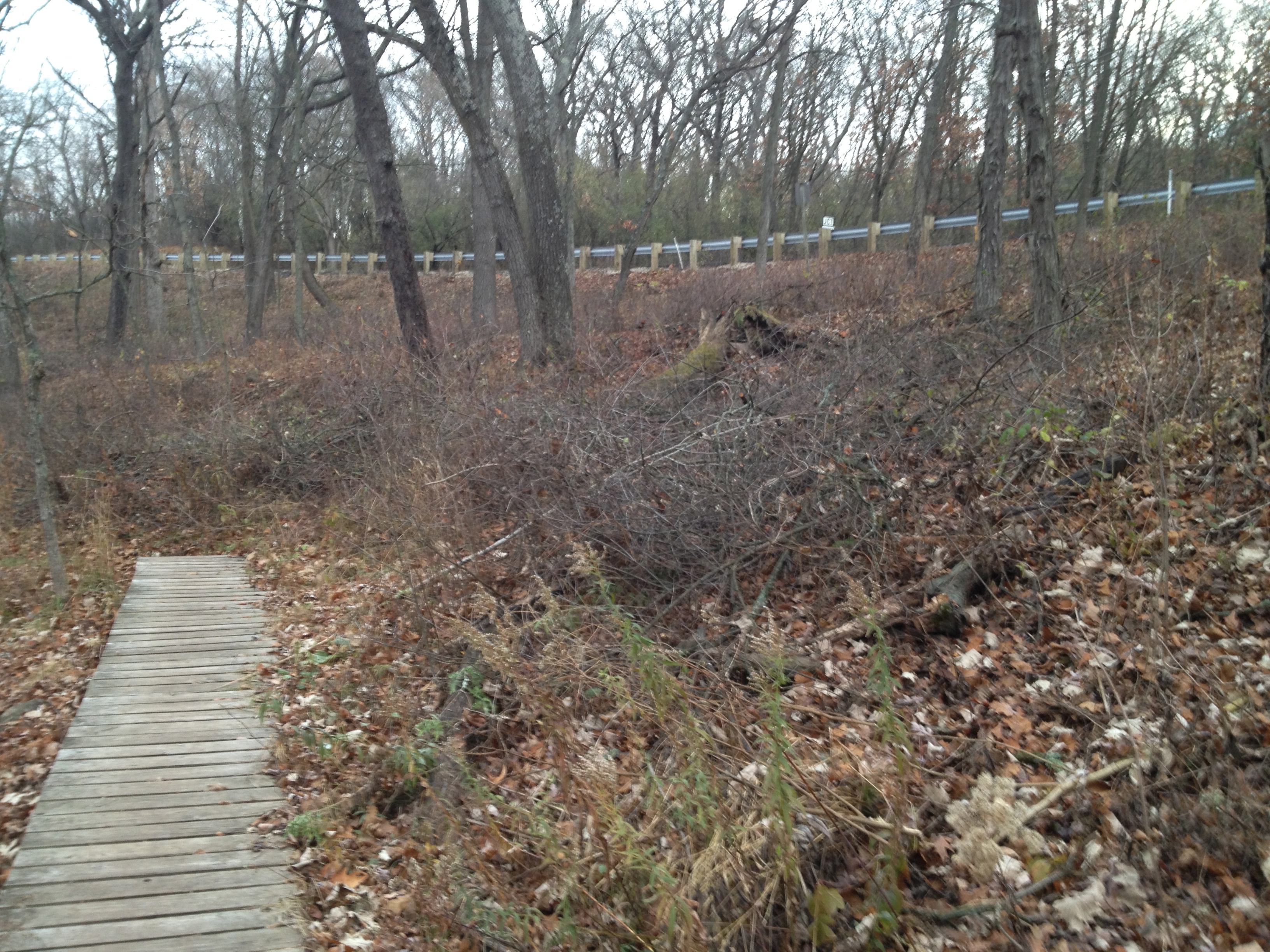
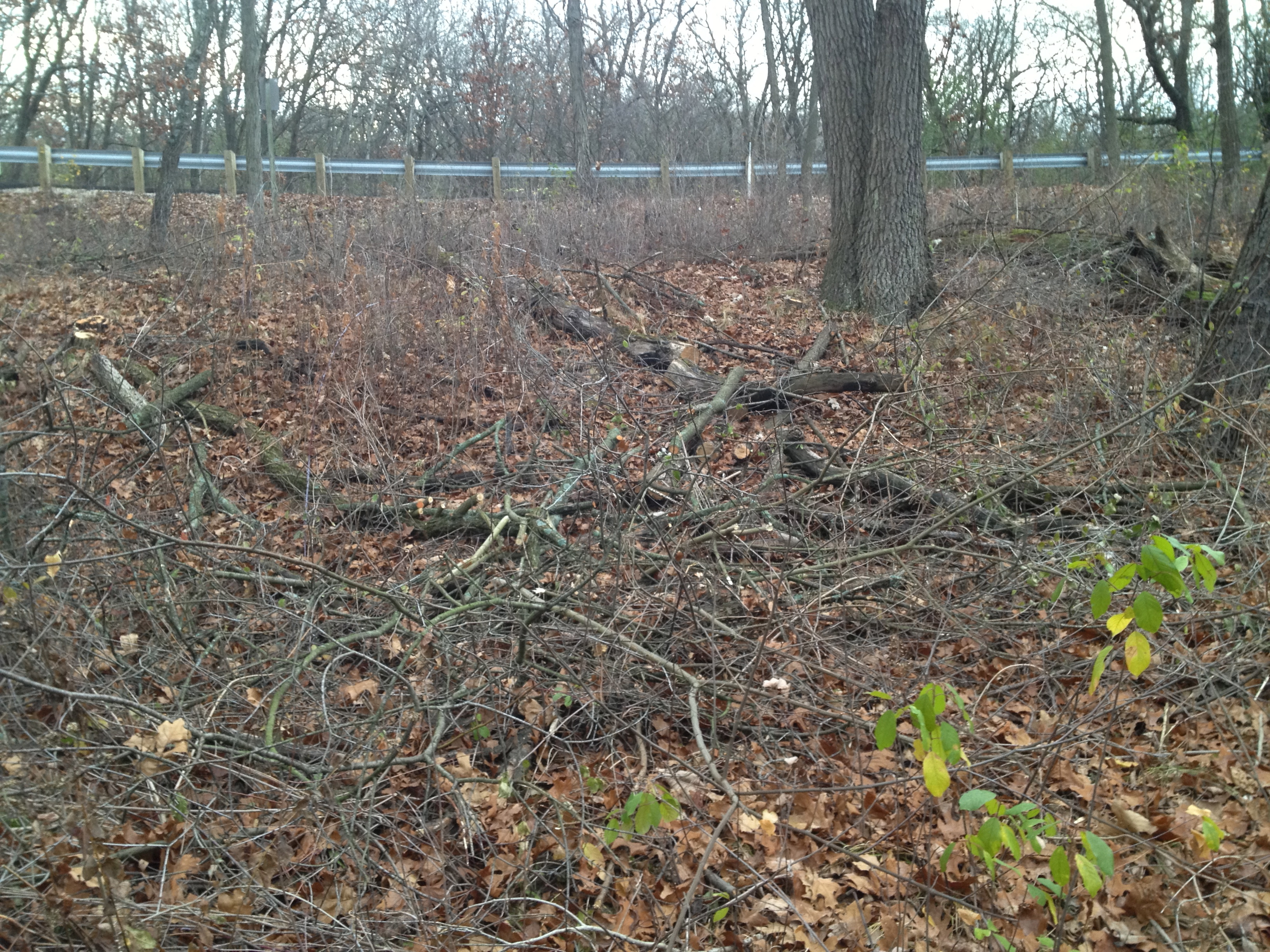
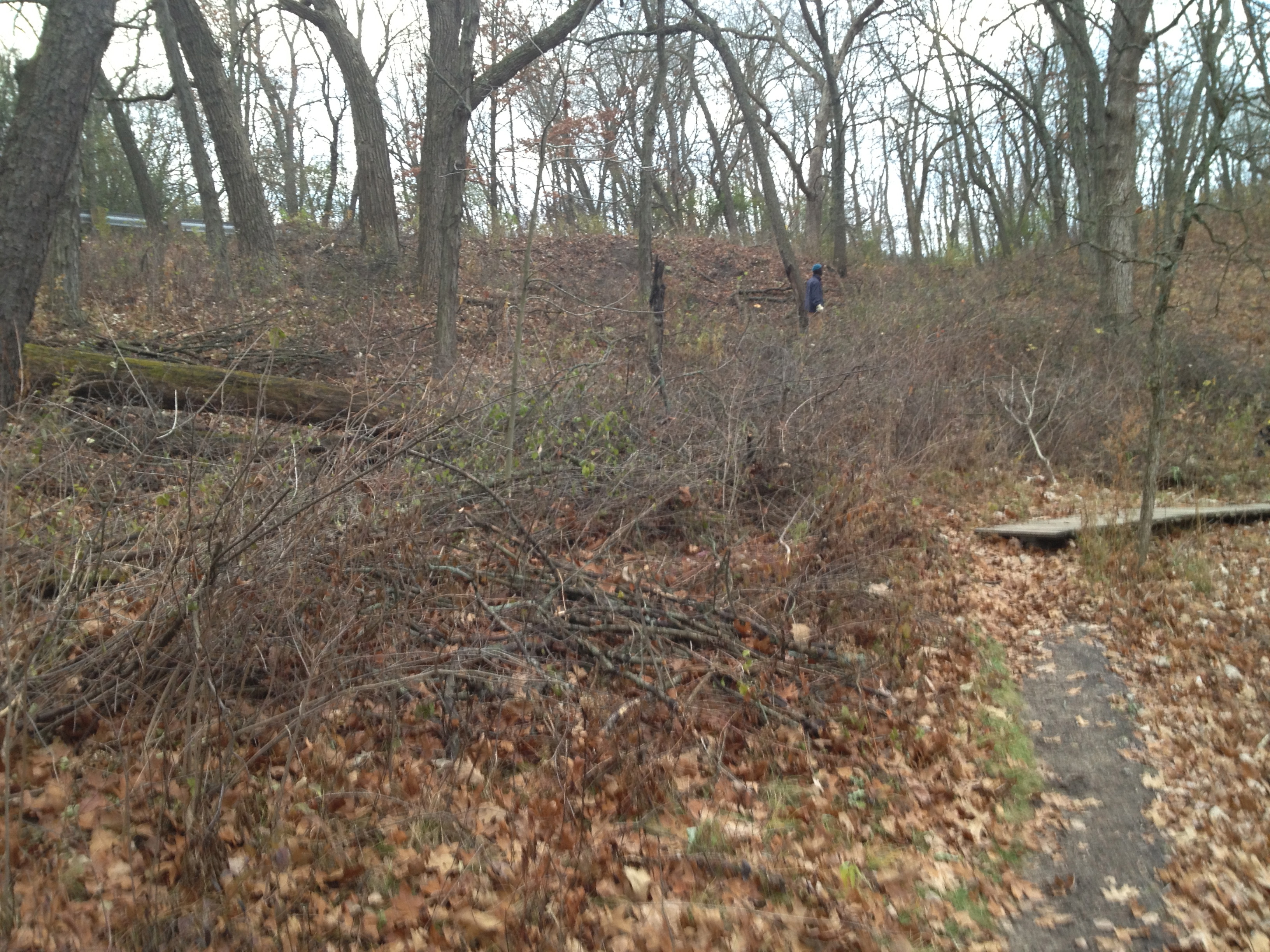
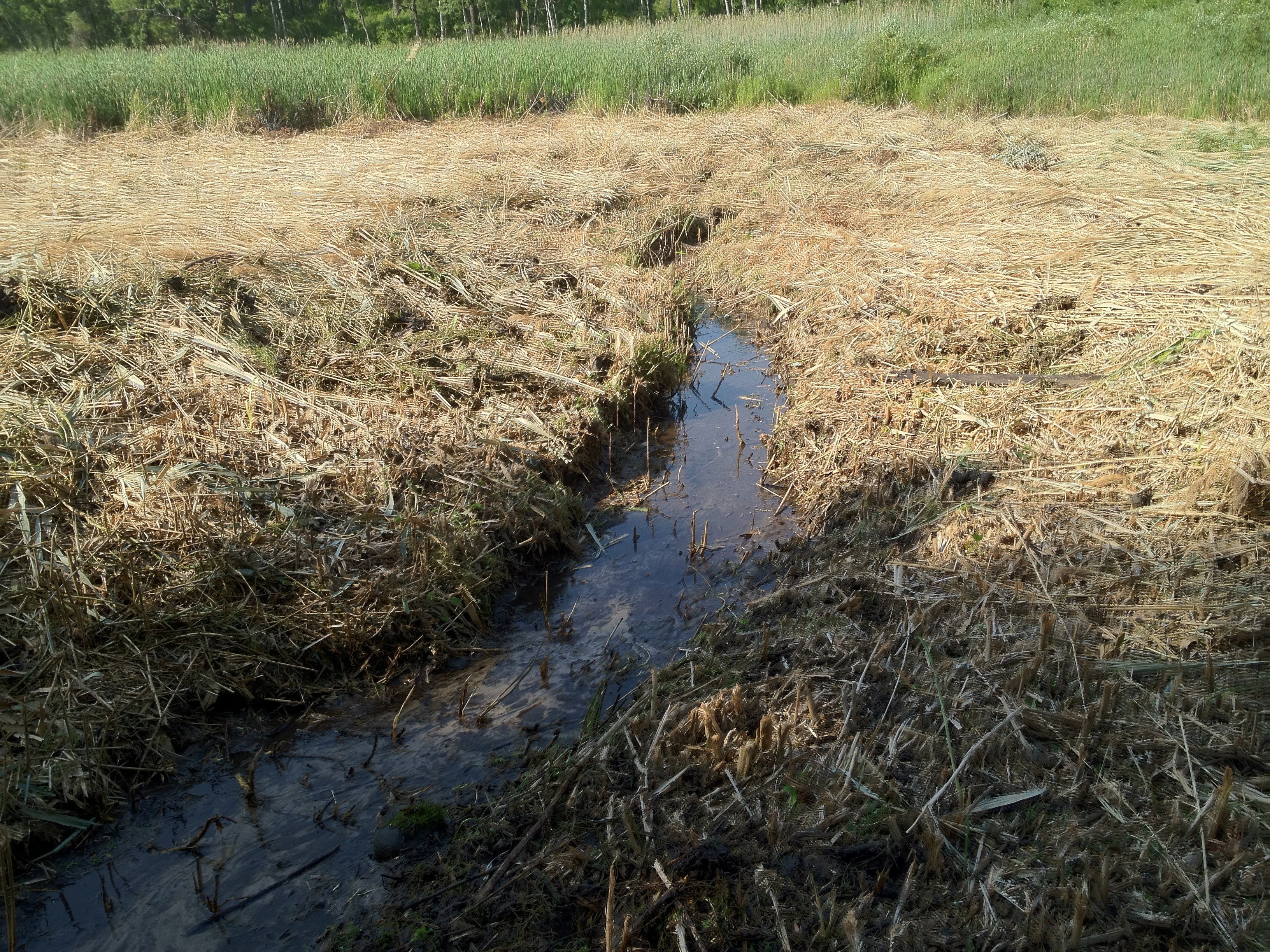
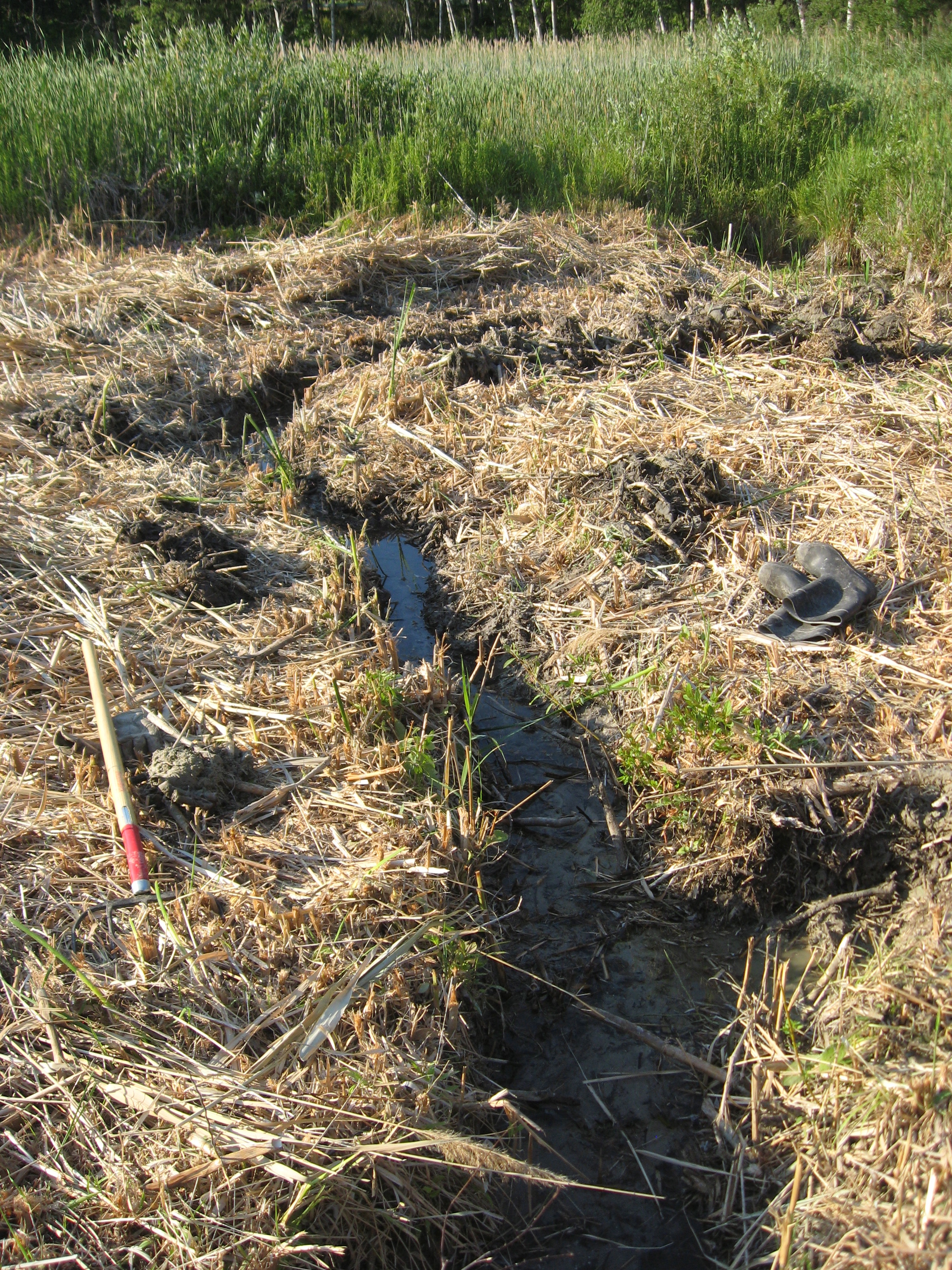
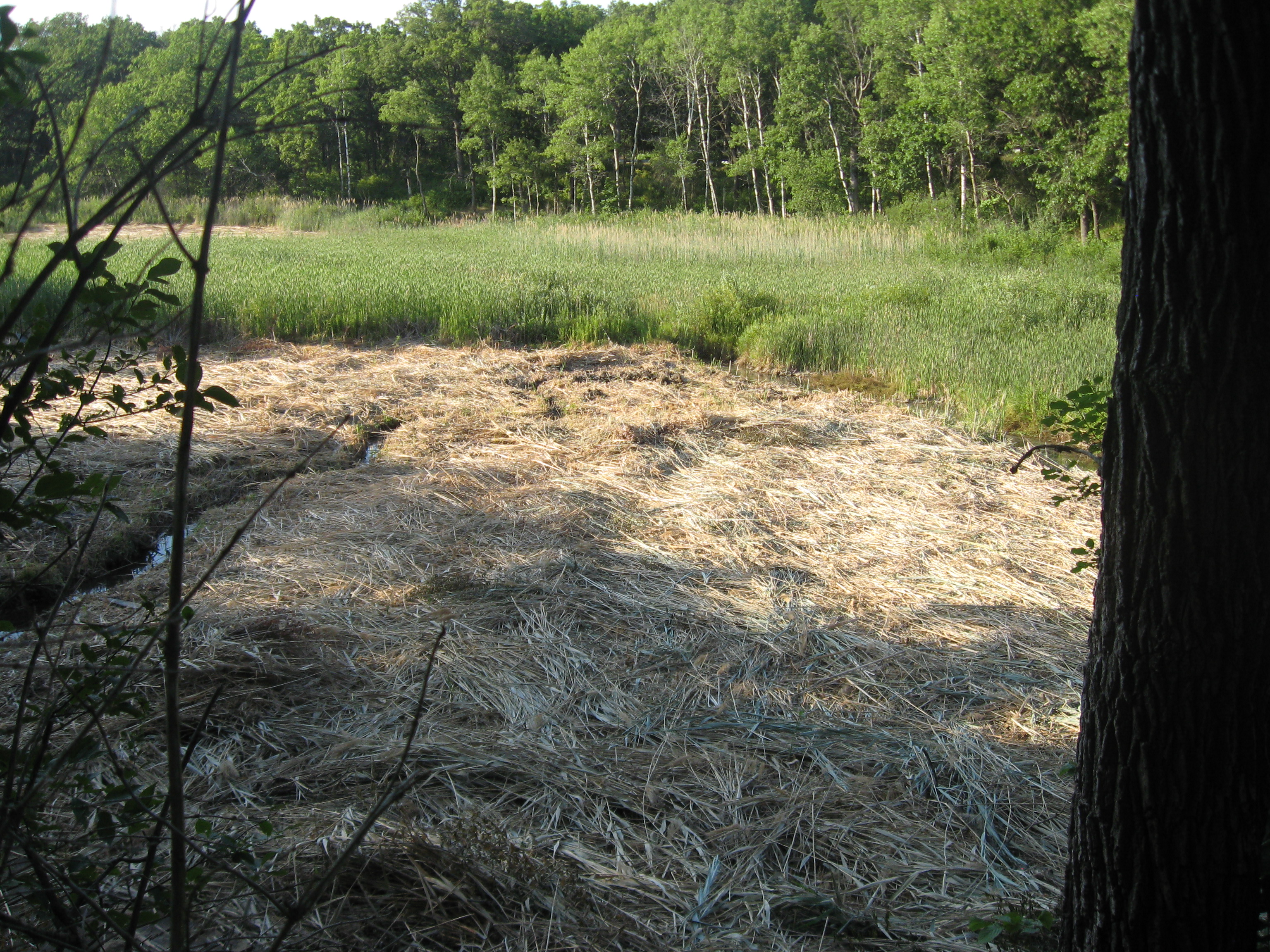
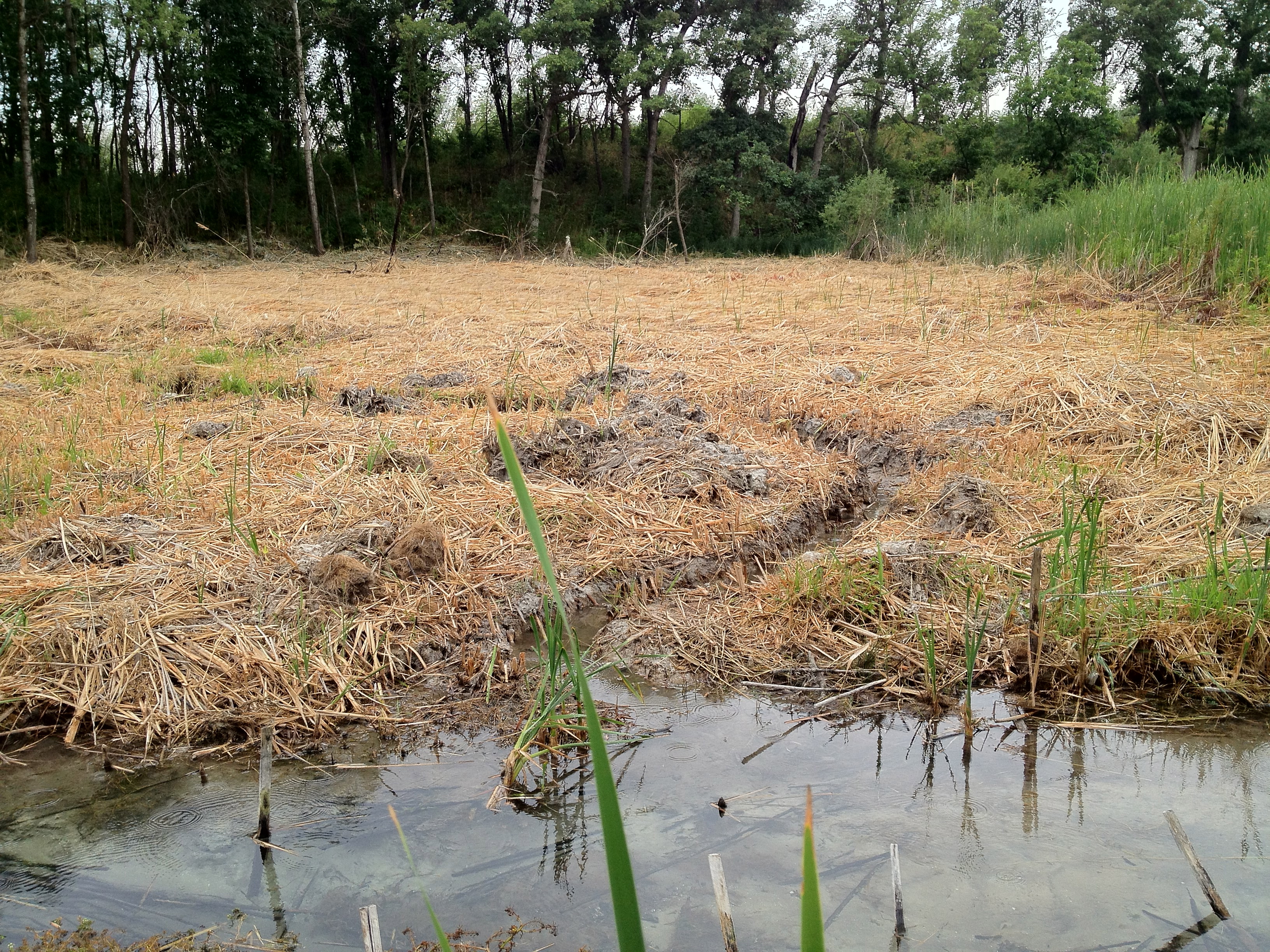
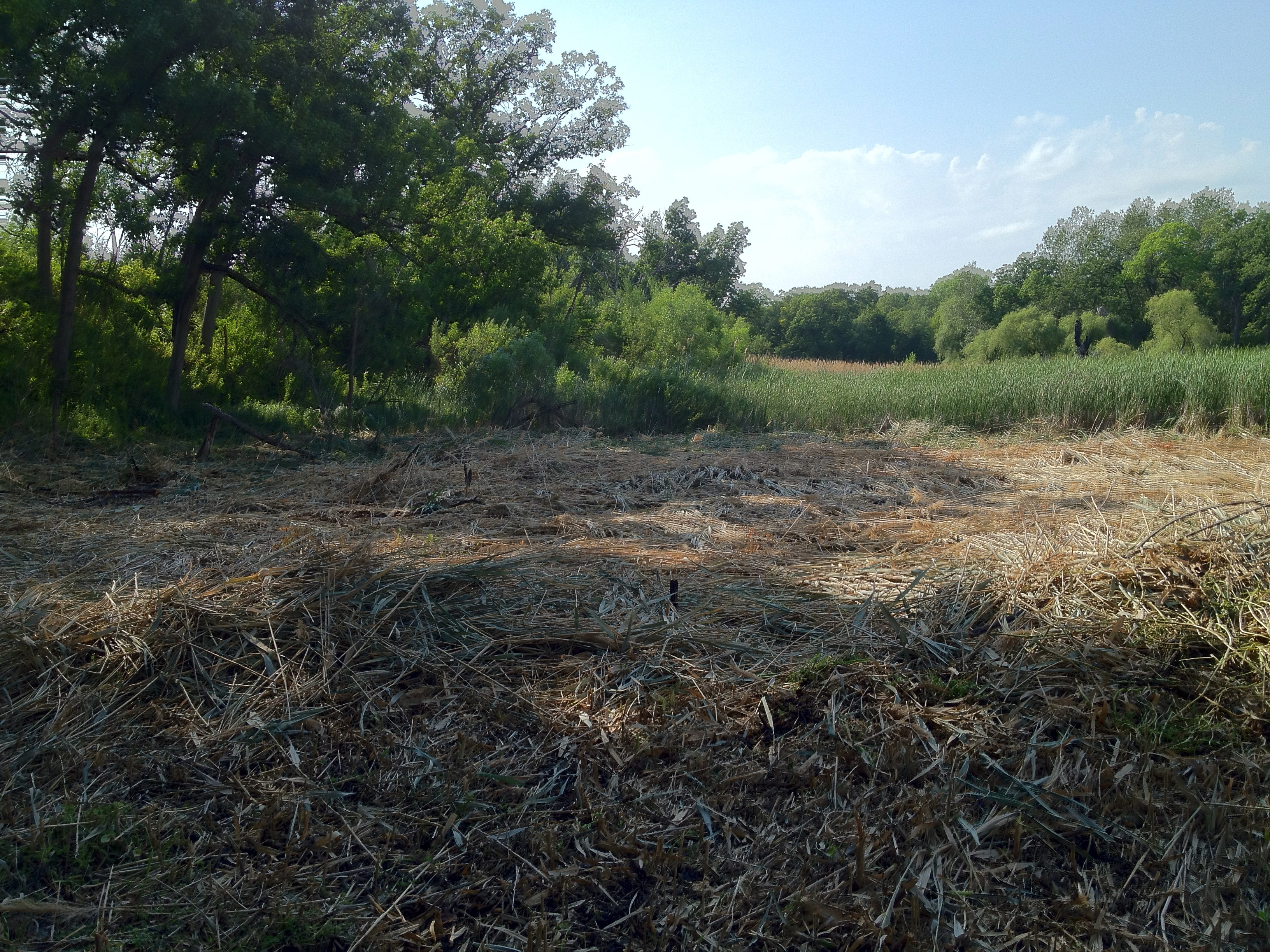
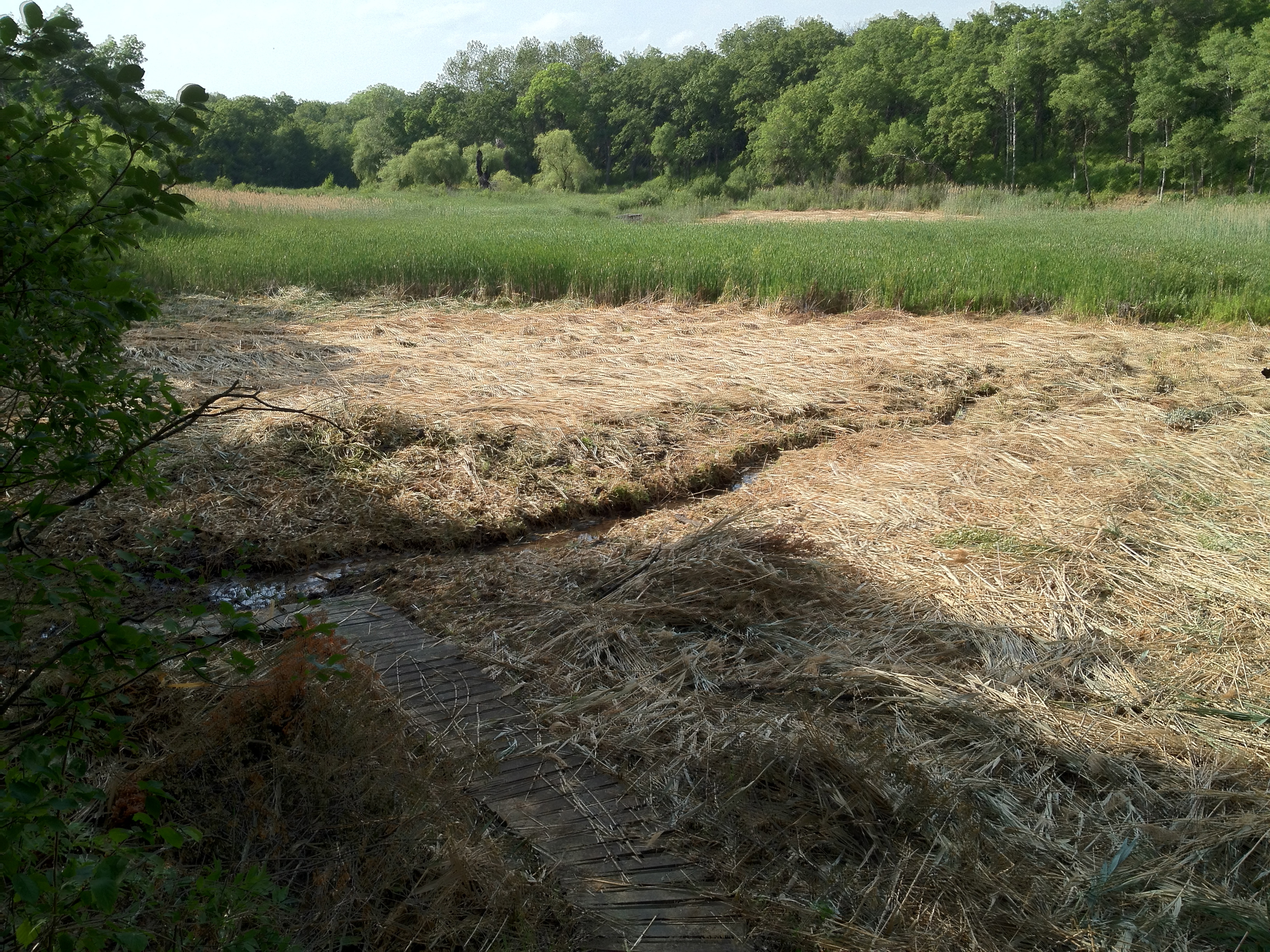
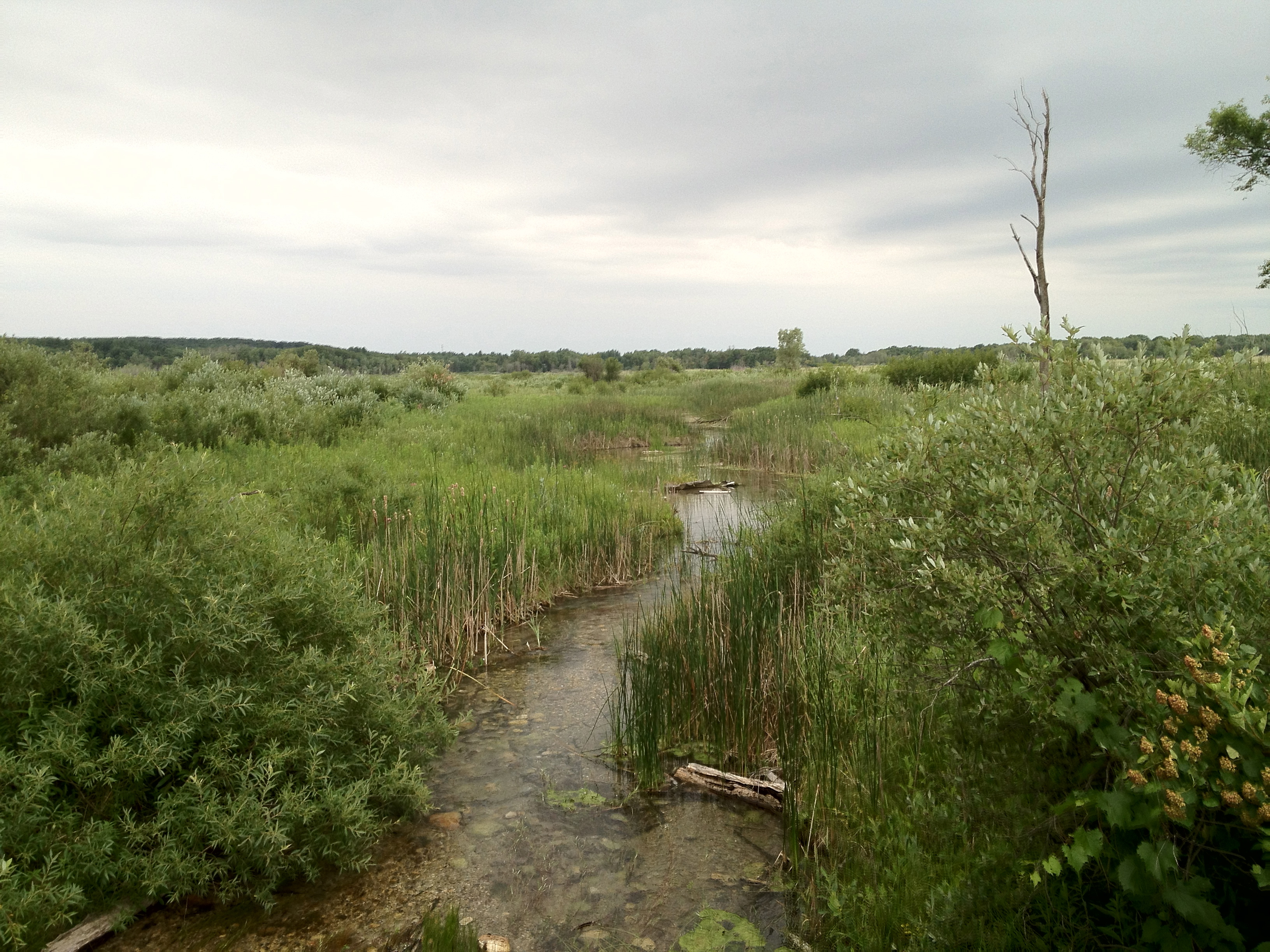
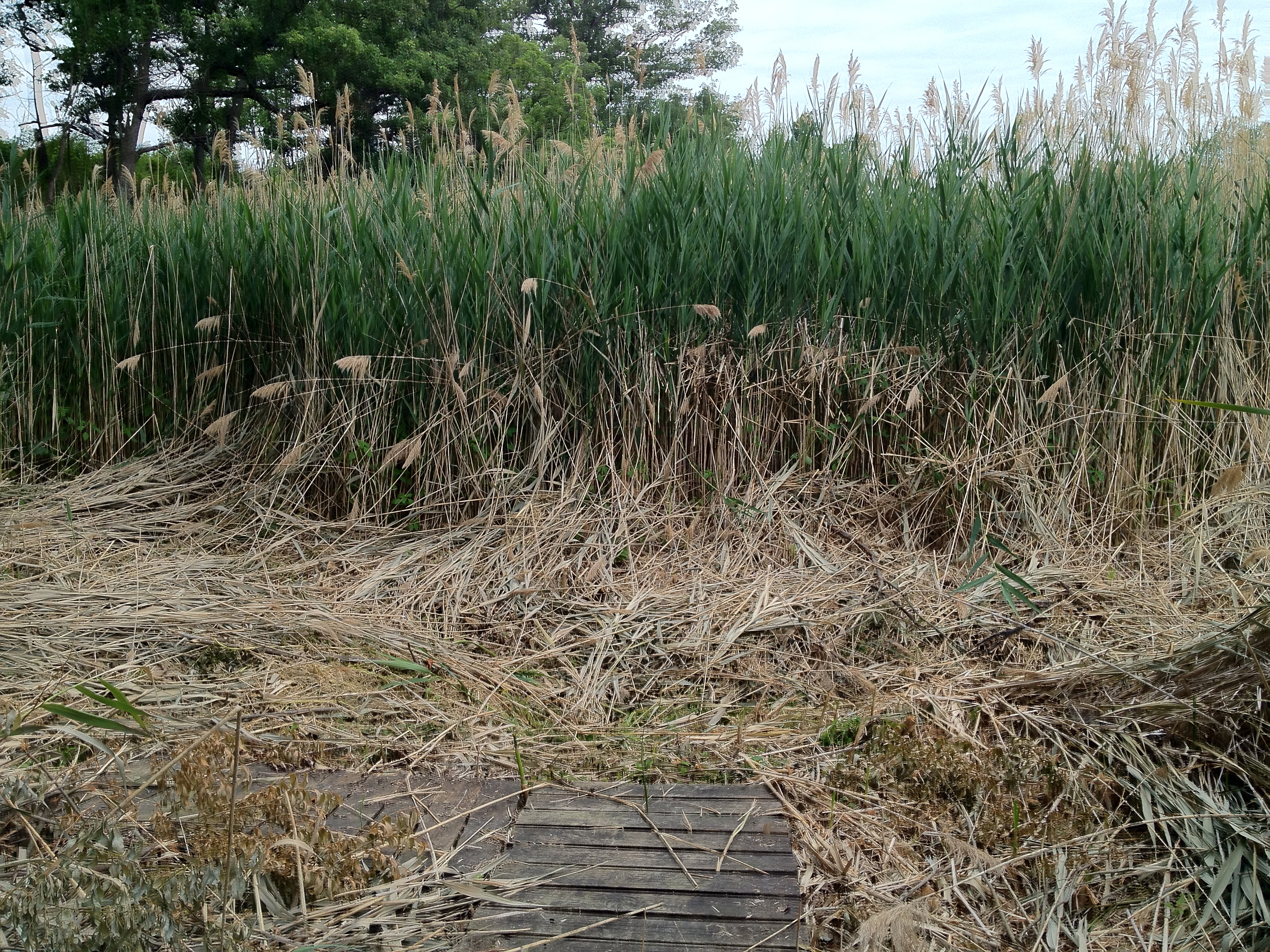
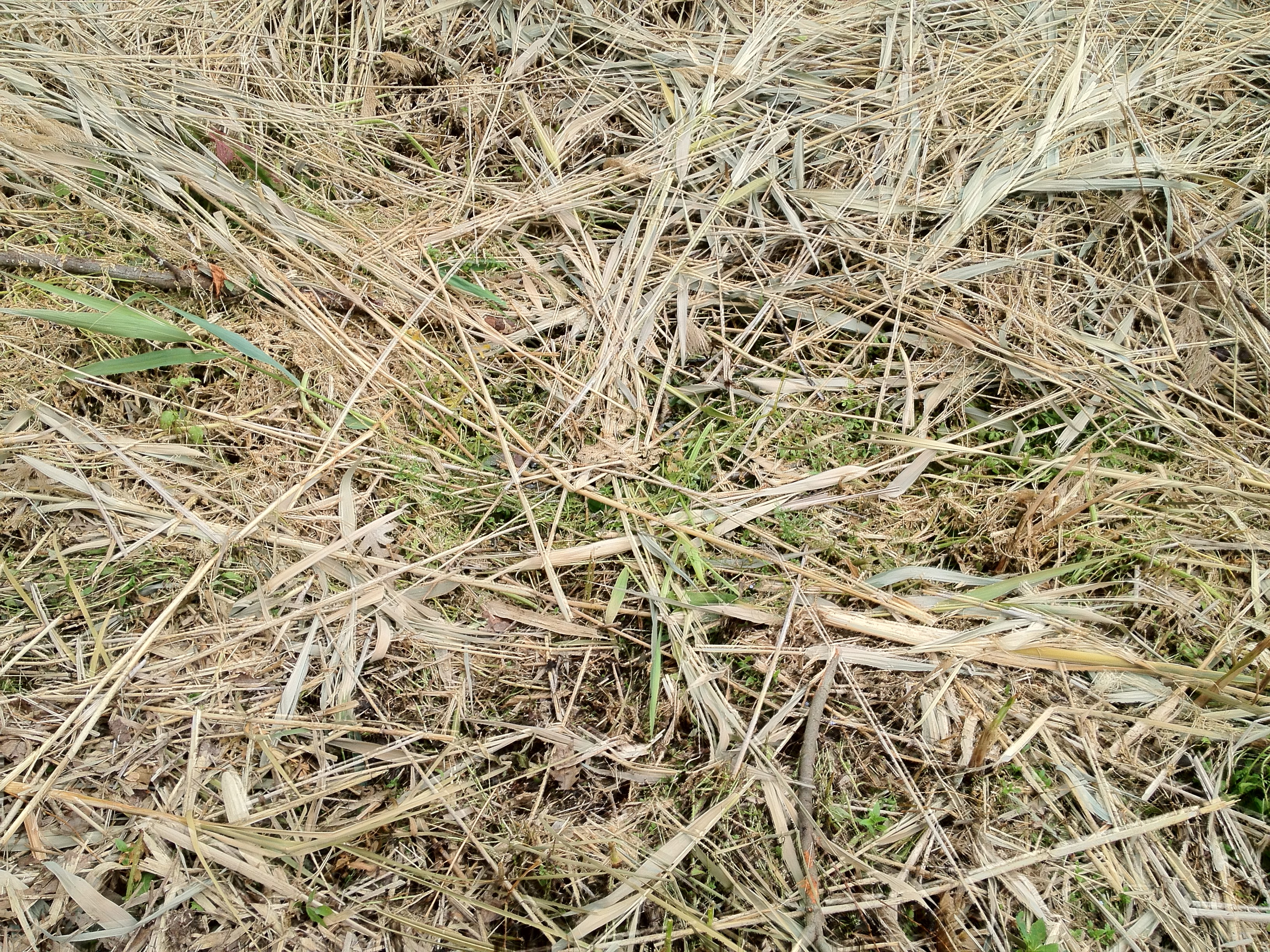
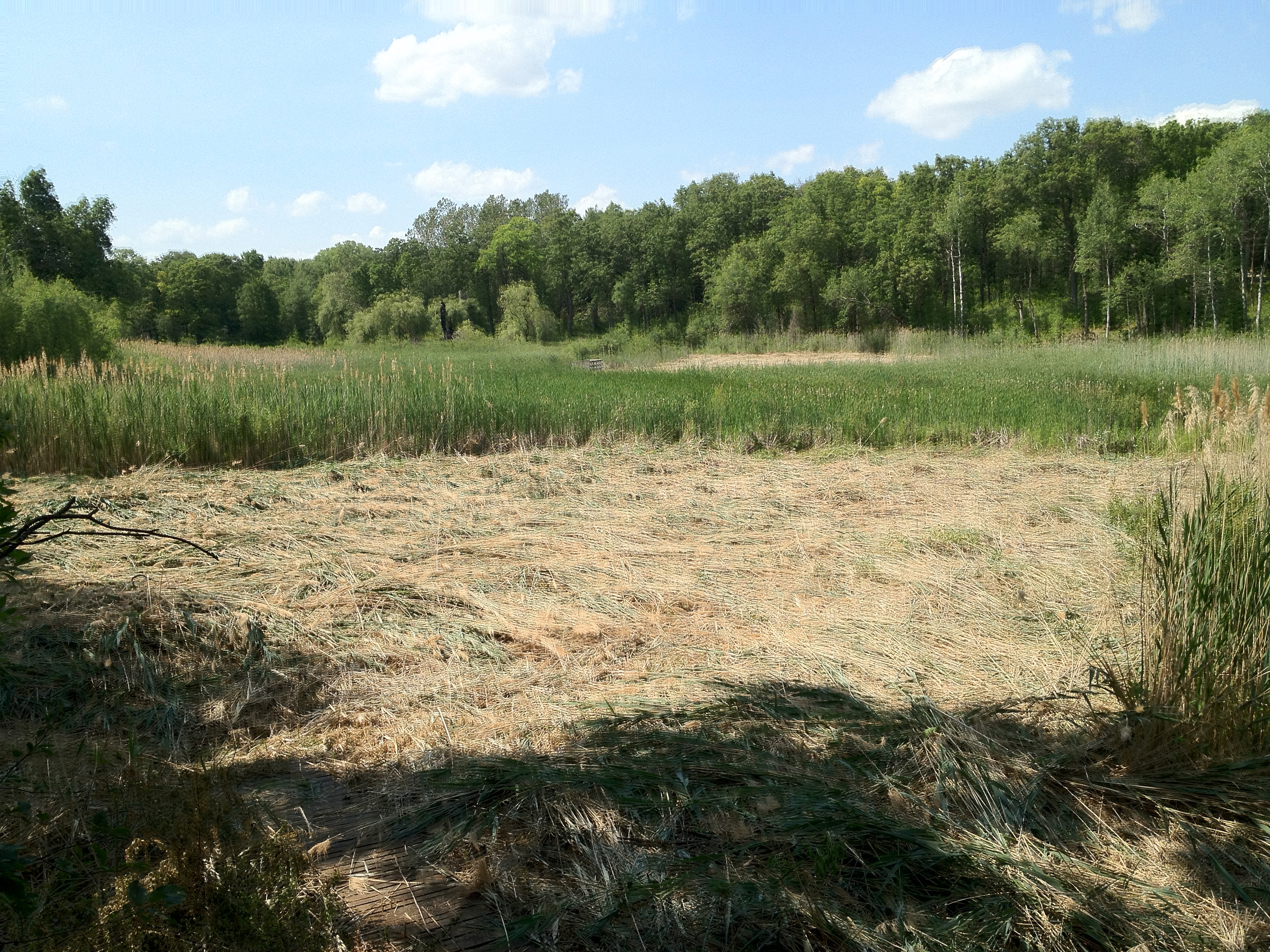
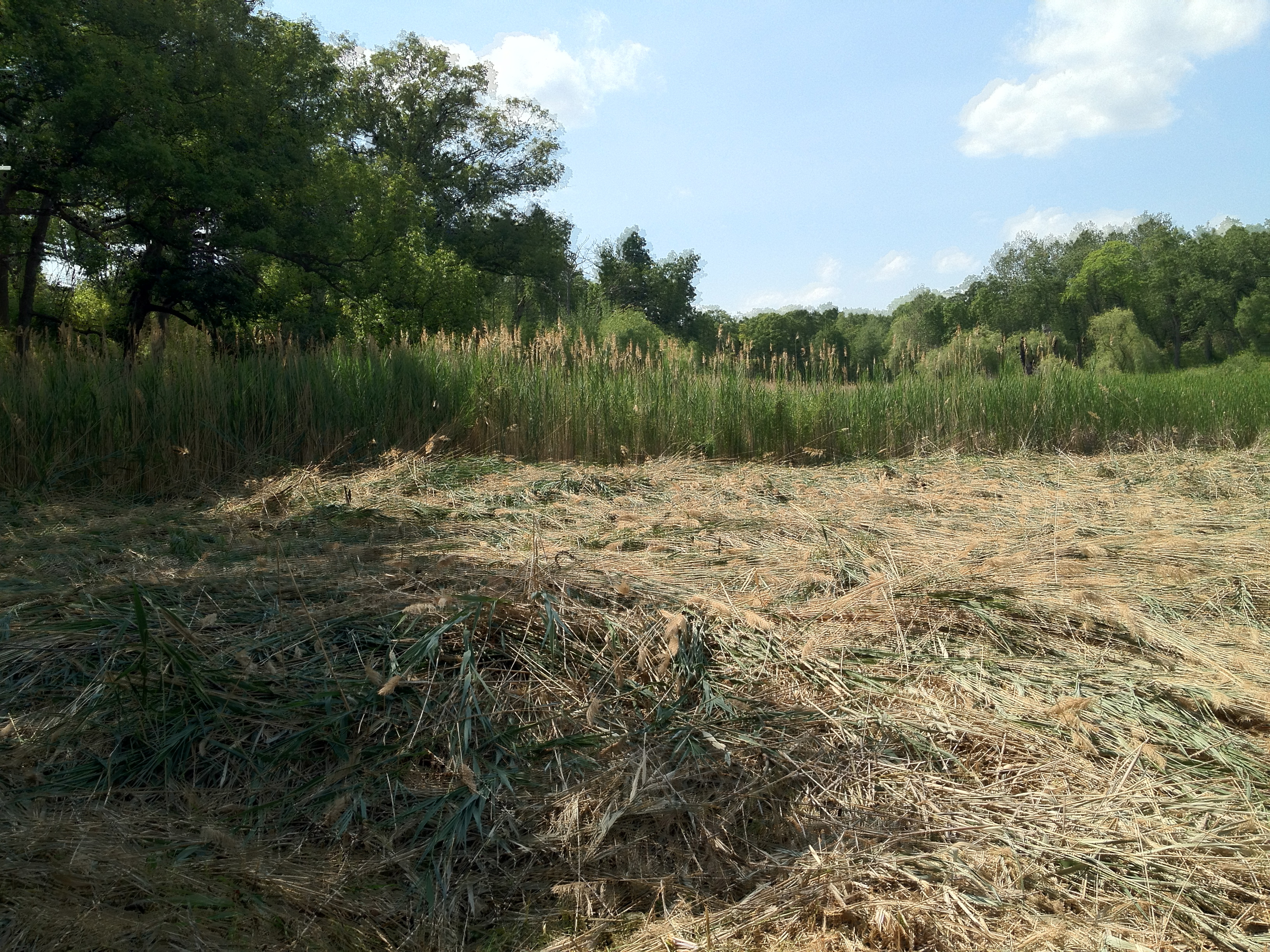
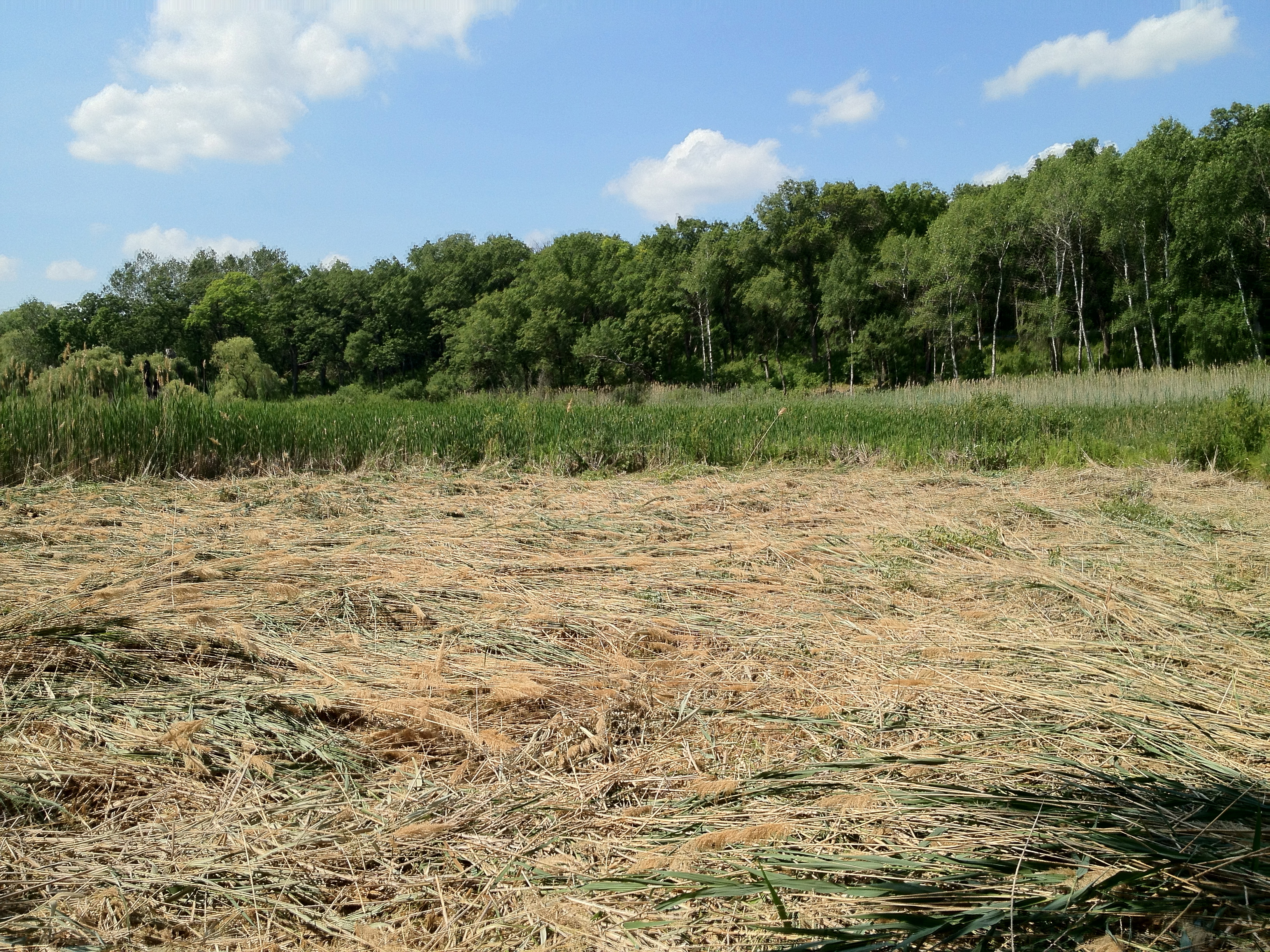
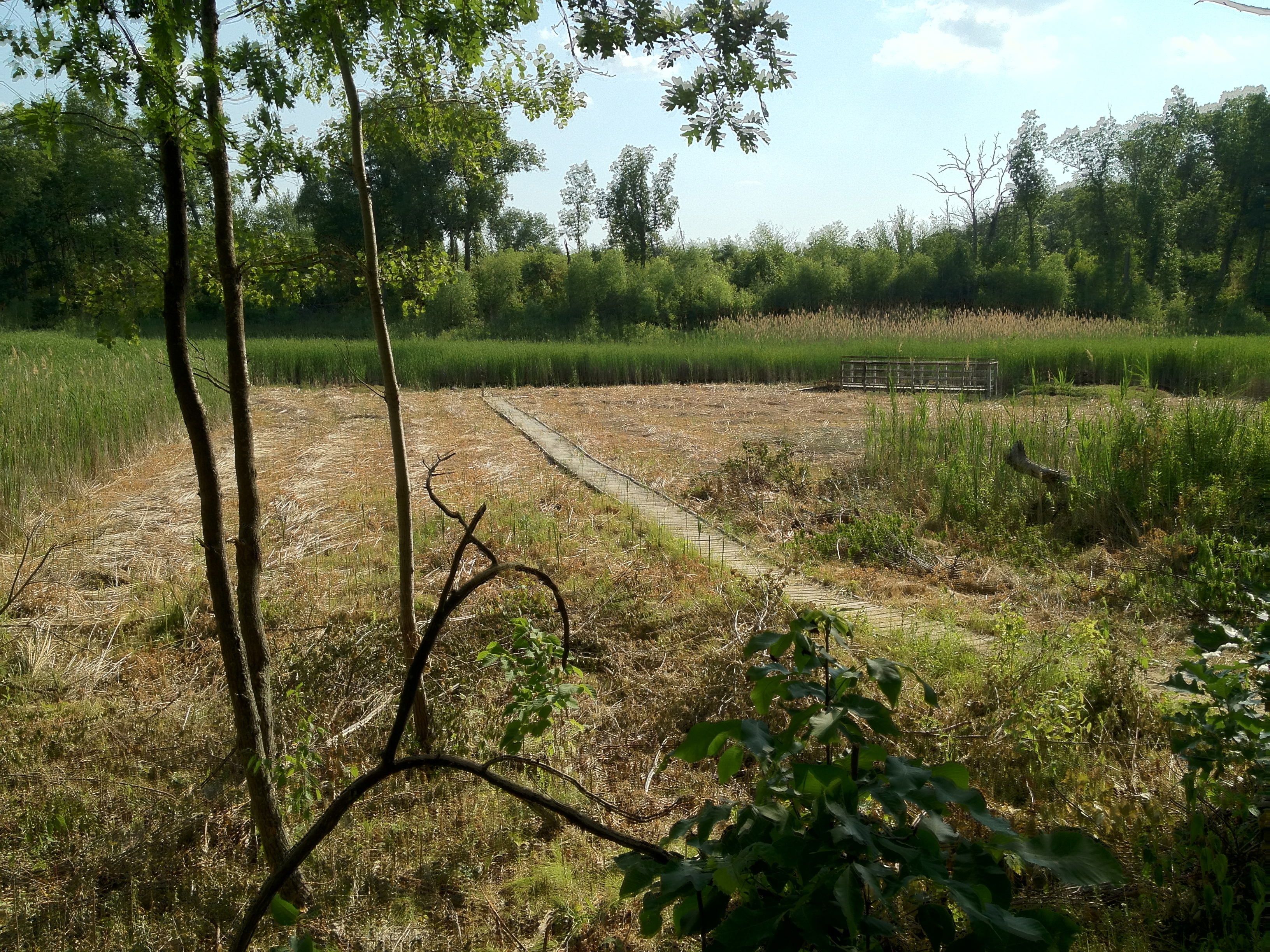
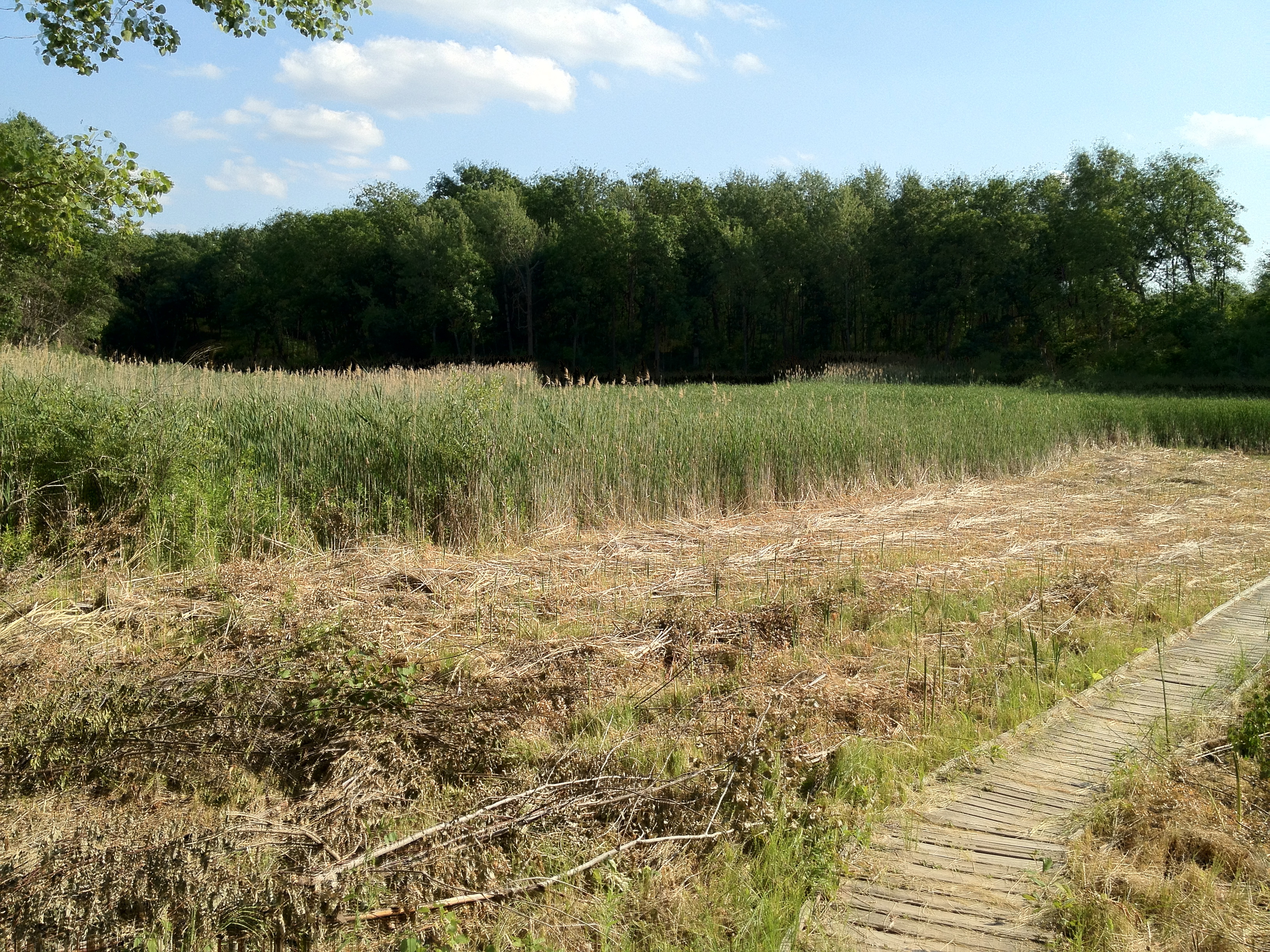
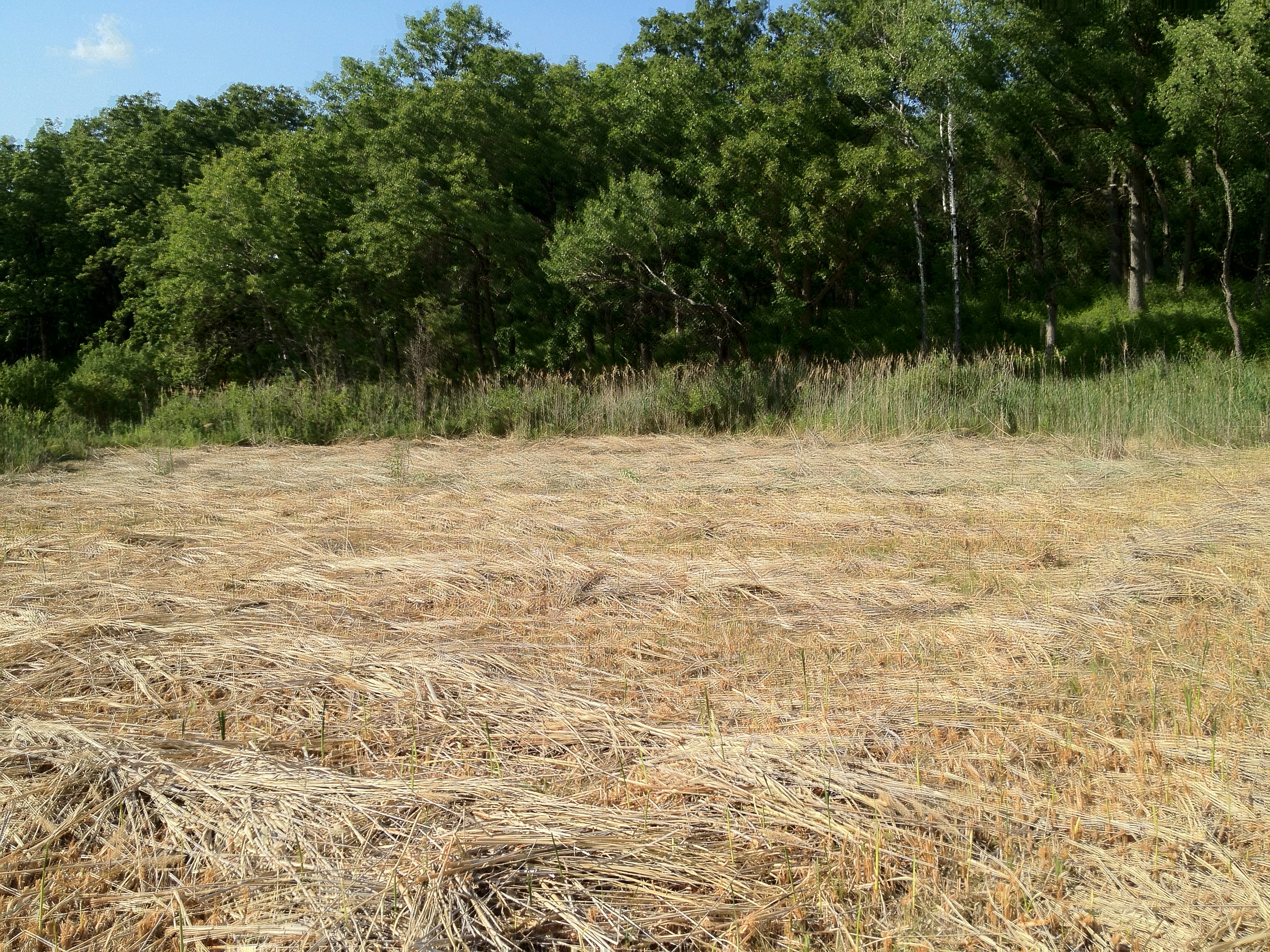
We picked up where we left off on Thursday at the newly christened “Hatching House Springs” (see #9 on the Map).  Our goal was to open up the Springs and cut and pile the huge Willow that had fallen into the wetland.  Many of the Willow branches were taking root.  We also wanted to finish brush-cutting the cattail, which was concealing yet another series of springs closer to the bridge.    Here are some before shots.

You can see the two strategically placed boardwalks we uncovered last time below.

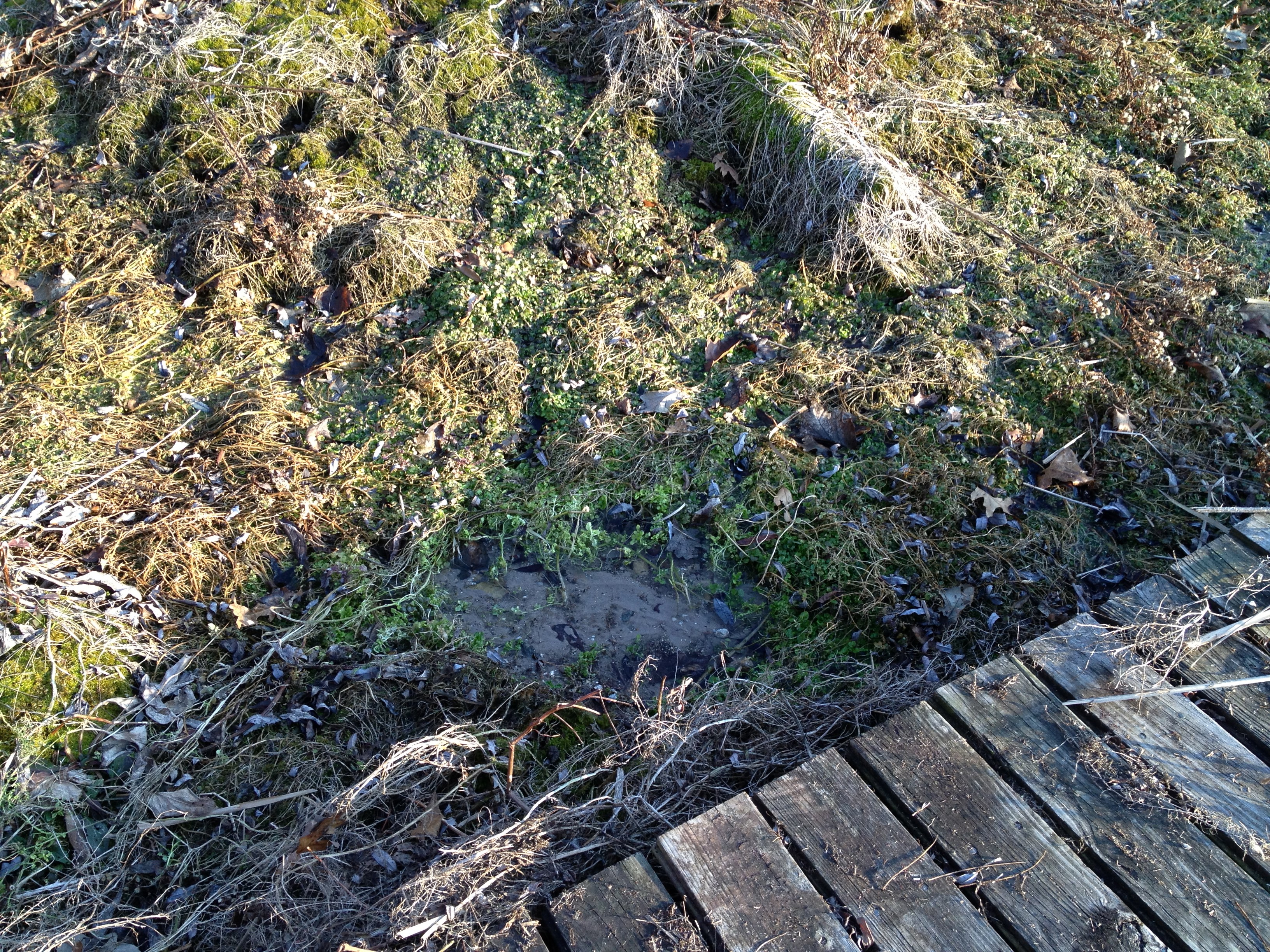
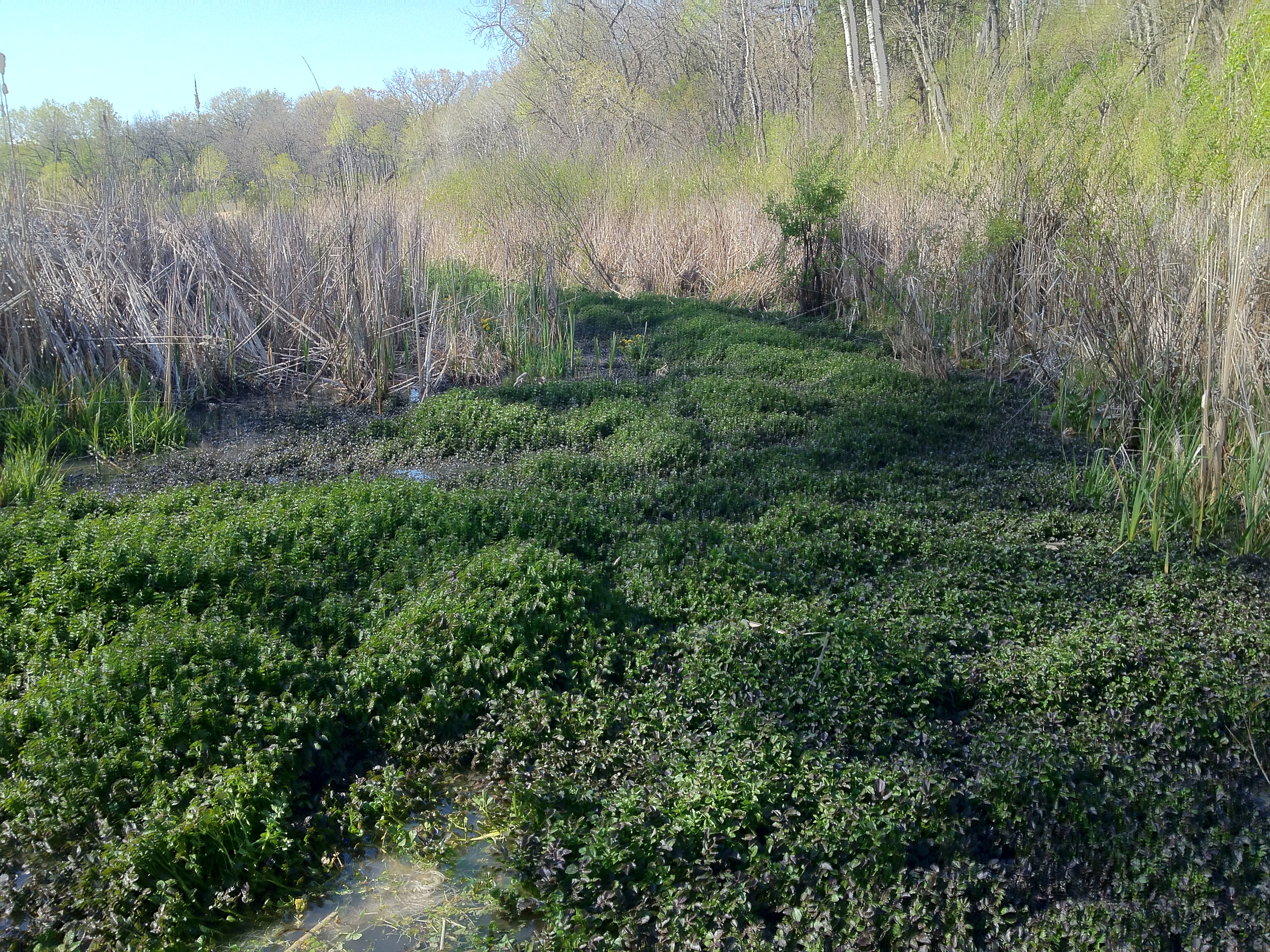
And the Water Cress…

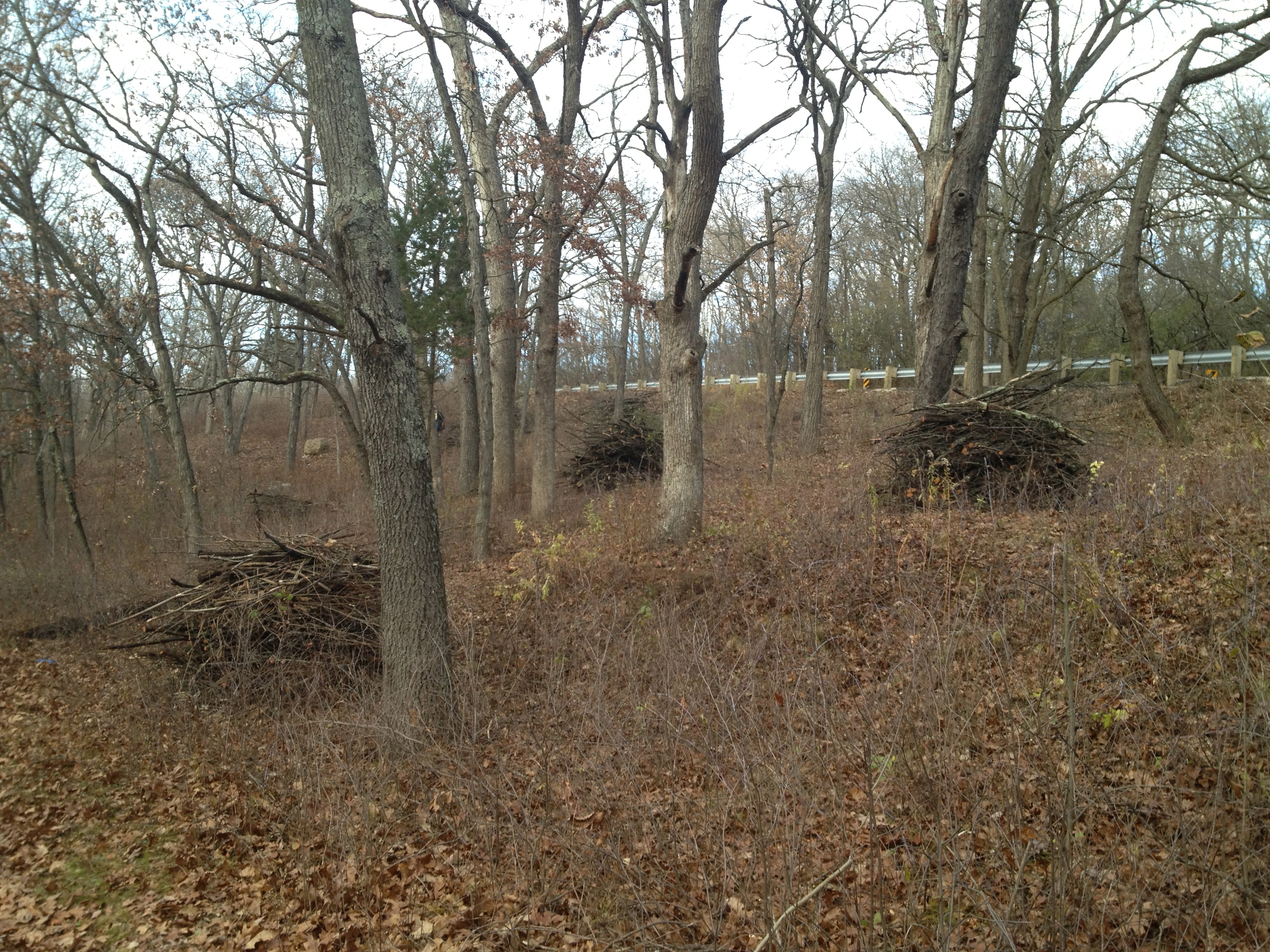
Pati came out later to help pull cress and pile brush.  Here are the fruits of our labors.

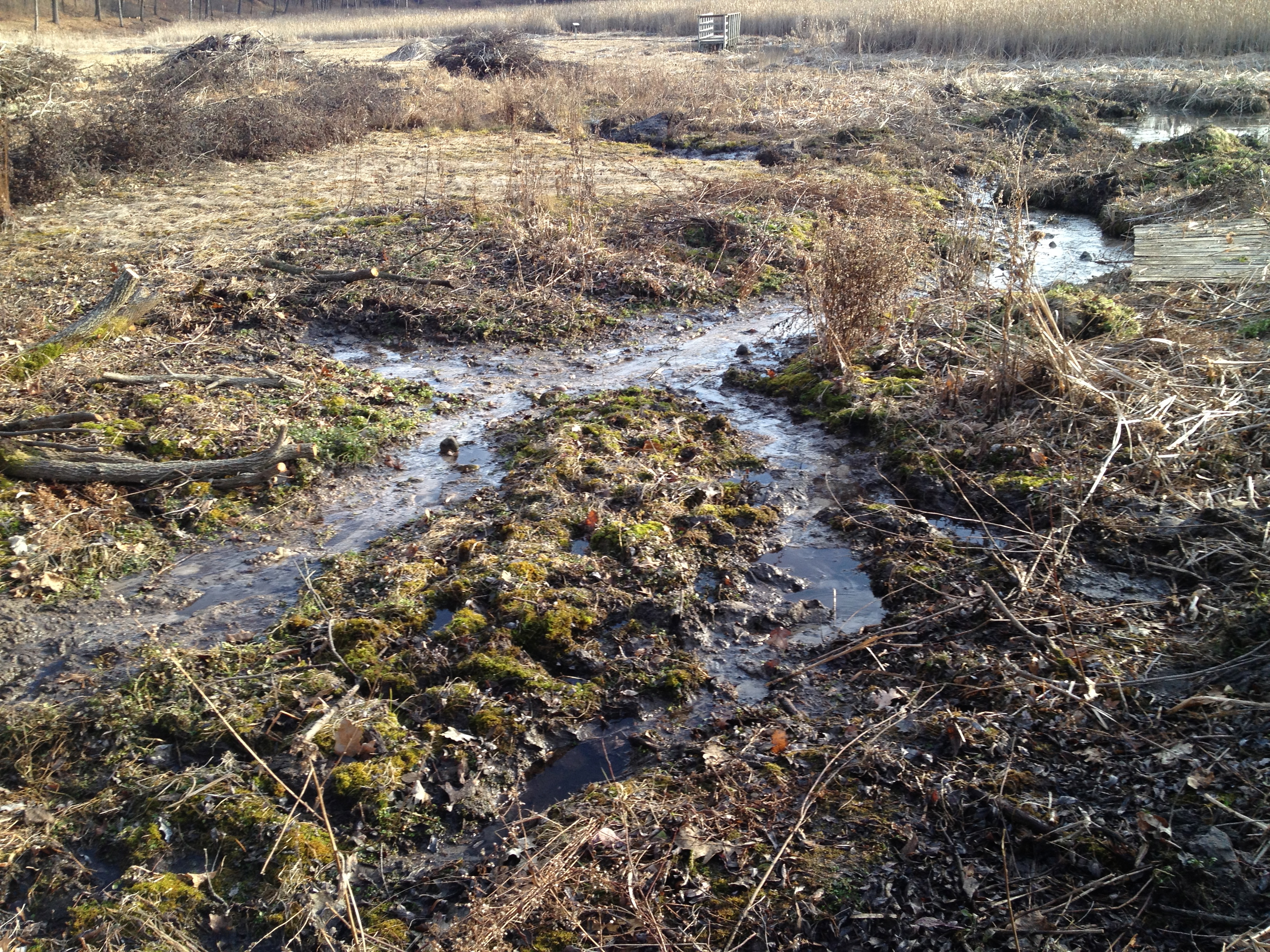
The Hatching House Springs revealed!

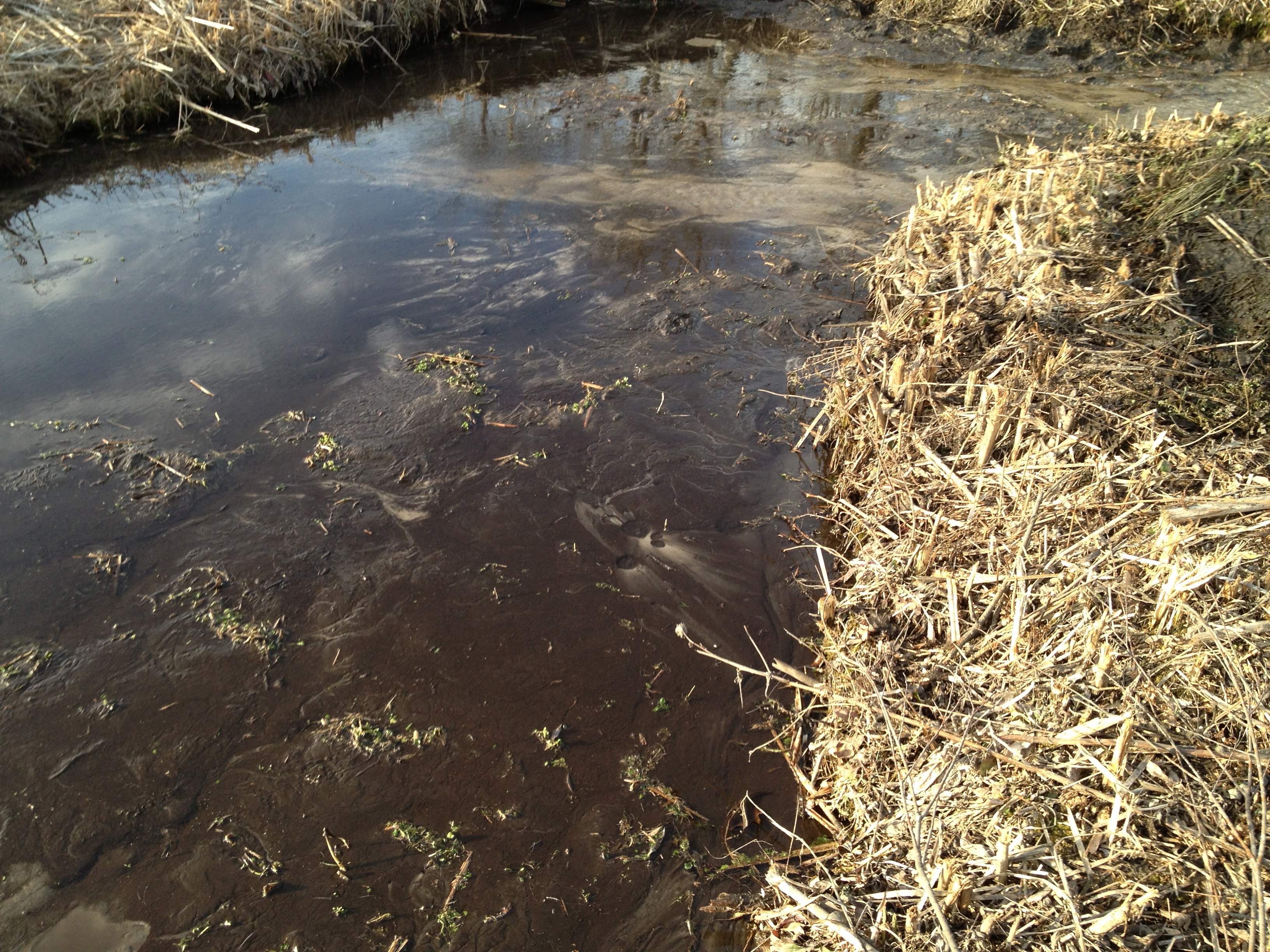
There are at least a dozen springs in the area.  Here is a nice bubbler.

Time to pack up the gear.

The view from the observation deck at the Emerald Spring.

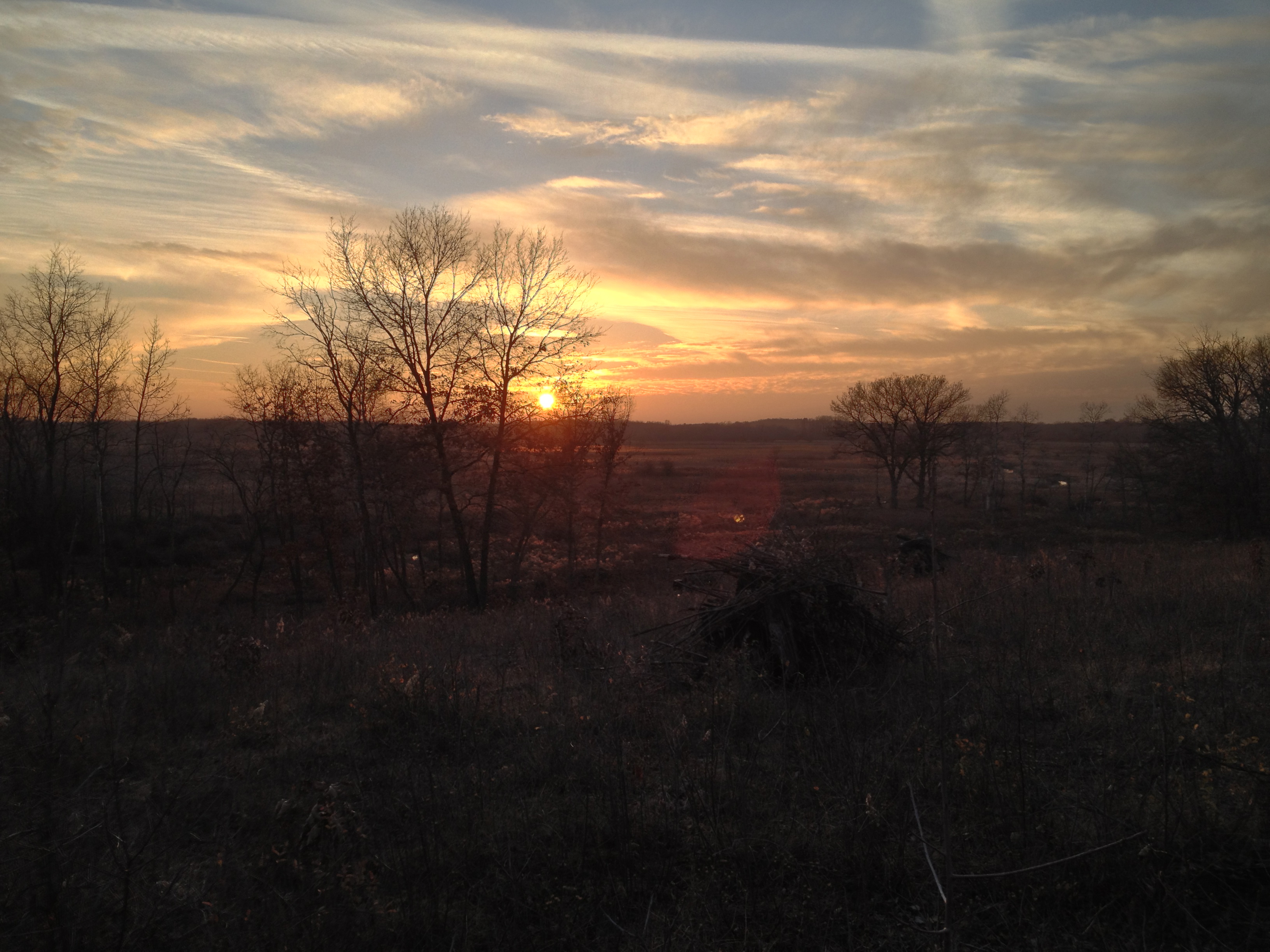
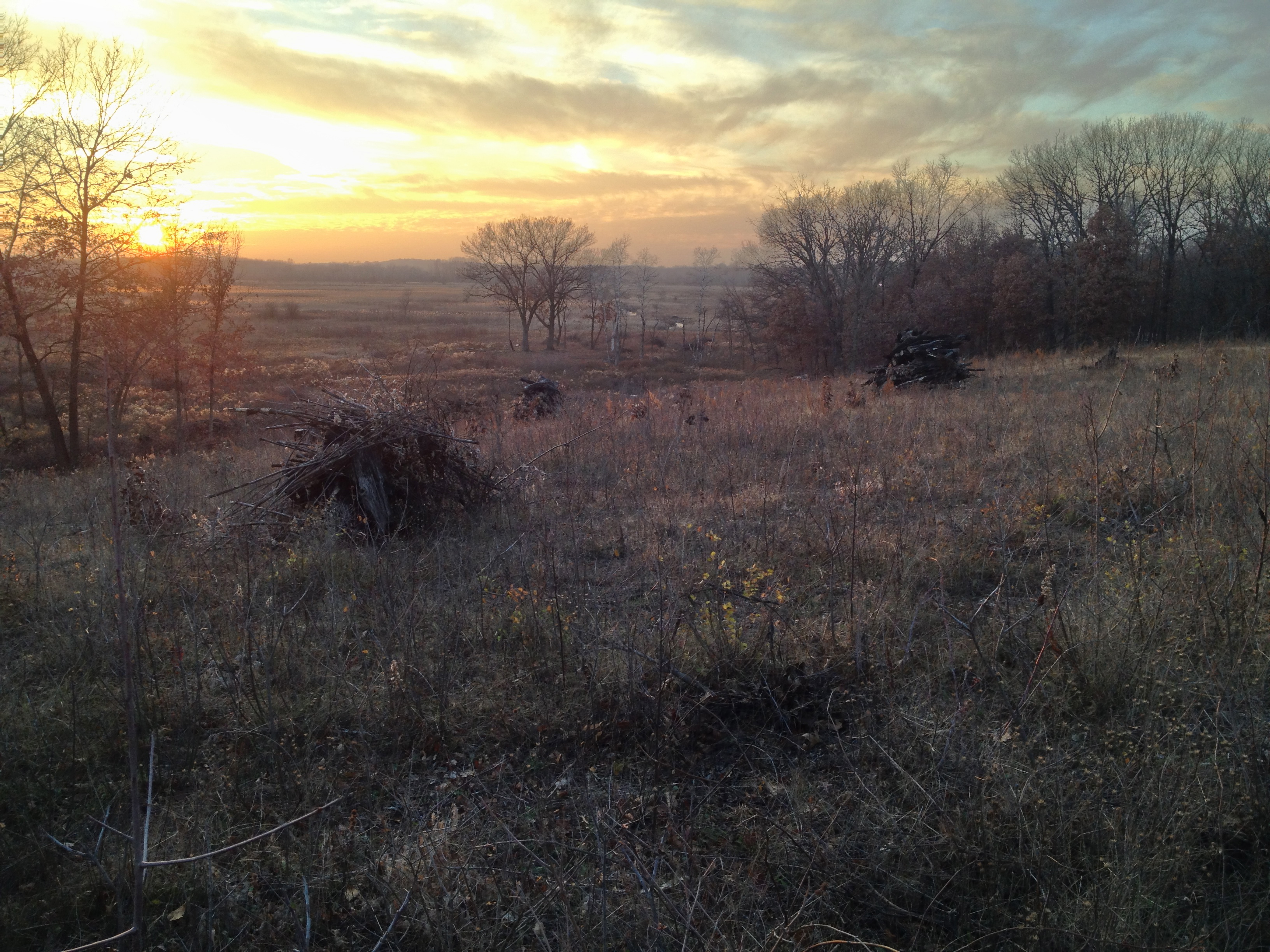
Sunset at the Indian Campground.

Hope to see YOU soon out at the Springs.

Ground Water Monitoring Project at the Springs

It was a beautiful, warm, sunny, and, dare I say, exciting, day at the Springs yesterday (November 15th).  I began cutting brush and cattail at location #9 on the map, the site of the old Trout Hatching House, which is between the Emerald Spring and the Hotel Spring.  The last time we worked in this area Lindsay and I noticed there were a couple of old boardwalk sections buried in the brush and, along with all of the Water Cress in the area, these were sure signs that there might be some hidden springs there.

Here are a couple of before shots.

And after.

I pulled a handful of cress aside and you can see running water by the first boardwalk.

There is a bubbling spring by the second boardwalk.

This Saturday, November 17th,  we plan to pull the cress out of these springs and open them up and pile the brush.  I can hardly wait!

Around mid-day my good friends Ed and Jim Brown, stopped by.  Ed has been involved in developing organic food sources and distribution networks for over 30 years (edward@organicbydesign.com) and currently makes his home in Spokane.  Ed introduced me to the Paradise Springs way back in the late 70’s.  He is an Enlightened Being.  Ed is going to connect us with some people who may be able to use the abundant firewood that is available and also to harvest some Water Cress.  Thanks to Jim for bringing Ed out to the Springs!

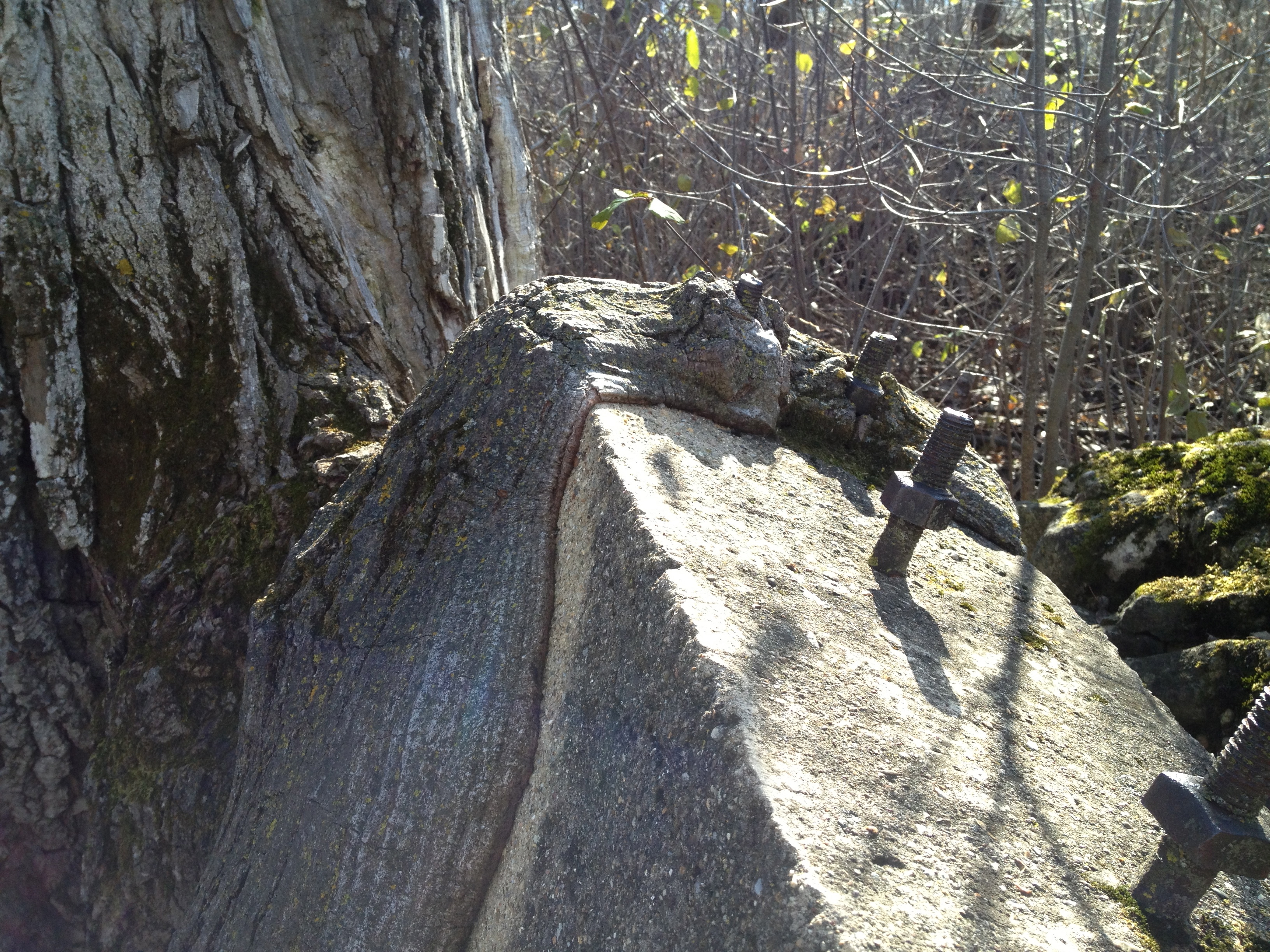
Ed noticed these roots from a Cottonwood tree by the marl pits enveloping the concrete foundation.

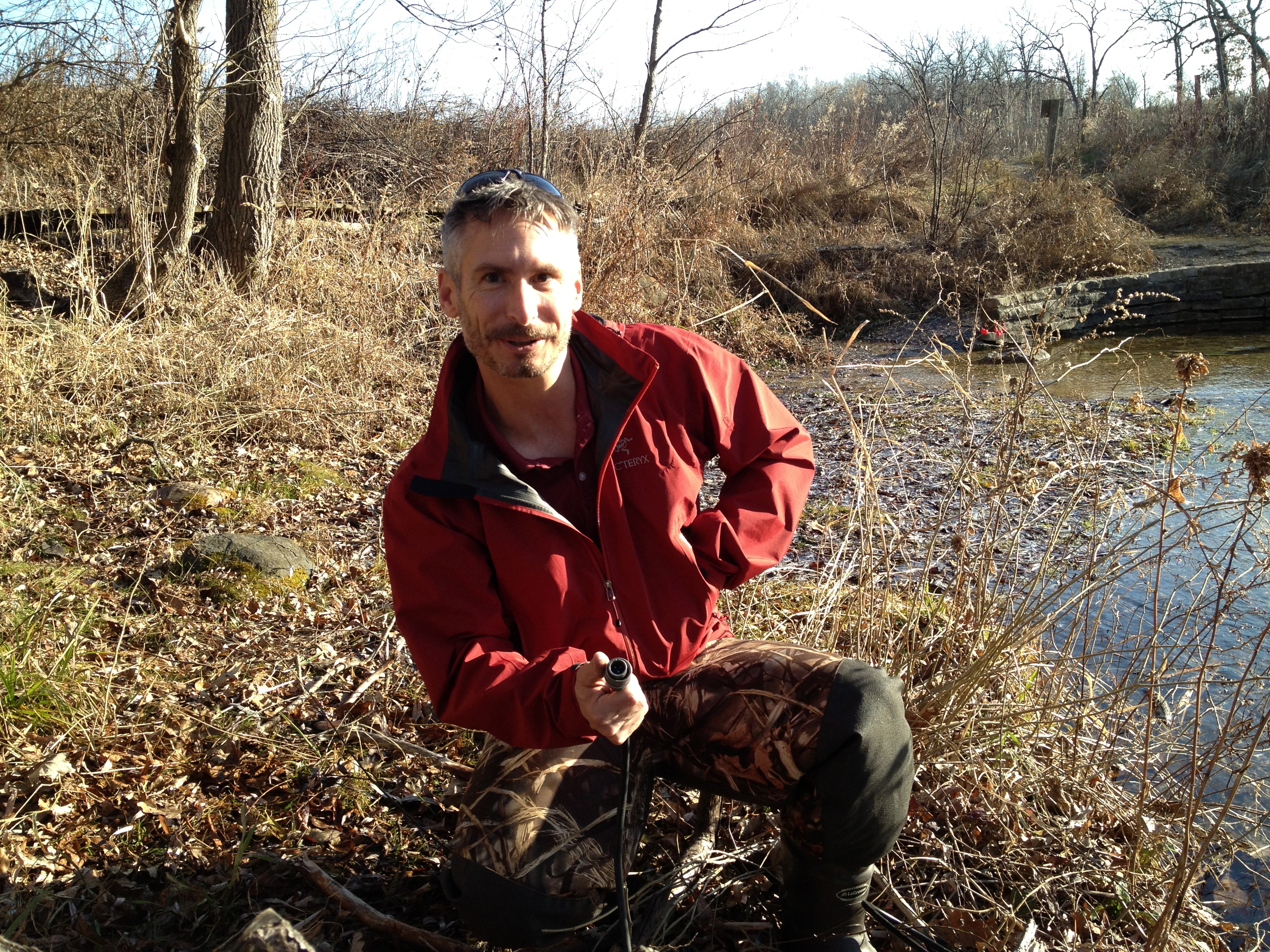
Just as Ed and Jim were leaving, along came a crew loaded with cameras and backpacks.  Mike Parsen, a Hydrogeologist from the Wisconsin Geological & Natural History Survey, John R. Karl, a Videographer and Science Writer with the University of Wisconsin Sea Grant Institute, Craig Helker, Water Resources Management Specialist with the DNR and Anne Korman, Assistant Superintendent of the Southern Kettle Moraine State Forest were making their first visit to the site as a team.  They are going to make a documentary describing their effort to update the state-wide ground water monitoring network.  Listen in as they explain.  From left to right below John R. Karl, Mike Parsen, Anne Korman and Craig Helker.

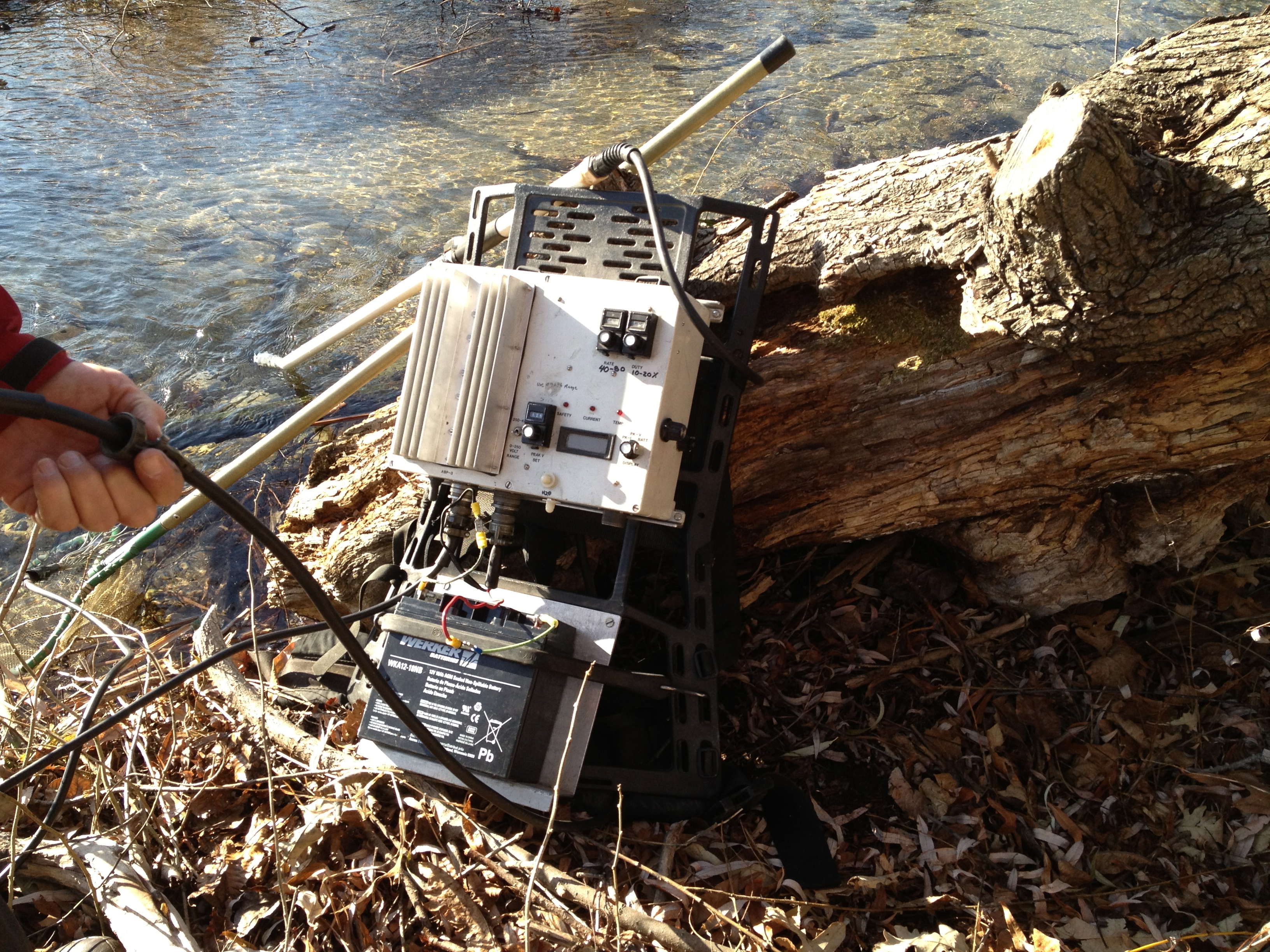
When we interviewed Tracy Hames, from the Wisconsin Wetlands Association, he stressed the importance of monitoring the river so we are very excited that Mike will be installing a water flow meter and temperature gauge.  Craig has been shocking the river to do fish surveys for 8-9 years and we are very interested in any changes he may measure as well.

To top off a most excellent day, Pati came out to help pile brush and participate in the interview.  It was a day full of fun and surprises!

Brush Piling by the Scuppernong Spring

Lindsay and I piled the brush that I cut back on October 21rst by the Scuppernong Spring today.  I added the Google Earth Map below to the Maps and Brochures page on this site.  The imagery is old, predating all of the cutting I did right along Hwy 67 some 9 years ago, but it is still useful.  Can you find the Scuppernong Spring?

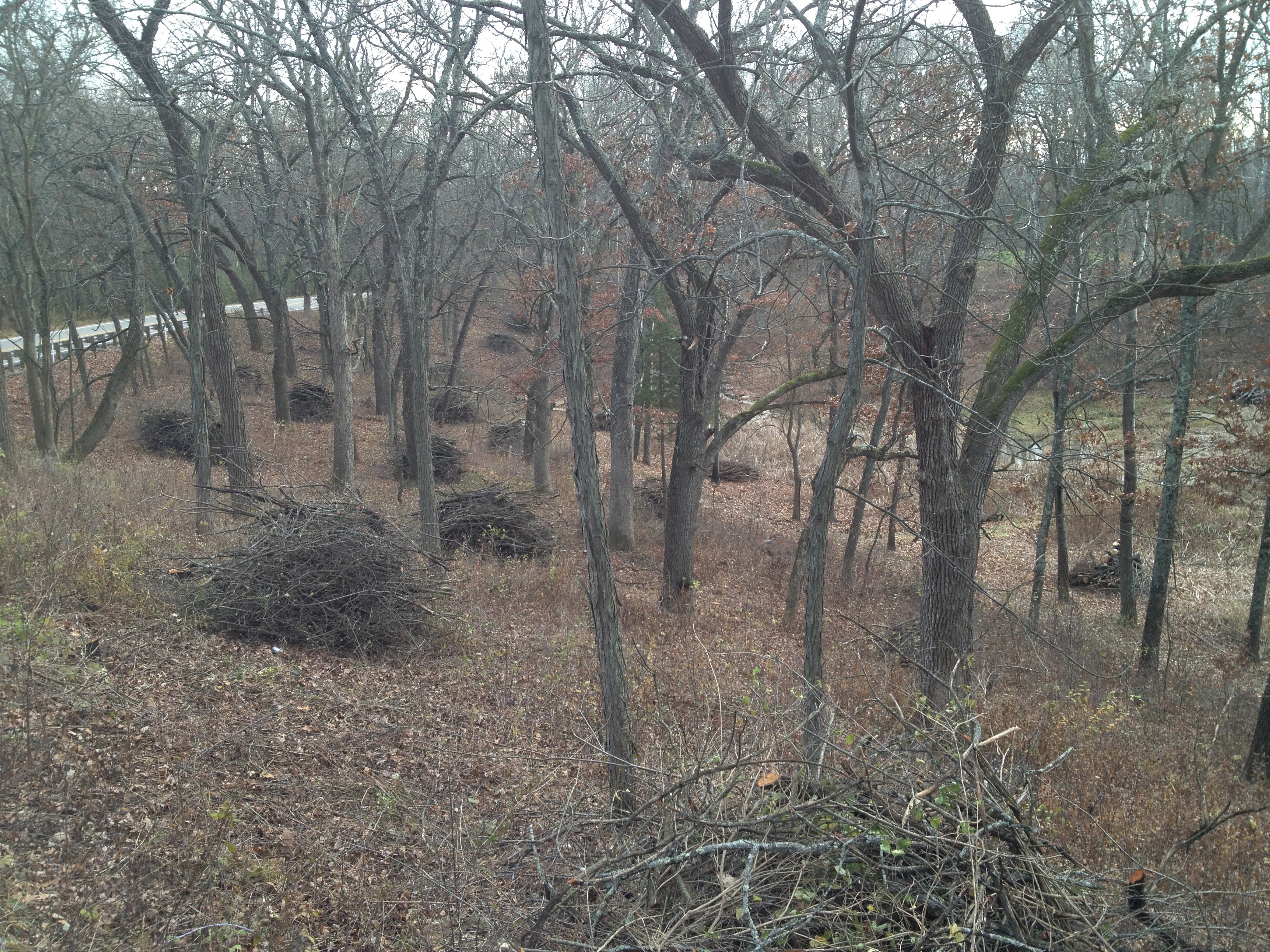
Here are some before images.

We had lots of visitors today and got a chance to explain what we are doing and refer people to this site.  Just as our strength was giving out, Anne Sylvan arrived to help us finish the last piles.  Thanks Anne!

We made around 20 piles.  We’ll have to wait for an East wind and good snow cover to burn them.

Jon Bradley Loves the Springs

Here is a guest blog from Jon Bradley.

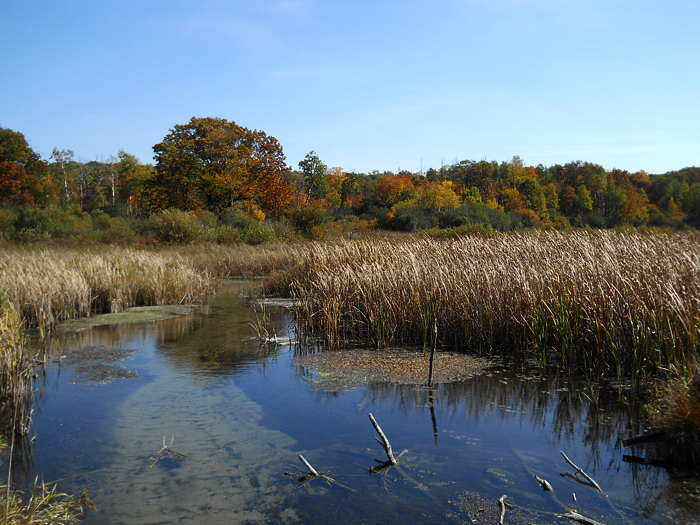
The Scuppernong Springs Nature Trail is one of my favorite places. I started walking it when I was just a young child. I still grab a guide at the entrance of the trail every time I go, although I pretty much have the entire thing memorized. I’ve been to the trail at least once every year, and this year I’ve been lucky enough to visit it 6 times, and planning a 7th visit this October when the leaves change. In fact, last year, on October 8th, I came for the fall colors as well, and it was a fantastic sight along the crystal clear Scuppernong River.
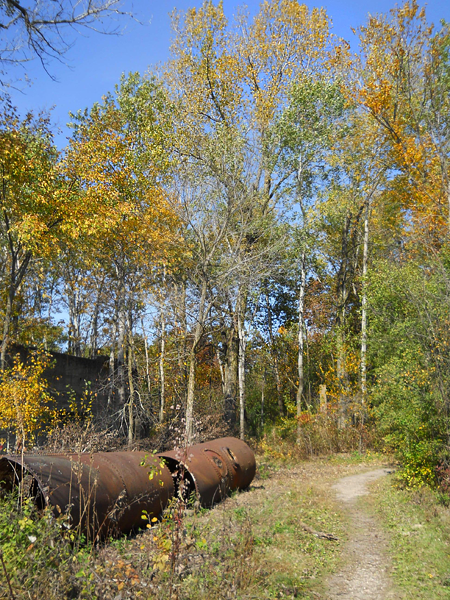
Also some fall colors at the old Marl Plant.

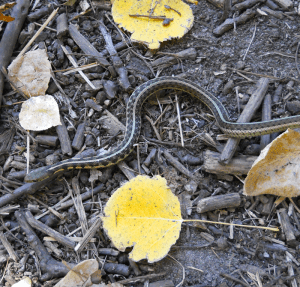
One of the reasons I love this area so much is because it seems to be a good fit for a wide variety of animals and plants, some even threatened or endangered, and the common ones thrive. Snakes are almost a guaranteed sight along this trail in Spring and Autumn. Last autumn I found this young Common Garter Snake next to the main Scuppernong springs.
One of my favorite views (and with the recent efforts to clear out some trees, an even better view) of the Scuppernong River Habitat Area, is located at the old Native American campsite. This photo of the fantastic view was taken 8/27/12.

Last Autumn I found this large spider at the Native American campsite. I don’t know spiders, but I think its probably a Wolf Spider.
Here is a photo of the Hotel Spring that I took earlier this year, and I’d like to mention on my last trip there (2 days ago) I noticed one of the bricks had fallen off the wall and into the water.

Lastly, I have a few photos of the centerpiece of this trail, the Scuppernong River.
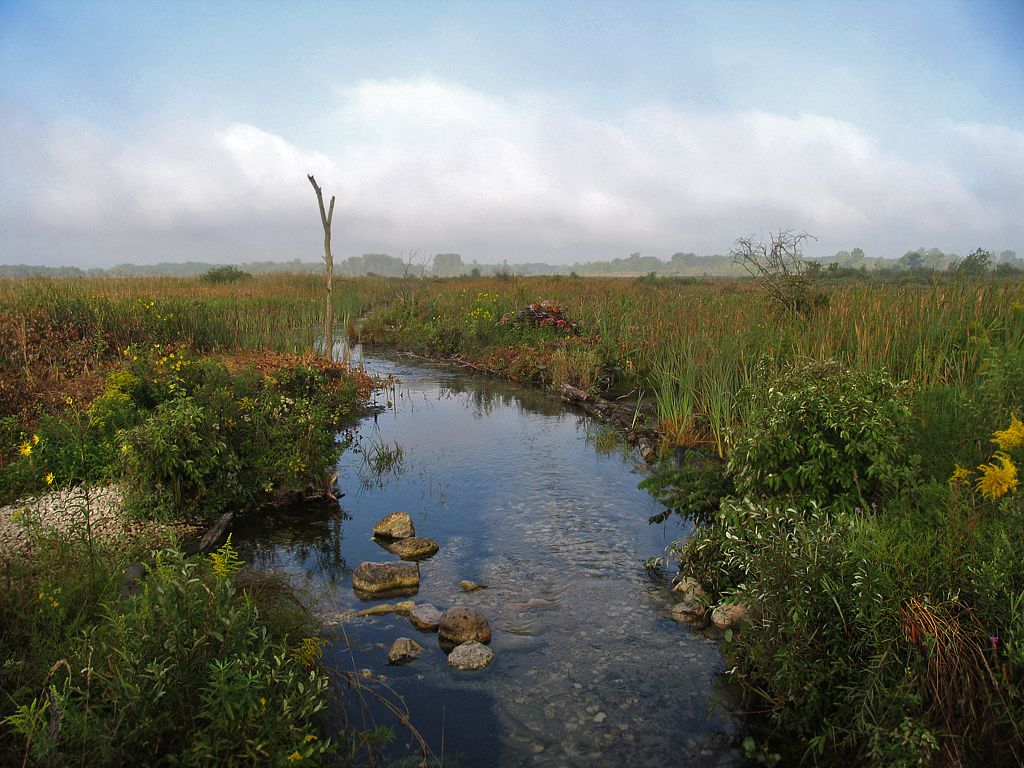
The first photo was taken on August 27th, in the morning before the fog rolled off. This is one of my favorite parts of the trail. There always seems to be a lot of bird life in this area such as Eastern Kingbirds, Cooper’s Hawks, Belted Kingfishers, American Goldfinches, and Great Blue Herons. I know its also a good place to find Garter Snakes, Hog-Nosed Snakes, and Northern Watersnakes. I love that the place is literally crawling with wildlife.
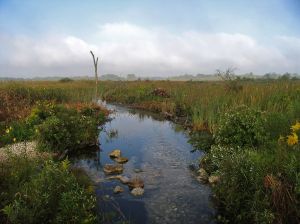
These two photos were taken just past the Marl Works, to the east. This area is listed as #5 on the guide and highlights fur trapping. The first photo was taken in the morning on August 27th, 2012, and the second was taken in the early afternoon on July 9th, 2012.

Finally, this area was recently cleared right near the old Hotel, and is listed #12 on the guide.

(ed. note, Thanks Jon for your story and great pics!)
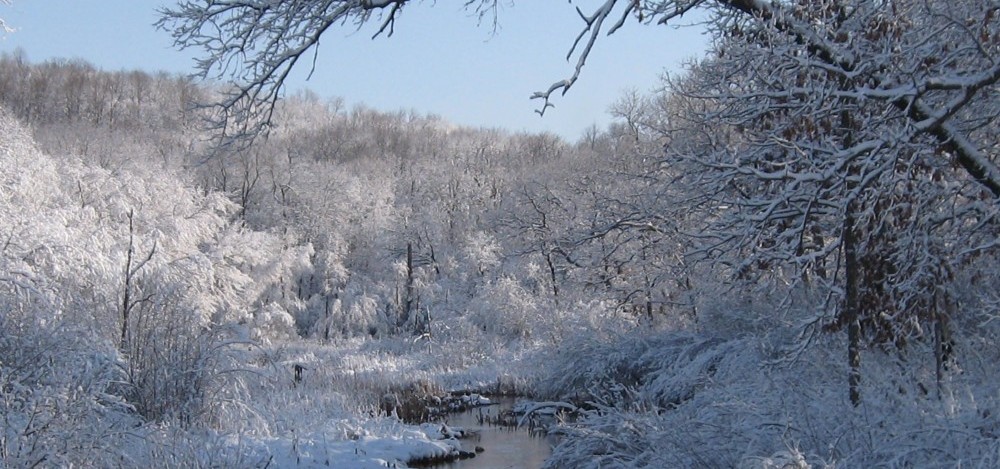
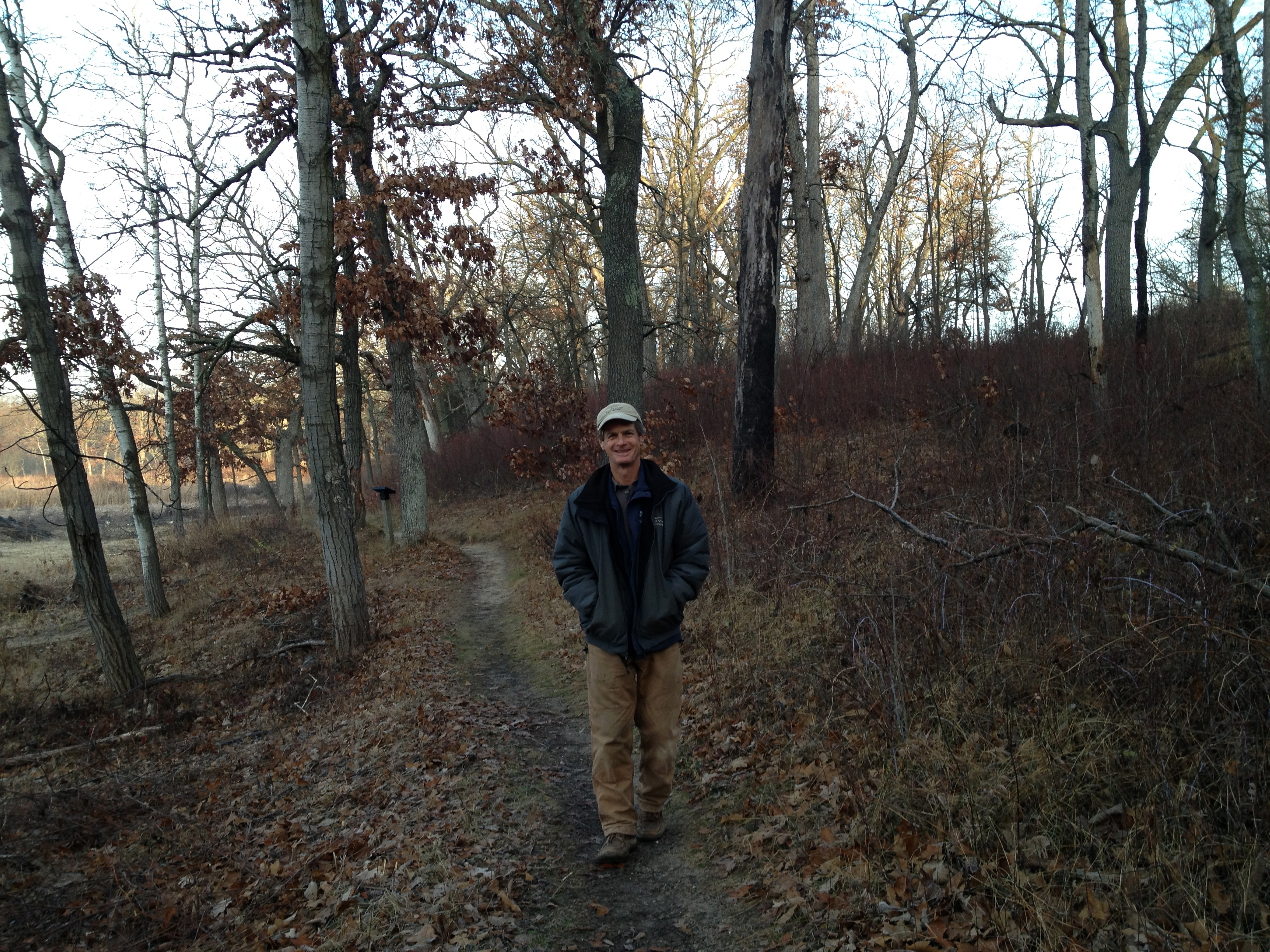
Tracy Hames Interview

We had a wonderful visit with Tracy Hames, the executive director of the Wisconsin Wetlands Association, on Sunday August 19th.  It is easy to see why they hated to see Tracy leave his position as head of the Yakama Nation’s Waterfowl Program.  Tracy is very passionate and enthusiastic about protecting and restoring our wetland resources and we are lucky to have him back home in Wisconsin.

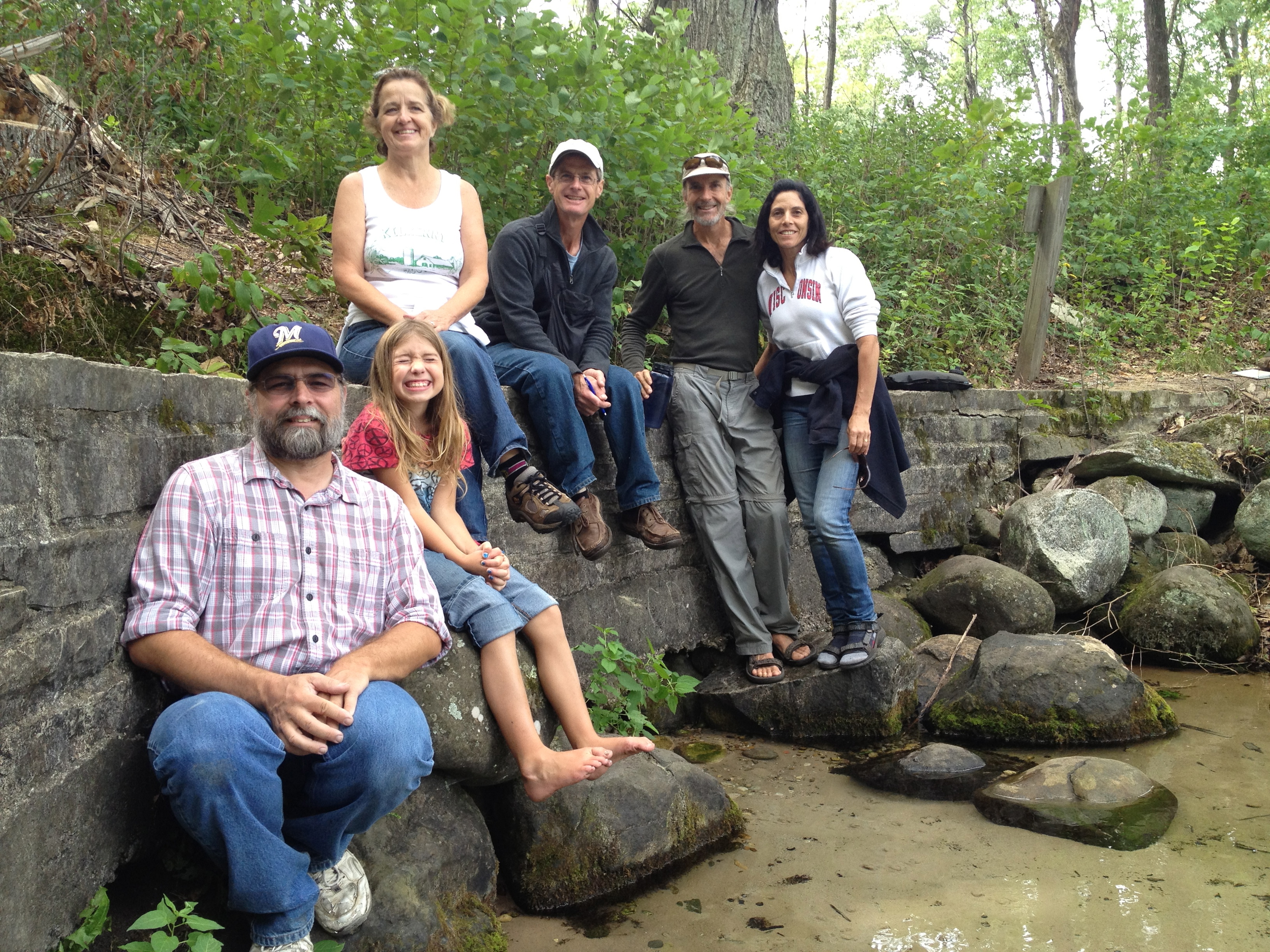
Tracy, Sophia, Connie, Lindsay, Paul and Pati at the Scuppernong Springs.  Thanks Anne for the photo!

Connie captured some great moments on video and pictures as we toured the Springs and we will add some of that content to this blog soon.  Listen to the interview I captured with Tracy at the Indian Springs.

Tracy had many suggestions for things we could do including: introducing beetles to attack the Purple Loosestrife, working with a DNR Hydrologist to install one or more water flow gauges, studying the historic (before European settlement) use of the land and water and the flora and fauna present at that time, and in general, carefully monitoring the results of all remedial actions we taken to determine their efficacy.
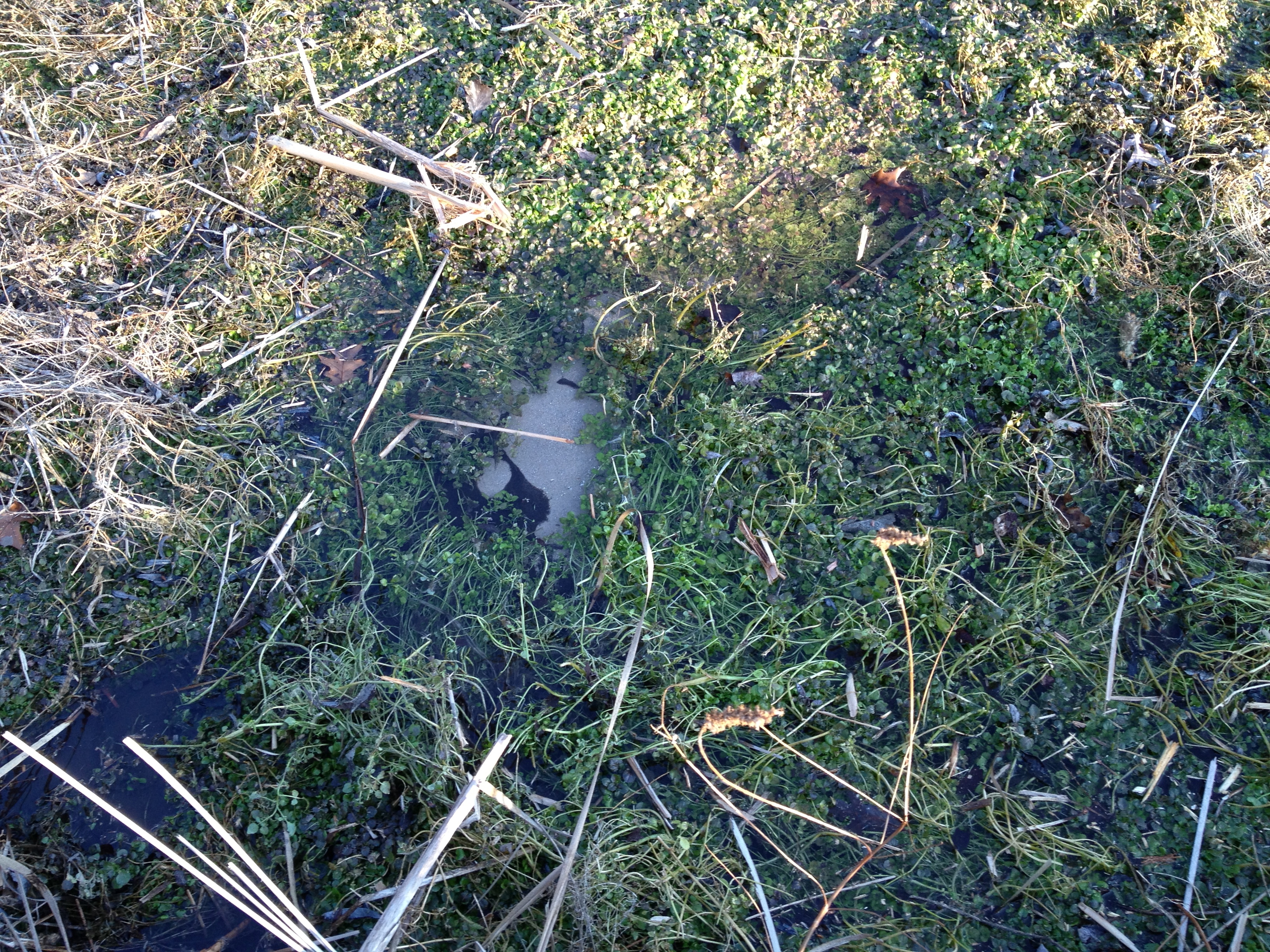
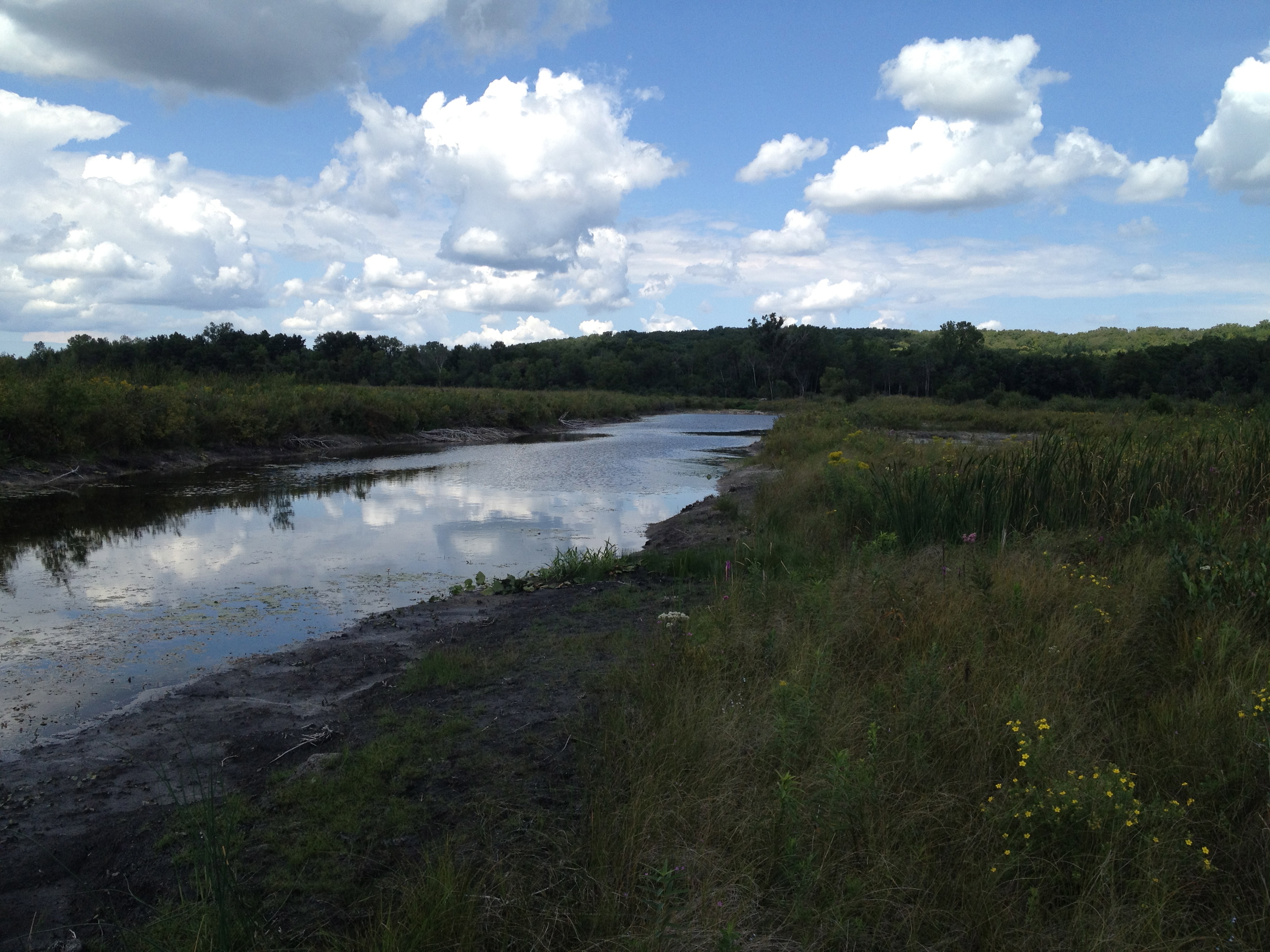
Later that day, our friends Jim and Cathy Brown visited us and we took another tour of the Springs.  We walked out along the Marl Pit channel, which is very easy to do now because of the dry weather, and I captured a couple shots along the way.

The opening in the distance on the hillside below is the Indian Campground.

Hope to see you soon out at the Springs!

Another Spring Opened Up

The Scuppernong Springs Nature Trail is full of treasures waiting to be discovered.  Yesterday I continued cutting the Phragmites on the West side of the River just North of the second bridge ( Phragmites Invades the Springs ) and sure enough, there is a beautiful little spring there under this mat of cress and phragmites.

A couple pictures before I continued cutting the phragmites.

Below, after cutting and cleaning out the spring…  This bubbler is just beyond the boardwalk that the Wisconsin Conservation Corps put in back in the 1930s so this spot was recognized long back as one of the scenic attractions of the Springs.

Below is the channel flowing out of the spring shown above toward the River.  I was not able to finish clearing the channel all the way to River.  We will need a shovel to finish excavating it as it has become filled with silt over the years.

On July 9th Lindsay finished opening the channel to the River.

He found another little spring shown on the left below.

Thanks Lindsay!

I finished cutting the Phragmites in this area.

Below are a few more pictures of the area around the second bridge (counting from the very first spring at the head of the valley).

Looking out from the bridge over the River that is just up the trail from the Marl Pits.

The little Oaks growing in the understory are being attacked by Leaf Minor.  We are keeping an eye on this to see if it is affecting any of the mature trees.

Phragmites Invades the Springs

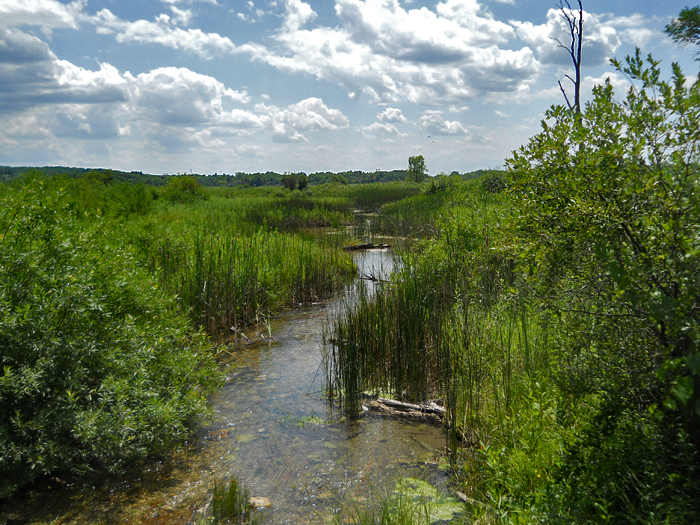
The headwaters of the Scuppernong River are the series of springs that line the hillsides along the main valley/channel where the river begins to flow.  Back in the early 1900’s entrepreneurs dammed the river and created a trout farm.  This significantly disrupted the normal course of the river and flooded the little plain through which the river flowed.  After the man-made dam was removed, beavers moved in and created one of their own, which helped keep the area flooded.  This provided a perfect environment for Phragmites, a large perennial grass, to become established.

A few years back (I’ll have to get the exact date) the DNR removed the beaver, drained the valley, and executed a major project to restore the Scuppernong River to it’s original banks.  But by this time, the many feeder springs coming off the hillsides had become choked with water cress and much of their flow was diverted into the expanding fields of Phragmites that line the river valley.  The root system of the Phragmites is amazing with hollow tubes 1/2″ in diameter drawing water from the springs and river into it’s system.  It creates a mono-culture effectively choking out all competitors, except cattails, which are also and issue at the Springs.

We have begun attacking the Phragmites using two strategies.  We are going to try a small test plot where we grab handfuls of mature plants and cut them off a foot or two from the ground and then daub the fresh cut ends with eco-imazapyr.  Alternately we are brush cutting the Phragmites now and plan to spray the new regrowth with eco-imazapyr sometime in September.  Like the water cress that built up over many years to form virtual dams in the river, the Phragmites stands are comprised of many years growth.  The reeds are very robust and can remain standing for years.  Thus the first pass through these areas with the brush cutters will be tough.  The grass is over 16′ tall and very thick.  Below are some pictures of our brush cutting efforts.  We hope that the combination of clearing the springs and river of water cress, which has lowered the water table in the valley by 6-8″, cutting and poisoning the Phragmites and, nature’s contribution of a hot, dry summer, will put a serious hurt on this invasive plant.

Back in the depression years, the Wisconsin Conservation Corps built a trail system with boardwalks leading to all the major spring locations along the river.  We have cleared many of these paths.  There are at least 2-3 springs at the end of this boardwalk shown above which have become completely overgrown with Phragmites and water cress.  The river is 40 yards to the right and none of the outflow of these springs is making it there, it all feeds this huge patch of Phragmites.  The spring below is right off the end of the boardwalk shown above.   We plan to open up these springs and dig or clear a channel for them to flow directly into the river.

Below are shots after the second pass through this area with the brush cutter.  You can see the clearing around the observation deck in the distance.

Below are some shots taken around the observation deck that overlooks a huge and beautiful set of springs.  The former shop manager at the Southern Unit of the Kettle Moraine State Forest headquarters referred to this spot as “the Little Yellowstone”.  The shot below is taken from the trail above at the Indian Campground.

There are 4-5 major patches of Phragmites in the valley and we intend to get them all cut in the next few weeks, except for our test patch, which we will poison by hand later in the season.

Water Cress Chokes Scuppernong River

When I first started working at the Springs, I used to harvest the Water Cress to put in my juicer.  That was before Don Dane and Tim Peters, from the DNR, explained that the cress was an invasive species and detrimental to the health of the Scuppernong River.  As you can see below, it was pretty darn thick.

Don and Tim explained that the cress was slowing down the water flow allowing the water to warm up, which is not good for the native brook trout.  It’s pretty tough to swim through a water cress dam!  The cress caused the water level to rise and spill over the boundaries of the river bed creating more of a marsh than would normally be there.

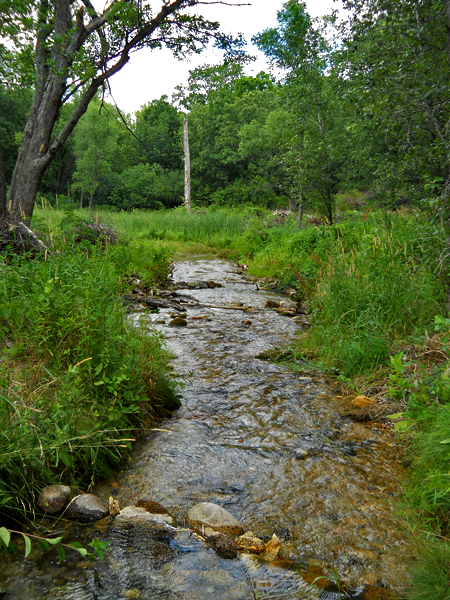
Armed with this understanding, Lindsay and I have been pulling water cress from the river since late March and now the river is flowing fast and free again.  The water level has fallen by at least 8″ and the river has settled back into its original bed.  In the process we “discovered” numerous feeder springs that were also completely choked with water cress.  So instead of flowing directly into the river, the water was absorbed into the hillside.  Here are a few examples of feeder springs that we opened up.

We are brush cutting the phragmites and canary reed grass (invasive species) that line the river and planning strategies to eliminate them.

The goal is to restore the headwaters of the Scuppernong River to a cold, fast-flowing stream that will attract fish and create a more natural setting for native wetland plants.

The Springs!

Welcome to the home of the Scuppernong Springs Nature Trail.  In partnership with the Wisconsin Department of Natural Resources and the Kettle Moraine Natural History Association, we began in May 2011 the process of restoring the natural area around the trail.  This includes cutting, piling, poisoning and burning buckthorn, honeysuckle and various other invasive species to more fully respect the beauty of this land.  We are also pulling water cress from the Scuppernong River to restore it to a cold, fast flowing stream and also to unclog all of the feeder springs so their waters will flow directly into the river instead of getting soaked up in the banks.

The Springs are the headwaters for the Scuppernong River and, per Ron Kurowski, the 40 year DNR veteran naturalist who spearheaded the Scuppernong River Habitat Restoration Area project, “It’s a World Class Site!”.