Thanks again for following my exploits at The Springs!
I’m going camping near The Springs — back online in a couple weeks. I’ll definitely be mixing a little work with pleasure and hopefully, will have some good stories to tell when I get back.
I’m under assault again from borrelia burgdorferi, and his bacterial buddy, ehrlichia. They definitely have a monthly cycle. I could barely get out of bed yesterday, but I’m feeling much better now. I’m hoping that fresh air and water, and lots of rest, exercise and good organic vegetarian food will get me back on track. Nevertheless, I have tons of medical tests to review with my doctor when I get back in town — it ain’t over yet.
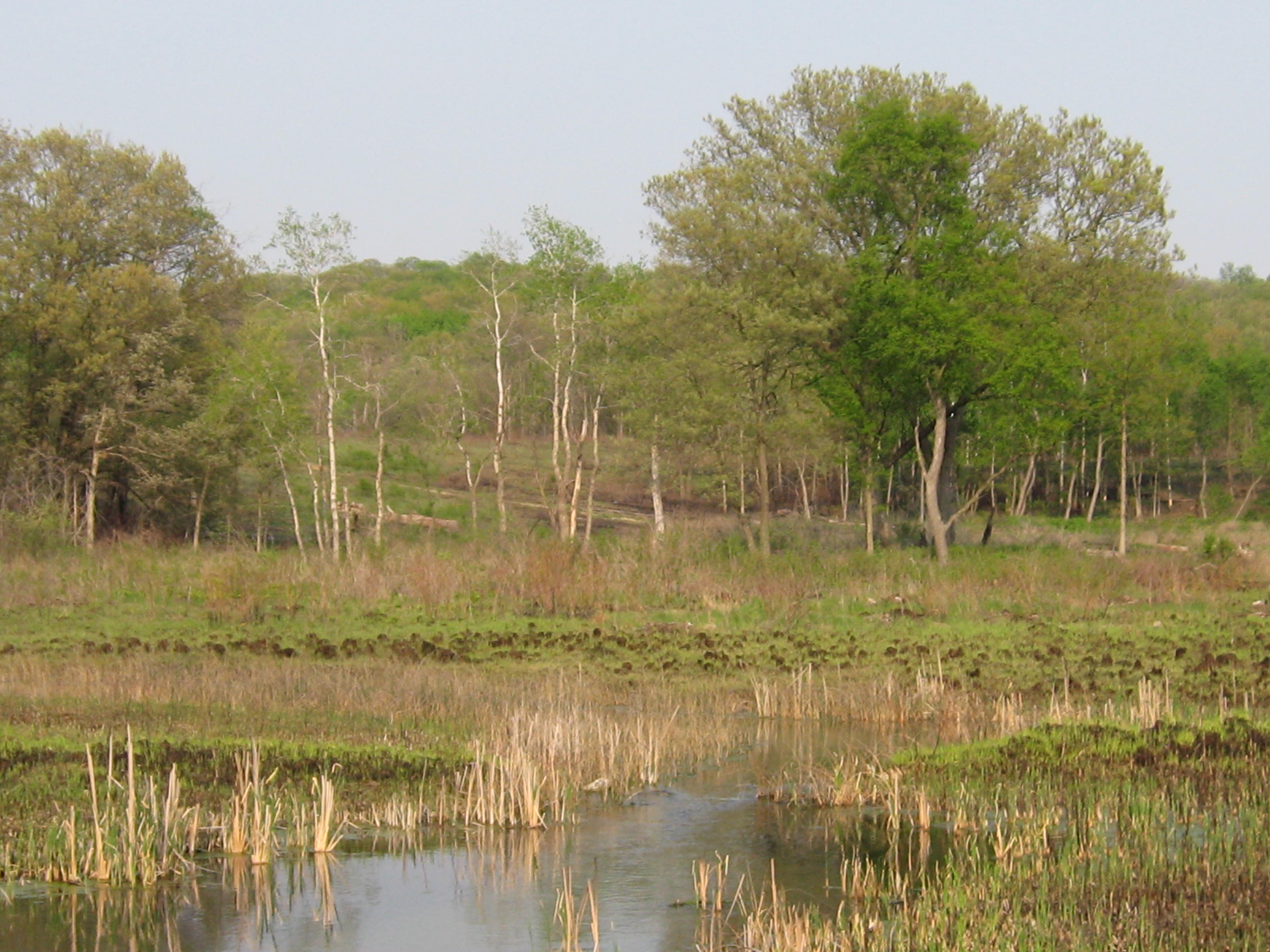
The Scuppernong Springs Nature Trail passes through prairies, woodlands and wetlands making it a great place to see a wide variety of flora and fauna. I’ve often referred to the Native American Campsite (#6 on the map) as, the “sand prairie”, without knowing what a sand prairie really is. Which begs the question, what exactly am I trying to restore? What does restoration mean? Here is a summary from John J. Ewel’s “Restoration is the ultimate test of ecological theory” in: Restoration Ecology, A Synthetic Approach to Ecological Research,1987:
Sustainability
Is the reconstructed community capable of perpetuating itself, or, like agricultural ecosystems and golf courses, can it be sustained only if managed by people? Invasibility
Does the reconstruction yield a community that resists invasions by new species? Intact, natural communities are, in general, less easily invaded than ones that have been damaged or ones that lack one or more of their key species. Productivity
A restored community should be as productive as the original. Nutrient retention
A reconstructed community that loses greater amounts of nutrients than the original is a defective imitation. Biotic interactions
Reassembly of formerly associated plant populations often – but
not always – leads to reconstitution of the entire community. Animals and
microbes usually colonize spontaneously because of their mobility and ubiquity,
respectively.
These are concrete, comprehensive, challenging goals that I’m taking to heart and mind.
Per Finley’s Vegetation of Wisconsin in the Mid-1800s map, this area was comprised of oak openings and prairies, of which we have one of the rare, “imperiled” varieties, i.e. a sand prairie, right here at The Springs. Last year we spent a lot of time there clearing scruffy red oak and cherry trees that had survived earlier mowing and burning, and doing a lot of piling and burning of our own. This year we are attacking the weeds and I asked Ron Kurowski (retired DNR Naturalist) to come out and help me identify plants and strategize. Last Thursday, July 18, despite the heat and humidity, Ron was his ebullient self and we spent hours under the hot sun identifying plants; it was a blast!
The big blue stem by the marl pit canal responded very well to the burn.
Liatris, aka Blazing Star, on the sand prairie.
Swamp milkweed by the Indian Spring channel
Cord grass
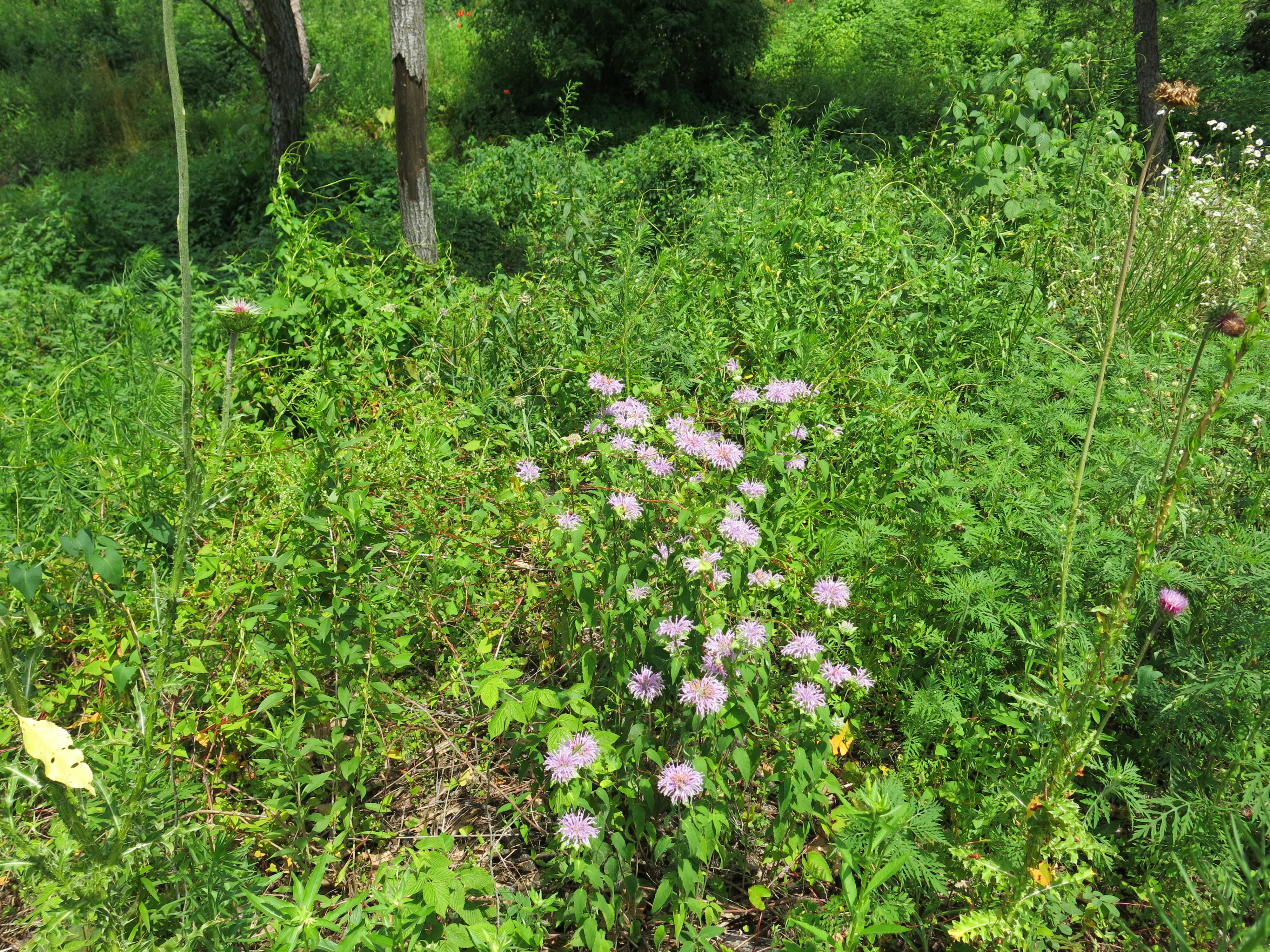
Bergamot
Before Ron arrived, I did a little brush cutting and spring cleaning in the area of the Hotel Springs.
5 springs emerge from the hillside near the stone half circle that frames the main Hotel Spring and they had gotten overgrown with brush and water cress. I also cleaned out the springs by the old barn site and the new spring, that just started flowing again this year, by the huge willow stumps. Take a look!
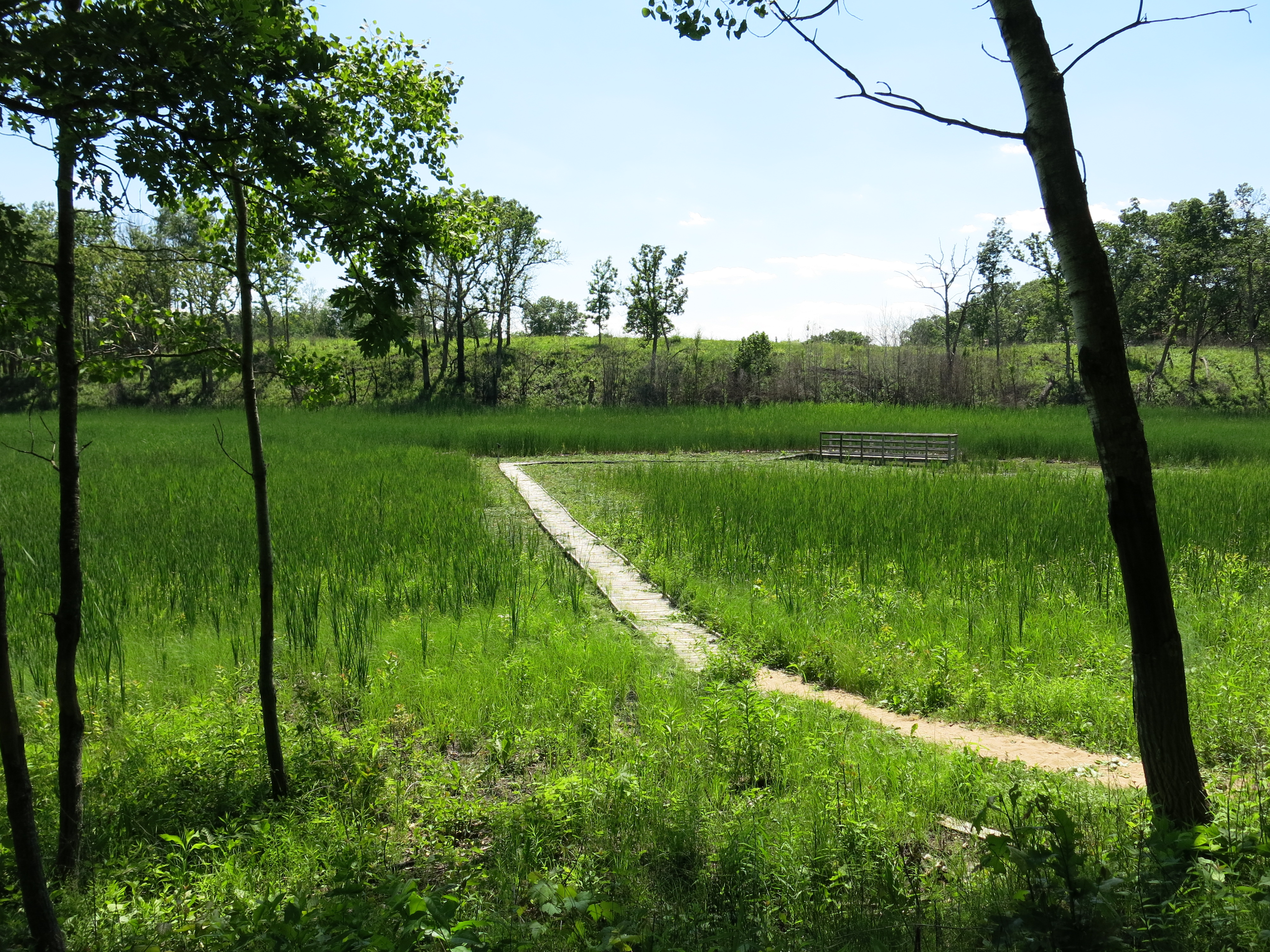
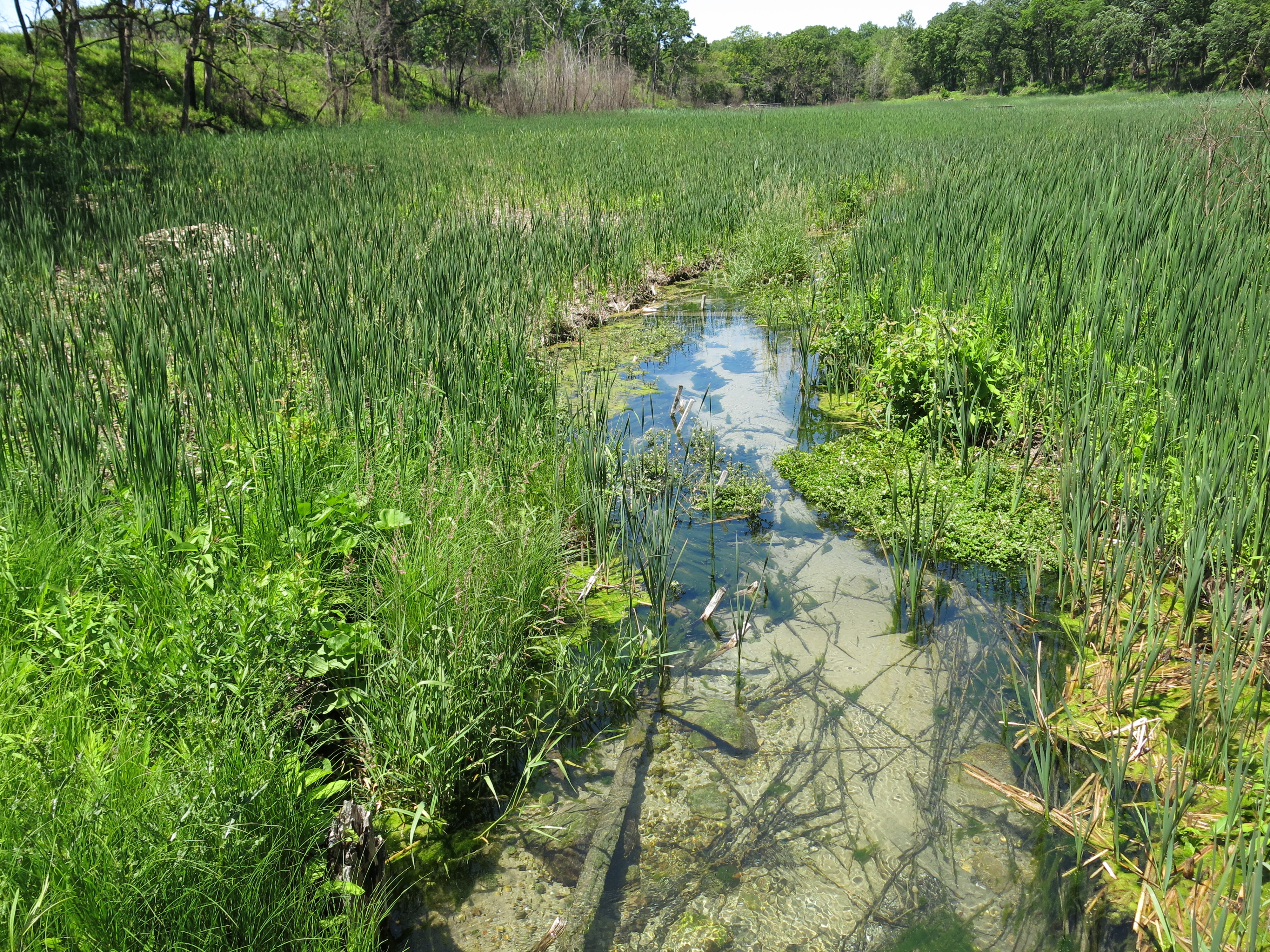
One of my main ecological considerations, and axiomatic to reaching the goals set by Mr. Ewel above, is to limit, and ultimately completely stop, using poison on the land. The main valley along the headwaters, where all the springs are, is dominated by invasive cattails and phragmites. I recently tried spraying a patch of nearly 100% phragmites by the observation deck at the Emerald Spring with Habitat, and I thought it did not work. Now I think the jury is still out.
Is there an alternative to poisoning these plants that will enable other species to compete more effectively? There are a variety of shorter plants trying to make a living under the phragmites and cattails and they will loose out if their taller competitors are not burned frequently. I’m already talking to the DNR about burning next year and maybe we’ll try Lindsay’s idea and do smaller, targeted burns, like in the valley just mentioned.
I ran the brush cutter for a while after Ron left and sprayed buckthorn resprouts on the steep hillside by Hwy 67 before calling it a day.
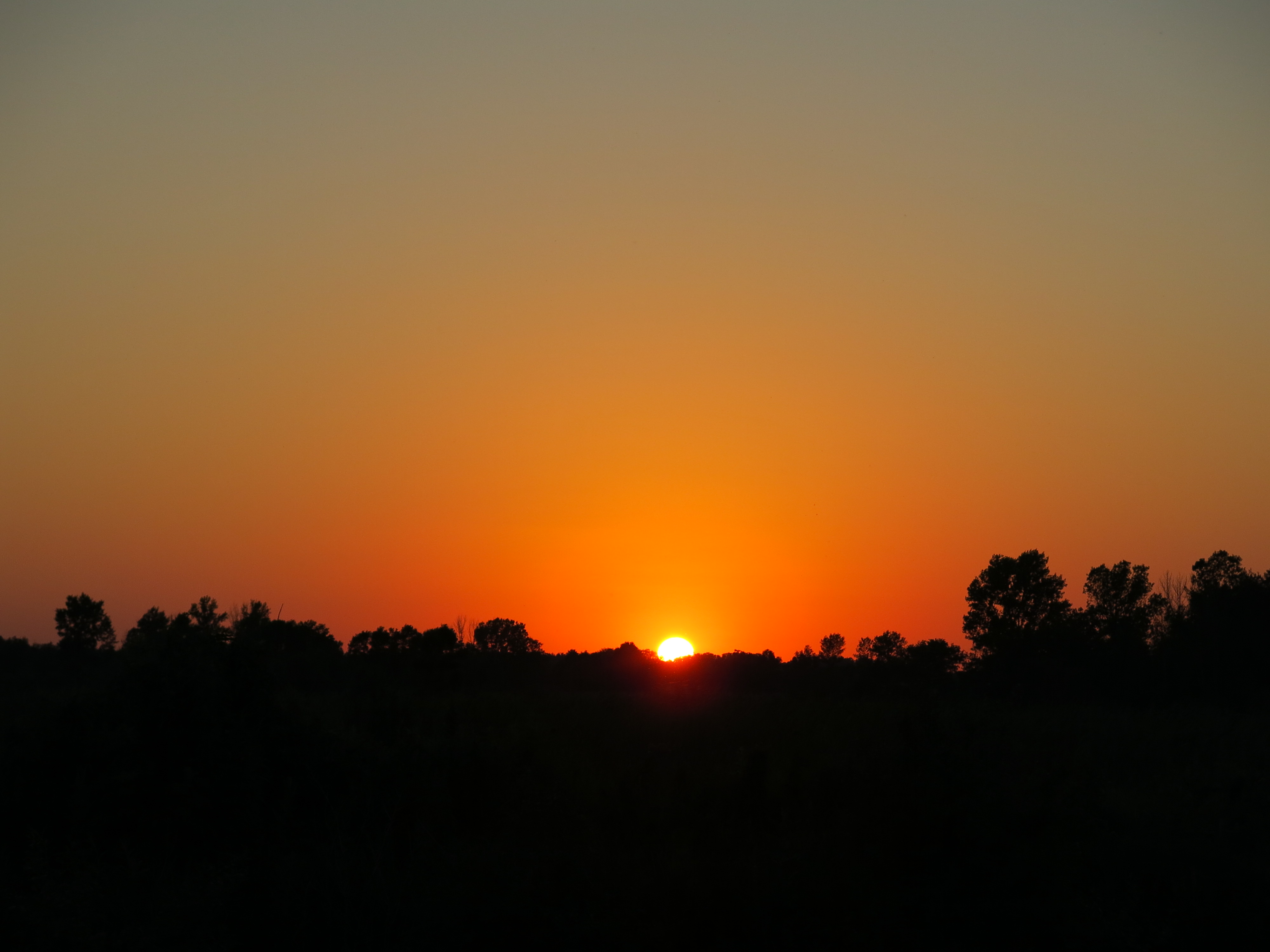
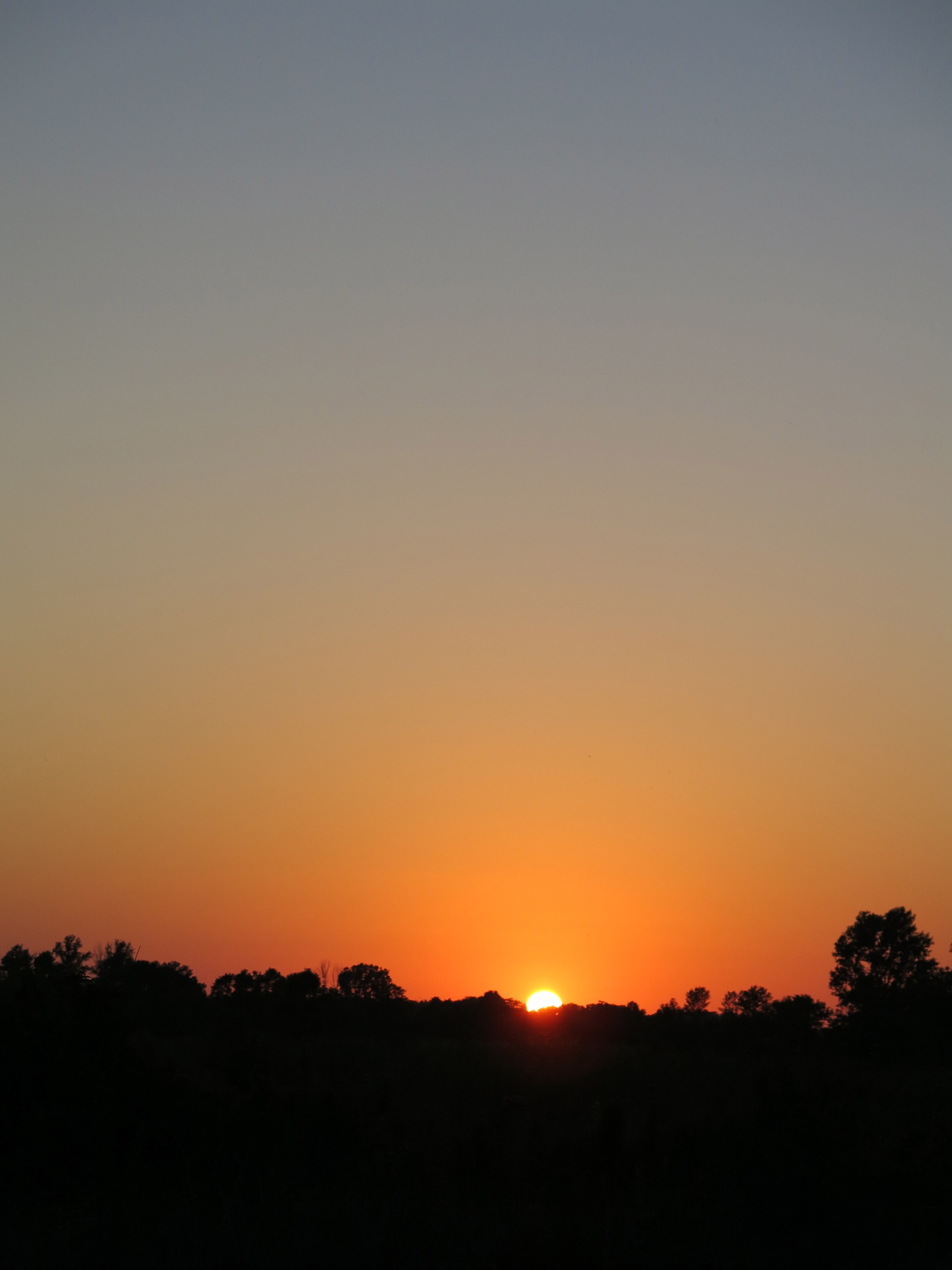
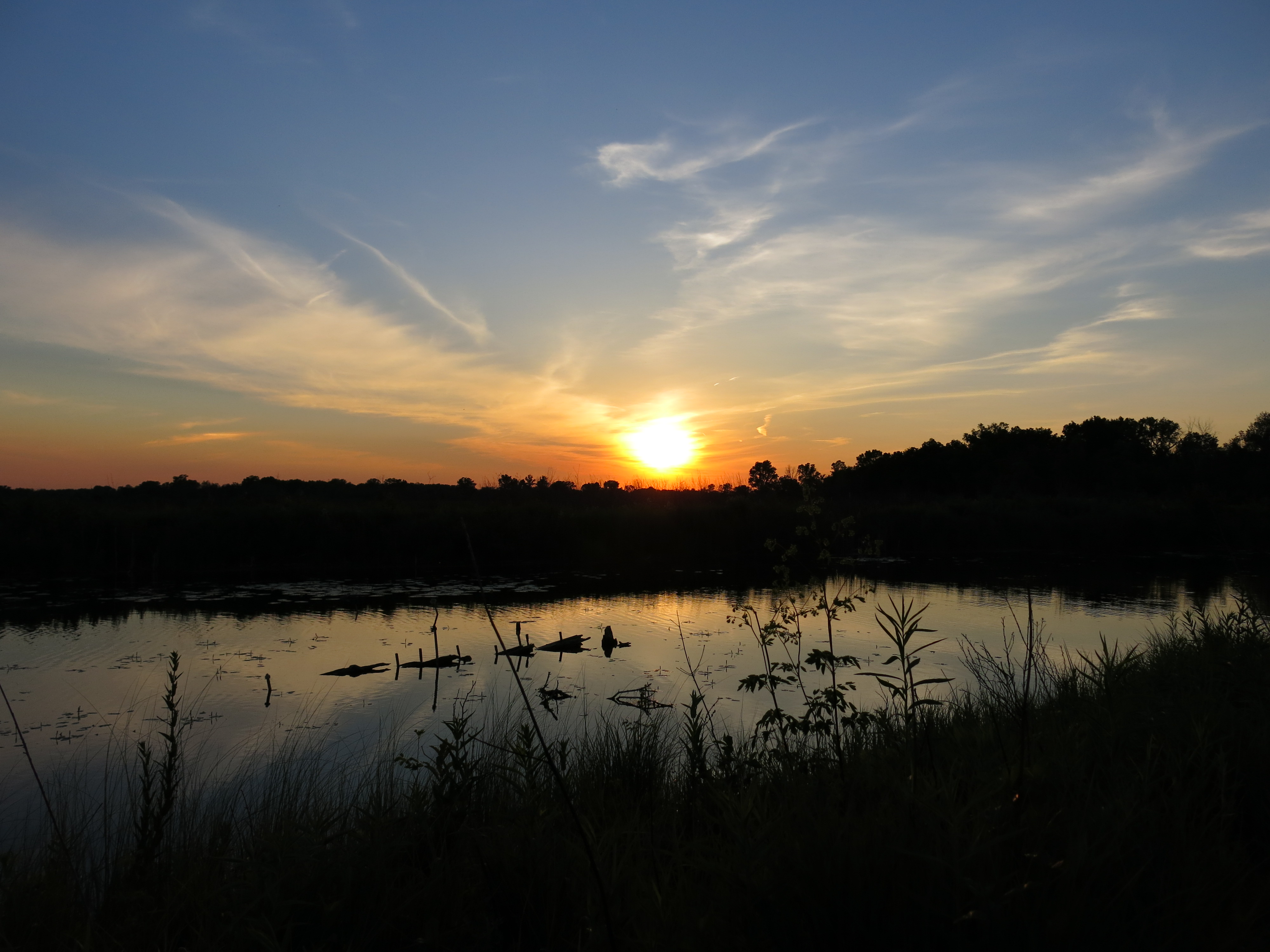
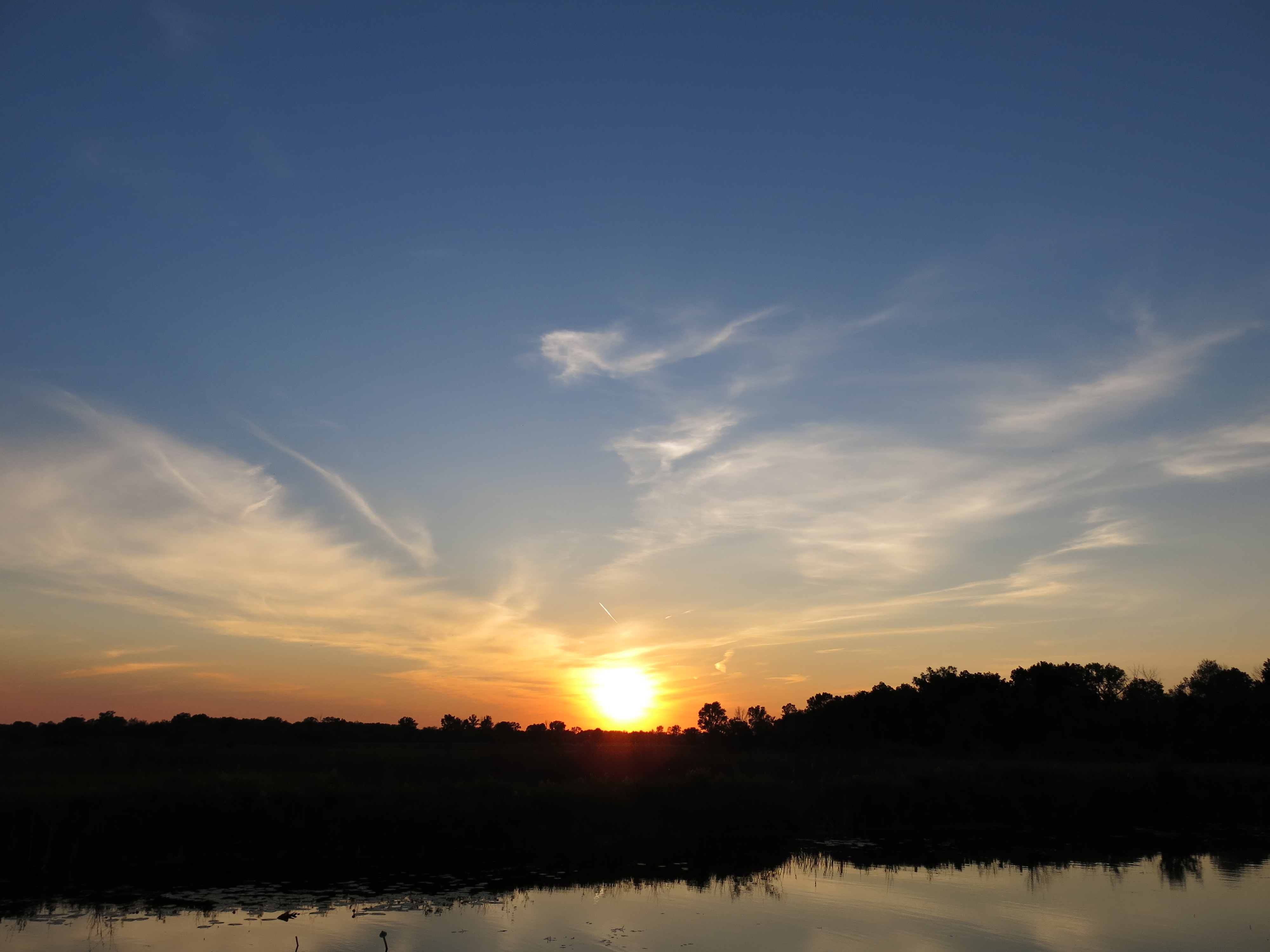
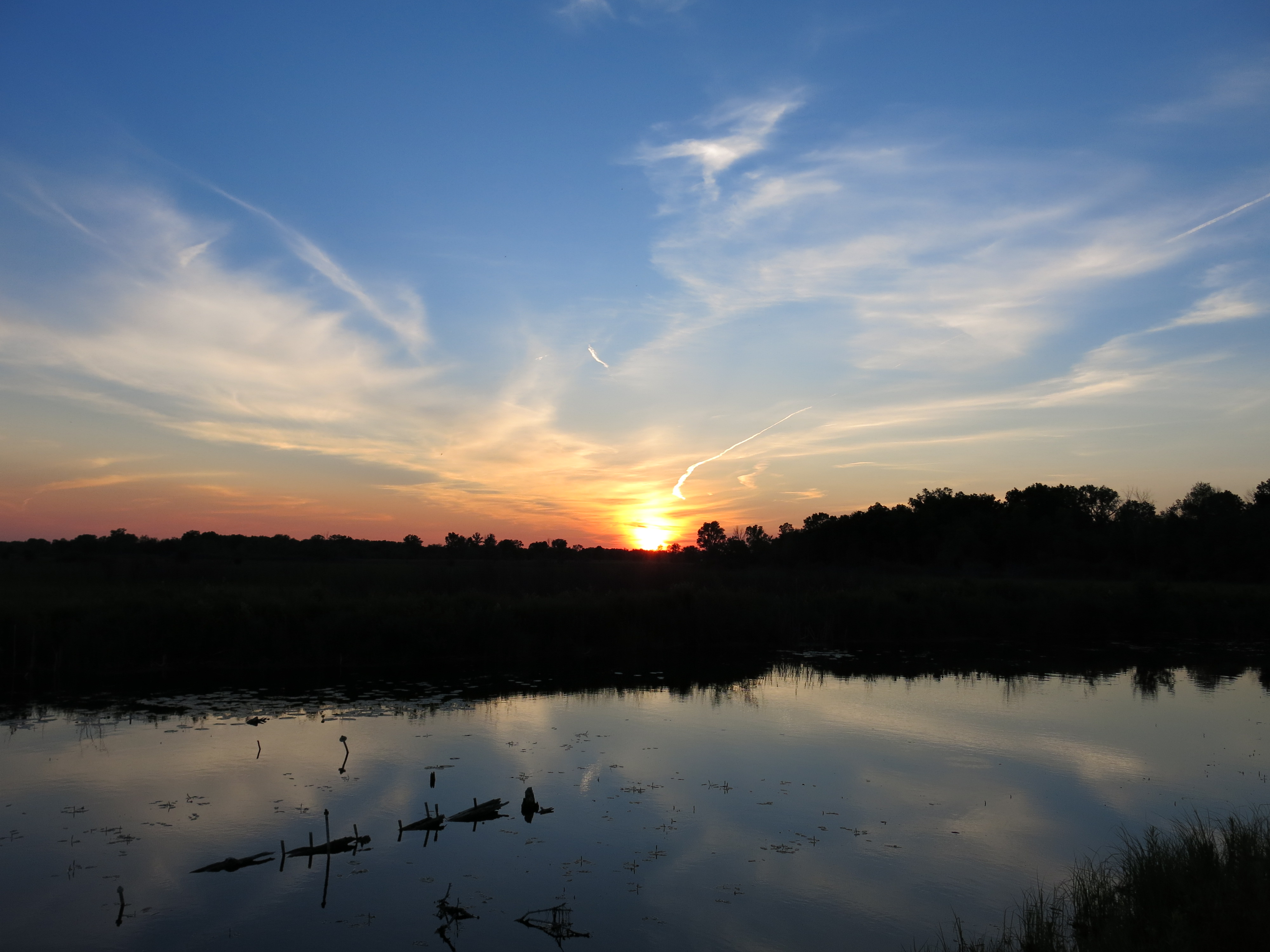
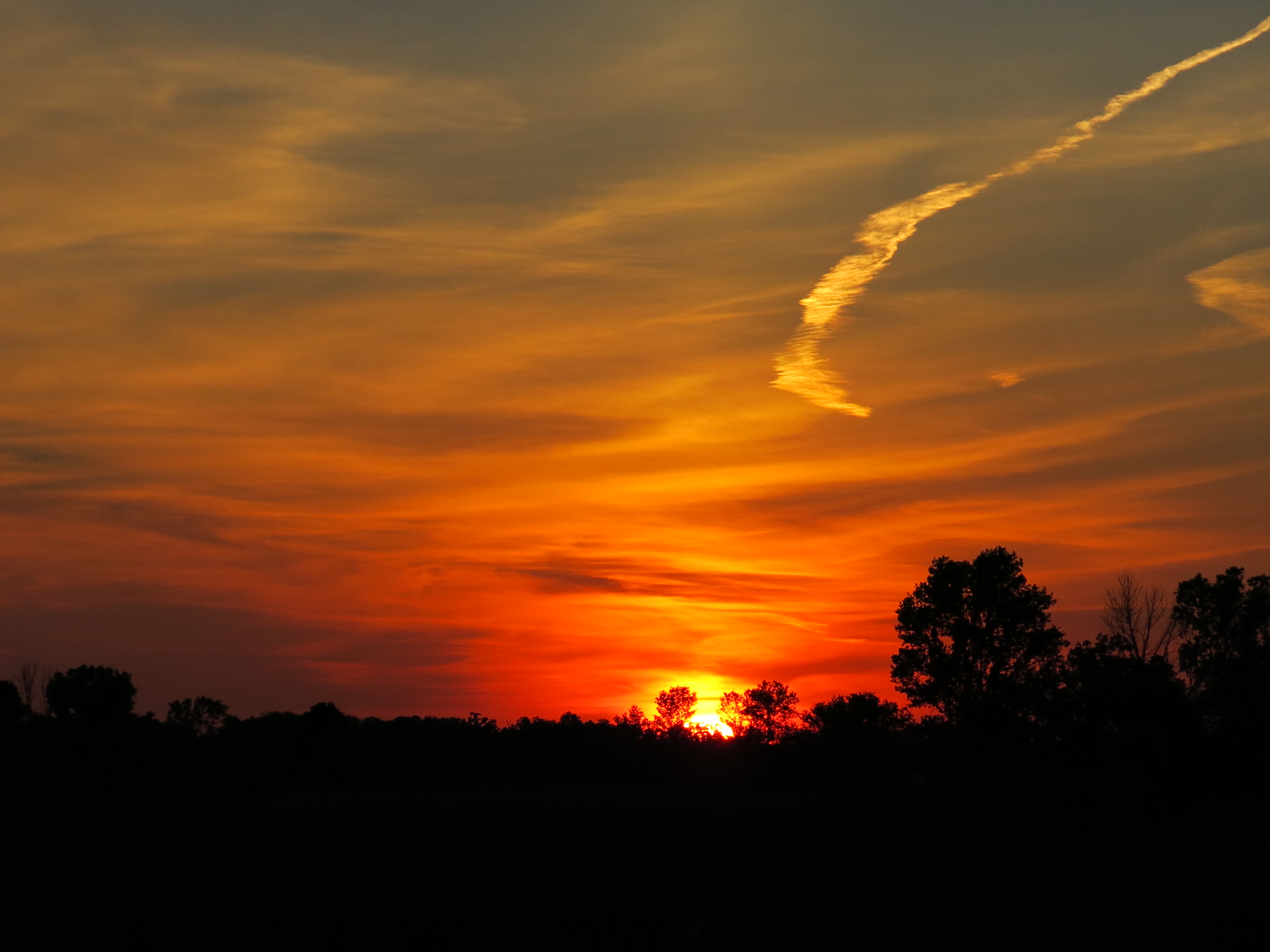
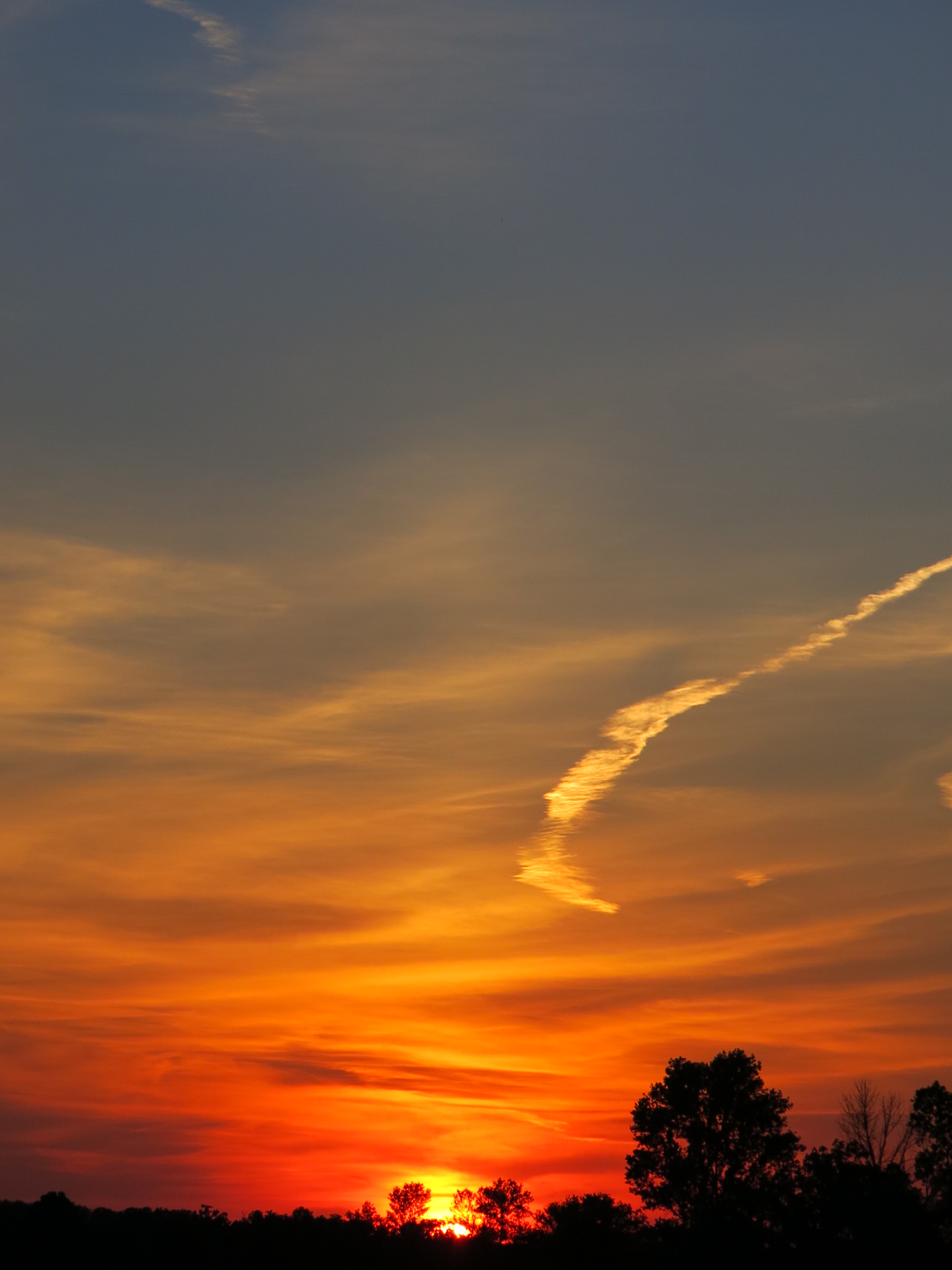
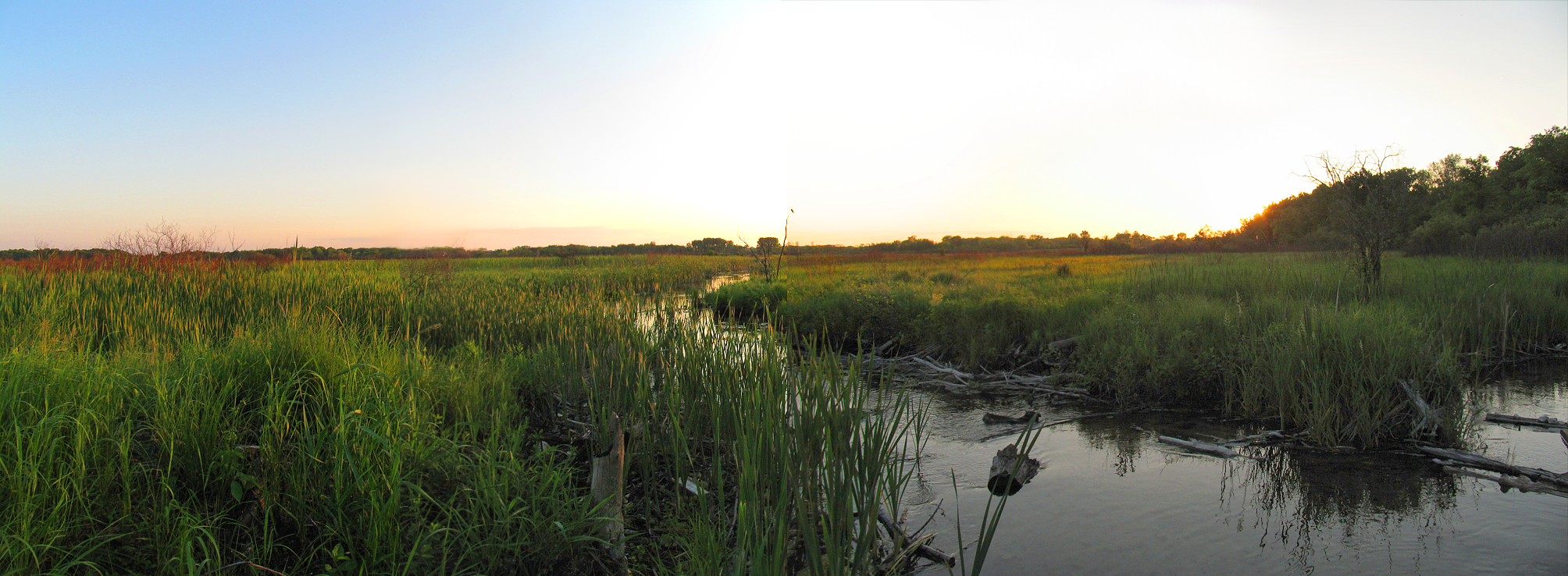
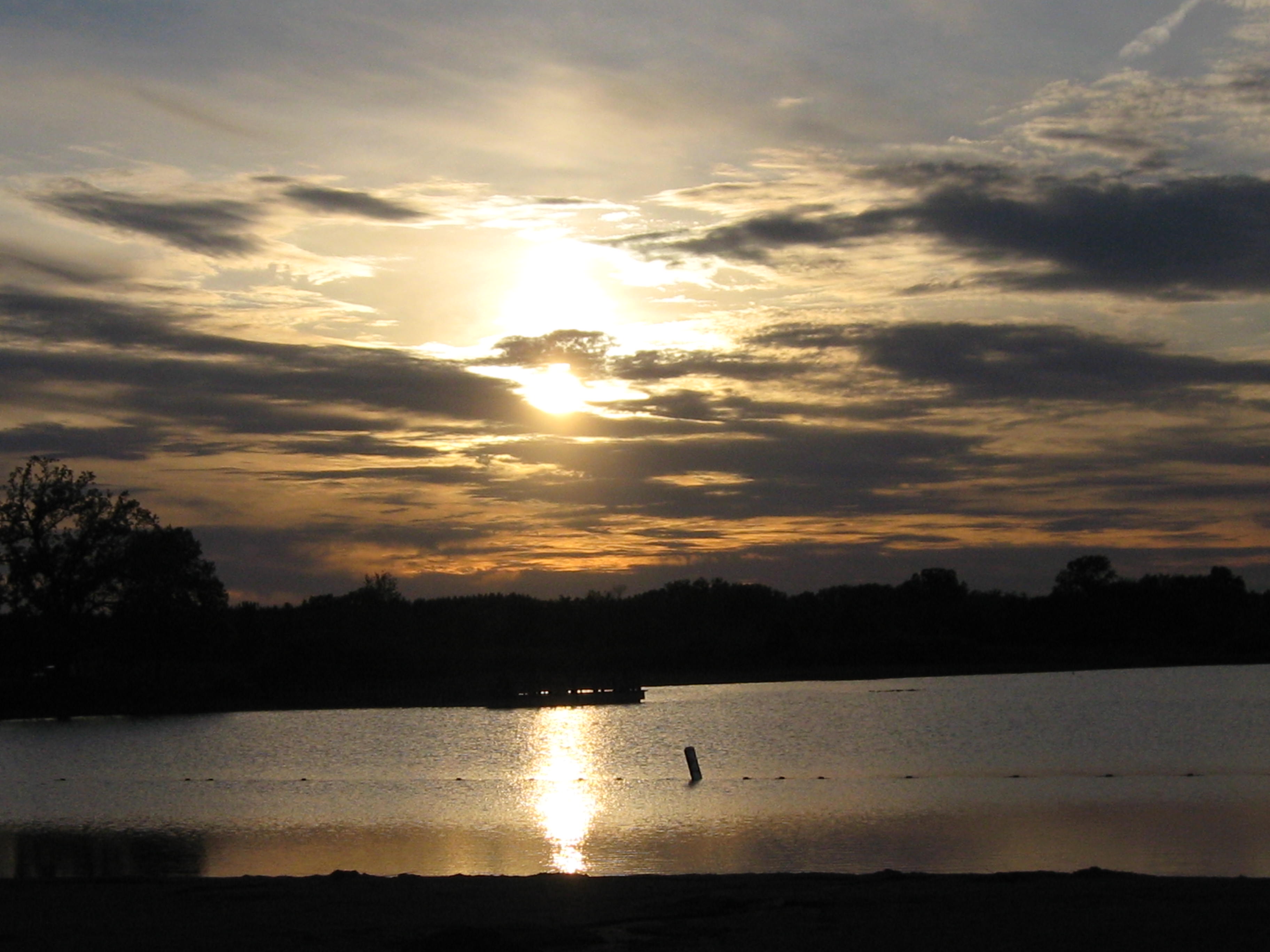
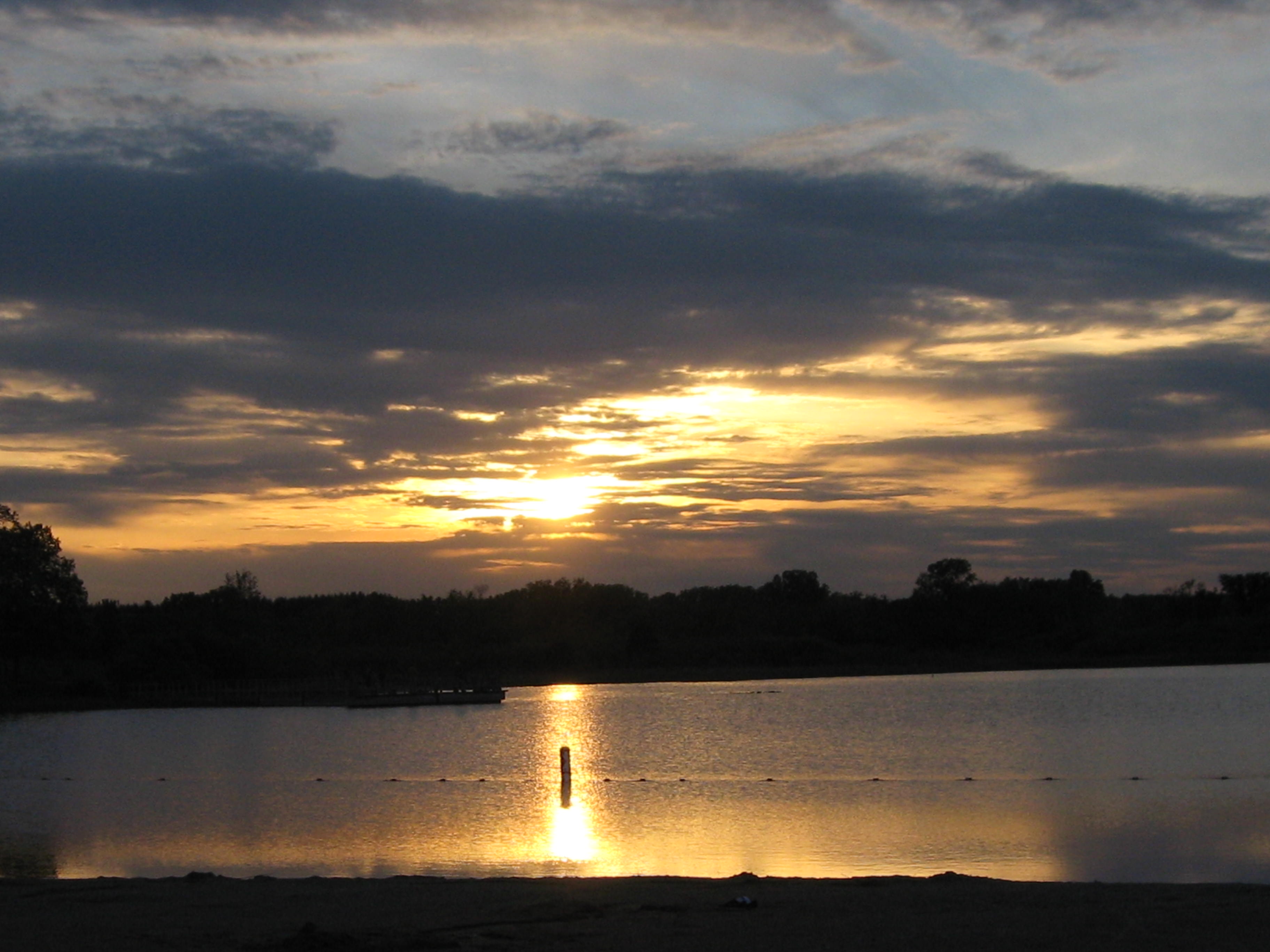
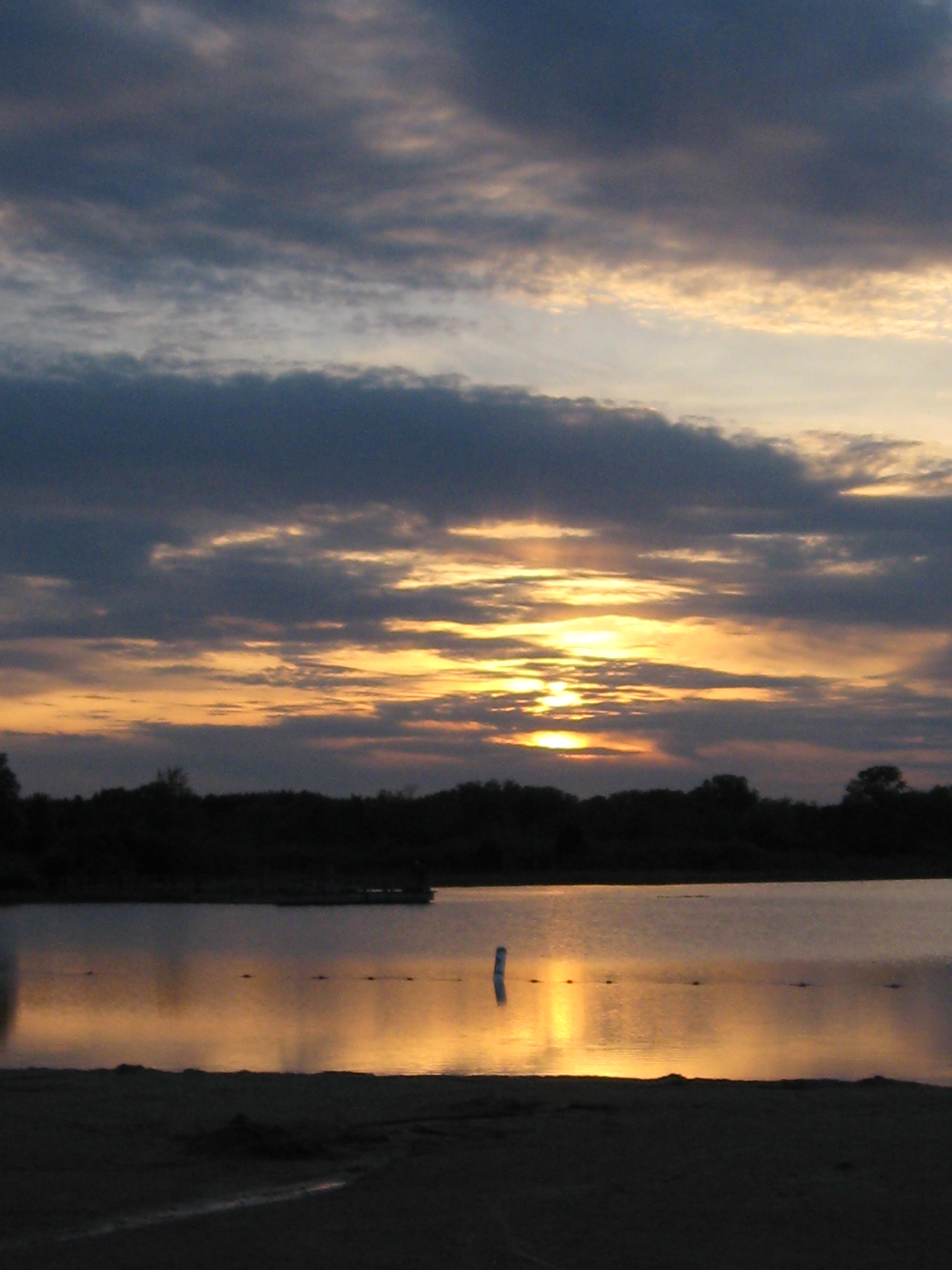
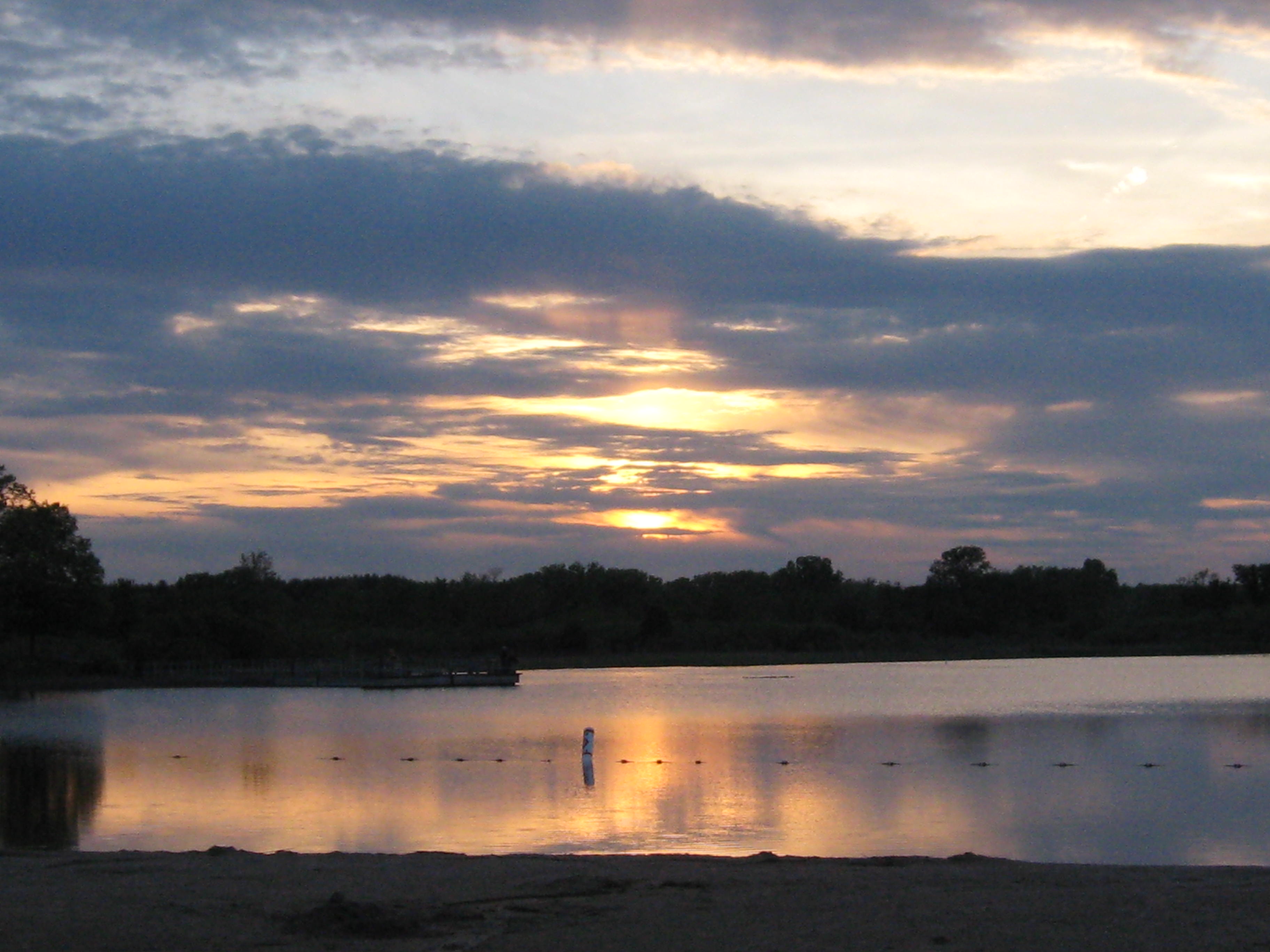
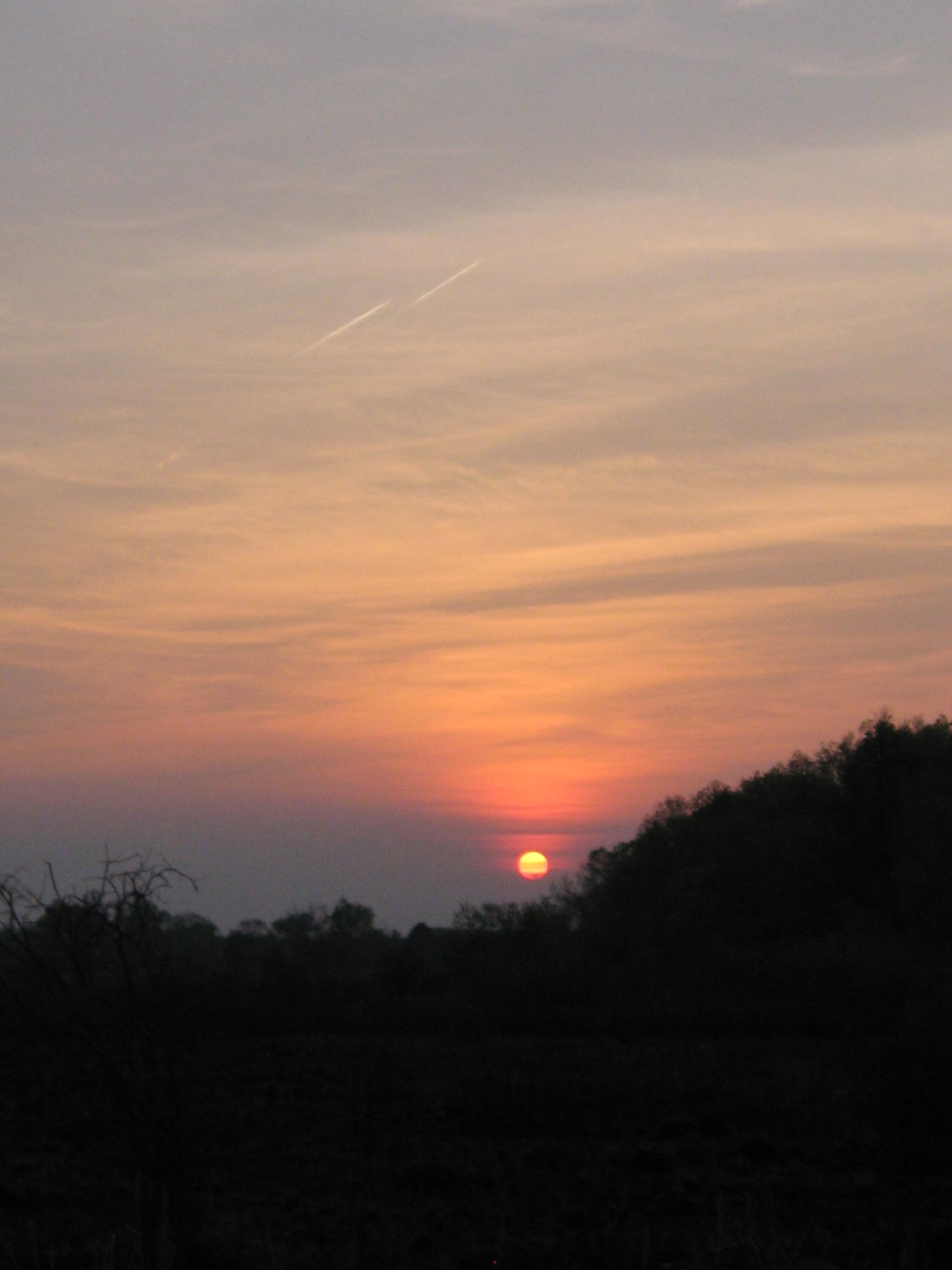
After a bath and a little yoga at the marl pit bridge, I put my bug net on and enjoyed the sunset.
The Springs are luxuriantly green in harmonious sympathy with the summer solstice.
I’m a little worse for wear — might be all the tick bites. Pati gave me this great site for info about lymes disease and we’re investigating and getting advice from people who have had it, like our good friend Karen Ande.
Yesterday it was absolutely gorgeous all day long at The Springs and I was eager to try out my new camera. The picture auto-focus and high definition video are great. Now, if I could just learn to hold the camera steady when taking videos, especially the first few seconds.
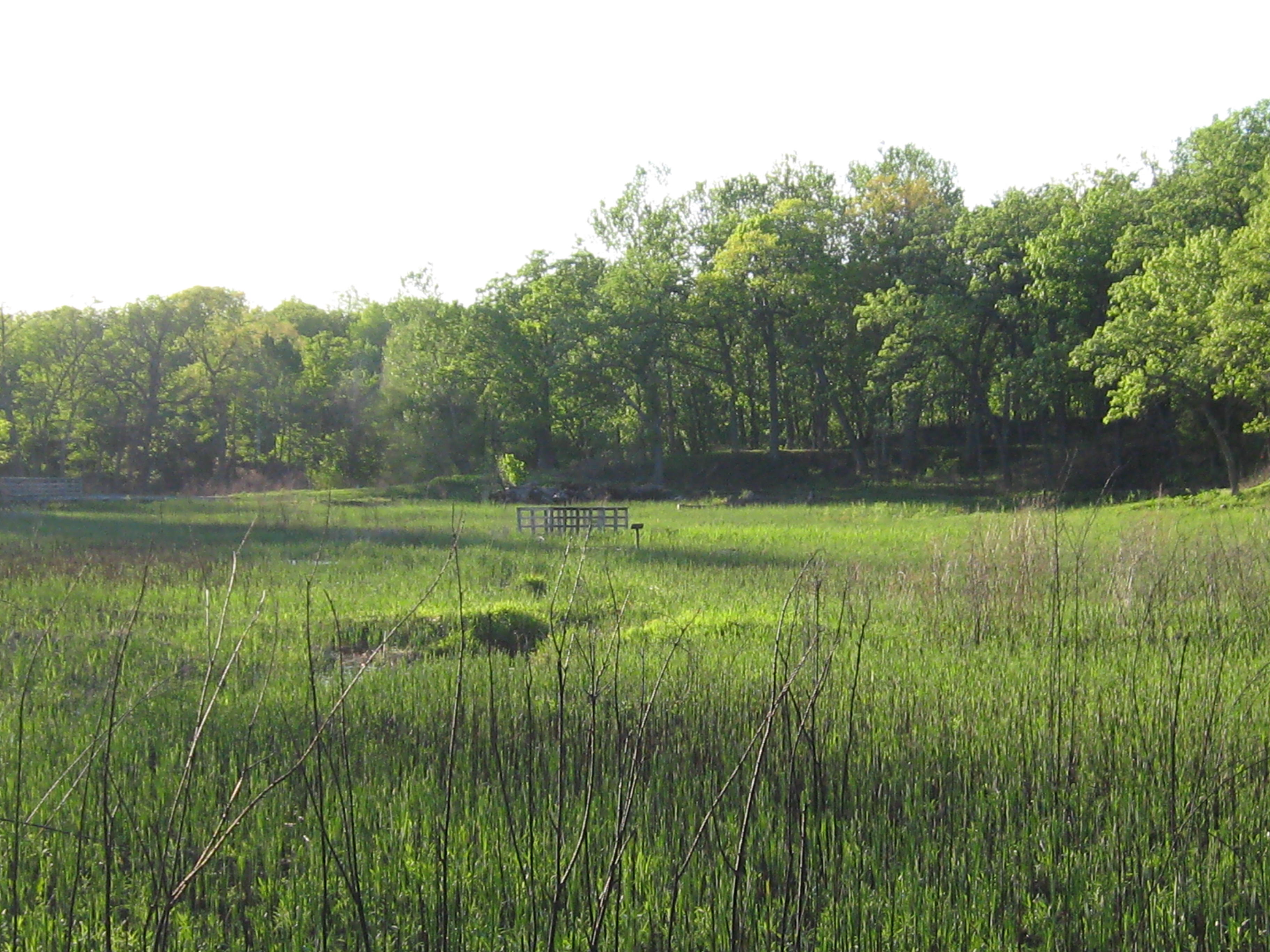
The view from the Scuppernong Spring, where I drew some water for the day.
I sprayed 8 gallons of very dilute (.2oz/gal) Milestone/aminopyralid on first year garlic mustard and huge patches of burdock on the south end of the trail and I must confess that I’m sorely conflicted about my continued use of herbicide on the land. Per this Mother Earth News story, there are issues with Milestone. The DNR reassured me that there is no problem given the low concentration they recommend, but I’m having doubts.
I mentioned in a previous post that I was not going to use Habitat/imazapyr anywhere in the river valley and I recently returned my supply to the DNR. This article in Natural News, persuaded me to return my Glyphosate as well. I’m still using Tahoe/triclopyr for buckthorn stumps, Transline/clopyralid for Black Locust and Milestone/aminopyralid for broad-leaf weeds.
In an ideal world, the DNR would have the resources to Burn The Scuppernong on a more regular basis; interspersing fall and spring fires per, the available fuel, and the status of the weeds. If that were the case, it would be conceivable to eliminate the use of all poisonous chemicals on the land. I feel a rant coming on… but, instead, I’ll do what I can to work toward that goal.
I brought my brush cutter out to tidy up the place. Here are before and after shots of the DNR 2-track we use to access a parking area at the south end of the loop trail.
Then I made my way to the hillside springs at the first embankment/bridge below the Scuppernong Spring.
The second bridge down, before and after.
Then, on to the boardwalk that leads to the Emerald Spring. I sprayed this area with Habitat a few weeks ago and there was no effect. I miss the wise console of my good friend Lindsay Knudsvig, who would have undoubtebly warned me that it was “too early dude!”
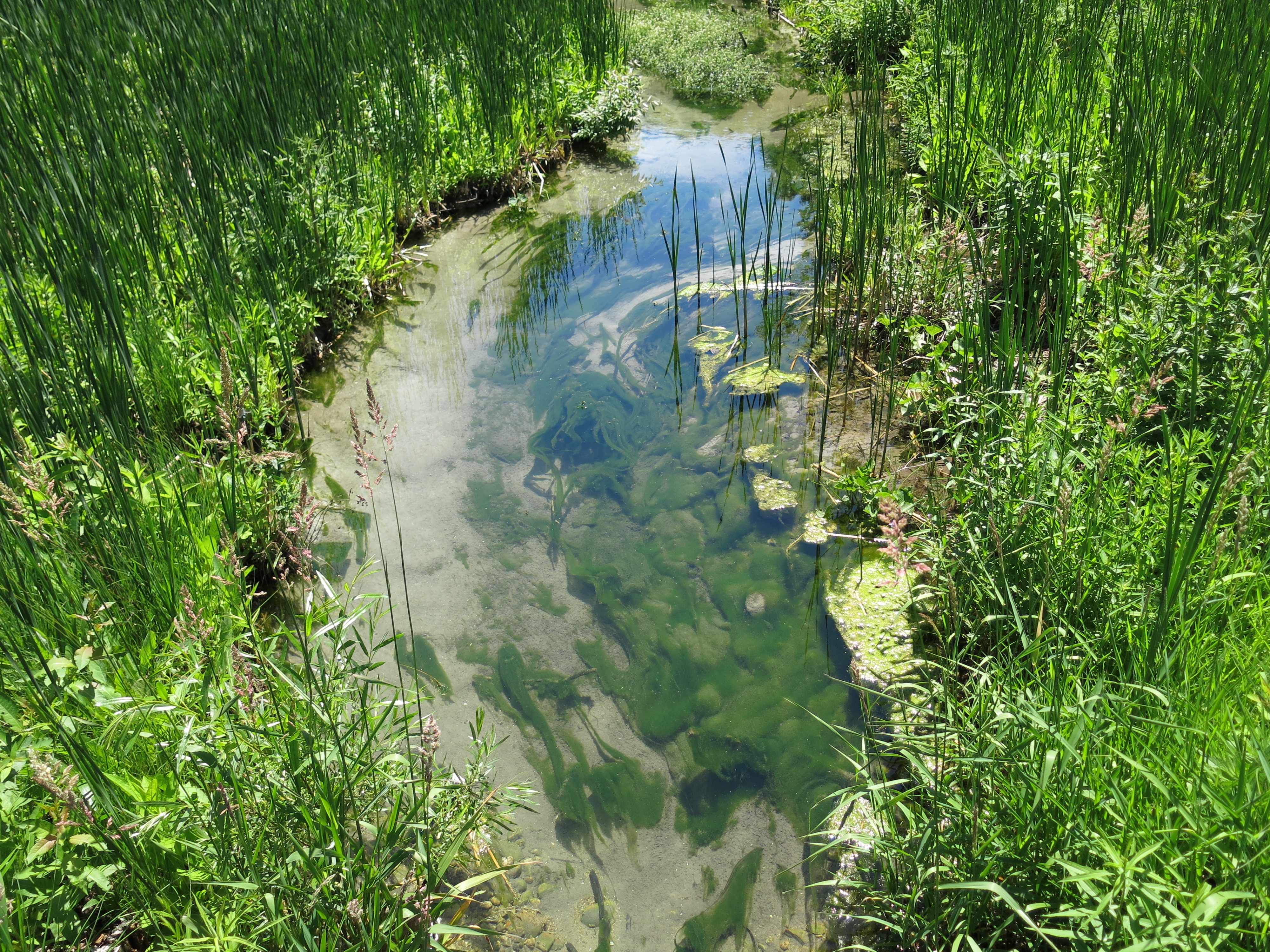
I’m a little concerned about the algae that is blooming in the river and speculating that it might be caused by the removal of the layer of water cress that covered the river last year, and the burn this spring, which, together, significantly increased the amount of sunlight hitting the river bed. Warm temperatures spawn algae growth and so does stirring up muck in old river beds, which we did a lot of last year. This year’s DNR fish count, coming in July, will be very interesting. In any case, my further interventions with the river going forward will be minimal.
I cut cattails and willow resprouts at the Hatching House Springs and reed canary grass and buckthorn resprouts by the old hotel and barn sites. Jon Bradley mentioned in the last post that his expedition did not venture onto the cut-off trail because he “couldn’t see a definitive trail”. Indeed, a lot of aspen, buckthorn, honeysuckle and prickly ash has quickly sprouted so I went through the entire trail with the brush cutter to make it more evident. You can pick up the cut-off trail (aka, The Lost Trail) on your left as you walk along the main trail just past the long, tall, marl pit factory wall, on your right. Look for 4 logs laying parallel crossing a little drainage ditch and take this trail!
Come along as Jon Bradley takes us on his recent amazing adventure at the Scuppernong Springs!
If you are receiving this post via email by subscribing to this site, you can click, or double click, the pictures to display them full screen; well worth it for Jon’s beautiful photographs. If you hover your mouse over a picture and a youtube link appears, follow it.
The last time out, I was taking sunset photos from the marl pit canal and noticed someone hanging out on the bridge; it was Jon…
I had a blast at The Springs this past Thursday night, Friday, and Saturday morning. I hit the trail 5 times but only went through the whole thing once, I mostly stuck around the Marl Pits. Admittedly, I wanted to check out the new cut-off trail but couldn’t see a definitive trail.
As you saw, I installed the Tree Swallow house on Thursday afternoon. I saw a ton of Tree Swallows around that area, so it was definitely a fantastic place to put it. (Just an FYI there is a loose nail on the left side of the front, which can be pulled out to swing open the front if it ever needs to be cleaned out. It’s something I never really knew about before but read it online and figured I’d install it on that one since it’ll be at the trail, hopefully for many years to come.)
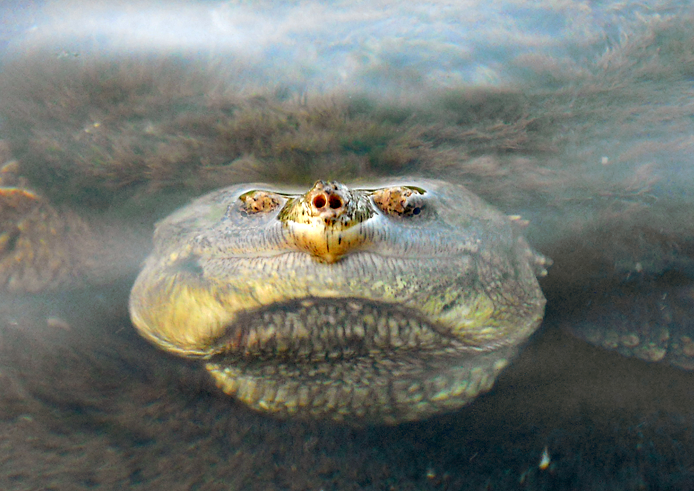
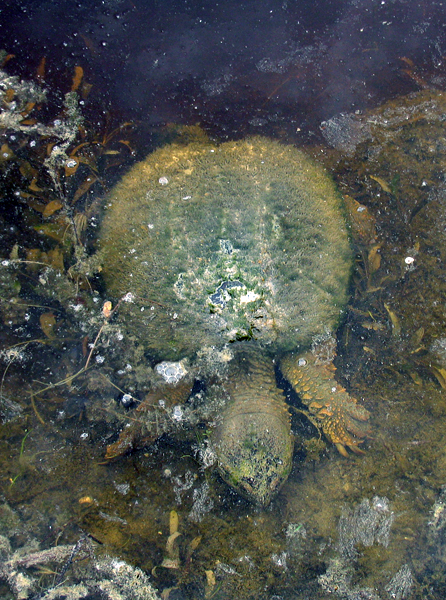
During sunset I saw this Snapping Turtle and Blandings Turtle on each side of the Marl Pit Bridge.
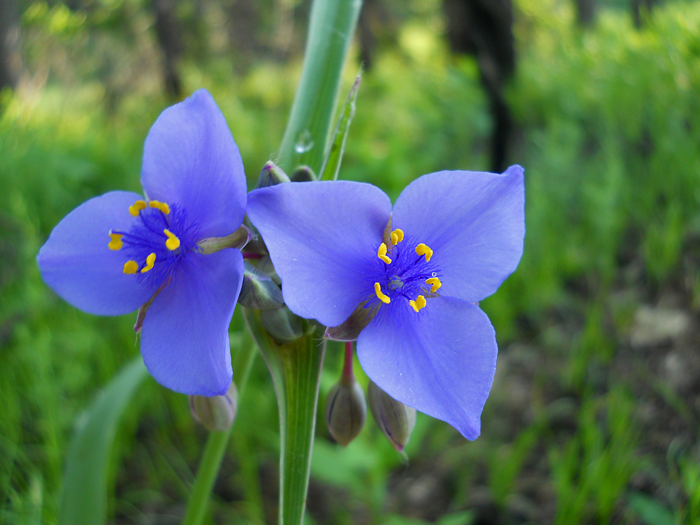
These Spiderwort plants were everywhere. They sure do have a nice color to them, don’t they?
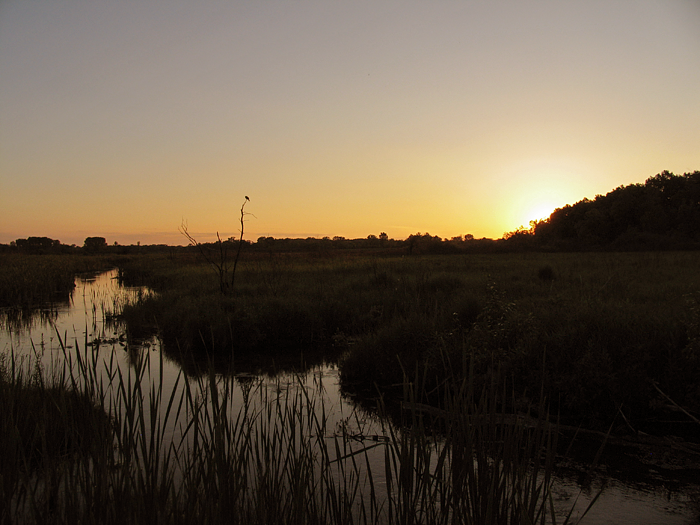
I’ve never actually been to The Springs during sunset before, it was definitely worth seeing, and thankfully the mosquitoes weren’t too bad around the Marl Pit area, compared to to the first stretch of trail where they were swarming.
Friday morning at the Springs was fantastic. I hit the whole trail and enjoyed watching the springs from quite a few locations along the trail. It was a quiet day with no one on the trail and not too much traffic going by so it was a pretty relaxing stroll.
This muskrat was working all day long on its den in the largest Marl Pit.
I always have a good time hanging around the main spring, though the mosquitoes were so thick around it, I chose to continue on after a minute or two.
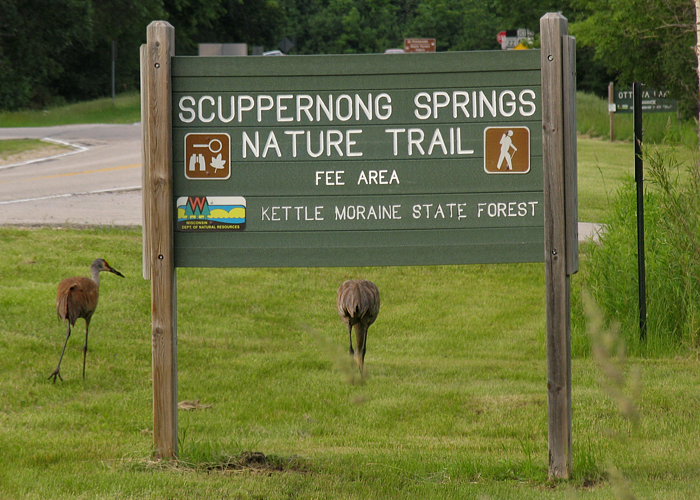
A few other photos I took at the trail include Sandhill Cranes at the entrance, another large Snapping Turtle in a Marl Pit (it’s markings seem to match up with the one I saw on the previous day), and a tiny Painted Turtle in the large Marl Pit.
I also got a few interesting photos at Ottawa Lake. I just missed out on this Snapping Turtle laying her eggs by the pier.
During one last bike ride around the park, I found this small Snapper by the beach parking lot and saved it from getting run over. Hopefully it headed straight back to the lake.
I’m already looking forward to my next trip out there!
(ed. note,
Just in, here is a great video tour of The Springs that Jon put together.
It was around this time last year that we met Don Dane and Tim Peters at The Springs and expanded the scope of our restoration effort to include opening up all of the springs that feed the Scuppernong River, and clearing the river itself. Like Neo in The Matrix, who followed the white rabbit to discover the truth, we are also on a journey of exploration and learning to discover “the truth” of what the Scuppernong Springs area was like before the invasion of the white settlers. Terence McKenna coined the term Archaic Revival and it strikes a chord with me.
I had the pleasure of spending Friday, May 24, at The Springs. The northeast winds that arrived the day before continued to blow and the sky was impeccably blue. DNR naturalist/guide Melanie Kapinos and long-time Ice Age Trail Alliance member Barbra Converse, who gives tour of The Springs, stopped out to chat.
Barb asked ‘why do you do it?’ and I really appreciated the opportunity to explain myself. It will take a long time to “revive” this area after many, many years of neglect. As I walk the land and observe the recovery from the burn, I see tons of weeds amongst the good native flowers and grasses. Much of the green you see in the post-burn pictures I have been posting is from buckthorn seedlings, thistle and burdock patches, phragmites, cattails, garlic mustard, spotted knapweed and other invasive plants. The journey back to health for the Scuppernong Springs Nature Preserve and the Scuppernong River Habitat Area will be long and I take every step with joyful anticipation.
I continued girdling Aspen on the slope behind the Hidden Spring. The fresh air made every breath a pleasure!
I spent the afternoon pulling watercress, phragmites and cattails from the Hatching House Springs and the Hillside Springs. These springs have nice, stony bottoms and look like great trout spawning habitats. I harvested a healthy dose of watercress at the Scuppernong Spring, which has the sweetest cress of them all.
Pati joined me for the rest of the day and we reveled in the beauty.
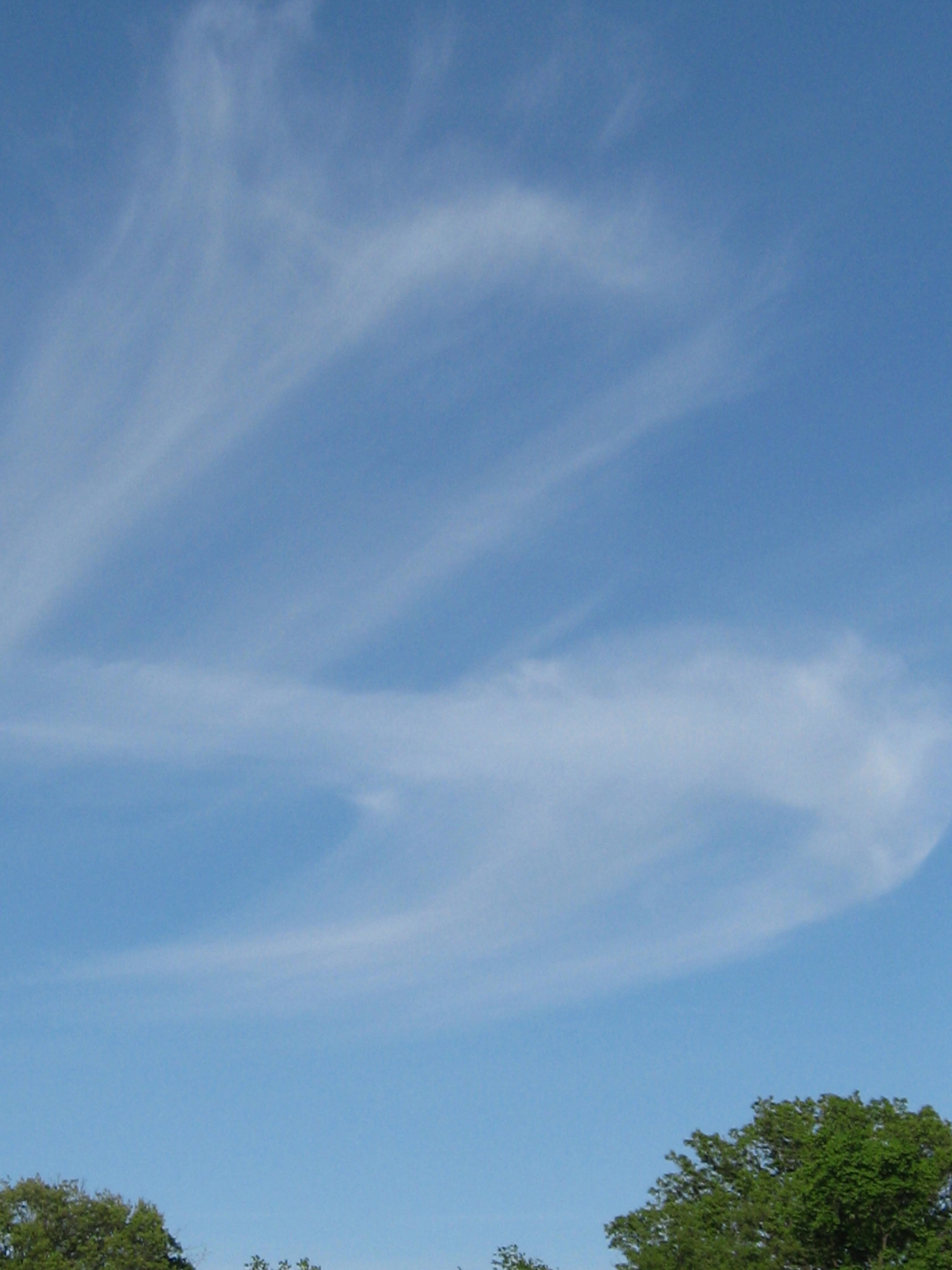
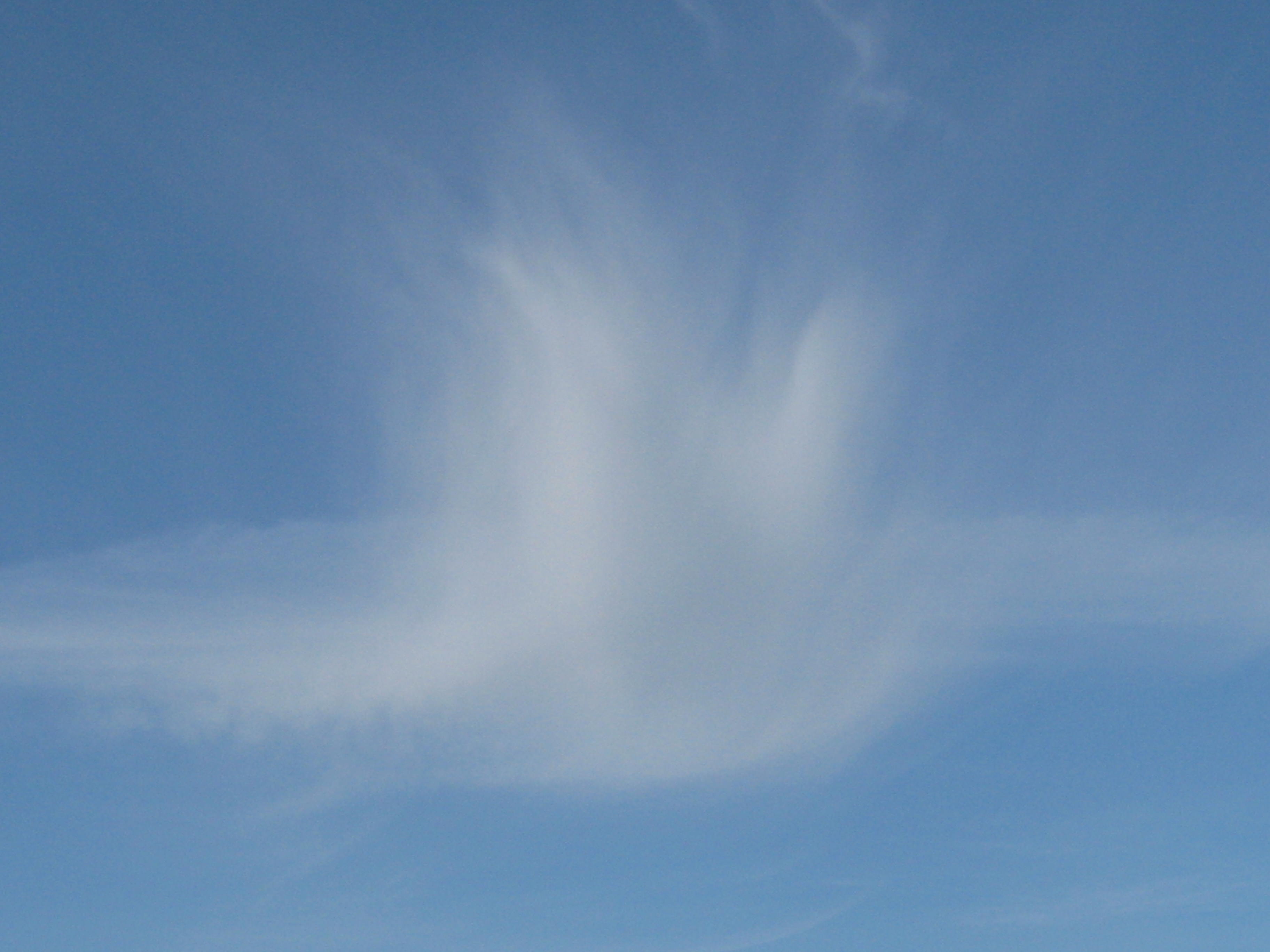
If you love clouds, check out this site! I tried to capture the wisps floating by.
Thanks again for following the Scuppernong Springs Nature Trail posts!
My everloving mate, Pati Holman, just returned from a 2 week road trip and we took a wonder-filled walk around The Springs yesterday evening. Unfortunately, she was not present to help with the burn, but I did my best to provide a glow by glow account of that exciting day.
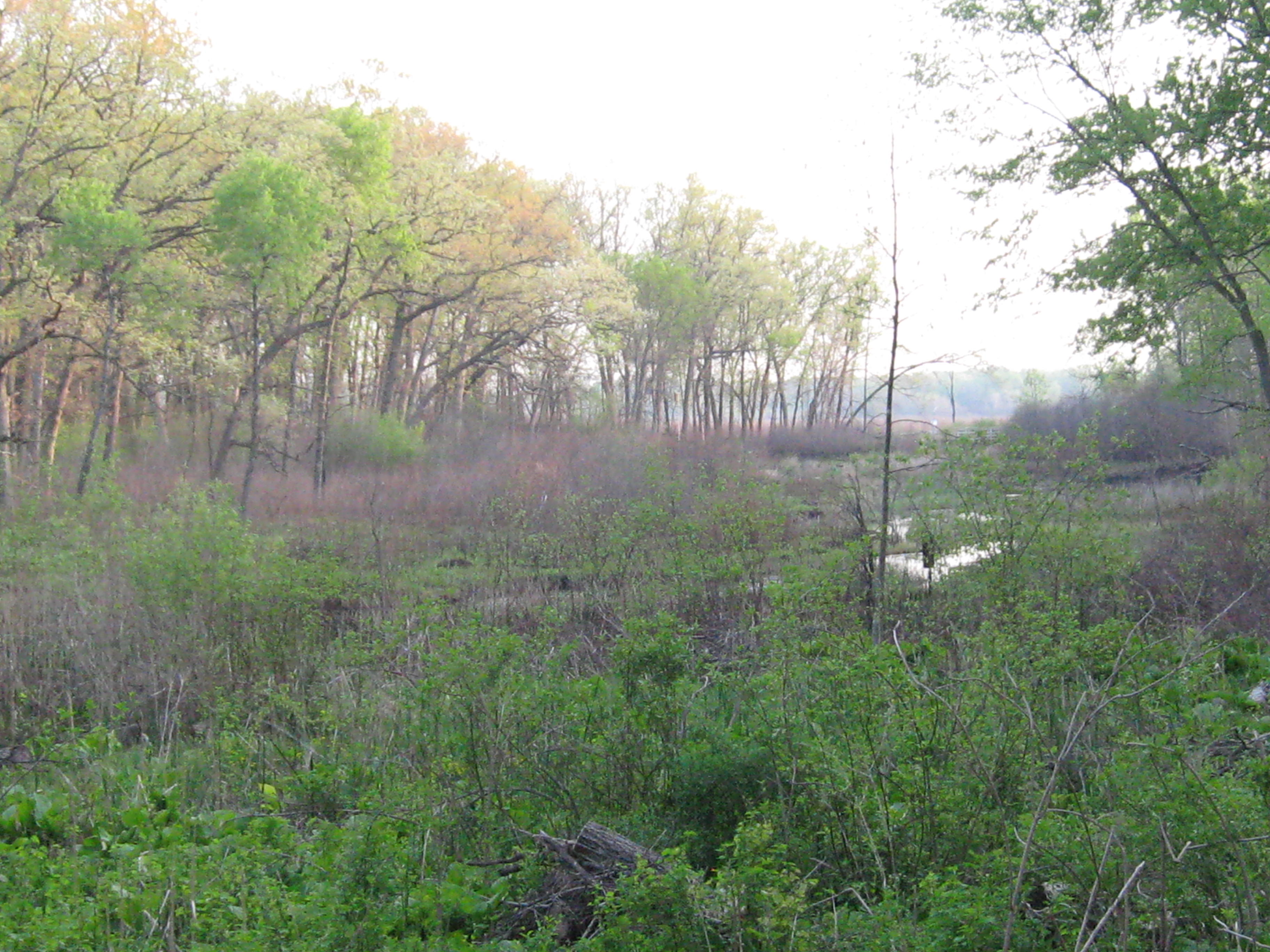
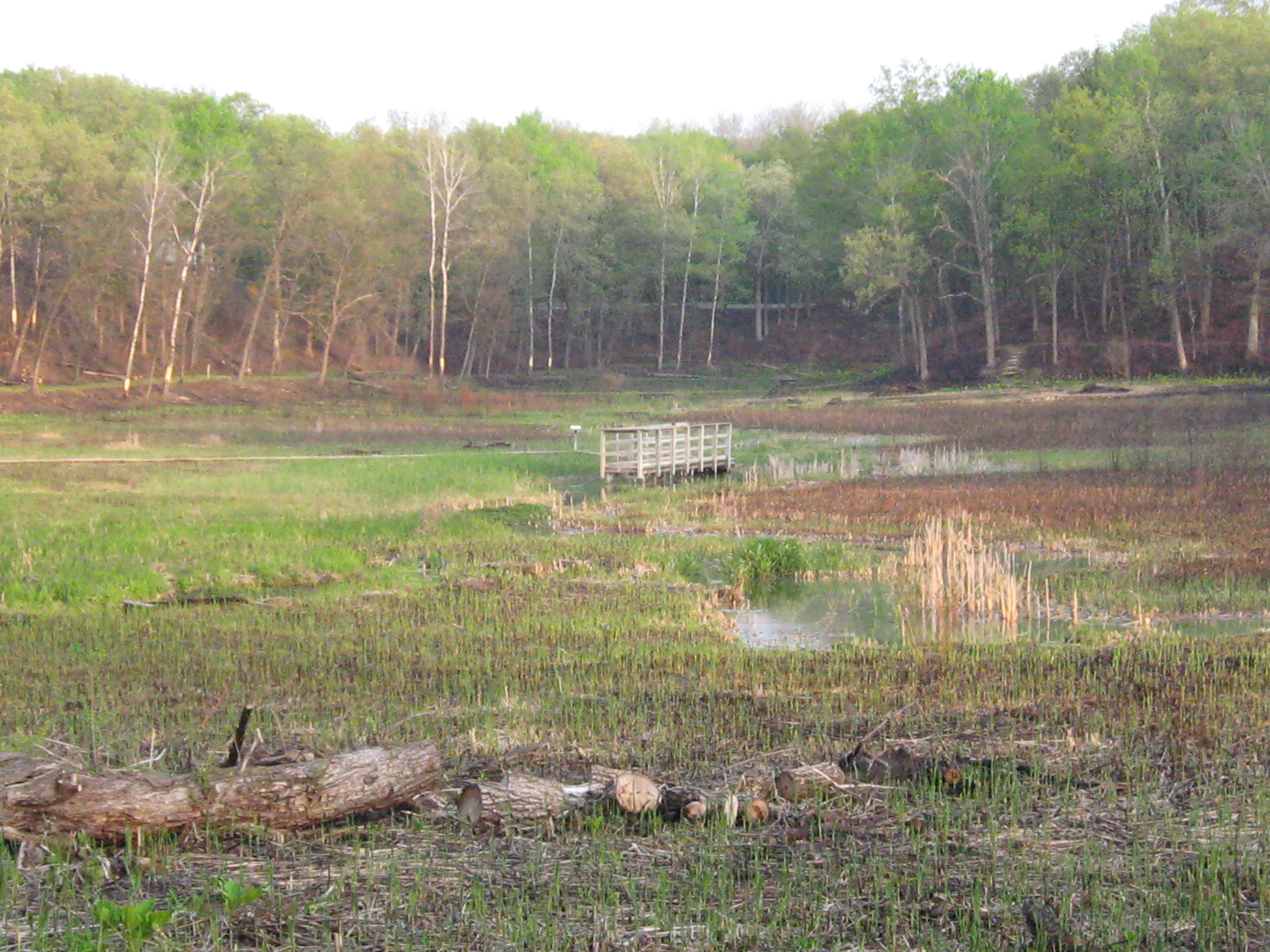
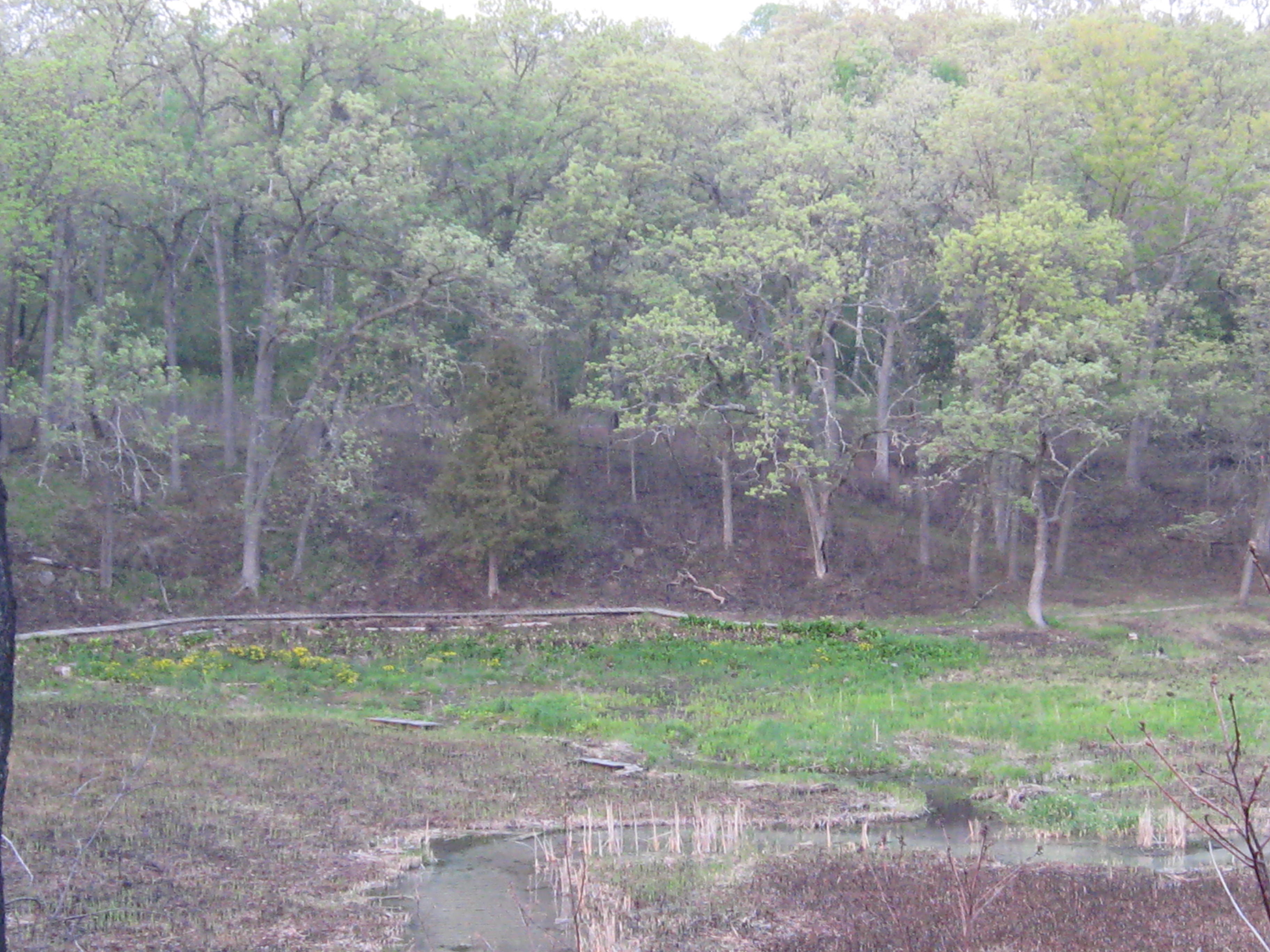
The trees were fresh with myriad shades of soft greens and the air had a slight haze to it, so, in the late afternoon light, the images captured have a slightly unfocused, pastel-like quality.
Pati and I were hanging out on the marl pit bridge when, fresh from a mud path, my spirit brother Thomas Barrett, aka Saturn Tre Volte, and “AJ” approached from the south. It took a couple seconds for the recognition to crystallize. I met Thomas at Ottawa Lake in May of 2012. He saw me lamely trying to swim and, introducing himself, promised to return in a few minutes to give me a lesson. He was a triathlete before being struck by a road raged driver while on a training ride on his bike. Thomas sought refuge camping at Ottawa lake as his head injuries slowly healed and he often helped me pile brush and pull watercress. Was it just a coincidence that Pati and I happened to be at the bridge when Thomas and AJ arrived (he had been living in Florida fighting legal battles to get compensation)?
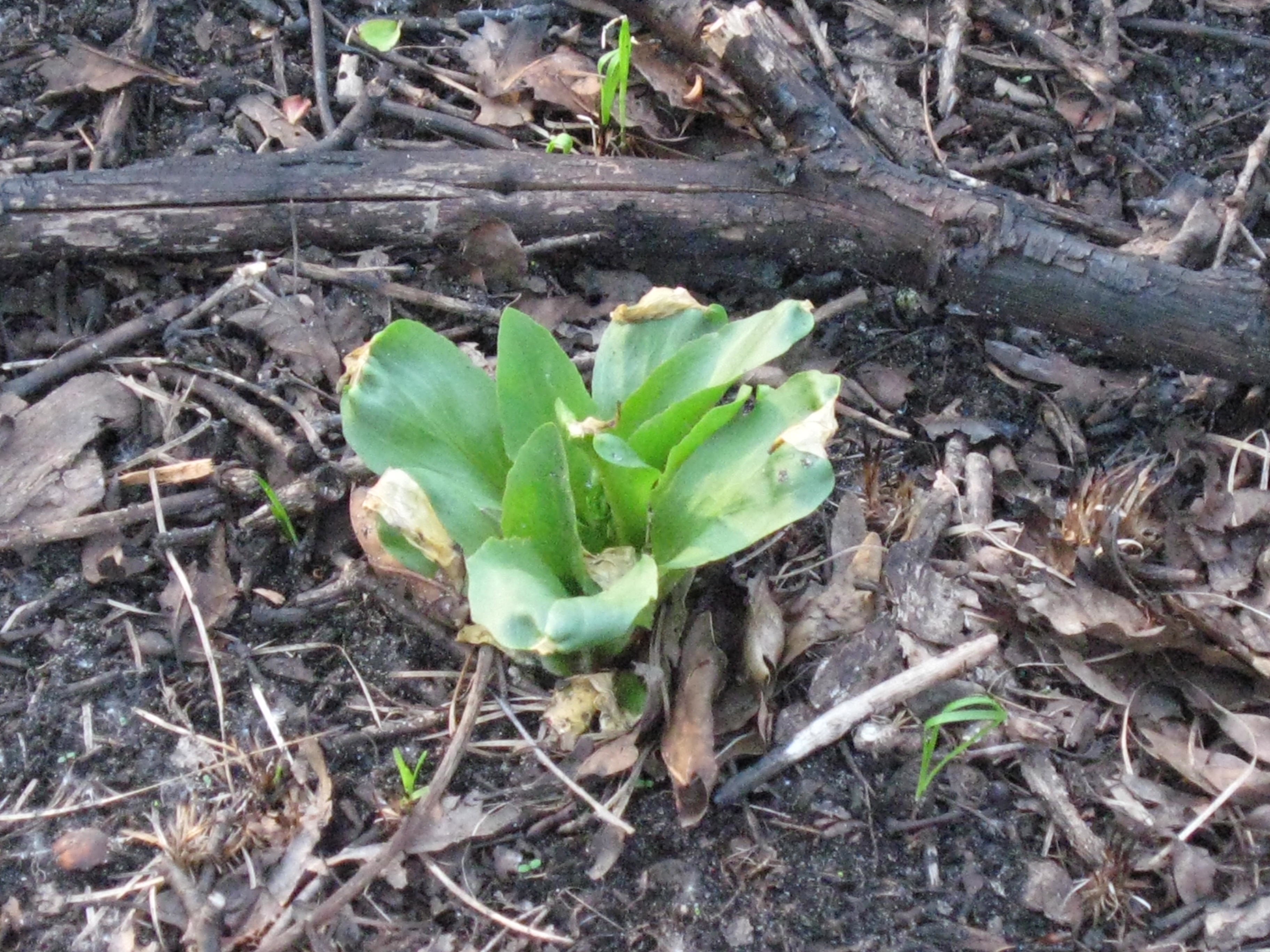
It is natural, yet miraculous, that the plant life is recovering so quickly from the fires. New life is emerging everywhere, soon to erase all evidence of the fires.
Geraniums push up from the black.
Shooting Stars are reloading.
Wood Anemone.
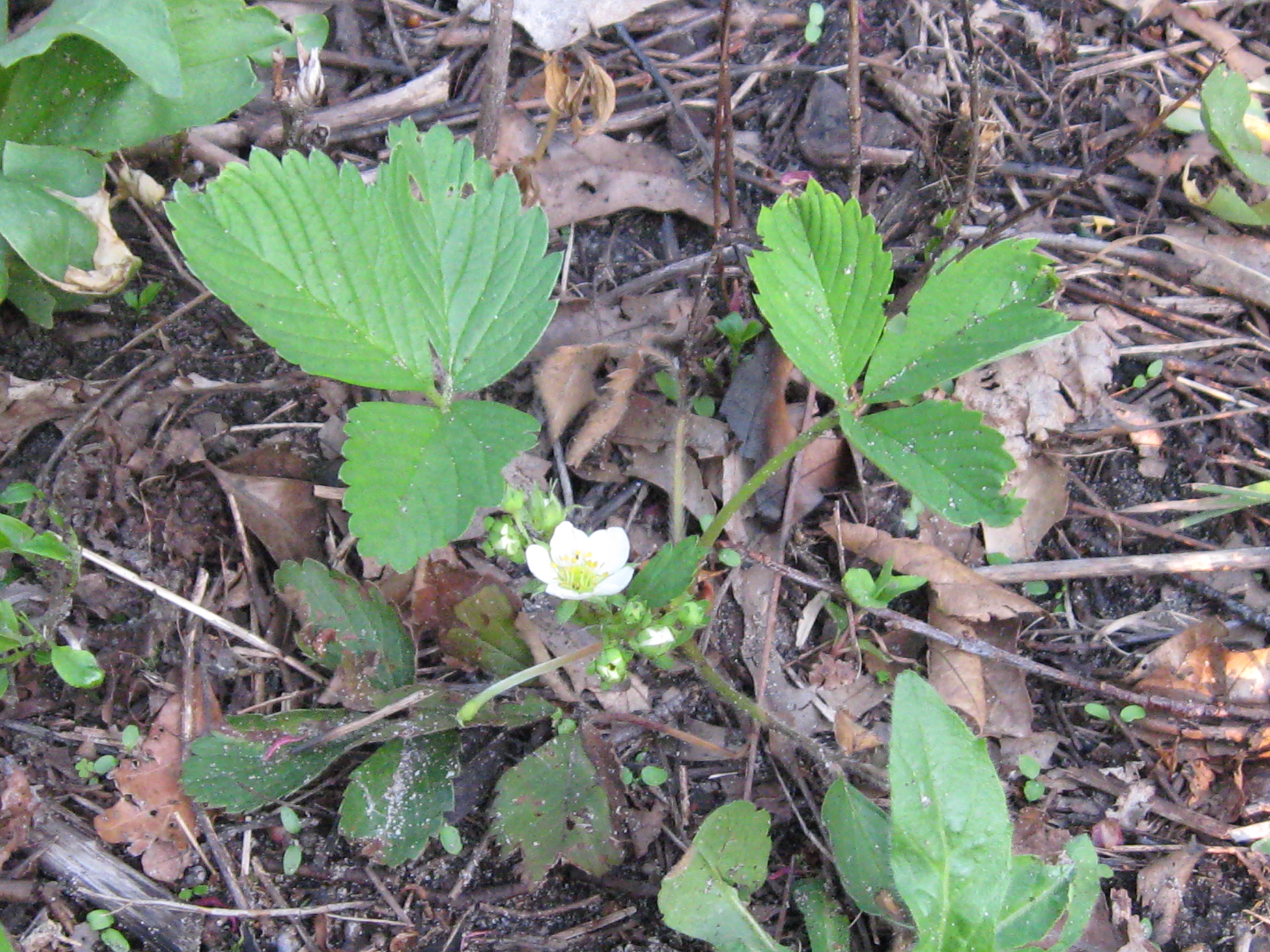
Wild Strawberry.
Views from the old barn site.
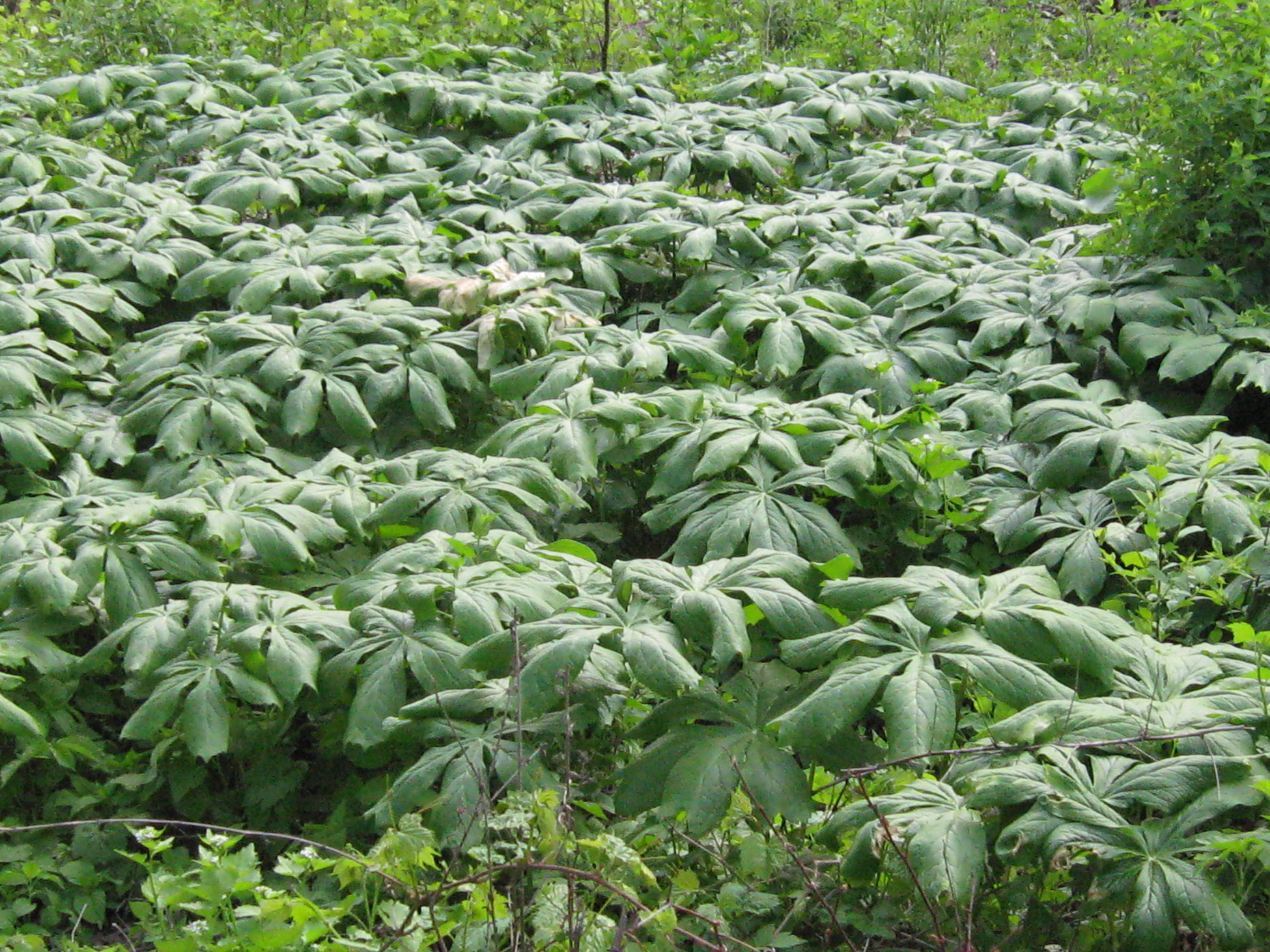
We saw this patch of May Apple last spring when we cleared the buckthorn from this area and it was thick with garlic mustard when it emerged. This year, we sprayed the garlic mustard before the May Apple came out with good results.
The Hatching House Springs area is delightful.
In the last post, I included a link to Wood Betony Stachy Officinalis (Betonica Officinalis), which I assumed was actually for the Wood Betony (Pediclaris Canadensis) that we see below at The Springs.
This case of mistaken identity could be dismissed as simply another one of my biological gaffes, if it were not for the fact that when I actually read the link to Wood Betony Stachy Officinalis, that I included in the post, and realized this was not the Wood Betony I had seen at The Springs, I thought immediately of my friend Thomas Barrett.
I first used Betony for a friend who suffered a closed head injury in a car accident. Four months after the initial trauma she still experienced frequent dizziness, headaches and disorientation, and on a few occasions had up and keeled over. She was unable to work or drive, which, as one might expect, made being a mother a rather difficult endeavor. Although by nature not one to lean towards the use of herbs or natural therapies, desperation resultant from the lingering effects of the injury led her to accept my offer of herbal help. I gave her three pellets of Homeopathic Arnica to address the impact related origin of the injury, and had her take a dropperful of Betony extract as needed when her head hurt, going on a traditional use of Betony to treat concussion. I didn’t hear back from her, but saw her a couple weeks later, and to my dismay, her pained expression told that she was still suffering from the terrible headaches. I offered her two droppersful of Betony tincture in a glass of water, thinking that perhaps a stronger dose was in order (strange, nowadays I’d tell her to take a smaller dose…). In about 10 minutes she asked “What was that? My head doesn’t hurt anymore…” When I told her it was the Betony I’d sent to her a couple weeks ago she replied, “Wow! I’m going to have to start using that.” Doing so, she recovered completely.
Yes indeed, I did conjure up Saturn Tre Volte, and the very next day, one filled with dynamic choices, we did meet at the marl pit bridge in harmoniously synchronized serendipity. Thomas, get yourself some Wood Betony stachy officinalis (betonica officinalis)! Be well, my friend.
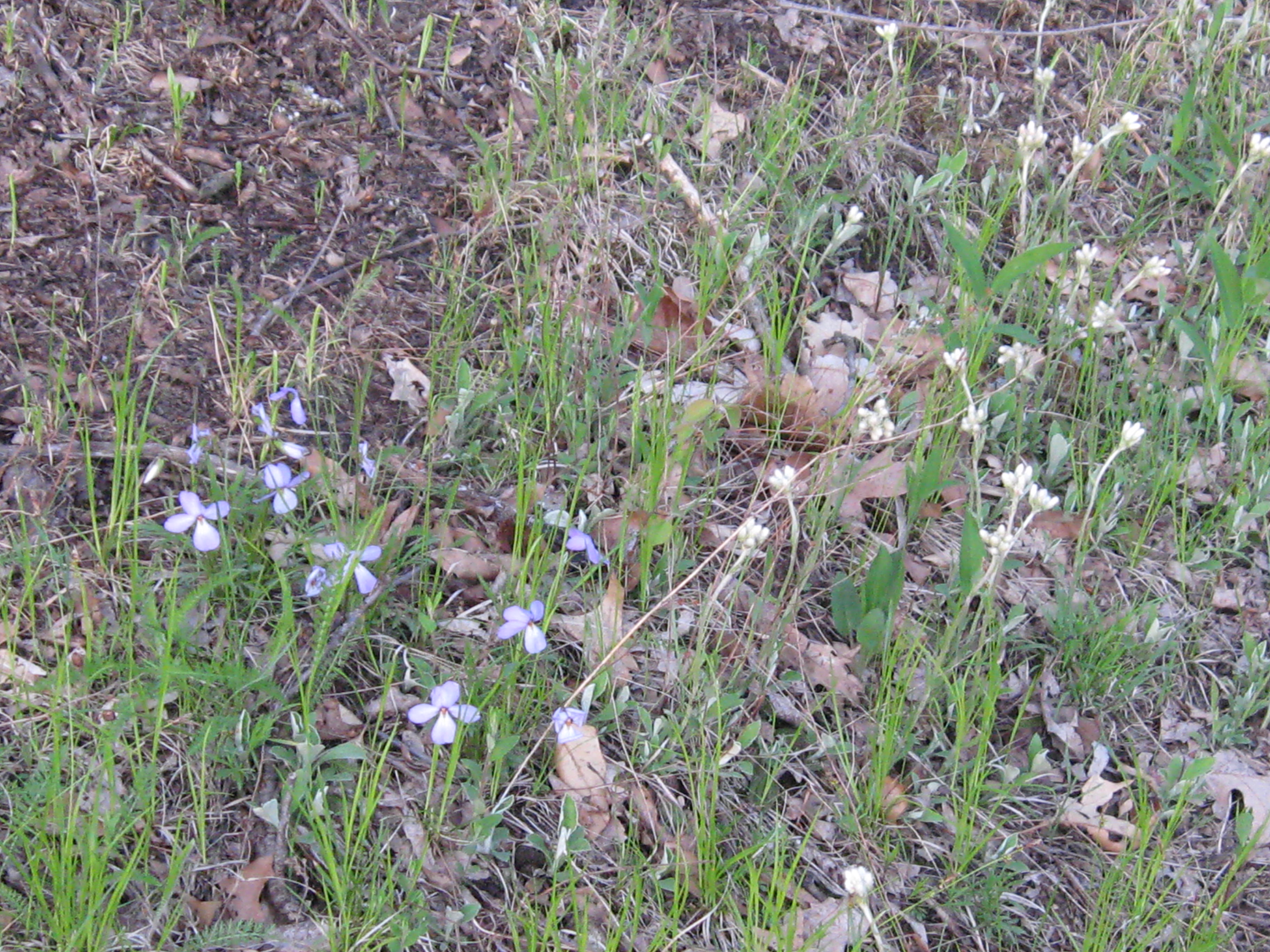
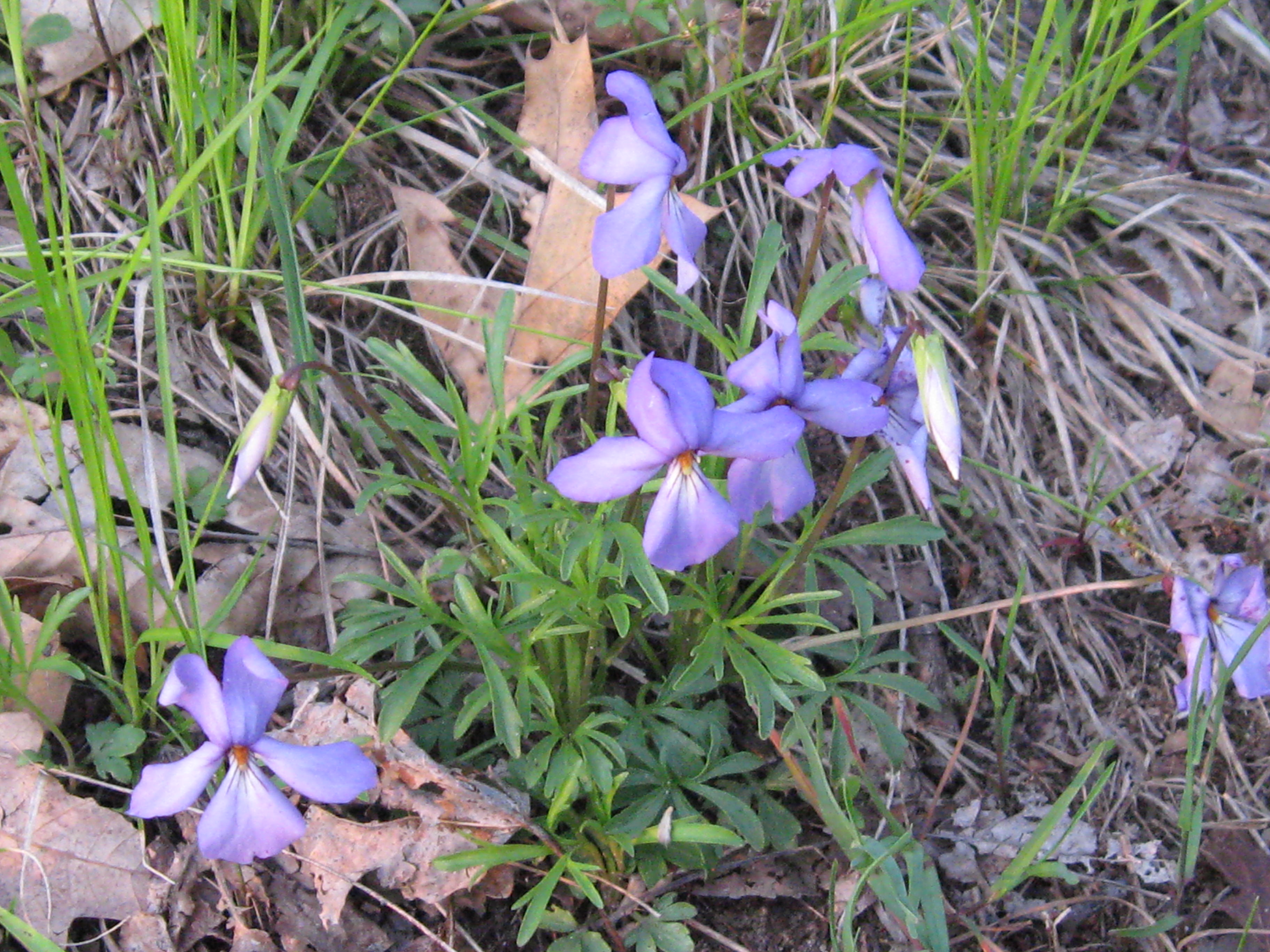
Here we see Bird’s-Foot Violets and PussyToes.
Pati really enjoyed the sights and sounds and I shared the feeling.
Check out this bunch of asparagus that Pati harvested.
How can I describe what a great time I had at The Springs yesterday? The temperature and humidity were as pleasant as a Pacific Island. The air was fresh and breezing and the sunlight clarified everything. My thoughts were occupied by the current time; the present moment. Time is a spiritual current-cy. How do we spend it? What do we pay attention to? ‘As you sow, so shall you reap’ and ‘what goes around, comes around’ aren’t just cliches; they are examples of Natural Law, specifically, the Law of Attraction, which is immutably in-force everywhere at all times. So when I say I had a “great time” at The Springs yesterday, I mean it was joyful to invest my spiritual currency paying attention to nature and working to help create the beautiful world that I want to see.
The morning light was flush on the Hillside Springs.
There are lush patches of fresh watercress just below the Scuppernong Spring and I harvested a bagful to include in my green juice recipe.
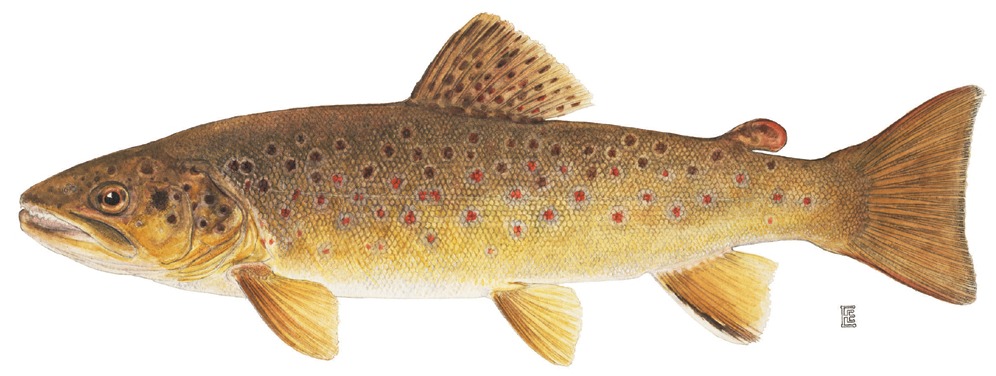
As I was rinsing the watercress at the point where the Scuppernong Spring spills out of its pool and starts to flow as a river, a brown trout emerged from beneath a rock rim and swam about in the pool. I don’t know for sure what is going on with the trout; are they visitors, or a local reproducing population?
Thousands of garlic mustard seedlings have emerged at the south end of the loop trail literally carpeting the ground. I carefully sprayed them with glyphosate trying to avoid the many good plants that are also emerging.
I conscientiously sprayed the spotted knapweed that dominates the sand prairie of the Indian Campground with clopyralid; carefully avoiding the many, many, diverse plants that are also coming up. This sand prairie is going to come alive with color in a couple weeks.
There were more aspen to girdle along the river valley. If we don’t do this, the clonal colonies will spread into and dominate the valley floor.
I piled brush in the afternoon by the old hotel site. You can see the foundation stones in many places now. I forgot to take some pictures, but if you’ve seen one brush pile… I was covered with soot when I finished and took a cool dip in the river by the marl pit bridge to wash off. Clouds moved in and I marveled at their beauty while doing some yoga asanas.
With the video below I attempted to capture one of those ‘you had to be there’ moments.
If you love The Scuppernong Springs and want to share your stories or pictures here, please contact me. Here is the latest from Jon Bradley (Thanks for the awesome pics Jon!).
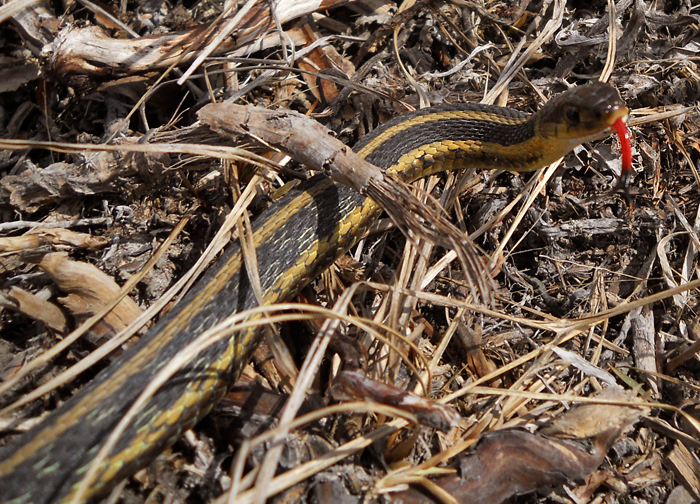
Today (4/27) was one of the warmer days so far this year. I knew today could be a good day to find wildlife at the Scuppernong Springs Nature Trail. From the moment I stepped out of the car I knew it would be a good day on the trail. Almost immediately I heard the call of a couple Sandhill Cranes. As I was walking along the Marl Pits I saw two cranes taking off about 200 yards away. Shortly after that I discovered this Common Garter Snake along the large Marl Pit, and two Painted turtles in one of the smaller Marl Pits.
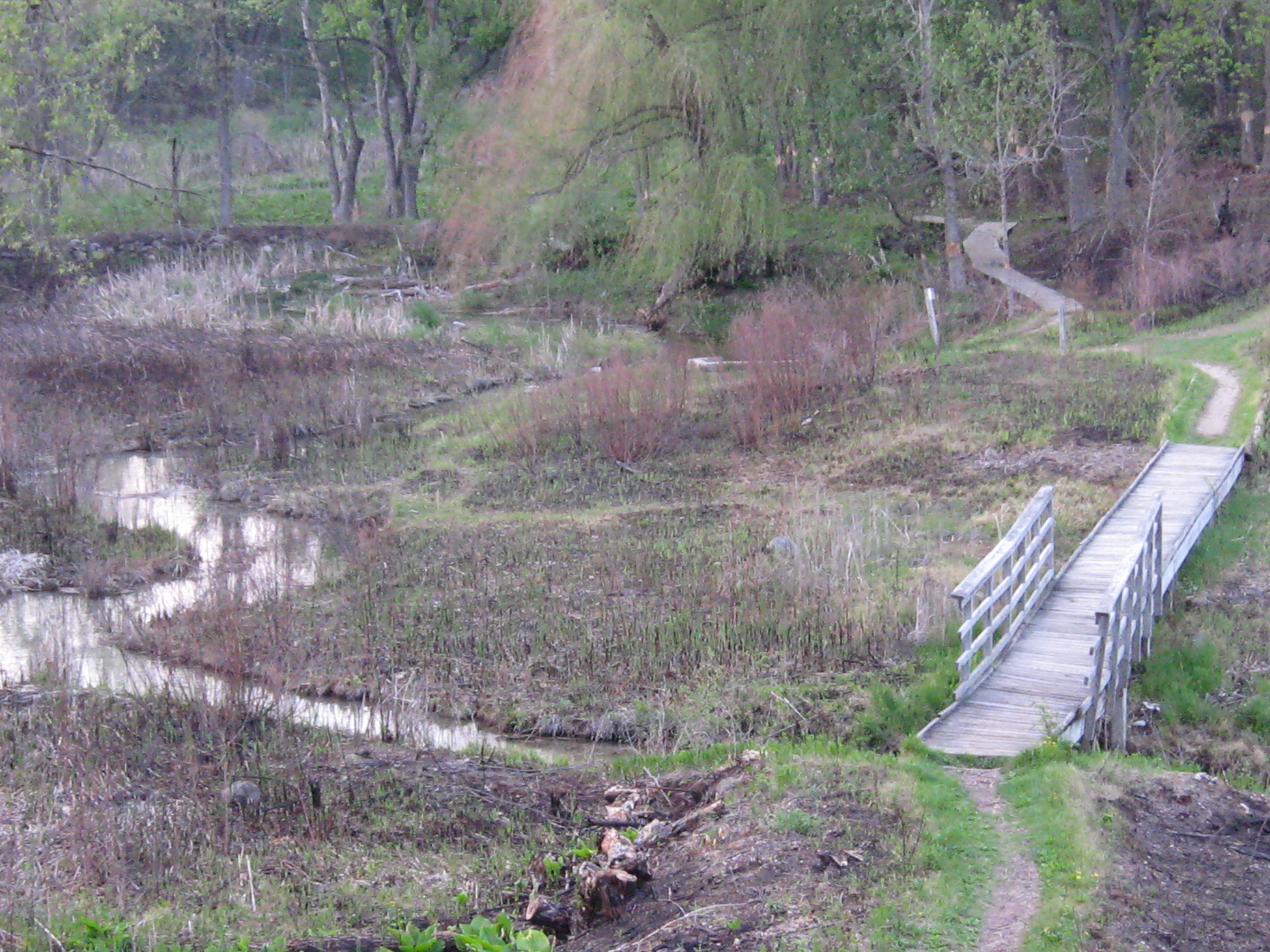
Here is a photo taken at the Marl Pit bridge facing East.
As I got down to the first Vernal Pond before the Indian Campground, I saw something move near my feet. I looked down and saw an amazing Eastern Hognose Snake. This snake is arguably the most unique snake in Wisconsin for many reasons. One of them being that it flattens its neck similar to a cobra.
I had heard that the Eastern Hognose Snake lived around the trail, but have never before seen one. It was hissing pretty loudly, though didn’t attempt to flee while I photographed it. Its important to say that all snakes at the Scuppernong Springs Nature Trail are harmless to people and most will do everything they can to avoid human contact.
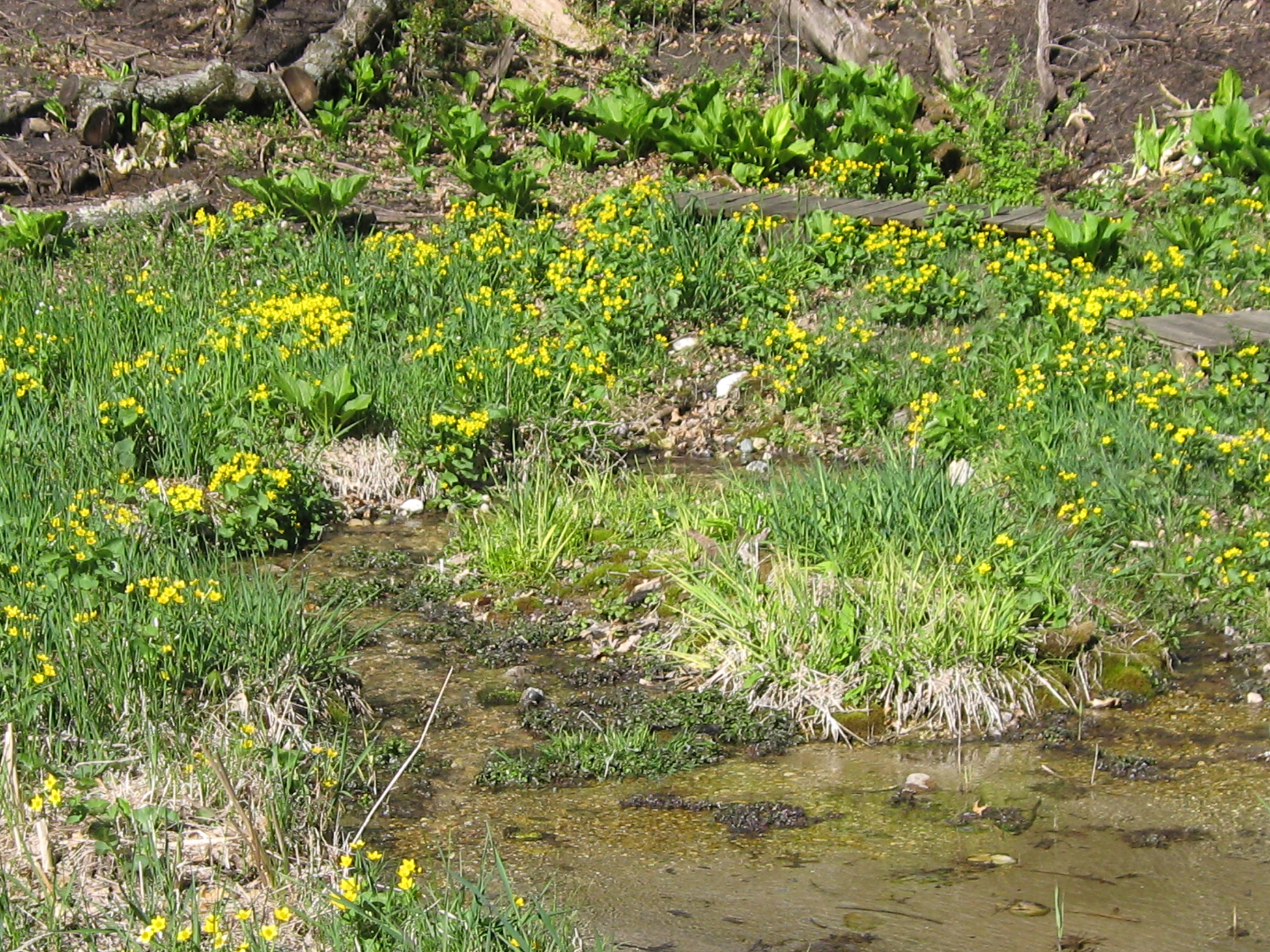
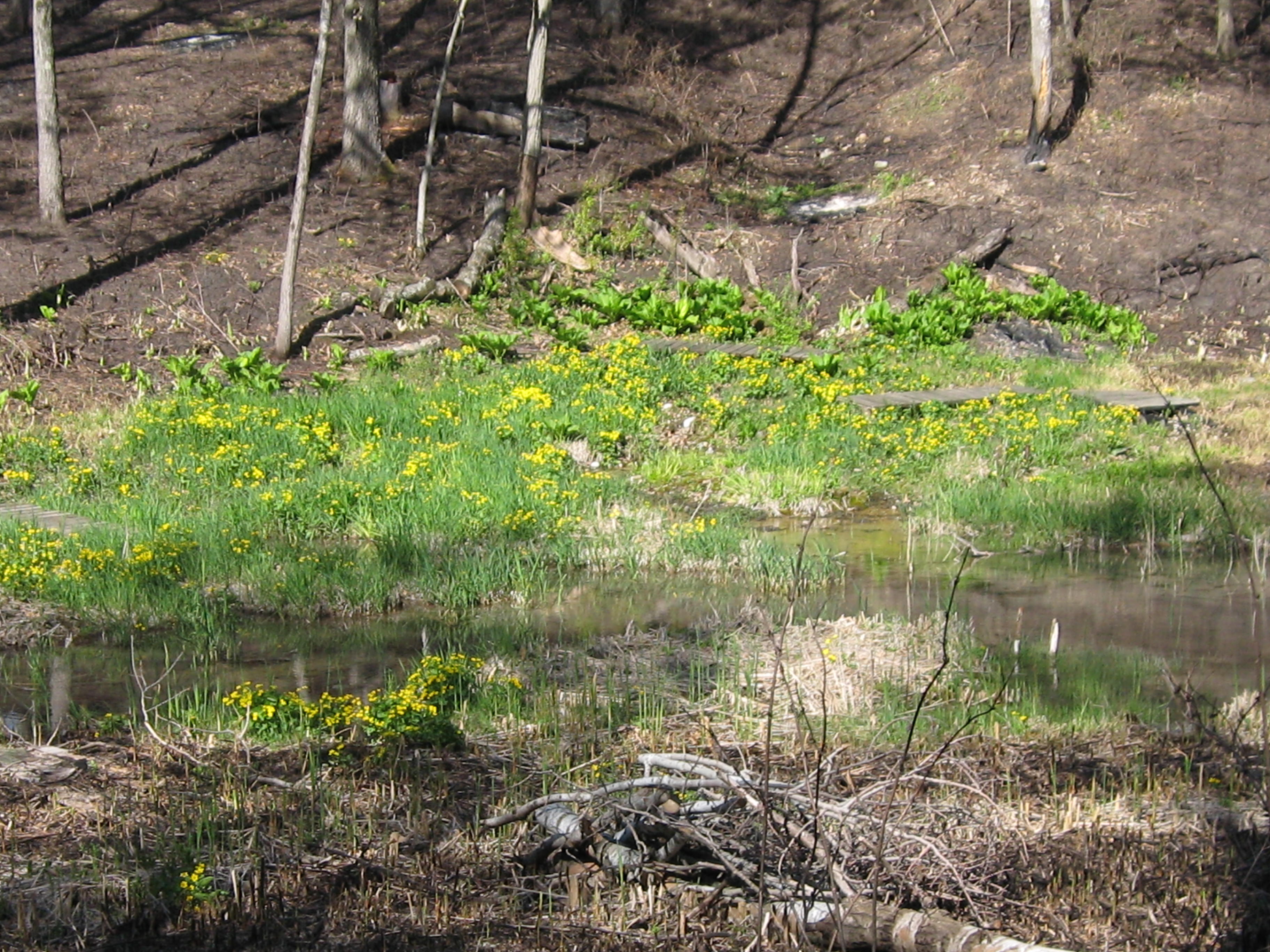
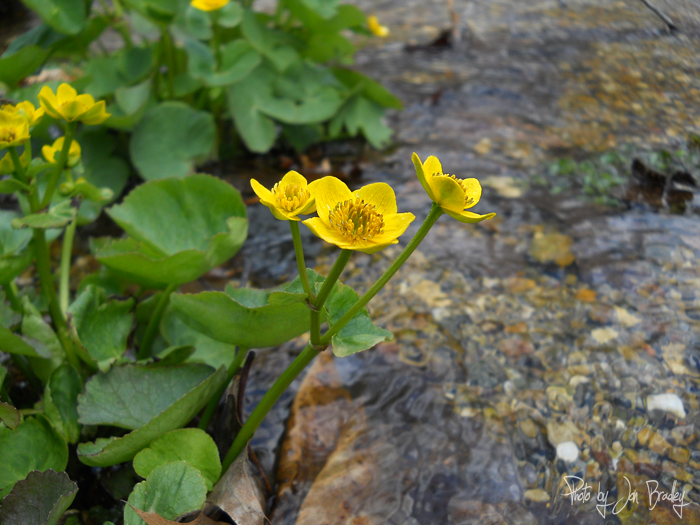
Here are a couple of flowers (hepatica & marsh marigold) I found around the trail. Its nice to see color coming back!
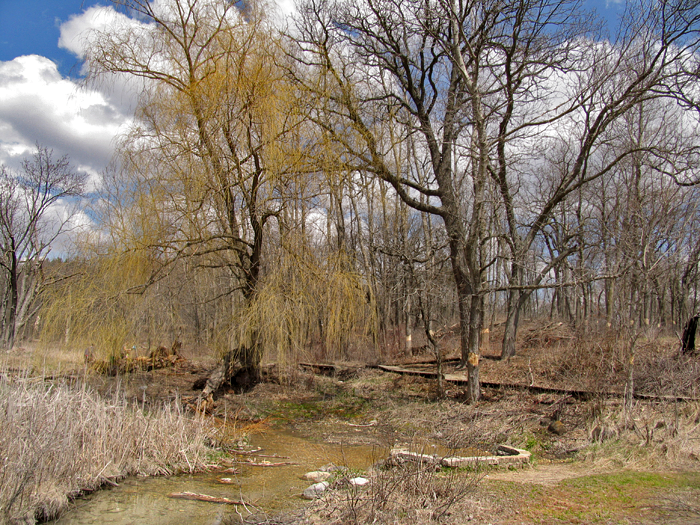
A few more scenic photos:
There were a ton of birds at the Springs today. American Goldfinches, Red-winged Blackbirds, Red-Bellied Woodpeckers, and Warblers of all kinds. Between the old barn foundation and hotel site, I saw this Yellow-Rumped Warbler.
On the way out, I stopped to check the water level.
It was a fantastic day at the Springs and I hope to be back at least few more times this year. I love seeing the progression of the restoration project. Its nice to see the woodland areas looking more like woodlands and less like “buckthorn alleys”. I have to imagine even some animals will appreciate being able to navigate through the woods better. I unfortunately didn’t get to the new cutoff trail this time but I definitely plan on it this summer.
Hi, and thanks again for following our adventures at the Scuppernong Springs Nature Trail.
We have been waiting for the right conditions to burn the brush piles at the south end of the trail in the area around the Scuppernong Spring and the Hillside Springs and today was the perfect day. Not only was the wind right and the snow cover right but our righteous friends Carl Baumann and Steve Brasch were able to join Lindsay and I. Although we’ve had a lot of snow and rain lately, the piles were bare and pretty dry and they readily took the fire.
Here is the scene before we started burning.
Carl and Steve followed behind Lindsay and I using leaf blowers to fan the flames we ignited, which really got the piles going and saved a lot of propane.
Here is the crew (Steve, Lindsay, Paul and Carl from left to right).
The winds were pretty swirly down by the piles but as the smoke rose, it was blown away from Hwy 67 by a predominately northeast breeze.
After the 42 fires were “mopped” up, Lindsay, Carl and I took a walk around the trail and we filled Carl in on the details of our plans for the future. It was a splendid day and great fun to work together.
…the soul is the arrow, and Brahma is the target. I listened to Siddharta, by Hermann Hesse, recently and it really warmed my heart. In his quest for enlightenment, Siddharta learns to wait, and fast, and think but it is not until Vasudeva, the ferryman, teaches him to listen to the river, that he finds it. I thought of that today and spent some time in the late afternoon meditating and listening to the Scuppernong River… Ooooooommmmmmmmm.
The sand hill cranes are back at The Springs along with migrating geese and ducks. I felt like I was intruding when I showed up this morning with my gear and flushed them from the comfort of the river.
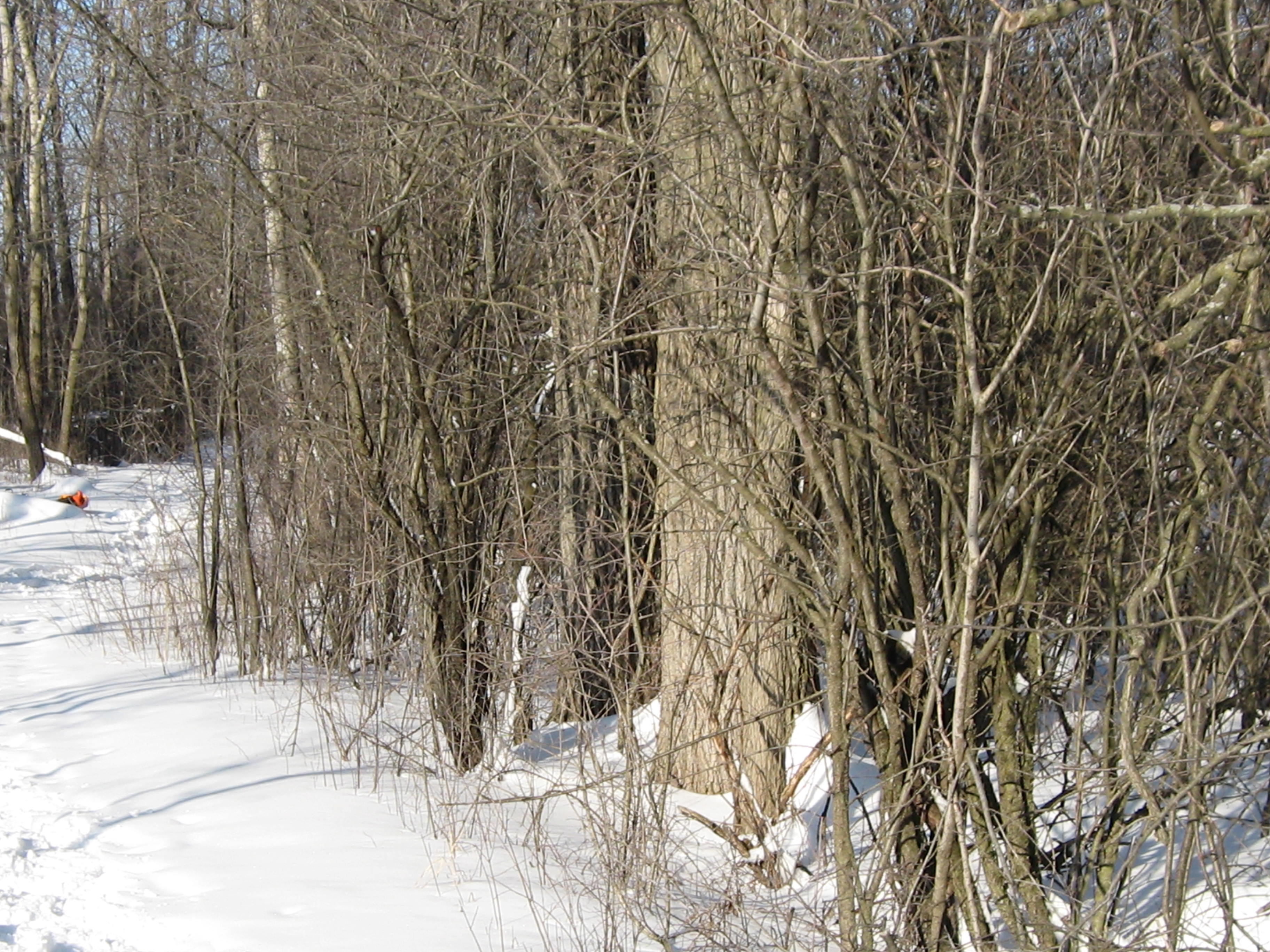
This buckthorn along the trail has got to go!
Anne, from Waterville, and her friend Terri (or Terry) arrived around mid-day clad in snowshoes to explore the newly opened cut-off trail. Later, Dan and Lou Ann Brown, who hike often at the Hartland Marsh, emerged from the cut-off trail after their first passage. The’ve been coming to the Springs for over 30 years and really like the new look.
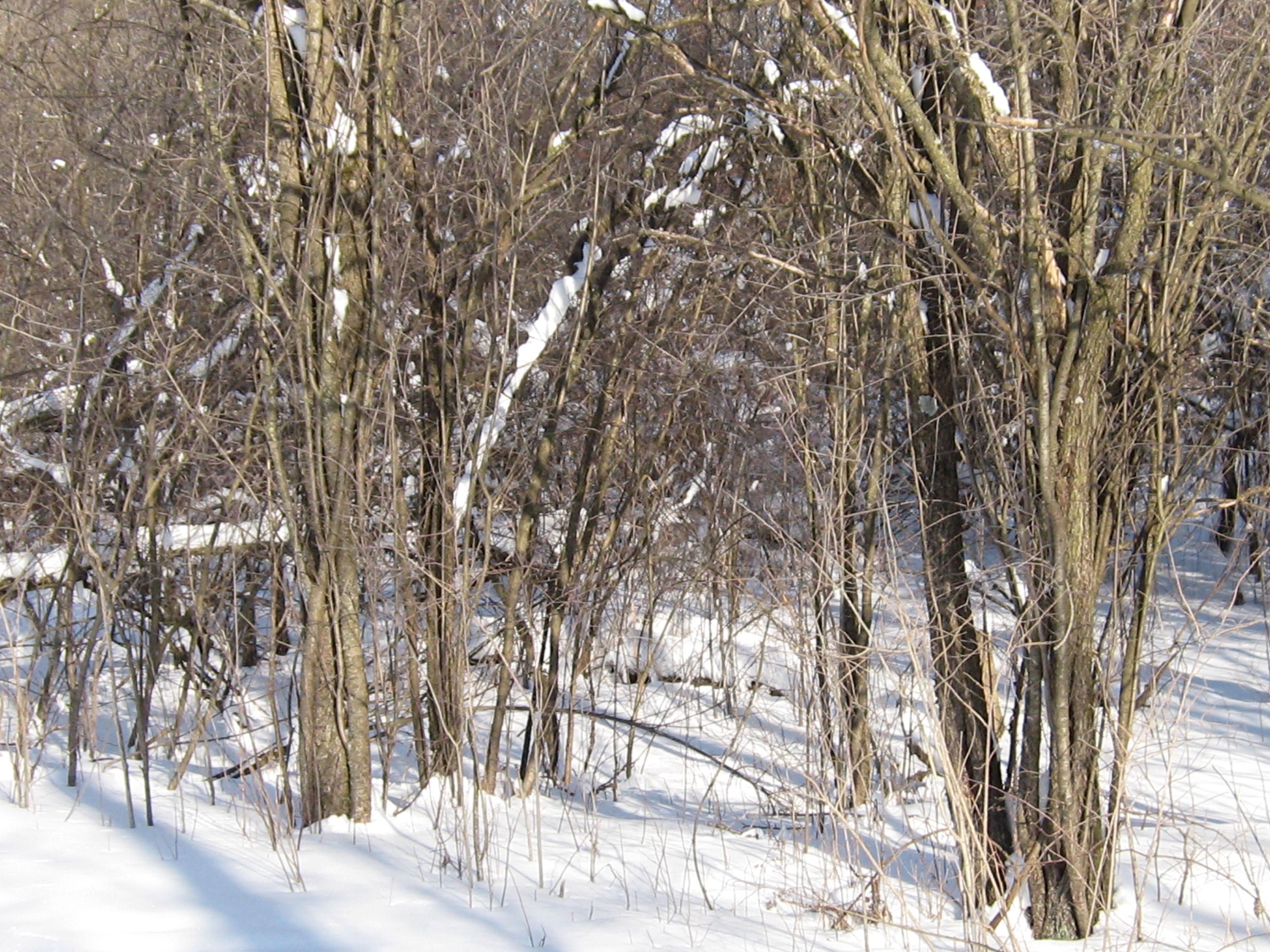
After a good days work, the buckthorn is almost all cleared in the area between the cut-off trail and the river on the west end of the trail.
I took some time to relax and listen to the river in the late afternoon.
















































 Scuppernong Springs Nature Trail

