One of “the old boys” who used to manage the maintenance shop at the DNR headquarters in the South Kettle Moraine referred to the Scuppernong Springs as “The Little Yellowstone”. I really liked that analogy. We have our own mini old faithful right here in the Kettle Moraine. See for yourself!
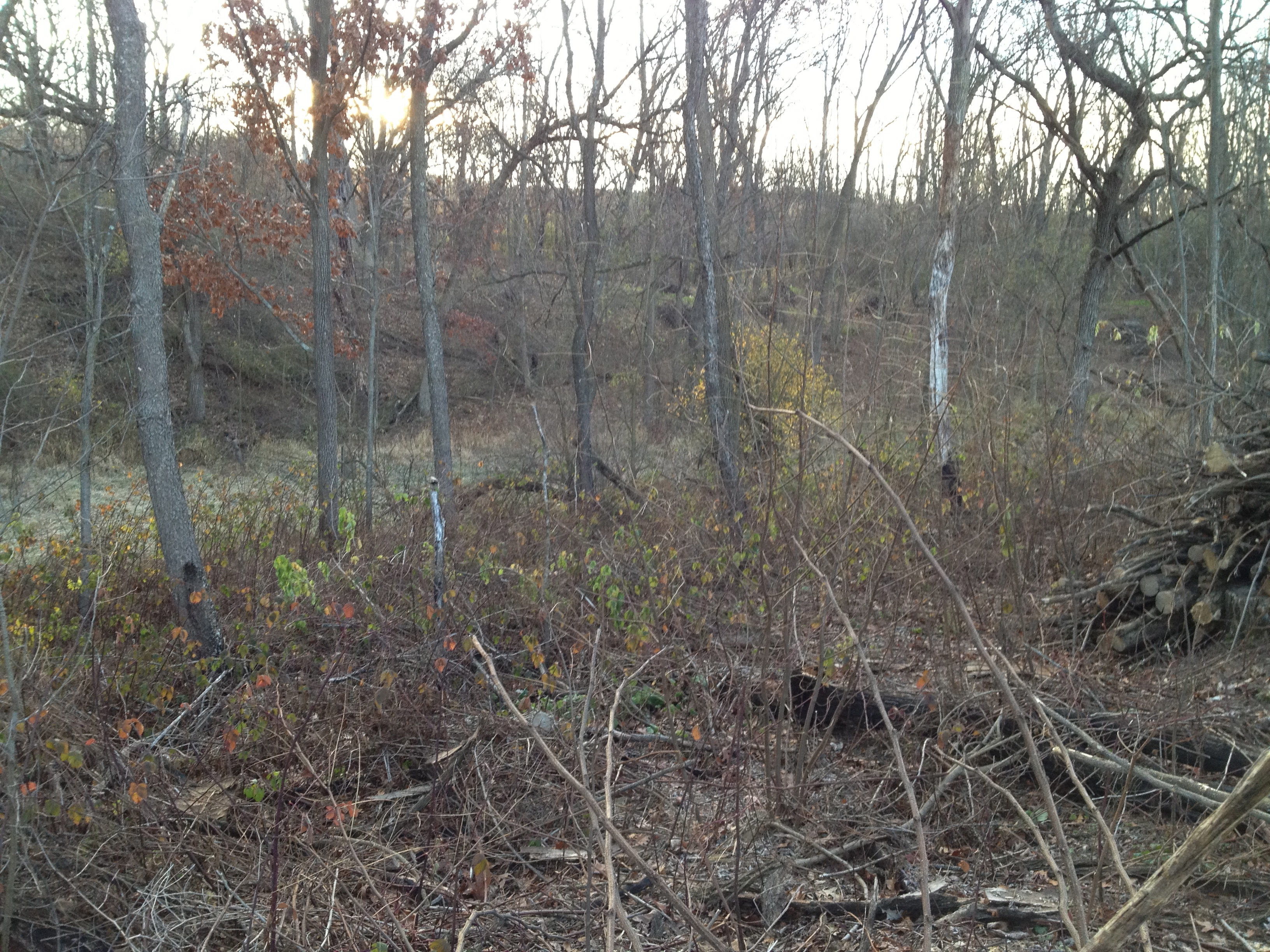
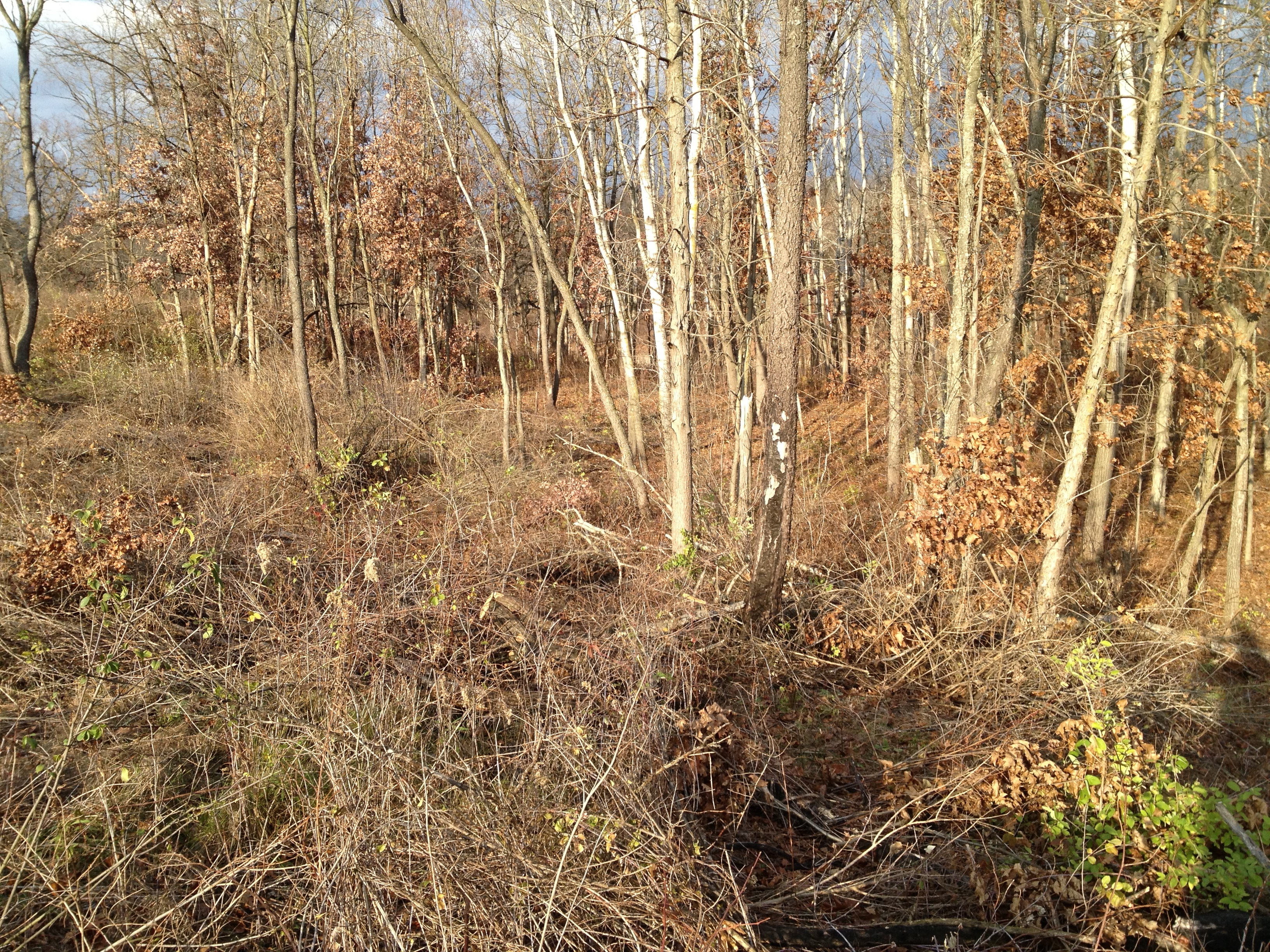
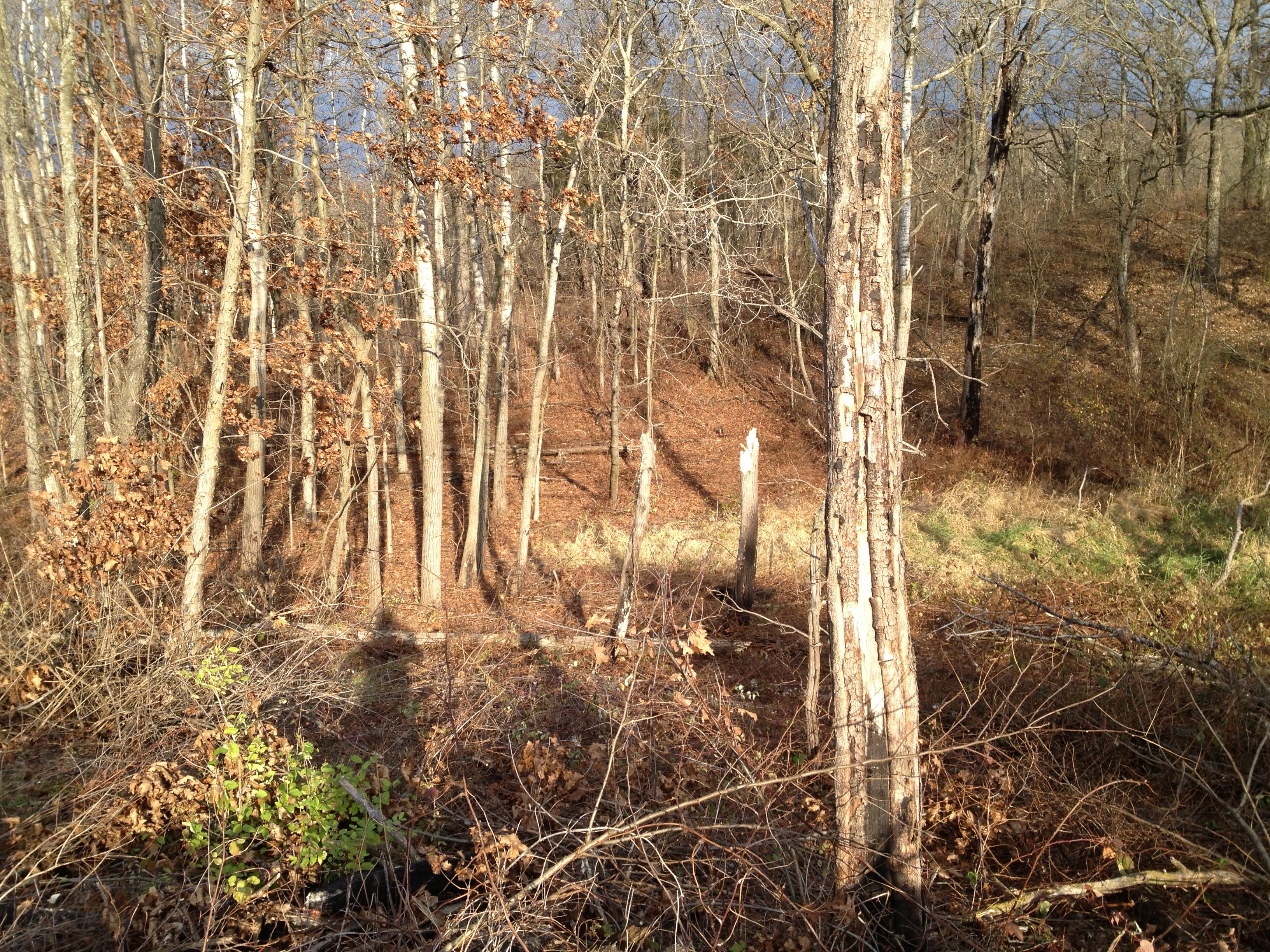
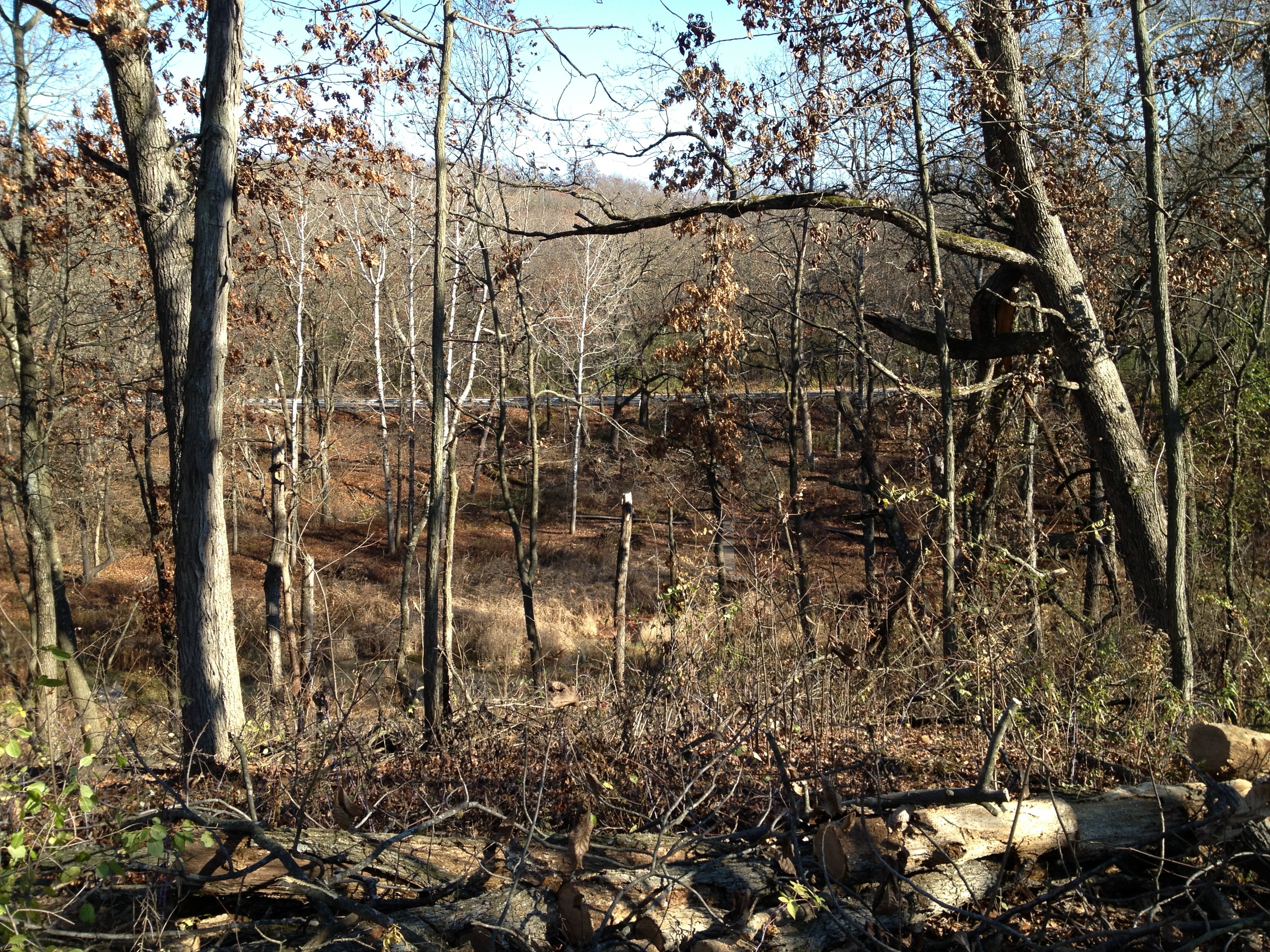
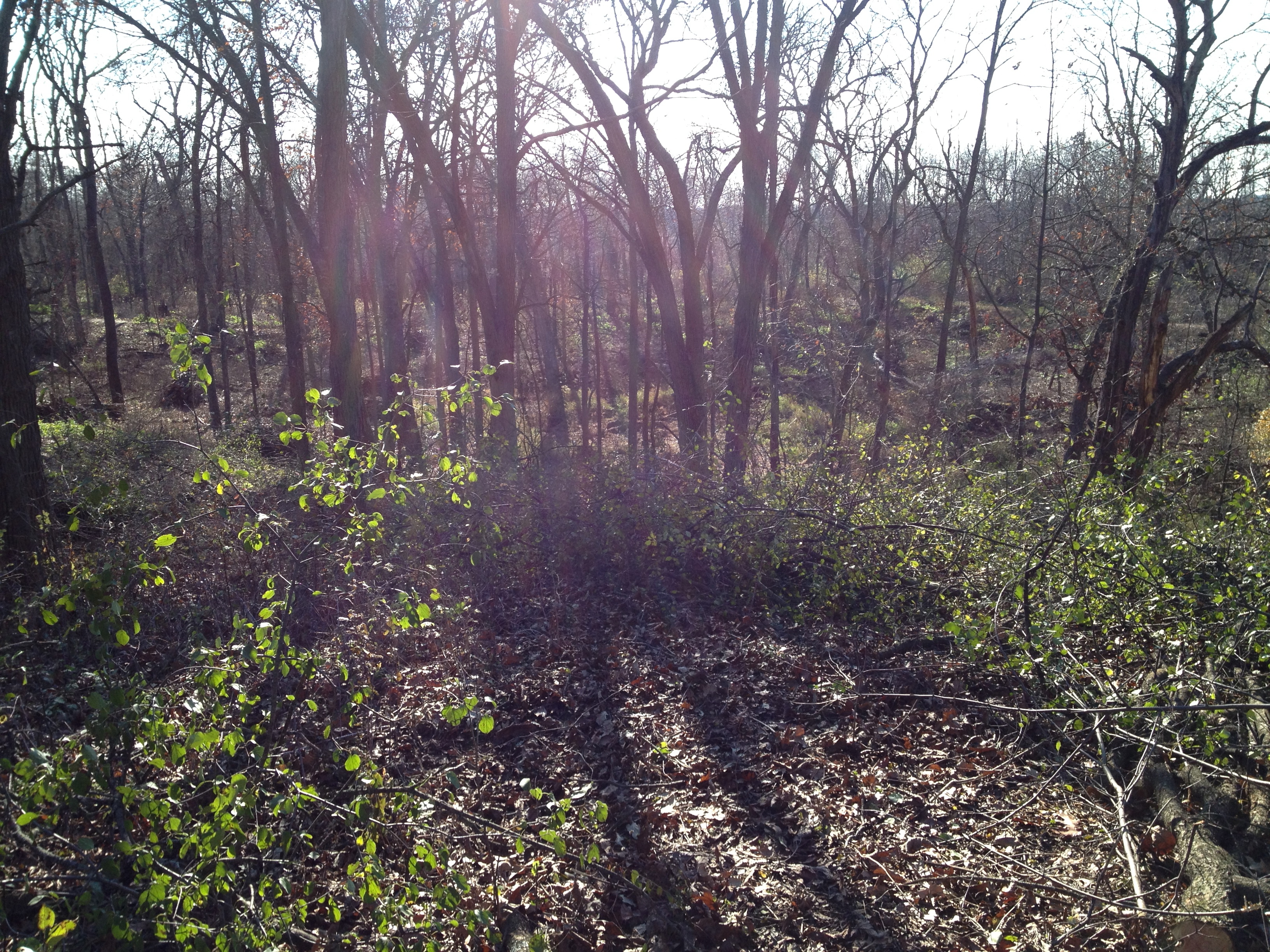
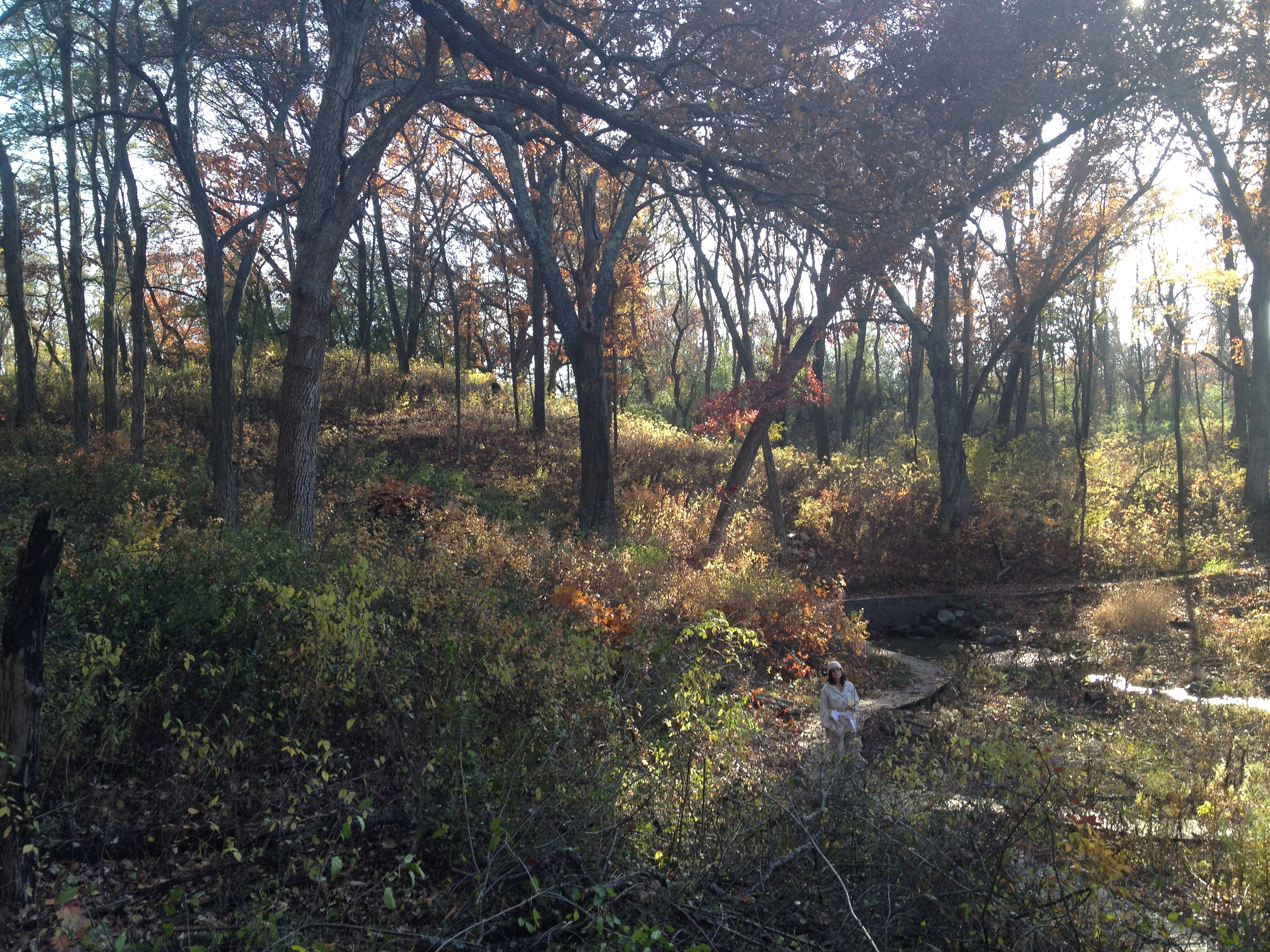
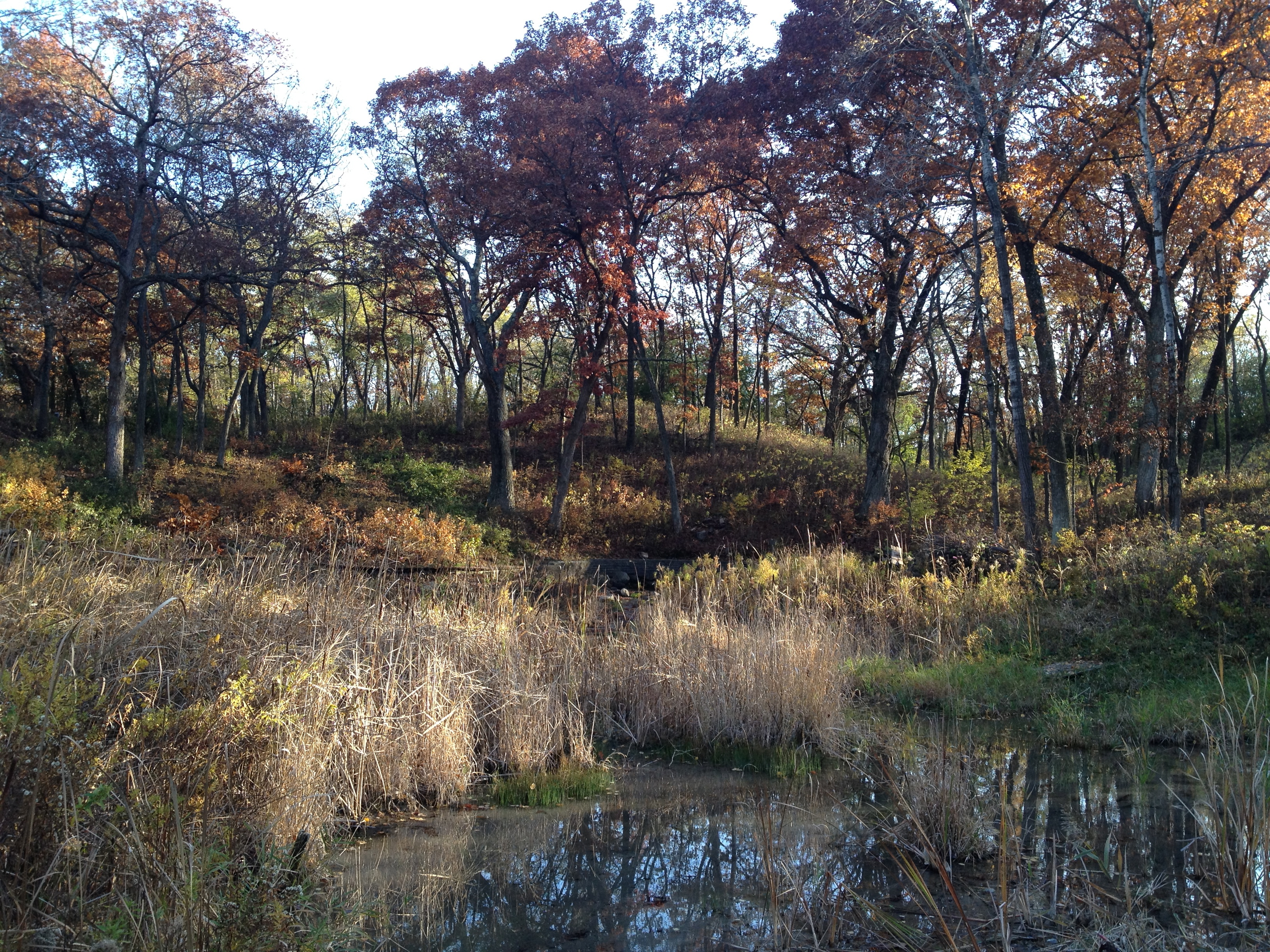
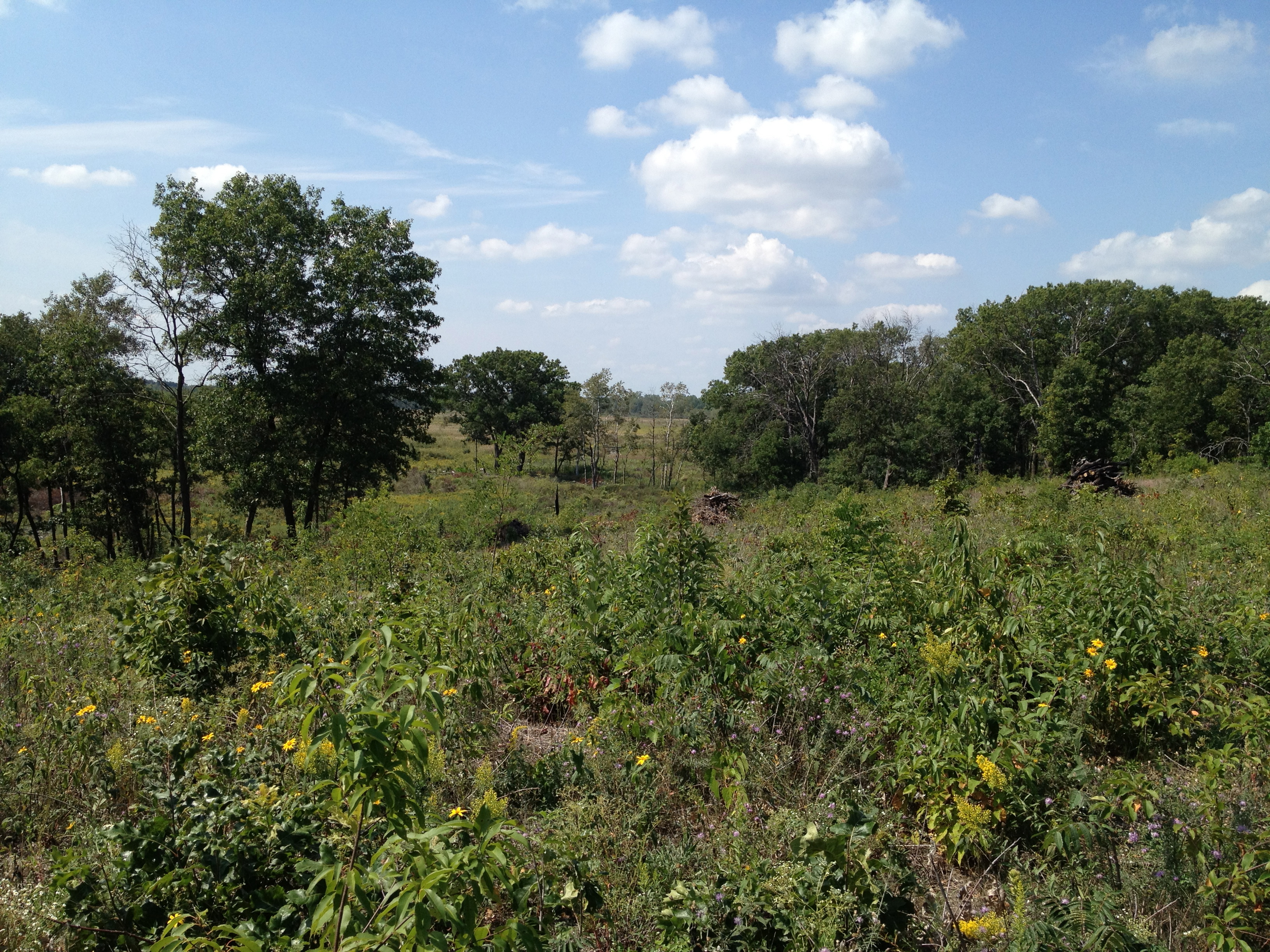
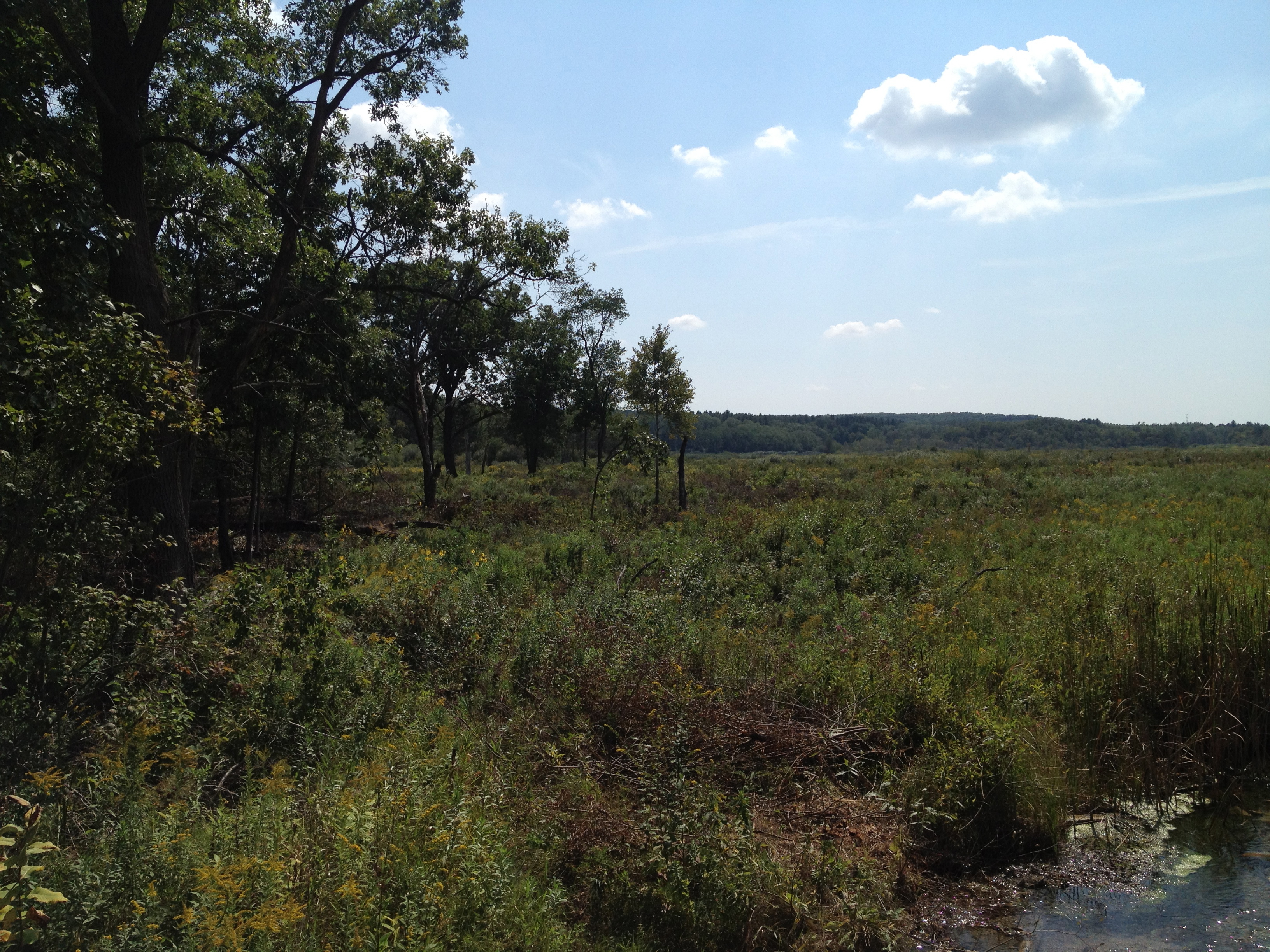
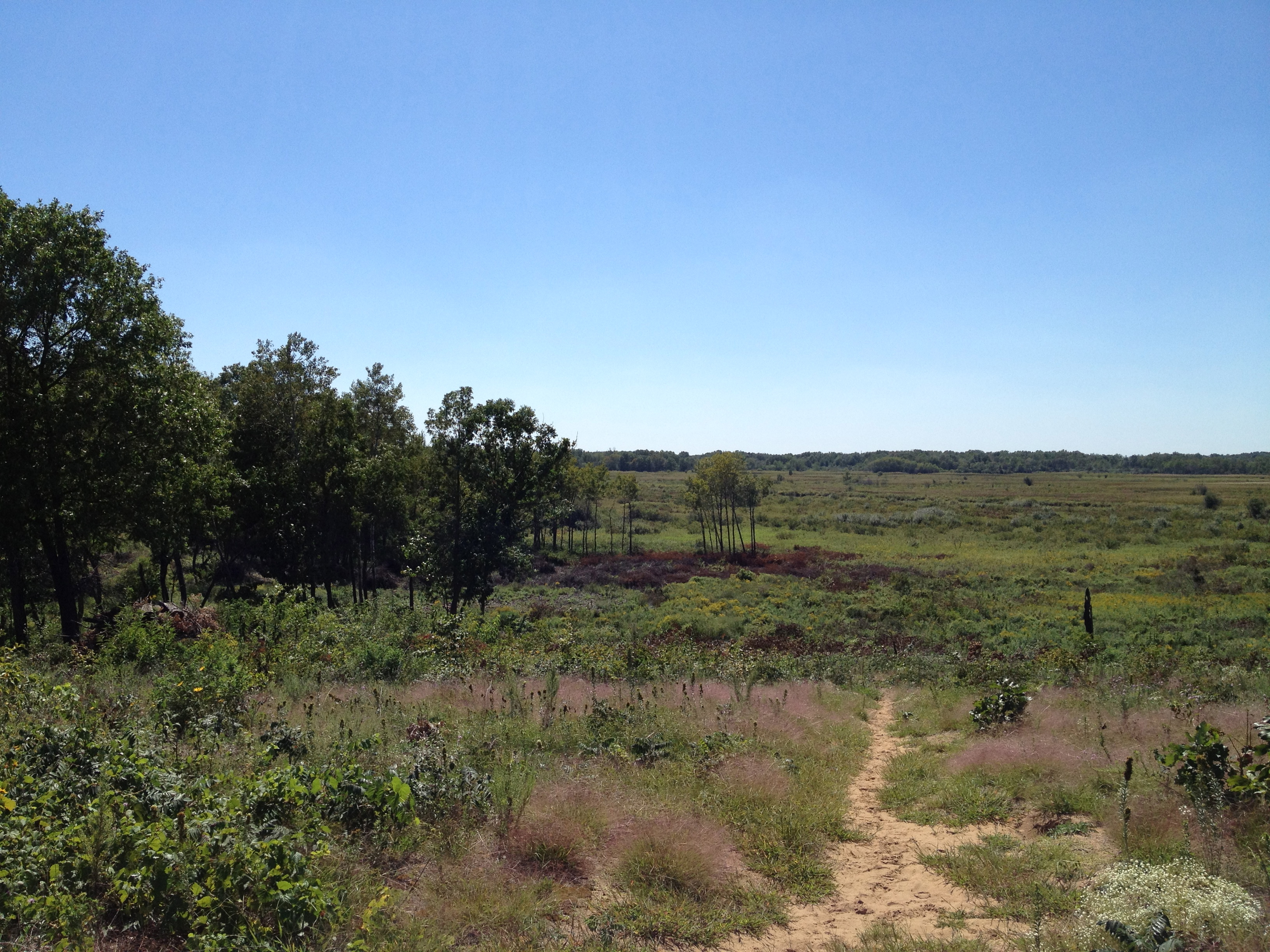
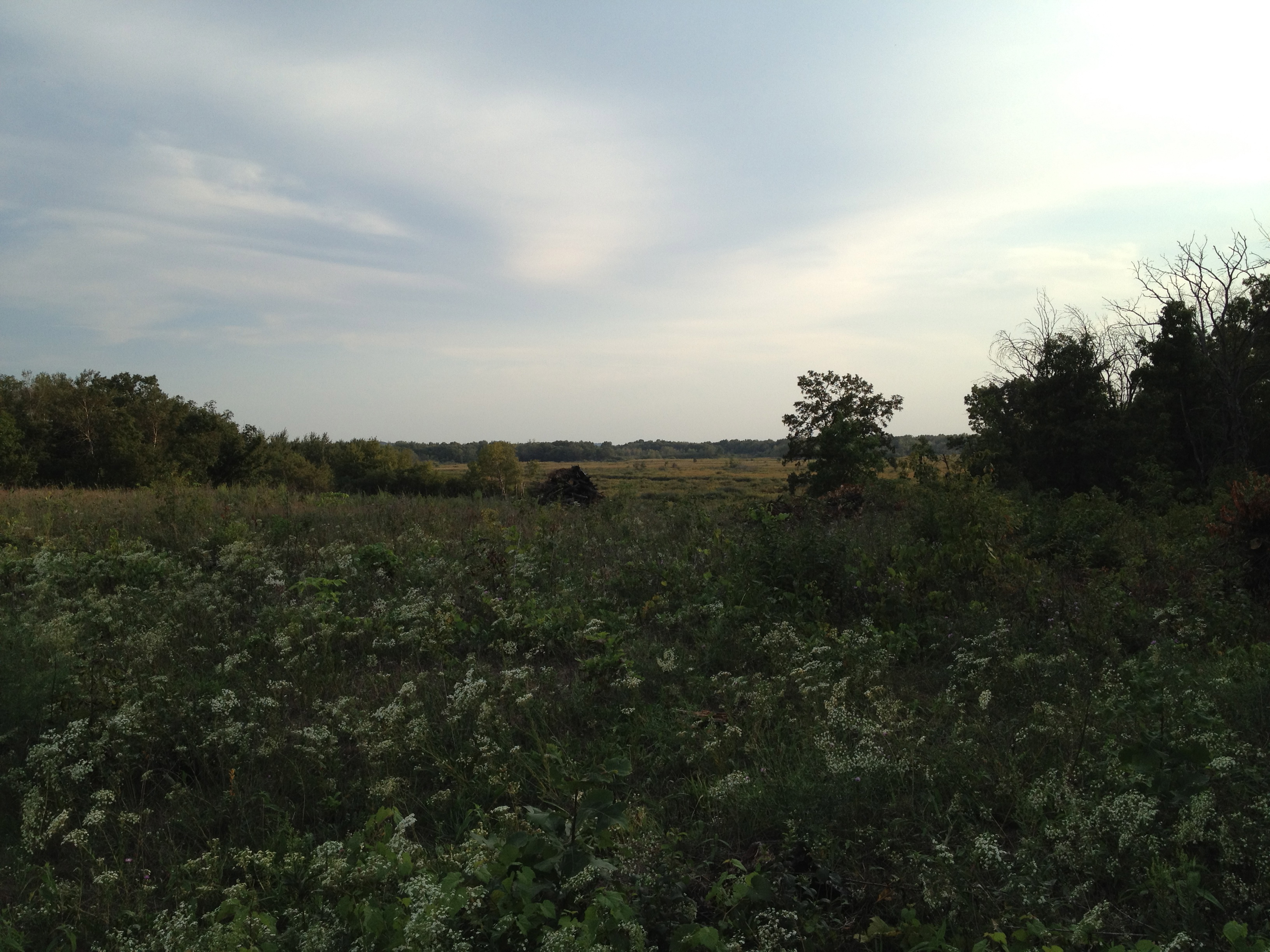
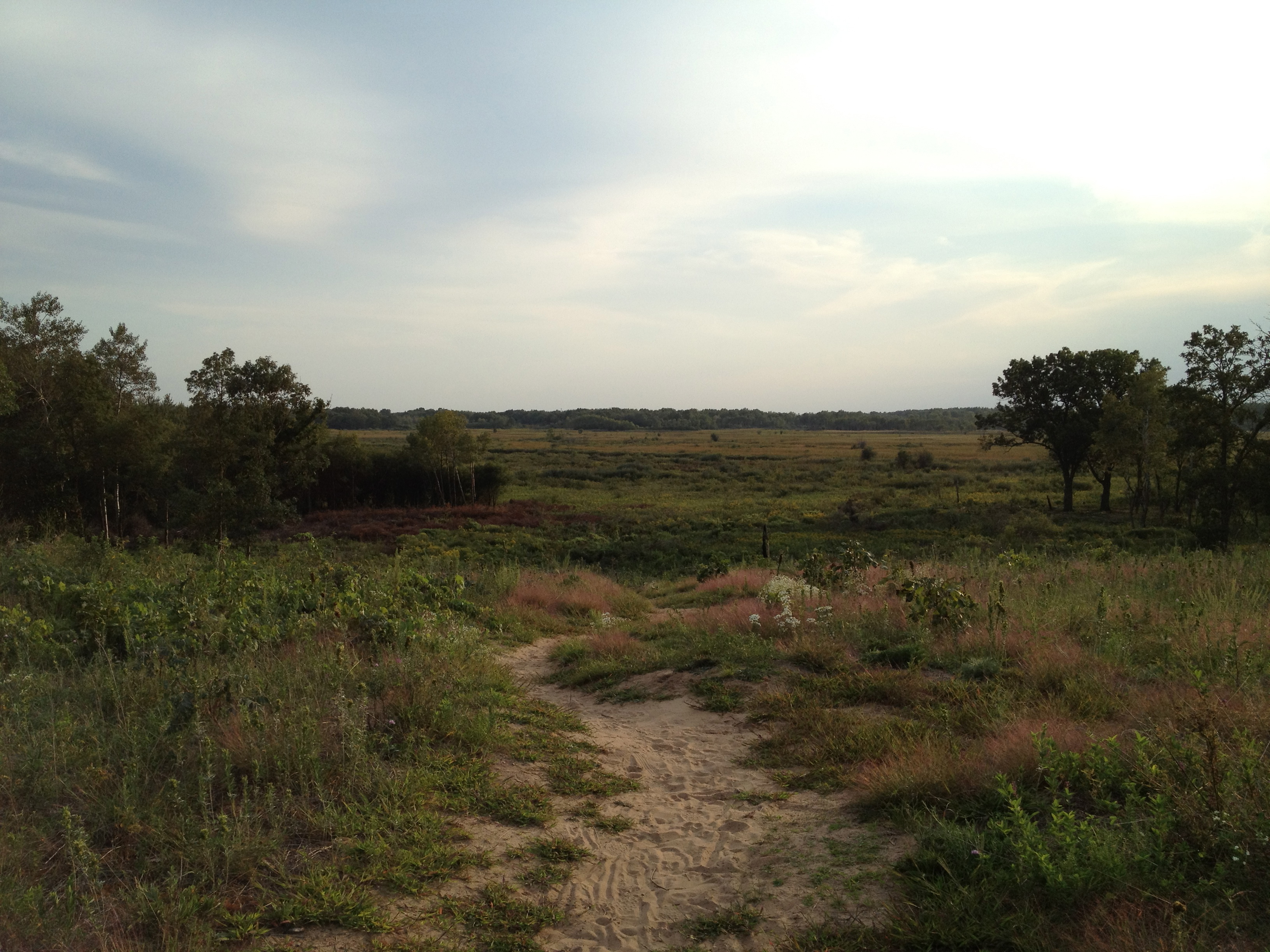
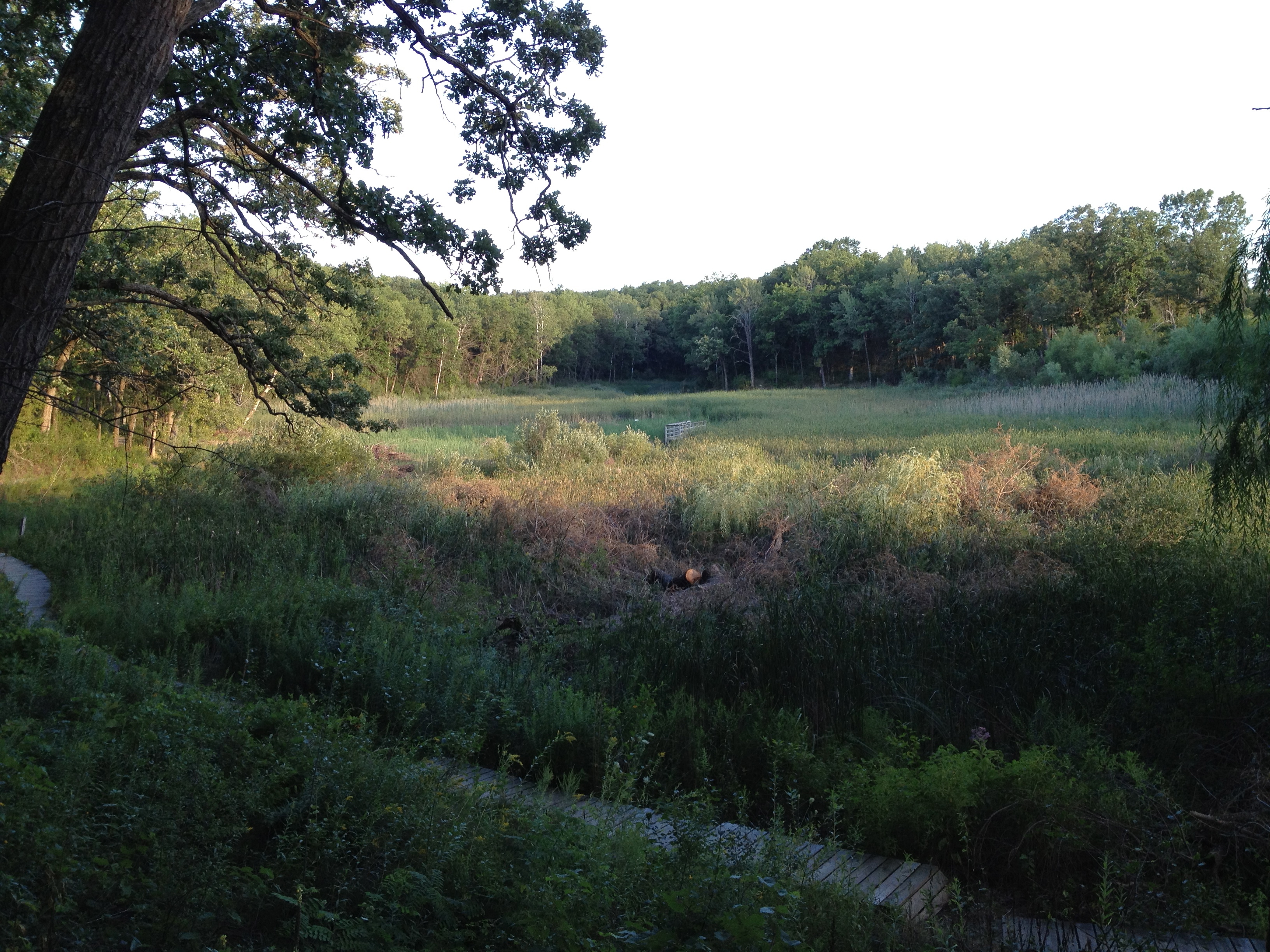
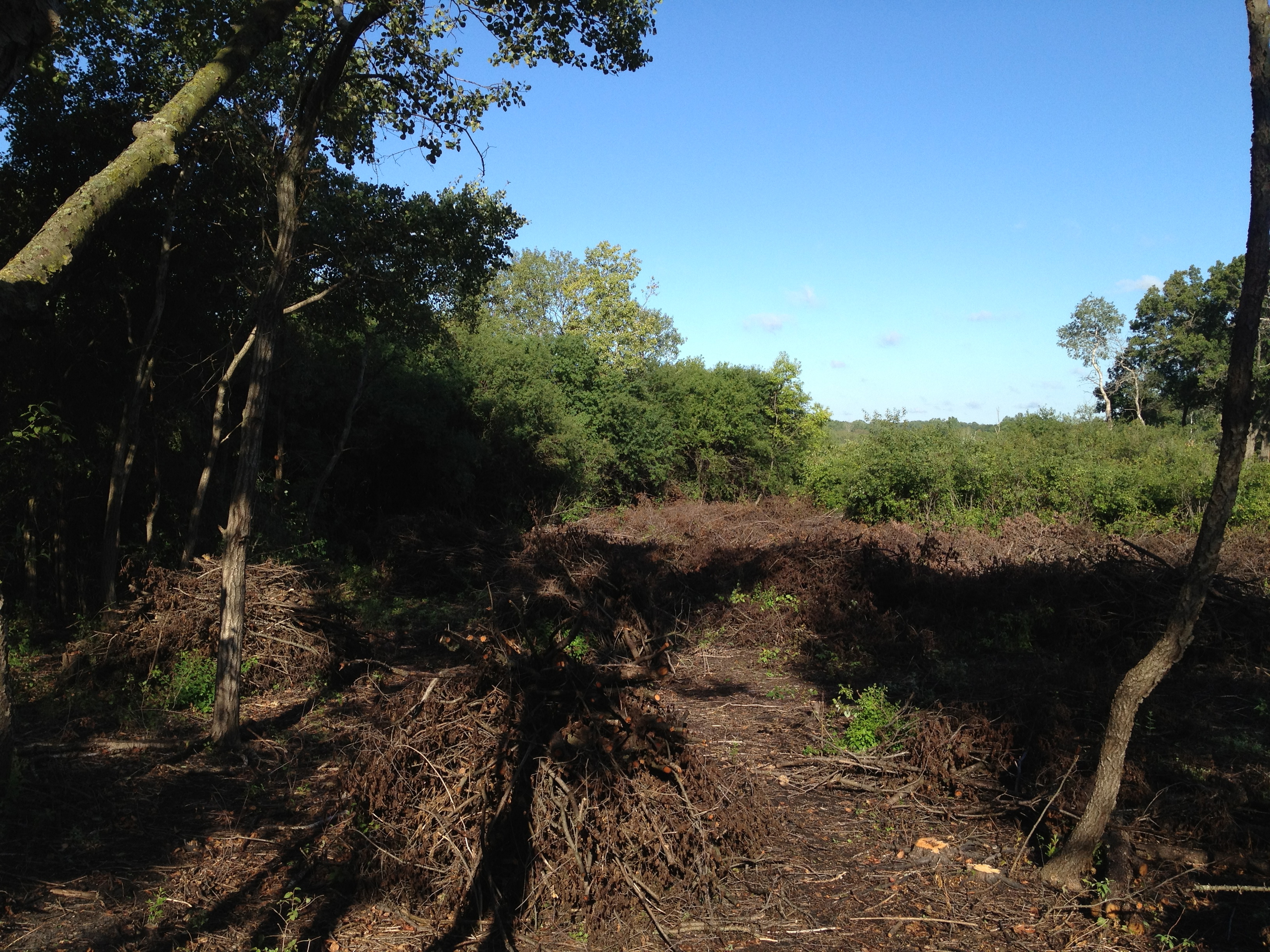
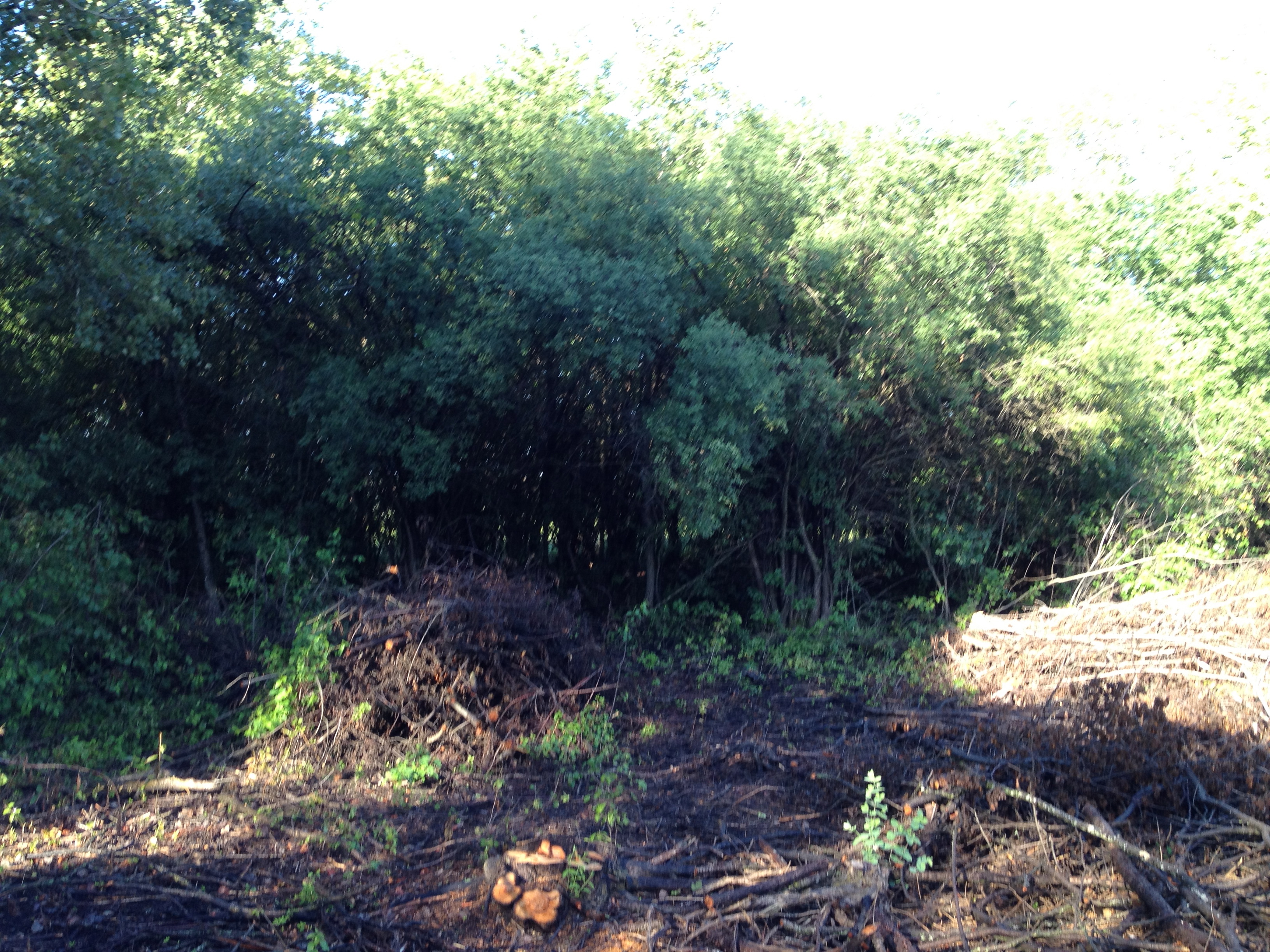
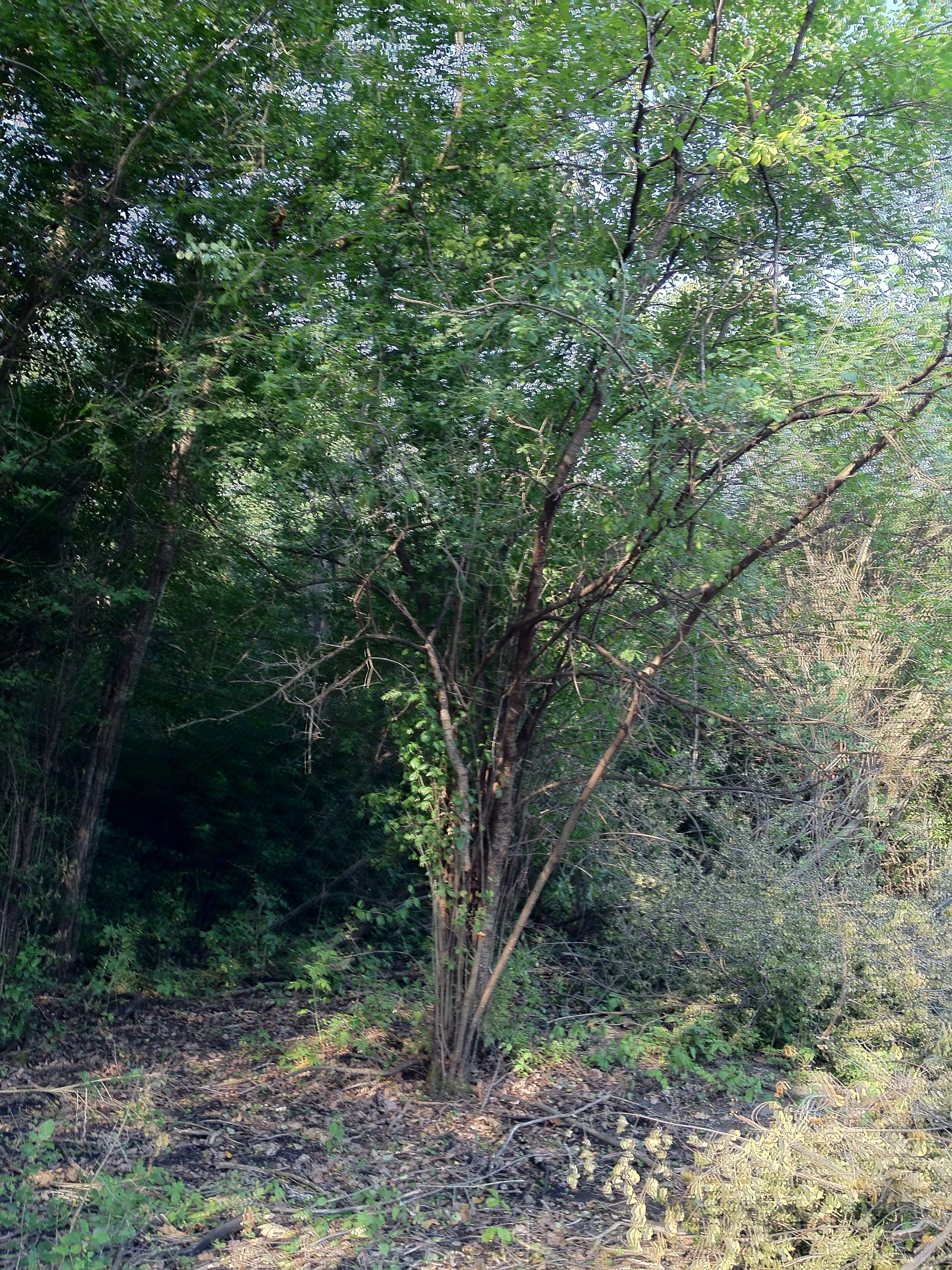
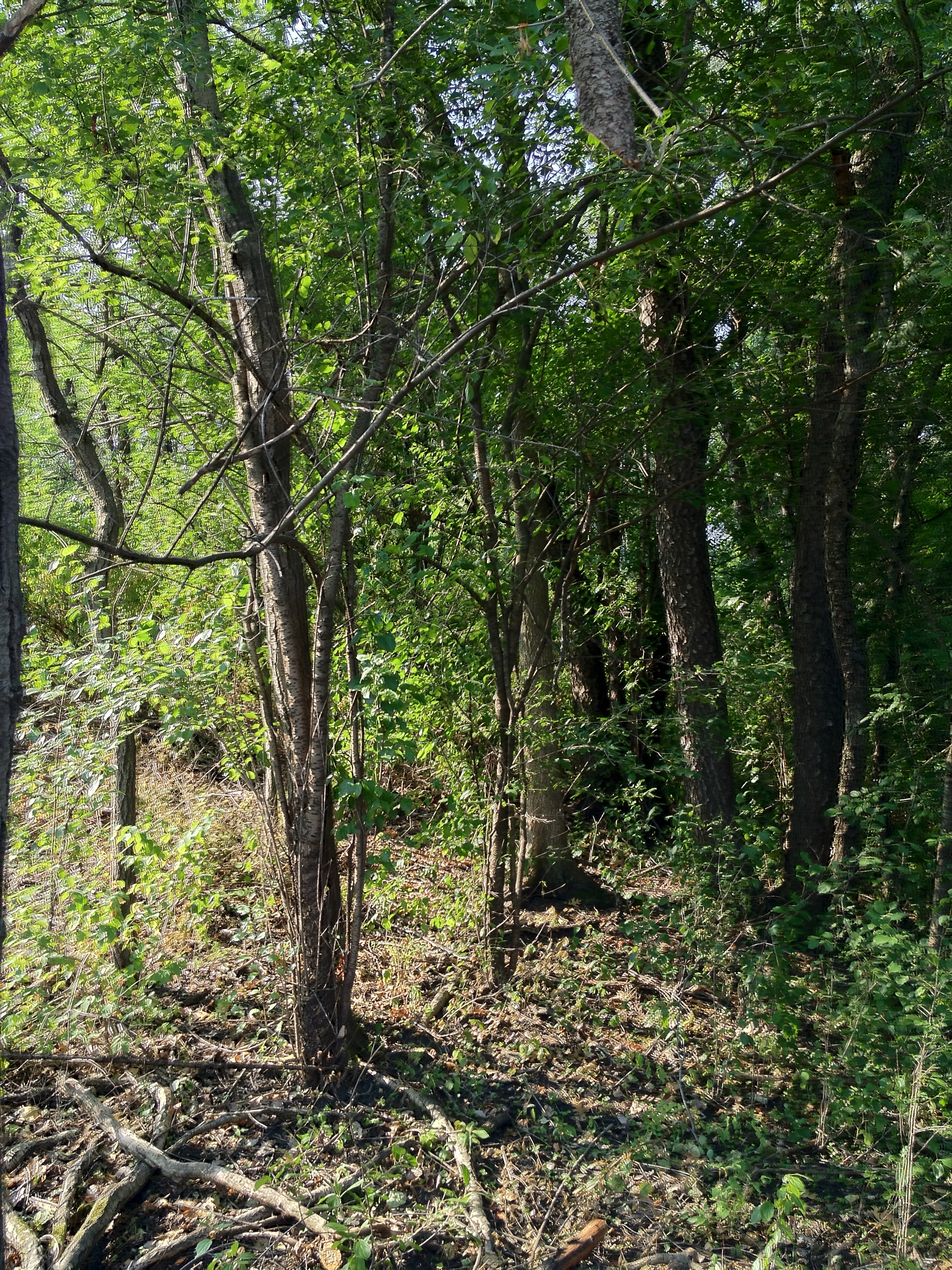
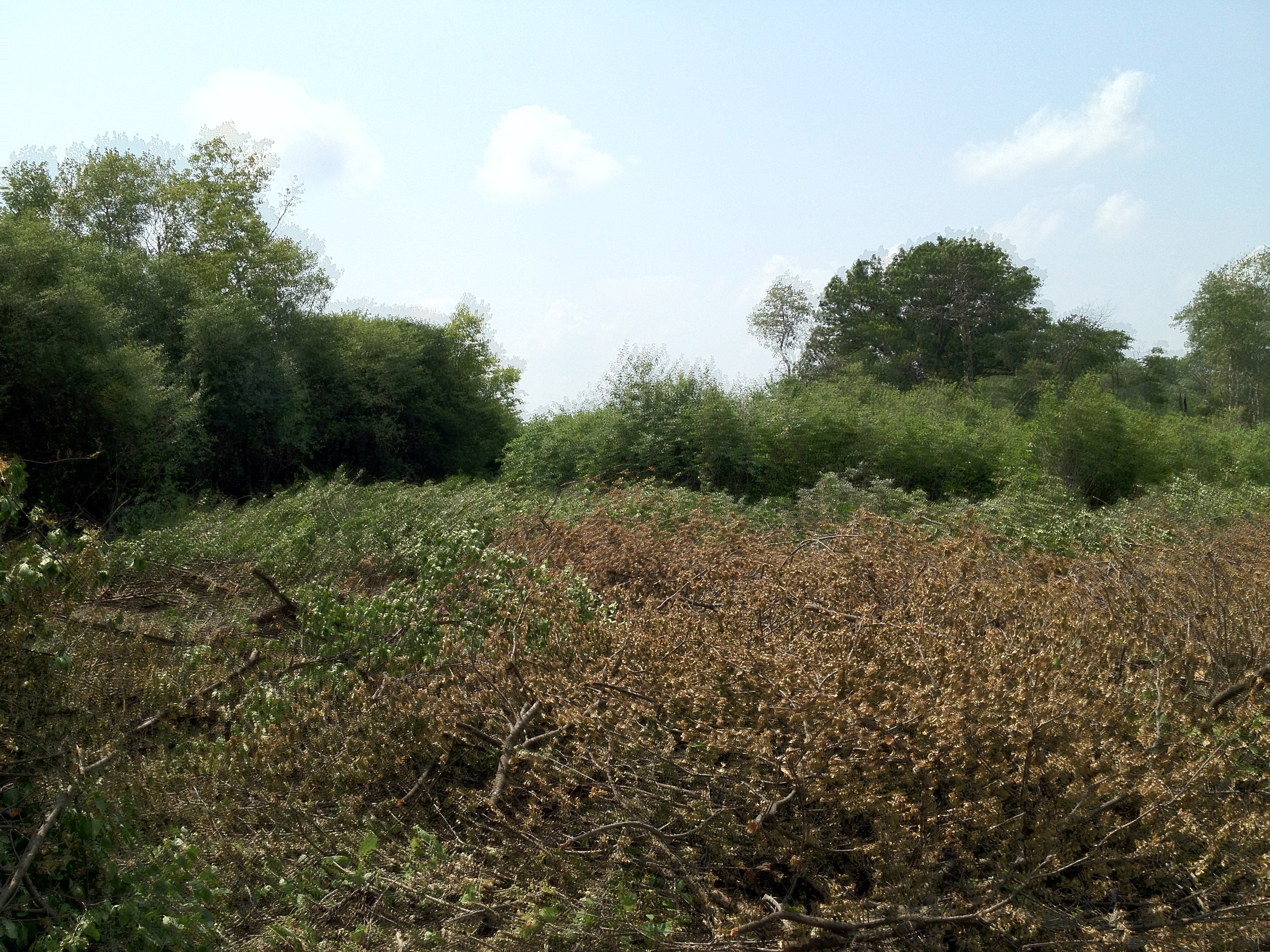
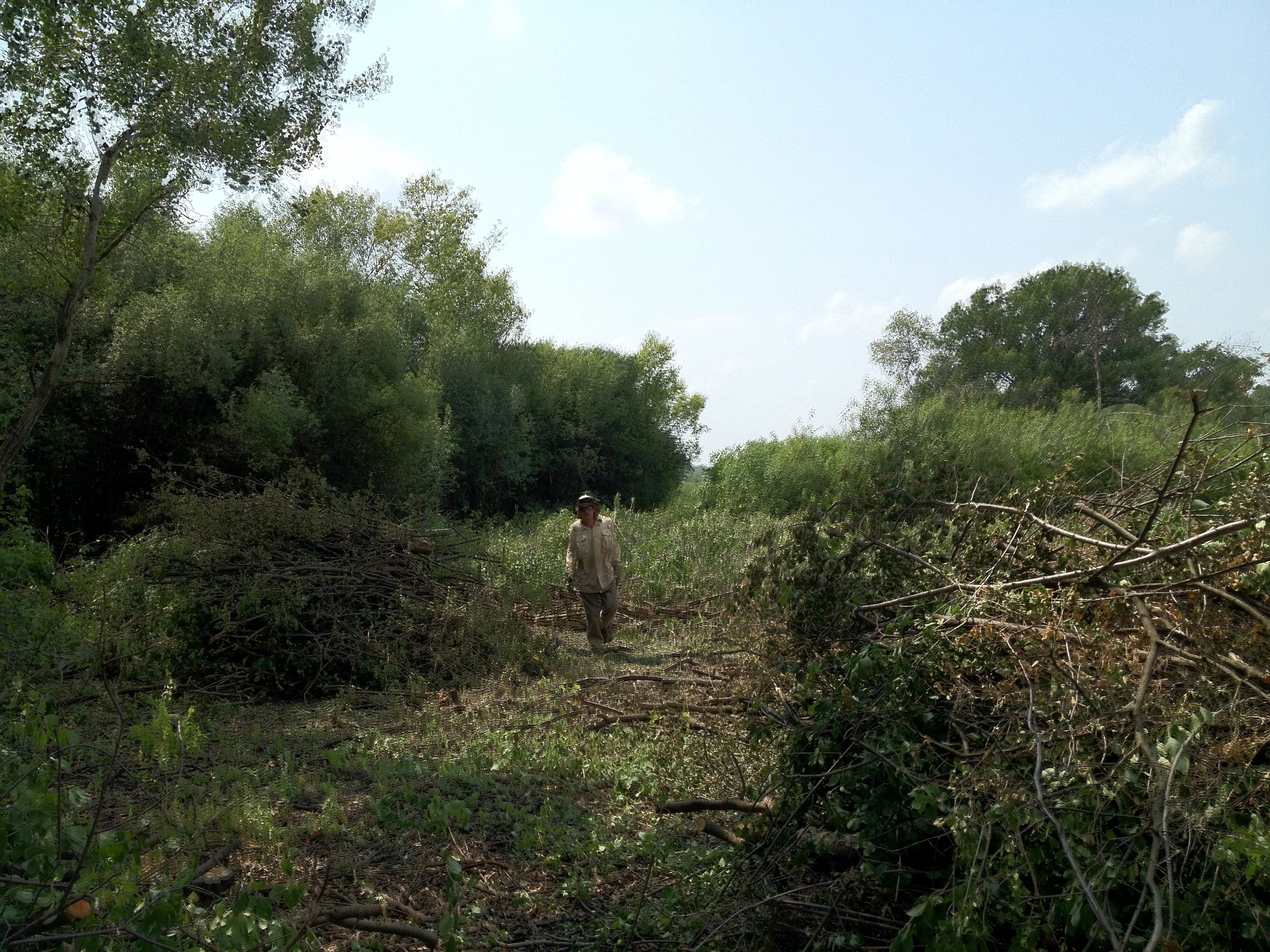
Yesterday I worked on a little bowl, a seasonally wet area, situated between the hilltop I worked at last weekend and the Indian Campground/Sand Prairie. Take a look at the before scenery.
And the view from where I parked my wheel barrel loaded with gear.
I must confess, I had a hard time deciding where to start. I used a brush cutter first and was careful to spray all of the Black Locust saplings with TransLine. There was a thicket of wild raspberry or blackberry 6′ tall and a lot of Buckthorn and Aspen saplings as well. I’m planning to use a foliar spray next Spring to attack the resprouts when they first come up.
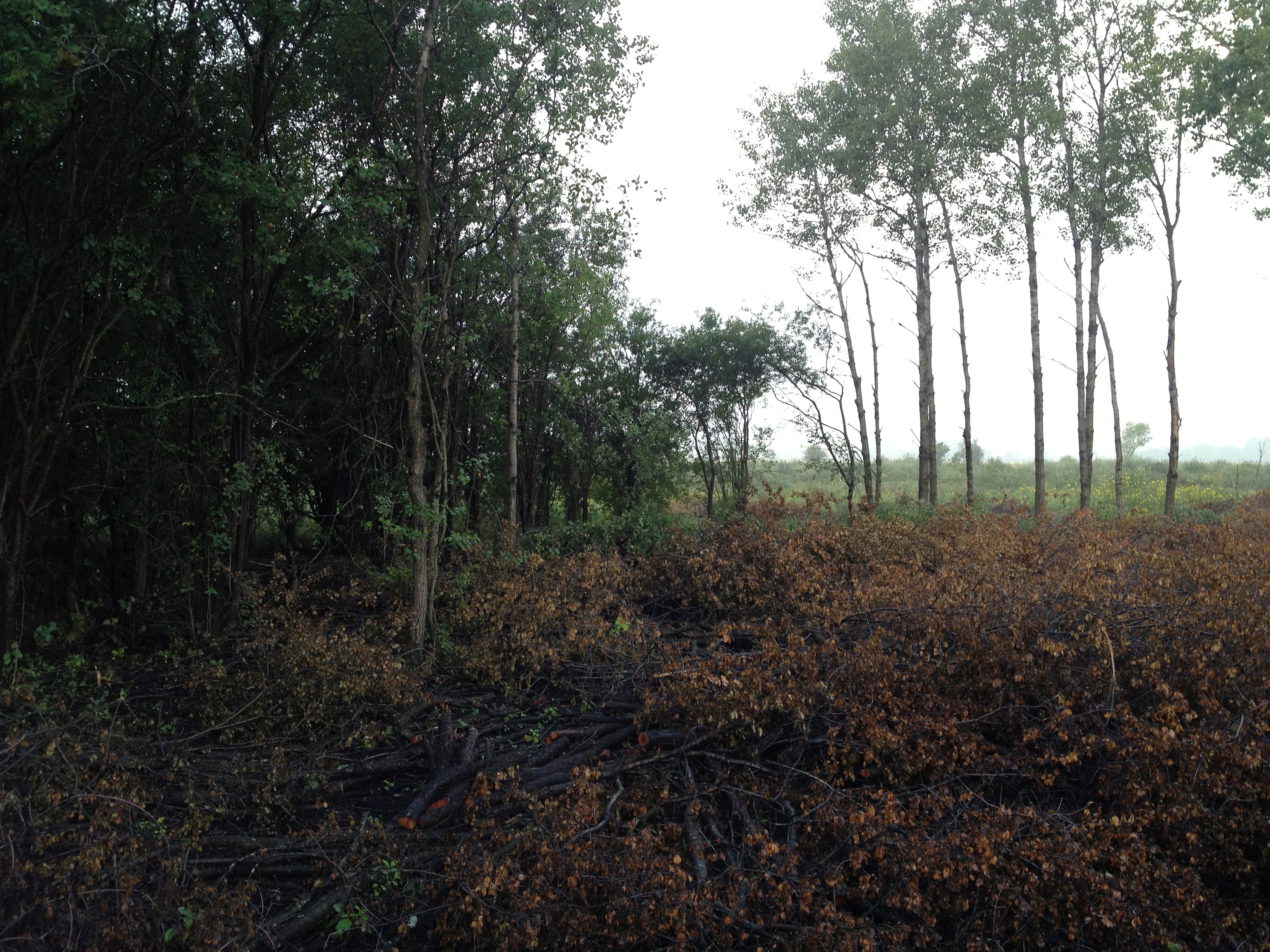
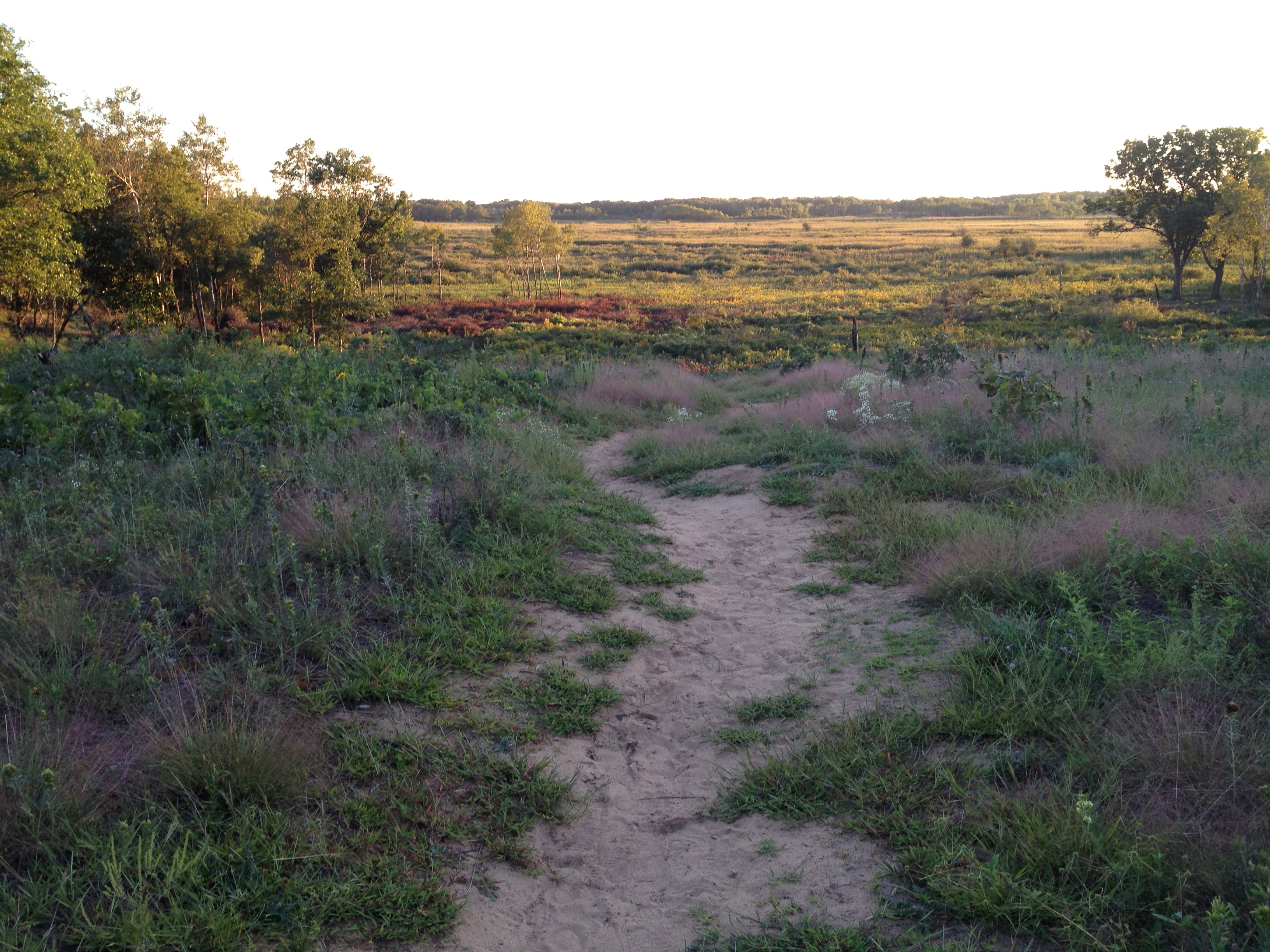
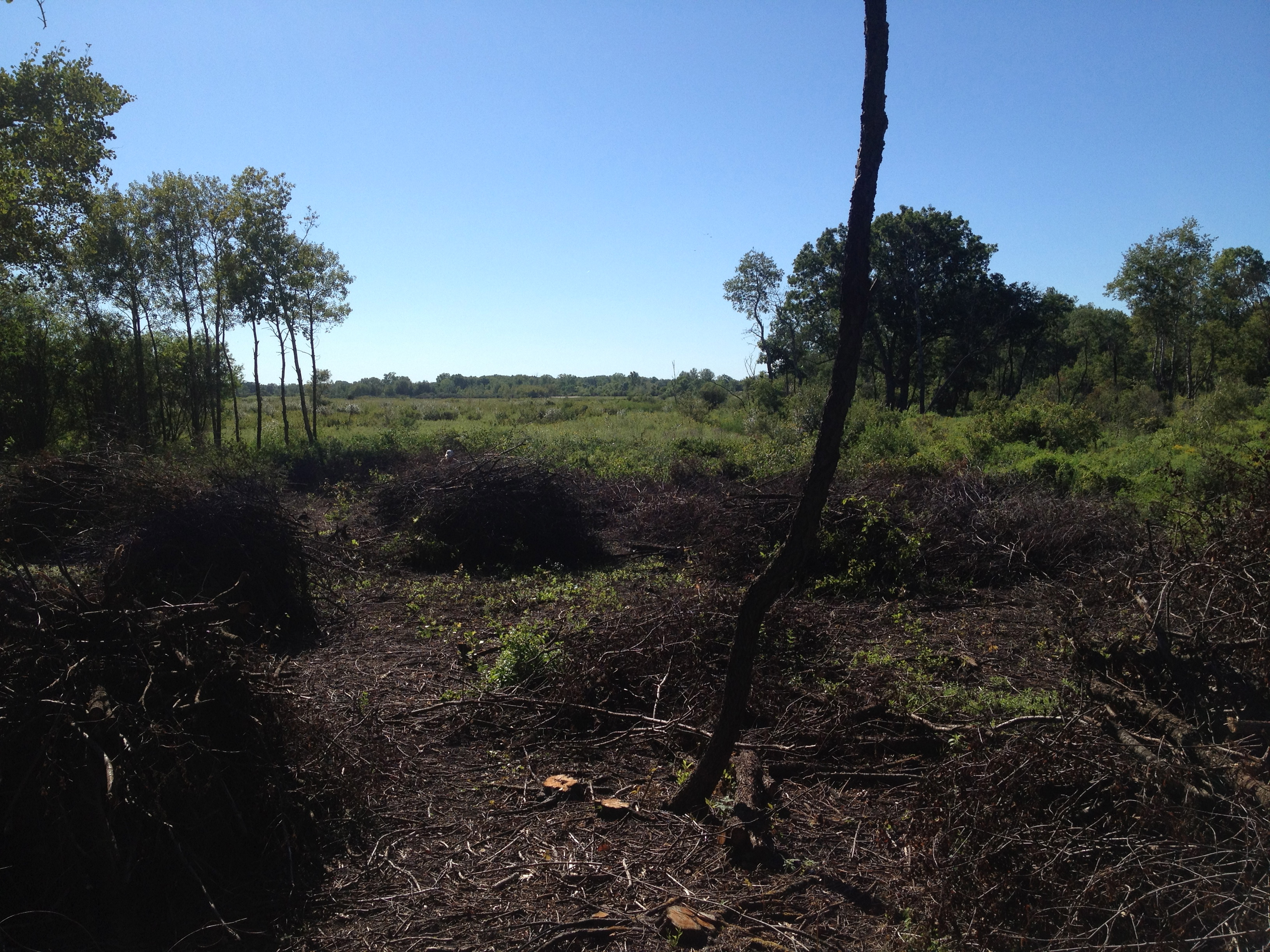
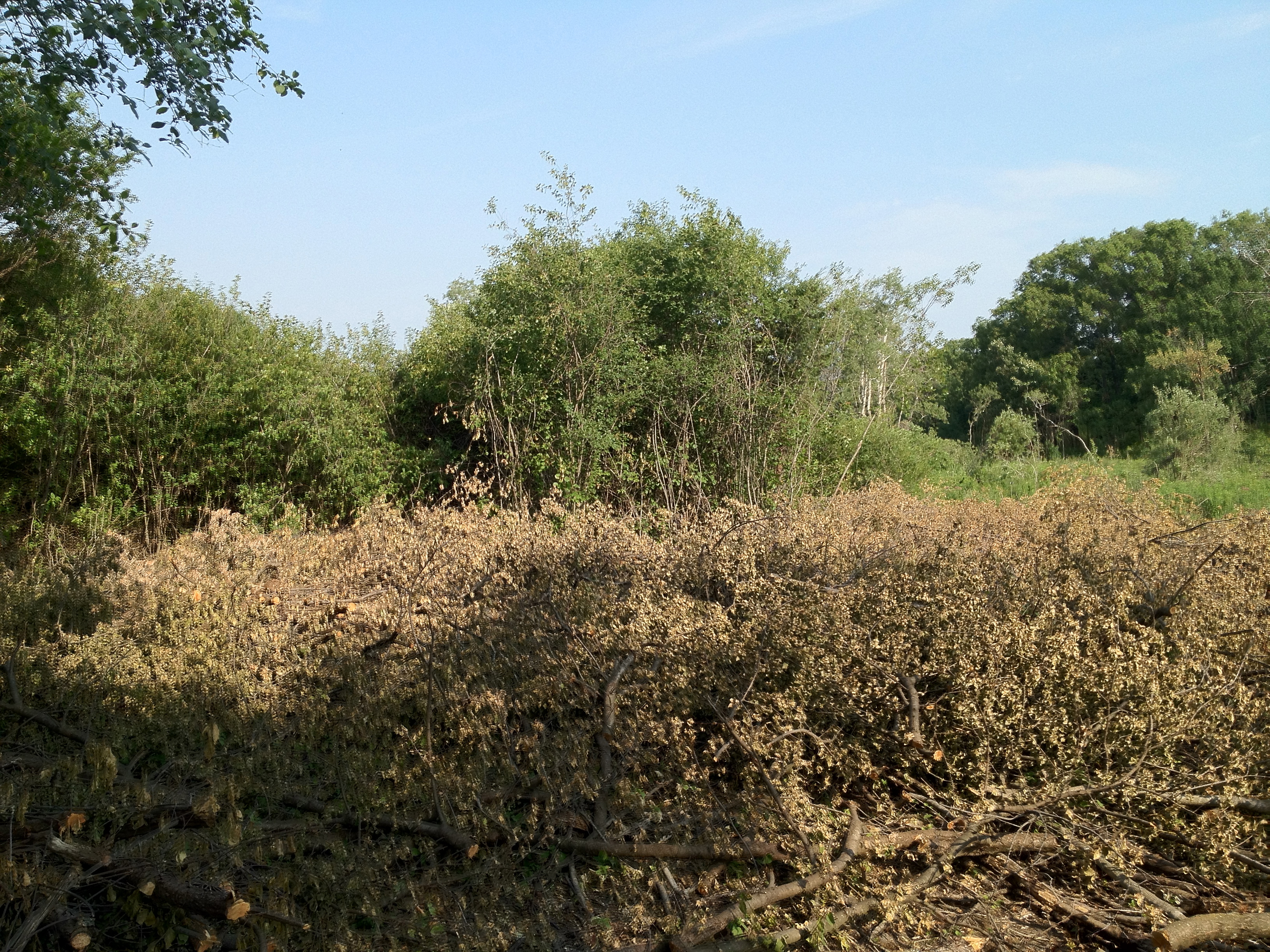
Here is how it looked at the end of the day.
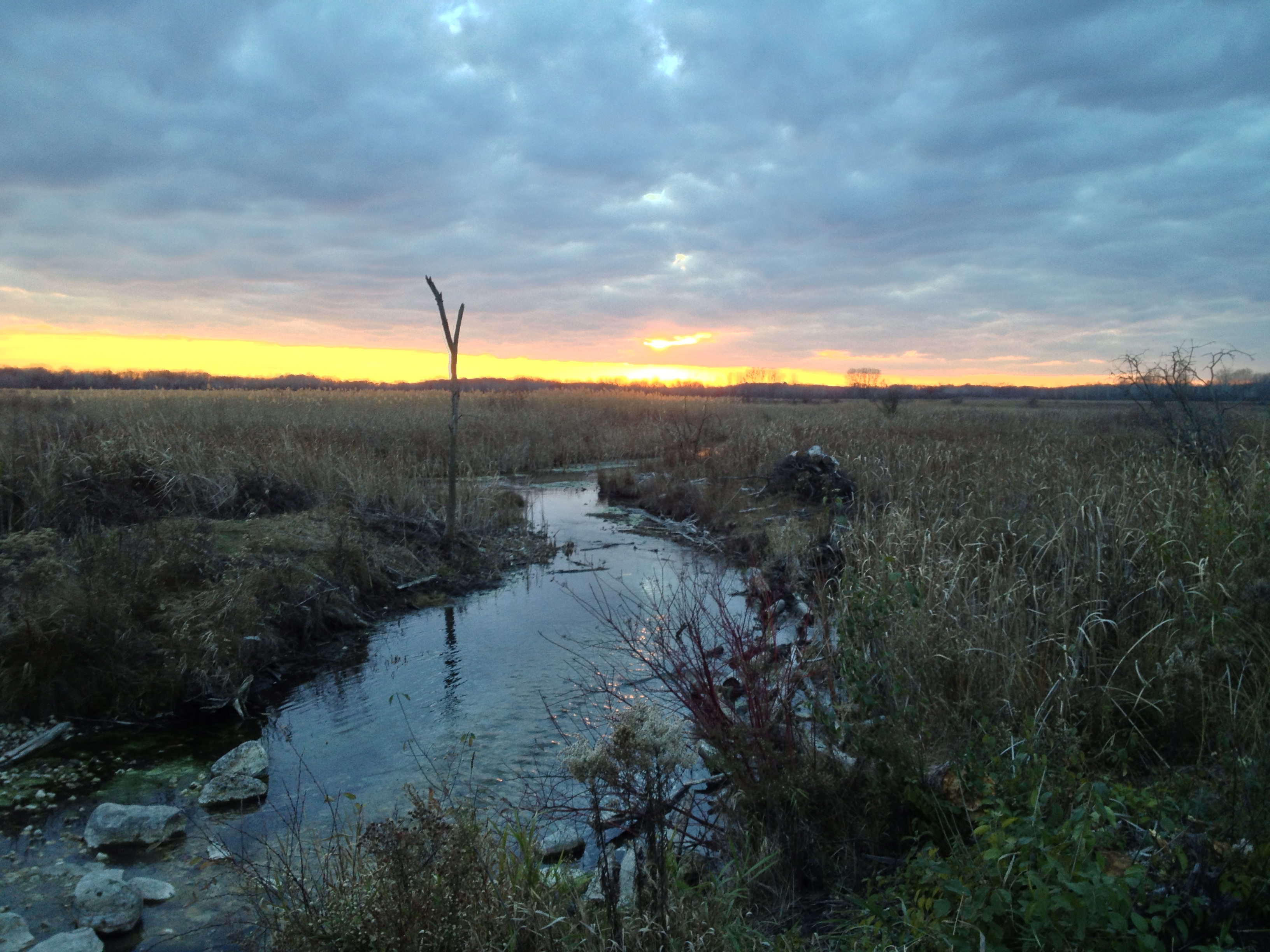
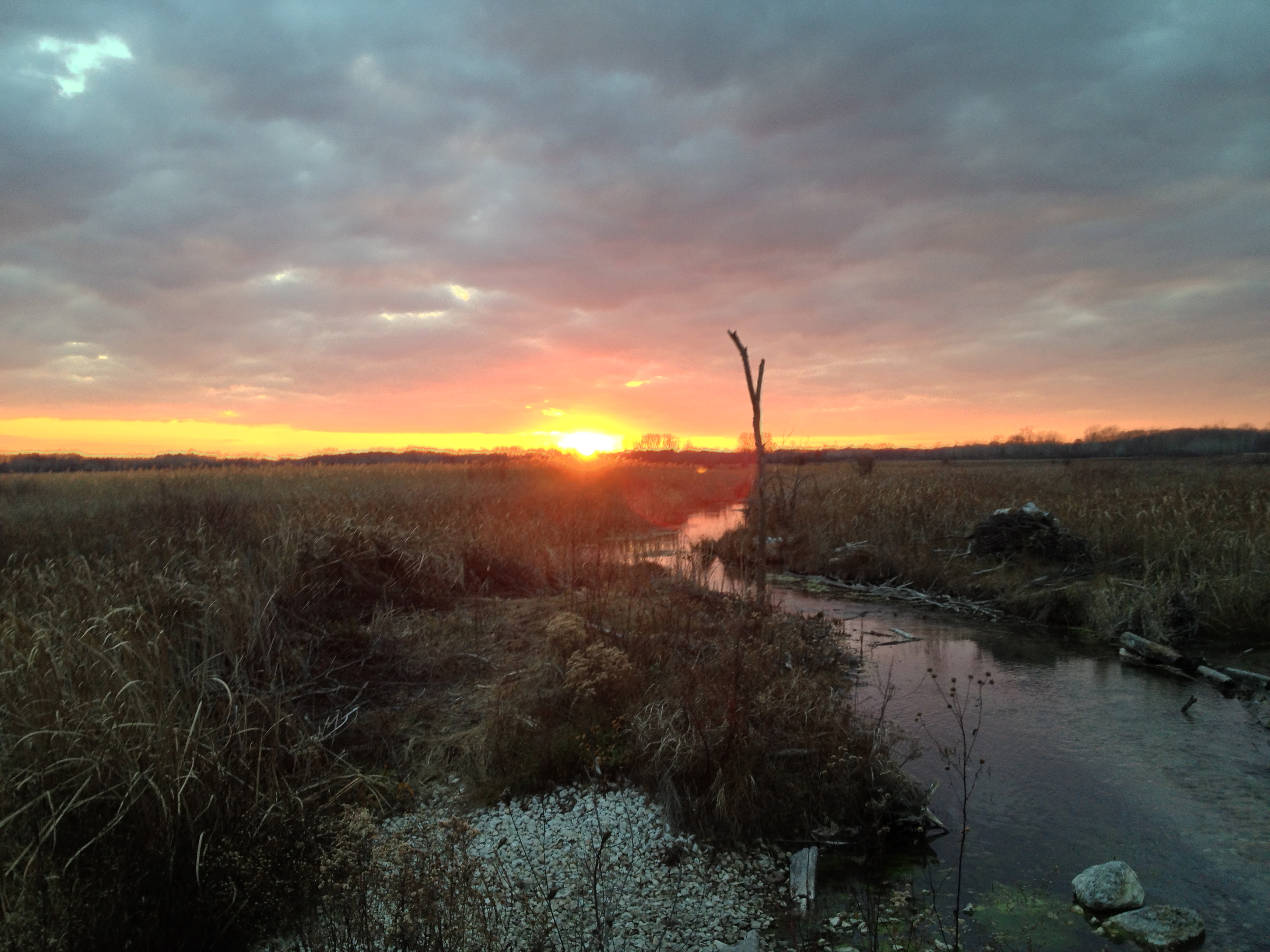
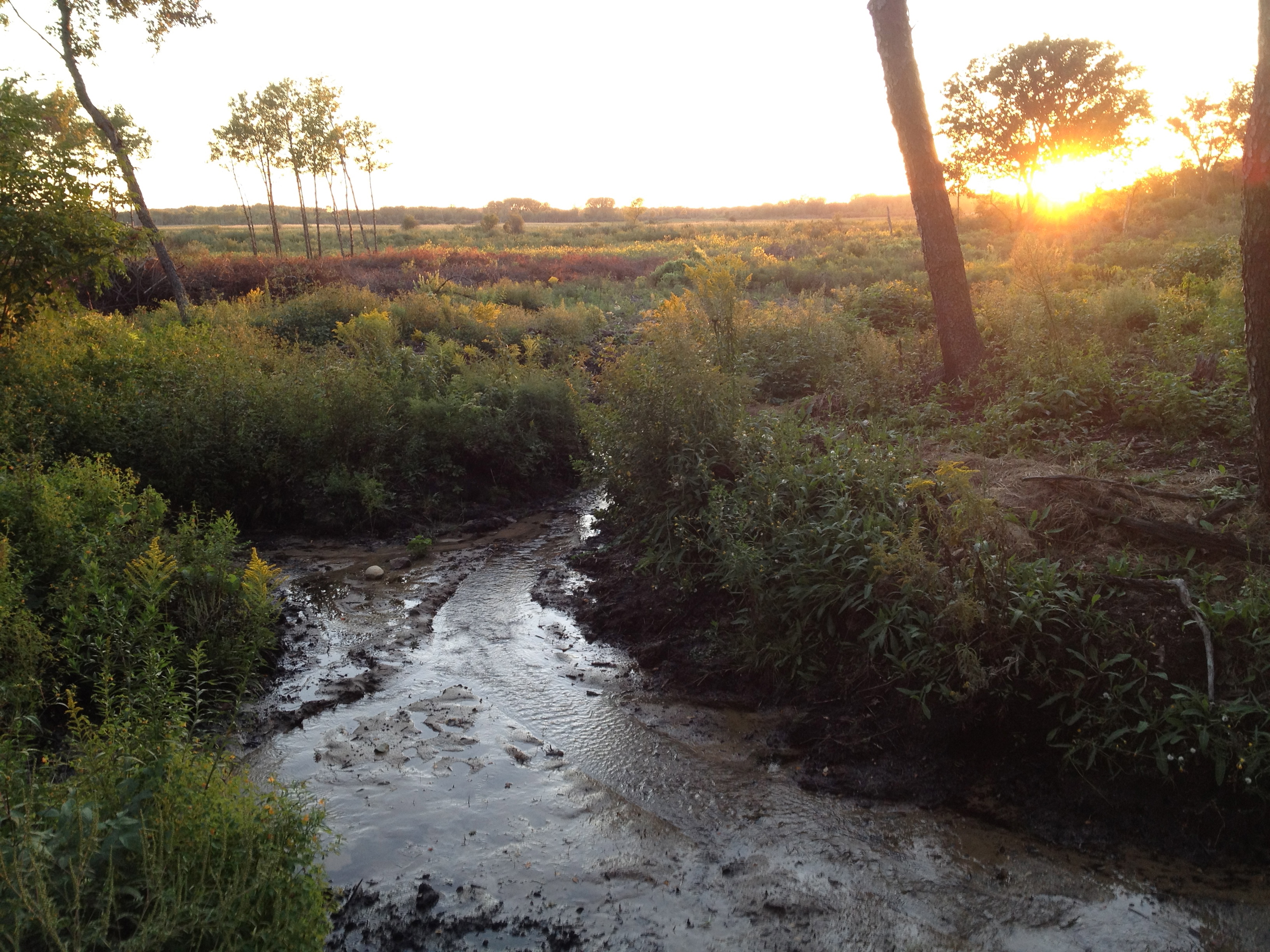
There is a lot of piling to do and that is going to be our focus for the next month or so. Check out the nice sunset.
Don’t tell anyone, I still have my Cat Stevens records.
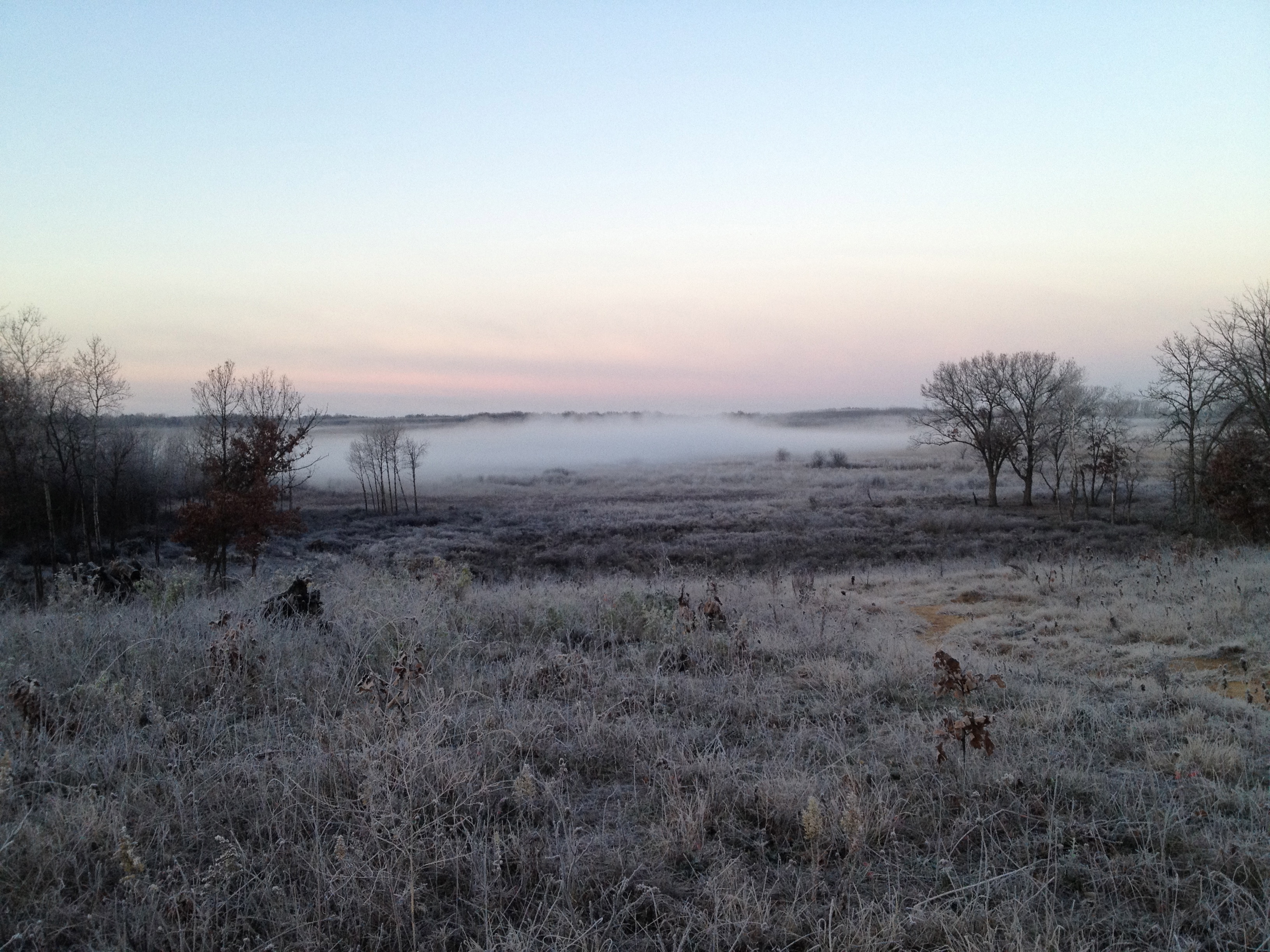
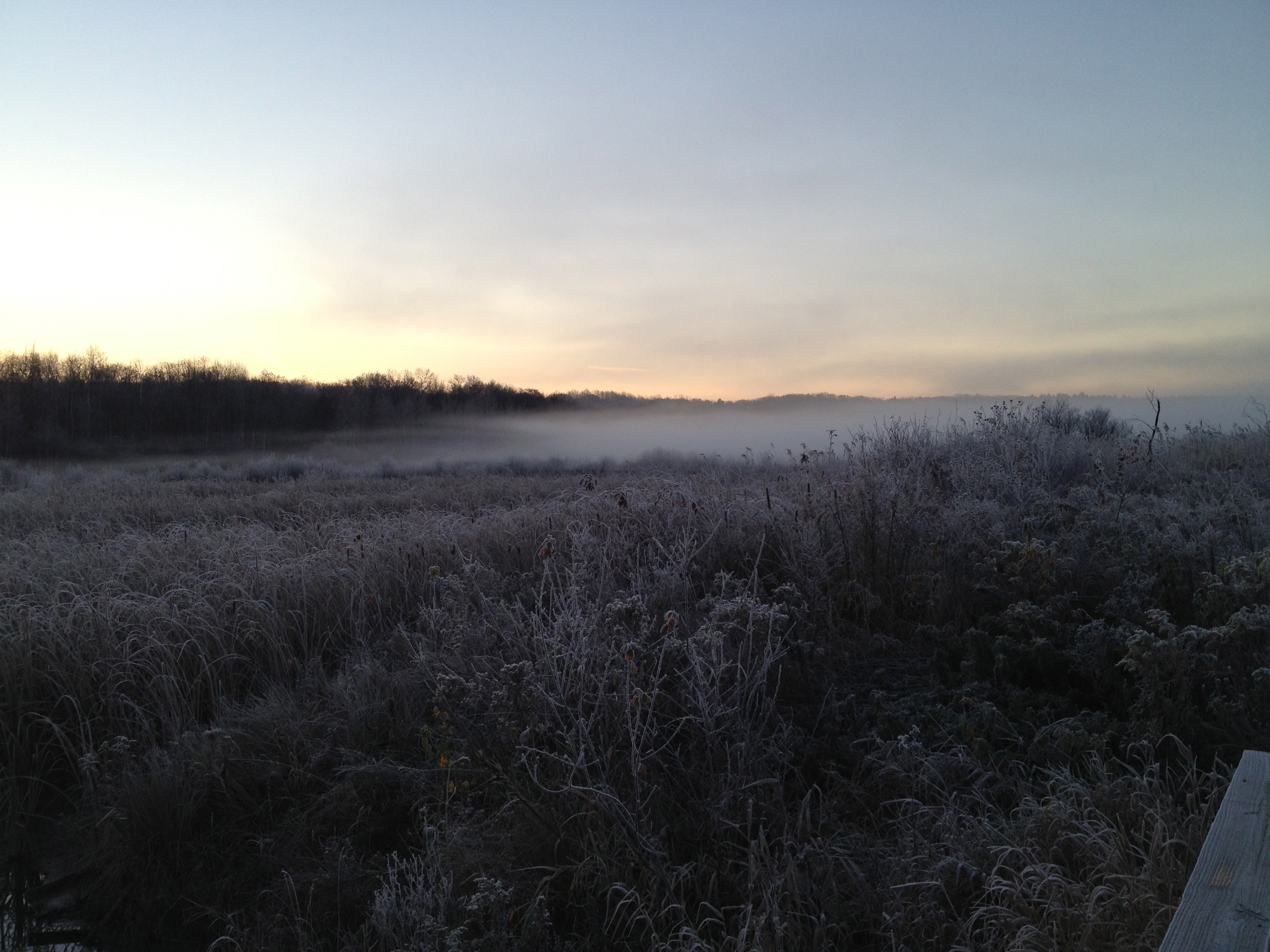
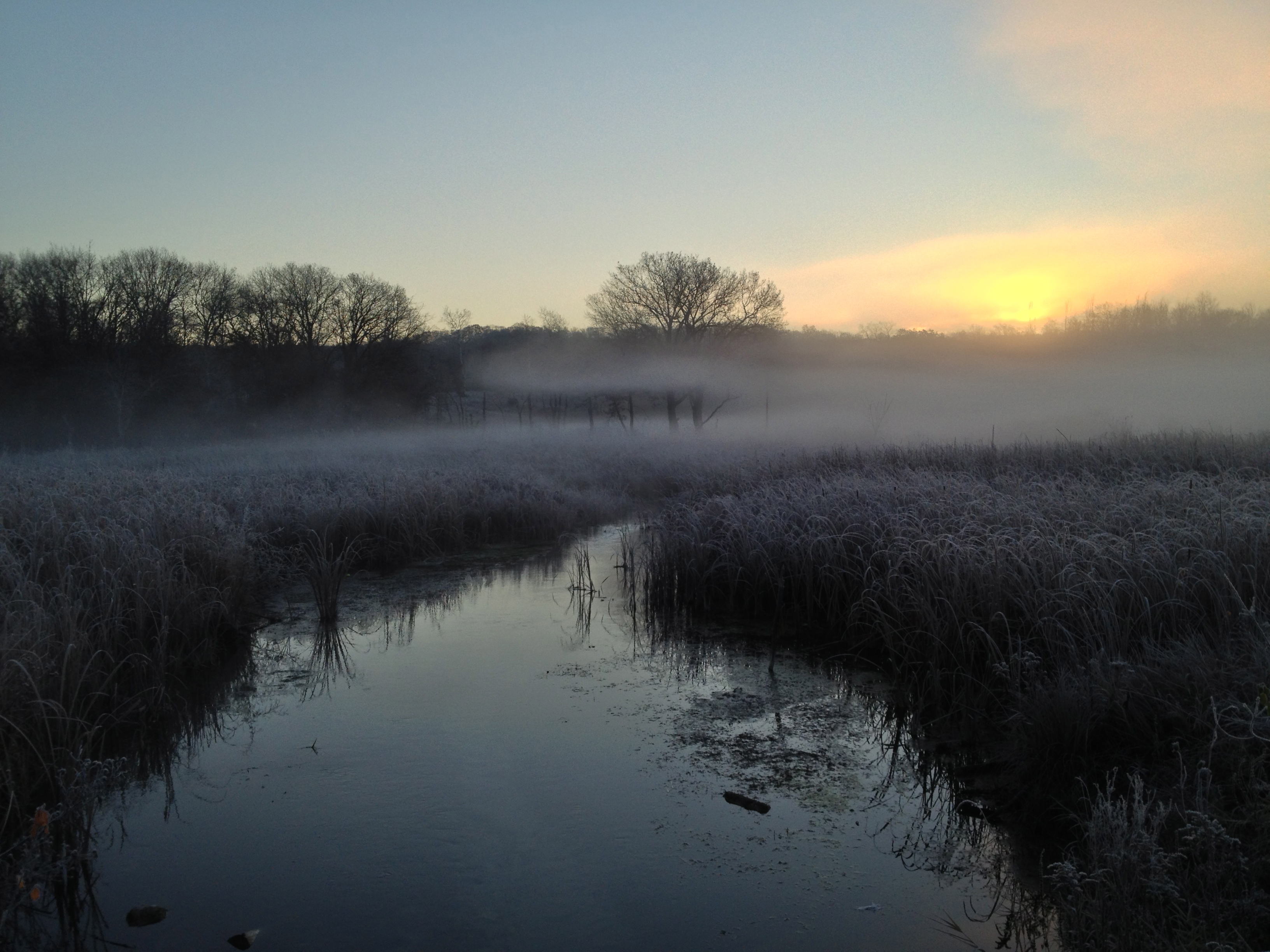
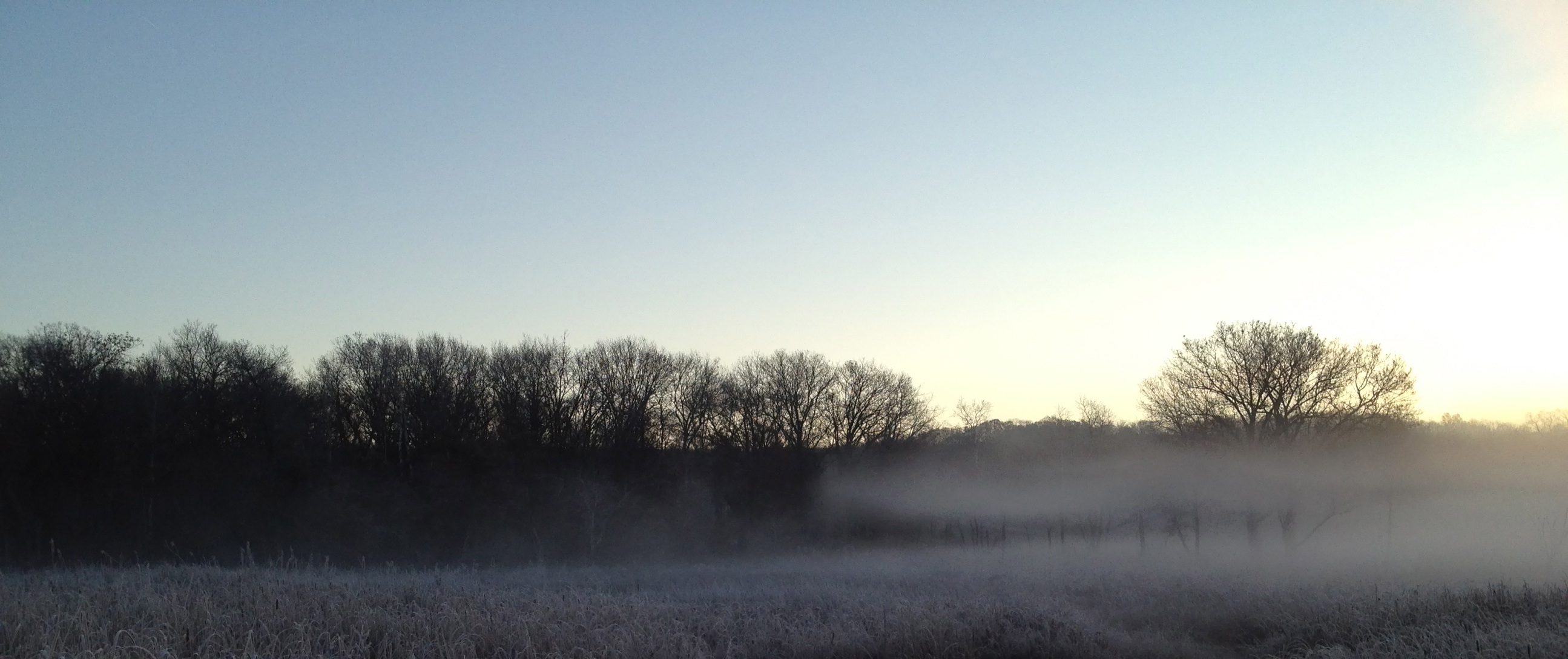
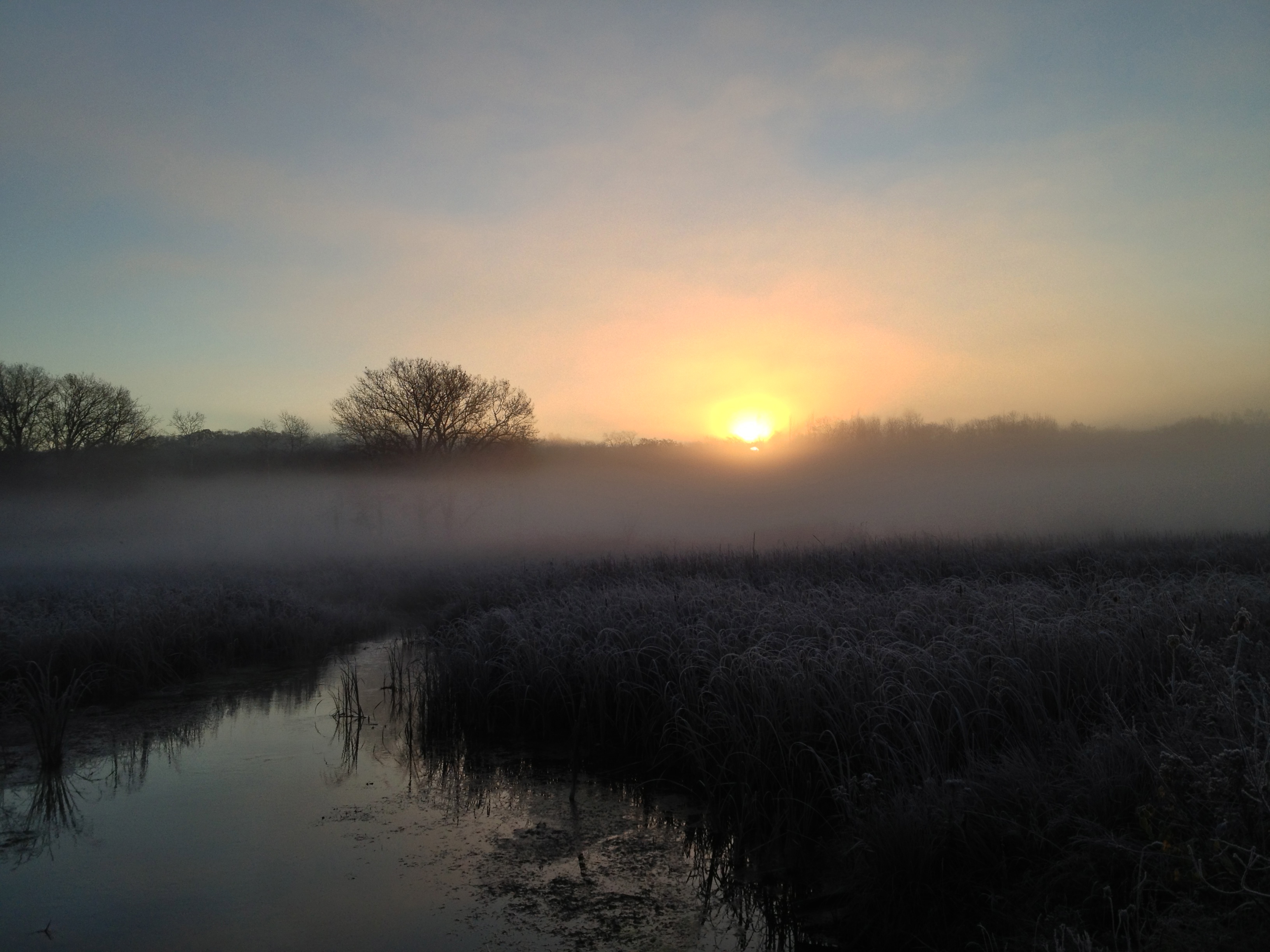
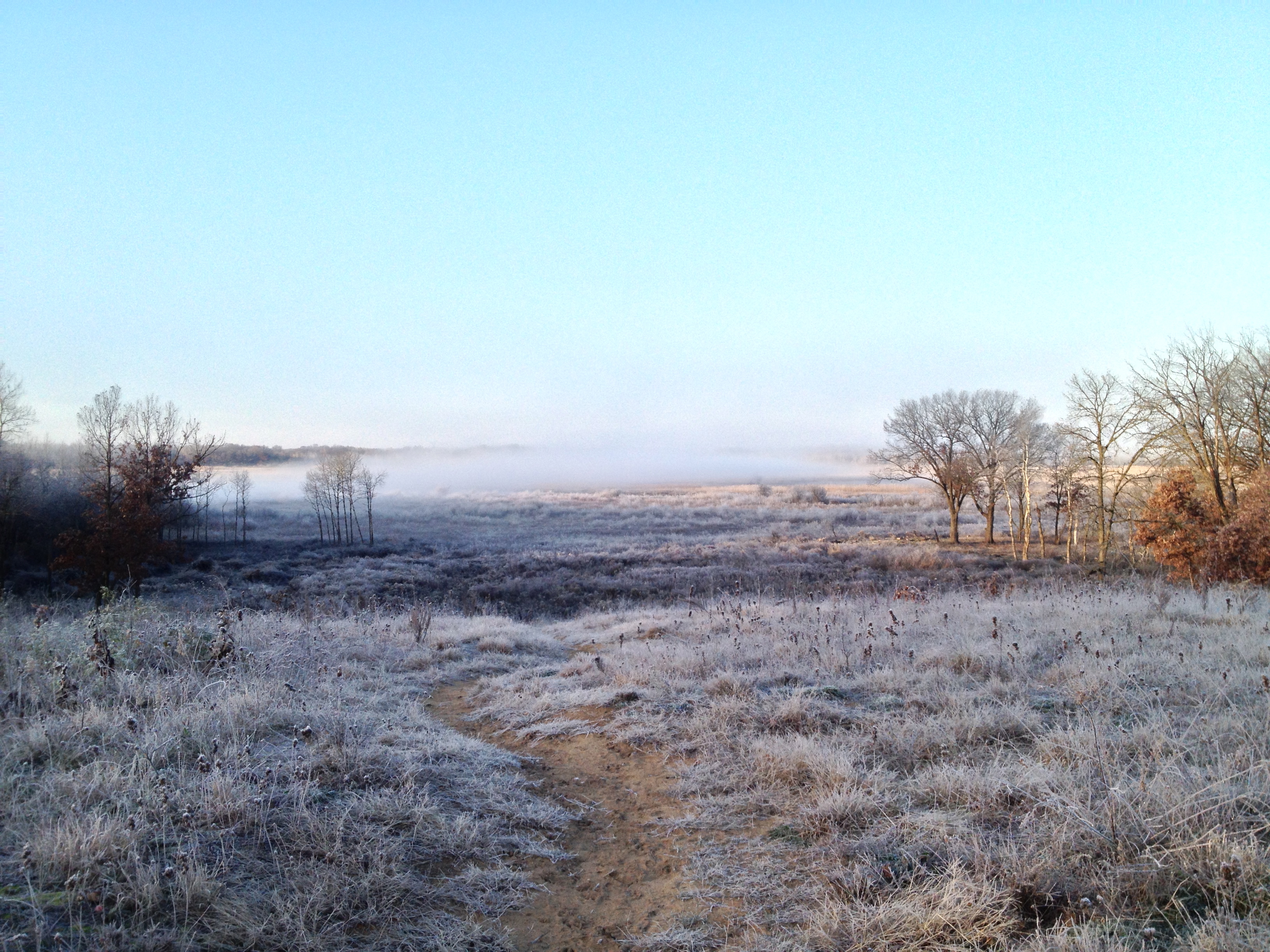
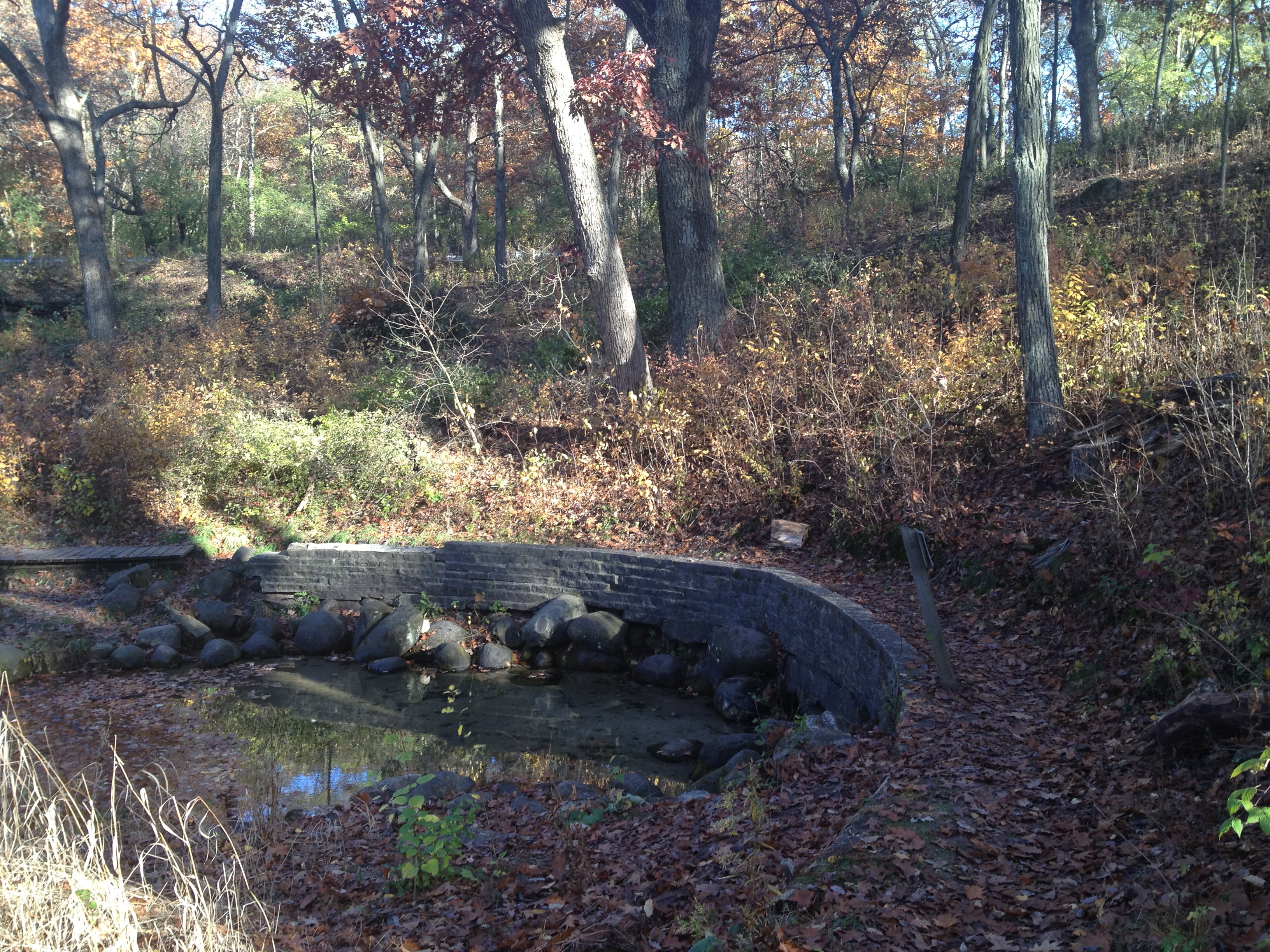
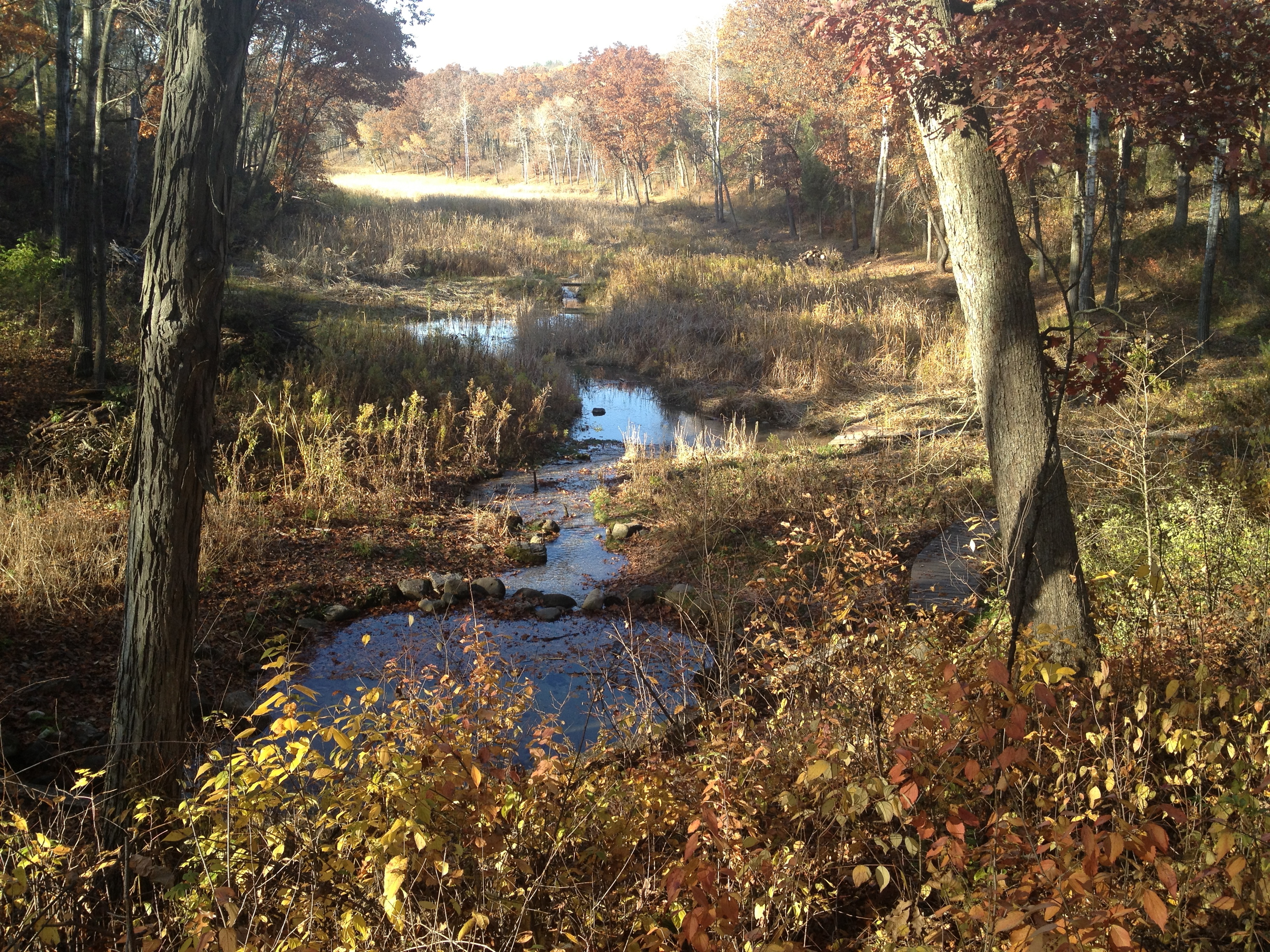
The Springs were beautiful this morning.
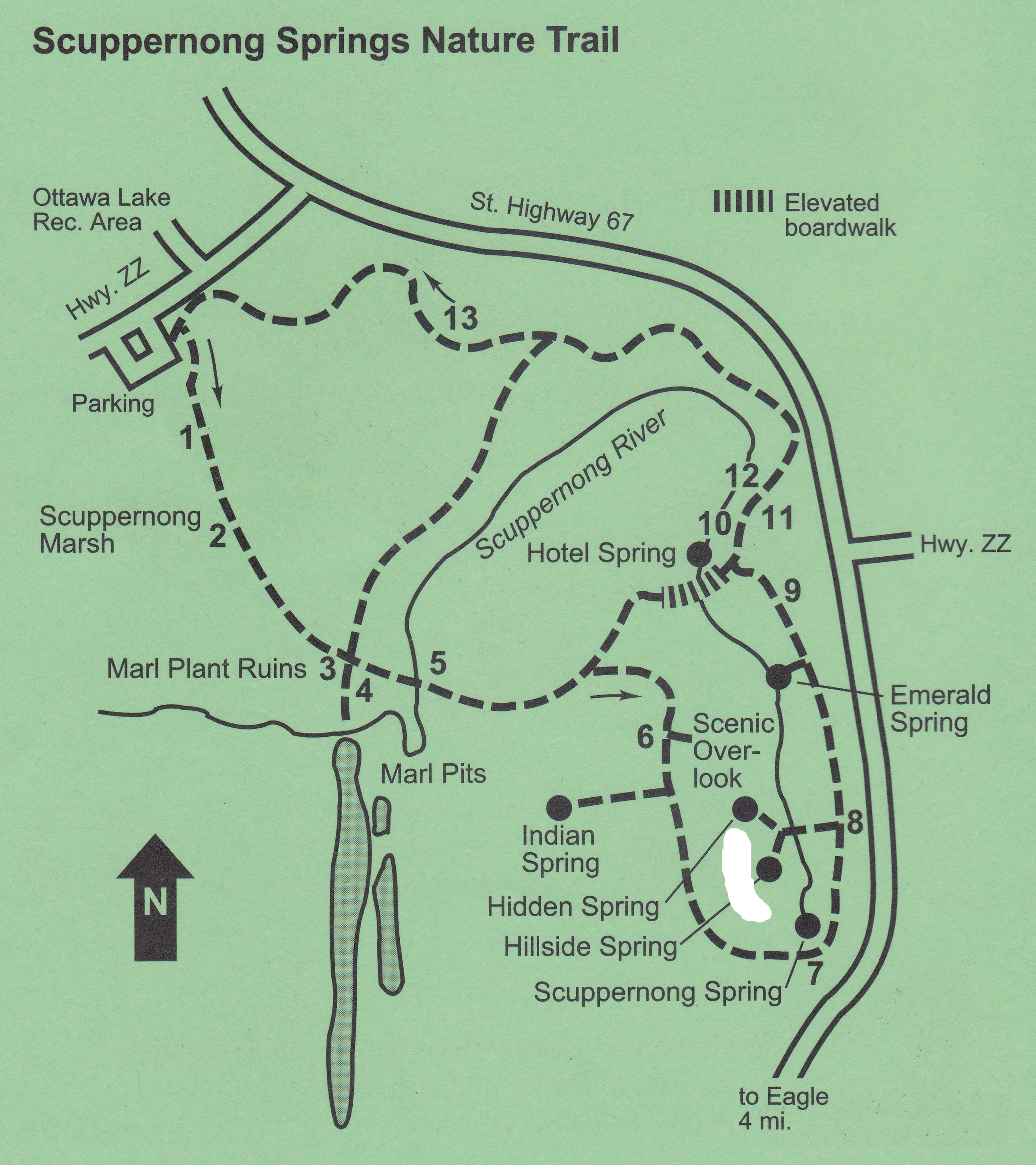
There is a very nice sand dune hilltop just West of the Hillside Spring covered with some large Oak, Hickory and Cherry trees. The last time we worked Lindsay pointed out how cool this hilltop would look, especially a prominently featured huge Red Oak, if we cleared the brush and I took up his suggestion today. The area in question is marked in white on the map below.
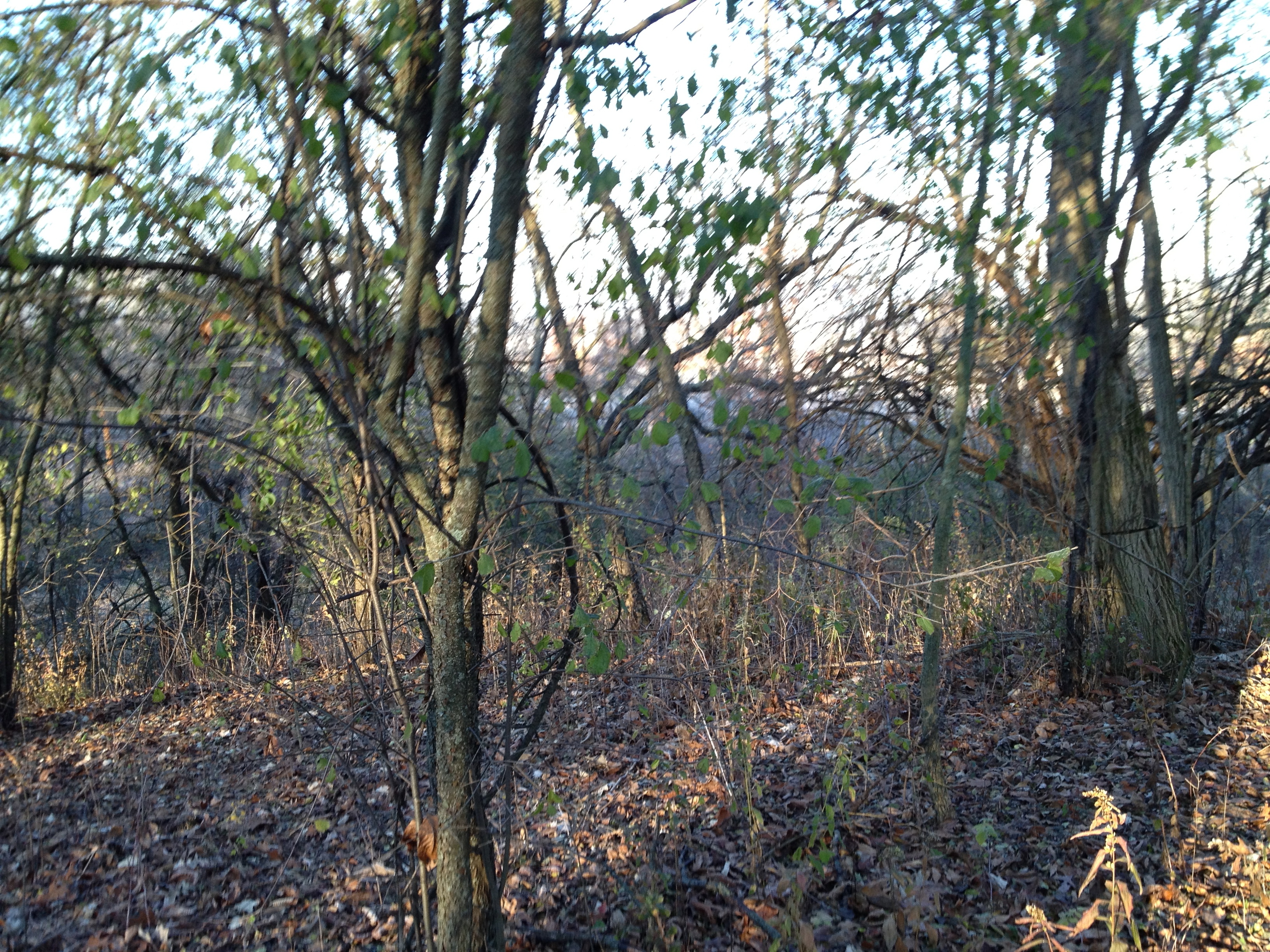
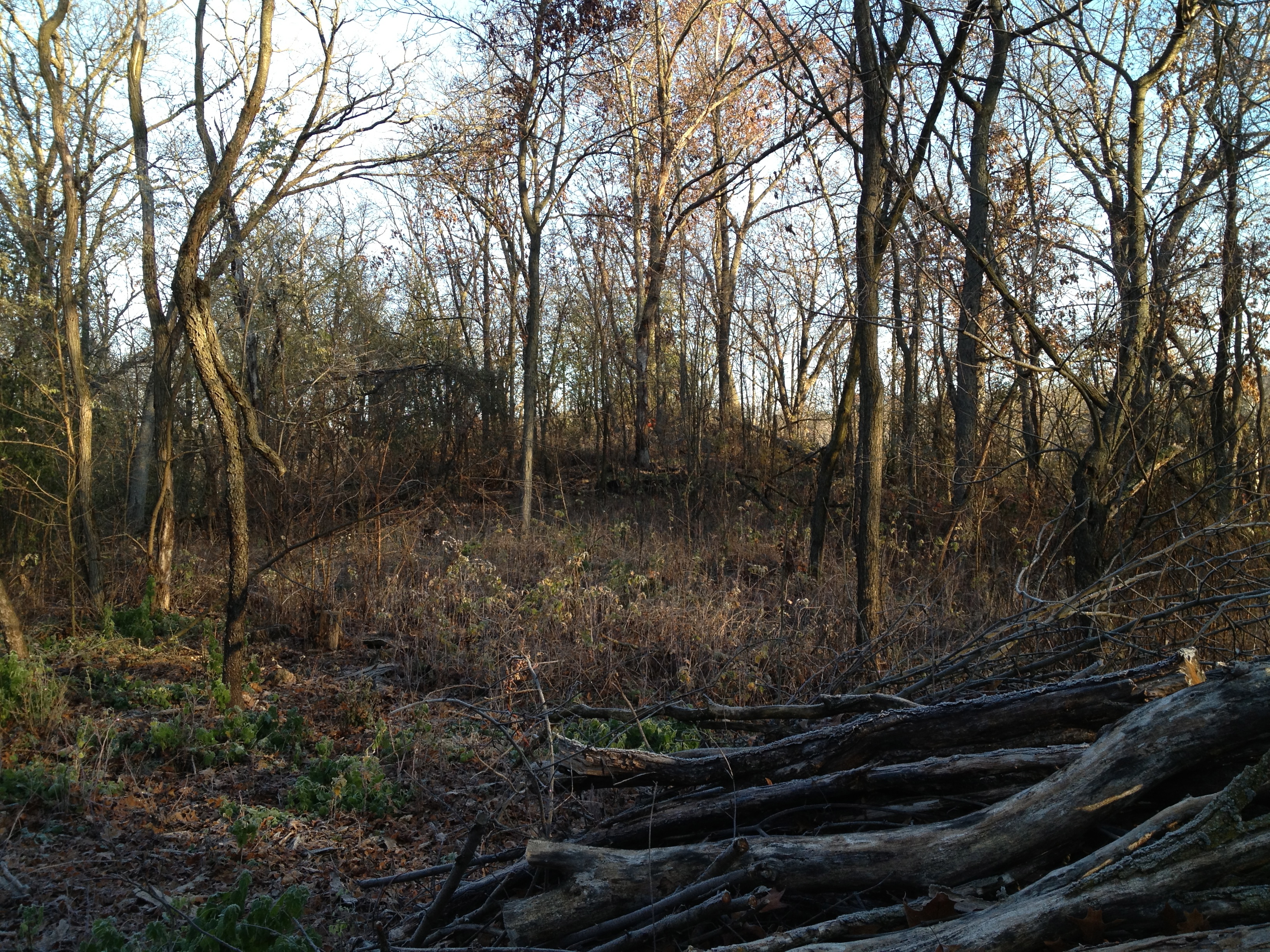
After enjoying the beautiful sunrise, I whacked some Buckthorn and Black Locust to highlight this prominent sand dune hilltop. We are going to cut as much as we can until November and then focus on piling everything to prepare for burning this Winter (if we get some snow!). Here are some before shots taken from the top of the hill.
And looking up at the hilltop from the trail.
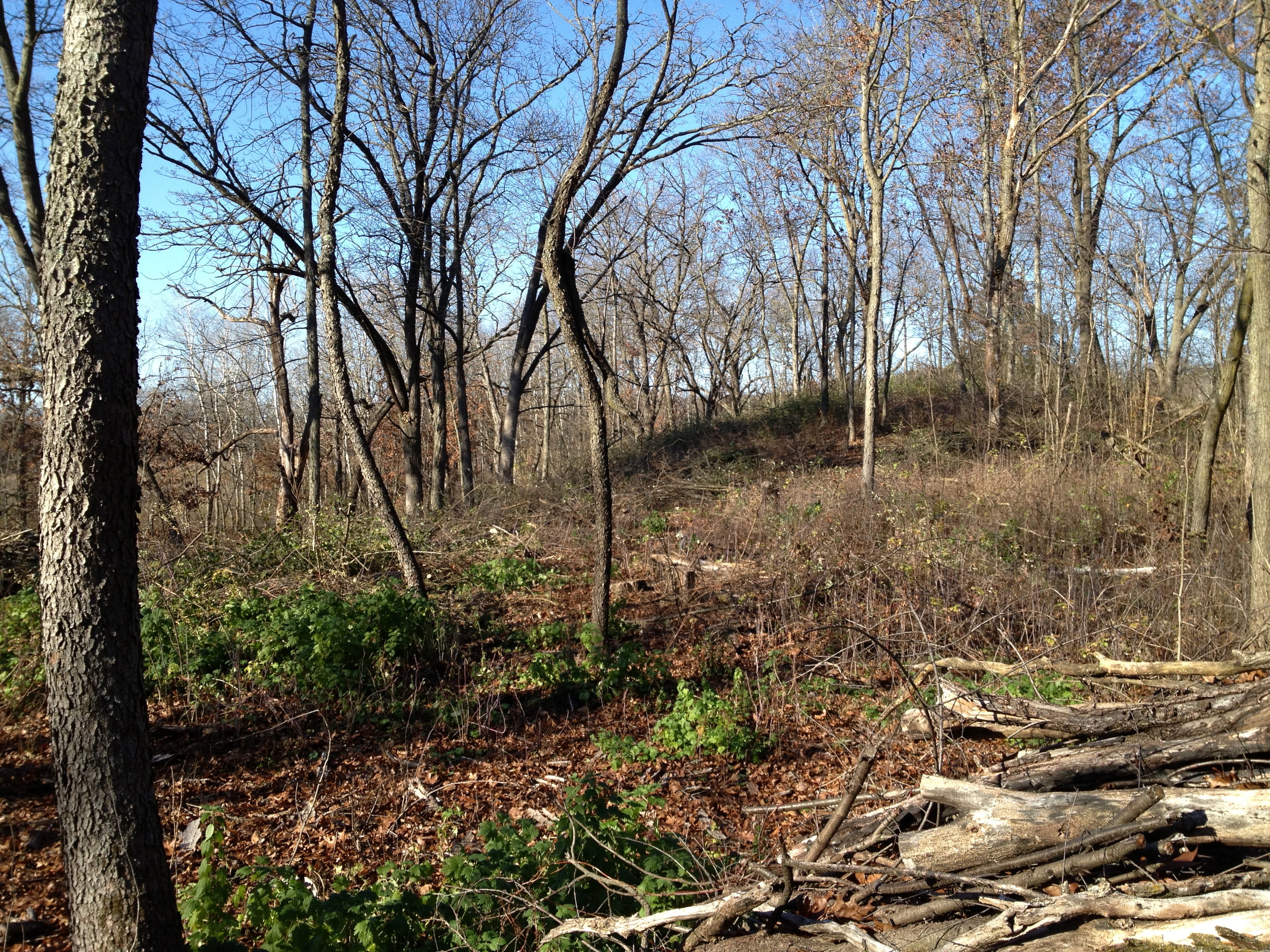
And after… the next two shots are looking up at the hilltop from the trail.
And views from the hilltop.
Thanks again to the Kettle Moraine History Association for covering all of our equipment expenses!
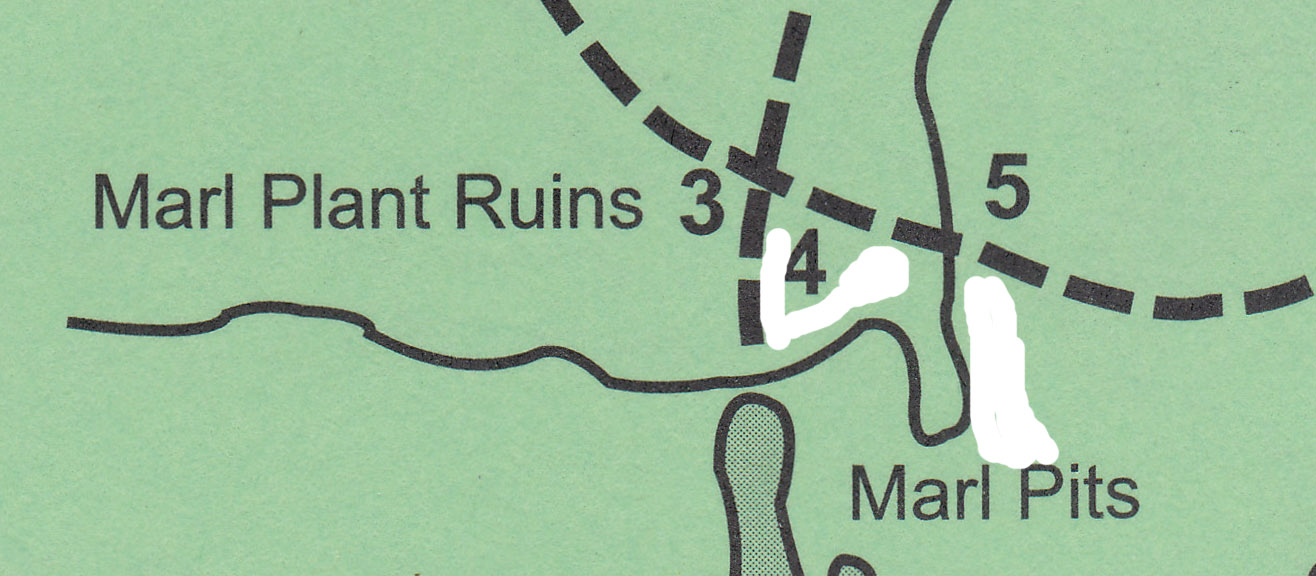
The Scuppernong Spring is where the Scuppernong River starts. It is set in a bowl near the base of a long moraine. There are huge Red and White Oak and Hickory and Cherry trees along the slopes. Approximately 9 years ago I cut the Buckthorn along this slope from Hotel Spring, South, almost all the way to the Scuppernong Spring and yesterday I resumed this effort on the slopes around the Scuppernong Spring. Pati came out later to help pile brush and bring my camera/phone, which I had forgotten. So, no before pictures this time. There are still a few trees to cut and lots of piling to do. Below is a map with the work area marked in white and some pictures taken after the cutting was done. In case you were not aware, you can click on any of the images below to see the picture in full size.
I’m revisiting a couple of areas that I worked on last year. On the first pass through these areas along the river, I focused on Buckthorn and left a lot of brush including Willows and Dogwoods and a lot of scruffy, half-burned, Cherry trees and spindly Aspens that have fallen over without the Buckthorn there to prop them up. The areas in question are highlighted below.
Trail boss Don Dane and retired DNR naturalist Ron Kurowski both recommended cutting these woody plants to clear the way for the natural Fen and Wet Meadow plant communities. This will also improve the views from the bridges at the Marl Pits #4 and on the Scuppernong River at #5 above on the map as well as reveal clear views of the Marl Pit bridge and Scuppernong River from the Scenic Overlook on the Indian Campground.
Here is view from the Scenic Overlook looking in the direction of the Marl Pit bridge. The brush in question is just to the right of the two big Red Oak trees in the center of the picture.
Here is view from the bridge over the Scuppernong River at signpost #5. The brush is on the left in the shadows.
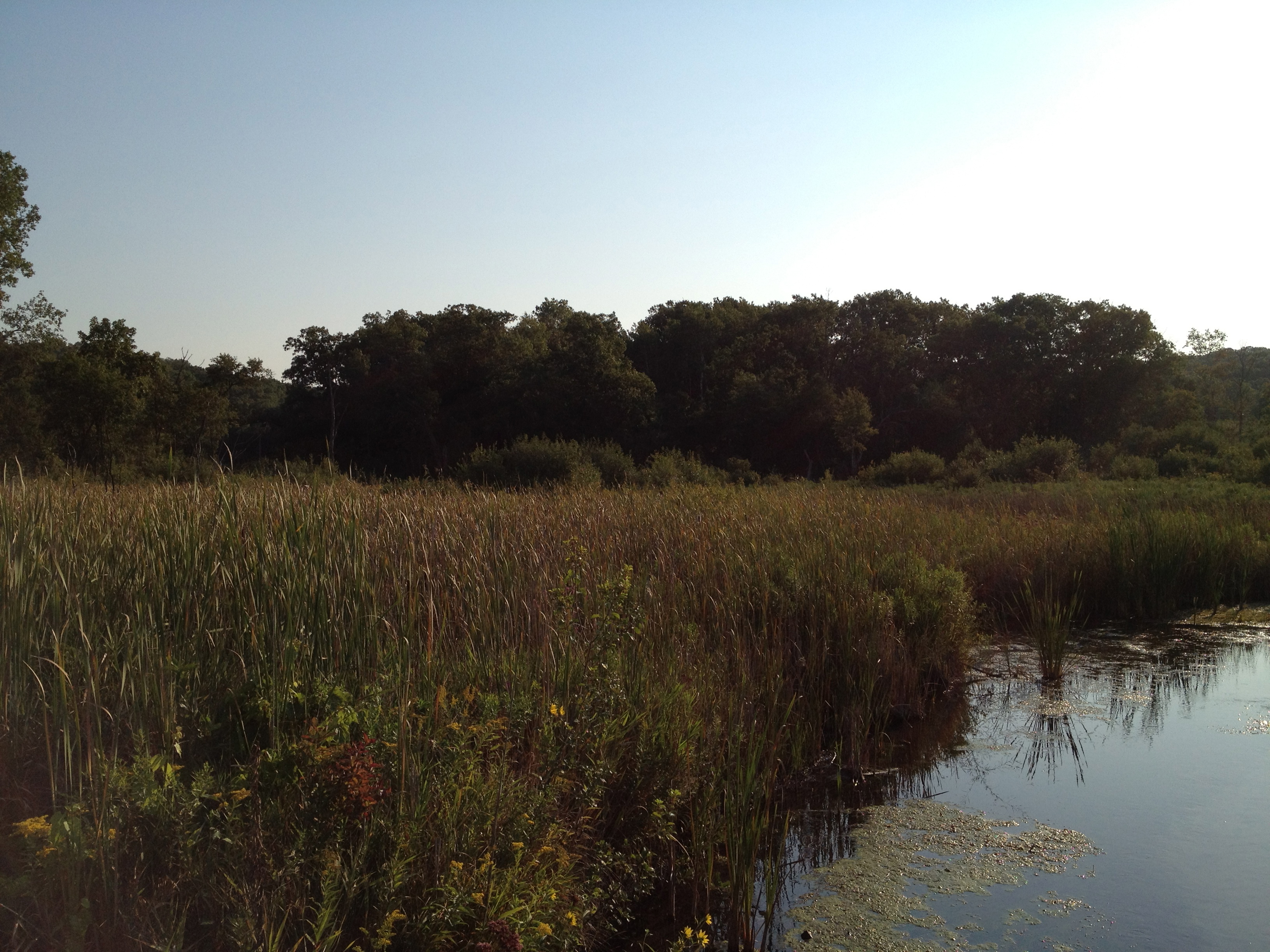
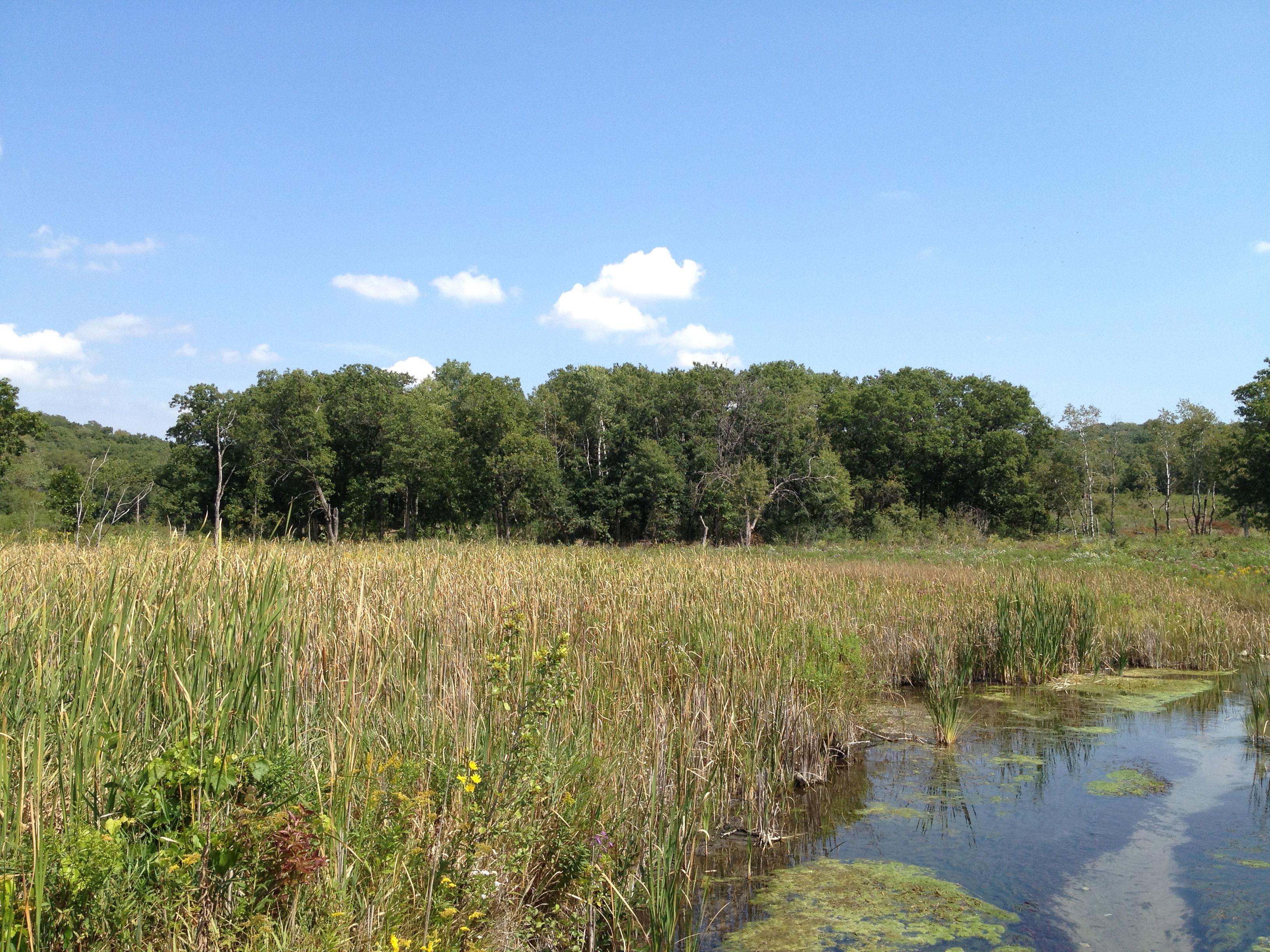
And here is the view from the Marl Pit bridge. The brush appears above the cattails and below the large trees.
That was harder than I thought it would be. After 10+ hours cutting in a Willow thicket, I was about ready to throw my chain saw at it. It was hot today (9/3), and I was pouring sweat from the minute I fired up the chain saw. Here are the after pictures, first from the scenic overlook. It’s hard to see in this picture but you can now see the river flowing underneath the Marl Pit bridge.
And the view from the bridge over the Scuppernong River at #5.
And the view from the Marl Pit bridge. Notice you can see through to the scenic overlook.
I’m taking a break for a month and will be back at it around 10/6. Hope to see you out at the Springs sometime.
It’s been a while since we cut Buckthorn at the Indian Springs. Lindsay took a bite out of it on Saturday 8/25 and I did some cutting yesterday 8/27. Here are some before shots.
At the work site as the fog was lifting.
And the view from the scenic overlook.
6 tanks of gas and bar oil later the view from the work site.
And the scenic overlook.
And from the Indian Spring.
We are focusing on cutting now to allow the Buckthorn to dry out as much as possible. We’ll pile it later to finish preparing it for burning this Winter, when we get some snow cover.
On his last visit, Ron Kurowski showed me where a spring was hidden by the old hotel site. I have marked it with a white line on this map.
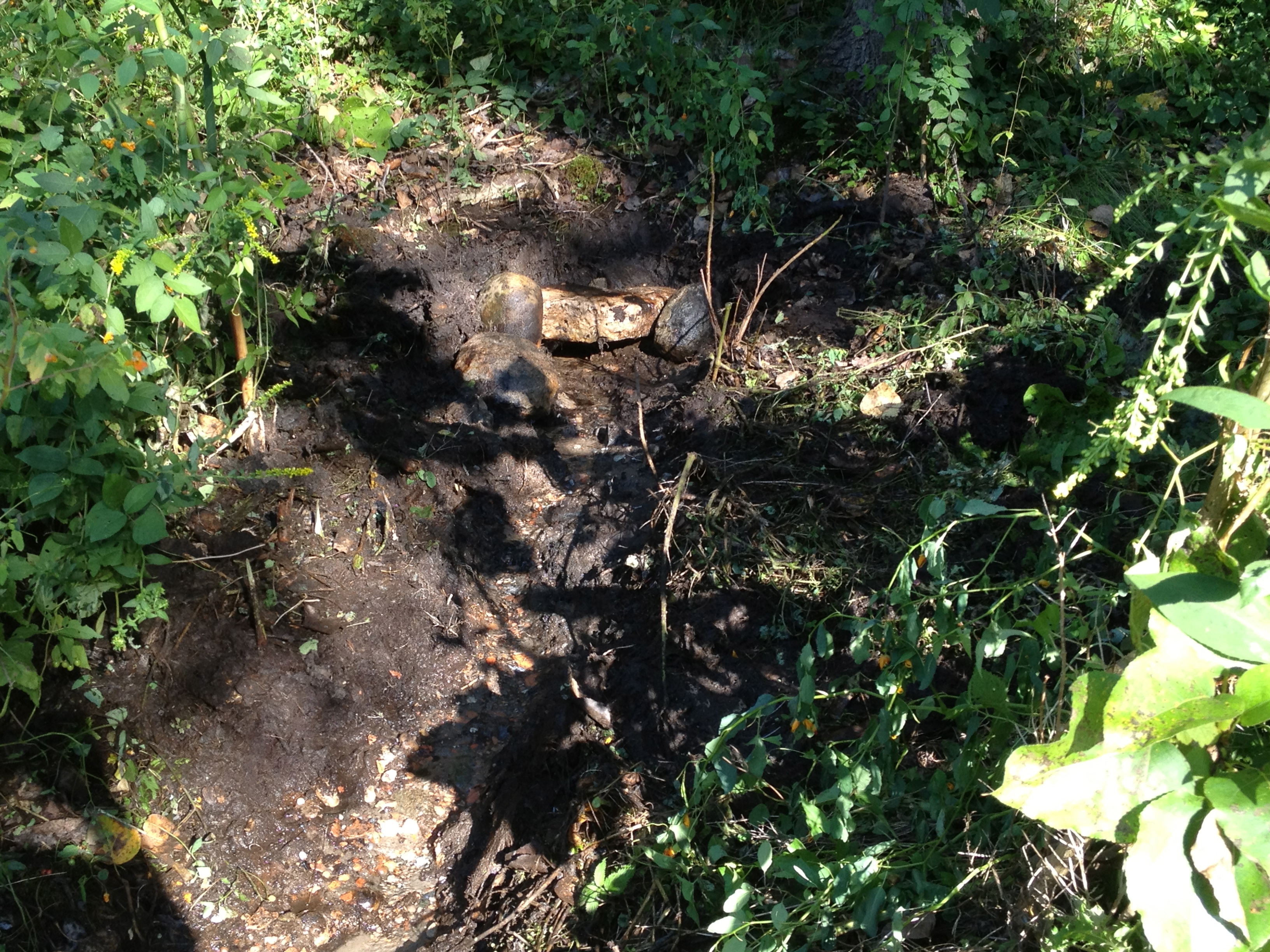
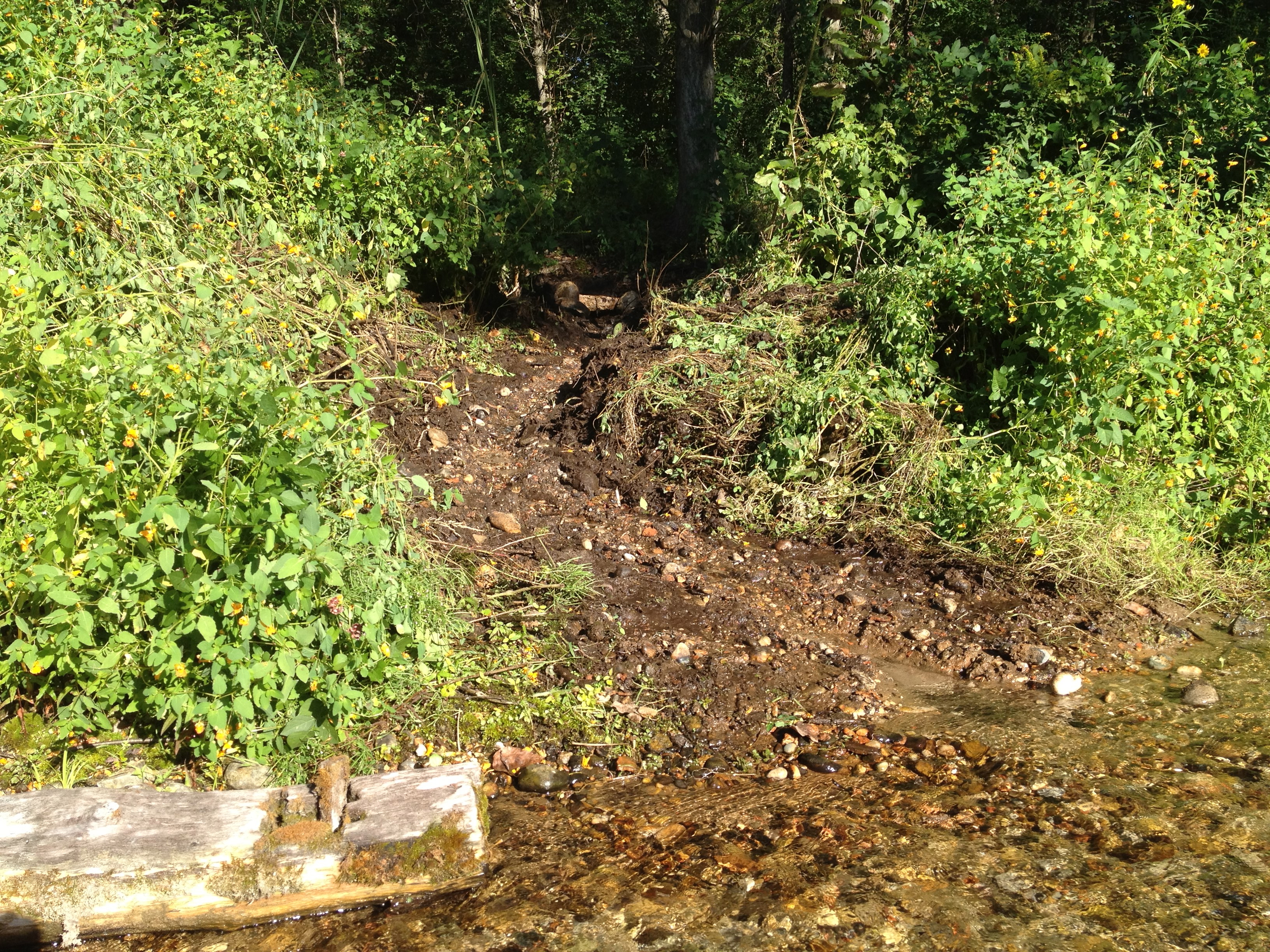
I forgot to take some before pictures, but all you could see was a bit of water cress. Below are pictures of the “new” Spring after I cleaned it up. When I found the 4″ pipe that was originally installed to collect and channel the outflow of the Spring and unplugged it, the water began flowing at a much higher volume. Thanks Ron for pointing out the location of this Spring!
The view from the trail. The outflow pipe is hidden under the big flat stone.
And the view from the river.
It was another beautiful day at the Springs. Here are a few closing shots.
The scenic overlook and Indian Campground after the recent clearings as seen from the Marl pits.
My last 4 visits to the Springs were spent prepping the Indian Campground for mowing and burning. I made good progress on 8/21 on the Northeast section.
Cutting stumps and charred logs in the sand is tough on the chain, bar and sprocket. The grit gets in between the swiftly rotating parts and wears them down fast. I had to constantly stop and tighten the chain because of the wear on the links. I wore out 4 chains, a bar and 2 sprockets.
To preserve my sanity, I needed to work on something a little easier and more fun so yesterday I focused on continuing the effort to open up the views to the West from the Indian Campground Scenic Overlook.
I am a landscape artist in my dreams and when I resumed working at the Springs in April 2011 my first goal was to open up the views West from the Scenic Overlook. To that end, I began clearing Buckthorn on both sides of the Indian Springs and yesterday was the day to “take the curtain down” and see what we could see. Here is a before picture and video panorama.
The trees in the foreground of the picture above on the left included Cherry, Red Oak and Hickory. Normally I focus on Buckthorn but in this case, recognizing the land was previously an open wetland/meadow, the DNR recommended these trees be cut. I purposely preserved the longest, straightest pieces of wood that I could. I know a couple people who turn wood on lathes and they may be able to make something from these pieces. If you would like to harvest some 10-14″ diameter 20-30′ foot long pieces, of Cherry, Red Oak or Hickory, please help yourself. In the interest of making a dramatic change, I focused on cutting and saved the piling for another day. I must admit, as I contemplated the days work and the huge difference I was about to effect, my heart was racing. As we used to say, it was a rush.
Here is an after picture and video panorama.
The row of Buckthorn on the left in the picture above is the target for the next workday. Later that evening I was joined by my wife Pati, who road her bike out from our home in Milwaukee, and I took a few more pictures.
I hope you like it!
Later that afternoon Ron Kurowski, retired DNR naturalist and the force behind the Scuppernong River Habitat Area project, stopped by and we took a walk around. I can best describe his mood as ebullient. He showed me pictures and described the many flowers, some rare, that he had seen already on his walk. I asked him to document his findings and send me the descriptions and pictures so I can post them as a guest blog here. Thanks Ron!
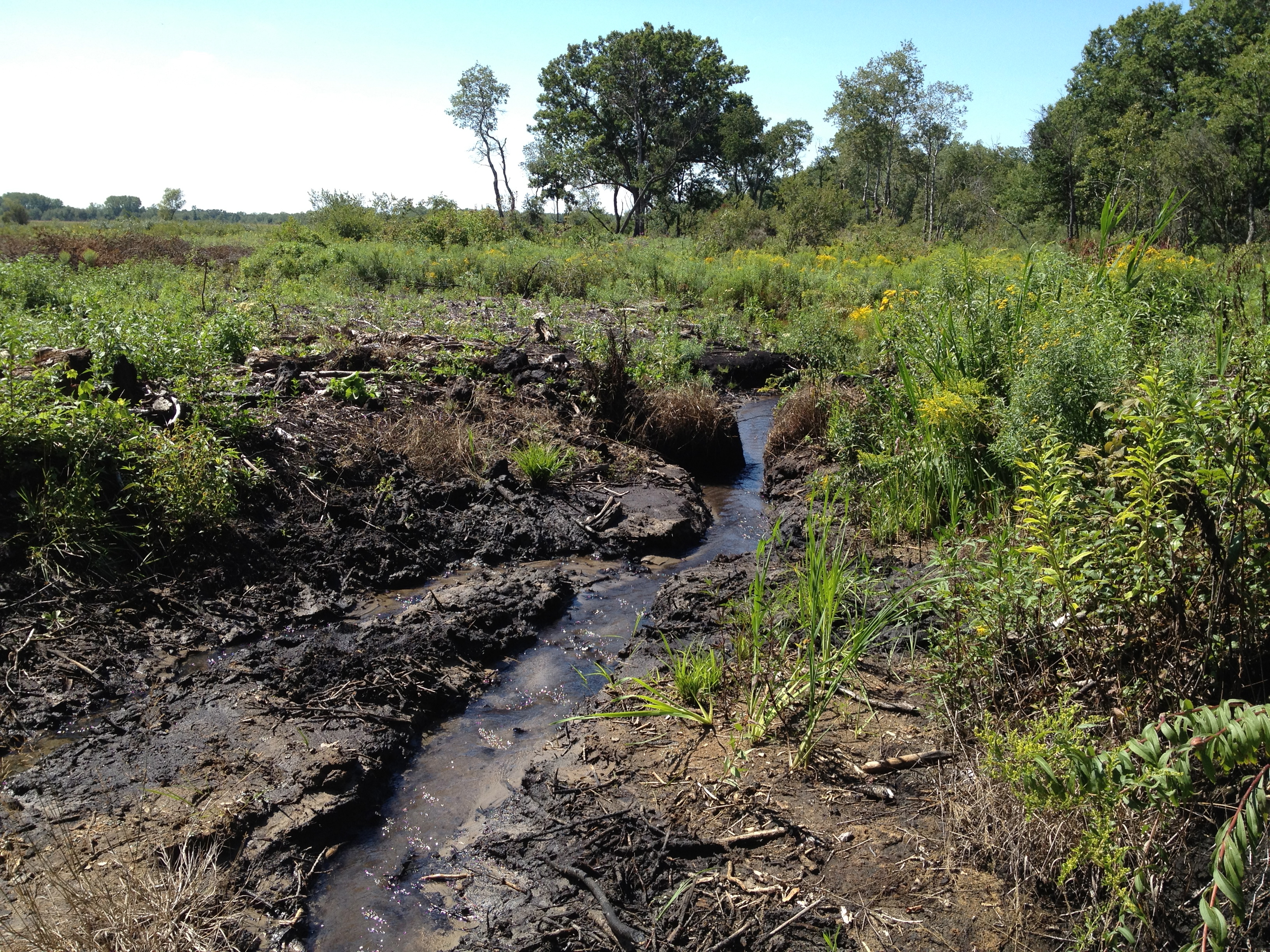
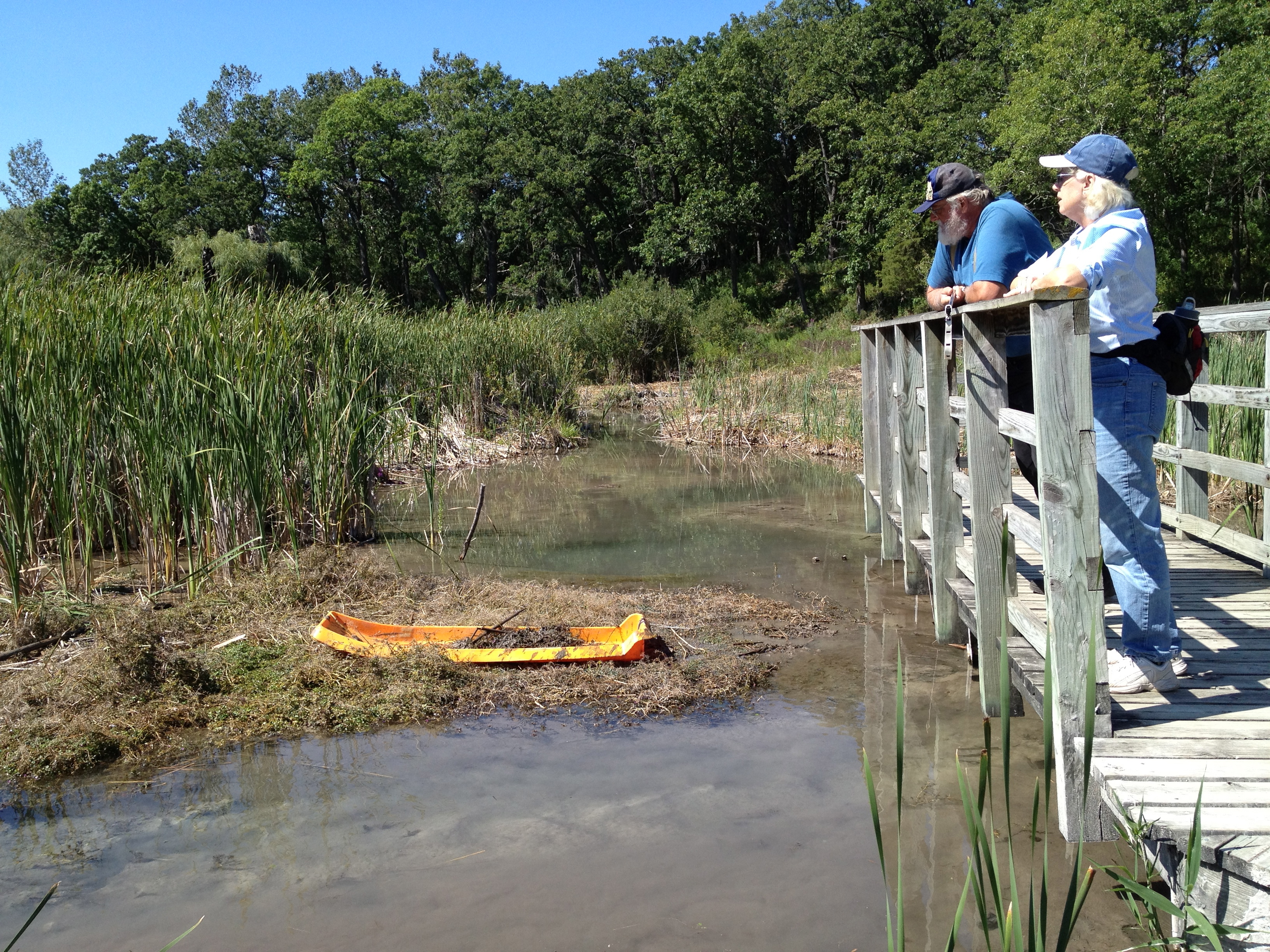
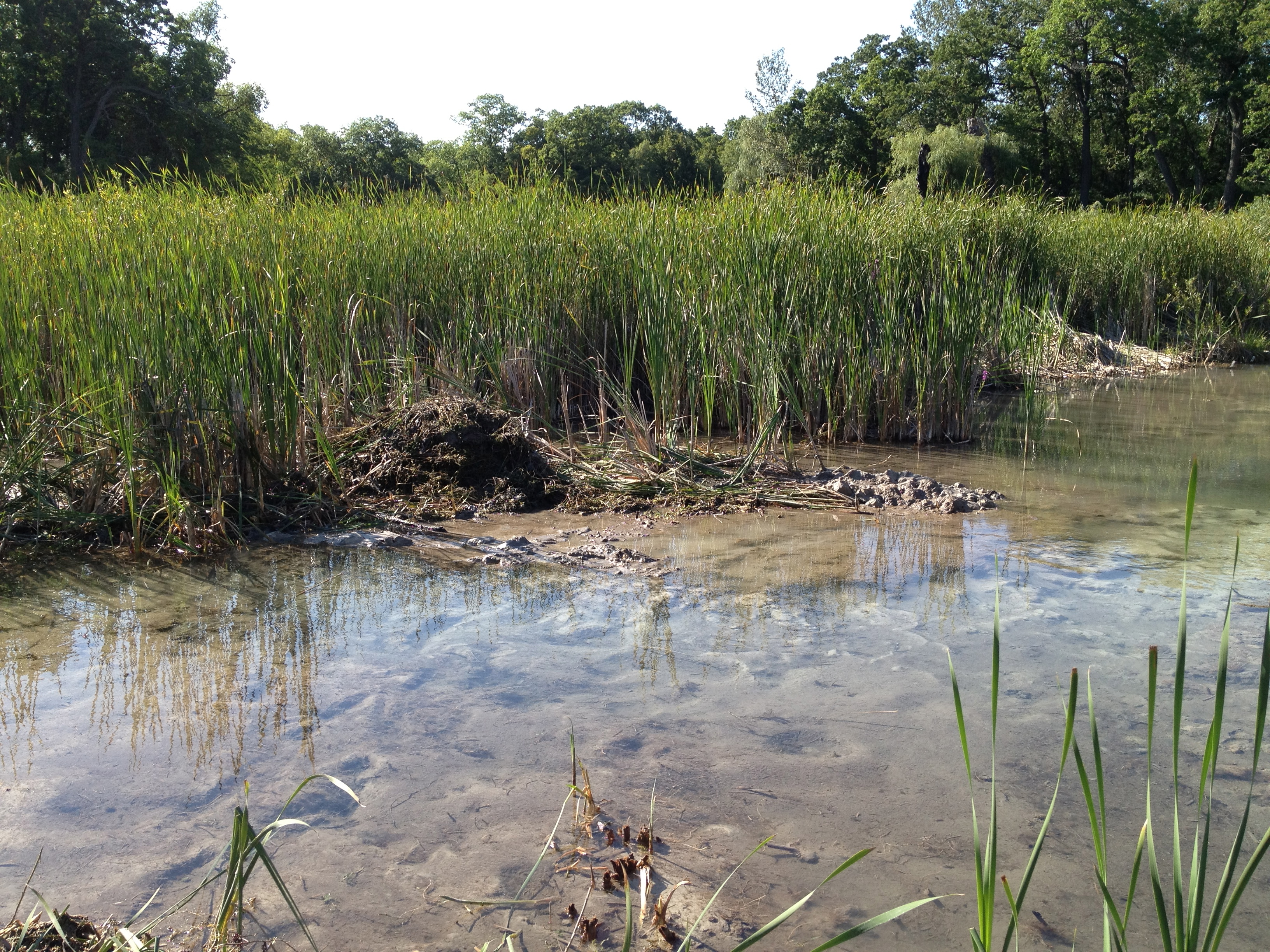
Ron filled in more of the history of the most recent beaver activity in the area and explained the relationship between the dam they made at the Marl Pit bridge and the defunct short cut trail that used to bisect the loop trail. The dam caused so much water to back up that it flooded the area to the North where the cutoff trail went. Check out the map above, this is a huge area! Although beavers have always been an important contributor to the natural landscape, the powers that be dictated that they had to go. Ron hired a trapper to remove the beaver and he said one of them was over 100 lbs, the biggest beaver he had ever caught. Ron said the beaver at the Marl Pit dam used to be quite an attraction. My efforts to redirect the river back onto its main channel,from where it had gotten diverted by the beavers, is holding up around 90% effective. This will have to be redone.
As we toured the Springs, especially the area around the Emerald Springs, Ron suggested that we contact Ben Heussner, DNR Fish Biologist, and get some of the left over “geo logs” that were originally used to help constrain the river into a narrower channel. We need to install more of these logs and do some dredging to continue the efforts to put the river back into its natural bed. There is still too much water spreading out into the surrounding land around the Emerald Springs and it is feeding the Phragmites and Cattail. We’re not done “fixing the water” yet.
I cherish every day I get to spend at the Scuppernong Springs. Saturday, August 11th was an absolutely gorgeous day indeed.
Since I resumed working at the Springs in late April 2011, I’ve thought about giving the individual springs names. Well, they already have names that I just recently noticed on the Scuppernong Springs Nature Trail Map, included in the guide.
The namesake spring is the Scuppernong Spring, which I’ve been referring to as the first or main spring. Then there are the Hillside Springs (actually in two locations), the Hidden Spring, the Emerald Spring, the Hotel Spring and the Indian Spring. Trail boss Don Dane says there are 13 springs and one of these days, I’ll get him to document where they all are. The trail brochure explains — The name Scuppernong comes from a Ho Chunk word meaning “sweet-scented land.” I wonder what names the Ho Chunk people gave to the individual springs. From now on, I will be using the current names when referring to the individual springs.
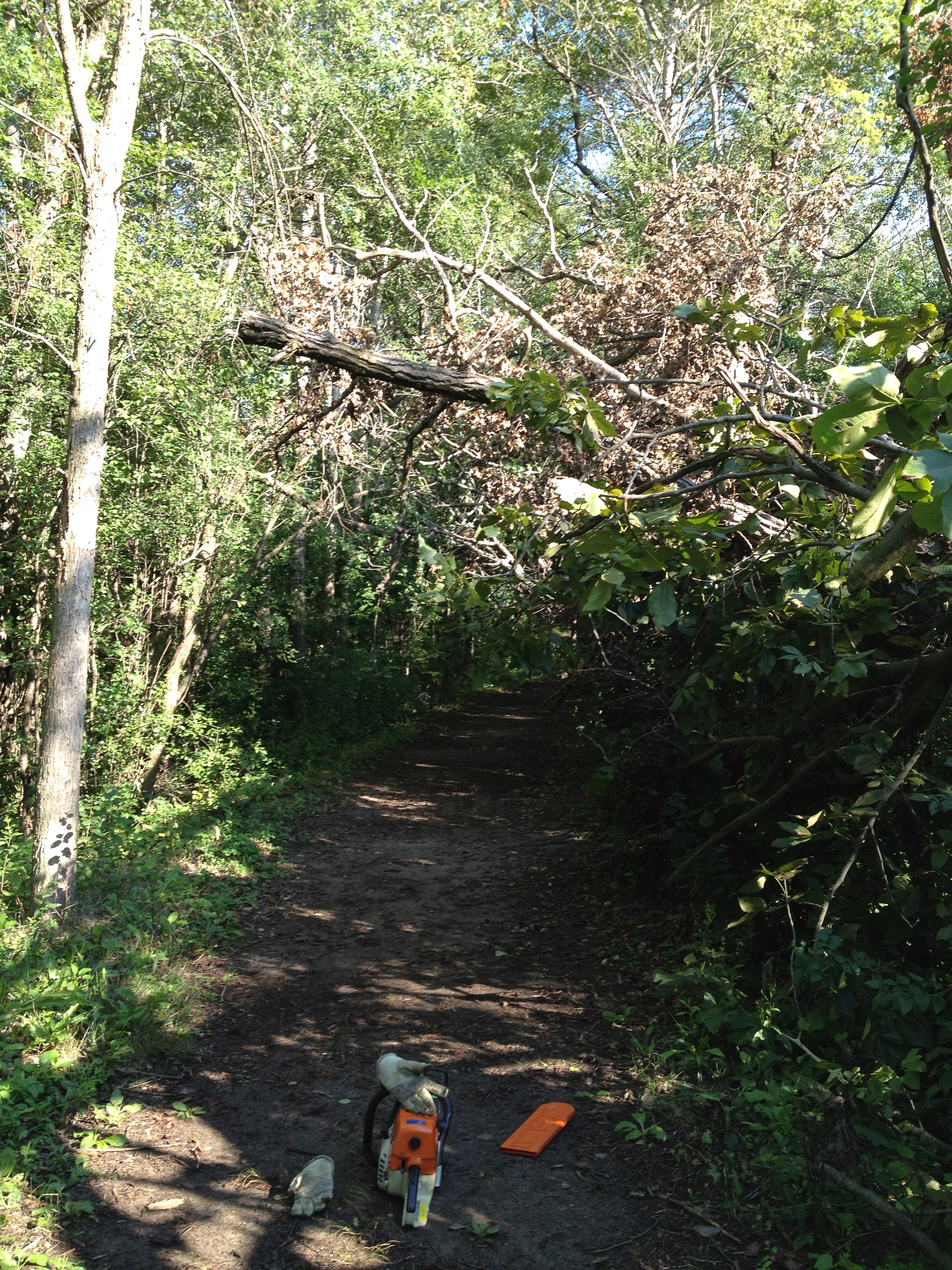
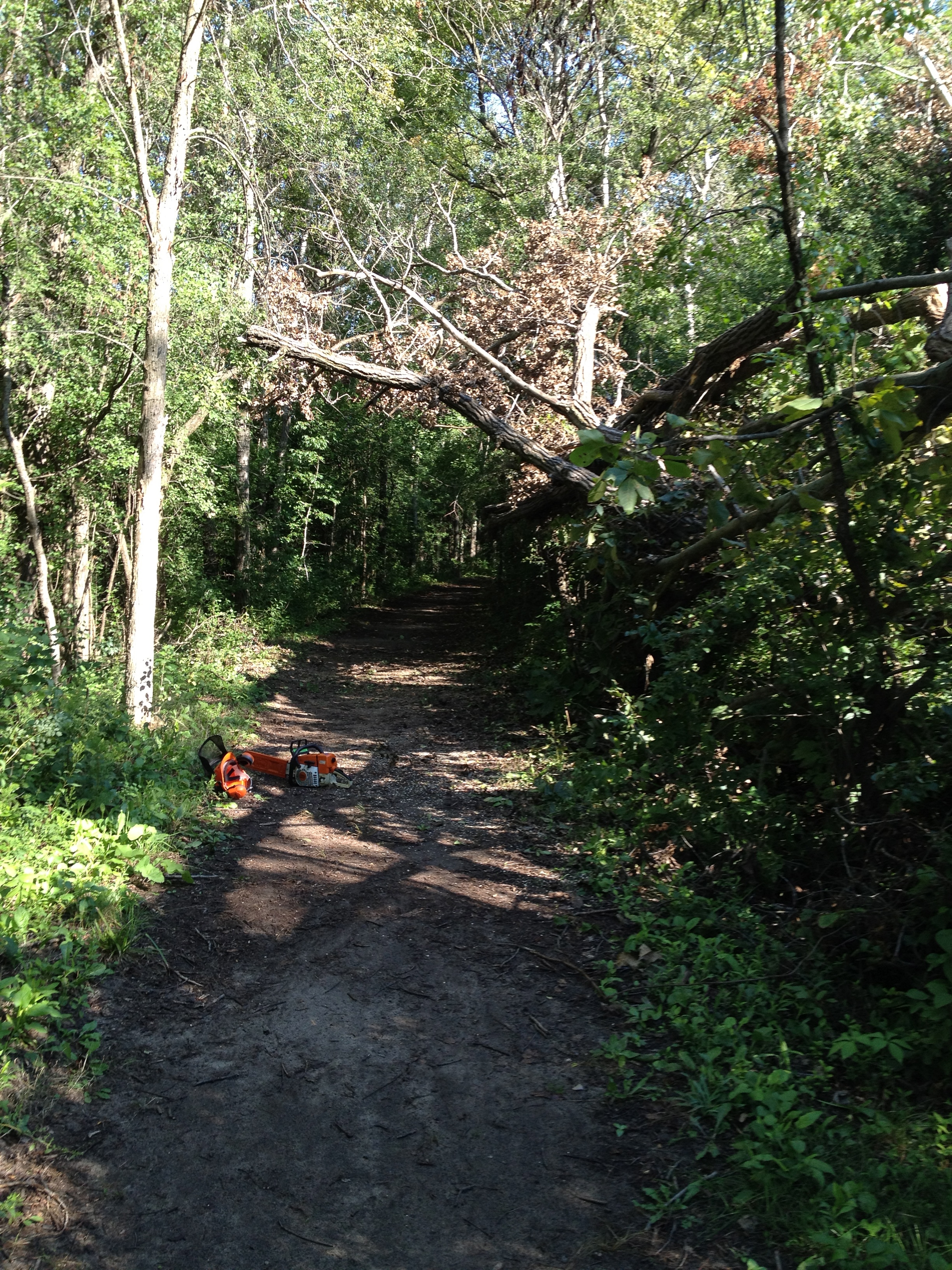
I started the day with a couple of clean-up tasks. A huge Cottonwood tree had fallen parallel to the trail and a few branches needed to be cleared.
And a Hickory came down across the trail.
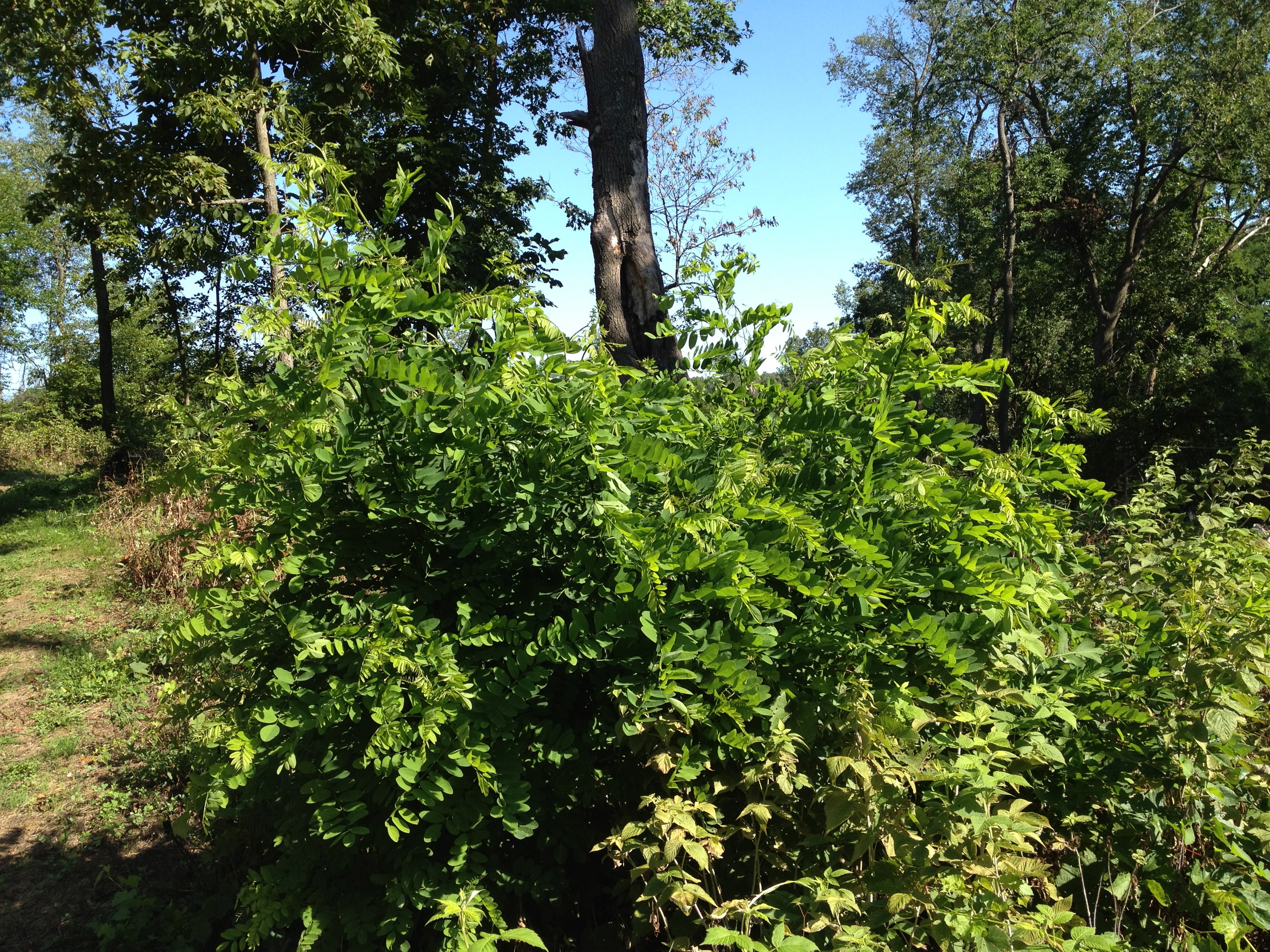
Since we have opened up the area at the South end of the trail, there has been an explosion of Black Locust. They grow very fast and have the nastiest barbs you will find on any woody plant. The DNR began girdling the huge Black Locusts many years ago and we are continuing that effort and cleaning up the trees as the die and fall. They can be harvested for firewood as well (contact Mike, the forester at the Southern Unit of the Kettle Moraine State Forest, for a permit). I sprayed 5 gallons of Roundup on the bushy black locust. Don Dane recommends we use TransLine and we will do so as soon as we get some.
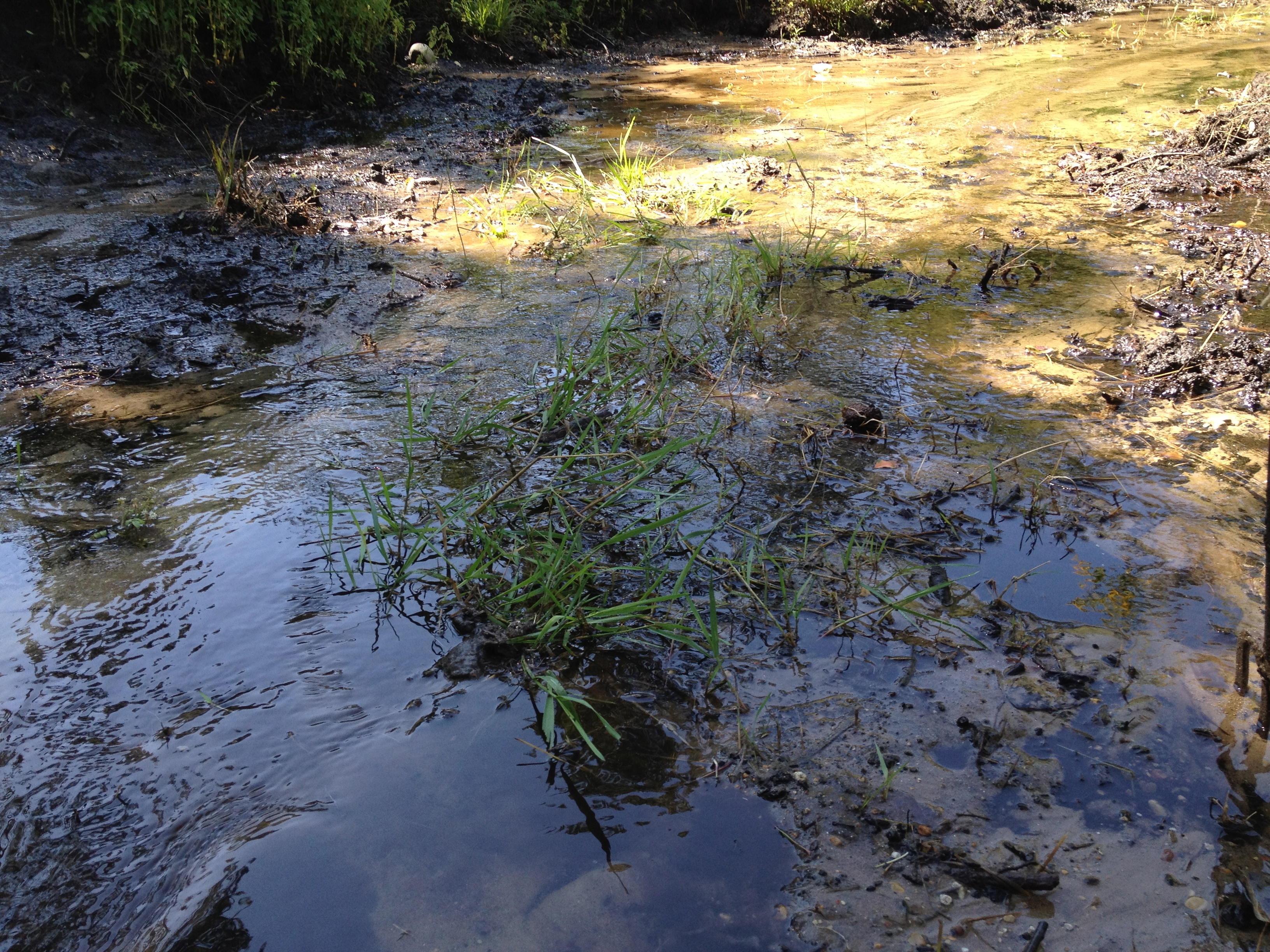
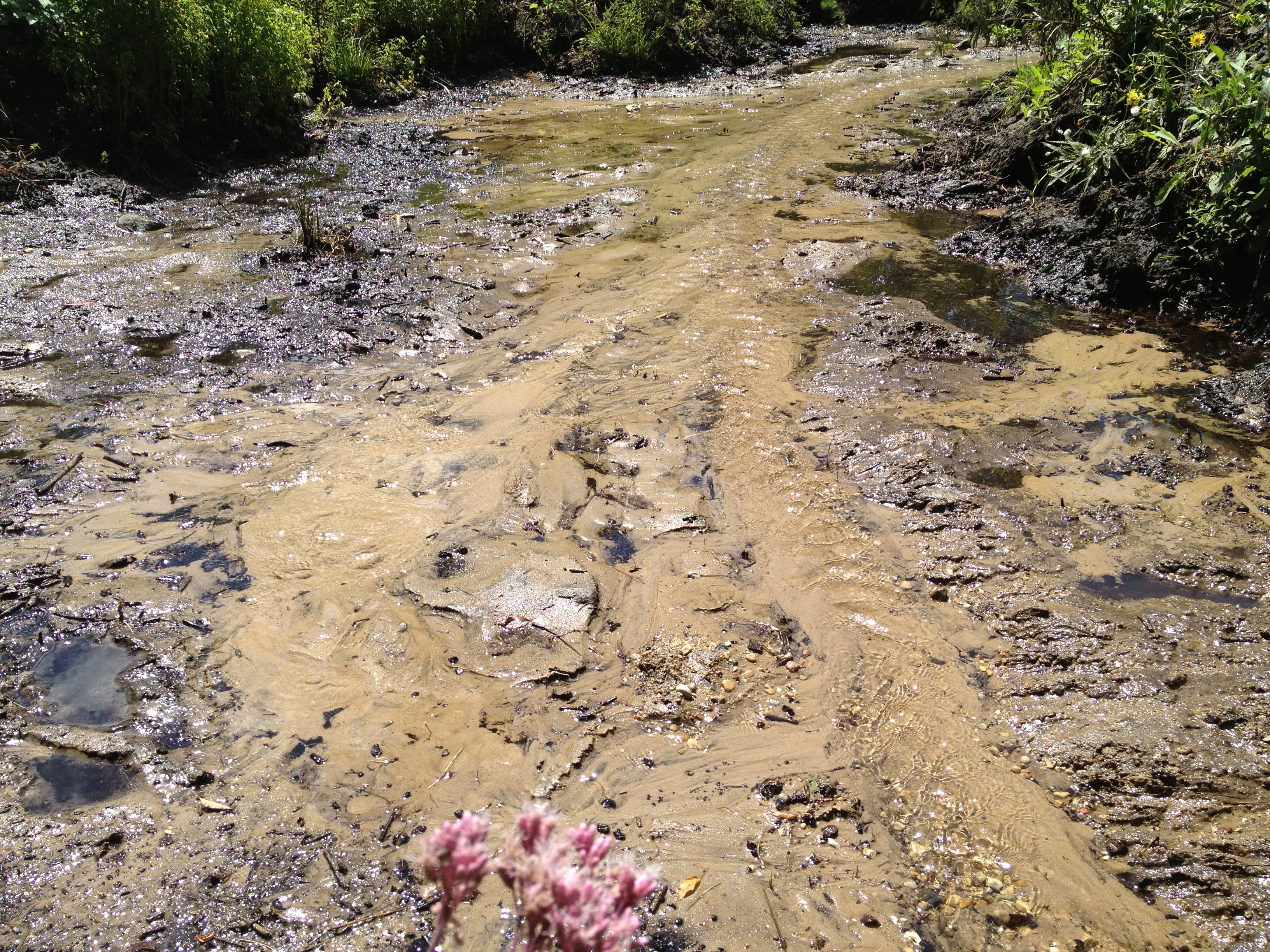
This effort stirred up at lot of mud, which collected at an earthen bridge that crosses the Indian Springs outflow channel. The water finds a way under it somehow but the bridge restricts the flow. When Don and Dave visited the site on August 9th, they recommended that we open it up and so I did.
Then it was on to the Observation Deck at the Emerald Springs (see map above) where I wanted to pull a patch of water cress that had formed a dam that actually forced the river out of its natural path. Don pointed this out and showed me where the river used to flow. John and Sue Hrobar, stopped over to say hello. We will soon be posting some of their stories and pictures describing the various flora and fauna they have observed.
Finally, on the way back to car going up a DNR access road by the Hotel Springs, I had to capture these views of the river valley that are now visible since we cleared some of the Willows that were filling in.
On Sunday August 5th Lindsay and I spent a beautiful day cutting Buckthorn at the Indian Springs. We are trying to open up the vista out to the prairie from the Indian Springs looking West and from the Indian Campground on the trail above as well.
DNR Trail Master Don Dane has prepared a whole new set of sign posts to correspond with the Self-Guided Nature Trail brochure. They should be going in sometime this month or in early September.
Here are a few before shots. We continued cutting from where we left off last time…
The area of brush below is on the left side of the channel that flows out of the Indian Springs to join the Scuppernong River just upstream from the Marl Pit bridge.
Here are the after shots. We did a bit of brush piling too.
We plan to girdle the Aspen that we found amongst the buckthorn, which you can see below.
Just for fun, one of my favorite views along the trail…
Check the volunteer page to see what we are planning to do next and come out an join us!
Lindsay and I spent a hot and sweaty day on 7/2 cutting Buckthorn on the South side of the outflow from the Indian Springs. We made a lot of progress despite the conditions. Here are some before and after pics.
And after…
One thing that makes this work so rewarding is watching all of the plants that were previously choked out by the Buckthorn emerge. Below is a Michigan Lily that emerged in an area along the Indian Spring that we cut last year.
Buckthorn is a nasty invasive tree that can completely dominate an area slowly eliminating all competitors. It seems like the only thing that likes buckthorn is garlic mustard!
Here are a couple videos of our current efforts in the area of the Indian Springs. I’m planning to update this site with a work schedule, or simply a task list, so that those who would like to help will know when we are working or what they can do on their own schedule. We can definitely use some help piling brush and Phragmites.











































 Scuppernong Springs Nature Trail