Ground Water Monitoring Project at the Springs

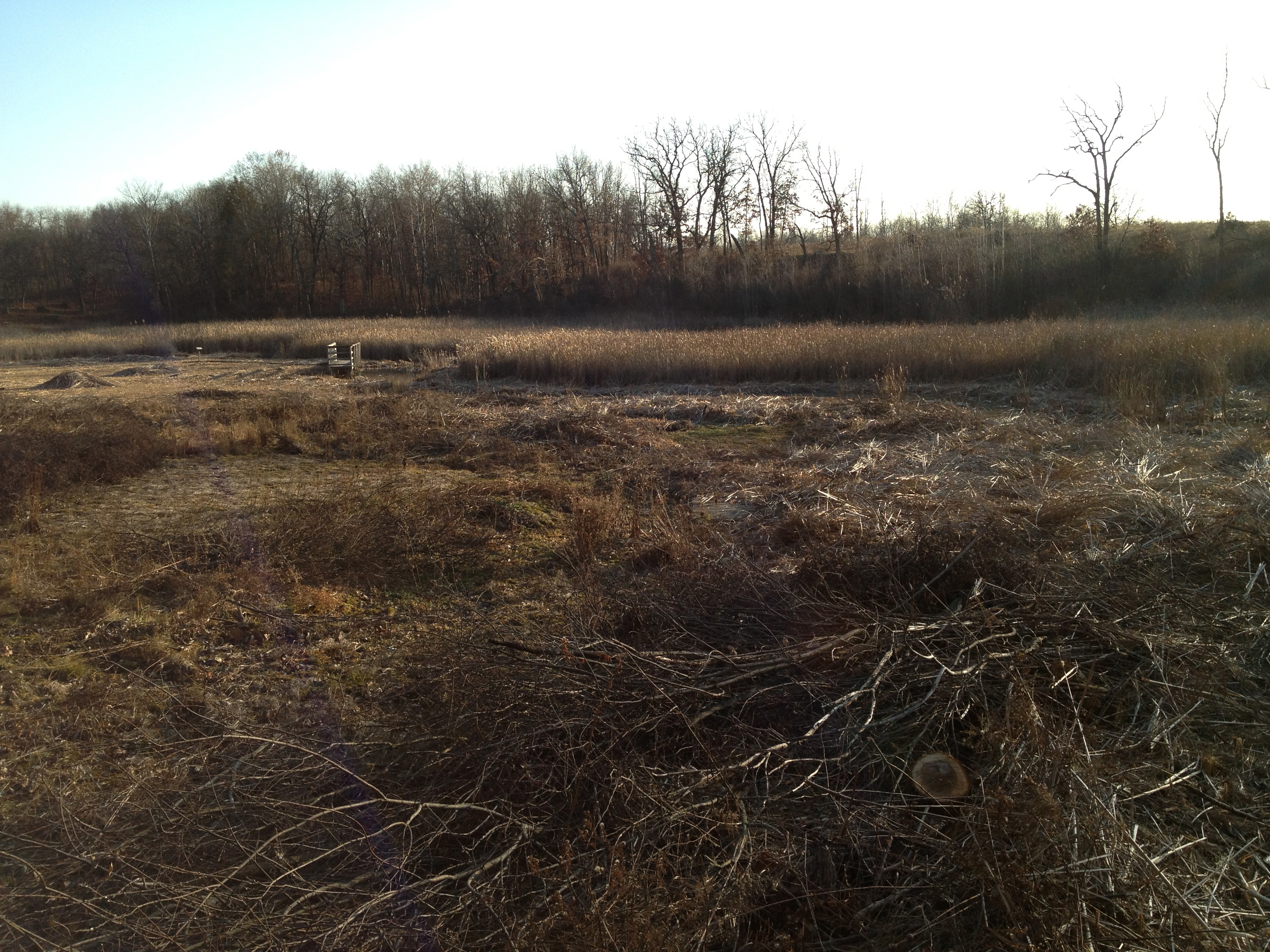
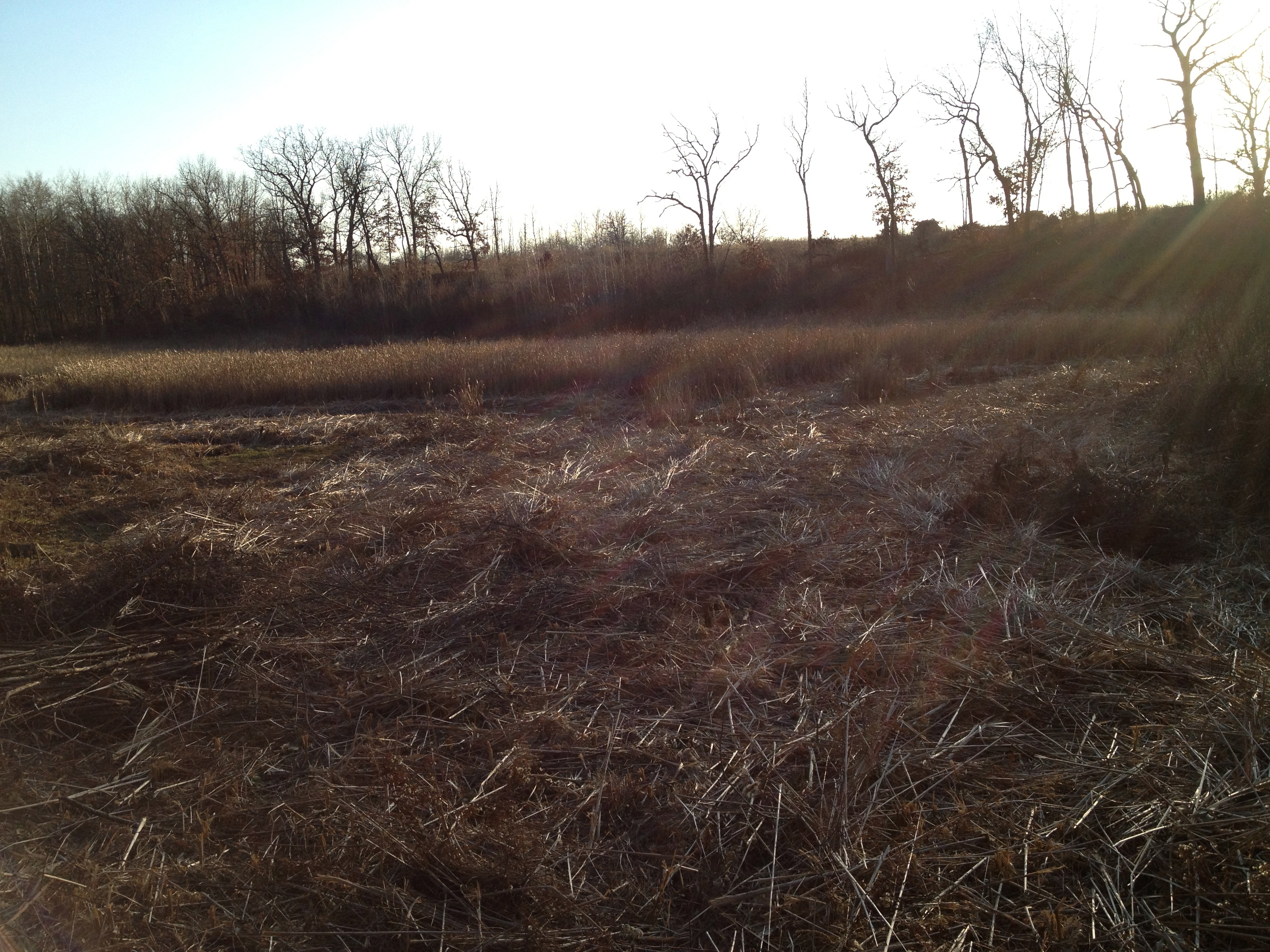
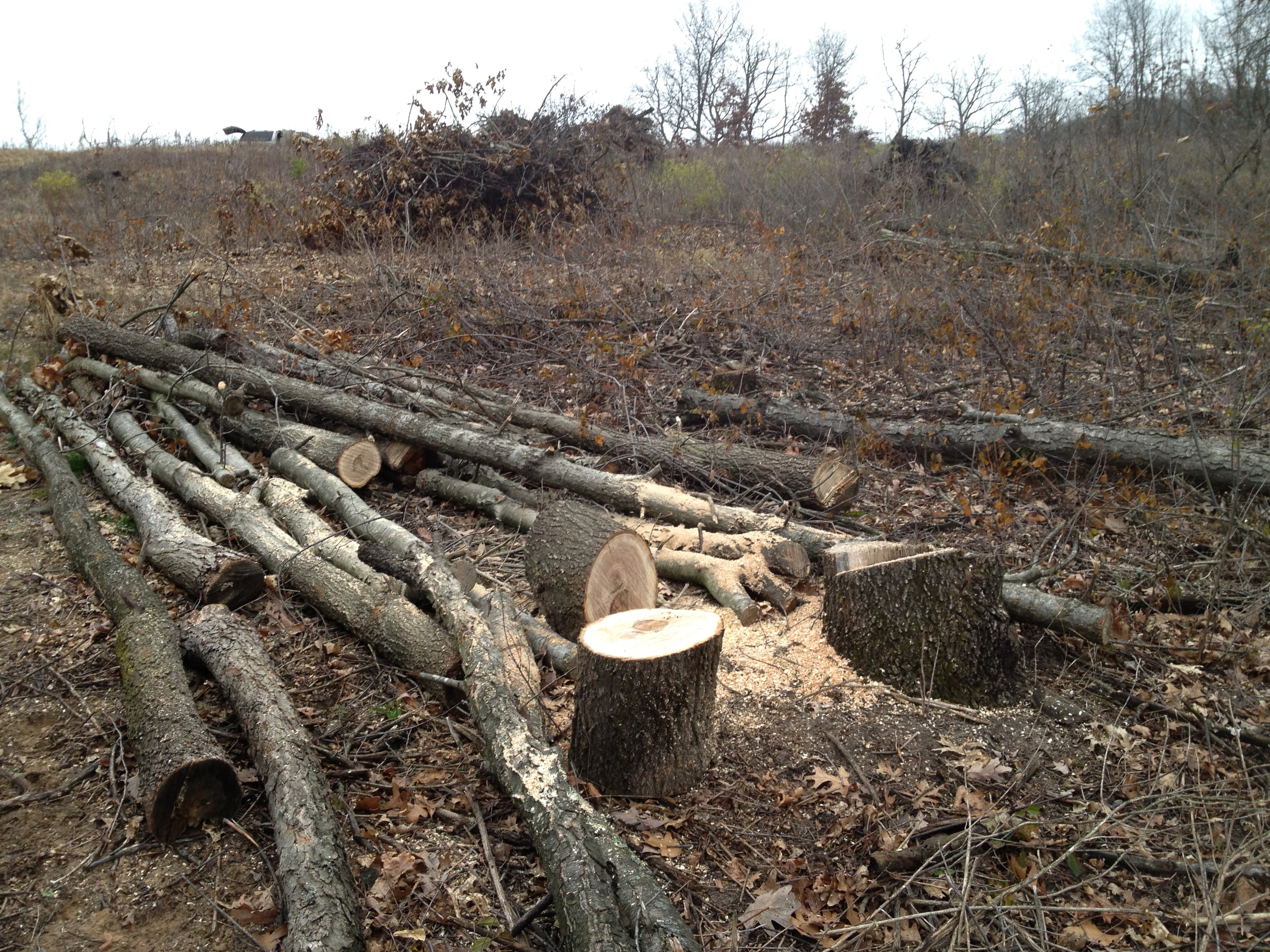
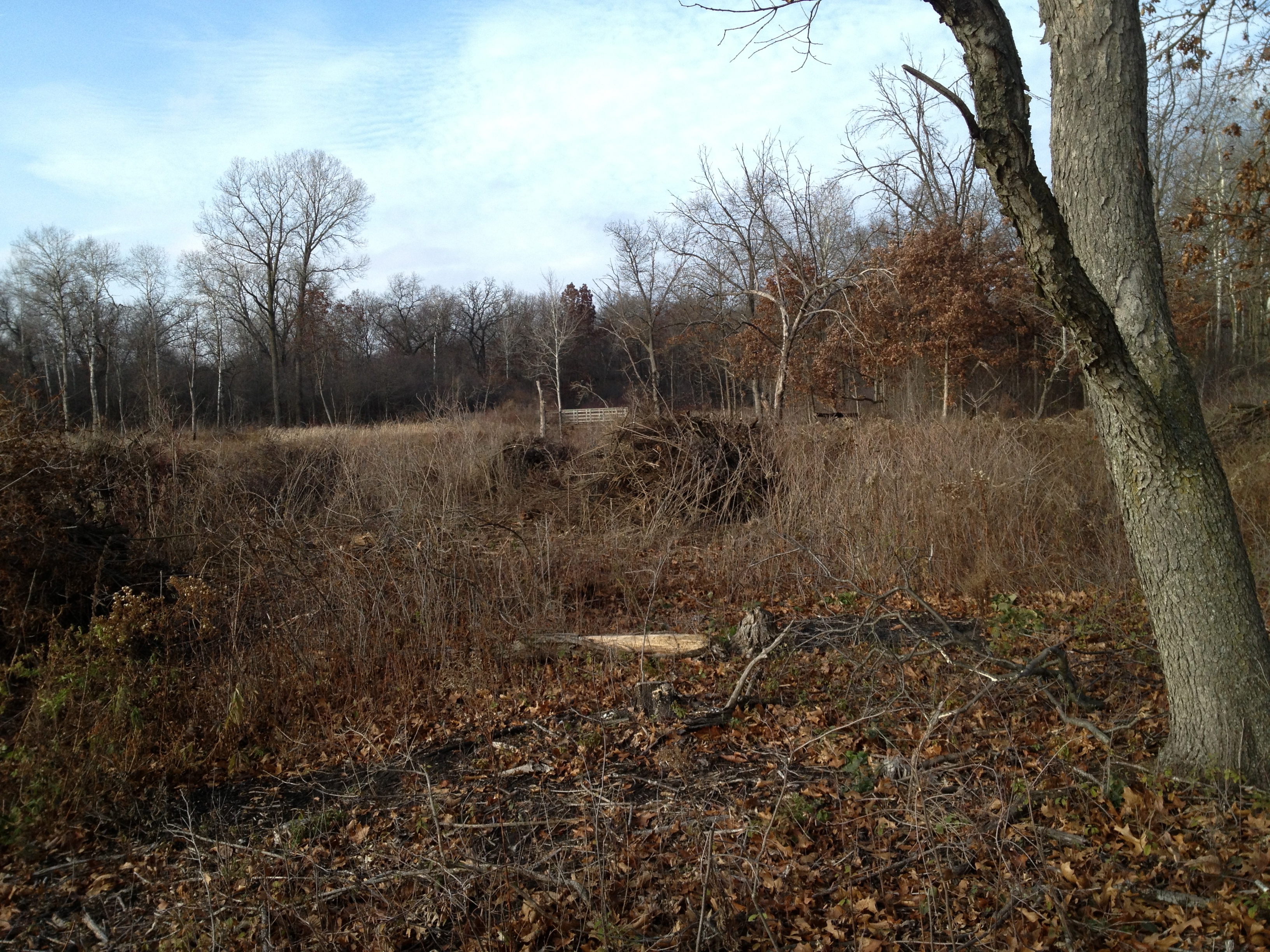
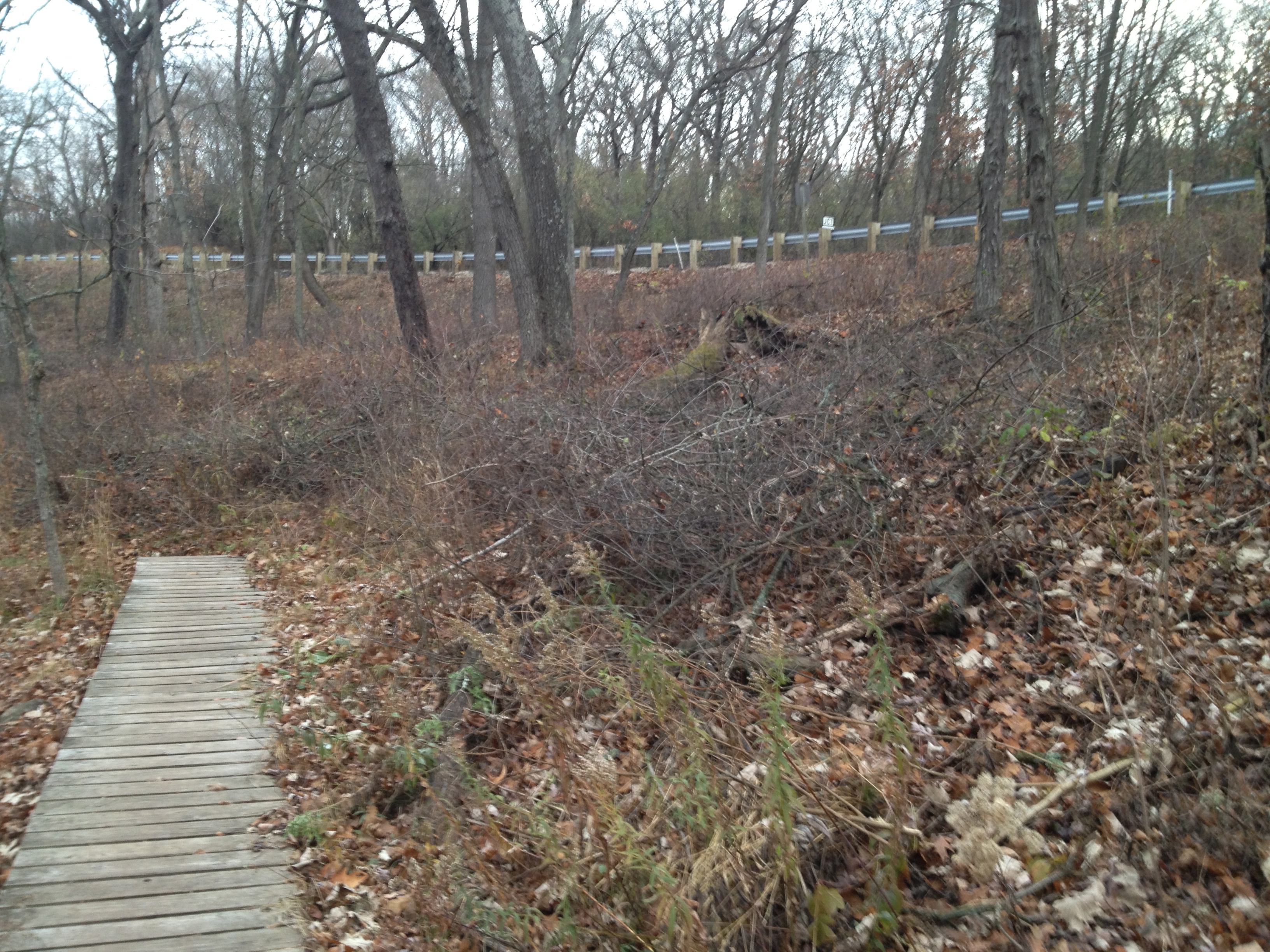
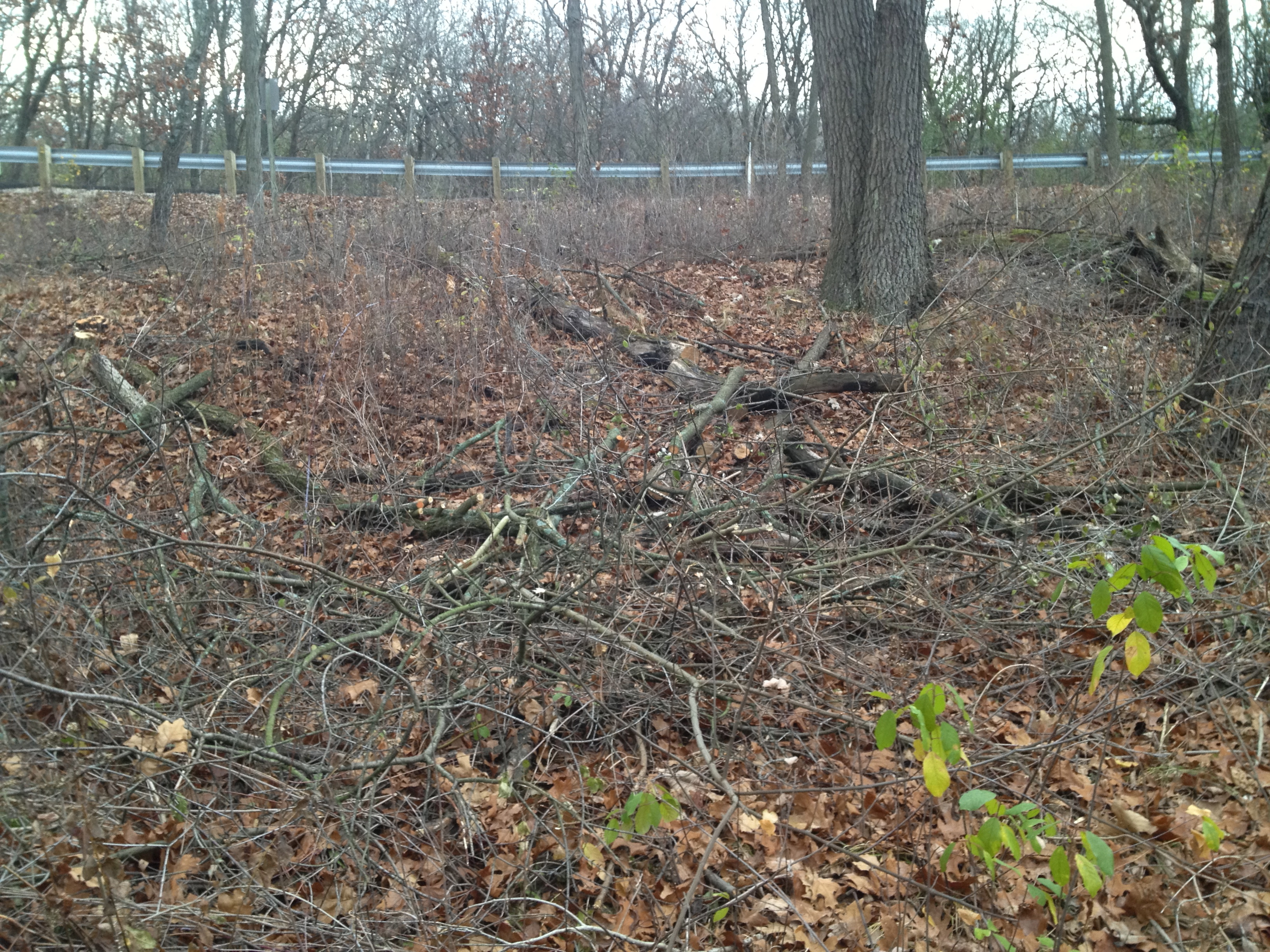
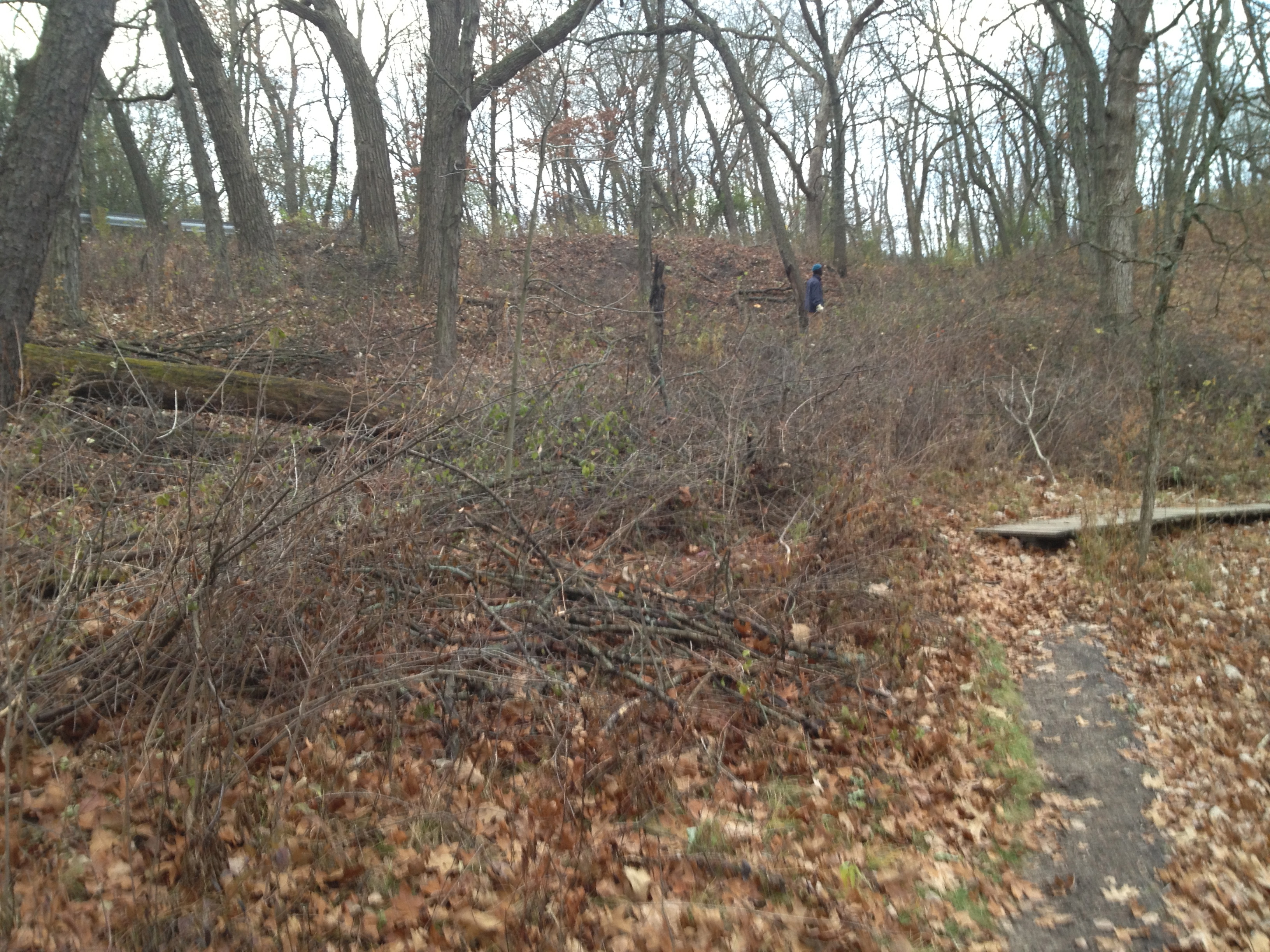
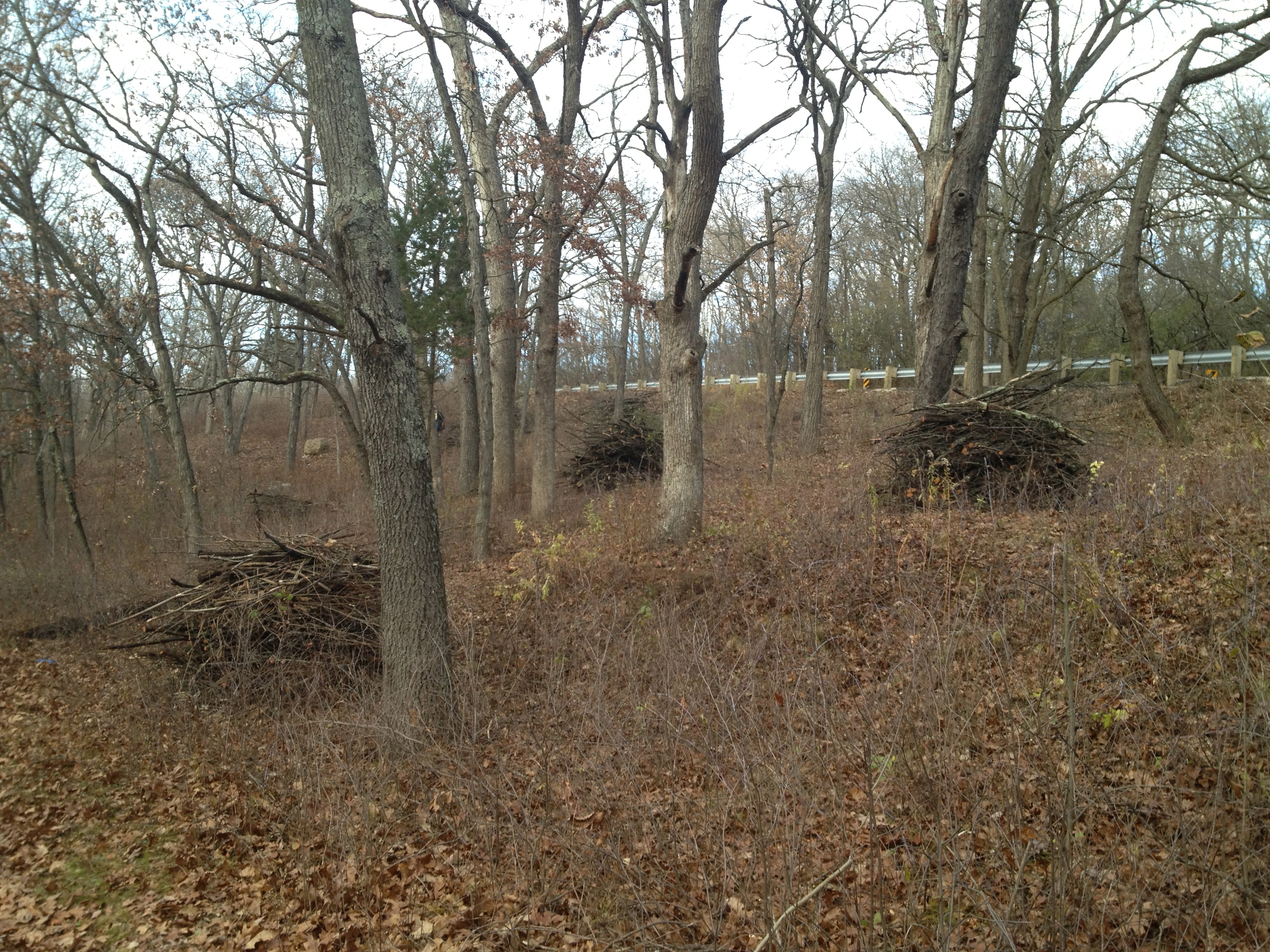
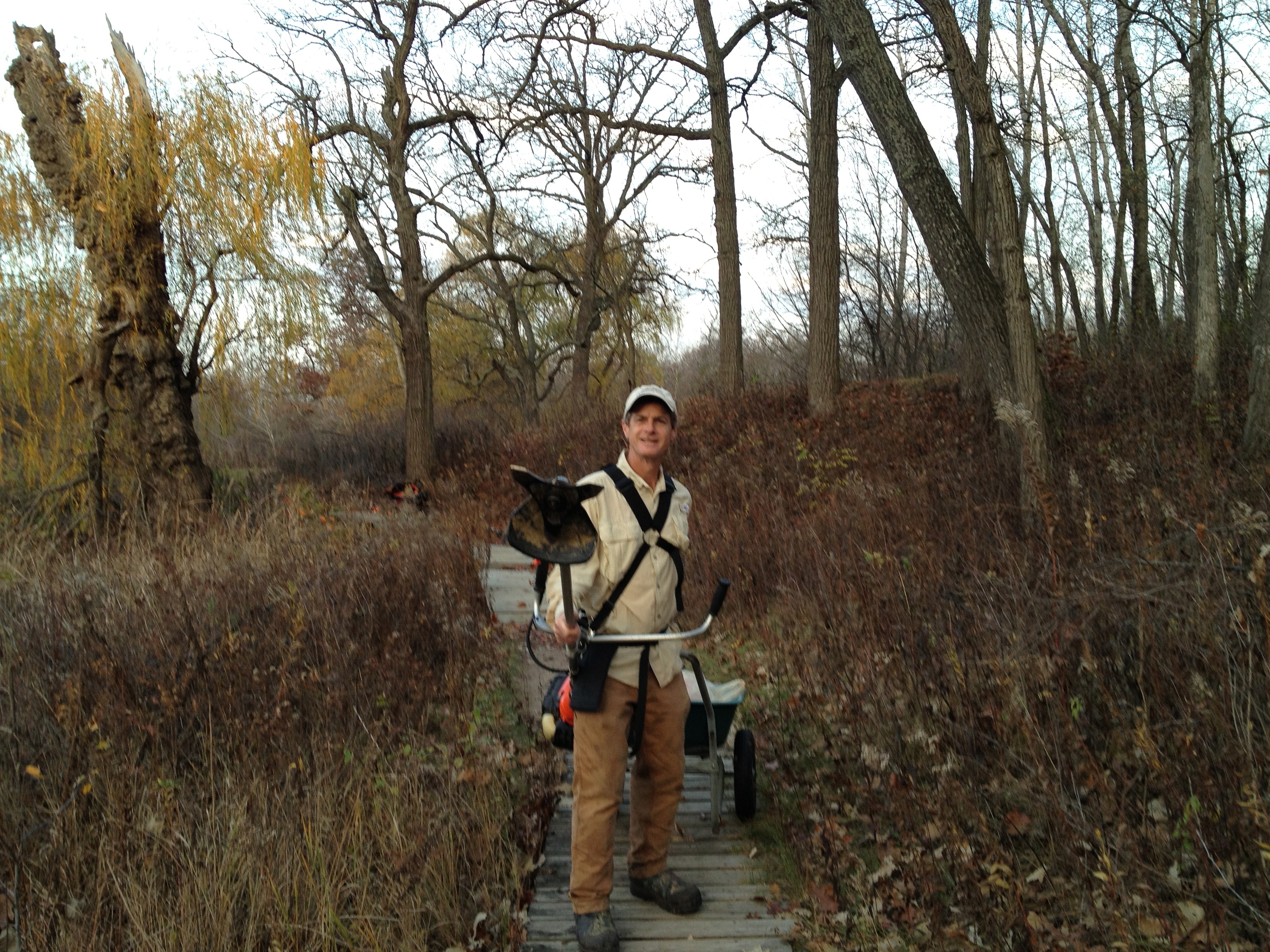
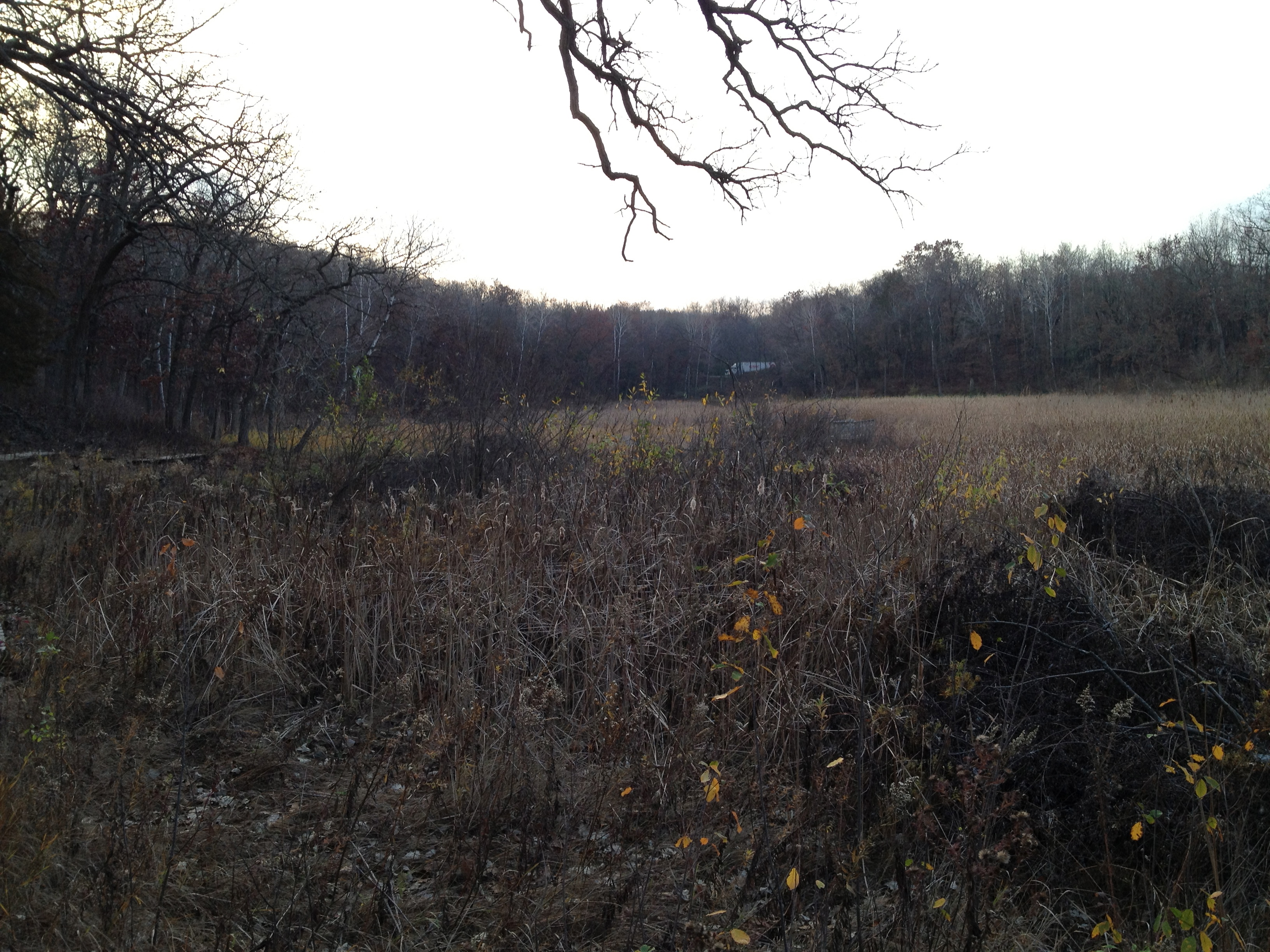
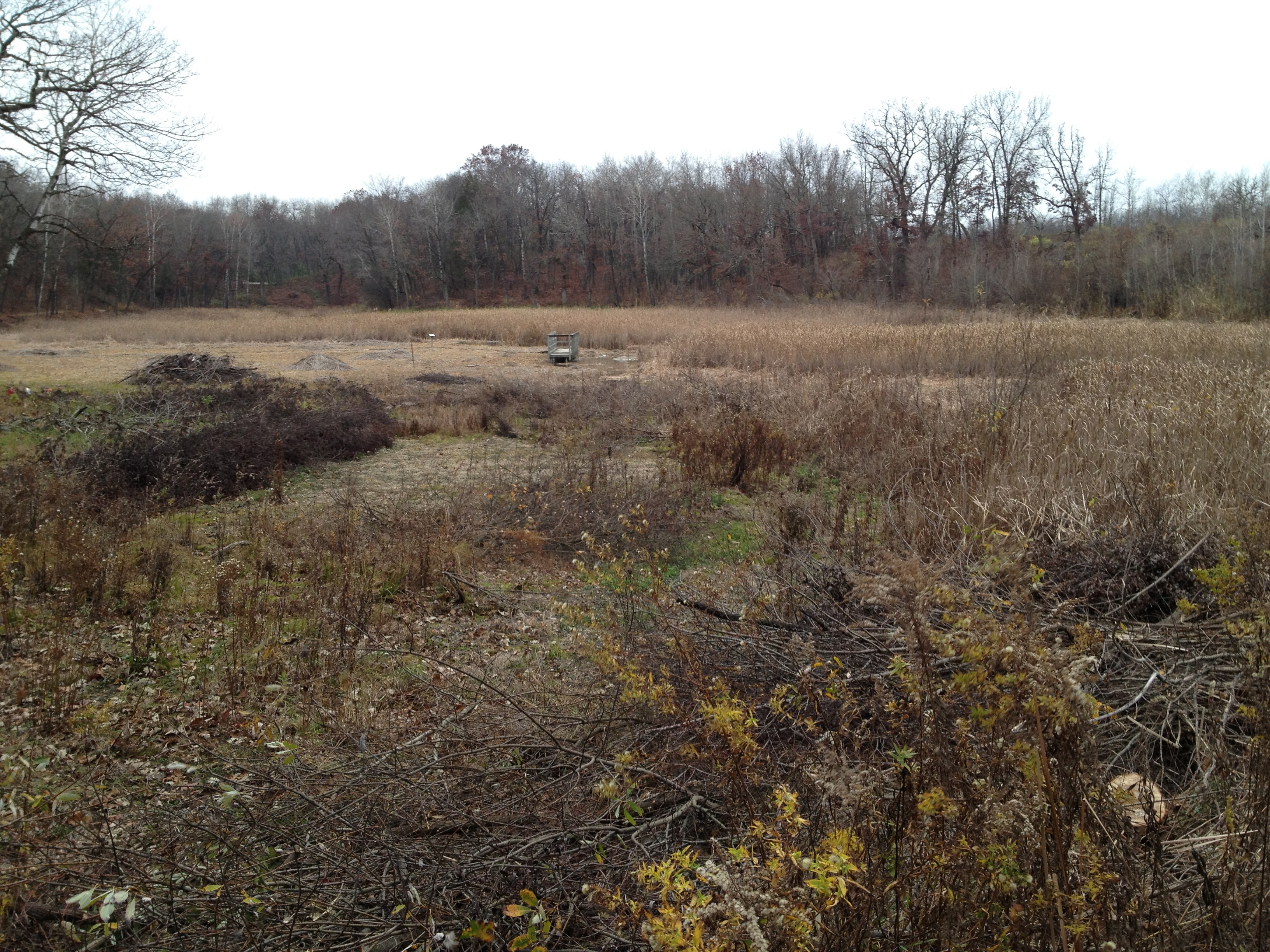
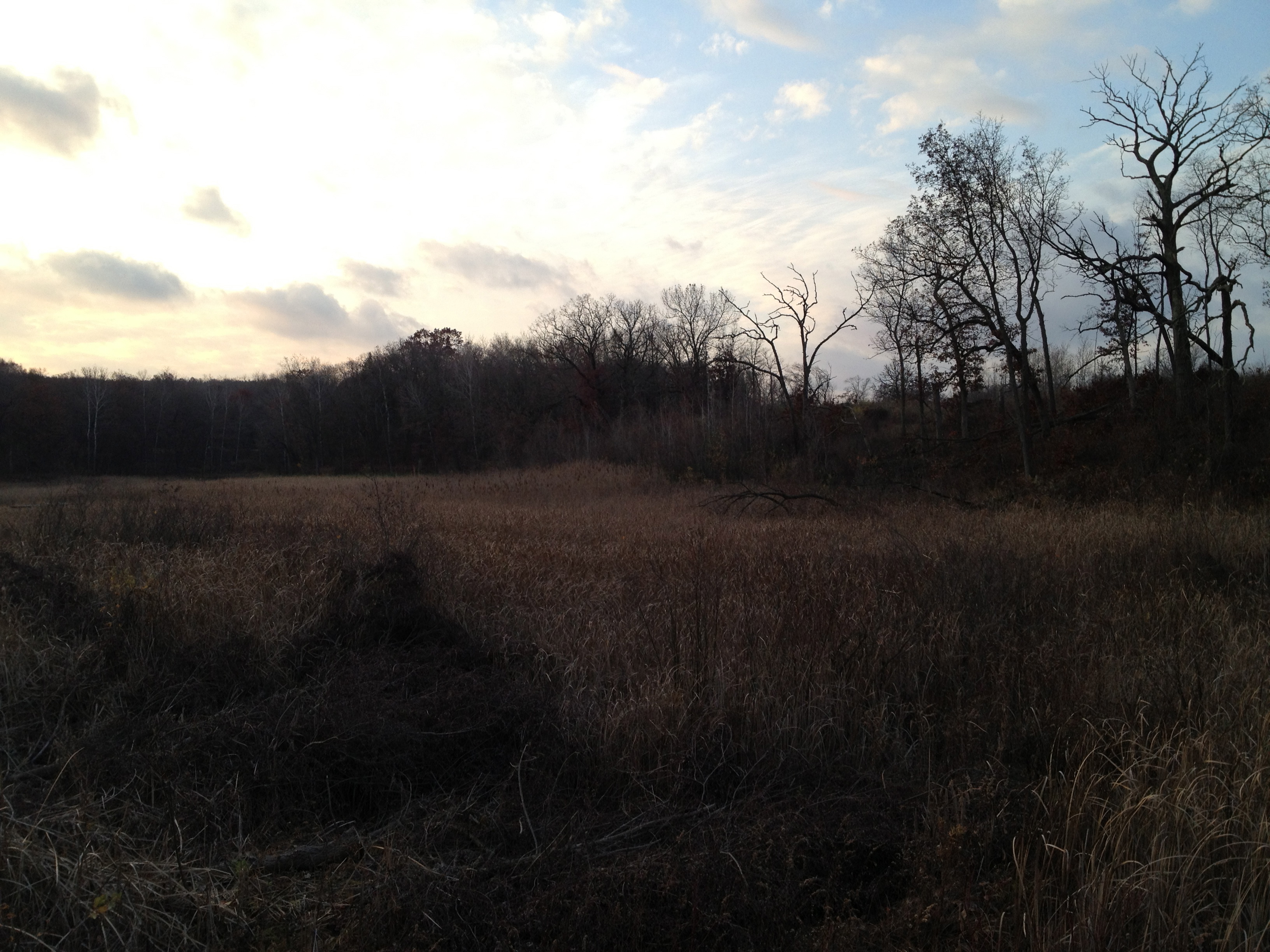
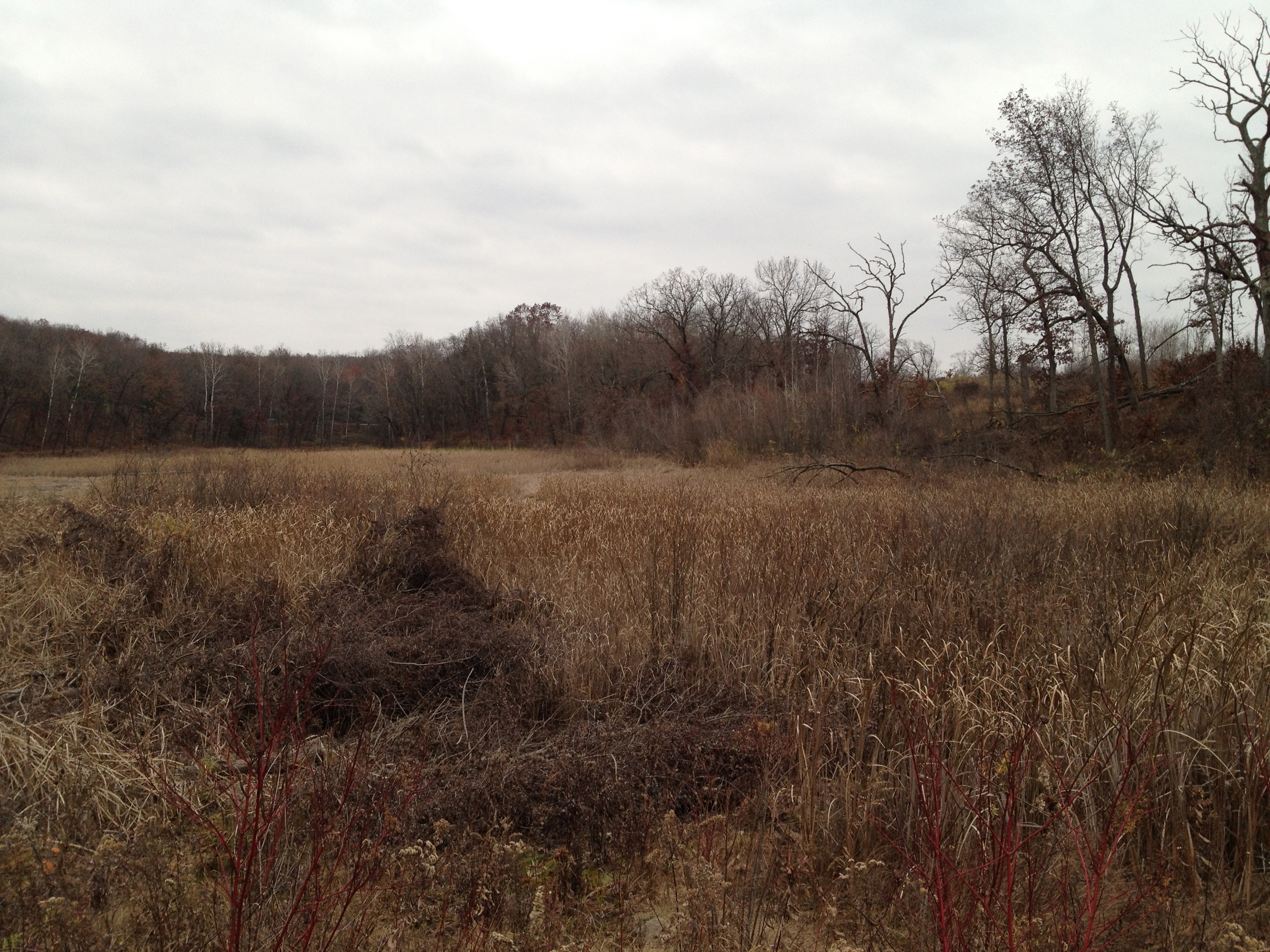
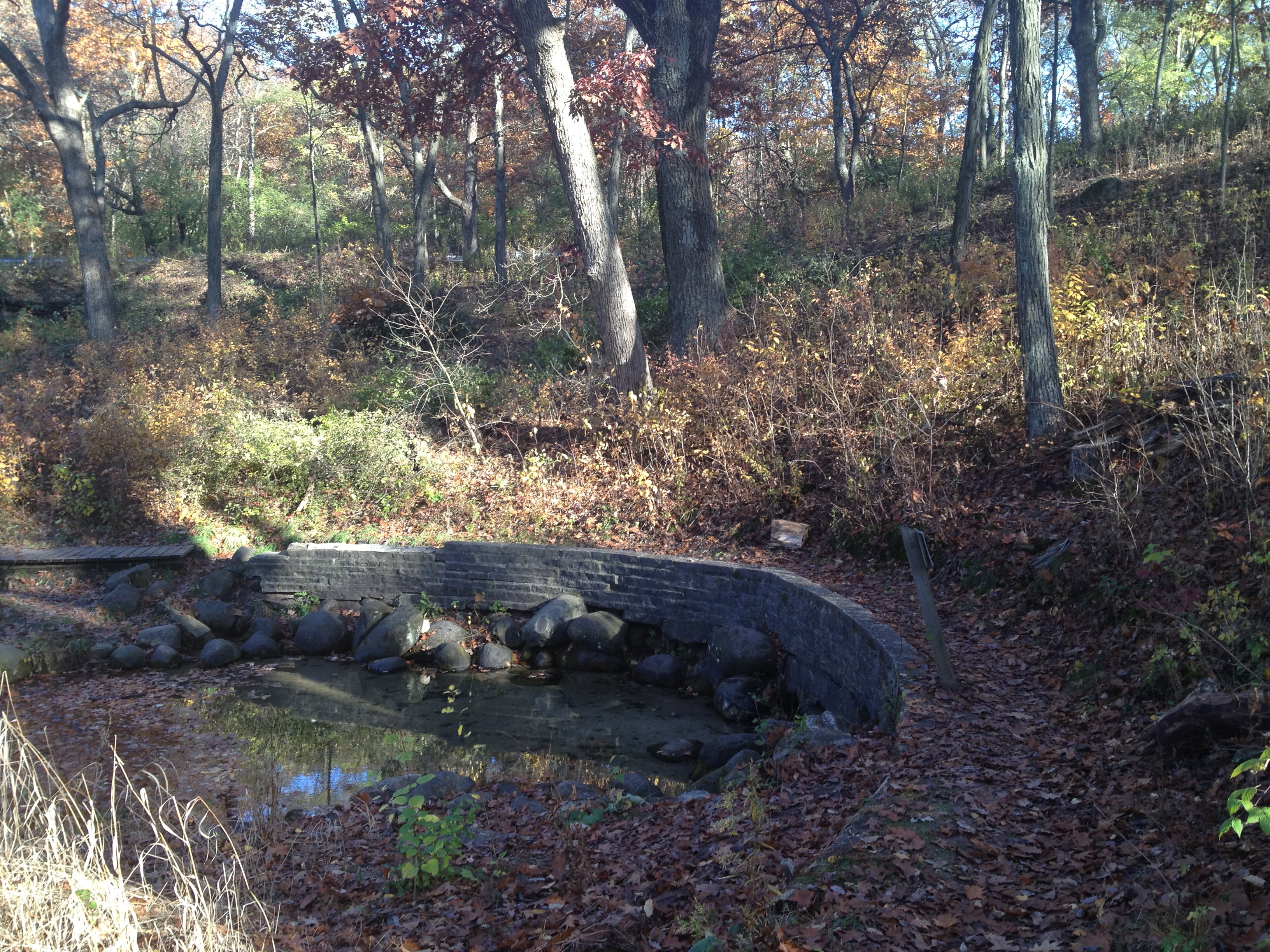
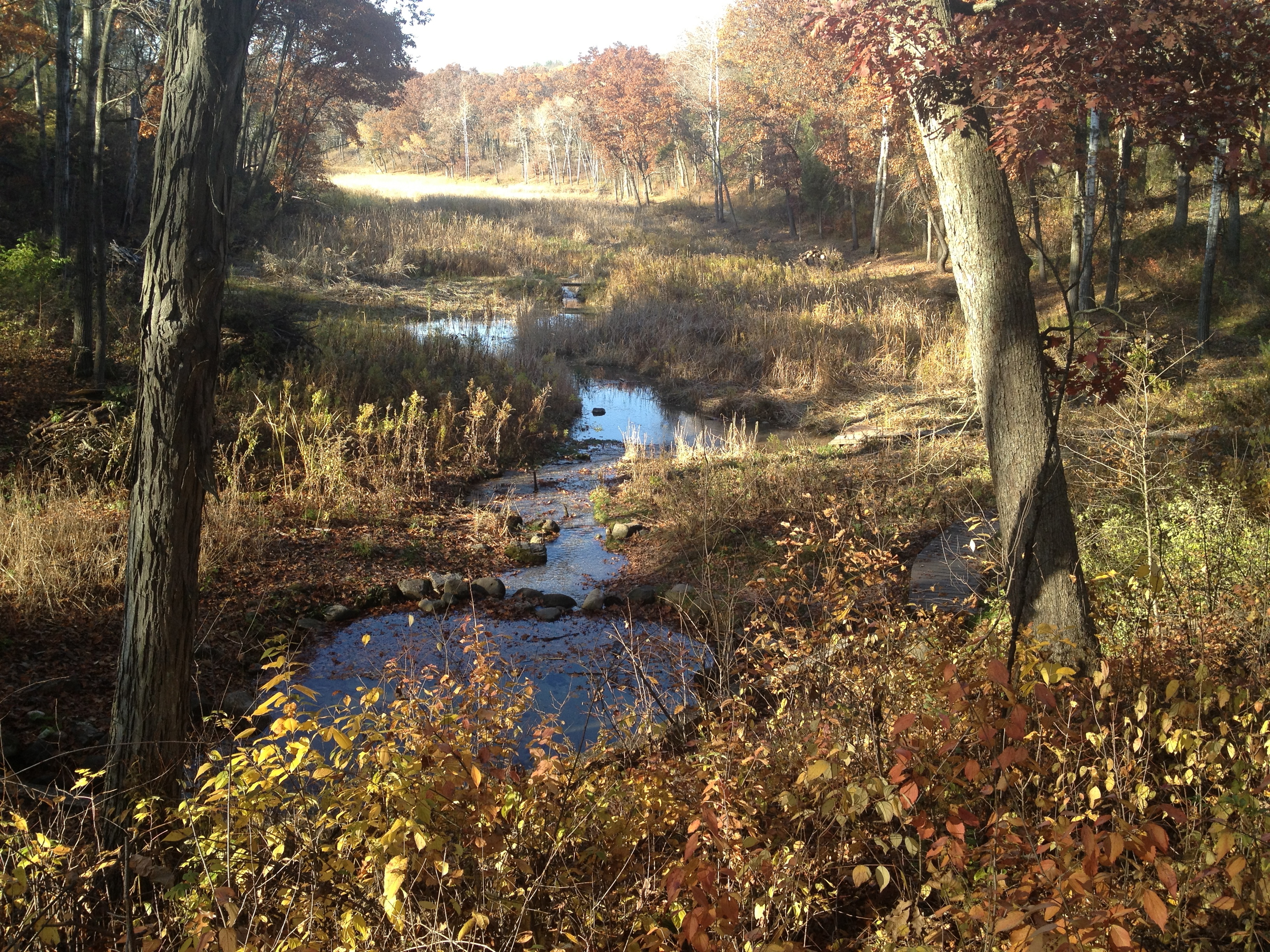
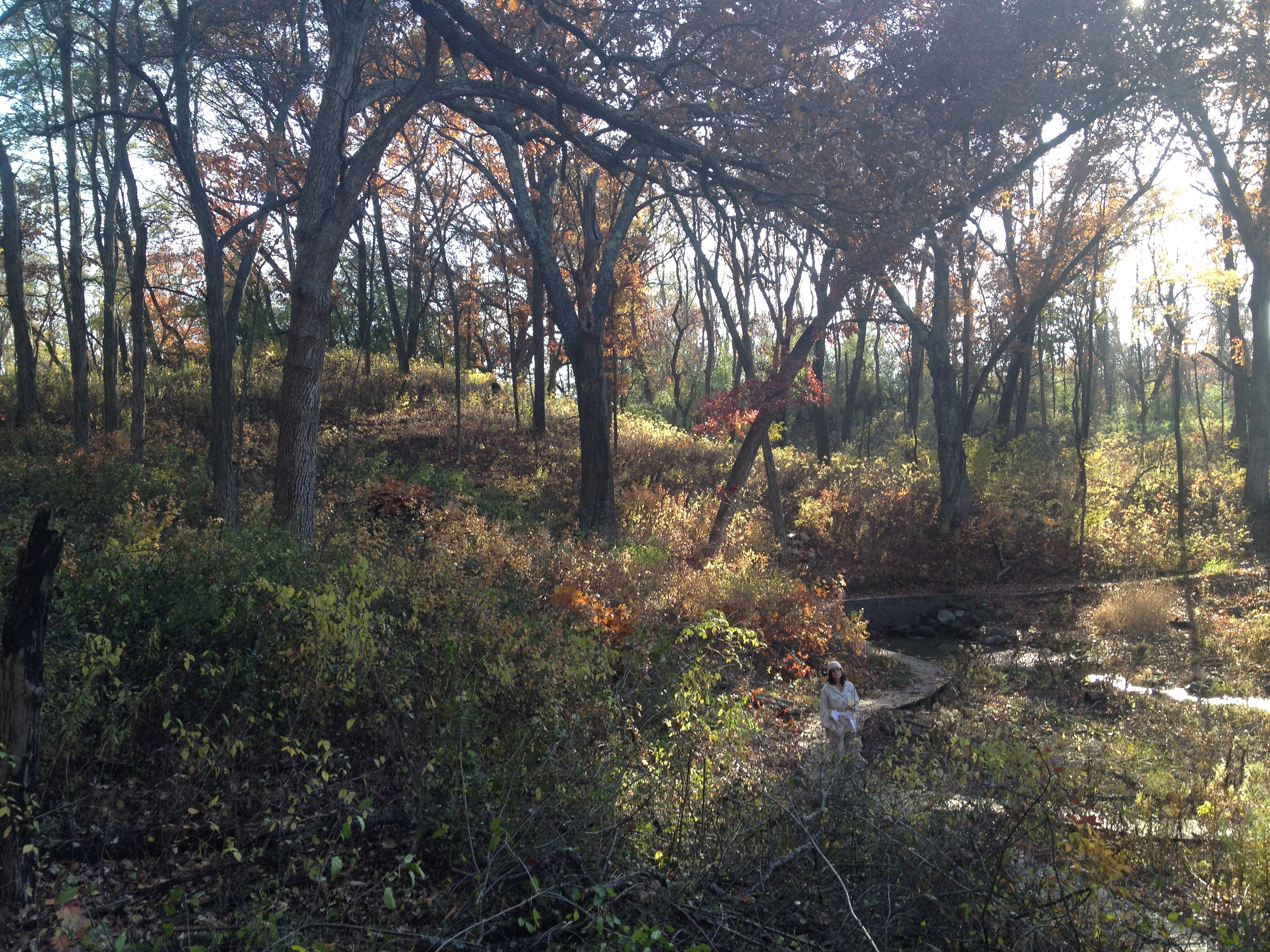
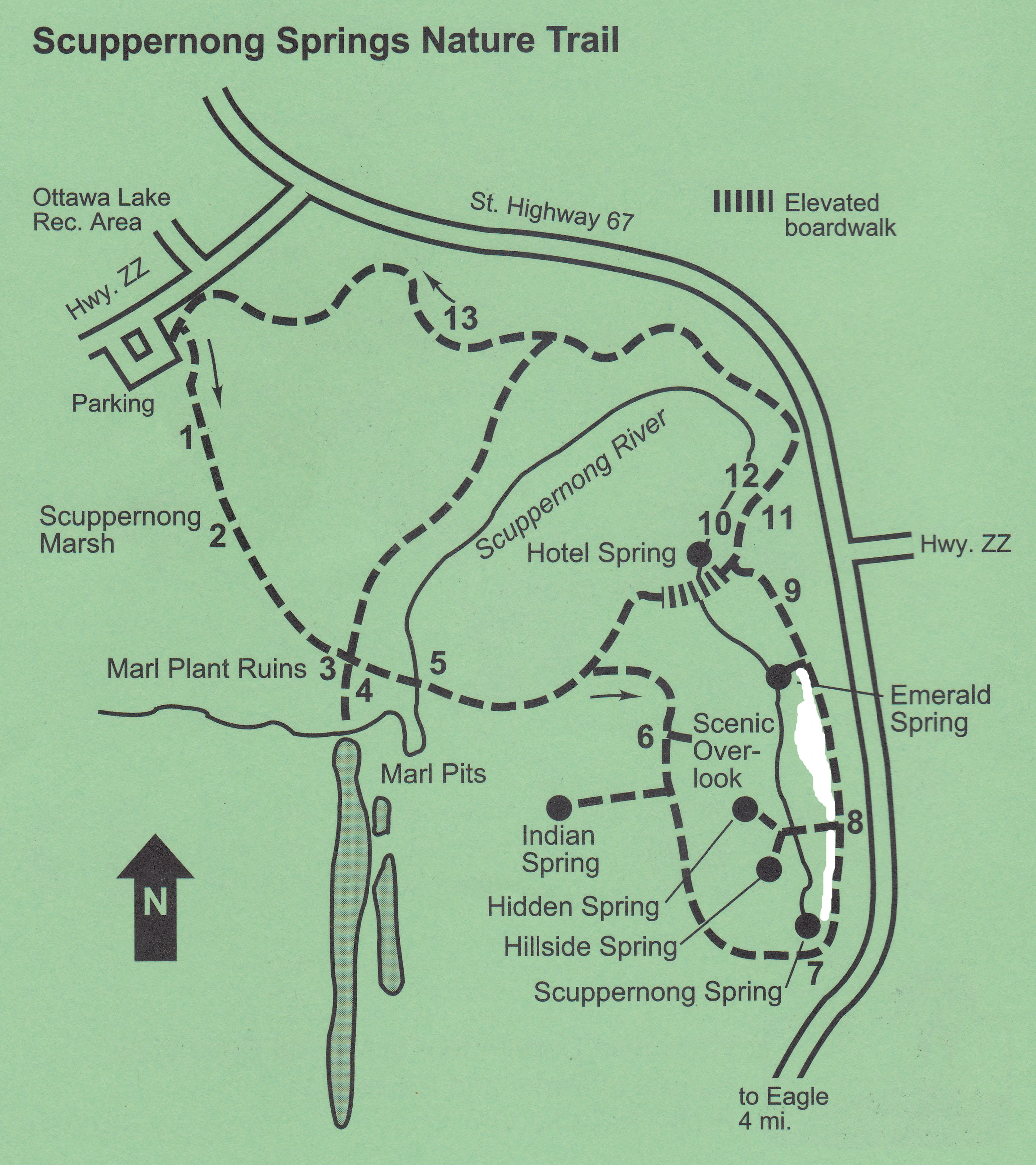
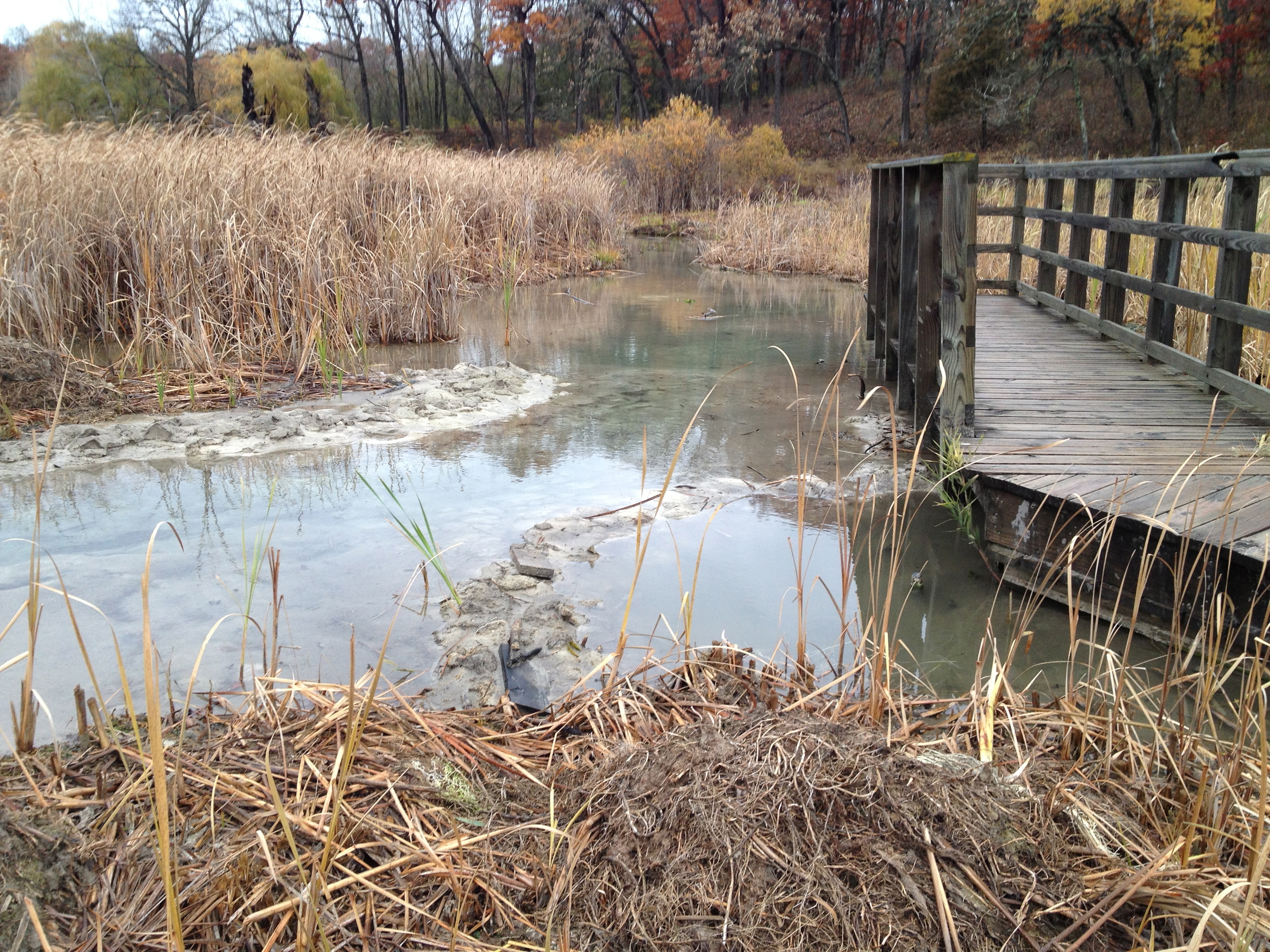
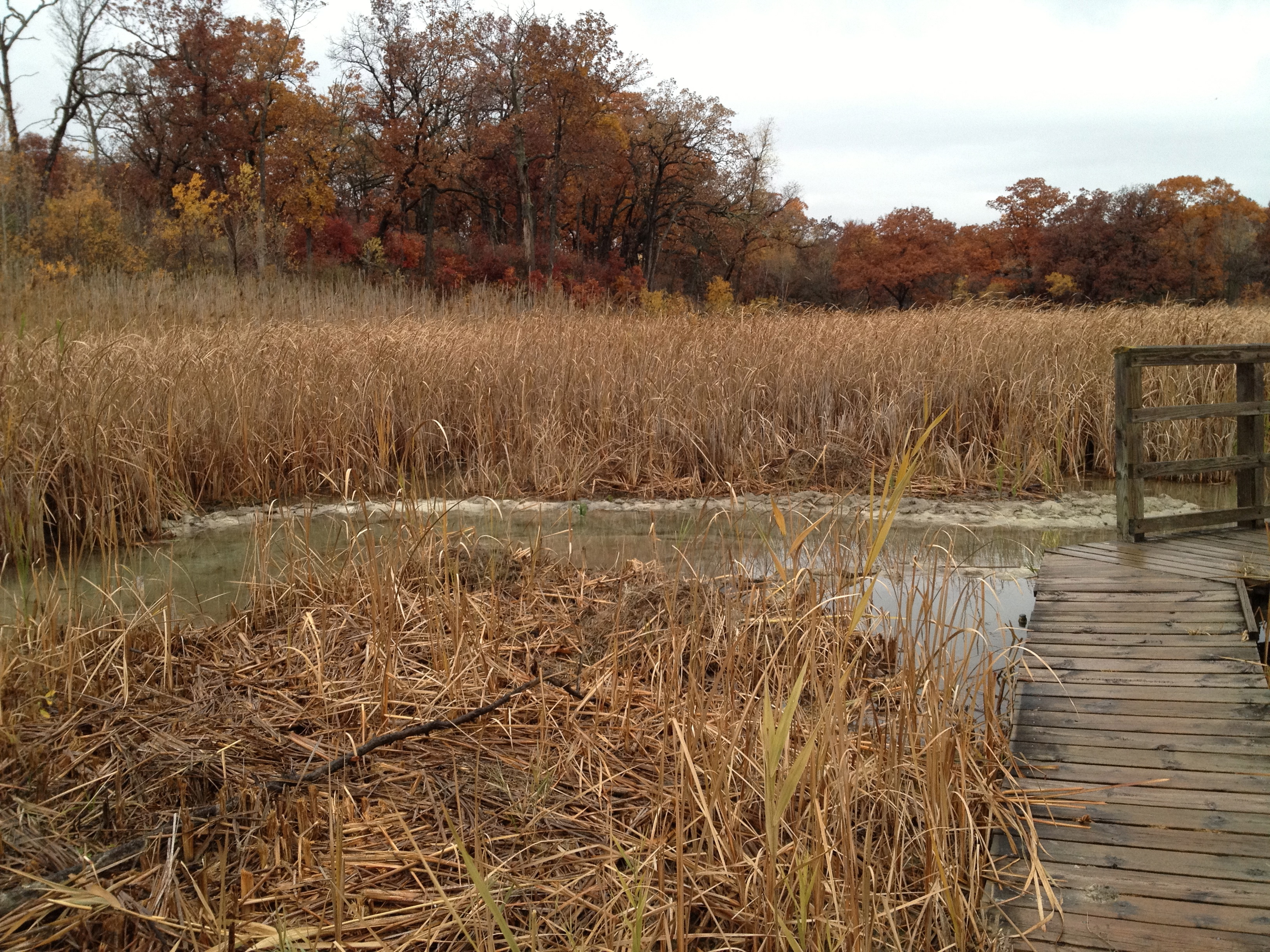
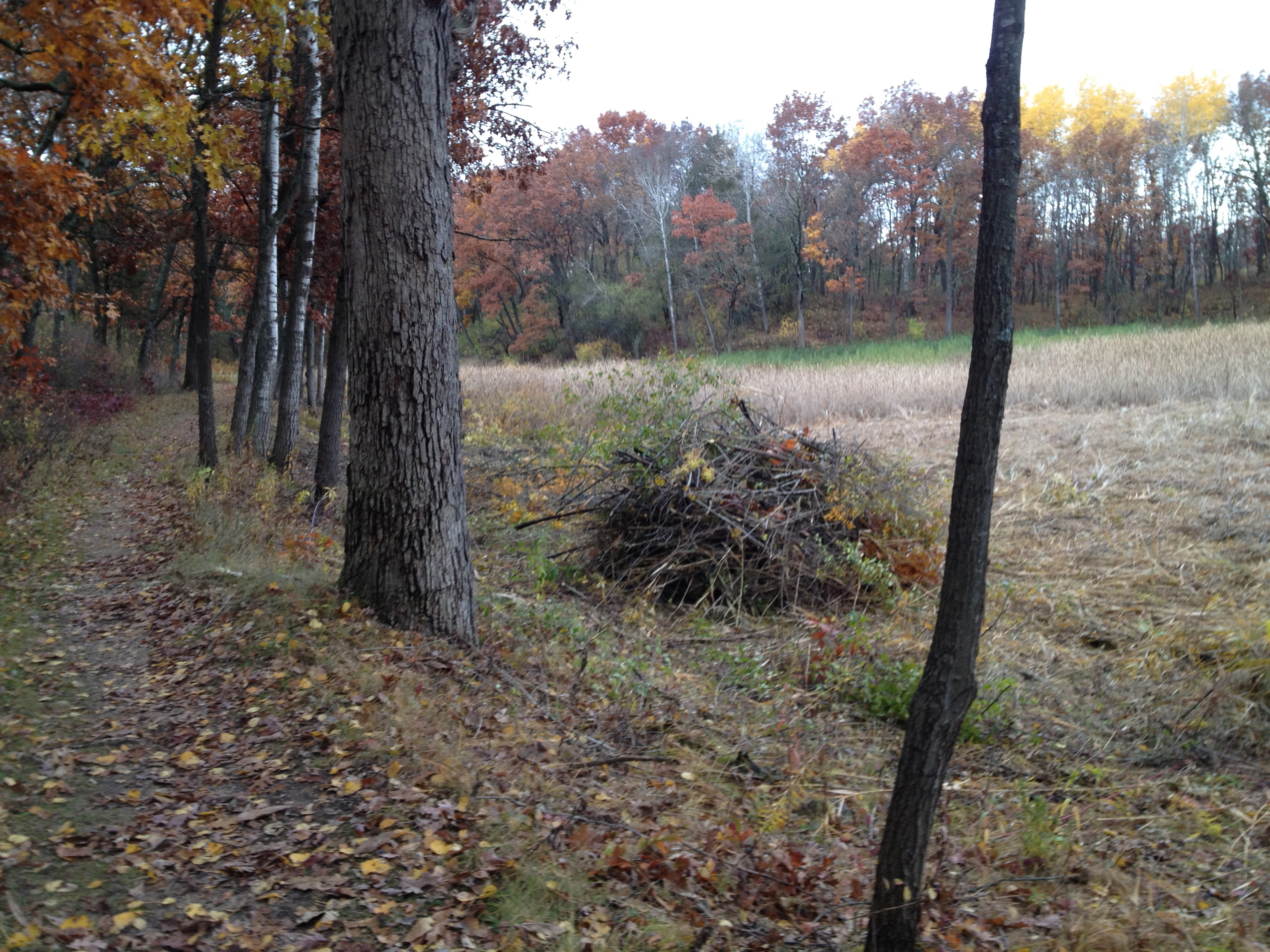
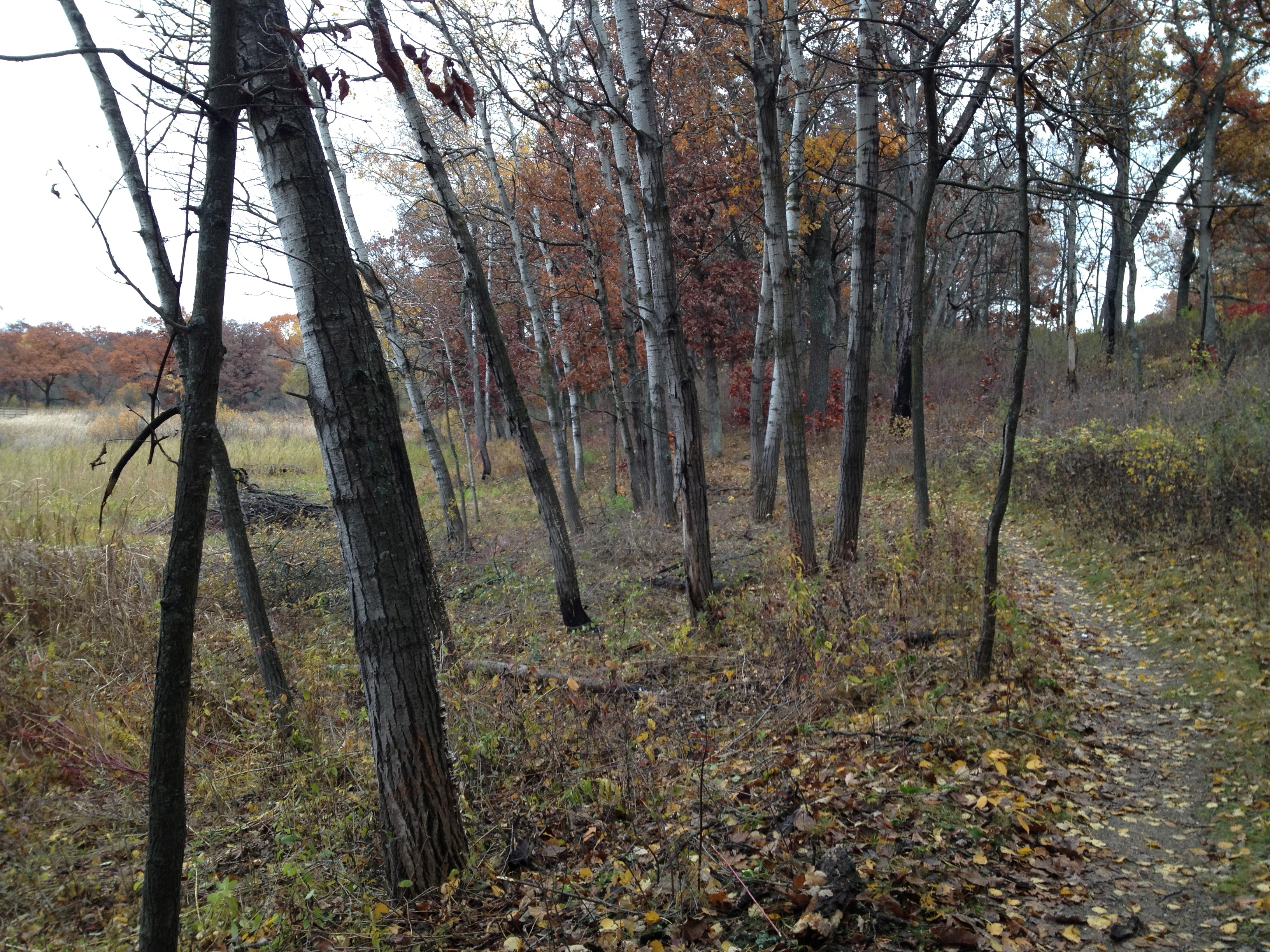
It was a beautiful, warm, sunny, and, dare I say, exciting, day at the Springs yesterday (November 15th).  I began cutting brush and cattail at location #9 on the map, the site of the old Trout Hatching House, which is between the Emerald Spring and the Hotel Spring.  The last time we worked in this area Lindsay and I noticed there were a couple of old boardwalk sections buried in the brush and, along with all of the Water Cress in the area, these were sure signs that there might be some hidden springs there.

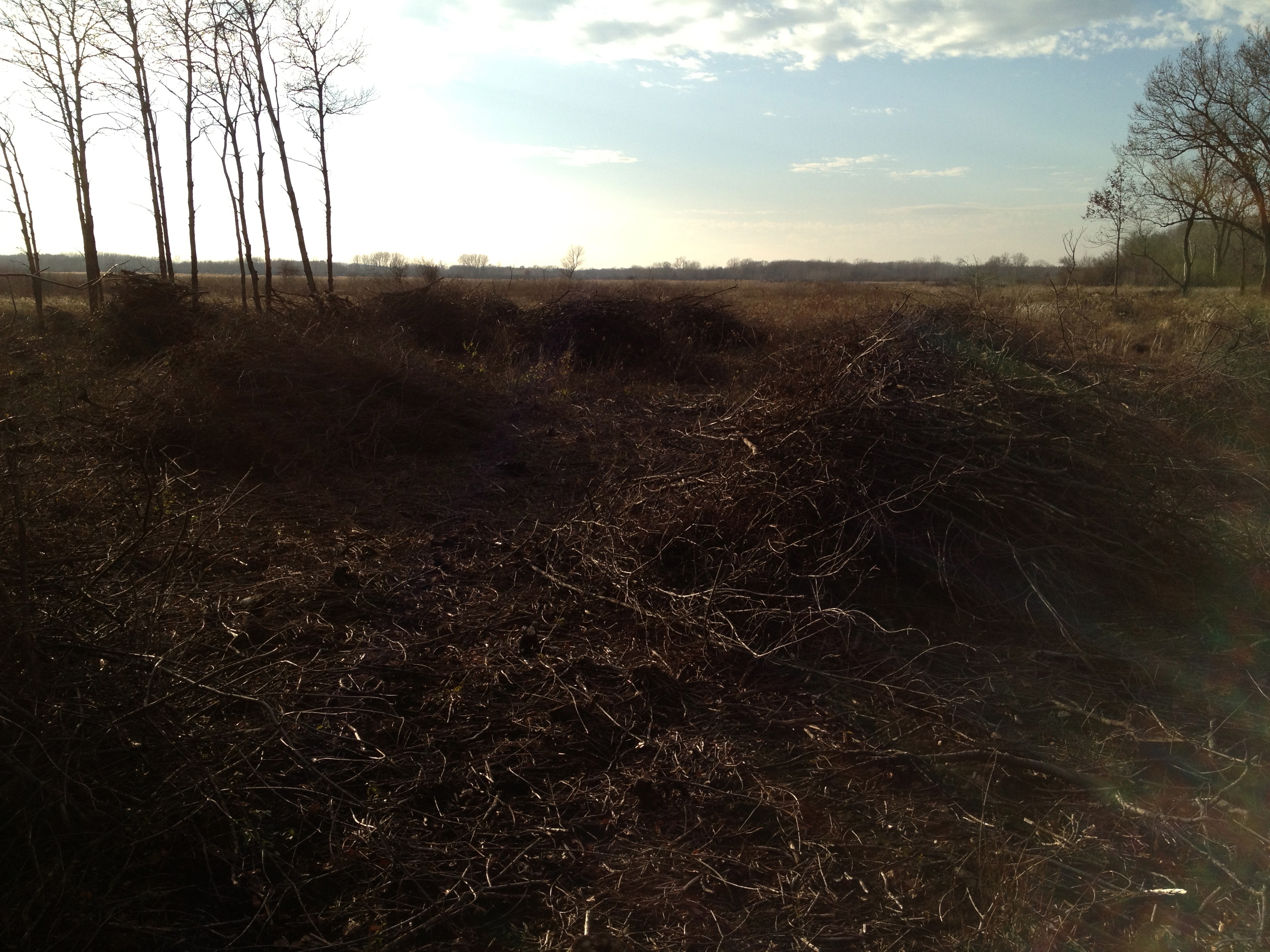
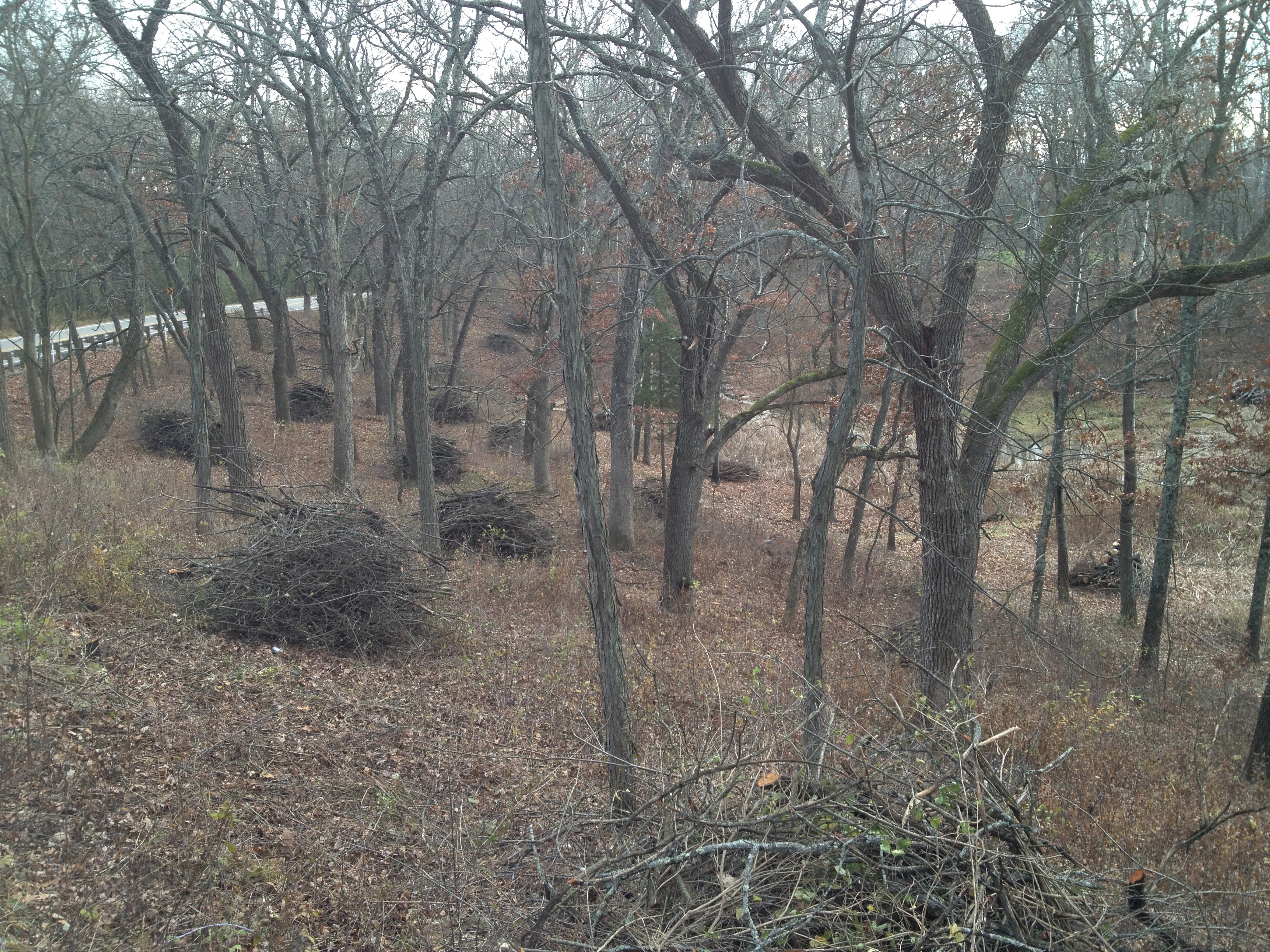
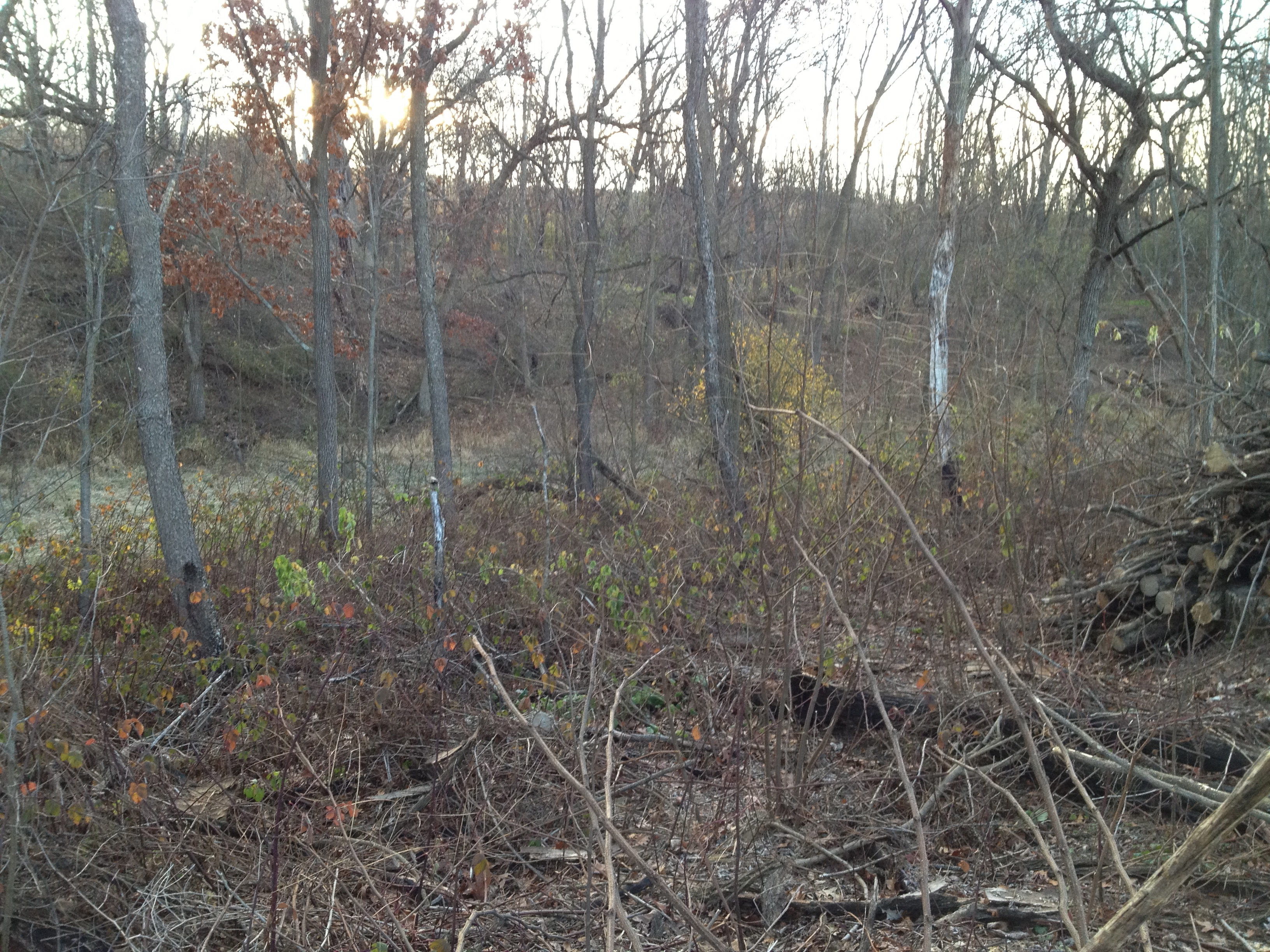
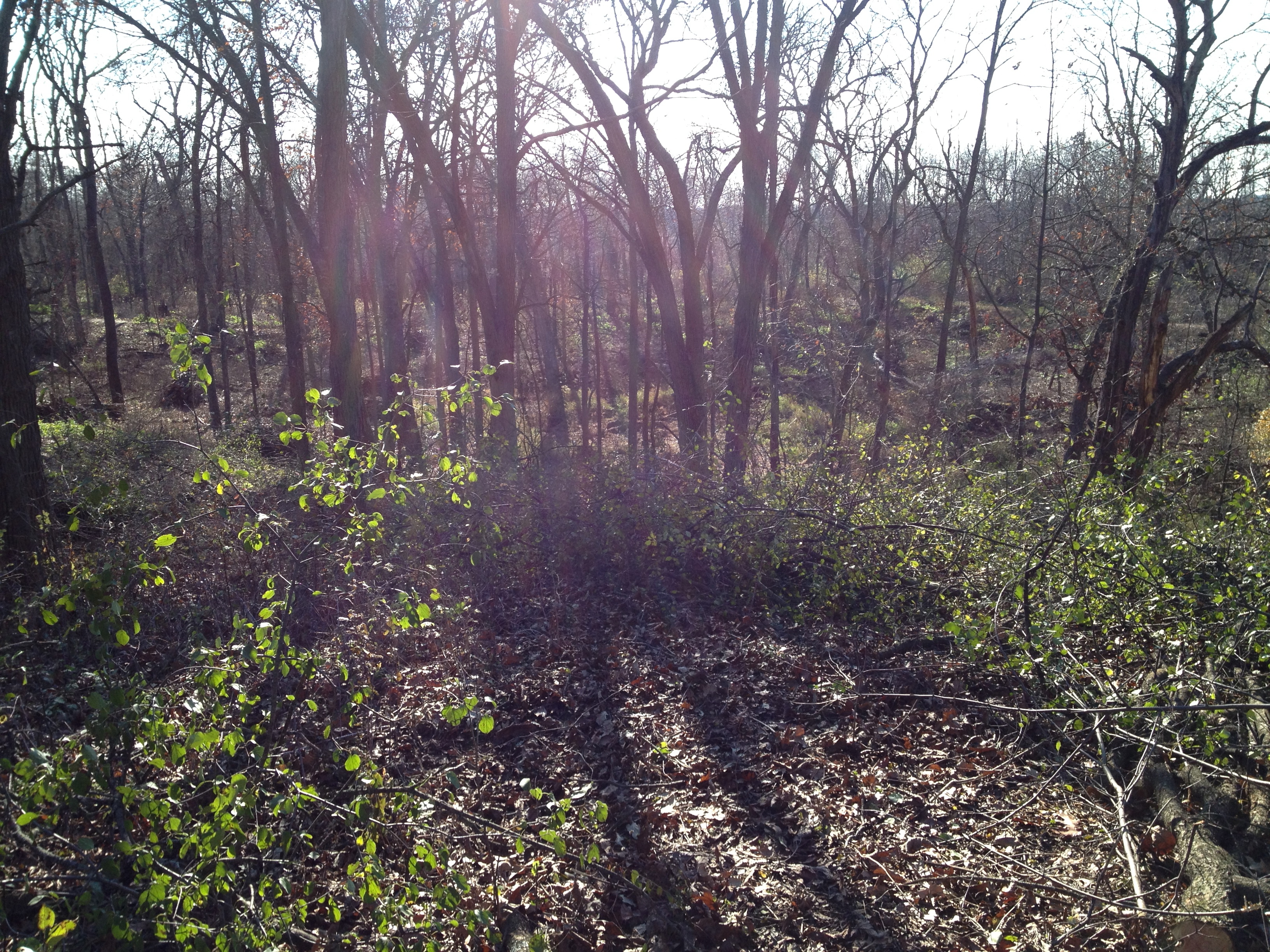
Here are a couple of before shots.
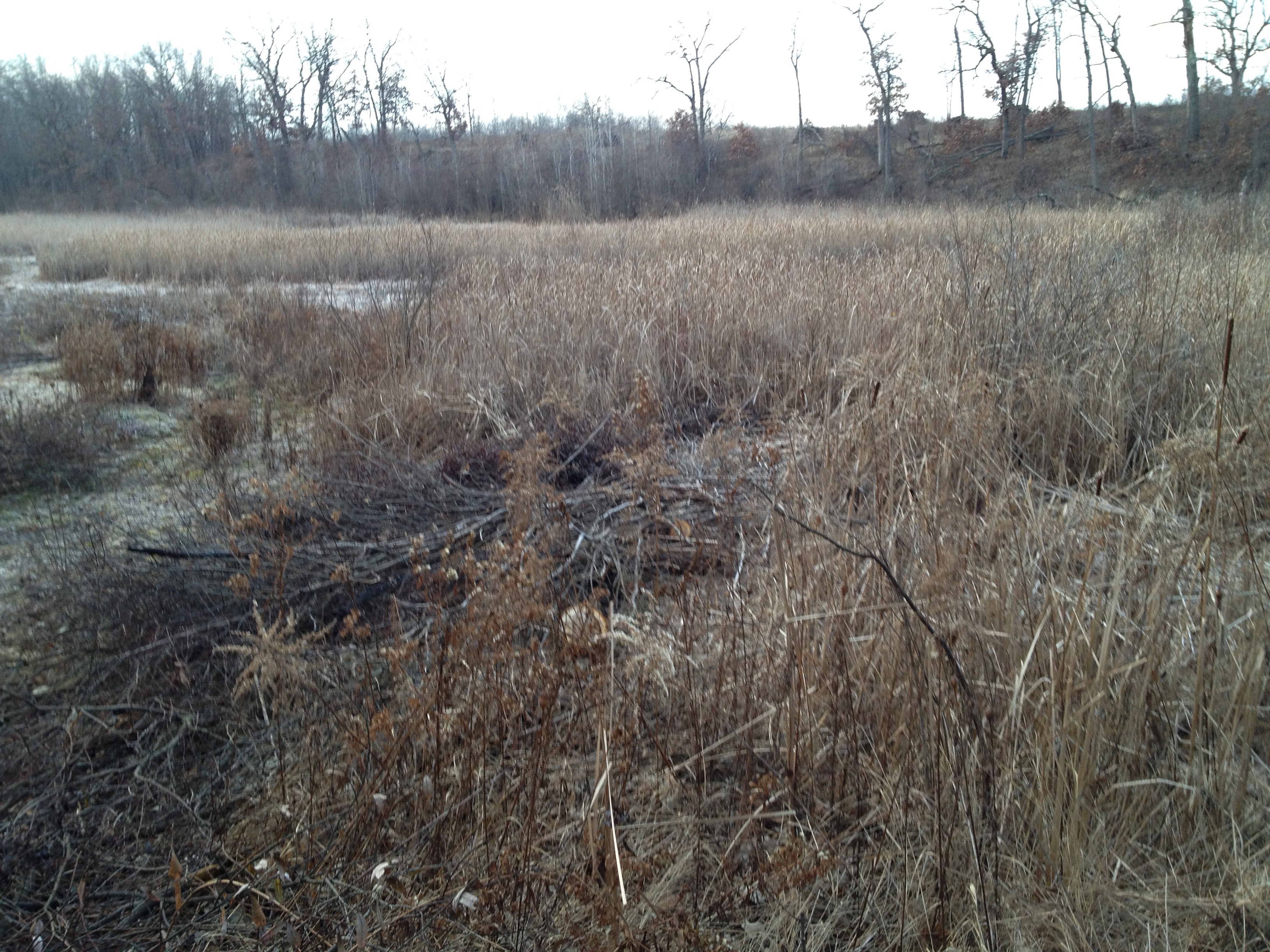
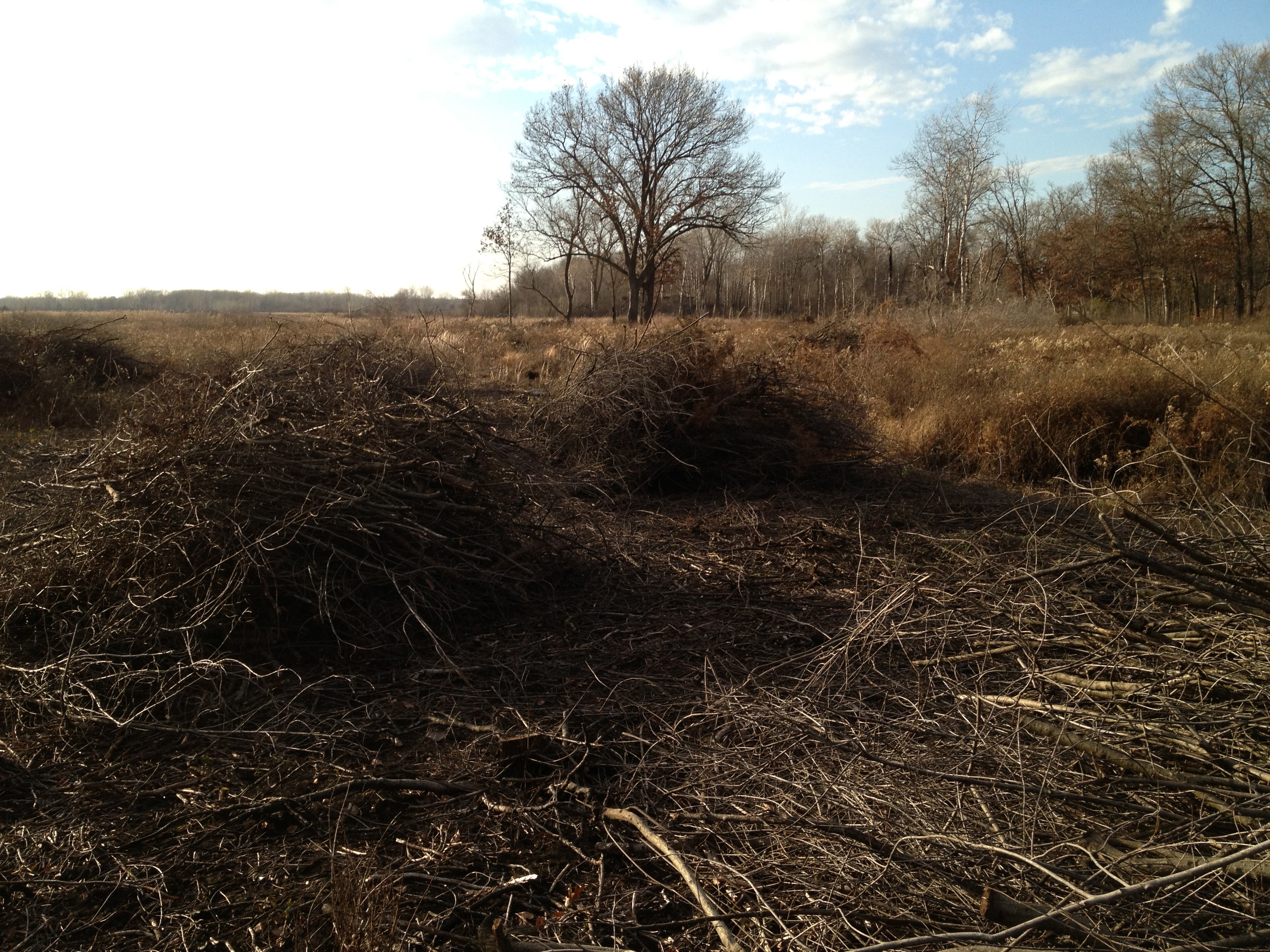
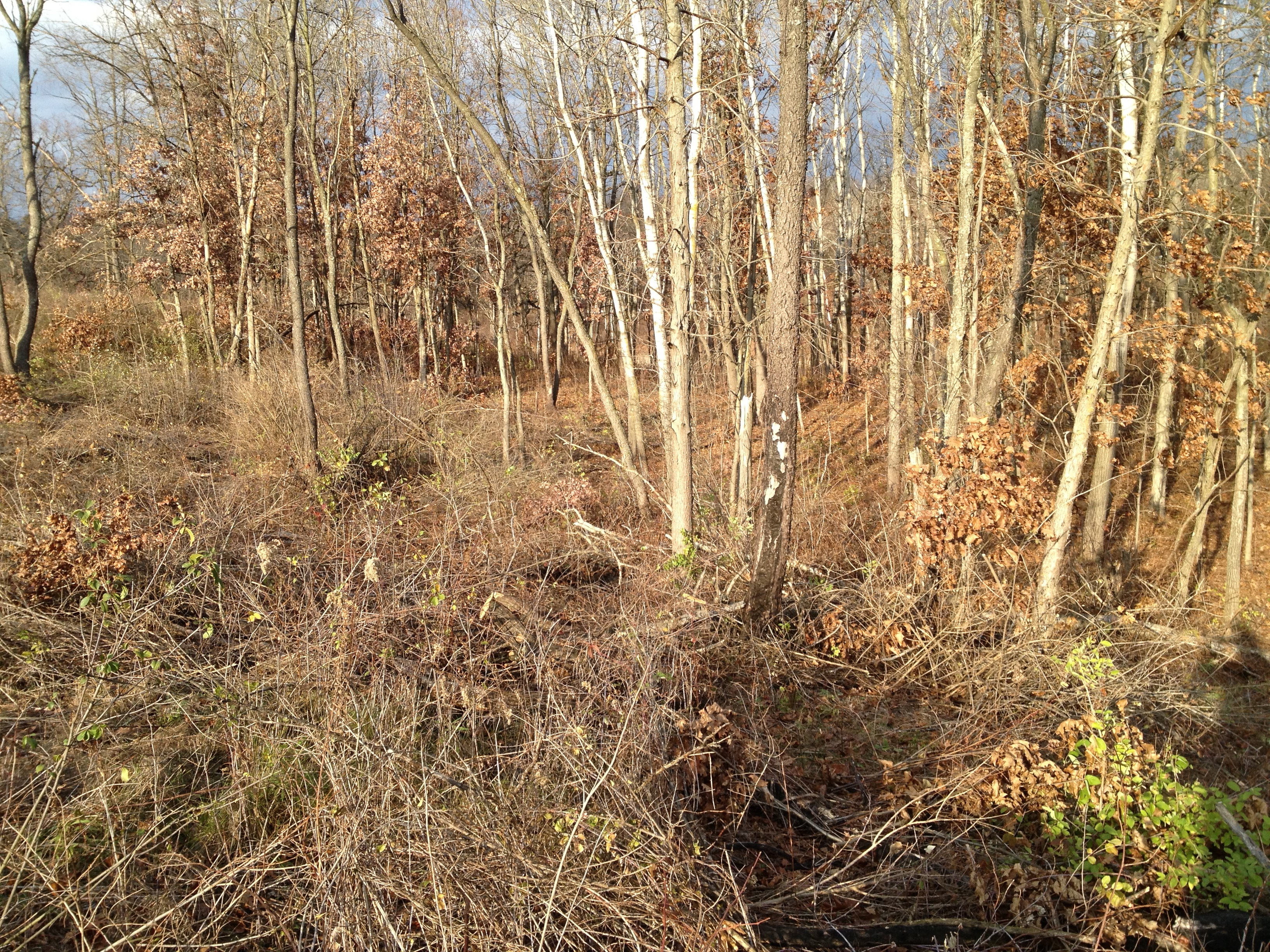
And after.

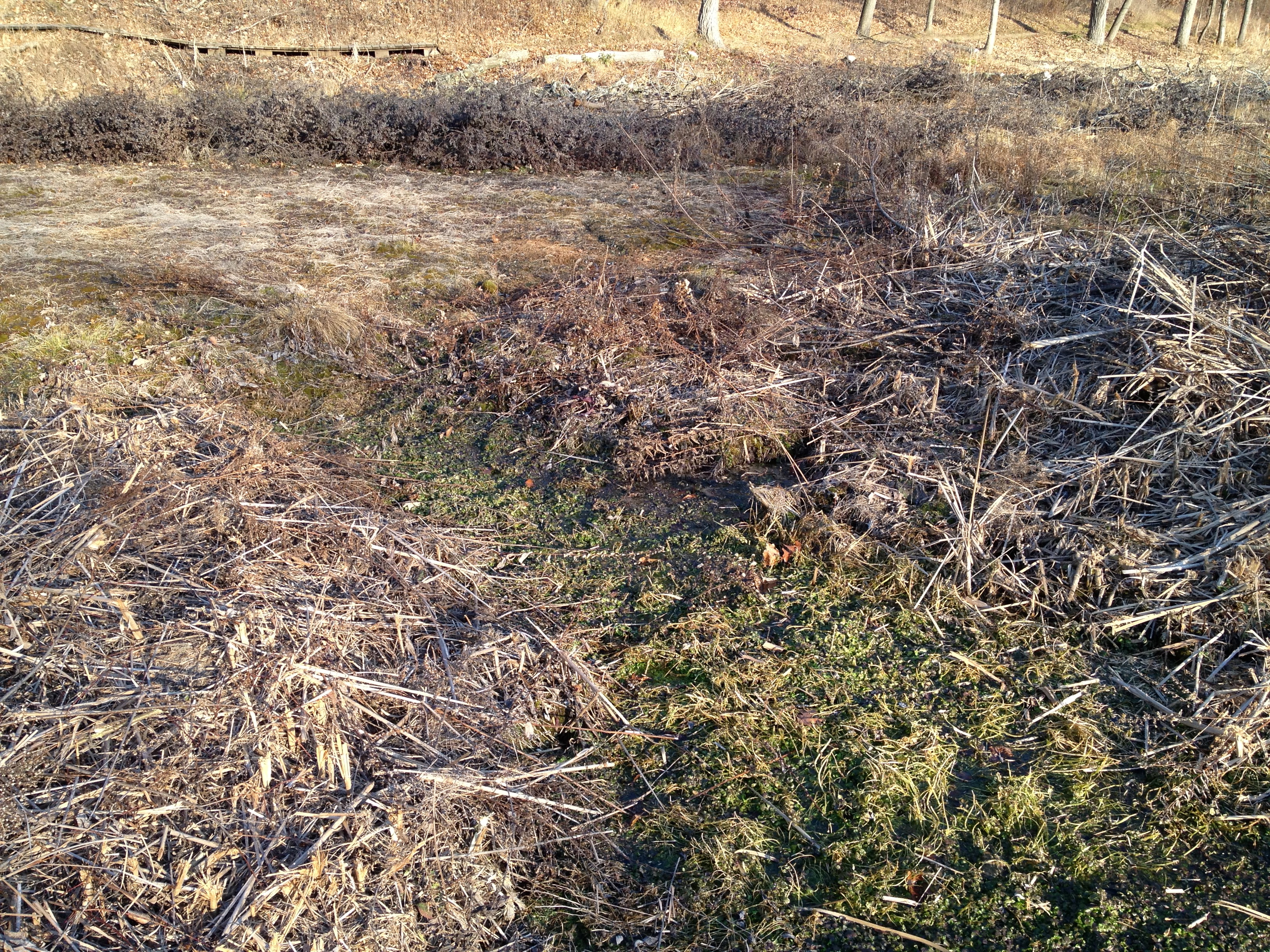
I pulled a handful of cress aside and you can see running water by the first boardwalk.
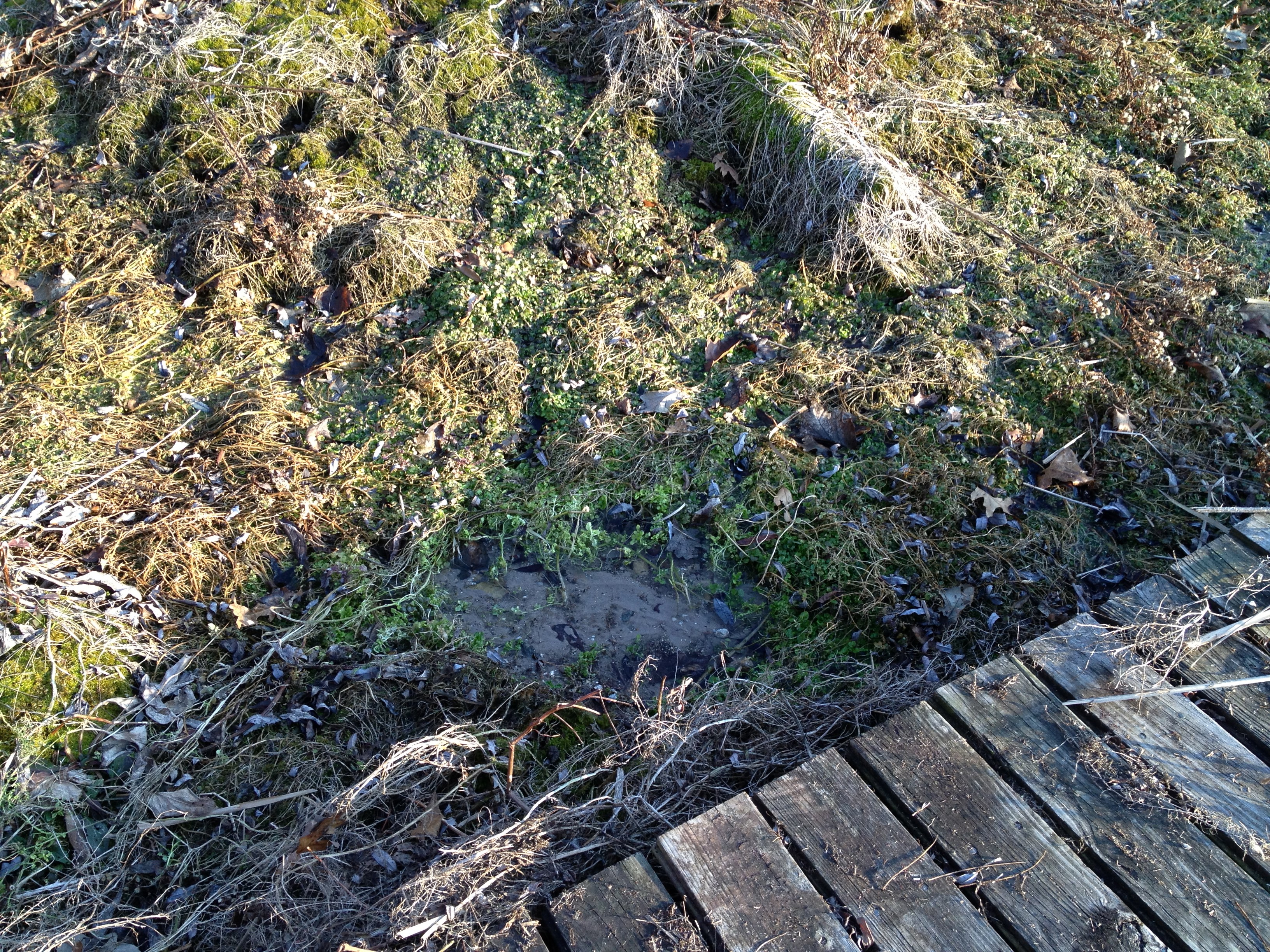
There is a bubbling spring by the second boardwalk.
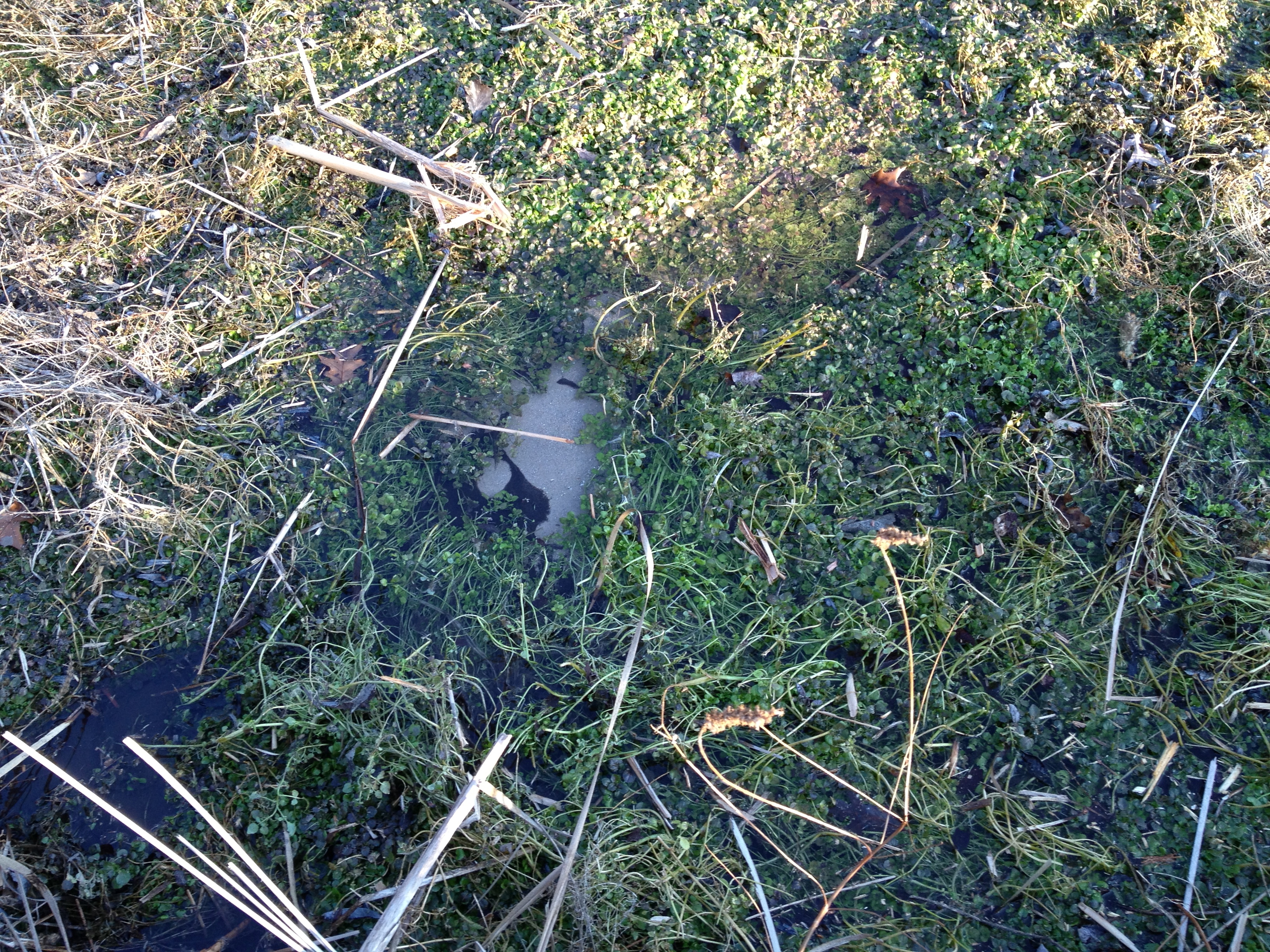
This Saturday, November 17th,  we plan to pull the cress out of these springs and open them up and pile the brush.  I can hardly wait!

Around mid-day my good friends Ed and Jim Brown, stopped by.  Ed has been involved in developing organic food sources and distribution networks for over 30 years (edward@organicbydesign.com) and currently makes his home in Spokane.  Ed introduced me to the Paradise Springs way back in the late 70’s.  He is an Enlightened Being.  Ed is going to connect us with some people who may be able to use the abundant firewood that is available and also to harvest some Water Cress.  Thanks to Jim for bringing Ed out to the Springs!

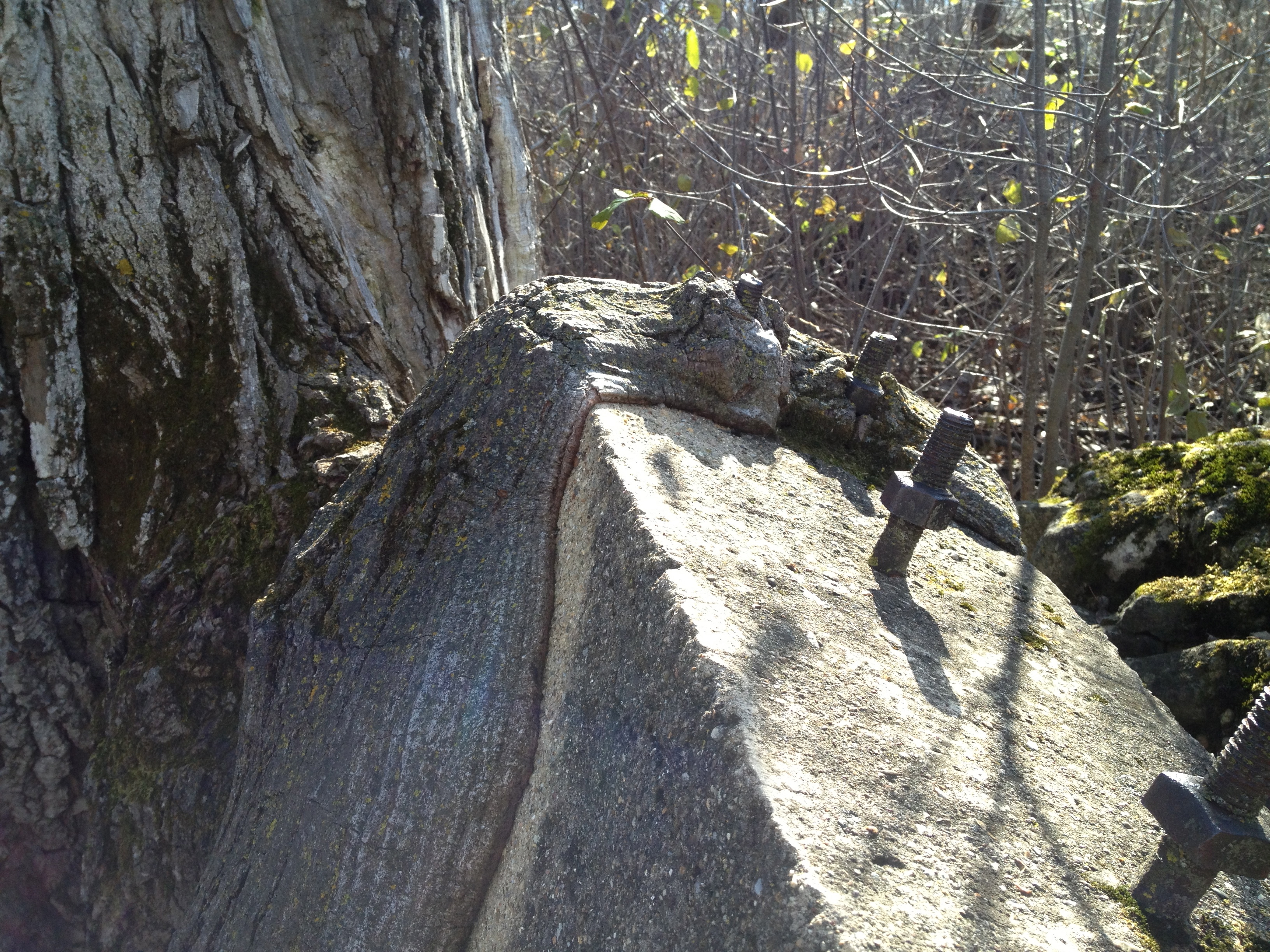
Ed noticed these roots from a Cottonwood tree by the marl pits enveloping the concrete foundation.

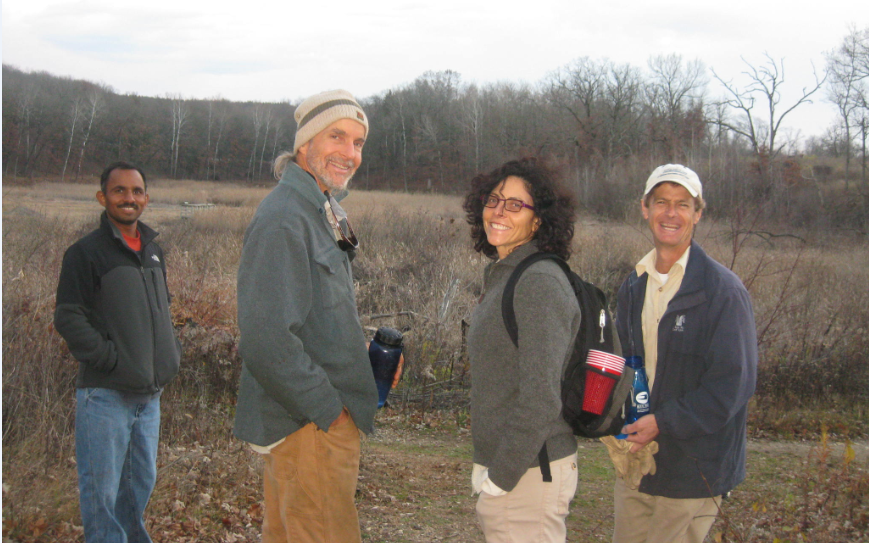
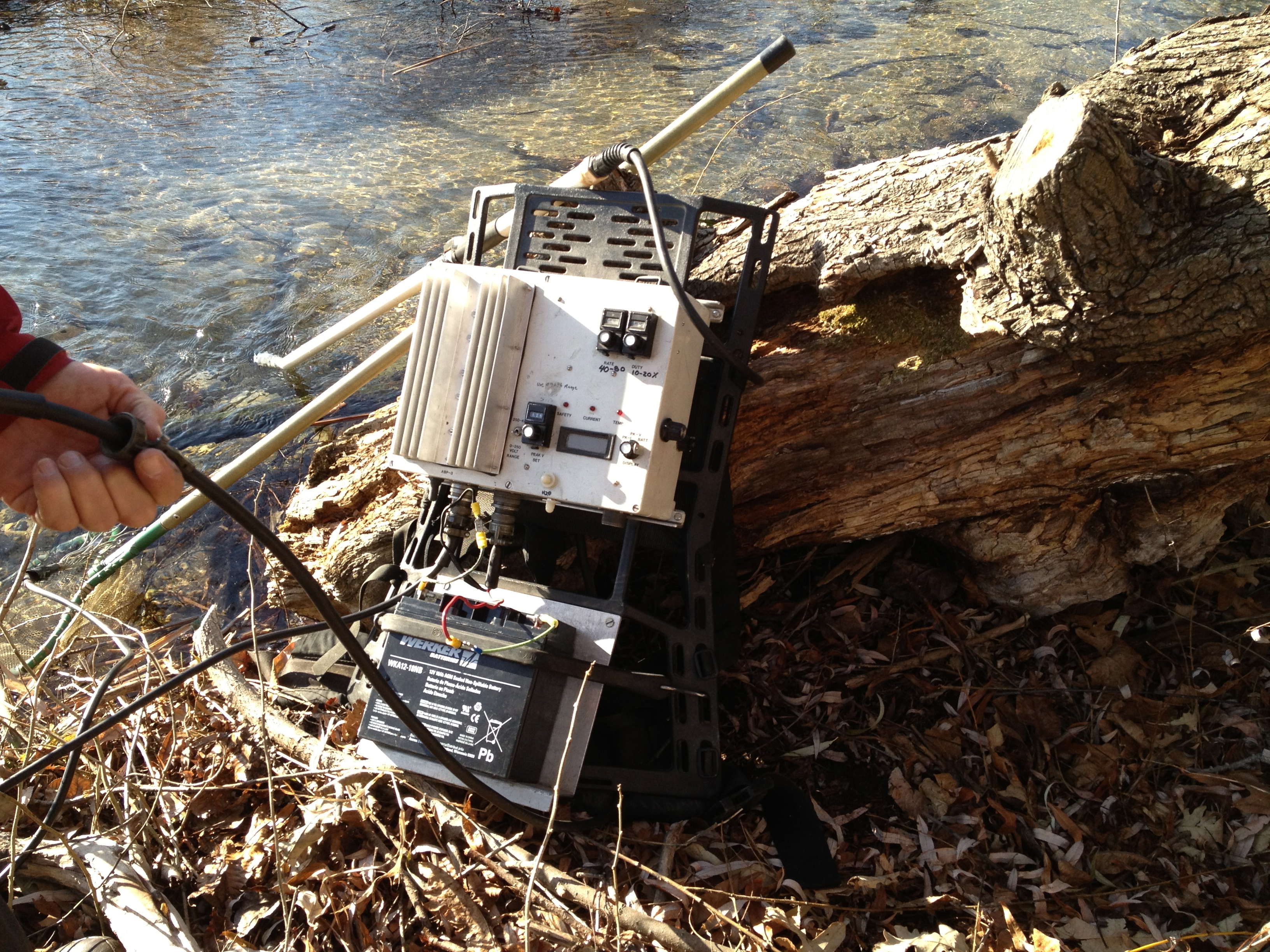
Just as Ed and Jim were leaving, along came a crew loaded with cameras and backpacks.  Mike Parsen, a Hydrogeologist from the Wisconsin Geological & Natural History Survey, John R. Karl, a Videographer and Science Writer with the University of Wisconsin Sea Grant Institute, Craig Helker, Water Resources Management Specialist with the DNR and Anne Korman, Assistant Superintendent of the Southern Kettle Moraine State Forest were making their first visit to the site as a team.  They are going to make a documentary describing their effort to update the state-wide ground water monitoring network.  Listen in as they explain.  From left to right below John R. Karl, Mike Parsen, Anne Korman and Craig Helker.

When we interviewed Tracy Hames, from the Wisconsin Wetlands Association, he stressed the importance of monitoring the river so we are very excited that Mike will be installing a water flow meter and temperature gauge.  Craig has been shocking the river to do fish surveys for 8-9 years and we are very interested in any changes he may measure as well.
To top off a most excellent day, Pati came out to help pile brush and participate in the interview.  It was a day full of fun and surprises!

I make piles with a little help from my friends

Thanks to my good friends we almost finished piling all of the brush at the Indian Springs that Rich and I prepped Last Thursday.  This area was one of the nastiest Buckthorn thickets we’ve ever had the pleasure of cutting.

While I was still working at Northwestern Mutual, I often told my coworkers about my work in the Kettle Moraine and today Chakry Indlamuri and Sriram Raghavulu came out to check it out and pile some brush.  Here is Sriram in action.

Sriram and Lindsay.

And Chakry.

Later John and Sue Hrobar joined in.  Sue gave me a thumb drive with hundreds of pictures she took at the Springs and we’ll post some of them here soon.

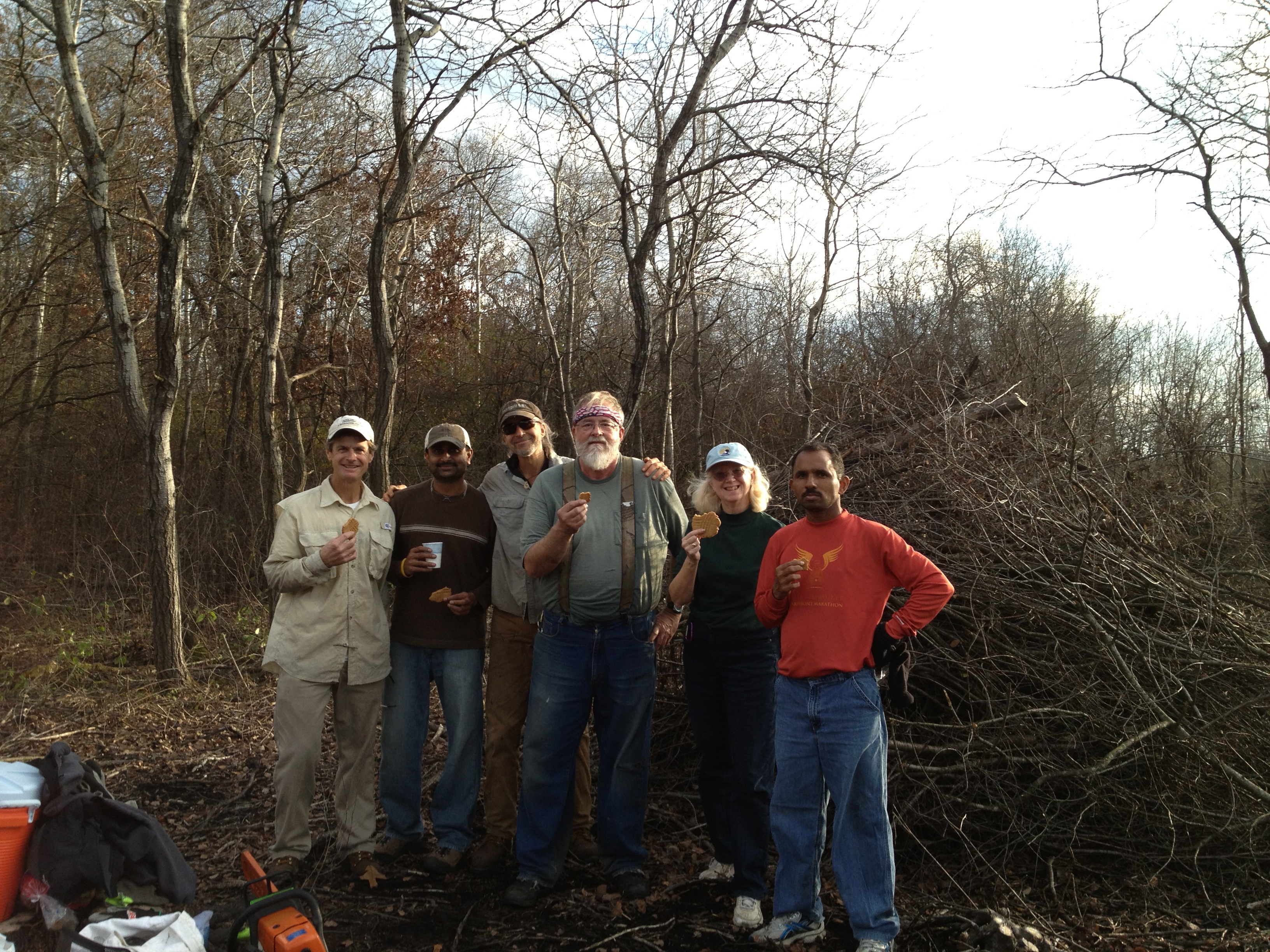
And finally my ever lov’in mate Pati arrived with some awesome peanut butter cookies and took this picture.

We made around 20-25 piles and Sriram and Chakry both plan to come back and help again!

It was a warm, sunny day and a lovely breeze kept us refreshed.  Speaking of which, Chakry brought a bottle of Champagne and a bit of Chivas Regal and we “partied” by the Scuppernong Spring.  “…I get high with a little help from my friends…”.

Old Friends, New Friends

I had the pleasure of the company of Rich Csavoy and Randy Shilling today.  Rich found out about the project via Amanda Prange, DNR Visitor Services Associate, Seed Gather and Volunteer Coordinator extraordinaire.  He practically lives next door and noticed the changes happening at the Springs.  Rich is skilled with the chain saw and brush pile making and burning and he is a hard-working man.  Welcome Rich!

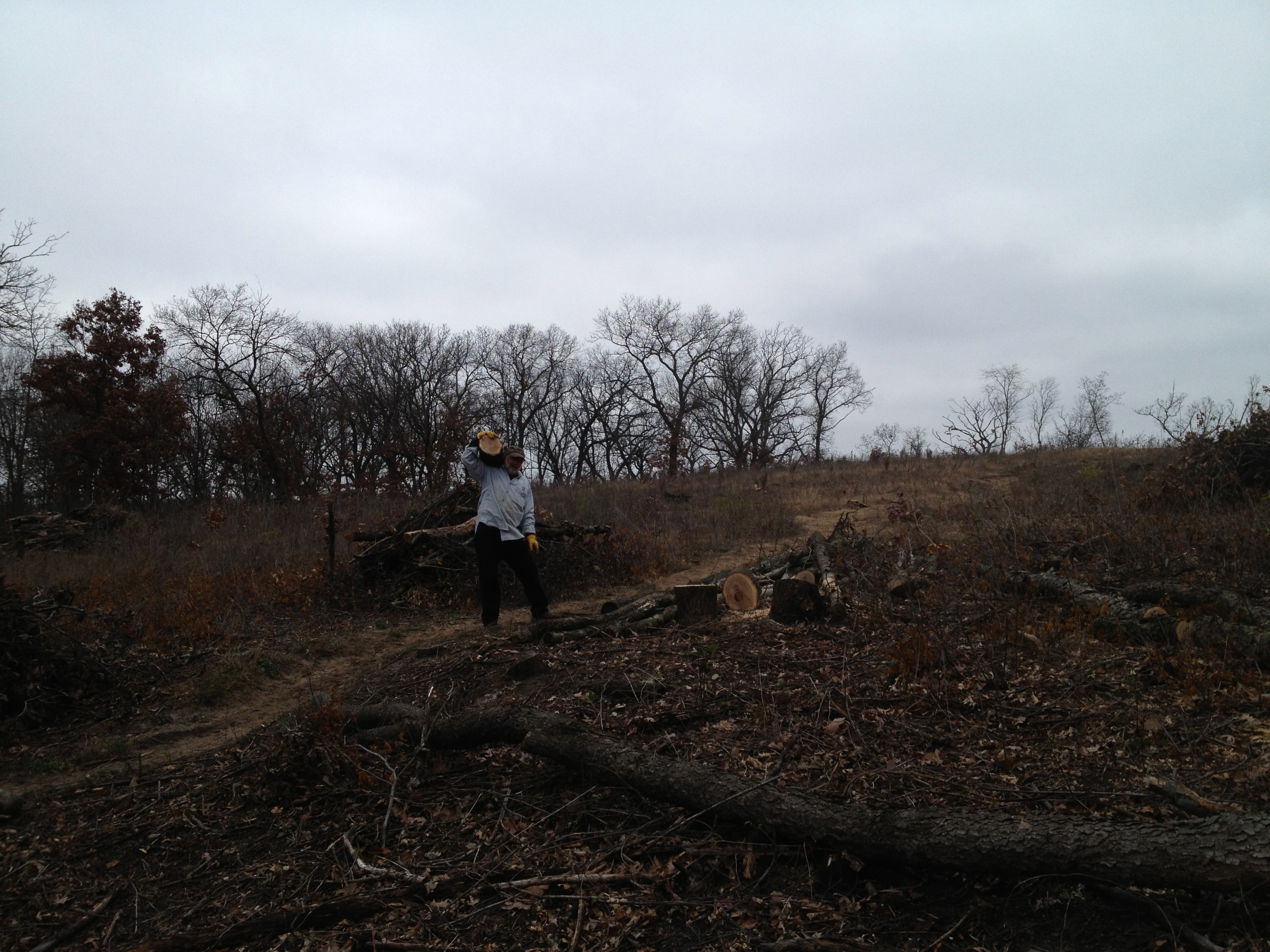
Randy and I used to work together at Northwestern Mutual.  He turns wood on his lathe and when he heard that there was some Red Oak, Cherry and Hickory available, he came out and got a truckload today.  I can’t wait to see some of his handiwork.  Here are a few shots of Randy and a short interview.

Randy Schilling Interview 20121108

Meanwhile, Rich and I worked on preparing brush piles by the Indian Springs.  On November 10th, some of my old friends from Northwestern Mutual (I retired last February) are coming out to help Lindsay and I pile so Rich and I organized the chaos by starting piles.  This will make the work go much easier on Saturday.

As we finished up this area, Randy joined us and we proceeded downstream a bit along the Indian Spring outflow channel and we made 10-12 piles amongst the Gray Willow, Buckthorn and other brush I recently cut there.  We had a lot of fun!

I gathered some Water Cress for my juicer.

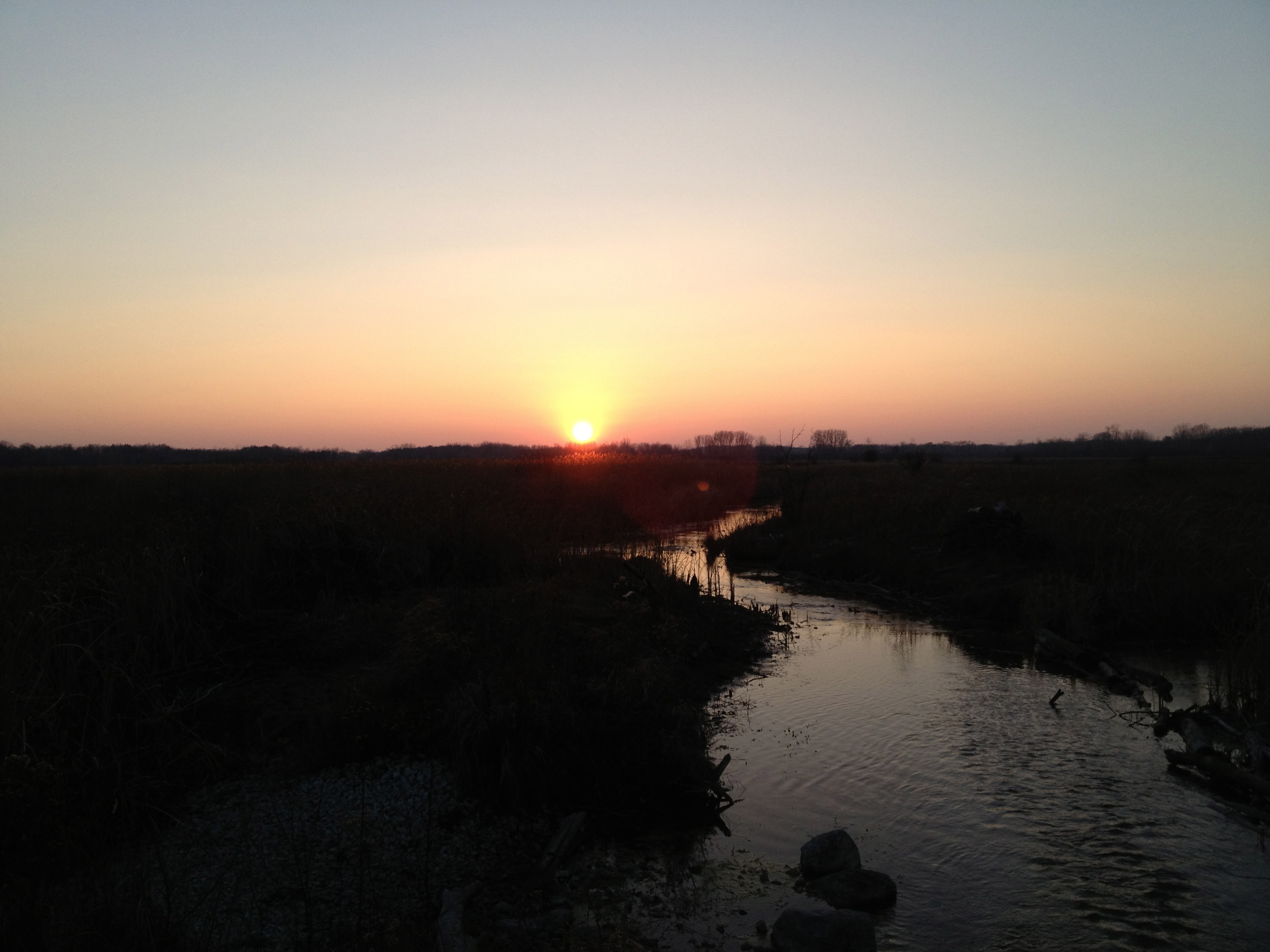
Sundown by the Marl Pit bridge.

Firewood, Wood for Artists and Water Cress

As Lindsay and I begin brush piling in earnest, we are reminded that there is a lot of wood at the Scuppernong Springs Nature Trail that would be better used to heat someone’s home, than simply consumed in a burning brush pile.  Lindsay burns wood to heat his home but there is no way he could use all the wood that is available.  So, I’m cautiously advertising here that there is excellent firewood available, mostly Black Locust, but some Red Oak as well.  Of course there is a ton of Buckthorn too, and I know people who have had success with this type of wood in their furnaces.

You will need to get a permit to collect firewood at the Scuppernong Springs Nature Trail from the DNR.   I have reviewed this with DNR Forester, Mike Seeger, and he was very supportive.  There is a DNR, two-track, access road that will take you very close to the wood sources.

Forest Headquarters
S91 W39091 Highway 59
Eagle, WI 53119
262-594-6200

I mentioned in a previous post that there is an excellent assortment of Red Oak, Hickory and Cherry trees that are ready for you to take home and “turn” into works of Art.  The trees range from 8″ to 16″ in diameter and 10′ to 30′ long and all side branches have been pruned.  The artist would probably want to cut the pieces to the length desired at the site and then haul them out with a wagon, or something, to where they could be picked up via the aforementioned DNR access road.  We have one interested person so far, but again, there is a lot of wood available.

Please contact me prior to getting any wood so I can meet you out there to review the situation.

We pulled a lot of Water Cress from the Scuppernong River this past Spring and Summer.  It is impossible to completely eliminate cress unless you take extreme measures, and the cress has returned in many places along the river.  When DNR Fish Biologist Ben Heussner visited the site he reminded us that some cress is OK, and the trout like it.  With that in mind, we are not going to try to completely remove the Water Cress from the Scuppernong River.  Instead, we’ll simply make sure that it does not impede the flow of the water, as it was prior to our recent efforts, and that it does start taking over any area.

There are many places between the Scuppernong Spring and the Hotel Spring where fresh patches of Water Cress have returned.  This is young, sweet cress that would go perfectly in your salad or juicer.  I encourage you to go out and harvest some Water Cress to help us keep it under control and for your own health benefits.  You might want to wear knee high rubber boots, but there is a lot of cress available along the edge of the river.  We have cleared a path through the cattail and phragmites along the river, that is pretty dry, to make it easy to follow its course.  Please help your selves to some Water Cress!

See you at the Springs!

Brush Piling by the Scuppernong Spring

Lindsay and I piled the brush that I cut back on October 21rst by the Scuppernong Spring today.  I added the Google Earth Map below to the Maps and Brochures page on this site.  The imagery is old, predating all of the cutting I did right along Hwy 67 some 9 years ago, but it is still useful.  Can you find the Scuppernong Spring?

Here are some before images.

We had lots of visitors today and got a chance to explain what we are doing and refer people to this site.  Just as our strength was giving out, Anne Sylvan arrived to help us finish the last piles.  Thanks Anne!

We made around 20 piles.  We’ll have to wait for an East wind and good snow cover to burn them.

Little Yellowstone

One of “the old boys” who used to manage the maintenance shop at the DNR headquarters in the South Kettle Moraine referred to the Scuppernong Springs as “The Little Yellowstone”.  I really liked that analogy.  We have our own mini old faithful right here in the Kettle Moraine.  See for yourself!

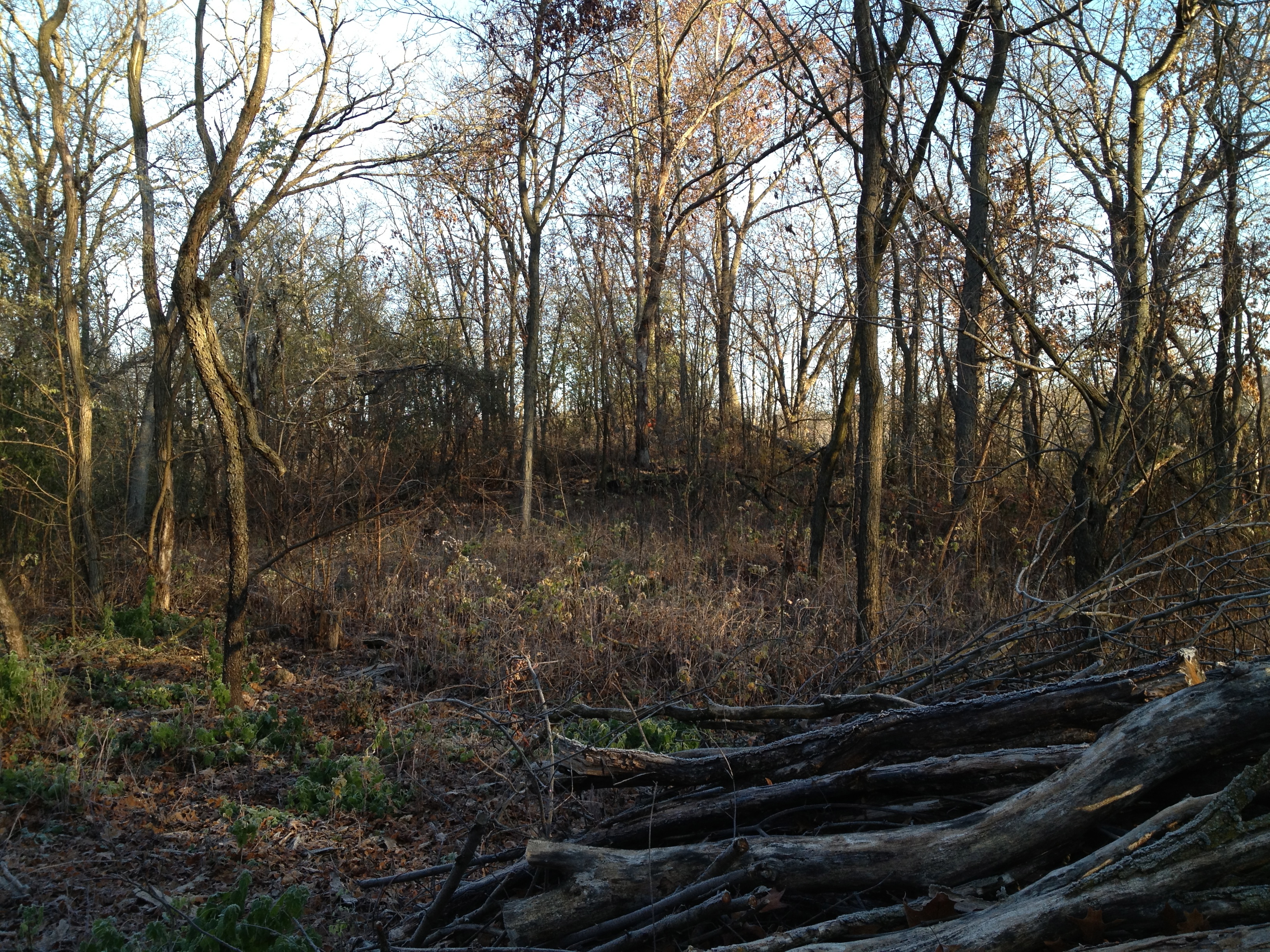
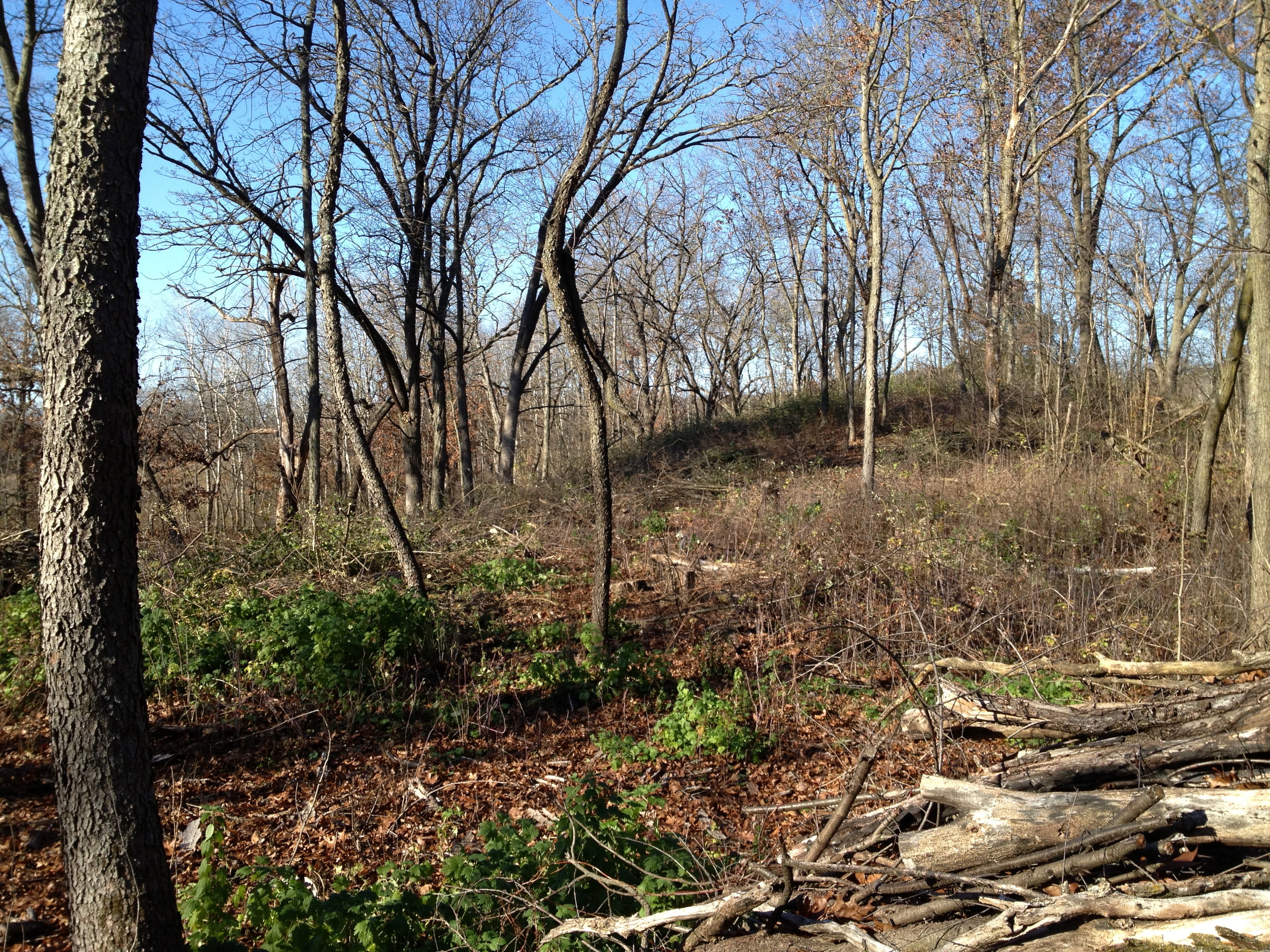
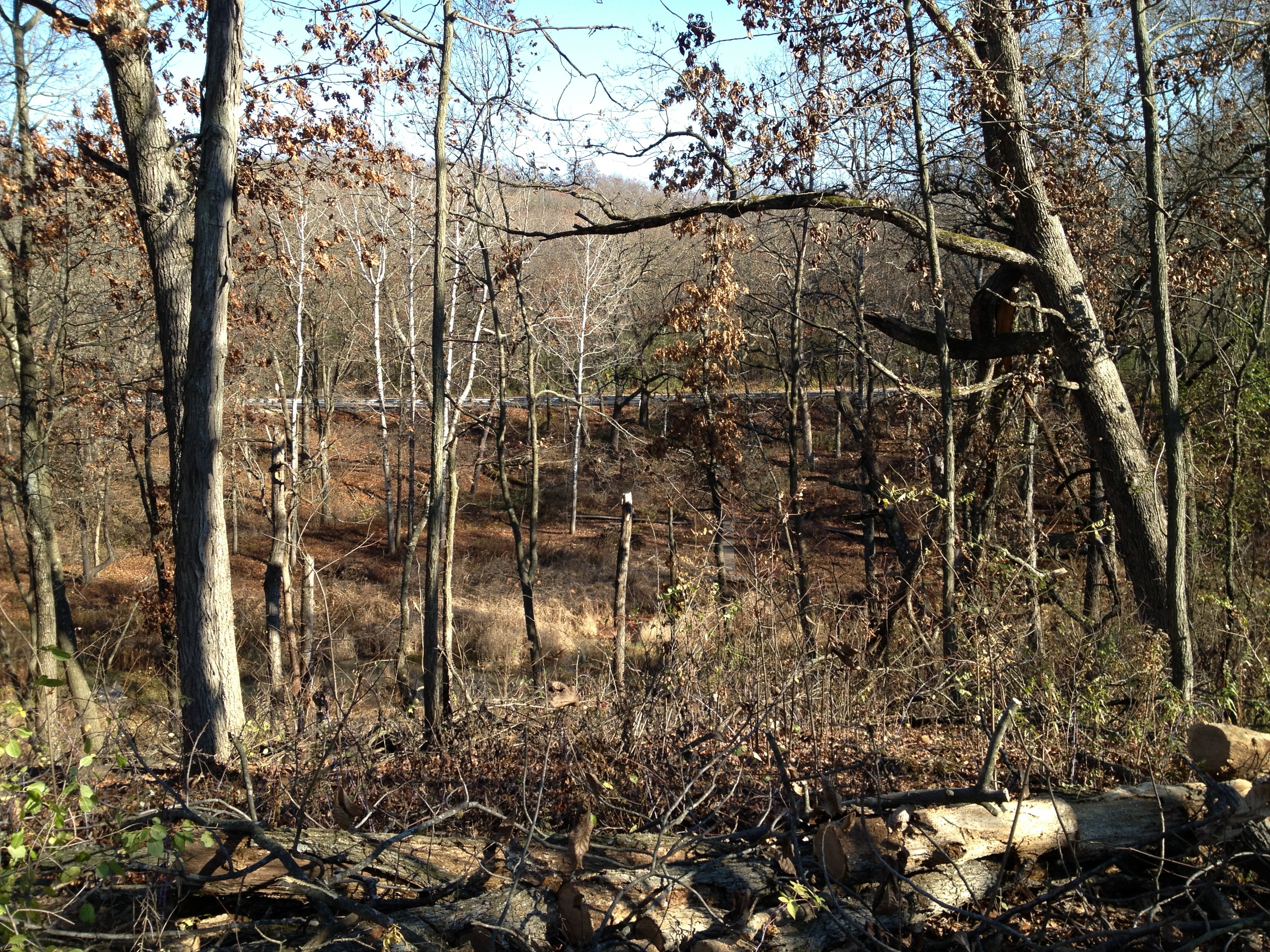
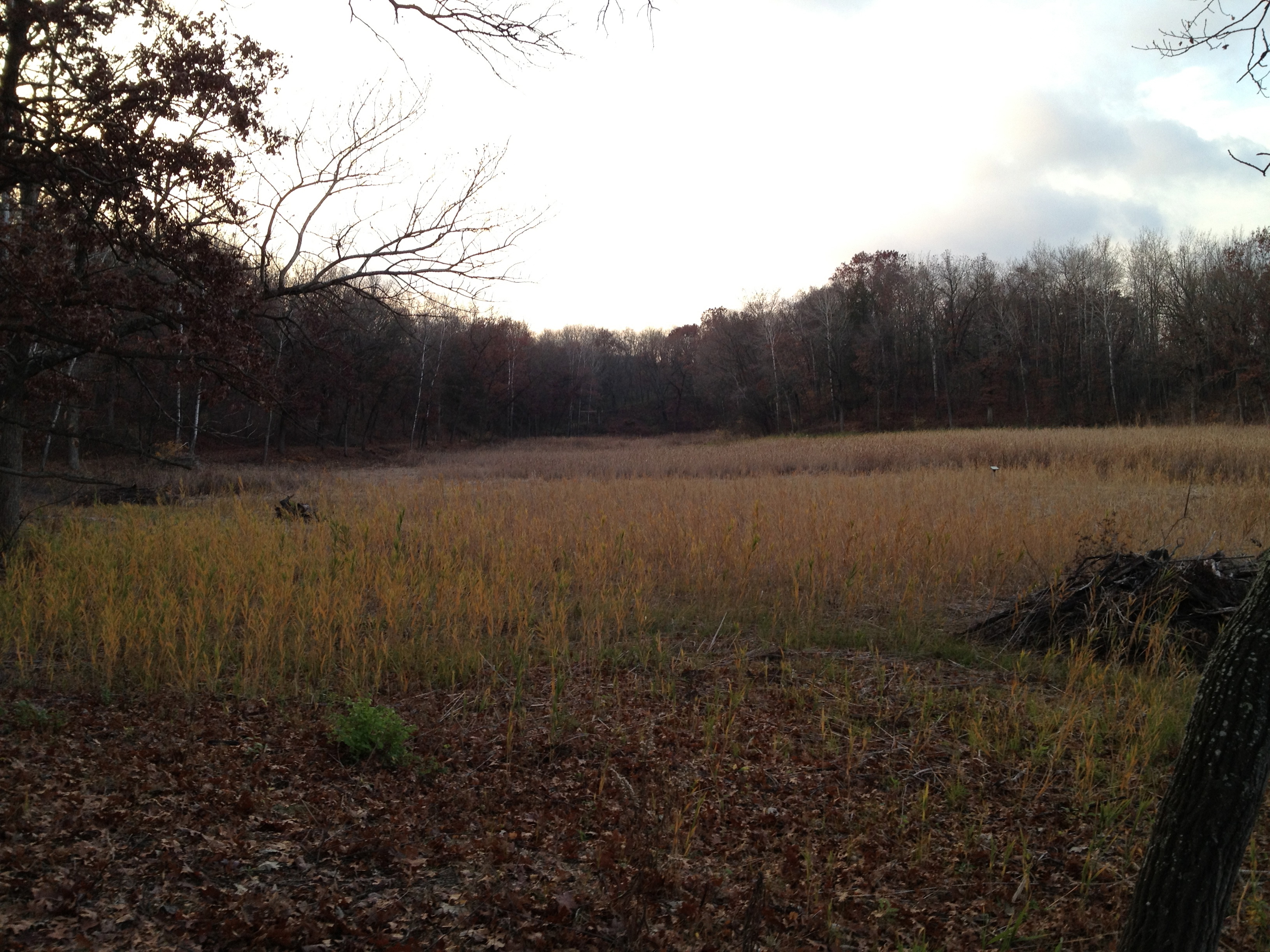
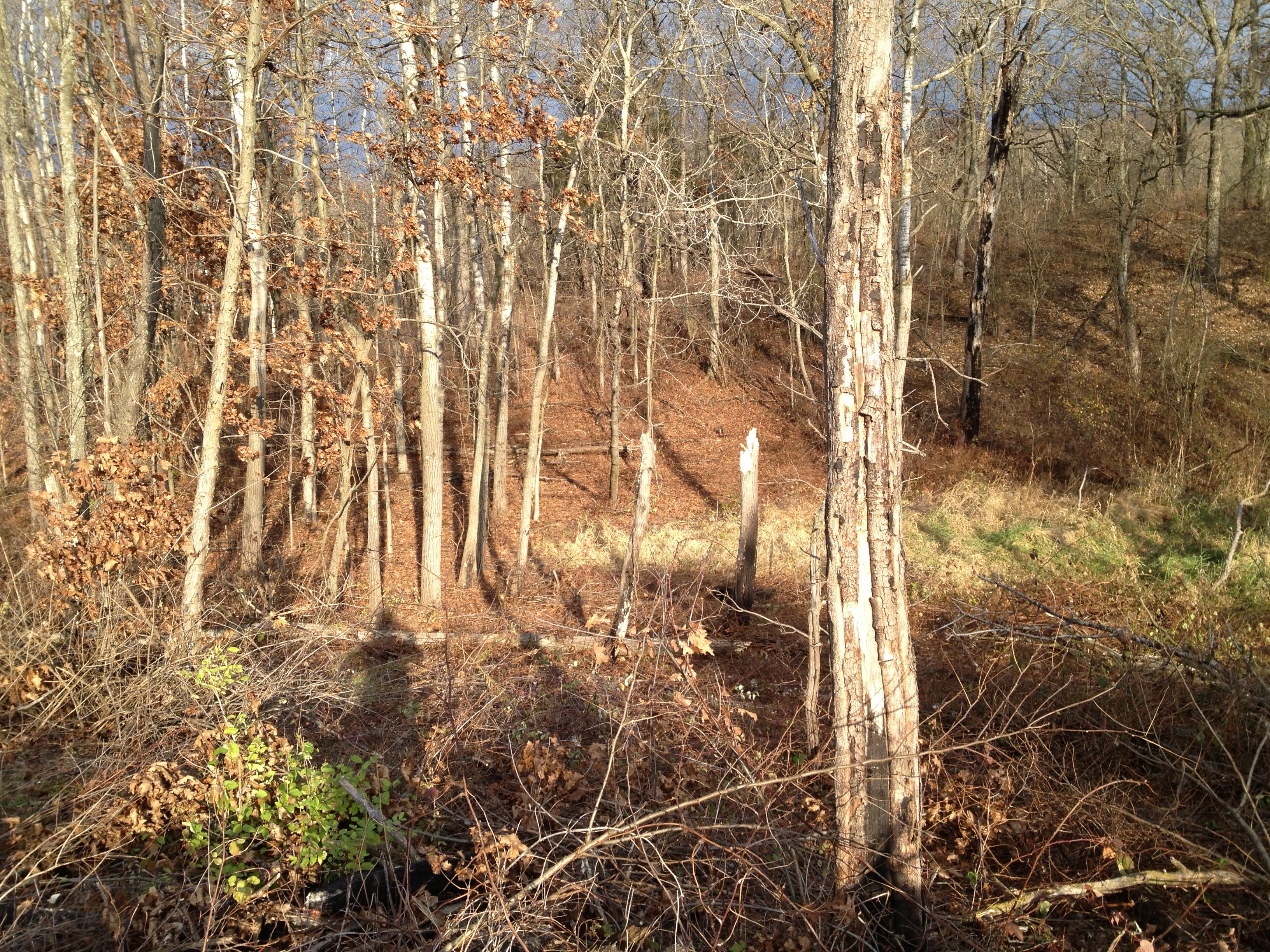
Yesterday I worked on a little bowl, a seasonally wet area, situated between the hilltop I worked at last weekend and the Indian Campground/Sand Prairie.  Take a look at the before scenery.

And the view from where I parked my wheel barrel loaded with gear.

I must confess, I had a hard time deciding where to start.   I used a brush cutter first and was careful to spray all of the Black Locust saplings with TransLine.  There was a thicket of wild raspberry or blackberry 6′ tall and a lot of Buckthorn and Aspen saplings as well.  I’m planning to use a foliar spray next Spring to attack the resprouts when they first come up.

Here is how it looked at the end of the day.

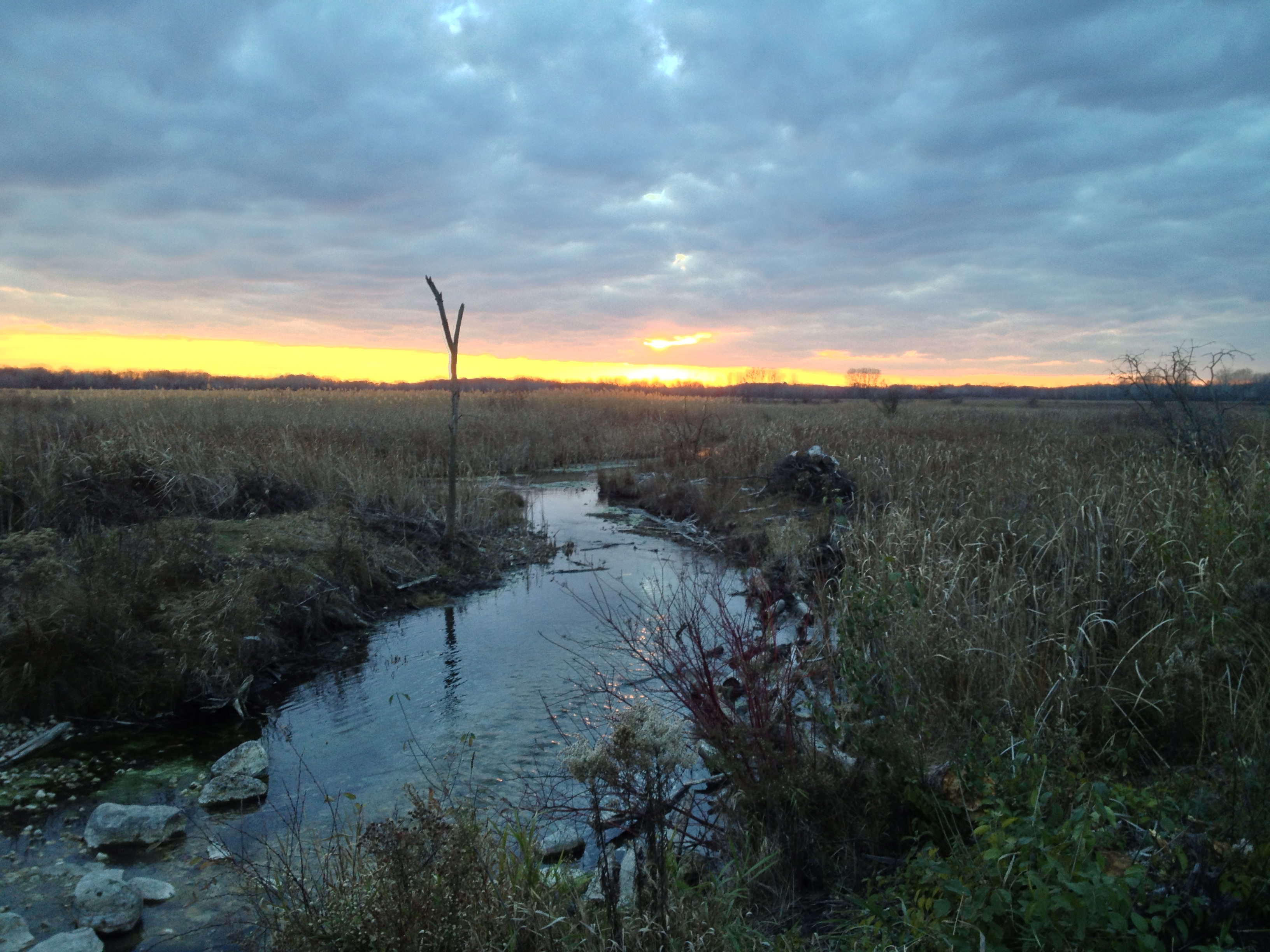
There is a lot of piling to do and that is going to be our focus for the next month or so.  Check out the nice sunset.

Morning Has Broken

Don’t tell anyone, I still have my Cat Stevens records.

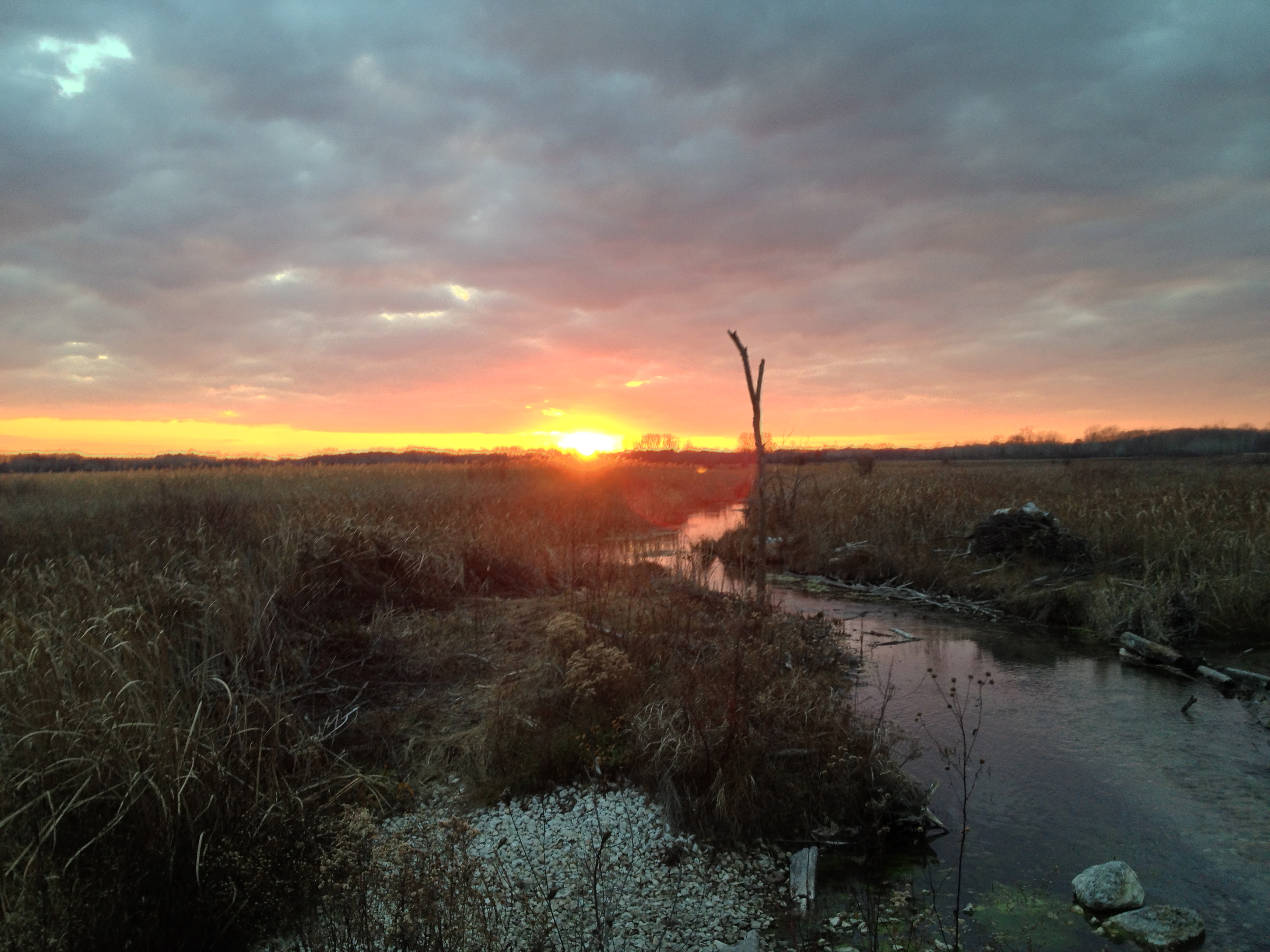
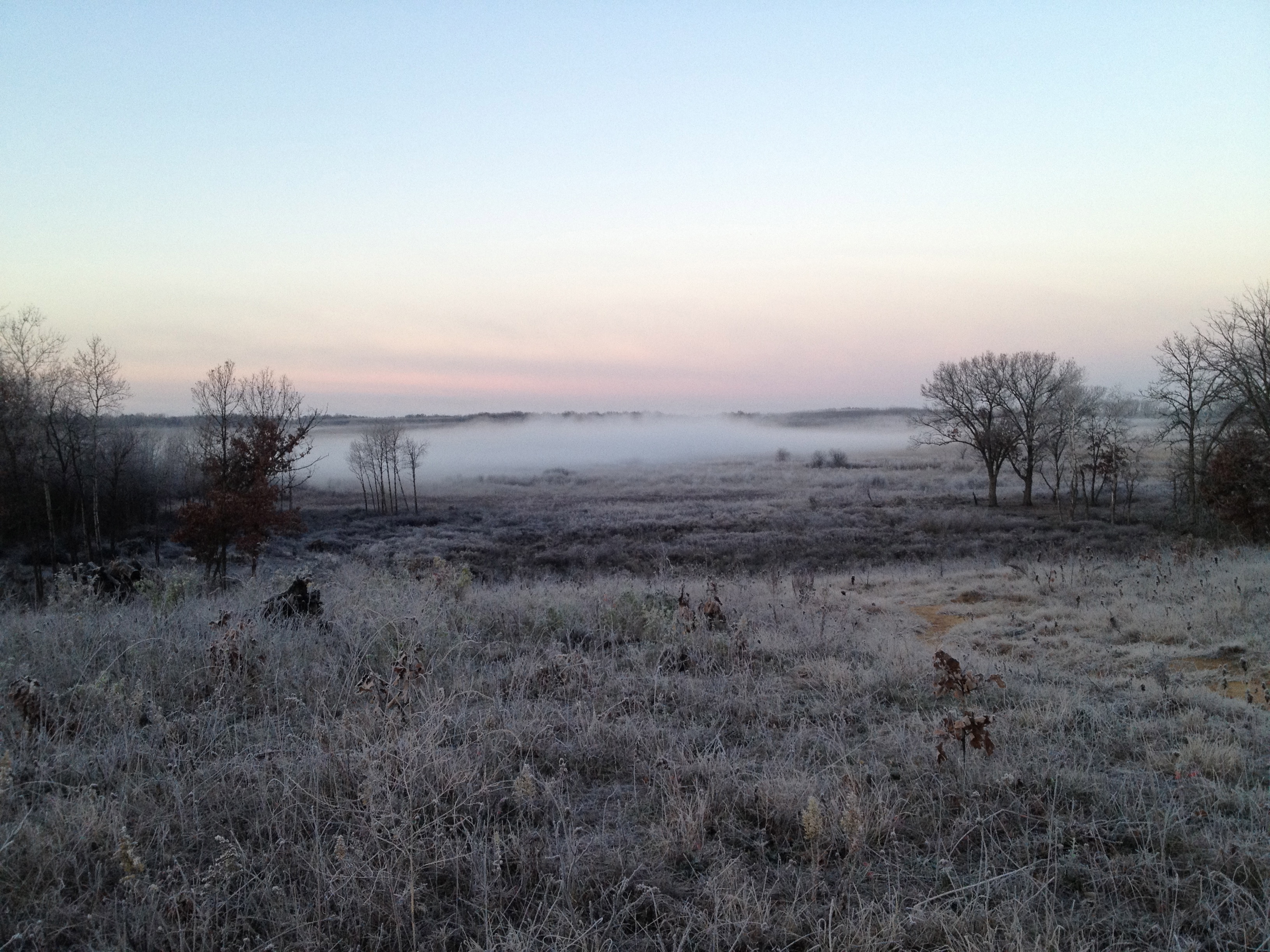
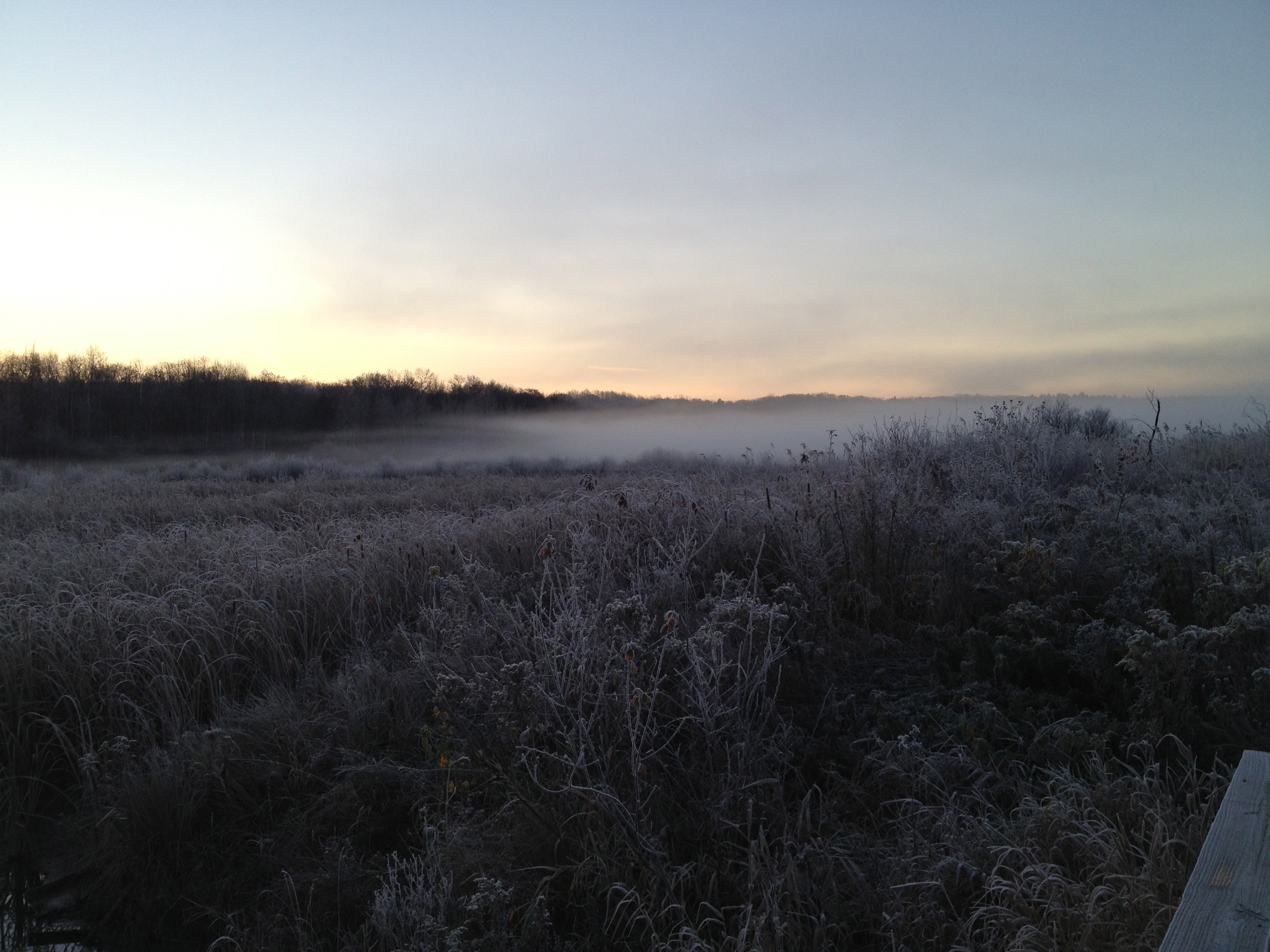
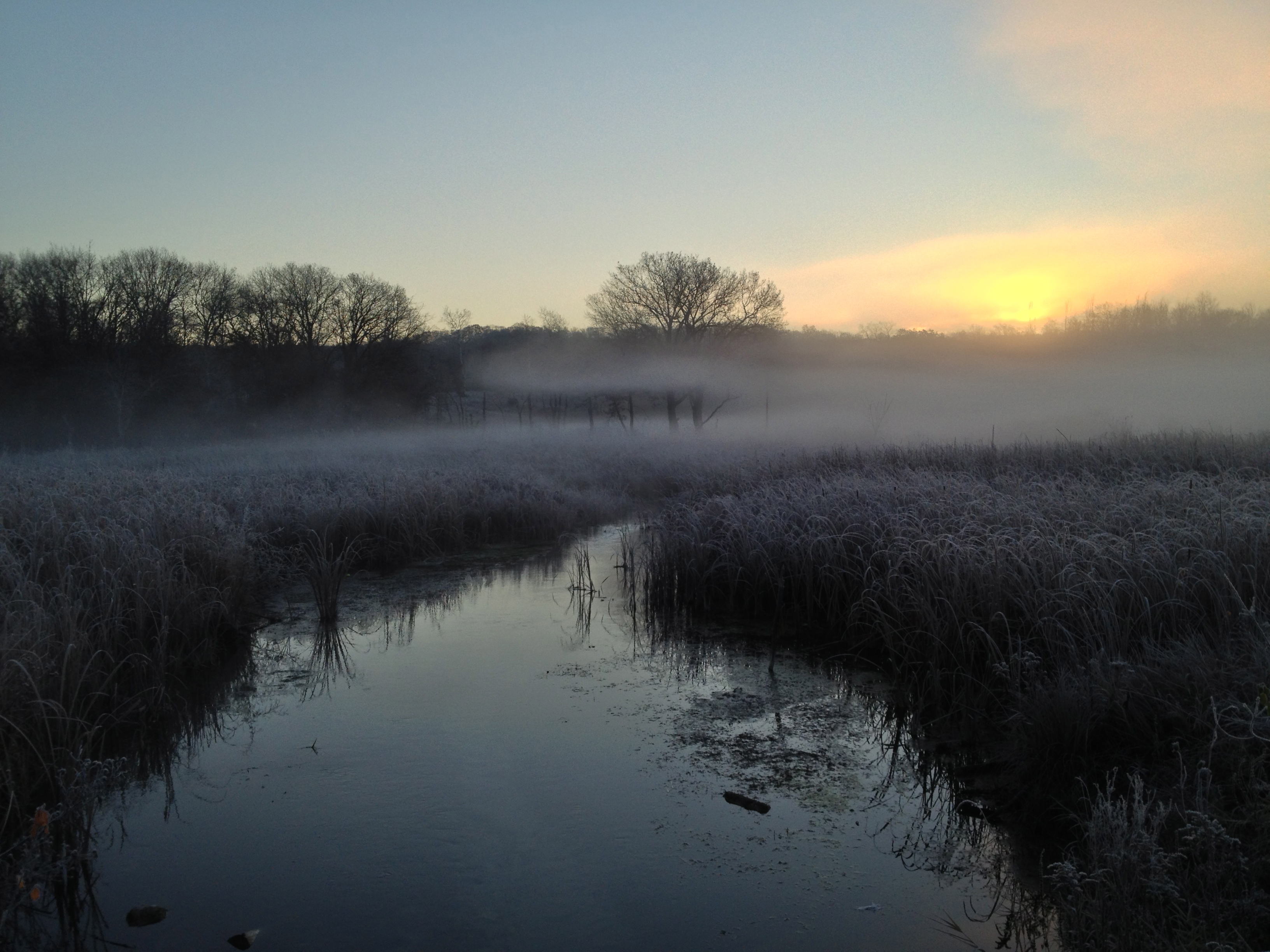
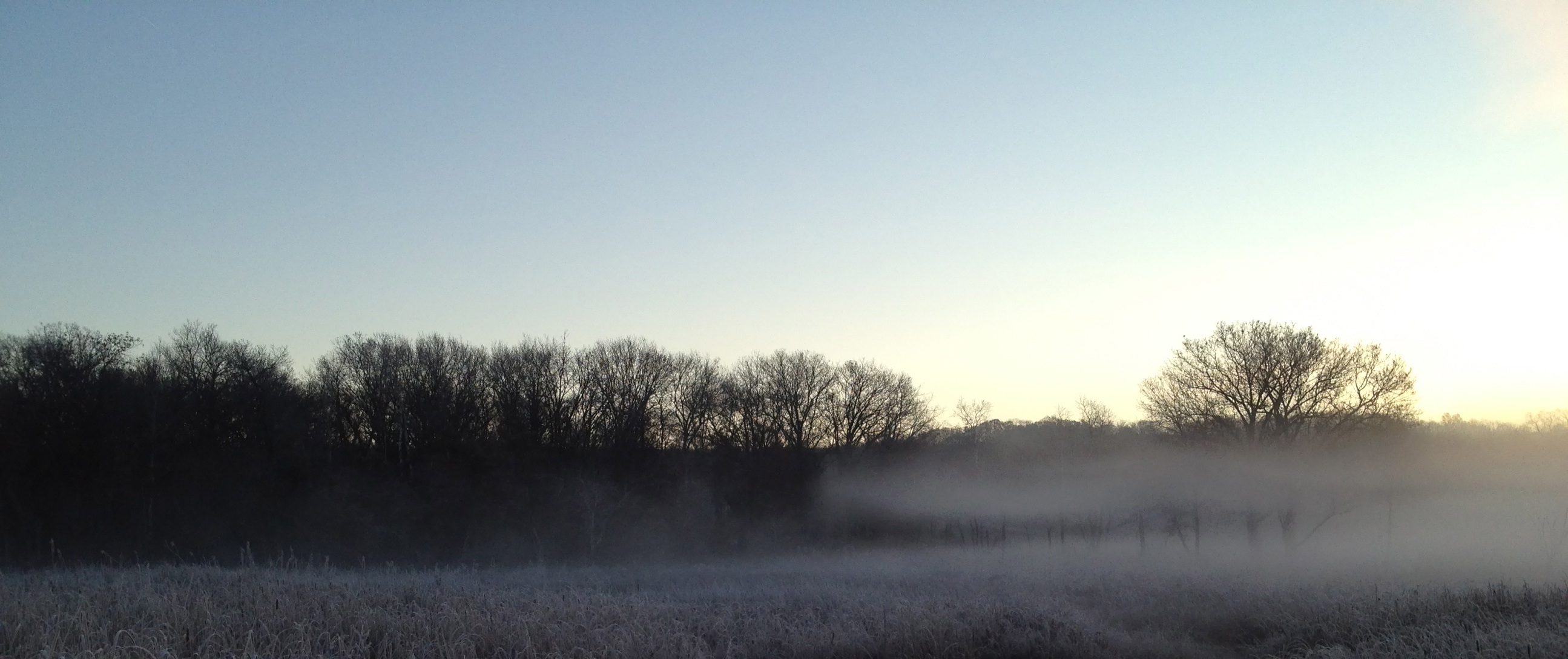
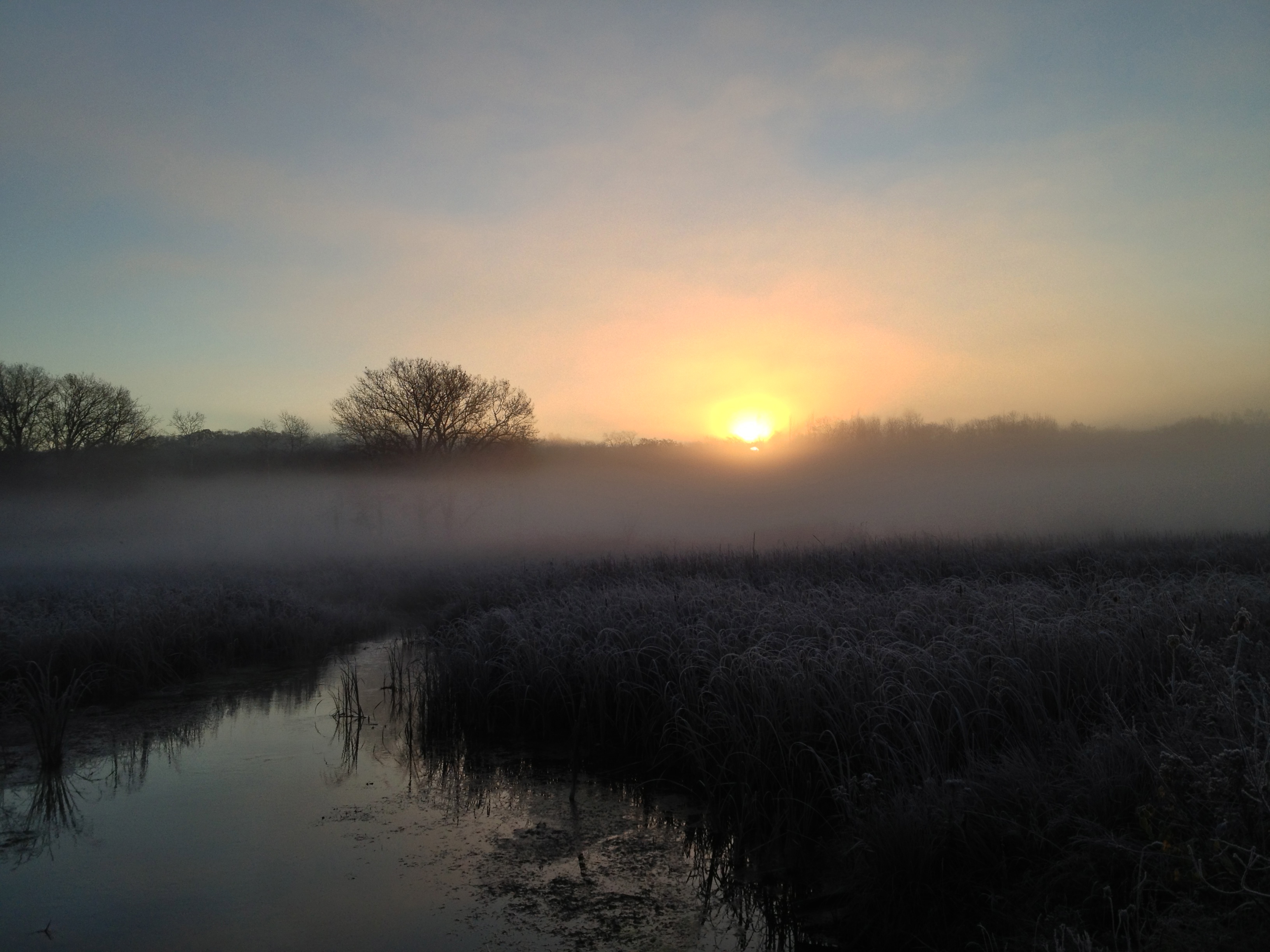
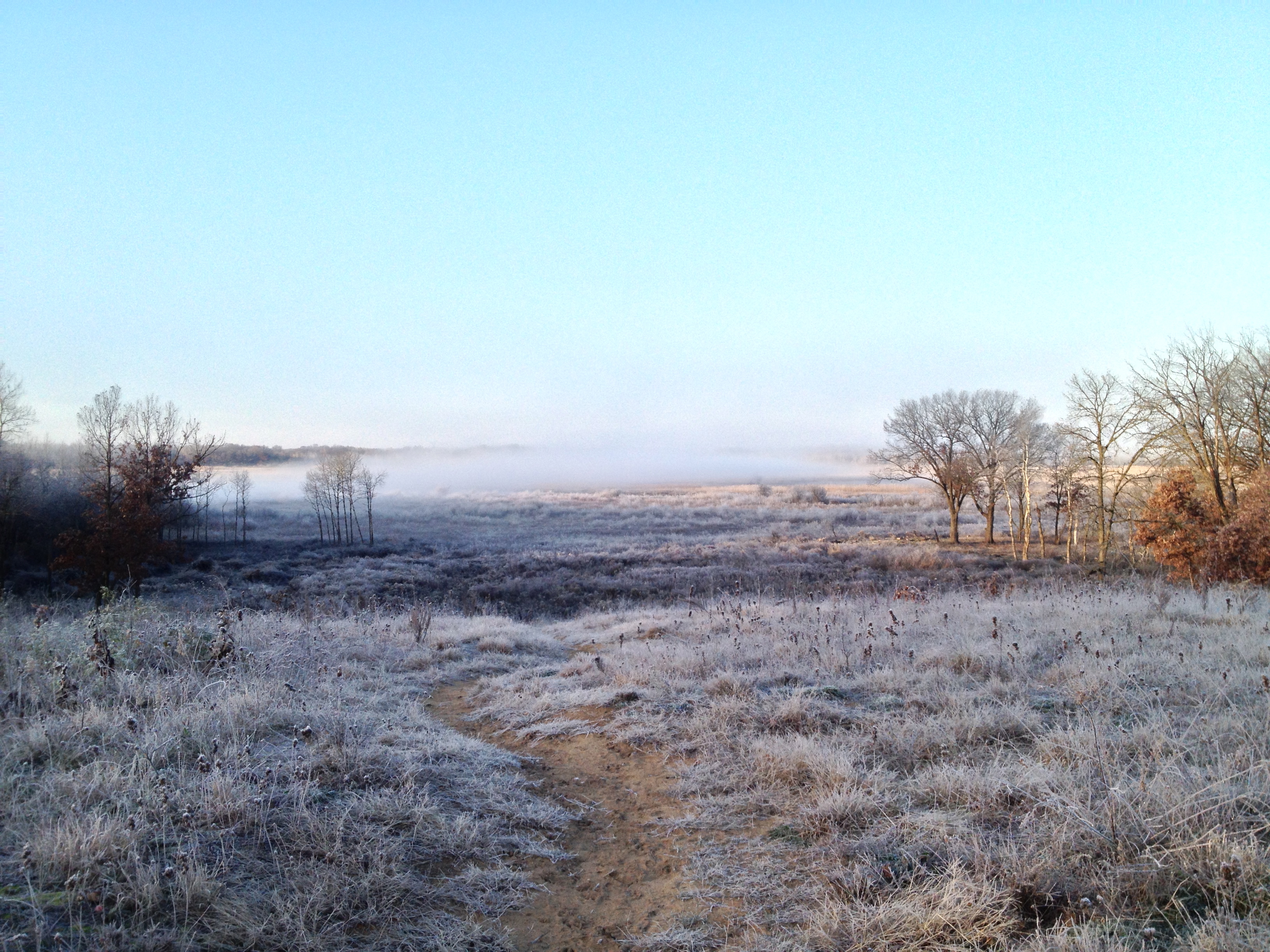
The Springs were beautiful this morning.

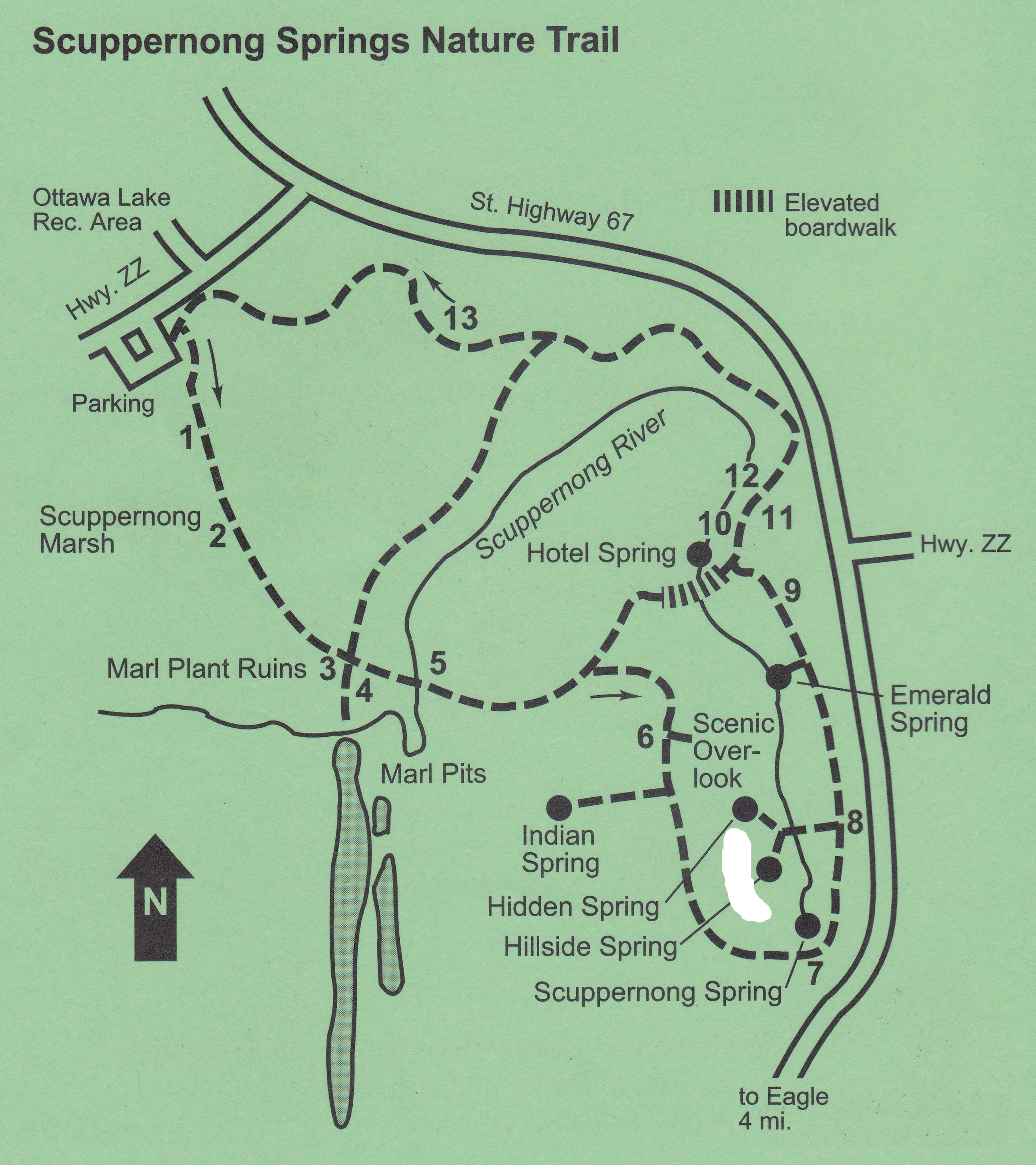
There is a very nice sand dune hilltop just West of the Hillside Spring covered with some large Oak, Hickory and Cherry trees.  The last time we worked Lindsay pointed out how cool this hilltop would look, especially a prominently featured huge Red Oak, if we cleared the brush and I took up his suggestion today.  The area in question is marked in white on the map below.

After enjoying the beautiful sunrise, I whacked some Buckthorn and Black Locust to highlight this prominent sand dune hilltop.  We are going to cut as much as we can until November and then focus on piling everything to prepare for burning this Winter (if we get some snow!).  Here are some before shots taken from the top of the hill.

And looking up at the hilltop from the trail.

And after…  the next two shots are looking up at the hilltop from the trail.

And views from the hilltop.

Thanks again to the Kettle Moraine History Association for covering all of our equipment expenses!
River Views

Dave Hoffman completed the grant request to get a slice of the North American Wetlands Conservation Act pie for the Scuppernong River Habitat Area restoration effort.  We’ll find out in March 2013.  The volunteer hours we are putting in at the Springs would be used to help provide the matching funds required for the grant.  Thanks Dave!

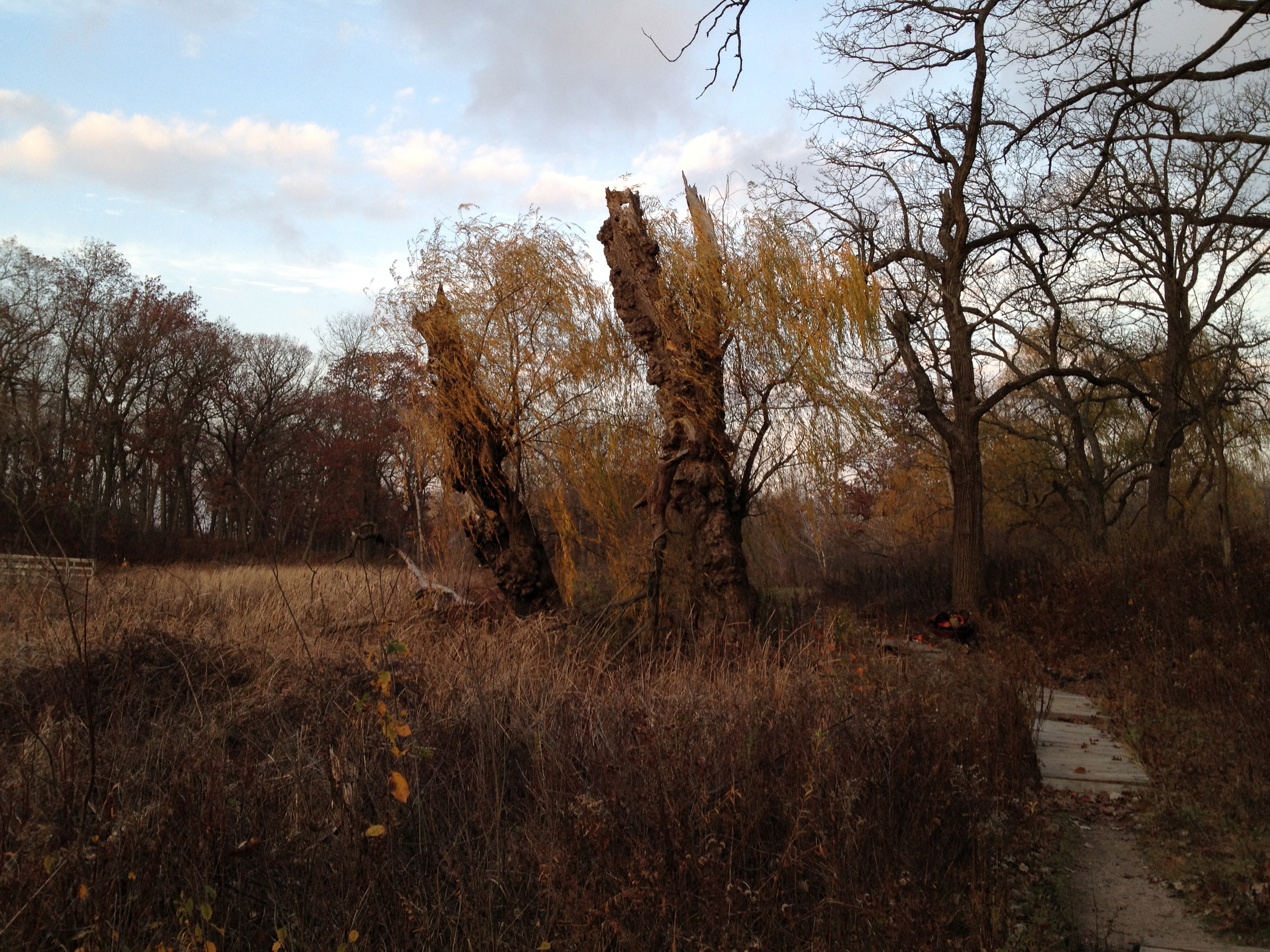
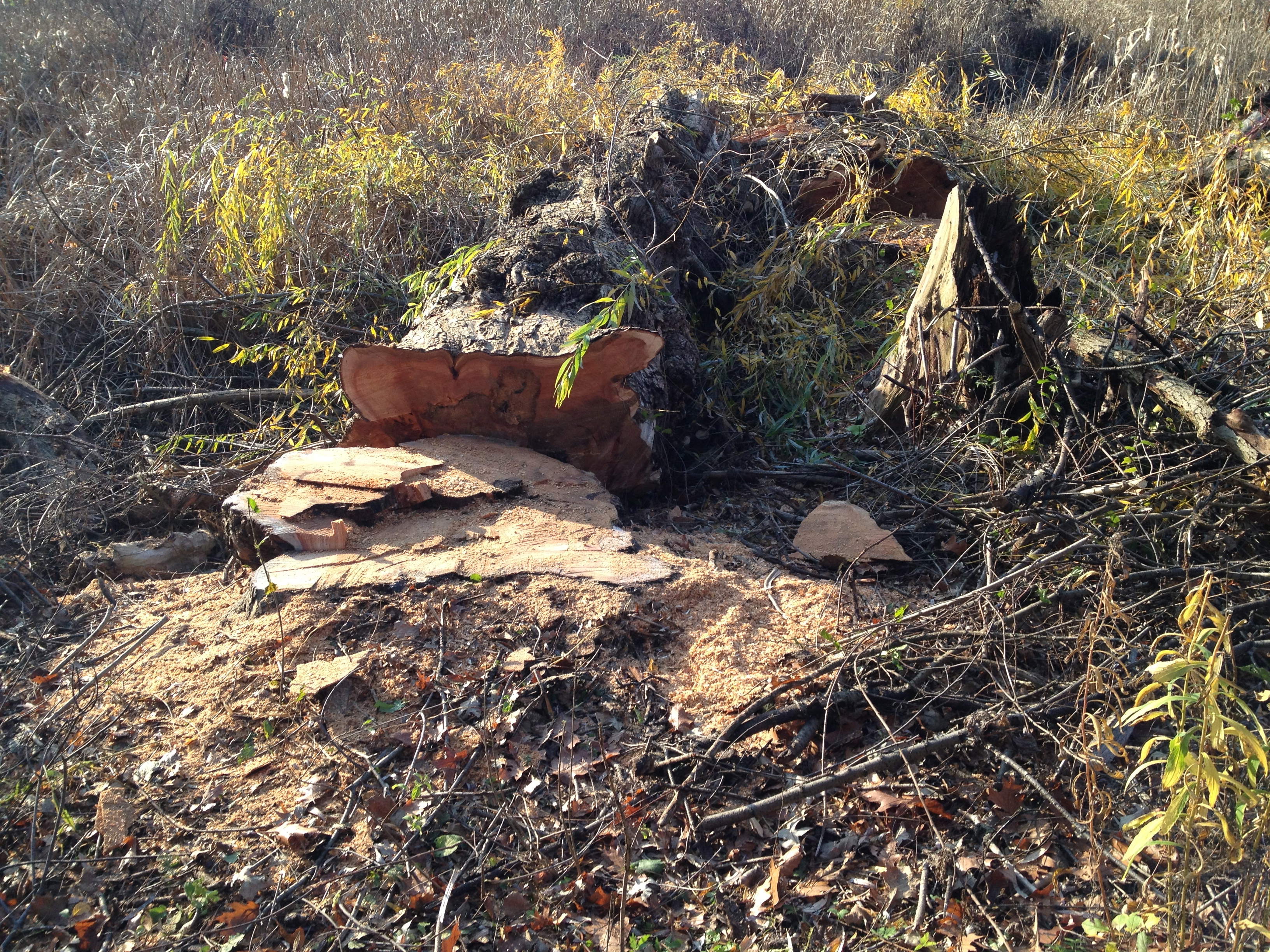
Lindsay and I ignored the threat of rain today and had some fun by the River.  The first thing I worked on was taking down these two huge Willows by the Hotel Spring.

I had to get a 25″ bar for my chainsaw to attack these monsters.

Meanwhile, Lindsay mowed the Phragmites by the Emerald Spring that had regrown since we cut it back in July.  We are hoping this will make the plants more vulnerable to die off this Winter.

After I finished the two Willows, I went down by the Scuppernong Spring to finish cutting some buckthorn that I was not able to get to on the 21rst.

Lindsay proceeded to clear some Willow shrubs between the Emerald and Hotel Springs.

And I cut a huge patch of Phragmites on the West side of the River (you can see it in the center of the picture below).

The rain held off all day and we had a great time!

Buckthorn Cut At The Scuppernong Spring

The Scuppernong Spring is where the Scuppernong River starts.  It is set in a bowl near the base of a long moraine.  There are huge Red and White Oak and Hickory and Cherry trees along the slopes.  Approximately 9 years ago I cut the Buckthorn along this slope from Hotel Spring, South, almost all the way to the Scuppernong Spring and yesterday I resumed this effort on the slopes around the Scuppernong Spring.    Pati came out later to help pile brush and bring my camera/phone, which I had forgotten. So, no before pictures this time.   There are still a few trees to cut and lots of piling to do.  Below is a map with the work area marked in white and some pictures taken after the cutting was done.  In case you were not aware, you can click on any of the images below to see the picture in full size.

Scuppernong River Walk

One of our favorite stretches of the Scuppernong Springs Nature Trail is along the River from the Scuppernong Springs to the Hotel Springs.  To the East is a steep slope covered by Oak Savannah.  To the West the views of the River and Wetlands were obstructed by a lot of brush including Buckthorn, Honeysuckle, Willow, Aspen and the witch’s brooms from charred stumps of Cherry and Red Oak.  The area in question is marked in white on the map below.

On Wednesday, October 17th I spent the day working in area between signposts #7 and #8 above.  Here are some before pictures.

After a little effort with a brush cutter and chain saw…

I still had a little energy left so I put on my chest waders and grabbed my shovel.  There were a couple of places by the Emerald Spring, where the observation deck is, where the River was spilling over its banks.  On his last visit with us, Ron Kurowski suggested we get some bio-logs from the DNR to shore up the banks and keep the River in a narrower channel.  I contacted Ben Heussner and found out there were no more bio-logs at the moment, so I decided to just try a low tech solution for now.  Here are some views of the areas in question before I started and after.

And two blisters later…

On Thursday, October 18th, Lindsay joined me and we worked on the area just North of where I had left off on the 17th and made it all the way up to the boardwalk leading to the Emerald Spring.  In addition to the brush mentioned earlier, we cut a huge patch of Phragmites.  Here are some before shots.

And after…

Here is a view of the work area from the bridge over the Scuppernong River down by the Hotel Springs.

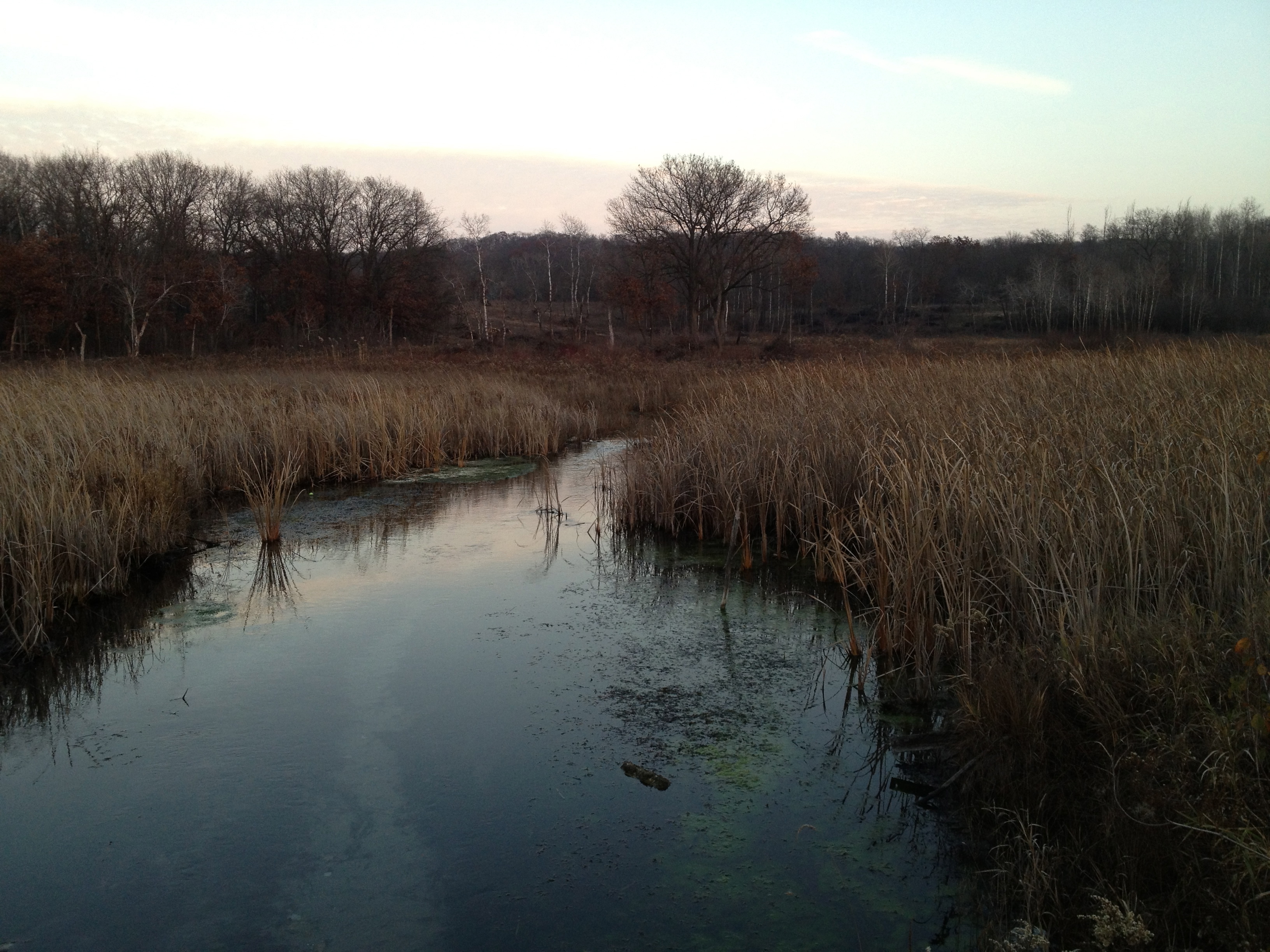
We still have some brush piling to do but the views into the Wetlands along the River are much improved.