I’m celebrating! Its been 2 years since I returned to the The Springs and 2 years since I had surgery to remove the cancerous tumor from my neck. So much has changed since then in both me and The Springs; I got healthy, retired and discovered philosophy, and The Springs got some tender loving care including a good cleaning.
One of the most exciting things we did last year was to uncover springs that were totally obscured by watercress, phragmites, cattails, buckthorn, and other brush.
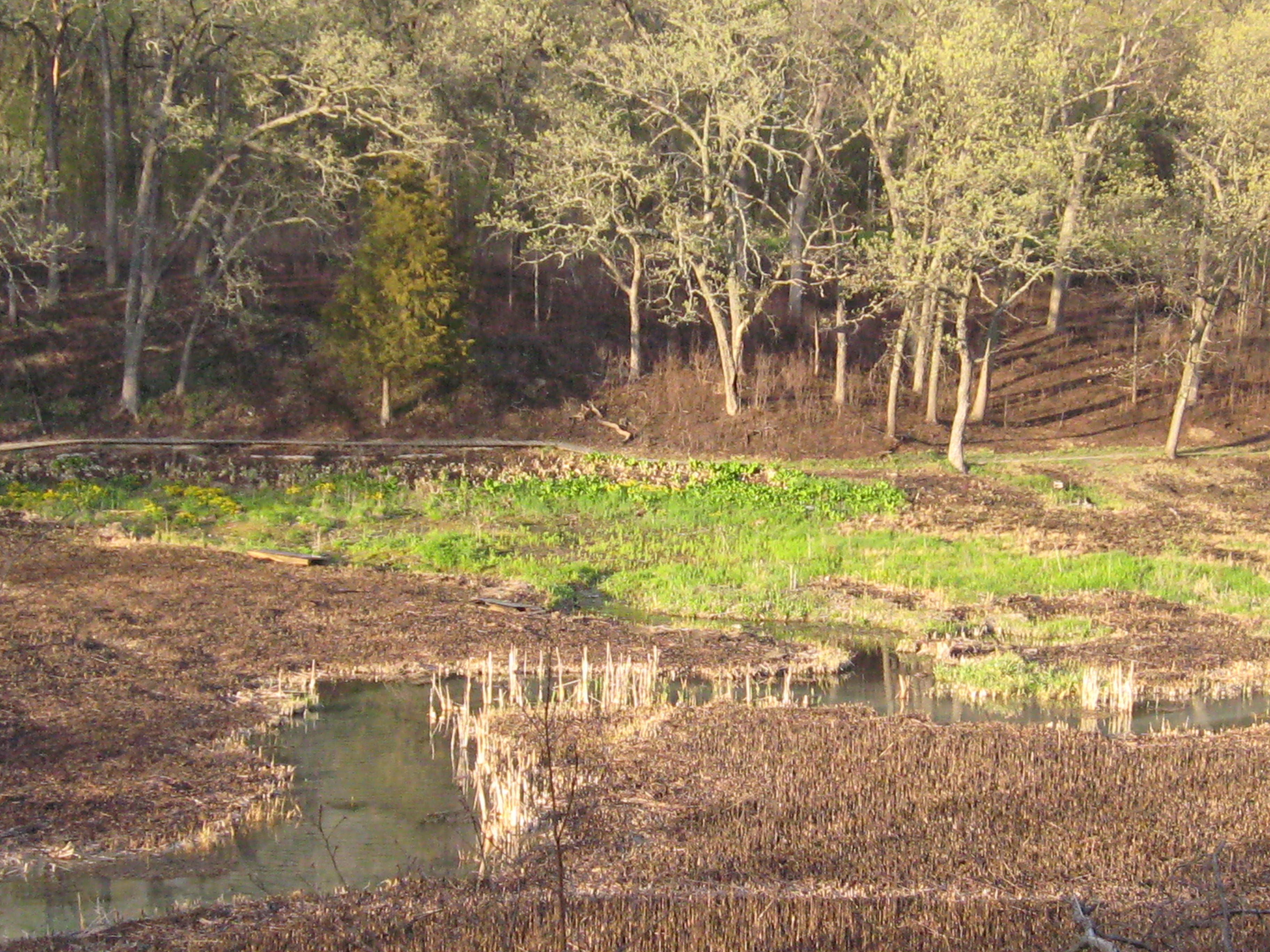
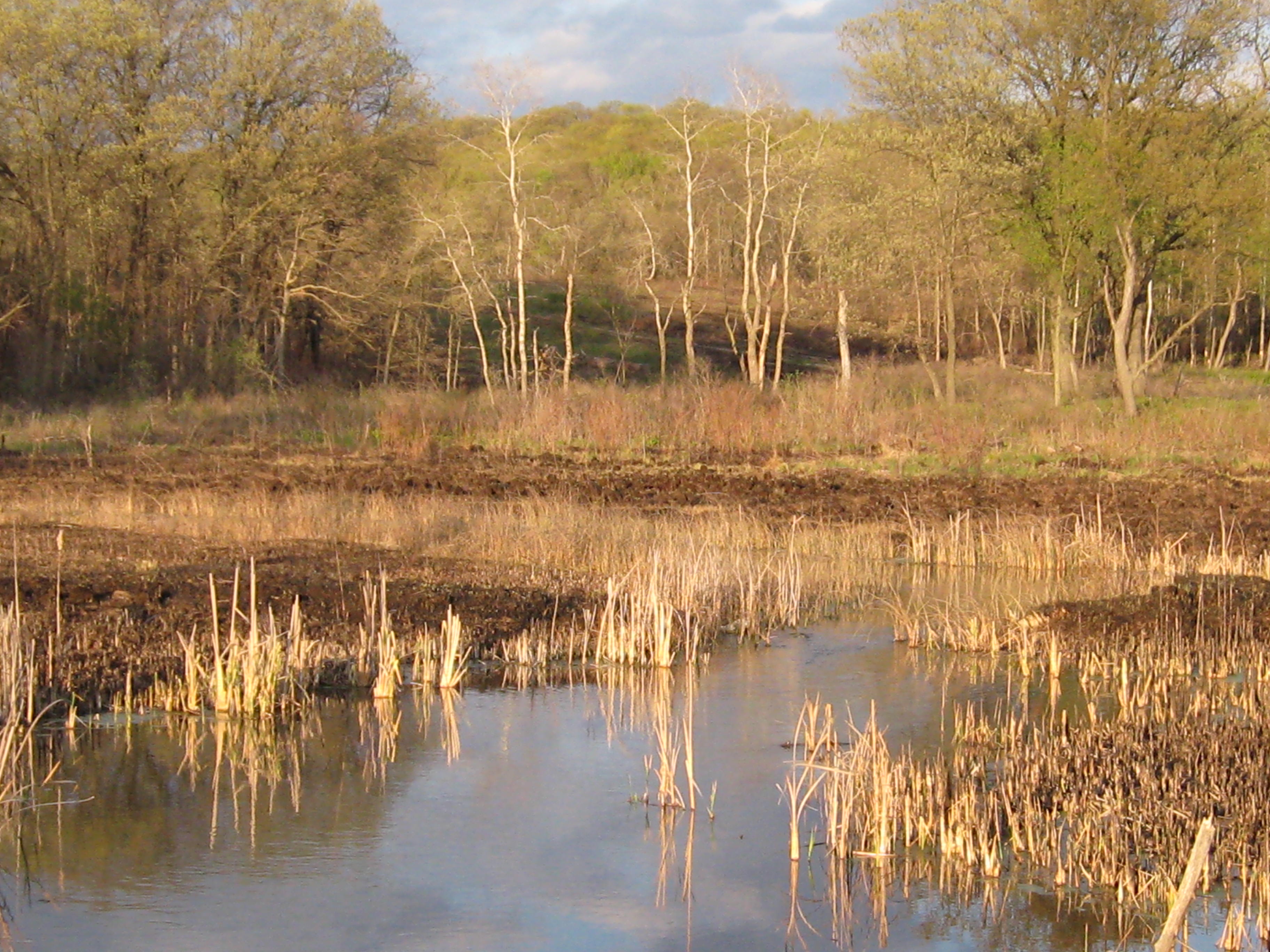
We began the cleanup focused on removing the watercress that was damming the river, without consulting the map above, so it was one surprise after another as we “discovered” the two sets of Hillside Springs, The Hidden Spring and the Hatching House Springs. Yesterday, the morning light was just right and I paid respect to The Hidden Springs.
The views from the steps above the springs.
There are some nice bubblers here.
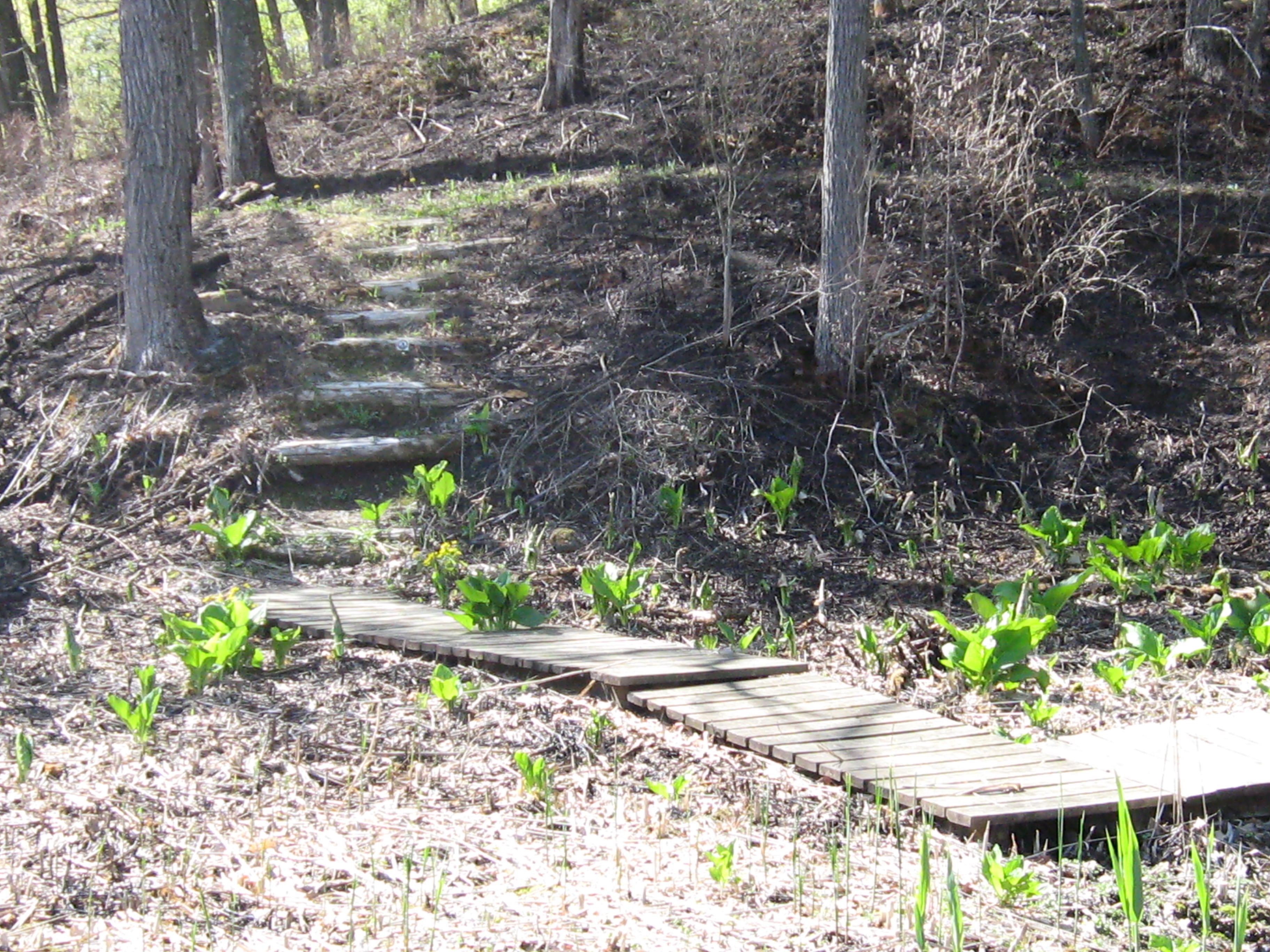
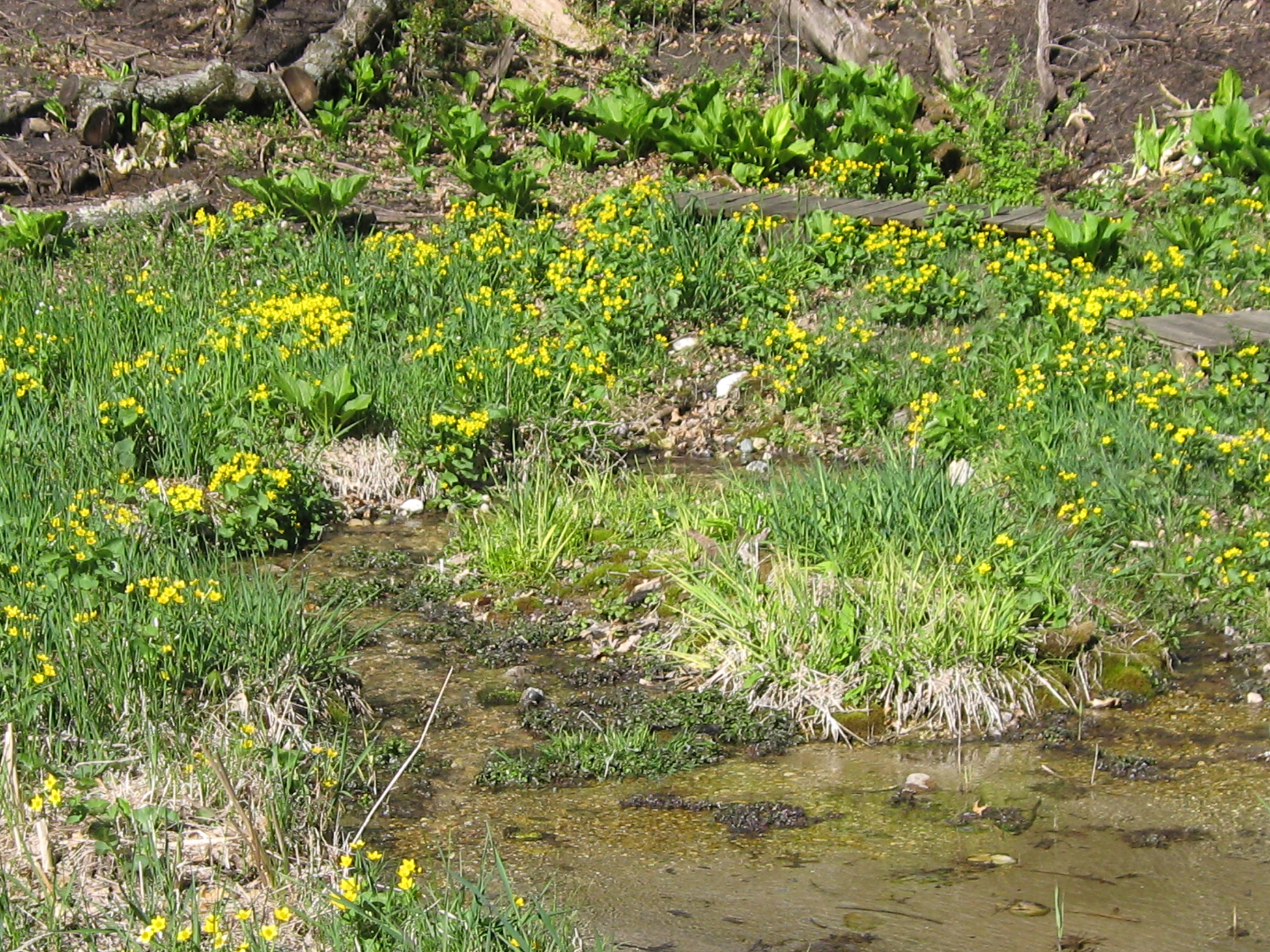
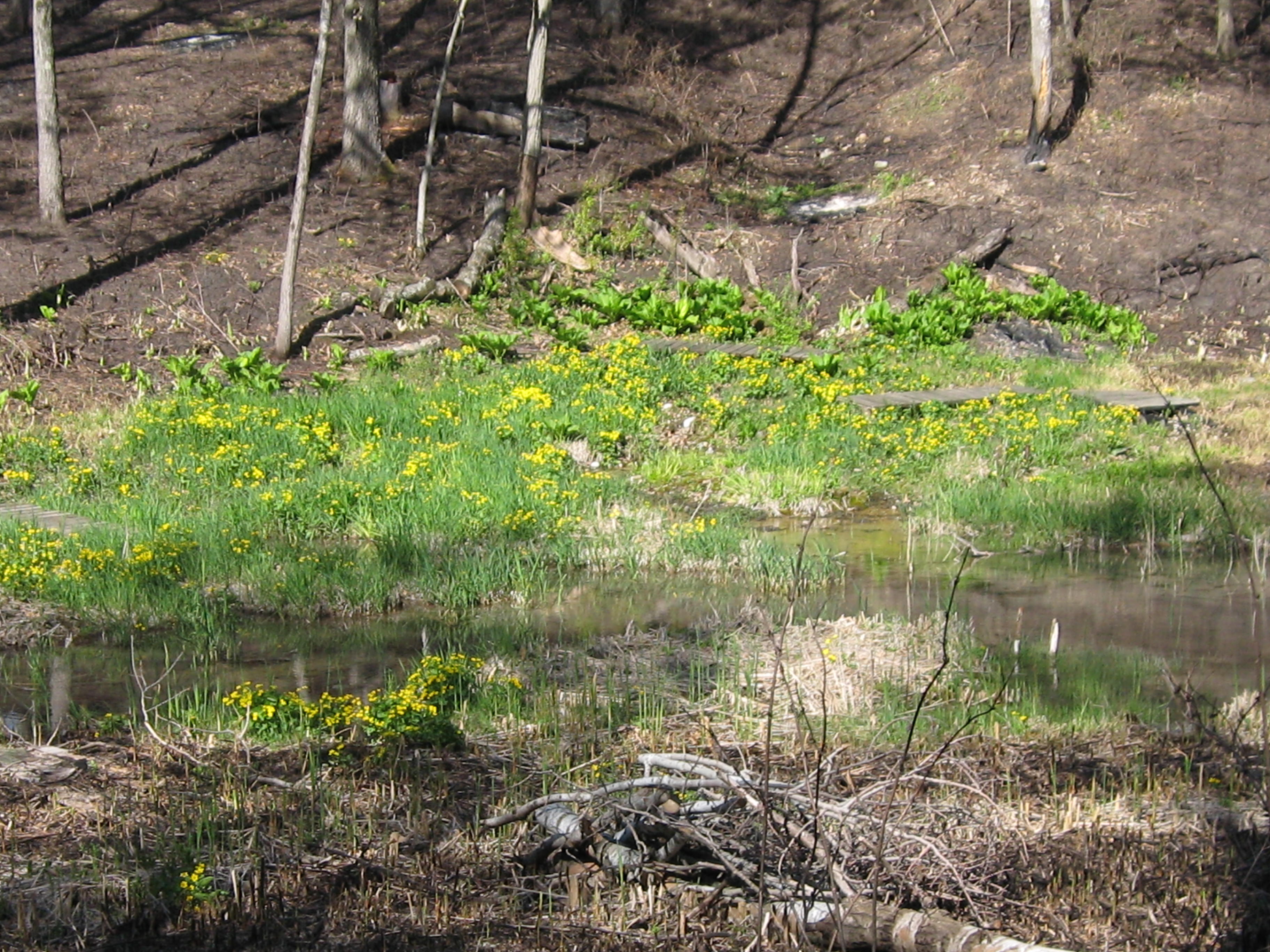
Marsh marigolds and skunk cabbage frame the springs.
In discovering philosophy, I found my own hidden spring; a spring for my soul. One of the very simple ideas I’m contemplating is from The Yogatattva Upanishad that I found extracted in C. W. Leadbeater’s book The Chakras:
What a beautiful way to visualize the body and breath in harmony with nature!
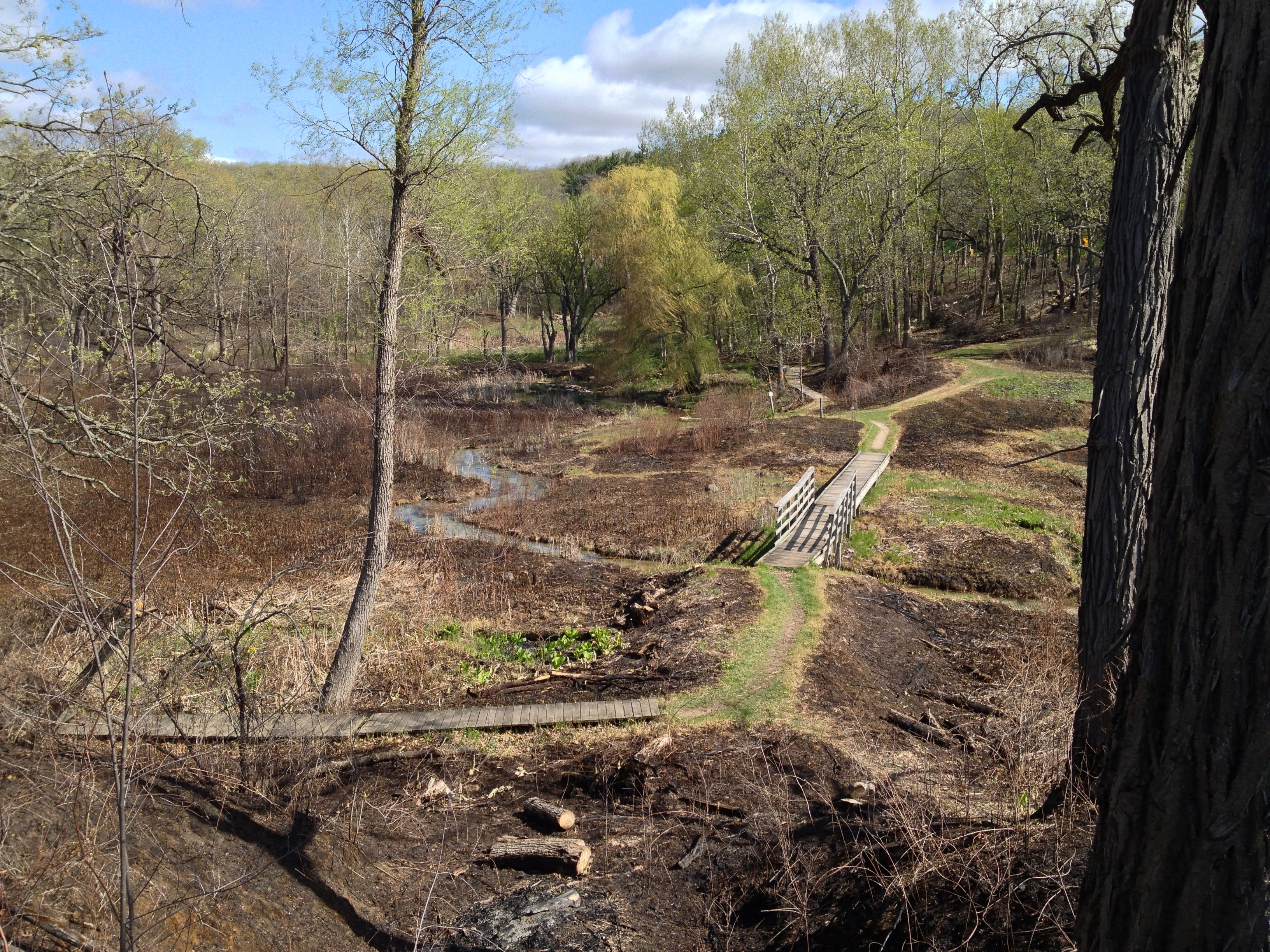
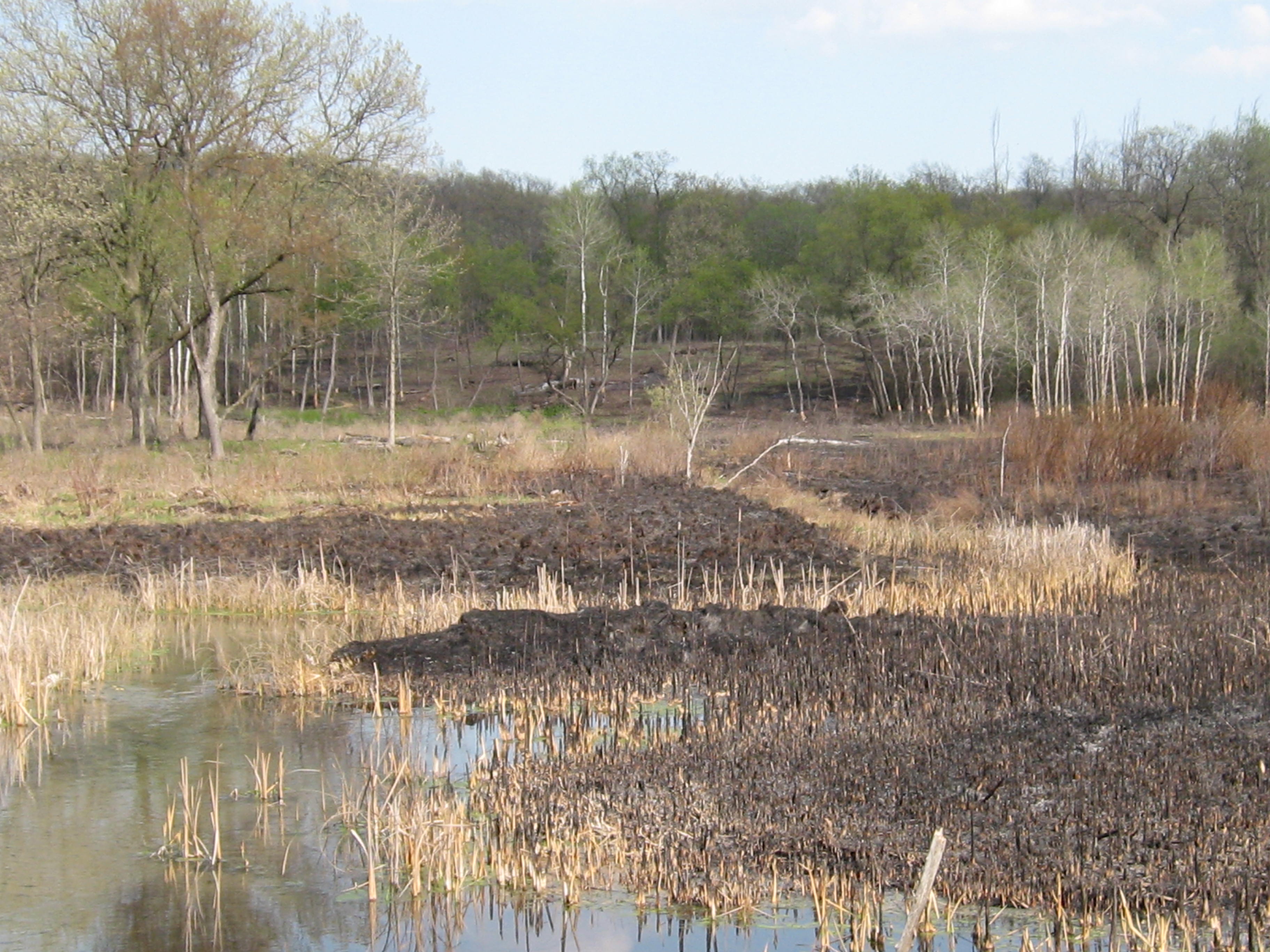
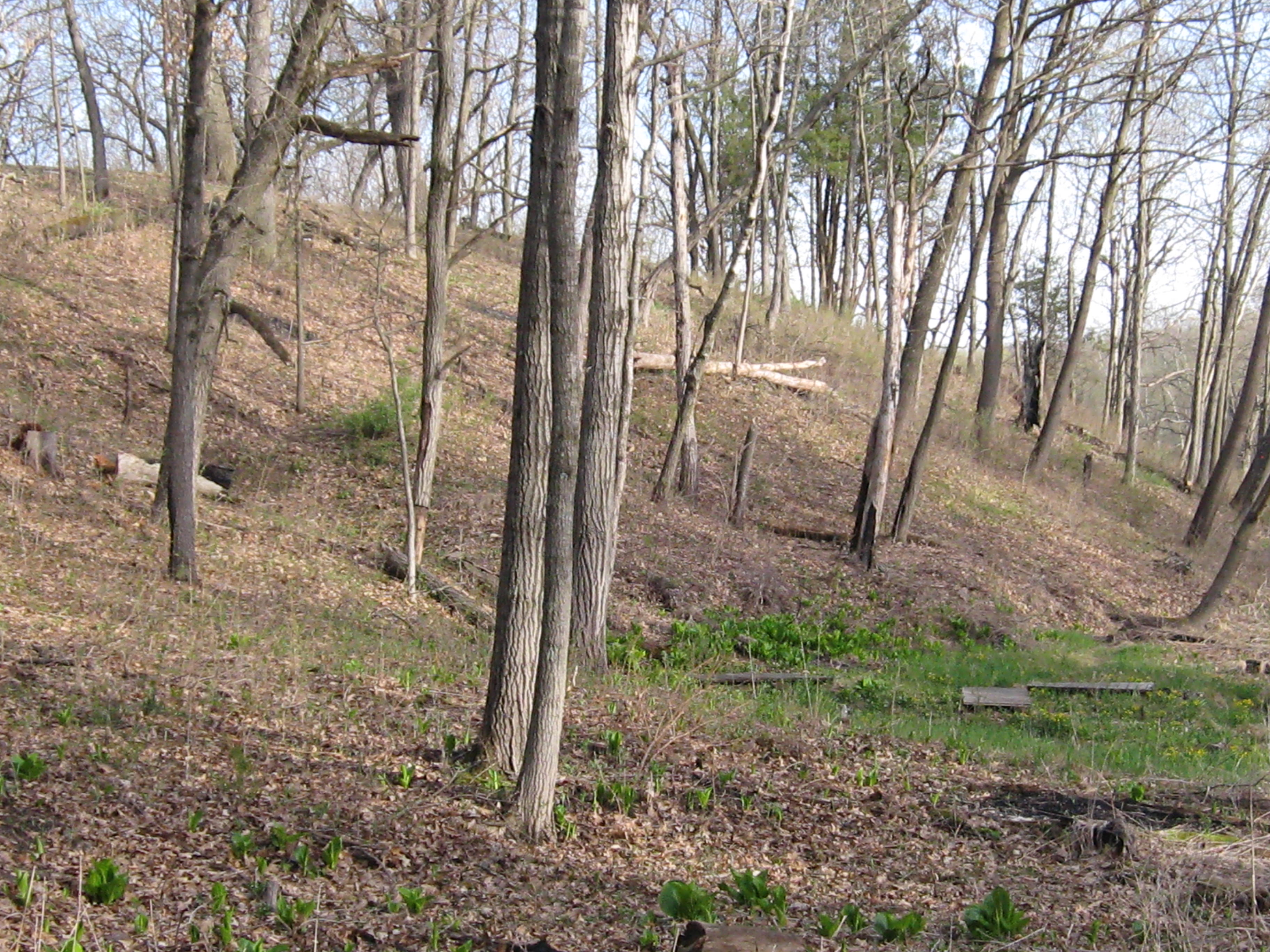
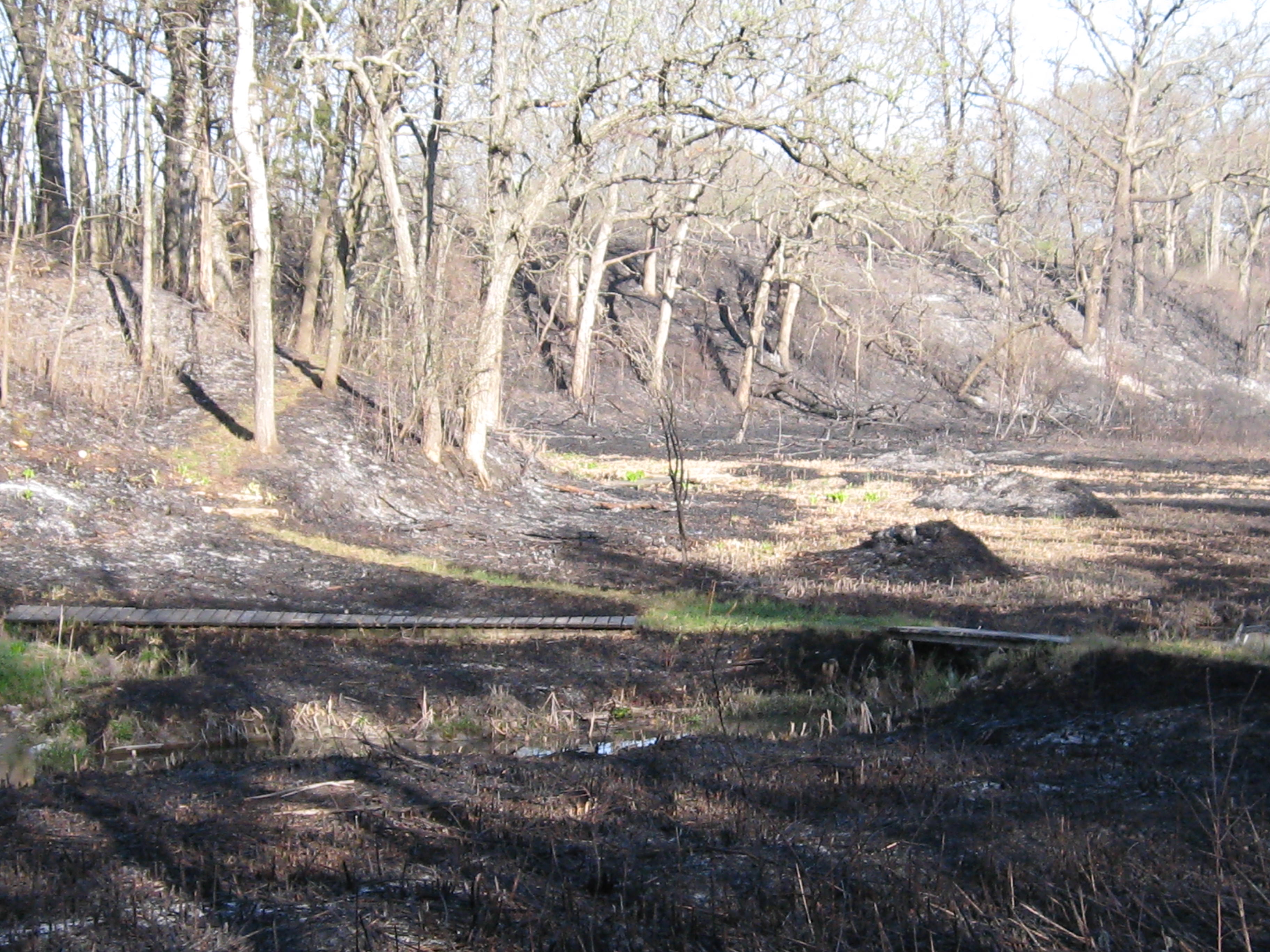
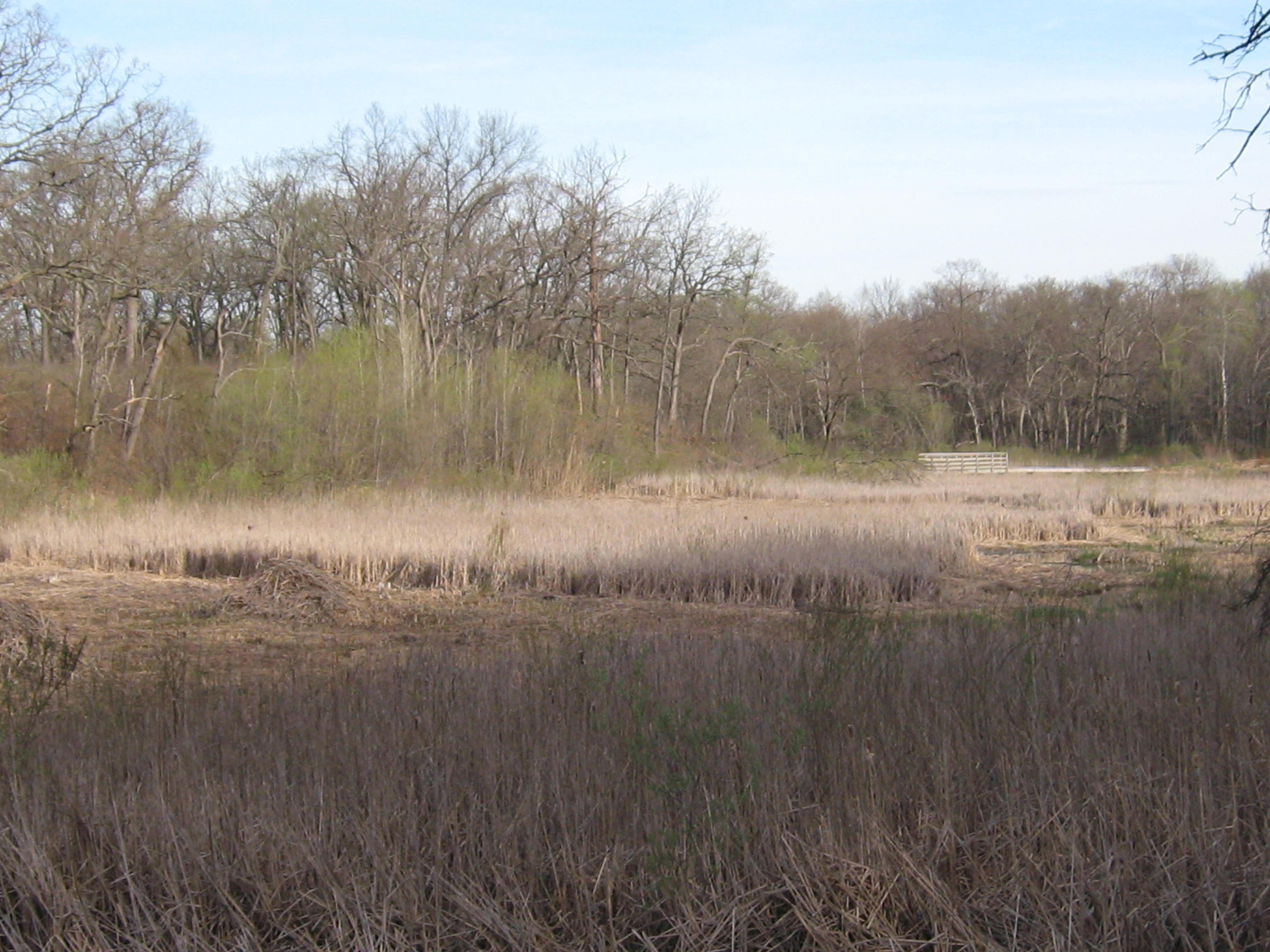
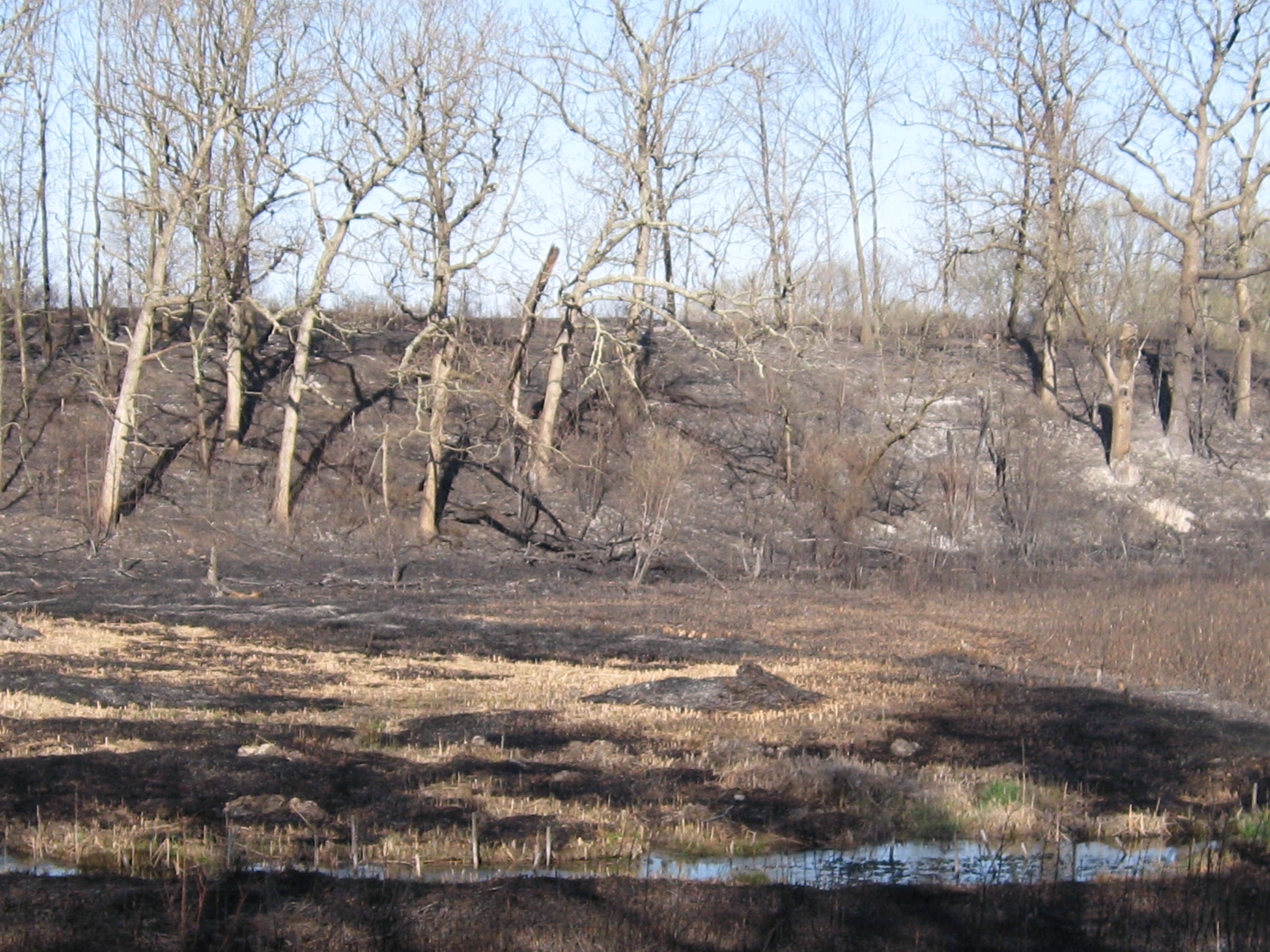
Chester W. Smith erected the first dam just below the Hotel Springs in 1846 to power a saw mill and the river valley was flooded until 1992. The fires have laid bare the landscape and it is clear where the trout farmers divided the flooded river valley to suit their purposes. We are hoping, if we can check the phragmites and cattails, that some of the original flora might resurface.
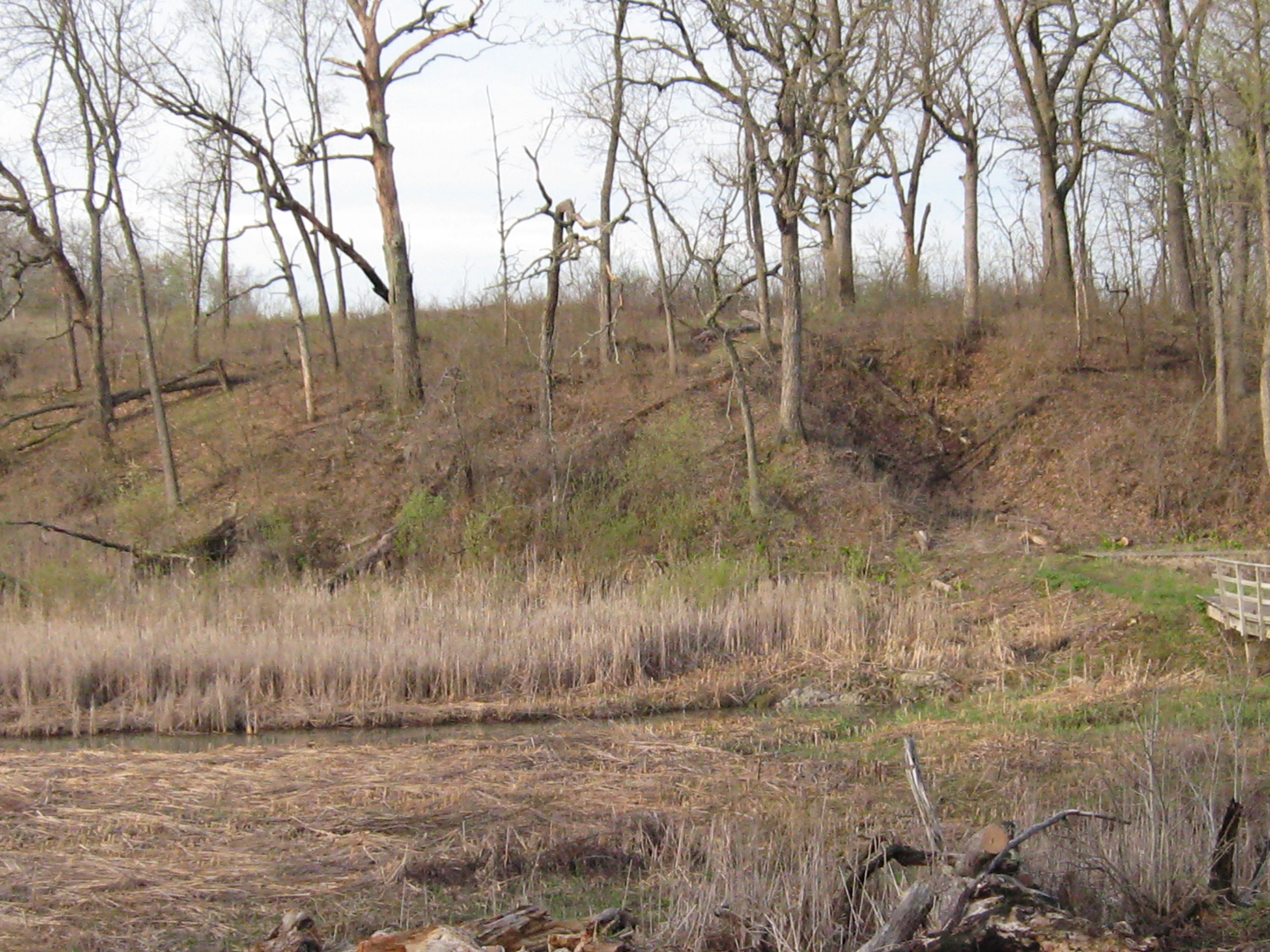
This embankment crosses the valley just north of The Hidden Spring.
I continued spraying spotted knapweed on the Indian Campground; this is working very effectively. I sprayed a lot of flowering garlic mustard in the area south of the trail that did not get burned.
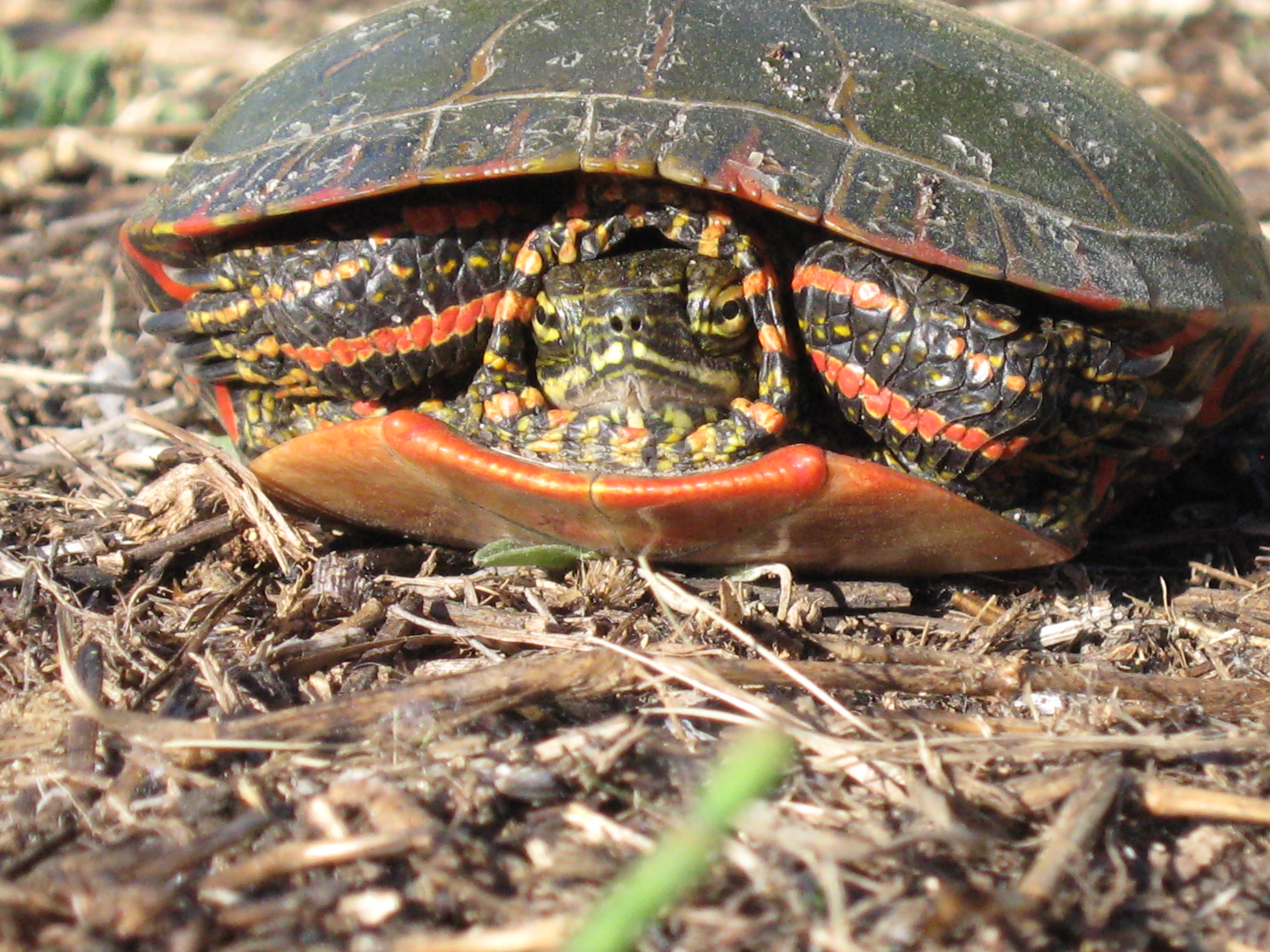
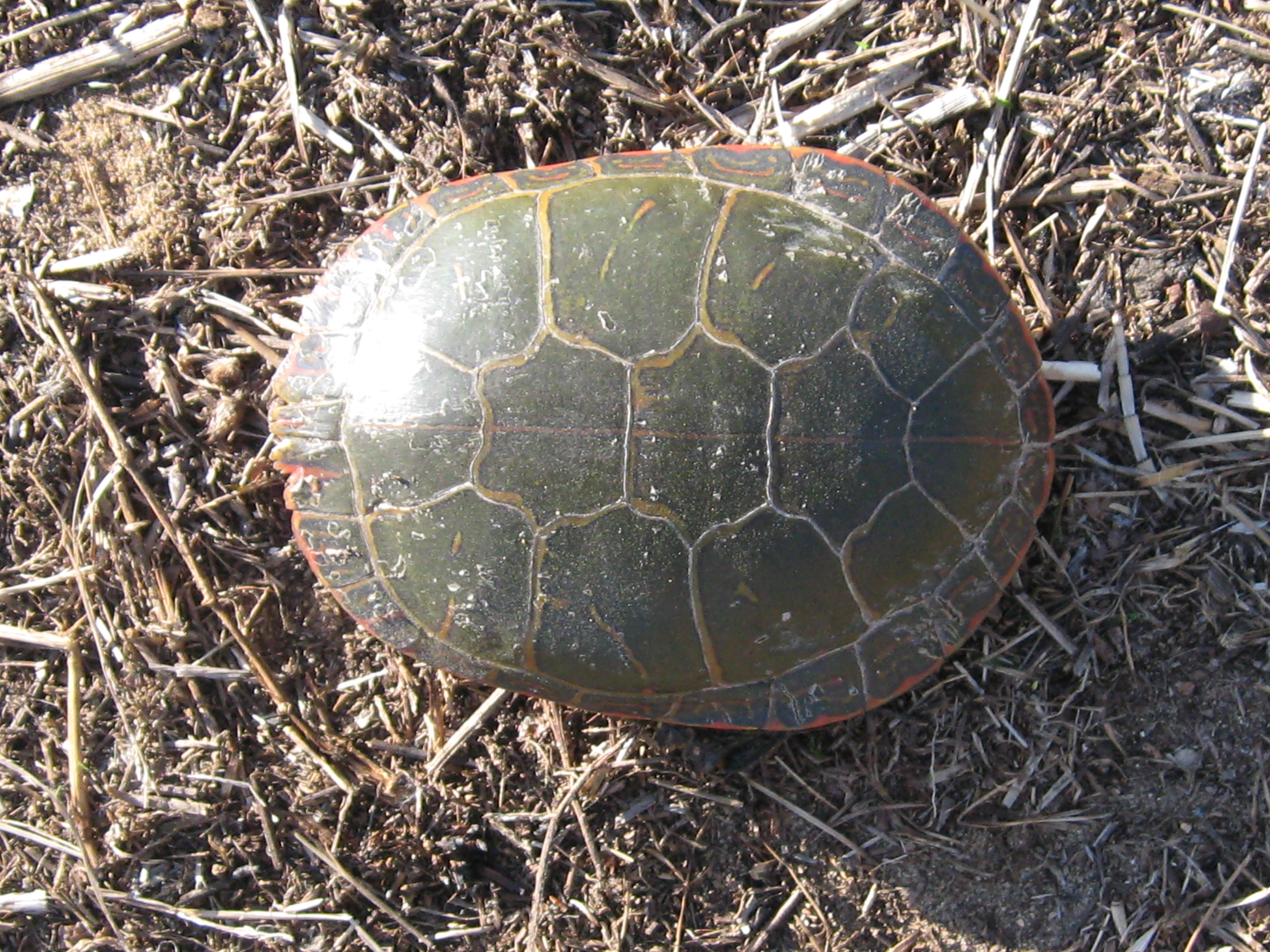
This painted turtle was sunbathing on the trail just above the Indian Spring.
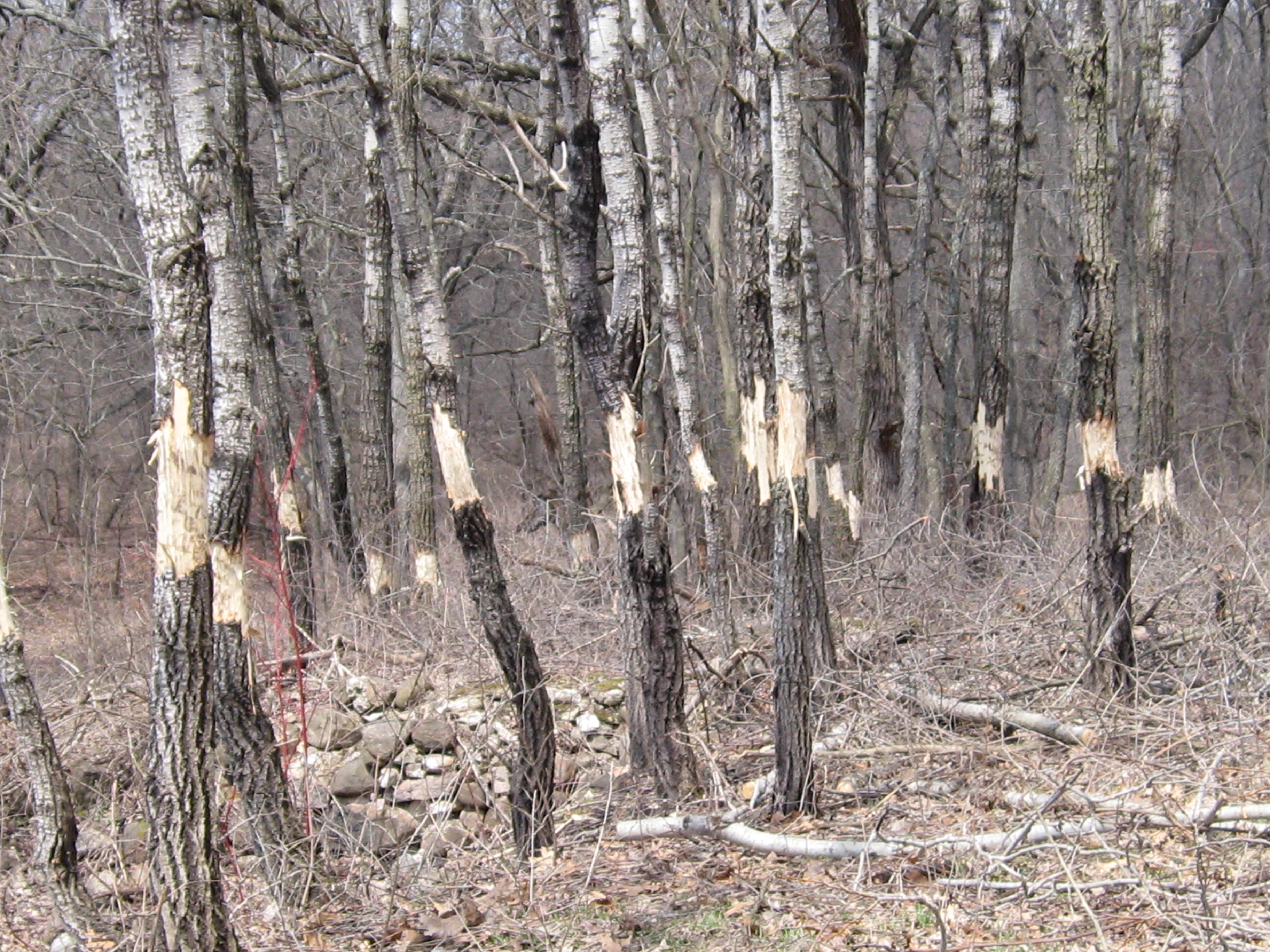
I finished girdling the aspen in the area around the old hotel site and piled the remaining brush there as well. Check out this video walking tour.
I spotted some Pussytoes and Wood Betony along the trail by spur to The Emerald Spring. A profusion of new growth is emerging!
How can I describe what a great time I had at The Springs yesterday? The temperature and humidity were as pleasant as a Pacific Island. The air was fresh and breezing and the sunlight clarified everything. My thoughts were occupied by the current time; the present moment. Time is a spiritual current-cy. How do we spend it? What do we pay attention to? ‘As you sow, so shall you reap’ and ‘what goes around, comes around’ aren’t just cliches; they are examples of Natural Law, specifically, the Law of Attraction, which is immutably in-force everywhere at all times. So when I say I had a “great time” at The Springs yesterday, I mean it was joyful to invest my spiritual currency paying attention to nature and working to help create the beautiful world that I want to see.
The morning light was flush on the Hillside Springs.
There are lush patches of fresh watercress just below the Scuppernong Spring and I harvested a bagful to include in my green juice recipe.
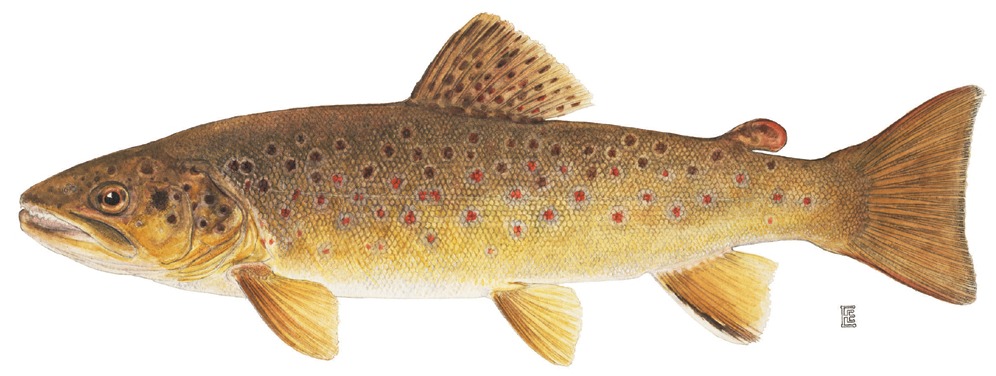
As I was rinsing the watercress at the point where the Scuppernong Spring spills out of its pool and starts to flow as a river, a brown trout emerged from beneath a rock rim and swam about in the pool. I don’t know for sure what is going on with the trout; are they visitors, or a local reproducing population?
Thousands of garlic mustard seedlings have emerged at the south end of the loop trail literally carpeting the ground. I carefully sprayed them with glyphosate trying to avoid the many good plants that are also emerging.
I conscientiously sprayed the spotted knapweed that dominates the sand prairie of the Indian Campground with clopyralid; carefully avoiding the many, many, diverse plants that are also coming up. This sand prairie is going to come alive with color in a couple weeks.
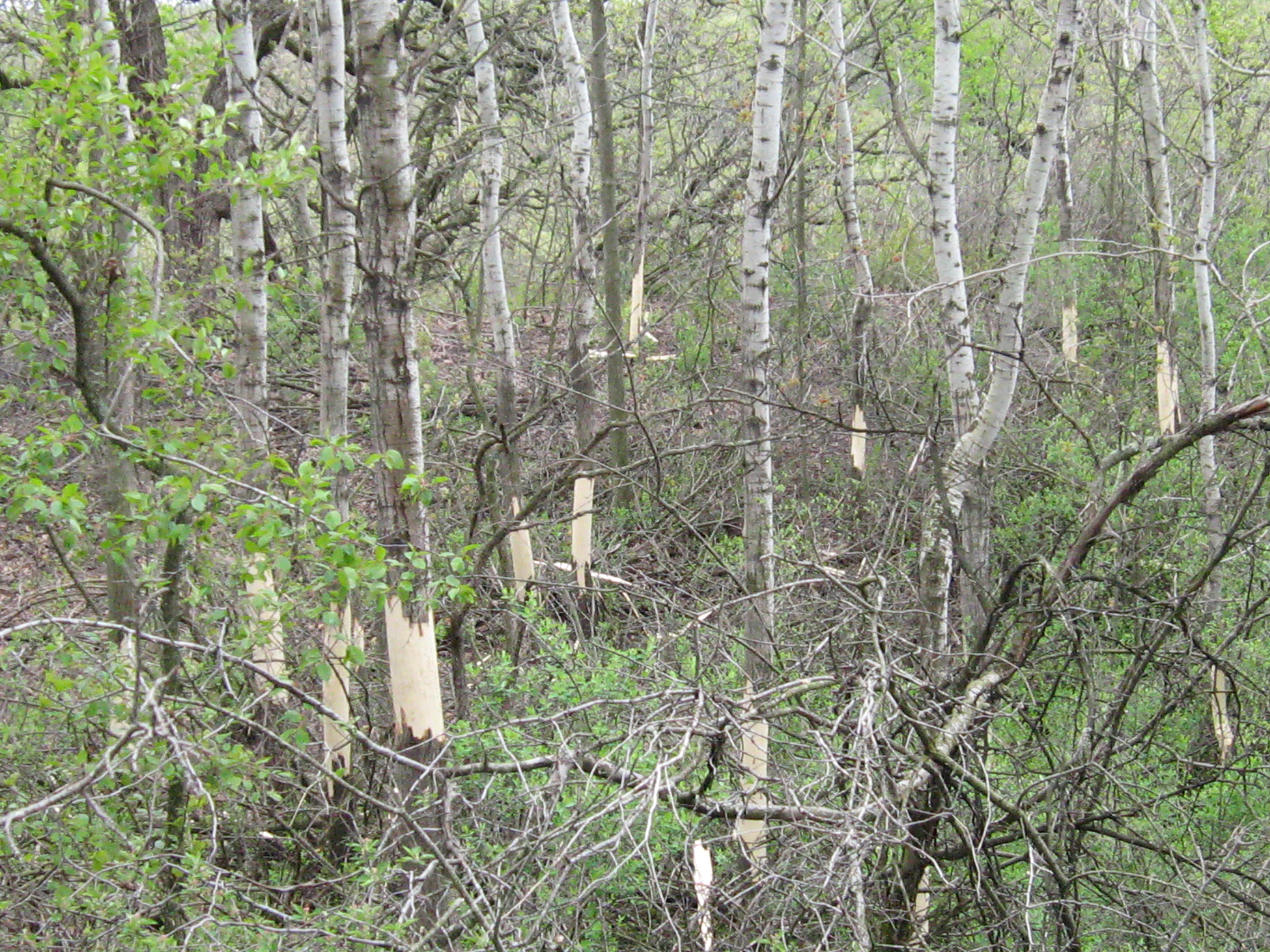
There were more aspen to girdle along the river valley. If we don’t do this, the clonal colonies will spread into and dominate the valley floor.
I piled brush in the afternoon by the old hotel site. You can see the foundation stones in many places now. I forgot to take some pictures, but if you’ve seen one brush pile… I was covered with soot when I finished and took a cool dip in the river by the marl pit bridge to wash off. Clouds moved in and I marveled at their beauty while doing some yoga asanas.
With the video below I attempted to capture one of those ‘you had to be there’ moments.
Siddhartha taught me to listen to the river. Time is an illusion; the “present” moment is an embraceable gift to us. Instead, we often treat time as a commodity to be spent, or saved, or wasted. The past haunts us, we fear for the future, all the while missing the gift of the present moment.
I was lucky to spend some time with the oaks this past weekend; paying attention, listening and feeling the gentle vibration of their subtle speech. The last few weeks I’ve been distracted with the burn, inmates and doctor visits but I found calm again in the present moment amongst the oaks.
On Saturday, May 11th, I joined Ginny Coburn and DNR Conservation Biologist Jared Urban for a workday at the Lone Tree Bluff Scenic Overlook to girdle some aspen trees. Jared leads the Endangered Resources (ER) team in southeastern Wisconsin. His crew varies in size from 3-5 people and they are responsible for approximately 20,000 acres.
Jared hobbled to the top of Lone Tree Bluff on crutches due to an ankle sprained while lighting a 90 acre prescribed burn at Lulu Lake on May 6th. This was after the ER team spent the bulk of the day helping to burn the Scuppernong. The expression “Still waters run deep”, was coined with Jared in mind; I calm down just being around him. But, you should have seen his face when he described the fires he lit at the Scuppernong; the tone vanished as his jaw dropped and I could see the 40′ flames reflected in his widened eyes. Below, Jared gives us a natural history lesson and explains the science behind girdling aspen trees.
When you contrast the billions and billions of dollars the government spends on the military, security industrial complex, versus what it spends to nurture the land, it recalls to mind TreeBeard’s lament in The Lord of the Rings that, ‘no one cares about the trees anymore’. The war mongers misleading us, our Saruman’s if you will, have propagandized us using the old divide and conquer strategy, demonizing Muslims, and distracting us from what our real priorities should be here in the homeLAND.
Whew, I’m ranting again. I’ll try to be more calmly passionate (sounds like something Joseph Conrad might have written, not to suggest I could have even sharpened his pencil). We had a lot of fun working together and I thoroughly enjoyed it.
In the back row Diane, Carol, SwordMan, Princess and Ginny and in the front row, Carol, Thayer and Jared.
I’m new to this area so I stayed to explore a little. Here are a few shots of the bluff.
The Bluff Creek Springs emerge from the north side of the moraine and feed Bluff Creek. I had to check them out.
I found another set of springs on the east side of the moraine.
I wanted to hear what the oak were saying up at Lapham Peak, where Mike Fort and the Lapham Peak Friends have been restoring the prairies, oak woodlands and oak savannas for over 20 years. They have perfected techniques for cutting, stacking and burning buckthorn that are models of efficiency. This past week they did a 75 acre prescribed burn in the area marked in white on the map below and they burned approximately 177 acres total in the park this spring burn season.
This huge swath of the north flank of the peak extends from “the big slide” cross country ski trail east to the tower hill road. I was in awe taking in the scope of the effort as I well remember this hillside was thick with buckthorn.
The oaks were swaying and singing gratefully with the blustery north wind, giving thanks for the tender loving care of the Lapham Peak Friends.
Approaching the tower.
A bird’s eye view from the tower (I need a wind screen for the camera mic).
If you haven’t visited Lapham Peak lately, or ever, consider paying attention to what the friends have accomplished and spend some present moments there.
On Sunday, May 12th, I was back at The Springs. Wow, I wonder how long it will take for the forest floor to become green again. I wonder if the native flowers and grasses will have enough strength in their roots to push up fresh growth this year; or next. I began the day spraying garlic mustard, which appeared in isolated patches that escaped the fires.
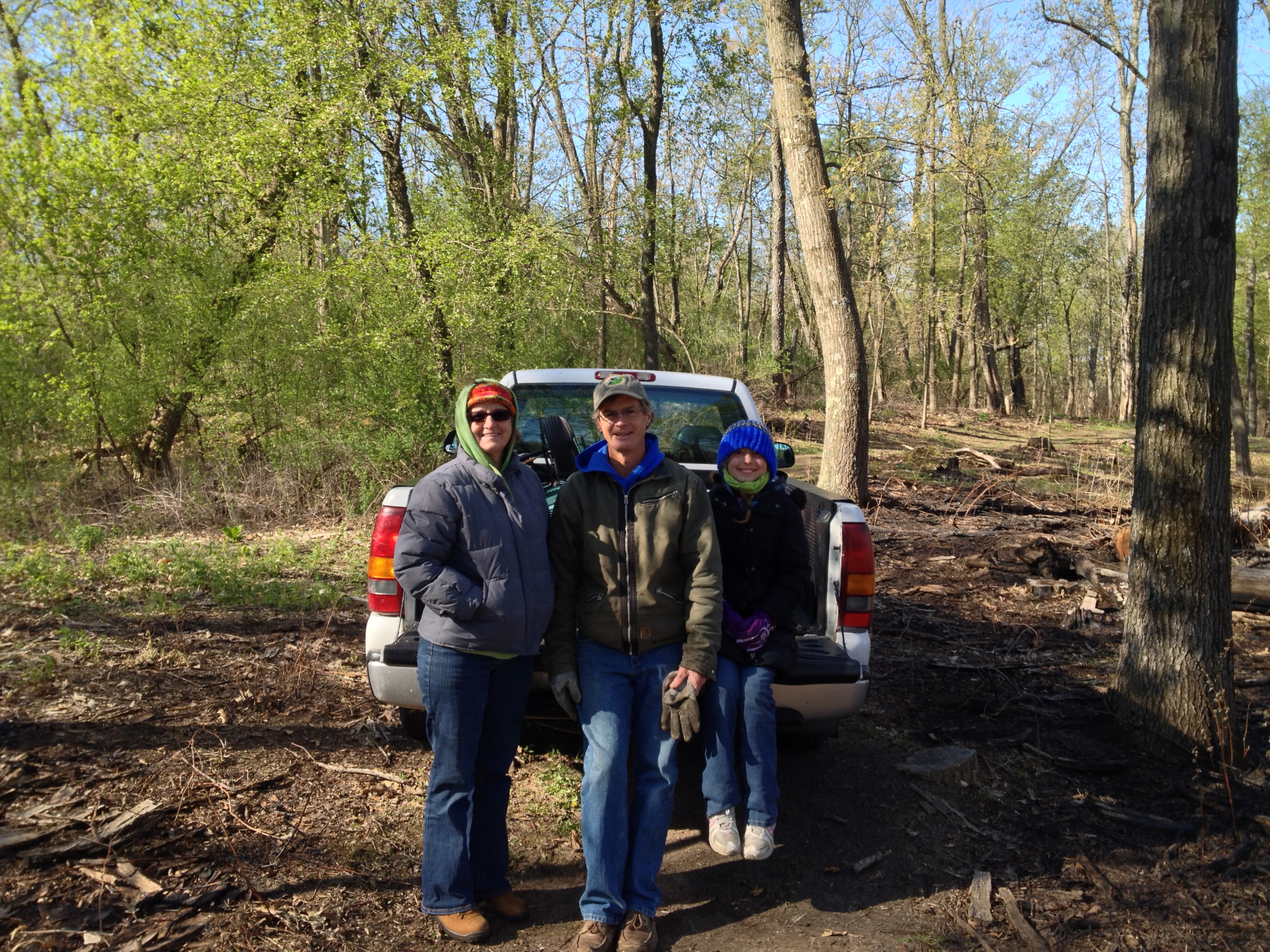
I was pleasantly surprised, and heart warmed, to see Lindsay, his wife, Connie and her granddaughter Sophia, arrive to pick up a load of wood.
When I talked to Don Dane after the burn he mentioned that this would be a great time to attack the spotted knapweed on the Indian Campground. Loaded with the recipe I got from Lindsay, I started that application. Spraying herbicide is my least favorite thing to do in the woods and I limit how much I do in a day. There is plenty more garlic mustard and spotted knapweed proliferating out there and I’ll be spraying for the next two months.
Some scenes from the Indian Campground.
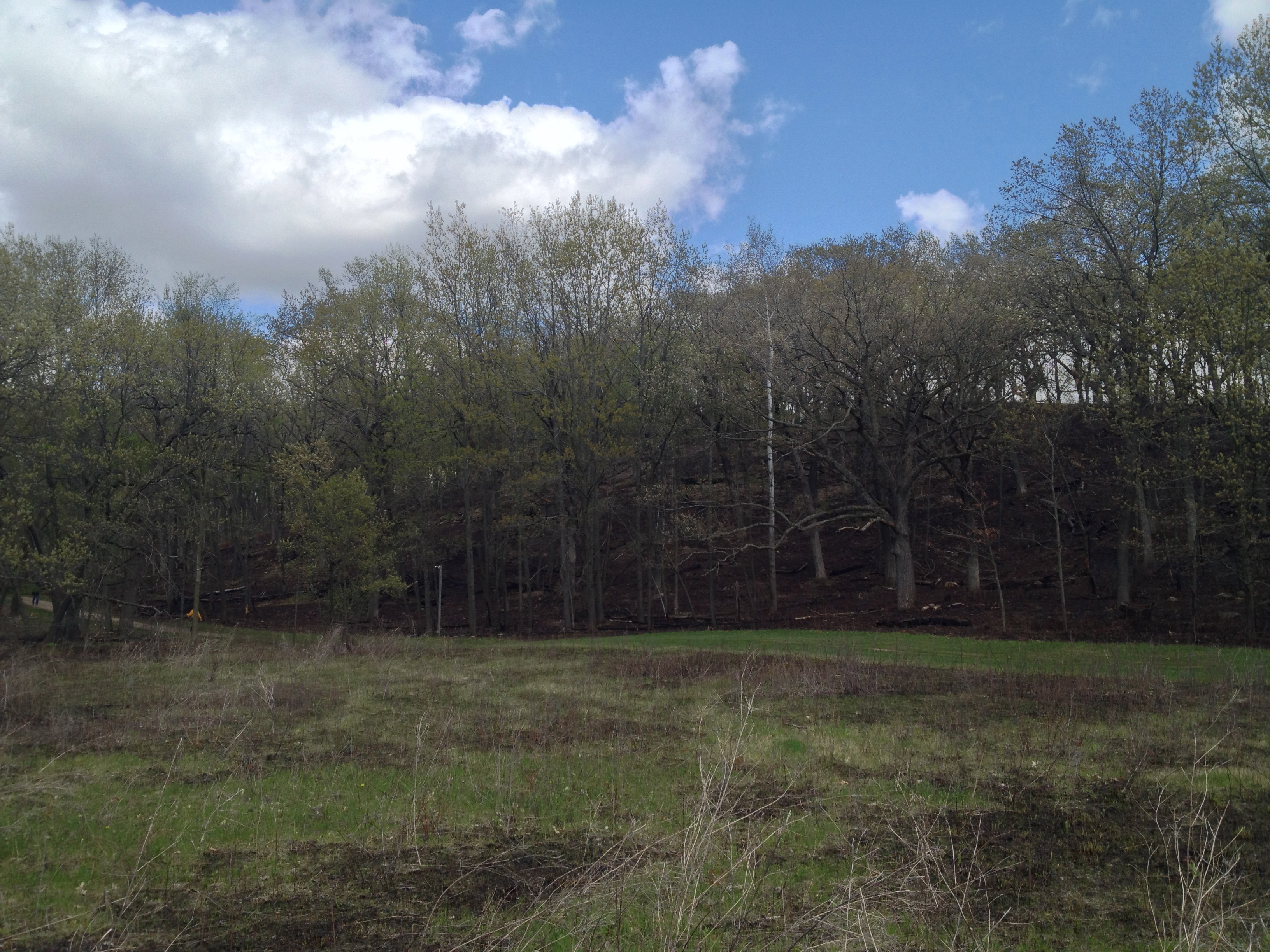
Looking down into the river valley from the Indian Campground.
Next on the agenda was girdling aspen. I intended to continue working at the old hotel site, but I thought better of it as I was walking down the river valley, and I attacked a few isolated clonal colonies that were spreading into the valley.
A quick stop at the Scuppernong Spring.
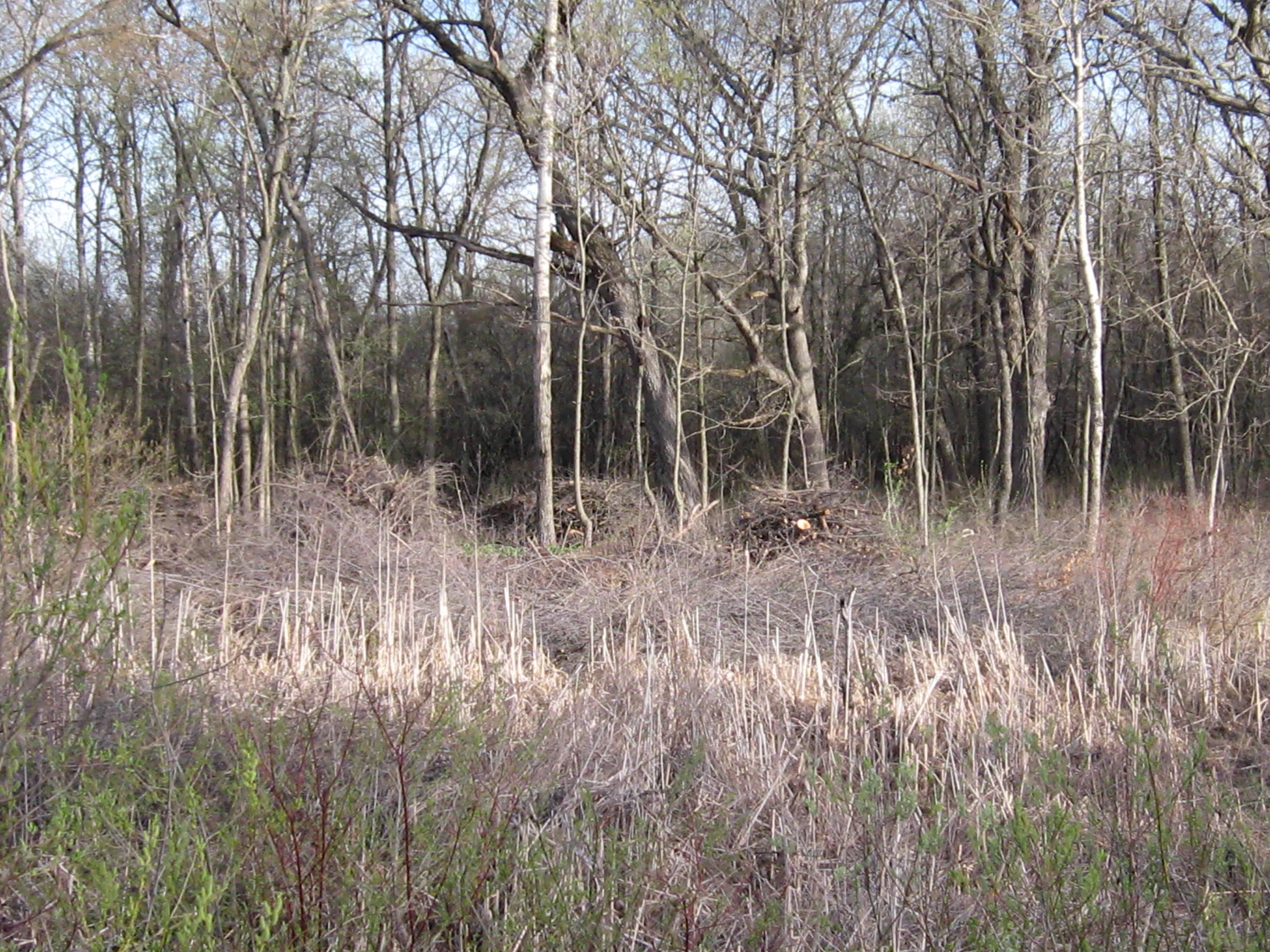
Finally, I started piling buckthorn just north of the old barn site. I have been a cutting fool for the last couple months thinking that I would get a crew of inmates from the Sturtevant Transitional Facility to help me pile, but I don’t think that is going to work out, so I’ll be piling for the next few weeks to catch up. I made around 10 piles and it was very relaxing work with a great view down the river to the west.
DNR Visitor Services Associate extraordinaire Amanda Prange is leading an effort to install a new set of signposts to match the trail brochure.
The Hatching House Spring is looking great.
I followed the channel of the Indian Spring’s towards it’s junction with the Scuppernong River and caught this panorama video. The marl pit factory ruins are just to the right of the sun.
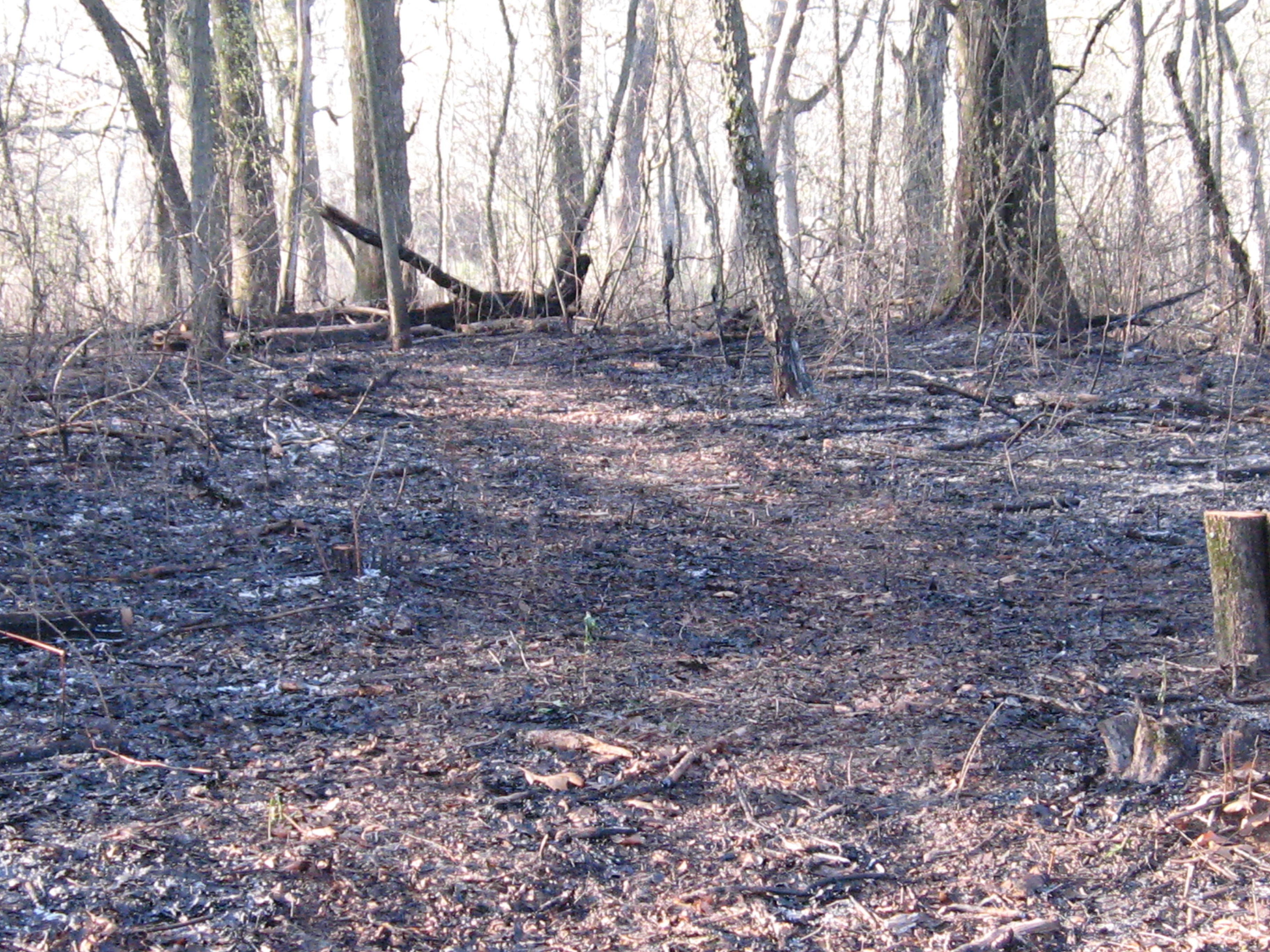
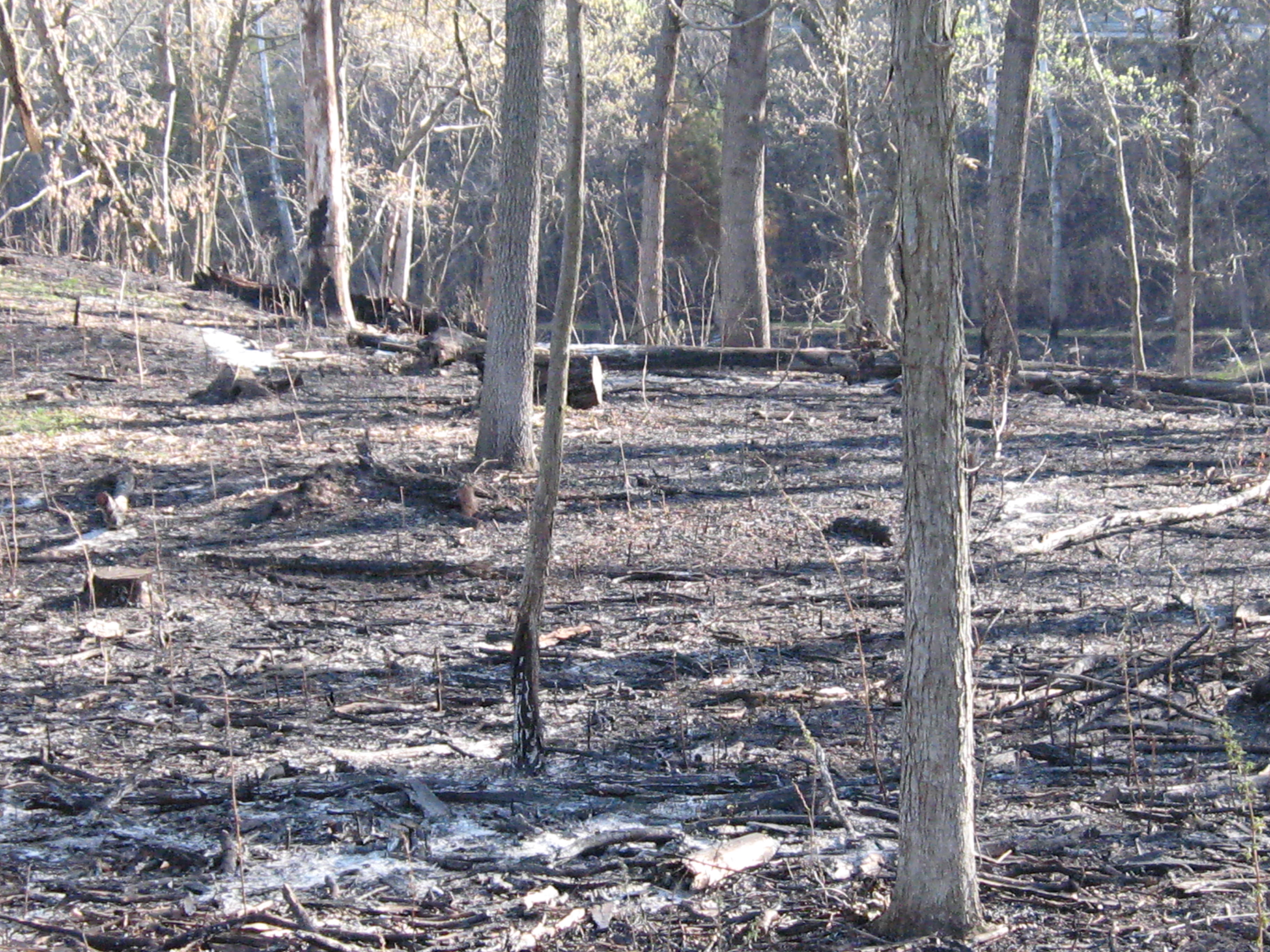
She is not bashful, nor does she suffer any embarrassment when her naked beauty is revealed; nevertheless, Mother Nature typically clothes herself in a wide variety of fine raiment. Cloaked in snow or covered by meadows and prairies of wild grasses and flowers, or hidden under a blanket of leaves, she rarely shows off her warm, rich, chocolaty skin of bare soil; unless from the scars of the farmer’s till. Springs have always evoked the generative, life sustaining qualities that remind us of our intimate connection and dependence on Mother Nature. I hope that you enjoy these pictures of the Scuppernong Springs and appreciate the beauty of Mother Nature stripped bare. I can’t wait till she is dressed again in fresh colors.
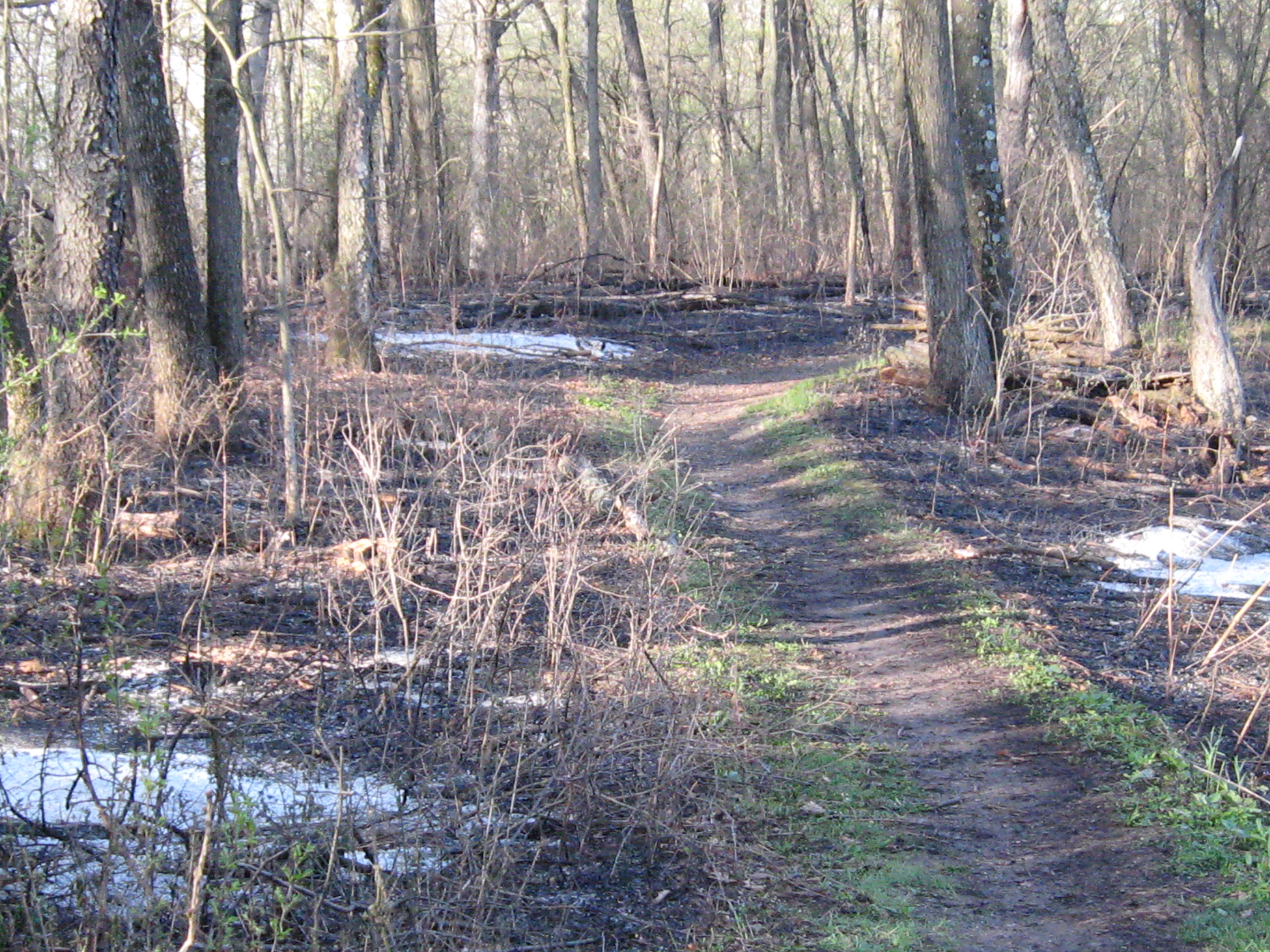
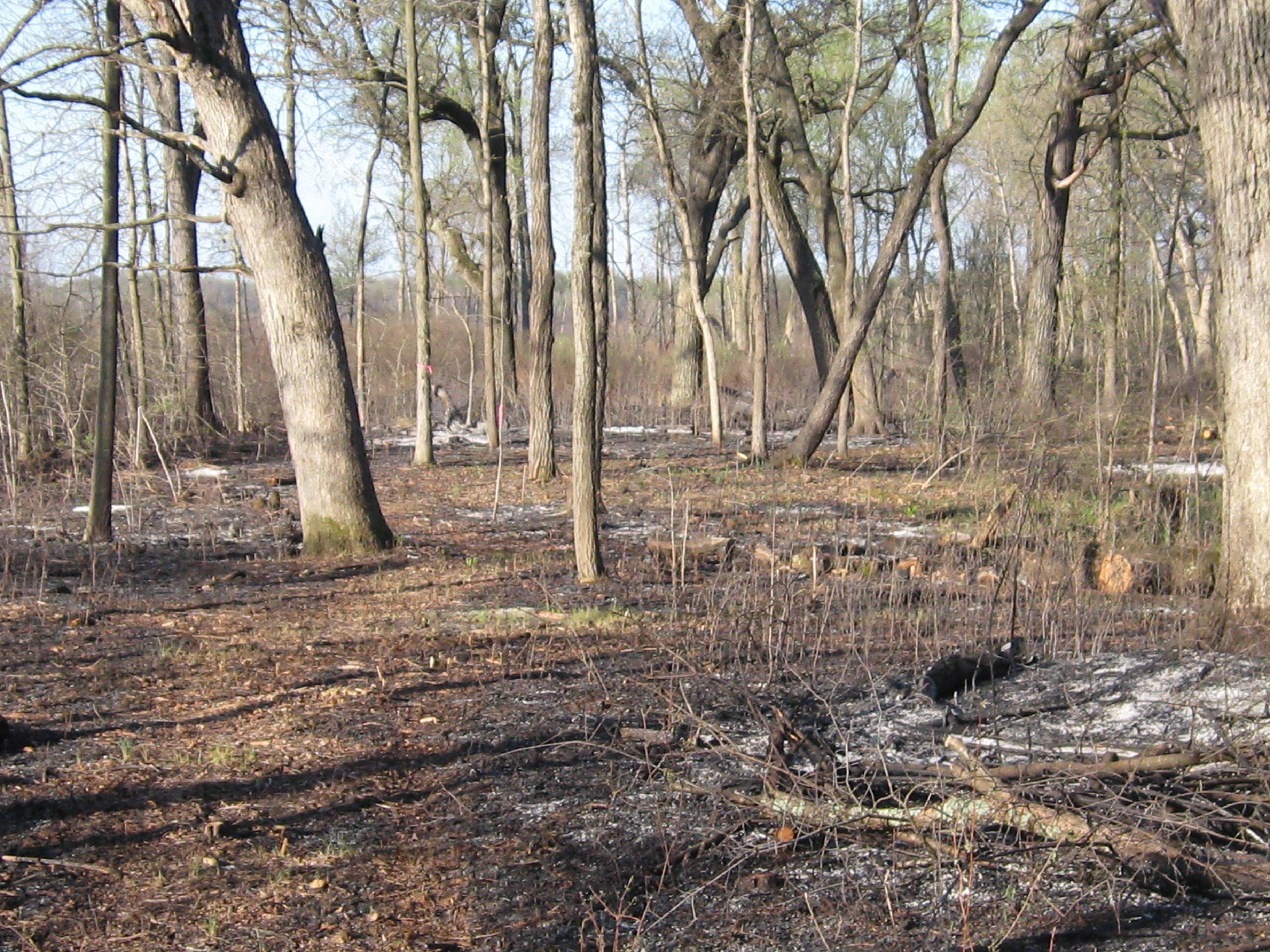
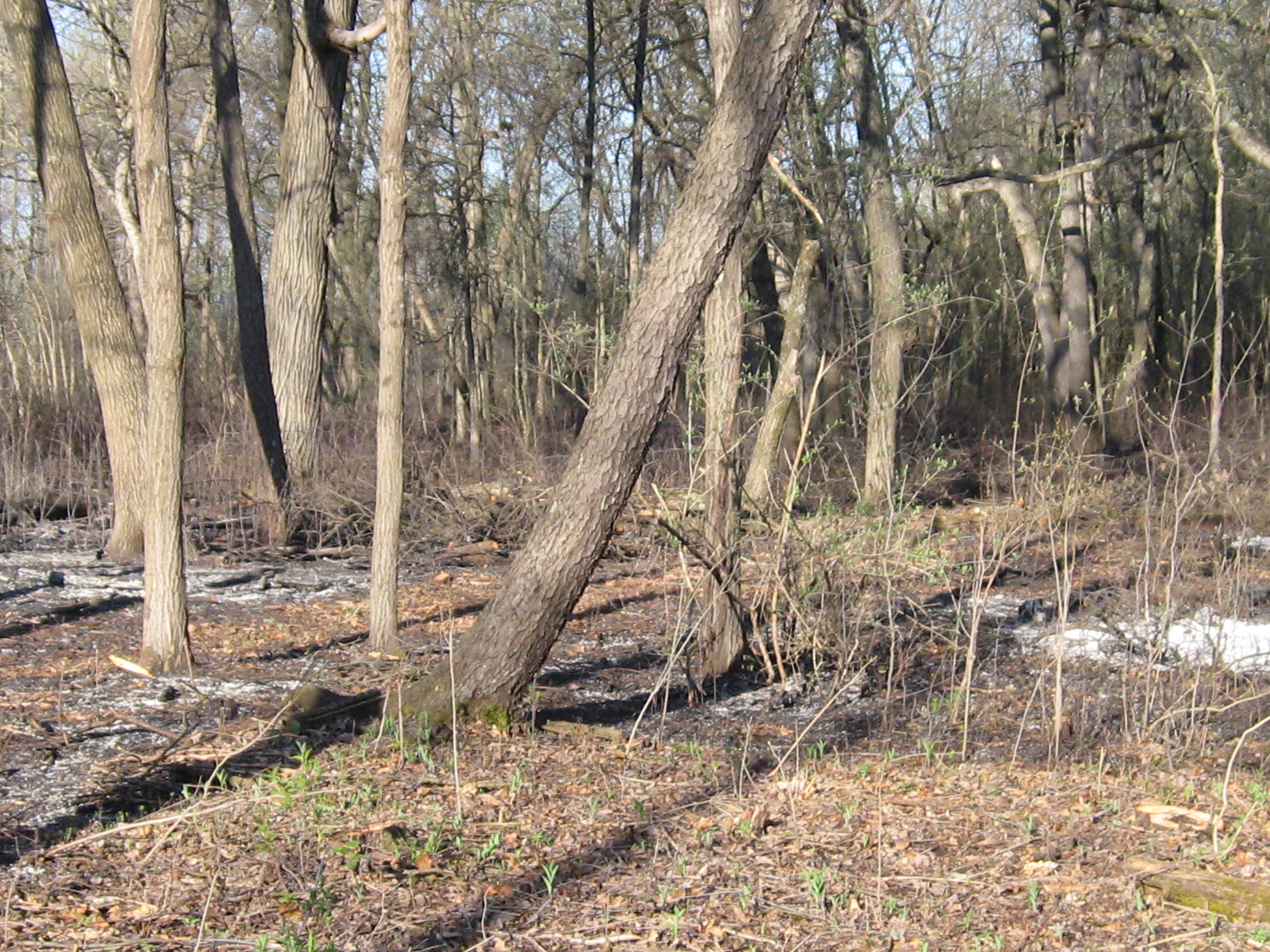
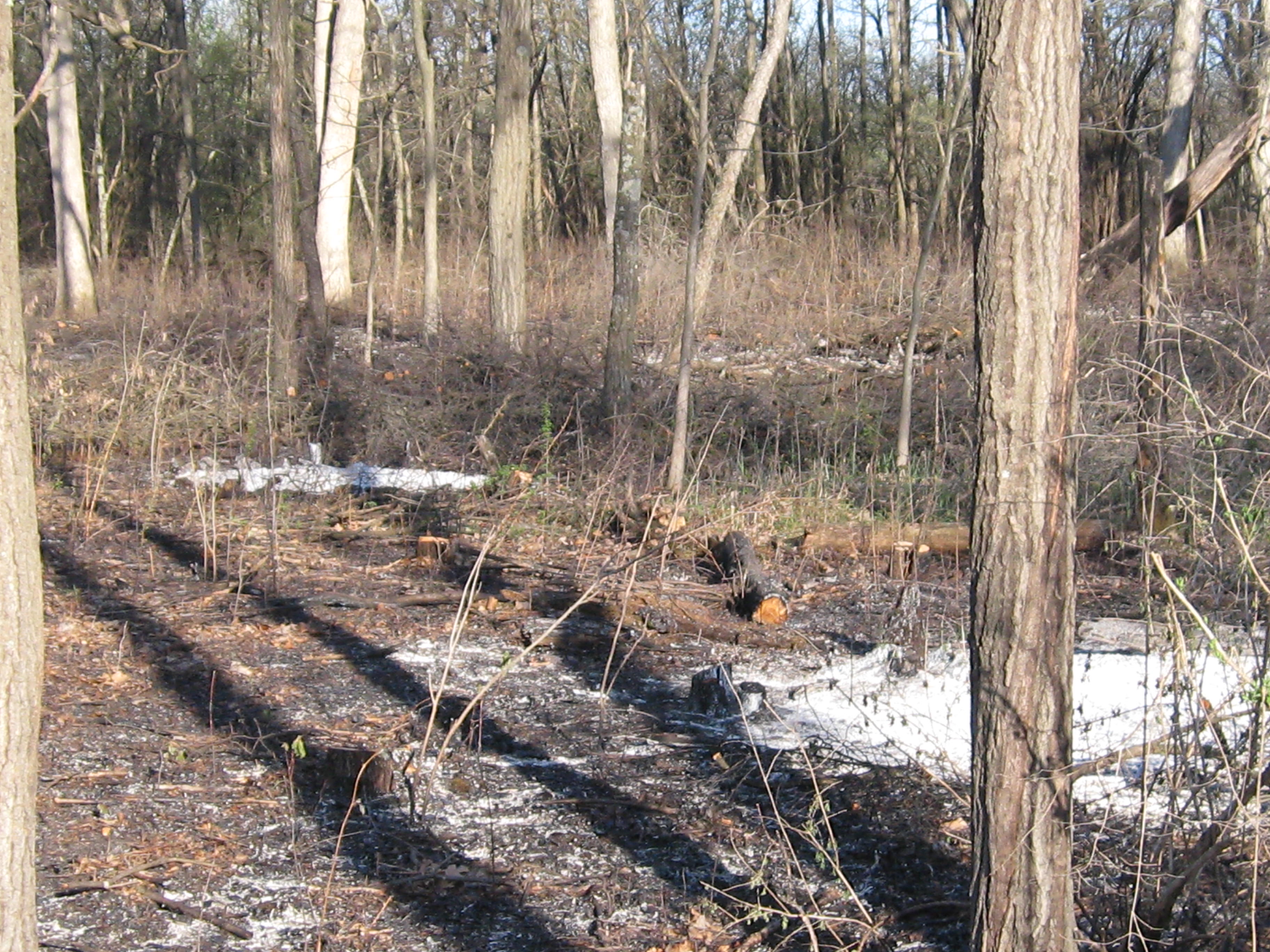
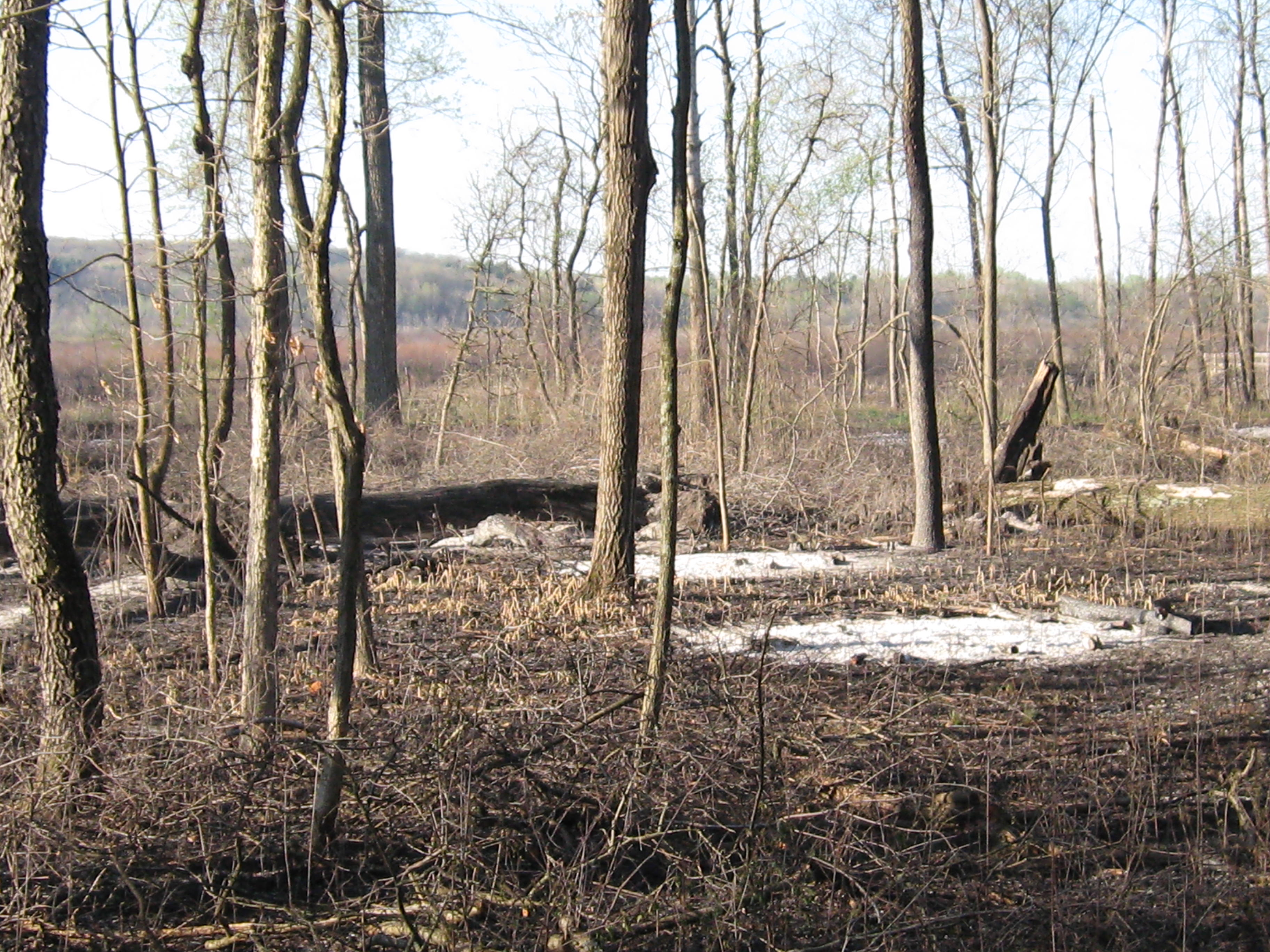
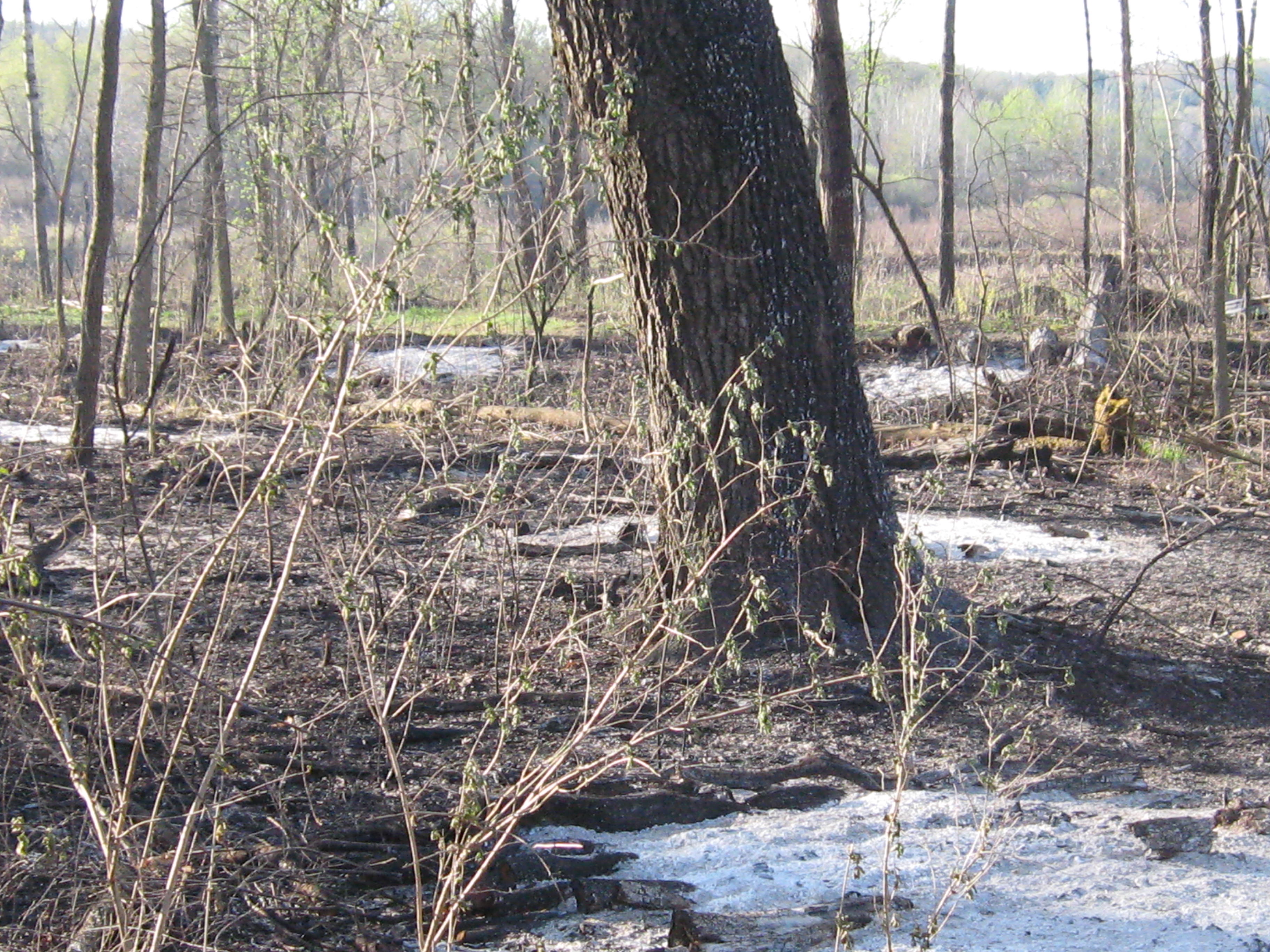
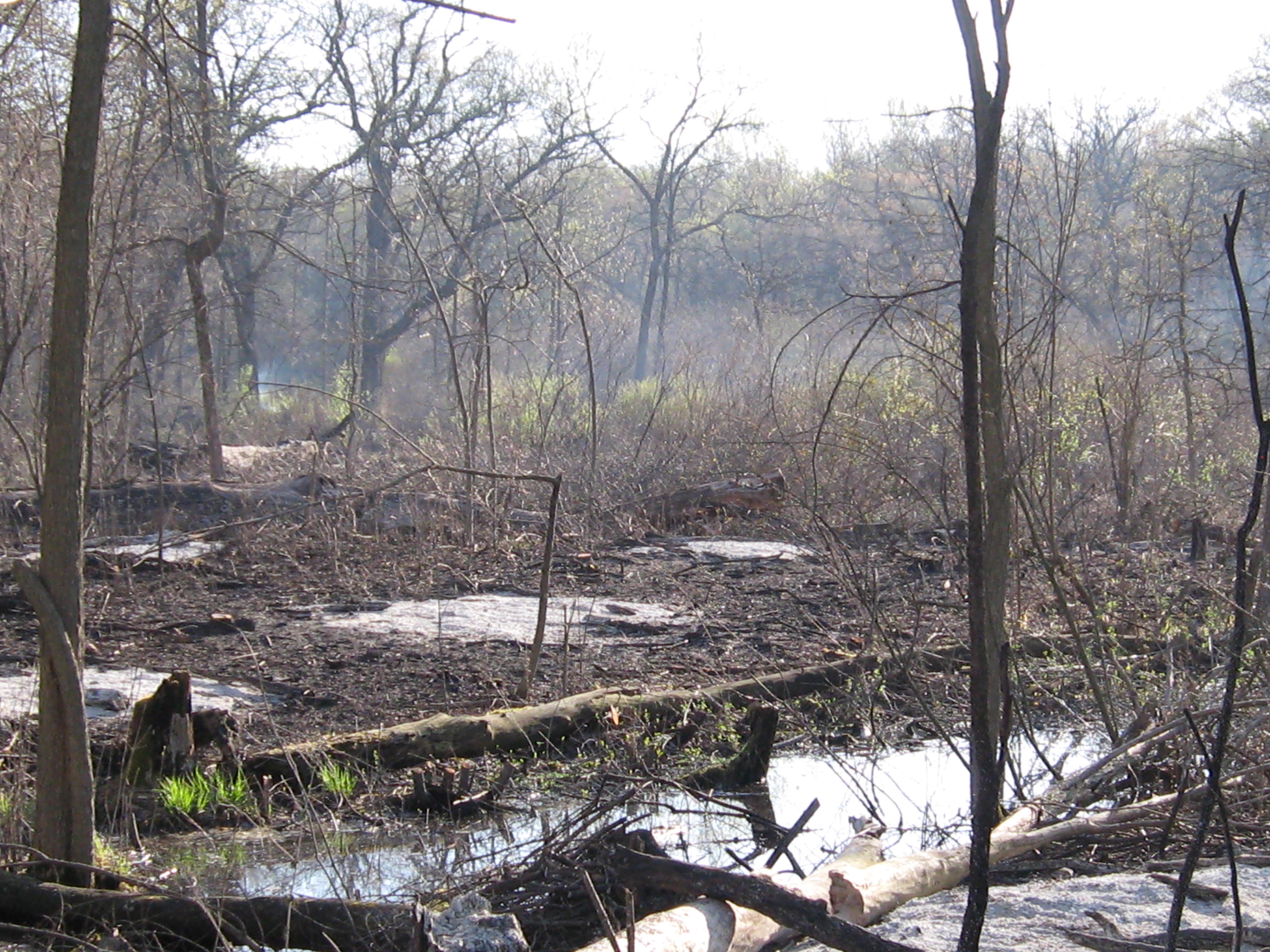
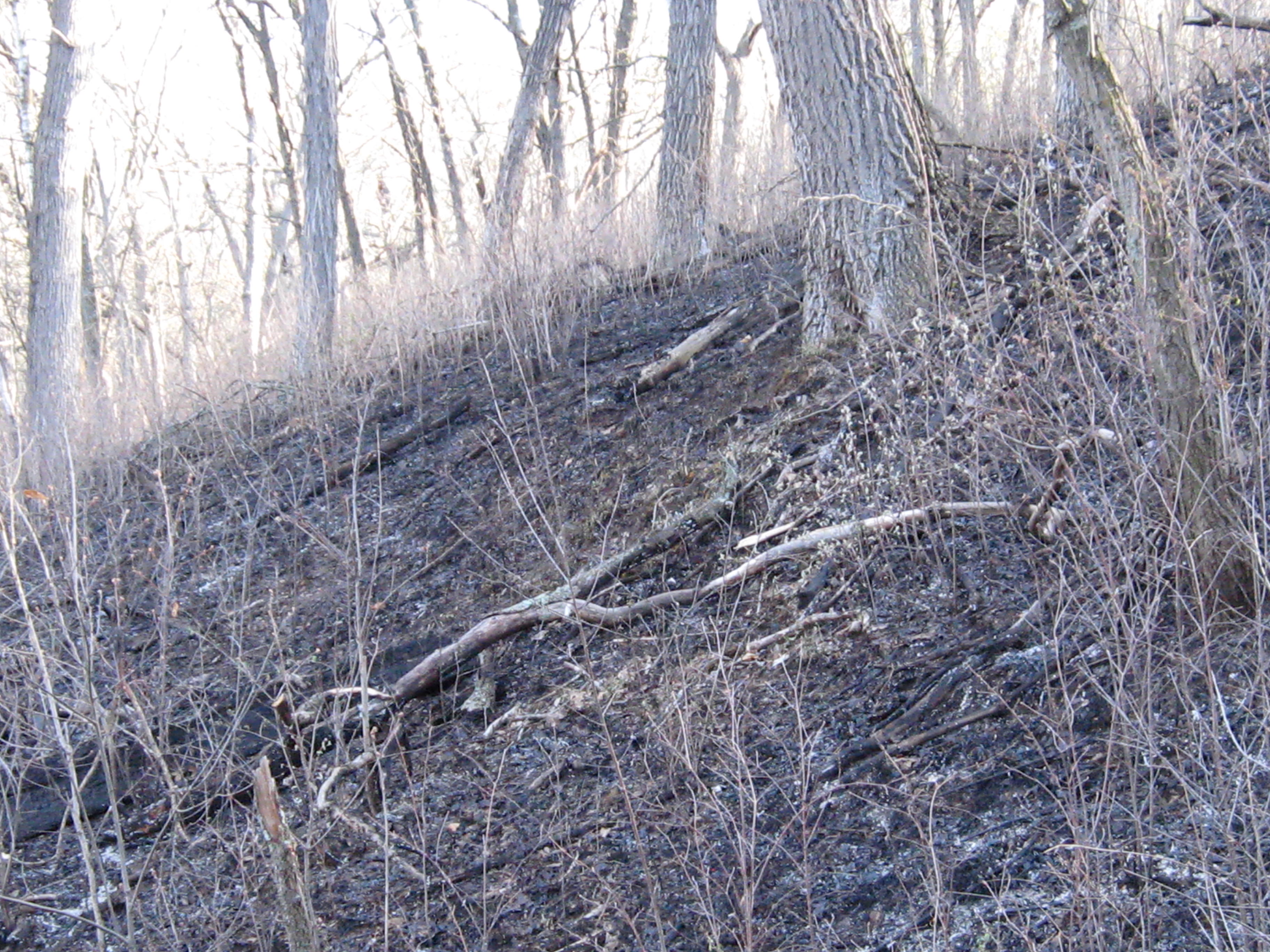
I took some pictures on May 6th before the burn and got some post burn shots yesterday. The fire did its work with consummate efficiency. The tour starts at the Hotel Springs and follows the trail to the north past the old barn site and then takes the cut-off trail west to the marl pits, joining the main loop trail to cross the bridge at the stream gaging station, and onto the Indian Campground, the south end of the loop and finally, from the Scuppernong Spring down the river valley returning to the Hotel Spring.
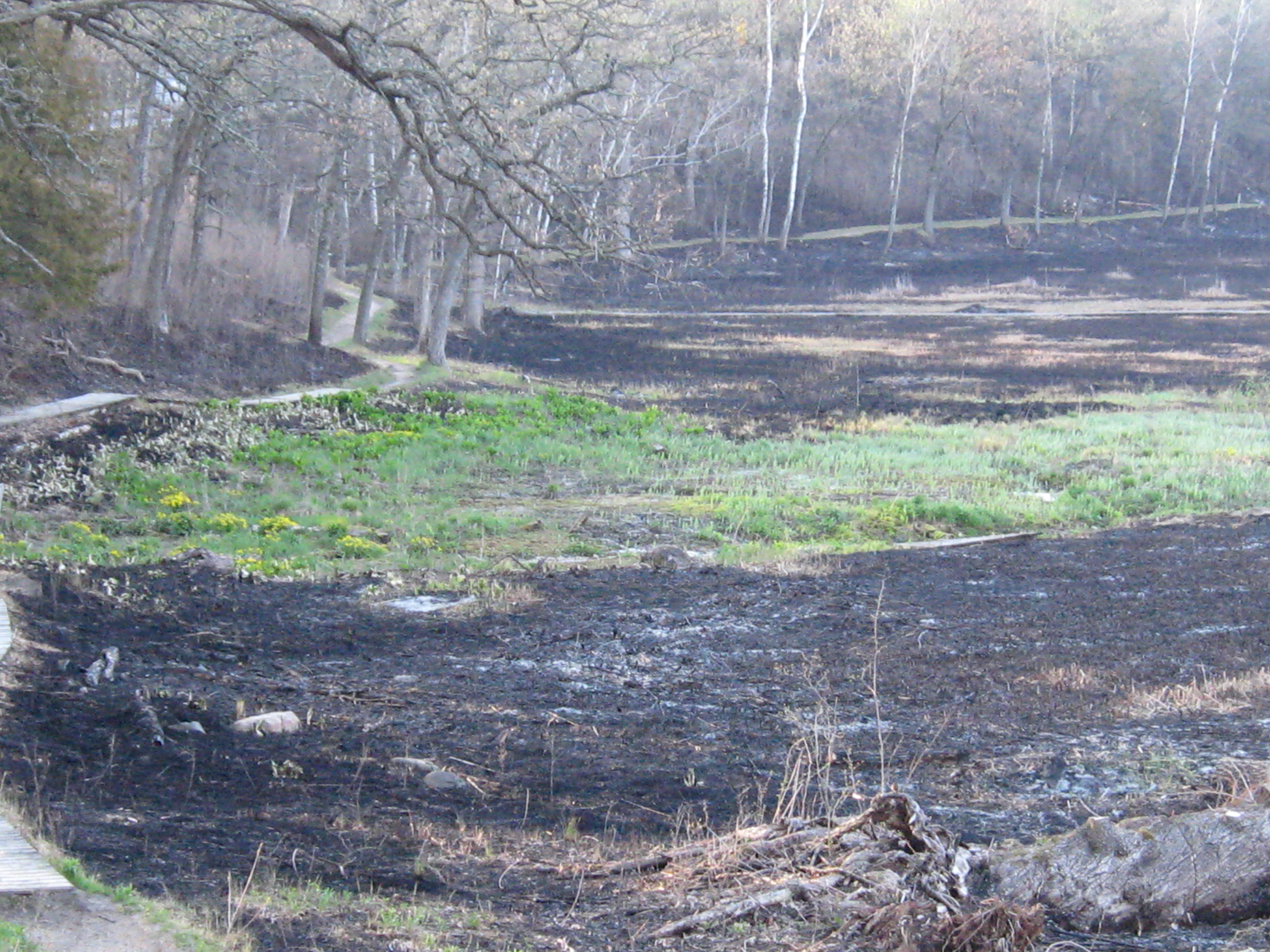
Looking south from the Hotel Springs area.
The old hotel site.
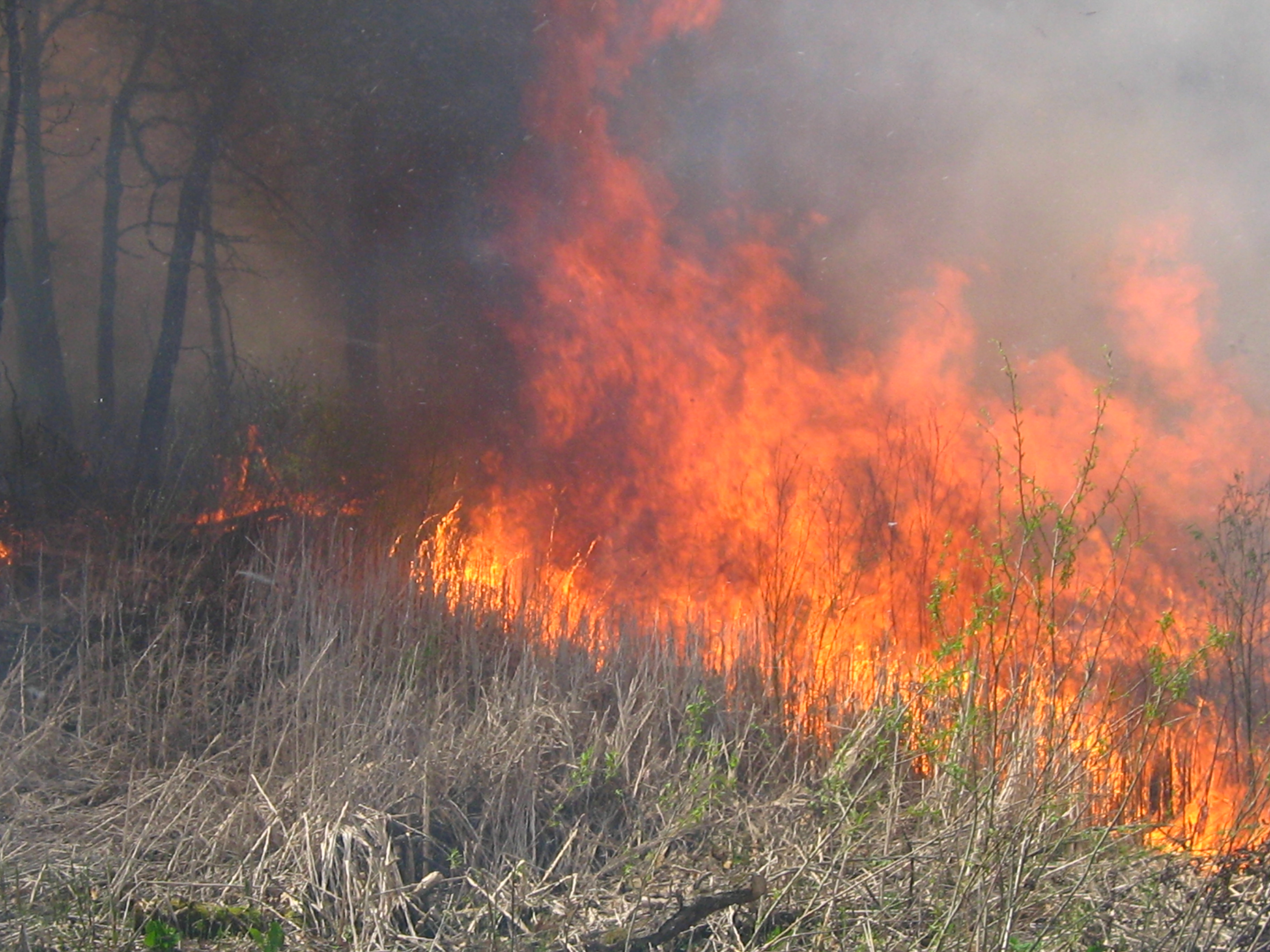
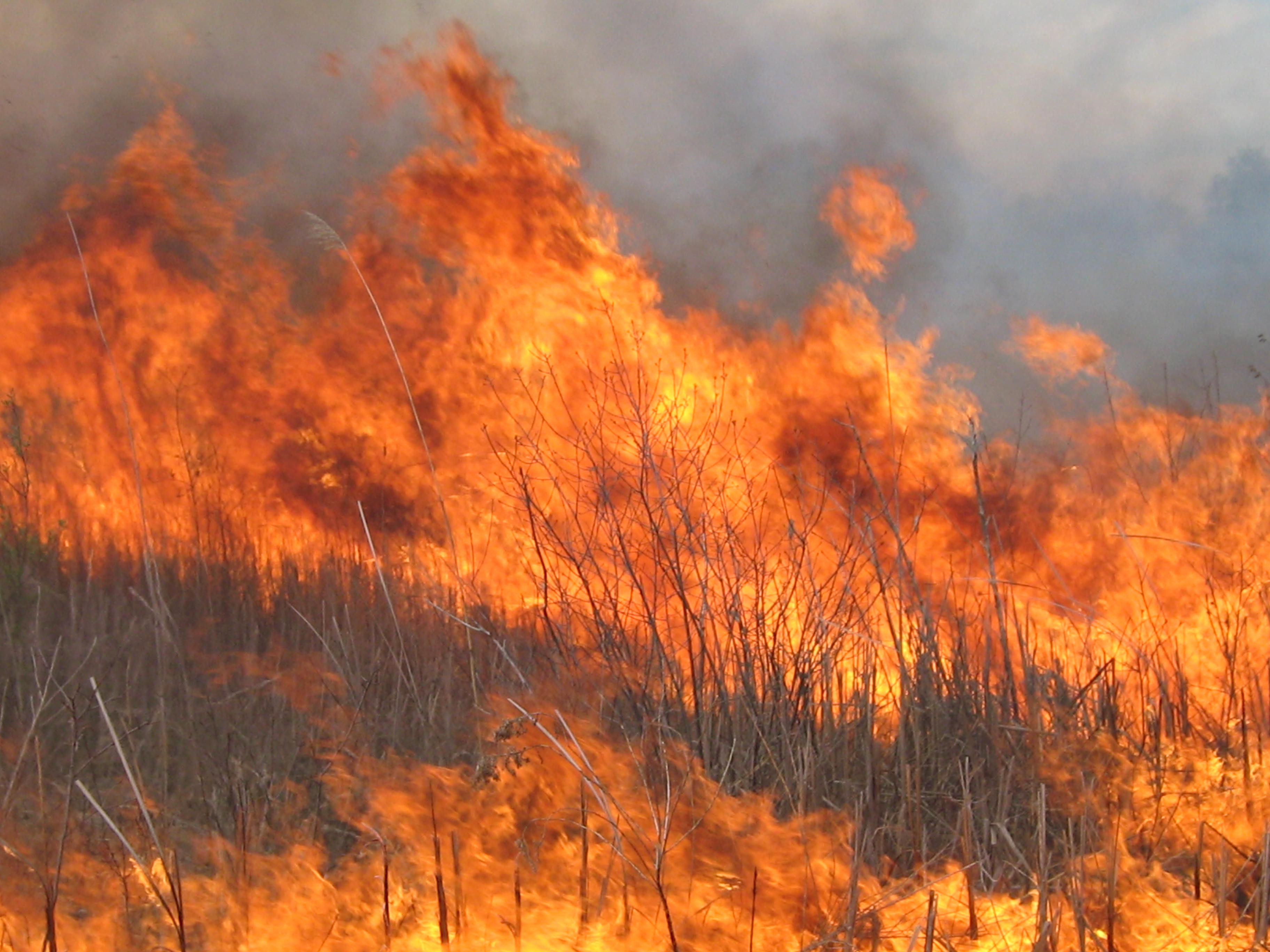
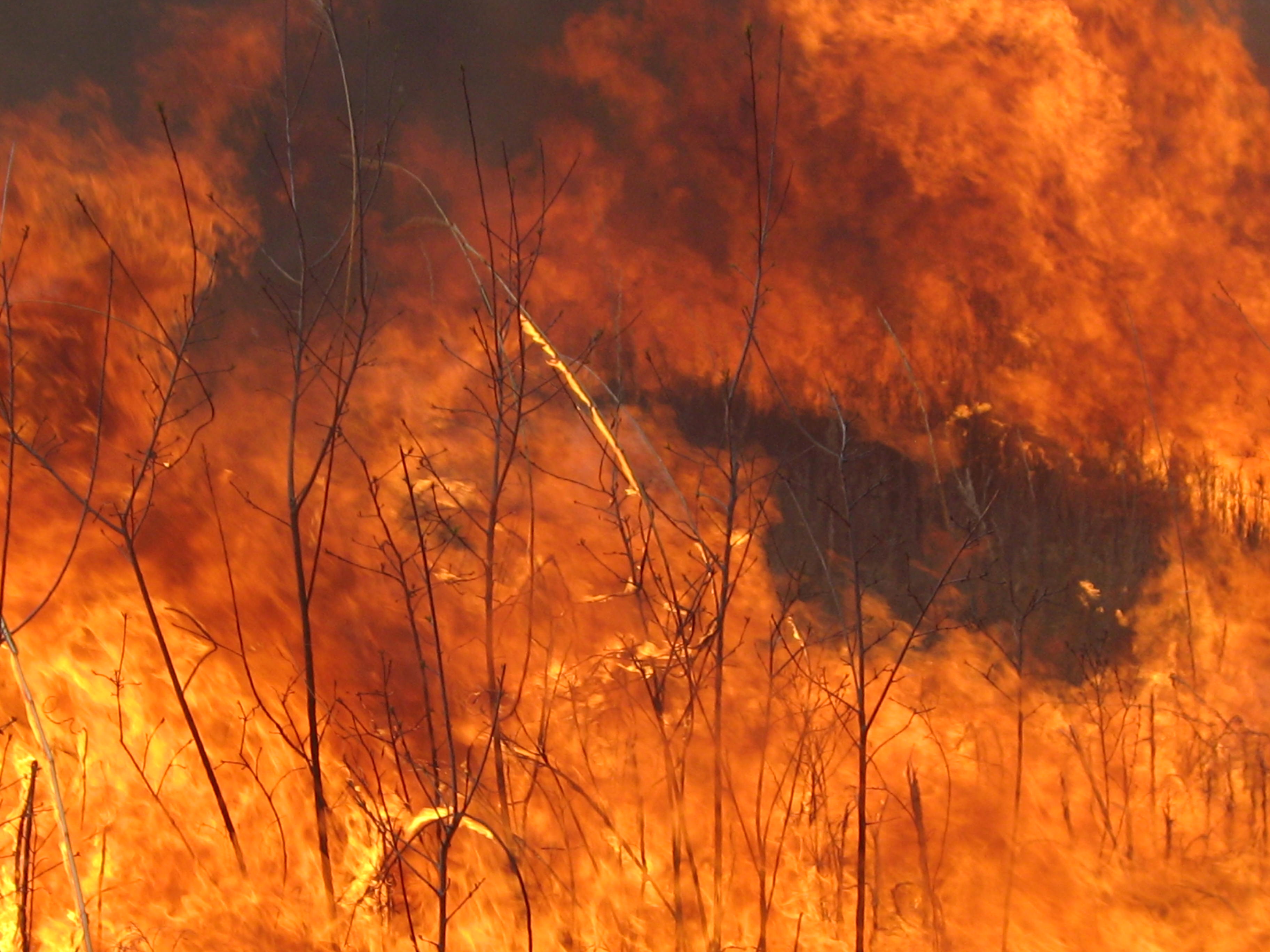
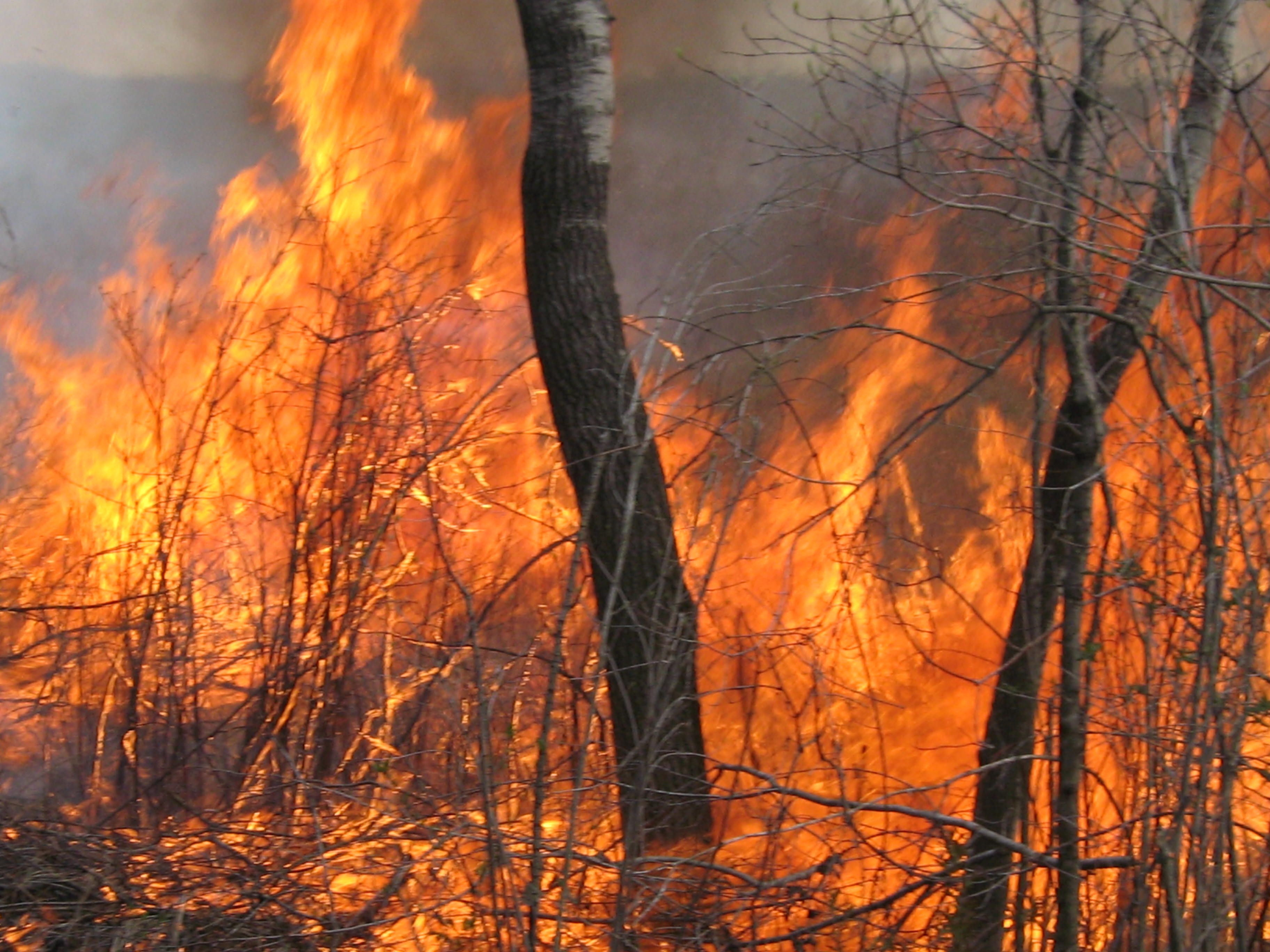
Below is the bowl of the lower pond and it was thickly covered with cattails, willow and other vegetation. When I lit this from the west bank of the river, it erupted into a conflagration of intense and immense proportion that engulfed the bowl in 20′ flames, from which a column of black smoke ascended high above the tree tops.
The east junction of the cut-off trail and the main loop trail.
Walking west on the cut-off trail.
Lindsay worked hard to save this unusual oak tree that speared its spreading branches into the earth.
The last few pictures above are where the cut-off trail meets the main loop trail at the marl pits. Elias Wilson lit over 30 brush piles in this area in approximately an hour. I am thrilled to see the views that have opened up into the Scuppernong River valley from the main loop trail as you approach the stream gaging station bridge.
These views to the south show the area to the east of the marl pit bridge.
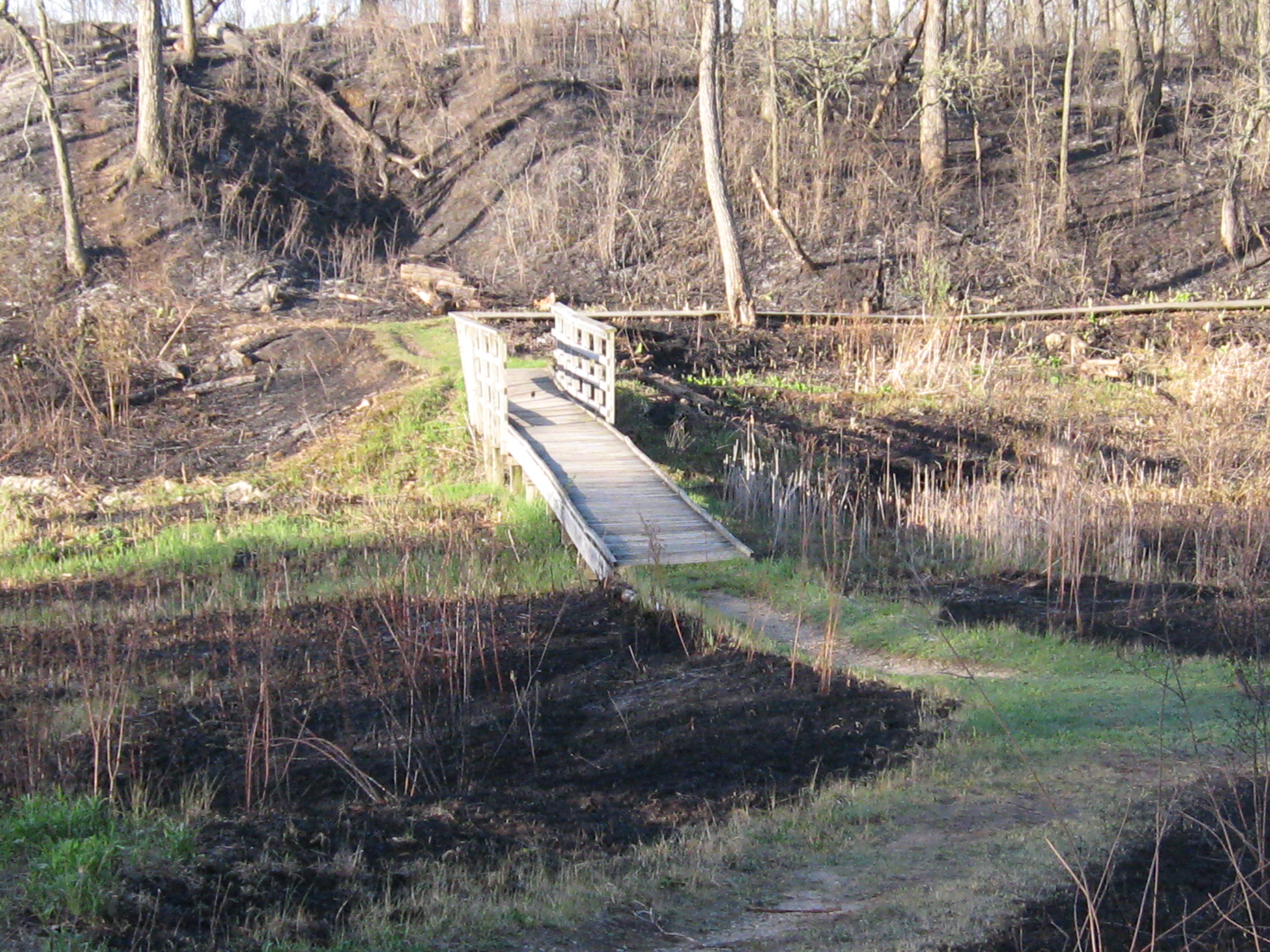
The day of the burn I witnessed a roaring head fire move across this area and I worried for the safety of the marl pit bridge, which you can see at the right of this picture.
When I got there I found the southeast corner of the bridge on fire and put it out as quick as I could. Sorry Ron!!!
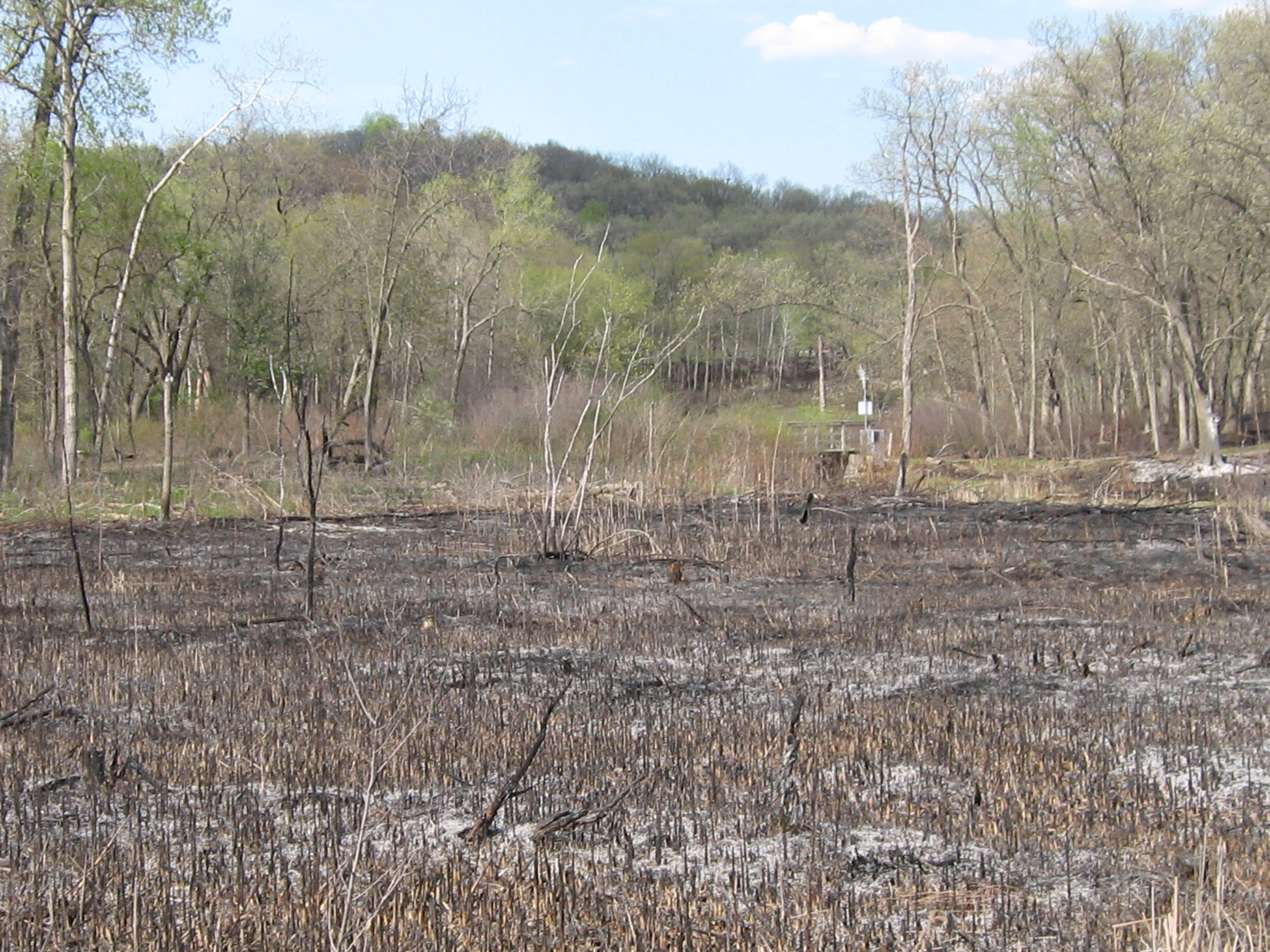
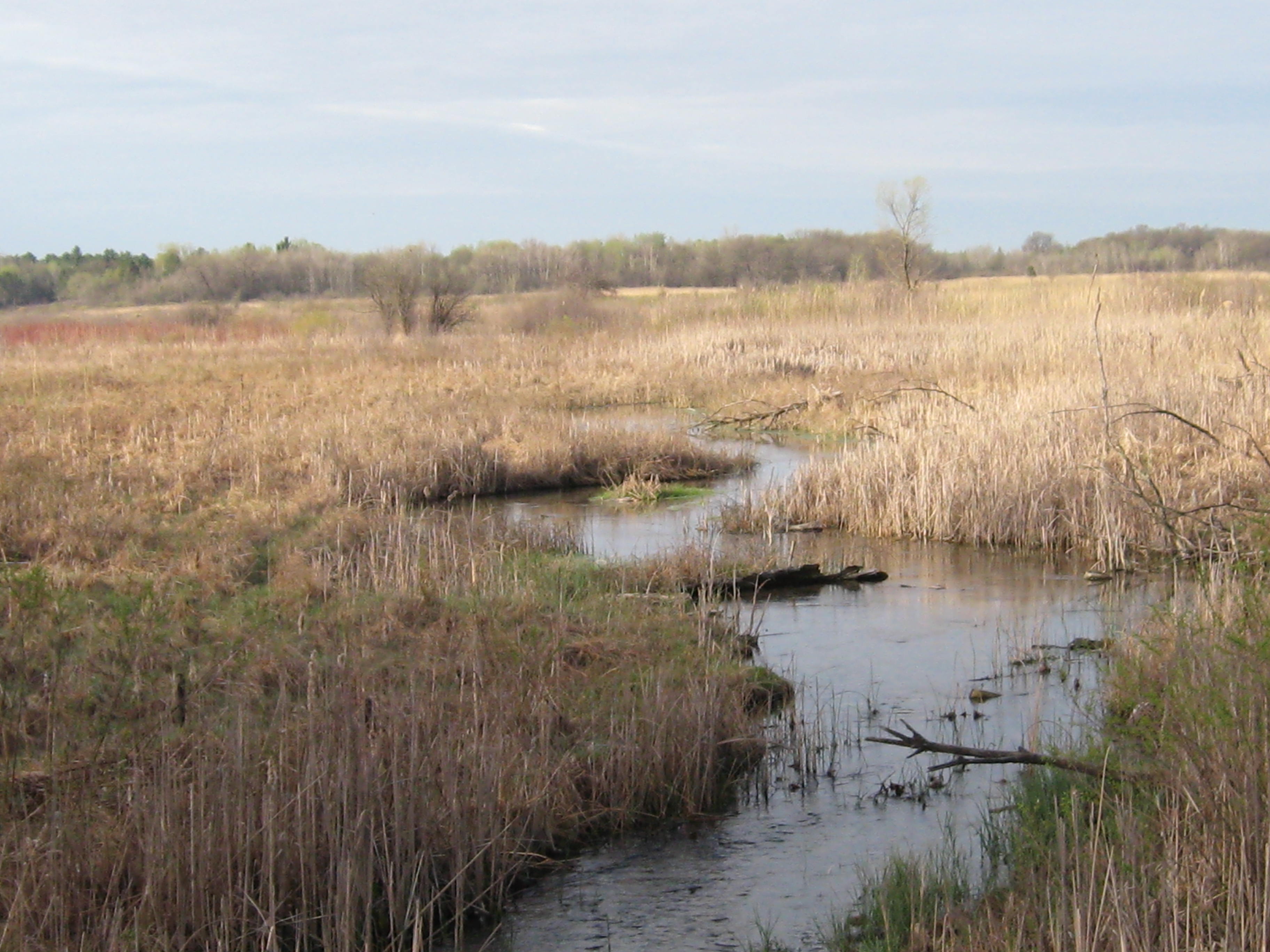
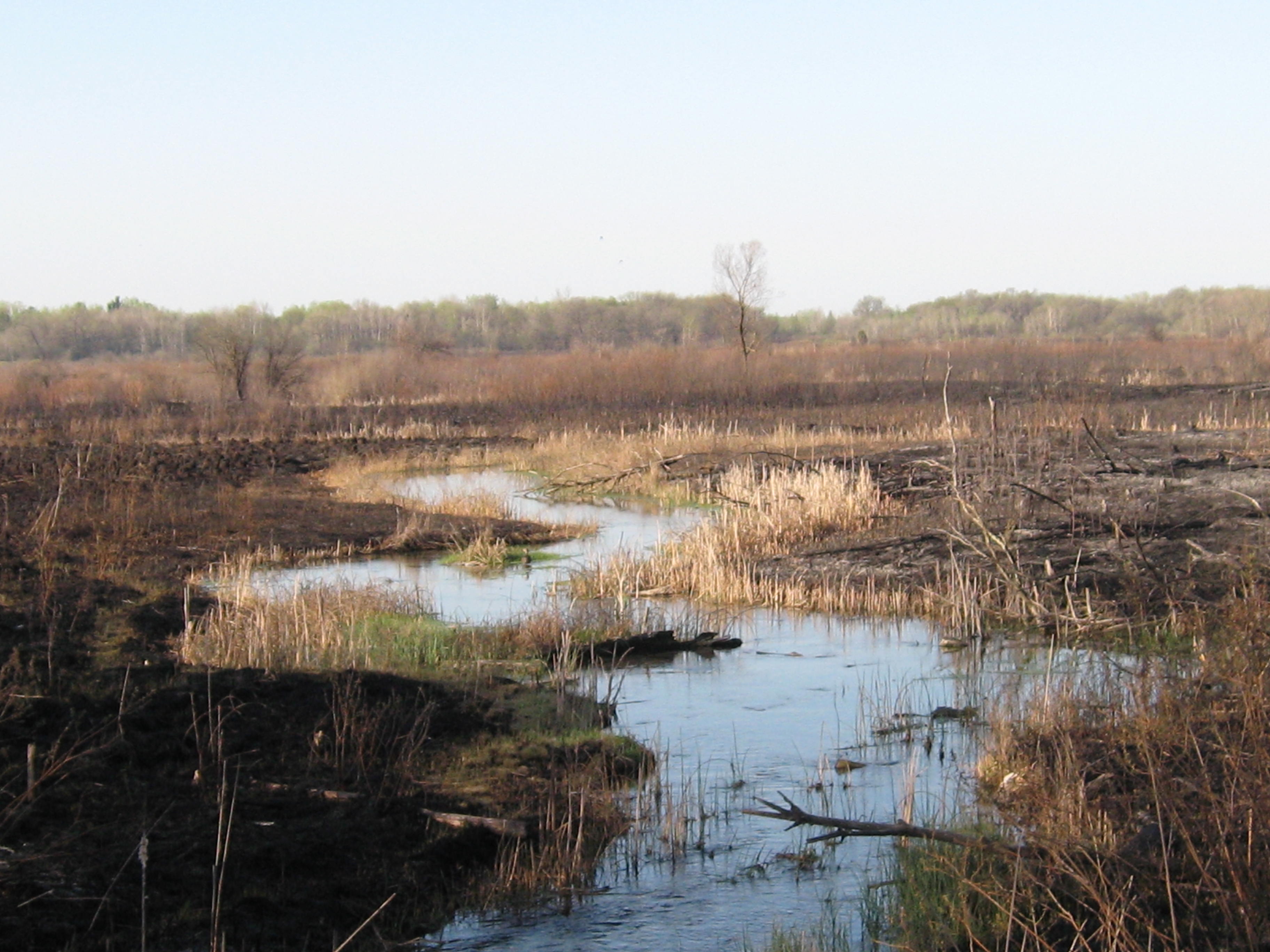
Here are some before and after shots taken from the marl pit bridge.
Some views from the area at or near the bridge at the stream gaging station.
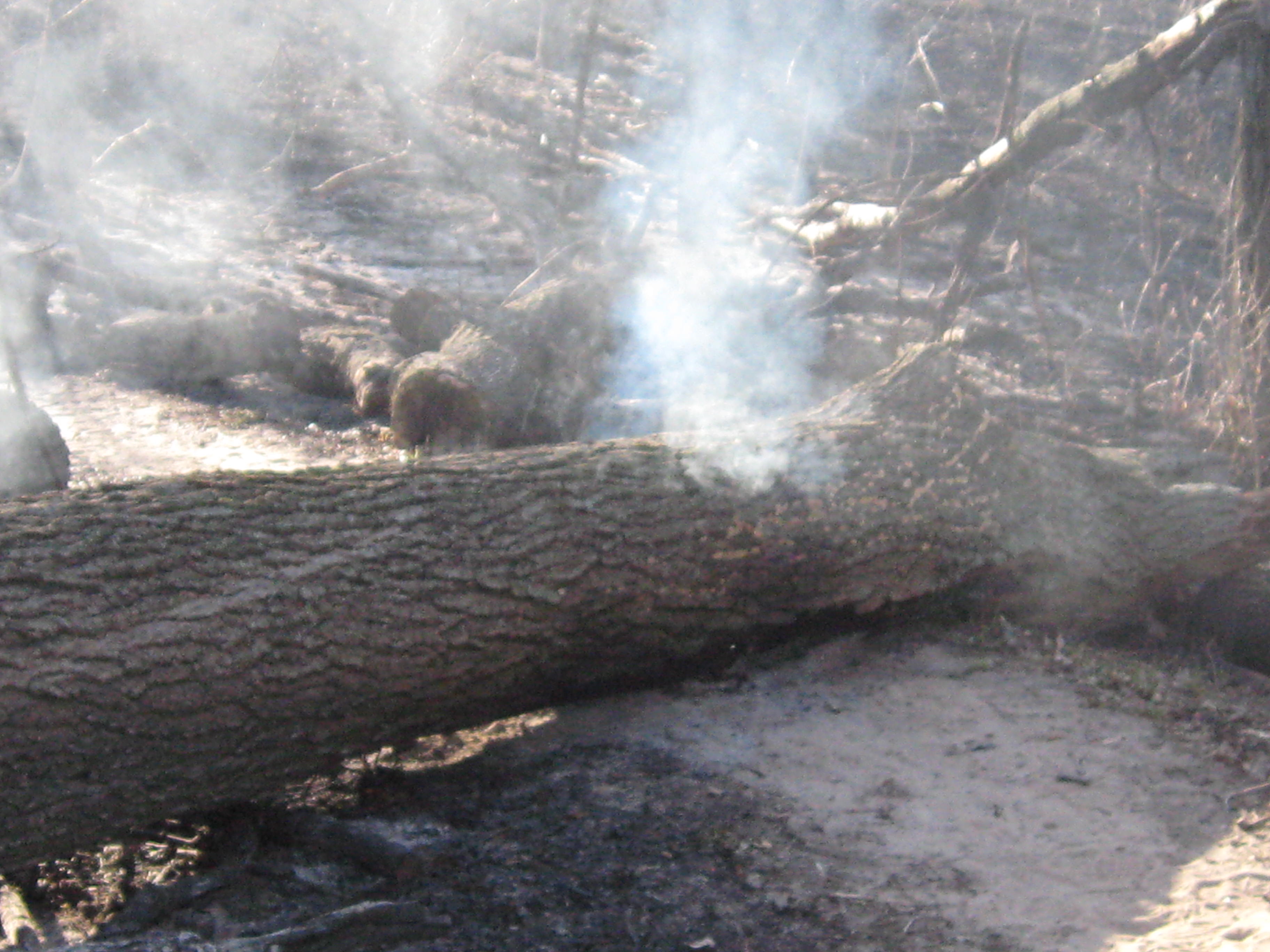
During the mop up, Dan tried to drop this smoldering snag to the north, away from the trail, but without wedges, it was impossible. I cleared this from the trail yesterday.
Classic views from the Indian Campground.
She scenery at the south end of the loop trail.
Dropping into the bowl of the Scuppernong Spring.
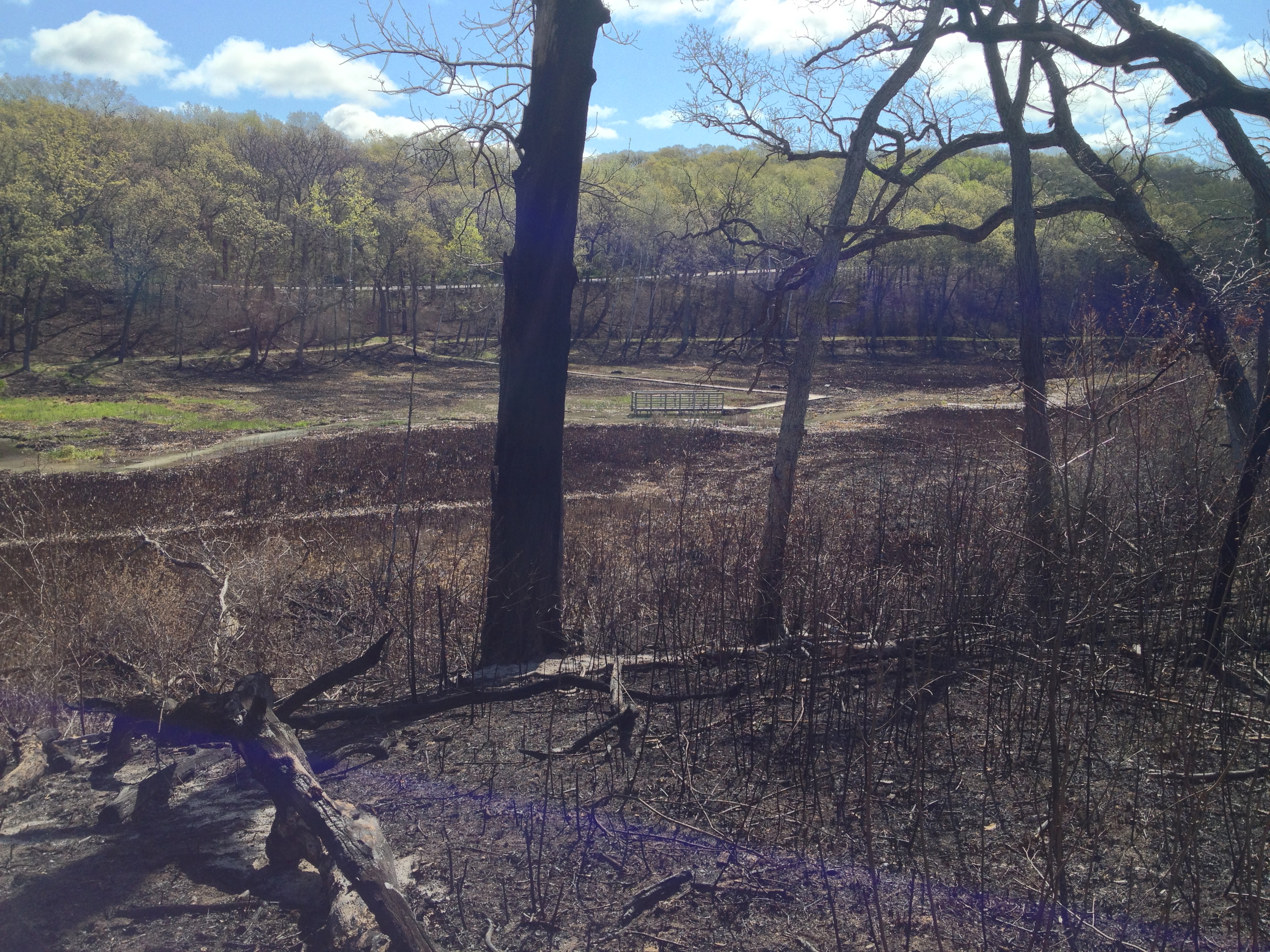
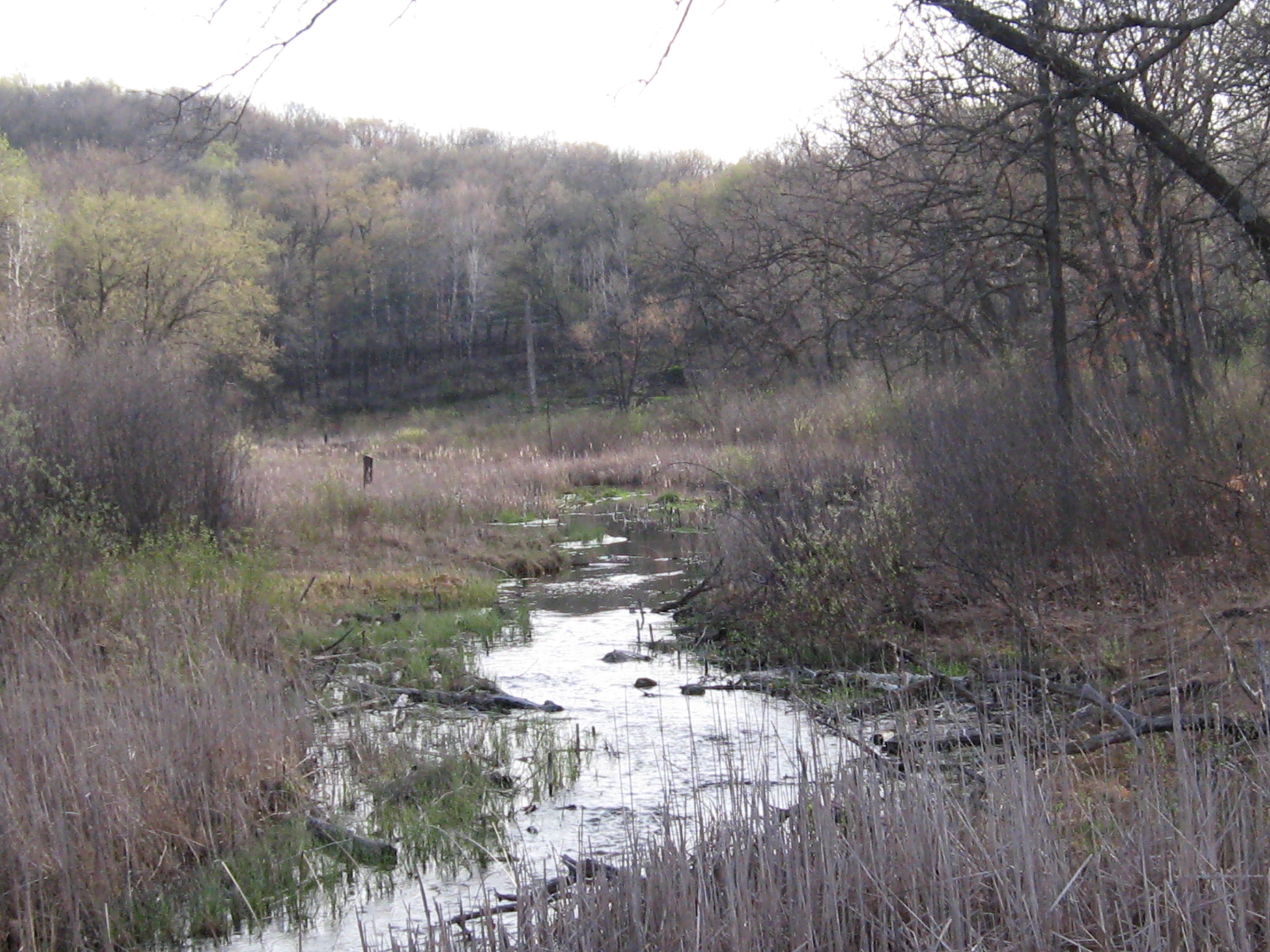
Looking down the valley.
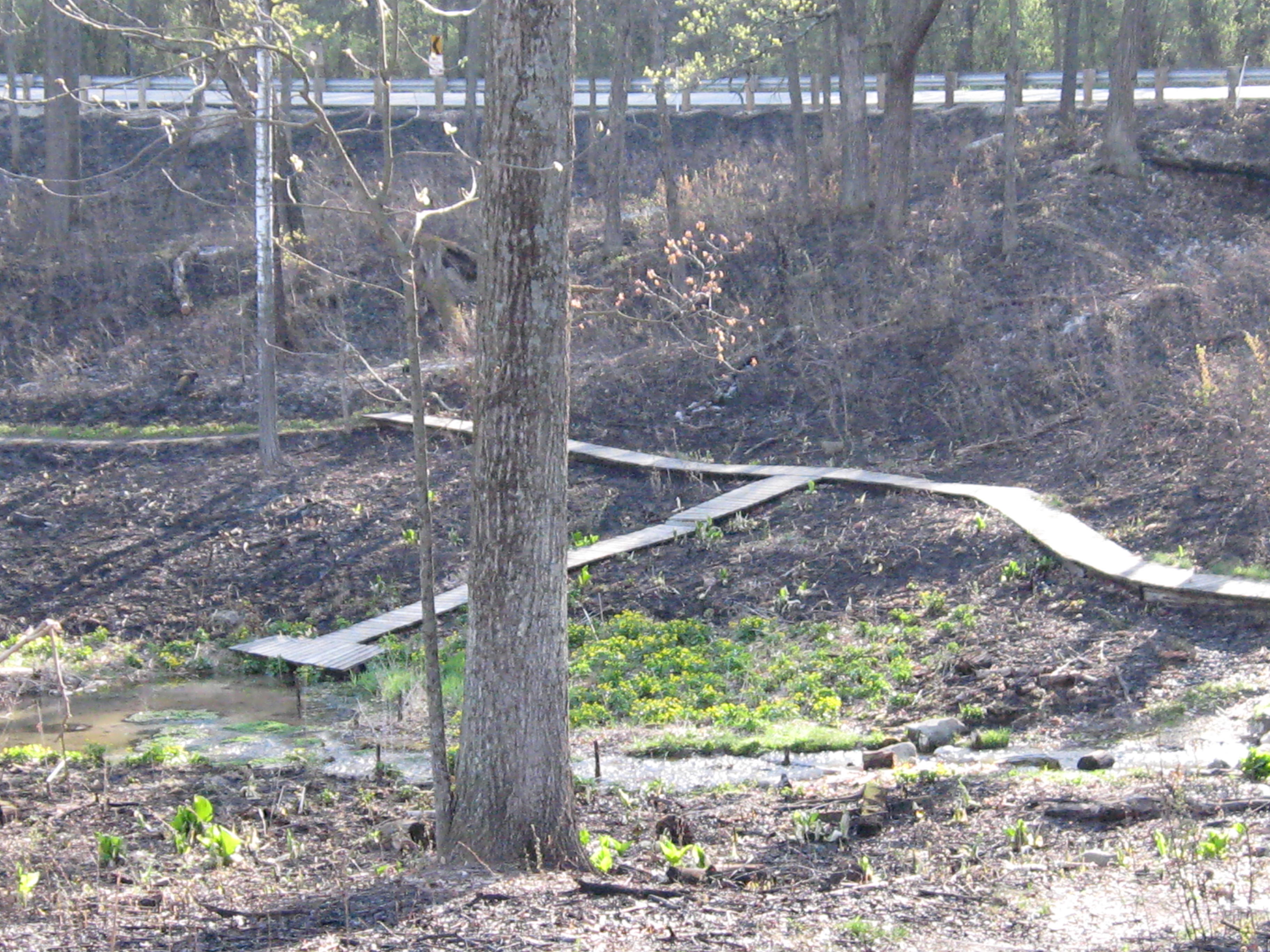
Lindsay discovered the boardwalk at the far end of the Hatching House Spring, which is in the foreground of the picture below, and made a valiant effort to save it; getting a close encounter with intense heat on his face, especially his nose. He flipped it over and the fire went out, but the boardwalk is badly damaged.
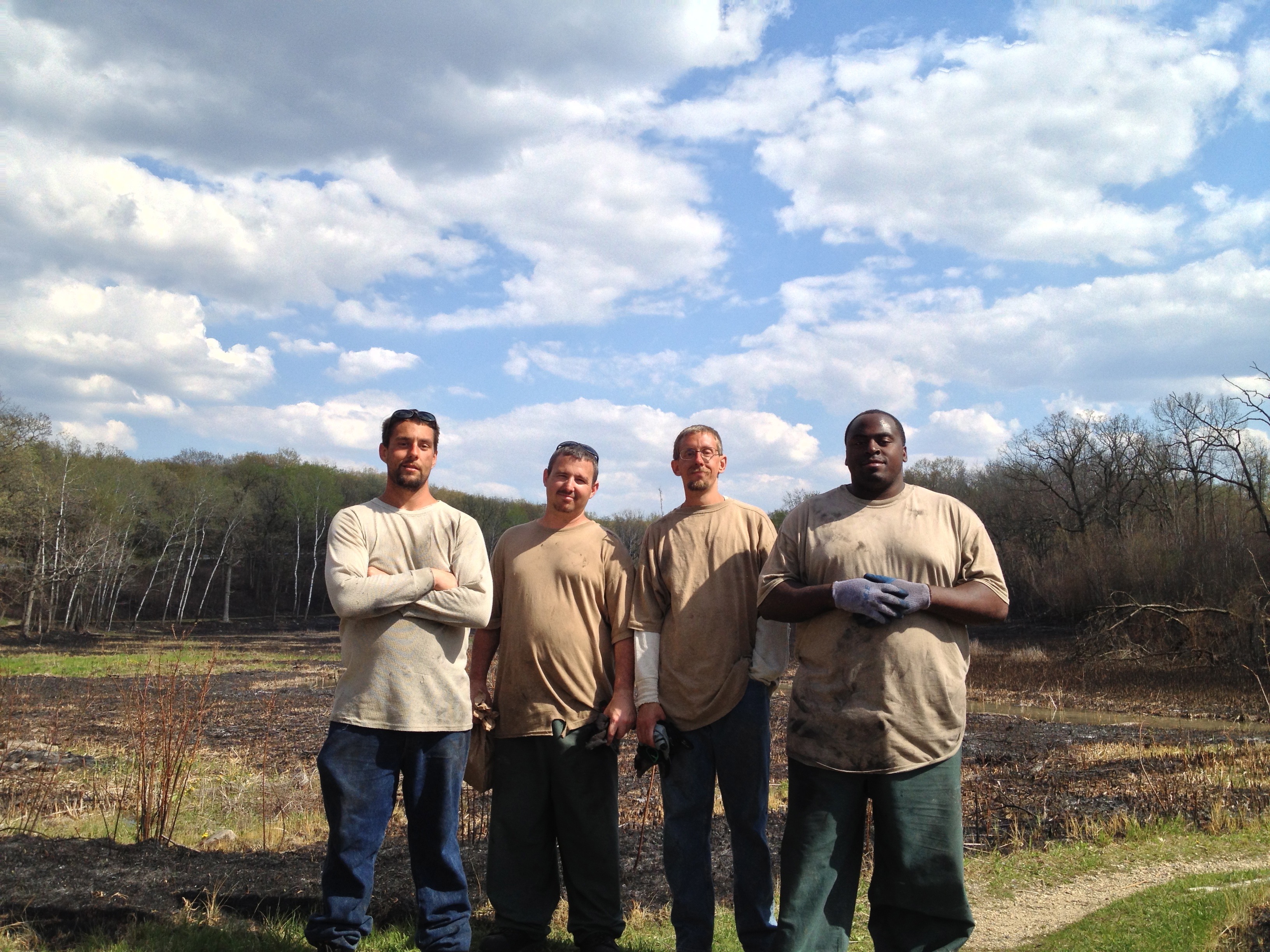
I have been planning for a couple months with the work release coordinators at the Sturtevant Transitional Facility to have some inmate “volunteers” come out to The Springs to help pile brush. Yesterday was our “pilot” adventure and the plane may have crashed. The inmates may have agreed in principle to volunteer but they were not told in advance when this might occur. Yesterday they were already on-site at the Bong Recreational Area, where they have been working for over a month to earn “release” money, when they were ordered to get in the van and “volunteer” at the Scuppernong Springs under threat of going to “the hole” if they did not agree. They were willing to volunteer, but not under those conditions and not at the expense of giving up a day when they could earn some desperately needed money ($2.00/hr after the State takes its cut). They were not in the best of spirits and when I found out the story, I suggested they just relax, which they did. But watching me pile all by myself, they couldn’t help it and they did pitch in a bit. We made 18 piles at the start of the buckthorn alley and another 8 piles by the Hotel Springs.
John, Mike, Jeremy and Ray.
John found these “mushrooms” above the old hotel site. Turkey eggs?
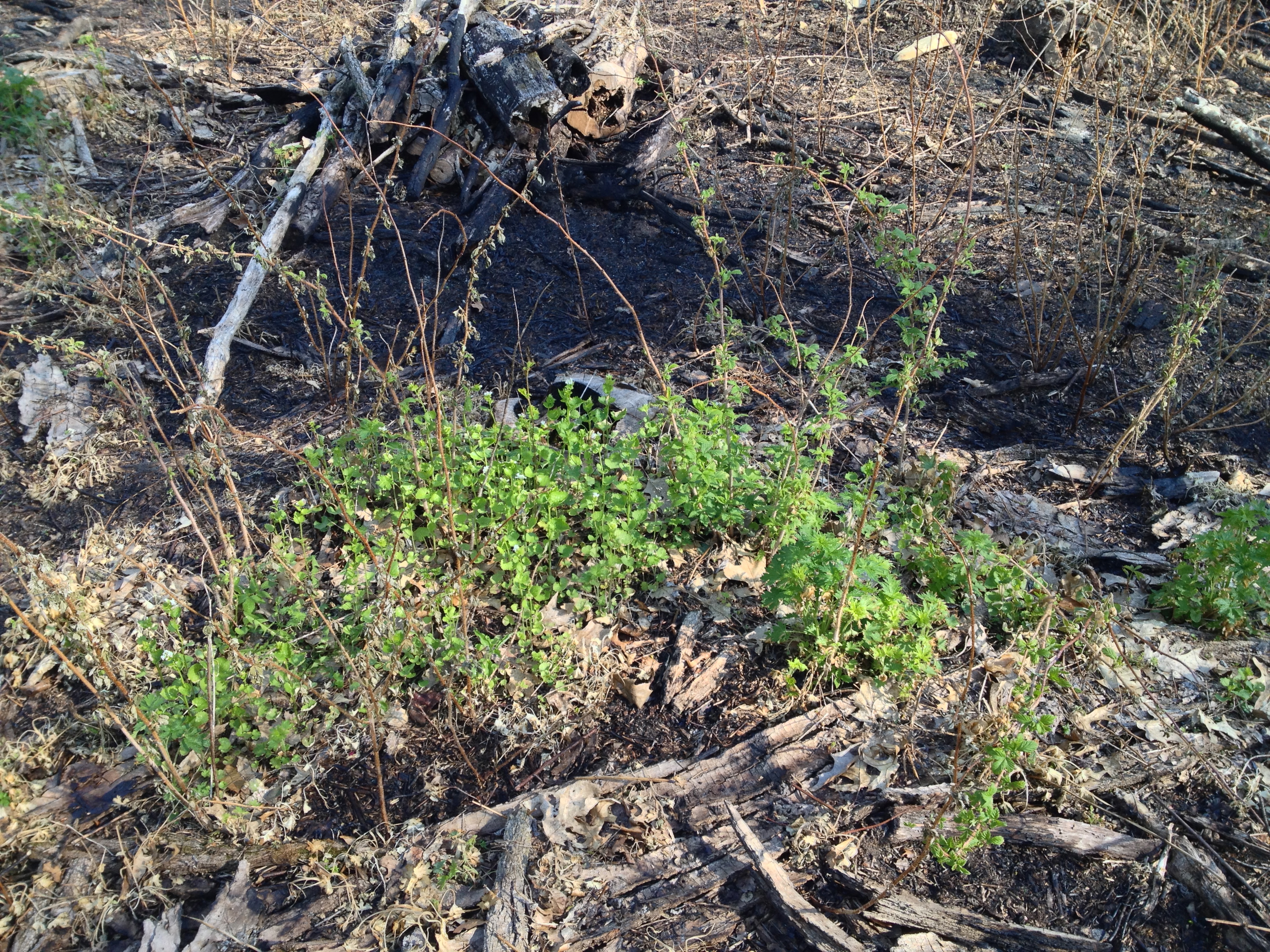
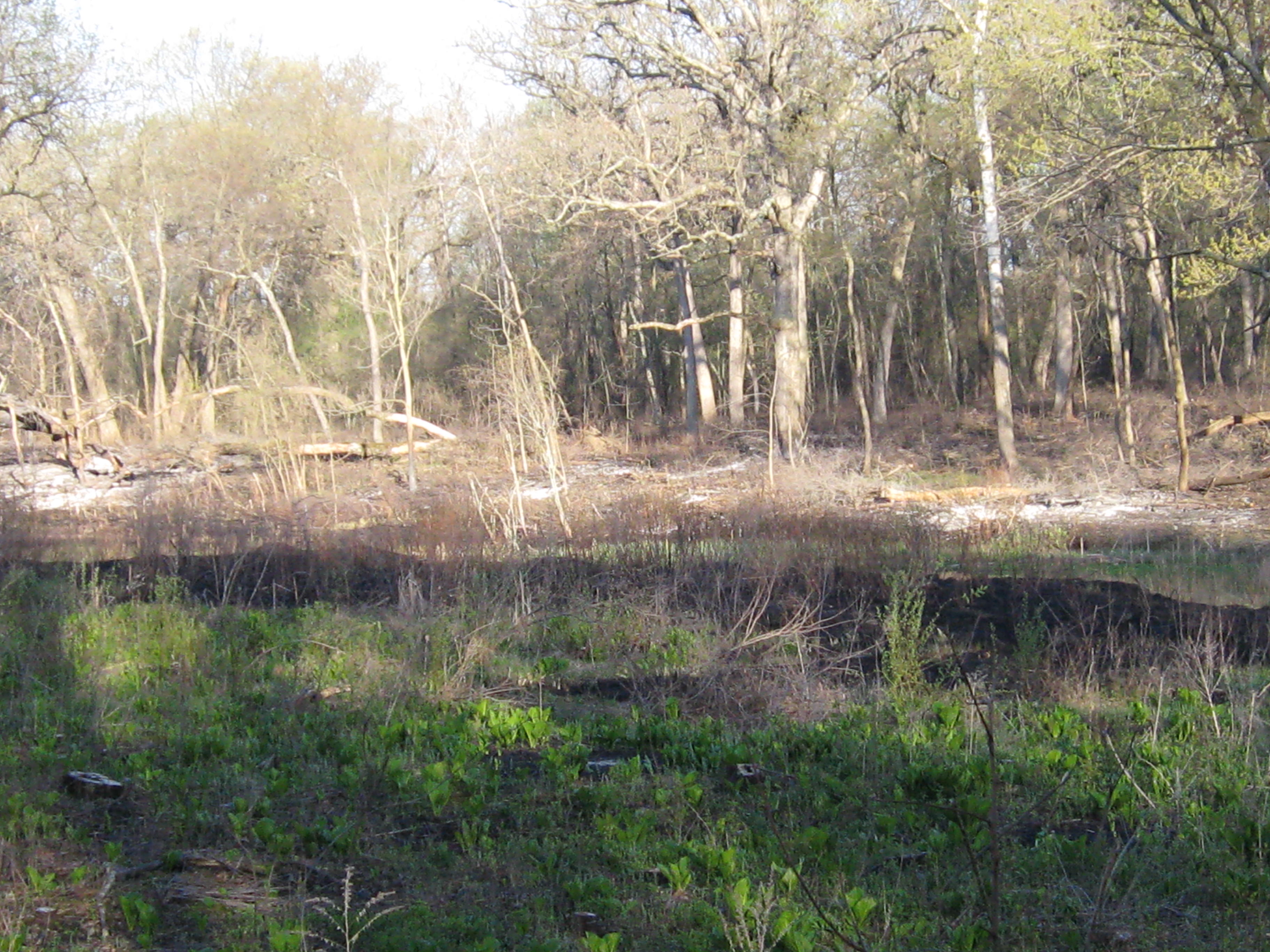
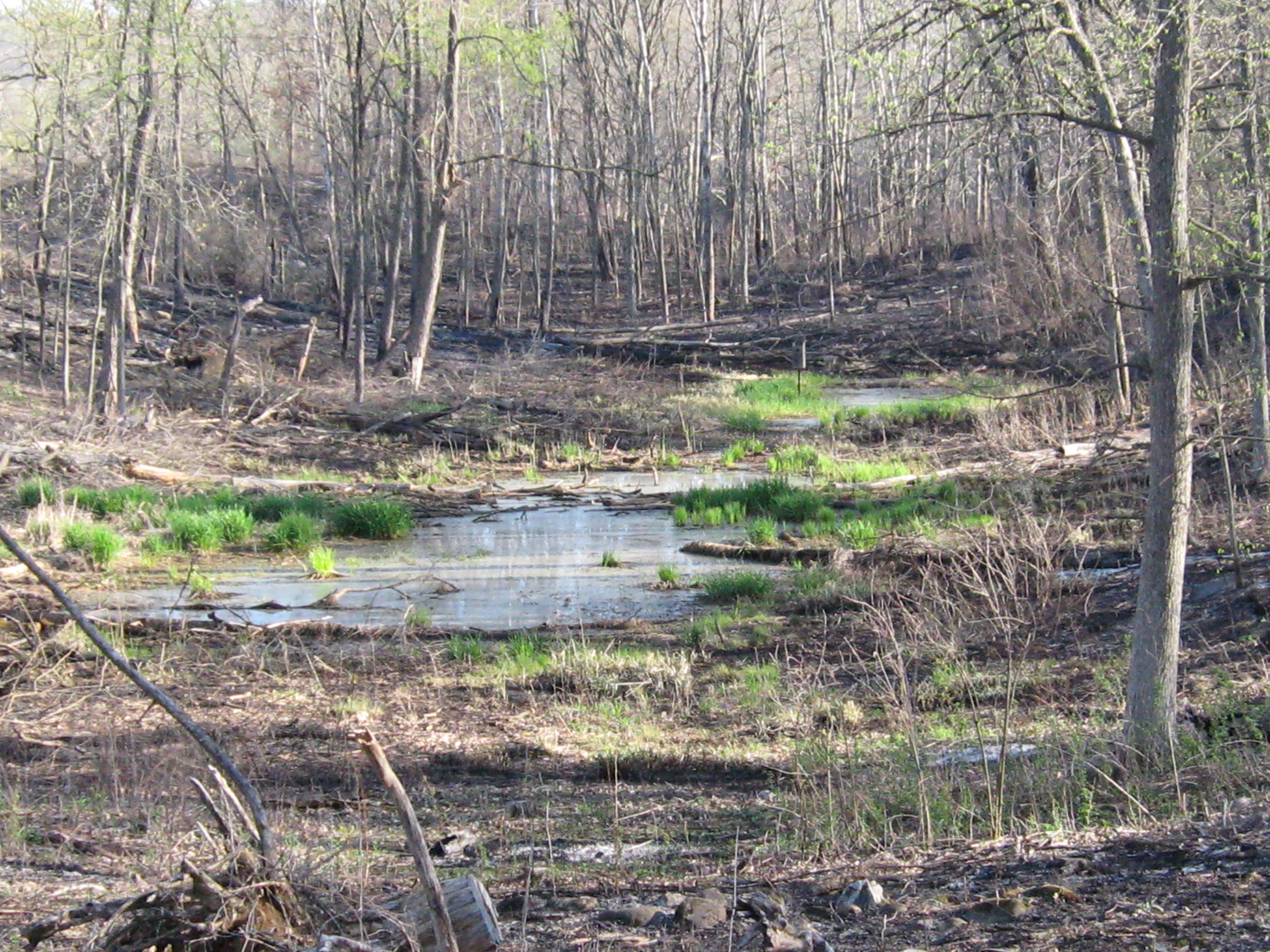
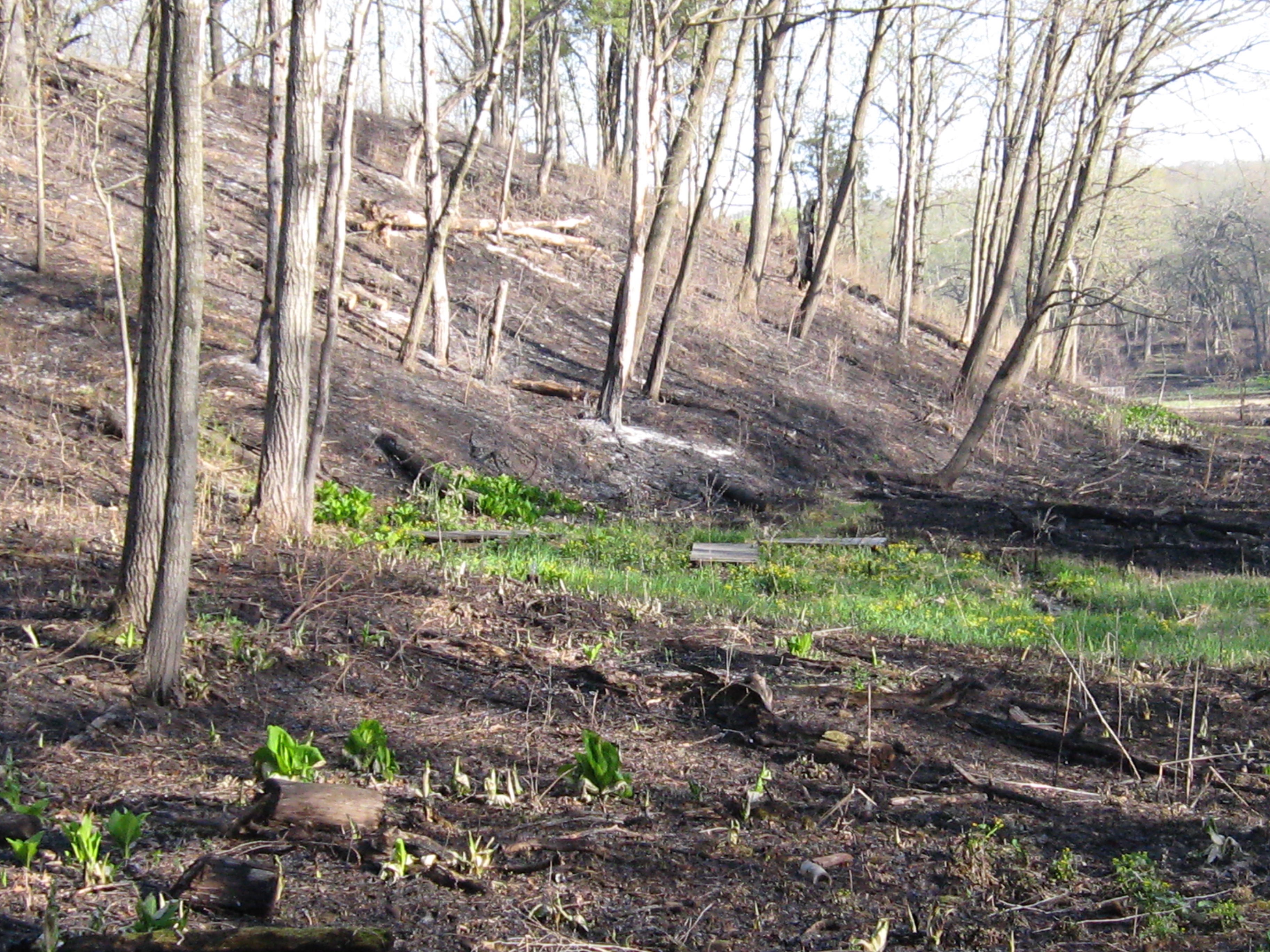
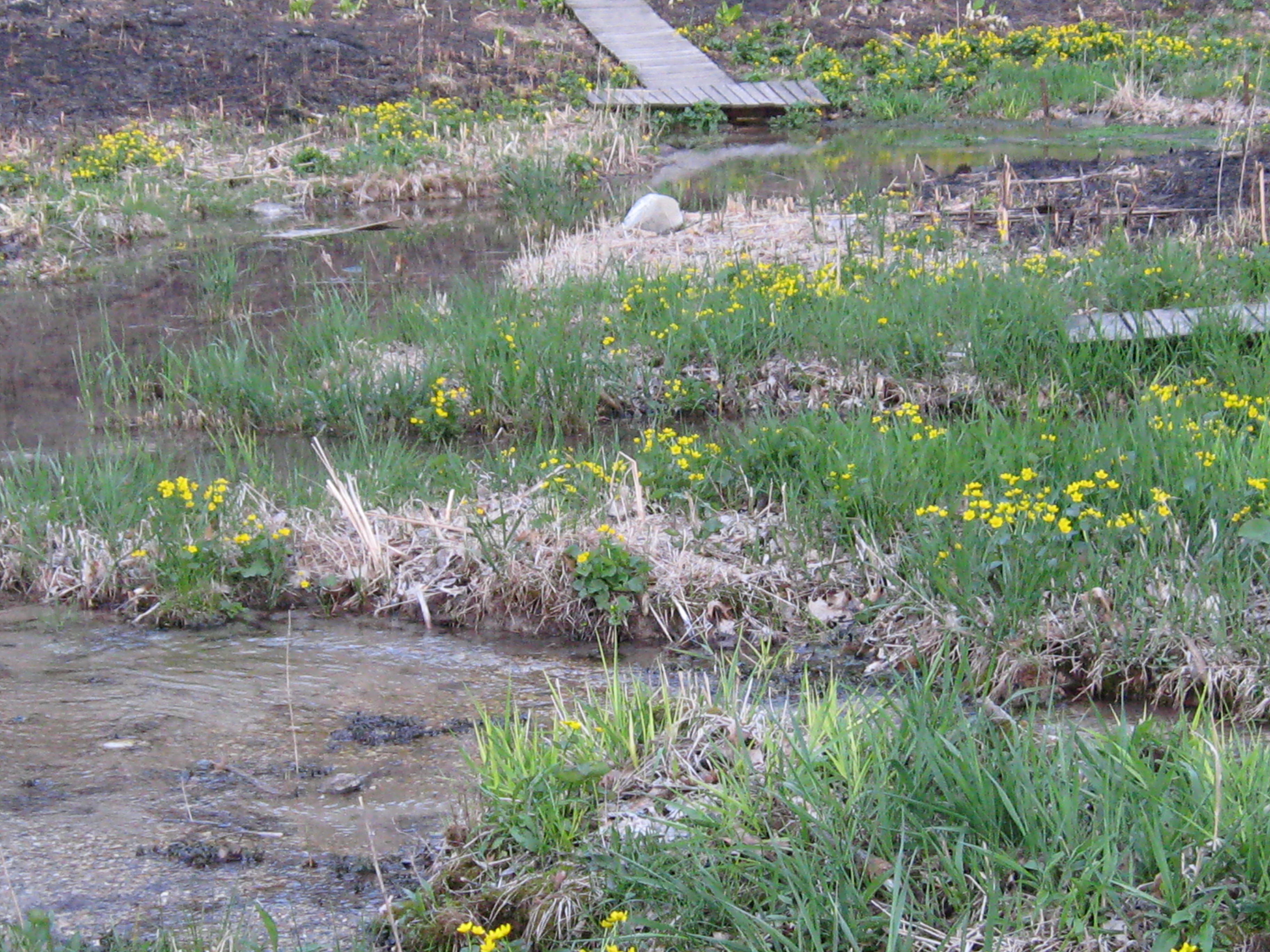
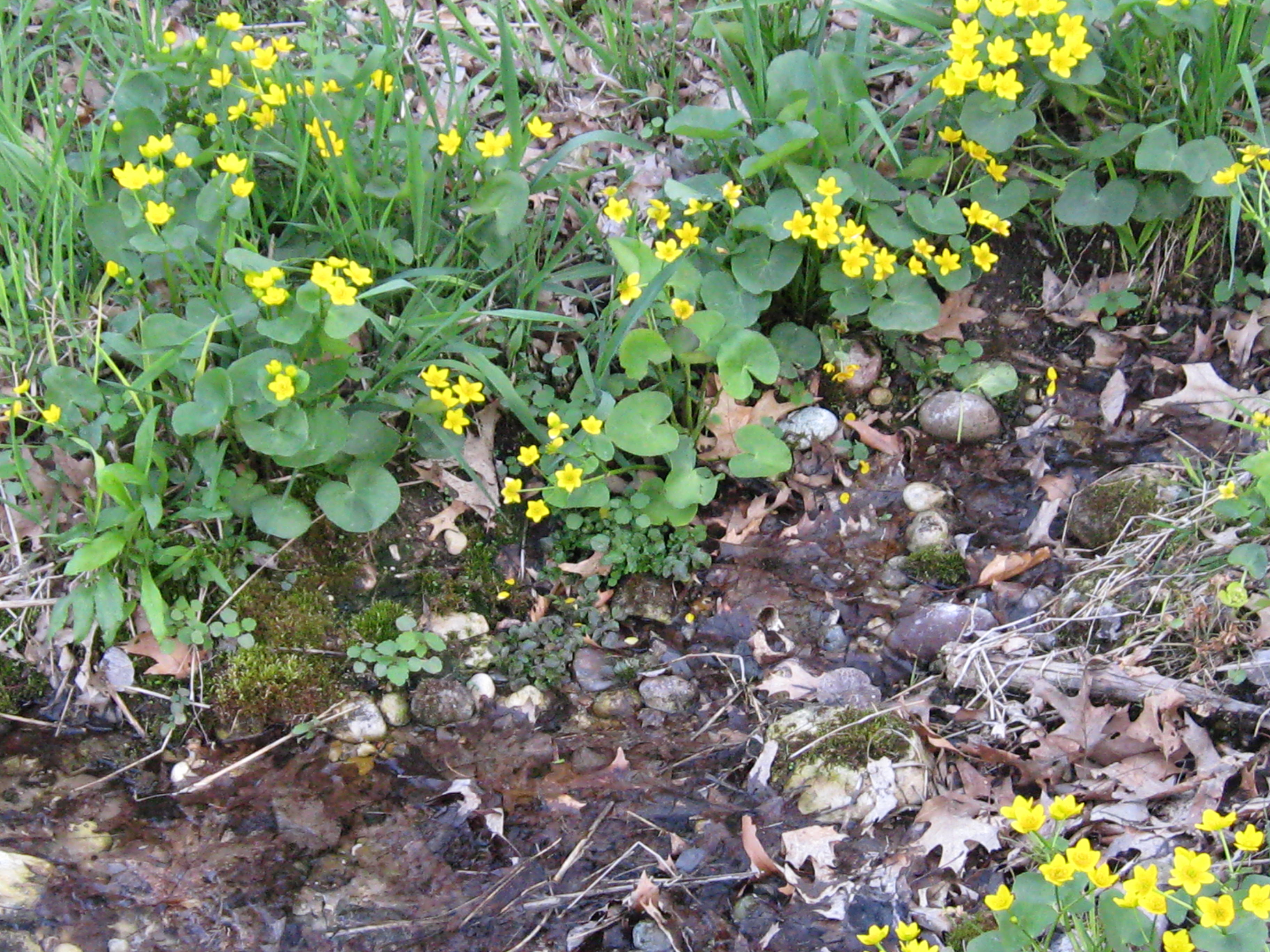
The fire did not obliterate all the color. Below, the marsh marigolds are flowering at the Hillside Springs.
I couldn’t leave. Everyone was gone except for the burn boss, Don Dane, who would maintain an all-night vigil. The sun had set and it was a moonless night. I walked the cut-off trail in the dark for the first time; my path illuminated by glowing snags and the embers from numerous brush piles. What a day it had been! We burned the Scuppernong and I wanted to savor the feeling, the smells, the smoke, the trees, and the night sky.
The day, May 6, began as the forces gathered at Forest Headquarters in front of the maintenance shop.
Paul Sandgren and Don Dane discussing plans with the lieutenant from the Eagle Fire Dept.
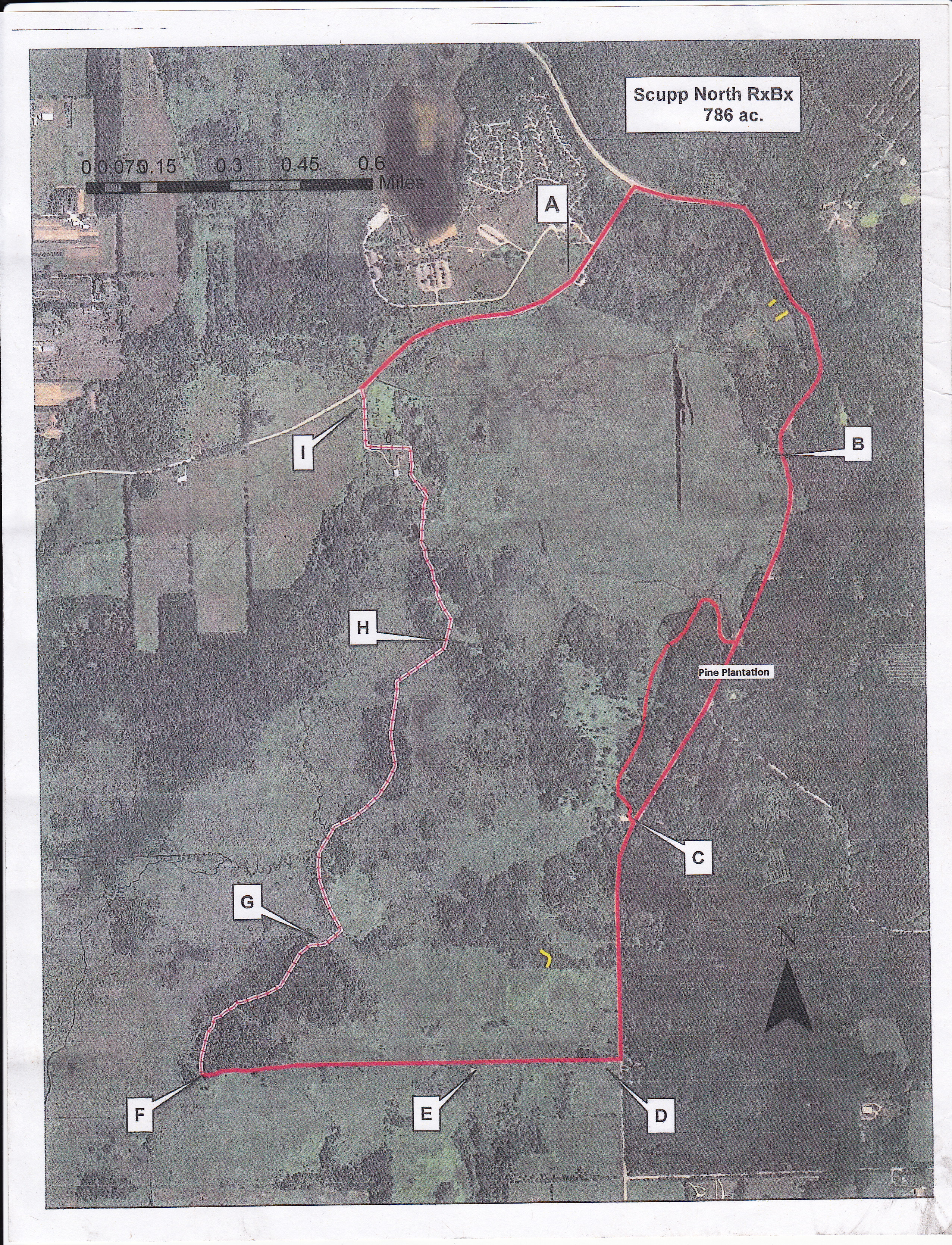
The excitement was building as Don prepared to explain the plan to burn 786 acres of the Scuppernong.
Refer to the plan below as you listen to Don’s instructions in the following video and notice that Amanda Prange is the one who steps forward when Don asks for a volunteer for a tough assignment. “Go Big” is the trend now for prescribed burns and Don effectively integrated people and equipment from multiple sources to implement his carefully conceived burn plan.
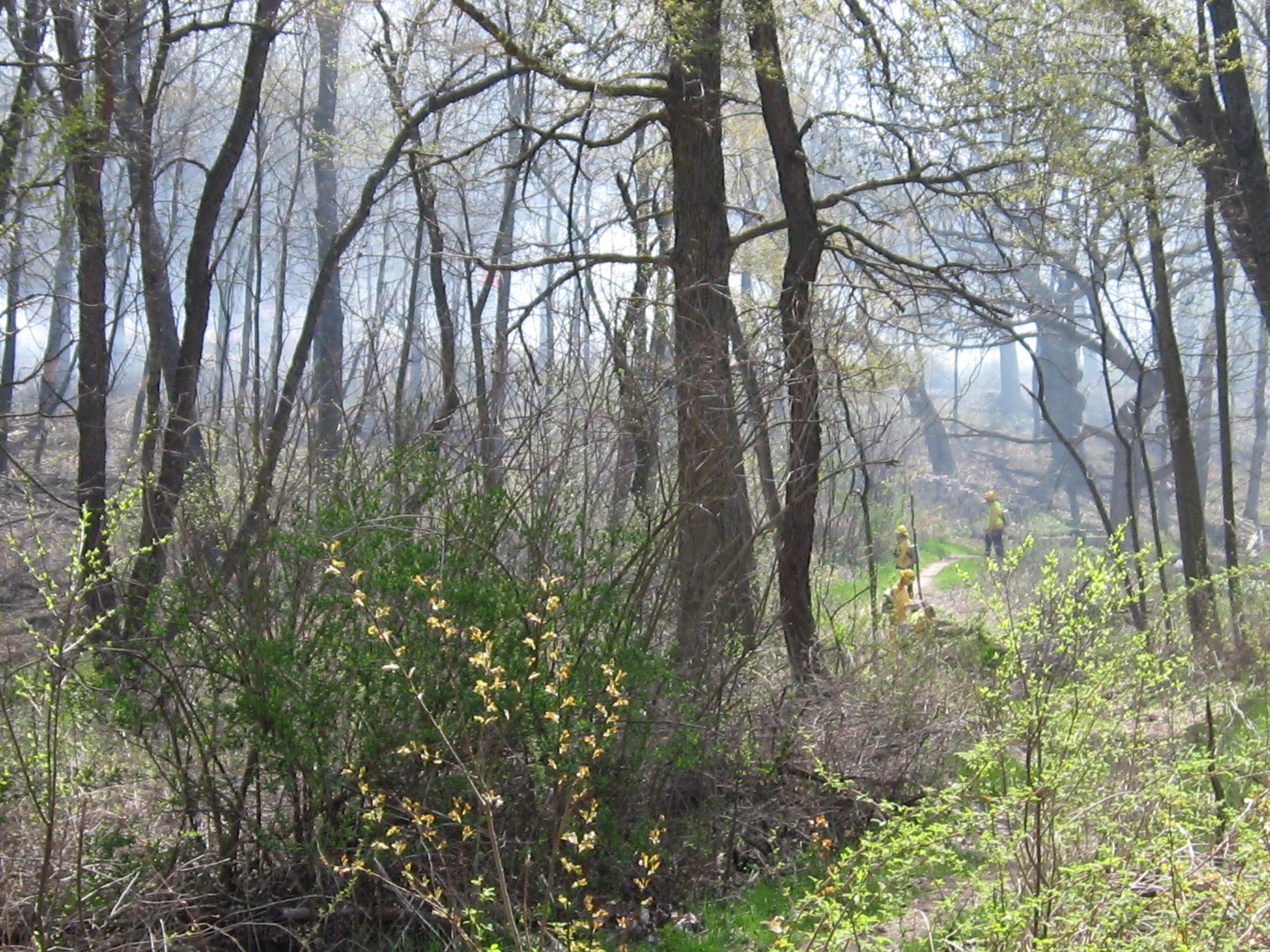
Lindsay and I were assigned to line boss Paul Sandgren’s team along with IAT trail boss Pat Witkowski, DNR sheriff Elias Wilson and Rocky, Dan and Melanie, also from the DNR. Our job was to make sure the fires set at the top of the ridge along Hwy 67 did not jump the trail.
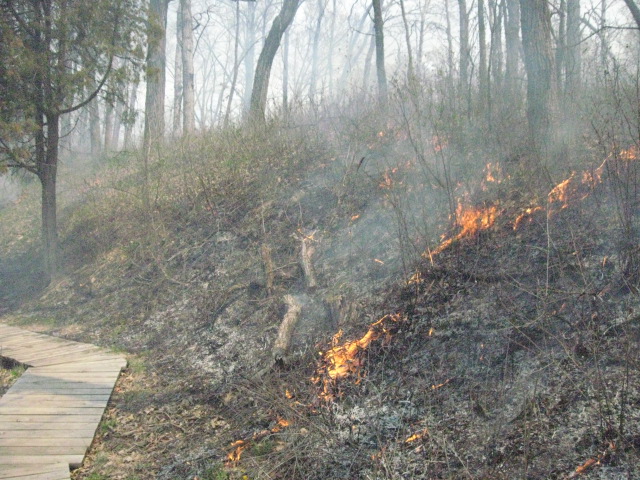
The shifting and variable winds did not conform to the expectations in Don’s plan and Paul and Don decided to light the hillside along Hwy 67 from the bottom up instead of the top down, which was very effective.
I was assigned to help in this task and grabbed the last drip torch. Unfortunately, the seal around the throat of the torch was not good and fuel leaked from the rim in addition to coming out the torch nozzle. It is a good thing that Elias was there as he immediately noticed the danger and gently persuaded me to stop. I am prone to momentary lapses of reason and common sense when fixated on a goal, and it is quite likely that I would have immolated myself and ruined the day if Elias had not been there.
We listened to our radios with great interest to the status reports coming in from all quarters and I was impressed by the calm and deliberate way that every issue was handled. Incredibly, “the feds” as Don described them, called just as we were getting under way and tried to shut down the burn. They asserted that the WDNR was using funds from the NAWCA grant to pay for the effort, when in fact this burn had been planned for months before the WDNR was even awarded the grant and no money from the grant was used for the project. Don negotiated with “the feds” and resolved the issue.
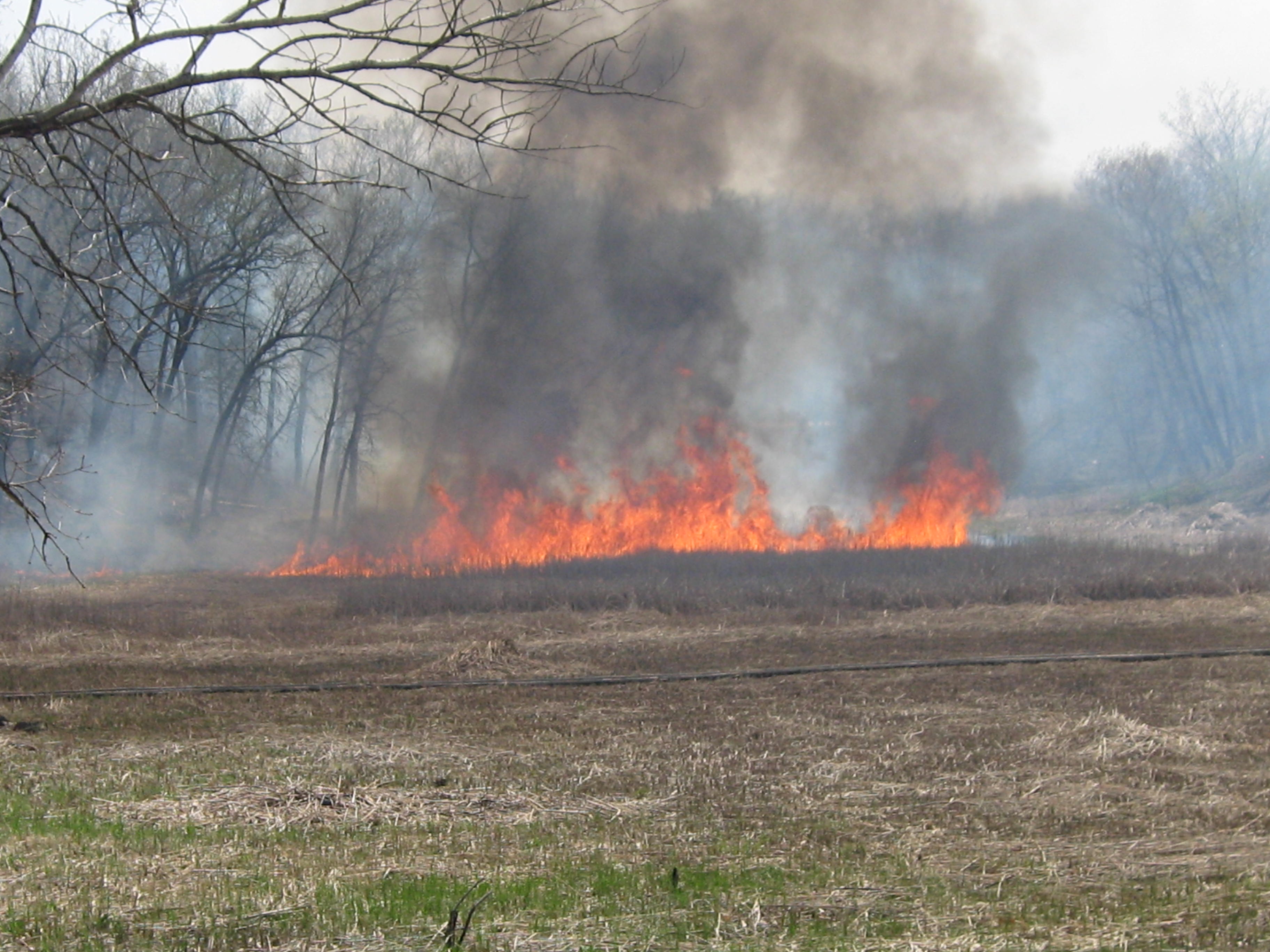
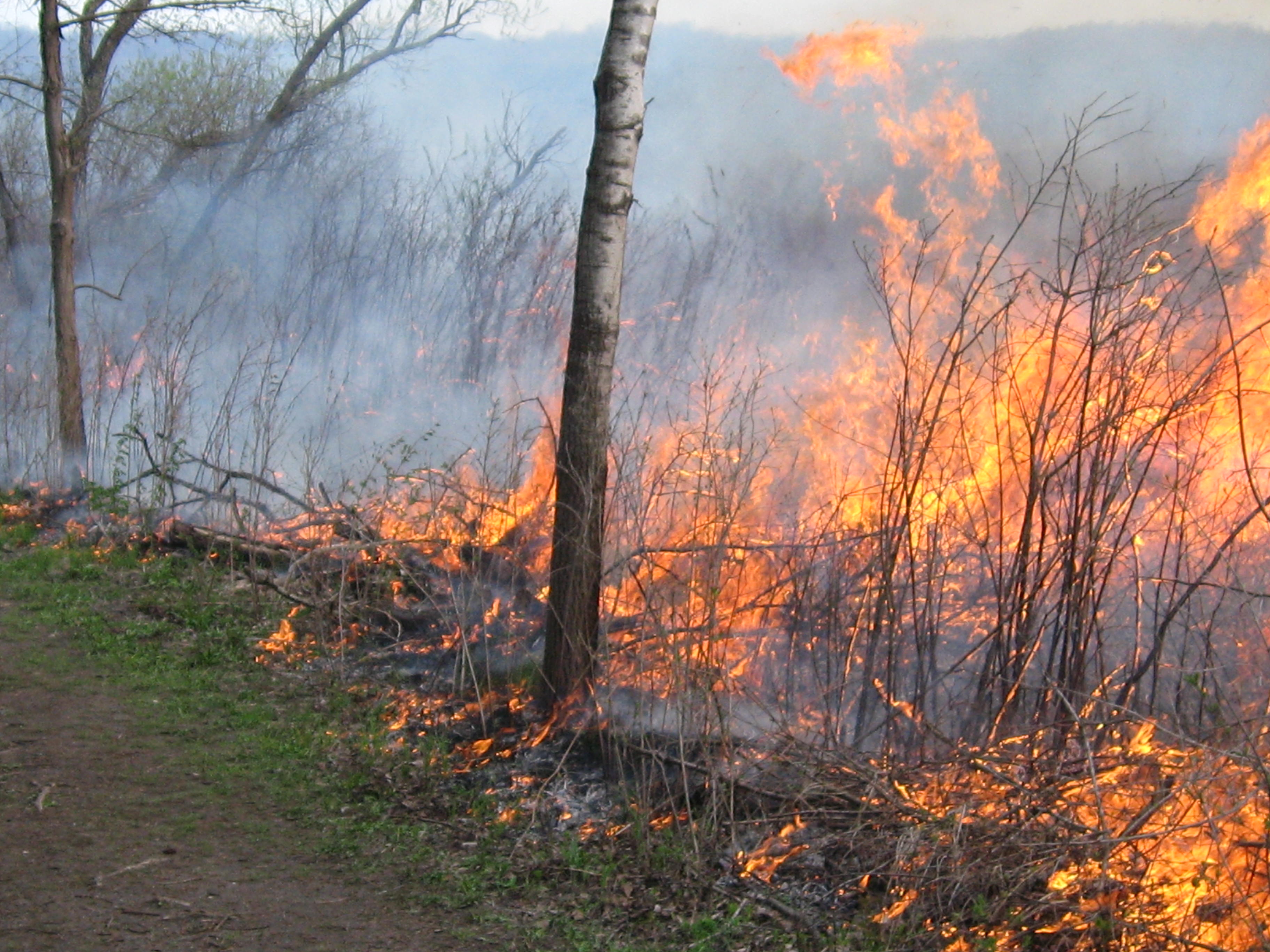
After the hillside was burned we proceeded to light the valley on the east side of the Scuppernong River. Check out this head fire and notice that it is running from south to north.
We took a very short break for lunch and lit the west side of Scuppernong River. I had a good working torch by now and walked along the west edge of the river igniting an incredible head fire that ran to the tree line on the west bank of the bowl that used to form the lower pond.
All the burn teams were making great progress and we heard reports of all the burn lines being “tied in”. The perimeter was secured and the teams began pushing head fires through the interior of the burn unit. I walked along the north side of the river, where it makes its turn west from the old barn site, taking soakers in both boots as I lit the bank of the river all the way to the bridge where the stream gaging station is. The winds where blowing from the south and this line of fire moved aggressively to the north jumping the cut-off trail.
Lindsay moved into the black behind the line of fire and put out flames in a huge oak tree that is laying sideways around 10-12′ off the ground saving this interesting landmark. Paul Sandgren sent me over to light the area on the west side of the marl pits on both the north and south sides of the river. The backing fires lit on the west side of the burn unit were creeping east and the time was ripe to drive a head fire towards them. I had just leveraged a south wind to light the north side of the Scuppernong River and now, out in the open, I had a strong east north-east wind behind me. When I got to the marl pit bridge I found the southeast corner on fire and had to dip my water bottle in the river repeatedly to put it out before any major damage was done. As I walked south along the west side of the marl pits, I lit what soon turned into a raging head fire. My escape route ahead of me was to simply jump the fire line of the creeping back fire.
Here is a perspective looking northeast from marl pit.
I was able to get a good head fire going on the north side of the river as well and we tried to run it as far as we could along the south side of the trail leading back to the parking lot on Hwy ZZ.
I think we burned approximately 95% of the unit, but Don might have a more precise estimate, and, much to my surprise, we lit all of the 50+ brush piles created since the end of the winter burning season.
I am heading out to The Springs tomorrow and I plan to take a lot of “after” pictures to pair up with all of the “before” shots I took yesterday morning before joining the team at forest headquarters.
This was an experience I will never forget. The WDNR team of the Southern Unit of the State Forest led by Superintendent Paul Sandgren, Assistant Superintendent Anne Korman and burn boss, Don Dane, is one of the finest groups of people I have ever had the pleasure to work with.
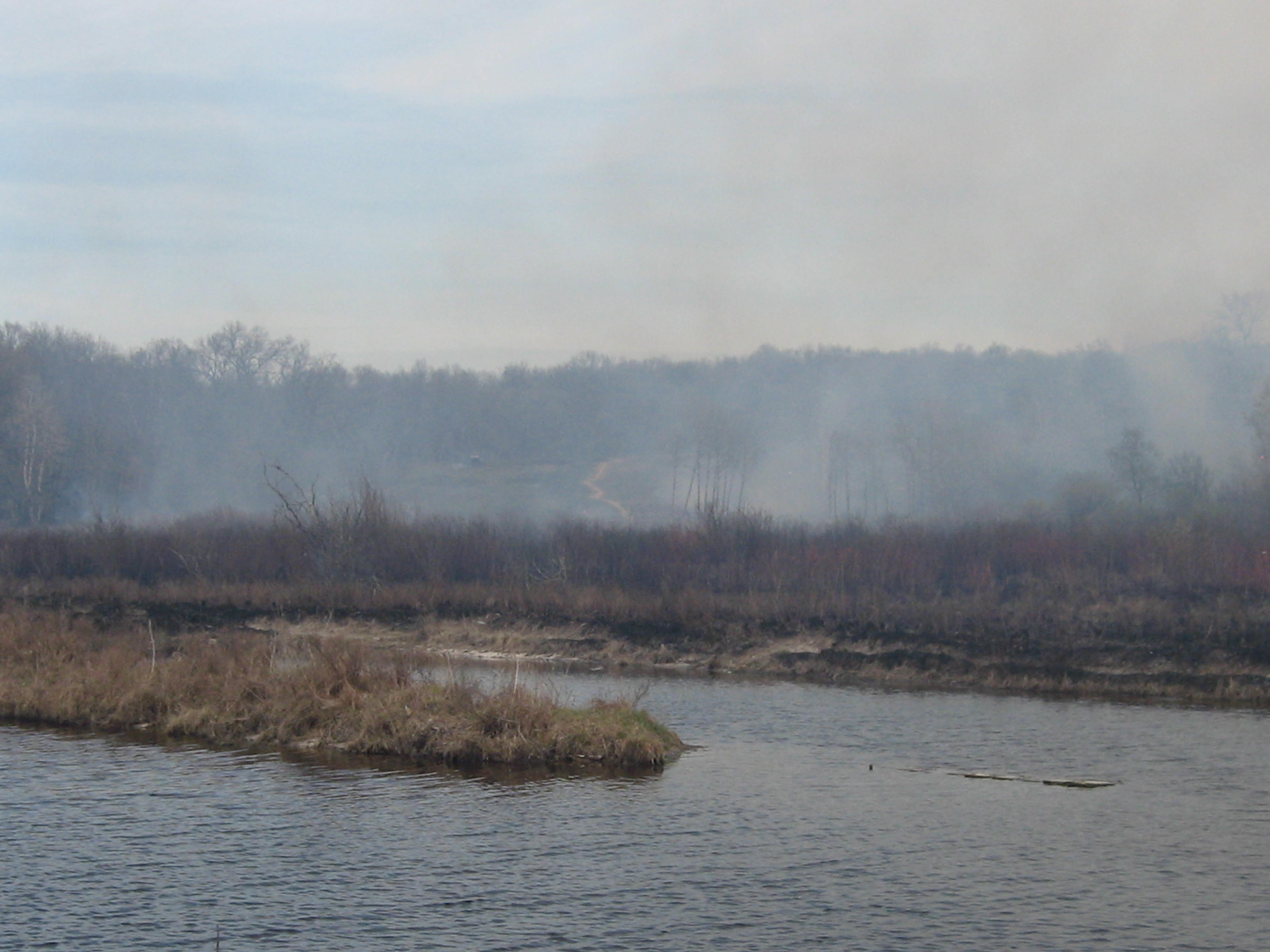
I stopped at The Springs on my way back from Forest Headquarters; I didn’t want to go home. Wandering the trails in the dark amongst the scattered, glowing fires was pure pleasure. I stopped at one of the bogs to capture the sound of the frogs with the glowing embers of a brush pile in front of me.
I arrived at the DNR parking area at ZZ & 67 above the Hotel Spring for a sympathetically synchronous rendezvous with Don Dane and we celebrated the success of the burn. There was a lot of mop up work waiting for his team today. I hope you got some sleep Don.
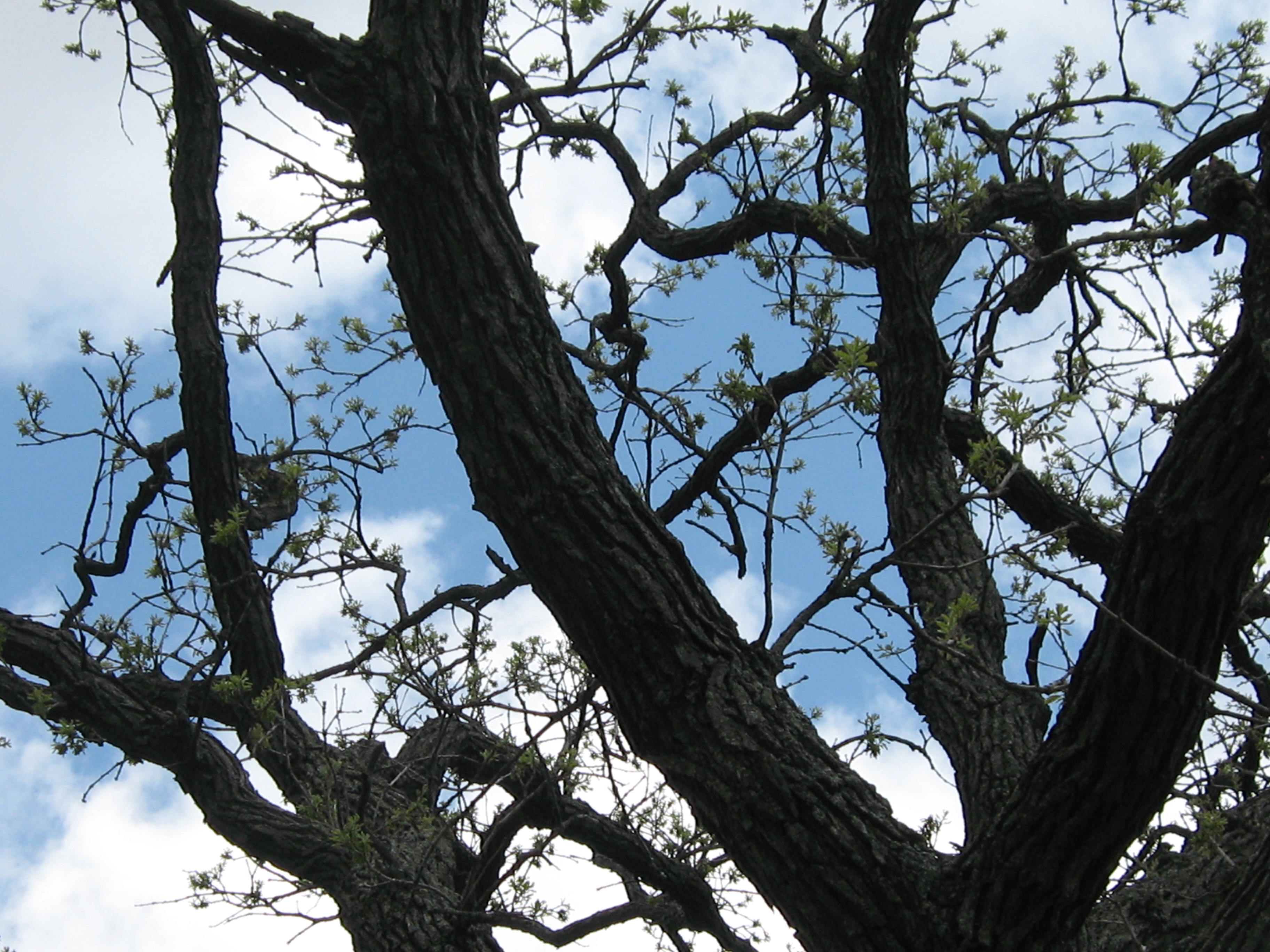
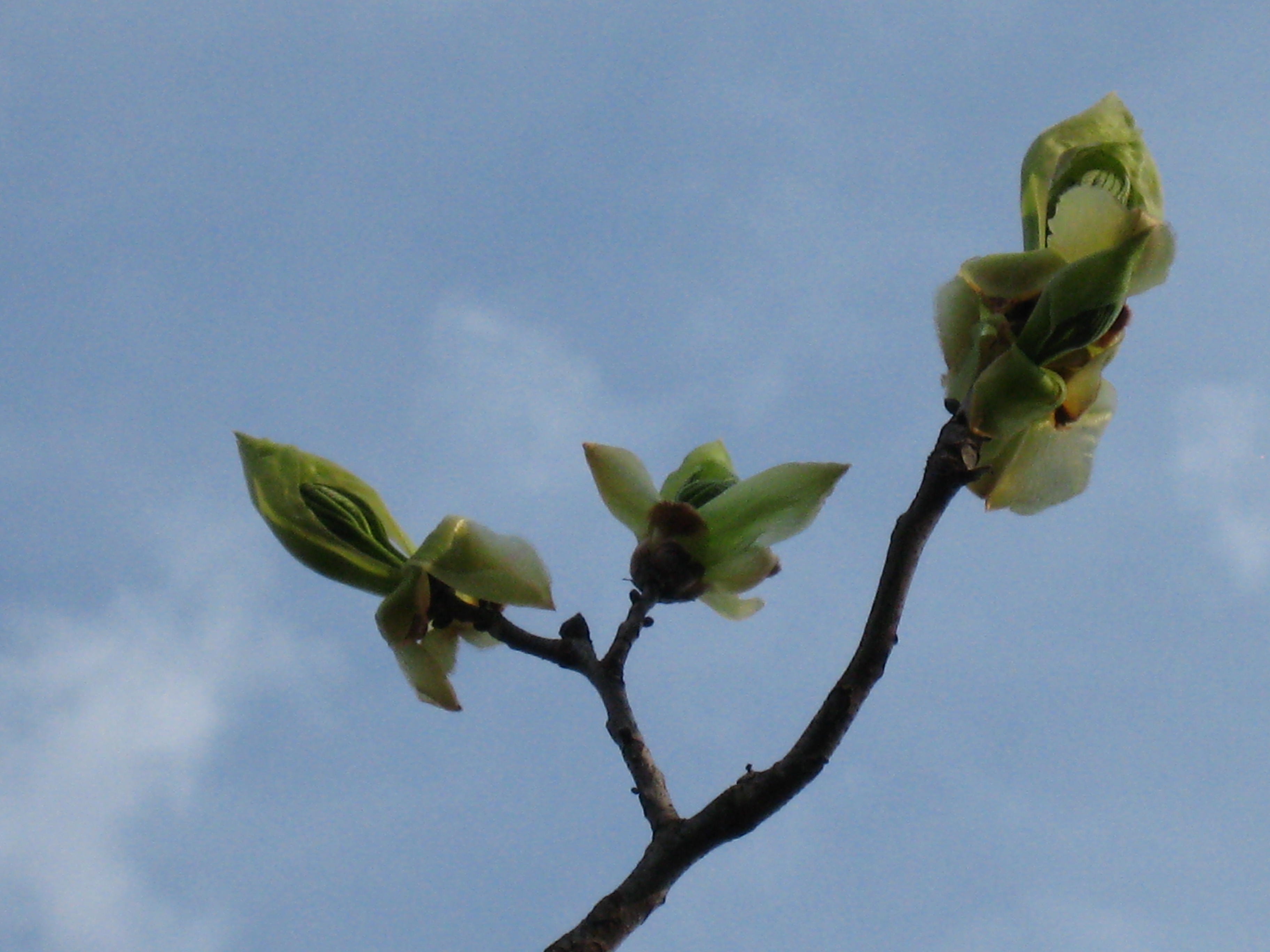
The seasons progress slowly giving us time to appreciate the changes as they unfold. I like to watch the tips of the oak branches as their buds open and flowers emerge.
Spring is a great opportunity to use fire to control invasive plants and it has been a long time since the Scuppernong Springs Nature Preserve has had a prescribed burn. Buckthorn seedlings are thick in many places, especially the slope along the trail below Hwy 67 on the left side of the video below.
The alternative to fire is repeated brush cutting and poison application, which is a loosing game. So I am very thankful and excited that the DNR has prioritized the Scuppernong Springs for a prescribed burn this year. In fact, assuming the weather forecast for tomorrow, May 6th, doesn’t change, we should have perfect conditions. DNR veteran Don Dane is the burn boss and he has been working on the plan for months. The scope is approximately 900 acres covering an area south of Hwy ZZ and west of Hwy 67. I’m really looking forward to participating!
I wasn’t able to get to The Springs last week so I was eager yesterday to see the progress of Spring.
I started the day girdling aspen down by the Hotel Springs. This is an extensive clonal colony with huge trees and a lot of work remains.
I took a break mid-morning to attend the Kettle Moraine Natural History Association’s annual meeting at forest headquarters. Susan Beyler, fisheries biologist and NR Region Team Supervisor with the DNR, filled in for Ben Heussner and made an excellent presentation on the “Fishes of the Mukwonago River”. She also covered the restoration efforts being made on the old Rainbow Springs golf course, which the DNR recently acquired, to remove all of the culverts that were installed to control the river. This area comprised a wide diversity of unique habitats before the bulldozers arrived and they are hopeful that some of this diversity will re-emerge. I hope to meet with Susan at the Scuppernong Springs to take a tour and get her unique perspective.
After the meeting I headed over to the buckthorn alley to resume cutting there.
The buckthorn trees here are tall and thick so it was slow going.
Later, I took a walk on the cut-off trail and noticed lots of flowering plants emerging. It will be interesting to see how they survive the fire.
The frogs were calling from the bogs on the north side of the loop trail.
John Hrobar sent me this link to an interesting article:
New scientific studies reveal Midwestern frogs decline, mammal populations altered by invasive plant Researchers say this is a call to action to remove European buckthorn from the region
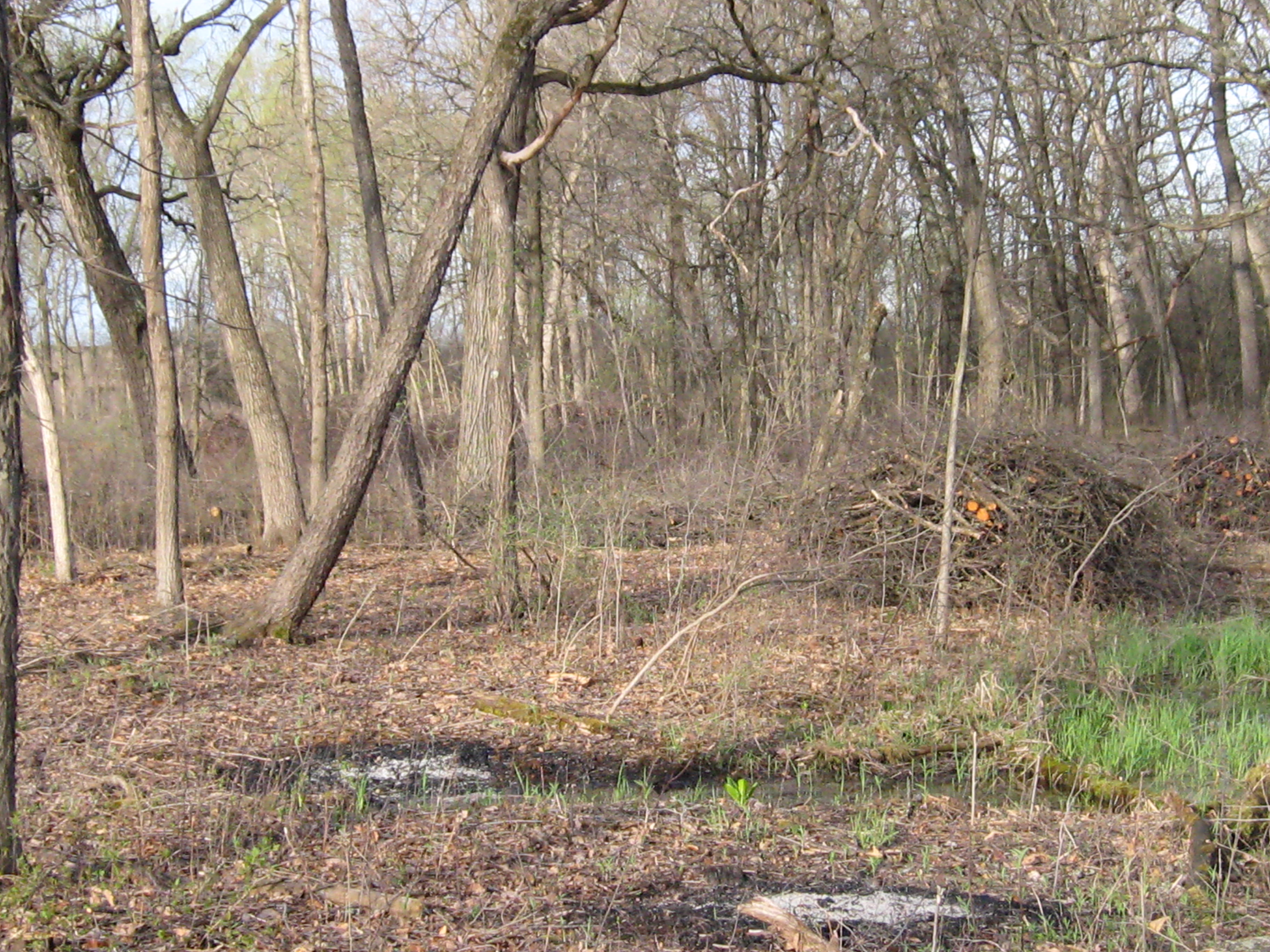
The Hatching House Springs have been hidden for years and it is really interesting to see what is coming up there now.
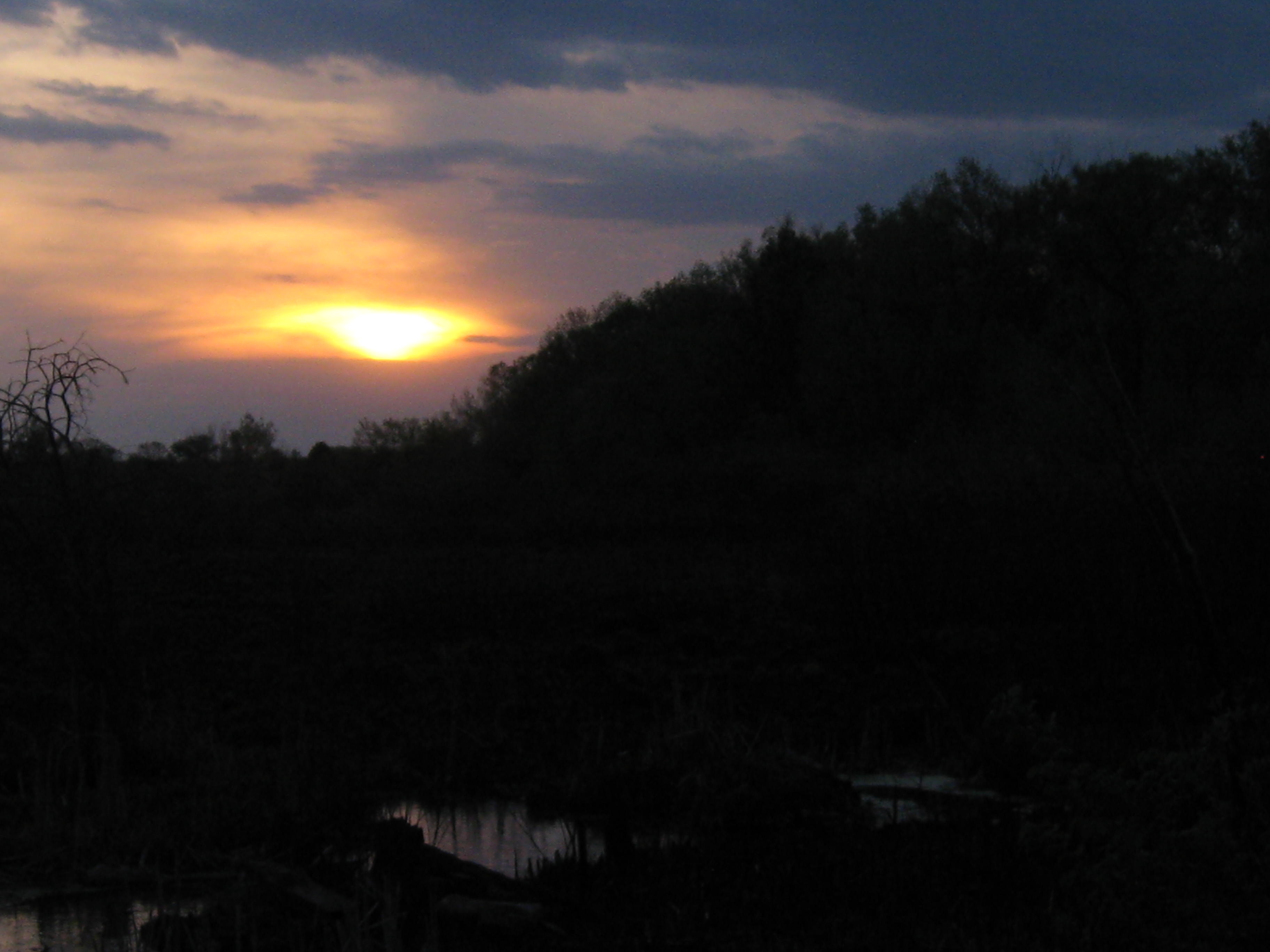
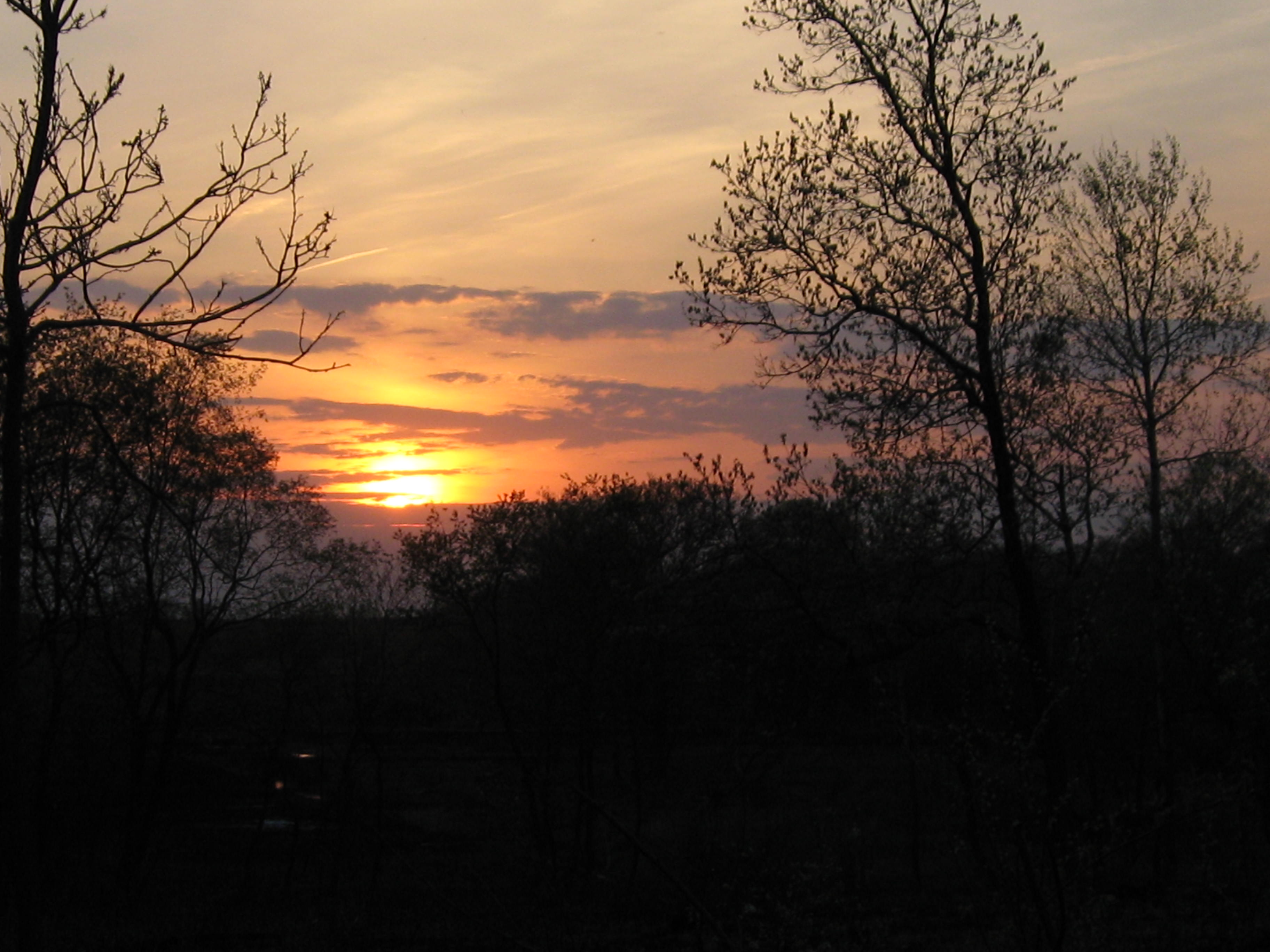
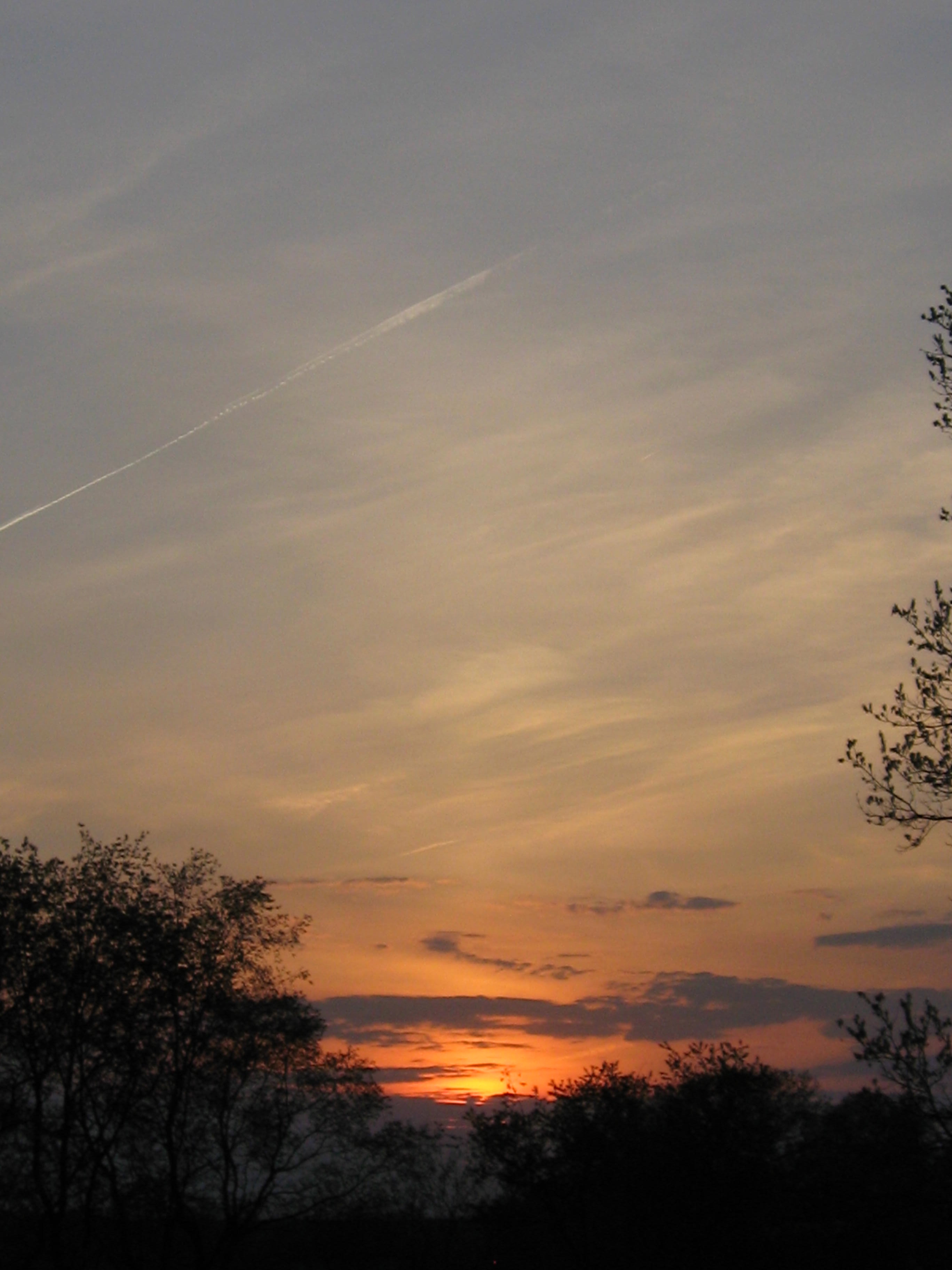
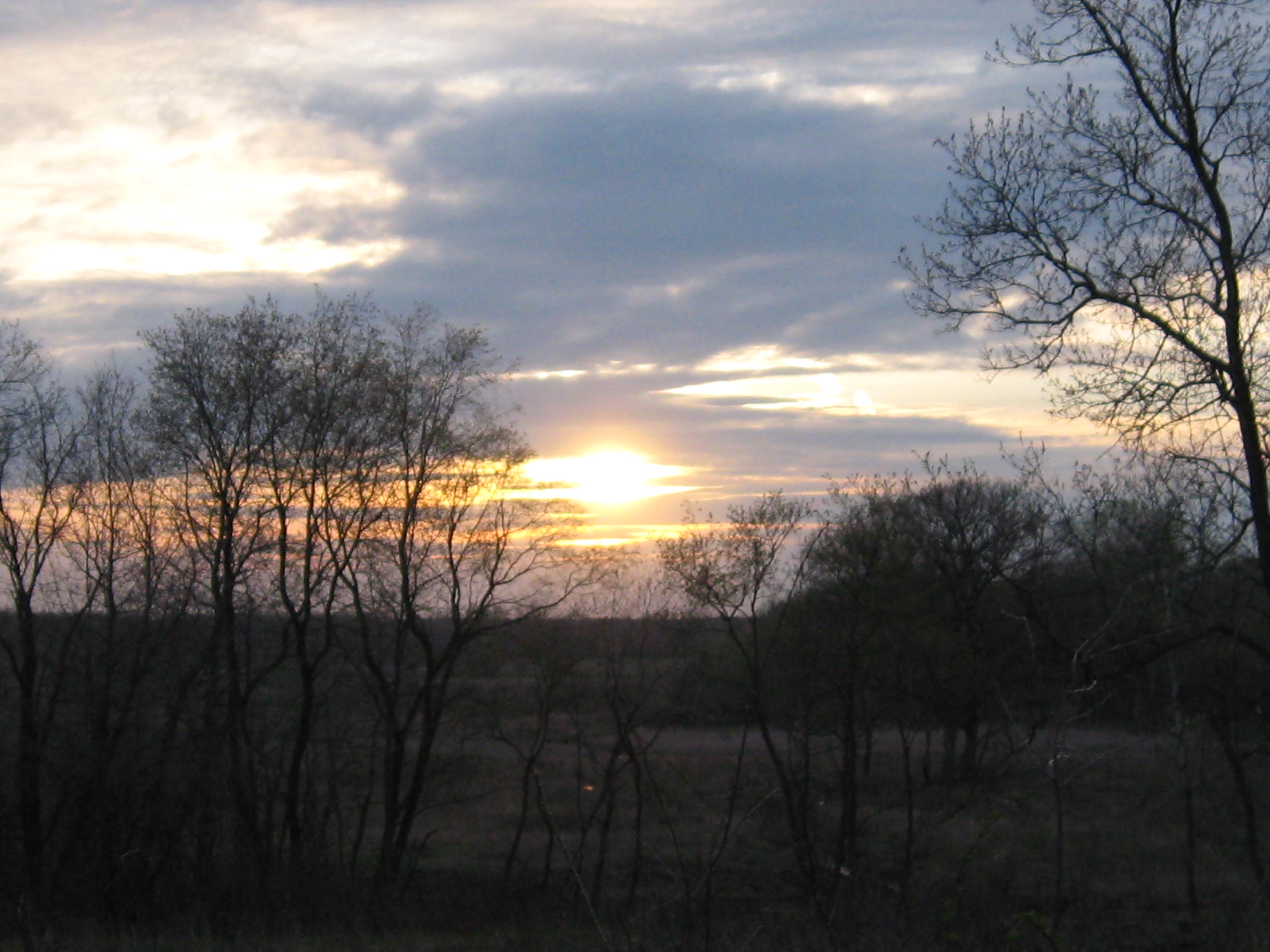
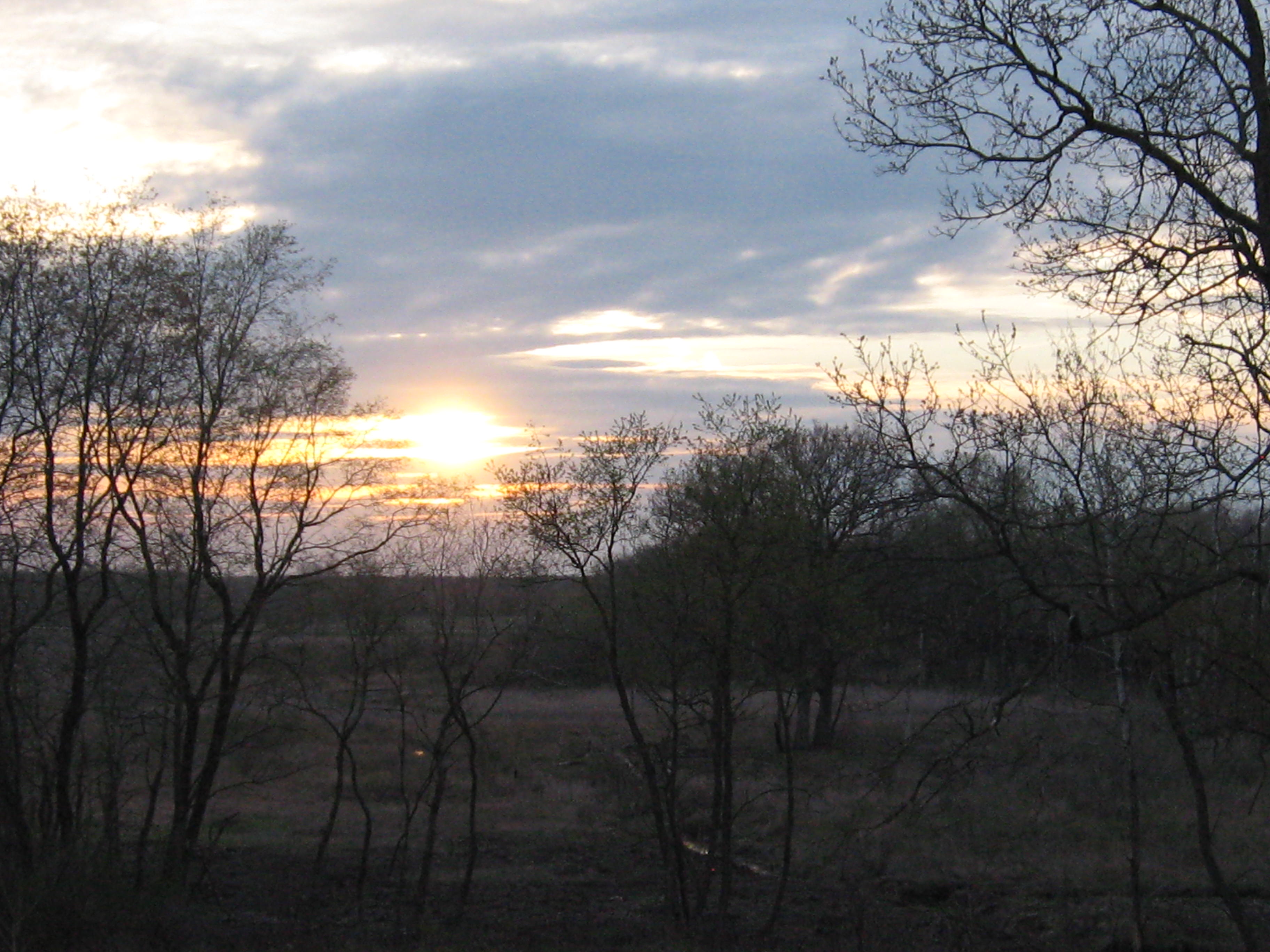
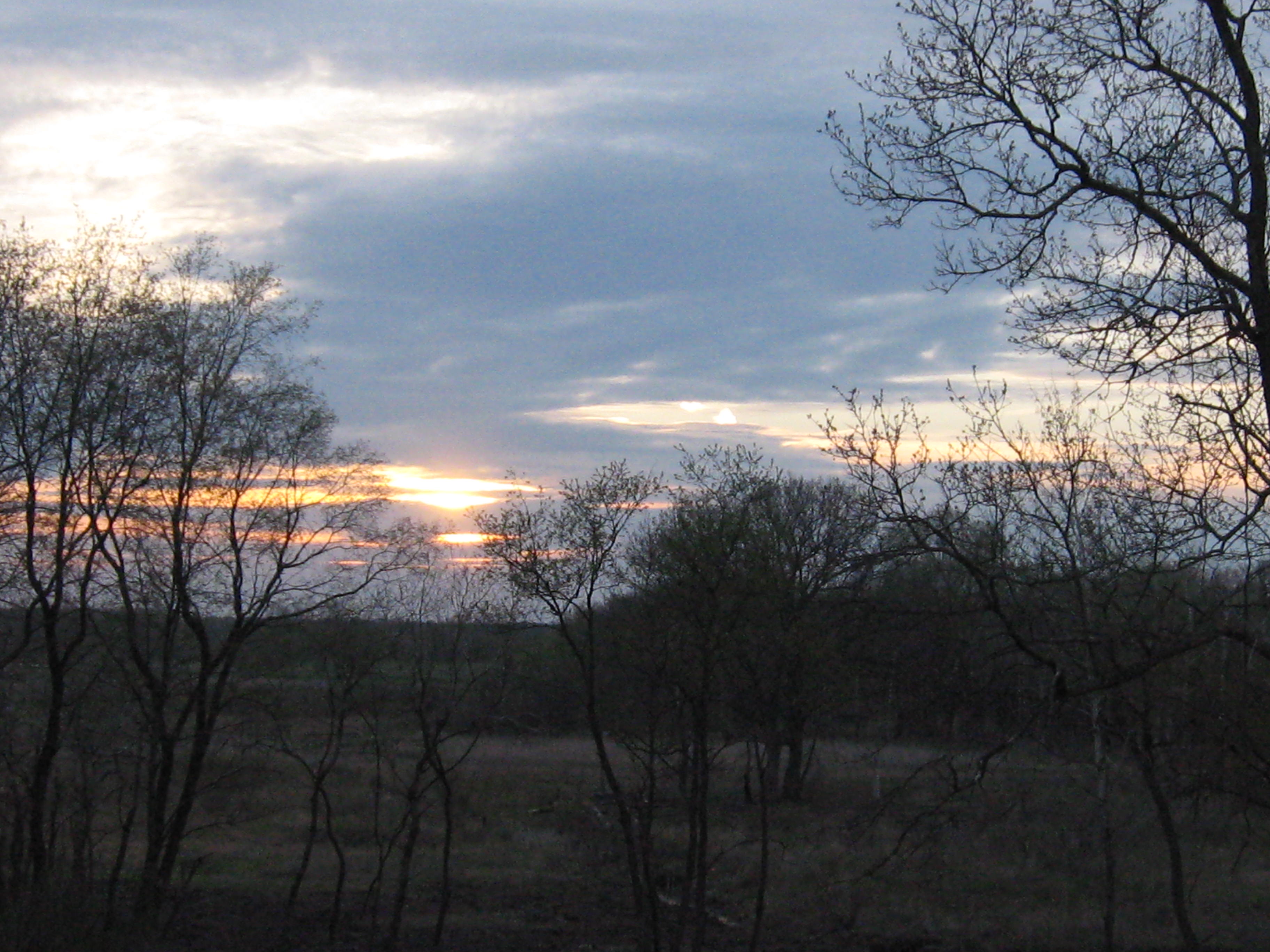
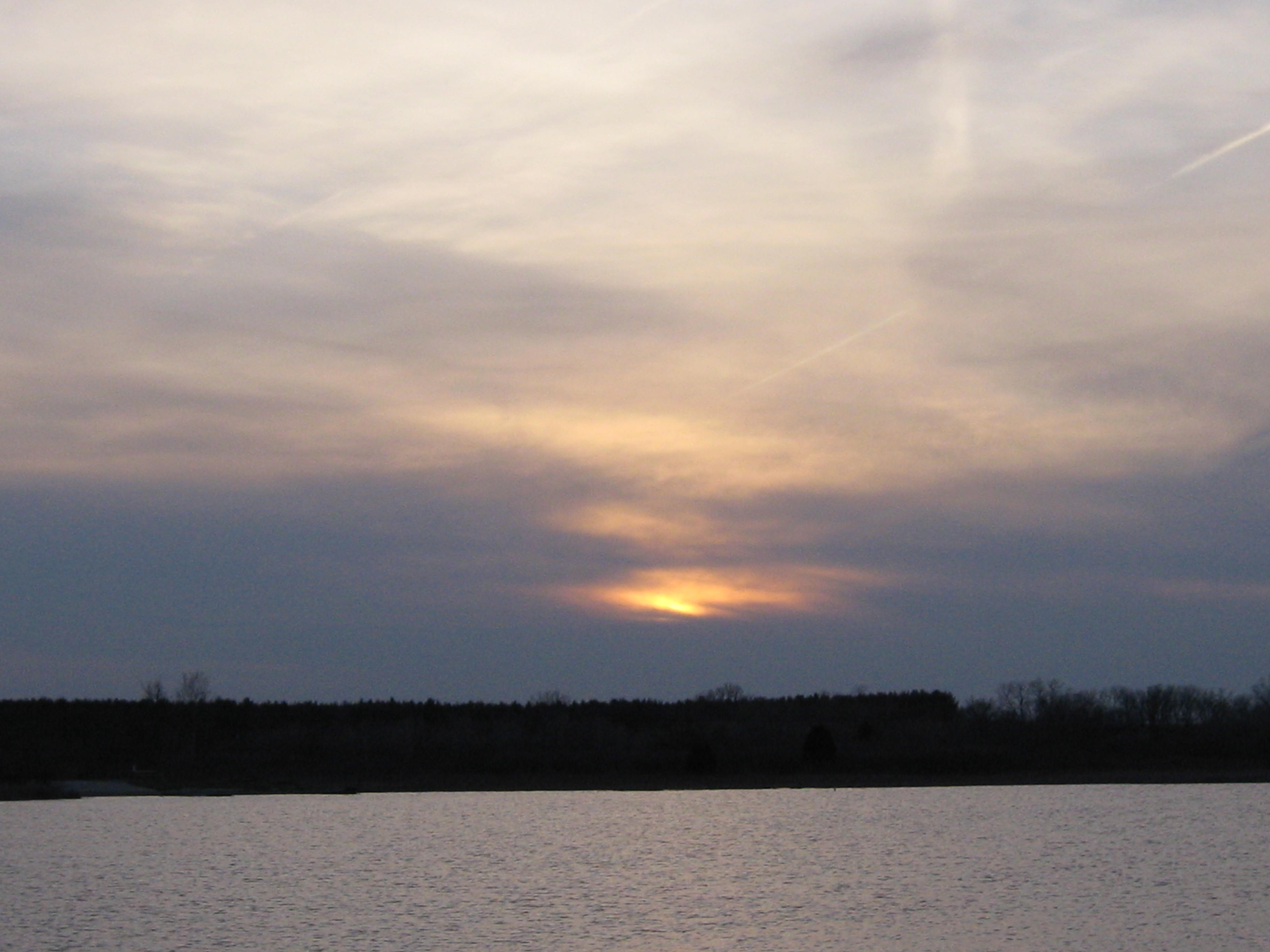
As we head towards the summer solstice, I find I have to locate myself farther and farther south on the Indian Campground to get the best view of the sunset.
I like to fancy myself as someone who knows how to think critically, but I suffered a momentary lapse of reason recently acting on belief instead of real knowledge. Fortunately, the consequences in this case were minor and served as a good reminder. To think critically consistently, a tool like the trivium is indispensible; grammar, logic and rhetoric, these are the keys we can use to distinguish truth from fiction and knowledge from mere belief or opinion.
In my last post I reported that we have been spraying spotted knapweed with glyphosate, aka, RoundUp, on the Sand Prairie believing this was the right approach for this invasive plant. The problem is I had not researched this plant i.e. I had not done my grammar and answered the questions of the Who, What, Where, and the When as applied to spotted knapweed. Lindsay sent me the link above via which I learned that the preferred technique is to “Apply selective herbicide clopyralid during bud growth in early June for best results (48 oz per 100 gal water).” I complained in the post that I didn’t have any clopyralid without doing the grammar on this compound. Thankfully, Lindsay did and he informed me that clopyralid is the active ingredient in Transline, which we do have. So this was a good reminder for me to apply critical thinking skills as we continue to try to restore the Scuppernong Springs Nature Preserve.
The scientific method goes hand in hand with the trivium and critical thinking and I’m trying a little experiment in the Scuppernong River just a few yards upstream from the bridge across the former embankment that created the upper pond. When Ben Heussner and his team of DNR Fish Biologists recently inspected the river, he pointed out that the river was not “head cutting” at this point and that is why it is still filled with silt and marl upstream. I’m trying a little low tech experiment to encourage the river start head cutting here.
Saturday, April 27, was a very pleasant day at The Springs and I started out spraying garlic mustard along Hwy 67 north of the old barn site. The understory here is severely degraded and consists mostly of garlic mustard.
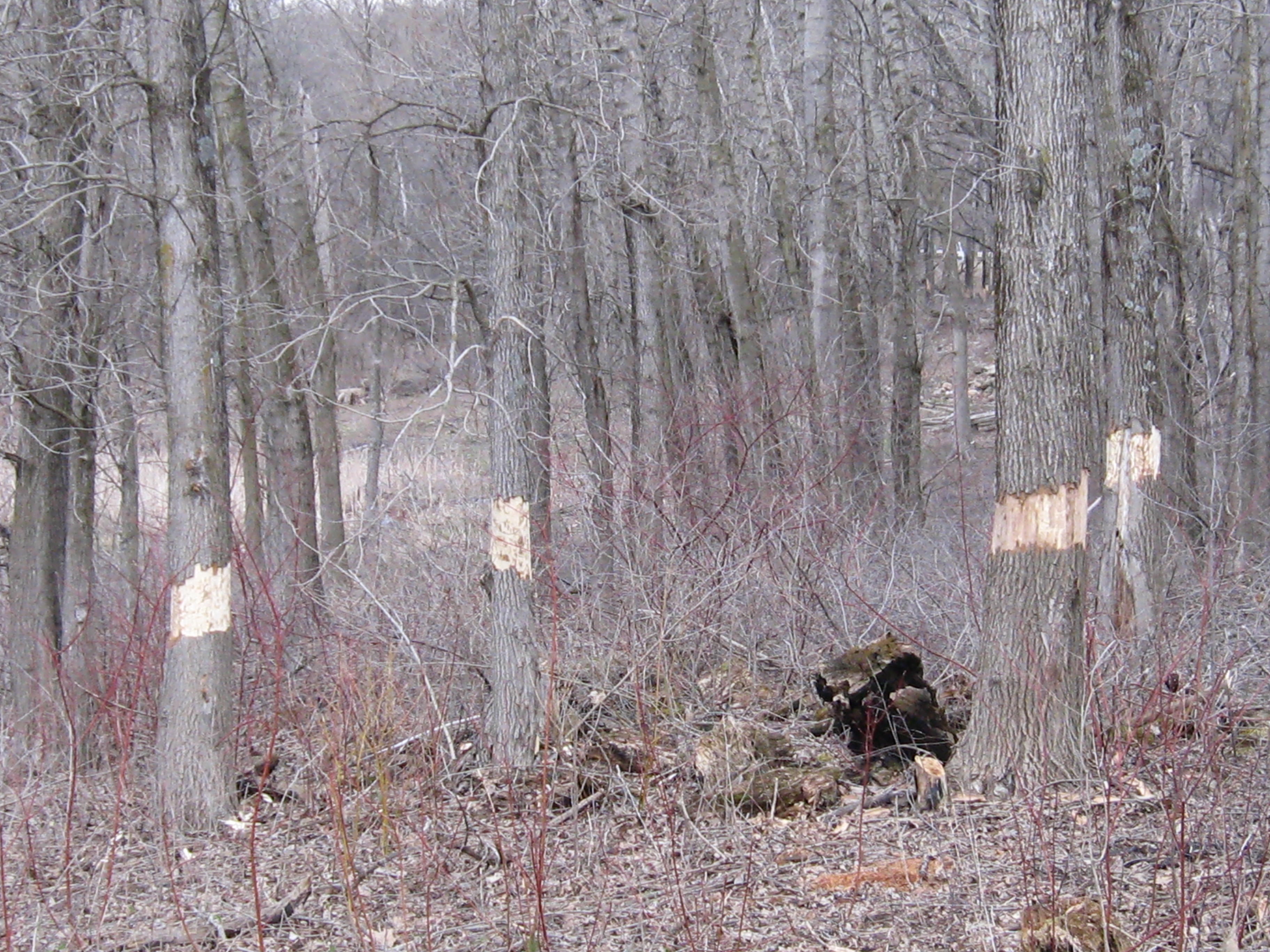
Then I spent a couple hours girdling aspen at the old hotel site. There are some huge trees here and I was skeptical about attacking them with hand tools, but the bark is separating very easily from the trunks now and I made good progress.
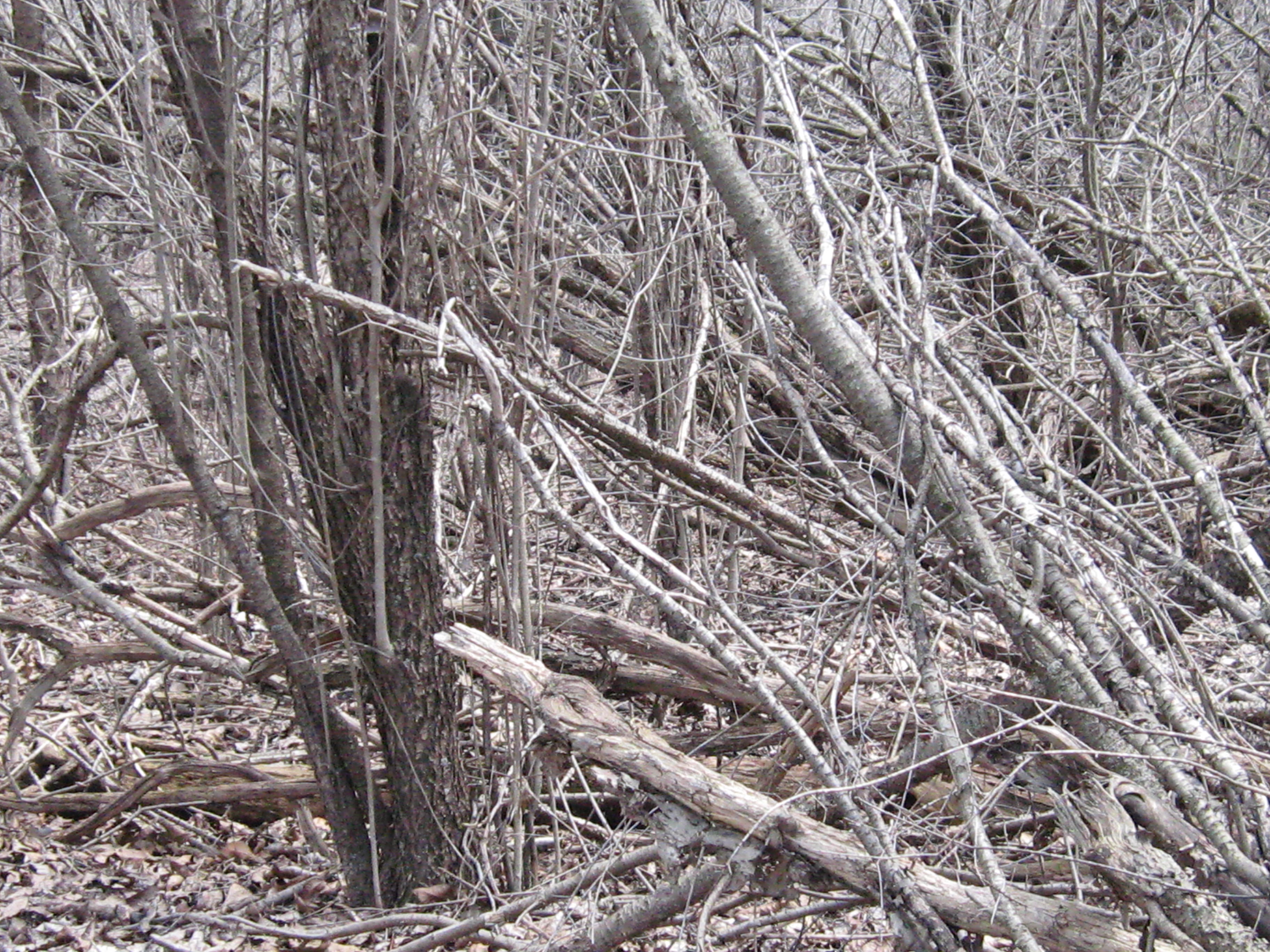
Around mid-day, I headed over to the Buckthorn Alley, or, perhaps tunnel is more descriptive, and got started on one of the nastiest buckthorn thickets I have ever seen.
I made a small dent and already you can start to see things, like the sky, that will make this section of the trail much more enjoyable and interesting.
The day flew by and I had a date with Pati at home, so I had to depart before the sun set. Here is a parting panorama taken from the Indian Campground.
When I visited the land that time forgot on the north end of the Scuppernong Springs Nature Trail, I reached into my backpack for a can of spinach and realized I had left it at home.
I rarely walk the section of trail marked in blue below because it is so dark, damp and uninteresting compared to the rest of the trail.
At the end of the day yesterday, I walked this section of the trail to make sure there were no trees downed across it and review just how badly degraded it was. Here is a tour of the first hundred yards or so.
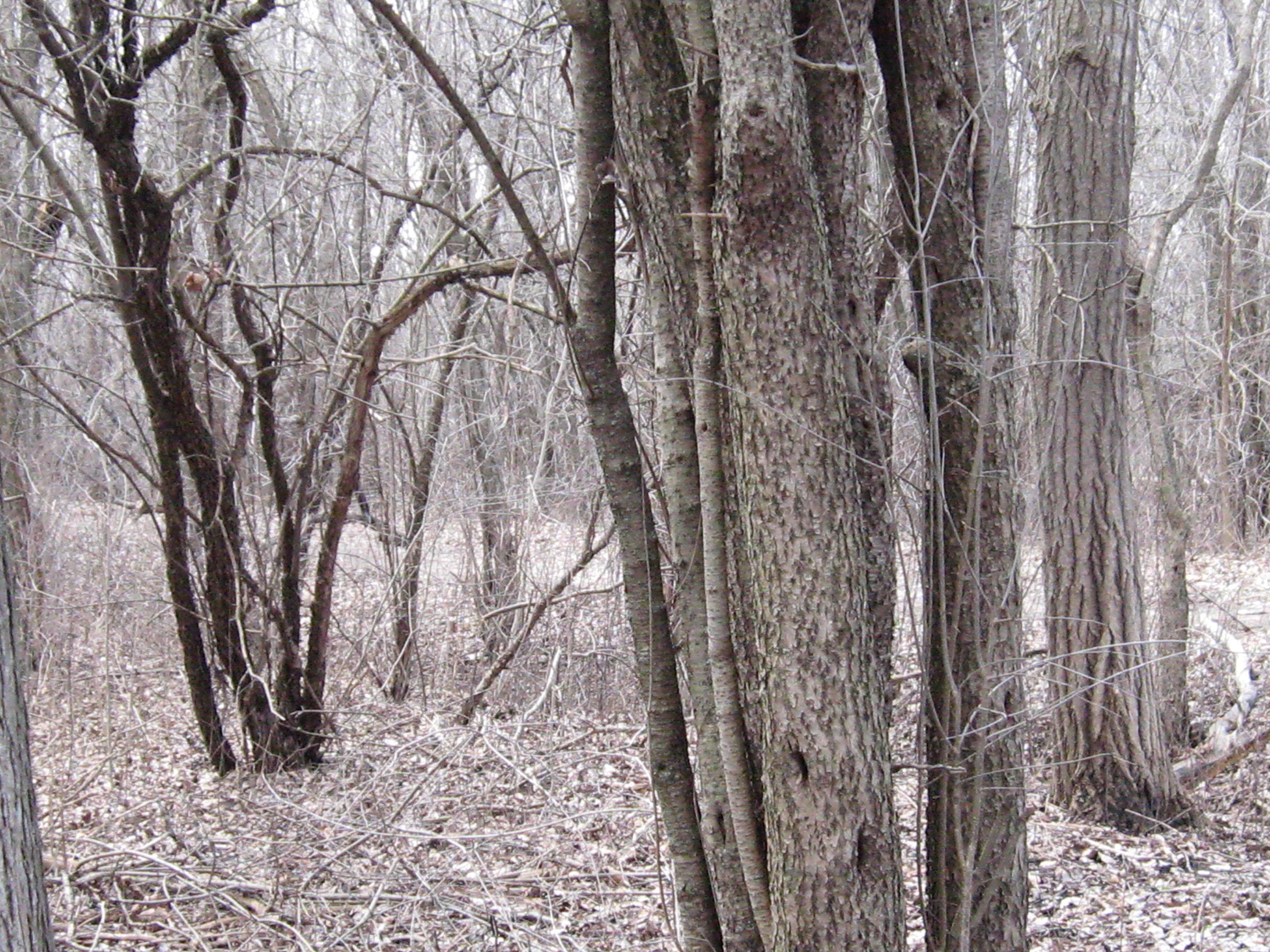
After passing through this buckthorn thicket, I thought “Thats all I can stands, I can’t stands no more!” I’m changing my priorities to focus on this section of trail. I’ve been reminded of my old hero, Popeye, by my recent diagnosis via MRI that I have torn the head of the long biceps tendon on my left arm. I got whacked there by the branch of a red oak tree that I was clearing off the trail back in October of 2012. One solution offered by the orthopedic surgeon was to sever the head of the biceps tendon completely; apparently the Creator was confused when deciding to join this muscle with the scapula and we don’t really need it. The only downside he explained was that my biceps muscle would bunch up reminiscent of Popeye The Sailor.
My rotator cuff is torn as well, but after three months of physical therapy and Feldenkrais Lessons with Pati, the pain and discomfort has subsided and I can live with it.
Yesterday morning, Rich joined me as we continued our efforts to spray the spotted knapweed on the sand prairie that covers the Indian Campground. The site listed above explains “Apply selective herbicide clopyralid during bud growth in early June for best results (48 oz per 100 gal water).” hmmm, we don’t have any clopyralid and it is only April; so our use of glyphosate at this time of the year is not the preferred technique; nevertheless, since glyphosate attacks any green plant, I’m hopeful we will see good results (we focus the spray as much as possible to reduce collateral damage).
Roberta “Berta” Roy-Montgomery joined Rich and I and we finished girdling the aspen in this bowl.
Rich and Berta had other commitments for the rest of the afternoon and I headed over to the area north of the old barn site to continue cutting buckthorn between the loop trail and Hwy 67.
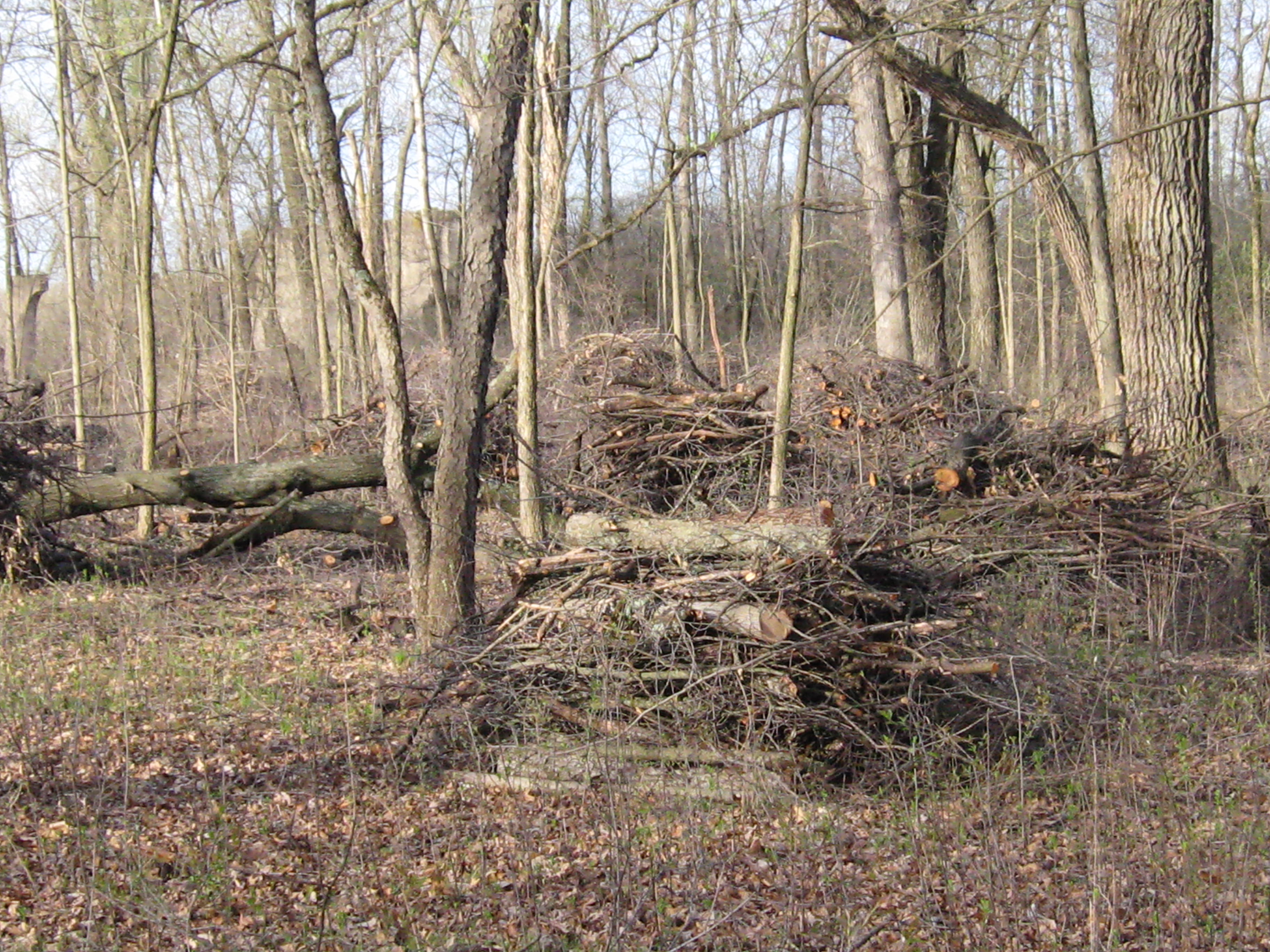
This is probably as far as we’ll get in this area for now as our focus is shifting to the Buckthorn Alley.
Here are a couple of views of the area just cut. You have to walk amongst the oak, cherry and hickory trees in here to really appreciate their size and beauty.
I couldn’t stay for the sunset but did grab these parting shots.
Welcome back to The Springs! I was lucky and fortunate to spend both this past Saturday and Sunday at the Scuppernong Springs Nature Trail. I don’t know if the health benefits derived from the fresh air, sunshine and cold spring water can be objectively measured, but by the end of the day yesterday, I was in a blissful state.
Rich Csavoy joined me bright and early yesterday morning and we loaded up our backpack sprayers and got after the garlic mustard in the area around the old barn site. Rich showed me what the seeds look like when they first emerge and we tried to hit some of these, which literally formed a carpet in some areas. The DNR intends to burn here if conditions permit, but “the best laid plans of mice and men often go astray”, and we are not assuming this will happen. We also sprayed some spotted knapweed on the Sand Prairie that covers the Indian Campground.
After spraying we commenced girdling aspen trees at the old barn site. I refer to them as “clones” in the video below, but the correct term is clonal colony.
We are refining our techniques but this type of hand work is laborious. This is my first attempt at girdling aspen in this way, without using poison, and I want to give it a fair shot. I must confess though that the prospect of girdling the clonal colony of huge aspen at the old hotel site by hand is a little daunting. When I was working at the Hartland Marsh, I used my chainsaw to girdle a clonal colony of 40-50 huge aspen and I sprayed some glyphosate into the cuts. This worked perfectly and to this day there is nary an aspen in sight. I’m inclined to use the same approach at the Scuppernong Springs Nature Trail except for switching from Glyphosate to Transline, which the DNR uses for black locust, which spreads by putting out suckers from it’s roots . We’ll see how it goes.
After dispatching that clonal colony of aspen, we grabbed some heavy duty garbage bags and picked up litter on both sides of Hwy 67 south of where east-bound Hwy ZZ leaves Hwy 67. I had noticed a lot of trash when I was spraying garlic mustard along the highway on Saturday. This was a good opportunity to get some nice views of the springs and river.
Finally, Rich loaded his van with cherry, oak and buckthorn firewood and I headed over to the cut-off trail with my chainsaw. Here is a view of the area from across the river at the old hotel site. You can see a swath of buckthorn amongst a large sugar maple tree.
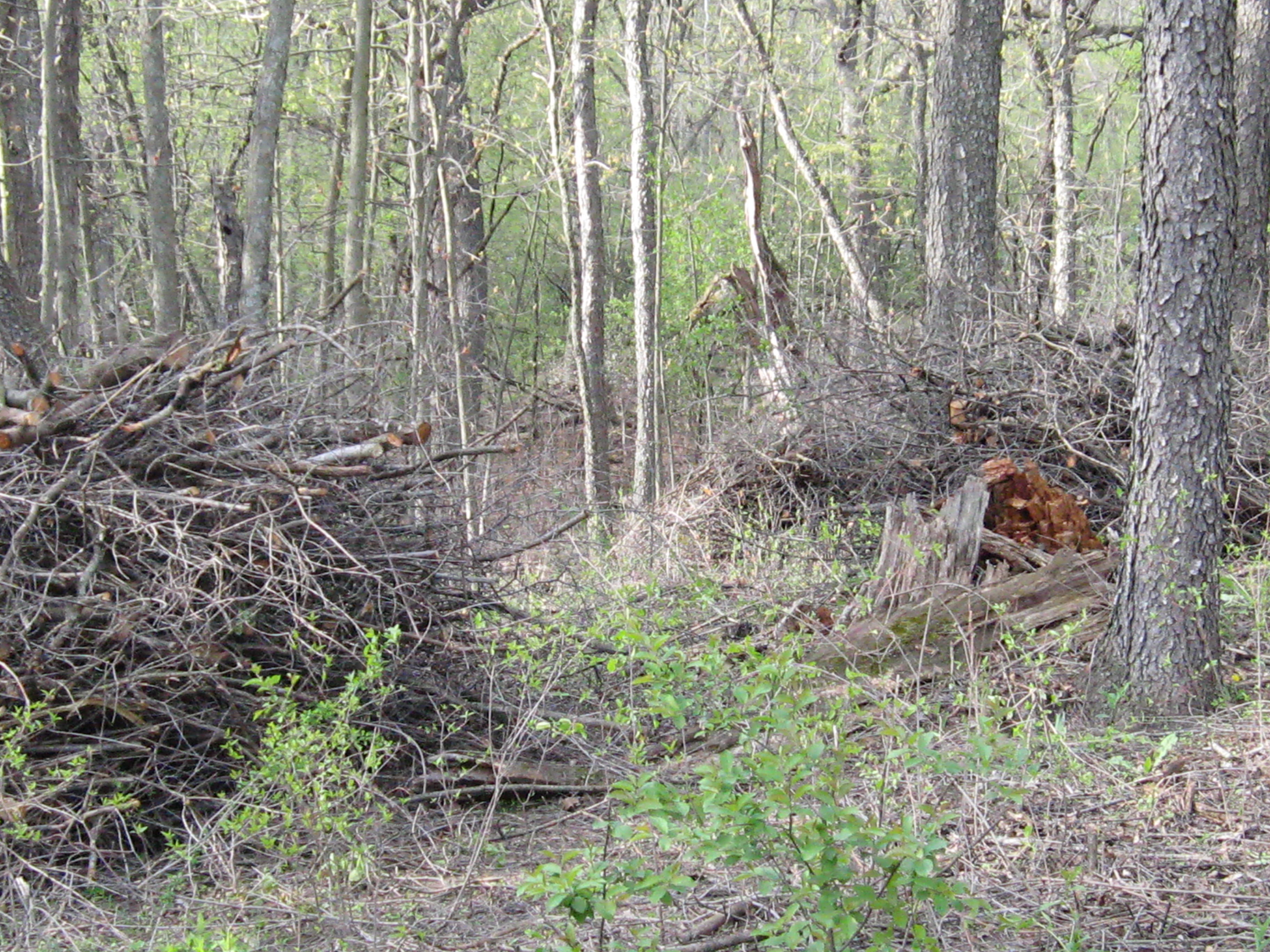
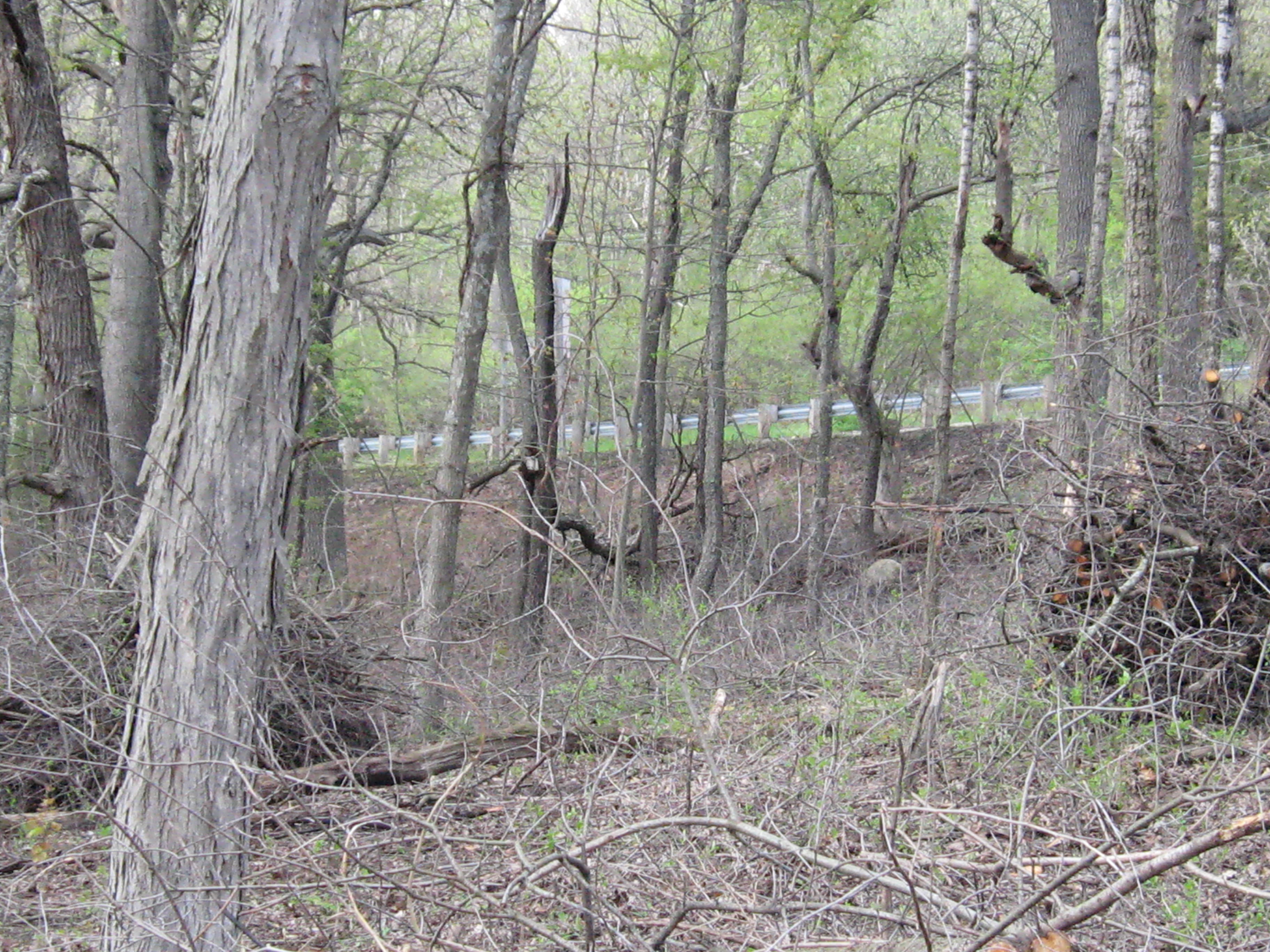
I was chomp’in at the bit to finish this last stretch of buckthorn between the cut-off trail and the river and slashed and flailed with impassioned vigor. Three tankfuls later…
The view across the freshly cut area from the cut-off trail.
And the view from the old hotel site.
By the time I loaded my gear back in the truck and began my ritual walking tour, I was very relaxed. The Marl Pit bridge is one of my favorite places to hang out. In the summer, I always take a bath here in the river and do a little yoga to relieve any muscle stress. Here is panorama video from that location.
The highlight of the day however was the sound of the frogs; a veritable din! Listen to the Spring Peepers and Western Chorus frogs in this video.
The frogs are very active in the wetlands and old cranberry bogs along the cut-off trail. Last spring it was so dry, there was barely a peep from the frogs. Check them out if you get a chance.
I was starting to feel the signs of Vitamin D deficiency. Thankfully, the Creator blessed us with a gorgeous sunny day and I was happy to spend it at The Springs. The agenda for the day included spraying garlic mustard, girdling aspen and cutting some buckthorn,
I interrupted a pair of geese in a pool just below the Scuppernong Spring as I was fetching some drinking water for the day.
With the light snow and chilly temps, I decided to try girdling some aspen down by the Indian Springs until the sun could do its work. Here is a view of the two groups of aspen clones I wanted to get.
It’s getting easier and I was able to girdle around 15-20 trees in a couple hours.
The garlic mustard, spotted knapweed and other weeds are just emerging and it’s a perfect time to spray them with glyphosate. The plants are small, so they require less spray, and the weeds are the only things that have leafed out so there is very little collateral damage. I finally got a couple of decent backpack sprayers and that made it a lot easier. I ended up spraying the rest of the day using 12 gallons of mix and covering the south end of the trail including the Indian Campground, Indian Springs and Marl Pits. No doubt there will be additional weeds emerging from these areas, but our efforts over the last two years are paying off and the weeds are on the run.
This is a great time to visit The Springs if you are a birder. Ruby crowned and gold crowned kinglets are migrating through and they are fun to watch. Sand hill cranes, great blue herons, ducks, hawks, vultures and pileated woodpeckers, amongst many others, are active as well.
Here is a view of the Hillside Springs. Last June, these springs were completely covered with water cress and the surrounding hill was a thicket of buckthorn and honeysuckle; you couldn’t even see the boardwalks.
John and Sue Hrobar hike at The Springs frequently and they are keen observers of flora, fauna and fallenover. They reported that the pole holding the antenna at the stream gaging station had broken free and was leaning against the bridge. Anne Korman, Assistant Superintendent Kettle Moraine State Forest – Southern Unit, came out to investigate and within a day or two, Mike Parsen, Hydrogeologist with the Wisconsin Geological and Natural History Survey and Rob Waschbusch, from the US Geological Survey got it repaired.
There were a lot of people at the springs today and I had a great time meeting and talking with them as I was taking a leisurely walk.












































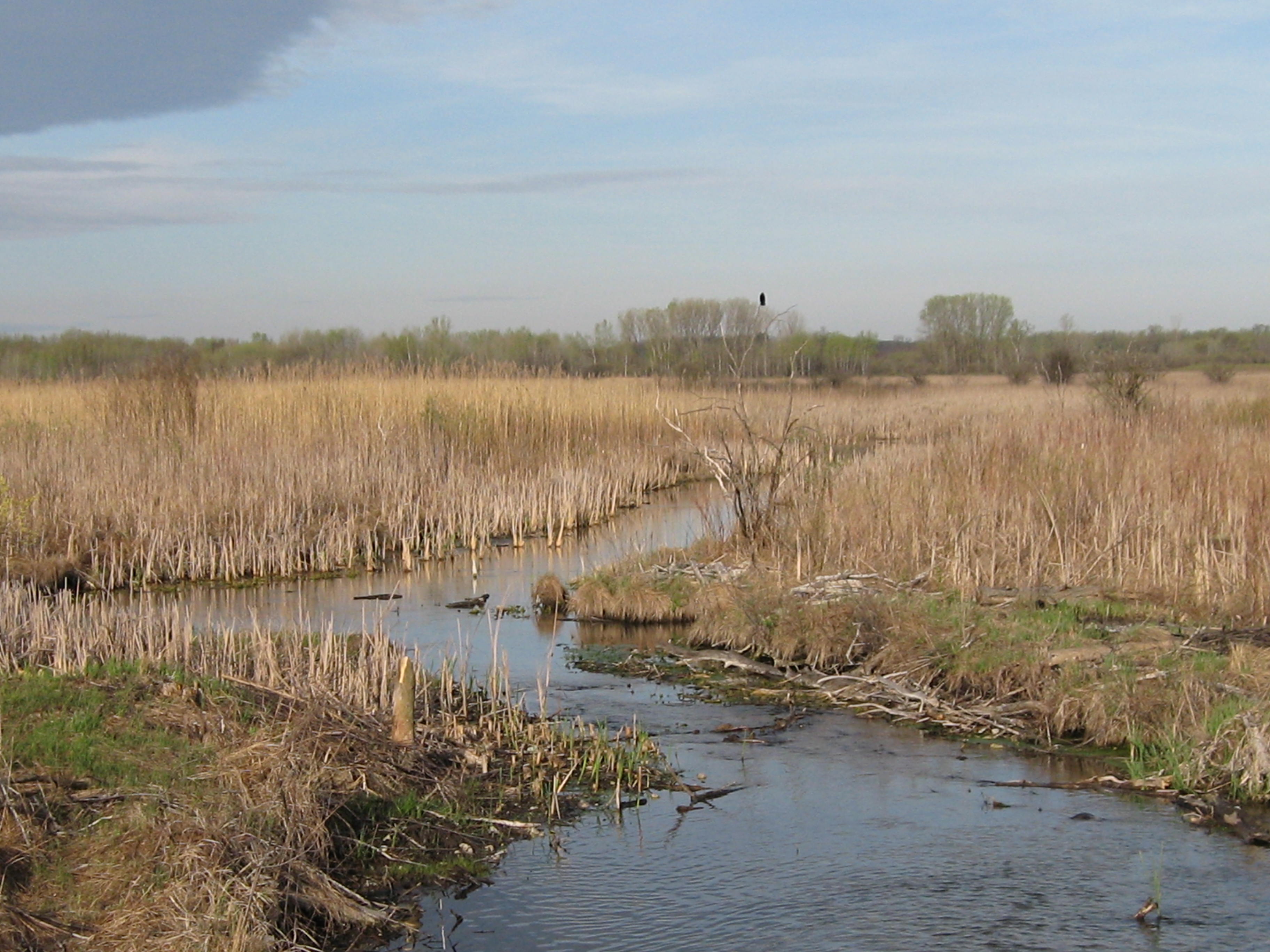

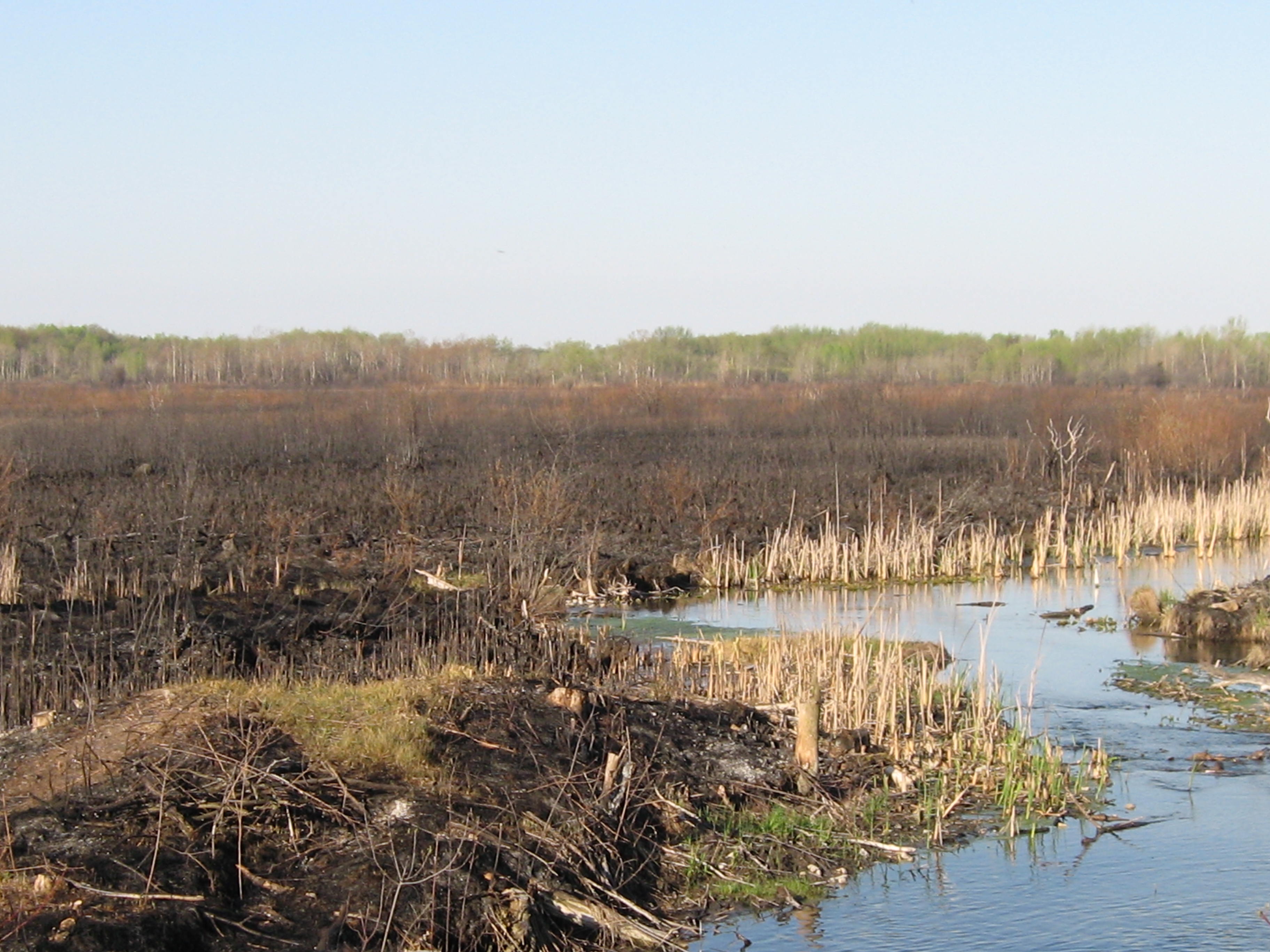
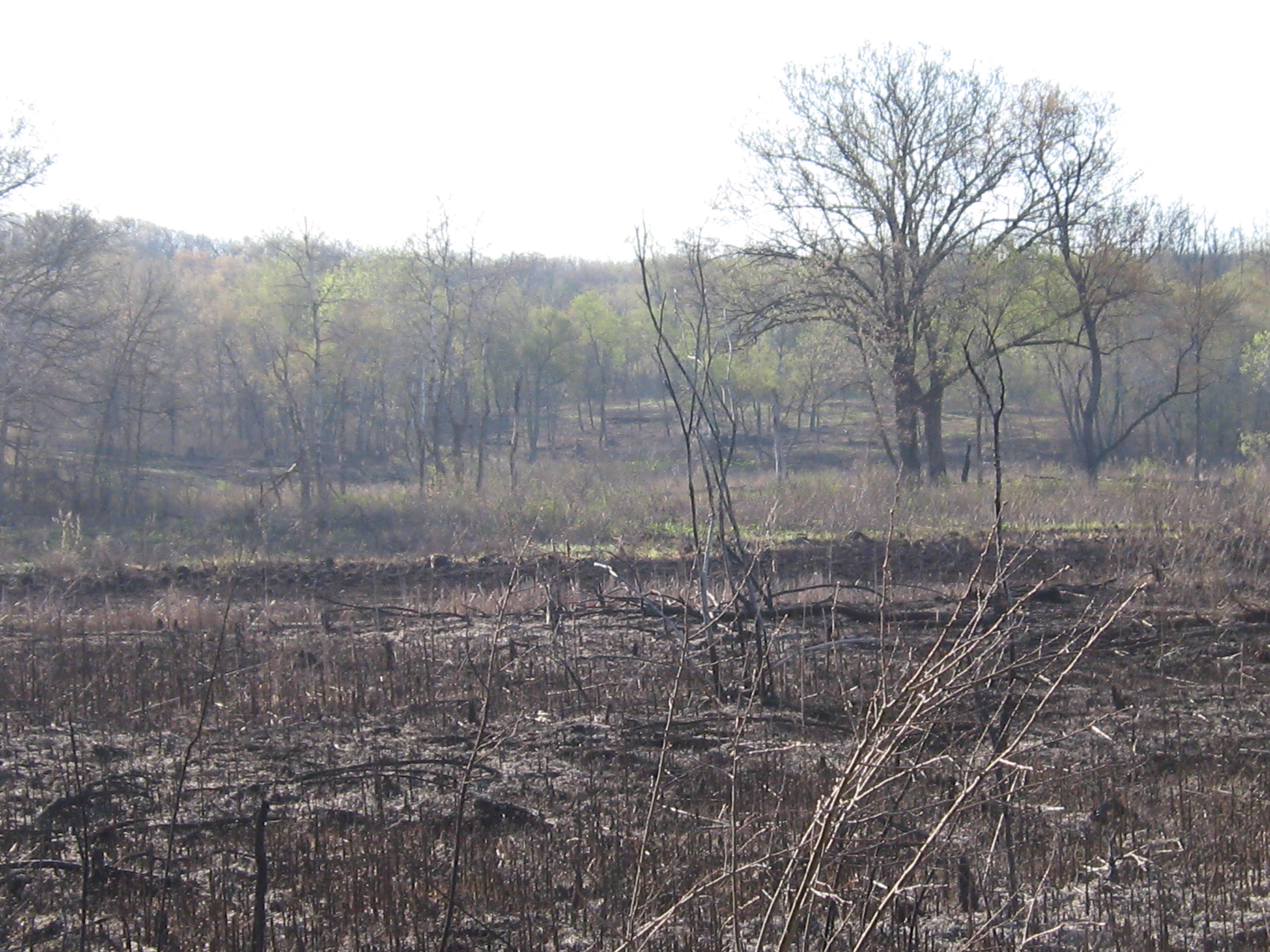
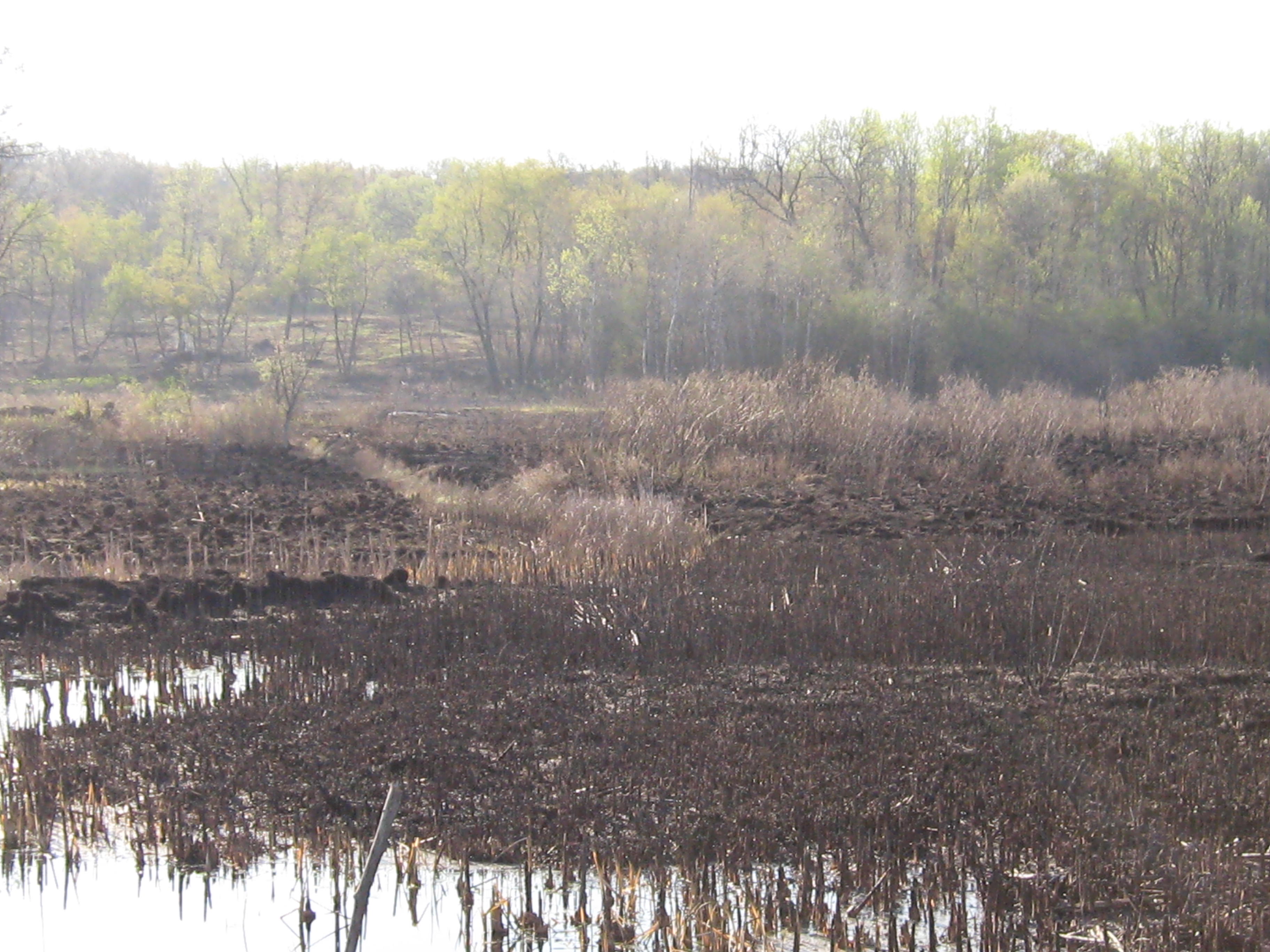















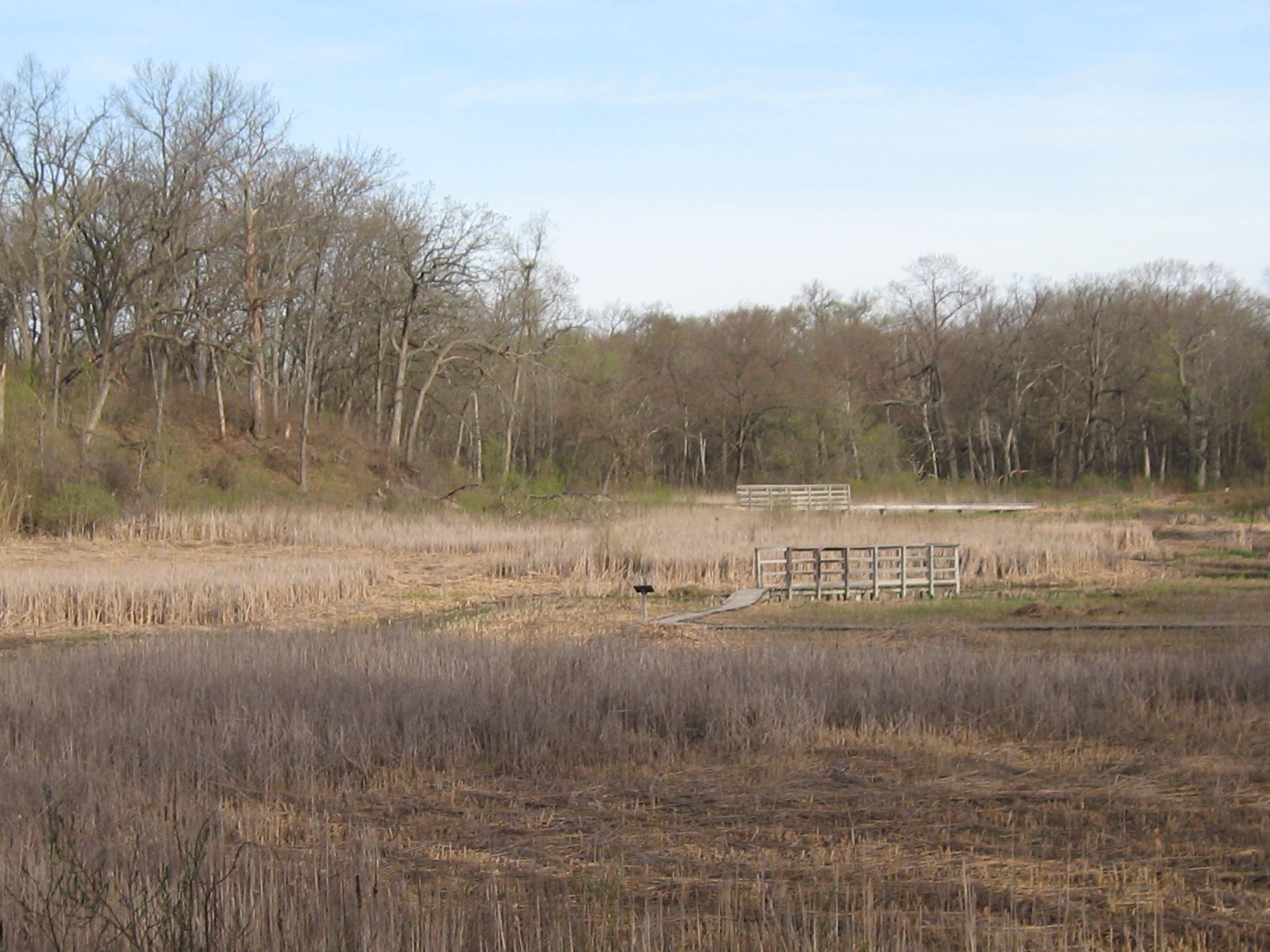
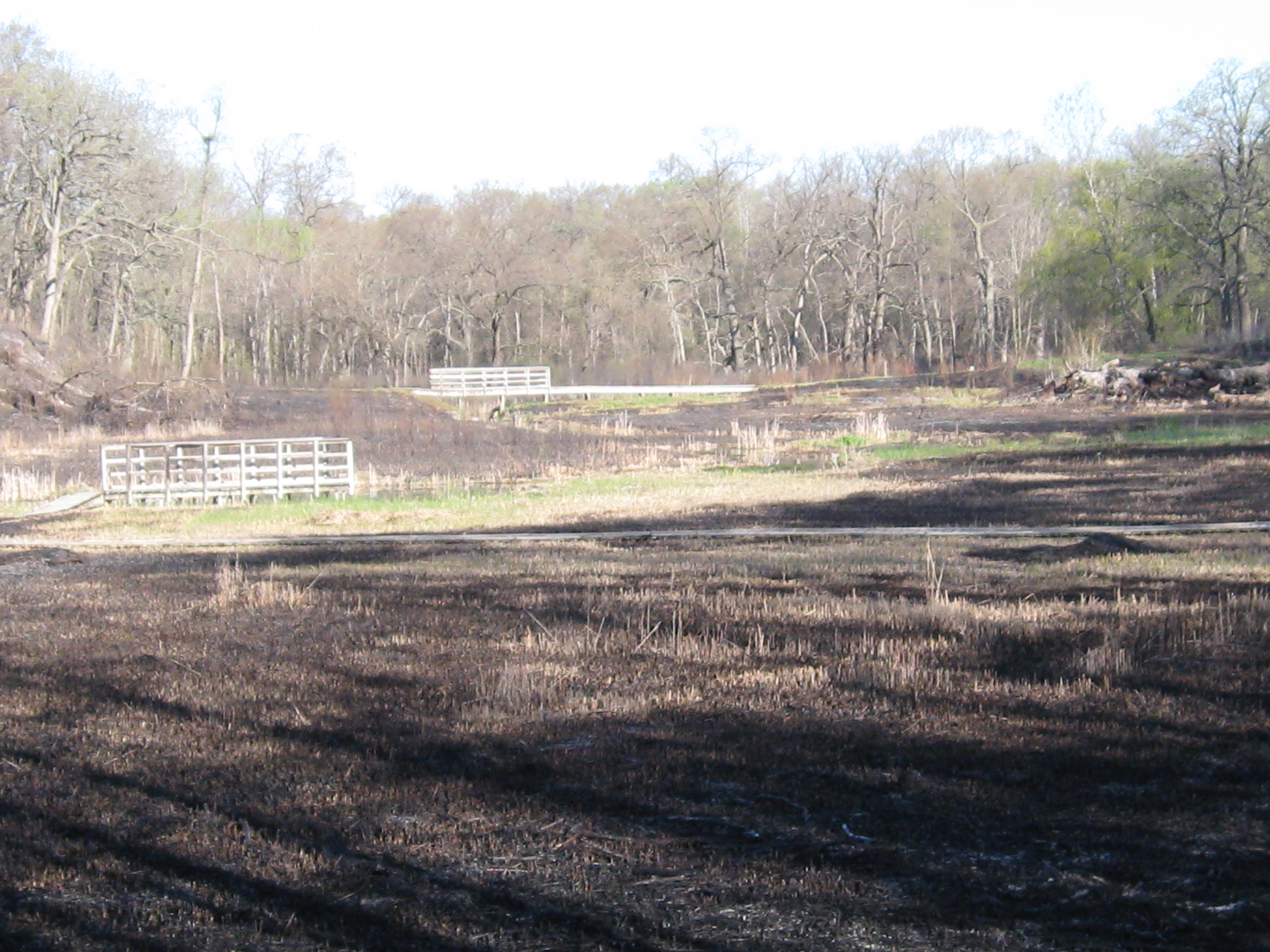


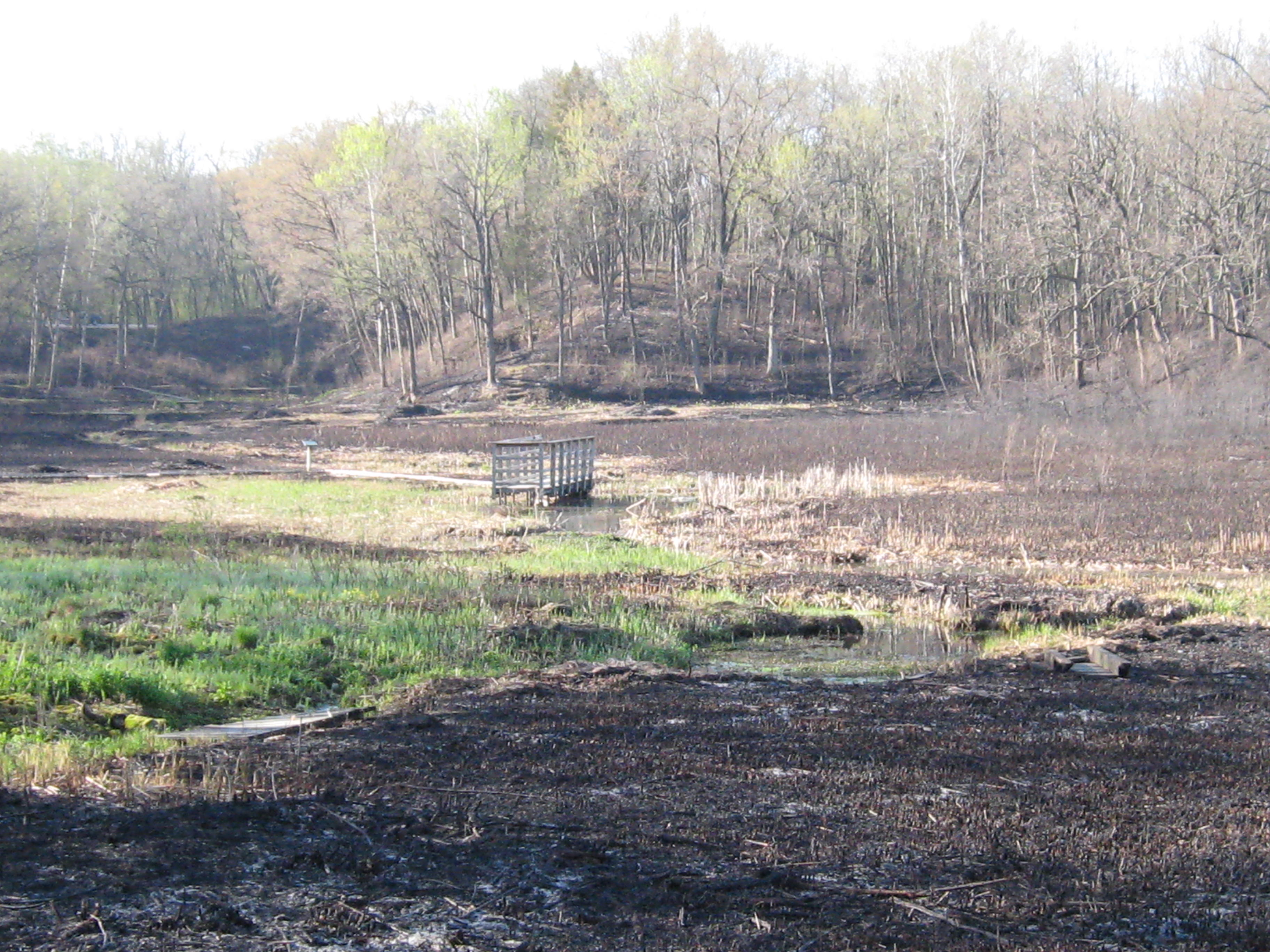

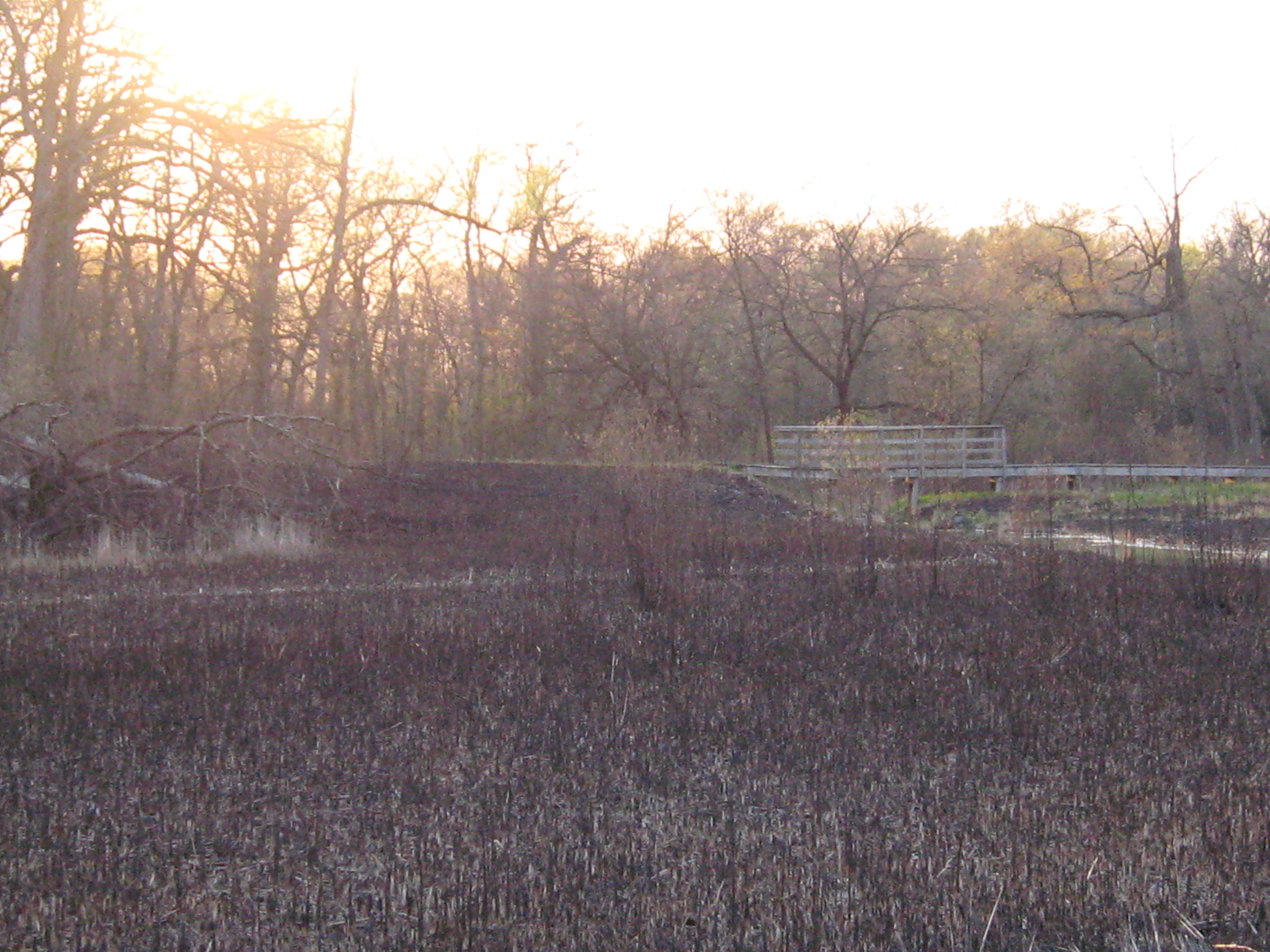

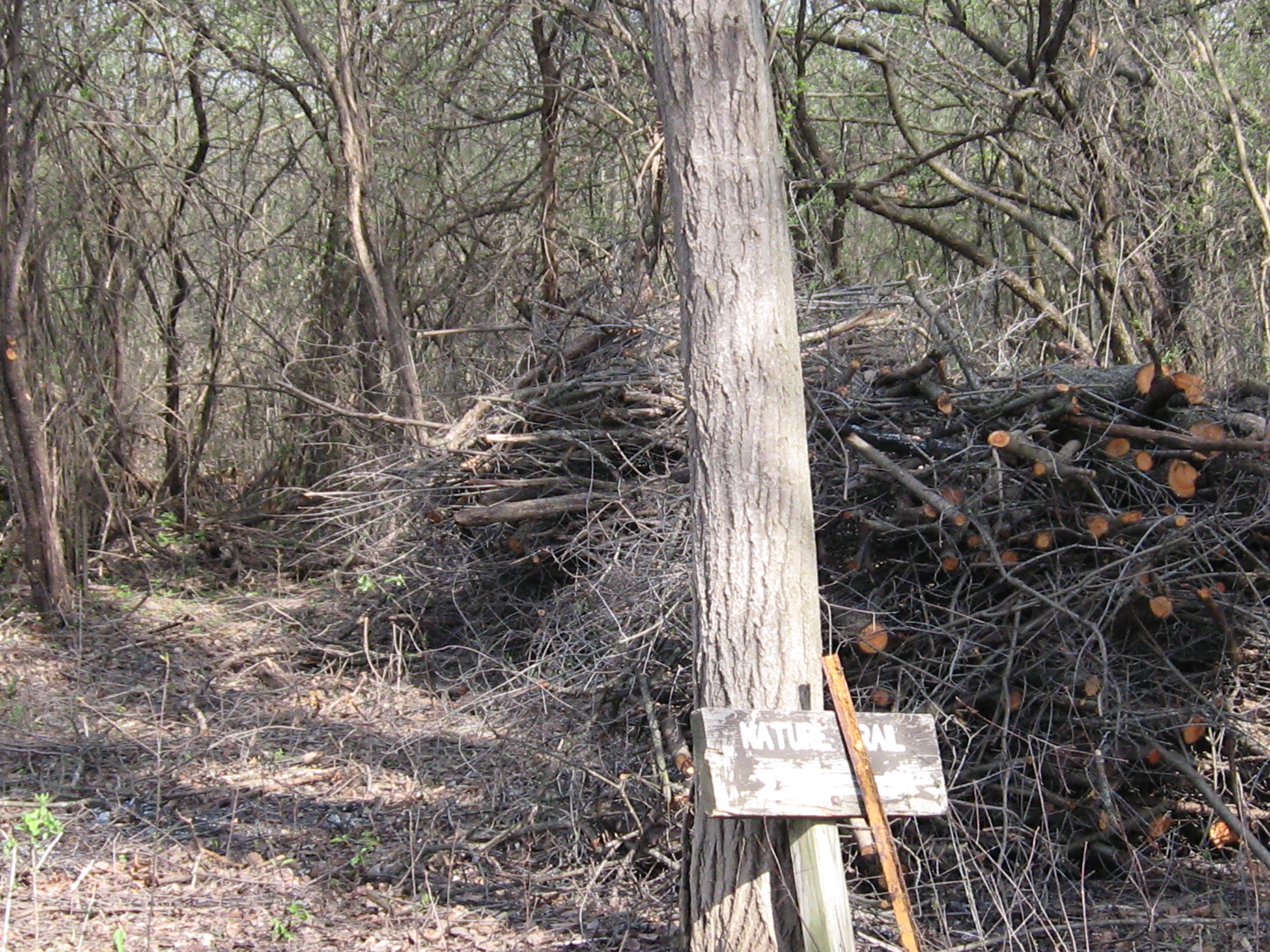
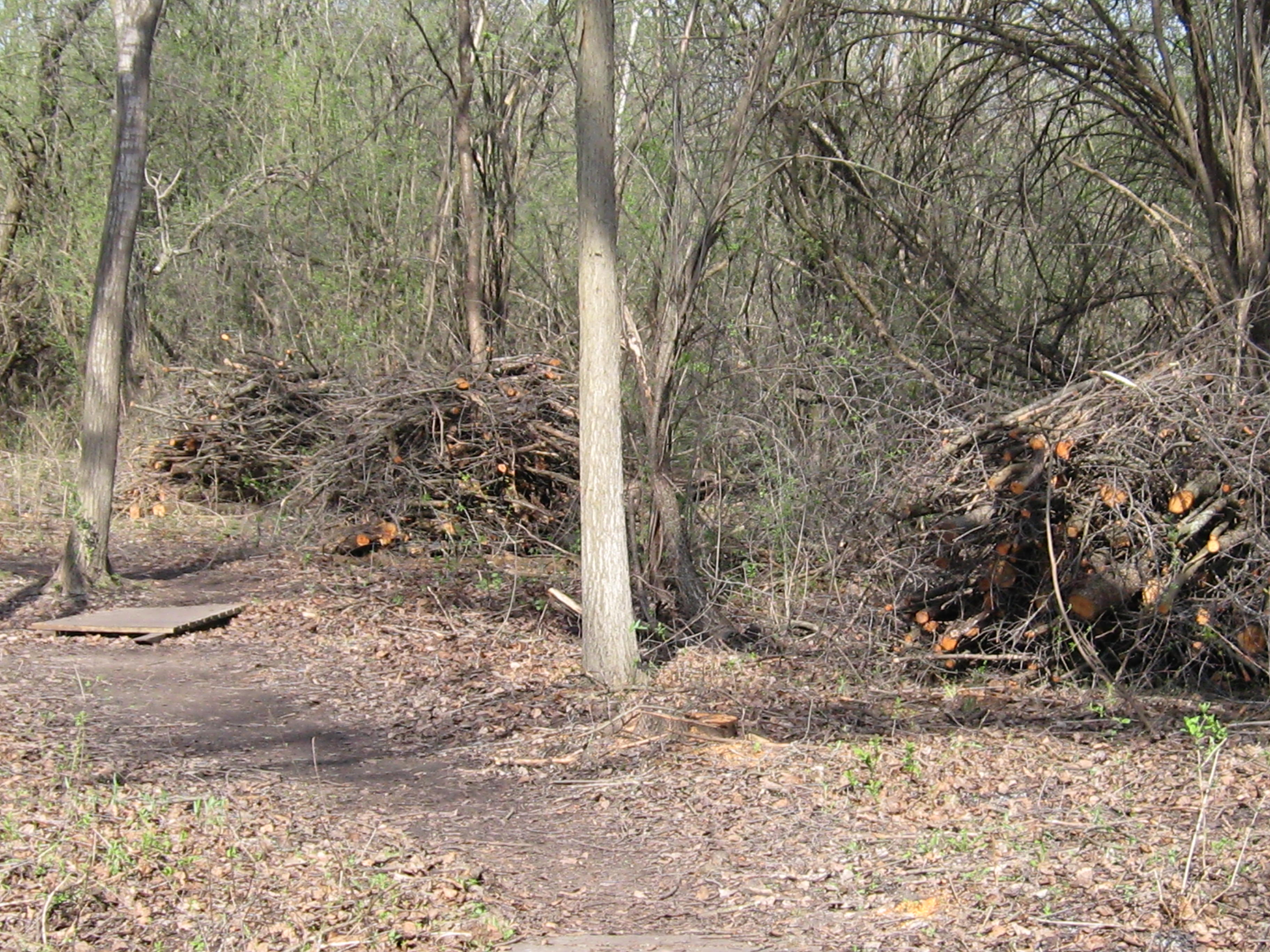
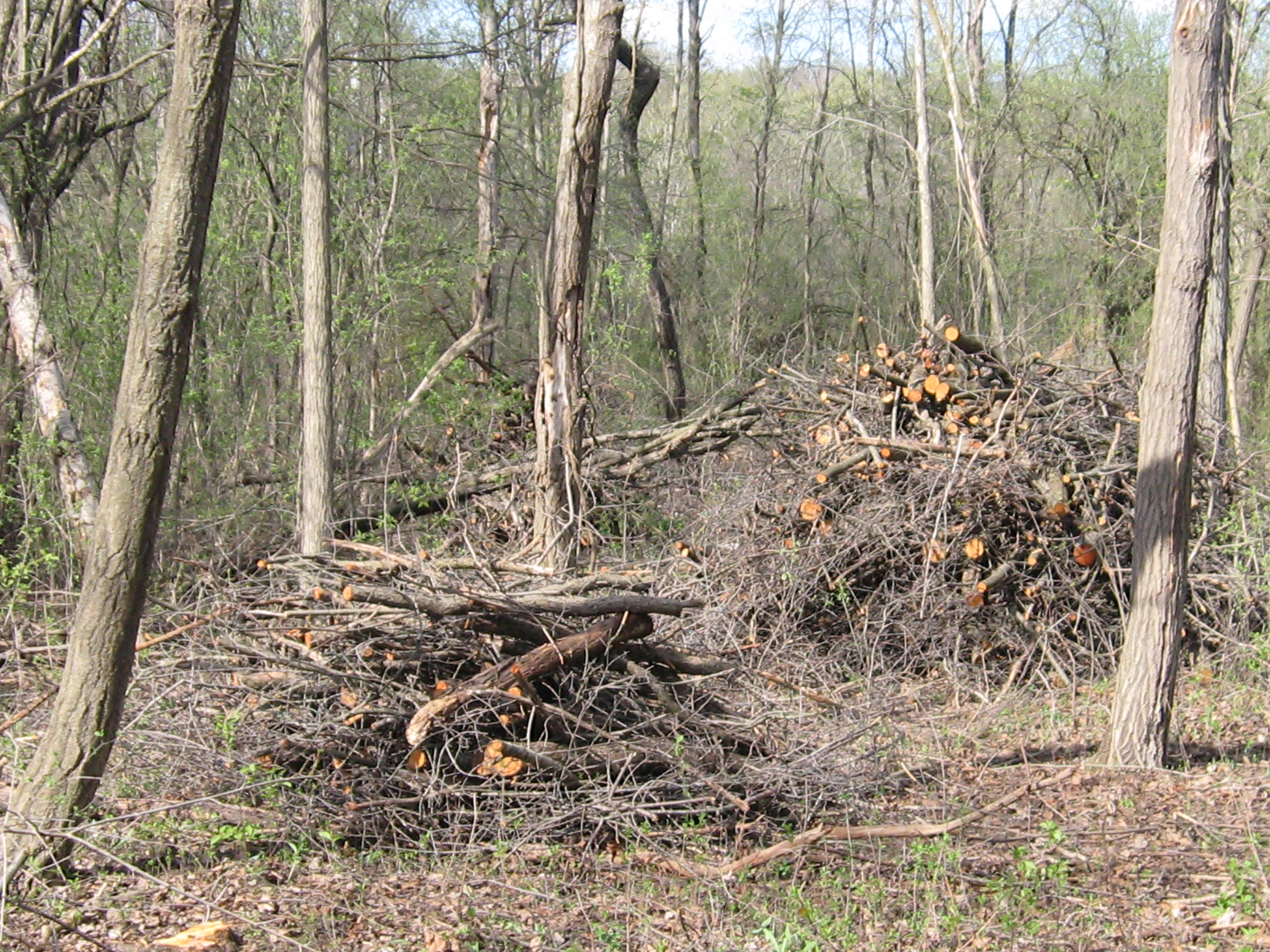
























 Scuppernong Springs Nature Trail

