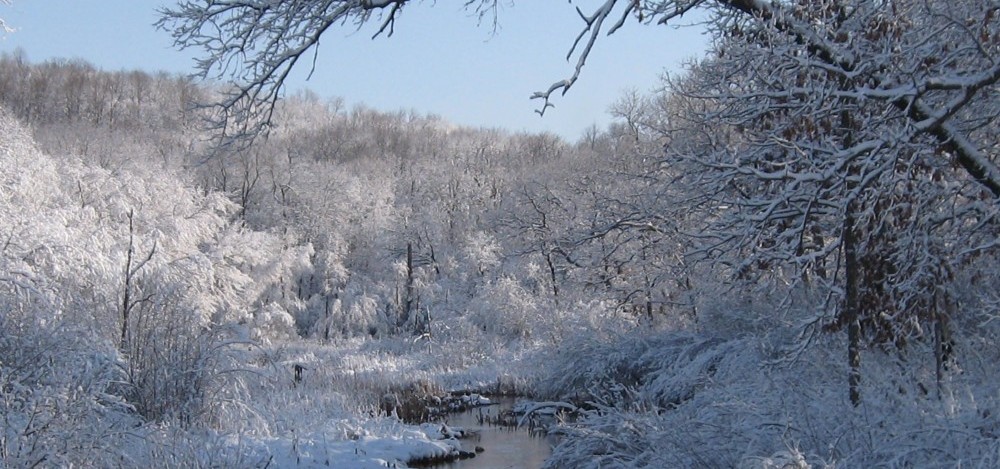
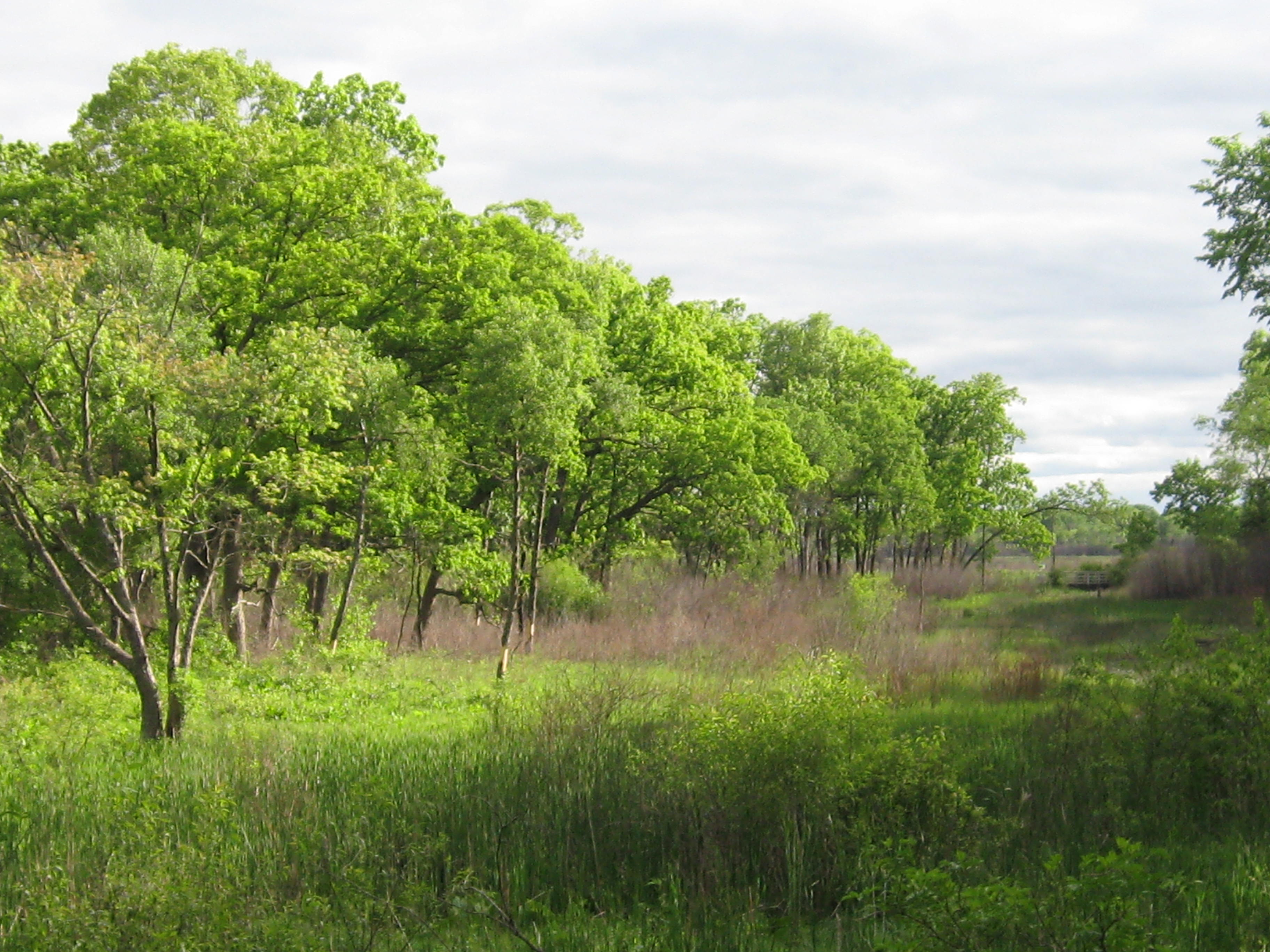
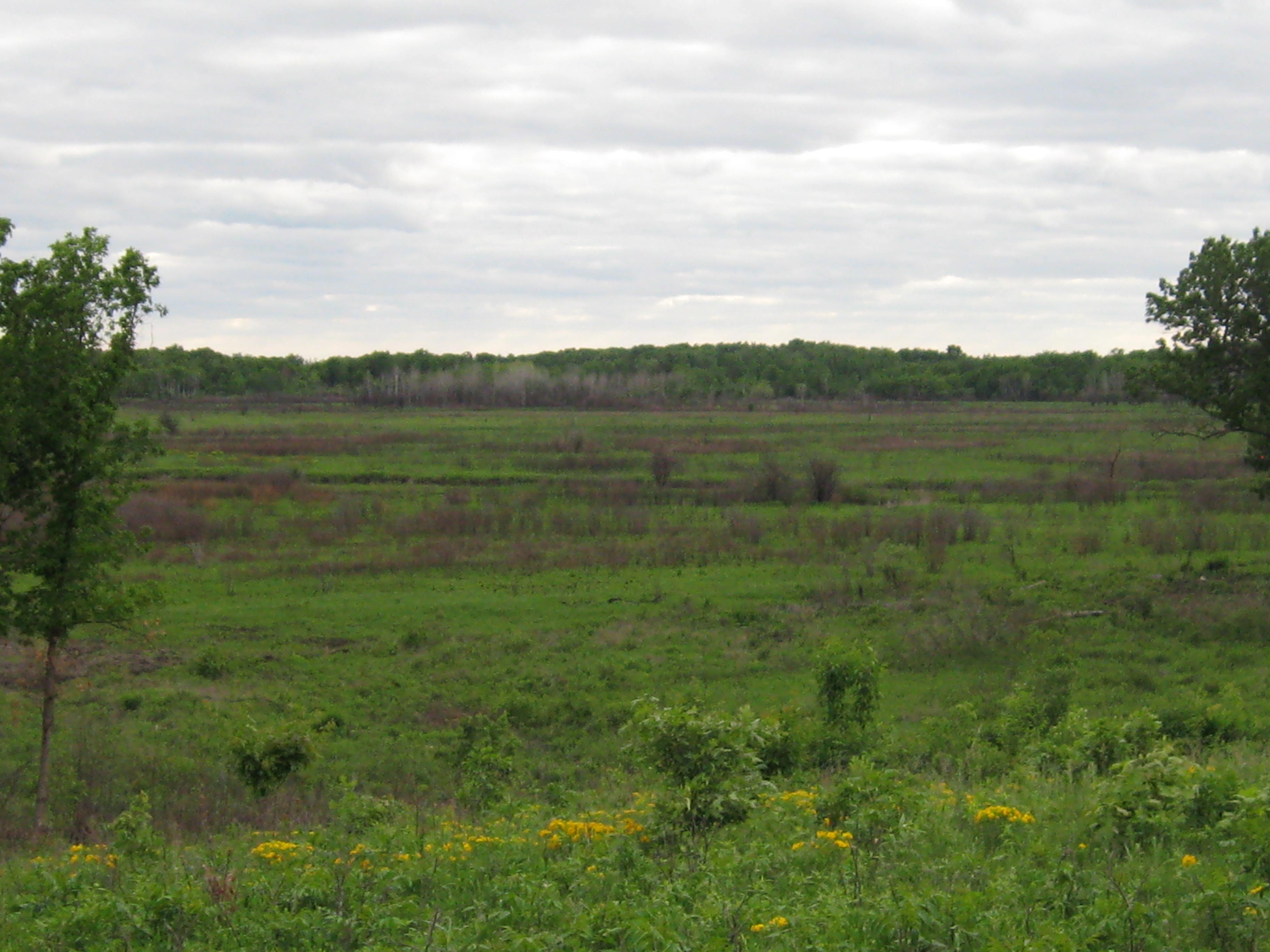
The Springs are luxuriantly green in harmonious sympathy with the summer solstice.
I’m a little worse for wear — might be all the tick bites. Pati gave me this great site for info about lymes disease and we’re investigating and getting advice from people who have had it, like our good friend Karen Ande.
Yesterday it was absolutely gorgeous all day long at The Springs and I was eager to try out my new camera. The picture auto-focus and high definition video are great. Now, if I could just learn to hold the camera steady when taking videos, especially the first few seconds.
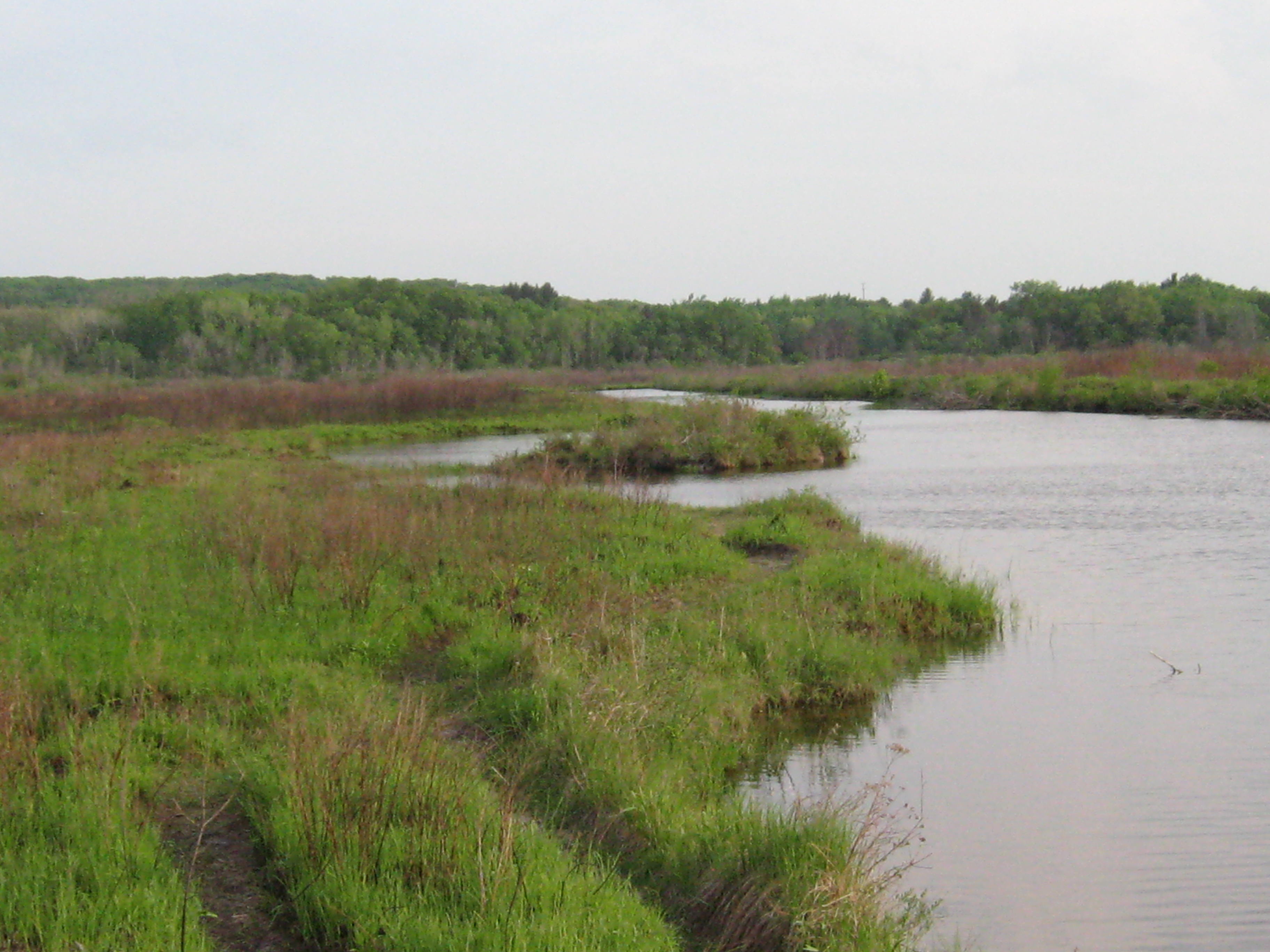
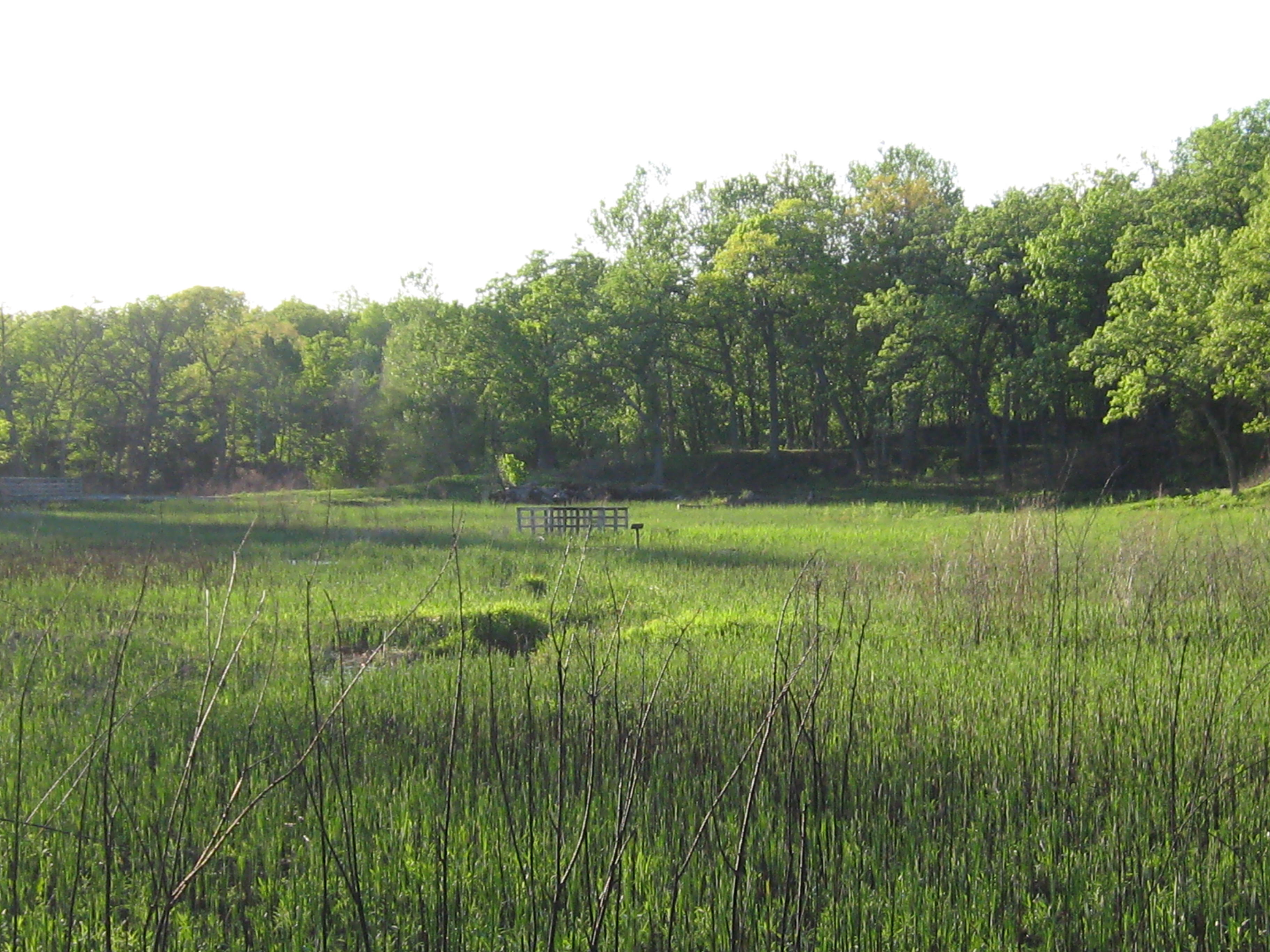
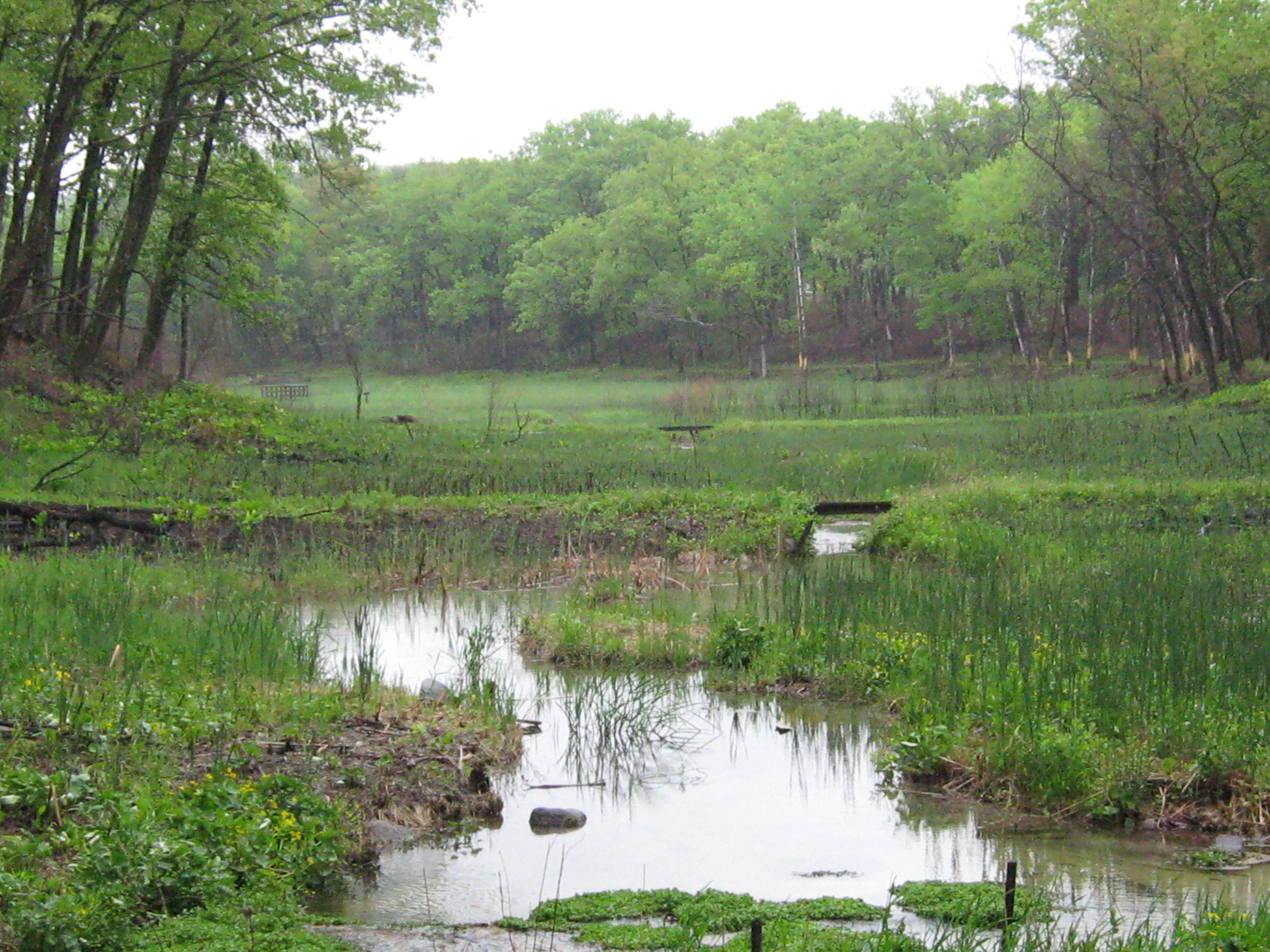
The view from the Scuppernong Spring, where I drew some water for the day.
I sprayed 8 gallons of very dilute (.2oz/gal) Milestone/aminopyralid on first year garlic mustard and huge patches of burdock on the south end of the trail and I must confess that I’m sorely conflicted about my continued use of herbicide on the land. Per this Mother Earth News story, there are issues with Milestone. The DNR reassured me that there is no problem given the low concentration they recommend, but I’m having doubts.
I mentioned in a previous post that I was not going to use Habitat/imazapyr anywhere in the river valley and I recently returned my supply to the DNR. This article in Natural News, persuaded me to return my Glyphosate as well. I’m still using Tahoe/triclopyr for buckthorn stumps, Transline/clopyralid for Black Locust and Milestone/aminopyralid for broad-leaf weeds.
In an ideal world, the DNR would have the resources to Burn The Scuppernong on a more regular basis; interspersing fall and spring fires per, the available fuel, and the status of the weeds. If that were the case, it would be conceivable to eliminate the use of all poisonous chemicals on the land. I feel a rant coming on… but, instead, I’ll do what I can to work toward that goal.
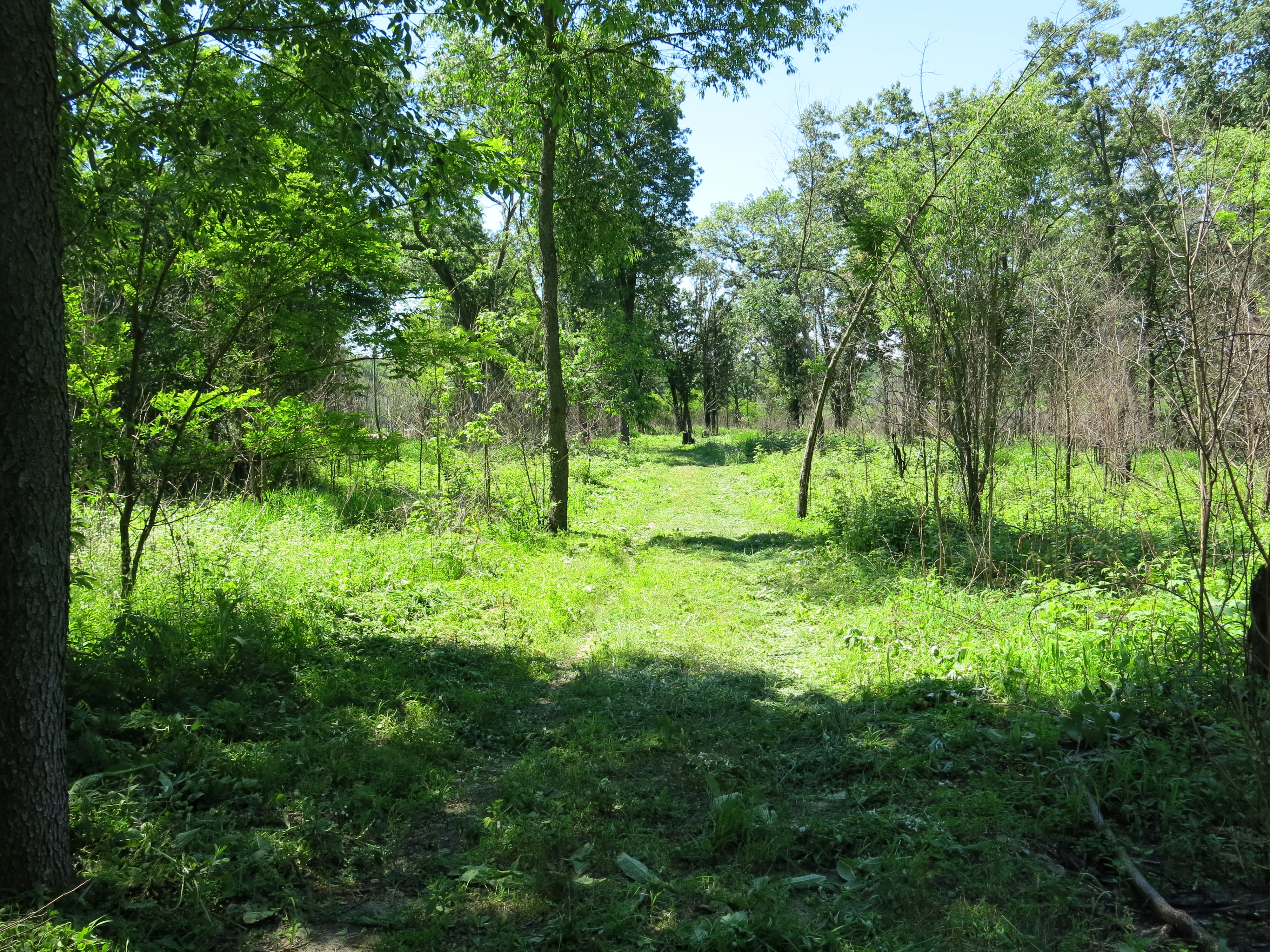
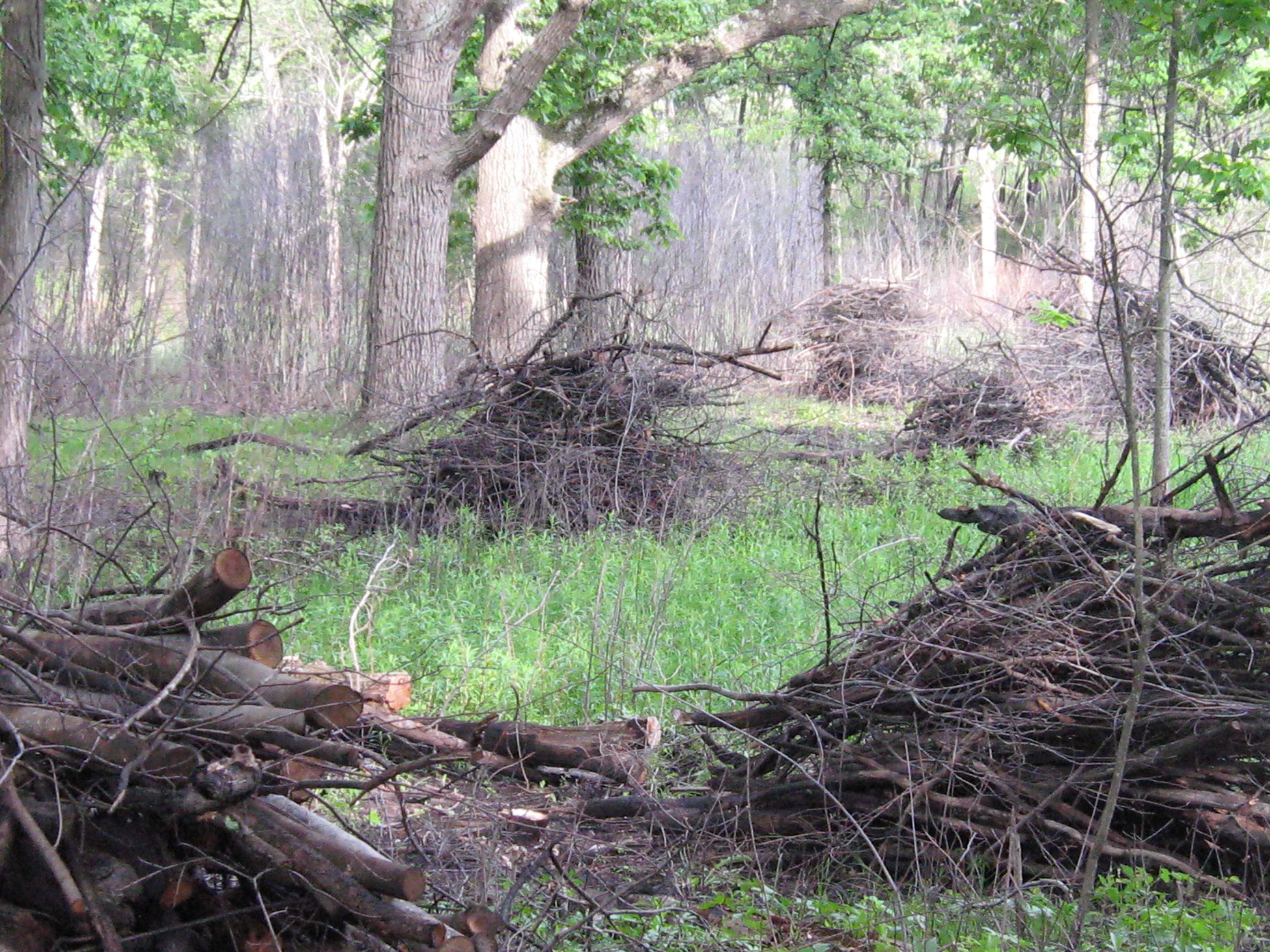
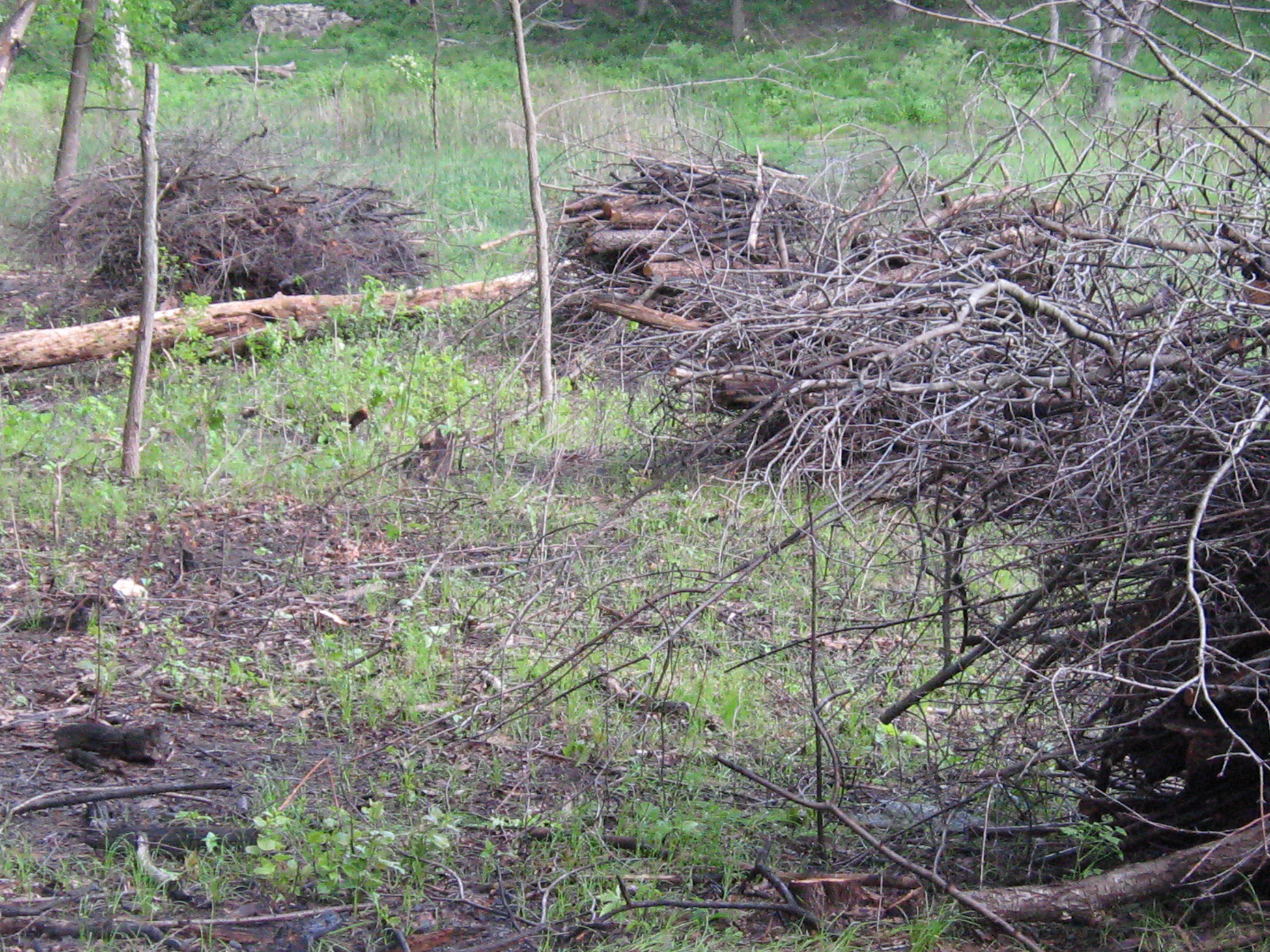
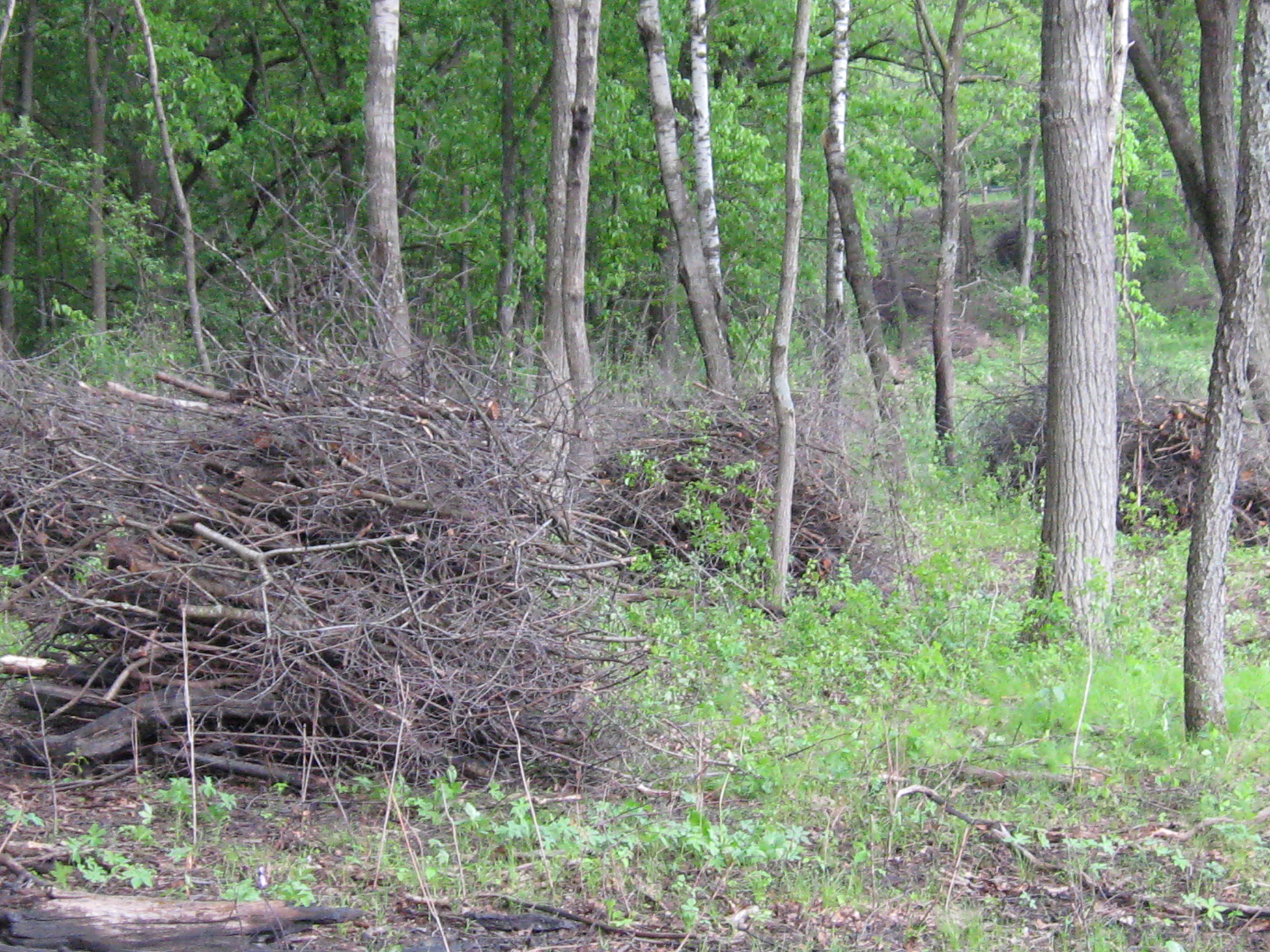
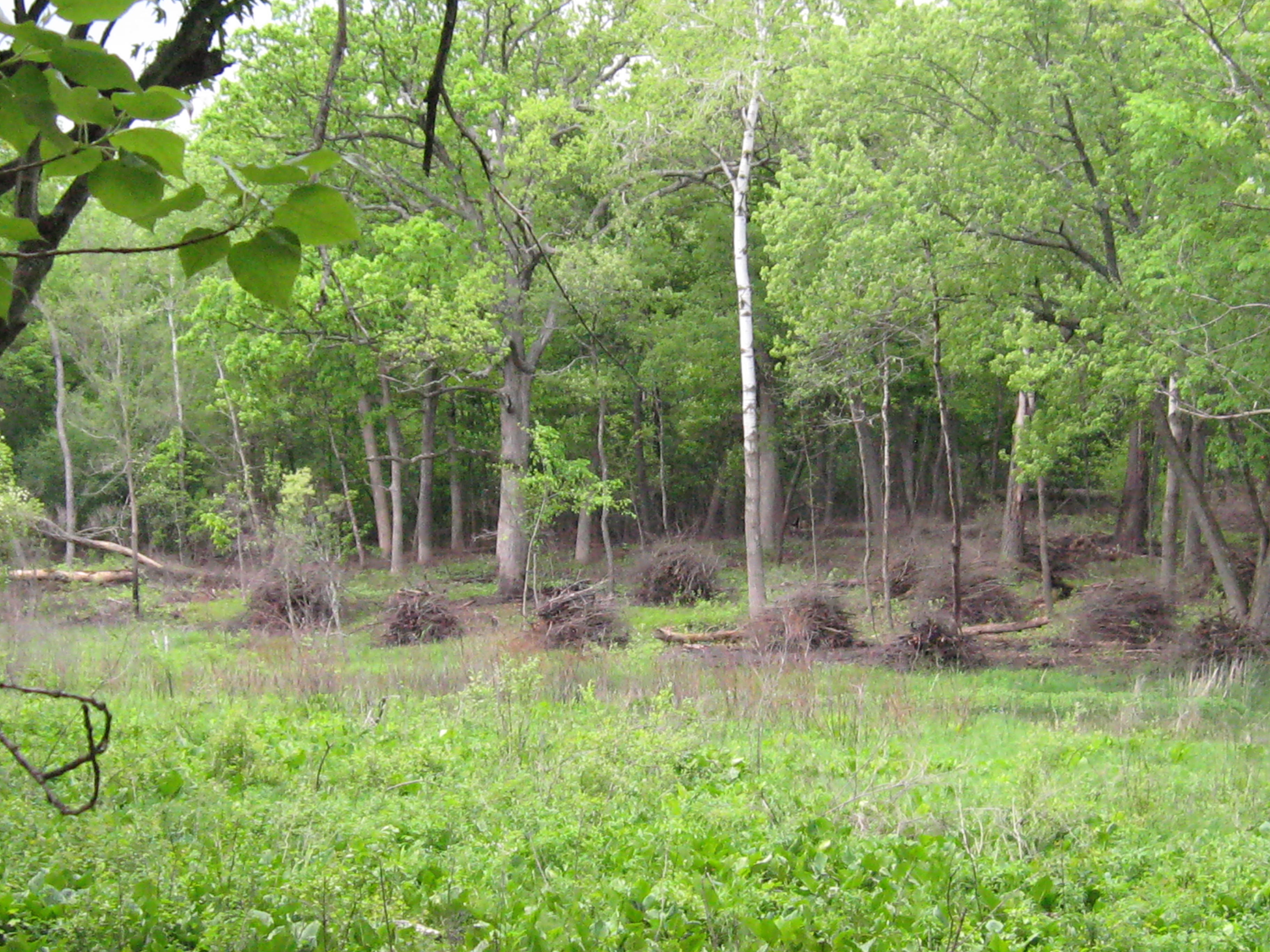
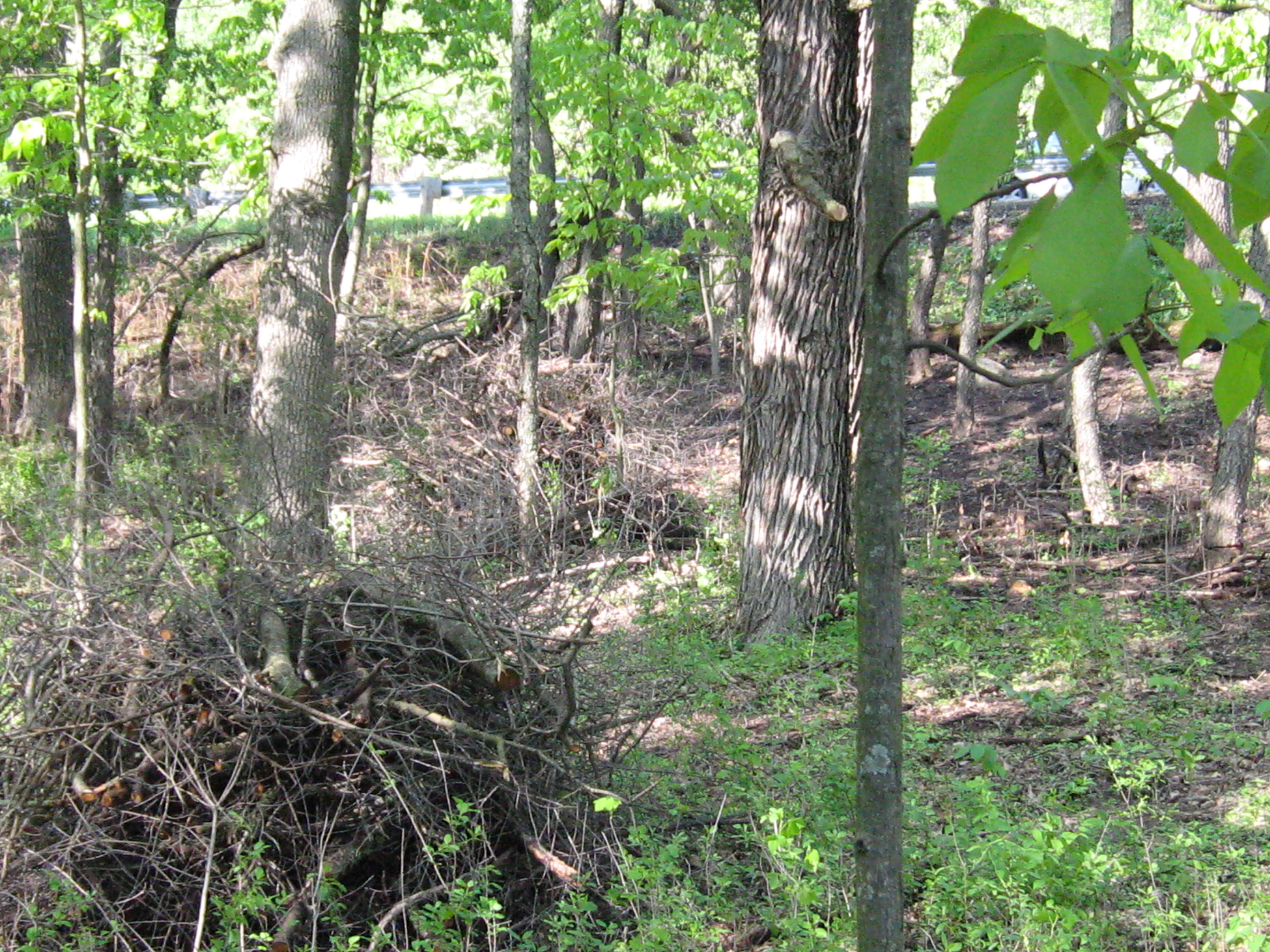
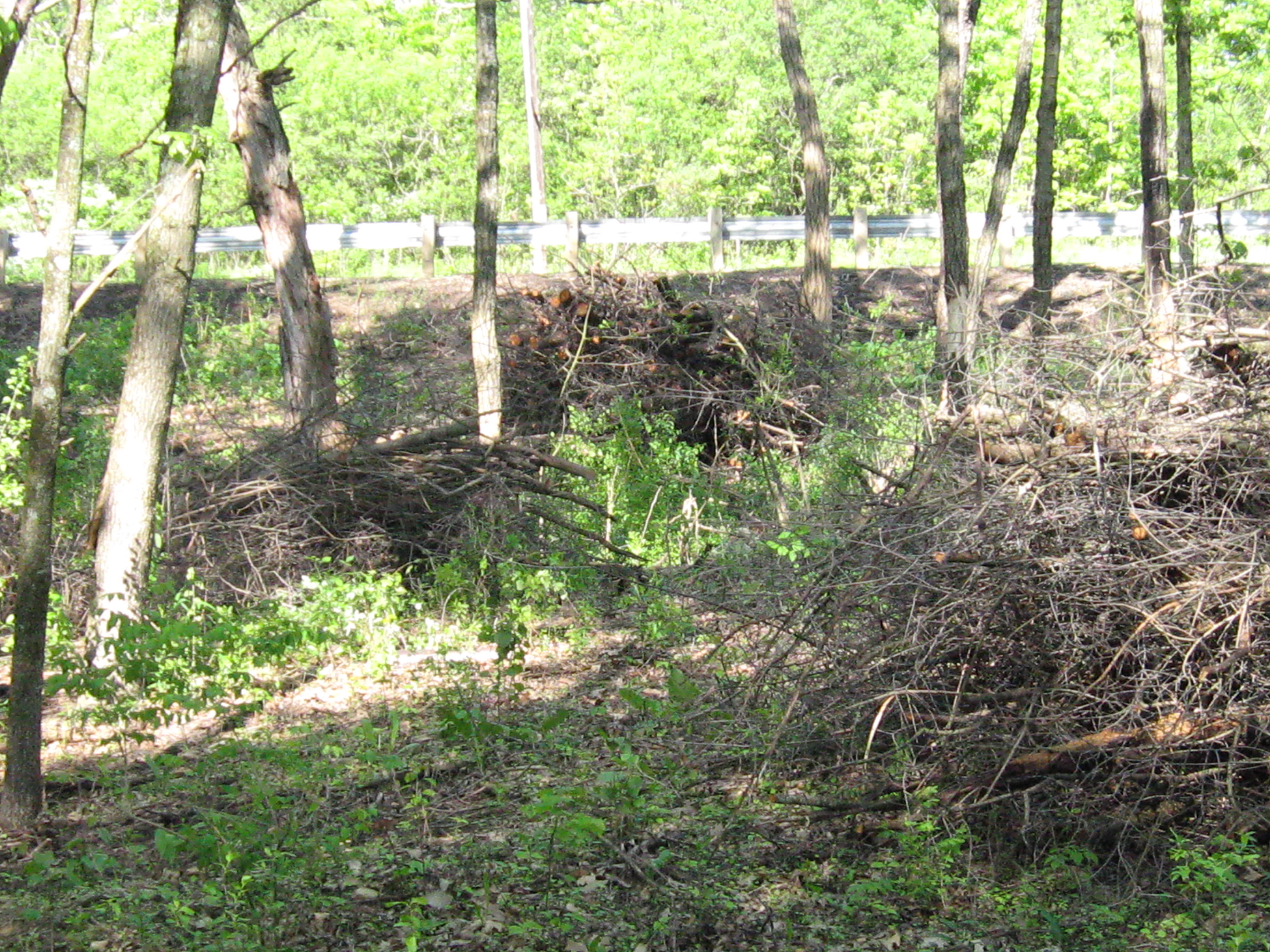
I brought my brush cutter out to tidy up the place. Here are before and after shots of the DNR 2-track we use to access a parking area at the south end of the loop trail.

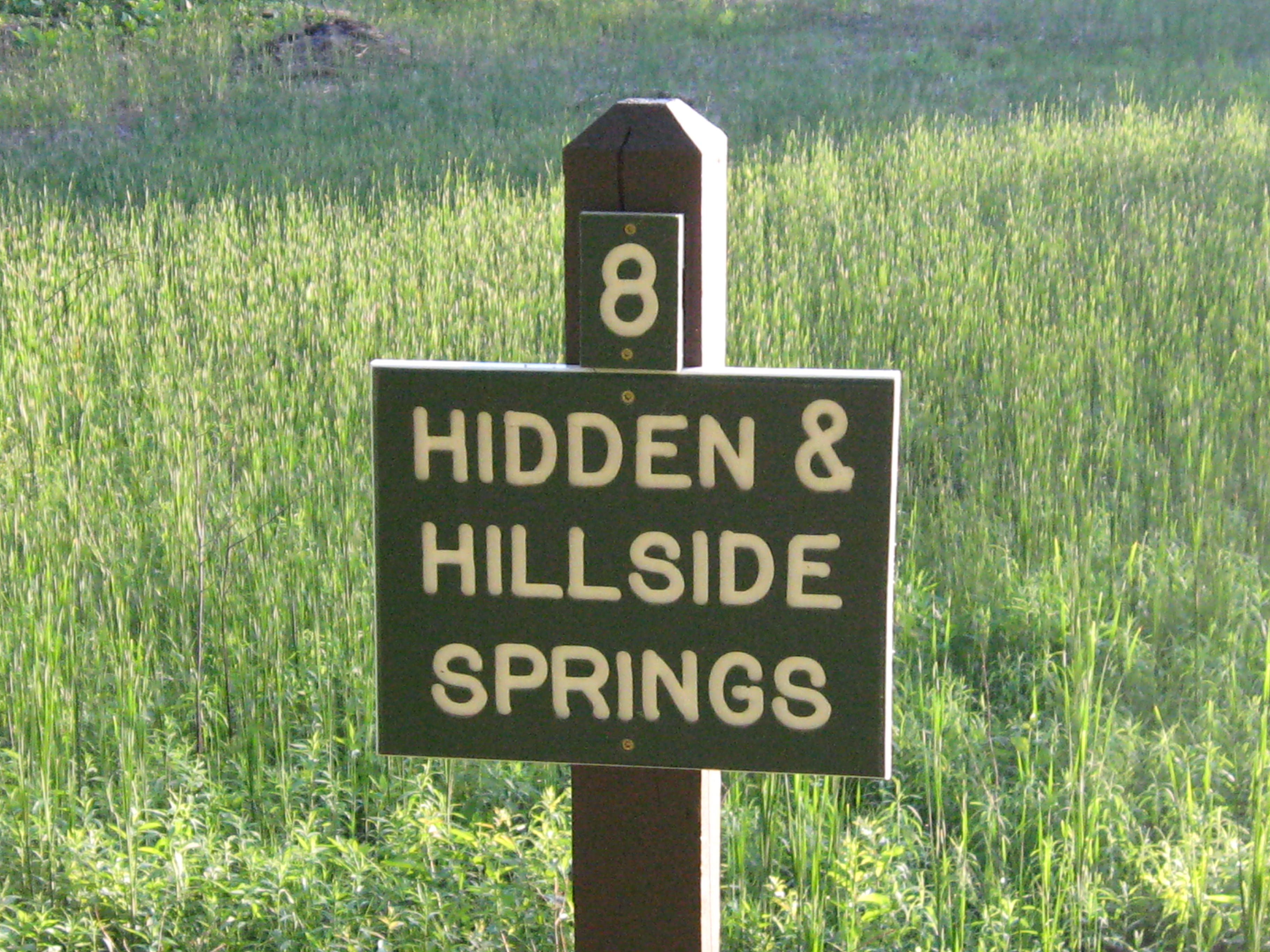
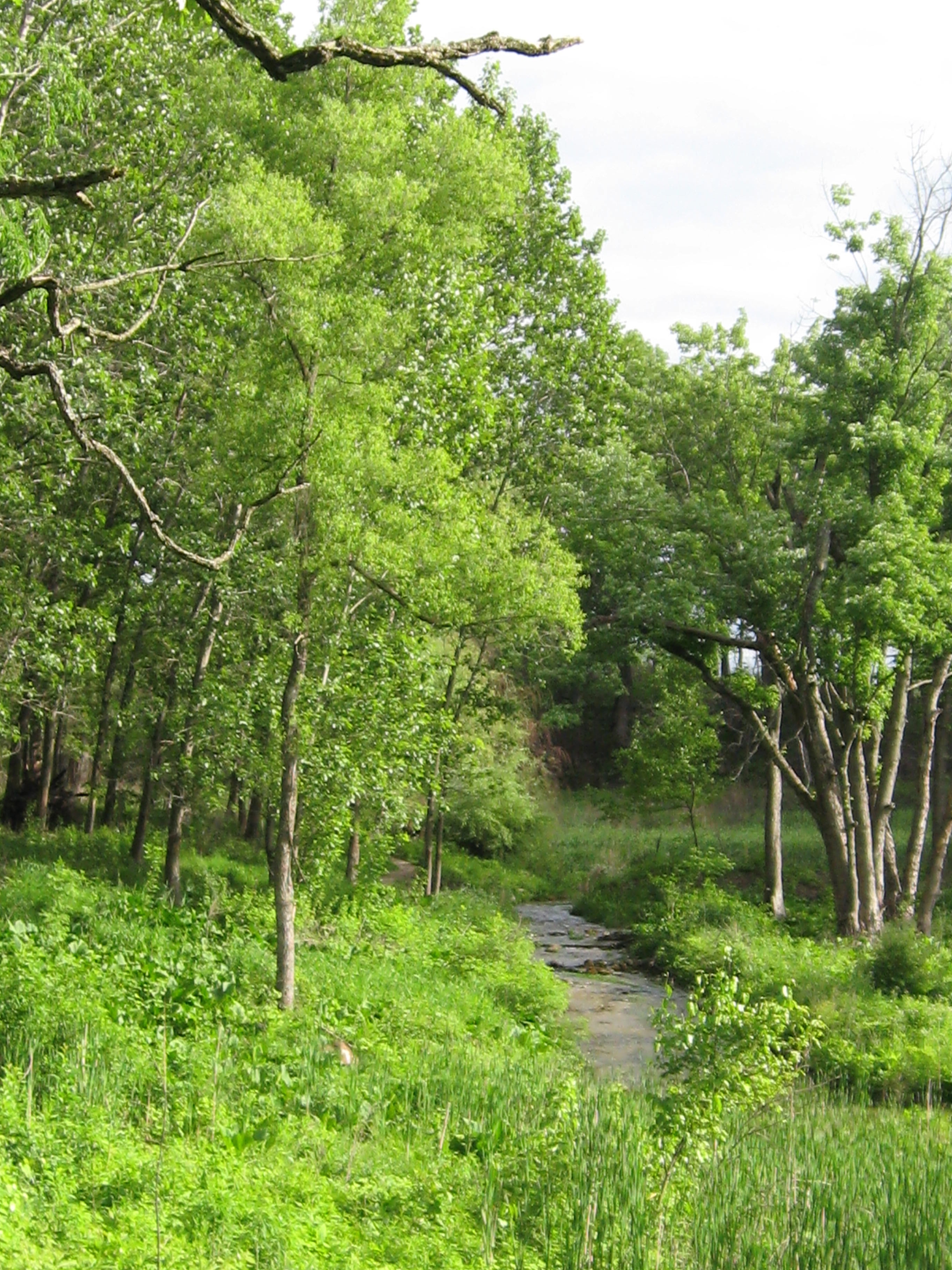
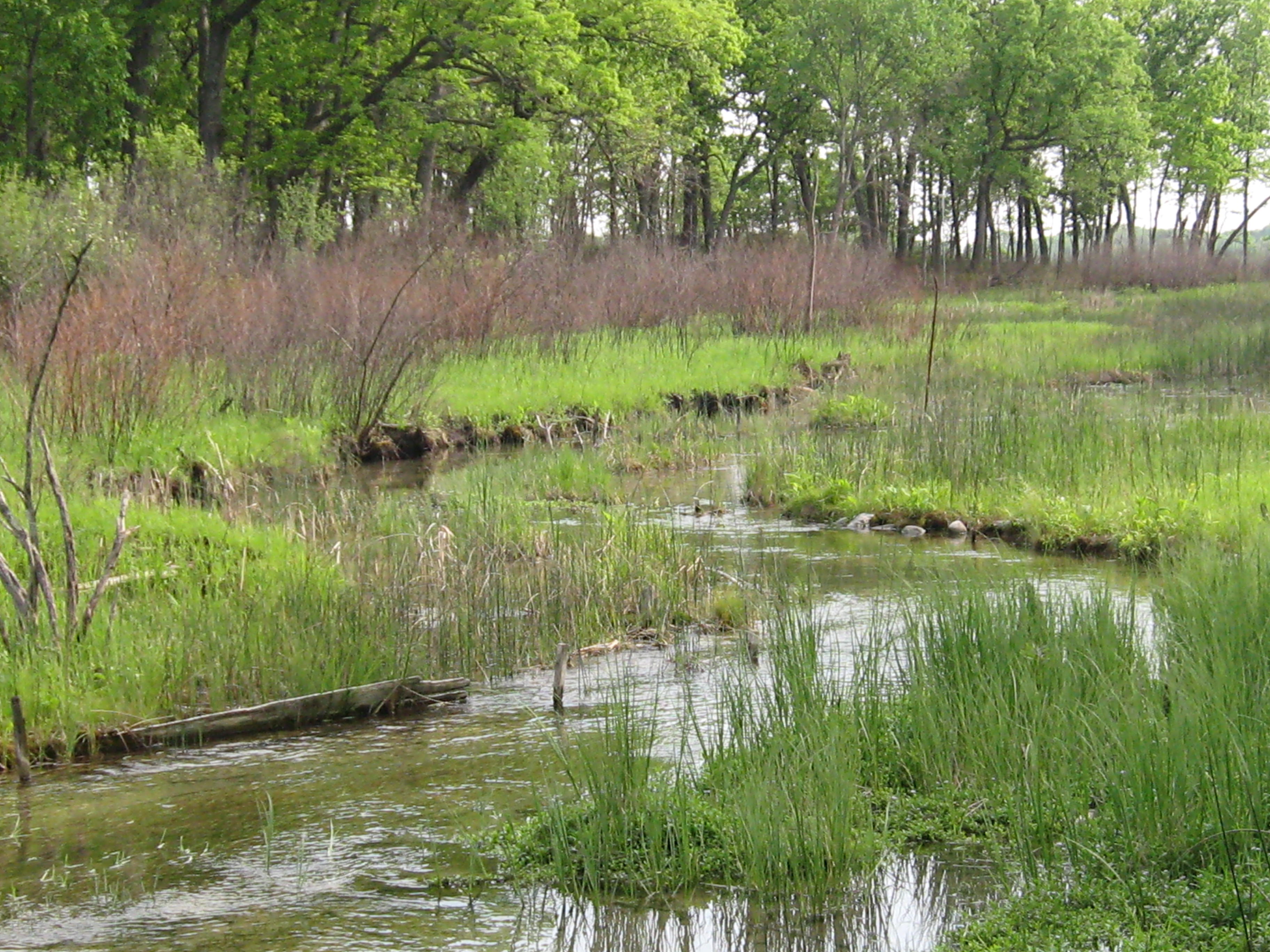
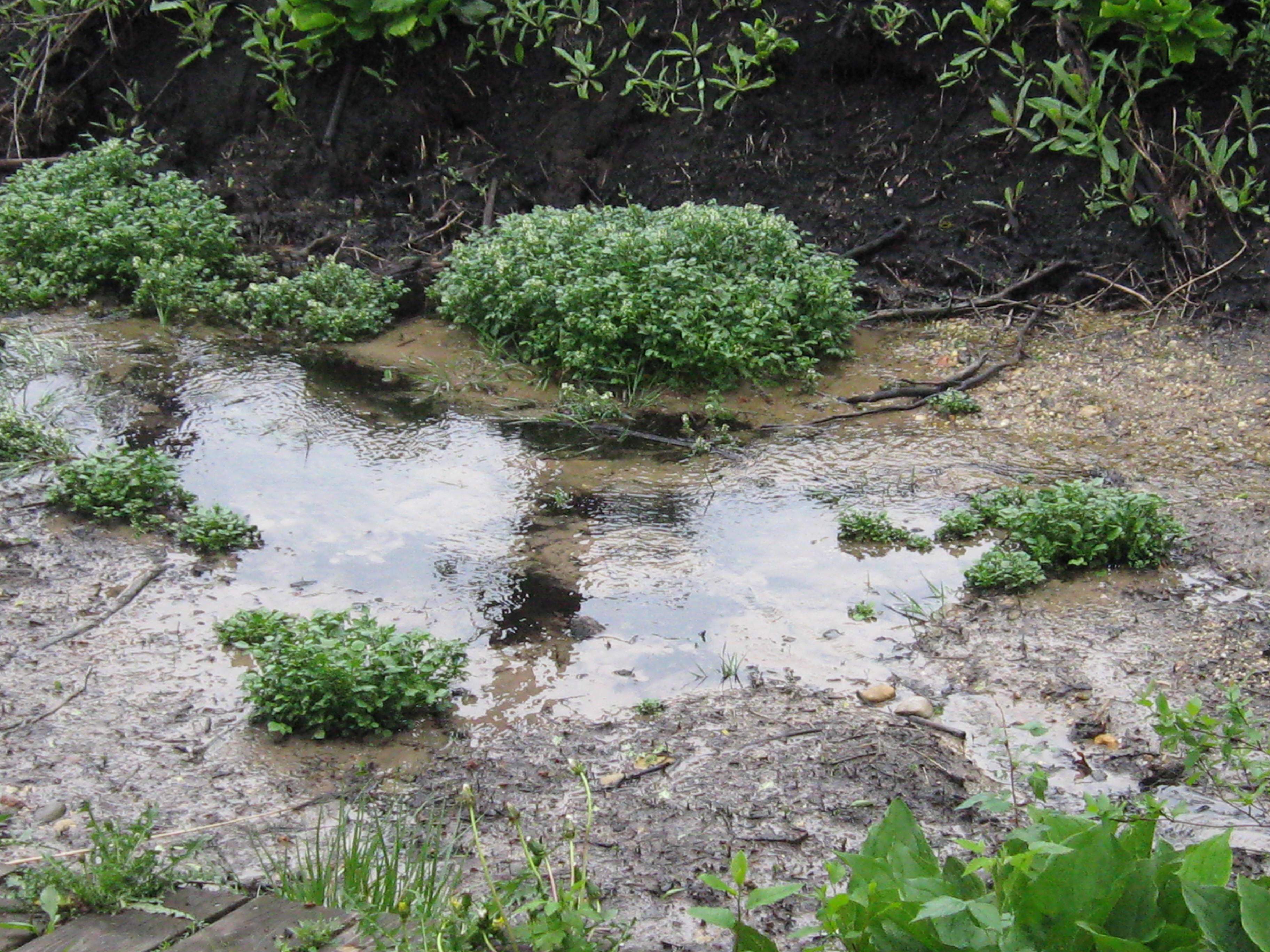
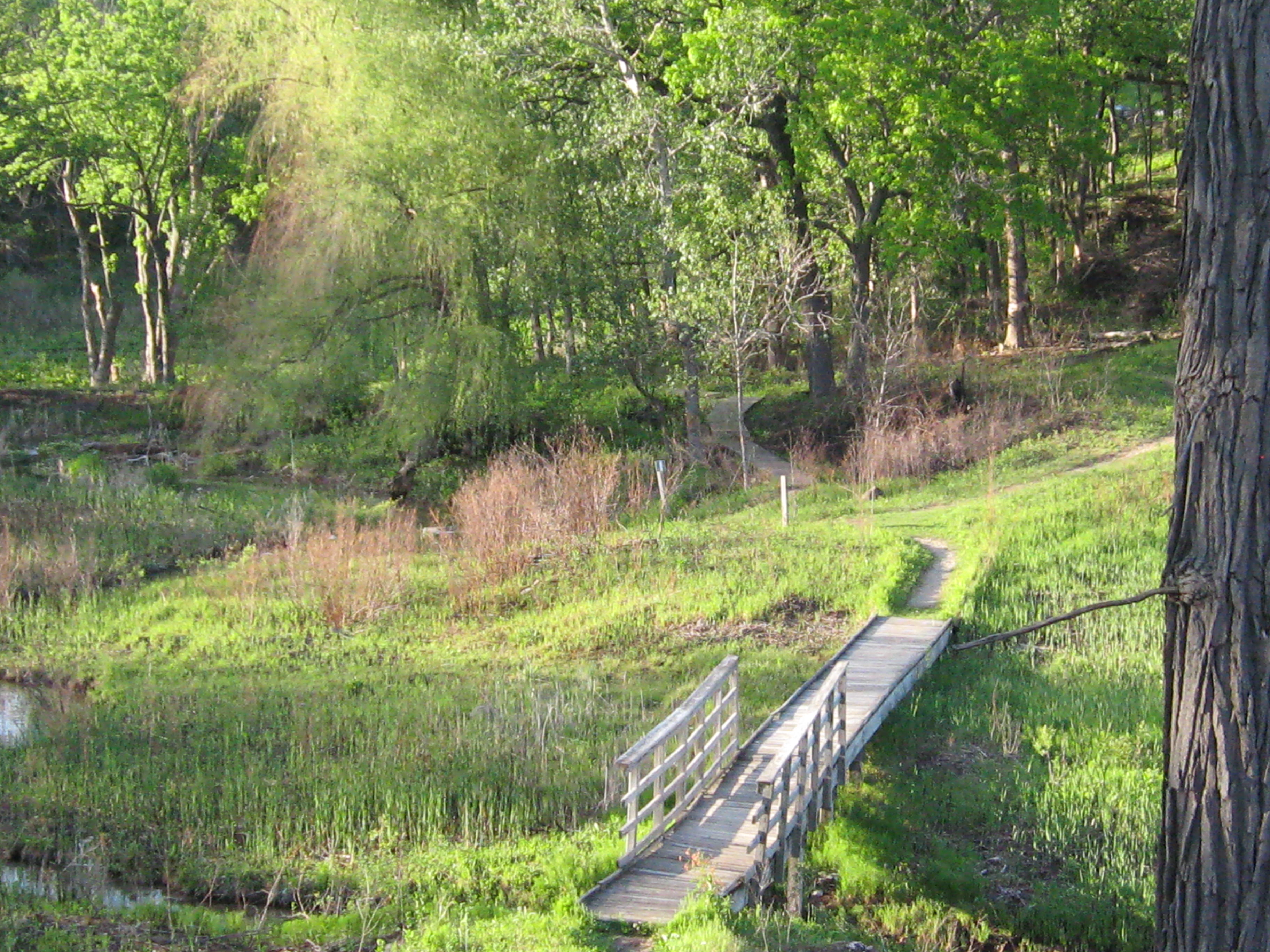
Then I made my way to the hillside springs at the first embankment/bridge below the Scuppernong Spring.

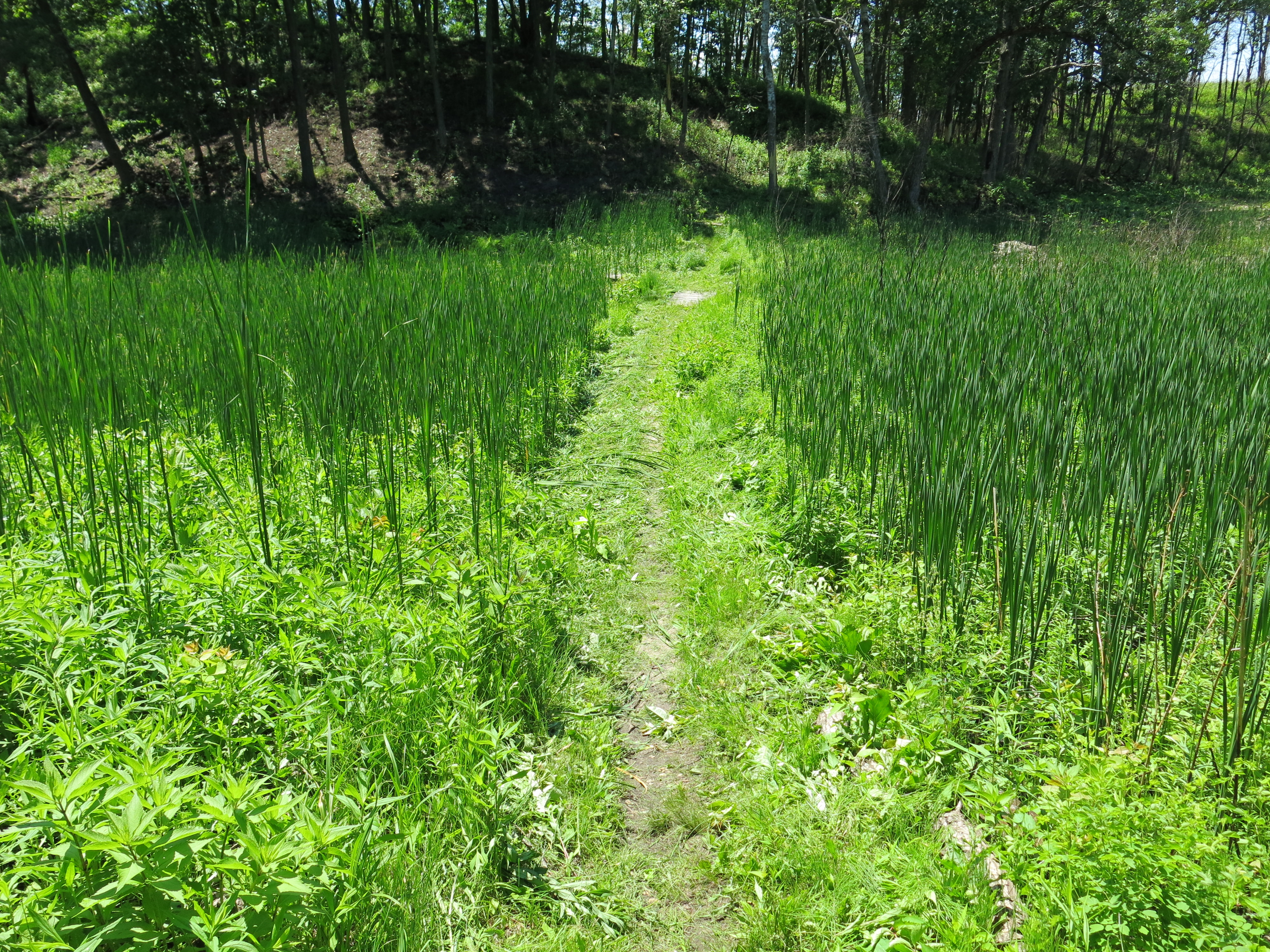
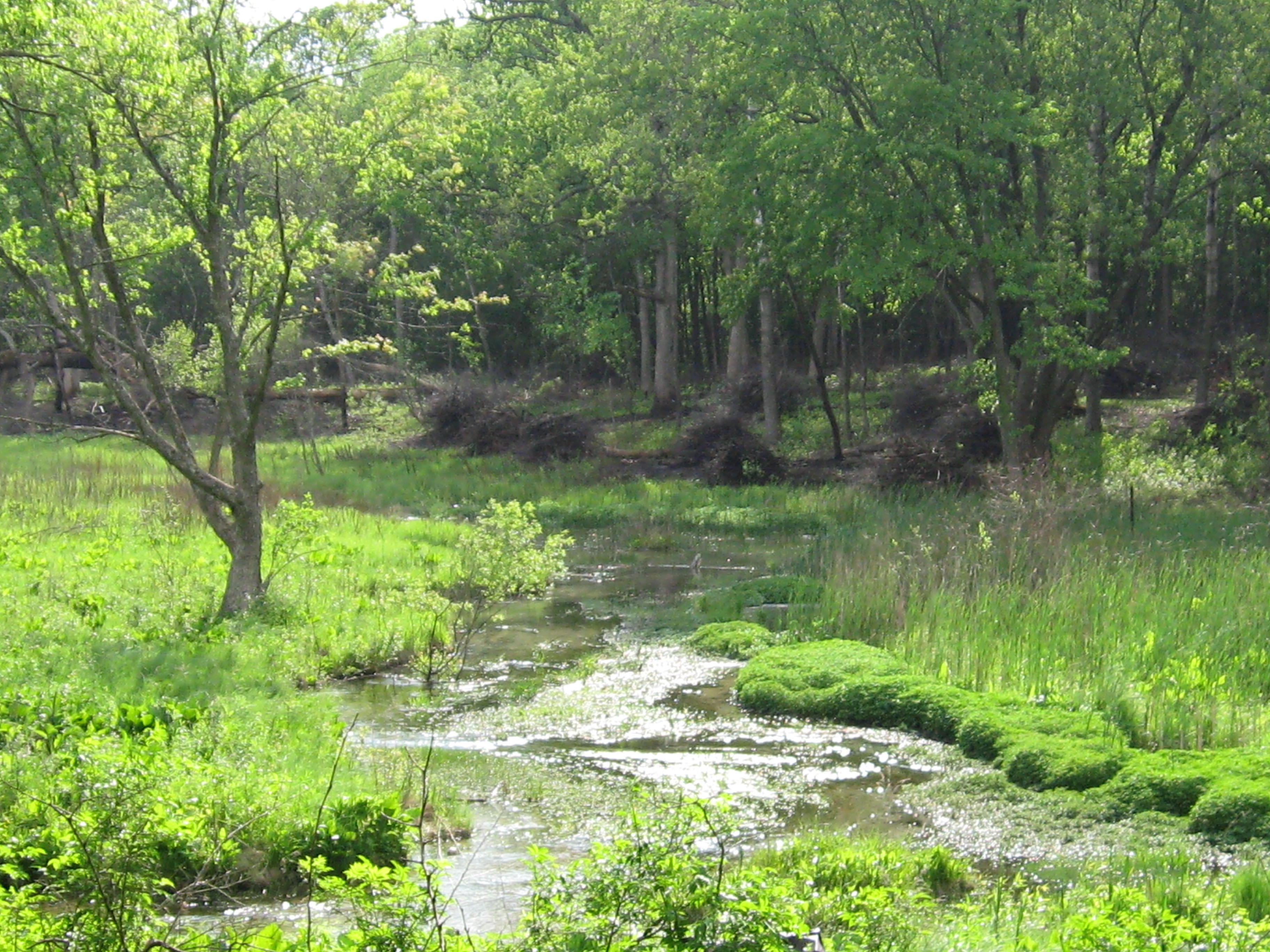
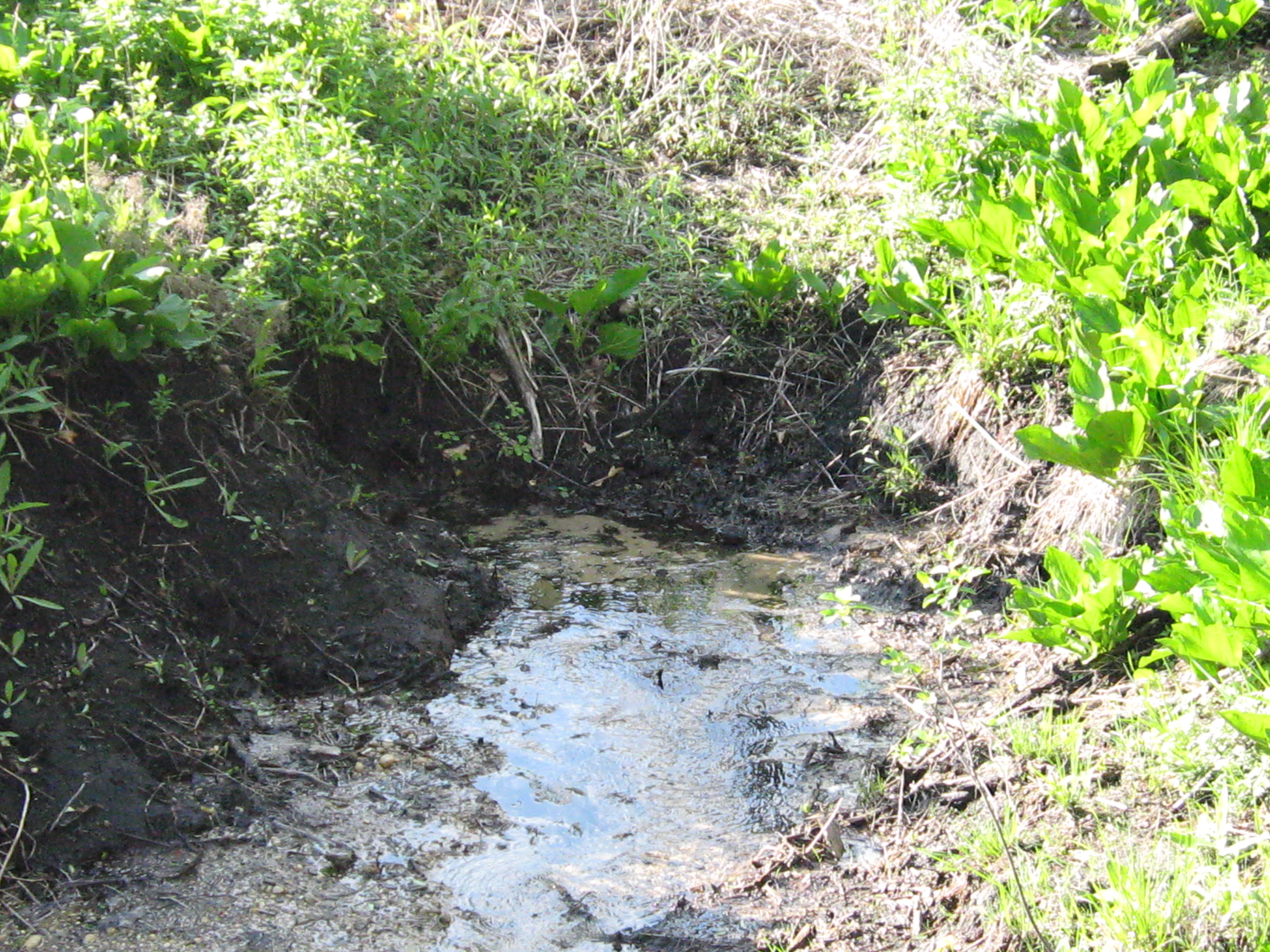
The second bridge down, before and after.
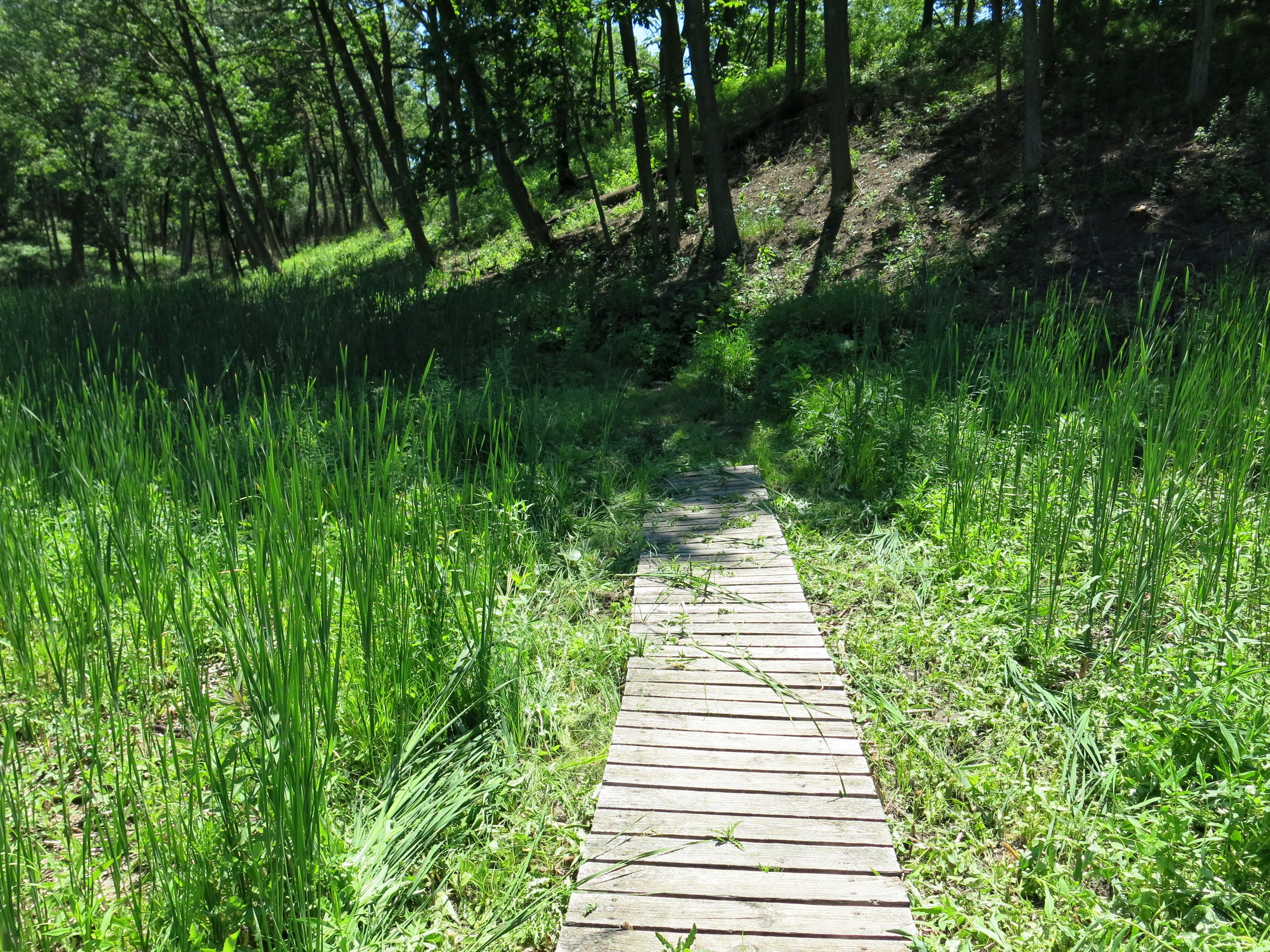
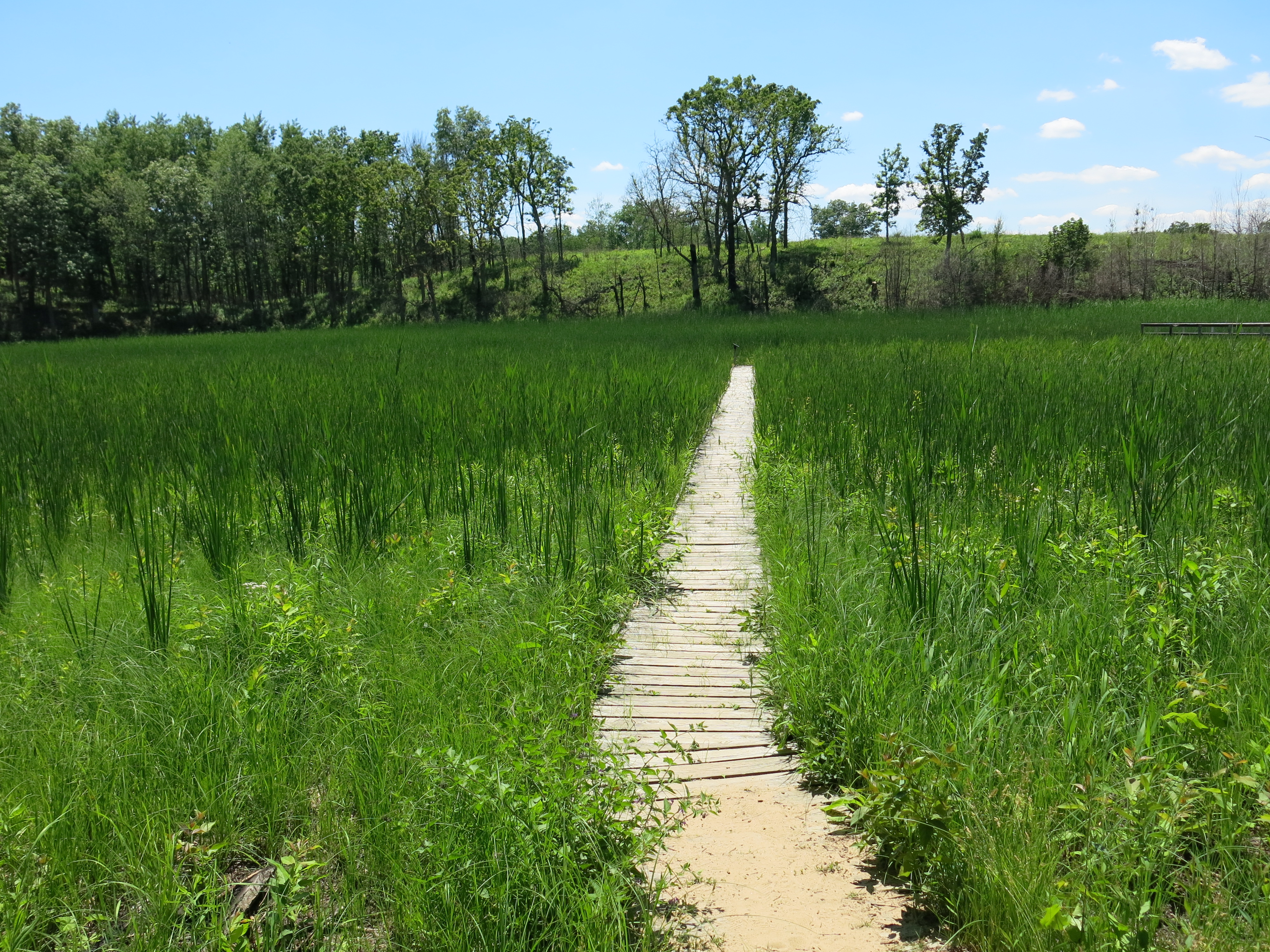
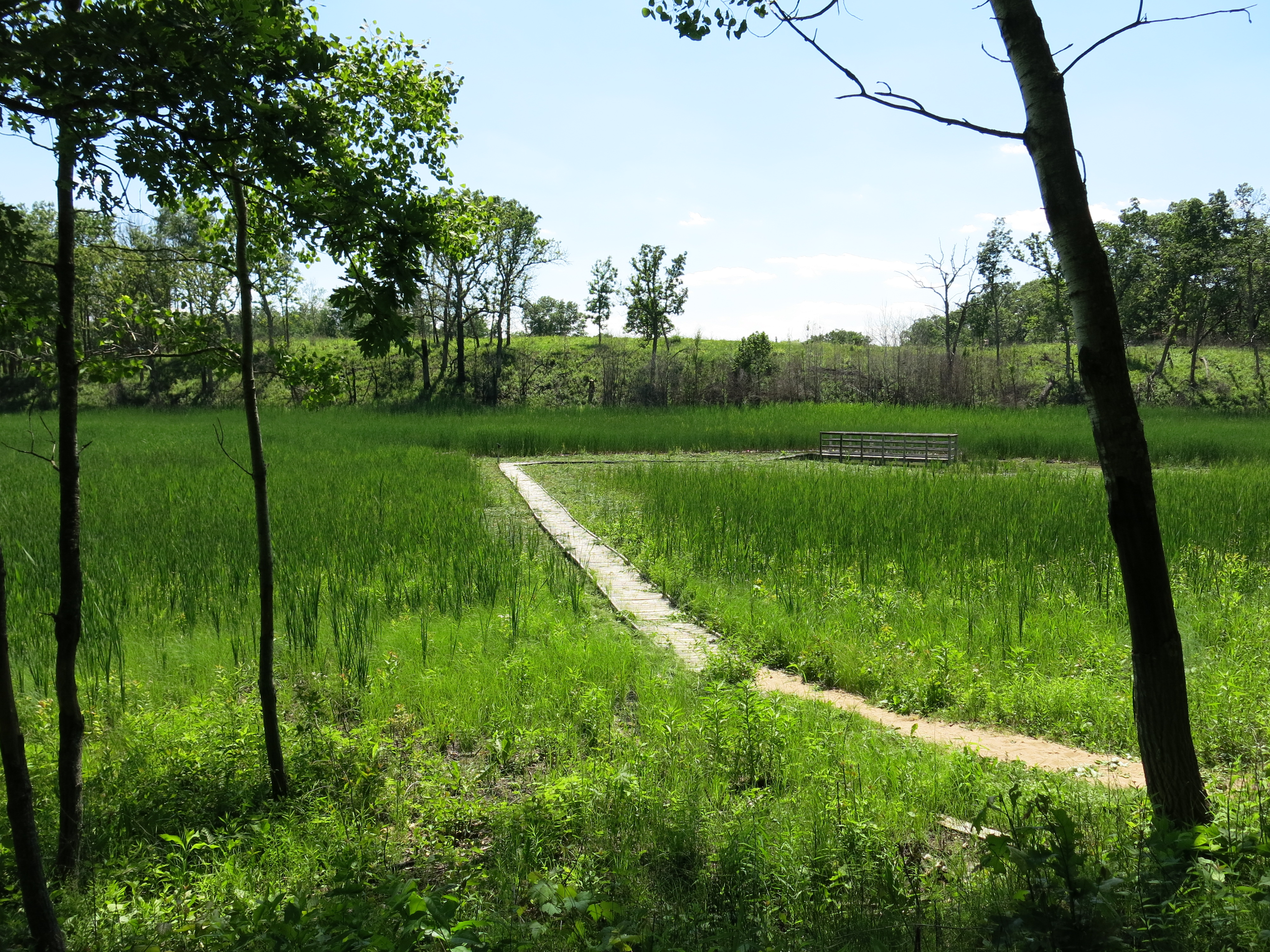
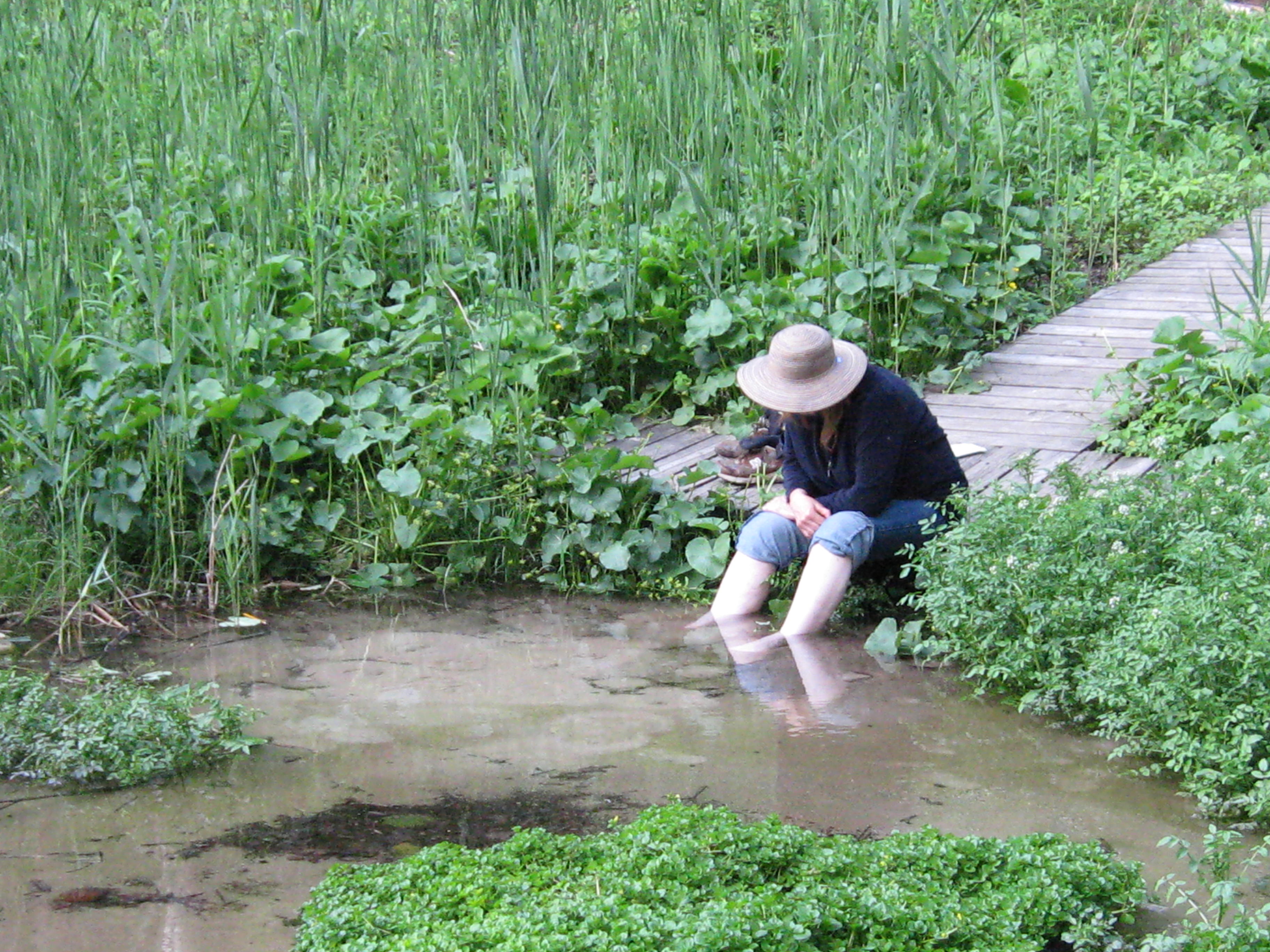
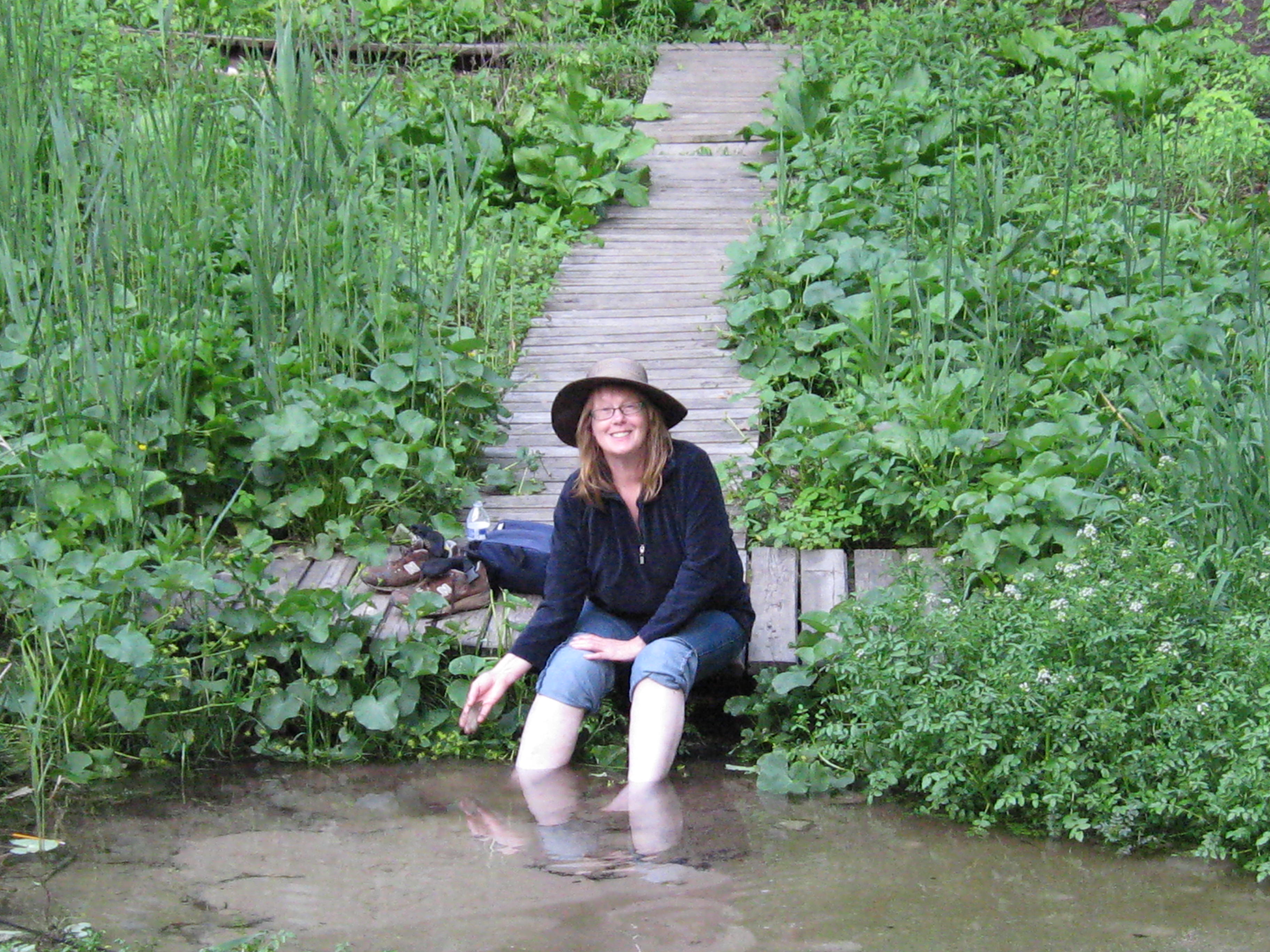
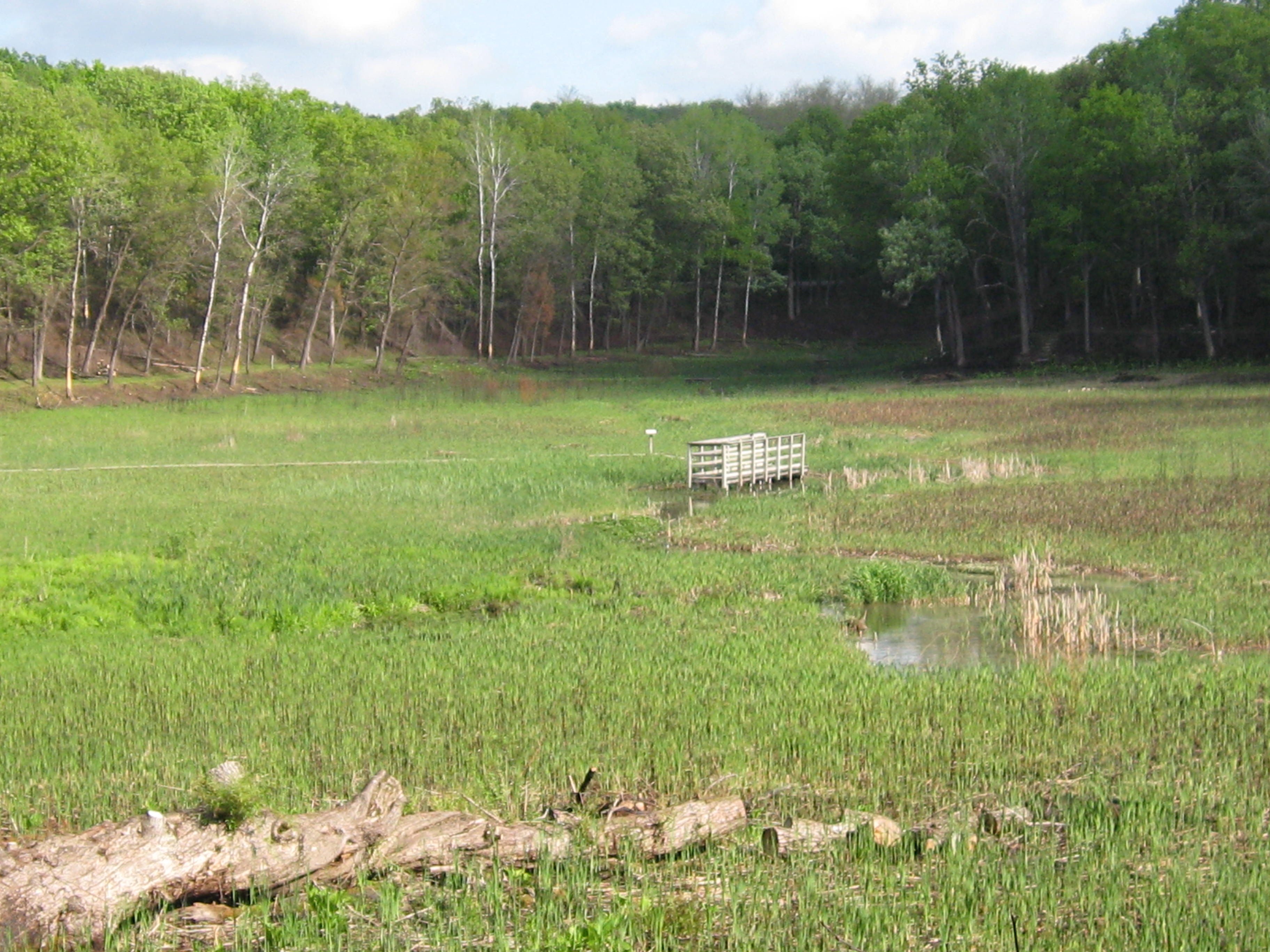
Then, on to the boardwalk that leads to the Emerald Spring. I sprayed this area with Habitat a few weeks ago and there was no effect. I miss the wise console of my good friend Lindsay Knudsvig, who would have undoubtebly warned me that it was “too early dude!”
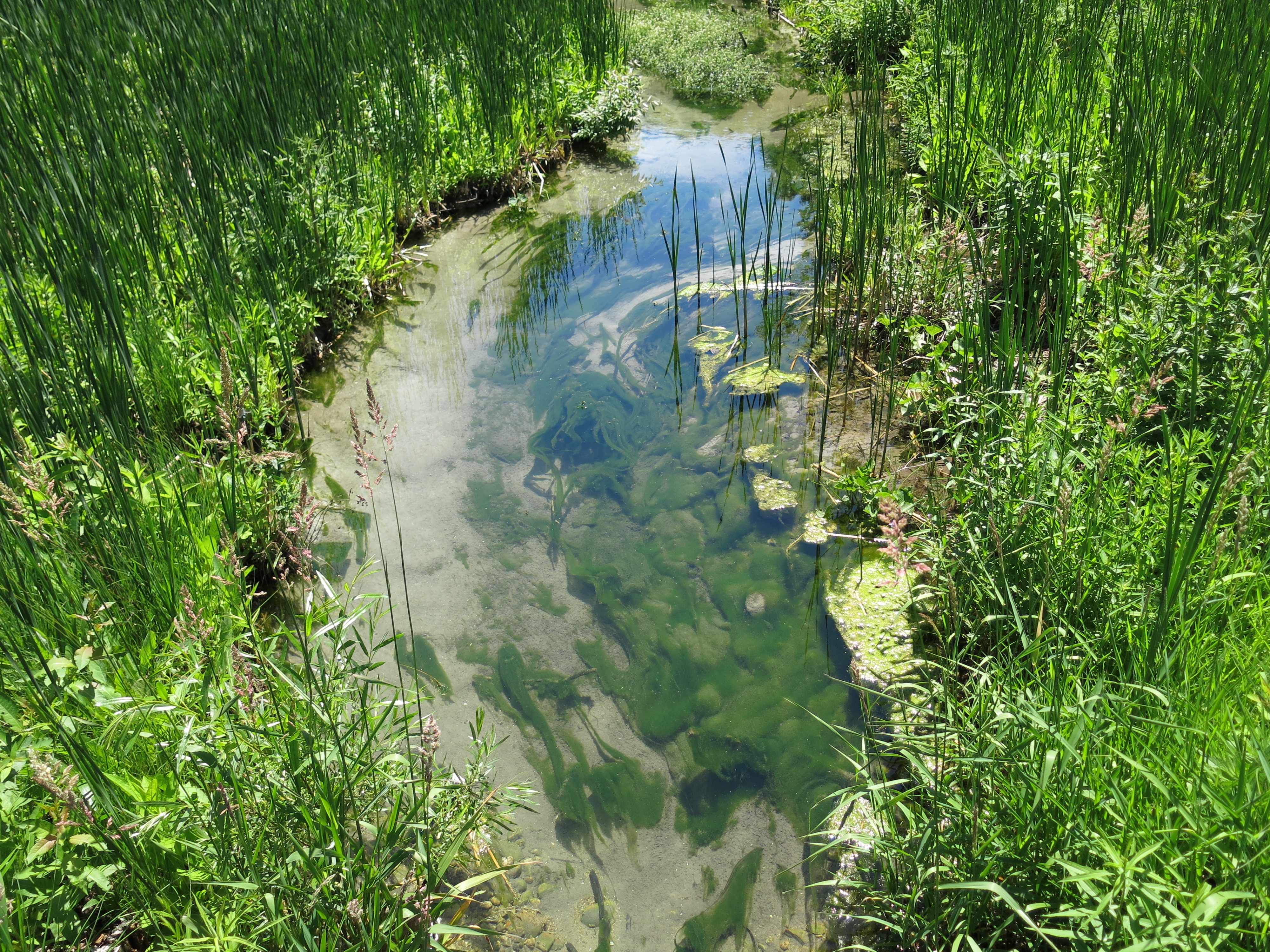
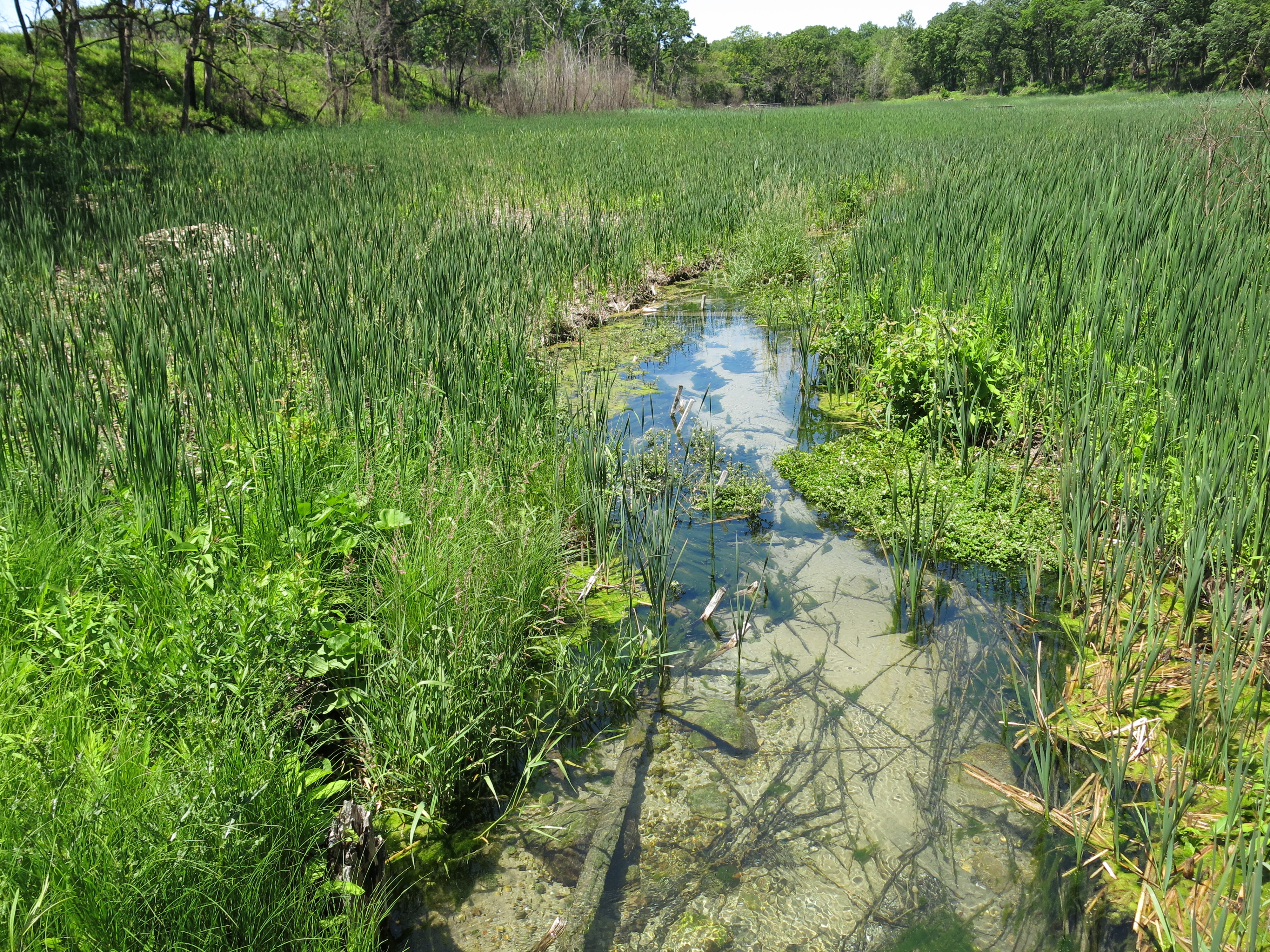
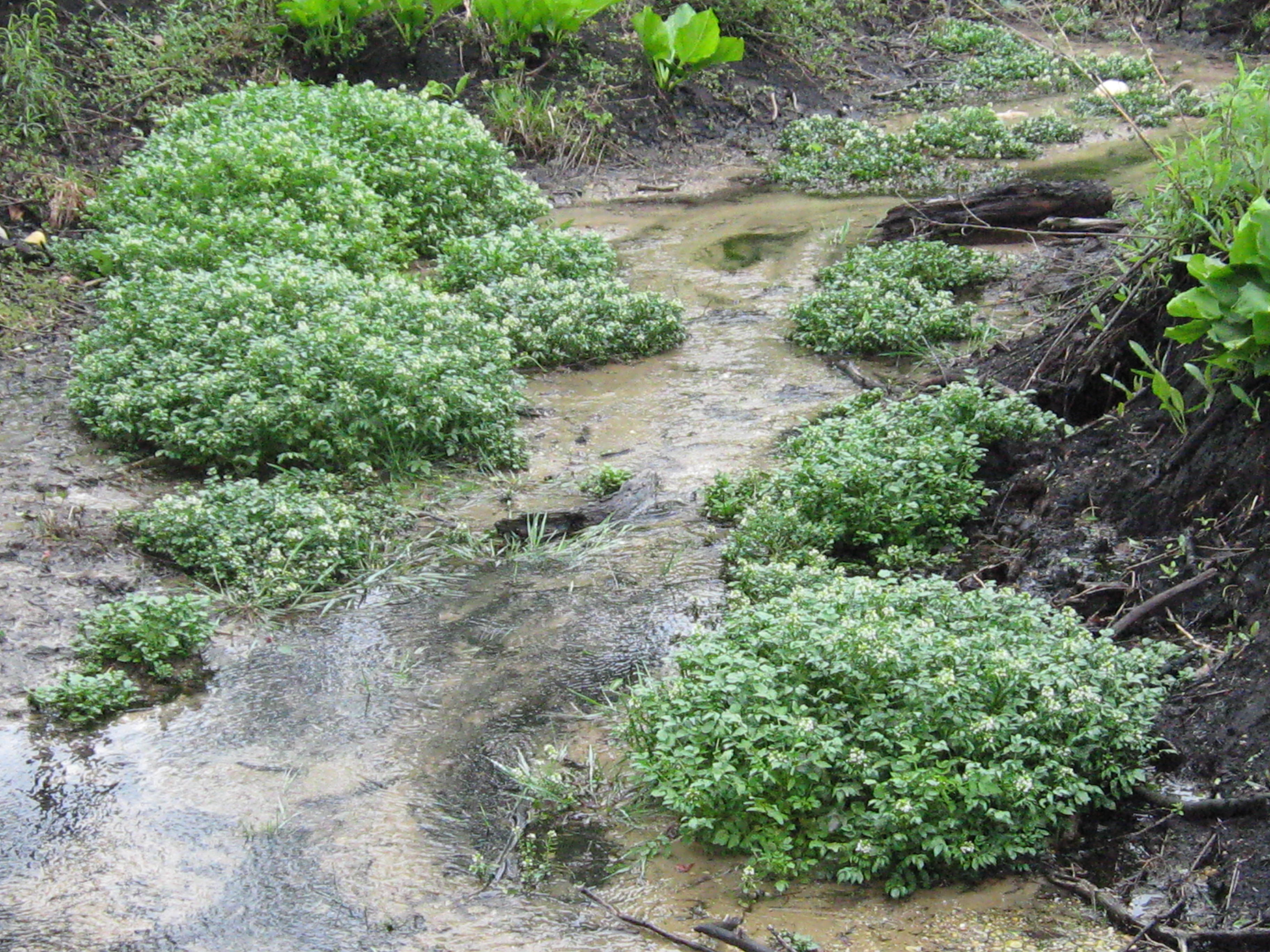
I’m a little concerned about the algae that is blooming in the river and speculating that it might be caused by the removal of the layer of water cress that covered the river last year, and the burn this spring, which, together, significantly increased the amount of sunlight hitting the river bed. Warm temperatures spawn algae growth and so does stirring up muck in old river beds, which we did a lot of last year. This year’s DNR fish count, coming in July, will be very interesting. In any case, my further interventions with the river going forward will be minimal.
I cut cattails and willow resprouts at the Hatching House Springs and reed canary grass and buckthorn resprouts by the old hotel and barn sites. Jon Bradley mentioned in the last post that his expedition did not venture onto the cut-off trail because he “couldn’t see a definitive trail”. Indeed, a lot of aspen, buckthorn, honeysuckle and prickly ash has quickly sprouted so I went through the entire trail with the brush cutter to make it more evident. You can pick up the cut-off trail (aka, The Lost Trail) on your left as you walk along the main trail just past the long, tall, marl pit factory wall, on your right. Look for 4 logs laying parallel crossing a little drainage ditch and take this trail!
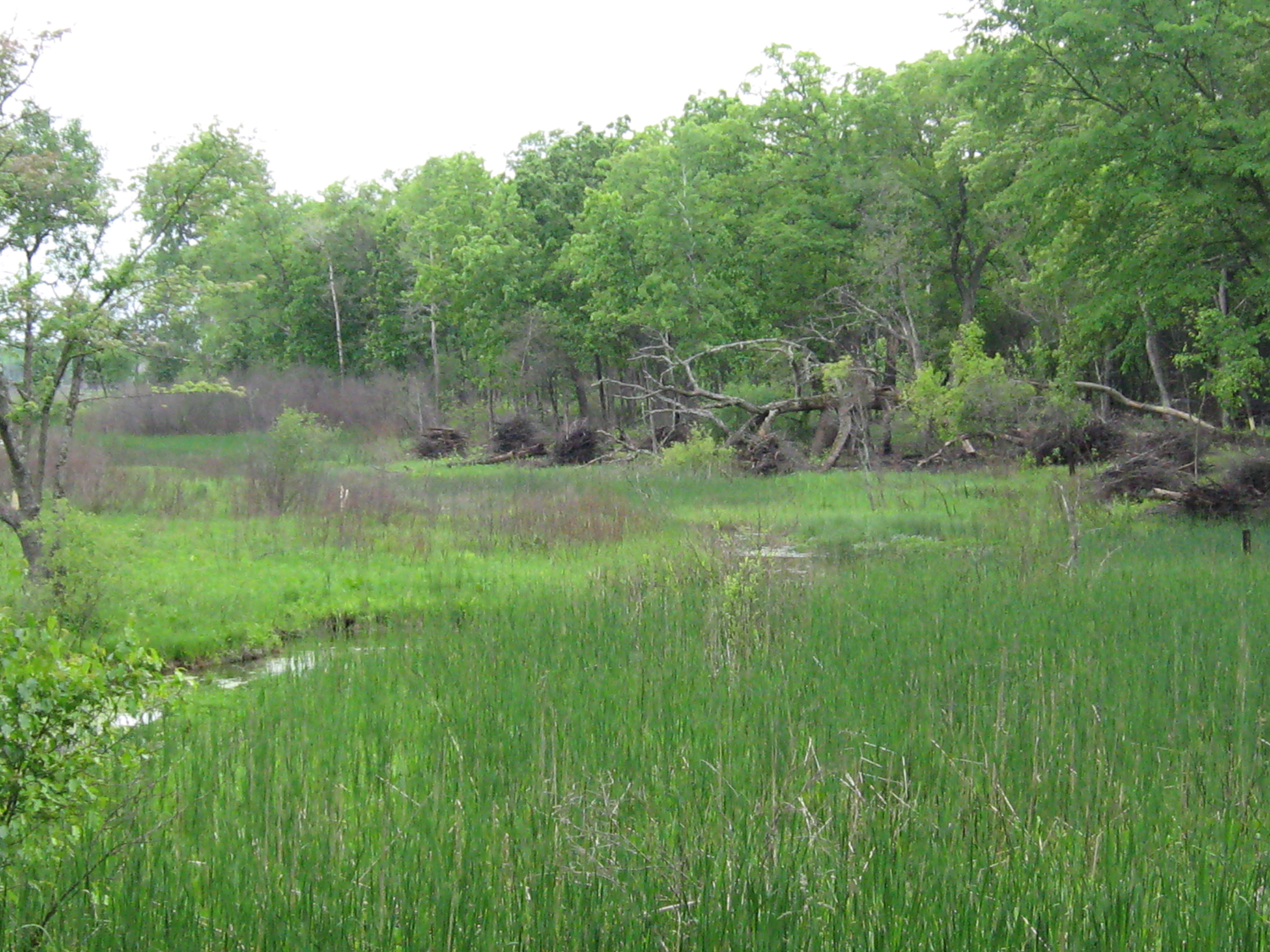
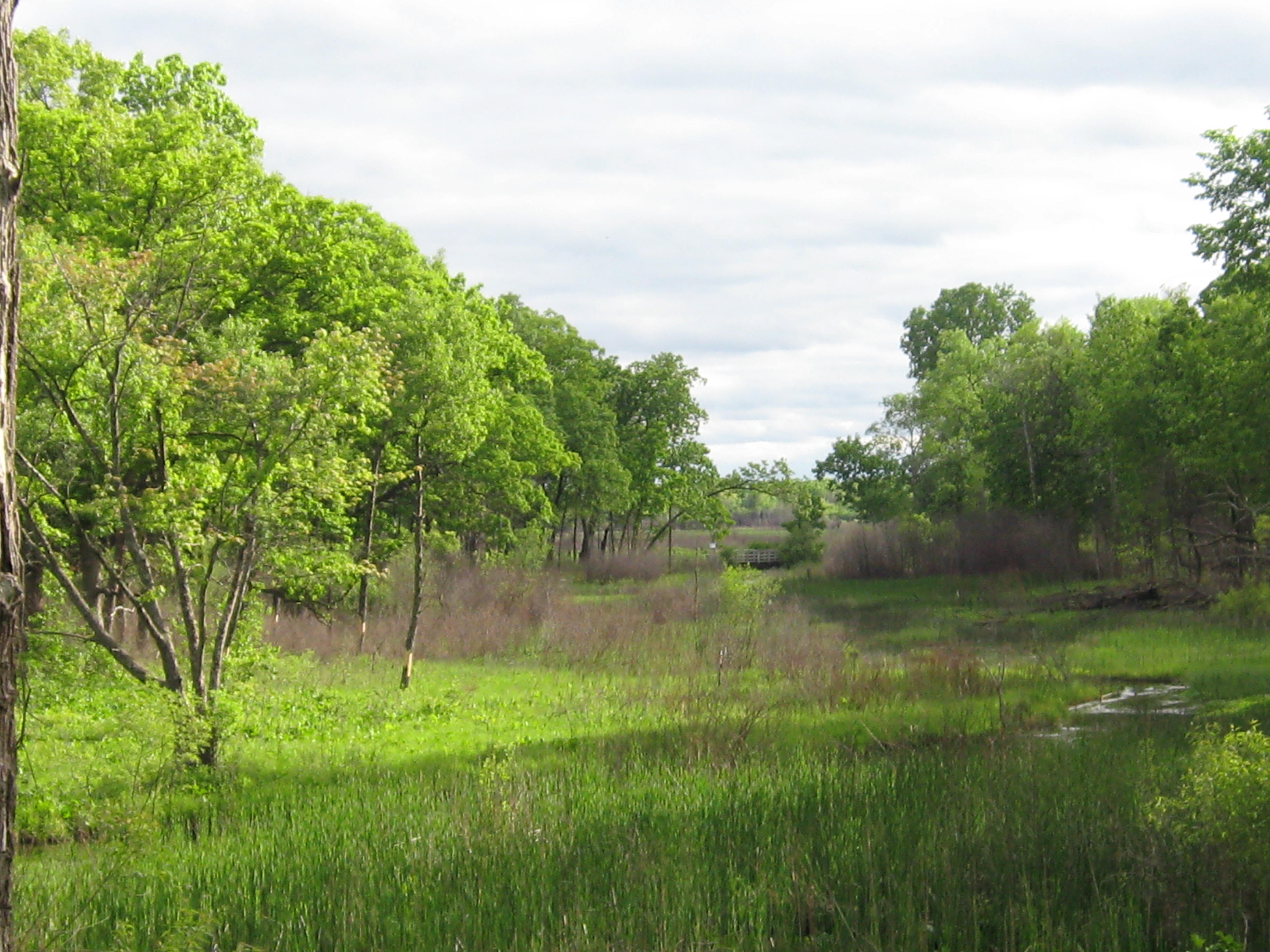
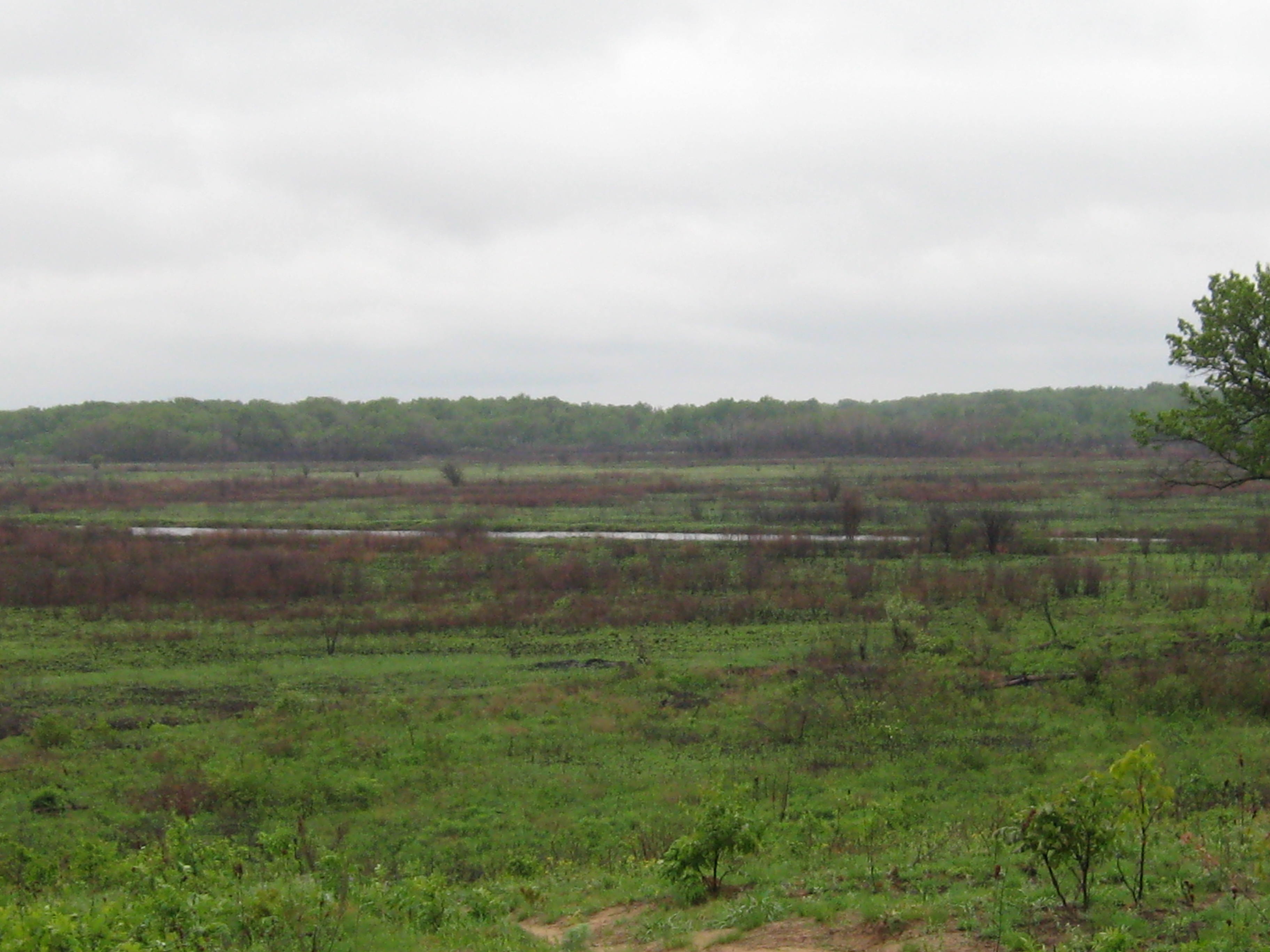
Here is a view from the gaging station bridge…
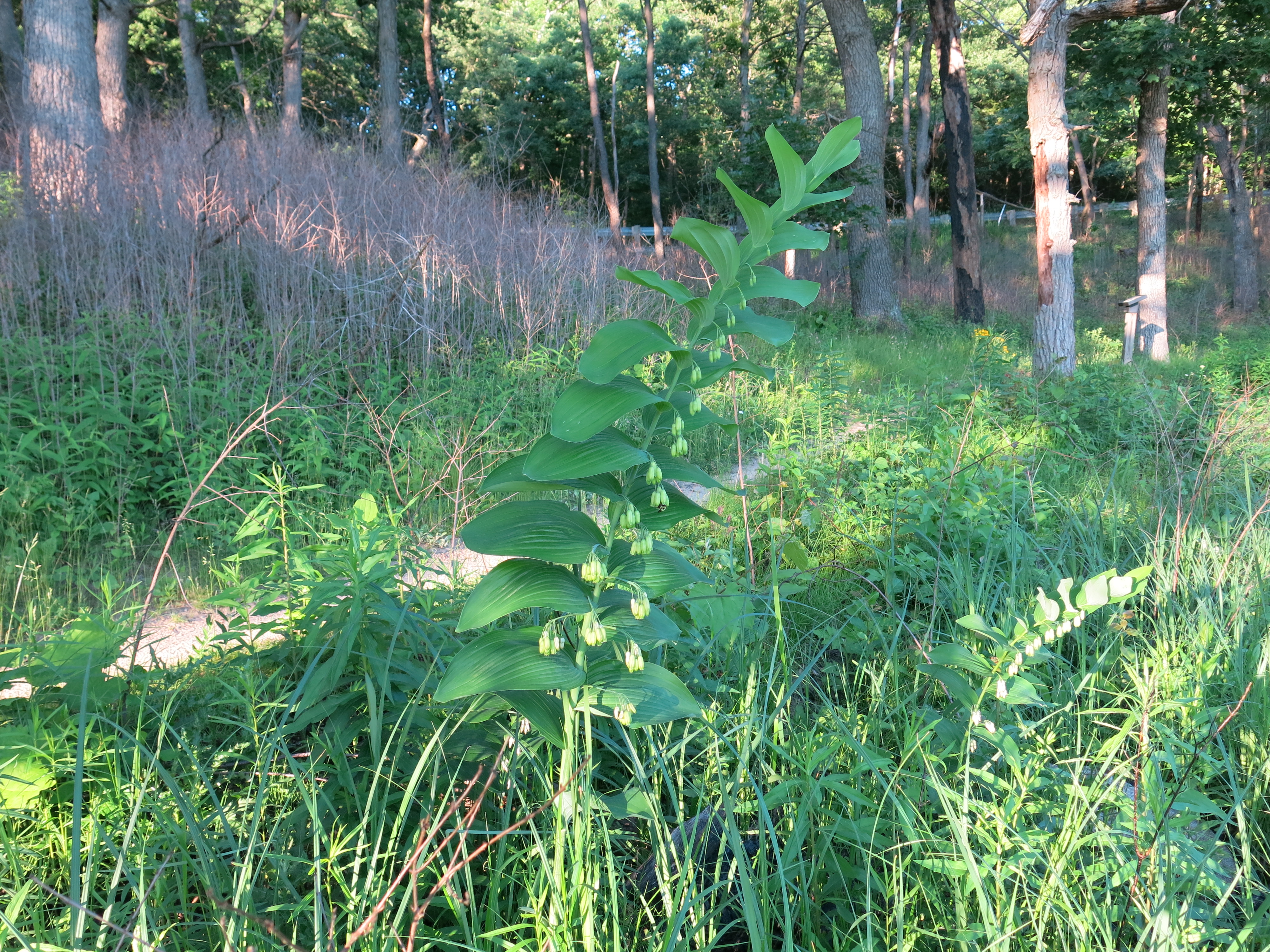
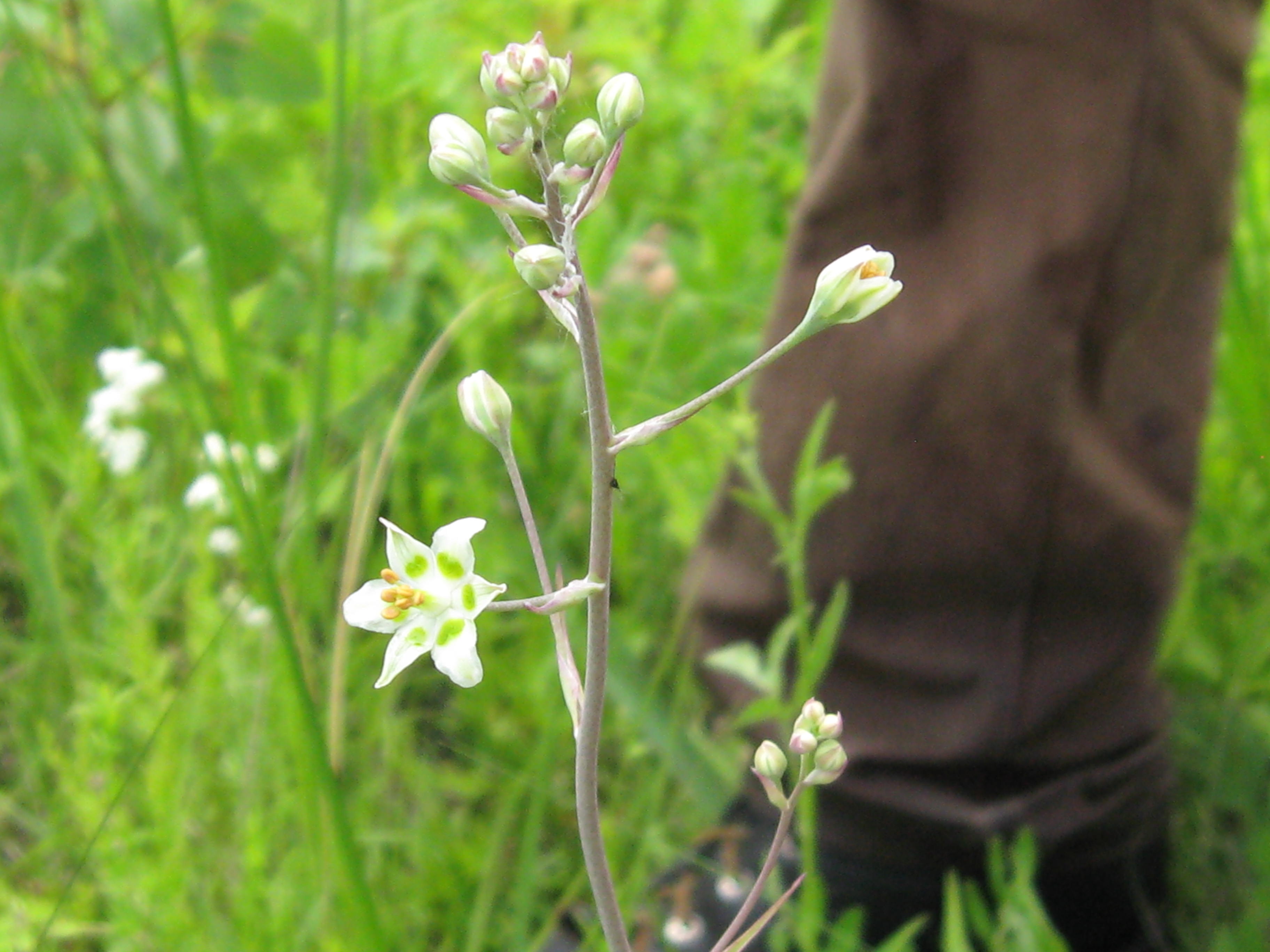
and the barn site followed by a Smooth Solomon’s Seal.

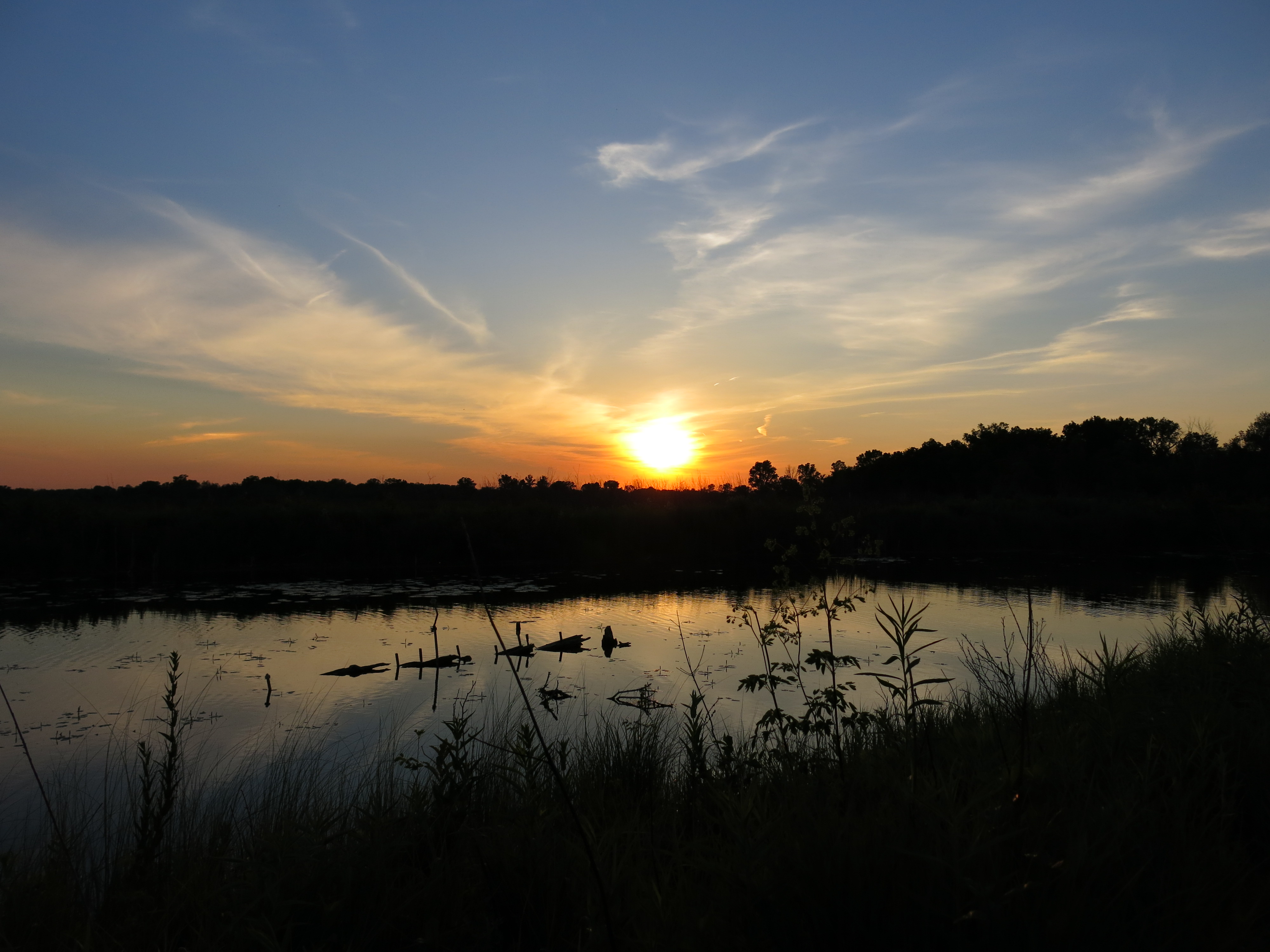
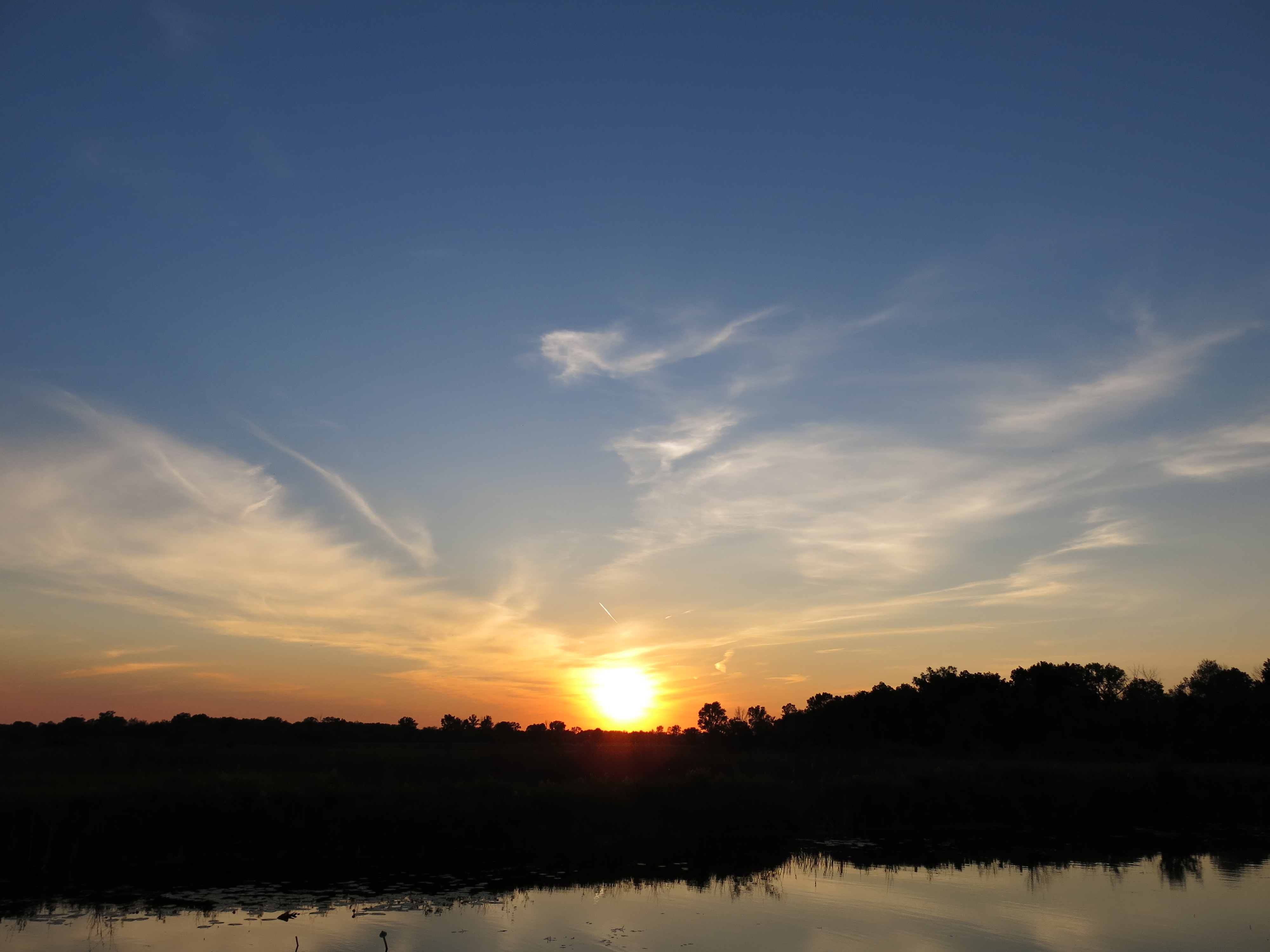
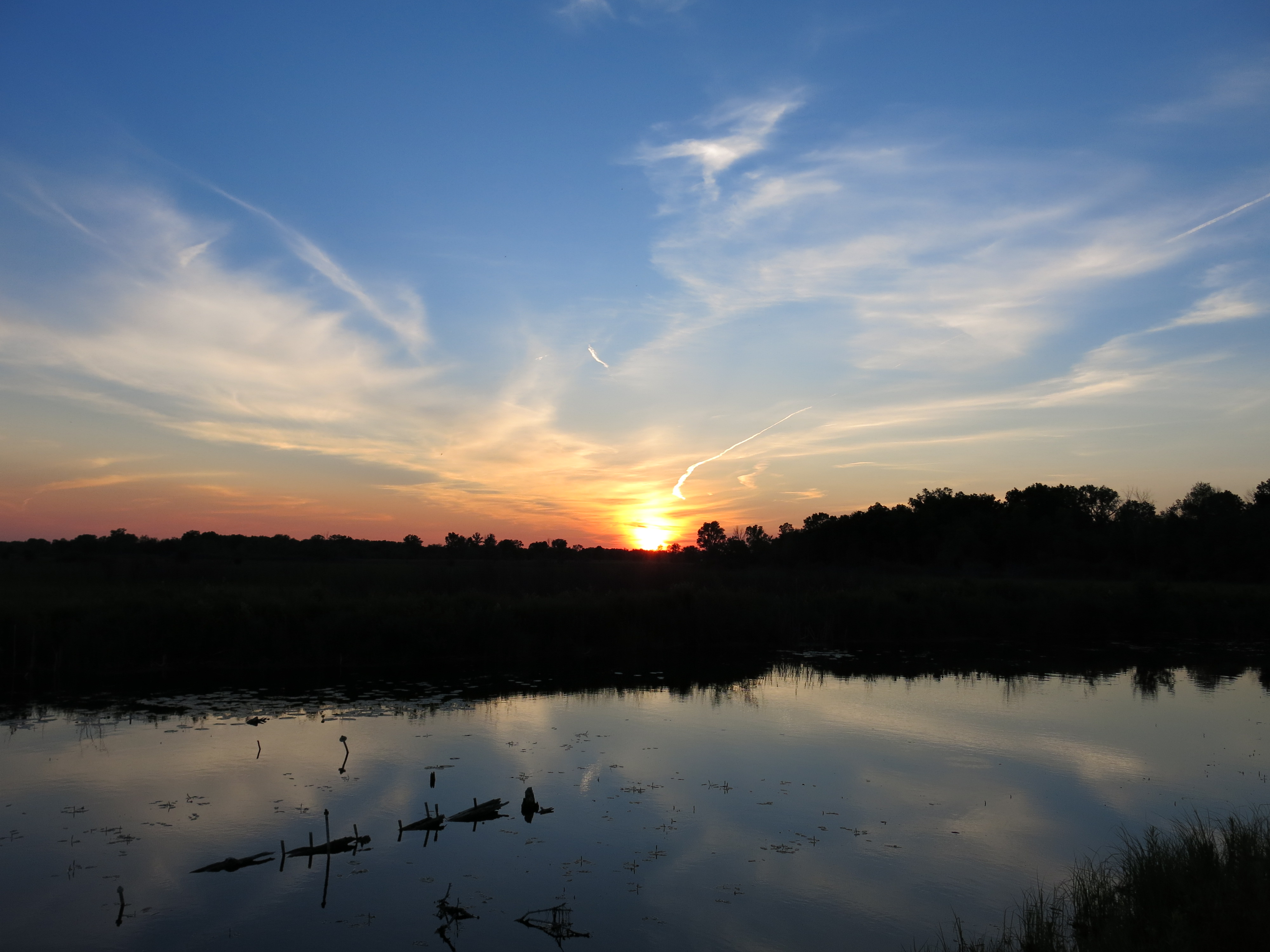
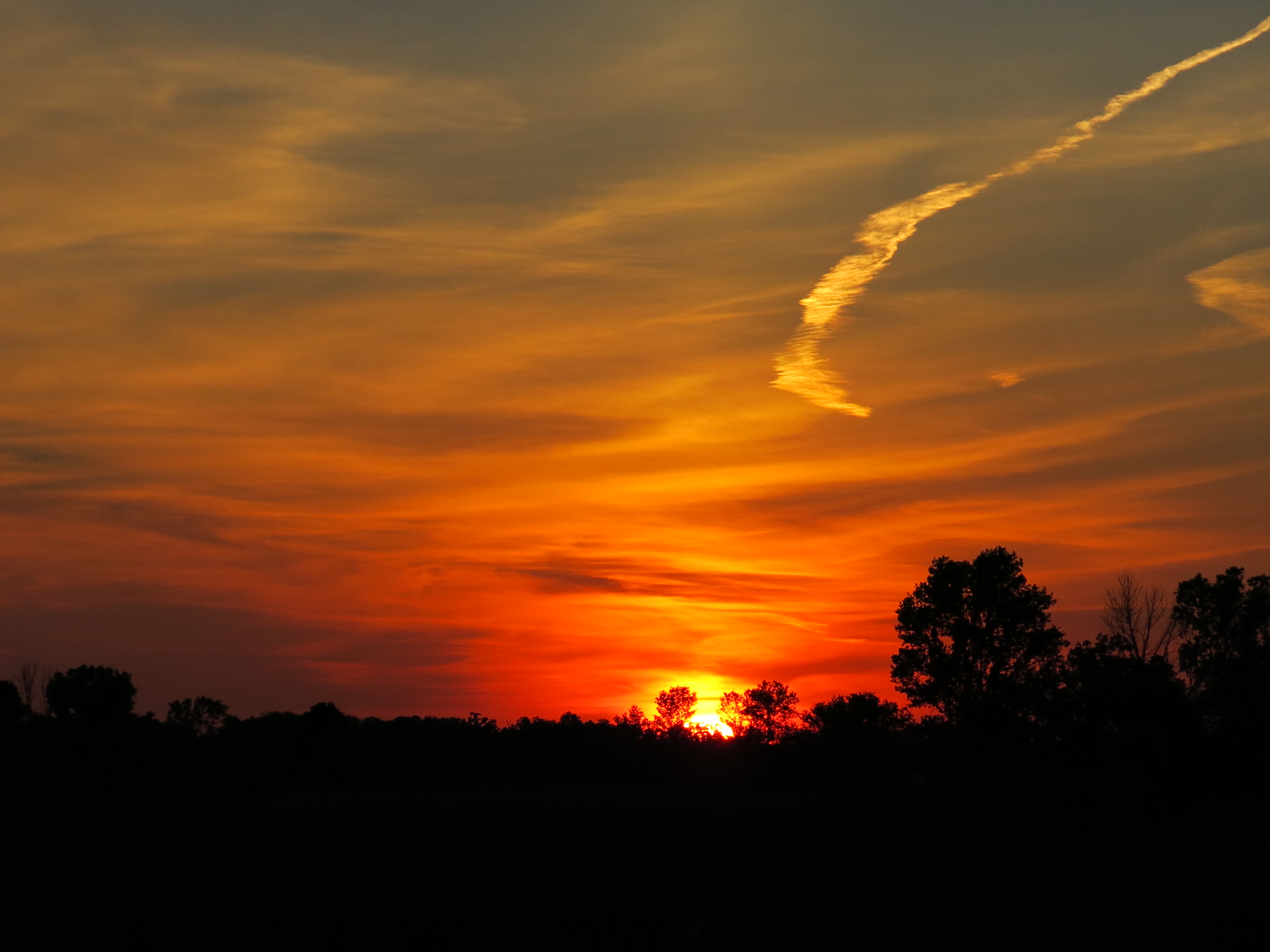
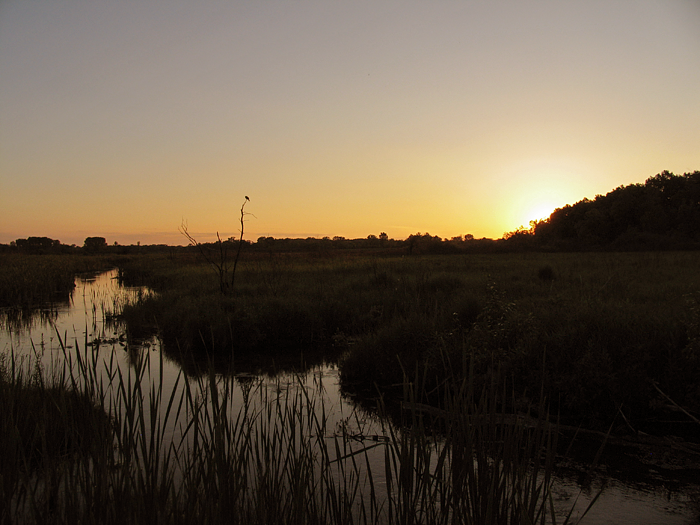
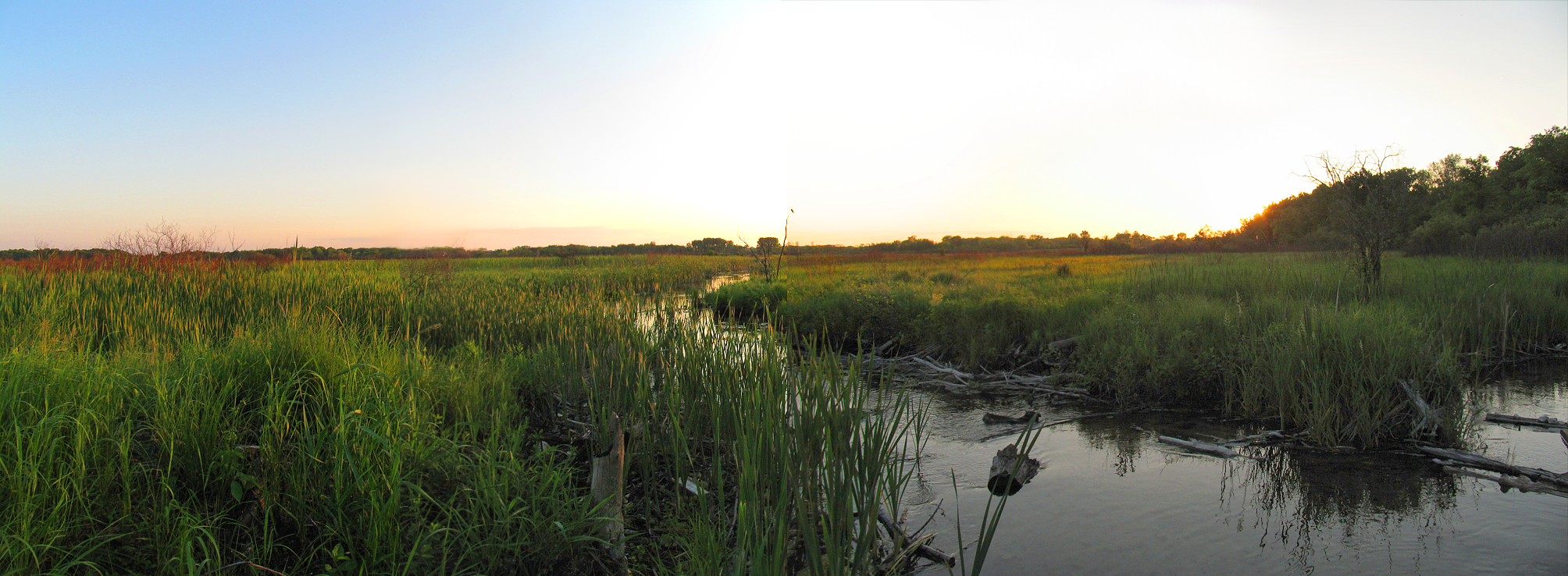
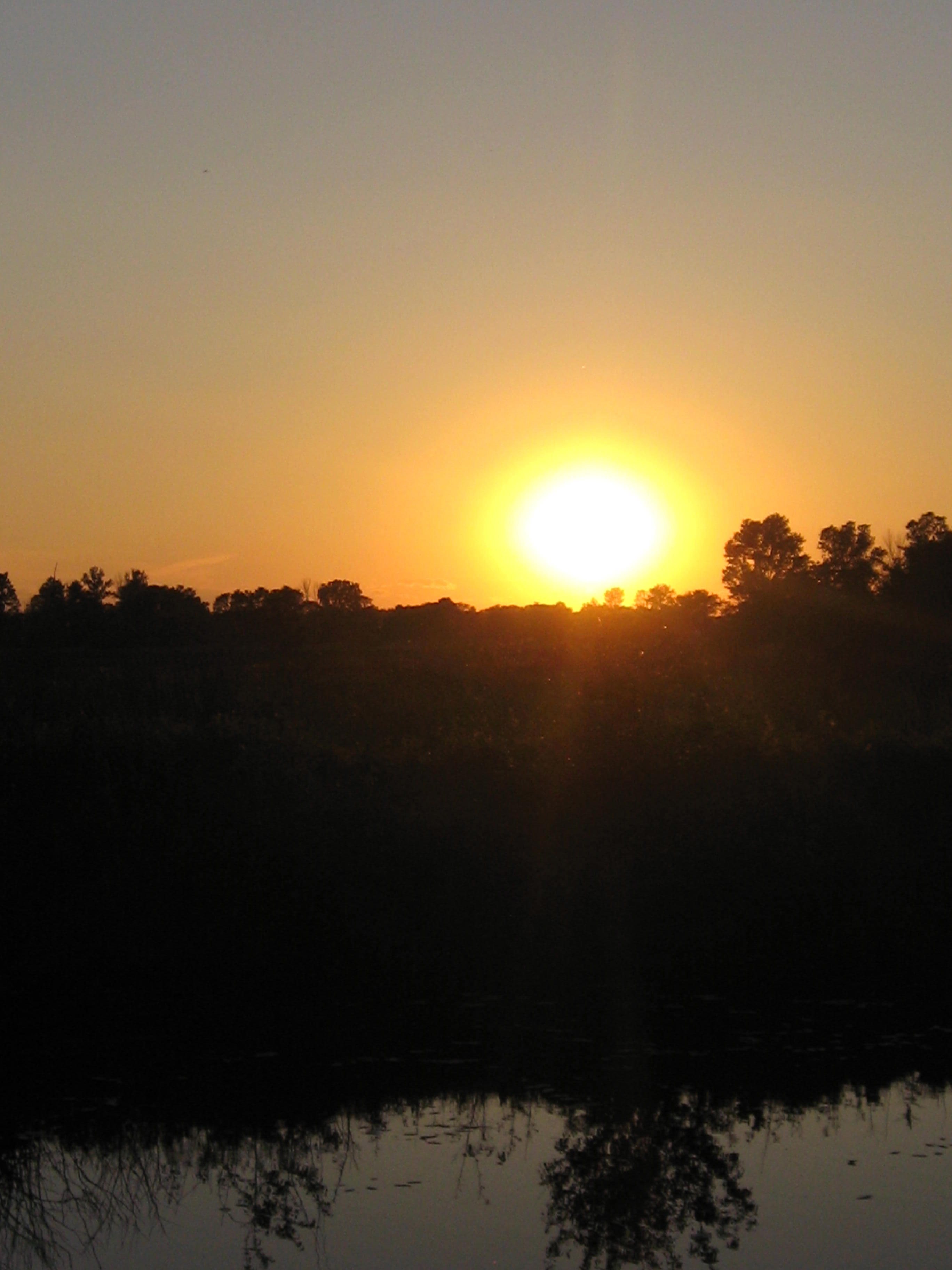
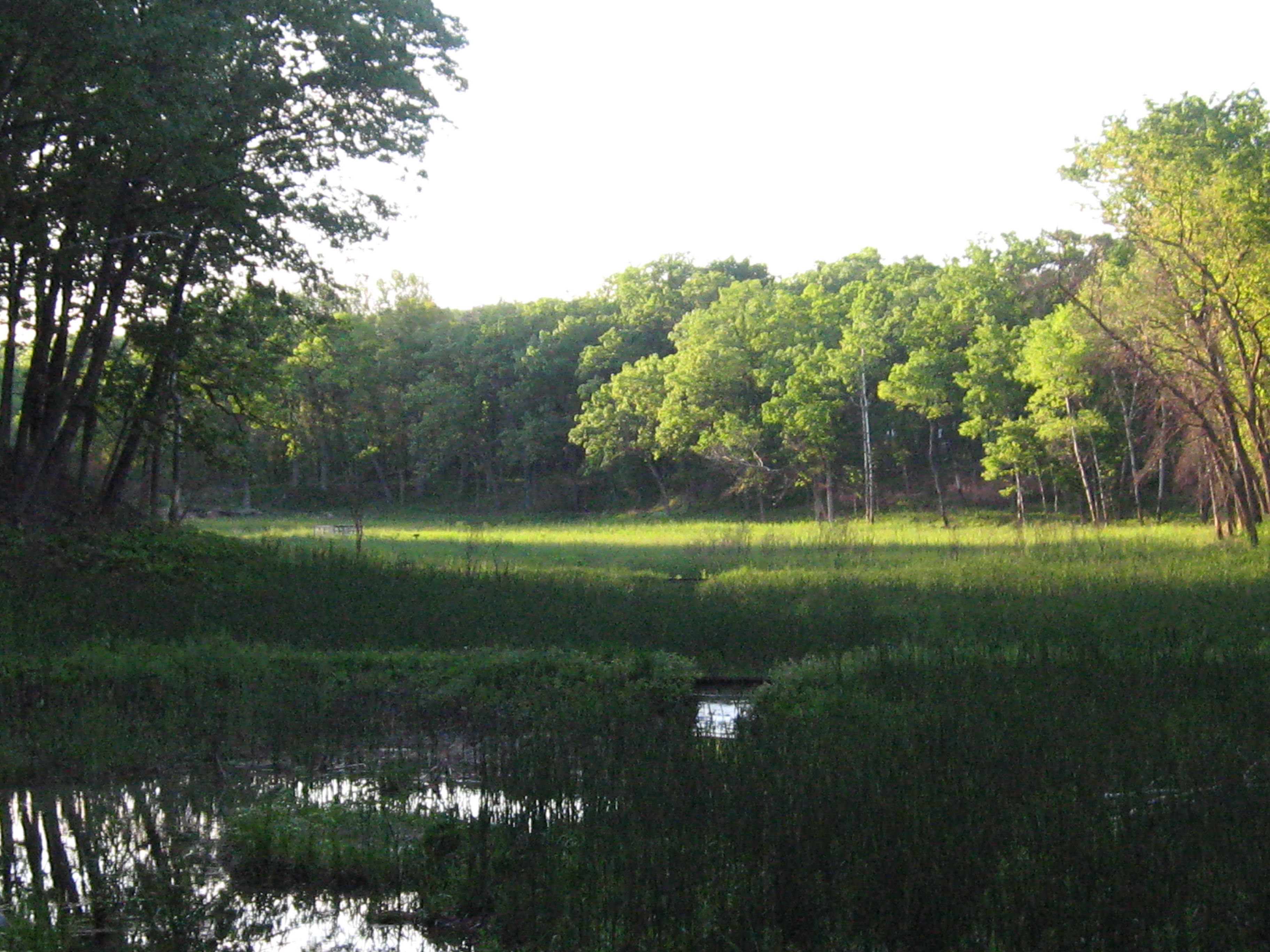
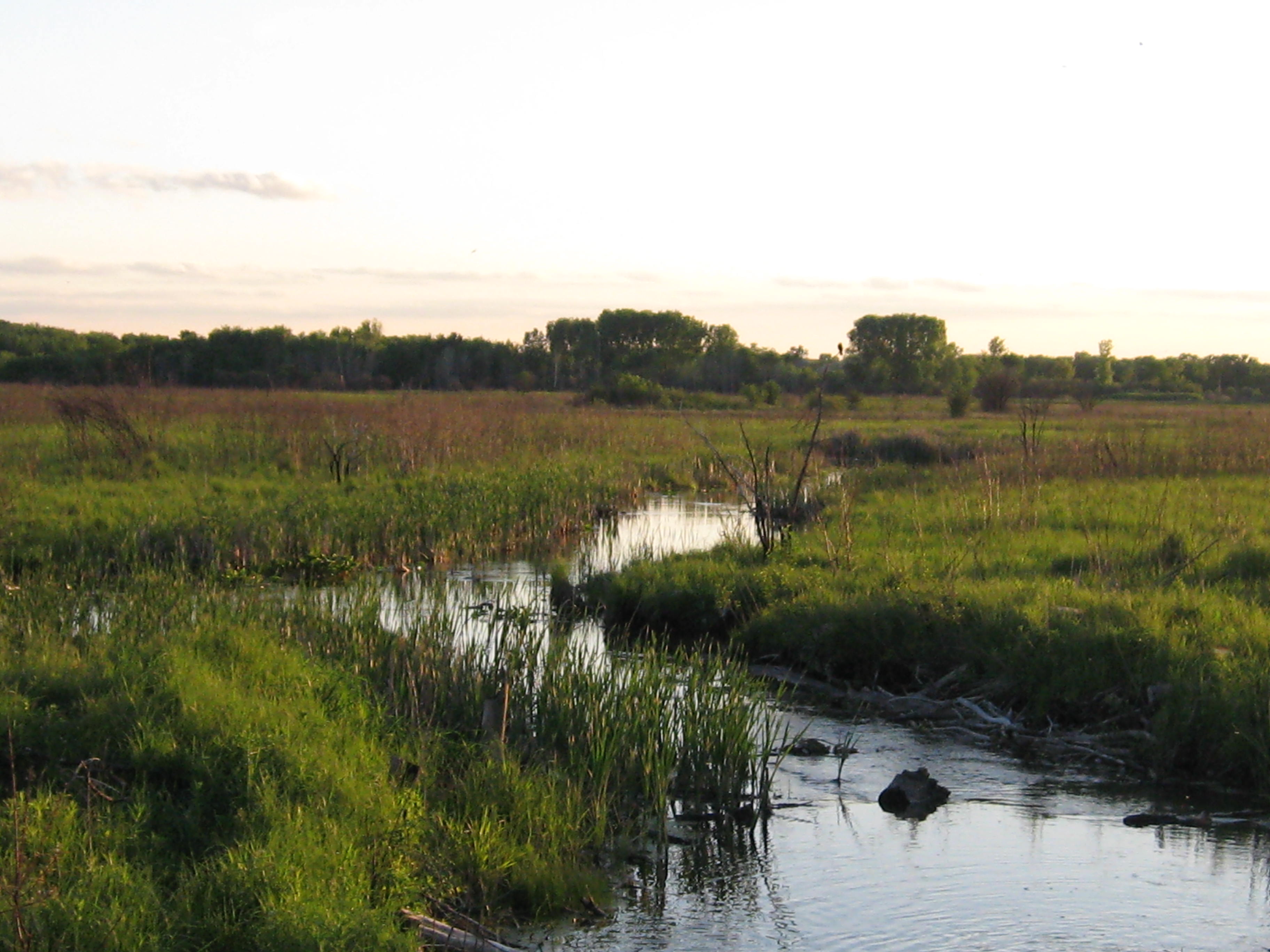
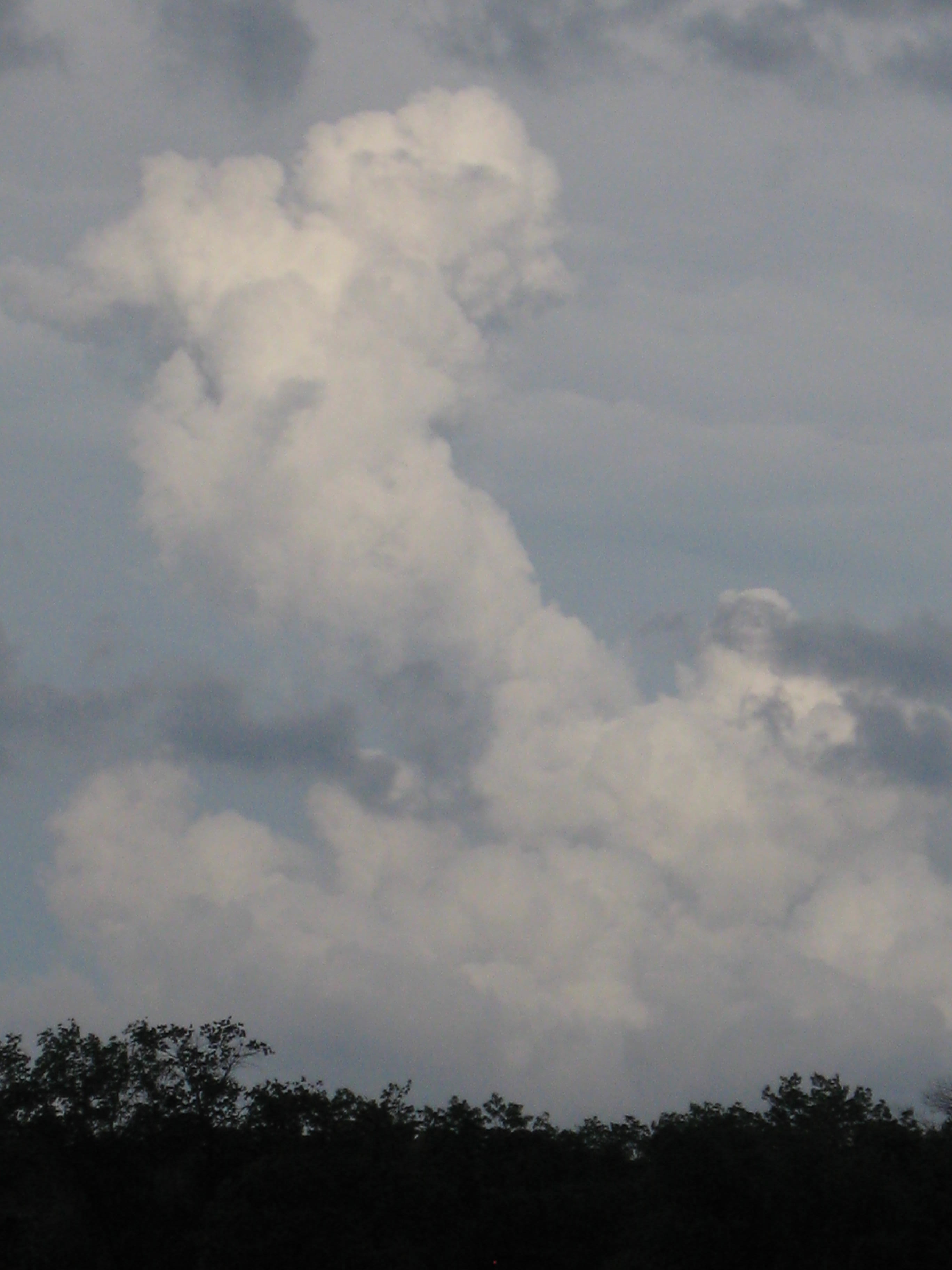
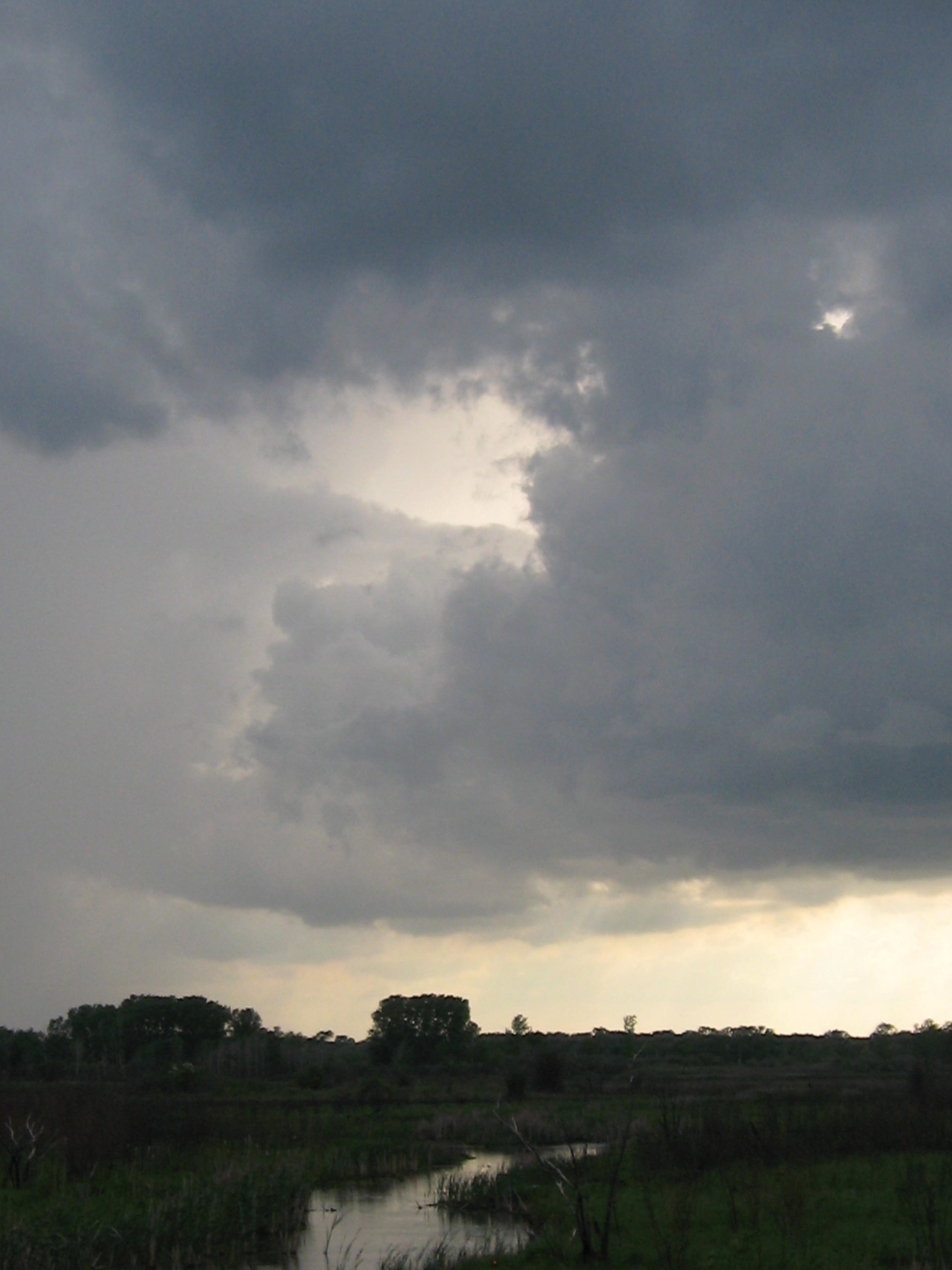
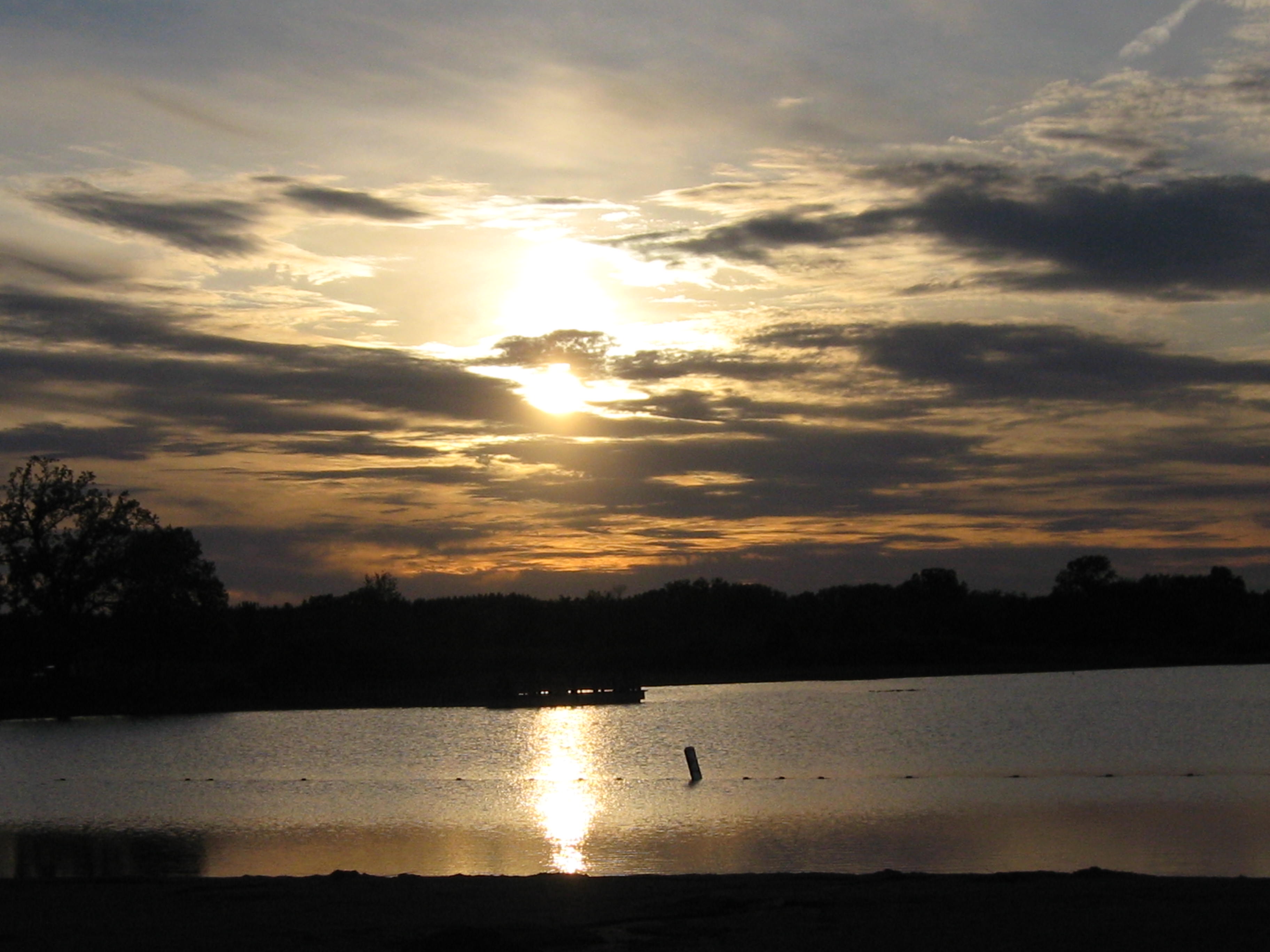
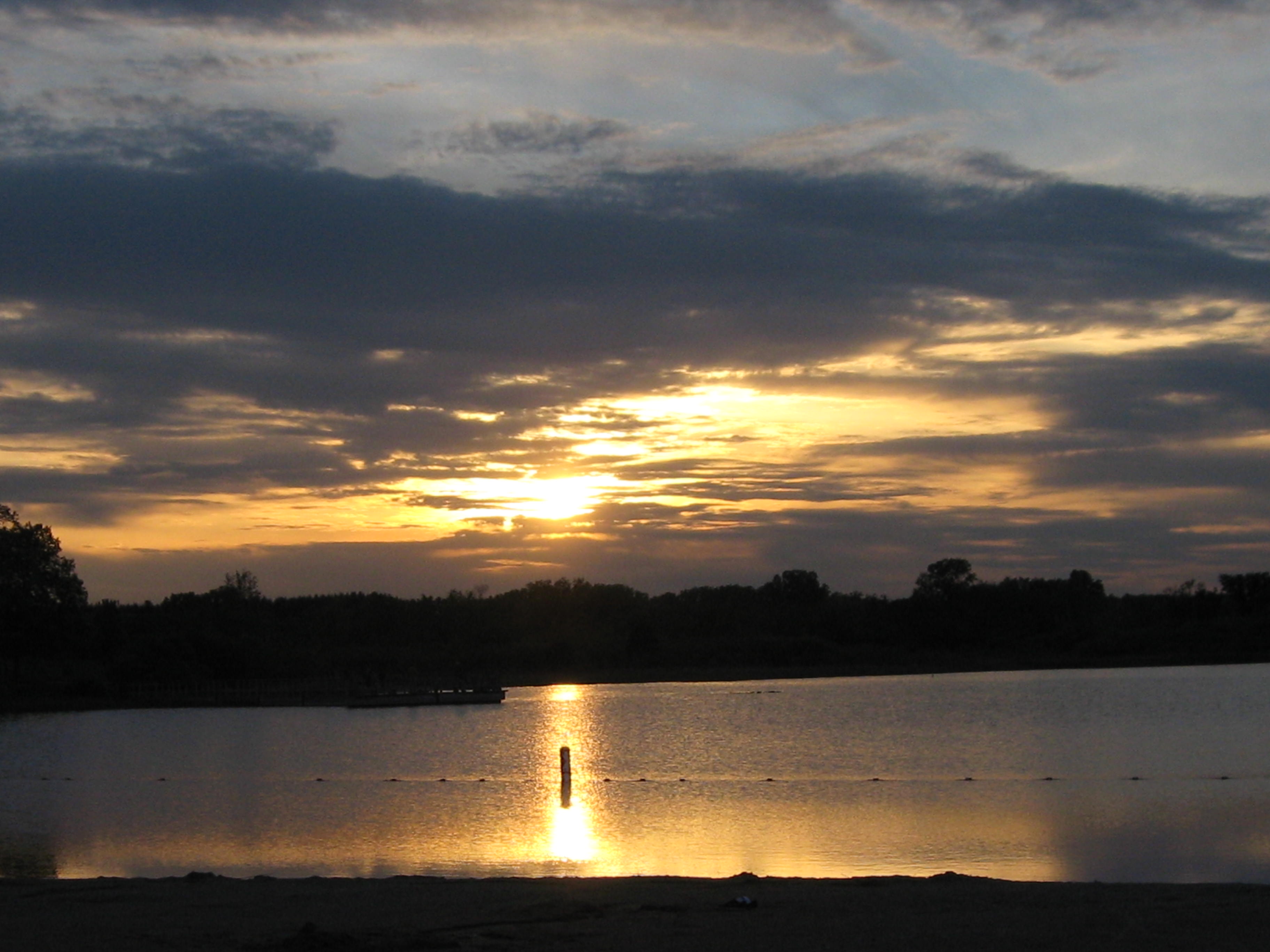
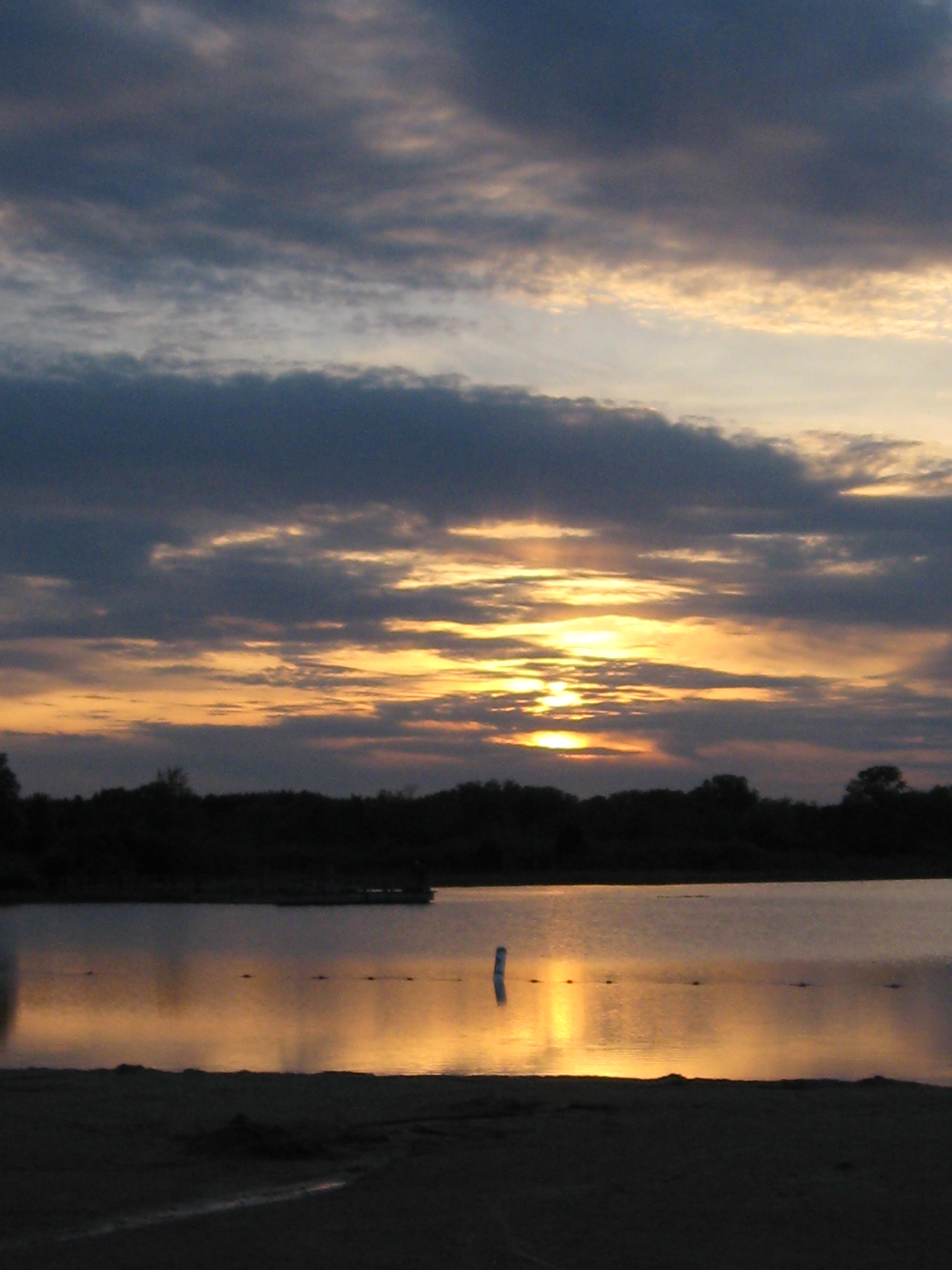
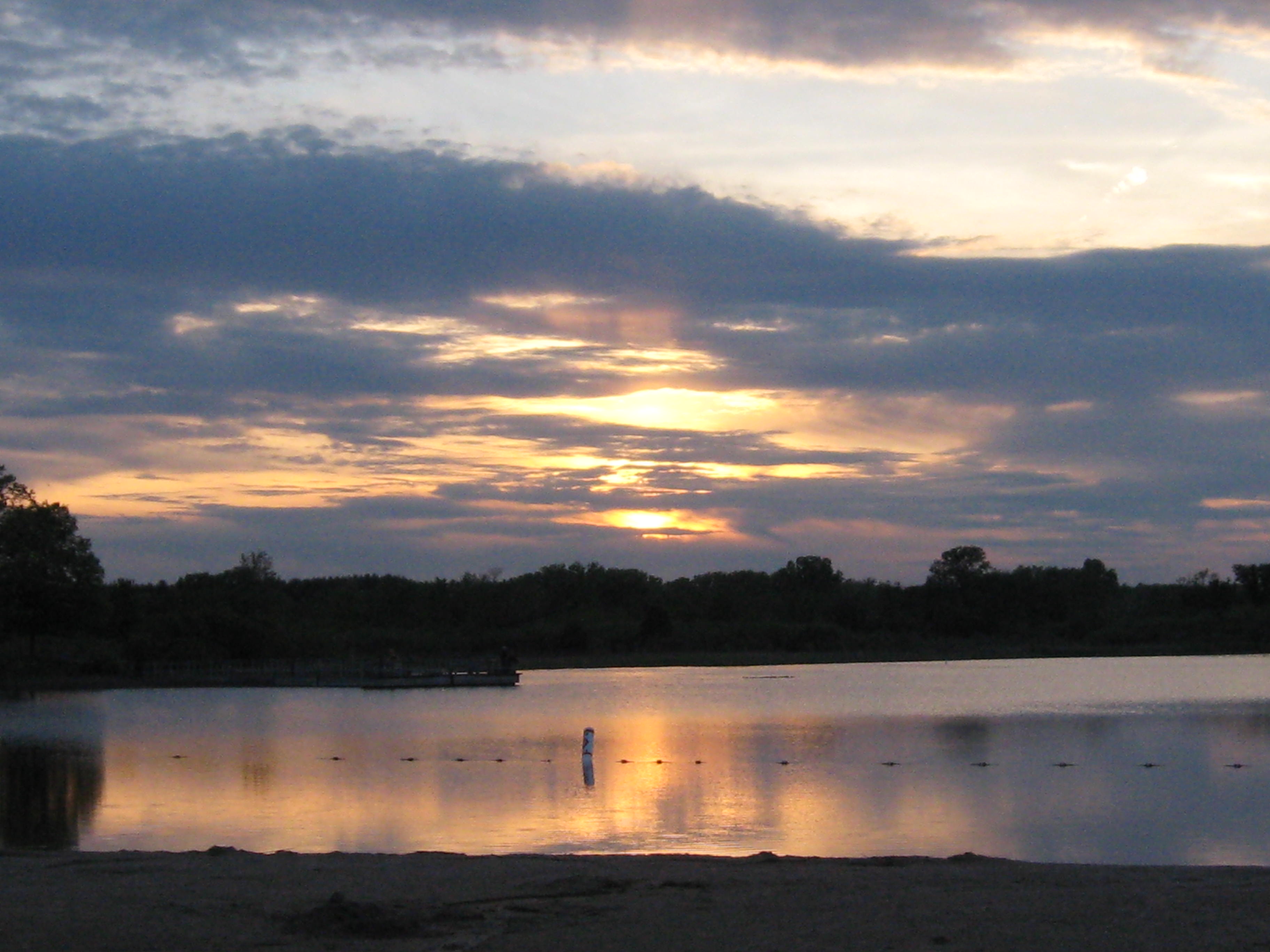
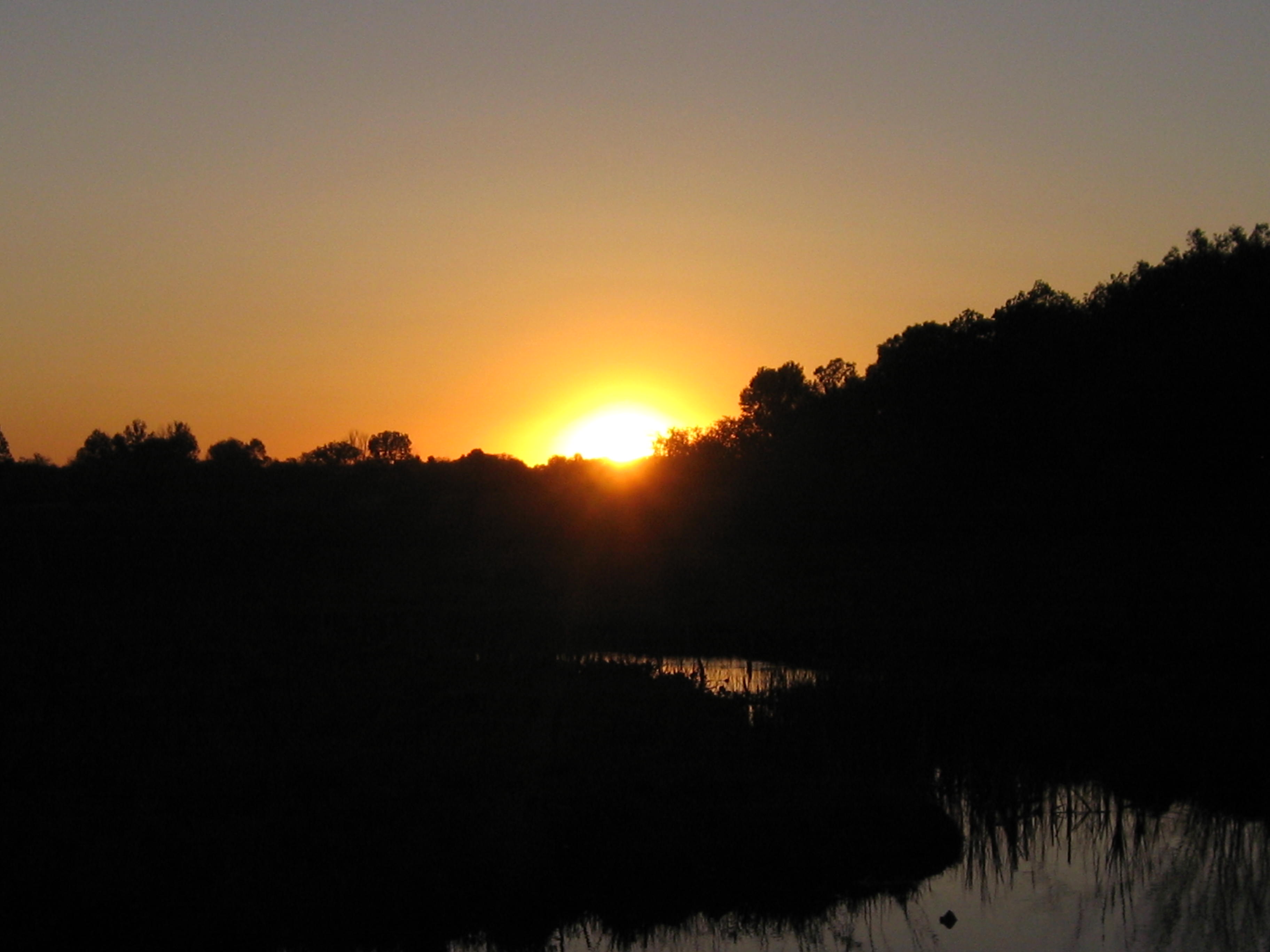
I really enjoyed the near solstice sunset out on the marl pit.

See you at The Springs!

















































 Scuppernong Springs Nature Trail