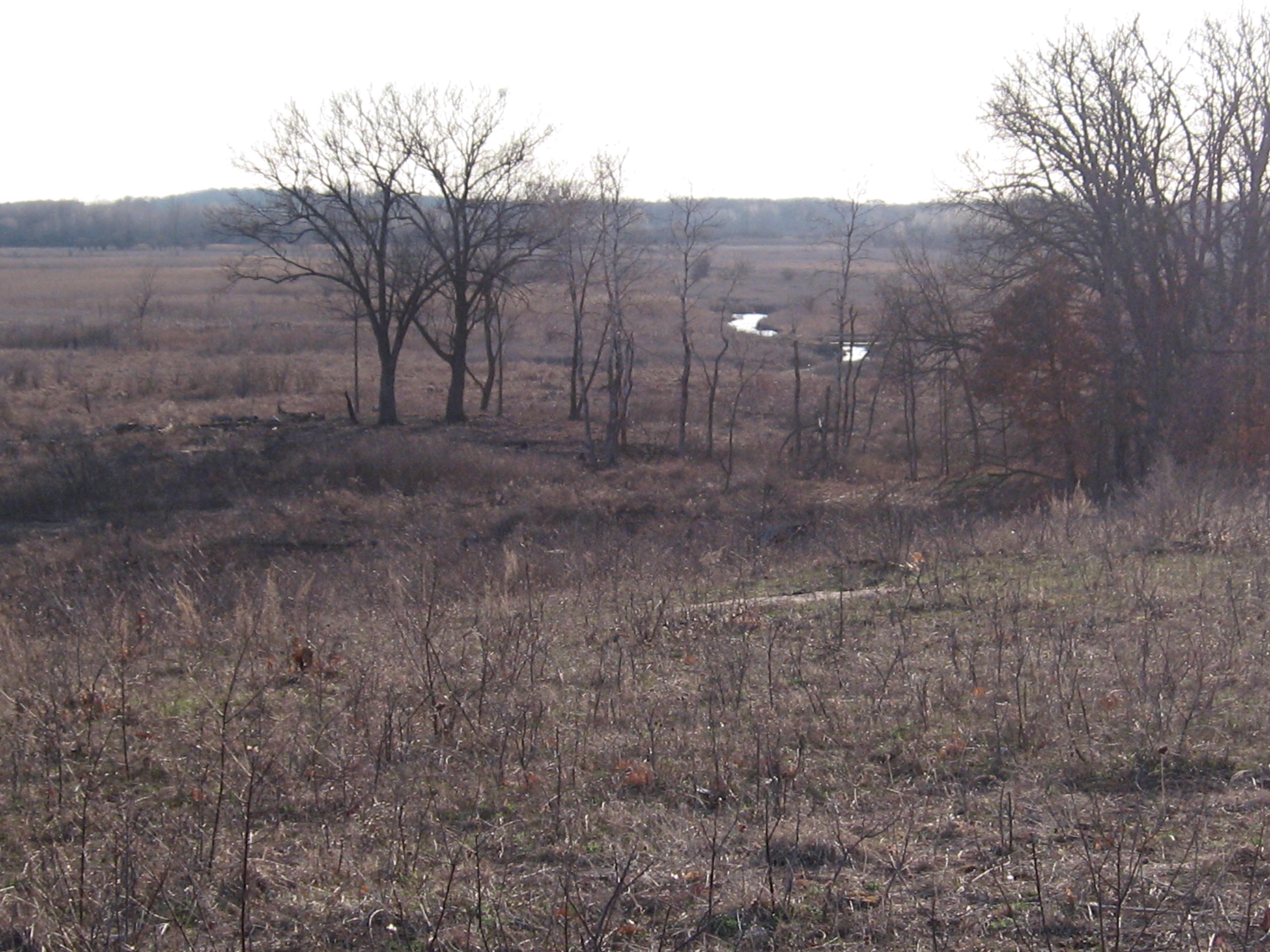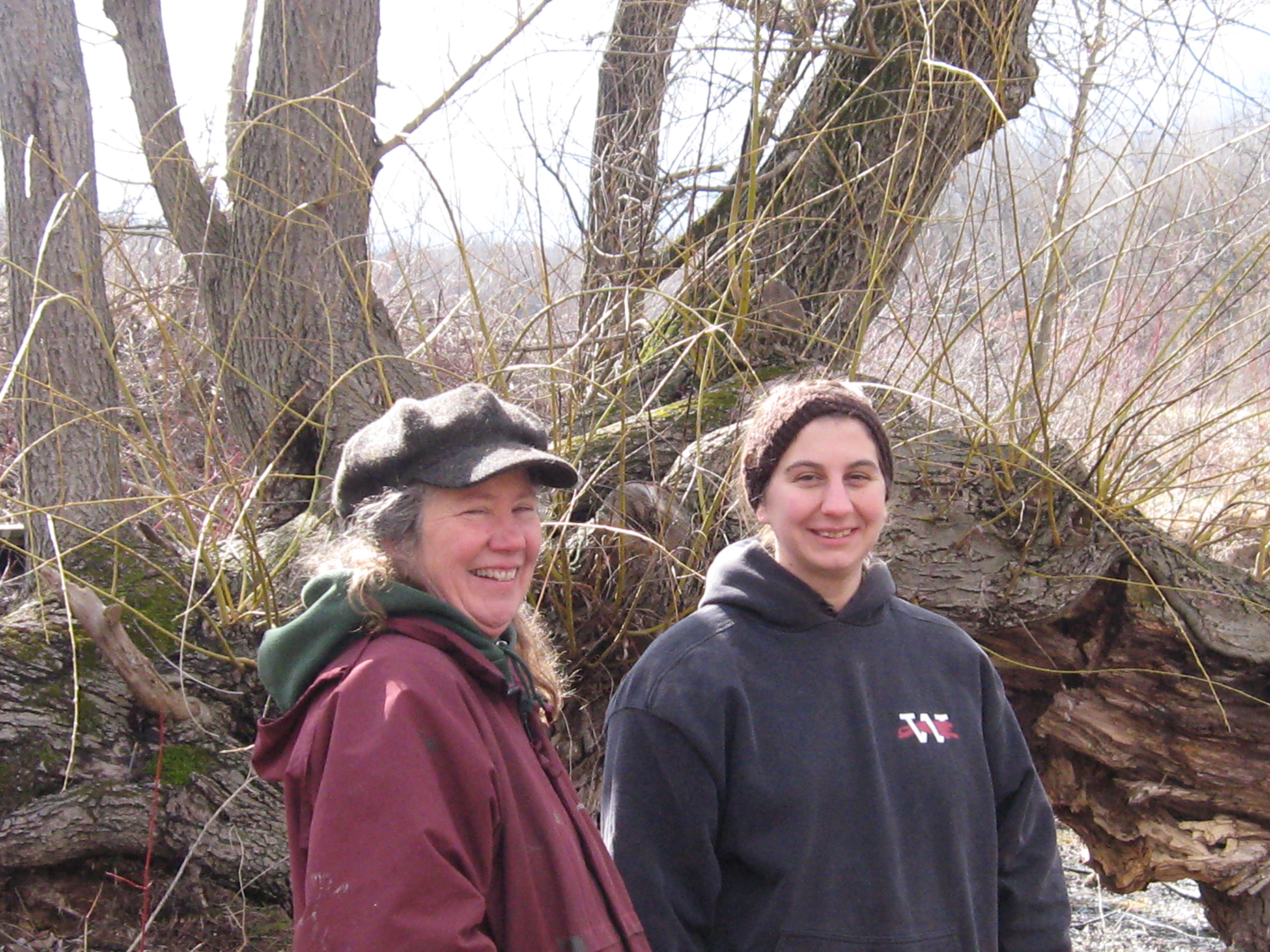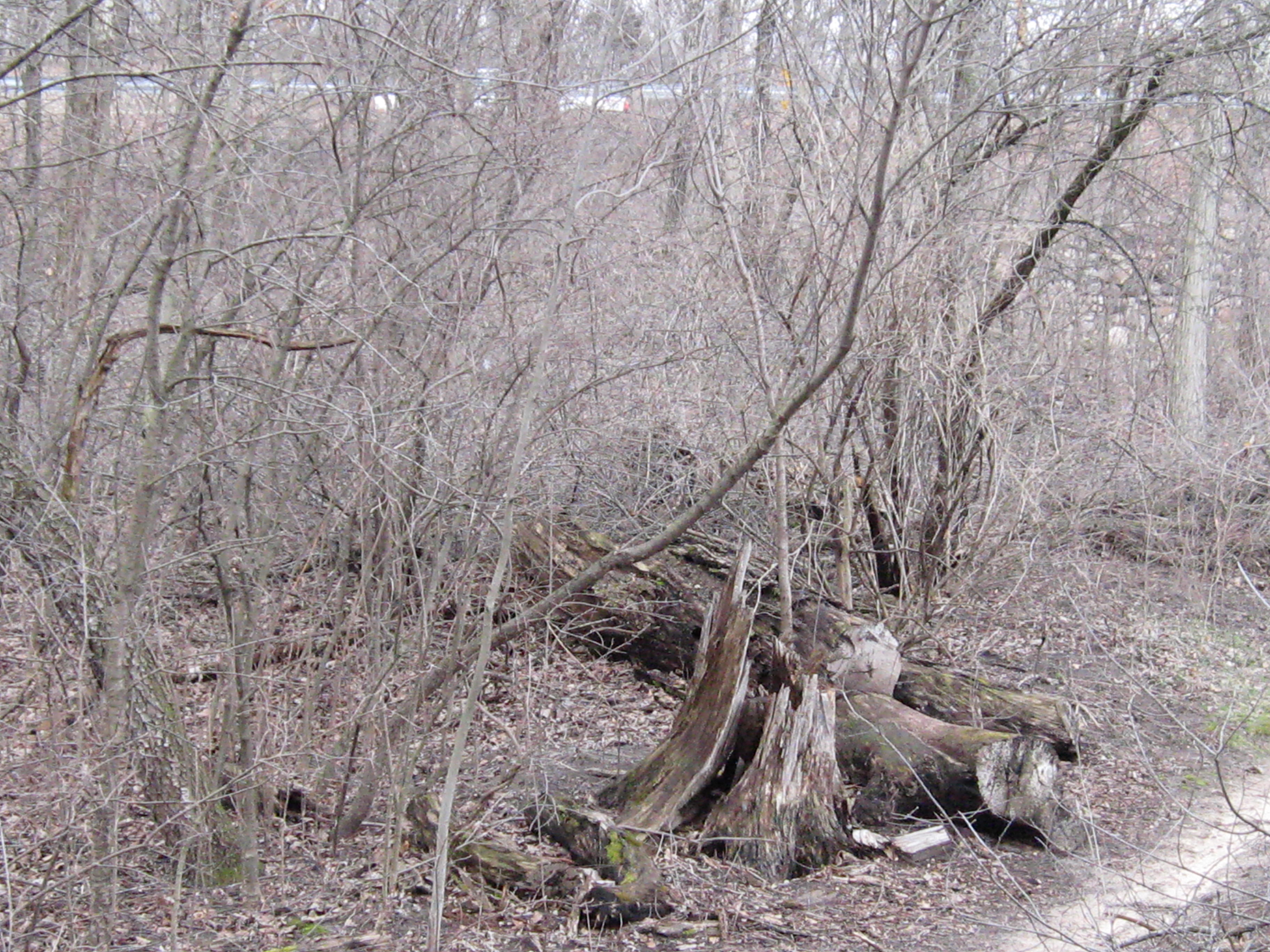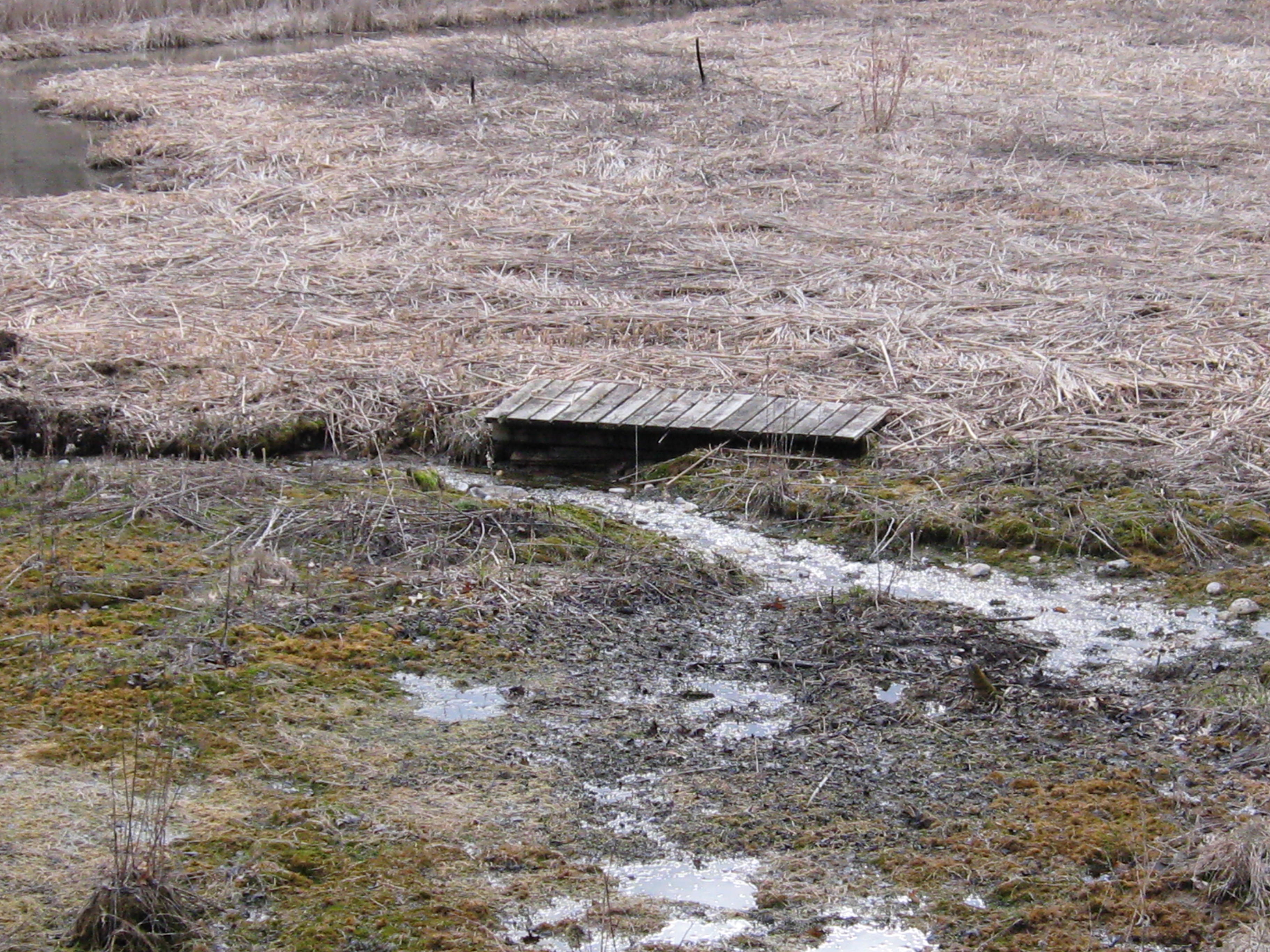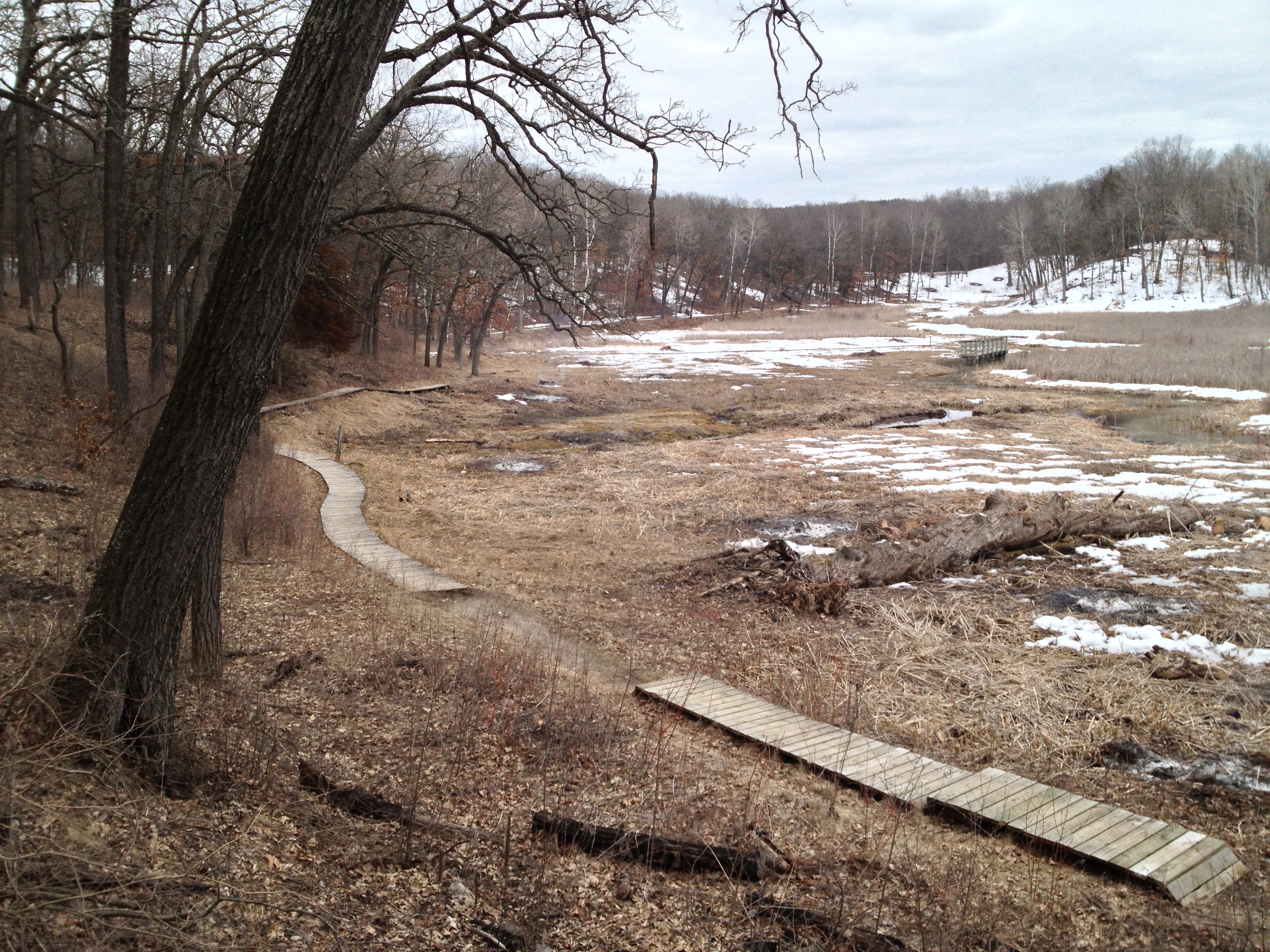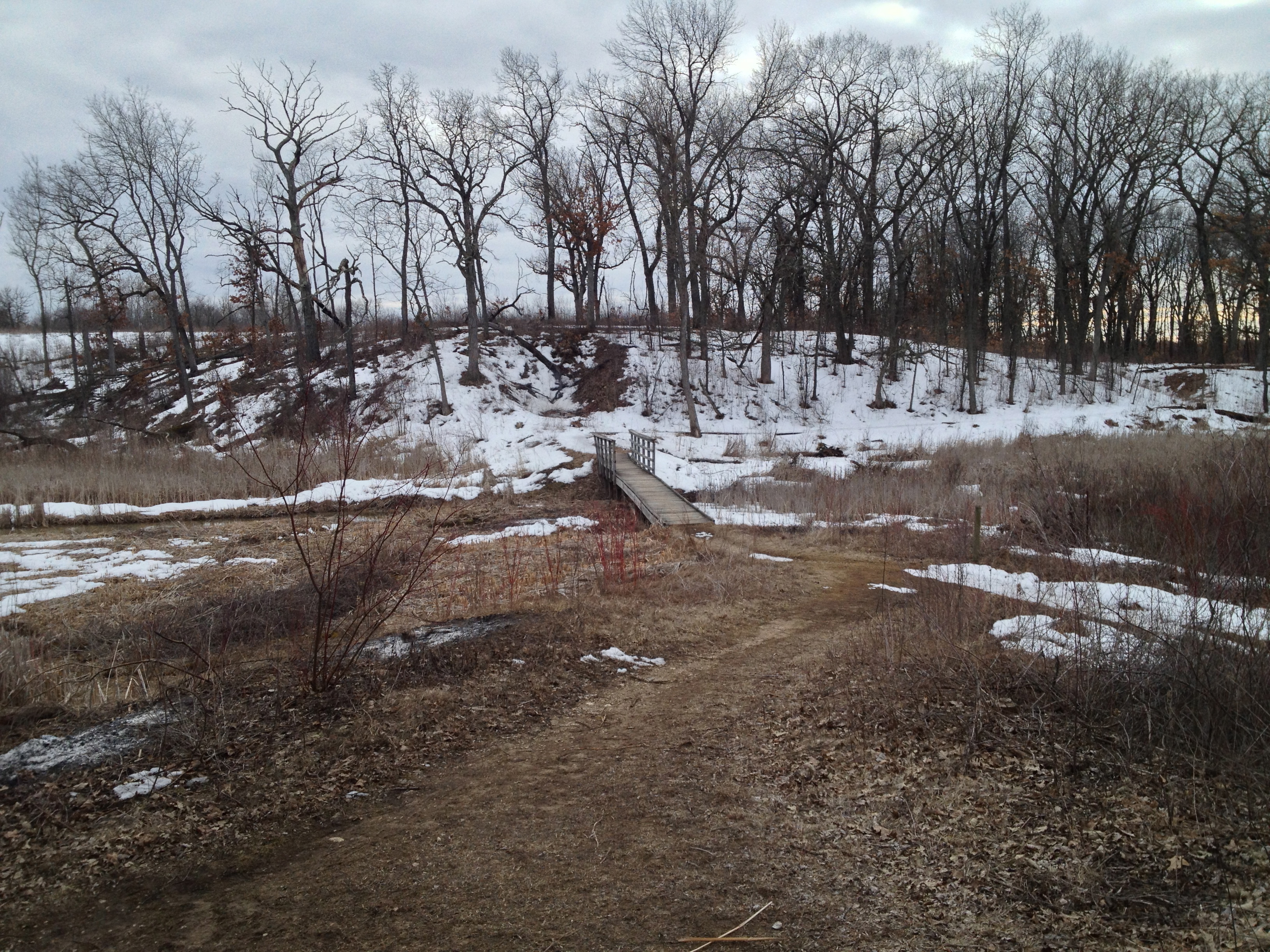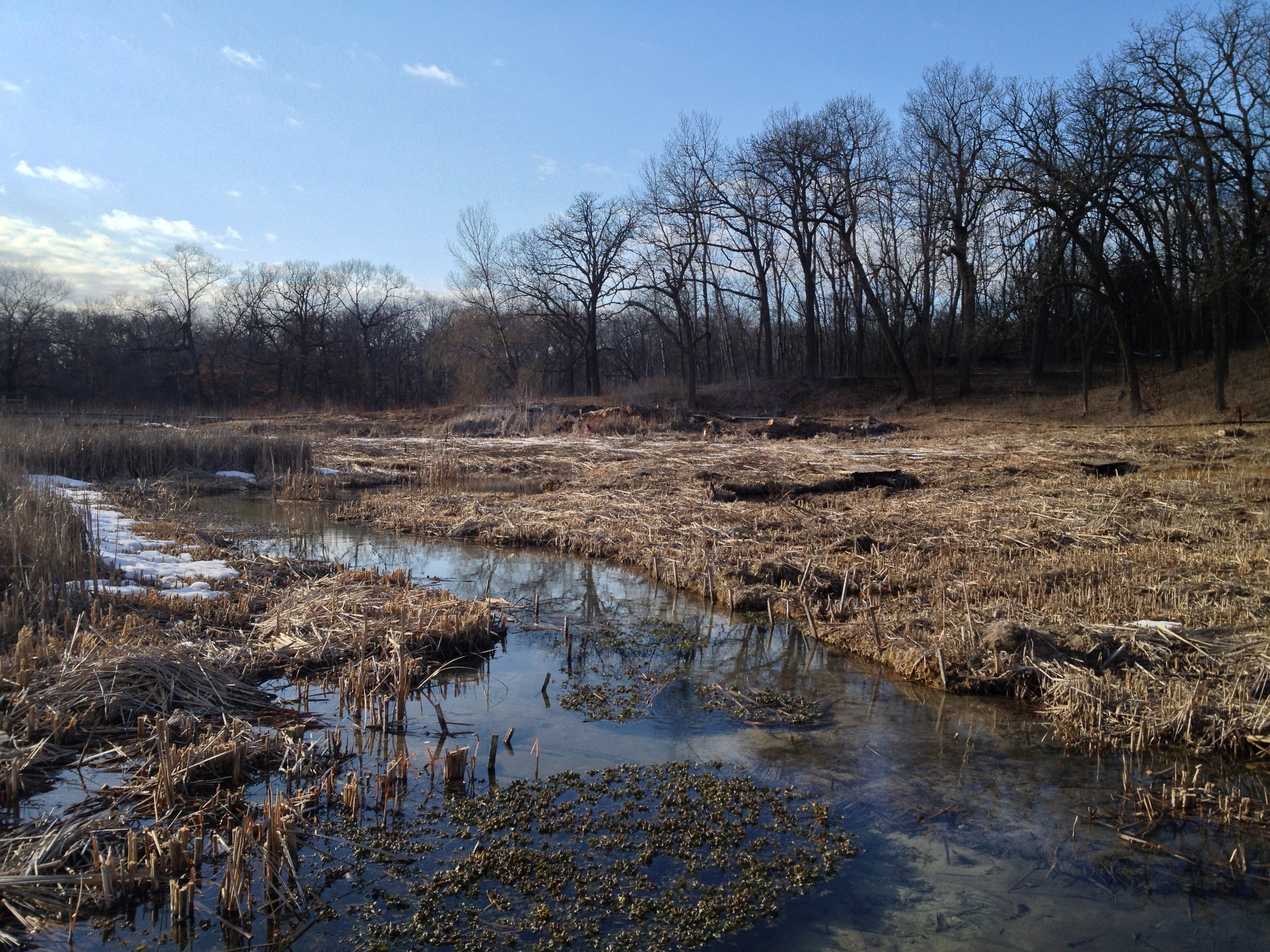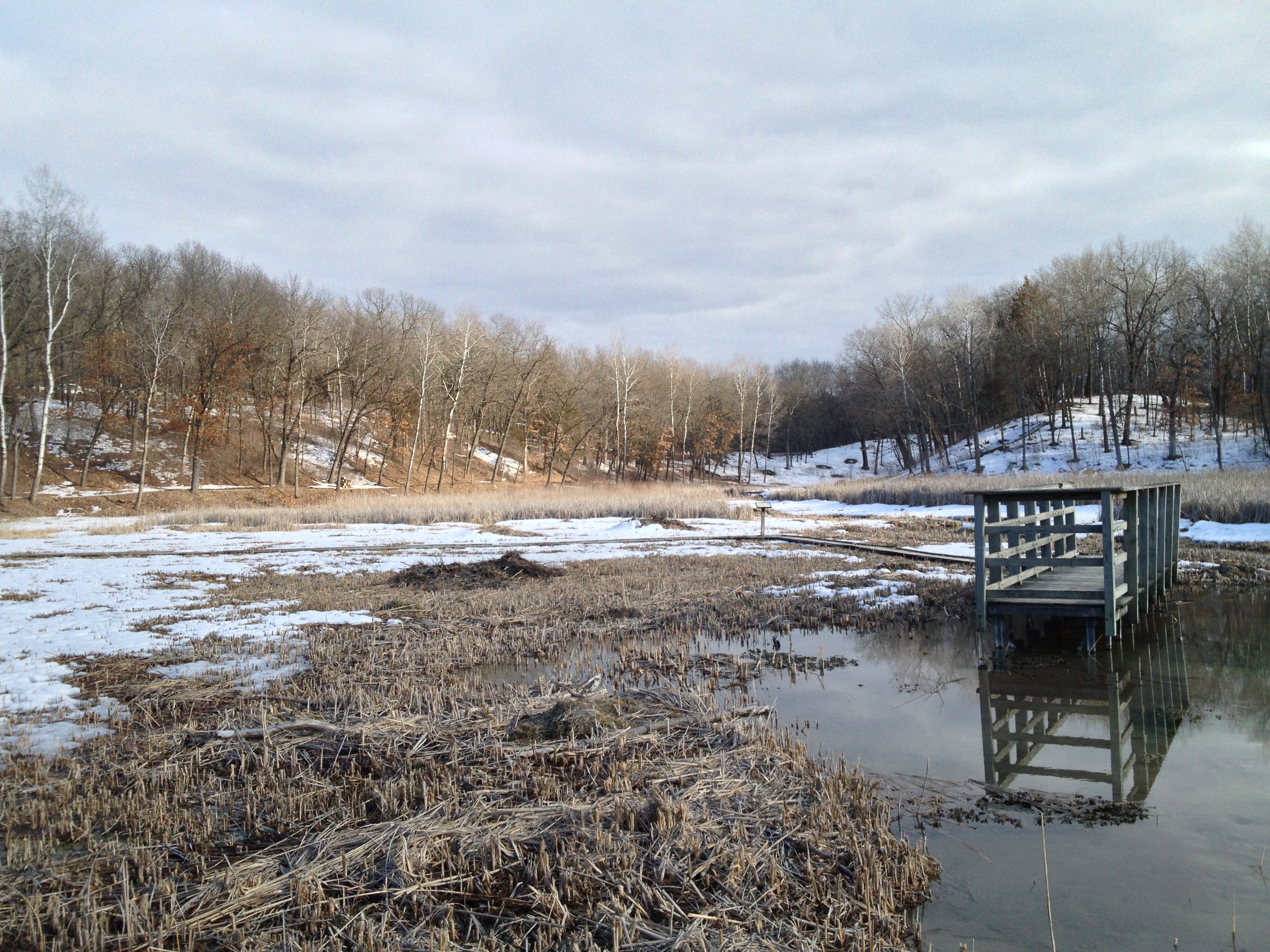
Burn The Scuppernong!

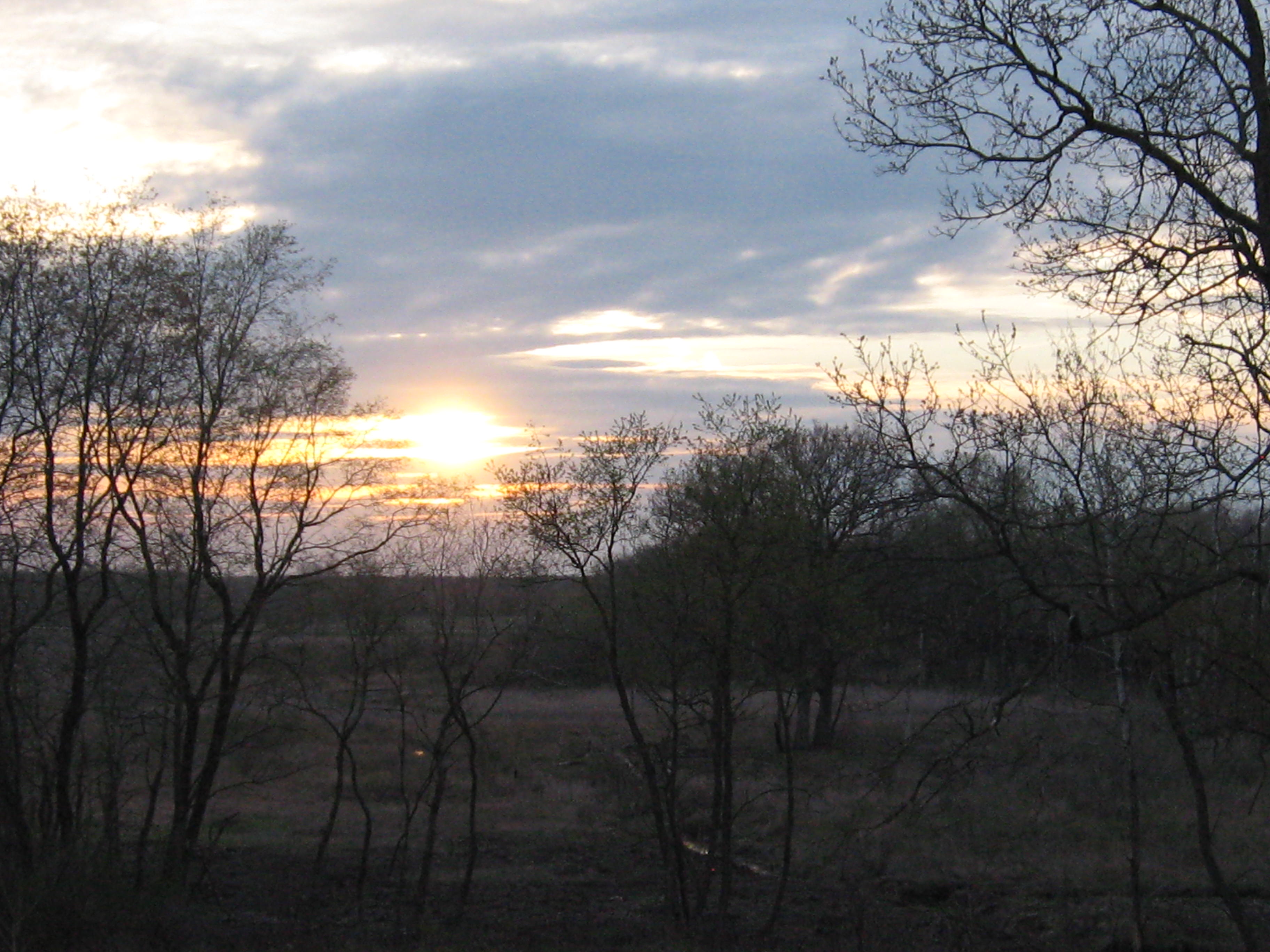
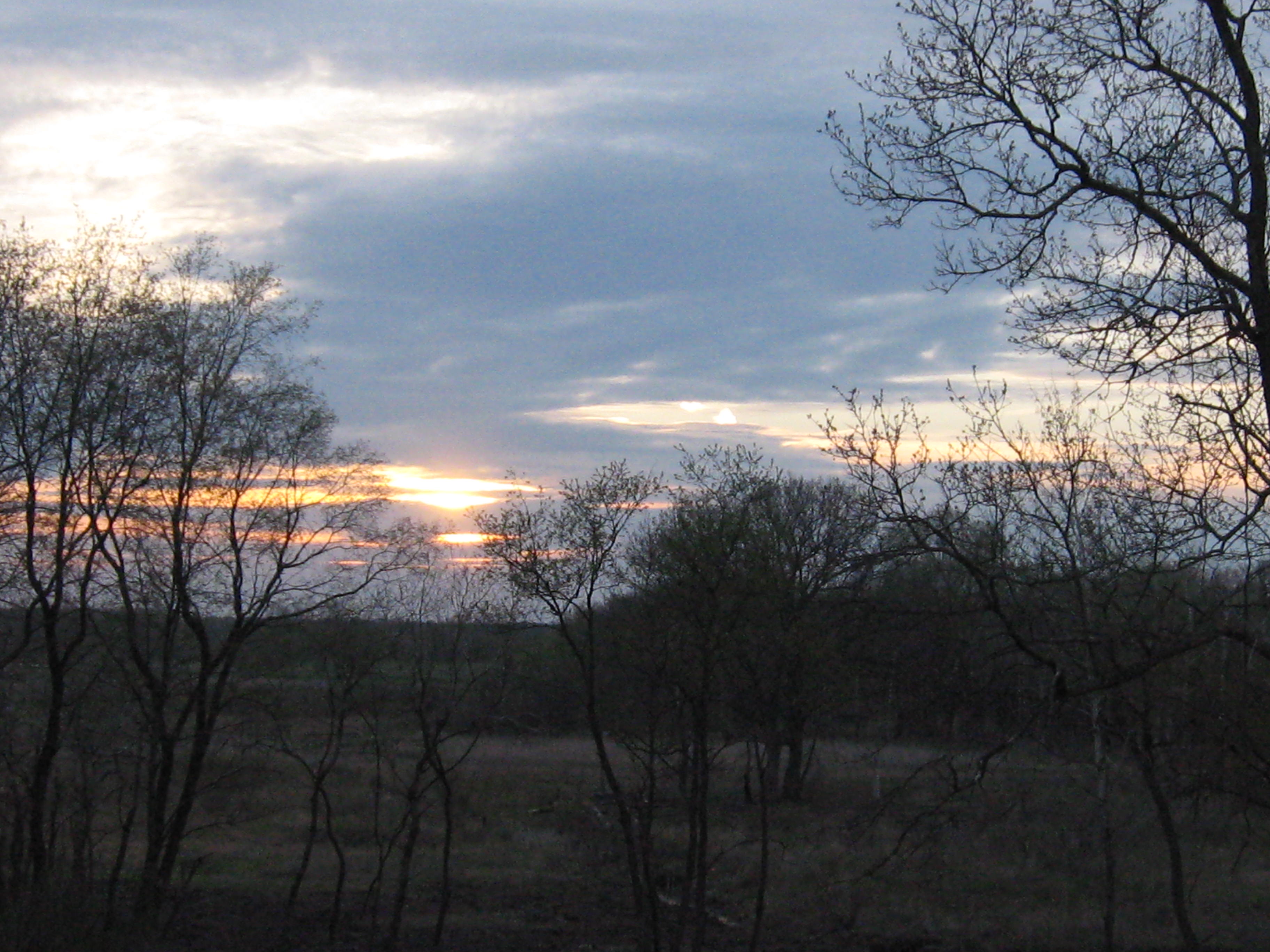
I couldn’t leave.  Everyone was gone except for the burn boss, Don Dane, who would maintain an all-night vigil.  The sun had set and it was a moonless night.  I walked the cut-off trail in the dark for the first time; my path illuminated by glowing snags and the embers from numerous brush piles.  What a day it had been!  We burned the Scuppernong and I wanted to savor the feeling, the smells, the smoke, the trees, and the night sky.

The day, May 6, began as the forces gathered at Forest Headquarters in front of the maintenance shop.

Paul Sandgren and Don Dane discussing plans with the lieutenant from the Eagle Fire Dept.

IMG_1276

The excitement was building as Don prepared to explain the plan to burn 786 acres of the Scuppernong.

Refer to the plan below as you listen to Don’s instructions in the following video and notice that Amanda Prange is the one who steps forward when Don asks for a volunteer for a tough assignment. “Go Big” is the trend now for prescribed burns and Don effectively integrated people and equipment from multiple sources to implement his carefully conceived burn plan.
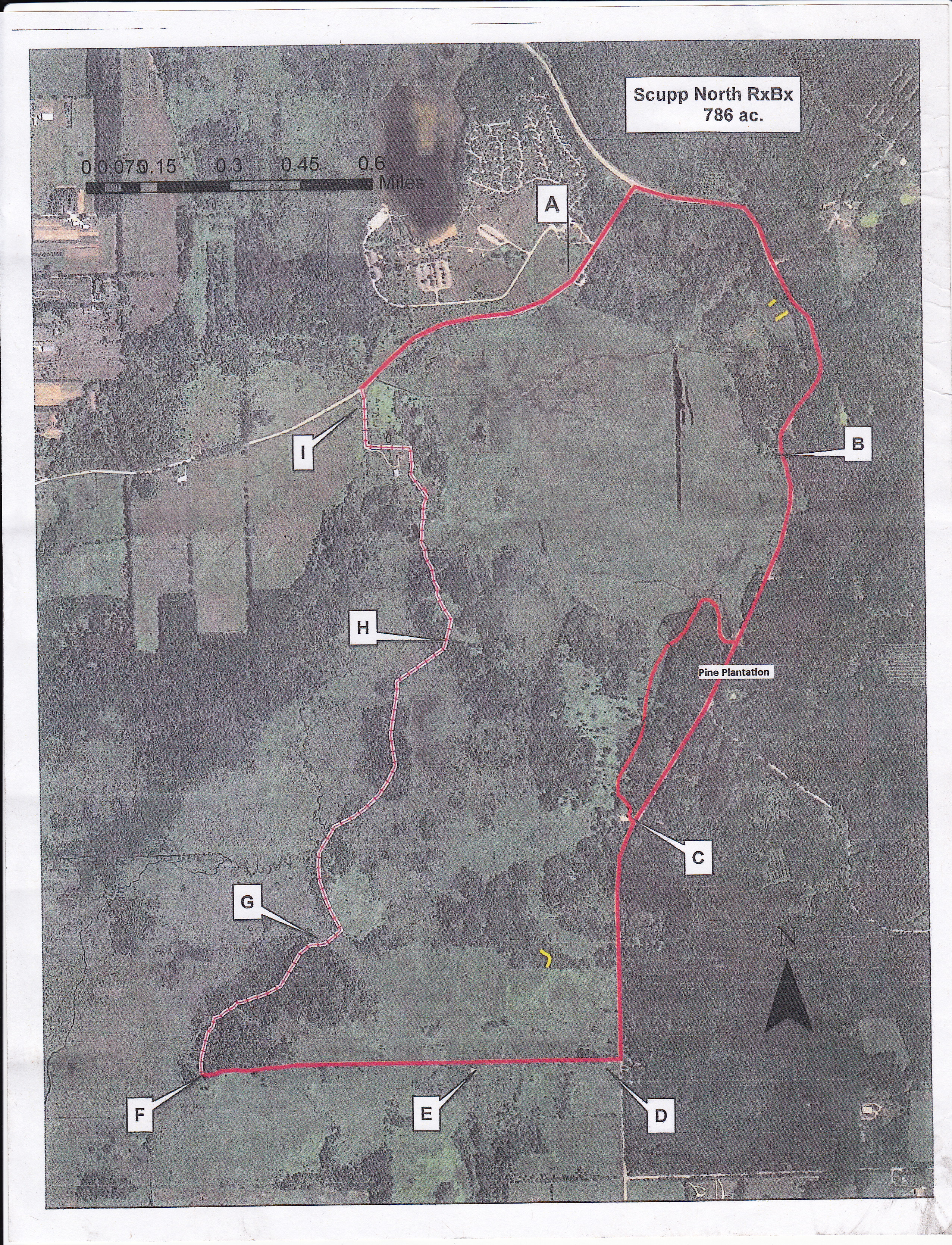
ScuppernongBurnPlan5-6-13

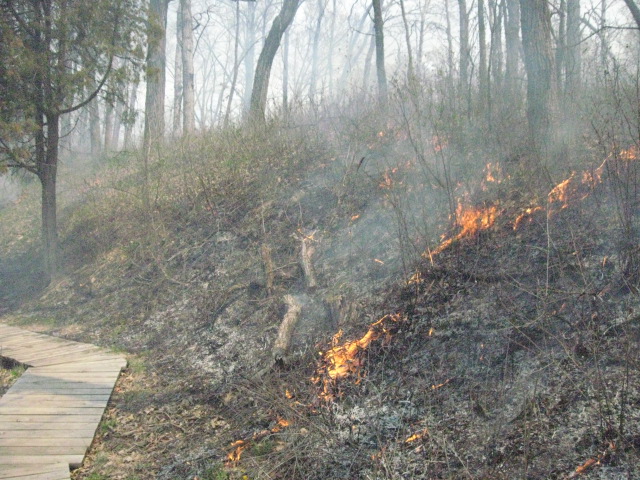
Lindsay and I were assigned to line boss Paul Sandgren’s team along with IAT trail boss Pat Witkowski, DNR sheriff Elias Wilson and Rocky, Dan and Melanie, also from the DNR. Our job was to make sure the fires set at the top of the ridge along Hwy 67 did not jump the trail.
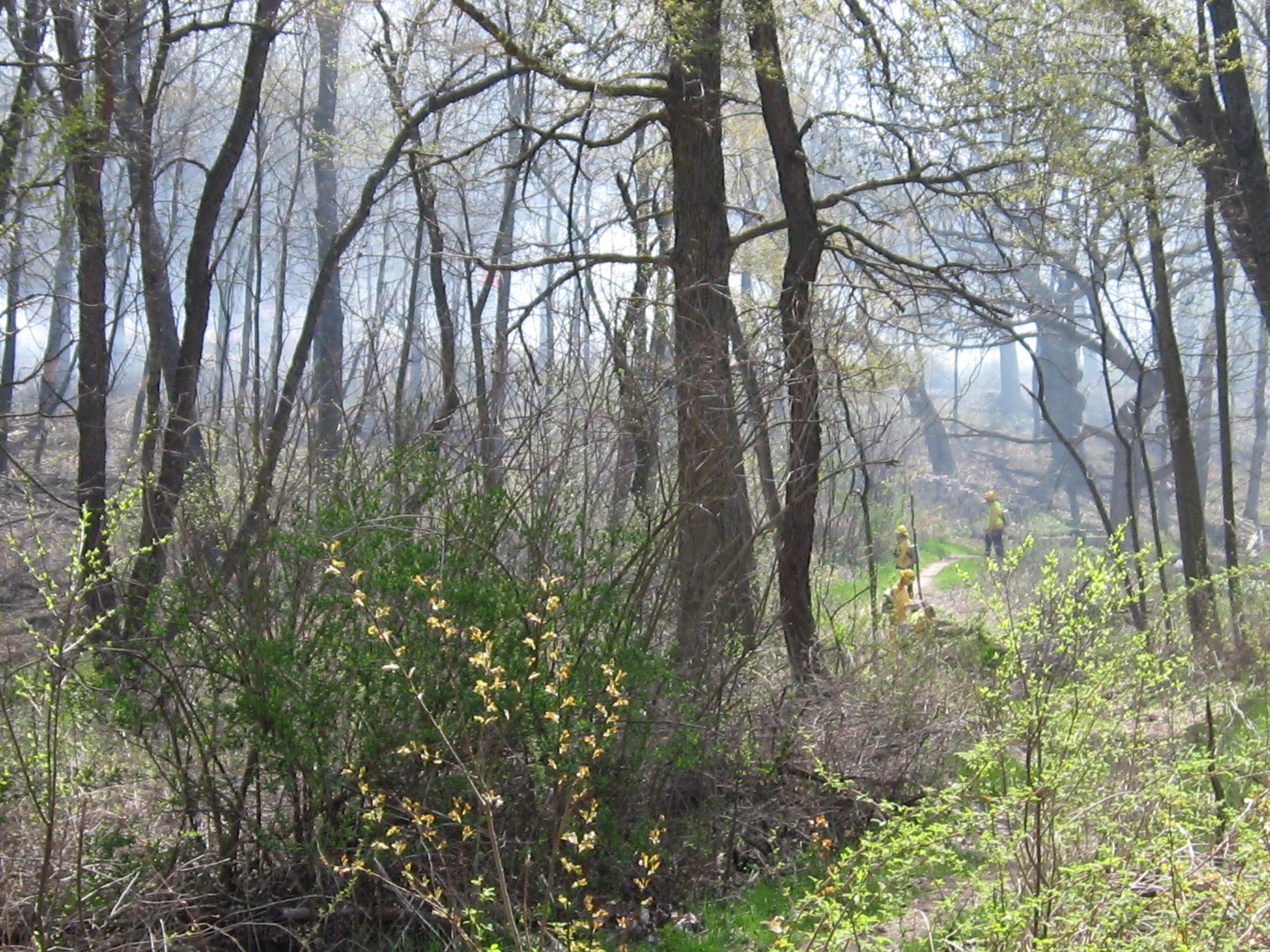
IMG_1280

The shifting and variable winds did not conform to the expectations in Don’s plan and Paul and Don decided to light the hillside along Hwy 67 from the bottom up instead of the top down, which was very effective.

IMG_1281

IMG_1282

IMG_1286

I was assigned to help in this task and grabbed the last drip torch. Unfortunately, the seal around the throat of the torch was not good and fuel leaked from the rim in addition to coming out the torch nozzle. It is a good thing that Elias was there as he immediately noticed the danger and gently persuaded me to stop. I am prone to momentary lapses of reason and common sense when fixated on a goal, and it is quite likely that I would have immolated myself and ruined the day if Elias had not been there.

We listened to our radios with great interest to the status reports coming in from all quarters and I was impressed by the calm and deliberate way that every issue was handled. Incredibly, “the feds” as Don described them, called just as we were getting under way and tried to shut down the burn. They asserted that the WDNR was using funds from the NAWCA grant to pay for the effort, when in fact this burn had been planned for months before the WDNR was even awarded the grant and no money from the grant was used for the project. Don negotiated with “the feds” and resolved the issue.

After the hillside was burned we proceeded to light the valley on the east side of the Scuppernong River. Check out this head fire and notice that it is running from south to north.
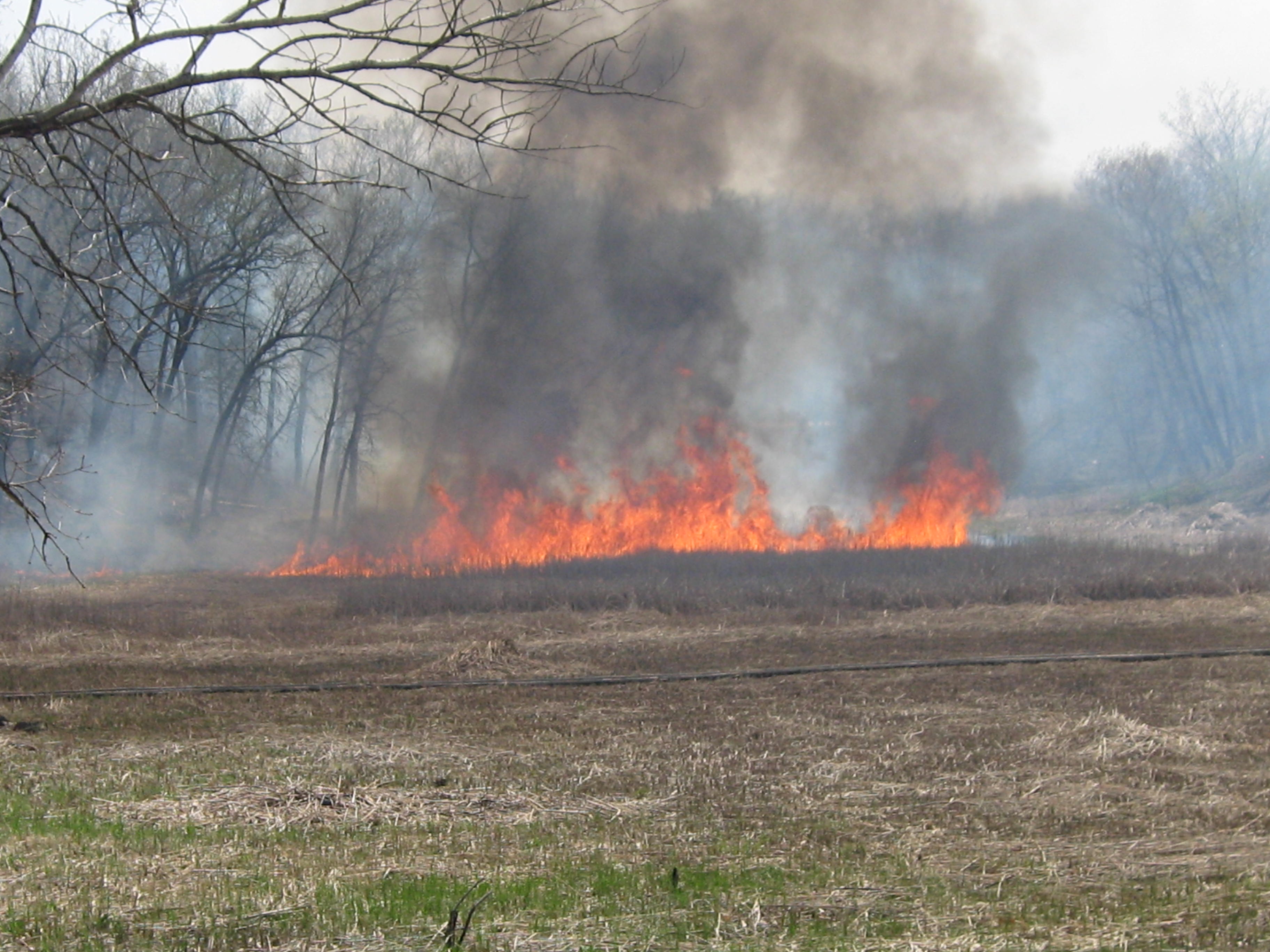
IMG_1293We took a very short break for lunch and lit the west side of Scuppernong River. I had a good working torch by now and walked along the west edge of the river igniting an incredible head fire that ran to the tree line on the west bank of the bowl that used to form the lower pond.

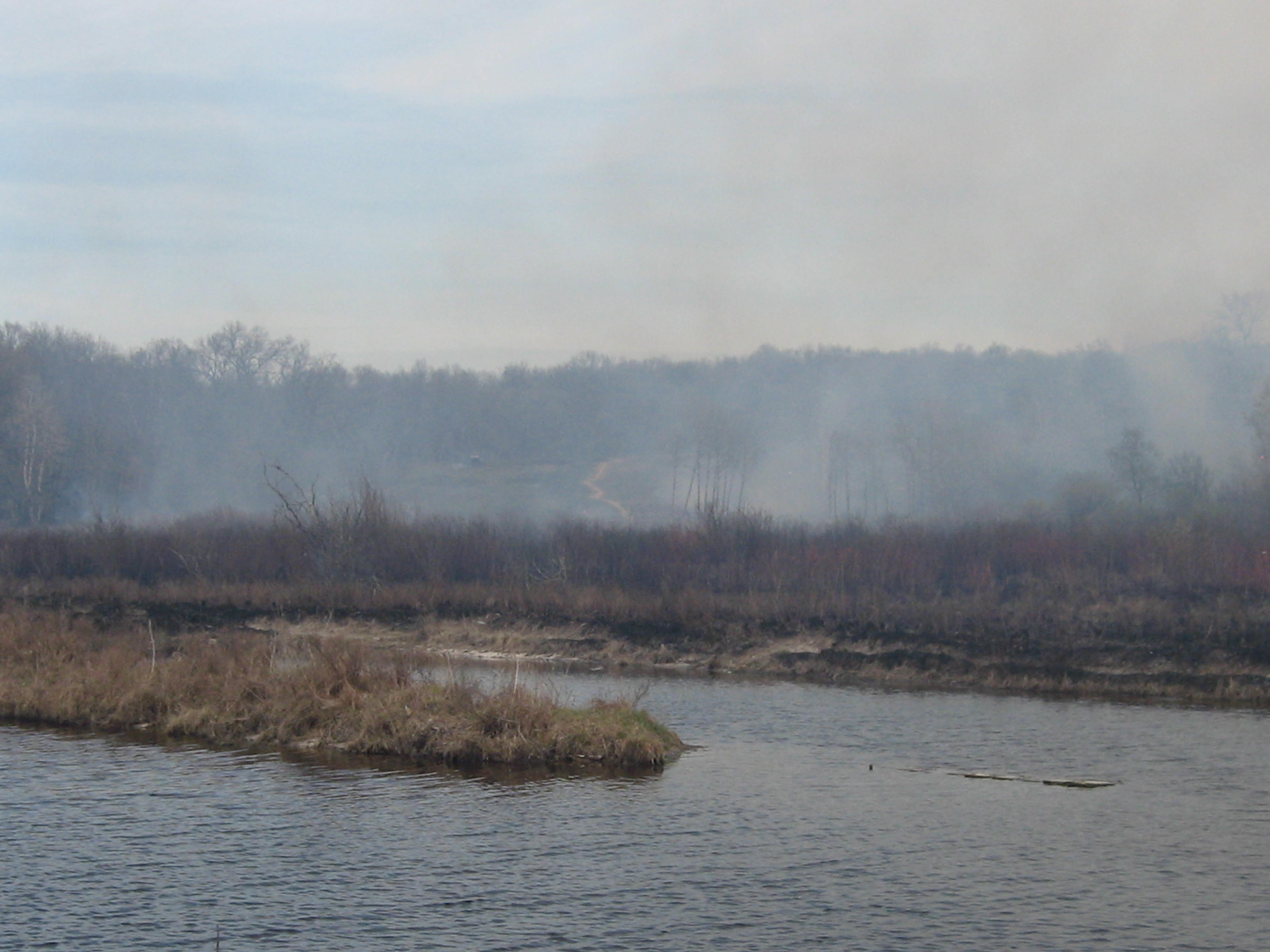
All the burn teams were making great progress and we heard reports of all the burn lines being “tied in”. The perimeter was secured and the teams began pushing head fires through the interior of the burn unit. I walked along the north side of the river, where it makes its turn west from the old barn site, taking soakers in both boots as I lit the bank of the river all the way to the bridge where the stream gaging station is. The winds where blowing from the south and this line of fire moved aggressively to the north jumping the cut-off trail.
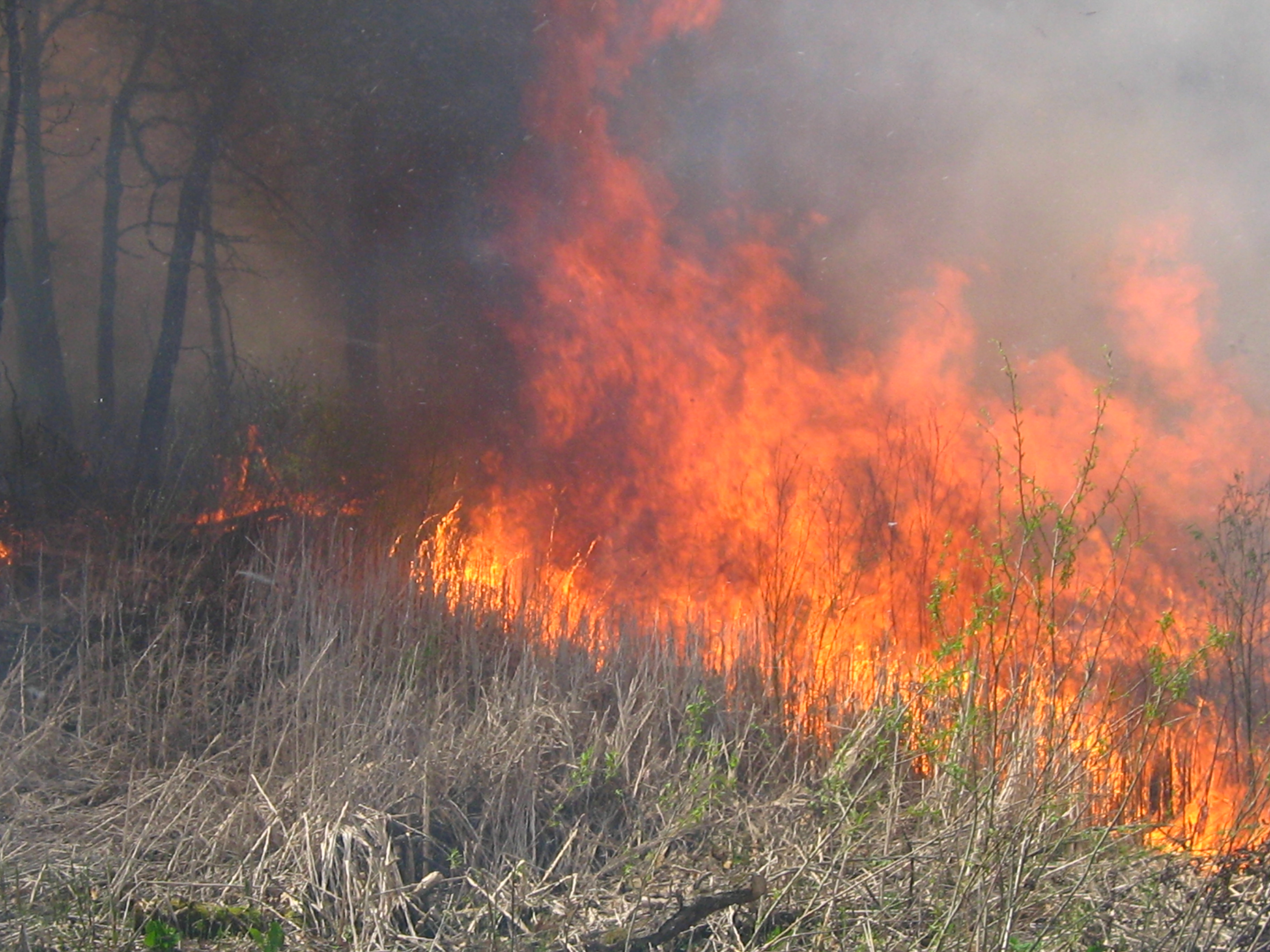
IMG_1295

IMG_1296Lindsay moved into the black behind the line of fire and put out flames in a huge oak tree that is laying sideways around 10-12′ off the ground saving this interesting landmark. Paul Sandgren sent me over to light the area on the west side of the marl pits on both the north and south sides of the river. The backing fires lit on the west side of the burn unit were creeping east and the time was ripe to drive a head fire towards them. I had just leveraged a south wind to light the north side of the Scuppernong River and now, out in the open, I had a strong east north-east wind behind me. When I got to the marl pit bridge I found the southeast corner on fire and had to dip my water bottle in the river repeatedly to put it out before any major damage was done. As I walked south along the west side of the marl pits, I lit what soon turned into a raging head fire. My escape route ahead of me was to simply jump the fire line of the creeping back fire.
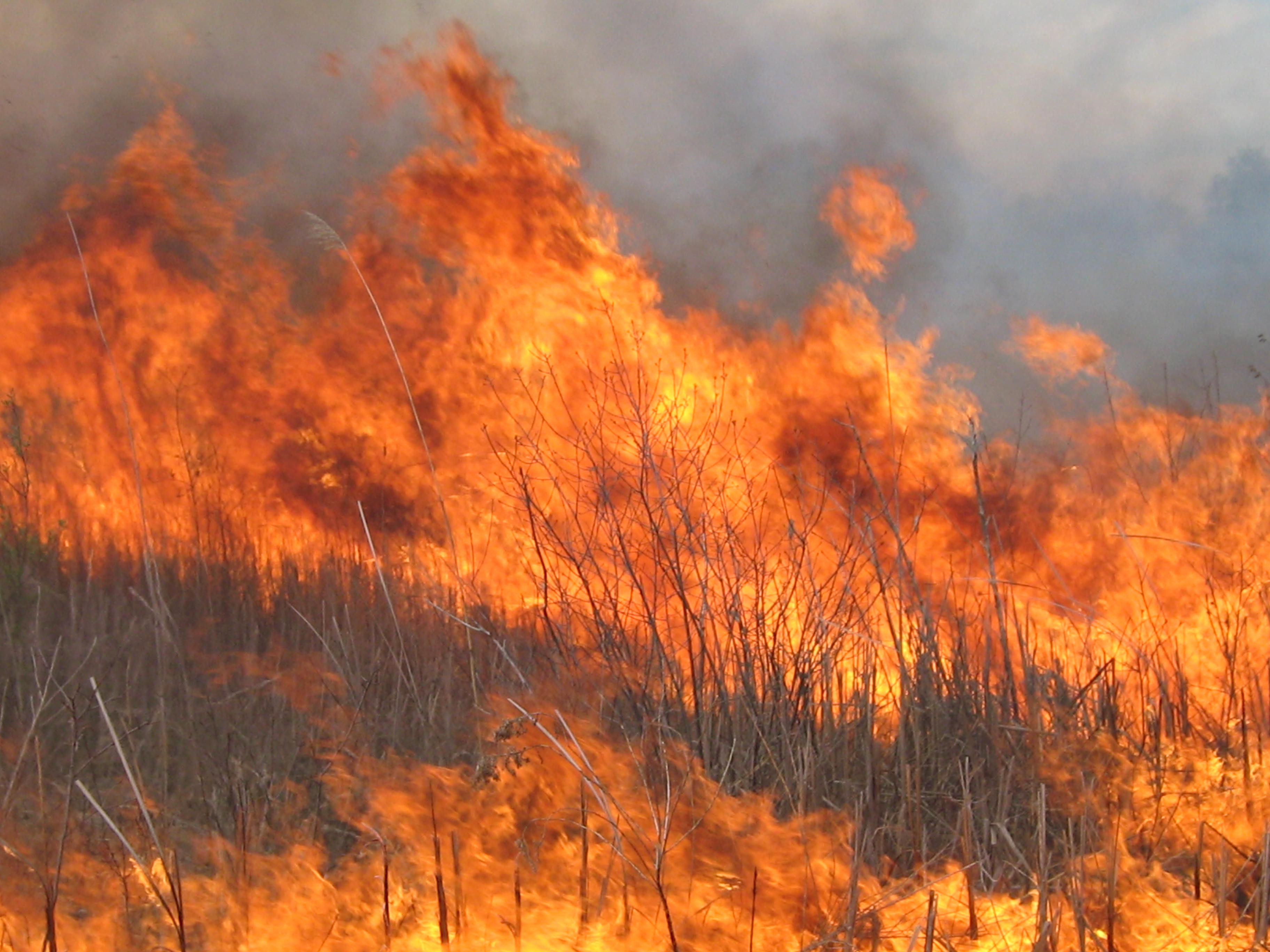
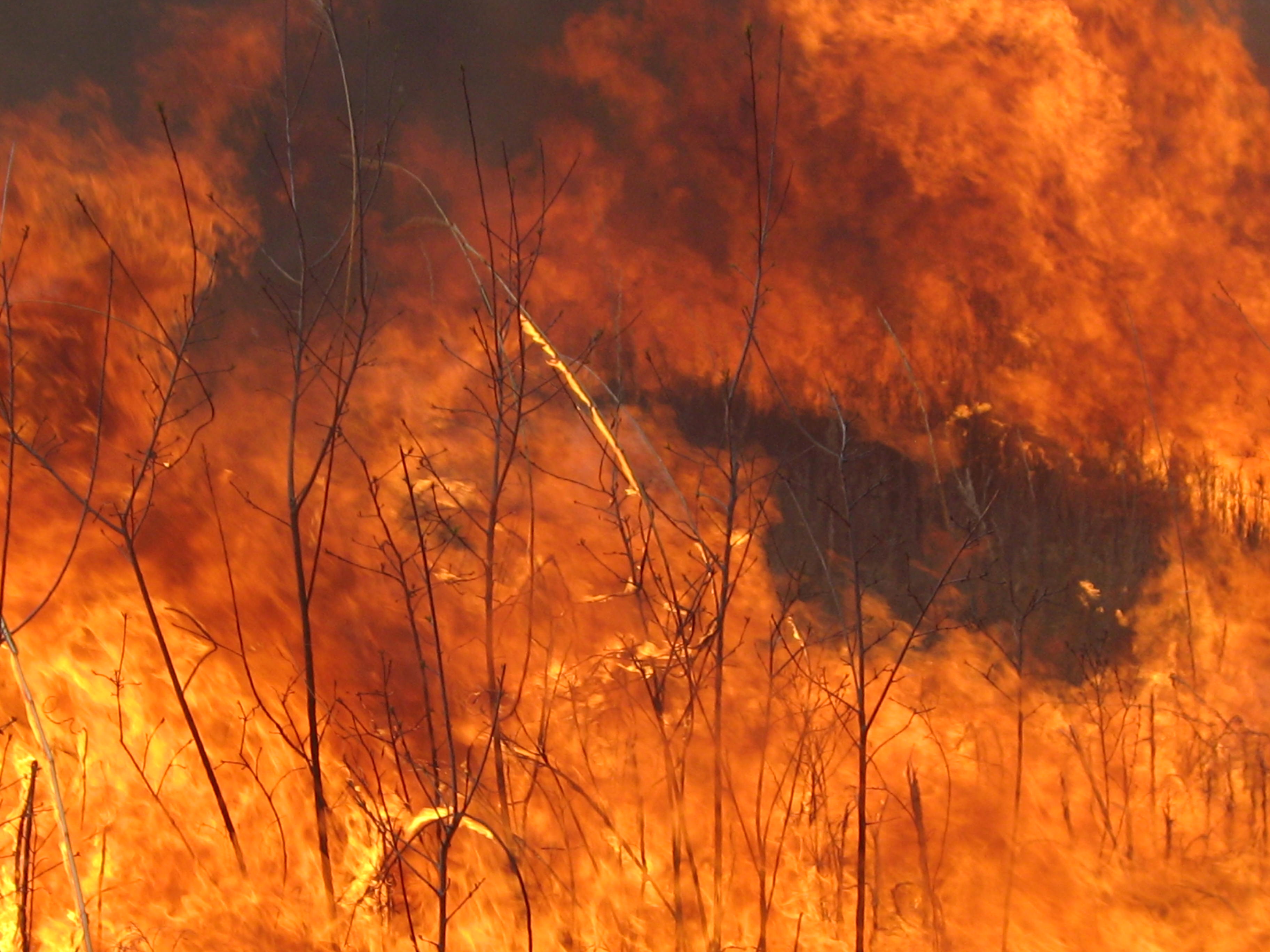
IMG_1299

IMG_1300

IMG_1301

IMG_1302

IMG_1303

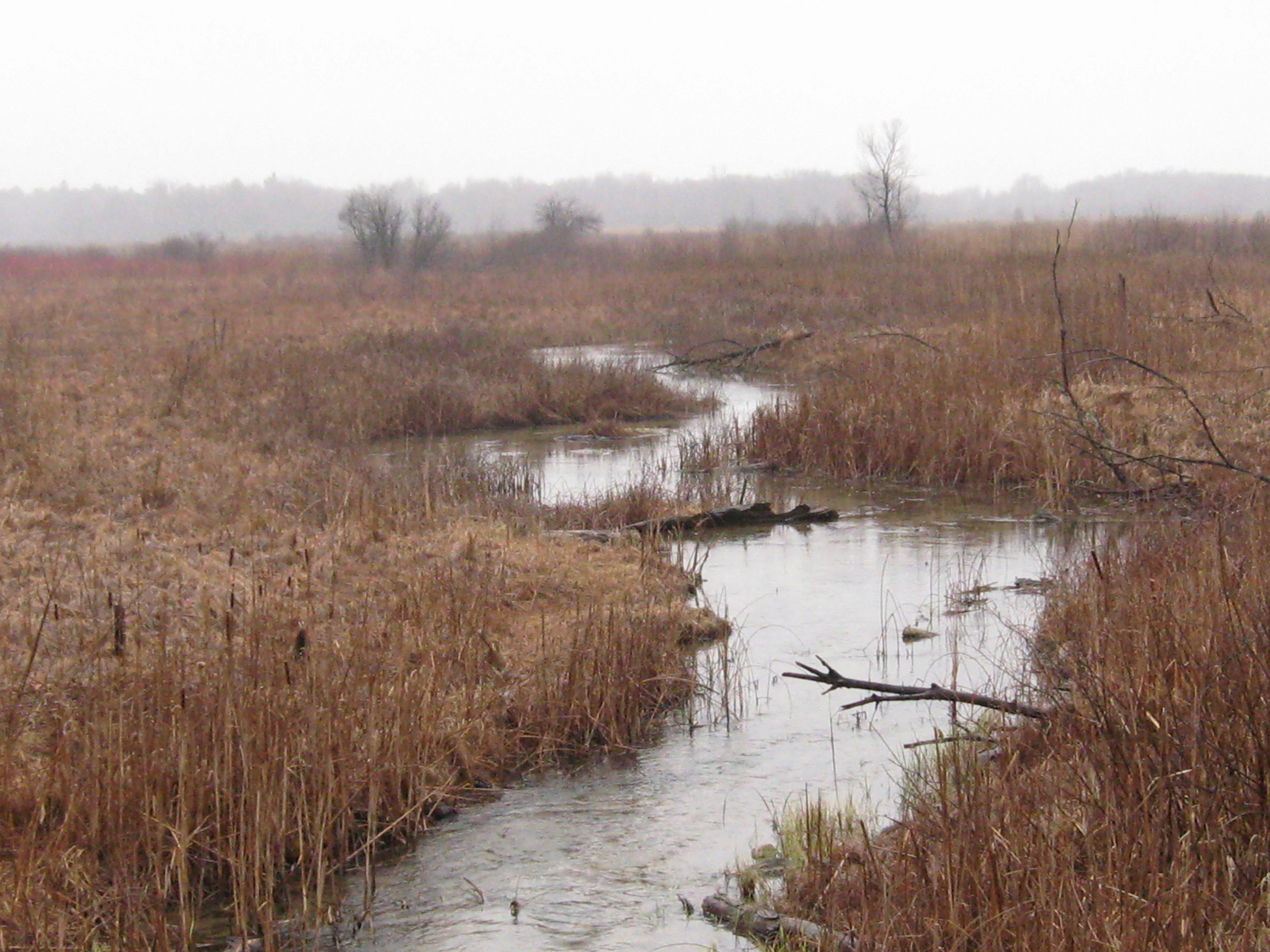
Here is a perspective looking northeast from marl pit.

IMG_1305

IMG_1306

I was able to get a good head fire going on the north side of the river as well and we tried to run it as far as we could along the south side of the trail leading back to the parking lot on Hwy ZZ.
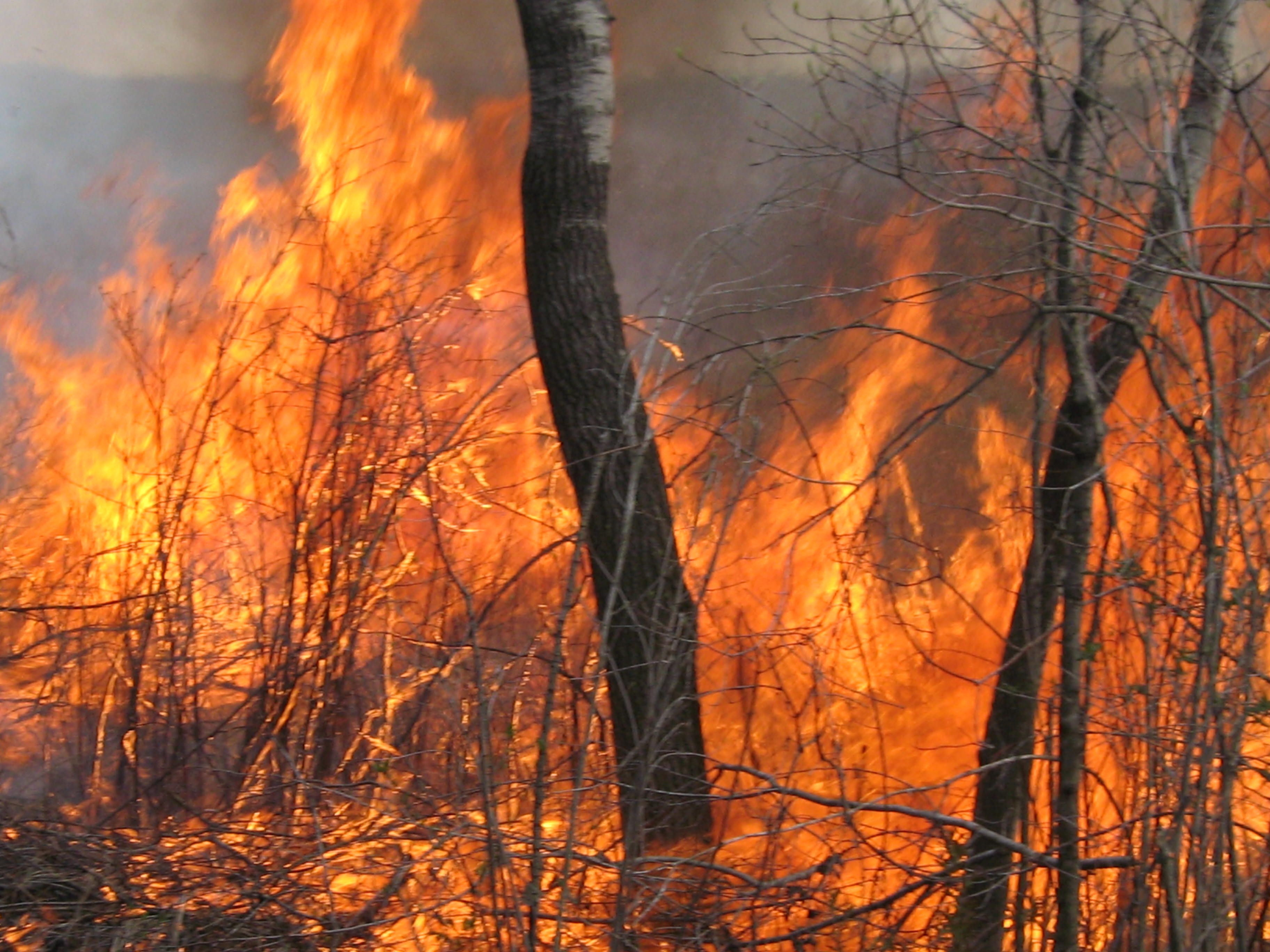
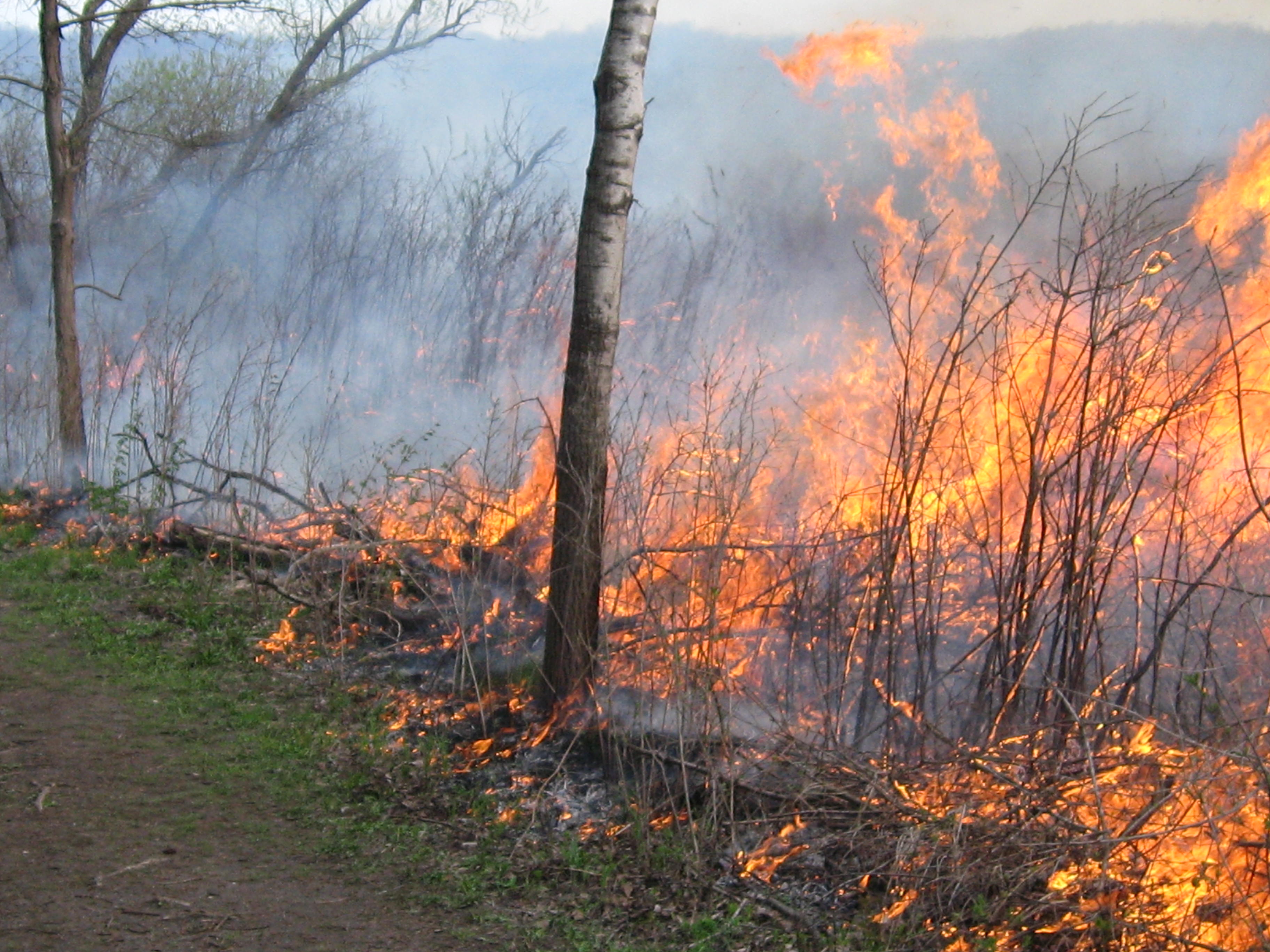
IMG_1308

IMG_1309

I think we burned approximately 95% of the unit, but Don might have a more precise estimate, and, much to my surprise, we lit all of the 50+ brush piles created since the end of the winter burning season.

I am heading out to The Springs tomorrow and I plan to take a lot of “after” pictures to pair up with all of the “before” shots I took yesterday morning before joining the team at forest headquarters.

This was an experience I will never forget. The WDNR team of the Southern Unit of the State Forest led by Superintendent Paul Sandgren, Assistant Superintendent Anne Korman and burn boss, Don Dane, is one of the finest groups of people I have ever had the pleasure to work with.

IMG_1150I stopped at The Springs on my way back from Forest Headquarters; I didn’t want to go home. Wandering the trails in the dark amongst the scattered, glowing fires was pure pleasure. I stopped at one of the bogs to capture the sound of the frogs with the glowing embers of a brush pile in front of me.

I arrived at the DNR parking area at ZZ & 67 above the Hotel Spring for a sympathetically synchronous rendezvous with Don Dane and we celebrated the success of the burn. There was a lot of mop up work waiting for his team today. I hope you got some sleep Don.

See you at The Springs!
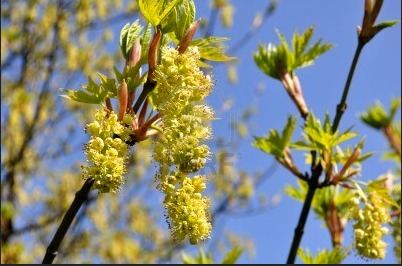
Spring Dreams

The seasons progress slowly giving us time to appreciate the changes as they unfold. I like to watch the tips of the oak branches as their buds open and flowers emerge.

OakFlower

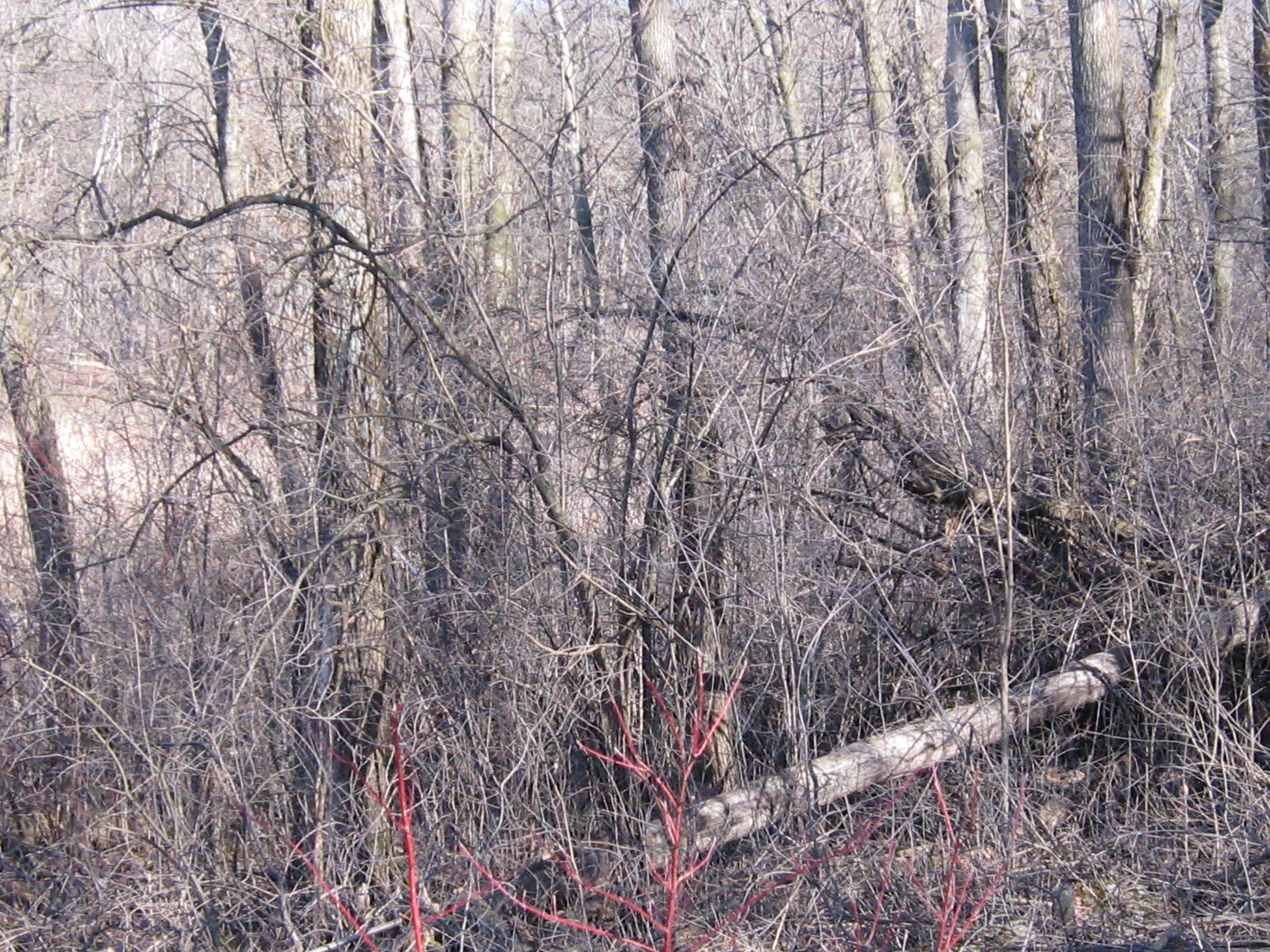
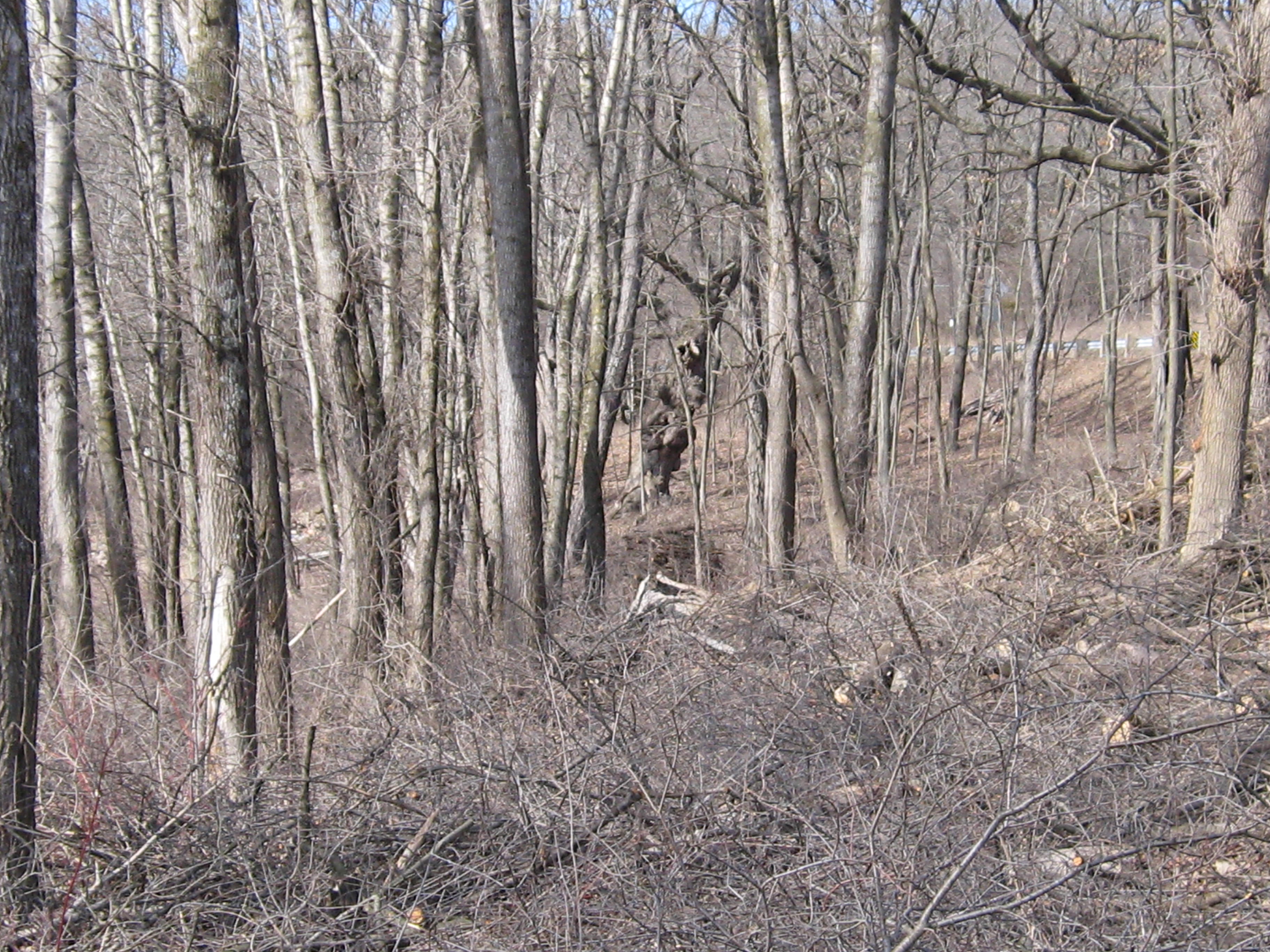
Spring is a great opportunity to use fire to control invasive plants and it has been a long time since the Scuppernong Springs Nature Preserve has had a prescribed burn. Buckthorn seedlings are thick in many places, especially the slope along the trail below Hwy 67 on the left side of the video below.

The alternative to fire is repeated brush cutting and poison application, which is a loosing game. So I am very thankful and excited that the DNR has prioritized the Scuppernong Springs for a prescribed burn this year. In fact, assuming the weather forecast for tomorrow, May 6th, doesn’t change, we should have perfect conditions. DNR veteran Don Dane is the burn boss and he has been working on the plan for months. The scope is approximately 900 acres covering an area south of Hwy ZZ and west of Hwy 67. I’m really looking forward to participating!

I wasn’t able to get to The Springs last week so I was eager yesterday to see the progress of Spring.

IMG_1193

I started the day girdling aspen down by the Hotel Springs. This is an extensive clonal colony with huge trees and a lot of work remains.

IMG_1187

I took a break mid-morning to attend the Kettle Moraine Natural History Association’s annual meeting at forest headquarters. Susan Beyler, fisheries biologist and NR Region Team Supervisor with the DNR, filled in for Ben Heussner and made an excellent presentation on the “Fishes of the Mukwonago River”. She also covered the restoration efforts being made on the old Rainbow Springs golf course, which the DNR recently acquired, to remove all of the culverts that were installed to control the river. This area comprised a wide diversity of unique habitats before the bulldozers arrived and they are hopeful that some of this diversity will re-emerge. I hope to meet with Susan at the Scuppernong Springs to take a tour and get her unique perspective.

After the meeting I headed over to the buckthorn alley to resume cutting there.

The buckthorn trees here are tall and thick so it was slow going.

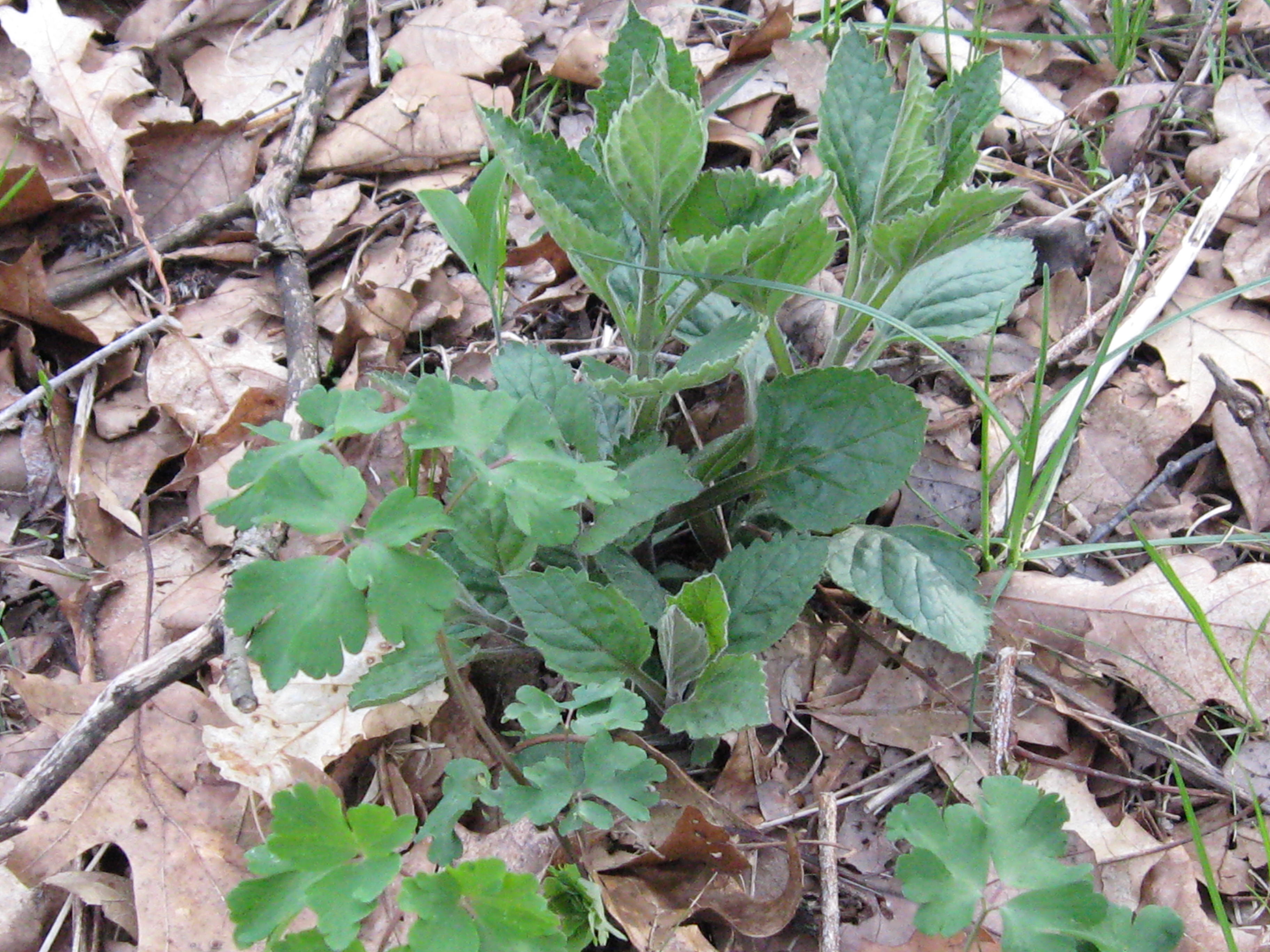
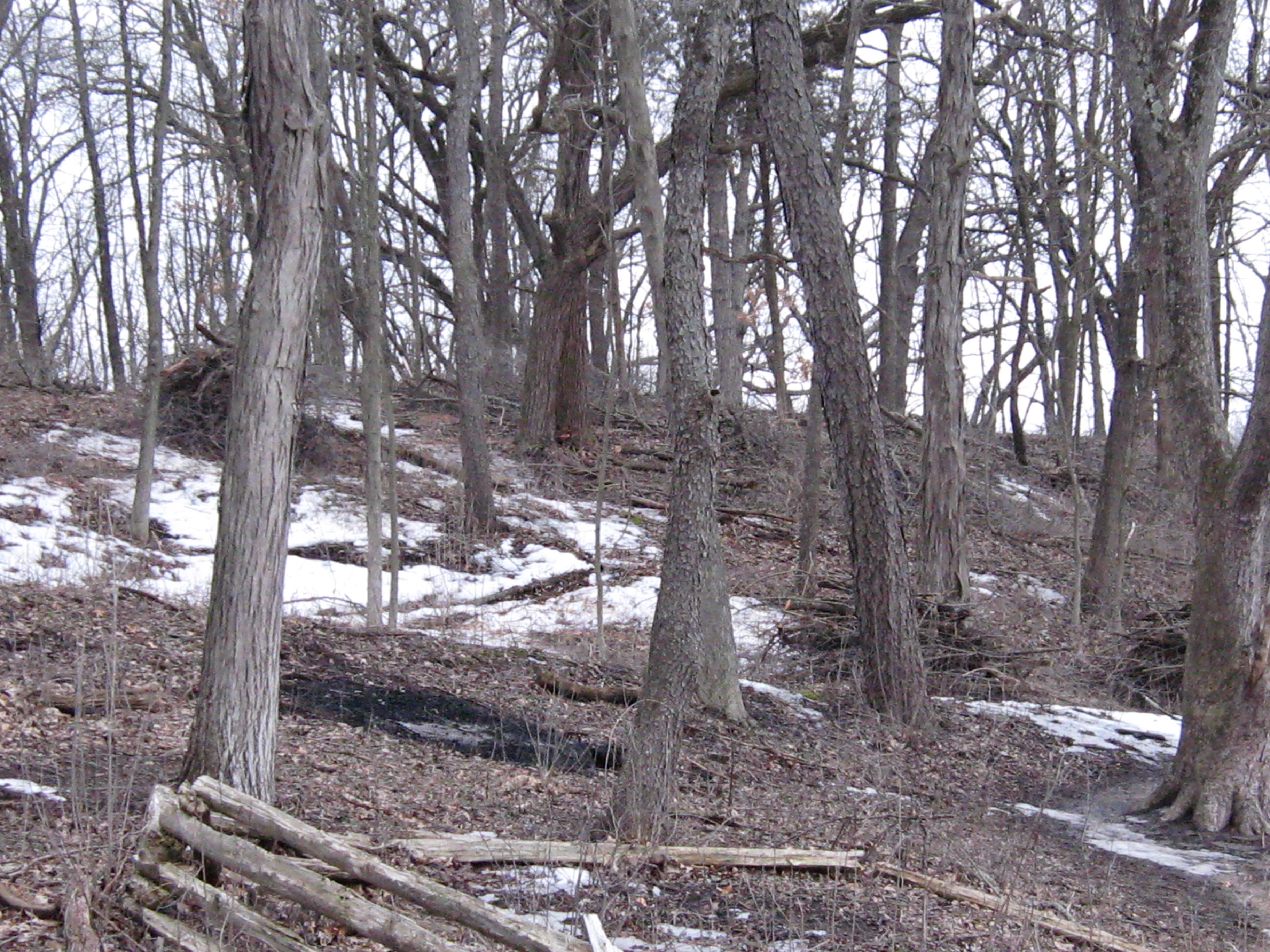
Later, I took a walk on the cut-off trail and noticed lots of flowering plants emerging. It will be interesting to see how they survive the fire.

IMG_1200

IMG_1201

IMG_1202

The frogs were calling from the bogs on the north side of the loop trail.

John Hrobar sent me this link to an interesting article:

New scientific studies reveal Midwestern frogs decline, mammal populations altered by invasive plant
Researchers say this is a call to action to remove European buckthorn from the region

Amen!

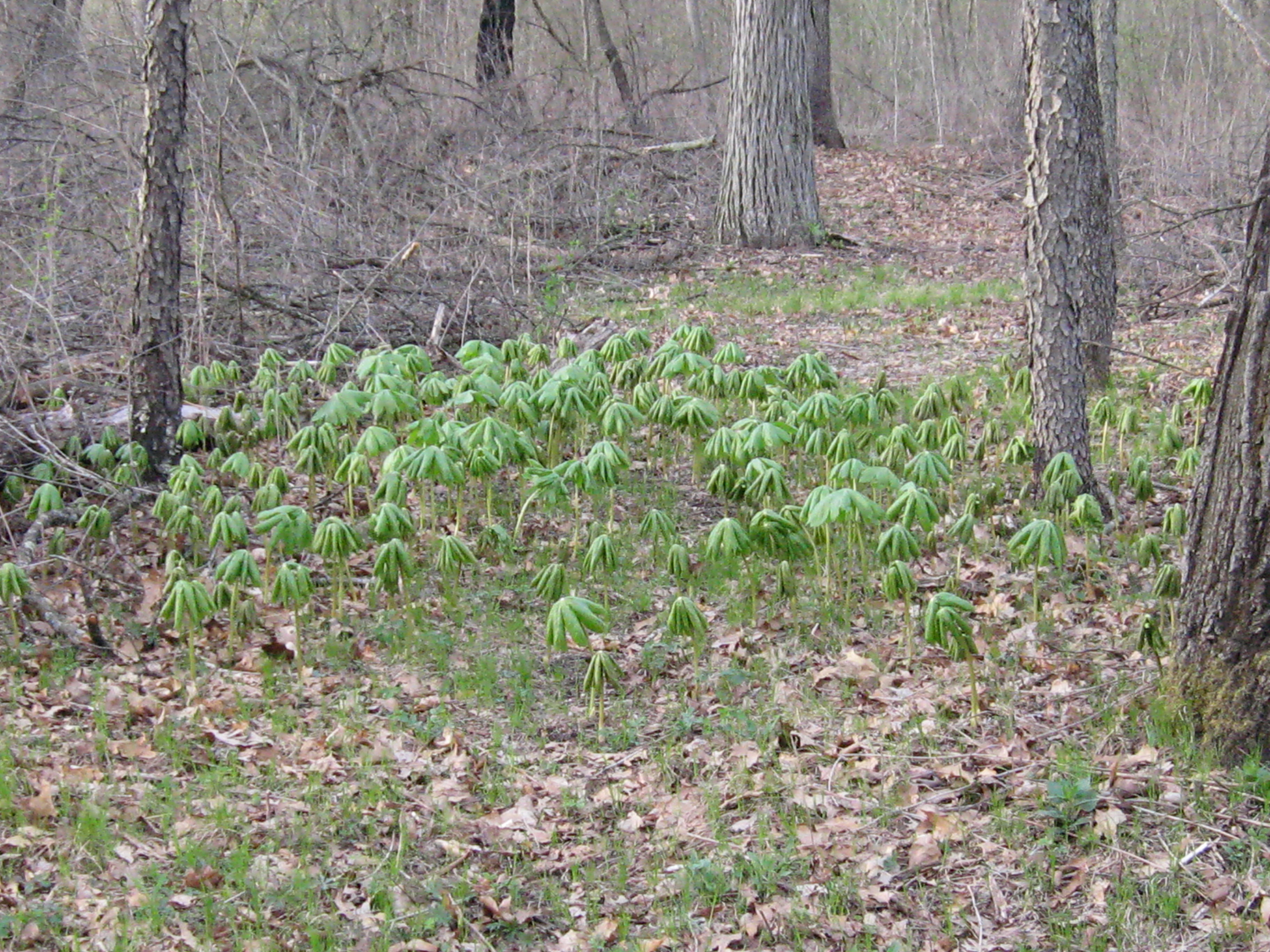
More May Apple in front of the old barn site.

IMG_1206

The Hatching House Springs have been hidden for years and it is really interesting to see what is coming up there now.

IMG_1207

IMG_1208

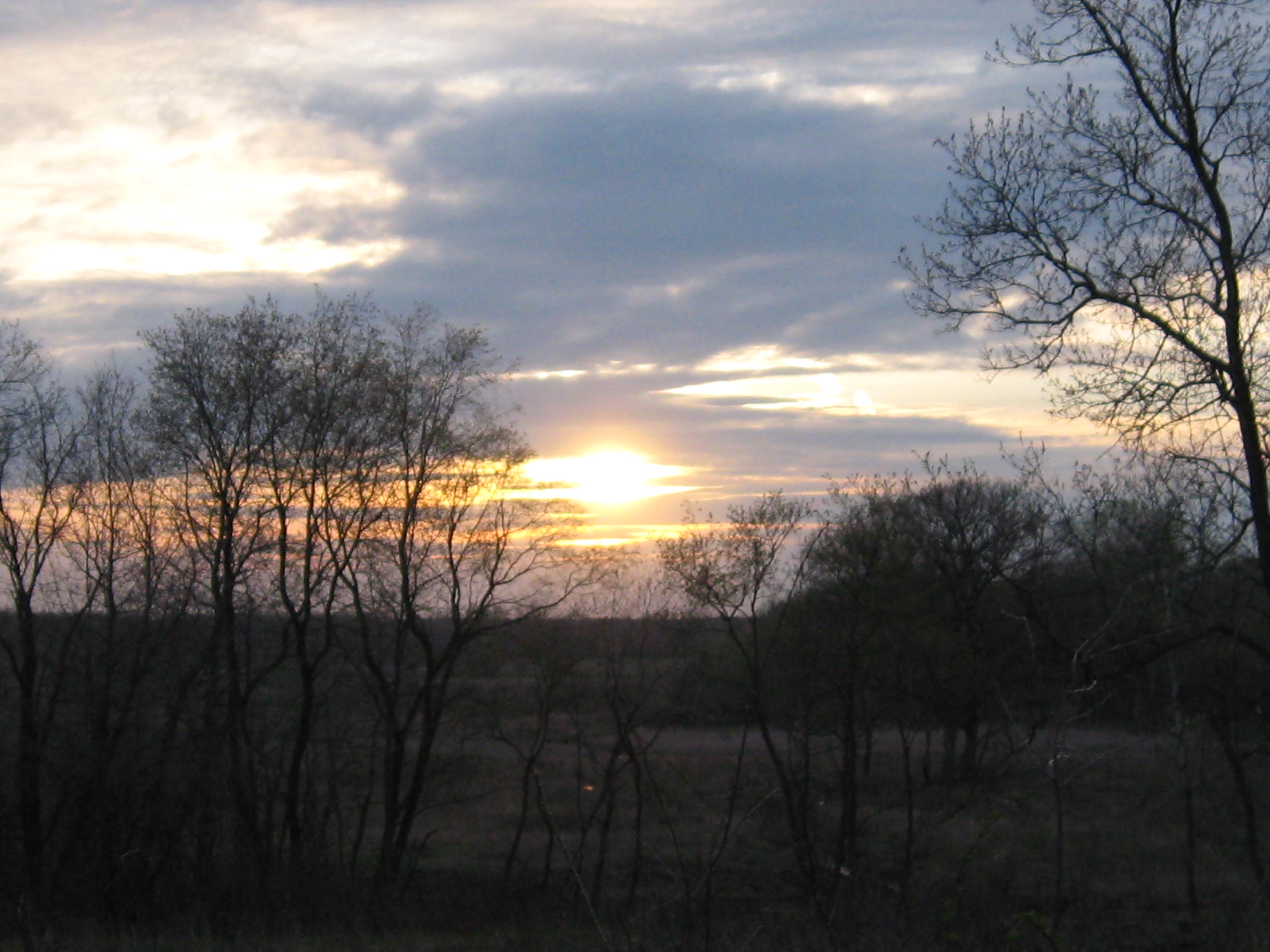
As we head towards the summer solstice, I find I have to locate myself farther and farther south on the Indian Campground to get the best view of the sunset.

IMG_1210

IMG_1211

IMG_1212

See you at The Springs!

Jon Bradley Tours The Springs

If you love The Scuppernong Springs and want to share your stories or pictures here, please contact me. Here is the latest from Jon Bradley (Thanks for the awesome pics Jon!).

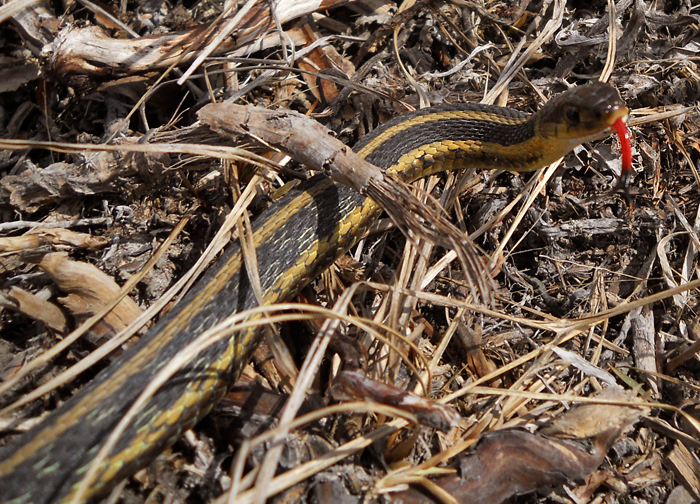
Today (4/27) was one of the warmer days so far this year. I knew today could be a good day to find wildlife at the Scuppernong Springs Nature Trail. From the moment I stepped out of the car I knew it would be a good day on the trail. Almost immediately I heard the call of a couple Sandhill Cranes. As I was walking along the Marl Pits I saw two cranes taking off about 200 yards away. Shortly after that I discovered this Common Garter Snake along the large Marl Pit, and two Painted turtles in one of the smaller Marl Pits.

DSCN1462

IMG_0085

Here is a photo taken at the Marl Pit bridge facing East.

IMG_4587

As I got down to the first Vernal Pond before the Indian Campground, I saw something move near my feet. I looked down and saw an amazing Eastern Hognose Snake. This snake is arguably the most unique snake in Wisconsin for many reasons. One of them being that it flattens its neck similar to a cobra.

DSCN1479

IMG_0087

I had heard that the Eastern Hognose Snake lived around the trail, but have never before seen one. It was hissing pretty loudly, though didn’t attempt to flee while I photographed it. Its important to say that all snakes at the Scuppernong Springs Nature Trail are harmless to people and most will do everything they can to avoid human contact.

IMG_4592

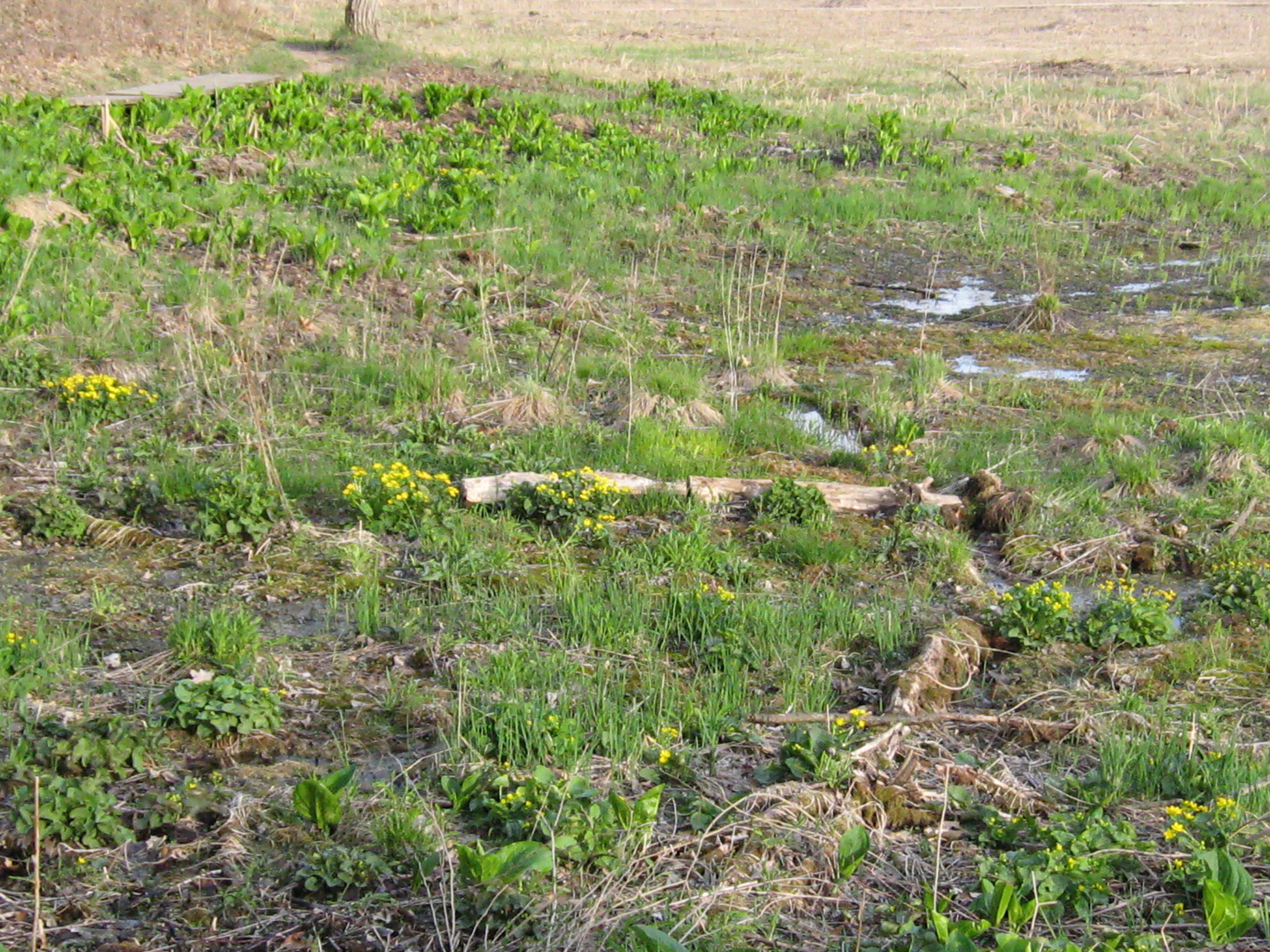
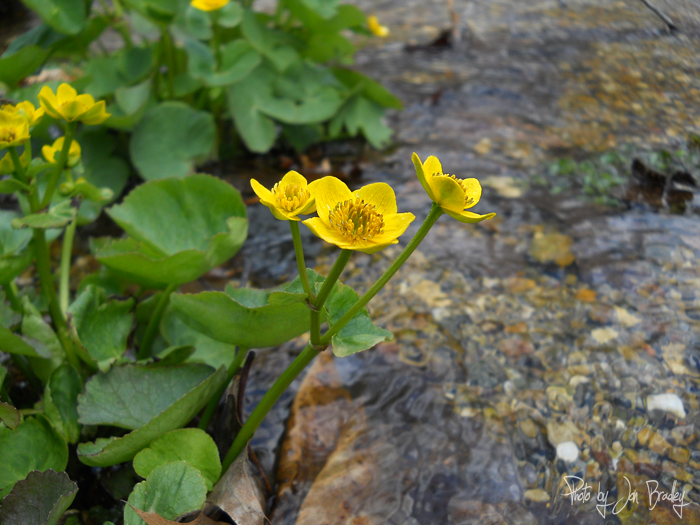
Here are a couple of flowers (hepatica & marsh marigold) I found around the trail. Its nice to see color coming back!

DSCN1476

DSCN1491

A few more scenic photos:

IMG_4599

IMG_4613

IMG_4625

There were a ton of birds at the Springs today. American Goldfinches, Red-winged Blackbirds, Red-Bellied Woodpeckers, and Warblers of all kinds. Between the old barn foundation and hotel site, I saw this Yellow-Rumped Warbler.

IMG_4620

On the way out, I stopped to check the water level.

IMG_4591

It was a fantastic day at the Springs and I hope to be back at least few more times this year. I love seeing the progression of the restoration project. Its nice to see the woodland areas looking more like woodlands and less like “buckthorn alleys”. I have to imagine even some animals will appreciate being able to navigate through the woods better. I unfortunately didn’t get to the new cutoff trail this time but I definitely plan on it this summer.

Thanks Jon!

See you at The Springs!

Critical Thinking

I like to fancy myself as someone who knows how to think critically, but I suffered a momentary lapse of reason recently acting on belief instead of real knowledge. Fortunately, the consequences in this case were minor and served as a good reminder. To think critically consistently, a tool like the trivium is indispensible; grammar, logic and rhetoric, these are the keys we can use to distinguish truth from fiction and knowledge from mere belief or opinion.

In my last post I reported that we have been spraying spotted knapweed with glyphosate, aka, RoundUp, on the Sand Prairie believing this was the right approach for this invasive plant. The problem is I had not researched this plant i.e. I had not done my grammar and answered the questions of the Who, What, Where, and the When as applied to spotted knapweed. Lindsay sent me the link above via which I learned that the preferred technique is to “Apply selective herbicide clopyralid during bud growth in early June for best results (48 oz per 100 gal water).” I complained in the post that I didn’t have any clopyralid without doing the grammar on this compound. Thankfully, Lindsay did and he informed me that clopyralid is the active ingredient in Transline, which we do have. So this was a good reminder for me to apply critical thinking skills as we continue to try to restore the Scuppernong Springs Nature Preserve.

The scientific method goes hand in hand with the trivium and critical thinking and I’m trying a little experiment in the Scuppernong River just a few yards upstream from the bridge across the former embankment that created the upper pond. When Ben Heussner and his team of DNR Fish Biologists recently inspected the river, he pointed out that the river was not “head cutting” at this point and that is why it is still filled with silt and marl upstream. I’m trying a little low tech experiment to encourage the river start head cutting here.

Saturday, April 27, was a very pleasant day at The Springs and I started out spraying garlic mustard along Hwy 67 north of the old barn site. The understory here is severely degraded and consists mostly of garlic mustard.

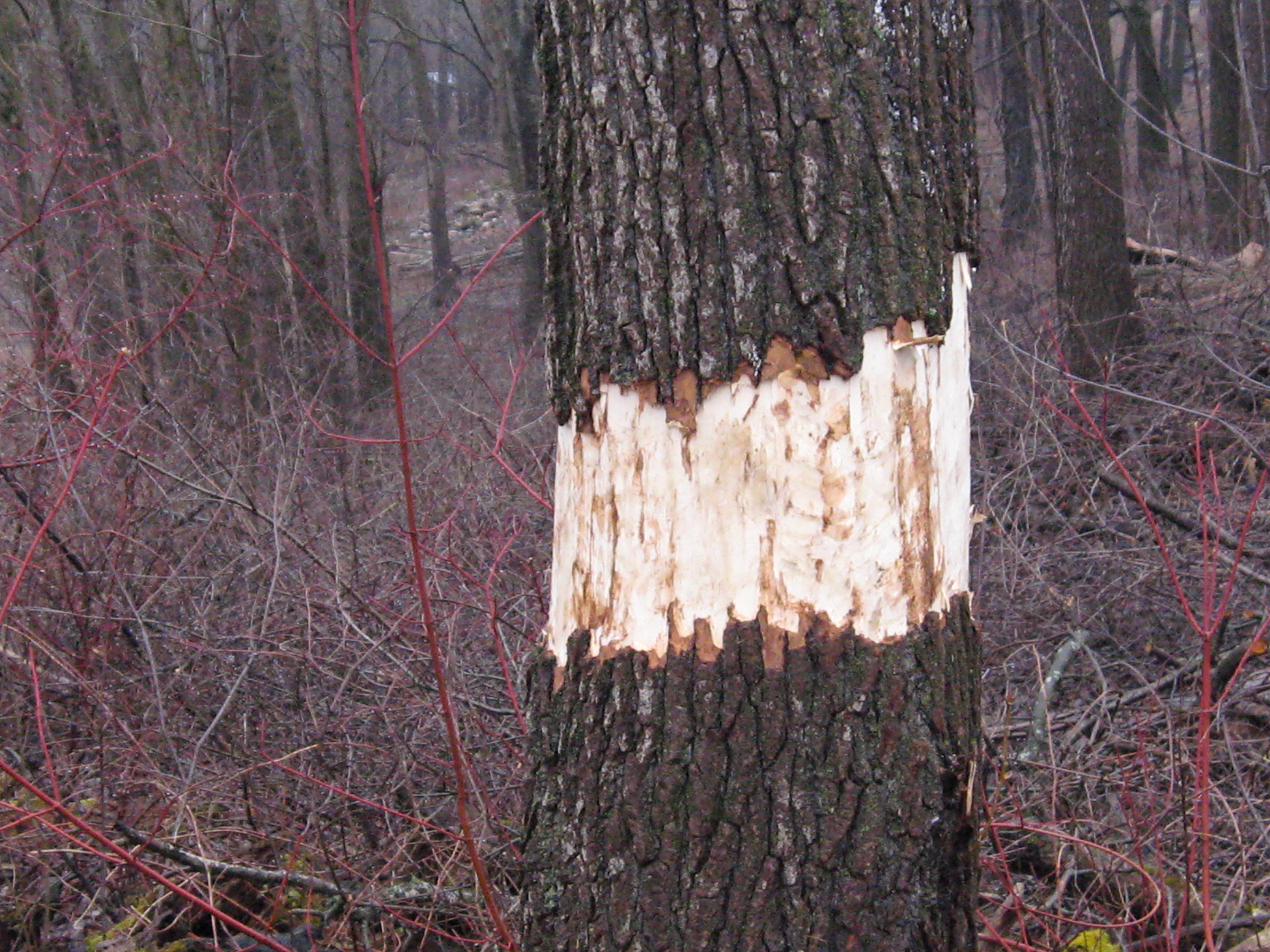
Then I spent a couple hours girdling aspen at the old hotel site. There are some huge trees here and I was skeptical about attacking them with hand tools, but the bark is separating very easily from the trunks now and I made good progress.

IMG_1137

IMG_1138

Around mid-day, I headed over to the Buckthorn Alley, or, perhaps tunnel is more descriptive, and got started on one of the nastiest buckthorn thickets I have ever seen.

IMG_1139

IMG_1140

IMG_1141

IMG_1142

I made a small dent and already you can start to see things, like the sky, that will make this section of the trail much more enjoyable and interesting.

The day flew by and I had a date with Pati at home, so I had to depart before the sun set. Here is a parting panorama taken from the Indian Campground.

See you at The Springs!

Buckthorn Alley

“Thats all I can stands, I can’t stands no more!” 


When I visited the land that time forgot on the north end of the Scuppernong Springs Nature Trail, I reached into my backpack for a can of spinach and realized I had left it at home.

I rarely walk the section of trail marked in blue below because it is so dark, damp and uninteresting compared to the rest of the trail.

SSTrailNorthEndMap

At the end of the day yesterday, I walked this section of the trail to make sure there were no trees downed across it and review just how badly degraded it was. Here is a tour of the first hundred yards or so.

After passing through this buckthorn thicket, I thought “Thats all I can stands, I can’t stands no more!” I’m changing my priorities to focus on this section of trail. I’ve been reminded of my old hero, Popeye, by my recent diagnosis via MRI that I have torn the head of the long biceps tendon on my left arm. I got whacked there by the branch of a red oak tree that I was clearing off the trail back in October of 2012. One solution offered by the orthopedic surgeon was to sever the head of the biceps tendon completely; apparently the Creator was confused when deciding to join this muscle with the scapula and we don’t really need it. The only downside he explained was that my biceps muscle would bunch up reminiscent of Popeye The Sailor.

popeye

My rotator cuff is torn as well, but after three months of physical therapy and Feldenkrais Lessons with Pati, the pain and discomfort has subsided and I can live with it.

Yesterday morning, Rich joined me as we continued our efforts to spray the spotted knapweed on the sand prairie that covers the Indian Campground. The site listed above explains “Apply selective herbicide clopyralid during bud growth in early June for best results (48 oz per 100 gal water).” hmmm, we don’t have any clopyralid and it is only April; so our use of glyphosate at this time of the year is not the preferred technique; nevertheless, since glyphosate attacks any green plant, I’m hopeful we will see good results (we focus the spray as much as possible to reduce collateral damage).

Next, we continued the effort to control aspen around the Indian Springs girdling the rest of the clonal colony in that area.

Roberta “Berta” Roy-Montgomery joined Rich and I and we finished girdling the aspen in this bowl.

Rich and Berta had other commitments for the rest of the afternoon and I headed over to the area north of the old barn site to continue cutting buckthorn between the loop trail and Hwy 67.

This is probably as far as we’ll get in this area for now as our focus is shifting to the Buckthorn Alley.

Here are a couple of views of the area just cut. You have to walk amongst the oak, cherry and hickory trees in here to really appreciate their size and beauty.

IMG_1131

IMG_1129

IMG_1130

I couldn’t stay for the sunset but did grab these parting shots.

IMG_1132

IMG_1134

See you at The Springs!

Pile on many more layers

Welcome back to The Springs! Yesterday, Saturday, April 13, I was joined by a group of volunteers organized by DNR Visitor Services Associate Amanda Prange. We started the day with a walk around the springs looking for places to install Warbler houses that the volunteers, including Rich Csavoy, made. It was a great feeling to share the appreciation I have for the Scuppernong Springs with other like minded souls. DNR Ranger Elias Wilson and Amanda settled on this spot under a weeping willow by the Hotel Springs.

IMG_1069

IMG_1070

IMG_1071

Roberta “Berta” and Amanda.

IMG_1072

We continued our walk around the springs but did not find another suitable location. Warblers need lots of space! Then we headed over to the cut-off trail and were joined by Amanda’s boyfriend Justin, and his mother Beth, and we began piling brush.

I was amazed that we made 13 piles in a little over an hour!

Here is the crew from left to right Beth, Amanda, Justin, Berta and Elias.

IMG_1075

In the afternoon I relocated to the area just north of the old barn site to continue cutting buckthorn around the perimeter of another spring that is at the base of the slope below Hwy 67. This one needs a good cleaning out, which we plan to do once the weather warms up. Here are a few shots of the area before I began cutting.

IMG_1079

IMG_1077

IMG_1078

Three tanks of gas later.

Here is the view of the old barn site as seen from the bridge over the Scuppernong River at #5 on the trail map, where the stream gaging station is.

IMG_1081

IMG_1082

The sun made a few brief appearances that were much appreciated, one of which occurred as I was passing the Hatching House Springs.

IMG_1083

IMG_1084

I can’t wait for warm, sunny, green days to arrive.

See you at The Springs!

Let it Rain

“Let it rain, let your love rain down on me.”  It’s been a long time since we had a good soaking rain!  “Only love, can make it rain”; the love of The Creator that is.  As of February 2013, we’re still in a moderate drought in Southeast Wisconsin and the recent rains are much appreciated.  I caught a break from the showers today and cut 8 cubits of buckthorn just north of the old barn site.

  • The Kettle Moraine Natural History Association is holding its annual meeting at 10am, Saturday, May 4, 2013 at the Kettle Moraine State Forest-Southern Unit Headquarters, located 3 miles west of Eagle on Hwy 59.
  • DNR Fisheries Biologist, Ben Heussner, will present a program on “Fishes of the Mukwonago River.”  Learn about the tremendous diversity of fish that can be found there and what is being done to preserve this fishery,

The DNR is stocking Wisconsin waters with trout.  Here is the statewide report.  Zeroing in on the Scuppernong River watershed we see:

Waukesha Ottawa Lake RAINBOW TROUT 1071
Waukesha PARADISE SPRINGS CREEK BROOK TROUT 125
Waukesha Paradise Springs Headwater Pond RAINBOW TROUT 250
Waukesha Paradise Springs Headwater Pond BROOK TROUT 200
Waukesha SOUTH BRANCH SCUPPERNONG RIVER BROOK TROUT 83

Hopefully some of these trout will venture over to the Scuppernong Springs.  I have not seen any trout in the river since last fall. John Hrobar suspects that all the disturbances to the river in the past year have chased the trout away.  Say it ain’t so John!

I dallied this morning waiting for the rain to stop and tested out one of my new aspen tree girdling tools. The bark came off better than last time, but I think it will get even easier in the next few weeks. This one took 10-15 minutes.

IMG_1057

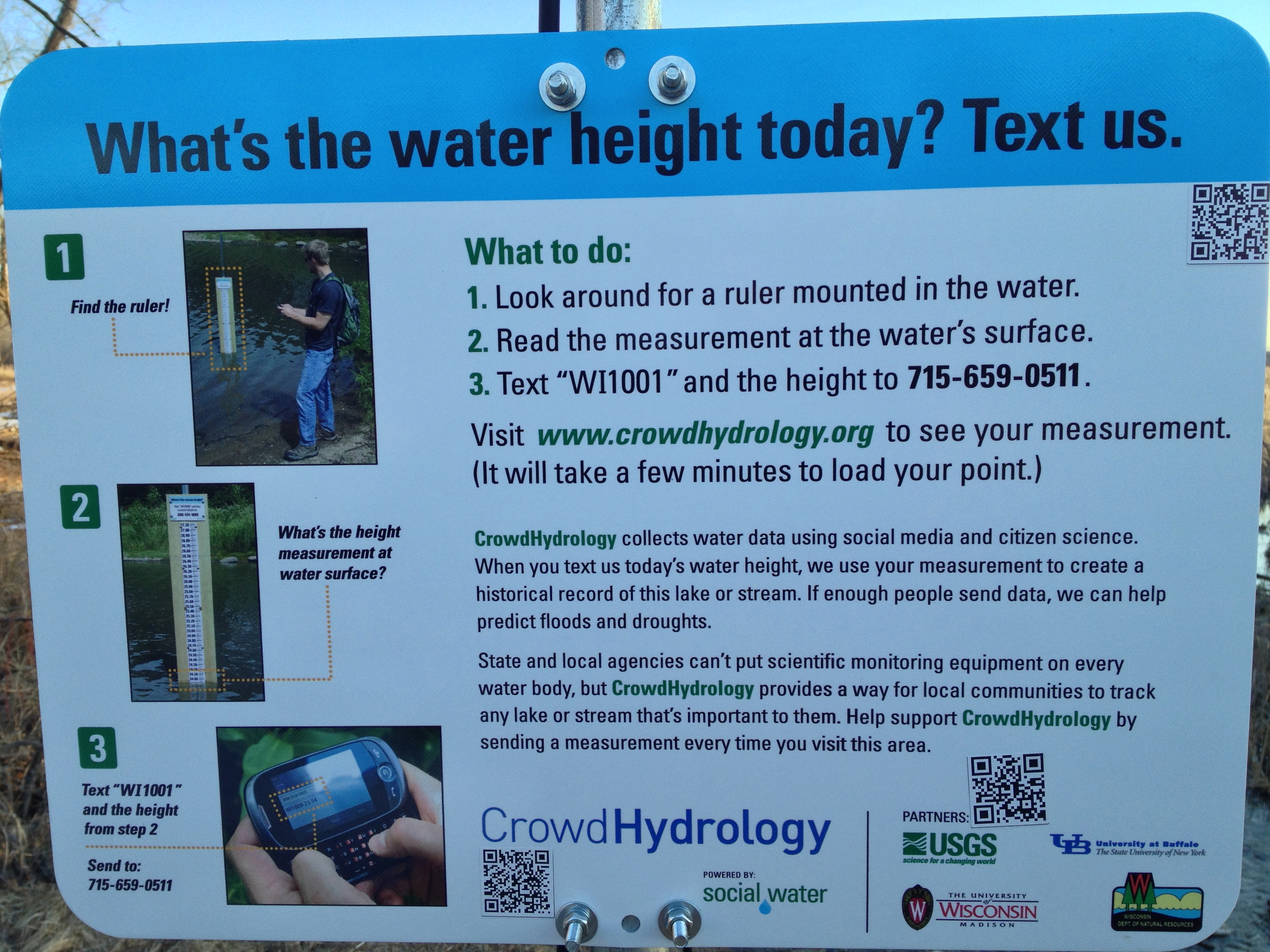
I visited the stream gaging station and uploaded .33 to Crowd Hydrology site. You can see the correlations with the USGS data.

IMG_1058

IMG_1064

IMG_1060

The rain let up and I wheeled my gear along Hwy 67 to the work-site, just north of the old barn ruins.

It was a fine day to cut buckthorn!

The rain returned as I was loading up my gear, but I still enjoyed a walk around the nature trail.

IMG_1063

IMG_1065

IMG_1066

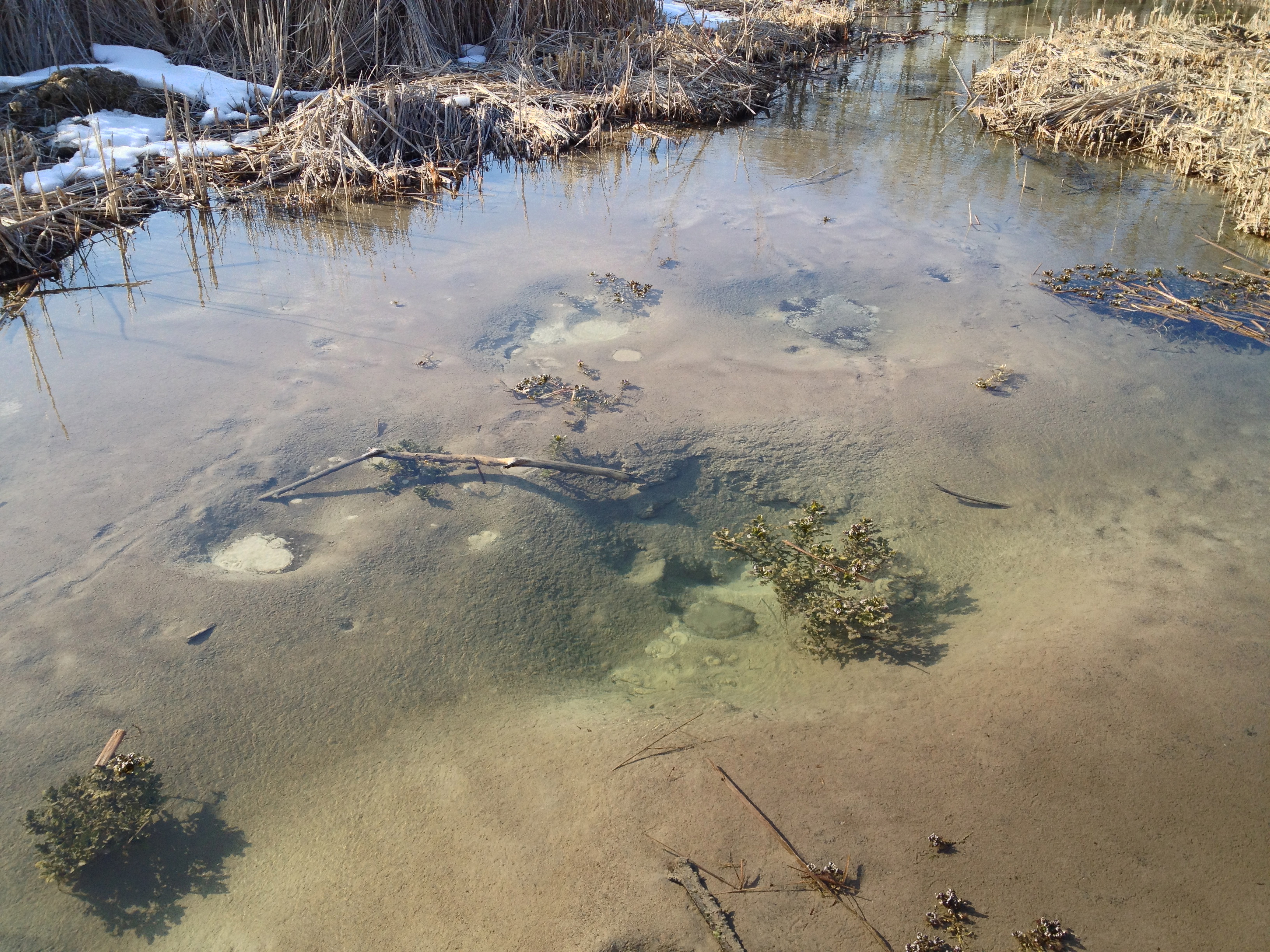
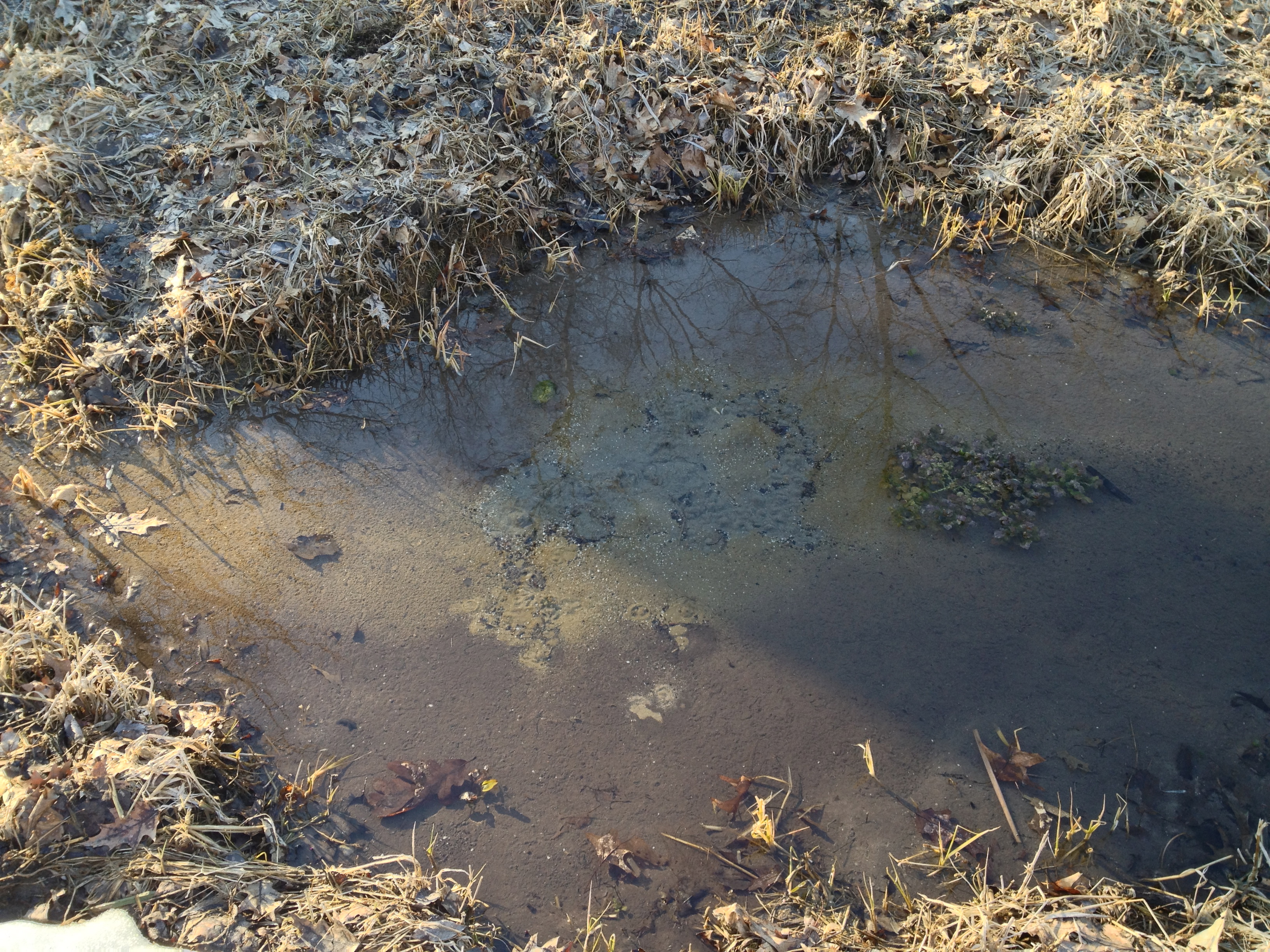
There is an interesting pond of primordial ooze by the Hatching House Springs.

IMG_1067

IMG_1068

The garlic mustard, catnip and spotted knapweed are starting to show some green. Skunk cabbage and marsh marigolds are coming up too but it’s still mostly dormant. Hopefully the DNR will get a chance to burn the Scuppernong Springs Nature Preserve this spring; it is definitely on the agenda.

See you at The Springs!

Scuppernong Spring House

The headwaters of the Scuppernong River were coveted by early settlers to harness as an economic engine. Chester Smith built a saw mill there around 1847 and Curtis Mann and Talbot Dousman created THE PONDS OF THE SCUPPERNONG for their trout farm and built a cheese factory in 1870 at the site of Chester’s mill. As the reputation of ponds, trout and serene location grew, so did the number and frequency of visitors, prompting Mann and Dousman to convert the cheese factory into a hotel, which they called the Scuppernong Spring House. You can read all about it in Robert Duerwachter’s great book, THE PONDS OF THE SCUPPERNONG where he explains “The Last relic of the Scuppernong Ponds, the building which at one time had been a saw mill, a cheese factory, a hotel, a restaurant, and a club house, was destroyed by fire on August 21, 1972, the work of an arsonist.”

Looking south from the site of the Scuppernong Spring House.

IMG_1014

IMG_1015

Since the fire, the hotel site has been colonized by huge aspen trees and buckthorn. There are some very fine oak and hickory trees on the slopes above the site and these too were under assault from buckthorn. Here is a view of the area as seen from Hwy 67.

Down at the hotel site there was a buckthorn thicket laced with huge fallen aspen and cedar trees; a lot more work than I thought!

IMG_1016

IMG_1017

IMG_1018

I took my time with this mess and when I finished the 6th tank of gas it was almost 4:00pm.

IMG_1019

IMG_1020

A strolling tour.

Revisiting the view from Hwy 67.

A close up study of the gnarly oak.

I enjoyed a nice walk around the trails and stopped at the stream gaging station to upload .30 to the Crowd Hydrology site. The sunset was beckoning, but I was tired and a little chilled so I headed for home back in Milwaukee.

See you at the Springs!
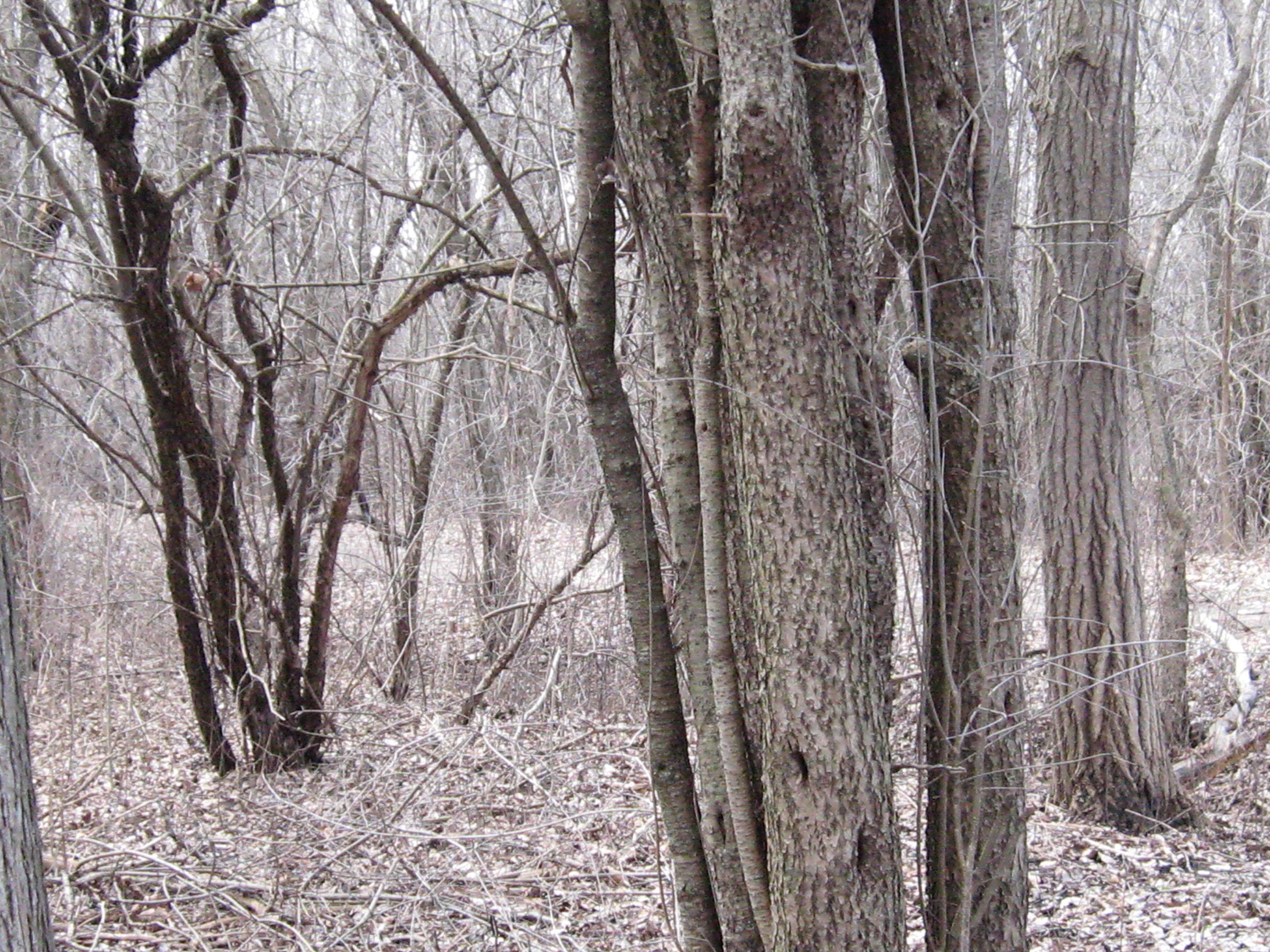
WDNR Awarded $75,000 NAWCA Grant

There was quite a buzz at the South Kettle Moraine State Forest Headquarters as news of the $75,000 North American Wetlands Conservation Act award echoed in the surrounding oaks. Phase IV of the Scuppernong River Habitat Area restoration effort will proceed full speed ahead thanks to the efforts of Project Officer Matt Zine and Grant Preparer Dave Hoffman, who did an excellent job on his first grant proposal. The majority of the $75,000 matching funds required to secure the grant is being provided by the Kettle Moraine Natural History Association. Our volunteer efforts are as good as gold and will also be used to help make the match.

The NAWCA grant represents another step in the leadership transition at forest headquarters as they try to do the impossible and fill Ron Kurowski’s shoes. Dave Hoffman was a limited term employee when I ran into him at the Scuppernong Springs last October and since then he has accepted a full-time position as an Wildlife Technician (Advanced) working for the Bureau of Endangered Resources in the Southern Unit. He is back “home” in Eagle and couldn’t be happier. I think he deserves a raise!

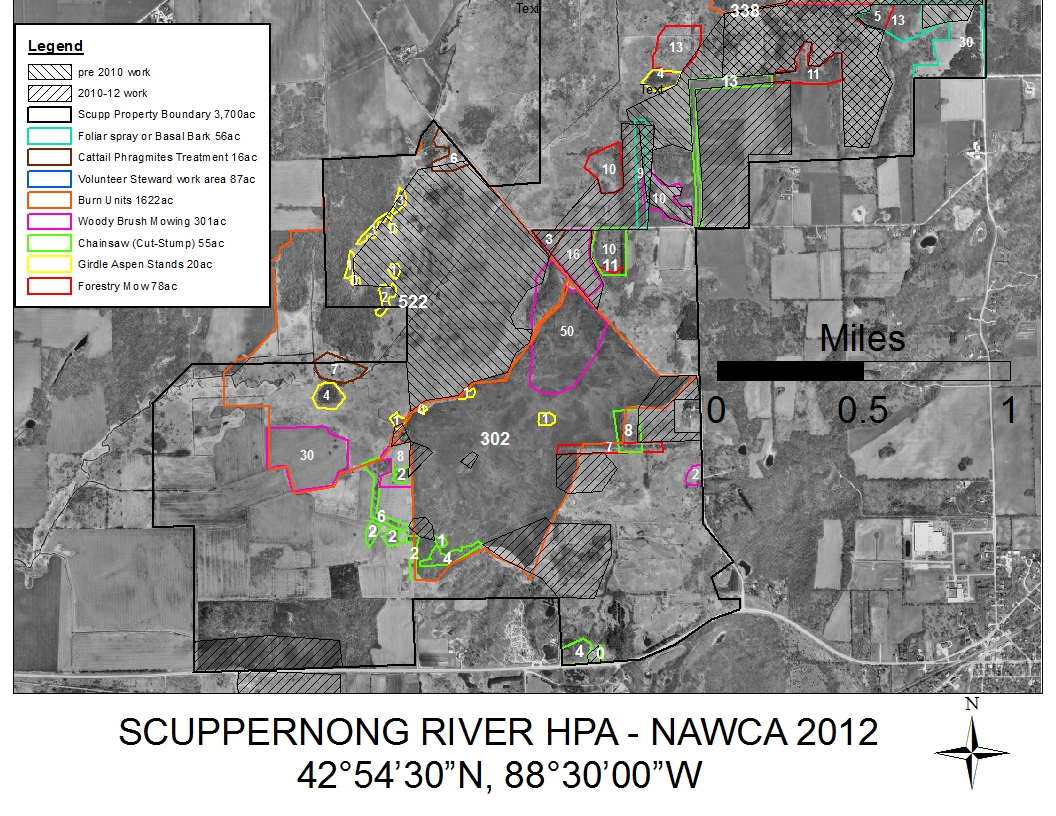
Here are a couple pictures of the north and south sections of the Scuppernong River Habitat Area showing the work described for Phase IV in the grant proposal.

SRHPA N end

SRHPA S end

We share the “buzz” with the DNR staff and look forward to seeing the Phase IV goals realized!

Meanwhile, back at “The Springs”, there is plenty of buckthorn that needs cutting. There are a couple of gaffes in the narrative below: Robert Duerwachter wrote THE PONDS OF THE SCUPPERNONG (not William!); and no, this was not the last of the buckthorn that needs to be cut.

Lindsay and I cut a heap of buckthorn and Pati helped pile the brush.

IMG_1012

Later, Pati and I took a dreamy walk visiting all the springs.

IMG_1006

IMG_1007

IMG_1008

The cut-off trail has some wet spots so be prepared if you want to take that path. Hopefully, the DNR will be able to make improvements to complete the resurrection of the “lost trail“.

IMG_1009

IMG_1010

See you at the Springs!
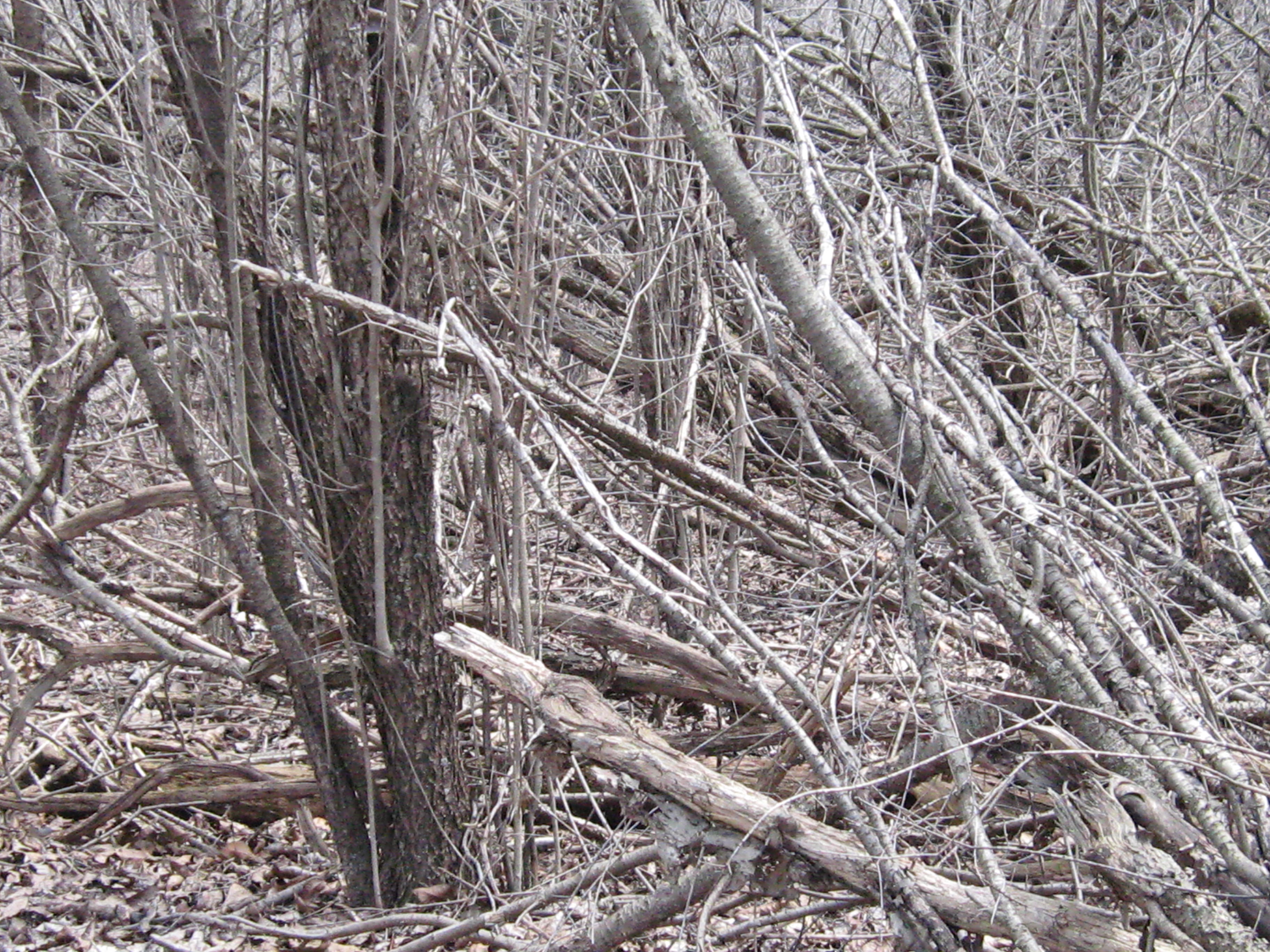
Burnt Offering

It was Ash Wednesday yesterday as Rich Csavoy and I donned our priestly garb (yellow, fire resistant jumpsuits) and offered 22 brush piles as burnt offerings to the sun god; the dominant visual and physical reminder of the work of The Creator.

Here are some before shots from the Temple of the Springs taken near the Hotel and Emerald Springs altars.

IMG_1106

IMG_1107

IMG_1108

IMG_1109

I was really happy to see Rich coming down the trail just as I was lighting the first couple of piles. We almost had to call tech support to figure out how to attach the suspension system on the inside of his brand new fire helmet. Thanks again to the Kettle Moraine Natural History Association for funding our gear!
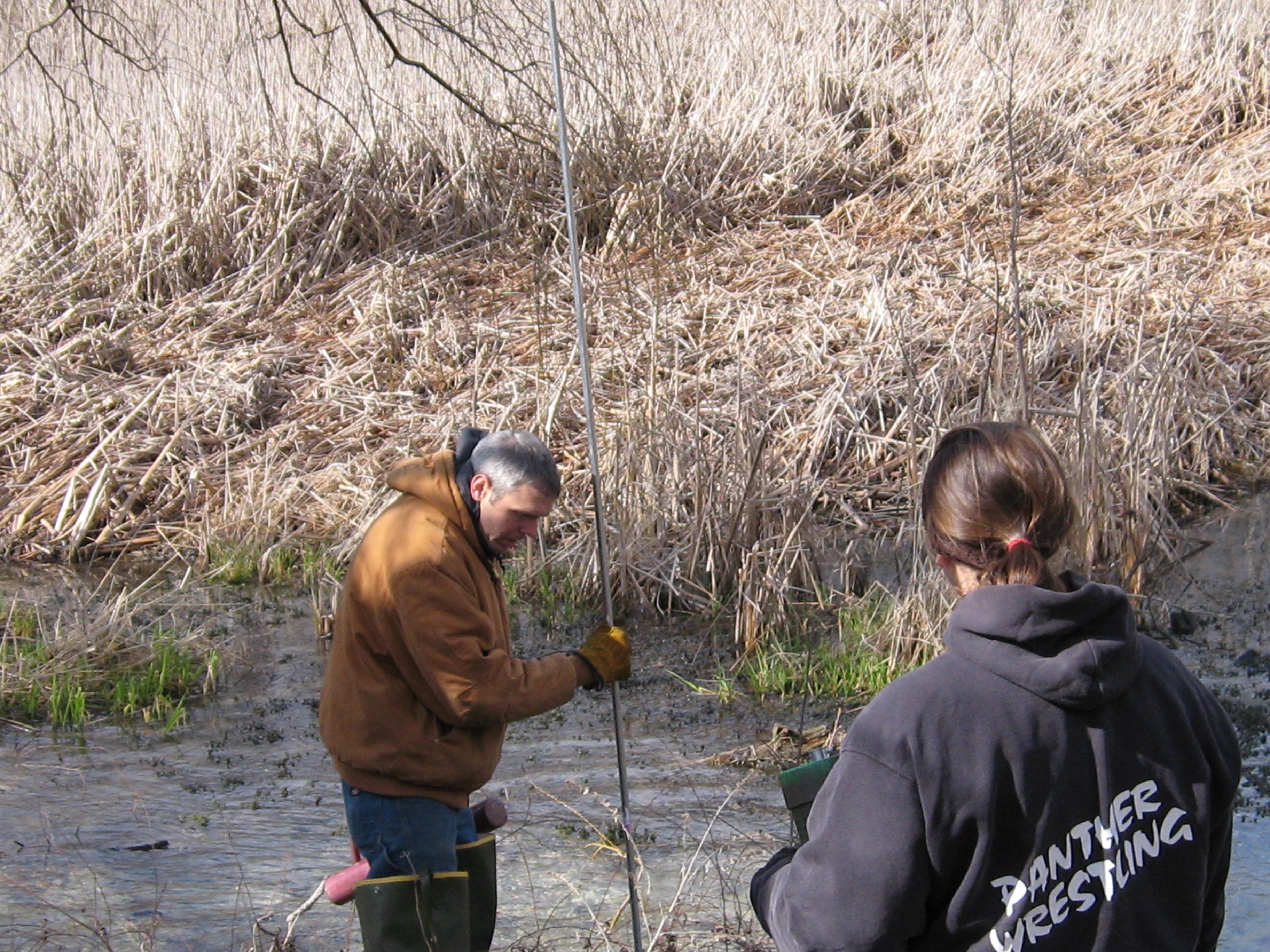
The snow cover was a little sparse and we had to keep a close eye on the perimeters of the fire rings. There were a few cases were the fires began to escape, but, thanks to Rich’s help, we are able to easily contain them. I have had sporadic problems with my torch characterized by extremely low btu output and it happened again yesterday. I resolved it by tightening one of the joints in the torch hose and now I think I finally understand how to keep the torch working perfectly. Here are some after shots.

IMG_1110

IMG_1111

IMG_1114

IMG_1115

IMG_1116

After a cloudy day, bright blue skies moved in from the northeast; a welcome invitation to take a few late afternoon pictures of the Springs and a sure sign that The Creator accepted our offerings.

IMG_1118

IMG_1119

IMG_1120

The Emerald Springs.

IMG_1121

IMG_1122

The Hillside Springs.

IMG_1125

IMG_1126

The Scuppernong Spring.

IMG_1127

There is a new program via which we can text in the current water level at the gaging station. I was too burnt to try it out.

IMG_1128

These are for you Mike!

IMG_1129

IMG_1131

IMG_1133

IMG_1135

IMG_1137

IMG_1138

IMG_1139

See you at The Springs!