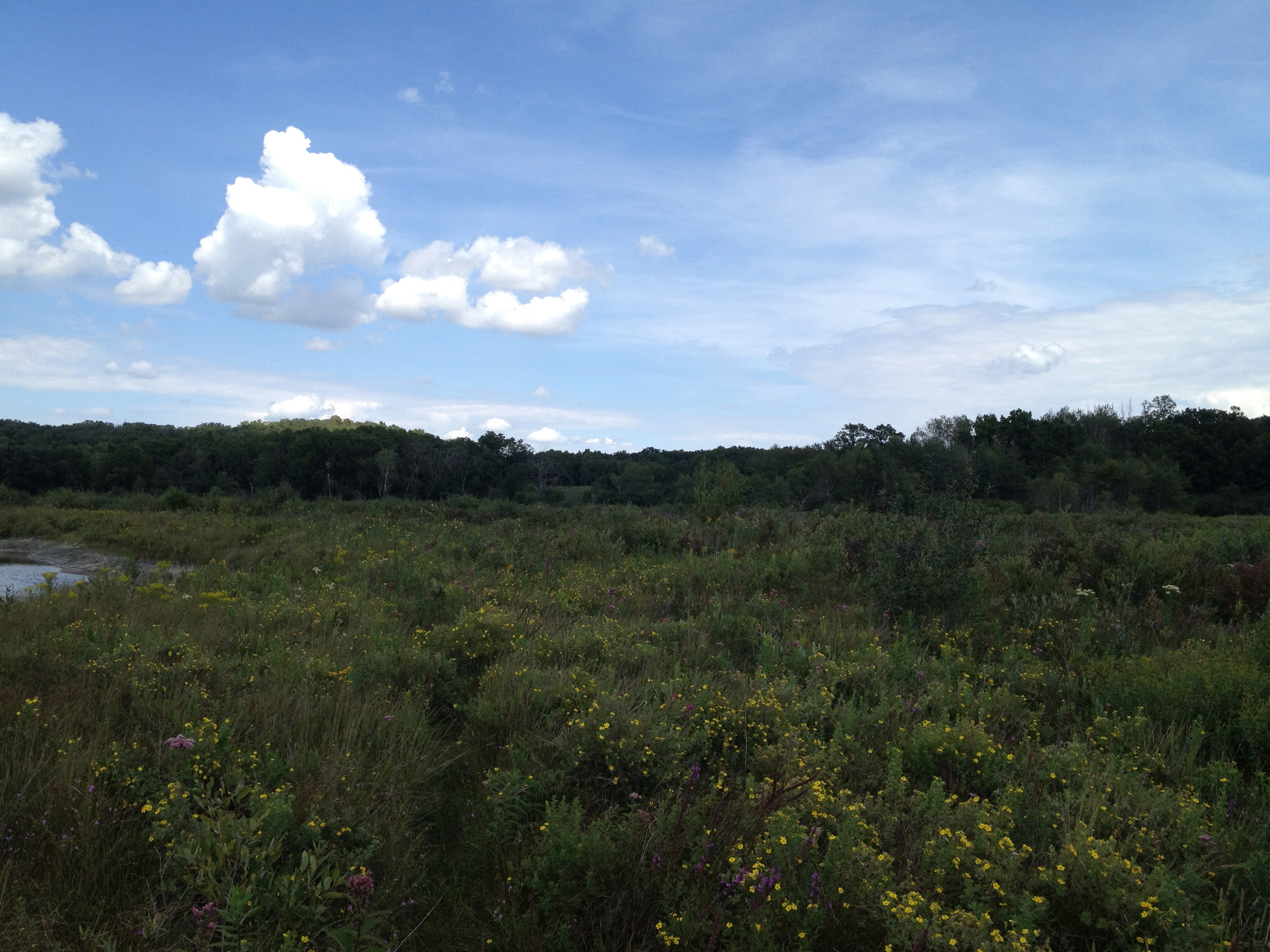
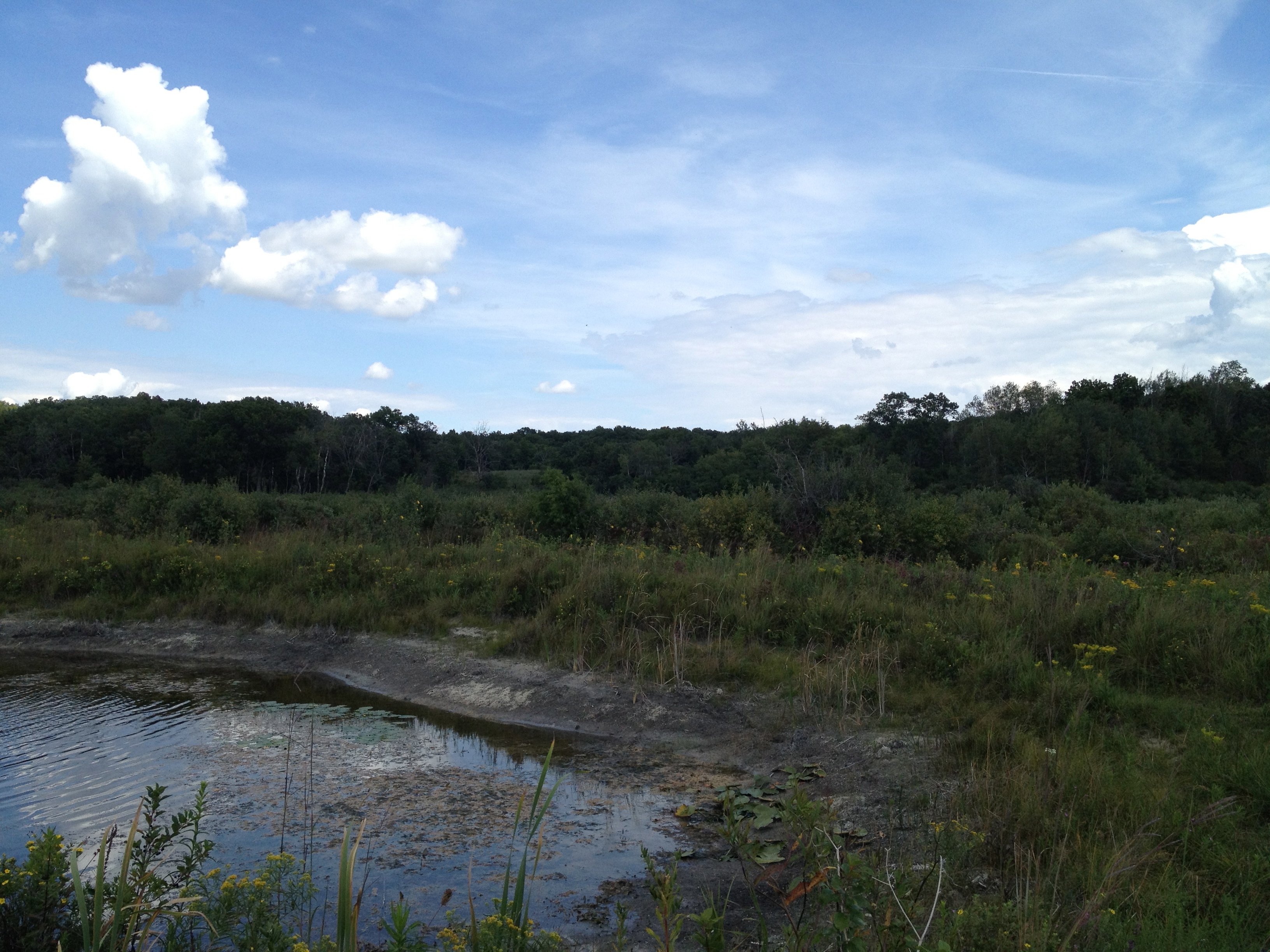
Happy ThanksSpringing!

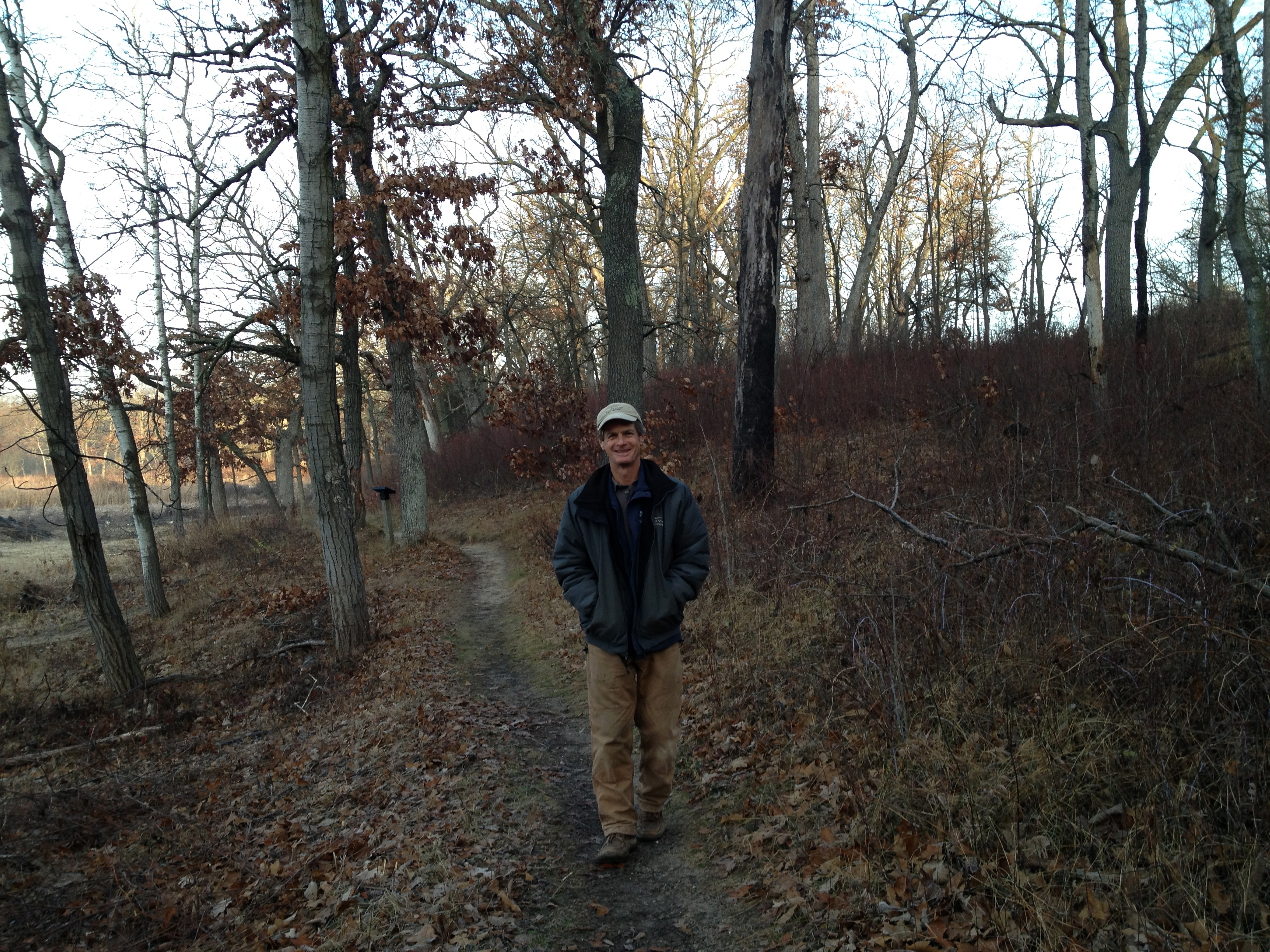
I was nourished by a wellspring of thankfulness and joy today.  I’m lucky to be retired and have the opportunity to work at the Scuppernong Springs, and it just gets better and better.  To everyone that loves and inspires me…. thank you, thank you.

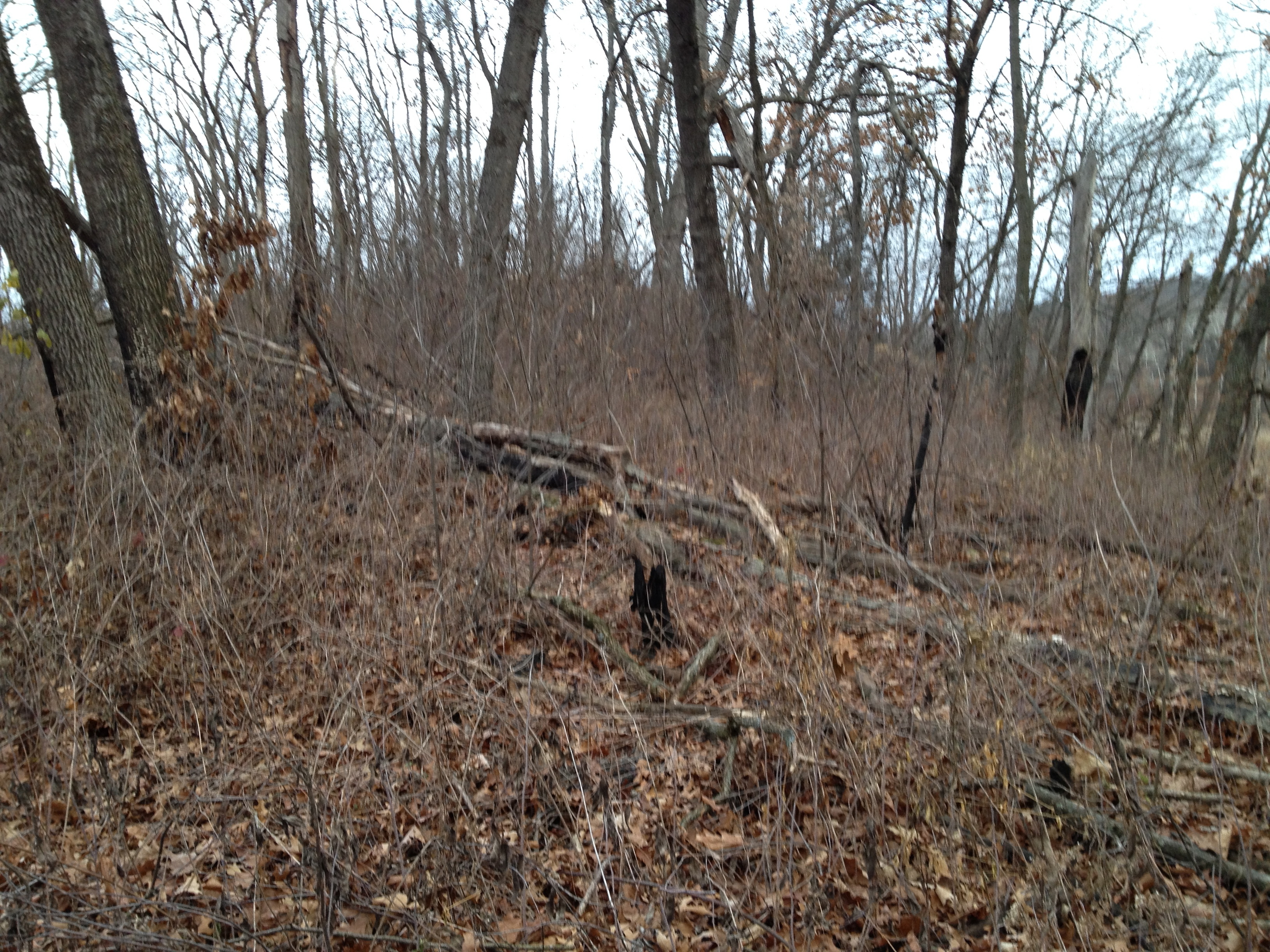
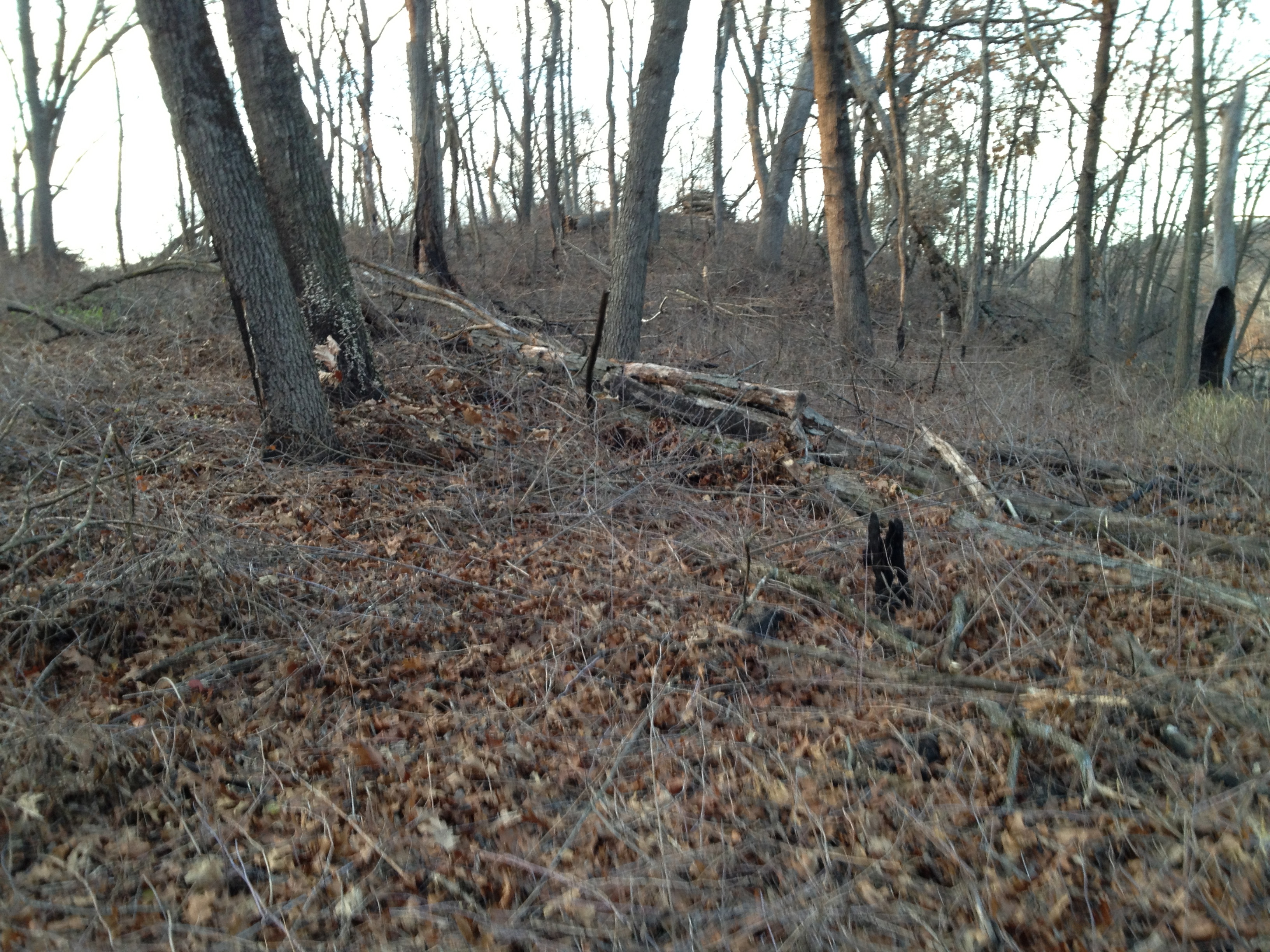
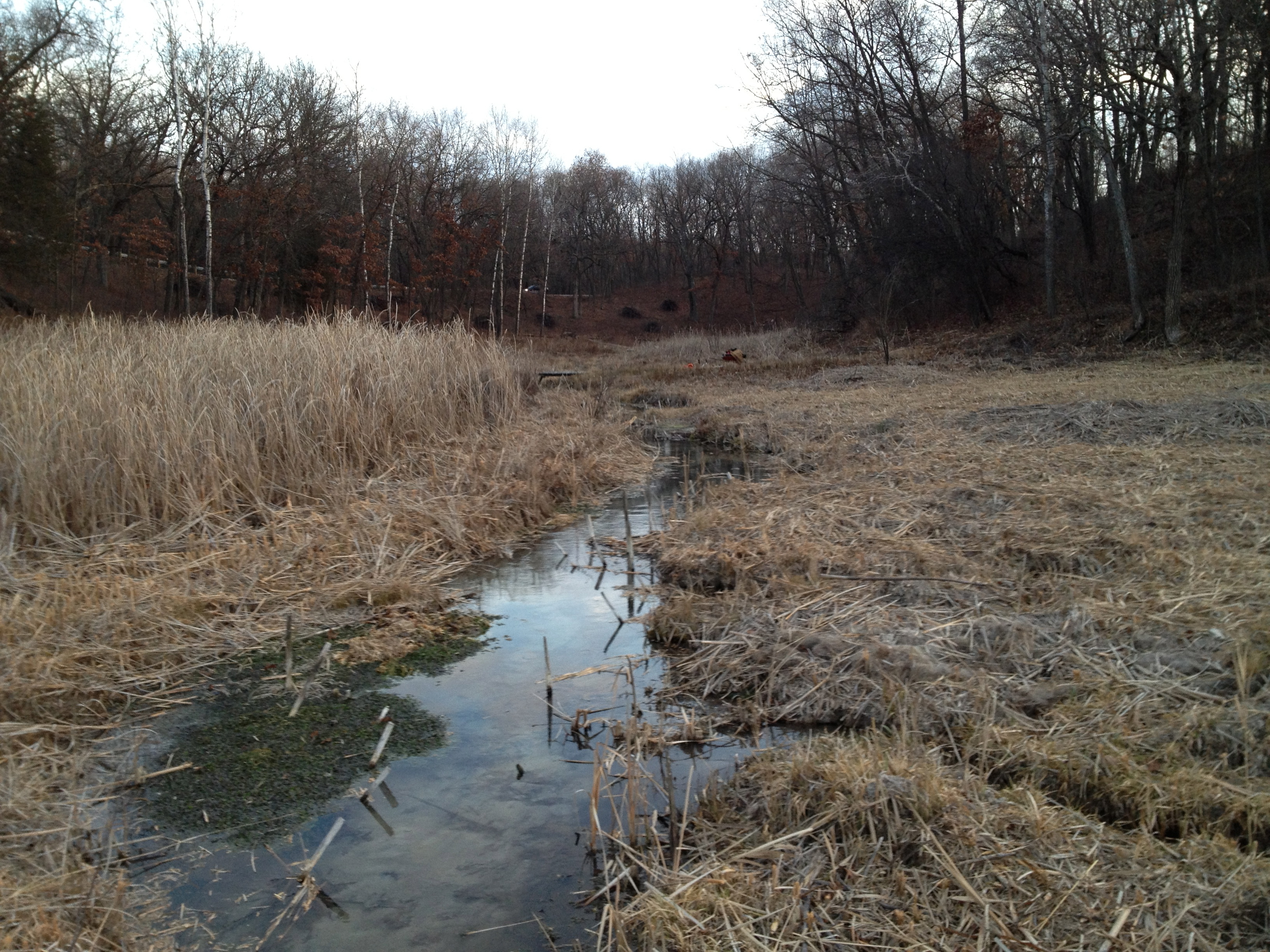
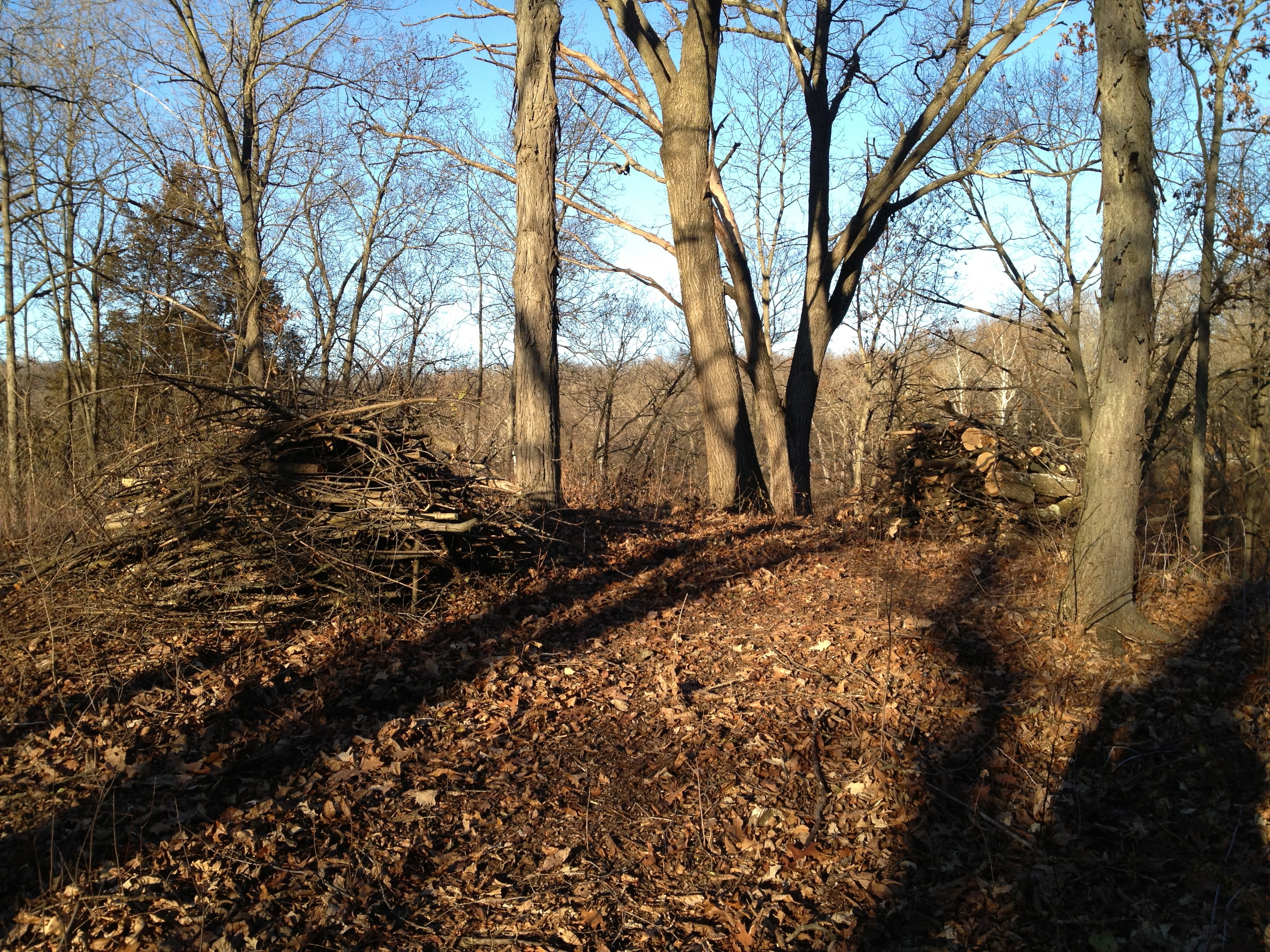
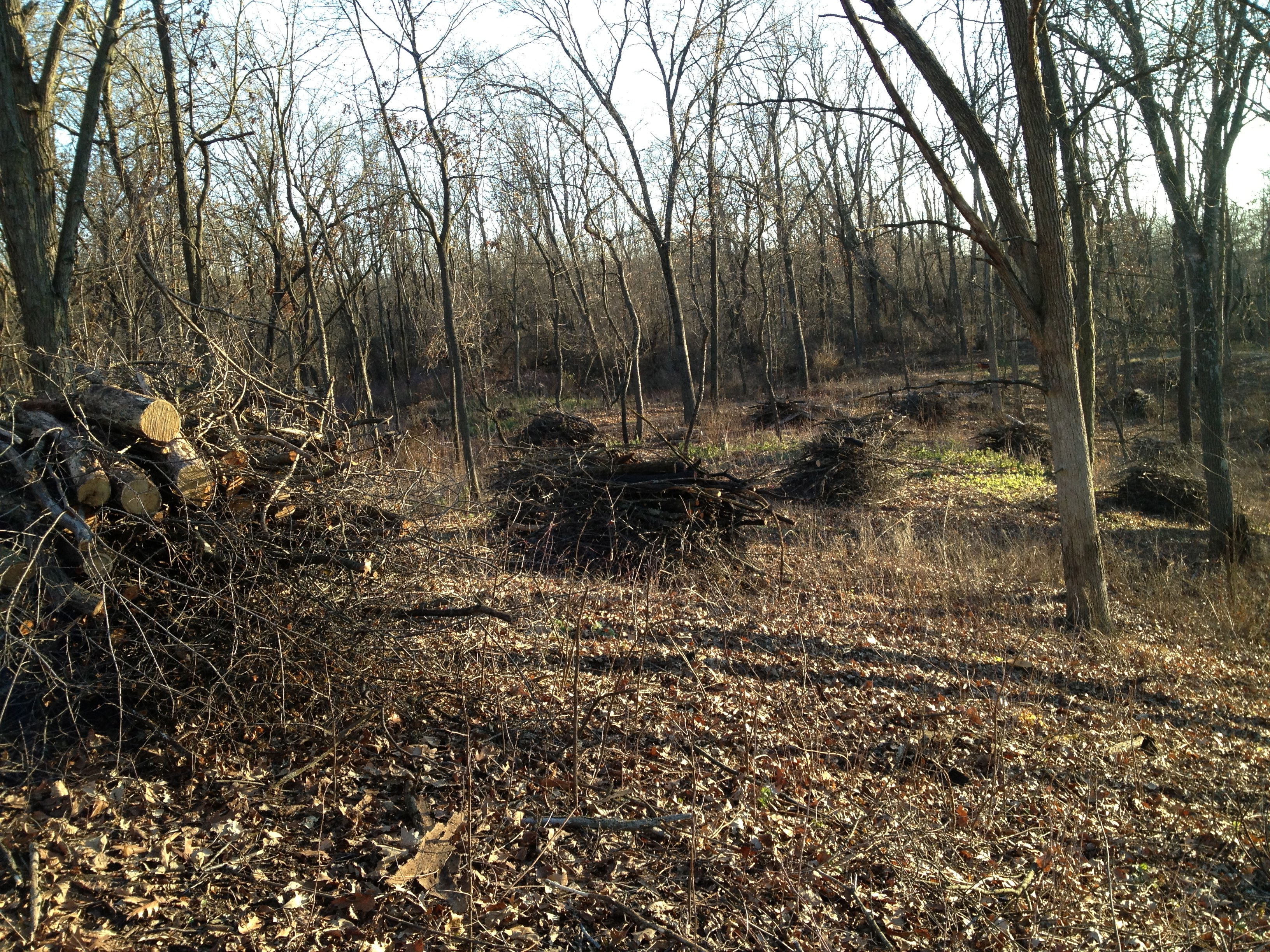
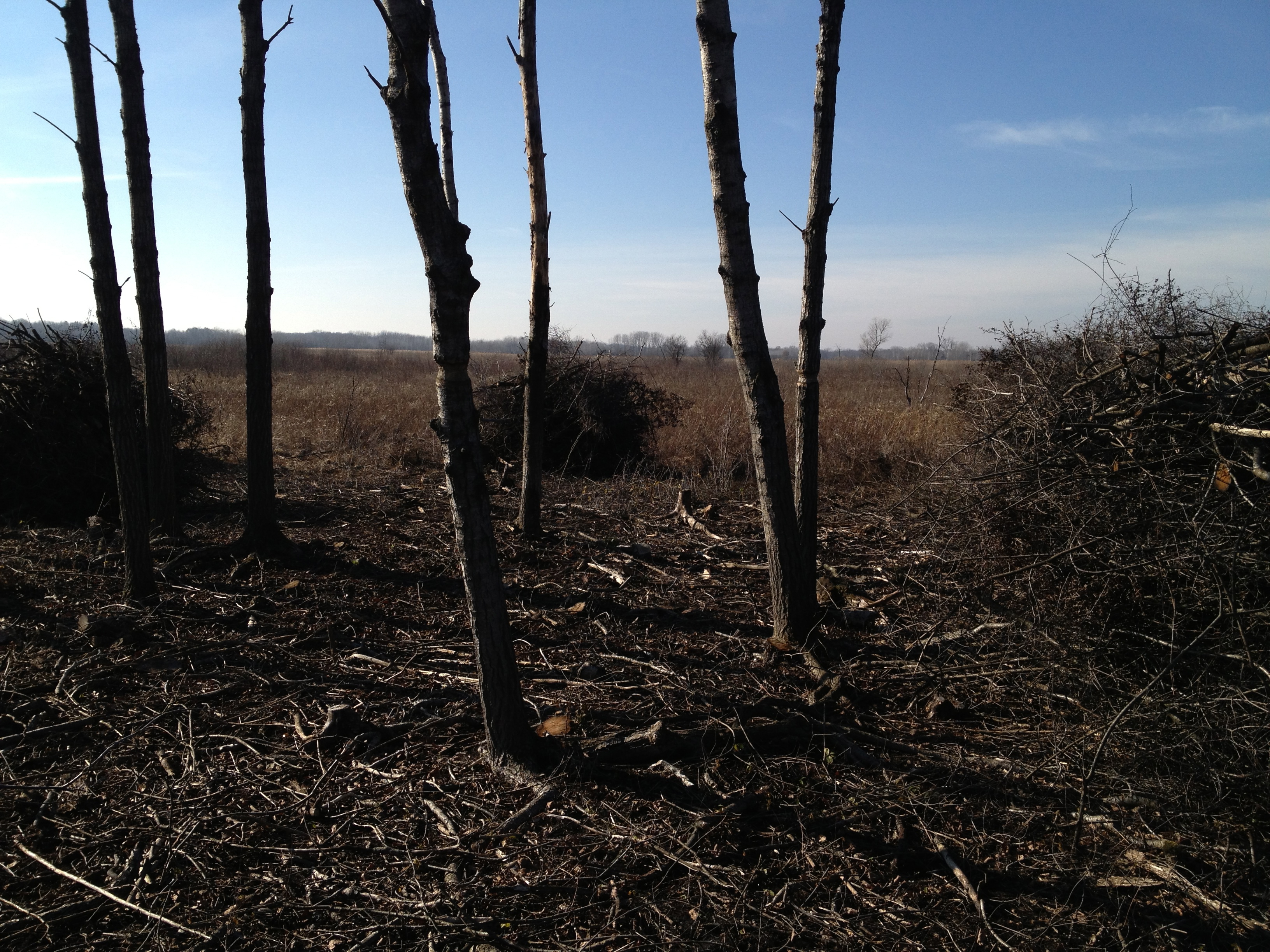
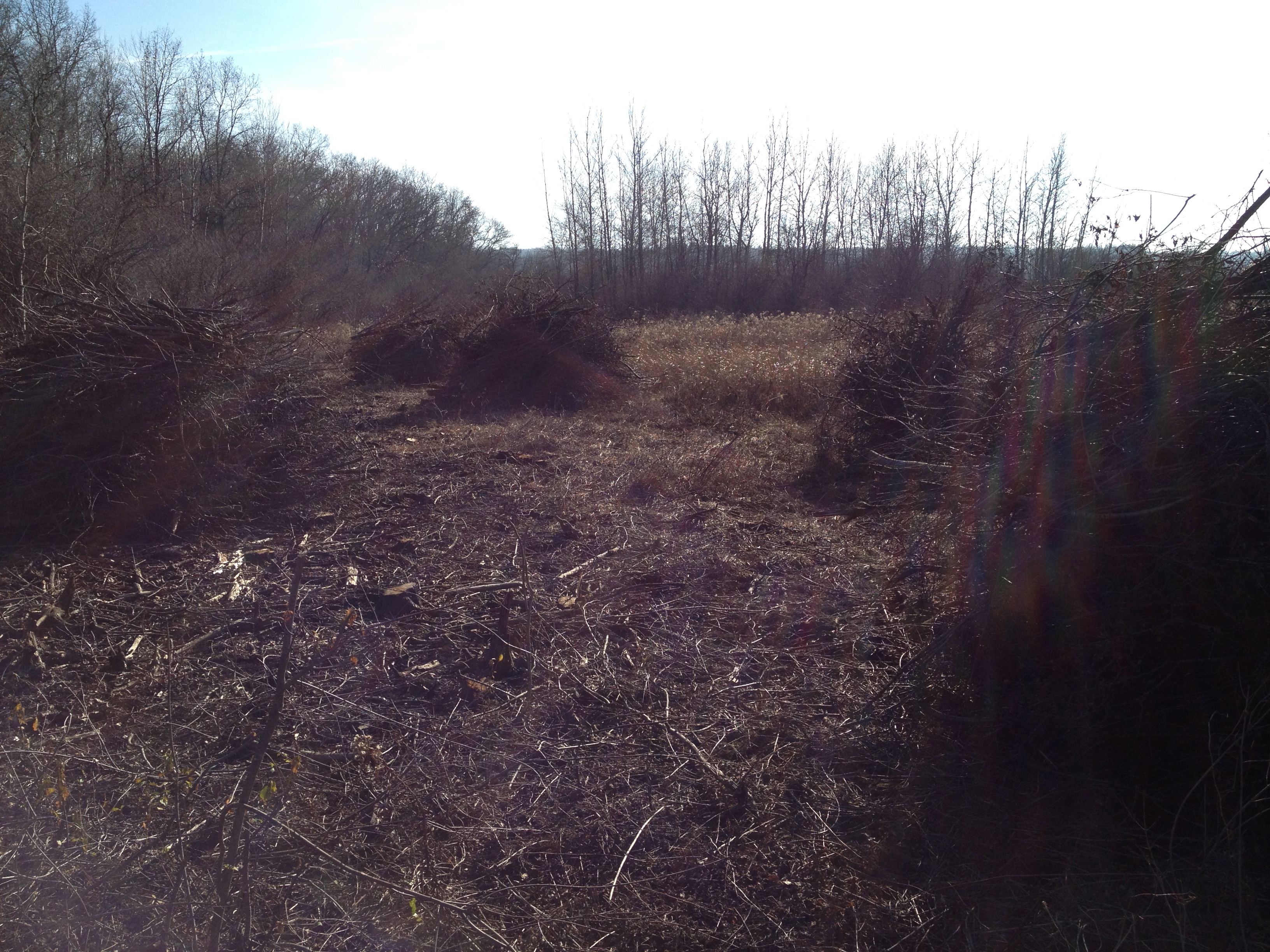
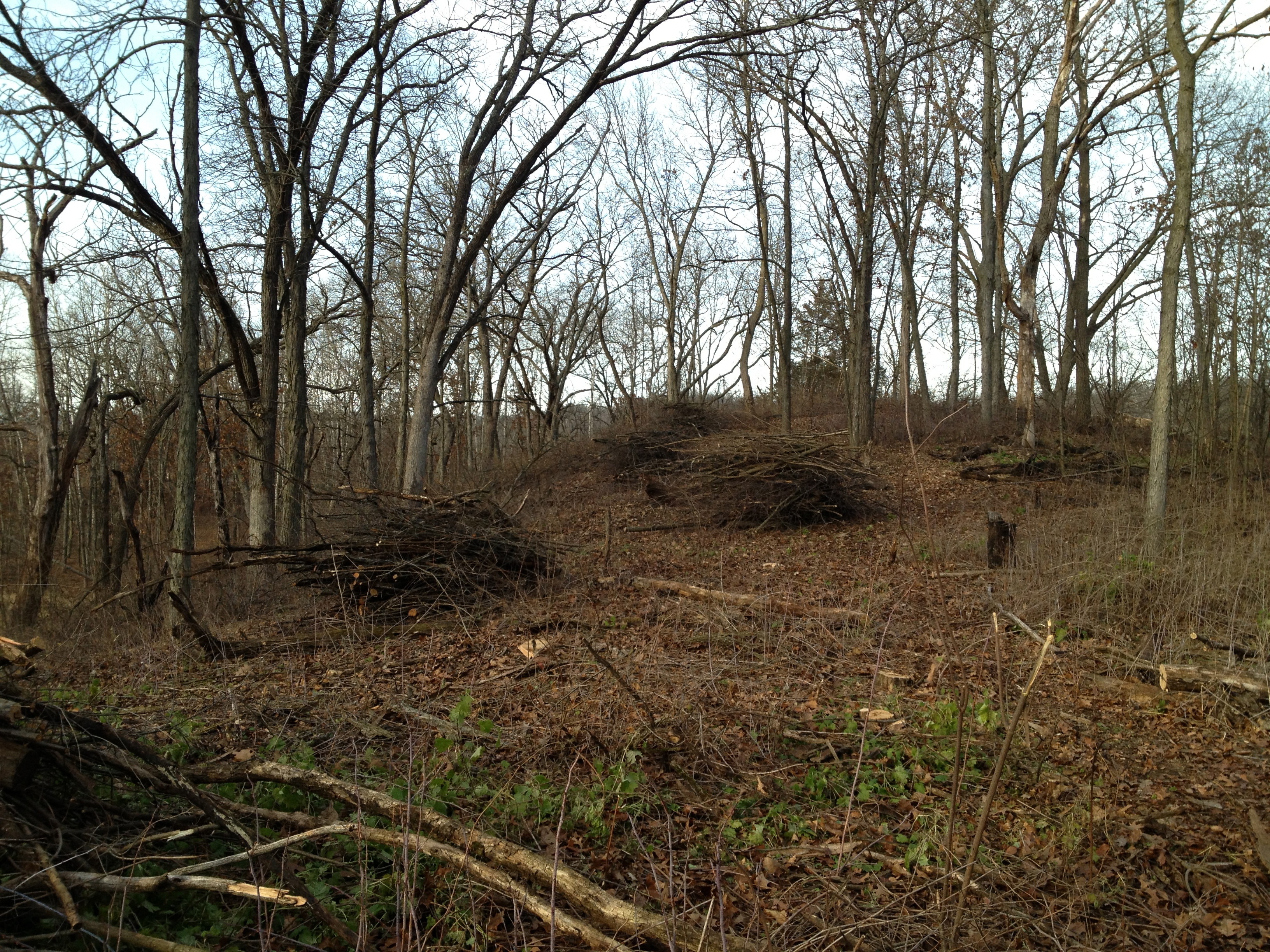
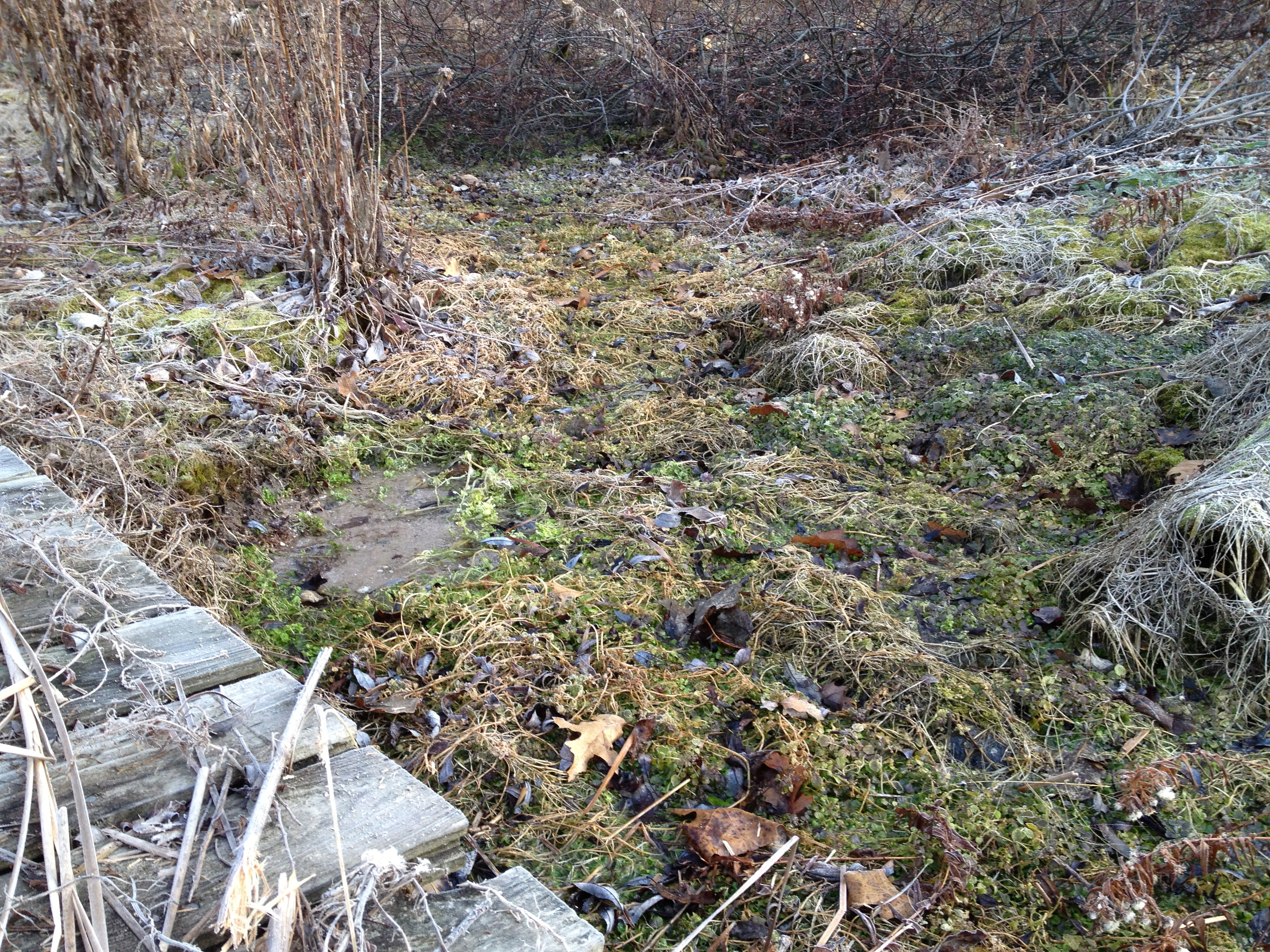
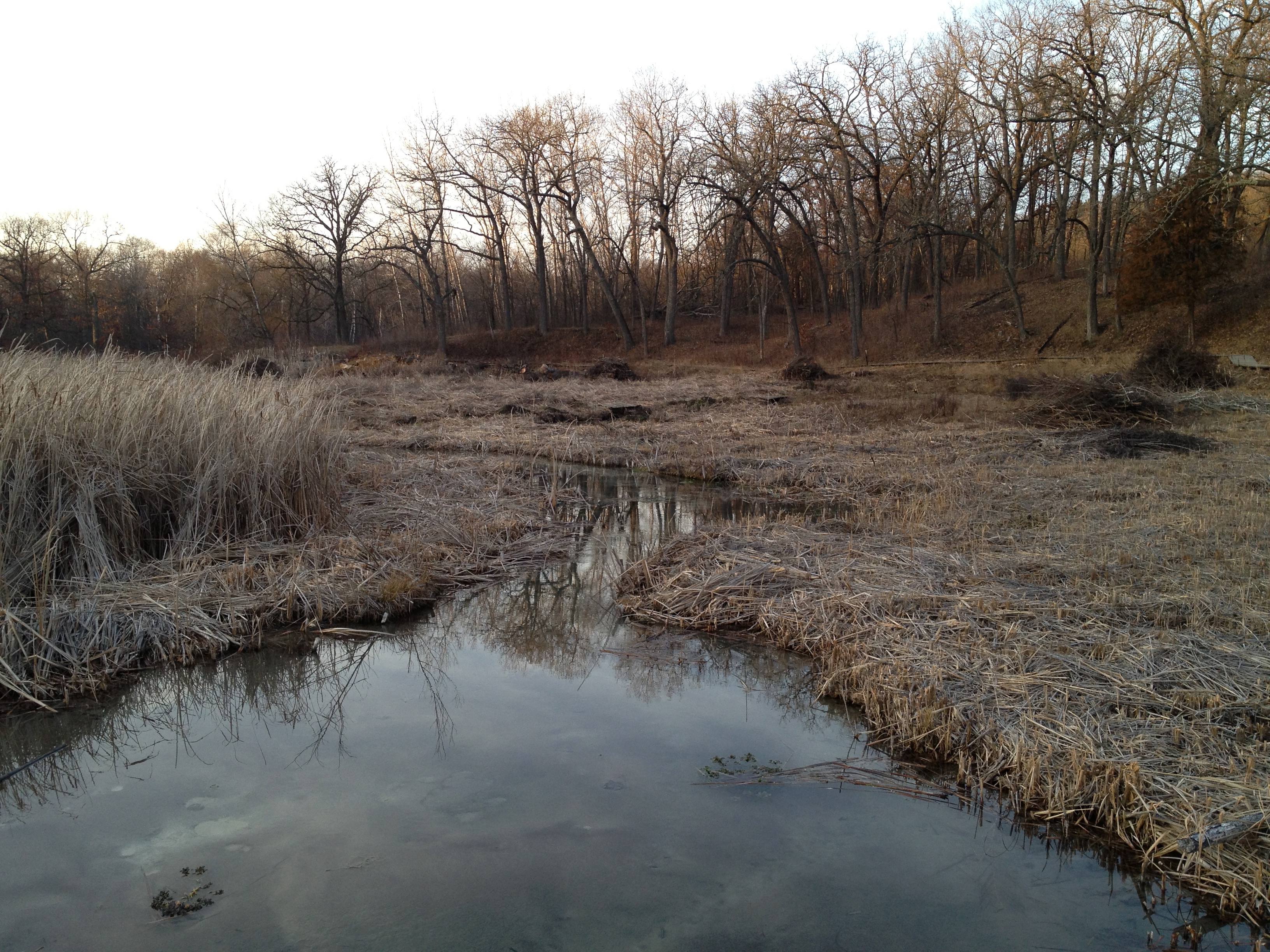
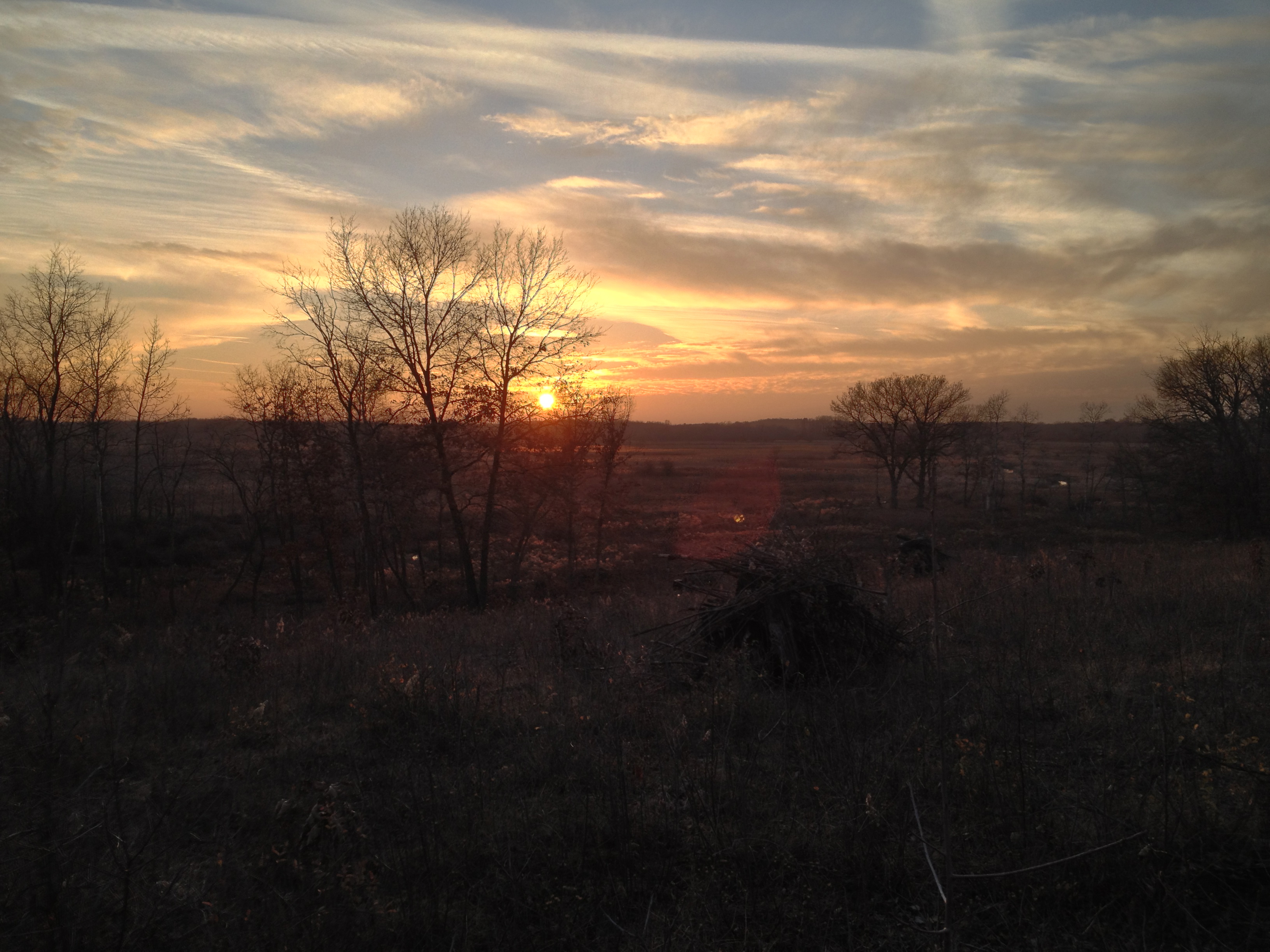
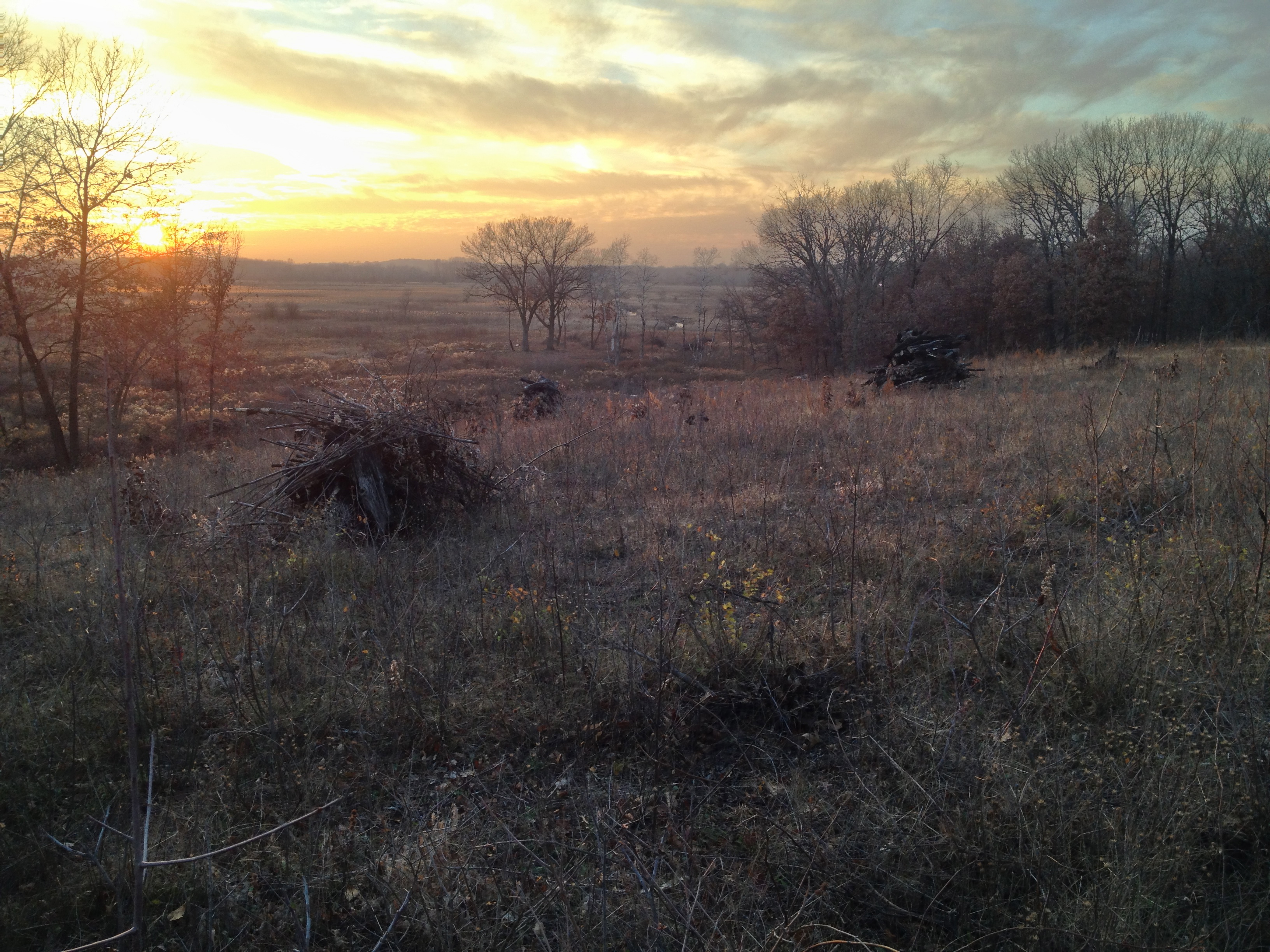
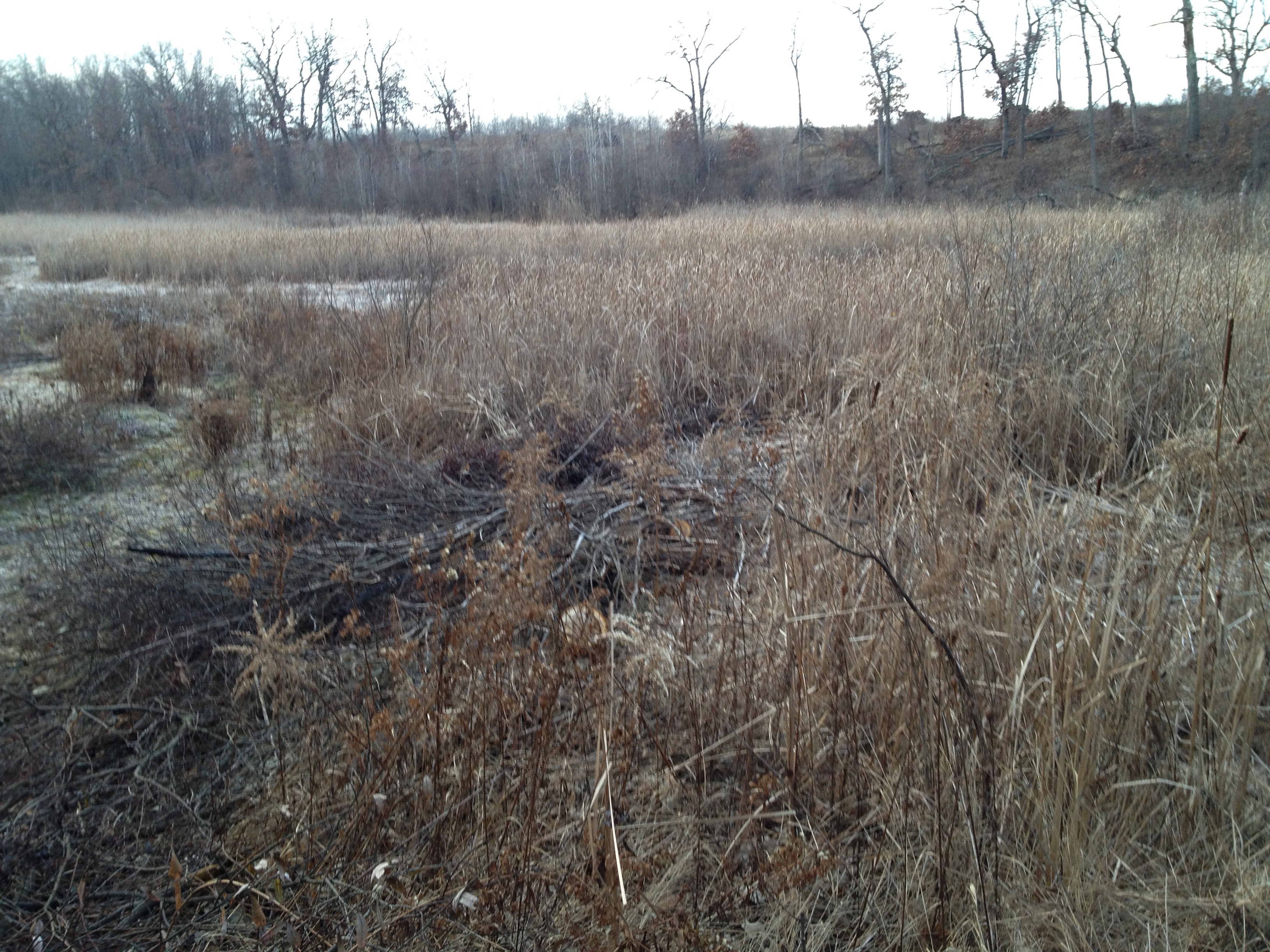
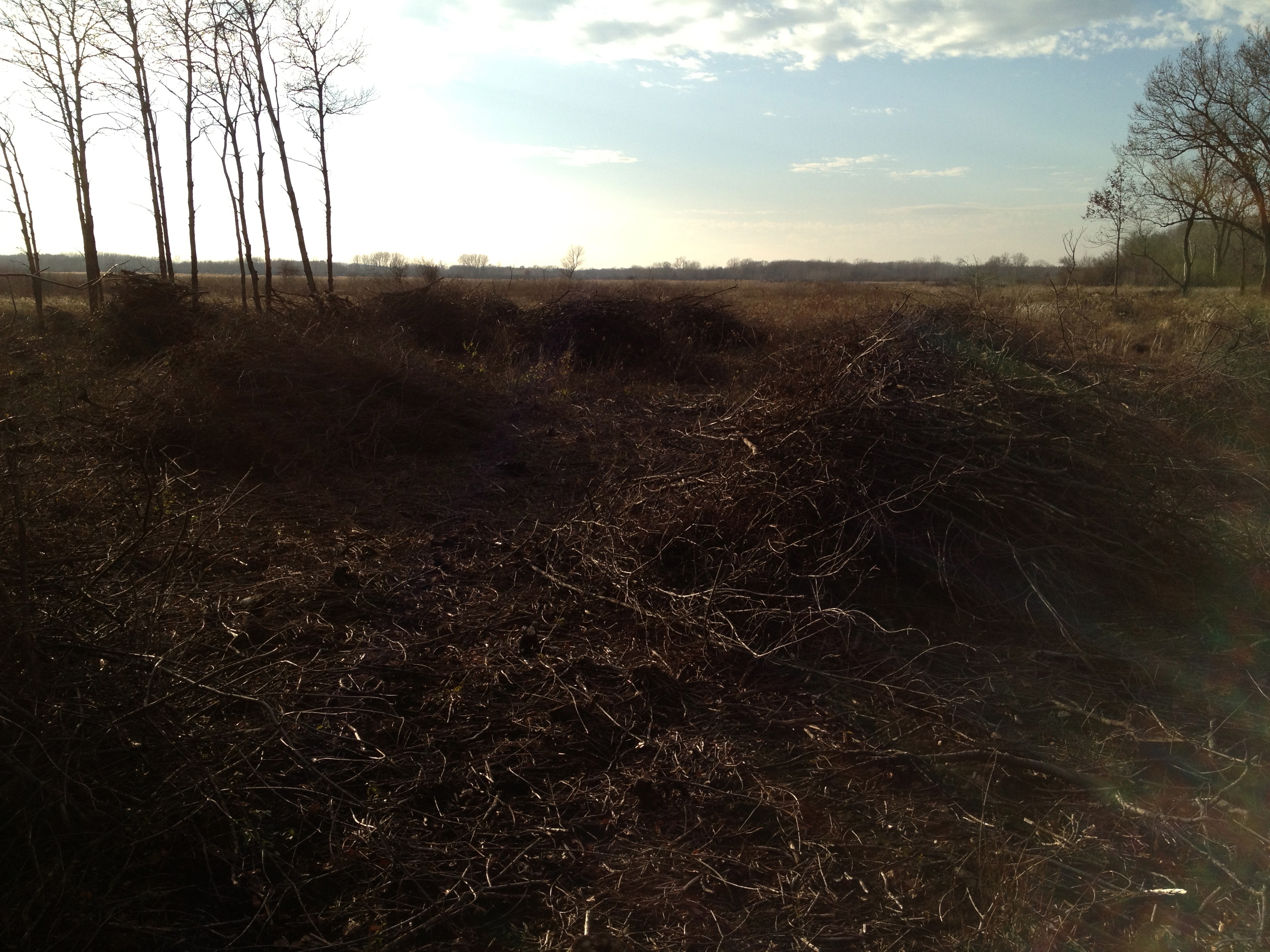
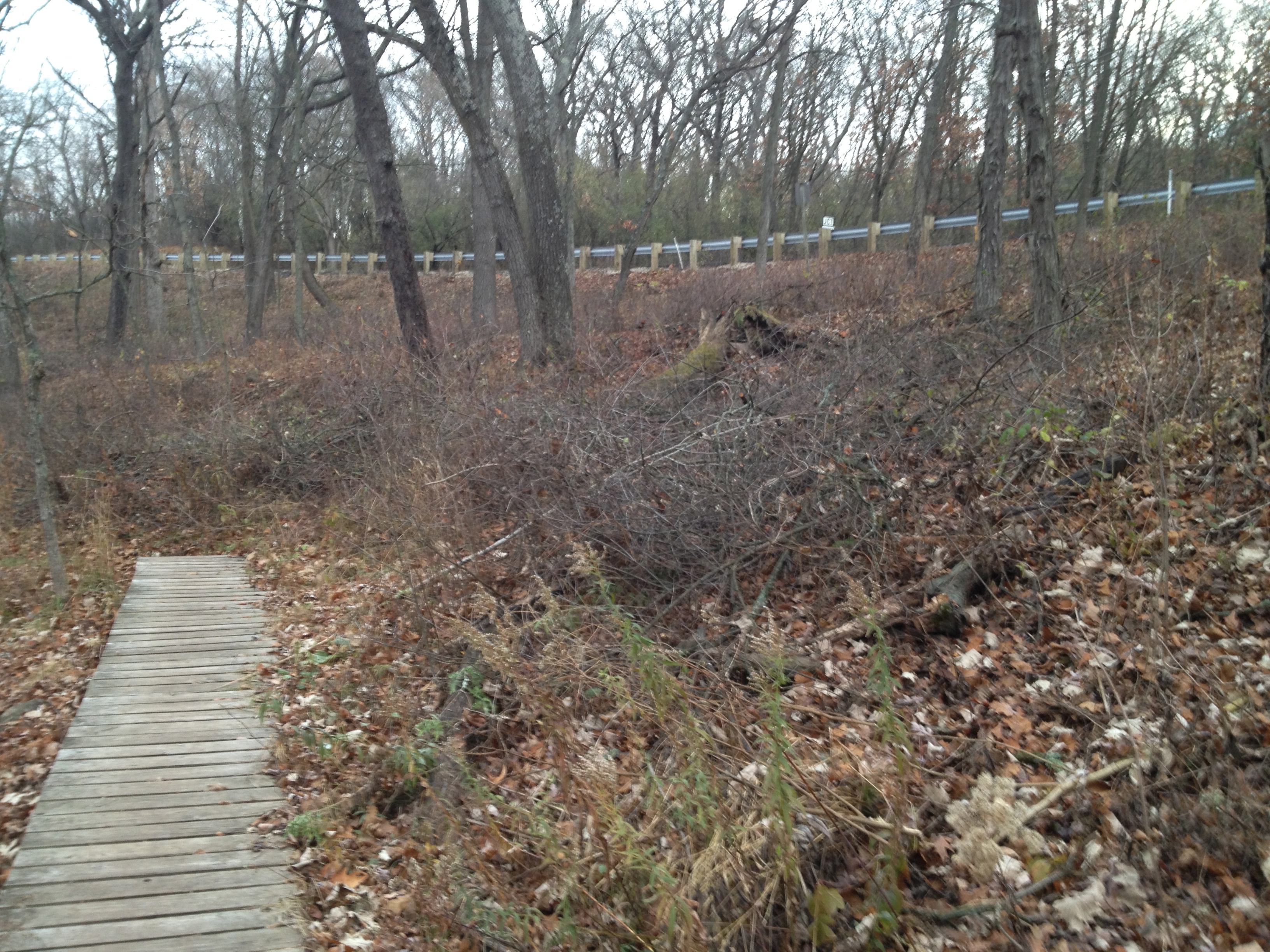
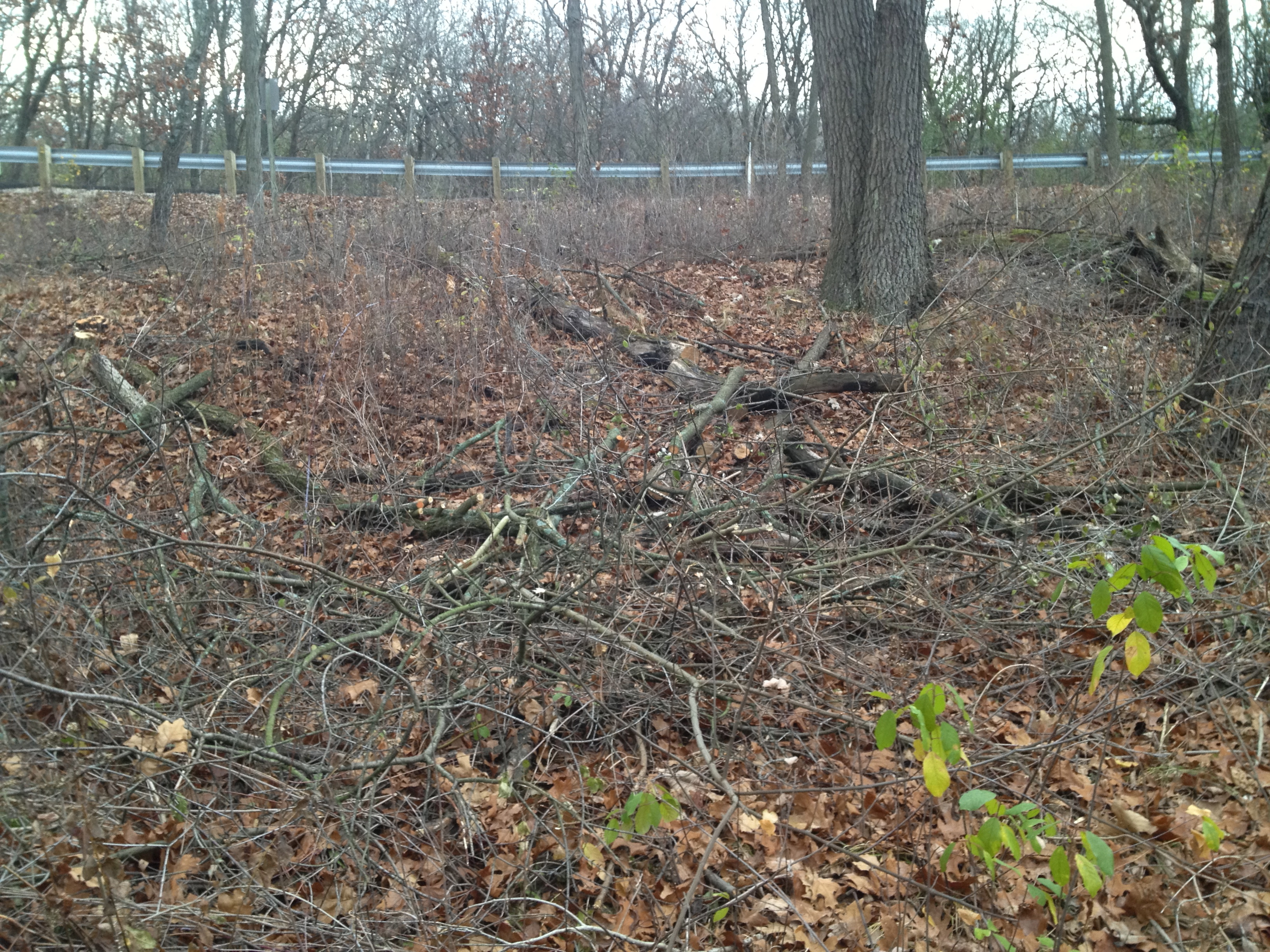
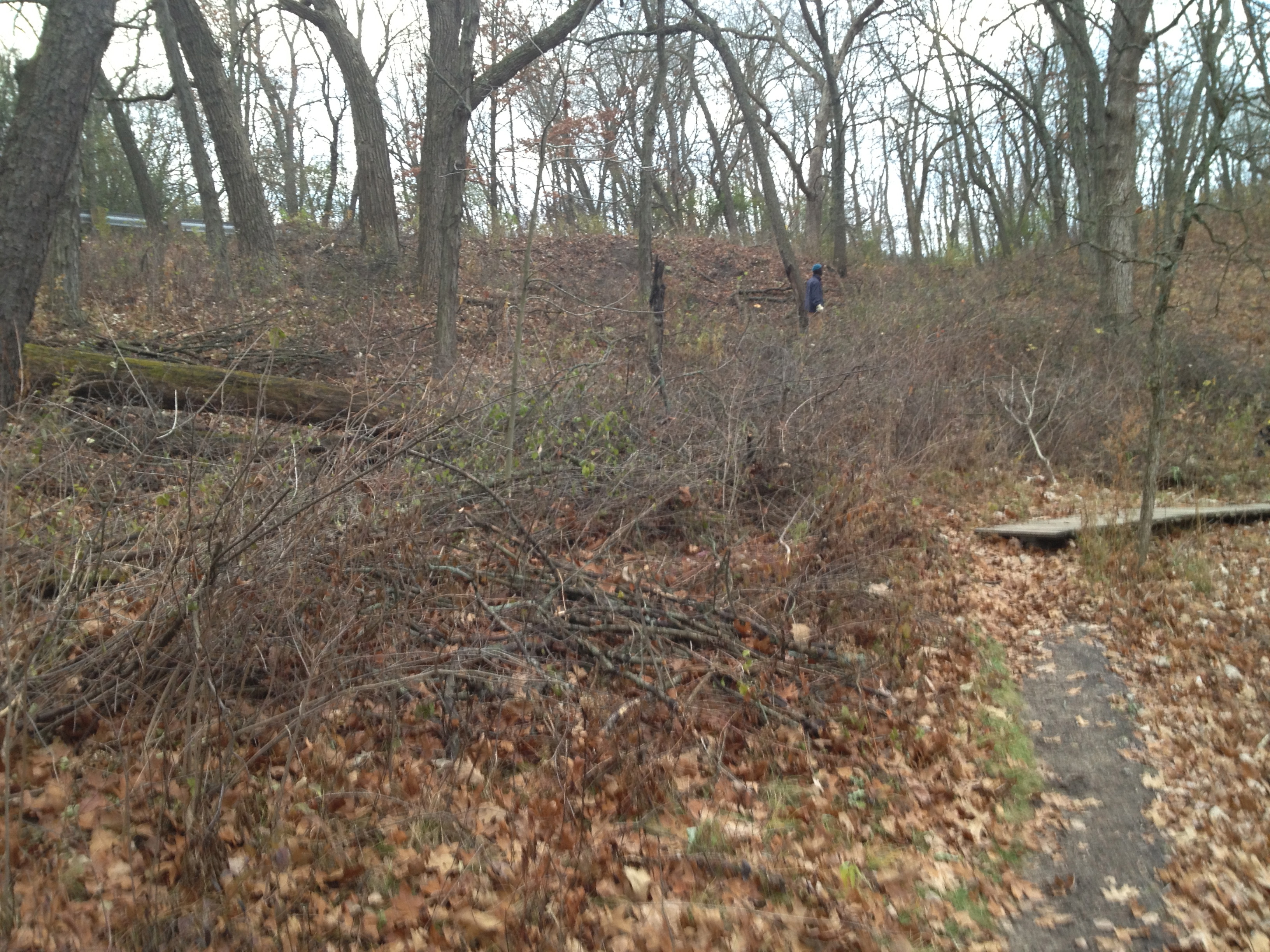
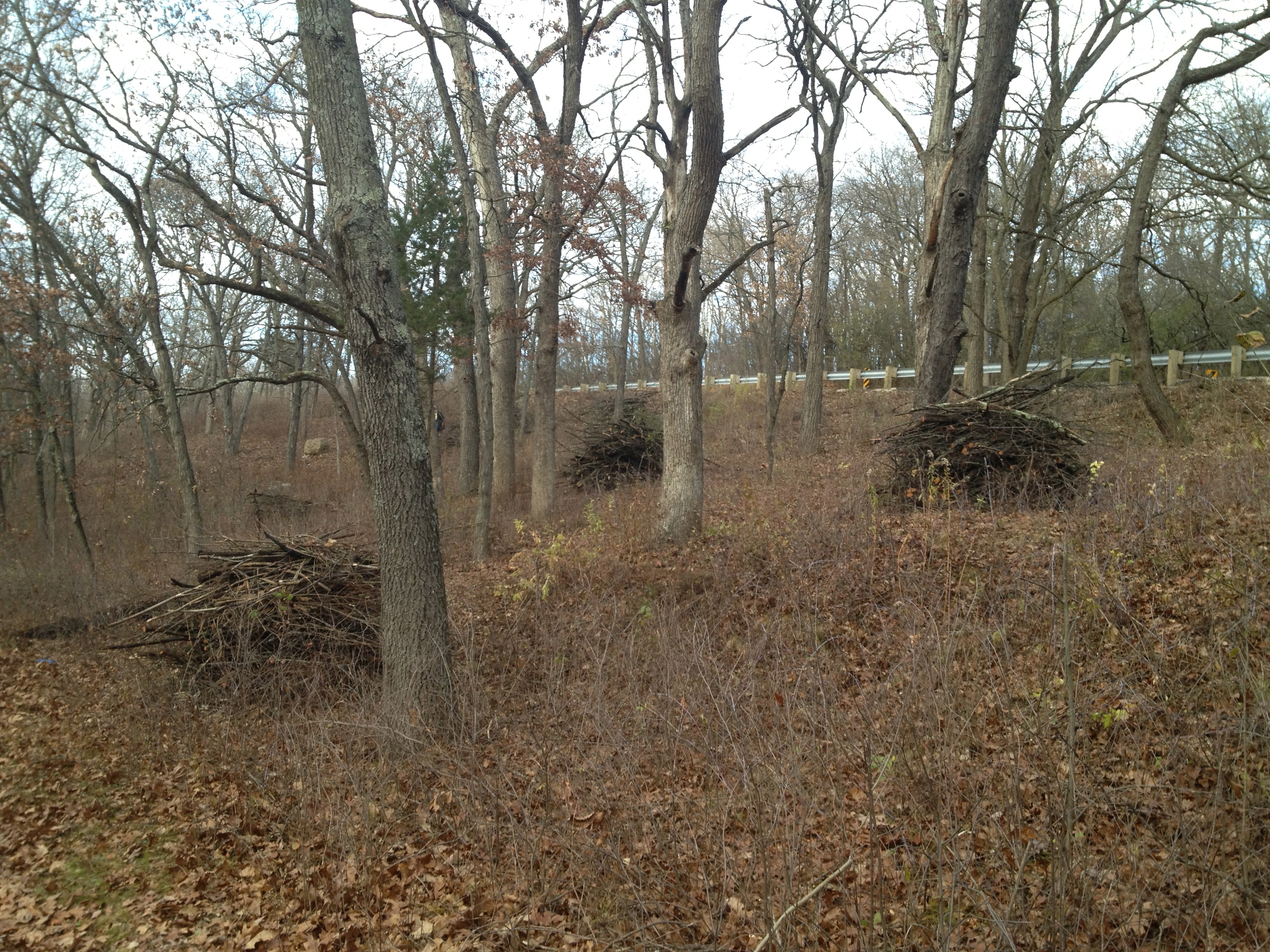
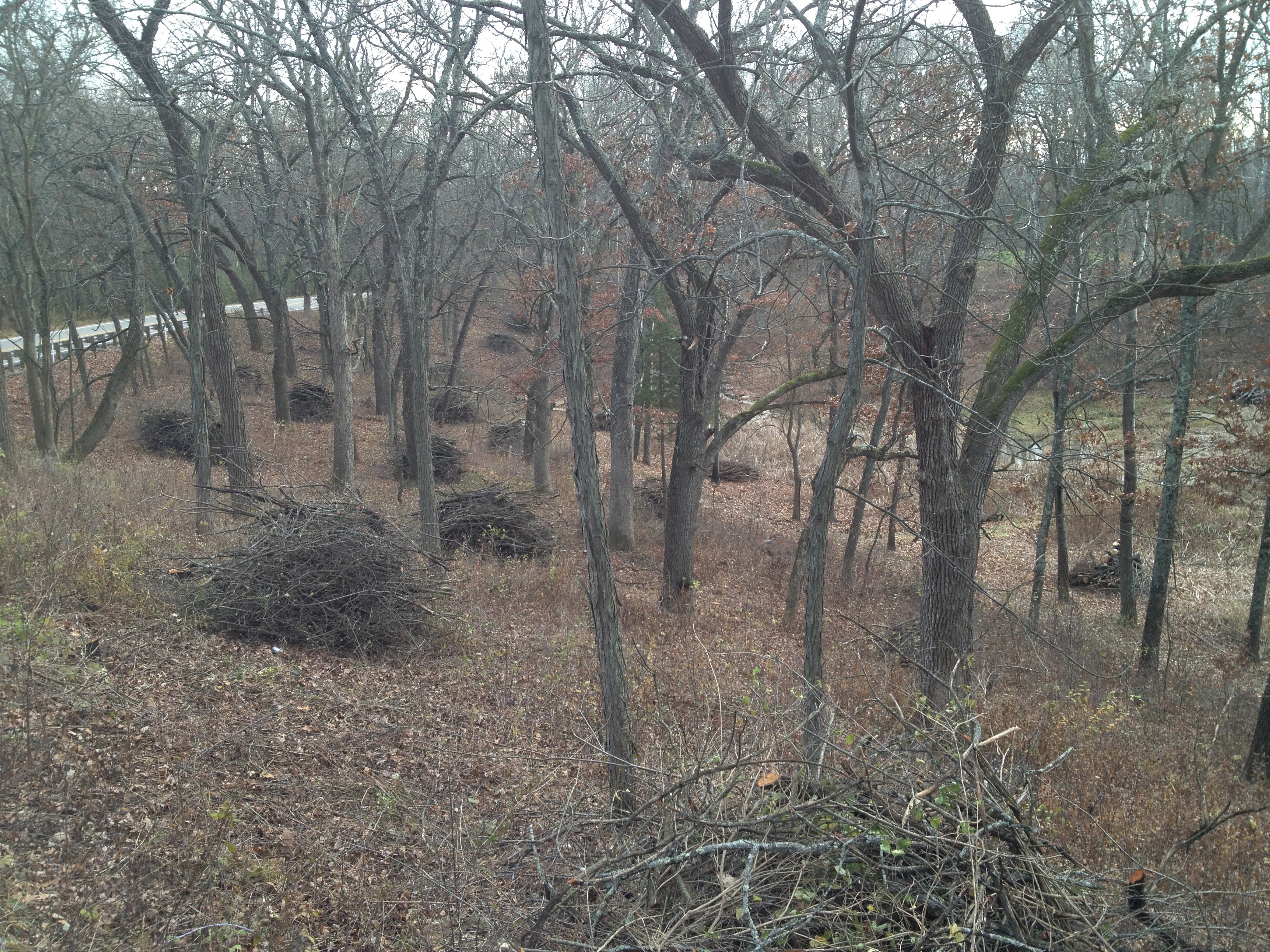
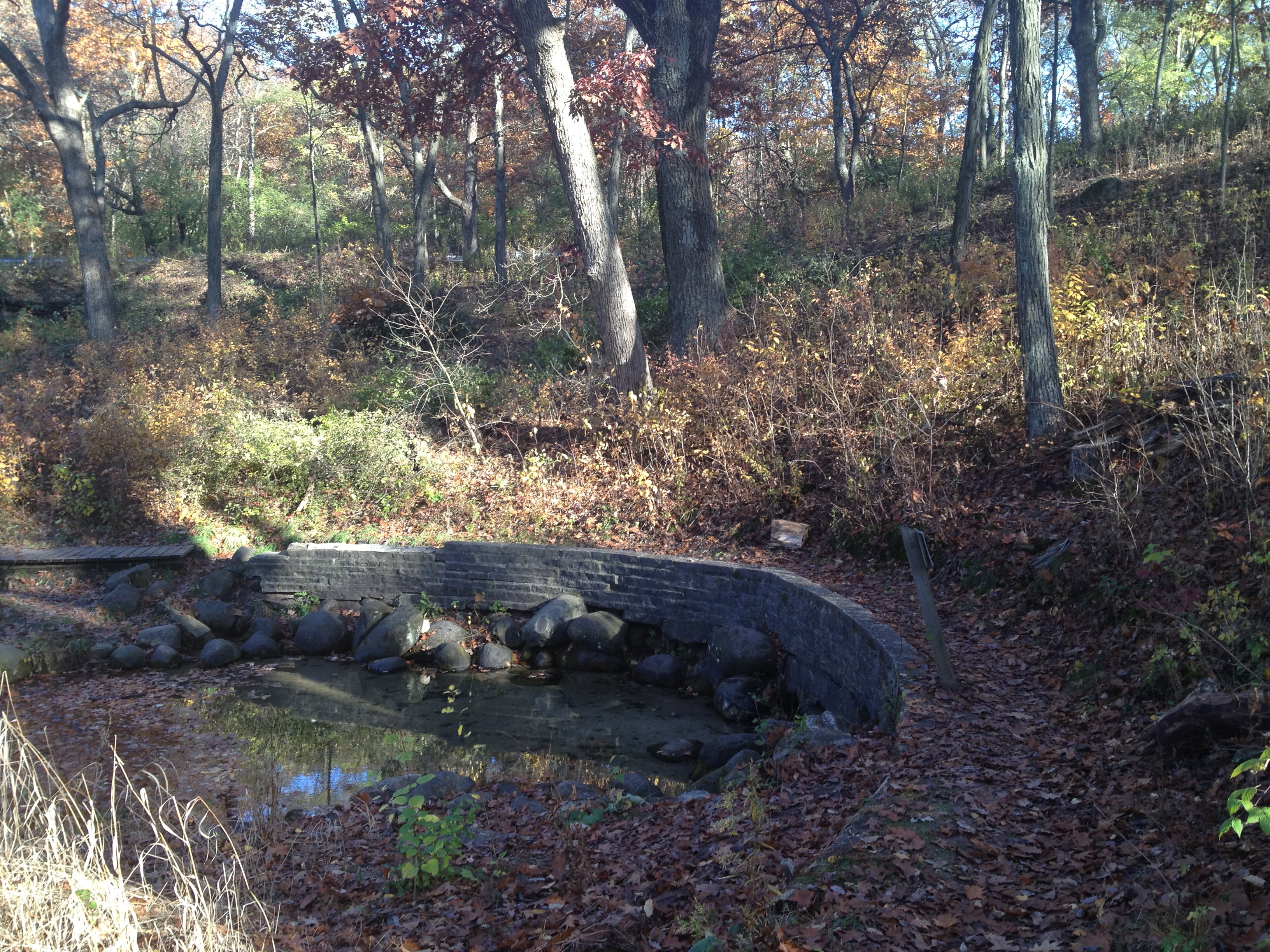
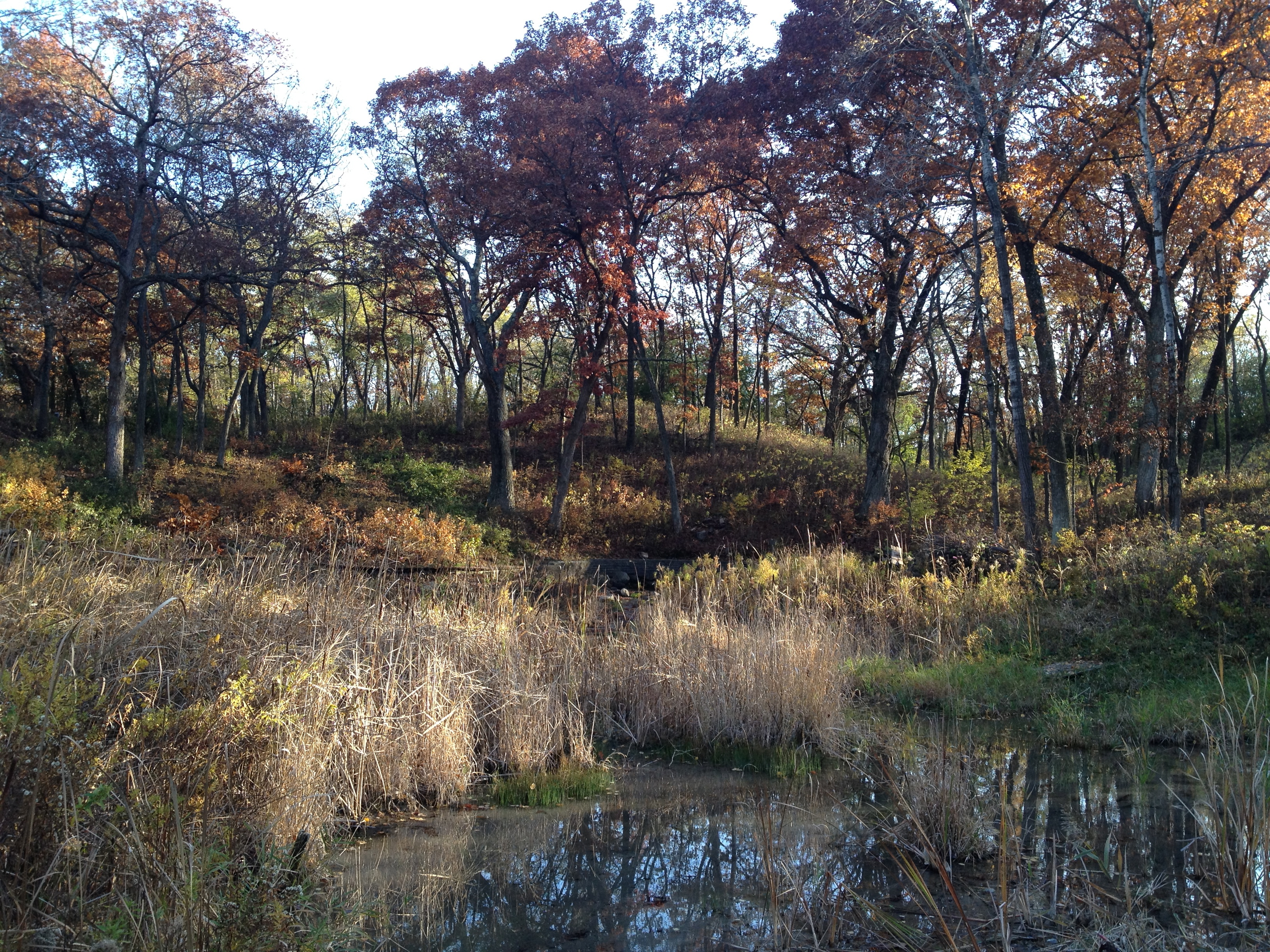
I swung the brush cutter all day starting on the hilltop at the South end of the Nature Trail by the Scuppernong Spring.

And after.

I’m coming back to this area later this week with the chainsaw.

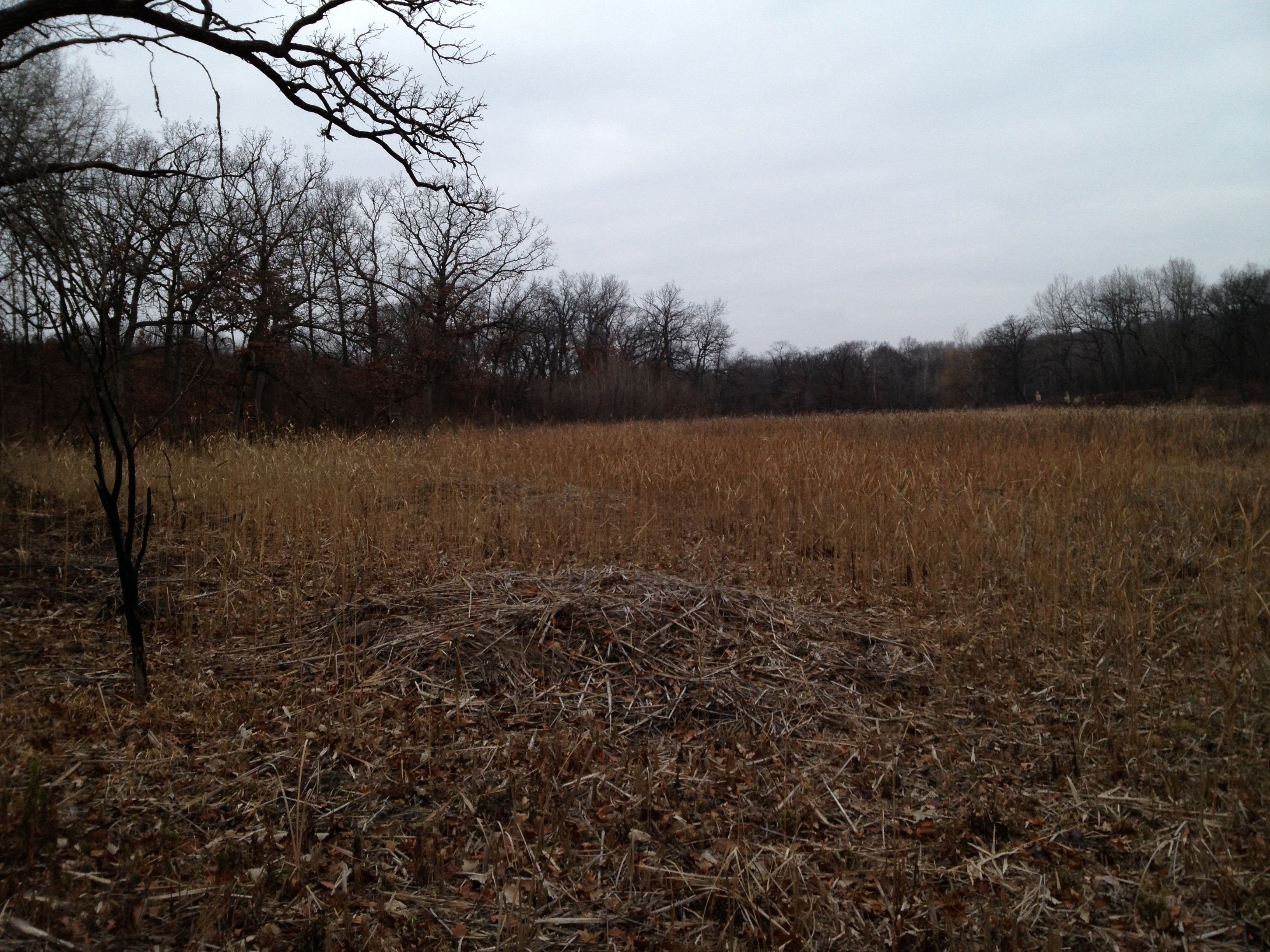
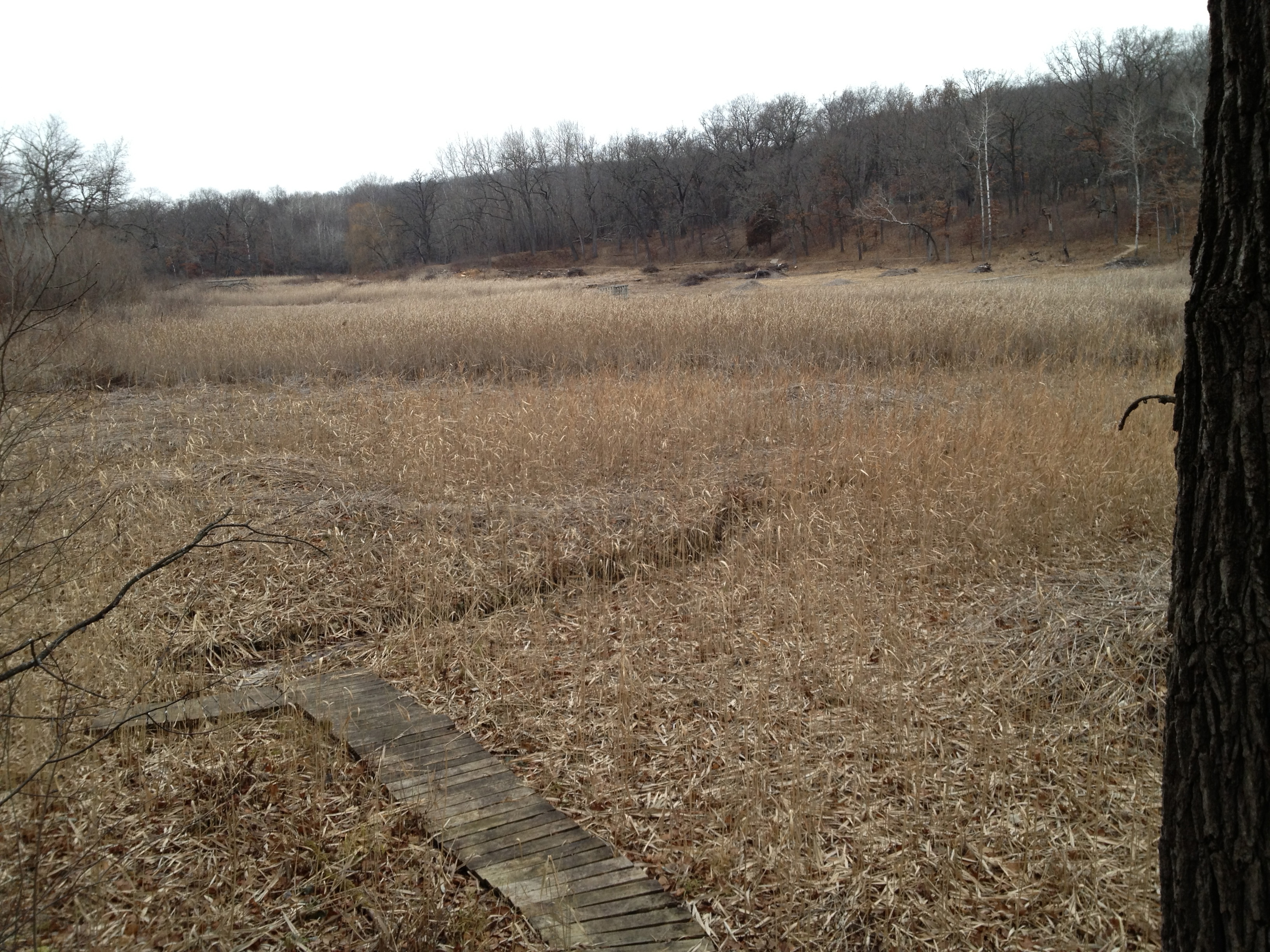
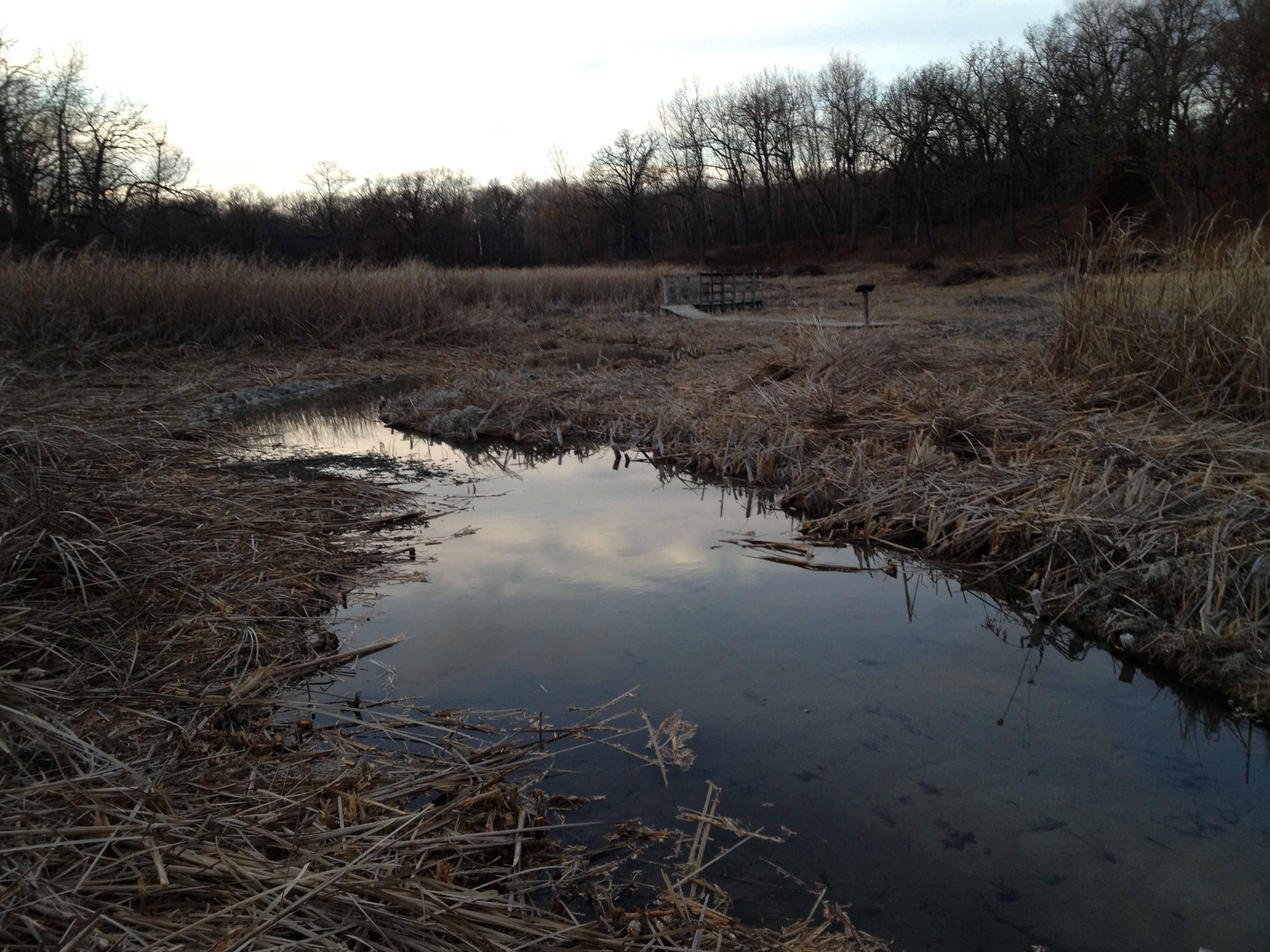
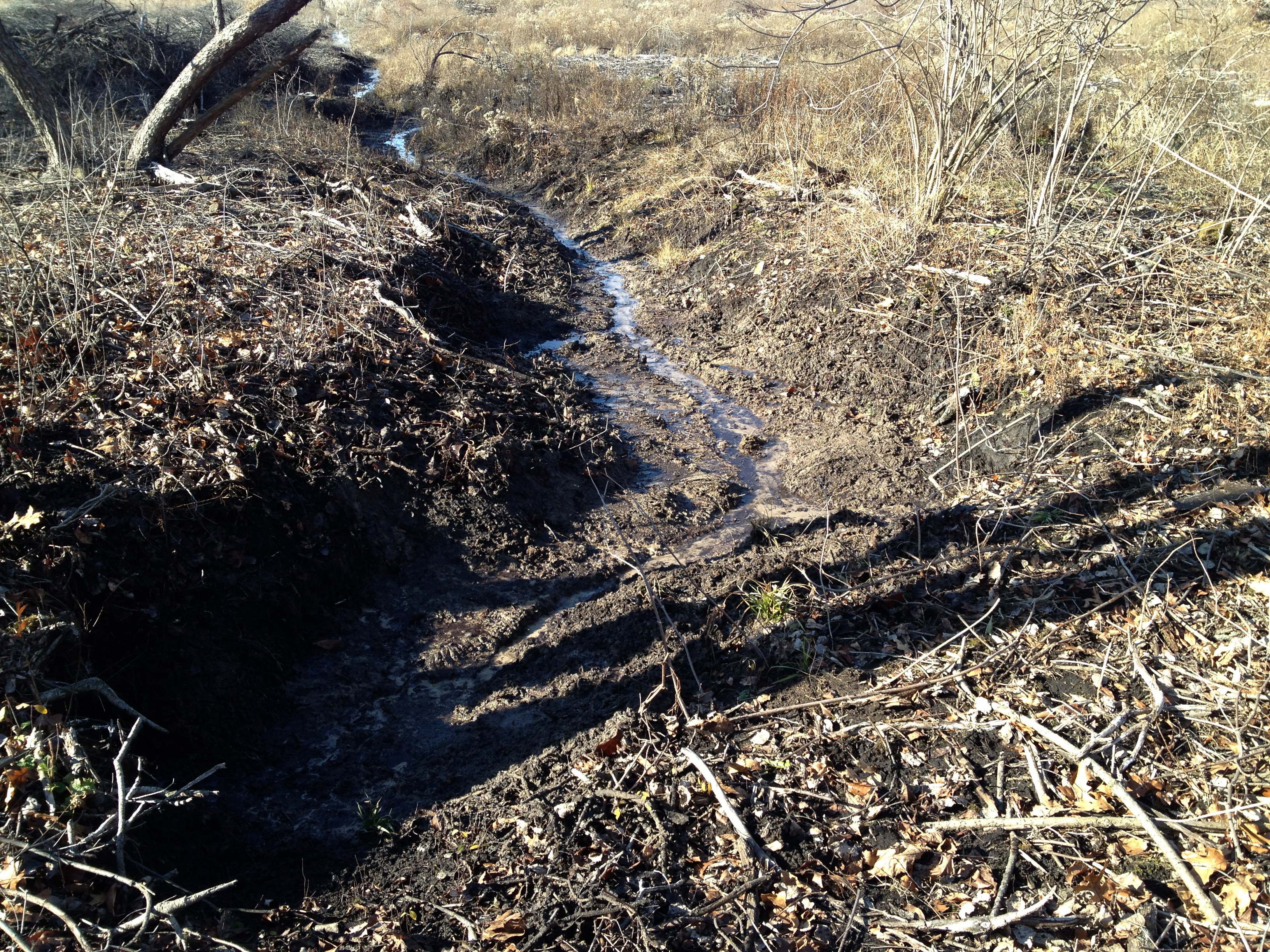
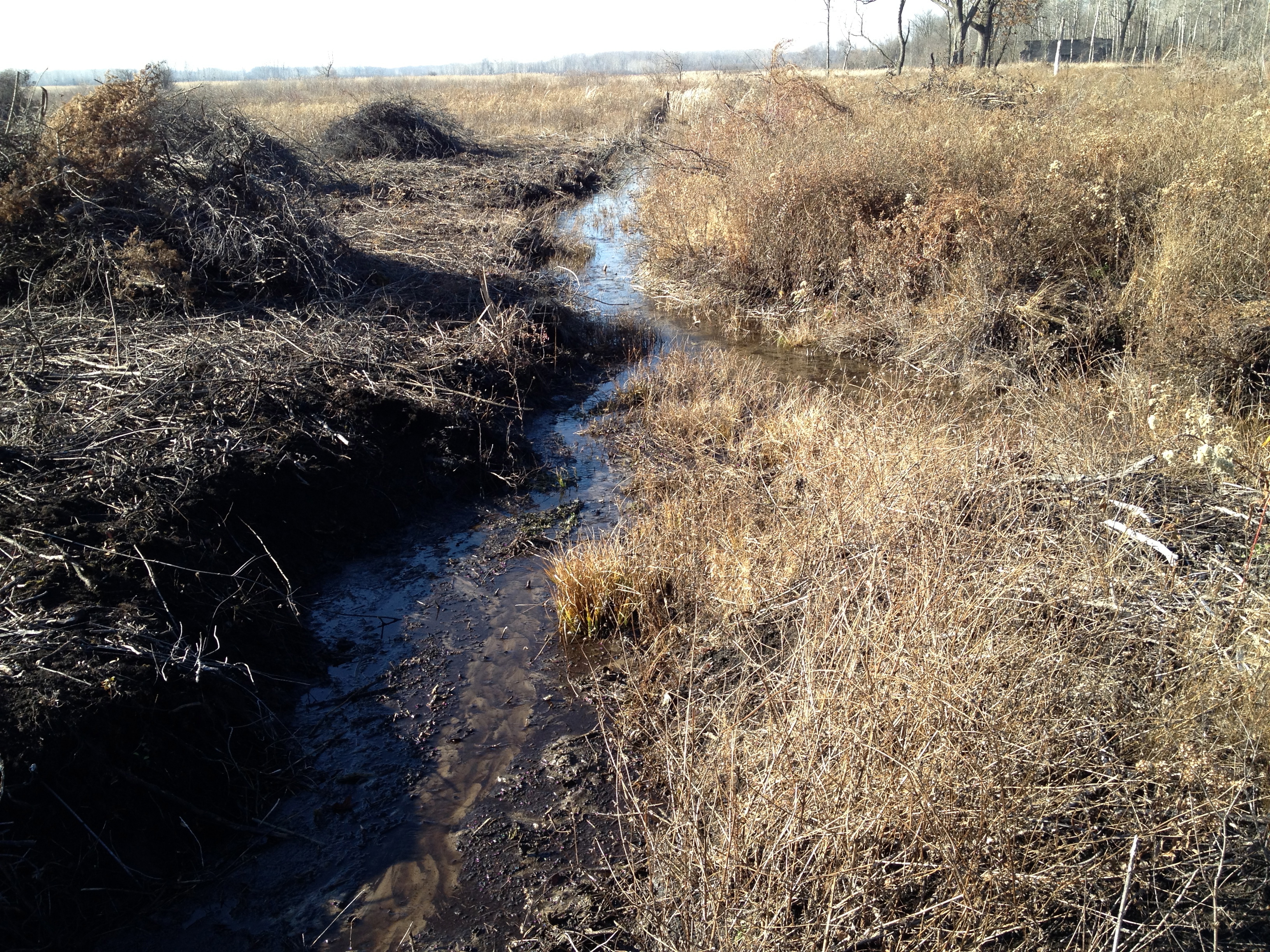
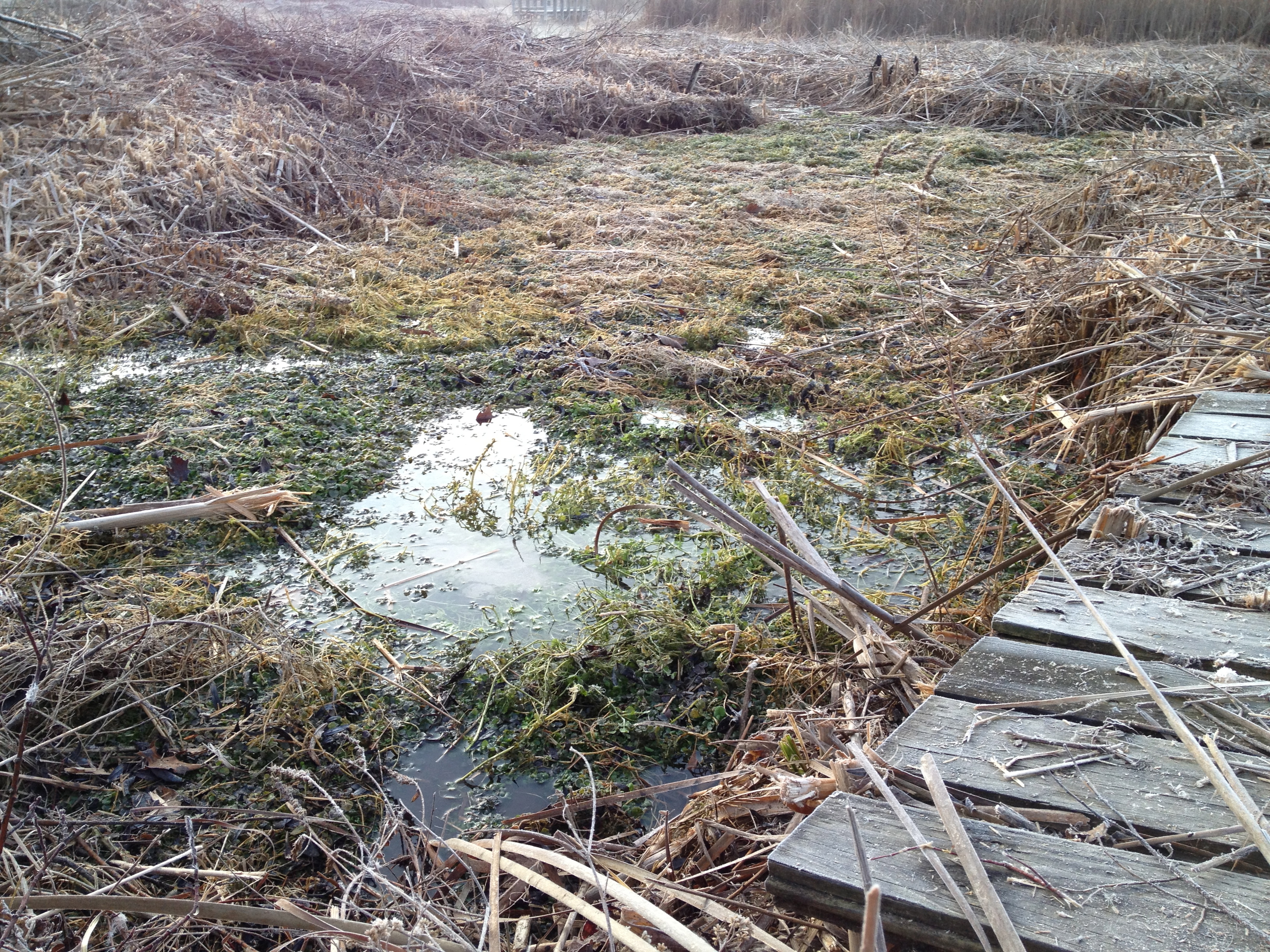
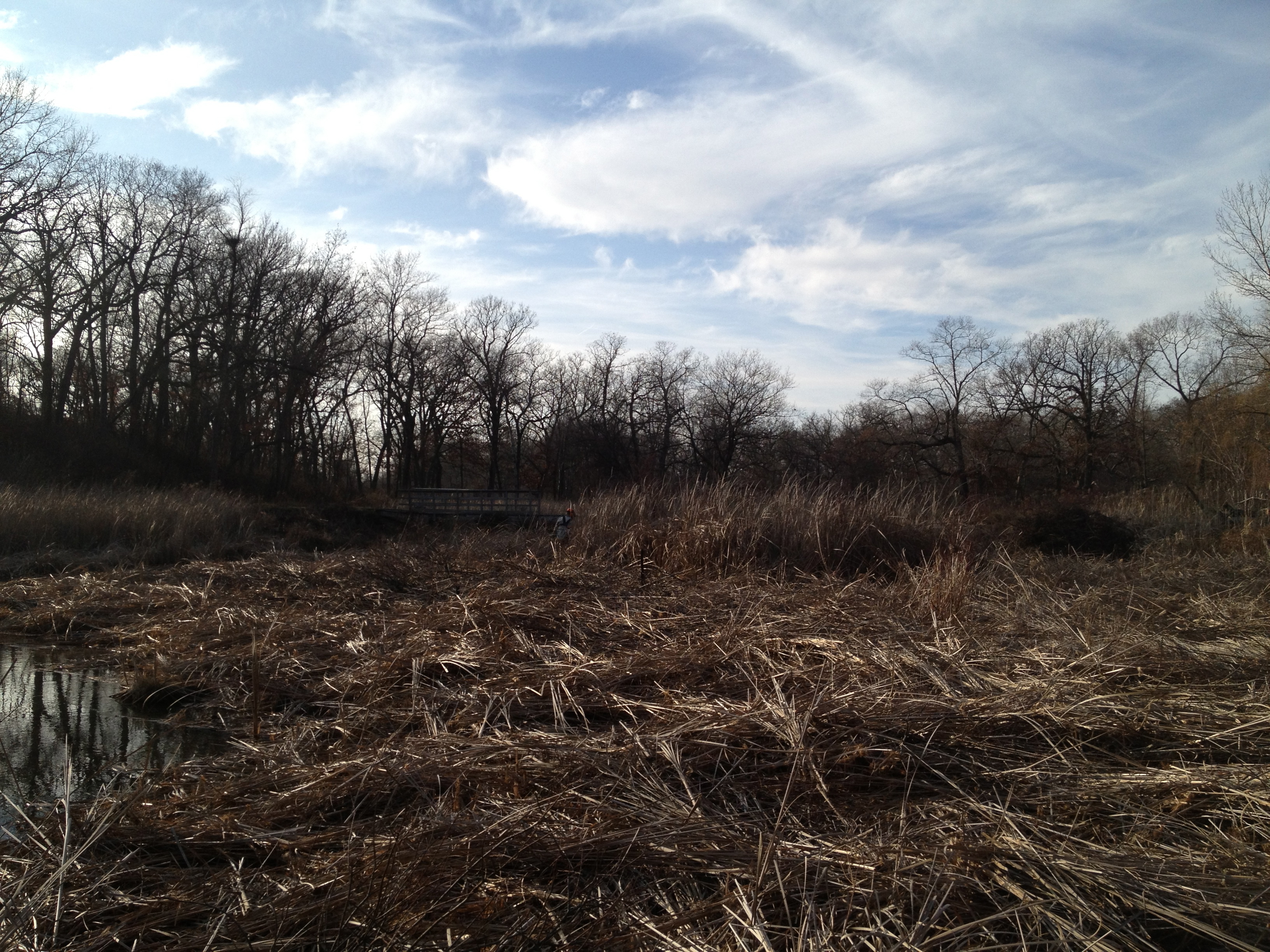
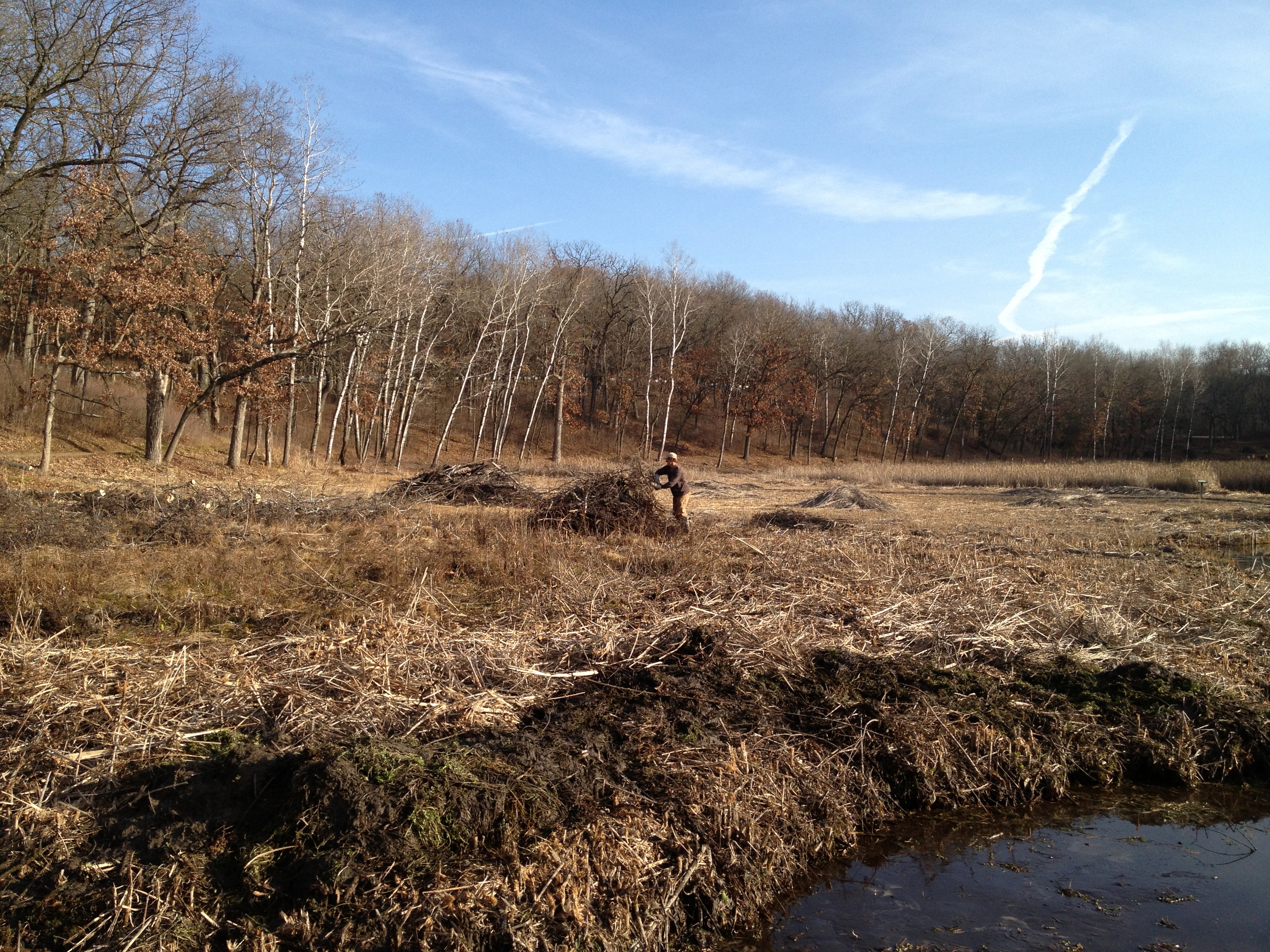
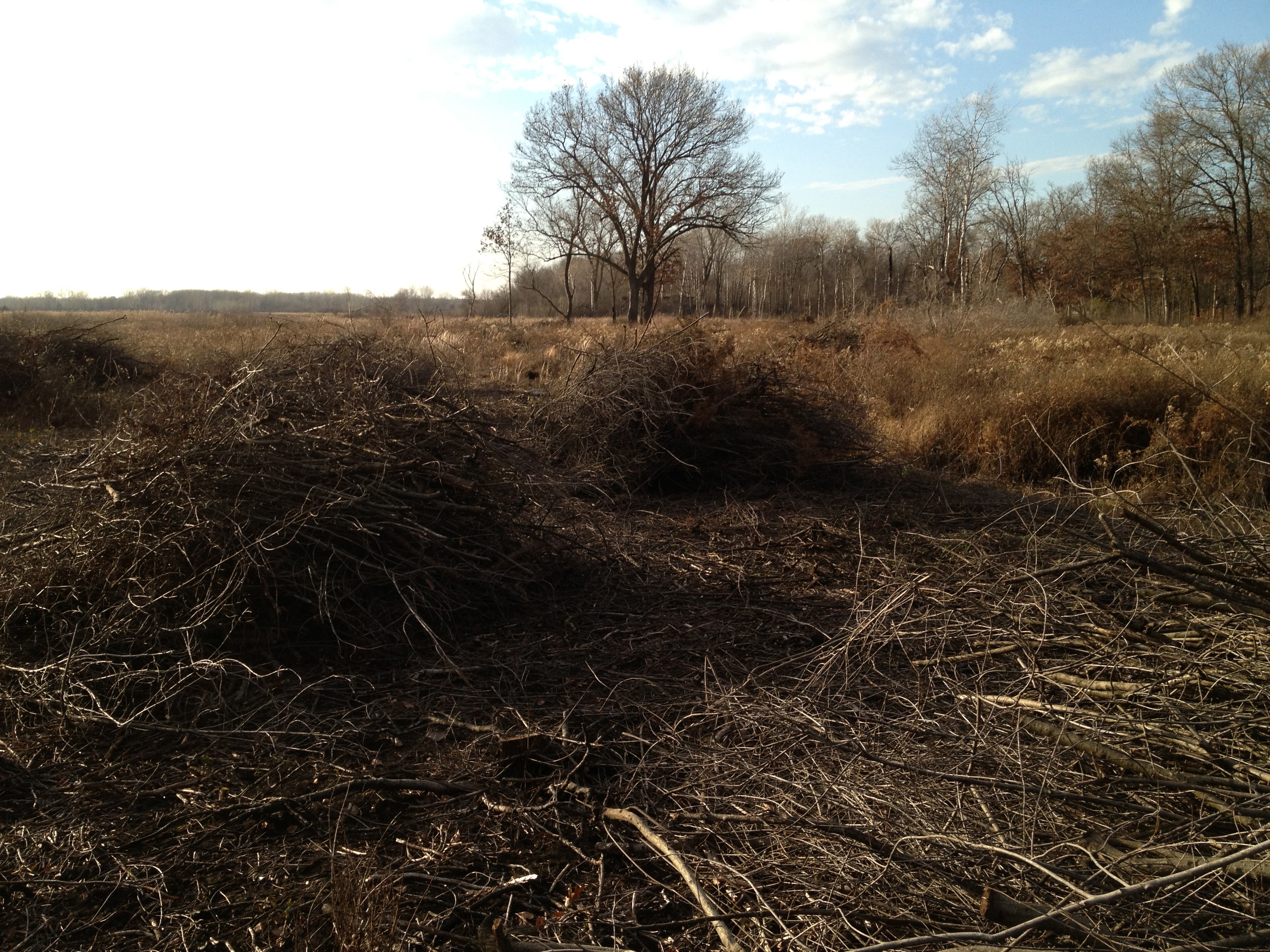
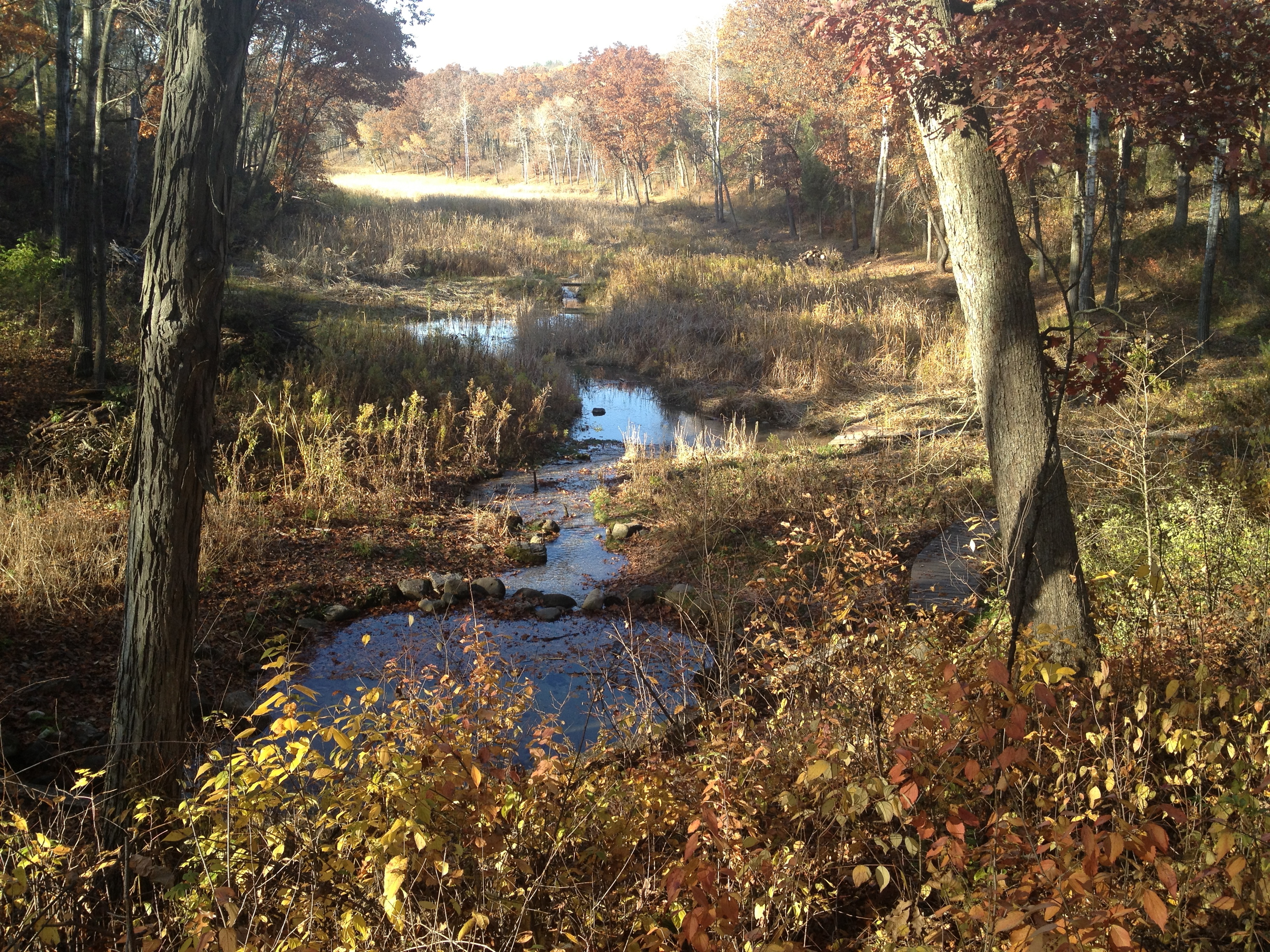
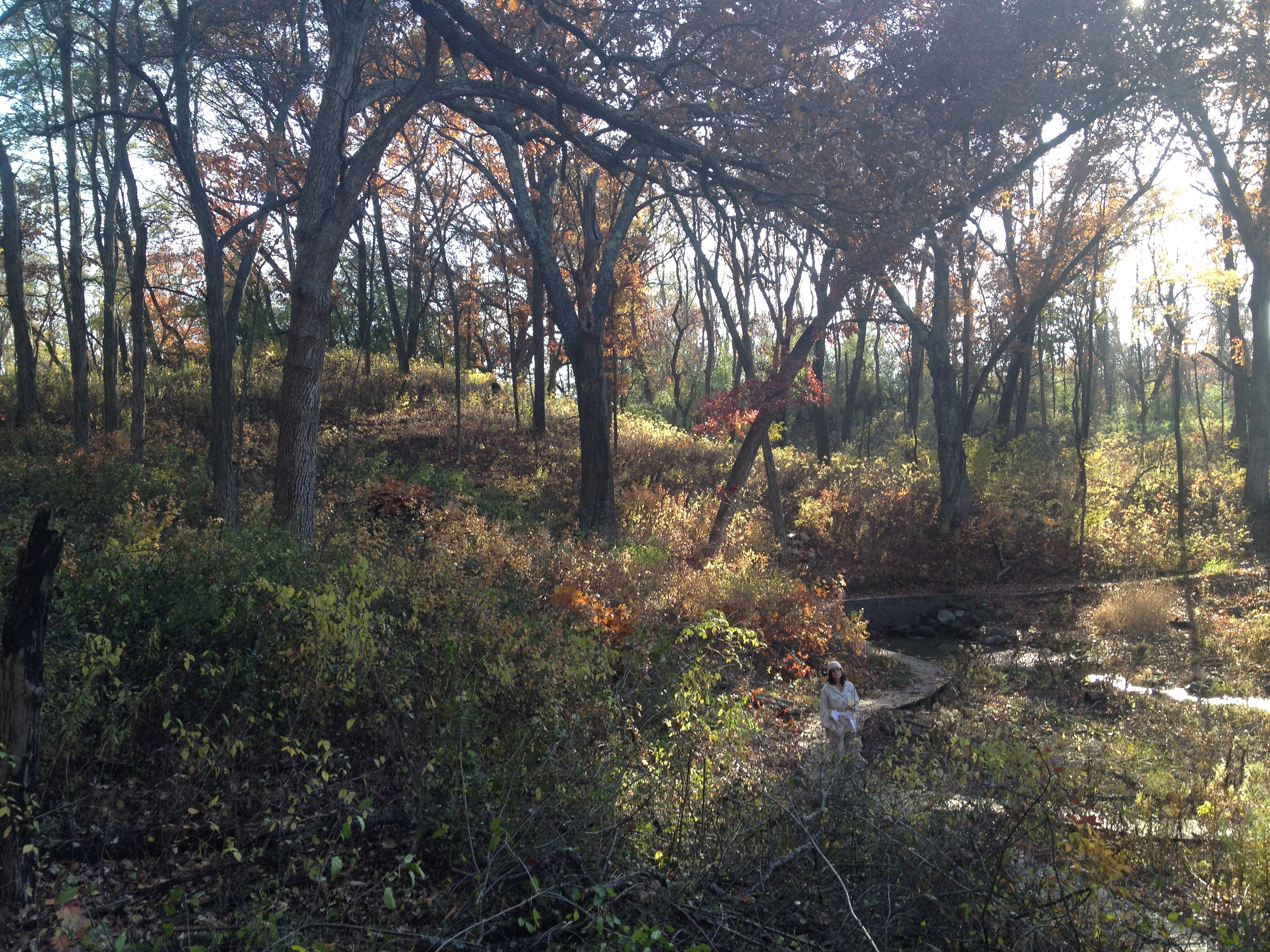
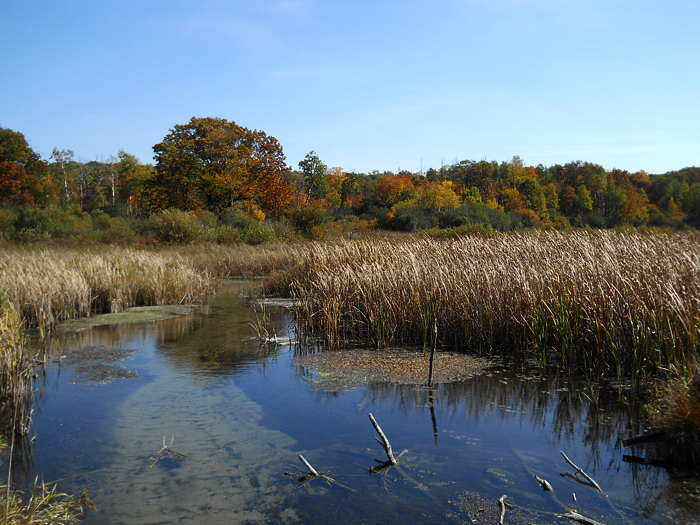
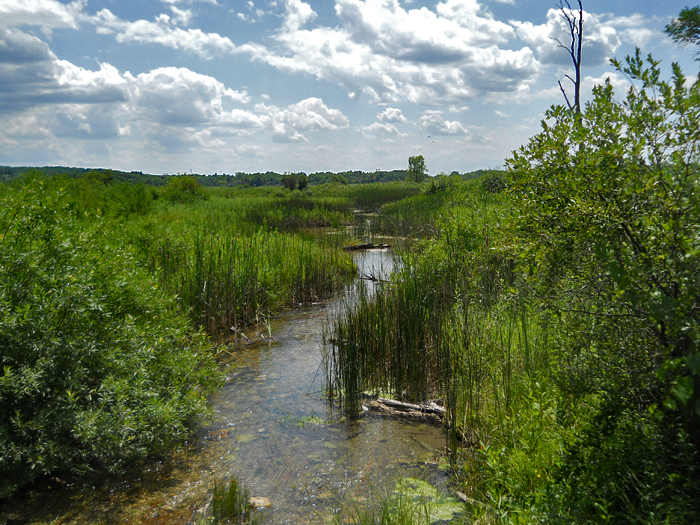
I spent the rest of the day cutting phragmites and cattail by the river.  Walking the land like this is a great way to take an inventory and I’m finding evidence of a lot more springs.

And after.

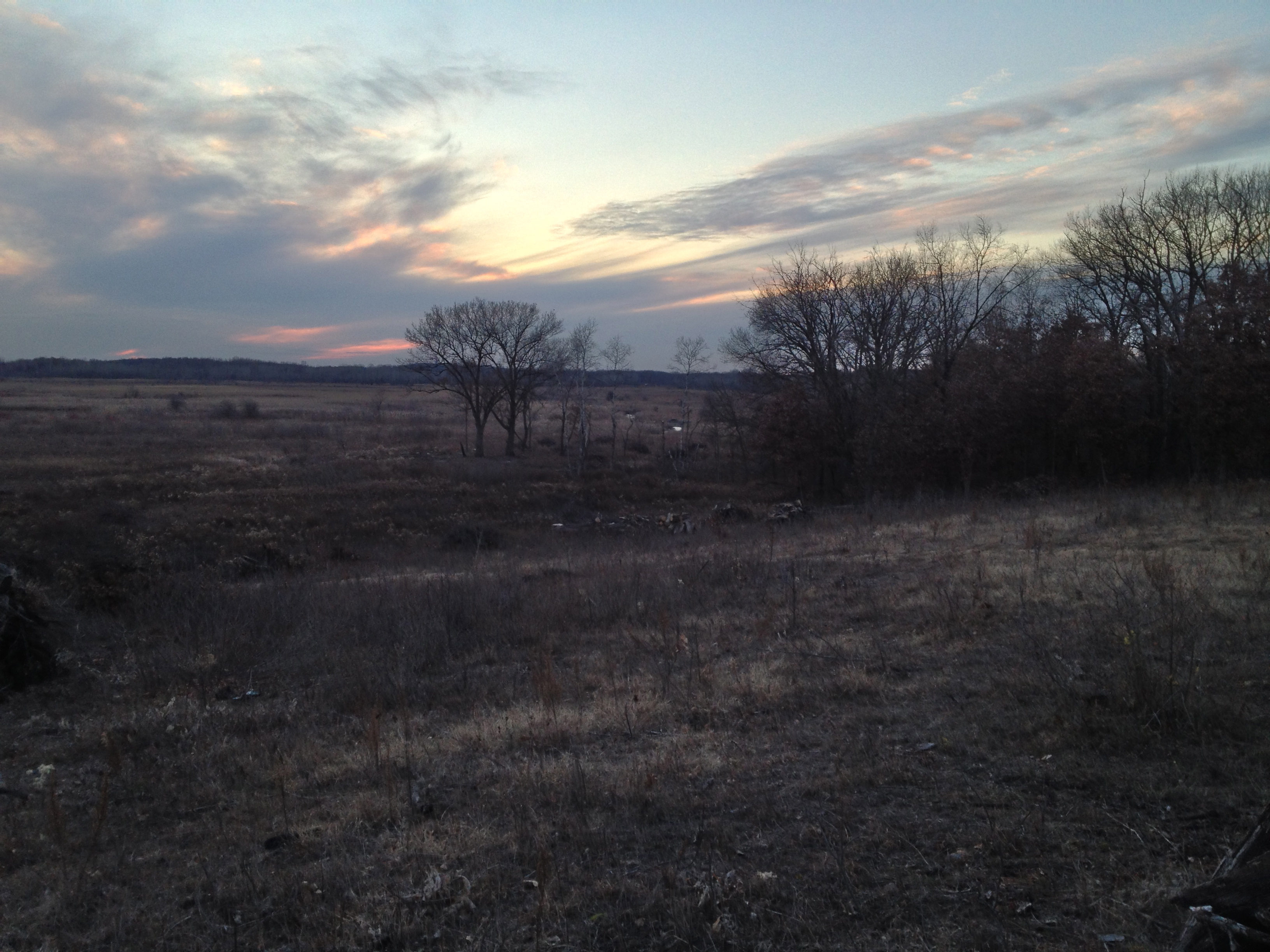
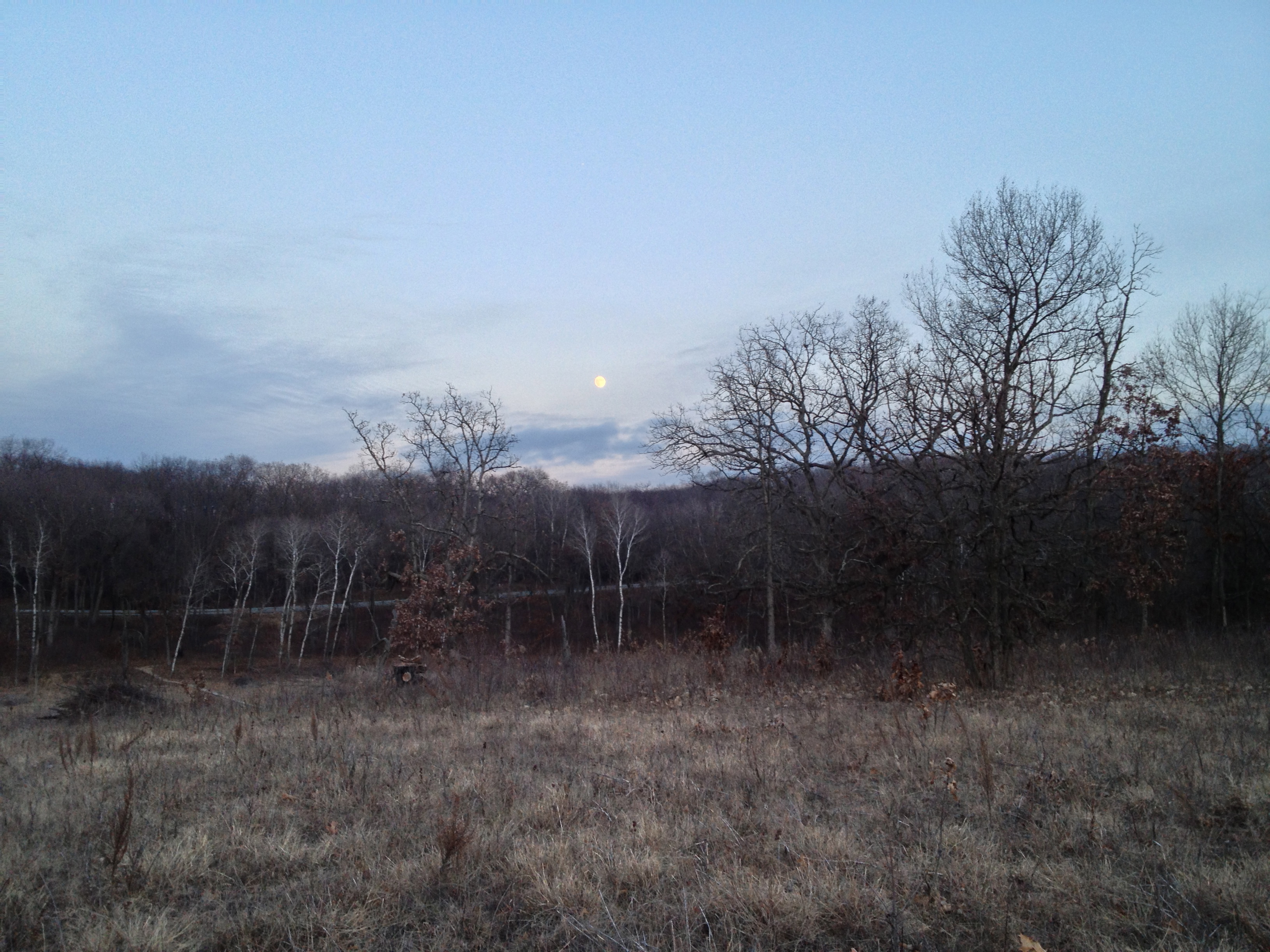
It was a very peaceful day and I hung out for a while enjoying the moonlight.

I Can See More Piles and Piles

It was cold enough to snow.  We haven’t seen any since last March and we’re poised to set a record for days without snow.  I hope we get some soon because we have a lot of brush piles to burn.  Today I continued making brush piles on the hilltop between the Scuppernong Springs and the Indian Campground.

There are some nice, new, views of the river opening up from this high spot.  Here are a couple shots looking down at Connie and Sophia standing by the Scuppernong Spring.

As the sun broke through the clouds around noon, I was treated to flock after flock of Sand Hill Cranes migrating South.  They slowed to a lazy float as they loitered high above me, discussing our work in progress at the Springs no doubt.

Good news!  The algae is receding at the Hotel Springs.  When I met DNR Water Resources Management Specialist Craig Helker on November 15th, I forgot to ask him to check out the algae but he gave this reply via email after checking out my pics:

“If you would, please keep an eye on the algae – say, over the next few months and into spring. We’ll see what happens. I’m curious if it’s a fall phenomenon, or there is something more sinister going on. I didn’t speciate it out, but it does not appear to be “rock-snot”, which was my number one fear. So, that’s a positive.”

We’ll definitely keep an eye on it and consult with Craig.

“I can see for miles and miles and miles and miles and miles
Oh yeah”

I’ll be heading back to the Springs on Monday, November 26th to finish piling brush along the river.

Every Pile You Make

The allure of the Hatching House Springs was irresistible, compelling us to pause our brush piling efforts for a couple days.  Today I picked up where we left off last time and finished piling at the Indian Springs.

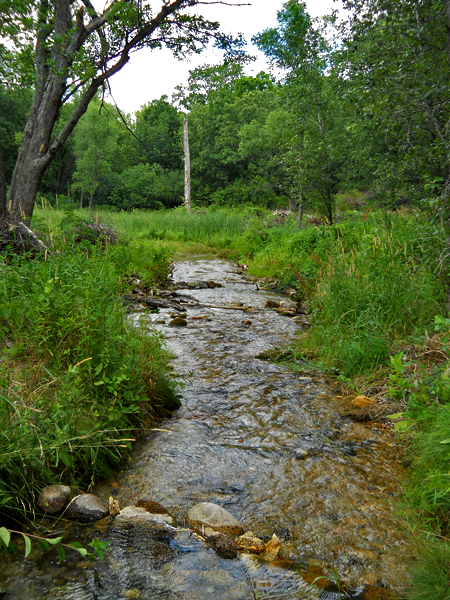
There is a second, smaller, spring and channel next to the Indian Spring and I finally got around to cleaning the brush out of it.

The main Indian Spring outflow channel is on the right below and the spring shown above joins on the left side.

Looking back up towards the spring source.

Next, I went to the hilltop I cut back in October and, along with Pati, made a few more piles.  This is where we will resume this Saturday.

The last thing we did was clean the leaves out of the Scuppernong Spring and the Hillside Springs.  One of the four Hillside Springs has dried up!  I’ll get some pictures with morning light.

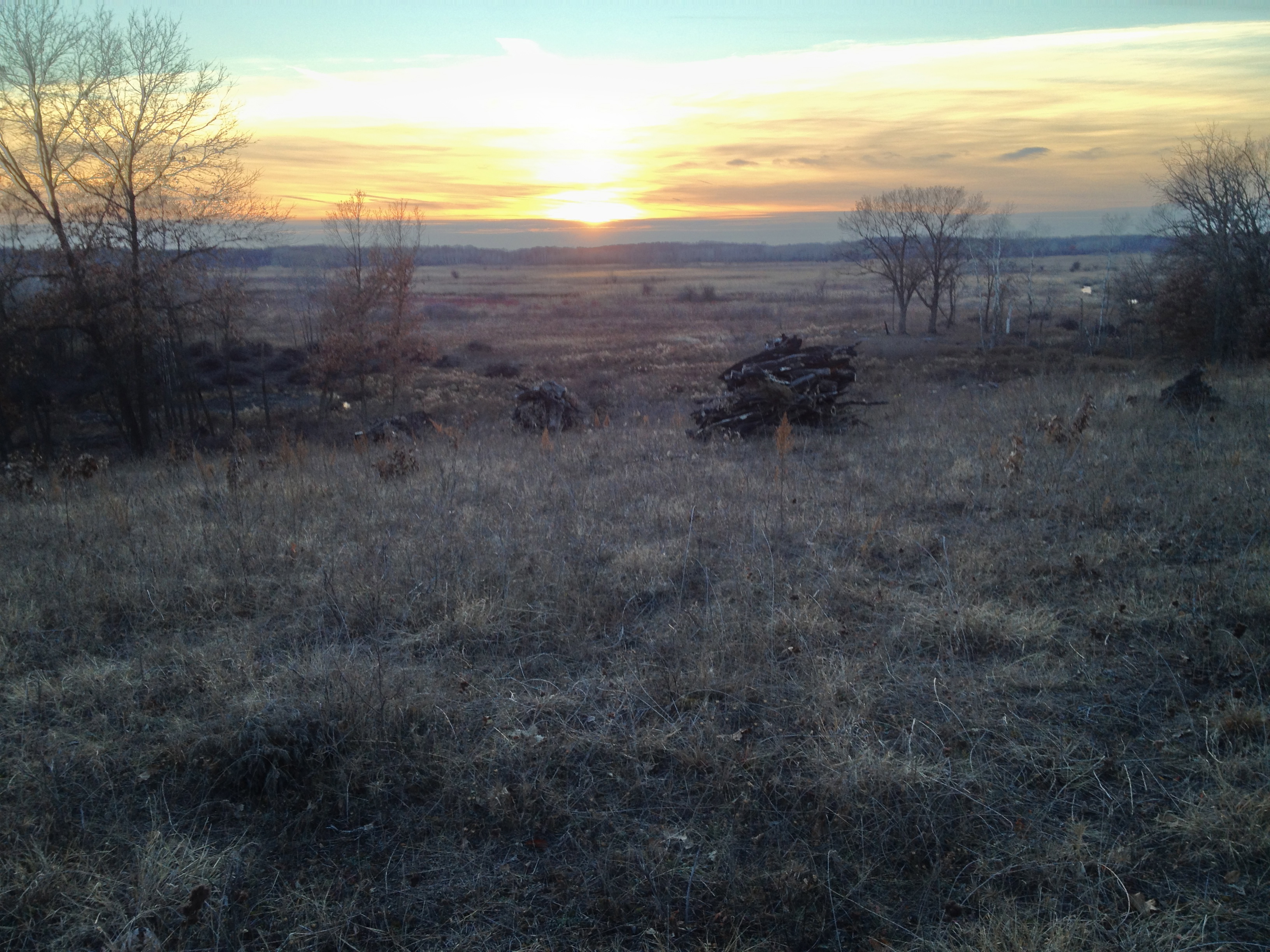
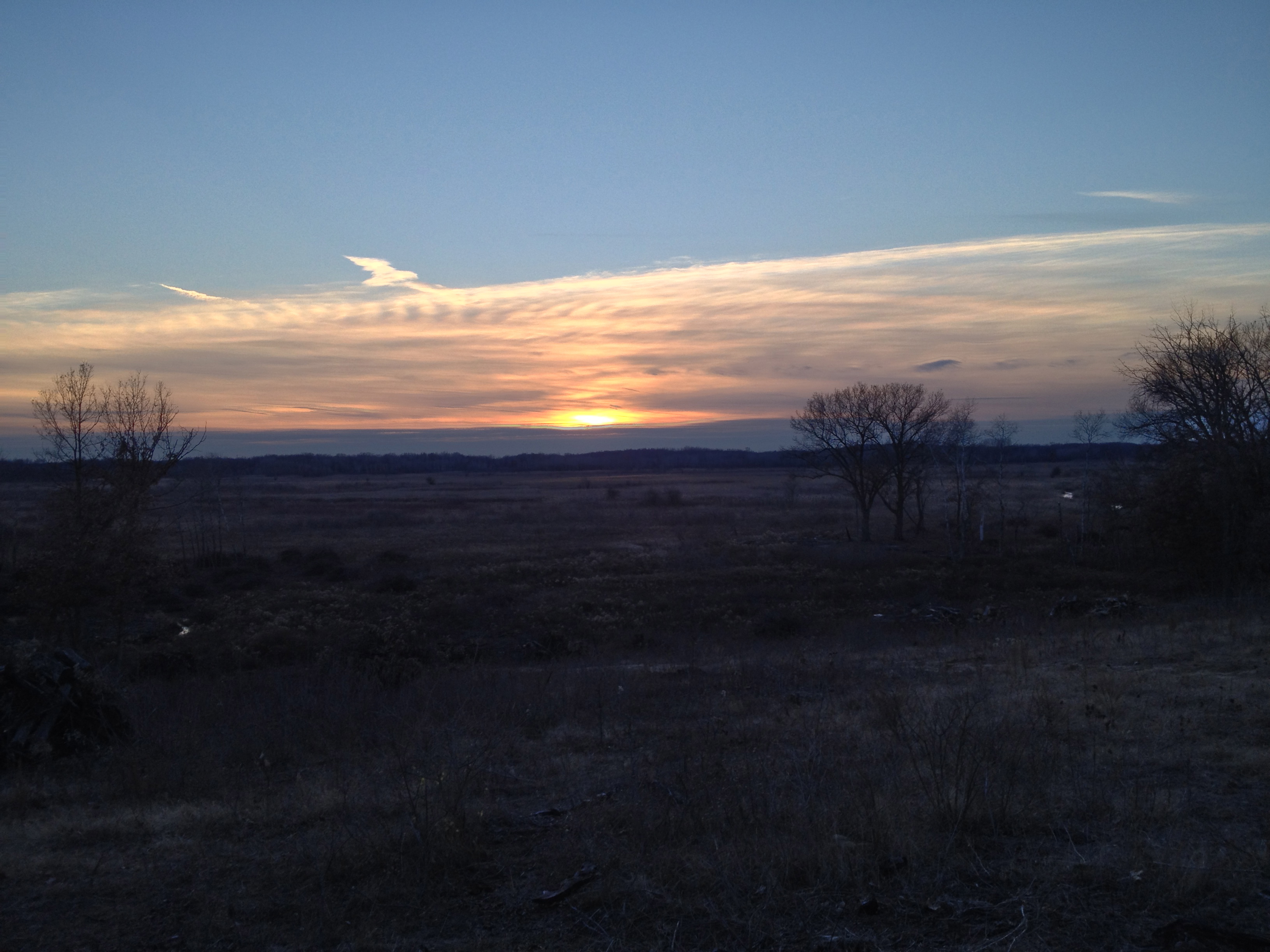
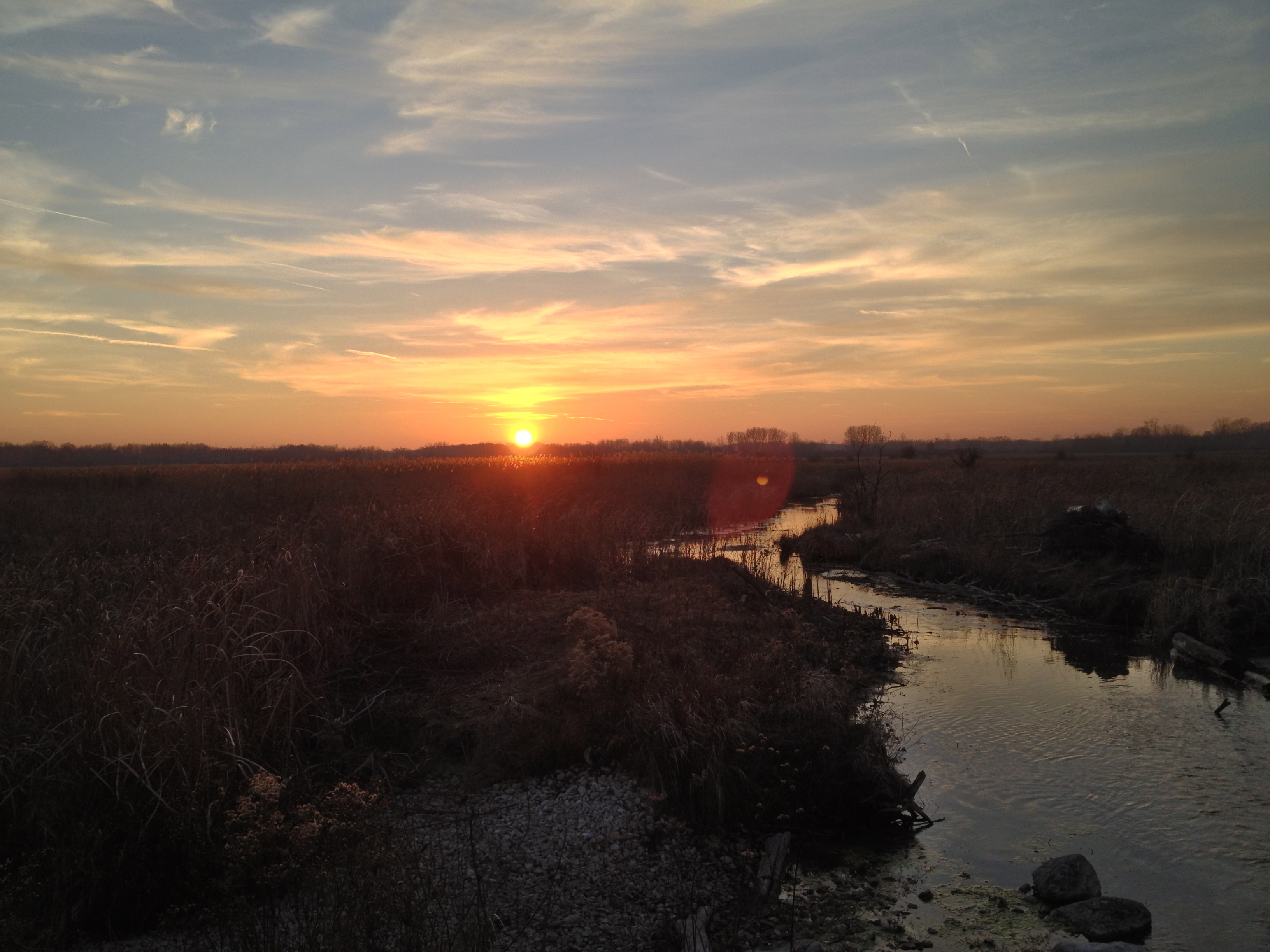
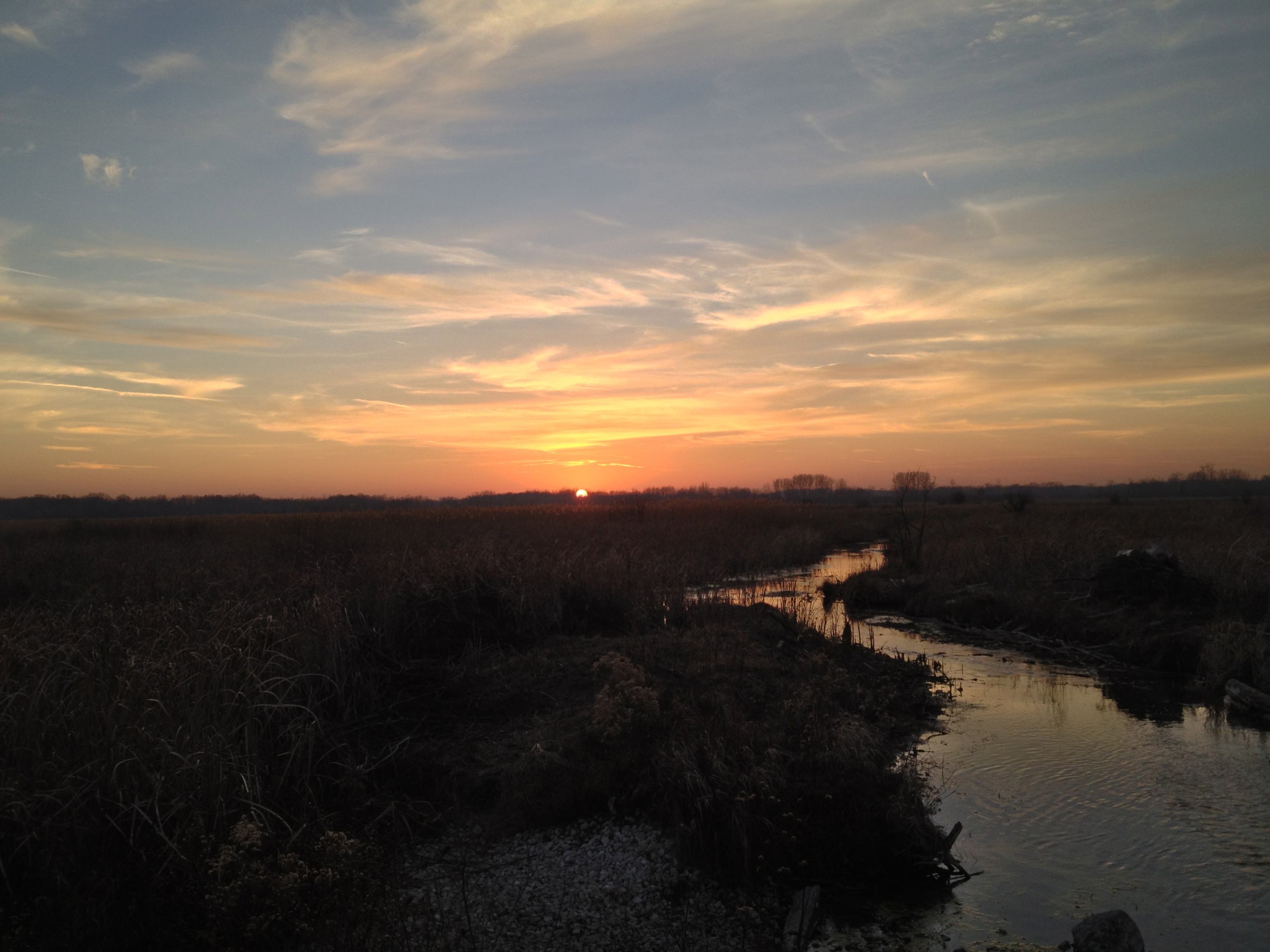
It’s another phragmites sunset.

I’ll be watch’in for you out at the Springs.

The Hatching House Springs

I knew it was going to be a great day when I saw Lindsay’s smiling face!

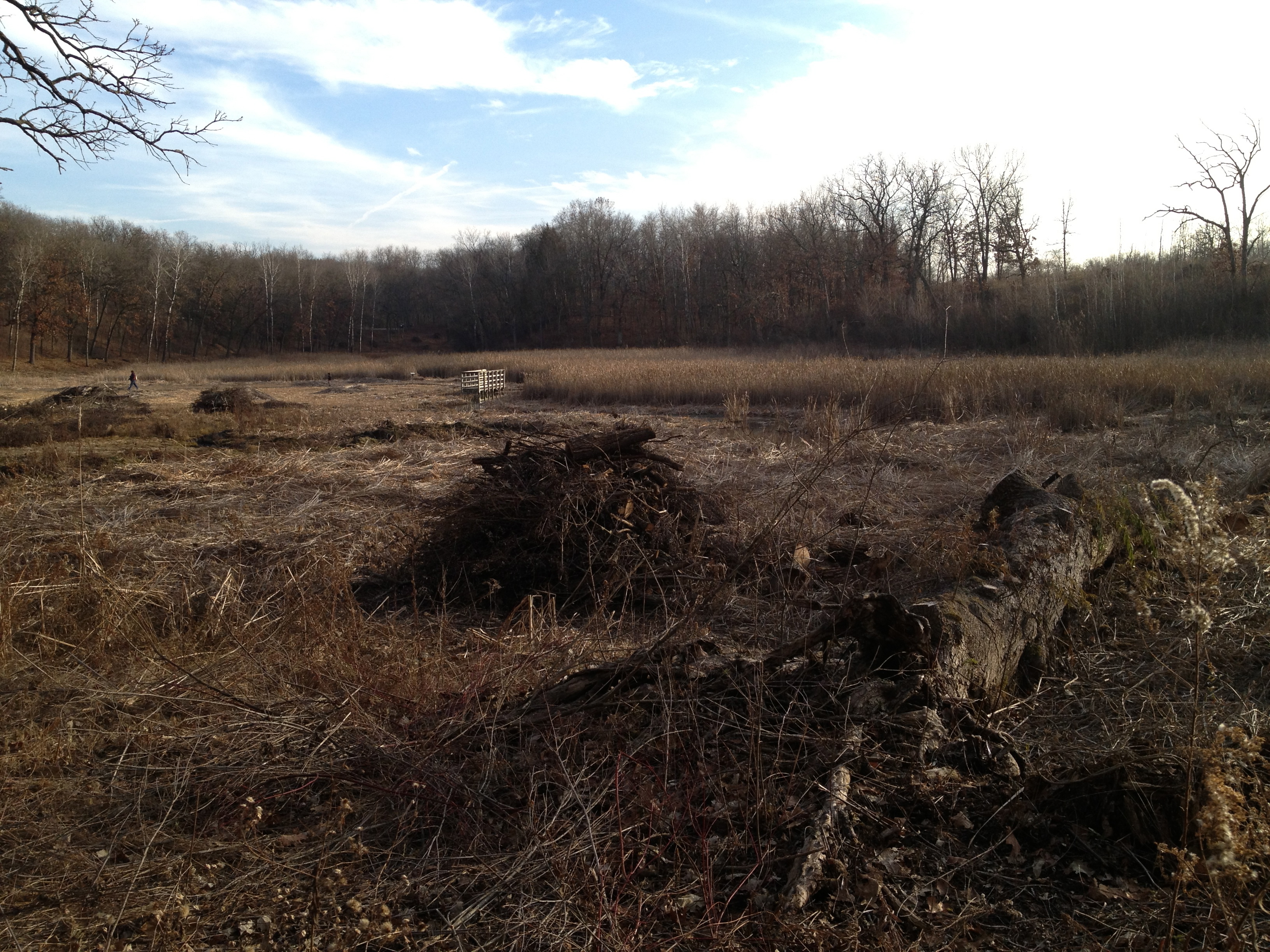
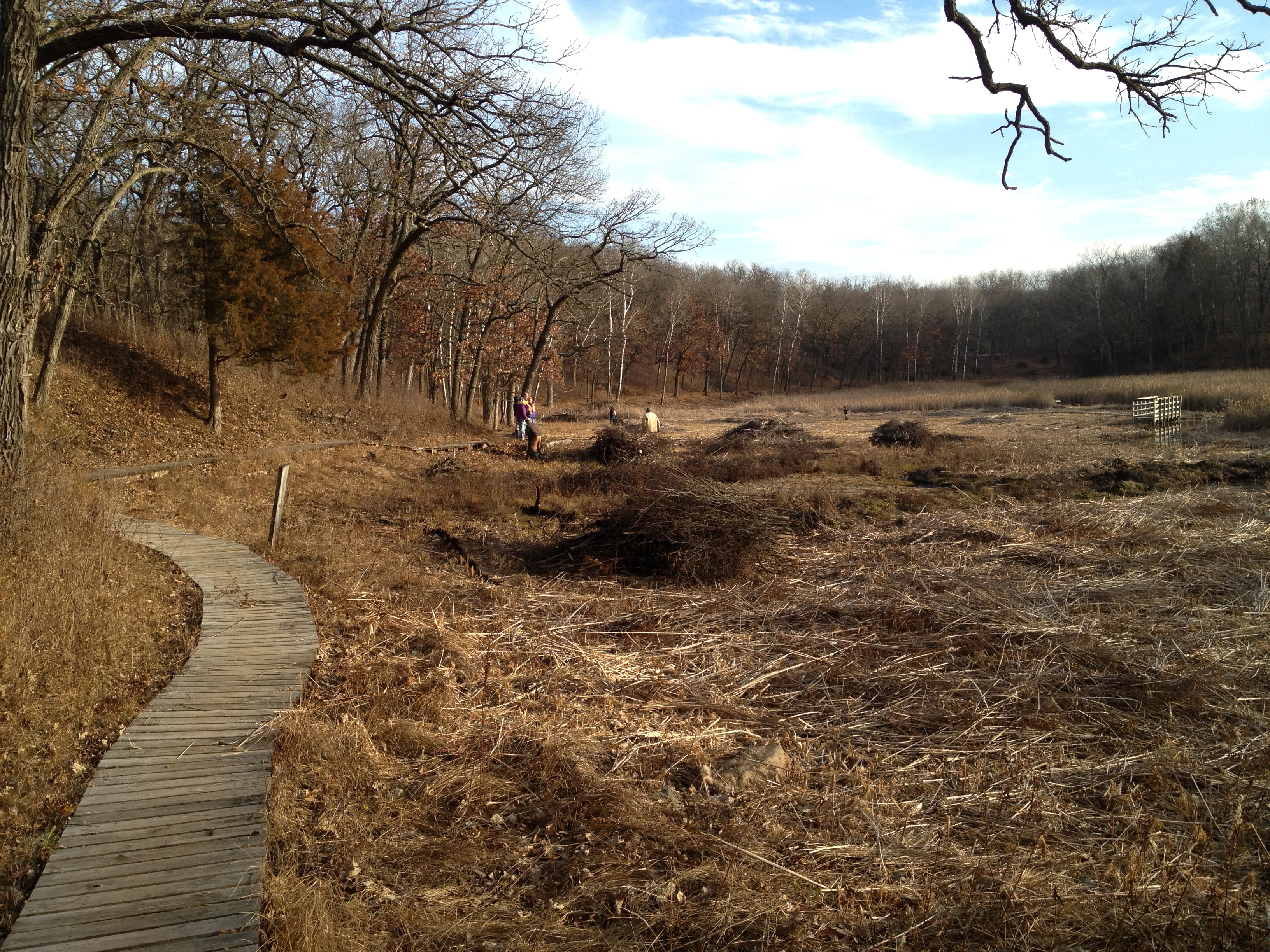
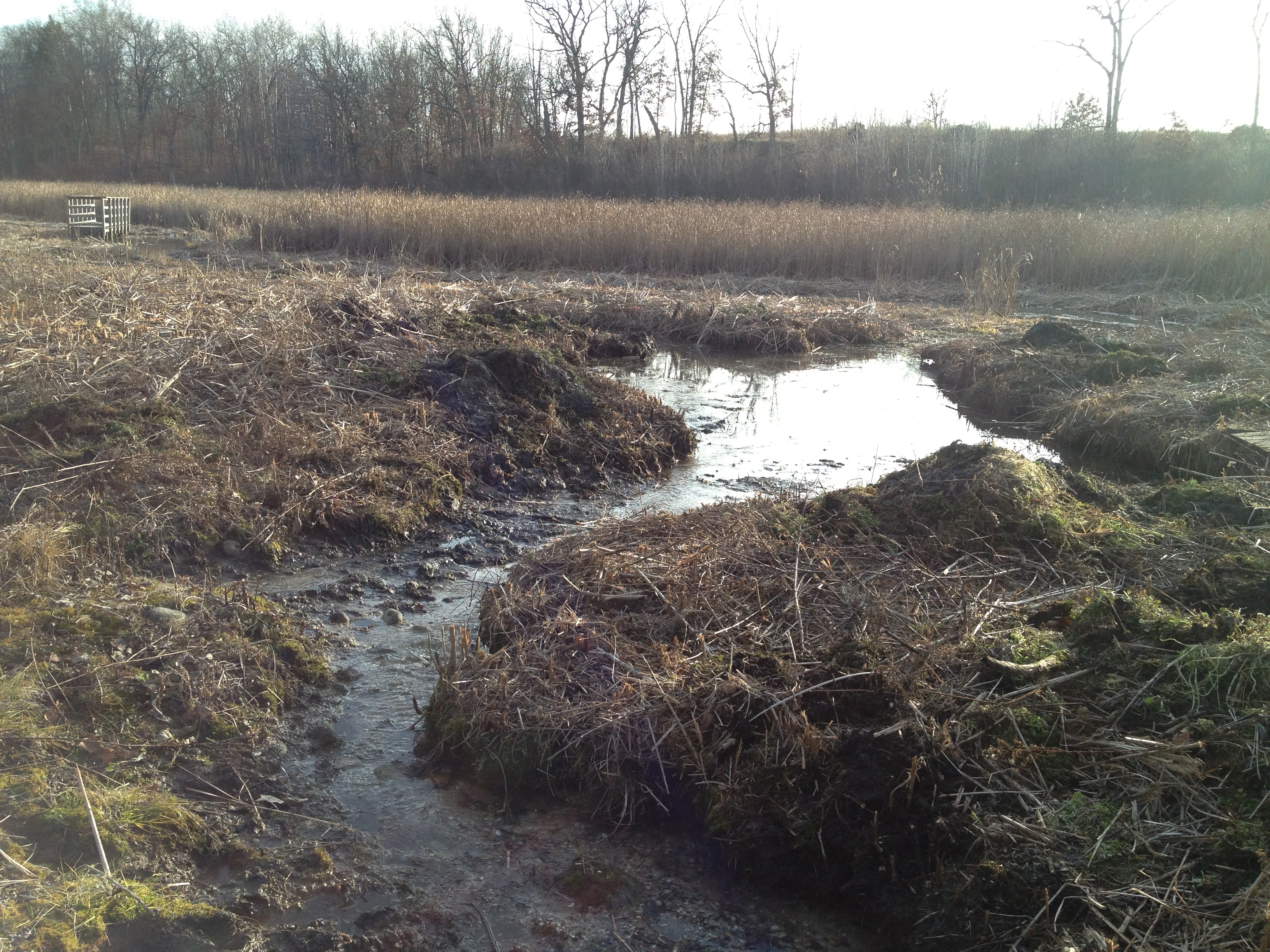
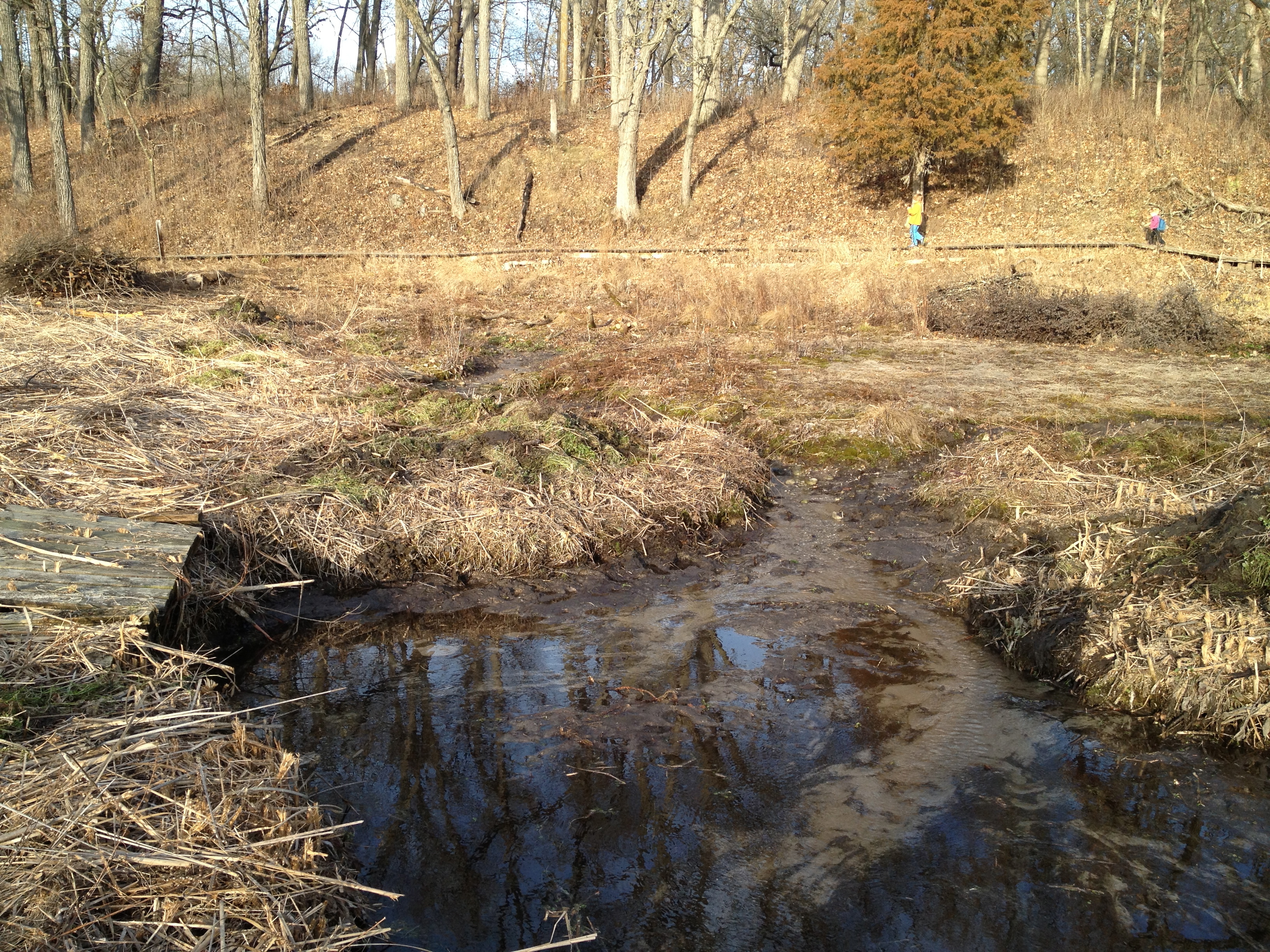
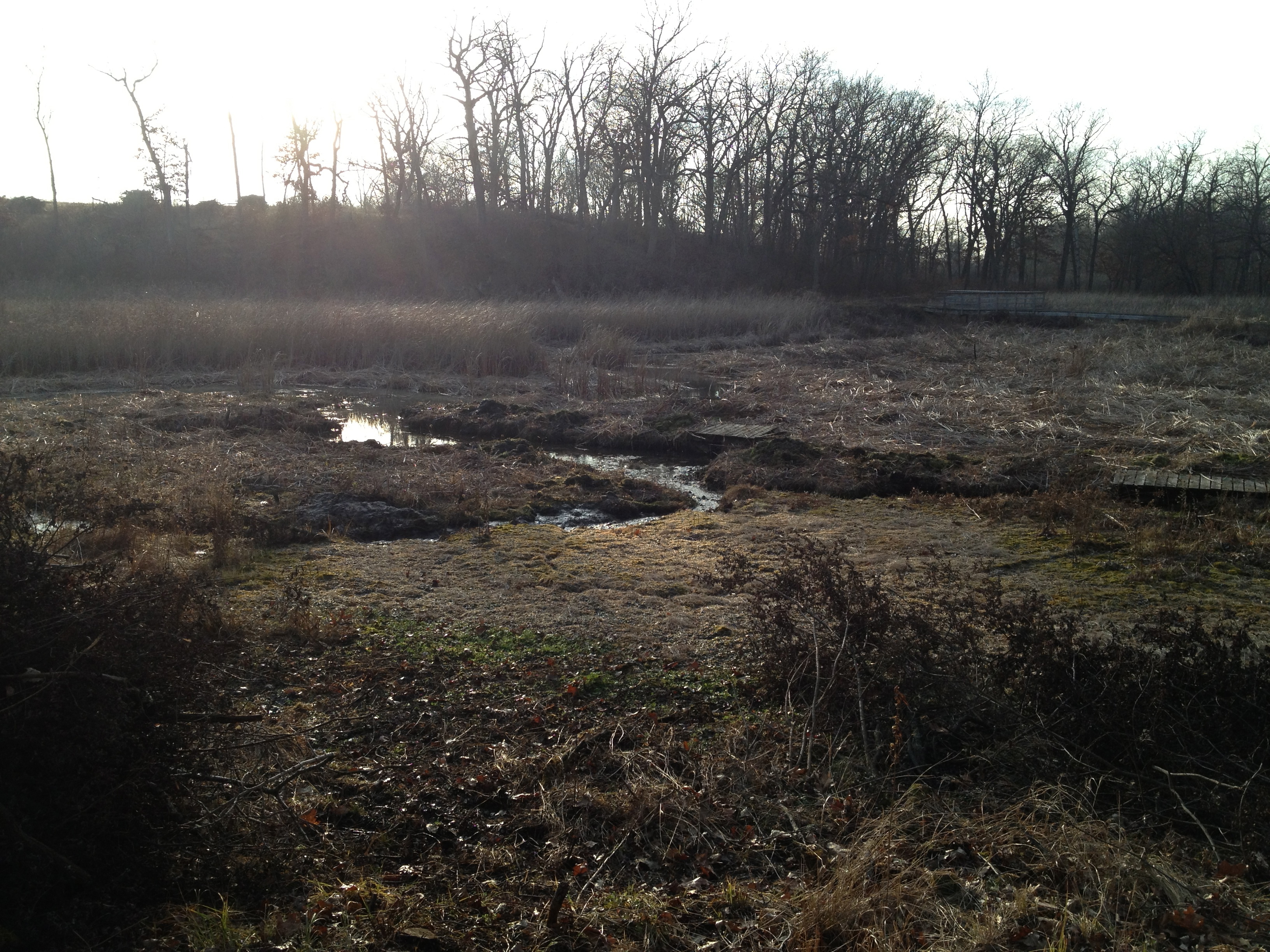
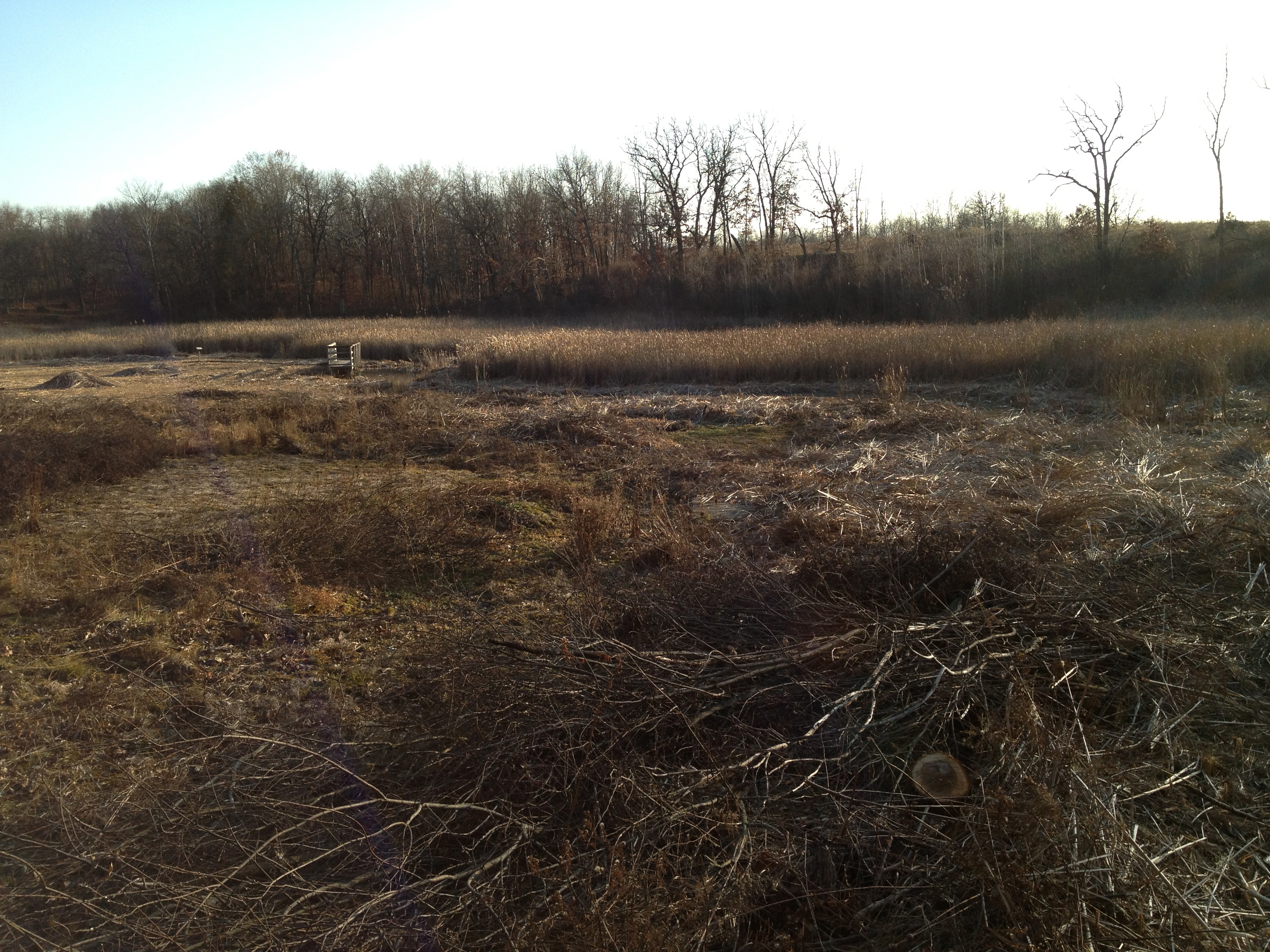
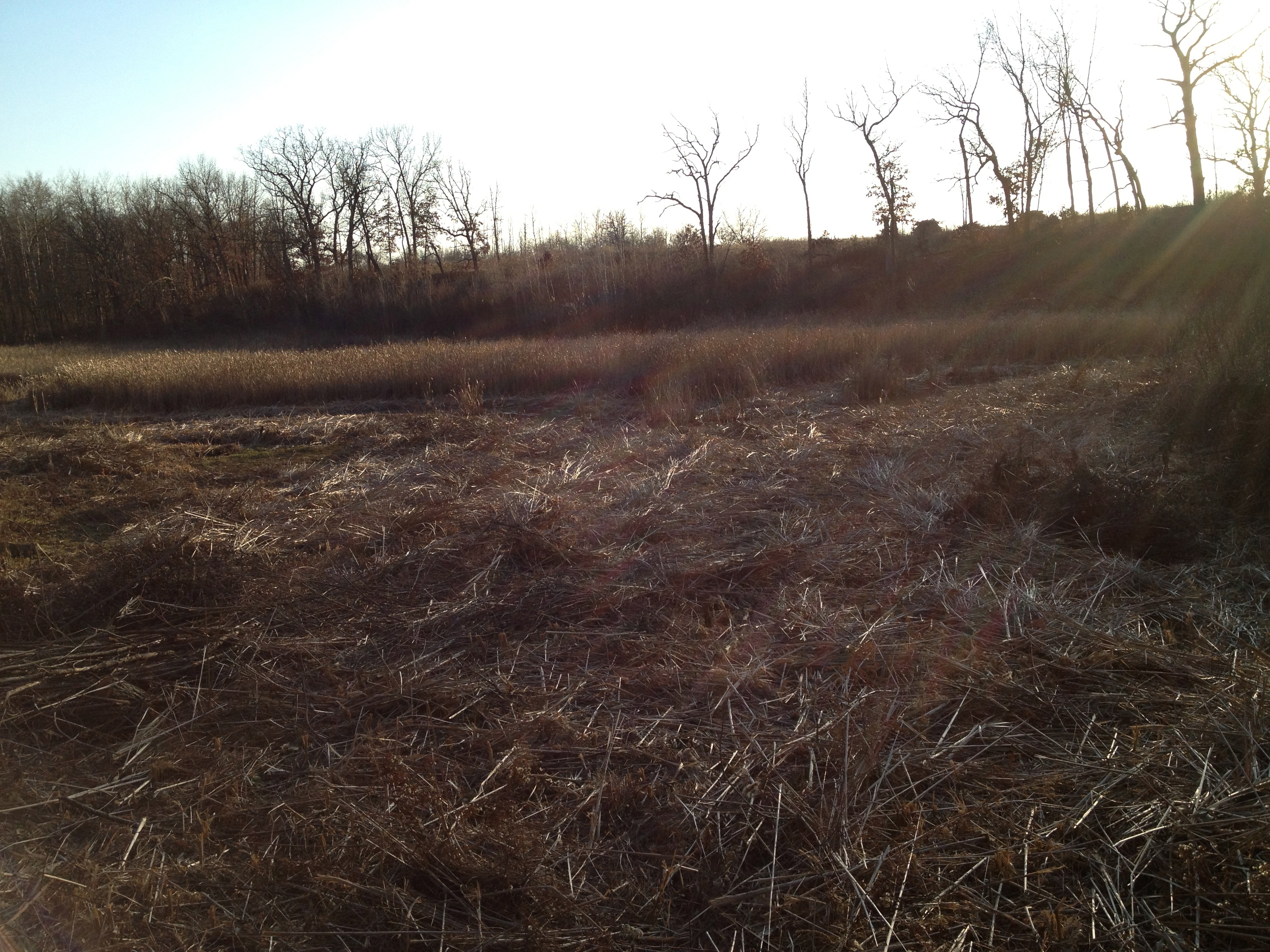
We picked up where we left off on Thursday at the newly christened “Hatching House Springs” (see #9 on the Map).  Our goal was to open up the Springs and cut and pile the huge Willow that had fallen into the wetland.  Many of the Willow branches were taking root.  We also wanted to finish brush-cutting the cattail, which was concealing yet another series of springs closer to the bridge.    Here are some before shots.

You can see the two strategically placed boardwalks we uncovered last time below.

And the Water Cress…

Pati came out later to help pull cress and pile brush.  Here are the fruits of our labors.

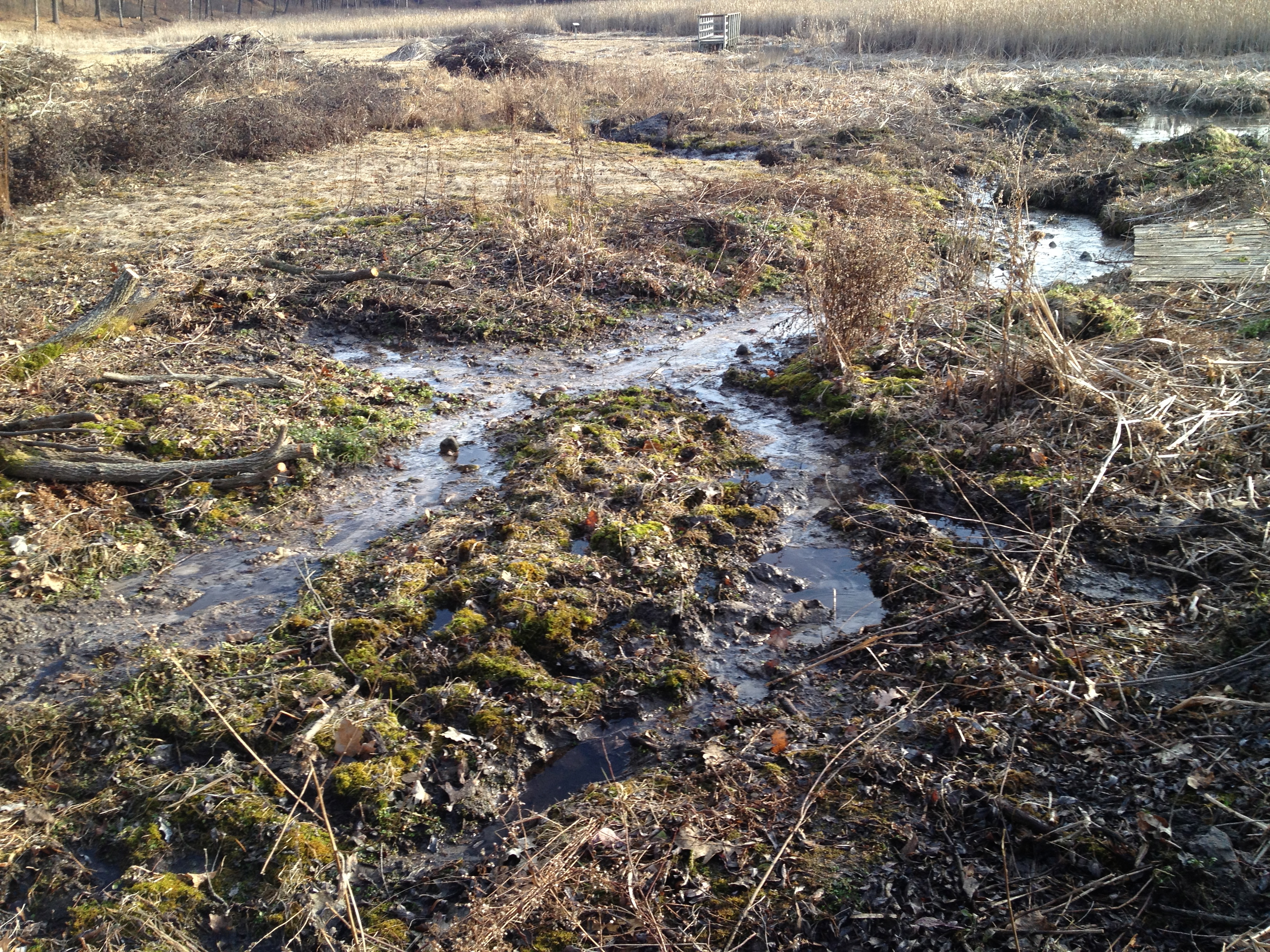
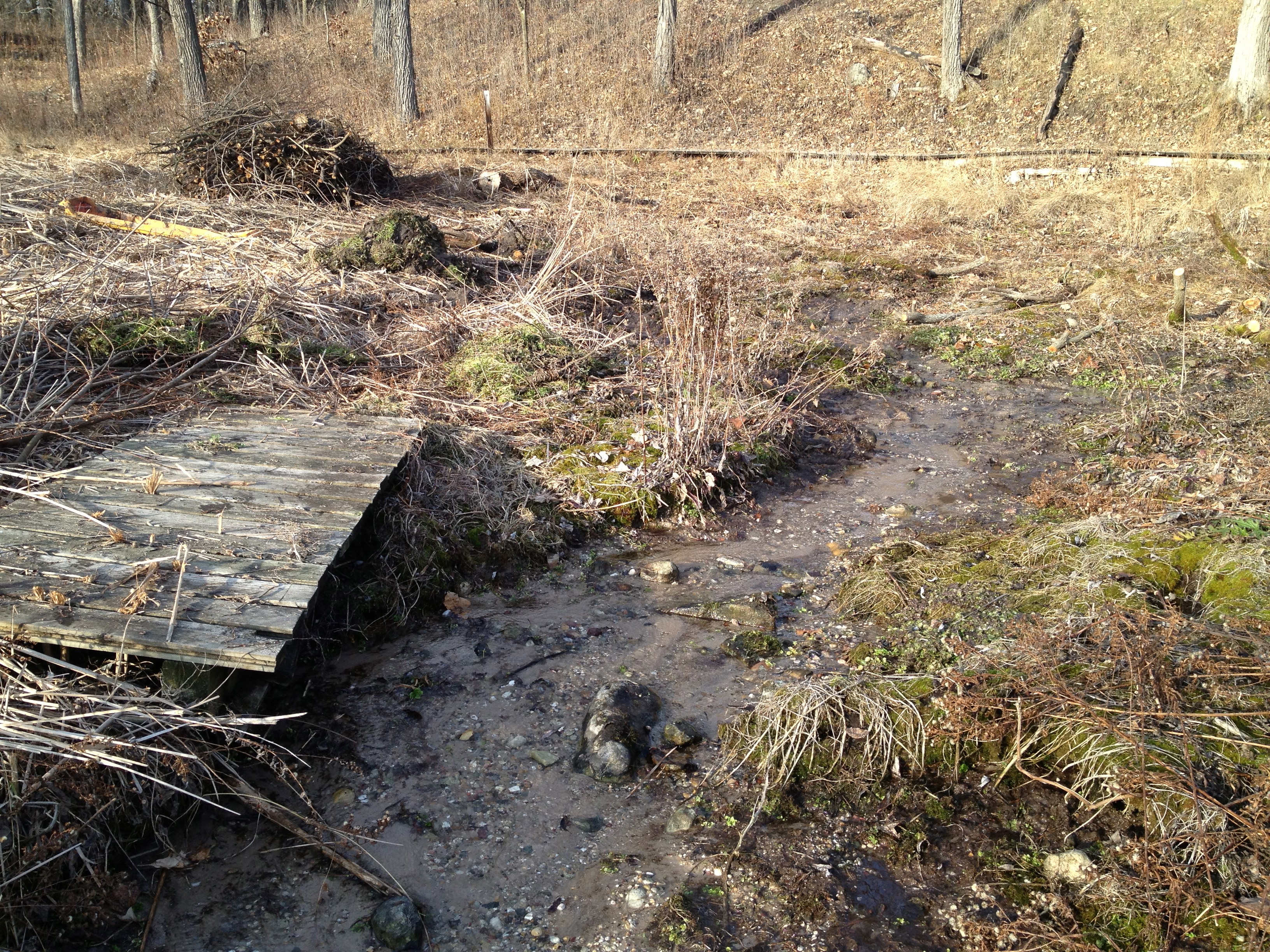
The Hatching House Springs revealed!

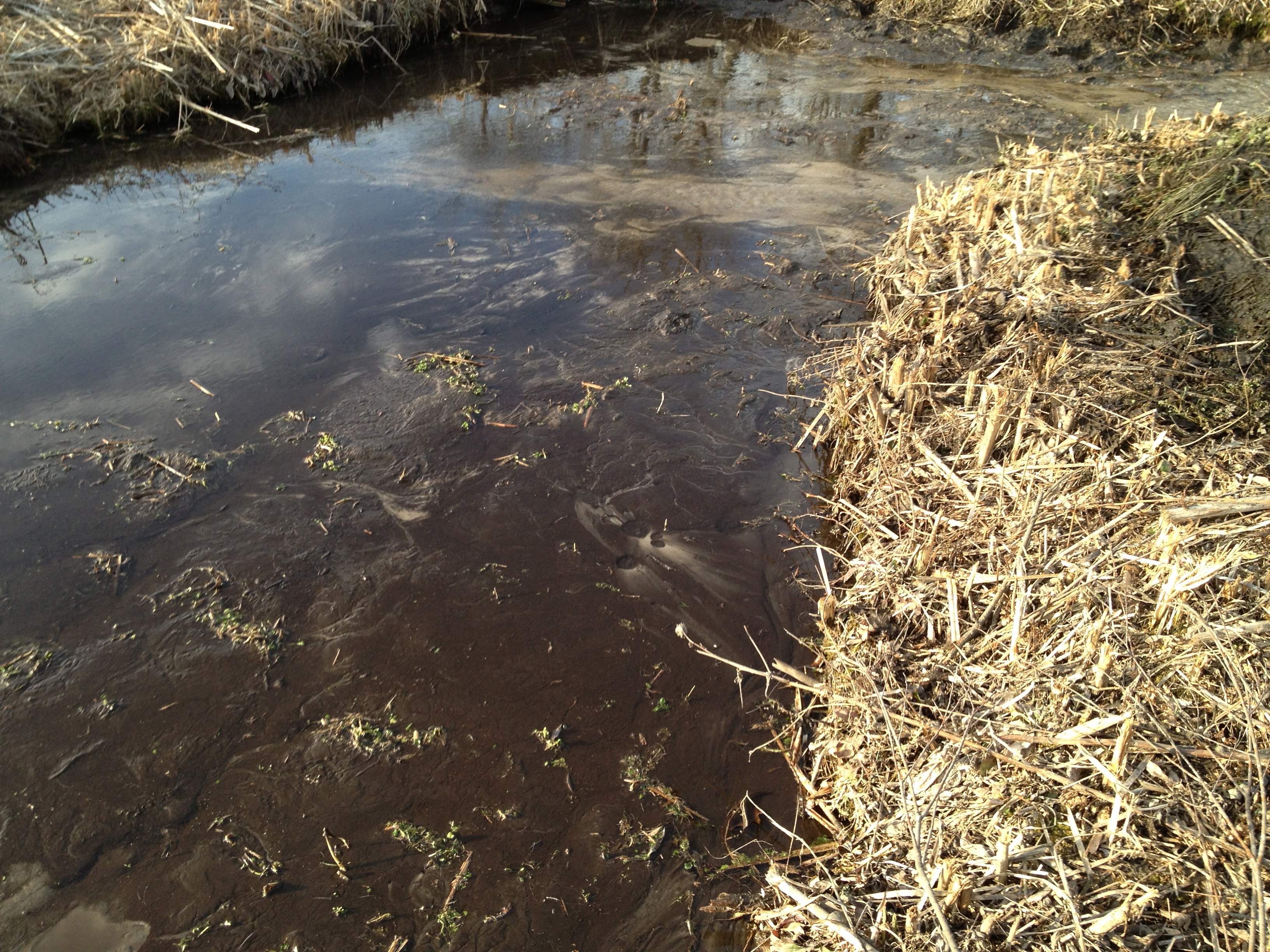
There are at least a dozen springs in the area.  Here is a nice bubbler.

Time to pack up the gear.

The view from the observation deck at the Emerald Spring.

Sunset at the Indian Campground.

Hope to see YOU soon out at the Springs.

Ground Water Monitoring Project at the Springs

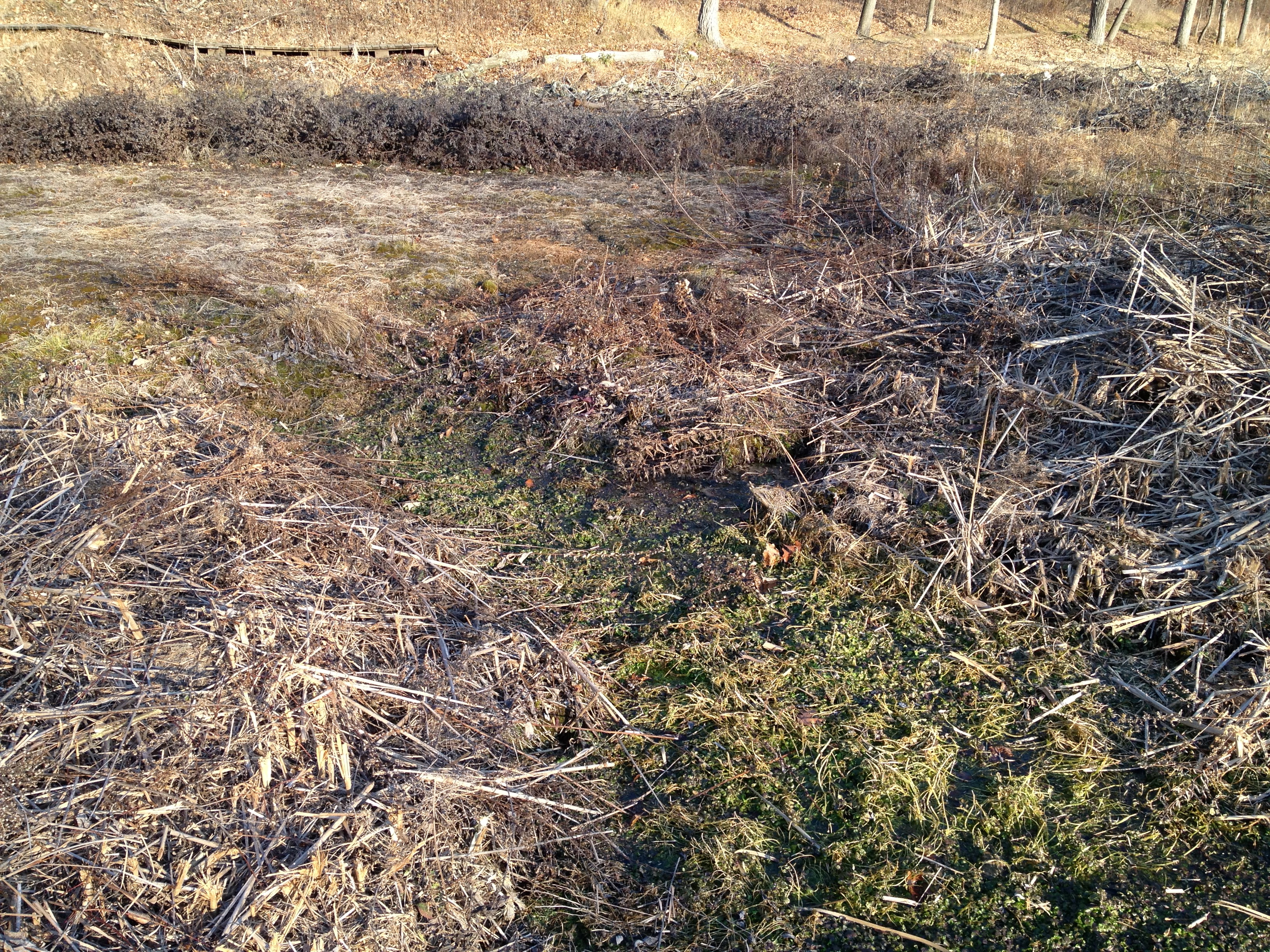
It was a beautiful, warm, sunny, and, dare I say, exciting, day at the Springs yesterday (November 15th).  I began cutting brush and cattail at location #9 on the map, the site of the old Trout Hatching House, which is between the Emerald Spring and the Hotel Spring.  The last time we worked in this area Lindsay and I noticed there were a couple of old boardwalk sections buried in the brush and, along with all of the Water Cress in the area, these were sure signs that there might be some hidden springs there.

Here are a couple of before shots.

And after.

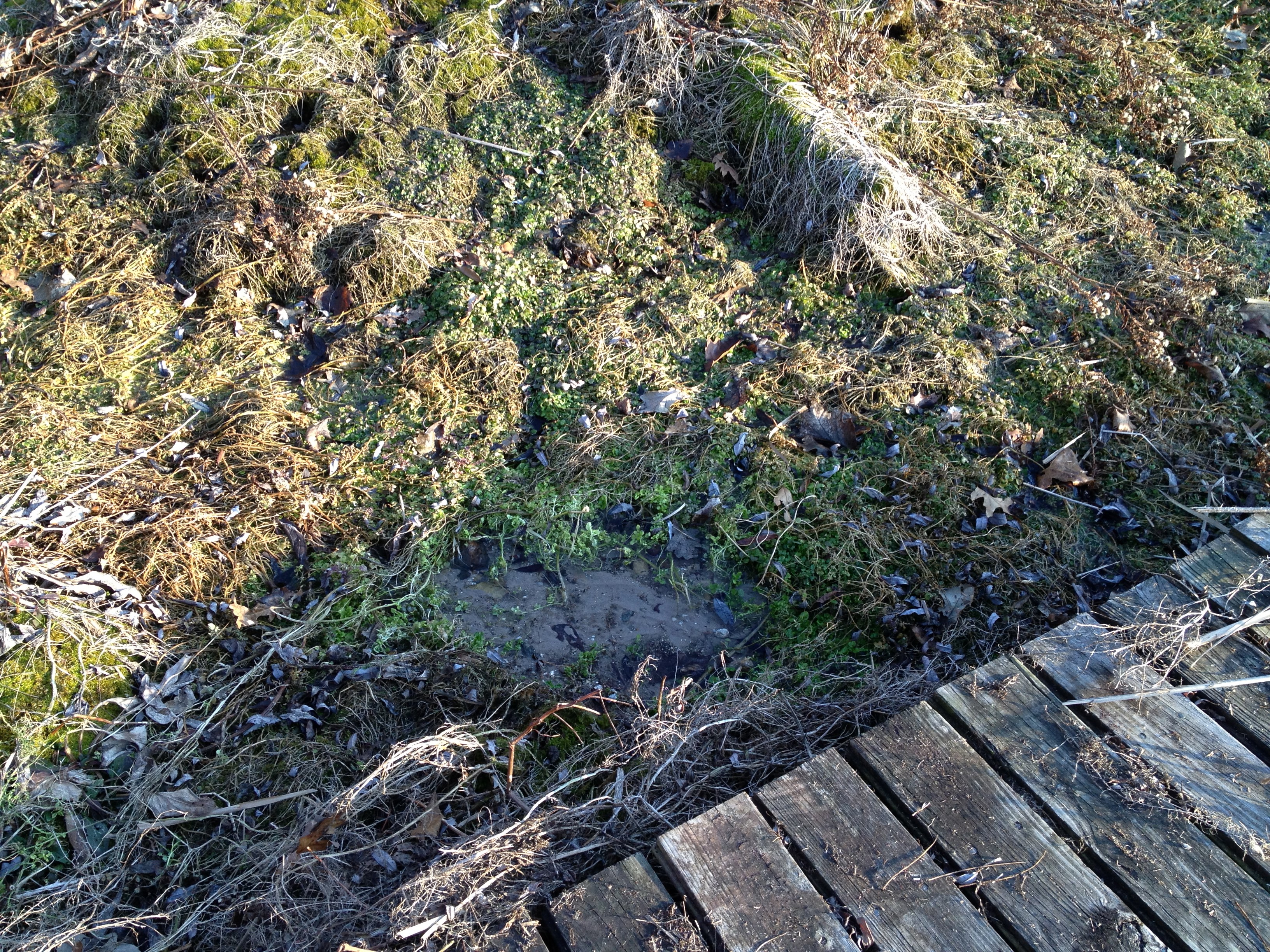
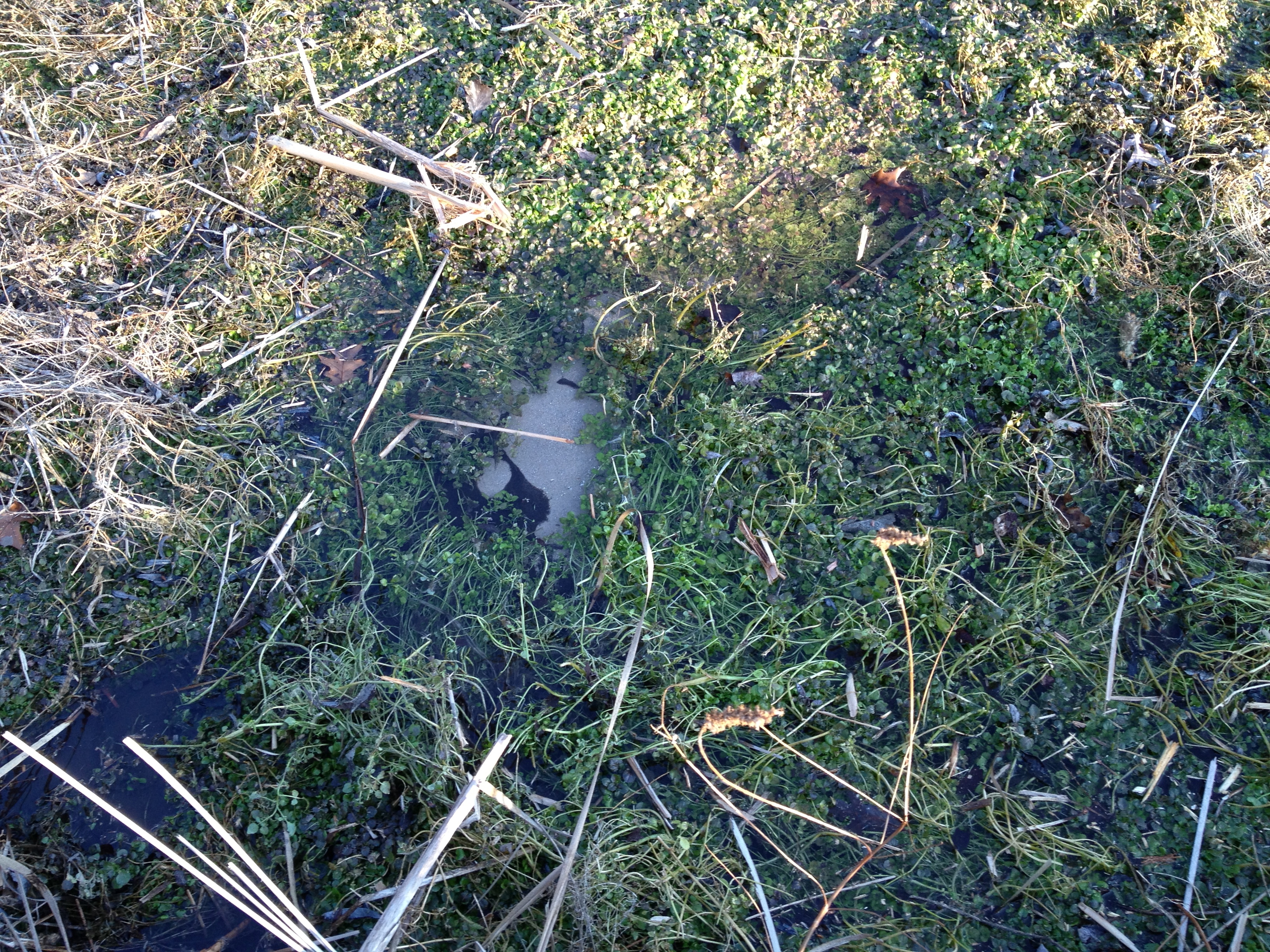
I pulled a handful of cress aside and you can see running water by the first boardwalk.

There is a bubbling spring by the second boardwalk.

This Saturday, November 17th,  we plan to pull the cress out of these springs and open them up and pile the brush.  I can hardly wait!

Around mid-day my good friends Ed and Jim Brown, stopped by.  Ed has been involved in developing organic food sources and distribution networks for over 30 years (edward@organicbydesign.com) and currently makes his home in Spokane.  Ed introduced me to the Paradise Springs way back in the late 70’s.  He is an Enlightened Being.  Ed is going to connect us with some people who may be able to use the abundant firewood that is available and also to harvest some Water Cress.  Thanks to Jim for bringing Ed out to the Springs!

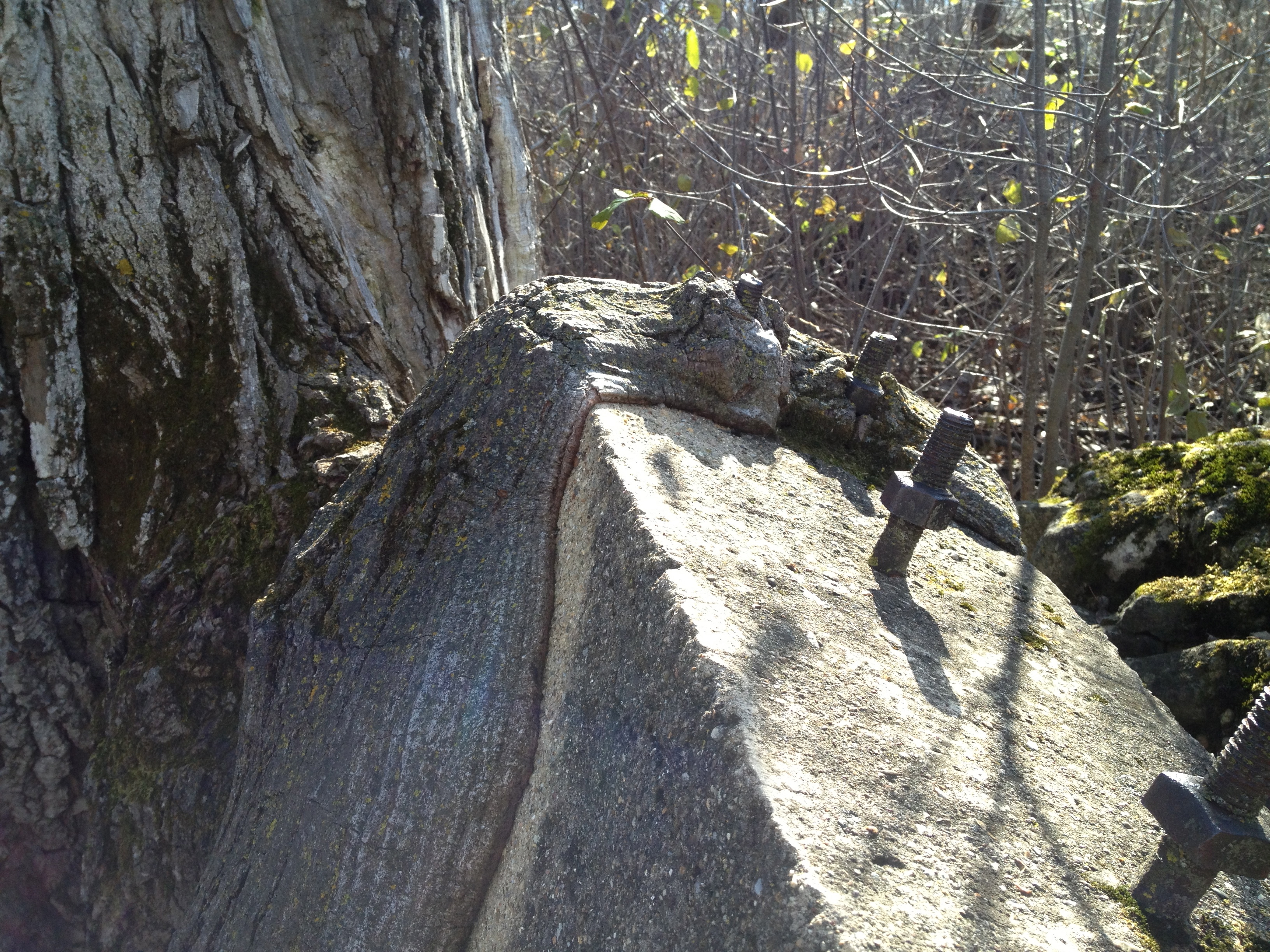
Ed noticed these roots from a Cottonwood tree by the marl pits enveloping the concrete foundation.

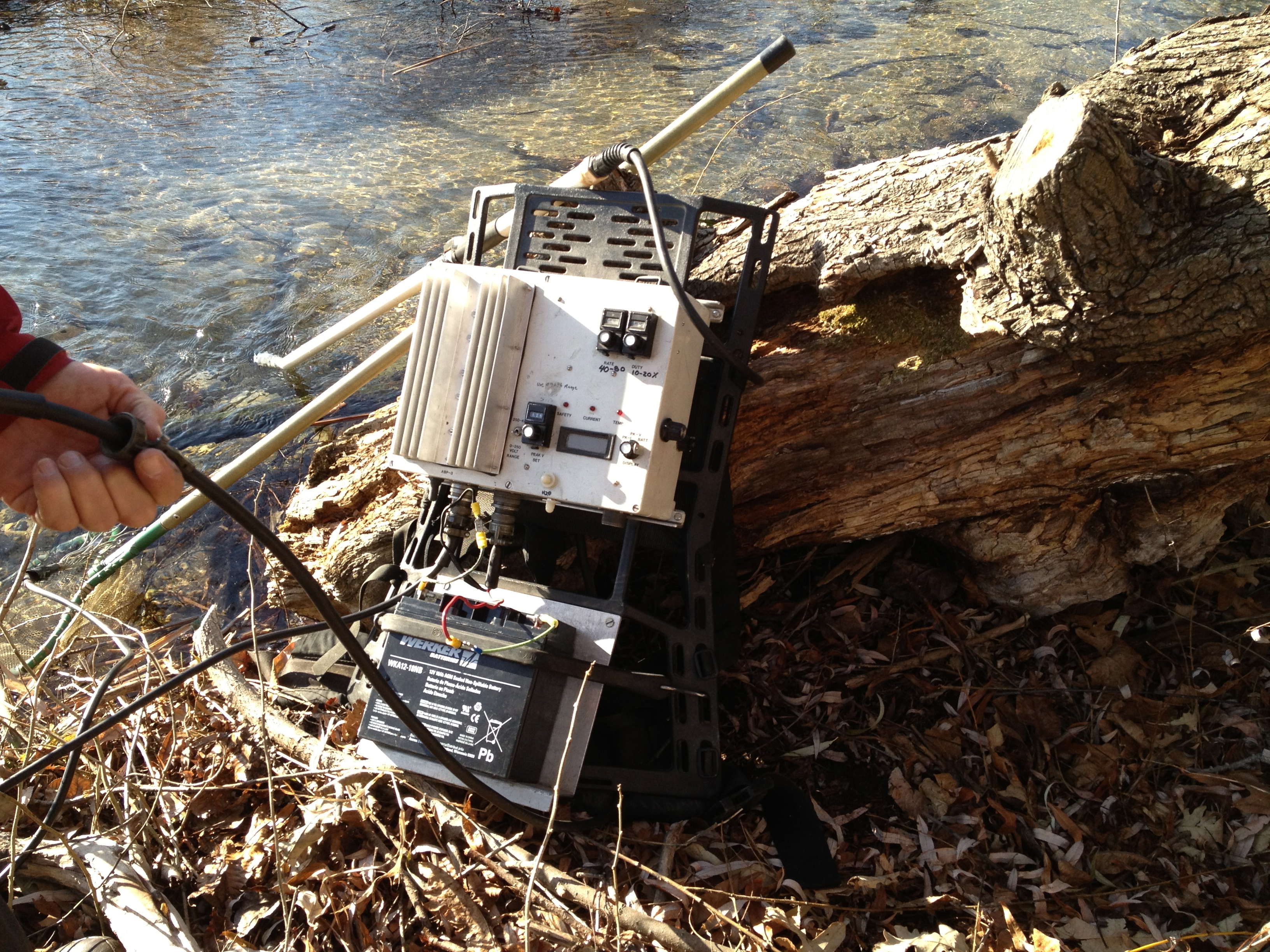
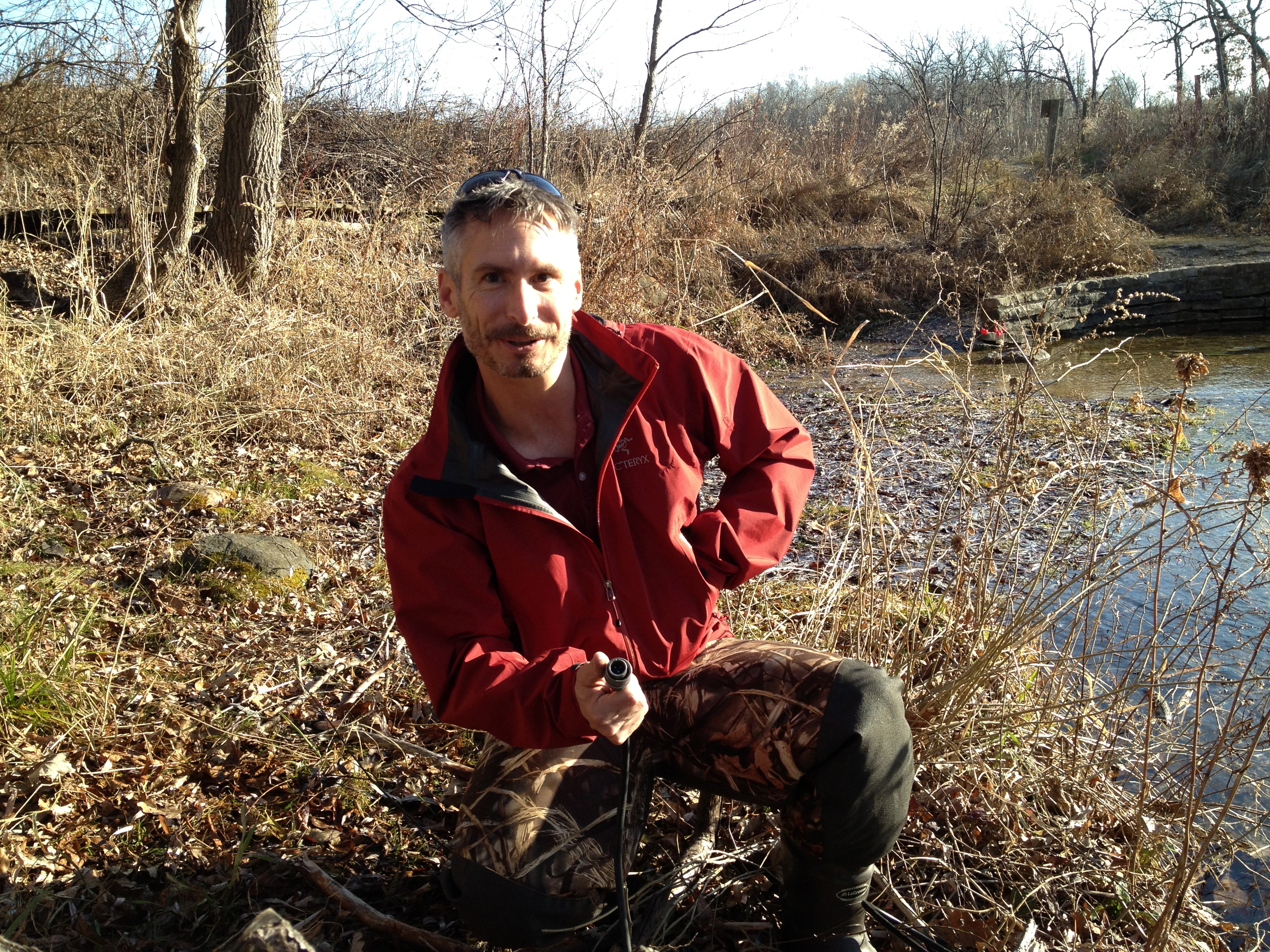
Just as Ed and Jim were leaving, along came a crew loaded with cameras and backpacks.  Mike Parsen, a Hydrogeologist from the Wisconsin Geological & Natural History Survey, John R. Karl, a Videographer and Science Writer with the University of Wisconsin Sea Grant Institute, Craig Helker, Water Resources Management Specialist with the DNR and Anne Korman, Assistant Superintendent of the Southern Kettle Moraine State Forest were making their first visit to the site as a team.  They are going to make a documentary describing their effort to update the state-wide ground water monitoring network.  Listen in as they explain.  From left to right below John R. Karl, Mike Parsen, Anne Korman and Craig Helker.

When we interviewed Tracy Hames, from the Wisconsin Wetlands Association, he stressed the importance of monitoring the river so we are very excited that Mike will be installing a water flow meter and temperature gauge.  Craig has been shocking the river to do fish surveys for 8-9 years and we are very interested in any changes he may measure as well.

To top off a most excellent day, Pati came out to help pile brush and participate in the interview.  It was a day full of fun and surprises!

I make piles with a little help from my friends

Thanks to my good friends we almost finished piling all of the brush at the Indian Springs that Rich and I prepped Last Thursday.  This area was one of the nastiest Buckthorn thickets we’ve ever had the pleasure of cutting.

While I was still working at Northwestern Mutual, I often told my coworkers about my work in the Kettle Moraine and today Chakry Indlamuri and Sriram Raghavulu came out to check it out and pile some brush.  Here is Sriram in action.

Sriram and Lindsay.

And Chakry.

Later John and Sue Hrobar joined in.  Sue gave me a thumb drive with hundreds of pictures she took at the Springs and we’ll post some of them here soon.

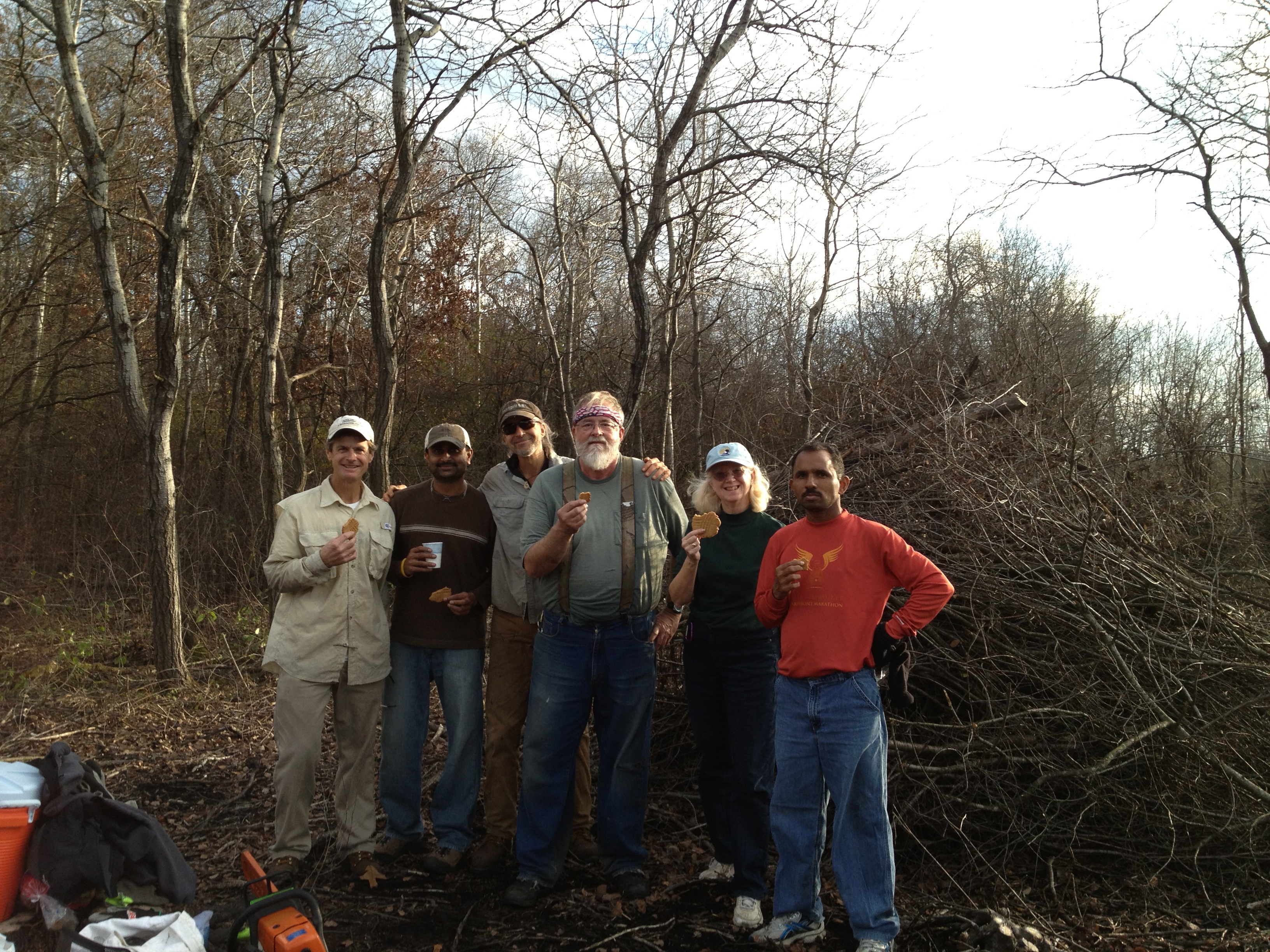
And finally my ever lov’in mate Pati arrived with some awesome peanut butter cookies and took this picture.

We made around 20-25 piles and Sriram and Chakry both plan to come back and help again!

It was a warm, sunny day and a lovely breeze kept us refreshed.  Speaking of which, Chakry brought a bottle of Champagne and a bit of Chivas Regal and we “partied” by the Scuppernong Spring.  “…I get high with a little help from my friends…”.

Brush Piling by the Scuppernong Spring

Lindsay and I piled the brush that I cut back on October 21rst by the Scuppernong Spring today.  I added the Google Earth Map below to the Maps and Brochures page on this site.  The imagery is old, predating all of the cutting I did right along Hwy 67 some 9 years ago, but it is still useful.  Can you find the Scuppernong Spring?

Here are some before images.

We had lots of visitors today and got a chance to explain what we are doing and refer people to this site.  Just as our strength was giving out, Anne Sylvan arrived to help us finish the last piles.  Thanks Anne!

We made around 20 piles.  We’ll have to wait for an East wind and good snow cover to burn them.

Buckthorn Cut At The Scuppernong Spring

The Scuppernong Spring is where the Scuppernong River starts.  It is set in a bowl near the base of a long moraine.  There are huge Red and White Oak and Hickory and Cherry trees along the slopes.  Approximately 9 years ago I cut the Buckthorn along this slope from Hotel Spring, South, almost all the way to the Scuppernong Spring and yesterday I resumed this effort on the slopes around the Scuppernong Spring.    Pati came out later to help pile brush and bring my camera/phone, which I had forgotten. So, no before pictures this time.   There are still a few trees to cut and lots of piling to do.  Below is a map with the work area marked in white and some pictures taken after the cutting was done.  In case you were not aware, you can click on any of the images below to see the picture in full size.

Jon Bradley Loves the Springs

Here is a guest blog from Jon Bradley.

The Scuppernong Springs Nature Trail is one of my favorite places. I started walking it when I was just a young child. I still grab a guide at the entrance of the trail every time I go, although I pretty much have the entire thing memorized. I’ve been to the trail at least once every year, and this year I’ve been lucky enough to visit it 6 times, and planning a 7th visit this October when the leaves change. In fact, last year, on October 8th, I came for the fall colors as well, and it was a fantastic sight along the crystal clear Scuppernong River.
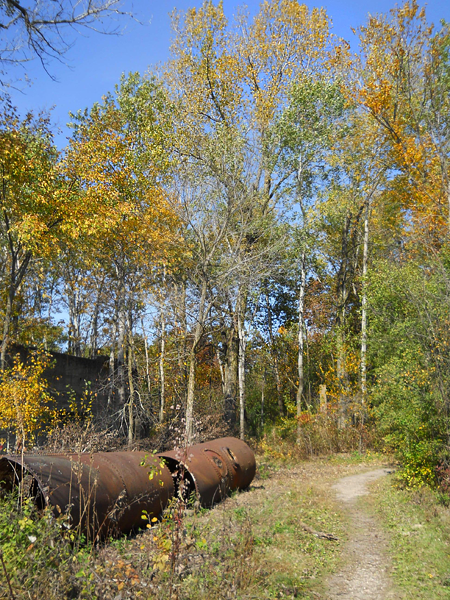
Also some fall colors at the old Marl Plant.

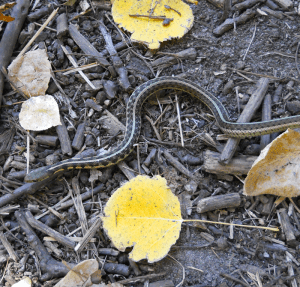
One of the reasons I love this area so much is because it seems to be a good fit for a wide variety of animals and plants, some even threatened or endangered, and the common ones thrive. Snakes are almost a guaranteed sight along this trail in Spring and Autumn. Last autumn I found this young Common Garter Snake next to the main Scuppernong springs.
One of my favorite views (and with the recent efforts to clear out some trees, an even better view) of the Scuppernong River Habitat Area, is located at the old Native American campsite. This photo of the fantastic view was taken 8/27/12.

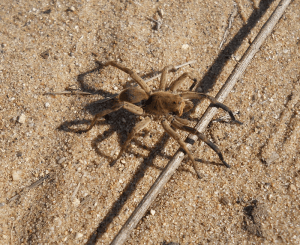
Last Autumn I found this large spider at the Native American campsite. I don’t know spiders, but I think its probably a Wolf Spider.
Here is a photo of the Hotel Spring that I took earlier this year, and I’d like to mention on my last trip there (2 days ago) I noticed one of the bricks had fallen off the wall and into the water.

Lastly, I have a few photos of the centerpiece of this trail, the Scuppernong River.
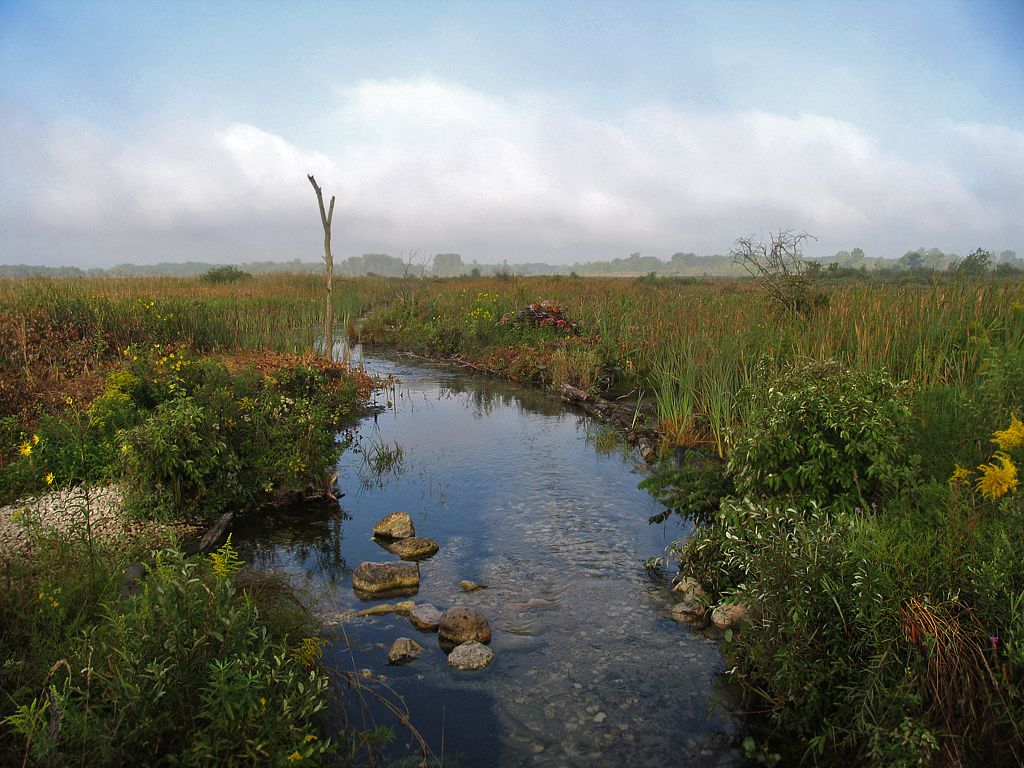
The first photo was taken on August 27th, in the morning before the fog rolled off. This is one of my favorite parts of the trail. There always seems to be a lot of bird life in this area such as Eastern Kingbirds, Cooper’s Hawks, Belted Kingfishers, American Goldfinches, and Great Blue Herons. I know its also a good place to find Garter Snakes, Hog-Nosed Snakes, and Northern Watersnakes. I love that the place is literally crawling with wildlife.
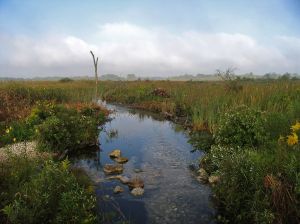
These two photos were taken just past the Marl Works, to the east. This area is listed as #5 on the guide and highlights fur trapping. The first photo was taken in the morning on August 27th, 2012, and the second was taken in the early afternoon on July 9th, 2012.

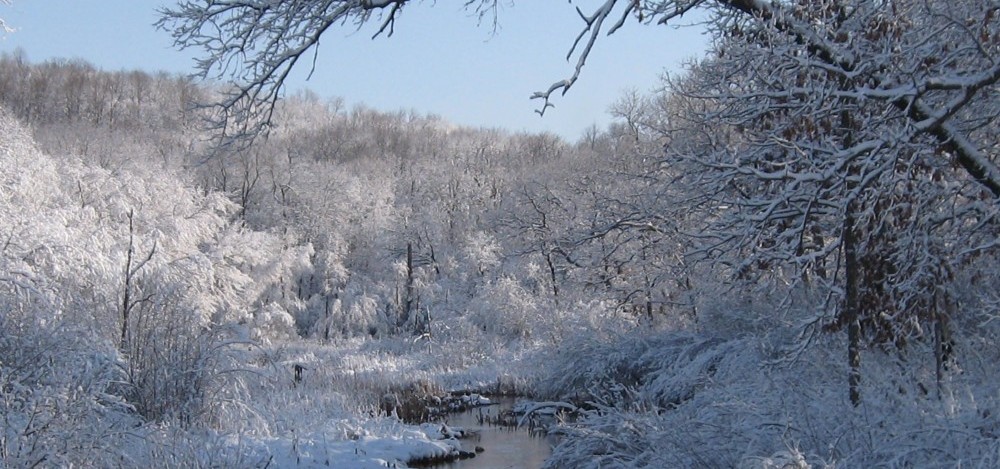
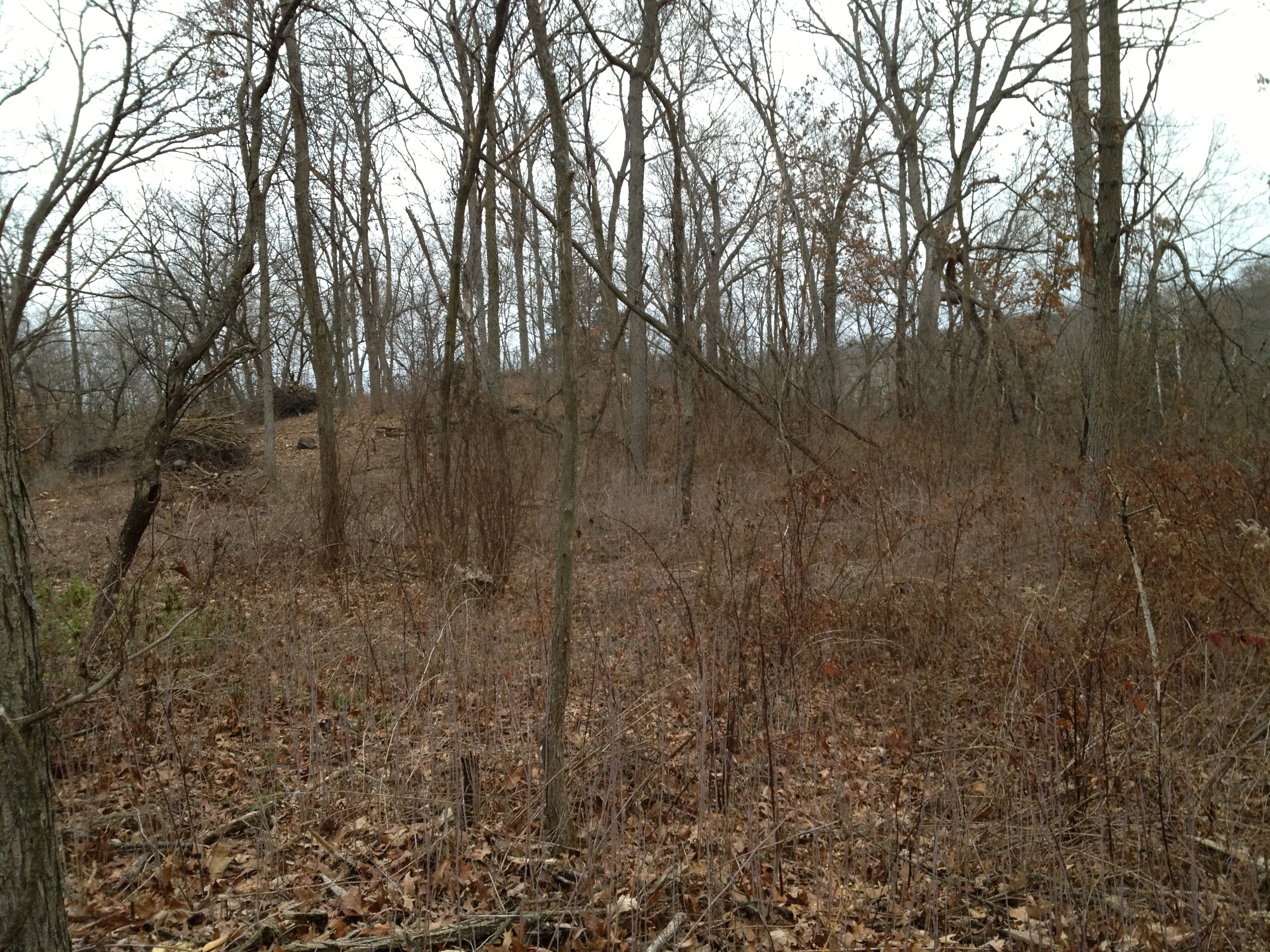
Finally, this area was recently cleared right near the old Hotel, and is listed #12 on the guide.

(ed. note, Thanks Jon for your story and great pics!)
Tracy Hames Interview

We had a wonderful visit with Tracy Hames, the executive director of the Wisconsin Wetlands Association, on Sunday August 19th.  It is easy to see why they hated to see Tracy leave his position as head of the Yakama Nation’s Waterfowl Program.  Tracy is very passionate and enthusiastic about protecting and restoring our wetland resources and we are lucky to have him back home in Wisconsin.

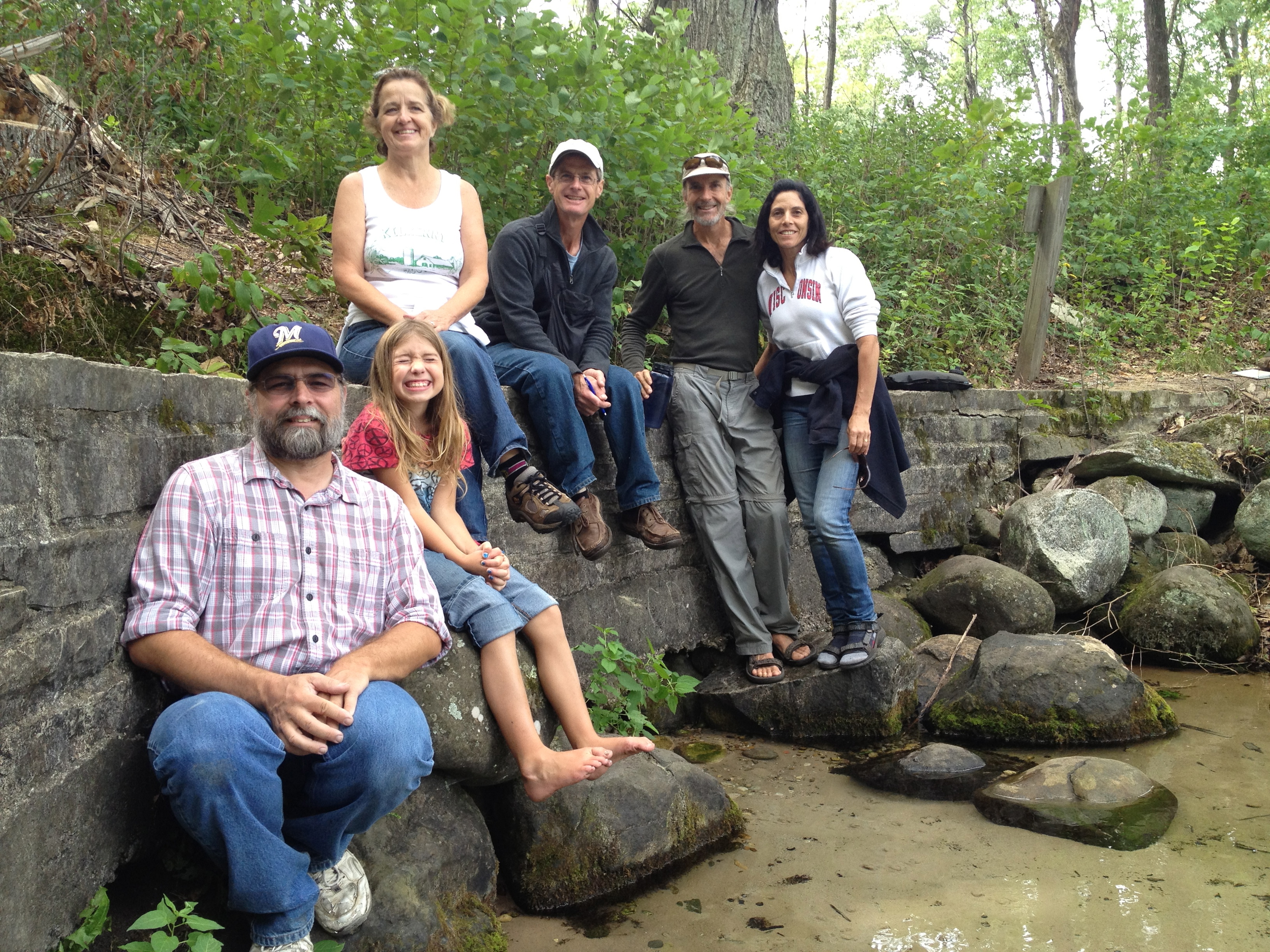
Tracy, Sophia, Connie, Lindsay, Paul and Pati at the Scuppernong Springs.  Thanks Anne for the photo!

Connie captured some great moments on video and pictures as we toured the Springs and we will add some of that content to this blog soon.  Listen to the interview I captured with Tracy at the Indian Springs.

Tracy had many suggestions for things we could do including: introducing beetles to attack the Purple Loosestrife, working with a DNR Hydrologist to install one or more water flow gauges, studying the historic (before European settlement) use of the land and water and the flora and fauna present at that time, and in general, carefully monitoring the results of all remedial actions we taken to determine their efficacy.
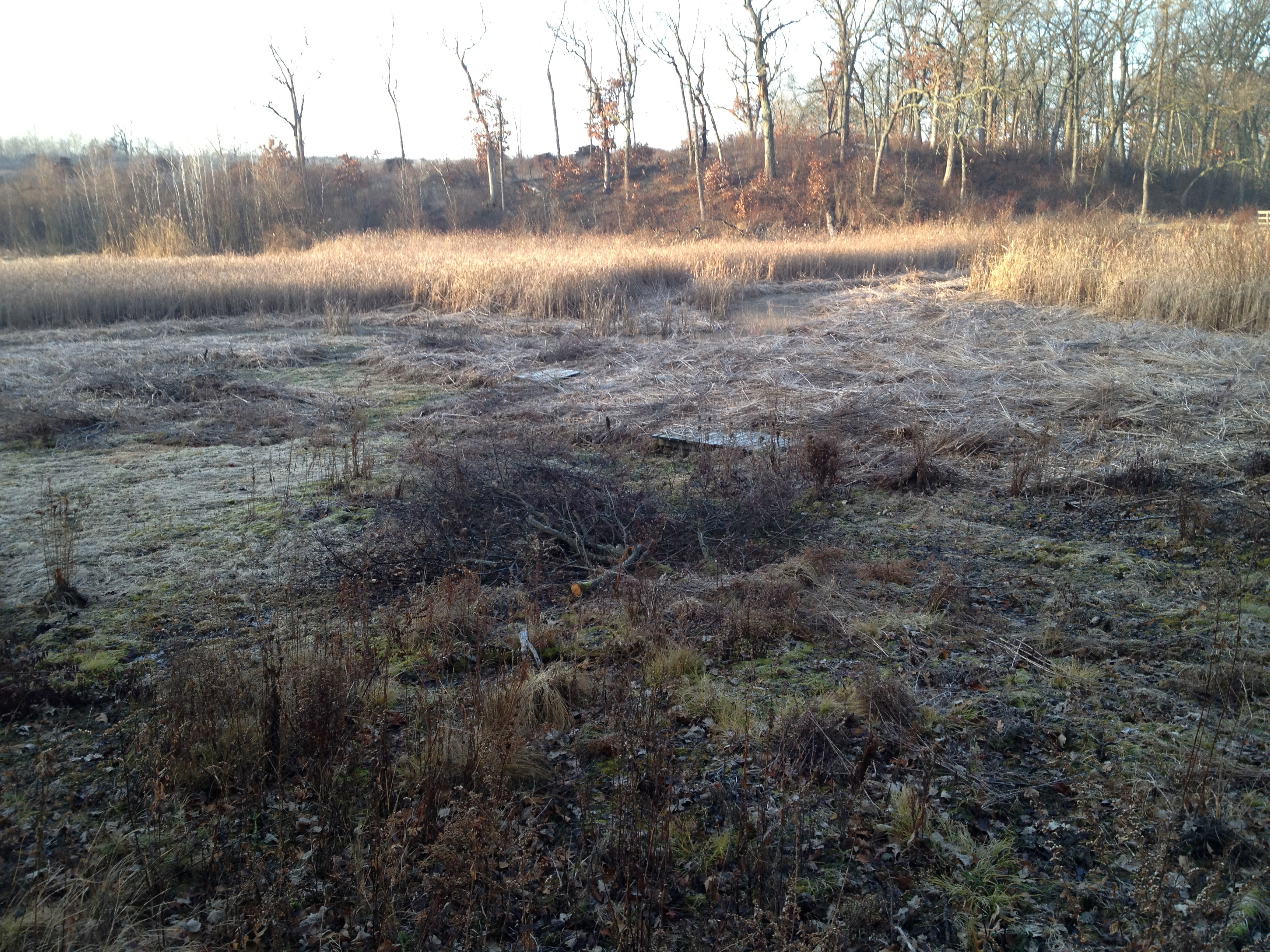
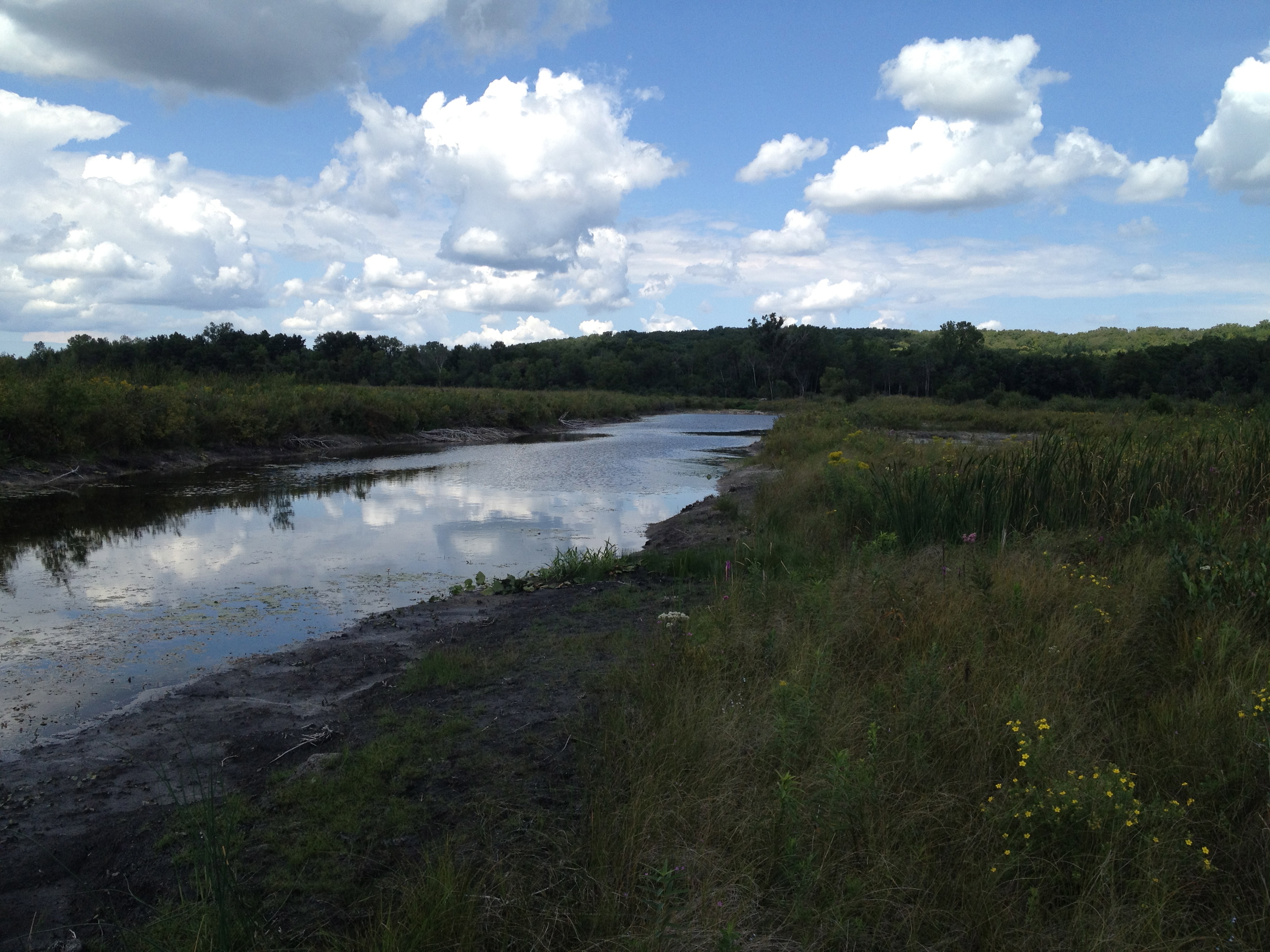
Later that day, our friends Jim and Cathy Brown visited us and we took another tour of the Springs.  We walked out along the Marl Pit channel, which is very easy to do now because of the dry weather, and I captured a couple shots along the way.

The opening in the distance on the hillside below is the Indian Campground.

Hope to see you soon out at the Springs!