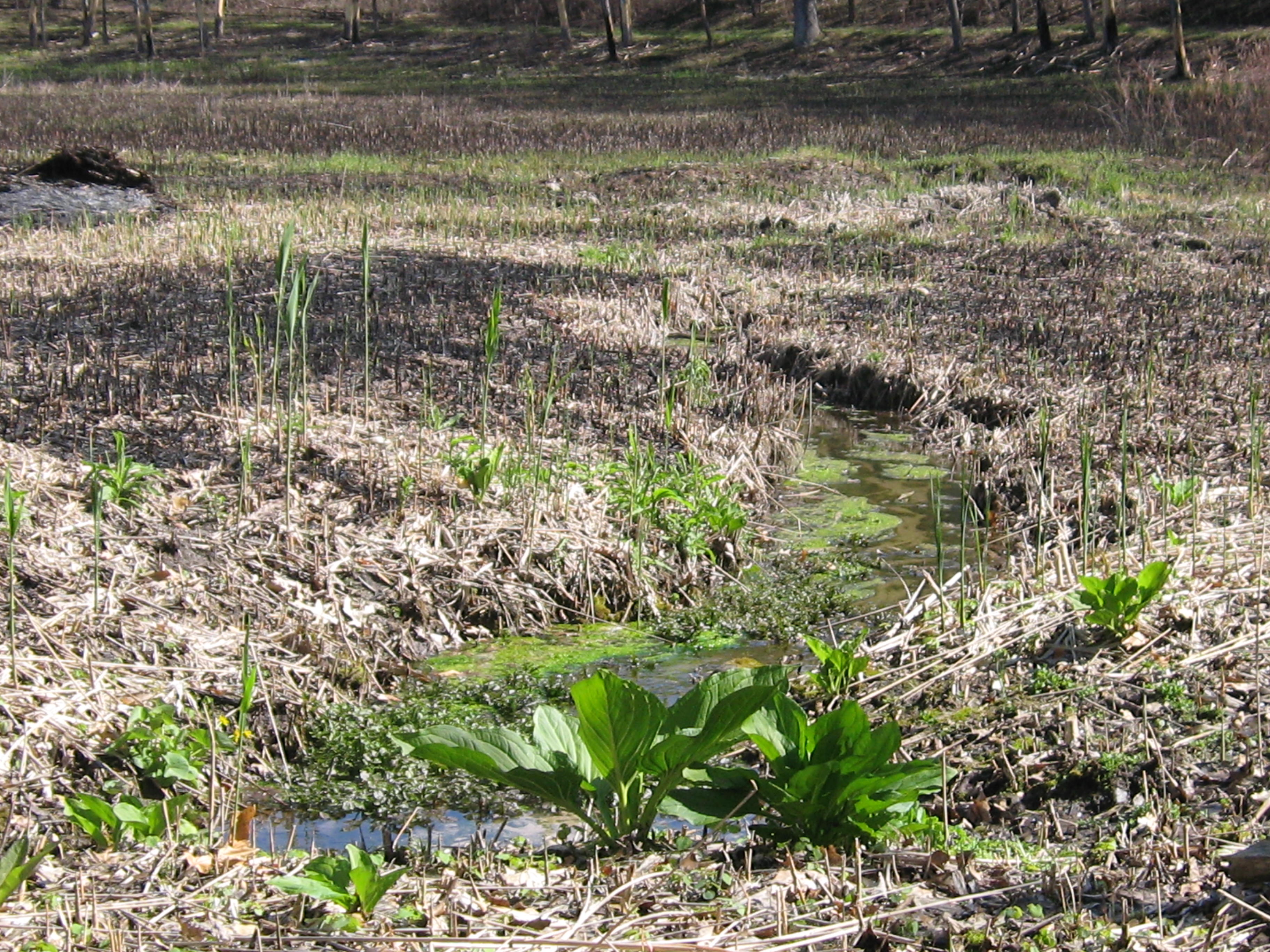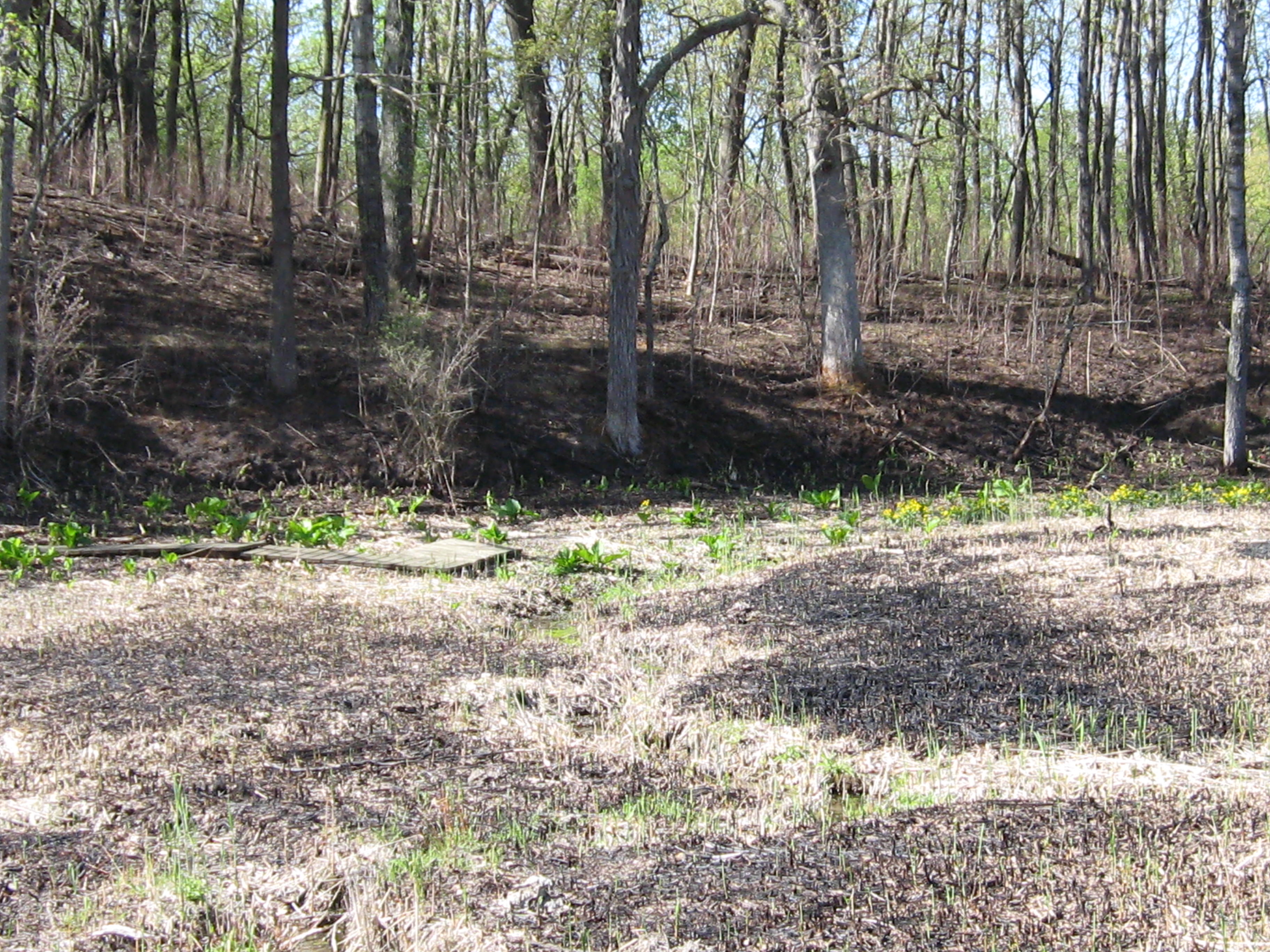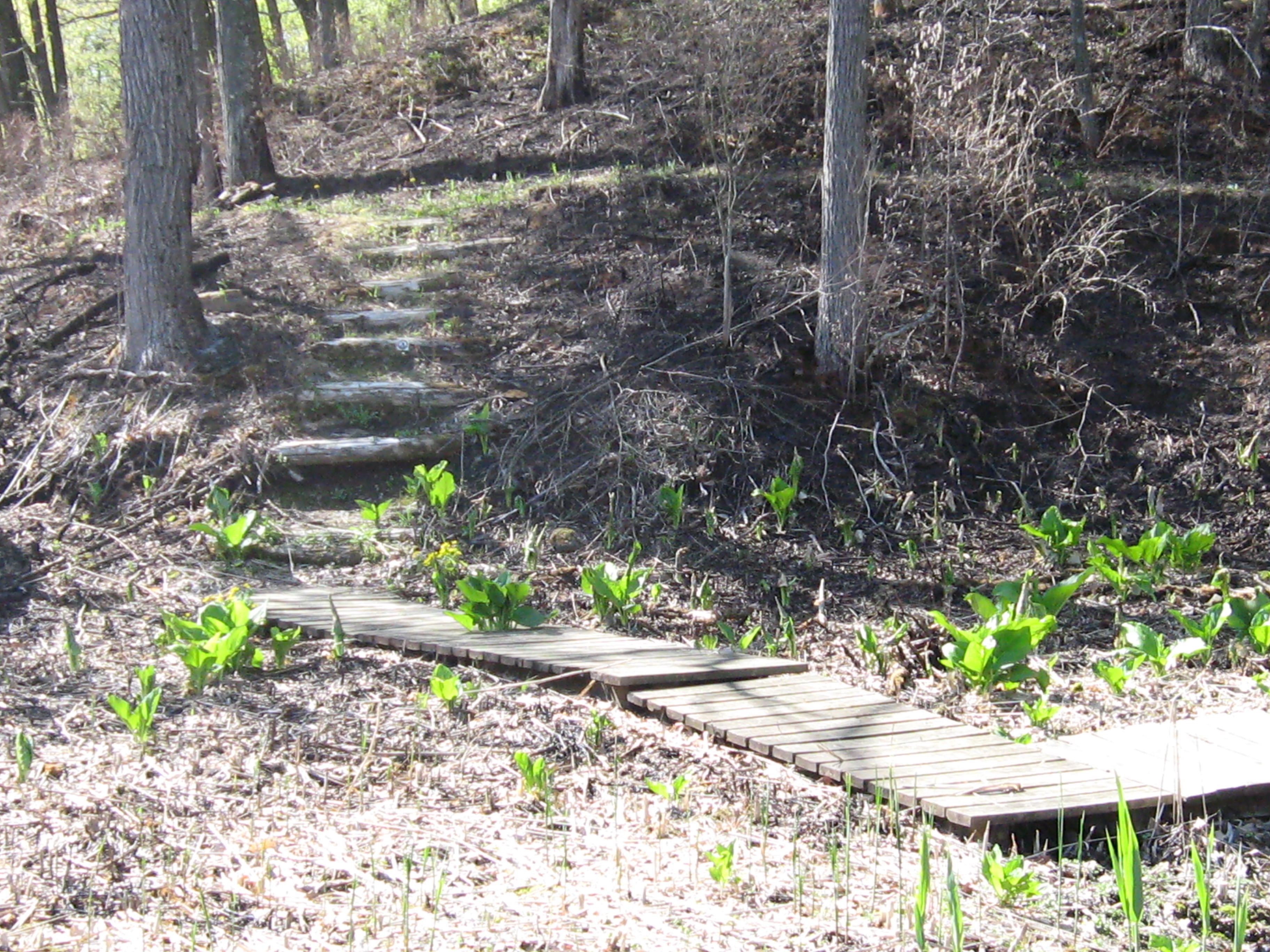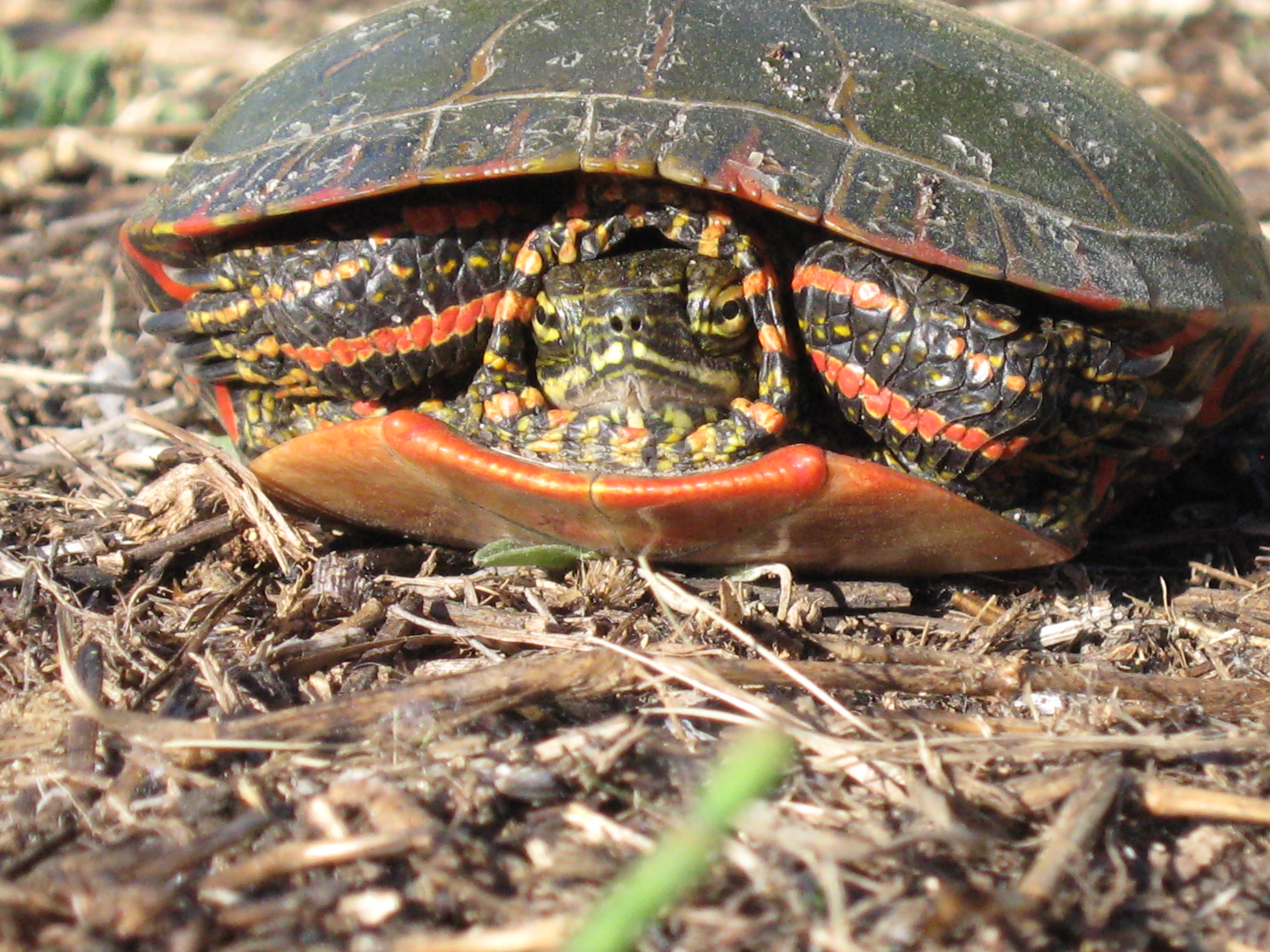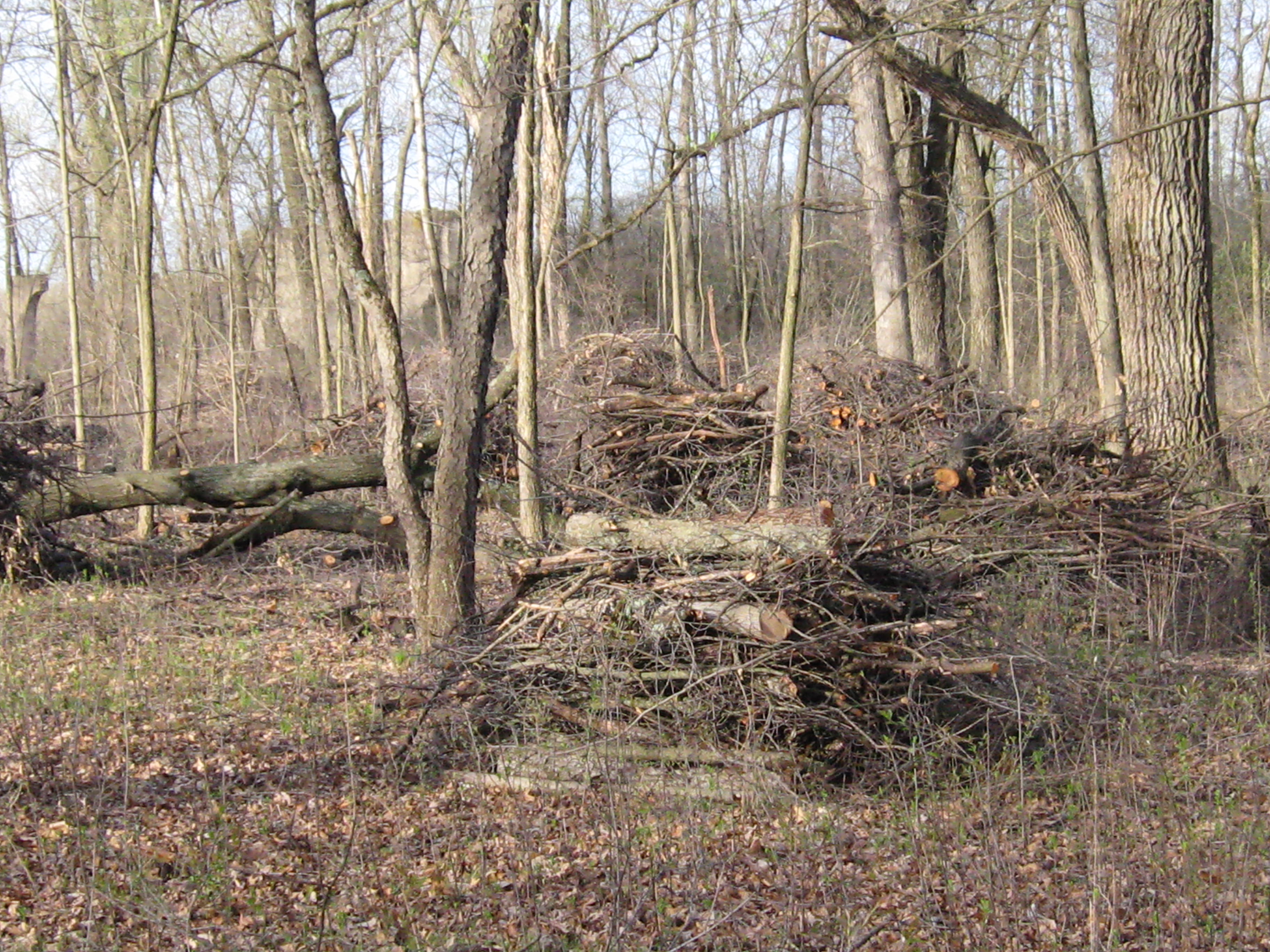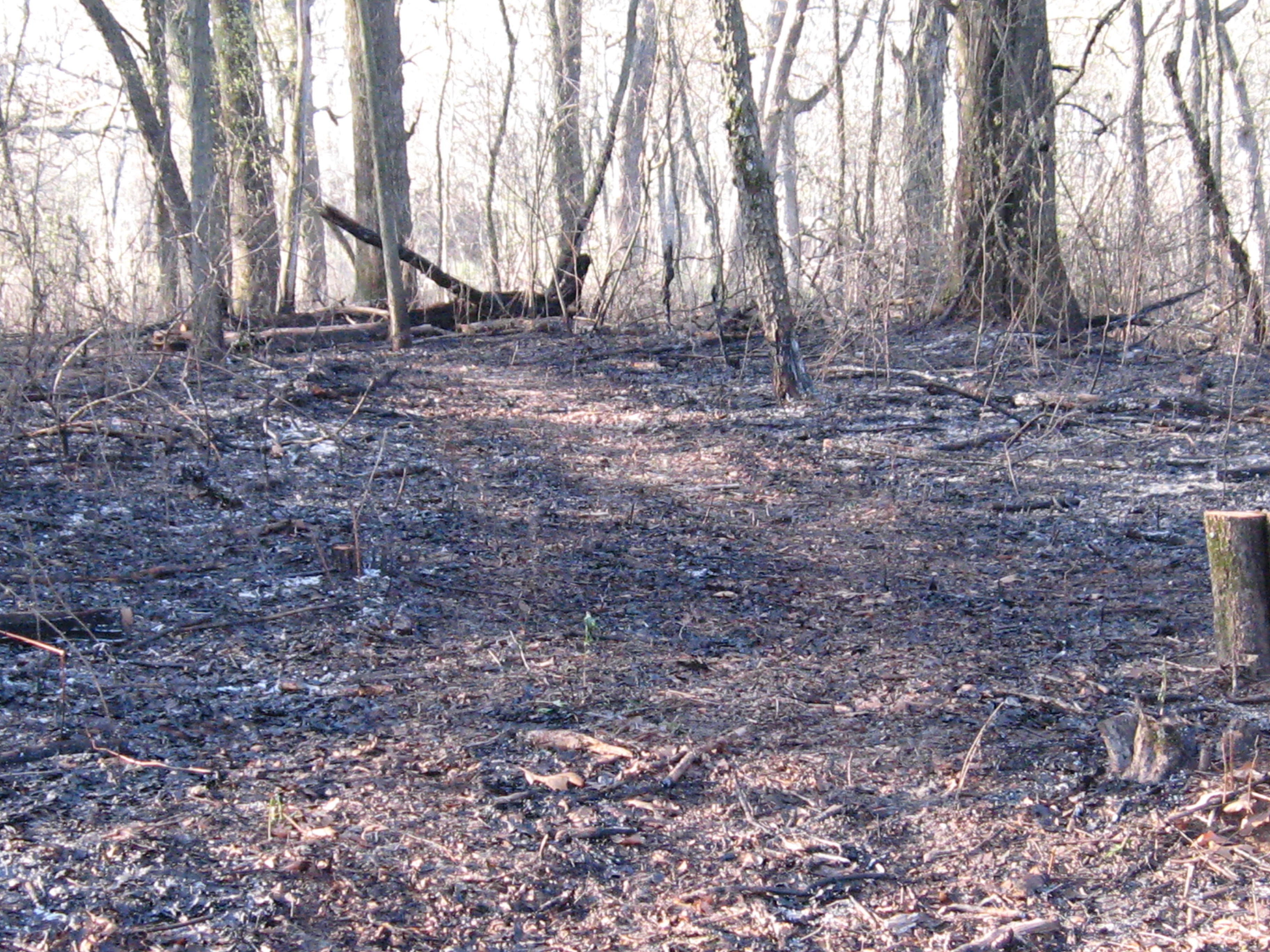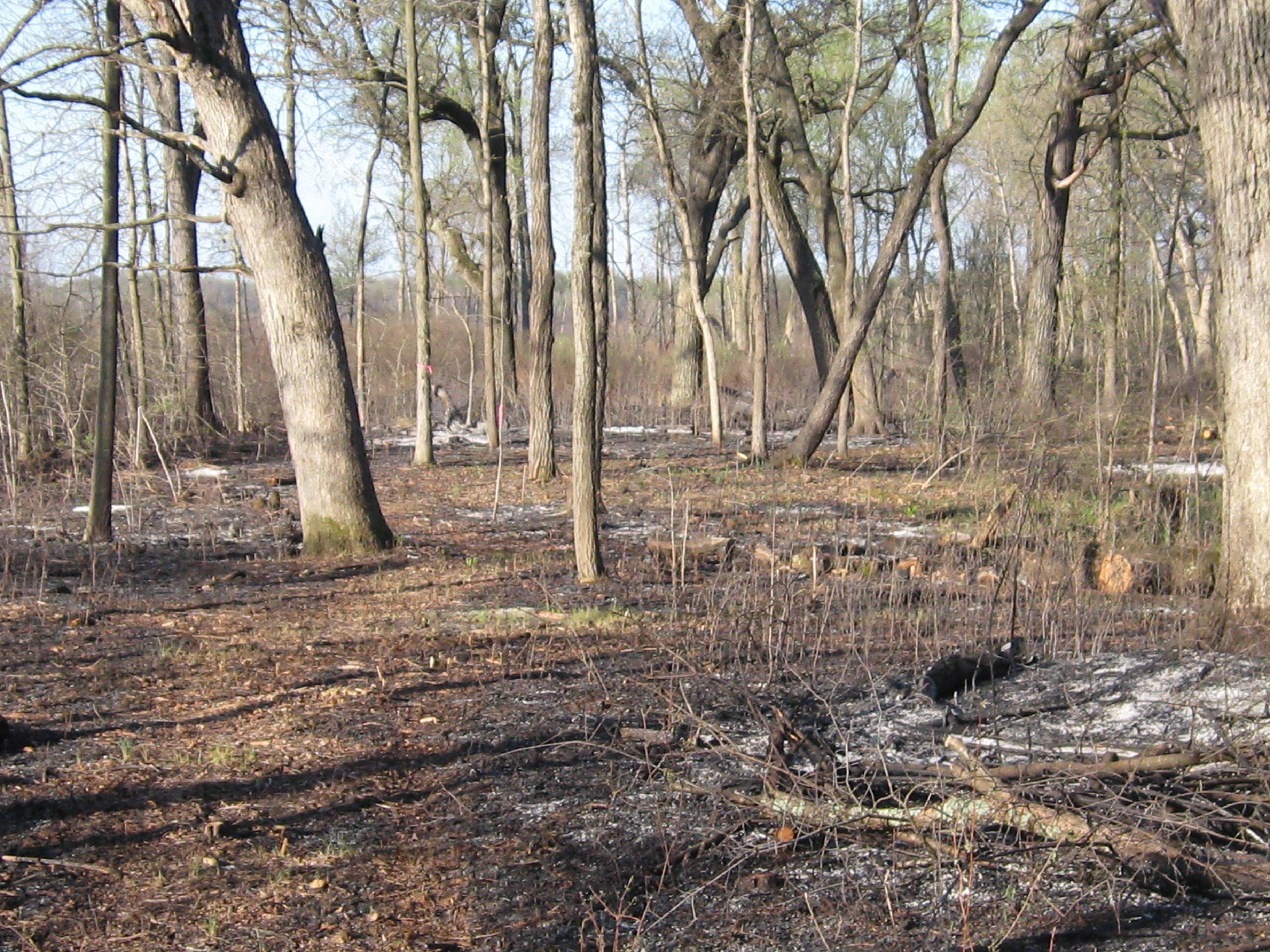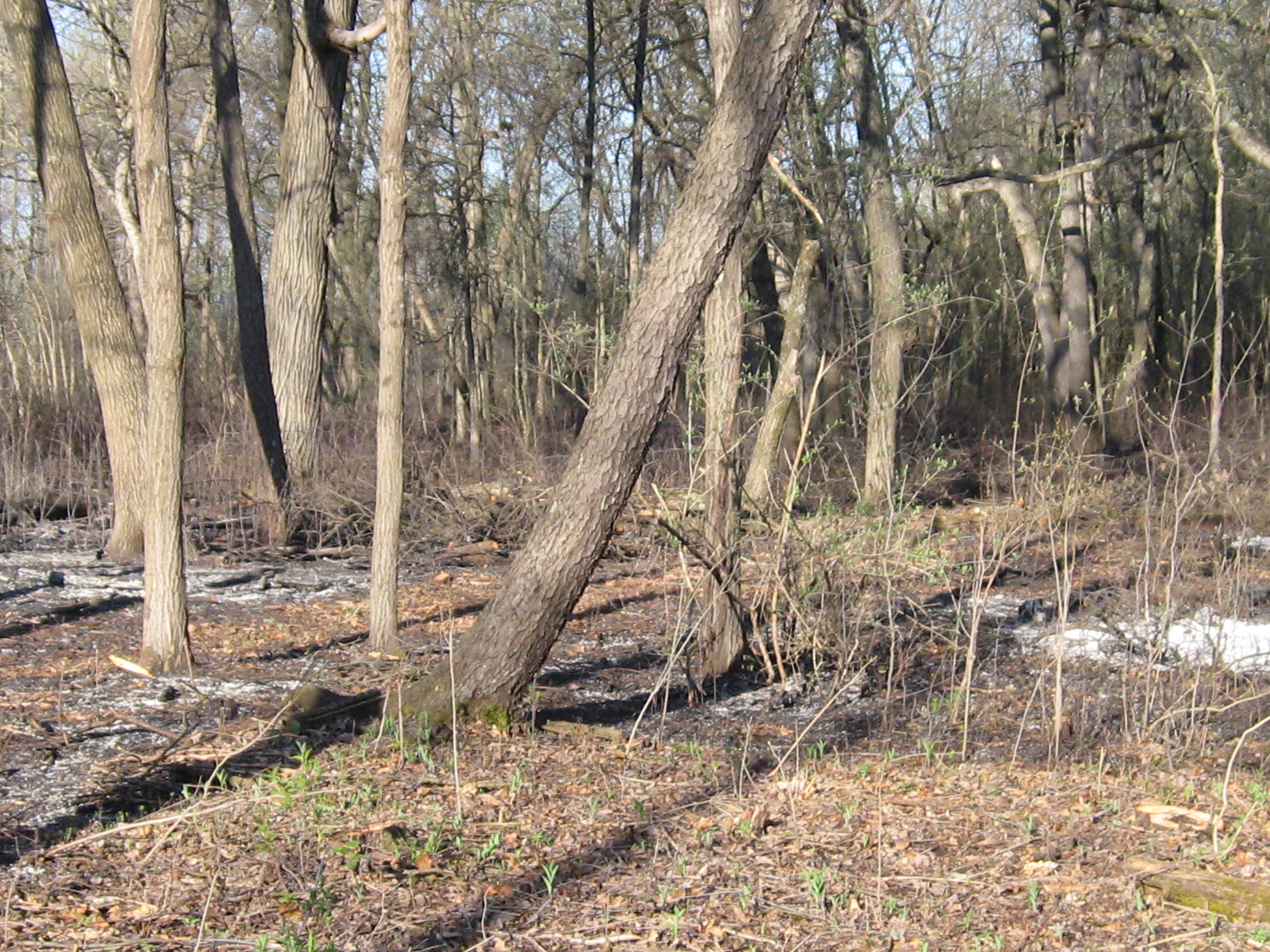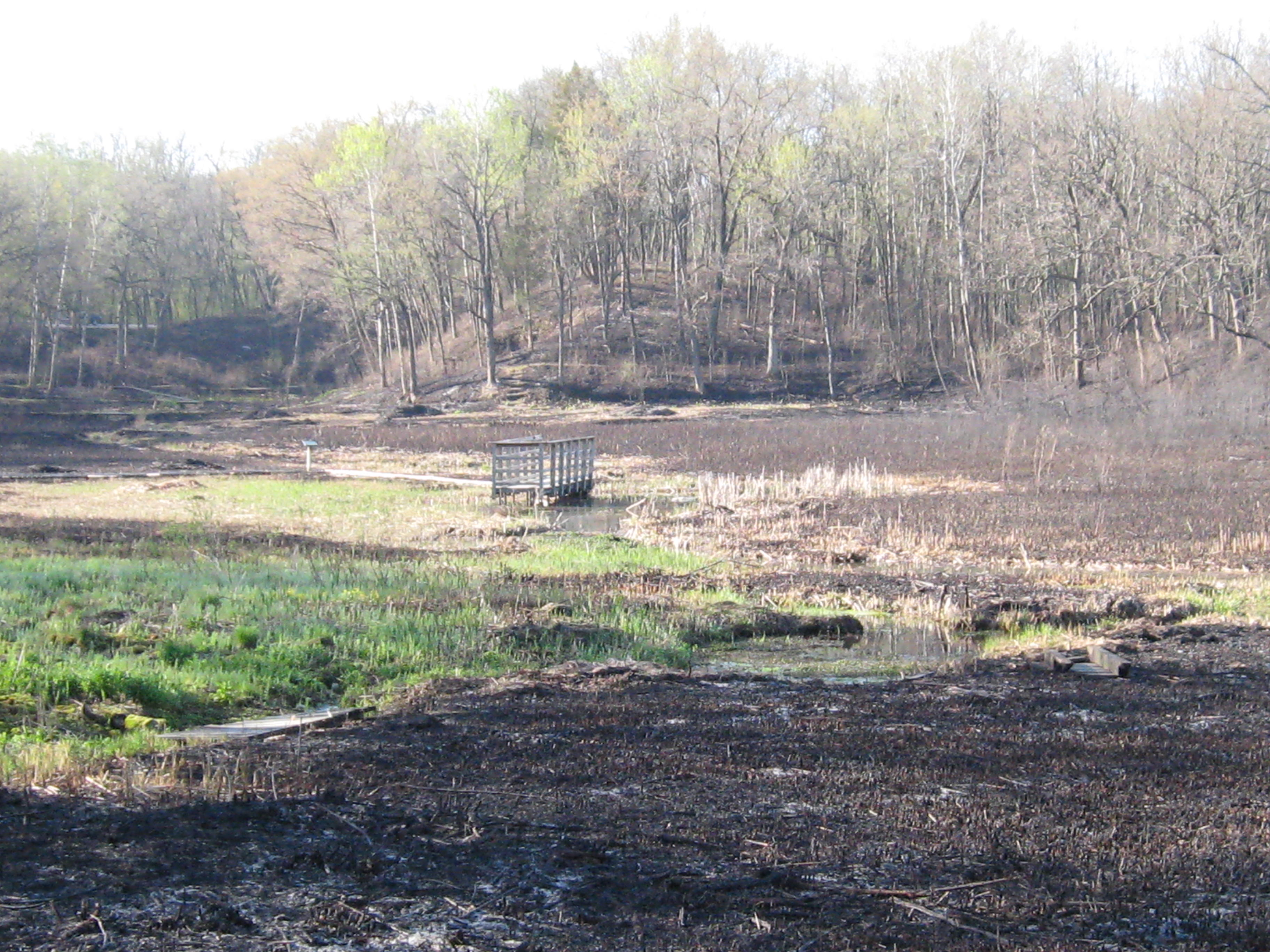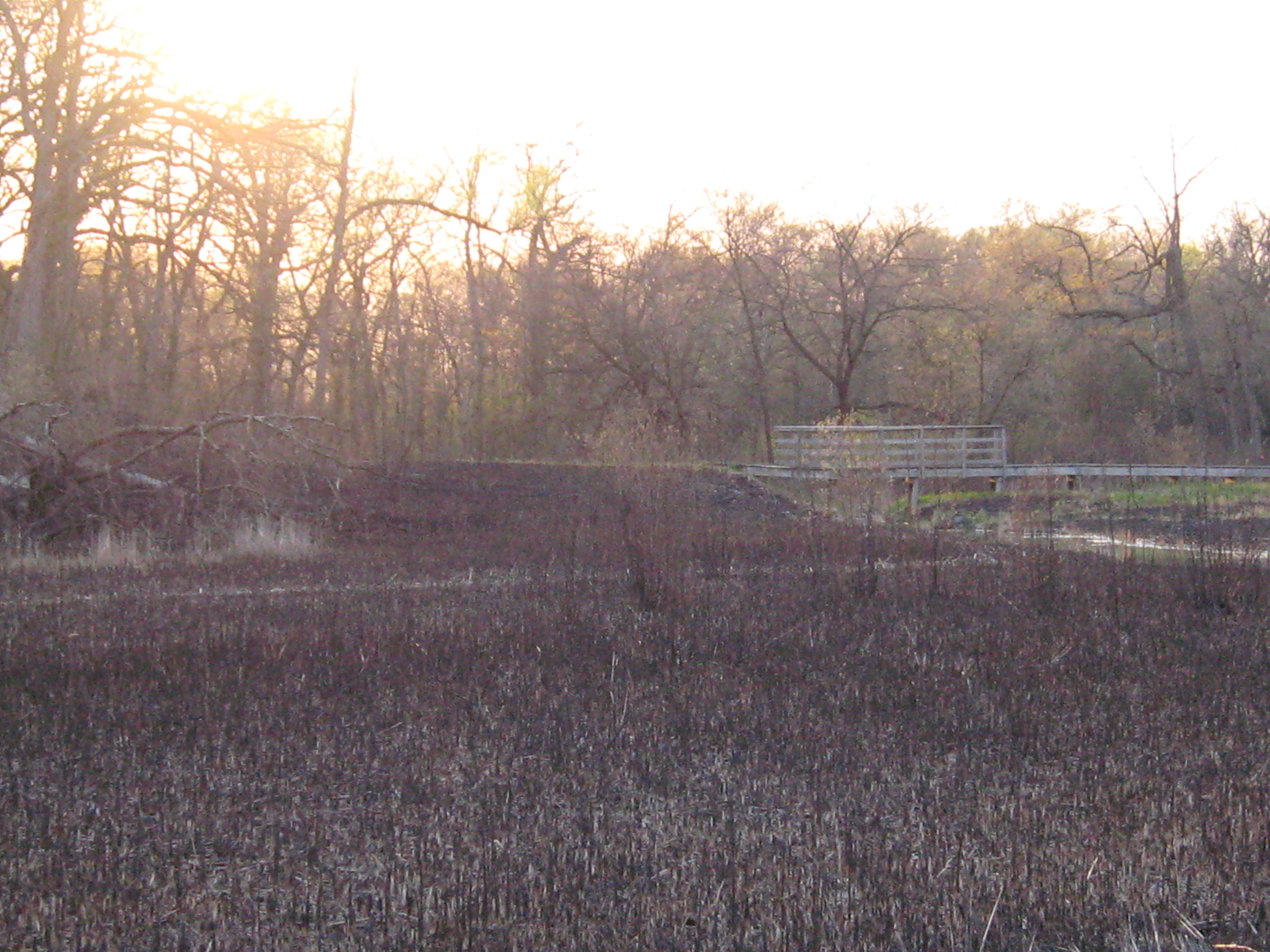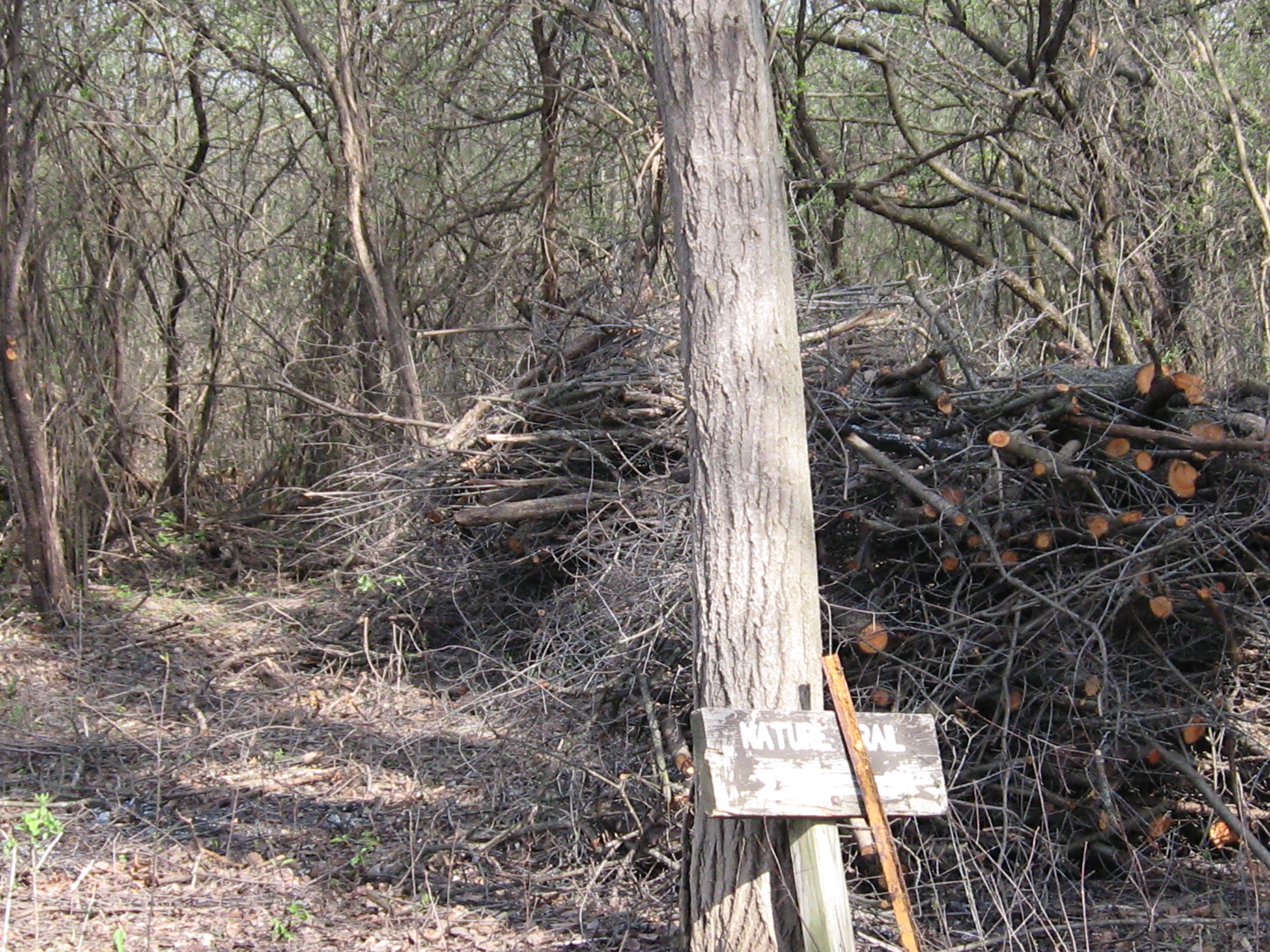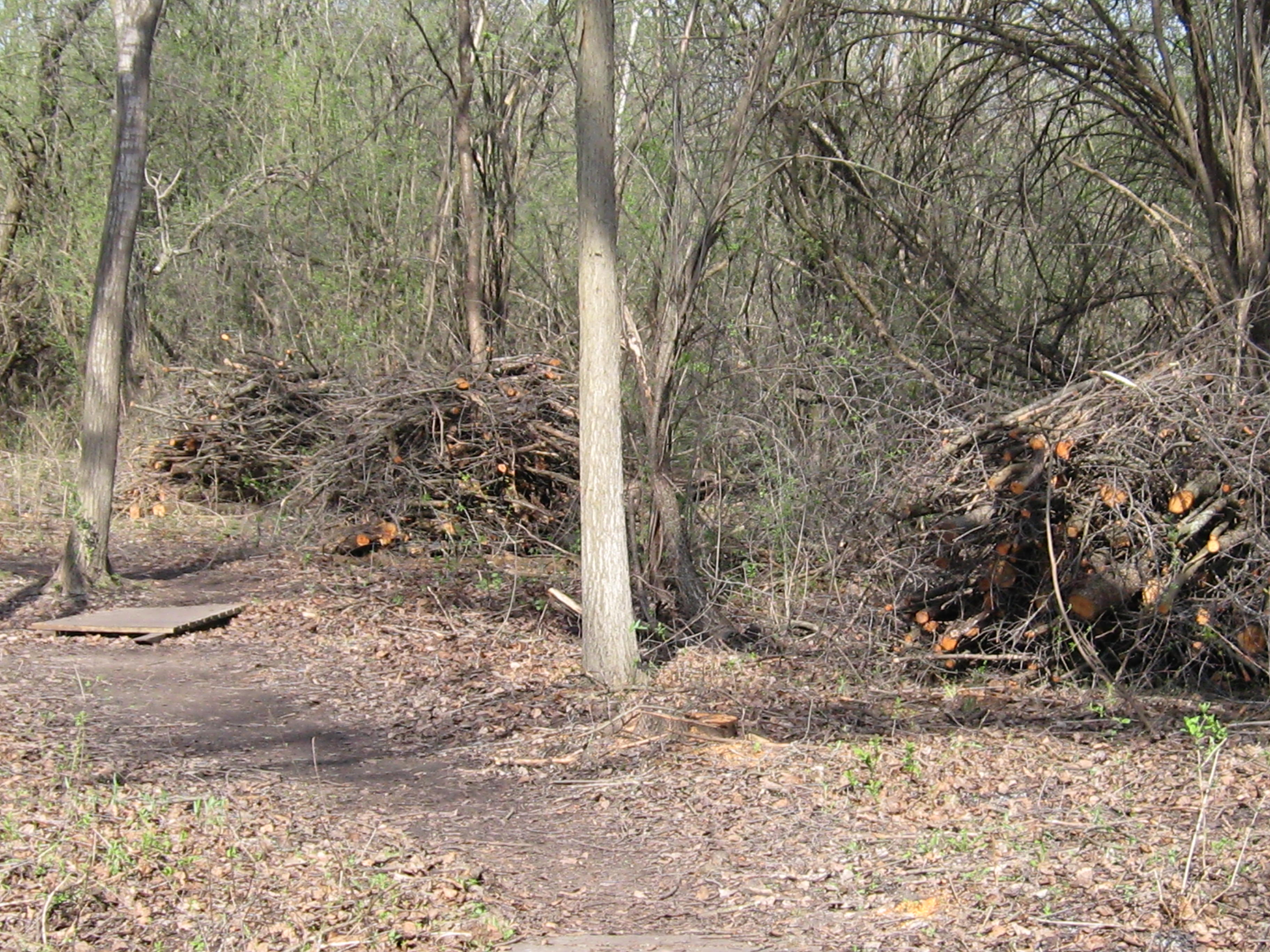
Spring Pleasure

Thanks again for following the Scuppernong Springs Nature Trail posts!

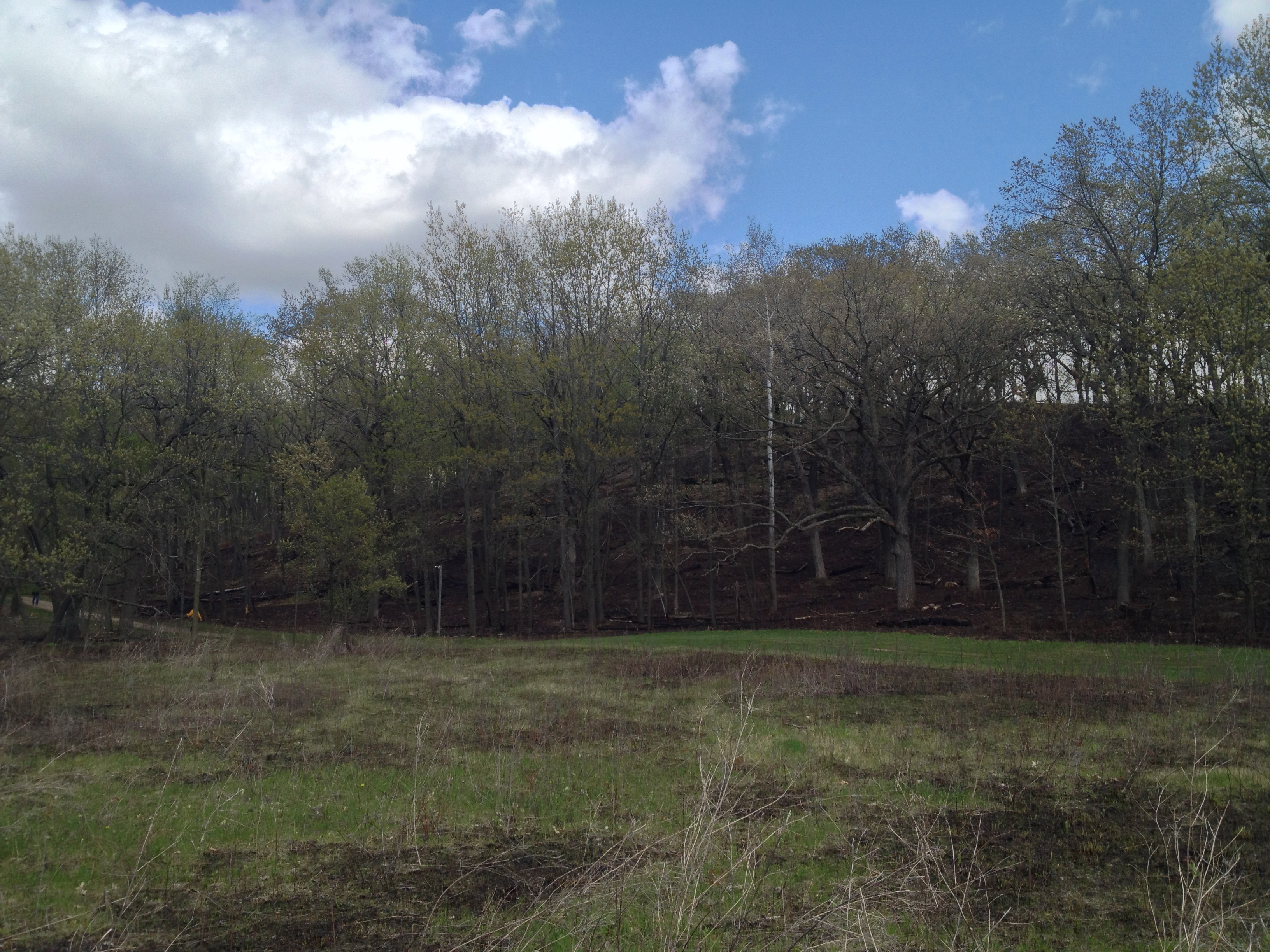
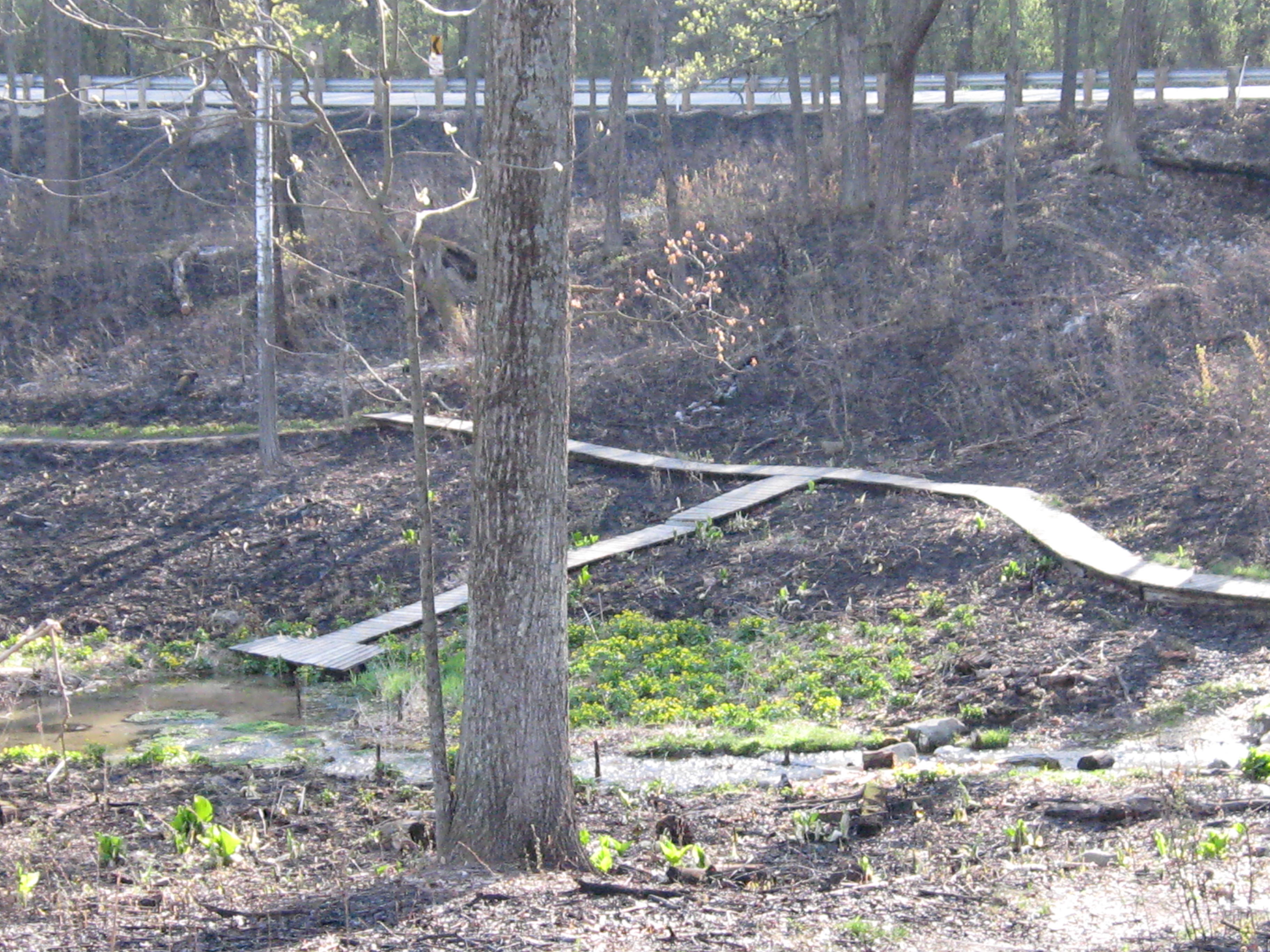
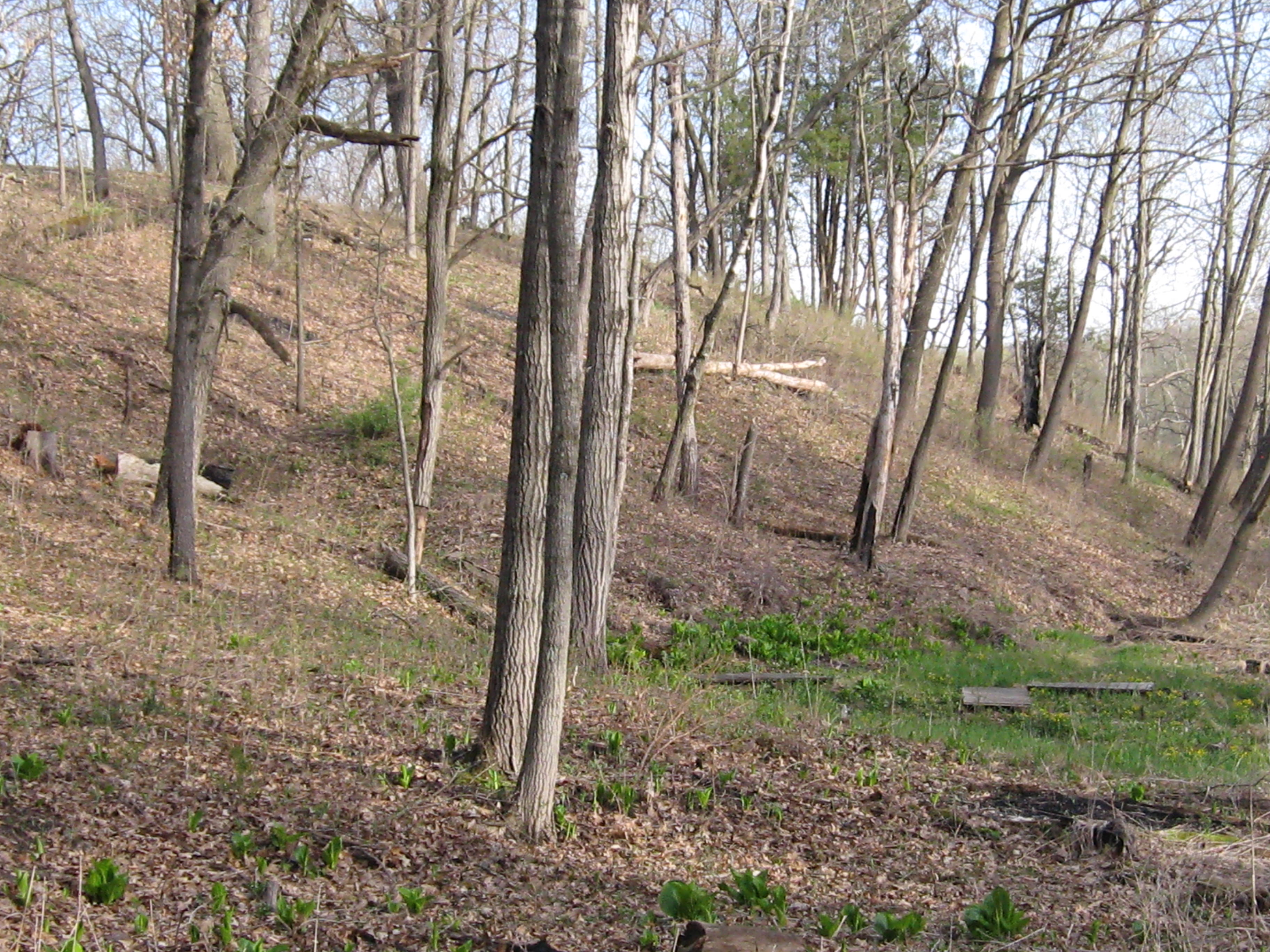
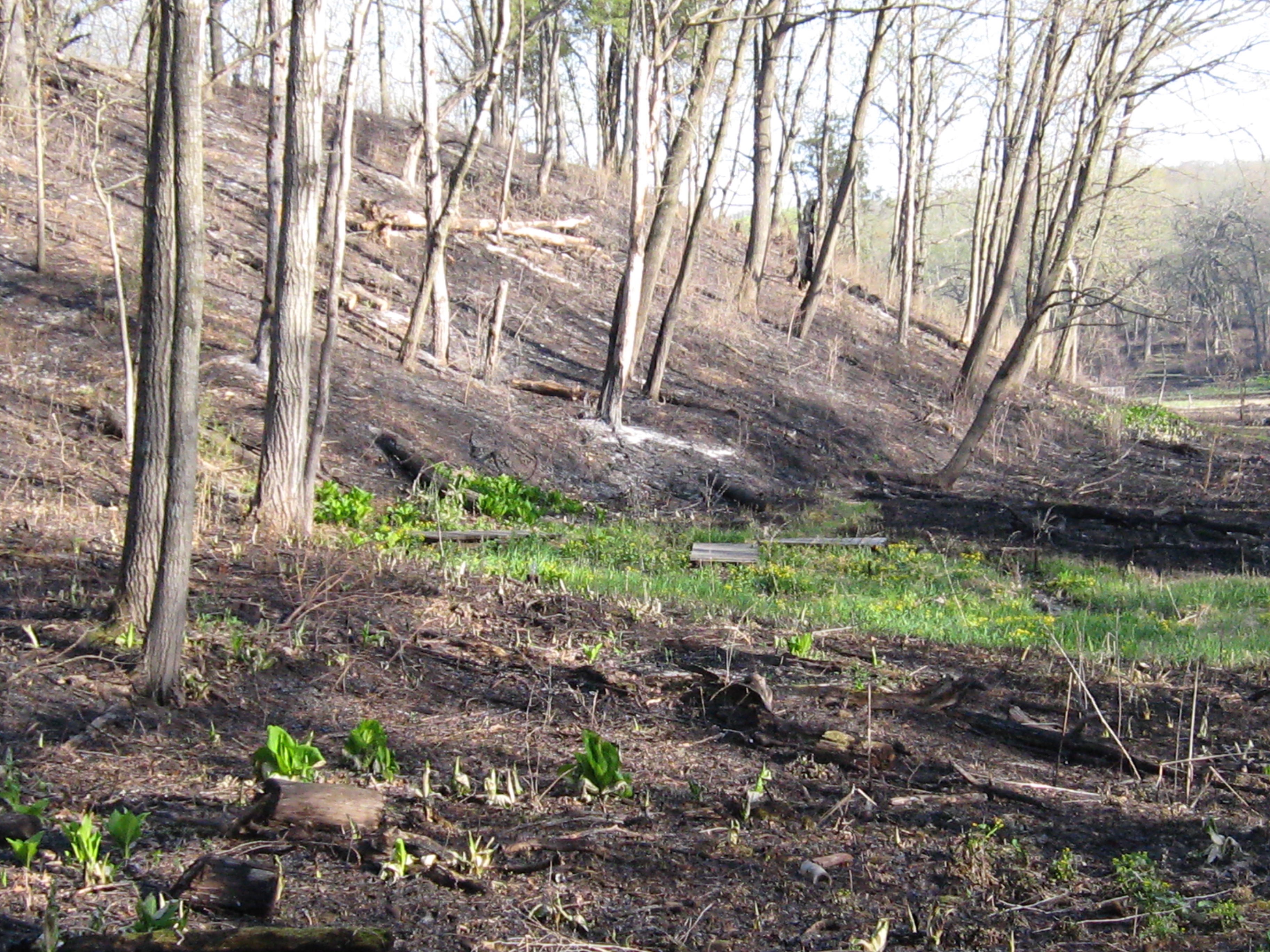
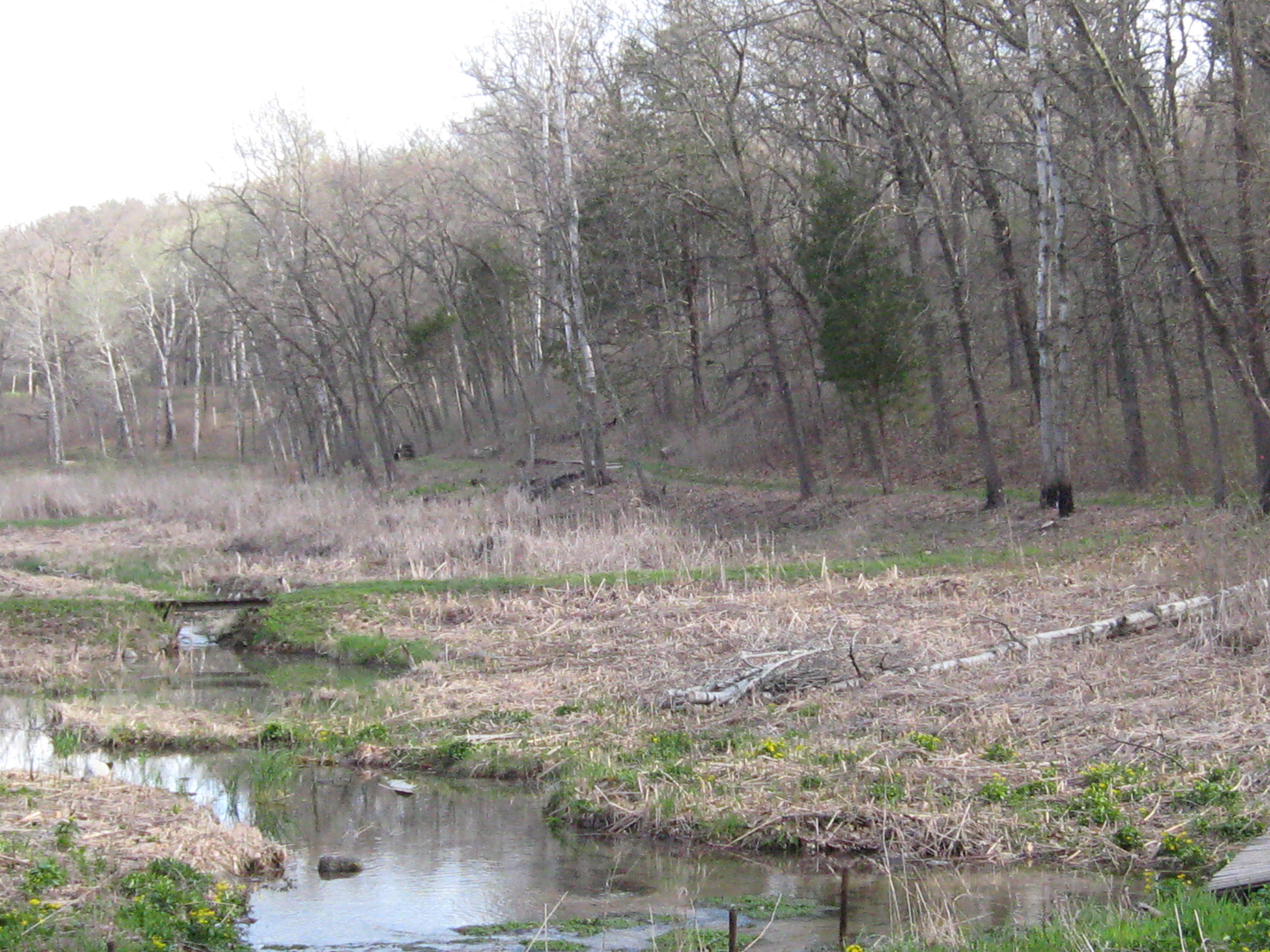
My everloving mate, Pati Holman, just returned from a 2 week road trip and we took a wonder-filled walk around The Springs yesterday evening. Unfortunately, she was not present to help with the burn, but I did my best to provide a glow by glow account of that exciting day.

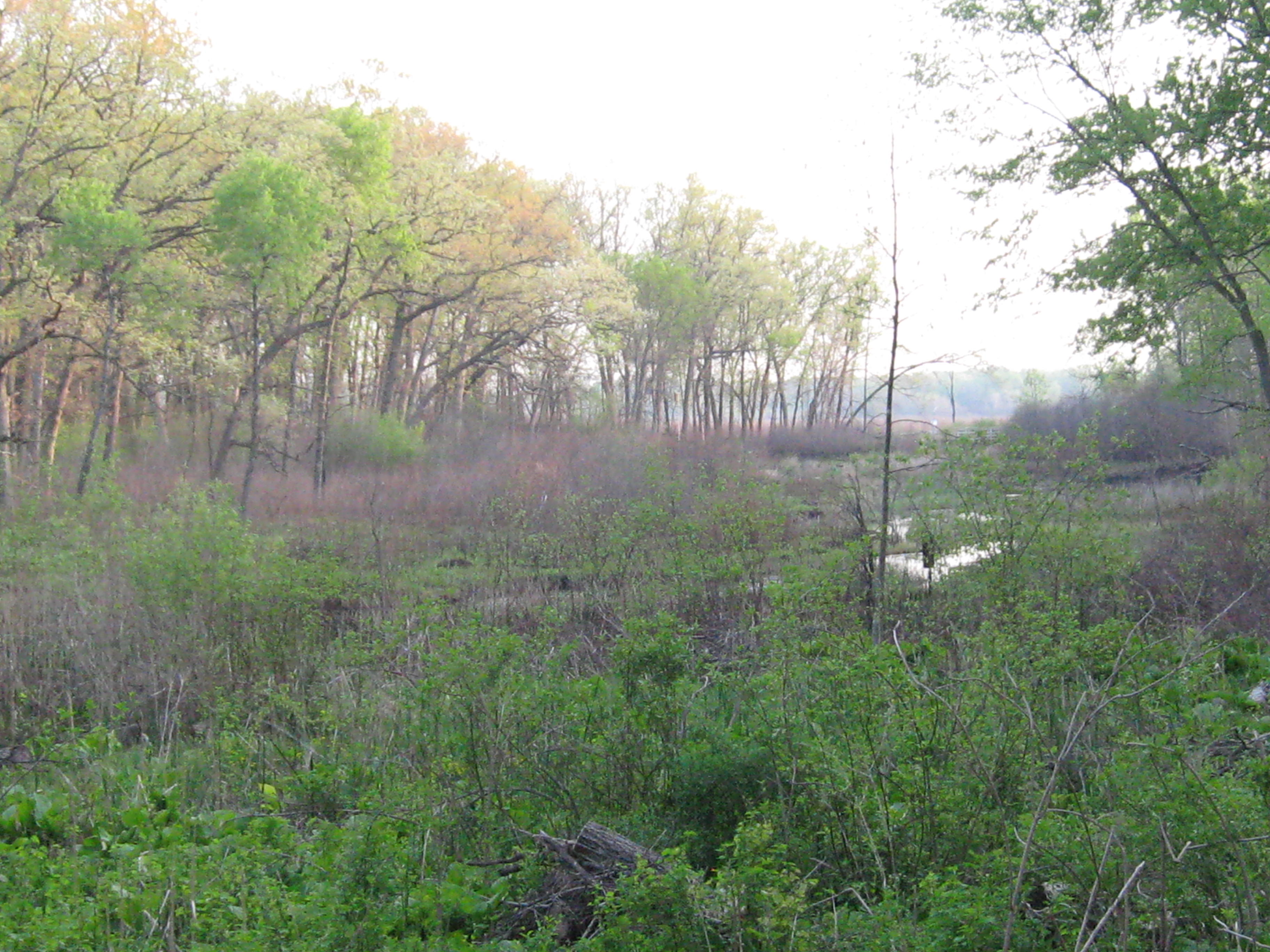
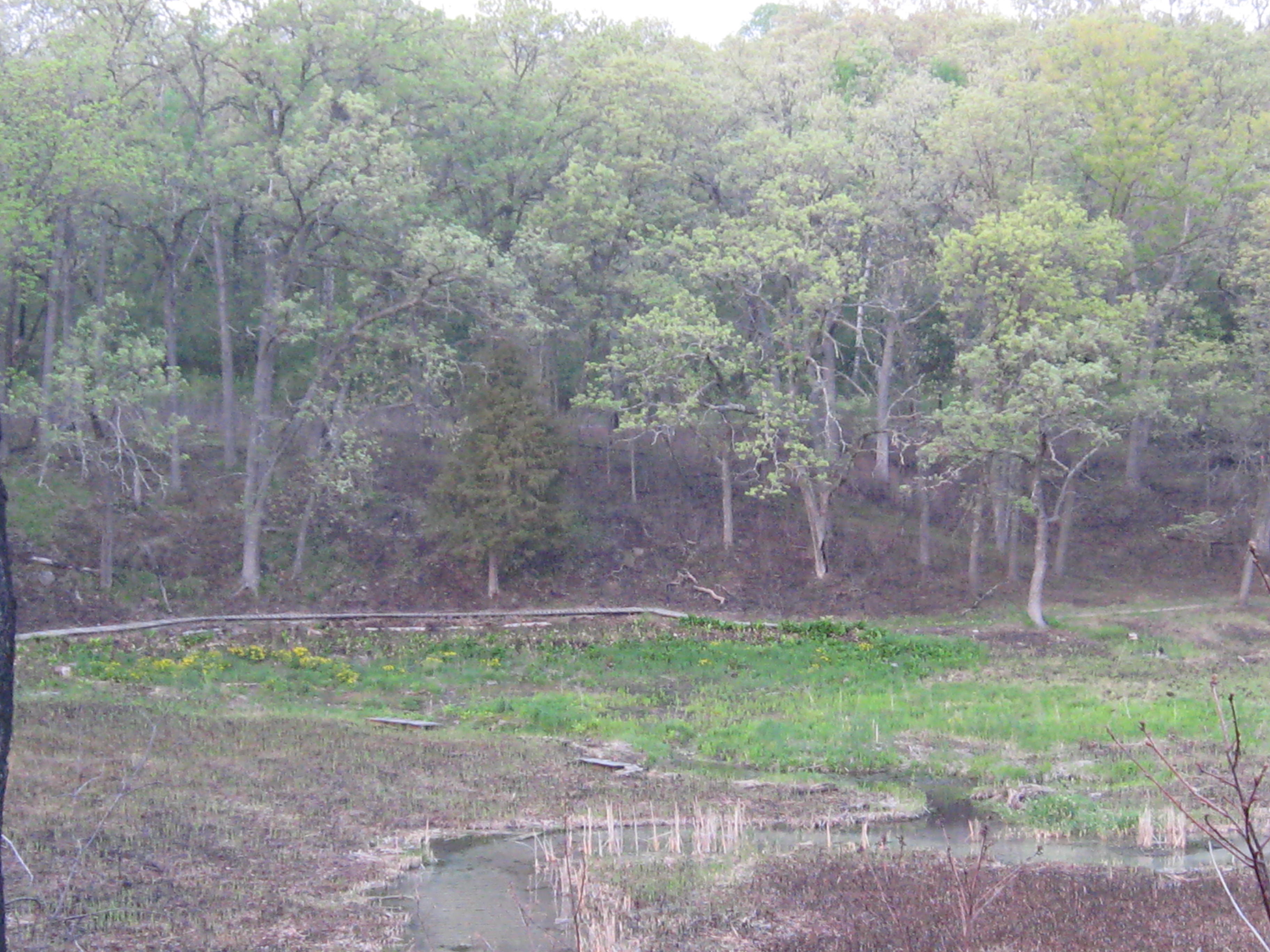
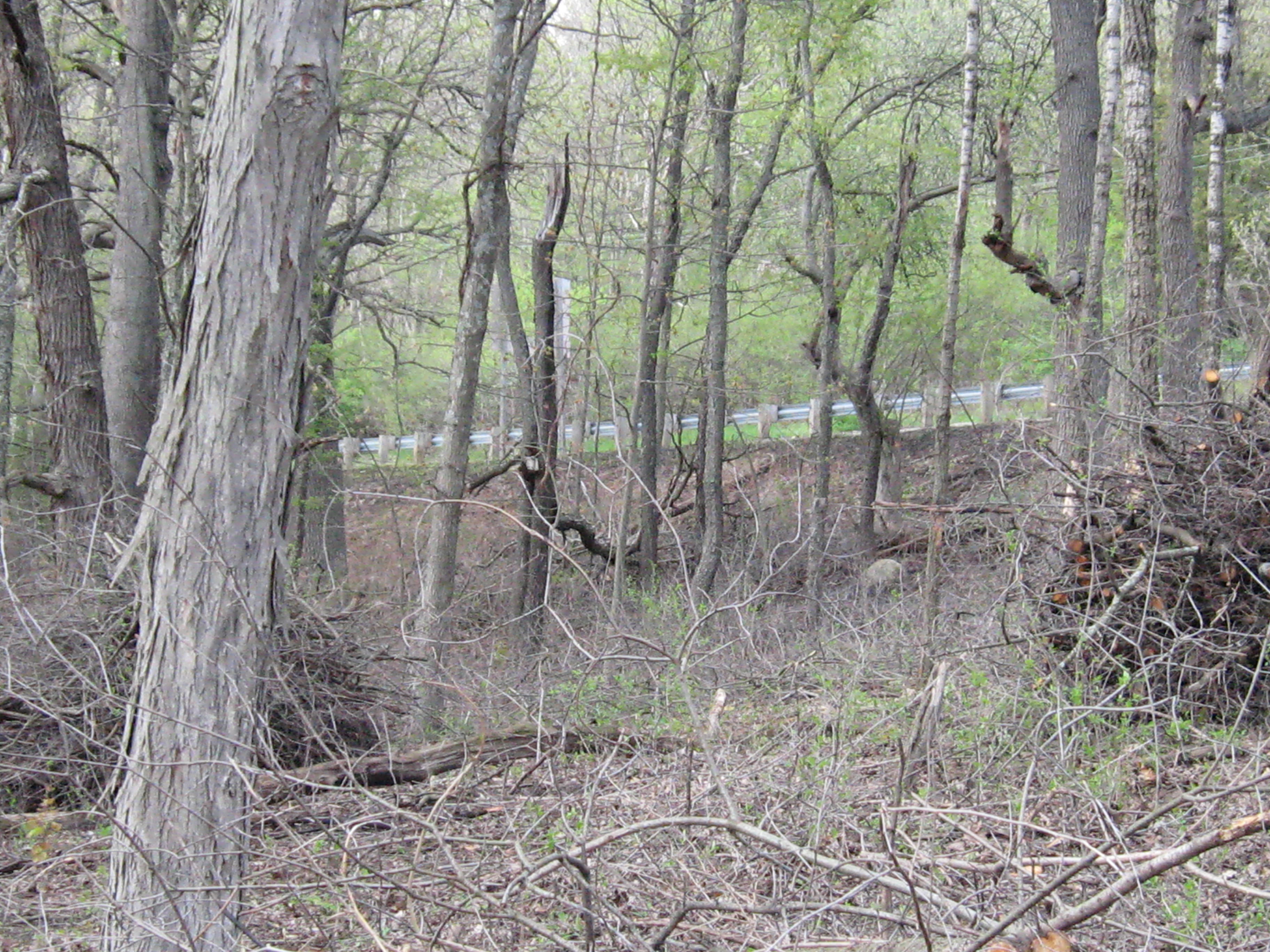
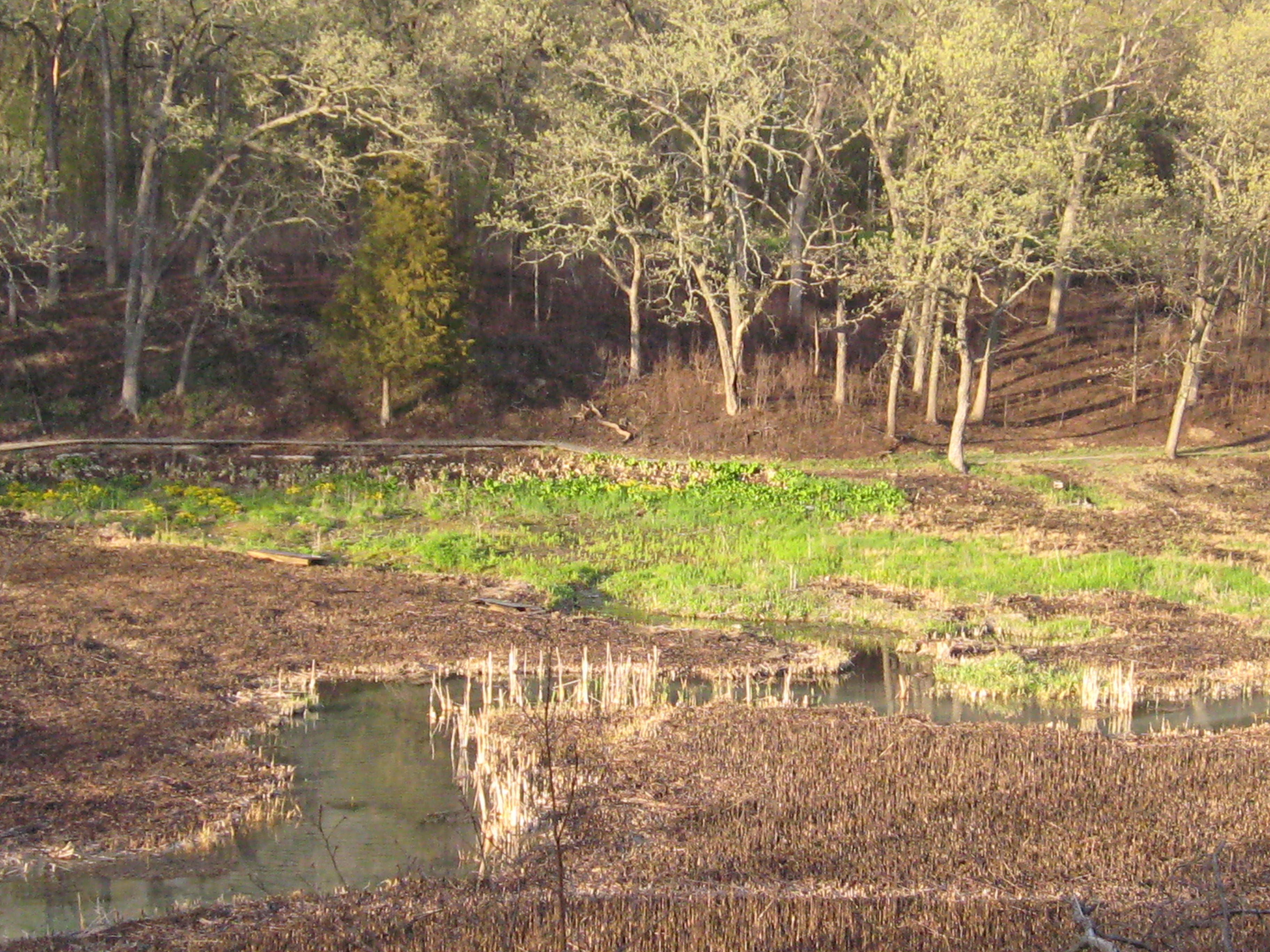
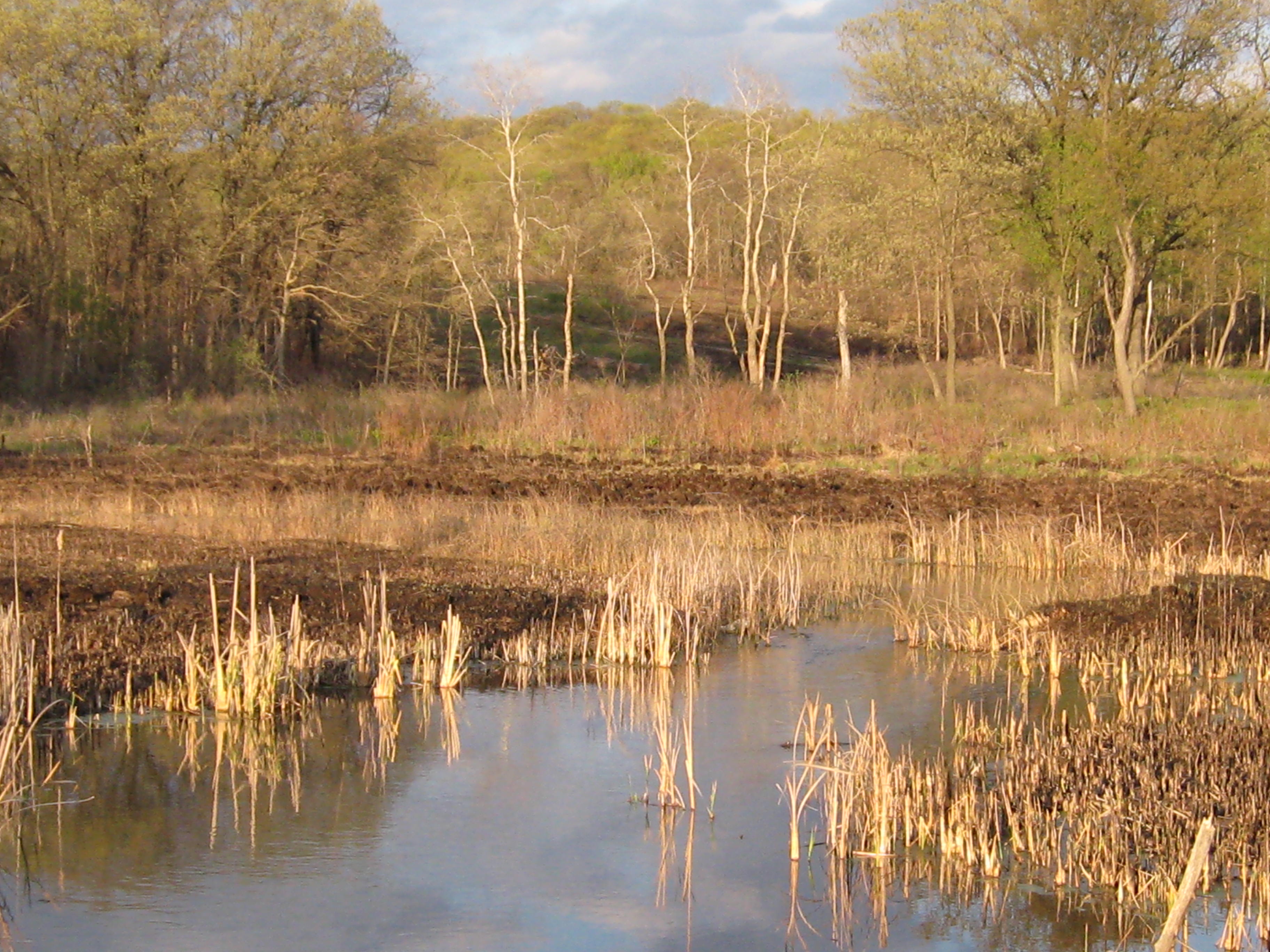
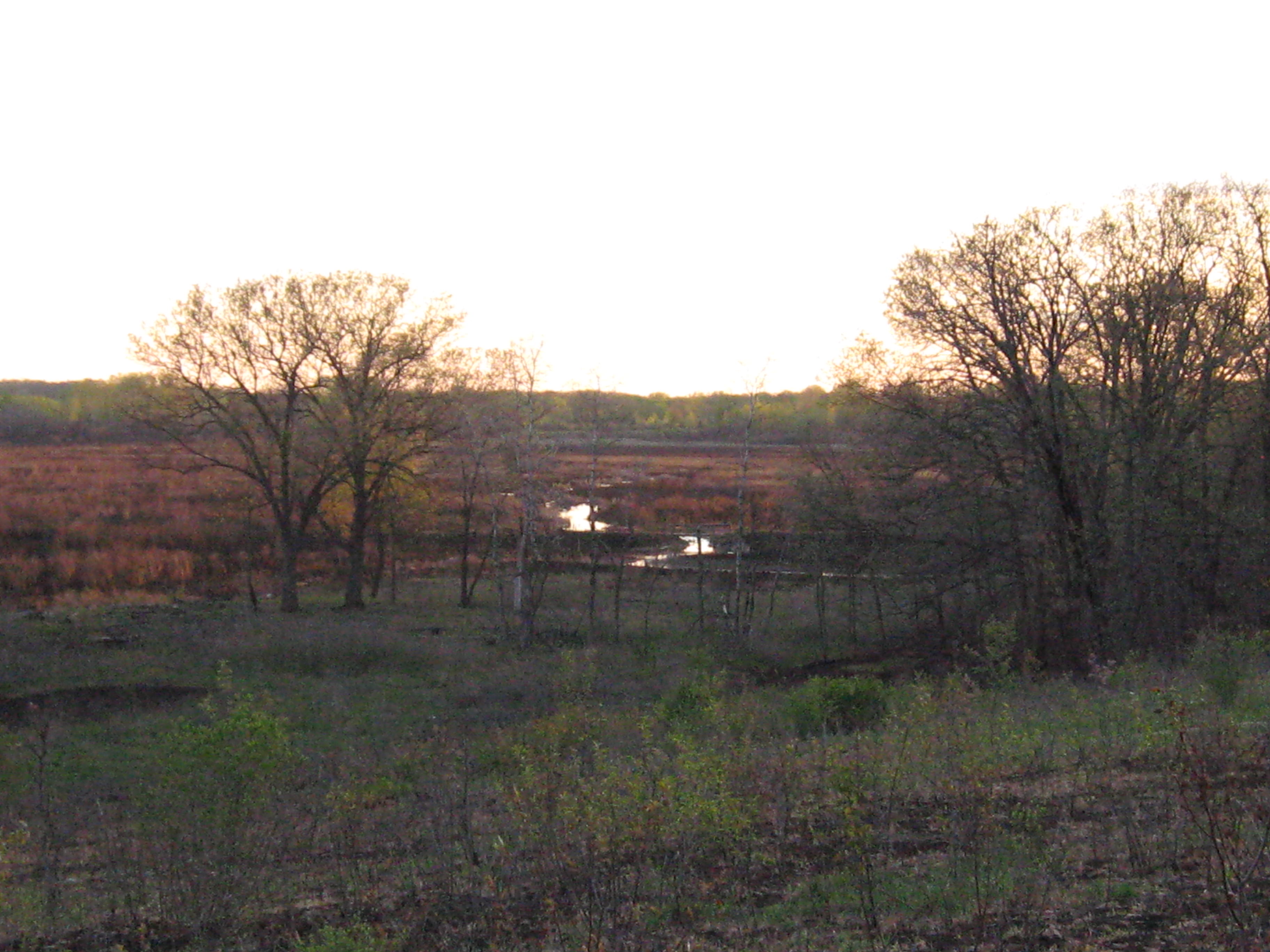
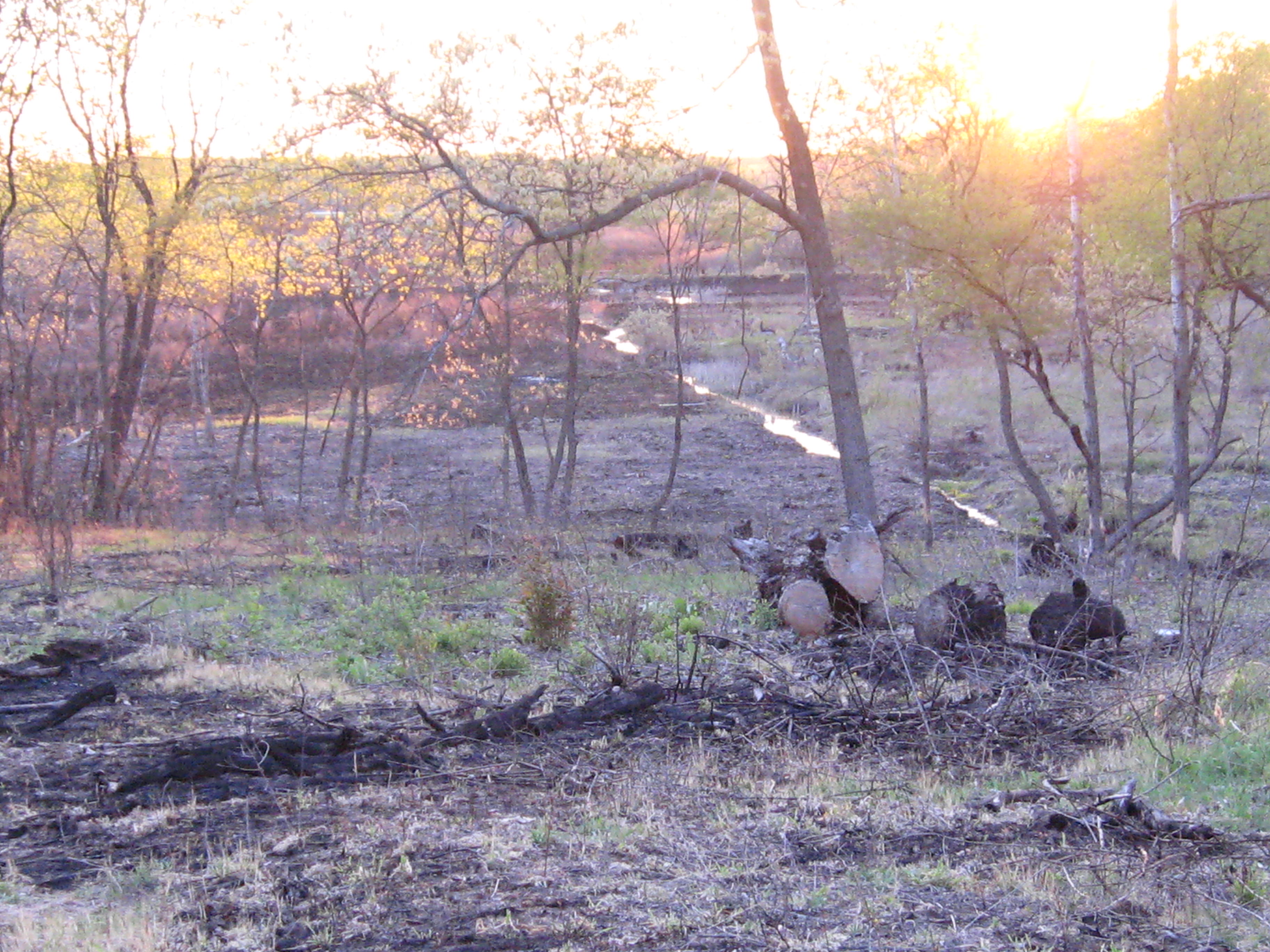
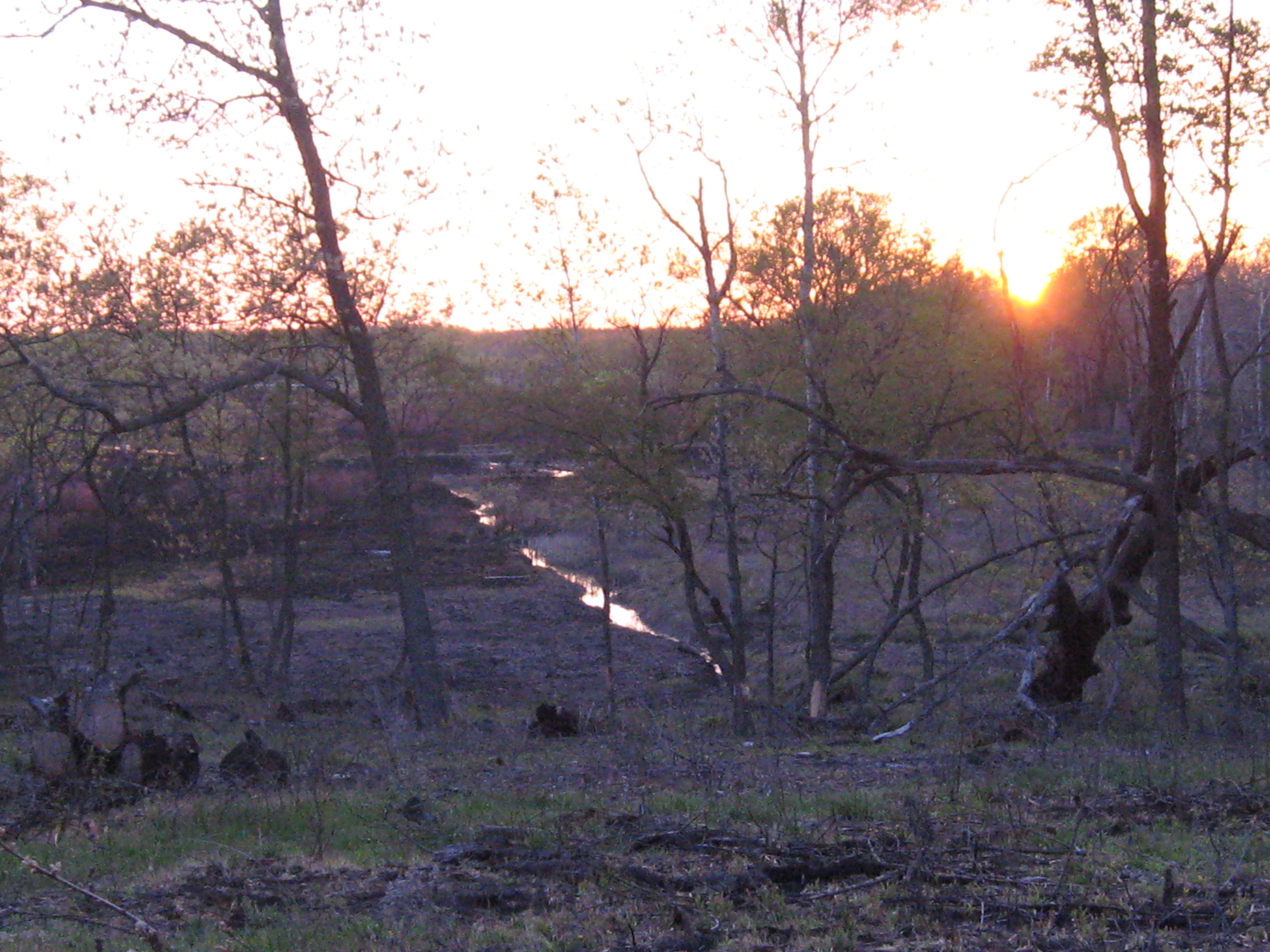
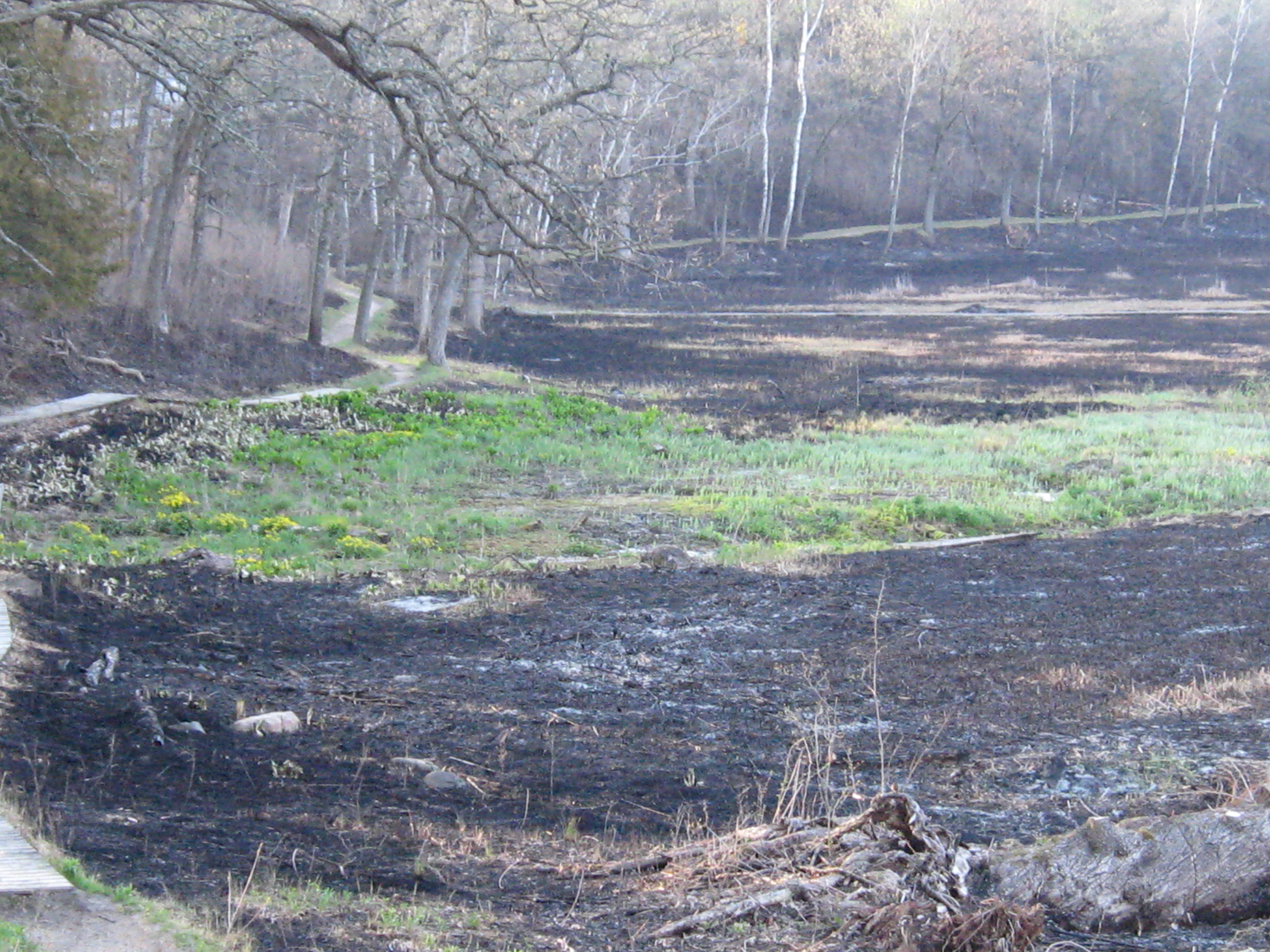
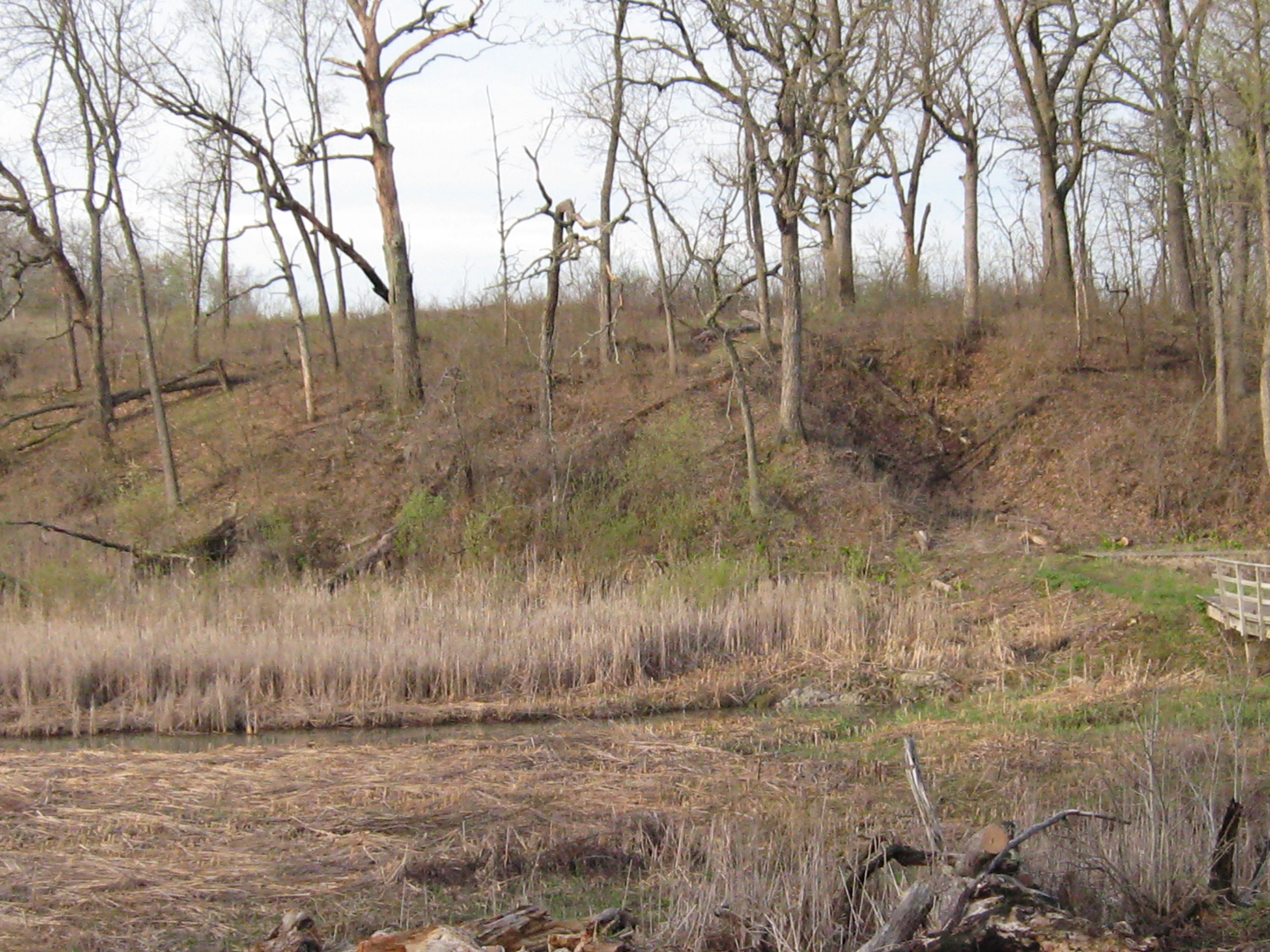
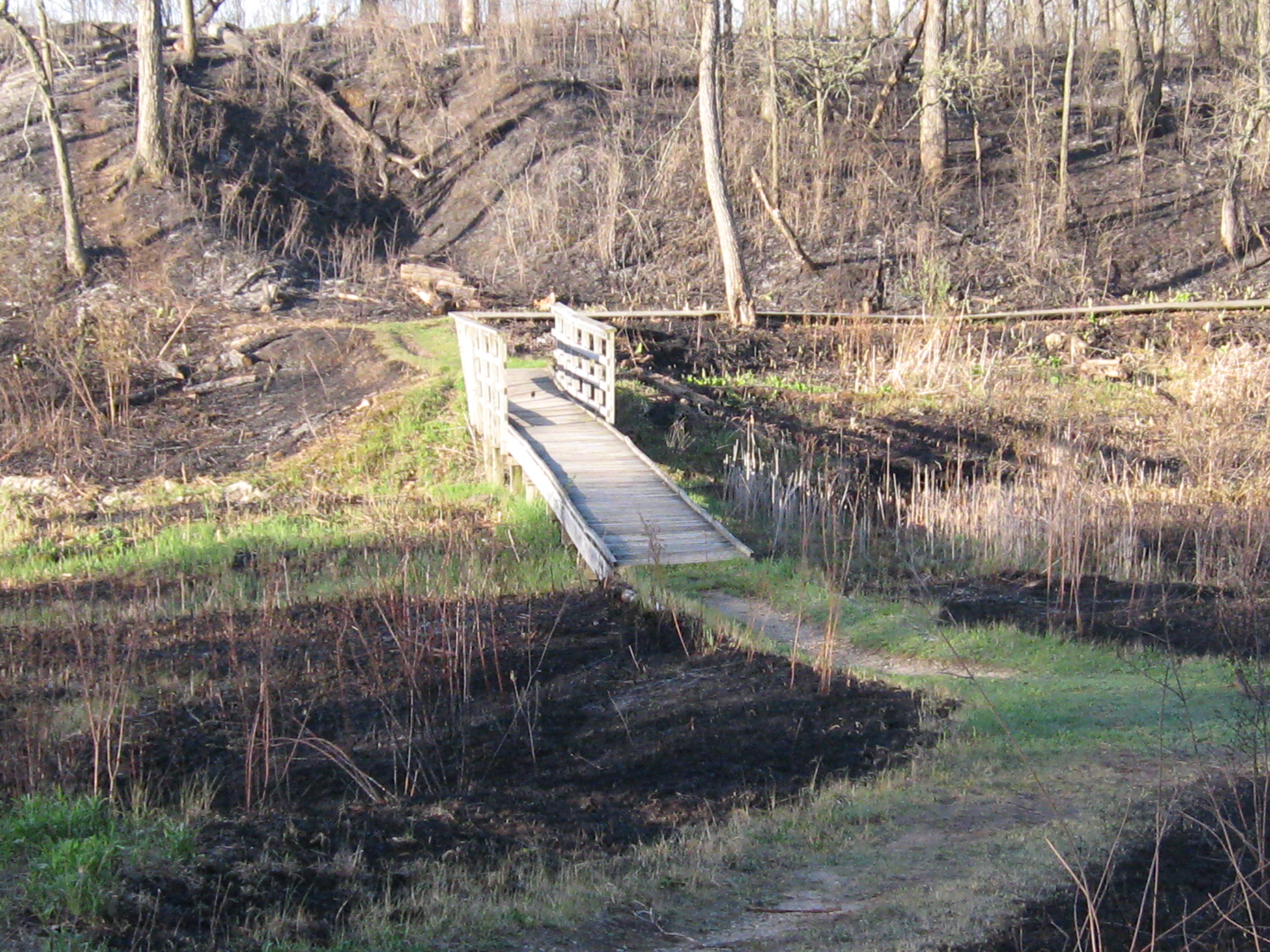
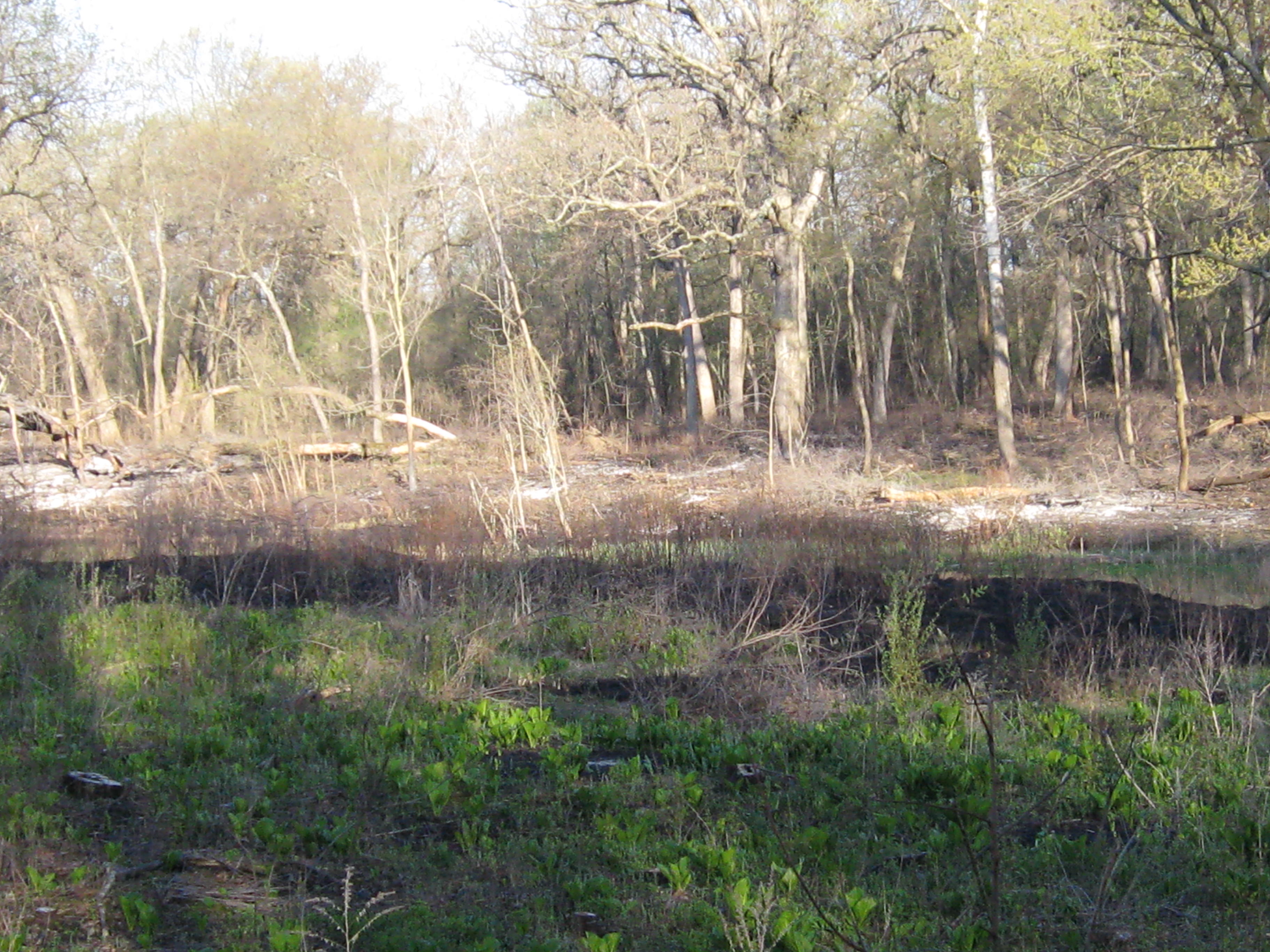
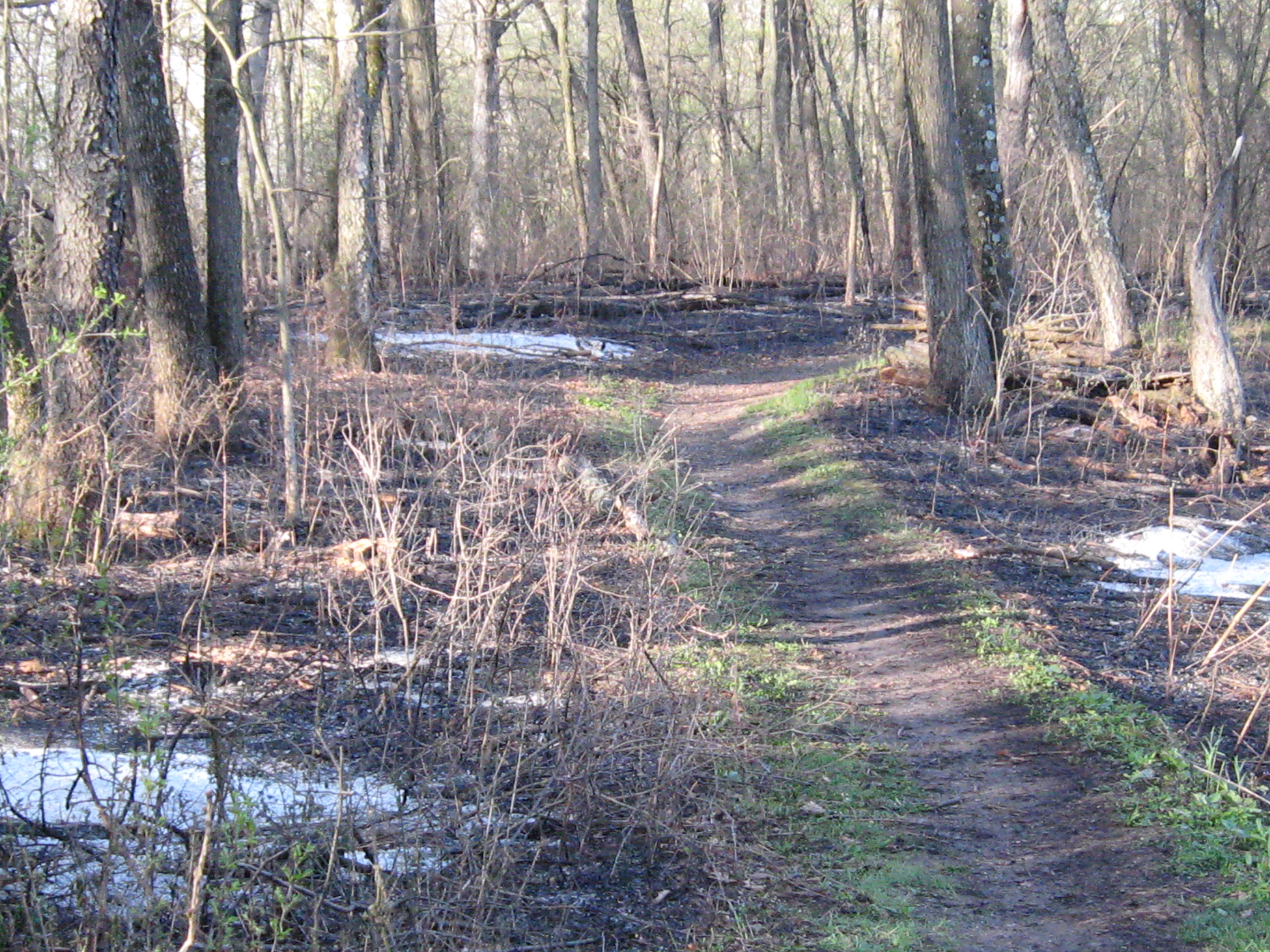
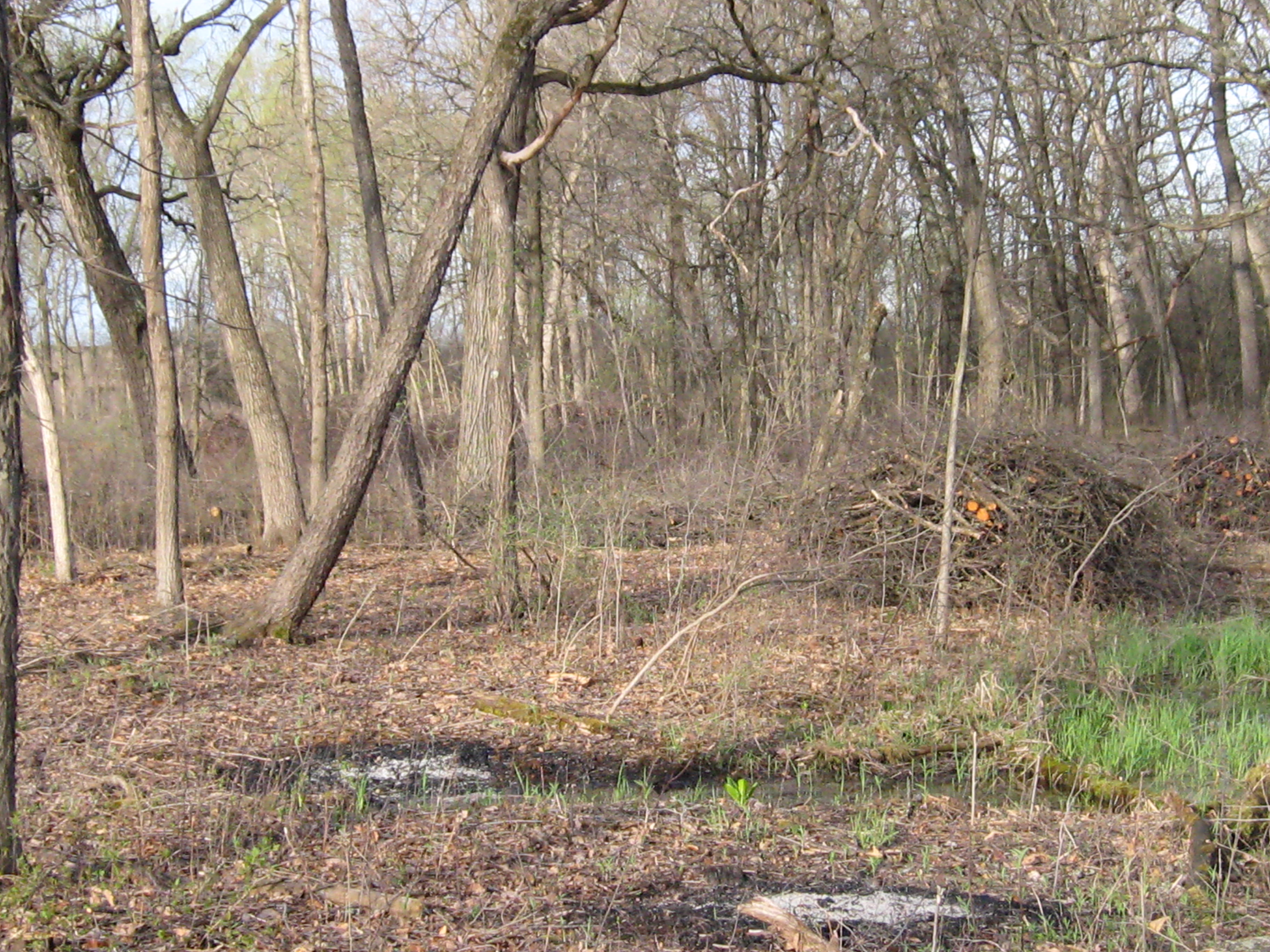
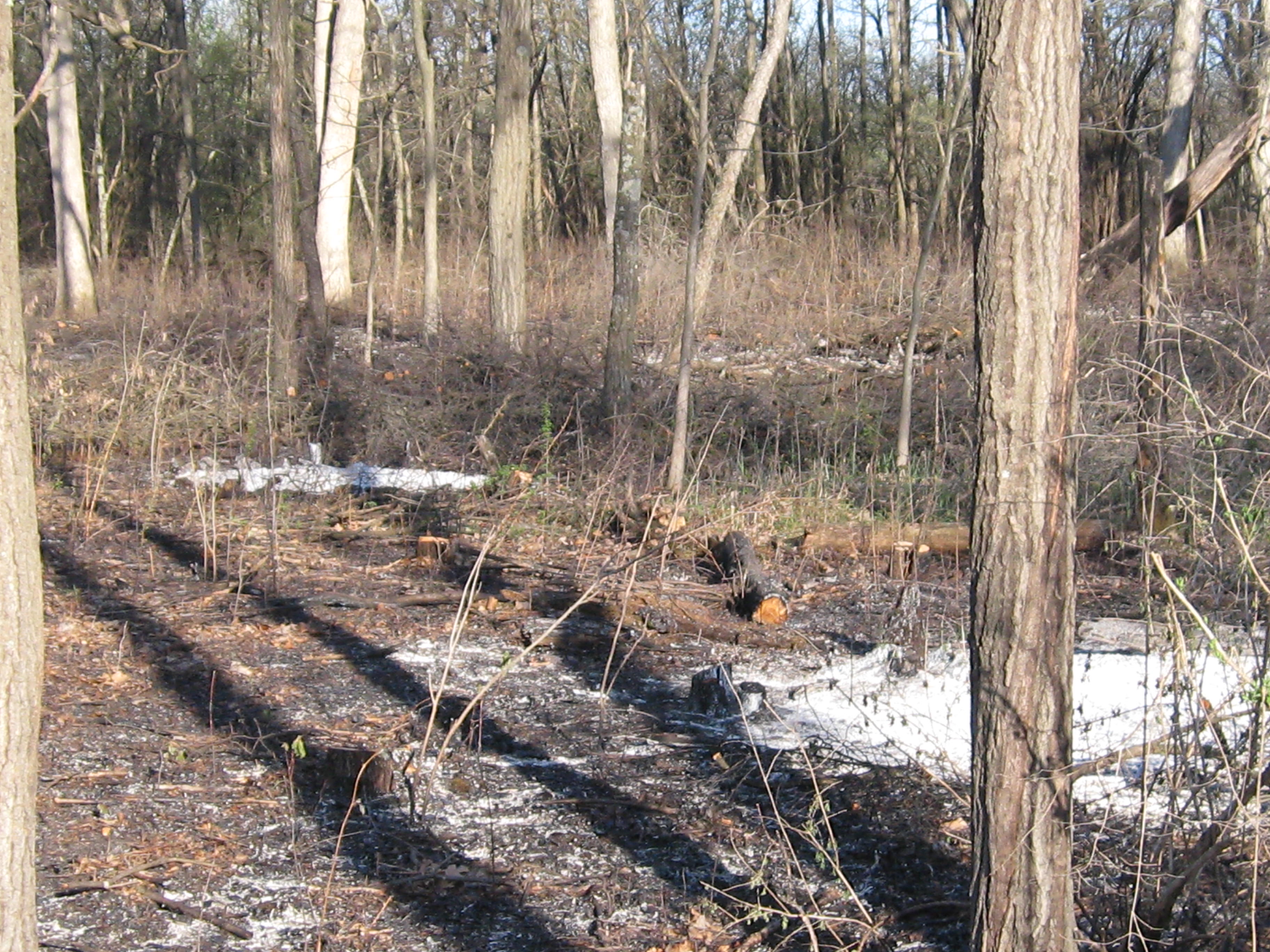
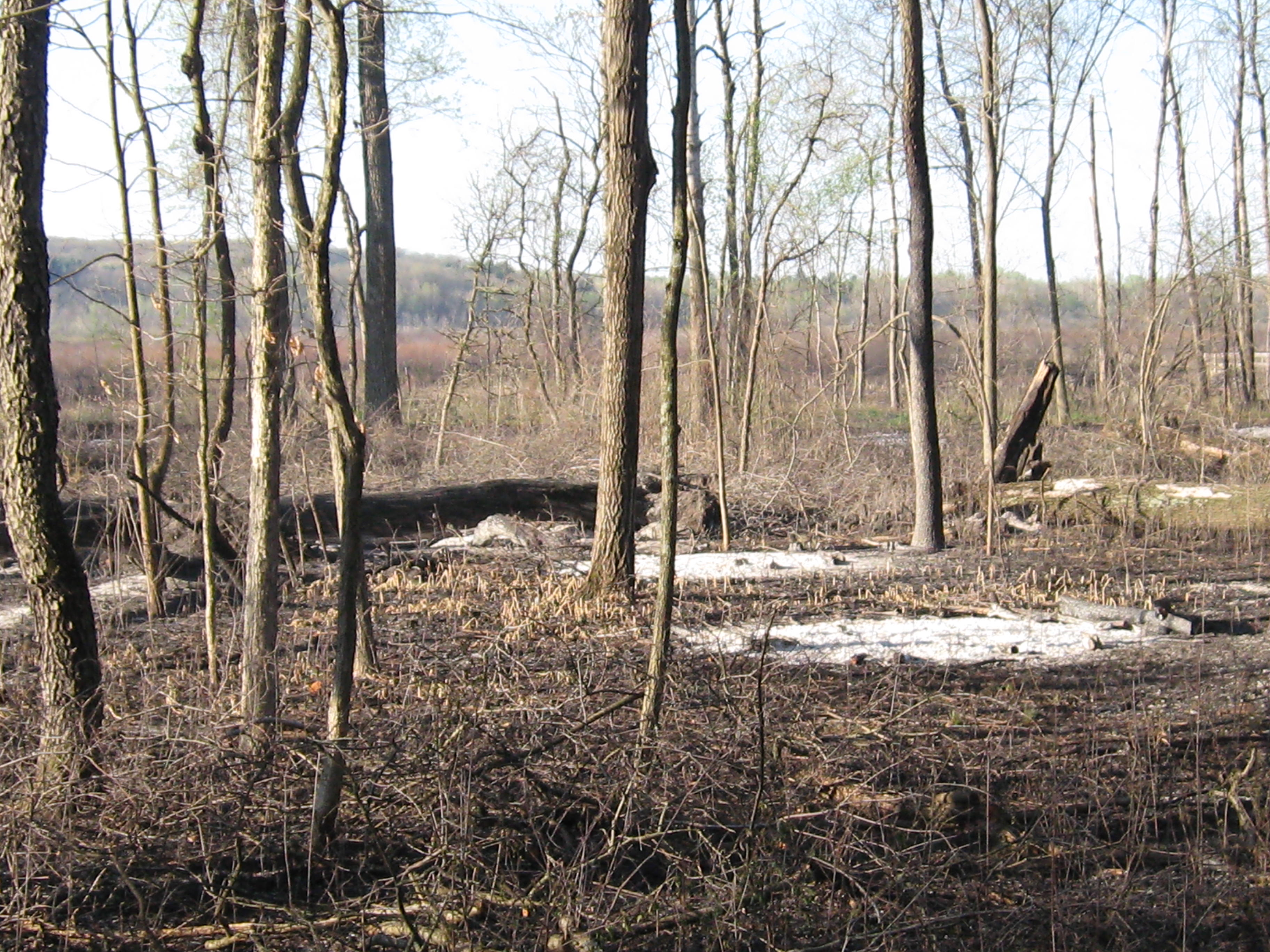
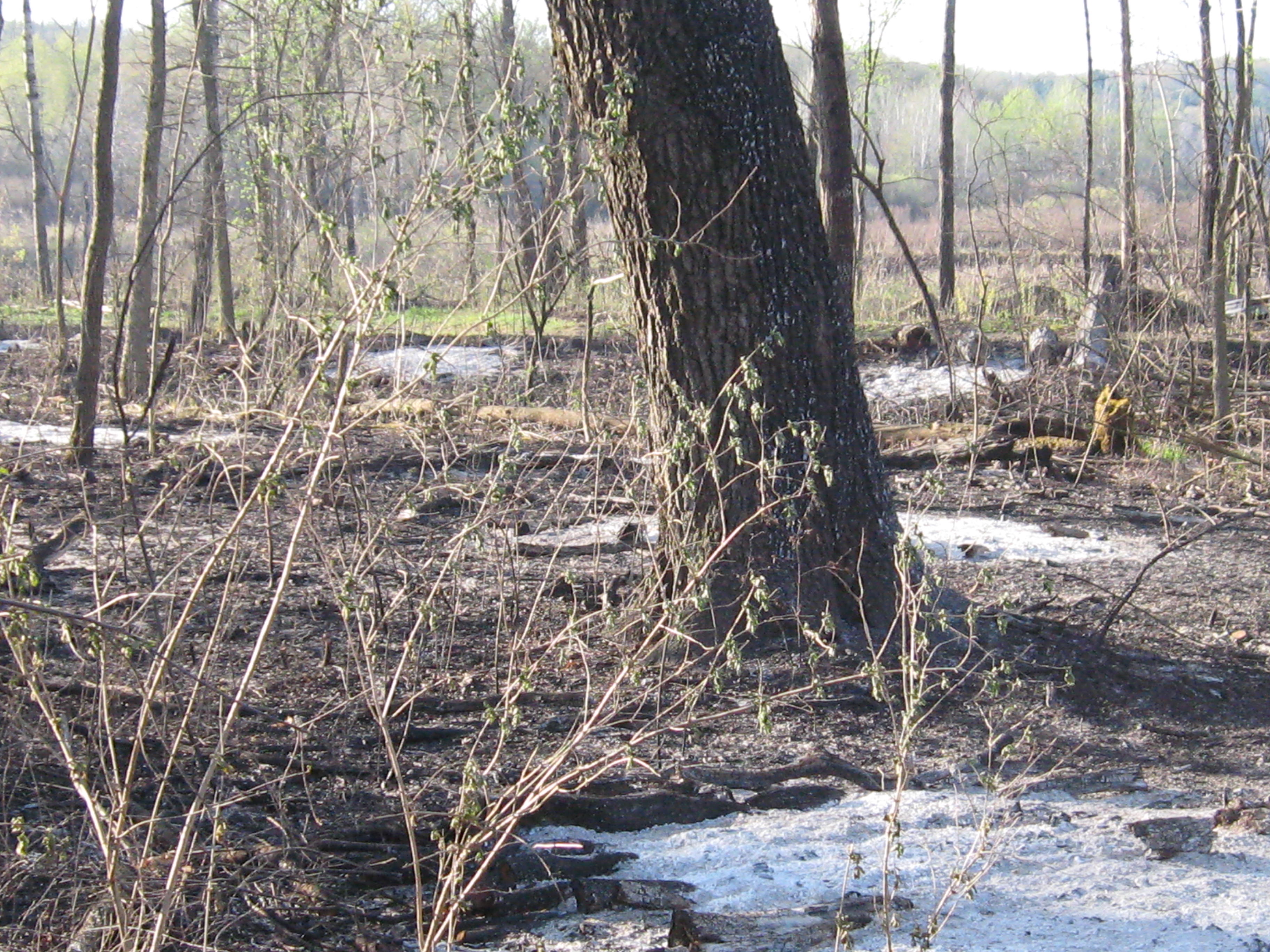
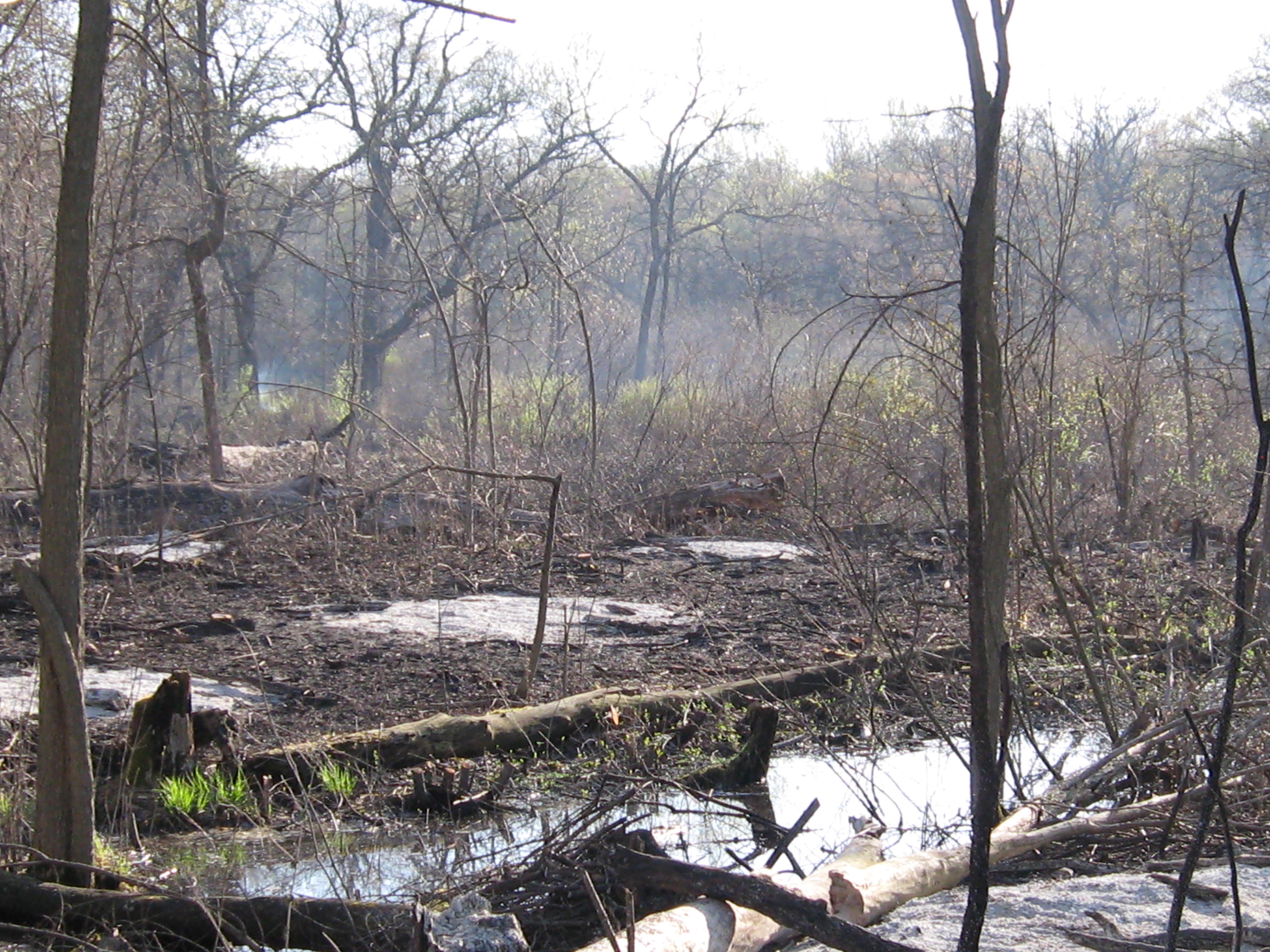
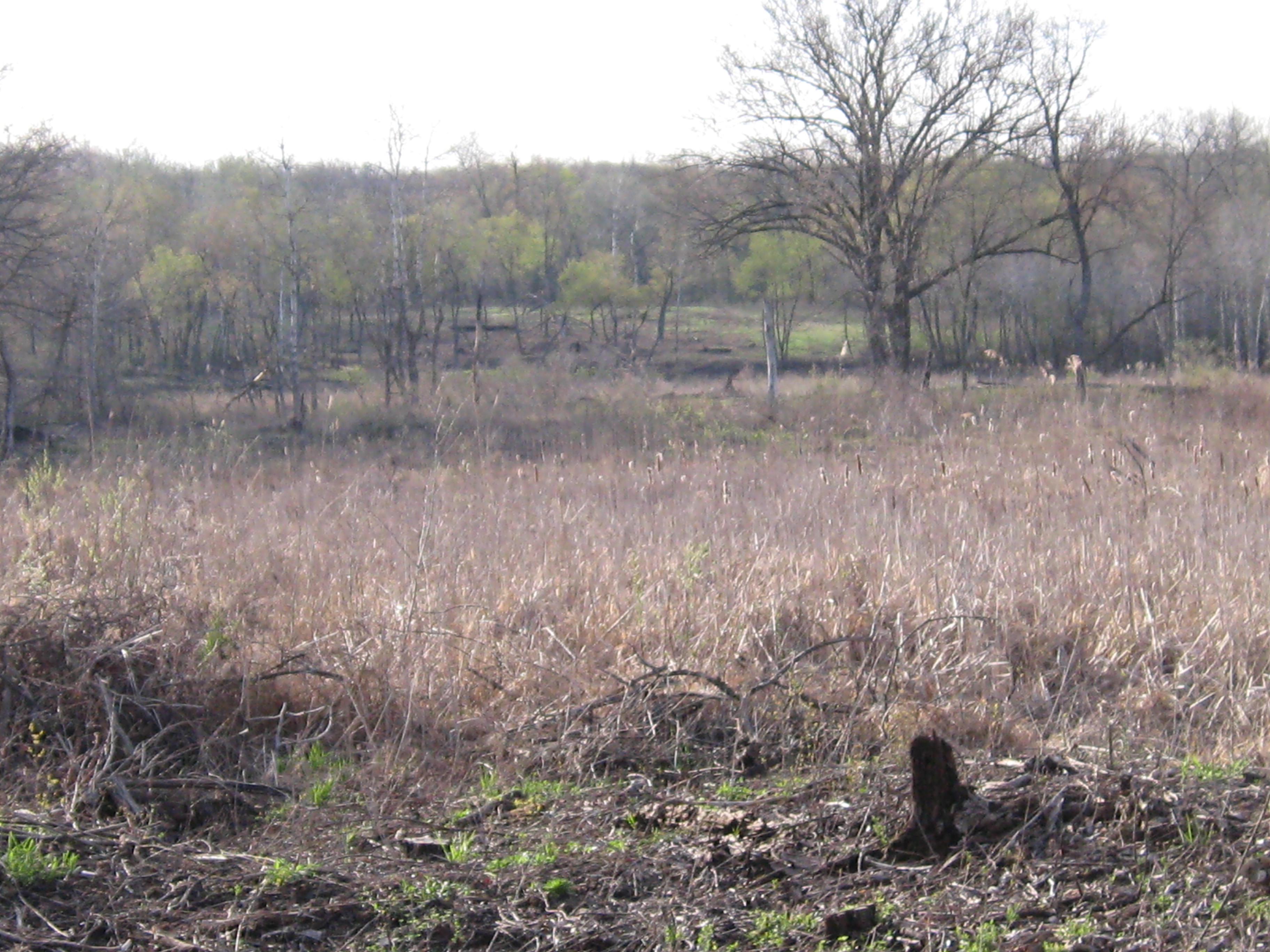
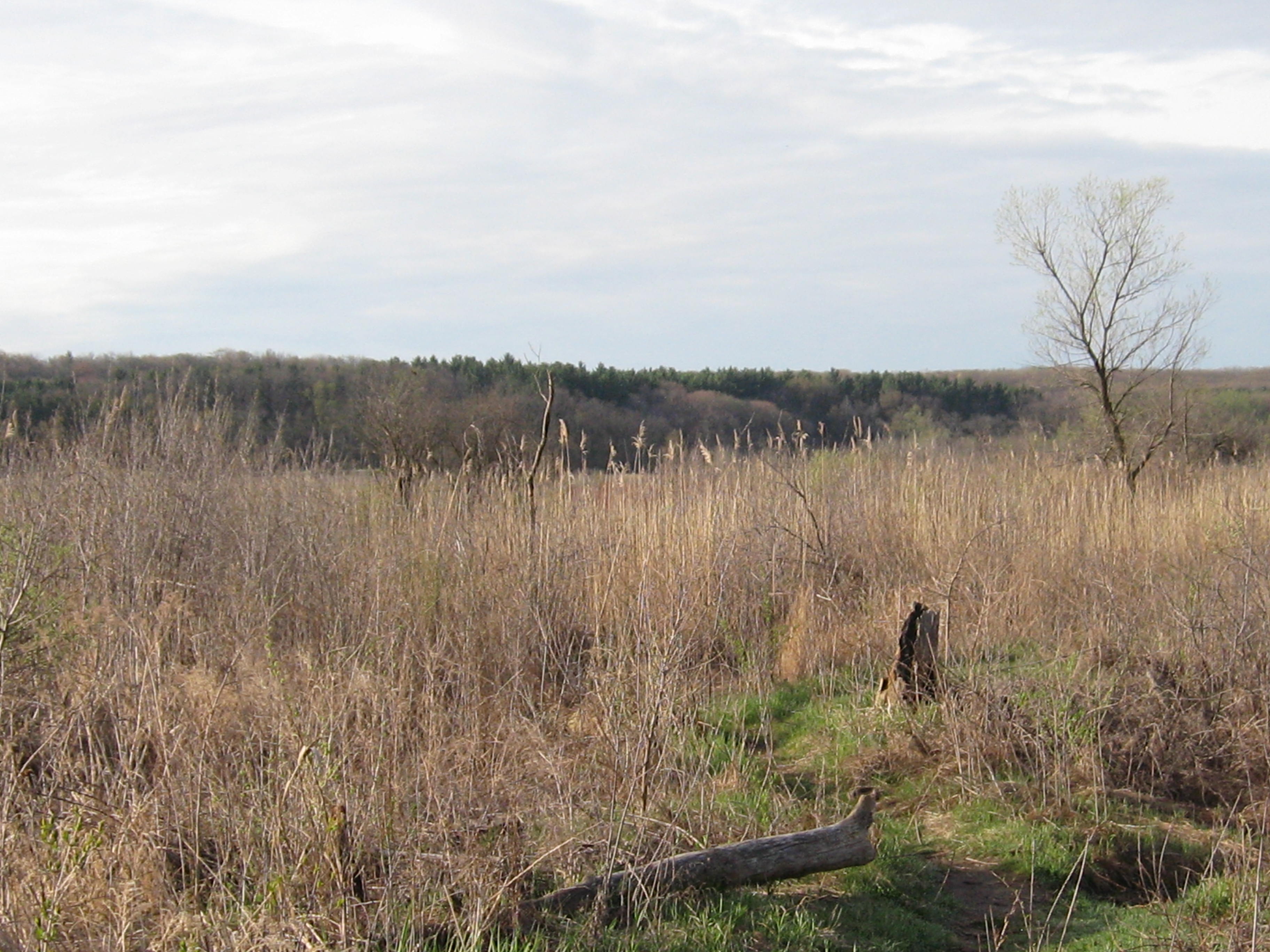
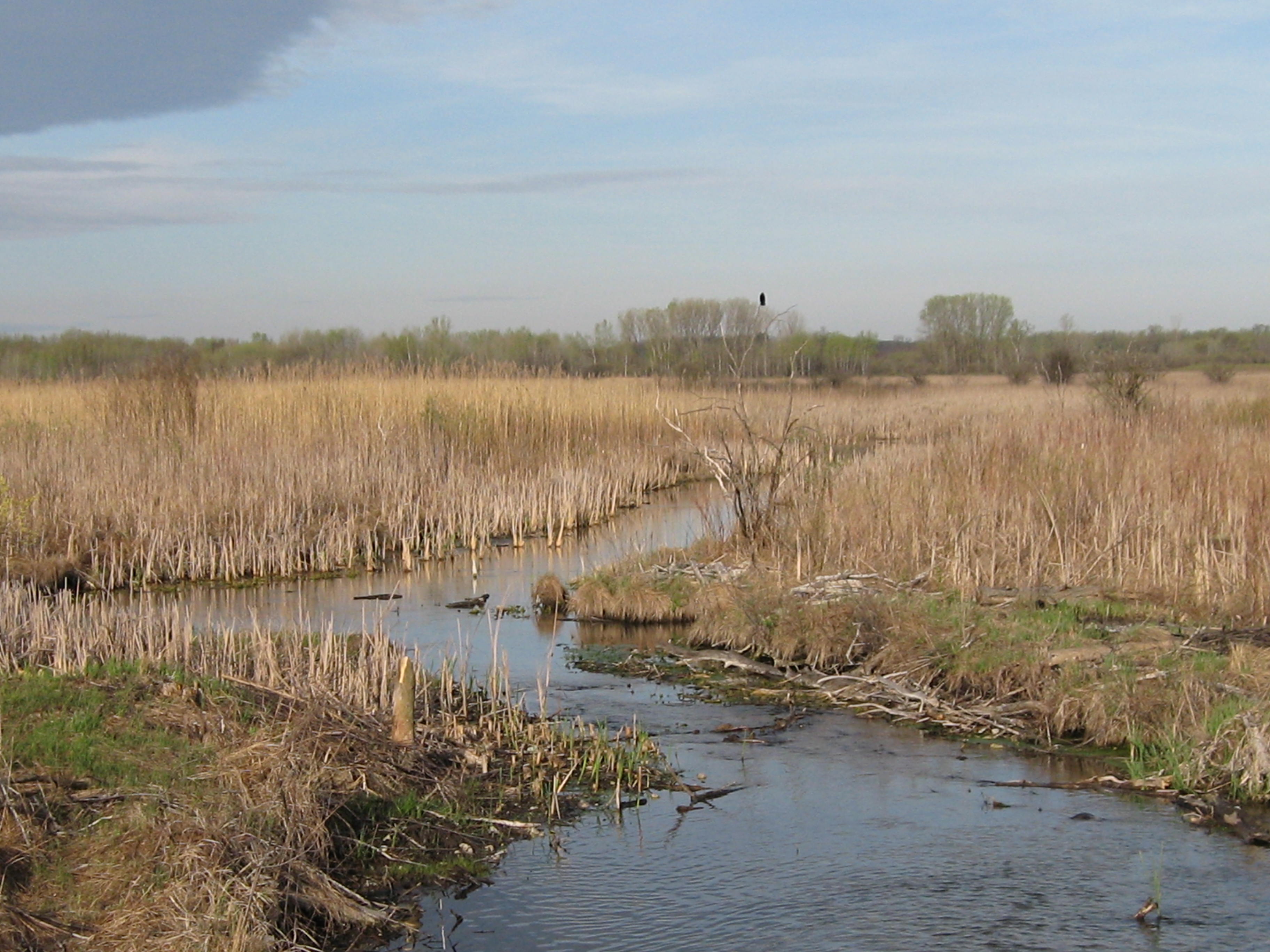
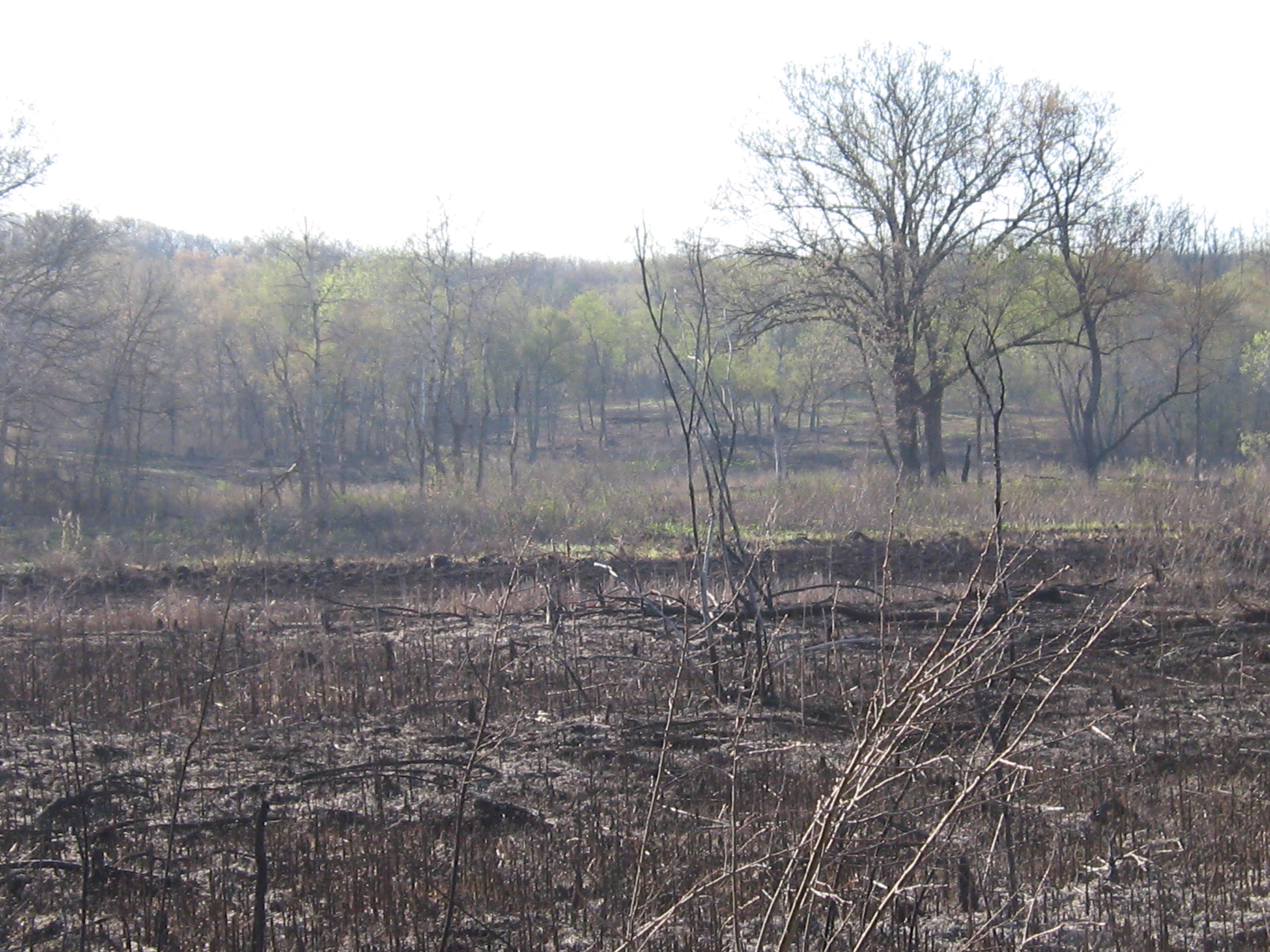
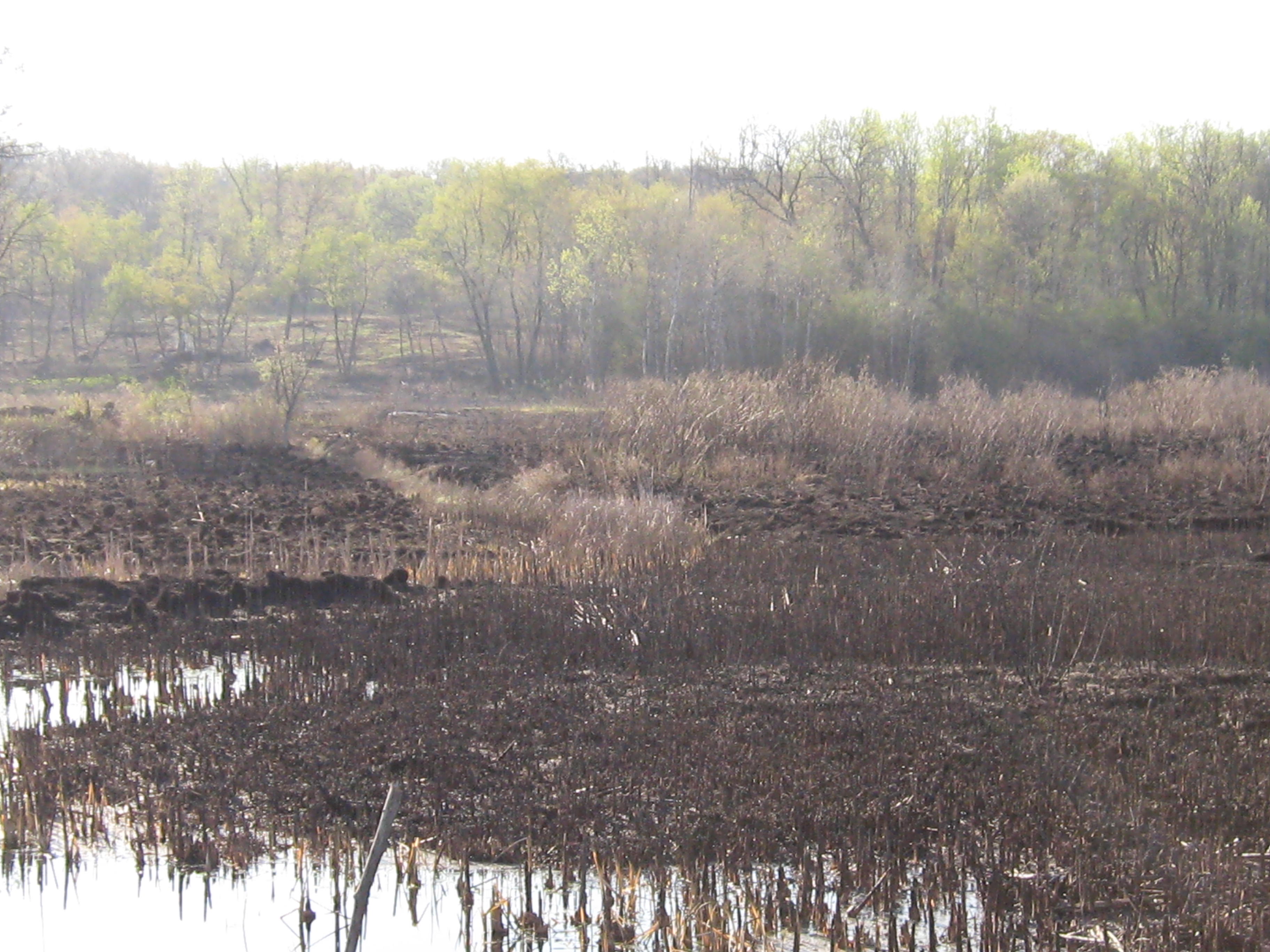
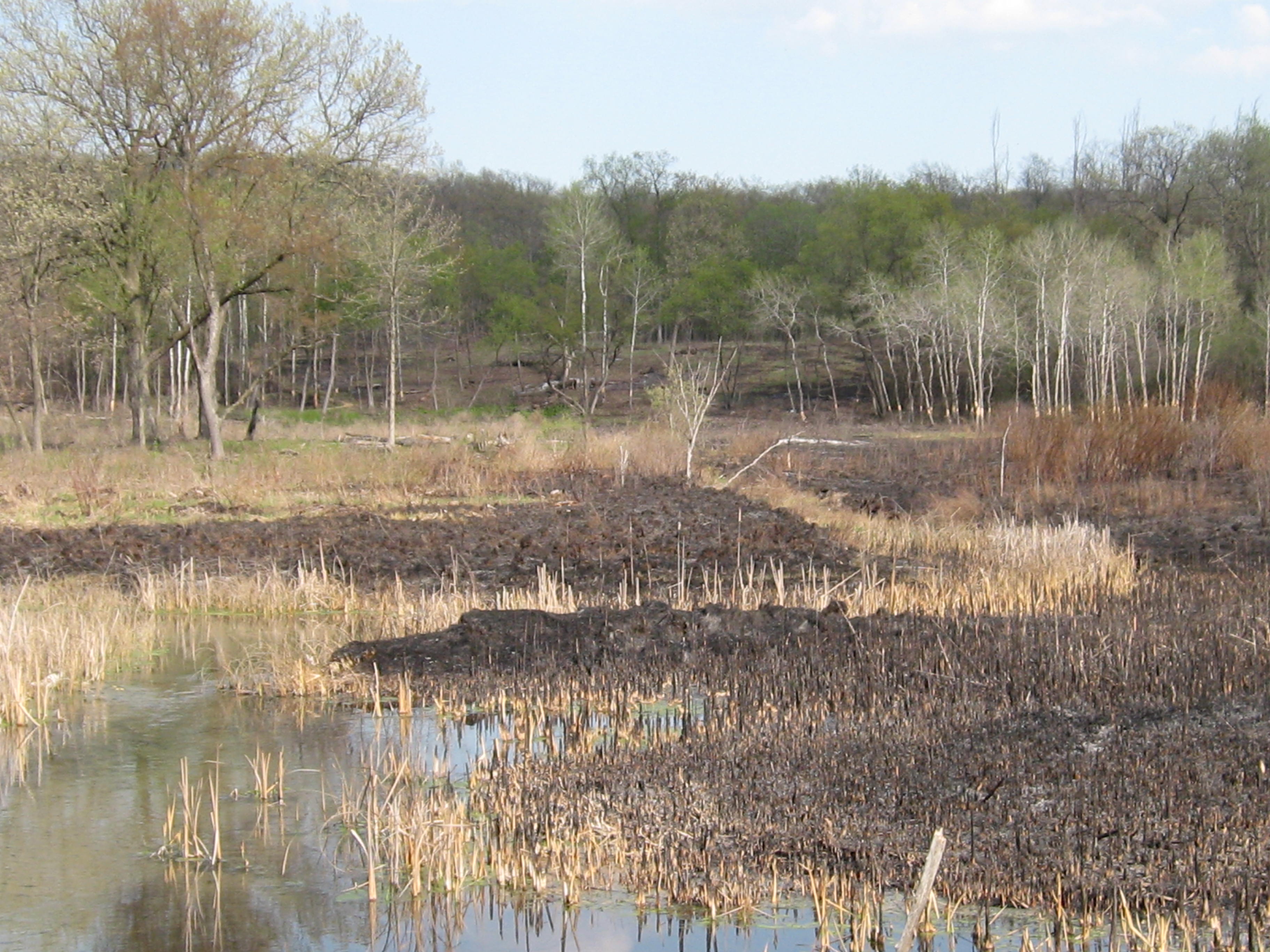
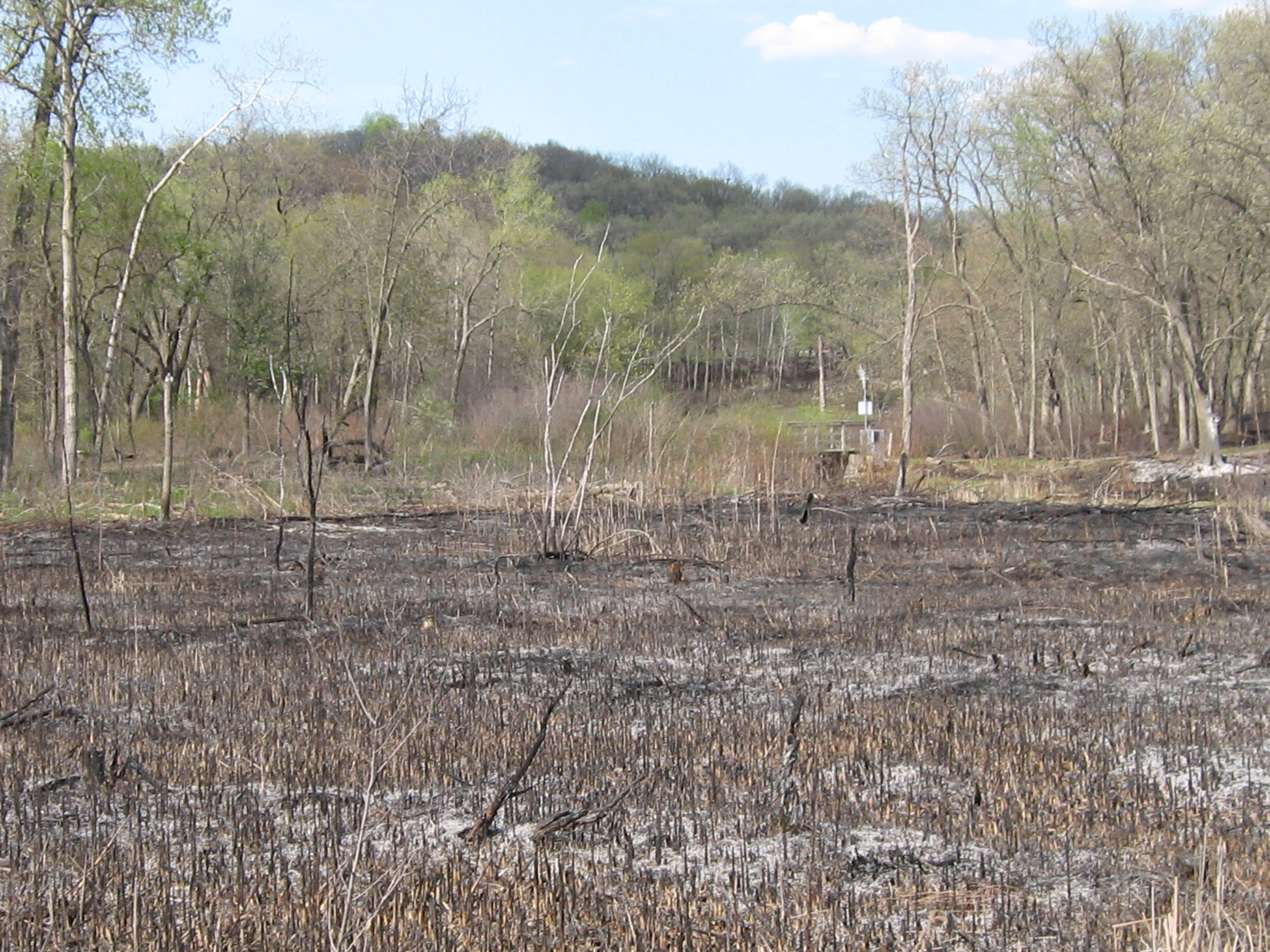
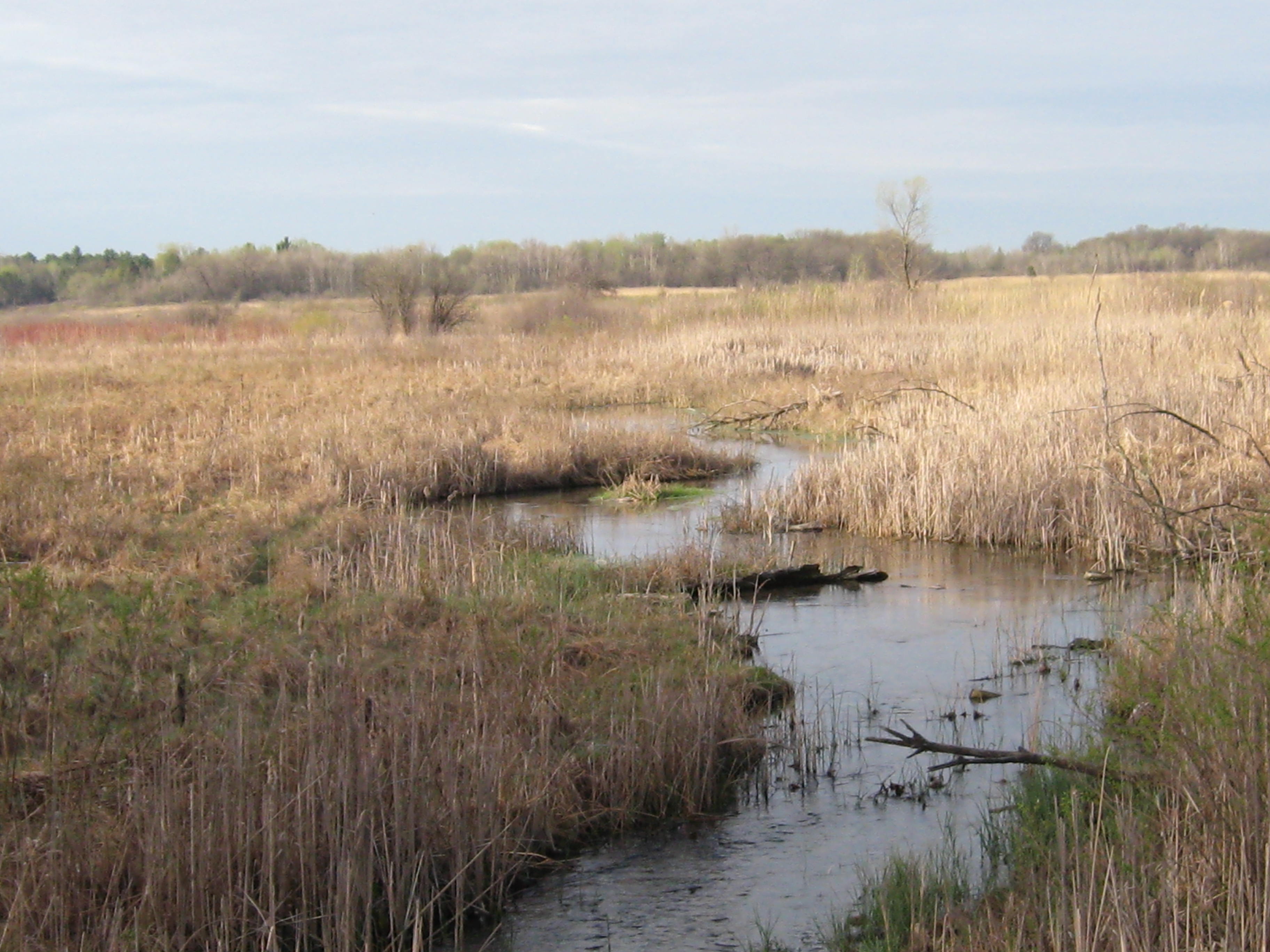
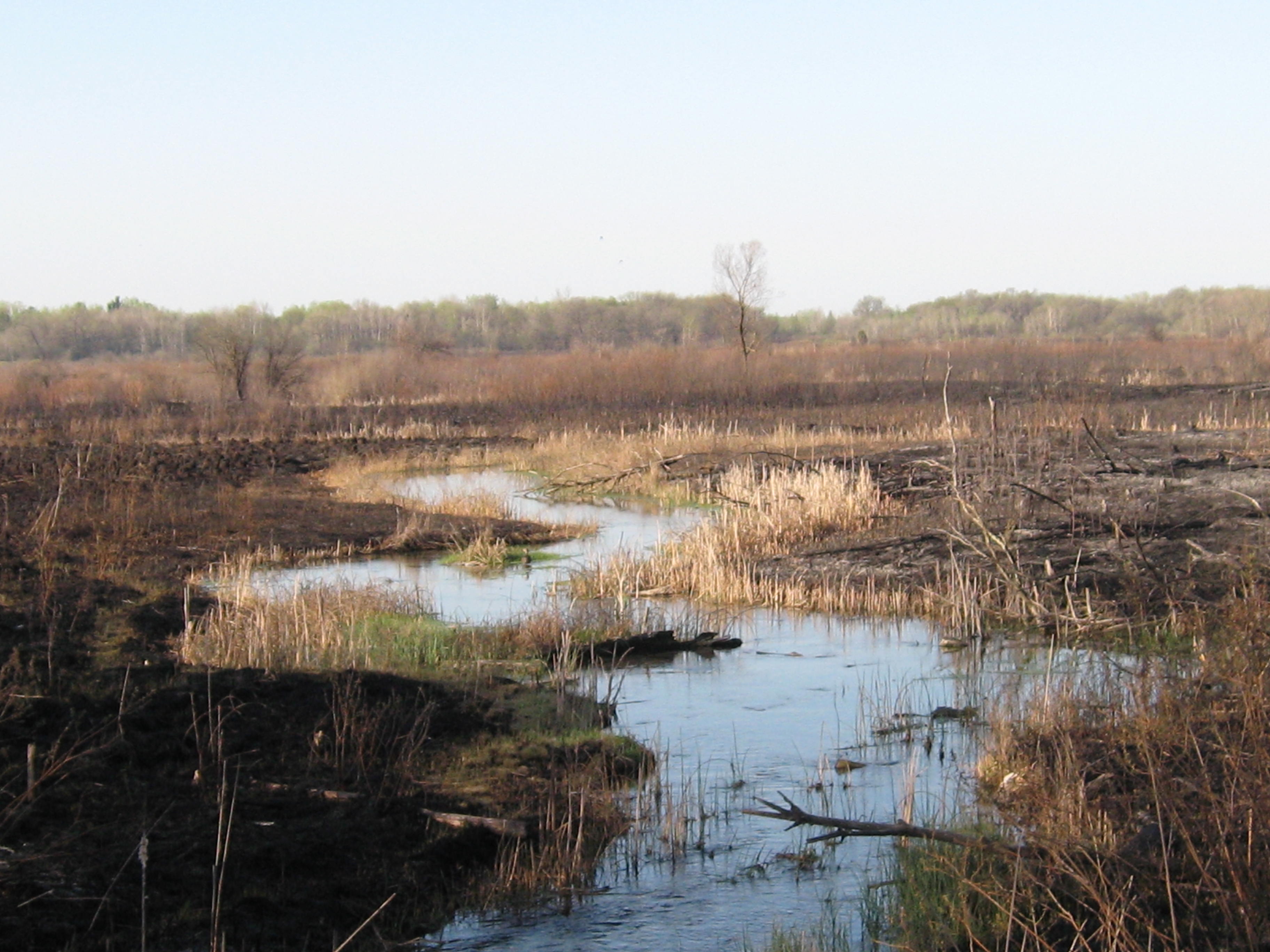
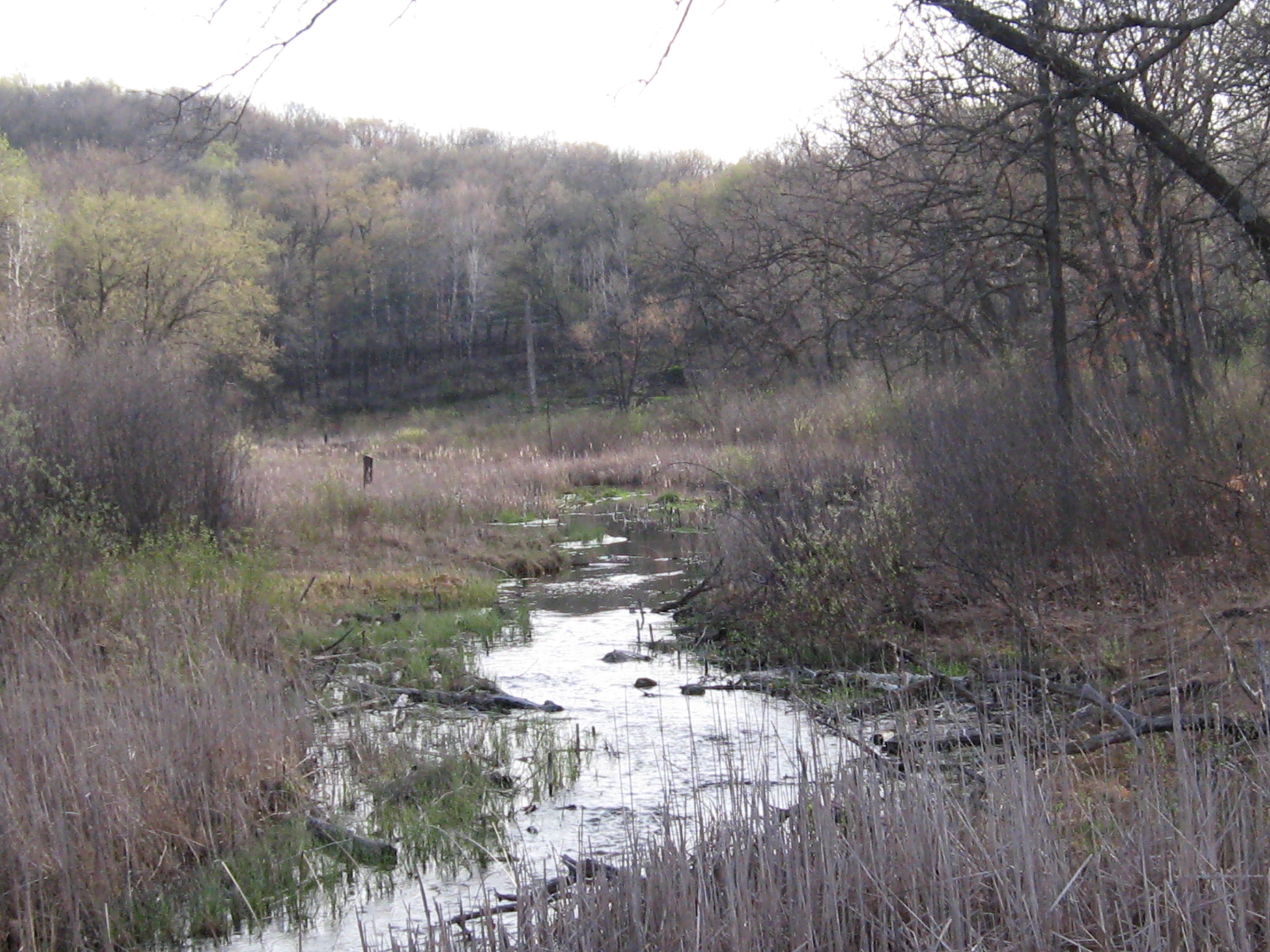
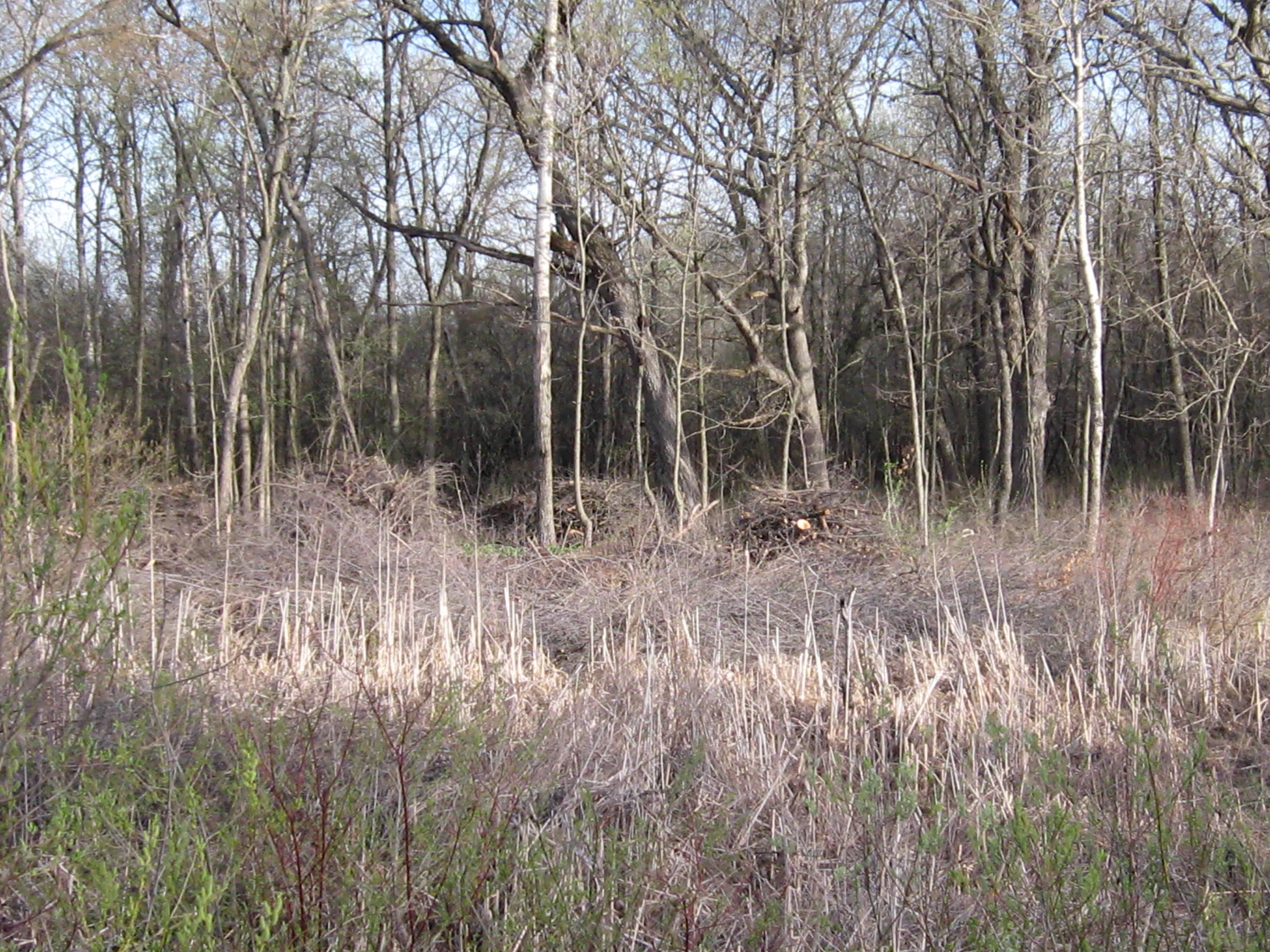
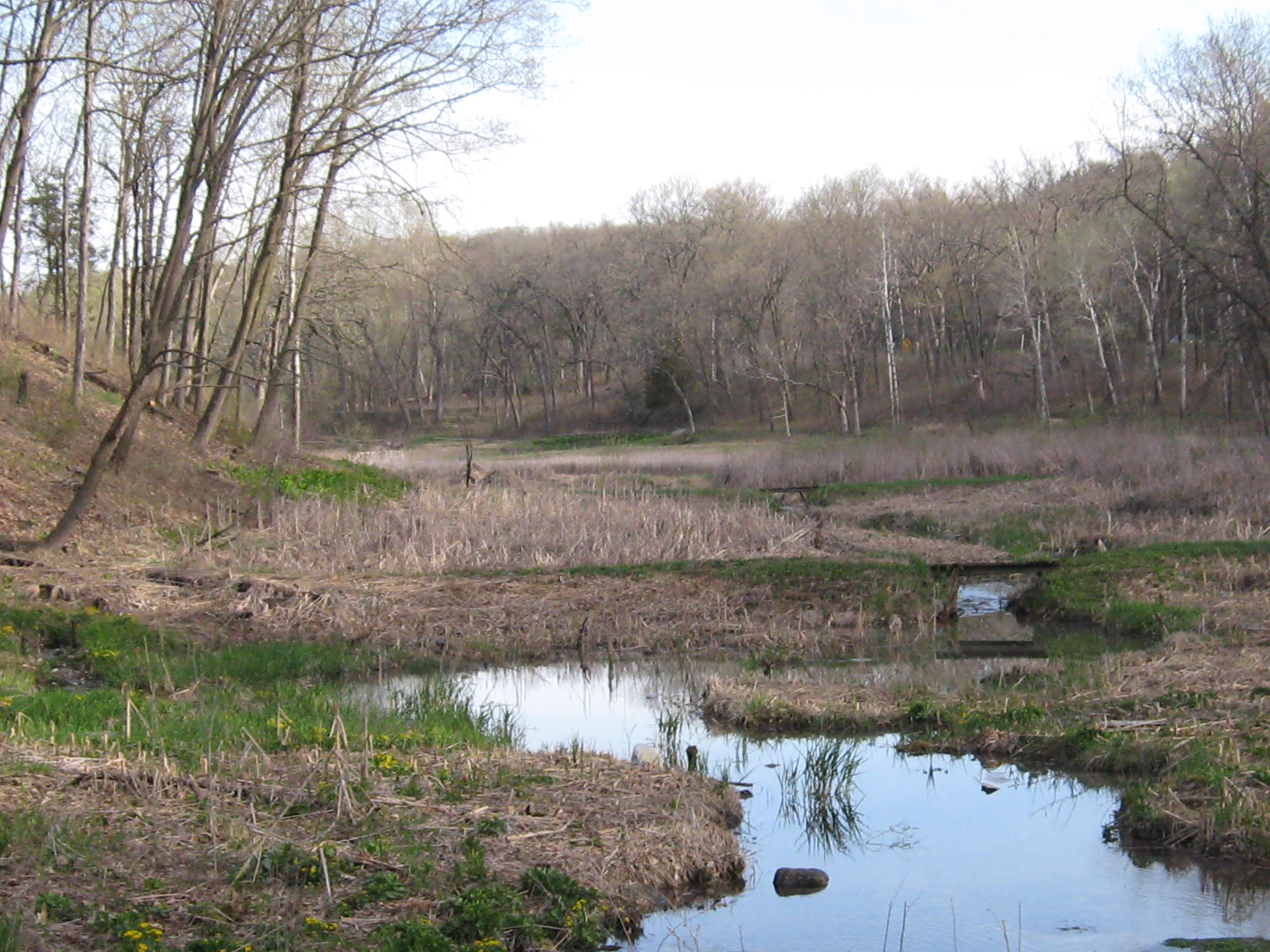
The trees were fresh with myriad shades of soft greens and the air had a slight haze to it, so, in the late afternoon light, the images captured have a slightly unfocused, pastel-like quality.
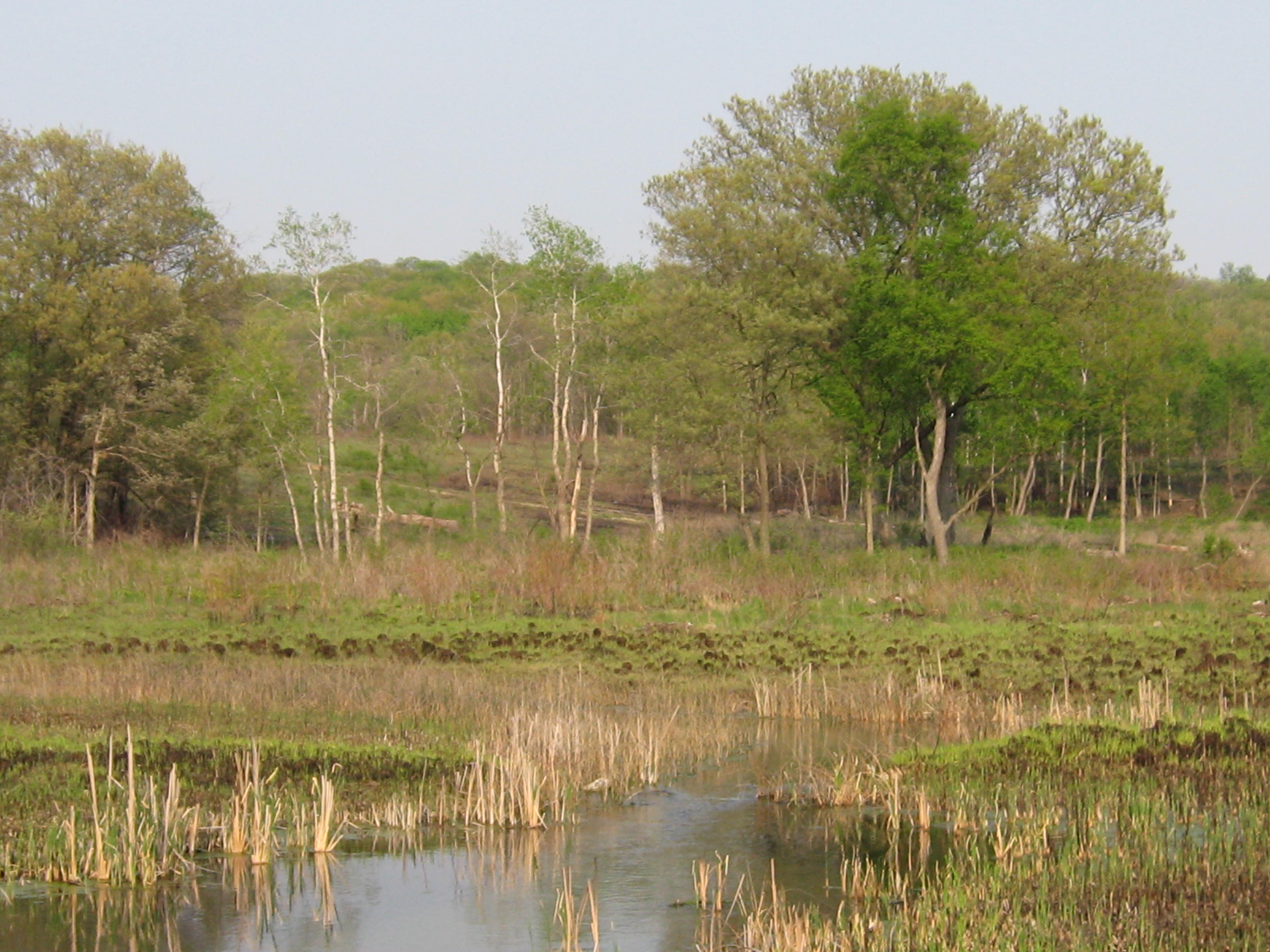
IMG_1525

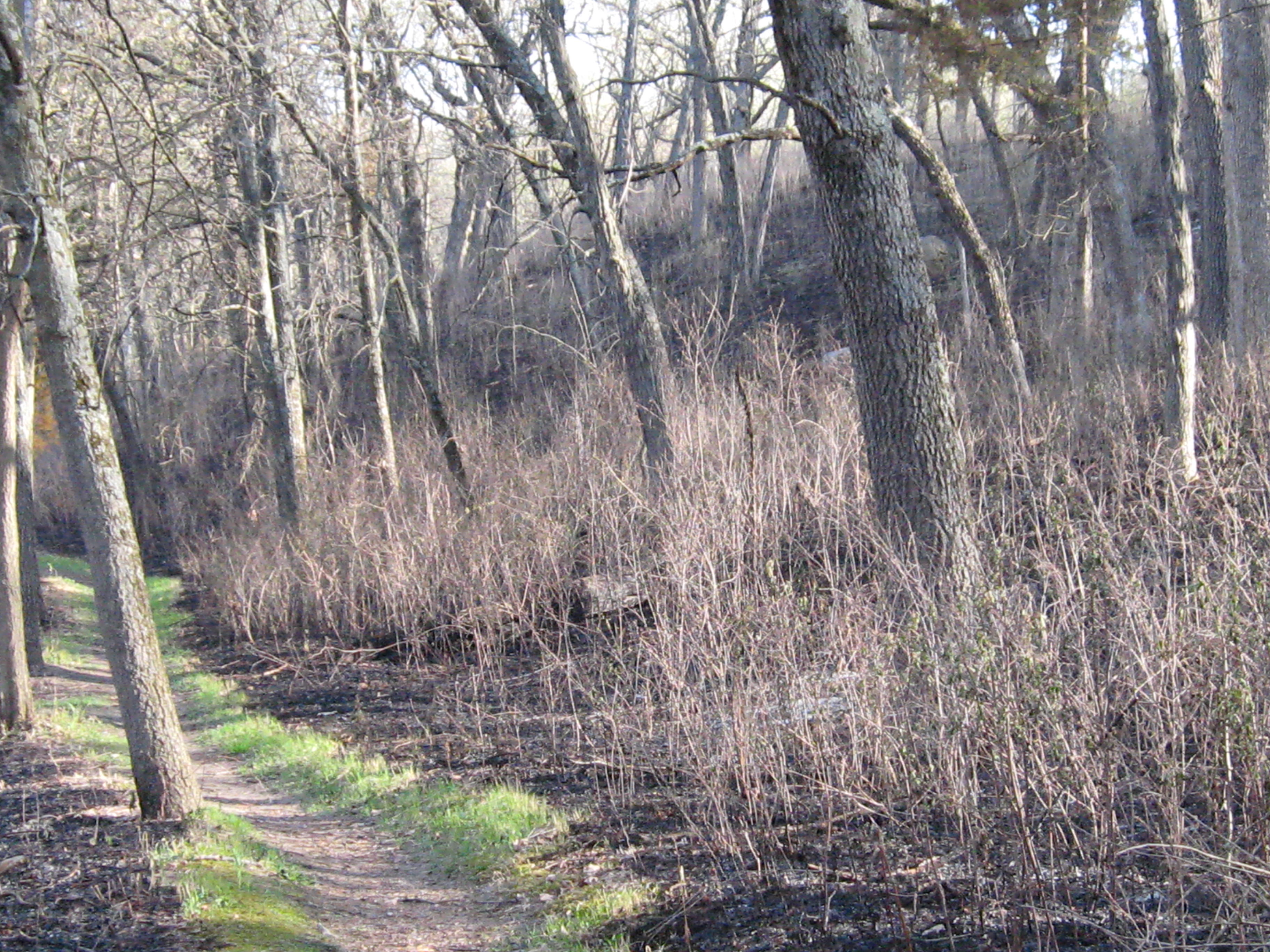
IMG_1526

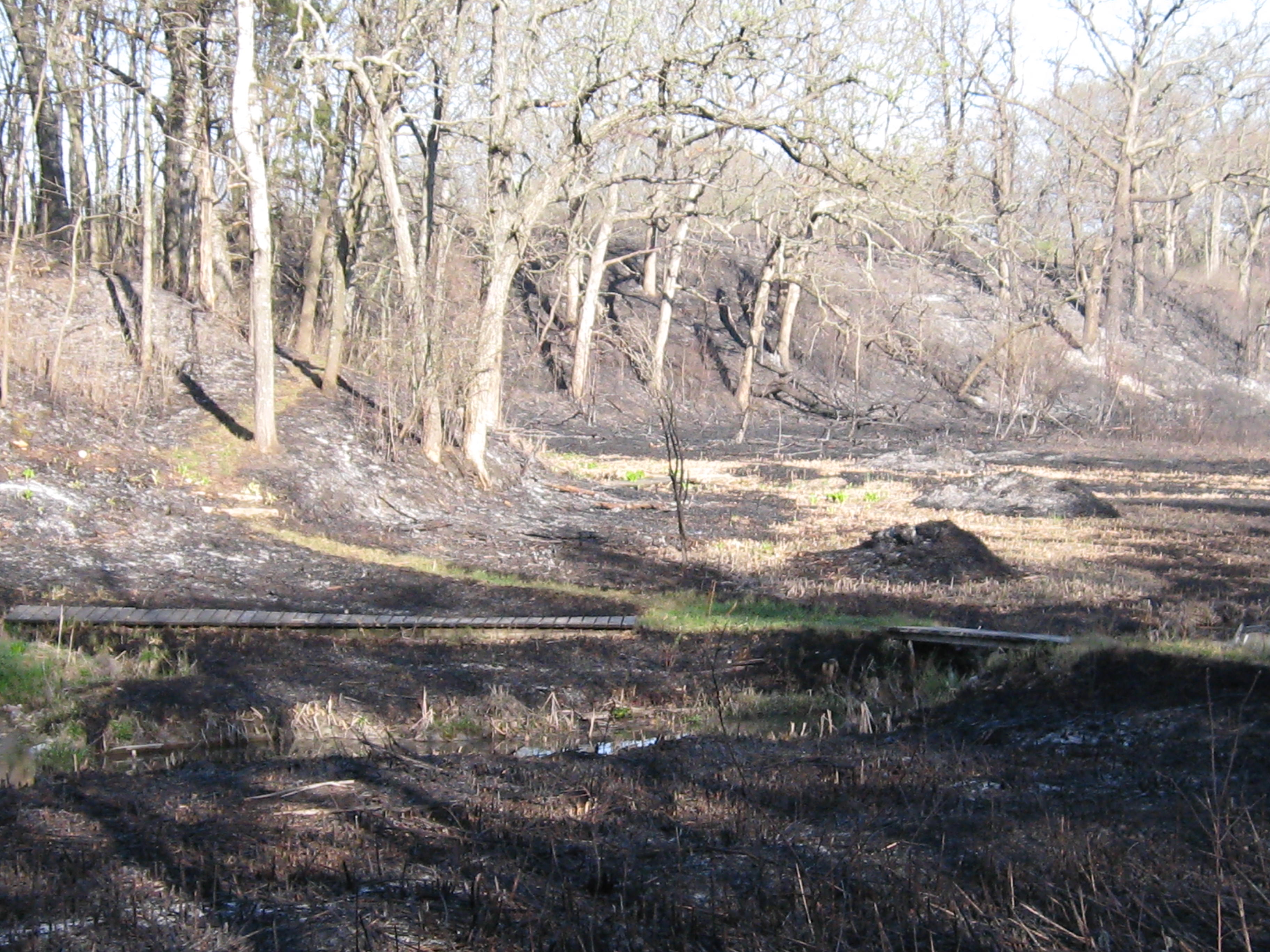
IMG_1527

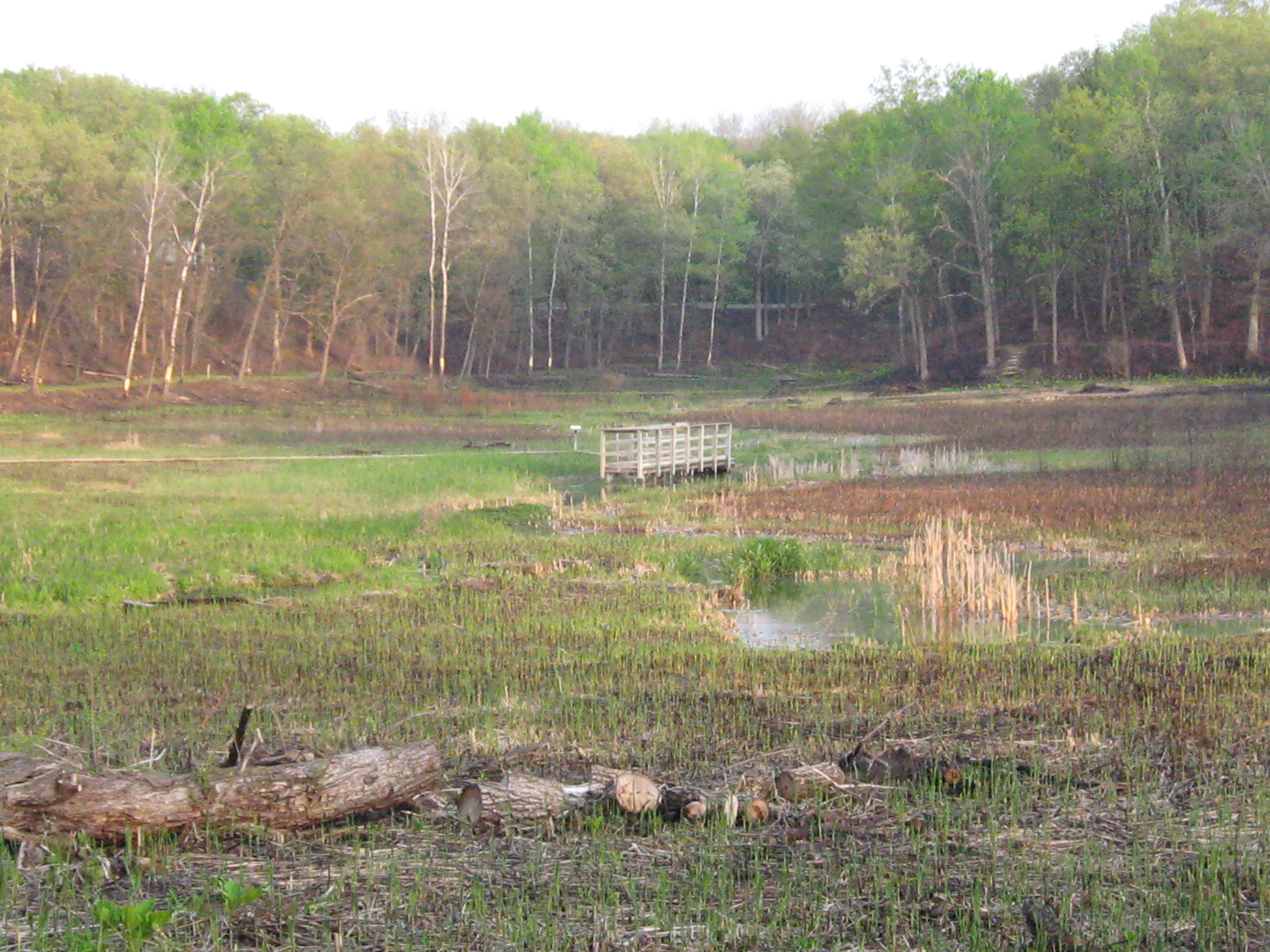
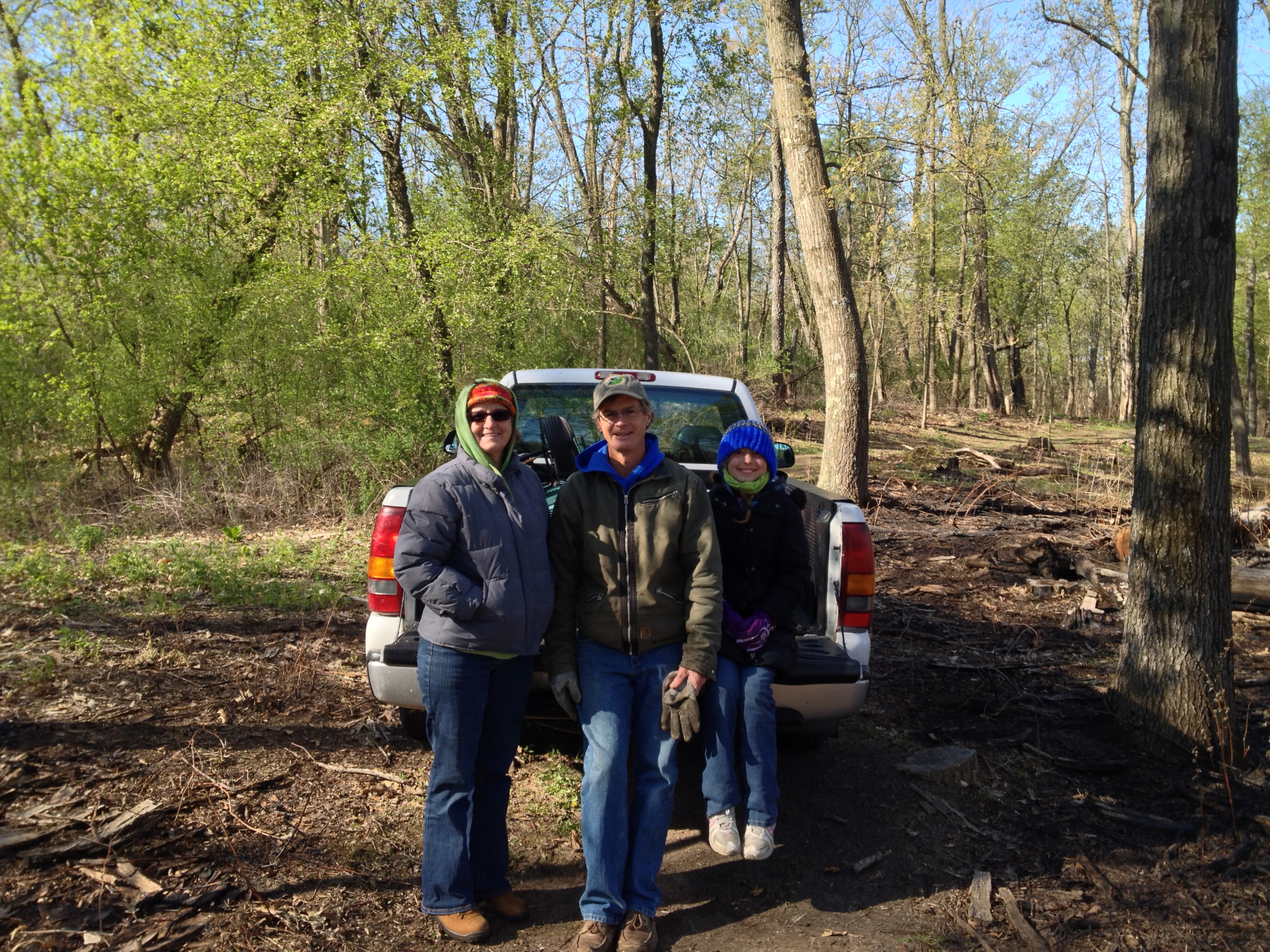
Pati and I were hanging out on the marl pit bridge when, fresh from a mud path, my spirit brother Thomas Barrett, aka Saturn Tre Volte, and “AJ” approached from the south. It took a couple seconds for the recognition to crystallize. I met Thomas at Ottawa Lake in May of 2012. He saw me lamely trying to swim and, introducing himself, promised to return in a few minutes to give me a lesson. He was a triathlete before being struck by a road raged driver while on a training ride on his bike. Thomas sought refuge camping at Ottawa lake as his head injuries slowly healed and he often helped me pile brush and pull watercress. Was it just a coincidence that Pati and I happened to be at the bridge when Thomas and AJ arrived (he had been living in Florida fighting legal battles to get compensation)?

ThomasAndAJ

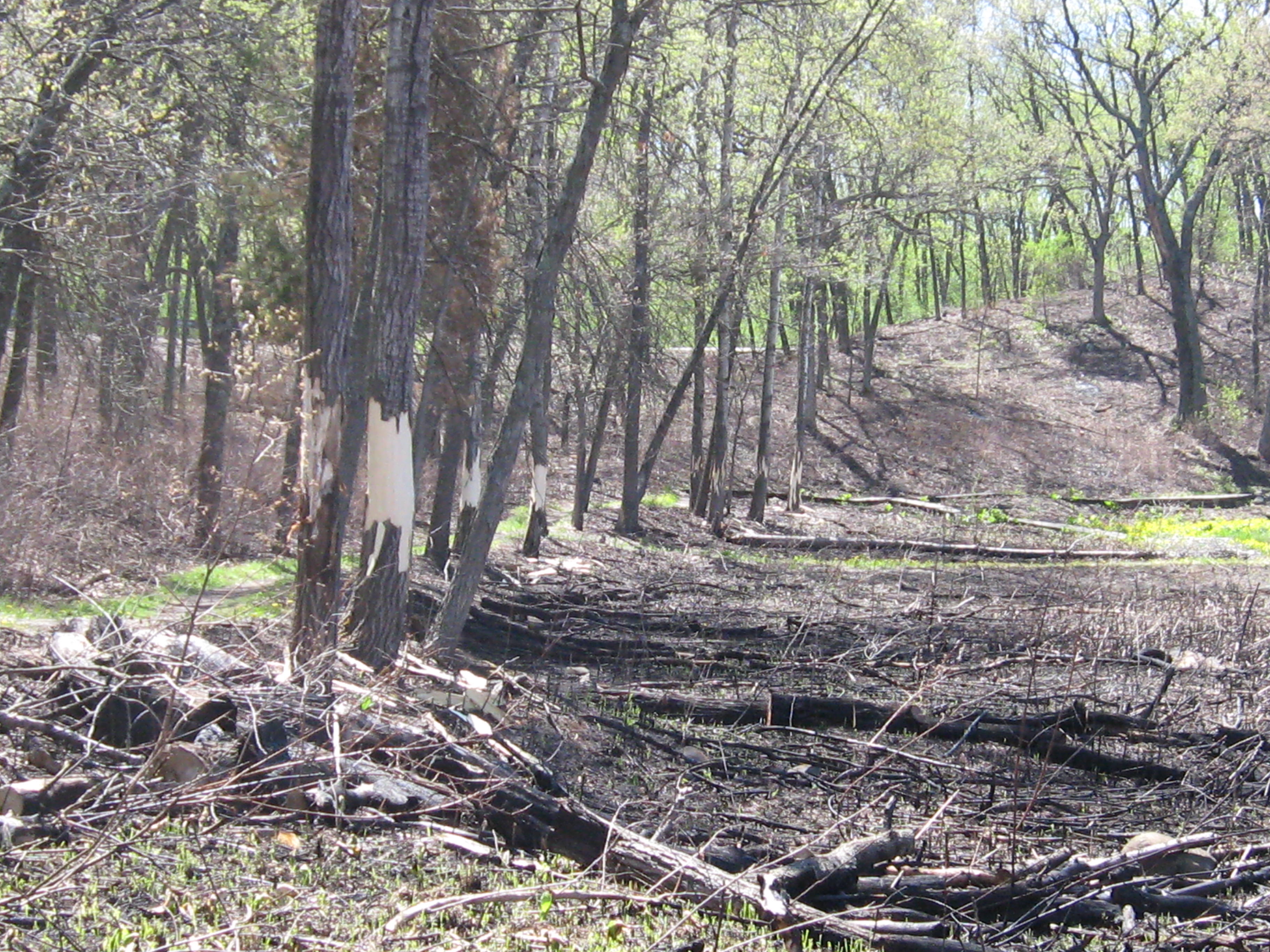
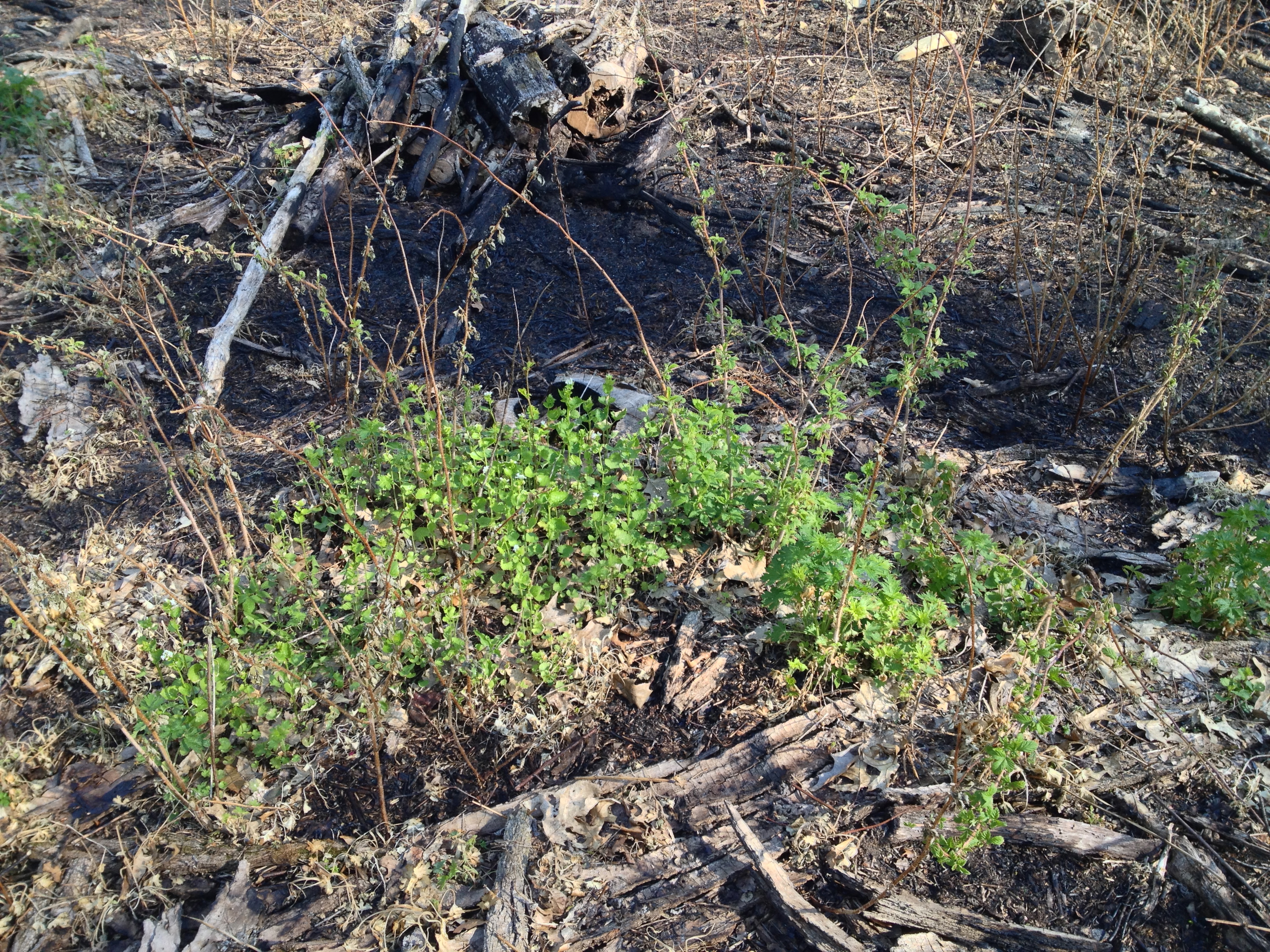
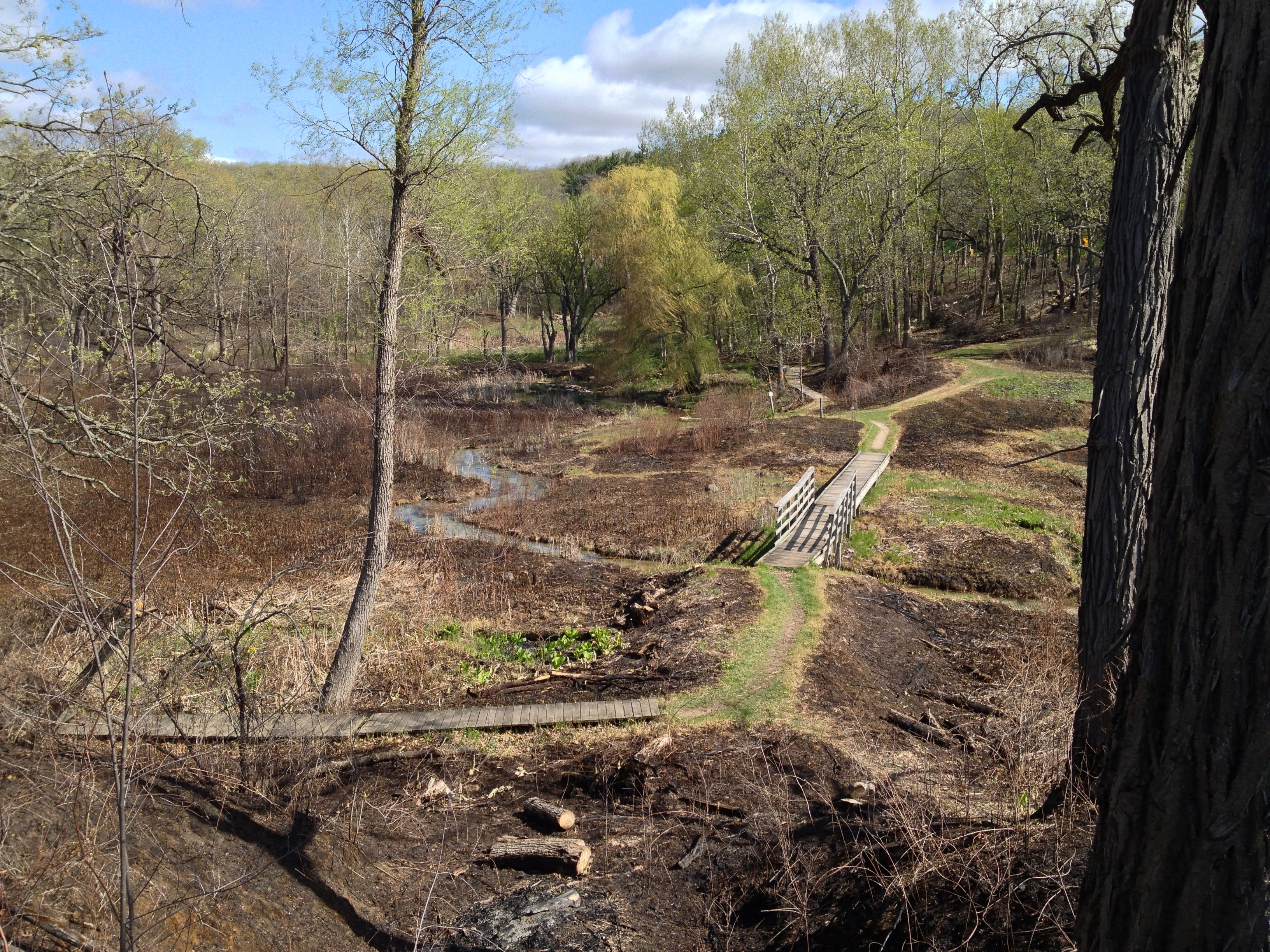
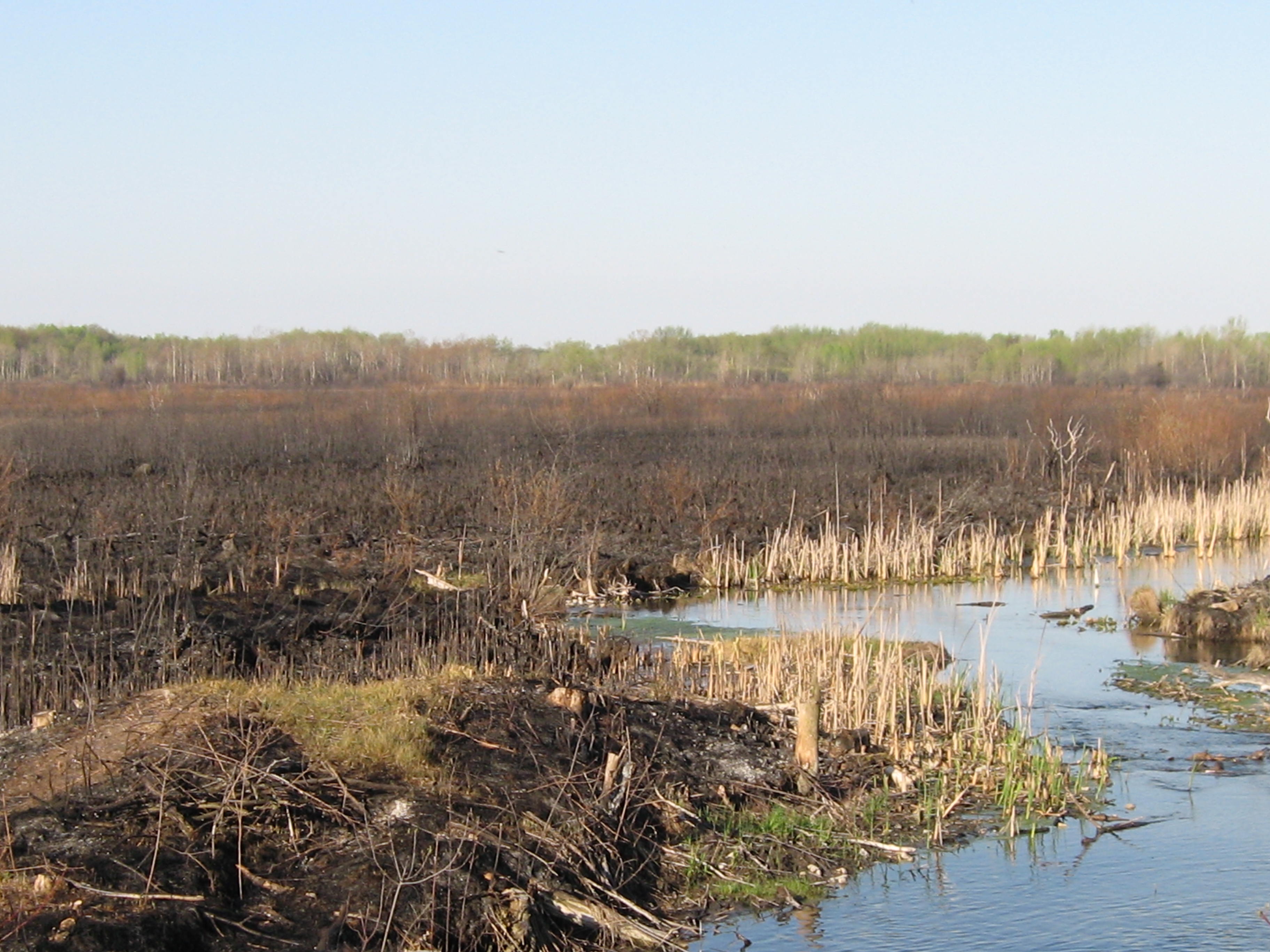
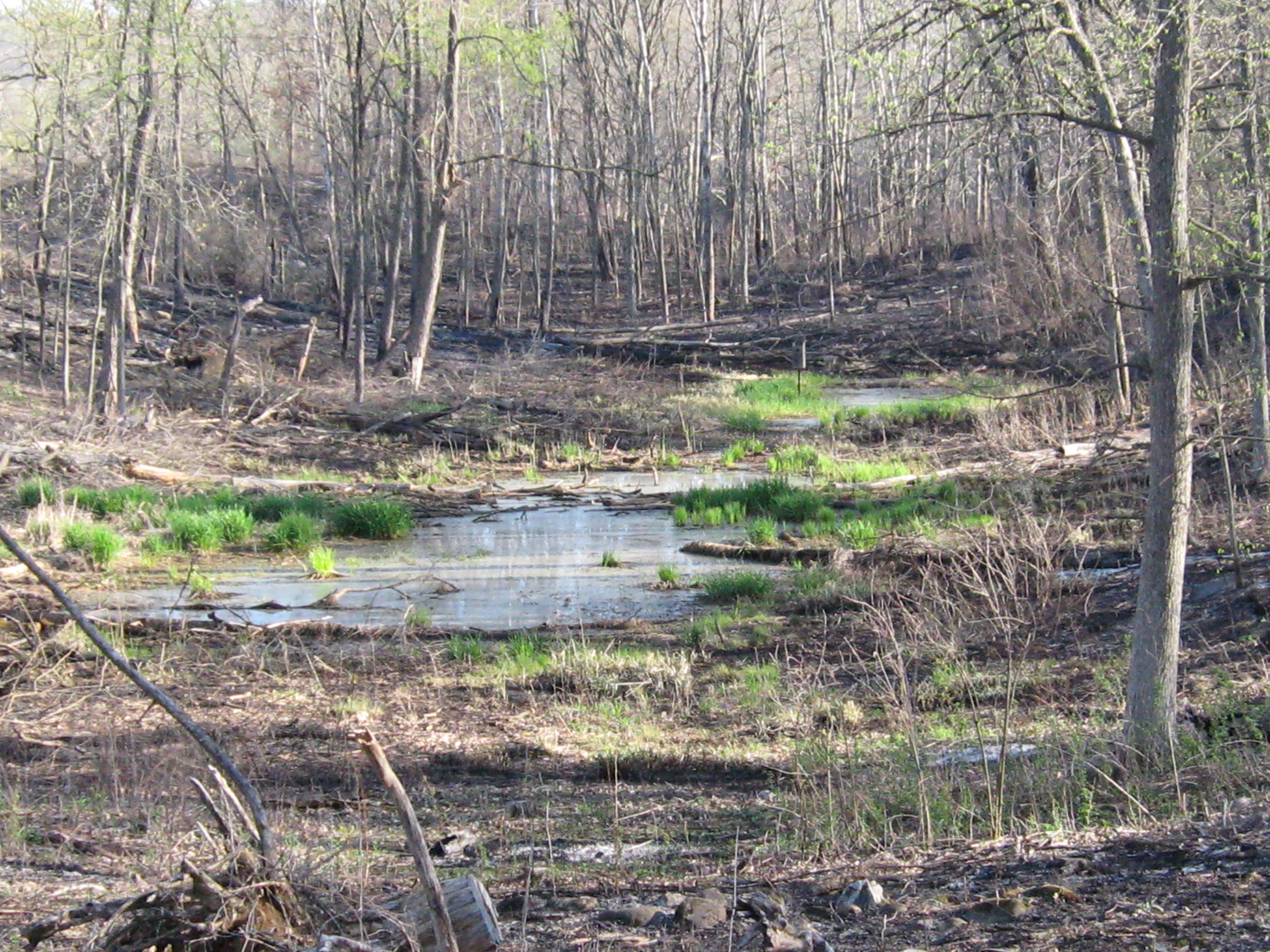
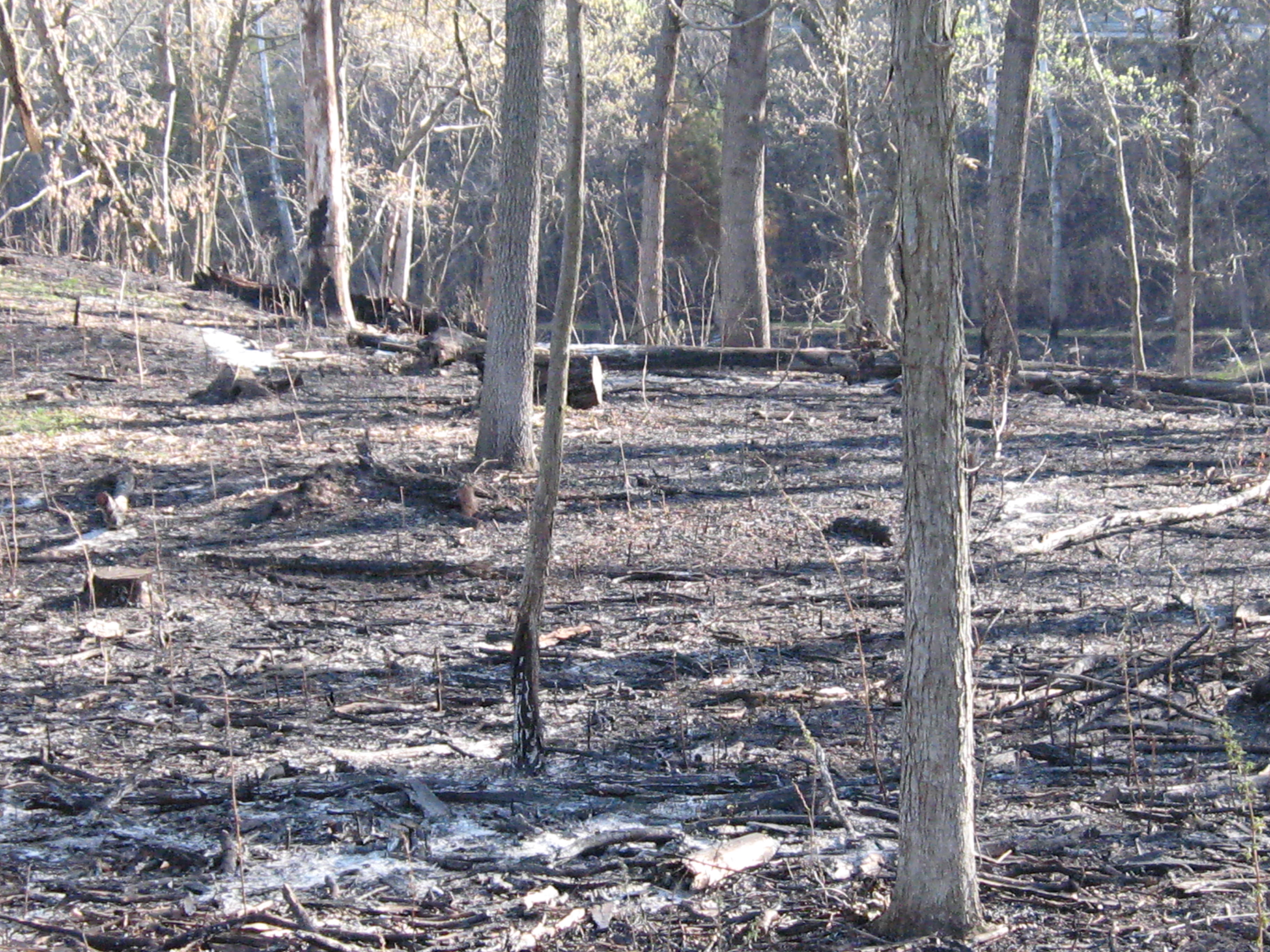
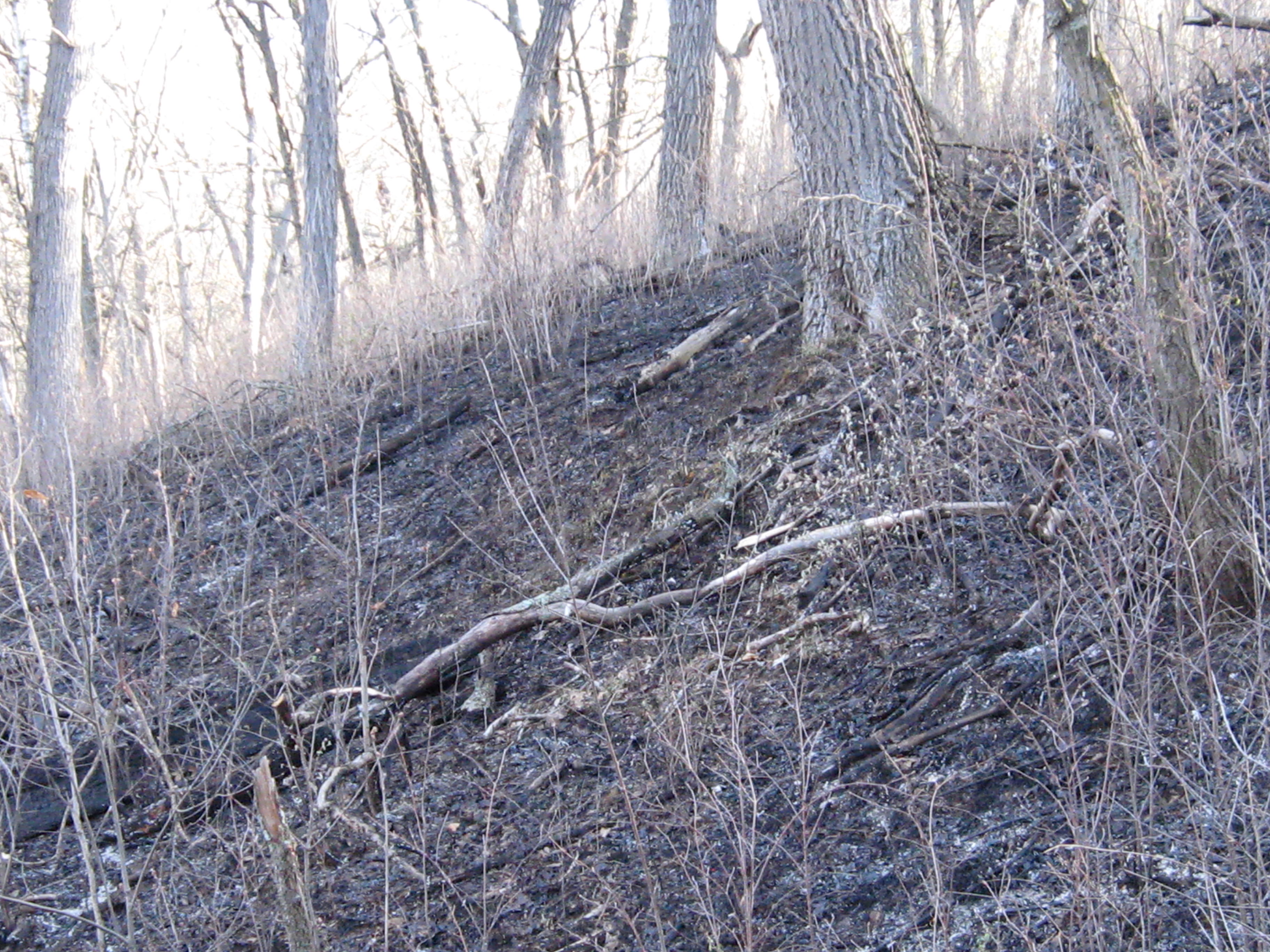
It is natural, yet miraculous, that the plant life is recovering so quickly from the fires. New life is emerging everywhere, soon to erase all evidence of the fires.

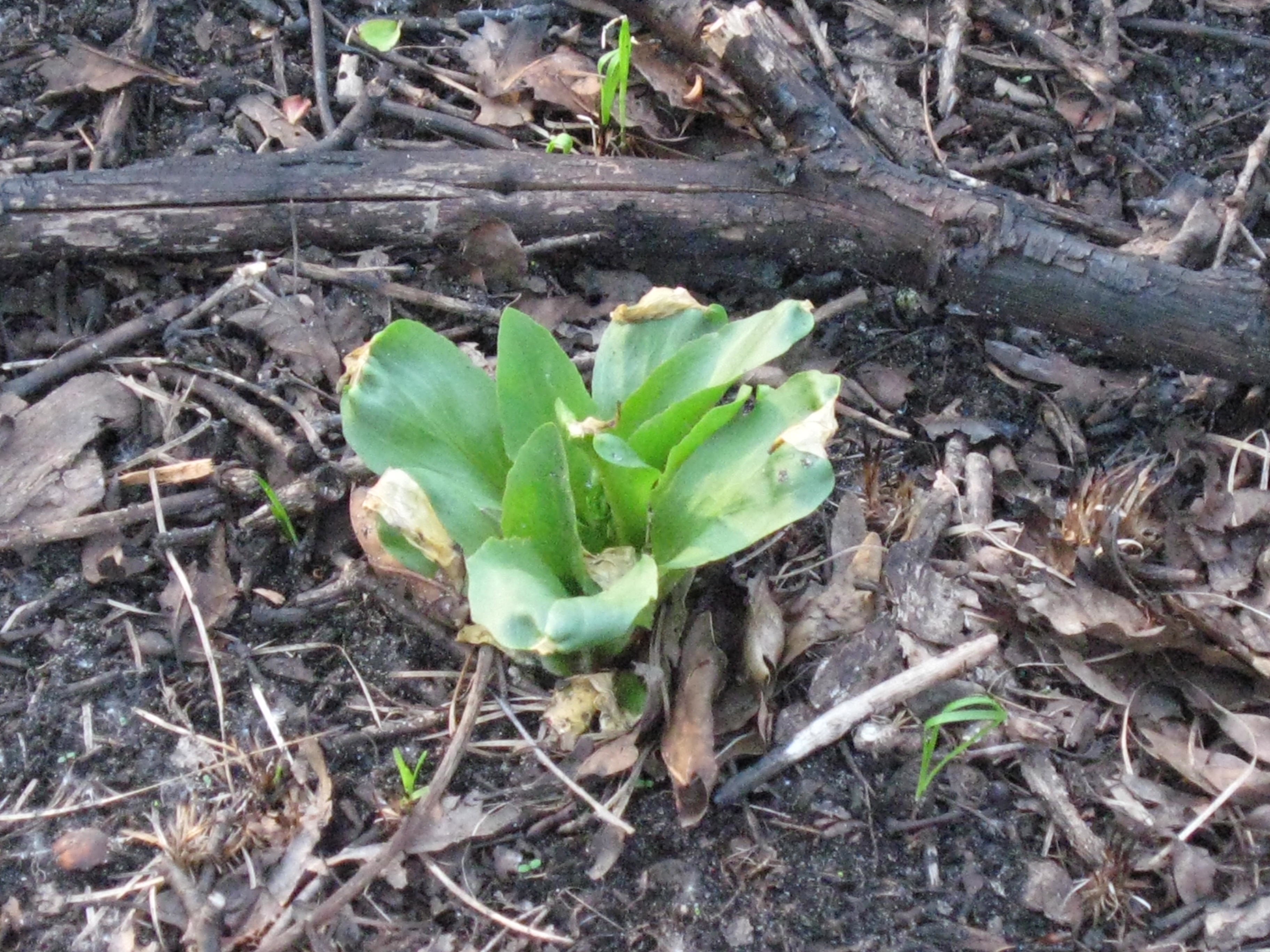
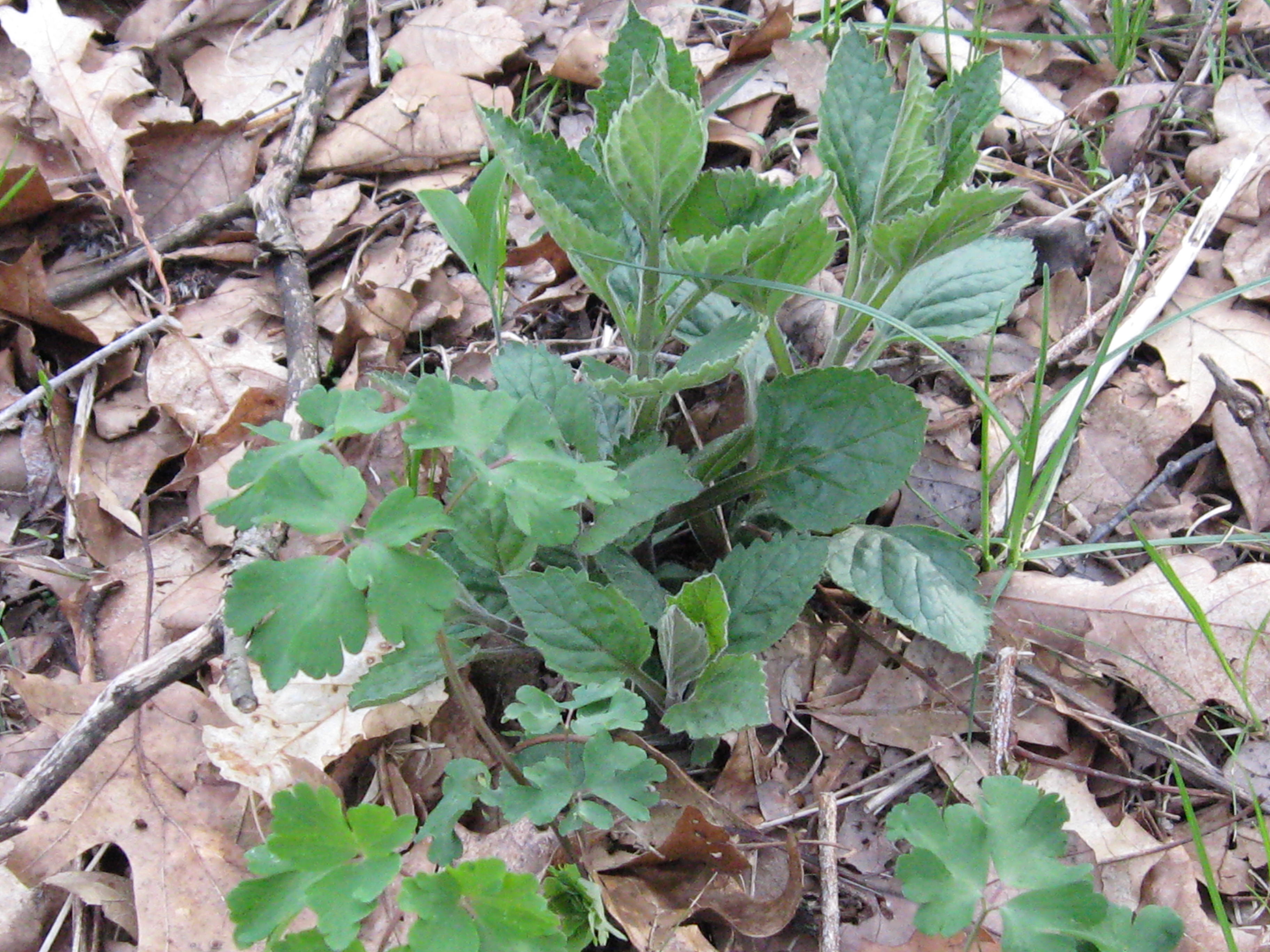
Geraniums push up from the black.

IMG_1529

Shooting Stars are reloading.

IMG_1530

Wood Anemone.

IMG_1532

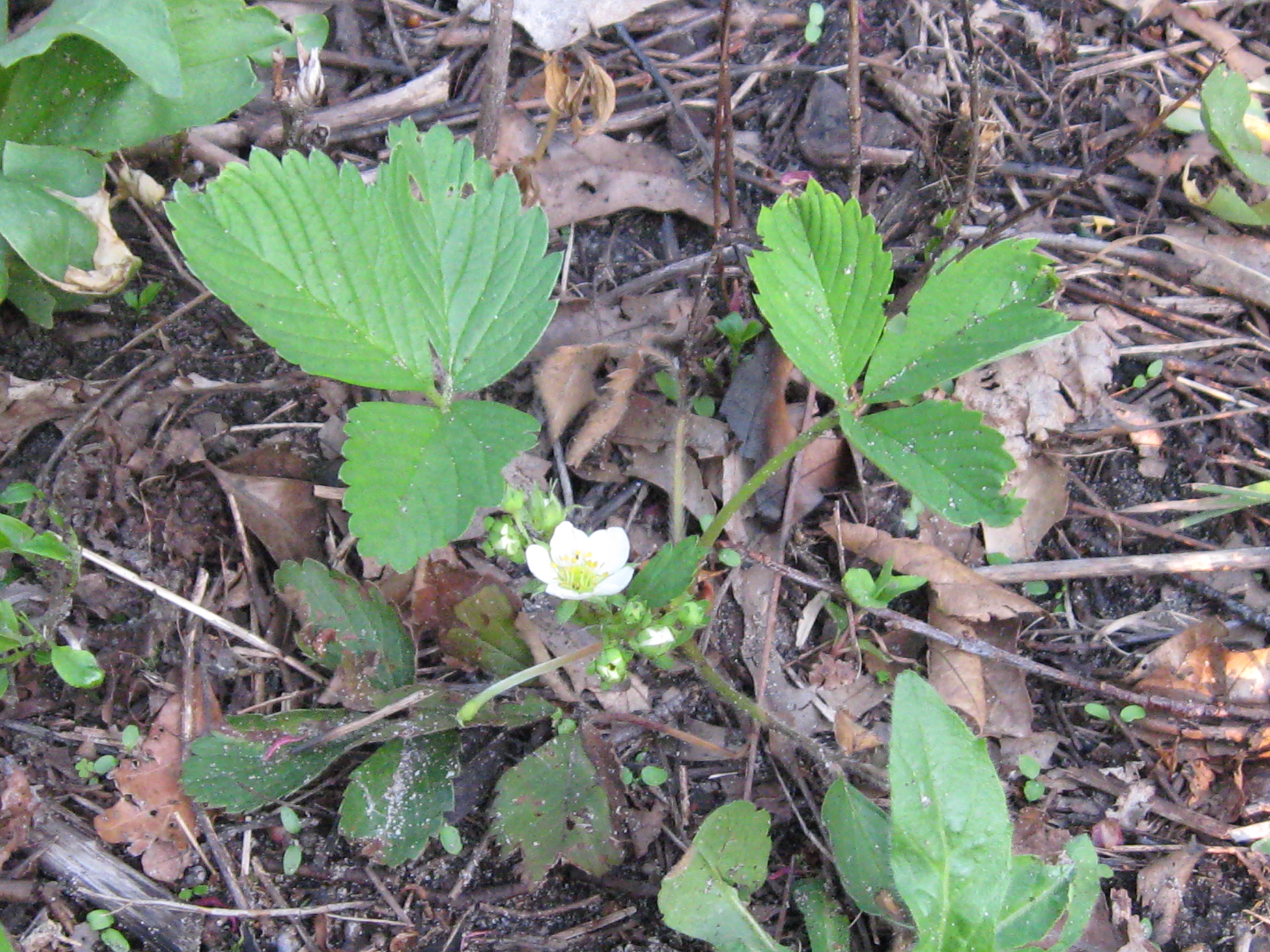
Wild Strawberry.

IMG_1533

Views from the old barn site.

IMG_1534

IMG_1535

IMG_1536

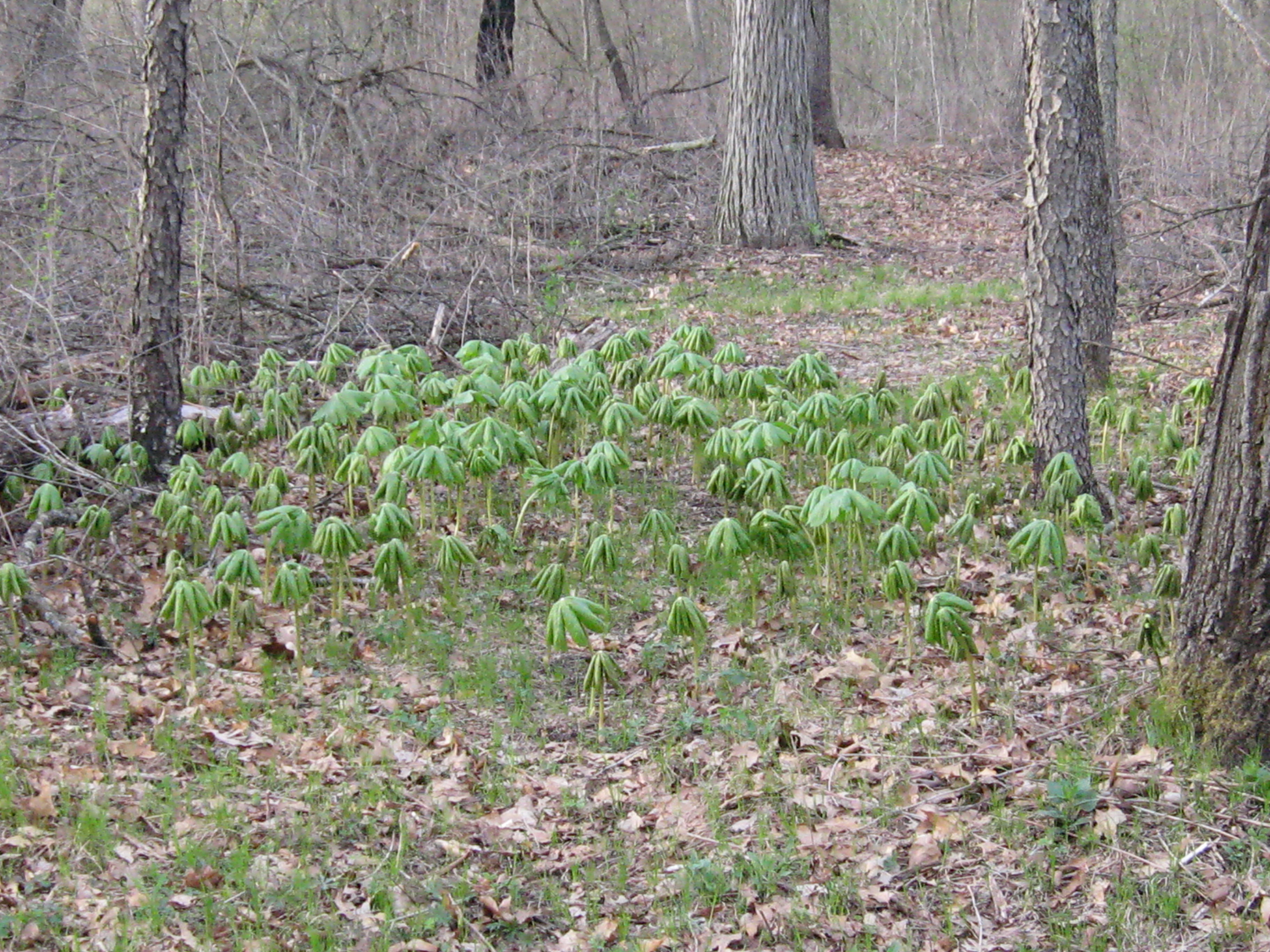
We saw this patch of May Apple last spring when we cleared the buckthorn from this area and it was thick with garlic mustard when it emerged. This year, we sprayed the garlic mustard before the May Apple came out with good results.
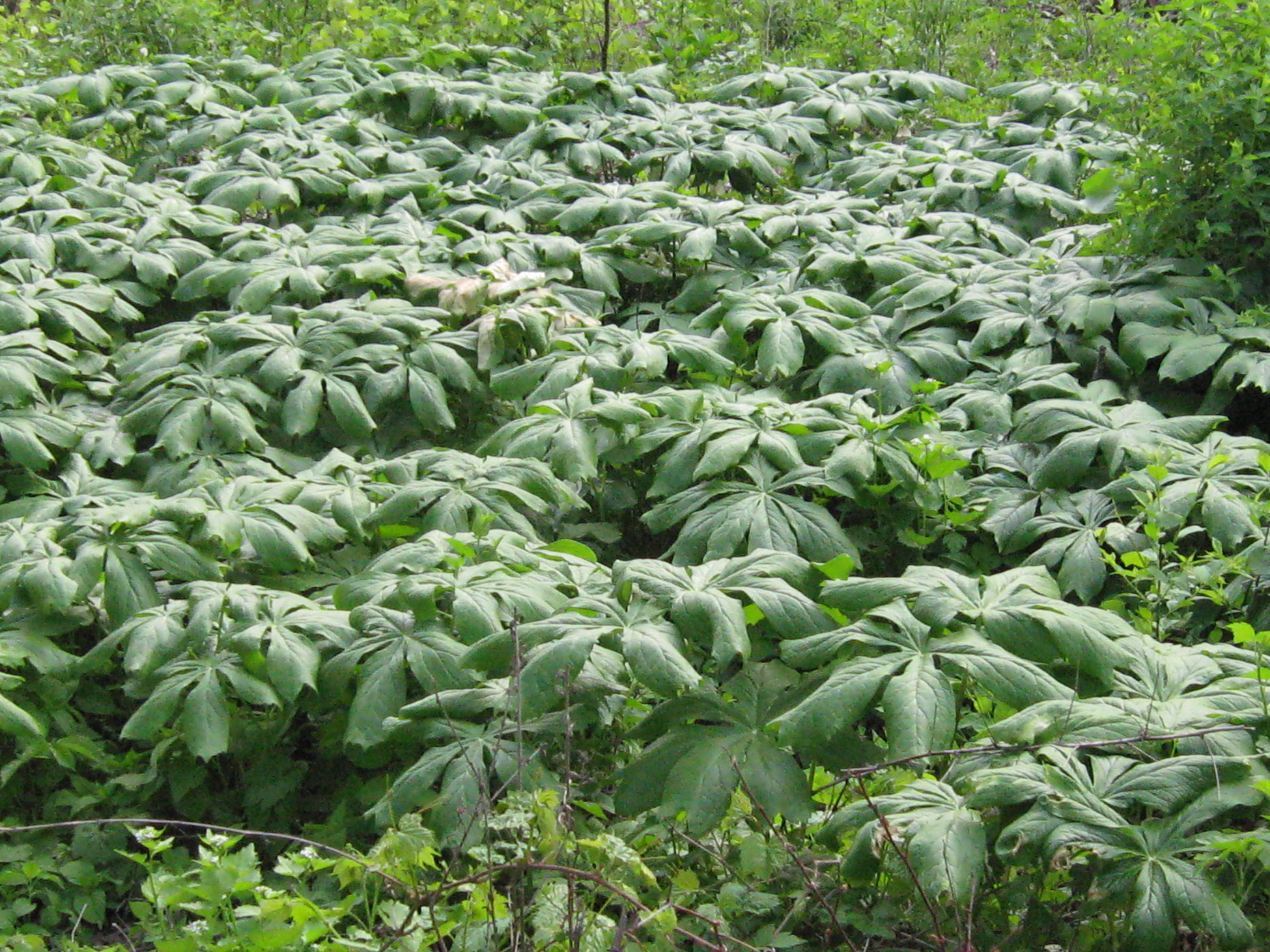
IMG_1538

The Hatching House Springs area is delightful.

IMG_1539

IMG_1540

IMG_1549

In the last post, I included a link to Wood Betony Stachy Officinalis (Betonica Officinalis), which I assumed was actually for the Wood Betony (Pediclaris Canadensis) that we see below at The Springs.

IMG_1543

This case of mistaken identity could be dismissed as simply another one of my biological gaffes, if it were not for the fact that when I actually read the link to Wood Betony Stachy Officinalis, that I included in the post, and realized this was not the Wood Betony I had seen at The Springs, I thought immediately of my friend Thomas Barrett.

I first used Betony for a friend who suffered a closed head injury in a car accident.  Four months after the initial trauma she still experienced frequent dizziness, headaches and disorientation, and on a few occasions had up and keeled over.  She was unable to work or drive, which, as one might expect, made being a mother a rather difficult endeavor.  Although by nature not one to lean towards the use of herbs or natural therapies, desperation resultant from the lingering effects of the injury led her to accept my offer of herbal help.  I gave her three pellets of Homeopathic Arnica to address the impact related origin of the injury, and had her take a dropperful of Betony extract as needed when her head hurt, going on a traditional use of Betony to treat concussion.  I didn’t hear back from her, but saw her a couple weeks later, and to my dismay, her pained expression told that she was still suffering from the terrible headaches.  I offered her two droppersful of Betony tincture in a glass of water, thinking that perhaps a stronger dose was in order (strange, nowadays I’d tell her to take a smaller dose…).  In about 10 minutes she asked “What was that? My head doesn’t hurt anymore…”  When I told her it was the Betony I’d sent to her a couple weeks ago she replied, “Wow! I’m going to have to start using that.”  Doing so, she recovered completely.

Yes indeed, I did conjure up Saturn Tre Volte, and the very next day, one filled with dynamic choices, we did meet at the marl pit bridge in harmoniously synchronized serendipity.  Thomas, get yourself some Wood Betony stachy officinalis (betonica officinalis)!  Be well, my friend.

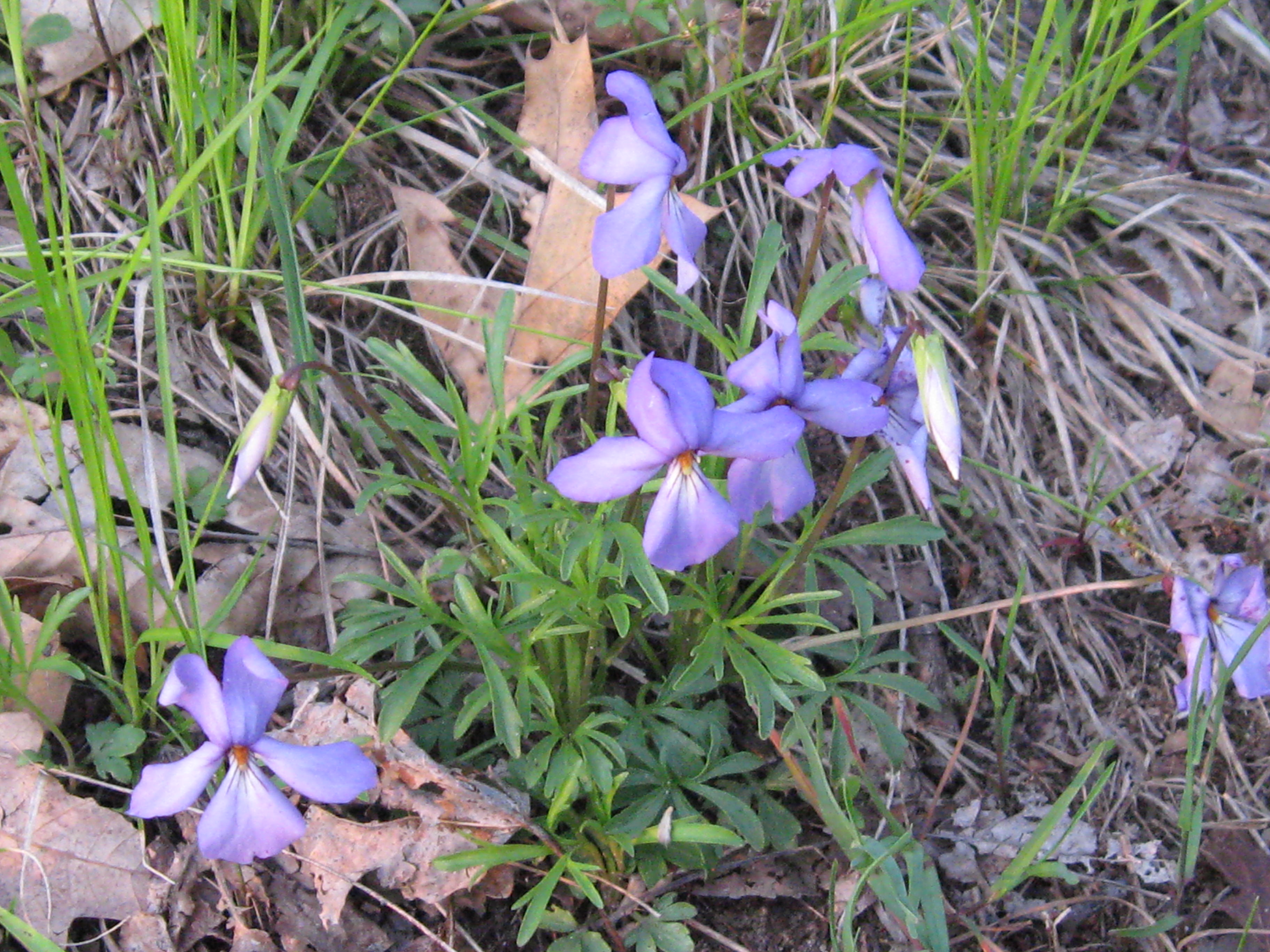
Here we see Bird’s-Foot Violets and PussyToes.
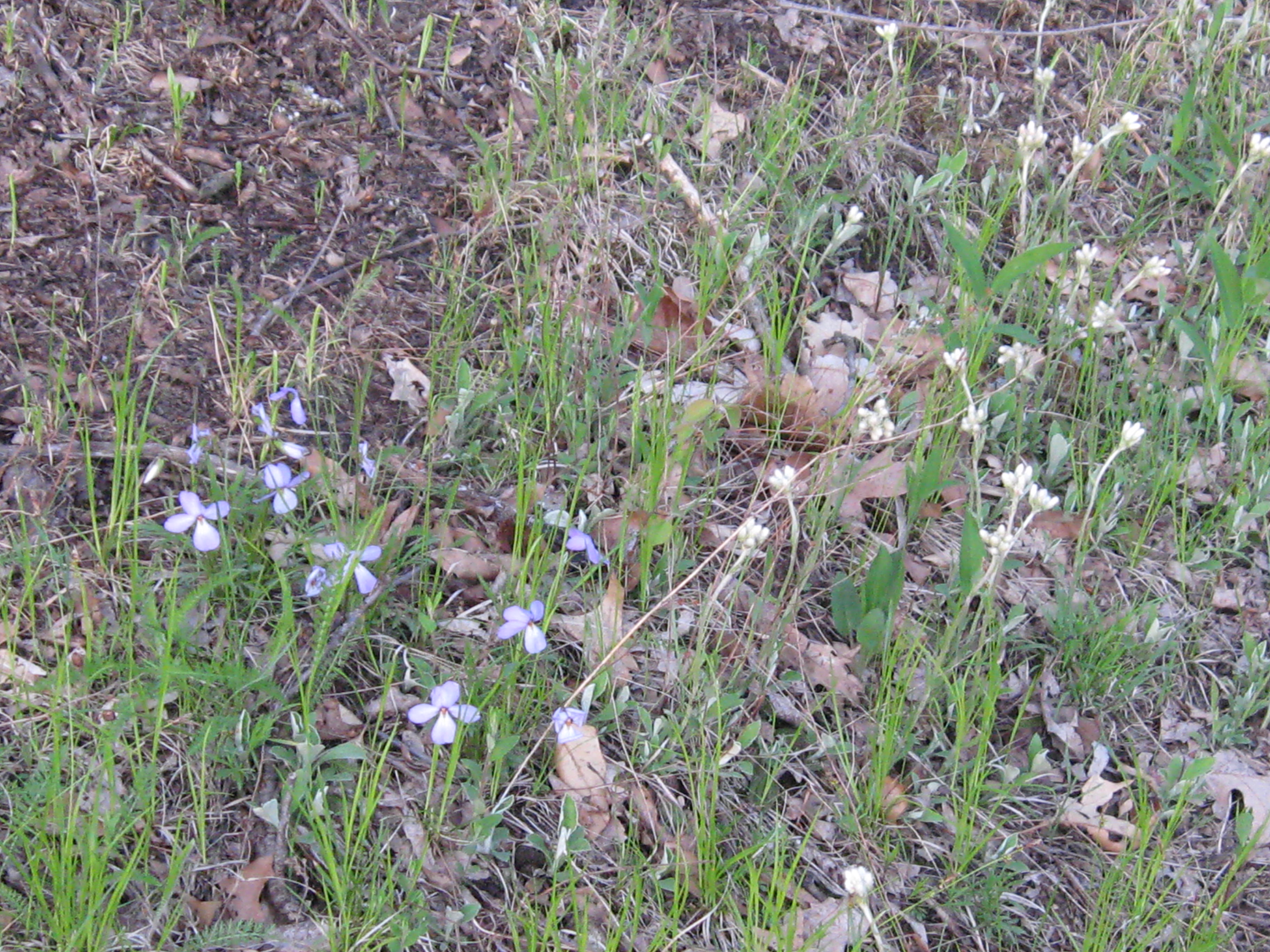
IMG_1544 IMG_1545

Pati really enjoyed the sights and sounds and I shared the feeling.
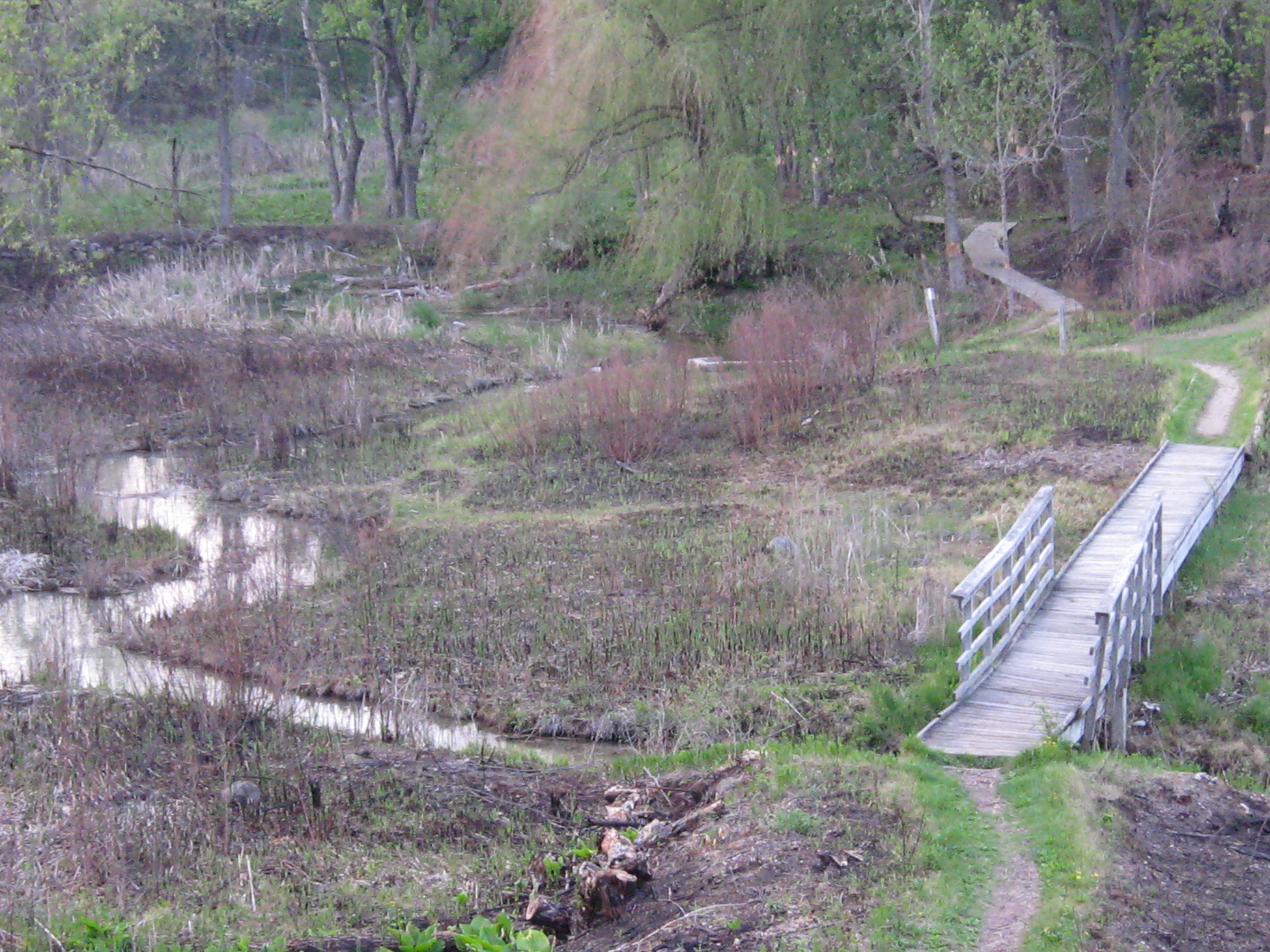
IMG_1551

Check out this bunch of asparagus that Pati harvested.

IMG_1566

Welcome home Pati.  Welcome home Thomas.

IMG_1552

IMG_1556

IMG_1558

See you at The Springs!

The Hidden Spring

I’m celebrating! Its been 2 years since I returned to the The Springs and 2 years since I had surgery to remove the cancerous tumor from my neck. So much has changed since then in both me and The Springs; I got healthy, retired and discovered philosophy, and The Springs got some tender loving care including a good cleaning.

One of the most exciting things we did last year was to uncover springs that were totally obscured by watercress, phragmites, cattails, buckthorn, and other brush.

SSTrailMap

We began the cleanup focused on removing the watercress that was damming the river, without consulting the map above, so it was one surprise after another as we “discovered” the two sets of Hillside Springs, The Hidden Spring and the Hatching House Springs. Yesterday, the morning light was just right and I paid respect to The Hidden Springs.

The views from the steps above the springs.

IMG_1497

IMG_1498

IMG_1499

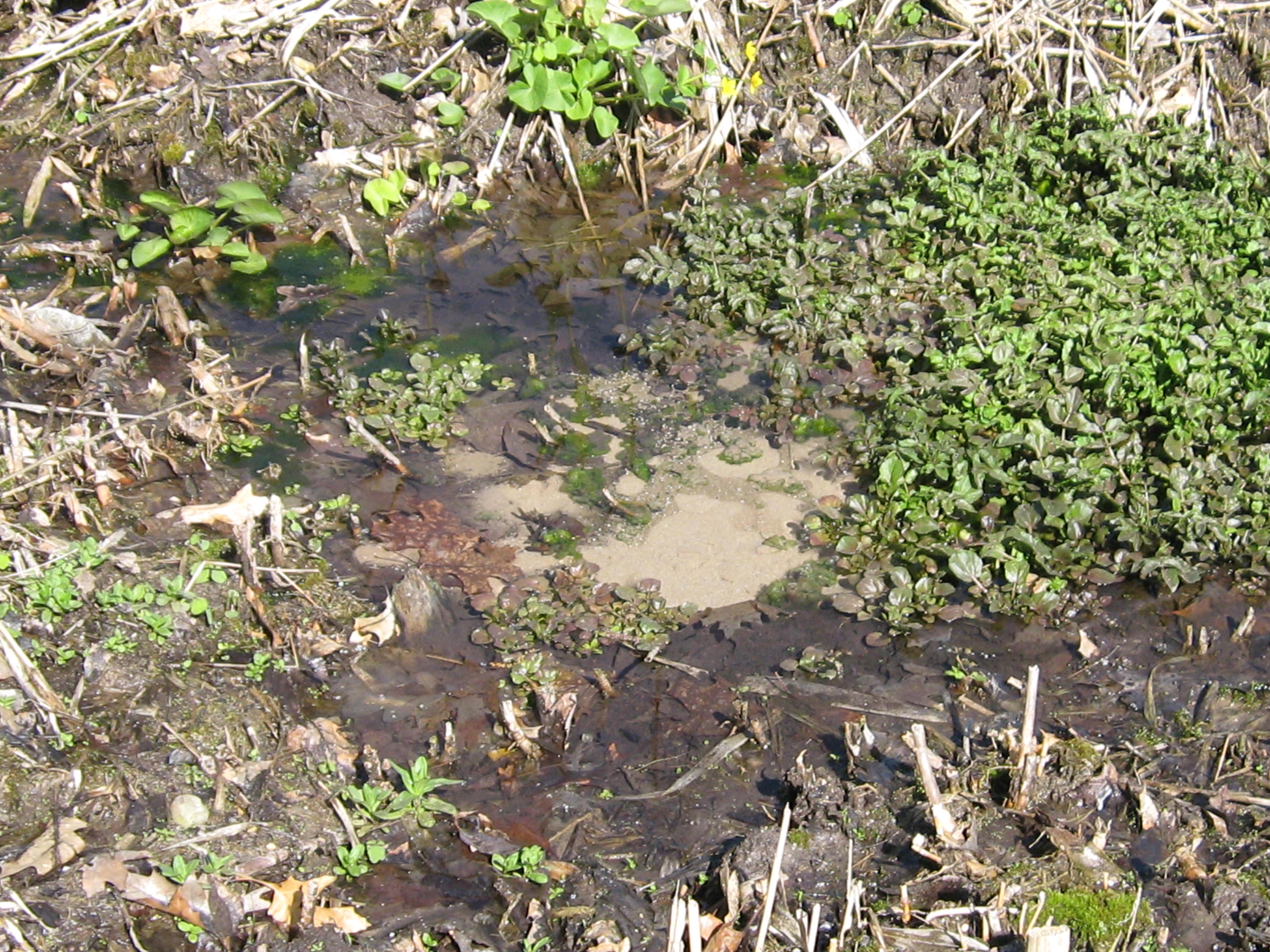
There are some nice bubblers here.

IMG_1500

IMG_1502

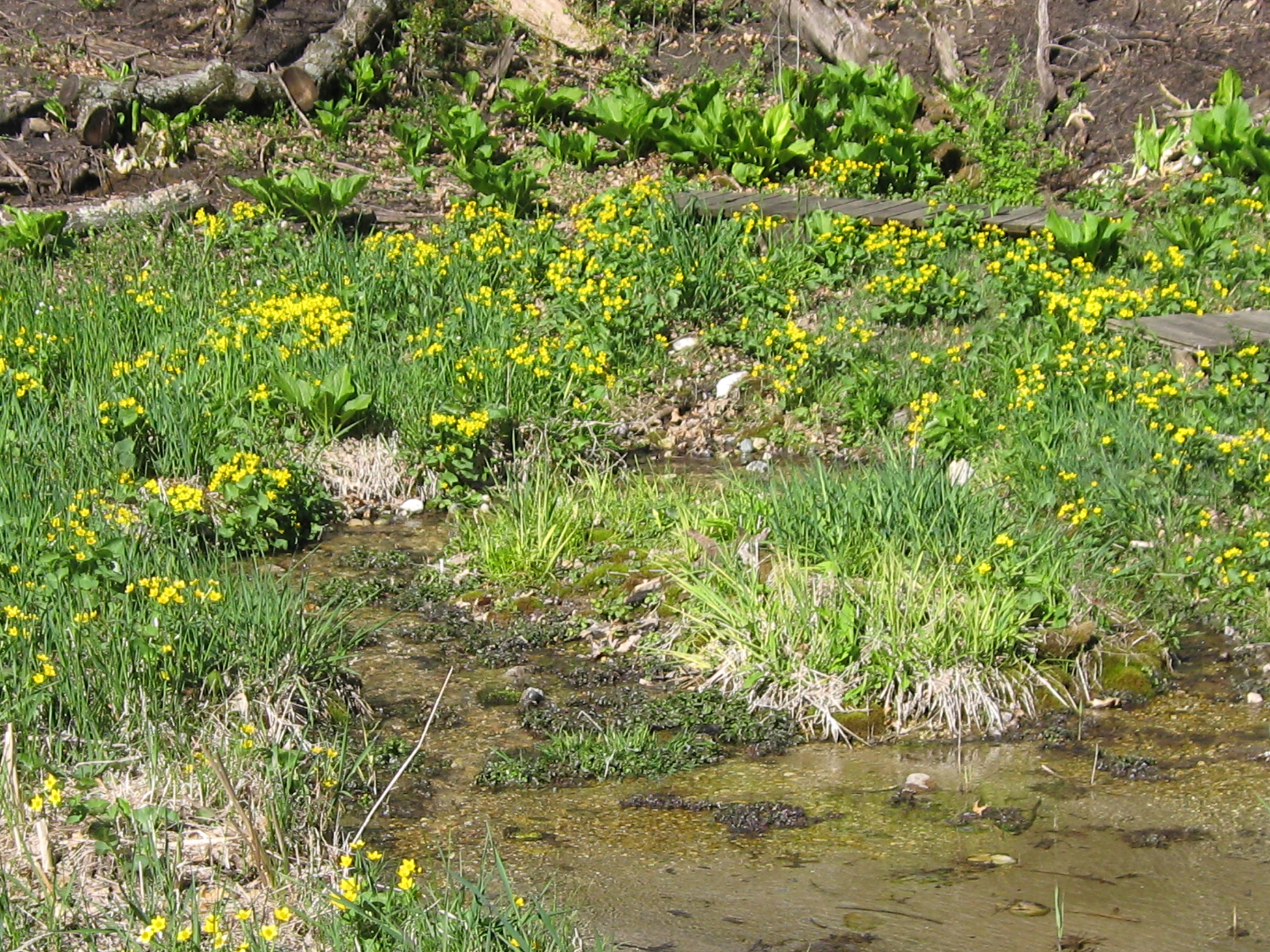
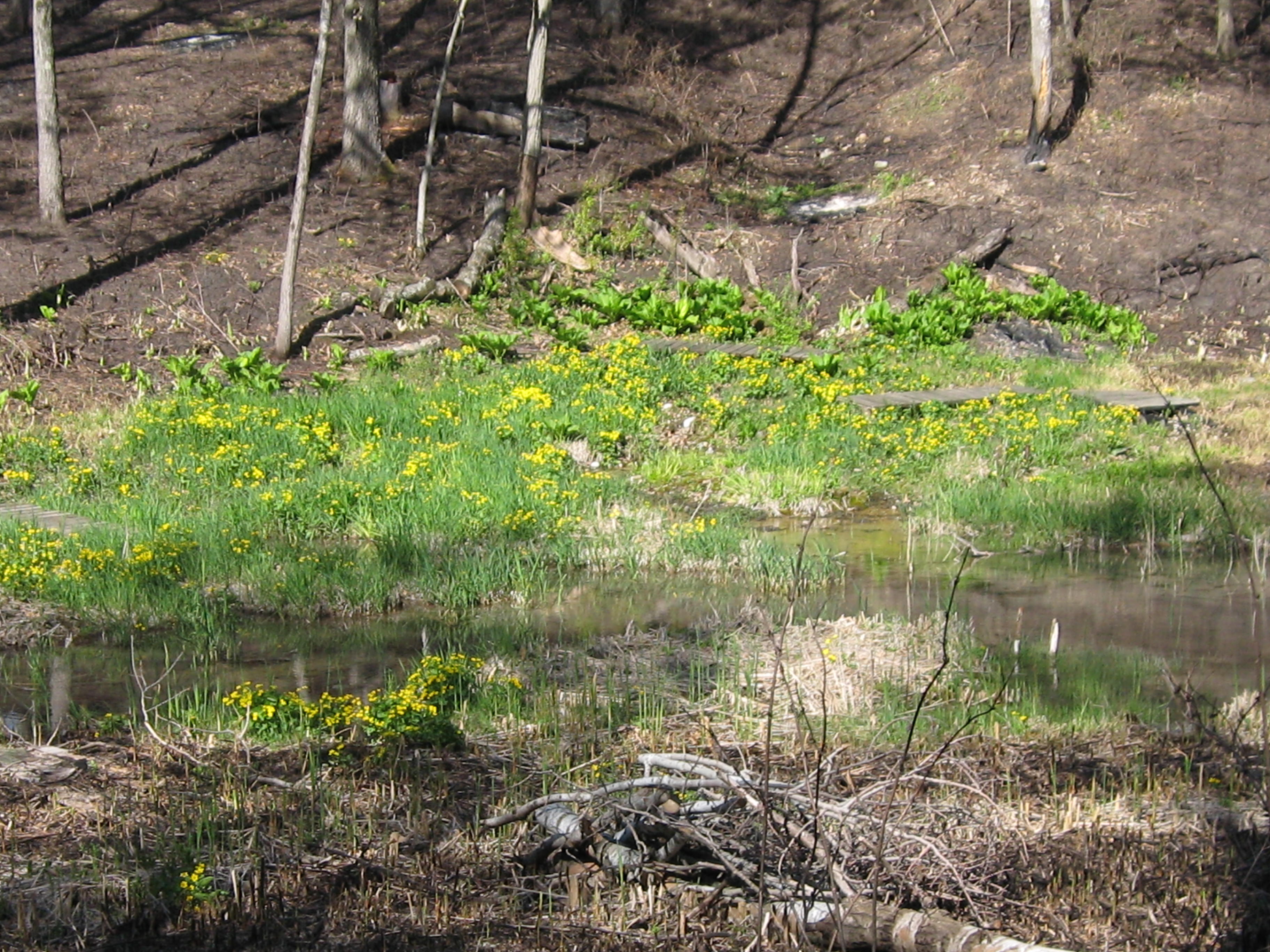
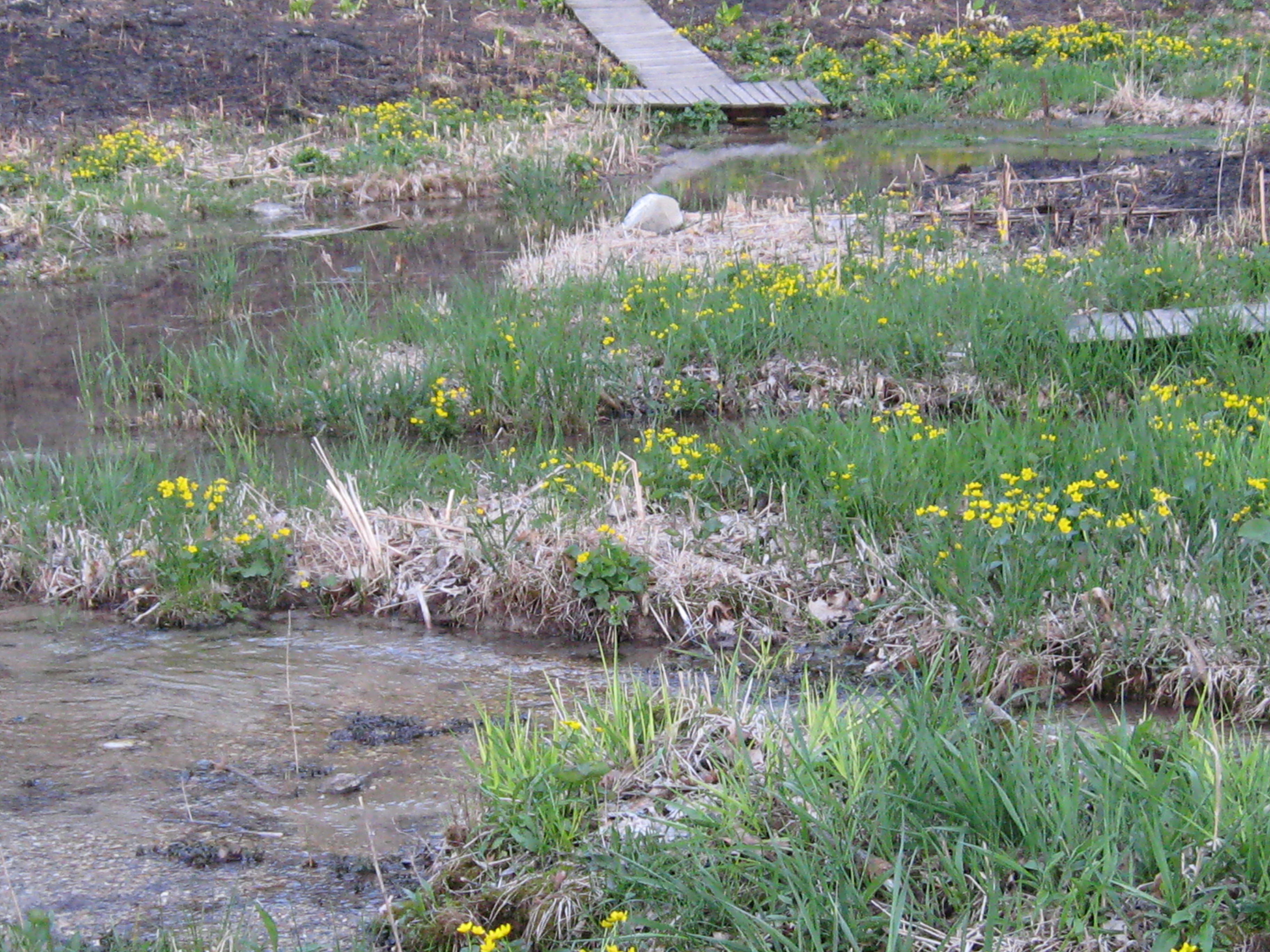
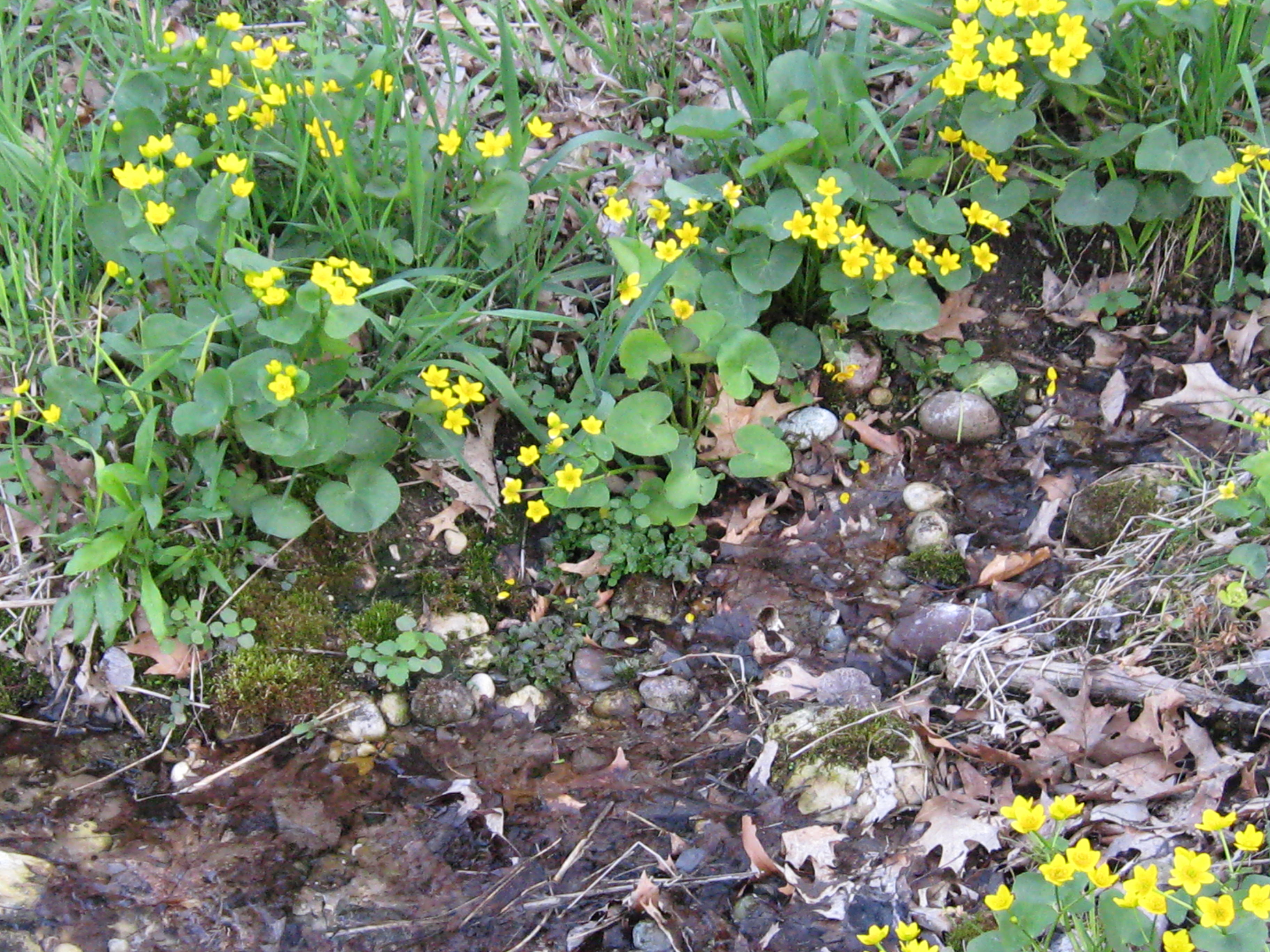
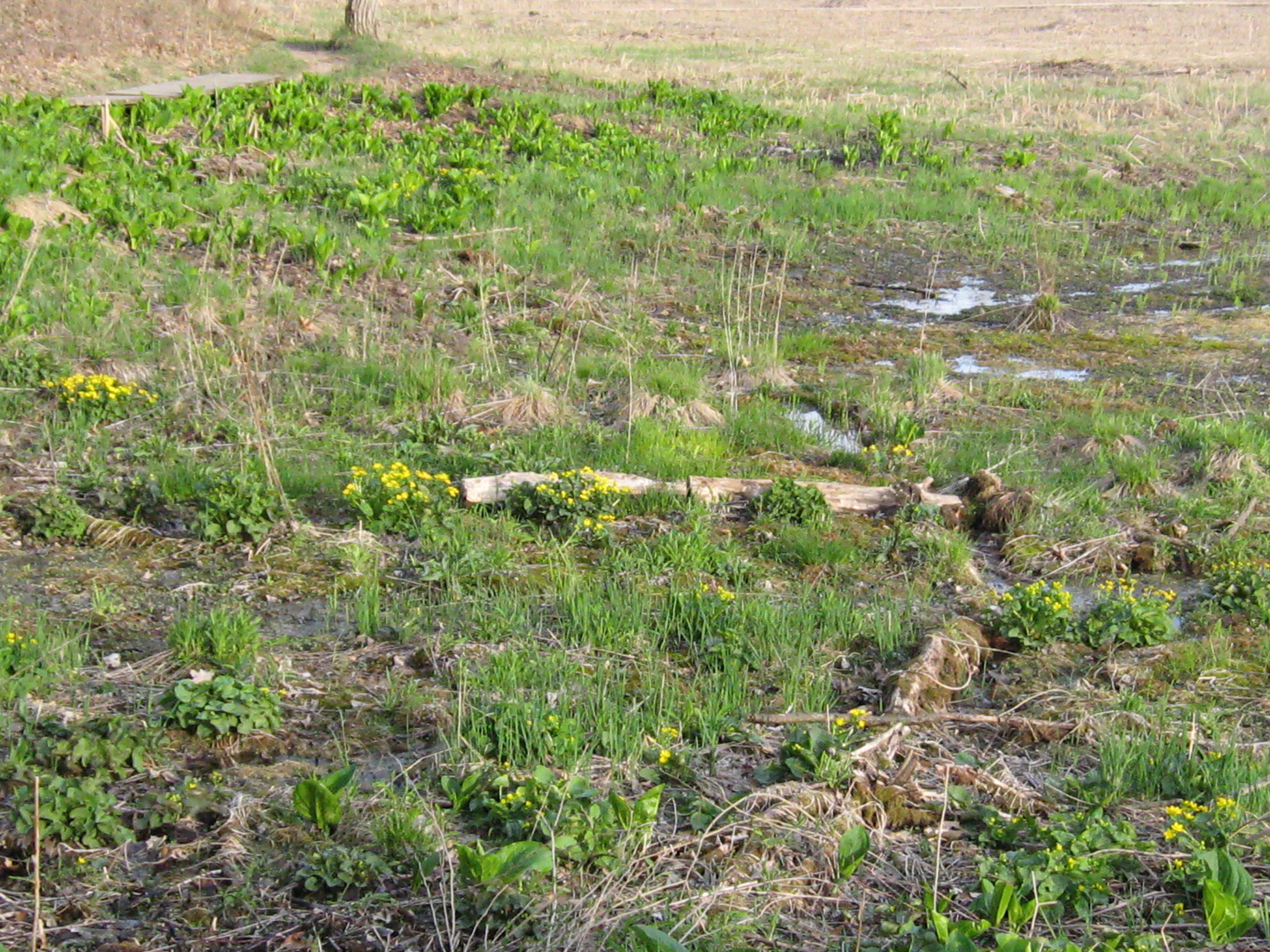
Marsh marigolds and skunk cabbage frame the springs.

IMG_1503

IMG_1504

IMG_1506

IMG_1509

In discovering philosophy, I found my own hidden spring; a spring for my soul. One of the very simple ideas I’m contemplating is from The Yogatattva Upanishad that I found extracted in C. W. Leadbeater’s book The Chakras:

LayaYoga

What a beautiful way to visualize the body and breath in harmony with nature!

Chester W. Smith erected the first dam just below the Hotel Springs in 1846 to power a saw mill and the river valley was flooded until 1992. The fires have laid bare the landscape and it is clear where the trout farmers divided the flooded river valley to suit their purposes. We are hoping, if we can check the phragmites and cattails, that some of the original flora might resurface.

IMG_1496

IMG_1507

This embankment crosses the valley just north of The Hidden Spring.

IMG_1510

I continued spraying spotted knapweed on the Indian Campground; this is working very effectively. I sprayed a lot of flowering garlic mustard in the area south of the trail that did not get burned.

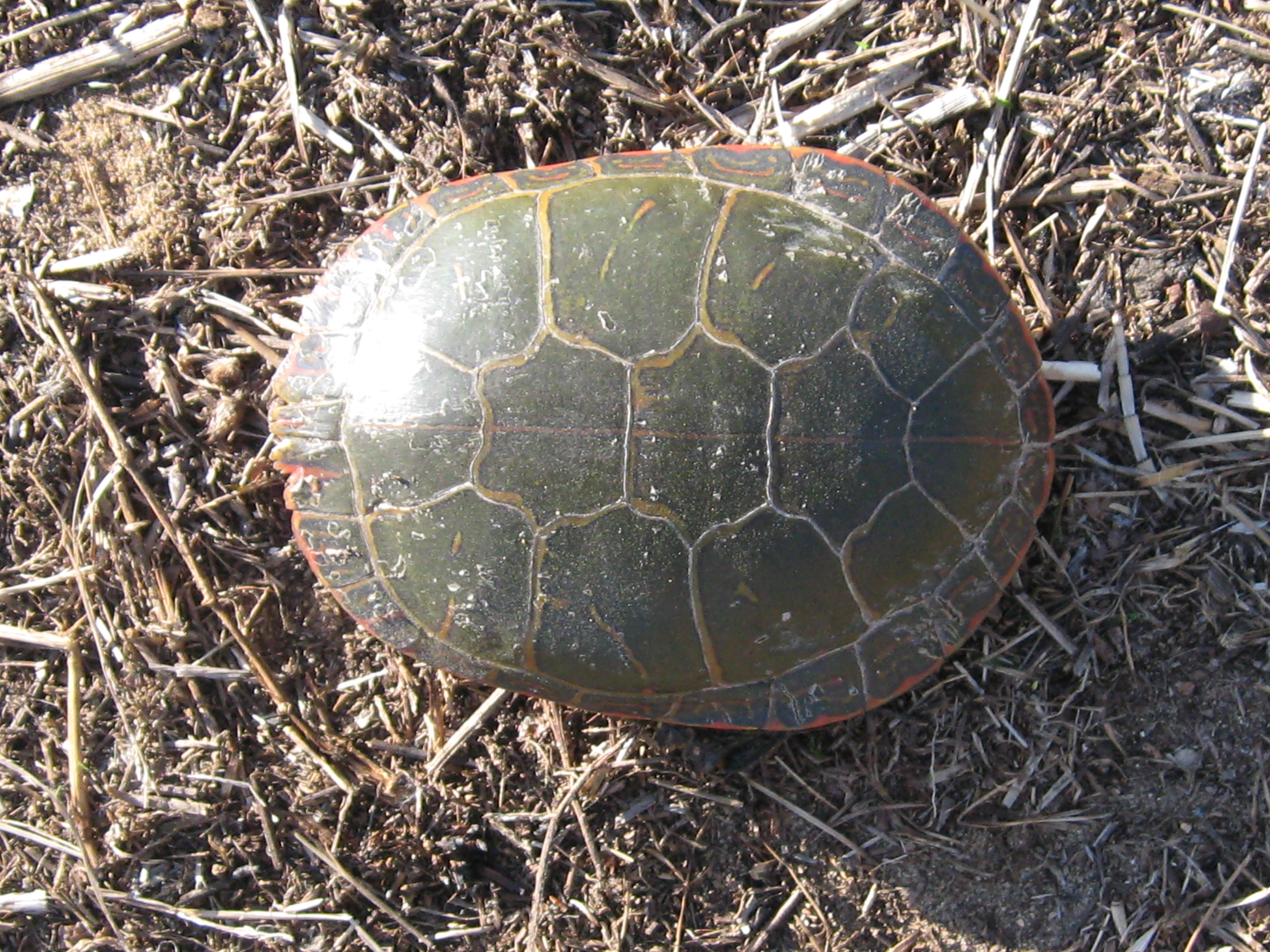
This painted turtle was sunbathing on the trail just above the Indian Spring.

IMG_1494

IMG_1492

IMG_1491

I finished girdling the aspen in the area around the old hotel site and piled the remaining brush there as well. Check out this video walking tour.

I spotted some Pussytoes and Wood Betony along the trail by spur to The Emerald Spring. A profusion of new growth is emerging!

IMG_1517

IMG_1523

See you at The Springs!

Good Morning Springs

How can I describe what a great time I had at The Springs yesterday? The temperature and humidity were as pleasant as a Pacific Island. The air was fresh and breezing and the sunlight clarified everything. My thoughts were occupied by the current time; the present moment. Time is a spiritual current-cy. How do we spend it? What do we pay attention to? ‘As you sow, so shall you reap’ and ‘what goes around, comes around’ aren’t just cliches; they are examples of Natural Law, specifically, the Law of Attraction, which is immutably in-force everywhere at all times. So when I say I had a “great time” at The Springs yesterday, I mean it was joyful to invest my spiritual currency paying attention to nature and working to help create the beautiful world that I want to see.

The morning light was flush on the Hillside Springs.

IMG_1475

IMG_1476

IMG_1477

IMG_1481

This Green Frog was enjoying the spring too.

IMG_1478

There are lush patches of fresh watercress just below the Scuppernong Spring and I harvested a bagful to include in my green juice recipe.

IMG_1479

IMG_1480

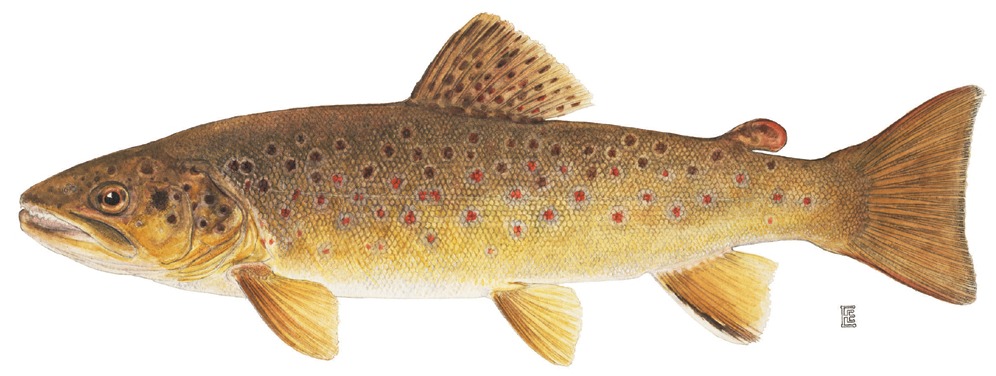
As I was rinsing the watercress at the point where the Scuppernong Spring spills out of its pool and starts to flow as a river, a brown trout emerged from beneath a rock rim and swam about in the pool. I don’t know for sure what is going on with the trout; are they visitors, or a local reproducing population?

BrownTrout

Thousands of garlic mustard seedlings have emerged at the south end of the loop trail literally carpeting the ground. I carefully sprayed them with glyphosate trying to avoid the many good plants that are also emerging.

IMG_1472

I conscientiously sprayed the spotted knapweed that dominates the sand prairie of the Indian Campground with clopyralid; carefully avoiding the many, many, diverse plants that are also coming up. This sand prairie is going to come alive with color in a couple weeks.

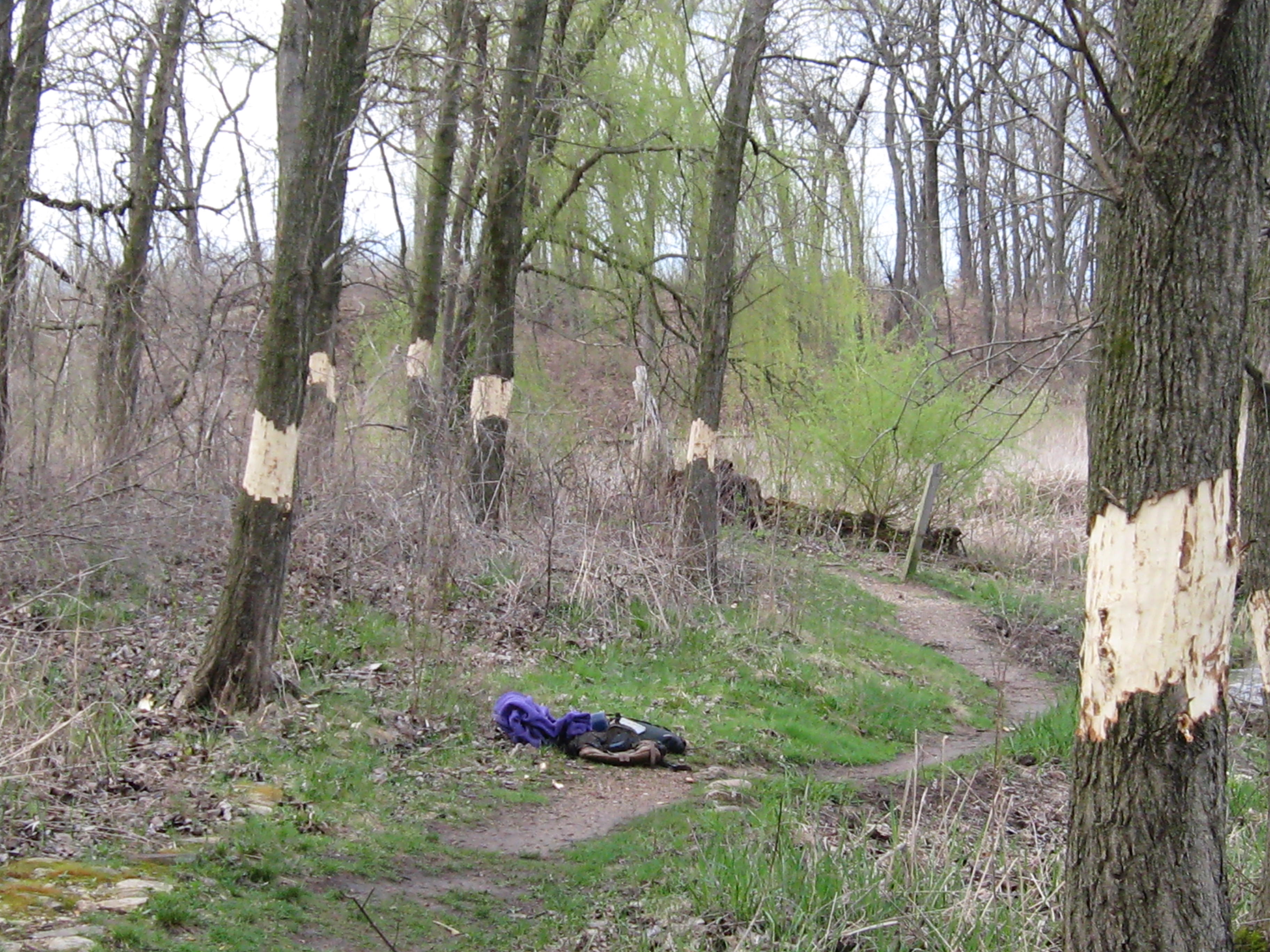
There were more aspen to girdle along the river valley. If we don’t do this, the clonal colonies will spread into and dominate the valley floor.

IMG_1482

I piled brush in the afternoon by the old hotel site. You can see the foundation stones in many places now. I forgot to take some pictures, but if you’ve seen one brush pile… I was covered with soot when I finished and took a cool dip in the river by the marl pit bridge to wash off. Clouds moved in and I marveled at their beauty while doing some yoga asanas.

IMG_1484

IMG_1485

IMG_1488

With the video below I attempted to capture one of those ‘you had to be there’ moments.

See you at The Springs!

Oaken Word

Siddhartha taught me to listen to the river. Time is an illusion; the “present” moment is an embraceable gift to us. Instead, we often treat time as a commodity to be spent, or saved, or wasted. The past haunts us, we fear for the future, all the while missing the gift of the present moment.

GiftBox

I was lucky to spend some time with the oaks this past weekend; paying attention, listening and feeling the gentle vibration of their subtle speech. The last few weeks I’ve been distracted with the burn, inmates and doctor visits but I found calm again in the present moment amongst the oaks.

On Saturday, May 11th, I joined Ginny Coburn and DNR Conservation Biologist Jared Urban for a workday at the Lone Tree Bluff Scenic Overlook to girdle some aspen trees. Jared leads the Endangered Resources (ER) team in southeastern Wisconsin. His crew varies in size from 3-5 people and they are responsible for approximately 20,000 acres.

Jared hobbled to the top of Lone Tree Bluff on crutches due to an ankle sprained while lighting a 90 acre prescribed burn at Lulu Lake on May 6th. This was after the ER team spent the bulk of the day helping to burn the Scuppernong. The expression “Still waters run deep”, was coined with Jared in mind; I calm down just being around him. But, you should have seen his face when he described the fires he lit at the Scuppernong; the tone vanished as his jaw dropped and I could see the 40′ flames reflected in his widened eyes. Below, Jared gives us a natural history lesson and explains the science behind girdling aspen trees.

When you contrast the billions and billions of dollars the government spends on the military, security industrial complex, versus what it spends to nurture the land, it recalls to mind TreeBeard’s lament in The Lord of the Rings that, ‘no one cares about the trees anymore’. The war mongers misleading us, our Saruman’s if you will, have propagandized us using the old divide and conquer strategy, demonizing Muslims, and distracting us from what our real priorities should be here in the homeLAND.

Whew, I’m ranting again. I’ll try to be more calmly passionate (sounds like something Joseph Conrad might have written, not to suggest I could have even sharpened his pencil). We had a lot of fun working together and I thoroughly enjoyed it.

IMG_1429

IMG_1430

IMG_1431

In the back row Diane, Carol, SwordMan, Princess and Ginny and in the front row, Carol, Thayer and Jared.

IMG_1155

I’m new to this area so I stayed to explore a little. Here are a few shots of the bluff.

IMG_1433

IMG_1436

The Bluff Creek Springs emerge from the north side of the moraine and feed Bluff Creek. I had to check them out.

IMG_1438

IMG_1439

IMG_1440

I found another set of springs on the east side of the moraine.

I wanted to hear what the oak were saying up at Lapham Peak, where Mike Fort and the Lapham Peak Friends have been restoring the prairies, oak woodlands and oak savannas for over 20 years. They have perfected techniques for cutting, stacking and burning buckthorn that are models of efficiency. This past week they did a 75 acre prescribed burn in the area marked in white on the map below and they burned approximately 177 acres total in the park this spring burn season.

laphampeak

This huge swath of the north flank of the peak extends from “the big slide” cross country ski trail east to the tower hill road. I was in awe taking in the scope of the effort as I well remember this hillside was thick with buckthorn.

IMG_1158

IMG_1159

IMG_1160

IMG_1161

The oaks were swaying and singing gratefully with the blustery north wind, giving thanks for the tender loving care of the Lapham Peak Friends.

Approaching the tower.

A bird’s eye view from the tower (I need a wind screen for the camera mic).

If you haven’t visited Lapham Peak lately, or ever, consider paying attention to what the friends have accomplished and spend some present moments there.

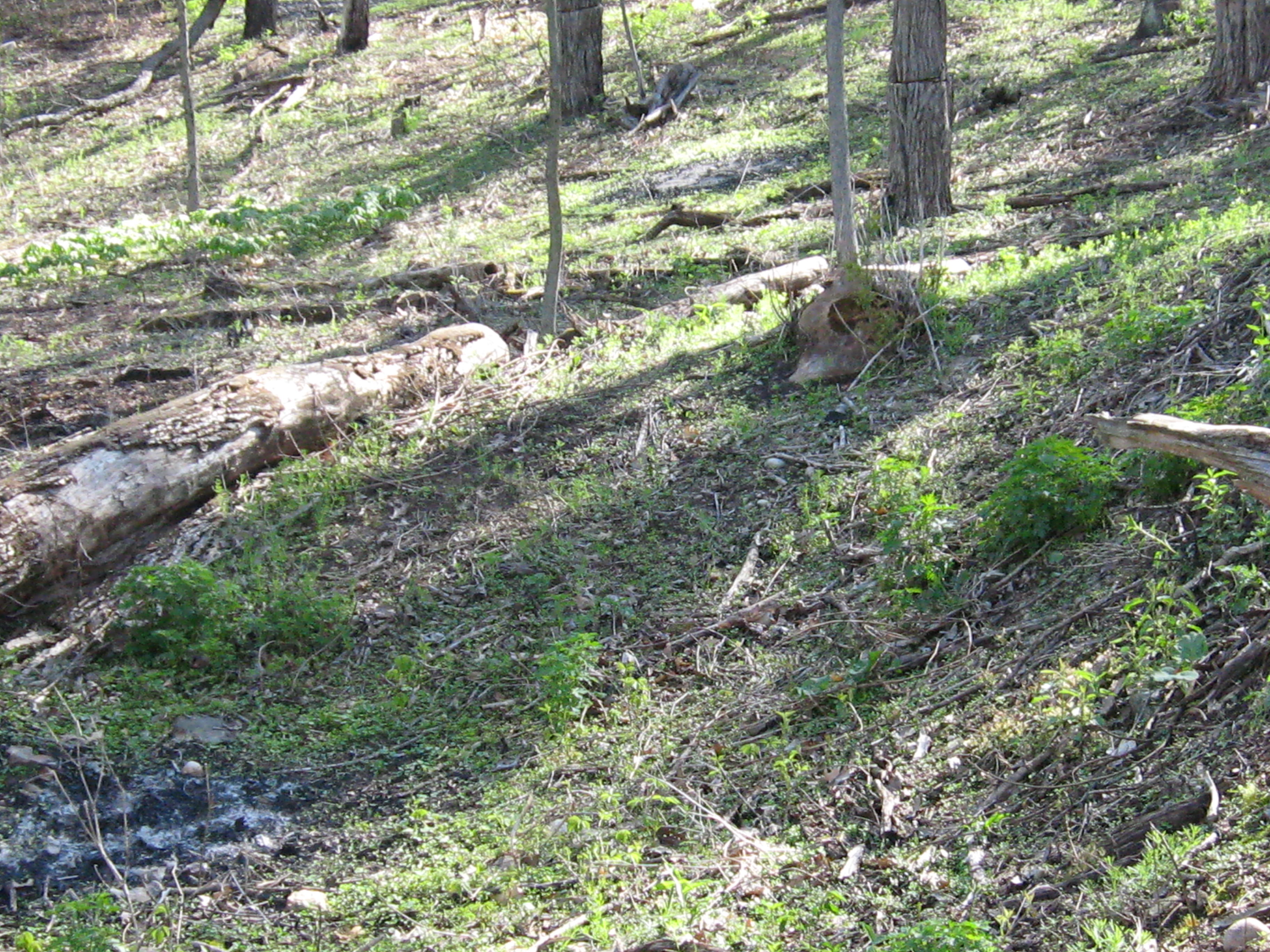
On Sunday, May 12th, I was back at The Springs. Wow, I wonder how long it will take for the forest floor to become green again. I wonder if the native flowers and grasses will have enough strength in their roots to push up fresh growth this year; or next. I began the day spraying garlic mustard, which appeared in isolated patches that escaped the fires.

IMG_1169

I was pleasantly surprised, and heart warmed, to see Lindsay, his wife, Connie and her granddaughter Sophia, arrive to pick up a load of wood.

IMG_1170

When I talked to Don Dane after the burn he mentioned that this would be a great time to attack the spotted knapweed on the Indian Campground. Loaded with the recipe I got from Lindsay, I started that application. Spraying herbicide is my least favorite thing to do in the woods and I limit how much I do in a day. There is plenty more garlic mustard and spotted knapweed proliferating out there and I’ll be spraying for the next two months.

IMG_1171

IMG_1172

Some scenes from the Indian Campground.

IMG_1173

IMG_1174

IMG_1175

Looking down into the river valley from the Indian Campground.

IMG_1176

IMG_1177

Next on the agenda was girdling aspen. I intended to continue working at the old hotel site, but I thought better of it as I was walking down the river valley, and I attacked a few isolated clonal colonies that were spreading into the valley.

A quick stop at the Scuppernong Spring.

IMG_1449

IMG_1180

IMG_1181

IMG_1182

IMG_1183

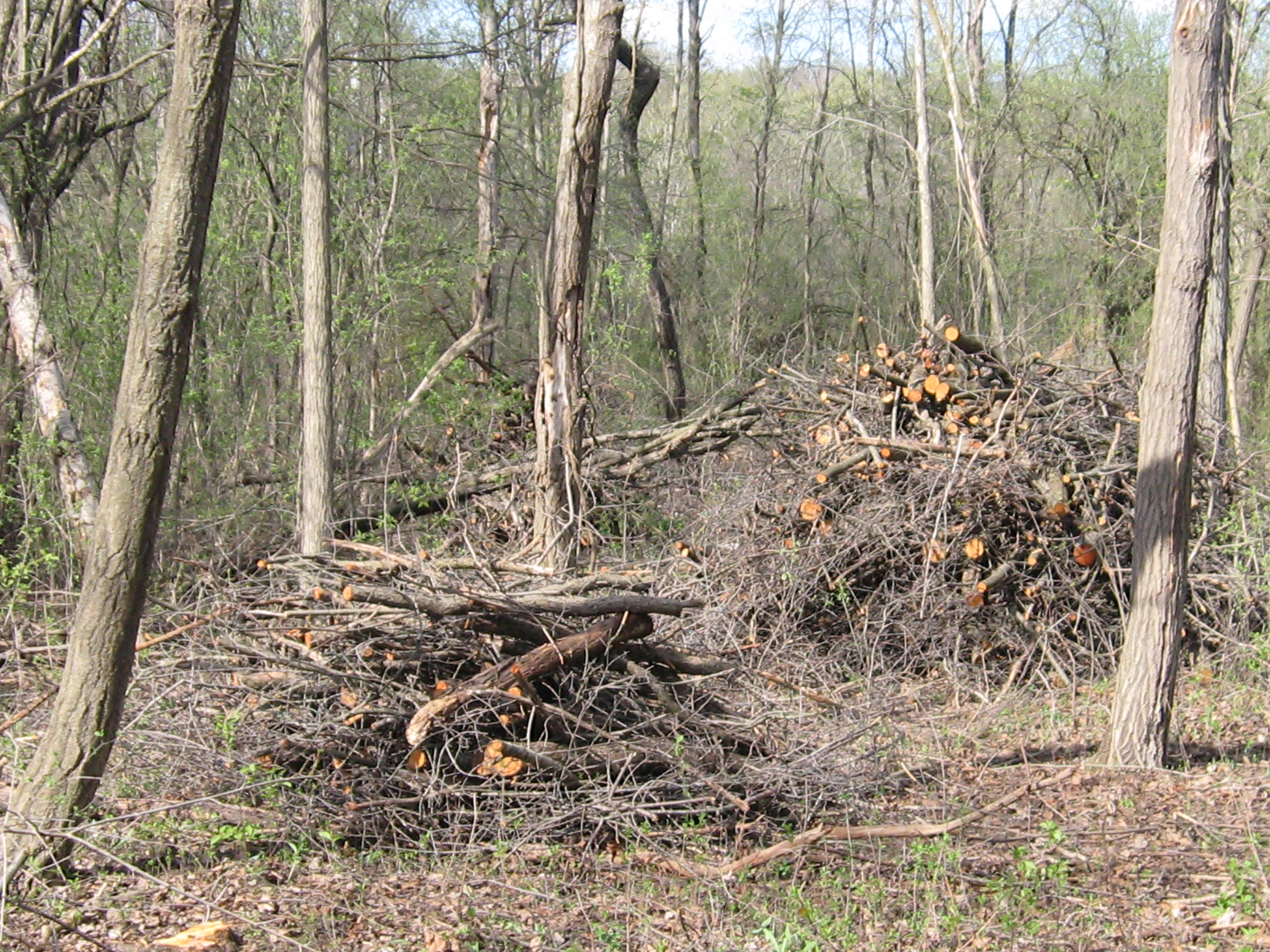
Finally, I started piling buckthorn just north of the old barn site. I have been a cutting fool for the last couple months thinking that I would get a crew of inmates from the Sturtevant Transitional Facility to help me pile, but I don’t think that is going to work out, so I’ll be piling for the next few weeks to catch up. I made around 10 piles and it was very relaxing work with a great view down the river to the west.

IMG_1444

IMG_1445

DNR Visitor Services Associate extraordinaire Amanda Prange is leading an effort to install a new set of signposts to match the trail brochure.

IMG_1461

The Hatching House Spring is looking great.

IMG_1456

I followed the channel of the Indian Spring’s towards it’s junction with the Scuppernong River and caught this panorama video. The marl pit factory ruins are just to the right of the sun.

IMG_1458

Speaking of which!

IMG_1465

IMG_1467

IMG_1470

See you at The Springs!

Mother Nature Naked

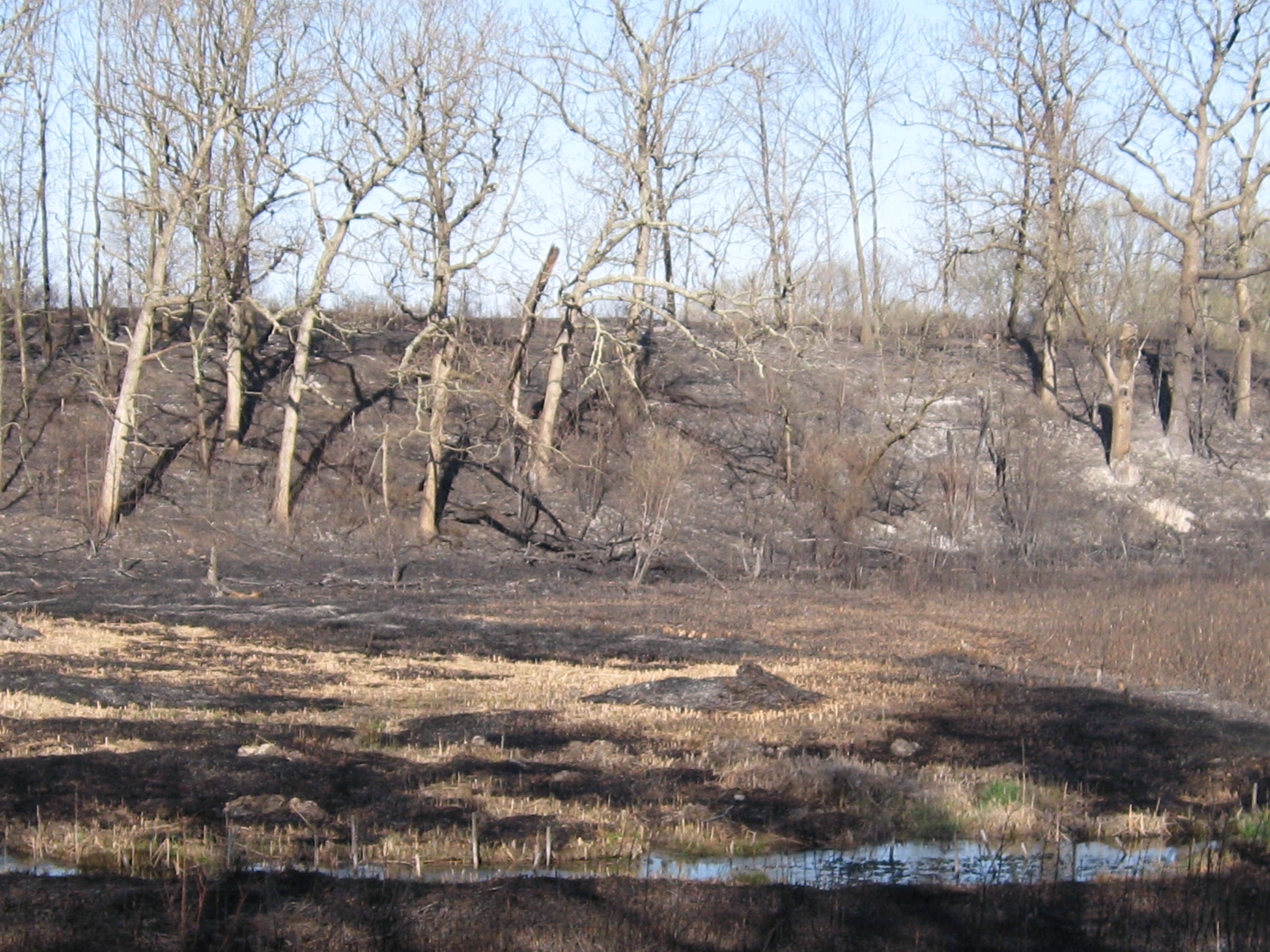
She is not bashful, nor does she suffer any embarrassment when her naked beauty is revealed; nevertheless, Mother Nature typically clothes herself in a wide variety of fine raiment. Cloaked in snow or covered by meadows and prairies of wild grasses and flowers, or hidden under a blanket of leaves, she rarely shows off her warm, rich, chocolaty skin of bare soil; unless from the scars of the farmer’s till. Springs have always evoked the generative, life sustaining qualities that remind us of our intimate connection and dependence on Mother Nature. I hope that you enjoy these pictures of the Scuppernong Springs and appreciate the beauty of Mother Nature stripped bare. I can’t wait till she is dressed again in fresh colors.

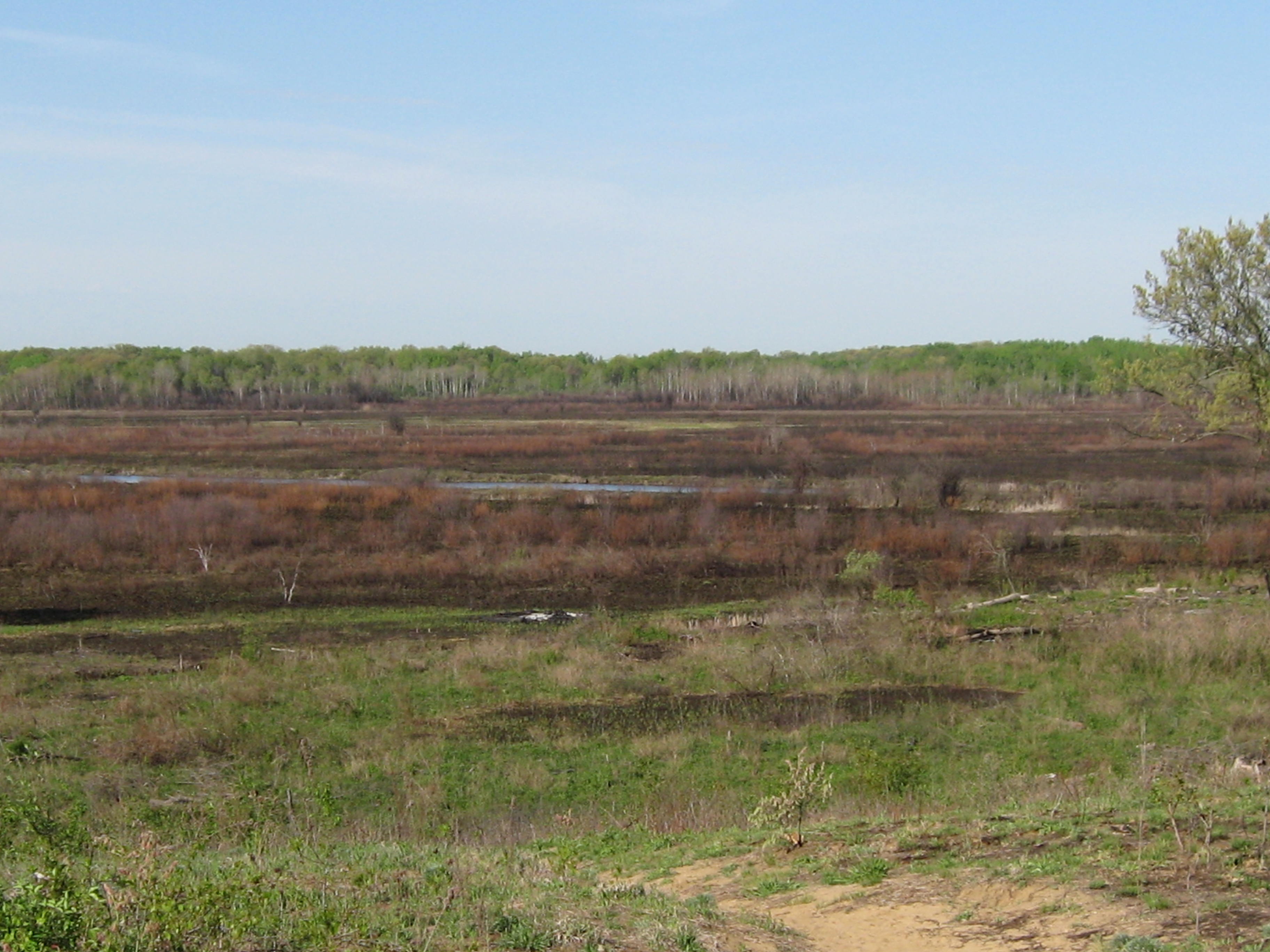
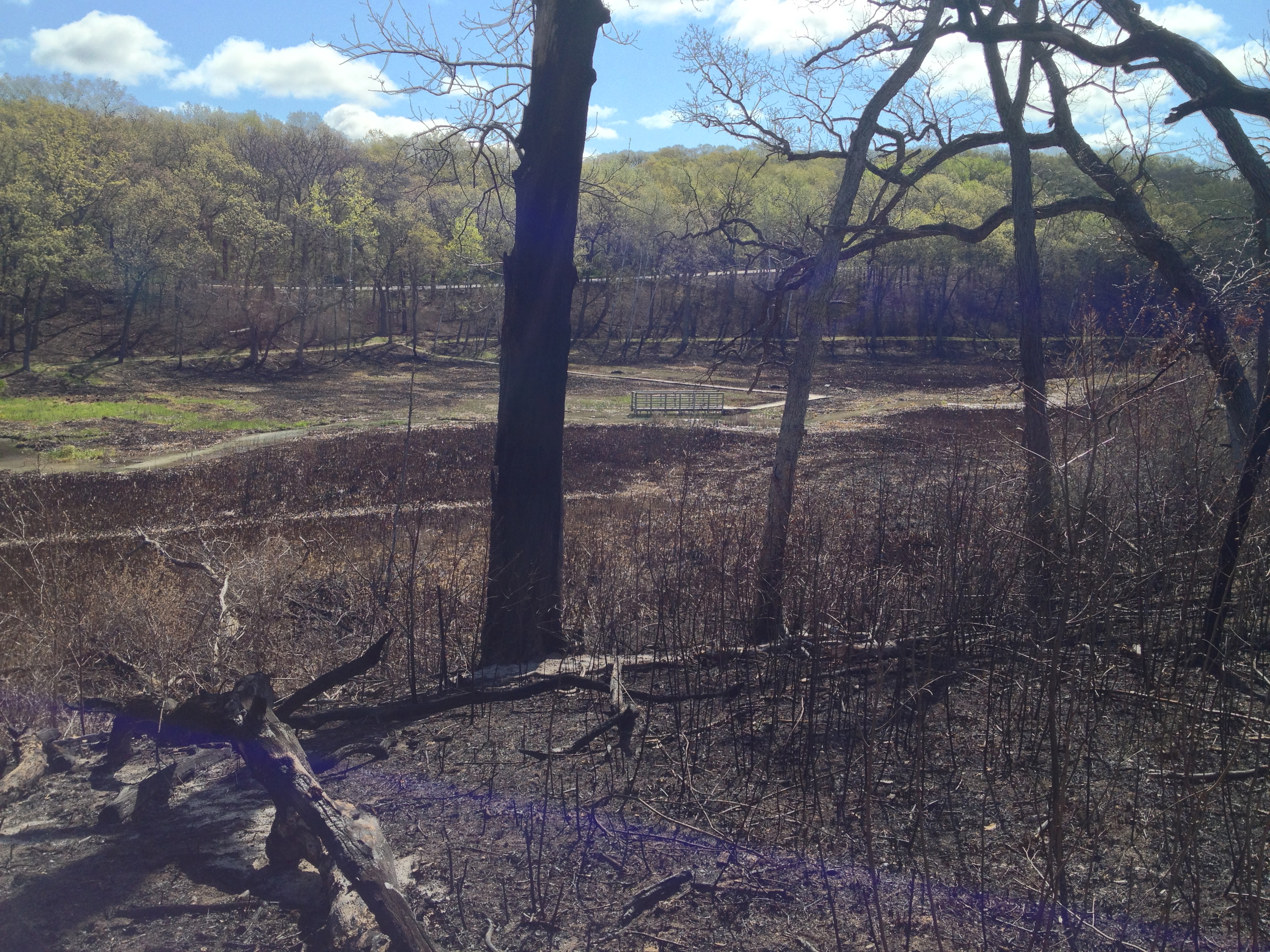
I took some pictures on May 6th before the burn and got some post burn shots yesterday. The fire did its work with consummate efficiency. The tour starts at the Hotel Springs and follows the trail to the north past the old barn site and then takes the cut-off trail west to the marl pits, joining the main loop trail to cross the bridge at the stream gaging station, and onto the Indian Campground, the south end of the loop and finally, from the Scuppernong Spring down the river valley returning to the Hotel Spring.

Looking south from the Hotel Springs area.

IMG_1215

IMG_1311

IMG_1313

IMG_1214

IMG_1312

IMG_1315

The old hotel site.

IMG_1226

IMG_1314

IMG_1318

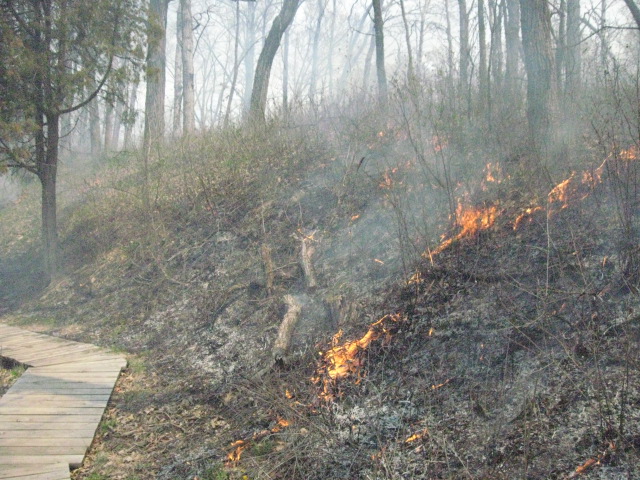
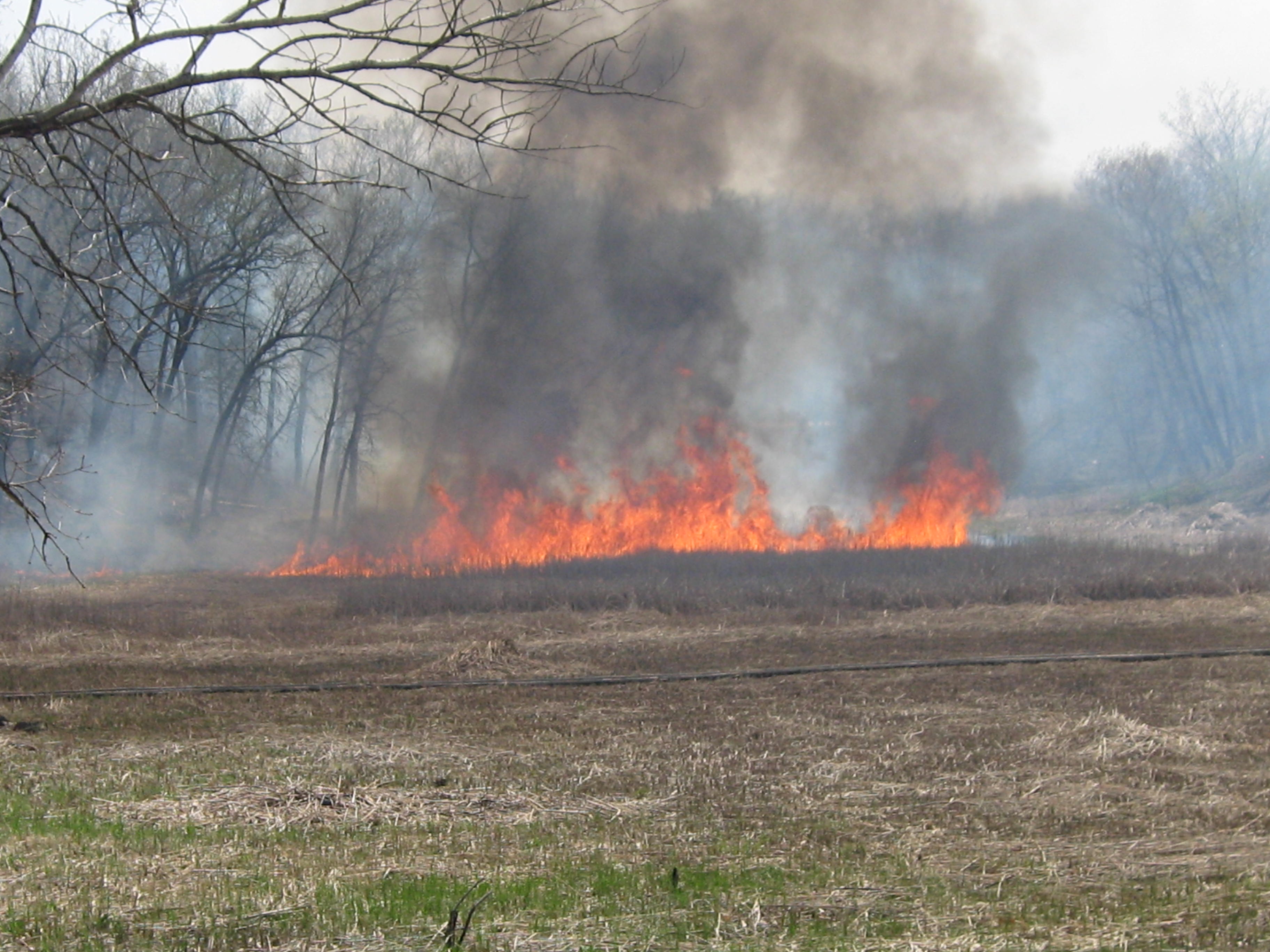
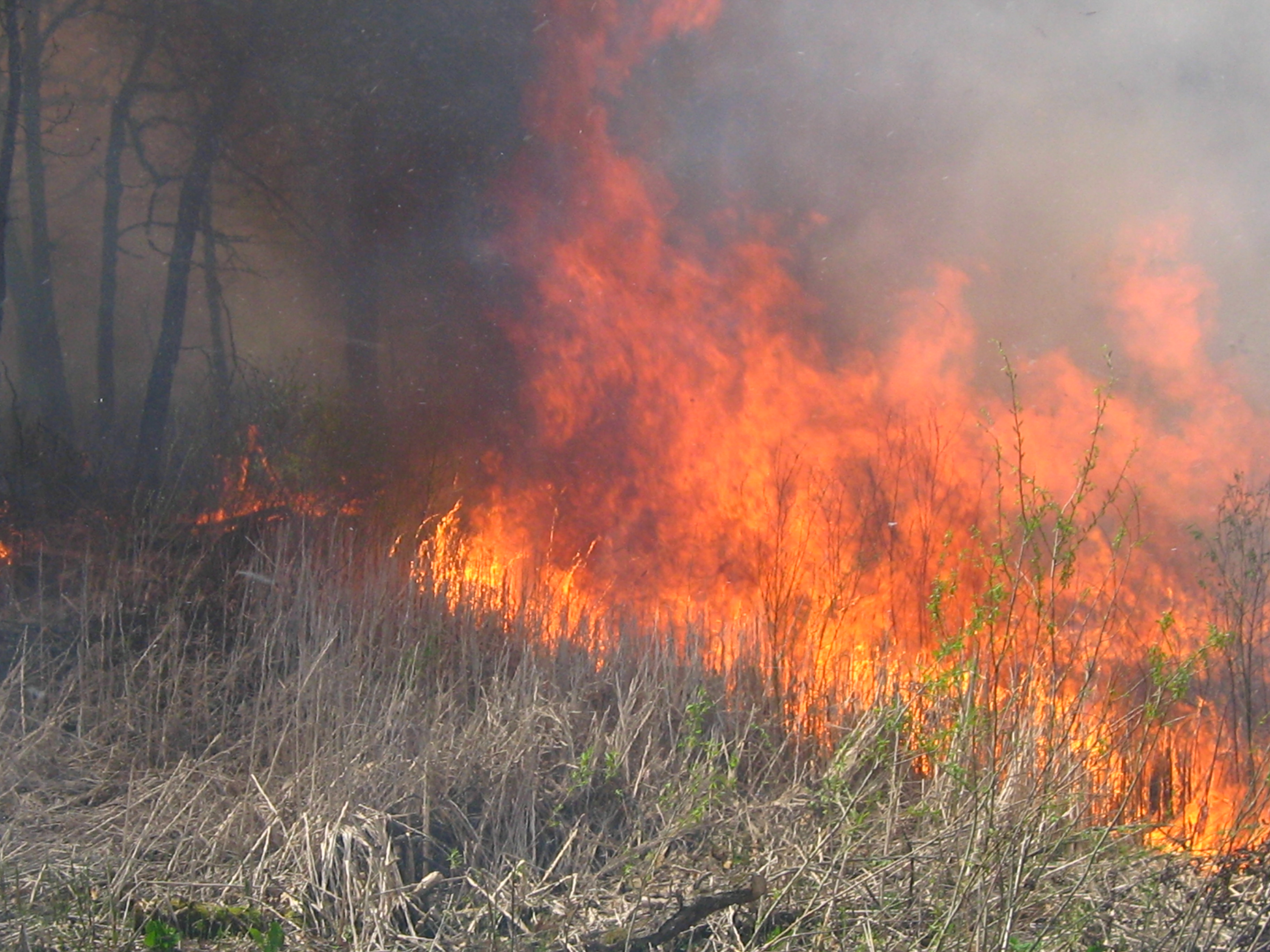
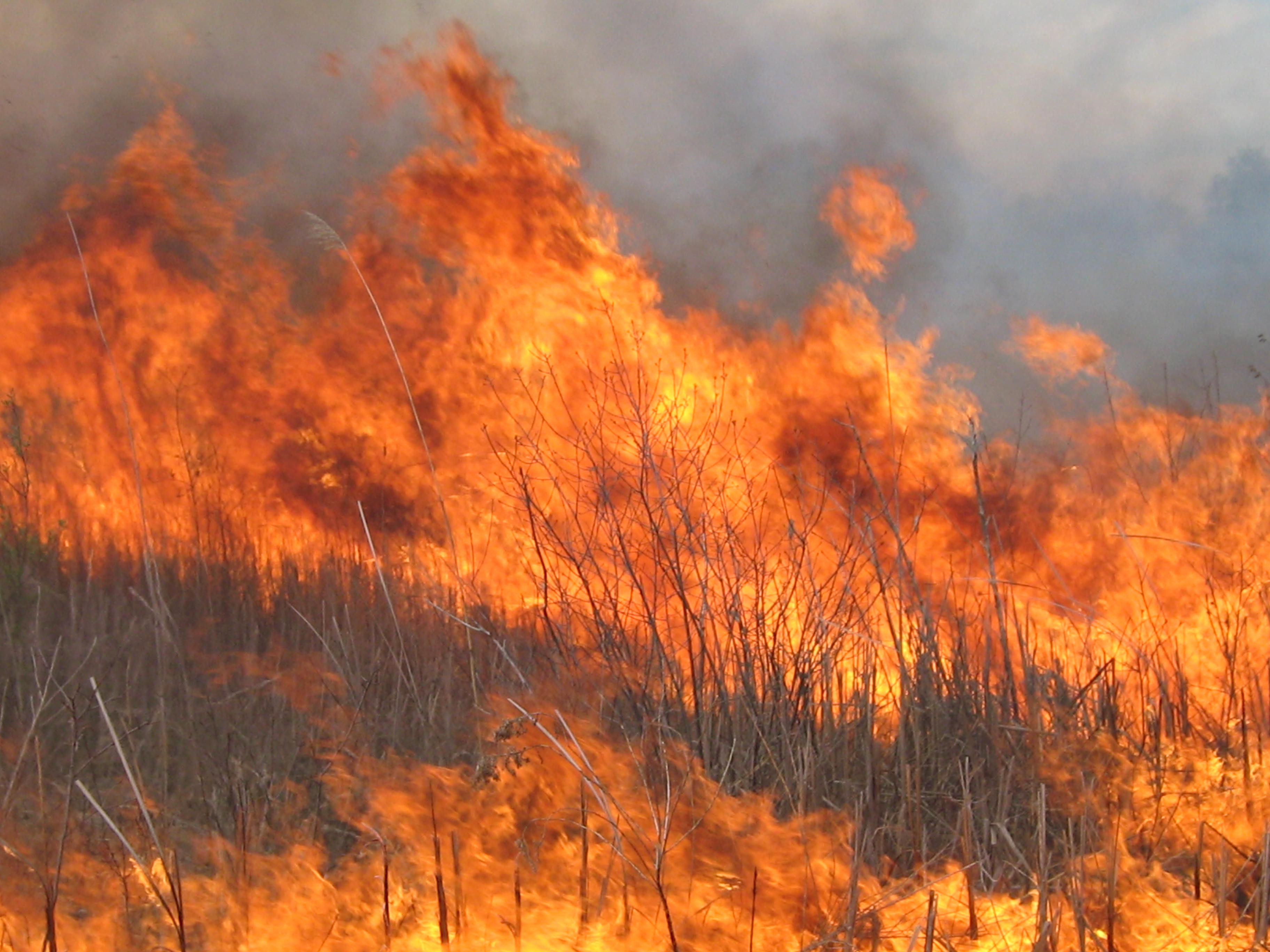
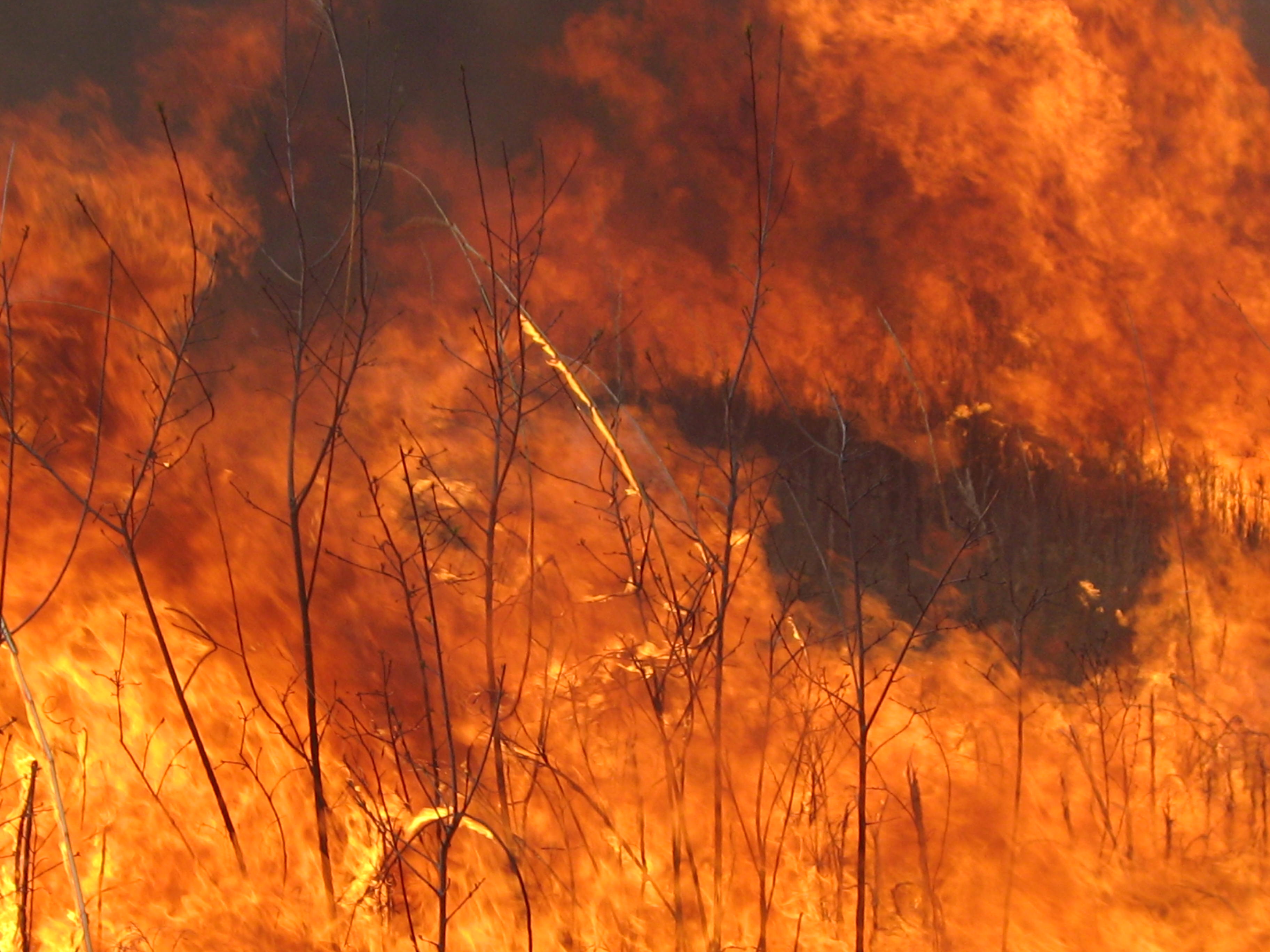
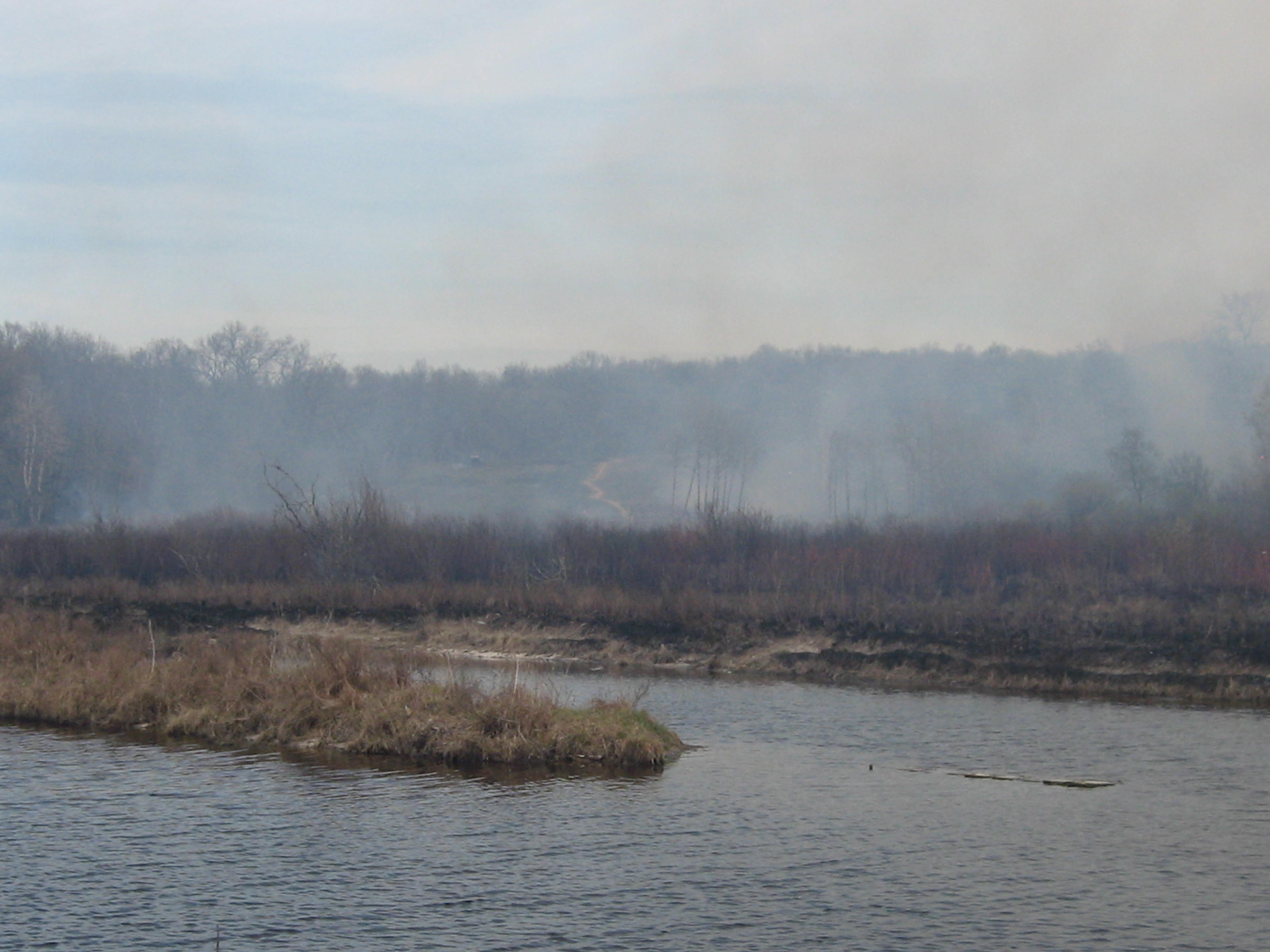
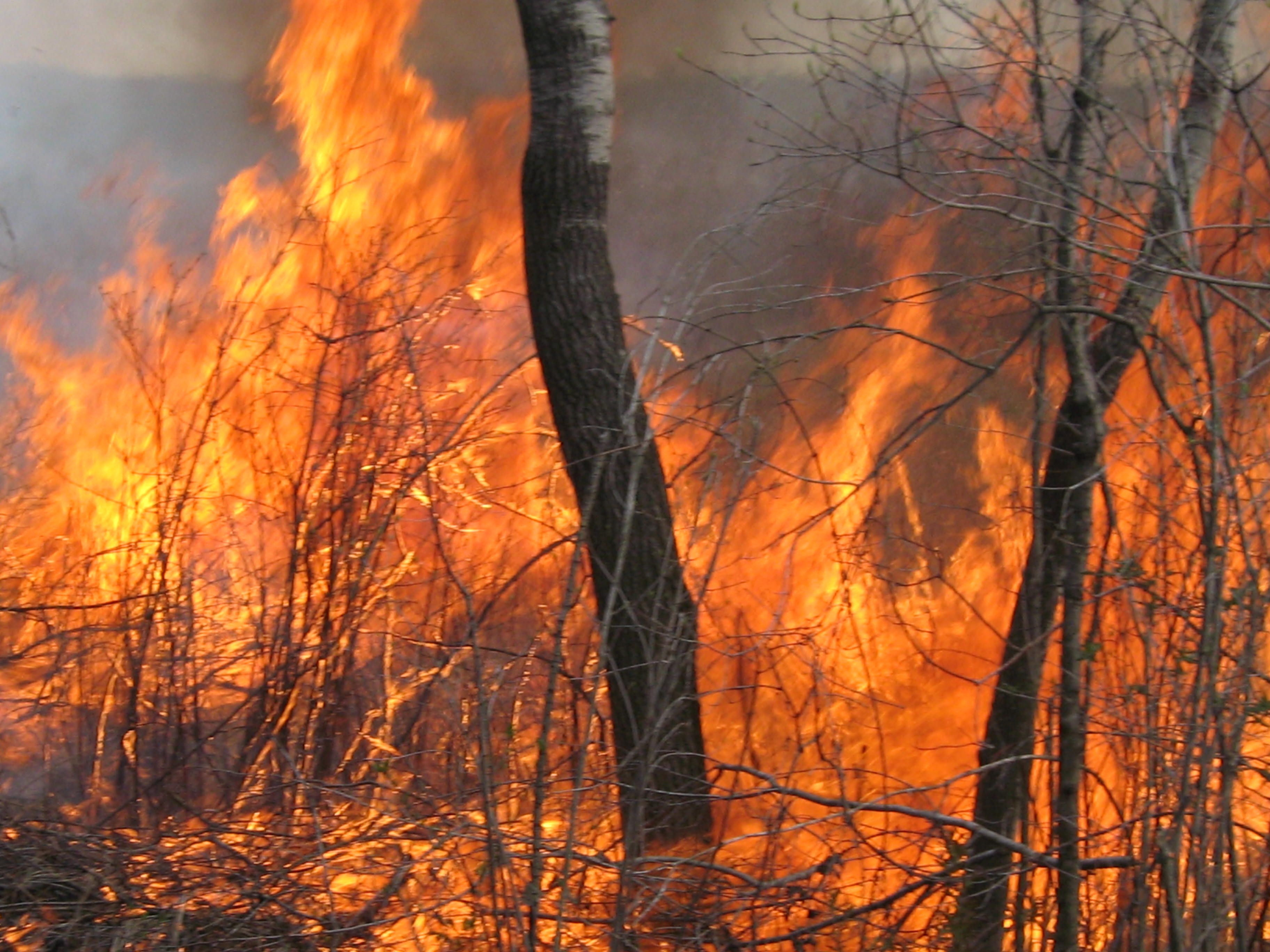
Below is the bowl of the lower pond and it was thickly covered with cattails, willow and other vegetation. When I lit this from the west bank of the river, it erupted into a conflagration of intense and immense proportion that engulfed the bowl in 20′ flames, from which a column of black smoke ascended high above the tree tops.

IMG_1317

IMG_1319

IMG_1321

The east junction of the cut-off trail and the main loop trail.

IMG_1323

Walking west on the cut-off trail.

IMG_1227

IMG_1229

IMG_1231

IMG_1233

IMG_1322

IMG_1324

Lindsay worked hard to save this unusual oak tree that speared its spreading branches into the earth.
IMG_1326

IMG_1327

IMG_1328

IMG_1329

IMG_1330

IMG_1331

IMG_1334

IMG_1335

IMG_1337

IMG_1338

IMG_1339

The last few pictures above are where the cut-off trail meets the main loop trail at the marl pits. Elias Wilson lit over 30 brush piles in this area in approximately an hour. I am thrilled to see the views that have opened up into the Scuppernong River valley from the main loop trail as you approach the stream gaging station bridge.

These views to the south show the area to the east of the marl pit bridge.

IMG_1235

IMG_1236

IMG_1239

IMG_1240

The day of the burn I witnessed a roaring head fire move across this area and I worried for the safety of the marl pit bridge, which you can see at the right of this picture.

IMG_1298

When I got there I found the southeast corner of the bridge on fire and put it out as quick as I could. Sorry Ron!!!

IMG_1341

IMG_1403

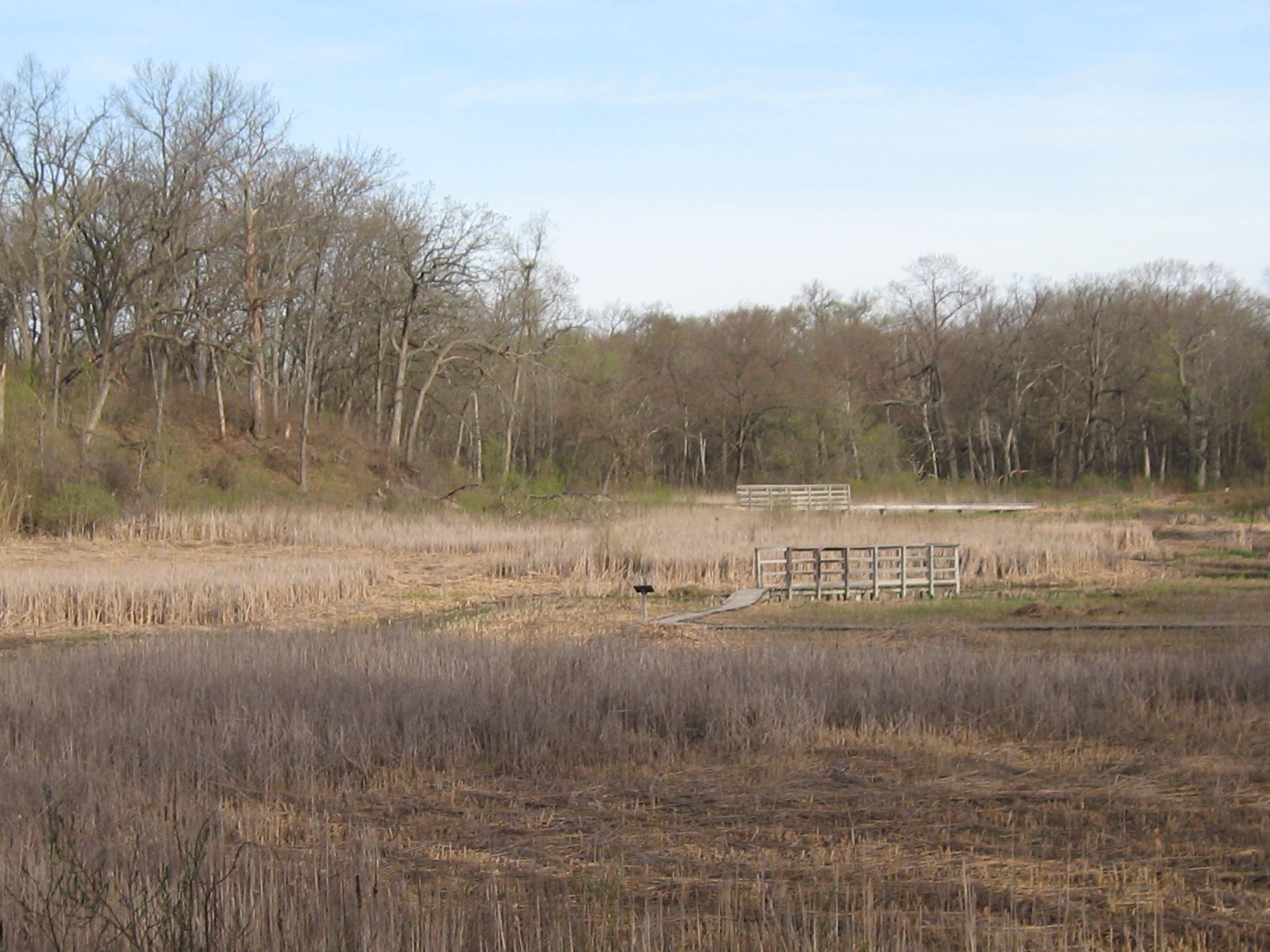
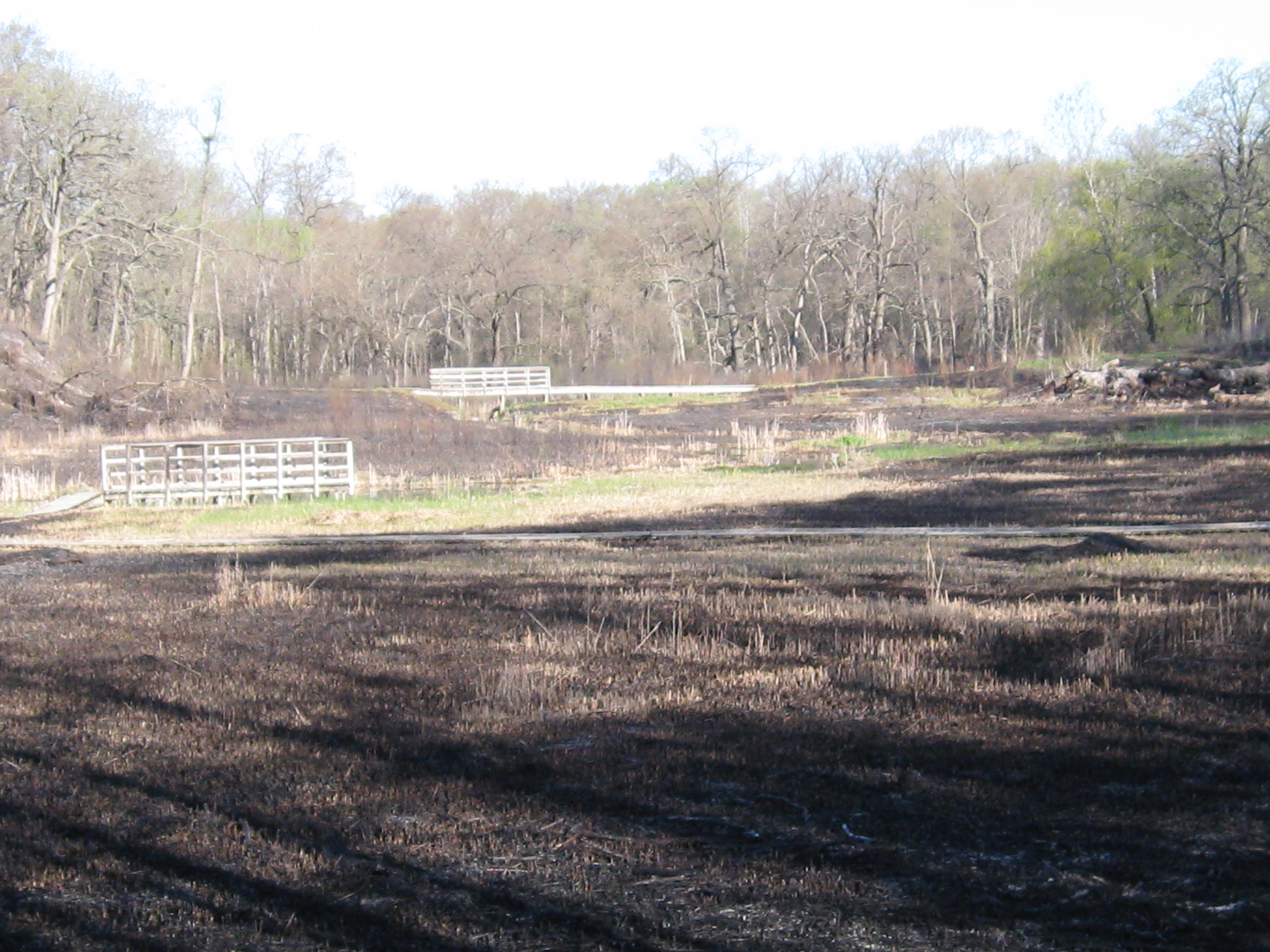
Here are some before and after shots taken from the marl pit bridge.

IMG_1238

IMG_1343

IMG_1344

IMG_1342

IMG_1345

IMG_1400

IMG_1401

IMG_1402

Some views from the area at or near the bridge at the stream gaging station.

IMG_1243

IMG_1348

IMG_1241

IMG_1349

IMG_1242

IMG_1347

IMG_1351

IMG_1352

IMG_1404

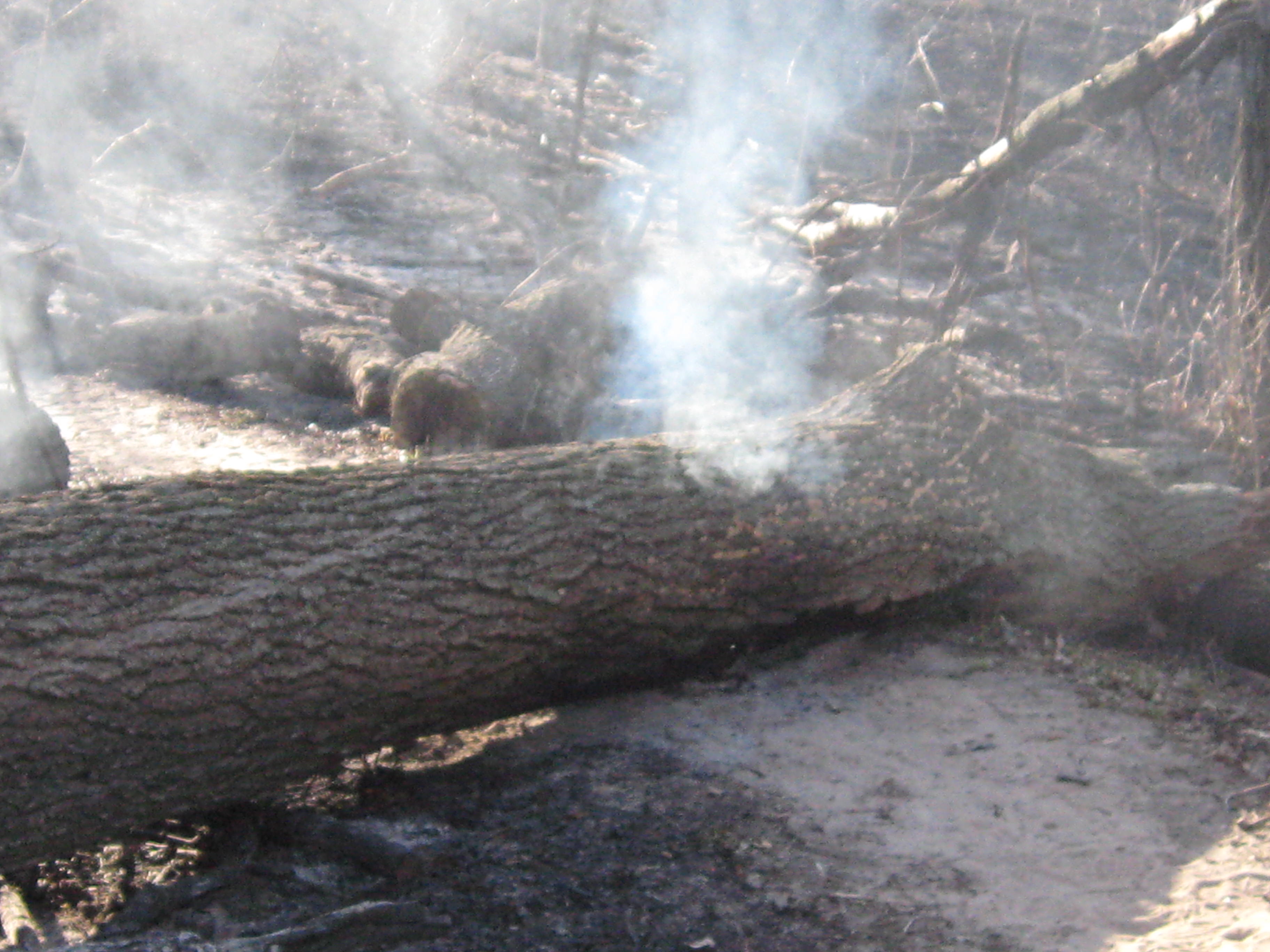
During the mop up, Dan tried to drop this smoldering snag to the north, away from the trail, but without wedges, it was impossible. I cleared this from the trail yesterday.

IMG_1353

Classic views from the Indian Campground.

IMG_1251

IMG_1363

IMG_1365

She scenery at the south end of the loop trail.

IMG_1260

IMG_1373

IMG_1372

IMG_1374

Dropping into the bowl of the Scuppernong Spring.

IMG_1261

IMG_1375

IMG_1376

Looking down the valley.

IMG_1263

IMG_1378

IMG_1262

IMG_1264

IMG_1379

IMG_1265

IMG_1380

IMG_1381

IMG_1267

IMG_1382

IMG_1268

IMG_1384

IMG_1269

IMG_1385

IMG_1270

IMG_1386

IMG_1388

IMG_1271

IMG_1389

IMG_1390

IMG_1392

Lindsay discovered the boardwalk at the far end of the Hatching House Spring, which is in the foreground of the picture below, and made a valiant effort to save it; getting a close encounter with intense heat on his face, especially his nose. He flipped it over and the fire went out, but the boardwalk is badly damaged.
IMG_1393

IMG_1396

IMG_1407

IMG_1408

IMG_1410

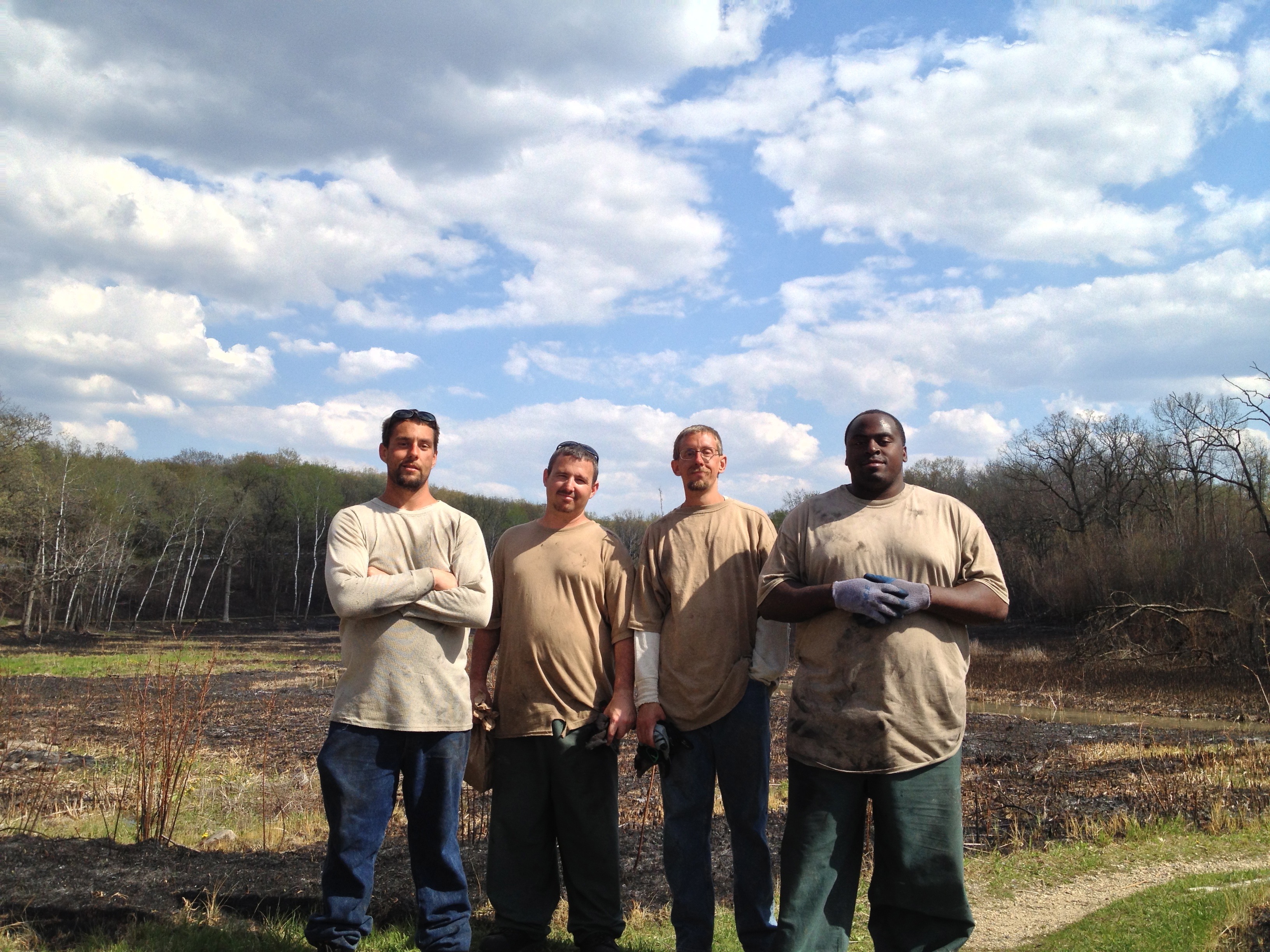
I have been planning for a couple months with the work release coordinators at the Sturtevant Transitional Facility to have some inmate “volunteers” come out to The Springs to help pile brush. Yesterday was our “pilot” adventure and the plane may have crashed. The inmates may have agreed in principle to volunteer but they were not told in advance when this might occur. Yesterday they were already on-site at the Bong Recreational Area, where they have been working for over a month to earn “release” money, when they were ordered to get in the van and “volunteer” at the Scuppernong Springs under threat of going to “the hole” if they did not agree. They were willing to volunteer, but not under those conditions and not at the expense of giving up a day when they could earn some desperately needed money ($2.00/hr after the State takes its cut). They were not in the best of spirits and when I found out the story, I suggested they just relax, which they did. But watching me pile all by myself, they couldn’t help it and they did pitch in a bit. We made 18 piles at the start of the buckthorn alley and another 8 piles by the Hotel Springs.

IMG_1398

IMG_1397

IMG_1399

John, Mike, Jeremy and Ray.

IMG_1153

John found these “mushrooms” above the old hotel site. Turkey eggs?

IMG_1152

The fire did not obliterate all the color. Below, the marsh marigolds are flowering at the Hillside Springs.

IMG_1413

IMG_1415

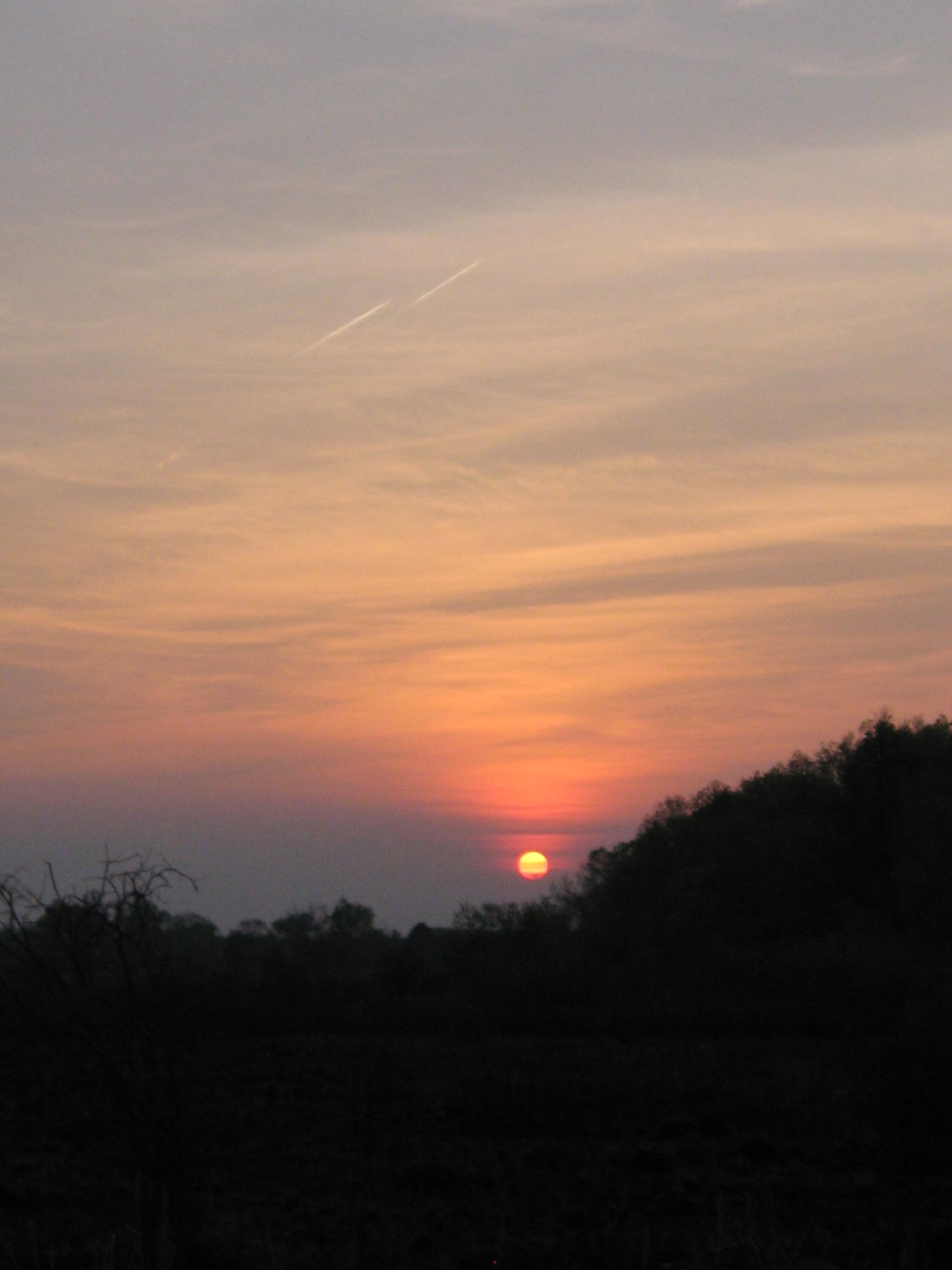
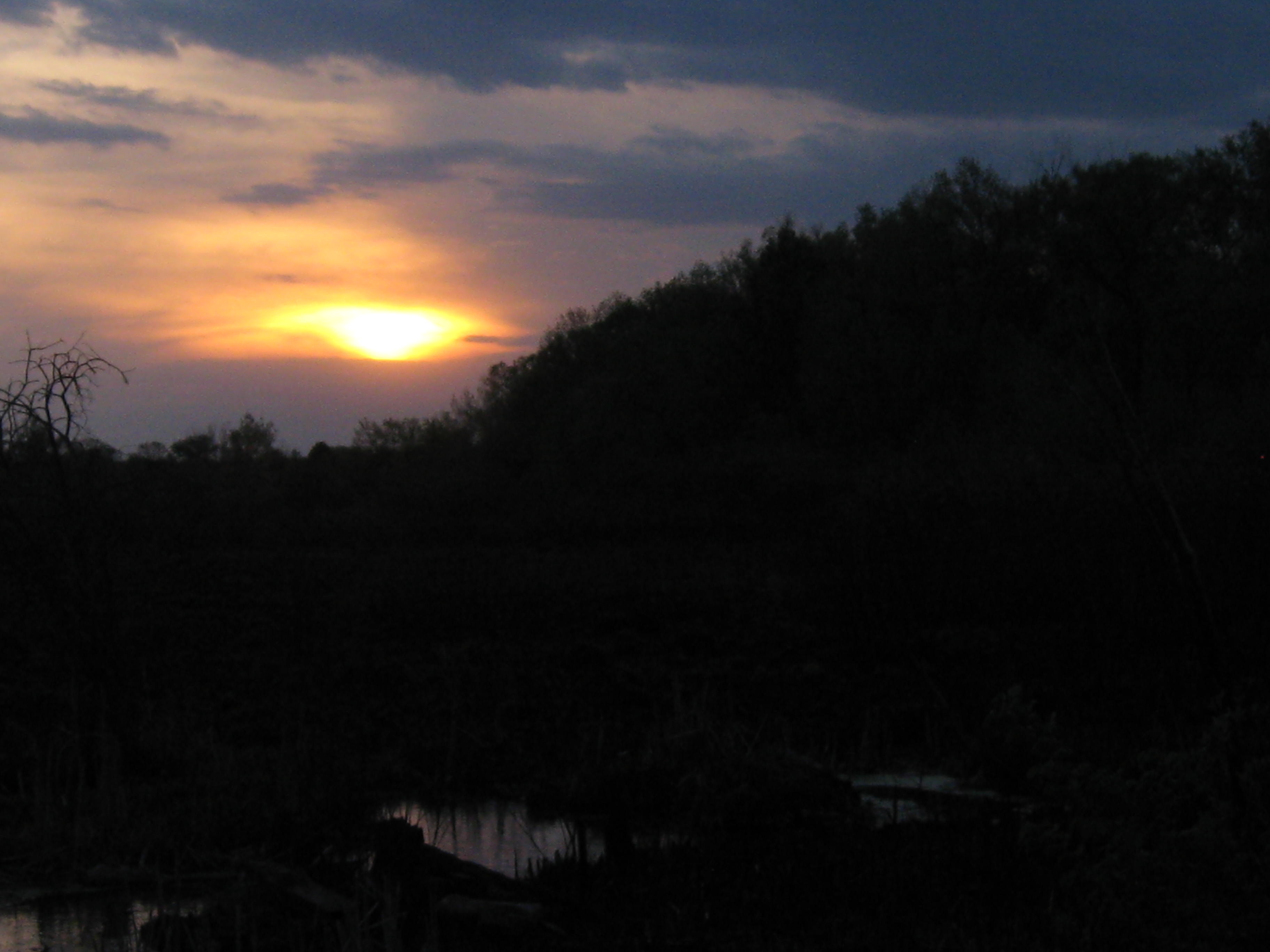
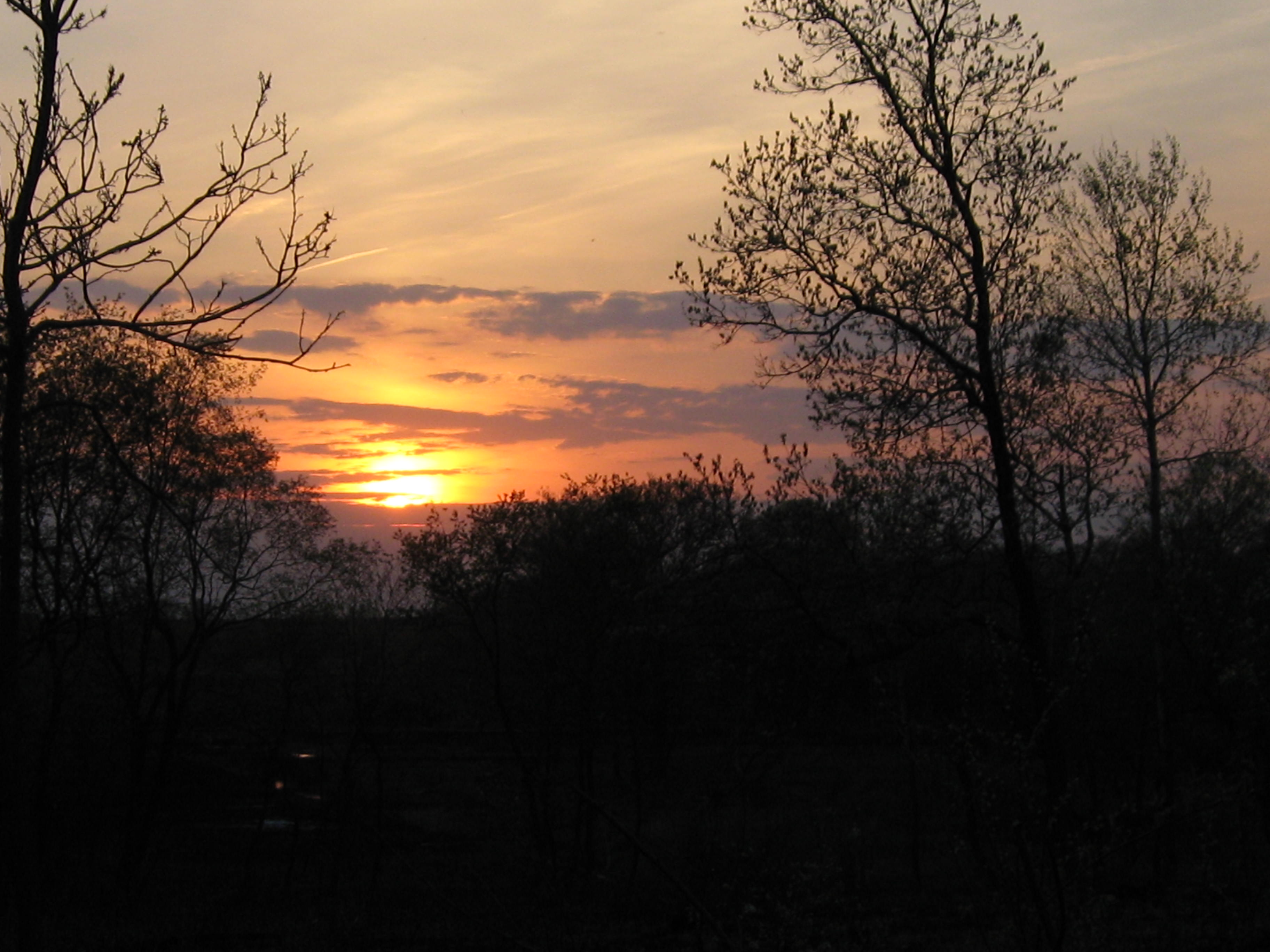
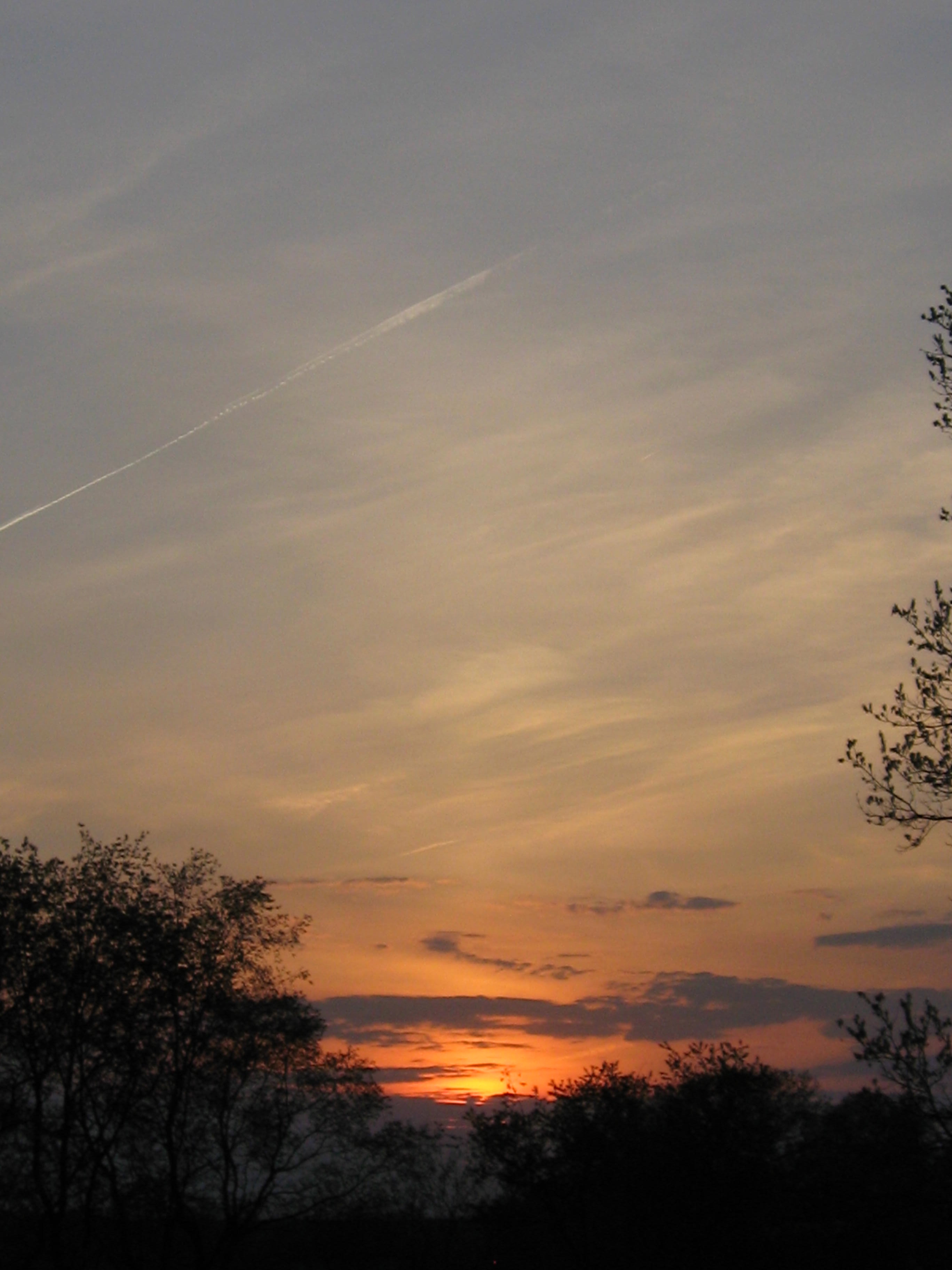
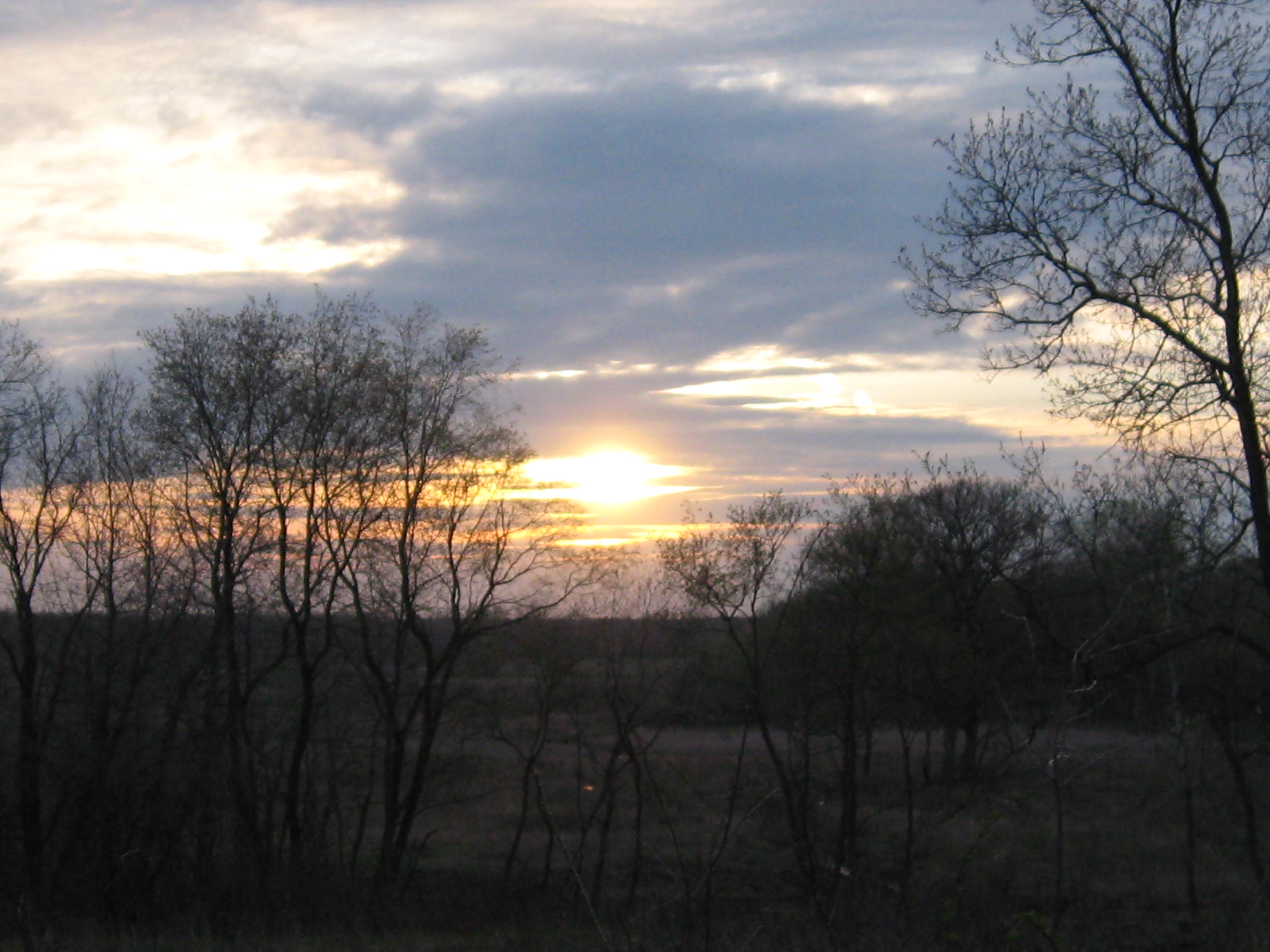
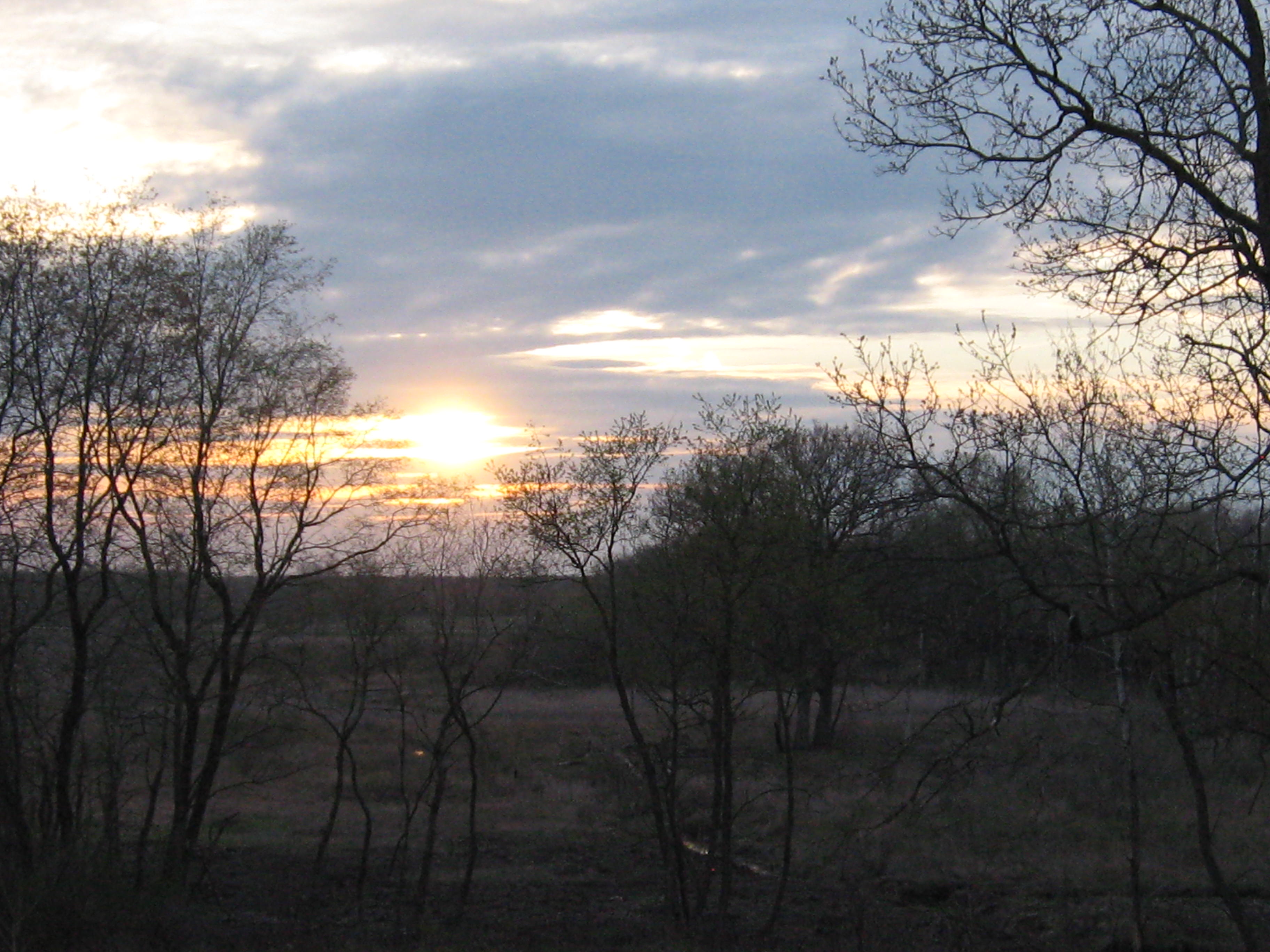
A beautiful, warm, bug-free sunset!

IMG_1419

IMG_1420

IMG_1423

IMG_1425

See you at The Springs!

Burn The Scuppernong!

I couldn’t leave.  Everyone was gone except for the burn boss, Don Dane, who would maintain an all-night vigil.  The sun had set and it was a moonless night.  I walked the cut-off trail in the dark for the first time; my path illuminated by glowing snags and the embers from numerous brush piles.  What a day it had been!  We burned the Scuppernong and I wanted to savor the feeling, the smells, the smoke, the trees, and the night sky.

The day, May 6, began as the forces gathered at Forest Headquarters in front of the maintenance shop.

Paul Sandgren and Don Dane discussing plans with the lieutenant from the Eagle Fire Dept.

IMG_1276

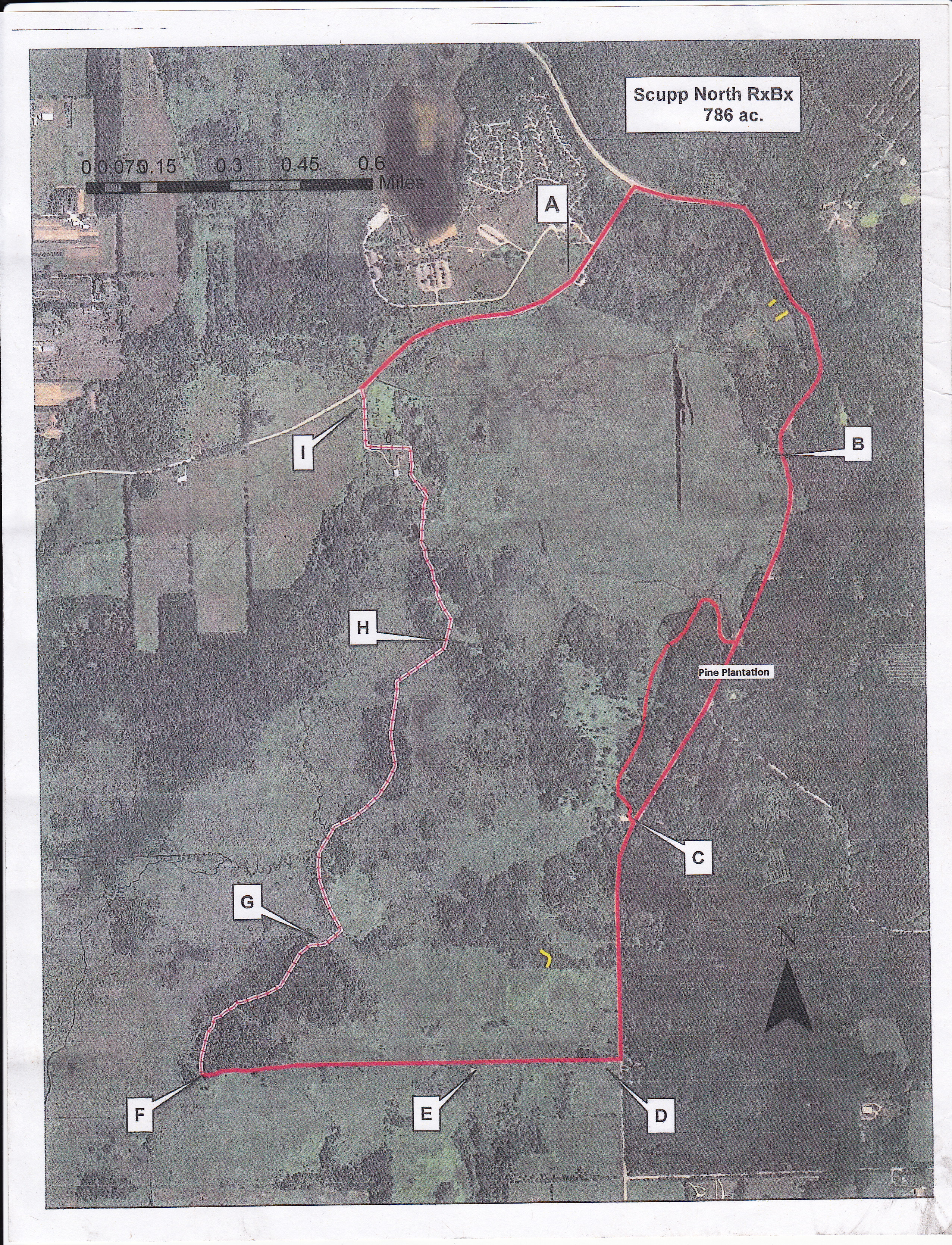
The excitement was building as Don prepared to explain the plan to burn 786 acres of the Scuppernong.

Refer to the plan below as you listen to Don’s instructions in the following video and notice that Amanda Prange is the one who steps forward when Don asks for a volunteer for a tough assignment. “Go Big” is the trend now for prescribed burns and Don effectively integrated people and equipment from multiple sources to implement his carefully conceived burn plan.

ScuppernongBurnPlan5-6-13

Lindsay and I were assigned to line boss Paul Sandgren’s team along with IAT trail boss Pat Witkowski, DNR sheriff Elias Wilson and Rocky, Dan and Melanie, also from the DNR. Our job was to make sure the fires set at the top of the ridge along Hwy 67 did not jump the trail.

IMG_1280

The shifting and variable winds did not conform to the expectations in Don’s plan and Paul and Don decided to light the hillside along Hwy 67 from the bottom up instead of the top down, which was very effective.

IMG_1281

IMG_1282

IMG_1286

I was assigned to help in this task and grabbed the last drip torch. Unfortunately, the seal around the throat of the torch was not good and fuel leaked from the rim in addition to coming out the torch nozzle. It is a good thing that Elias was there as he immediately noticed the danger and gently persuaded me to stop. I am prone to momentary lapses of reason and common sense when fixated on a goal, and it is quite likely that I would have immolated myself and ruined the day if Elias had not been there.

We listened to our radios with great interest to the status reports coming in from all quarters and I was impressed by the calm and deliberate way that every issue was handled. Incredibly, “the feds” as Don described them, called just as we were getting under way and tried to shut down the burn. They asserted that the WDNR was using funds from the NAWCA grant to pay for the effort, when in fact this burn had been planned for months before the WDNR was even awarded the grant and no money from the grant was used for the project. Don negotiated with “the feds” and resolved the issue.

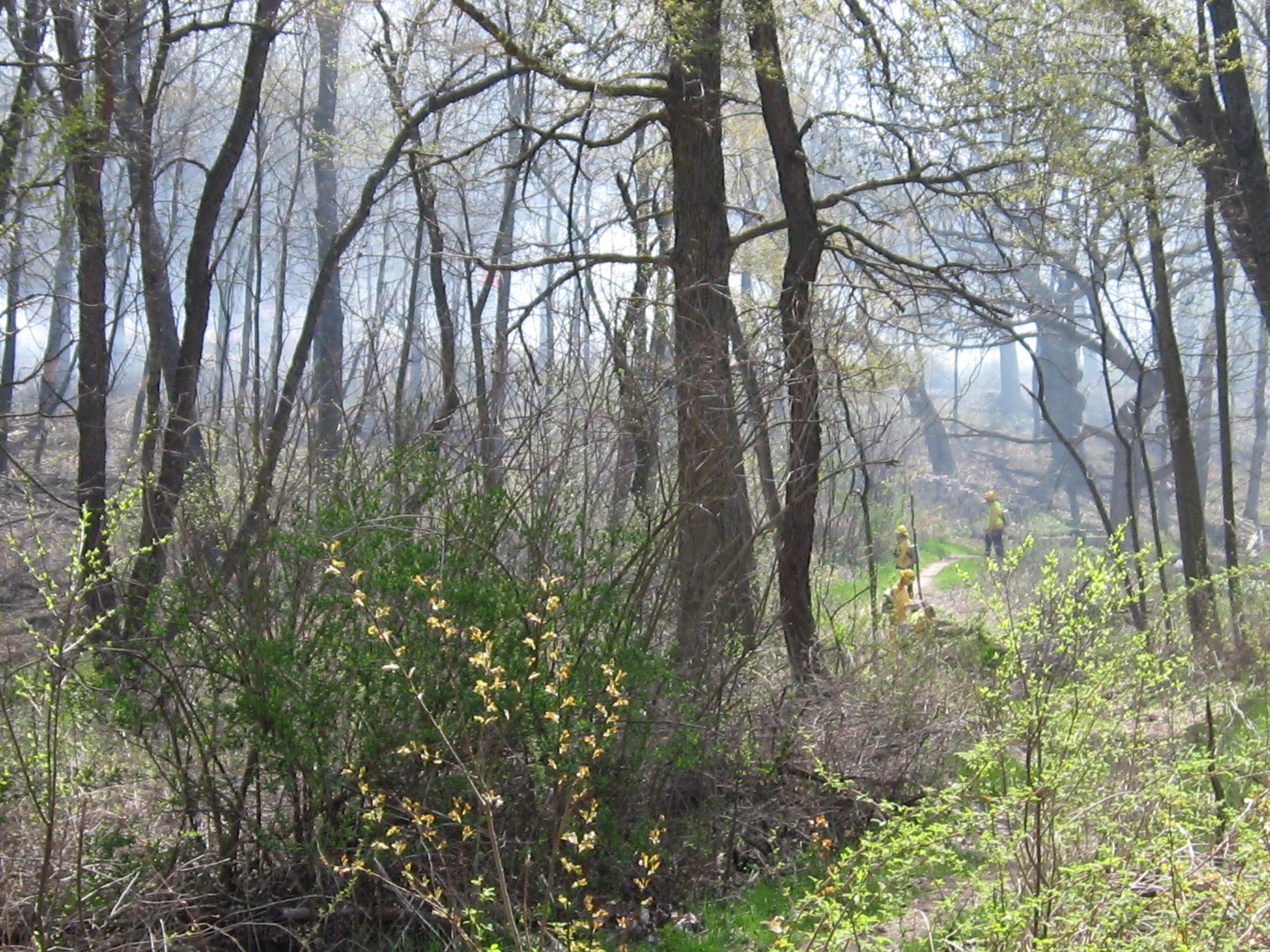
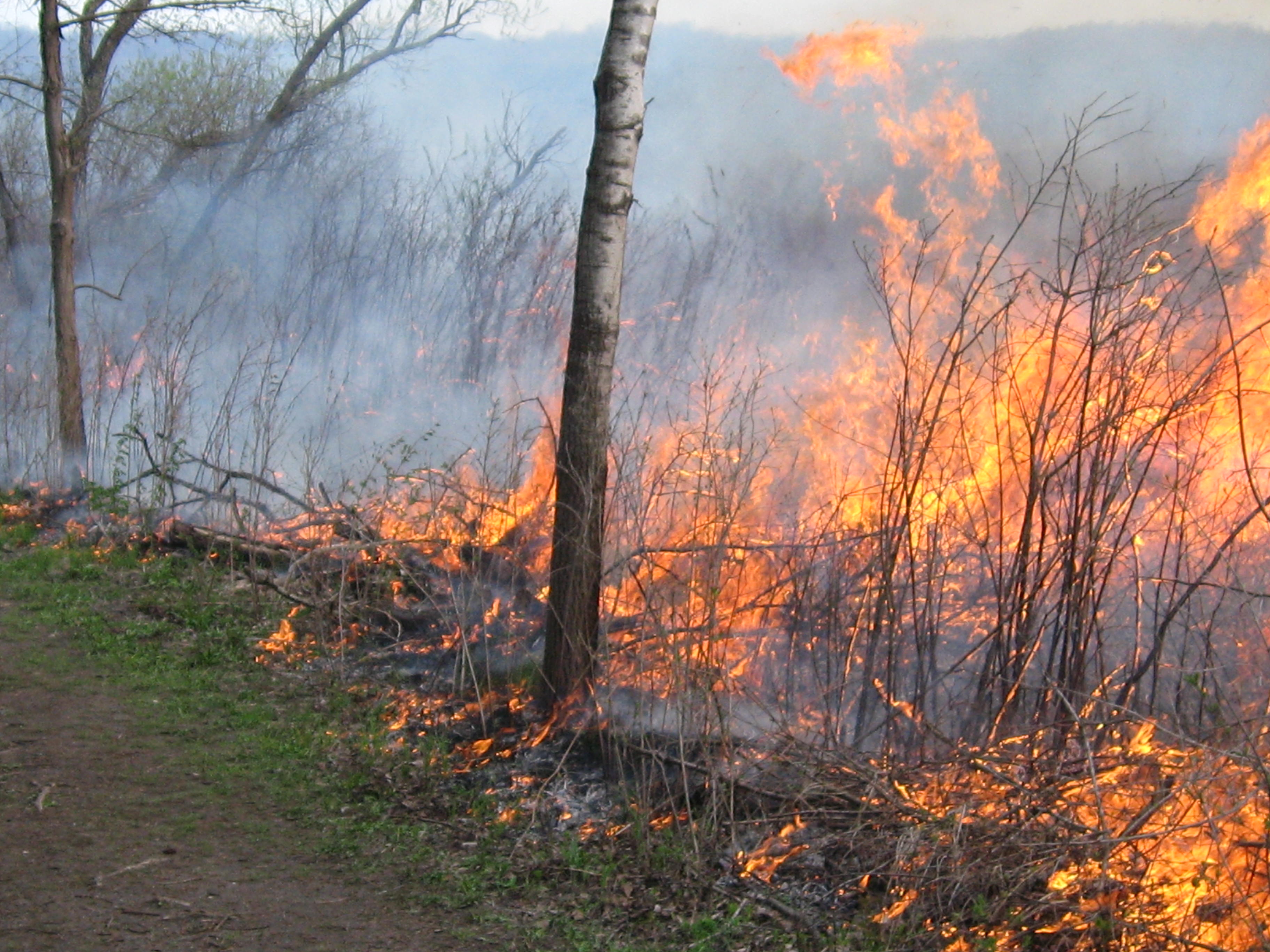
After the hillside was burned we proceeded to light the valley on the east side of the Scuppernong River. Check out this head fire and notice that it is running from south to north.

IMG_1293We took a very short break for lunch and lit the west side of Scuppernong River. I had a good working torch by now and walked along the west edge of the river igniting an incredible head fire that ran to the tree line on the west bank of the bowl that used to form the lower pond.

All the burn teams were making great progress and we heard reports of all the burn lines being “tied in”. The perimeter was secured and the teams began pushing head fires through the interior of the burn unit. I walked along the north side of the river, where it makes its turn west from the old barn site, taking soakers in both boots as I lit the bank of the river all the way to the bridge where the stream gaging station is. The winds where blowing from the south and this line of fire moved aggressively to the north jumping the cut-off trail.

IMG_1295

IMG_1296Lindsay moved into the black behind the line of fire and put out flames in a huge oak tree that is laying sideways around 10-12′ off the ground saving this interesting landmark. Paul Sandgren sent me over to light the area on the west side of the marl pits on both the north and south sides of the river. The backing fires lit on the west side of the burn unit were creeping east and the time was ripe to drive a head fire towards them. I had just leveraged a south wind to light the north side of the Scuppernong River and now, out in the open, I had a strong east north-east wind behind me. When I got to the marl pit bridge I found the southeast corner on fire and had to dip my water bottle in the river repeatedly to put it out before any major damage was done. As I walked south along the west side of the marl pits, I lit what soon turned into a raging head fire. My escape route ahead of me was to simply jump the fire line of the creeping back fire.

IMG_1299

IMG_1300

IMG_1301

IMG_1302

IMG_1303

Here is a perspective looking northeast from marl pit.

IMG_1305

IMG_1306

I was able to get a good head fire going on the north side of the river as well and we tried to run it as far as we could along the south side of the trail leading back to the parking lot on Hwy ZZ.

IMG_1308

IMG_1309

I think we burned approximately 95% of the unit, but Don might have a more precise estimate, and, much to my surprise, we lit all of the 50+ brush piles created since the end of the winter burning season.

I am heading out to The Springs tomorrow and I plan to take a lot of “after” pictures to pair up with all of the “before” shots I took yesterday morning before joining the team at forest headquarters.

This was an experience I will never forget. The WDNR team of the Southern Unit of the State Forest led by Superintendent Paul Sandgren, Assistant Superintendent Anne Korman and burn boss, Don Dane, is one of the finest groups of people I have ever had the pleasure to work with.

IMG_1150I stopped at The Springs on my way back from Forest Headquarters; I didn’t want to go home. Wandering the trails in the dark amongst the scattered, glowing fires was pure pleasure. I stopped at one of the bogs to capture the sound of the frogs with the glowing embers of a brush pile in front of me.

I arrived at the DNR parking area at ZZ & 67 above the Hotel Spring for a sympathetically synchronous rendezvous with Don Dane and we celebrated the success of the burn. There was a lot of mop up work waiting for his team today. I hope you got some sleep Don.

See you at The Springs!

Spring Dreams

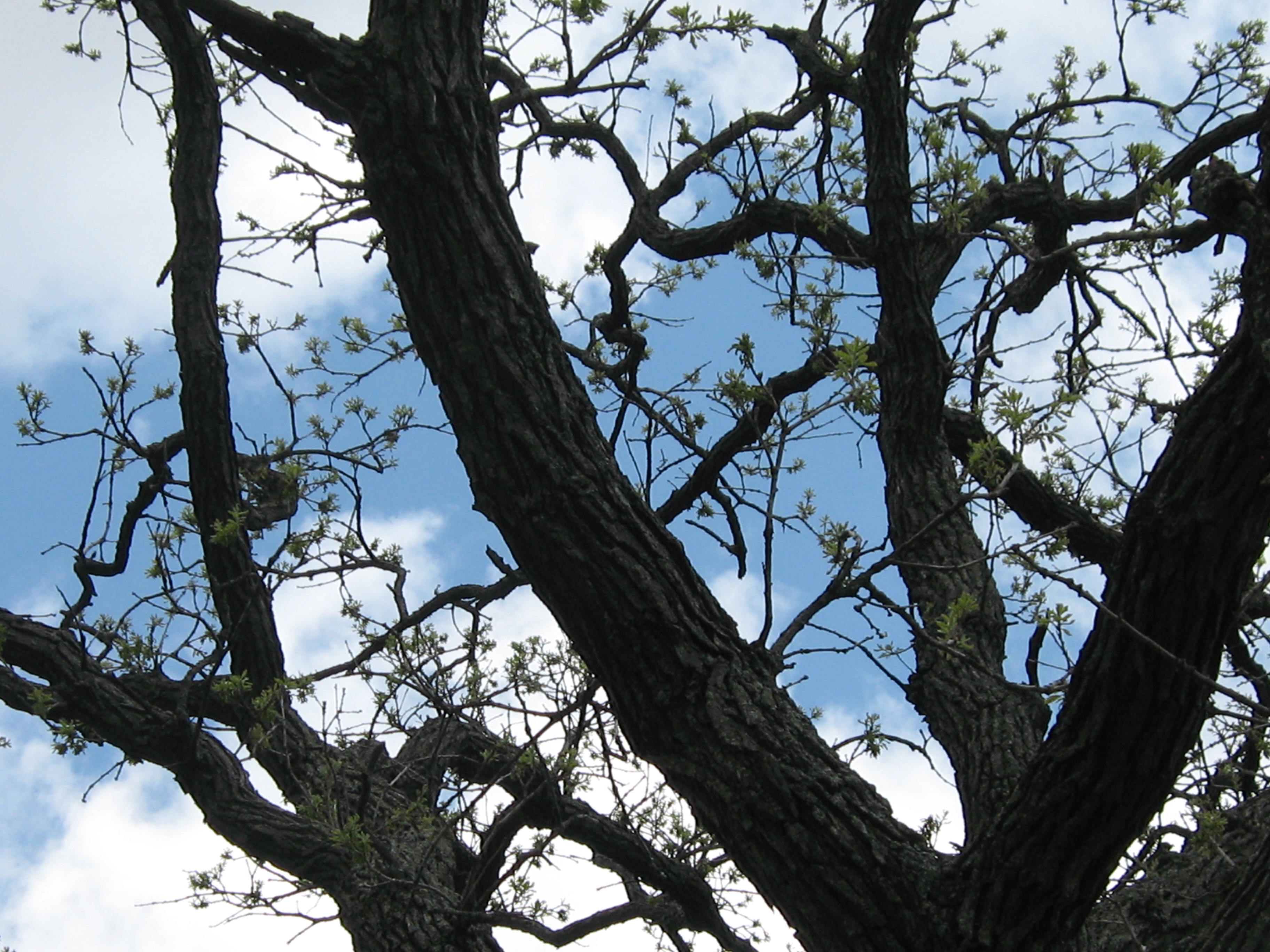
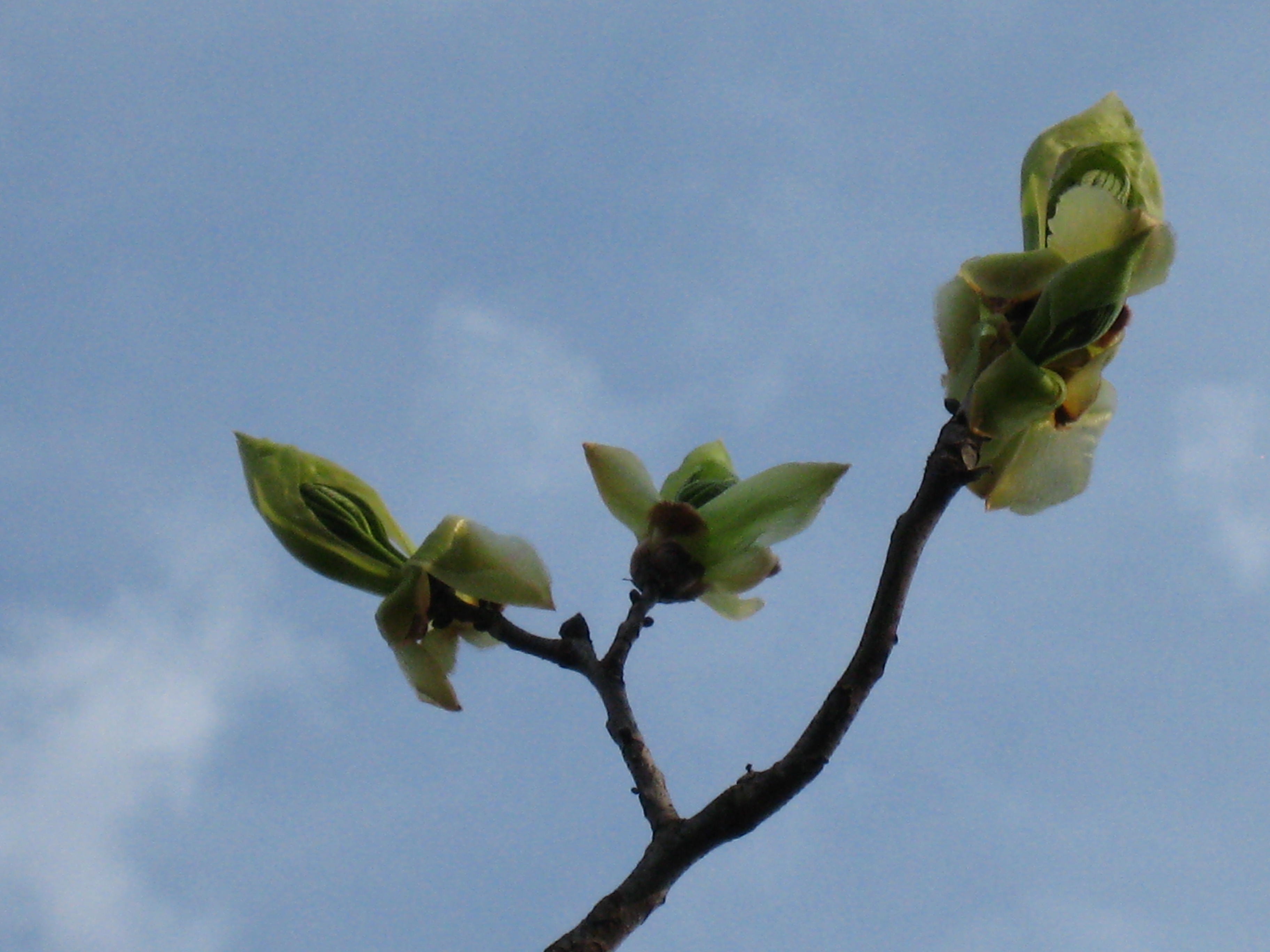
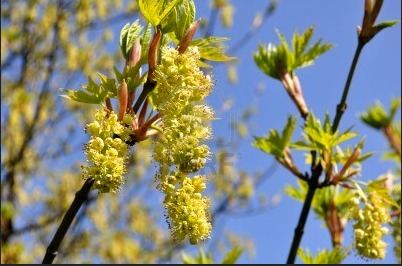
The seasons progress slowly giving us time to appreciate the changes as they unfold. I like to watch the tips of the oak branches as their buds open and flowers emerge.

OakFlower

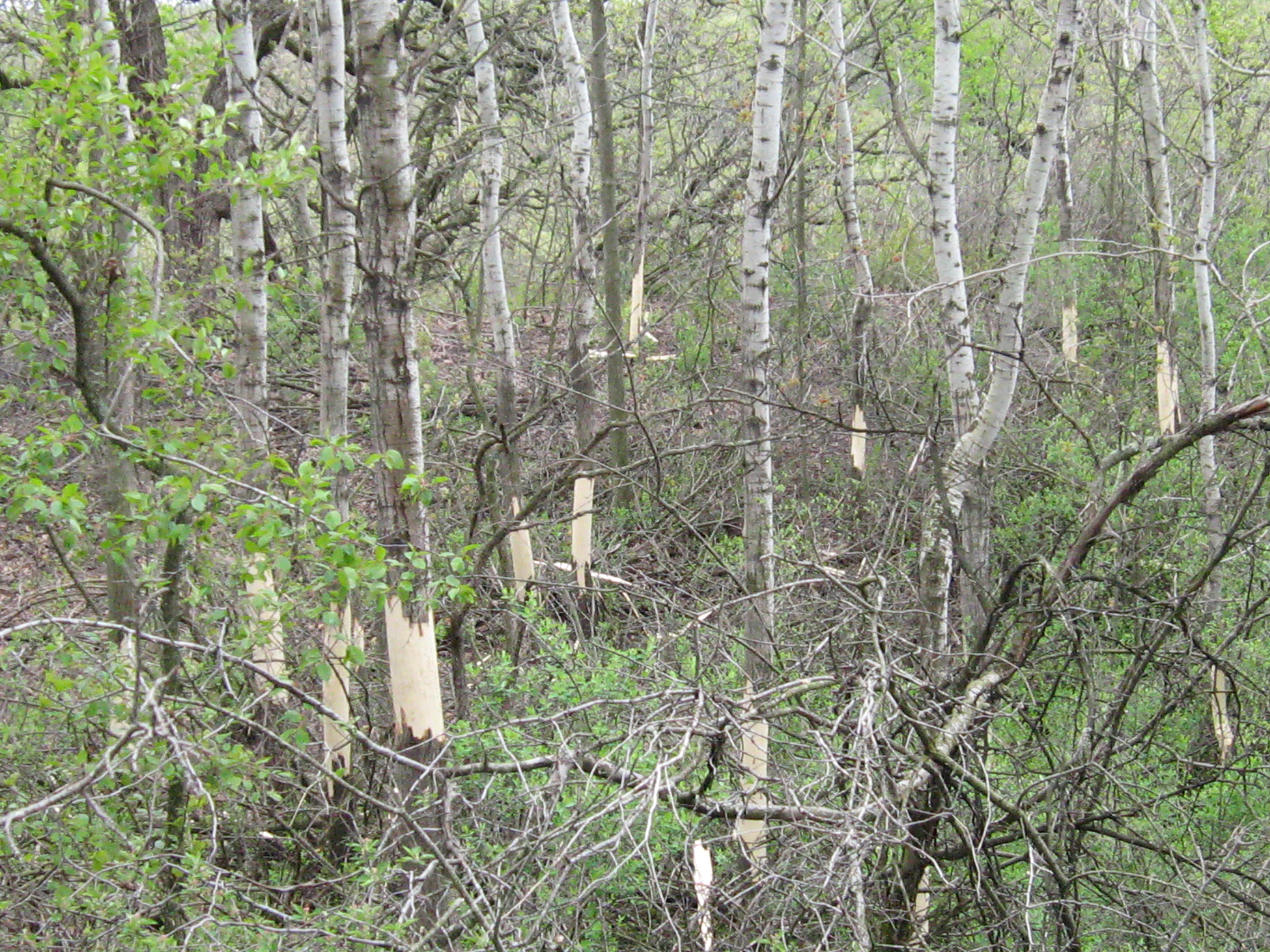
Spring is a great opportunity to use fire to control invasive plants and it has been a long time since the Scuppernong Springs Nature Preserve has had a prescribed burn. Buckthorn seedlings are thick in many places, especially the slope along the trail below Hwy 67 on the left side of the video below.

The alternative to fire is repeated brush cutting and poison application, which is a loosing game. So I am very thankful and excited that the DNR has prioritized the Scuppernong Springs for a prescribed burn this year. In fact, assuming the weather forecast for tomorrow, May 6th, doesn’t change, we should have perfect conditions. DNR veteran Don Dane is the burn boss and he has been working on the plan for months. The scope is approximately 900 acres covering an area south of Hwy ZZ and west of Hwy 67. I’m really looking forward to participating!

I wasn’t able to get to The Springs last week so I was eager yesterday to see the progress of Spring.

IMG_1193

I started the day girdling aspen down by the Hotel Springs. This is an extensive clonal colony with huge trees and a lot of work remains.

IMG_1187

I took a break mid-morning to attend the Kettle Moraine Natural History Association’s annual meeting at forest headquarters. Susan Beyler, fisheries biologist and NR Region Team Supervisor with the DNR, filled in for Ben Heussner and made an excellent presentation on the “Fishes of the Mukwonago River”. She also covered the restoration efforts being made on the old Rainbow Springs golf course, which the DNR recently acquired, to remove all of the culverts that were installed to control the river. This area comprised a wide diversity of unique habitats before the bulldozers arrived and they are hopeful that some of this diversity will re-emerge. I hope to meet with Susan at the Scuppernong Springs to take a tour and get her unique perspective.

After the meeting I headed over to the buckthorn alley to resume cutting there.

The buckthorn trees here are tall and thick so it was slow going.

Later, I took a walk on the cut-off trail and noticed lots of flowering plants emerging. It will be interesting to see how they survive the fire.

IMG_1200

IMG_1201

IMG_1202

The frogs were calling from the bogs on the north side of the loop trail.

John Hrobar sent me this link to an interesting article:

New scientific studies reveal Midwestern frogs decline, mammal populations altered by invasive plant
Researchers say this is a call to action to remove European buckthorn from the region

Amen!

More May Apple in front of the old barn site.

IMG_1206

The Hatching House Springs have been hidden for years and it is really interesting to see what is coming up there now.

IMG_1207

IMG_1208

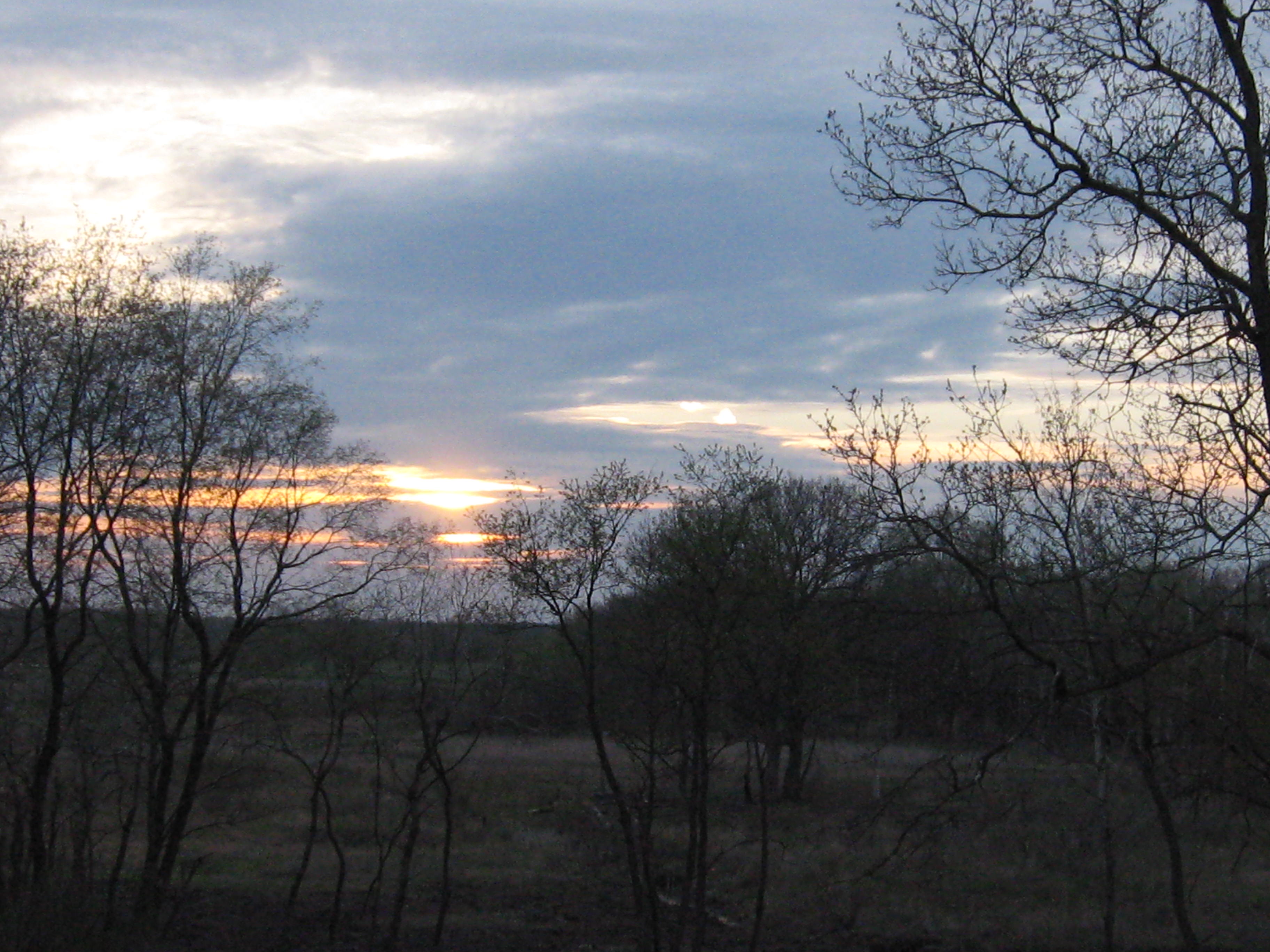
As we head towards the summer solstice, I find I have to locate myself farther and farther south on the Indian Campground to get the best view of the sunset.

IMG_1210

IMG_1211

IMG_1212

See you at The Springs!

The Buckthorn Metaphor

Like Neo in The Matrix Trilogy, I took the Red Pill a long time ago; I knew there was something wrong with the world.

A People’s History History of the United States, by Howard Zinn woke me up to the genocide perpetrated on the Native Americans by the European Invaders. Winston Churchill said: “History is written by the victors”, so instead of mourning the tragic loss of life, culture and wisdom every November, we “celebrate” Thanksgiving.

The War on Drugs, one of the first in a series of endless wars, implemented via the government’s usurpation of ownership over our bodies, only continues because of the fallacious belief held by most people that government actually has the authority to do so.

I began to fight back, to serve The Truth, and raise awareness of our government-run-amok, by exposing the harm caused by the Drug War. It was then that I began to appreciate the African Proverb “Whoever tells the truth is chased out of nine villages.”

Around that time, in the mid-90s, I began cutting buckthorn, another European Invader, at Brady’s Rocks. Here was a foe that I could lick, well, at least I got my licks in. I couldn’t stop the madness of the Drug War, but I could save an oak tree and, by serving Nature, preserve my sanity.

After “W” was elected in 2000, I drifted back to sleep until rudely awakened by Loose Change to questions concerning the events of 9/11. Was this another case of American blood on American Soil, Remember the Maine, sinking of the Lusitania, Pearl Harbor, Gulf of Tonkin incident, all cases of disputed “facts” used as pretexts for war? No bones about it, I’m a Truther now; I live to serve The Truth.

By this time I was cutting buckthorn at the Hartland Marsh fighting the powers that be in the village to do the right thing and restore the jewels of the marsh.

I began to realize, after 23 years, that I wasn’t cut out for corporate life as an IT Administrator at a quiet, ultra conservative, insurance company. The stifling of creativity, the constraints of corporate dogma and ideology, the dehumanization of playing the role of “human resource” and the constant pressure to produce under layer upon layer of bureaucracy was killing me.

The frustration of being surrounded by people who were asleep in my family, at work and on the street, and the realization that we had completely lost our moral compass; that ignorance is strength; and that war is peace, was literally killing me. I don’t know if my depression and alcohol abuse brought on my cancer, but I do know that I had a death wish. I couldn’t see the point of continuing in a world where truth had been replaced by government propaganda and mind control, and where millions of people were dying needlessly as a result.

Through all this turmoil there were two things that kept me going: the love of my mate, Pati, and cutting buckthorn. Working in the forest to make the world a little more beautiful was something I could do, where I could influence the outcome without interference. After my cancerous tumor was removed in June, 2011, I resolved to leave the corporate scene and I retired “quietly” in February 2012. I don’t wave 9/11 Truth signs and pass out dvds on the streets of Milwaukee anymore. I came to realize that most people are under mind control; they believe in the authority of government, of religion, of their peer groups. Their metaphysics is based on the “primacy of consciousness” and they will stubbornly refuse to allow any facts into their heads that might disrupt their worldview.

I took the “red pill” however, and I live to serve The Truth and the best way I can do that now is by cutting buckthorn. Sounds silly maybe, but my fight against buckthorn is a metaphor for my fight for The Truth; for the primacy of existence. Buckthorn is a menace, it hides and destroys the beauty of our forests, it has got to go! I’m not waiting for our government “leaders” to address this problem; they are too busy serving their corporate masters, lying to us, and waging wars of aggression to take care of the land.

Jon Bradley Tours The Springs

If you love The Scuppernong Springs and want to share your stories or pictures here, please contact me. Here is the latest from Jon Bradley (Thanks for the awesome pics Jon!).

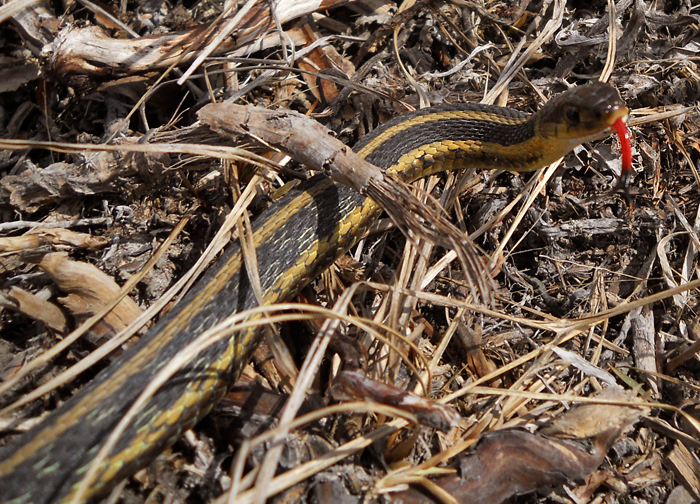
Today (4/27) was one of the warmer days so far this year. I knew today could be a good day to find wildlife at the Scuppernong Springs Nature Trail. From the moment I stepped out of the car I knew it would be a good day on the trail. Almost immediately I heard the call of a couple Sandhill Cranes. As I was walking along the Marl Pits I saw two cranes taking off about 200 yards away. Shortly after that I discovered this Common Garter Snake along the large Marl Pit, and two Painted turtles in one of the smaller Marl Pits.

DSCN1462

IMG_0085

Here is a photo taken at the Marl Pit bridge facing East.

IMG_4587

As I got down to the first Vernal Pond before the Indian Campground, I saw something move near my feet. I looked down and saw an amazing Eastern Hognose Snake. This snake is arguably the most unique snake in Wisconsin for many reasons. One of them being that it flattens its neck similar to a cobra.

DSCN1479

IMG_0087

I had heard that the Eastern Hognose Snake lived around the trail, but have never before seen one. It was hissing pretty loudly, though didn’t attempt to flee while I photographed it. Its important to say that all snakes at the Scuppernong Springs Nature Trail are harmless to people and most will do everything they can to avoid human contact.

IMG_4592

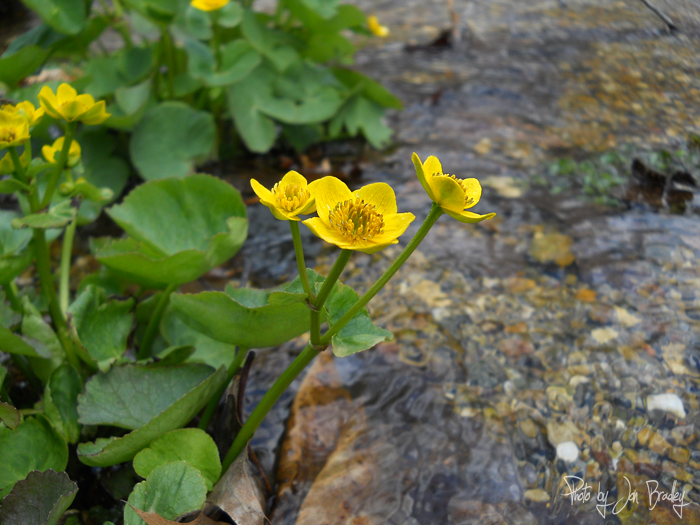
Here are a couple of flowers (hepatica & marsh marigold) I found around the trail. Its nice to see color coming back!

DSCN1476

DSCN1491

A few more scenic photos:

IMG_4599

IMG_4613

IMG_4625

There were a ton of birds at the Springs today. American Goldfinches, Red-winged Blackbirds, Red-Bellied Woodpeckers, and Warblers of all kinds. Between the old barn foundation and hotel site, I saw this Yellow-Rumped Warbler.

IMG_4620

On the way out, I stopped to check the water level.

IMG_4591

It was a fantastic day at the Springs and I hope to be back at least few more times this year. I love seeing the progression of the restoration project. Its nice to see the woodland areas looking more like woodlands and less like “buckthorn alleys”. I have to imagine even some animals will appreciate being able to navigate through the woods better. I unfortunately didn’t get to the new cutoff trail this time but I definitely plan on it this summer.

Thanks Jon!

See you at The Springs!

Journey Down the Scuppernong River Part 5

Hello again, and welcome back to The Springs.

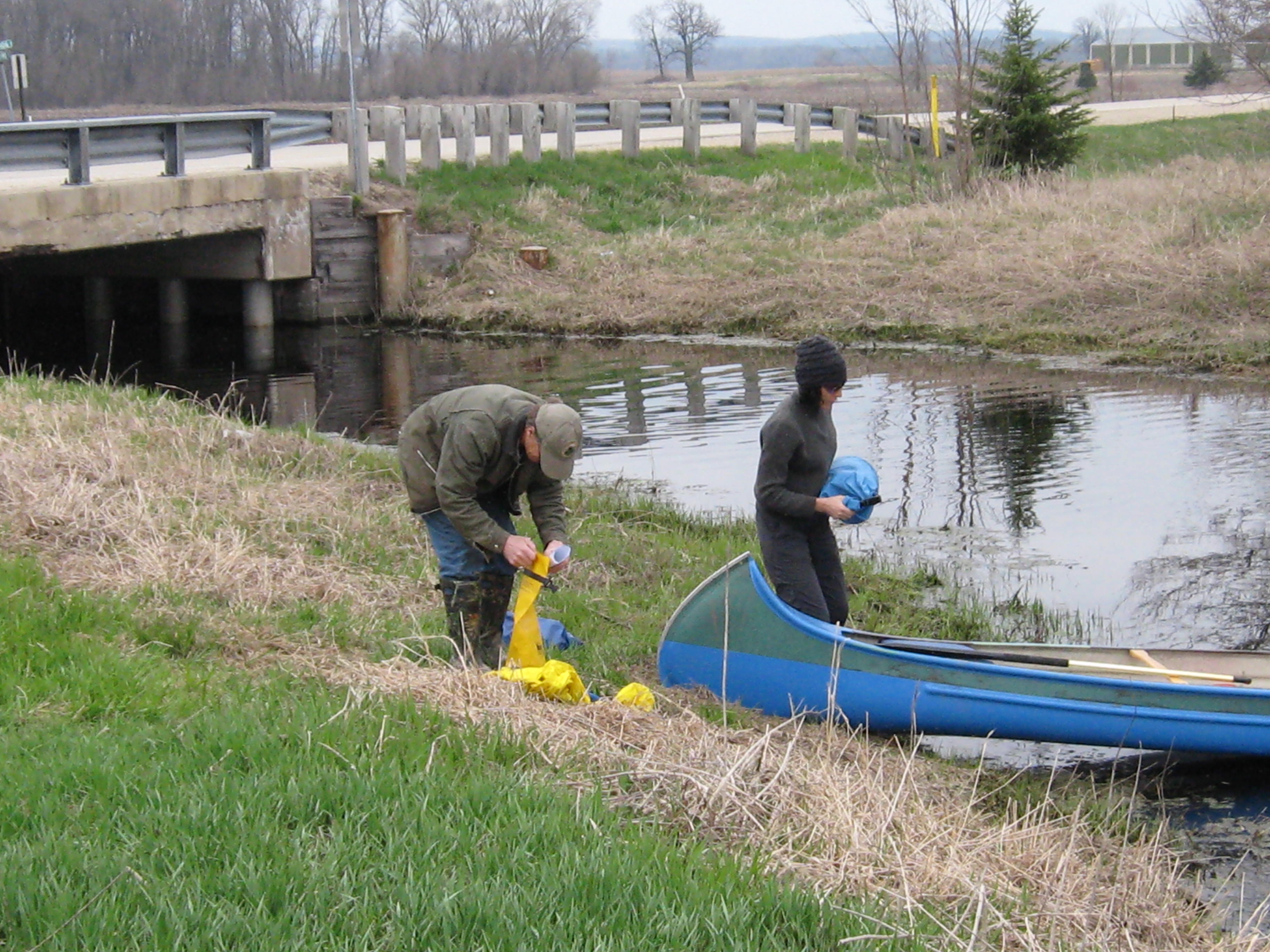
We were frustrated in our last attempt to complete our journey down the Scuppernong River on foot by unstable ice. Heading east from Hwy 106 just a bit north of Palmyra, we walked along the embankment that separates the surrounding industrial farmland from the river, which at this point has been engineered into little more than a drainage ditch. As we approached the Prince’s Point Wildlife Area we had to leave the banks of the river due to thin ice and ultimately had to call it quits. We resolved to return in the spring in our Blue Dolphin canoe to try paddling this stretch, which we imagined to be wild and even exotic.

I was joined by Lindsay and Pati on what promised to be a beautiful spring day.

IMG_1147

IMG_1148

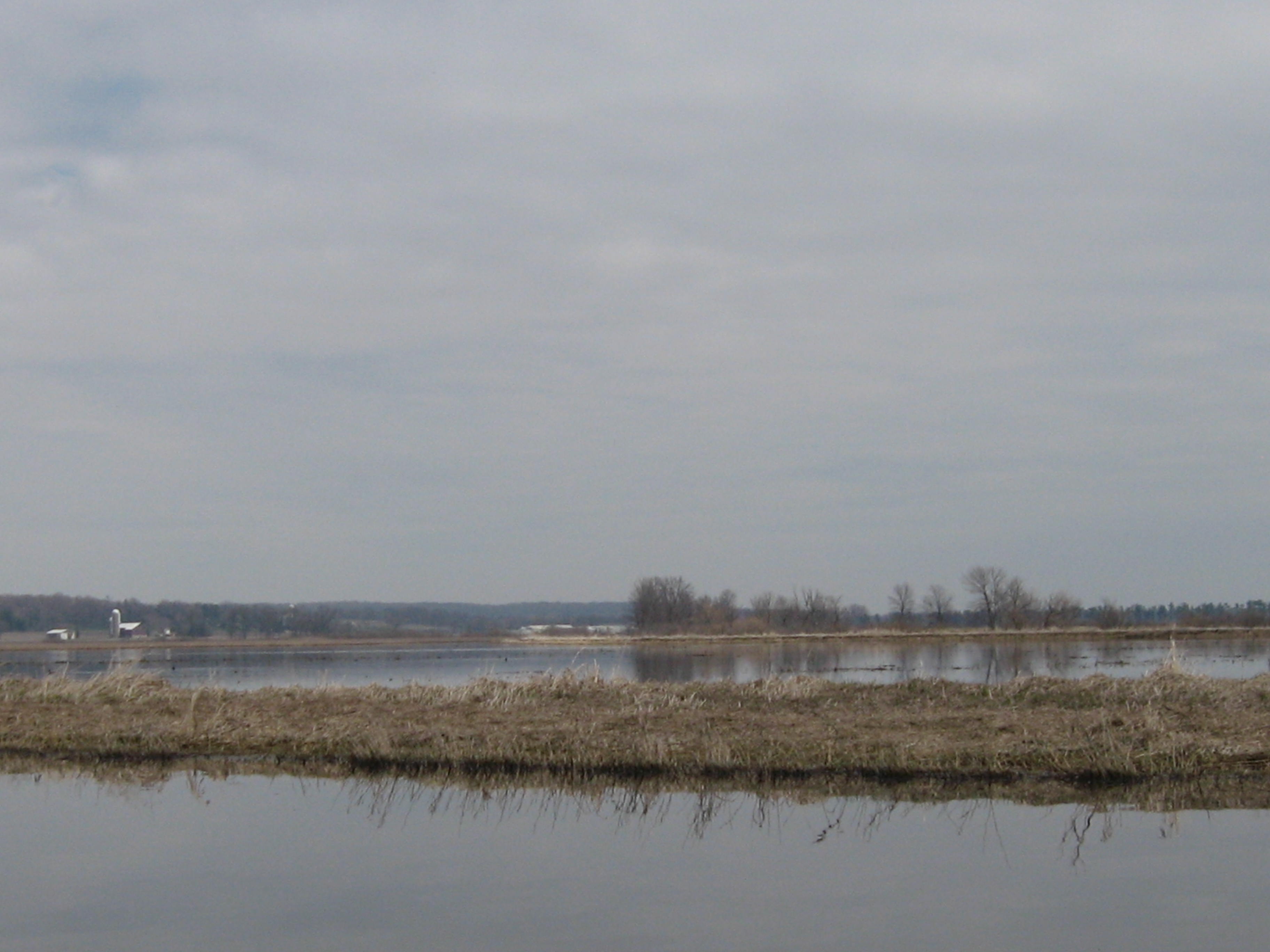
There are industrial scale farms on both sides of the river just west of Hwy 106 and one can only wish to turn back the clock and see what the river was like before it was totally “bleeped” up.

IMG_1149

IMG_1151

IMG_1153

IMG_1155

Check out this goose perched on top of a root ball. Protecting something?

IMG_1158

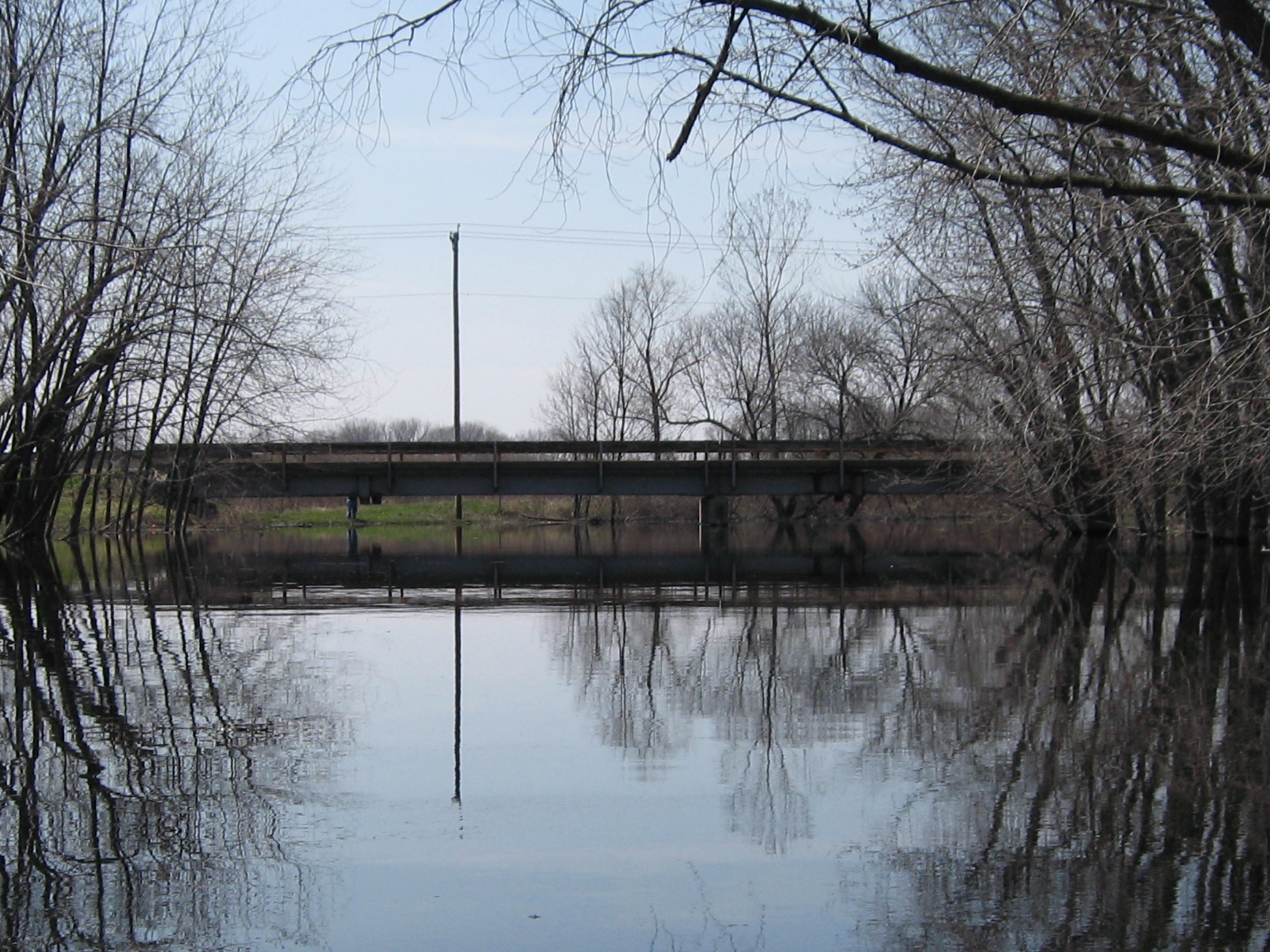
A couple views from the bridge that crosses the river.

IMG_1159

IMG_1162

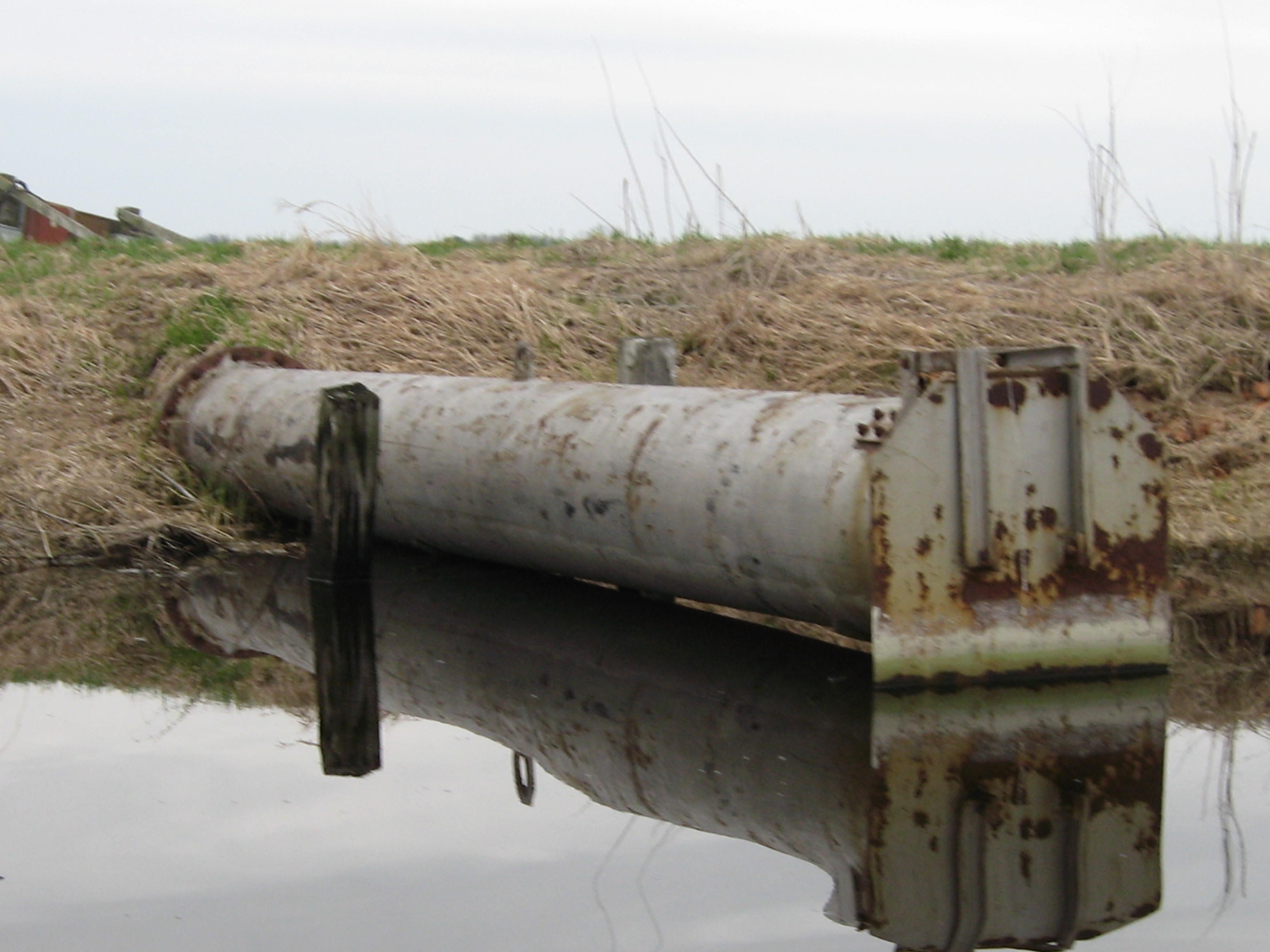
In the video above I mistakenly referred to the Prince’s Point Wilderness Area rather than the Prince’s Point Wildlife Area. At that point I still had the naive believe that we were about to enter a wild and exotic stretch of the river leaving the canals and industrial farms behind. Unfortunately, the river engineering did not stop at the farms and we encountered a maze of channels and embankments that splintered the river into myriad flows.

IMG_1166

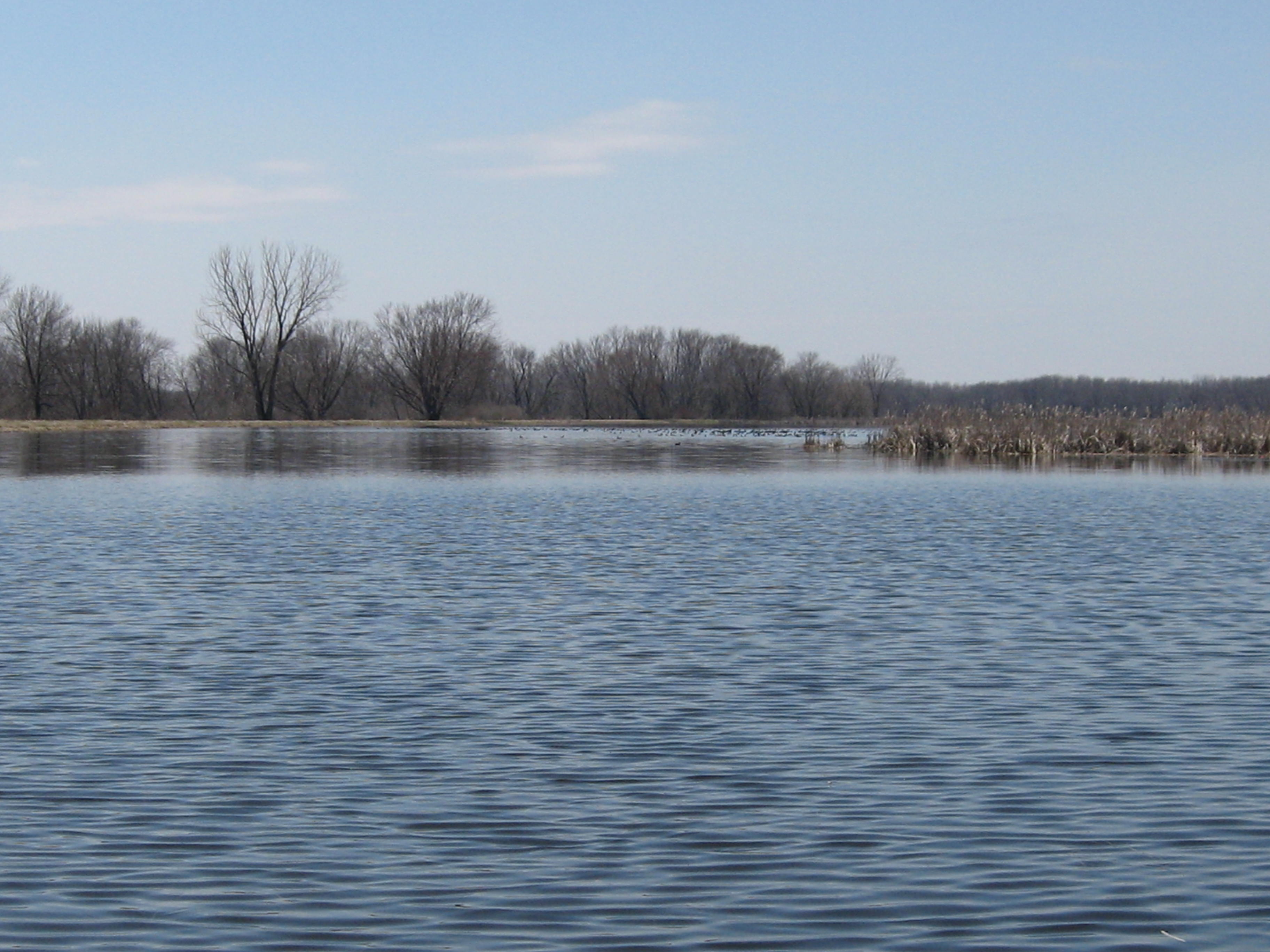
With the help of a map that Pati got from the internet and the Map application on my iPhone, we tried to get back on “the river” eventually realizing it didn’t exist anymore. Here is a widening of one of the canals that attracted a huge flock of coots.

IMG_1167

IMG_1168

IMG_1170

IMG_1171

As we paddled down dead end canals and pulled the canoe over embankments attempting to travel west to the Bark River, the realization of how badly degraded this stretch of the river is began to sink in. Although we did see a couple of river otters and a muskrat, we almost got swamped by a school of giant carp. We could understand why they channeled the river to create farmland east of Prince’s Point, but there didn’t appear to be any rhyme or reason to the embankments that diced up the wetland in the Prince’s Point Wildlife Area other than to support a path for vehicles to travel.

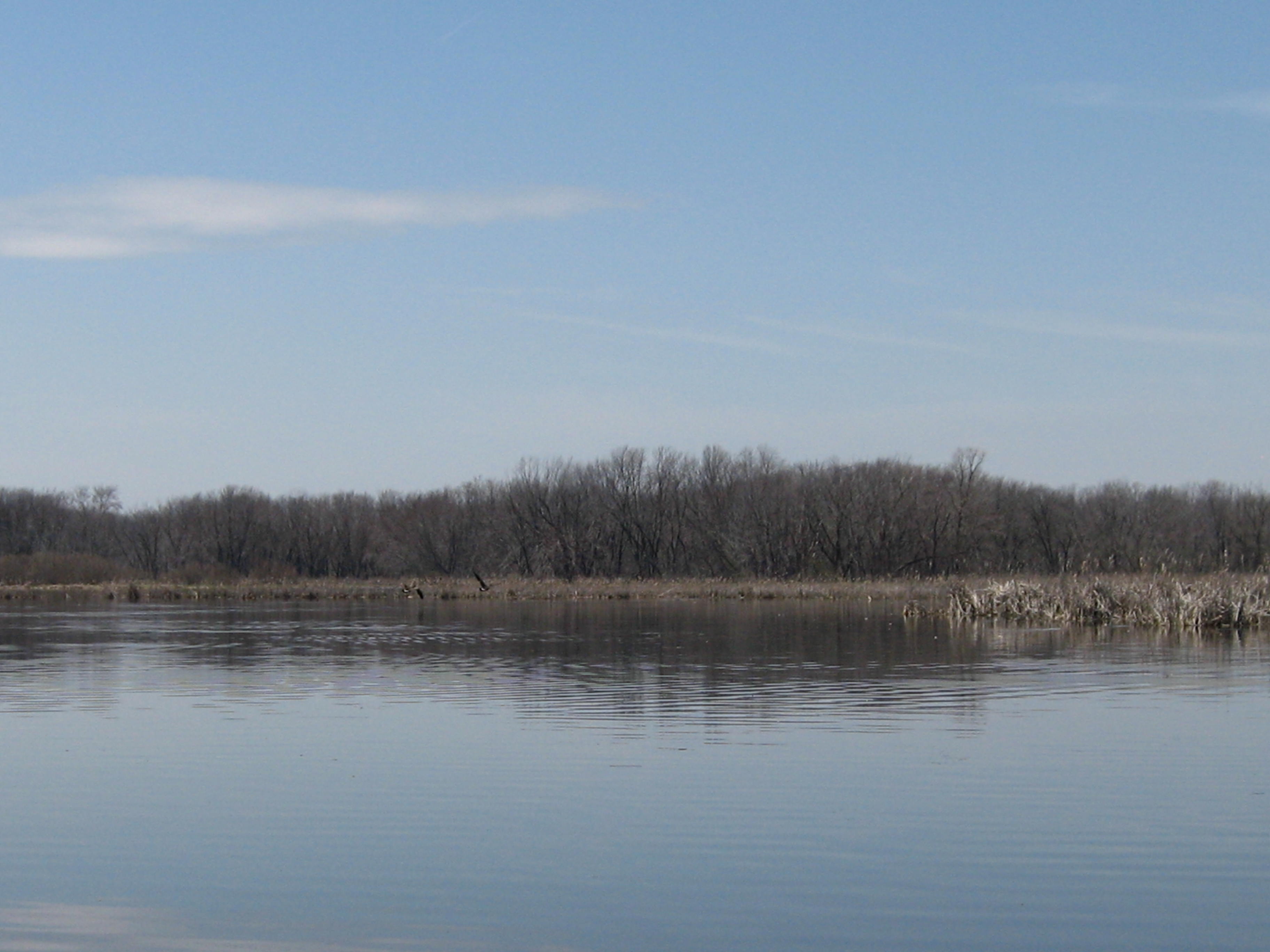
We finally did thread our way to the confluence of the Scuppernong “River” and the Bark River.

IMG_1173

IMG_1174

IMG_1177

IMG_1179

Per the DNR “The Scuppernong River’s headwaters are classified as class 2 trout stream. The stream has a naturally reproducing, self sustaining population of brook trout.” That is a far cry from what we saw between Hwy 106 and the confluence with the Bark River. On that note however, we have not seen any brook trout in area of the Scuppernong Springs Nature Trail, i.e. the headwaters, since last fall. I’m concerned that our efforts last year to unplug the water cress dams have altered a delicate balance that supported the brook trout population. Craig Helker, Water Resources Management Specialist with the DNR, does a fish count every July by “shocking” the water in the area just below the Hotel Springs and we look forward to the results for 2013.

Here is a view on our return heading back upstream.

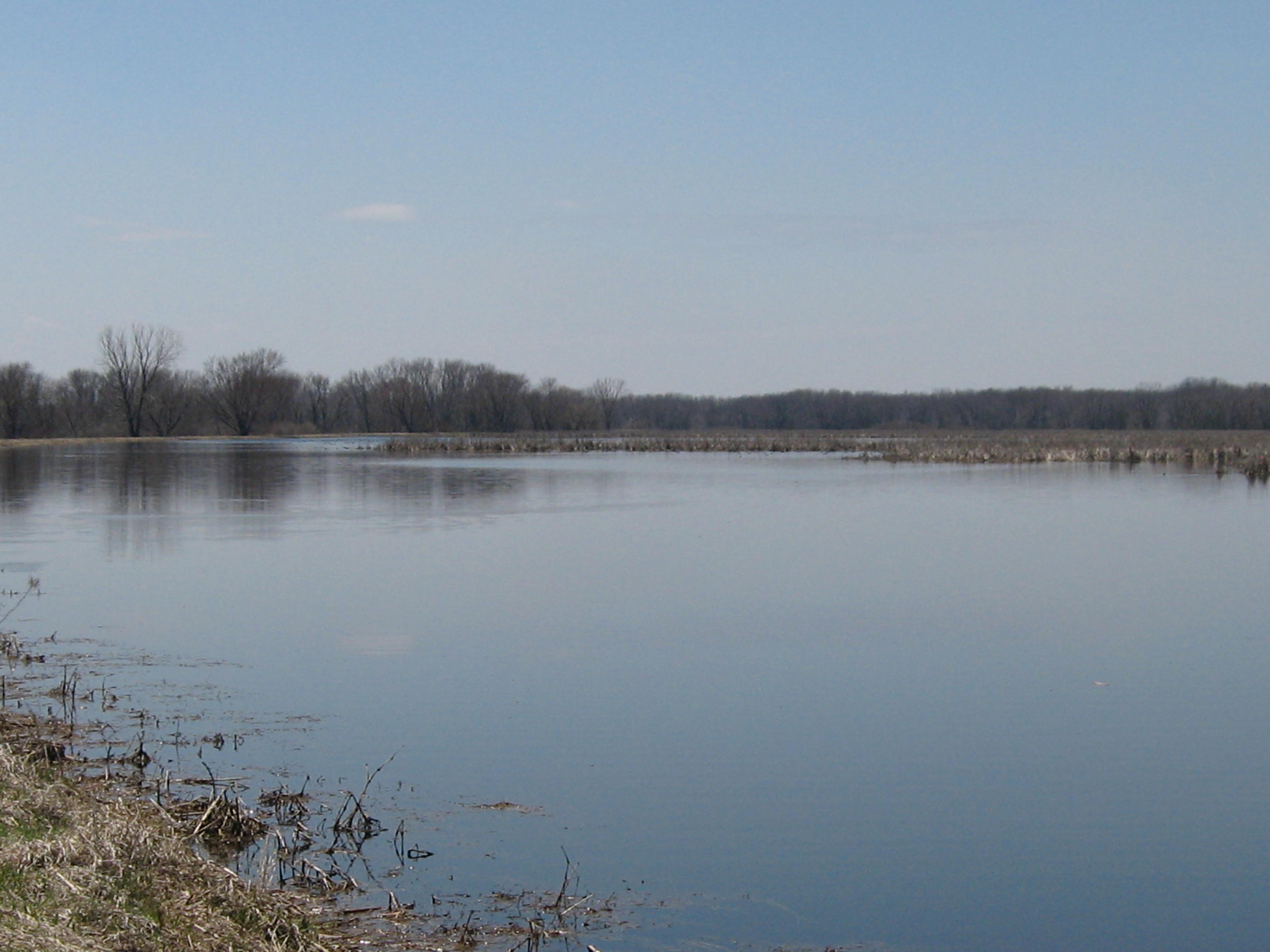
We were disappointed by the way the beautiful, cold, crystal clear, Scuppernong River waters that we know and love merged morosely with the Bark. That is not to say there weren’t some beautiful views and wildlife on this final stretch; it’s just that our expectations were really high.

See you at The Springs!