Organic Consciousness

Its finally dawned on me; Go Organic! Stop using poison on the land if you don’t want to poison the land! It’s obvious to me now after reading Atina Diffley’s award winning memoir Turn Here Sweet Corn. The organic approach is the embodiment of the Hippocratic Oath; do no harm. Atina’s love story with the land opened my eyes to the potential of applying organic farming techniques to our work at the Scuppernong Springs Nature Preserve. Atina and her husband, Martin Diffley, (Organic Farming Works LLC) are pioneers in the organic farming movement in Minnesota, their efforts culminating in a “Kale versus Koch, Soil versus Oil” pipeline smackdown where they stood up to the Minnesota Pipe Line Company, which is operated by the Koch Pipeline Company, a subsidiary of Koch Industries, and prevented a pipeline corridor from being routed right through their Gardens of Eagan Organic Farm. They saved their land AND Atina contributed to the preservation of other organic farms via the creation of the Organic Appendix to the Agricultural Impact Mitigation Plan that all pipeline and transmission line companies must comply with if they succeed in routing their lines across organic farmland.

Atina explains that it’s all about relationships: people to the land, plants to the soil and people meeting each others needs in community. I’m inspired to only employ non-toxic ways to nurture The Springs back to health a la organic farming techniques; I want the Scuppernong Springs Nature Trail to be “Certified Organic”. Atina and Martin helped me realize the importance of building and protecting the soil and, after reviewing the research on the residual effects of Milestone and Transline and their potential to leech into groundwater, I concluded that I could no longer use them in any context at The Springs. Jason Dare began turning me in this direction and now I’m fully committed. The only exception to the ban on poison that I will make is to use Tahoe/Triclopyr on cut buckthorn stumps (painting, not spraying), and hopefully, we’ll find a natural alternative to that as well.

I claimed to want to garden the sand prairie. What was I thinking? Would you use poison in your garden? In the past two years I had acquired no less than 7 different poisons: Aquaneat/glyphosate, Habitat/imazapyr, Bullzeye/glyphosate, Milestone/aminopryalid, Transline/clopyralid, Tordon/picloram and Tahoe/triclopyr, all of which I have returned to the DNR except the Tahoe stump killer. Martin Diffley summed it up pretty well: “If we don’t change direction, we’re going to end up where we’ve been going.”, and my approach was slowly poisoning The Springs. One story from Turn Here Sweet Corn that really impressed me was how they handled a 9 acre field of quack grass. Despite being pressed by demand for their produce to get this land into production, Martin recommended they wait for just the right combination of dry and hot weather. When it finally arrived, they used a 930 Case tractor fitted with a Vibra Shank field digger to “rake” the weeds, exposing the roots to the blazing sun, repeating the process over 6 weeks until the quack quit. That got me thinking about the phragmites and cattails in the valley along the Scuppernong River headwaters; maybe we could do the same thing there! Like Einstein said, “We can’t solve problems by using the same kind of thinking we used when we created them.”, and now that my organic consciousness has been awakened, I’m seeing new, non-toxic, solutions.

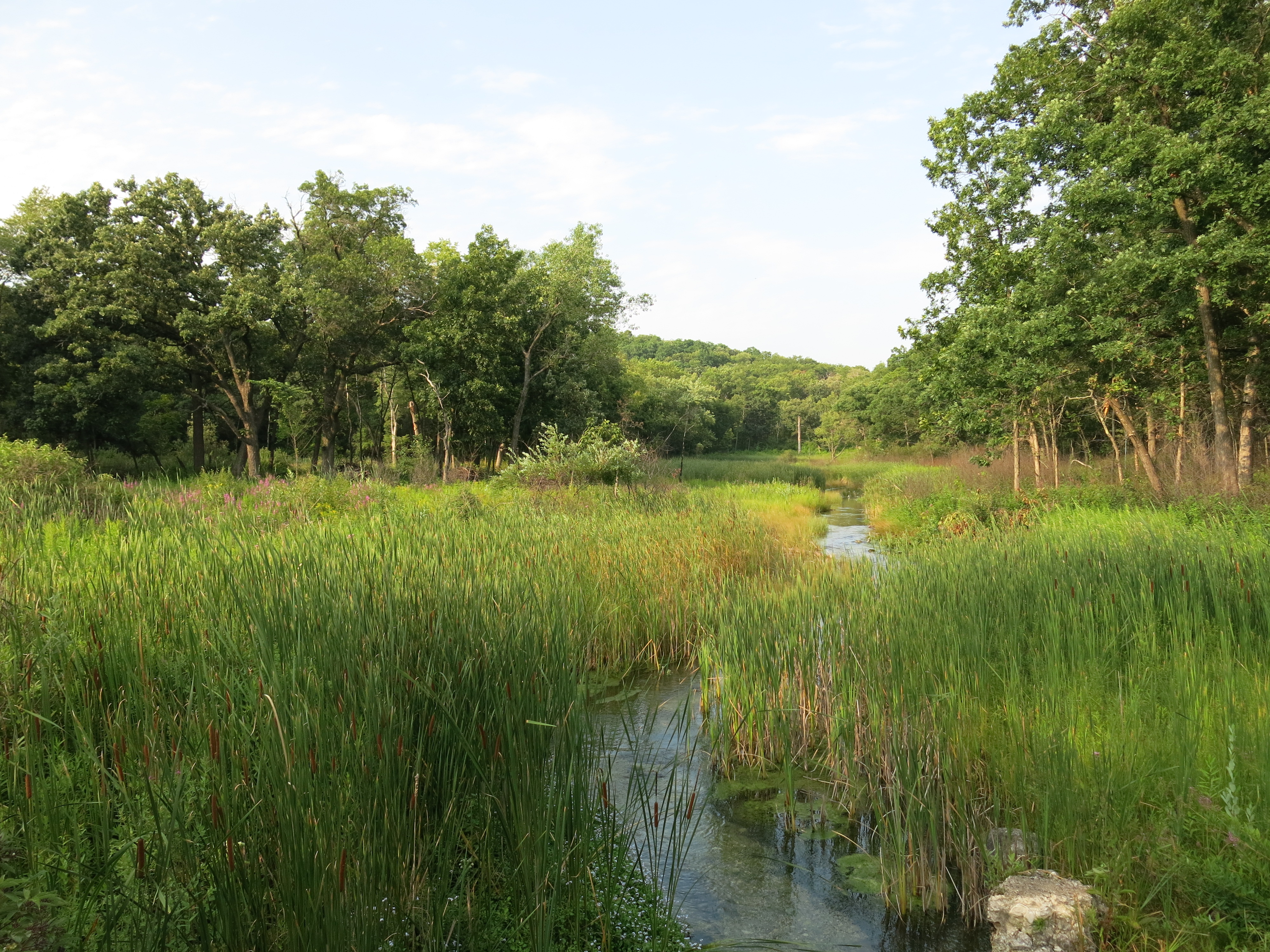
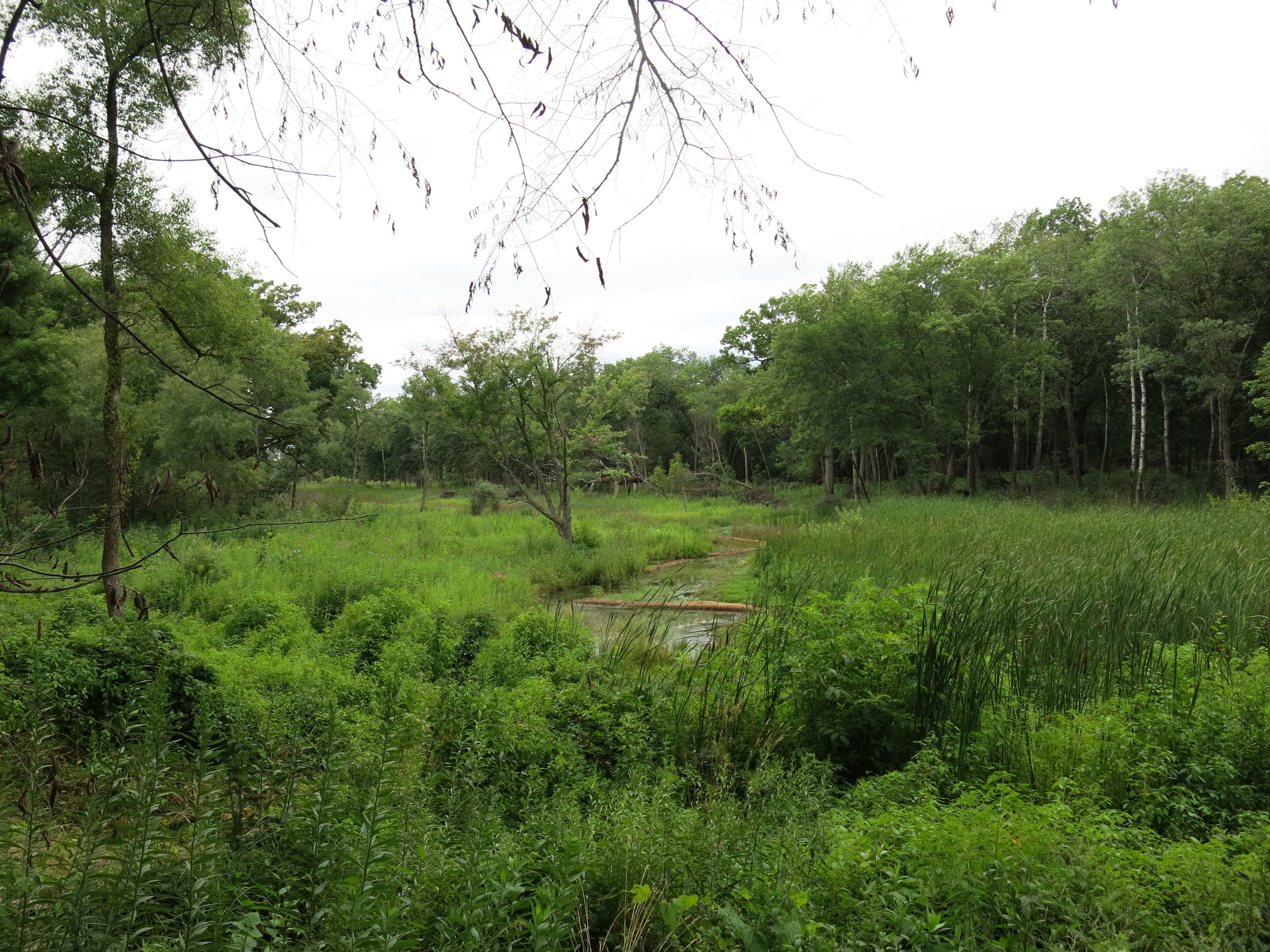
Yesterday, Pati and I met with DNR Trail Boss Don Dane to walk the trails and review our approach to restoring the Scuppernong Springs Nature Preserve, and we we joined by John and Sue Hrobar. I’m prone to excited bursts of non-stop chatter and, true to form, I began by telling Don that I wanted to go organic. He was totally on board with this and promised to help us achieve that goal. The first area we reviewed was the valley along the headwaters of the Scuppernong River that is dominated by phragmites and cattails. I told him Martin’s story and we talked about mowing and raking and Don suggested that, in the short term, I get a hedge cutter and simply cut the seed heads off the phragmites and cattails at a height that will leave the myriad of other plants that have emerged in the “understory” since the burn undisturbed. This will drain the energy from the phragmites and cattails while allowing the native plants to compete and, combined with fire, we hope this will be an effective strategy.

One of my big concerns is all of the buckthorn seedlings and resprouts that have emerged since we cleared the mature buckthorn. I explained this to Jason Dare and he suggested I rely on fire to control them. I talked to Don about this and he is committed to burning the scuppernong every 2-3 years. That was the assurance I needed! In the meantime, Don suggested brush cutting areas where the resprouts are thick to better enable fire to move through. We talked about the north end of the trail, buckthorn alley, and agreed that I should focus on clearing the buckthorn there to help facilitate getting a hot fire through this part of the Nature Preserve; the DNR has never been able to burn this area.

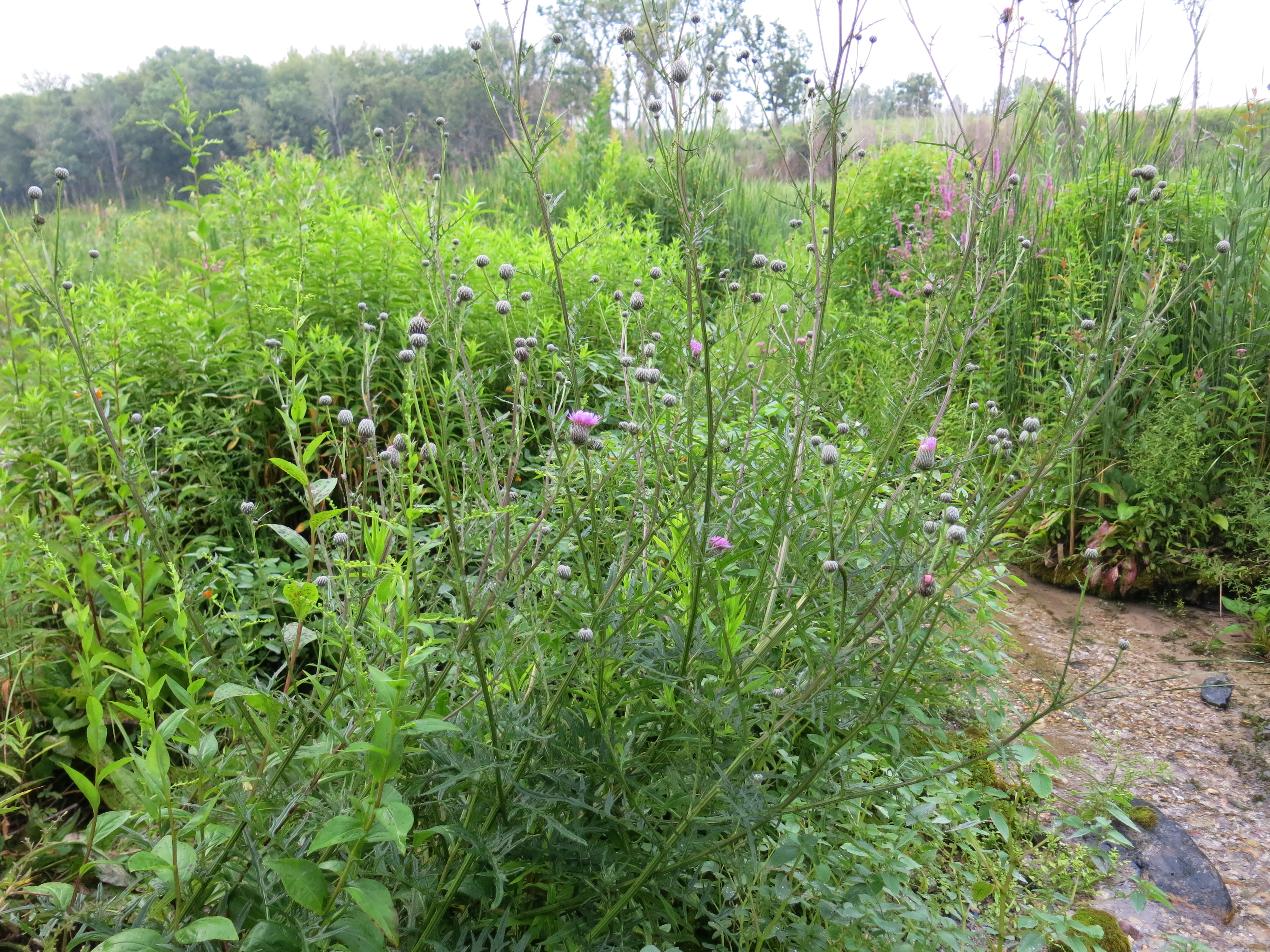
Here is a native swamp thistle Don pointed out by the hatching house springs.
IMG_0258

Oriental bittersweet and hedge bindweed (shown below) are concerning and we discussed brush cutting and pulling them.

IMG_0260

John, Sue and Don at the gaging station bridge. I’m hoping that more volunteers will step forward if they know we going organic.

IMG_0265

Pati and I spent the afternoon pulling spotted knapweed on the sand prairie, which Don said they also refer to as a cliff messenger prairie. The purple lovegrass is thriving!

IMG_0261

Here is a view of the sand prairie.

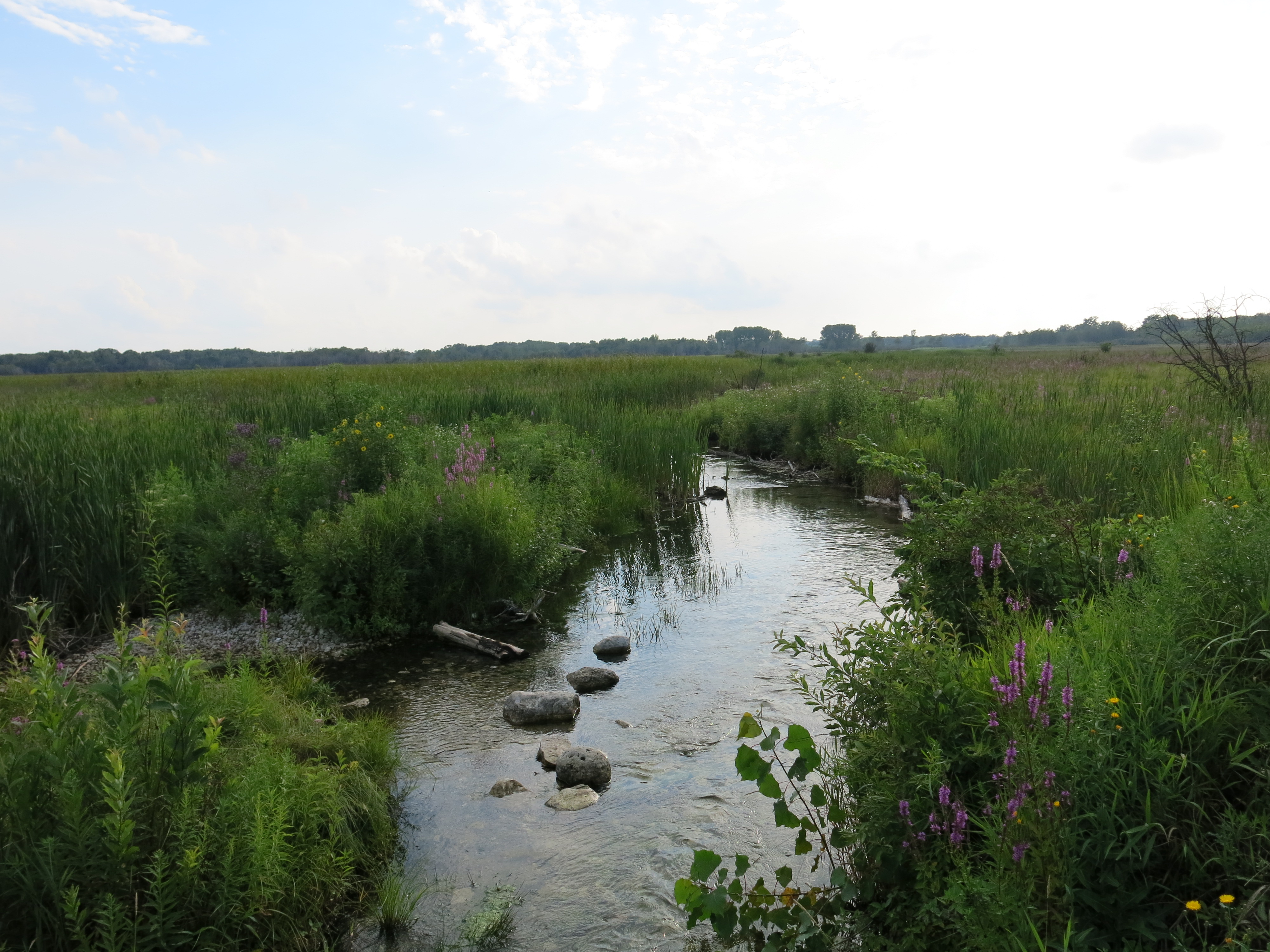
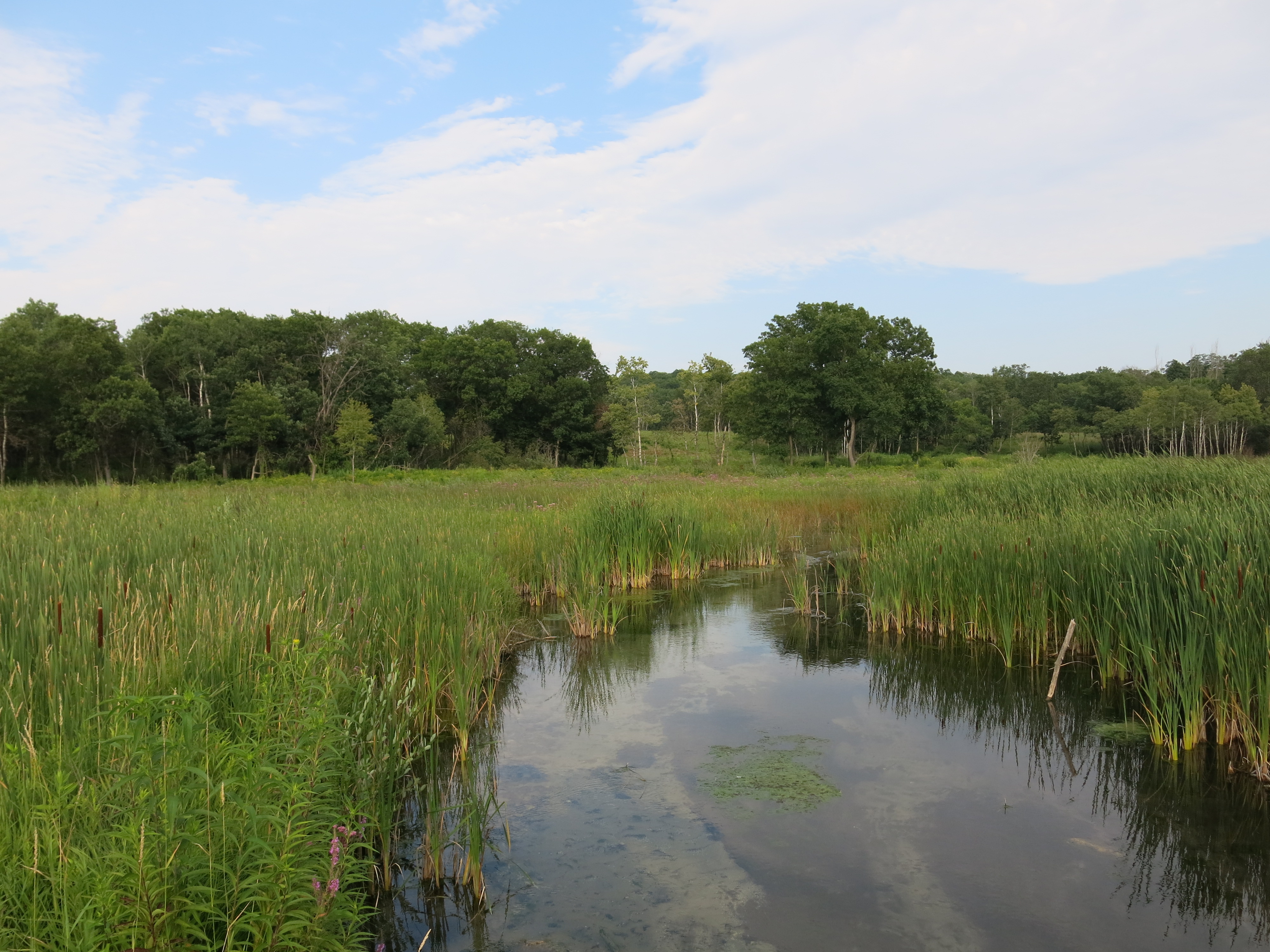
I felt totally calm and at peace with my hands in the sandy soil pulling spotted knapweed all afternoon. The rough blazing star and golden rod are set to flower and I’m really glad I took the time to clear the prairie with the brush cutter rather than simply mowing it. Here are a few parting shots from the marl pit and gaging station bridges.
IMG_0268

IMG_0270

IMG_0272

IMG_0274

The Scuppernong Spring

See you at The Springs!

The Trivium

I had a “gut check” on the way home from The Springs last night. Jason Dare, the real deal when it comes to ecosystem management, met me by coincidence on the trail near the Hillside Springs, and, in the fading light, he helped me see a new approach to “gardening” at The Springs. As I drove home, I questioned whether or not I had made some mistakes, used the wrong poison in the wrong place at the wrong time, or missed golden opportunities to repel nascent invasive species. I faced the challenge of integrating new information that contradicted what I thought I new, and was putting into practice; I was confused!

Fortunately there is a way to dispel confusion — the liberating art of critical thinking known as The Trivium Method. As I reviewed what Jason said I recognized: The Grammar i.e., the knowledge of objects in the real world; The Logic, or process of non-contradictory identification that leads to understanding and answers the question why; and The Rhetoric, manifest in Jason’s wisdom and ability to explain the how to me. Just listen for yourself!

Armed with the trivium, I’m learning the phenology of the varied plant communities, the biology and the proper use of herbicide. I’m encouraged by people like Jason Dare, who is going to give me a list of the weeds he was inventorying for the DNR (and strategies for attacking them), and Ron Kurowski, who is going to give me a survey of native plants, and I hope other knowledgeable nature lovers will contribute as well. It seems like ever since the Native Americans were kicked out of the area in the late 1820s, people have viewed The Springs with and eye to make a buck. Now we are changing that and it is a wonderful opportunity to do something for the shear joy of it. I hope you will consider contributing your time and talents to this effort. Persistence is the key!

Had I known when I arrived yesterday morning what I know now, I would not have sprayed buckthorn seedlings and re-sprouts at the trailhead. Jason explained why October-November is the only time he will spray buckthorn seedlings and how a mix of Garlon 3a and Escort would be the least toxic approach, given the sensitivity of the area. Summer is time to focus on herbaceous weeds and that is what we plan to do from now on. Sound advice from someone with a lot of experience managing ecosystems. The knowledge, understanding and wisdom is sinking in!

IMG_0248

Just as I finished spraying, I got a trail update from a veteran birder named Tom, who said the north end of the trail was getting really overgrown. This is buckthorn alley and I confess that I have not walked this stretch of trail since the burn. I got after it with my brush cutter.

I had intended to pile brush in an area 100 yards or so down the main trail, where the first views of the prairie open up, and resumed that objective after sweeping buckthorn alley.

Here is how it looked after a couple hours. In light of my conversation with Jason, I’m rethinking the plan mentioned at the end of this video.

It was cool and breezy all day but the darn mosquitoes came out in force as evening progressed.

IMG_0252

Ron mentioned in his last visit that oak wilt was attacking the black oaks and here is example along the river.

IMG_0254

A last river view before heading home

IMG_0256

See you at The Springs!

Spring Reflections

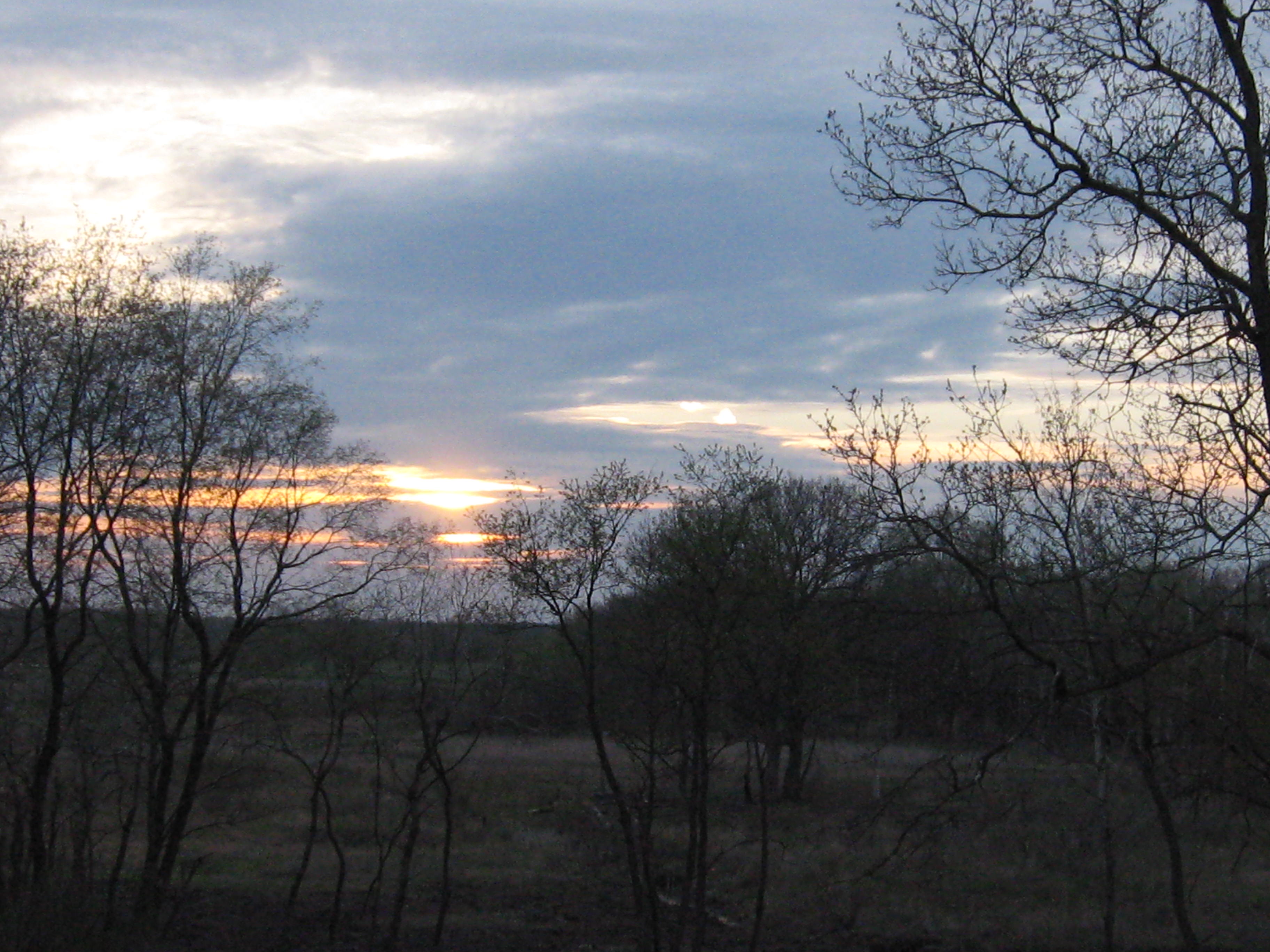
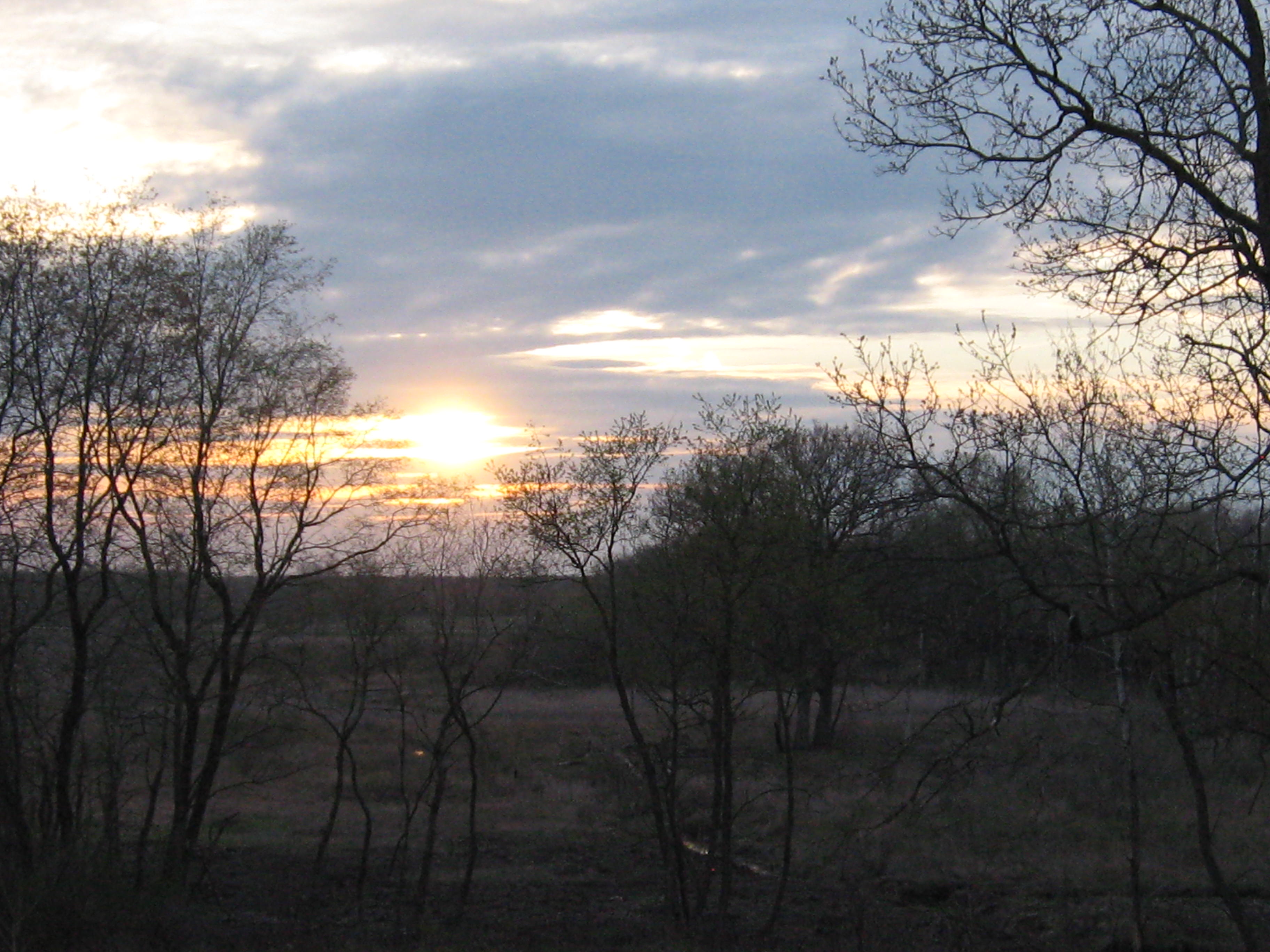
You have to walk a ways down south along the marl pit canal to get a good angle on the sun as it sets farther and farther north on the horizon. The rate of change in the amount of daylight increases as we approach the summer solstice and it is dramatically evident in the big sky country at The Springs. The trees, grasses, flowers and weeds, have responded luxuriantly to the sun and rain and the land is vibrant with myriad shades of lush greens. The Burn back on May 6th was definitely the highlight; a dramatically pivotal punctuation to Spring, 2013.

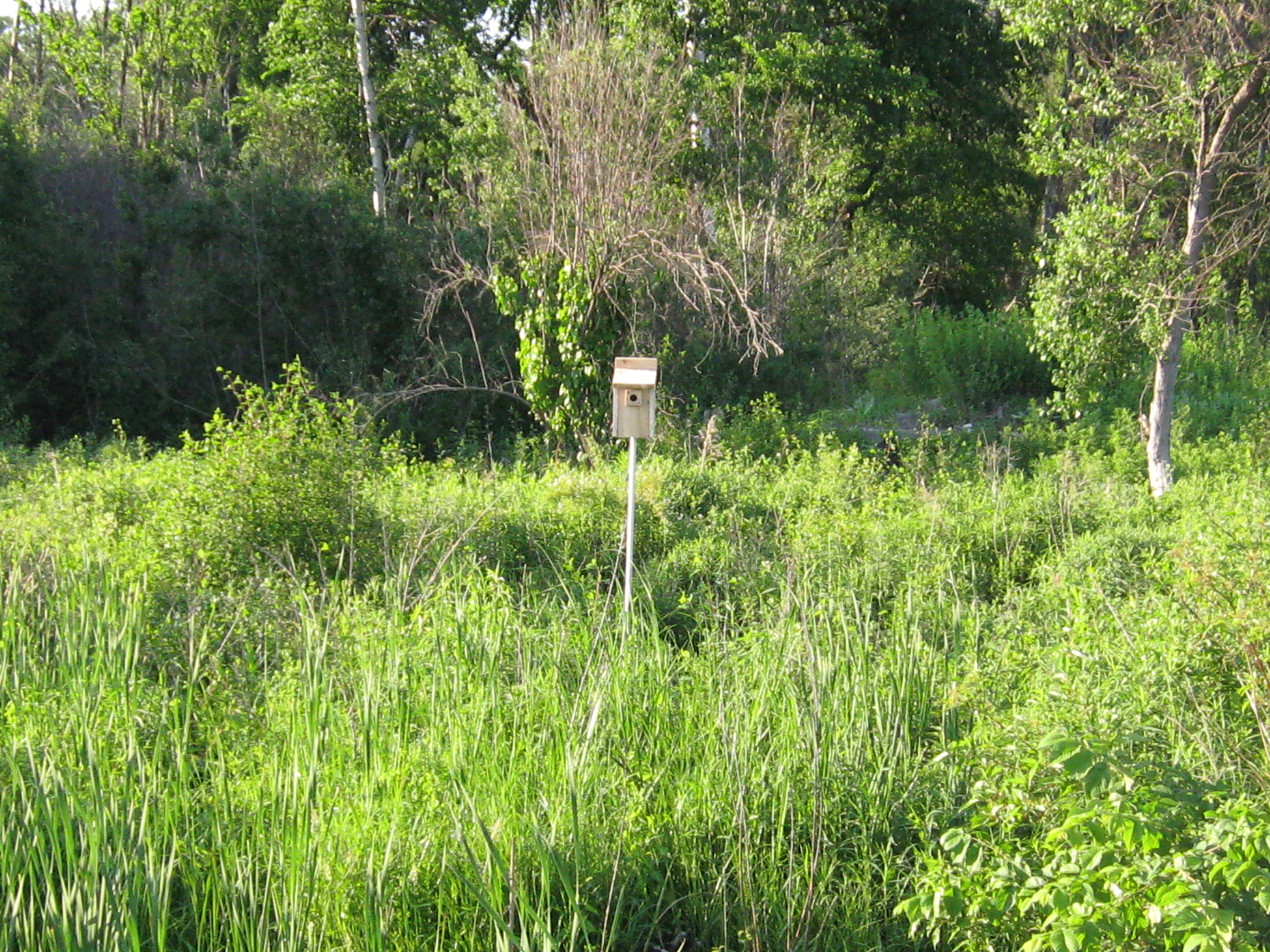
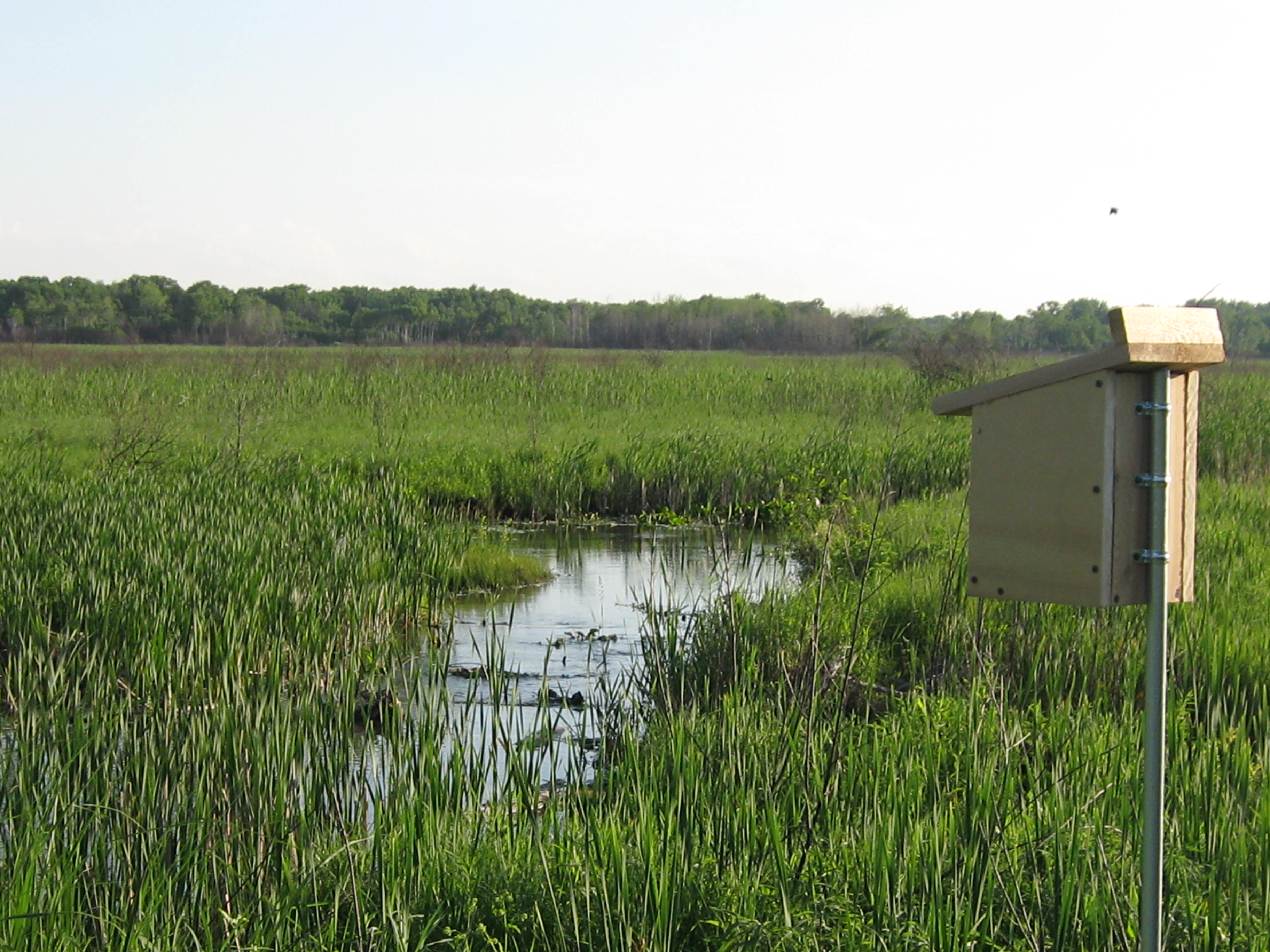
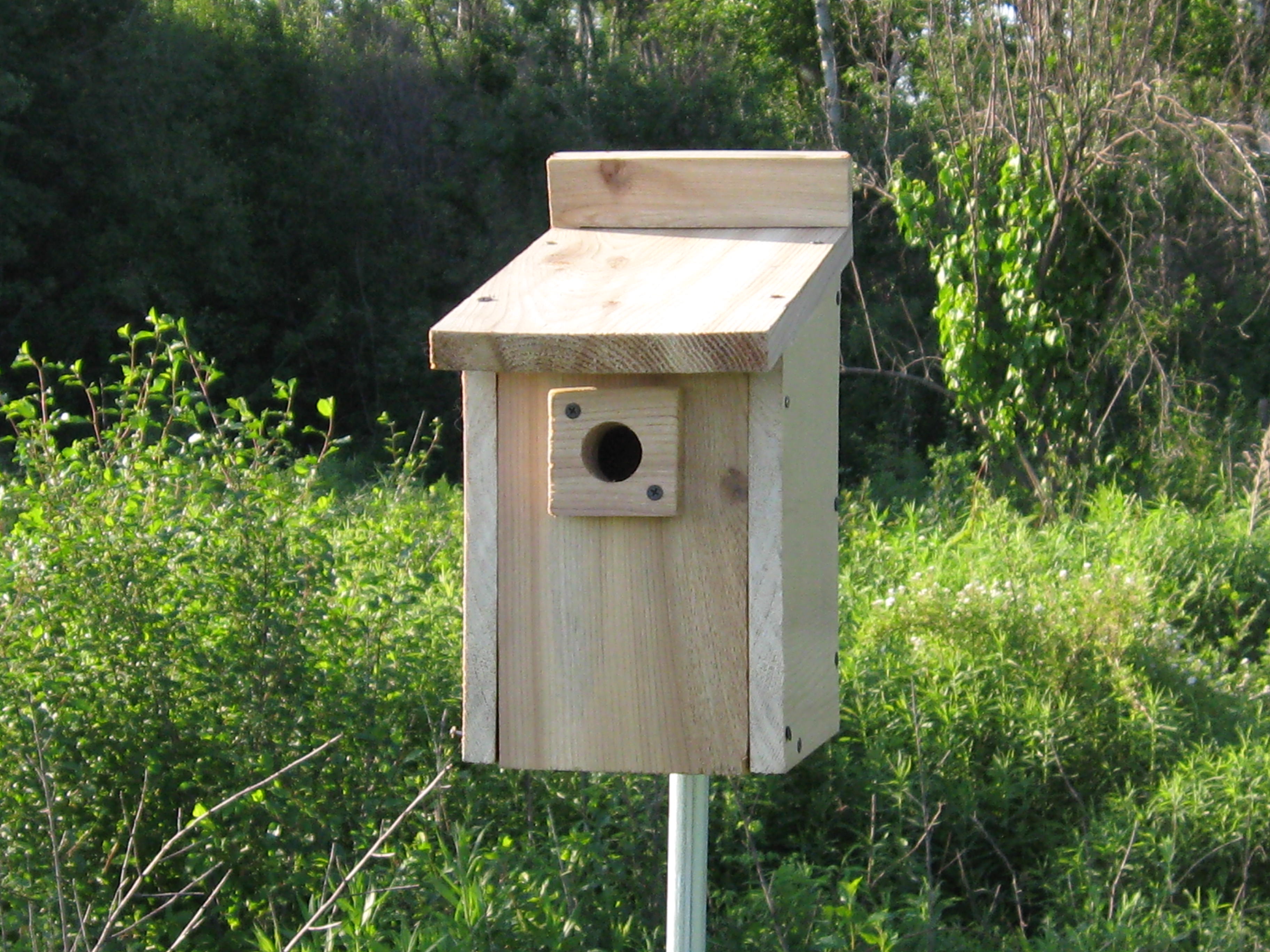
The Scuppernong Springs are a “world class site”, per former DNR Naturalist Ron Kurowski, and getting more and more well deserved love and attention these days. Spring Lover, Jon Bradley recently erected this beautiful, custom built, tree swallow house near the marl pit bridge.

IMG_1766

IMG_1767

IMG_1768

Thanks Jon! It should be occupied in no time.

Amanda, Melanie and their crew of volunteers continued to install the new interpretive signs that Don Dane made. They look pretty darn good!

IMG_1773

IMG_1774

I was out at The Springs yesterday and sprayed some spotted knapweed on the Sauk Campground and some garlic mustard, creeping charlie and burdock between the old hotel and barn sites. “What is a weed? A Plant whose virtues have not yet been discovered.” — Ralph Waldo Emerson (more good weed quotes here). Rich Csavoy taught me another weed, white cockle, which is in full bloom on the Sauk Campground. Reed Canarygrass is already going to seed amongst the many springs in the river valley. Isn’t it ironic that Cannabis Sativa, one of the most versatile plants on earth, goes by the nickname “weed”?

IMG_1775

It was a beautiful afternoon with a refreshing north breeze, deep blue skies and cauliflower clouds sailing by. I cut a curtain of buckthorn and prickly ash between the cut-off trail and the river on a little peninsula where Carl Baumann took some serious cuts last winter. Here is how it looked when I got there.

Five hours later…

A view from the gaging station bridge.

IMG_1764

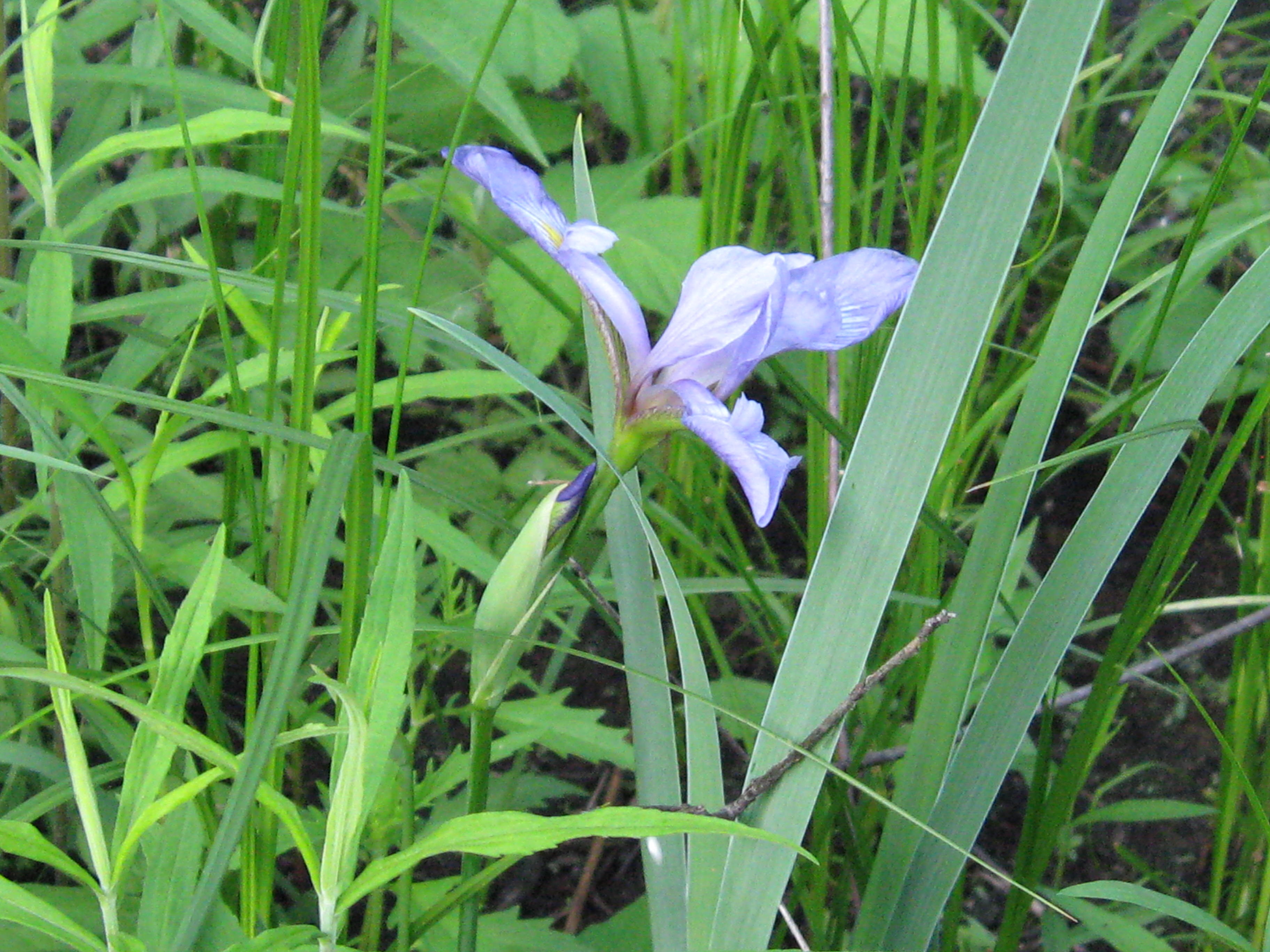
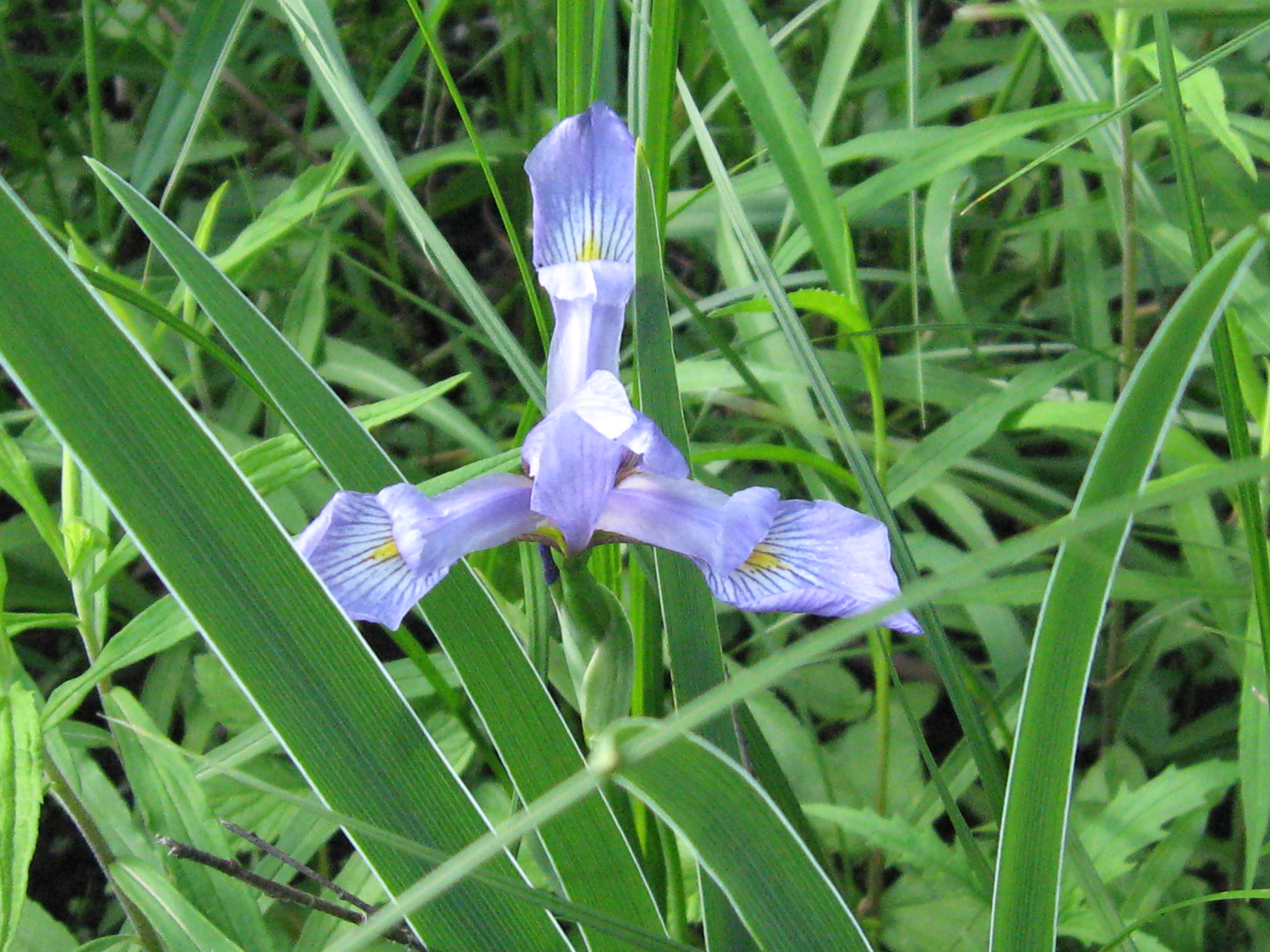
I saved a couple of wild plum trees amongst the buckthorn and found a patch of blue flag irises.

IMG_1763

IMG_1762

I did some serious relaxing at the marl pit bridge in the evening and wandered down the canal a bit to get these shots of the sunset.

IMG_1776

IMG_1778

IMG_1780

IMG_1783

IMG_1789

See you at The Springs!

Spring Dreams

The seasons progress slowly giving us time to appreciate the changes as they unfold. I like to watch the tips of the oak branches as their buds open and flowers emerge.

OakFlower

Spring is a great opportunity to use fire to control invasive plants and it has been a long time since the Scuppernong Springs Nature Preserve has had a prescribed burn. Buckthorn seedlings are thick in many places, especially the slope along the trail below Hwy 67 on the left side of the video below.

The alternative to fire is repeated brush cutting and poison application, which is a loosing game. So I am very thankful and excited that the DNR has prioritized the Scuppernong Springs for a prescribed burn this year. In fact, assuming the weather forecast for tomorrow, May 6th, doesn’t change, we should have perfect conditions. DNR veteran Don Dane is the burn boss and he has been working on the plan for months. The scope is approximately 900 acres covering an area south of Hwy ZZ and west of Hwy 67. I’m really looking forward to participating!

I wasn’t able to get to The Springs last week so I was eager yesterday to see the progress of Spring.

IMG_1193

I started the day girdling aspen down by the Hotel Springs. This is an extensive clonal colony with huge trees and a lot of work remains.

IMG_1187

I took a break mid-morning to attend the Kettle Moraine Natural History Association’s annual meeting at forest headquarters. Susan Beyler, fisheries biologist and NR Region Team Supervisor with the DNR, filled in for Ben Heussner and made an excellent presentation on the “Fishes of the Mukwonago River”. She also covered the restoration efforts being made on the old Rainbow Springs golf course, which the DNR recently acquired, to remove all of the culverts that were installed to control the river. This area comprised a wide diversity of unique habitats before the bulldozers arrived and they are hopeful that some of this diversity will re-emerge. I hope to meet with Susan at the Scuppernong Springs to take a tour and get her unique perspective.

After the meeting I headed over to the buckthorn alley to resume cutting there.

The buckthorn trees here are tall and thick so it was slow going.

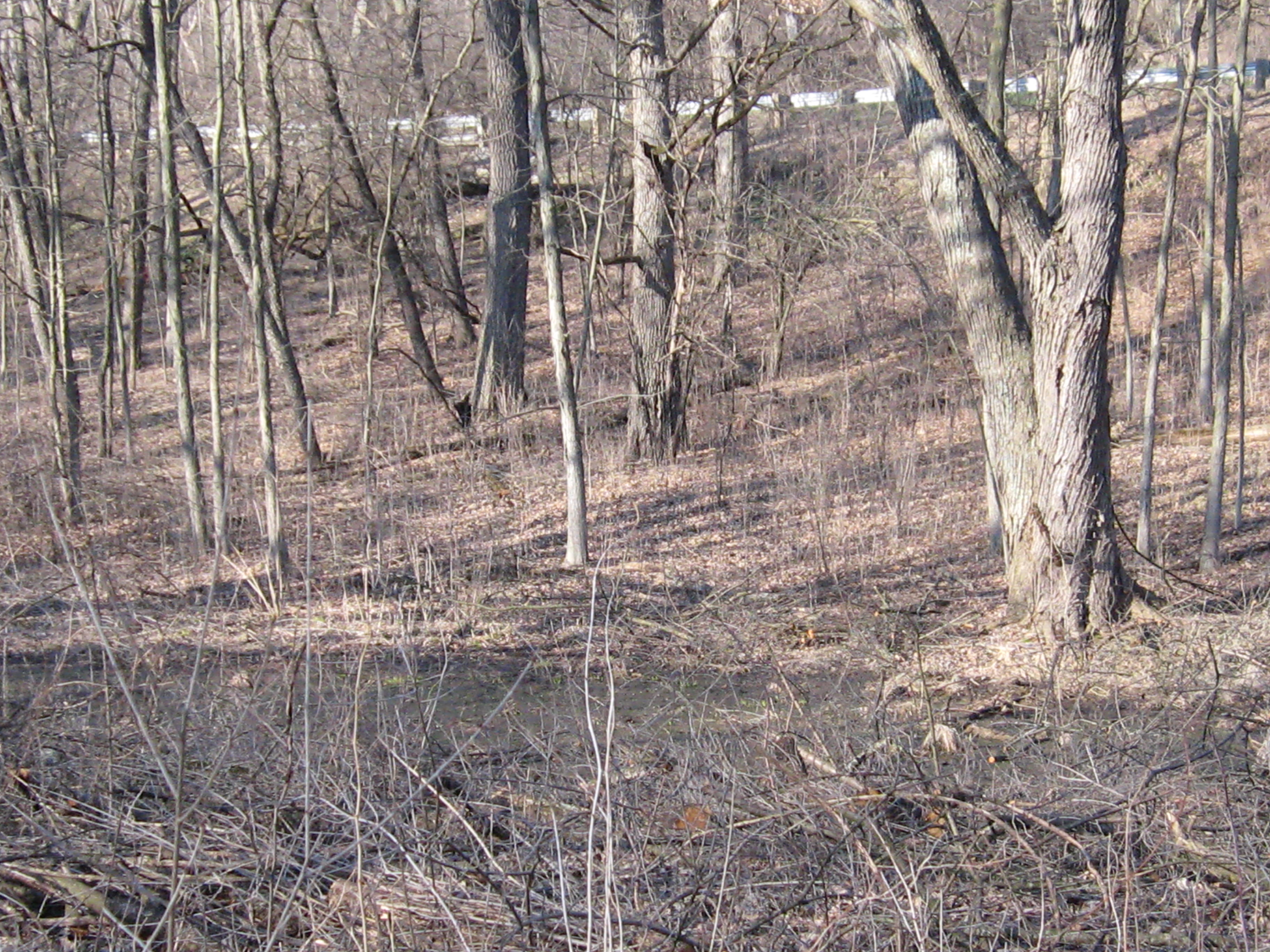
Later, I took a walk on the cut-off trail and noticed lots of flowering plants emerging. It will be interesting to see how they survive the fire.

IMG_1200

IMG_1201

IMG_1202

The frogs were calling from the bogs on the north side of the loop trail.

John Hrobar sent me this link to an interesting article:

New scientific studies reveal Midwestern frogs decline, mammal populations altered by invasive plant
Researchers say this is a call to action to remove European buckthorn from the region

Amen!

More May Apple in front of the old barn site.

IMG_1206

The Hatching House Springs have been hidden for years and it is really interesting to see what is coming up there now.

IMG_1207

IMG_1208

As we head towards the summer solstice, I find I have to locate myself farther and farther south on the Indian Campground to get the best view of the sunset.

IMG_1210

IMG_1211

IMG_1212

See you at The Springs!

Critical Thinking

I like to fancy myself as someone who knows how to think critically, but I suffered a momentary lapse of reason recently acting on belief instead of real knowledge. Fortunately, the consequences in this case were minor and served as a good reminder. To think critically consistently, a tool like the trivium is indispensible; grammar, logic and rhetoric, these are the keys we can use to distinguish truth from fiction and knowledge from mere belief or opinion.

In my last post I reported that we have been spraying spotted knapweed with glyphosate, aka, RoundUp, on the Sand Prairie believing this was the right approach for this invasive plant. The problem is I had not researched this plant i.e. I had not done my grammar and answered the questions of the Who, What, Where, and the When as applied to spotted knapweed. Lindsay sent me the link above via which I learned that the preferred technique is to “Apply selective herbicide clopyralid during bud growth in early June for best results (48 oz per 100 gal water).” I complained in the post that I didn’t have any clopyralid without doing the grammar on this compound. Thankfully, Lindsay did and he informed me that clopyralid is the active ingredient in Transline, which we do have. So this was a good reminder for me to apply critical thinking skills as we continue to try to restore the Scuppernong Springs Nature Preserve.

The scientific method goes hand in hand with the trivium and critical thinking and I’m trying a little experiment in the Scuppernong River just a few yards upstream from the bridge across the former embankment that created the upper pond. When Ben Heussner and his team of DNR Fish Biologists recently inspected the river, he pointed out that the river was not “head cutting” at this point and that is why it is still filled with silt and marl upstream. I’m trying a little low tech experiment to encourage the river start head cutting here.

Saturday, April 27, was a very pleasant day at The Springs and I started out spraying garlic mustard along Hwy 67 north of the old barn site. The understory here is severely degraded and consists mostly of garlic mustard.

Then I spent a couple hours girdling aspen at the old hotel site. There are some huge trees here and I was skeptical about attacking them with hand tools, but the bark is separating very easily from the trunks now and I made good progress.

IMG_1137

IMG_1138

Around mid-day, I headed over to the Buckthorn Alley, or, perhaps tunnel is more descriptive, and got started on one of the nastiest buckthorn thickets I have ever seen.

IMG_1139

IMG_1140

IMG_1141

IMG_1142

I made a small dent and already you can start to see things, like the sky, that will make this section of the trail much more enjoyable and interesting.

The day flew by and I had a date with Pati at home, so I had to depart before the sun set. Here is a parting panorama taken from the Indian Campground.

See you at The Springs!
Buckthorn Alley

“Thats all I can stands, I can’t stands no more!” 


When I visited the land that time forgot on the north end of the Scuppernong Springs Nature Trail, I reached into my backpack for a can of spinach and realized I had left it at home.

I rarely walk the section of trail marked in blue below because it is so dark, damp and uninteresting compared to the rest of the trail.

SSTrailNorthEndMap

At the end of the day yesterday, I walked this section of the trail to make sure there were no trees downed across it and review just how badly degraded it was. Here is a tour of the first hundred yards or so.

After passing through this buckthorn thicket, I thought “Thats all I can stands, I can’t stands no more!” I’m changing my priorities to focus on this section of trail. I’ve been reminded of my old hero, Popeye, by my recent diagnosis via MRI that I have torn the head of the long biceps tendon on my left arm. I got whacked there by the branch of a red oak tree that I was clearing off the trail back in October of 2012. One solution offered by the orthopedic surgeon was to sever the head of the biceps tendon completely; apparently the Creator was confused when deciding to join this muscle with the scapula and we don’t really need it. The only downside he explained was that my biceps muscle would bunch up reminiscent of Popeye The Sailor.

popeye

My rotator cuff is torn as well, but after three months of physical therapy and Feldenkrais Lessons with Pati, the pain and discomfort has subsided and I can live with it.

Yesterday morning, Rich joined me as we continued our efforts to spray the spotted knapweed on the sand prairie that covers the Indian Campground. The site listed above explains “Apply selective herbicide clopyralid during bud growth in early June for best results (48 oz per 100 gal water).” hmmm, we don’t have any clopyralid and it is only April; so our use of glyphosate at this time of the year is not the preferred technique; nevertheless, since glyphosate attacks any green plant, I’m hopeful we will see good results (we focus the spray as much as possible to reduce collateral damage).

Next, we continued the effort to control aspen around the Indian Springs girdling the rest of the clonal colony in that area.

Roberta “Berta” Roy-Montgomery joined Rich and I and we finished girdling the aspen in this bowl.

Rich and Berta had other commitments for the rest of the afternoon and I headed over to the area north of the old barn site to continue cutting buckthorn between the loop trail and Hwy 67.

This is probably as far as we’ll get in this area for now as our focus is shifting to the Buckthorn Alley.

Here are a couple of views of the area just cut. You have to walk amongst the oak, cherry and hickory trees in here to really appreciate their size and beauty.

IMG_1131

IMG_1129

IMG_1130

I couldn’t stay for the sunset but did grab these parting shots.

IMG_1132

IMG_1134

See you at The Springs!
Pile on many more layers

Welcome back to The Springs! Yesterday, Saturday, April 13, I was joined by a group of volunteers organized by DNR Visitor Services Associate Amanda Prange. We started the day with a walk around the springs looking for places to install Warbler houses that the volunteers, including Rich Csavoy, made. It was a great feeling to share the appreciation I have for the Scuppernong Springs with other like minded souls. DNR Ranger Elias Wilson and Amanda settled on this spot under a weeping willow by the Hotel Springs.

IMG_1069

IMG_1070

IMG_1071

Roberta “Berta” and Amanda.

IMG_1072

We continued our walk around the springs but did not find another suitable location. Warblers need lots of space! Then we headed over to the cut-off trail and were joined by Amanda’s boyfriend Justin, and his mother Beth, and we began piling brush.

I was amazed that we made 13 piles in a little over an hour!

Here is the crew from left to right Beth, Amanda, Justin, Berta and Elias.

IMG_1075

In the afternoon I relocated to the area just north of the old barn site to continue cutting buckthorn around the perimeter of another spring that is at the base of the slope below Hwy 67. This one needs a good cleaning out, which we plan to do once the weather warms up. Here are a few shots of the area before I began cutting.

IMG_1079

IMG_1077

IMG_1078

Three tanks of gas later.

Here is the view of the old barn site as seen from the bridge over the Scuppernong River at #5 on the trail map, where the stream gaging station is.

IMG_1081

IMG_1082

The sun made a few brief appearances that were much appreciated, one of which occurred as I was passing the Hatching House Springs.

IMG_1083

IMG_1084

I can’t wait for warm, sunny, green days to arrive.

See you at The Springs!
Let it Rain

“Let it rain, let your love rain down on me.”  It’s been a long time since we had a good soaking rain!  “Only love, can make it rain”; the love of The Creator that is.  As of February 2013, we’re still in a moderate drought in Southeast Wisconsin and the recent rains are much appreciated.  I caught a break from the showers today and cut 8 cubits of buckthorn just north of the old barn site.

  • The Kettle Moraine Natural History Association is holding its annual meeting at 10am, Saturday, May 4, 2013 at the Kettle Moraine State Forest-Southern Unit Headquarters, located 3 miles west of Eagle on Hwy 59.
  • DNR Fisheries Biologist, Ben Heussner, will present a program on “Fishes of the Mukwonago River.”  Learn about the tremendous diversity of fish that can be found there and what is being done to preserve this fishery,

The DNR is stocking Wisconsin waters with trout.  Here is the statewide report.  Zeroing in on the Scuppernong River watershed we see:

Waukesha Ottawa Lake RAINBOW TROUT 1071
Waukesha PARADISE SPRINGS CREEK BROOK TROUT 125
Waukesha Paradise Springs Headwater Pond RAINBOW TROUT 250
Waukesha Paradise Springs Headwater Pond BROOK TROUT 200
Waukesha SOUTH BRANCH SCUPPERNONG RIVER BROOK TROUT 83

Hopefully some of these trout will venture over to the Scuppernong Springs.  I have not seen any trout in the river since last fall. John Hrobar suspects that all the disturbances to the river in the past year have chased the trout away.  Say it ain’t so John!

I dallied this morning waiting for the rain to stop and tested out one of my new aspen tree girdling tools. The bark came off better than last time, but I think it will get even easier in the next few weeks. This one took 10-15 minutes.

IMG_1057

I visited the stream gaging station and uploaded .33 to Crowd Hydrology site. You can see the correlations with the USGS data.

IMG_1058

IMG_1064

IMG_1060

The rain let up and I wheeled my gear along Hwy 67 to the work-site, just north of the old barn ruins.

It was a fine day to cut buckthorn!

The rain returned as I was loading up my gear, but I still enjoyed a walk around the nature trail.

IMG_1063

IMG_1065

IMG_1066

There is an interesting pond of primordial ooze by the Hatching House Springs.

IMG_1067

IMG_1068

The garlic mustard, catnip and spotted knapweed are starting to show some green. Skunk cabbage and marsh marigolds are coming up too but it’s still mostly dormant. Hopefully the DNR will get a chance to burn the Scuppernong Springs Nature Preserve this spring; it is definitely on the agenda.

See you at The Springs!
Scuppernong Spring House

The headwaters of the Scuppernong River were coveted by early settlers to harness as an economic engine. Chester Smith built a saw mill there around 1847 and Curtis Mann and Talbot Dousman created THE PONDS OF THE SCUPPERNONG for their trout farm and built a cheese factory in 1870 at the site of Chester’s mill. As the reputation of ponds, trout and serene location grew, so did the number and frequency of visitors, prompting Mann and Dousman to convert the cheese factory into a hotel, which they called the Scuppernong Spring House. You can read all about it in Robert Duerwachter’s great book, THE PONDS OF THE SCUPPERNONG where he explains “The Last relic of the Scuppernong Ponds, the building which at one time had been a saw mill, a cheese factory, a hotel, a restaurant, and a club house, was destroyed by fire on August 21, 1972, the work of an arsonist.”

Looking south from the site of the Scuppernong Spring House.

IMG_1014

IMG_1015

Since the fire, the hotel site has been colonized by huge aspen trees and buckthorn. There are some very fine oak and hickory trees on the slopes above the site and these too were under assault from buckthorn. Here is a view of the area as seen from Hwy 67.

Down at the hotel site there was a buckthorn thicket laced with huge fallen aspen and cedar trees; a lot more work than I thought!

IMG_1016

IMG_1017

IMG_1018

I took my time with this mess and when I finished the 6th tank of gas it was almost 4:00pm.

IMG_1019

IMG_1020

A strolling tour.

Revisiting the view from Hwy 67.

A close up study of the gnarly oak.

I enjoyed a nice walk around the trails and stopped at the stream gaging station to upload .30 to the Crowd Hydrology site. The sunset was beckoning, but I was tired and a little chilled so I headed for home back in Milwaukee.

See you at the Springs!
WDNR Awarded $75,000 NAWCA Grant

There was quite a buzz at the South Kettle Moraine State Forest Headquarters as news of the $75,000 North American Wetlands Conservation Act award echoed in the surrounding oaks. Phase IV of the Scuppernong River Habitat Area restoration effort will proceed full speed ahead thanks to the efforts of Project Officer Matt Zine and Grant Preparer Dave Hoffman, who did an excellent job on his first grant proposal. The majority of the $75,000 matching funds required to secure the grant is being provided by the Kettle Moraine Natural History Association. Our volunteer efforts are as good as gold and will also be used to help make the match.

The NAWCA grant represents another step in the leadership transition at forest headquarters as they try to do the impossible and fill Ron Kurowski’s shoes. Dave Hoffman was a limited term employee when I ran into him at the Scuppernong Springs last October and since then he has accepted a full-time position as an Wildlife Technician (Advanced) working for the Bureau of Endangered Resources in the Southern Unit. He is back “home” in Eagle and couldn’t be happier. I think he deserves a raise!
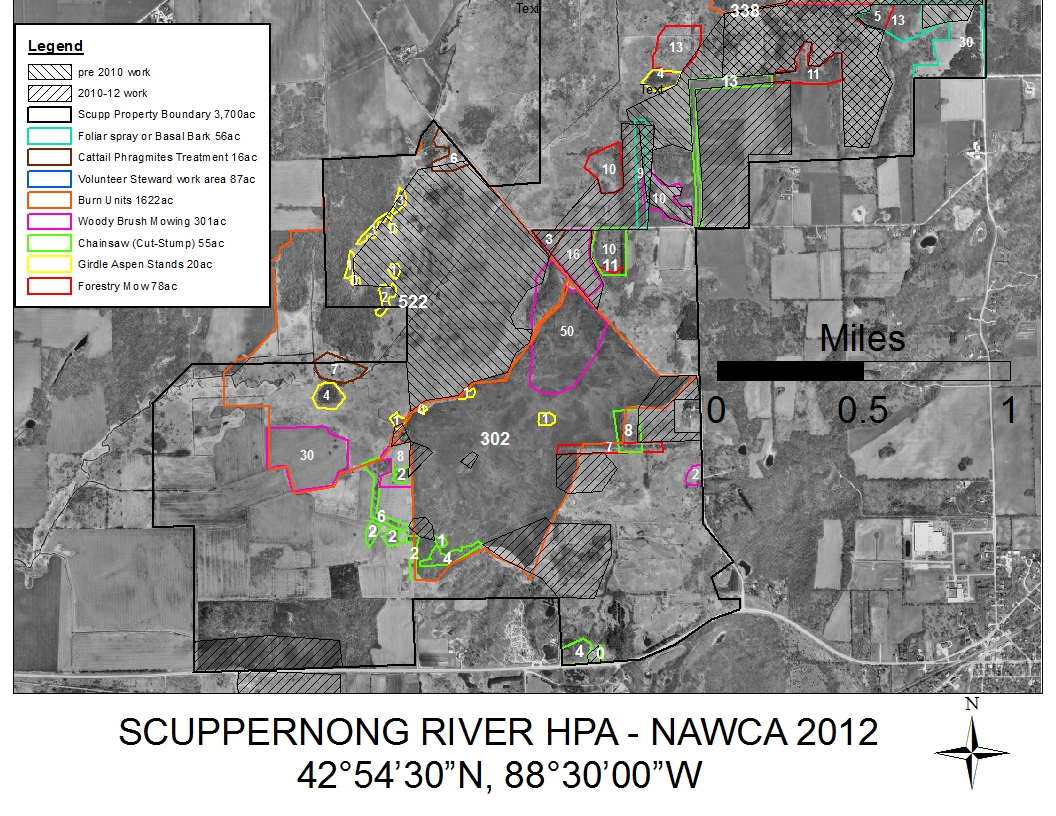
Here are a couple pictures of the north and south sections of the Scuppernong River Habitat Area showing the work described for Phase IV in the grant proposal.

SRHPA N end

SRHPA S end

We share the “buzz” with the DNR staff and look forward to seeing the Phase IV goals realized!

Meanwhile, back at “The Springs”, there is plenty of buckthorn that needs cutting. There are a couple of gaffes in the narrative below: Robert Duerwachter wrote THE PONDS OF THE SCUPPERNONG (not William!); and no, this was not the last of the buckthorn that needs to be cut.

Lindsay and I cut a heap of buckthorn and Pati helped pile the brush.

IMG_1012

Later, Pati and I took a dreamy walk visiting all the springs.

IMG_1006

IMG_1007

IMG_1008

The cut-off trail has some wet spots so be prepared if you want to take that path. Hopefully, the DNR will be able to make improvements to complete the resurrection of the “lost trail“.

IMG_1009

IMG_1010

See you at the Springs!