The Buckthorn Man enters 2015 swinging a chainsaw and a torch in the hopes that you will see the lay of the land.
Walk this trail with me: Start with an abstraction called government and make it real in your mind (reification); then anthropomorphize it with the worst of human characteristics i.e., psychopathy and you get the metaphor — The U.S. Government is a Psychopath.
It didn’t take but a few years for the U.S. Government to strip the Lakota of the vast majority of the lands, “…set apart for the absolute and undisturbed use and occupation of the Indians herein named…”, as declared in Article II of the treaty.
The U.S. Government has physically, culturally and financially terrorized the Oglala Lakota, or Oglala Sioux, people since they first met. The latest abuse is the continued ignorance of their legitimate ownership claim to the lands ceded to them back in 1868, which, inconveniently, would give them veto power over the proposed path of the Keystone XL Pipeline.
I described the double bind I’m in volunteering at The Springs in a recent post i.e., I Hate Government — I Serve Government, and I tried to resolve it by suggesting that I’m really serving The Creator, not the the temporary owner of the land. And so I carry on…
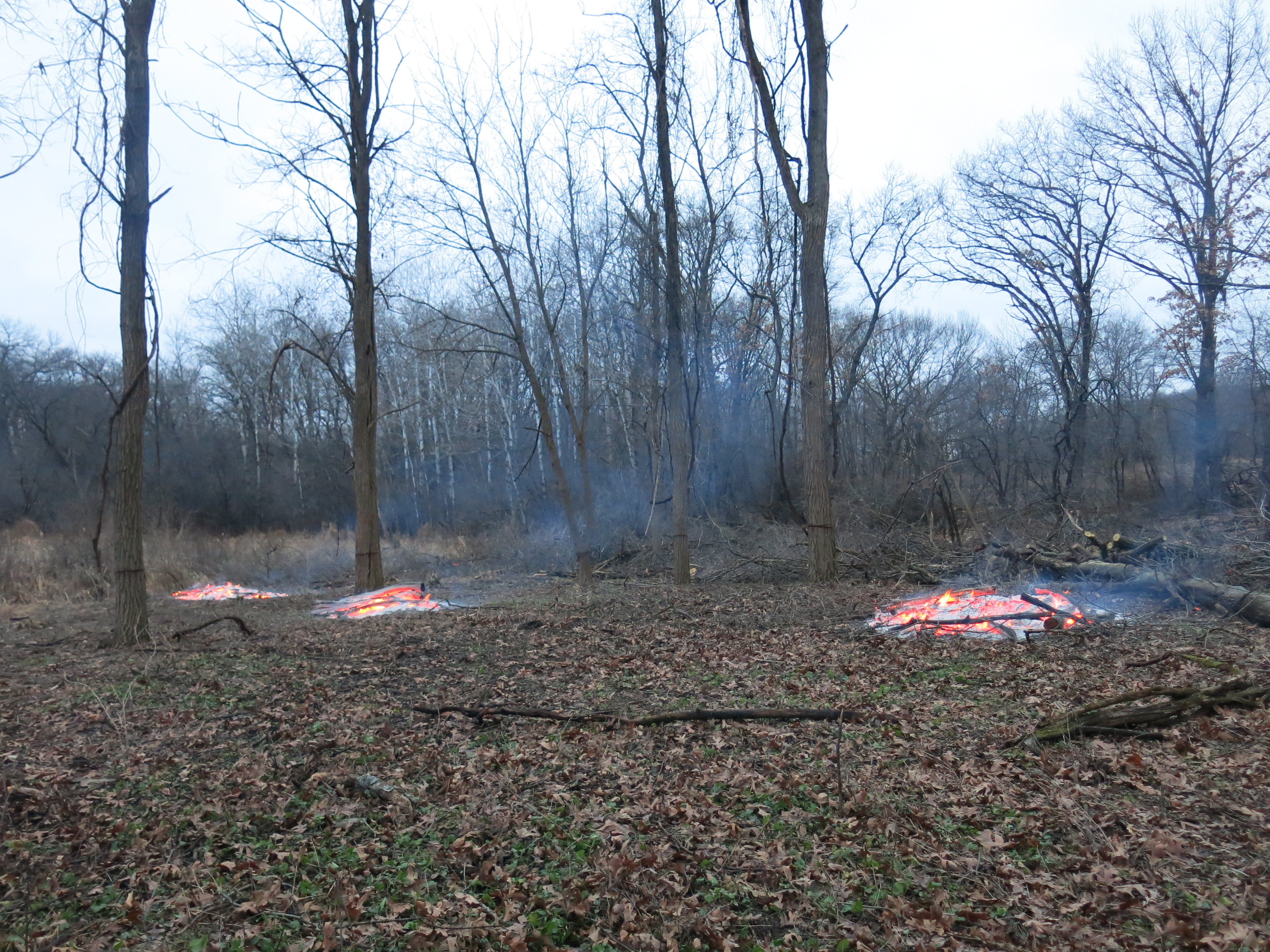
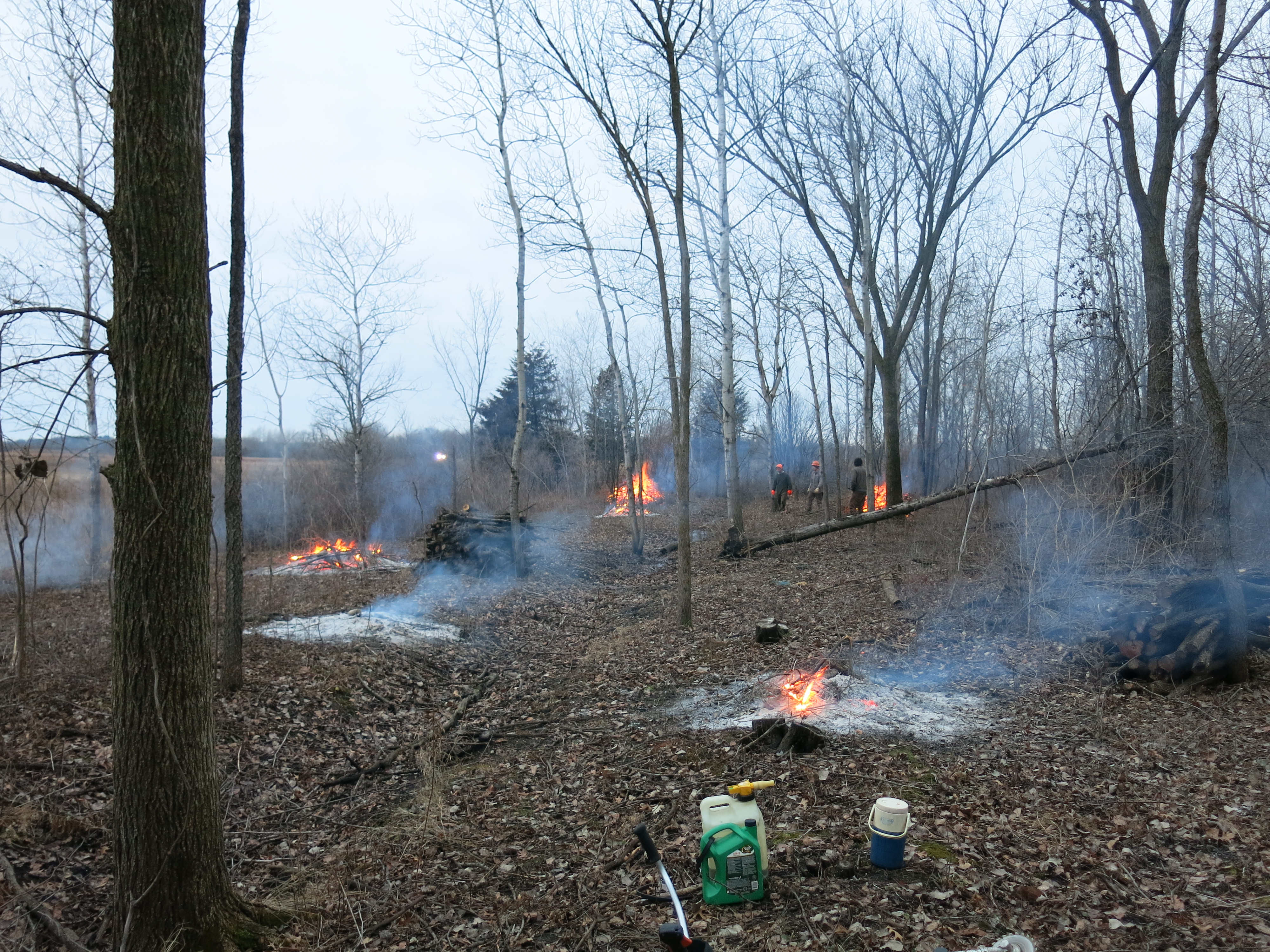
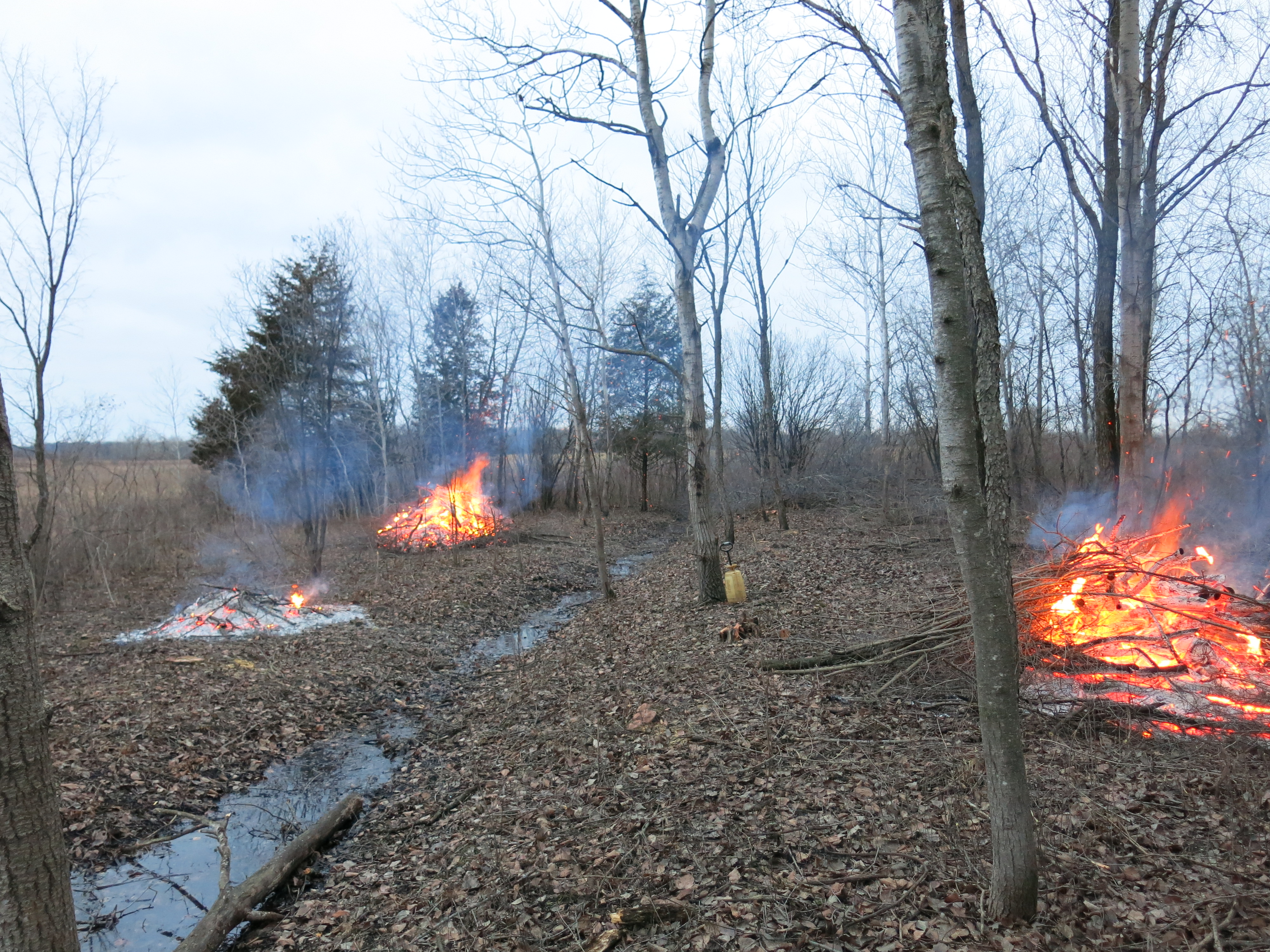
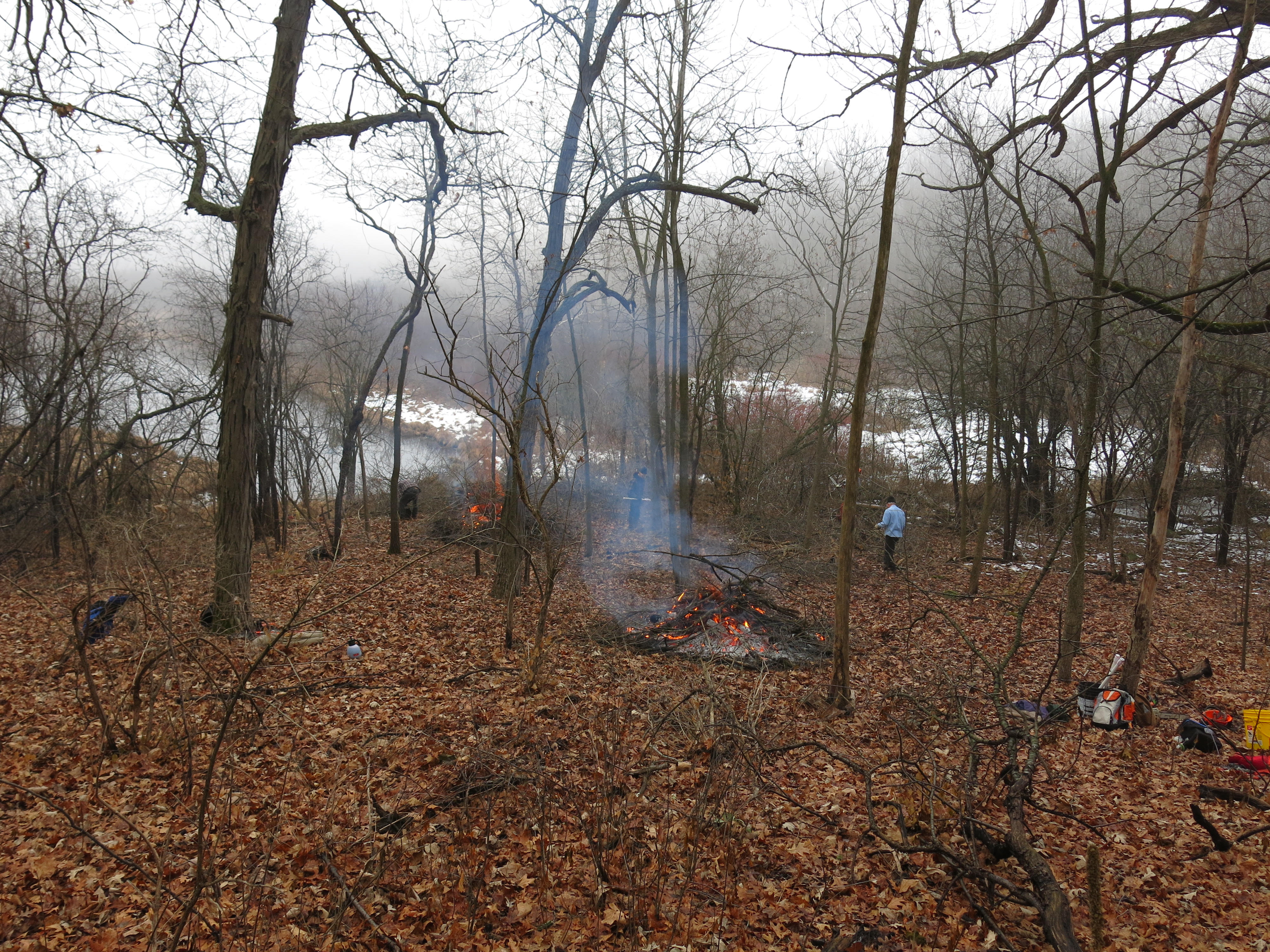
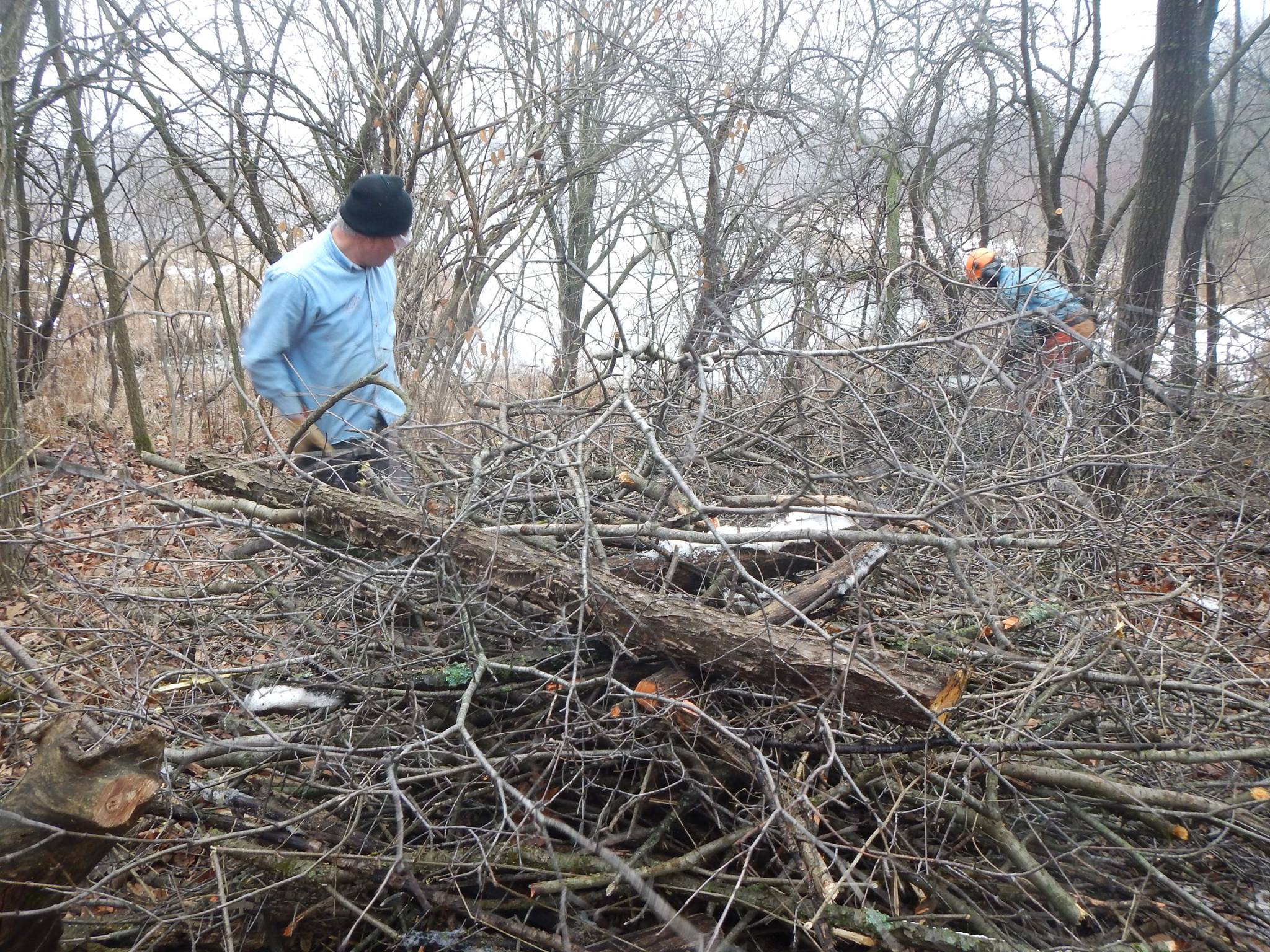
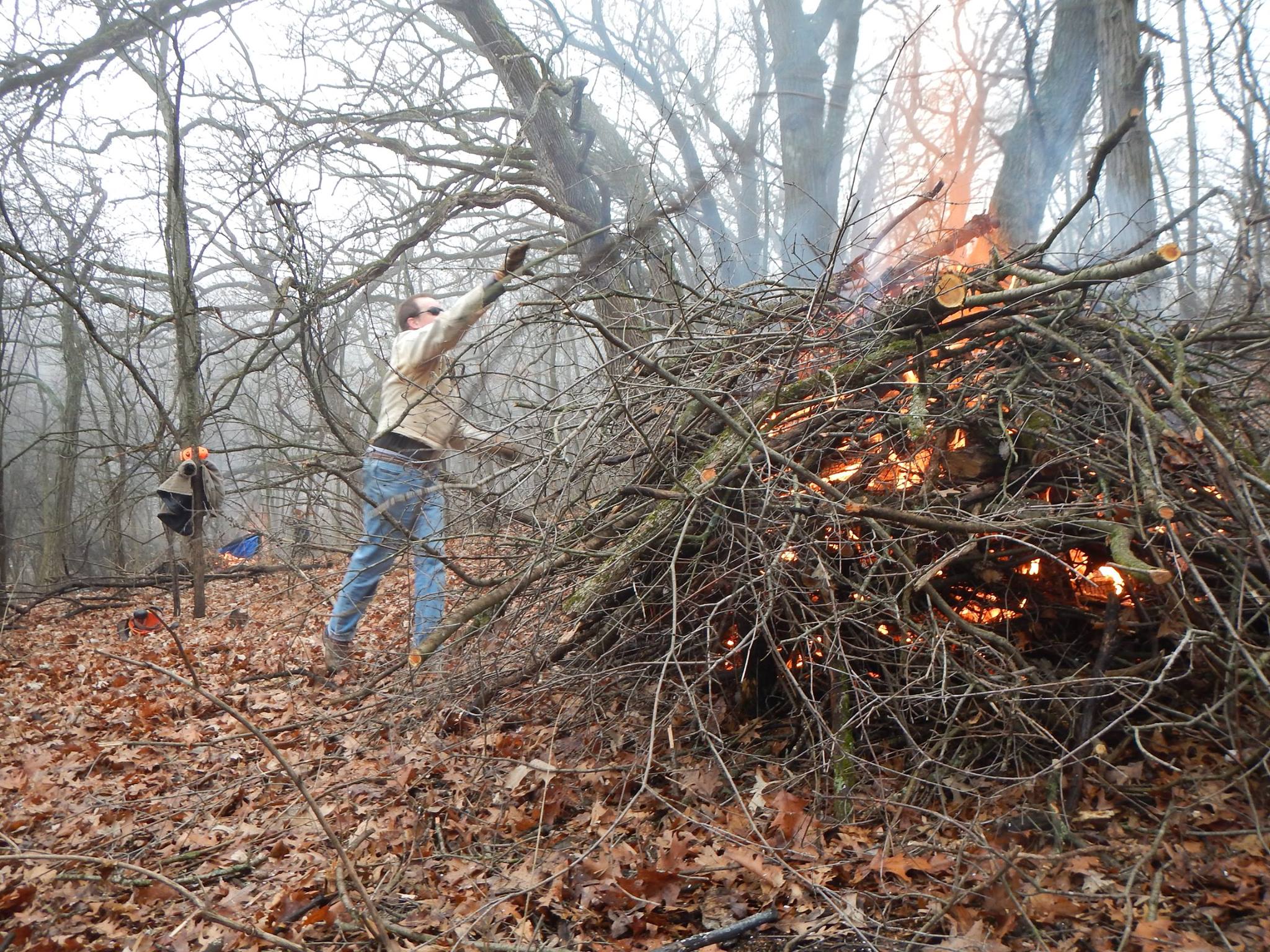
The snow is swirling and blowing outside as I write this and I’m really glad we focused on burning as many brush piles as we could at The Springs, before they got buried. Thursday I was joined by Chris Mann and his team from the Kettle Moraine Land Stewards including: Andy Buchta, Austin Avellone and Phil Hass. Our goal was to burn all of the piles near the Scuppernong Springs Nature Trail parking lot on Hwy ZZ.
We did that and a whole lot more. I really enjoy working with these guys! The audio on this clip is drowned out by the wind at times, but you’ll get the idea.
Chris and Phil returned after dinner to listen to The Buckthorn Man rant.
I was in the neighborhood, fetching some water at the Parry Road Spring on Friday, and took advantage of the lack of snow to add some gravel to the beginning of the trail where water tends to puddle.
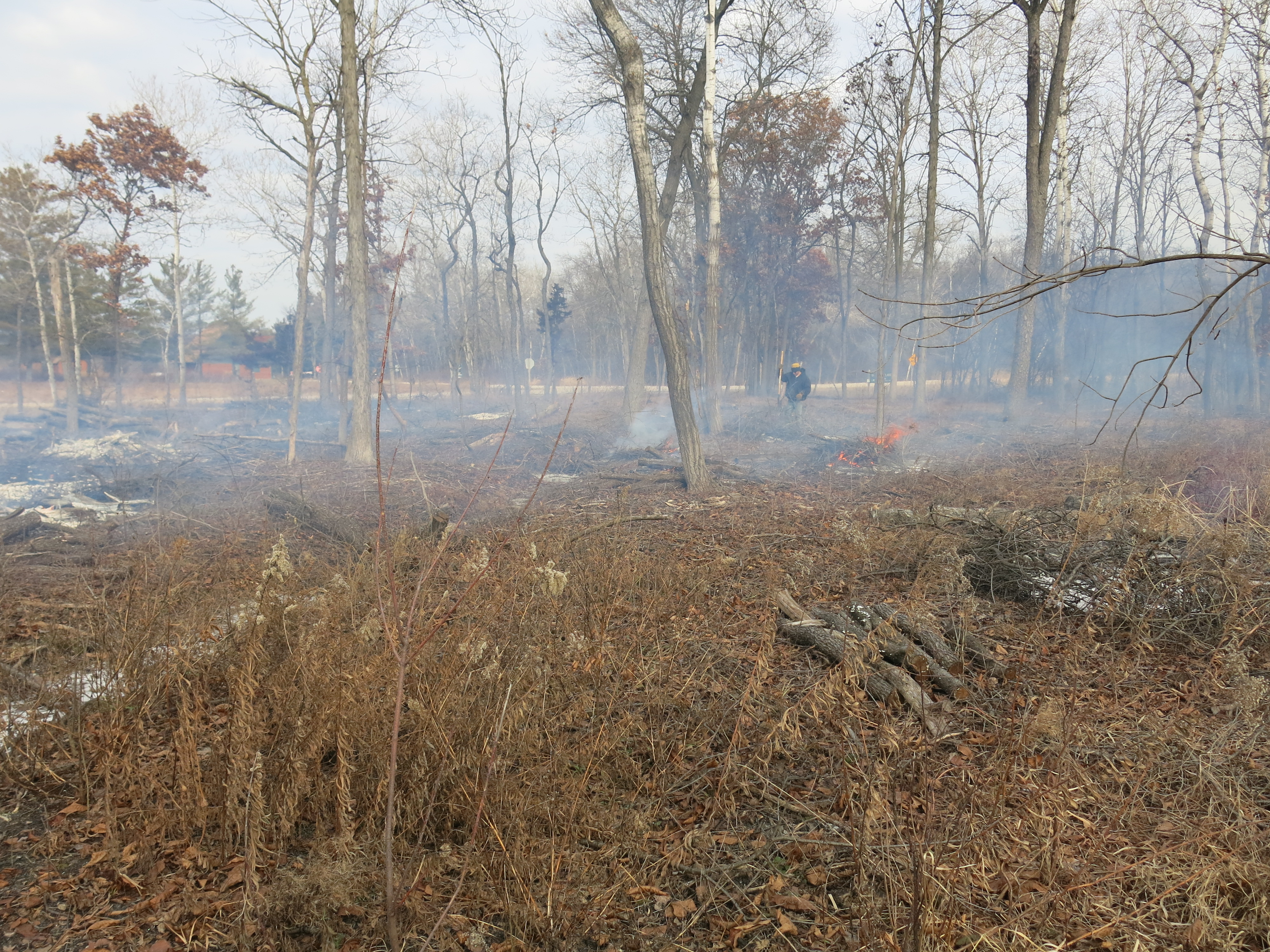
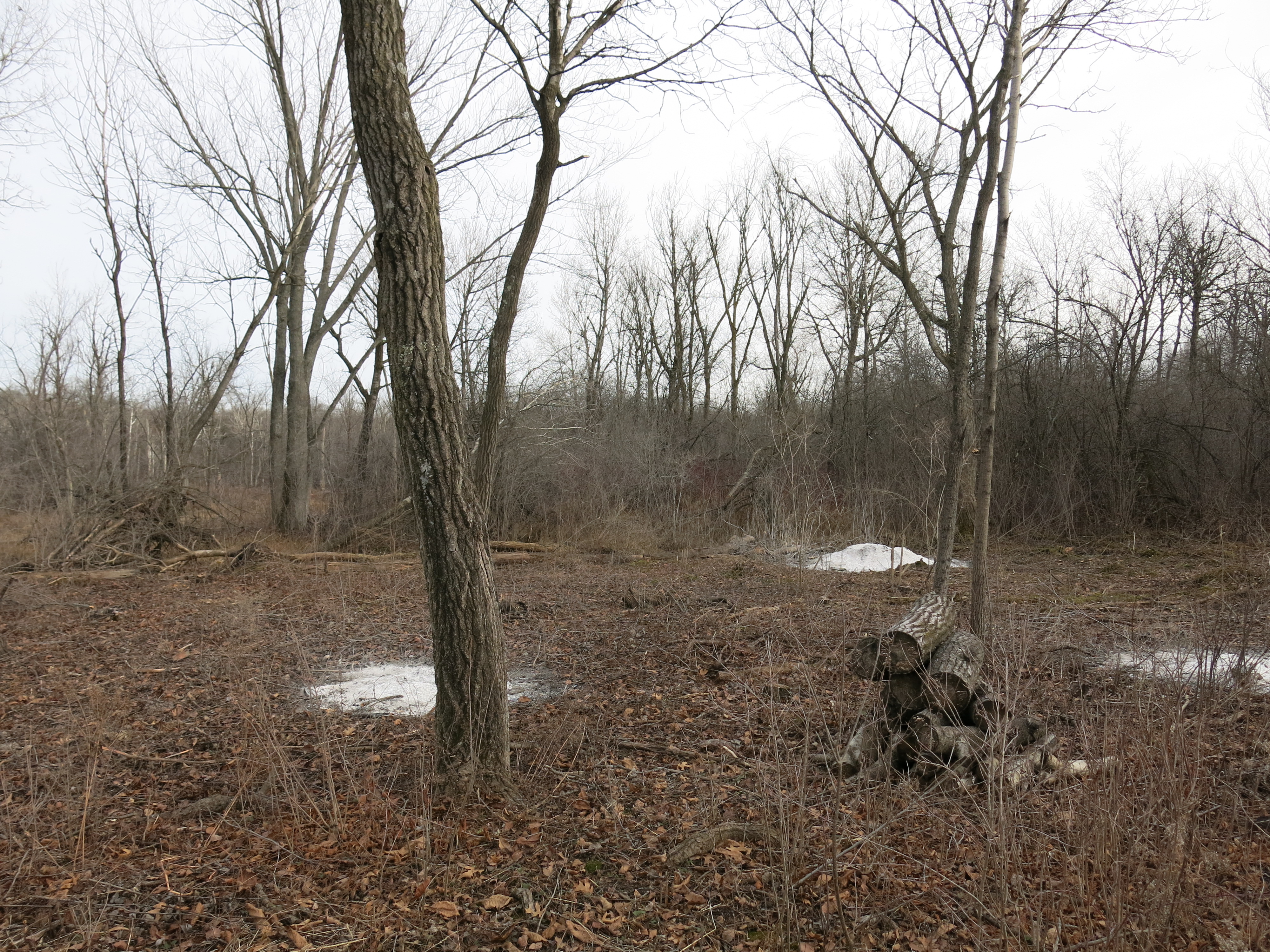
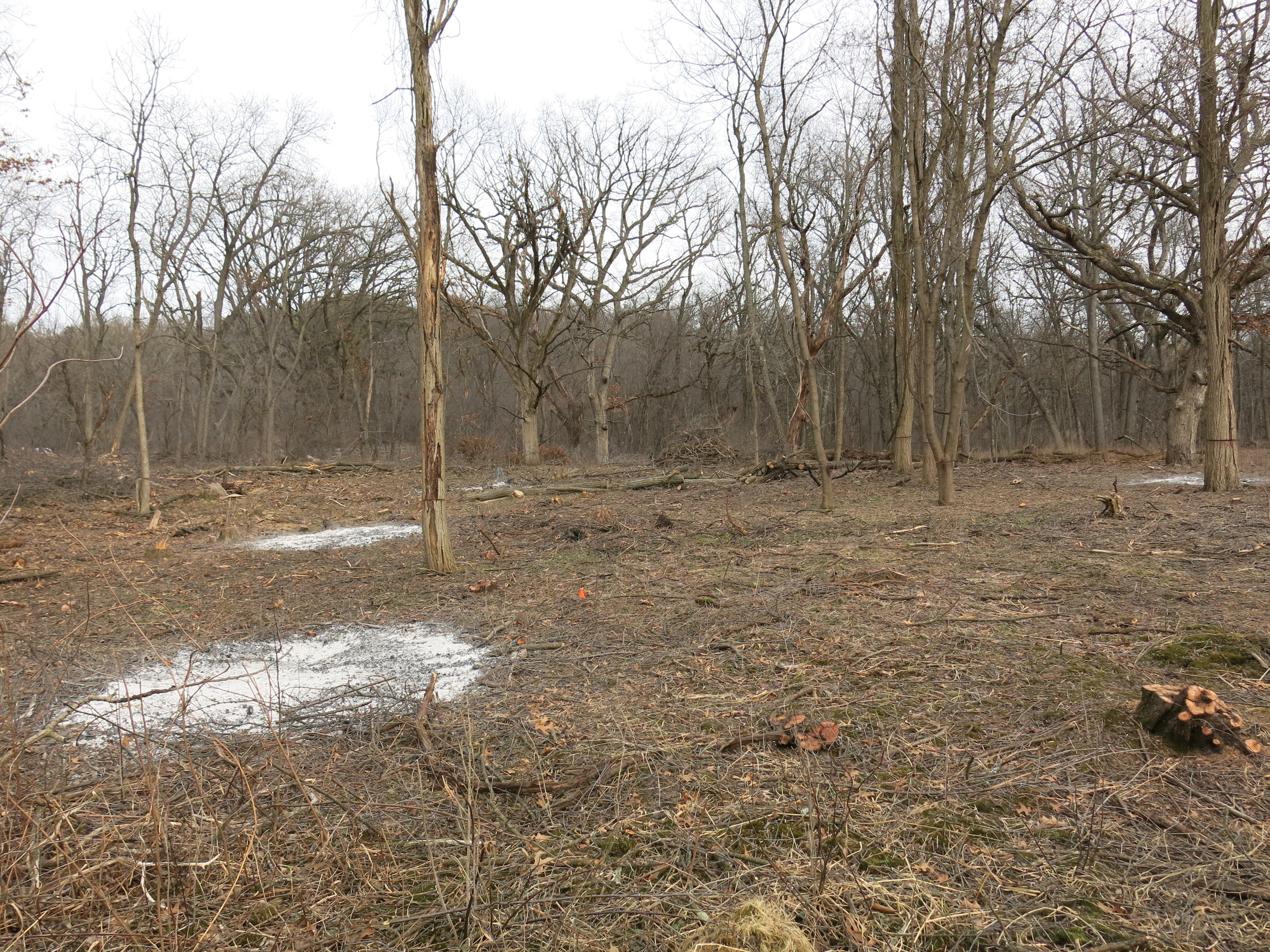
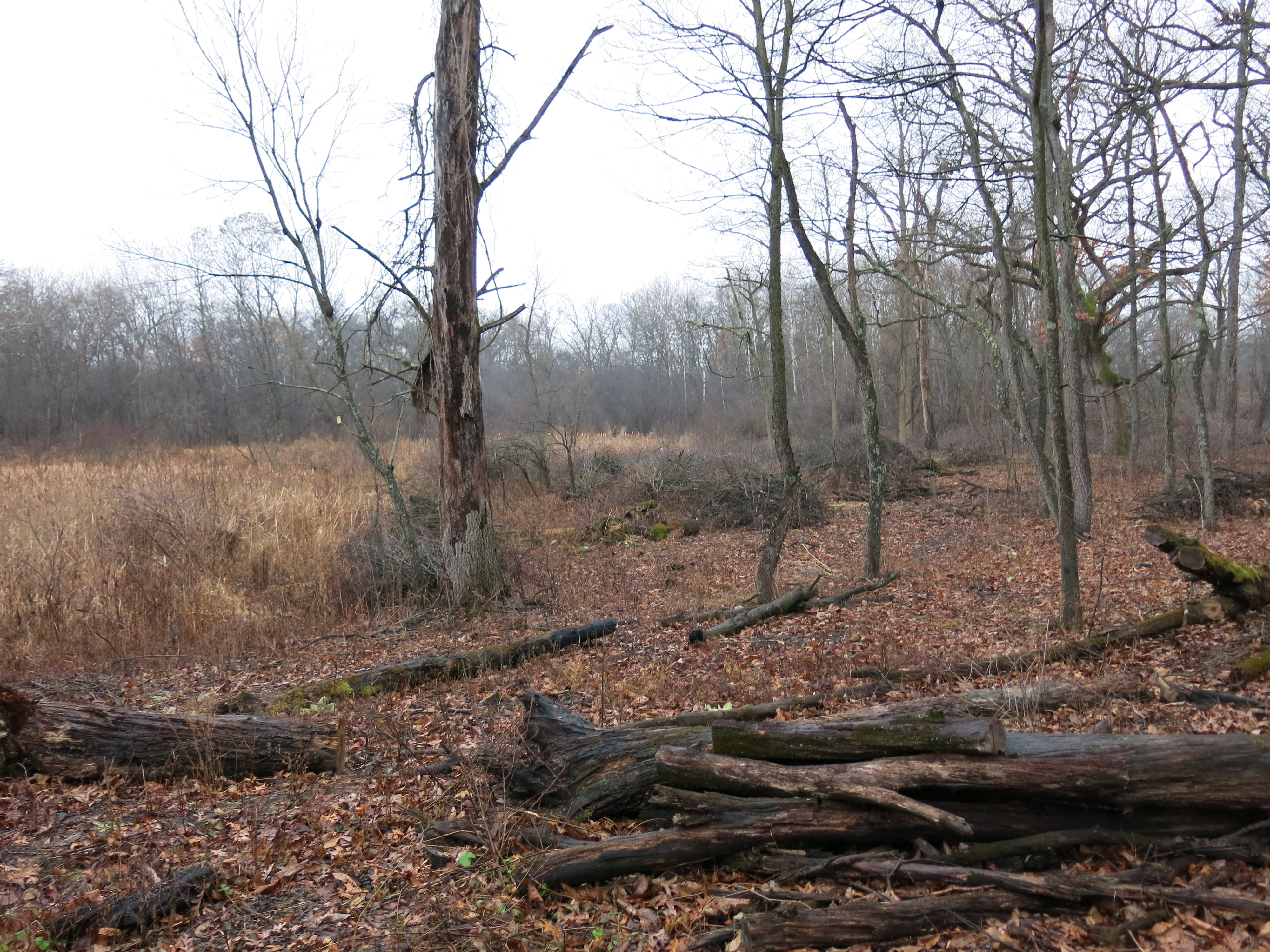
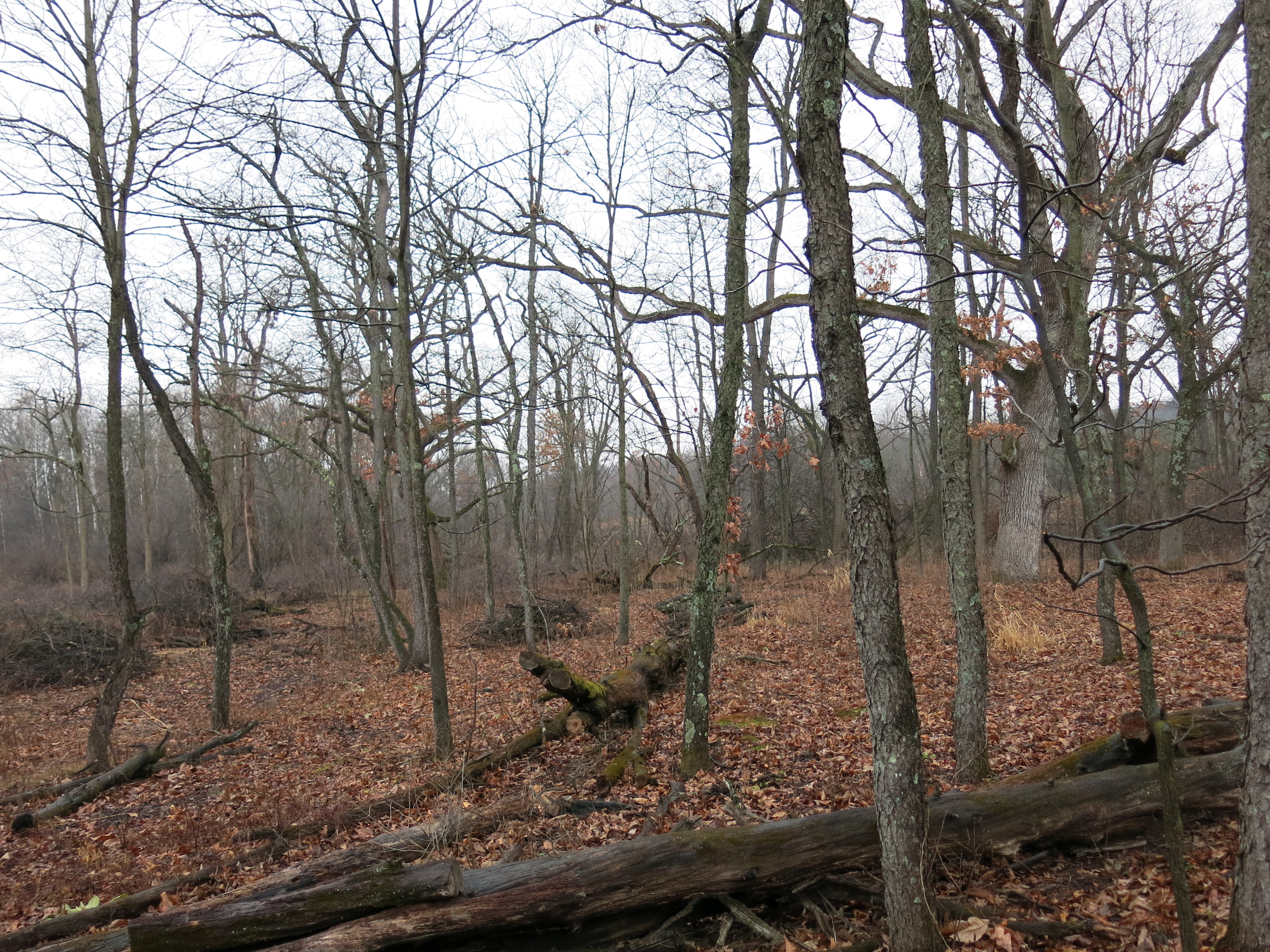
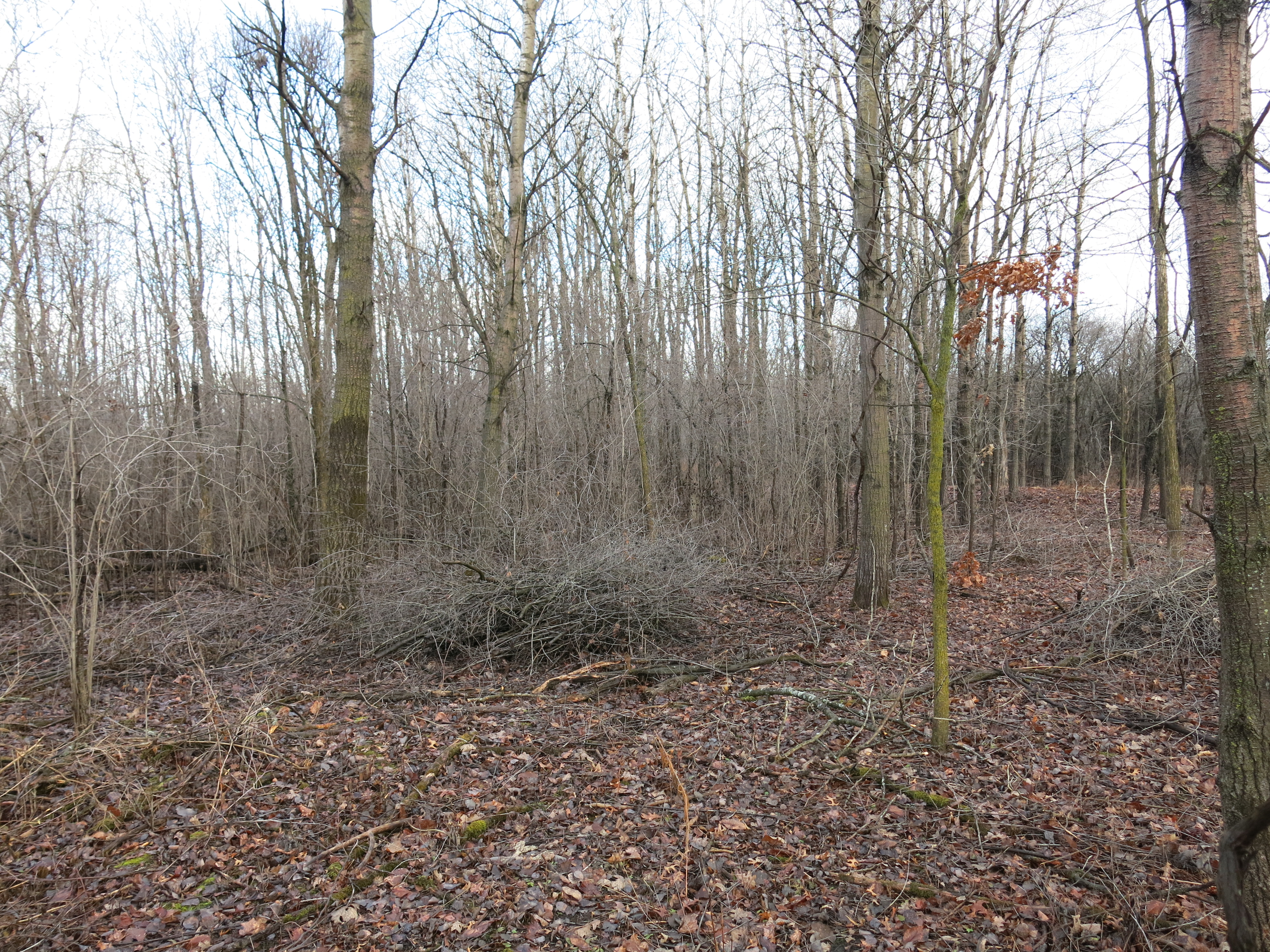
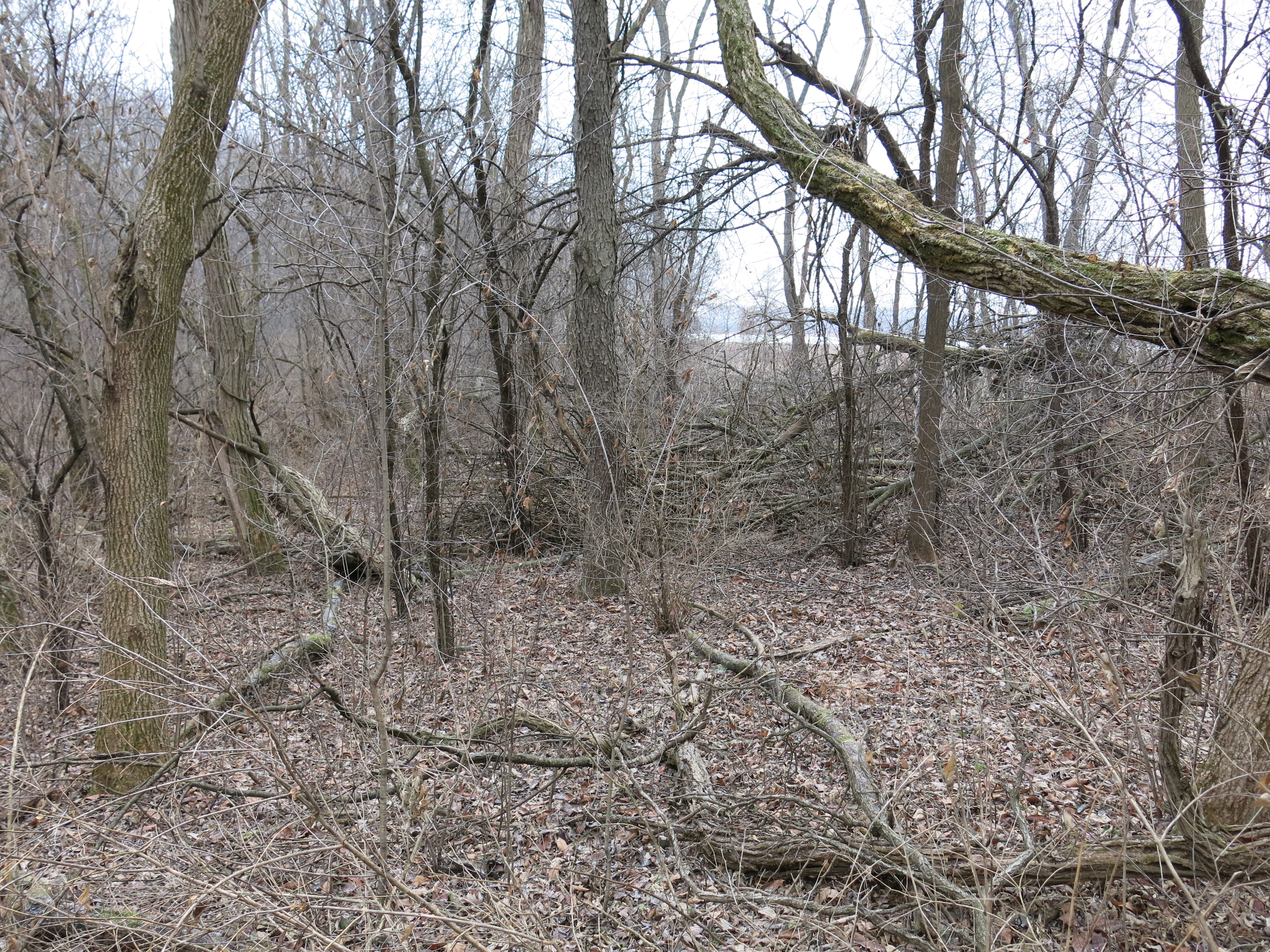
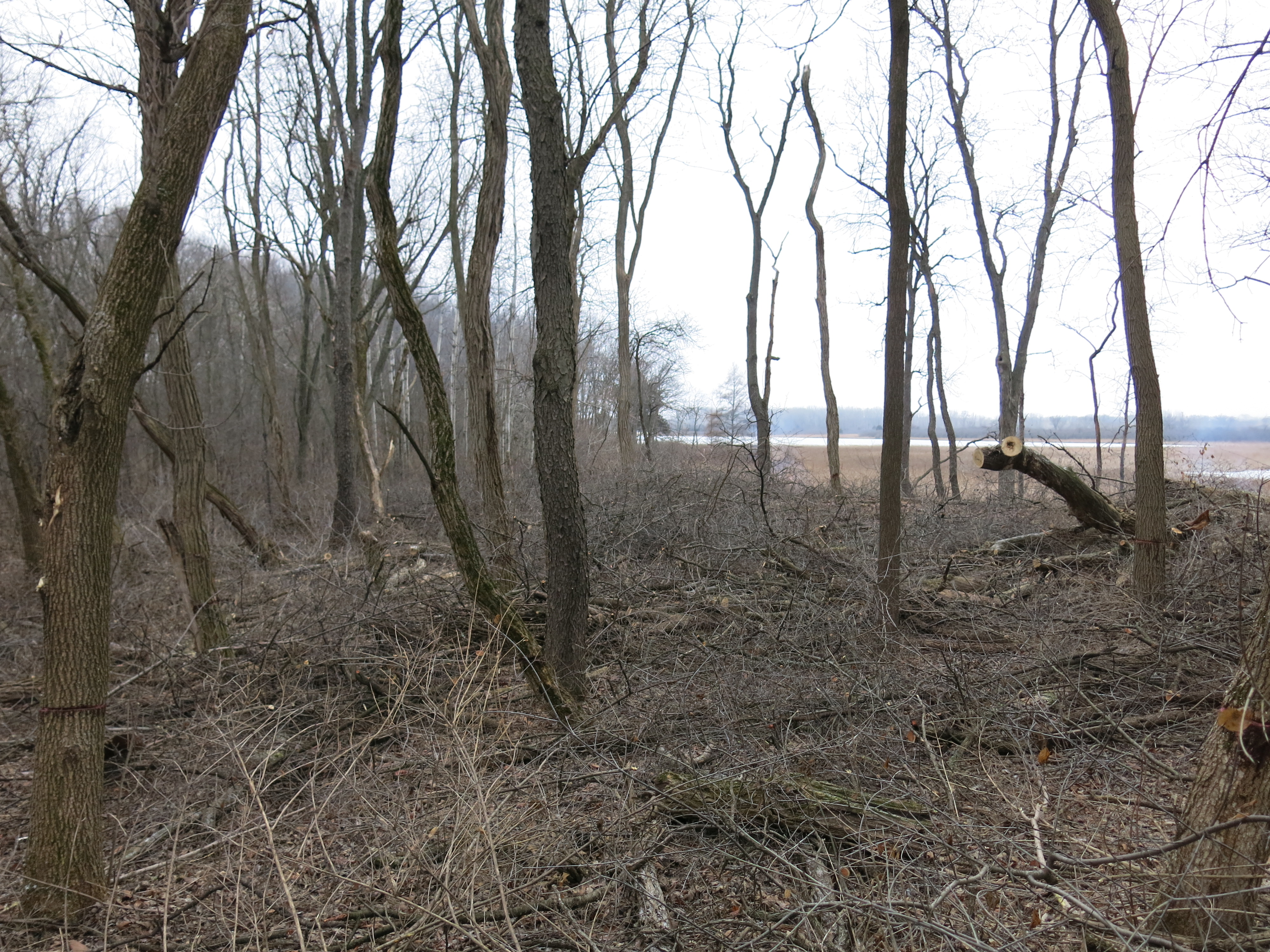
Here are a view perspectives of the areas we burned on Thursday.
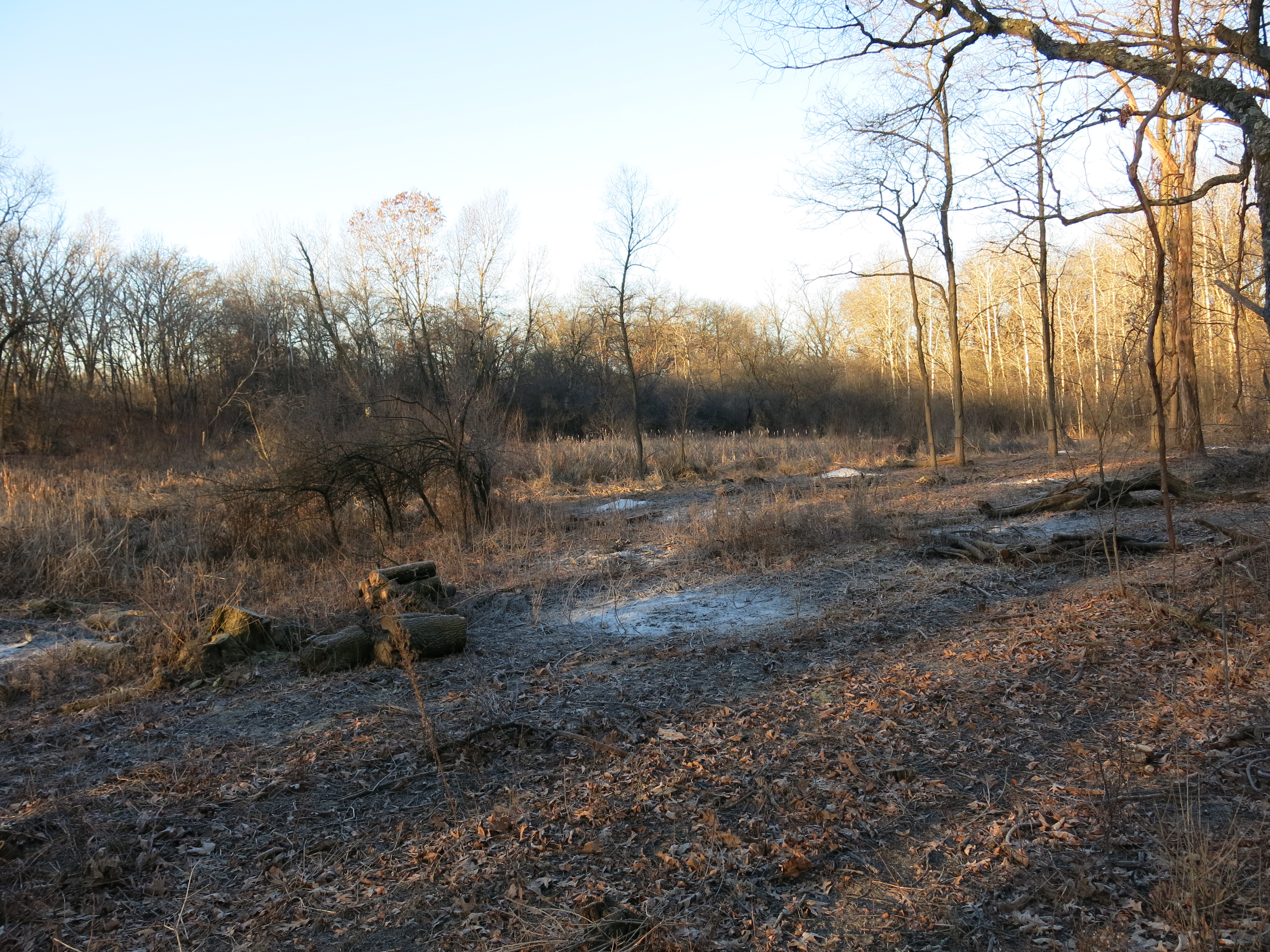
I continued clockwise on the trail through the old buckthorn alley until I arrived on the east end and surveyed the areas we recently burned there.
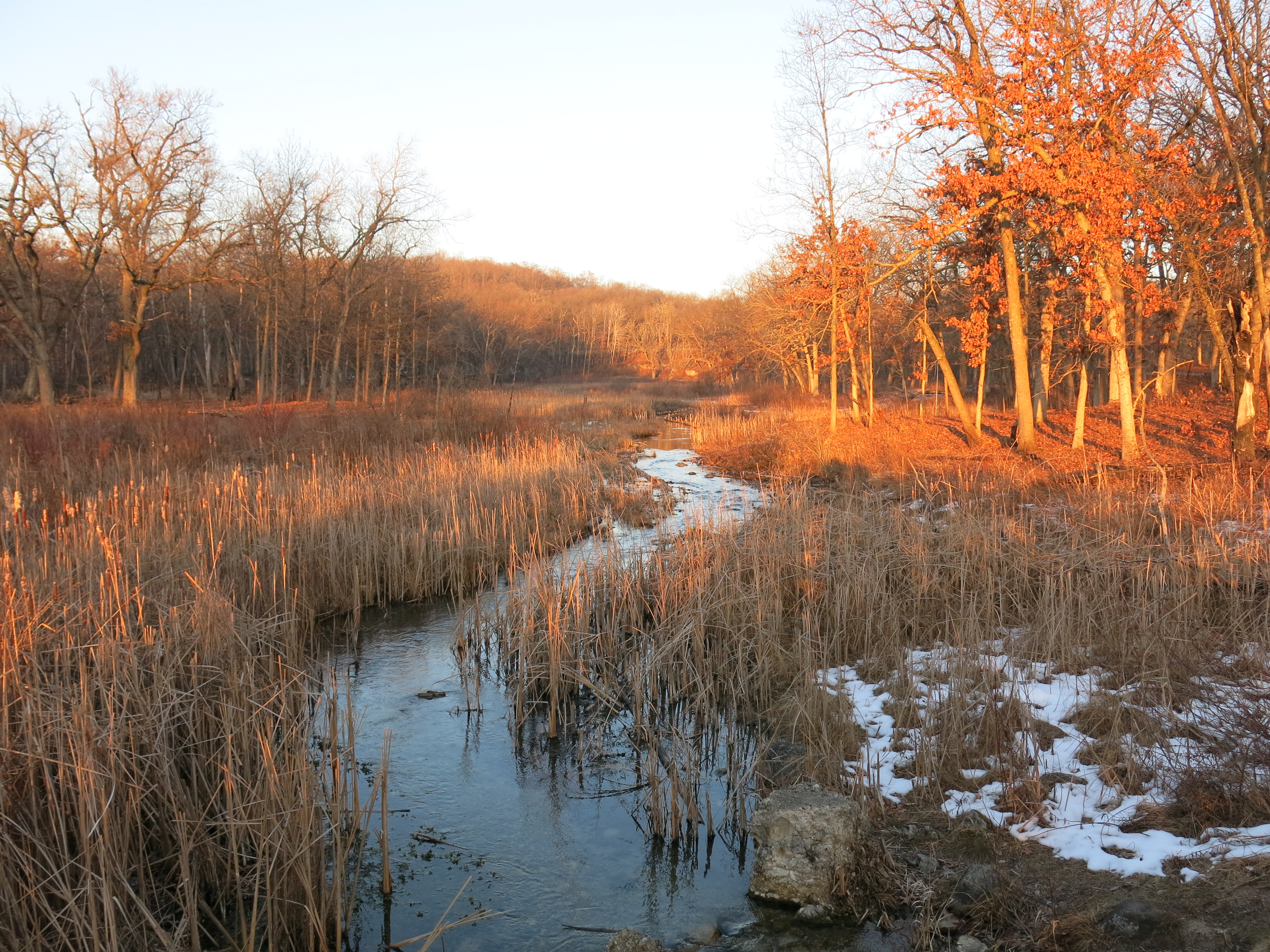
I’ve been working well into darkness for the last couple of weeks so I really enjoyed seeing The Springs in the daylight.
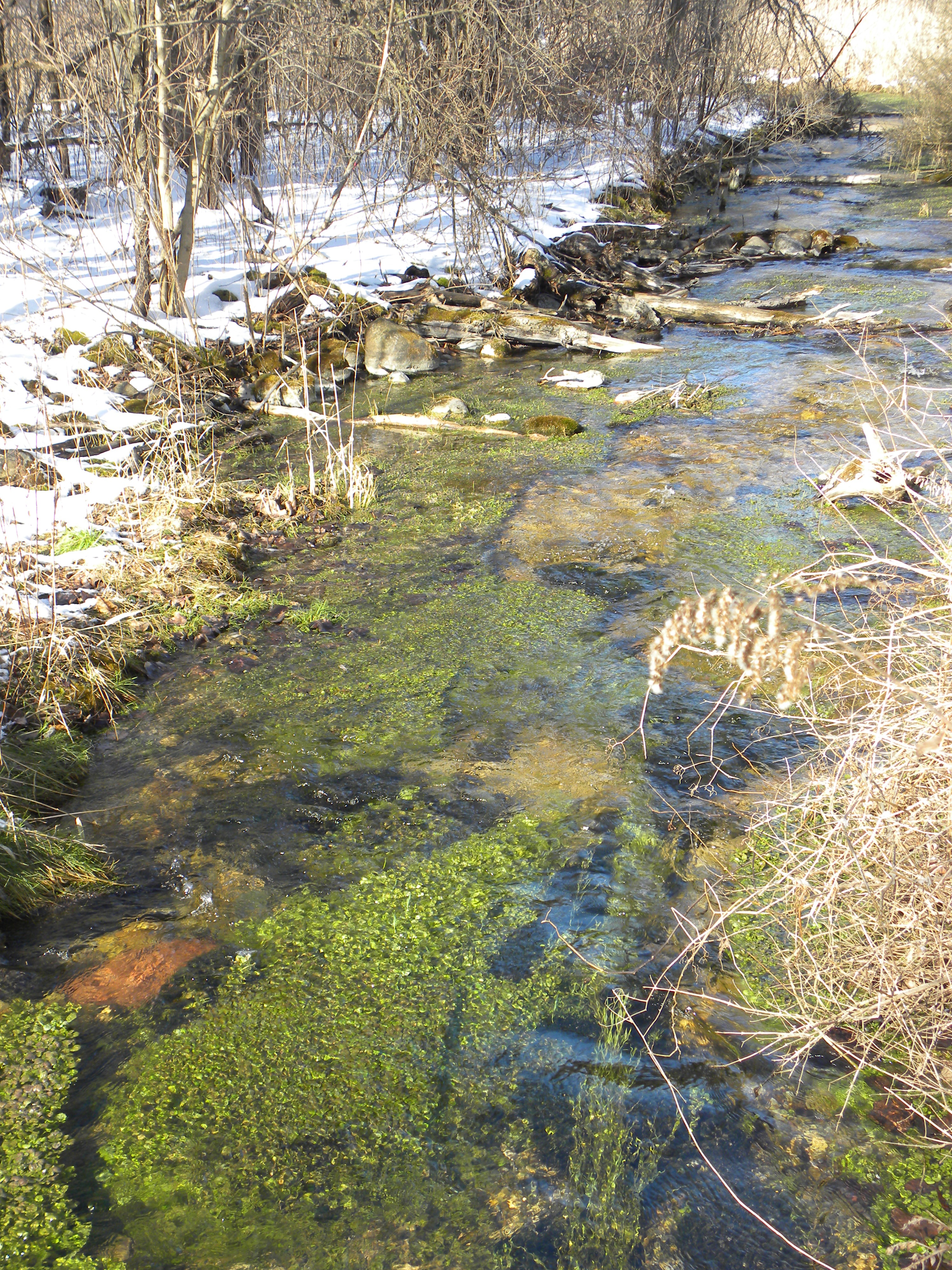
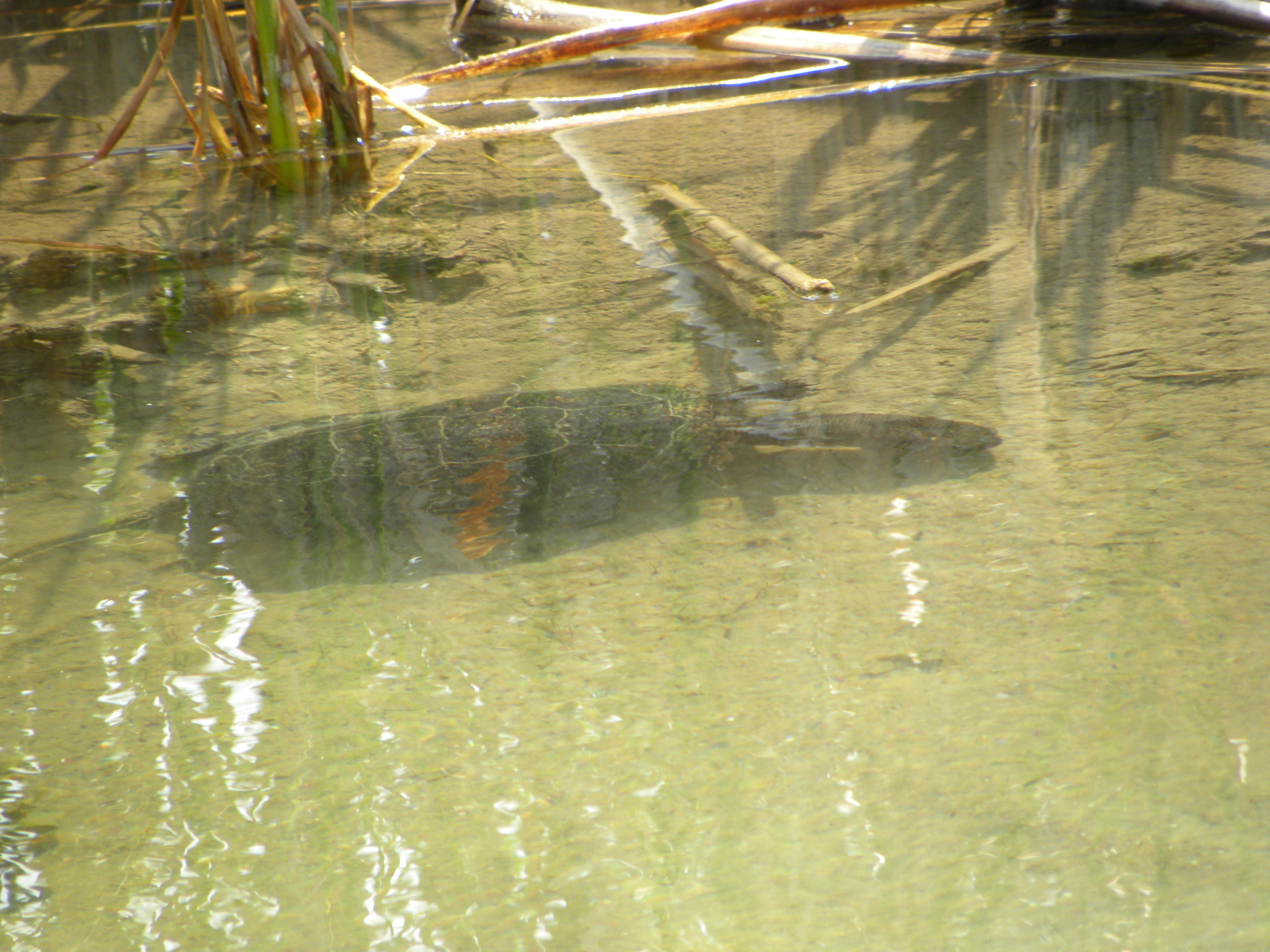
When I arrived at the Emerald Spring, the water was cloudy and disturbed and I suspected a creature had just vacated the premises. In this video I jump to the conclusion that a turtle is making it’s home in the neighborhood, but I think it might be a muskrat. What do you make of this?
We’ve been celebrating the end of 2014 at The Springs
with fire works of our own.
It’s been a great year, and we’ve accomplished a lot — some of which is really good. Visit the Archives drop-down list, on the right side of the Scuppernong Springs Nature Trail Home page, and pick a month to scroll through. I did just that, and added my favorite moments of 2014, one for each month, to the Posts I Like section of the Home page (scroll down and look on the right side.) I hope you have enjoyed your journey on The Scuppernong Springs Nature Trail with The Buckthorn Man in 2014 and that you will continue with me in 2015! I welcome your comments, suggestions, clarifications and corrections.
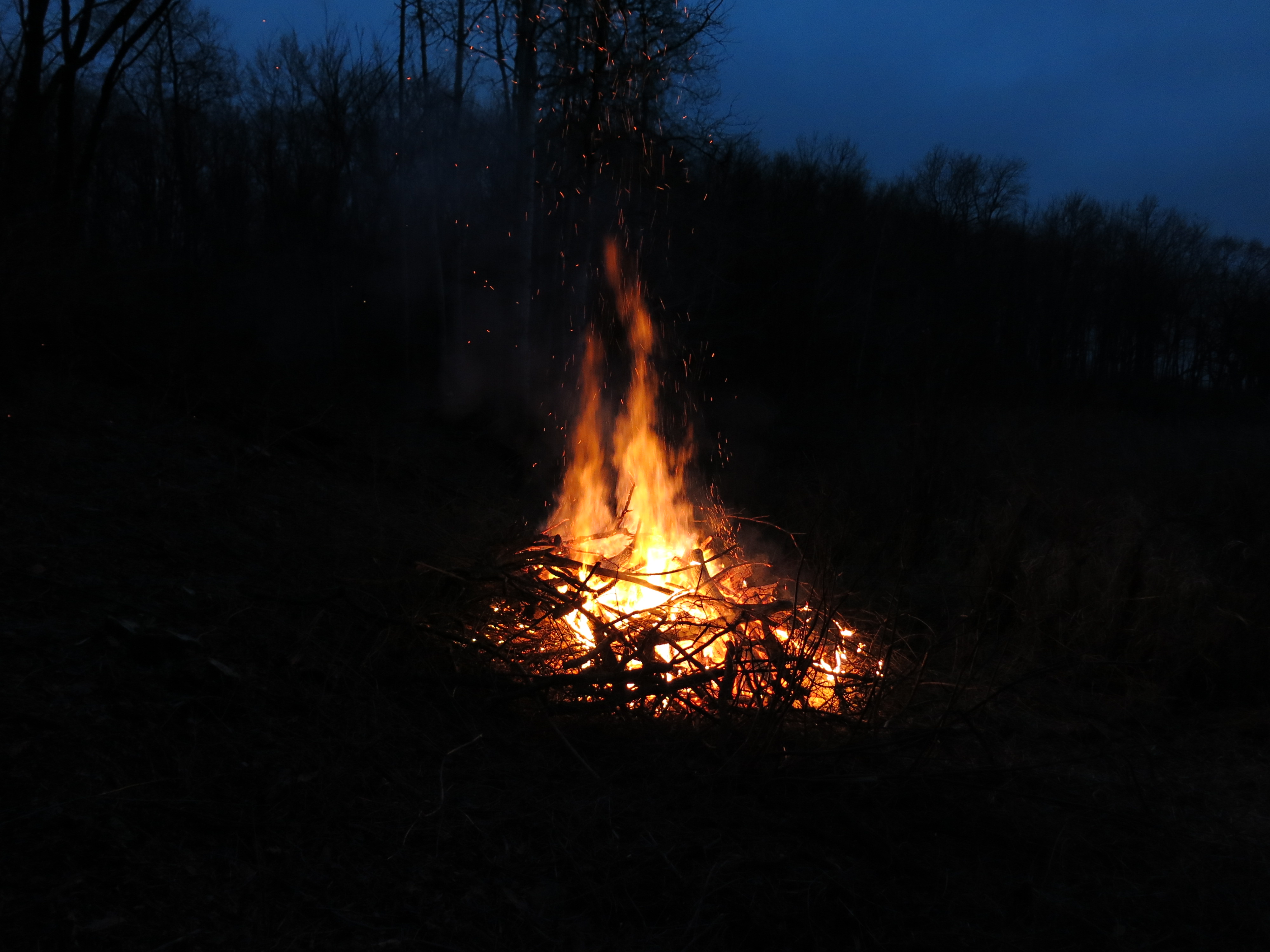
There is one thing that buckthorn fears more than The Buckthorn Man:FIRE. Buckthorn will fight you until you subject it to the flame. When you’ve been offended, slapped, pricked, tripped, mocked and poked by buckthorn, like The Buckthorn Man has, then you will understand how satisfying it is to cut, poison and burn this vermin foliage in a few hours time.
Usually we wait for snow cover before burning brush piles, but this Winter has been wet enough that I considered giving it a try. Our first burns at the Ottawa Lake Fen SNA were safely conducted and very productive. It saves a tremendous amount of time and effort when you can throw freshly cut buckthorn onto a raging fire, as opposed to piling it to burn another day (when it may be buried under 6″ of snow.)
Last weekend I began burning brush piles along the northeast rim of the loop trail. I tried, and failed, to light some of these piles last year, and was glad to get another chance at them sans snow.
I’ll never get tired of saying ‘it was a great day’!
Andy Buchta came out to help me and mentioned that he had finished piling the brush we cut, and did not burn, at the Ottawa Lake Fen SNA. Thanks Andy!
On Sunday, I had a date with Chris Mann and the Kettle Moraine Land Stewards and we continued where Andy and I left off on Saturday. But first, here are a couple of “the day after” views of what we accomplished.
The slope from the wetland shown above, east to Hwy 67, transitions from mostly buckthorn to mostly black locust. The black locust has been harvested but many of the buckthorn were simply pushed over. The ones that were cut did not appear to be poisoned. The combination of battered buckthorn and slashed black locust resembled a war zone, and I wanted to clean up the mess.
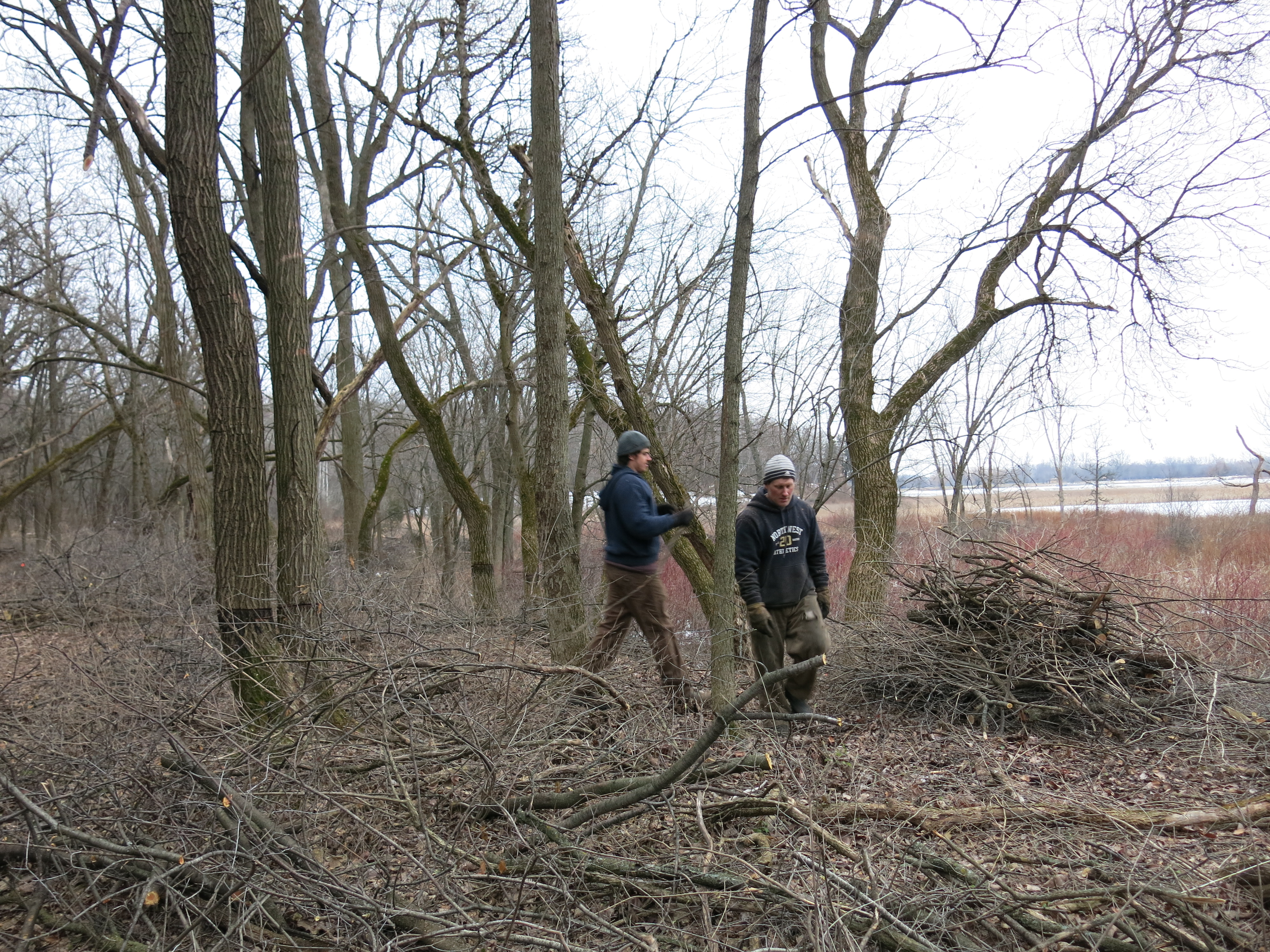
Chris, Andy and Austin joined me as we re-cut and poisoned the buckthorn stumps and fed huge fires with buckthorn and black locust slash. We cleaned up the lower portion of the hillside, leaving the rest for a contractor that the DNR hires. They grind everything up, which contributes fuel for a prescribed burn, but it is necessary to come back and poison the resprouts from the undamaged buckthorn root systems. On the other hand, our technique leaves much less fuel for a prescribed burn but kills the buckthorn the first time. It will be interesting to see how fire carries through these areas if the DNR is successful at executing a prescribed burn here in 2015.
The conditions for burning brush piles are still very good, so I’m going to try to burn as much as I can before the snow finally arrives. We got out again yesterday and continued on the west side of the wetland shown above, approaching The Buckthorn Alley.
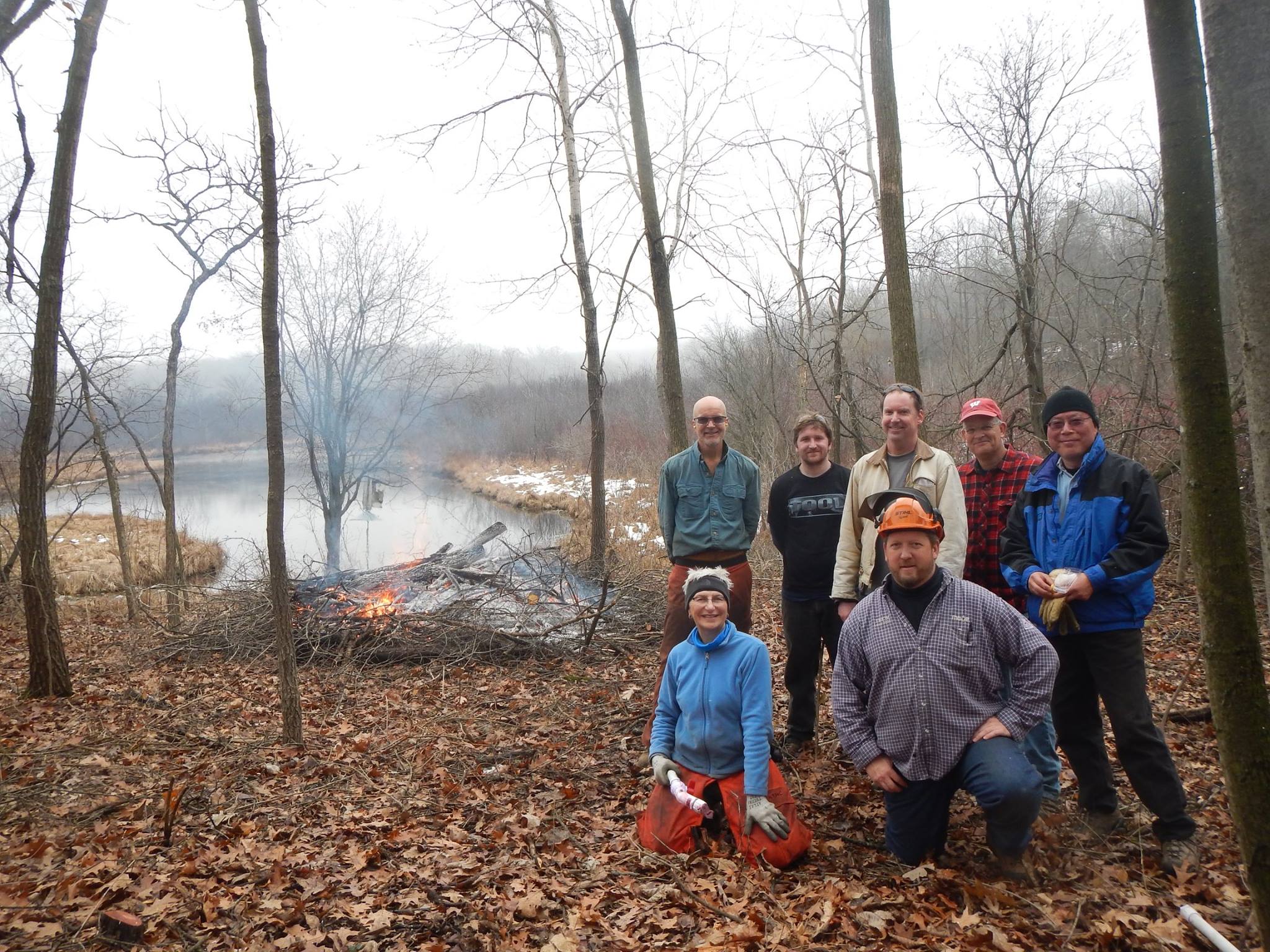
It was a cold day and the fires felt real good. Andy, Chris and Austin standing before a huge blaze.
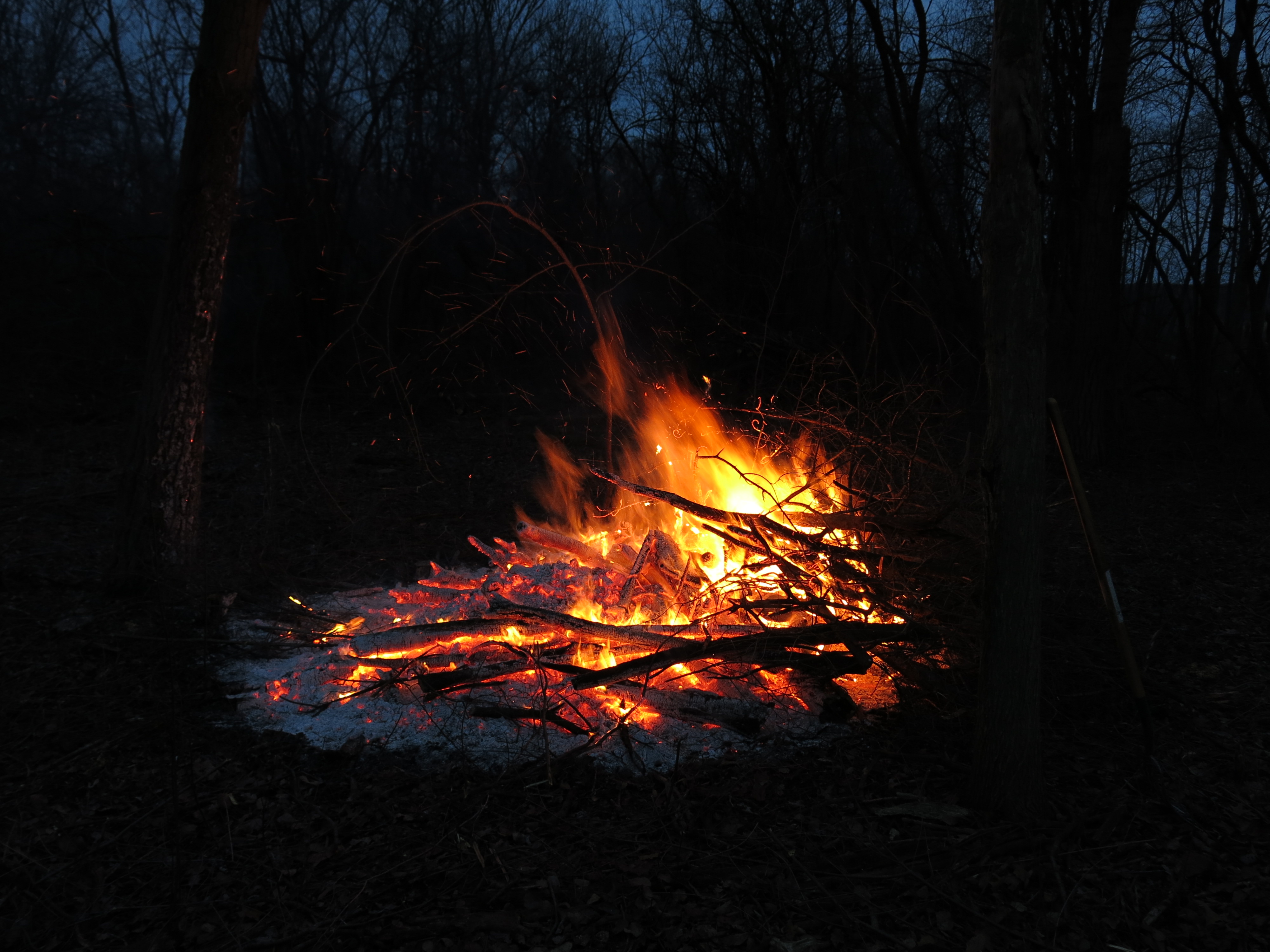
One of my favorite things to do is hang out by a fire on a cold winter’s night. I propped myself up with a pitch fork and watched the smoke trailing up from the embers and through the trees into the moonlit sky.
Happy New Year and I hope to see you at The Springs!
Perhaps it was a reaction to my post about the Bluff Creek Springs, where I lamented the inability of the DNR, given the funding available to them, to adequately manage the state-owned lands under their care, that prompted Jared Urban, the coordinator of the State Natural Areas volunteers, to send me the Wisconsin’s Natural Heritage Conservation Program 2014 Annual Report. The report explains some of the complex issues the DNR faces, as they try to manage 673 State Natural Areas encompassing over 373,000 acres with a budget under $5,000,000. I have only respect for the hard working, dedicated staff of the Natural Heritage Conservation Program.
Philosophically, I’m in a bind. Government is literally and etymologically: mind-control. It is a religion based on the dogmatic belief, programmatically instilled in us from birth, that it is OK, even possible, for people to delegate rights that they do not have to an association of people that they call government. People calling themselves “Government” assert rights they do not have, that no human being has e.g., torture, taxation etc., and they take away rights we all inherently possess e.g., prohibition, licensing etc. So long as the vast majority of people continue to believe it is OK to do business and force your services on people at the point of a gun — if you call yourself Government — there will be no awakening of consciousness and immoral acts done in our name will continue.
Whether or not I think or believe any government: federal, state or local, is legitimate, counts for nothing when it comes to the reality of the challenges humanity faces if we choose to accept responsibility for preserving and protecting the flora and fauna on the planet. Rightnow, entities we call government, control vast and diverse lands encompassing the treasures of the natural world and they are NOT prioritizing the effort to take care of them. The amount of money spent on the Natural Heritage Conservation Program in 2014 is obscenely trivial compared to the amount required, or the amount spent on the military, industrial, security complex (to keep us safe, of course!)
I’m choosing to cooperate with government by volunteering my time and energy to help take care of the land it controls, but I’m sorely conflicted:
“A really efficient totalitarian state would be one in which the all-powerful executive of political bosses and their army of managers control a population of slaves who do not have to be coerced, because they love their servitude.”
In the past month I have been focusing, with the help of the Kettle Moraine Land Stewards, on the Ottawa Lake Fen SNA.
Chris Mann, and his team from the KMLS, have made a huge difference, reminiscent of the way Ben Johnson super-charged our efforts at The Springs this past year. Thanks again to Ron Kurowski for hiring Chris and to the Kettle Moraine Natural History Association for funding his team.
As we progressed clearing the buckthorn from the tamarack grove and along the north and east sides of the fen, I imagined a trail all the way around the fen connecting with the boat launch on the southwest side of Ottawa Lake. I asked Anne Korman, the Assistant Superintendent of the Kettle Moraine State Forest — Southern Unit, about it and she entertained the idea. I got an email the next day from Eric Tarman-Ramcheck, a long-time land steward recently hired by the DNR, containing The Ottawa Lake Fen Scientific Area Report. This fascinating document, from 1975, provides a window into the management strategy of the DNR at that time, and includes this very interesting map of the fen.
The dashed (——) lines could easily be mistaken for a trail system but they actually demarcate the different plant community zones. Imagine what it was like back in 1975 when the buckthorn was not an issue and the bird watching tower and canoe accessible boardwalk were in place. 40 years of hands-off management “to maintain area in wild condition”, allowed the degradation of the land by invasive species to progress. It has taken the effort of one who “loves his servitude”, to The Creator that is, to reverse that trend.
This past Monday, December 21, Chris Mann and Austin Avellone helped me finish clearing the buckthorn from the east side of the fen, just north of the walk-in campsite #334. Here is how it looked before we got started.
The rain held off until the afternoon and then the gentle drizzle did not damper our spirits. We had a very productive day and I returned the next morning to document the results.
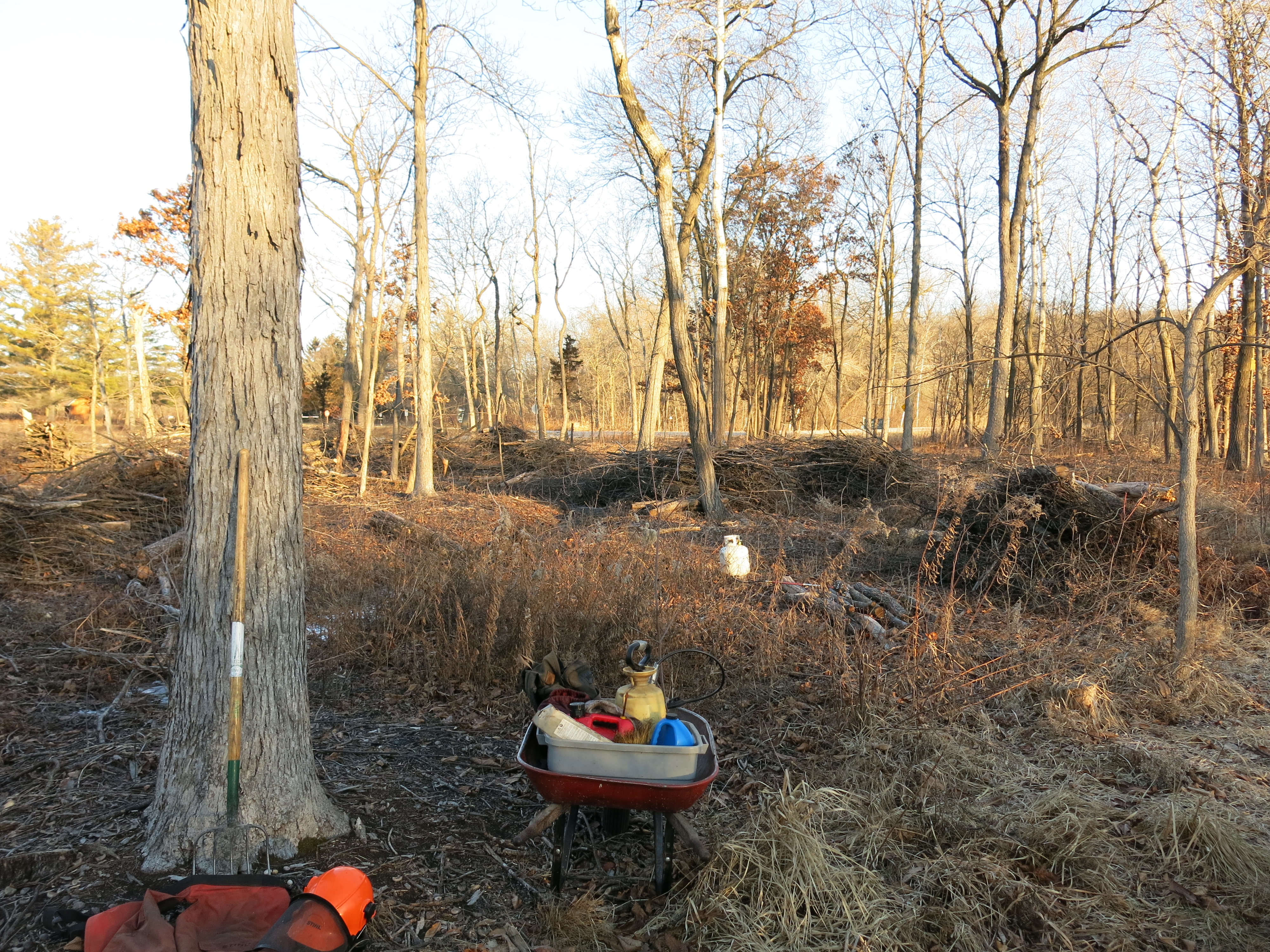
I made a date with Chris and company to meet me at The Springs, just down the trail a bit towards signpost #1, to burn some brush piles we made in late 2013 and cut the nearby buckthorn orchard. Here is what we faced as the sun tried to peek through and a strong breeze from the southwest help dry out the wood.
Jake Michaels joined Chris, Austin and myself and we had a field day!
As I took the video below, two deer crept up behind me, blending in almost imperceptibly with the landscape.
I am amazed and, dare I say, overjoyed, by the progress being made since Chris and the Kettle Moraine Land Stewards joined the fray!
John and Sue Hrobar have been coming to The Springs for a long time. They have a feel, and a feeling, for this “world class site”. They watch closely as nature tries to heal the anthropogenic wounds inflicted at the headwaters of the Scuppernong River and amateur naturalists, like The Buckthorn Man, have their way. It wasn’t long after I returned to work at The Springs in May of 2011, (I had worked there for approximately 6 months back in 2004, cutting buckthorn on the hillside between the river and highway 67) that I first met John and Sue on one of their frequent visits.
Sue takes most of the pictures and John does most of the talking and, together, they began to teach me about the flora and fauna — the biota — of The Springs.
John and Sue with Trail Boss, Don Dane.
I started this blog back in June 2012 and asked Sue if I could post some of her pictures. Well, sorry it took me so long Sue… here is a sampling of what you gave me over two years ago: The Scuppernong Springs Nature Trail, 2012, through the eyes of The Keepers of The Springs (take your time browsing this collection, and don’t forget you can click any picture to expand it to full size.)
January
The bend in the trail along the northeast perimeter of the loop.
Buckthorn still lined the riverbank near the old hotel site.
Sue getting ready for a polar bear plunge.
John near the Hatching House Springs.
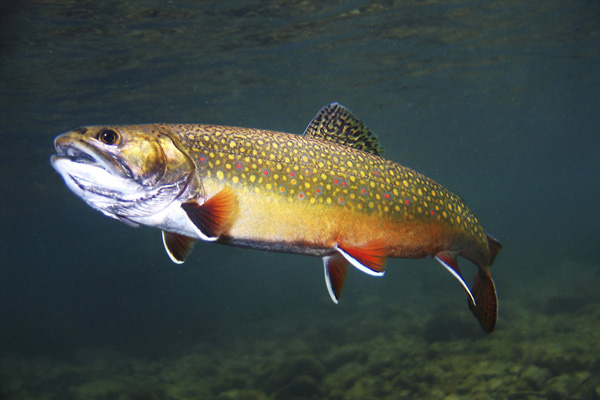
Unfortunately, we rarely see trout like this at the Emerald Spring since Lindsay and I pulled out the watercress and disturbed their habitats in the spring of 2012. The restoration of the headwaters of the Scuppernong River to it’s pre-settlement condition is a work in progress.
John at the Scuppernong Spring.
The south end of the sand prairie.
You can see the buckthorn thicket on the far side of the Indian Springs outflow channel.
Lindsay Knudsvig, John Mesching and I burned 185 brush piles down on the flat below the Indian Campground.
It was a mild winter.
February
Smoke drifts from brush pile fires on the south end of the loop trail.
The flats below the Indian Campground. Heh, where’s the snow?
The view towards the sand prairie from the marl pit trail (note the buckthorn thicket)
The marl pit trail is a great place to see flowers!
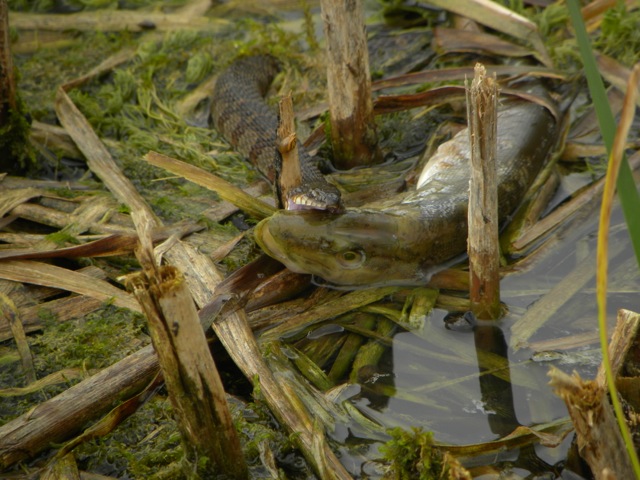
That’s it for the year 2012 in review, courtesy of Sue and John Hrobar. Here are a couple of bonus pics that Sue took in September, 2013, of a watersnake capturing a grass pickerel. I wonder what happened next?
I would love to share your photos of The Springs here, so contact me if you have some good ones.
The Buckthorn Man was raised Catholic, so it’s no wonder he didn’t find out.
Yeah, that was me back when I was just learning how to use my chainsaw.
So, when and where did The Buckthorn Man learn the “facts of life”? You won’t believe it. It was this past Tuesday, in the Village of Hartland’s Village Board meeting room! Kevin Thusius, Director of Land Conservation with the Ice Age Trail Alliance, explained that everyone knows it is sexy to cut big buckthorn with a chainsaw, but not so glamorous to do the maintenance required to keep the resprouts and seedlings from resurging. Ah, ha! now I understand that funny feeling I get when I pull the cord and my chainsaw springs to life…
It was an exciting meeting to say the least. Kevin is working on a plan, in conjunction with the Village of Hartland, the Waukesha County Land Conservancy, the DNR, and private landowners, to preserve the work I did at the Hartland Marsh from 2004 – 2011. It’s too bad I didn’t realize how sexy those times were: if only I knew then, what I know now. I’ll keep you posted as things develop at the Hartland Marsh.
Well, I could hardly contain my enthusiasm this past week as I returned to the east shore of the Ottawa Lake Fen State Natural Area to have a go with some very attractive buckthorn. I laced my chaps up tight, dabbed a bit of bar oil on my face and neck, wore my helmet cocked stylishly to the left (which I know buckthorn can’t resist), and plunged my chainsaw into the thicket…
Here is how it looked this past Wednesday before the orgy began.
I was soon joined by my randy buddies, Chris, Austin and Andy.
We had a very satisfying day whacking, piling and burning buckthorn.
As you can image, we couldn’t get enough of that hot buckthorn, and we returned on Thursday to find them ready and willing.
Chris found this old automobile and got in the backseat with a shapely buckthorn!
By the end of the day, I was spent…
Sparks were flying. I think this is the real thing!
Pat told me that after she became a Thousand Miler she just “fell into” the role of trail coordinator for the Waukesha/Milwaukee Chapter of the Ice Age Trail Alliance. But, you don’t get the kind of results Pat has achieved by just talking the talk. Pat became a Mobile Skills Crew leader, and with that foundation, she has lead dozens and dozens of chapter workdays in addition to coordinating the trail mowing. She is an innovator as well: raising the standard for trail signage across the whole state with her Blazing Babes program.
To see Pat’s Ice Age Trail work first hand you are simply going to have to Walk The Wauk. It was Nancy Frank who came up with the idea for each chapter to design a program to encourage people to walk their sections of the IAT. Kris Jensen, the current Waukesha/Milwaukee IAT Chapter Coordinator, came up with Walk The Wauk, and it has been a tremendous success, with over 550 people registering and around 175 completing the entire 44.7 miles of IAT in Waukesha County. Parents, challenge your children to Walk The Wauk with you!
In addition to her work on the trail, Pat is an excellent spokesperson for the Ice Age Trail Alliance and the Waukesha/Milwaukee chapter in particular. Discover Wisconsin featured Pat in the conclusion to their four-year journey on the Ice Age Trail. Once people find out that you have a skill, you get called on for all sorts of projects and Pat, and her husband Gary, generously helped complete a boardwalk on Mud Lake.
Last month, while hiking at The Springs on a Saturday night, I realized that the traffic on Hwy 67 was killing my buzz. “I’ve got to get away!” After my next workday, I decided to hike the IAT from Hwy ZZ south to Piper Road for a change. I knew Pat and the chapter trail crew had been working on this stretch for 3 years and I was eager to see it. It was a cold, full moon, November night when I walked a bit of the wauk.
The white pine canopy towered overhead as I began the climb up into the moraine. This old pine plantation just keeps getting better looking with age: taking on a much more natural look after a succession of skillful harvests. The transition to Oak and Hickory occurs as you get up into the gracefully undulating kettles and ridges. “Where am I?” The last time I walked this trail was behind a Billy Goat mower and I couldn’t believe how different, beautiful and quiet it was. At the halfway point, I had to call Pat. This was amazing!
We setup a date to walk the segment together and met at the IAT parking area on Hwy ZZ, a ¼ mile east of Hwy 67.
We hopped in Pat’s car and drove down to the IAT crossing at Piper Rd and began walking north on the 1.5 mile segment (see map above) until we arrived at the trail reroute project shown below. We are looking at the old trail’s path; right down a “fall line”.
Pat talks the talk.
Pat taught elementary school for 34 years, most recently at Summit Elementary, and she insisted that I give a quiz after each trail reroute video. So please, sharpen your pencils and get rid of your gum — somewhere.
In what order is the 4-step bench building technique executed?
measure, dig, push, cuss
dig, measure, cuss, push
backline, bench, back slope, critical edge
cuss, measure, cuss, dig
We soon arrived at the next rerouted section: a 280 yard doozy.
The section above ties right into the last, and prettiest, reroutes planned for this segment. The new, 250 yard trail, is flagged, raked, easily followed and scheduled to be opened next spring.
Here is a testimonial to Pat from my spiritual father, Mike Fort:
In my Ice Age Trail experiences with Pat, she is always well-organized and clearly communicates what the goals of the various projects happen to be. In addition to all her responsibilities with the Ice Age Trail she has also really helped with our restoration efforts at Lapham Peak. She works and leads with an upbeat cheerful attitude that is infectious no matter what the challenge. I’ve really enjoyed working with her.
Amen Mike.
Much of the Southern Kettle Moraine forest is thick with buckthorn, and one of the most exciting things about the IAT trail work that Pat is leading is the creation of view sheds, or stewardship zones, where the brush is cleared away so you can see the lay of the land.
This stewardship zone is just north of the third rerouted stretch shown above.
I think The Buckthorn Man should join the Monday Mudders! This next view shed is just a bit north up the trail.
The last stewardship zone is at the junction with the spur trail that leads to the parking lot on Hwy ZZ where we met.
Pat, I know I speak for The Buckthorn Man, and everyone who enjoys the Ice Age National Scenic Trail in Waukesha County, when I say emphatically: THANK YOU!
Apuleius, the Roman philosopher, rhetorician, & satirist said: “Familiarity breeds contempt, while rarity wins admiration.”, and paradoxically, that has been my experience with the few of Wisconsin’s 673 SNAs that I have visited. You might be thinking: ‘Hang on there Buckthorn Man; contempt is a strong word, how can you apply it the State Natural Areas?’ The answer is deeply philosophical, so, please, remember what Aristotle said: “It is the mark of an educated mind to be able to entertain a thought without accepting it.”
I will cut to the chase: I am an anarchist seeking a voluntary society. I don’t think the powers assumed by the “State” are legitimately based, especially the use of coercion to tax us. Under Natural Law, 1, 2, 10, 1,000 or 1,000,000 people do not have the right to delegate powers — that none of them possess individually — to an association they call government. Do I have the right to demand that you give me 20% of your earnings?
That is the perspective I bring when I become intimately familiar with any of our State owned lands; focusing here on the SNAs. What I find “contemptible” is the idea that “we the people” rely on government to take care of our most precious natural resources rather than voluntarily assuming that responsibility for ourselves. Here is the DNR’s SNA management philosophy:
Management
Land stewardship is guided by principles of ecosystem management. For some SNAs, the best management prescription is to “let nature take its course” and allow natural processes and their subsequent effects, to proceed without constraint. However, some processes, such as the encroachment of woody vegetation and the spread of invasive and exotic plant species, threaten the biological integrity of many SNAs. These sites require hands-on management and, in some cases, the reintroduction of natural functions — such as prairie fire — that are essentially absent from the landscape.
Wisconsin has desginated 673 SNA’s, encompassing over 373,000 acres. Please don’t assume the DNR has a comprehensive management plan for these sites including: goals, objectives, budget, staffing, timelines etc… they do not have the funds to accomplish this, and don’t assume that it is OK to “let nature take its course”. Since I don’t accept the legitimacy of government authority, it would be contradictory for me to advocate that we divert even a tiny percent of the money our federal government spends on wars of aggression and the security, industrial, military complex, to nurture and care for our treasured state lands. Nope, I’m suggesting that each one of us volunteer our time and attention to care for the land. Visit an SNA near you and become intimately familiar with it; let the rarity of these beautiful places win your admiration (and active involvement!)
The headwaters of Bluff Creek is one of the few Class I trout streams in southeast Wisconsin.
Pati and I visited the Bluff Creek Springs complex after the November SNA workday and I gave her a tour.
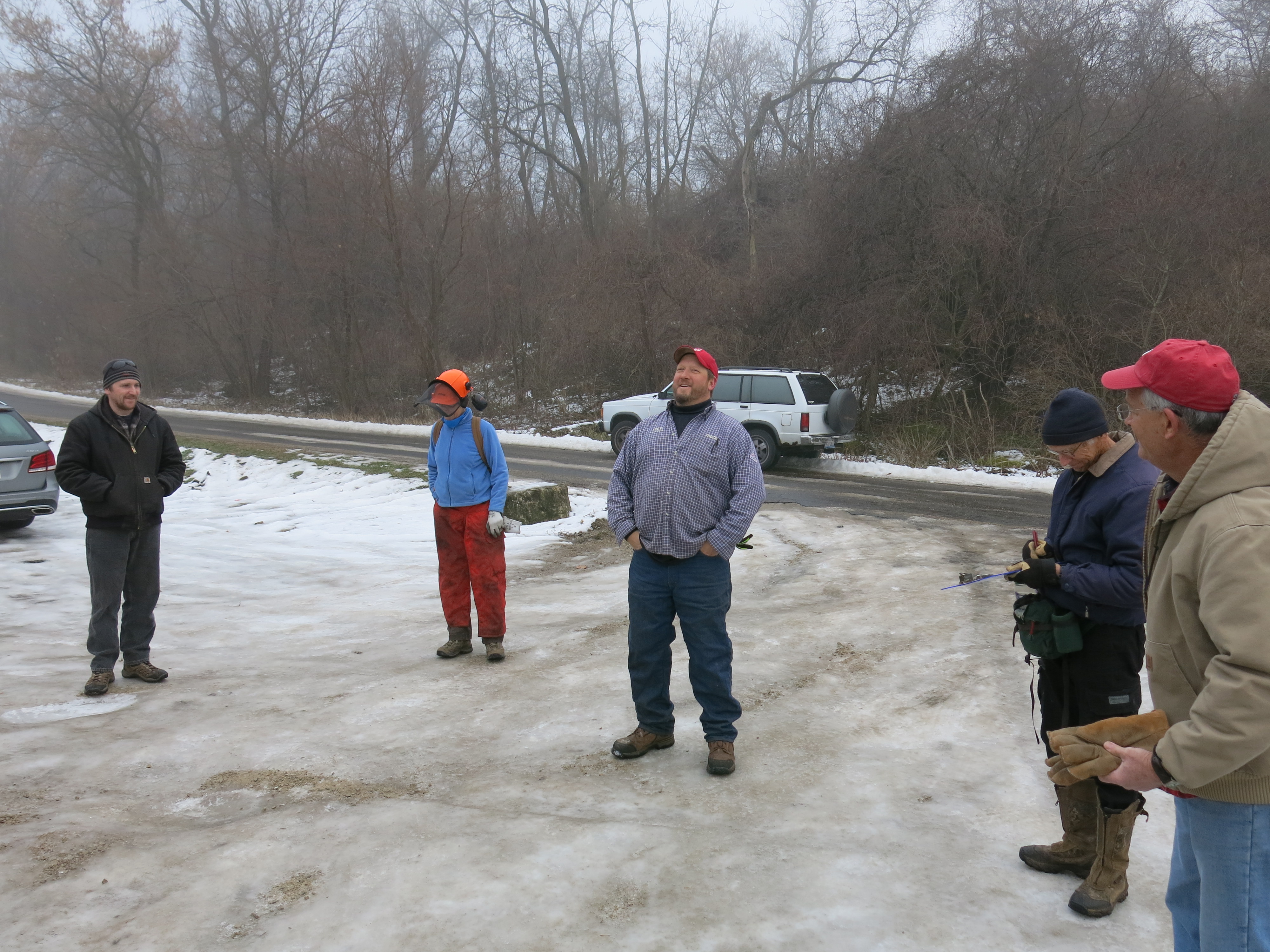
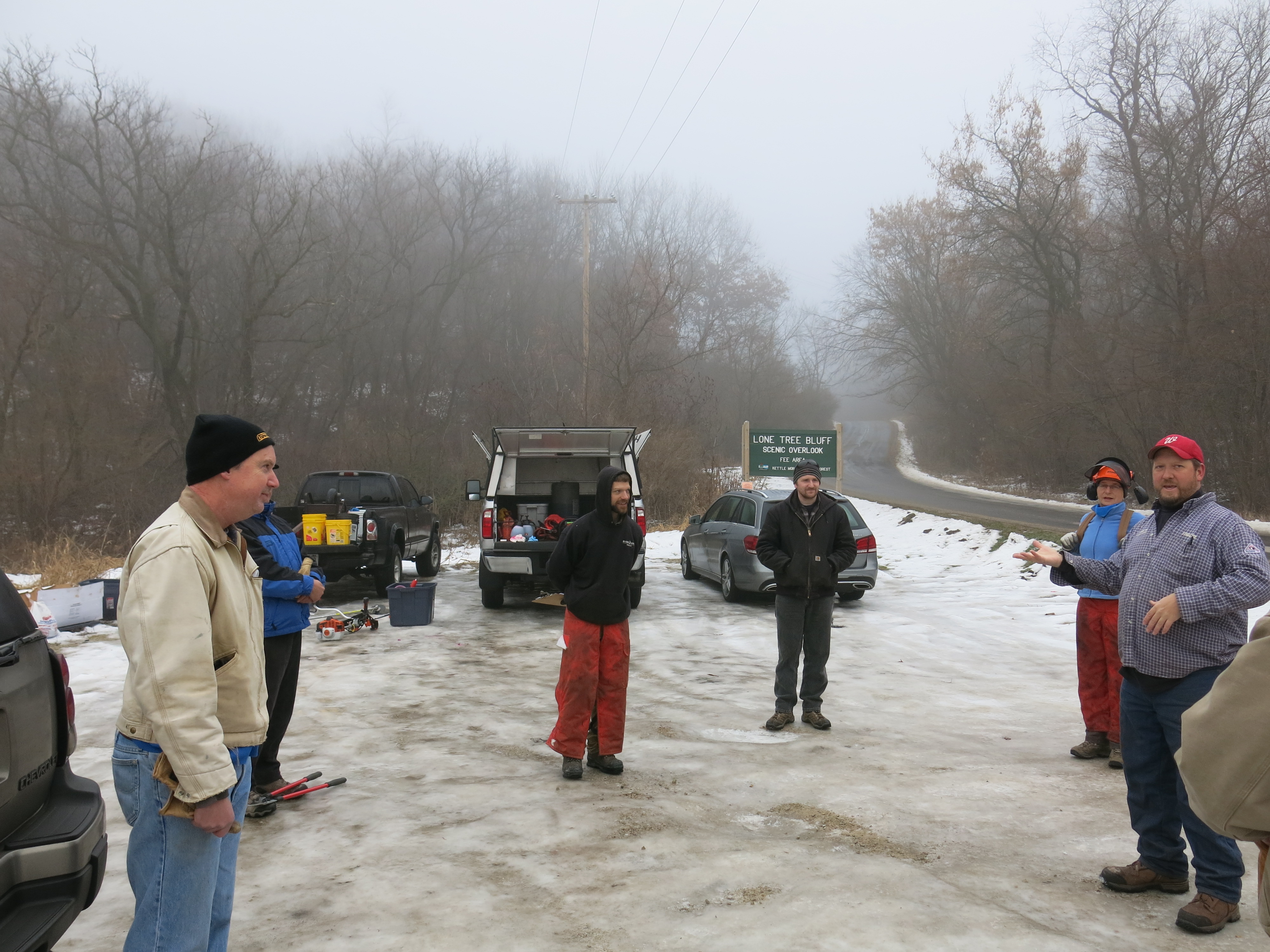
I mentioned in the video how excited I was to return for the SNA workday in December and I was not disappointed (visit the Southern Kettle Moraine SNA Volunteers on Facebook). We gathered yesterday morning on the ice covered parking lot at the Lone Tree Bluff trailhead on Esterly Road.
Zach Kastern introduced us to the day’s project.
At the trailhead, you take the left-hand, unmarked path towards the springs rather than follow the steps straight up to Lone Tree Bluff. This is not an official trail, but it will definitely become more obvious as we continue working there. When we got to the work site, Zach gave more specific instructions and we all introduced ourselves. It was a great crew to be with!
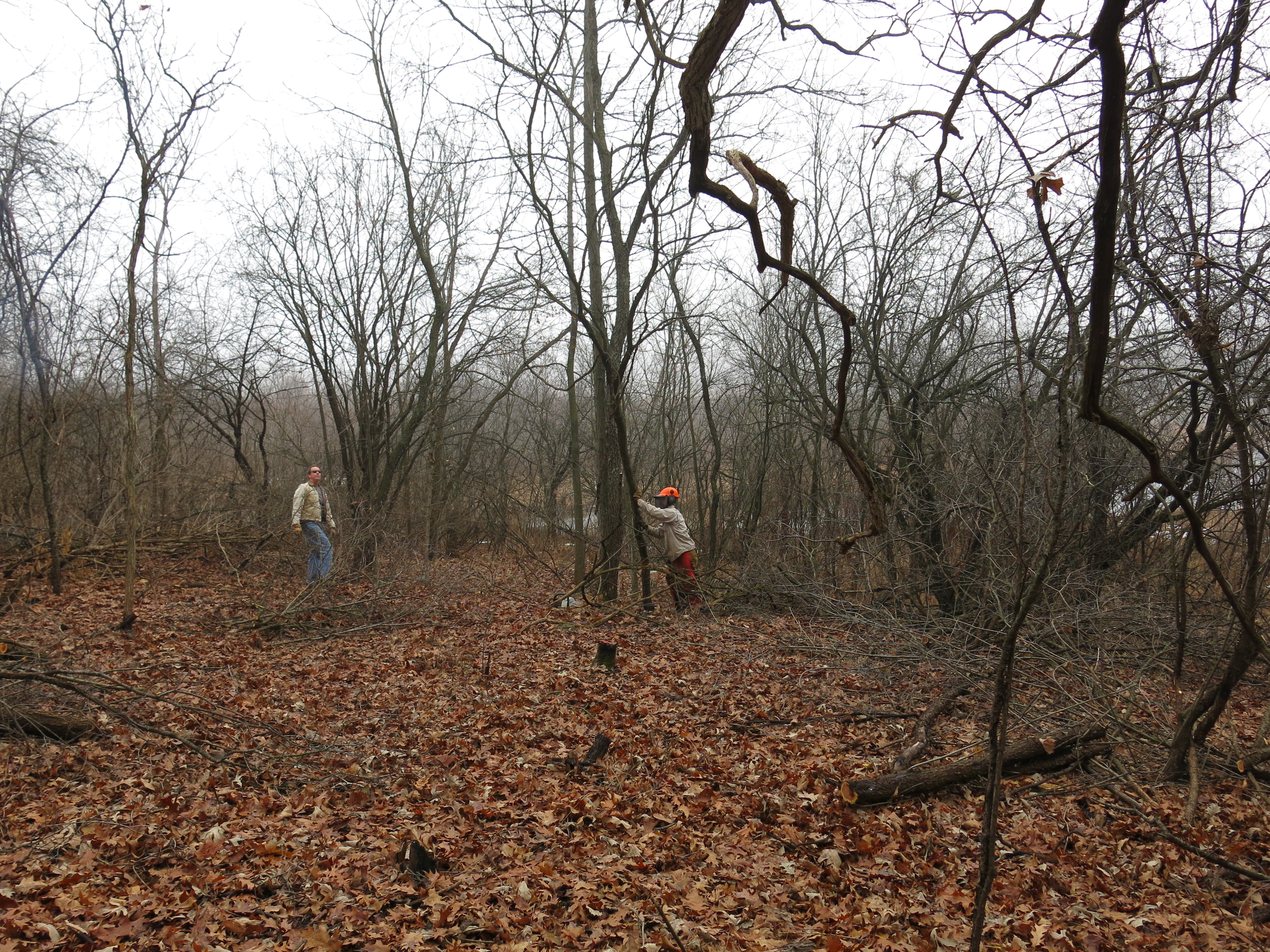
I was in heaven and thoroughly enjoyed the day. I grabbed these images while taking a break to gas up the saw.
Jared Urban coordinates volunteers at the SNA’s in the southern part of the state. The next 5 action shots are courtesy of Jared.
Ginny rips it up.
Kyungmann in the thick of it.
Scott, Tom and Zach.
Tom stoking the fire.
Group shot minus Dale and Gary. (Back row left to right: The Buckthorn Man, Jared B., Tom, Scott and Kyungmann and Ginny and Zach in the front row)
The official workday ended at noon but a few of us hung out to talk and share lunch by the fire. I cut buckthorn all afternoon and Zach and Scott fed the brush piles. Here is how it looked at the end of the day.
Here are a couple views of the site before we got started.
Looking north from the channel of the spring that flows into the fen.
Looking down the trail towards where we left off last time. The buckthorn on the left is doomed.
Below looking right and left from where Chris Mann left off the previous Monday.
I was soon joined by Chris, Austin and, much to my delight, Andy Buchta and we got after it.
We had an excellent day and finished the fen-side of the trail all the way north to the tamarack grove; and even got a few licks in on the south side of the spring channel that flows into the fen, working along the trail that leads to the Ottawa Lake campground.
When we finished I took a walk from the point where we stopped, shown above, heading back across the channel to where Chris and Austin were still piling brush.
I had a mellow day last Thursday brush cutting and poisoning the scrub red oak, cherry and buckthorn on the sand prairie. I think it’s time to start burning brush piles.
I don’t fish. My rights under natural law do not extend to harming any sentient creature, except in the case of self defense. I’m still troubled by the memory of the beautiful adult river otter I ran over with my truck and trailer, while passing a slowdriver on the way to Lake Owen this past summer. I was the unconscious one.
I know, I’m in the minority, and you might wonder why I would introduce an article about the great work the Southeast Wisconsin Trout Unlimited organization has been doing for almost 50 years by reflecting on the nature of fishing. I’m just being honest. I love fish, especially brook trout, and recognize that the Scuppernong River is potentially an ideal place for “brookies” to live long and happy lives; that is why I am putting my energy into rehabilitating the headwaters of the Scuppernong River at The Springs.
The art of fly fishing is a classic solitary pursuit.
But fishermen/women have long recognized that they need to work together to effectively conserve, protect and restore our fisheries; hence the formation of organizations like Trout Unlimited.
TU’s guiding principles are:
From the beginning, TU was guided by the principle that if we “take care of the fish, then the fishing will take care of itself.” And that principle was grounded in science. “One of our most important objectives is to develop programs and recommendations based on the very best information and thinking available,” said TU’s first president, Dr. Casey E. Westell Jr. “In all matters of trout management, we want to know that we are substantially correct, both morally and biologically.”
The Southeast Wisconsin Chapter of TU (SEWTU) was formed in the late 1960s and, after working with them this past Saturday on the Scuppernong River, I couldn’t agree more with this sentiment expressed on their website:
You’ll be hard pressed to find a better bunch of individuals than those who comprise the rank and file of SEWTU. Friendly faces, kind words, and good fishing stories — some are even occasionally true — welcome all comers.
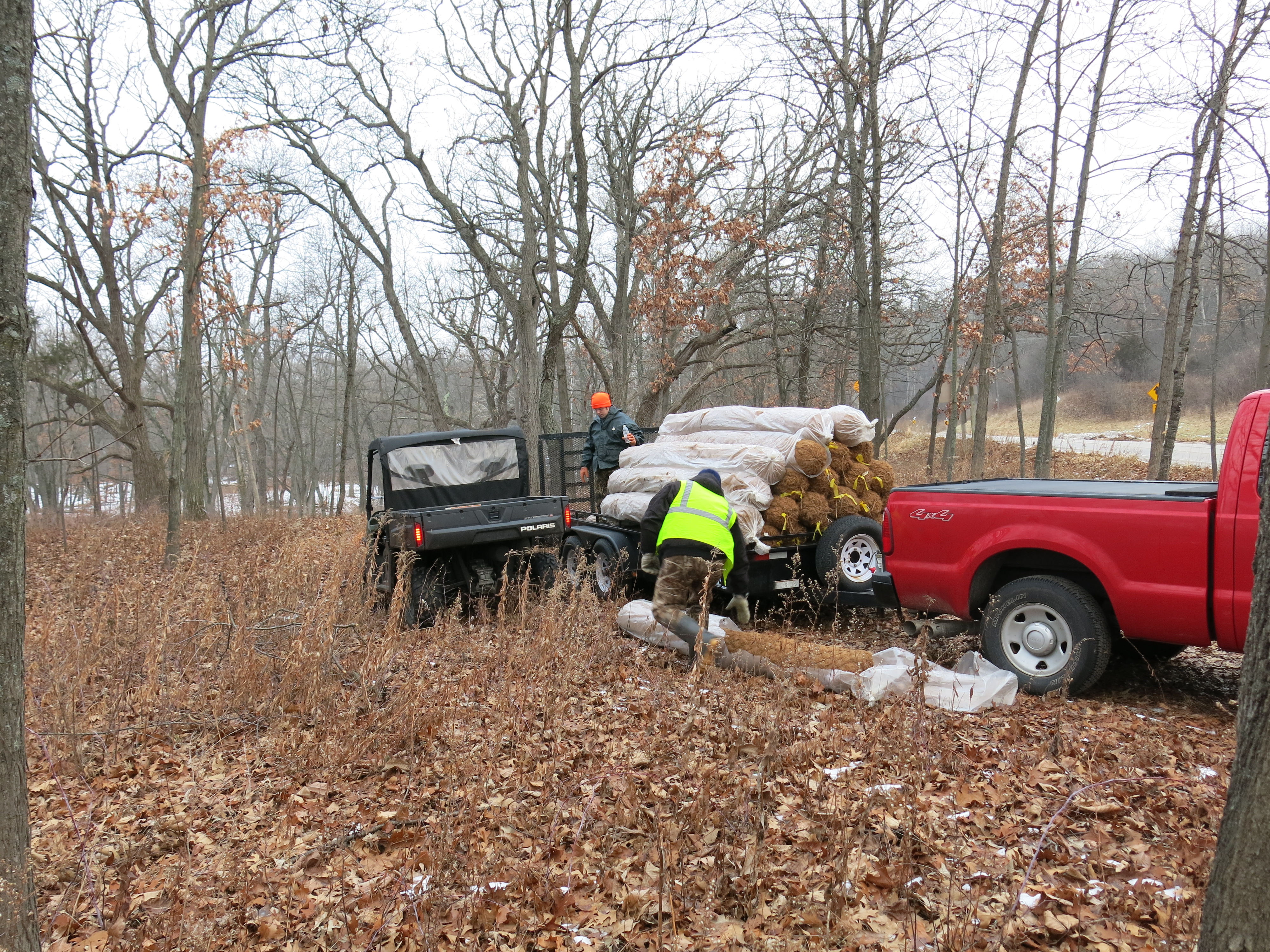
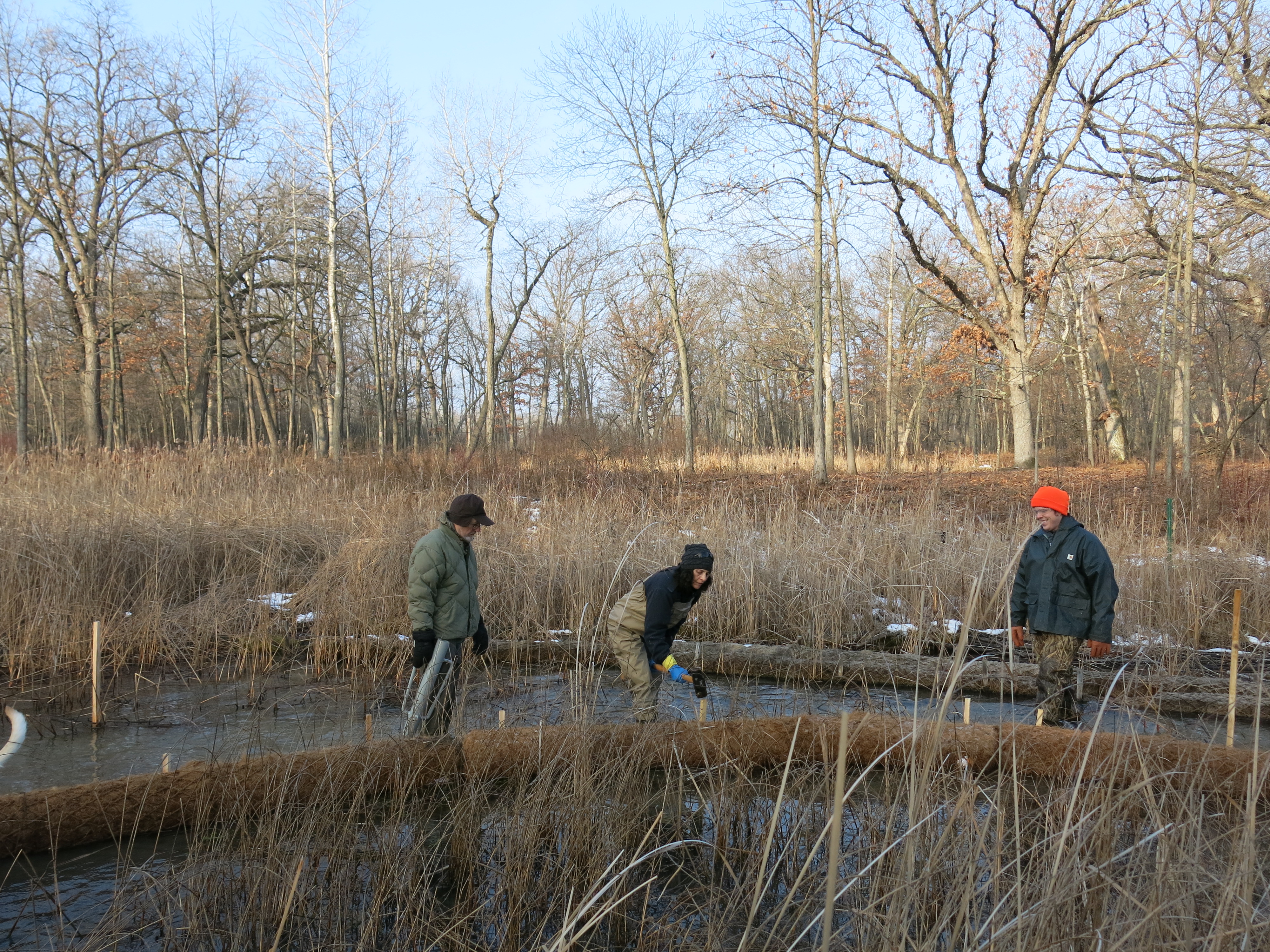
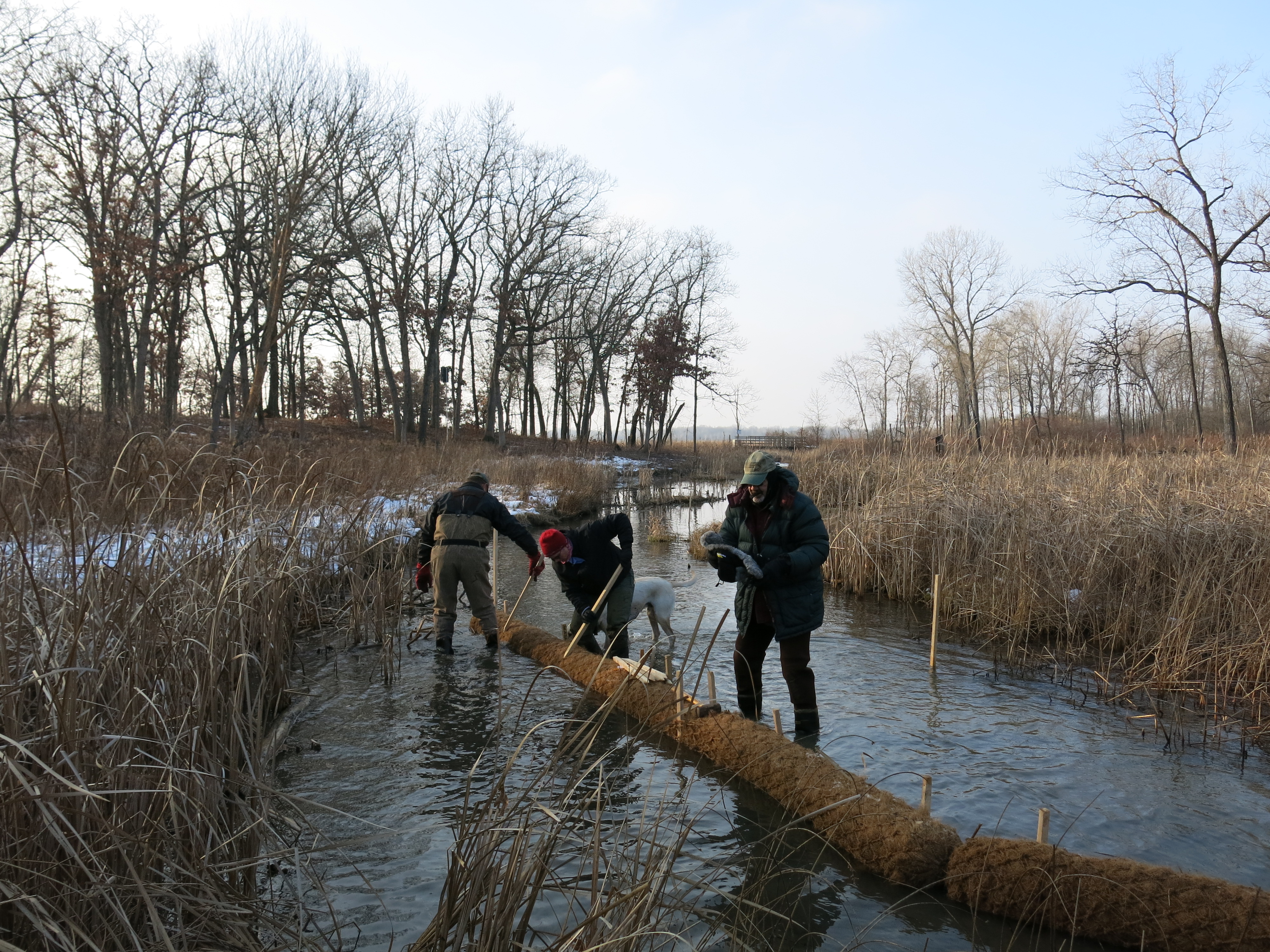
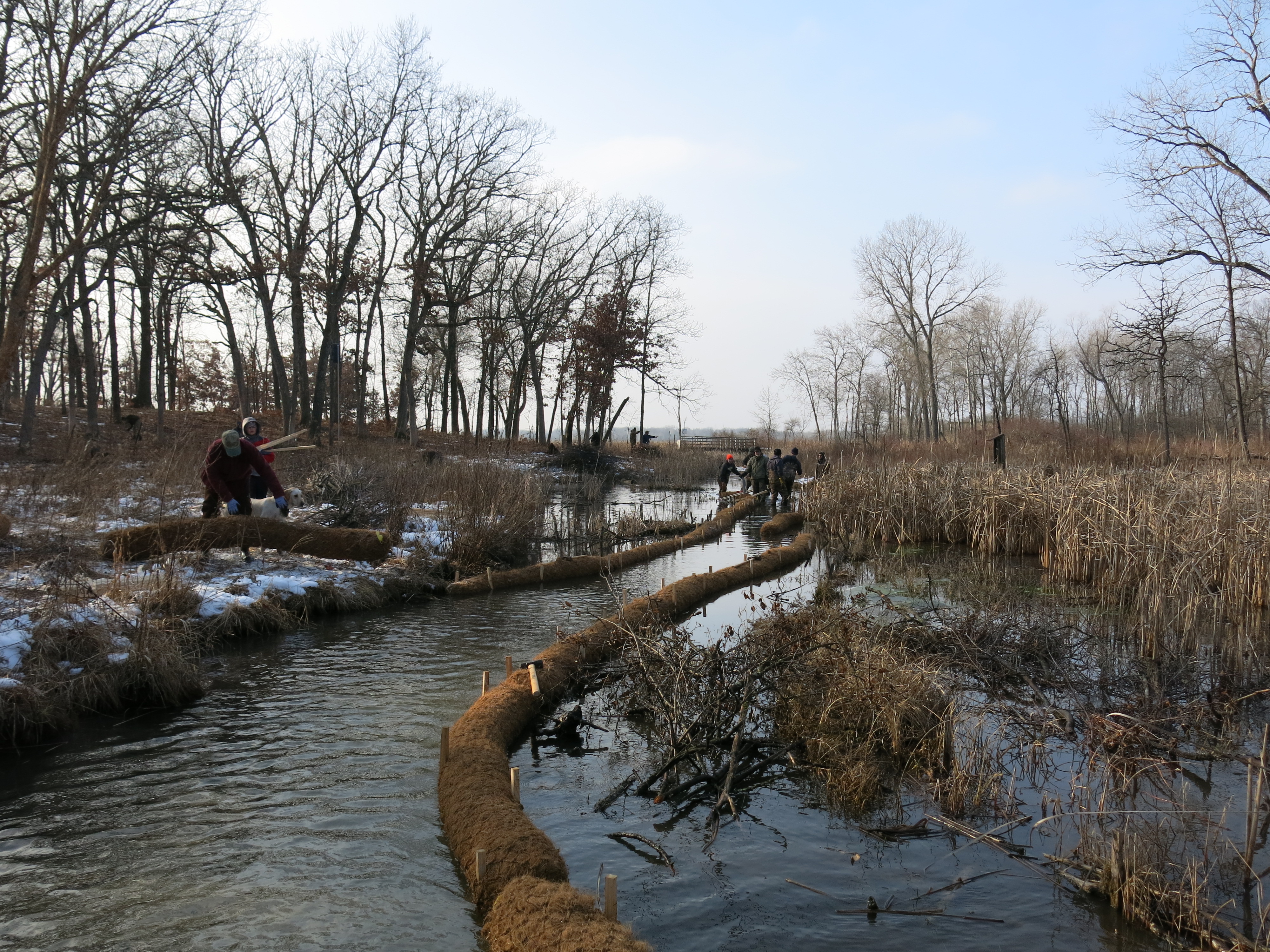
Since 2006, SEWTU has done many projects in the Scuppernong River Watershed, mostly on Paradise Springs Creek and the headwaters of the Scuppernong River. For example, on a cold winter day in 2008 they installed bio-logs just upstream from the Emerald Springs overlook deck and closed off the marl pit canal from the river. They did two projects on the river in 2013, installing bio-logs in the stretch between the old barn site and gaging station bridge (scroll down in these posts to view the work they did in December 2013.)
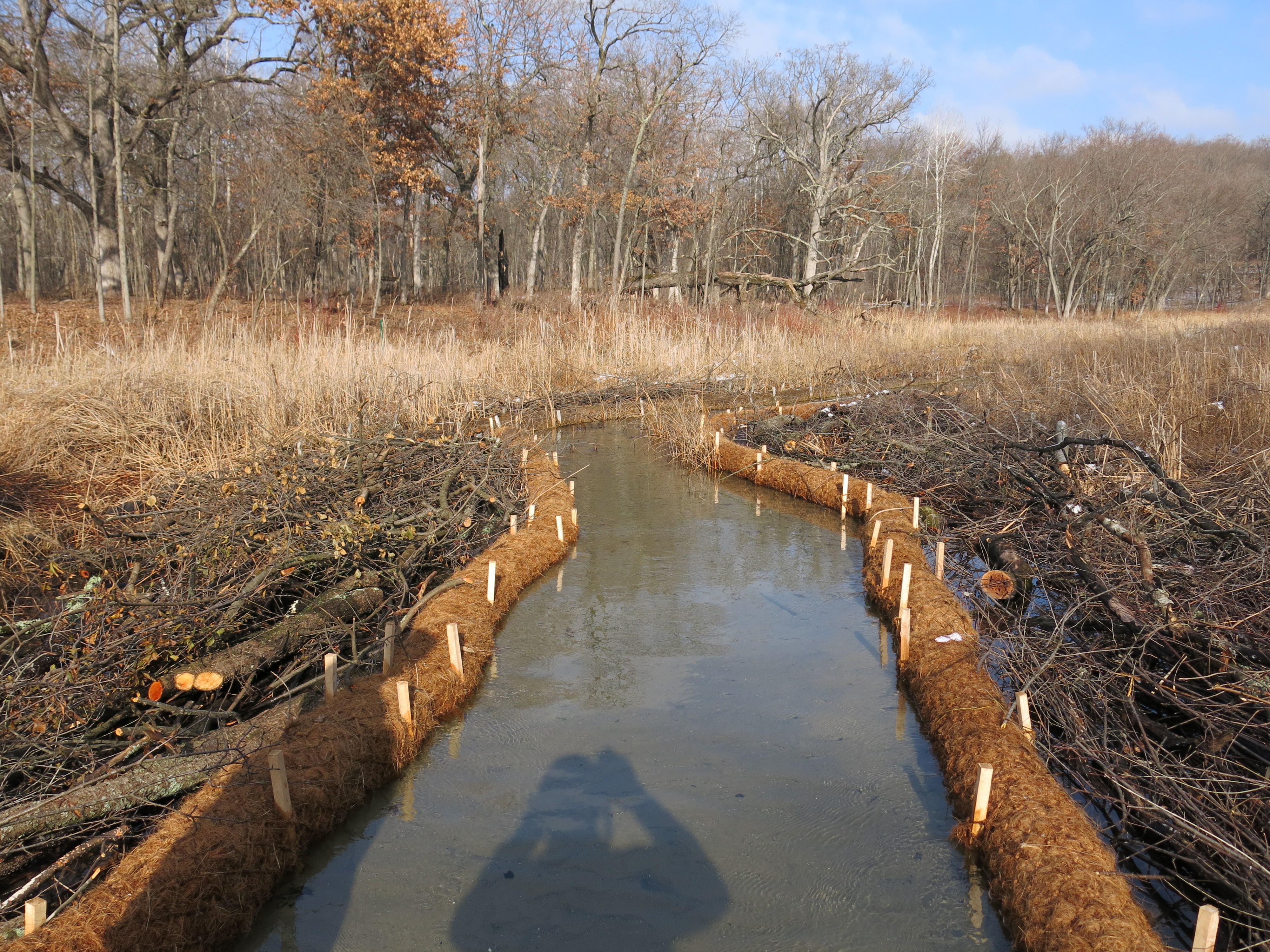
I really regretted not being on-site for the 2013 SEWTU Scuppernong River workdays. My excuse is the reference in their email notifications to the Scuppernong Creek (you may notice this on their website(s) as well), that confused me. Thanks to Ben Heussner for giving me a heads up this time. It was a pleasure to work with SEWTU members on December 6th installing bio-logs just upstream from the gaging station bridge. It was a very successful workday that completed the channel remediation efforts from the old barn site downstream to the gaging station bridge (with one caveat that we’ll get to below when we interview Larry Wirth.)
The day started when Pati and I met the Wisconsin DNR Fisheries Technicians, Joshua Krall and Ryen Kleiser, at the DNR parking area above the Hotel Spring.
We got some drinking water at the Hotel Spring and then watched Josh delivering the first load of bio-logs to the site.
We then headed over to the main parking lot on Hwy ZZ to meet-up with the SEWTU work crew.
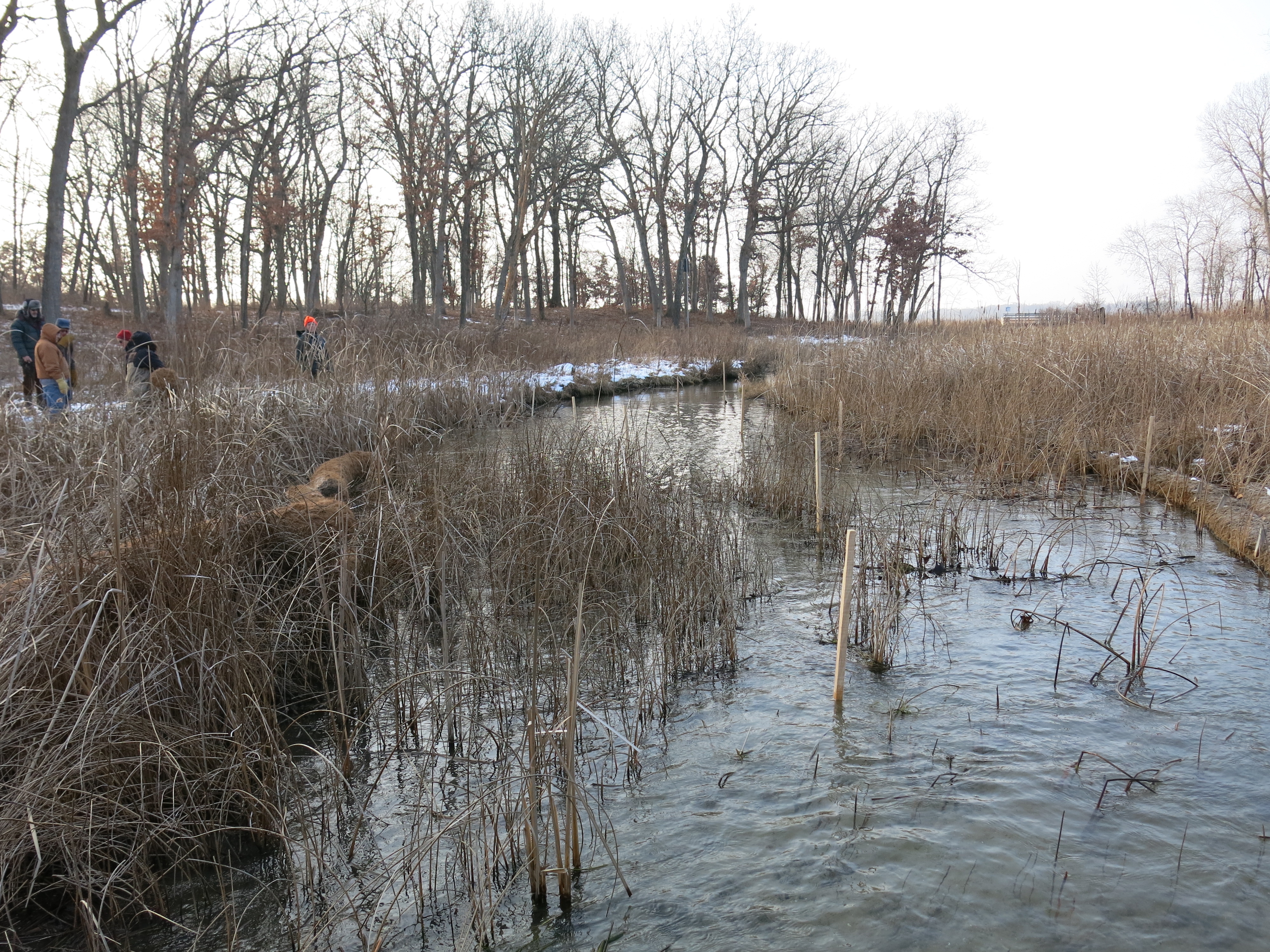
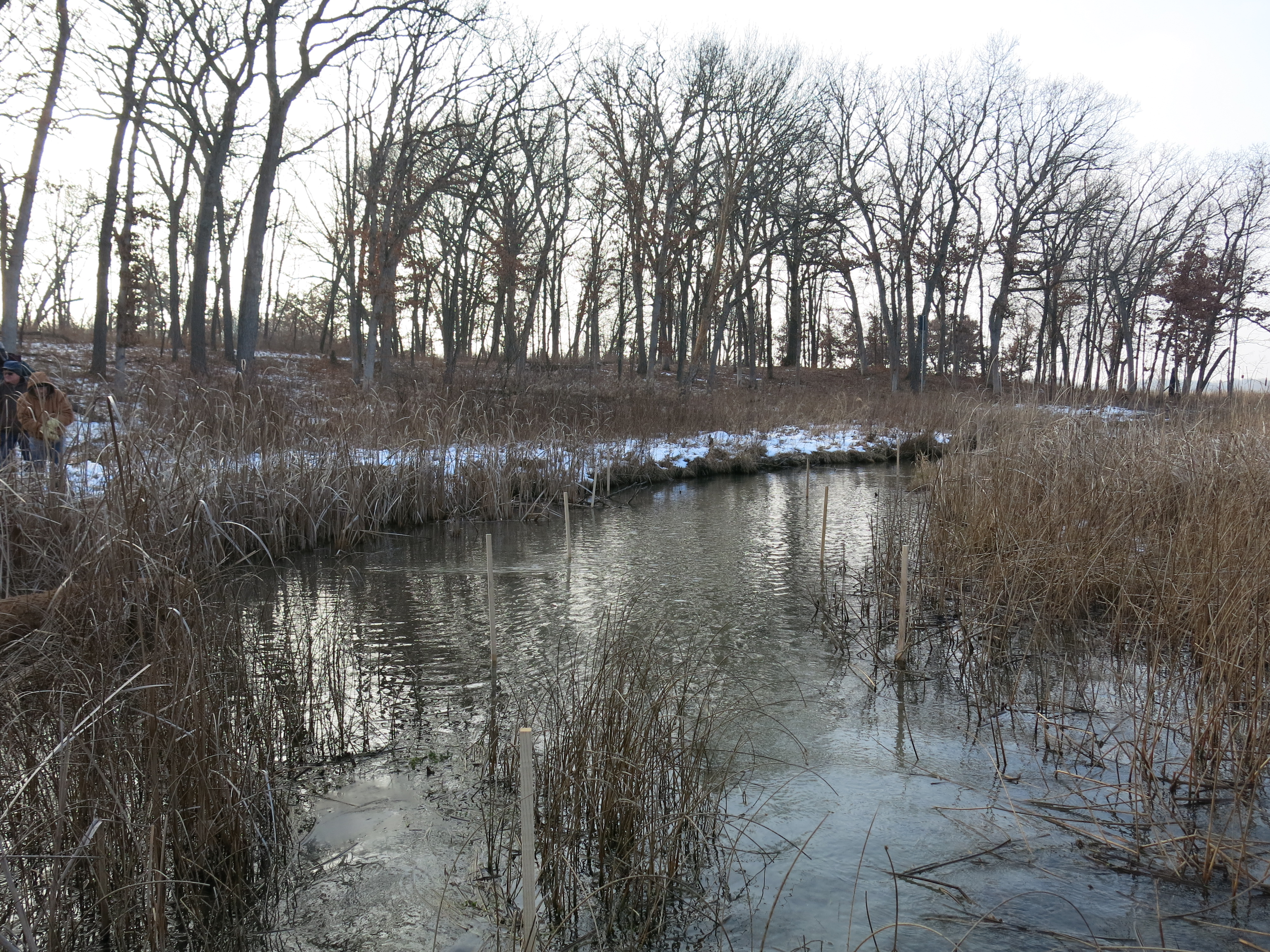
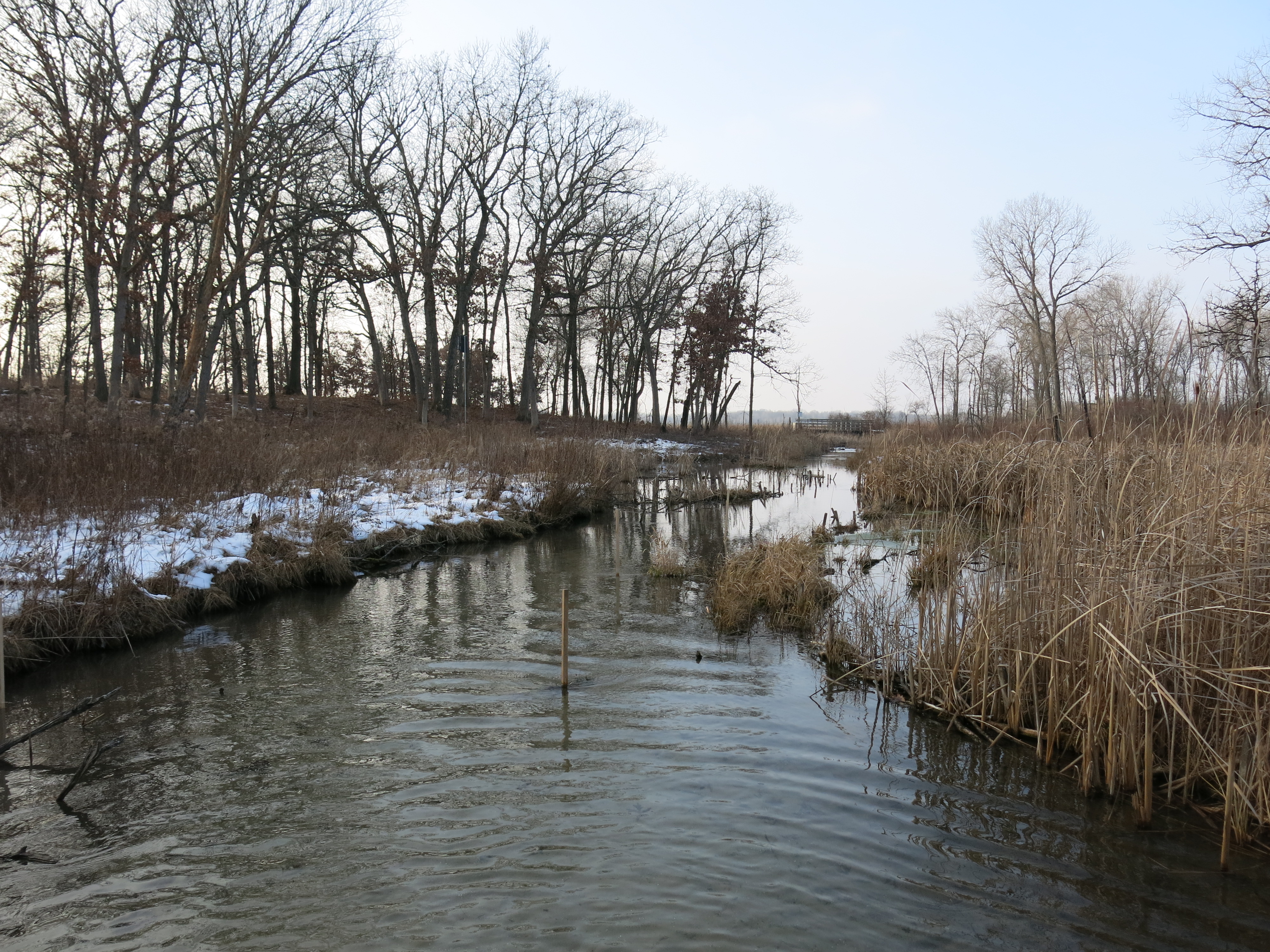
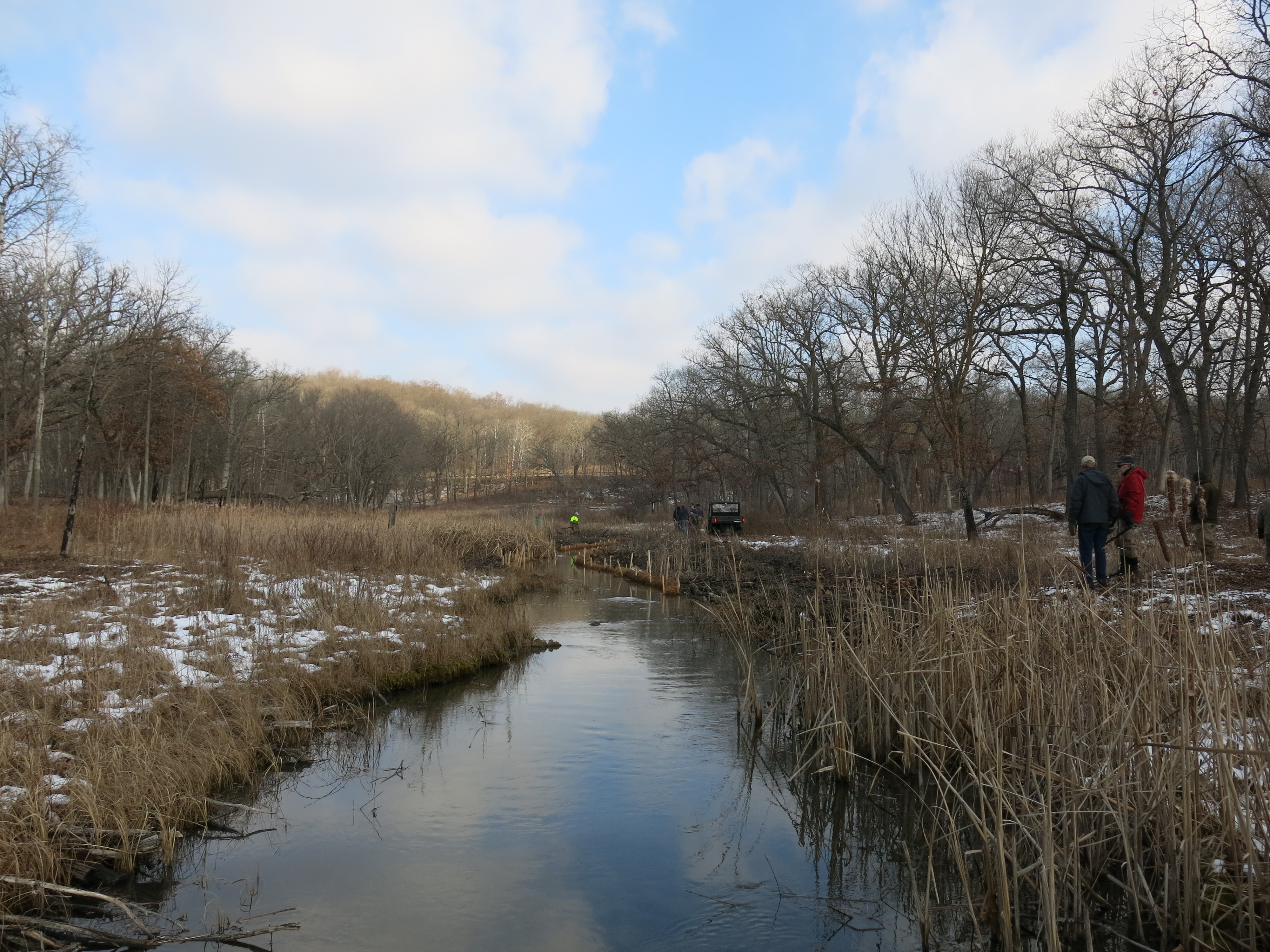
Here is a survey of the work area before we got started.
After reviewing the plan with Josh, I turned and got these pictures.
The workday progressed flawlessly as more SEWTU volunteers streamed in.
We soon had all of the bio-logs in place and focused on filling in brush behind them.
We accomplished an amazing amount of work before noon!
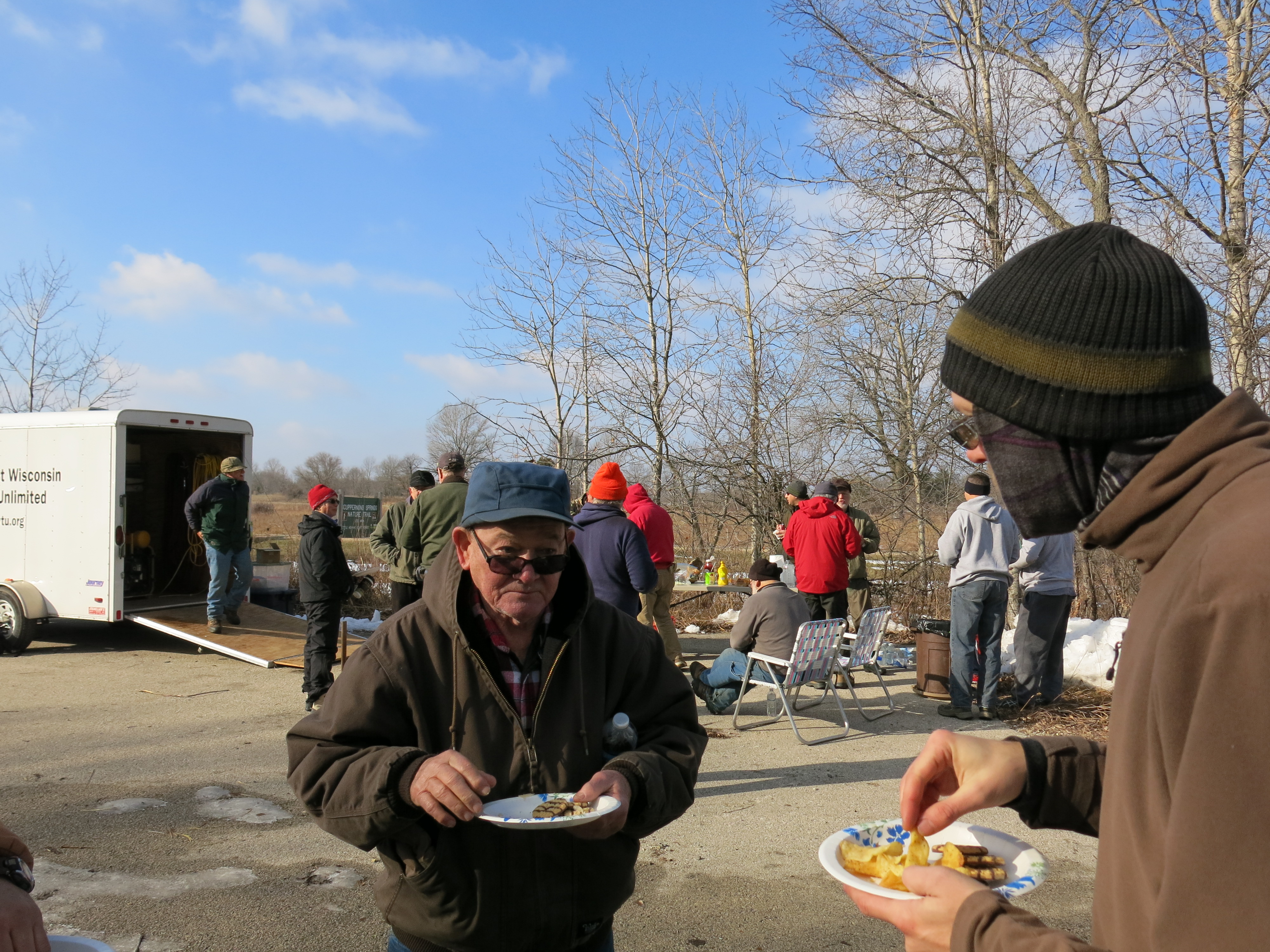
Back at the parking lot, Ray, Chris and the other chefs laid out the traditional SEWTU brat fry.
James Flagg above, talking with Mike Kuhr and with his son, Jim, below (sorry, I didn’t get in a little closer for this shot!)
During the morning Pati struck up a conversation with Larry Wirth, a long-time SEWTU member, about his role in the DNR’s decision to drain THE PONDS OF THE SCUPPERNONG (scroll down in the post linked above for some great, vintage shots of the ponds taken by Pete Nielsen). I had to talk to Larry.
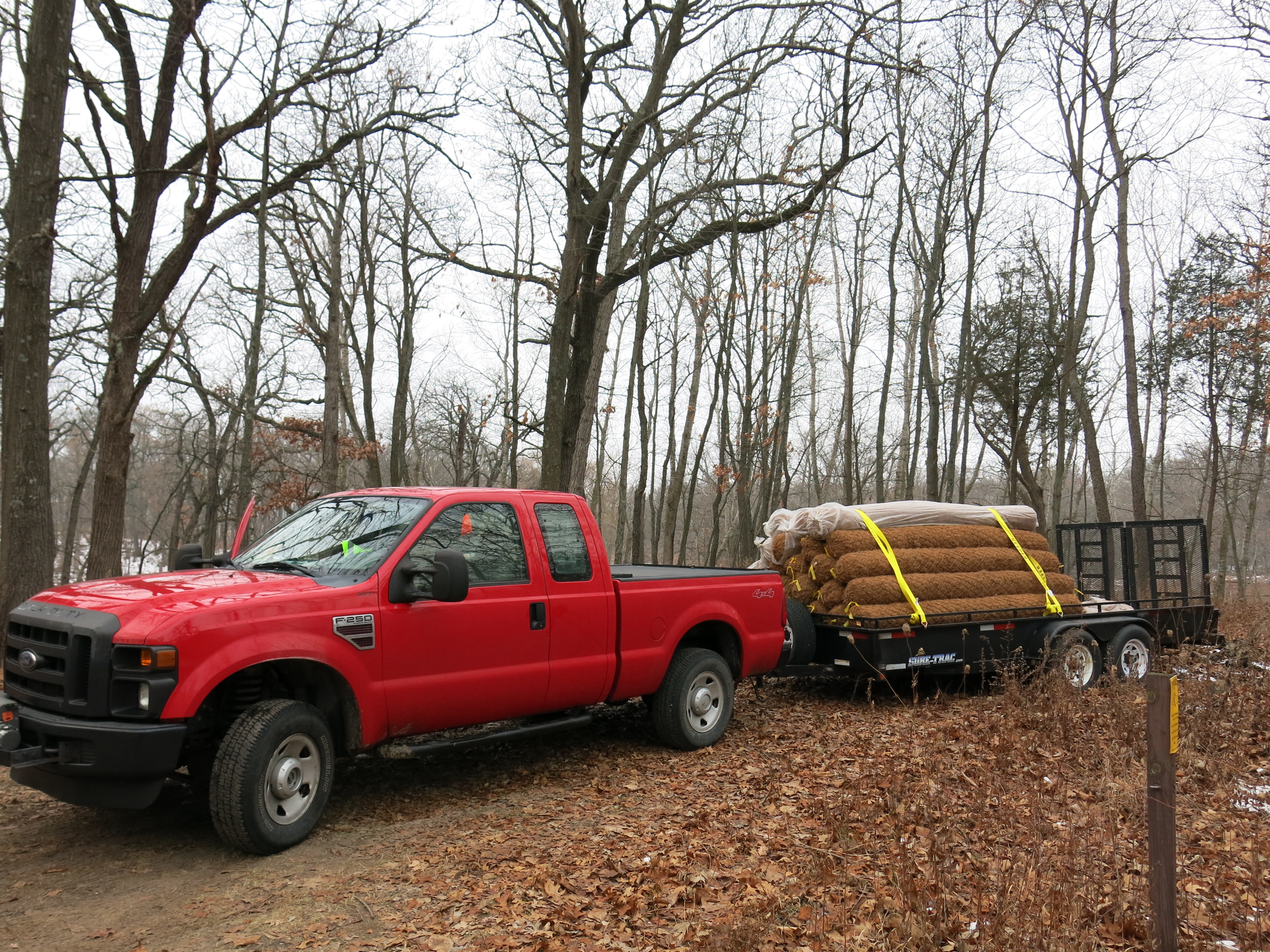
At the end of the interview, Larry expressed his concern and uncertainty about the suitability of coconut hull bio-logs to macro invertebrate life, which is essential for good trout habitat. We talked to Josh Krall about the “sterility” of bio-log channels. Josh explained that channel remediation was the first, and necessary, step in the restoration and that we could/should follow up and introduce organic material on the inside of the bio-logs to provide food and habitat for macro invertebrates like caddisfly. Larry asked if there had been any studies done regarding the transition of bio-logs to a more natural stream bank and their suitability to supporting macro invertebrates.
The two sites with biologs were not as productive as other sites and there did not appear to be other shoreline features associated with macroinvertebrate abundance or diversity.
The bio-logs upstream of the Emerald Spring were installed by SEWTU in 2008, and we can refer to them to gauge their transition to natural riverbank and the presence of macro invertebrates in their vicinity. I plan to investigate this further next spring. In general, I think it would be a good idea to line the insides of the bio-logs with some brush, logs or rocks to provide habitat for macro invertebrates. Perhaps we can do another workday with SEWTU in 2015 to focus on this next important step.
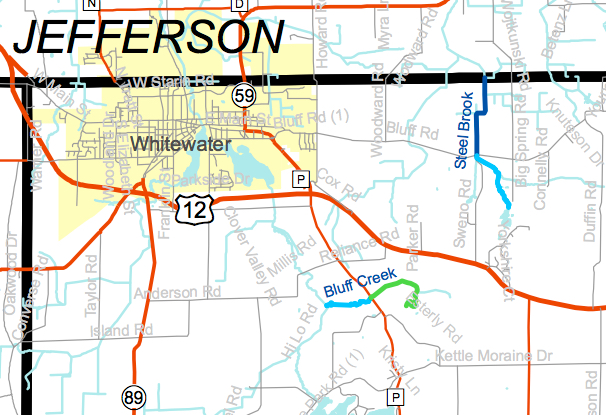
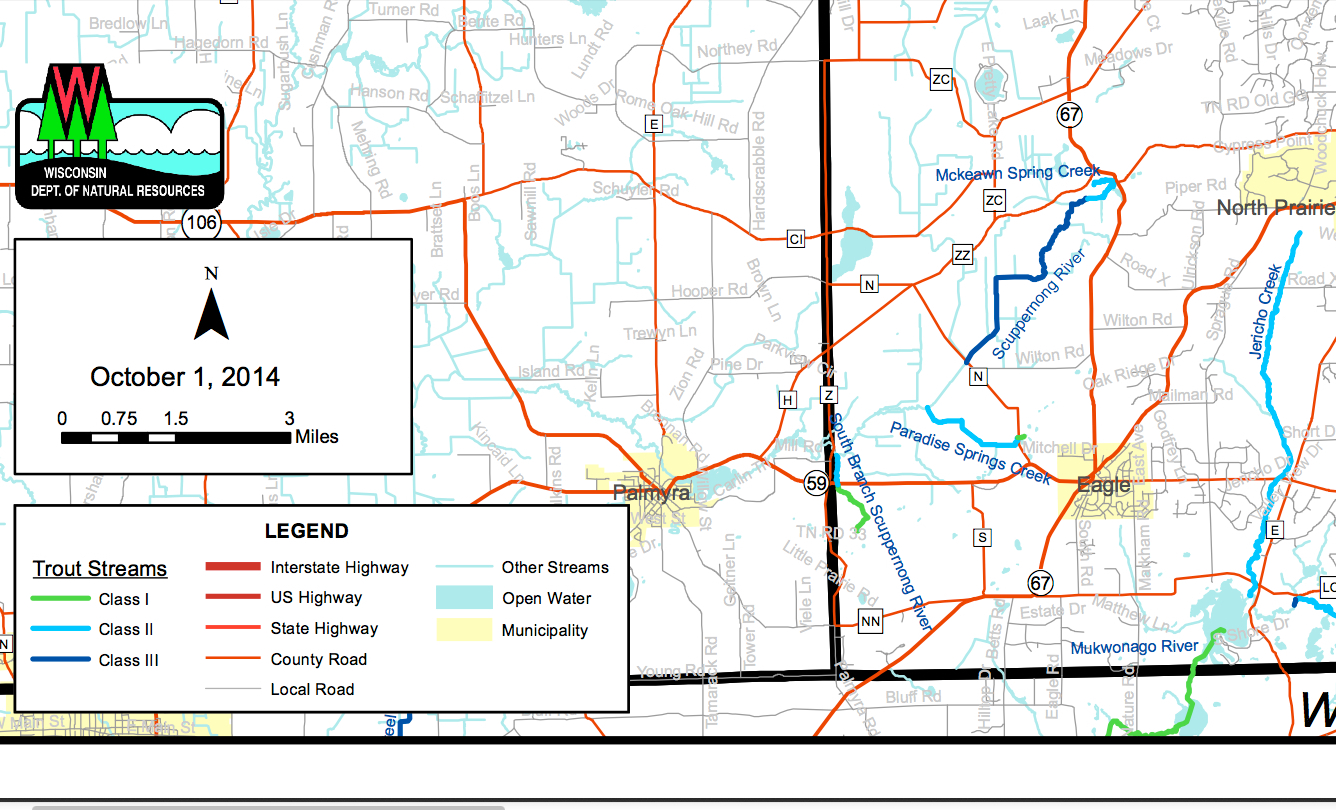
The goal of our effort is to raise as much of the Scuppernong River Watershed to the level of Class I Trout Stream as is reasonably possible. Below you can see the Scuppernong River Watershed Trout Classifications (note that no portion of the Scuppernong River in Jefferson County, where it joins the Bark River, is rated Class III or better.
As if working with SEWTU wasn’t exciting enough, Chris Mann and Austin Avellone, from the Kettle Moraine Land Stewards, joined me for a very productive workday on Wednesday, December 3, at the Ottawa Lake Fen SNA. I began clearing the buckthorn from the tamarack grove there on Monday, December 1. I was very happy to see that Andy Buchta had been busy piling the brush that Lindsay and I cut back in October. Since then, Andy has finished piling all the brush we cut there.
Here is how the tamarack grove looked on Monday morning.
I had a fine day cutting, but it was too dark by the time I quit to take any “after” photos.
Wednesday morning was absolutely beautiful. You can see below what I accomplished on Monday and what lay ahead for the day.
Chris worked the chainsaw and Austin swung the brush cutter and we got after it!
Afterwards…
Last winter both Andy Buchta and I got horrible, blistering rashes (which I spread to Pati!), after working with the brush we cut in the buckthorn alley. I was suspicious about this tree (the one in front below) and stopped Chris to ask what it was.
He explained that it was poison sumac and advised against cutting or even touching it. That reminded me of the time that DNR Trail Boss, Don Dane, made a point of taking Lindsay and I over to an area near the boat doc at Ottawa Lake to emphatically show us what poison sumac looked like, and warn us to steer clear of it. Well, you tried Don, and it took a nasty bout with poison sumac last year to teach me a lesson. I cut a couple of poison sumacs on the north side of the Ottawa Lake Fen SNA, but no more.
Chris and Austin at work.
There is a very nice trail along the east shore of Ottawa Lake that passes beneath the campgrounds and the walk-in sites #335 and #334 and continues to the north side of the Ottawa Lake Fen SNA. The views from this trail are going to get prettier as we continue clearing the buckthorn from the trail. My dream is to eventually create a trail around the west side of the fen to connect to the boat landing on the southwest side of Ottawa Lake. I think that would be awesome!
I met Pete Nielsen, the “Master of Nagawaukee”, famous for the Pete Nielsen Laser Relays, at The Springsback in July of 2013. When he told me that he grew up in the old stone house a mile or so south on Hwy 67, I practically begged him to share some of his scuppernong stories and pictures with us here. I’m guessing he earned the nickname “laser” for his speed running track and cross country, but as the days passed, and I didn’t hear from him, I wondered if he forgot about it. So, you can imagine my surprise and delight when I got his email tonight. But first, and I don’t mean to keep you waiting…, a couple of updates.
The Southeast Wisconsin Chapter of Trout Unlimited is having a workday at the Scuppernong River this Saturday, December 6th. We’ll need plenty of help making brush bundles to use to fill in behind the bio-logs, so please come and join us if you can.
Pati and I spent the week of Thanksgiving visiting our friend, Chris Belleau, in Providence, Rhode Island. The first snowstorm of the year was “major” for us, coinciding with the departure of our plane, and we missed our connection in Detroit. Upon our arrival in Providence, the next day, we immediately drove to New York City for a little adventure and caught this sunset over the Hudson River.
Pati cleverly negotiated both free airline flights and a free night at the Doubletree Hotel in the Big Apple using accumulated Delta and Hilton points. After a hair-raising drive through Times Square, we finally arrived safe, and barely sane.
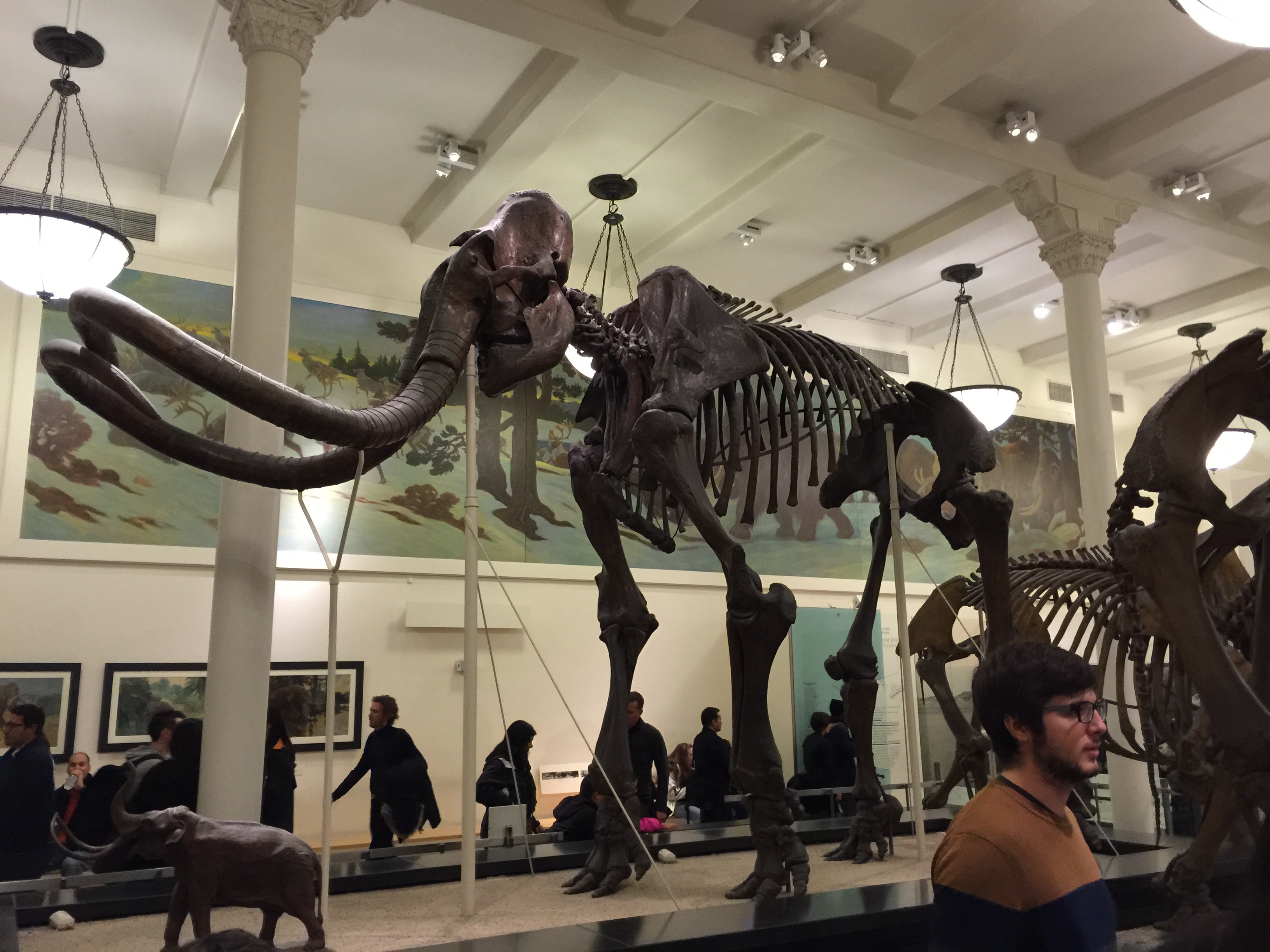
We visited “ground zero”, the Empire State Building and the Museum of Natural History before heading north to our ultimate destination in Providence. Rumor on the street is that this mammoth used to roam the shores of glacial lake scuppernong.
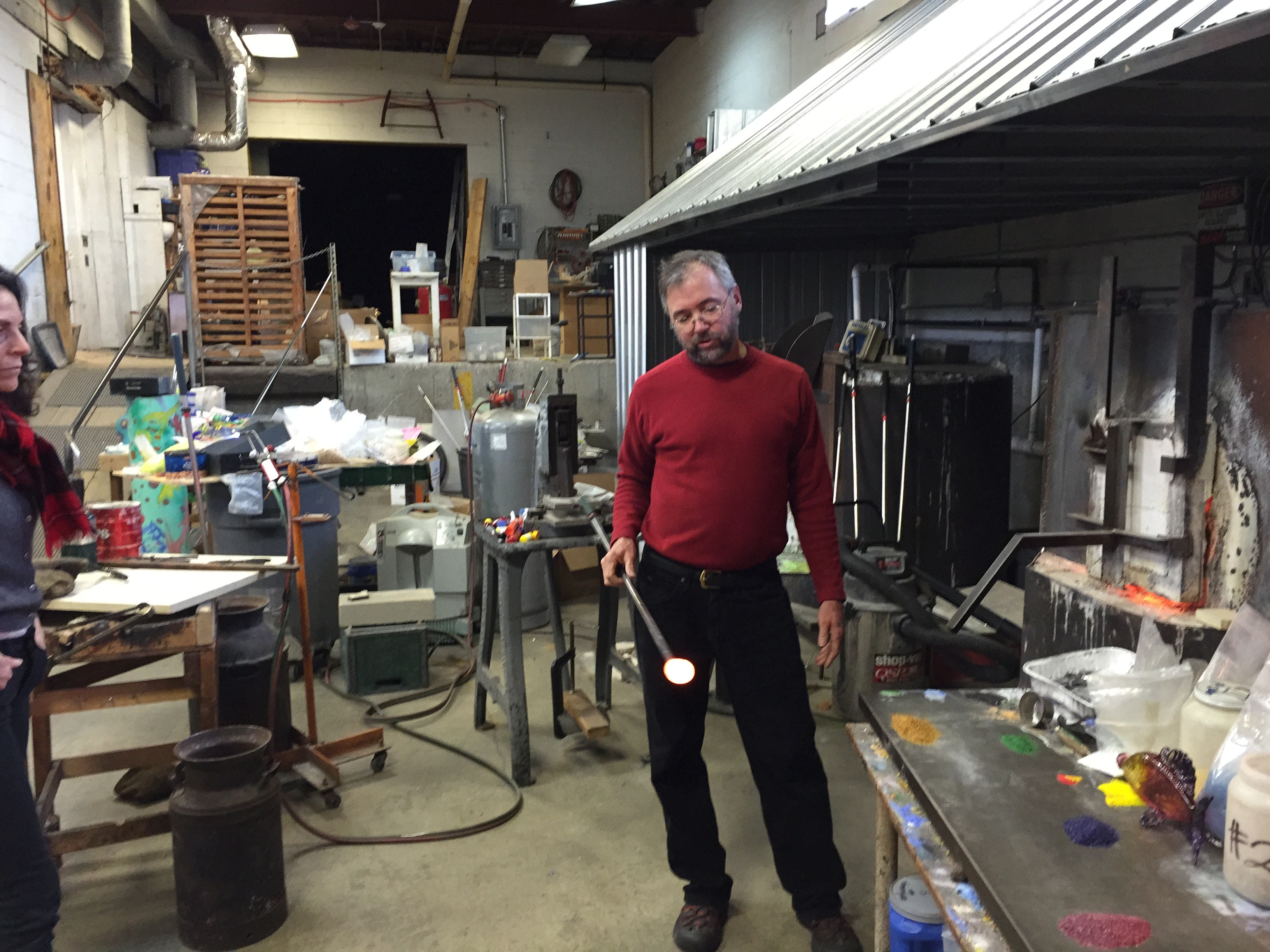
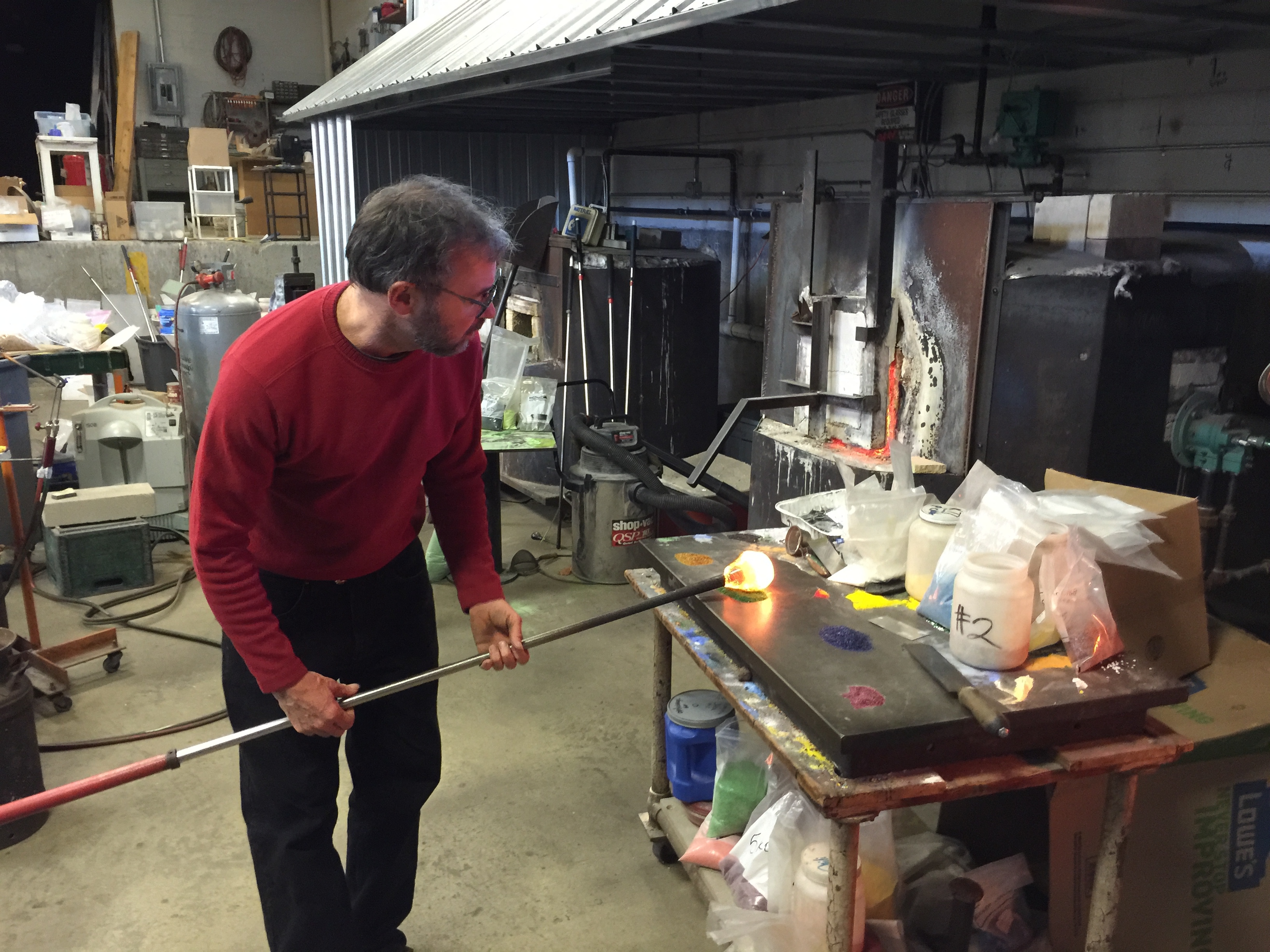
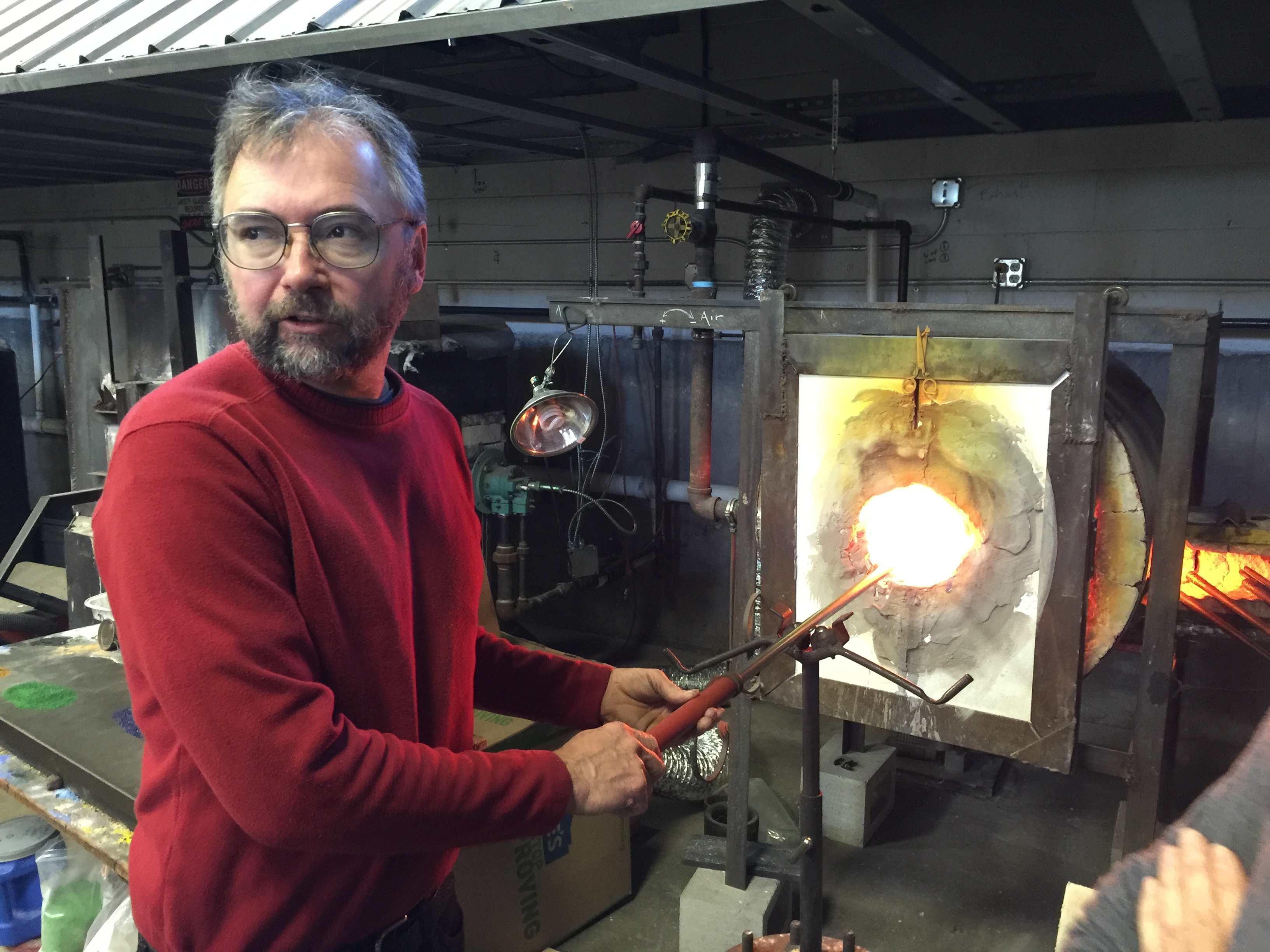
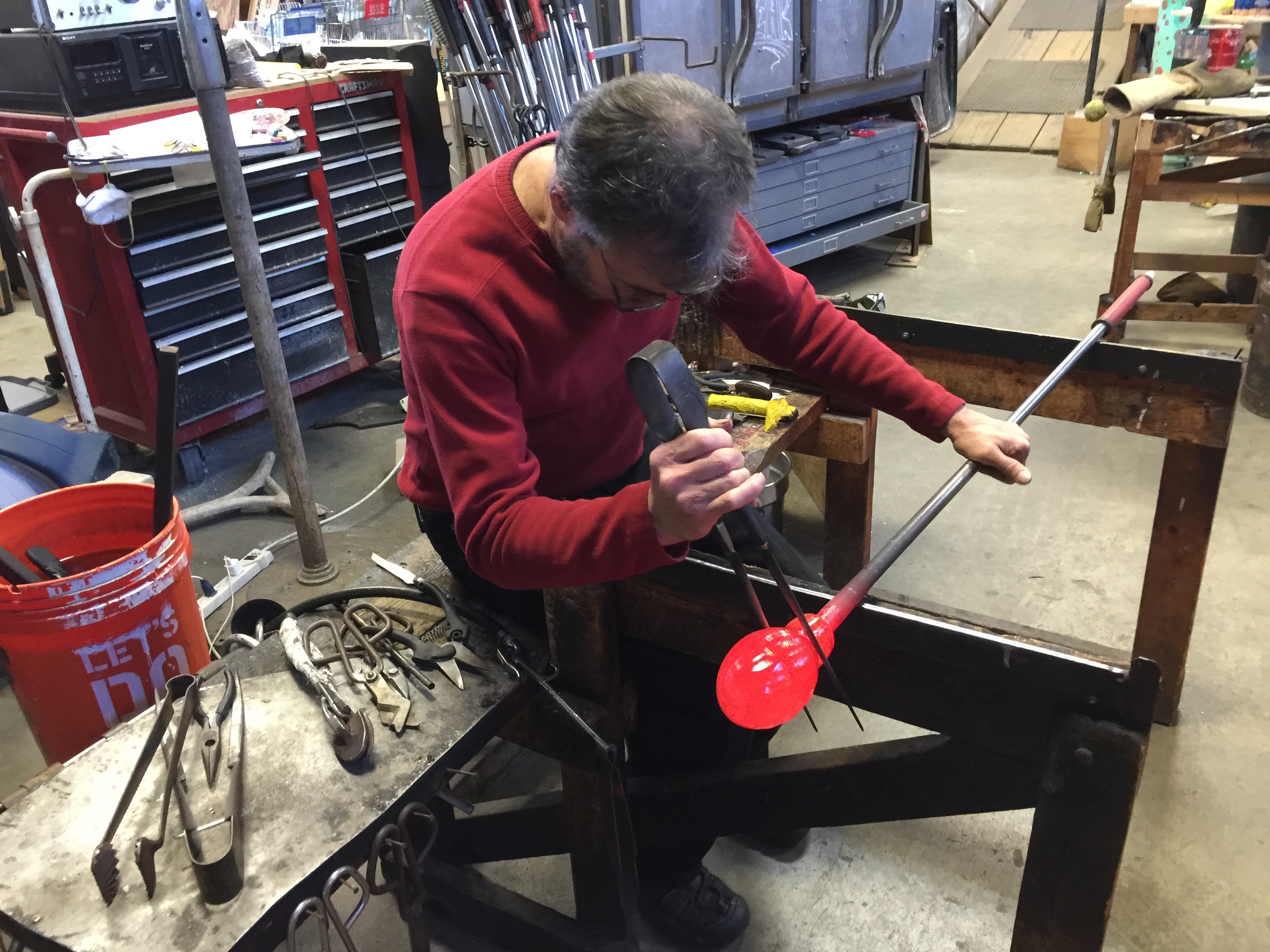
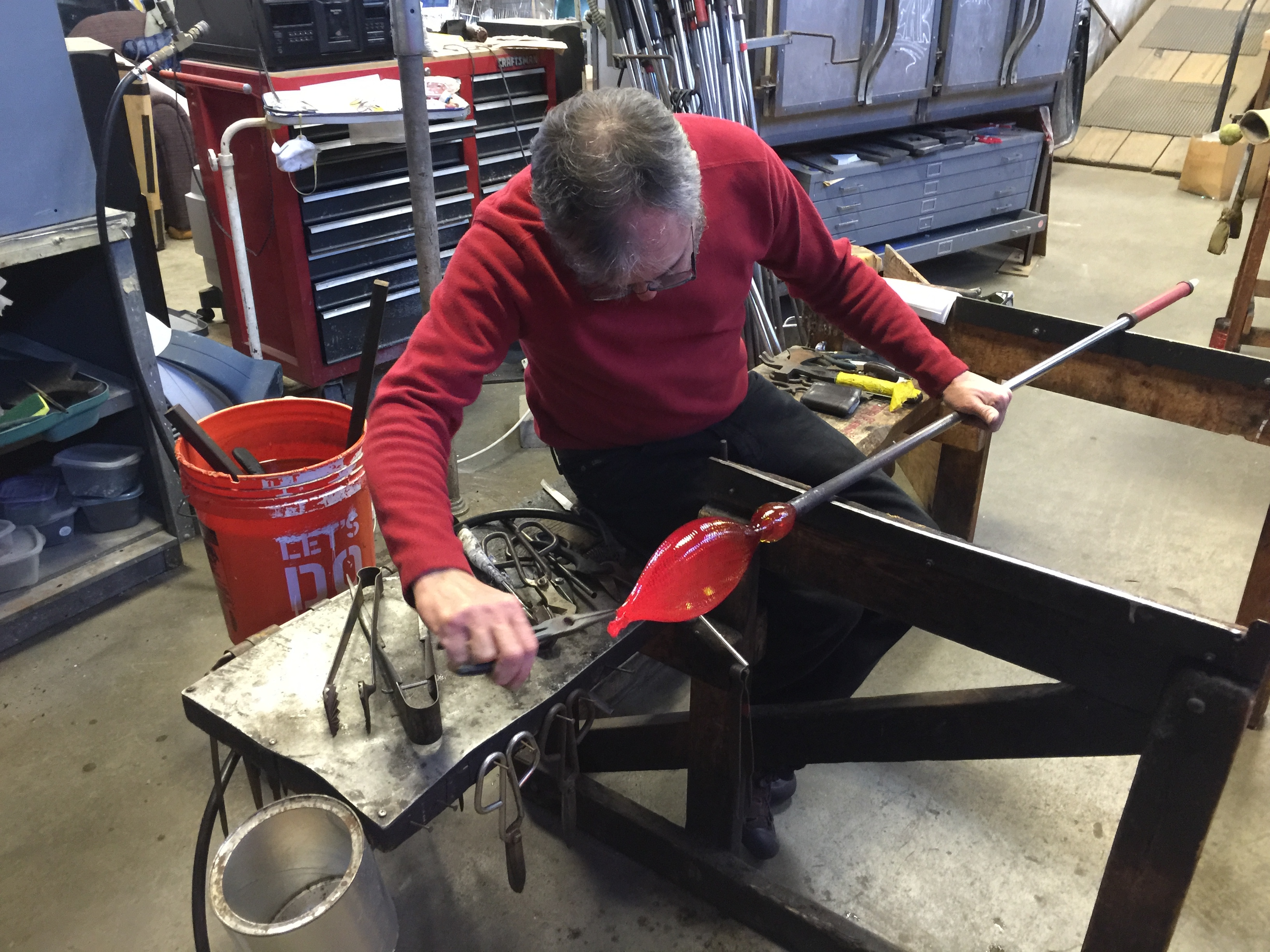
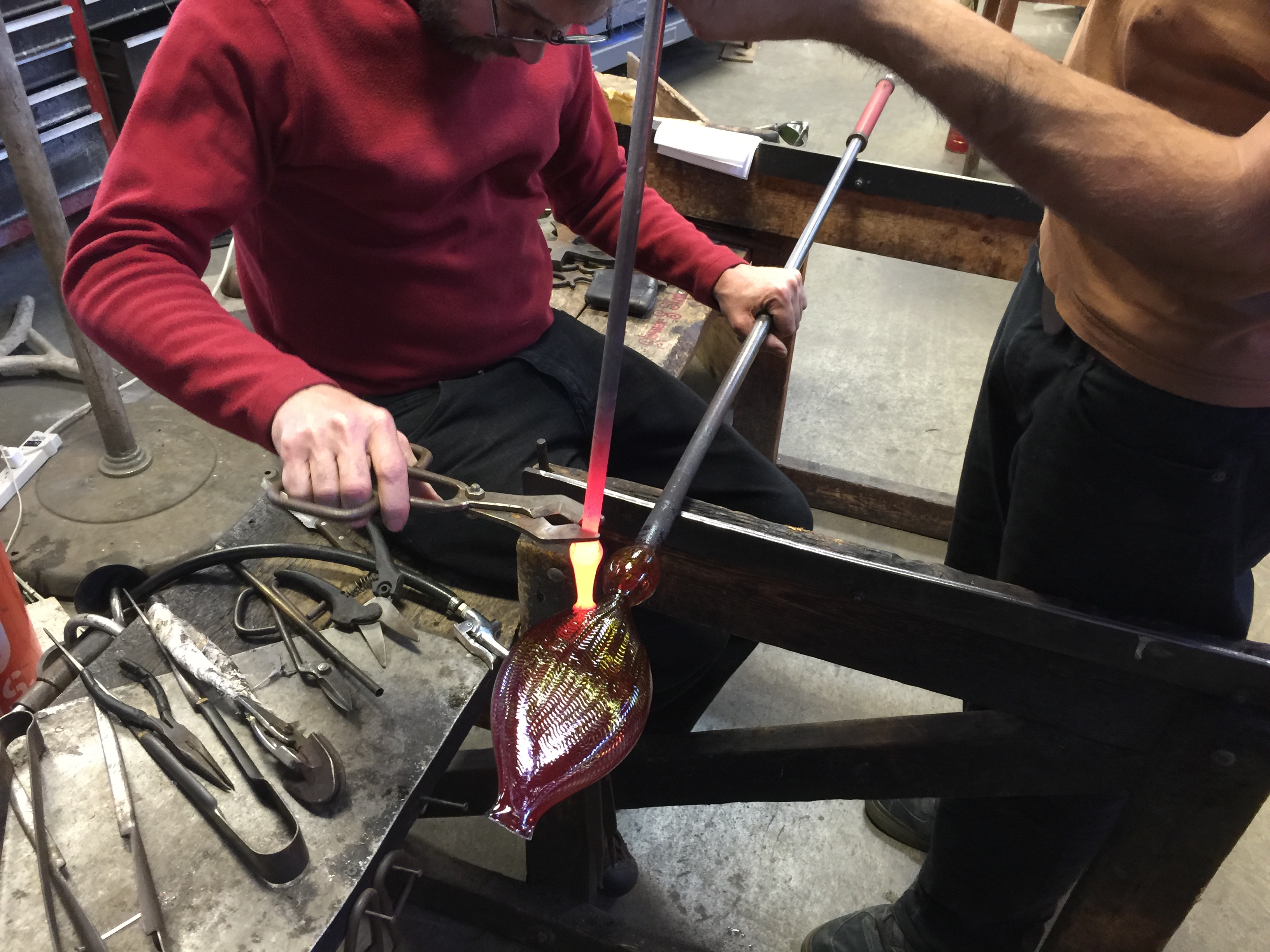
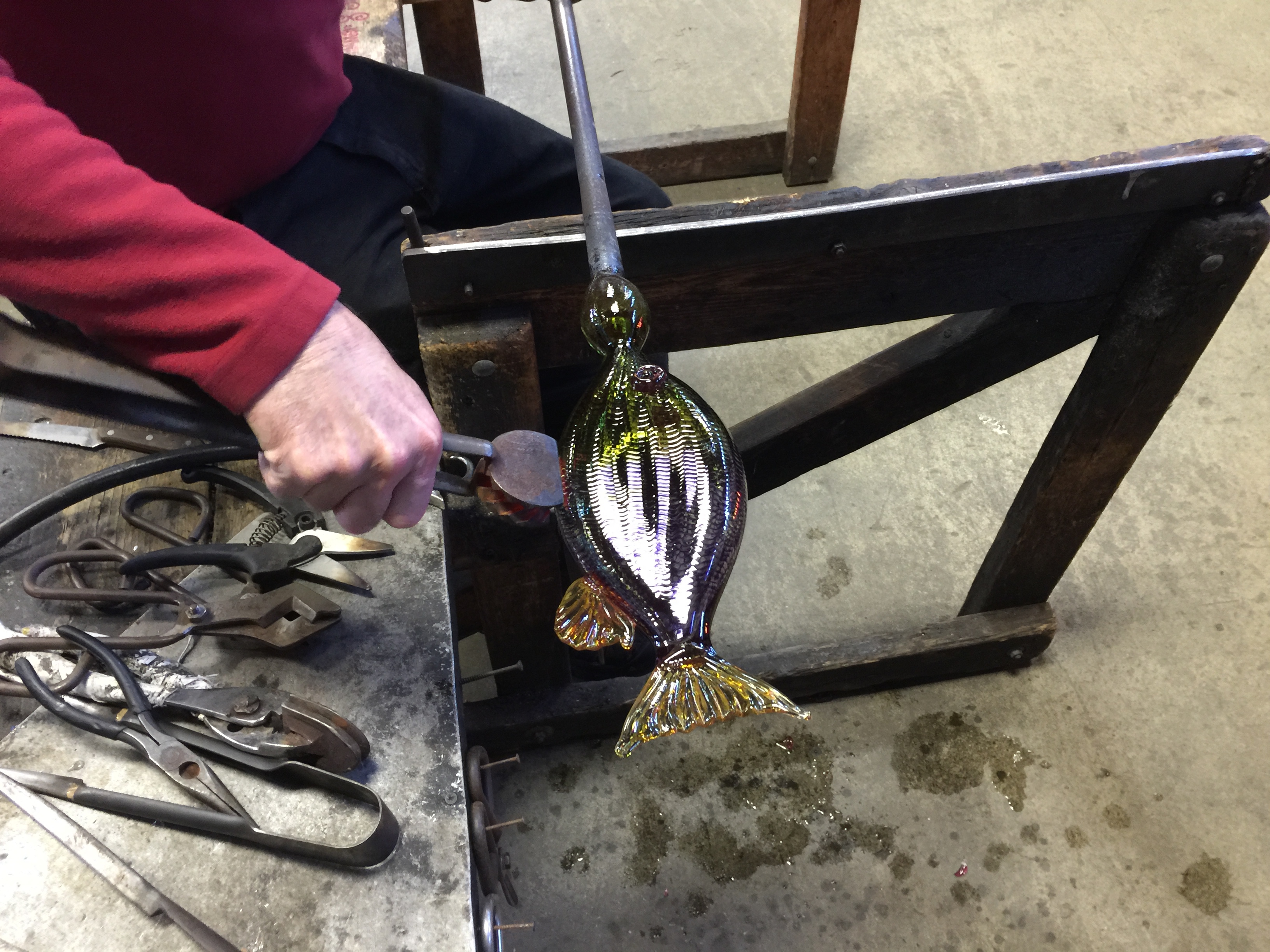
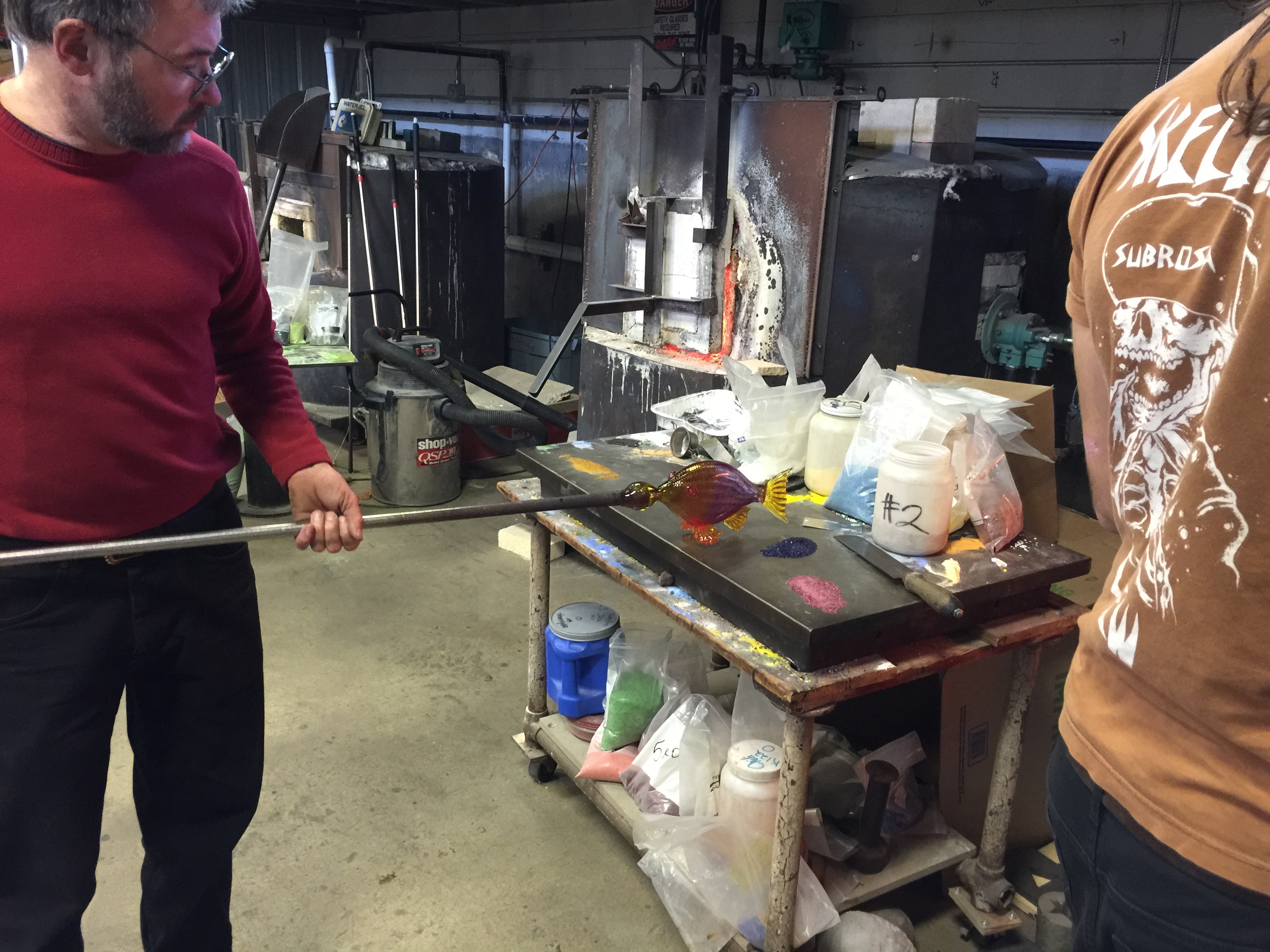
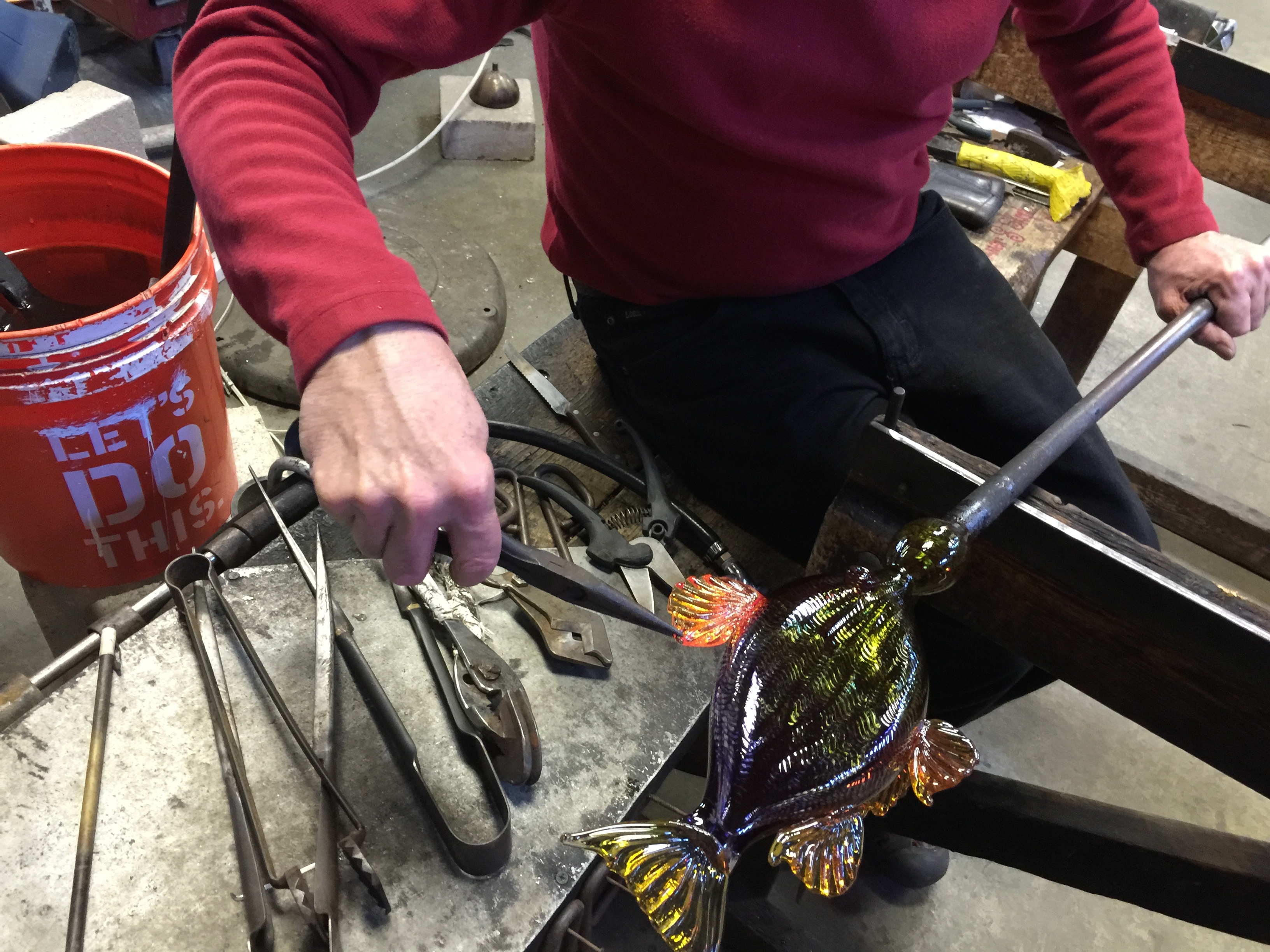
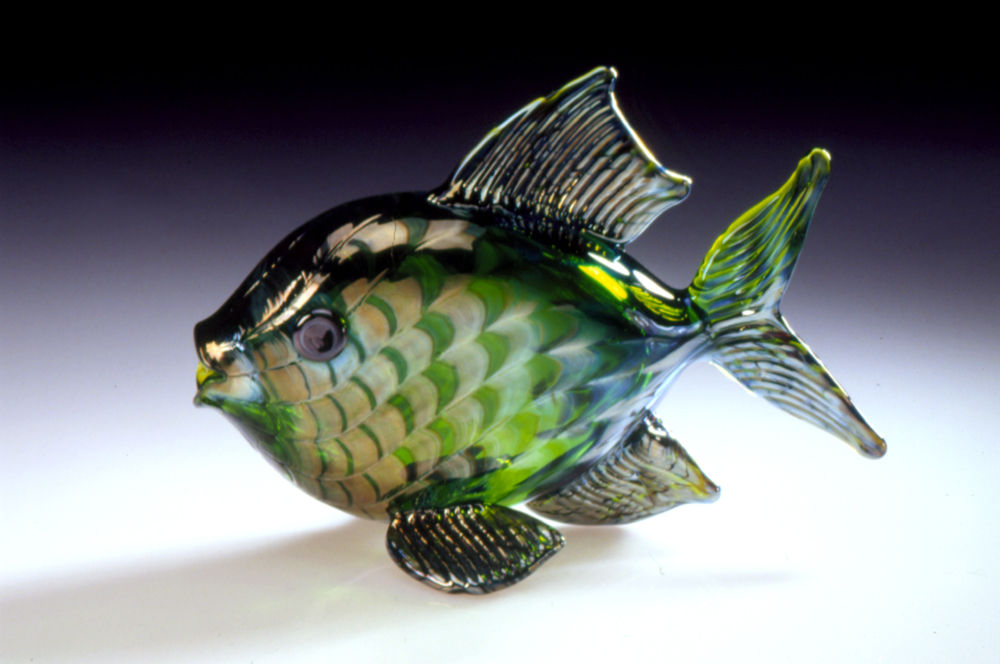
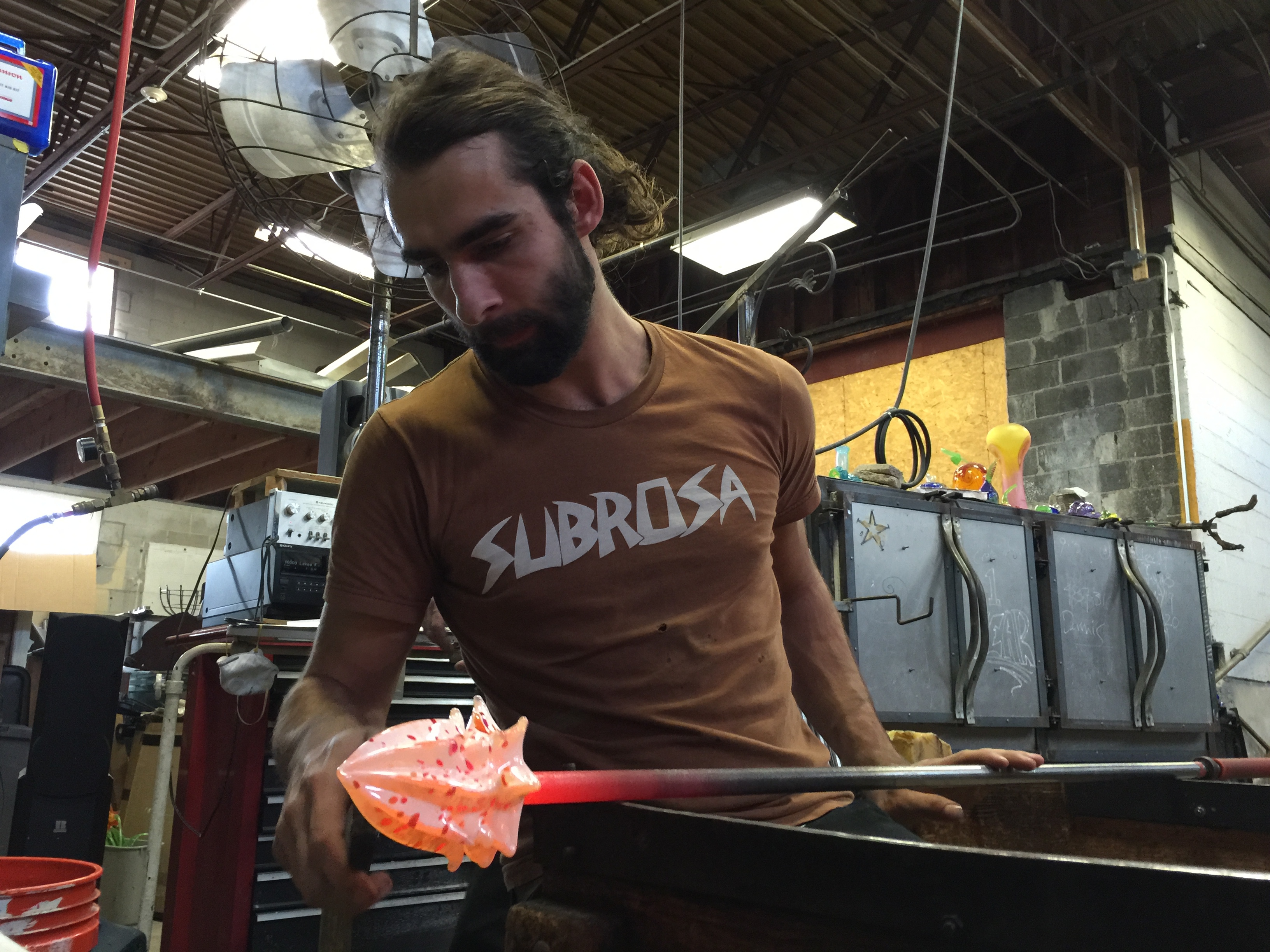
Chris has been creating works of art for almost 40 years, focusing on glass for the last 30 or so. It was my first visit to his studio, and the first time I got to see him in action: breathing life into a ball of molten glass and turning it into a beautiful fish.
Stretching, blowing and shaping…
Chris and Grant fuse the eyes, tail and fins to the body.
The soft, hot, glass can be squeezed, stretched and twisted.
Better make sure this fish can stand on it’s own.
Parting the lips.
Chris’ able assistant, Grant, creating a White Christmas tree.
It was a lot of fun, but I’m glad to be back home at The Springs.
Sorry for the delay… when Pete’s email arrived and I saw his pictures, I couldn’t wait to post them here. This one made it to the cover of Robert Duerwachter’s wonderful history of the Scuppernong Springs: THE PONDS OF THE SCUPPERNONG.
I’ll let Pete do the talking now:
I grew up about one mile south of the trout ponds on highway 67 beginning in 1950. We moved there when I was a first grader. The house we moved to was built in 1855 with limestone quarried on site and gave rise to a structure with walls 18 inches thick. To this day it stands as a landmark as you enter the Kettle Moraine State Forest. The huge marsh which we could see to our north and west encompassed the hiking trails and Leans’ Lake (now Ottawa Lake) on the far end. It was the site of an occasional peat bog fire but usually a black hole for human habitation giving a backdrop to the rare but colorful Northern Light display and a privacy to be envied.
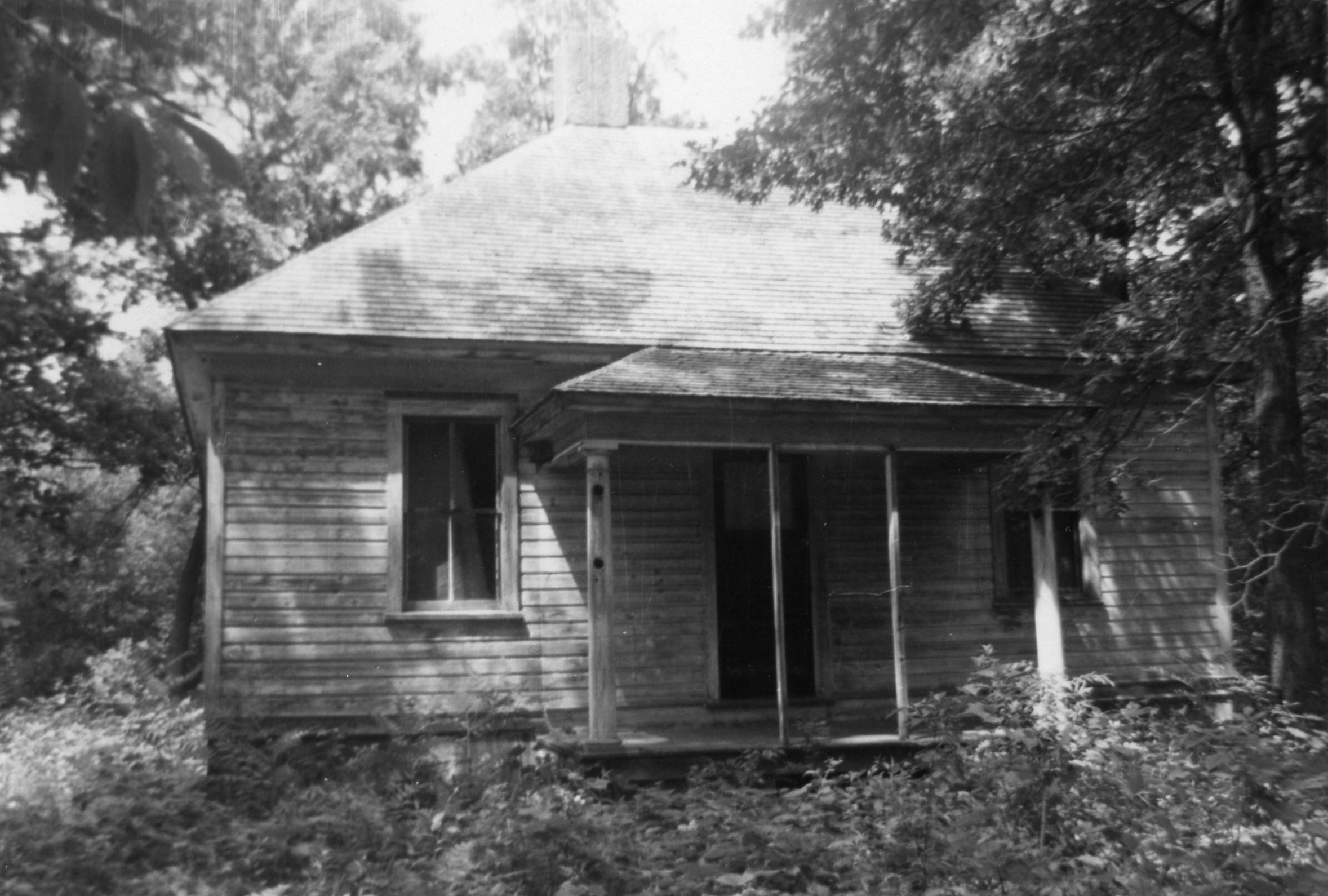
When I was a seventh grader I was given a Brownie camera for my birthday. My friends and I went snooping based on a story about an abandoned house behind the hotel. It was located about 75 meters north of the famed “concrete wall” from which it was totally obscured by brush and trees. We couldn’t see it until we were about 40m away. It was locked and all the windows were intact but being a poured concrete basement the north wall had partially caved in. We slid down into standing water, walked across some boards in the dim light and entered the house scaling the only stringer and pushed up through the trap door. The rest is in pictures of some furniture, a mounted deer head, a display case of birds and a picture of a beautiful young woman whose coy smile always causes me to ask who is was.
We exited the house in reverse manner leaving everything untouched. We then trekked through the woods to the hotel where we were greeted by Laurel Markham and Mrs. Keltsch and treated to milk and cookies. You couldn’t ask for a better summer afternoon as a childhood memory.
(Editor’s note: I think the “concrete wall” Pete mentioned above is the remnant of the marl factory that still stands, and the foundation of the house he described is: “about 75 meters north”, just off the cut-off trail.)
Back to Pete’s narrative:
The other set of pictures is witness to the famous trout ponds which were formed by man-made dams. These pictures were taken about 1991, showing the existing hiking trail around what was then the large southern pond. One can see the comparison after drainage and a year or two of growth of the reeds.
These pictures are priceless! And this one is sooo good, I have to post it again.
Pete, thanks for taking the time and making the effort to digitize these gems you captured with your “old brownie”, and for sharing them, and your stories, with us!
My hate is general, I detest all men;
Some because they are wicked and do evil,
Others because they tolerate the wicked,
Refusing them the active vigorous scorn
Which vice should stimulate in virtuous minds.
Ok, I confess: whether it be from honesty or hubris, I don’t know, it’s true, I do feel that way sometimes. I barely saw a soul last week working at The Springs, and that was fine by me.
To occult something is simply to hide it from view. As Mark Passio explained in his Natural Law Seminar, people occult knowledge to create or preserve a power differential they use to their advantage. Take the idea of satanism; what is the first thing it conjures up? Mark was a priest in the church of satan, and when I heard him explain their 4 basic tenets, which he knew first-hand, it opened my eyes.
Survival: self-preservation is the top priority
Moral relativism: if it’s good for me, it’s good, if it’s bad for, me it’s bad
Social Darwinism: it is right and desirable for an elite few to dominate the other 99.9999% of humanity
Eugenics: who is allowed to procreate, and at what rate, must be controlled
That is satanism unocculted.
At the Scuppernong Springs Nature Trail, it is U.S. Highway 67 that has been unocculted. The removal of huge colonies of black locust trees from both the north and south ends of the preserve, along with the buckthorn cutting, have exposed the sights and sounds of the highway to major portions of the trail. I won’t occult the truth: this is very obnoxious, especially in winter, and worst of all, at night. The bright, rolling headlights, intermittently blocked by trees, evoke the feeling of prison bars and clandestine interrogations; not very relaxing or natural. And on Saturday night, it was one car after another… I don’t like it one bit. We have to get some native shrubs planted and recreate a healthy understory.
Despite my deeper appreciation for those who prefer a wall of buckthorn to highway traffic, I continued to work the brush cutter last week at The Springs. Tuesday was cold and I had to rest my water bottle in the relatively warm river to keep it from freezing solid.
Here is how it looked before I started…
… and after
It’s subtle.
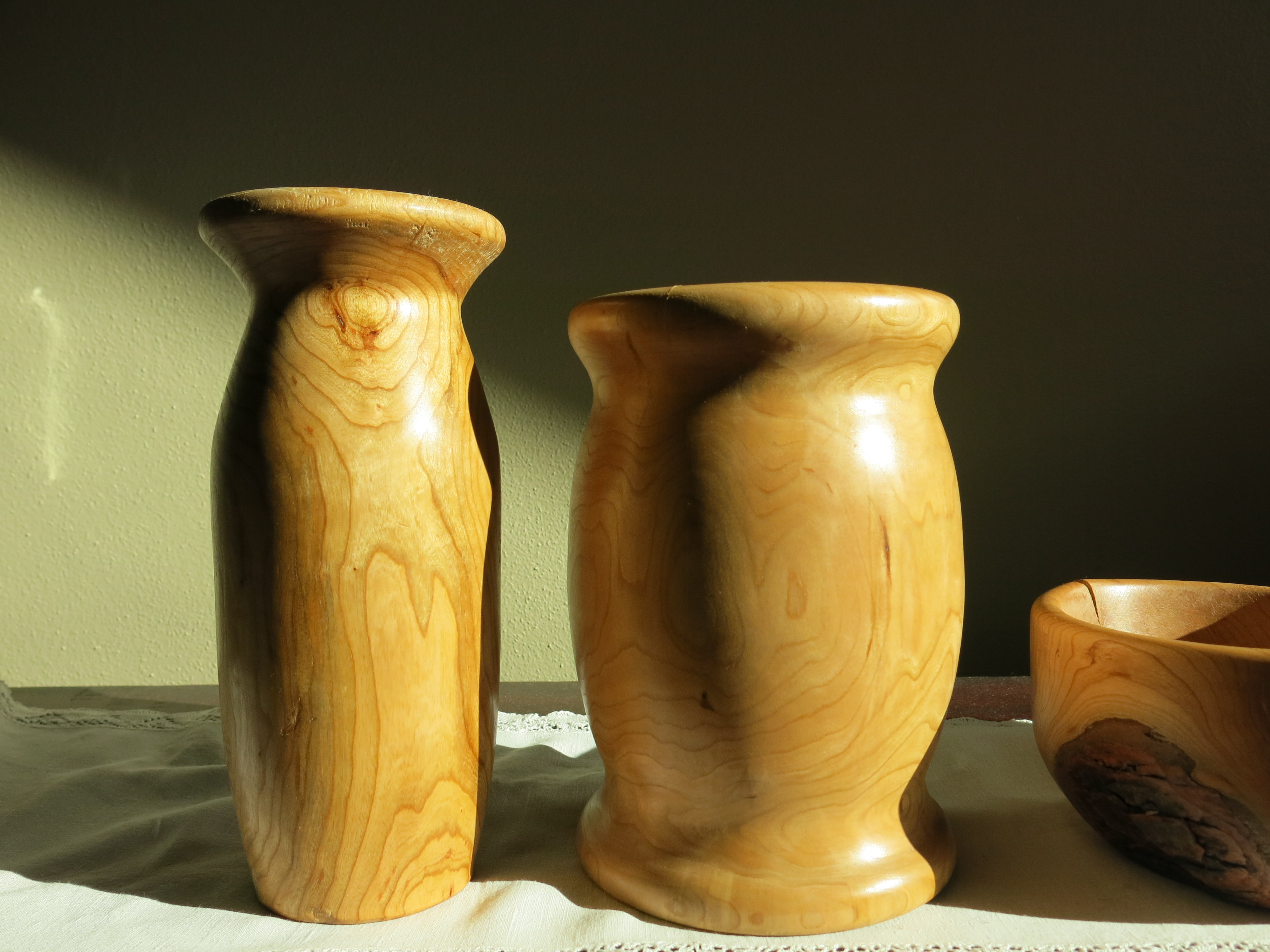
While on my evening stroll, I got a call from my old friend, Randy Schilling, who came out to The Springs 2 years ago to harvest some oak, hickory and cherry logs. He had some presents for me: vases and bowls turned with care into art on his wood lathe.
Thanks Randy. I love you man!
Friday was perfect and I worked on the south side of the river just upstream from the gaging station bridge.
Again, before …
… and after.
I think this is the best use of my time now: solidify the gains that have been made in the last few years and prepare for the burn next spring.
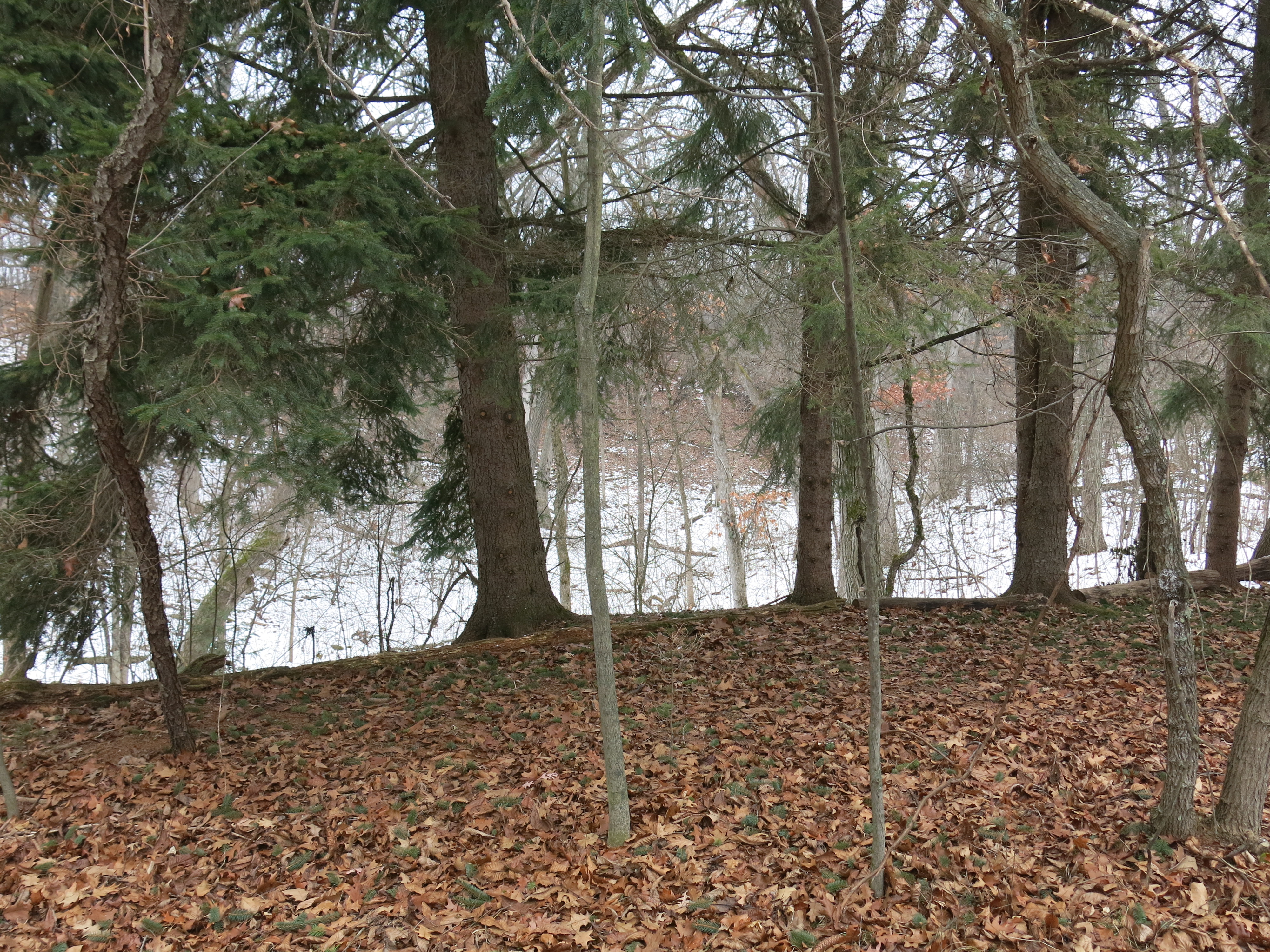
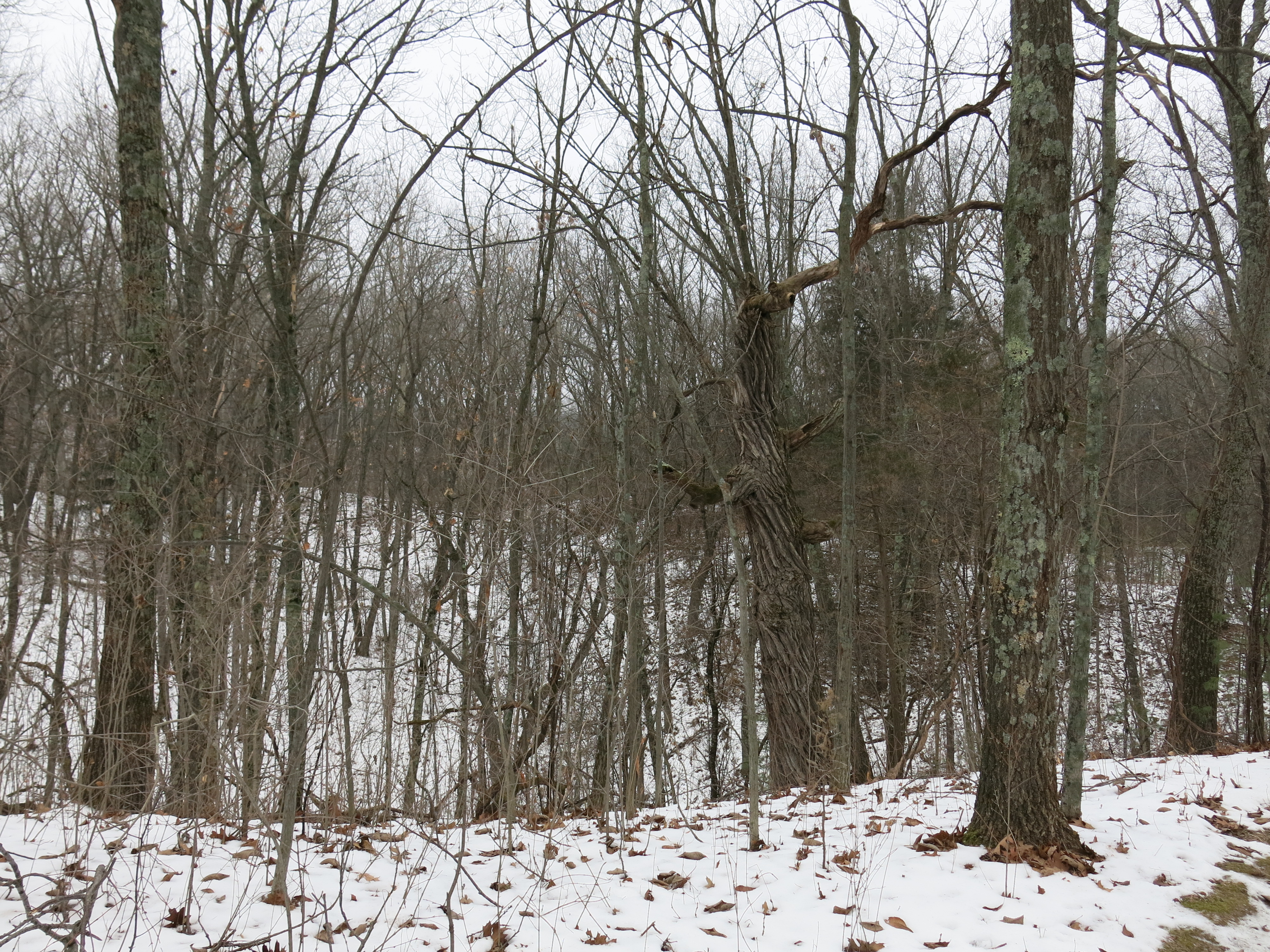
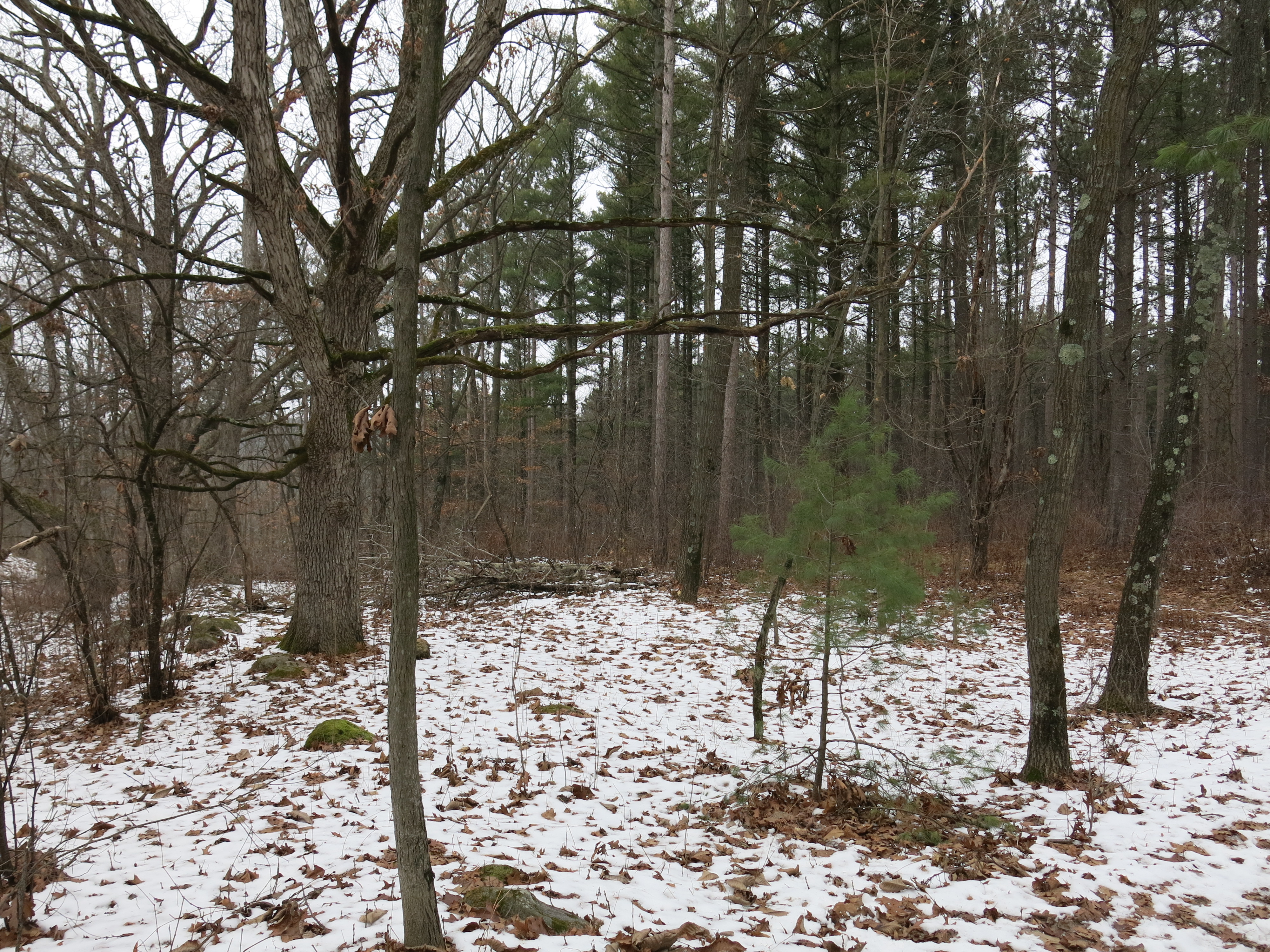
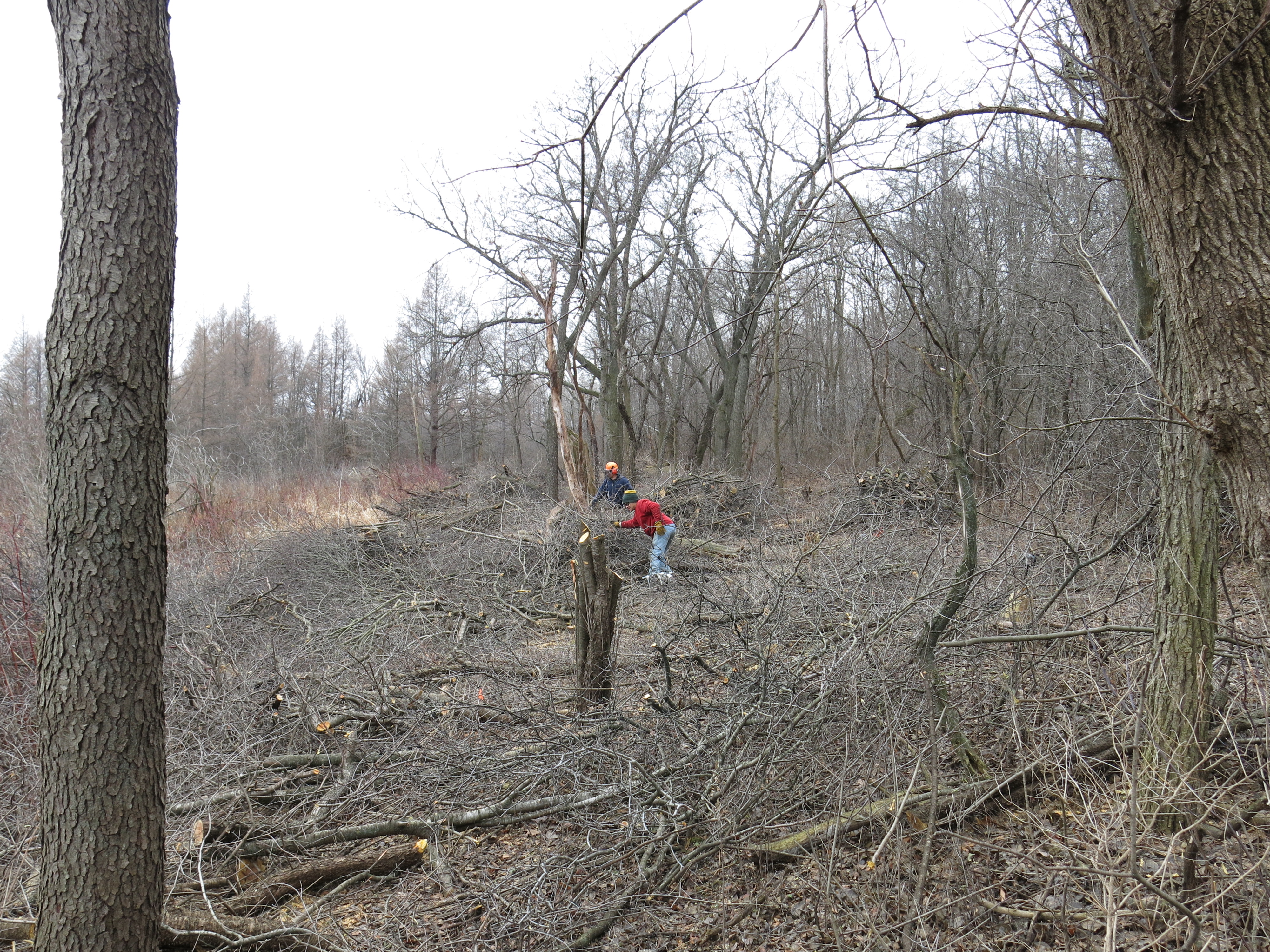
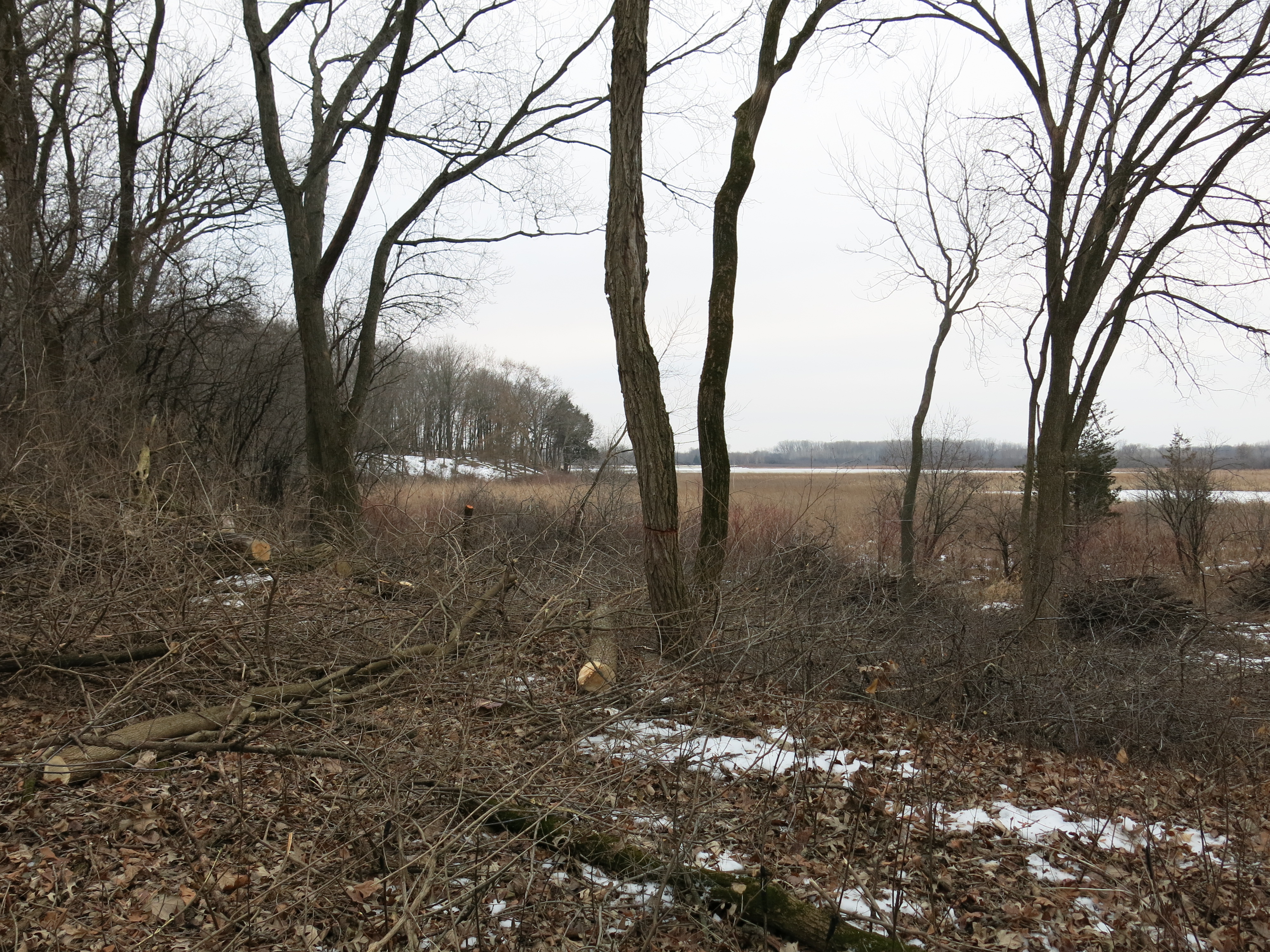
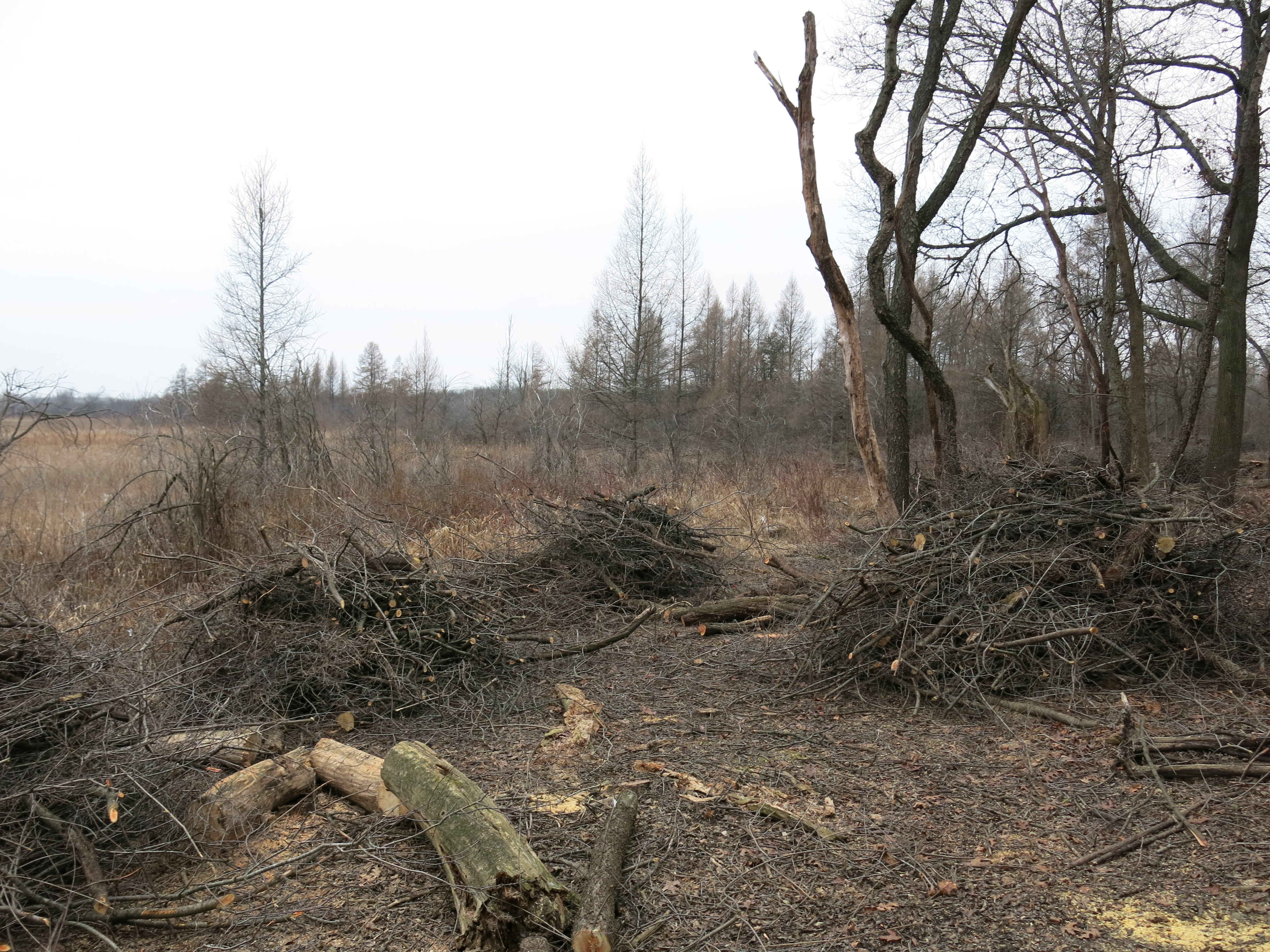
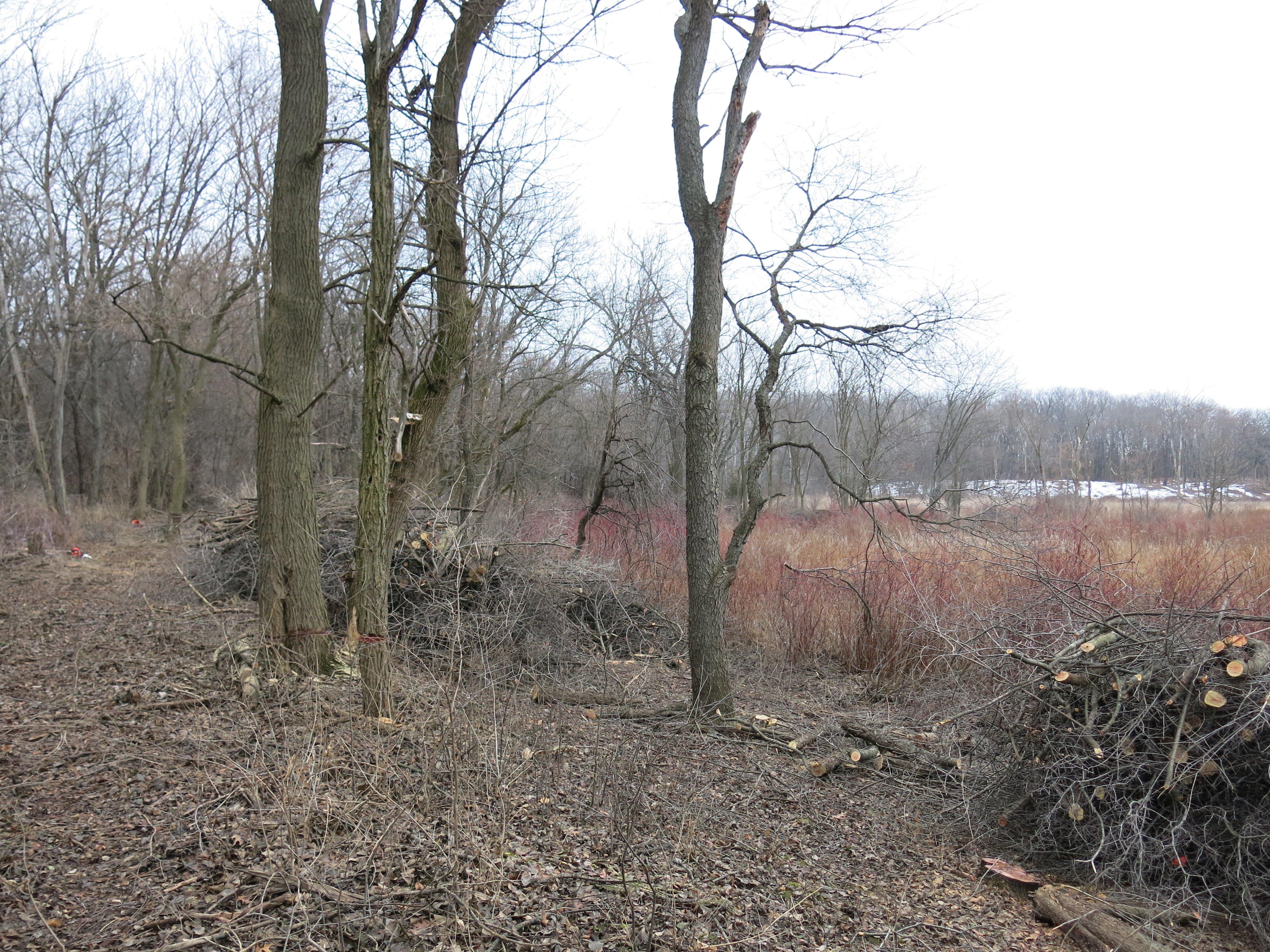
Yesterday I did some work on the south end of trail focusing on black locust.



























































































































































































 Scuppernong Springs Nature Trail