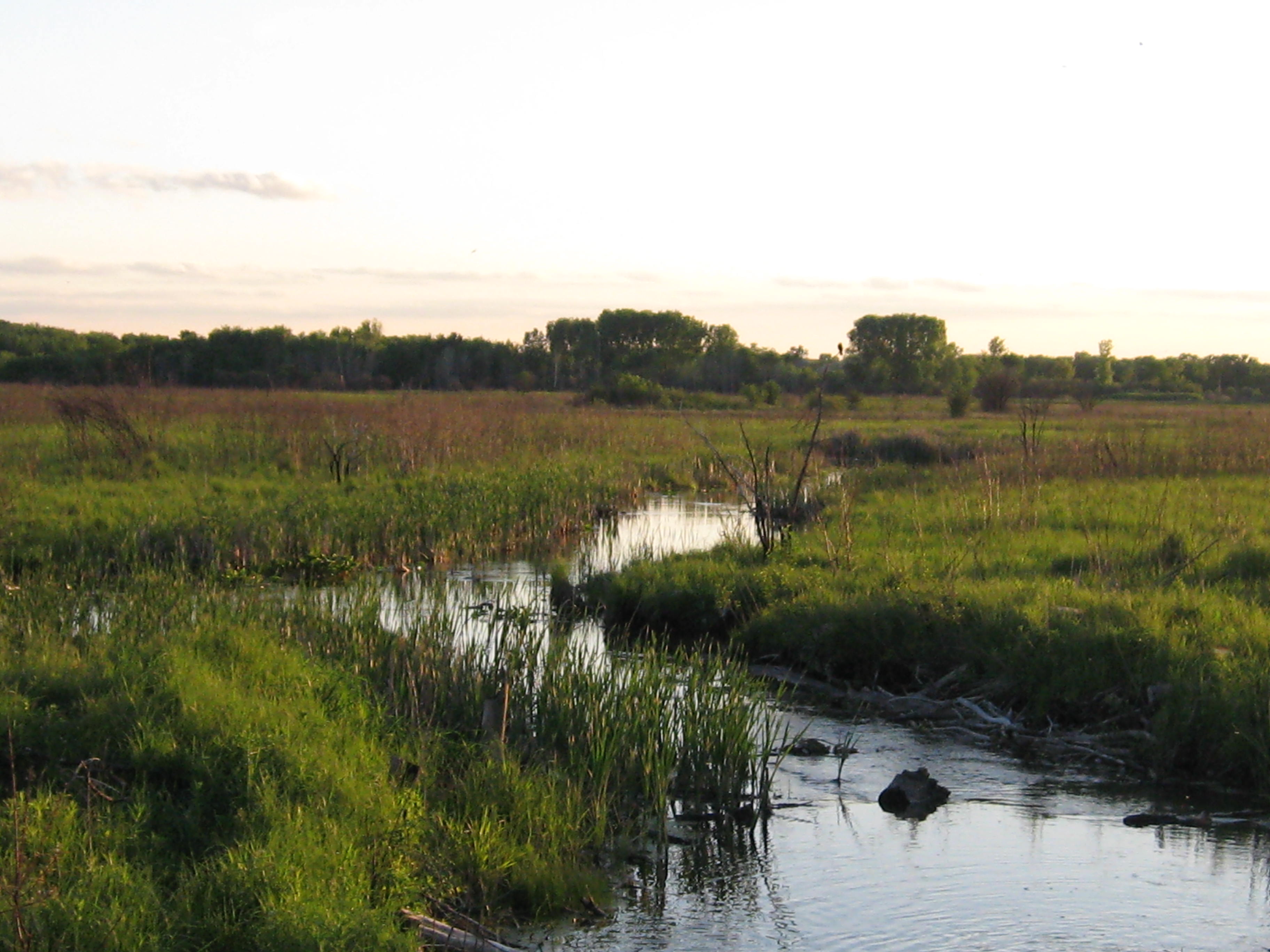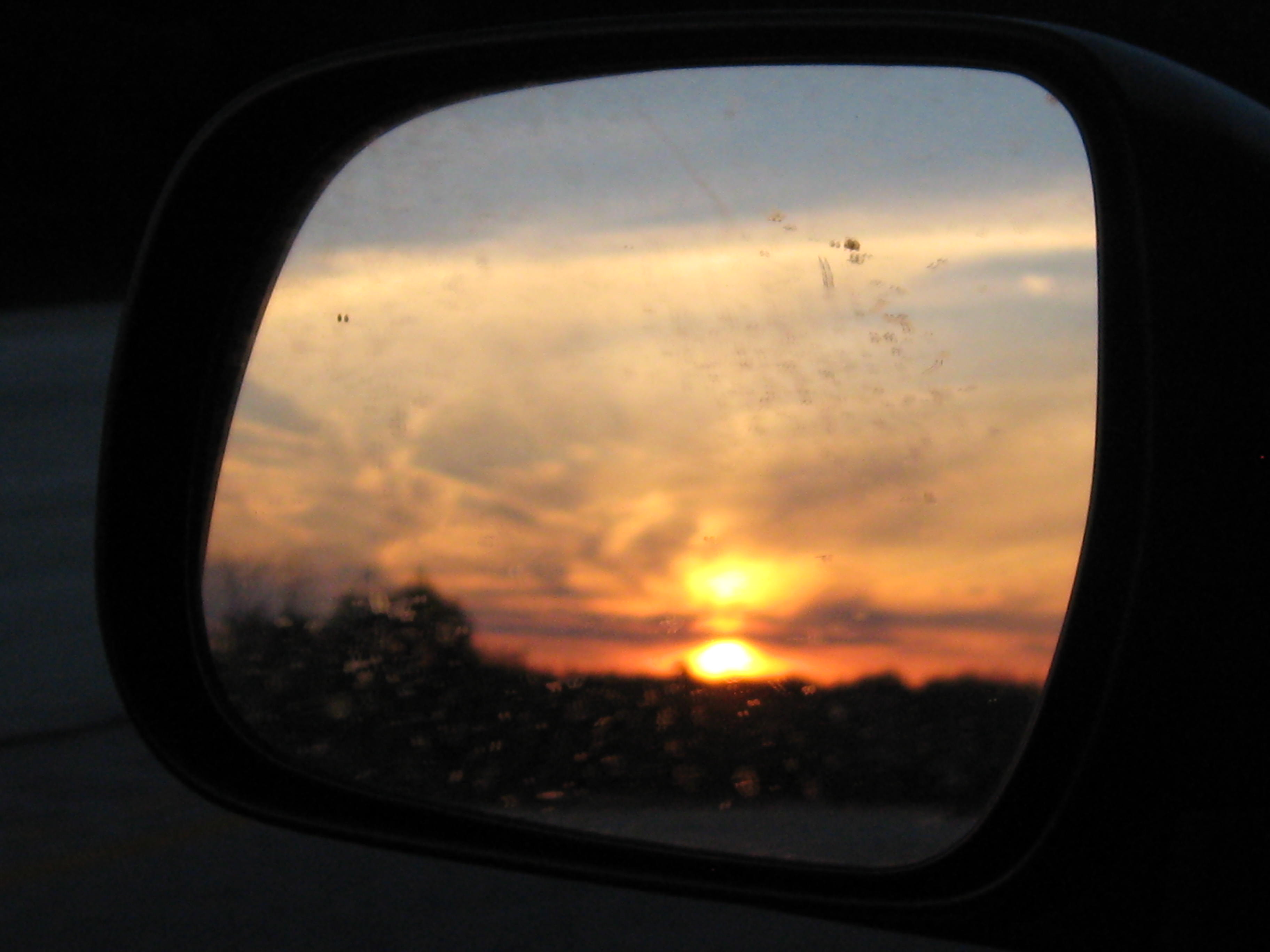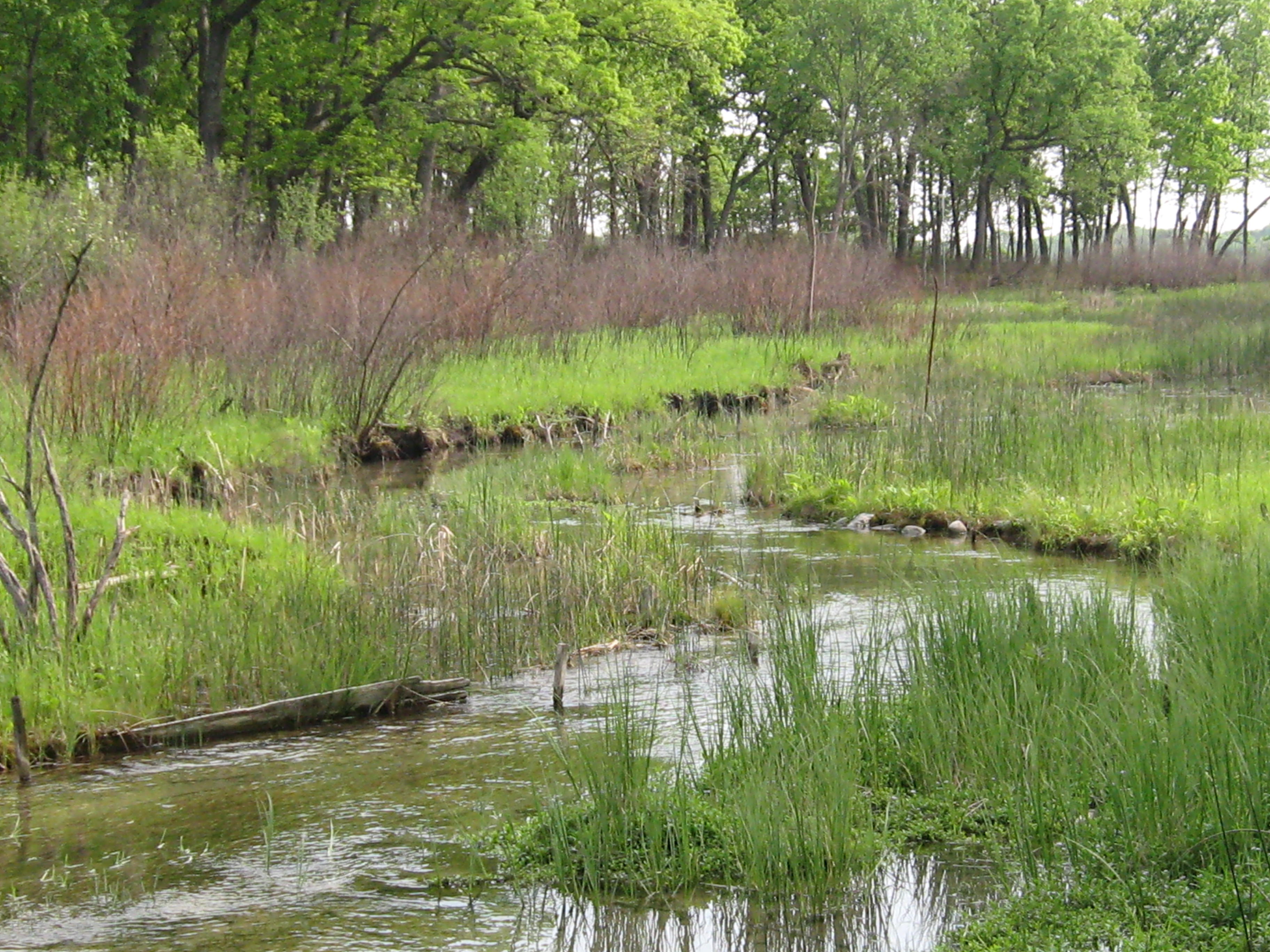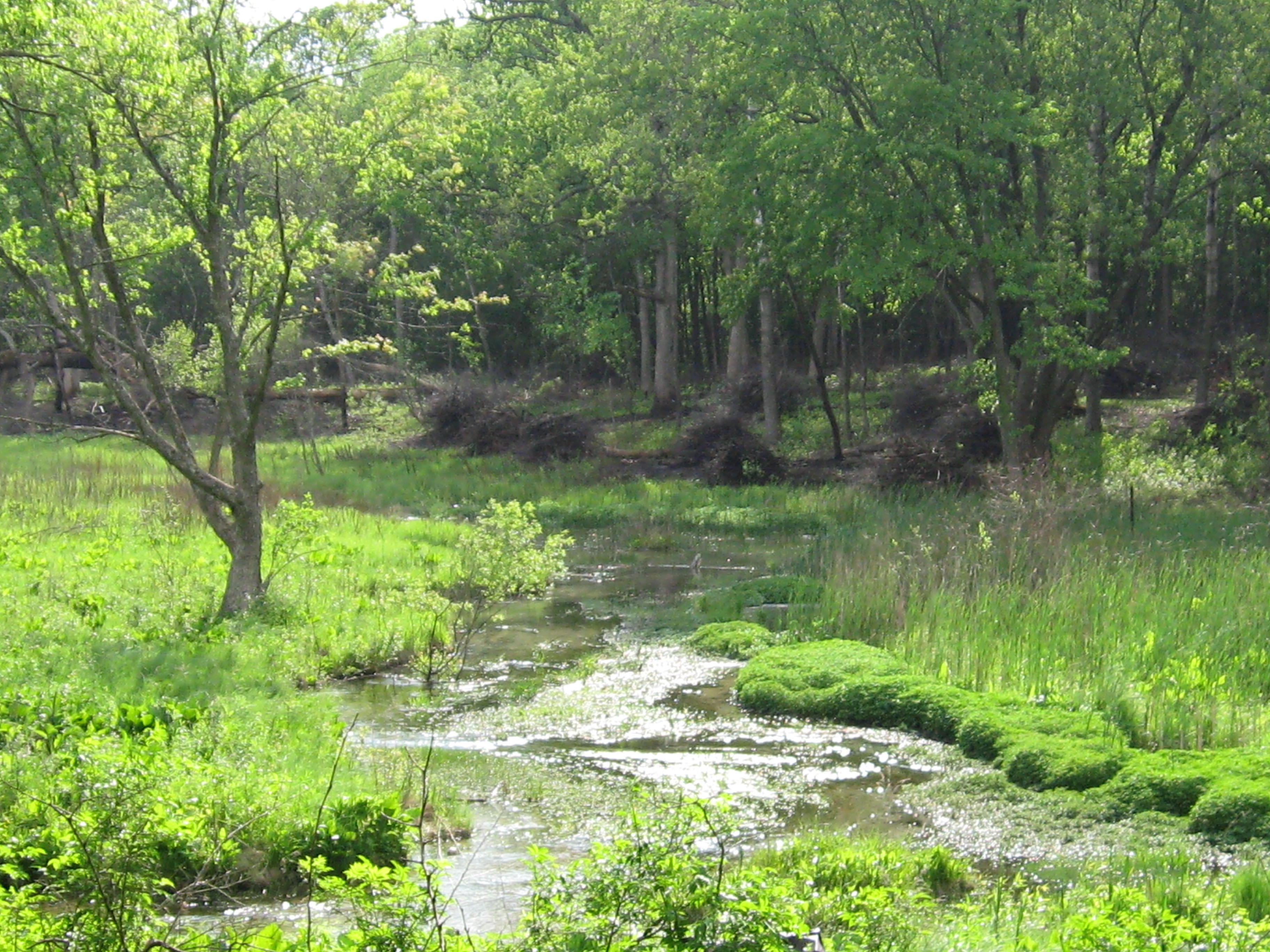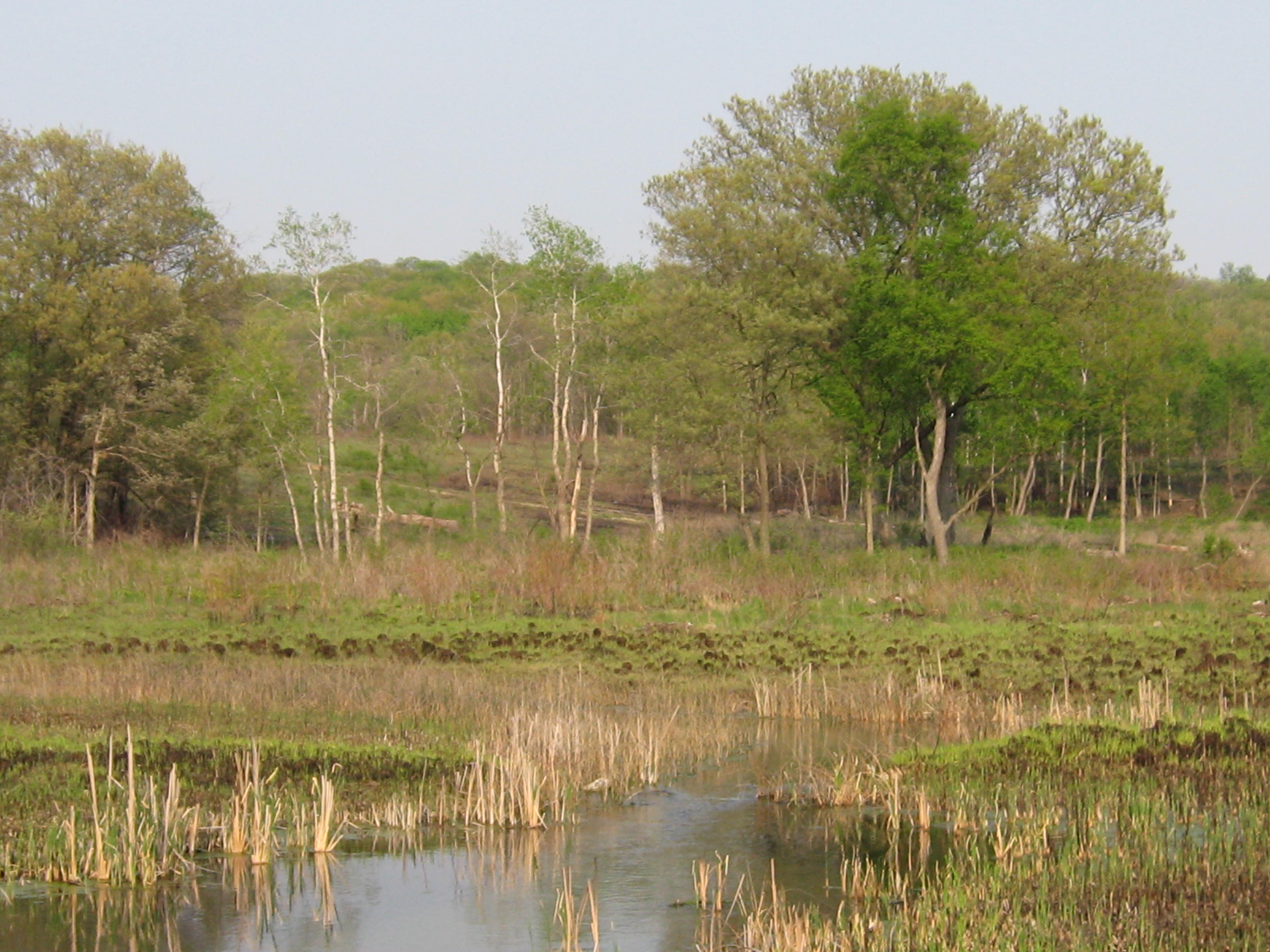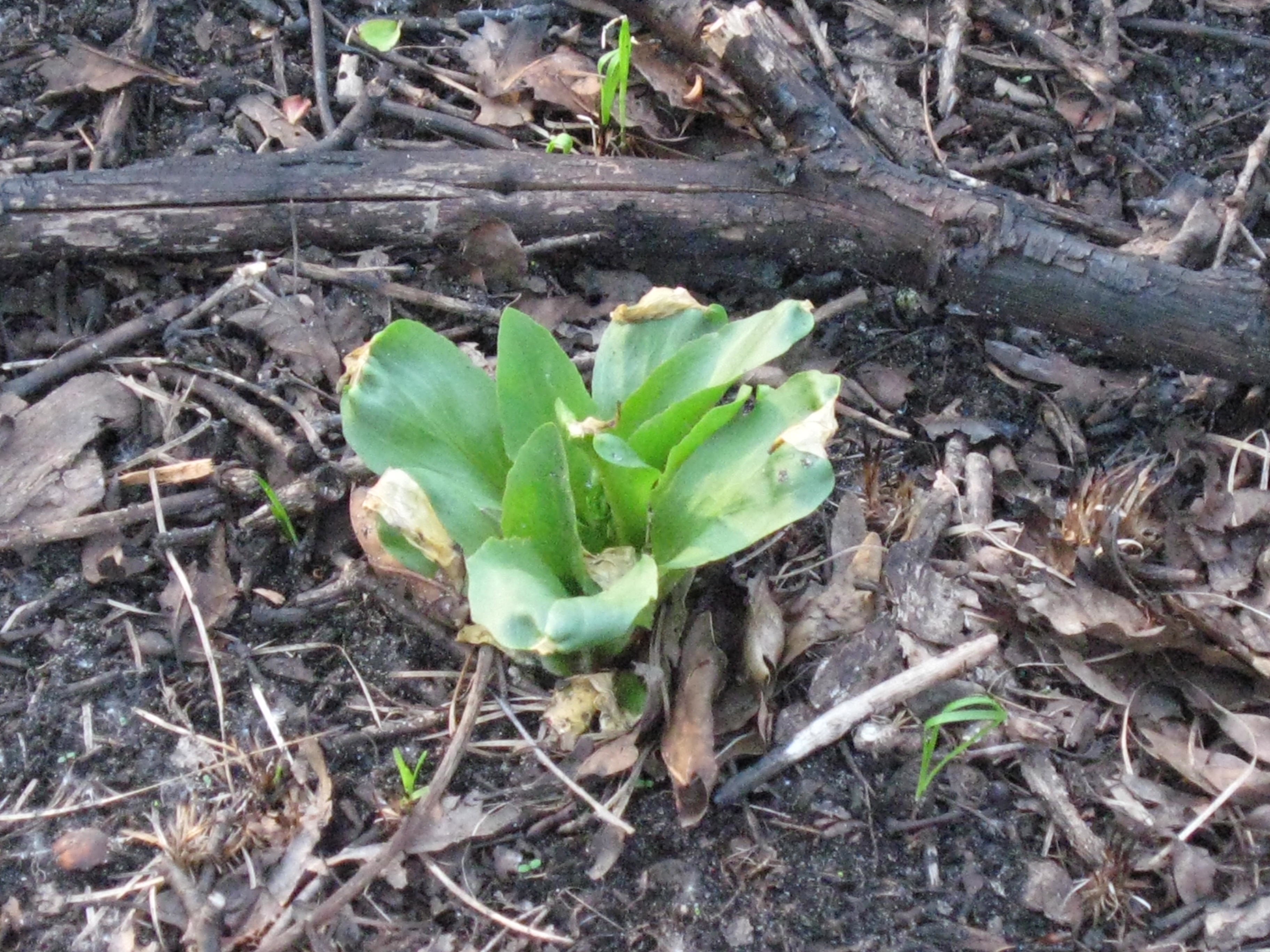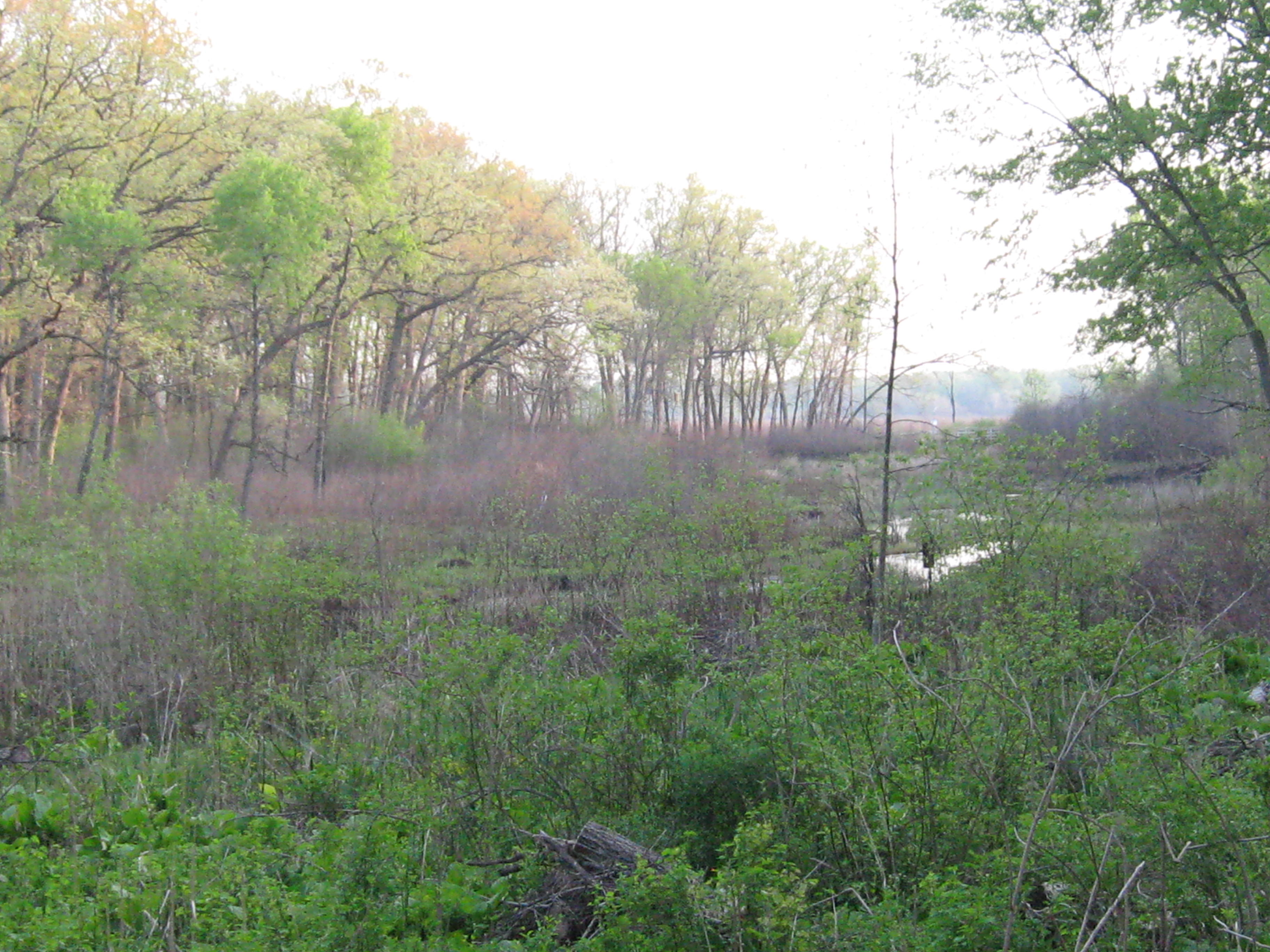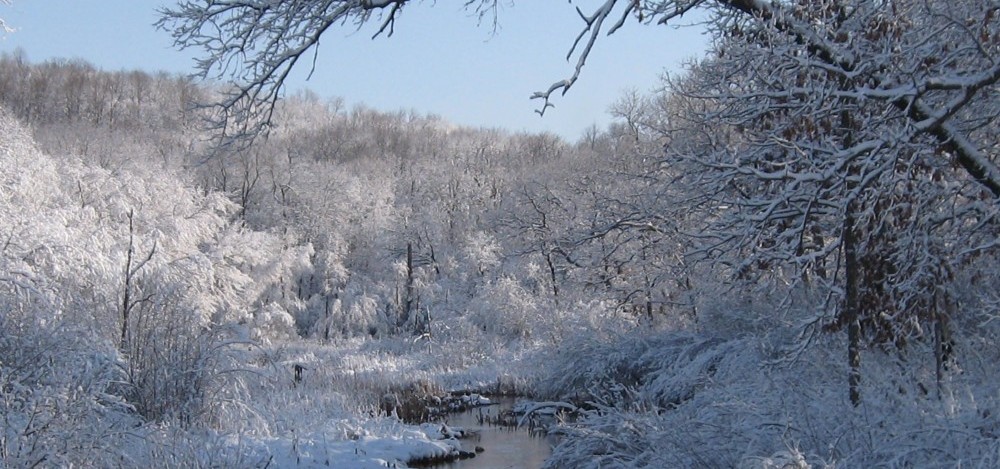
Spring Reflections

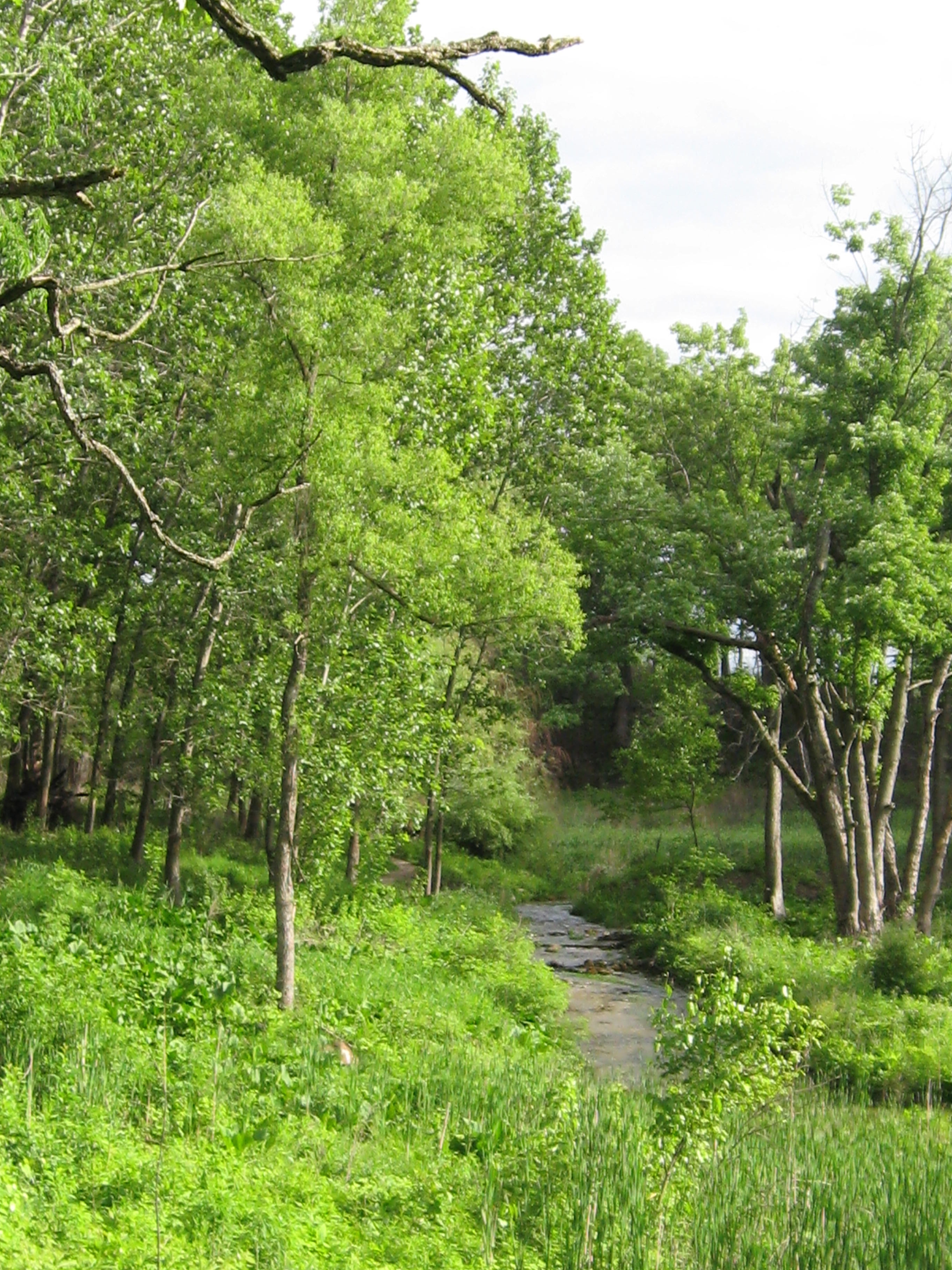
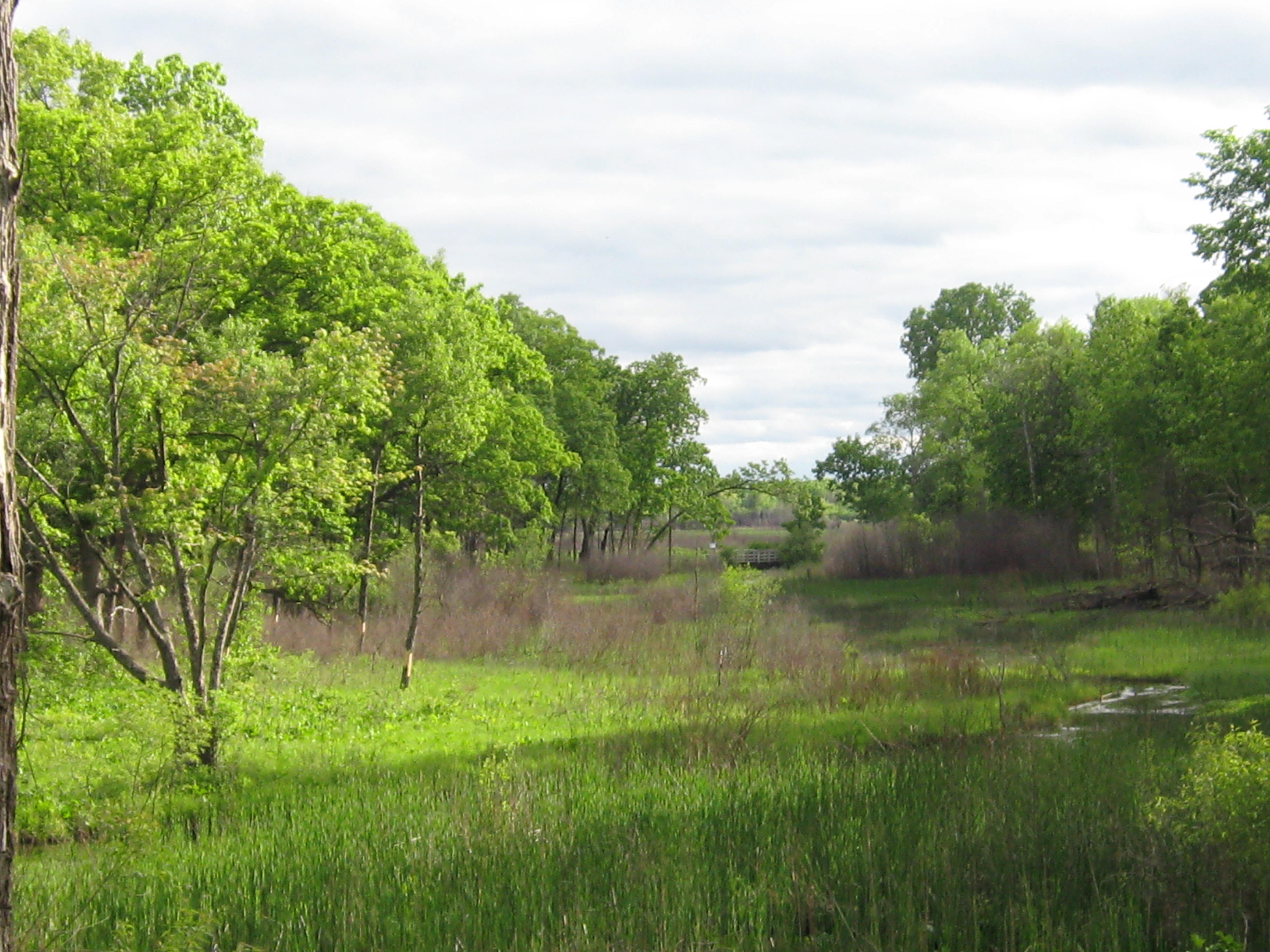
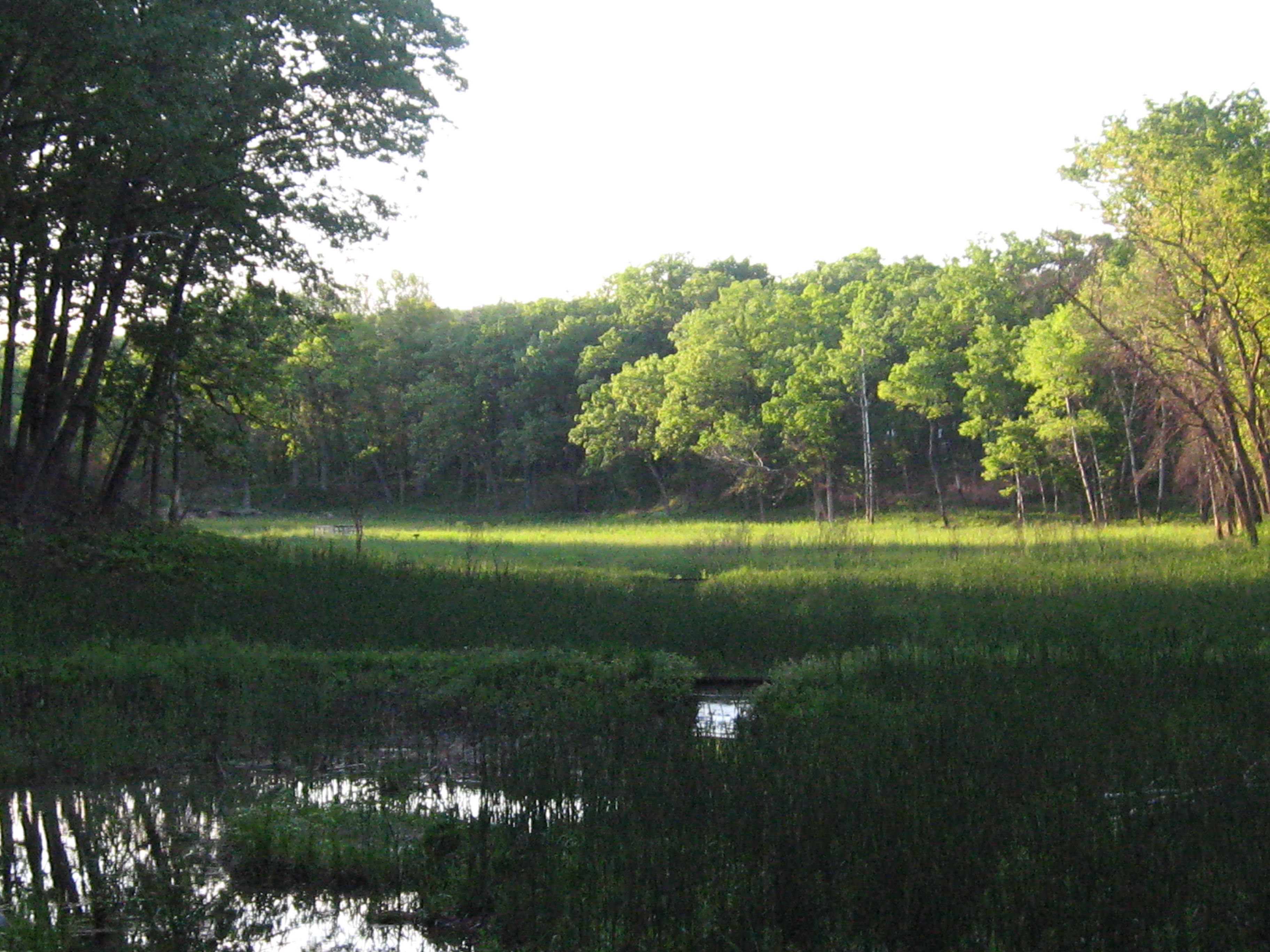
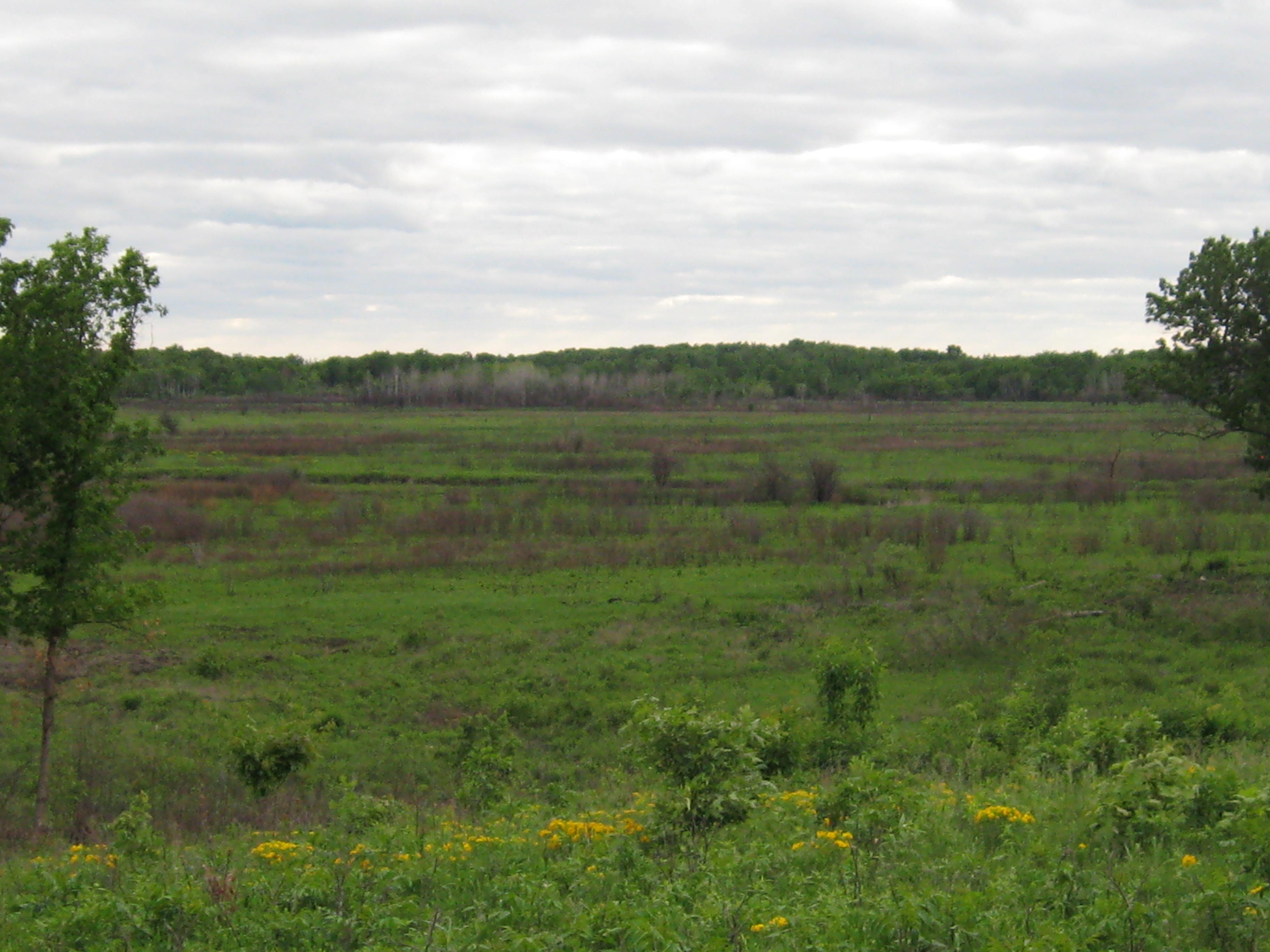
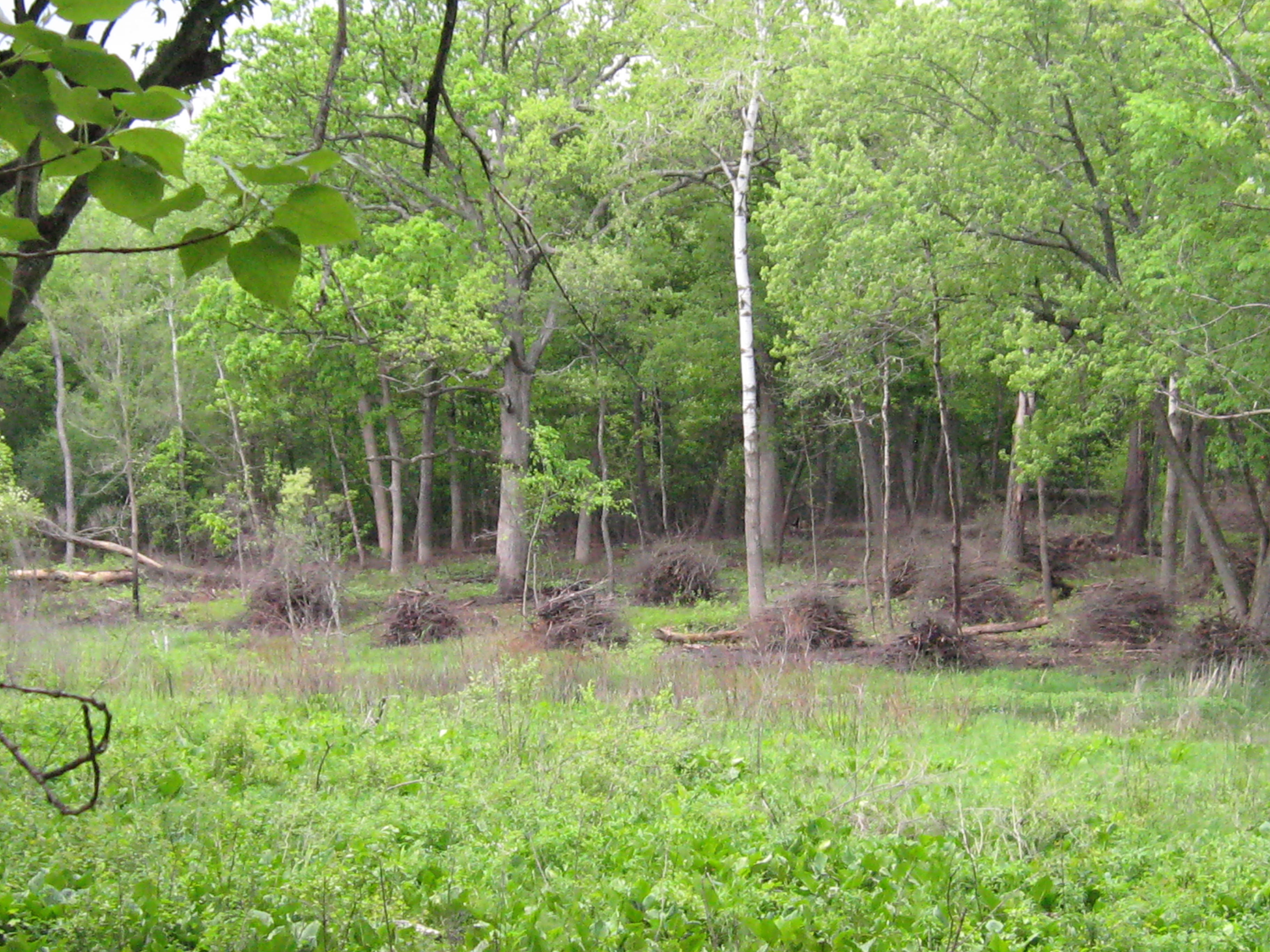
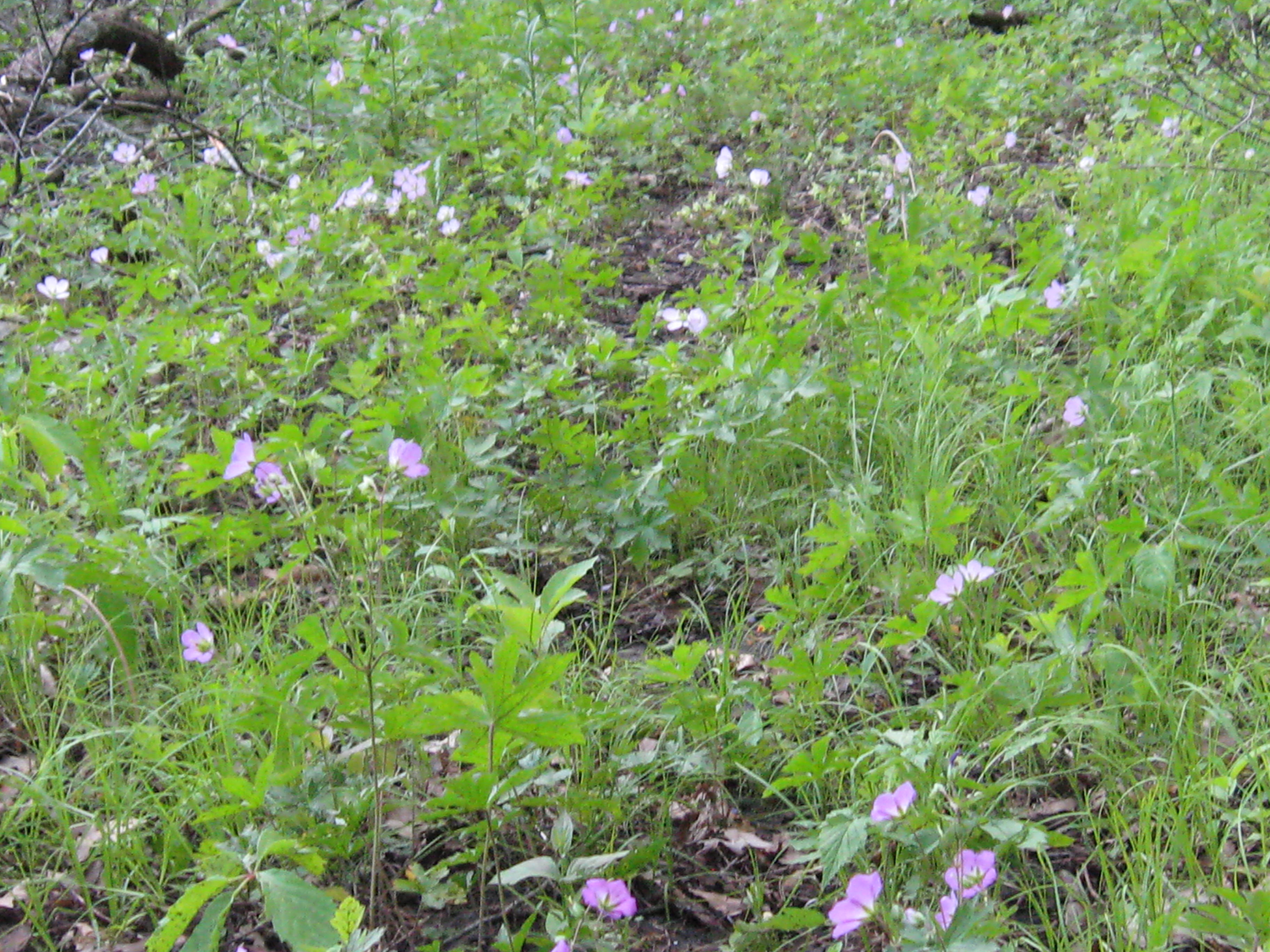
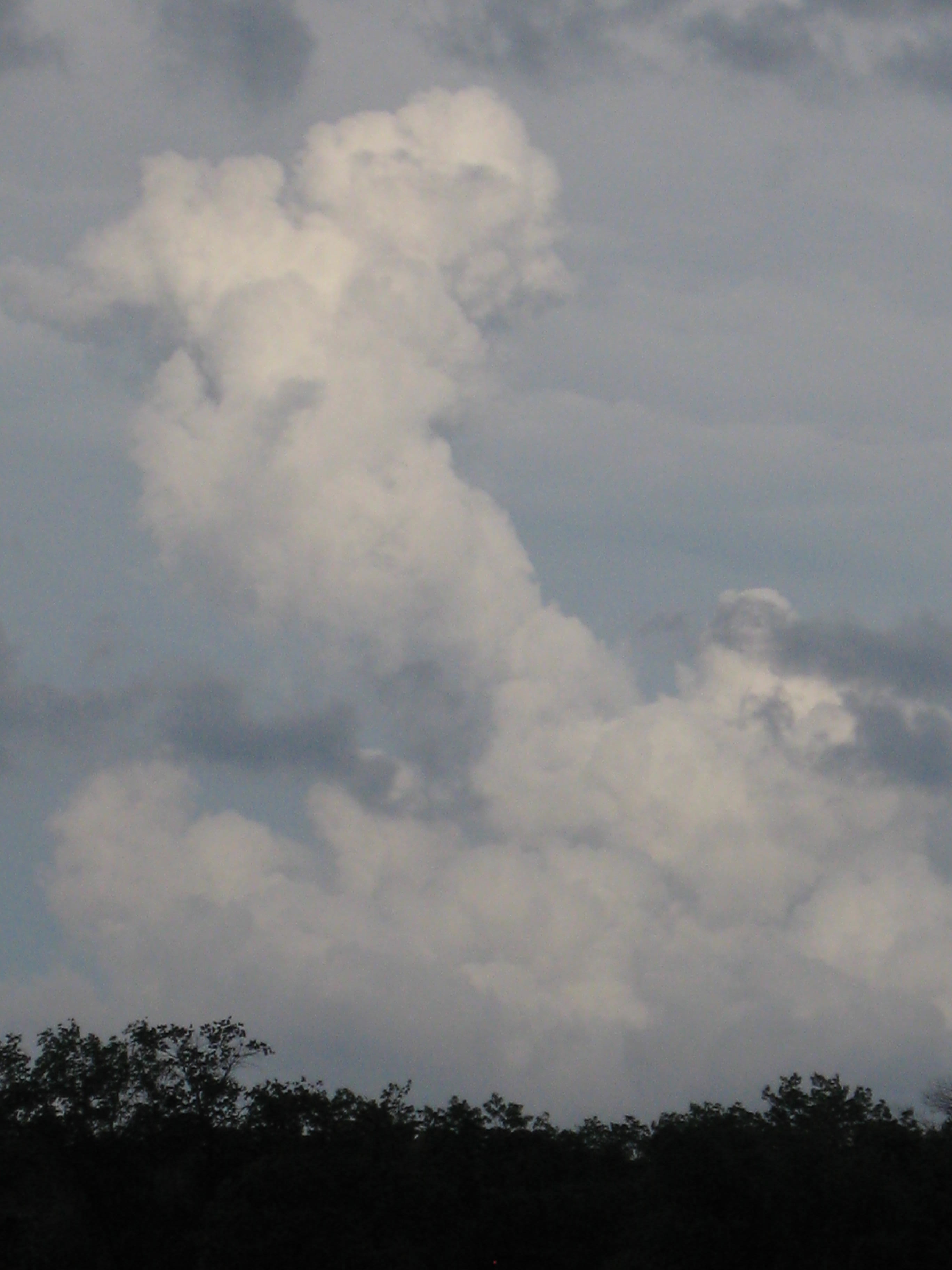
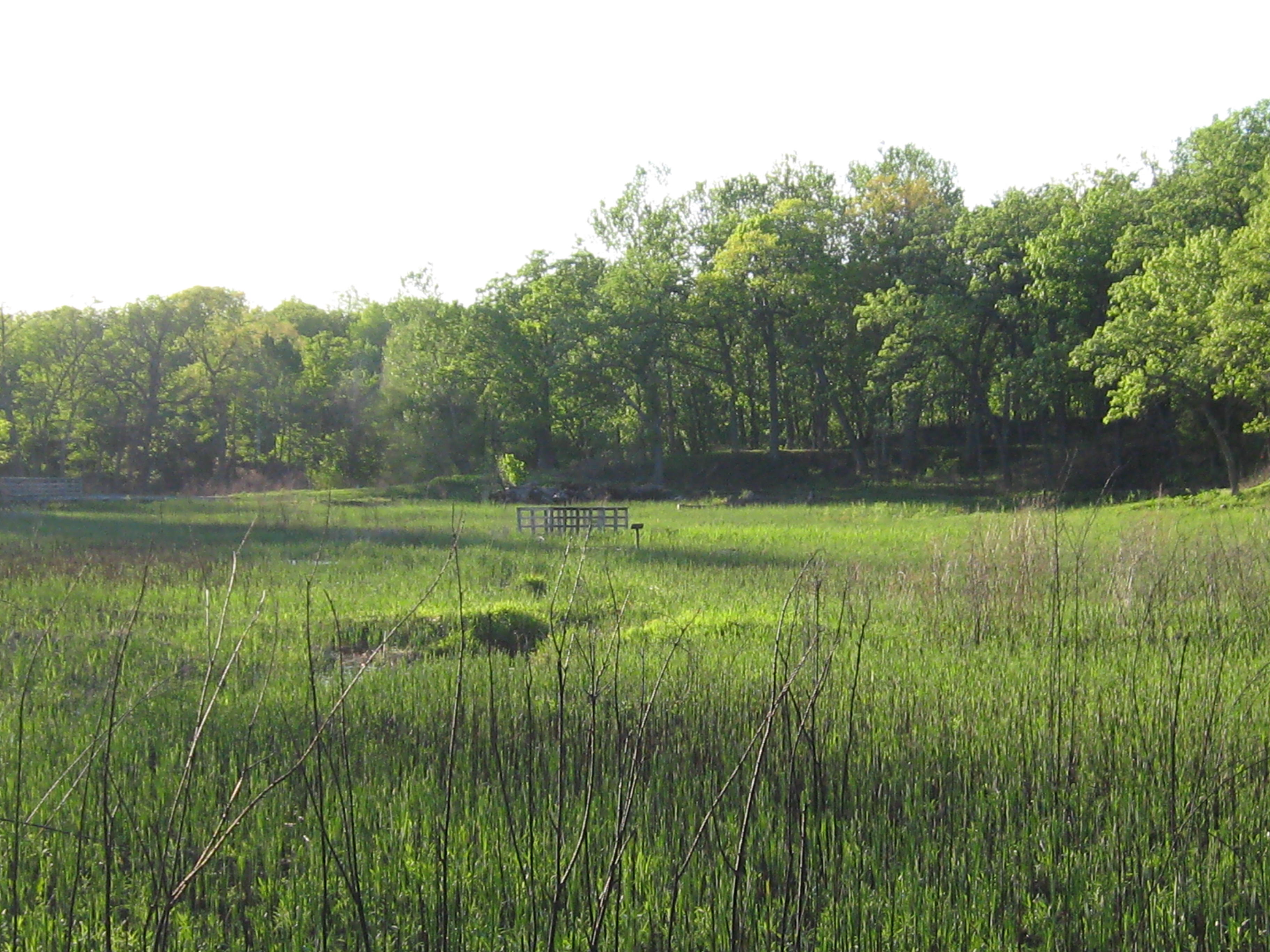
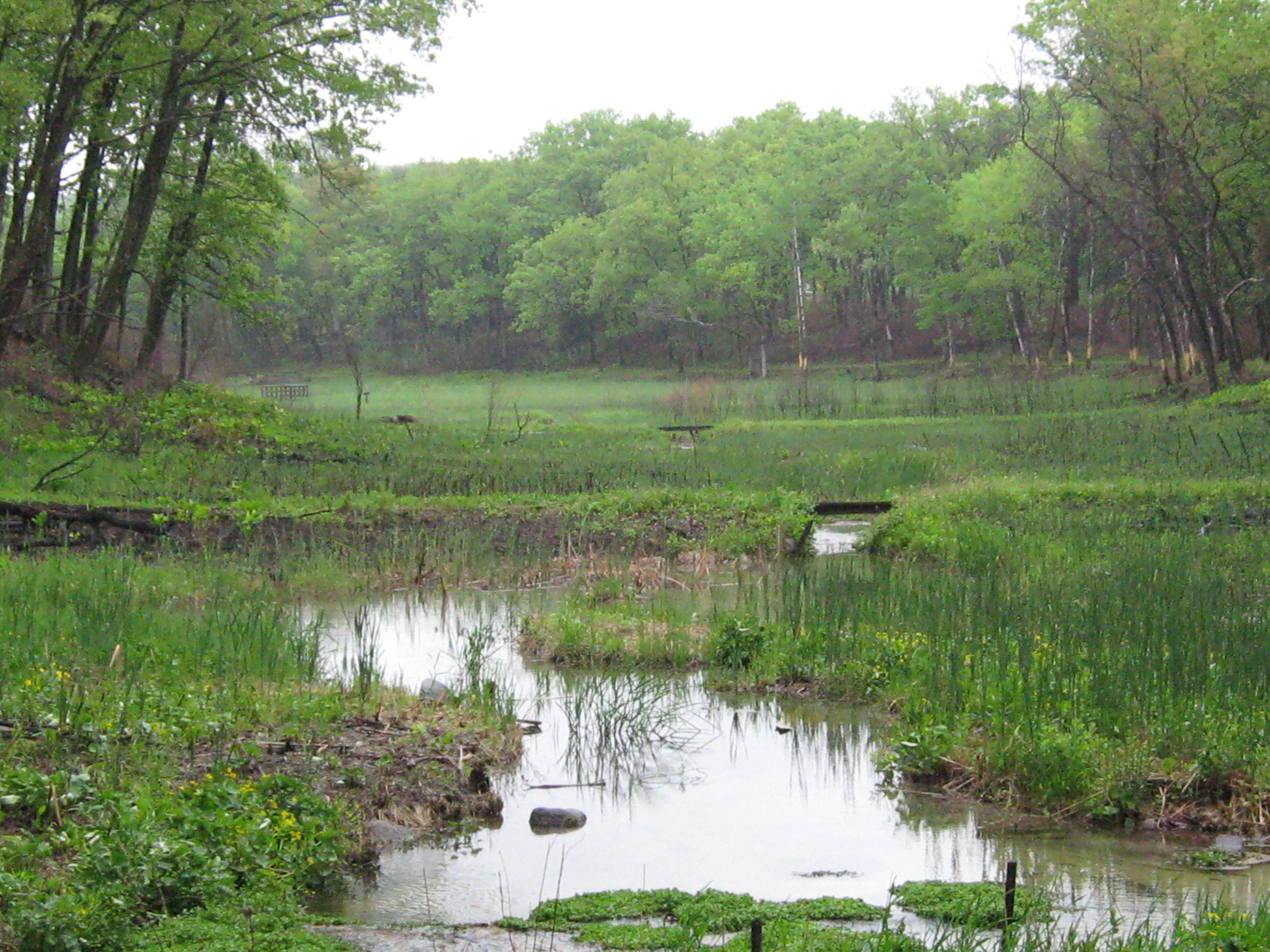
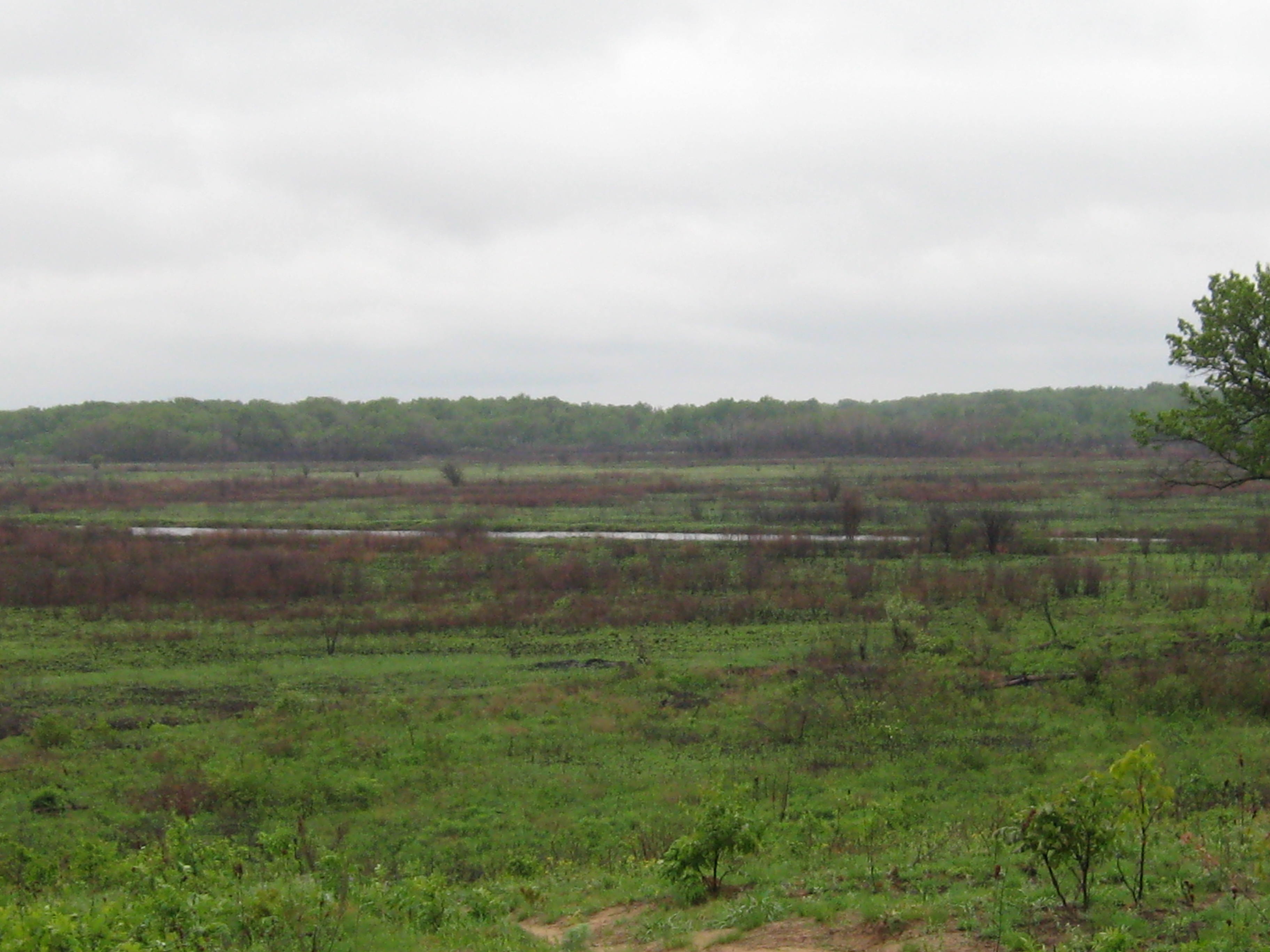
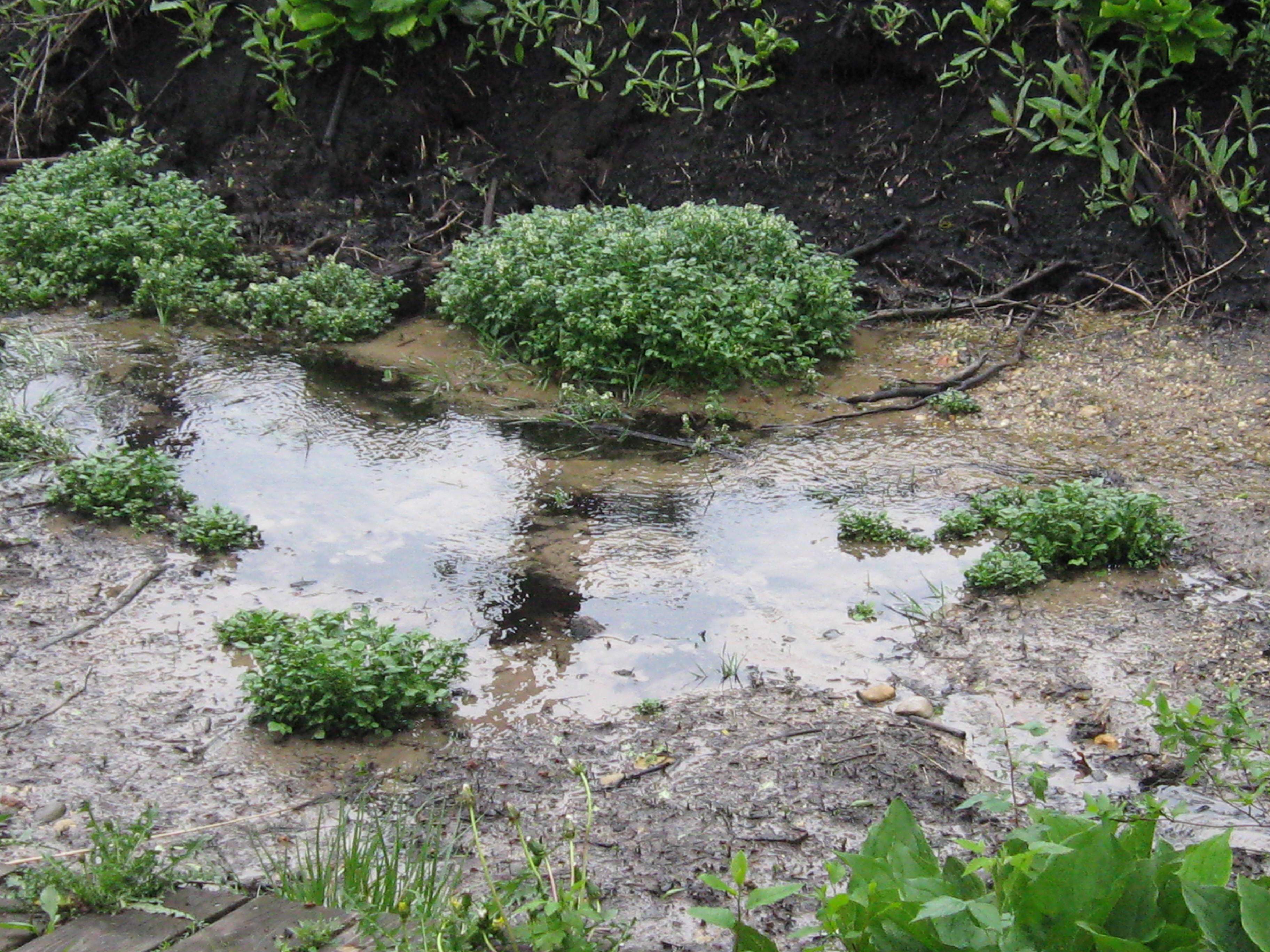
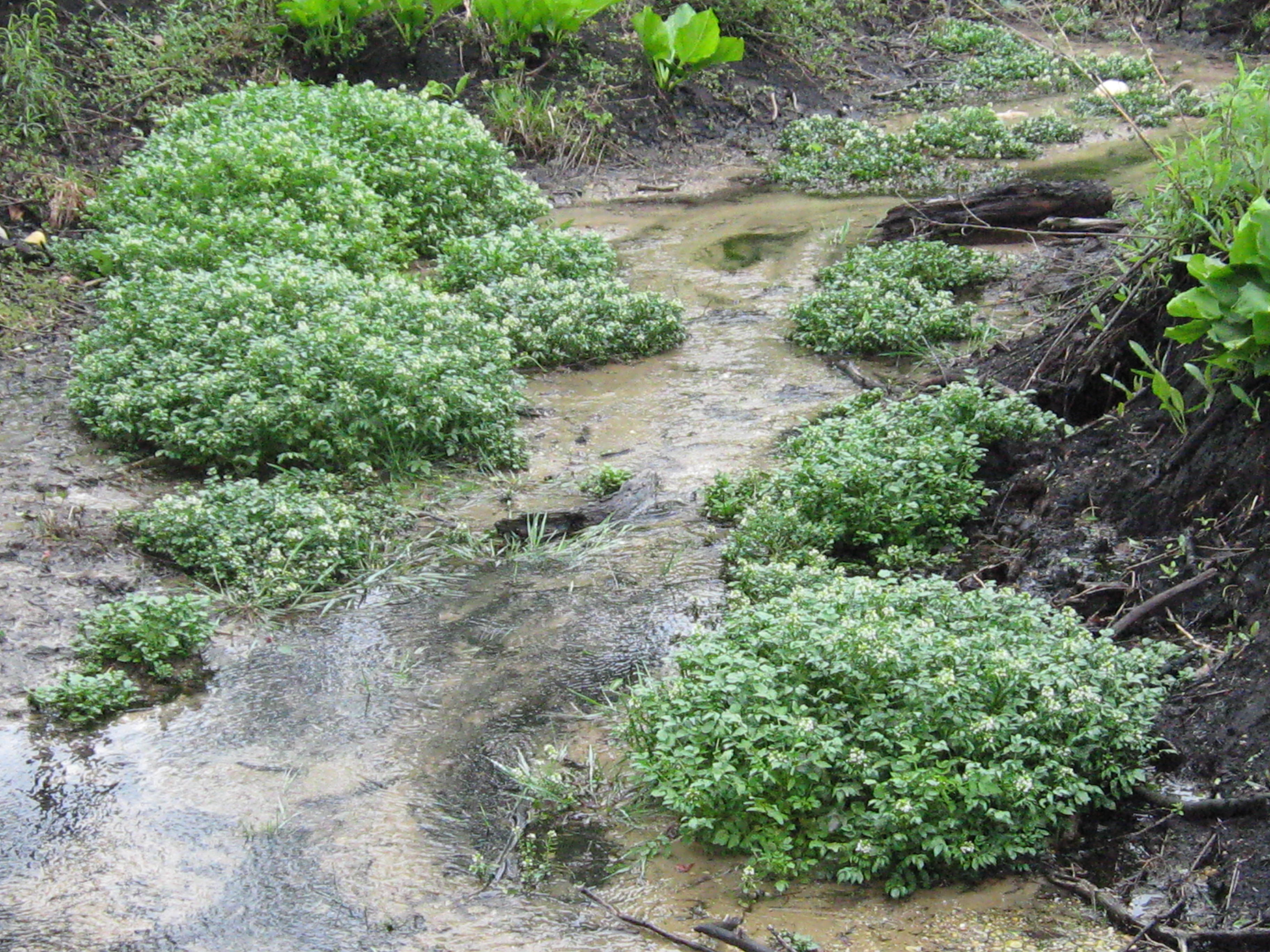
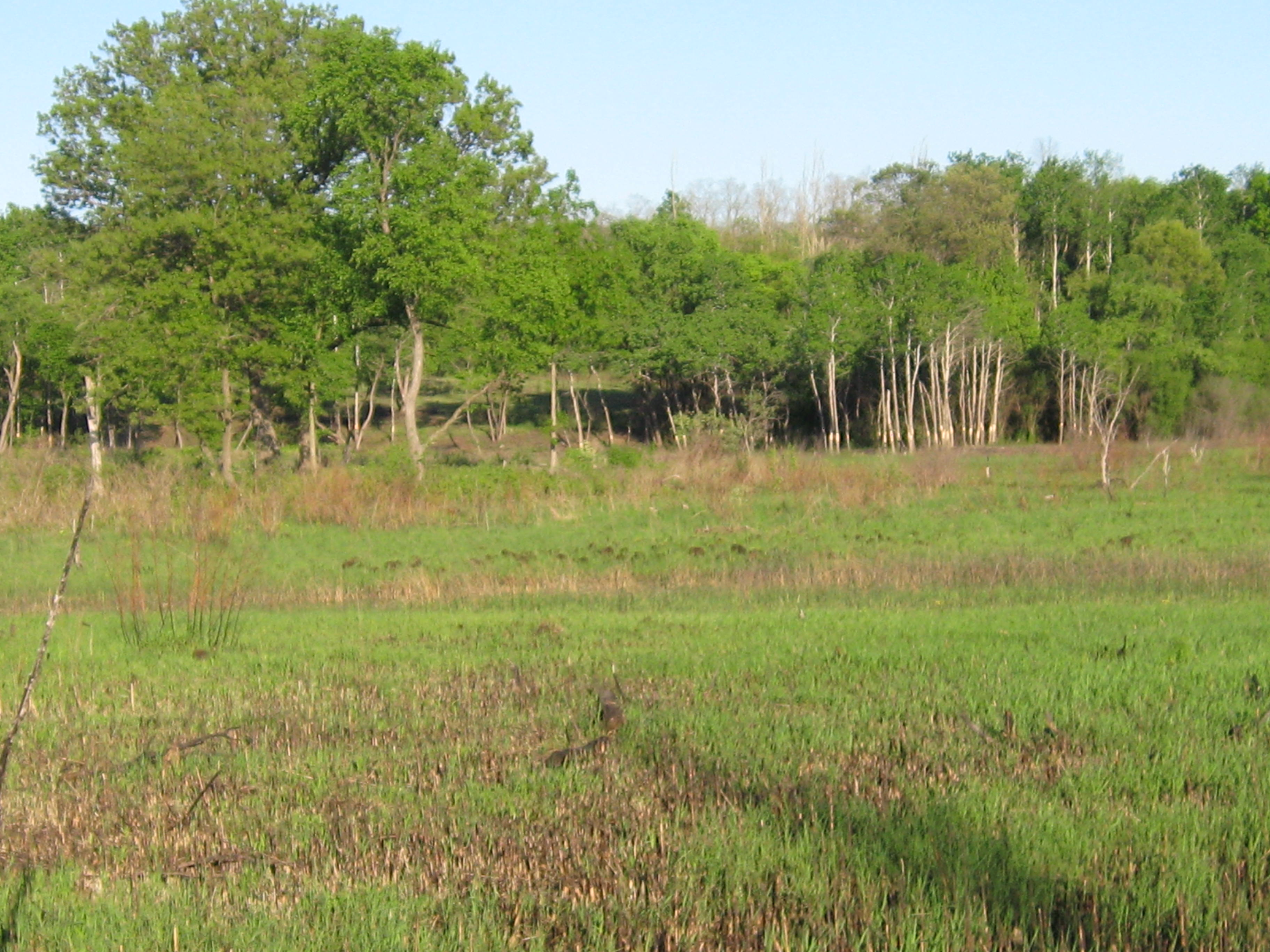
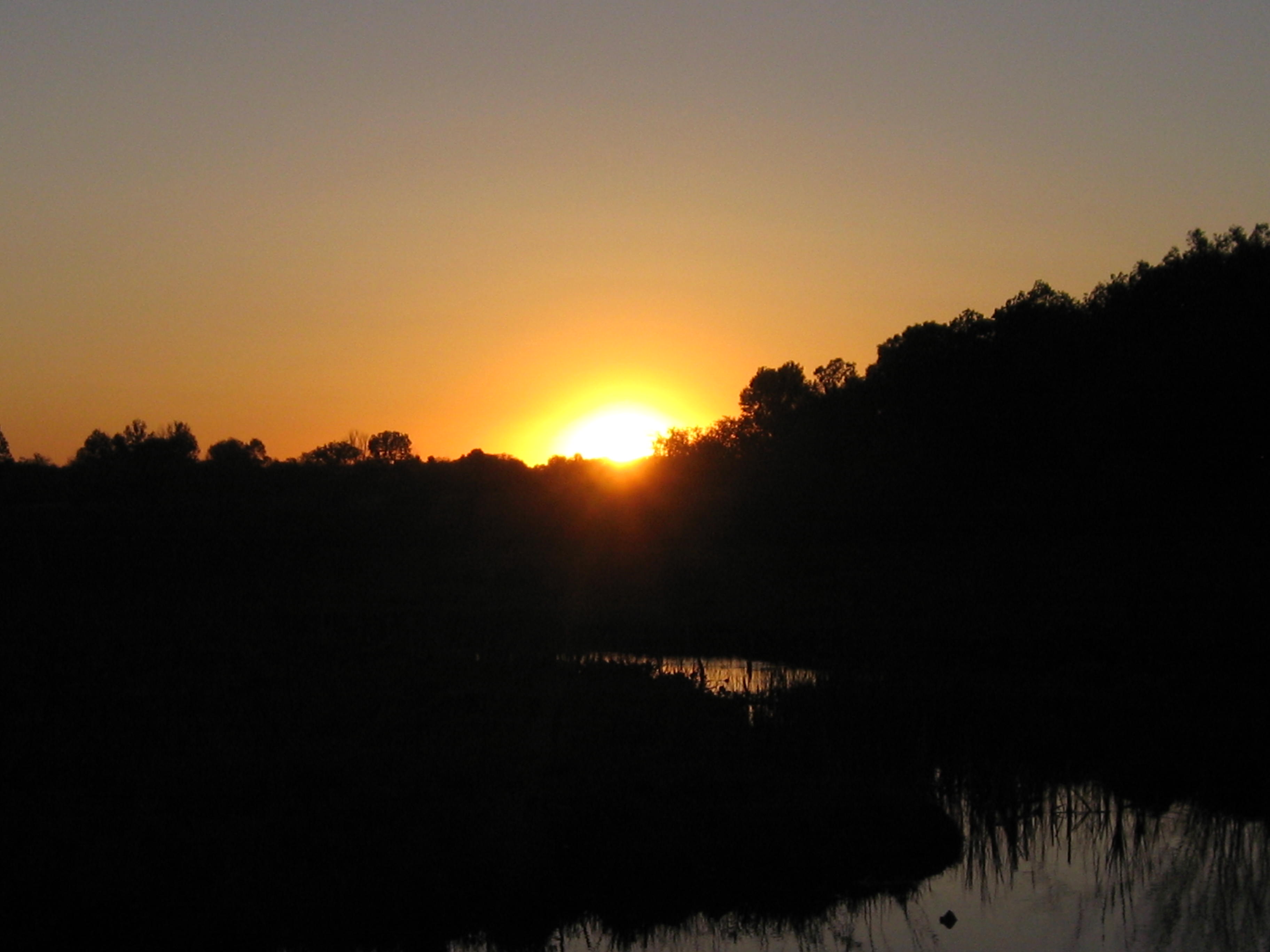
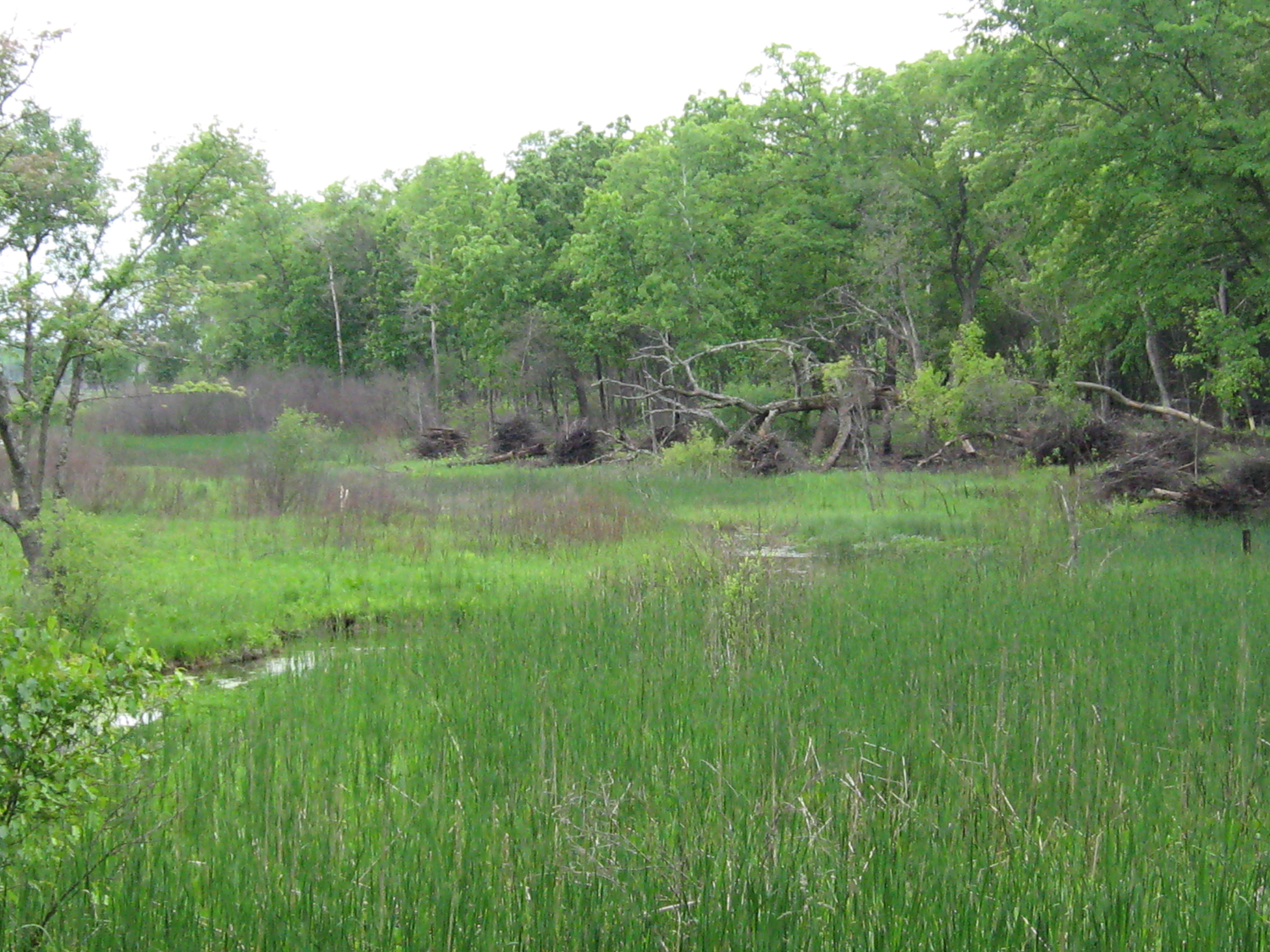
You have to walk a ways down south along the marl pit canal to get a good angle on the sun as it sets farther and farther north on the horizon. The rate of change in the amount of daylight increases as we approach the summer solstice and it is dramatically evident in the big sky country at The Springs. The trees, grasses, flowers and weeds, have responded luxuriantly to the sun and rain and the land is vibrant with myriad shades of lush greens. The Burn back on May 6th was definitely the highlight; a dramatically pivotal punctuation to Spring, 2013.

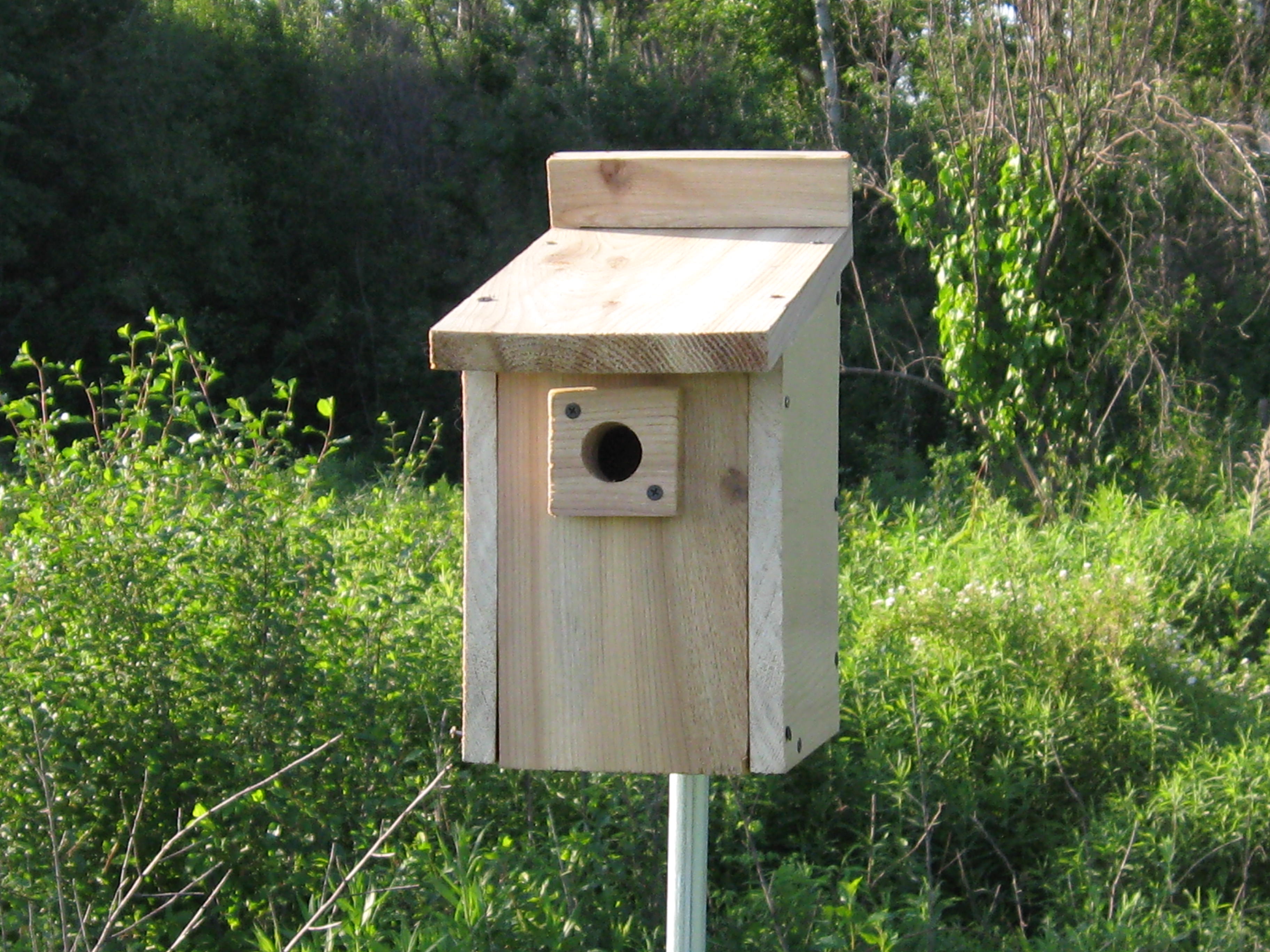
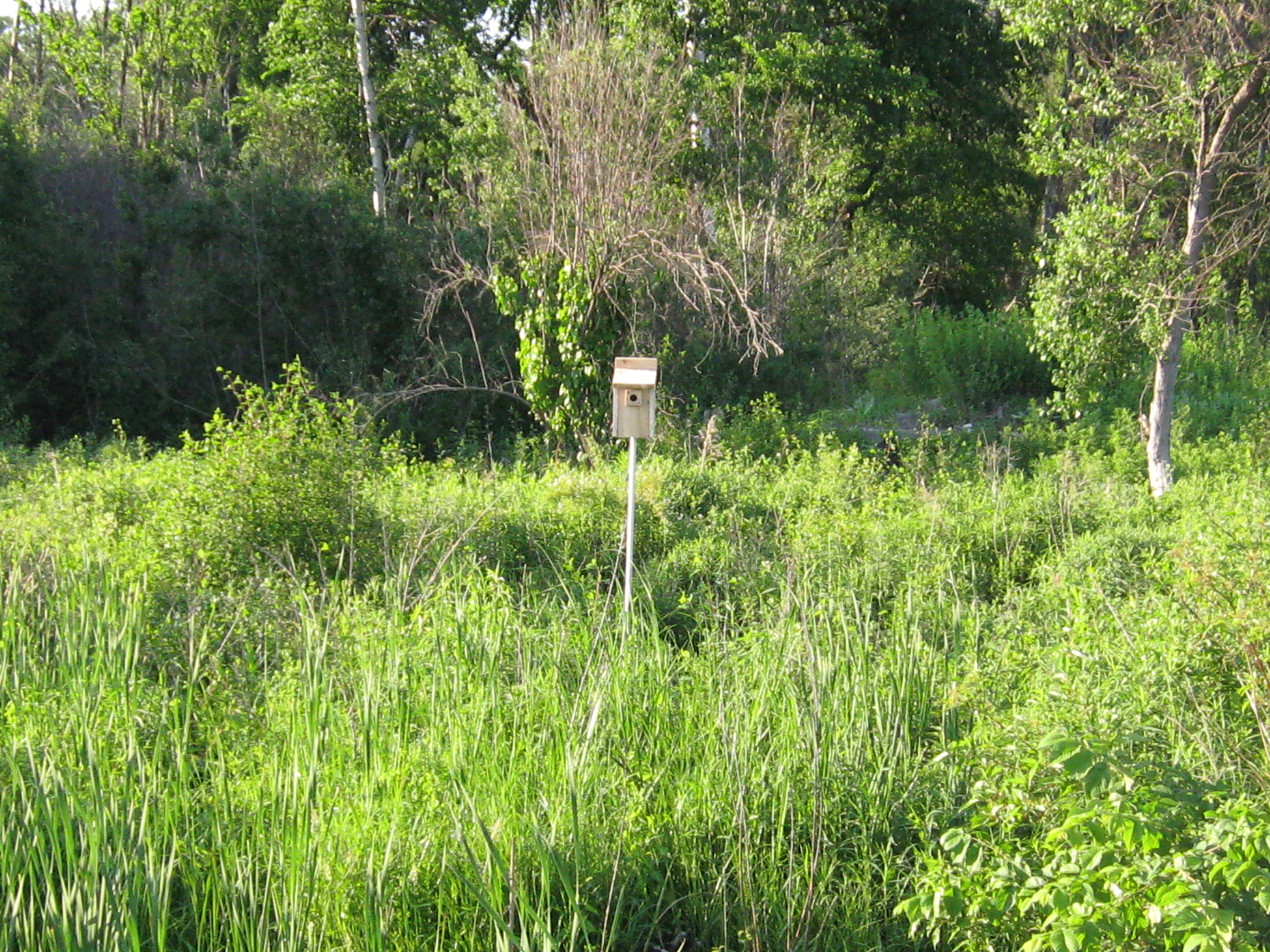
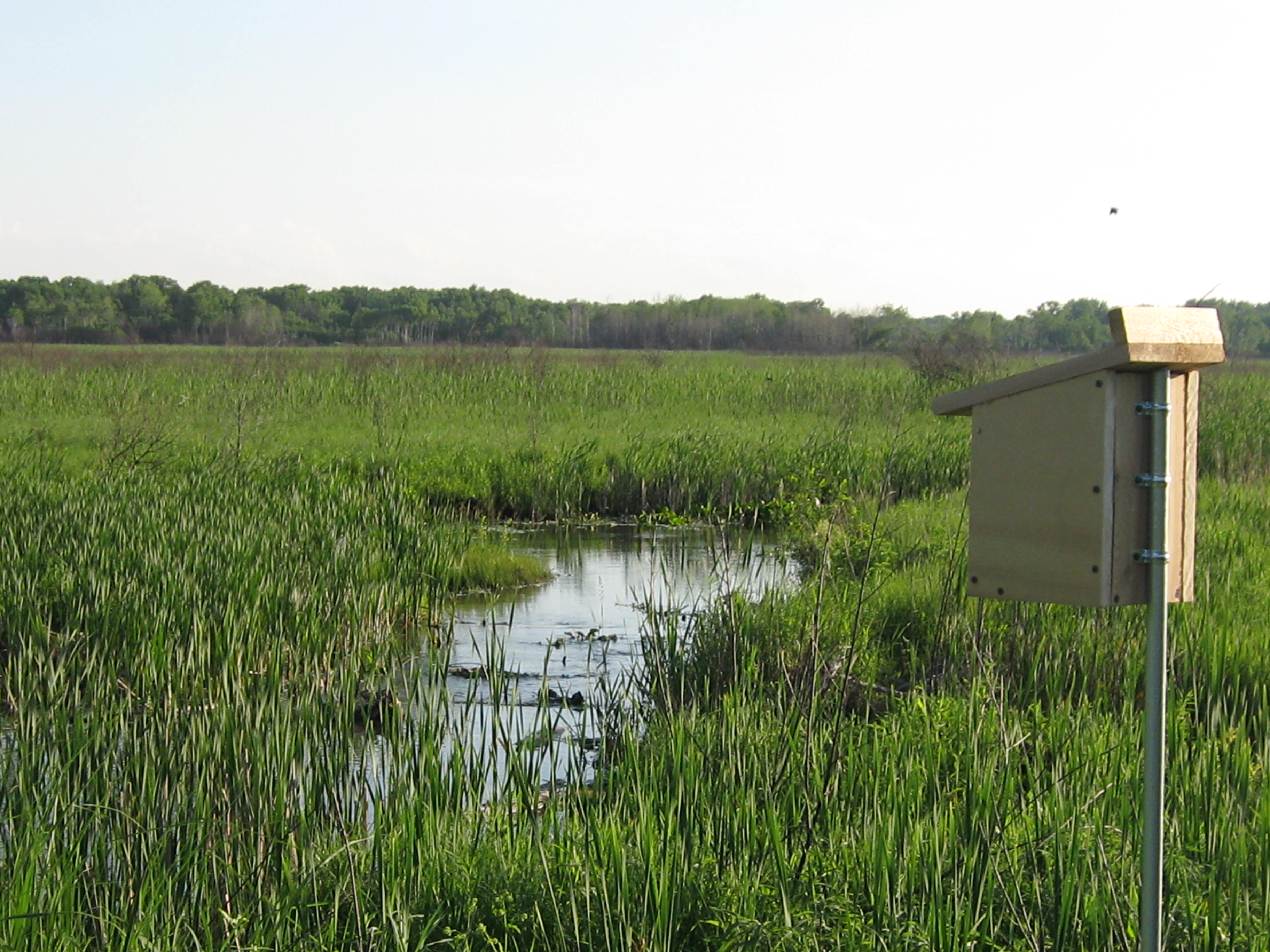
The Scuppernong Springs are a “world class site”, per former DNR Naturalist Ron Kurowski, and getting more and more well deserved love and attention these days. Spring Lover, Jon Bradley recently erected this beautiful, custom built, tree swallow house near the marl pit bridge.
IMG_1766

IMG_1767

IMG_1768

Thanks Jon! It should be occupied in no time.

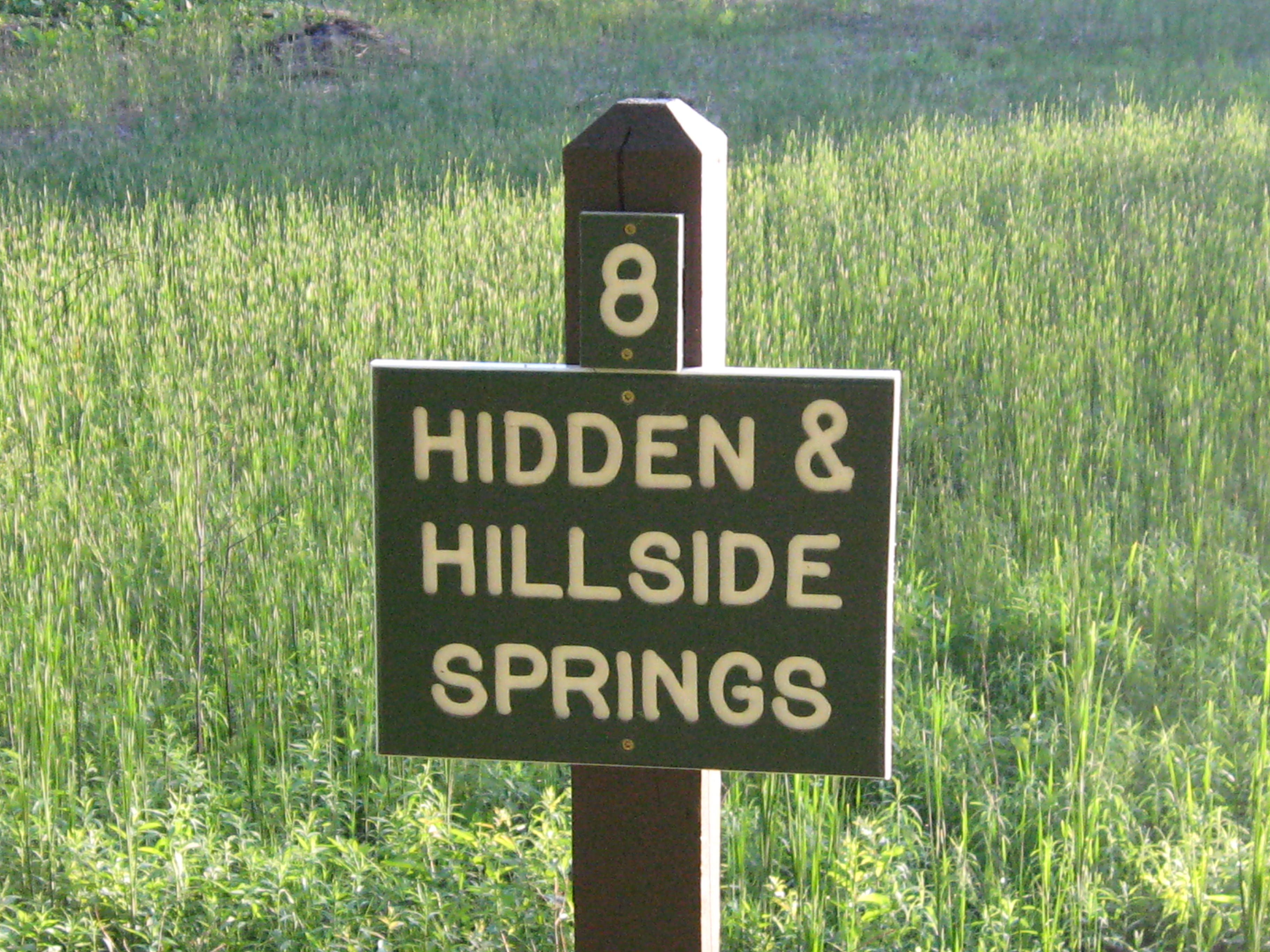
Amanda, Melanie and their crew of volunteers continued to install the new interpretive signs that Don Dane made. They look pretty darn good!
IMG_1773

IMG_1774

I was out at The Springs yesterday and sprayed some spotted knapweed on the Sauk Campground and some garlic mustard, creeping charlie and burdock between the old hotel and barn sites. “What is a weed? A Plant whose virtues have not yet been discovered.” — Ralph Waldo Emerson (more good weed quotes here). Rich Csavoy taught me another weed, white cockle, which is in full bloom on the Sauk Campground. Reed Canarygrass is already going to seed amongst the many springs in the river valley. Isn’t it ironic that Cannabis Sativa, one of the most versatile plants on earth, goes by the nickname “weed”?

IMG_1775

It was a beautiful afternoon with a refreshing north breeze, deep blue skies and cauliflower clouds sailing by. I cut a curtain of buckthorn and prickly ash between the cut-off trail and the river on a little peninsula where Carl Baumann took some serious cuts last winter. Here is how it looked when I got there.

Five hours later…

A view from the gaging station bridge.

IMG_1764

I saved a couple of wild plum trees amongst the buckthorn and found a patch of blue flag irises.
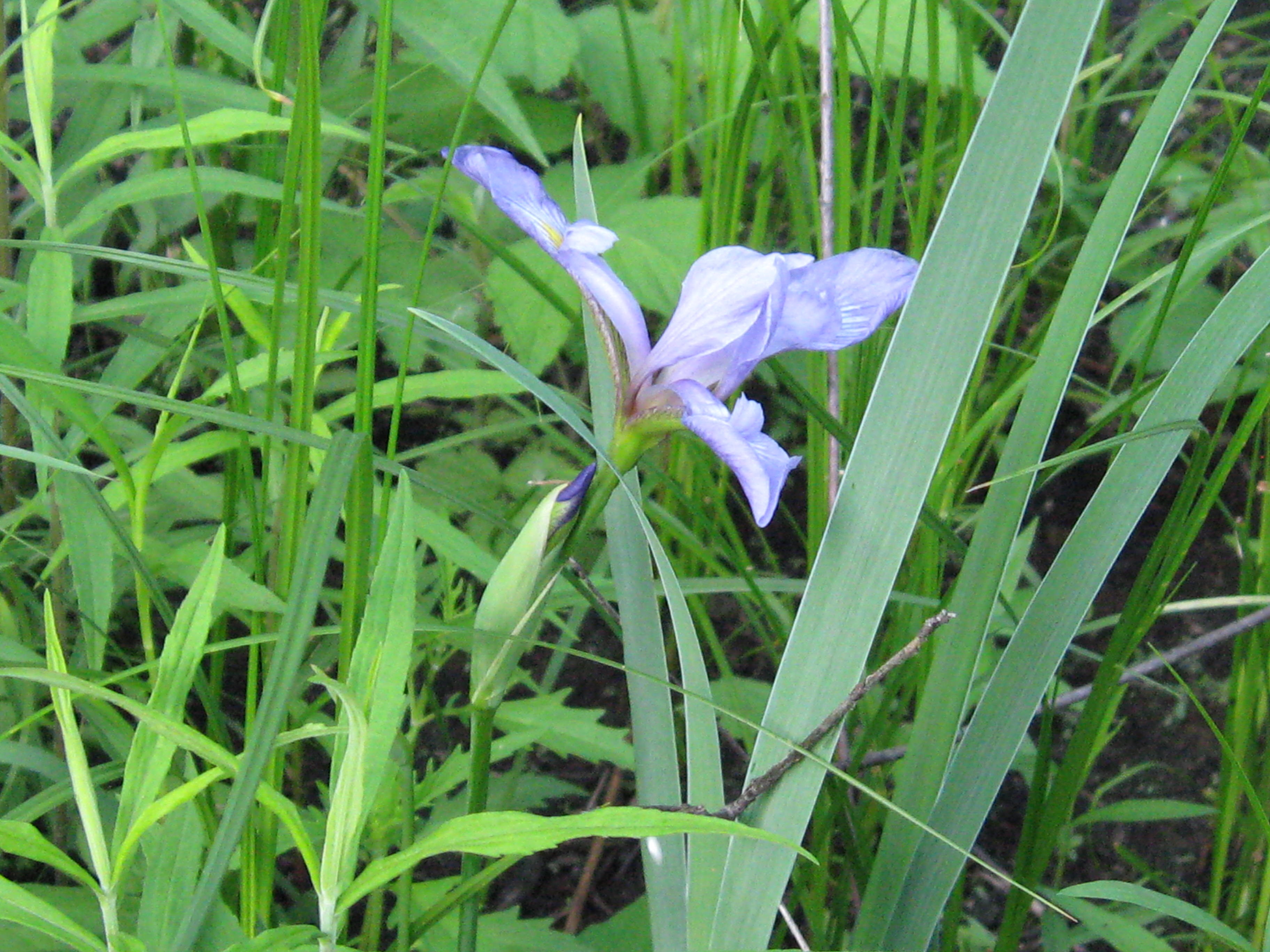
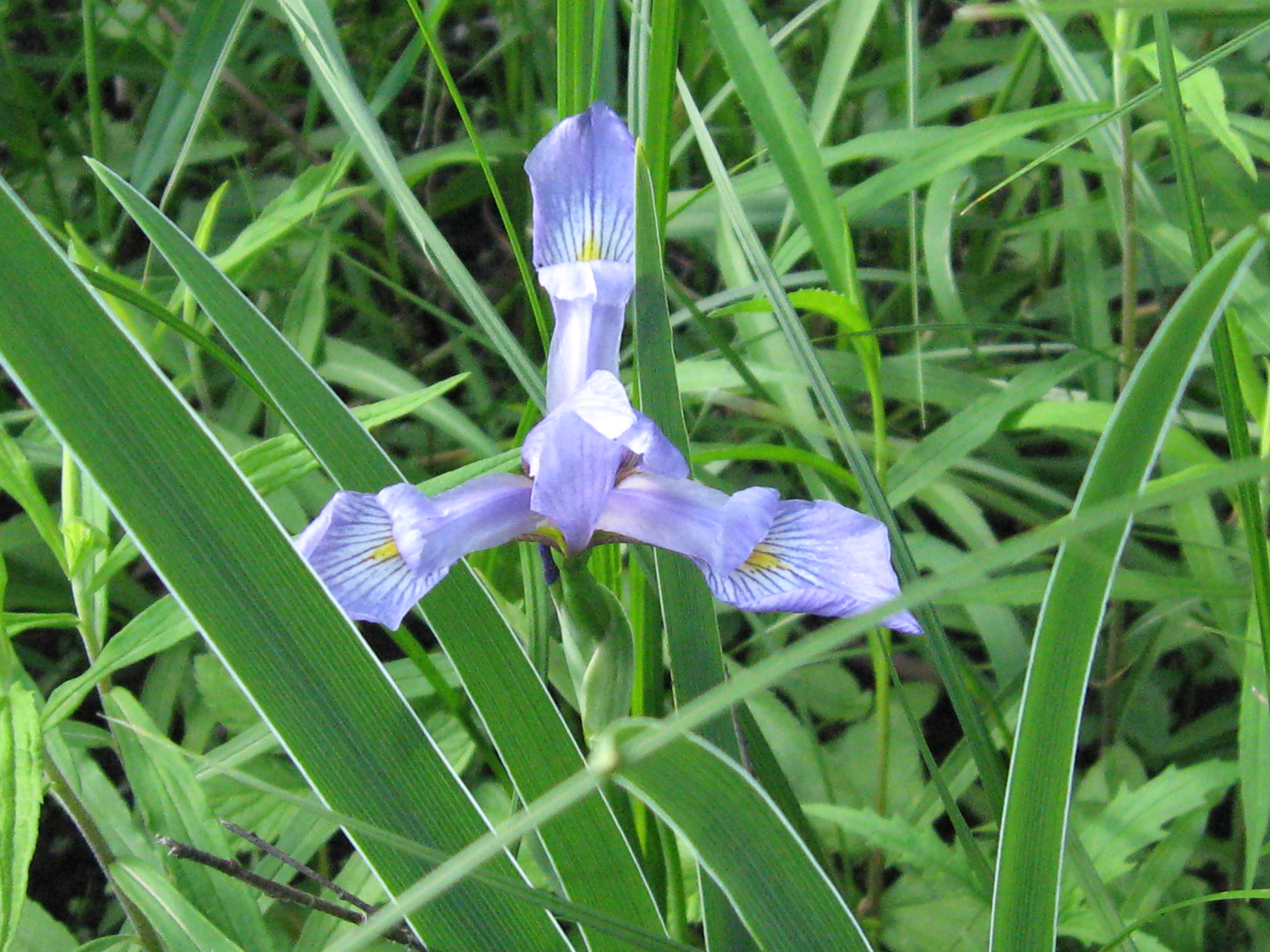
IMG_1763

IMG_1762

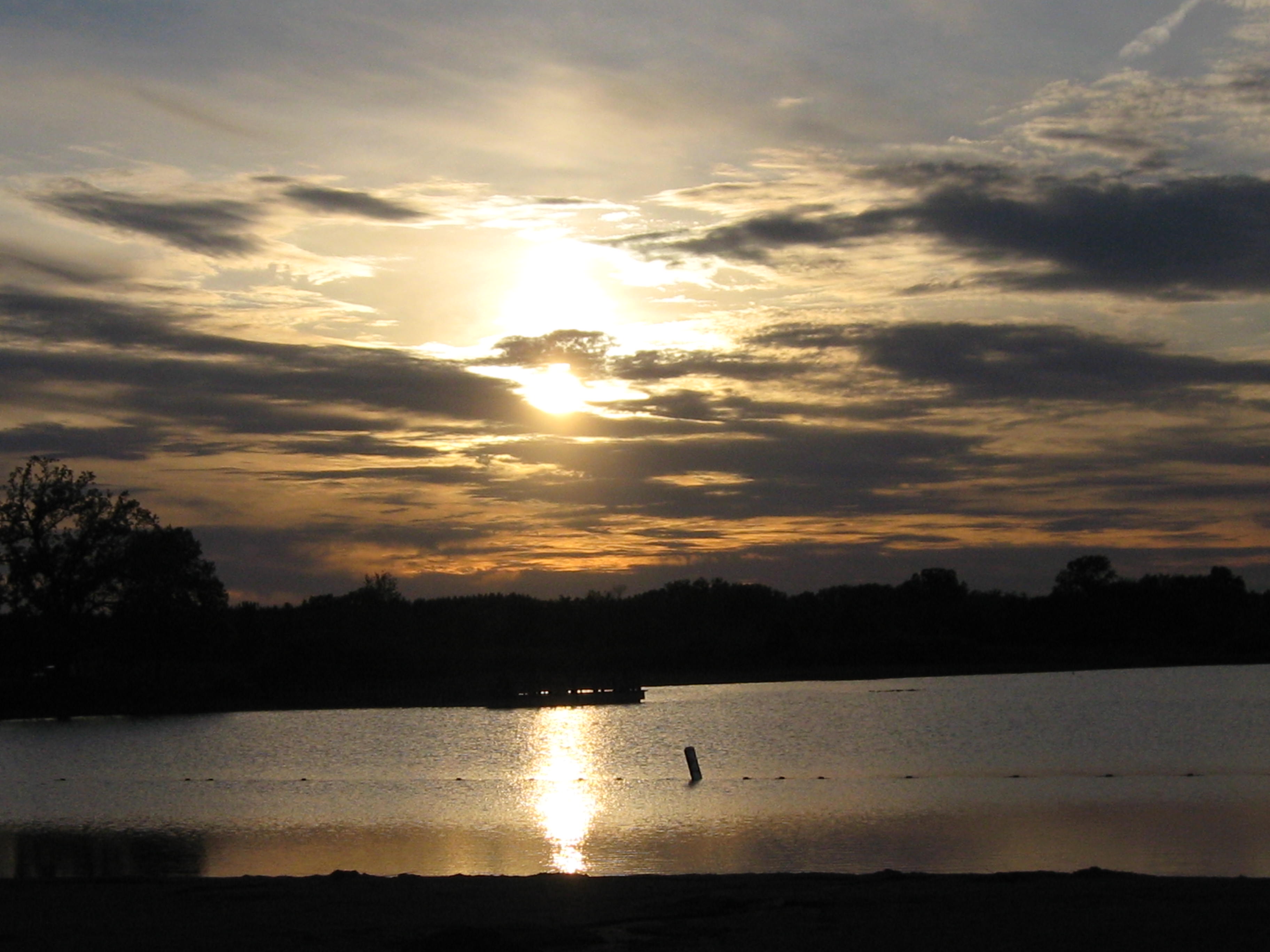
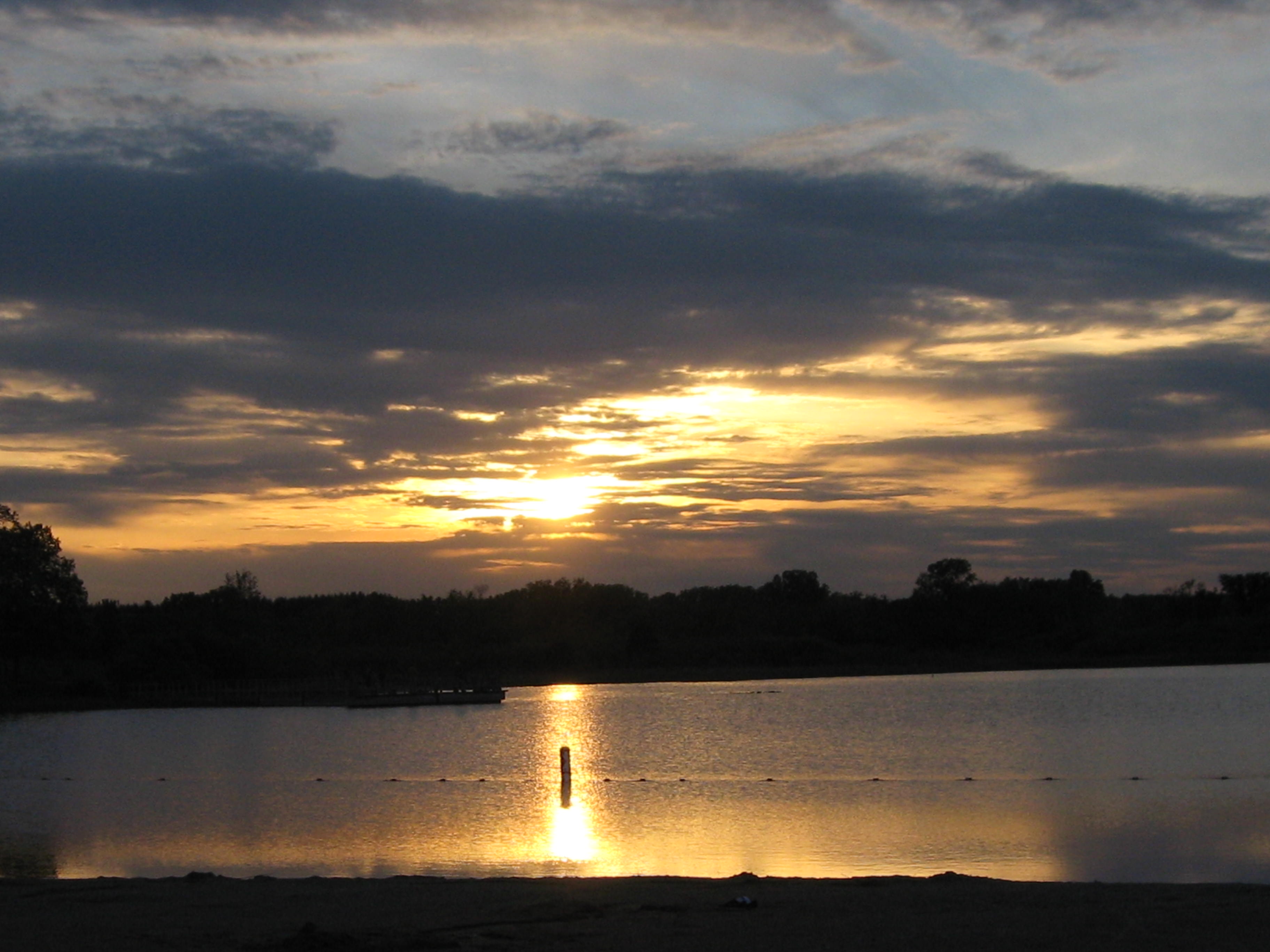
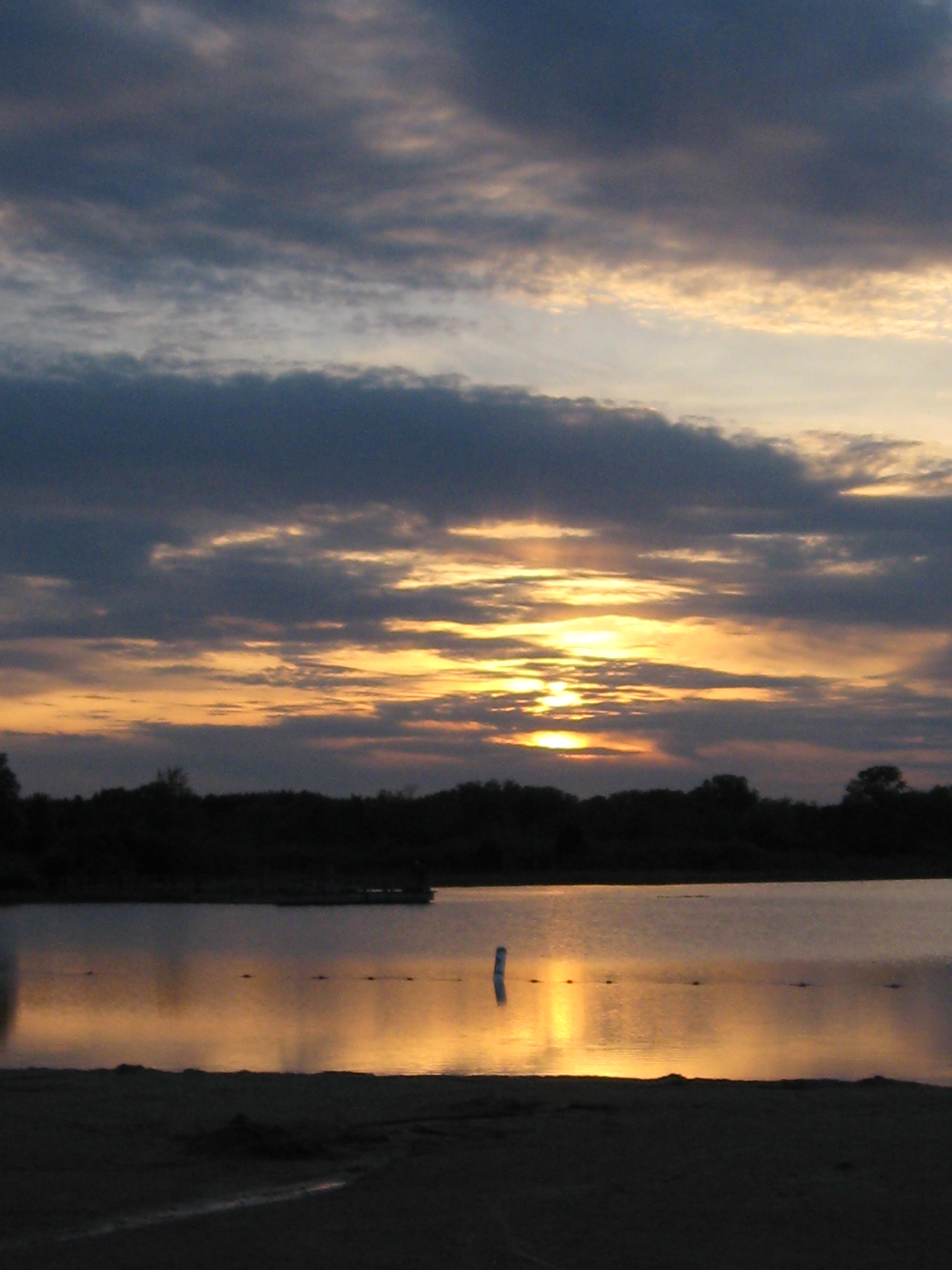
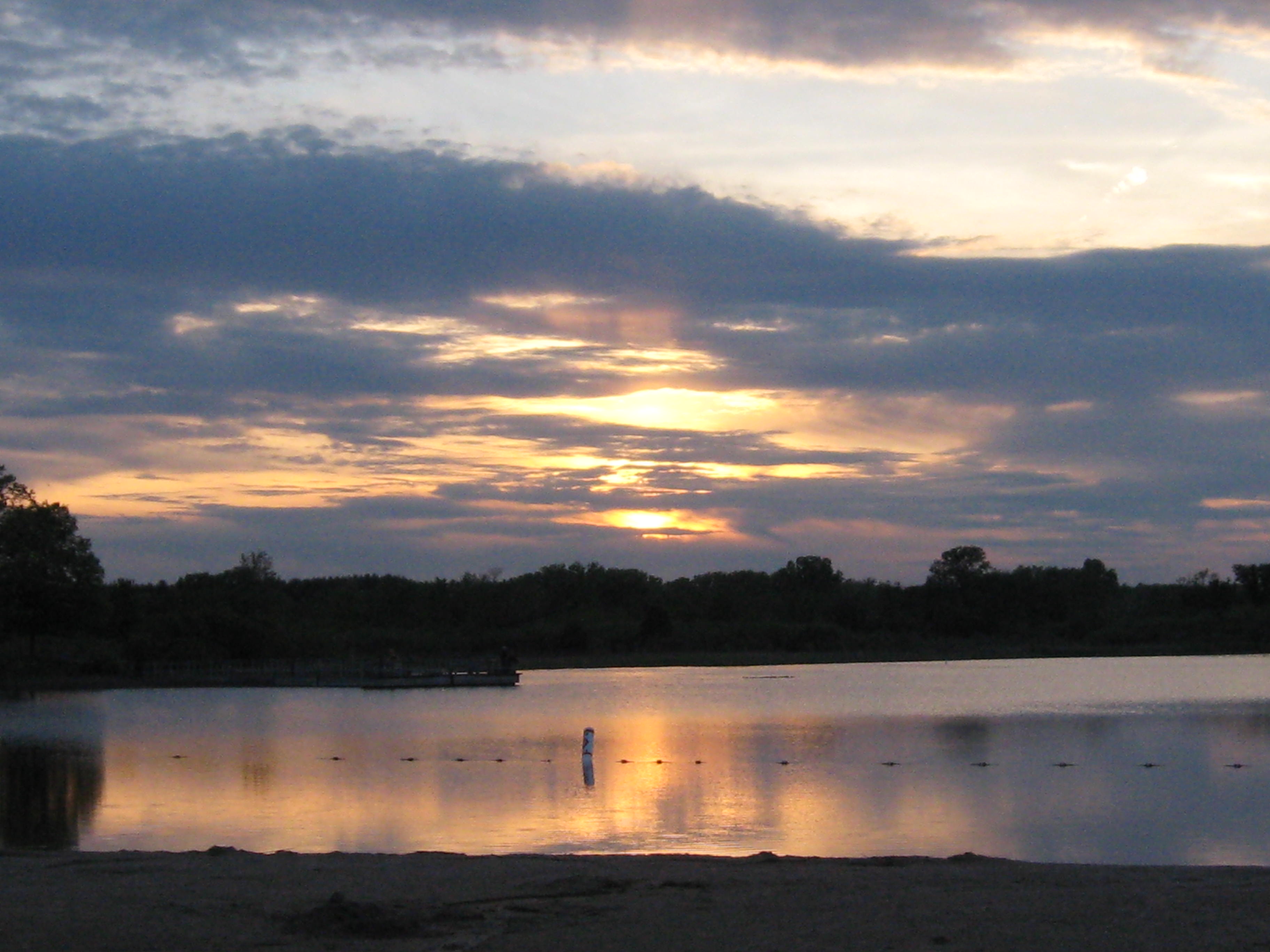
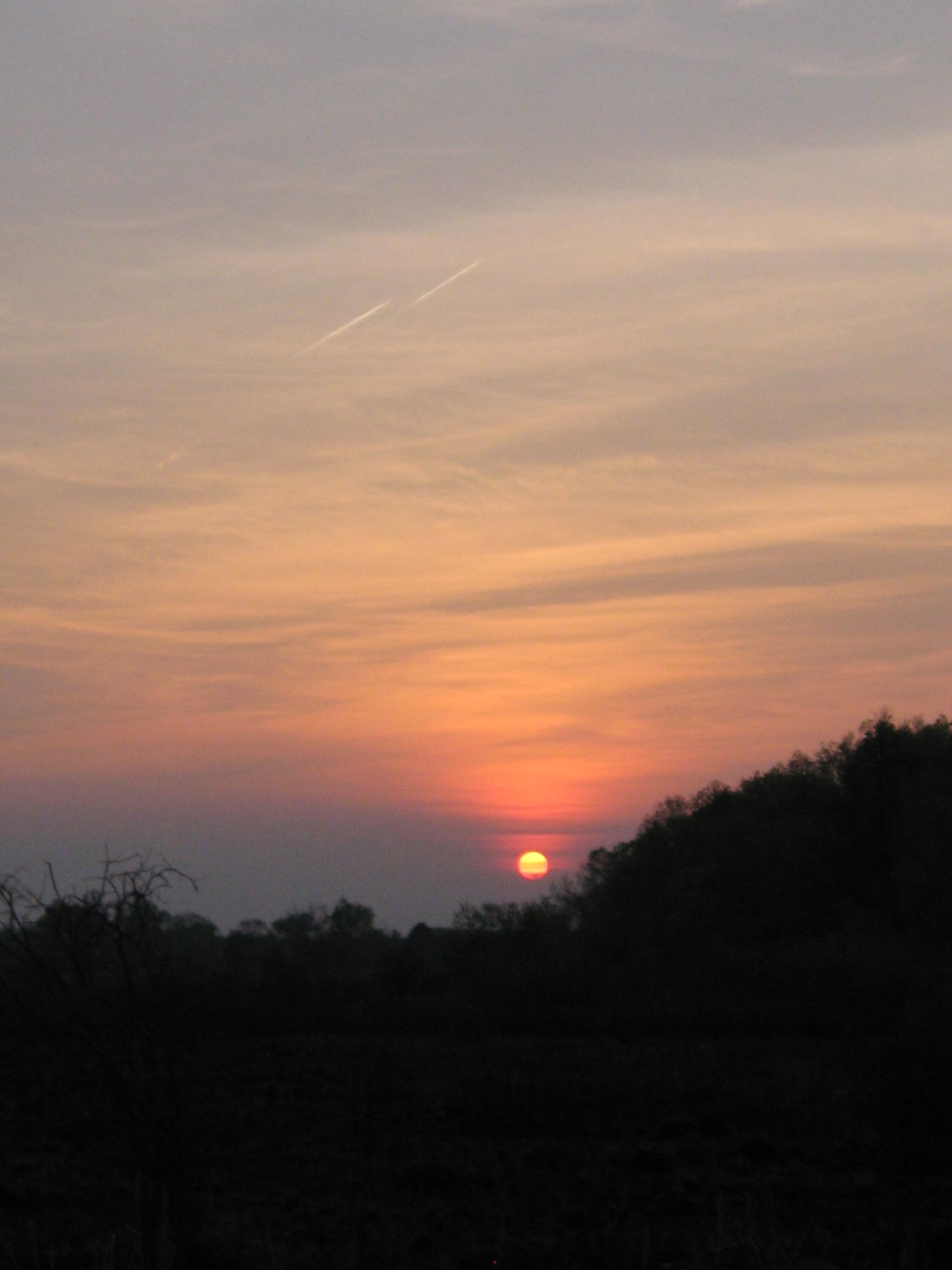
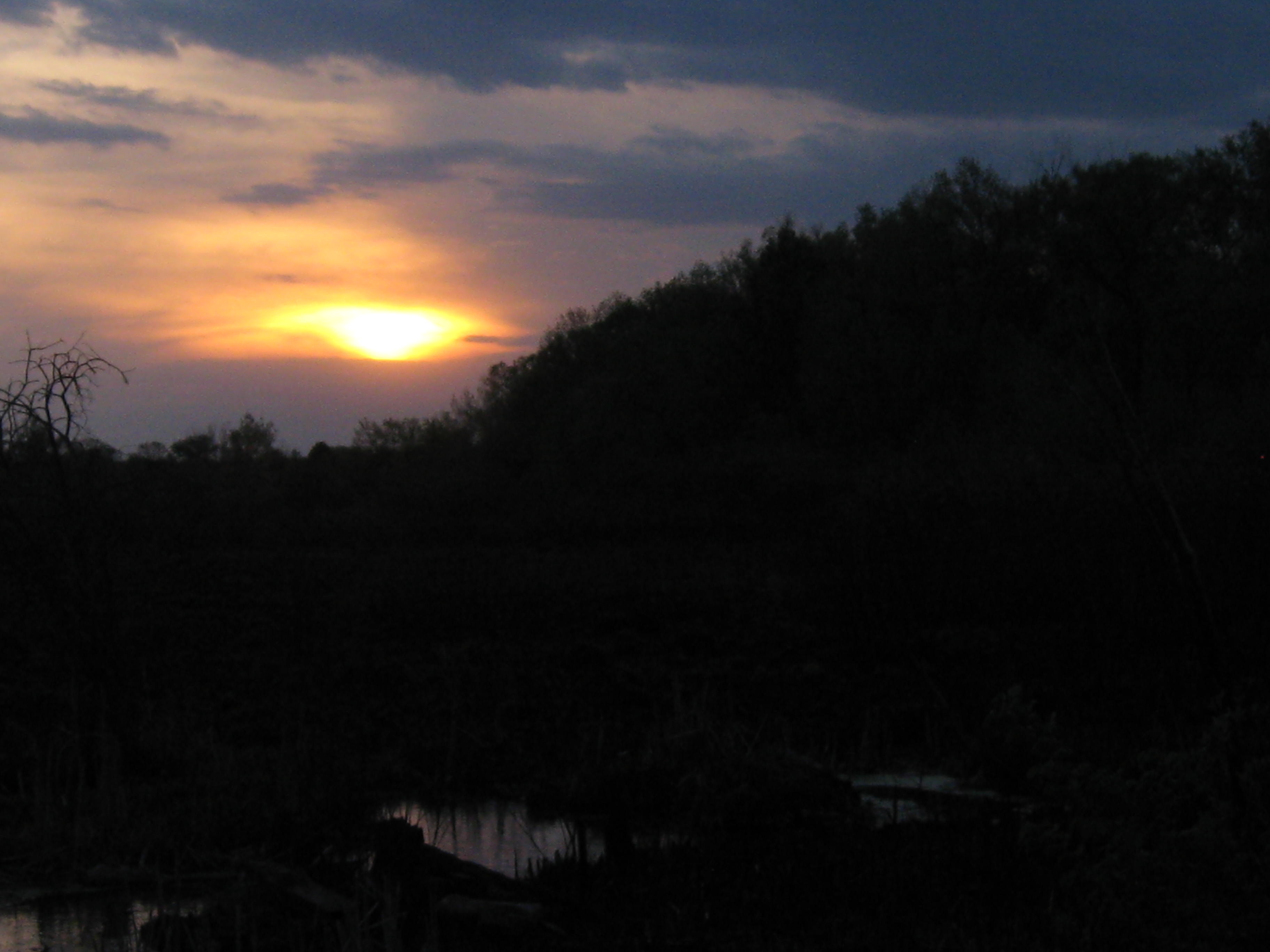
I did some serious relaxing at the marl pit bridge in the evening and wandered down the canal a bit to get these shots of the sunset.

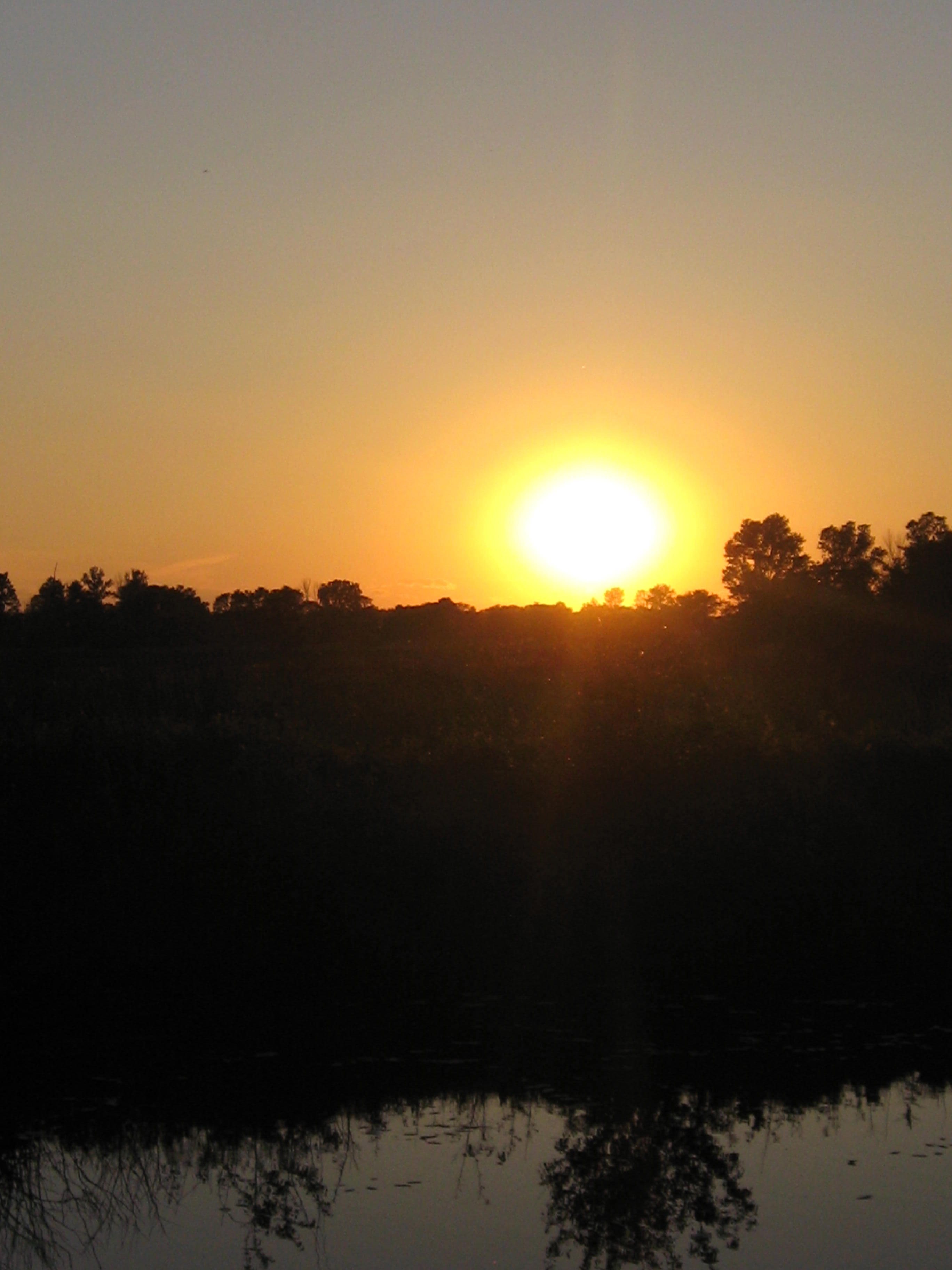
IMG_1776

IMG_1778

IMG_1780

IMG_1783

IMG_1789

See you at The Springs!

Signs of Volunteers

The Springs are buzzing with excitement and I’m not just referring to the voraciously hungry mosquitoes. Last week many groups of children visited and yesterday the first class of the Wisconsin Master Naturalist program, run by the Wehr Nature Center, was here. The Law of Attraction is definitely at work at The Springs. Amanda, Melanie and their crew of volunteers were vibrating with energy as they converted their thoughts and emotions into actions installing a new set of signposts (that Don Dane made) to accompany the interpretive brochure.

Melanie and Tara digging the hole for post #3 at the marl pit factory.

They had to painstakingly pull out brick after brick from hole #4 by the marl pit bridge.

IMG_1742

IMG_1743

IMG_1744

IMG_1747

Here is the rest of the crew: Kay, Barb, Berta and Rich. Together they worked on at least 9 different signposts. Nice!

When I first arrived, I sprayed Habitat on some areas in the river valley where the phragmites and cattails were the only plants growing. I’m not going to spray anymore, anything in the river valley. In most of the valley a wide diversity of plants have emerged interspersed with the invasive ones. It would take a huge quantity of Habitat to spray the entire area and many good plants would likely be killed, not to mention the residue from the poison that would infiltrate the river. As Dana Carvey impersonating George H.W. Bush would say, “Na, Ga, Da”.

I finished girdling a clonal colony of aspen, the last I plan to do at The Springs this season, located on the east end of the cut-off trail in an area that was once cleared for farming. The views from this section of trail south towards the river will be stunning once the aspen and buckthorn are removed. There is still some buckthorn between the trail and river in this area and I plan to get after it soon.

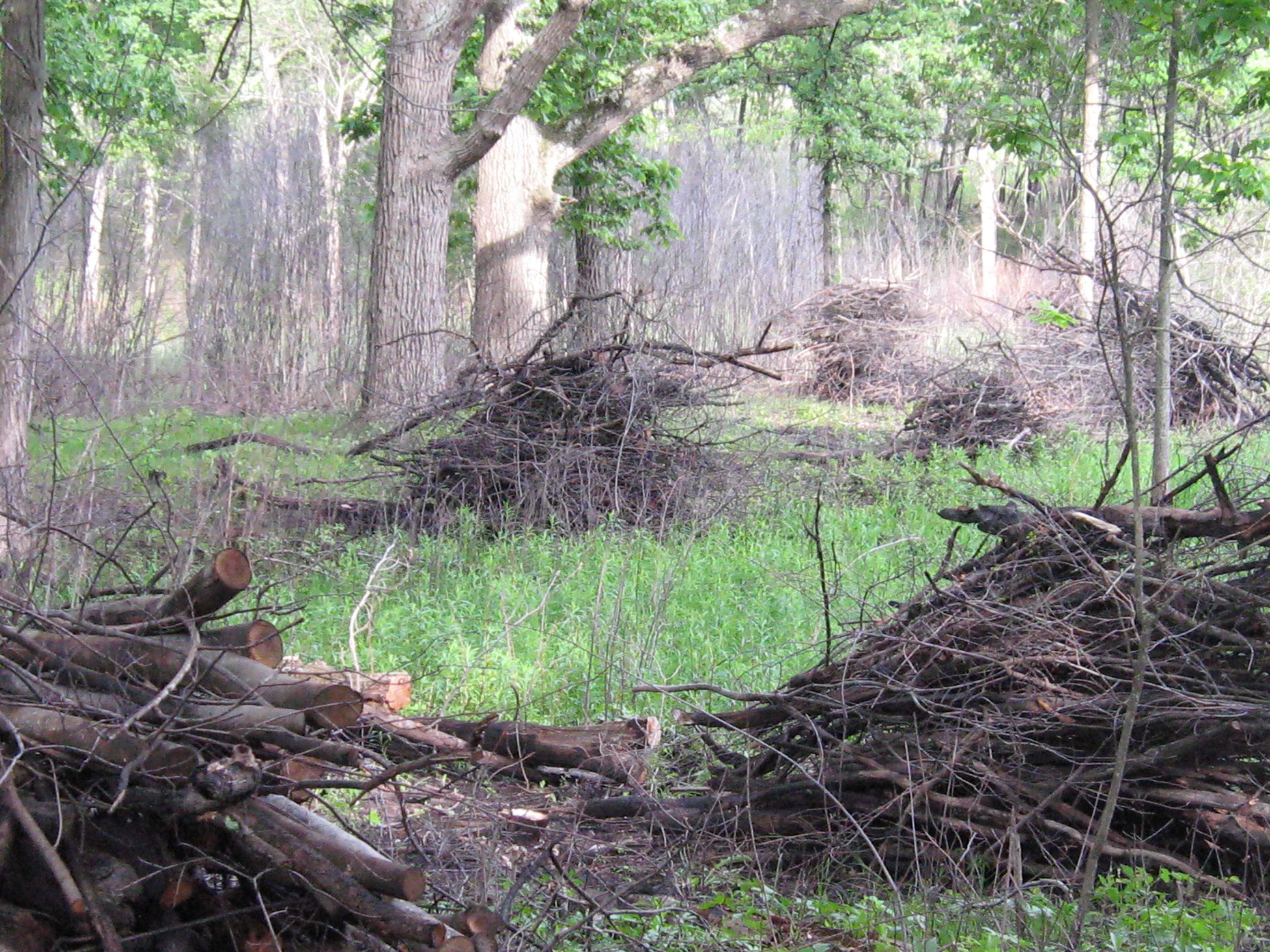
In the afternoon I resumed brush piling on the west end of the cut-off trail. We feverishly cut and cut between the trail and the river during the early spring to lay down as much buckthorn as possible before the burn and I’m almost completely caught up piling it now. Here is a view of the area I was working at from the gaging station bridge.

IMG_1752

And from the cut-off trail.

IMG_1754

Here are a few scenes from the marl pit bridge.

And the marl factory.

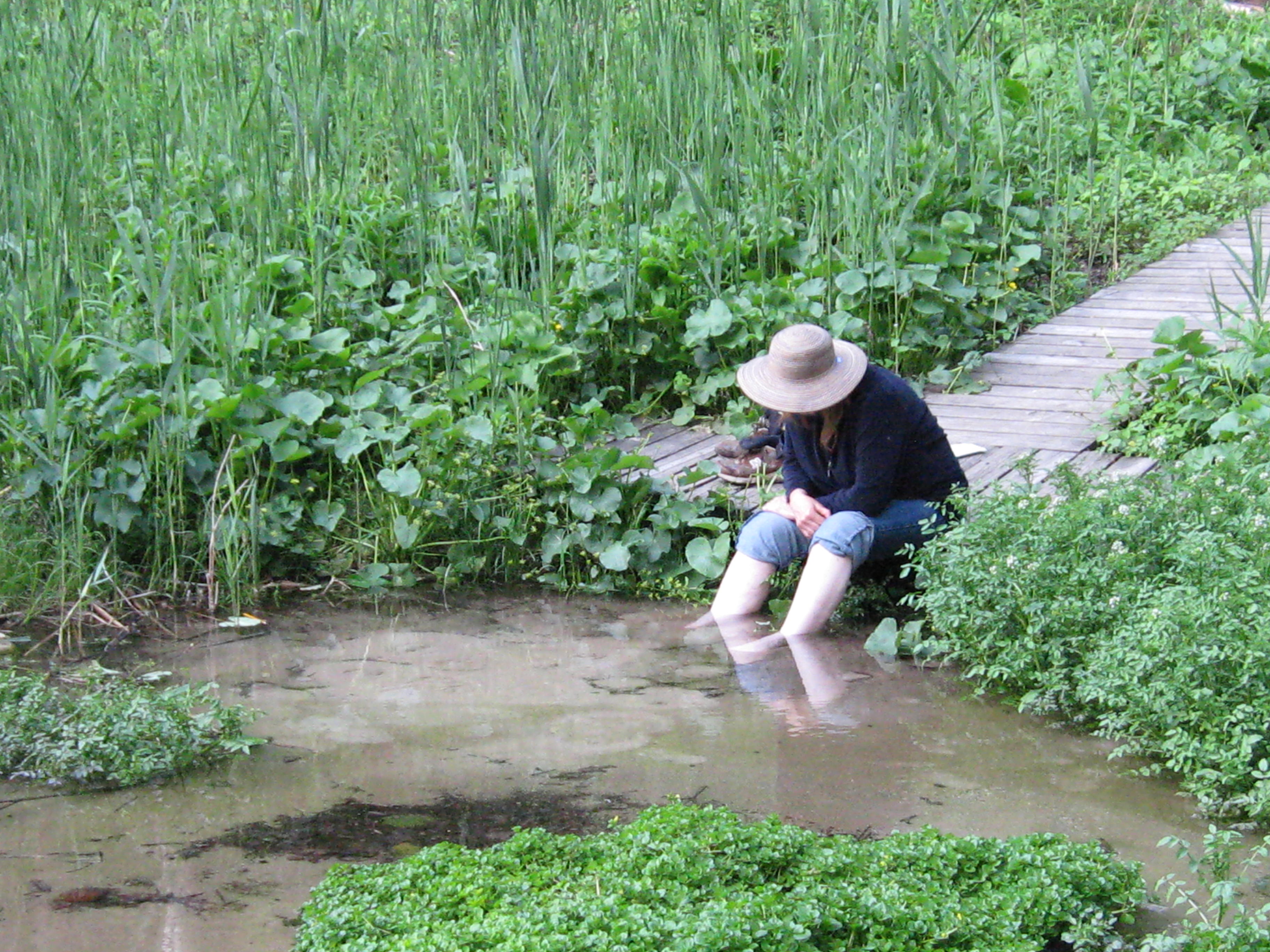
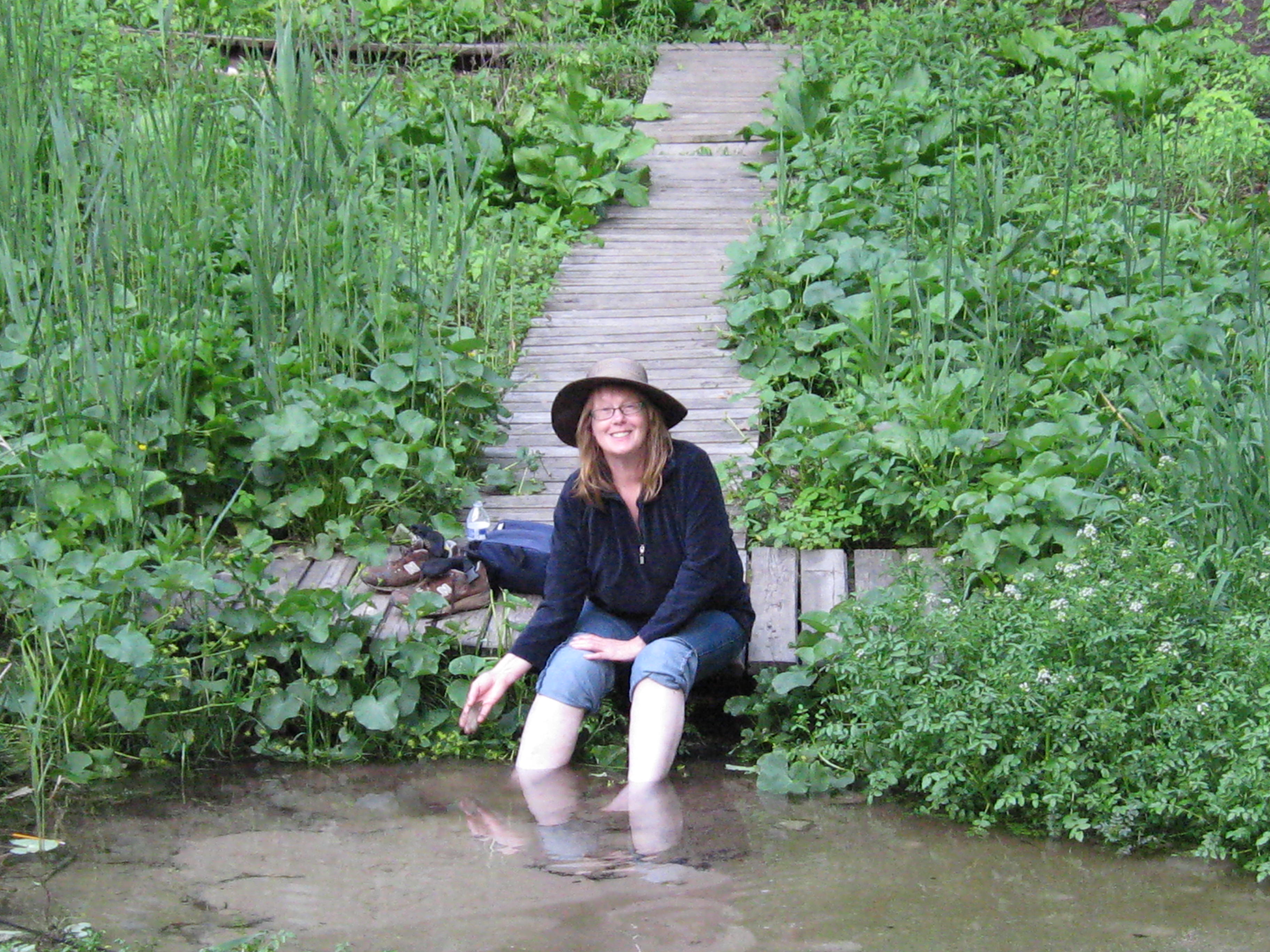
Jill Hagen Smith, who participated in the Wisconsin Master Naturalist class, and who leads children’s nature outings at the Wehr Nature Center, was soaking her feet in cool spring water.

IMG_1756

IMG_1758

I wish I had known they were going to be there, I would have loved to talk to the group about our restoration efforts.

I made an early exit for home.

IMG_1759

See you at The Springs!

Phragmites Update

Last year we began attacking the phragmites that was rapidly spreading in the Scuppernong River valley area around The Springs. It had grown thick and tall with year after year of accumulated stalks providing support for each new year’s growth. In one area we tried gathering handfuls, tying them, and clipping the bunches at around 24″ high and daubing the the cut ends with Habitat. This worked very well as you can see in the video below taken by the Hillside Springs. Unlike other areas of phragmites that were not treated, only cut and burned, we see very little regrowth here.

In this area by the Hidden Springs, we cut the phragmites in early summer and in mid-October Lindsay sprayed the fresh new growth with Habitat. Again, we see excellent results with little new growth after the fire.

The following videos show the area just to the west of the observation deck at the Emerald Springs and then the area adjacent to the deck on the south and east sides, where the phragmites was cut last summer and burned this spring, but not treated with Habitat. You can see it is coming back like gang-busters.

In the next month we will be spraying phragmites and cattails with Habitat, focusing on the areas where these two plants dominate. In areas with more plant species diversity, we will not spray and instead, we’ll use the bunching, clipping and daubing technique; or we may just cut it. The goal is to open a window of opportunity for native wetland plants to re-emerge.

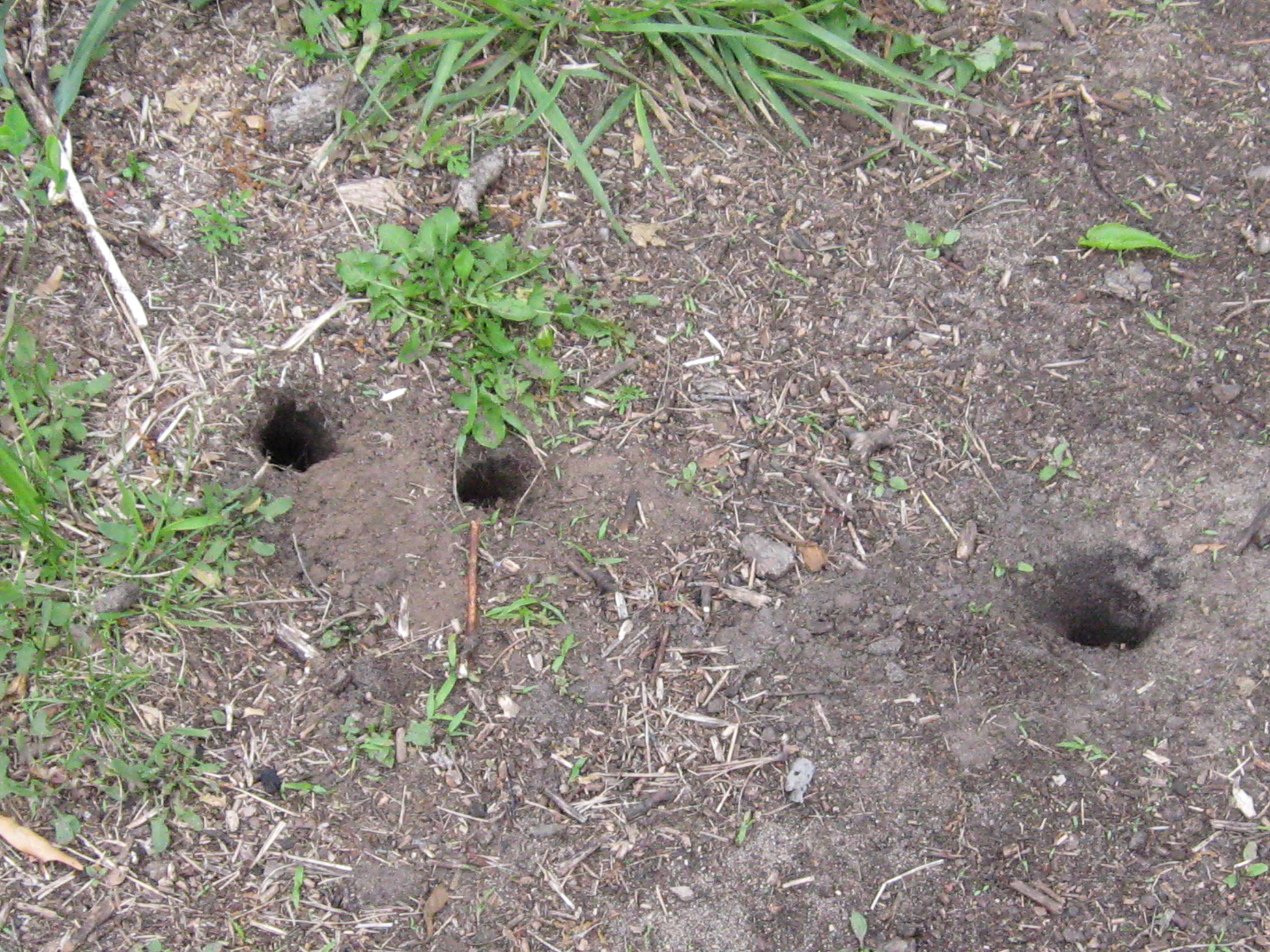
I dared the threat of showers yesterday and got a full days work in at The Springs. I wonder what creature made these holes on the sand prairie.

IMG_1726

IMG_1727

I continued girdling aspen; this time on the north side of the scuppernong river just west of the old barn site. Per Robert Duerwachter’s excellent history, The Ponds of the Scuppernong, this area was cleared and planted in corn. The opportunistic aspen and buckthorn have since moved in and removing them will give room for oaks and hickory to return instead.

In the afternoon I continued piling brush finishing the area on the east end of the cut-off trail between the trail and the river. The forest floor here is lush with grasses, geraniums, columbine, may apple and other flowers.

The view from the hotel site.

IMG_1735

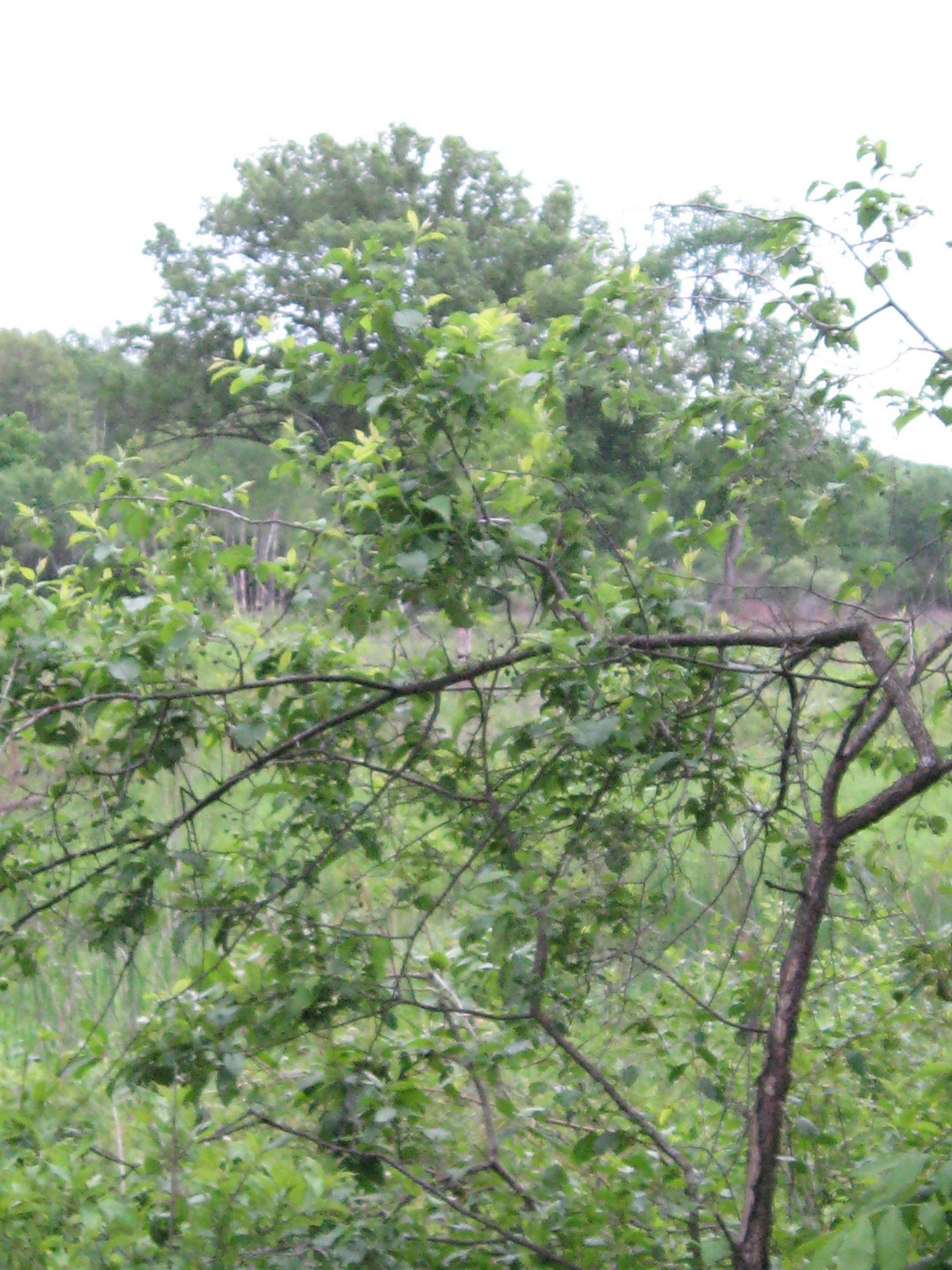
Last spring I was scolded, for good reason, by a man who complained that I was cutting down all of the wild plum trees along with the buckthorn. I noticed the difference myself and have made a concerted effort to discriminate between the two. I’m hoping to enjoy some of these fruits by the gaging station bridge.

IMG_1738

IMG_1739

There are wild plum trees by the old barn site and along the loop trail heading north from there near the cranberry bogs.

See you at The Springs!
South Branch Scuppernong River

“I’m more ‘here’ when I’m here, partly because I’ve learned more about the river.”, that is how Milton Bates described his deepening present moment awareness in his fantastic book, The Bark River Chronicles. We drew inspiration from Mr. Bates to embark on our own Journey Down The Scuppernong River, and it has been a wonderful, enriching and, unfortunately, a bit disturbing, learning experience. From the pristine headwaters at the Scuppernong River Nature Trail to the final, completely degraded, drainage ditch, that passes through the mud farms west of Hwy 106, the journey has taught us a lot about natural history and the impact of white settlers with their insatiable, often short-sighted, desire to convert natural resources into money — which continues to this day.

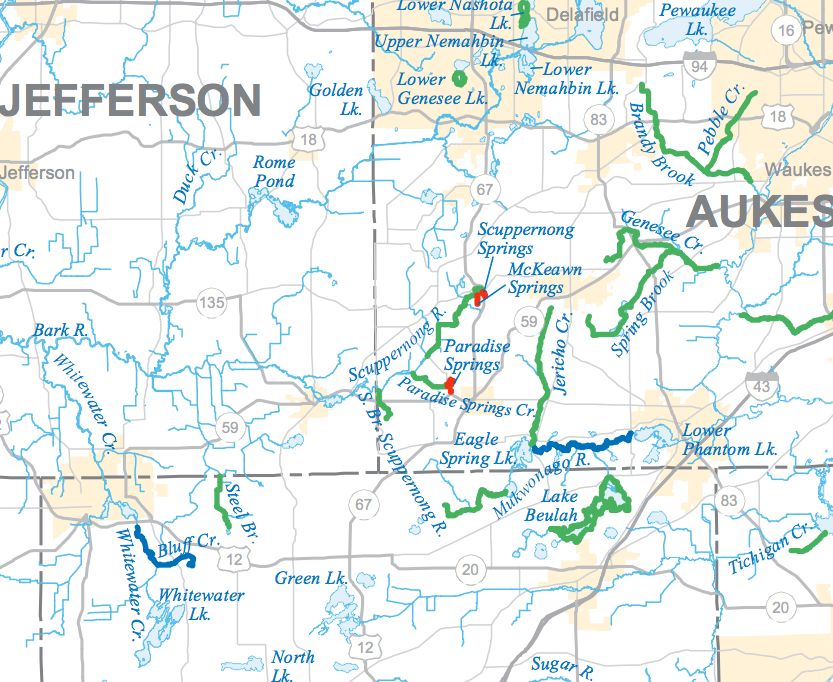
On our journey downstream we tried to document all of the tributaries and water sources that feed the Scuppernong River but we missed one of the most significant; the South Branch of the Scuppernong River. I remember now exactly when we encountered it on the second leg of your journey, as we approached an abandoned farm just east of Hwy Z, and I assumed at the time that it was just an irrigation canal.

SouthBranchScuppernongRiver

(full image here)

I even mentioned in a previous post the brook trout that were released into the south branch, but it did not register:

Waukesha SOUTH BRANCH SCUPPERNONG RIVER BROOK TROUT 83

 
John and Sue Hrobar visit The Springs often, and we discuss, fish, flowers and the pros and cons of intervening to attempt to restore native habitats. Lately, our discussions have focused on what has happened to the brook trout in the stretch of river near the headwaters since we have begun clearing the springs and river. John concludes, because we don’t see trout in the river like we used to, that our efforts have disturbed a critical balance making the river unsuitable for trout. The major change being the removal of water cress, which was literally damming the river and causing it to overflow its banks, but which may have been providing the habitat for bugs and insects on which the trout depend. He suspects that our clearing of all the feeder springs has not increased the flow of water and has only released more mud and sediment into the river. I respect John’s ideas and I’m trying to understand what is going on with the fish. What is good trout habitat and what should a healthy, natural, spring-fed river look like? Here is what the WDNR considers suitable habitat for trout fishing on the Scuppernong River and its tributaries.

ScuppernongRiverTroutFishing

(full image here)

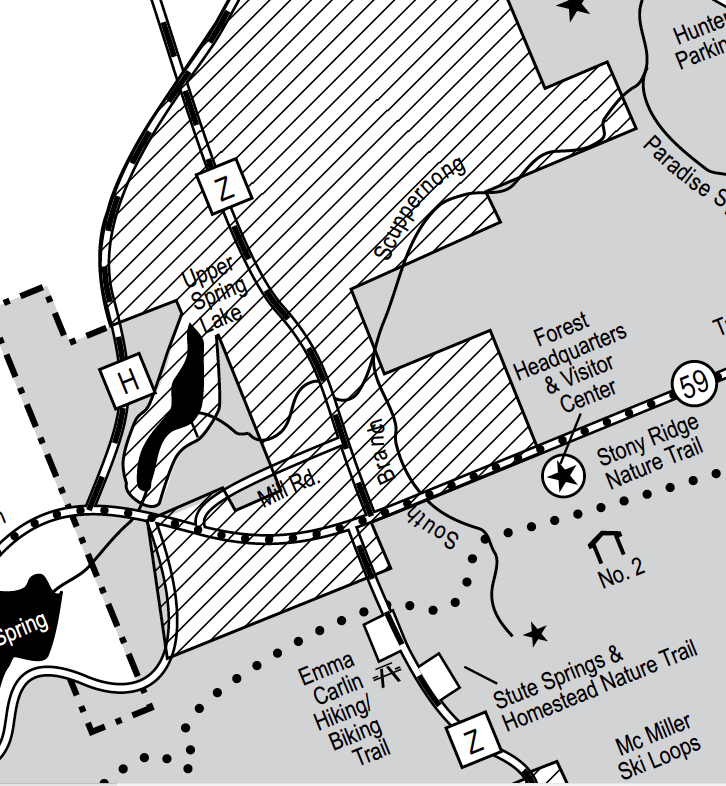
John and Sue enlightened me as to the existence of the South Branch of the Scuppernong River and I really appreciate that. The source is the Stute Springs, just south of forest headquarters. You can follow its course north and west by zooming into this map:

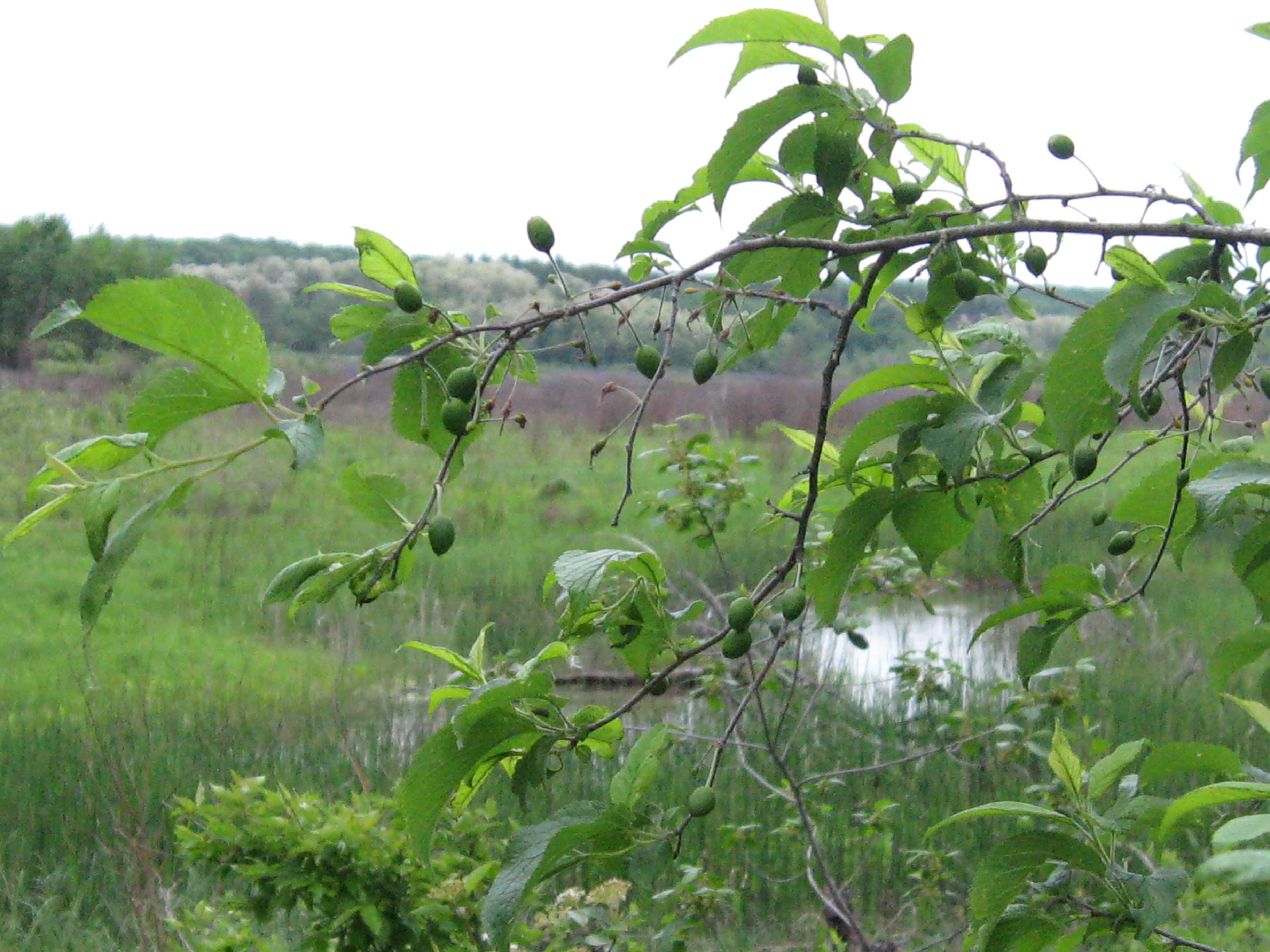
It was really peaceful yesterday morning when I arrived at The Springs and encountered this wind blown cherry tree blocking my access to the parking area at the terminus of a DNR, 2-track, access road at the south end of the trail.

IMG_1704

Coincidentally, this happened to be an area where some black locust stumps where protruding in the road and I shaved these as well as removed the downed tree. I continued spraying first year garlic mustard seedlings on the south end of the loop trail using a 2.34% solution of glyphosate and then proceeded to the north side of the scuppernong river to girdle some aspen.

IMG_1710

I spent the afternoon piling buckthorn between the north side of the river and the cut-off trail and made another dozen or so piles. John and Sue arrived to say hello and we had a great conversation regarding the restoration effort and then they lead me to this rare patch of kitten tails.

IMG_1715

Golden Alexander is in full bloom.

IMG_1714

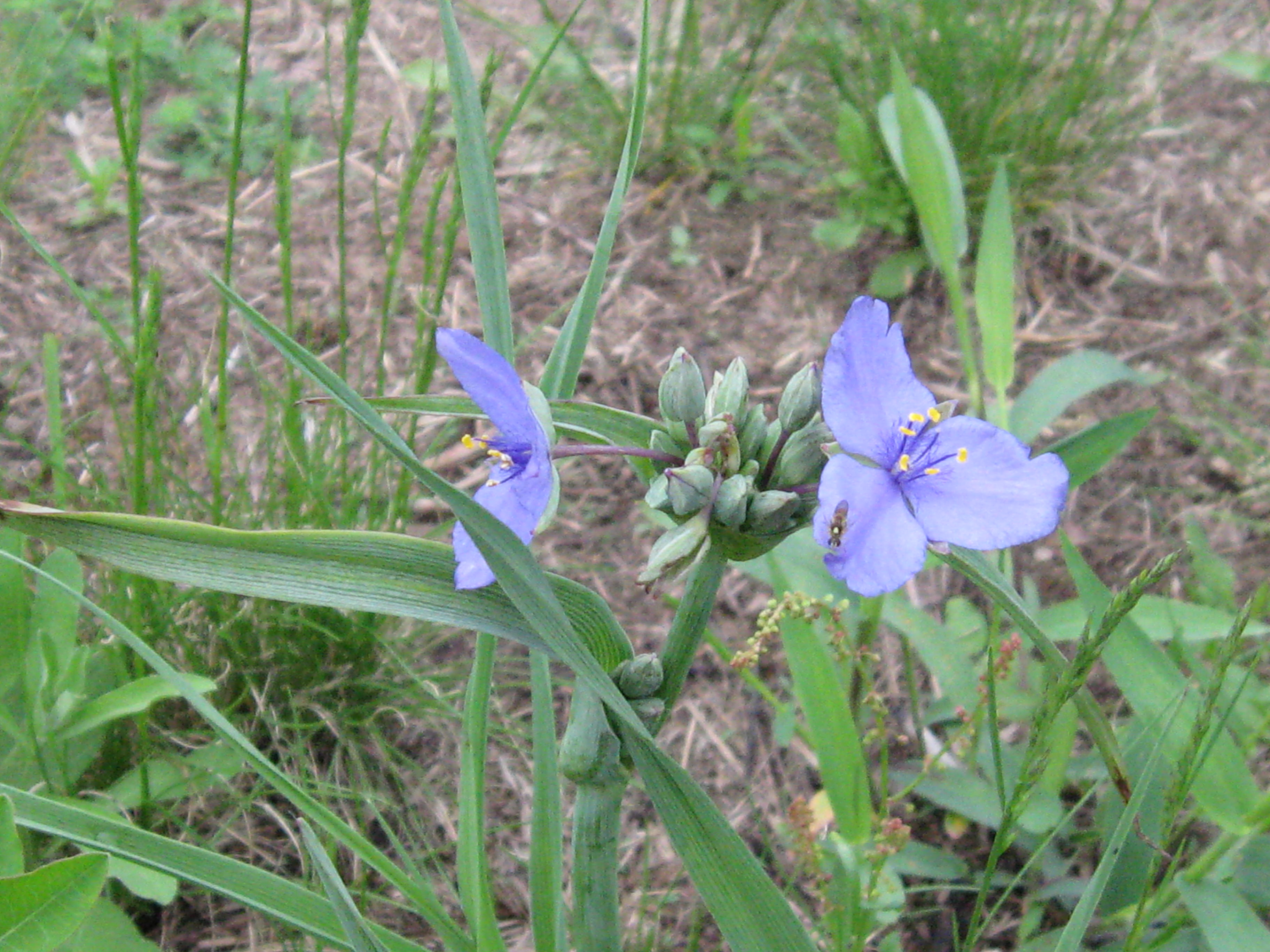
Spider Wort is prolific on the sand prairie.

IMG_1716

Our good friend, the north wind, blew into The Springs and it was cool and cloudy most of the day, but when the sunshine finally broke through, it was glorious.

IMG_1711

IMG_1712

IMG_1713

IMG_1720

Another spring may have started flowing, check this out:

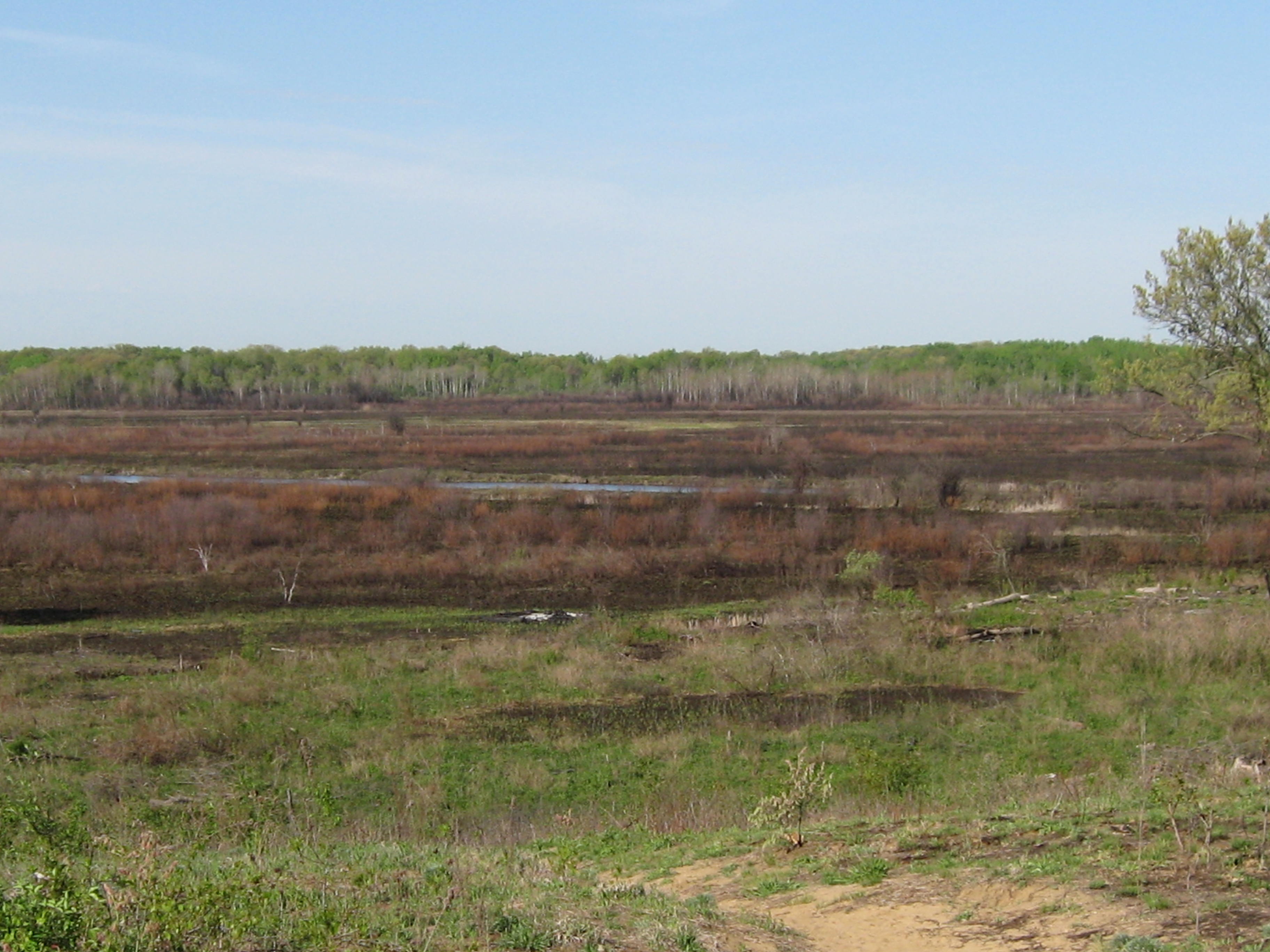
Views of the Scuppernong Prairie from the Sauk Campground…

IMG_1718

IMG_1719

IMG_1721

… and the marl pit bridge.

IMG_1722

My sweetheart, Pati Holman, road her bike the 40 or so miles from Milwaukee to join me and we took a nice walk around the loop trail before heading for home.

IMG_1724

See you at The Springs!

Ticks and Mosquitoes

The sensation is like that of a feather vaguely wandering across the skin.  Slowly, like ripples spreading in a pool of consciousness, the mind awakens to the touch; there is something crawling on me! Out at The Springs we are under attack from the ground and air by ticks and mosquitoes. Good Lord! The ticks are thick and “questing” and, along with their airborne allies, they share an affinity for the same flesh to satisfy their wanton blood lust. The ticks leave a memory upon the surface of the skin that comes to mind again and again; long after they have moved on. Every itch and tingle is a tick! They are in My Truck, waiting for me!

Despite the little things that try patience and distract from the pure joy of living, I spent two Happy Days at The Springs this past Wednesday and Thursday (May 29-30). Rich Csavoy joined me on Wednesday and we had a marvelous time girdling aspen, pulling garlic mustard, piling buckthorn and discussing the first principles of philosophy. Here is a video tour of the north side of the Scuppernong River, just west of the old barn site, where we made around 13 piles.

The view downstream from the work site.

IMG_1666

Looking at the new brush piles from the hotel site.

IMG_1683

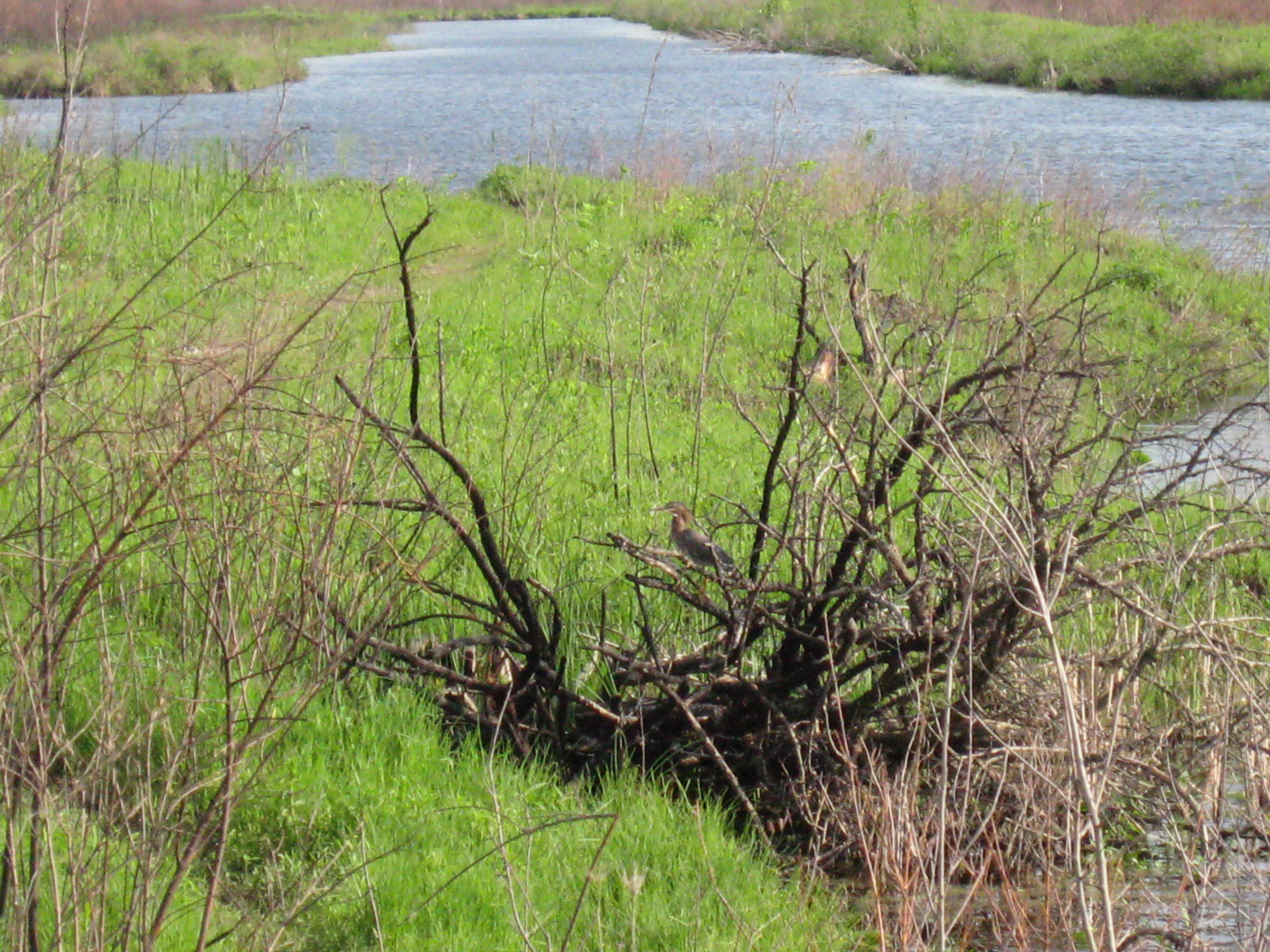
We are seeing a green heron quite frequently at the marl pit bridge.

IMG_1673

The Sauk Campground as seen from the marl pit.

IMG_1675

The pit.

IMG_1678

The valley.

IMG_1671

Lindsay, and his mate, Connie, stopped over and shared a delicious bottle of Zinfandel from the Lewis Station Winery wine with me and we surveyed the prairie as evening descended.

I was back at it again on Thursday with a stop down at the Scuppernong Spring to get some drinking water.

IMG_1679

Here is a walking tour of the Sauk Campground with the advantage of the morning sun behind me.

I took a chance that it would not rain and sprayed 8 gallons of glyphosate on first year garlic mustard seedlings, which literally carpet many newly cleared areas. Then I girdled a clonal colony of aspen on the west side of the river across from hotel site. The goal is to keep the boundary areas along the river valley free of aspen. And finally, I returned to the north side of the scuppernong river, west of the old barn site, between the river and cut-off trail, to pile buckthorn.

IMG_1695

IMG_1696

IMG_1697

Check out this patch of geraniums!

IMG_1693

The water level is up to around .4′ from the early spring levels around .34′ and it seems like the river channel is getting more narrowly defined, i.e. some of the marl and muck is getting washed downstream.

The Emerald Springs are constantly changing their configuration.

IMG_1698

IMG_1699

I recently discovered John Muir’s writings and just listened to The Story of My Boyhood and Youth. I don’t think anyone can describe clouds like John Muir. From The Mountains of California:

When the glorious pearl and alabaster clouds of these noonday storms are being built I never give attention to anything else. No mountain or mountain-range, however divinely clothed with light, has a more enduring charm than those fleeting mountains of the sky–floating fountains bearing water for every well, the angels of the streams and lakes; brooding in the deep azure, or sweeping softly along the ground over ridge and dome, over meadow, over forest, over garden and grove; lingering with cooling shadows, refreshing every flower, and soothing rugged rock-brows with a gentleness of touch and gesture wholly divine.


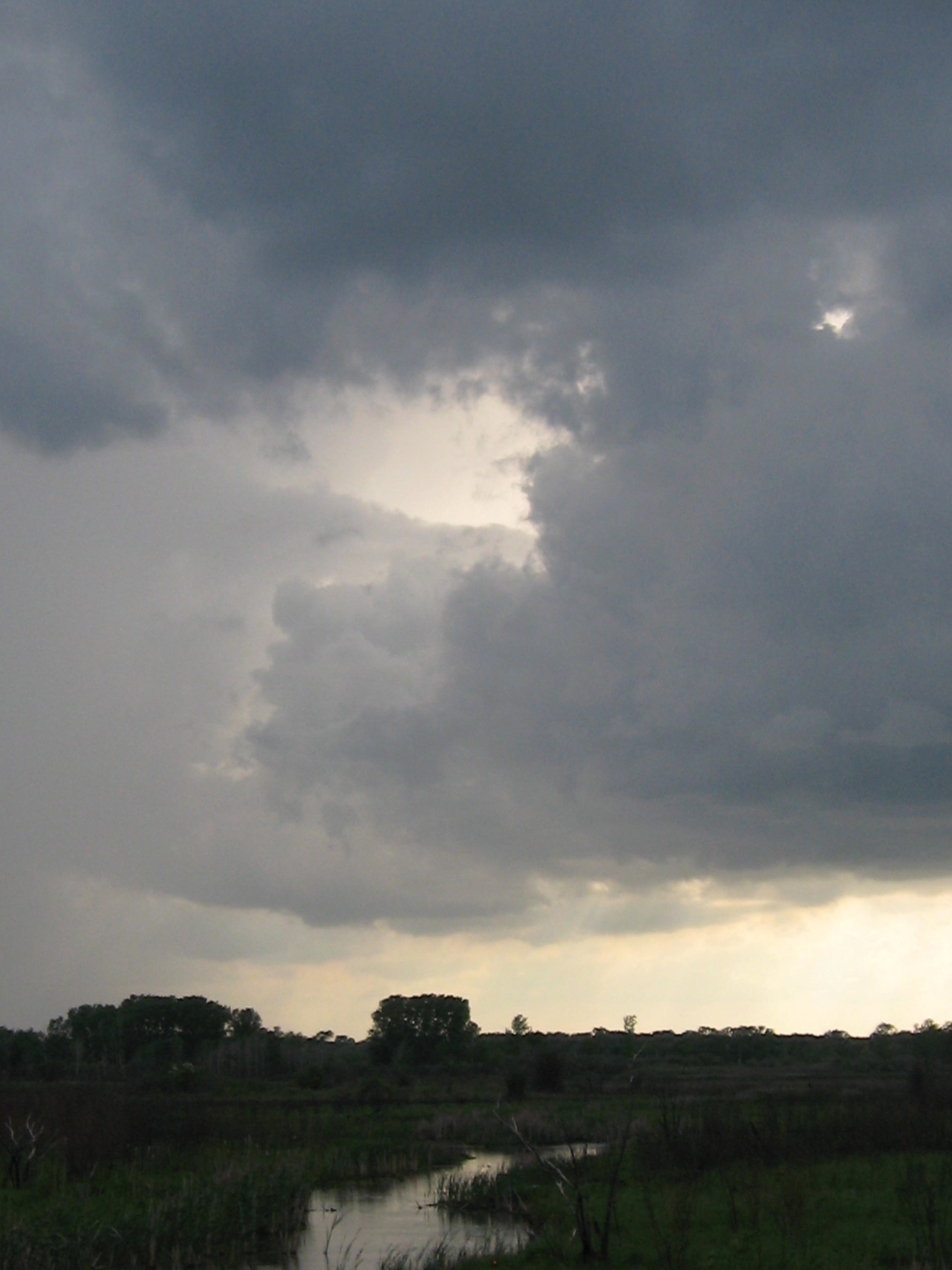
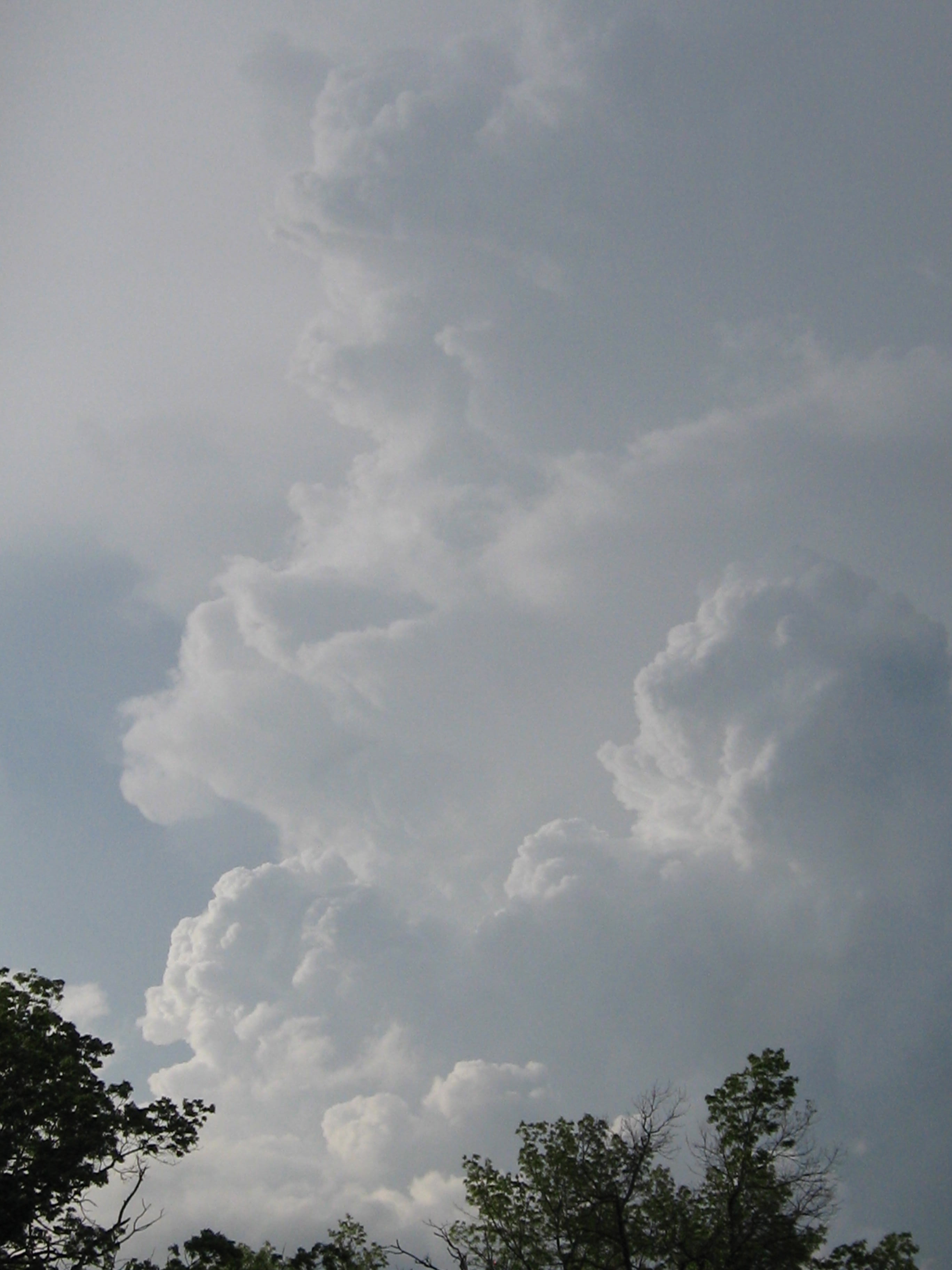
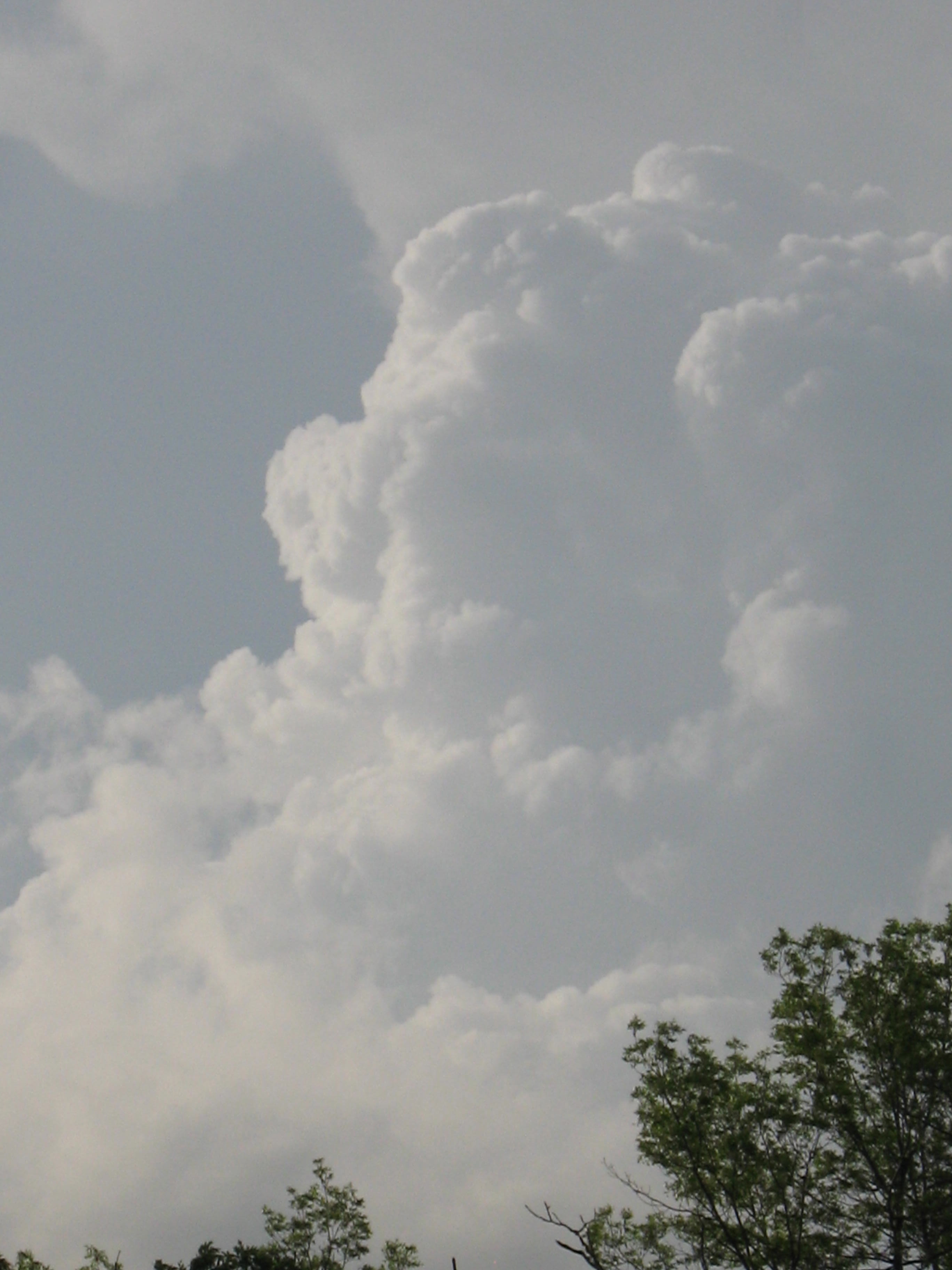
Scuppernong Storm Clouds.

IMG_1685

IMG_1691

IMG_1700

IMG_1702

See you at The Springs!
Spring Cleaning

It was around this time last year that we met Don Dane and Tim Peters at The Springs and expanded the scope of our restoration effort to include opening up all of the springs that feed the Scuppernong River, and clearing the river itself. Like Neo in The Matrix, who followed the white rabbit to discover the truth, we are also on a journey of exploration and learning to discover “the truth” of what the Scuppernong Springs area was like before the invasion of the white settlers. Terence McKenna coined the term Archaic Revival and it strikes a chord with me.

I had the pleasure of spending Friday, May 24, at The Springs. The northeast winds that arrived the day before continued to blow and the sky was impeccably blue. DNR naturalist/guide Melanie Kapinos and long-time Ice Age Trail Alliance member Barbra Converse, who gives tour of The Springs, stopped out to chat.

IMG_1633

Barb asked ‘why do you do it?’ and I really appreciated the opportunity to explain myself. It will take a long time to “revive” this area after many, many years of neglect. As I walk the land and observe the recovery from the burn, I see tons of weeds amongst the good native flowers and grasses. Much of the green you see in the post-burn pictures I have been posting is from buckthorn seedlings, thistle and burdock patches, phragmites, cattails, garlic mustard, spotted knapweed and other invasive plants. The journey back to health for the Scuppernong Springs Nature Preserve and the Scuppernong River Habitat Area will be long and I take every step with joyful anticipation.

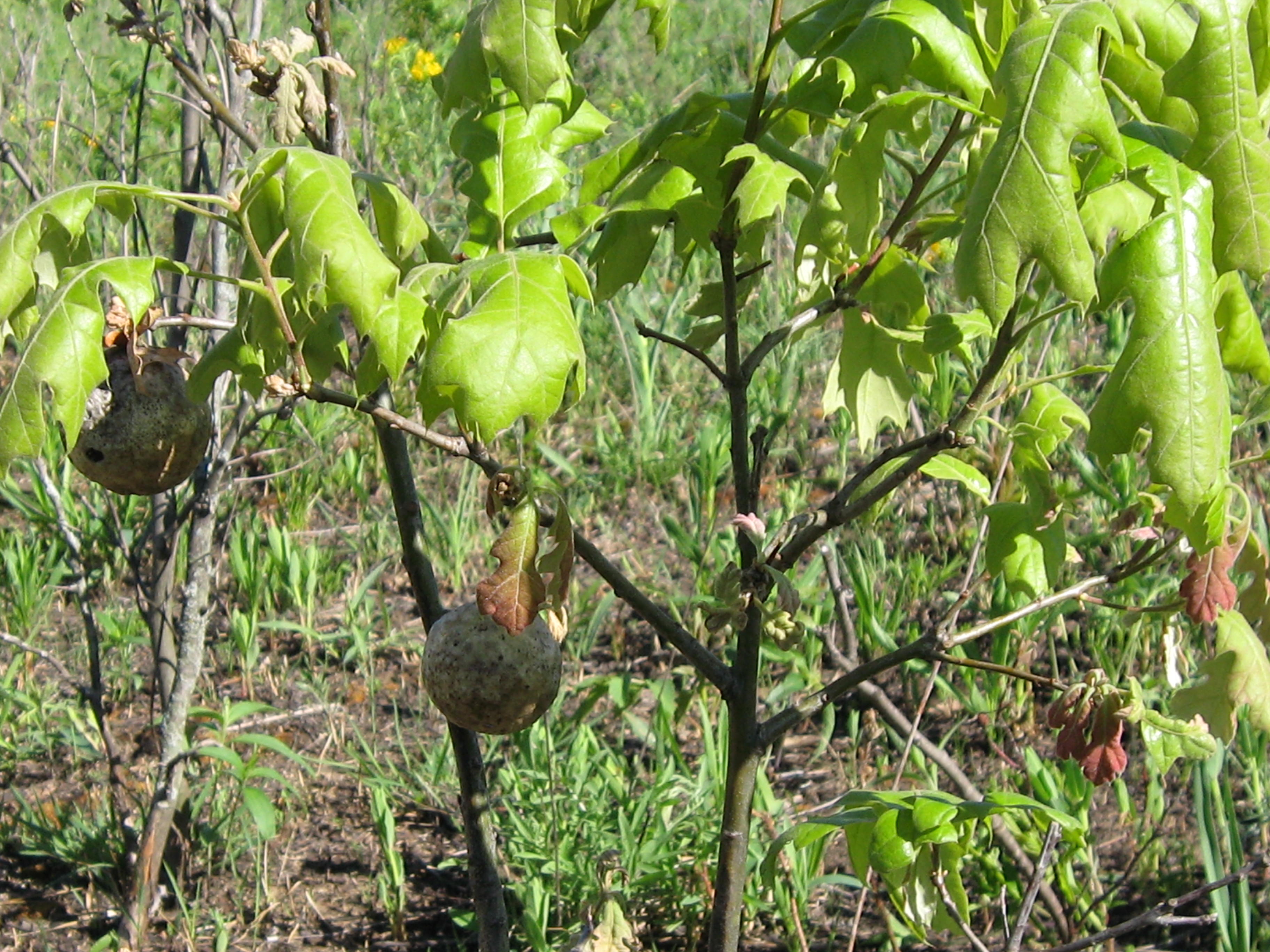
Barb led us to these distinctive Oak Gall specimens on the Sauk Campground sand prairie.

IMG_1634

IMG_1635

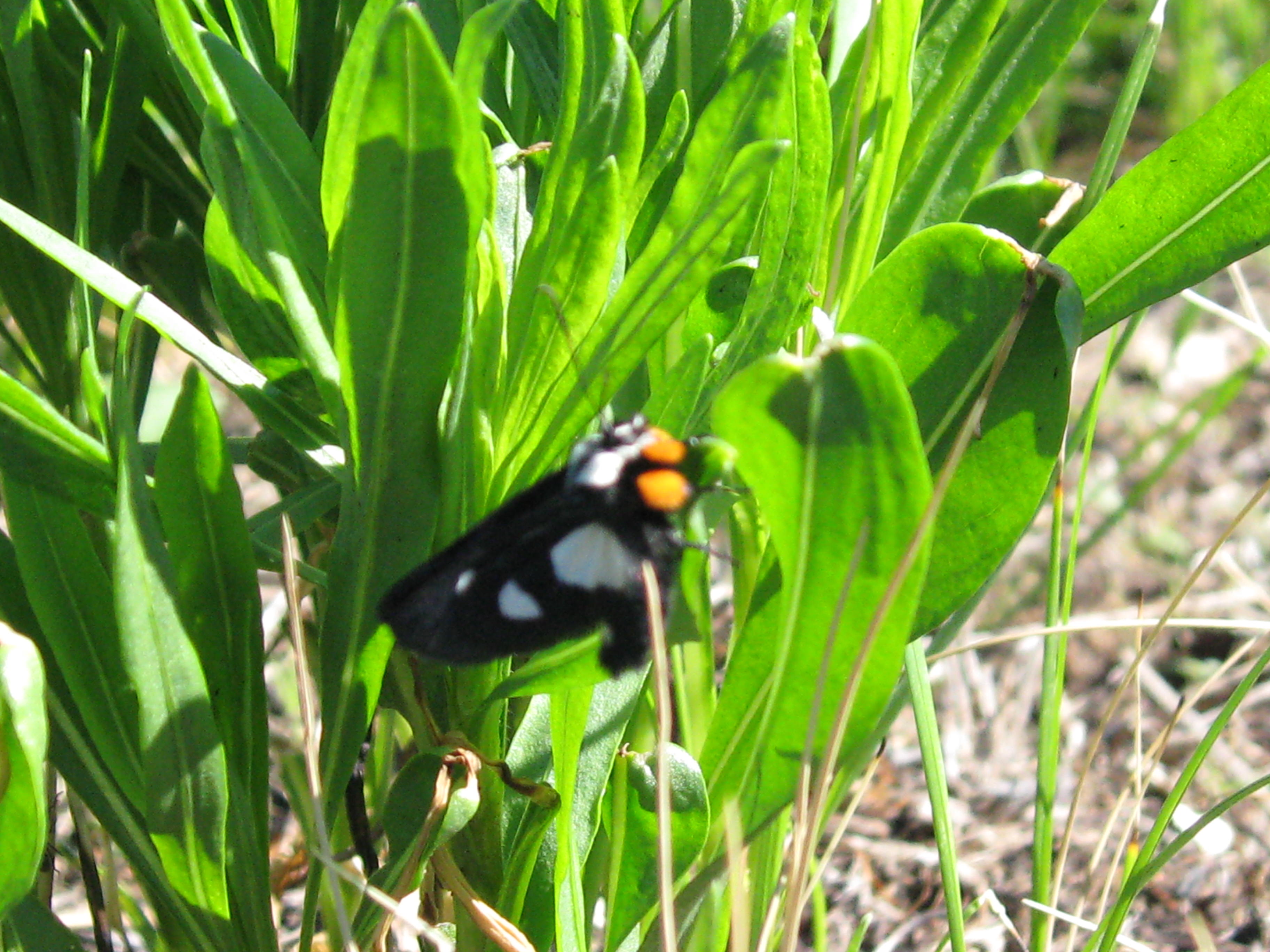
As I was spraying spotted knapweed at the sand prarie, I noticed this attractive White Spotted Sable Moth.

IMG_1636

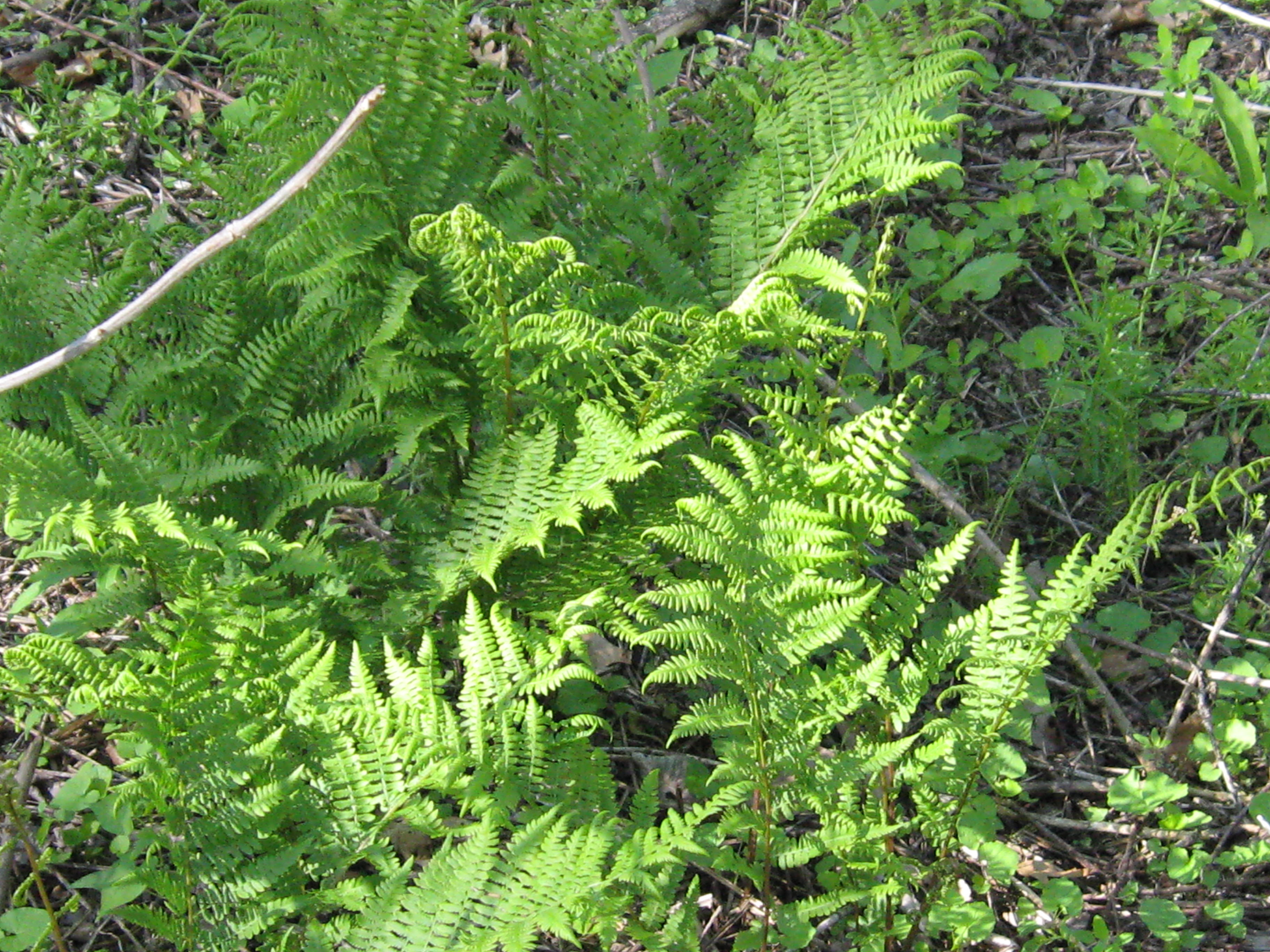
And this vibrantly green Lady Fern.

IMG_1641

I continued girdling Aspen on the slope behind the Hidden Spring. The fresh air made every breath a pleasure!

IMG_1642

IMG_1643

I spent the afternoon pulling watercress, phragmites and cattails from the Hatching House Springs and the Hillside Springs. These springs have nice, stony bottoms and look like great trout spawning habitats. I harvested a healthy dose of watercress at the Scuppernong Spring, which has the sweetest cress of them all.

Pati joined me for the rest of the day and we reveled in the beauty.

IMG_1645

IMG_1646

IMG_1647

IMG_1653

IMG_1654

If you love clouds, check out this site! I tried to capture the wisps floating by.

IMG_1648

IMG_1650

IMG_1651

IMG_1652

Sunset at Ottawa Lake.

IMG_1655

IMG_1659

IMG_1661

IMG_1663

IMG_1664

See you at The Springs!
The Sauk Spring

After a couple days, I start to miss The Springs.  They draw me away from the present moment into a dreamy future, which became reality for me last Thursday as I worked, wandered and wondered in a Garden of Eden. This place is flowing with living waters and I drew some for the day at the Scuppernong Spring.

IMG_1569

I crossed the Indian Campground on my way to an area at the bottom of the slope to girdle some Aspen trees.

IMG_1571 IMG_1572

It wasn’t until I started working with real Indians, I mean people born in India, that I started to become frustrated with the common use of the term here; a case of mistaken identity.  Language is so powerful!  Who were the “First People”, the “Native Americans”?  If only we could have learned from them how to live in harmony with the land and honored them with their own names.

Watercress and quack grass are two non-native plants that can really take over an area.  Lindsay pulled a ton of these invaders from the Indian Spring, or maybe we should call it the Sauk Spring after the tribe, along with the Fox, that ceded over 50,000,000 acres of their tribal lands to the United States in the Treaty of St. Louis back in 1803. Cede — to surrender possession of. We didn’t expect these deeply rooted plants to disappear and I thought it would be a good time to clean the spring again.

IMG_1574

IMG_1575

IMG_1576

After girdling aspen for a while, I donned some rubber knee boots and pulled the new batch of water cress and quack grass that were rapidly spreading. Here are a series of videos and photos taken later in the day that give a tour of the Sauk Spring.

IMG_1586

IMG_1587

IMG_1588

I love the sound of the water.

This view is a bit downstream from the source where an earthen dam was blocking the channel.

There is a second spring source that merges with the main channel on its way to the Scuppernong River.

The Sauk Spring is a relatively quiet place to hang out with a great view of the prairie.

Next, I headed to the old barn site, which is quite a bit noisier, to pile some buckthorn. Garrett and Jenny, two new volunteers, joined me and we did some stacking. I’m hoping to work with them again soon!

IMG_1577

IMG_1578

IMG_1579

Finally, it was time for some fun and by this time the clouds had been blown away by a refreshing north wind.

IMG_1580

IMG_1581

IMG_1582

This vernal pool as at the south end of the loop trail.

IMG_1583

The Sauk Campground is a sand prairie that really comes alive with color in the spring. The Hoary Puccoon is in full bloom.

IMG_1594

IMG_1603

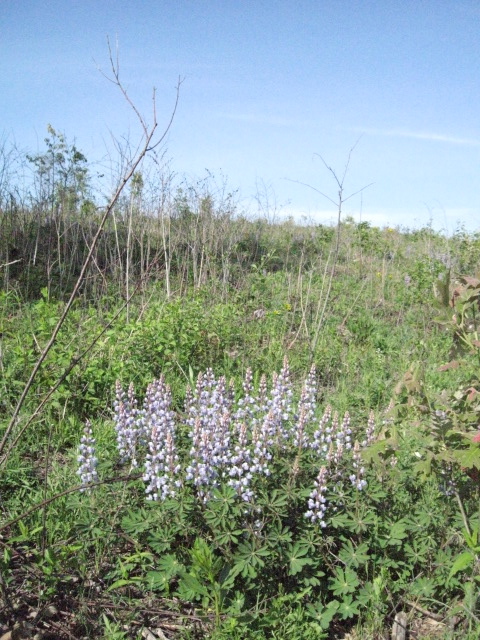
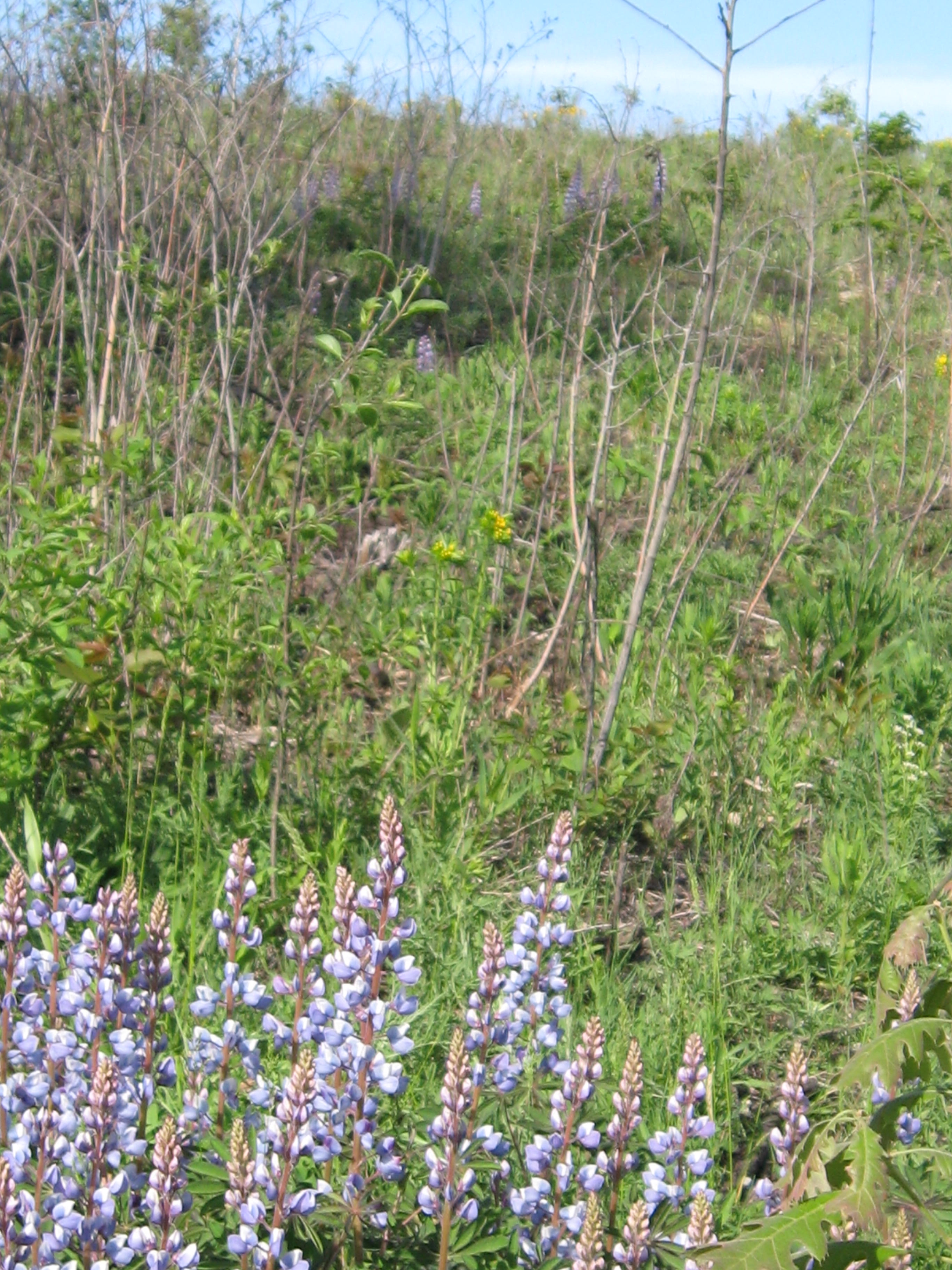
And so are the Wild Lupine!

IMG_1596

IMG_1597

IMG_1602

On my way to the marl pits at the north end of the Sauk Campground…

IMG_1605

IMG_1607

At the pits looking east towards the Sauk Spring area.

IMG_1608

IMG_1609

May Apple on the cut-off, aka “lost”, trail.

IMG_1611

IMG_1613

IMG_1614

It was a lovely, cool, bug-free, full-moon evening and I watched the sun go down from the Marl Pit bridge.

IMG_1615

IMG_1616

IMG_1618

IMG_1622

IMG_1626

IMG_1630

IMG_1631

See you at The Springs!
Spring Pleasure

Thanks again for following the Scuppernong Springs Nature Trail posts!

My everloving mate, Pati Holman, just returned from a 2 week road trip and we took a wonder-filled walk around The Springs yesterday evening. Unfortunately, she was not present to help with the burn, but I did my best to provide a glow by glow account of that exciting day.

The trees were fresh with myriad shades of soft greens and the air had a slight haze to it, so, in the late afternoon light, the images captured have a slightly unfocused, pastel-like quality.

IMG_1525

IMG_1526

IMG_1527

Pati and I were hanging out on the marl pit bridge when, fresh from a mud path, my spirit brother Thomas Barrett, aka Saturn Tre Volte, and “AJ” approached from the south. It took a couple seconds for the recognition to crystallize. I met Thomas at Ottawa Lake in May of 2012. He saw me lamely trying to swim and, introducing himself, promised to return in a few minutes to give me a lesson. He was a triathlete before being struck by a road raged driver while on a training ride on his bike. Thomas sought refuge camping at Ottawa lake as his head injuries slowly healed and he often helped me pile brush and pull watercress. Was it just a coincidence that Pati and I happened to be at the bridge when Thomas and AJ arrived (he had been living in Florida fighting legal battles to get compensation)?

ThomasAndAJ

It is natural, yet miraculous, that the plant life is recovering so quickly from the fires. New life is emerging everywhere, soon to erase all evidence of the fires.

Geraniums push up from the black.

IMG_1529

Shooting Stars are reloading.

IMG_1530

Wood Anemone.

IMG_1532

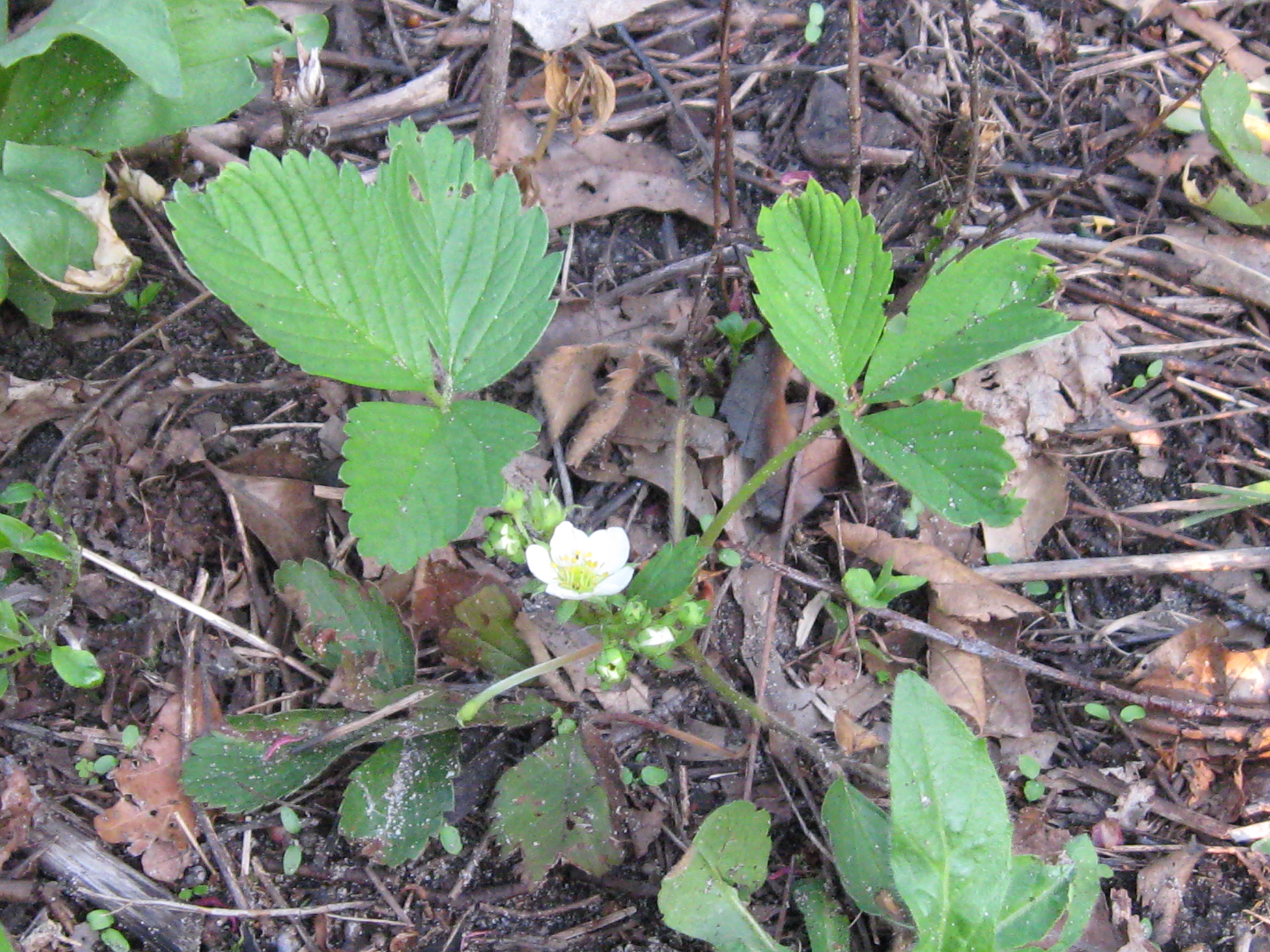
Wild Strawberry.

IMG_1533

Views from the old barn site.

IMG_1534

IMG_1535

IMG_1536

We saw this patch of May Apple last spring when we cleared the buckthorn from this area and it was thick with garlic mustard when it emerged. This year, we sprayed the garlic mustard before the May Apple came out with good results.

IMG_1538

The Hatching House Springs area is delightful.

IMG_1539

IMG_1540

IMG_1549

In the last post, I included a link to Wood Betony Stachy Officinalis (Betonica Officinalis), which I assumed was actually for the Wood Betony (Pediclaris Canadensis) that we see below at The Springs.

IMG_1543

This case of mistaken identity could be dismissed as simply another one of my biological gaffes, if it were not for the fact that when I actually read the link to Wood Betony Stachy Officinalis, that I included in the post, and realized this was not the Wood Betony I had seen at The Springs, I thought immediately of my friend Thomas Barrett.

I first used Betony for a friend who suffered a closed head injury in a car accident.  Four months after the initial trauma she still experienced frequent dizziness, headaches and disorientation, and on a few occasions had up and keeled over.  She was unable to work or drive, which, as one might expect, made being a mother a rather difficult endeavor.  Although by nature not one to lean towards the use of herbs or natural therapies, desperation resultant from the lingering effects of the injury led her to accept my offer of herbal help.  I gave her three pellets of Homeopathic Arnica to address the impact related origin of the injury, and had her take a dropperful of Betony extract as needed when her head hurt, going on a traditional use of Betony to treat concussion.  I didn’t hear back from her, but saw her a couple weeks later, and to my dismay, her pained expression told that she was still suffering from the terrible headaches.  I offered her two droppersful of Betony tincture in a glass of water, thinking that perhaps a stronger dose was in order (strange, nowadays I’d tell her to take a smaller dose…).  In about 10 minutes she asked “What was that? My head doesn’t hurt anymore…”  When I told her it was the Betony I’d sent to her a couple weeks ago she replied, “Wow! I’m going to have to start using that.”  Doing so, she recovered completely.

Yes indeed, I did conjure up Saturn Tre Volte, and the very next day, one filled with dynamic choices, we did meet at the marl pit bridge in harmoniously synchronized serendipity.  Thomas, get yourself some Wood Betony stachy officinalis (betonica officinalis)!  Be well, my friend.

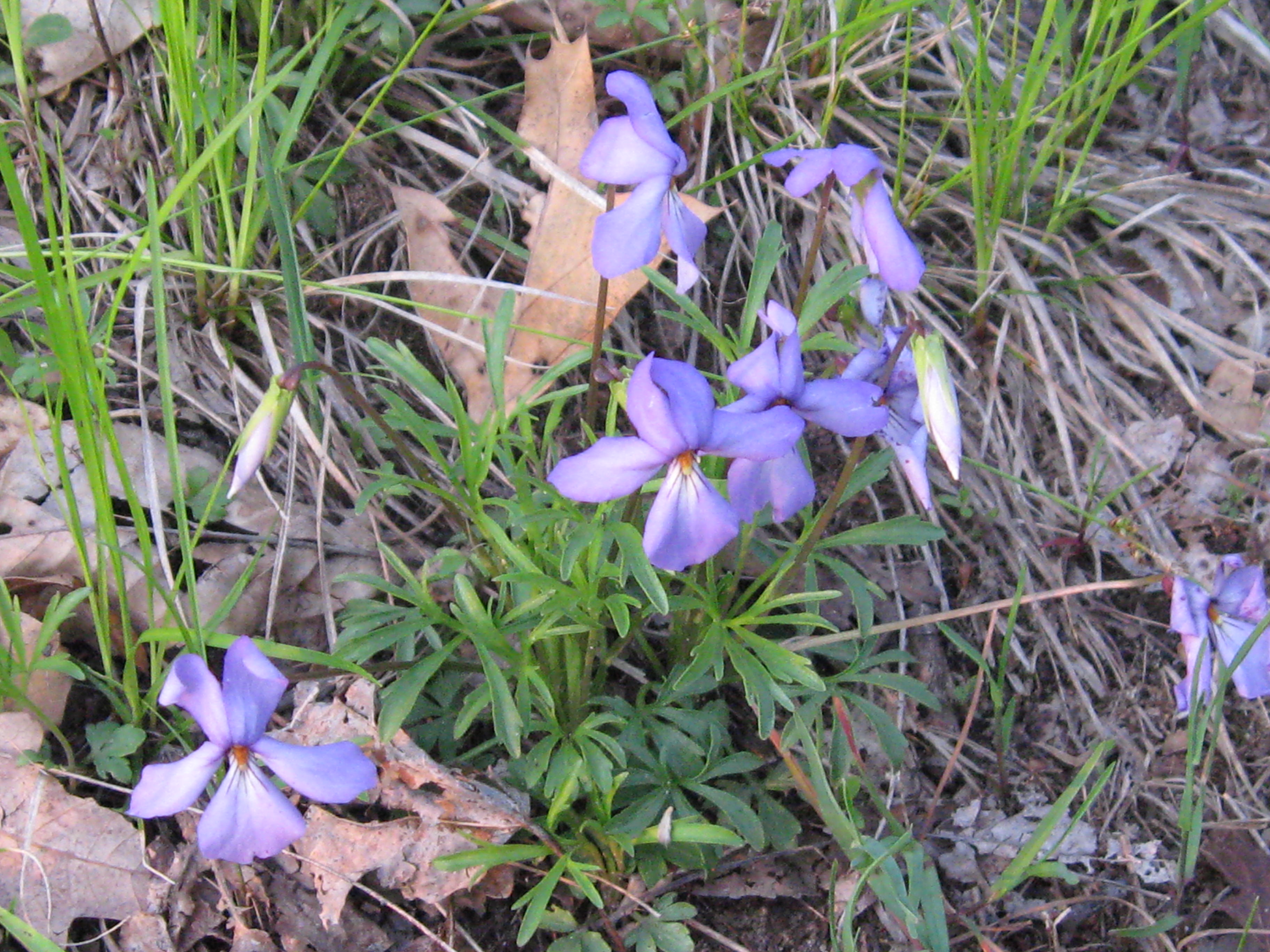
Here we see Bird’s-Foot Violets and PussyToes.

IMG_1544 IMG_1545

Pati really enjoyed the sights and sounds and I shared the feeling.

IMG_1551

Check out this bunch of asparagus that Pati harvested.

IMG_1566

Welcome home Pati.  Welcome home Thomas.

IMG_1552

IMG_1556

IMG_1558

See you at The Springs!
The Hidden Spring

I’m celebrating! Its been 2 years since I returned to the The Springs and 2 years since I had surgery to remove the cancerous tumor from my neck. So much has changed since then in both me and The Springs; I got healthy, retired and discovered philosophy, and The Springs got some tender loving care including a good cleaning.

One of the most exciting things we did last year was to uncover springs that were totally obscured by watercress, phragmites, cattails, buckthorn, and other brush.

SSTrailMap

We began the cleanup focused on removing the watercress that was damming the river, without consulting the map above, so it was one surprise after another as we “discovered” the two sets of Hillside Springs, The Hidden Spring and the Hatching House Springs. Yesterday, the morning light was just right and I paid respect to The Hidden Springs.

The views from the steps above the springs.

IMG_1497

IMG_1498

IMG_1499

There are some nice bubblers here.

IMG_1500

IMG_1502

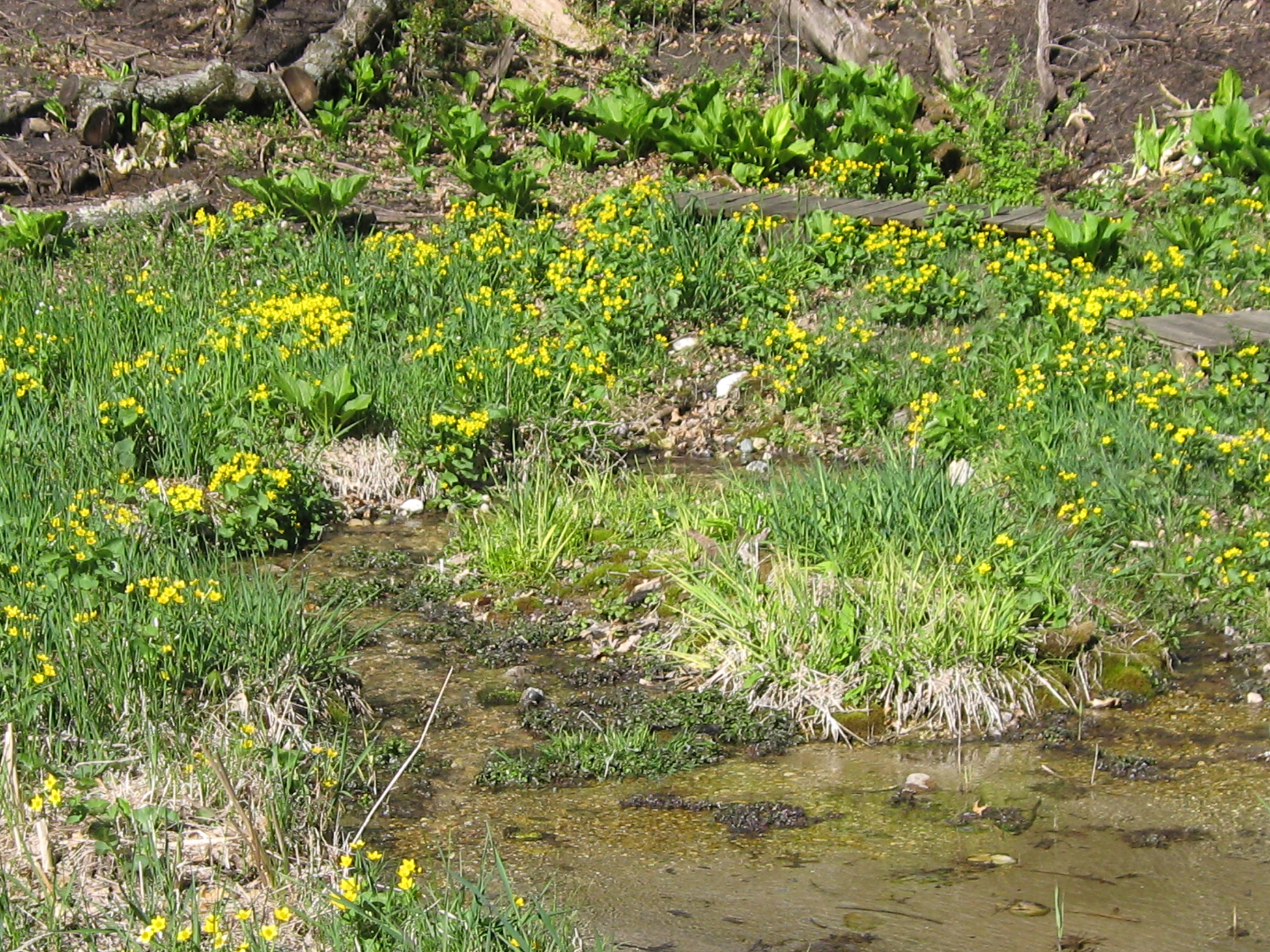
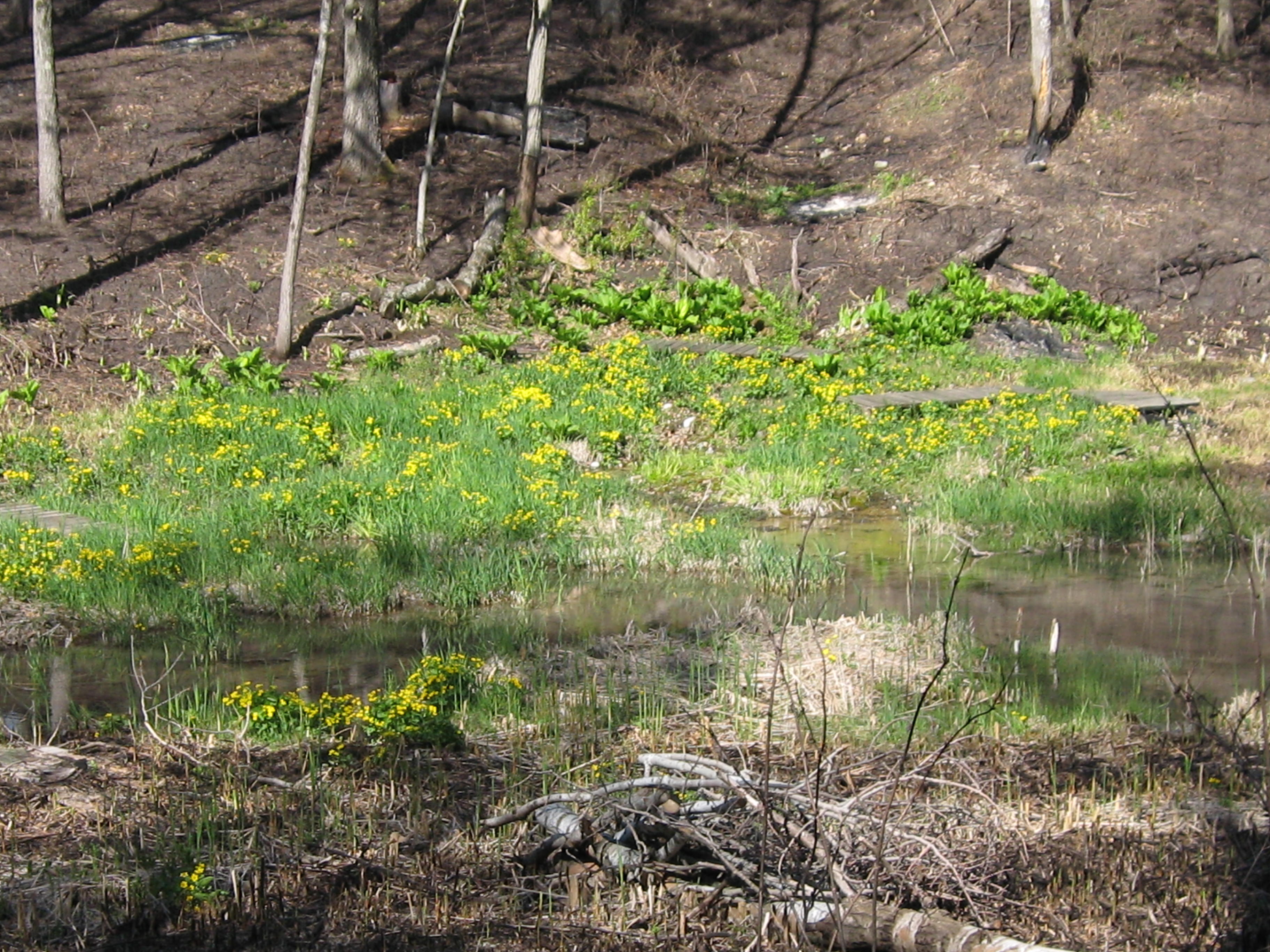
Marsh marigolds and skunk cabbage frame the springs.

IMG_1503

IMG_1504

IMG_1506

IMG_1509

In discovering philosophy, I found my own hidden spring; a spring for my soul. One of the very simple ideas I’m contemplating is from The Yogatattva Upanishad that I found extracted in C. W. Leadbeater’s book The Chakras:

LayaYoga

What a beautiful way to visualize the body and breath in harmony with nature!

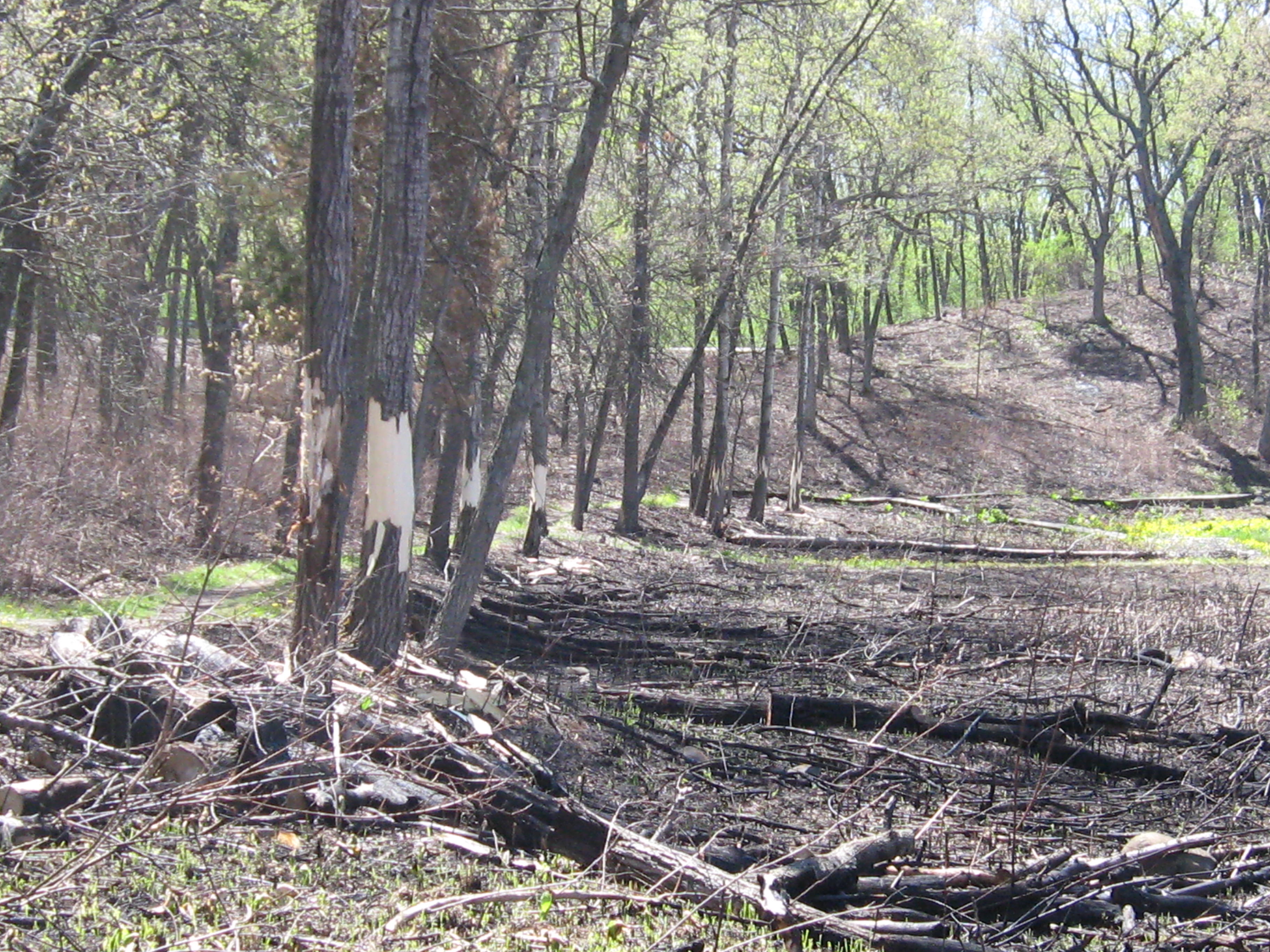
Chester W. Smith erected the first dam just below the Hotel Springs in 1846 to power a saw mill and the river valley was flooded until 1992. The fires have laid bare the landscape and it is clear where the trout farmers divided the flooded river valley to suit their purposes. We are hoping, if we can check the phragmites and cattails, that some of the original flora might resurface.

IMG_1496

IMG_1507

This embankment crosses the valley just north of The Hidden Spring.

IMG_1510

I continued spraying spotted knapweed on the Indian Campground; this is working very effectively. I sprayed a lot of flowering garlic mustard in the area south of the trail that did not get burned.

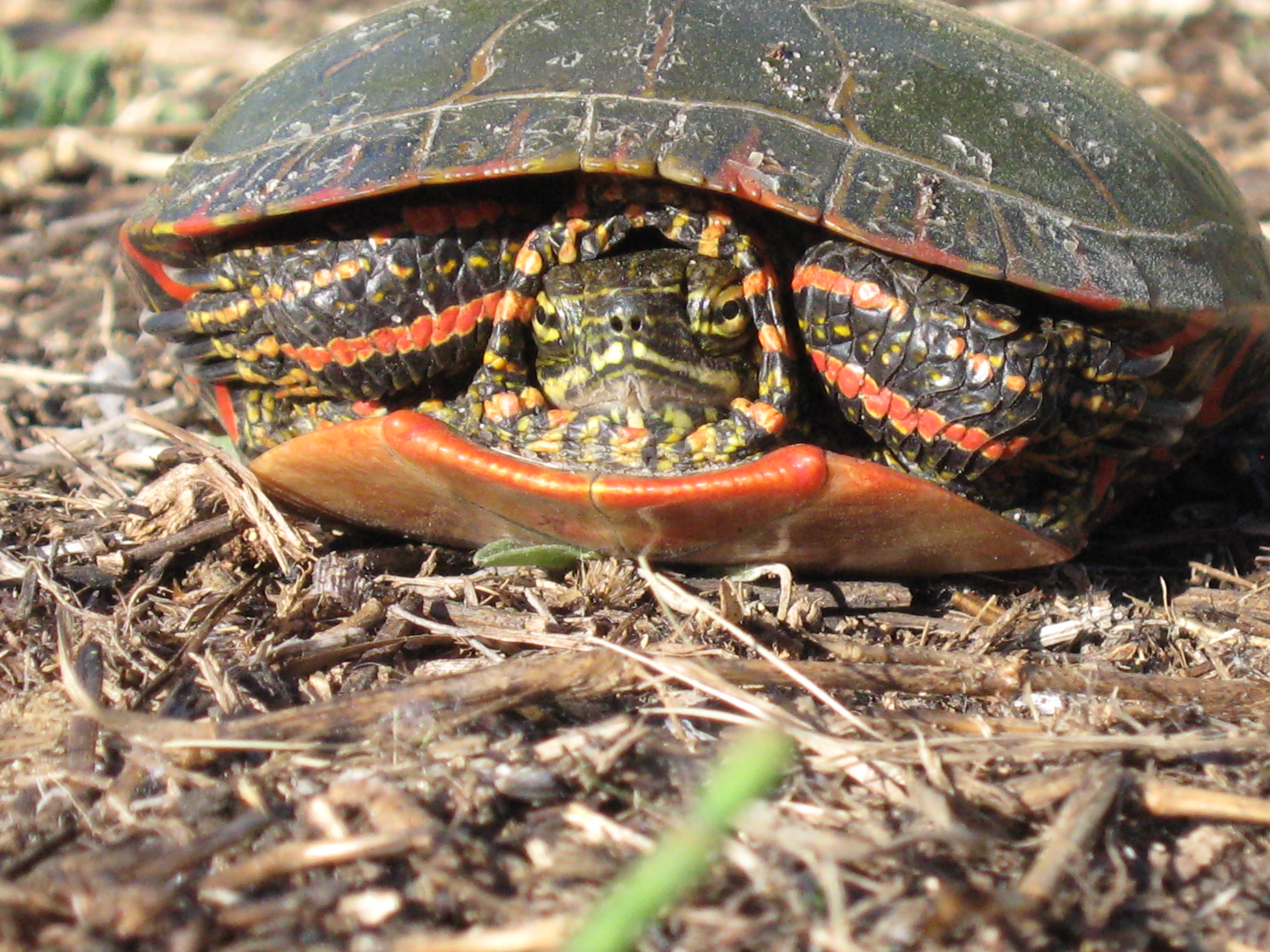
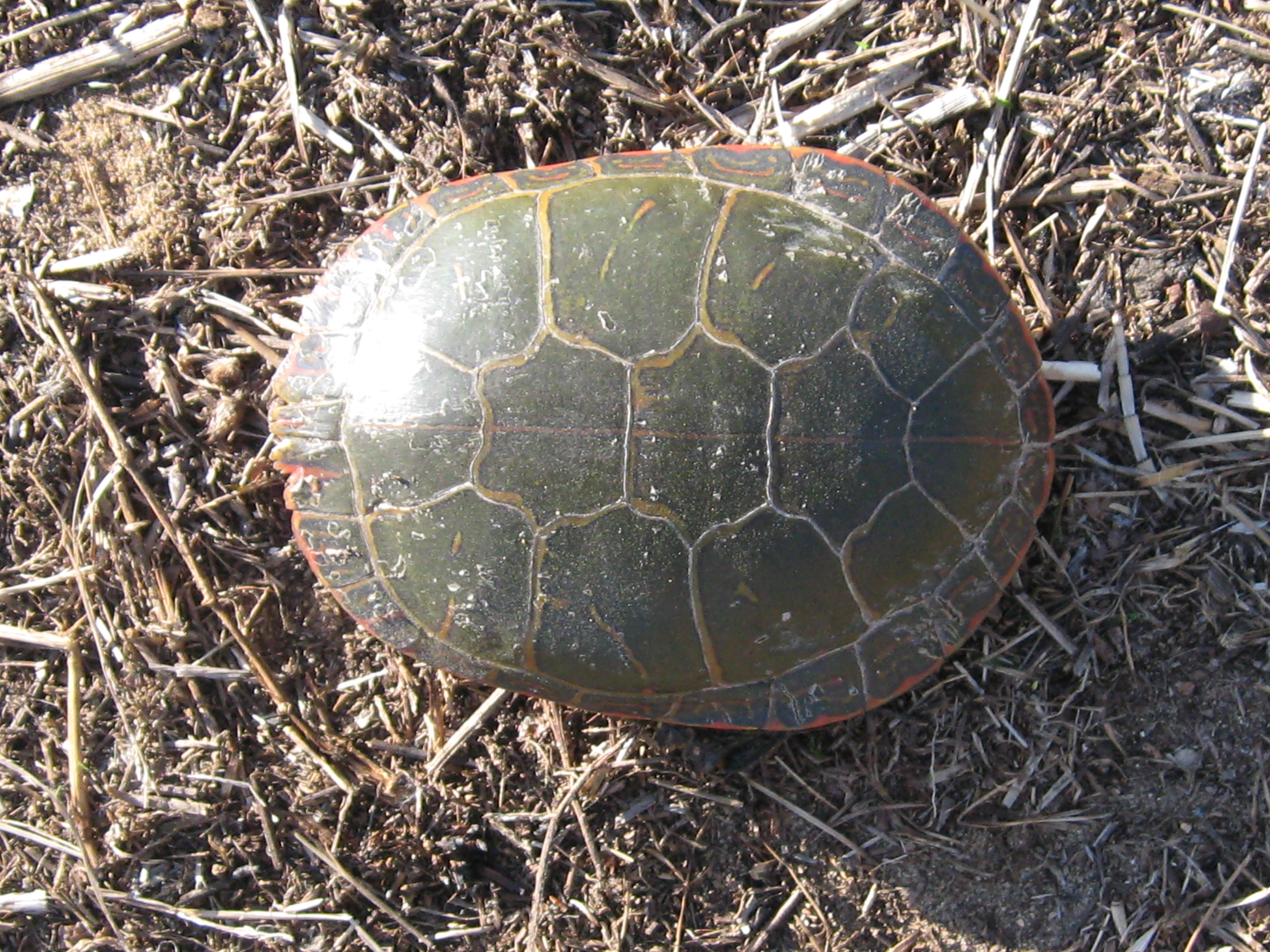
This painted turtle was sunbathing on the trail just above the Indian Spring.

IMG_1494

IMG_1492

IMG_1491

I finished girdling the aspen in the area around the old hotel site and piled the remaining brush there as well. Check out this video walking tour.

I spotted some Pussytoes and Wood Betony along the trail by spur to The Emerald Spring. A profusion of new growth is emerging!

IMG_1517

IMG_1523

See you at The Springs!
Good Morning Springs

How can I describe what a great time I had at The Springs yesterday? The temperature and humidity were as pleasant as a Pacific Island. The air was fresh and breezing and the sunlight clarified everything. My thoughts were occupied by the current time; the present moment. Time is a spiritual current-cy. How do we spend it? What do we pay attention to? ‘As you sow, so shall you reap’ and ‘what goes around, comes around’ aren’t just cliches; they are examples of Natural Law, specifically, the Law of Attraction, which is immutably in-force everywhere at all times. So when I say I had a “great time” at The Springs yesterday, I mean it was joyful to invest my spiritual currency paying attention to nature and working to help create the beautiful world that I want to see.

The morning light was flush on the Hillside Springs.

IMG_1475

IMG_1476

IMG_1477

IMG_1481

This Green Frog was enjoying the spring too.

IMG_1478

There are lush patches of fresh watercress just below the Scuppernong Spring and I harvested a bagful to include in my green juice recipe.

IMG_1479

IMG_1480

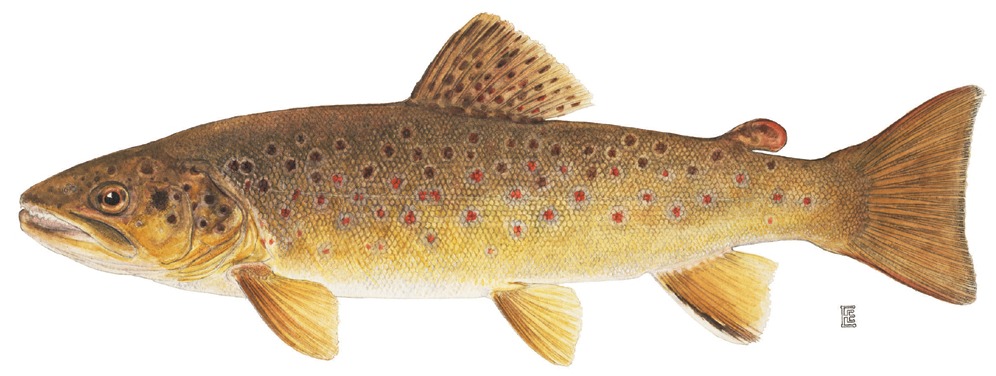
As I was rinsing the watercress at the point where the Scuppernong Spring spills out of its pool and starts to flow as a river, a brown trout emerged from beneath a rock rim and swam about in the pool. I don’t know for sure what is going on with the trout; are they visitors, or a local reproducing population?

BrownTrout

Thousands of garlic mustard seedlings have emerged at the south end of the loop trail literally carpeting the ground. I carefully sprayed them with glyphosate trying to avoid the many good plants that are also emerging.

IMG_1472

I conscientiously sprayed the spotted knapweed that dominates the sand prairie of the Indian Campground with clopyralid; carefully avoiding the many, many, diverse plants that are also coming up. This sand prairie is going to come alive with color in a couple weeks.

There were more aspen to girdle along the river valley. If we don’t do this, the clonal colonies will spread into and dominate the valley floor.

IMG_1482

I piled brush in the afternoon by the old hotel site. You can see the foundation stones in many places now. I forgot to take some pictures, but if you’ve seen one brush pile… I was covered with soot when I finished and took a cool dip in the river by the marl pit bridge to wash off. Clouds moved in and I marveled at their beauty while doing some yoga asanas.

IMG_1484

IMG_1485

IMG_1488

With the video below I attempted to capture one of those ‘you had to be there’ moments.

See you at The Springs!