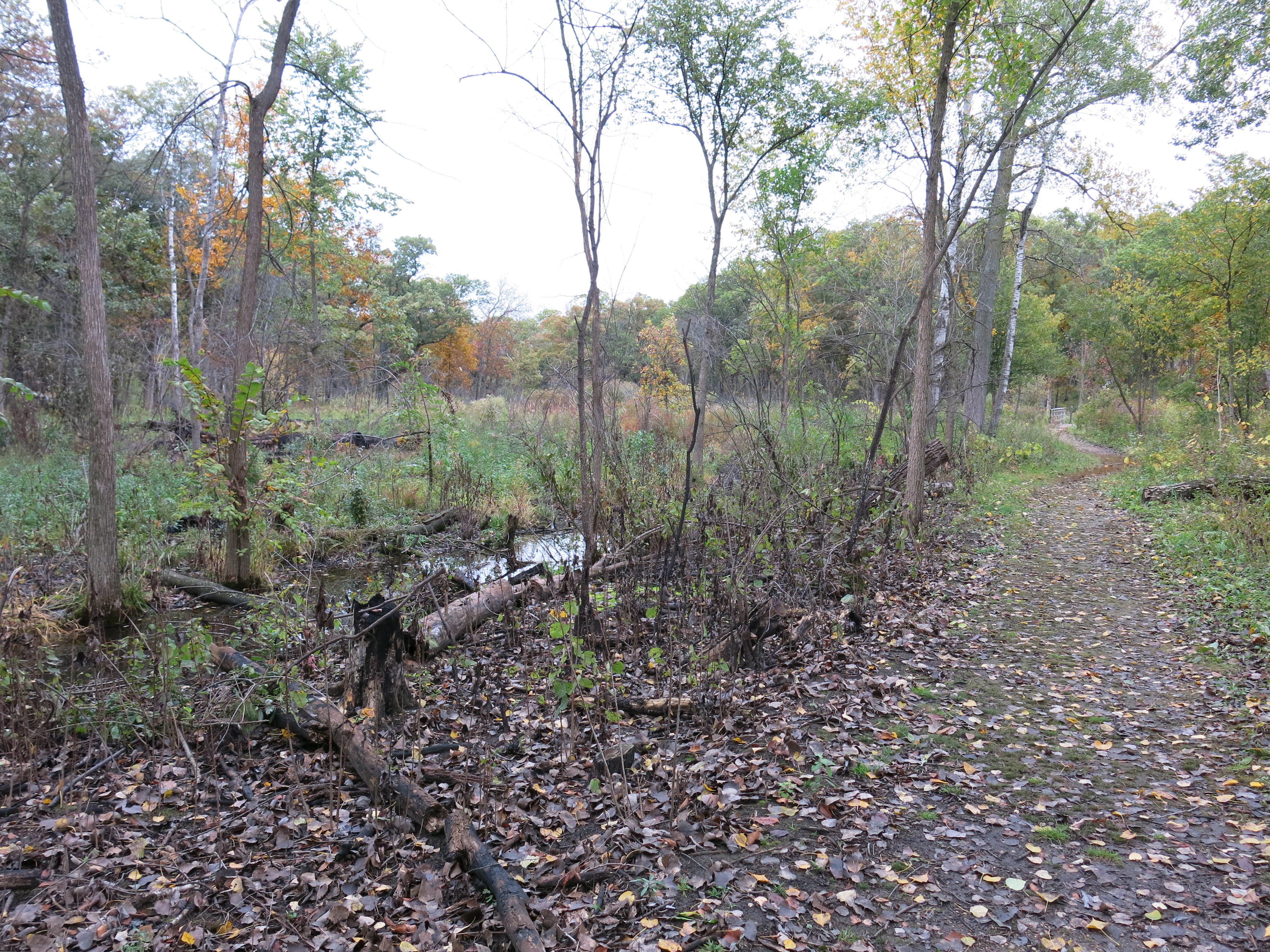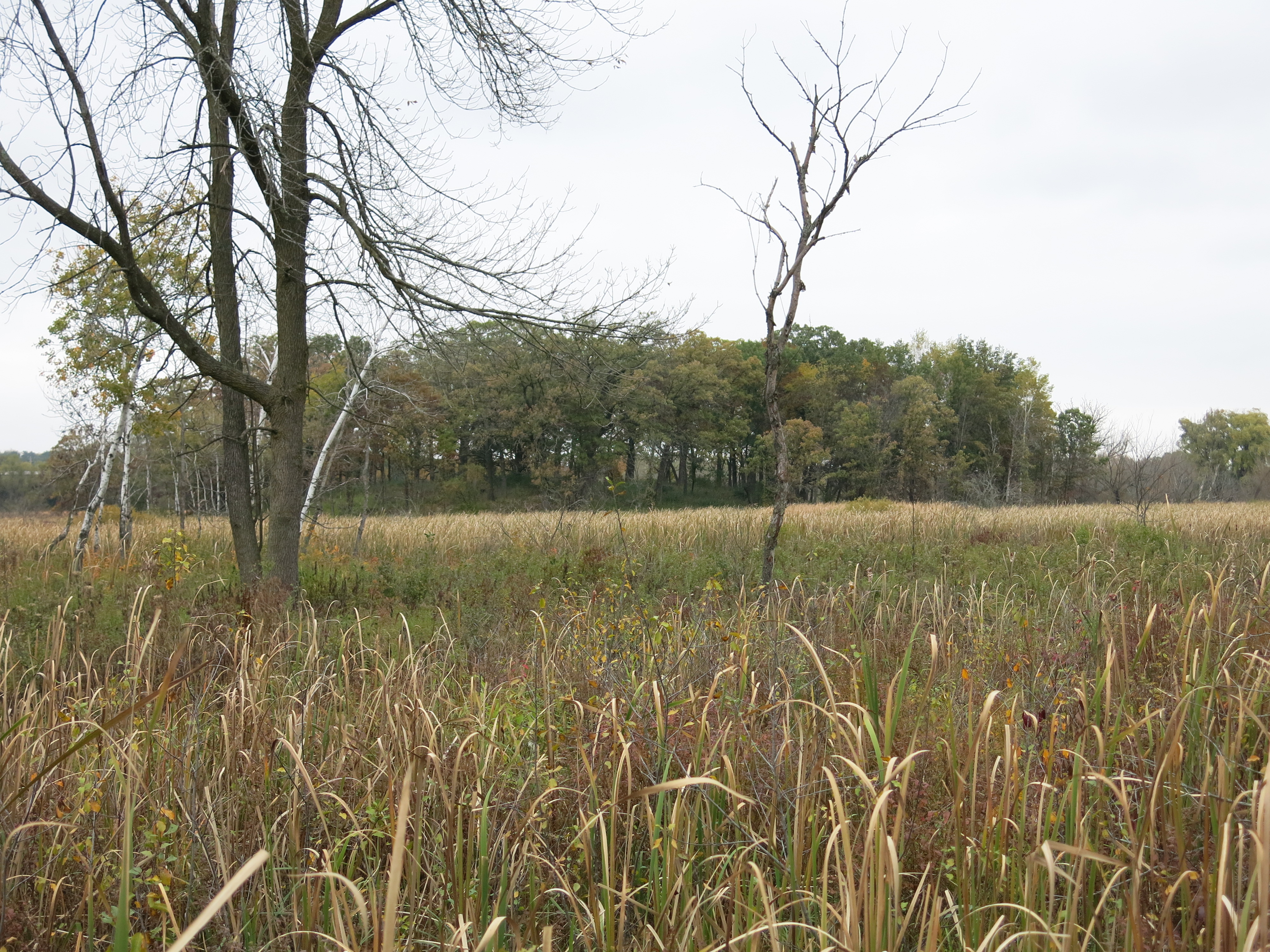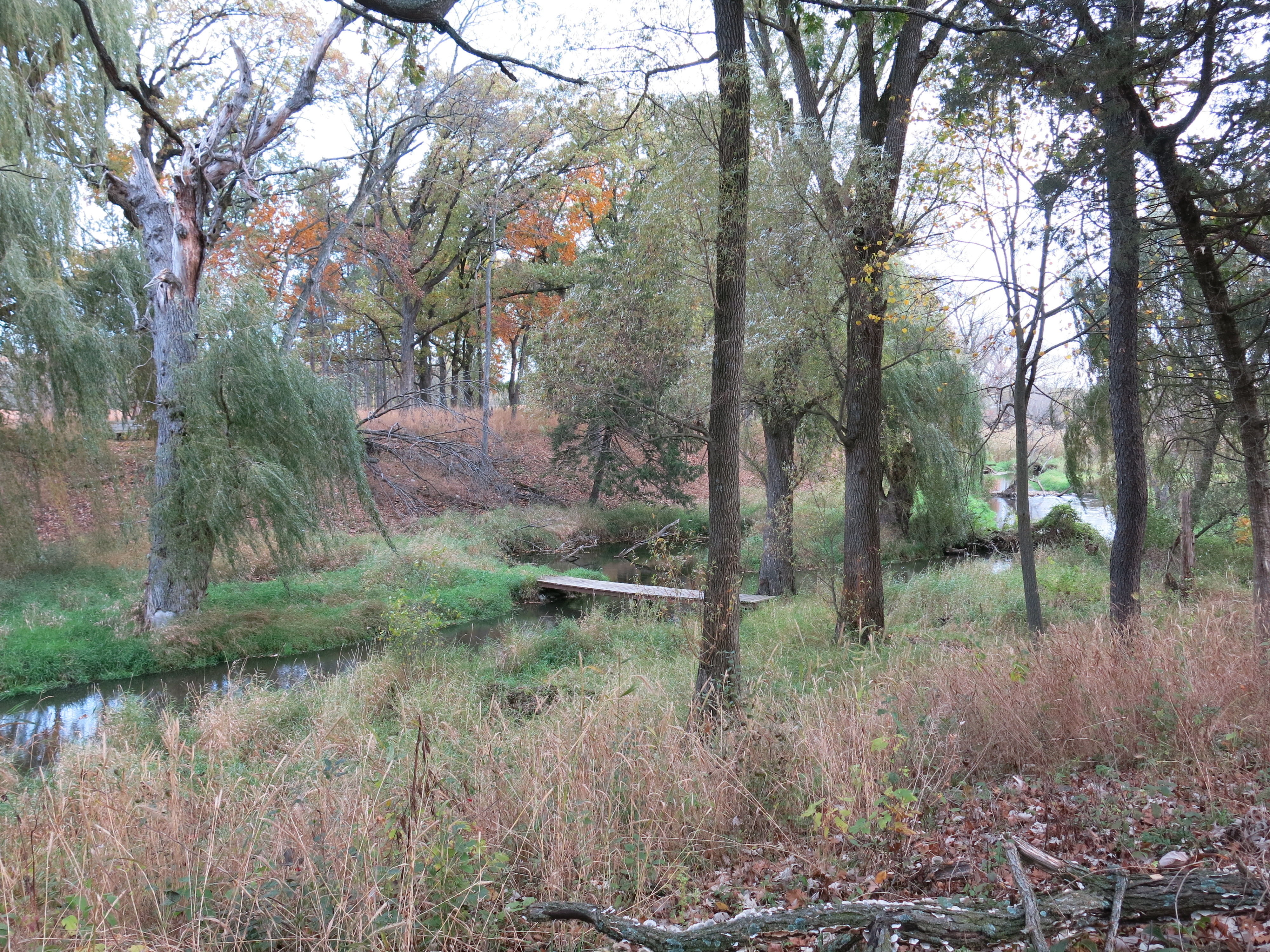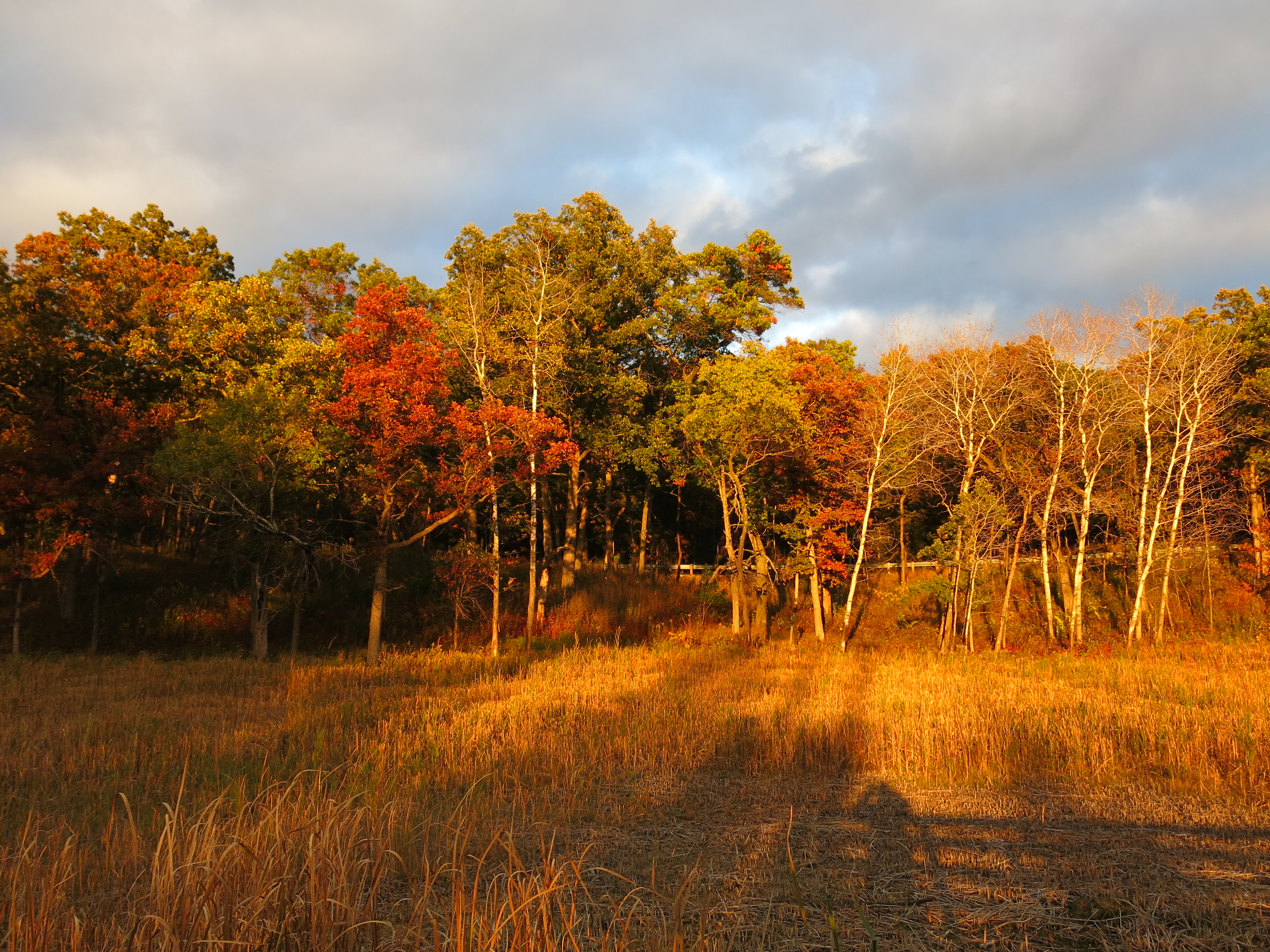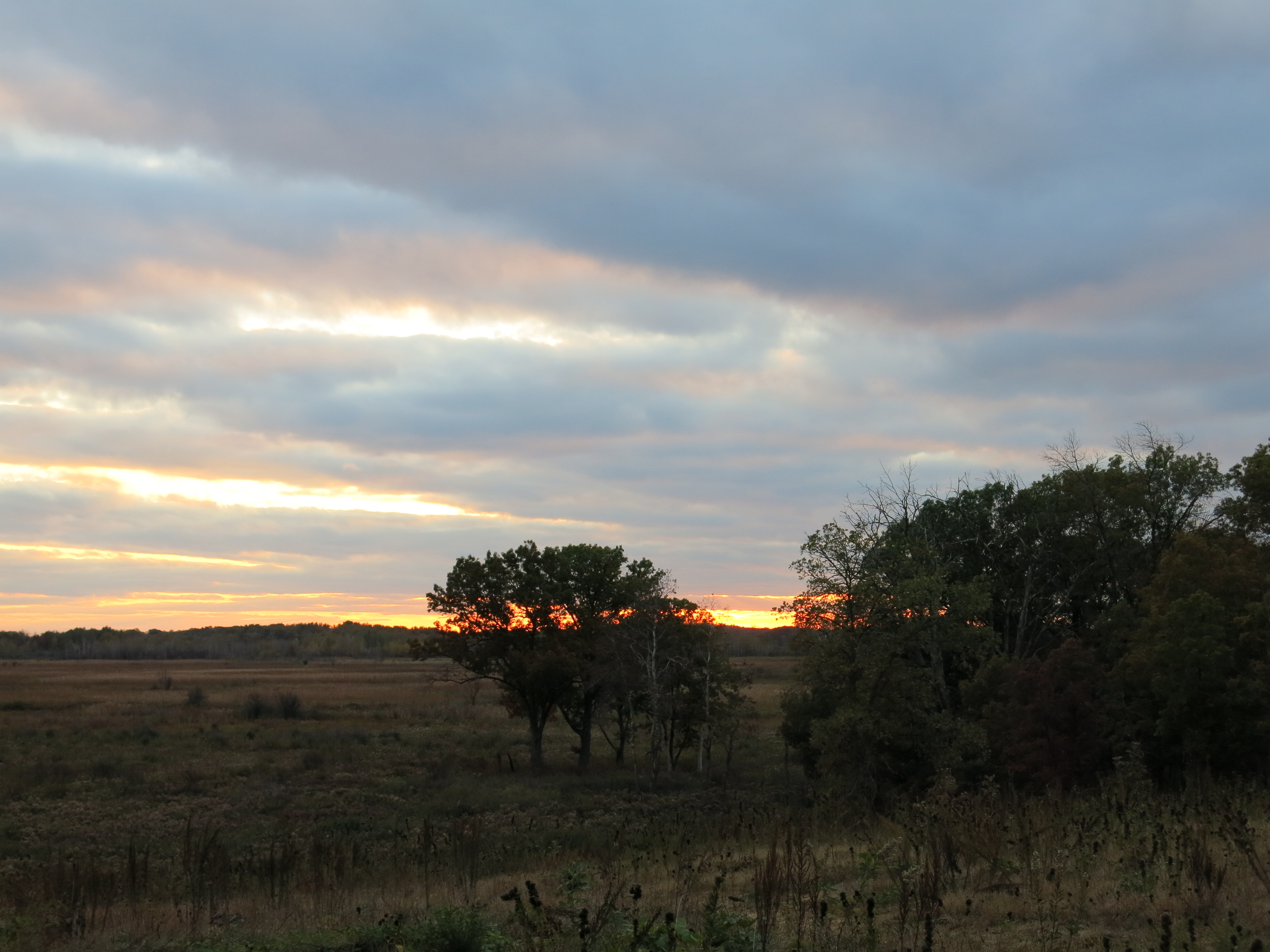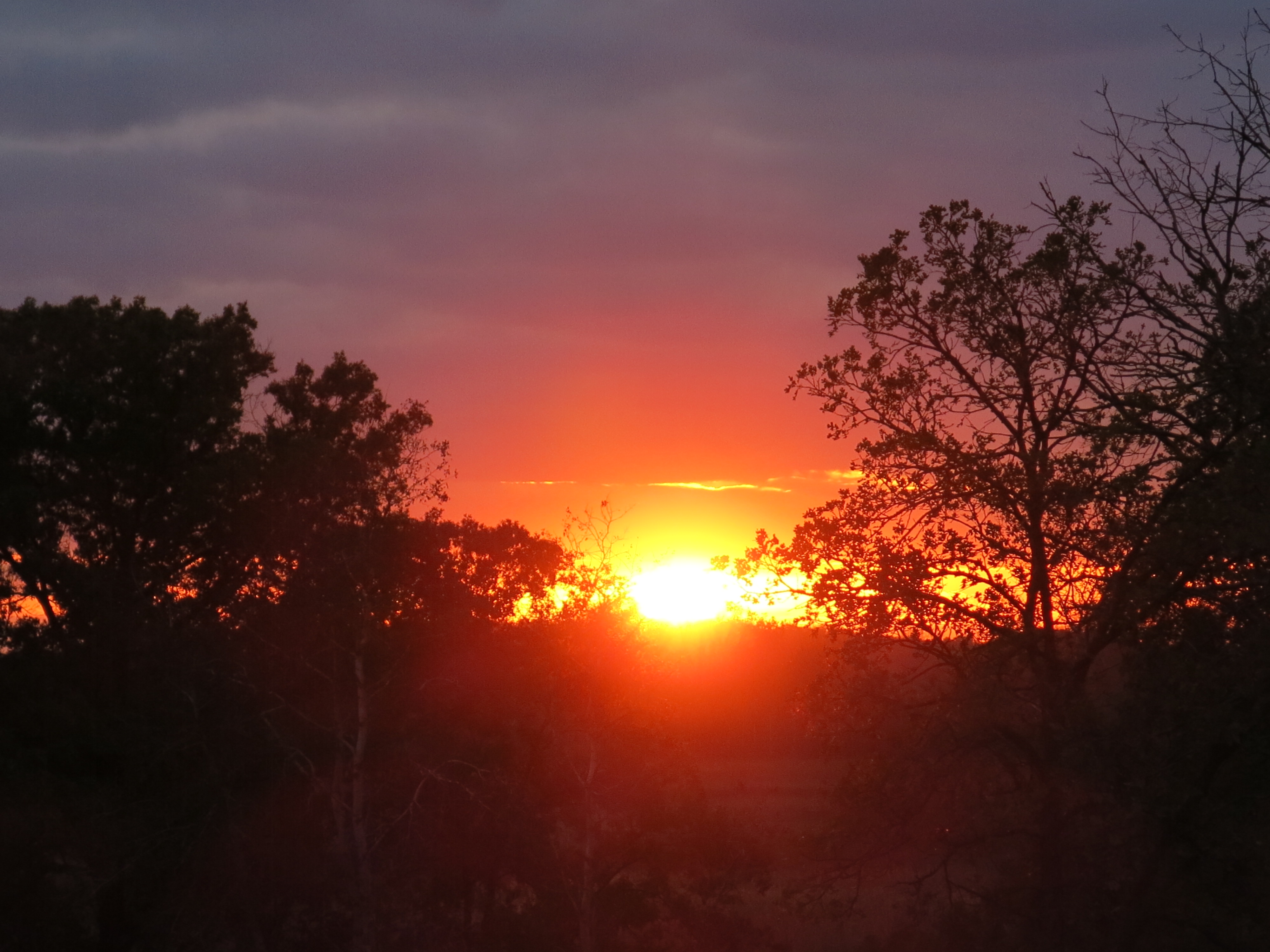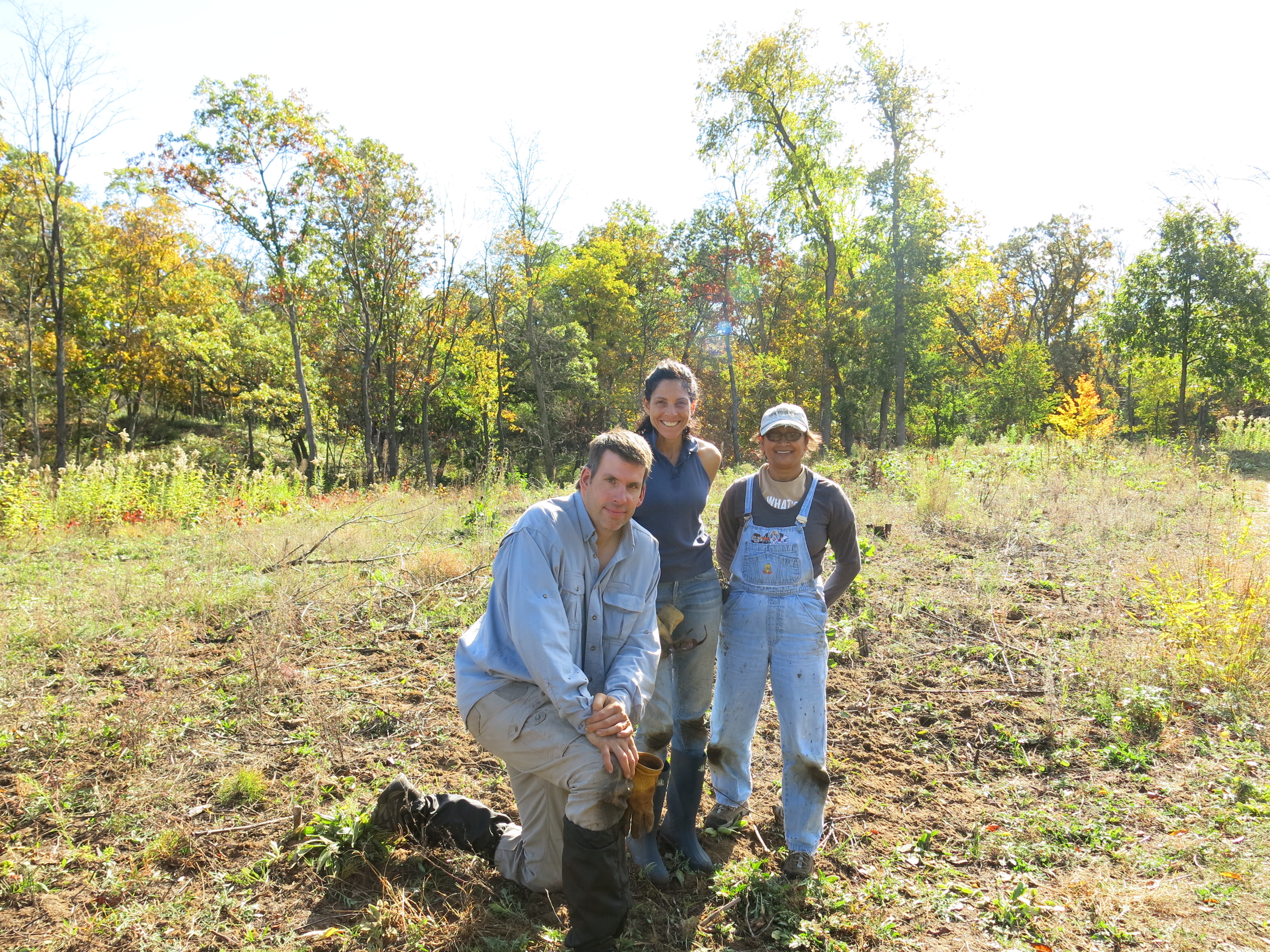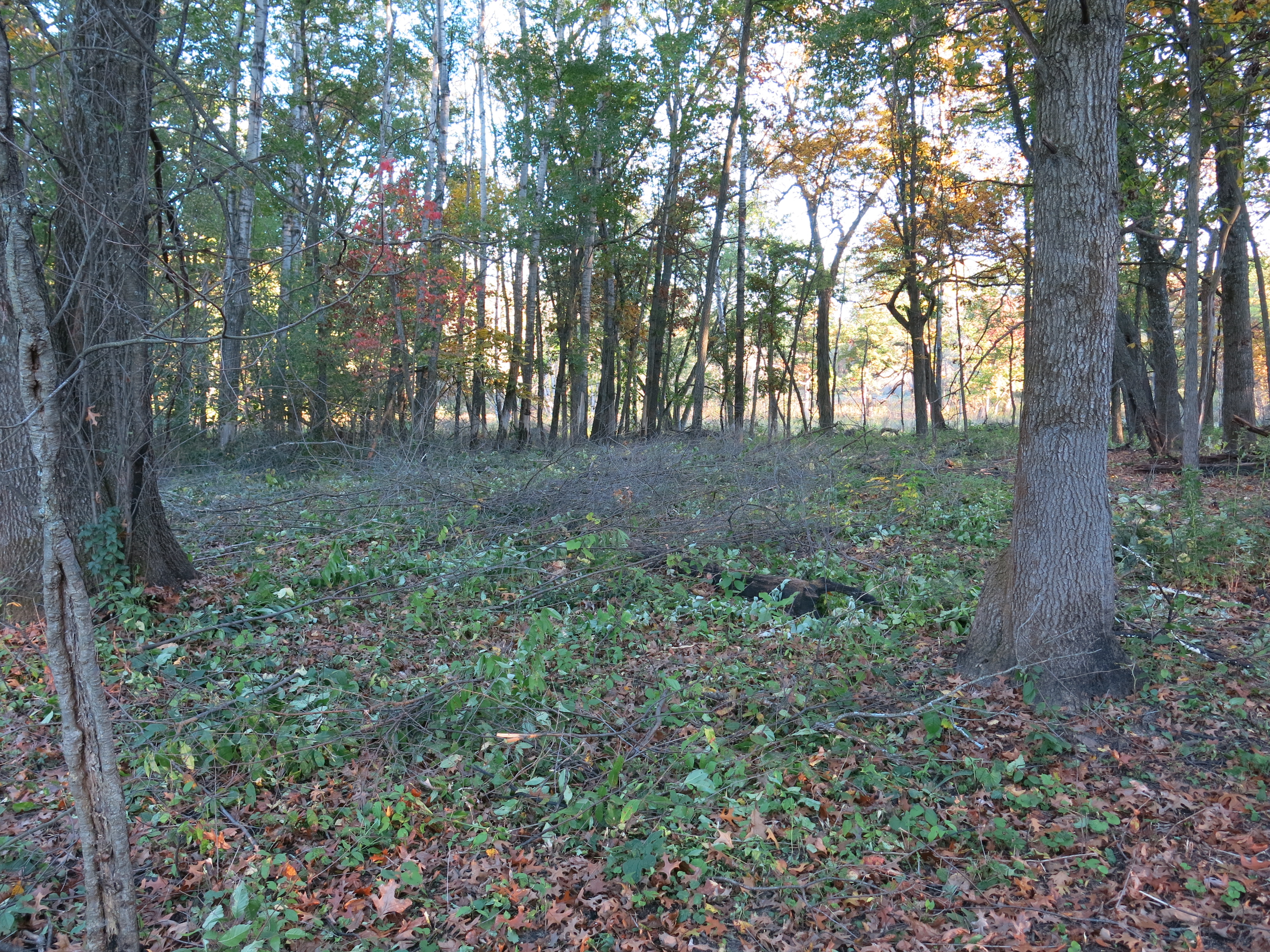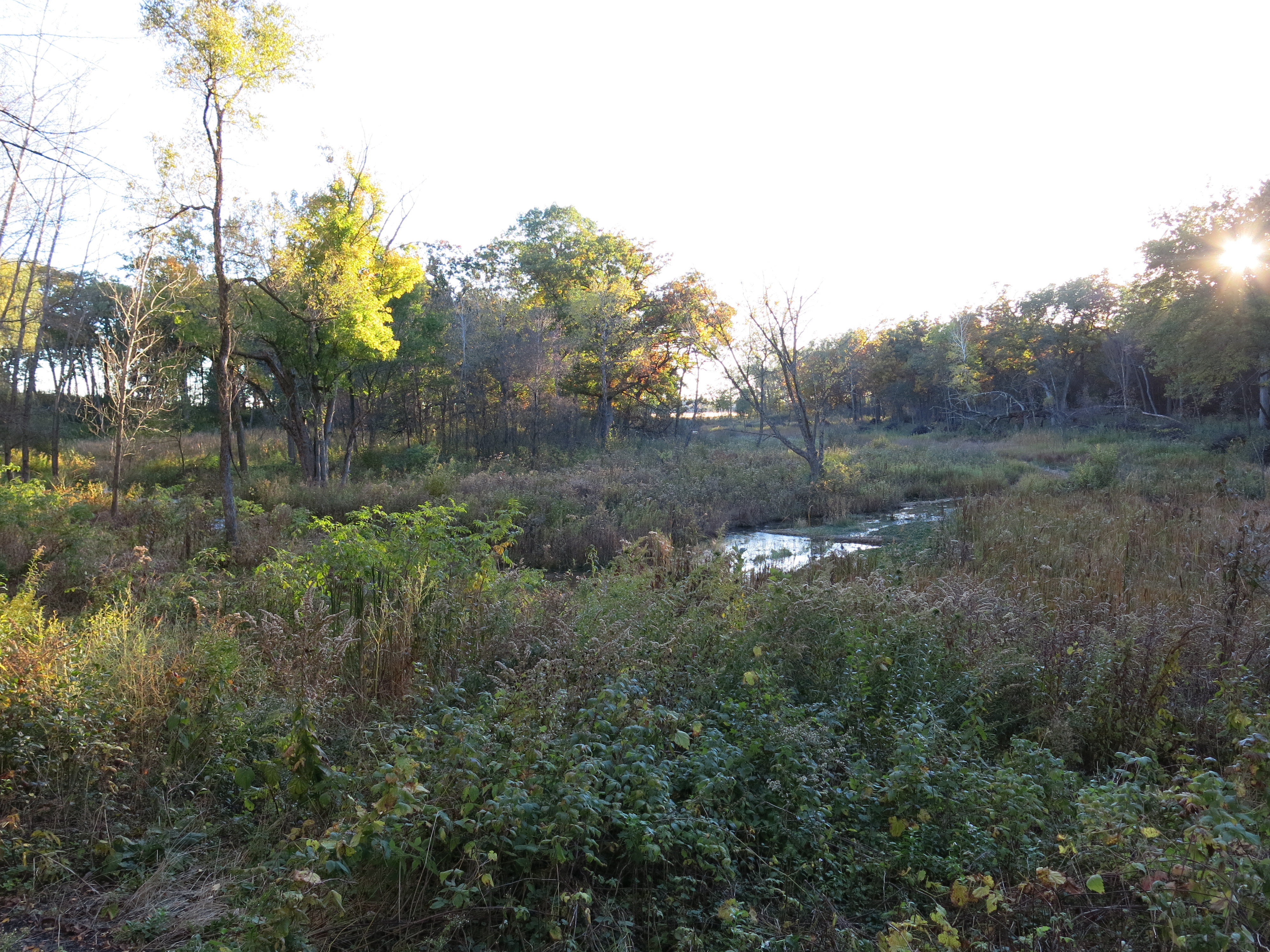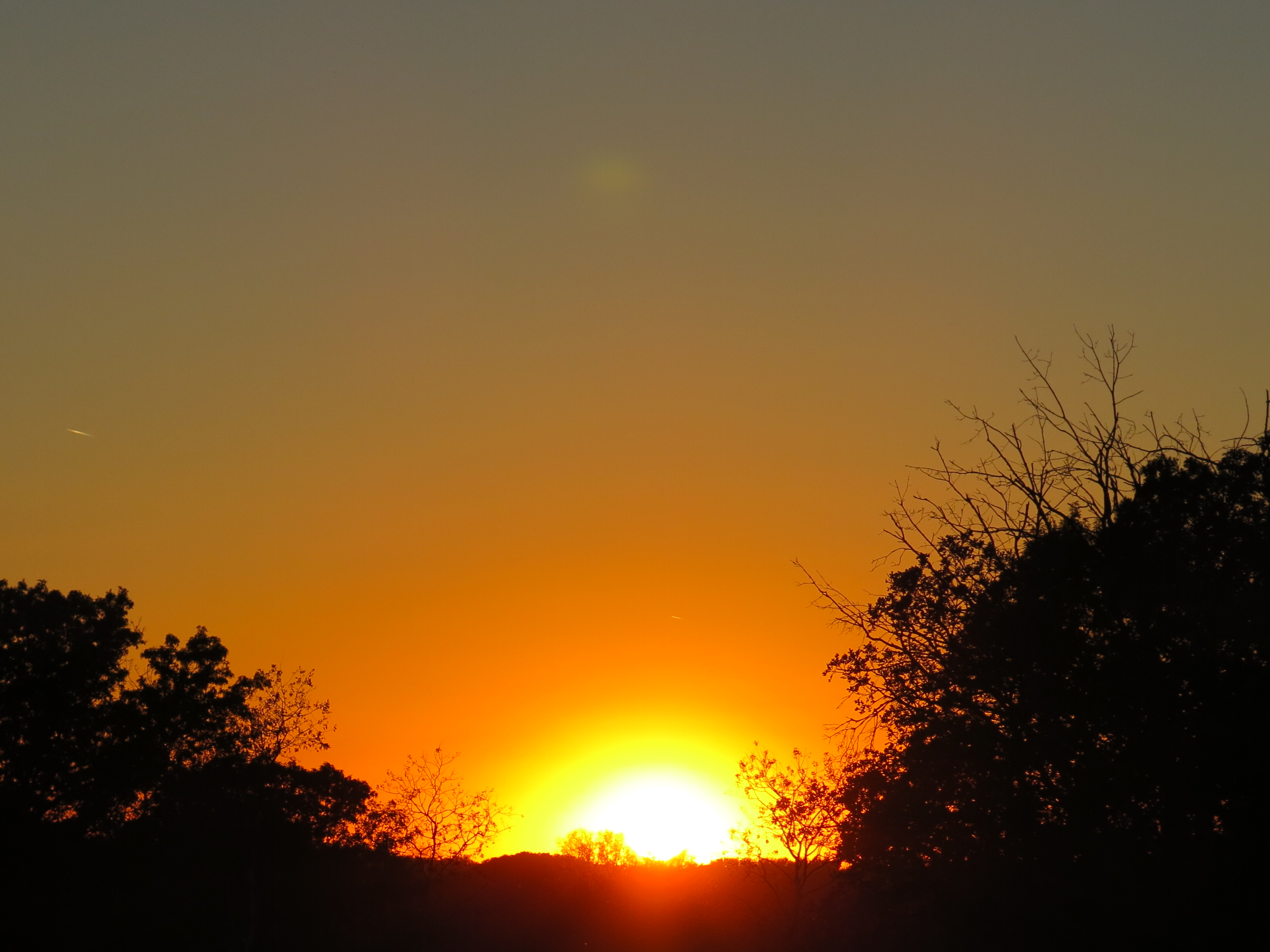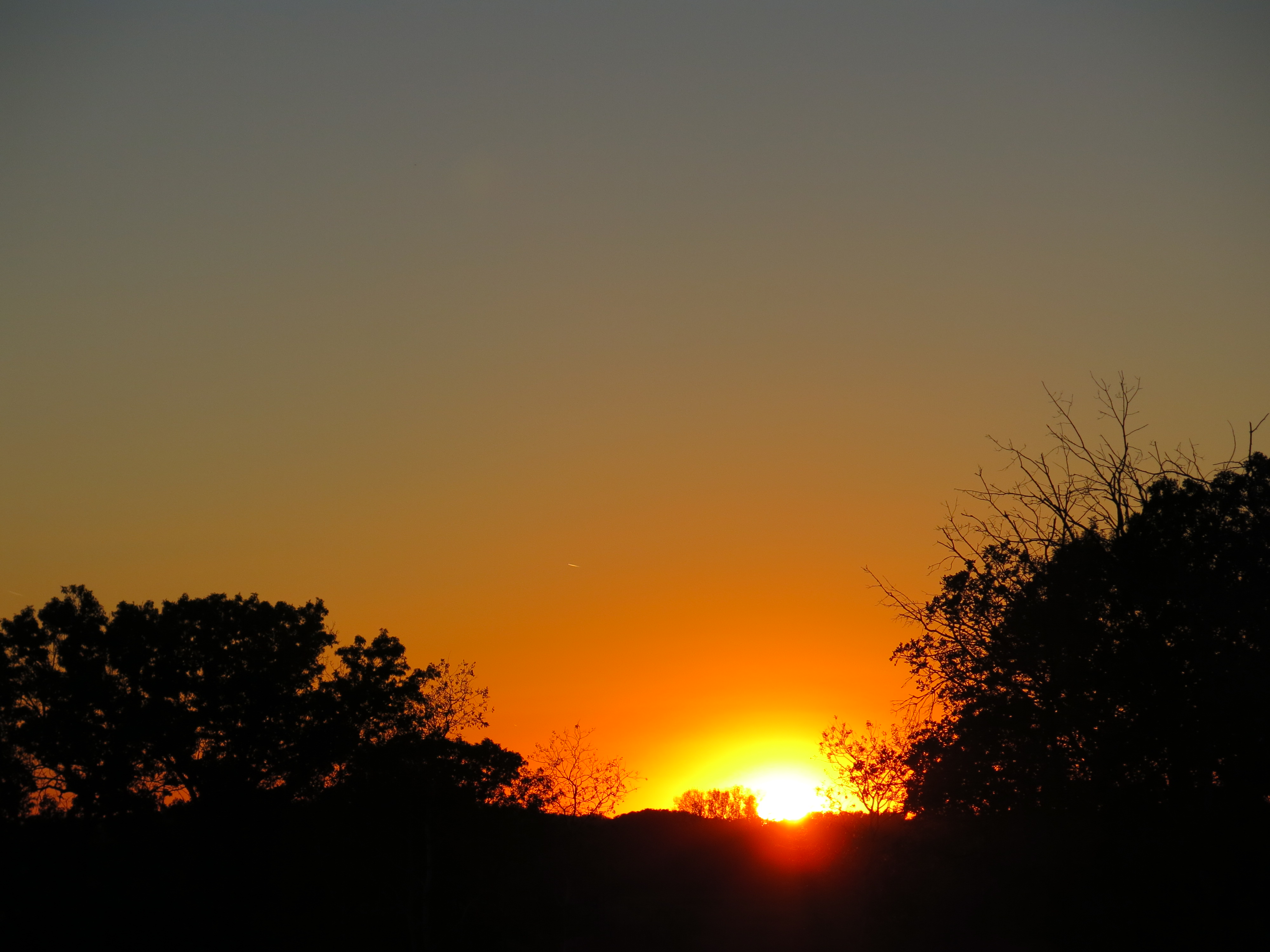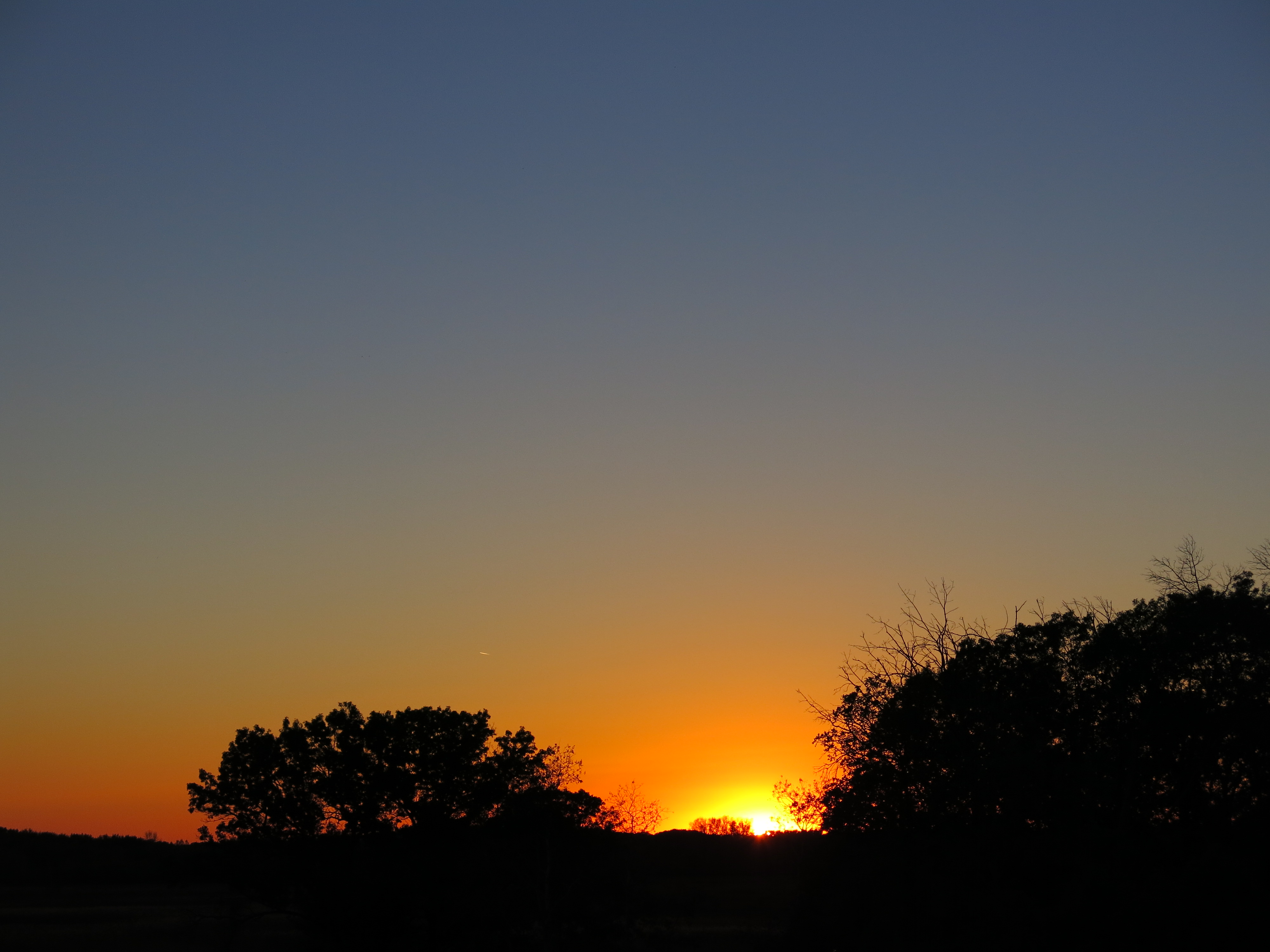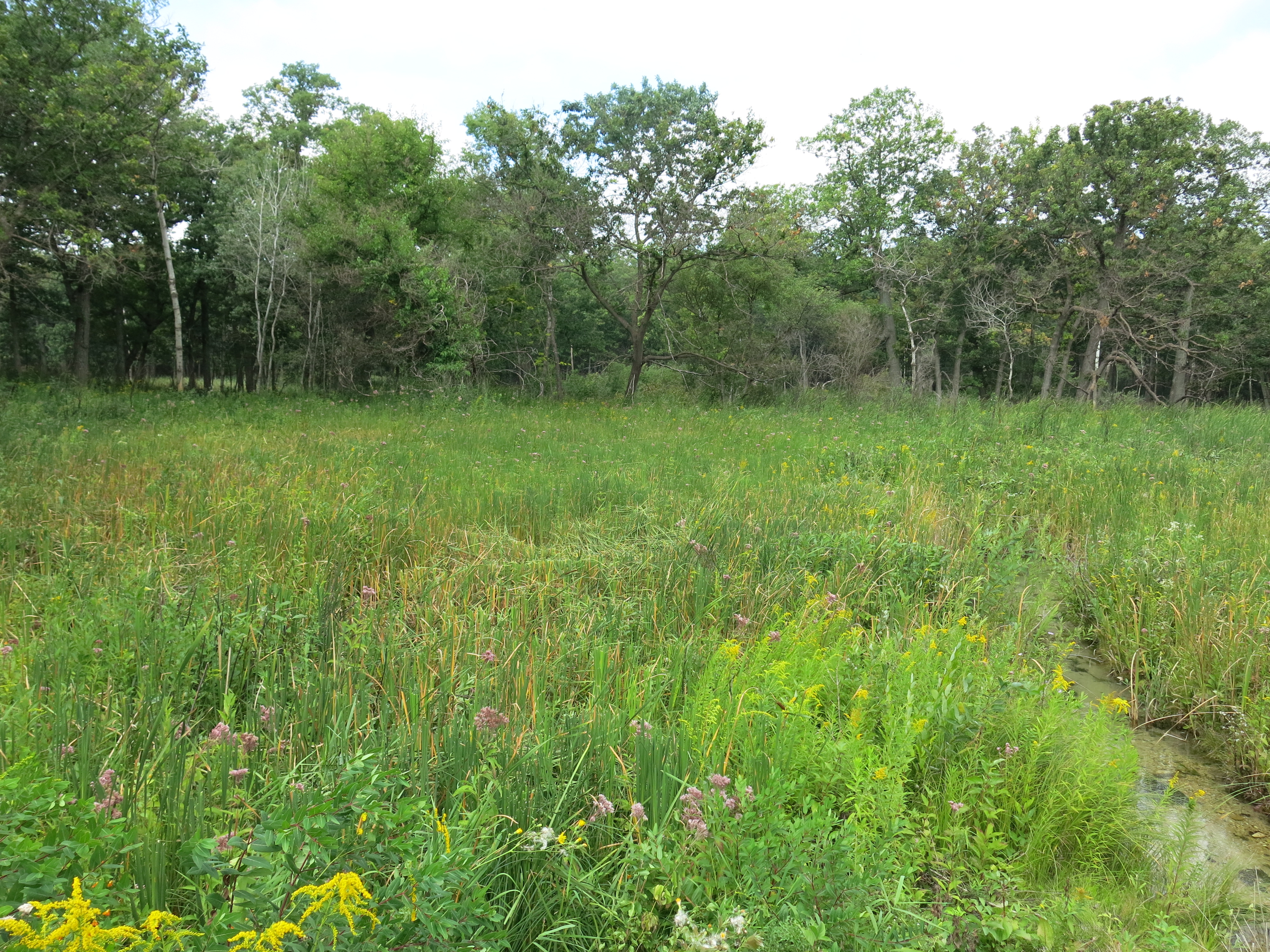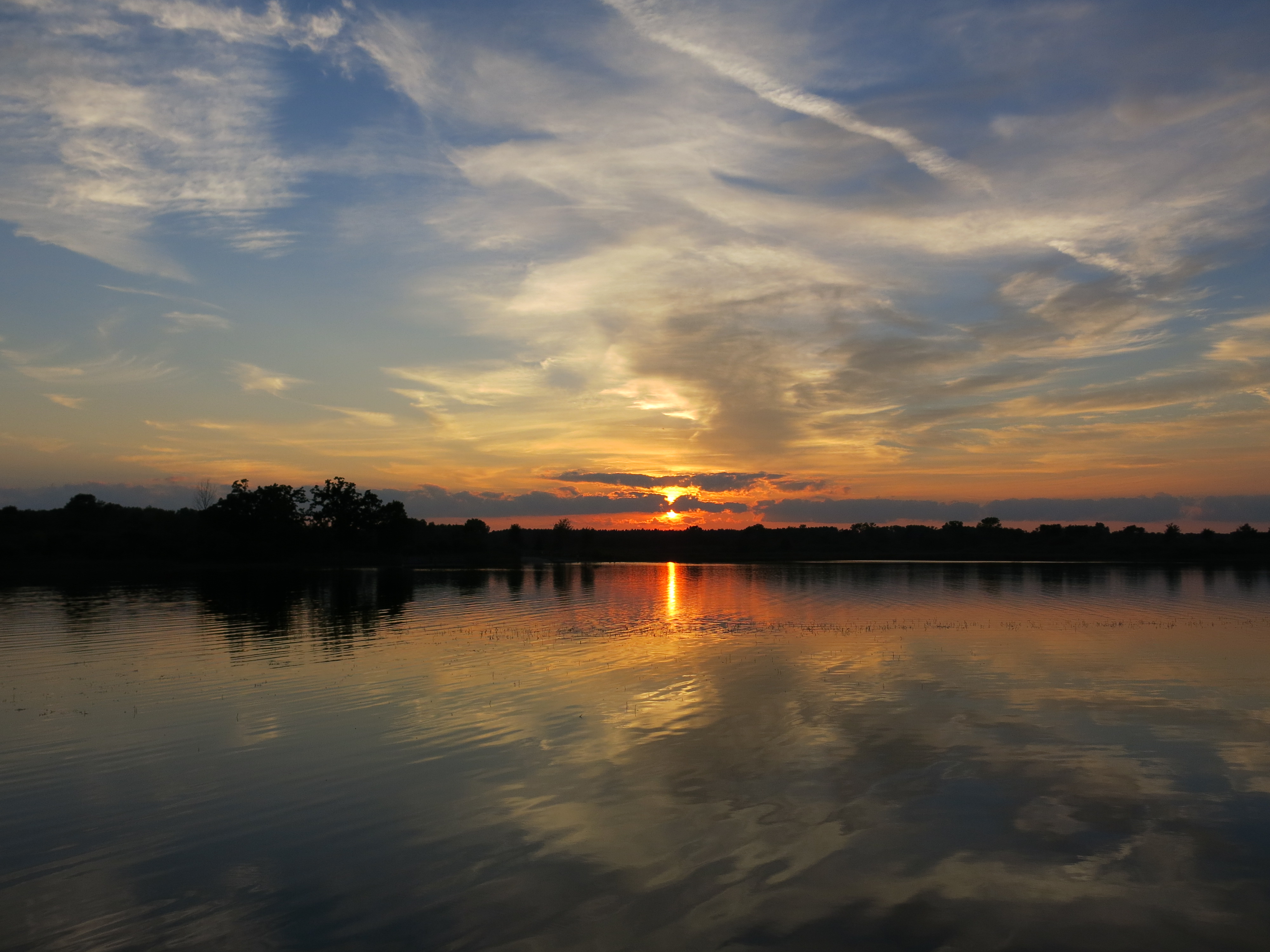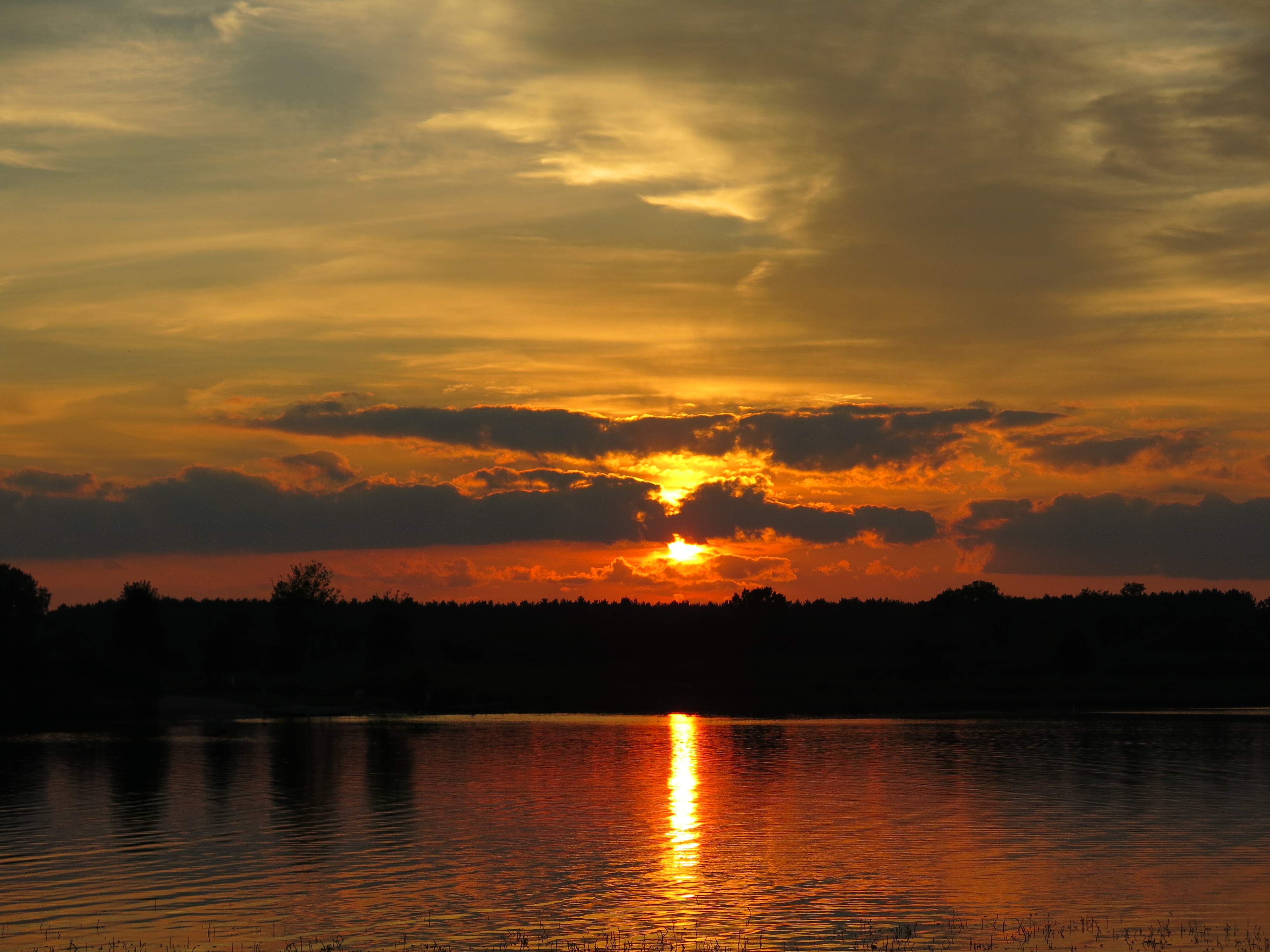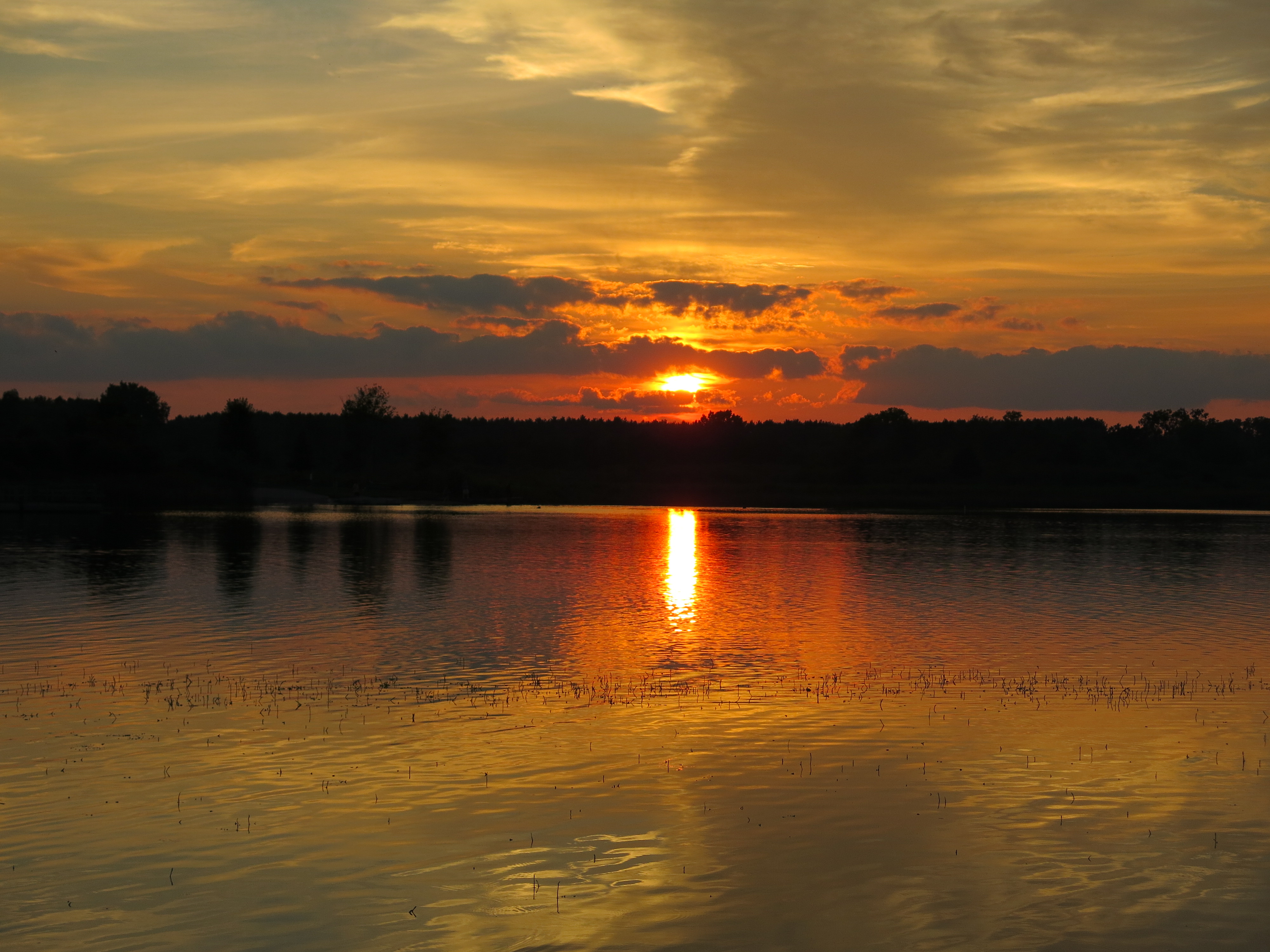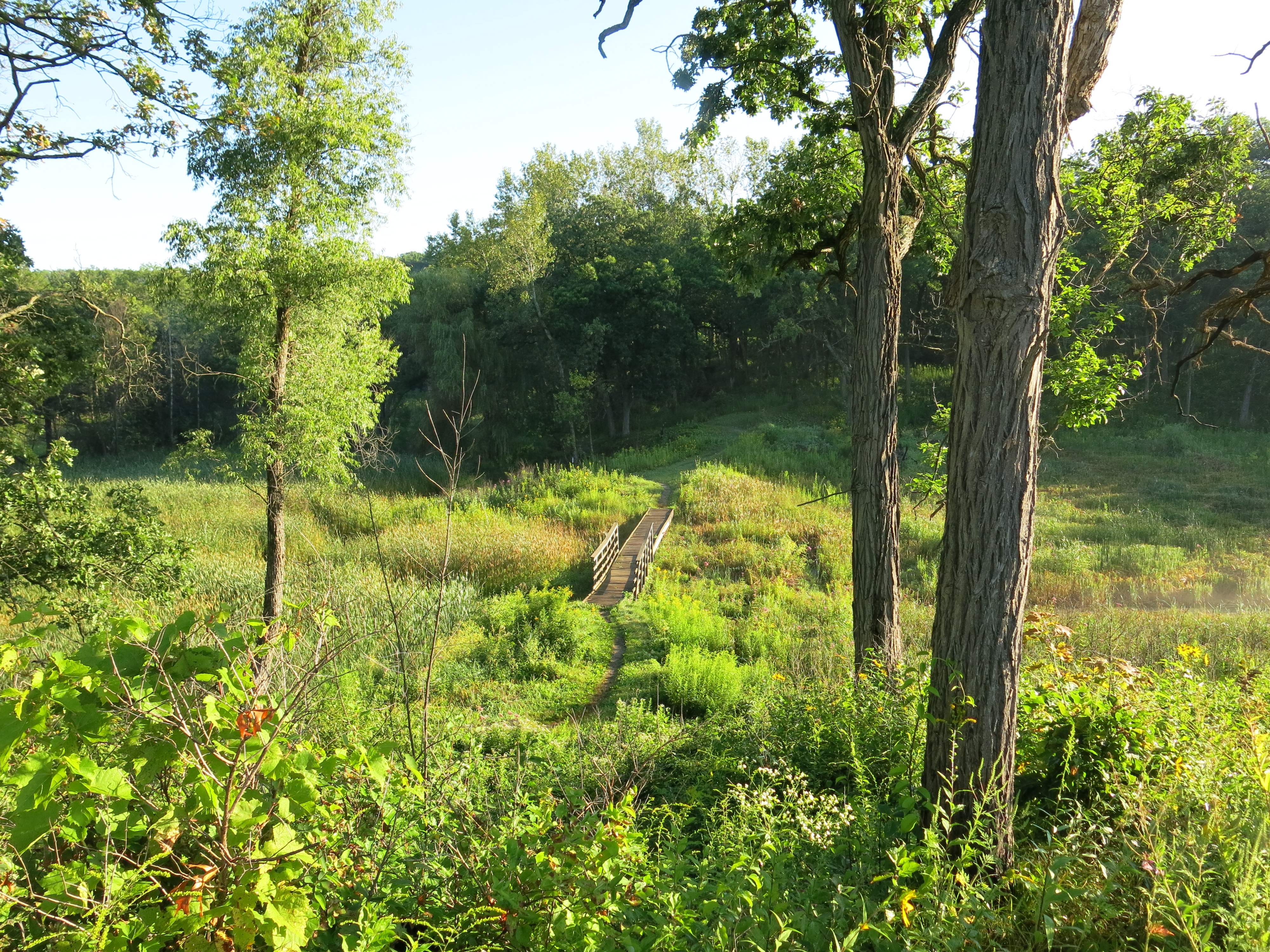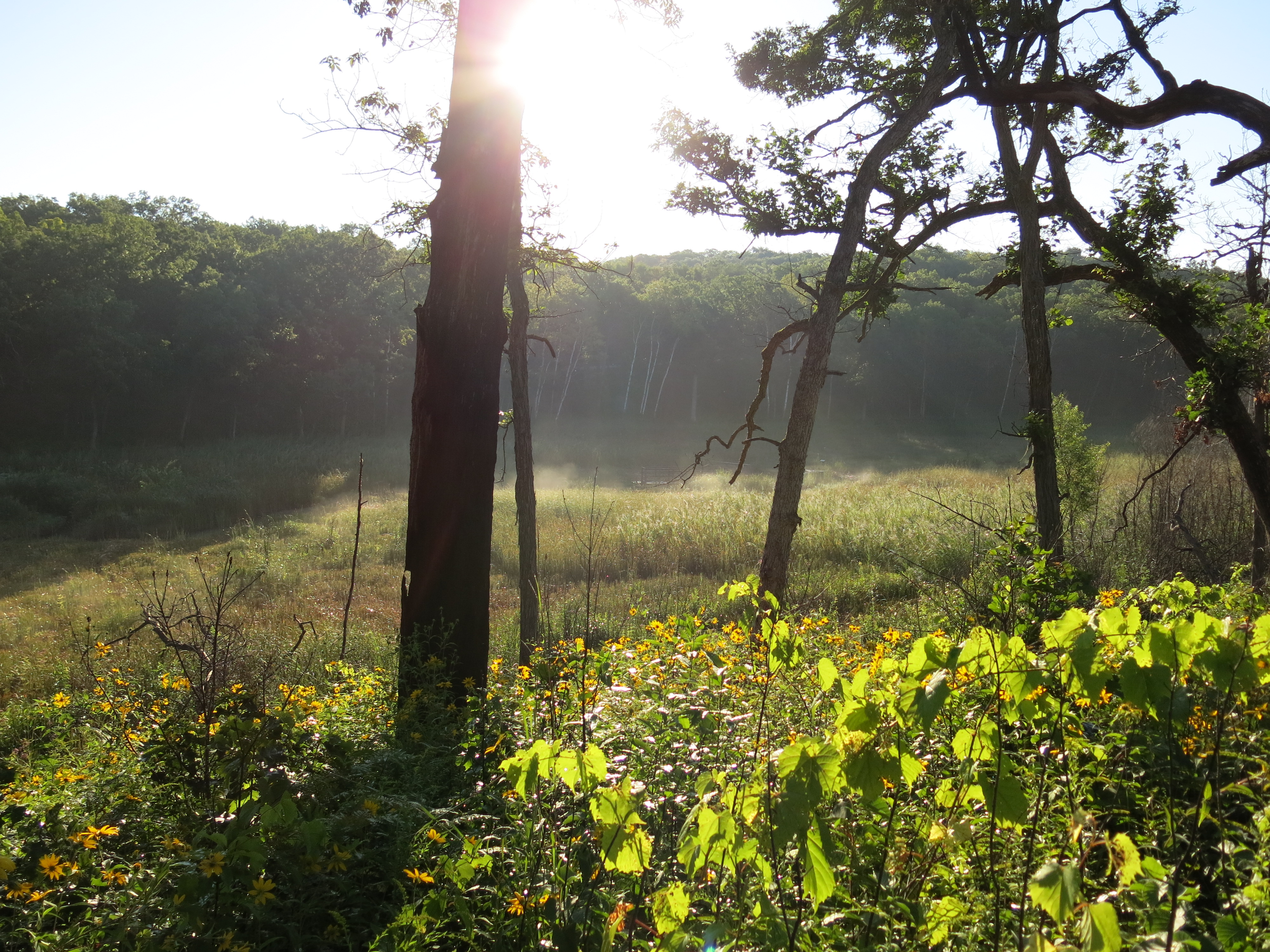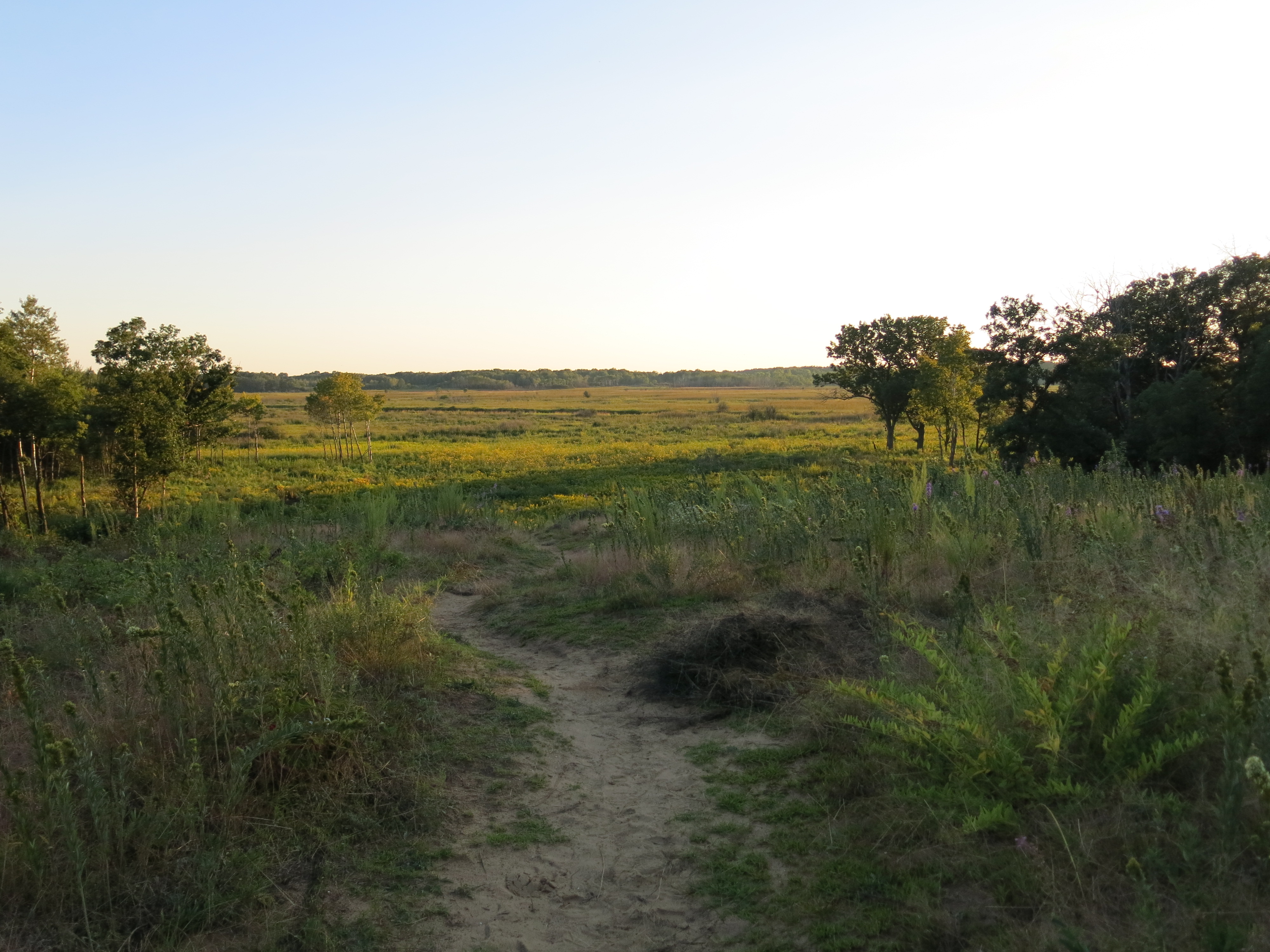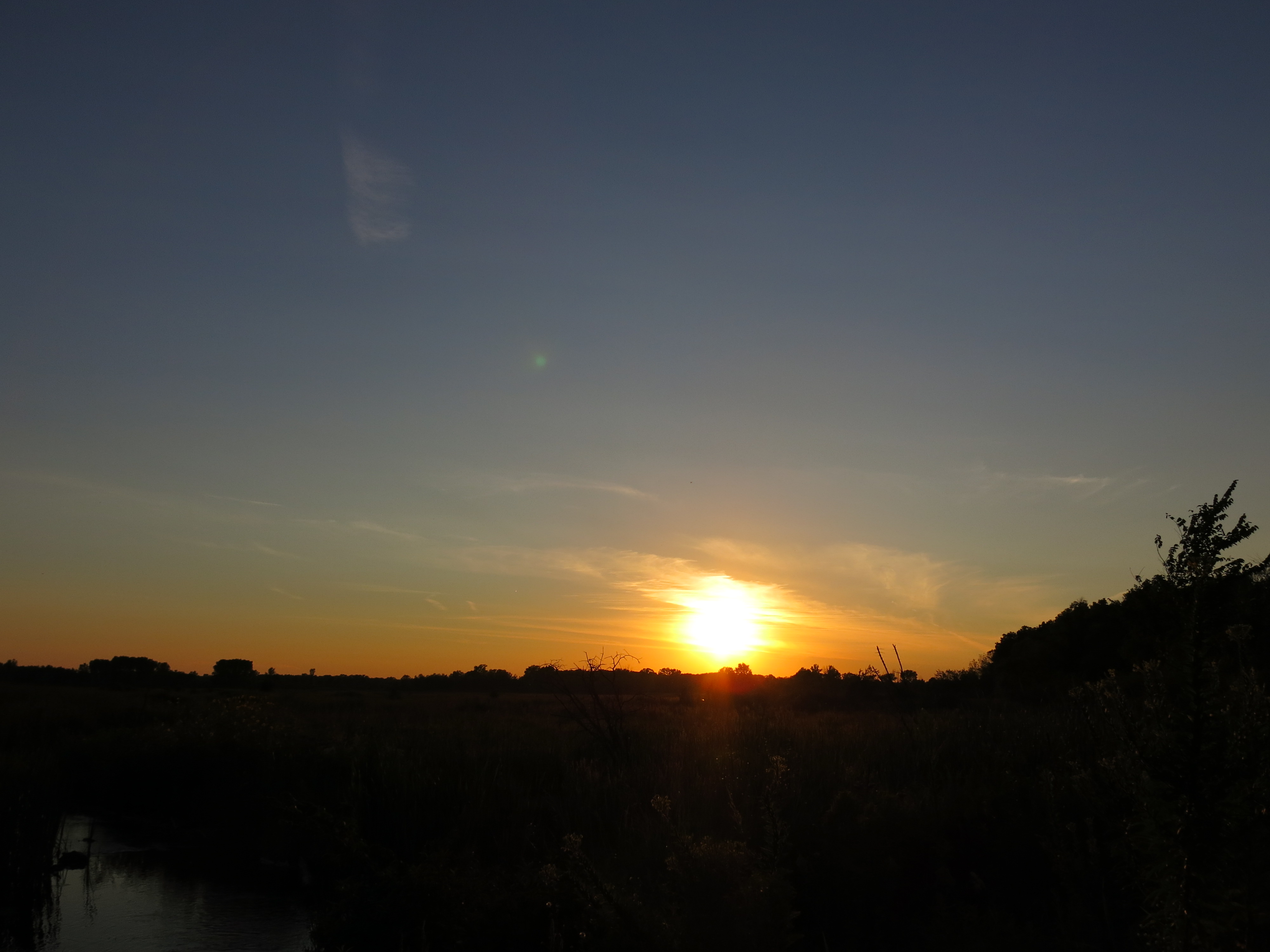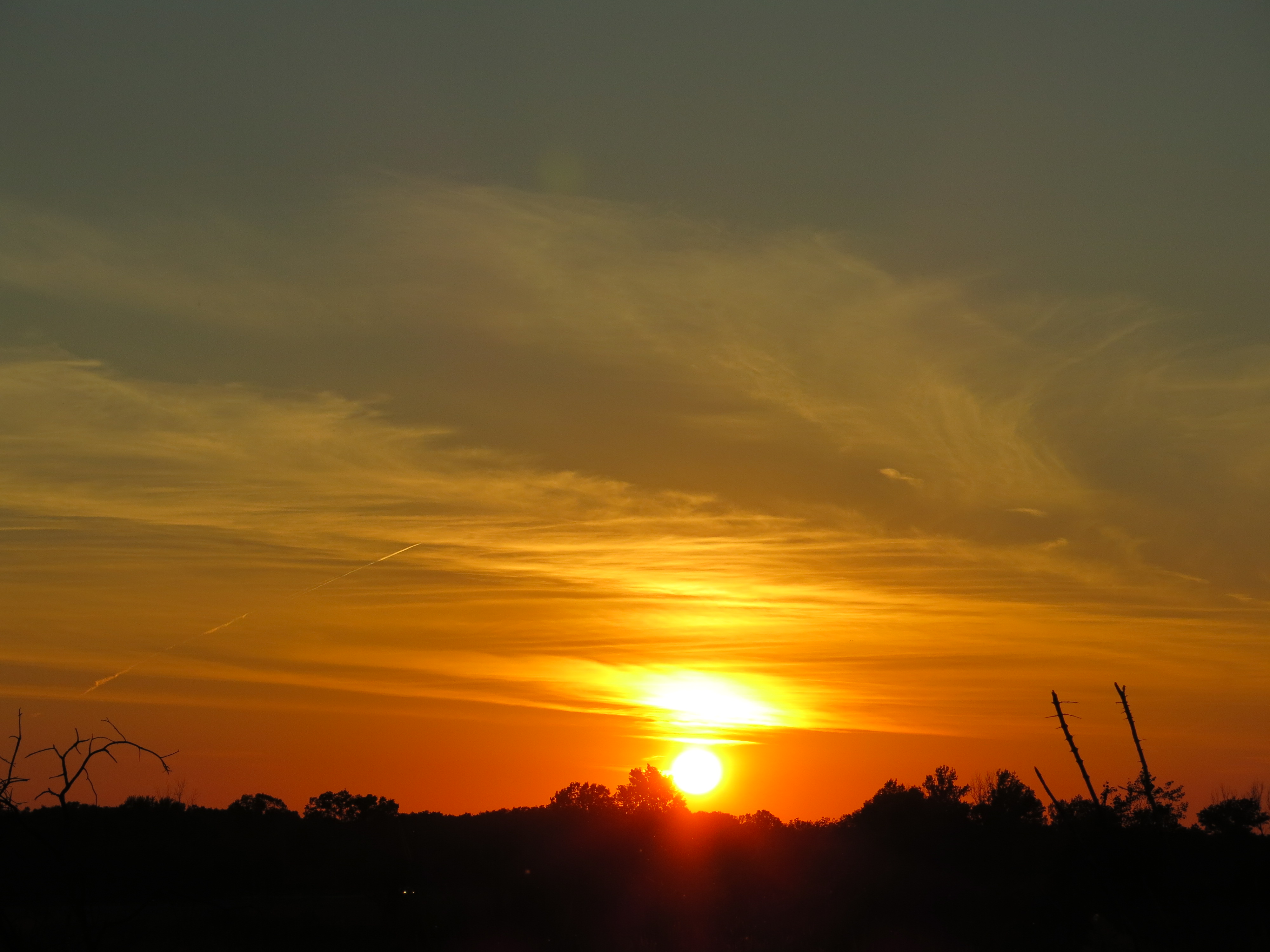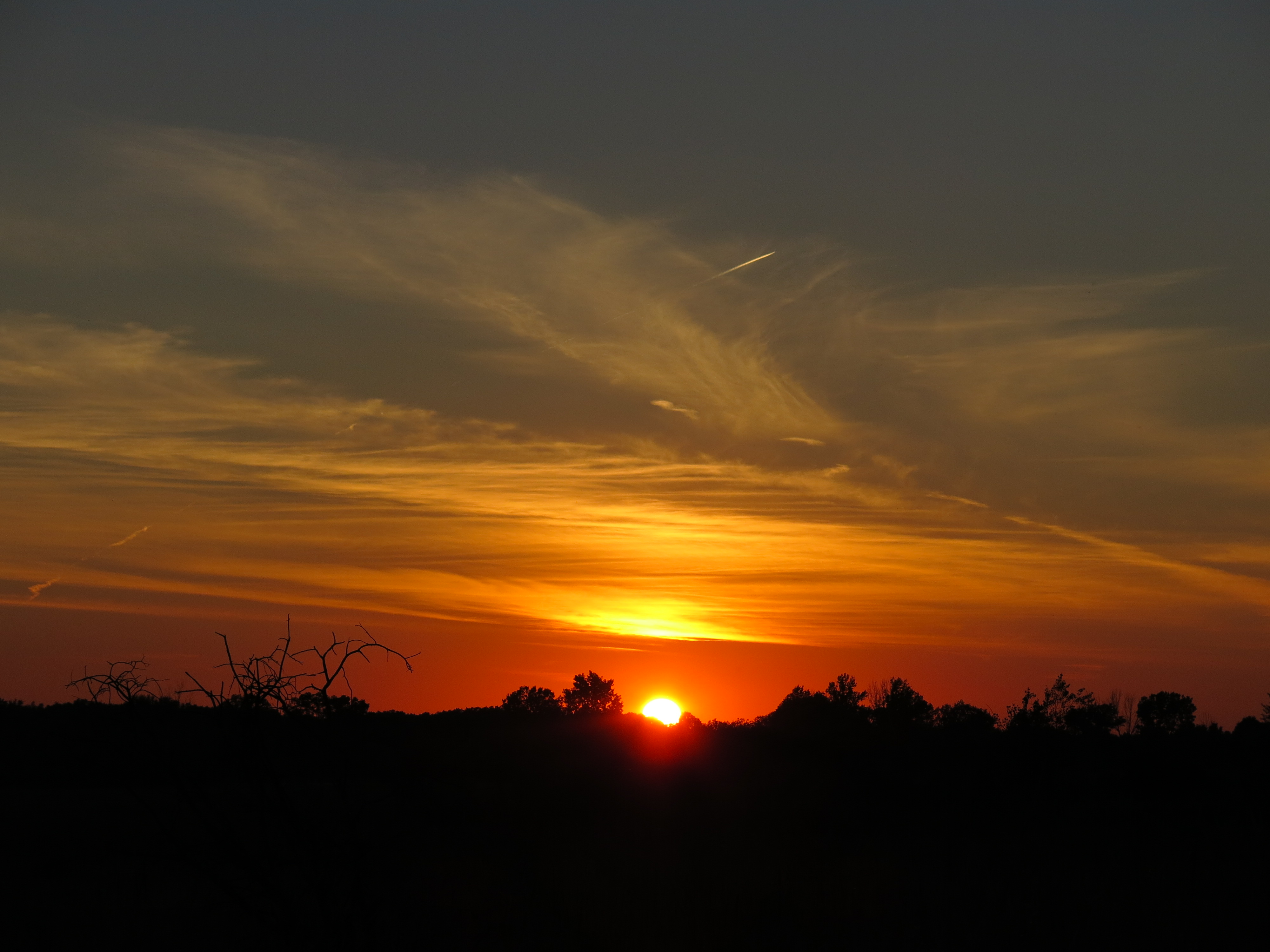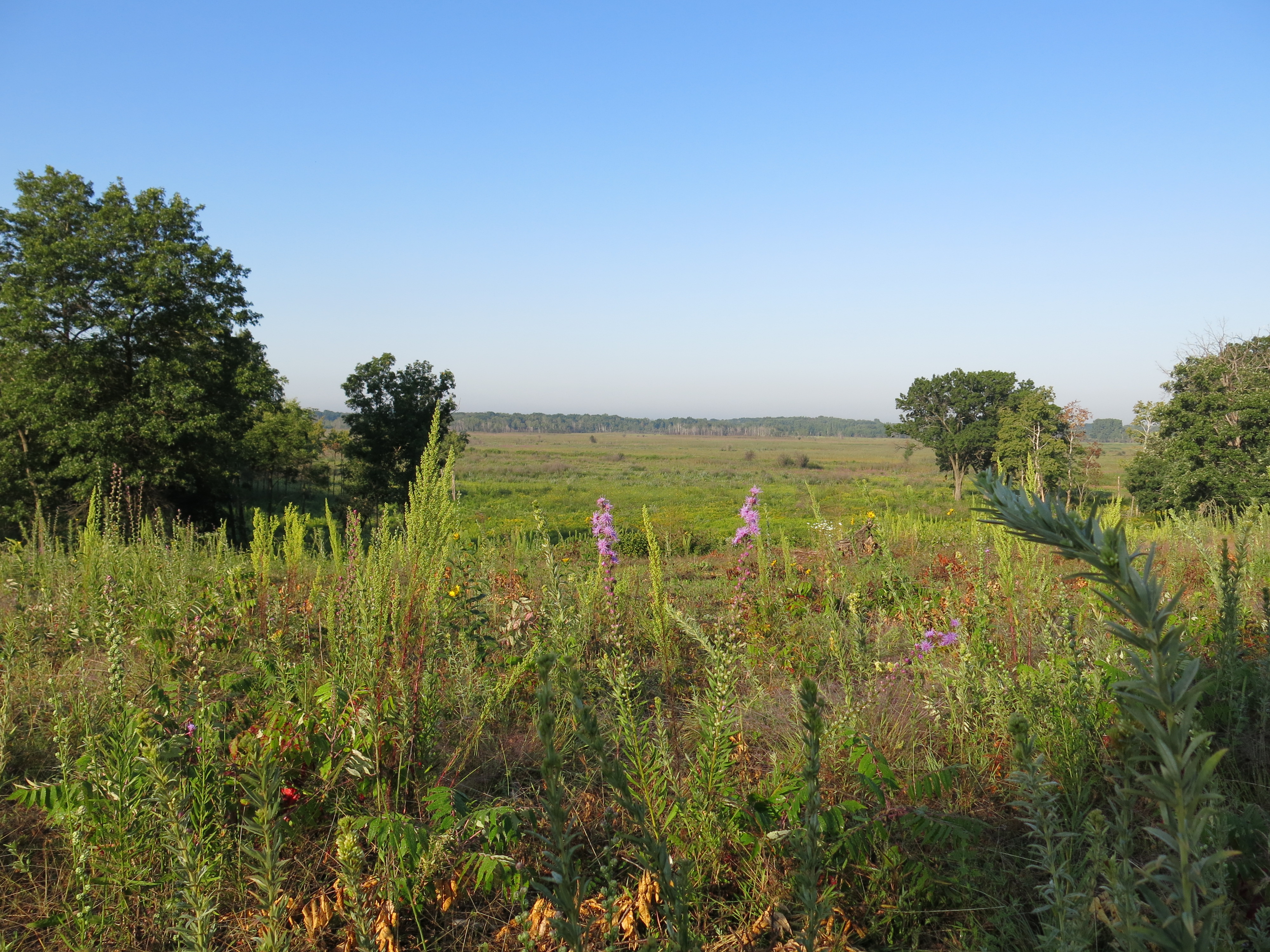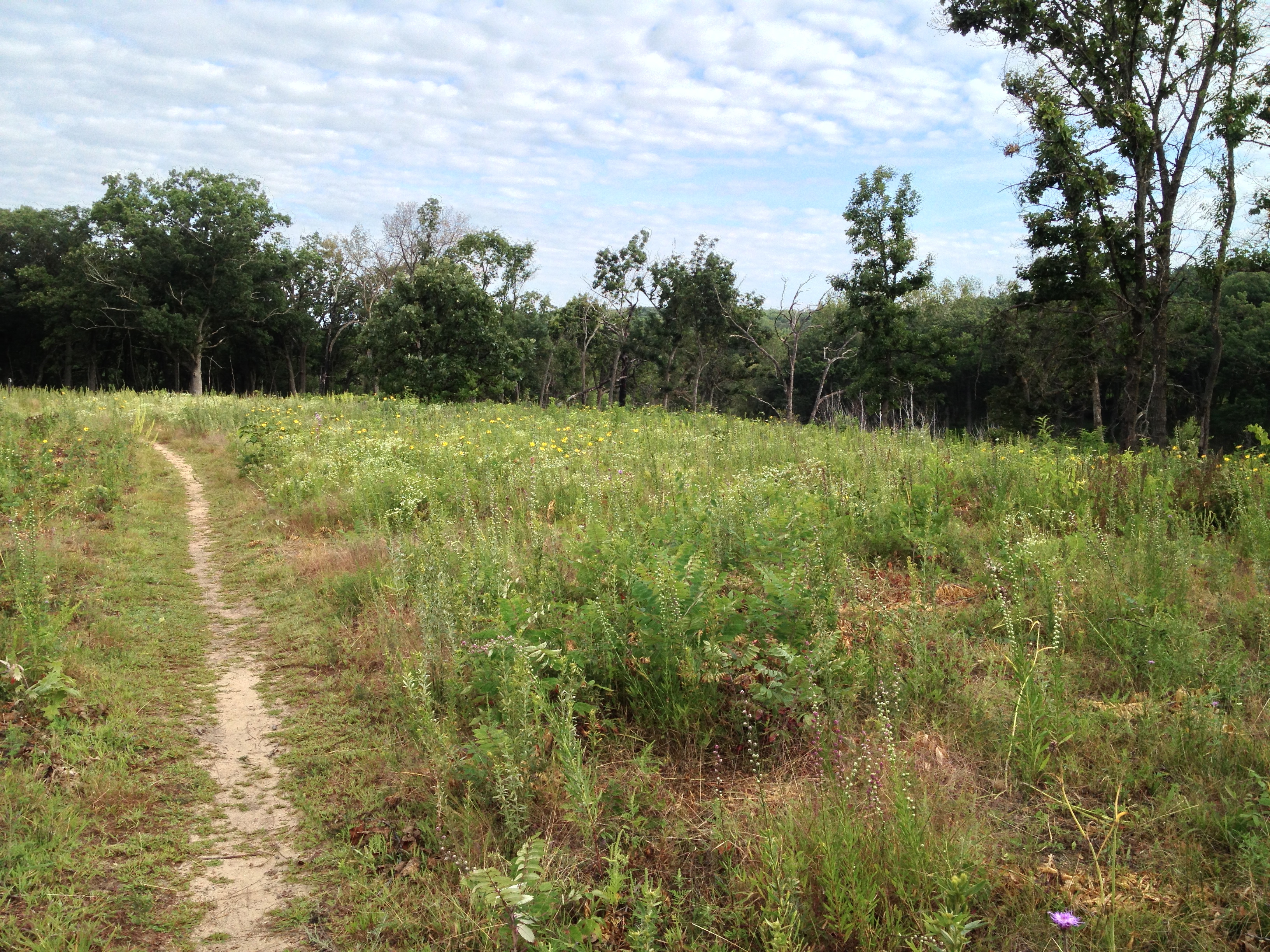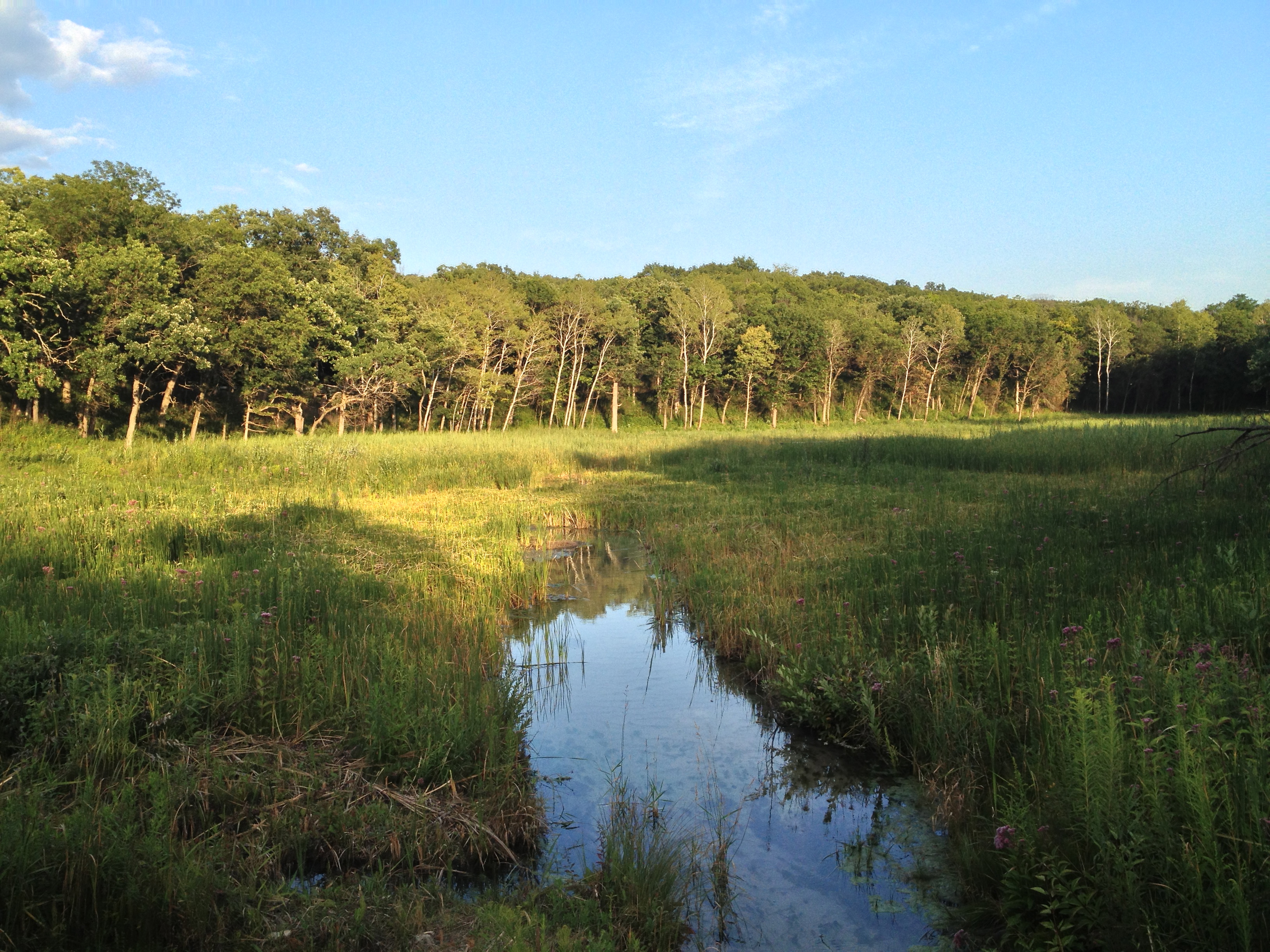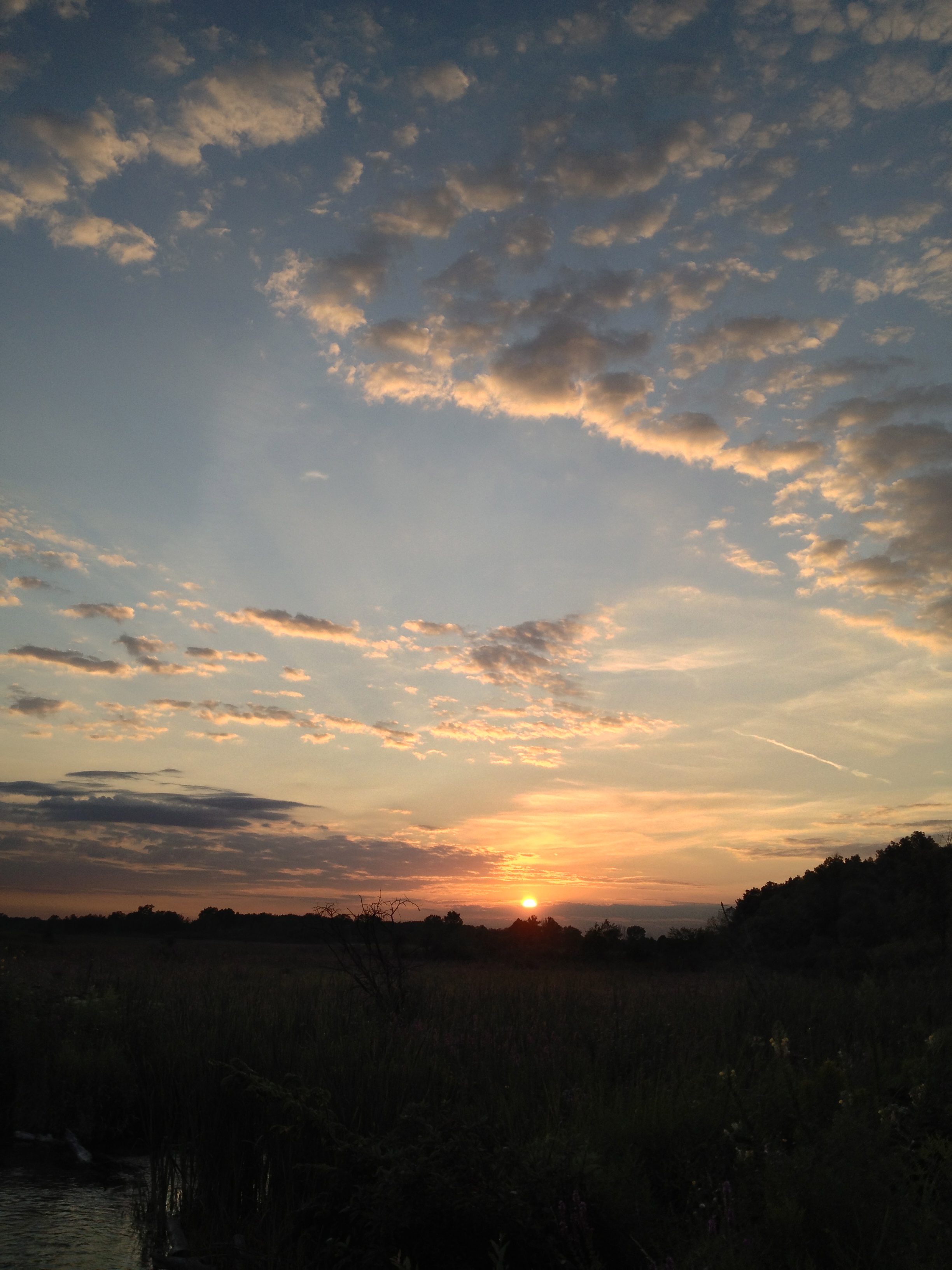
Autumn at The Springs

“Autumn is a second spring when every leaf is a flower.”
― Albert Camus

I love the menu changes at The Springs and Autumn, like the other seasonings, has it’s own spicy flavors to savor. Maybe it was the weekend I spent in LA at my nephew, Danny Bobbe‘s wedding that accentuated the arrival of Fall back home. It was fun and I loved playing in the surf at El Matador beach
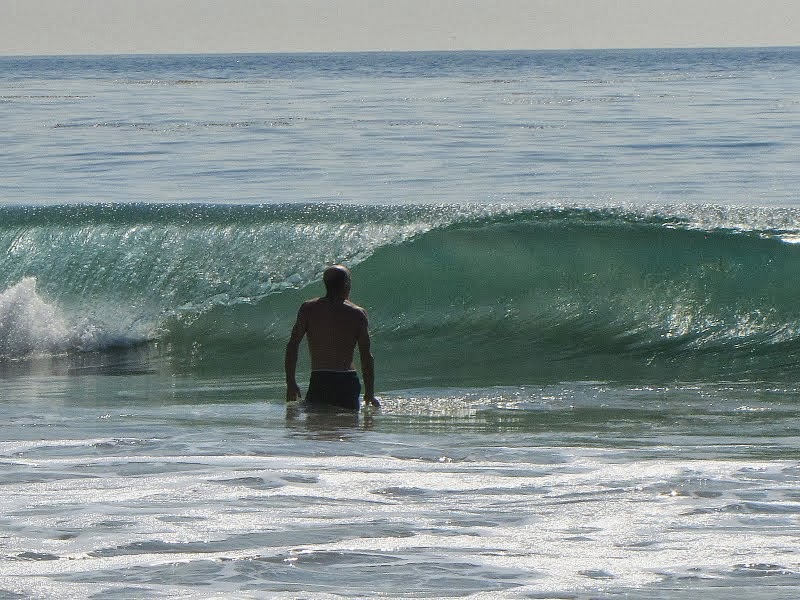
PaulAtElMatadorBeach

…and the scene on the strip between Venice Beach and the Santa Monica pier, where Route 66 meets the Pacific.

Kama Kosmic Krusader

IMG_1215

I squeezed in a workday at The Springs on Thursday, October 16 before leaving on a jet plane, and did some brush cutting near signpost #1 and the marl pit factory. It is impractical to try to poison every little buckthorn stub so this effort is to preserve appearances and give other plants a chance. I don’t want to look at flourishing buckthorn resprouts and seedlings until the next burn. A couple days effort with the brush cutter per year is worth it to hold the line.

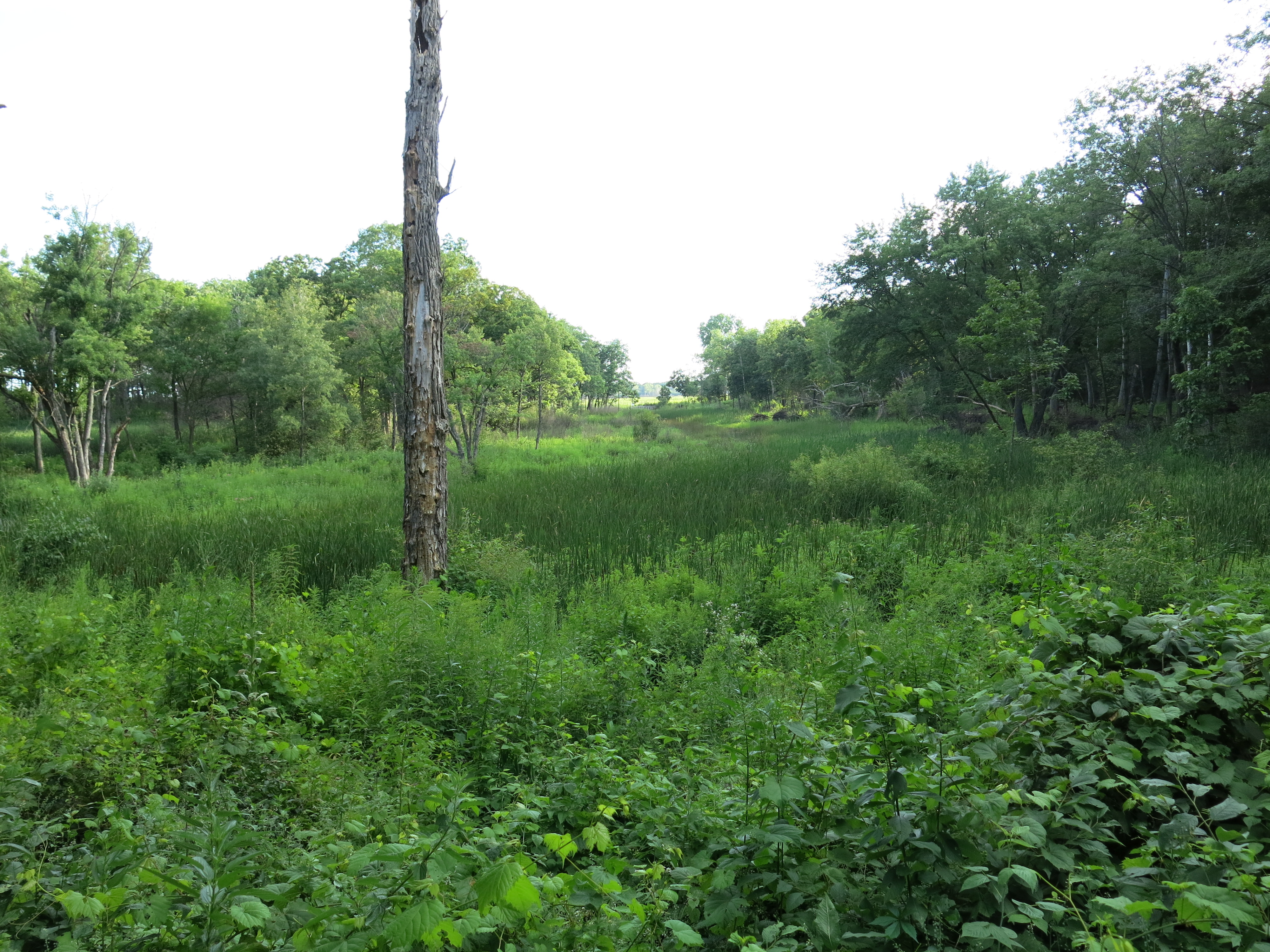
Here is the area near signpost #1, where the first views of the Scuppernong River Habitat Area open up, after I did some brush cutting.

The area around the marl pit factory before cleanup.
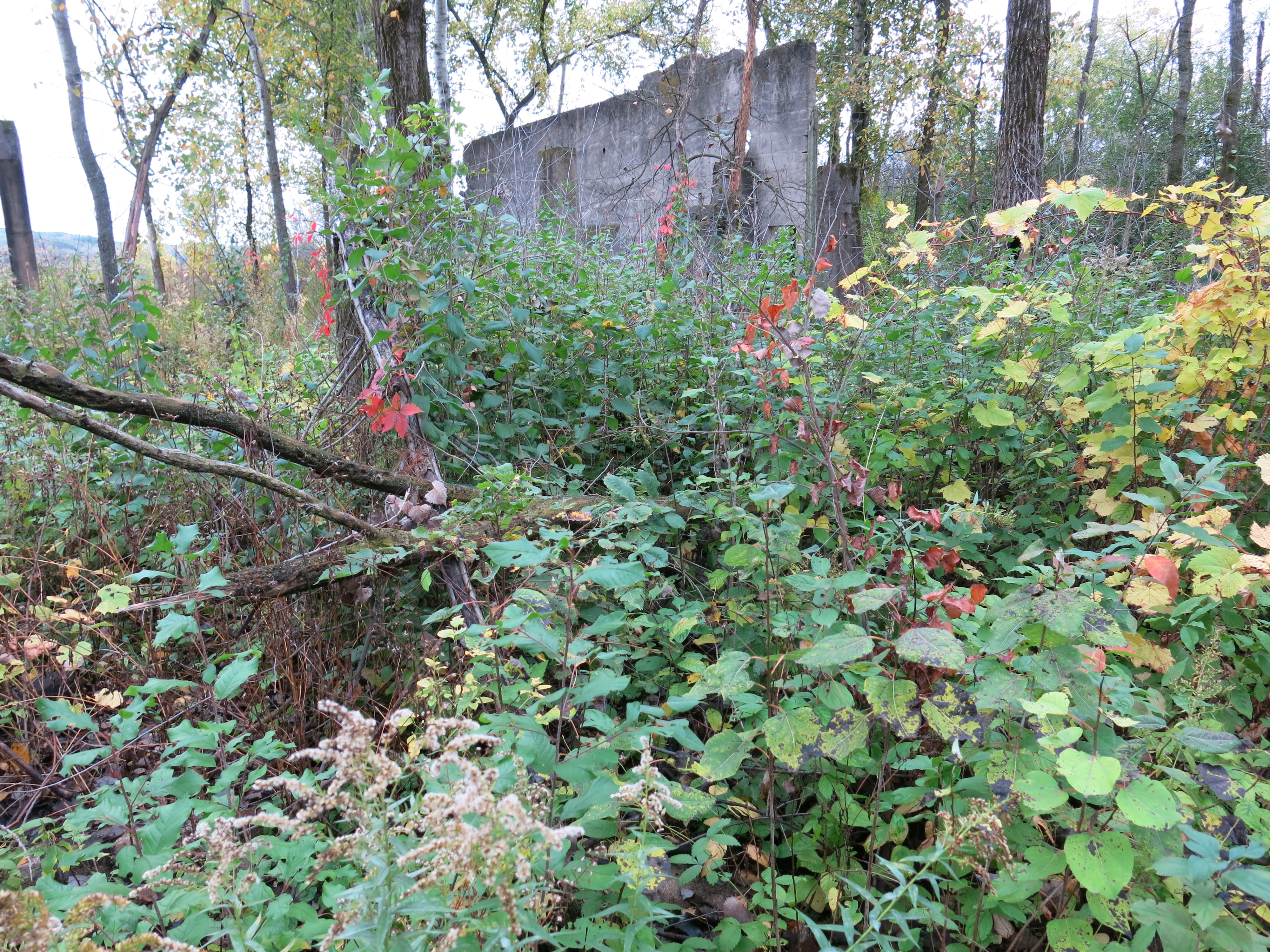
IMG_0735

IMG_0736

IMG_0737

And after…

Pati road her bike out to meet me and, with the threat of rain, we decided to converge in Delafield and visit the Hartland Marsh on the way home. I lament leaving my work at The Marsh unfinished. Without fire in my toolbox, it seemed futile to continually repeat the brush cutting and poisoning cycle. Now, left unattended, the buckthorn is returning to dominate the understory. I’m hoping that the combination of fire and brush cutting will eventually eliminate the invasive woody species at the Scuppernong Springs Nature Trail.

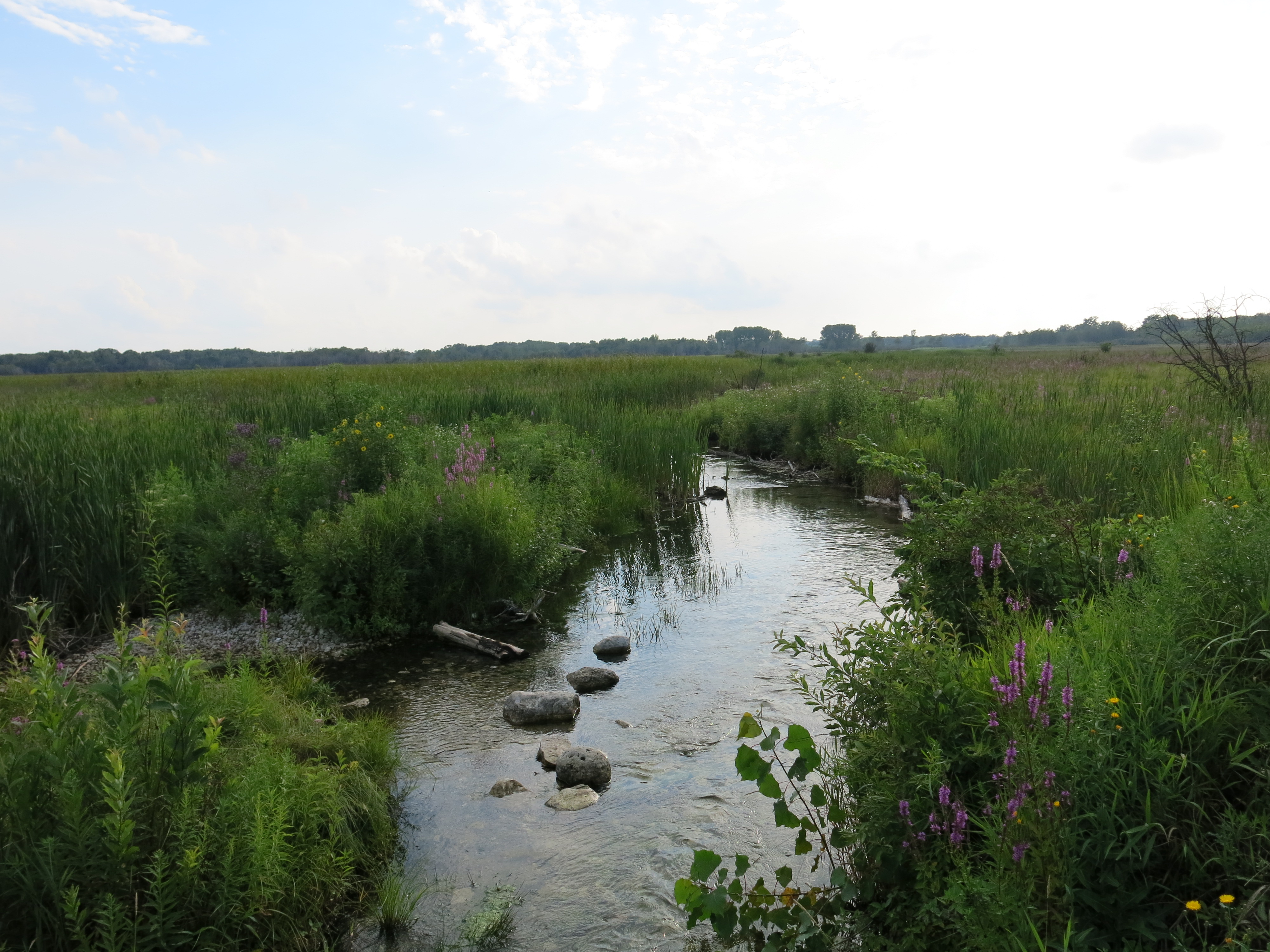
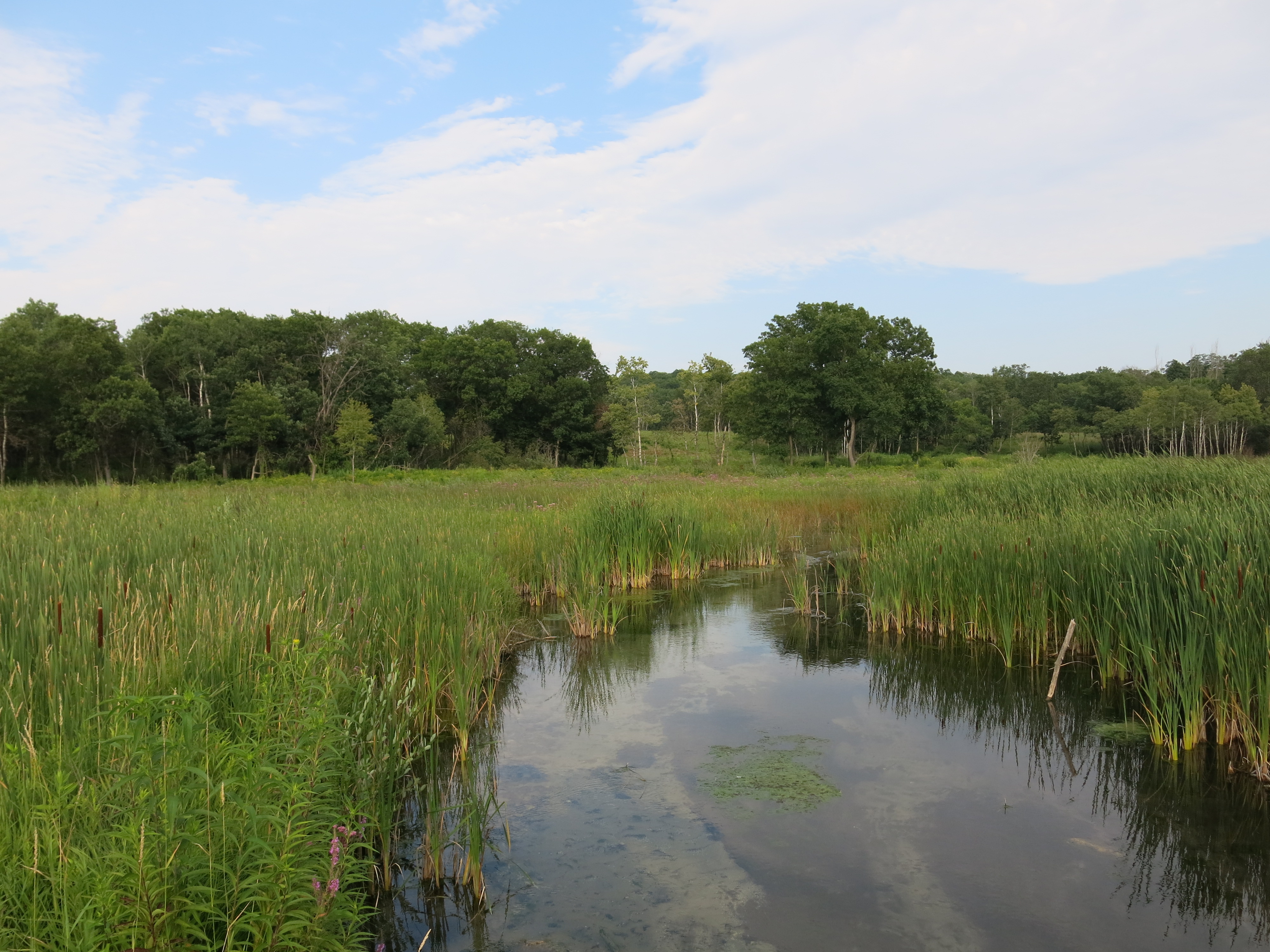
I little Hartland Marsh scenery.

IMG_0739

IMG_0743

IMG_0744

IMG_0745

IMG_0753

I came back to The Marsh yesterday to clear this huge oak branch off the trail.

IMG_0749

Then I headed over to The Springs to finish piling brush on the east side of the loop trail just a bit north of the old barn site.
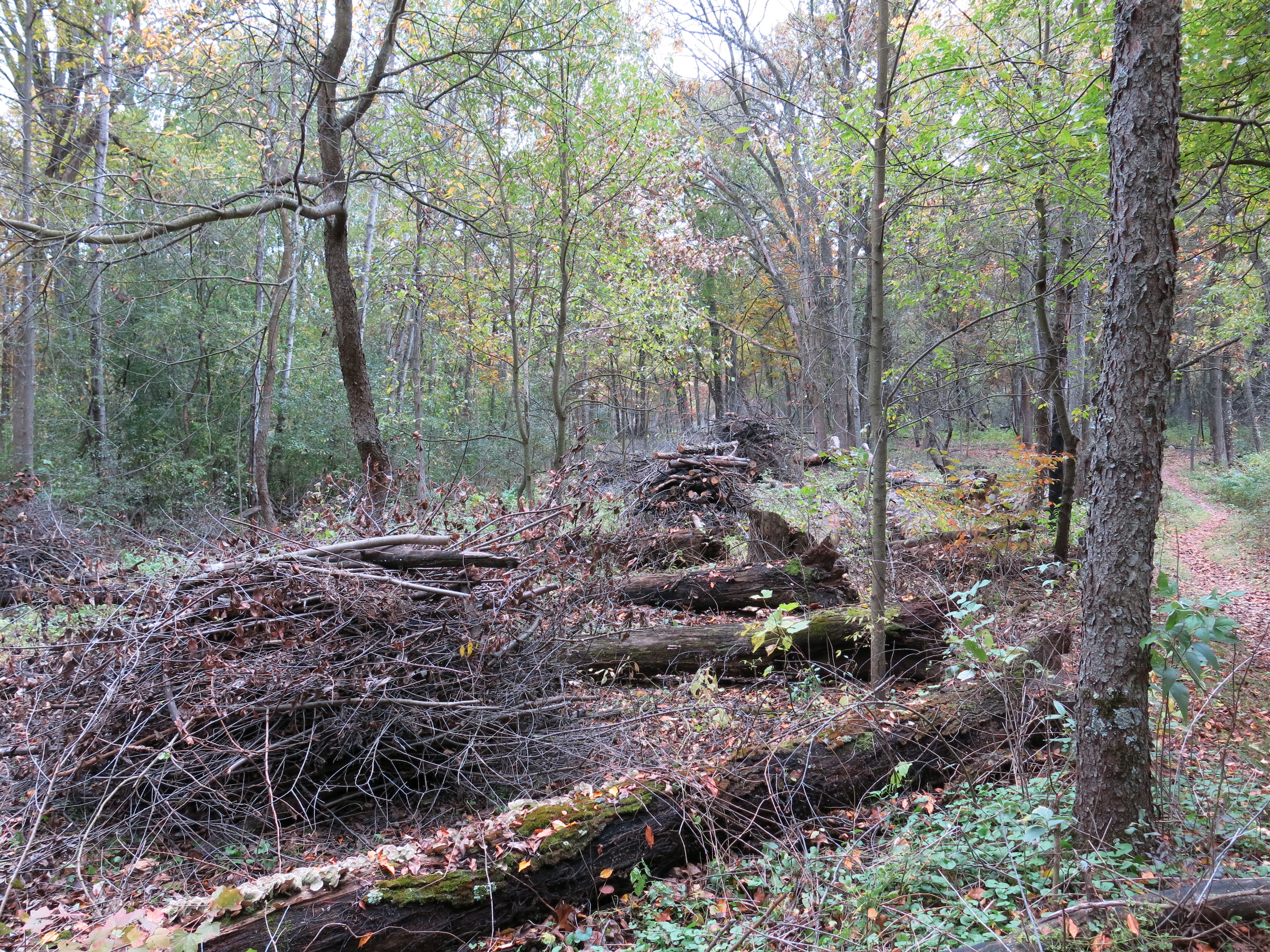
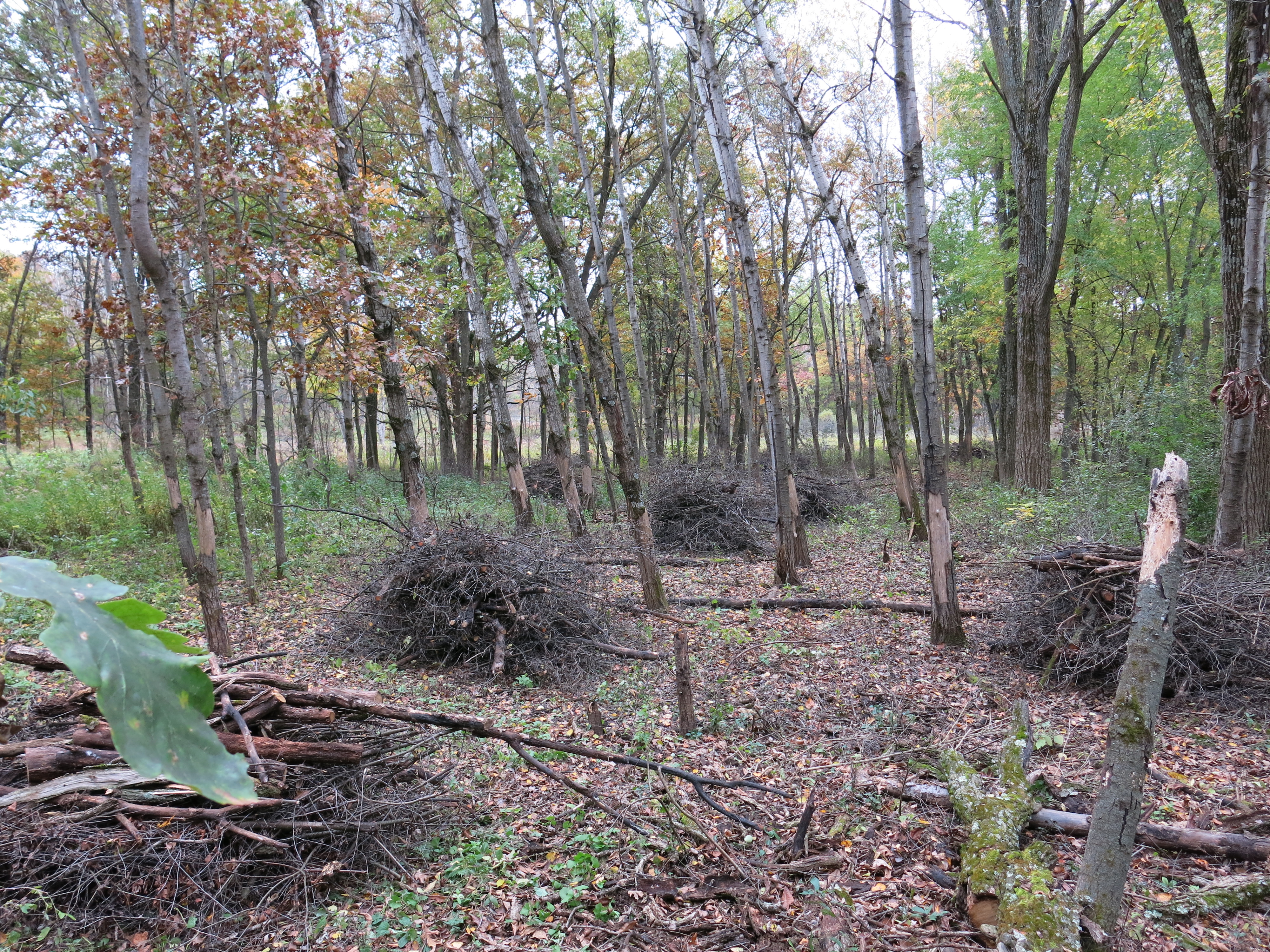
IMG_0755

IMG_0757

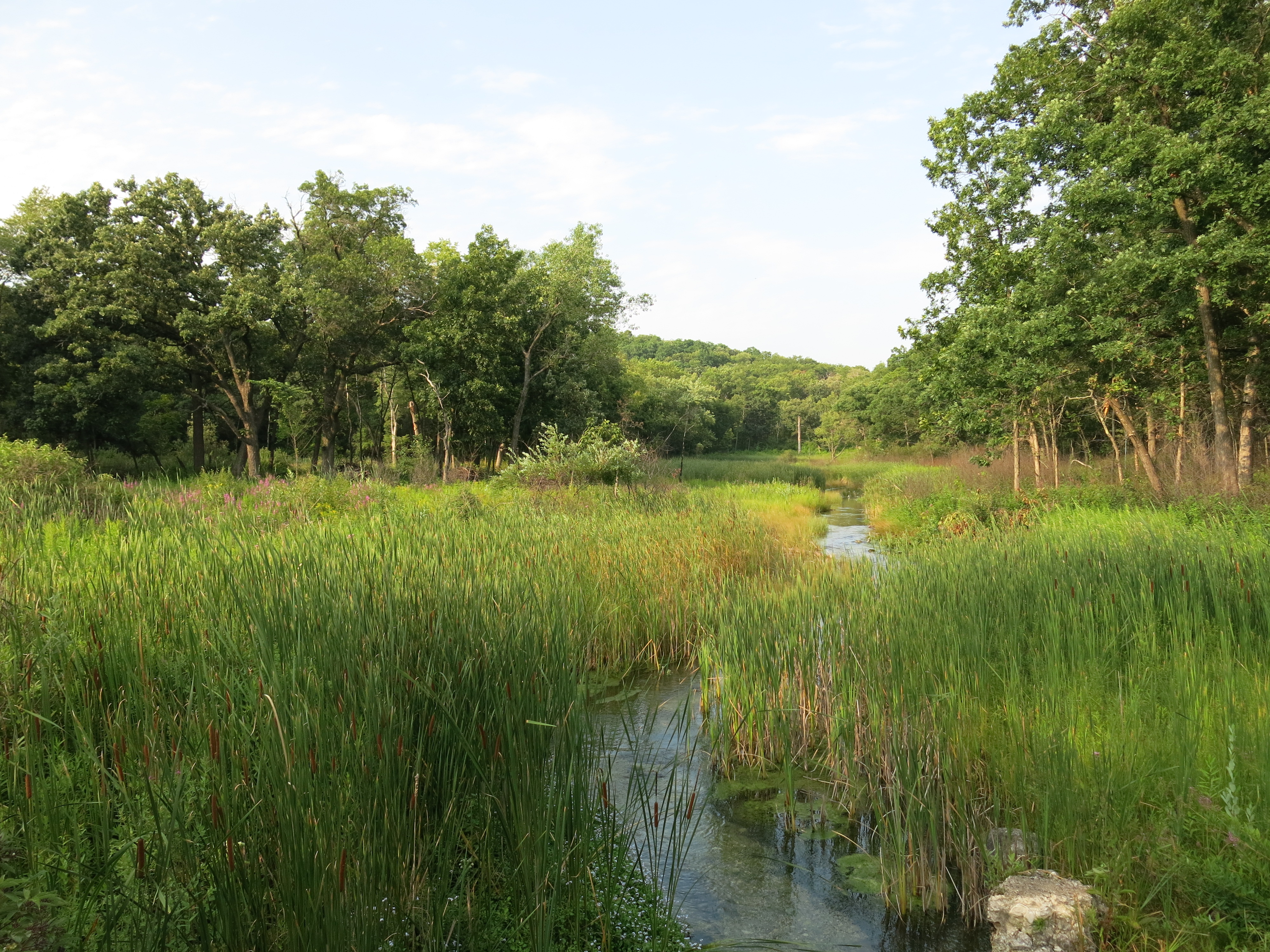
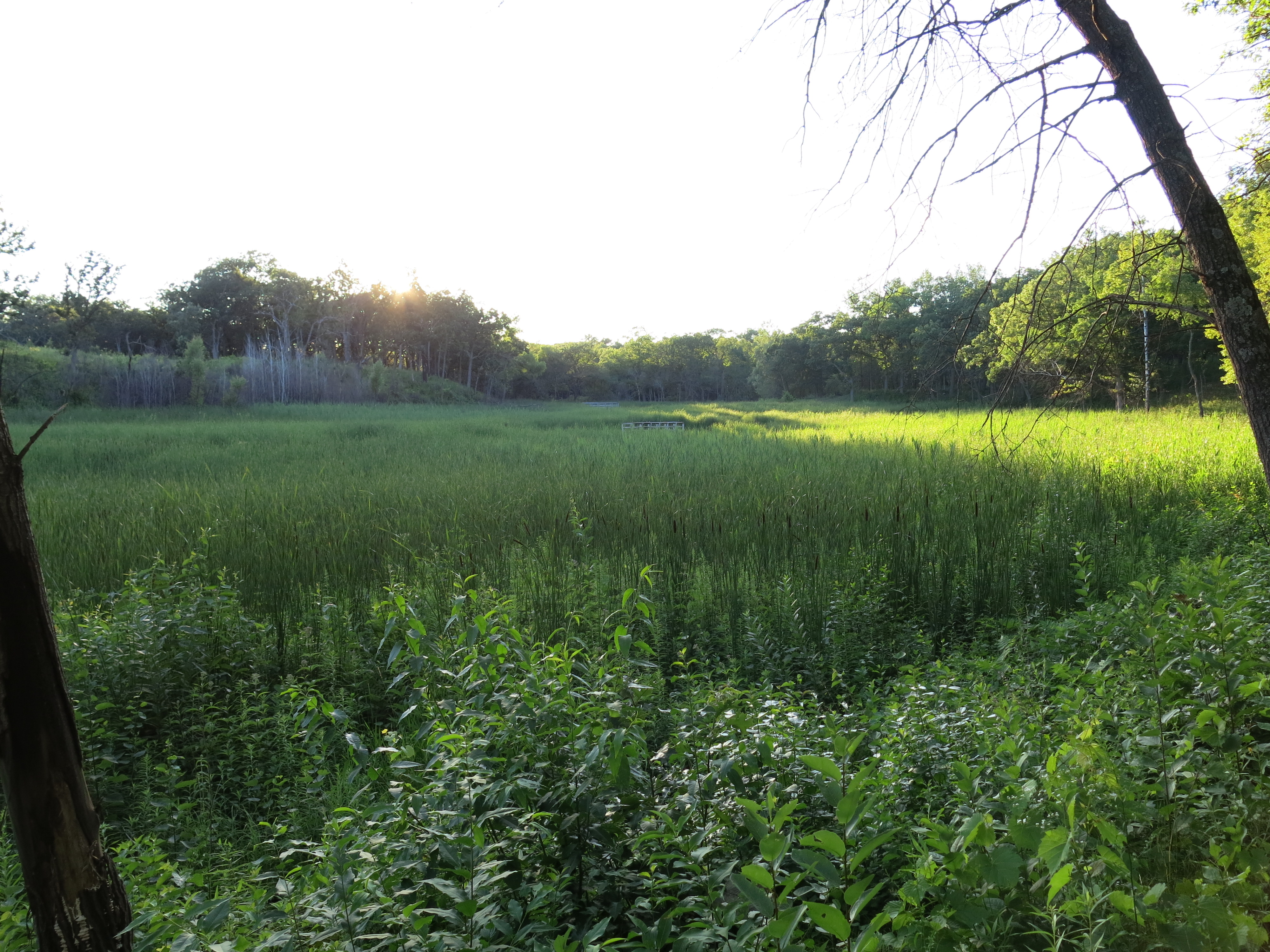
I dug spotted knapweed on the sand prairie and enjoyed visiting with friends passing by. Here are some late afternoon Autumn scenes from the valley along the headwaters of the Scuppernong River.

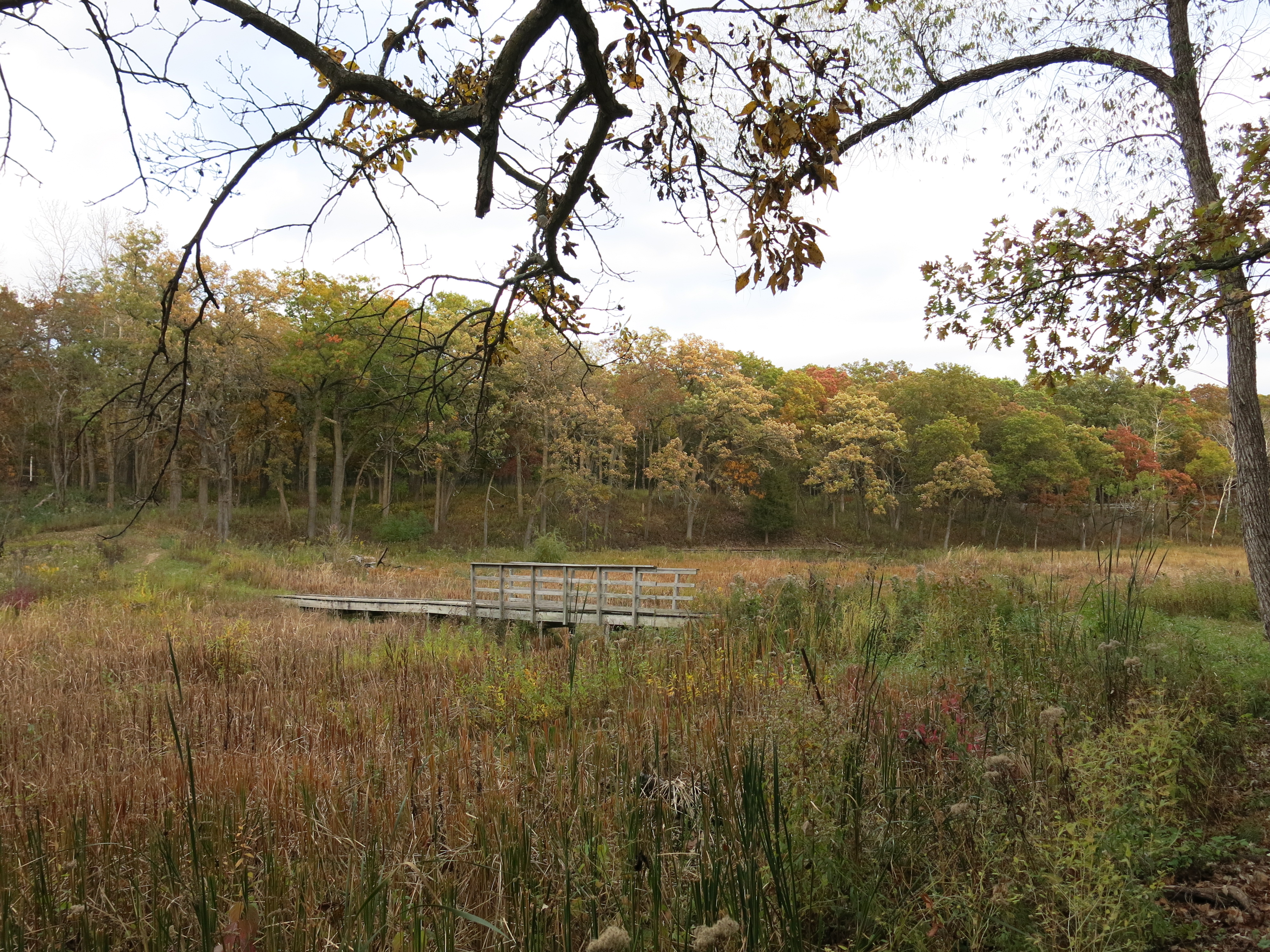
IMG_0759

IMG_0764

IMG_0767

IMG_0769

IMG_0771

The spring at the old fish hatchery site.
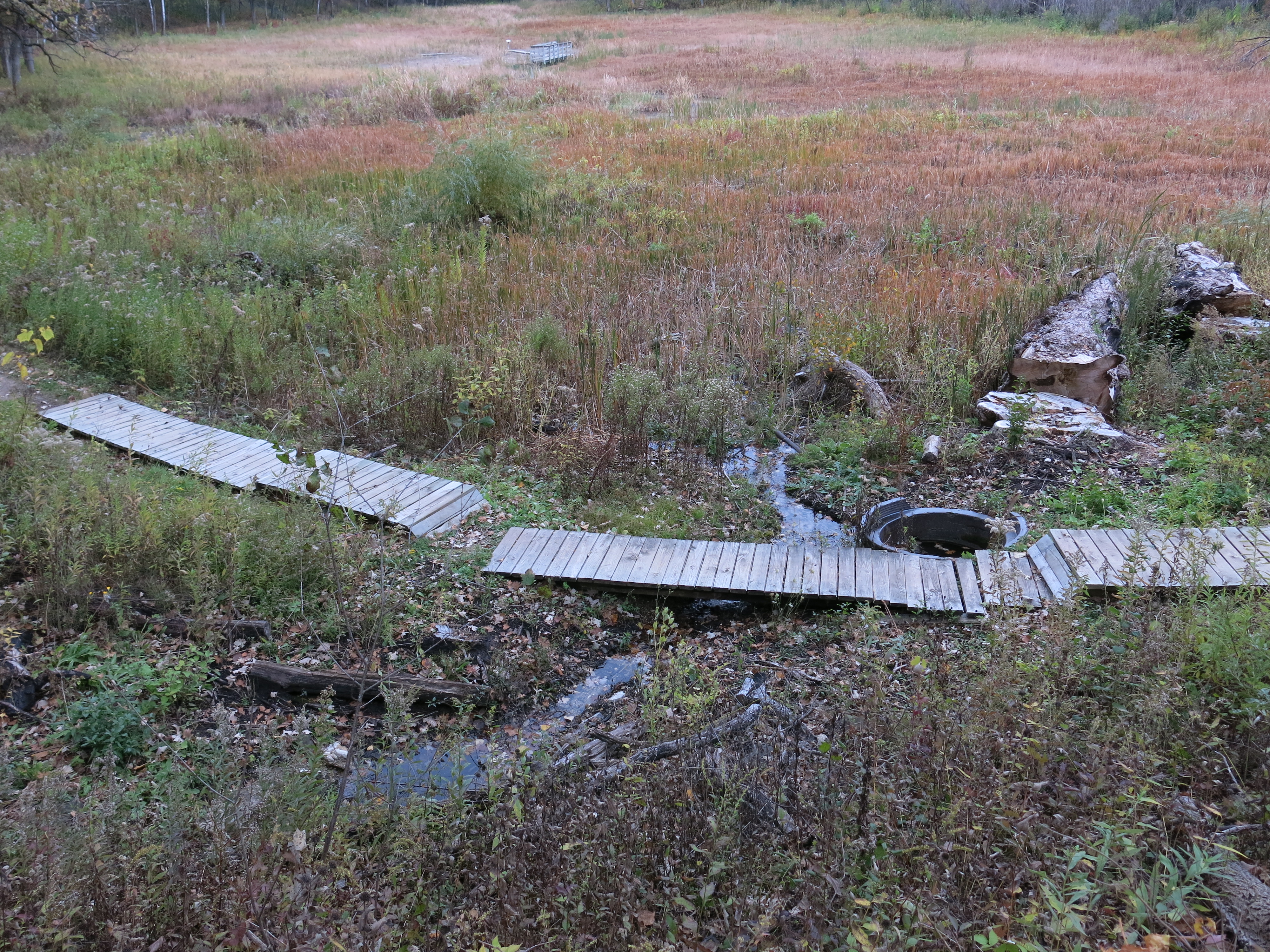
IMG_0760

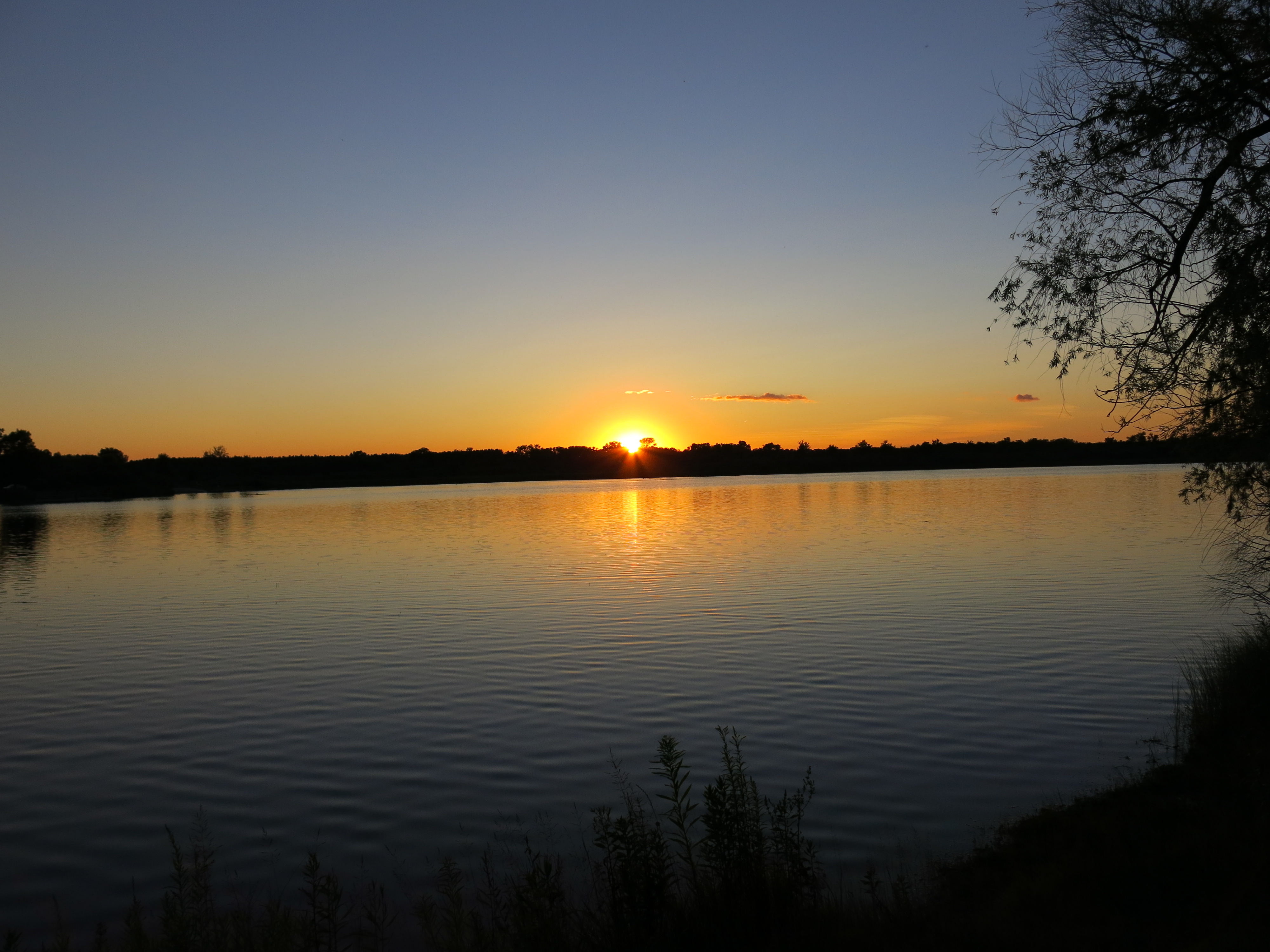
Sunset at the Indian Spring.

IMG_0772

Parting shots from the sand prairie.

IMG_0776

IMG_0783

IMG_0788

IMG_0793

See you at The Springs!
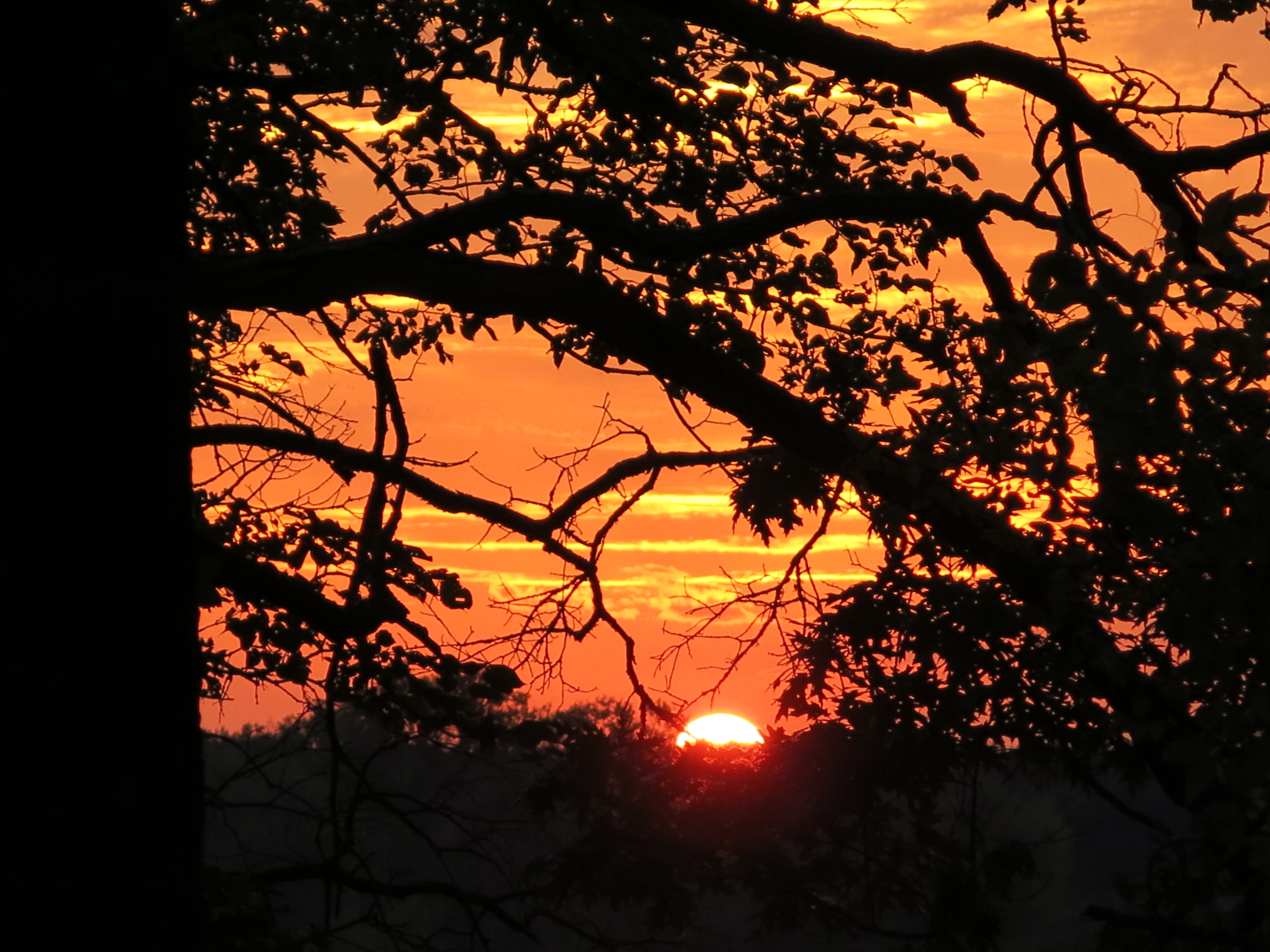
Sand Prairie Gardening

It was a flawless fall day for a fool’s errand at The Springs

IMG_0708

and I was delighted to share it with Tara Fignar and Jim DaVee, who usually volunteer with the DNR or Ice Age Trail, and Pati.

IMG_0711

Are we fools for attempting to dig the spotted knapweed out of the Sand Prairie? In any case, it was comforting and thoroughly enjoyable to spend a sunny Sunday morning digging in the sand with friendly people who share my love for gardening and vision of what could be. We made great progress in the area by the spur trail to the Indian Spring, which is now primed for seed sowing.

In the afternoon we headed over to the north east section of the loop trail where I recently did some cutting to pile brush. Tara and Jim were both eager to return and work with us, or independently, either way that is fantastic! I got in a few licks with the brush cutter laying down some half burnt, re-sprouting buckthorn and cherry skeletons that were spoiling the views.

And after…

IMG_0714

IMG_0716

There were a lot of hikers at The Springs, the most I’ve ever seen, and I think this is due to the great publicity we are getting from all of our DNR friends at the Southern Unit of the Kettle Moraine State Forest.

IMG_0719

Another Scuppernong Sunset

IMG_0720

IMG_0722

IMG_0726

IMG_0729

IMG_0733

See you at The Springs!
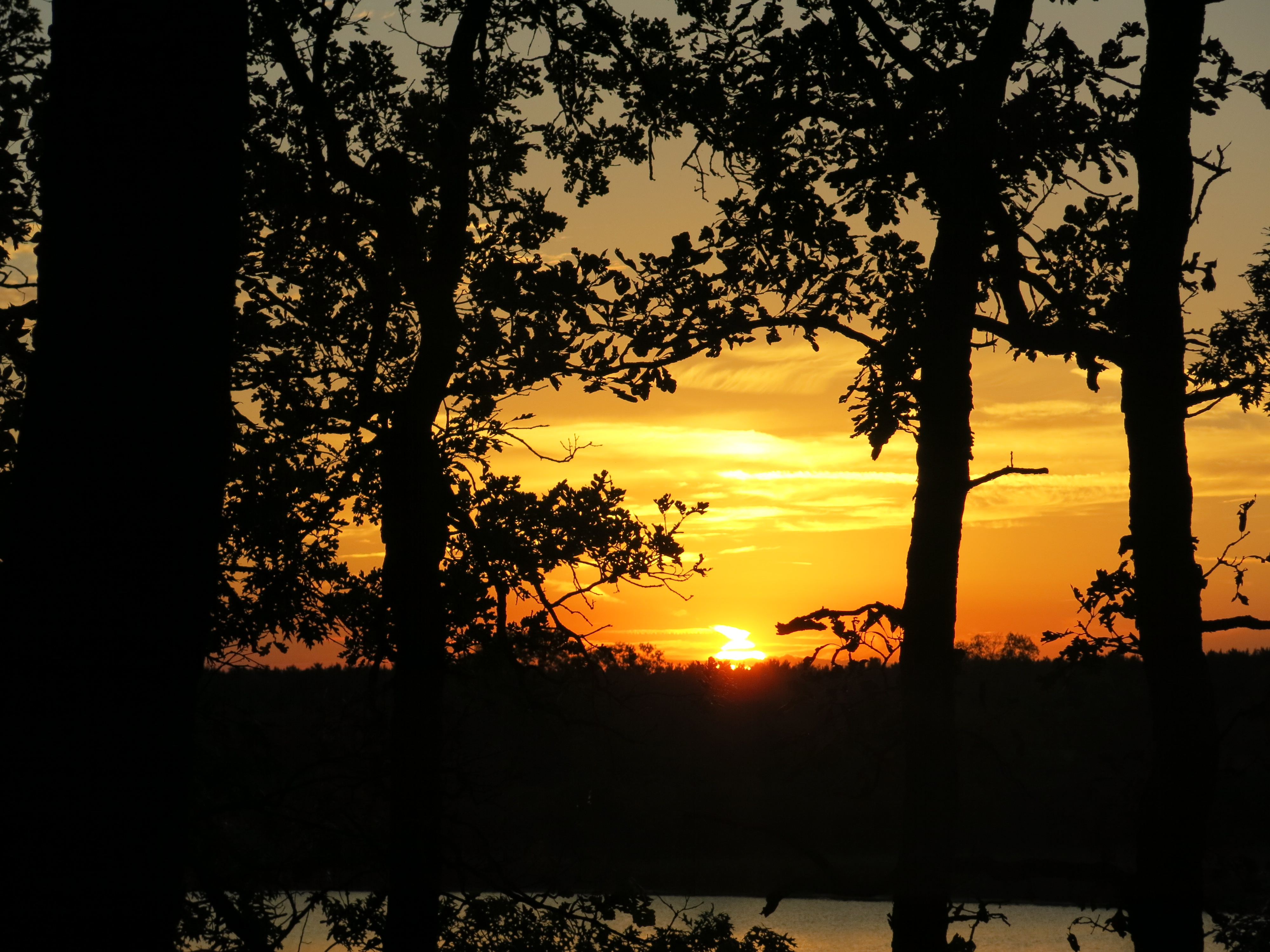
The Buckthorn Tunnel

In The Buckthorn Metaphor I equate fighting buckthorn with fighting for the truth. A bit of a stretch maybe, but here is another buckthorn metaphor. Remember the last time you were entangled in a complex emotional conflict with at least one other person? How did you get there and what is the path to resolution? It’s kind of like being lost in a buckthorn tunnel: one minute your just walking down the trail and the next thing you know, the buckthorn has grown so thick that it envelops you.

The first hundred yards of the Scuppernong Springs Nature Trail taken in the counter clock-wise direction could only be described as a Buckthorn Tunnel. Using towering aspen clones for support, the buckthorn had grown tall and lush on both sides of the trail literally forming a tunnel. During my recent camping adventure at Ottawa Lake I got the chance to shed light at the end of the buckthorn tunnel with my chainsaw. And, via the power of podcasts, I got some useful tools for resolving interpersonal conflict from my friends at Tragedy and Hope that I want to try to integrate.

One is Marshall Rosenberg‘s idea of Non-Violent Communication, which is explained in relation to critical thinking in this excellent article by Darrell Becker. The other is Edward Di Bono’s The Six Thinking Hats, which is a fantastic way to think in parallel and cover all the bases when trying to resolve an issue. Listen to Di Bono enlightening lecture.


I began ripping down the buckthorn tunnel at The Springs near signpost #1.

At the end of the day…

After years of walking through this deeply shaded tunnel of buckthorn, my eyes were eagerly awaiting the views of the landscape and open skies. I was able to get after it two more times before folding my tent. The next time out I cut the east side of the trail.

And here is how it looked afterwards.

Then I cut the west side of the trail.

And after…

I cut heaps of buckthorn that is now waiting to be piled and burned. Opening up views of the landscape and letting the sun shine in is exciting and I deeply appreciate every minute I spend at The Springs. At a much smaller scale I dug out spotted knapweed on the sand prairie in anticipation of sowing the seeds that Amanda Prange, Don Dane and their helpers have been collecting nearby. Since visiting the sand prairie a 1/2 mile east of forest headquarters along the Ice Age Trail and the pasque flower preserve sand prairie just north of Piper Road alongside the horse trail, I know better now what “success” looks like.

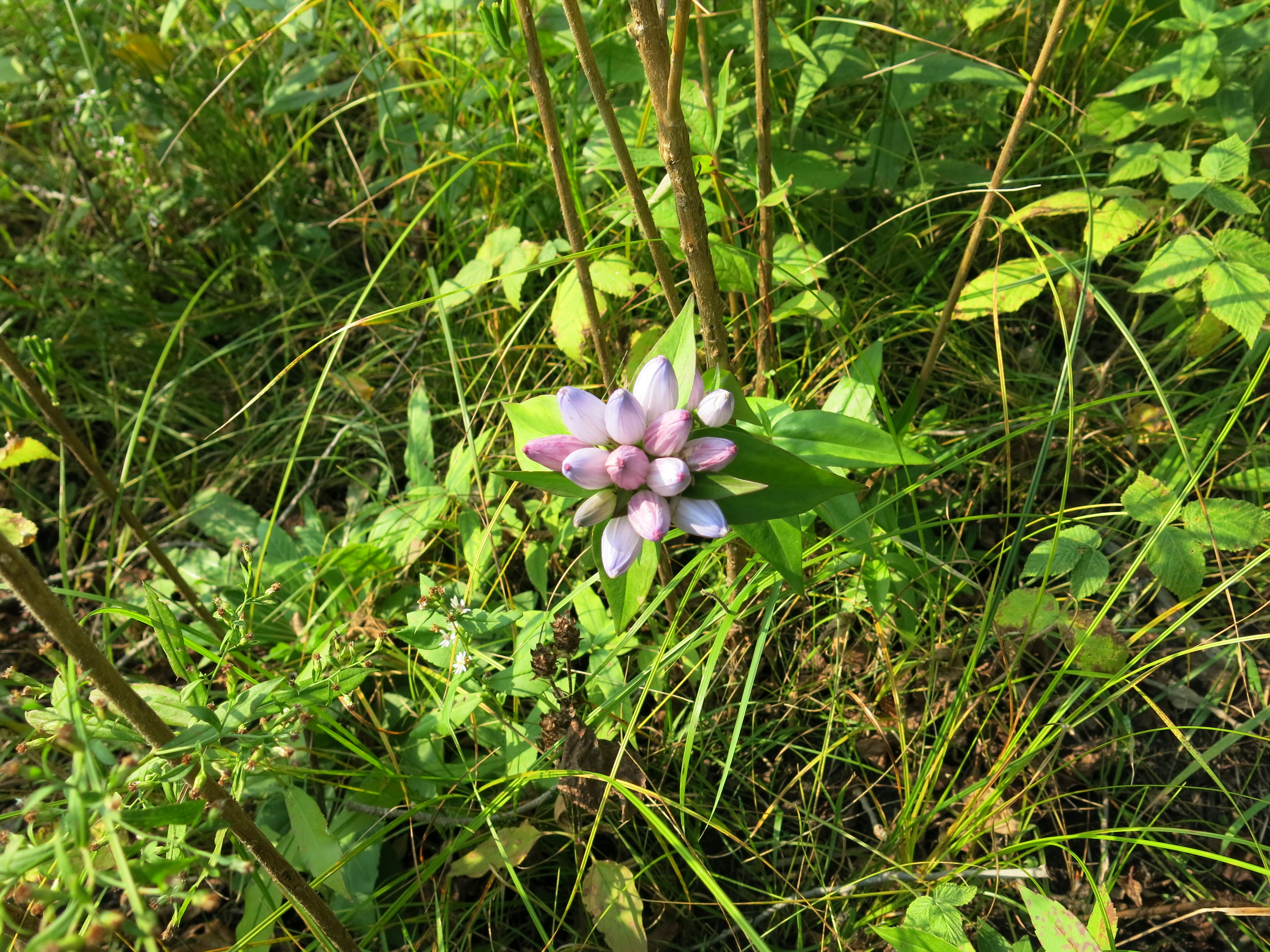
Gentian near the boardwalk leading to the Emerald Spring

IMG_0619

Ottawa Lake site #335 Sunset reprise.

IMG_0675

IMG_0652

See you at The Springs!
Scuppernong Springs Refuge

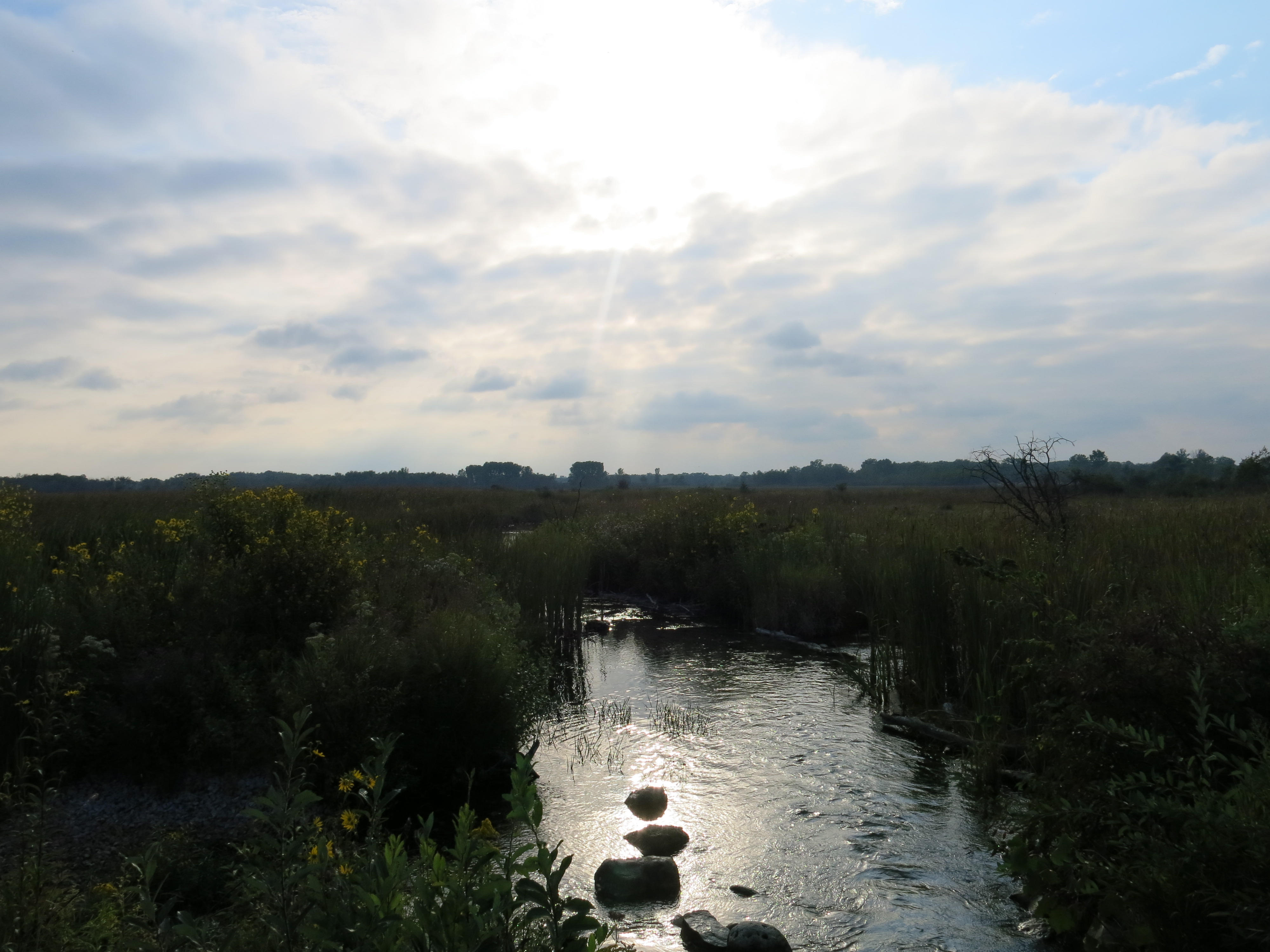
Nature is my refuge, it’s been my Bridge Over Troubled Waters ever since I was a boy growing up in a family of 12, and now no less since I’ve become aware of the truth about how the world really works. I feel a bit selfish spending so much time at The Springs; shouldn’t I be doing something to stop the U.S. intervention in Syria, or, nurturing my gardens at home?

The world “out there” is never far from mind when I’m at my Scuppernong Springs Refuge. I felt comforted and protected there yester-Sun-day morning and, as the day progressed, I calmed down a little.

IMG_0521

I started the day in the lower meadow cutting cattails and purple loosestrife. I have seen loosestrife eating beetles and their effects at The Springs; nevertheless, this will be a bumper year for the purple invader.

IMG_0517

As I was walking along the south side of the river in the lower meadows heading back to my truck, I had to stop and appreciate how beautiful it was (sorry, the video is blurry for the first couple seconds, while the camera focuses.)

I’m cleaning up my “to do list” — last time it was girdling black locust — and there was some brush I cut back in the spring between the cut-off trail and the river that I needed to get piled (note, I mistakenly refer to the upper meadows at the beginning of the video, s/b lower meadows.)

There is one more place that needs piling and I’m chomp’in at the bit to start whacking buckthorn again. Meanwhile, I spent the afternoon pulling and digging weeds, mostly spotted knapweed on the sand prairie. I’m seeing tons of young lupine plants on the western slope of the north side of the prairie and, in many cases, I was able to dig out the knapweed leaving the lupine unmolested, which was very satisfying.

Later, I took a walk around the trail and captured these images of the lower meadow
IMG_0525

IMG_0524

After a cloudy day, the sun came out just in time for me to take a dip in the river and do a bit of yoga at the marl pit bridge. I got these parting shoots as the clouds thickened again.

IMG_0526

IMG_0529

IMG_0530

IMG_0533

IMG_0534

See you at The Springs!

Scuppernong Springs Meadows

The valley along the Scuppernong River headwaters is starting to look more like a meadow and less like a marsh since we began working there in May, 2011. The marsh was screened by a curtain of buckthorn, willow, dogwood and black cherry, and dominated by cattails and phragmities in its interior. Thickly overgrown watercress damned the river causing it to overflow and saturate the valley. Aspen clones established themselves over the old hotel site and all the way up both sides of the river. Left unattended, this is what had evolved “naturally” since the hotel burned down in 1972 and the ponds were drained in 1992; a far cry from the state in which the Sauk, Ho Chunk and Potawatomi peoples maintained it, I’m sure.

Consider the mix of random and deterministic effects at play; the acts of man and the laws of nature. We homo sapiens (wise man) are in charge, capable of altering the course of nature, but deferring to nature’s laws for the outcome manifest. I’ve chosen, with a little help from my friends, to intervene in the course that nature had been set on by the random acts of man. We cut the brush around the perimeter, unplugged the river, cut the cattail and phragmites, girdled the aspen and burned the place.

Yesterday I finished cutting the cattail and phragmites seed heads in the river valley south of the old hotel site and the fruits of our labors can be seen in the Scuppernong Springs Meadows. I got a chance to literally walk across every square foot of the valley and see the amazing diversity of plants that have emerged and note the many, many small, unnamed springs and seeps that will keep this meadow on the wet side. I hope you get a chance to visit The Springs soon and see the wonderful displays of color in the wet meadow and sand prairie.

Here is the view of the last patch of phragmites.

And after I cut it (watch full screen if you want to see the butterflies).

Then I got after the cattail jungle north of the footbridge in the former lower pond.

IMG_0368

IMG_0369

After.

IMG_0370

IMG_0371

Marlin Johnson, retired UW Waukesha biology teacher and currently resident manager at the UW Waukesha Field Station, warned that the cut ends of the cattail and phragmites can take root. I’ll be monitoring the results to verify.

Then I went to the sand prairie to continue pulling weeds, mostly spotted knapweed, this time armed with a little garden shovel to get the roots out. It’s going to take years to get rid of the weeds, but it’s starting to look pretty good.

IMG_0372

I mentioned last time that I had named the Hatching House Springs, per their physical location which corresponded to #9 in the trail brochure map, and that I now know where the Old Hatching House actually was and the correct location of the Hatching House Springs. This video will help you place it.


I took a dip at the Marl pit bridge and practiced a bit of yoga and deep, conscious breathing, while enjoying the views.

IMG_0376

Summer sunset at Ottawa Lake.

IMG_0378

IMG_0379

IMG_0381

IMG_0382

IMG_0385

IMG_0388

See you at The Springs!
Traditional Gardening

Your mind is garden soil; carefully fertilized and sown with the right seed it is capable of growing something beautiful. I just finished reading 1491, by Charles C. Mann, per recommendation of the “keeper of the springs”, John Hrobar. Its New Revelations of the Americas Before Columbus, chronicle the incredible legacies of the indigenous, native, peoples of the Americas north, central and south, in a way that, like a superb mulching legume, “fixed” the oxygen feeding my brain allowing new conceptions to take root. Thanks John (below on the left, in a literal sense only of course).

IMG_0265

The earth was their garden and they worked the soil and landscape to suit their purposes, which, per a deep understanding of Natural Law, were typically in harmony with the Will of Nature’s God; The Creator. Those cultures that violated natural law, e.g. the non-aggression principle, eventually fell to the murderous onslaught of their “neighbors”. Cultures that recklessly harvested the earth’s bounty in the same rapacious way we often see around us today, i.e. coal river mountain, failed as well. Without a doubt however, the main decimators of the Native American populations were the infectious diseases that accompanied the pale faced European Invasive Species.

Politically, they reached their apex in the Five Nations confederation of the Haudenosaunee, of whom Cadwallader Colden, vice governor of New York and adoptee of the Mohawks said, they had “such absolute Notions of Liberty, that they allow of no Kind of Superiority of one over another, and banish all Servitude from their Territories.” This is the heirloom seed we need to sow and nurture in our brains!

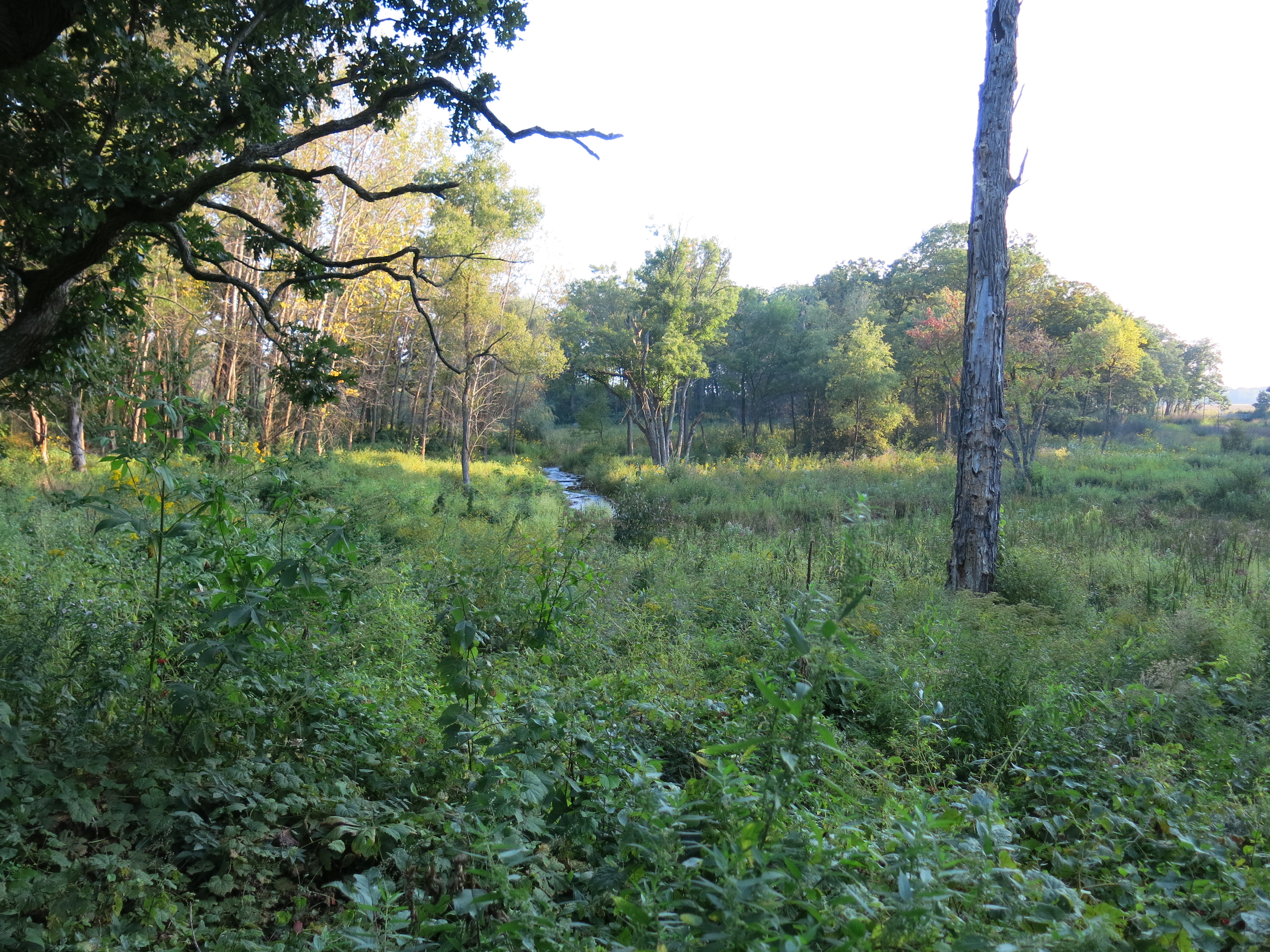
The book helped me reconcile the fact that my work at The Springs is not sustainable. The restoration of the Scuppernong Springs Nature Preserve, indeed, the whole Scuppernong River Habitat Area, will always need the hands of caring people to cultivate its natural beauty.

I spent a care-full day at The Springs last Friday pulling spotted knapweed on the sand prairie and trimming cattail and phragmities seed heads in the valley along the Scuppernong River headwaters.

IMG_0345

IMG_0346

Join me on a stroll through the sand prairie before we get started.

I’m encountering a lot of stubby spotted knapweed that I cut with the brush cutter back in July to prevent from going to seed. The scope of the invasion is thorough in some areas and will probably require hand to root combat with shovels and forks to defeat. It’s not sustainable, but I’m determined to give it my best effort; this is my garden.

Here is what the west side of the Scuppernong River, just across from the observation deck, looked like after I did a little pruning with my hedge cutter.

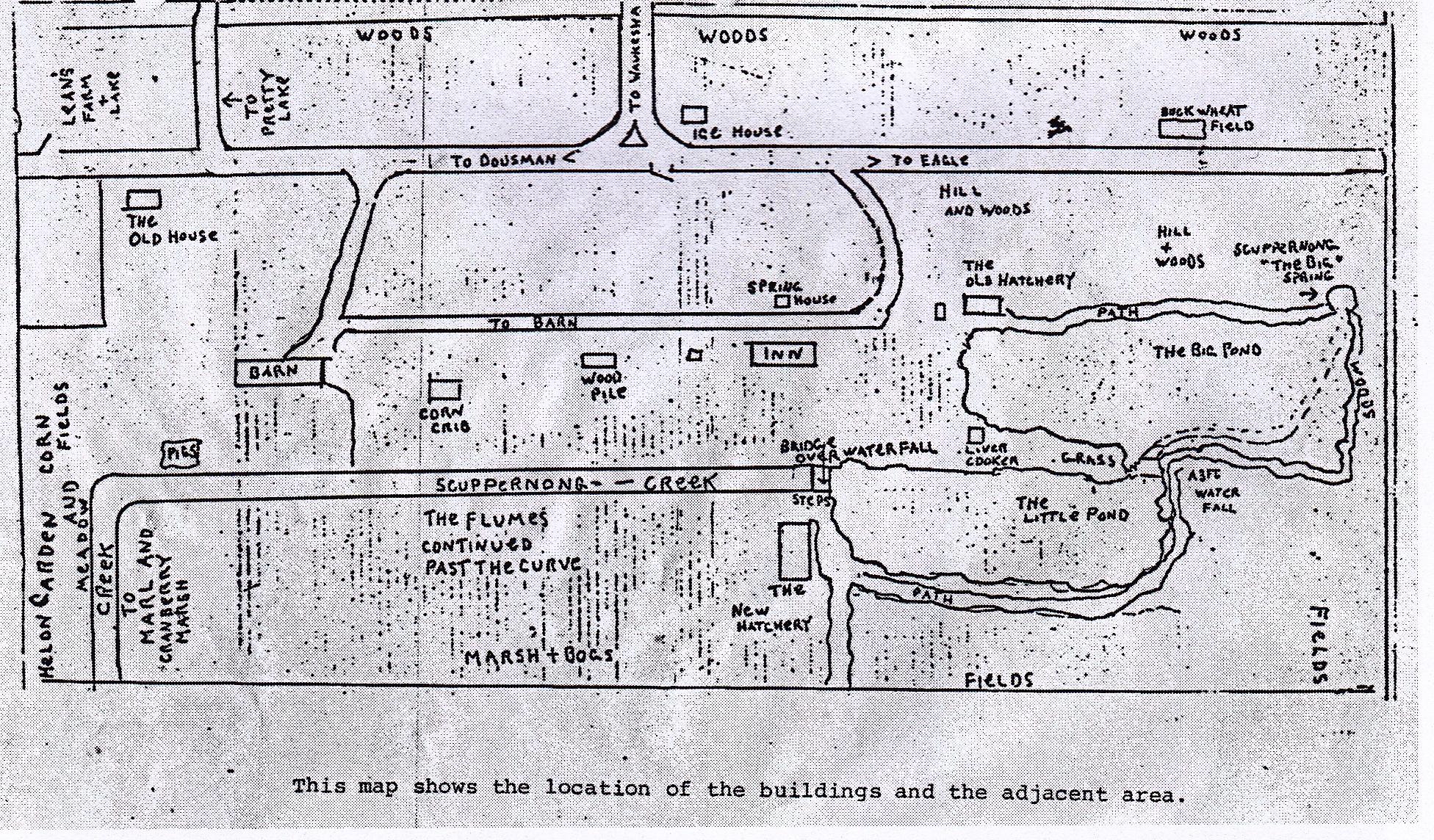
Later I took a walk around the loop trail to admire the new sign posts that correspond to the Scuppernong Springs Trail Brochure that Melanie, Tara and Jim finished installing last week. Nice work! It motivated me to take another look at Robert Duerwachter’s wonderful book THE PONDS OF THE SCUPPERNONG, and I noticed the real location of the Old Hatching House. I added a new blue #9 on the map below that conforms with the maps shown on pages 155-156 of Robert’s book (shown below) and conforms as well to the old foundation, infrastructure and spring physically at that location.

SSTrailMapOldHatchingHouse

Ron Kurowski supplied these maps to Robert.

ScuppernongSpringsHotelSiteMap

ScuppernongSpringsHotelSiteCharlesParkerMap

When Lindsay, Pati and I uncovered the springs that begin to flow right at the location corresponding to the old #9 on the map above, I thought, per the description in the trail brochure, that this was the site of the Old Hatching House, hence The Hatching House Springs. Here is a good look at the Old Hatching House site and the Real Hatching House Springs, which just began flowing again this past June. (I make an incorrect reference to the Emerald Spring at the end of the video.)

We’ll have to come up with another name for the set of springs that I previously referred to as The Hatching House Springs. Any suggestions?

A Scuppernong Summer Sunset.

IMG_0351

IMG_0353

IMG_0356

IMG_0359

IMG_0362

IMG_0364

See you at The Springs!
The Great Work

What is truth? Mark Passio says it is: “That which is; that which has actually undergone the actuality of occurring.” To know and understand the truth and communicate it with others is one definition of The Great Work. I have benefited tremendously in my personal quest to know the truth from studying the work of Mark Passio, at What On Earth Is Happening, and Richard Grove, at Tragedy and Hope and the Peace Revolution Podcast. Mark introduced me to the principles of Natural Law and explained the true difference between right and wrong. Richard reintroduced me to philosophy, the love of wisdom, and showed me how to apply critical thinking in my daily life. So I was very excited to consume the fruits of their collaboration via this wide ranging discussion, where they intersect their respective life’s work and boil it down to the essence: The Great Work. Hear them out, you won’t be disappointed.

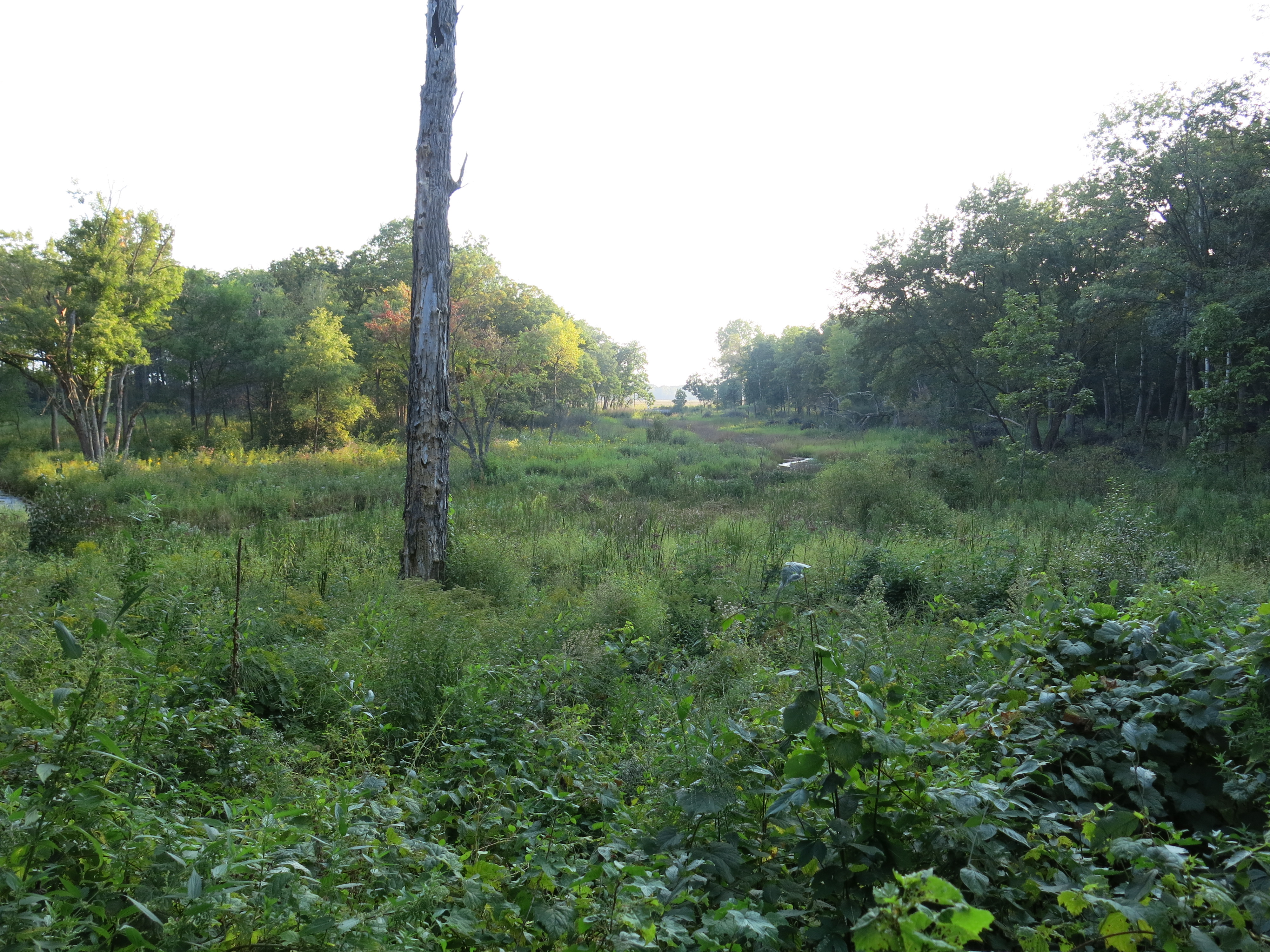
Meanwhile, last Saturday, back at The Springs, I continued to pursue my modest version of The Great Work pulling and slashing weeds on the Sand Prairie. It was a gorgeous, sunny day, and I think my immune system is getting the upper hand on borrelia burgdorferi.

Blazing star on the sand prairie.

IMG_0320

Purple lovegrass.

IMG_0325

Melanie and Tara arrived just as I was starting to pull spotted knapweed.

IMG_0328

They were joined shortly thereafter by Jim, who was carrying a new sign post for the Indian Spring. I was so busy the rest of the day, I never got a chance to checkout the final touches they made to the new set of trail signs.

I pulled spotted knapweed for a couple hours and moved on to the purple nightshade that is overrunning the hillside on the south end of the loop trail. The DNR 2-track access road that merges with the trail there was getting pretty overgrown, so I “mowed” it with the brush cutter and then spent the afternoon cutting weeds on the west edge of the sand prairie.

I’m trying to keep a huge batch of weed seeds from maturing and being blown up onto the sand prairie.

I’m still thinking about the fate of the Scuppernong River where it crosses Hwy 106, a bit north and west of Palmyra, and I went there to get a water sample for Doctor’s Data Inc. to perform a heavy metals analysis on. I already have the results from the Scuppernong Spring and there are no detectable traces of any heavy metals at the source of the Scuppernong River.

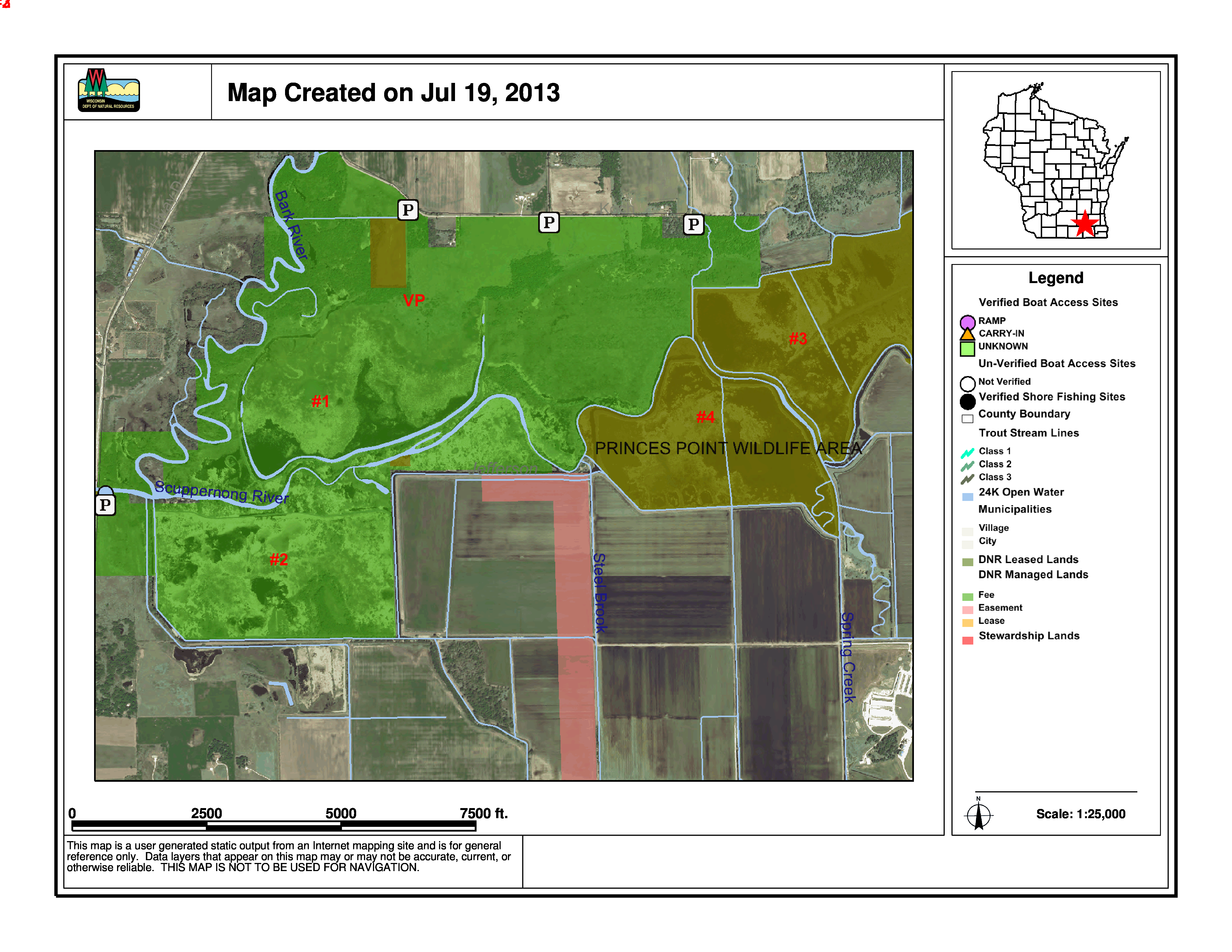
I parked at the boat launch at the Prince’s Point Wildlife Area, put my chest waders on, and walked upstream crossing the first two drainage ditches from Steel Brook, and continuing past the confluence of the Bark River, which was very hard to identify from the south bank of the Scuppernong.

PrincesPoint

I stopped on the way home to enjoy the sunset.

IMG_0335

IMG_0336

IMG_0340

See you at The Springs!
Meadow Springs

I’m riding a lymes roller coaster physically, mentally and emotionally frequently checking in with myself; how do I feel?  The doxycycline antibiotic helped with the more acute symptoms and now I’m working on next steps with Dr. Norm Schwartz and we’re seeking consultation from Dr. Robert Waters as well (see this interesting story about Dr. Waters for more on lymes and the insurance industry).  There is nothing like a day at The Springs to help me forget about it.

I was reminded yesterday of the wonderful opportunity we all have to nurture the land and, more specifically, how lucky I am to be realizing my vision for the landscape at the Scuppernong Springs Nature Preserve and Trail.  This article from Wisconsin Trails includes a wonderful quote from John Muir that has inspired me ever since I first read it on a sign at the Hartland Marsh Ice Age Wetland trail head.

 A year before his death, John published “The Story of My Boyhood and Youth,” in which he wrote extensively of his time at the farm and his adventures there:

“Our beautiful lake, named Fountain Lake by father, but Muir’s Lake by the neighbors, is one of the many small glacier lakes that adorn the Wisconsin landscapes. It is fed by twenty or thirty meadow springs about half a mile long, half as wide, and surrounded by low finely-modeled hills dotted with oak and hickory, and meadows full of grasses and sedges and many beautiful orchids and ferns. First there is a zone of green, shining rushes, and just beyond the rushes a zone of white and orange water-lilies fifty or sixty feet wide forming a magnificent border. On bright days, when the lake was rippled by a breeze, the lilies and sun-spangles danced together in radiant beauty, and it became difficult to discriminate between them.”

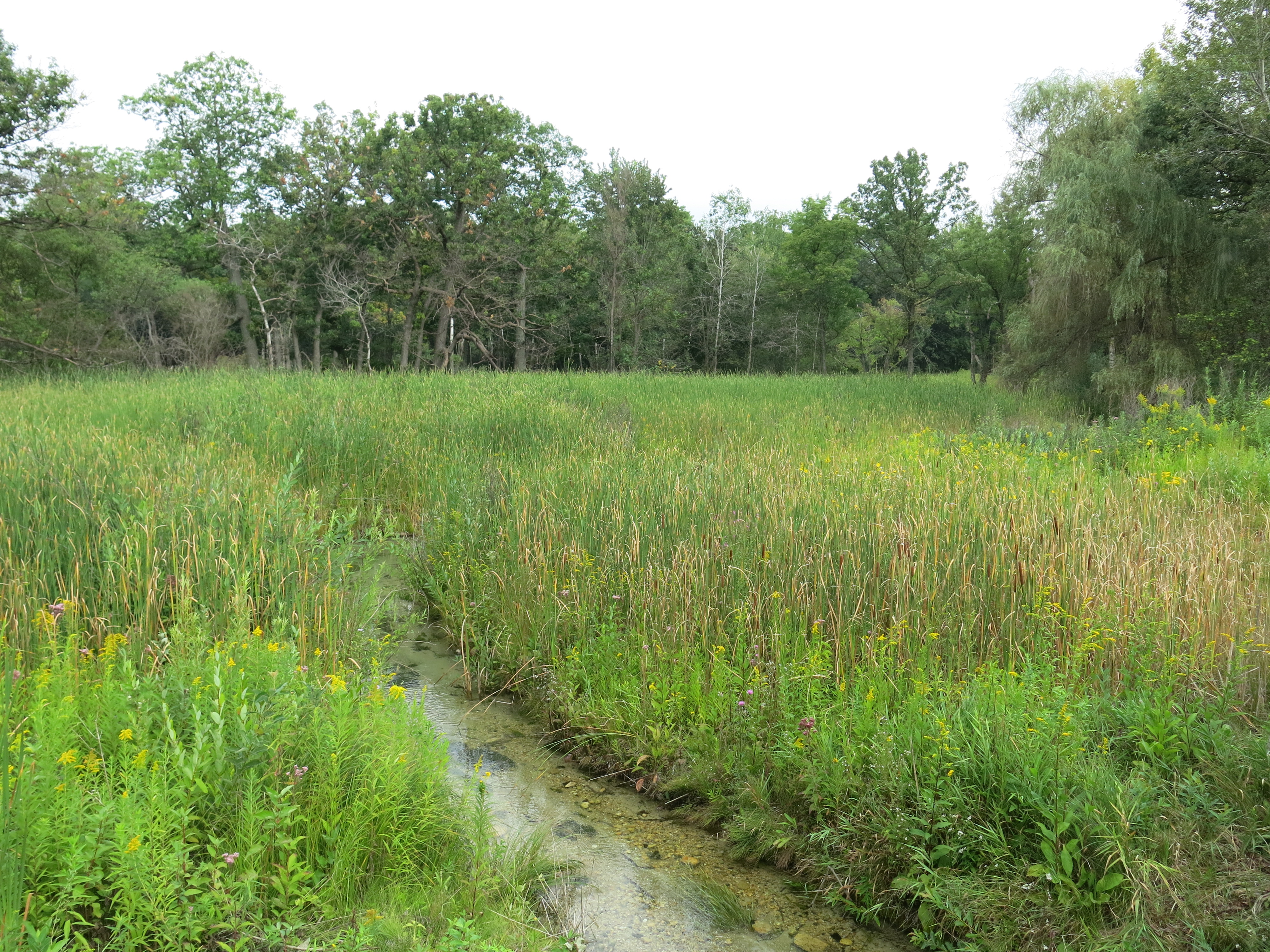
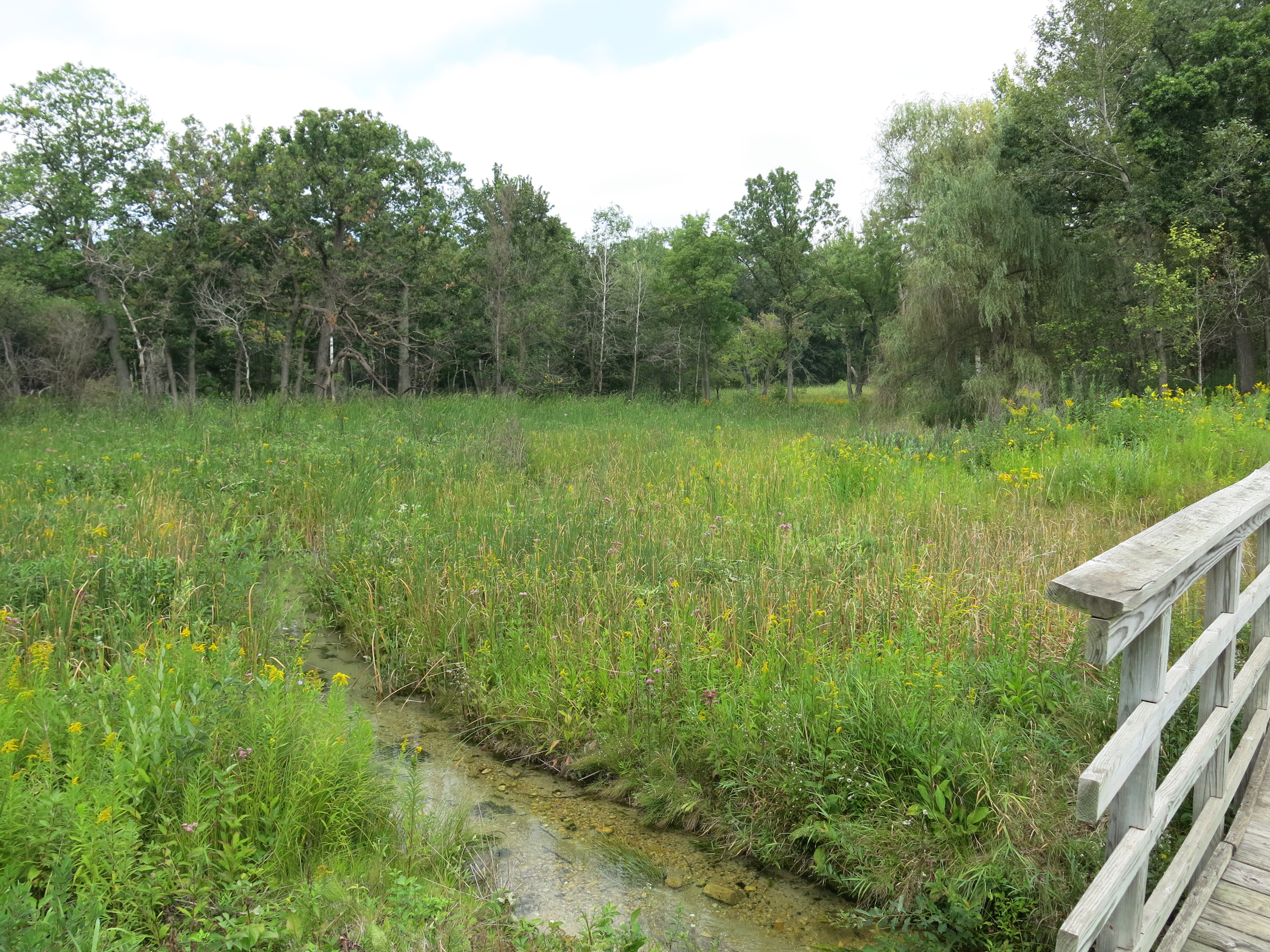
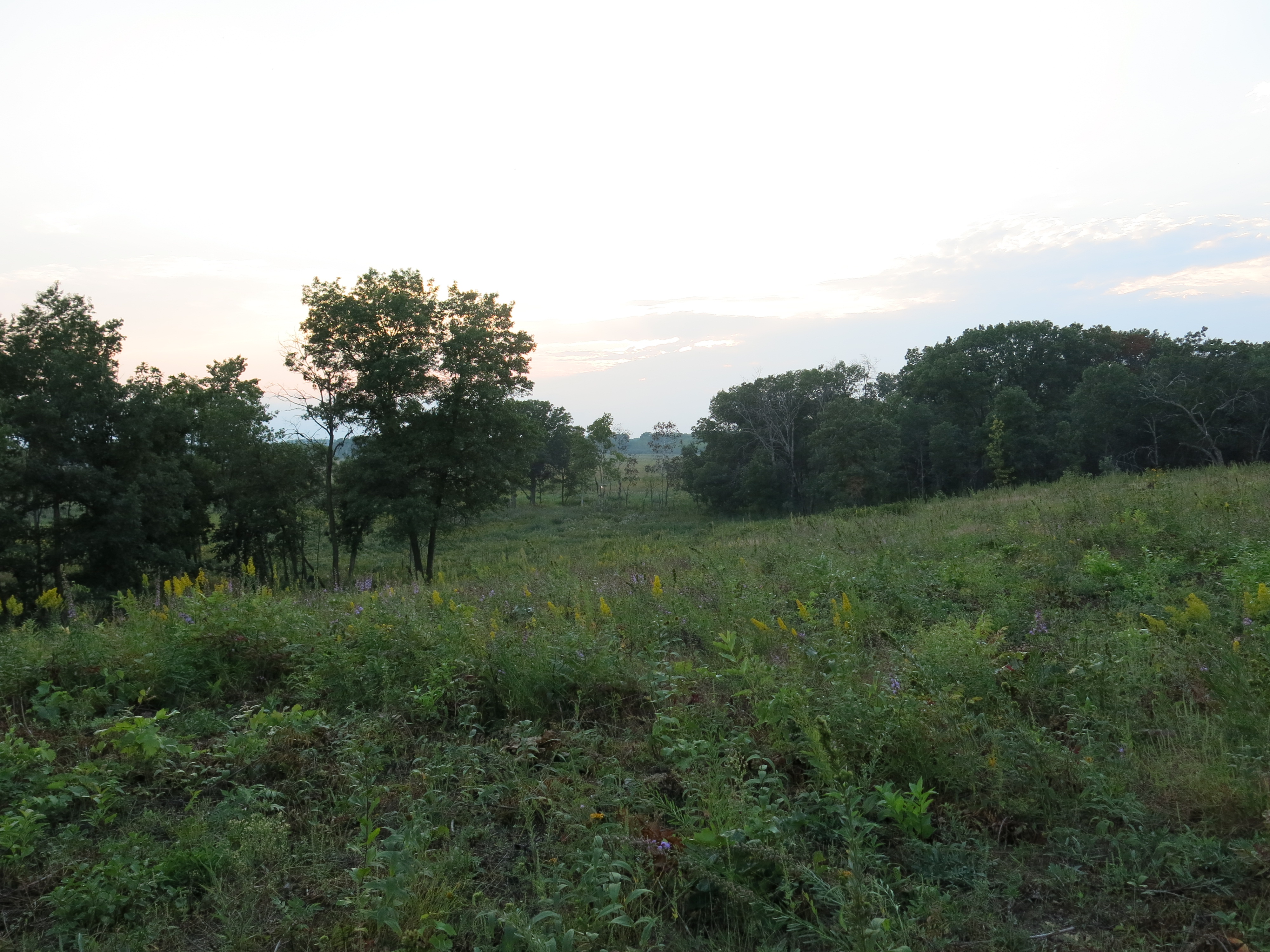
The valley along the Scuppernong River headwaters is transitioning from a brush encircled, phragmities and cattail filled marsh, to an open, wet meadow, alive with grasses, rushes, sedges and flowers of all kinds.  Thanks to Lindsay Knudsvig for the many volunteer hours he contributed last year to making this happen.

I was at it again yesterday pulling spotted knapweed on the sand prairie and purple nightshade on the south end of the loop trail and using my hedge cutter to lop off the flowering tops of the cattails and phragmites.  In most cases the seed heads were just above the height of the flowers emerging from below so I was able to leave the later undisturbed.  Hopefully, I have my phenology right, and the phragmites and catails will not set seed again before the winter.

The Sand Prairie was lovely as I pulled spotted knapweed (pics and video courtesy of my iphone since I forgot the camera).

 
IMG_1197

IMG_1198

I started with the hedge cutter at the Scuppernong Spring, at the south end of the valley, and worked my way north on both sides of the river up to the spur trail that leads to the Hidden Spring, and then focused on the east side of the valley. I covered a lot more ground than I thought possible and that is really encouraging.

Last Saturday’s effort on the north end.

IMG_1200

And yesterday’s work on the south end.

IMG_1201
 

Its been a bumper year for mosquitoes at The Springs, in contrast to here in Milwaukee, where I don’t think I’ve seen more than a couple mosquitoes all season. It was cool enough to wear a pumori and I tucked the bug net inside, keeping hands pocketed as I watched another day ending.

IMG_1203

IMG_1206

IMG_1207

See you at The Springs!
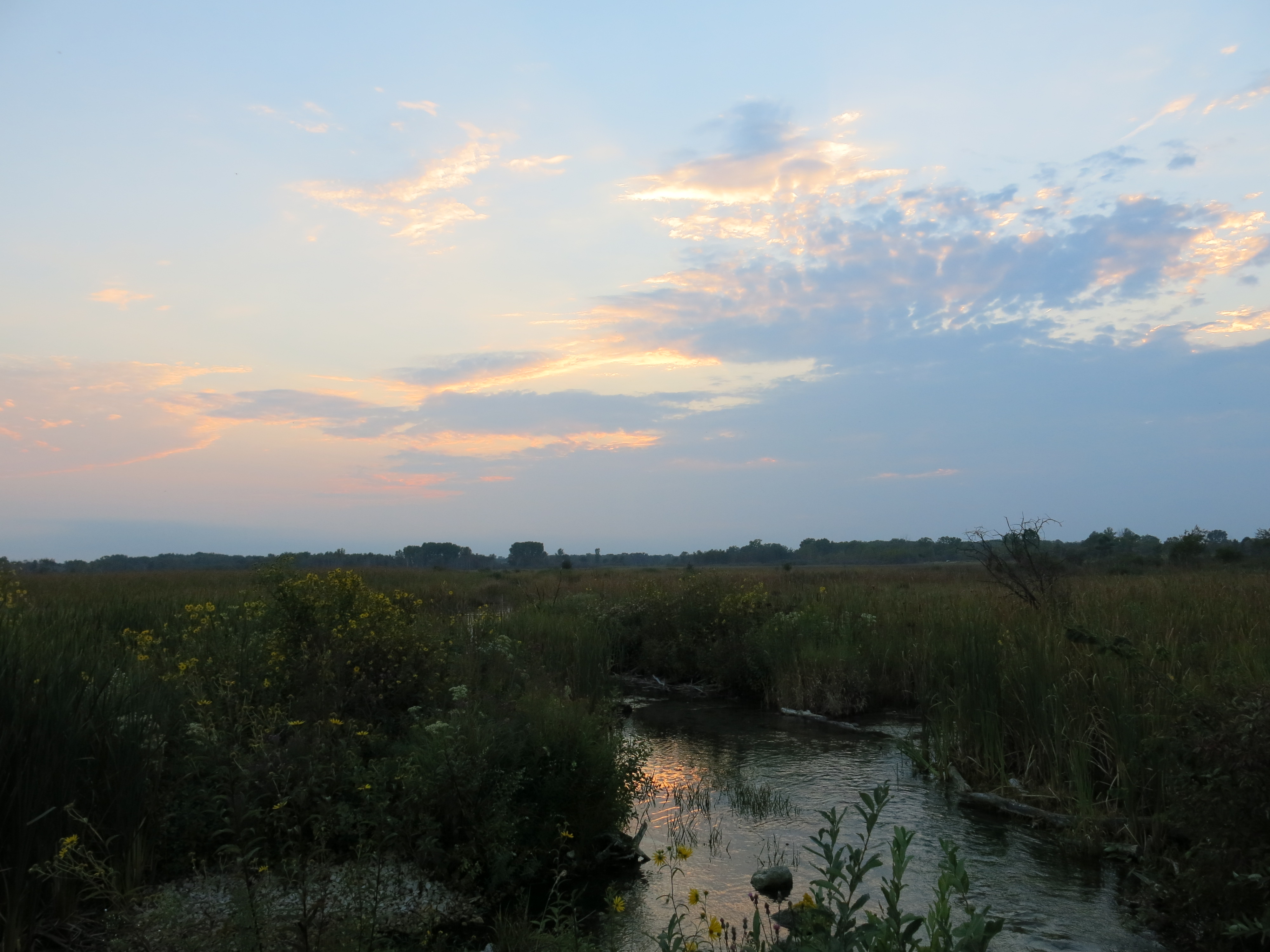
Organic Consciousness

Its finally dawned on me; Go Organic! Stop using poison on the land if you don’t want to poison the land! It’s obvious to me now after reading Atina Diffley’s award winning memoir Turn Here Sweet Corn. The organic approach is the embodiment of the Hippocratic Oath; do no harm. Atina’s love story with the land opened my eyes to the potential of applying organic farming techniques to our work at the Scuppernong Springs Nature Preserve. Atina and her husband, Martin Diffley, (Organic Farming Works LLC) are pioneers in the organic farming movement in Minnesota, their efforts culminating in a “Kale versus Koch, Soil versus Oil” pipeline smackdown where they stood up to the Minnesota Pipe Line Company, which is operated by the Koch Pipeline Company, a subsidiary of Koch Industries, and prevented a pipeline corridor from being routed right through their Gardens of Eagan Organic Farm. They saved their land AND Atina contributed to the preservation of other organic farms via the creation of the Organic Appendix to the Agricultural Impact Mitigation Plan that all pipeline and transmission line companies must comply with if they succeed in routing their lines across organic farmland.

Atina explains that it’s all about relationships: people to the land, plants to the soil and people meeting each others needs in community. I’m inspired to only employ non-toxic ways to nurture The Springs back to health a la organic farming techniques; I want the Scuppernong Springs Nature Trail to be “Certified Organic”. Atina and Martin helped me realize the importance of building and protecting the soil and, after reviewing the research on the residual effects of Milestone and Transline and their potential to leech into groundwater, I concluded that I could no longer use them in any context at The Springs. Jason Dare began turning me in this direction and now I’m fully committed. The only exception to the ban on poison that I will make is to use Tahoe/Triclopyr on cut buckthorn stumps (painting, not spraying), and hopefully, we’ll find a natural alternative to that as well.

I claimed to want to garden the sand prairie. What was I thinking? Would you use poison in your garden? In the past two years I had acquired no less than 7 different poisons: Aquaneat/glyphosate, Habitat/imazapyr, Bullzeye/glyphosate, Milestone/aminopryalid, Transline/clopyralid, Tordon/picloram and Tahoe/triclopyr, all of which I have returned to the DNR except the Tahoe stump killer. Martin Diffley summed it up pretty well: “If we don’t change direction, we’re going to end up where we’ve been going.”, and my approach was slowly poisoning The Springs. One story from Turn Here Sweet Corn that really impressed me was how they handled a 9 acre field of quack grass. Despite being pressed by demand for their produce to get this land into production, Martin recommended they wait for just the right combination of dry and hot weather. When it finally arrived, they used a 930 Case tractor fitted with a Vibra Shank field digger to “rake” the weeds, exposing the roots to the blazing sun, repeating the process over 6 weeks until the quack quit. That got me thinking about the phragmites and cattails in the valley along the Scuppernong River headwaters; maybe we could do the same thing there! Like Einstein said, “We can’t solve problems by using the same kind of thinking we used when we created them.”, and now that my organic consciousness has been awakened, I’m seeing new, non-toxic, solutions.

Yesterday, Pati and I met with DNR Trail Boss Don Dane to walk the trails and review our approach to restoring the Scuppernong Springs Nature Preserve, and we we joined by John and Sue Hrobar. I’m prone to excited bursts of non-stop chatter and, true to form, I began by telling Don that I wanted to go organic. He was totally on board with this and promised to help us achieve that goal. The first area we reviewed was the valley along the headwaters of the Scuppernong River that is dominated by phragmites and cattails. I told him Martin’s story and we talked about mowing and raking and Don suggested that, in the short term, I get a hedge cutter and simply cut the seed heads off the phragmites and cattails at a height that will leave the myriad of other plants that have emerged in the “understory” since the burn undisturbed. This will drain the energy from the phragmites and cattails while allowing the native plants to compete and, combined with fire, we hope this will be an effective strategy.

One of my big concerns is all of the buckthorn seedlings and resprouts that have emerged since we cleared the mature buckthorn. I explained this to Jason Dare and he suggested I rely on fire to control them. I talked to Don about this and he is committed to burning the scuppernong every 2-3 years. That was the assurance I needed! In the meantime, Don suggested brush cutting areas where the resprouts are thick to better enable fire to move through. We talked about the north end of the trail, buckthorn alley, and agreed that I should focus on clearing the buckthorn there to help facilitate getting a hot fire through this part of the Nature Preserve; the DNR has never been able to burn this area.

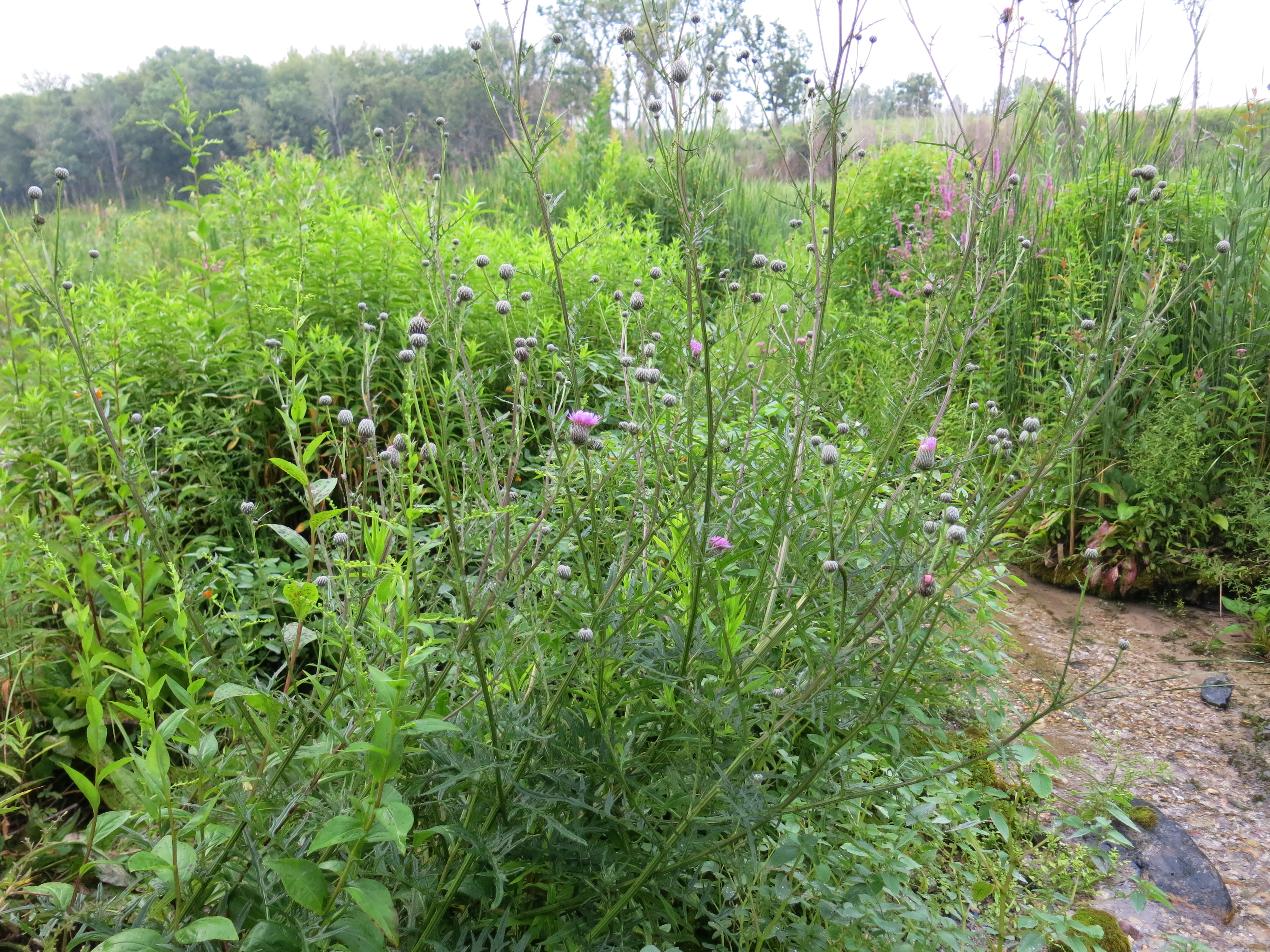
Here is a native swamp thistle Don pointed out by the hatching house springs.

IMG_0258

Oriental bittersweet and hedge bindweed (shown below) are concerning and we discussed brush cutting and pulling them.

IMG_0260

John, Sue and Don at the gaging station bridge. I’m hoping that more volunteers will step forward if they know we going organic.

IMG_0265

Pati and I spent the afternoon pulling spotted knapweed on the sand prairie, which Don said they also refer to as a cliff messenger prairie. The purple lovegrass is thriving!

IMG_0261

Here is a view of the sand prairie.

I felt totally calm and at peace with my hands in the sandy soil pulling spotted knapweed all afternoon. The rough blazing star and golden rod are set to flower and I’m really glad I took the time to clear the prairie with the brush cutter rather than simply mowing it. Here are a few parting shots from the marl pit and gaging station bridges.

IMG_0268

IMG_0270

IMG_0272

IMG_0274

The Scuppernong Spring

See you at The Springs!
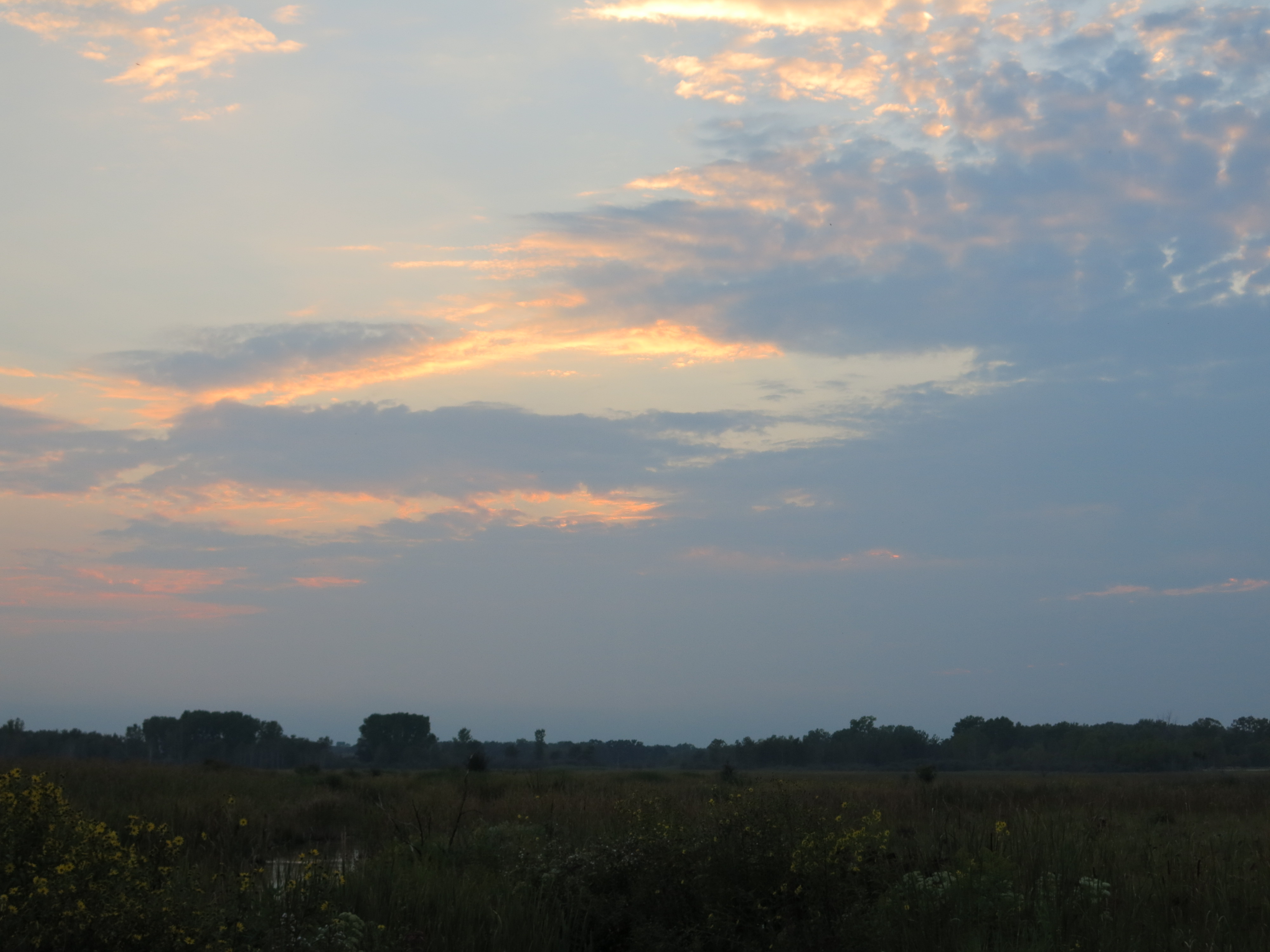
The Poison Paradigm

In a broadly defined sense a paradigm is : a philosophical or theoretical framework of any kind. I’ve been contemplating John J. Ewel’s definition of “restoration” all week trying to resolve the cognitive dissonance in my head regarding the use of poison to wage a “war on weeds”. We know how the “war on drugs” and the “war on poverty” turned out. Can we poison our way out of this invasive species mess? Albert Einstein said, “We can’t solve problems by using the same kind of thinking we used when we created them.”

My metaphor only works if you view invasive species as a kind of environmental poison. The work of The Creator was “altered”, by the White European invasive species, and now we confront the reality. Do we simply let nature run its course and allow a new equilibrium amongst the invasive and native plants to emerge? Or, do we intervene, as if in some kind of archaic revival, and try to “restore” an ideal?

Any gardener worth his/her salt has walked and knows every square foot of their vegetative domain and I aim to garden the Sand Prairie. I intervened at the square foot level the past two days deciding with my brush cutter emphatically that, NO, I won’t let nature run its course; these weeds must be stopped! My work at The Springs is like a castle made of sand so long as people believe we can address the invasive species issue with poison and assume that others, i.e. the government, or some crazed Don Quixote volunteer, is handling it. Nope, unless we have a raising of consciousness, and people prioritize the land and natural law over profits and war, we’ll be poisoning invasive plants forever.

I had the pleasure of meeting two consciousness raising educators and their group of 18 aspiring photographers at The Springs this past Tuesday morning. Listen to John Hallagan, 4rth grade teacher at Magee Elementary School and Pete “Laser” Nielsen, Biology teacher at Kettle Moraine High School, describe their awareness altering adventure.

I invite John and his students to post their Scuppernong Springs slide show right here, and I sincerely hope that I can persuade Pete to allow me to post his pictures of the Scuppernong Springs Hotel here as well.

My agenda on both Tuesday and Wednesday, July 23-24 was the same i.e., spray buckthorn and other invasive plants along the cut-off trail in the morning, and then brush cut weeds on the sand prairie.

Good Morning Springs!

IMG_0226

IMG_0227

IMG_0229

I thoroughly enjoyed the day!
IMG_0236

Check out this Blandings turtle catching some dinner below the marl pit bridge.

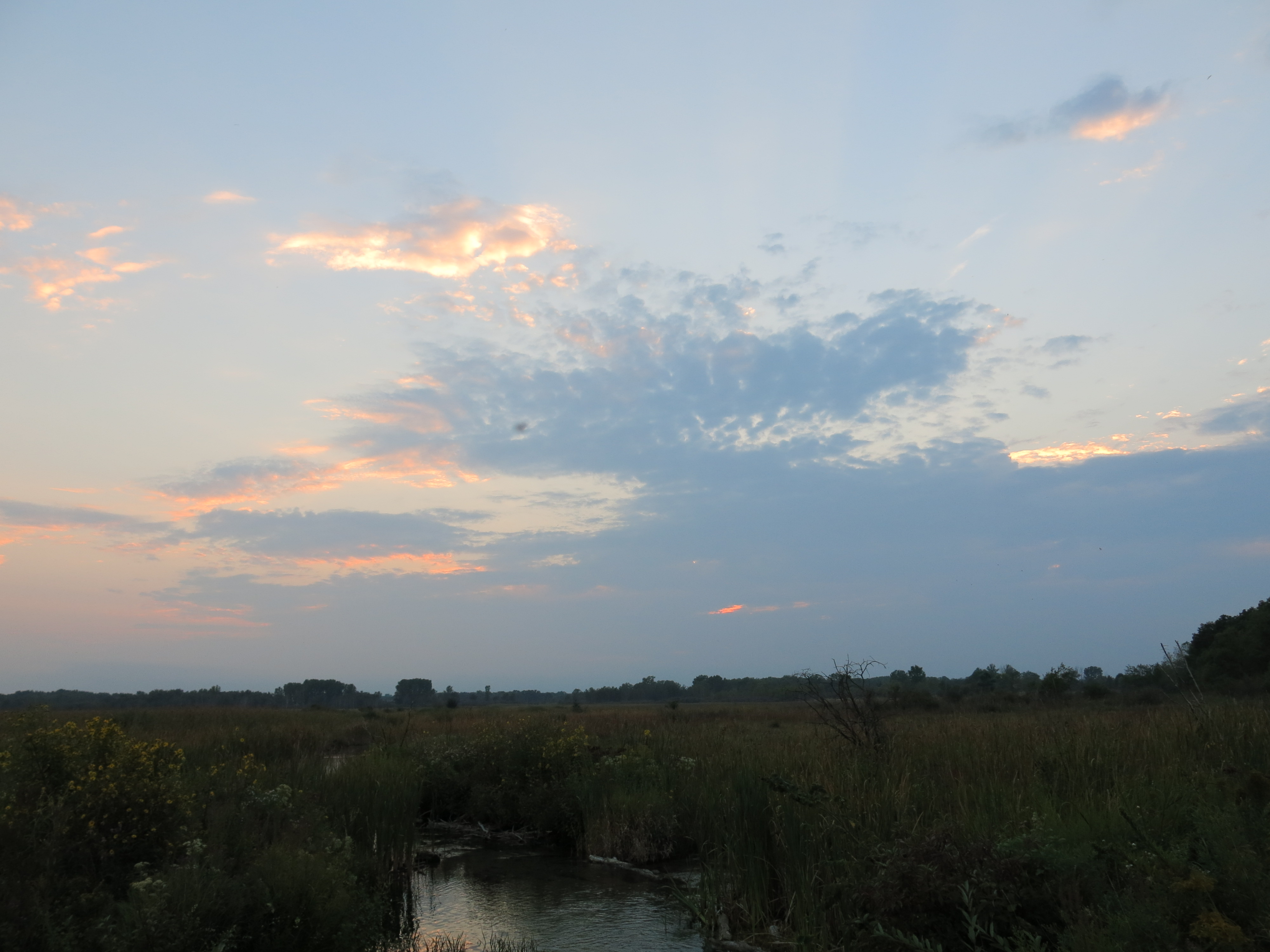
The north breezes began to wain as evening fell and the skeeters were thick around my bug net as I watched the sun go down at Ottawa Lake.

IMG_0238

IMG_0243

Wednesday was almost a carbon copy of Tuesday and I managed to cover almost the entire sand prairie whacking weeds as well as cherry, oak, hickory, buckthorn, honeysuckle and sumac brush. This is not what Ewel would call a “sustainable” restoration but, nevertheless, I do aspire to the sand prairie ideal.

IMG_0244

I’m sorry to say that I hit and killed my first deer on the way home Wednesday night. I swear to god, I remarked to myself proudly, as I was getting in my truck to drive home, that I had never hit a deer!

IMG_0246

See you at The Springs!