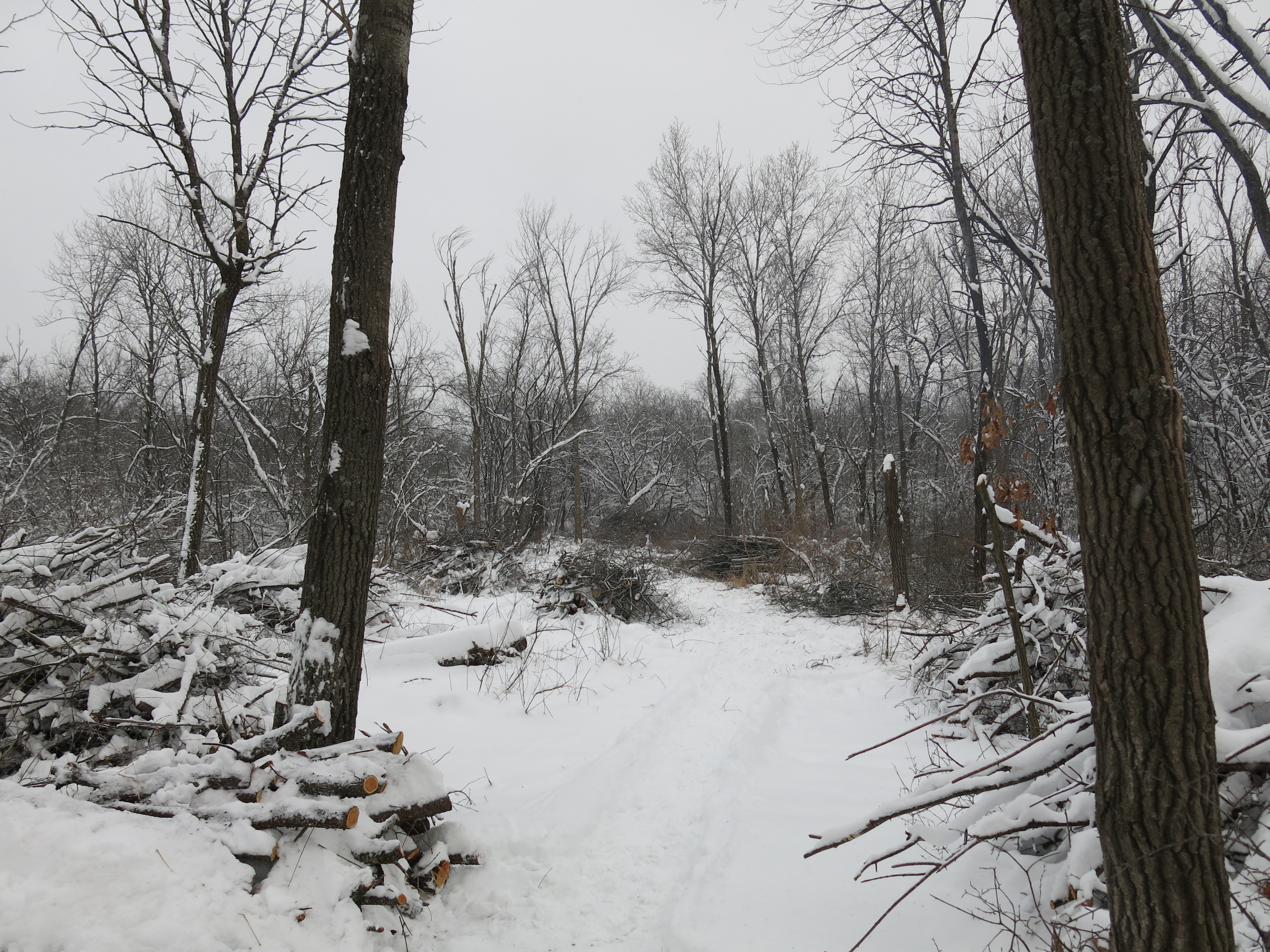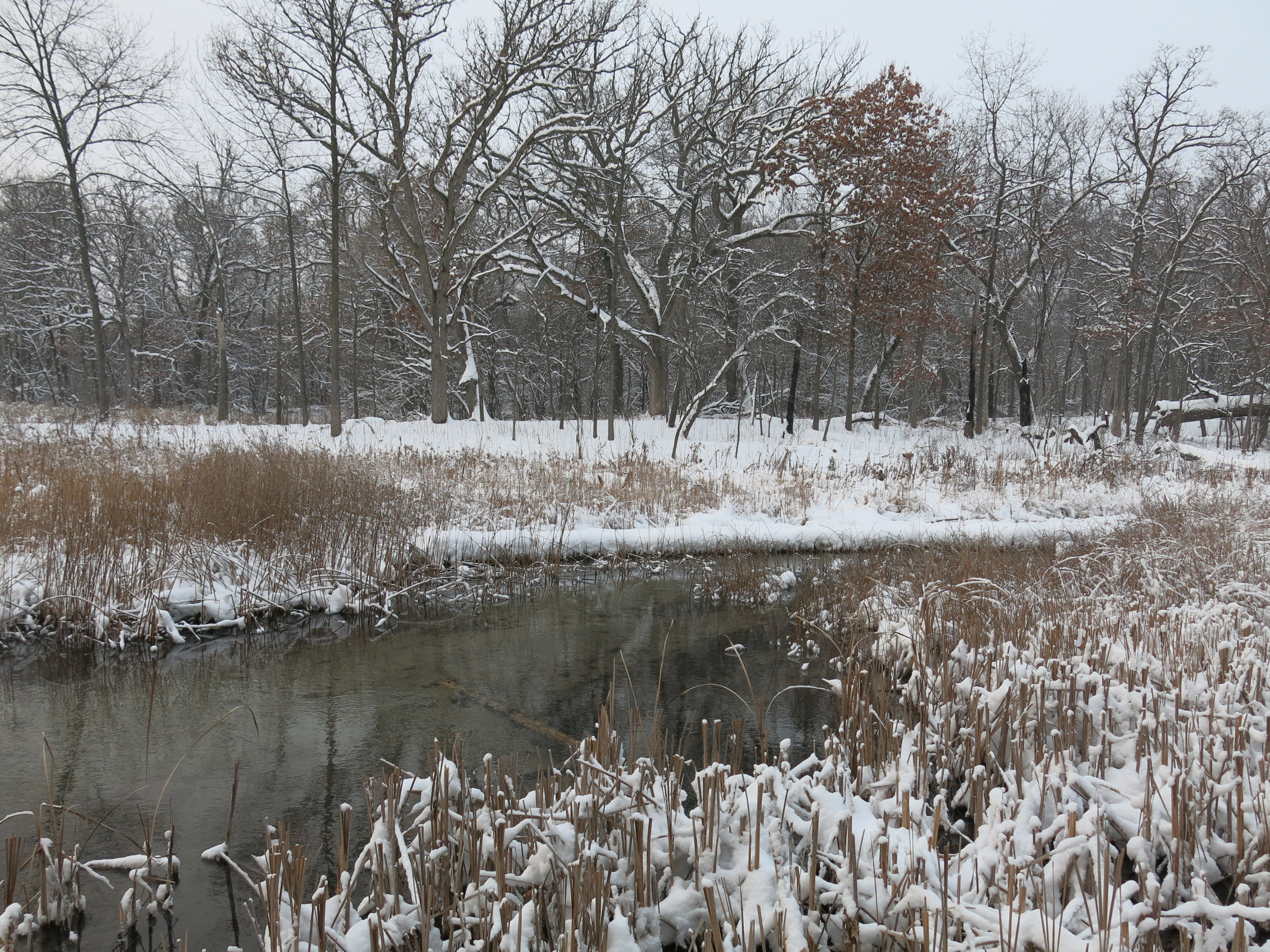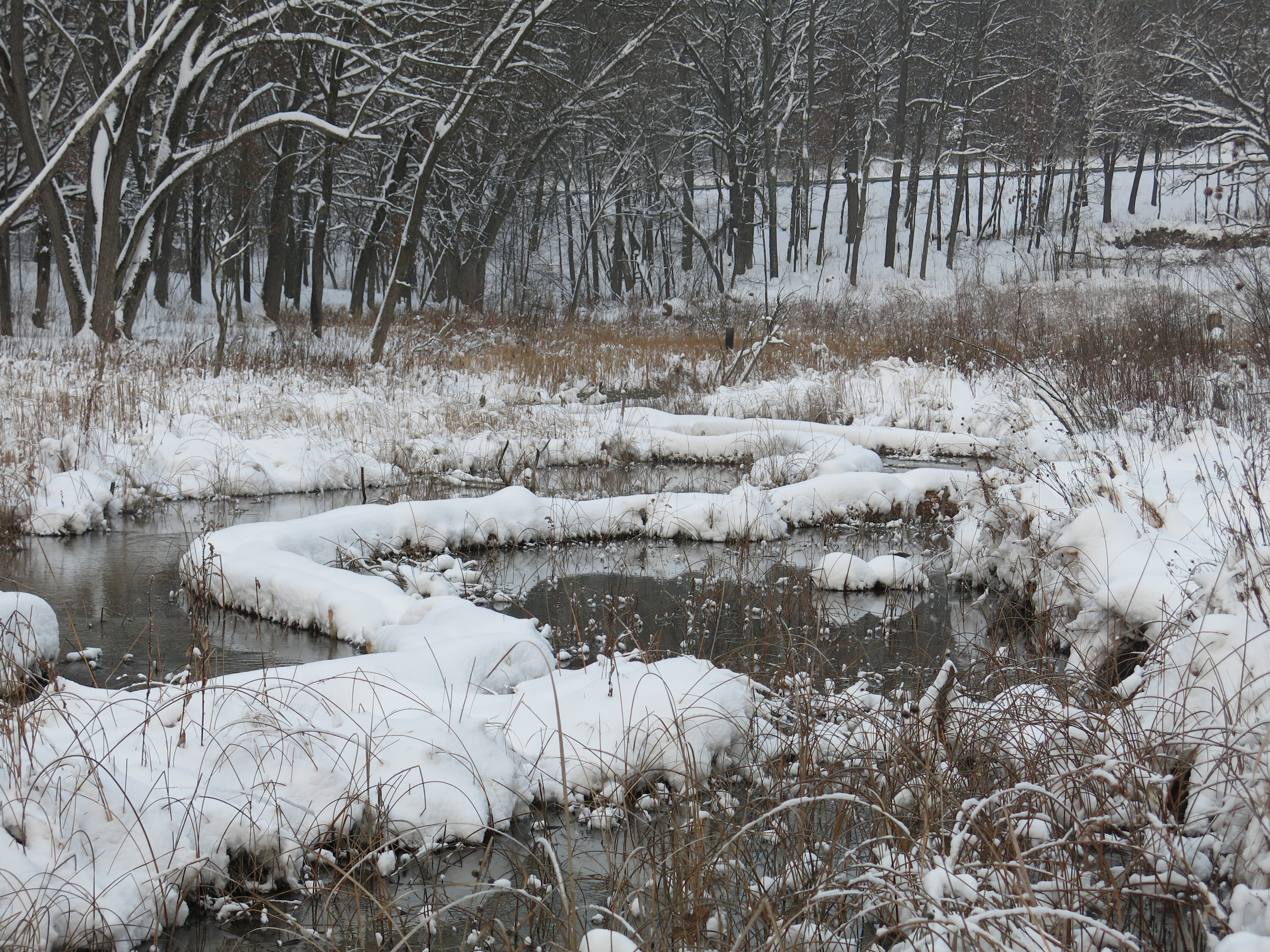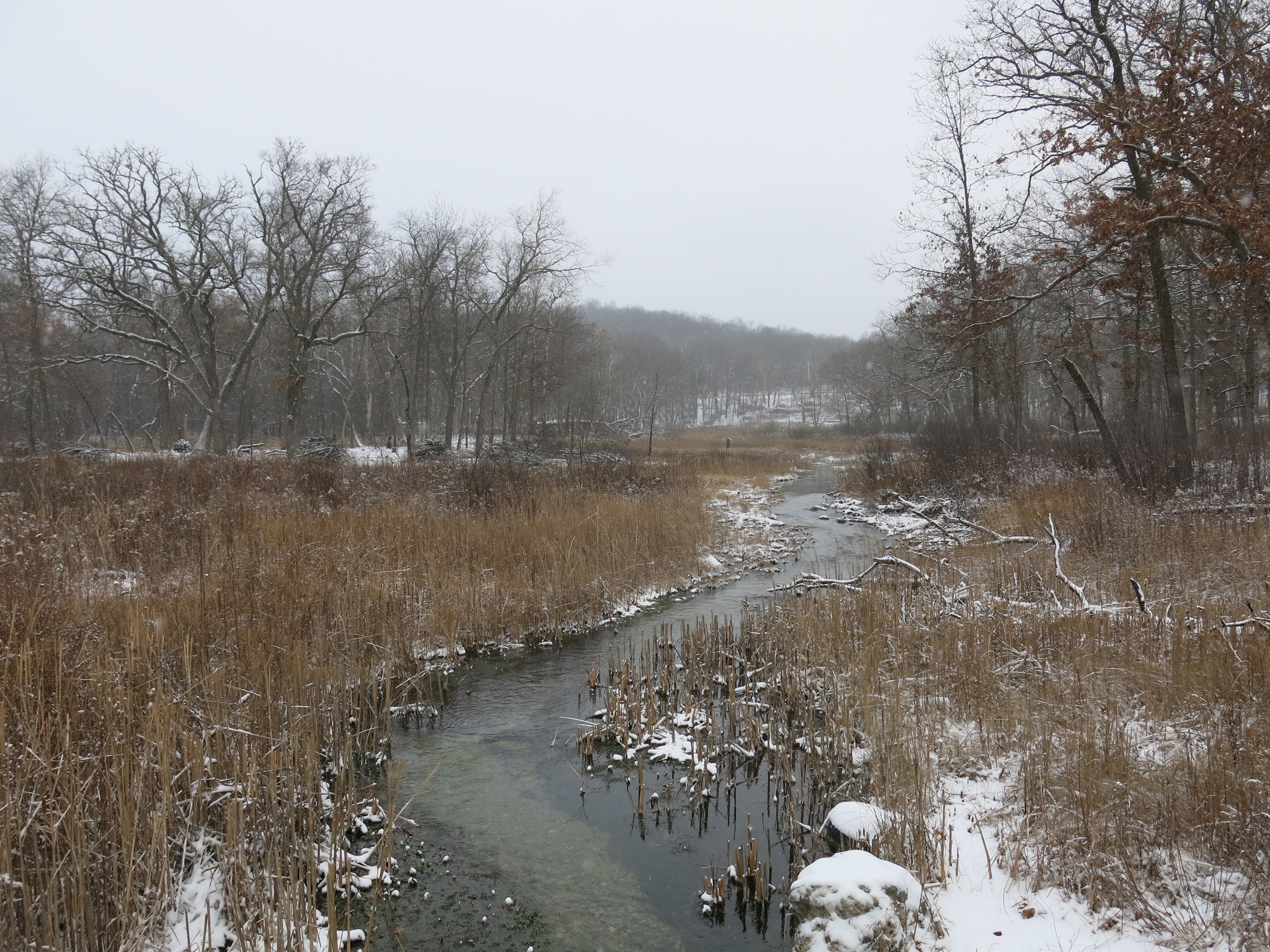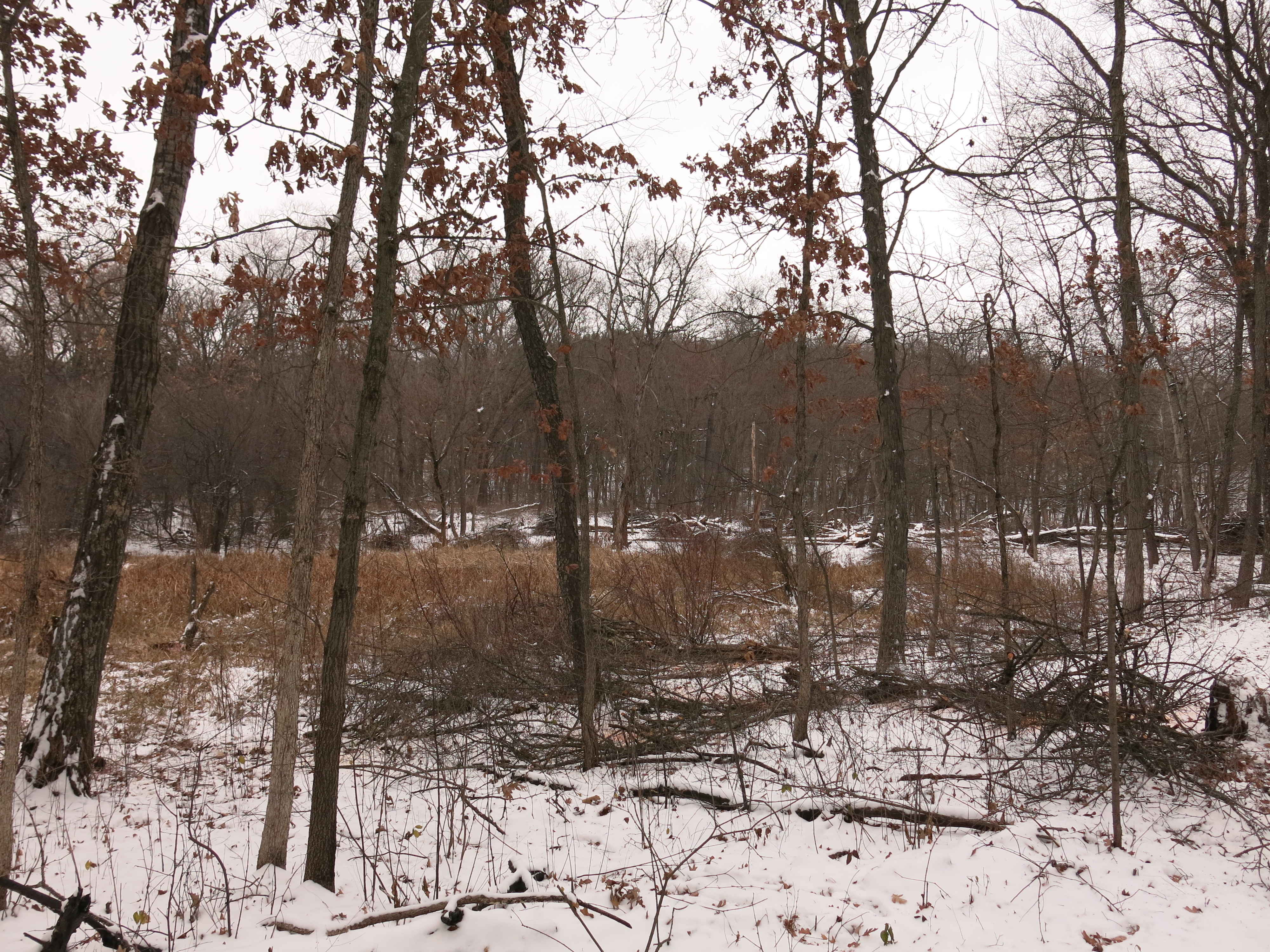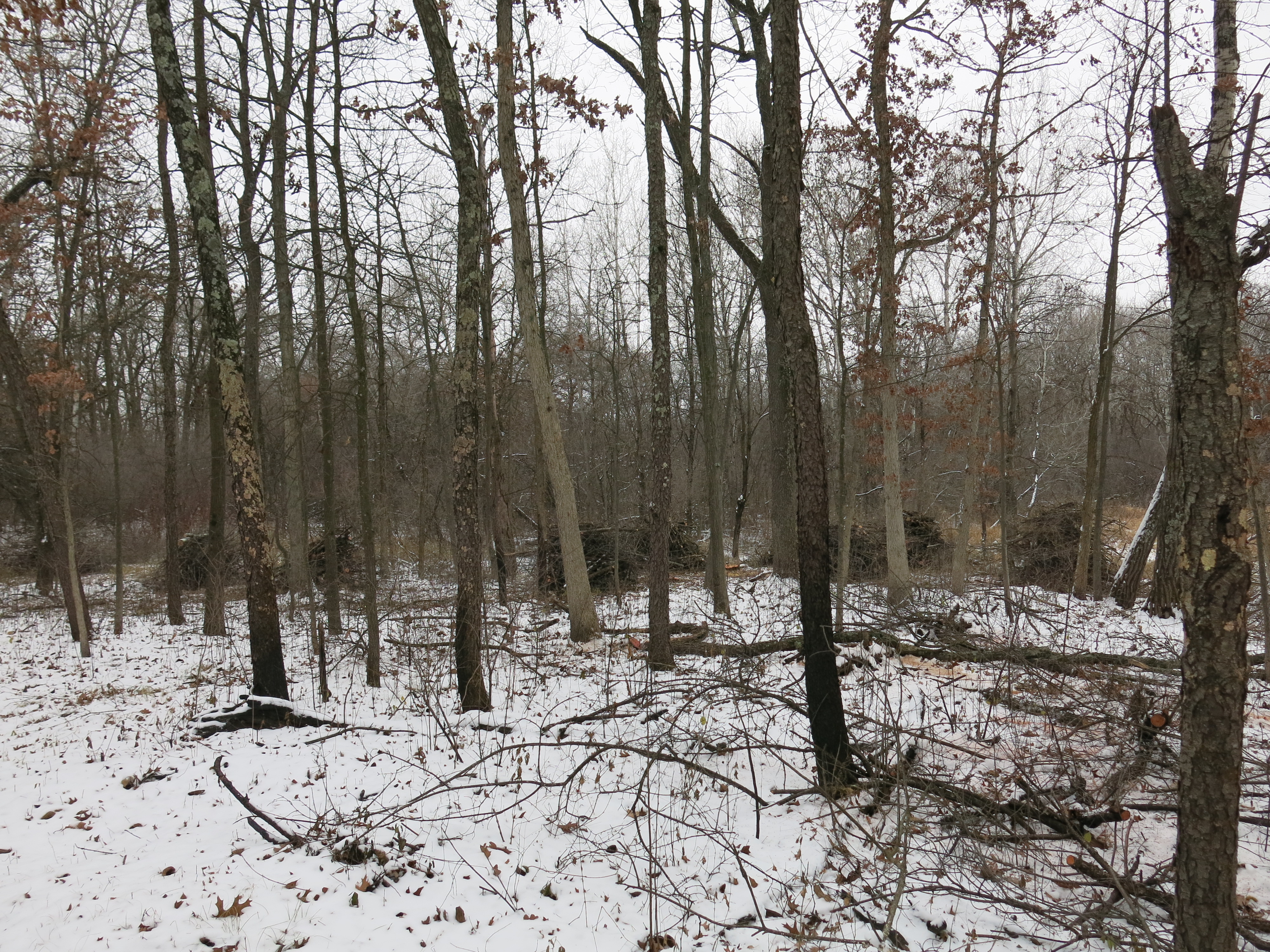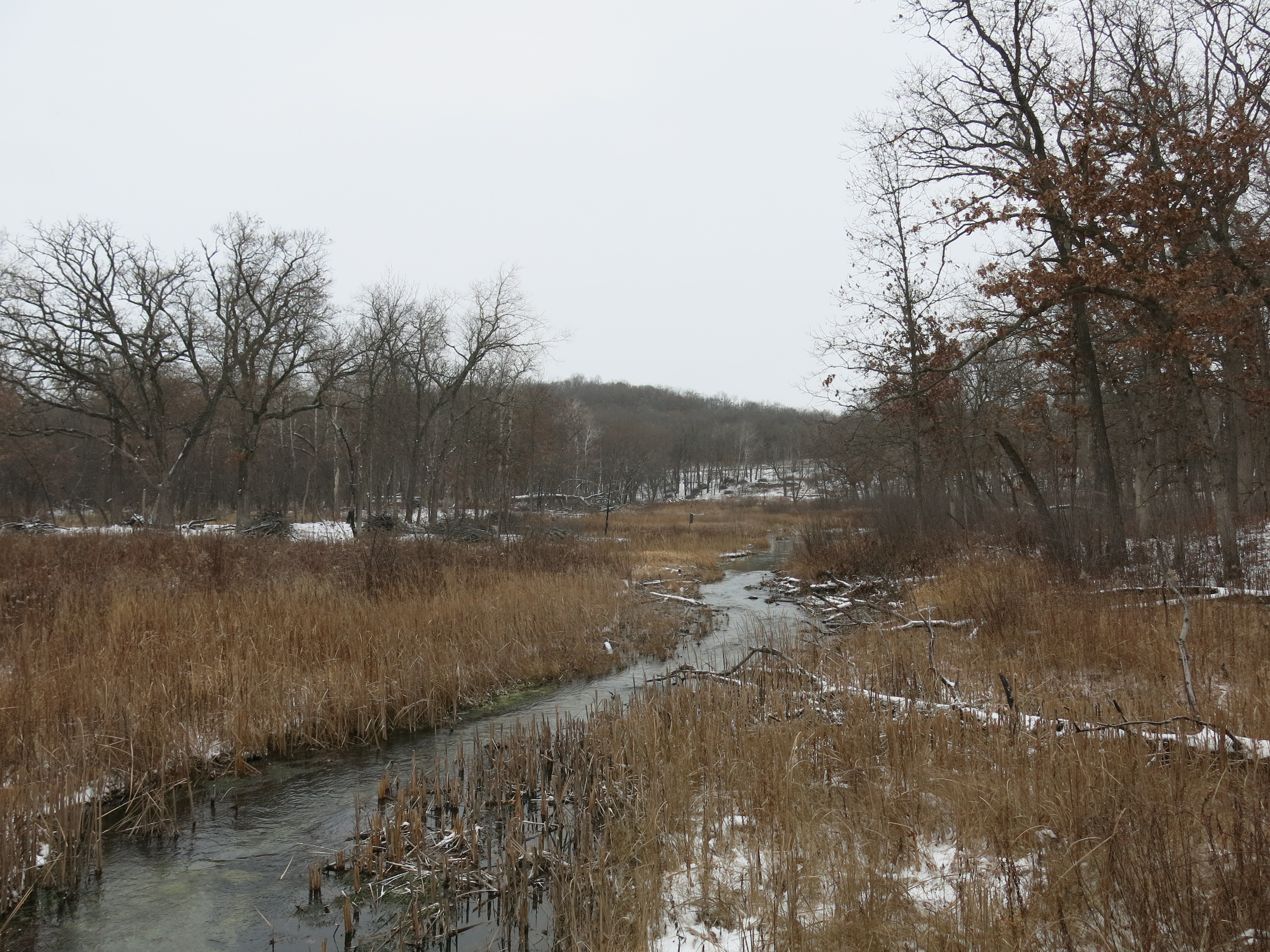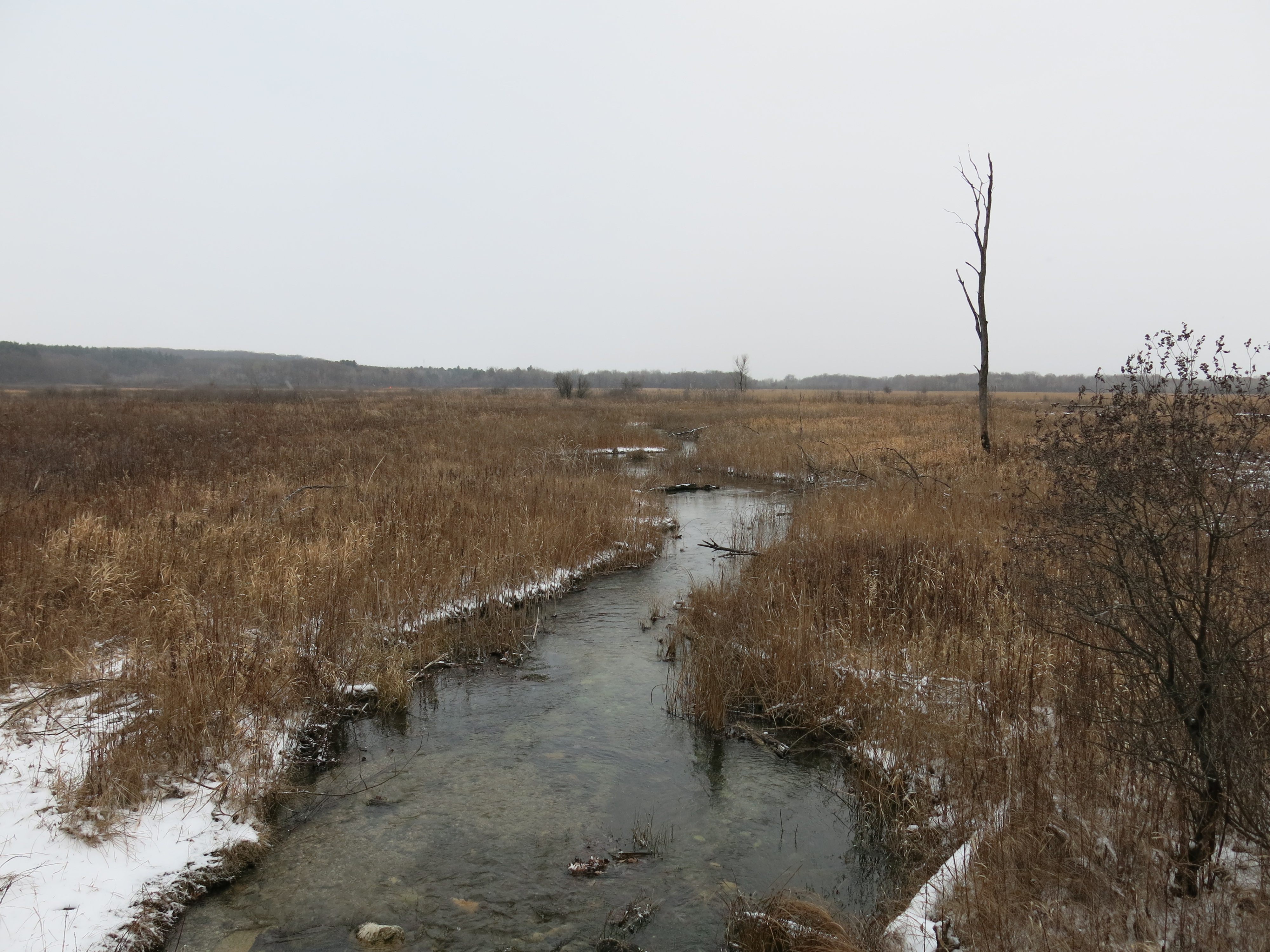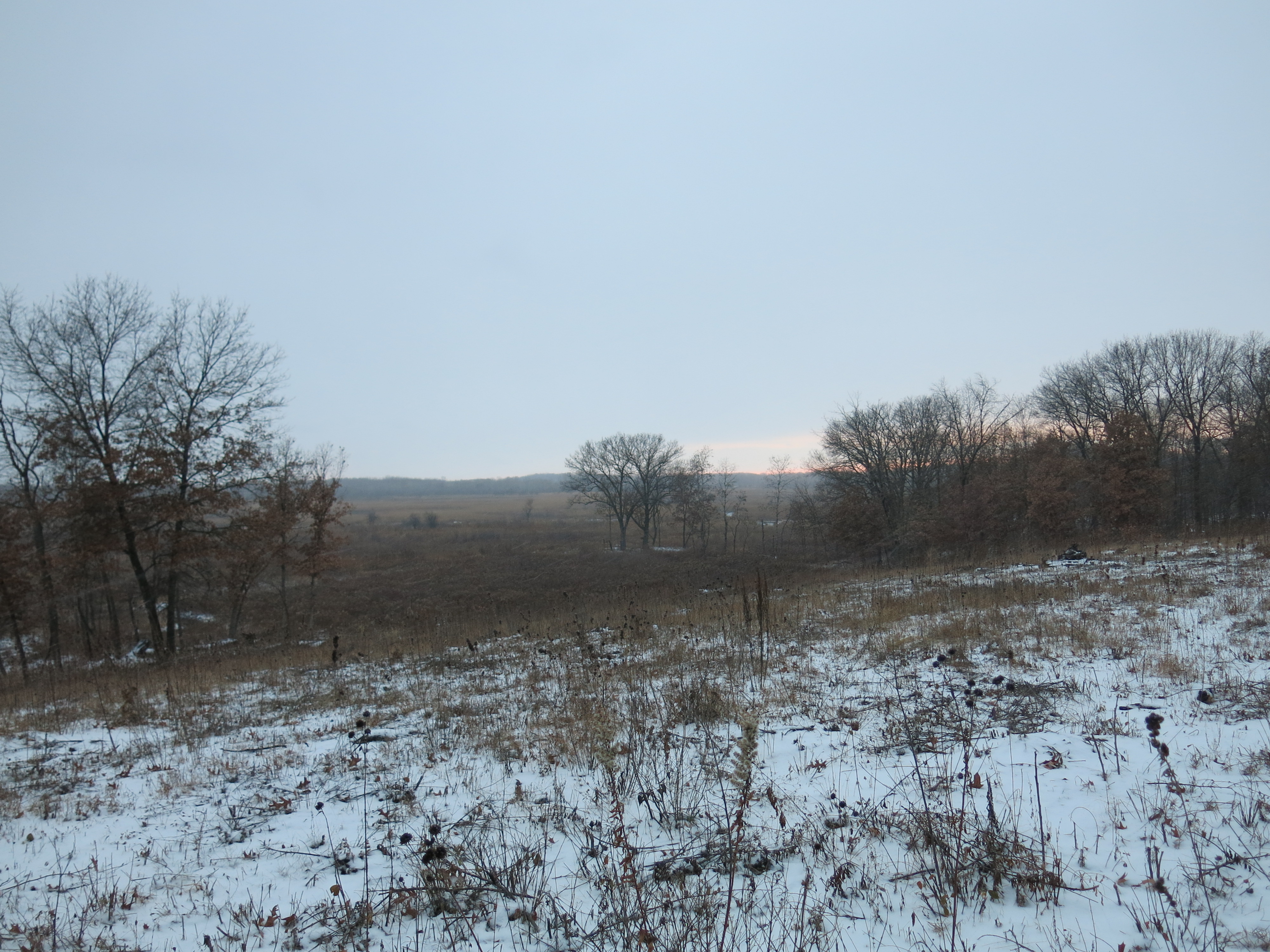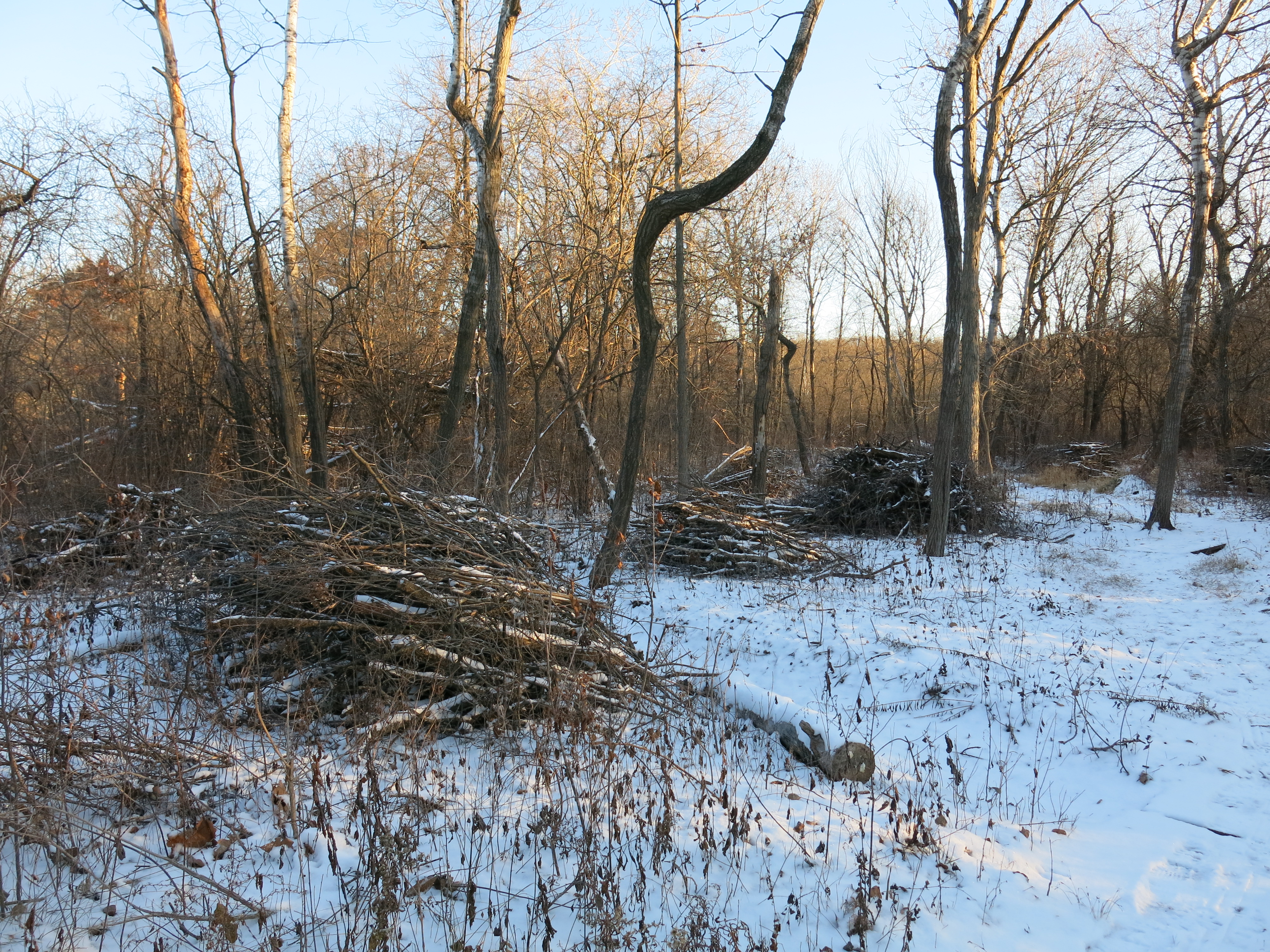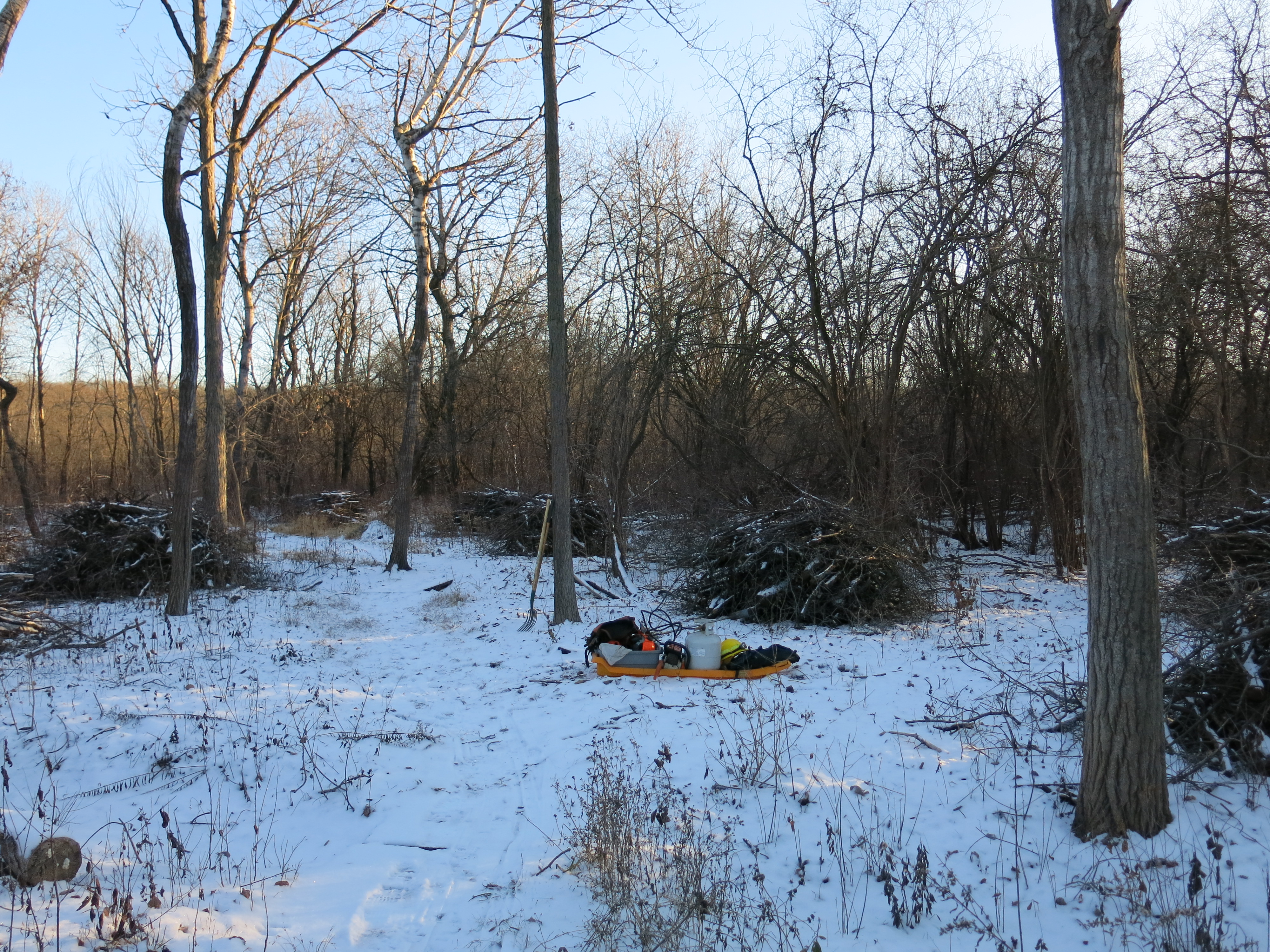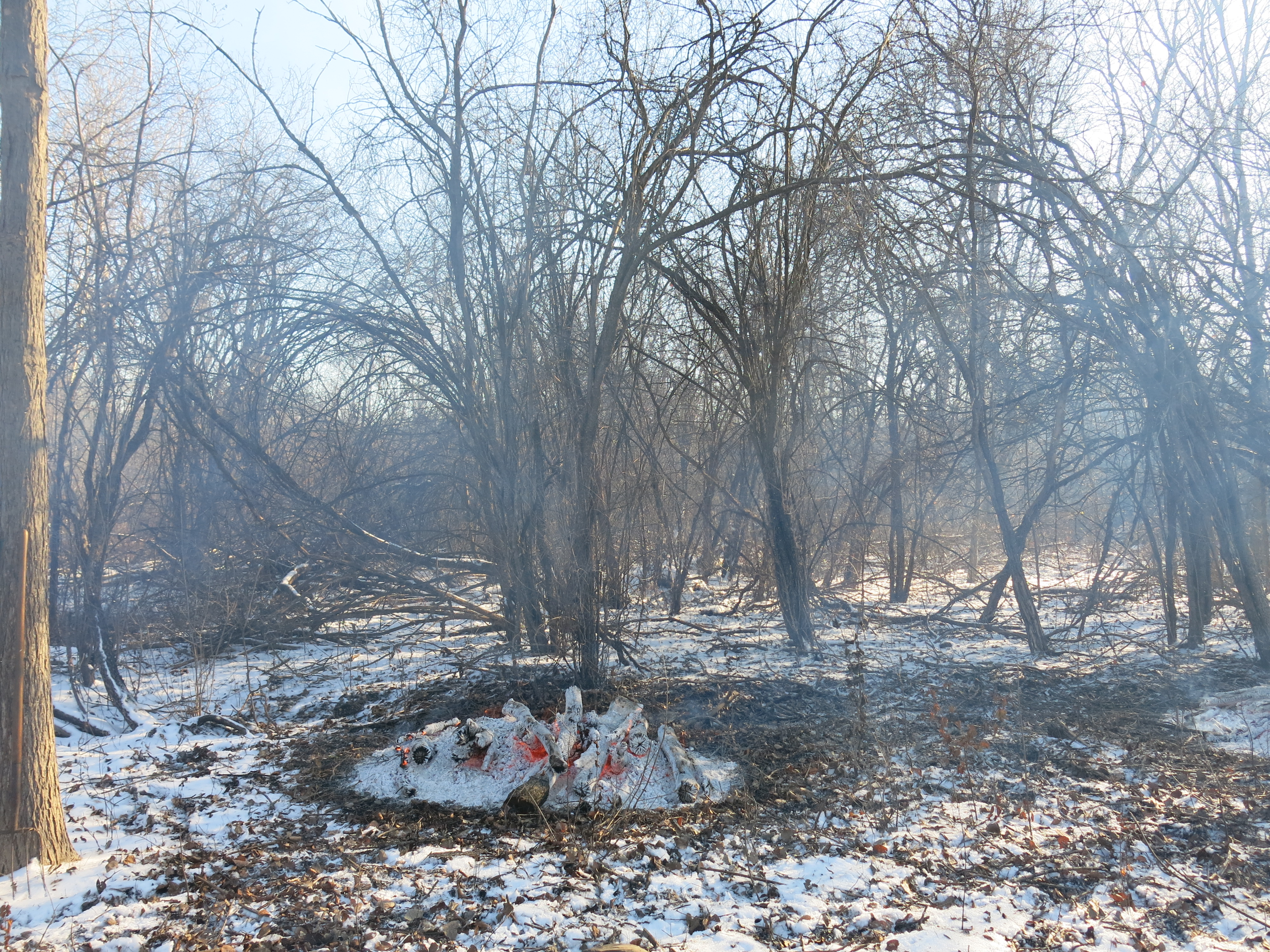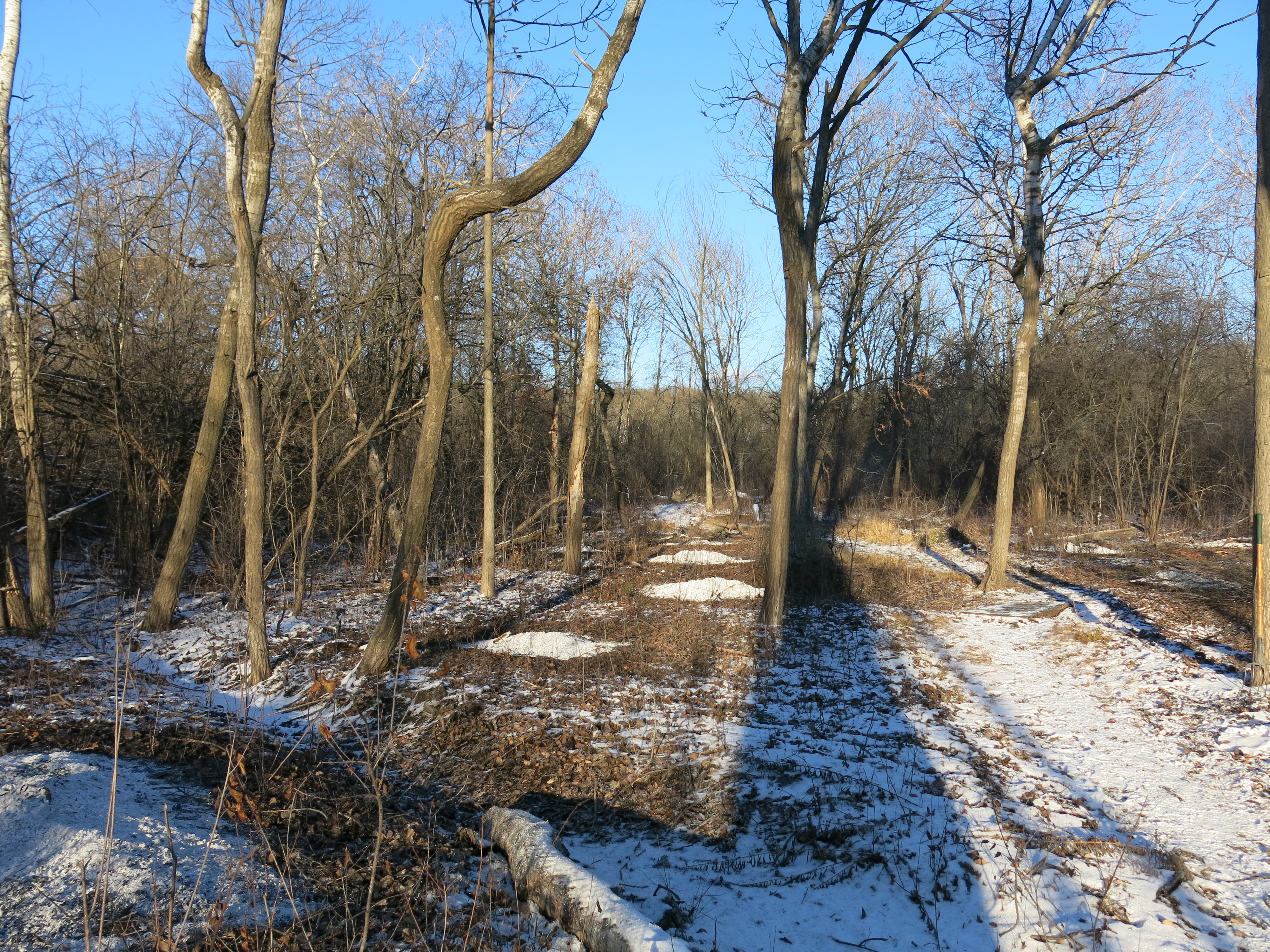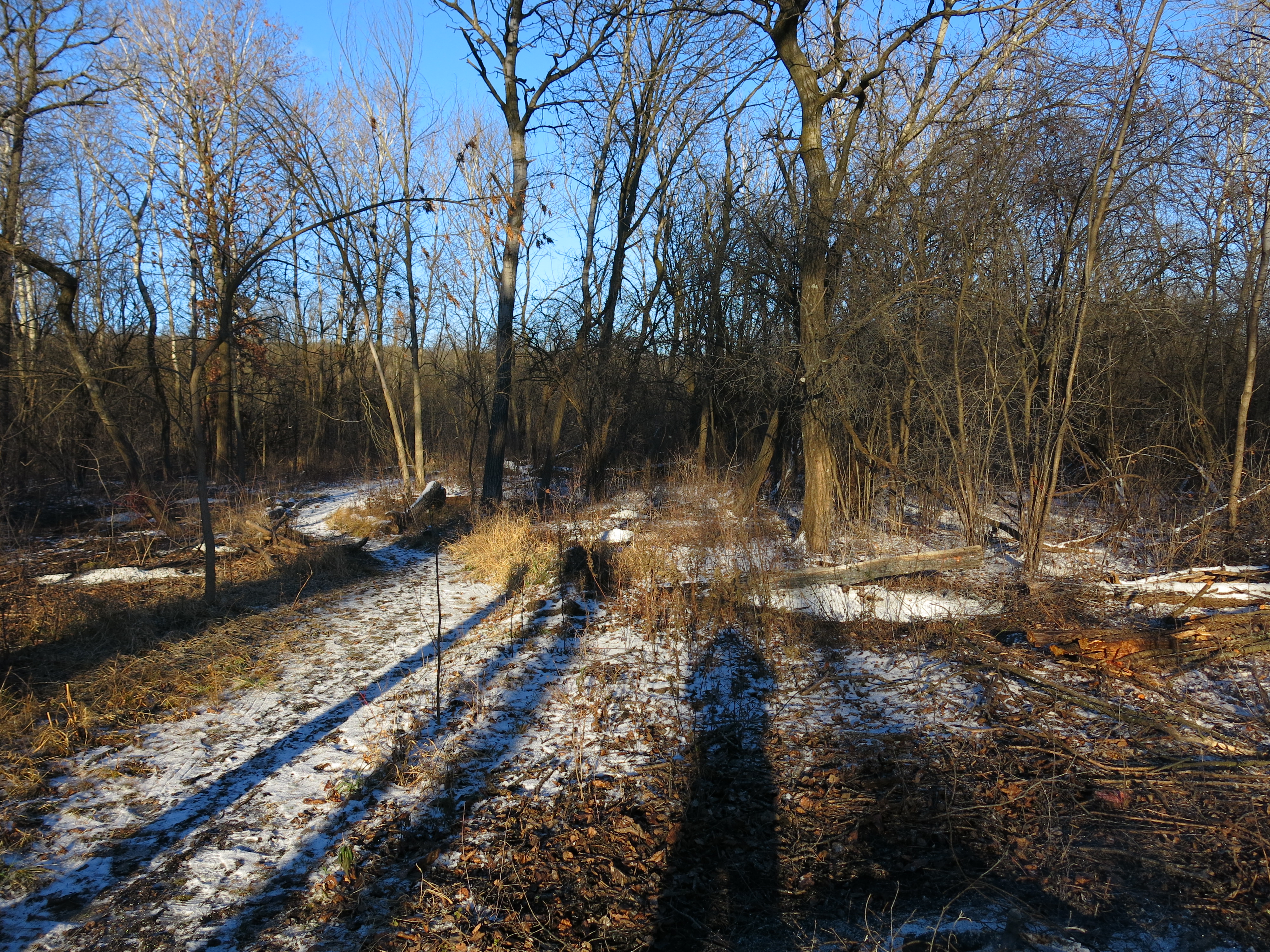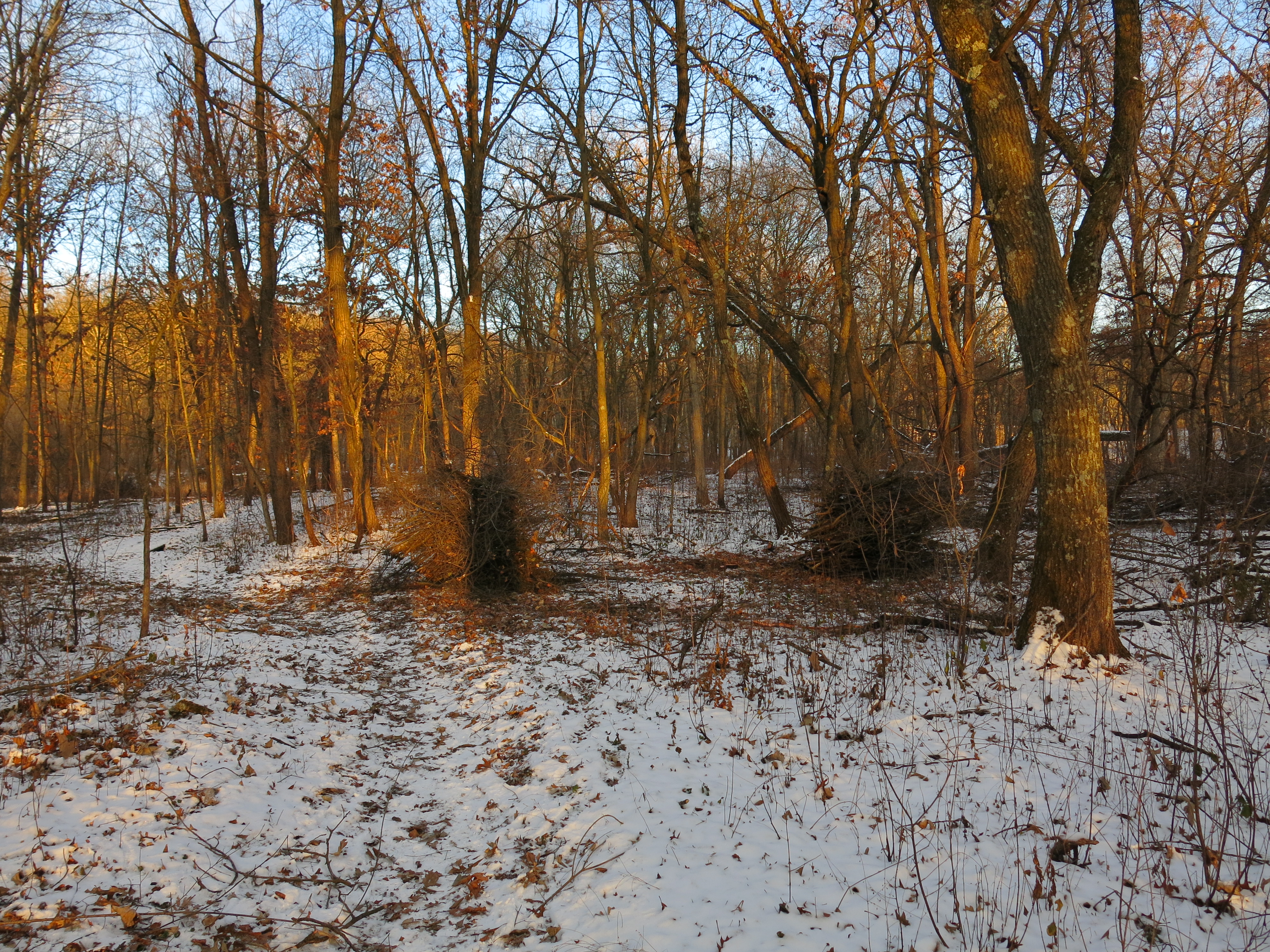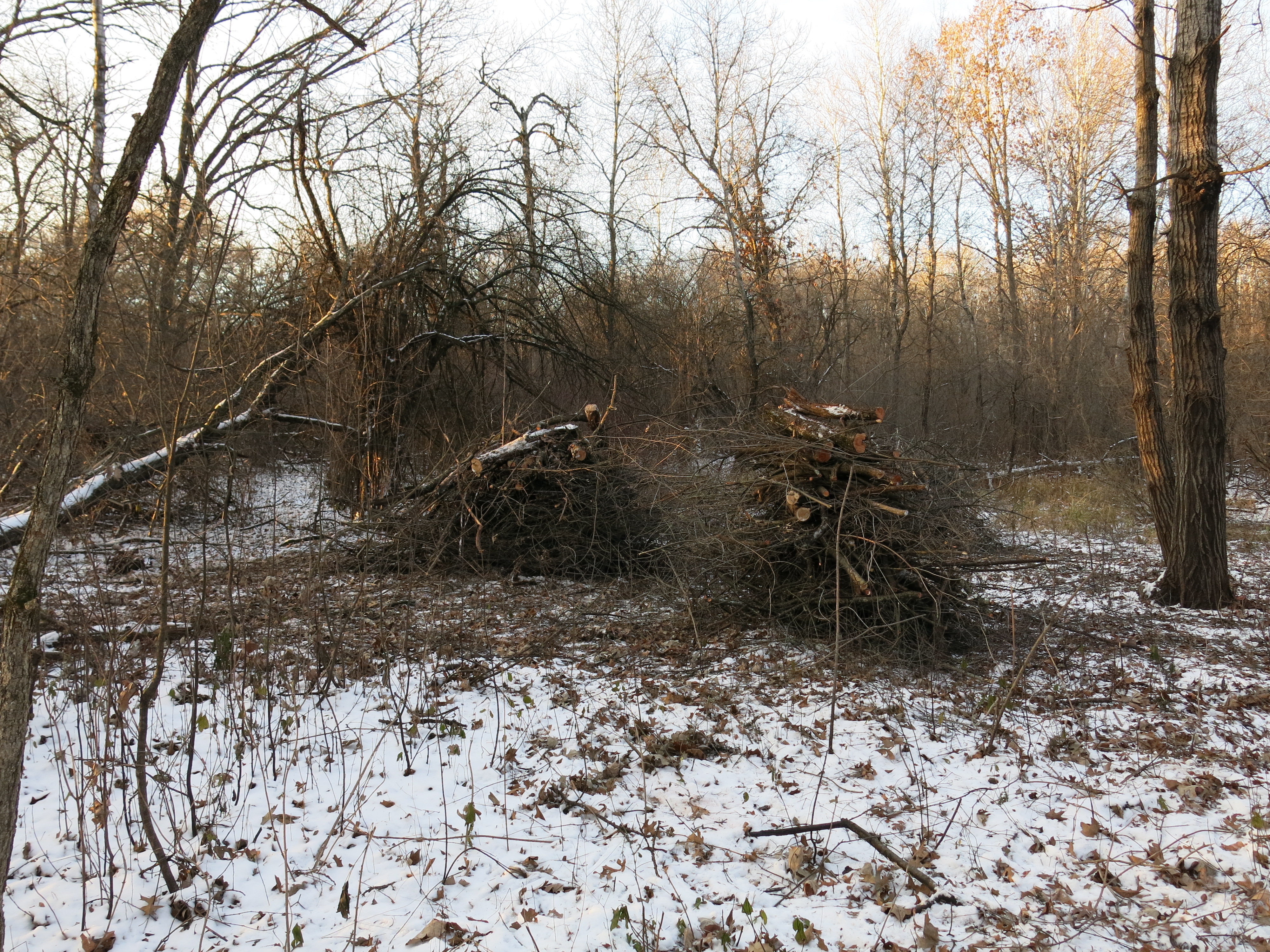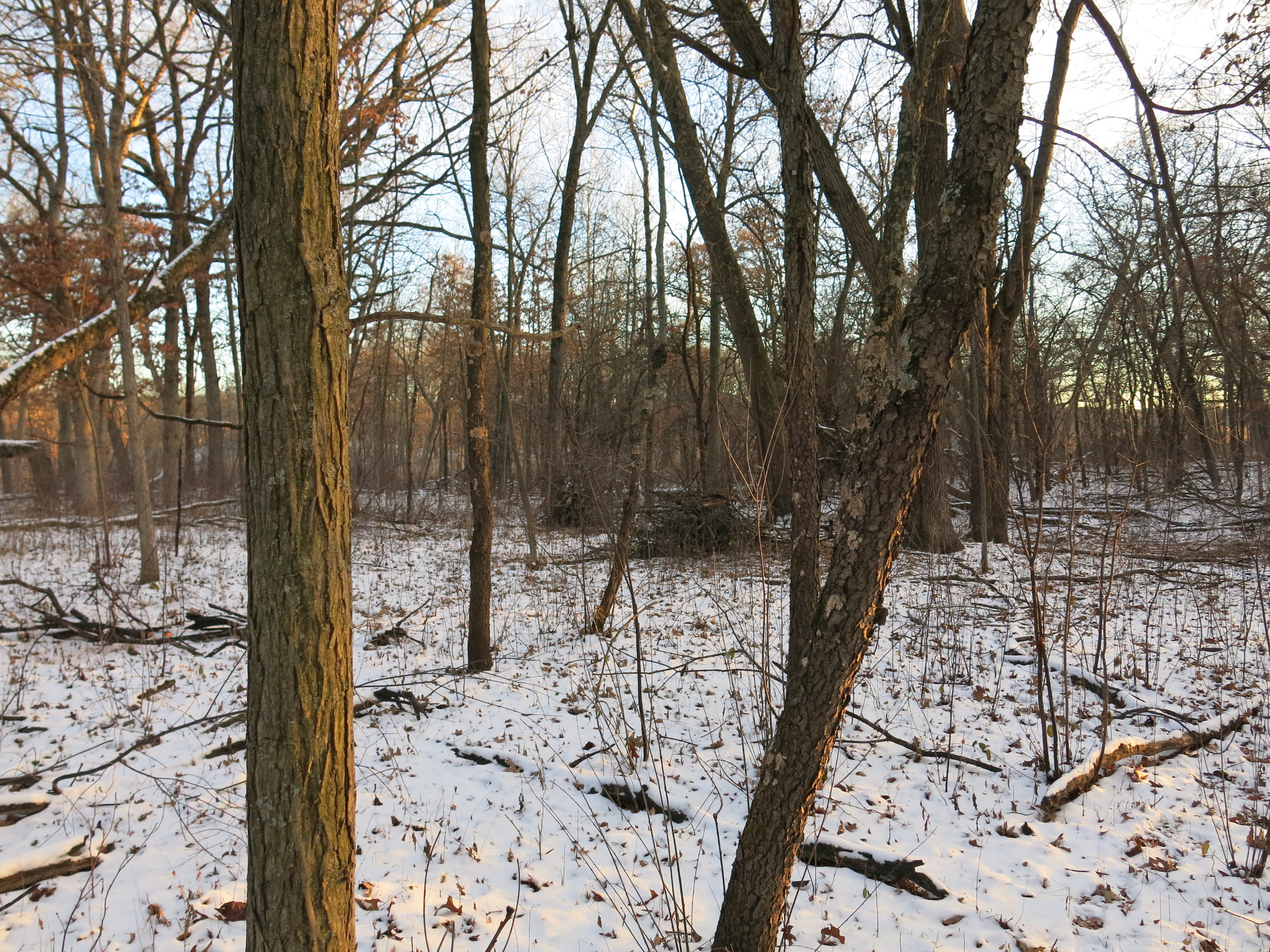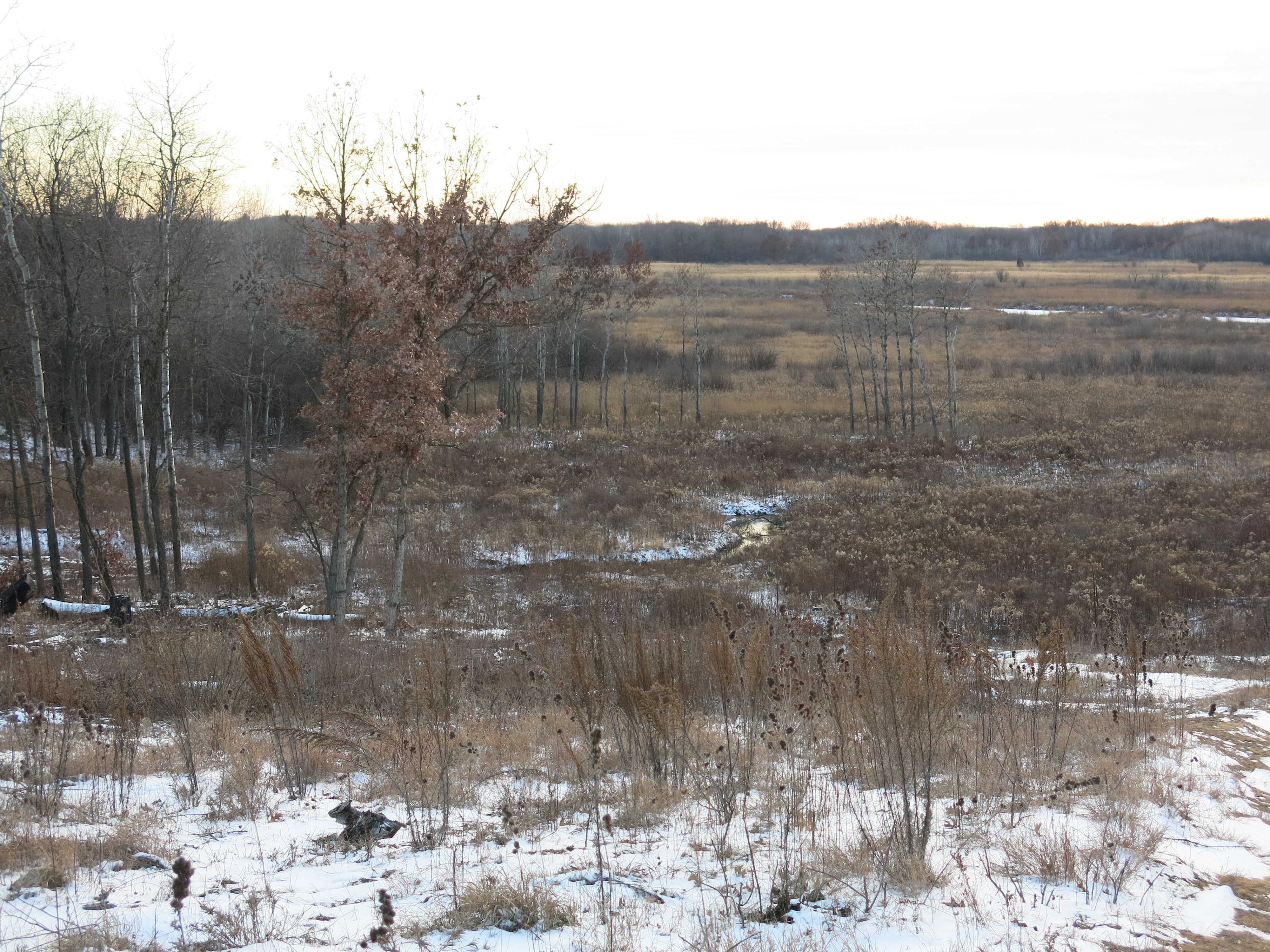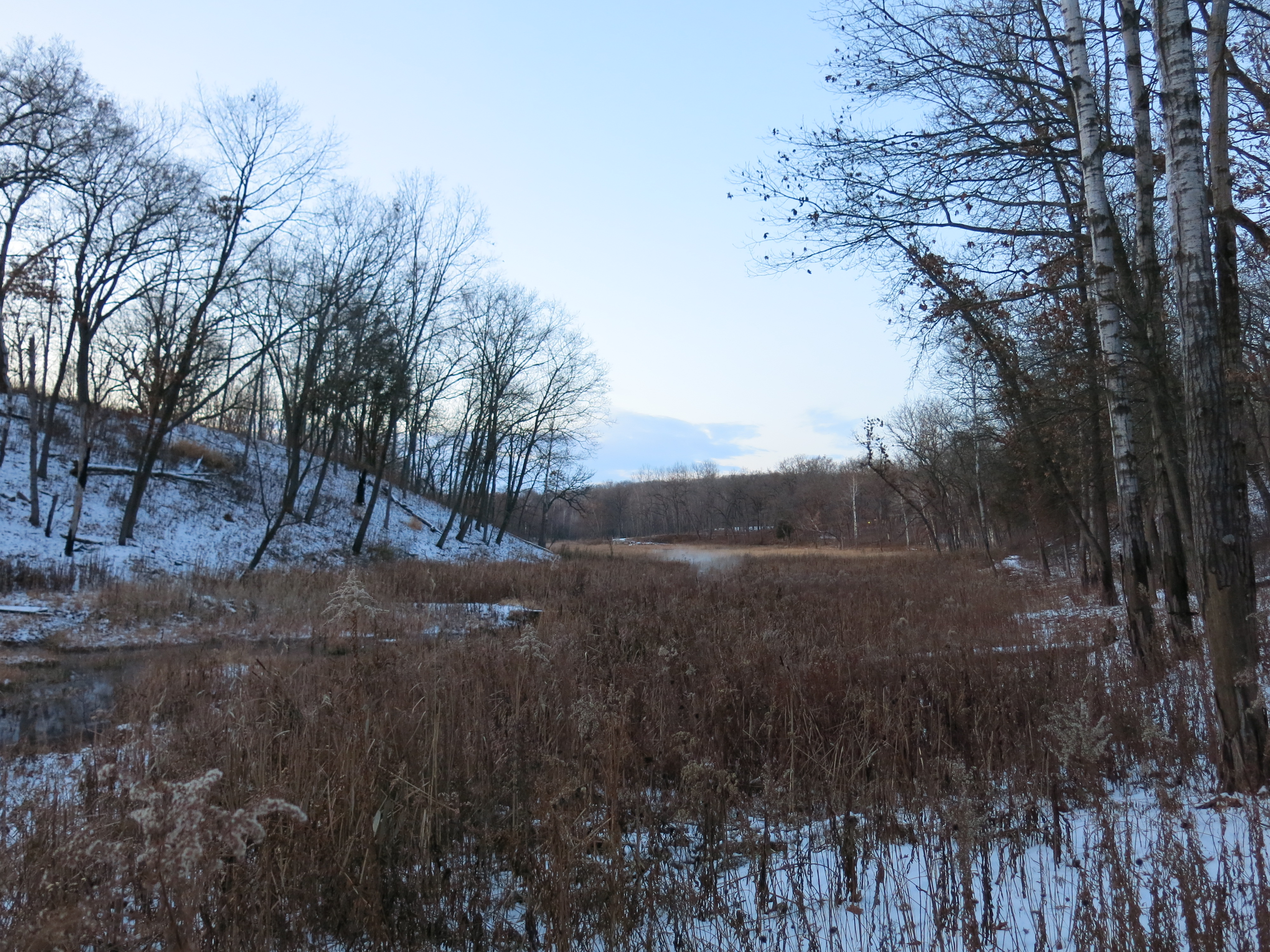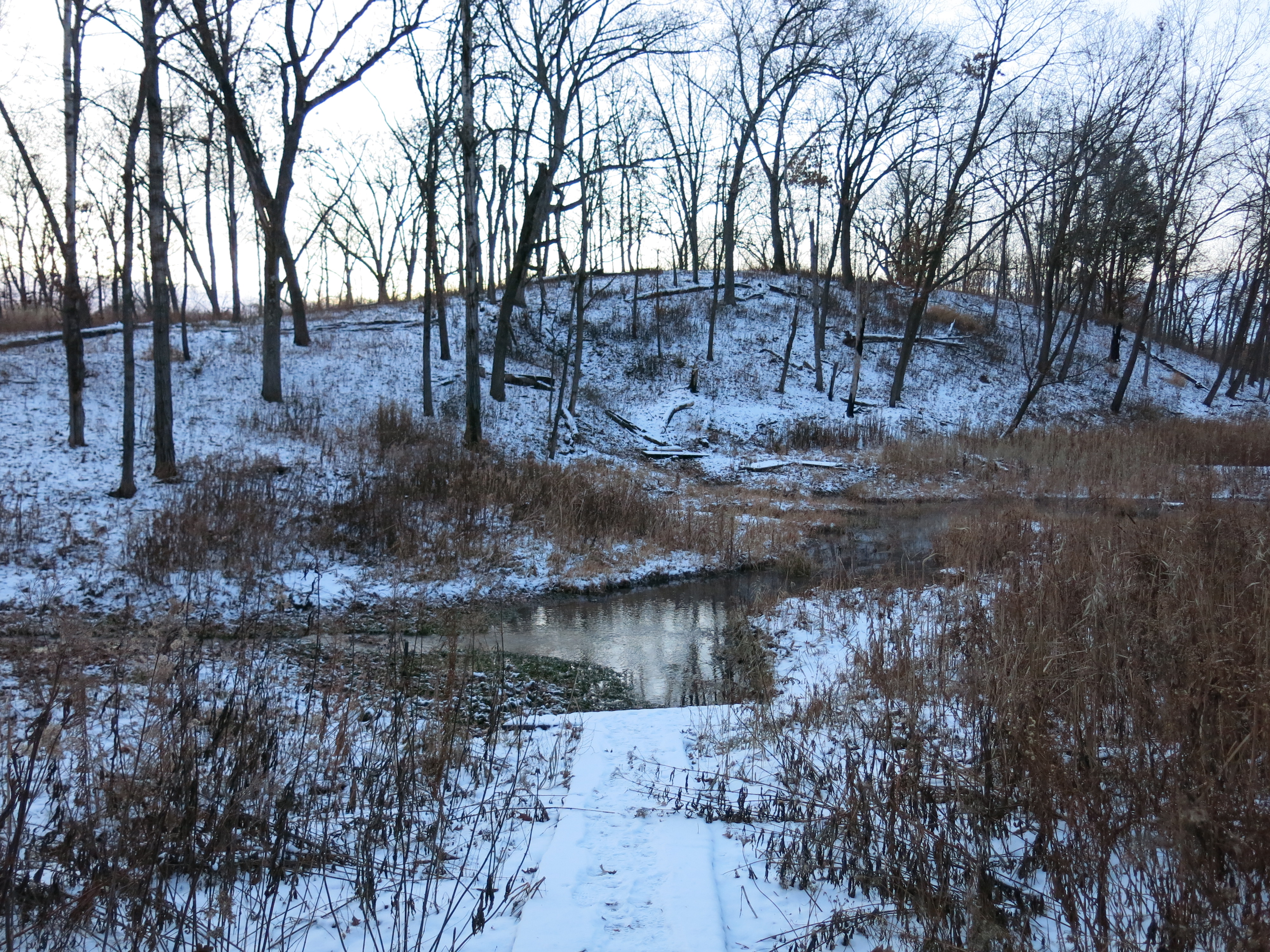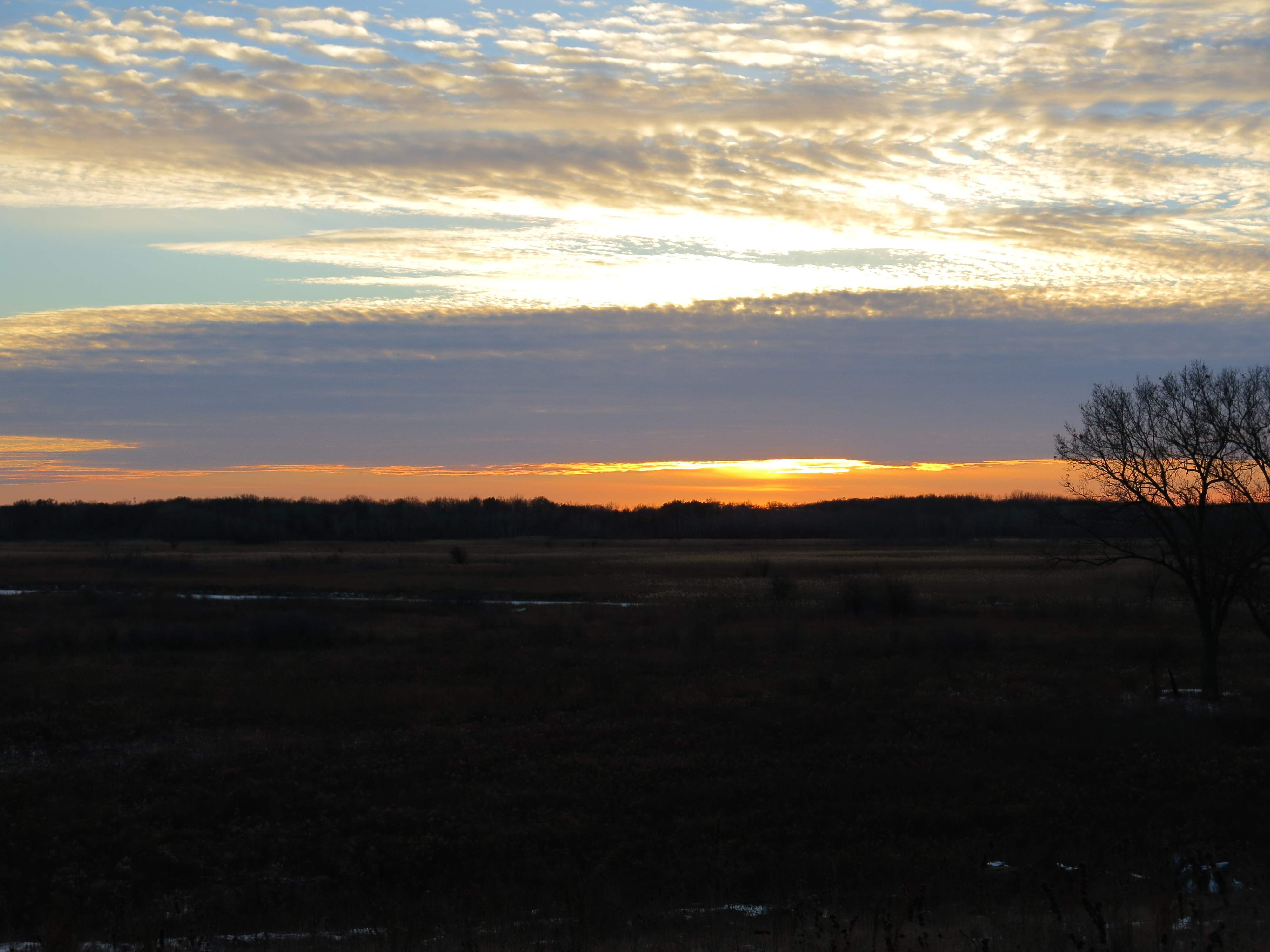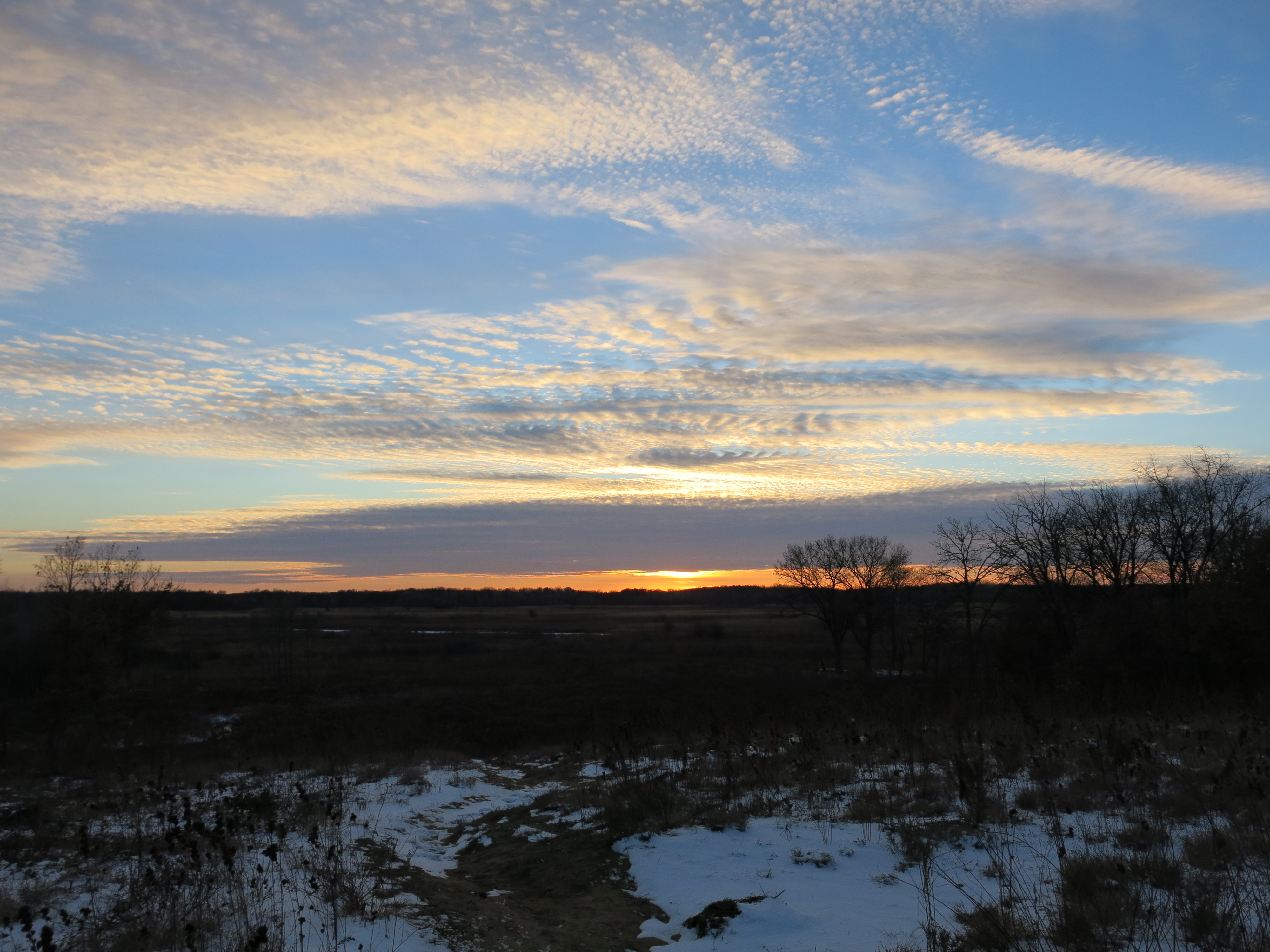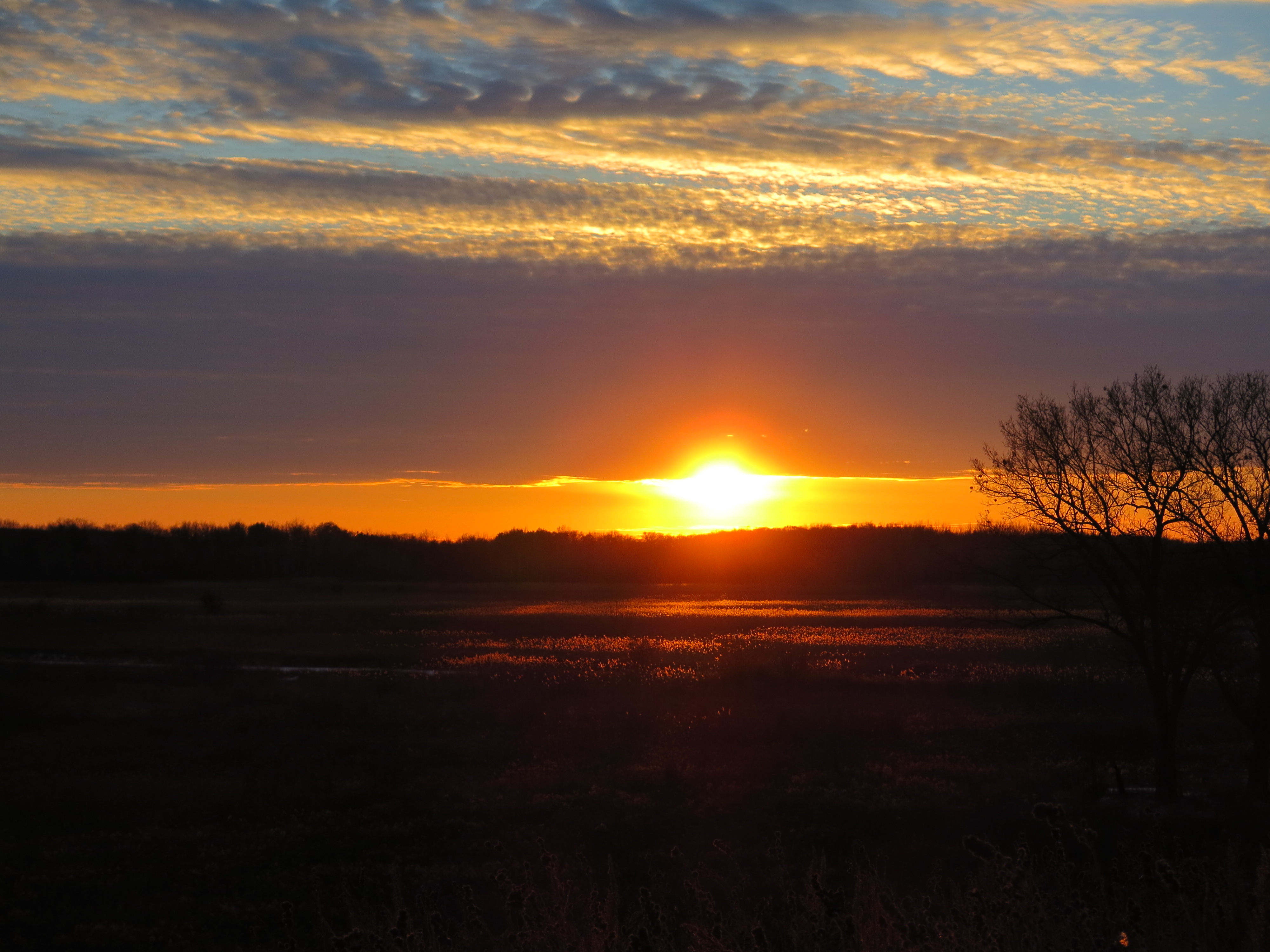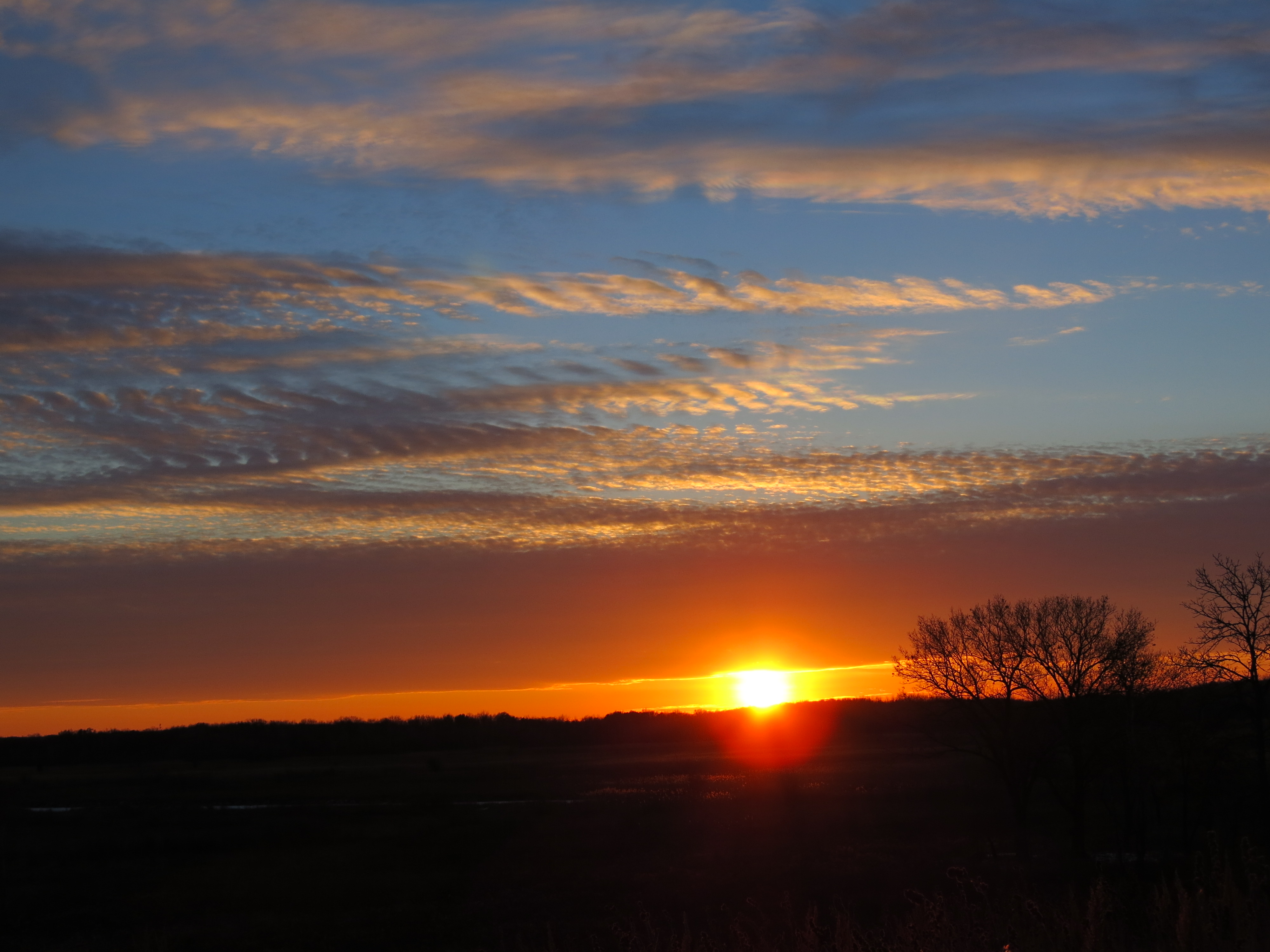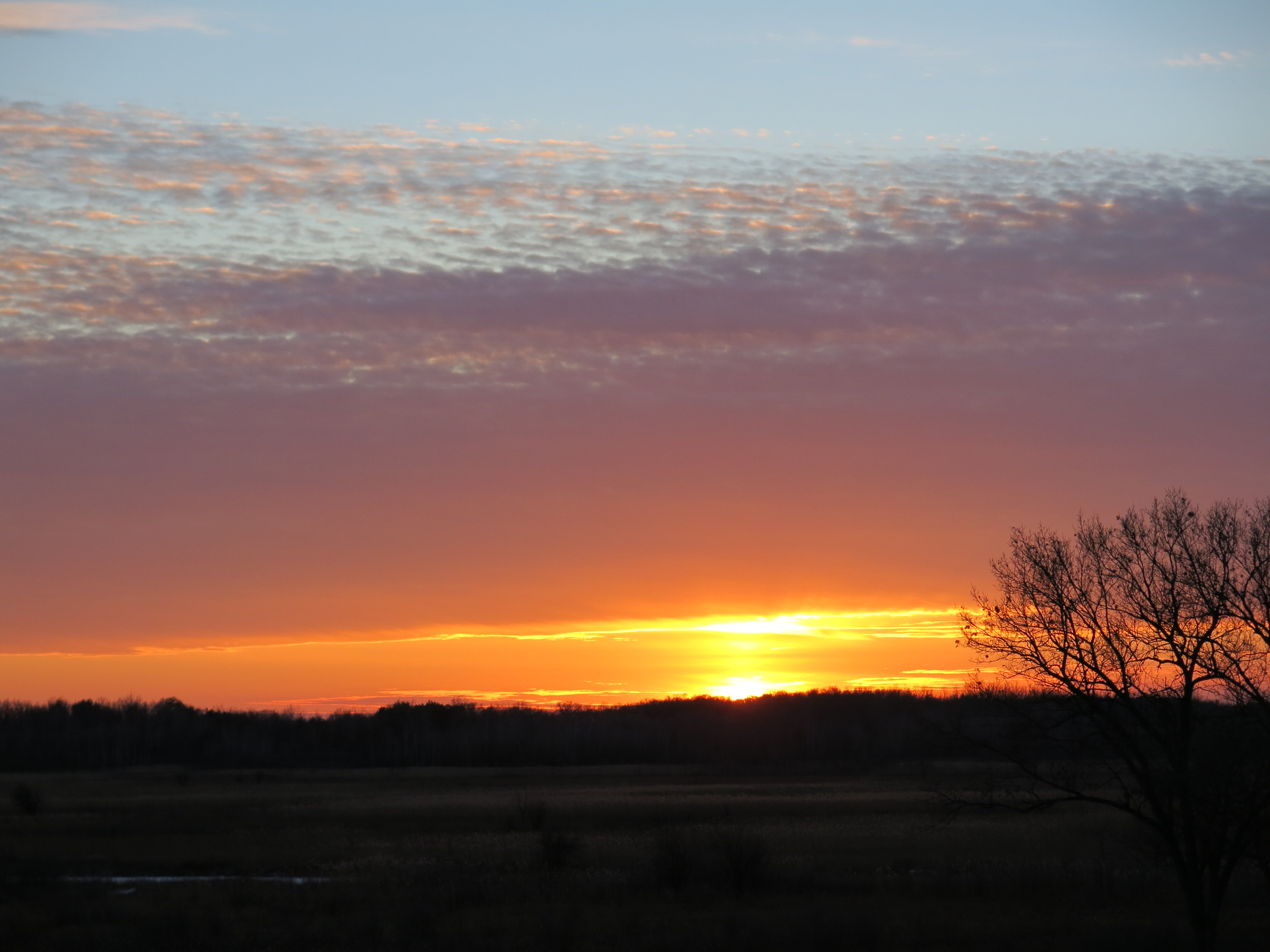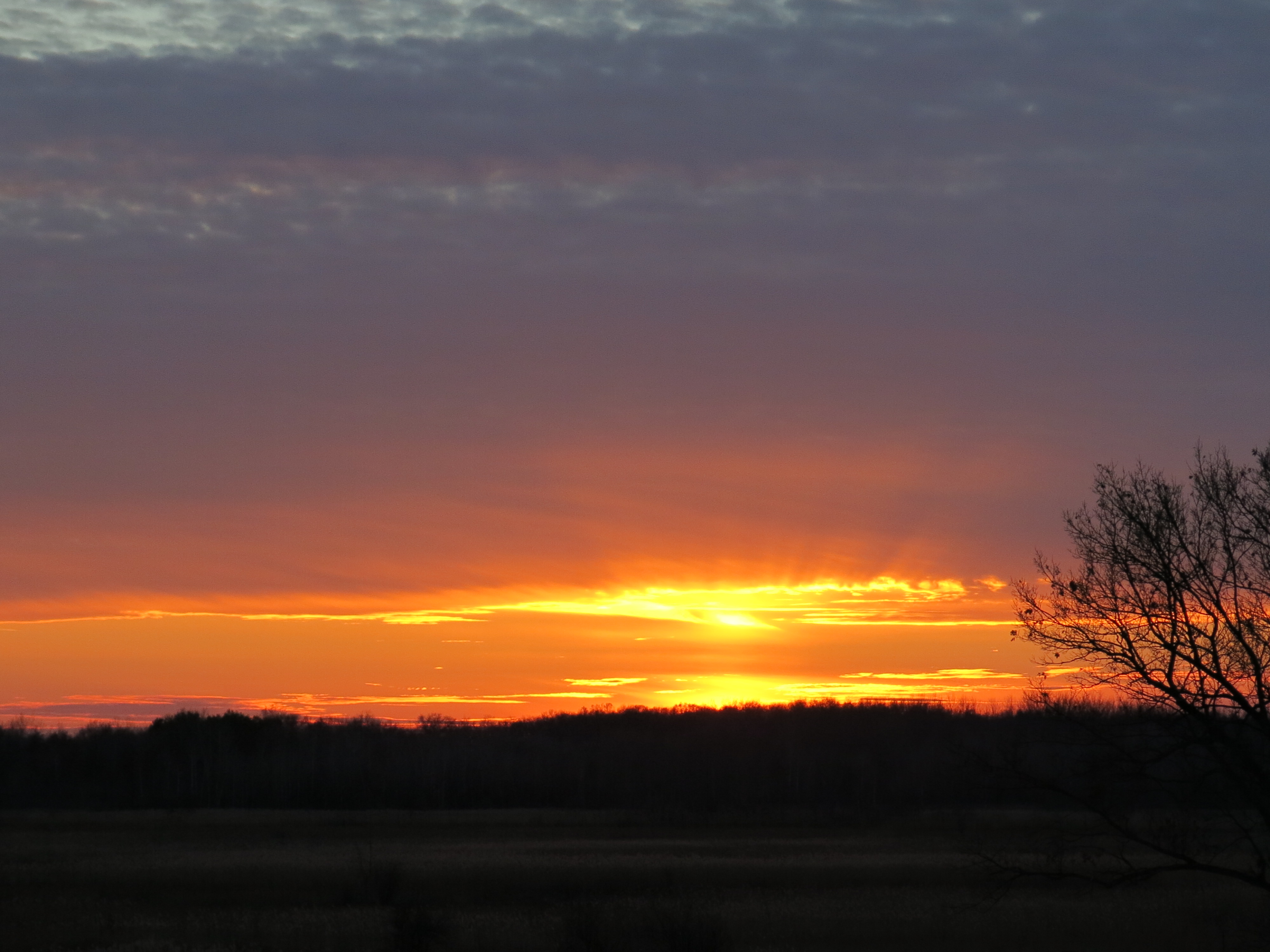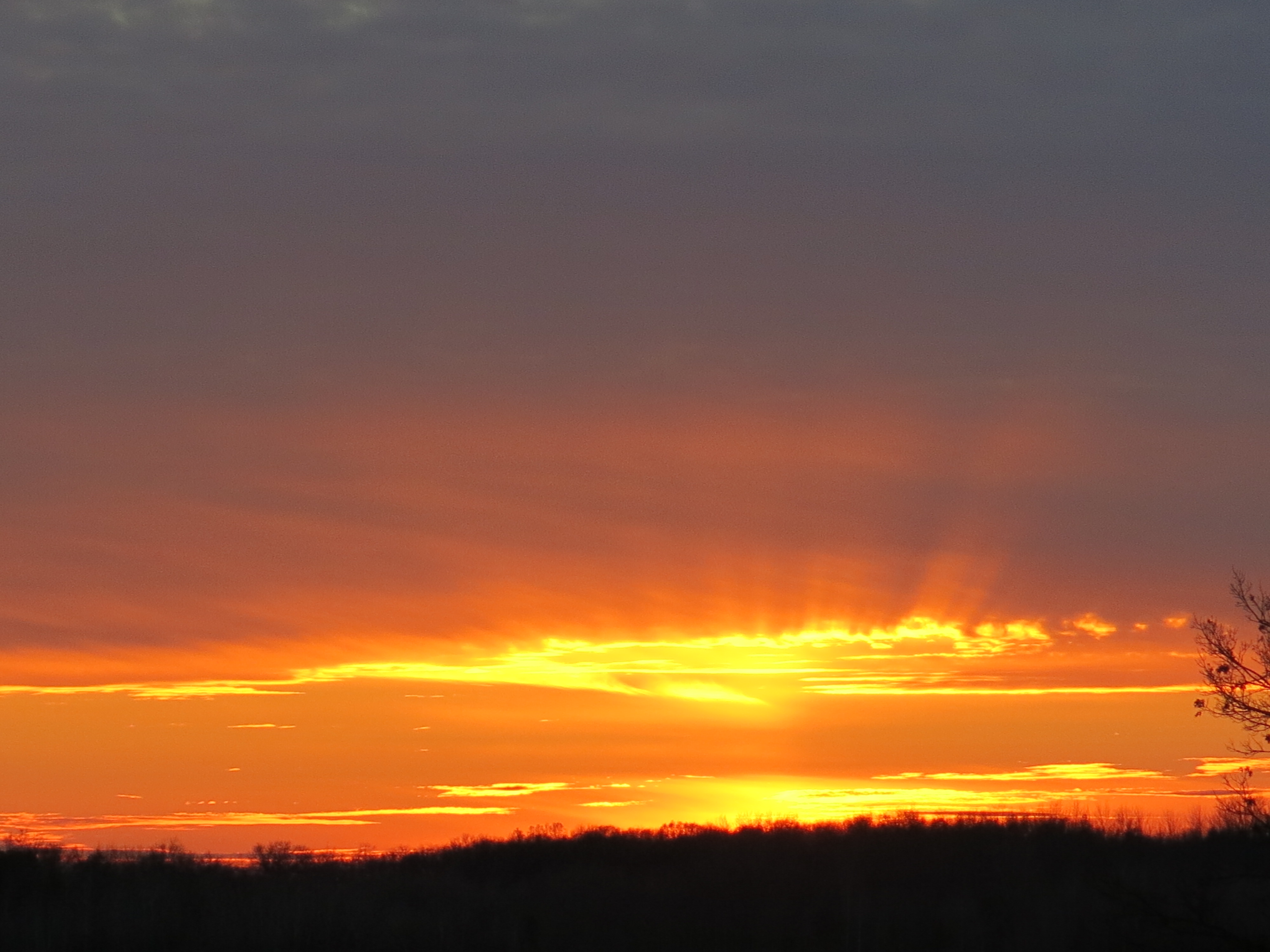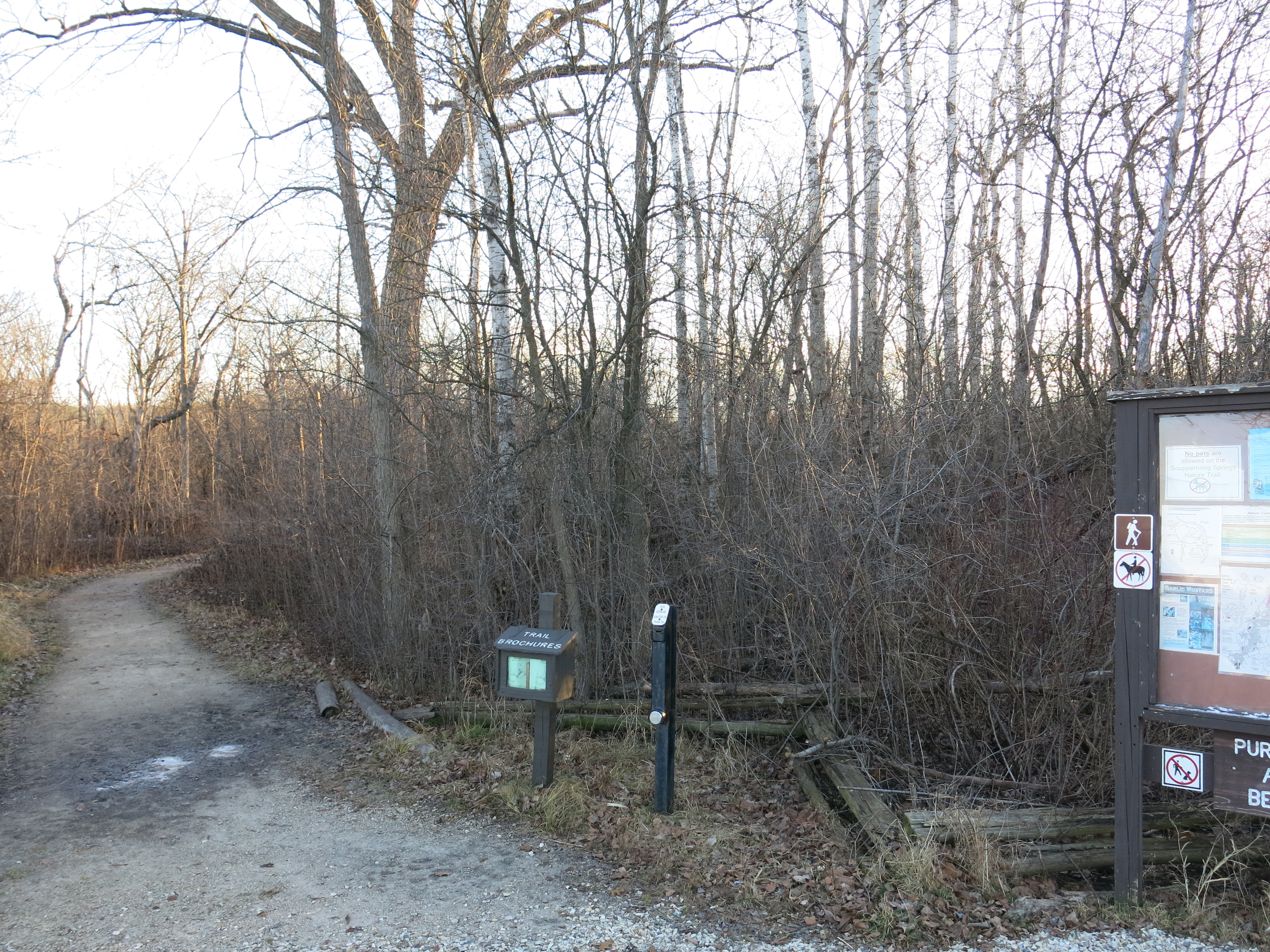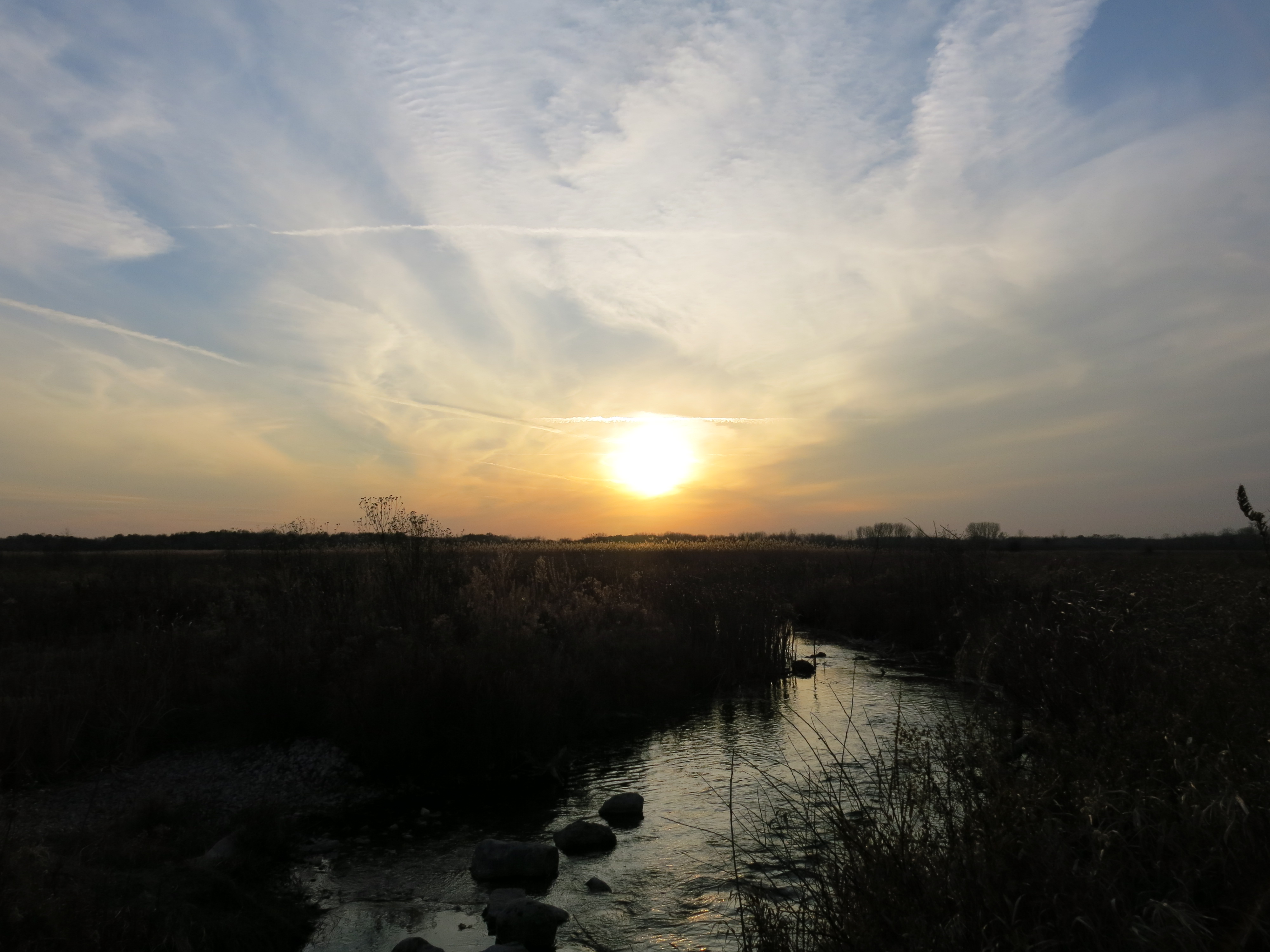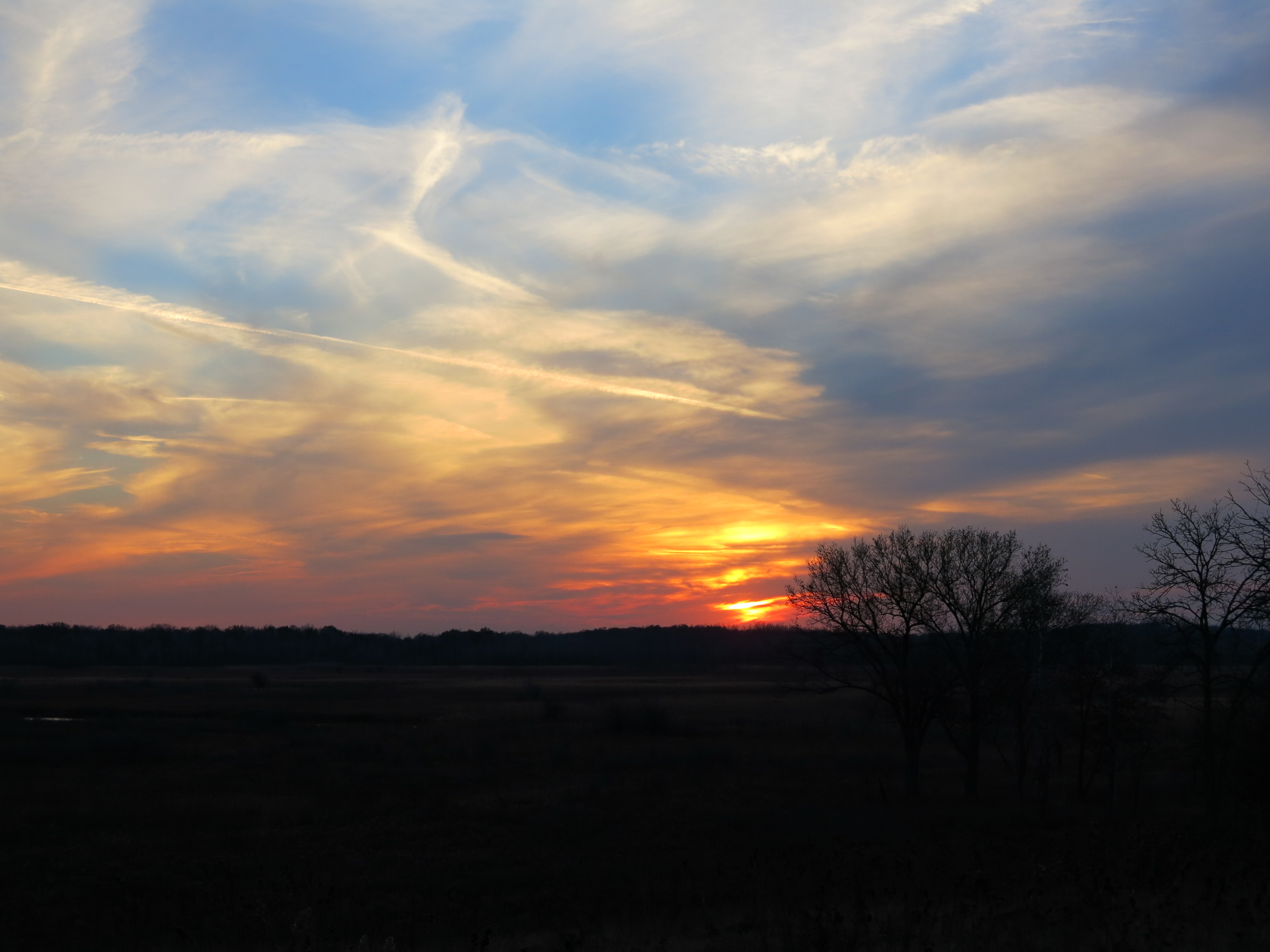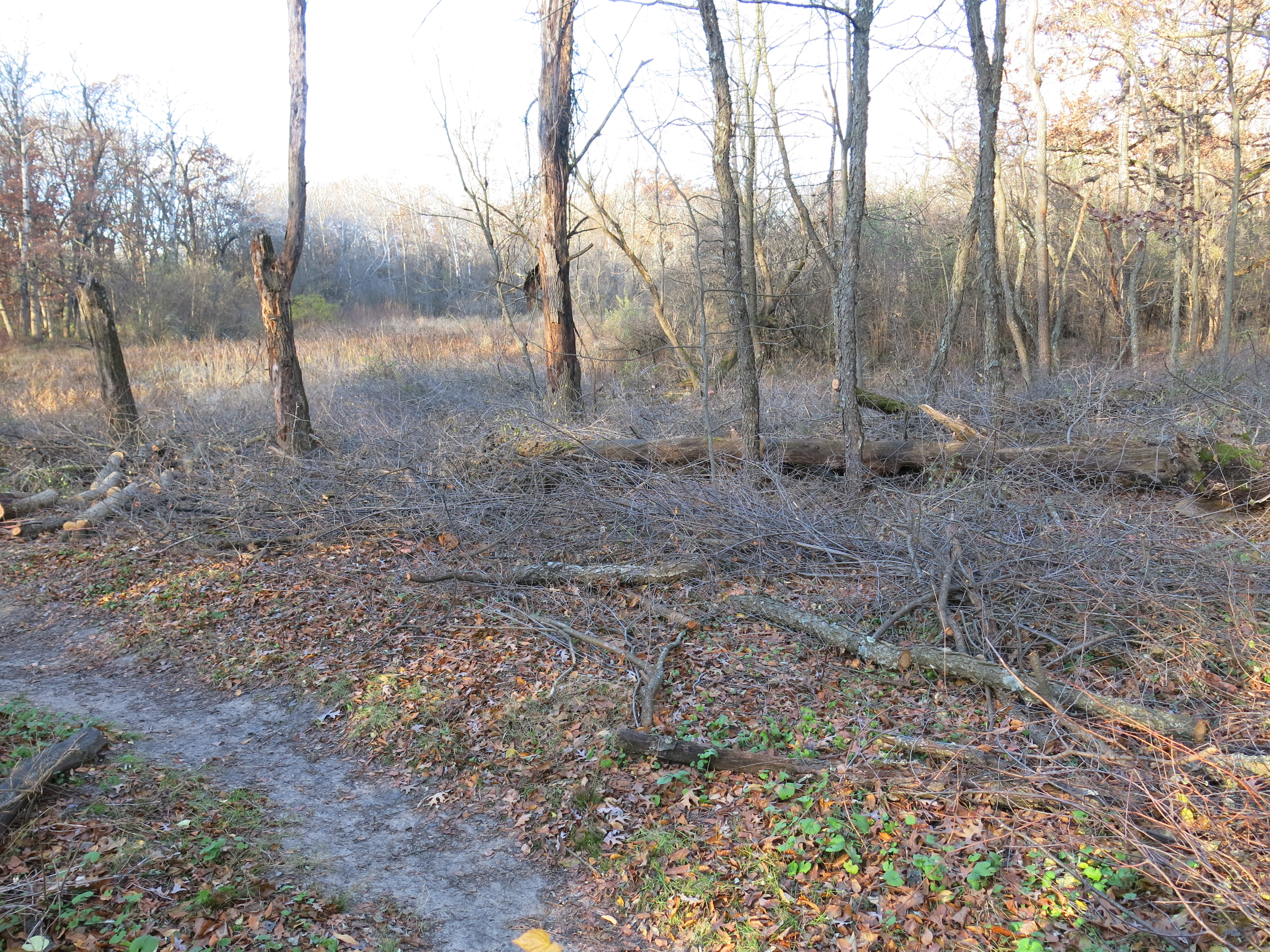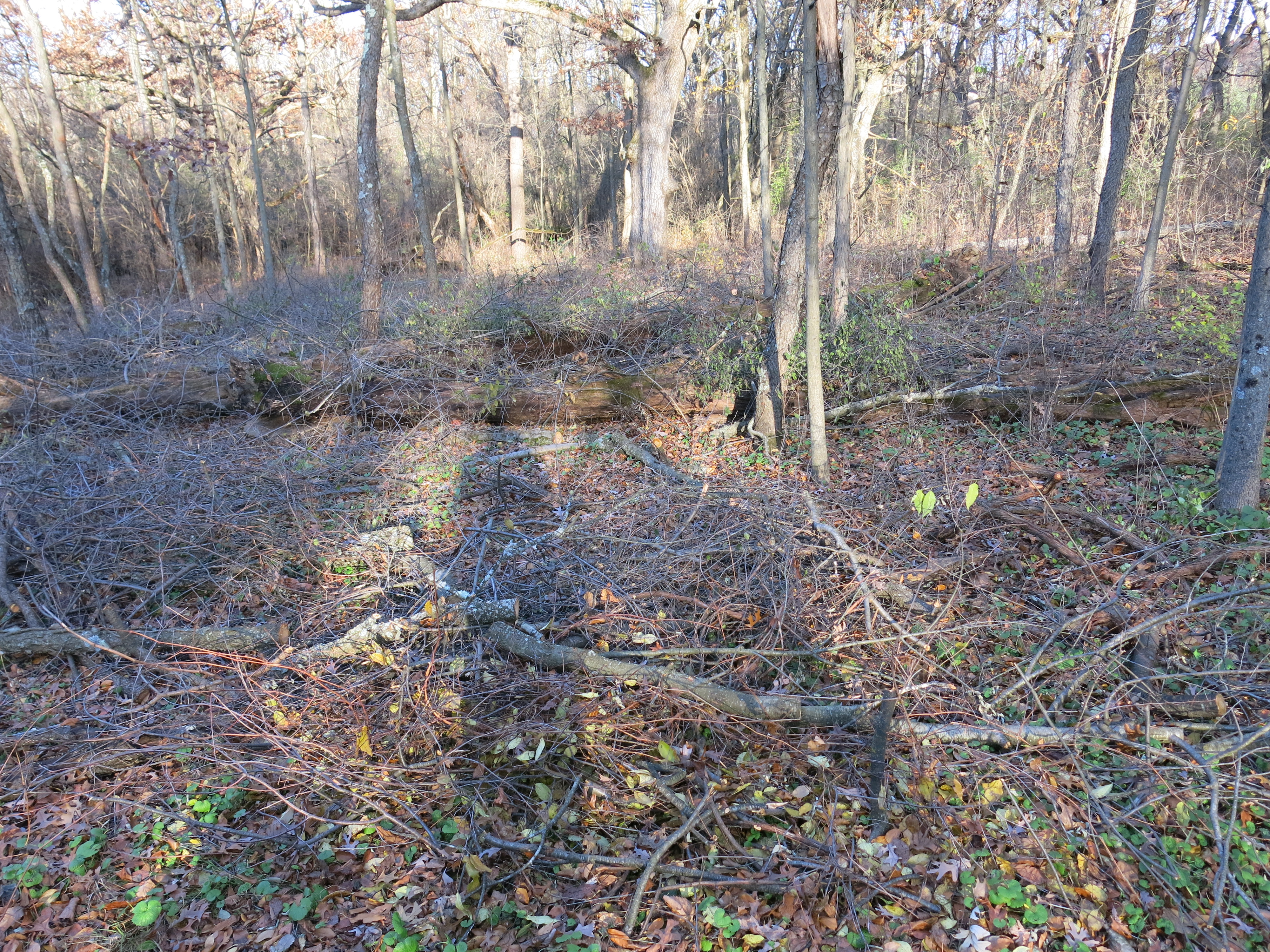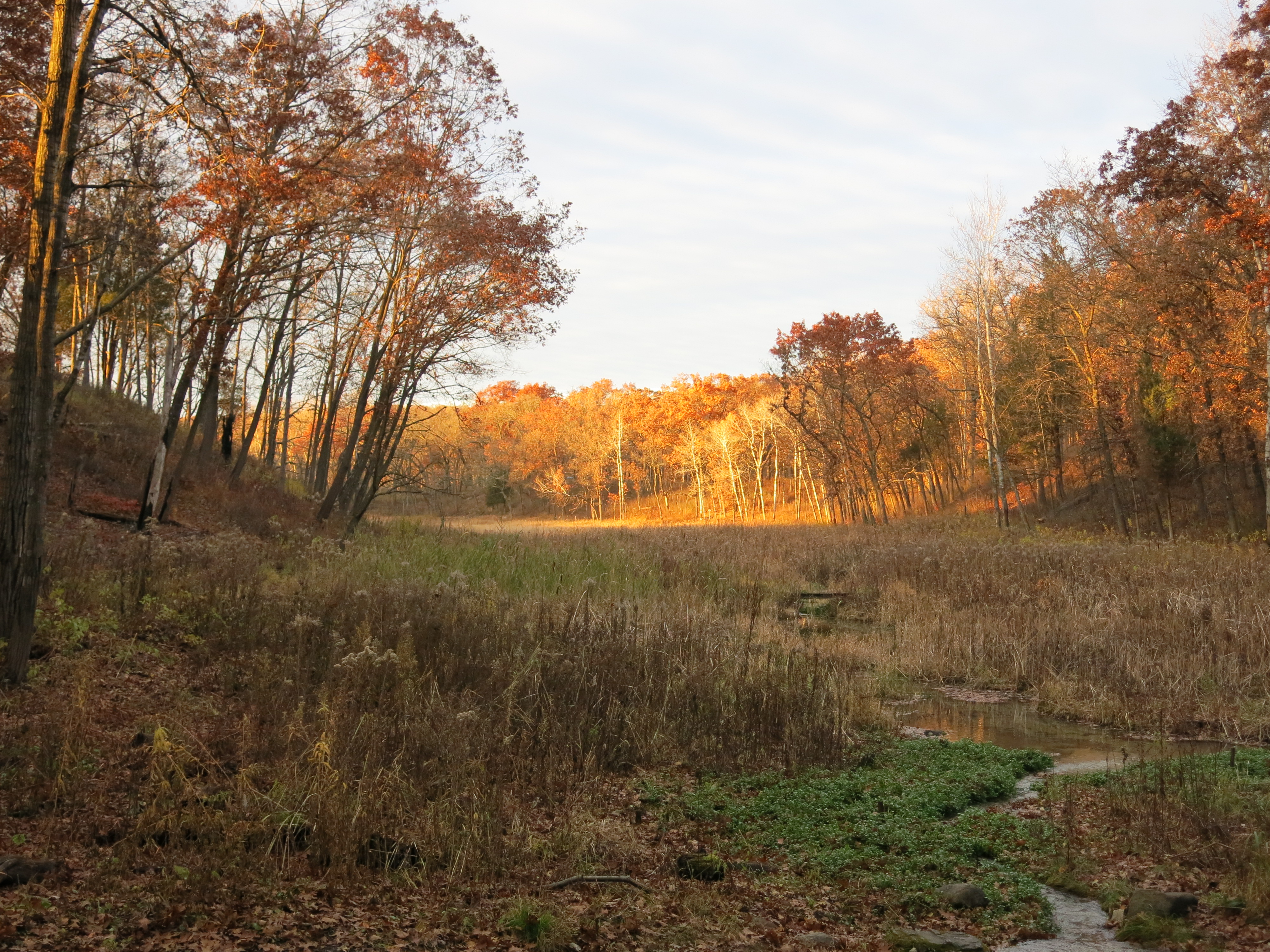
Super Friends of the Scuppernong Springs

2013 was a fantastic year at The Springs. Here are highlights from the perspective of all the Super Friends♥ of the Scuppernong Springs Nature Trail. We don’t have a normal friends group; no, we have Super Friends♥

superfriends

January

scuppernong nature trail(photo by Tighe House)

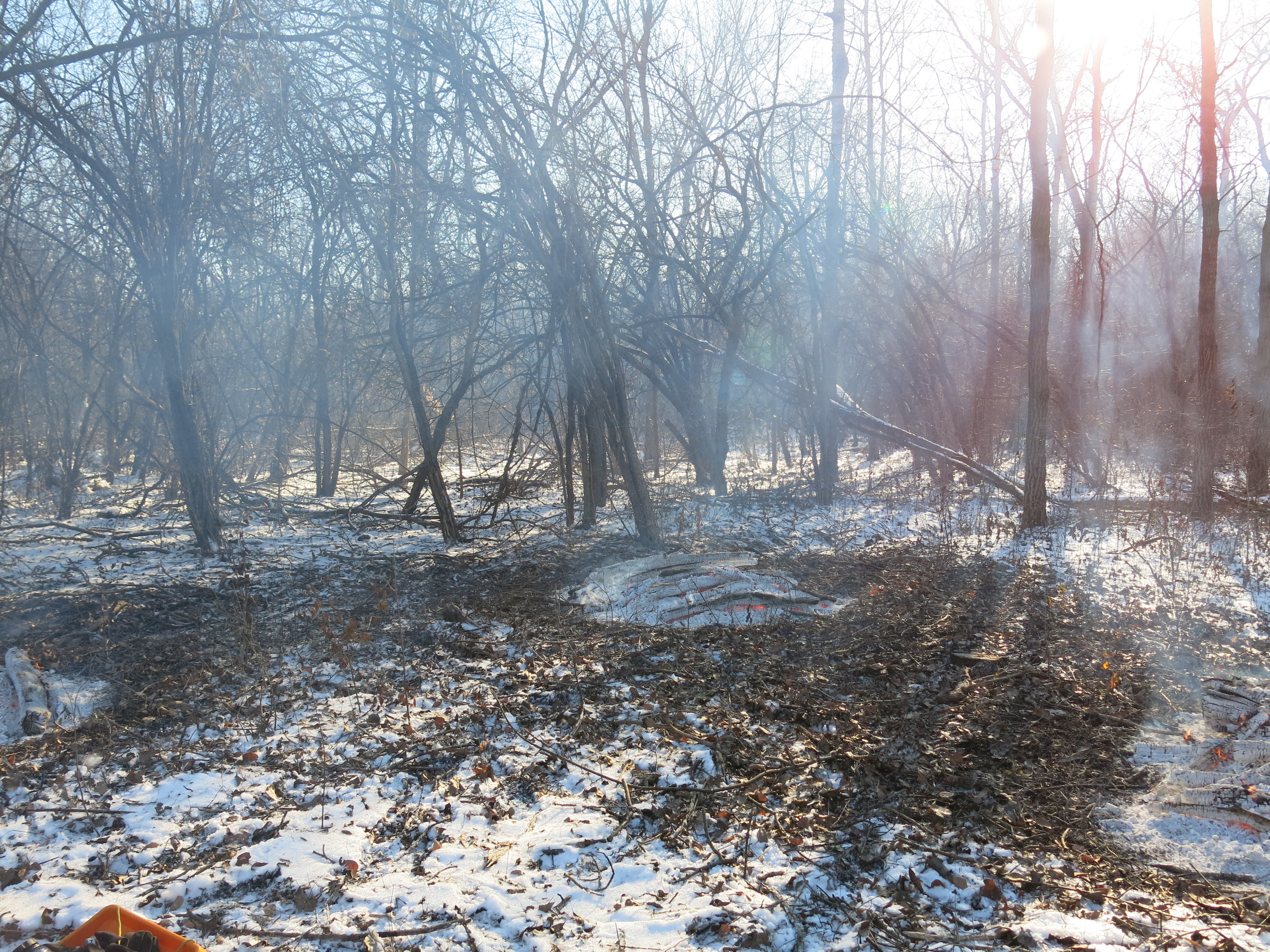
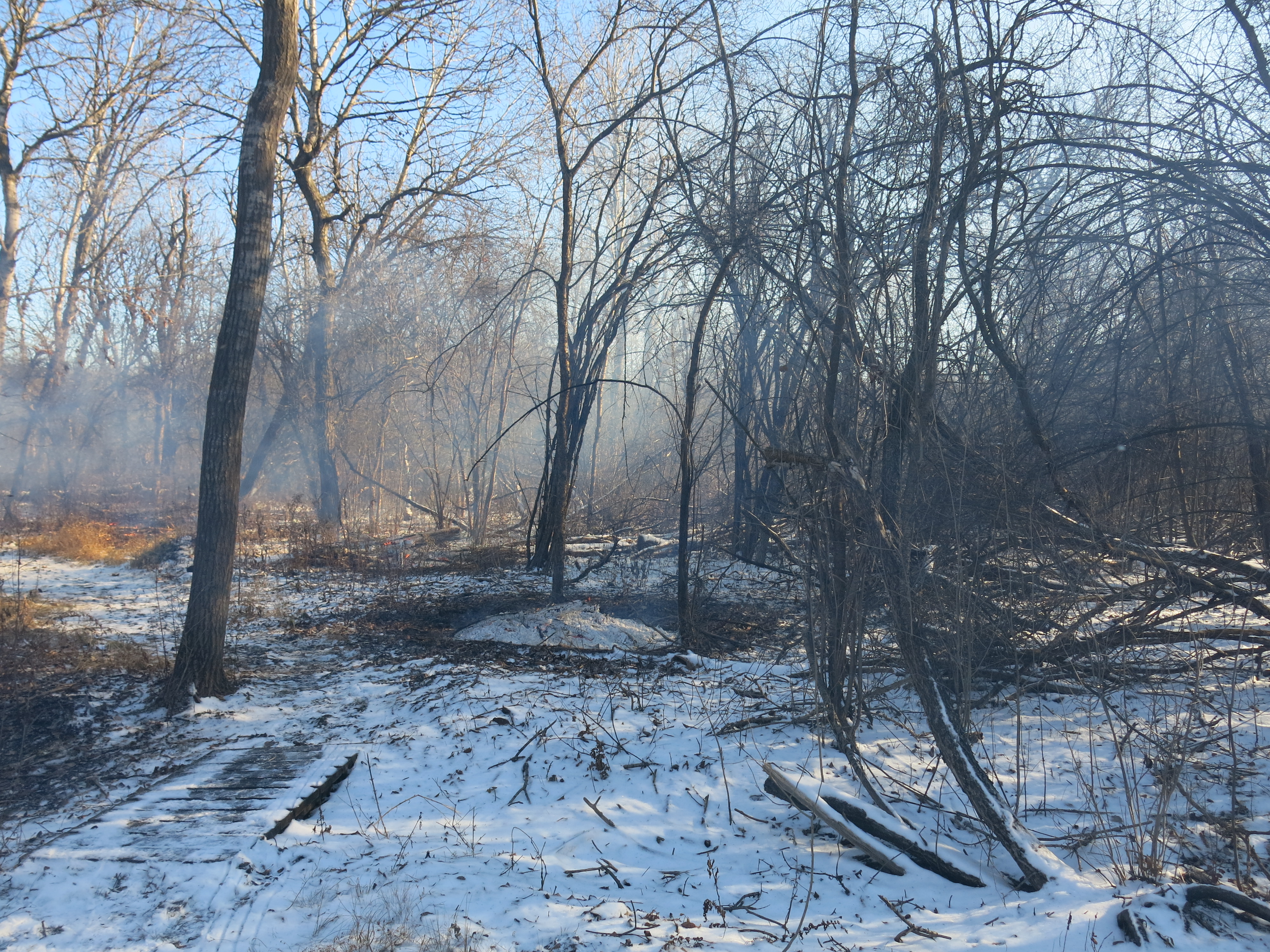
We burned a lot of brush piles on the south side of the Indian Spring and all across the Indian Campground, aka, the Sand Prairie.  My old friend from “The Quiet Company”, Mark Mamerow, was a big help.

The USGS installed a ground water flow meter at what I now call the “gaging station” bridge and Rich Csavoy and Lindsay Knudsvig were very active helping burn 173 brush piles.

Lindsay, Rich and I cut and piled buckthorn between the cut-off trail and river.  DNR trail boss, and jack-of-all-trades, Don Dane, provided native flower and grass seeds that we sowed near the Indian Spring.

Lindsay, Pati and I began our Journey Down the Scuppernong River in an effort to become more intimately familiar with the Scuppernong River Habitat Area.
IMG_1054

February

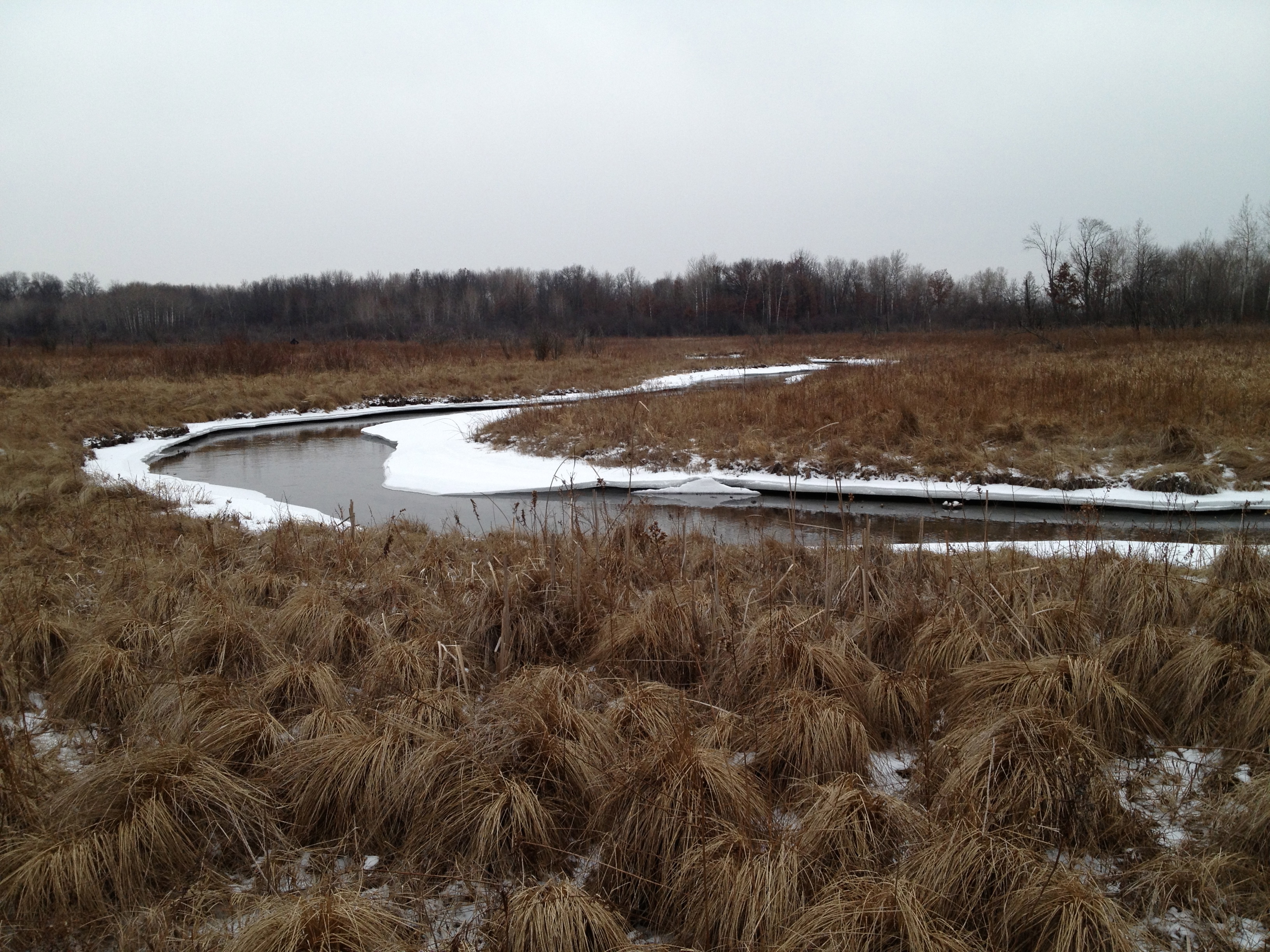
We continued exploring the Scuppernong River hiking the frozen, snow covered, banks from Hwy N all the way to Hwy 59.

IMG_1077

The powers that be relented and I got a window of opportunity to burn the brush piles I had left behind at the Hartland Marsh.  I couldn’t have done it without the help of my friends from the Ice Age Trail Alliance, Pat Witkowski, Mike Fort, John Mesching, Marlin Johnson, Glenn Ritz, Jack, Dick and the maintenance crew from the Village of Hartland.  We lit over 300 piles during the month on many workdays.

Carl Baumann and Rich Csavoy helped cut buckthorn between the cut-off trail and the river.  I hope to work with these righteous dudes again soon!

Steve Brasch, Carl, Lindsay and I had a couple of brush pile burning adventures and Lindsay showed me the value of having a leaf blower handy to ignite a smoldering pile.

Pati and I continued our investigation of the Scuppernong River watershed following the outflow from McKeawn Spring to the river on a gorgeously warm winter day.

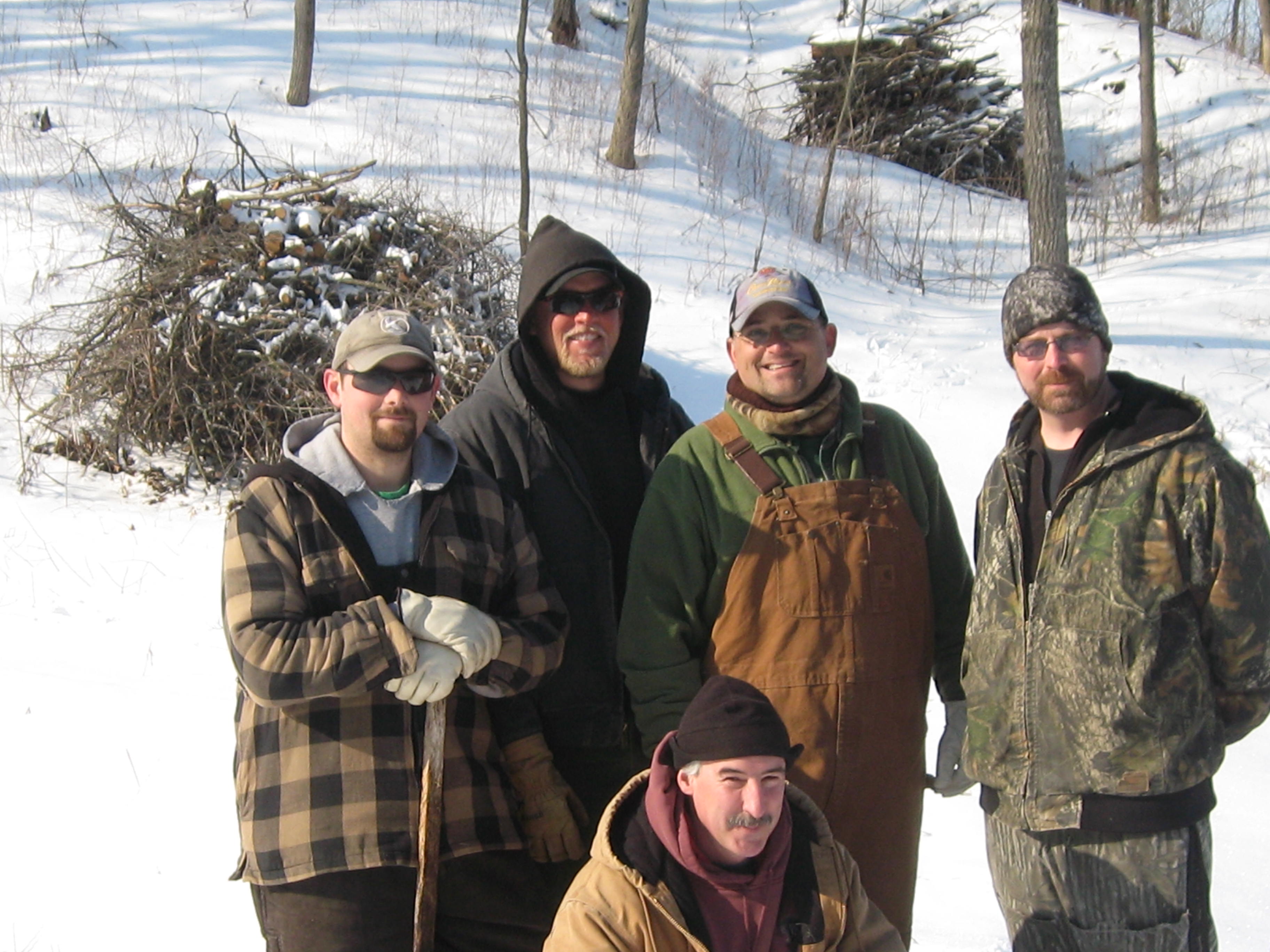
One of the most memorable days of the year was with the DNR Fisheries team of Ben “Benny” Heussner, Steve “Gos” Gospodarek, Andrew Notbohm and Josh Krall (right to left below, “Double D” Don Dane kneeing in front) as they reviewed their past efforts to rehabilitate the river and formed plans for the coming year.  They made good on their promise returning for two workdays on the river, most recently with a crew from the South Eastern Wisconsin Trout Unlimited group.
IMG_0828

March

Pati, and I and Lindsay continued our Journey Down the Scuppernong River hiking from Hwy 59 to Hwy 106.  We attempted the last leg from Hwy 106 to where the Scuppernong River joins the Bark River south of Hebron, but we were foiled by melting ice.

IMG_0893

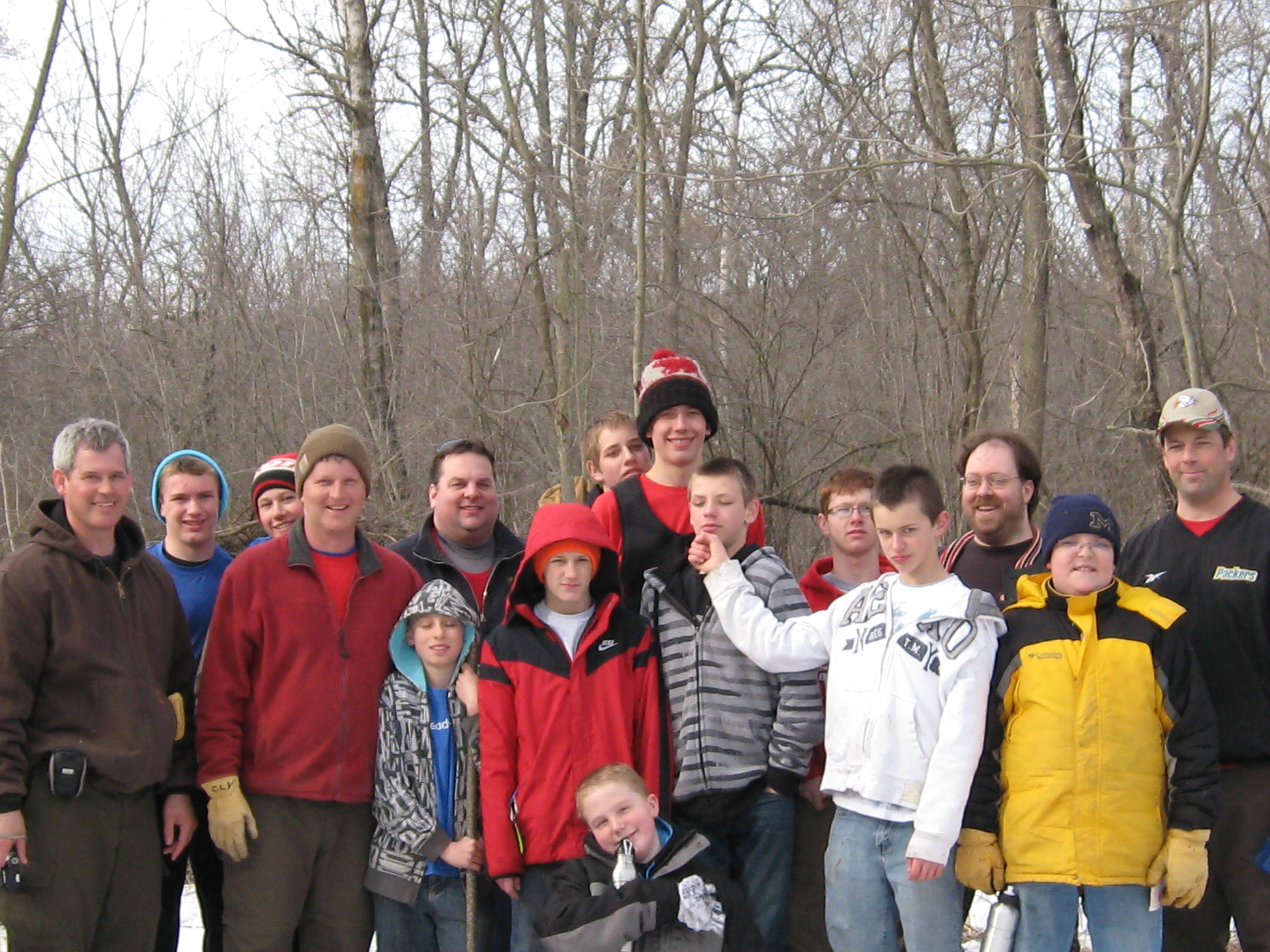
I continued clearing brush between the cut-off trail and the river and was glad to have the help of Boy Scout Troop 131, from Fort Atkinson to help pile it up.
IMG_0992

Lindsay and I were honored to jointly receive the Land Steward of the Year Award from the Oak Savanna Alliance for our work at the Scuppernong Springs Nature Trail.  I continued investigating the Scuppernong River watershed hiking the Paradise Springs Creek from it’s source to it’s confluence with the river.

Steve, Lindsay, myself and Carl had a classic brush pile burning day in the area around the Scuppernong Spring and shared a few cold brews afterwards.

IMG_0967

I began volunteering with Jared Urban and the DNR’s Endangered Resources team and met great people like Virginia Coburn, Zach Kastern and Herb Sharpless.

Dave Hoffman and Matt Zine secured a $75,000 NAWCA grant for the DNR to continue the work on the Scuppernong River Habitat Area that Ron Kurowski had championed for over 20 years.

April

We began clearing brush in the area around the Old Hotel and Barn sites near the Hotel Springs.  Rich Csavoy, Pati and I continued to clear the brush between the cut-off trail and the river; this time on the far east end.

John and Sue Hrobar (shown with Don Dane below), the “Keepers of the Springs”, began to report that they were not seeing as many brook trout as they had in previous years and attributed this to our removing too much water cress the previous spring.  Indeed, Ben Heussner had warned us that the trout relied on this invasive plant for food (bugs) and cover.

IMG_0265

DNR wunderkind, Amanda Prange, her boyfriend Justin, his mother Beth, Roberta “Berta” Roy-Montgomery and DNR Ranger Elias Wilson (who would save my life 3 weeks later!) joined me for a day installing prothonotary warbler houses and piling brush.

IMG_1075

Rich, Berta and I began girdling aspen.  This was new for me and now I realize we were a bit early.

Rich and I began spraying weeds like garlic mustard and spotted knapweed.  I started having misgivings about using poisons in this delicate ecosystem.

I began working in the Buckthorn Alley.

Pati, Lindsay and I made the final leg of Journey Down the Scuppernong River via canoe and were sorely disappointed to contrast this stretch of the river to those preceding.

Jon Bradley contributed an excellent photo essay to this blog.

DSCN1476

May

I began the month girdling aspen and working in the Buckthorn Alley.

The most exciting day of the year was when the DNR burned the Scuppernong.  It was memorable in every way but it almost began disastrously.  I was using a drip torch for the first time and it was leaking fuel badly from the rim of the cap.  DNR Ranger Elias Wilson noticed the danger immediately and calmly said: “Put the torch down Paul.”  Again, he repeated, with a little more emphasis: “Paul, put the torch down.”  Finally, I came to my senses and realized the danger too.  Thanks Elias, you saved my life!

IMG_1150

This is probably a good place to thank Paul Sandgren, Superintendent of the Southern Unit of the Kettle Moraine State Forest, Assistant Superintendent Anne Korman, Don Dane, Amanda Prange, Melanie Kapinos and all of the DNR staff, including retired naturalist, Ron Kurowski and the Kettle Moraine Natural History Association for all of their help and support.

Within a few weeks, flowers and grasses were emerging from the blackened earth and I kept busy girdling aspen along the river valley and piling brush from the Old Hotel site north to where the trail turns west away from Hwy 67.  Garret and Jenny interrupted their studies to help me pile brush and I hope to see them again sometime.

IMG_1597

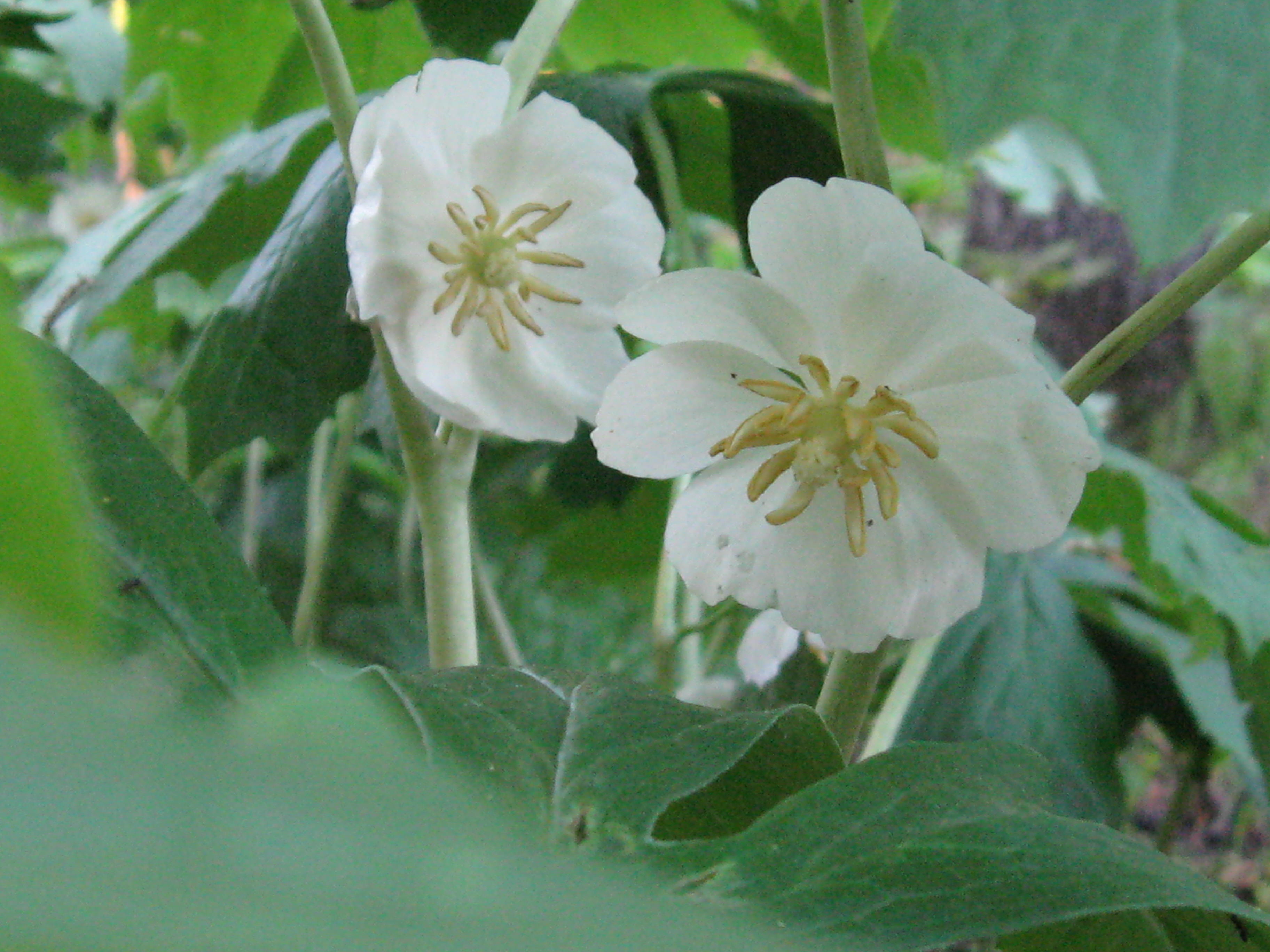
Spring was in full bloom and Rich helped me girdle aspen and pile brush between the cut-off trail and the river.  Ticks and mosquitoes where out in force and I got infected with lymes.
IMG_1613

June

Amanda, Tara Fignar and Melanie pictured below, along with others including Jim Davee, Kay, Barb, Berta and Rich (see this blog) replaced all of the signposts that accompany the interpretive guide.  Don Dane made the new posts.

IMG_1744

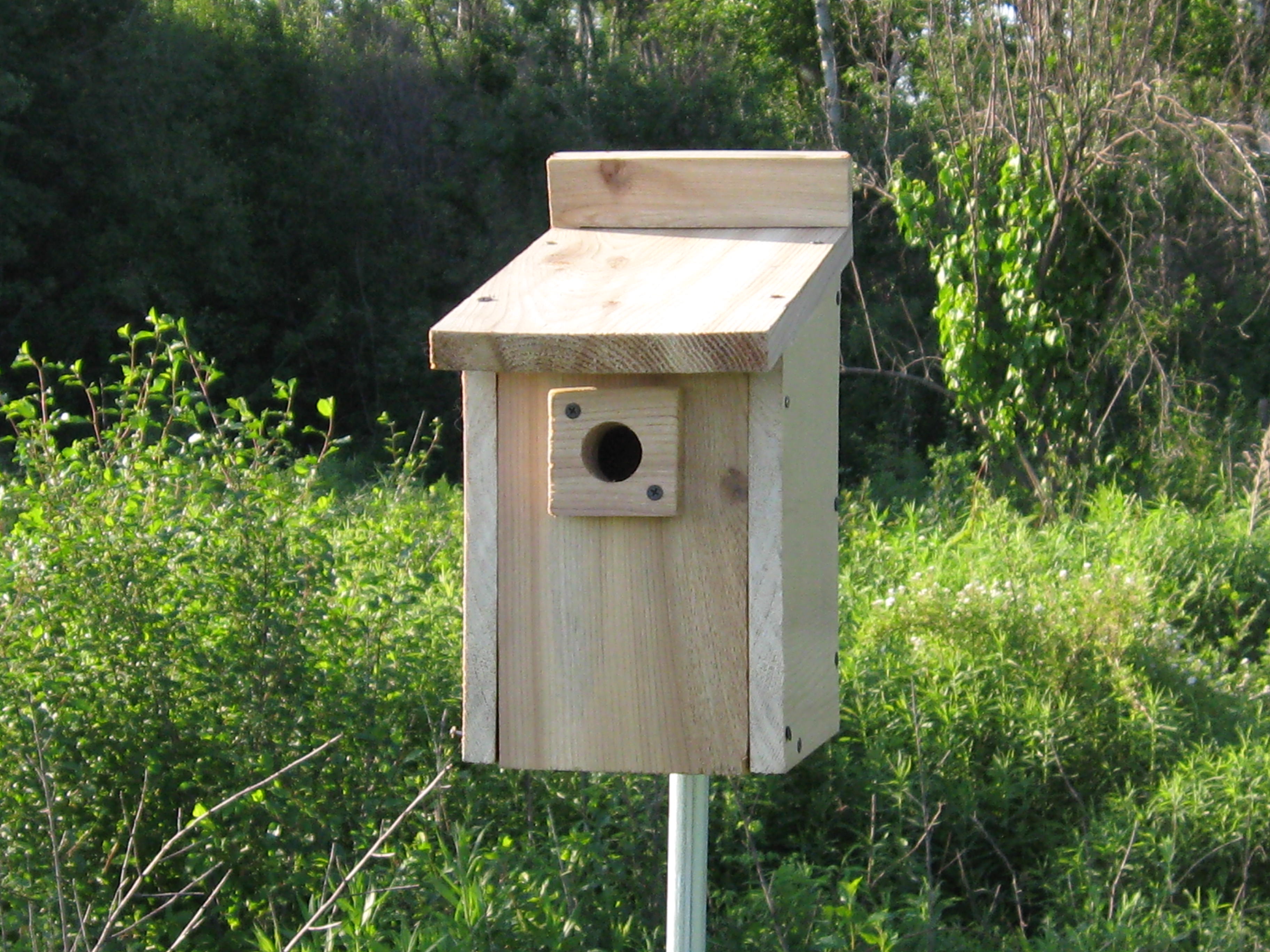
Jon Bradley built and installed this swallow house near the marl pit bridge and we are looking forward to the new tenants moving in this spring.
IMG_1768

I continued volunteering with Jared Urban’s Endangered Resources team in Oak woodlands around Bald Bluff.  Jared, Zach and Gary are great teachers!

IMG_1793

Jon Bradley contributed another excellent photo essay.

IMG_4867

I sprayed Habitat/imazapyr on phragmites near the Emerald Spring and no life has returned there — maybe this spring.  I suspected it would be the last time I used this poison.  I switched strategies and began cutting invasive plant seed heads with a hedge trimmer, or I cut the entire plant with a brush cutter.

IMG_0010

My lymes infection kicked into gear and I had a few miserable days.

July

Ben Heussner and the DNR Fisheries team returned to the Scuppernong River to lay down some bio-logs continuing their effort to improve the river channel.

I spent a few days working at the Hartland Marsh brush cutting along the boardwalks and mowing the trails.

IMG_0104

I was still spraying poisons like Transline and Milestone on various invasive plants at The Springs and it bothered me. I cut a ton of huge, flowering, spotted knapweed plants with the brush cutter to prevent them from going to seed and also started digging them out.

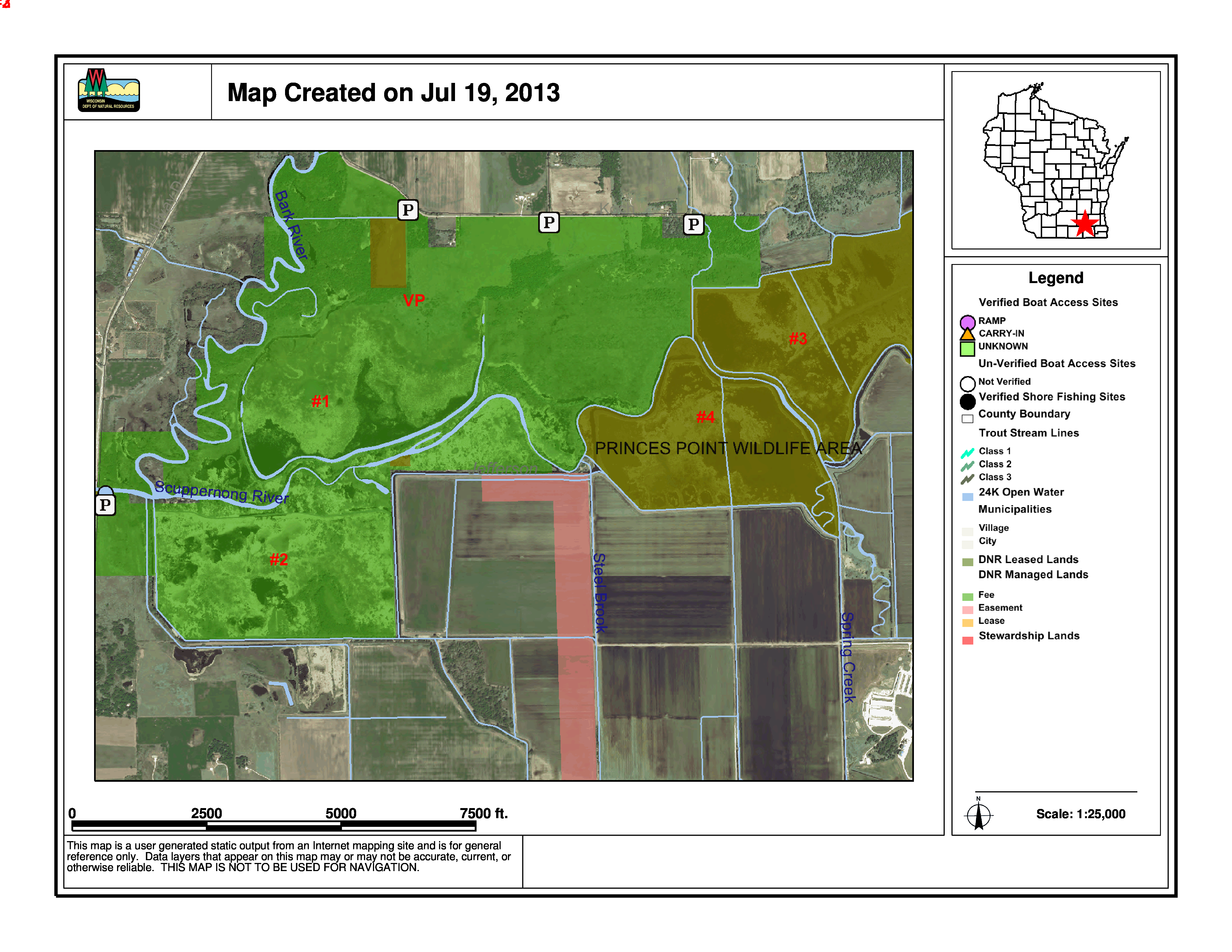
Pati, Lindsay and I were very disconcerted when we completed out Journey Down the Scuppernong River in the Prince’s Point Wildlife Area and I followed up and got a guided tour from DNR veterans Charlie Kilian, the recently retired property manager, and Bret Owsley to better understand what was going on.
PrincesPoint

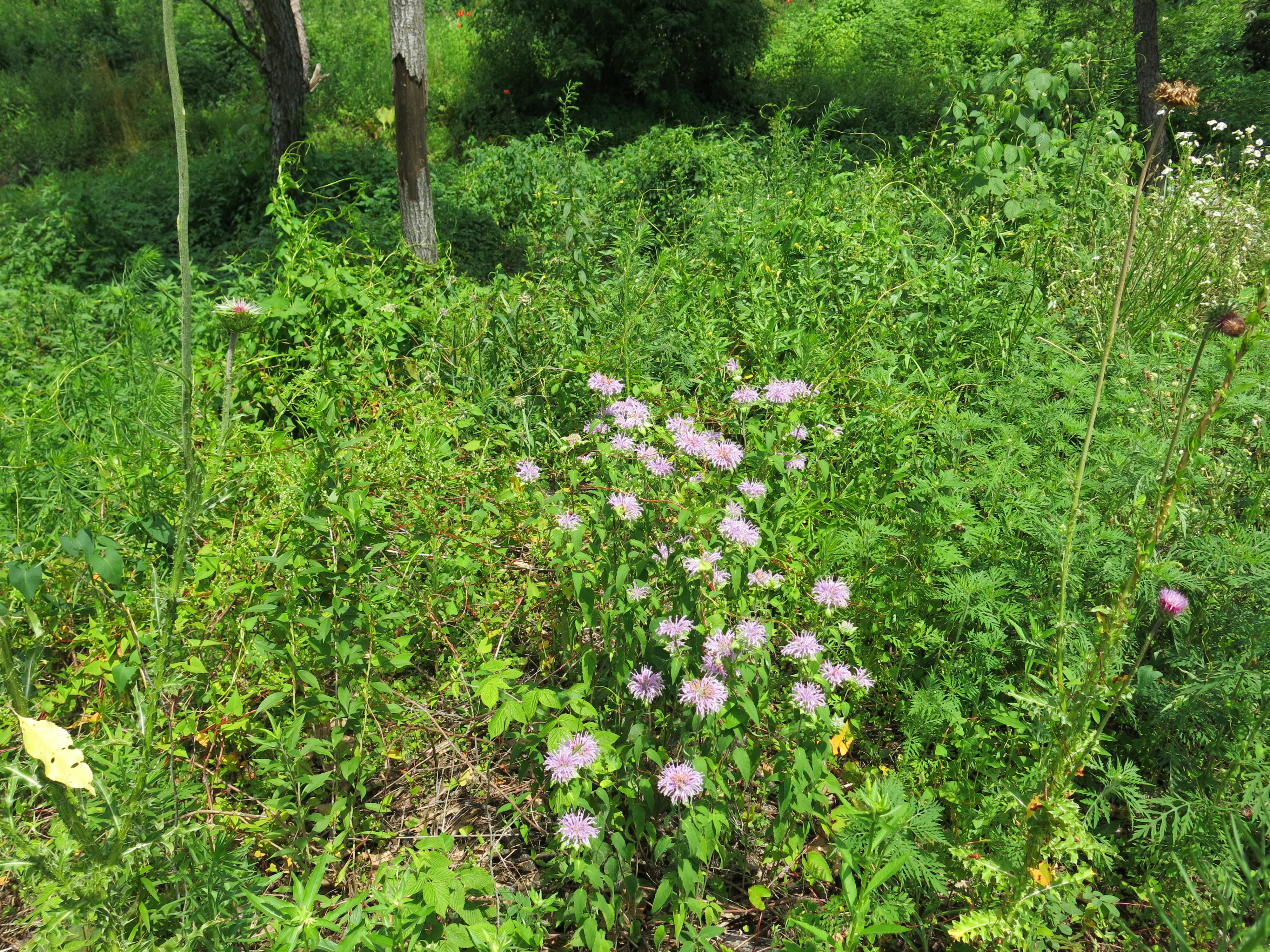
Ron Kurowski, retired DNR Naturalist and champion of the Scuppernong River Habitat Area restoration effort, met me at The Springs and helped me identify what was growing on the Sand Prairie and in other parts of the Scuppernong Springs Nature Preserve.
IMG_0201

I was becoming more and more disillusioned with the idea of spraying poison on weeds ad infinitum and began looking for alternatives.  Late in the month I met Jason Dare, the real deal when it comes to ecosystem management, at The Springs.  He was doing an invasive plant survey for the DNR and I became painfully aware that I didn’t know what I was doing vis-a-vis spraying invasive plants with poison in that delicate ecosystem.

August

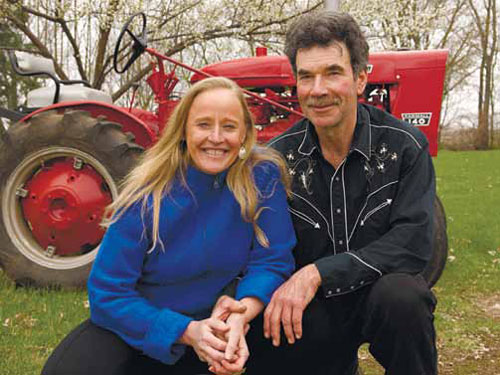
The Buddha said : “When the student is ready, the teacher will appear”.  It was Atina Diffley’s award winning memoir Turn Here Sweet Corn that finally opened my eyes and raised my organic consciousness.
diffleys

I’m done spraying toxic poisons at The Springs, except for on freshly cut buckthorn, honey suckle and black locust stumps.

Ben Heussner had warned that our aggressive removal of water cress from the river in the spring of 2012 might impact the brook trout and John and Sue Hrobar observed that, indeed, they were seeing far fewer fish than in previous years.  We finally got some objective data when Craig Helker and his DNR team of water resources specialists, performed their annual fish count.  It was a fascinating day!  Below: Craig, me, Chelsea, Rachel, Shelly and Adam.

IMG_0291

The fish counts were down significantly this year and I don’t doubt that it was a result of our removal of too much cover and food source from the river.  At the time we pulled the water cress, it had formed thick mats that damned the water flow raising the water table along the river by at least 6 inches.  I thought it was important to help re-establish the river channel, and the flora in the valley, to remove the water cress dams.  Until we can establish a native water plant, like Chara, which is in fact making a comeback, to replace the invasive water cress, we will allow the cress to thrive short of damning the river again.

I began attacking the phragmites and cattail that dominate the river valley with a hedge cutter loping off the maturing seed heads and leaving the emerging golden rod and asters undisturbed beneath them.

September

I learned to adjust my efforts to the plant life cycles and spent a lot of time pulling weeds by hand including: Canada Fleabane, American Burnweed (shown below), Common Ragweed , Queen Anne’s Lace  and Sweet Clover.

IMG_0393

I wonder if I’ve bitten off more than I can chew attempting to eradicate invasive weeds at The Springs without using poison.  I take heart when I consider all of the Super Friends♥ that are willing to help.  Sue Hrobar captured this ambitious water snake and it inspires me to keep trying!
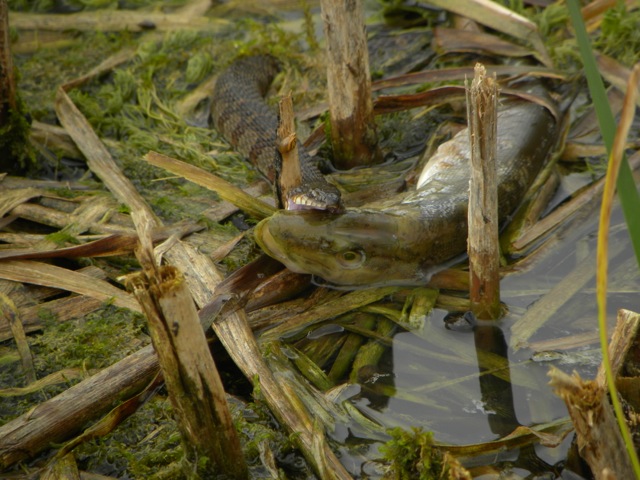
watersnake & grass pickerel 09:01

I’m getting more philosophical these days and thank my friends Mike and Yvonne Fort for their inspirational efforts at Lapham Peak State Park.

I began pulling Japanese knotweed and purple nightshade as well as all of the other aforementioned weeds and it almost seemed like the whole nature preserve was just a big weed patch.

Pati and I usually go camping in the mountains in September and she couldn’t make it this year so I decided to camp at Ottawa Lake and see what that was like.  The two walk-in sites #334 & #335 adjoin the Ottawa Lake Fen State Natural Area.  Lindsay and his wife Connie and Pati joined me for my first evening at site #335 and we agreed that the wall of buckthorn on the hillside between the campsites and fen simply had to go.  I divided my time over the next two weeks between working near the campsites and at The Springs.
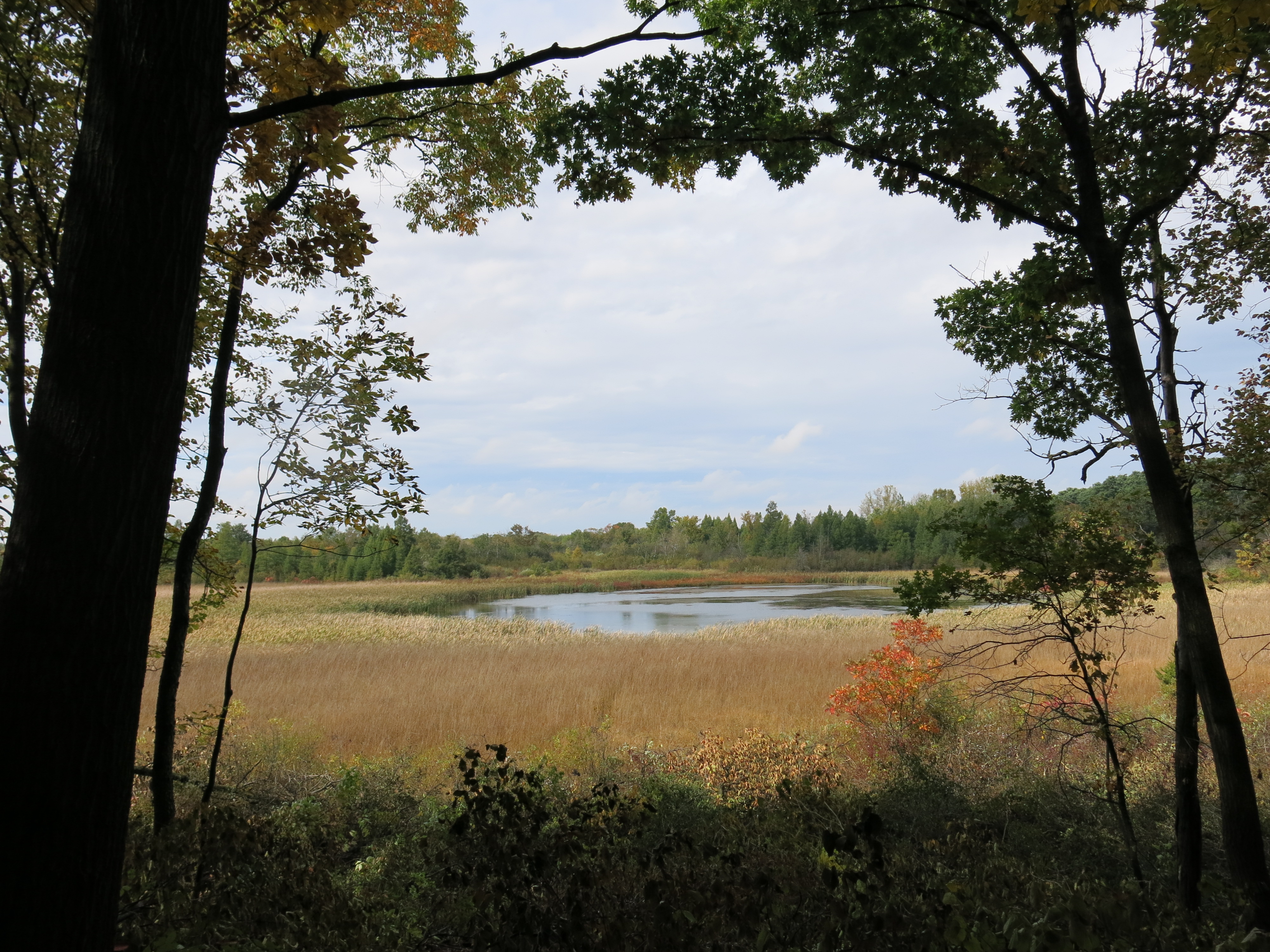
IMG_0662

October

I began cutting buckthorn on a stretch of trail at The Springs that I christened the Buckthorn Tunnel.

The task of weeding the Sand Prairie is daunting to say the least and I’m glad to have the help of Jim Davee, Pati and Tara Fignar.  I know we can stop the spotted knapweed from going to seed and then it’s just a question of carefully digging out the plants.
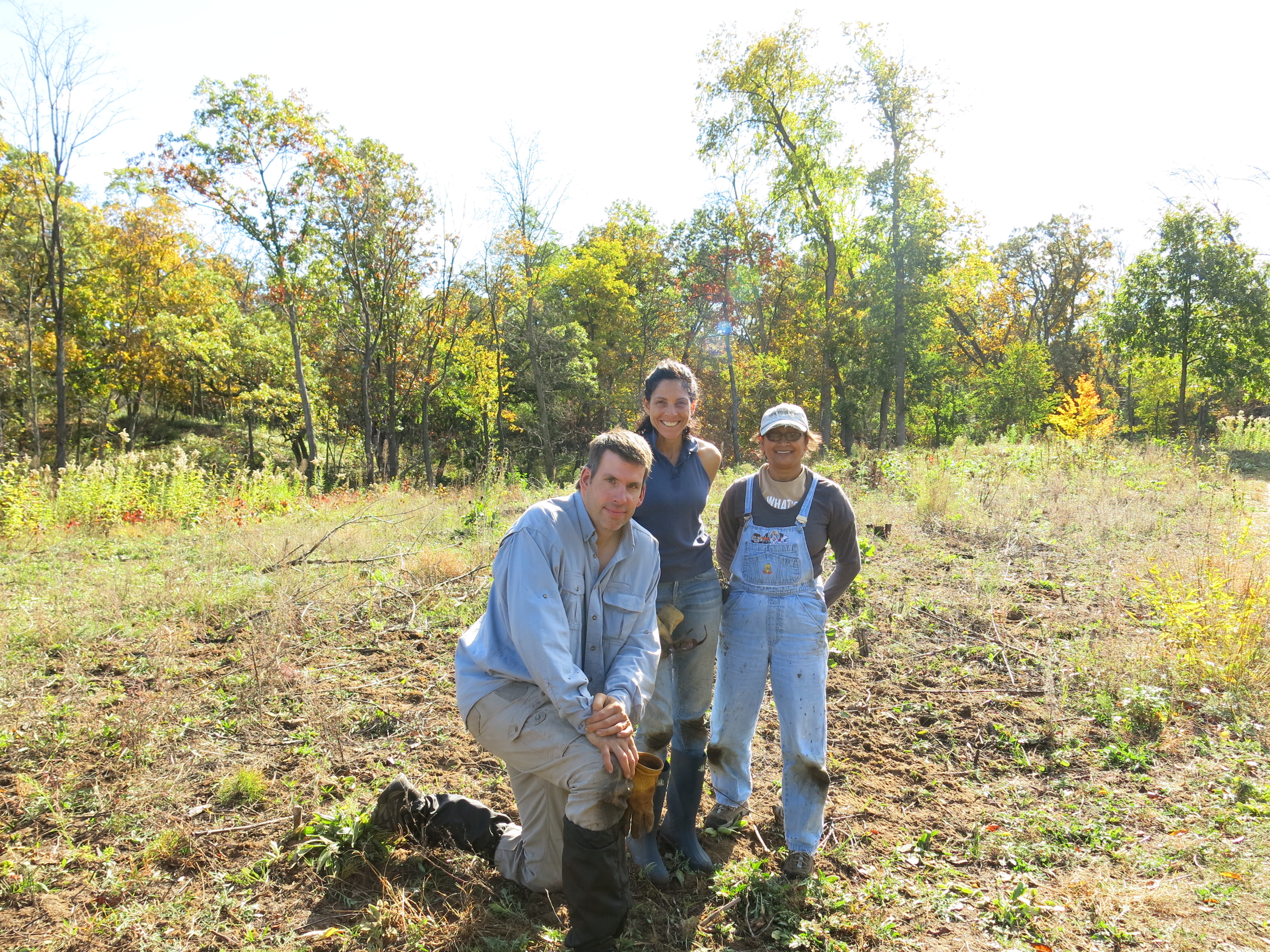
IMG_0711

Lindsay informed me that there is a weevil that attacks only spotted knapweed and I’m considering if we should try to introduce it at The Springs.  That reminds me that we need to reintroduce more Purple Loosestrife beetles, as we had a bumper crop of this invasive plant in 2013.

Anne Moretti, Jim Davee and Tara Fignar helped me pile the buckthorn I had cut in the Buckthorn Tunnel.  I really appreciated their companionship and contribution.

IMG_0820

The fall colors where just starting to emerge by the end of the month.

IMG_0828

November

The Fall season lingered long and colorful.
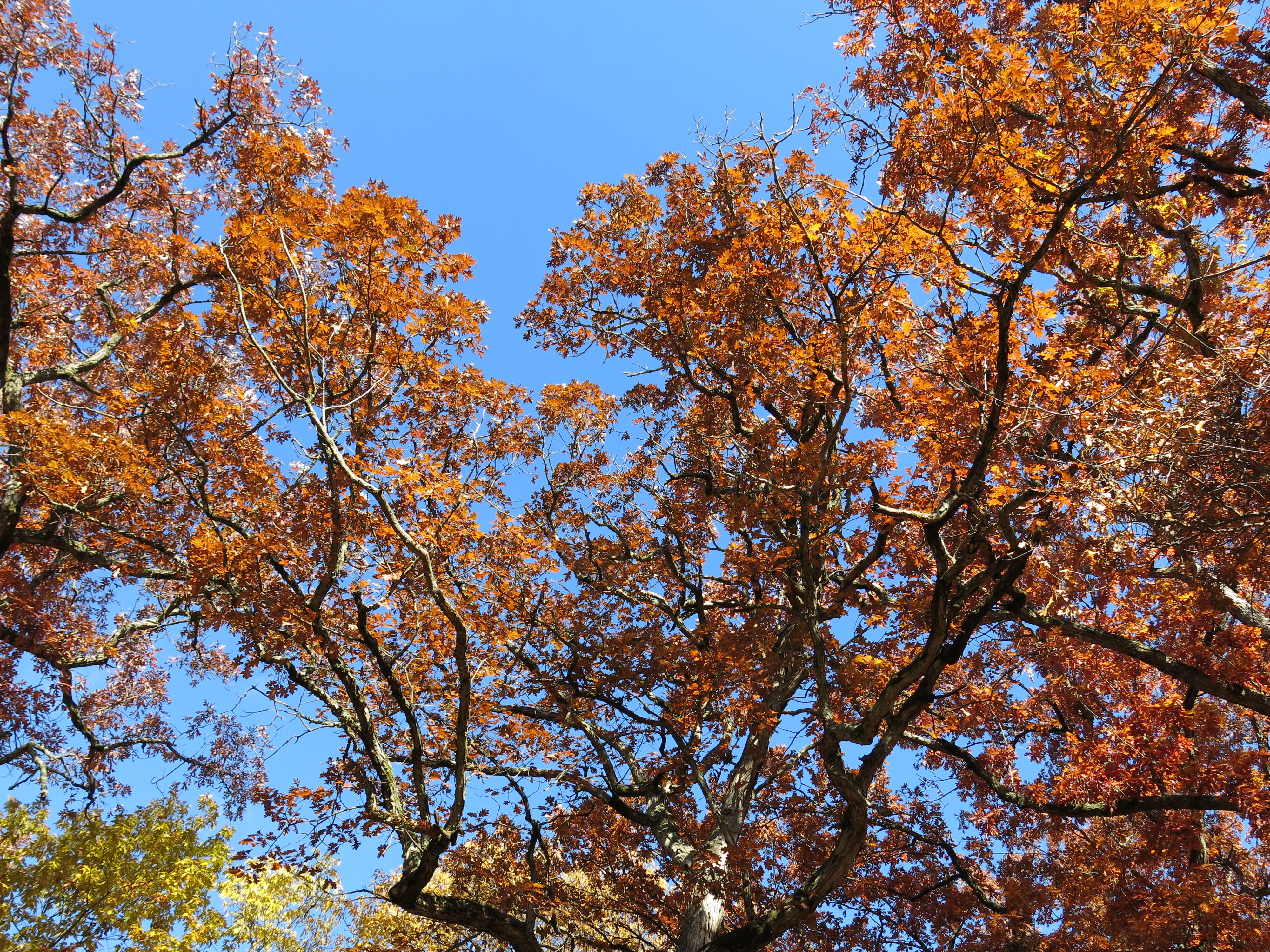
IMG_0931

I spent another week camping at Ottawa Lake and continued cutting buckthorn and thinning American Hop Hornbeam near sites #334 and #335.
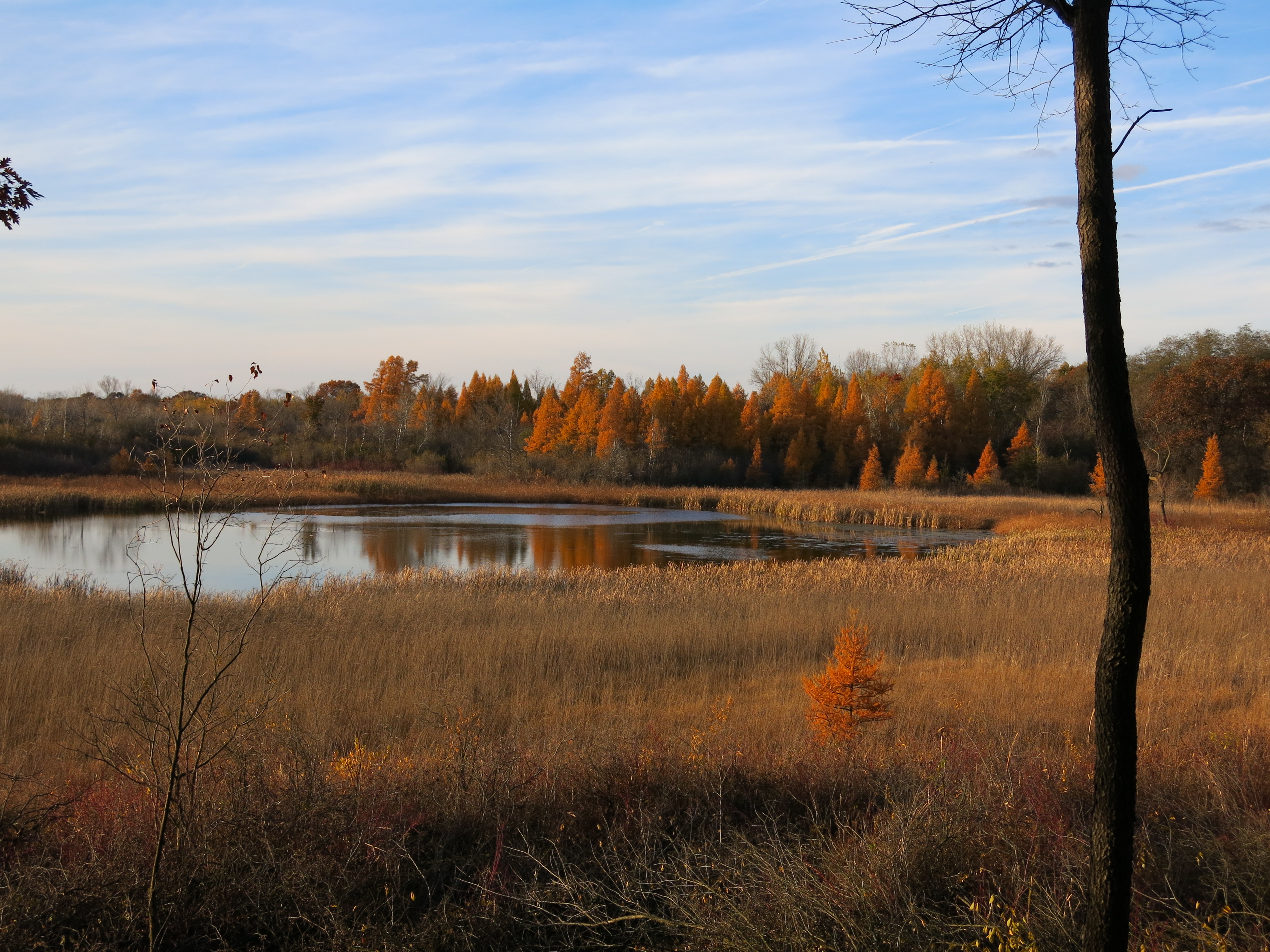
IMG_0968

IMG_0979

I began opening up a new area on the northeast end of the loop trail where it passes by an old cranberry bog; at signpost #13, the junction with the cut-off trail.  And I continued piling the freshly cut brush along the Buckthorn Tunnel.

Jon Bradley contributed another post-full of beautiful and interesting photos.  If you would like to contribute photos or stories to this blog, please let me know.

IMG_6231

I spent 3 days piling the brush cut near campsites #334 & #335.  I separated the good logs, suitable for firewood, from the brush and plan to return this spring to cut the logs into smaller pieces.

Lindsay took a full-time position at UW Madison and Rich focused on his beautiful grandchildren, awesome garden and classic pottery, but the Three Brushcuteers reunited for a day piling the brush I cut near the cranberry bogs mentioned above.  It was sweet to spend time with them again working in the forest.

Ben Johnson and Andy Buchta joined forces with me to pile brush right at the main parking lot on Hwy ZZ.  They are both hard-working men and I truly appreciate their contributions.  Both Ben and Andy have returned numerous times since then and I really enjoy working with them!

Towards the end of the month, master naturalist Dick Jenks began volunteering as well, doing everything from cutting, to piling, to burning brush piles.  Dick, Ben, Andy and Jim all have great ideas and are very observant.  I’m really benefiting from their experiences and perspectives.

Conditions were borderline, but we succeeding in lighting up all the brush piles we recently made in the Buckthorn Tunnel.

IMG_1299

December

After more than 6 months delay, while we focused on other areas of The Springs, we finally got back to the obscenely grotesque and nasty Buckthorn Alley.  You will not find a worse thicket of buckthorn anywhere on the planet.  With the help of Dick Jenks, Ben Johnson, Andy Buchta, Jim Davee and Pati, I was eager to “get after it”!

SSTrailMapBuckthornAlley

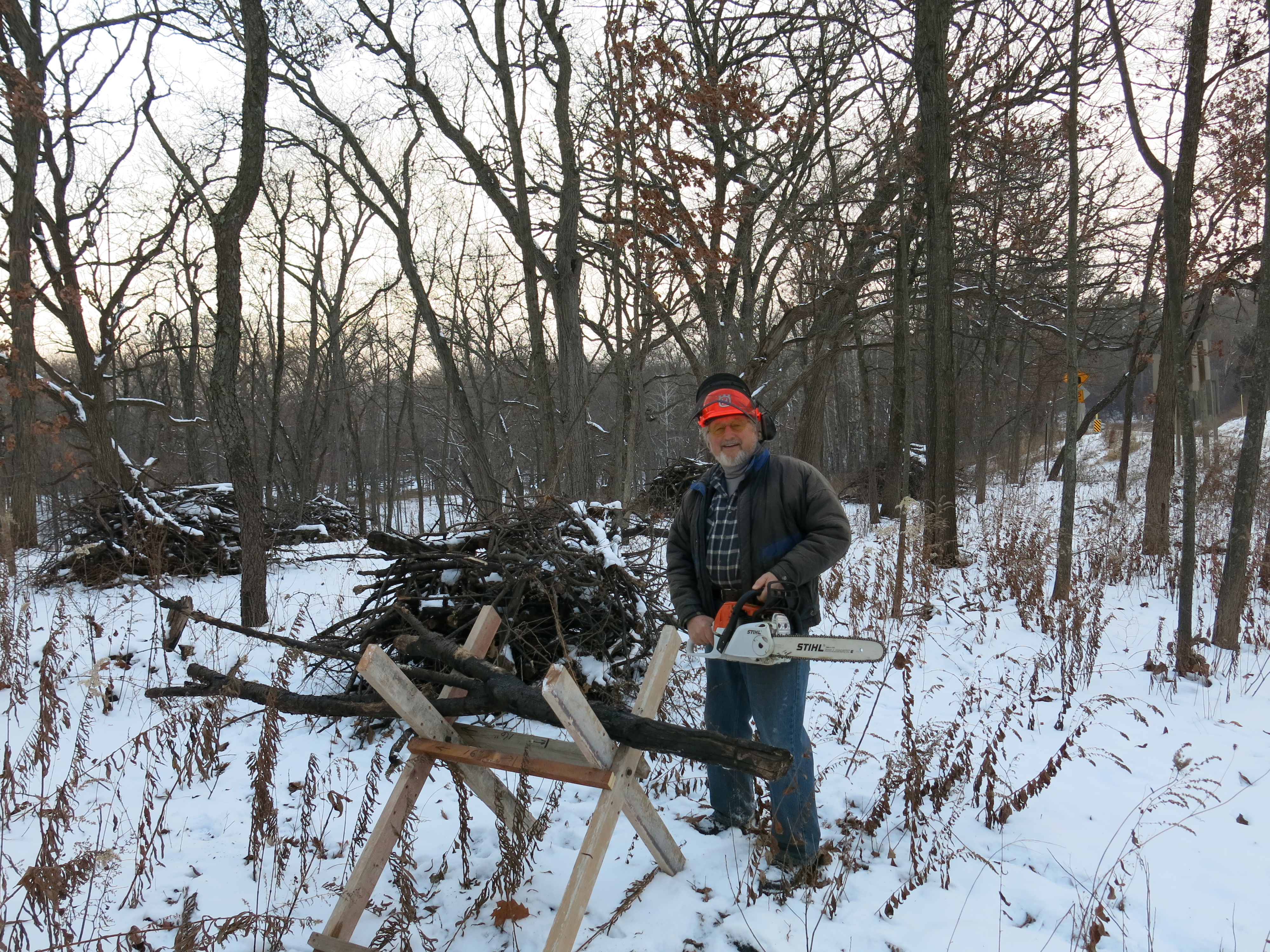
Everyone agreed we should separate the wood suitable for campfires at Ottawa lake from the slash and we have many log piles that we plan to prep using Dick’s custom sawbuck.  We’ll put some information fliers at the visitor’s center across Hwy ZZ and in the trail brochure box offering the wood to campers on a donation basis.  With the 25 mile limit on transporting firewood scheduled to kick in this season, we expect campers will take advantage of the buckthorn firewood.
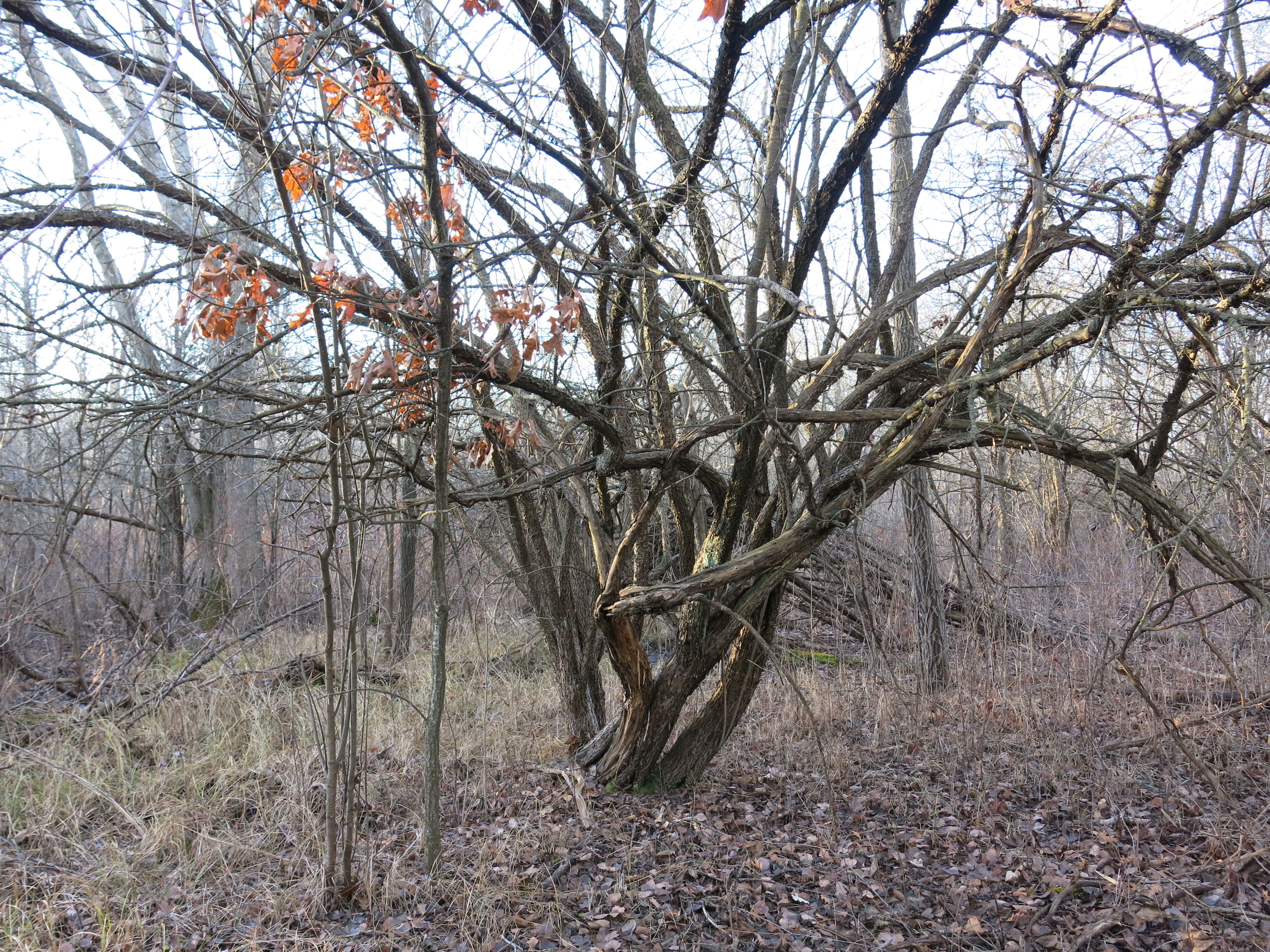
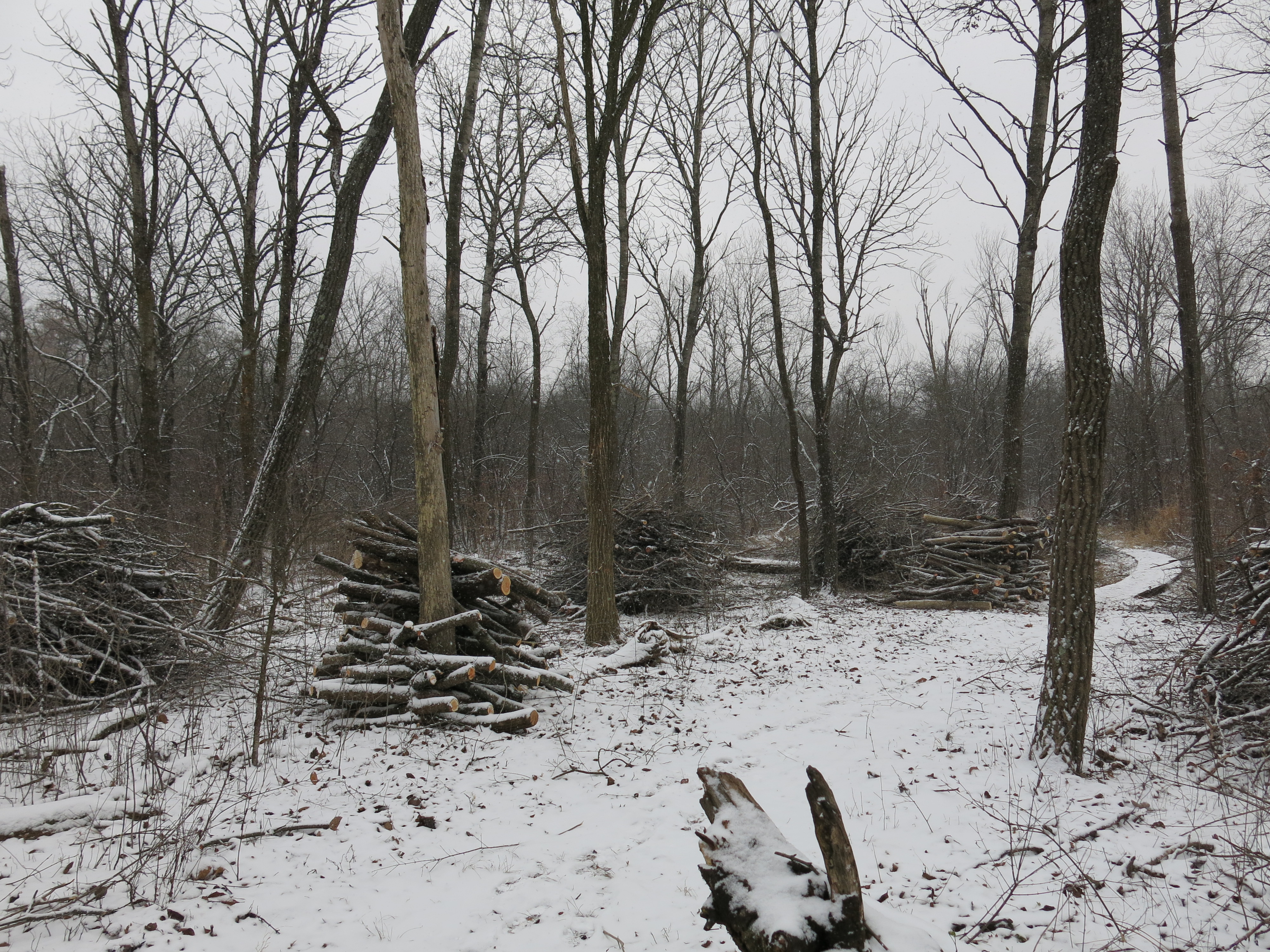
IMG_1316

IMG_1359

The snow cover was perfect for burning brush piles, and I took advantage of it burning all of the piles we had made the past year between the river and the cut-off trail.
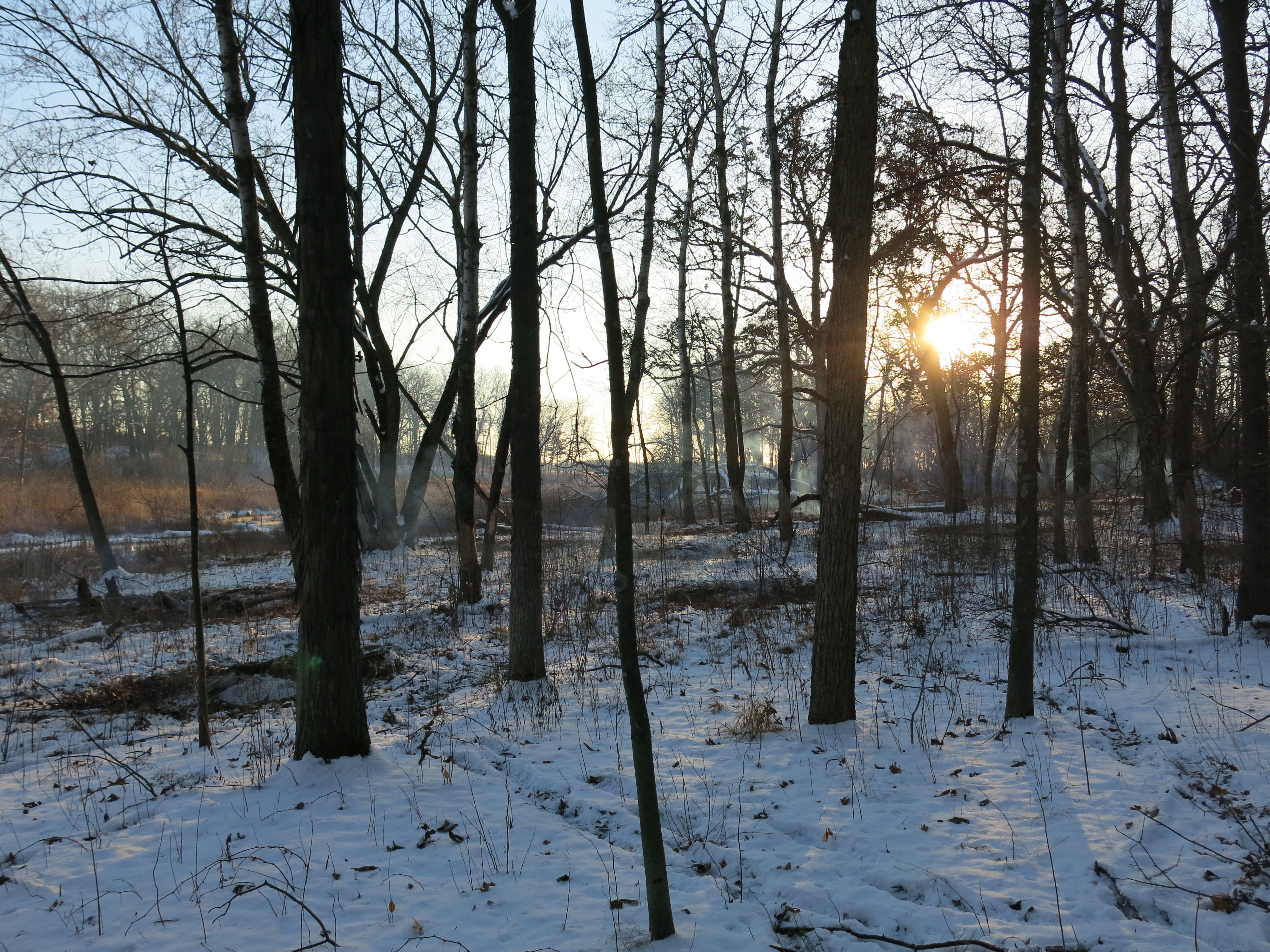
IMG_1373

Dick Jenks with his sawbuck.

IMG_1382

We had a perfect day burning brush piles along Hwy 67.

SSTrailMap12-13-BurnPlan

I took advantage of another fine day and lit up all the brush piles remaining along the main trail.

SSTrailMapSolsticeBurn

John and Sue Hrobar informed me that Ben Heussner and the Fisheries team, along with the South Eastern Wisconsin Trout Unlimited group, had executed another workday on the river on December 14.  Check out their excellent results here and here.

IMG_1444

Ben Johnson (shown below) got his first licks in with a chainsaw in the Buckthorn Alley.  And Jim Davee came out to pile brush there too.

IMG_1439

The year ended for me with a “Big Bang“, that, given my evolution of consciousness documented in these posts over the last year, should not be too surprising.

I worked with Zach Kastern on numerous occasions over the past year and so I was really excited when he made time in his very busy life to come out and help cut some buckthorn.  I hold him in high esteem!  Here is the “blue V” we used as our target to open a channel through the buckthorn connecting the trail to the remnant of a cranberry bog.
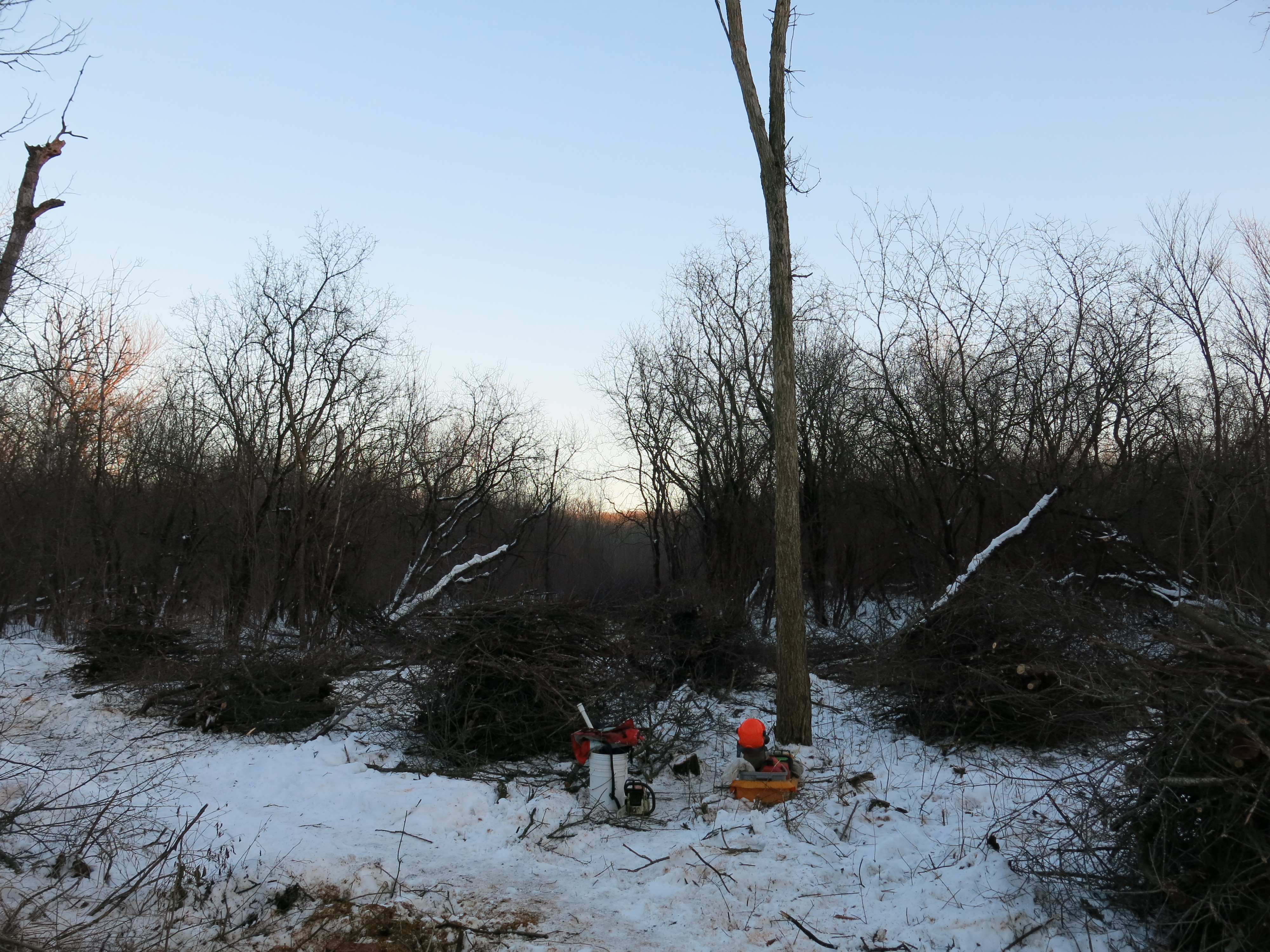
IMG_1466

Thanks to Ben Johnson for inspiring me to put together this year-in-review.  And THANKS to all the Super Friends♥ who pitched in to help reveal the beauty of the Scuppernong Springs Nature Trail.
IMG_0584

See you at The Springs!

Born of a Virgin

During the night the sun/son of God was born of a virgin. I pondered this as I arrived at The Springs on the last day of the winter solstice; Christmas. What would happen if the whole world shook itself free of the myth of the historical Jesus and recognized the ancient astrotheological origins of the symbols and characters portrayed in “The Christmas Story”?

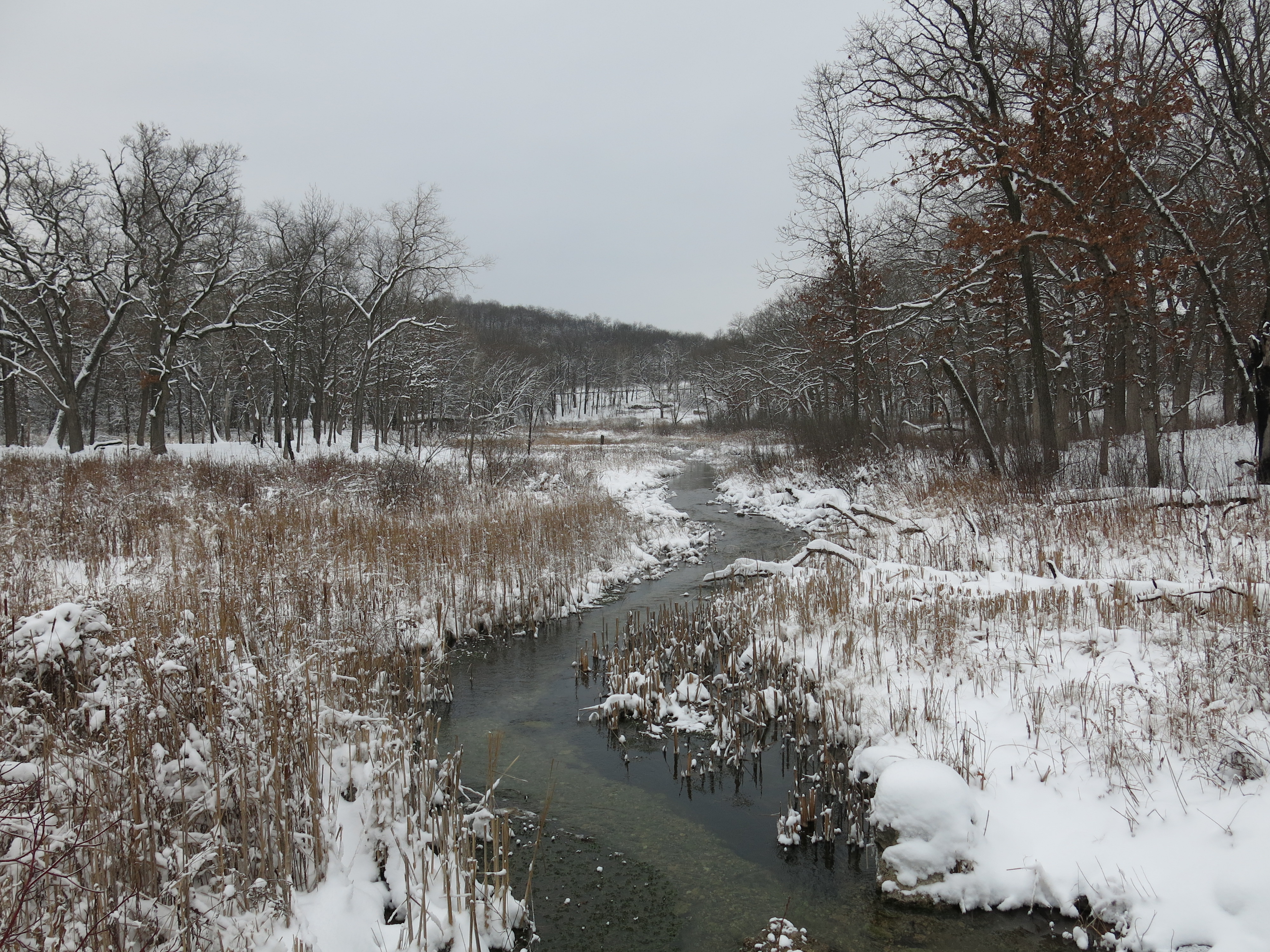
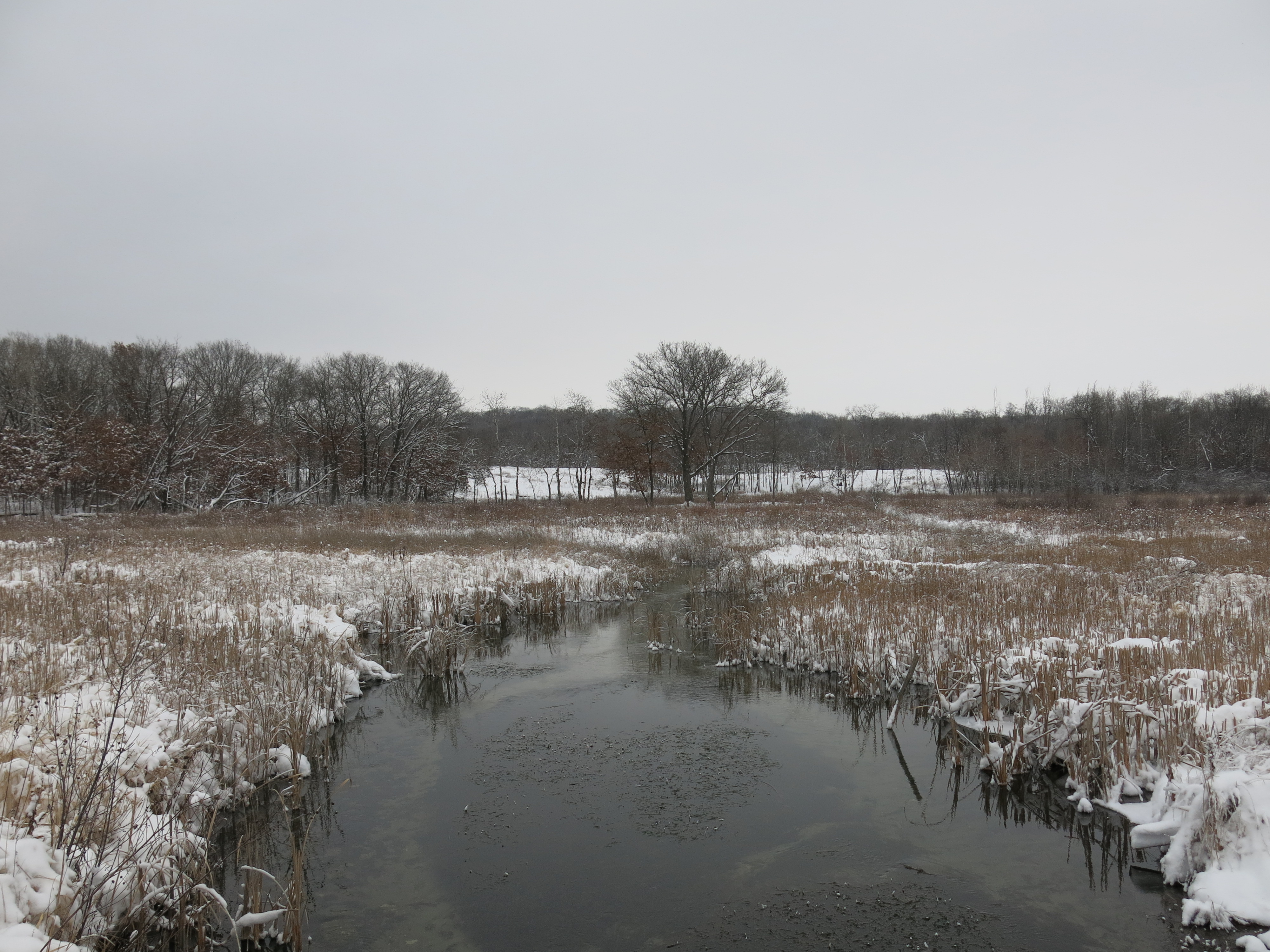
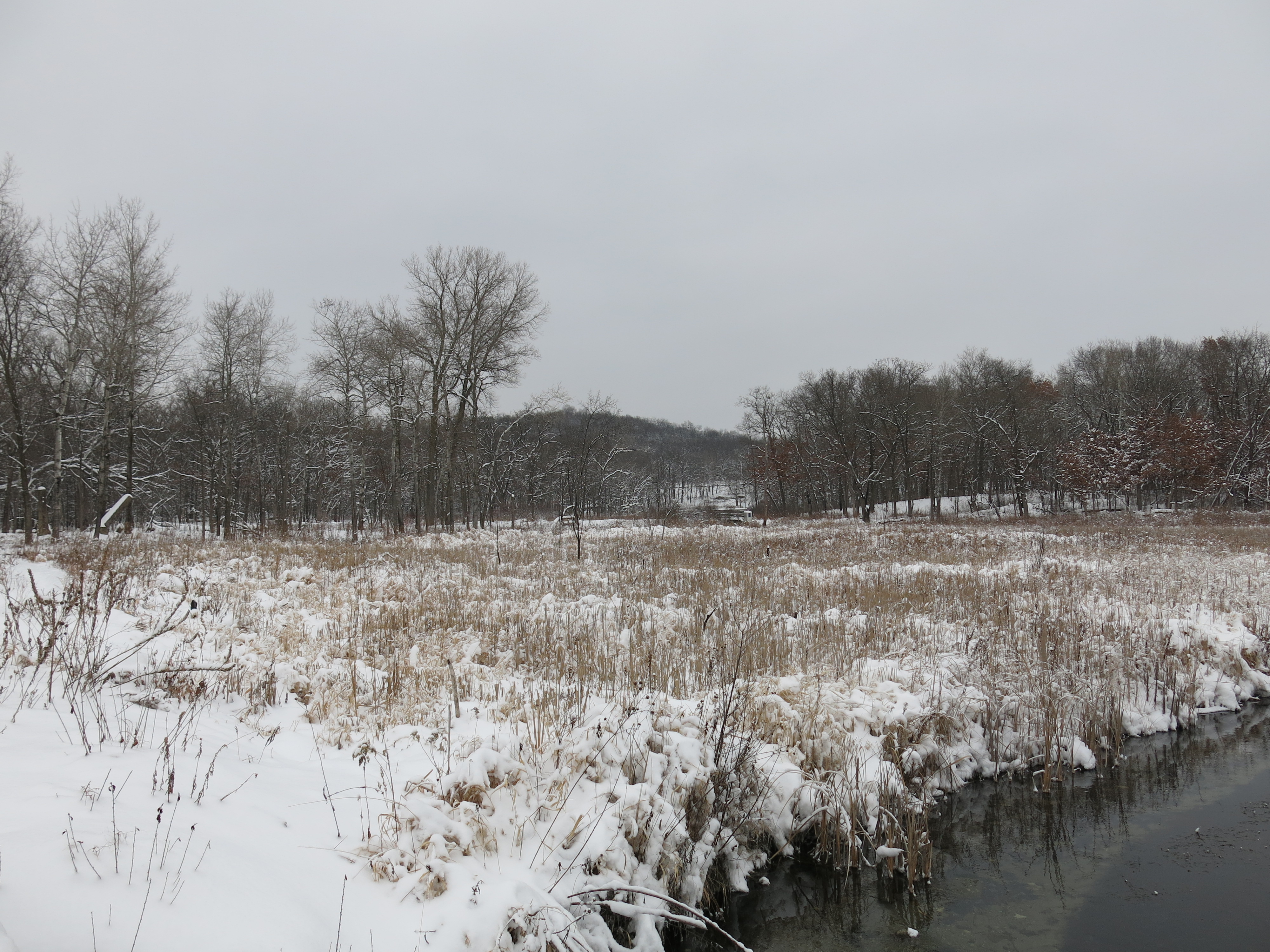
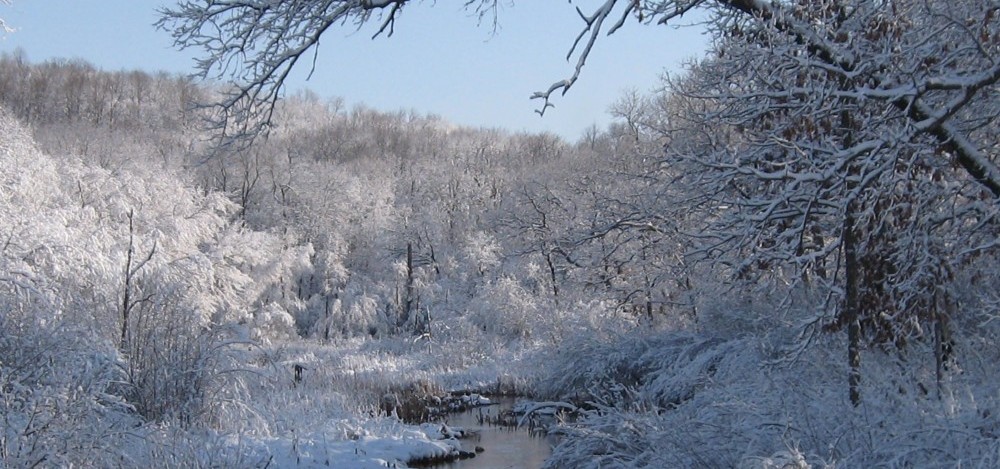
I walked quickly to the gaging station bridge hoping to get some cool pictures of the fresh snow. Compare the photos below to the headline image for this site above. The river was crowded with buckthorn on that sunny morning and the fresh, wet, snow hung thickly on the branches.

IMG_1427

IMG_1429

I walked to the marl pit bridge and recalled the connections between the constellations Orion and Virgo and “The Christmas Story” that Jan Irvin and Andrew Rutajit explained in their fascinating book Astrotheology & Shamanism Christianity’s Pagan Roots (video here).

“The three wise men, or the three kings, are anthropomorphisms of the three stars of Orion’s Belt. Like the sun, Orion’s Belt also rises on the eastern horizon. In early December, Orion’s Belt will rise above the horizon approximately an hour after sunset. In mid-January, it will rise above the horizon approximately an hour before sunset. However, on Christmas Eve it will rise above the eastern horizon just after the sun sets. This occurs on the evening of December 24 to the morning of December 25. Symbolically, the three kings (Orions Belt) are following the star of “Bethlehem,” known as Sirius (also called Sithus by the Egyptians).

Field and fountain, moor and mountain
Following yonder star

O Star of wonder, star of night
Star with royal beauty bright
Westward leading, still proceeding
Guide us to they Perfect Light
~ We Three Kings

Orion_Belt

The tale tells us that these kings traveled a great distance. This is because on this day, the three stars of Orion’s Belt begin their journey across the night sky immediately at twilight. When this alignment with Sirus occurs, it appears to point strait down at the earth as if it were pointing down to the place where the sun in the sky is about to rise. On this night, we know that God’s son, the sun in the sky, is about to be born. When this occurs it is Christmas morning. It is the dawning of God’s sun/son, the beginning of the (real) New Year, and the first day of the sun’s journey to the north.

During the summer months the belts of Orion and Sirius are turned up in the sky at a different angle and are often hidden by the daylight sun. Only one night of the year do they swing fully down and point directly at the earth in alignment with the sunrise while appearing on the horizon just after twilight.”

OrionsBelt

And what about the virgin birth, I thought while gazing from the marl pit bridge?

IMG_1431

IMG_1432

IMG_1433

IMG_1434

“The sun in the sky is born under the constellation of the virgin, Virgo, on December 25th. As a result, the sun deity is born of a virgin as well. As the Age of Pisces began, its opposite sign in the zodiac, Virgo the virgin, was on the western horizon. As we pointed out in chapter three, Horus was born of the virgin Isis-Meri on December 25th. Isis-Meri (Isis the Beloved) was the Egyptian name for the constellation of Virgo. Meri (Mary) also happens to be where words like marina and marine (references to the sea) come from, because cultures who watch the sun rise over the ocean witnessed God’s sun being born out of the ocean and walk on water.”   Astrotheology & Shamanism Christianity’s Pagan Roots

Would love and compassion disappear from the earth if people knew the truth about the origins and Christianity?    Check out Bet Emet Ministries for more interesting info: “Bet Emet’s Websites are intended to be a “Spiritual Pilgrimage” in ones study of “the Christ”; moving from the assumed Historical Jesus Christ to the Mystical Jesus Christ and finally to the Mythical Jesus Christ.”

I tucked this reverie in a back pocket in my mind and dragged a sled-full of gear down the Buckthorn Alley, where I planned to meet Ben Johnson (pictured by the fire below) and Jim Davee to cut and pile some buckthorn.

IMG_1437

IMG_1438

It is definitely more challenging to work in the winter snow, but we had a nice fire to warm up by and this area is too wet to work in any other time of the year.

IMG_1439

I was happy with the results!

IMG_1440

Ben and I talked about the work the DNR did on the scuppernong river, that I recently reported on, and we decided to take a look from the south side of the river.

IMG_1442

IMG_1444

IMG_1445

From there we walked along the river’s edge all the way up to the “Big Spring”; that was a workout.

I hope the sun/son will be shining the next time I See you at The Springs.

We’re Not Alone

Our reasons for dedication to the land vary like fingerprints. Perhaps it is inevitable, although we may think it’s a free will choice, and it may be the happy synchronization of love and career. In any case, I’m heartened by more deeply recognizing the commitment so many people have to nurturing the land.

Jared Urban, with the DNR’s Natural Heritage Conservation Bureau, helped me understand the challenges that they face to secure funding and the necessity for grant writing (and winning) to realize their goals. That prompted me to review the DEPARTMENT OF NATURAL RESOURCES 2013-2015 BIENNIAL BUDGET PROPOSAL to get a better idea of where the money comes from and I became aware of the increasing dependence on the Conservation Fund, which now accounts for 42.8% of the total budget (see pages i and ii in the budget proposal document above). My respect and admiration for the people who work at the Wisconsin DNR is always increasing yet, I’m confounded by the contradiction I cannot resolve between this fact and my antipathy for government in general.

Recently, I’ve been getting consistently excellent help from volunteers like Dick Jenks, Andy Buctha and Ben Johnson and I’m learning a ton from their different perspectives. Dick just introduced me to the Southeastern Wisconsin Invasive Species Consortium. I had no Idea this well-organized and dedicated group existed and I hope to work with and learn from them as well. They recently awarded my spiritual father, Mike Fort, with their Sweat Equity Award.

SEWISC Award Winner Mike Fort

So, it is with boundless joy that I look forward to every day I spend at The Springs, knowing that I’m not alone, and that by the continued efforts of so many people, we can make the restoration of our planet inevitable.

Yesterday, Dick, Andy, Ben and I piled freshly cut brush near the entrance to the buckthorn alley.

IMG_1358

We tried to pile as much as we could before the snow fell and almost got it all.

IMG_1360

IMG_1361

IMG_1359

Ben and I took an abbreviated walk around The Springs, as I had a date with my parents back in Milwaukee. I’ll bet it looks beautiful today with a fresh coat of 2-3″ of powder!

IMG_1364

IMG_1366

IMG_1367

See you at The Springs!

The Inevitability of Buckthorn

People I meet at The Springs often ask: “Where did IT come from?”, referring to the buckthorn that grows there in dense thickets. I go only halfway attempting to explain it’s origins and uses leaving off the underlying causes and powers that be.

“History is the life of nations and of humanity. To seize and put into words, to describe directly the life of humanity or even of a single nation, appears impossible.” Leo Tolstoy, War and Peace Second Epilogue, Chapter 1

The reasons given for why buckthorn was imported leave unexplained the causes that put into motion the people who brought it here. In a recent post I claimed to have “been to the mountaintop“, and I just returned from a new and thrilling literary mountaintop, “War and Peace“, that has given me new insight as to why I get out of bed at 5:30am on a cold winter morning to cut buckthorn.

“As with astronomy the difficulty of recognizing the motion of the earth lay in abandoning the immediate sensation of the earth’s fixity and of the motion of the planets, so in history the difficulty of recognizing the subjection of personality to the laws of space, time, and cause lies in renouncing the direct feeling of the independence of one’s own personality. But as in astronomy the new view said: “It is true that we do not feel the movement of the earth, but by admitting its immobility we arrive at absurdity, while by admitting its motion (which we do not feel) we arrive at laws,” so also in history the new view says: “It is true that we are not conscious of our dependence, but by admitting our free will we arrive at absurdity, while by admitting our dependence on the external world, on time, and on cause, we arrive at laws.”

In the first case it was necessary to renounce the consciousness of an unreal immobility in space and to recognize a motion we did not feel; in the present case it is similarly necessary to renounce a freedom that does not exist, and to recognize a dependence of which we are not conscious.”  Leo Tolstoy, War and Peace, Second Epilogue, Chapter 12

I see now that it was inevitable that I should do battle against buckthorn. Growing up as the fifth of ten children I became acutely aware of the difference between justice and arbitrary will. From the war on drugs to the 9/11 wars, my perception of injustice inflamed me to impassioned protest; alas, to no avail. Thus the opportunity to fight the injustice of an oak woodland choked by that miscreant tree, has inevitably led me to direct my thwarted love for justice to fighting invasive species. And now I am hooked on the immediate, positive, feedback I get from destroying buckthorn. Yes, I’ve learned to love my servitude; I have no choice.

I was compelled by space, time and causes to cut buckthorn at The Springs this past Thursday and Friday (Dec. 5-6) and it seemed there was no choice but to cut at the buckthorn alley. Thus, driven by forces beyond reason and consciousness, we gassed up chainsaws and transformed a thicket (see the area marked in blue below).

SSTrailMapBuckthornAlley

Here is how it looked before Dick Jenks and I started cutting and Andy Buchta started piling.

IMG_1316

IMG_1317

And here is the view Wednesday after we quit.

IMG_1318

IMG_1320

IMG_1322

As I tried to warm up in my truck, Ben Johnson arrived and we had a most agreeable time touring The Springs and dreaming out loud.

IMG_1323

Colder weather was forecast for Friday so I stopped at REI on the way home to pick up some hand and foot warmers. Then, after a quick dinner of rice and beans, I went to the basement to clean the equipment and sharpen the chains; I had no choice.

Friday we were back at it again and Dick told me of his youth growing up on a dairy farm, giving a brief history of the demise of the family farm, which was inevitable. Dick didn’t need any hand warmers; he grew up on a farm.

The views below are: looking north towards the Ottawa Lake visitor center, looking east, and looking southeast down the buckthorn alley.

IMG_1325

IMG_1326

IMG_1327

And after…

IMG_1331

IMG_1330

IMG_1329

I was prepared for the cold and not surprised either by the beauty of the setting sun, moon, planets and stars.

IMG_1333

IMG_1338

IMG_1339

IMG_1343

IMG_1346

IMG_1349

IMG_1351

IMG_1356

Inevitably, during the winter I often have the place to myself, and I appreciate that.

See you at The Springs!

Thanks for The Springs

I think I know what Martin Luther King meant when he said “I’ve been to the mountaintop!”

Yes, “Mine eyes have seen the glory of the coming of the lord” too. That’s why I do what I do. Since my first backpacking foray into the mountains 25 years ago I’ve seen some beautiful places and literally been to the mountaintop. Many days and nights in the back country taught me to see the lay of the land and filled a wellspring of unforgettable images within me. At The Springs I have a unique opportunity to shape the landscape and manifest my vision. It’s slowly becoming reality and the best part is sharing the creative process with other volunteers who have also “been to the mountaintop”.

The last two days I’ve been slashing and burning at The Springs with Dick Jenks and Andy Buchta. This was Dick’s first time working at The Springs and Andy was back again after his initiation last week. I really enjoyed their company and appreciated the way they “got after it”.

Tuesday we worked along the trail on the northeast section of the loop near signpost #13 and an old cranberry bog.

IMG_1223

IMG_1224

Dick getting some licks in.

IMG_1226

Andy piling brush.

IMG_1228

We laid down a lot of nasty buckthorn and opened up the views.

IMG_1230

IMG_1231

Later, Pati came out to join me for a walk just in time for a snow squall. It dawned on me that tomorrow would be a great day to start burning brush piles.

IMG_1235

IMG_1236

IMG_1237

IMG_1241

The next day (today/Wednesday) I was back with my propane torch and Dick joined me to help work the piles.

IMG_1243

IMG_1244

They were relatively easy to light and we had 21 going in a little over an hour.

Note the buckthorn crowding around the burning piles.

IMG_1247

IMG_1248

IMG_1249

IMG_1250

Borrowing a technique used by Mike Fort and the Friends of Lapham Peak, I cut a dozen or so huge buckthorns that were very near the burning piles and we threw the brush right into the fire. Then I cut a whole lot more but it seemed like we barely made a dent in the thicket.

IMG_1251

IMG_1252

IMG_1253

IMG_1255

Andy arrived shortly after noon, returning to the area we worked on Tuesday, and finished piling everything we had laid down there.

IMG_1256

IMG_1257

IMG_1258

This past week has been our first taste of really cold weather this season and I’m getting used to it and looking forward to Winter.

The Indian Spring.

IMG_1259

Steam rising from the Scuppernong River.

IMG_1284

IMG_1285

My favorite time of day!

IMG_1260

IMG_1263

IMG_1267

IMG_1270

IMG_1278

IMG_1280

IMG_1283

See you at The Springs!

Three For All

The coldest day of the Fall season put us on our mettle. Ben Johnson and Andrew Buchta coincidentally converged with me for their first volunteer adventures at the Scuppernong Springs Nature Trail. I met Andrew at the DNR Volunteer appreciation lunch and Ben contacted me via this website. I should have gotten pictures of these hard working men in action poisoning stumps and piling brush.

It’s a good thing we were working right at the main parking lot on Hwy ZZ because it was a frigid day and we had to defrost the tip of the stump sprayer in our vehicles numerous times, even though the mix was 50% marine antifreeze. We eventually figured out that closing the nozzle after each use kept the tip from freezing up. Ben followed behind me with the sprayer and that was a very efficient way to go. I was amazed at how much we were able to cut, poison and pile. Here is how it looked before we got started.

IMG_1204

IMG_1202

We cleared so much ground that I ran out of stump poison and sharp chains! There were many dead slippery elms and aspen amongst the lively buckthorn. Check out the excellent results!

IMG_1206

IMG_1207

IMG_1208

IMG_1209

I’m looking forward to working with Ben and Andy again!

Pati had an intense work week and came out to join me for a walk after her last client. We bundled up against the cold wind and just caught the sunset from the Indian Campground on our way around the loop trail.

IMG_1210

IMG_1212

IMG_1214

IMG_1217

IMG_1219

See you at The Springs!

Friend Of All The World

I lost control of my truck on the unexpected ice and barely stopped before intersecting the oncoming traffic. What was that? Seconds later, as I waited to turn left into the medical complex, I heard and felt the sickening impact of autobodies as the driver behind me skidded on the same ice patch and smacked me. My hat flew off and coffee erupted from my cup. Damn construction! I called Dr. Campbell, the surgeon who removed the cancerous tumor from my neck back in June 2011, and informed his assistant that I’d be a few minutes late for my annual checkup.

The morning frost was long gone by the time I made it out to the Kettle Moraine Oak Opening on Bluff Road to finish piling the brush we cut last weekend.

IMG_1163

IMG_1165

The blue sky silhouetting the might oaks on the hillside was immaculate and I was under Rudyard Kipling’s spell listening to Kim, “friend of all the world”, on audio book. What a tale filled with metaphors: the Great Game, the River of the Arrow, the Wheel of Life… and told in the context of the rich and incomparable Indian culture of the late 1890’s. I blissfully piled brush as Kim simultaneously “ripened” into a secret agent for the British empire and faithful chela to the Teshoo Lama.

Dr. Campbell said everything looked good and that I had “made the right choice” by refusing the radiation and chemotherapy they had strongly recommended after the surgery. I don’t know if I’m “acquiring merit” by volunteering in the forest, and it doesn’t matter, I felt the reward in the present moment and thankful tears welled up.

I finished stacking what we laid down last Saturday and tried to consolidate the piles so they would be easier to light when we get snow cover.

IMG_1166

IMG_1167

IMG_1169

Then I headed over to the high ground at Bald Bluff to watch the sun down and thank the Creator for giving me another splendid day.

IMG_1171

IMG_1172

IMG_1179

IMG_1186

IMG_1190

IMG_1193

IMG_1198

IMG_1199

See you at The Springs!
Oakology

Oak-o-logy

: area of knowledge : theory : science related to the genus Quercus.

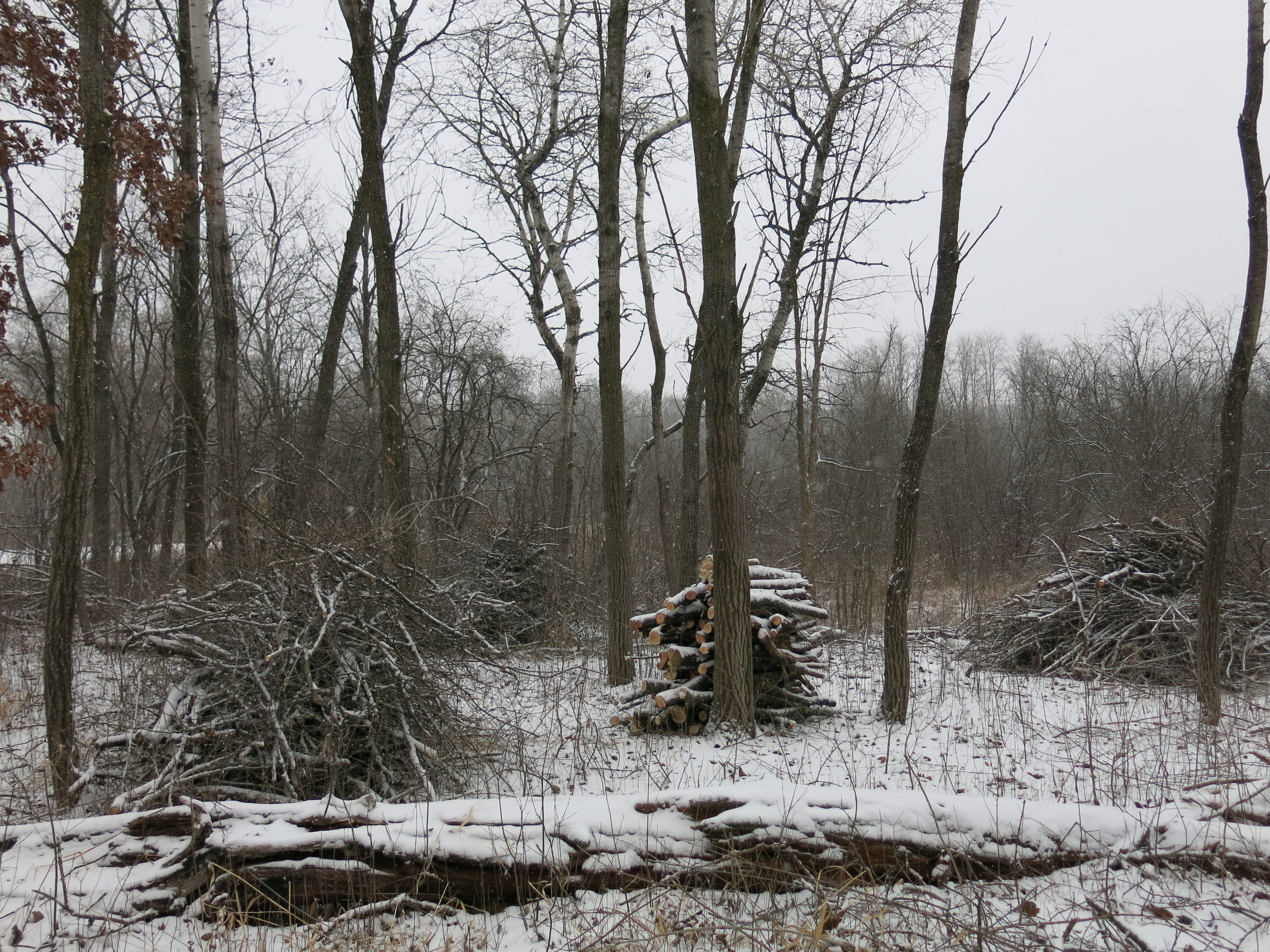
Wisconsin DNR Conservation Biologist Jared Urban is one of the preeminent Oakologists in the state. Restoring and preserving oak savannahs and woodlands is an important goal of the DNR’s Endangered Resources Bureau, which has been newly christened as the Natural Heritage Conservation Bureau, and Jared has been focusing on this as he helps manage the State Natural Areas in Southeastern Wisconsin. Organizing volunteers is an important part of this effort and I had the pleasure of participating yesterday, along with the UW Whitewater Ecology Club, in a work day at the Oak Opening SNA in the southern unit of the Kettle Moraine State Forest.

The skies were threatening rain as Jared, and fellow Oakologists Ginny Coburn, Zach Kastern and Diane filled ingeniously engineered stump poison delivery dauber devices. Note the use of a sawdust filled tray to catch any spills (thanks Zach!)

IMG_1146

By the way, if you are receiving this post via email, you should be able to double click the video frame above to watch it on the internet. Much to my chagrin, being a 25 year I.T. veteran, none of the links to embedded Youtube videos delivered via email posts have worked since July 1 of this year. Oh well… if you want to see any of the cool videos I have linked to since then, you’ll have to visit this site. Hopefully the video links in the emails are working now.

Jared explains what we are trying to do and how we will do it.

The UW Whitewater Ecology club made an excellent contribution!

Image

Image 1

Image 4

Image 5

Image 6

Image 7

Image 8

Image 9

IMG_1149

The rain arrived just after noon and I took shelter in Jared’s truck as we shared lunch and conversation. I wanted to finish cutting a swath of brush between two of the brush piles we started, and around 2:00pm the rain quit and I was able to get after it. Here is what it looked like at the end of the day.

IMG_1153

IMG_1154

The sun made a brief appearance and I saw blue skies behind the gray clouds that were rushing by so I headed over to Bald Bluff hoping to see a cool sunset.

Sundown at Bald Bluff.

IMG_1155

IMG_1158

Instead, the rain returned and chased me back to my truck. Nevertheless, it was a thoroughly enjoyable day.

See you at The Springs!
Geoengineering the Scuppernong

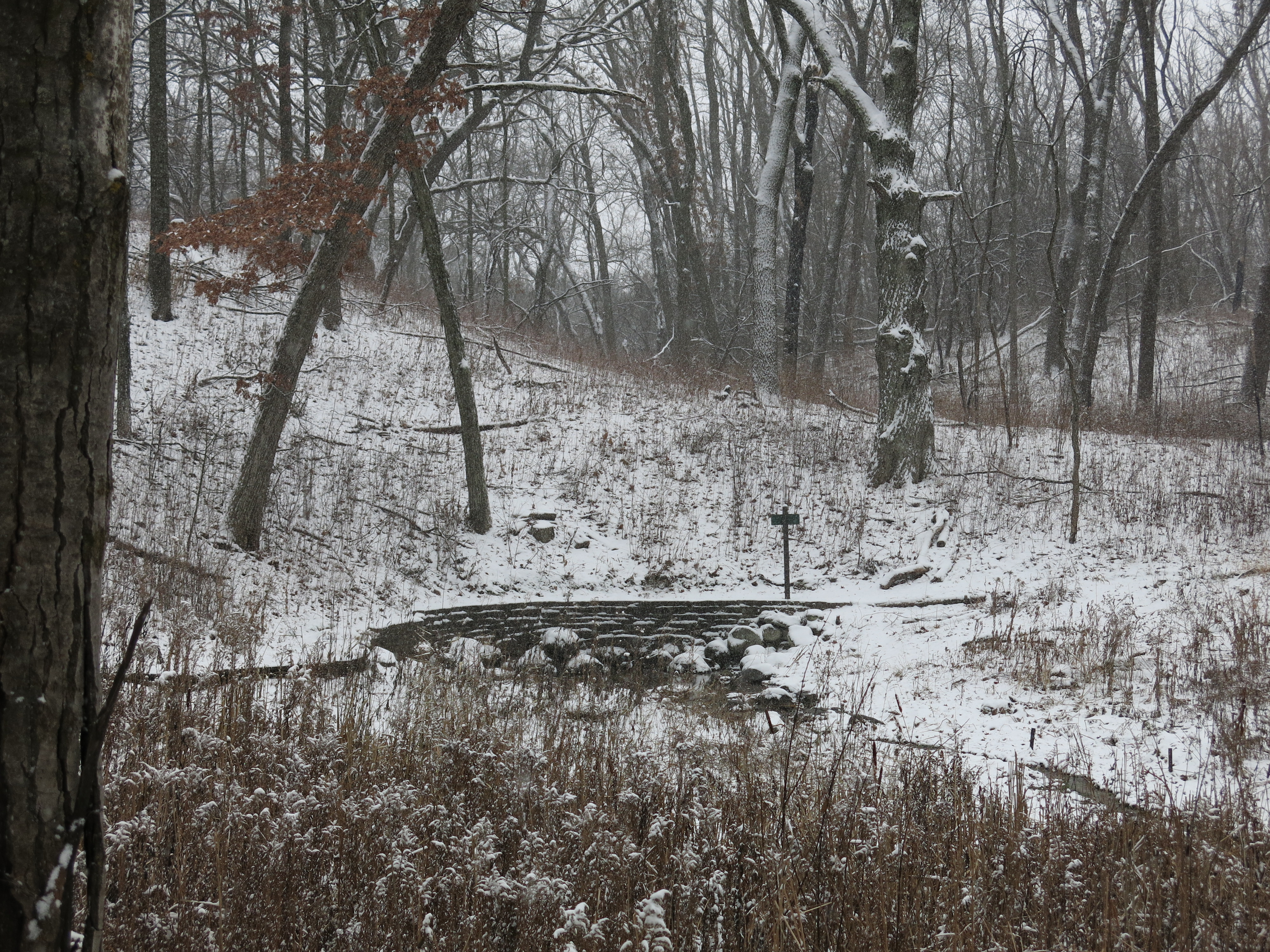
I love to look at the sky.  Big Sky Visions, that’s what draws me out to the Scuppernong River Habitat Area.

Recently I noticed that my vision was blocked, even dimmed, by what I speculated where chemtrails.

IMG_0586

Are chemtrails real? My big sky visions were obstructed again the past view days I spent piling brush at Ottawa Lake, to the point where I had to document what I was seeing and try to dissipate the cognitive dissonance clouding my mind. I even called the Waukesha Sheriff’s dispatch asking them to take a look.

When I arrived at the Ottawa Lake entrance on November 13th I noticed some jet contrails in the sky to the south and east, and when I got to the walk-in campsite 335 looking out over the lake to the west and north, I saw the sky full of contrails.

IMG_1061

IMG_1070

I tried to focus on the task at hand…

… but the contrails fanning out into huge clouds, that significantly blocked the sun’s rays for hours as they drifted south, stirred my response-able-ness and I called the Sheriff. Deputy Spak insisted on coming out to talk with me and arrived a few minutes later with two other sheriff’s deputies in two vehicles. We had a reasonable discussion about it and they provided me with contact information for a DNR Conservation Warden, who I am following up with. They suggested the clouds were “normal” exhaust vapors crystallizing in cold air and I begged to differ as we all conceded that none of us were expert enough to speak with authority on the matter.

I strive to be a reasonable person and the research I have done into this issue over the last few days has helped me understand what I think is the core issue at hand: global dimming. The pollutants we release into the atmosphere are blocking the sun’s rays and, whether the three types of contrails:

) Short-lived, non-persistent contrail (SLNPC),

2) Persistent contrail, non-spreading (PCNS) ,

3) Persistent contrail, spreading (PCS)

discussed here are the result of “normal” jet exhaust vapors or intentional geoengineering, the end result is global dimming. There is robust debate ongoing as to whether or not the contrails we see are normal or, the result of more aggressive solar radiation management techniques, which include dispersing toxic aluminum, barium and strontium into the atmosphere.

I wondered about this as the sun went down over Ottawa Lake.

IMG_1073

IMG_1080

IMG_1089

IMG_1097

I love the big sky and returned to Ottawa Lake yesterday to pile more brush. I hadn’t noticed the contrails yet…

… but when I got down to the wetland I saw them again. I wanted to focus on one in particular and see how it evolved.

The winds were blowing strong out of the southwest and the contrail from this jet billowed out into a thick ribbon as it passed over my head.

IMG_1104

The long cloud at the top of the picture below is the contrail from the jet shown in the video above.

IMG_1107

I pondered the question all day while piling brush until my back started to give out and I was reminded of my old shoulder injury.

Maybe it’s just a coincidence that I received the SHADE motion picture dvd anonymously in the mail a few weeks ago. It looks at geoengineering from a geopolitical perspective.

It would take a miracle for me to prove that the contrails I saw the past few days over the Scuppernong River valley were “normal” or something more sinister. In either case, they did significantly block the sun and I think this impact is unacceptable.

I tried to ignore the contrails in the sunset…

IMG_1111

IMG_1112

IMG_1113

IMG_1121

IMG_1129

See you at The Springs!

Return of the Three BrushCuteers

It’s been almost a year since the Three Brushcuteers joined forces to fight the thorny invaders of the Kettle Moraine State Forest. “All for one, one for all!”, they cried as they stacked the fallen enemy in neat piles along the trail just north of the old barn site (see recent post). Porthos, aka Lindsay Knudsvig, looked sharp in his tailored waistcoat and matching brush pants. Aramis, aka Rich Csavoy, although deeply religious, said the buckthorn didn’t have a prayer. Together we resolved to avenge the insult made by the buckthorn against the mighty and glorious oaks of the Kettle Moraine State Forest.

Here is what the battlefield looked like before we engaged the enemy.

IMG_1032

IMG_1033

IMG_1034

As we worked, Aramis reminded us that it was 50 years ago that our king was slain in Dealey Plaza and, apparently, there is a new web of lies in the form of a digitally remastered video that purports to explain the path of the “magic” bullet. Athos, aka Paul, being immune to romantic feelings about the matter, dubiously viewed this conclusion based on the cold hard facts, e.g. the conclusions of the United States House of Representatives Select Committee on Assassinations and years of research into the matter. Unfortunately, the powers that be refuse to release thousands of pages of documentation. Why?

A last look as we left the battlefield.

IMG_1036

IMG_1037

IMG_1038

Then we headed over to signpost #2 to reposition the railroad ties that had been dislodged and dragged into the brush.

IMG_1039

Aramis, grabbed a couple loads of oak firewood before heading for home and Porthos and I took a stroll around the trail reminiscing about the many battles we fought at this “world class” site. There is tons of firewood, including well seasoned oak, piled at the worksite and all are welcome to come and take it. You might want to bring a chainsaw, and tools to split wood, to the location to facilitate harvesting.

IMG_1045

IMG_1047

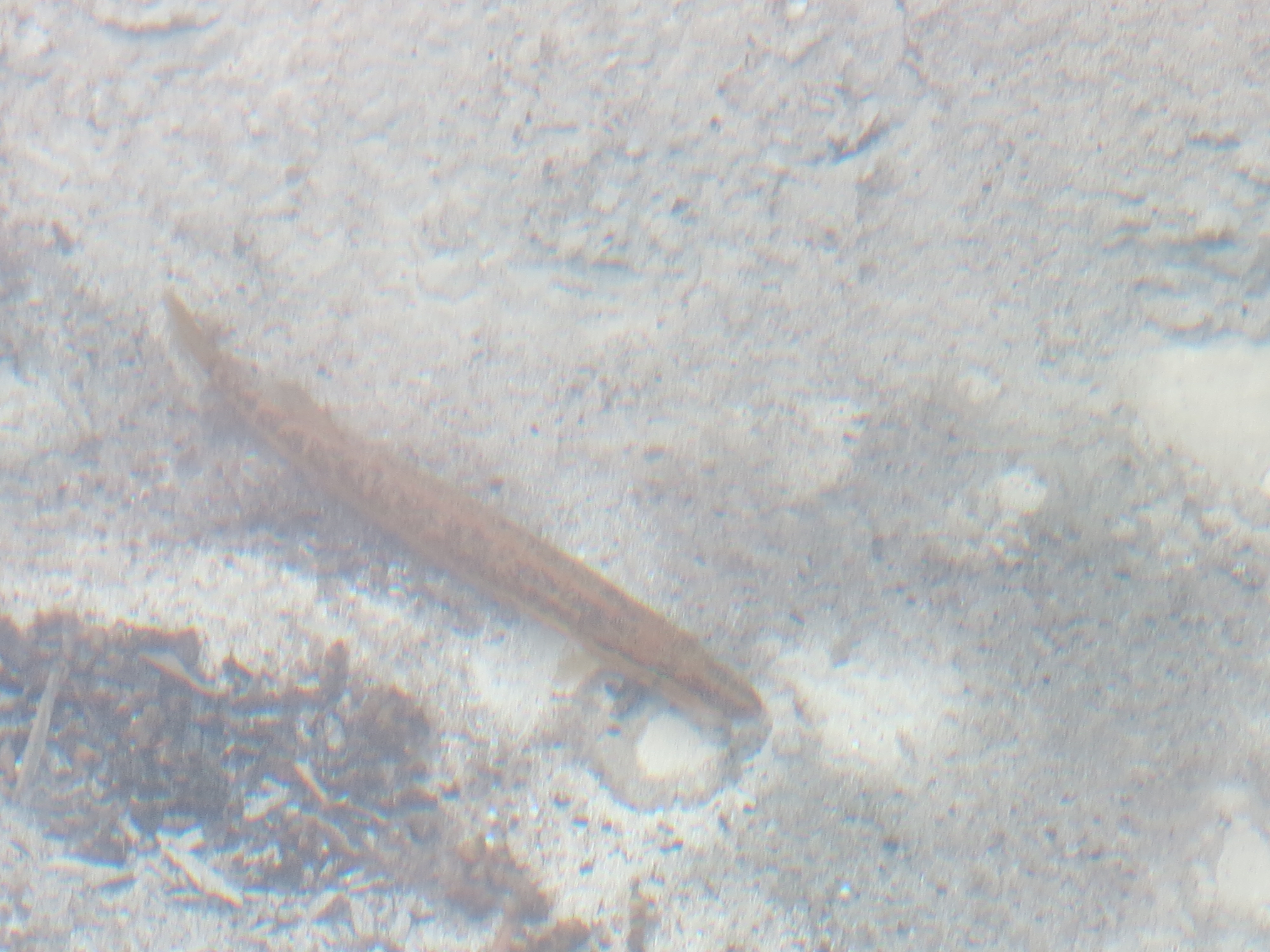
I think this might be a Gar swimming in the pool at the Emerald Spring.

IMG_1042

The day flew by and before I knew it I was bidding my dear companion Porthos farewell until next time.

IMG_1050

IMG_1052

IMG_1056

IMG_1057

IMG_1058

IMG_1059

See you at The Springs!